



Most people blame the restaurant when a stir-fry feels flat at home. The truth is, the problem usually starts earlier — in a cold pan, a sauce mixed too late, or vegetables cut so unevenly that some pieces turn limp while others stay raw. This aromatic Chinese food better than takeout formula fixes all of that with the stuff that actually matters: hot metal, fresh ginger, garlic that still smells sharp, and a sauce that gets whisked together before the first drop of oil goes in.
The smell alone tells you when it’s working. Ginger blooms in the oil first, then garlic follows for a few seconds, and suddenly the kitchen smells like a proper wok station instead of yesterday’s leftovers. That’s the payoff people miss when they think Chinese takeout flavor comes from a mystery packet. It doesn’t. It comes from timing, balance, and heat that never gets a chance to cool off.
I’m using chicken thighs here because they stay juicy when the pan is raging hot, and I’m keeping the vegetables crisp enough to still taste like vegetables. Broccoli should be bright and snappy, not olive-green and soggy. The sauce should cling to the chicken in a glossy coat, not pool in the bottom of the plate like thin brown gravy. High heat. Fast hands. Clean flavor.
Why This Stir-Fry Beats the Usual Takeout
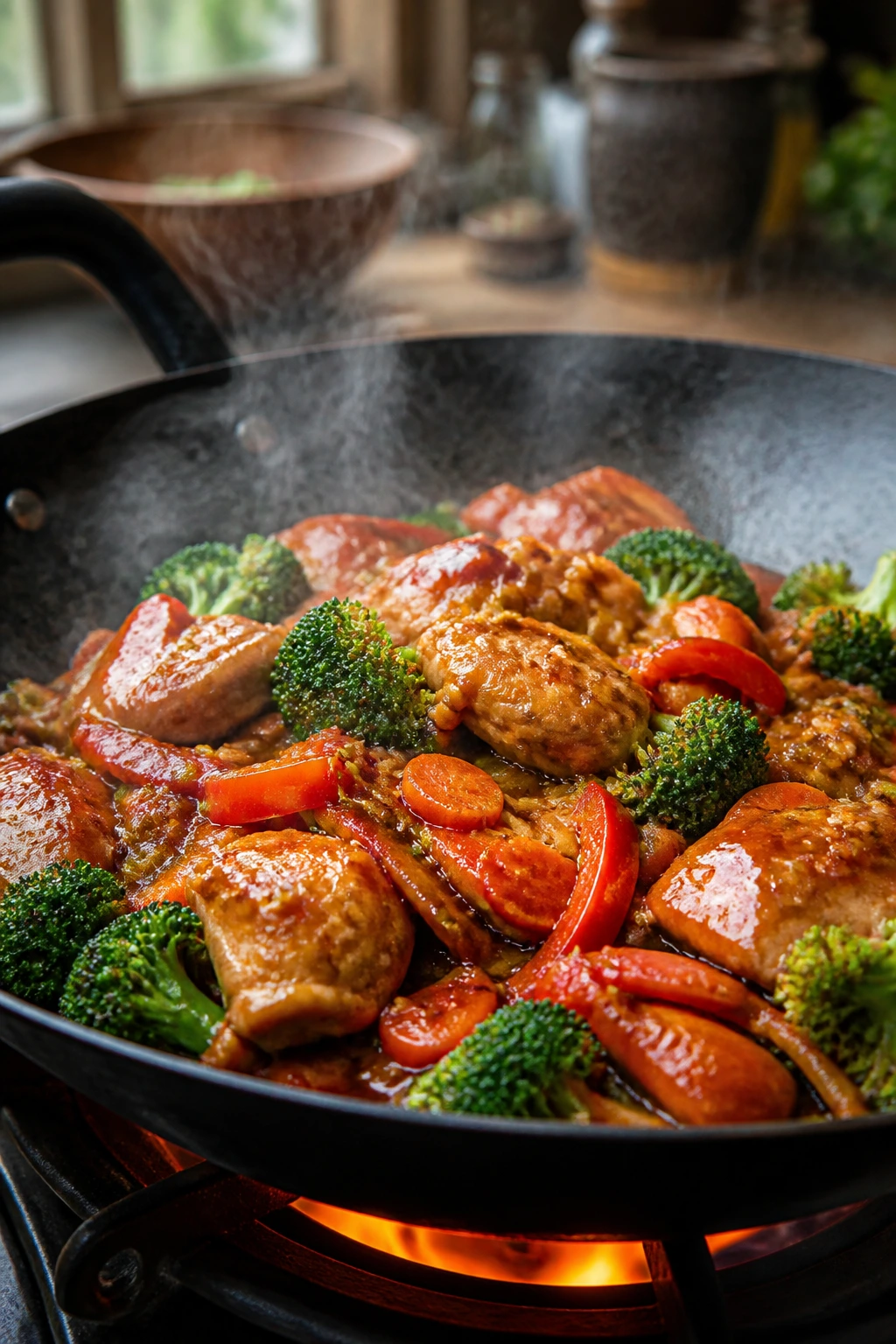
- The garlic and ginger stay loud: They hit hot oil for seconds, not minutes, so the aroma stays sweet and sharp instead of turning bitter and dull.
- The chicken stays juicy: A thin cornstarch coating gives the thighs that restaurant-style slick texture and helps them hold moisture through the high-heat sear.
- The vegetables keep their snap: Broccoli, carrot, and bell pepper are cooked just long enough to lose their raw edge without collapsing into the sauce.
- The sauce coats instead of puddles: A small cornstarch slurry thickens right in the pan, which means every bite tastes seasoned instead of watery.
- You get control over the salt and sugar: Low-sodium soy, rice vinegar, and a touch of brown sugar keep the flavor balanced instead of heavy.
- Leftovers still hold up: This is one of those rare stir-fries that reheats without turning to mush if you warm it gently and keep the sauce from drying out.
Fast Facts Before You Start
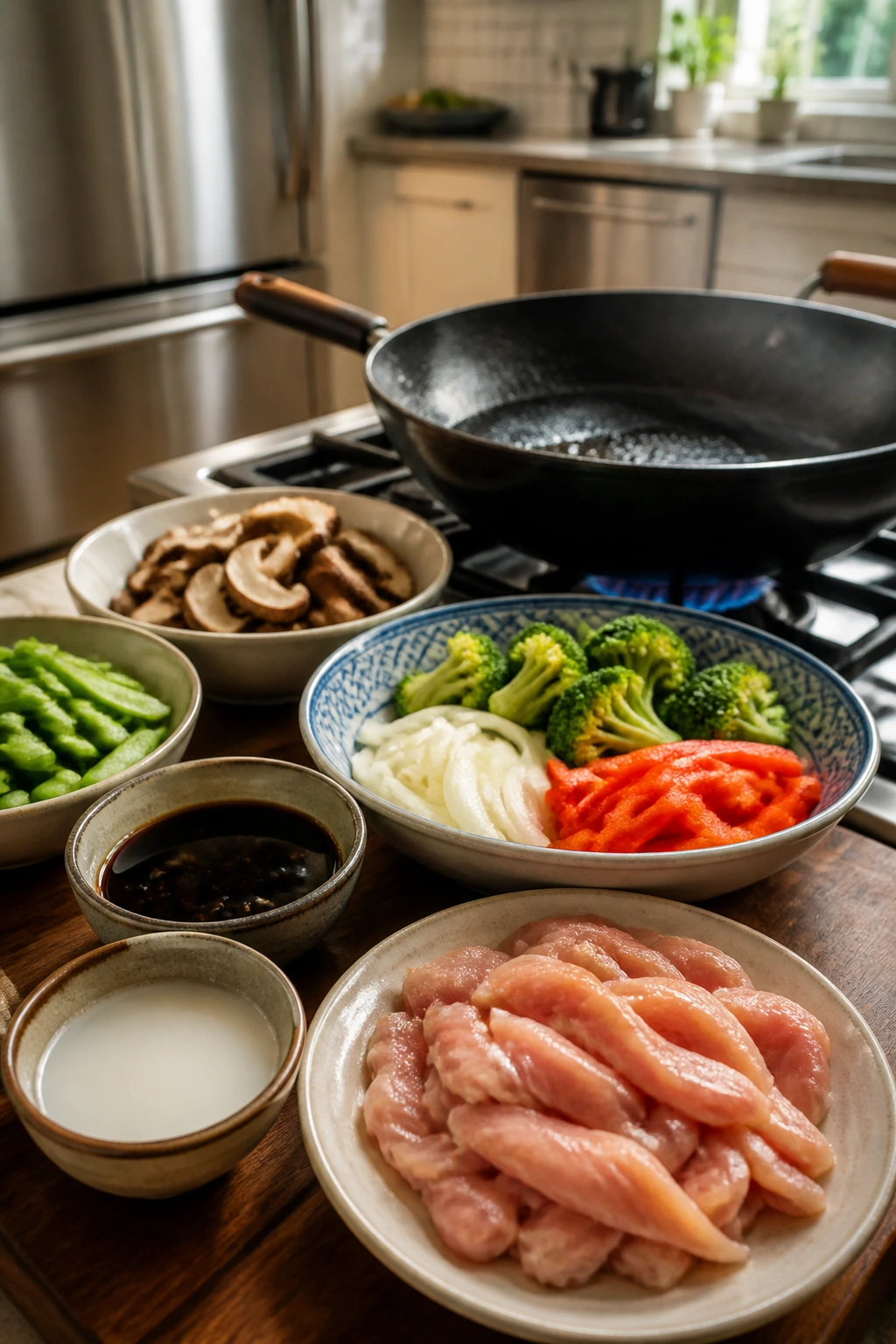
A stir-fry only feels fast once the chopping is done. The sauce should be mixed before the chicken touches the pan, the vegetables should be in reach, and the burner should already be hot enough that the oil shimmers almost immediately. That little bit of prep is what keeps the whole thing from turning frantic.
Yield: Serves 4
Prep Time: 20 minutes
Cook Time: 15 minutes
Total Time: 35 minutes
Difficulty: Intermediate — the steps are straightforward, but the pan heat and timing matter enough that you can’t wander off.
Chill/Rest Time: 10 to 15 minutes for the chicken to marinate; you can let it sit up to 8 hours in the fridge.
Best Served: Right away, over hot jasmine rice, while the sauce is still glossy and loose.
Ingredient Lineup for the Wok
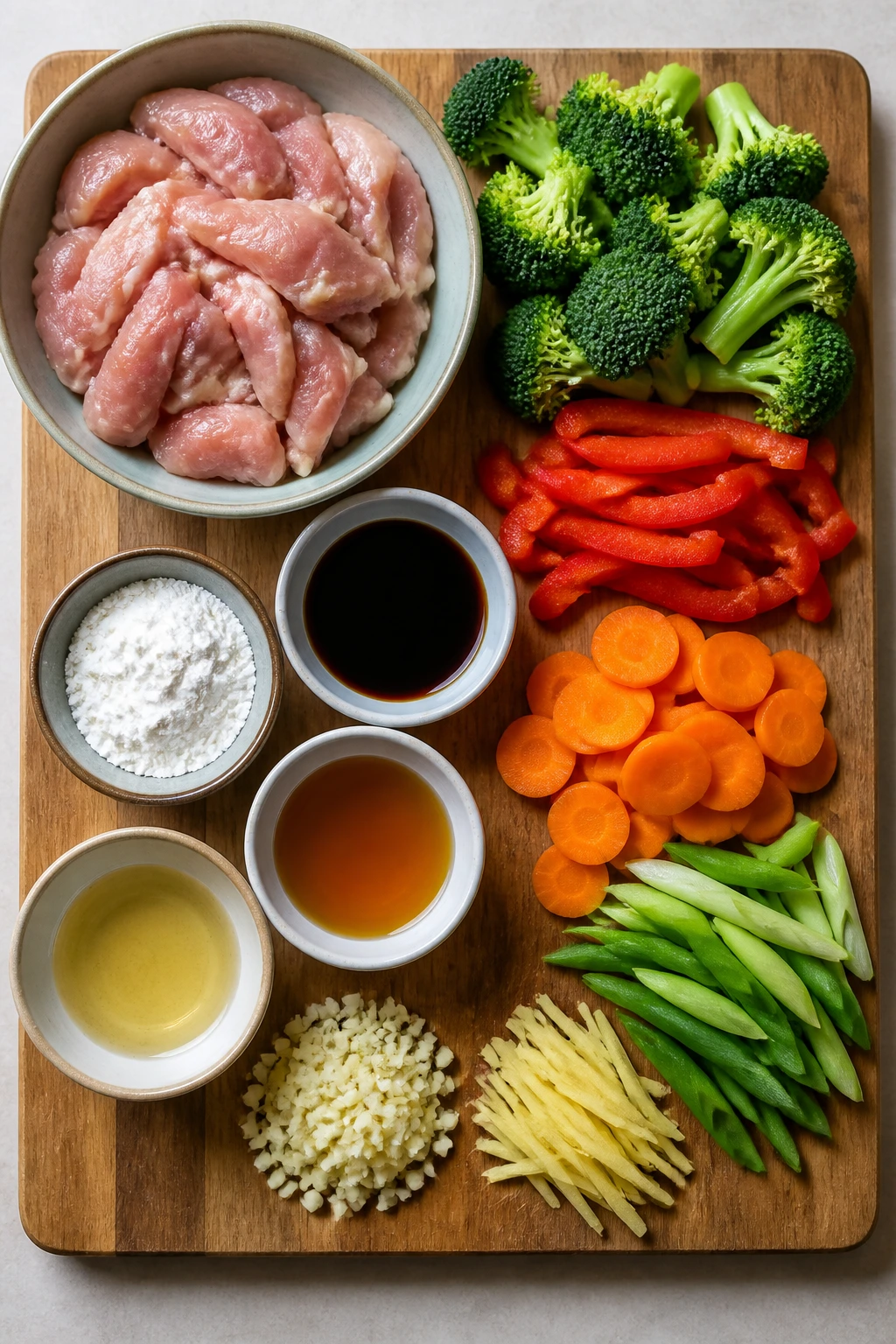
For the Chicken and Vegetables:
- 1½ lbs boneless, skinless chicken thighs, trimmed and cut into ¾-inch strips
- 1 tablespoon low-sodium soy sauce
- 1 tablespoon Shaoxing wine or dry sherry
- 1 tablespoon cornstarch
- 1 teaspoon neutral oil
- 4 cups broccoli florets, cut into bite-size pieces
- 1 red bell pepper, thinly sliced
- 1 medium carrot, peeled and sliced on a bias into thin coins
- 4 scallions, whites and greens separated and sliced
- 2 tablespoons neutral oil, divided
- 3 cloves garlic, minced
- 1 tablespoon fresh ginger, finely grated
For the Sauce:
- ¼ cup low-sodium soy sauce
- ¼ cup chicken stock
- 2 tablespoons oyster sauce
- 1 tablespoon Shaoxing wine or dry sherry
- 1 tablespoon packed light brown sugar or honey
- 1 teaspoon rice vinegar
- 1 teaspoon toasted sesame oil
- 1 tablespoon cornstarch
- 2 tablespoons cold water
For Serving:
- Steamed jasmine rice, about 4 cups cooked
- Toasted sesame seeds, for garnish
- Extra scallion greens or thinly sliced chili, optional
Why These Ingredients Taste So Good Together
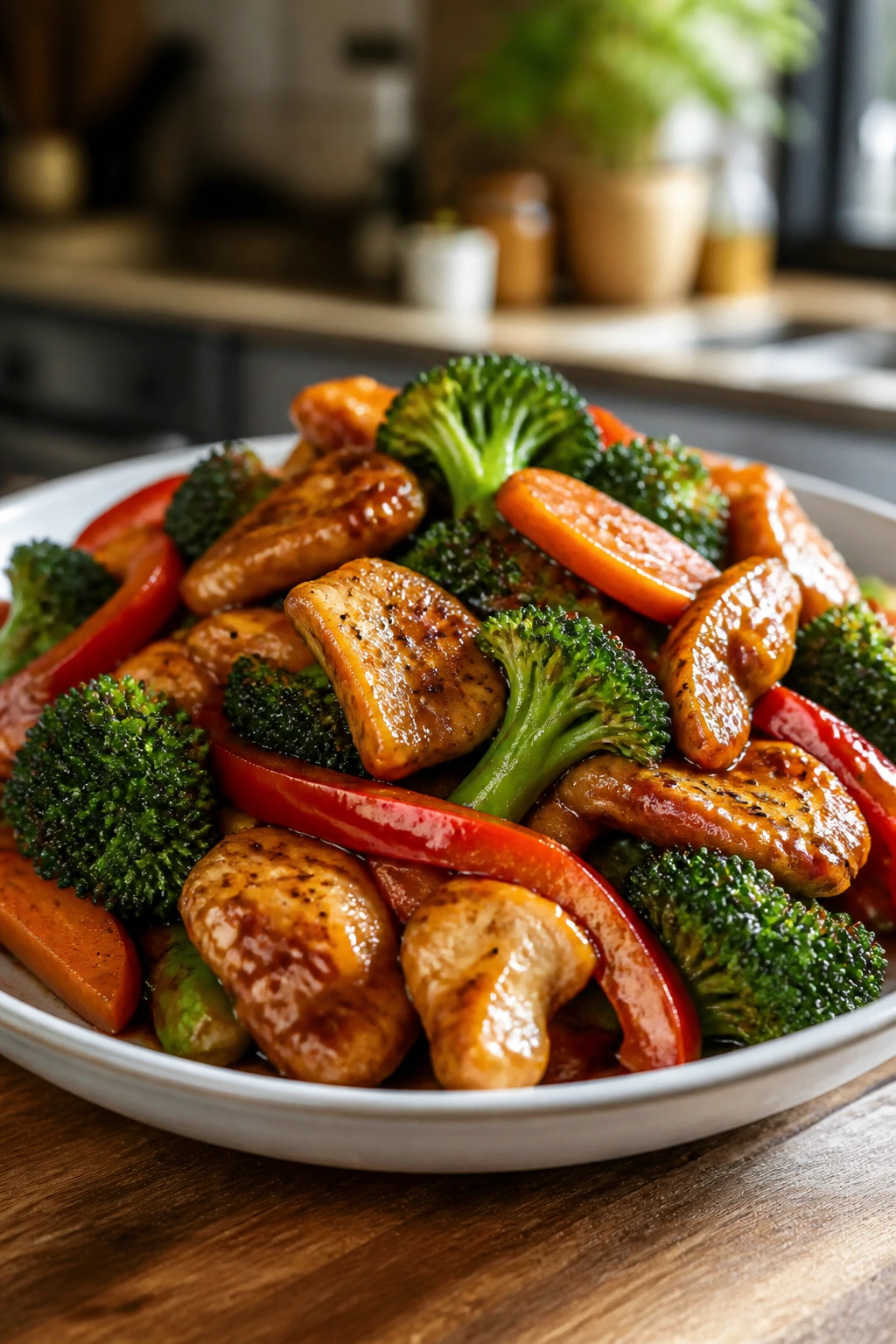
Chicken Thighs: The Part That Actually Stays Juicy
What to use: 1½ lbs boneless, skinless chicken thighs cut into ¾-inch strips.
Preparation: Trim any thick pockets of fat, then slice against the grain so the pieces stay tender after the sear. Tossing them with soy sauce, Shaoxing wine, cornstarch, and a little oil gives them that slight lacquer you see in restaurant stir-fries.
Substitutions: Boneless chicken breast works if that’s what you’ve got, but cut it thinner and shorten the cooking time by a minute or two. Thin-sliced pork tenderloin also fits this pattern.
Tips: Thighs forgive a hot pan better than breasts do. That matters here, because a stir-fry needs you to keep moving, and the chicken shouldn’t punish you for it.
Broccoli, Pepper, and Carrot: The Crunch You Actually Want
What to use: 4 cups broccoli florets, 1 red bell pepper, and 1 medium carrot.
Preparation: Cut the broccoli small enough that the stems and crowns cook at the same pace; the florets should look bite-size, not tree-size. Slice the carrot on a bias so it cooks faster and looks a little nicer on the plate.
Substitutions: Snow peas, bok choy, mushrooms, or sugar snap peas can step in for part of the vegetable mix. If you want a heavier cabbage note, napa cabbage works too, but it wilts faster.
Tips: Dry vegetables matter. If the broccoli is damp, it steams instead of sears, and you lose the bright edges that make the dish taste fresh.
Garlic, Ginger, and Scallions: The Aroma That Does the Heavy Lifting
What to use: 3 cloves garlic, 1 tablespoon fresh ginger, and 4 scallions.
Preparation: Mince the garlic fine enough that it disappears into the sauce and grate the ginger so it releases its juice right away. Keep the scallion whites and greens separate because they cook at different speeds.
Substitutions: Garlic paste and ginger paste can work in a rush, but the flavor is flatter. If you’re out of scallions, a few thin slices of yellow onion can cover the same ground, though they need a longer cook.
Tips: Garlic burns fast in a hot wok. Ginger burns a little slower, which is not much comfort once the smell turns acrid, so keep both moving once they hit the oil.
The Sauce: Sweet, Savory, Glossy, and Never One-Dimensional
What to use: ¼ cup soy sauce, ¼ cup chicken stock, 2 tablespoons oyster sauce, 1 tablespoon Shaoxing wine, 1 tablespoon brown sugar, 1 teaspoon rice vinegar, 1 teaspoon toasted sesame oil, 1 tablespoon cornstarch, and 2 tablespoons cold water.
Preparation: Whisk everything until the cornstarch disappears and the liquid looks smooth. Keep the sauce cold until it goes into the hot pan; that helps the starch disperse instead of clumping.
Substitutions: Tamari can replace soy sauce for a gluten-free version. Vegetarian oyster sauce or mushroom stir-fry sauce works if you don’t eat shellfish, and dry sherry stands in for Shaoxing wine without much drama.
Tips: Sesame oil is a finishing flavor here, not a frying oil. If you cook it hard, the nutty smell flattens out and you lose the very aroma that gives the sauce its edge.
The Finishing Extras: Small Things, Big Payoff
What to use: Toasted sesame seeds, extra scallion greens, and optional thin chili slices.
Preparation: Keep the garnish light and fresh. You want a little crunch or color on top, not a second sauce layer that buries what’s already in the pan.
Substitutions: A spoonful of chili crisp, a dusting of white pepper, or a few drops of black vinegar can change the mood without changing the structure of the dish.
Tips: Add garnish after the heat is off. If you cook everything into the pan, the top loses the contrast that makes the final bowl look alive.
Tools That Keep Stir-Frying Fast
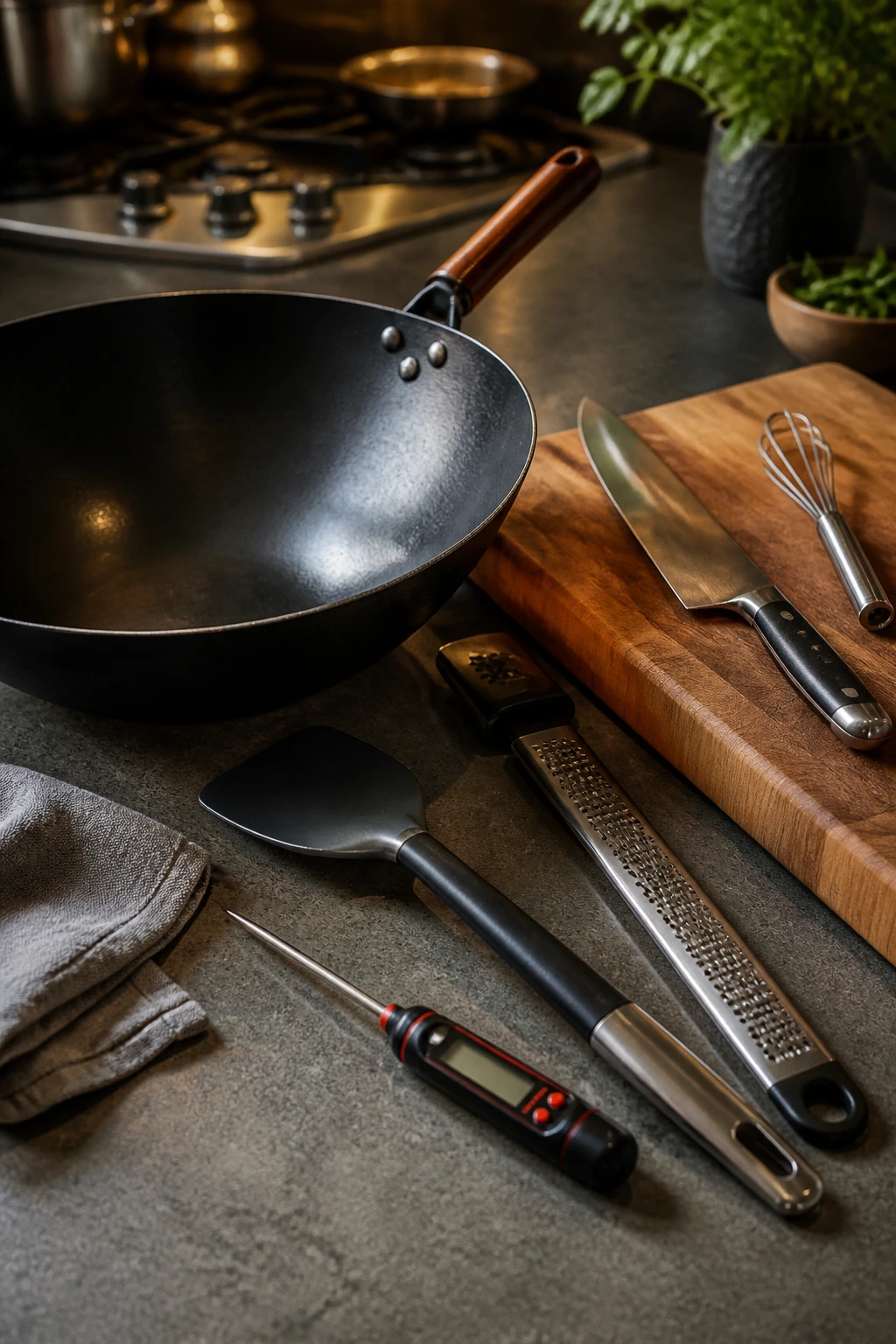
- 12-inch wok or large skillet: A wok gives you room to toss, but a wide stainless-steel or cast-iron skillet works if you keep the heat high and don’t overcrowd it.
- Medium mixing bowl: You’ll need one for the chicken and one for the sauce; separate bowls keep the workflow sane.
- Small whisk or fork: This keeps the sauce smooth and stops the cornstarch from hiding in little white lumps.
- Chef’s knife and cutting board: The cut size matters here. Uneven pieces mean uneven cooking, and stir-fries punish that faster than most recipes.
- Heatproof spatula or wooden spoon: Something that can scrape the pan without making you baby the food.
- Microplane or fine grater: Ginger is much better when it’s grated fine enough to melt into the sauce.
- Instant-read thermometer: Optional, but useful. The USDA’s 165°F poultry target is a lot easier to trust when you can check the thickest strip instead of guessing.
How to Build a Sauce That Clings
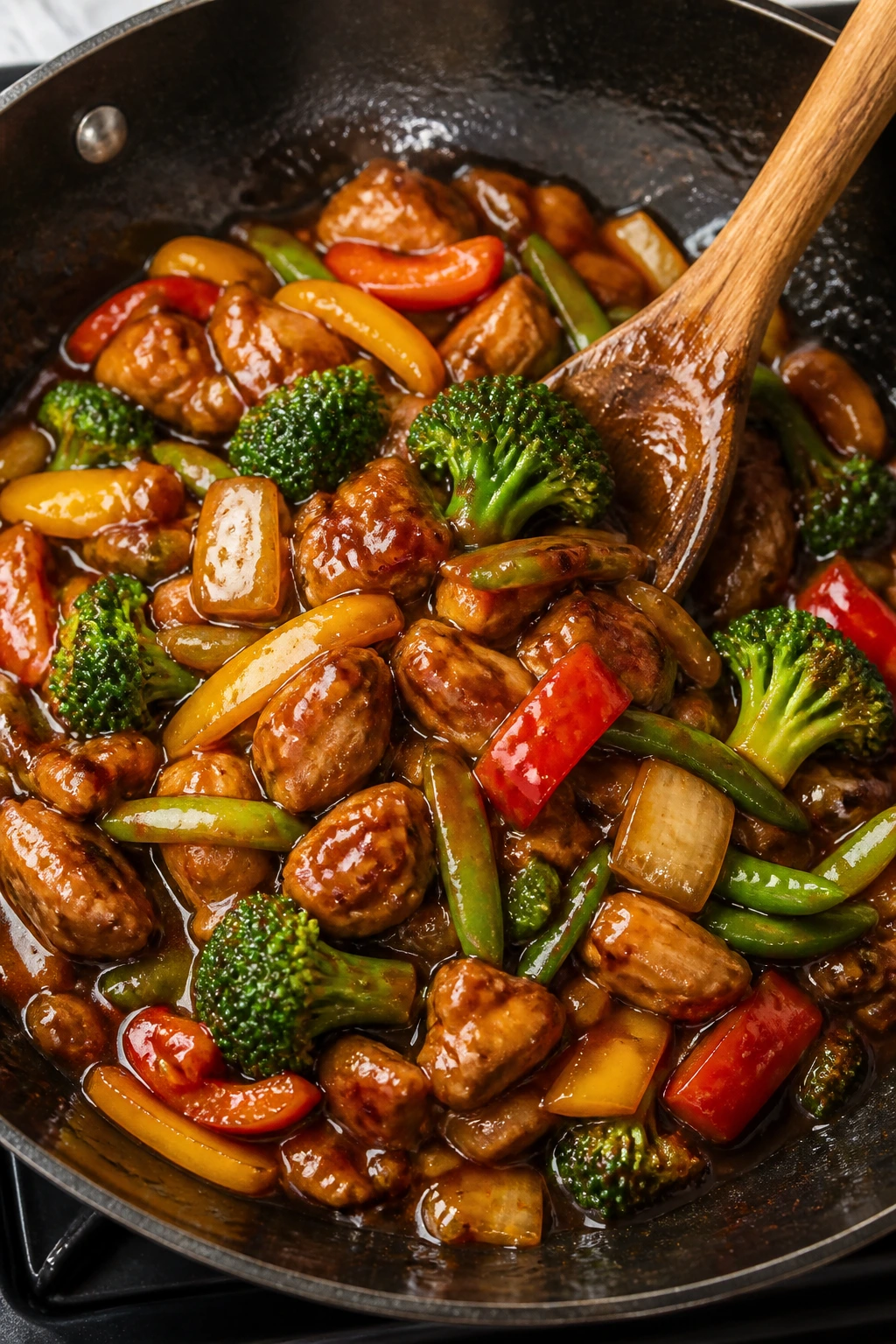
A good stir-fry sauce does three jobs at once. It seasons the food, it gives the pan a little shine, and it thickens just enough to stick to the meat and vegetables instead of sliding off into a puddle. That sounds simple until you taste a weak version and realize how thin and tired it can feel when it’s wrong.
The salty-sweet base here is doing real work. Soy sauce brings salt and color, oyster sauce adds that deep savory note people often can’t name but always notice, and brown sugar smooths the edges so the whole thing doesn’t taste sharp or hollow. Shaoxing wine or dry sherry gives the sauce a warm, slightly nutty aroma that makes the pan smell cooked instead of merely mixed.
The Cornstarch Part Matters More Than People Think
Cornstarch isn’t there to make the sauce “thick” in some vague, blanket way. It helps the sauce cling as it simmers for a minute or two in the hot pan. Mix it with cold water first, or in this case whisk it straight into the cold sauce, and it disperses cleanly. Dump it into a hot liquid in a rush and you get little gummy flecks that never fully dissolve.
The moment the sauce hits the pan, it should go from thin to lightly glossy fast. Not paste-thick. Not soupy. You want it just loose enough to coat broccoli without burying it. That’s the sweet spot.
Sesame Oil Goes Last for a Reason
Toasted sesame oil is aromatic in the same way a finishing herb is aromatic. A teaspoon at the end gives the dish that familiar nutty smell, but if you pour it into a screaming-hot pan at the start, the fragrance drops out and the oil can taste tired. It belongs in the last minute, after the sauce has thickened and the burner has done its job.
That one small habit changes the whole dish. Seriously. It keeps the final bowl bright.
The Fast Stir-Fry Method
Prep and Mix
-
Marinate the chicken: In a medium bowl, toss the chicken thighs with 1 tablespoon soy sauce, 1 tablespoon Shaoxing wine, 1 tablespoon cornstarch, and 1 teaspoon neutral oil until the pieces look lightly coated and a little sticky. Let them sit for 10 to 15 minutes while you finish the vegetables.
The coating should look thin, not paste-like. If it turns gluey, a teaspoon of water loosens it. -
Whisk the sauce: In a second bowl, whisk together the ¼ cup soy sauce, chicken stock, oyster sauce, 1 tablespoon Shaoxing wine, brown sugar, rice vinegar, toasted sesame oil, 1 tablespoon cornstarch, and 2 tablespoons cold water until smooth.
The liquid should look glossy and a touch opaque, with no cornstarch specks stuck to the bottom. -
Set up your station: Cut the broccoli, bell pepper, carrot, scallions, garlic, and ginger so everything sits within reach of the stove. Keep the chicken, sauce, and vegetables separated.
Stir-fries move fast. Once the burner is on, you will not want to pause for peeling or chopping.
Sear and Stir-Fry
-
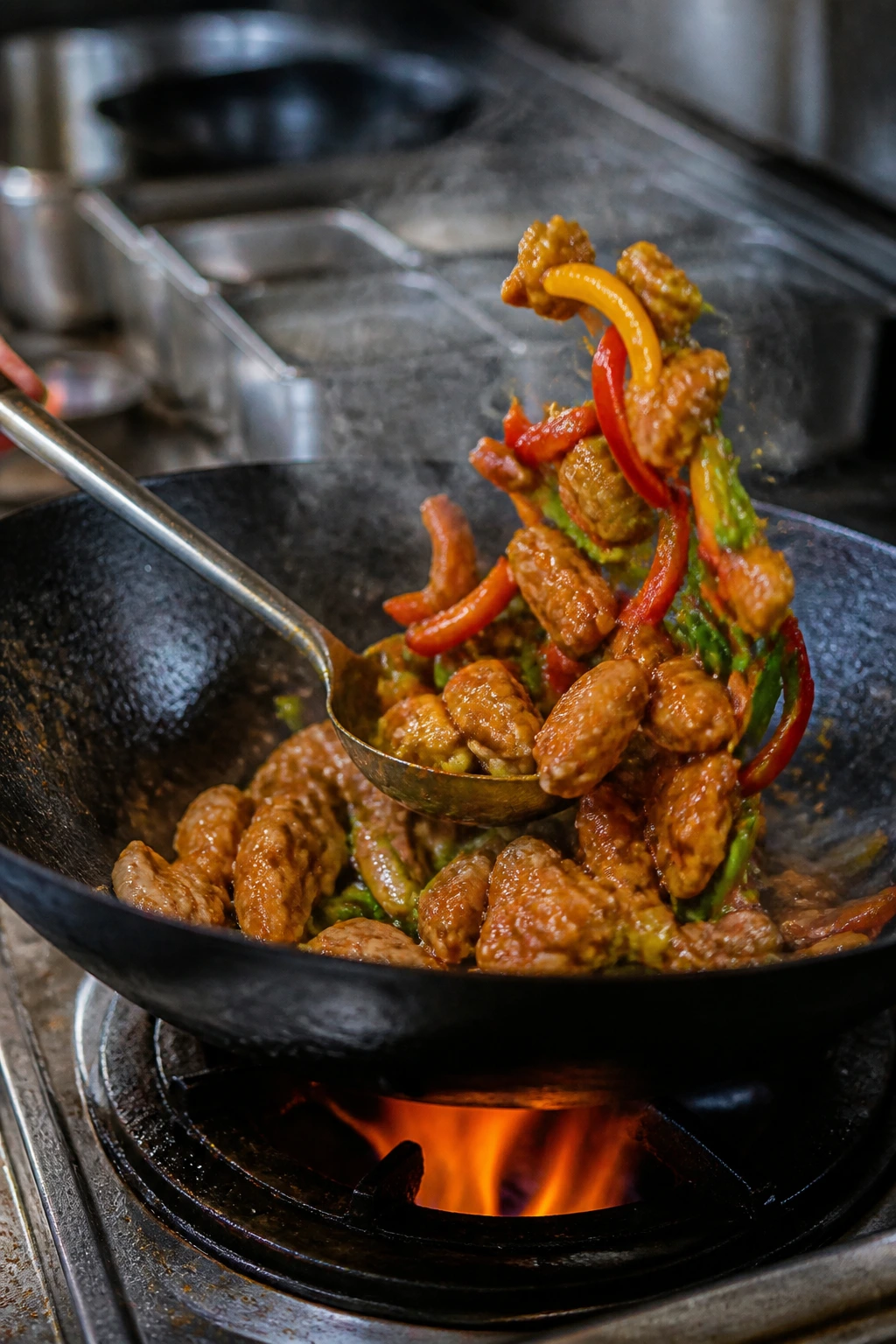
Heat the pan hard: Set a wok or large skillet over high heat and let it get hot for about 1 minute, until a drop of water skitters and vanishes almost instantly. Add 1 tablespoon neutral oil and swirl it around.
The oil should shimmer fast. If it smokes heavily right away, the pan is too hot and the aromatics will suffer later. -
Sear the chicken: Add the chicken in a single layer and let it sit undisturbed for 2 minutes so the surfaces brown. Stir-fry for another 1 to 2 minutes, until the outside is lightly golden and the pieces are mostly cooked through. Transfer the chicken to a plate.
Do not crowd the pan. If your skillet is small, cook the chicken in two batches so it browns instead of steaming. -
Cook the vegetables: Add the remaining 1 tablespoon oil, then the broccoli, bell pepper, and carrot. Stir-fry for 2 to 3 minutes, tossing constantly, until the broccoli turns bright green and the carrot loses its raw bite but still has some crunch.
If the pan starts looking dry, splash in 2 tablespoons water and keep moving the vegetables around. You want them crisp-tender, not scorched. -
Add the aromatics: Stir in the scallion whites, garlic, and ginger. Cook for 15 to 20 seconds, just until the kitchen smells sweet and sharp.
If the garlic starts to brown fast, pull the pan off the burner for a few seconds. Garlic can go bitter in almost no time.
Finish and Serve
-
Bring it together: Return the chicken and any juices to the pan. Give the sauce one more whisk, then pour it around the edge of the pan while tossing everything together. Cook for 1 to 2 minutes, until the sauce bubbles, thickens, and turns shiny enough to coat the chicken and vegetables.
The chicken should reach 165°F in the thickest piece if you check it with a thermometer. -
Finish cleanly: Stir in the scallion greens and taste the sauce. Add a splash of soy sauce if it needs salt, a teaspoon of water if it feels too thick, or a few drops of rice vinegar if the flavor leans heavy.
Serve the stir-fry immediately over hot jasmine rice, with sesame seeds on top and extra scallions if you want a fresher finish.
How to Serve It at the Table
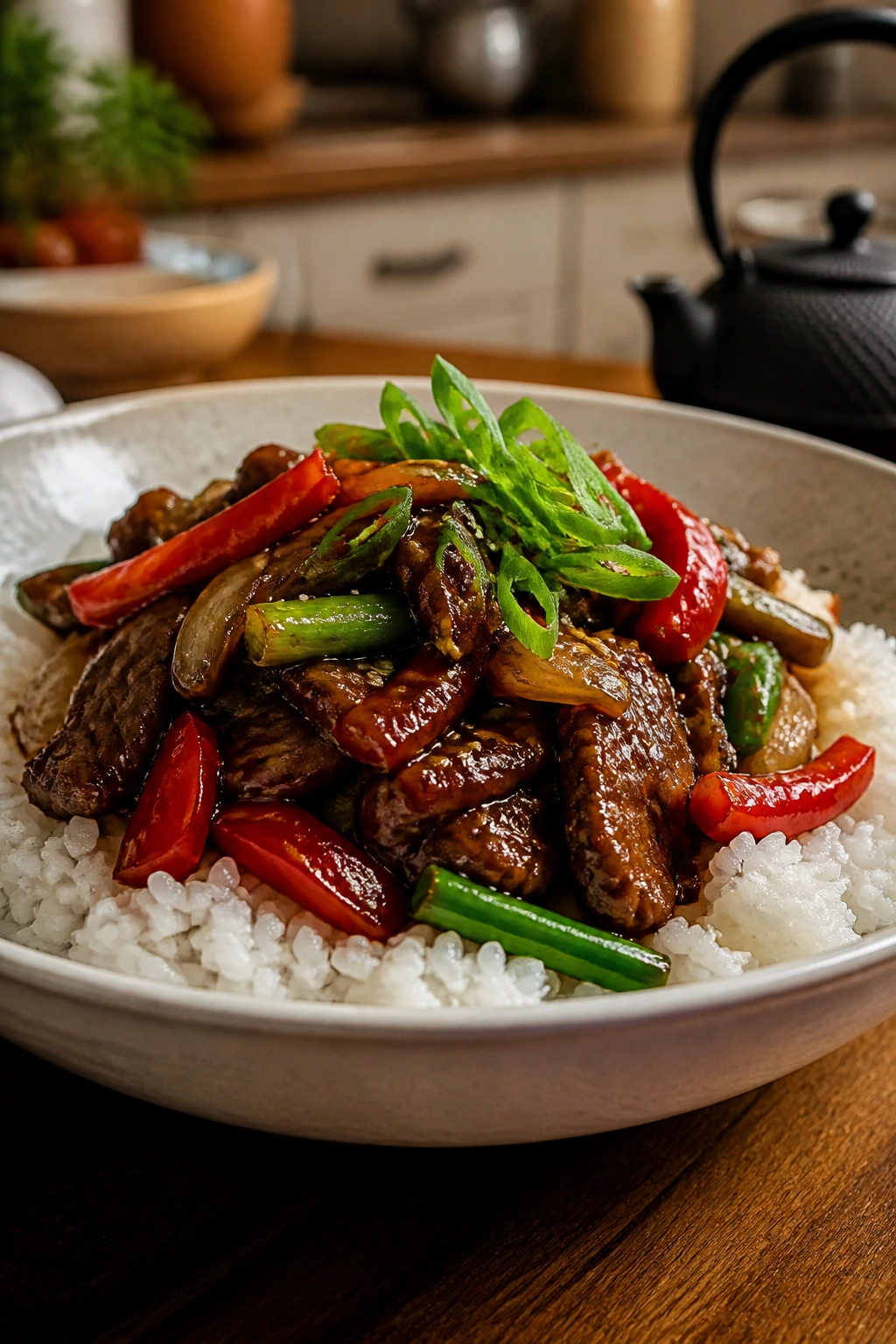
Presentation: Spoon the jasmine rice into shallow bowls first, then mound the stir-fry over the center so the glossy sauce runs just enough to catch in the rice. A scatter of scallion greens and toasted sesame seeds gives the bowl a little lift without making it fussy.
Accompaniments: Steamed jasmine rice is the cleanest partner, but fried rice works if you want a fuller plate. A cold cucumber salad with rice vinegar and a pinch of sugar is a smart side because it cuts through the soy and oyster sauce instead of competing with it.
Portions: Plan on about 1½ cups of stir-fry per person if you’re serving it with rice. If you want to stretch it for a bigger crowd, add another cup of broccoli and one more bell pepper before you increase the sauce; extra vegetables are easier than thinning the flavor.
Beverage Pairing: Hot jasmine tea is the easy win. A light lager, dry Riesling, or even plain sparkling water with a slice of lime also keeps the ginger and garlic from feeling heavy.
Tips for Better Heat, Better Color, Better Flavor
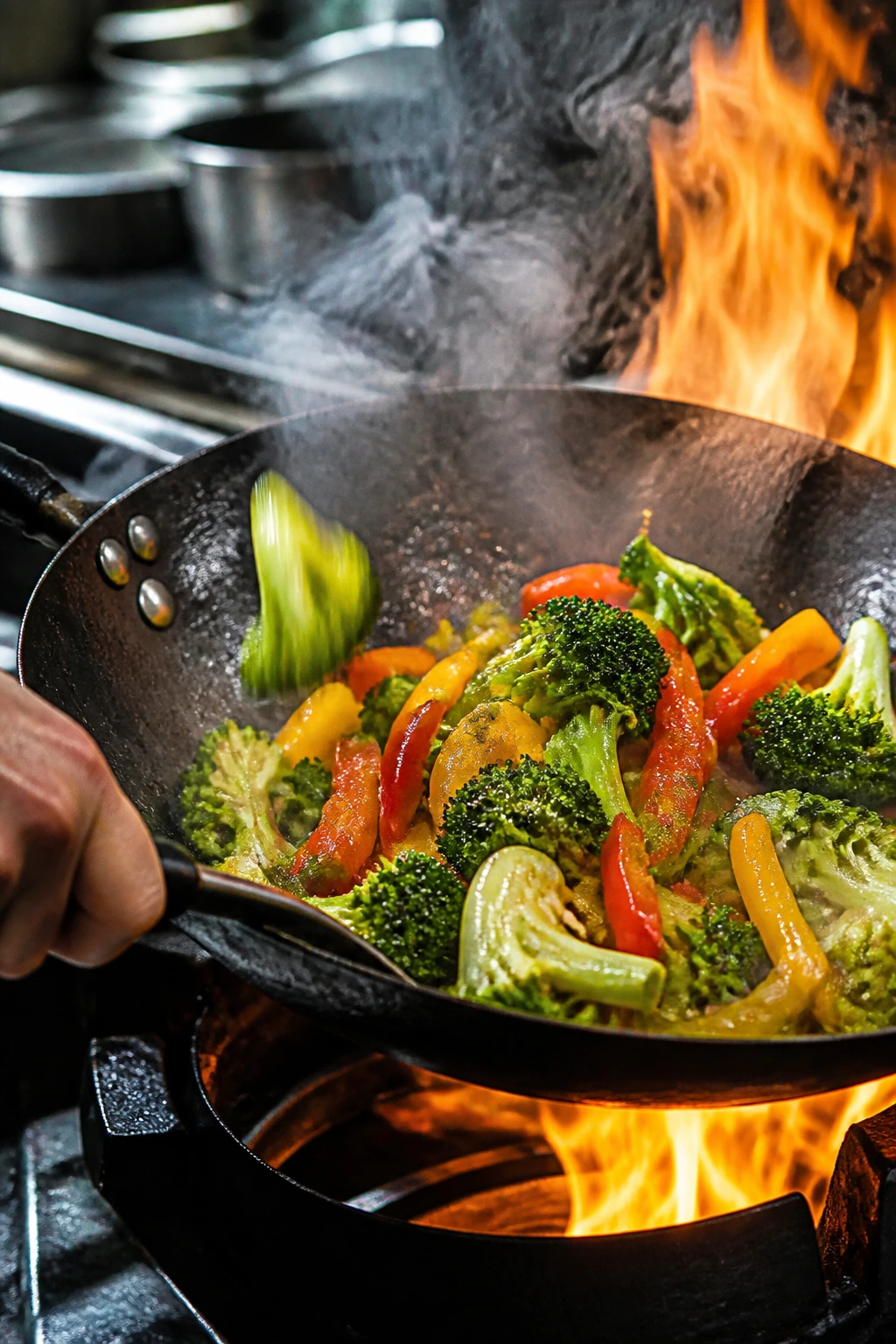
Heat Management: Keep the pan hotter than feels comfortable. A stir-fry wants contact, not patience, and the moment the burner drops too low the vegetables start steaming in their own water. If you can hear a lively sizzle, you’re in the right zone.
Flavor Enhancement: A teaspoon of chili crisp folded in at the very end changes the whole mood of the dish. It brings heat, a little oil, and those tiny crunchy bits that cling to the broccoli florets. I like it better than a raw chili sauce because it melts into the pan instead of sitting on top of it.
Time-Saver: Buy broccoli florets if you’re in a rush, but check that they’re cut fairly evenly. If the stalks look thick, slice them once lengthwise so they cook at the same speed as the crowns. That one cut saves you from chewing on underdone stems while the tops turn soft.
Cost-Saver: Chicken thighs are usually cheaper than breasts and they handle high heat with less fuss. If you watch the package price, thighs are the smarter buy for a dish like this because the sauce and aromatics are already doing the flavor work. Spend the extra dollar on better soy sauce instead of leaner meat.
Pro Move: Mix the sauce before you turn on the burner. It sounds small. It is not small. The whole recipe feels calmer when you’re not trying to find the cornstarch box while garlic is starting to hiss in the pan.
Mistakes That Make Stir-Fries Soggy or Flat
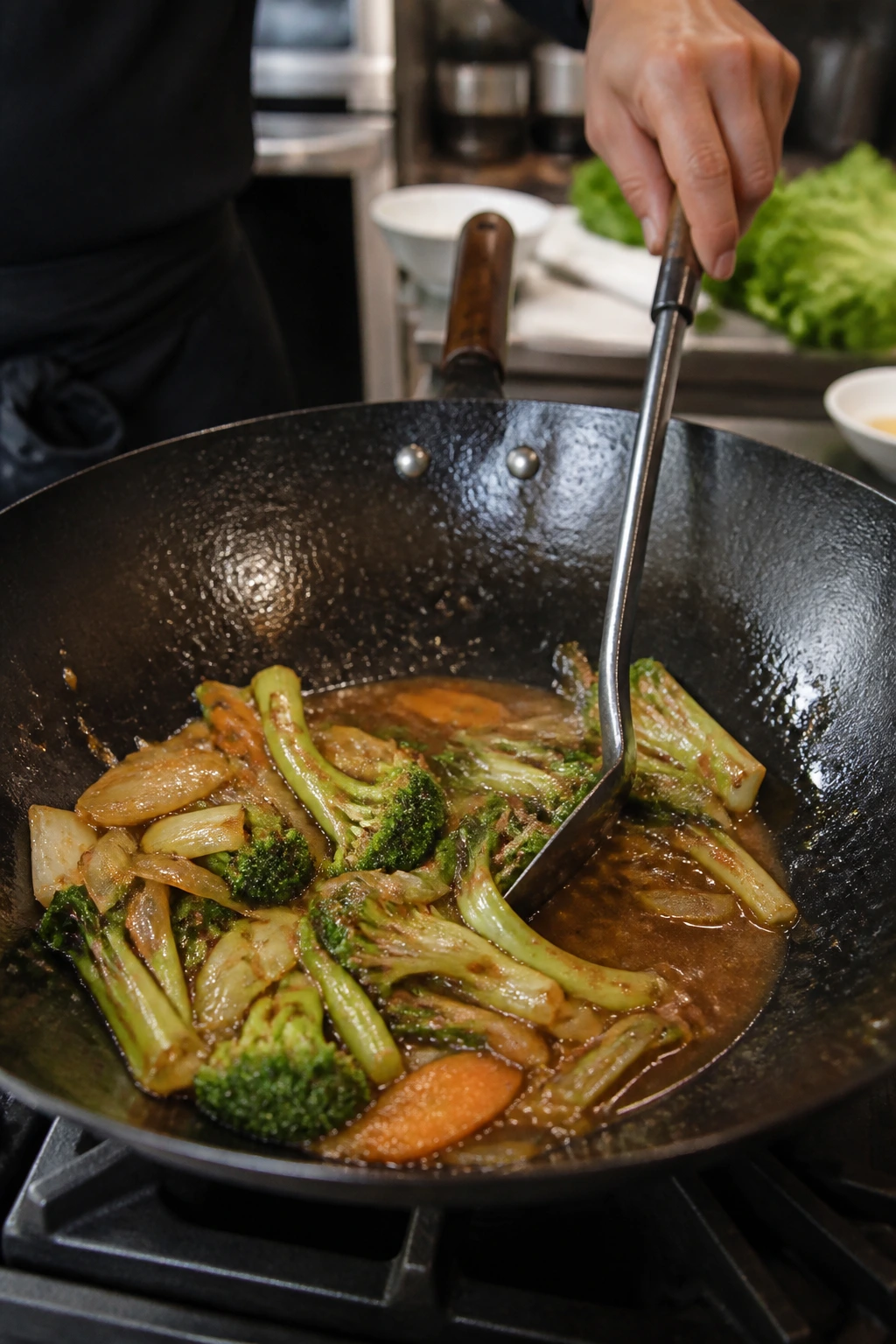
- Overcrowding the pan: If you pile in all the chicken at once, it releases steam and browns poorly. The fix is simple: cook in batches or use a wider skillet than you think you need.
- Using wet vegetables: Damp broccoli and peppers drag water into the pan, and the sauce turns thin before it ever thickens. Dry them well after washing, then chop them into small, even pieces so they cook quickly.
- Burning the garlic and ginger: Once garlic goes from fragrant to dark gold, the flavor turns harsh. Keep the aromatics in the pan for seconds, not minutes, and add them only after the vegetables have softened a little.
- Pouring in the sauce too early: The sauce needs heat plus movement. If you add it before the chicken and vegetables are nearly done, the cornstarch can set too soon and the dish ends up gluey instead of glossy.
- Using toasted sesame oil for the main fry: It tastes wrong when it’s cooked hard. Save it for the sauce or the final toss; neutral oil is what belongs under the flame.
- Skipping the taste test at the end: Soy sauce brands vary in salt, oyster sauce varies in sweetness, and stock can be weak. Taste the pan before serving and adjust with a splash of soy, water, or rice vinegar instead of hoping the bowl sorts itself out.
Variations and Swaps
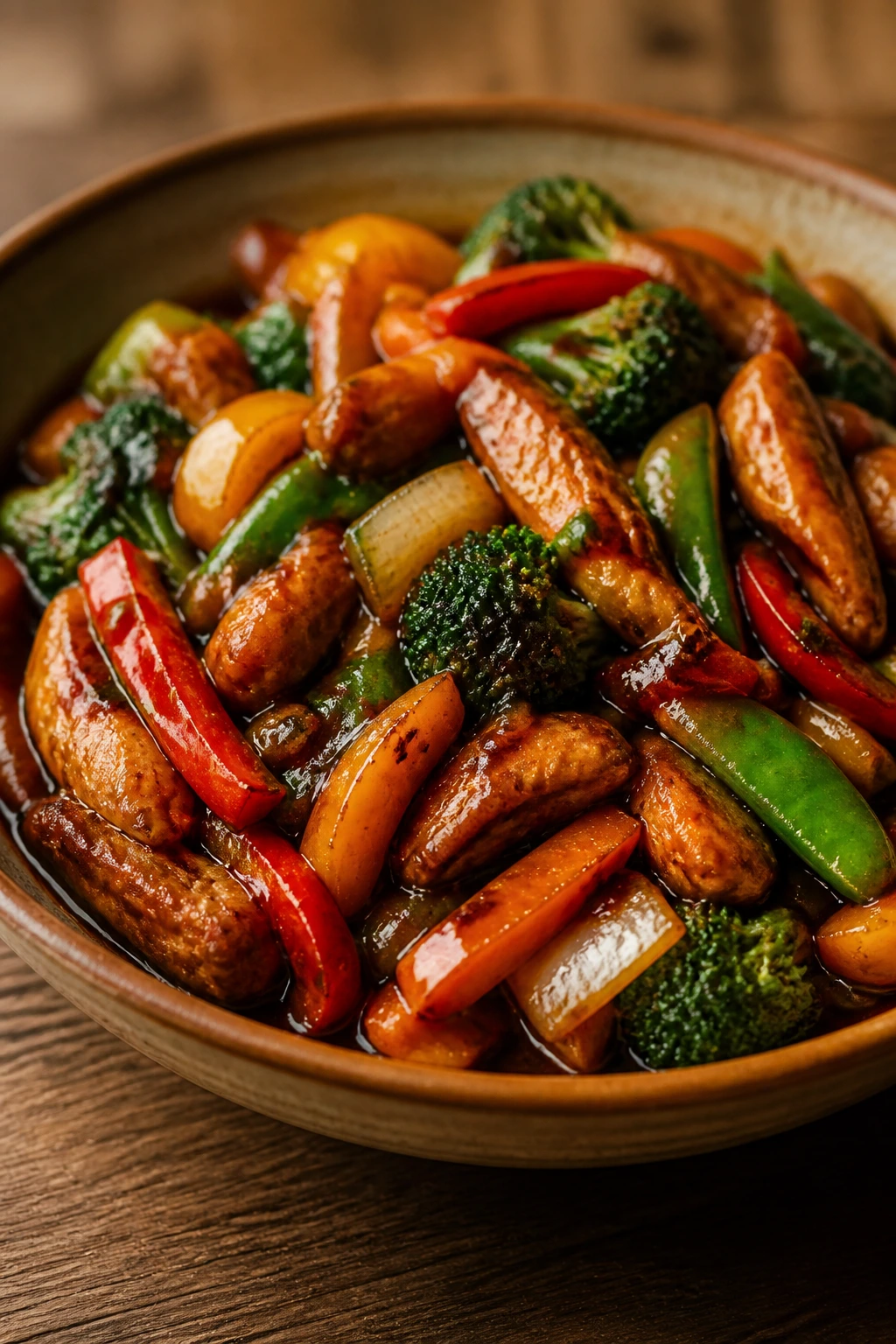
Chili Crisp Kick: Stir 1 to 2 teaspoons of chili crisp into the finished pan with the scallion greens. It gives you a little heat and crunch without changing the balance of the sauce, which makes it a good move if you want the dish to feel a touch bolder.
Orange-Ginger Glow: Replace 2 tablespoons of the chicken stock with fresh orange juice and add 1 teaspoon orange zest to the sauce. The citrus doesn’t make it taste sweet in a dessert way; it brightens the garlic and gives the broccoli a sharper edge.
Vegetable Market Basket: Skip the chicken and double the vegetables with mushrooms, snap peas, and bok choy. Use vegetarian oyster sauce or mushroom stir-fry sauce in place of the oyster sauce, and keep the cornstarch exactly the same so the coating still lands glossy.
Gluten-Free Bowl: Swap tamari for the soy sauce and use a gluten-free oyster sauce or mushroom sauce. Everything else in the recipe can stay the same, and the cornstarch still does its job without any trouble.
Pork Tenderloin Turn: Replace the chicken thighs with 1½ lbs pork tenderloin, sliced thin against the grain. It cooks even faster than the chicken, so cut the sear time back by about a minute and pull it before the pork gets dry.
Storing, Reheating, and Making It Ahead
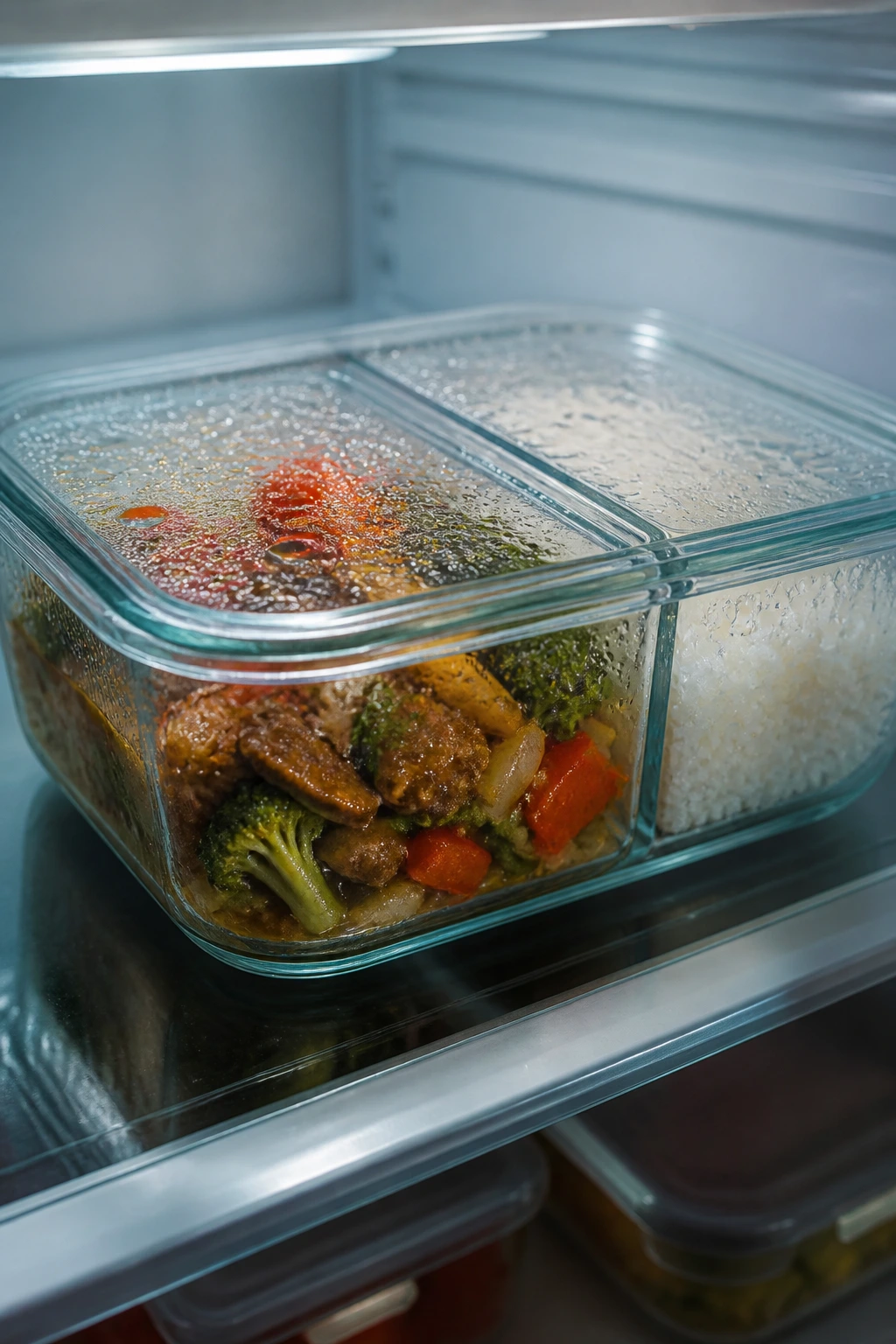
This stir-fry keeps in the fridge for 3 to 4 days in an airtight container. Let it cool first, but don’t leave it sitting on the counter forever; the FDA’s 2-hour window for cooked food is a good habit to follow, especially if you’re serving rice on the side. Cooked rice is the part people forget about most often, and it’s the part that should be chilled and tucked away fast.
If you want the best texture later, store the rice and the stir-fry separately. The chicken and vegetables will hold their shape better that way, and the rice won’t soak up all the sauce into a heavy lump. Reheat the stir-fry in a skillet over medium heat with 1 to 2 tablespoons water or stock, cover for 1 minute, then toss until hot. That little splash keeps the sauce from drying into a sticky paste.
The microwave works too, but use a damp paper towel over the bowl and heat in 30-second bursts. Stop once the chicken is hot and the broccoli is warmed through. Overheating is what ruins leftovers, not the fridge itself.
Freezing is possible for up to 2 months, though the broccoli softens after thawing. If you know you’re freezing it, undercook the vegetables by a minute the first time around, then cool the dish quickly and pack it tightly. Thaw overnight in the fridge before reheating. For the cleanest result, freeze the chicken and sauce on their own and cook fresh broccoli when you reheat.
Make-ahead is easy here. The sauce can be mixed up to 3 days ahead, the chicken can marinate for a few hours, and the vegetables can be washed and cut the day before. I wouldn’t marinate the chicken overnight in the soy-heavy mixture unless you really need to; the texture is fine, but it can start to feel a touch too seasoned if it sits too long.
Common Questions About This Stir-Fry

Can I use chicken breast instead of thighs?
Yes, but slice it thinner and don’t leave it in the pan as long. Chicken breast dries out faster under high heat, so cook it until it just loses the pink center and then move straight to the vegetables and sauce.
Do I need a wok, or will a skillet work?
A wok is nice because it gives you room to toss, but a 12-inch skillet works well if the heat is high and the pan isn’t crowded. I’d rather see a hot skillet used well than a lukewarm wok used badly.
How do I keep the broccoli bright and crisp?
Cut the florets small, dry them well, and keep the cook time short. A few tablespoons of water in the pan can help the broccoli steam for a moment without turning mushy, as long as you keep stirring and stop the second it turns a deep green.
What can I use instead of Shaoxing wine?
Dry sherry is the closest easy swap. If you want to skip alcohol altogether, use extra chicken stock plus a tiny splash more rice vinegar, though the flavor will be a little less rounded.
Why did my sauce get clumpy?
Usually the cornstarch didn’t dissolve fully before the sauce hit the pan, or the pan was too cool and the sauce thickened in spots instead of all at once. Whisk it again next time, and if the clumps show up in the pan, add a tablespoon or two of hot water and toss until the sauce smooths out.
Can I make this vegetarian?
Absolutely. Swap the chicken for mushrooms, tofu, or both, and use vegetarian oyster sauce or mushroom stir-fry sauce in place of the oyster sauce. Press the tofu well before cooking so it browns instead of spitting water in the pan.
What rice tastes best with it?
Jasmine rice is the cleanest choice because its fragrance stays light and doesn’t fight the ginger and garlic. If you want something nuttier, short-grain brown rice works too, though it makes the plate feel heavier.
Can I double the recipe?
You can, but don’t do it all in one pan unless the skillet is huge. Double batches need more surface area than most home burners provide, so cook the chicken and vegetables in separate rounds if you want actual browning instead of steamed leftovers.
A Hot Pan Still Wins
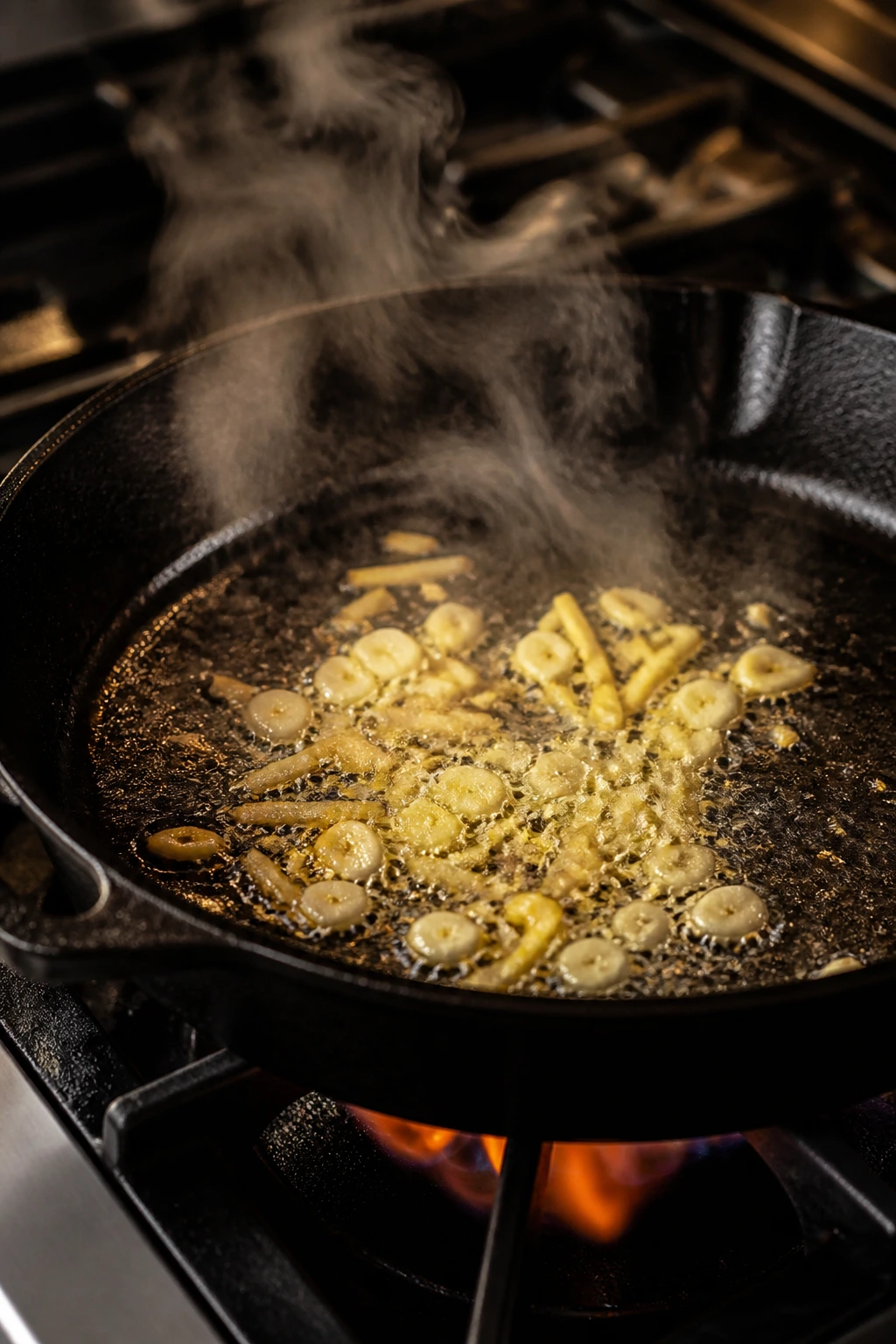
The part people remember most is not the chicken. It’s the smell. Garlic and ginger hitting hot oil have a way of making the whole kitchen feel awake, and that’s the real reason this kind of stir-fry beats delivery for me. Not because it’s fancier. Because it tastes alive.
Keep the ingredients dry, the sauce mixed, and the pan hot enough to mean it. That’s the whole deal, and once you’ve cooked it this way a couple of times, the box from the restaurant starts feeling less like a treat and more like a compromise.
Garlic-Ginger Chicken and Broccoli Stir-Fry — Recipe Card
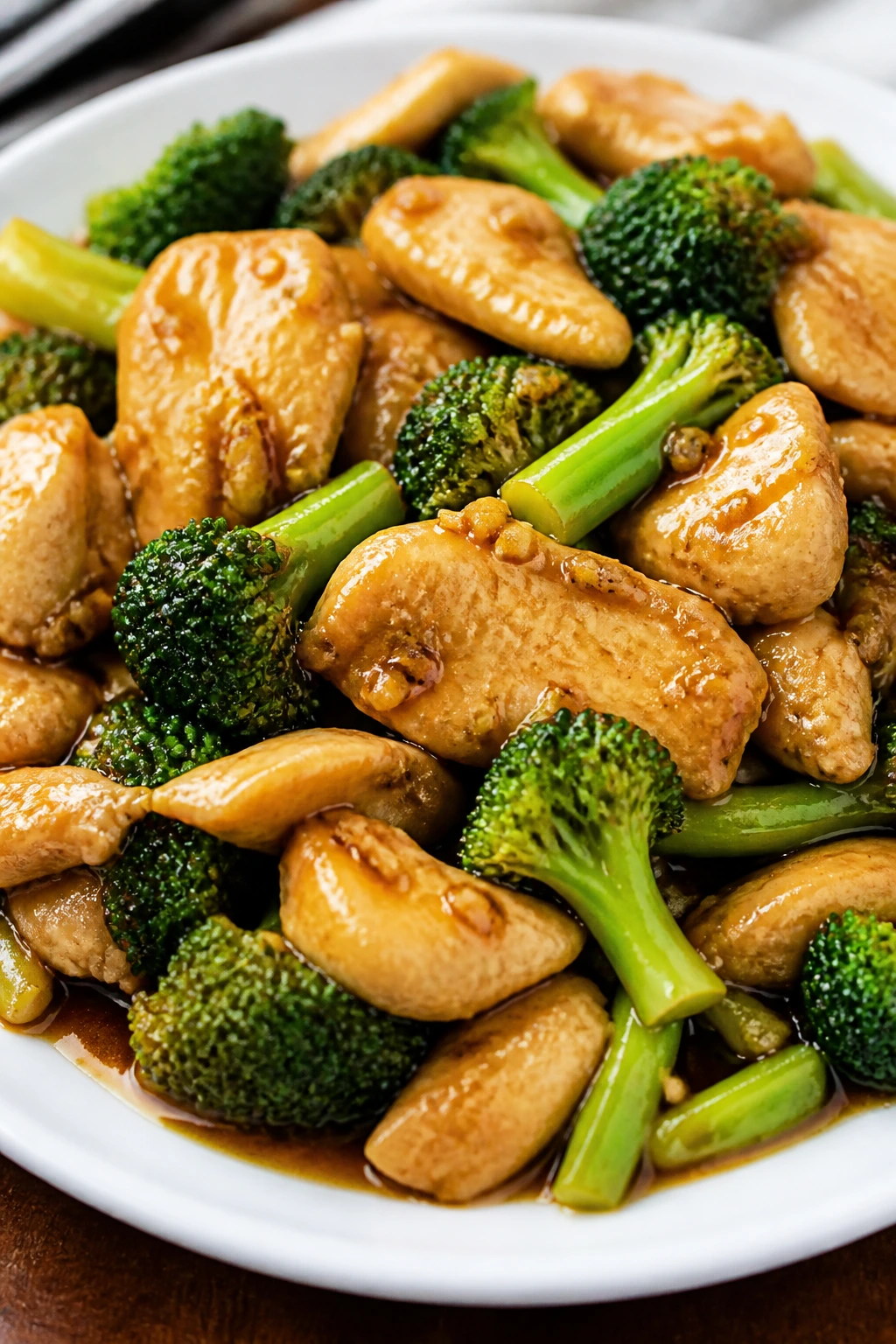
Recipe Name: Garlic-Ginger Chicken and Broccoli Stir-Fry
Description: A Chinese-inspired chicken stir-fry with juicy thighs, crisp vegetables, and a glossy garlic-ginger sauce that clings to every bite. Serve it over jasmine rice for a takeout-style dinner that stays bright and balanced.
Prep Time: 20 minutes
Cook Time: 15 minutes
Total Time: 35 minutes
Course: Main Course, Dinner
Cuisine: Chinese-Inspired
Servings: 4 servings
Calories: About 380 kcal per serving
Ingredients
For the Chicken and Vegetables:
- 1½ lbs boneless, skinless chicken thighs, trimmed and cut into ¾-inch strips
- 1 tablespoon low-sodium soy sauce
- 1 tablespoon Shaoxing wine or dry sherry
- 1 tablespoon cornstarch
- 1 teaspoon neutral oil
- 4 cups broccoli florets, cut into bite-size pieces
- 1 red bell pepper, thinly sliced
- 1 medium carrot, peeled and sliced on a bias into thin coins
- 4 scallions, whites and greens separated and sliced
- 2 tablespoons neutral oil, divided
- 3 cloves garlic, minced
- 1 tablespoon fresh ginger, finely grated
For the Sauce:
- ¼ cup low-sodium soy sauce
- ¼ cup chicken stock
- 2 tablespoons oyster sauce
- 1 tablespoon Shaoxing wine or dry sherry
- 1 tablespoon packed light brown sugar or honey
- 1 teaspoon rice vinegar
- 1 teaspoon toasted sesame oil
- 1 tablespoon cornstarch
- 2 tablespoons cold water
For Serving:
- Steamed jasmine rice, about 4 cups cooked
- Toasted sesame seeds, for garnish
- Extra scallion greens or thinly sliced chili, optional
Instructions
- Toss the chicken with 1 tablespoon soy sauce, 1 tablespoon Shaoxing wine, 1 tablespoon cornstarch, and 1 teaspoon neutral oil. Let sit 10 to 15 minutes.
- Whisk the sauce ingredients together until smooth.
- Prep the vegetables, garlic, and ginger.
- Heat a wok or large skillet over high heat, add 1 tablespoon oil, and sear the chicken for 3 to 4 minutes total until browned and mostly cooked through. Remove to a plate.
- Add the remaining oil, then stir-fry the broccoli, bell pepper, and carrot for 2 to 3 minutes. Add 2 tablespoons water if needed to help the vegetables soften slightly.
- Add the scallion whites, garlic, and ginger and stir for 15 to 20 seconds.
- Return the chicken to the pan, whisk the sauce again, pour it in, and toss for 1 to 2 minutes until glossy and thickened. Cook until the chicken reaches 165°F.
- Stir in the scallion greens, taste, and adjust with soy sauce, water, or a few drops of rice vinegar if needed. Serve immediately over jasmine rice.
Notes:
- Don’t skip the cornstarch on the chicken; it helps the sauce cling.
- Sesame oil belongs at the end, not in the frying oil.
- Leftovers keep 3 to 4 days in the fridge and reheat best in a skillet with a splash of water.