



A cold bowl, a sharp smell of garlic, and a skillet waiting for the first test patty—that’s where hot Italian sausage starts. Not with drama. Not with shortcuts. Just pork, salt, fennel, pepper, and the kind of seasoning balance that makes the whole kitchen smell like someone actually knows what they’re doing.
Authentic hot Italian sausage is not “spicy pork in a casing.” That version exists, sure, and it fills grocery-store shelves in neat plastic trays. The better version—the one that tastes like it came from a nonna who measured with her hands and corrected the bowl with a pinch more salt—has a clear fennel note, a red-pepper hum, and enough fat to stay juicy instead of drying out into little bricks. The first bite should taste like pork first, heat second. If the chili dominates, you’ve already wandered off the path.
There’s also a small ritual to making it right. Toast the fennel. Keep the meat cold. Fry a teaspoon of the mix before you stuff anything into casings or shape a tray of patties. That tiny sample is the difference between guessing and knowing. And honestly, it’s the move most home cooks skip, then regret while staring at a whole batch that’s too bland, too hot, or too salty to save cleanly.
Why This Hot Sausage Stays in the Rotation
-
Fennel first, heat second: Toasted fennel seed gives the sausage that familiar licorice-bread smell before the pepper wakes it up, which is what makes it taste like real Italian sausage instead of just seasoned pork.
-
The fat stays where you want it: Pork shoulder with visible marbling keeps the sausage juicy and springy at 160°F; lean pork turns grainy fast, and that dry bite is hard to hide later.
-
One mix, three uses: You can stuff links, shape patties, or cook it loose for sauce, so one bowl of meat covers a lot of dinners without changing the seasoning.
-
A test patty saves the batch: Frying a teaspoon of the mix gives you a clean read on salt, garlic, and heat before the whole thing is formed or stuffed.
-
It settles in the fridge: A short rest lets the garlic mellow and the fennel spread through the meat, which is why the finished sausage tastes deeper than the raw mixture suggests.
Timing, Yield, and the Real Level of Effort
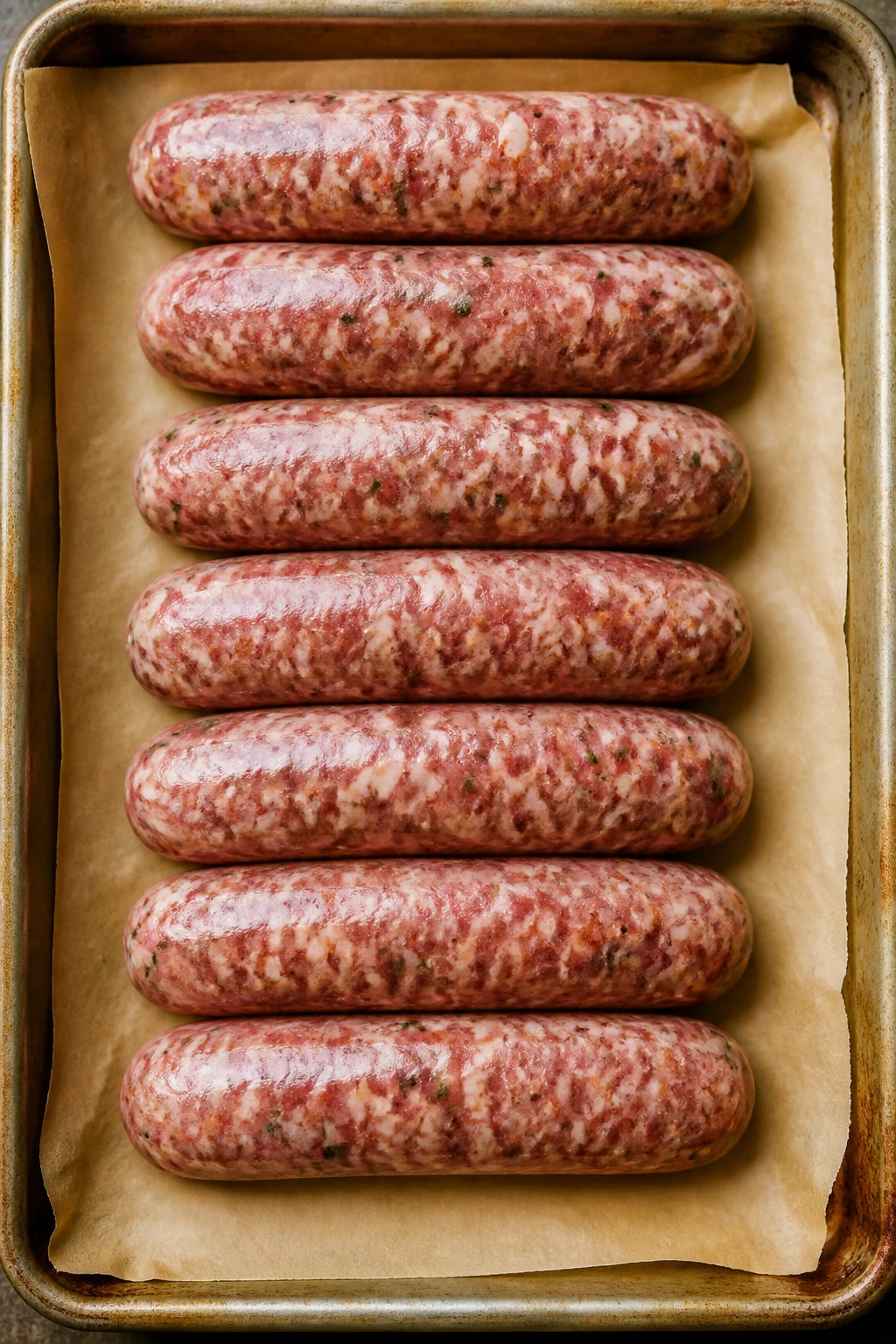
Yield: About 2 pounds of sausage, enough for 8 link-sized portions or 10 small patties
Prep Time: 25 minutes
Cook Time: 15 minutes
Total Time: 40 minutes, plus 30 minutes chilling
Difficulty: Intermediate — the seasoning is straightforward, but stuffing casings takes a little patience and a cool hand.
Chill/Rest Time: 30 minutes before shaping; overnight is fine if you want the flavor to settle a bit more
Best Served: Hot from the skillet, or cooled and sliced into sandwiches, pasta, or sauce
What Goes Into the Bowl
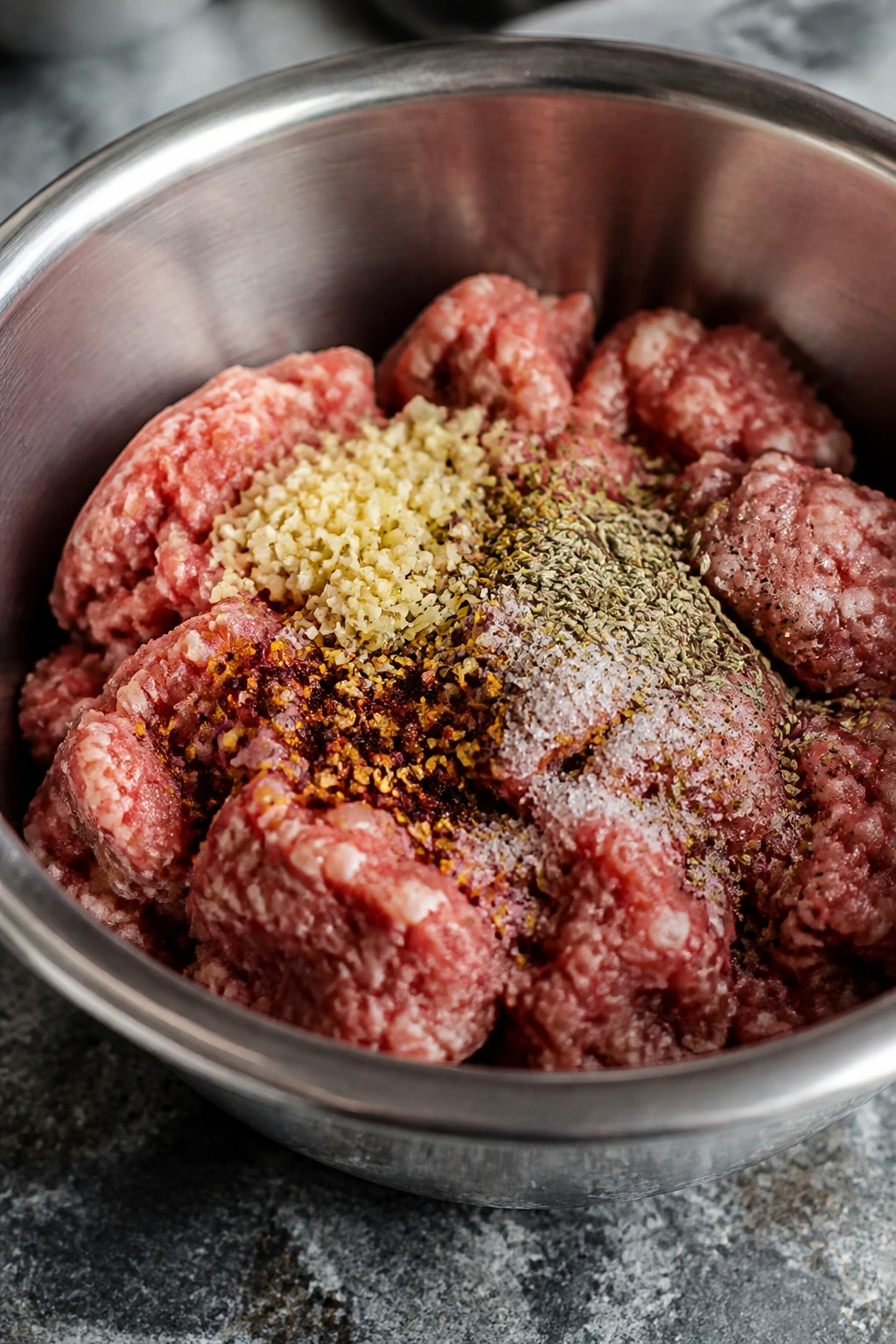
For the Sausage Mixture:
- 2 pounds ground pork shoulder, well chilled
- 2 teaspoons kosher salt
- 1 tablespoon fennel seed, toasted and lightly crushed
- 1 tablespoon red pepper flakes
- 1/2 teaspoon cayenne pepper
- 1 teaspoon freshly ground black pepper
- 1 teaspoon sweet paprika
- 1 teaspoon dried oregano, rubbed between your fingers
- 3 garlic cloves, finely grated
- 2 tablespoons dry red wine, cold
- 2 tablespoons ice-cold water
- 1 teaspoon sugar, optional
- 1 tablespoon chopped flat-leaf parsley, optional
If You’re Making Links:
- 8 to 10 feet natural hog casings, rinsed and soaked in warm water
Why Each Ingredient Pulls Its Weight
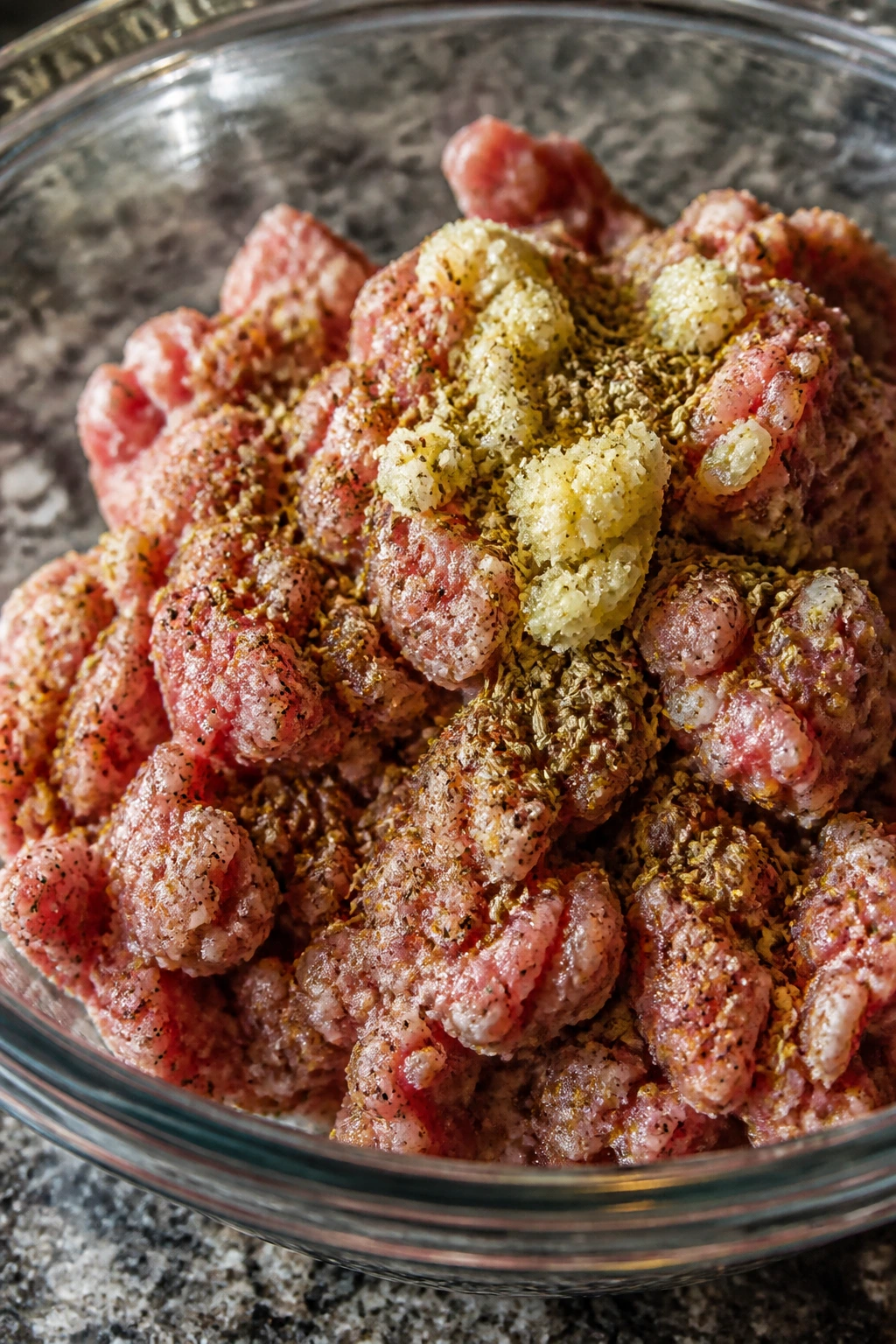
Pork Shoulder and Fat
What to use: 2 pounds ground pork shoulder with visible fat, ideally around 20 percent fat.
Preparation: Keep it cold. If you’re grinding your own, cut the shoulder into 1-inch strips and chill them until they feel firm at the edges before grinding.
Substitutions: Ground pork butt works exactly the same way; if all you can find is lean pork, add a tablespoon or two of minced pork fatback, though the finished bite won’t be as plush.
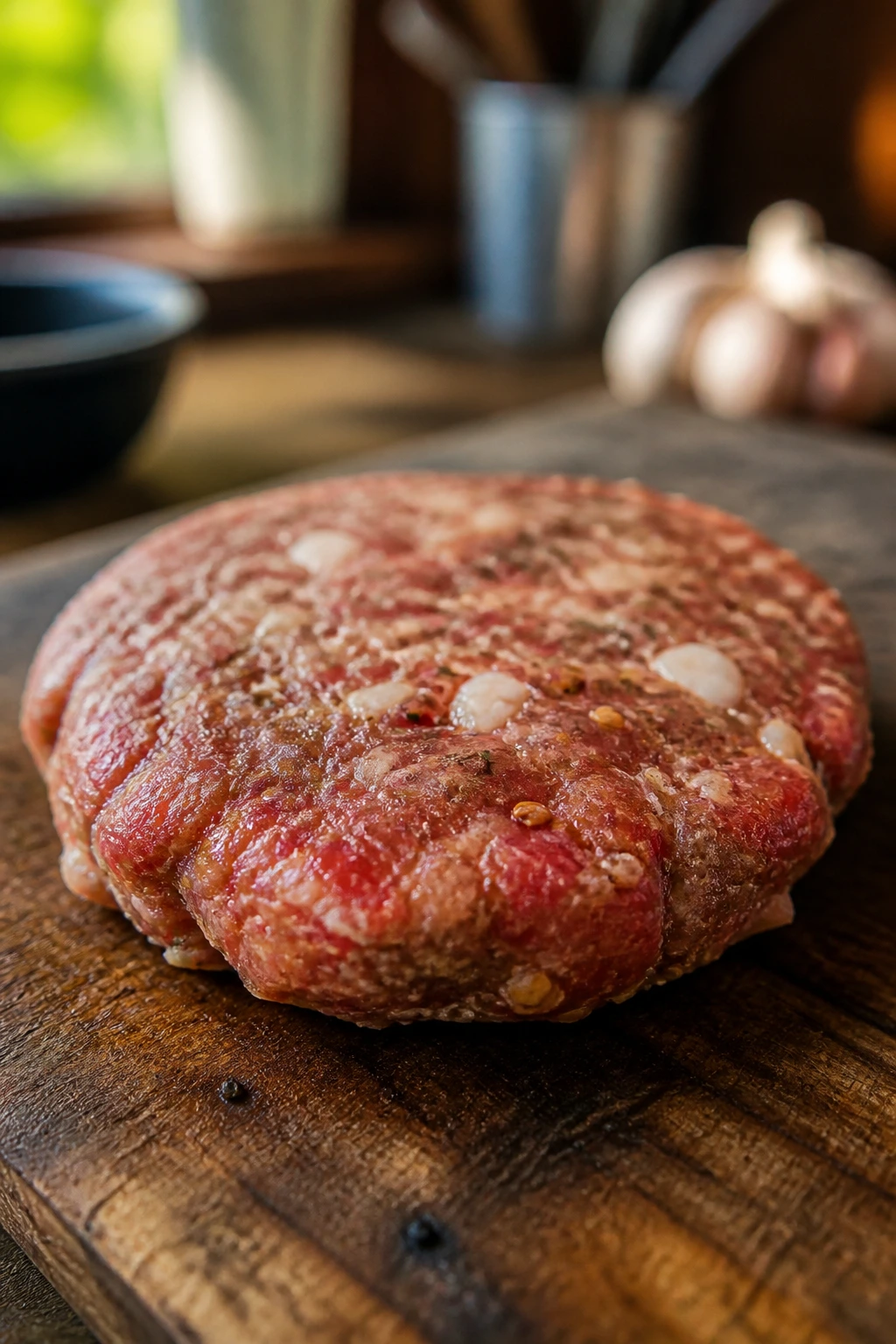
Tips: Fat should look like small white flecks, not a melted smear. When the meat warms up too much during mixing, the texture goes from sausage to paste fast.
The Hot Side
What to use: 1 tablespoon red pepper flakes and 1/2 teaspoon cayenne pepper.
Preparation: Crush the flakes a little with your fingers so the heat distributes more evenly through the meat.
Substitutions: Calabrian chili paste gives a deeper, redder heat; if you use it, swap in 1 tablespoon and reduce the water by 1 tablespoon.
Tips: Heat reads sharper after cooking than it does in the raw mix. A sample patty tells the truth; the bowl lying around on the counter does not.
Fennel, Garlic, and Herb Backbone
What to use: 1 tablespoon fennel seed, 3 grated garlic cloves, 1 teaspoon oregano, 1 teaspoon black pepper, and 1 teaspoon paprika.
Preparation: Toast the fennel in a dry skillet until fragrant, then crush it lightly. Grate the garlic so it disappears into the meat instead of landing in little wet pockets.
Substitutions: Fresh oregano works if you use it sparingly; about 1 tablespoon chopped fresh leaves replaces the dried oregano. If you want a slightly sweeter profile, a pinch of fennel pollen is lovely, though it is not necessary.
Tips: Fennel is the note people remember. If the seed tastes dusty instead of fragrant when you crush it, it’s stale and needs replacing.
Wine and Water
What to use: 2 tablespoons dry red wine and 2 tablespoons ice-cold water.
Preparation: Keep both cold. The liquid should help the seasoning distribute and the mix bind without turning wet.
Substitutions: Dry white wine works too, though red wine gives a deeper edge. If you do not want alcohol, use more ice water and a teaspoon of red wine vinegar.
Tips: Water looks boring in the bowl, but it helps the proteins bind and keeps the sausage from feeling tight. Use too much and the mix gets spongy; use too little and the seasoning clumps.
Casings or No Casings
What to use: 8 to 10 feet natural hog casings if you’re making links.
Preparation: Rinse well, then soak in warm water for at least 30 minutes so they soften and uncoil.
Substitutions: Skip the casings and shape the sausage into patties or loose crumbles for sauce. Collagen casings can work in a pinch, but the bite is less tender and less old-school.
Tips: Natural casings need slack. Stuff them firm enough to hold shape, not tight enough to pop the second they hit heat.
The Tools That Make Sausage Day Easier
-
Large mixing bowl: Stainless steel is easiest to chill, and the cold bowl helps keep the fat from softening too soon.
-
Dry skillet or small sauté pan: You need this to toast the fennel and cook the test patty.
-
Instant-read thermometer: Ground pork should reach 160°F in the thickest part, and guessing here is sloppy work.
-
Meat grinder, if grinding from scratch: A medium plate gives a clean sausage bite; ask the butcher to grind the pork shoulder if you do not own one.
-
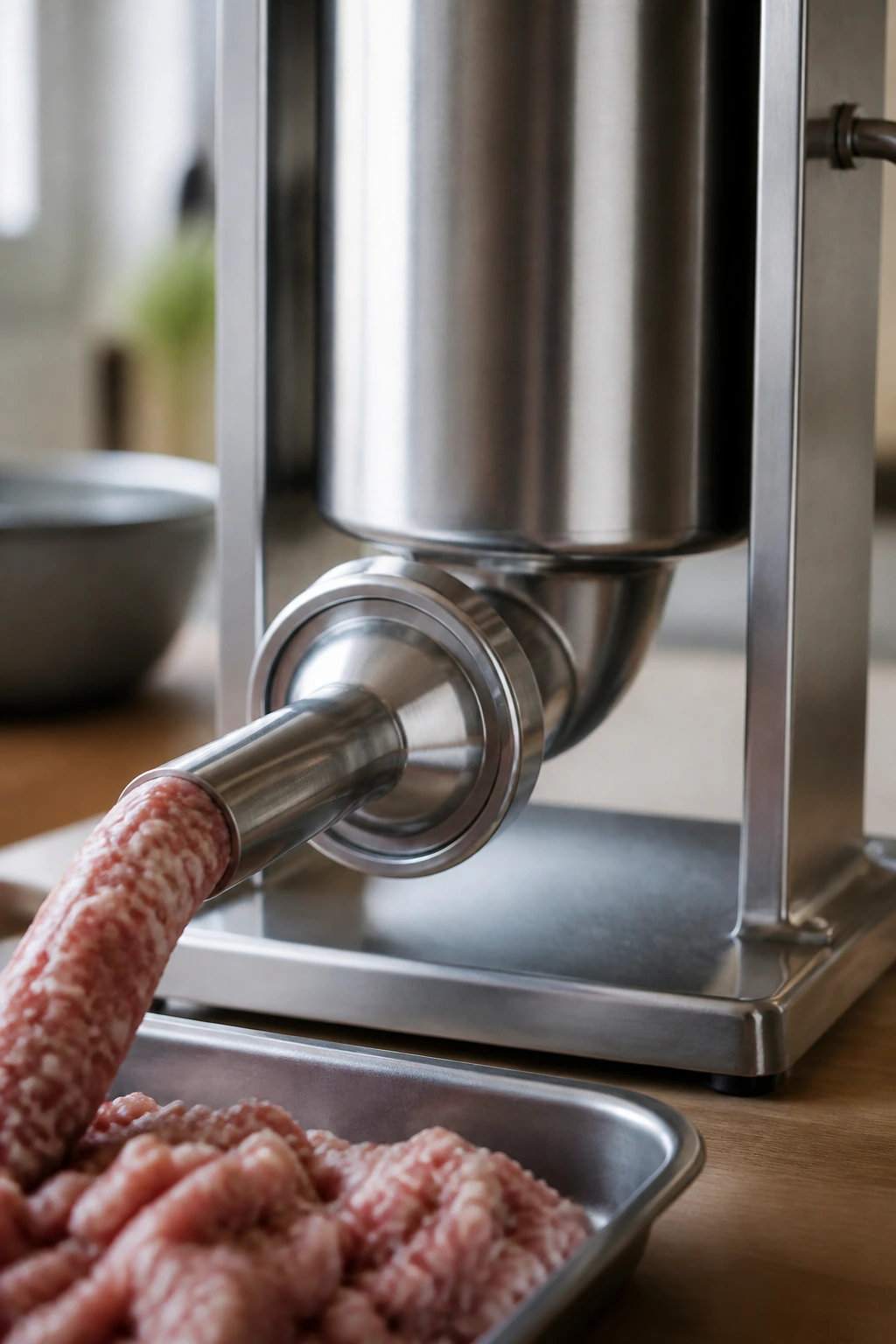
Sausage stuffer and natural hog casings: Useful for links, though patties are the easier route if you want less fuss.
-
Sheet pan lined with parchment: Good for resting shaped sausage before cooking and for keeping links from sticking together.
-
Kitchen scale, optional but handy: Weighing portions helps make links the same size, which means they cook at the same pace.
-
Disposable gloves, optional: Nice if you hate the smell of garlic on your hands for half a day.
Mixing, Stuffing, and Cooking the Sausage
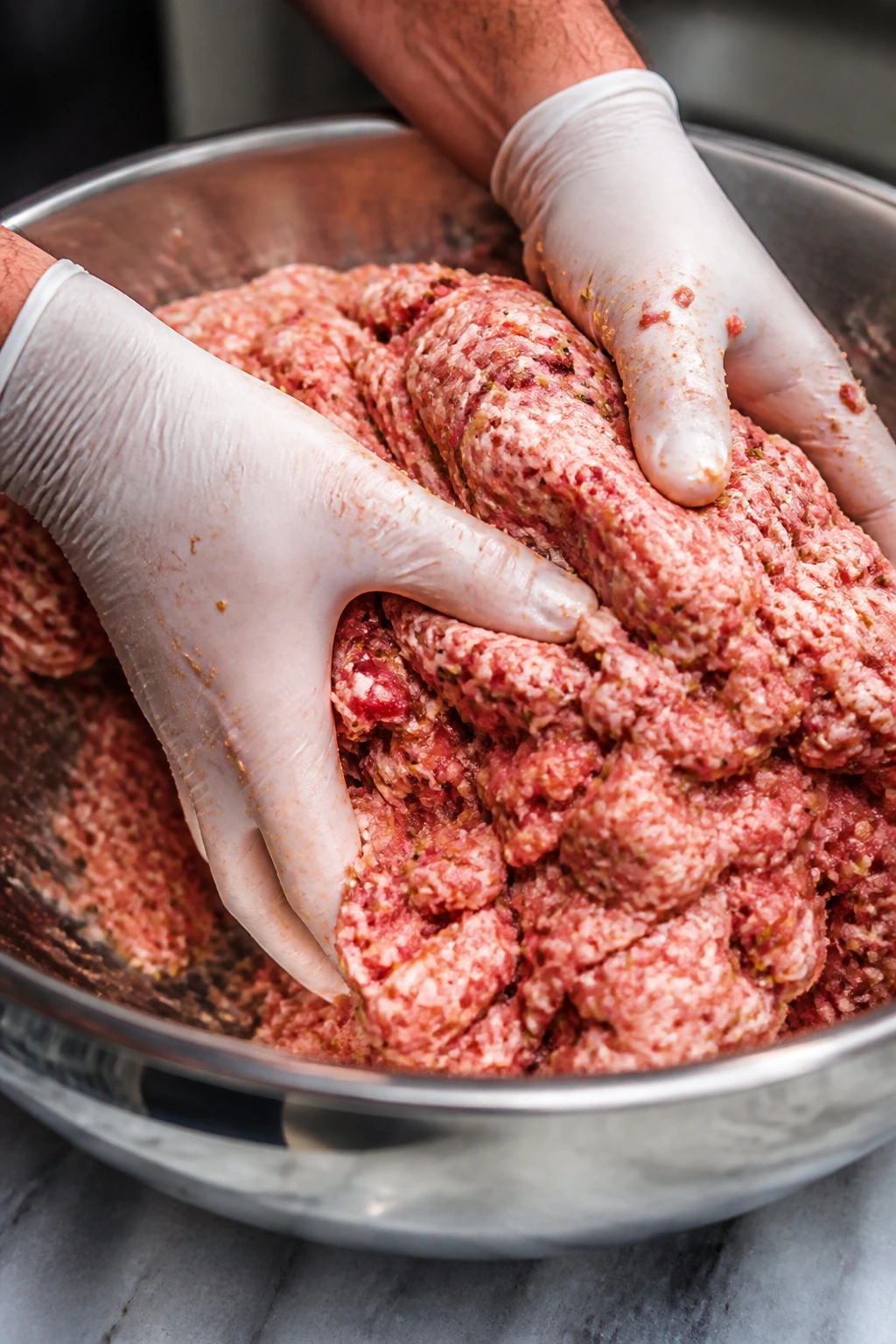
The whole thing depends on two things you can’t fake: cold meat and a proper sample patty. If the bowl warms up, the fat starts smearing. If you skip the sample, you’re trusting memory instead of taste, which is a bad trade when you’ve got two pounds of pork in front of you.
Prep the Meat and Wake Up the Fennel
-
Chill the bowl, pork, and any grinder parts for 20 to 30 minutes. Cold equipment keeps the fat distinct and helps the sausage hold a better texture once it cooks.
-
Toast the fennel seed in a dry skillet over medium heat for 1 to 2 minutes, shaking the pan often until the seeds smell warm, sweet, and a little like black licorice. Do not walk away; fennel goes from fragrant to burnt fast.
-
Crush the fennel lightly with a mortar and pestle or the bottom of a heavy pan. You want some whole pieces left for texture, not powder.
Build the Seasoning Paste
-
Mix the salt, red pepper flakes, cayenne, black pepper, paprika, oregano, garlic, wine, water, sugar, and parsley in a small bowl. The mixture should look loose but not watery, with the garlic dispersed through the liquid.
-
Add the seasoning paste to the chilled pork shoulder and use clean hands to fold and knead it for 1 to 2 minutes, just until the mixture looks evenly seasoned and starts to feel a little sticky. Stop as soon as the meat clings to itself; overmixing turns sausage dense and bouncy.
-
Pinch off a teaspoon of the mixture and fry it in a small skillet over medium heat for 2 to 3 minutes per side, until browned and cooked through. Taste it. If it needs more salt, add 1/4 teaspoon at a time to the raw bowl; if it needs more heat, add another pinch of red pepper flakes or a little cayenne. This is the moment to make the correction.
Rest the Mixture
- Cover the bowl and refrigerate the sausage mixture for 30 minutes. That short rest helps the seasoning settle and gives the meat time to firm up before shaping or stuffing. If you’ve got room and patience, overnight is fine too.
Shape, Stuff, or Form Patties
-
If you’re making links, rinse the hog casings again and slide them onto the stuffer tube. Fill the casings loosely, keeping one hand on the casing to control the flow. Twist into 6-inch links, alternating directions so they hold.
-
If you’re not using casings, form the mix into 10 small patties or 2-inch thick logs. Press them just enough to hold together; tight packing makes the edges tough and the center dry.
Cook It the Way You’ll Eat It
-
Cook the sausage over medium heat in a lightly oiled skillet, turning every few minutes until the outside is deep brown and the center reaches 160°F. Patties usually take 4 to 5 minutes per side; links take closer to 10 to 12 minutes total, depending on thickness. Keep the heat moderate — high heat splits casings and burns the spice before the pork is done.
-
If the links are thick, transfer the browned skillet to a 375°F oven for 6 to 8 minutes to finish. That gentler heat helps the center cook through without scorching the outside.
-
Rest the cooked sausage for 5 minutes before serving. The juices settle back into the meat, and the first cut stays cleaner instead of flooding the plate.
The Best Ways to Put It on the Table
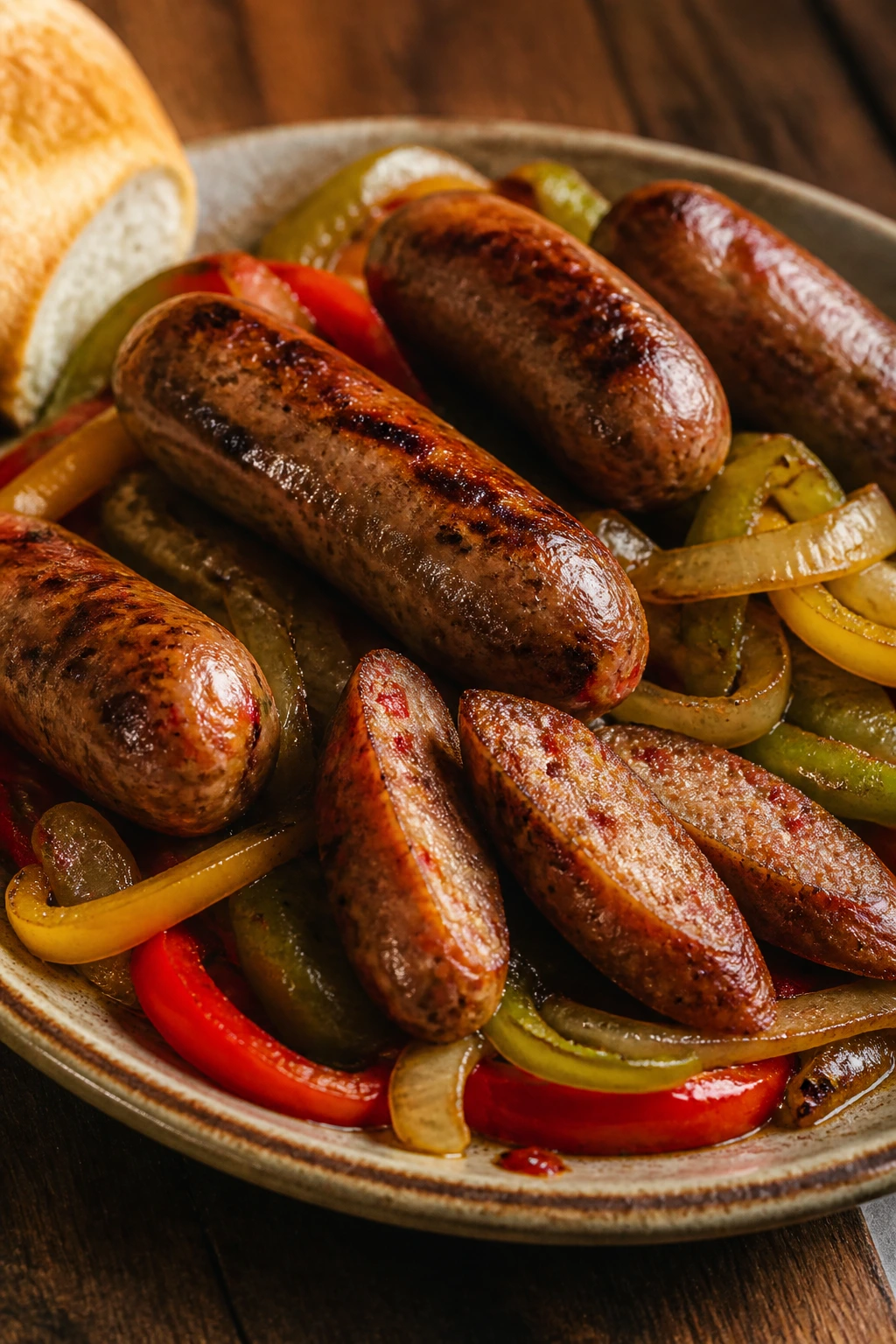
Presentation: Pile the links on a warm platter with a few browned onions and peppers on top, or slice them on a sharp diagonal so the red-flecked interior shows. If you’re serving patties, a toasted roll and a spoon of sauce make the whole thing look deliberate instead of rushed.
Accompaniments: I like this with sautéed peppers and onions, creamy polenta, rigatoni with marinara, or a bitter green like broccoli rabe. A crusty semolina roll is the obvious move for sandwiches, but a bowl of beans simmered with garlic and olive oil is just as right.
Portions: Plan on one generous link or two smaller patties per person if the sausage is part of a larger meal. If it’s the main event on a roll, one link per sandwich is usually enough unless the bread is enormous and the appetite is, too.
Beverage Pairing: A chilled lager cuts through the fat cleanly, and a medium-bodied Italian red like Barbera or Montepulciano d’Abruzzo matches the fennel without dragging the heat down. Sparkling water with lemon works when you want the sausage to stay center stage.
Small Moves That Make the Flavor Better
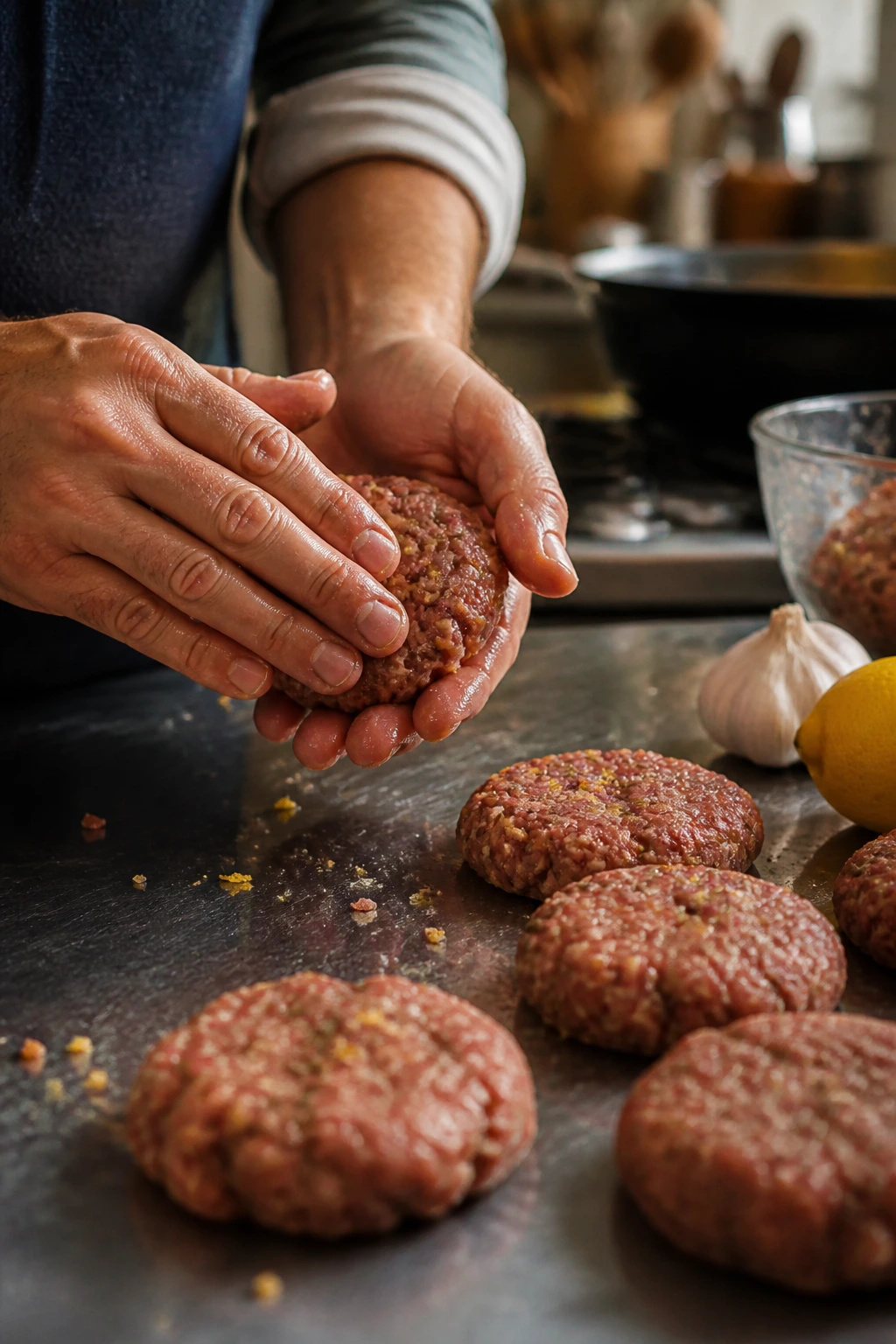
Flavor Enhancement: Toast the fennel a touch longer than you think you should, but only until it smells sweet and warm. That tiny extra minute gives the sausage a deeper aroma without making it taste like licorice candy. If you want a sharper finish, add a teaspoon of grated lemon zest to the raw mix right before shaping.
Time-Saver: Ask the butcher to grind the pork shoulder for you if you do not own a grinder. You still get to mix and season it yourself, which is the part that matters, and you save the mess of cleaning grinder plates, augers, and all those little greasy corners.
Heat Control: Build the spice in two stages. Start with the measured red pepper flakes and cayenne, then taste the test patty before you add more. Heat is easy to increase and annoying to remove.
Pro Move: Wet your hands with cold water before shaping patties or stuffing links. The sausage mixture sticks less, and the surface stays smoother. If you’re doing links, do not overfill the casing; a little slack keeps the sausage from splitting when it hits the pan.
Make-It-Yours: For a milder household batch, cut the cayenne in half and keep the fennel where it is. For a louder batch, add Calabrian chili paste or a little extra red pepper flakes, but do it in the raw bowl, not by shaking hot pepper over cooked sausage at the table. The flavor lands differently.
Common Mistakes That Flatten the Batch
-
Using pork that is too lean: The sausage cooks up dry and crumbly instead of tender. Buy pork shoulder with visible fat, or add a little fatback if that’s what your butcher has.
-
Skipping the sample patty: You end up with a whole batch that is too bland or too hot, and the fix is clumsy once everything is stuffed. Fry a teaspoon first and correct the seasoning before you form the rest.
-
Overmixing until the meat turns paste-like: The sausage gets springy in a bad way, almost bouncy, and the bite feels tight. Mix only until the seasoning is evenly spread and the meat starts to cling to itself.
-
Cooking over high heat: The outside blackens before the center is done, and casings split open. Medium heat is slower, but the fat stays inside the sausage where it belongs.
-
Stuffing the casings too tightly: They burst when you twist them or when they hit the skillet. Leave a little slack and twist the links gently rather than cramming the casing full.
-
Leaving the mixture warm while you work: The pork starts to smear, and the texture gets mushy. Chill the bowl, keep the meat cold, and work in a cool room if you can.
Variations Worth Trying Without Losing the Point
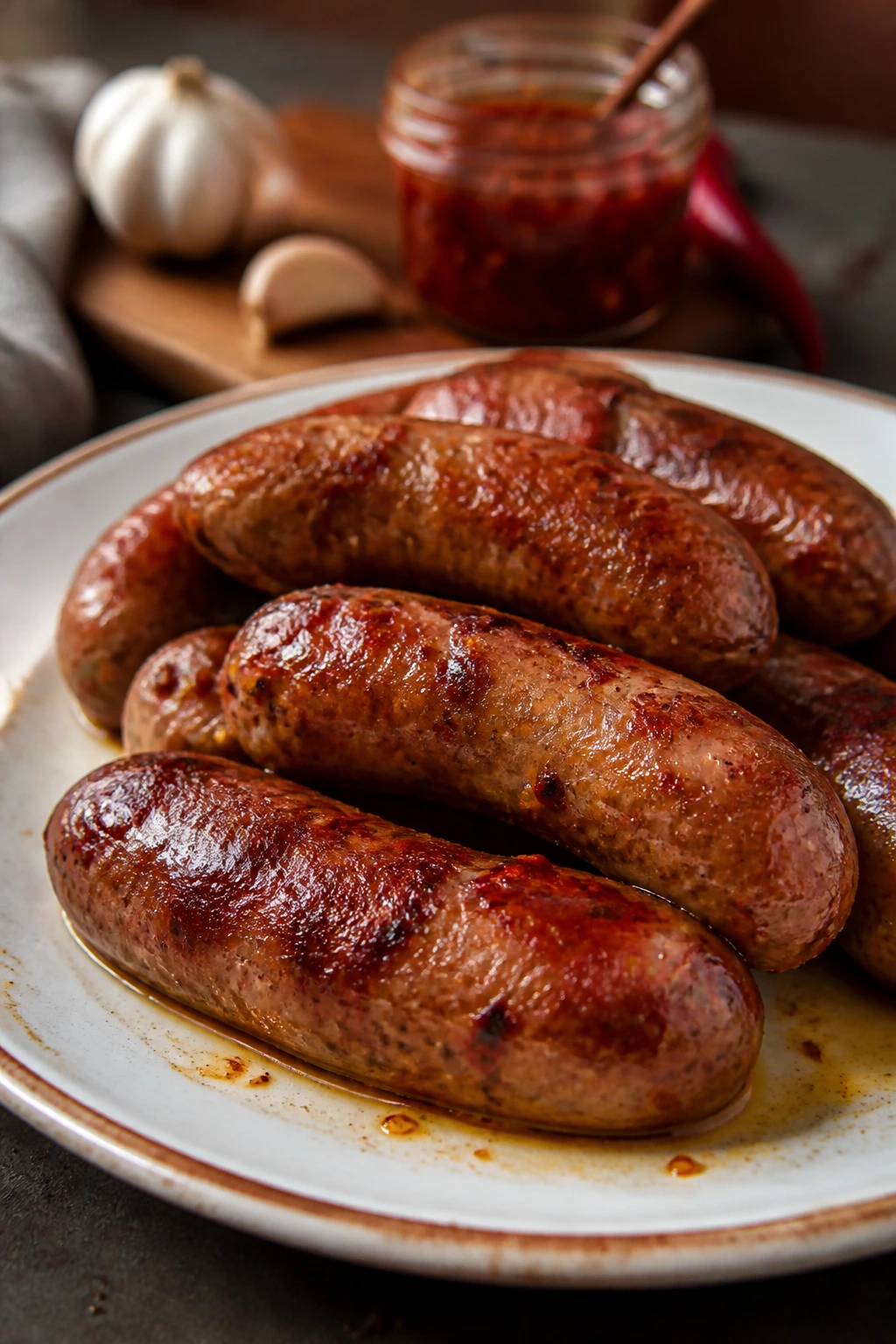
Calabrian Kick: Swap half the red pepper flakes for 1 tablespoon Calabrian chili paste and reduce the water by 1 tablespoon. The heat gets deeper and a little fruity, which works especially well in sauce or on pizza.
Skillet Patty Shortcut: Skip the casings and shape the mix into 10 patties about 2 ounces each. They brown faster, fit easily in a sandwich roll, and are a lot less fussy on a weeknight when you do not feel like wrestling casings.
Pork and Veal Blend: Use 1 1/2 pounds ground pork shoulder plus 1/2 pound ground veal. The texture turns a little softer and lighter, which some old-school deli counters prefer for frying and serving with peppers.
Milder Red-Sauce Batch: Keep the fennel and garlic the same, but cut the red pepper flakes to 2 teaspoons and omit the cayenne. This version still tastes like Italian sausage, just with less back-of-the-throat heat.
Garlic-Forward House Style: Add one extra grated clove of garlic and a pinch more black pepper. The sausage comes out a little sharper and more fragrant, which I like in a big pot of Sunday sauce.
Keeping It Cold, Fresh, and Ready for Later
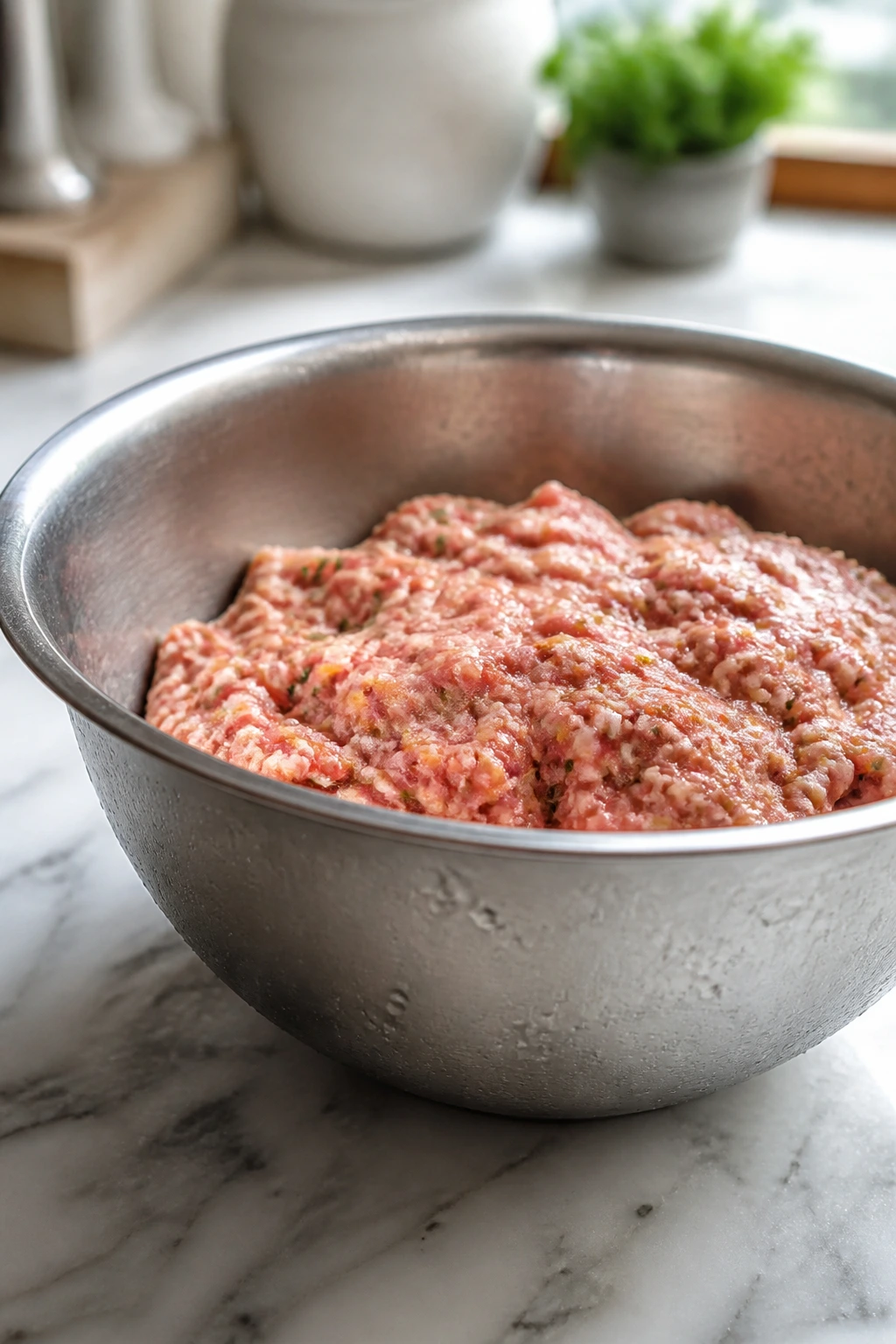
Raw sausage mixture keeps up to 24 hours in the refrigerator if it’s covered tightly and kept cold. That overnight rest can actually help the flavor, especially when the garlic and fennel need time to settle into the pork.
If you’ve stuffed links but haven’t cooked them yet, refrigerate them for up to 2 days on a parchment-lined tray. For longer storage, freeze the raw links or patties on the tray first, then move them to a freezer bag once they’re firm. They keep well for up to 3 months that way, and the individual pieces won’t freeze into one ugly brick.
Cooked sausage keeps 3 to 4 days in the fridge. Reheat it gently in a skillet over low heat with a tablespoon of water or a spoonful of sauce, cover the pan, and warm it until it’s hot through. That covers the surface before the center dries out.
For the freezer, cooked sausage keeps up to 2 months. Thaw it in the fridge overnight before reheating. If you reheat it straight from frozen, the outside turns leathery before the center wakes up, and that is a bad trade.
Questions People Ask Before They Start

Can I make this without casings?
Absolutely. Shape the seasoned pork into patties, little logs, or loose crumbles for sauce. The seasoning is the same either way, and patties are probably the easiest entry point if you’ve never handled hog casings.
What cut of pork should I buy?
Pork shoulder is the one you want. It has enough fat to stay juicy, and the flavor is stronger than lean loin or tenderloin. If you buy pre-ground pork, ask for a grind that still has some visible fat rather than the very lean stuff sold for stir-fries.
How hot is “hot” Italian sausage supposed to be?
Hot should mean a steady red-pepper bite, not a dare. The fennel should still be easy to taste, and the heat should build after the first few bites instead of punching you all at once.
Can I use store-bought ground pork?
Yes, and it works fine if the pork isn’t too lean. The best store-bought grind usually comes from pork shoulder or at least has enough fat to look glossy when you stir it.
Why does my sausage fall apart in the pan?
Usually the mix was too dry, too lean, or not mixed enough to bind. The fix is simple: keep the meat cold, add the measured liquid, knead until sticky, and let the shaped sausage rest in the fridge before cooking.
Can I grill these instead of pan-frying them?
Yes, but use medium heat and oil the grates lightly. Thicker links do better on the grill if you brown them first in a skillet, then finish over indirect heat so the casing does not split.
Do I have to use red wine?
No. The wine adds a little edge and helps the garlic and fennel spread through the mix, but cold water plus a teaspoon of red wine vinegar can stand in if you want to avoid alcohol.
A Last Word From the Cutting Board
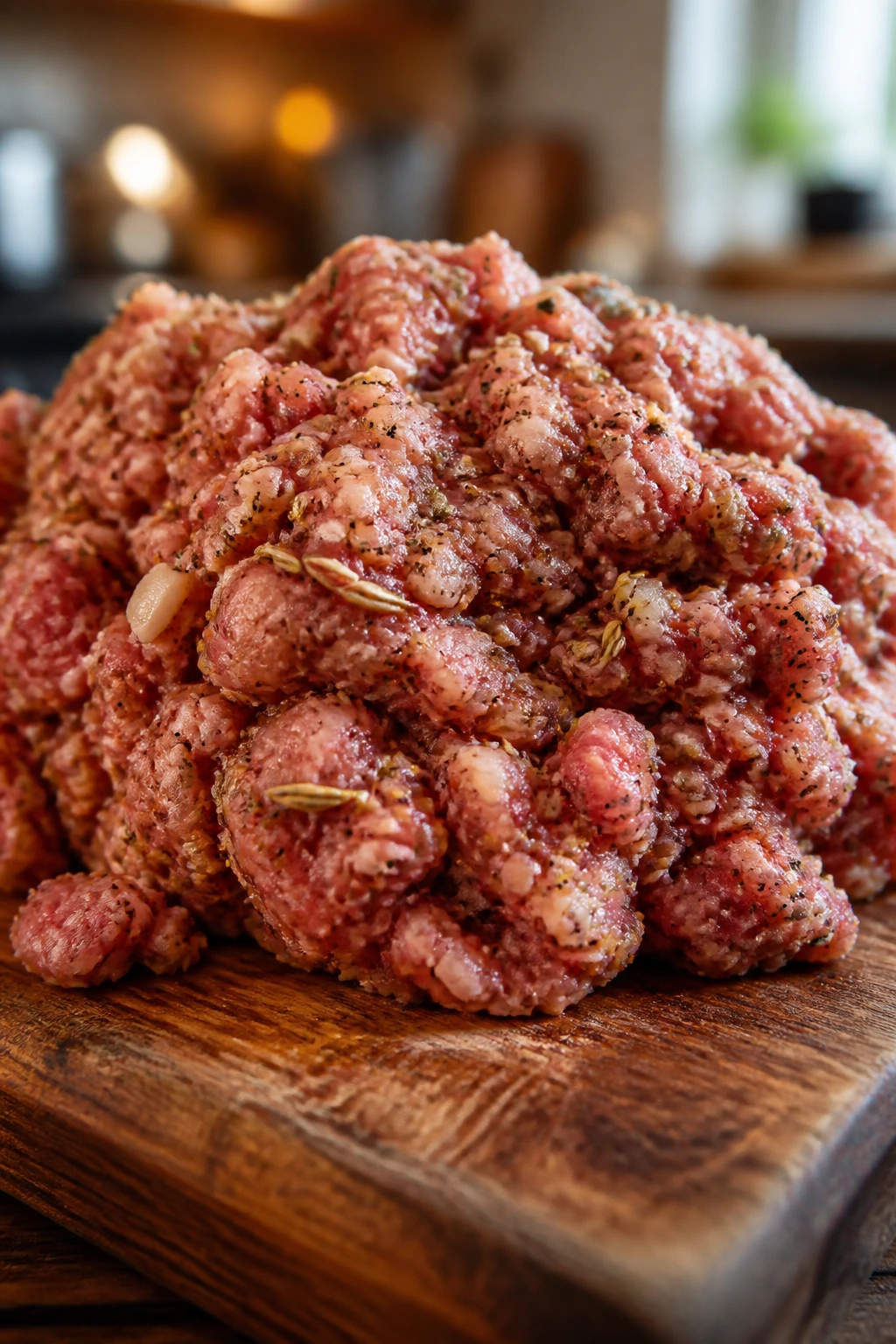
There’s a reason a bowl of seasoned pork feels a little old-fashioned in the best way. It asks for attention, but not much fuss. If you keep the meat cold, toast the fennel, and taste before you commit, the sausage takes care of the rest. The smell alone tells you whether you’re on track.
I like recipes that leave room for judgment. This one does. A touch more heat, a little less cayenne, links instead of patties, sauce instead of sandwiches—it all still lands in the same family of flavor, which is really the point. Make one batch, and you’ll stop treating store-bought Italian sausage as the default.
Authentic Hot Italian Sausage — Recipe Card
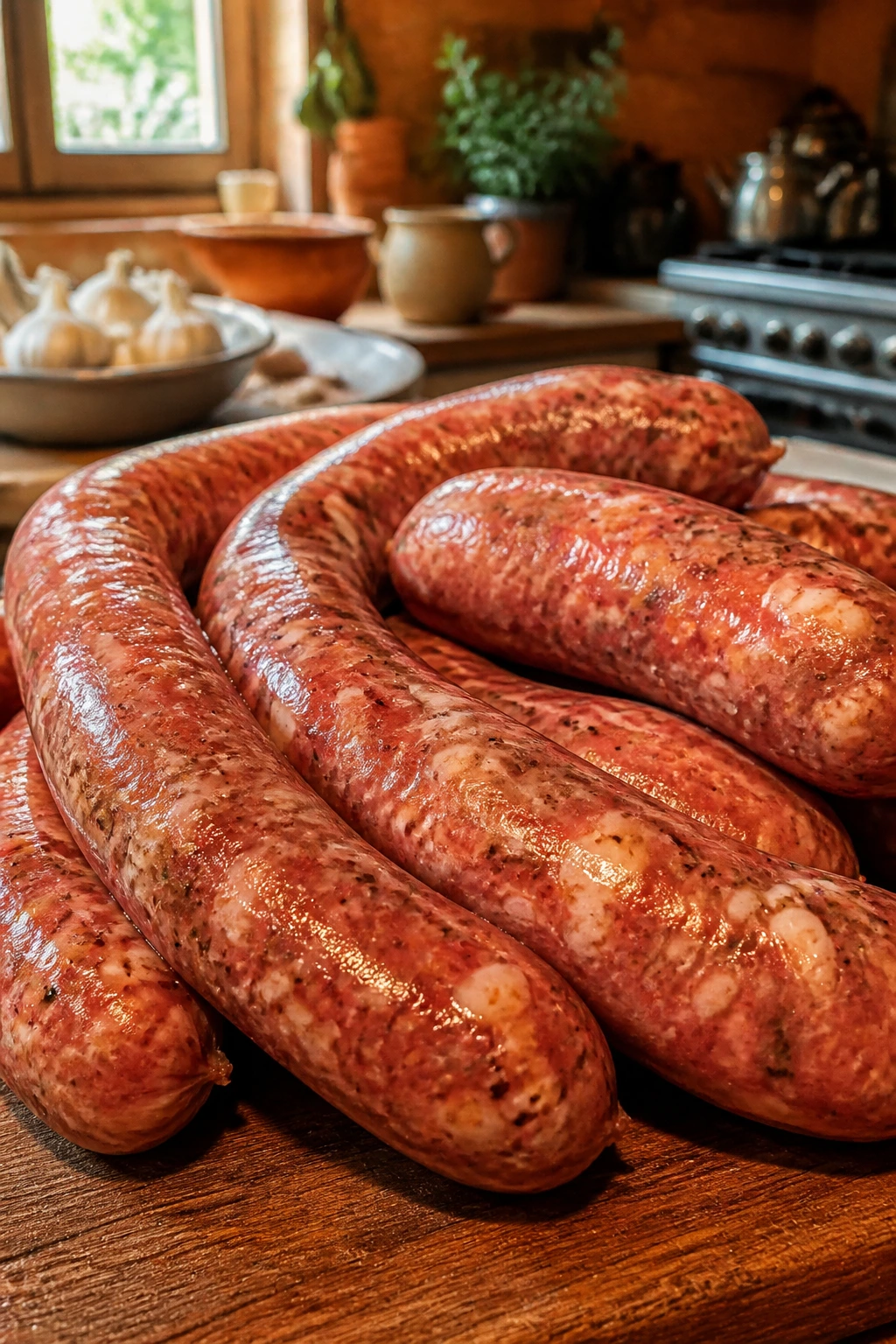
Recipe Name: Authentic Hot Italian Sausage
Description: Pork shoulder seasoned with toasted fennel, garlic, black pepper, oregano, red pepper flakes, and a splash of red wine. Make it as links, patties, or loose sausage for sauce.
Prep Time: 25 minutes
Cook Time: 15 minutes
Total Time: 40 minutes, plus 30 minutes chilling
Course: Main Course
Cuisine: Italian-American
Servings: 8
Calories: About 285 kcal per serving
Ingredients
For the Sausage Mixture:
- 2 pounds ground pork shoulder, well chilled
- 2 teaspoons kosher salt
- 1 tablespoon fennel seed, toasted and lightly crushed
- 1 tablespoon red pepper flakes
- 1/2 teaspoon cayenne pepper
- 1 teaspoon freshly ground black pepper
- 1 teaspoon sweet paprika
- 1 teaspoon dried oregano, rubbed between your fingers
- 3 garlic cloves, finely grated
- 2 tablespoons dry red wine, cold
- 2 tablespoons ice-cold water
- 1 teaspoon sugar, optional
- 1 tablespoon chopped flat-leaf parsley, optional
If You’re Making Links:
- 8 to 10 feet natural hog casings, rinsed and soaked in warm water
Instructions
-
Chill the bowl, pork, and grinder parts for 20 to 30 minutes. Toast the fennel seed in a dry skillet until fragrant, then crush it lightly.
-
Mix the salt, red pepper flakes, cayenne, black pepper, paprika, oregano, garlic, wine, water, sugar, and parsley into a seasoning paste.
-
Add the seasoning to the pork and knead for 1 to 2 minutes, just until the mixture becomes evenly seasoned and slightly sticky.
-
Fry a teaspoon of the mixture in a small skillet over medium heat for 2 to 3 minutes per side, then taste and adjust seasoning if needed.
-
Cover and refrigerate the sausage mixture for 30 minutes.
-
If using casings, rinse and soak them, then stuff the sausage loosely and twist into links. If not, shape into patties or logs.
-
Cook over medium heat in a lightly oiled skillet, turning until browned and the internal temperature reaches 160°F. Thick links can finish in a 375°F oven for 6 to 8 minutes.
-
Rest for 5 minutes before serving.
Notes: Keep everything cold for the best texture. For more heat, add Calabrian chili paste in place of part of the red pepper flakes. Raw sausage keeps 24 hours refrigerated and up to 3 months frozen.