



The phrase rustic Mediterranean flavors gets thrown around until it starts to lose shape, but the real thing is easy to spot the second it hits the stove. Olive oil warms and turns peppery. Onion softens into sweetness. Tomato paste darkens at the edges, and the whole kitchen starts smelling like somebody actually took time to cook dinner instead of assembling it.
That smell matters more than people admit. It’s the smell of patience, yes, but also of restraint. A good Mediterranean home kitchen doesn’t try to impress you with ten sauces and twenty toppings. It usually does less, only better: one pan, one pot, one loaf of bread torn at the table, one bright squeeze of lemon at the end because the cook knew the dish needed a little lift.
And that’s where the charm sits. Not in perfection. Not in a polished plate with a garnish standing at attention. In the rough edges. The sauce that clings to the back of a spoon. The bread that gets dragged through the olive oil on the plate. The zucchini that’s gone soft at the corners because it was cooked long enough to matter. Once you start paying attention to those details, rustic Mediterranean cooking stops sounding like a trend and starts looking like a very good habit.
Why This Style Still Feels Worth Cooking
Short ingredient lists carry more weight here. A pan of onions, tomatoes, garlic, olive oil, and herbs can taste deeper than a long shopping list if each piece gets the right heat and timing.
The food works hard at room temperature. Plenty of rustic Mediterranean dishes taste even better after a short rest, which makes them ideal for a long table, a casual supper, or the kind of lunch that lingers.
Cheap cuts and humble produce have a real job to do. Chicken thighs, beans, sardines, cabbage, eggplant, and potatoes all fit this style because they absorb flavor instead of fighting it.
Acid keeps the whole thing awake. Lemon, vinegar, capers, olives, and tomatoes keep oil-rich dishes from feeling heavy or muddy. That last splash changes more than most people think.
Bread is not a side note. In a lot of Mediterranean homes, bread is part of the meal’s structure. It soaks, scoops, mops, and finishes the plate in a way a fork never could.
The style rewards calm cooking. High heat has a place, but rustic food usually tastes best when the cook resists the urge to rush the onion, the sauce, or the braise.
The Pantry Backbone: Olive Oil, Tomatoes, Onion, and Garlic
If rustic Mediterranean cooking has a spine, this is it. Not fancy. Not dramatic. Just the ingredients that show up over and over because they do the job better than almost anything else in the cupboard.
Good extra-virgin olive oil should taste alive: grassy, peppery, maybe a little bitter at the back of the throat. You do not need the priciest bottle on the shelf, and you definitely do not need one that’s been sitting open so long it tastes dusty. Use a decent bottle for cooking, then keep a better one for drizzling at the end. That little split makes sense. Cooking oil takes heat; finishing oil needs character.
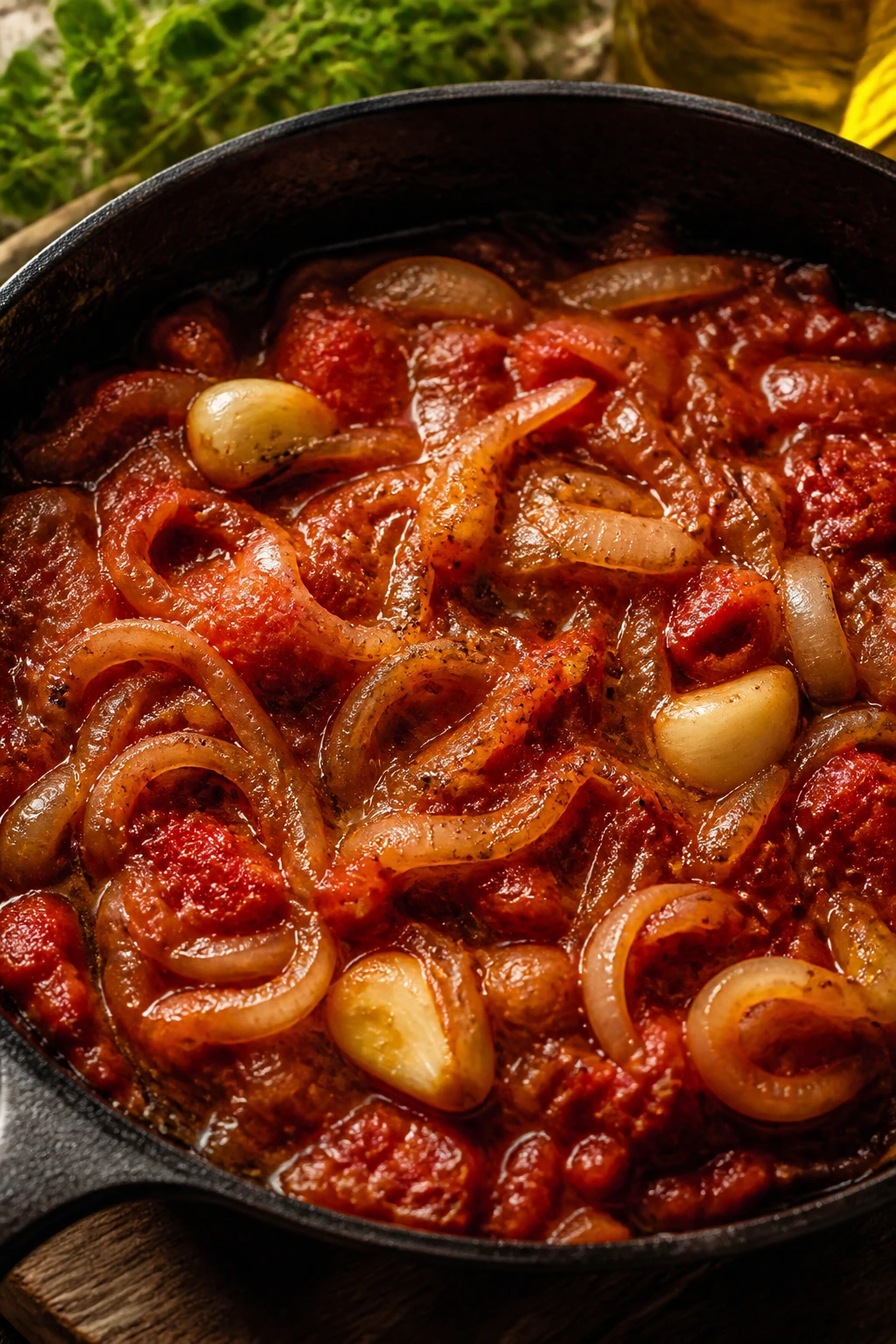
Tomatoes come next, and this is where people overcomplicate things. Whole peeled canned tomatoes are often better than mediocre fresh tomatoes out of season. Crush them by hand if you want a rough, rustic sauce with texture. Simmer them long enough and they lose that tinny edge and start tasting round, sweet, and slightly smoky if you’ve browned the paste first.
Onion and garlic behave like background singers that secretly run the show. Onion wants low to medium heat until soft and sweet. Garlic wants less time than most people give it. A clove that goes pale gold is lovely; a clove that turns brown and bitter can spoil the whole pan in seconds. That’s not a warning in theory. It’s the difference between a sauce that smells warm and one that tastes scorched.
Salt belongs here too, and early. Not so much that the dish turns harsh, but enough that the onion gives up water, the tomatoes taste fuller, and the garlic doesn’t have to shout. Rustic food often tastes simple because the seasoning was handled in layers instead of dumped in at the end.
What to look for at the store
- Olive oil that smells fresh, not waxy.
- Canned tomatoes with no added sugar or herbs if you want control.
- Yellow onions for soft sweetness; red onions when you want more bite.
- Garlic heads that feel firm and dry, not soft or sprouting.
- Tomato paste in a tube or small can, because a spoonful or two goes a long way.
The Brighteners: Lemon, Herbs, Capers, Olives, and Anchovy
A lot of flat Mediterranean food fails for one simple reason: the cook kept the fat and skipped the lift. Rustic cooking needs brightness. Not loud acidity. Brightness.
Lemon is the easiest place to start. A squeeze over beans, fish, braised chicken, or roasted vegetables wakes everything up, but the real trick is to use it at the end, not just at the start. Heat dulls citrus. Finish with it and the dish snaps back into focus.
Fresh herbs work differently depending on the herb. Parsley wants to be chopped and scattered, because it brings a clean green taste and a little crunch. Basil likes warmth and tomato. Mint can turn a yogurt sauce or pea dish into something fresher in one move. Oregano and rosemary are stronger, woodier, and better when they’ve had time to sit in oil or meet the heat of a roast.
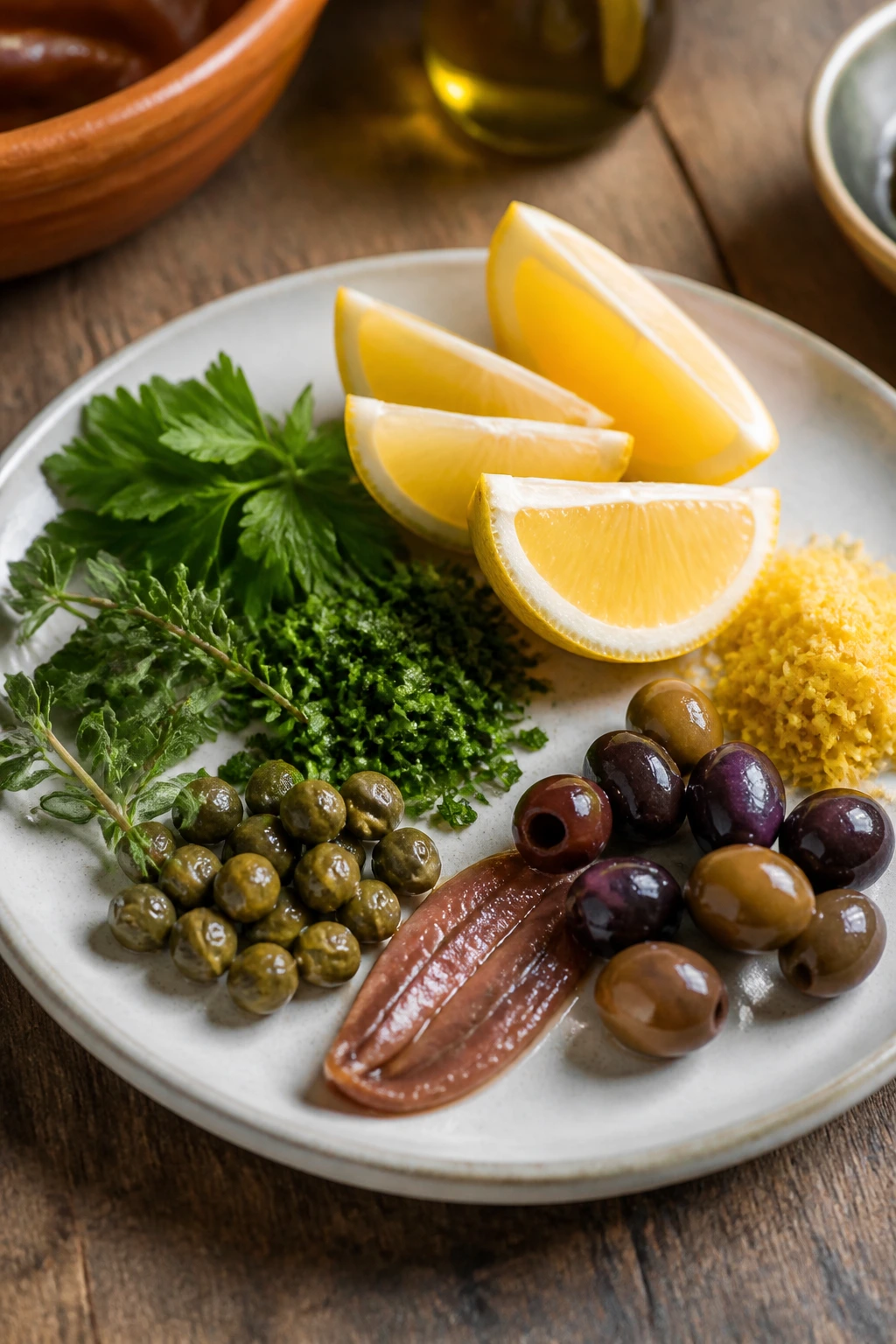
Capers and olives bring salt with personality. They’re not there just to be “Mediterranean.” They solve a seasoning problem. A pan of fish, potatoes, or braised greens can taste broad and flat without them. Add a spoonful of capers or a handful of chopped olives and suddenly the dish has edges.
Anchovy gets misunderstood all the time. Used properly, it disappears. It melts into oil, gives the pan a savory depth, and leaves no fishy aftertaste if you cook it gently. That’s why a lot of old-school tomato sauces taste fuller than they should on paper. Someone probably melted an anchovy or two into the oil and never made a fuss about it.
A few combinations that work
- Lemon + parsley + olive oil over white beans.
- Capers + tomatoes + oregano on baked fish.
- Olives + rosemary + garlic with roasted chicken thighs.
- Anchovy + onion + tomato paste for the base of a sauce.
- Mint + yogurt + cucumber alongside lamb or chickpeas.
The Slow Build: Soffritto, Braising, Roasting, and Simmering
Rustic Mediterranean food usually tastes rustic because the cook let each stage do its work. That sounds obvious until you watch somebody crank the burner to high and wonder why the sauce tastes thin and the onions taste sharp.
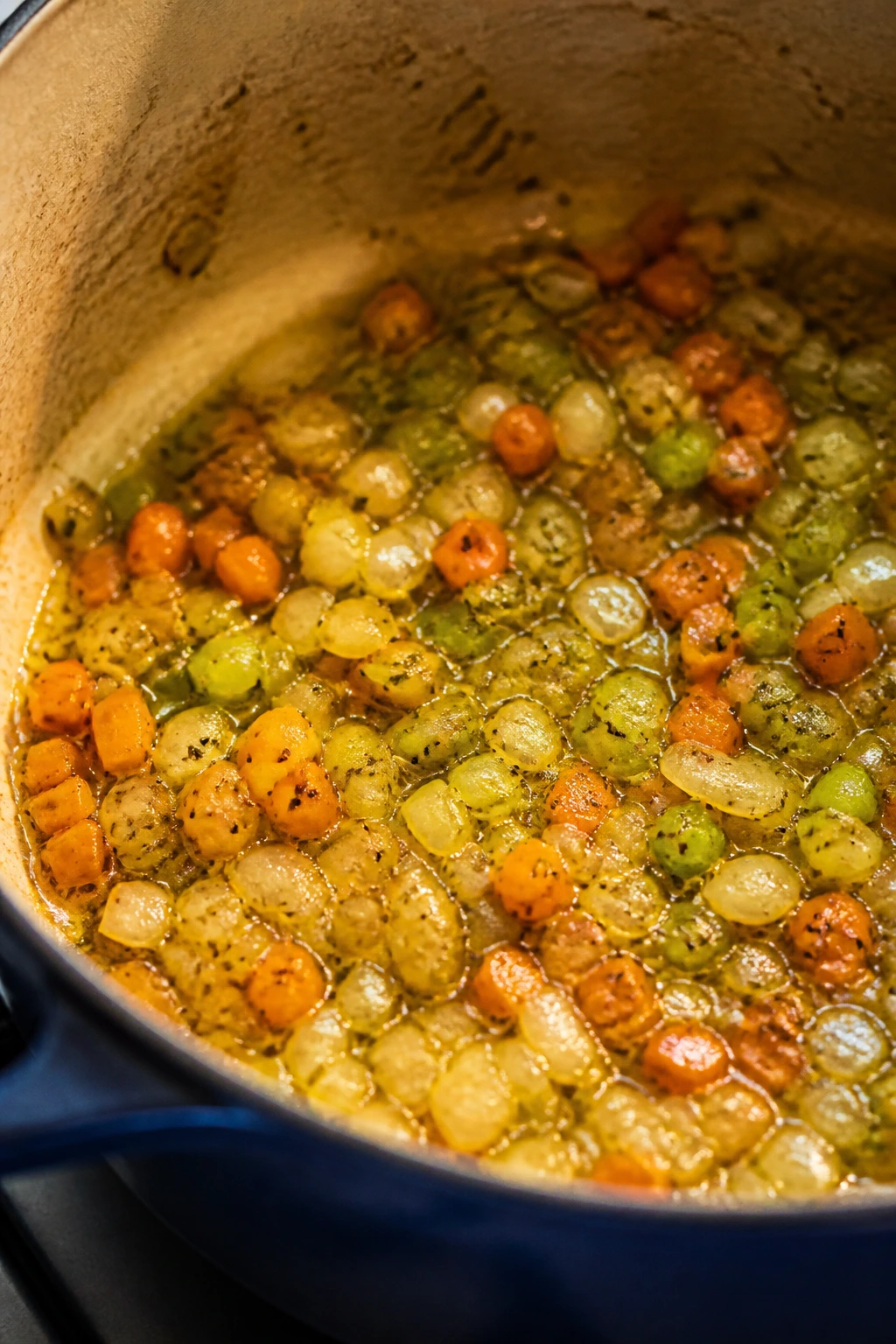
Soffritto is the Italian version of a slow flavor base: onion, celery, carrot, sometimes garlic, cooked gently in oil until soft and sweet. Sofrito in other Mediterranean kitchens may lean on peppers, tomatoes, or herbs instead. Different region, same principle. You’re not browning the vegetables into bitterness. You’re coaxing their sweetness out before anything else enters the pan.
Braising is where cheap cuts and sturdy vegetables start earning their keep. Chicken thighs, lamb shoulder, fennel, cabbage, eggplant, and beans all handle long, gentle heat well. In a Dutch oven, a lid traps moisture while the ingredients settle into each other. The sauce thickens slowly. The edges go silky. The flavors stop tasting separate.
Roasting gives another kind of depth. At 400°F, vegetables pick up caramelized edges; at 425°F, tomatoes split and collapse, peppers blister, and onions turn jammy in the corners. That is a useful thing to know because rustic Mediterranean dishes often rely on the contrast between soft centers and browned edges. The roast tray brings both.
Simmering is the quiet part that people underestimate. A tomato sauce that needs 20 to 40 minutes doesn’t just get hotter. It changes shape. The raw tang mellows. The oil starts to separate in small pools around the edge. The sauce coats the spoon instead of sliding off it. That’s the point where you stop fiddling.
A few cues worth trusting
- Onions should smell sweet, not sharp.
- Garlic should smell nutty, not bitter.
- Tomato paste should darken slightly before liquid hits the pan.
- Braised meat should pull apart with a spoon, not fight back.
- Roasted vegetables should have browned corners, not pale steam marks.
Beans, Greens, and Bread on the Side
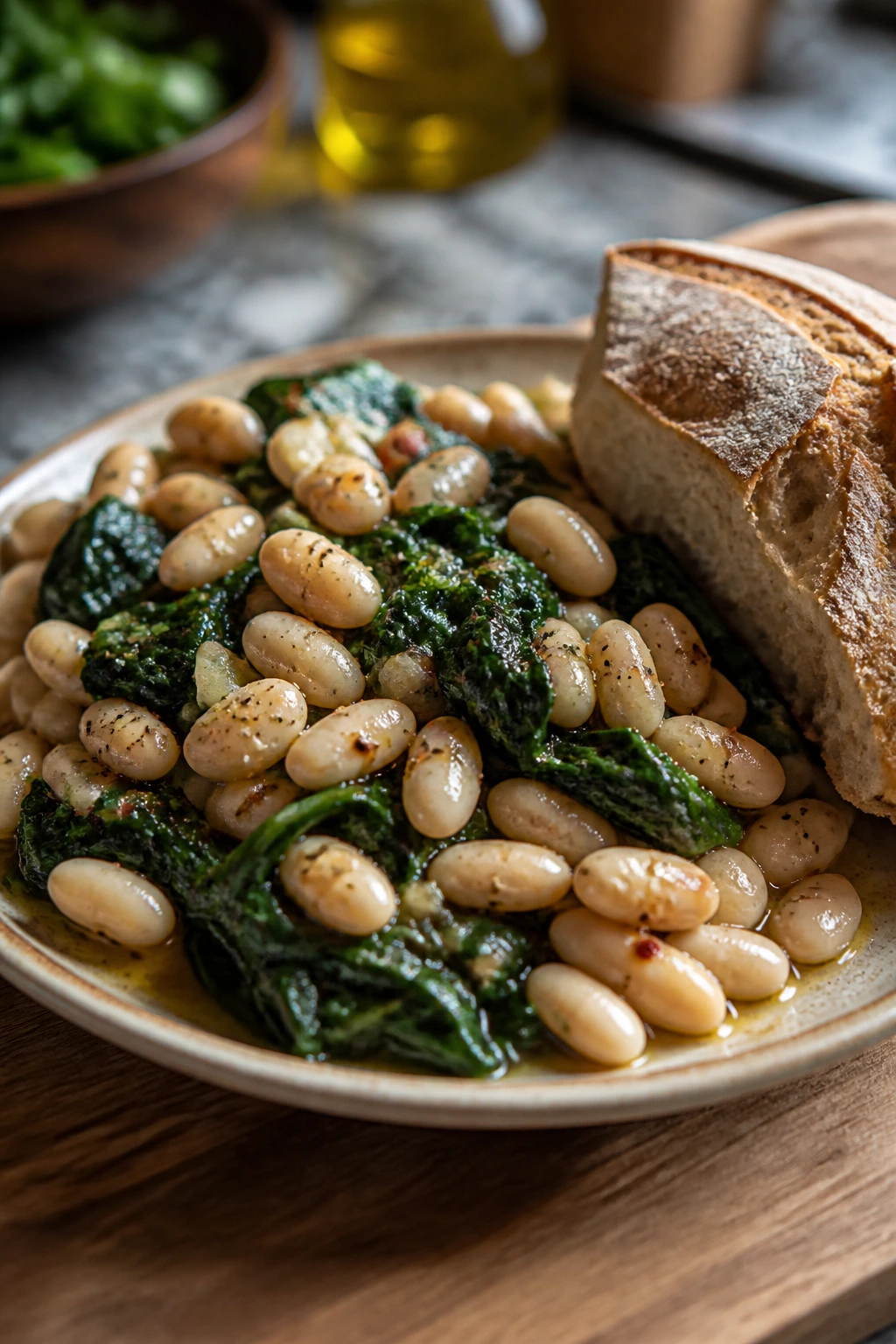
If you want to cook in this style without spending a fortune or hauling home a basket of seafood, start here. Beans, greens, and bread are the everyday backbone of Mediterranean home cooking, and they’re the reason so many of these meals feel full without being heavy.
Beans carry a lot of the load. Cannellini, chickpeas, lentils, borlotti, and white beans all soak up garlic, onion, herb oil, and tomato sauce beautifully. They like salt, yes, but they also like acid. A spoon of vinegar or a squeeze of lemon turns a pot of beans from dusty to alive. Canned beans are fine. Rinse them, warm them slowly, and let them finish in the sauce instead of serving them cold and plain.
Greens behave like a lucky shortcut. Kale, chard, escarole, spinach, dandelion greens, and broccoli rabe all taste better when they meet olive oil, garlic, and a pinch of salt. Some need blanching. Some don’t. Spinach collapses fast; kale needs a little more time and maybe a splash of water to steam it through. Either way, the goal is tenderness with a little bite left in the stems.
Bread is where the meal turns from “a dish” into dinner. A crusty loaf, a slab of focaccia, or grilled country bread can catch sauce, oil, and bean broth in a way pasta never quite does. I’d argue that rustic Mediterranean food is one of the few styles where the bread deserves equal billing. Tear it. Don’t overthink the knife.
Good pairings that never feel tired
- Cannellini beans with rosemary, garlic, and lemon.
- Chickpeas with tomatoes, onion, and cumin.
- Chard sautéed in olive oil with garlic and chili flakes.
- Escarole simmered in broth with white beans.
- Grilled bread rubbed with garlic and brushed with olive oil.
Fish, Chicken, Lamb, and Sausage in a Rustic Kitchen
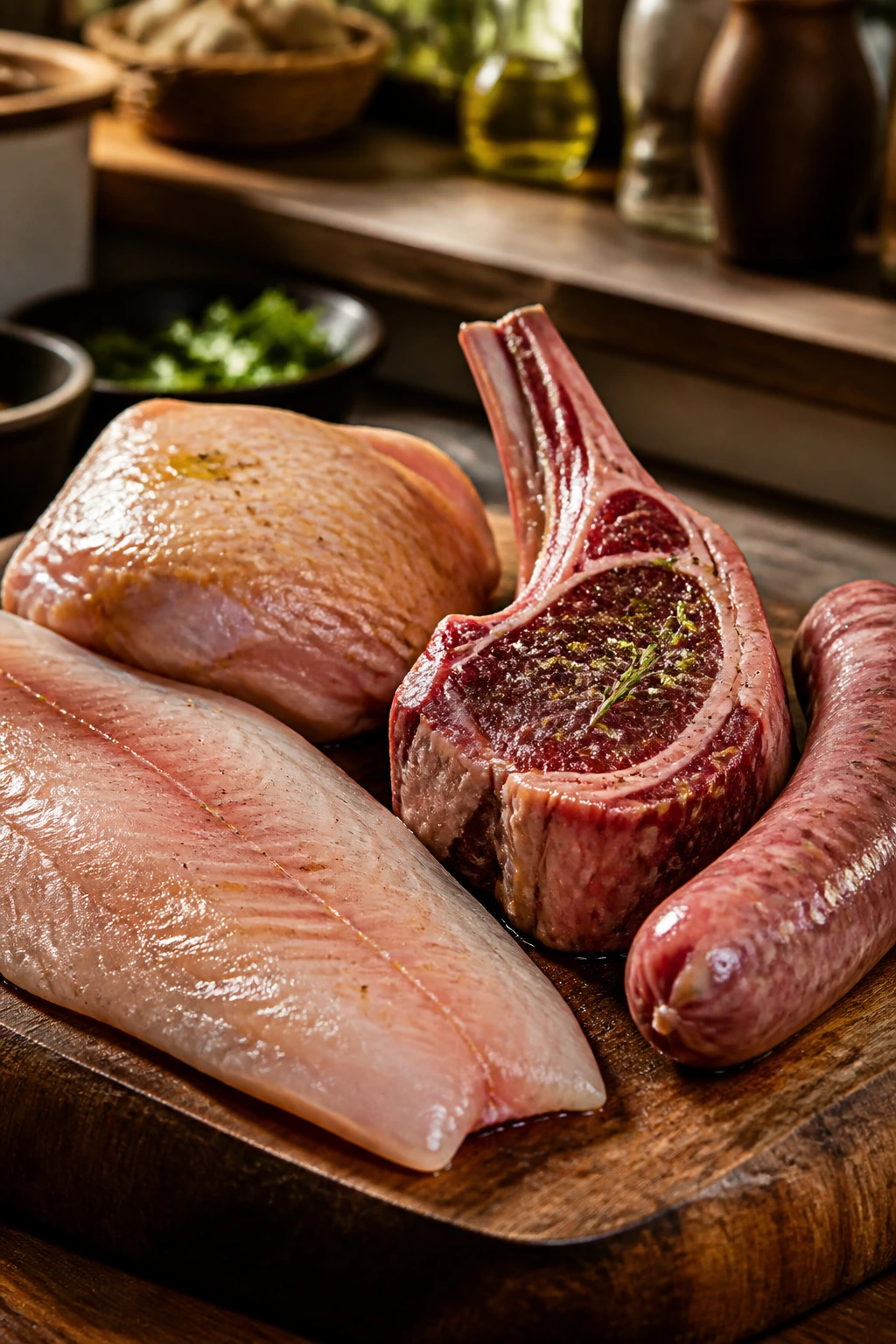
The proteins that fit this style tend to be the ones that can stand up to olive oil, acid, and herbs without getting lost. That’s a clue worth keeping.
Fish works best when it’s treated with care, not buried. Oily fish like sardines, mackerel, and anchovies already carry their own flavor, which is why they can hold up to tomatoes, fennel, capers, and olives. Lean fish like cod, haddock, or sea bass prefers a gentler touch—quick roasting, shallow braising, or a spoon of sauce over the top rather than a long simmer that dries it out.
Chicken thighs are the practical hero here. Breasts can work, but thighs are the cut that behaves best in braises and tomato sauces because the meat stays juicy and forgiving. Skin-on thighs crisp nicely before they go into the oven; skinless thighs disappear into stews and tray bakes without complaint. If you’ve ever wondered why nonna-style chicken tastes deeper than a weeknight chicken breast, that’s part of it.
Lamb brings a stronger, earthier flavor that loves rosemary, garlic, lemon, and oregano. Shoulder is the cut to watch if you want a braise that becomes tender enough to fall apart with a fork. Sausage sits somewhere in the middle. It can carry fennel seed, garlic, pepper, and paprika into a pan of peppers or beans and do half the seasoning for you.
Best matches by protein
- Fish: tomatoes, capers, olives, fennel, parsley, lemon.
- Chicken: onion, garlic, rosemary, wine, olives, potatoes.
- Lamb: rosemary, oregano, lemon, chickpeas, yogurt, mint.
- Sausage: peppers, onions, tomato sauce, white beans, chili flakes.
One thing I’d push back on: don’t use cream to “Mediterranean-ize” a dish that doesn’t need it. That move gets used to add richness, but most rustic Mediterranean food gets richness from oil, stock, beans, and reduction. Cream can be lovely in its place. It just isn’t the shortcut people think it is.
How to Build a Meal from What You Already Have
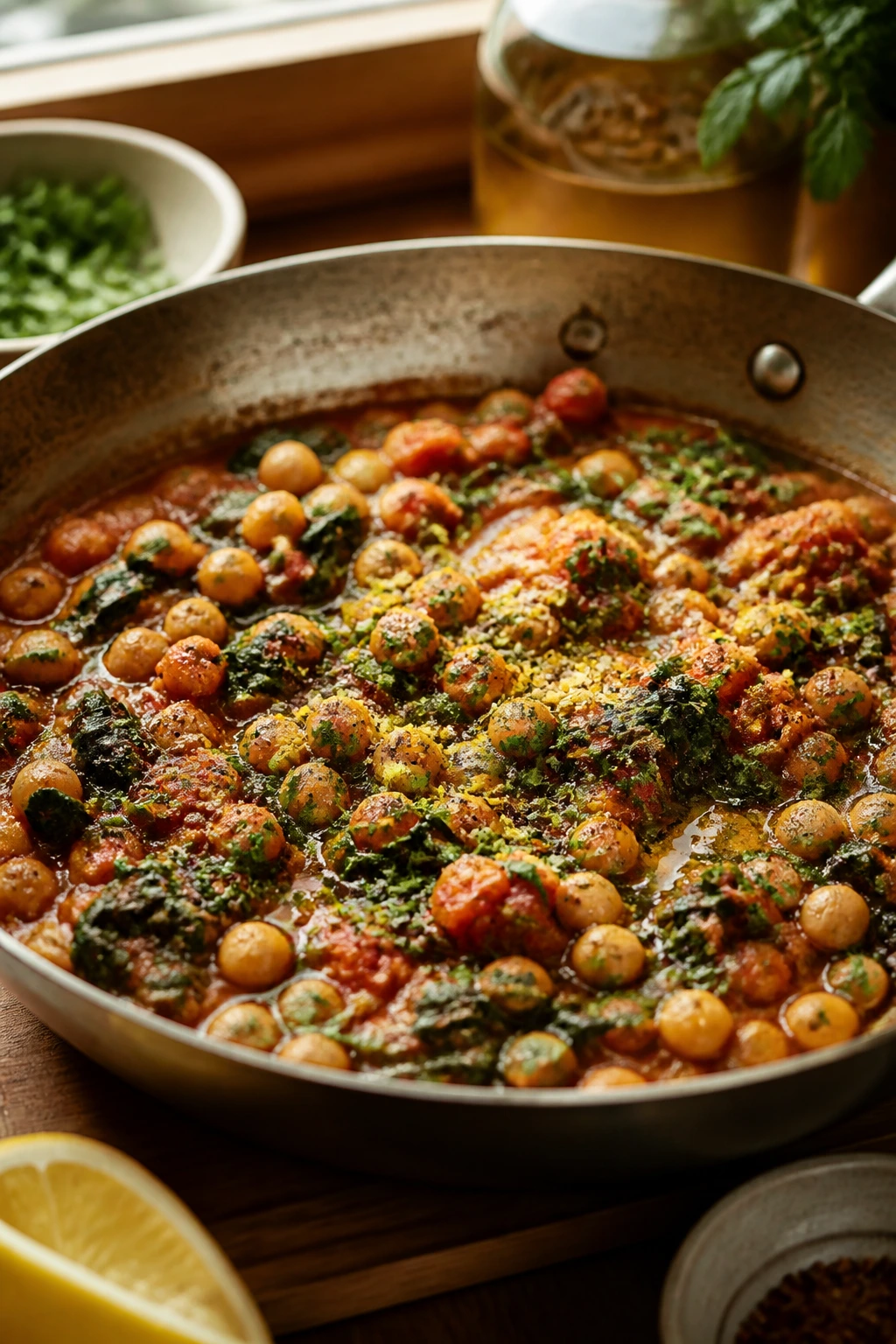
The best nonna-style meals are often built from the pantry, not a recipe card. That’s why they feel so lived-in. Someone looked in the cupboard, glanced at the vegetables on the counter, and made dinner.
Start with one anchor. Maybe it’s a can of tomatoes. Maybe it’s a bag of chickpeas. Maybe it’s a piece of fish or a few chicken thighs. That anchor tells you where the meal wants to go. Tomatoes push you toward onion, garlic, oregano, and bread. Beans push you toward herbs, lemon, and greens. Fish wants capers, fennel, and a shorter cook.
A simple way to think about it
Start with the base
Cook onion, leek, fennel, celery, or garlic in olive oil until soft and fragrant. That gives the dish its floor.
Add one sturdy body
Tomatoes, beans, potatoes, eggplant, or a protein that can simmer without drying out. Let it absorb the base flavors before you rush to the next step.
Add one green or fresh element
Parsley, spinach, peas, zucchini, celery leaves, or chopped herbs folded in at the end. That keeps the dish from tasting cooked to death.
Finish with something sharp
Lemon, vinegar, capers, olives, or a spoon of yogurt. The food should taste round but not sleepy.
That formula is flexible enough to carry a hundred dinners. A pan of chickpeas and tomatoes can become soup with broth, stew with potatoes, or a spoonable sauce for toast if you cook it down long enough. A tray of vegetables can lean Spanish with smoked paprika or Greek with oregano and feta. Same bones. Different clothes.
If the meal seems too plain at the end, don’t start adding random spices like a panicked person. Salt it, acid it, and taste again. Half the time that’s all it needed.
Additional Tips for Stronger, Brighter Flavor
Flavor Enhancement: Finish the dish with a thin drizzle of fresh olive oil right before serving. That raw oil tastes different from the cooking oil—it’s greener, softer, and it makes tomato sauces, beans, and roasted vegetables smell fuller the second they hit the plate.
Time-Saver: Keep a jar of quick herb chop ready in the fridge: parsley, basil, and mint mixed with a little lemon zest and olive oil. A spoon of that over roasted fish or beans saves a lot of fuss on busy nights.
Pro Move: Salt vegetables in stages. Onions in the pan, tomatoes when they go in, beans after they warm, and the final dish at the end. Layering the salt keeps the flavor from sitting on the surface.
Cost-Saver: Buy capers, olives, and beans in the size you’ll actually use. A huge jar of capers can sit around forever and lose its edge. A smaller jar gets used before it turns dull.
Make-It-Yours: If you like heat, add chili flakes to the olive oil before the onion goes in. If you want softer flavor, add bay leaf, fennel seed, or a strip of orange peel while the sauce simmers, then pull it out before serving.
Serving Suggestion: Put the finishing herbs on after the food leaves the stove, not during the final minute of cooking. Fresh parsley or basil turns muddy fast in a long simmer. The same goes for lemon zest—it wants to stay bright.
Common Mistakes That Make the Food Taste Flat
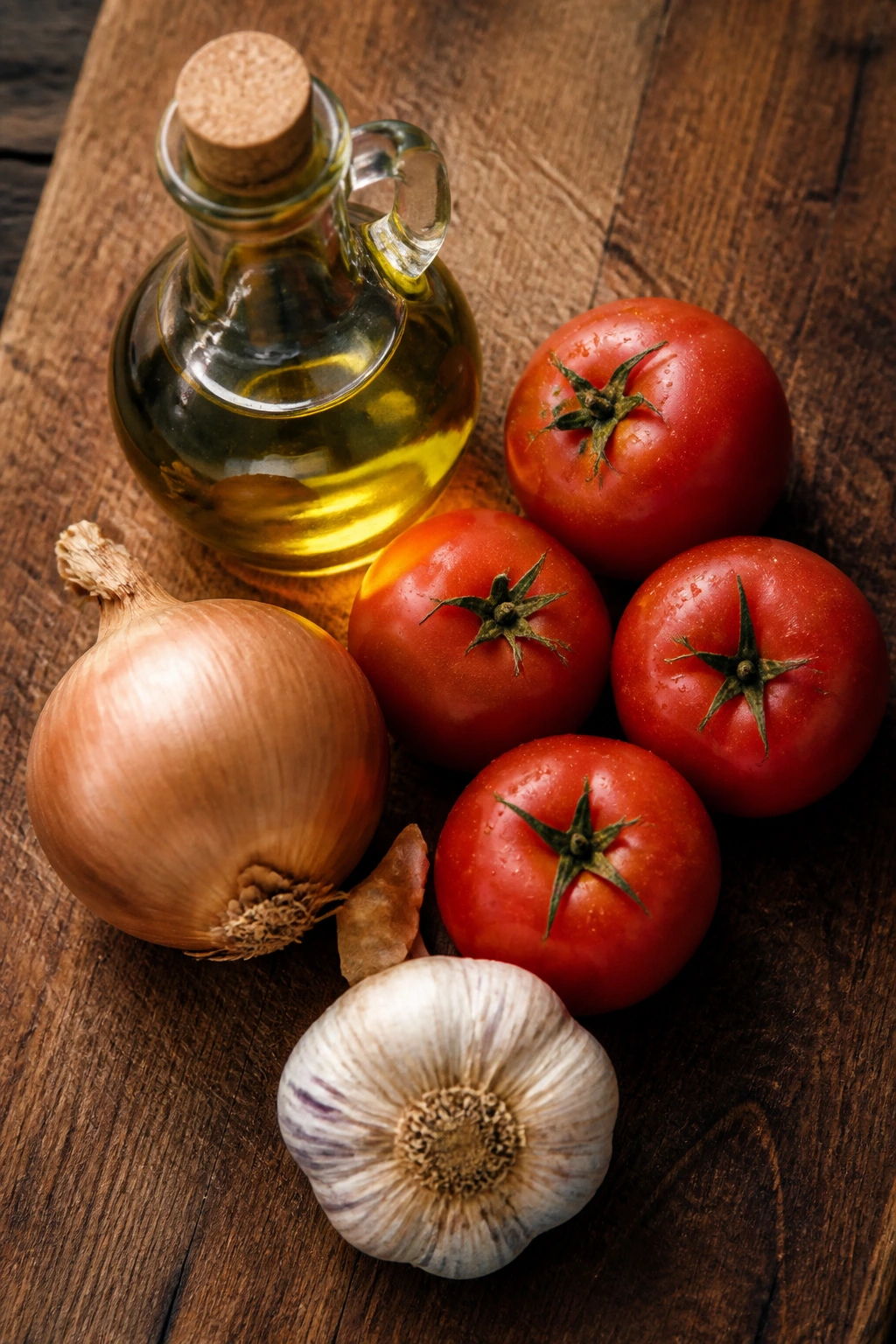
Using tired olive oil. If the oil tastes waxy, stale, or faintly like cardboard, the whole dish will feel muted. Fix it by tasting your oil before you cook and reserving the best bottle for the finish, where its flavor has the most impact.
Letting garlic burn. Burnt garlic gives the pan a bitter edge that never fully leaves. Cook it over lower heat, or add it after the onion has softened so it has less time to scorch. If it starts to brown too fast, splash in a spoon of water or tomato juice to cool the pan.
Skipping acid at the end. A stew can taste complete and still feel heavy. Lemon, vinegar, capers, or a splash of wine can sharpen the edges and make the ingredients separate into clear flavors instead of one blur.
Crowding the pan. Piling too many vegetables or pieces of meat into one skillet traps steam. The food turns pale instead of browned, and you lose the roasted, caramelized notes that give rustic dishes their depth. Use a bigger pan or cook in batches.
Under-salting the base. If you wait until the end to salt onions, beans, or tomatoes, the flavor often sits on top instead of sinking in. Season as you go, then taste once the dish has rested for a minute or two.
Treating every dish like a soup. Some Mediterranean foods should be spoonable, but not watery. If your sauce tastes thin, keep simmering until it coats the spoon and leaves a trail when you drag the spoon through the pan.
Regional Variations Worth Borrowing
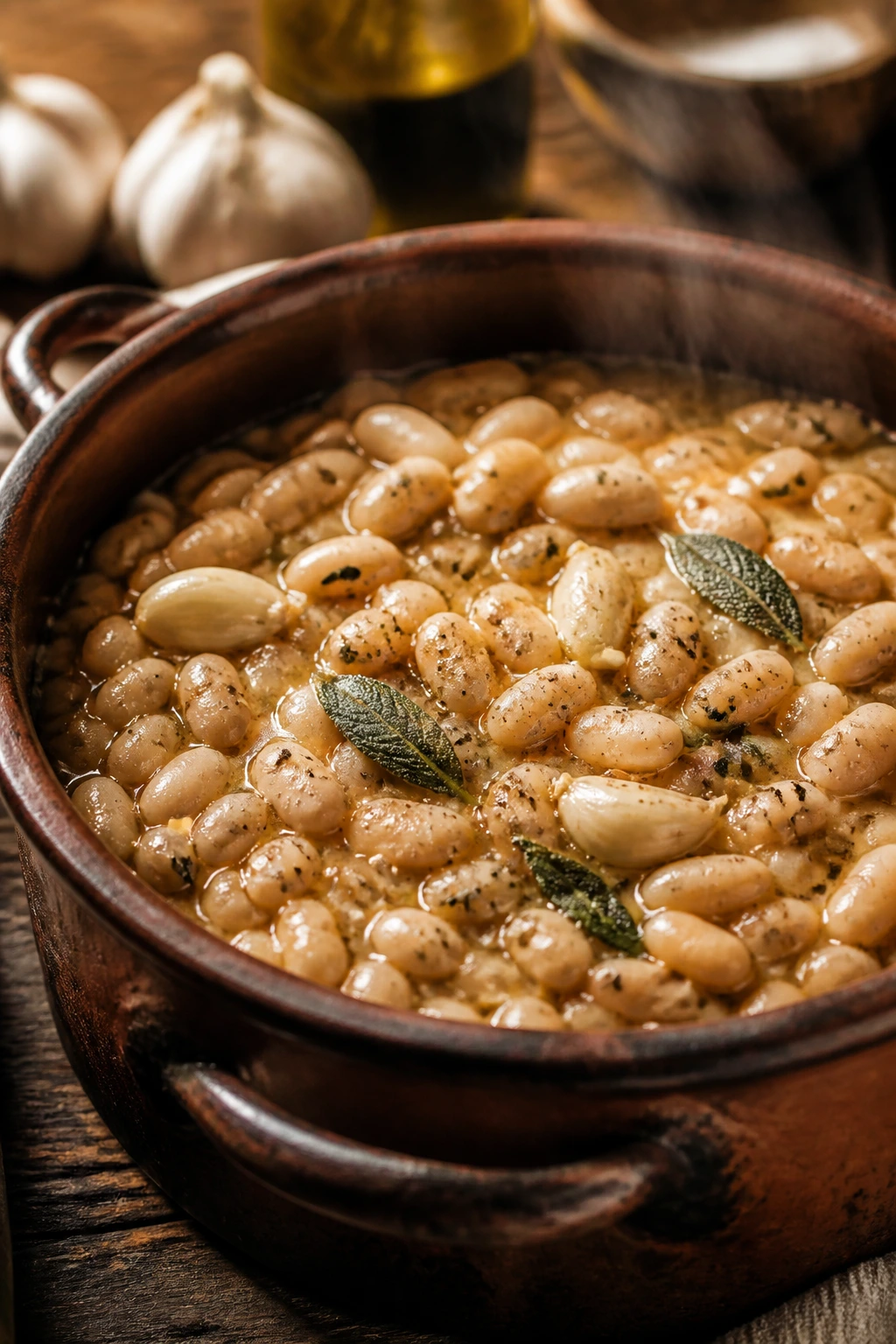
Tuscan Bean Pot: Lean into cannellini beans, sage, garlic, and rosemary with a little tomato paste or a handful of chopped tomatoes. Keep it brothy enough to soak into bread, then finish with olive oil and black pepper.
Greek Lemon Roast: Use chicken, potatoes, oregano, lemon juice, and garlic, then roast until the potatoes are browned at the corners and the chicken skin, if you kept it on, has tightened and crisped. It tastes clean and sharp rather than heavy.
Spanish Sofrito Skillet: Start with onion, garlic, peppers, smoked paprika, and tomatoes, then add chickpeas, sausage, or rice. The smoke from the paprika changes the whole mood; it makes the dish feel deeper without making it fussy.
Provençal Garden Pot: Use zucchini, eggplant, tomatoes, thyme, basil, and a little fennel if you like it. Roast the vegetables first if you want stronger browning, or simmer them if you want something softer and saucier.
Southern Italian Briny Finish: Tomatoes, olives, capers, anchovy, chili flakes, and parsley make a sharp, salty sauce that’s excellent with fish or pasta. This is the version I reach for when a dish needs more personality without more ingredients.
The nice part about these variations is that they don’t ask you to learn a new system. They just shift the accents. Same olive oil. Same basic rhythm. Different coast, different hillside, different grandmother’s memory.
Tools That Make This Style Easier
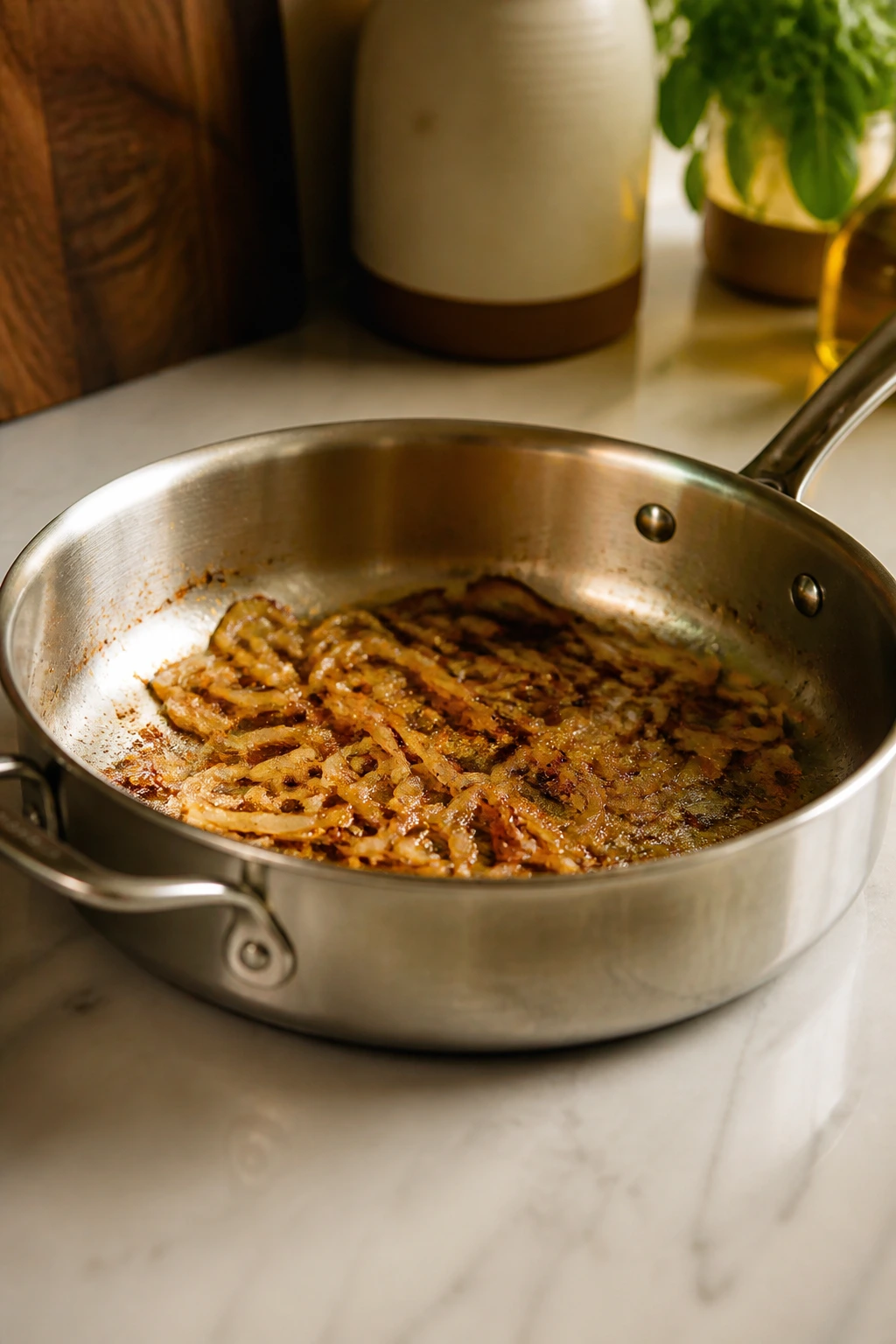
- Large sauté pan or skillet: Wide enough to brown onions or fish in a single layer; 12 inches is a sweet spot for most home kitchens.
- Dutch oven: Best for braises, bean pots, and tomato sauces that need steady heat and a lid.
- Rimmed sheet pan: Useful for roasting vegetables, chicken thighs, or fish with tomatoes and olives.
- Sharp chef’s knife: A blunt knife makes onion work miserable and slows everything else down.
- Wooden spoon or heatproof spatula: Good for scraping browned bits without tearing soft vegetables apart.
- Microplane or fine grater: Handy for lemon zest, garlic, and a tiny shower of hard cheese over the top.
- Citrus juicer: Not required, but it keeps seeds out of the pan and gets more juice from each lemon.
- Mortar and pestle: Optional, but worth having if you like crushing herbs, garlic, or salt into a rough paste.
- Instant-read thermometer: Useful for chicken and lamb so you don’t overcook the meat while chasing a browned exterior.
- Large colander or fine-mesh strainer: Makes rinsing beans, olives, and capers faster and cleaner.
Make-Ahead, Storage, and Leftover Rescue
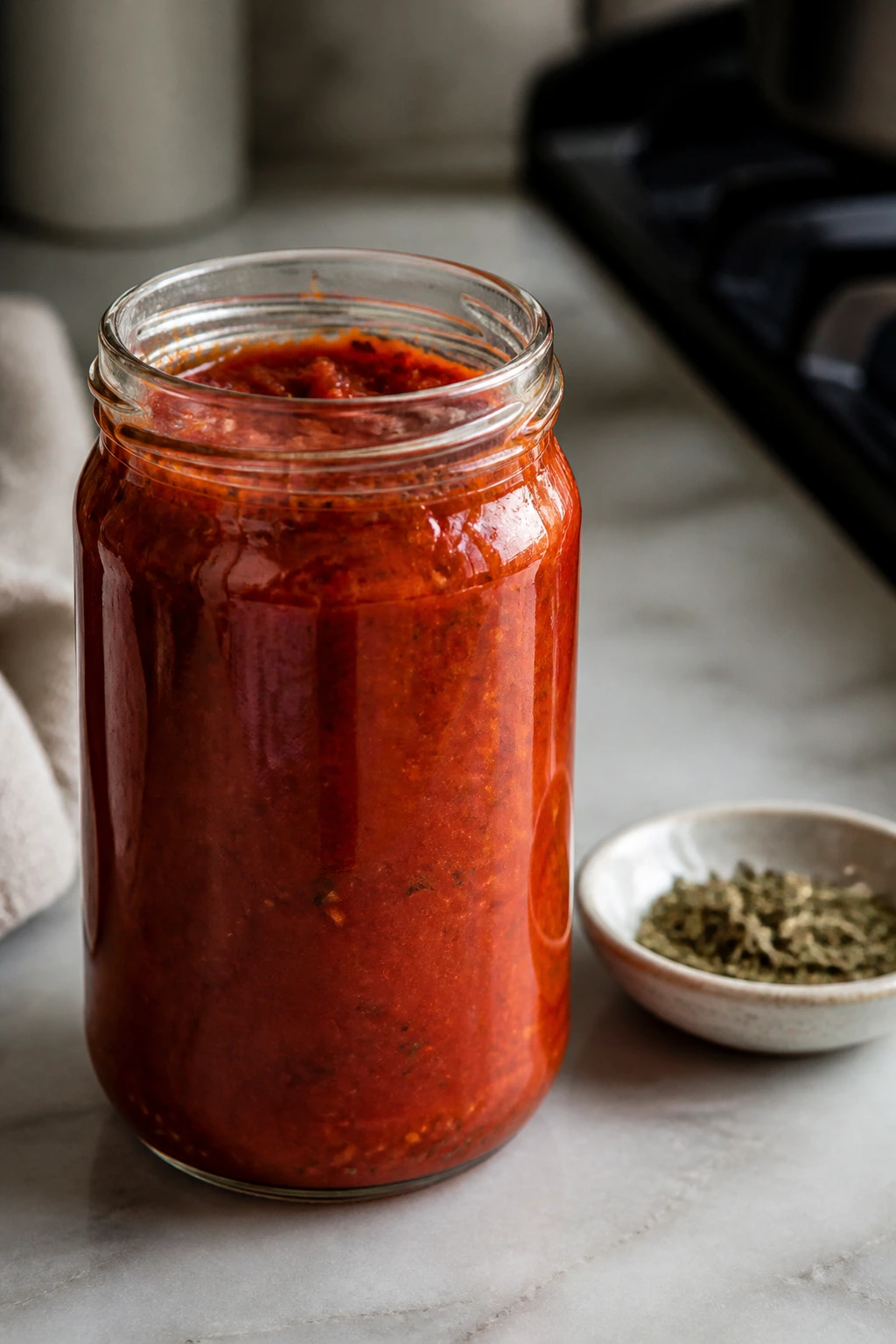
Rustic Mediterranean food is generous with leftovers if you handle the textures the right way. Tomato sauces, braises, bean stews, and roasted vegetables usually keep well because the flavors settle and deepen after a night in the fridge. Fresh herbs and crisp garnishes are the parts that need to stay separate.
Most cooked tomato-based dishes keep 3 to 4 days in the refrigerator in a sealed container. Braised chicken or lamb does well for the same span, though I’d usually pull the meat out of the liquid before chilling if the sauce is very oily. Roasted vegetables hold for about 3 days, though they soften a bit each day. Beans stay good for 4 to 5 days if they’re kept in their cooking liquid or sauce.
Freezing works for sauces, braises, and beans. Pack them in flat containers or freezer bags and freeze for up to 2 months if you want the best texture. Fish does not freeze and reheat as gracefully once cooked, so I’d rather make that fresh. Same with leafy herbs, unless they’re already folded into a sauce and not meant to stay bright.
Reheat gently. A saucepan over low heat is better than a microwave blast for tomato sauces and beans. Add a tablespoon or two of water if the sauce has tightened in the fridge. For braised meats, warm them covered at 300°F until they’re hot through, or heat them slowly on the stove so the sauce doesn’t break.
A few leftovers improve instead of fading. Bean stew with tomato and rosemary often tastes better the next day. So does braised chicken in lemon and olive oil. The trick is to freshen the dish at the end with a tiny bit of lemon juice, parsley, or olive oil so it tastes awake again.
Leftover rescue is easy if you think like a nonna with a short pantry list. Spoon tomato sauce over eggs. Toss roasted vegetables with pasta and a bit of cheese. Thin leftover beans with stock and turn them into soup. Warm braised lamb and stuff it into bread with onions and herbs. Nothing glamorous. All useful.
Questions Cooks Ask All the Time
What actually makes a dish taste “Mediterranean” instead of just seasoned?
Usually it’s the combination of olive oil, vegetables, herbs, acid, and one or two briny ingredients like capers or olives. The flavor should taste layered and sun-warmed, not dusty with spice. If a dish has plenty of oil but no acid, it often feels flat.
Can I make these flavors without fresh herbs?
Yes, but you need to be more careful. Dried oregano, thyme, rosemary, and bay leaf carry a lot of weight, especially in sauces and braises, but they taste better when bloomed in oil or simmered long enough to open up. Finish with lemon or vinegar so the dish still feels bright.
Are canned tomatoes good enough for rustic cooking?
Absolutely. Whole peeled canned tomatoes are often the best choice for sauces, stews, and braises because they’re picked for ripeness and processed quickly. Crush them by hand if you want texture, or blend lightly if you want a smoother sauce.
How do I keep the food from tasting oily?
Use enough oil to carry flavor, not enough to puddle in the pan. Then add acid, salt, and herbs at the end so the oil feels integrated instead of slick. A dish that tastes greasy usually needs brightness, not less cooking.
What if I don’t eat fish?
You can lean on beans, eggs, chicken thighs, lamb, or roasted vegetables and still stay in the same flavor family. The sauce and seasoning do most of the work here, so the protein can shift without breaking the style.
Can this style work in vegetarian meals without feeling thin?
Yes, and it usually does better than people expect. Beans, lentils, eggplant, potatoes, and mushrooms all carry the base flavors well if you cook them with onion, garlic, tomato, and enough olive oil. A spoon of yogurt or a shower of cheese can help, but the dish doesn’t need it to stand up.
Why does my tomato sauce taste sharp even after simmering?
It usually needs one of three things: salt, a little sweetness from longer cooking, or fat from olive oil. If it still tastes harsh after 30 minutes, try a splash of water and another 10 minutes on low heat, then finish with herbs and a touch of acid.
Is bread really part of the meal, or just tradition?
It’s part of the structure. Bread catches sauce, picks up olive oil, and turns a bowl of beans or roasted vegetables into something that eats like dinner instead of a side dish. In a lot of kitchens, that role matters as much as the protein.
A Table Worth Returning To
Rustic Mediterranean cooking keeps winning because it does not need to shout. It smells good while it cooks, tastes even better after a short rest, and makes humble ingredients feel like they were chosen with care. That combination is hard to beat, and even harder to get tired of.
The longer you cook this way, the more obvious the pattern becomes: good olive oil, enough salt, patience with the heat, and a bright finish at the end. That’s the whole trick, more or less, though the little details—how brown the onions go, when the lemon goes in, whether the herbs stay fresh—are what make the plate feel like somebody’s memory instead of a formula.
Start with one onion, one can of tomatoes, and one bottle of oil you actually like the smell of. The rest tends to fall into place.