



A marinated romantic picnic for two for backyard cookouts works because the food arrives with flavor already built in. You’re not standing over a hot grill trying to improvise a whole dinner while someone keeps asking whether the bread is ready and whether the drink needs ice. You’ve already done the useful work earlier in the day, when the chicken, steak, shrimp, or vegetables were soaking up garlic, citrus, herbs, oil, and salt in the fridge.
That matters more than people admit. Backyard meals for two can go sideways in tiny, annoying ways: the meat cooks unevenly, the salad gets wilted, the drinks sweat through the napkins, the bread goes stale, and the whole thing starts to feel like a rushed weeknight dinner wearing a fake candle. A proper marinated picnic avoids most of that because the flavor is front-loaded and the menu stays small on purpose.
The best part is how little you need to make it feel thoughtful. Two real plates. One decent blanket. A chilled side dish that can sit safely for a short spell. A protein that was given time to marinate instead of being salted at the last second. And one quiet rule that keeps the whole evening steady: cook less, choose better, and let the grill do what it does best.
Why a Marinated Picnic for Two Feels Better Than a Big Backyard Spread
A small, marinated backyard meal has a kind of ease that a crowded cookout almost never has.
- Less last-minute scrambling: A marinade does the heavy lifting before anyone sits down, which means you’re not juggling five bowls and a hot grill at once.
- Better flavor in less food: Salt, herbs, oil, and acid cling to the surface of meat and vegetables, so every bite tastes seasoned instead of vaguely smoky.
- Cleaner pacing: Two portions cook faster and rest faster, and that gives the whole meal a calmer rhythm.
- More room for details: When you’re feeding two, you can put energy into one sharp sauce, one crisp salad, and one good loaf of bread instead of spreading yourself thin.
- Easier cleanup: Fewer platters, fewer utensils, fewer serving bowls. That matters when you want to linger instead of facing a sink full of pans.
- Naturally more intimate: A meal built for two tends to feel deliberate because the portions are exact. There’s no mountain of extra food demanding attention.
I like this style of cookout because it rewards planning without feeling stiff. The grill stays central, but the scene around it feels softer: a blanket, a low table, cold glasses, and food that doesn’t need a lot of ceremony to look good.
There’s also a practical reason this works so well. Marinades are forgiving. They help a chicken thigh stay juicy, tame the edge on a pork chop, and give mushrooms or zucchini a deeper, savory note that plain oil and salt can’t manage alone. The food comes off the grill with visible marks, a warm smell of garlic and smoke, and enough seasoning that you do not need to drown it in sauce afterward.
The Foods That Take to Marinade Like They Were Made for It
Not every ingredient deserves a soak. Some foods pick up flavor fast; others turn limp, mushy, or aggressively salty if you leave them alone too long. The trick is choosing ingredients that can handle both the acid and the heat.
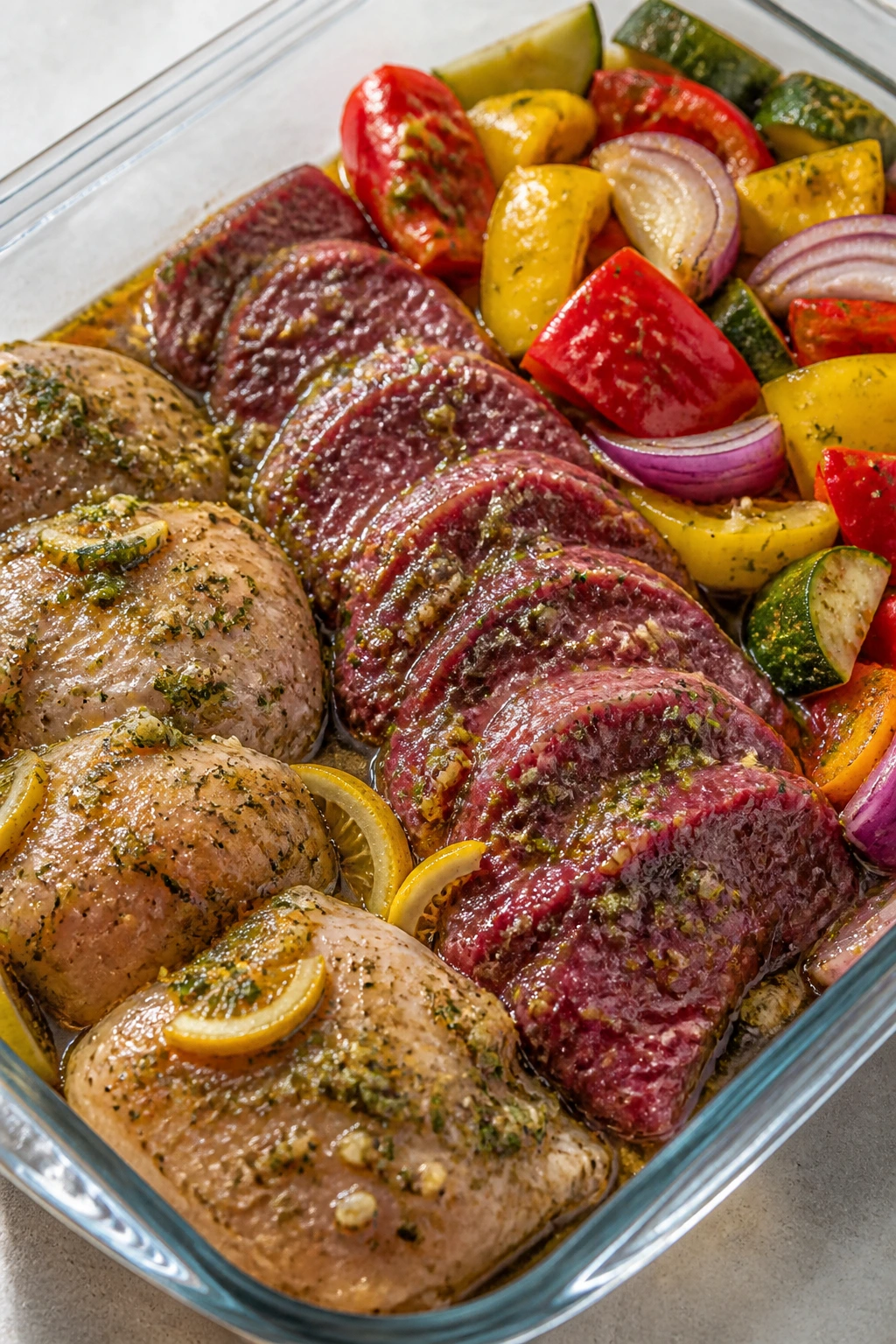
Chicken thighs are the safest, easiest place to start. They have enough fat to stay moist on a grill and enough structure to hold up through a few hours in a lemon, garlic, and herb bath. Chicken breast can work too, but it asks for more care. Cutlets or evenly thick breasts are easier to manage than big uneven pieces, and they need a shorter marinating window.
Steak is the opposite kind of pleasure. It likes bold flavor and quick cooking. A flank steak, skirt steak, or sirloin tip can soak up a marinade that leans citrusy or savory, then hit the grill hard and fast. I’m less enthusiastic about overcomplicated steak marinades with too much sugar. They smell good in the bowl and scorch on the grates if you’re not watching them.
Vegetables deserve more respect than they usually get. Zucchini, bell peppers, mushrooms, eggplant, cherry tomatoes, and thick onion wedges all respond well to a light marinade. They want enough oil to keep from drying out and enough salt to taste like food instead of garnish. Mushrooms, especially, are greedy little sponges; they’ll soak up whatever you give them.
Seafood is trickier. Shrimp, scallops, and fish need a short, controlled marinade because acid works fast on delicate proteins. Fifteen to thirty minutes is plenty for shrimp. Anything much longer starts to turn the surface soft in a way that feels less like marinating and more like curing. That may be fine in some dishes. It’s not what you want on a romantic picnic plate.
The quickest way to choose
If you want a small menu with almost no risk, build it around one of these pairs:
- chicken thighs plus grilled zucchini
- flank steak plus peppers and onions
- shrimp plus corn and tomatoes
- halloumi plus eggplant and bread
- salmon plus asparagus and lemon wedges
Each one gives you contrast. Soft against crisp. Smoky against bright. Warm against cold. That contrast is what keeps a two-person cookout from feeling flat.
A Marinade Formula That Balances Flavor and Browning
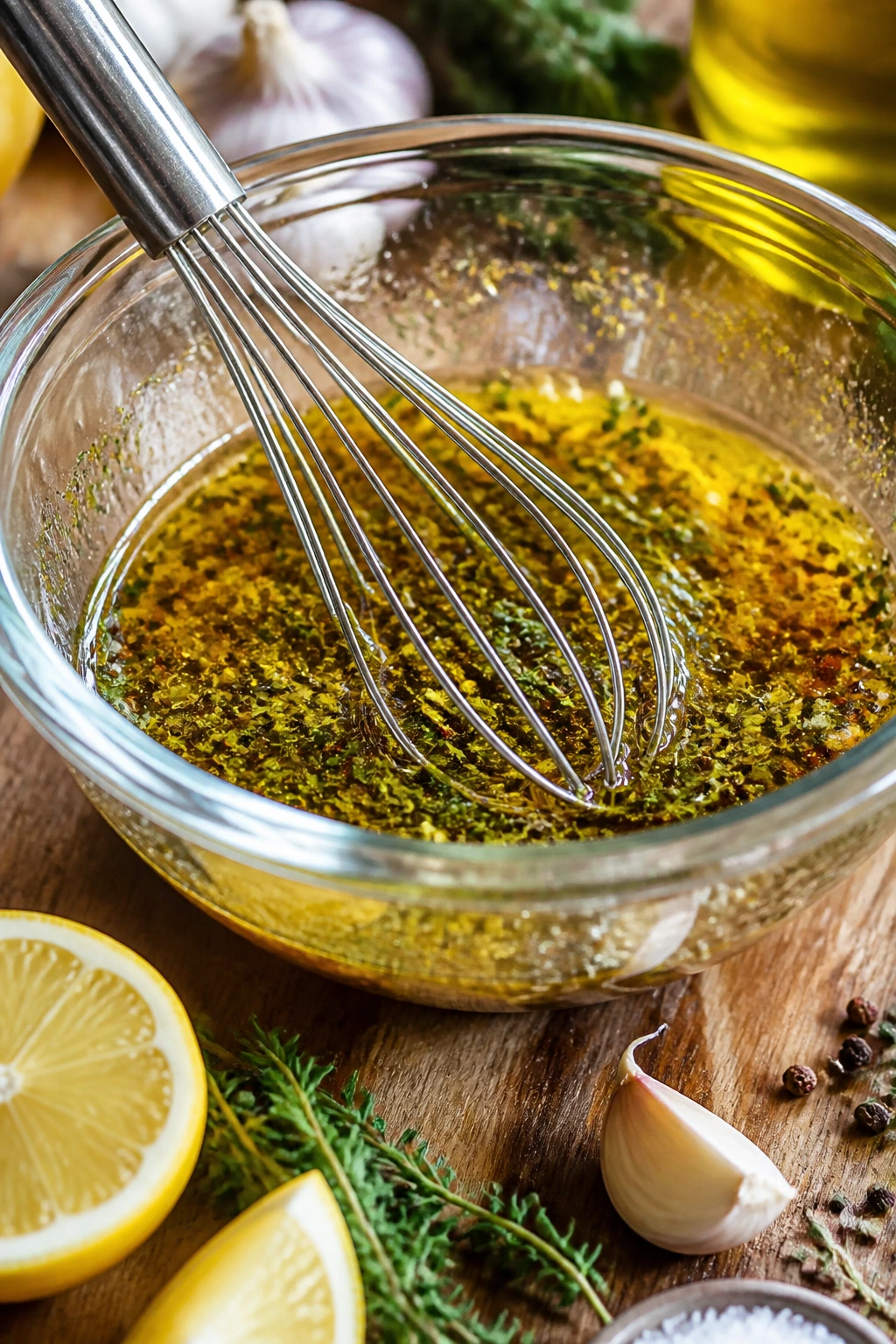
A marinade is not magic. It’s a balance problem.
Too much acid and the surface of the food turns odd and chalky. Too much sugar and the grill starts to blacken before the center is ready. Too much oil and the seasoning slides around instead of clinging. The sweet spot is simple: enough salt to season, enough oil to carry fat-soluble flavor, enough acid to brighten, and enough aromatics to smell good the second the food hits the heat.
The backbone that works
For most grilled foods, I start with a ratio close to this:
- 3 parts oil
- 1 part acid
- salt to taste
- garlic, herbs, pepper, and optional sweetness
That doesn’t mean every marinade should taste the same. It means the structure should make sense. Olive oil gives body. Lemon juice, lime juice, vinegar, buttermilk, yogurt, or wine brings brightness. Salt makes the flavors wake up. Garlic, shallot, mustard, honey, chili flakes, rosemary, thyme, oregano, cumin, or smoked paprika gives the marinade a personality.
Salt changes more than flavor
Salt is the piece people underuse. It does not just make food salty. It helps the marinade season deeper, and it changes how the protein holds moisture during cooking. A chicken thigh that was salted in advance tends to taste fuller and cook more evenly than one that only gets seasoning at the end.
That said, salt and acid are not identical tools. Salt can sit in a marinade for hours with little trouble. Acid needs more restraint. Citrus juice, vinegar, wine, and yogurt all have their place, but on lean protein or seafood they should be watched with a firmer hand.
Acid needs a leash
Think of acid as the bright top note, not the whole song.
For chicken thighs, a few hours is plenty. For steak, anywhere from 30 minutes to a few hours works. For shrimp, keep it short. For vegetables, the timing sits in the middle because there’s no delicate muscle structure to break down, but there is still a point where they stop looking crisp and start looking soggy.
If you want a marinade with real backyard character, go savory first and sweet second. Garlic, herbs, lemon zest, black pepper, and a spoonful of mustard give you a cleaner result than dumping a half-cup of honey into the bowl. Honey can be lovely. It just belongs in a smaller role, especially over open flame.
Building the Romantic Picnic Menu Without Waste
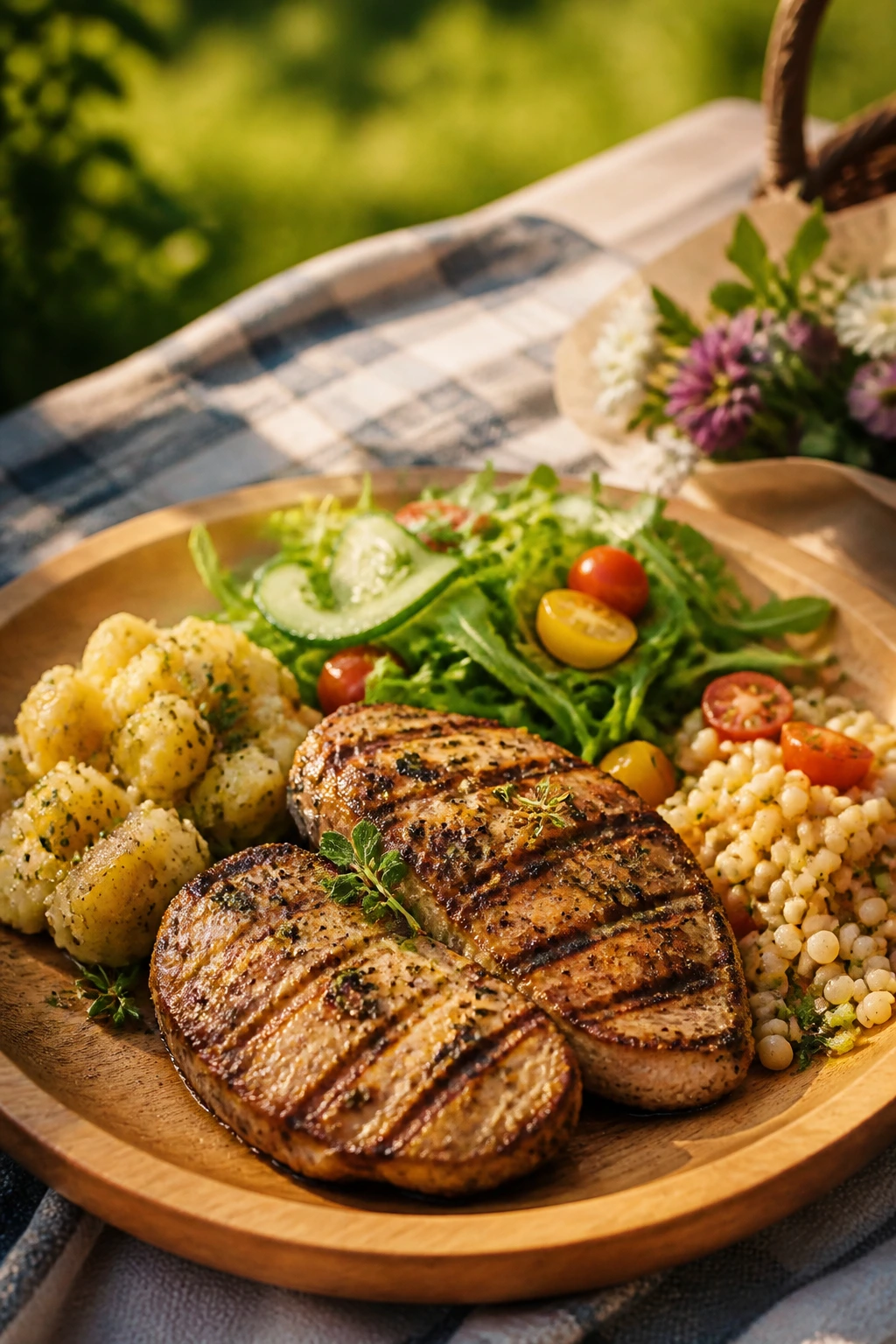
A picnic for two gets awkward when the menu is too ambitious. You don’t need six sides and a dessert tower. You need a main, two supporting plates, something cold and crisp, and one small finish that feels like a decision rather than an afterthought.
The sweet spot for two adults is usually one main protein plus two sides. If the protein is hearty, the sides can be lighter. If the protein is a bit lean or quick-cooking, one side can be starchier. That balance keeps the plate from feeling random.
A practical shopping target helps:
- Protein: 10 to 14 ounces total for steak, 12 to 16 ounces for chicken thighs, 8 to 10 large shrimp per person, or 1 small halloumi block
- Vegetables: 2 to 3 cups total, split between grilled and fresh
- Starch or bread: 1 small loaf, 2 pita rounds, or 2 medium potatoes
- Fresh side: 1 crisp salad or chilled vegetable dish
- Finish: 1 fruit element, dessert, or sauce
That is enough food to feel generous without leaving a second dinner in the fridge.
I like menus that contain at least one cold element and one warm element. A grilled main and a chilled cucumber salad make each other taste stronger. A warm flatbread and a lemony herb sauce do the same thing. Even a simple tomato salad becomes useful here because it brings moisture without turning the plate heavy.
A picnic for two should also avoid food that collapses quickly. Anything that turns soggy in ten minutes is a bad fit unless it’s being served immediately. That means you think differently about fried items, lettuce-heavy salads, and anything with a crust you care about. The better move is to pick foods that hold their shape: grilled bread, roasted vegetables, marinated cheese, sliced fruit, crisp cucumbers, tomatoes, and sturdy herbs.
There’s a tiny, underrated benefit to small portions too. You can choose better ingredients. A single well-trimmed steak, one good piece of fish, or a few thick chicken thighs feels more luxurious than a pile of bargain meat that needs rescuing with sauce.
Setting the Backyard Table So It Feels Like a Date
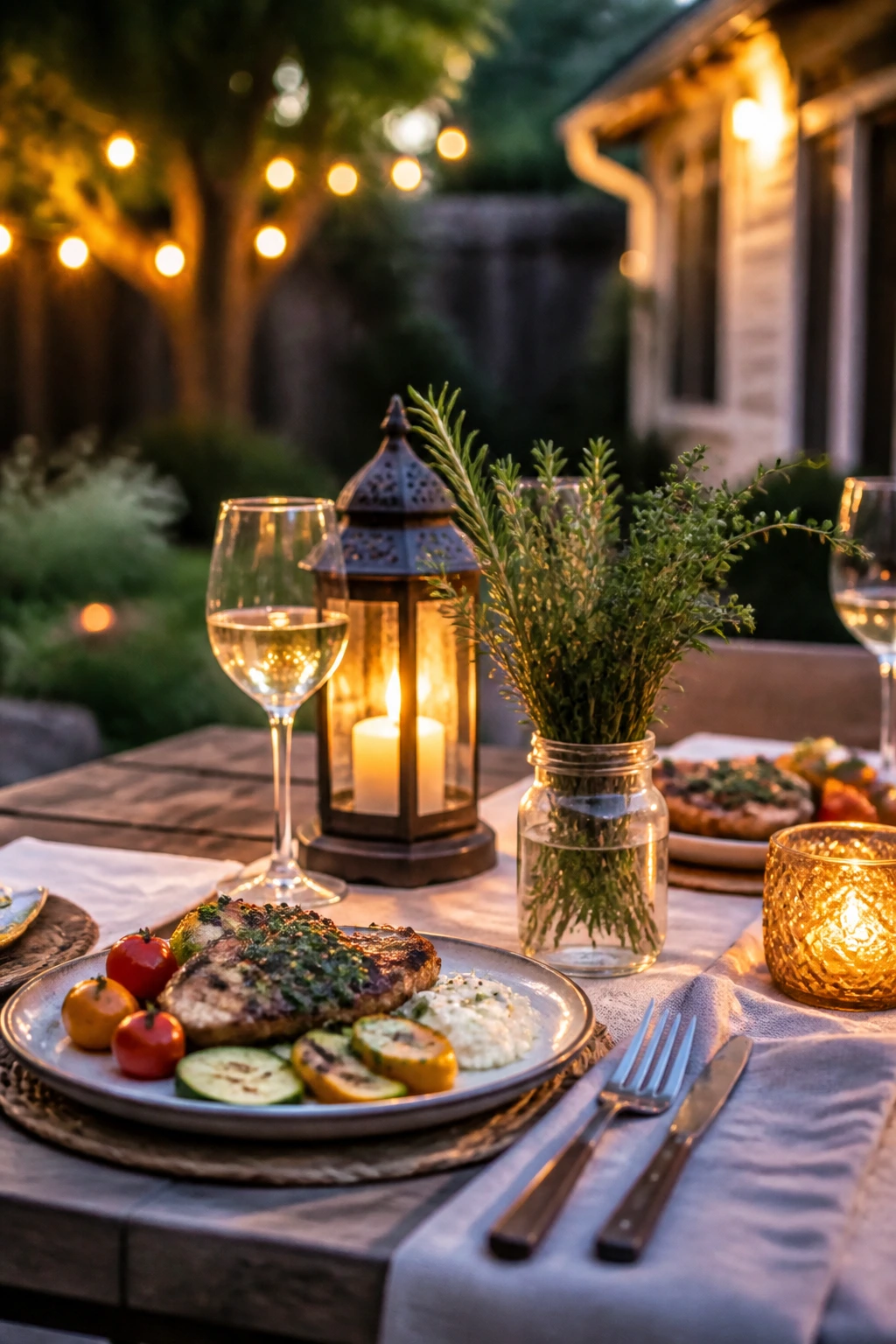
A romantic picnic doesn’t need props from a movie set. It needs comfort, shade, and a layout that keeps the food from feeling dumped on a random table.
Start with the surface. A blanket works if the ground is clean and dry. A low folding table works if you’d rather avoid grass, bugs, or uneven patio stones. I prefer a table for anything involving grilled food because plates stay level and drinks stop wobbling. Still, a blanket has its own charm. It softens the meal. It says you meant to slow down.
The plateware matters more than people think. Real plates feel better than disposable ones, and they hold hot food without bowing in the middle. If you’re using melamine or enamel, even better. Pair them with cloth napkins if you have them. Paper is fine, but cloth makes grilled food feel like a meal instead of a rushed snack.
Light, height, and sound
Lighting should be low and steady. A lantern on the table, battery candles, or a strand of small bulbs across the fence creates enough glow to see what you’re eating without turning the space into a stage. You want soft light, not drama.
Bring some height to the table with a small vase, a jar of herbs, or even a sprig of rosemary in a glass. That little bit of vertical shape makes the layout feel intentional. Keep it low enough that you can still see each other. Nothing ruins a date faster than talking around a bouquet.
Sound is part of the setup too. If the grill is hissing and the whole yard is silent, the meal can feel oddly exposed. A little background music helps. Not loud. Not crowded. Just enough to keep the evening from feeling like a kitchen task moved outside.
And please, if the weather is warm, put a small stack of extra napkins and a damp towel within reach. Sticky fingers and glossy marinade on a serving platter are normal. The fix should be nearby.
The Cookout Timeline That Keeps the Evening Calm
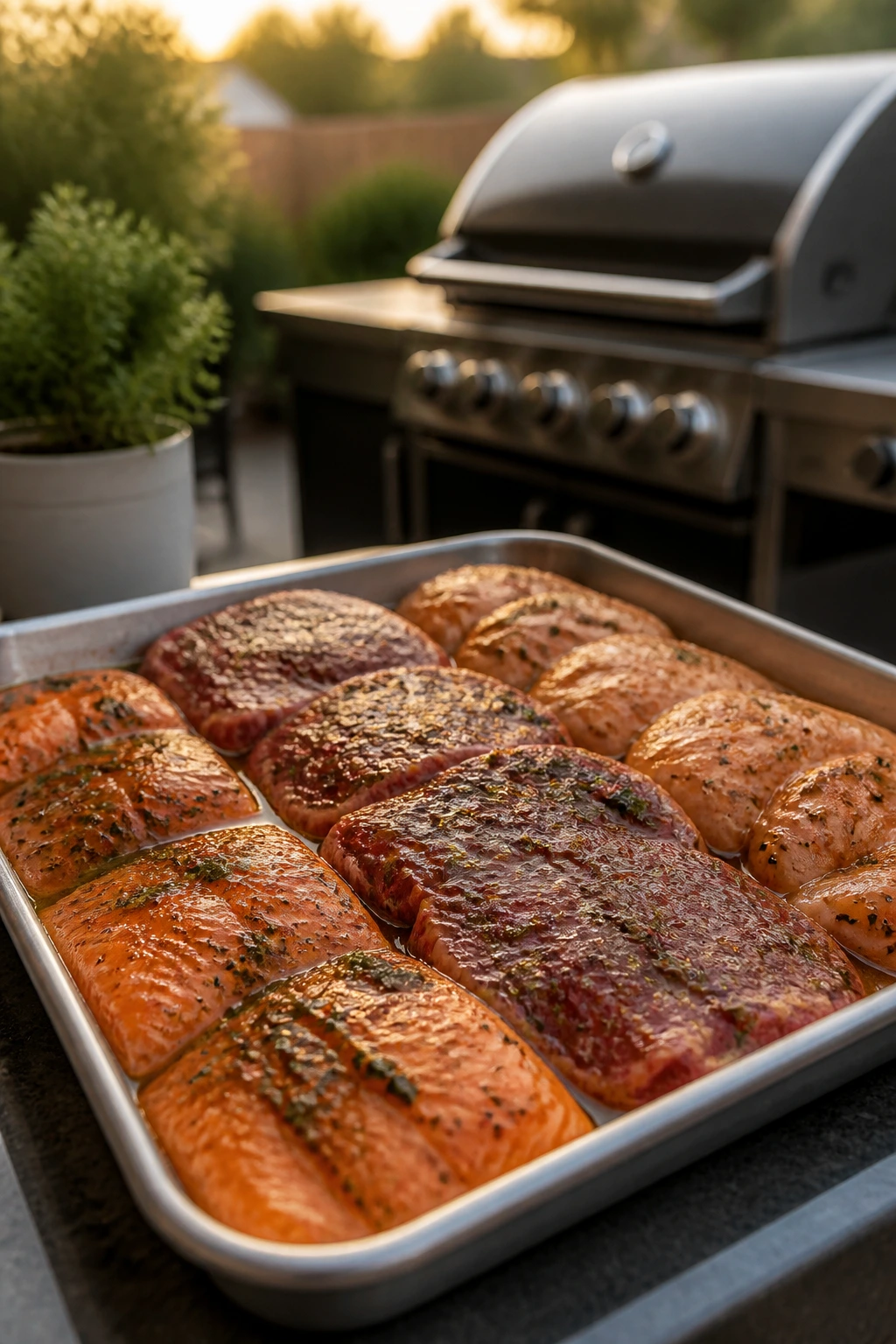
A romantic backyard meal turns sloppy when every task happens at once. The trick is to spread the work across the day so the only thing left at dinner time is heat and assembly.
Here’s a timeline that keeps the pace sane.
Earlier in the day
Make the marinade first. If you’re using chicken, steak, pork, or vegetables, let the ingredients chill together in a sealed container or zip-top bag. Pick your sides now too. A tomato salad, herbed yogurt, or cucumber dish can wait in the fridge without complaint.
Set the table items aside before you forget them. Plates, napkins, glasses, serving tongs, cutting board, and any garnish bowls should live in one place. That way you’re not wandering inside ten times while the grill gets hotter.
About an hour before eating
Take out any chilled side that tastes best not ice-cold. Some tomato salads and marinated vegetables are better after ten or fifteen minutes on the counter. Cold, dull-tasting produce can make the meal feel flatter than it should.
Preheat the grill. Clean the grates while they’re hot. Oil them lightly with a folded paper towel held by tongs or a grill-safe brush. A clean grate gives better marks and fewer sad sticking incidents.
About 20 to 30 minutes before
Pull the protein from the marinade and let excess drip off. Don’t leave it pooling in a slick, sugary bath unless you want flare-ups and black edges. Pat the surface lightly if the marinade is thick.
Bring out the cold drinks, finish any dressing, and set the serving platter near the grill. This is the moment when the meal should stop feeling like prep and start feeling like a sequence.
Right before cooking
Check the heat. Medium-high works for many proteins, but if your marinade has honey, maple, or a lot of garlic, a slightly lower zone is smarter. Direct flame is not your friend when sugar is involved.
Use the grill like a two-zone stove when you can. One hot side for marks, one cooler side for finishing. That little trick saves dinner more often than people expect.
Grilling the Main Course Without Dry Meat or Burnt Sugar
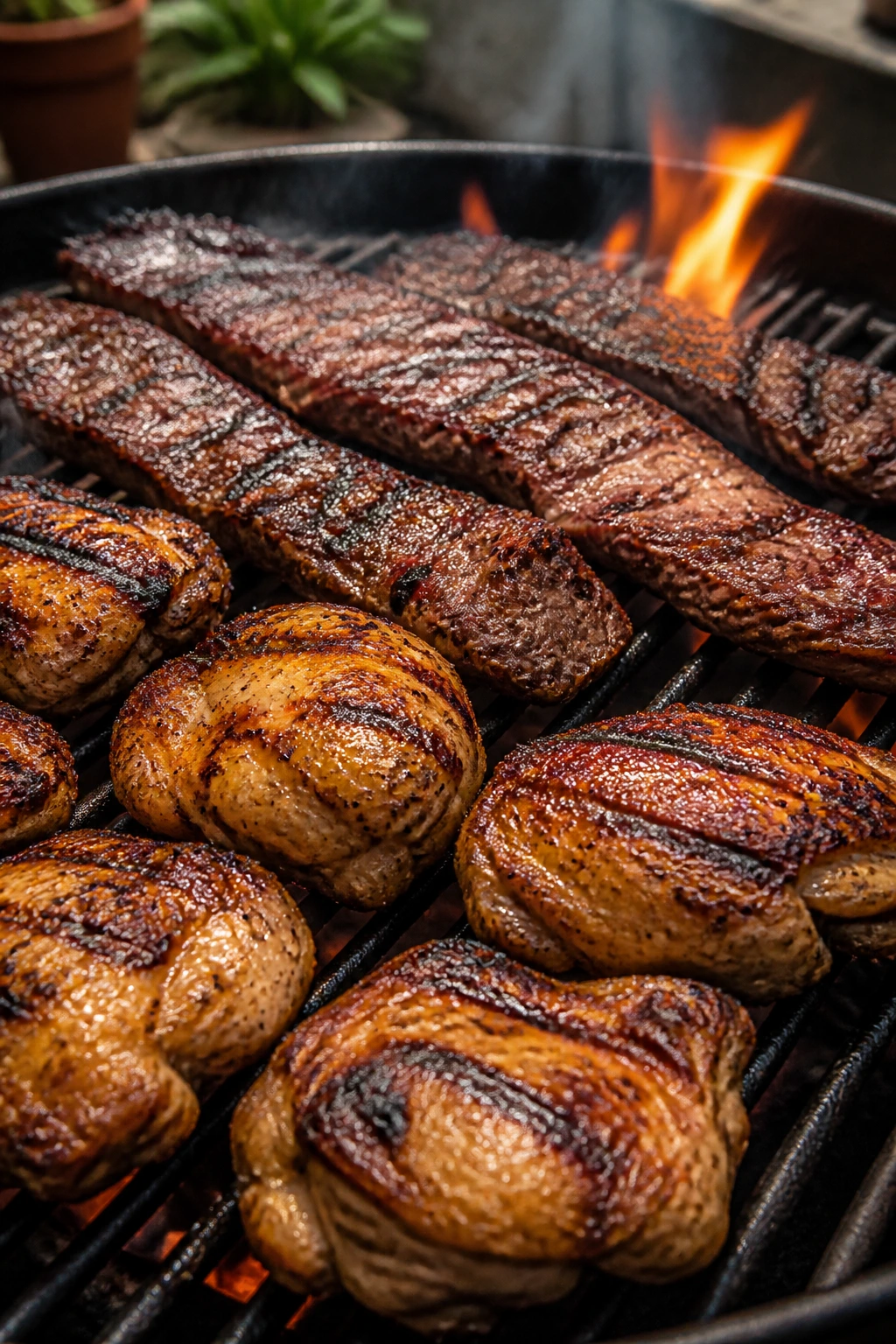
A good grill session for two should be direct, fast, and calm. The food ought to sizzle. It should not scream.
Chicken thighs are the easiest example. They can take a little heat and a little forgiveness. Put them on a medium-hot grill, sear the first side until you get dark marks and easy release, then flip and finish until the thickest part reaches 165°F. If the outside looks done before the center is there, move them to the cooler side and close the lid for a few minutes.
Steak needs less fuss. A skirt or flank steak likes high heat and a short cook. Sear both sides, then pull it when the center reaches your preferred temperature. For medium-rare, many cooks aim for 125°F to 130°F before resting. Resting matters. The juices settle back in, and the slices stay cleaner.
Sugar is a small fire hazard
If the marinade contains honey, brown sugar, maple syrup, or even a lot of fruit juice, keep a close eye on it. Sugar browns fast. It also burns fast. The fix is simple: wipe off excess marinade, use medium heat instead of a raging fire, and move the food if the flare-ups start licking the edges.
Vegetables are easier but not effortless. Mushrooms and peppers can char beautifully. Zucchini can turn floppy if you slice it too thin. Eggplant wants enough oil not to dry out. Cherry tomatoes need a grill basket or a very careful hand, because they split and roll if you let them.
Seafood asks for the most attention and the least bravado. Shrimp cook fast, turn pink, and curl into neat little C-shapes when done. Fish fillets need a clean, oiled grate or a grill basket if you want to keep them intact. A fish that sticks and tears is still edible, but it does not look romantic. It looks like you lost a fight with dinner.
Always rest the cooked protein before slicing. Five to ten minutes is enough for most things. That pause may feel small, but it keeps the plate from bleeding juice onto the sides.
Side Dishes, Sauces, and Cold Foods That Hold Up Outside
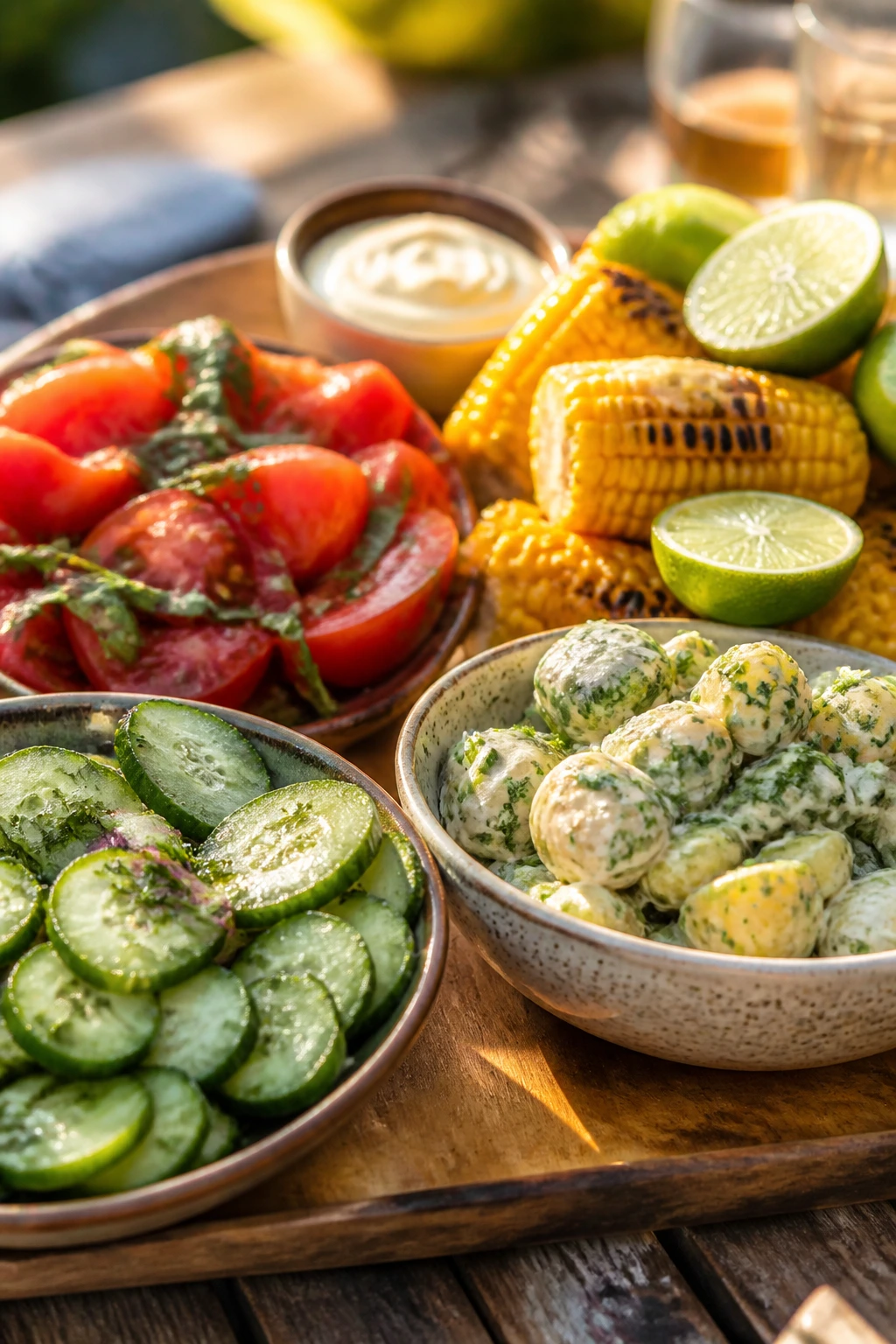
A backyard picnic for two gets better when the sides are chosen for the weather, not just for taste. Heavy, mayo-soaked dishes can work in some settings, but they need careful chilling and short exposure to heat. I reach first for sides that can sit near the grill without collapsing.
Crunchy cucumber salad is a clear winner. So are tomato wedges with olive oil, salt, and torn basil. Grilled corn cut from the cob and tossed with lime, chili, and a little butter feels casual in the best way. A warm potato salad with vinegar and herbs holds up better outside than the mayonnaise-heavy kind, especially if you want the meal to linger for a while.
The best kind of side dish does one job well
A side should either cool the palate, add crunch, or soak up juices. That is its entire assignment.
Flatbread or grilled bread is particularly useful. It catches marinade drips, gives the plate something chewy, and makes the meal feel fuller without demanding more meat. If you brush the bread with olive oil and char it briefly, the edges go crisp while the middle stays soft.
Sauces matter more than extra condiments. A bright herb sauce, chimichurri, garlicky yogurt, or a mustard vinaigrette can sharpen the whole plate. Keep one sauce on the table, not four. Too many choices scatter the meal.
Fruit can act like a side, a dessert, or both. Grilled peaches, berries with mint, or sliced melon with flaky salt all give the table a fresh note after smoky food. If you want the meal to feel a little more intimate, fruit is the easiest way to get there. It softens the grill smoke without making the ending feel heavy.
And because this is a picnic, not a catered spread, the sides should be able to travel. Use containers with tight lids. Put cold items back in the cooler between serving rounds if the air is warm. A little discipline here keeps everything tasting like you cared.
Food Safety When You’re Dining Outside
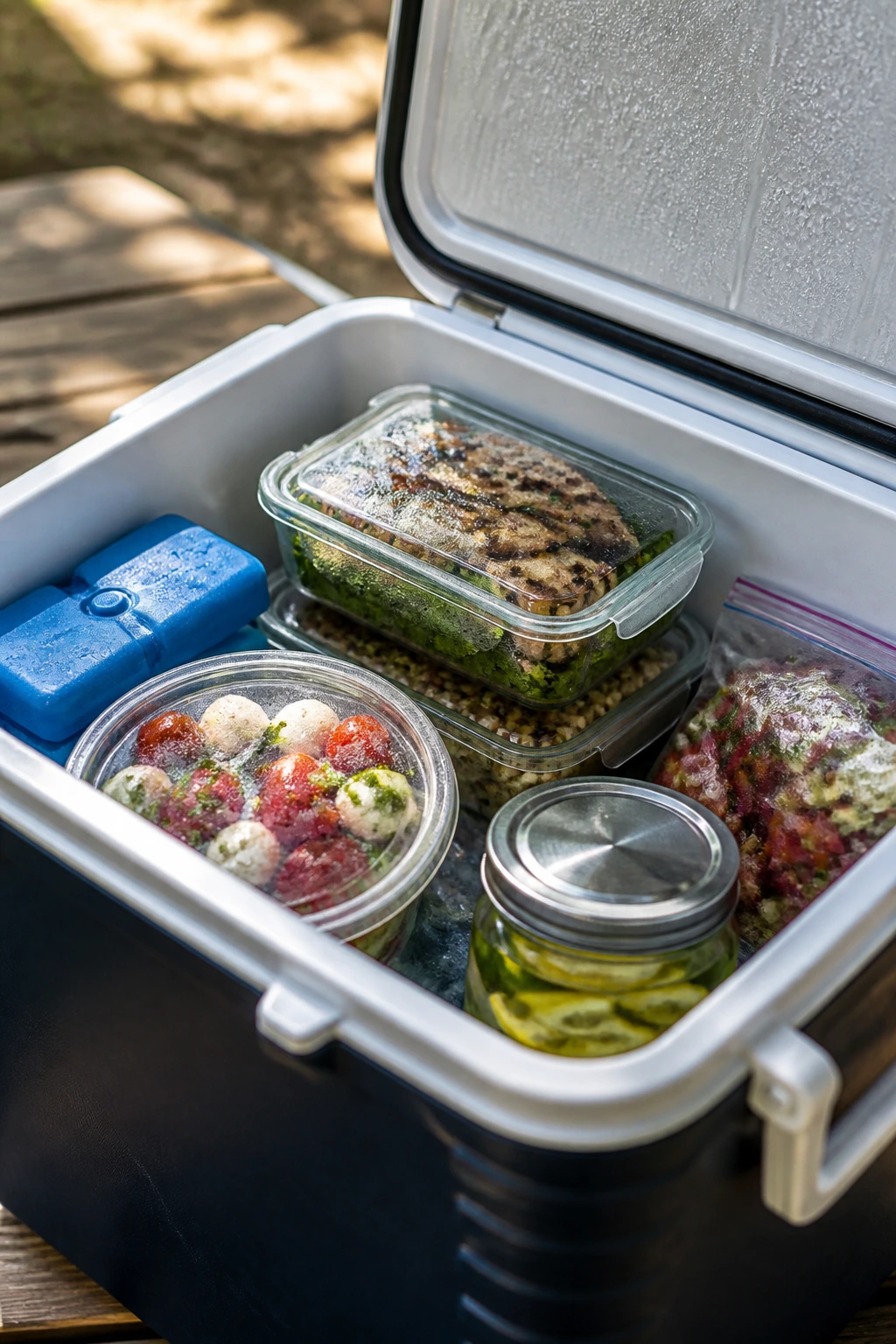
Outdoor meals are charming until food sits out too long and the whole evening starts to feel risky. Picnic food safety is not glamorous, but it is the quiet reason a good meal stays good.
Cold foods should stay cold. I keep them below 40°F as much as possible, especially anything with dairy, eggs, mayonnaise, or seafood. Hot foods should stay hot enough to serve, not lukewarm and forgotten. The danger zone sits between those two temperatures, which is where bacteria get comfortable.
Use a cooler or insulated bag even if the picnic is only a few steps from the kitchen. That small habit protects the cold side dishes from the heat of the grill and the humidity in the yard. Put ice packs under and beside the container, not just on top.
A simple timing rule
If food has been sitting outside in warm air for more than 2 hours, it’s time to move it back into the fridge or let it go. When the weather is hot, shorten that window to 1 hour. That rule matters most for dairy-heavy salads, cut fruit, seafood, and any sauce that contains eggs or mayo.
Raw marinades need their own lane. Never reuse a marinade that touched raw meat unless you boil it first, and even then I’d rather make extra from the start. Cross-contamination is easy when tongs, boards, and serving platters get mixed up. Keep one platter for raw food, another for cooked food, and wash your hands after handling the first batch.
An instant-read thermometer earns its place here, too. Guessing the doneness of chicken, pork, or thicker fish is a bad habit when you’re cooking outdoors. A thermometer lets you avoid dry food on one side and undercooked meat on the other. No romance in playing chicken with chicken.
Practical Touches That Make the Meal Feel Thoughtful
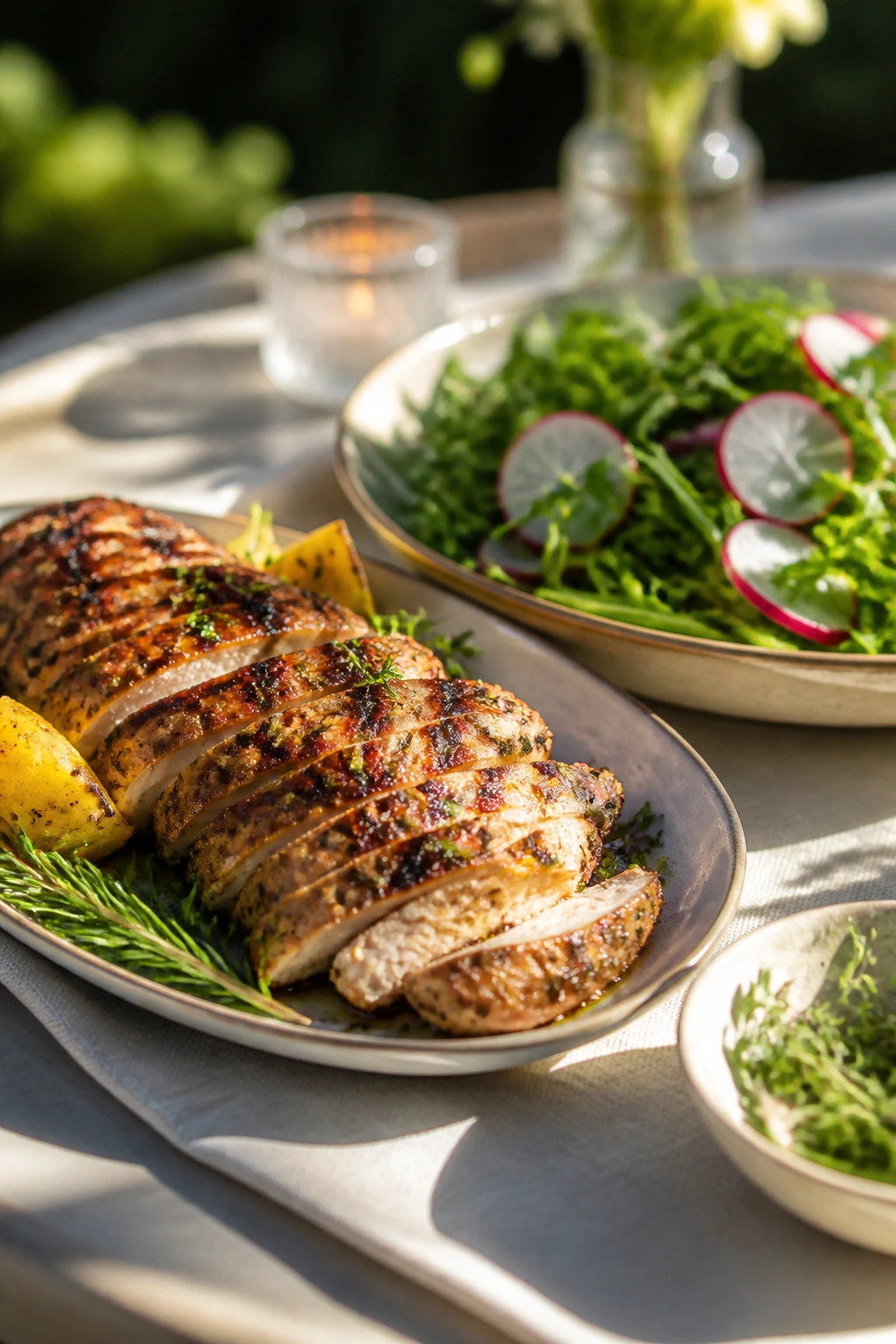
The difference between a nice backyard meal and a memorable one usually lives in the details people skip because they seem too small.
Start with contrast. A smoky grilled main tastes better when the plate also has something bright, something cold, and something with crunch. That could be a lemony herb salad, a cucumber pickle, or even just a handful of radishes with salt. One rich thing and one sharp thing go farther than a long list of side dishes.
Don’t serve everything in bowls and call it done. Put the grilled protein on a warm platter, give the salad its own small dish, and keep the bread wrapped in a clean towel so it stays soft. The meal reads as intentional when the pieces have separate jobs.
One crunchy thing, one soft thing, one fresh thing
That little formula works almost every time. Crunch can come from slaw, pickled onions, or a toasted piece of bread. Soft can be grilled vegetables or tender chicken. Fresh can be herbs, tomatoes, fruit, or a cold yogurt sauce. When those three textures show up together, the plate feels complete without being crowded.
Finish with a tiny garnish that makes sense. Chopped parsley, flaky salt, lemon zest, dill, mint, or a few paper-thin shallot slices can wake up a platter without making it look fussy. I’m not a fan of over-decorated food for this kind of dinner. A little garnish should smell like the meal, not like an attempt to impress a camera.
And keep a clean work surface nearby. A small tray for cooked food, a spoon for sauce, and a spare cutting board for slicing are enough. It sounds dull. It isn’t. The calmest backyard meals are usually the ones with the least scrambling between kitchen and grill.
Common Mistakes That Make a Backyard Meal Feel Flat
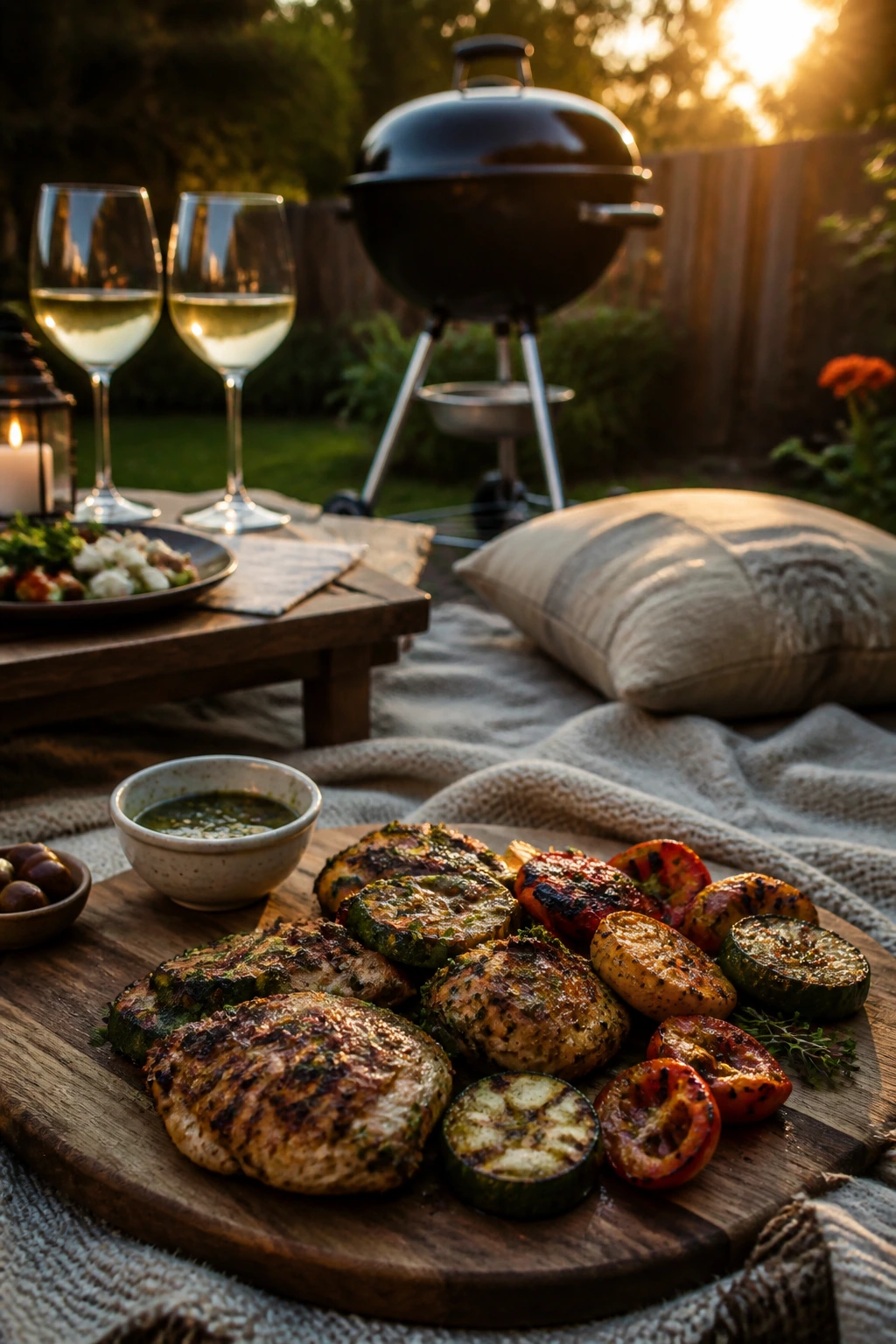
Some outdoor dinners go wrong in ways that are easy to miss until the food is already on the plate. The fixes are small, which is why they matter.
Marinating too long in acid: The surface of chicken, shrimp, or fish can turn soft or chalky if citrus or vinegar sits on it for hours and hours. The fix is to match the marinade time to the food: a short soak for seafood, a modest soak for chicken, and a longer but still reasonable soak for steak or sturdy vegetables.
Using a sugary marinade over high flame: Honey, maple, and brown sugar make beautiful browning until they hit a flare-up and turn black. The symptom is bitter edges and a sticky crust that looks more burned than caramelized. Cook over medium heat, wipe off excess marinade, and move food to indirect heat when needed.
Overcrowding the grill: Crowding drops the grate temperature and makes everything steam instead of sear. If the meat comes off pale with only faint marks, that’s the clue. Give the food room, even if it means cooking in two rounds.
Serving cold dishes straight from the fridge without adjustment: Some salads taste tight and flavorless when they’re ice-cold. Pull them out early enough to take the chill off, but not so early that they warm into risk territory. The sweet spot is short and deliberate.
Skipping the thermometer and hoping for the best: Hope is not a cooking method. Chicken can look browned and still be underdone inside, while steak can be perfect a minute before it becomes overcooked. A quick thermometer check saves both the meal and your mood.
Building too much food: A romantic picnic can get weird when the table is buried under leftovers. Two people need enough, not excess. Keep the menu compact and make the portions feel chosen.
Variations and Alternatives That Fit Different Tastes
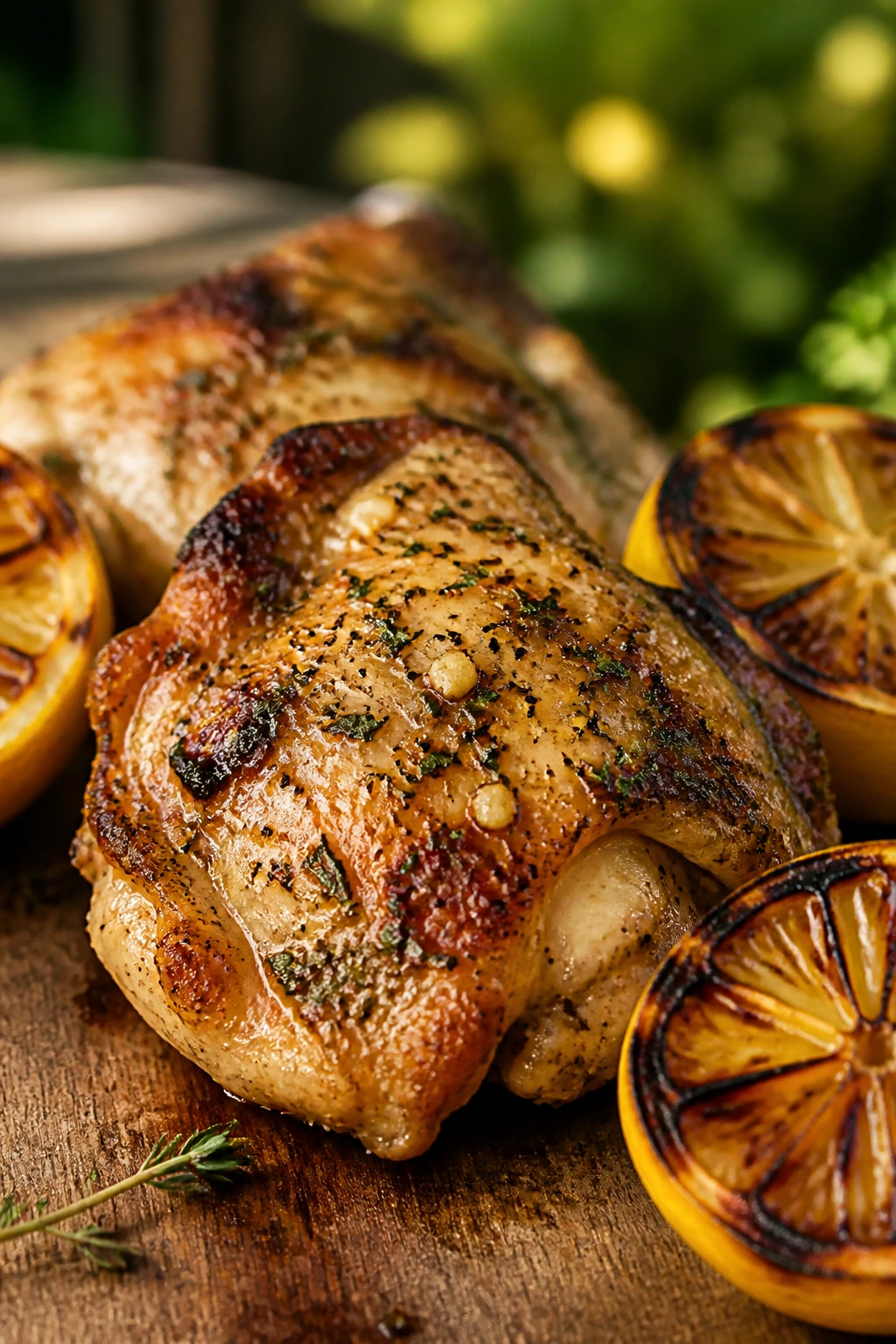
A good backyard picnic should bend a little. Same mood. Different lane.
Herb-Garlic Chicken and Charred Lemon
Use chicken thighs or split breasts with olive oil, garlic, lemon zest, thyme, and black pepper. Grill the lemon halves cut-side down until they pick up dark marks, then squeeze them over the sliced chicken at the end. This one tastes clean and bright, which makes it a strong choice when the rest of the menu leans rich.
Steak, Chimichurri, and Grilled Onions
Marinate flank steak with oil, vinegar, garlic, parsley, and oregano, then finish it with a sharp chimichurri. Throw thick onion slices on the grill right alongside the meat. The onions get sweet at the edges and help the whole plate feel deeper.
Shrimp, Lime, and Smoked Paprika
A short marinade of oil, lime juice, garlic, smoked paprika, and a pinch of salt is all shrimp need. Cook them fast and serve them with a crisp cucumber salad or grilled corn. This version feels light but not flimsy, and it’s a good answer when you want dinner on the table in a hurry.
Vegetarian Halloumi and Vegetable Skewers
Halloumi takes a marinade a little differently because the cheese itself stays firm on the grill. Pair it with zucchini, peppers, and mushrooms, and keep the acid moderate so the vegetables don’t break down. The salty cheese gives you the same satisfying center that meat would, just in a different register.
No-Char Patio Version
If the grill is off-limits, use a cast-iron grill pan or a broiler. You still get a browned surface and a warm, cooked center, and the marinade still does its job. The meal loses a little smoke, but the structure stays intact.
Tools and Equipment You’ll Actually Use
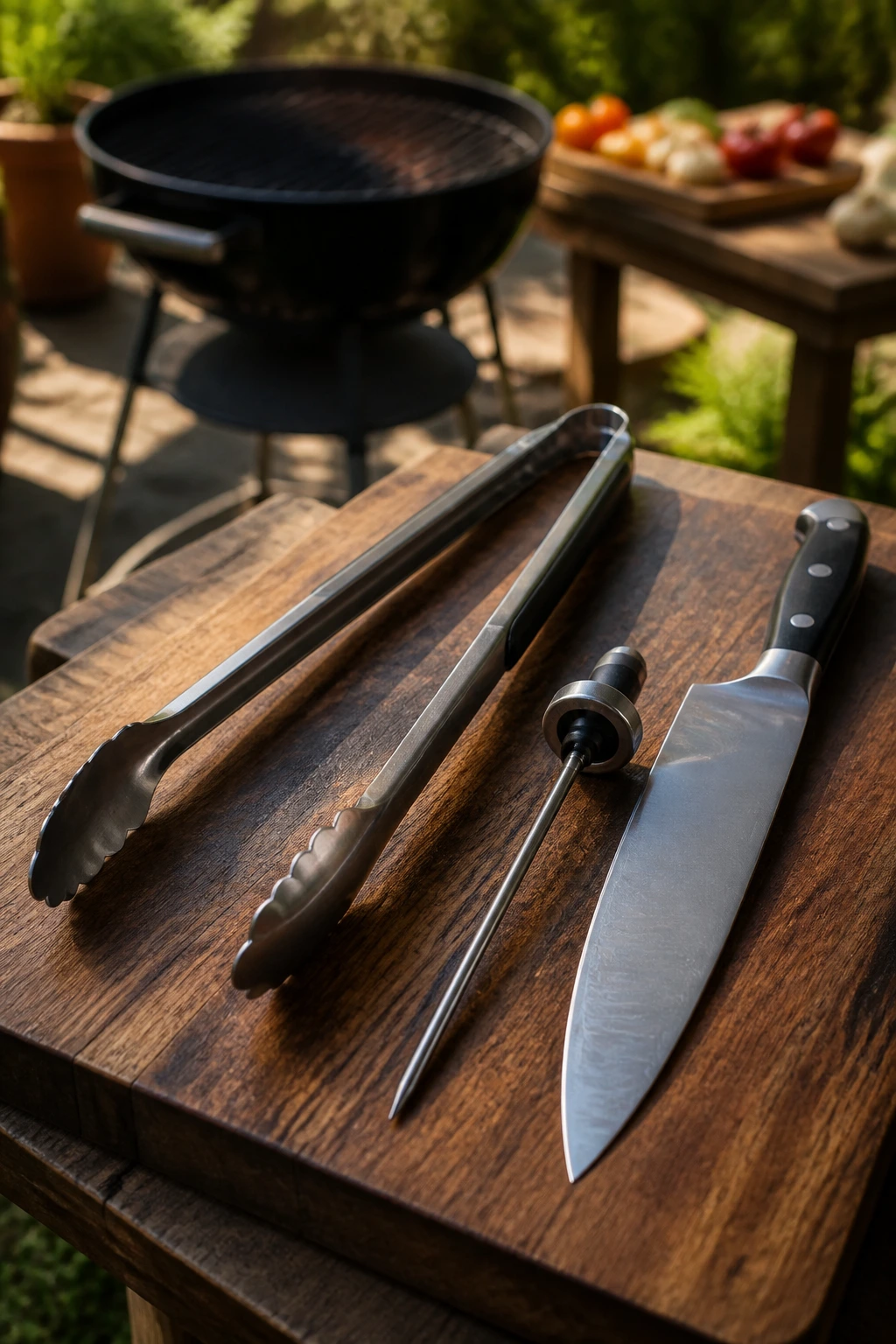
- Charcoal grill or gas grill — Either works; use the one you can control most comfortably.
- Instant-read thermometer — The fastest way to avoid dry chicken or undercooked pork.
- Long-handled tongs — Better than a fork, which lets juices escape.
- Two mixing bowls or zip-top bags — One for marinading, one for anything dry or ready to serve.
- Cutting board for raw food and a second for cooked food — If you only have one, wash it well between jobs.
- Sharp chef’s knife — Slicing grilled meat cleanly matters more than people think.
- Sheet pan or tray — Handy for carrying food to and from the grill.
- Serving platter — Warm it briefly if you want the protein to stay hot longer.
- Cooler or insulated bag — Essential for chilled sides, drinks, and anything mayo-based.
- Small bowls for sauces and garnishes — Keeps the table from becoming a mess of drips.
A grill basket is useful if you’re doing small vegetables or shrimp. A basting brush can help, though I often prefer just using a spoon or clean brush for a final glaze near the end, so there’s less chance of dripping sugary marinade over open flame.
Make-Ahead, Storage, and Leftovers
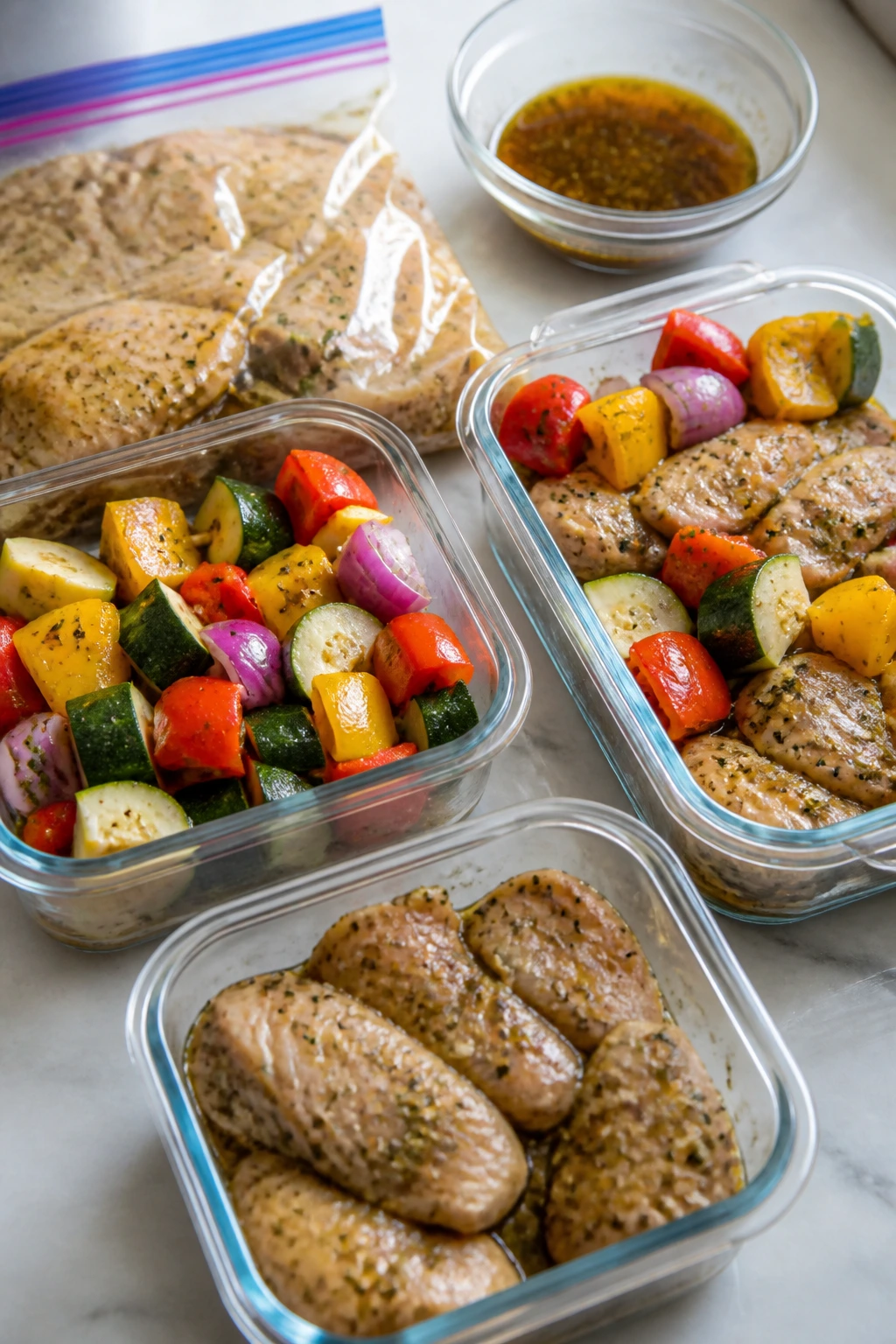
The nicest thing about this kind of meal is how much of it can be handled before the grill ever heats up.
The marinade can be made a day ahead and kept in the fridge. Most vegetables can be washed, cut, and dried earlier in the day, then tossed with a little oil and salt close to cooking time. If you’re serving a salad, keep the dressing separate until the last moment. That one habit keeps greens crisp.
Raw marinated chicken, steak, or pork should stay refrigerated and be cooked within the same day for best texture. If you need to prep farther ahead, freeze the protein in the marinade and thaw it in the fridge before cooking. That works well with chicken thighs and steaks. Shrimp and delicate fish are better marinated closer to the cook time.
Cooked leftovers keep in the refrigerator for 3 to 4 days if they’re cooled and stored promptly in sealed containers. Grilled meat reheats best in a low oven, around 300°F, covered loosely with foil until warmed through. A skillet over low heat with a spoonful of water or stock also works well for sliced steak or chicken.
Vegetables are trickier. Some grilled vegetables taste fine cold the next day, especially peppers and zucchini. Others get soft fast. Halloumi is best fresh, though you can rewarm it in a dry skillet for a minute or two. Bread is another story entirely — it wants the moment it was made for. If you have leftover grilled bread, toast it again and turn it into a sandwich or crumble it over salad.
As a general rule, the meal improves in planning and loses a little in holding. The best version is the one that goes from grill to plate without a long delay. Leftovers are useful. They are not the point.
Frequently Asked Questions
What’s the best protein for a romantic picnic for two?
Chicken thighs are the easiest all-around choice because they stay juicy and forgive a little overcooking. Steak feels a bit more special, especially if you slice it across the grain and serve it with a sharp sauce. Shrimp works when you want speed, but it needs tighter timing.
How long should I marinate the food?
Shrimp usually needs 15 to 30 minutes. Steak can handle 30 minutes to a few hours, and chicken thighs usually do well with 2 to 12 hours depending on how acidic the marinade is. Vegetables sit somewhere in the middle and often do best with 20 to 60 minutes.
Can I make this without a grill?
Yes. A cast-iron grill pan or a broiler can give you browning and heat, which is most of the point. You’ll lose some smoke, but the marinade still gives the food flavor and the picnic still feels deliberate.
How do I keep the sides safe outside?
Use a cooler or insulated bag for anything cold, and don’t leave mayo-based salads or dairy-heavy dishes in warm air for too long. A practical rule is 2 hours outside at most, or 1 hour if the weather is hot. When in doubt, keep chilled items on ice packs and bring them out in small portions.
What sides hold up best for a backyard picnic?
Tomato-cucumber salad, grilled corn, vinegar-style potato salad, marinated vegetables, and grilled bread are all sturdy choices. They taste good at a slightly warm or room-temperature range and don’t collapse when the grill takes a few extra minutes.
Can I prep everything the day before?
A lot of it, yes. Marinade, chop vegetables, make sauce, wash herbs, chill drinks, and set out plates the day before. Hold off on grilling the bread, cooking the protein, and dressing anything leafy until the last stretch.
What if my marinade starts to burn on the grill?
Move the food to a cooler area of the grate right away and lower the heat. Sugary marinades need more watching than plain herb marinades, so wipe off excess before cooking and avoid putting them over direct flare-ups. A little charring is good; black edges are not.
How much food should I buy for two people?
Plan for about 10 to 14 ounces of protein total, plus one to two sides and a small finish like fruit or dessert. If the meal is early and light, you can stay on the lower end. If it’s the whole dinner, give yourself a little cushion, especially if bread is part of the plan.
Is bottled marinade worth using?
Sometimes, yes, if the bottle has enough salt and the flavor suits the food. I still like to add fresh garlic, citrus zest, or herbs to make it taste less flat. Bottled marinades can save time, but they usually need one small personal touch.
The Quiet Best Part of a Backyard Meal for Two

A marinated romantic picnic for two works because it turns the grill into part of the mood instead of the whole event. The food has enough flavor to stand on its own, the table stays small and manageable, and the pacing leaves room for actual conversation. That’s the whole point, really.
You do not need a giant menu or a complicated setup to make the evening feel special. A well-chosen marinade, a few sturdy sides, and a calm grill session will do most of the work for you. The rest is light, timing, and not rushing the last five minutes when everything is trying to come together at once.
Start with one protein you trust, one side that stays crisp, and one little flourish that makes the table feel chosen. The smoke, the salt, the lemon, the warm bread — that combination tends to stay with people longer than a pile of food ever will.