



Charred outdoor picnic party food has a way of vanishing first. Not because it looks polished on a platter. Because smoke, salt, and those dark little edges make people reach for another piece before they’ve finished the first one.
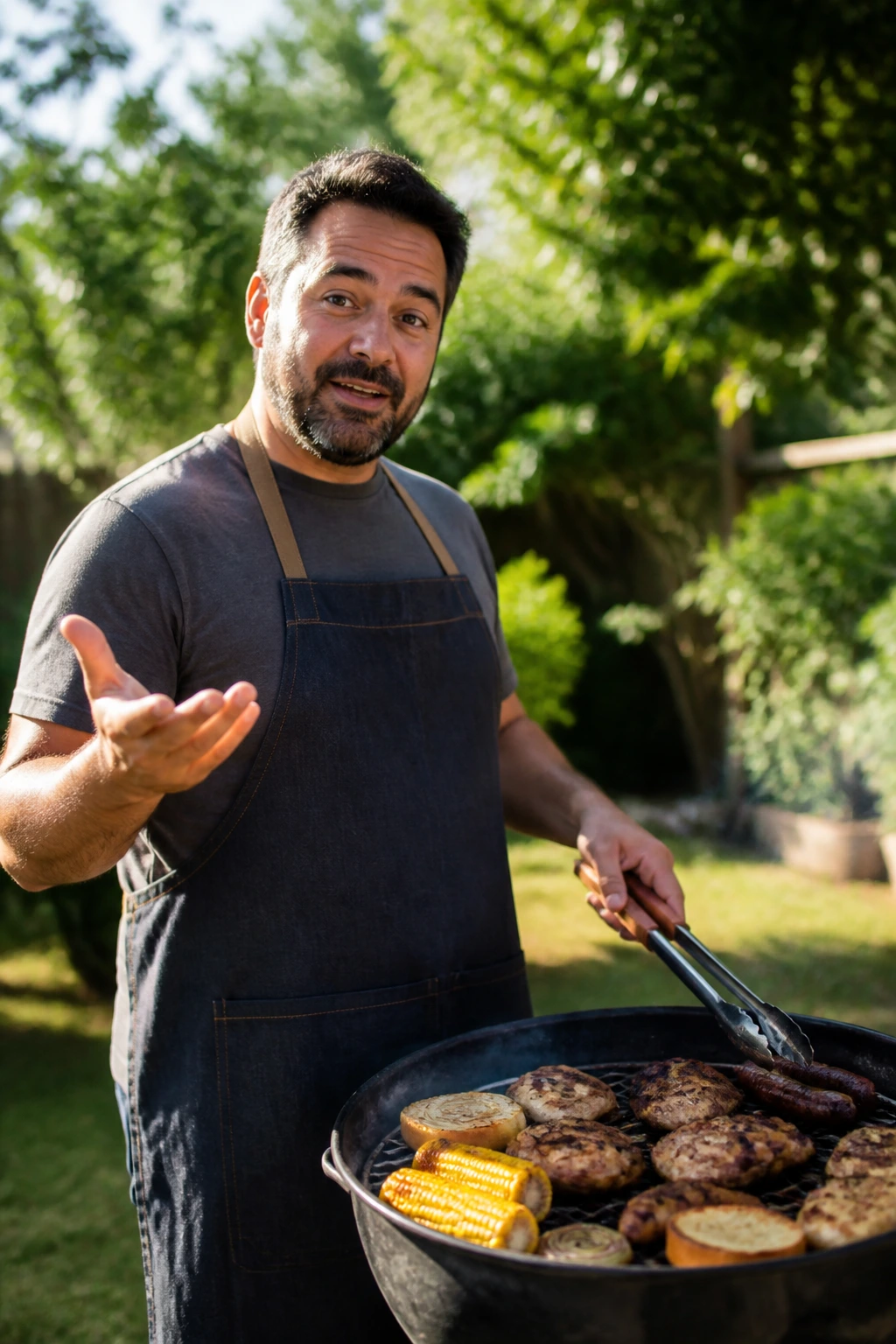
That’s what a backyard cookout needs: food that can stand outside, travel from grill to table without collapsing, and still taste good after people have wandered off for a drink or a conversation. A paper plate is not a delicate stage. It needs sturdy chicken thighs, blistered corn, onion wedges that have gone sweet at the edges, grilled bread that can catch drips, and a cold sauce that wakes everything up.
The line between charred and burnt is thinner than it looks, though. Good char smells toasty, a little nutty, and very hungry-making. Bad char smells acrid and dry, the way a cigarette ashtray looks. The whole trick is building a menu and a fire that stay on the right side of that line.
Why Charred Picnic Food Works So Well at a Backyard Cookout
-
It tastes finished without needing much fuss. A good crust on chicken, corn, or peppers brings saltiness, smoke, and sweetness all at once, so you do not need to drown everything in sauce.
-
It holds up while people mingle. Backyard food often sits for a few minutes before anyone sits down. Sturdy grilled pieces keep their shape far better than delicate sautéed dishes or soggy casseroles.
-
It scales up without stress. One more tray of sausages, another batch of zucchini, or a second round of flatbread is easy to manage when the grill is already hot.
-
It works with cheap, forgiving ingredients. Chicken thighs, cabbage, onions, potatoes, peaches, and corn all reward heat without demanding expensive extras.
-
It feels casual in the right way. Charred picnic party food belongs to hands, not silverware. People can grab it, share it, and eat it standing up without the plate turning into soup.
-
It makes the whole spread smell better. That smell does half the hosting for you. Once the grill is hot and the onions start to sweeten, nobody needs to be told dinner is happening.
Why a Little Char Tastes Better Than a Clean Grill Mark
A proper char is not decoration. It’s flavor. Heat pulls moisture off the surface, concentrates the natural sugars, and lets amino acids do their thing in that browned, savory way that makes grilled food taste deeper than food cooked in a pan with no crust at all.
The Maillard reaction gets most of the credit here, and fairly so. It’s the reason a steak smells like a steak, why grilled bread tastes like it was meant to be eaten with butter, and why the cut side of an onion can turn almost jammy after a few minutes over flame. Caramelization matters too, especially with onions, peaches, corn, and anything that carries a little sugar in its fibers.
Mahogany, not soot
Good char is usually more dark brown than black. Think mahogany on chicken skin, deep freckles on corn, or a pepper that has blistered in patches while still holding its shape. If the surface looks dry and brittle, and the smell makes you wince, the food has crossed the line.
A lot of people chase grill marks because they look neat. Fine. But grill marks are not the same thing as real char. Marks can sit there like stripes while the rest of the food stays pale. Real char gives the whole surface a little bitterness, then balances it with sweetness underneath.
Smoke from the fat matters more than people think
Fat dripping onto heat is part of the deal. On charcoal, that smoke can season the food in a way a bottled marinade never will. On gas, the effect is milder, but still there if the grate is hot enough and the food is not flooded with oil.
That’s why fattier cuts usually win at cookouts. Chicken thighs, sausages, pork chops, flank steak, and salmon have enough richness to handle the flame. Skinless chicken breast can work, but it punishes every minute of overcooking. Thin, lean fish fillets can be lovely, and also irritating if you’re trying to juggle six other dishes.
Sugars need babysitting
Honey, maple syrup, molasses, and sweet barbecue sauce can all taste fantastic on the grill. They can also blacken in a hurry. If a marinade has a lot of sugar, brush it on late, not at the start.
That one move saves more cookouts than people admit.
Choosing Foods That Can Take Fire, Smoke, and Waiting
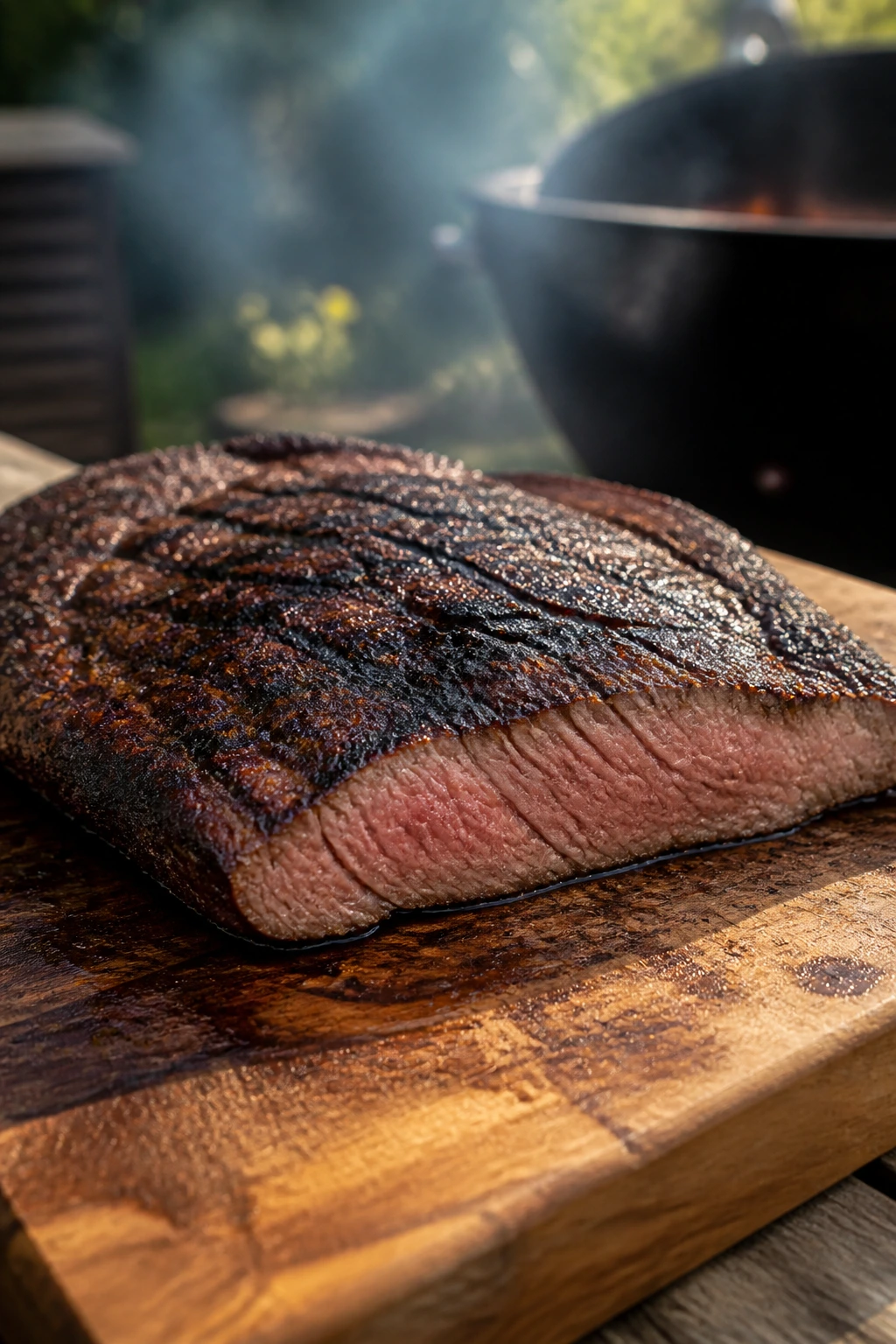
A good backyard spread is built on ingredients that don’t panic when the heat rises. Some foods need a kitchen to rescue them. Others are almost better when the edges get a little rough.
The mains that behave
Chicken thighs are the workhorse here. Bone-in, skin-on thighs have enough fat to stay juicy while the skin crisps and blisters. Drumsticks do the same thing, though they take a little longer. Sausages are easy because they bring their own seasoning and stay juicy if you don’t blast them over direct heat the whole time.
Flank steak and skirt steak are strong choices too, especially if you want something you can slice thin and pile onto platters. Pork chops are underrated for cookouts, especially the bone-in kind. They take on smoke well and look generous on the plate. Salmon, shrimp, and swordfish can join the line if you keep the heat controlled and use a basket or skewers when needed.
Vegetables that love a little black edge
Corn is the obvious one, but it earns its place. Peppers blister into soft, sweet strips. Onions turn silky and browned at the edges. Zucchini and eggplant take on a grilled, meaty flavor that makes them feel more substantial than they are. Cabbage wedges are one of my favorites because they hold together, char in crisp layers, and keep a little crunch in the center.
Mushrooms are another solid choice, especially large cremini or portobellos. They drink up oil and seasoning, so they need a light hand and a hot grate. Romained hearts and little gem lettuce can be grilled too, though they want only a brief kiss of heat.
Fruit deserves a spot near the fire
Peaches are the easy win. So are plums, pineapple, and even halved nectarines when they’re firm enough. The trick is to grill fruit long enough to show grill lines and concentrate the juices, then stop before the flesh turns floppy.
Grilled fruit is the quiet genius of a picnic menu. It gives you dessert without requiring a separate dessert station.
What I’d skip, or handle with care
Delicate fish fillets, tiny vegetables, and anything coated in a sticky glaze from the start can become a mess. If you want to grill asparagus, keep the spears thick. If you want shrimp, use a skewer or basket so they don’t drop through the grates. If you want leafy greens, make them short on the fire and long on the dressing.
Food that needs constant babying is a bad fit for a crowd moving in and out of the yard.
The Heat Setup That Gives You Char Without Ash
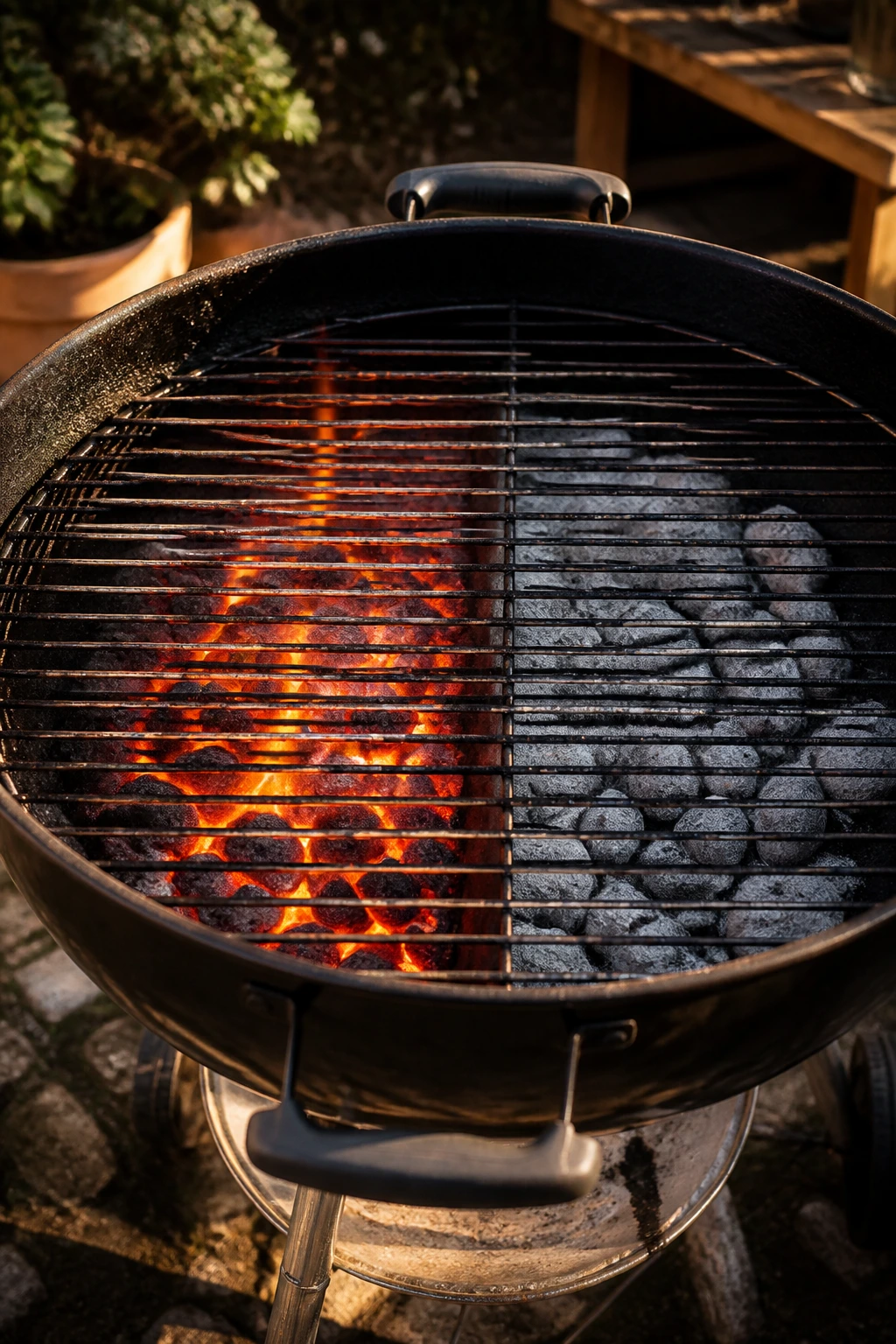
Two-zone heat is the difference between food with proper color and food that looks like it fell into a campfire. On a charcoal grill, that means piling coals on one side and leaving the other side cooler. On a gas grill, it means lighting one or two burners and keeping the rest off.
That setup gives you control. Direct heat gives you crust and color. Indirect heat finishes thicker food without turning the outside into bark and the inside into disappointment.
Start with a hot grate
Preheat the grill with the lid closed until the grate is properly hot. Food should sizzle the second it lands. If it sits there making a sad little hiss, the grate is not ready.
Clean the grate while it’s hot, then wipe it lightly with oil using a folded paper towel held in tongs. Don’t soak it. A thin film is enough. Too much oil just feeds flare-ups.
Direct heat for marks, indirect heat for the finish
Thick chicken thighs, pork chops, sausages, and larger vegetable pieces usually need both zones. Start them over direct heat to build color, then move them to the cooler side to finish gently. That keeps the surface from overcooking while the center comes up to temperature.
For charcoal, wait until the coals are ashed over and glowing rather than smoking hard and spitting. For gas, give the burners time to stabilize. A grill that is only half-hot makes uneven food. It also makes you keep opening the lid, which slows everything down.
Flare-ups are not the enemy, unless you feed them
A brief flare-up can add a whisper of smoke. A long, greasy flame is another story. Keep one clean spot on the grill where food can retreat, and don’t crowd the grate so much that juices drip everywhere at once.
If a sauce starts to darken too fast, move the food off the direct heat. If fat from sausages or chicken skin starts to flame, shift them to the cooler side until things calm down. Simple. No heroics.
Main Dishes That Hold Up on a Picnic Table
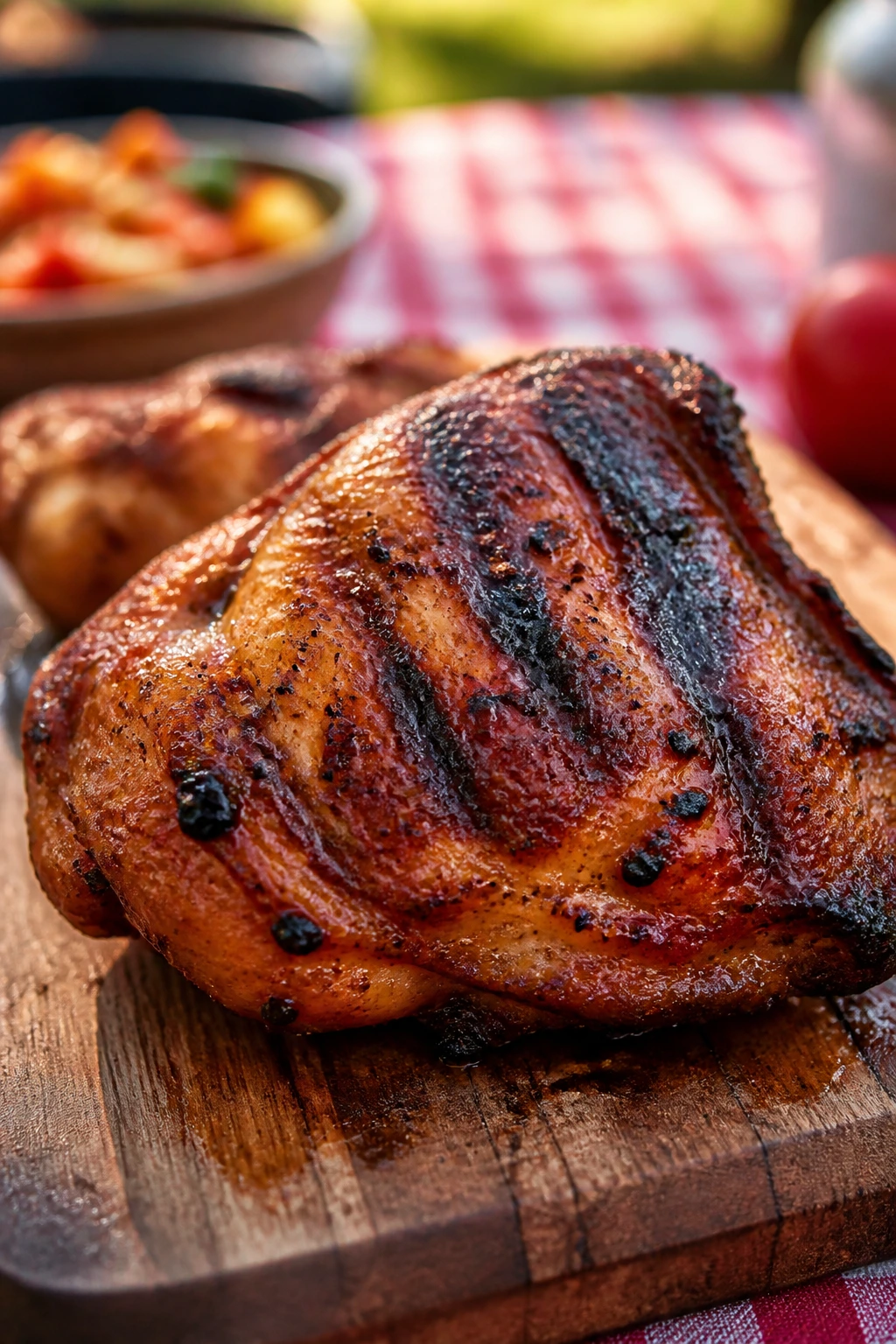
The best grilled mains for a backyard cookout are the ones that stay juicy after a short wait and slice cleanly when people start serving themselves. You want food that can be passed around, not fussed over.
Chicken thighs and drumsticks
Chicken thighs are the first thing I reach for when I want charred outdoor picnic party food that won’t dry out if the timing gets messy. Bone-in, skin-on thighs take well to medium-high heat, and the skin has enough fat to crisp instead of seizing up. Aim for an internal temperature of 165°F in the thickest part, and give them a few minutes to rest before serving.
Drumsticks are a little more relaxed and slightly more casual in spirit. They’re messy in a charming way. That matters at a cookout.
Sausages, links, and other pre-seasoned heroes
Sausages are almost unfairly useful. They bring salt, spice, and fat without asking for much. Grill them over indirect heat first if they’re thick, then finish over direct heat to brown the casing and give them those dark blistered spots people always reach for first.
Bratwurst, Italian sausage, merguez, and smoked links all play well here. The exact type changes the mood of the table. Spicy sausage makes the slaw matter more. Mild sausage makes the peppers and onions look smarter.
Beef and pork that slice well
Flank steak and skirt steak are made for cookouts because they cook fast and slice into thin, juicy strips. Rest them for at least 5 minutes, then cut across the grain. Skip that last part and you’ll end up with chewy ribbons no matter how good the char is.
Bone-in pork chops are another solid choice. They need attention, but not coddling. Pull them at 145°F, let them rest, and you’ll get meat that is rosy and firm rather than dry and chalky.
Fish, shrimp, and meatless anchors
Salmon fillets hold up well if you leave the skin on and keep the heat steady. Swordfish steaks are easier than most people think because they’re thick and firm. Shrimp cooks fast enough to be useful when the rest of the grill is full, and it benefits from a basket or skewers.
A meatless main can absolutely sit in the center of the table. Halloumi, thick slices of king oyster mushroom, and grilled tofu marinated in soy, garlic, and sesame oil all earn their place. They’re not afterthoughts if you treat them like mains.
Vegetables That Come Alive on the Grate
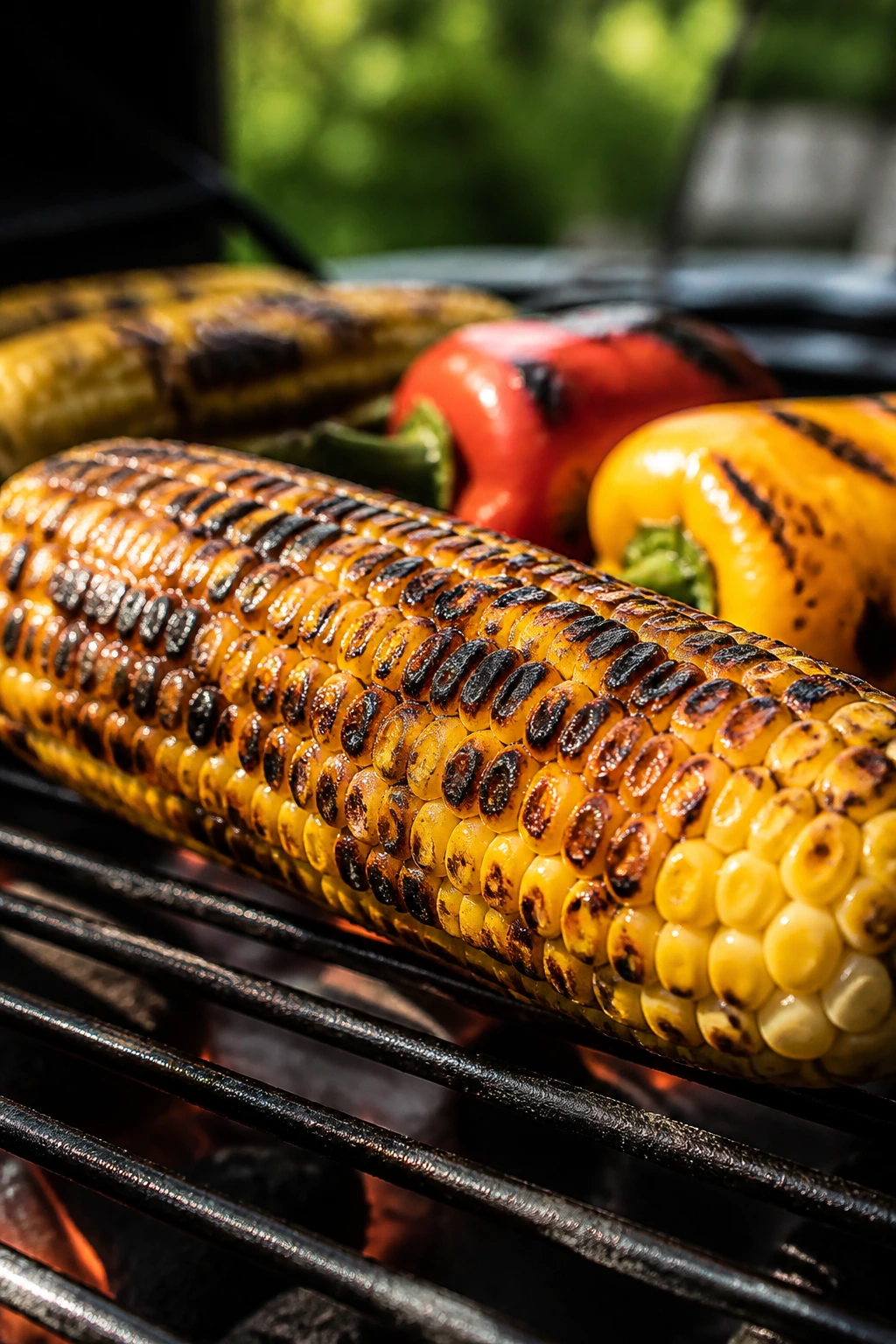
Vegetables can be the loudest thing at a cookout when they’re handled properly. Not loud in volume. Loud in flavor.
The key is structure. You want vegetables that can take heat without disappearing, and cut them so the outside has room to char before the inside turns limp.
Corn, because summer still gets a vote
Shucked corn goes right on the grate if you want the kernels to blister and brown. Brush it lightly with oil and turn it every couple of minutes until you see patches of deep gold and brown. If you prefer a gentler version, grill it in the husk first, then finish over direct heat after peeling back the leaves.
Corn on the grill should smell sweet, not starchy. Once the kernels start to wrinkle a little and the color deepens, it’s ready.
Peppers, onions, and zucchini
Bell peppers love high heat because their skins blister fast and the flesh underneath turns soft and sweet. Onion wedges do the same thing, though they need a little more time. Keep the root end intact so the layers stay together.
Zucchini needs a firmer hand. Cut it lengthwise into slabs or thick planks, oil it lightly, and lay it down on a hot grate without moving it too soon. If you flip it every thirty seconds, you won’t get much beyond pale stripes. Let it sit long enough to mark.
Eggplant, mushrooms, and cabbage
Eggplant can be magnificent on the grill if you give it enough oil and enough heat. Cut it into thick slices, salt it if the variety is especially bitter, and let the surface caramelize. Mushrooms are simpler. They do need enough oil to keep from drying into rubber.
Cabbage wedges are one of the smartest vegetables for a backyard cookout. They char at the edges, but the inside stays crisp and juicy. A little vinegar or lemon afterward makes them taste far brighter than people expect. Grilled cabbage is the sort of side that converts skeptics.
Fruit at the end, not the beginning
Peaches and plums need only a short time over the fire, often 1 to 2 minutes per cut side. You want grill marks, softened juice, and a warm aroma. If they collapse, they’ve gone too far.
A little brown on fruit can look odd before you taste it. Then you taste it, and the oddness disappears.
Bread, Potatoes, and Other Sturdy Sides
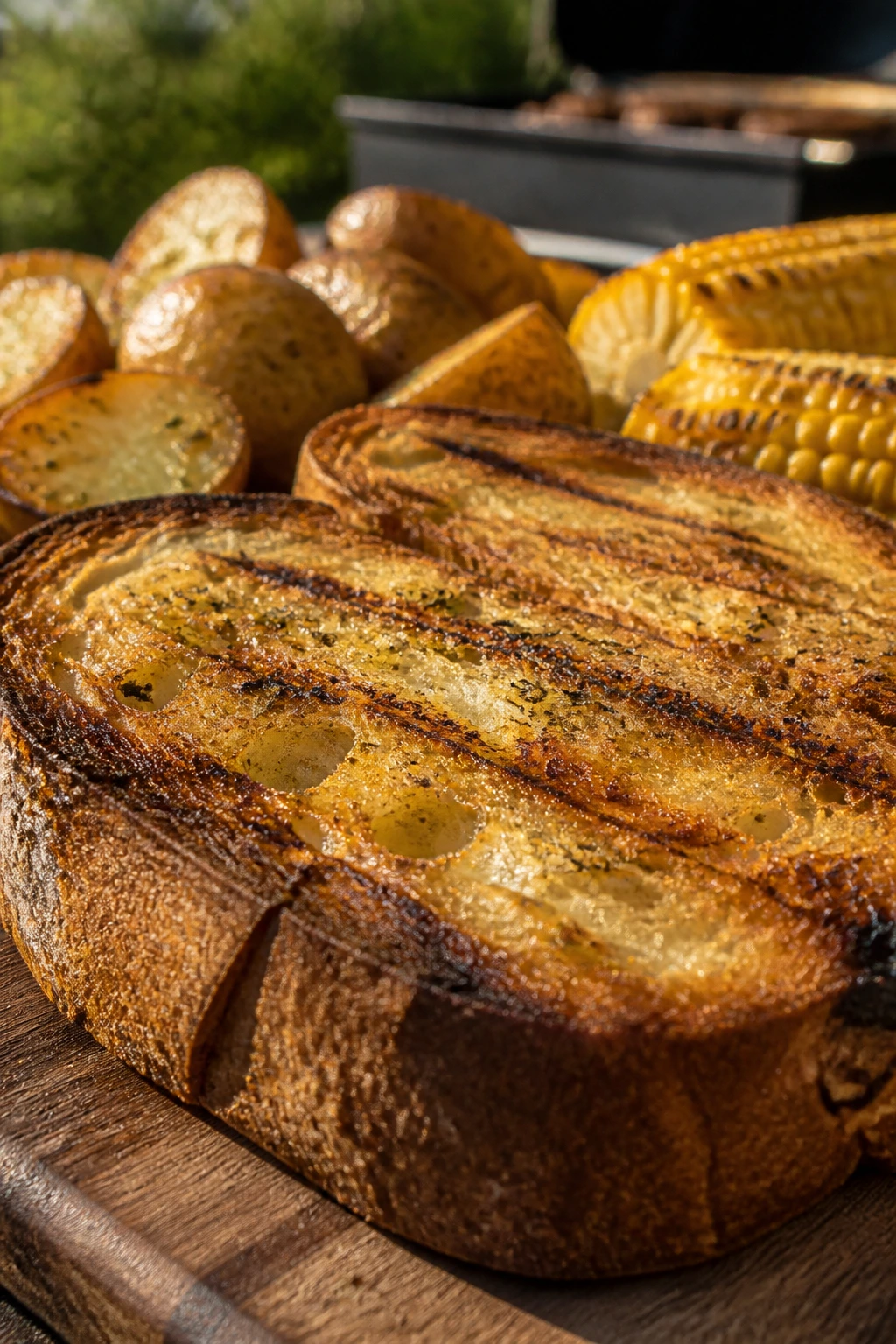
A cookout needs something starchy enough to catch drippings, mop up sauce, and keep the plate from feeling too lean. Bread is the easiest answer, but not the only one.
Grilled bread is a tool, not a garnish
Thick slices of sourdough, country loaf, or ciabatta turn crisp at the edges and stay chewy inside when they hit the grate. Brush them with olive oil, grill them just until marked, then rub them with garlic if that’s your style. A warm piece of grilled bread is what gets used to rescue chicken juices, onion bits, and the last streaks of herb sauce on the plate.
Flatbread does the same job with less fuss. Pita, naan, and lavash warm fast and are easy to tear and pass around. If you’re feeding a crowd that likes to graze, bread may be the most useful thing you put on the grill.
Potatoes need a little planning
Potatoes are slower, but worth it. Parboiled wedges can be finished on the grill until the cut edges go crisp. Whole baby potatoes can be cooked, smashed lightly, then grilled until the outsides brown. Foil packets with onions and herbs are fine too, though they give you less char and more steam.
I’m partial to potatoes that have some rough edges. Smooth, polished potatoes are fine at dinner. At a cookout, you want crisp skins and a bit of texture.
Other starches with a little backbone
Cornbread cut into slabs and toasted lightly on the grill is better than it has any right to be. Polenta that has set up firm can be sliced and seared. Even a bowl of rice or grains can fit in, if you fold in charred scallions, herbs, or grilled corn.
The point is not to pile on starch for the sake of volume. It’s to give the rest of the spread a landing place. A charred edge without a carb nearby can feel unfinished.
Sauces, Slaws, and Cold Sides That Cut Through the Smoke
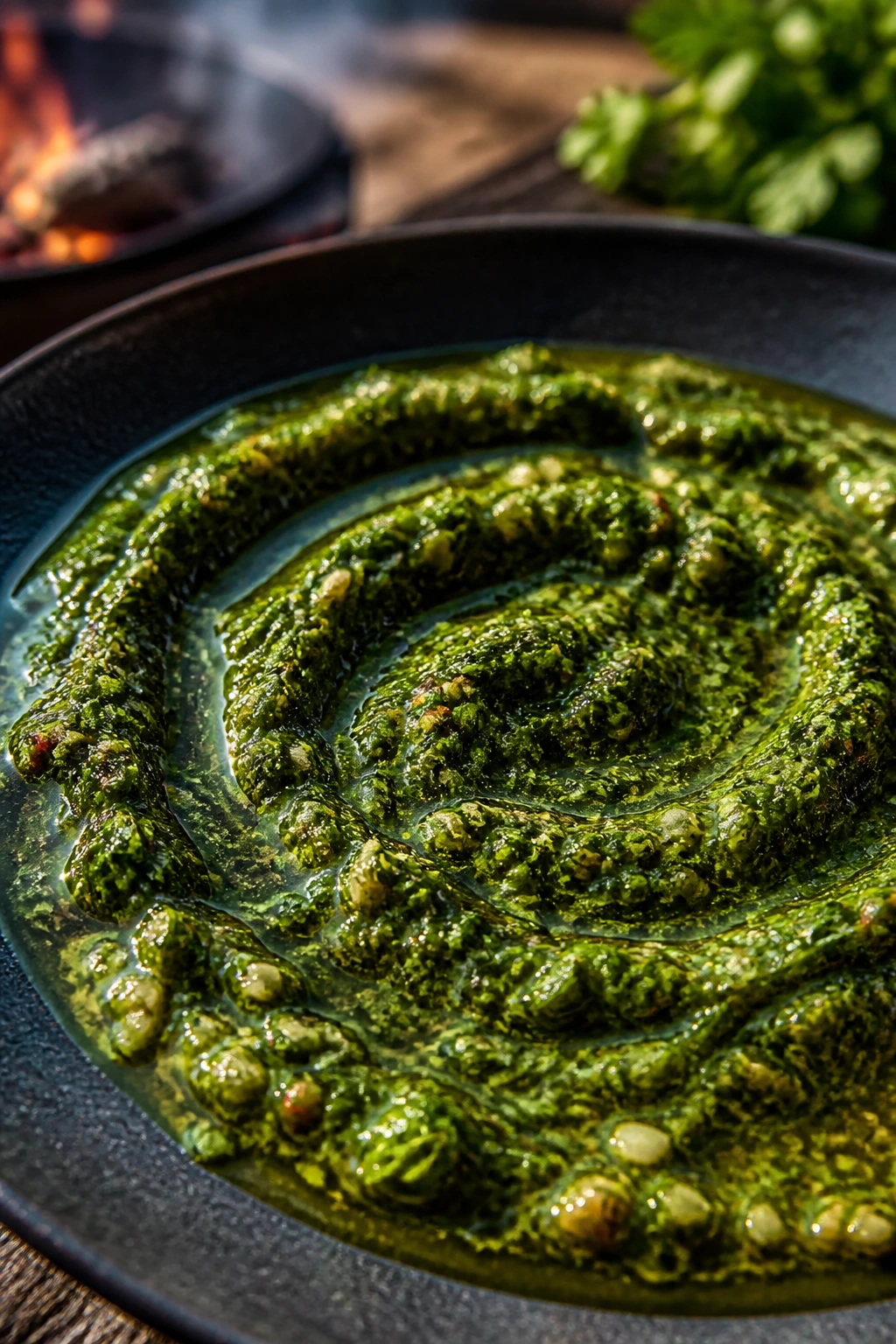
Grilled food gets richer as the char deepens. That means the side dishes need to do a job, not just sit there looking pale.
Acid is the reset button
A sharp sauce or salad dressing keeps the smoke from flattening everything. Chimichurri is a classic because parsley, garlic, vinegar, oil, and chili flakes can cut straight through grilled meat. Salsa verde does something similar with herbs and capers. A lemony yogurt sauce cools things down without washing away the char.
That contrast matters. Char without acid can feel heavy after the second bite. Acid makes the whole plate wake up again.
Crunch belongs on the table
A slaw made with cabbage, fennel, or shaved cucumber gives the meal a second texture. Vinegar-based slaws work especially well next to sausages and pork chops. Mayo-based slaws can be fine too, but they need restraint. Too much dressing and the cold side starts to smother the grill flavor instead of supporting it.
Pickles do the same work in smaller bites. Quick-pickled onions, cucumbers, or peppers take almost no time and make grilled meat taste cleaner.
Sweet and salty finishes
A drizzle of hot honey on charred chicken can be excellent if you keep it light. Crumbled feta or cotija on corn adds salt and a little milkiness. Fresh herbs—mint, dill, parsley, basil—cut through the smoke and make the plate smell fresh again.
I like to keep one bowl of finishing salt near the cutting board. A few flakes on grilled peaches or cabbage can change the whole thing.
A few pairings that never feel tired
- Steak with chimichurri and charred onions
- Chicken thighs with yogurt-herb sauce and cucumber salad
- Sausages with mustard slaw and grilled bread
- Corn with lime, cotija, and chili powder
- Peaches with basil and a spoonful of crème fraîche or whipped ricotta
None of that is complicated. That’s the point.
Timing the Cookout So the First Plate Still Tastes Fresh
A backyard cookout gets better when the grill is doing the schedule for you. The food should arrive in waves, not all at once.
Prep by what holds, not by what looks tidy
Hardy vegetables, sauces, and slaws can be made ahead. Herbs can be washed and dried. Potatoes can be parboiled. Meats can be seasoned or marinated in advance. Delicate fruit, leafy greens, and grilled bread are better handled closer to serving time.
Raw meat should stay cold until you’re ready to cook it. Don’t leave chicken, pork, or fish lounging on the counter while you chat. Put the platter back in the fridge if the grill is not ready yet.
Let the grill dictate the order
Thicker cuts first. Items that rest well next. Quick-cooking vegetables and bread last. Fruit goes at the very end because it only needs a short turn. If you try to cook everything in the order it was chopped, you’ll end up with cold bread and overdone shrimp.
I like one clean tray for cooked food and one tray for raw food. That sounds boring until you’re standing by a hot grill with tongs in one hand and a crowd near the table. Boring is good. Boring is safe.
Respect the two clock rules
Hot food should not sit out for more than 2 hours. If the day is hot enough that the food is sitting in direct heat or a very warm yard, cut that to 1 hour. Cold sides need to stay cold, ideally in bowls nested in ice if they’ll sit outside for a while.
That’s not fussiness. That’s food safety. The USDA guidance around the 40°F to 140°F range exists for a reason, and cookouts are exactly where it matters.
Practical Tips for Smoother Backyard Grilling
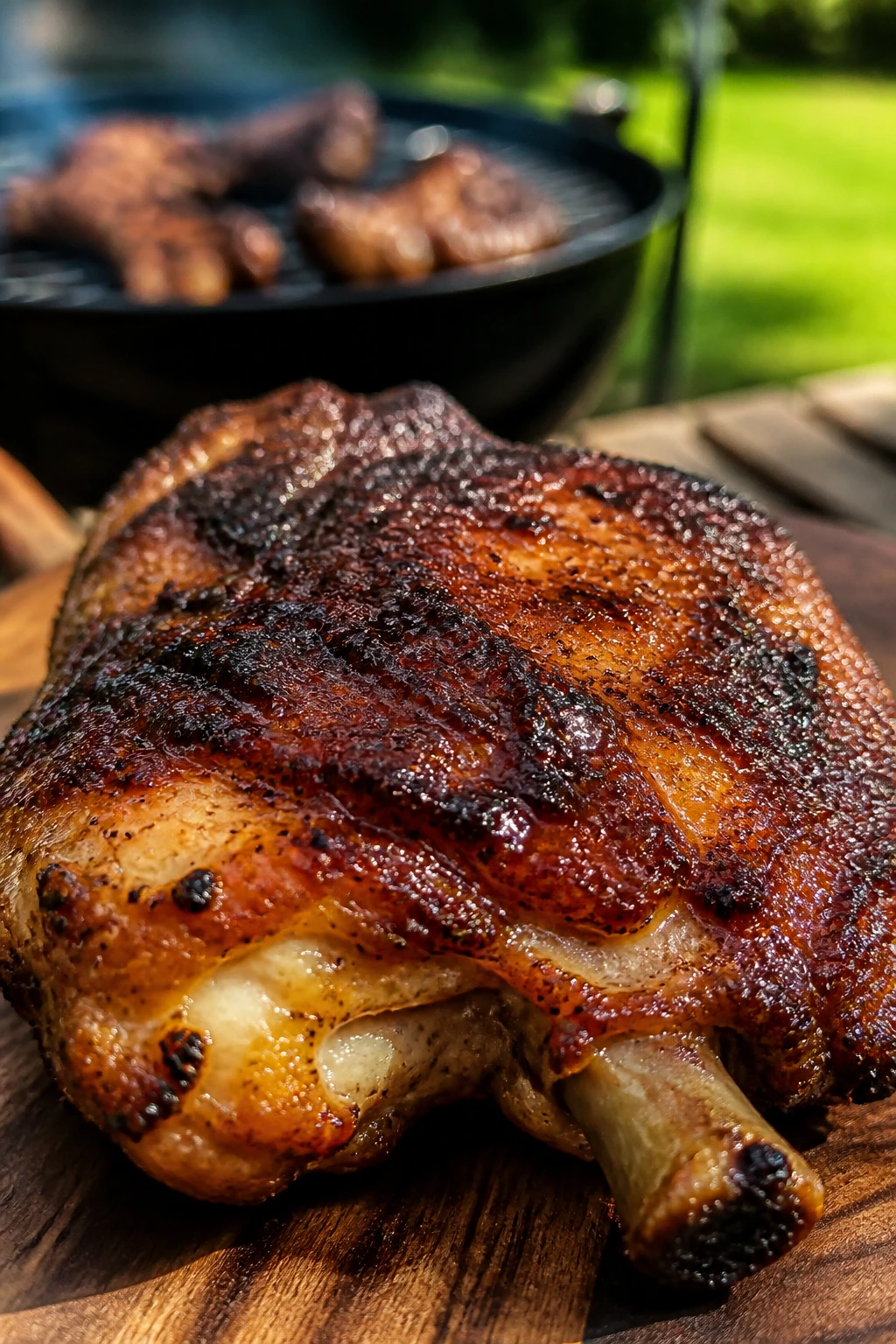
A few small habits make a cookout feel calm instead of chaotic.
Salt with intention: Chicken thighs, pork chops, and steak can be salted ahead of time so the seasoning has time to work into the meat. Vegetables usually need salt closer to grilling or after, depending on how watery they are. Salt draws moisture out. That can be useful, or it can make zucchini sulk on the board.
Keep the oil thin: Brush oil onto the food, not the fire. A light coat stops sticking and gives you better browning. Heavy oil just feeds flame and soot.
Finish with one bright thing: Lemon wedges, chopped herbs, pickled onions, or a vinegar sauce will make the whole table feel sharper. You do not need three different sauces. One lively one usually does the job.
Rest meat before slicing: Five minutes for thinner cuts, closer to 10 for thicker ones. Slice too early and the juices run straight onto the cutting board. That can make even properly cooked meat look dry.
Use one garnish across several dishes: Chopped parsley, dill, or basil can go on chicken, vegetables, and bread. One good garnish used well beats six decorative ones that nobody remembers.
And keep a small rescue tray nearby. If a batch of food finishes early, tent it loosely with foil and park it on the cooler side of the grill or in a low oven. It buys you breathing room.
Common Mistakes That Turn Char Into Burn
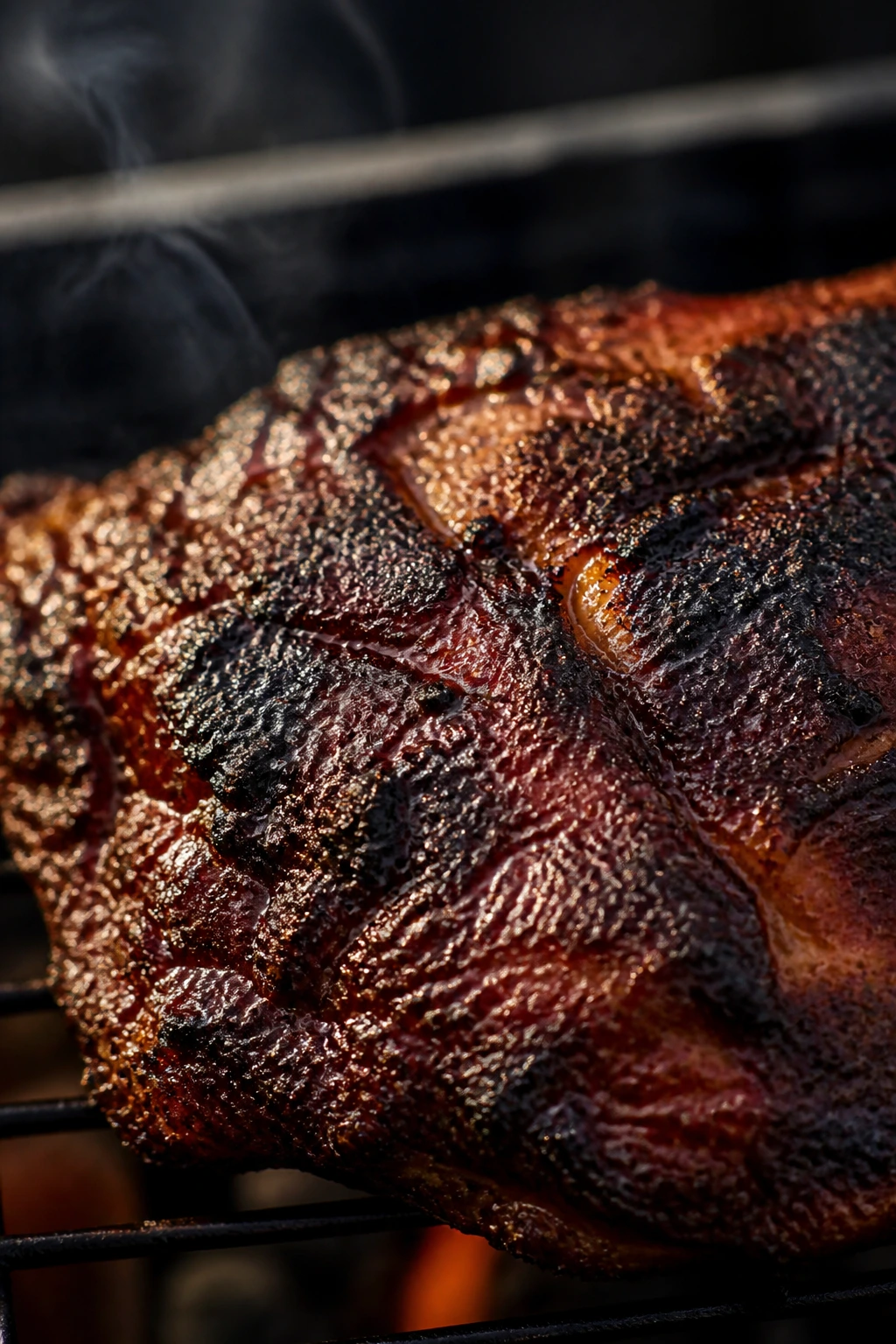
Cookouts usually go wrong in the same few ways. The fixes are not glamorous, which is exactly why they work.
-
Saucing too early: Sweet barbecue sauce, honey glazes, and maple-heavy marinades darken fast and can burn before the meat finishes. Brush them on during the last few minutes of cooking, or serve them at the table instead.
-
Crowding the grate: When too much food sits over the heat at once, the grill drops in temperature and the food steams. The result is pale chicken skin, limp vegetables, and no real char. Leave space between pieces, even if it means cooking in batches.
-
Using the wrong cut for the job: Very lean chicken breast, paper-thin fish, and tiny vegetables can be managed, but they’re harder to keep juicy and evenly charred. If you want a calmer evening, choose thighs, sausages, thicker vegetables, or a basket for small pieces.
-
Skipping the thermometer: Guessing at doneness is where overcooked chicken and undercooked pork sneak in. An instant-read thermometer ends the guessing. Chicken and leftovers should hit 165°F, pork should reach 145°F with a rest, and ground meats need 160°F.
-
Letting the fire run wild: Flare-ups are common when fat drips onto hot coals or burners. Pull the food to the cooler zone, close the lid for a minute, and let the oxygen drop. Chasing the flame with the food still on top of it is how dinner turns bitter.
-
Serving without crunch or acid: A tray of grilled meat and grilled vegetables can feel heavy if nothing bright is nearby. Bring in slaw, pickles, lemon, or an herb sauce. The plate needs contrast.
Variations for Different Crowds and Grill Styles
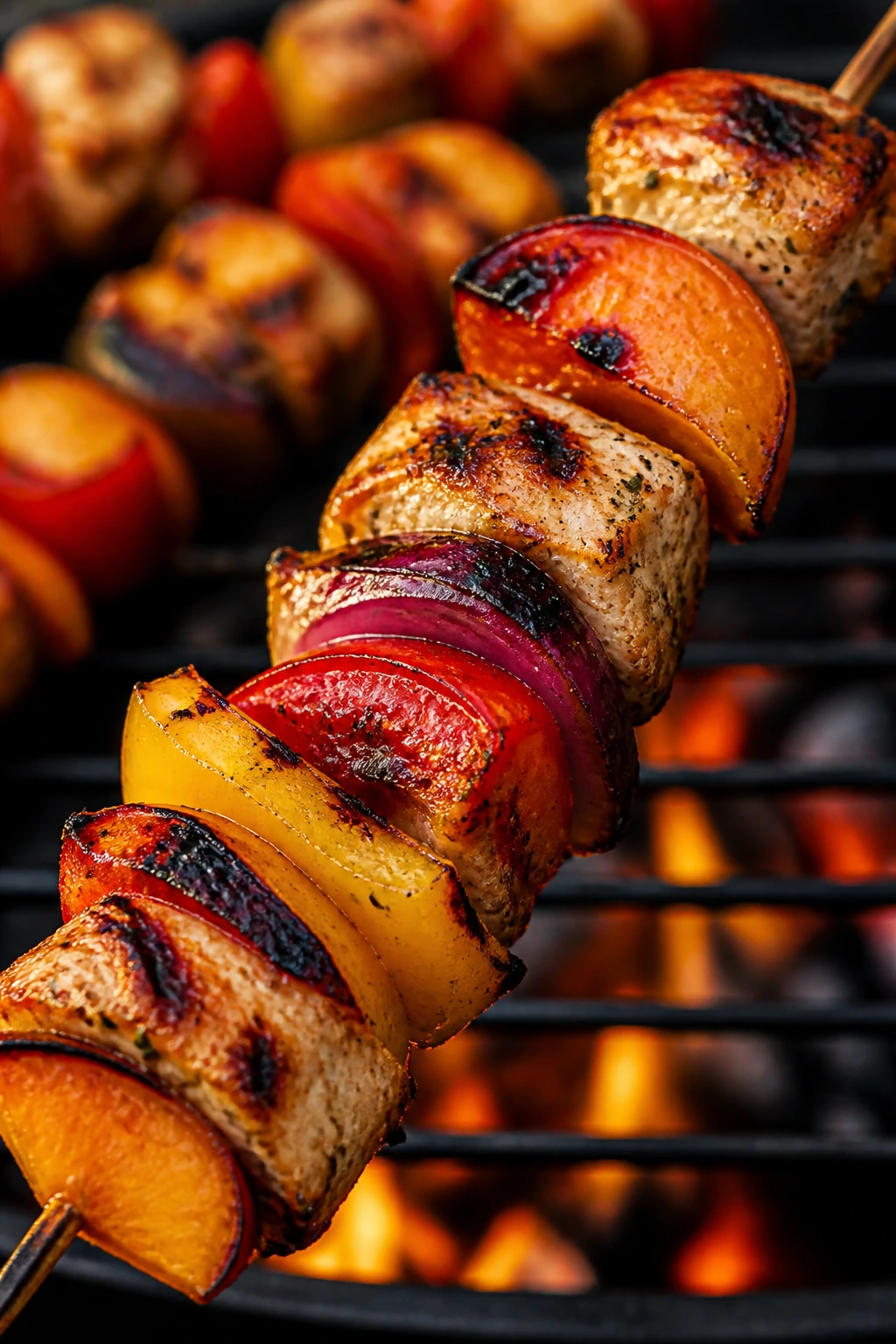
There is no single correct backyard spread. The best version is the one that fits the people standing near your grill.
The Smokehouse Classic
This version leans into chicken thighs, sausages, corn, and a vinegar slaw with grilled bread on the side. It tastes like the kind of table that can handle napkins, paper plates, and seconds without slowing down. If you want a menu that feels sturdy and familiar, this is the one.
The Garden-Heavy Spread
Halloumi, thick mushrooms, cabbage wedges, peppers, zucchini, and grilled peaches take the lead here. A lemony yogurt sauce or herb dressing keeps the vegetables from tasting flat. This works well when you want the grill to feel generous without leaning heavily on meat.
The Skewer Party
Cut chicken, shrimp, onions, peppers, and even fruit into bite-size pieces and thread them onto skewers. Everything cooks quickly, looks lively on a tray, and is easy to pass around. Use metal skewers if you want less fuss; soak bamboo skewers well if that’s what you have.
The Gas-Grill Shortcut
Not everyone wants charcoal smoke and ashes flying around the patio. A gas grill can still give you proper char if the grates are hot and you keep the food moving between direct and indirect heat. Finish with smoked salt, charred lemon, or a quick herb sauce to bring back a little depth.
The Sweet-Salty Finish
This one saves room for grilled fruit. Think pork chops or chicken, a sharp slaw, grilled bread, and peaches or pineapple with a spoonful of ricotta or a dusting of flaky salt. It turns the end of the meal into something slightly softer without losing the grill flavor.
The Gear That Makes Charred Picnic Food Easier
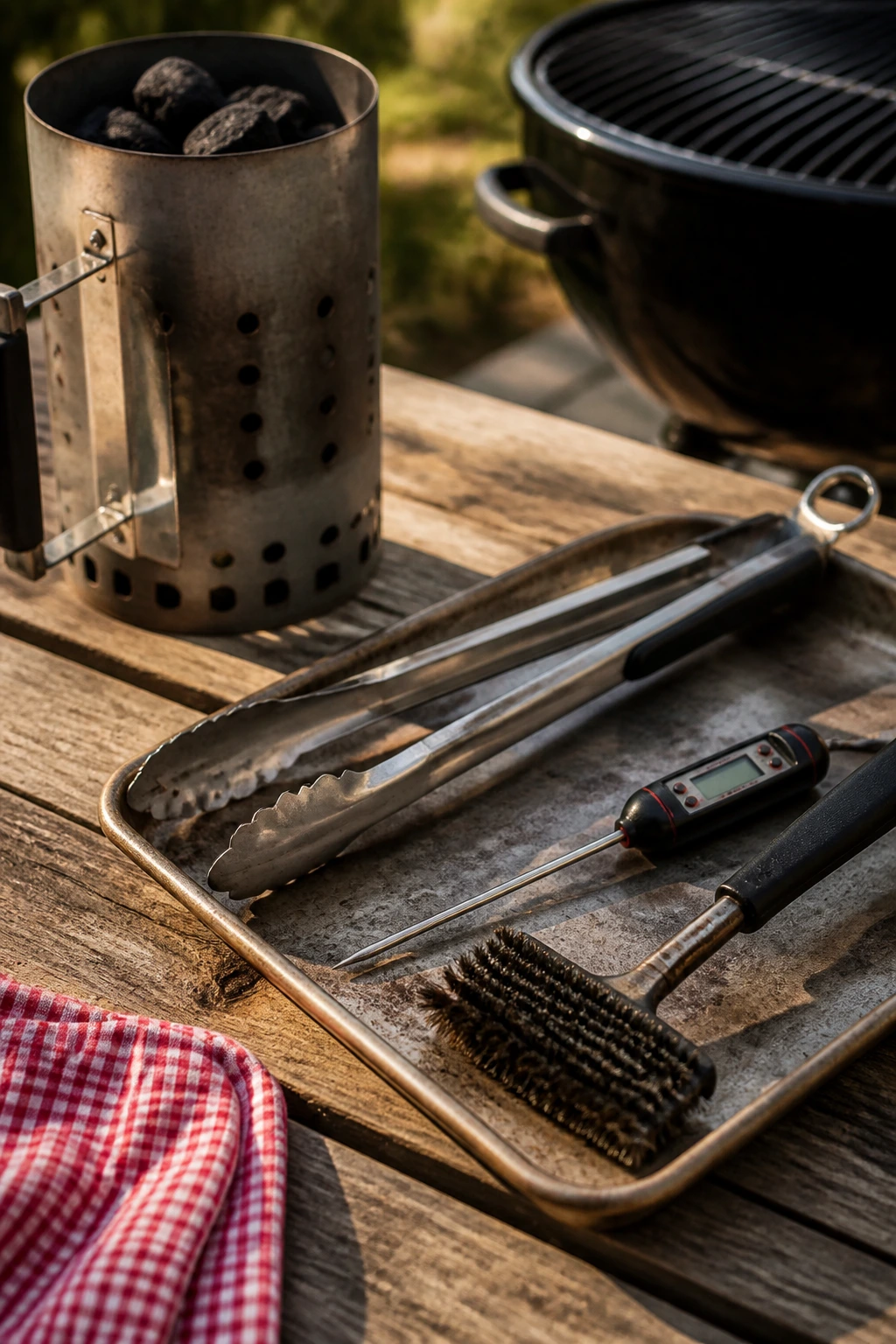
You do not need a pile of gadgets. You do need a few things that keep the fire from becoming a nuisance.
-
Charcoal grill or gas grill: Either one works; charcoal gives deeper smoke, gas gives easier temperature control.
-
Chimney starter: The cleanest way to light charcoal evenly without lighter fluid.
-
Long-handled tongs: Short tongs get you too close to the heat and make turning food awkward.
-
Instant-read thermometer: The fastest way to know whether chicken, pork, or thick fish is actually done.
-
Grill brush: A clean grate prevents sticking and bitter carbon buildup.
-
Grill basket: Handy for shrimp, chopped vegetables, mushrooms, and small fruit pieces that would otherwise fall through the grate.
-
Metal skewers or soaked bamboo skewers: Useful for kabobs and quick-cook party food.
-
Rimmed sheet pans: One for raw food, one for cooked food. That separation matters more than people think.
-
Cutting board with a juice groove: Keeps the resting juices where they belong instead of on the patio table.
-
Heat-resistant gloves or mitts: Not mandatory, but very useful when you need to move grates or shift hot pans.
-
Serving platters and bowls: A wide platter for grilled food and a few smaller bowls for sauces, herbs, pickles, and lemon wedges.
-
Cooler or ice bath setup: Essential if cold sides need to sit outside for a while and stay safe.
Make-Ahead, Storage, and Leftover Handling
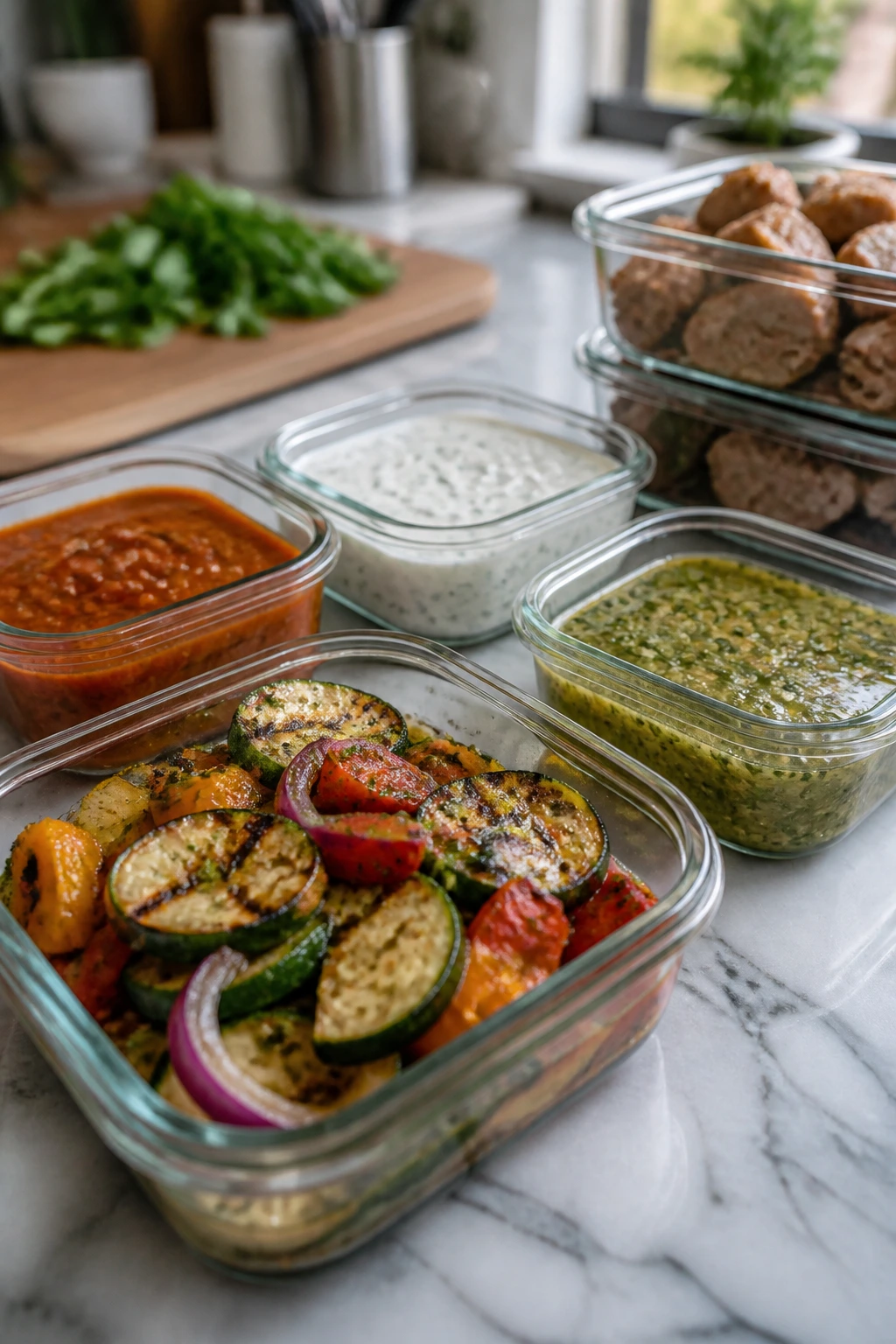
The best cookout prep is the kind that makes the actual grilling feel lighter.
What you can do ahead
Sauces and dressings hold well for 3 to 5 days in the refrigerator. Chimichurri, vinaigrettes, and yogurt sauces all benefit from a little time, though anything dairy-based should be kept cold and used within a few days.
Vegetables can be washed and cut a day ahead if you store them properly. Keep mushrooms dry and uncovered if they’re already very damp. Keep cut onions and peppers in sealed containers. Potatoes can be parboiled ahead and finished on the grill later.
Meats can be marinated ahead too, but use common sense with acids. Chicken can handle a longer soak, especially in oil-based or yogurt-based marinades. Fish does not want a long acid bath. A citrus marinade for shrimp or fish should be short, measured in minutes rather than hours.
How long leftovers keep
Cooked grilled meats keep in the refrigerator for 3 to 4 days in shallow containers. Cooked vegetables also hold for 3 to 4 days, though the texture softens. Grilled bread is best the same day, but it can be revived in a toaster or hot oven.
Freeze cooked meats for up to 2 to 3 months if you want to save them. Slice them first if that makes reheating easier. Grilled vegetables freeze less gracefully, though peppers and corn kernels do better than zucchini or eggplant.
Cold slaw and mayo-based salads should not be frozen. They split and turn watery. Keep them refrigerated and use them quickly.
Reheating without wrecking the texture
Use a 300°F to 325°F oven for most grilled meats if you want to warm them gently. Cover loosely with foil so the edges don’t dry out. A skillet works well for slices of steak, pork, or sausage if you want to bring back some surface color.
Chicken and reheated leftovers should reach 165°F again. That number matters. A microwave can work in a pinch, but it softens char and can make the food feel tired. If the texture matters, the oven or skillet wins.
If the party is outdoors and food will sit a while, keep hot items above 140°F in a warming zone or insulated container and keep cold dishes in bowls over ice. The yard is not a refrigerator.
Backyard Cookout Questions People Ask
What foods are easiest if I want a low-stress grill menu?
Chicken thighs, sausages, corn, onions, and grilled bread are the least fussy combination I know. They tolerate a little timing drift and still taste good once they hit the table.
Can I get real char on a gas grill?
Yes. Preheat longer than you think, keep the grates clean, and use direct heat for the first sear before moving food to a cooler zone. Gas gives less smoke than charcoal, but it still gives color and crust.
How do I keep chicken from drying out on the grill?
Use thighs instead of breasts when you can, keep the grill hot enough to brown the surface quickly, and pull the chicken at 165°F. Resting matters too. Slice early and you lose the juices you just worked to keep.
What’s the best vegetarian spread for a cookout?
Grilled halloumi, cabbage wedges, mushrooms, peppers, zucchini, corn, and a strong sauce like chimichurri or herb yogurt make a full meal without feeling like a compromise. Add grilled bread and a crunchy slaw, and nobody will miss the meat.
Can charred food sit out on the table for a while?
It can, but not forever. Hot food should be eaten within 2 hours, or within 1 hour if the weather is very warm. Cold sides need to stay cold, which means ice bowls or frequent refilling from the fridge.
What’s the easiest way to handle flare-ups?
Move the food off the flames and onto the cooler side of the grill. Close the lid for a minute if the flare-up is strong, then come back once the fire settles. Don’t keep flipping food over a flame that’s already too high.
Do grilled vegetables need to be salted before cooking?
Some do, some don’t. Zucchini and eggplant benefit from salt either before or right after the grill, depending on how much moisture you want to pull out. Mushrooms and peppers usually do fine with salt just before serving.
How far ahead can I make the sauces and slaw?
Most vinaigrettes and herb sauces can be made a day or two ahead. Vinegar slaw holds better than mayo slaw if you need to prep it in advance. Dress delicate greens and cucumber-heavy sides at the last minute so they don’t go limp.
Let the Smoke Earn Its Keep
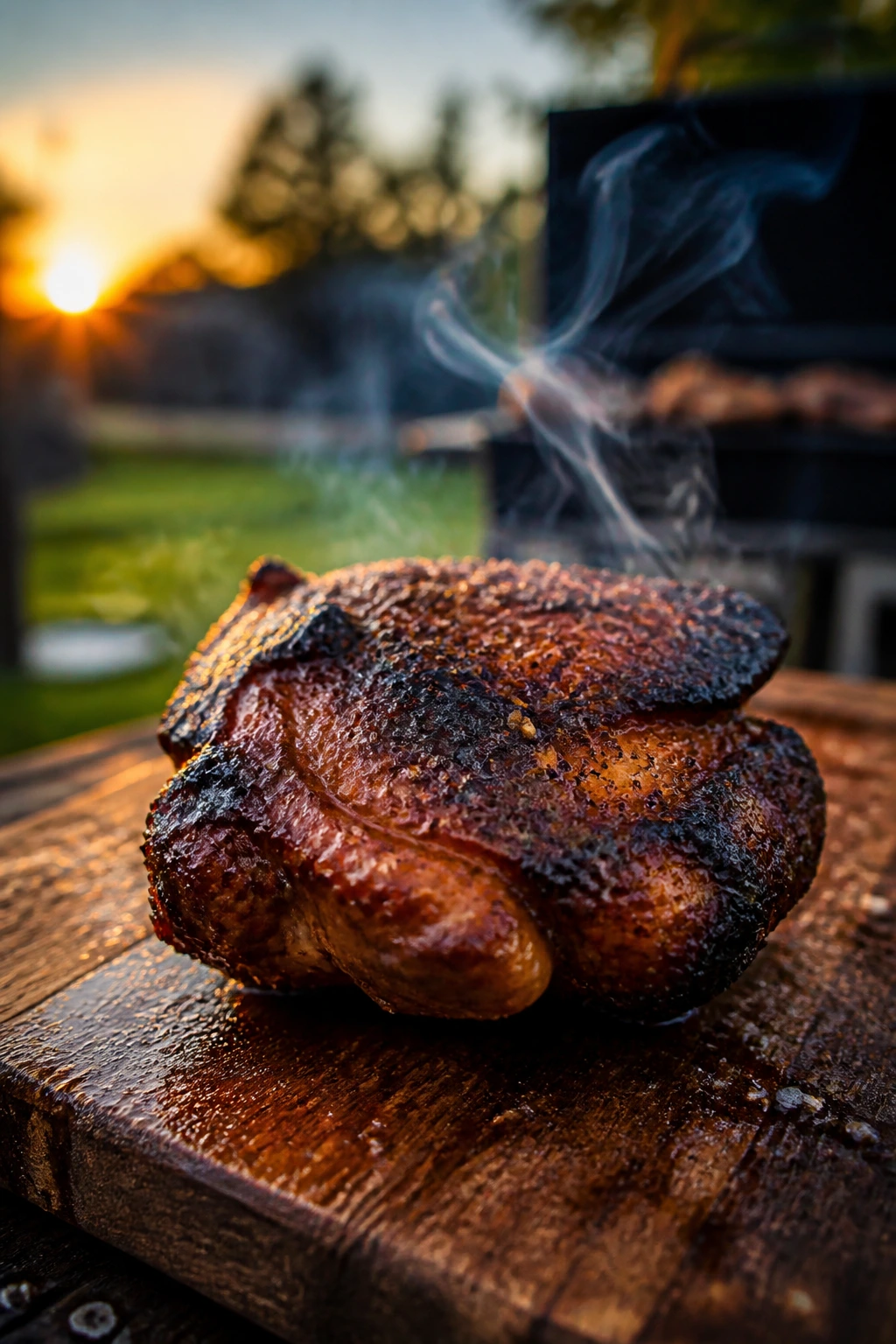
A good backyard cookout does not need to be complicated to feel generous. Give the grill a clear job, pick foods that can take some heat, and bring in one cold, sharp thing to keep the smoke honest. That’s the shape I come back to again and again.
Charred outdoor picnic party food works because it respects the setting. It is sturdy enough for a paper plate, casual enough for a yard full of people, and flavorful enough that nobody feels like they need a second helping of explanation.
Set the fire, salt the food, and let the edges do their work.