



Smoke, salt, and a clean hard sear can make a backyard cookout feel more deliberate than any plated dinner in a dining room. That’s the part most people miss when they talk about gourmet grilling for backyard cookouts: it’s not about fussing, and it’s not about expensive ingredients wearing fancy shoes. It’s about removing the weak links. A steak with decent marbling, a tomato that actually tastes like tomato, a sauce with acid instead of just fat — those things do more work over fire than ten extra garnishes ever will.
A grill is a blunt instrument. That’s the charm. It compresses flavor fast, so the details matter faster than they do in an oven. A little salt at the right time changes the crust. A hotter side of the grill saves dinner when one piece cooks quicker than the rest. A thermometer ends the guessing game that ruins good meat by turning it gray and dry. You don’t need a chef coat for any of that. You need attention, a plan, and a willingness to stop treating the grill like a place where food “sort of” happens.
Backyard cookouts also have a strange social rhythm that restaurants never quite match. People drift in, stand too close to the heat, steal olives from the bowl, ask when the burgers are ready, and hover near the cutting board like seagulls near fries. A good cookout handles that chaos gracefully. The food arrives in waves, the sauces are bright, the vegetables have char instead of steam, and the host isn’t trapped in a panic loop because the menu was built around timing instead of hope. That’s where this style shines. It makes the meal feel easy because the cooking was organized before the first flame hit the grate.
Why This Approach Works
- Better ingredients stay visible: Fire doesn’t hide a bland steak or a tired tomato; it exposes them, which is why a smaller menu of better food usually beats a crowded spread.
- Heat control does half the work: Two zones on the grill let you sear hard, then finish gently, so a thick chop or chicken thigh doesn’t burn before the center catches up.
- A thermometer saves money: USDA food-safety guidance is blunt about final temperatures, and a cheap instant-read thermometer protects both safety and texture.
- Finishes matter at the table: A spoon of chimichurri, a knob of herb butter, or a squeeze of grilled lemon can make grilled food taste complete instead of just cooked.
- Cookout food should hold up: The best backyard dishes stay juicy for a few minutes on the board, travel well to a platter, and still taste good after the first few guests have been served.
- Smoke needs balance: Char without acid gets dull fast; the smartest grill menus always include something sharp, fresh, or lightly bitter to keep the plate awake.
Why Gourmet Grilling Belongs at a Backyard Cookout
The word “gourmet” gets abused. People use it like a costume. A tiny skewer with a drizzle of truffle oil is not gourmet by default, and a burger with an arugula leaf stuck on top does not earn a medal. Real gourmet grilling for backyard cookouts is simpler than that. It means food chosen with care, heat used with intention, and finishes that make the meal taste like someone paid attention.
Fire is ruthless. That’s useful. A ripe peach turns into something caramelized and fragrant in a minute or two. A good ribeye gets a crust that tastes deeper than anything a skillet alone can do. Even humble things — onions, zucchini, corn — pick up a sweetness on the grill that feels earned rather than dressed up. The grill doesn’t manufacture flavor from nowhere. It concentrates what’s already there.
I’d rather eat one excellent grilled steak with charred scallions and a sharp herb sauce than a dozen half-interesting items that never got enough heat. That’s not snobbery. It’s the opposite. A cookout gets better when the menu is edited hard. Fewer dishes. Cleaner seasoning. Better timing. More room on the table, more room in your head.
And the social part matters too. People linger around food that smells focused. A platter of glossy chicken thighs with lemon and herbs gets attention in a way a stack of lukewarm hot dogs never will. The point isn’t to show off. The point is to make the meal feel considered without making the host miserable.
What “Better” Really Means Here
Better grilling usually comes down to three things: heat, salt, and contrast. Heat gives you browning. Salt pulls out flavor and seasons deeper than a last-second sprinkle can manage. Contrast keeps the plate from tasting flat — something rich beside something acidic, something smoky beside something crisp, something tender beside something crunchy.
That’s why a backyard cookout can feel more memorable than an indoor dinner even when the menu is modest. The food arrives with texture. The grill marks mean something. The onion still has a little snap in the middle. The bread is warm and slightly blistered. None of that requires drama. It requires control.
The Two-Zone Grill Setup That Saves Dinner
One hot zone and one calm zone can rescue almost any cookout. If the grill has been used only as a blast furnace, it’s working too hard. A two-zone setup gives you an area for direct searing and an area for indirect finishing, which means you can cook a thick steak, a chicken thigh, and a pile of peppers without turning one of them into a sacrifice.
On a gas grill, preheat with all burners on high for about 10 to 15 minutes, then turn one side down or off to create the cooler zone. On charcoal, bank the coals on one side and leave the other side empty. The lid stays part of the story. Closed, it turns the grill into a hot convection chamber; open, it gives you more direct fire and less forgiving heat.
Direct Heat vs. Indirect Heat
Direct heat is your sear zone. It’s where you get the crust on steaks, the skin on chicken thighs, the blister on peppers, and the color on burgers. Food sits over the flame or the coals and picks up browning fast.
Indirect heat is your insurance policy. Thick chops, bone-in chicken, sausages, and bigger vegetables can move there after a hard sear so the center cooks through without the outside turning black. That move feels small. It isn’t. It’s the difference between juicy and charred.
The Grate Matters More Than People Admit
A clean grate gives better marks and less sticking. Preheat the grill first, then scrape the grates while they’re hot. After that, oil the grates lightly with a folded paper towel held by tongs, or brush the food itself with oil before it goes on. Don’t flood the grate. That’s how flare-ups get louder than the food.
And here’s the quiet truth: a well-set grill is calmer to cook on. You spend less time chasing flames and more time watching color, texture, and temperature. That’s what makes the whole thing feel intentional instead of chaotic.
Choosing Ingredients That Hold Up Over Flame
Not every ingredient deserves a grill grate. Thin, watery, fragile things can taste better in a salad or a quick sauté. The ingredients that shine over live fire usually have structure, fat, or natural sugar that can take on char without collapsing. That’s where the grill stops being a novelty and starts acting like a flavor tool.
For proteins, think in terms of thickness and forgiveness. Ribeye, strip steak, flank, and skirt all love high heat, though the thinner cuts need a shorter cook and a sharp knife at the board. Bone-in chicken thighs are much easier to manage than breasts because the fat and bone protect them from drying out. Salmon, swordfish, and shrimp work well too, but they need attention; they go from perfect to overcooked faster than steak does.
Vegetables need a different filter. Corn, peppers, onions, mushrooms, zucchini, asparagus, cauliflower, and halved tomatoes all earn their place because they either hold shape or pick up enough char to justify the effort. Mushrooms in particular are strange little sponges in the best way — they soak up oil, salt, and smoke, then taste meatier than they have any right to.
Fruit belongs on the grill more often than people expect. Peaches, pineapple, plums, and even watermelon if you want to get playful will caramelize on the edges and soften just enough to taste sweeter without turning mushy. The grill loves sugar. That’s a gift, not a license to burn everything.
Best Candidates for a Grill-Heavy Menu
- Ribeye or strip steak: Enough marbling to stay juicy under high heat.
- Flank or skirt steak: Fast, punchy, and excellent sliced across the grain.
- Bone-in chicken thighs: Hard to dry out and full of flavor.
- Salmon fillets or steaks: Rich enough to stand up to smoke.
- Shrimp: Quick, bright, and good with citrus or garlic.
- Peppers, onions, and mushrooms: Built for char and easy to serve warm.
- Corn and peaches: Sweetness plus caramelized edges.
What I would skip, most nights, are delicate lettuces, paper-thin fish fillets, and anything that gets limp if you look at it too long. Keep those for the salad bowl or the serving platter. The grill should get the ingredients that can answer back.
Salt, Rubs, and Marinades Before the Fire
Seasoning starts before the food reaches the grate. A lot of cookout food fails because the cook tried to rescue it at the end. That’s backwards. Salt, rubs, and marinades do their best work when they’ve had time to move into the food, dry the surface a little, and set up the browning that fire does so well.
A dry brine is the smartest move for steak and chicken. Salt the meat ahead of time — a little while ahead for steak, longer for chicken — and leave it uncovered on a rack if you can. The surface dries out slightly, which sounds bad until you remember that a drier surface browns faster. That crust is where a lot of the flavor lives.
Marinades have a narrower job. They’re good for lean cuts, shrimp, and vegetables, but they shouldn’t drown the ingredient. A good marinade usually has oil, salt, something acidic, and aromatics like garlic, herbs, ginger, or chile. Acid helps the surface take on flavor, but too much of it for too long can make fish or meat turn soft in an unpleasant way. Shrimp might need 15 to 30 minutes. Fish often needs only a brief coat. Chicken can sit longer, but don’t let it get mushy or overly sour.
Rubs bring texture. Paprika, black pepper, garlic powder, cumin, coriander, brown sugar, mustard powder, and dried herbs all work, but sugar deserves restraint. On direct heat, too much sugar burns before the inside is ready. Save sweet rubs for indirect cooking, thick cuts, or the last stretch of the cook.
Dry Brine vs. Wet Marinade
A dry brine changes the meat’s surface and helps it cook with a deeper crust. A wet marinade adds external flavor and can soften the surface a bit, which is useful for lean or quick-cooking foods. They’re not the same tool. I use dry brines for steaks, chops, and chicken more often because the result tastes cleaner and the grill marks are better.
For a cookout, finishing salt matters too. Flaky salt on hot grilled vegetables or sliced steak gives a tiny burst of crunch and keeps the flavor from feeling flat. Use it at the end, not before. Same with lemon juice, vinegar, or herb oil. Fire likes a sharp finish.
Reading Doneness Without Guessing
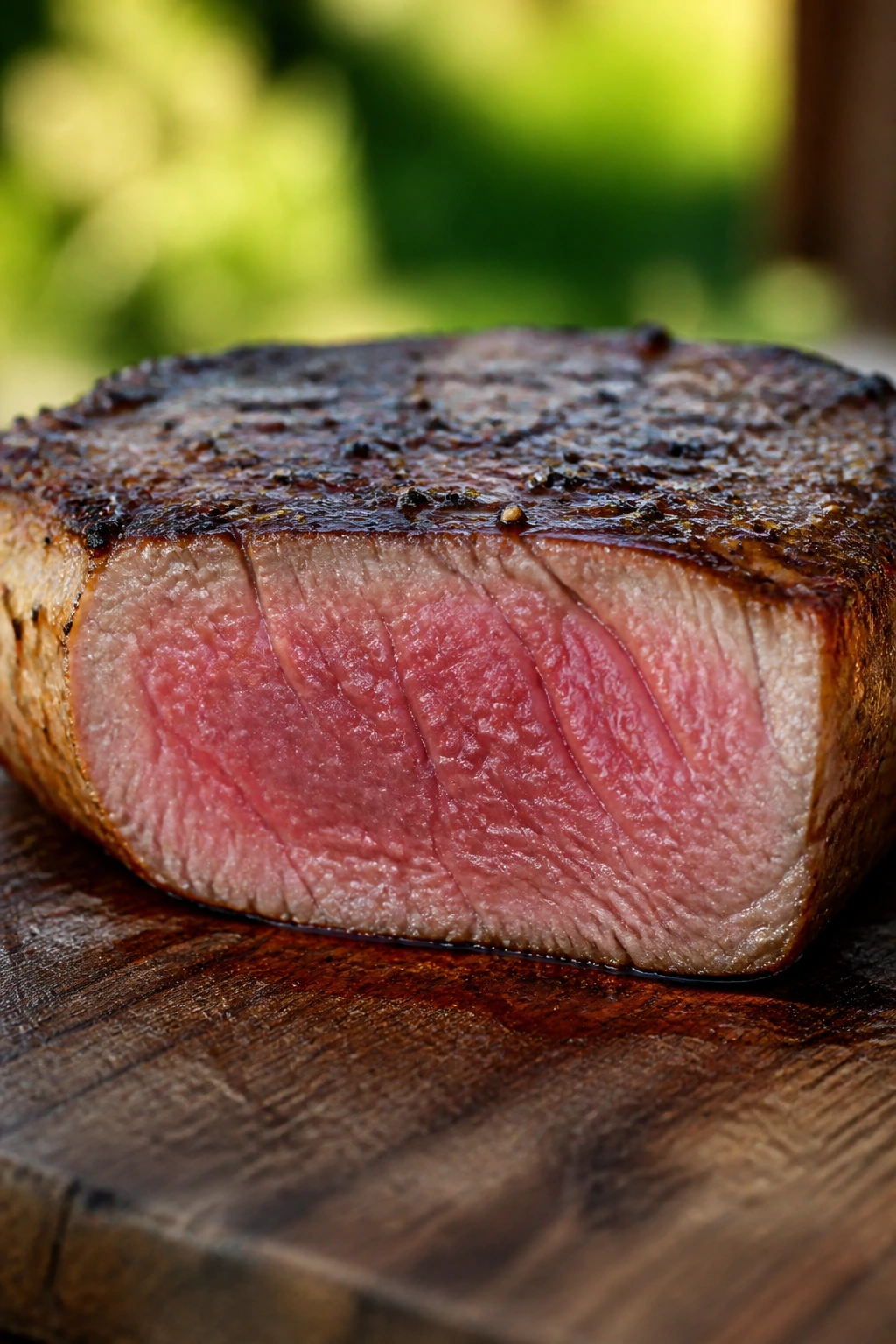
Color lies. Temperature doesn’t. That sounds blunt because it needs to be. A steak can look done and still be raw in the center, or it can look a little pink and already be over the line. A good instant-read thermometer removes the drama.
USDA food-safety guidance gives clear targets that are worth memorizing. Poultry should reach 165°F. Ground meats should hit 160°F. Whole cuts of beef, pork, veal, and lamb are safe at 145°F with a 3-minute rest. Fish is usually best around 145°F, or until it turns opaque and flakes easily with a fork. Those numbers aren’t ornamental. They’re the difference between juicy and sketchy, or juicy and dry.
What the Thermometer Is Telling You
For steaks, pull a little early if you want a rest period to finish the job. Carryover cooking can push the center up another few degrees after the meat comes off the heat. Thick chicken thighs can climb too, but the margin is different. A thermometer inserted from the side, into the thickest part, gives a clearer read than stabbing from the top and guessing at the center.
Poke the meat at the board and you’ll get fooling around. Measure it. Fast. Accurate. Done.
A Few Targets That Keep the Menu Honest
- Chicken and turkey: 165°F in the thickest part.
- Ground beef and other ground meats: 160°F.
- Steaks, pork chops, veal chops, lamb chops: 145°F, then rest 3 minutes.
- Fish: 145°F, or opaque and flaky.
- Shrimp: opaque and curled into a loose “C,” not a tight ring.
I know some cooks rely on touch, and touch can help once you’ve cooked the same cut many times. Still, if the dinner matters, use the thermometer. It’s the cheapest upgrade on the table.
Cooking Meat, Fish, and Vegetables Without Guessing
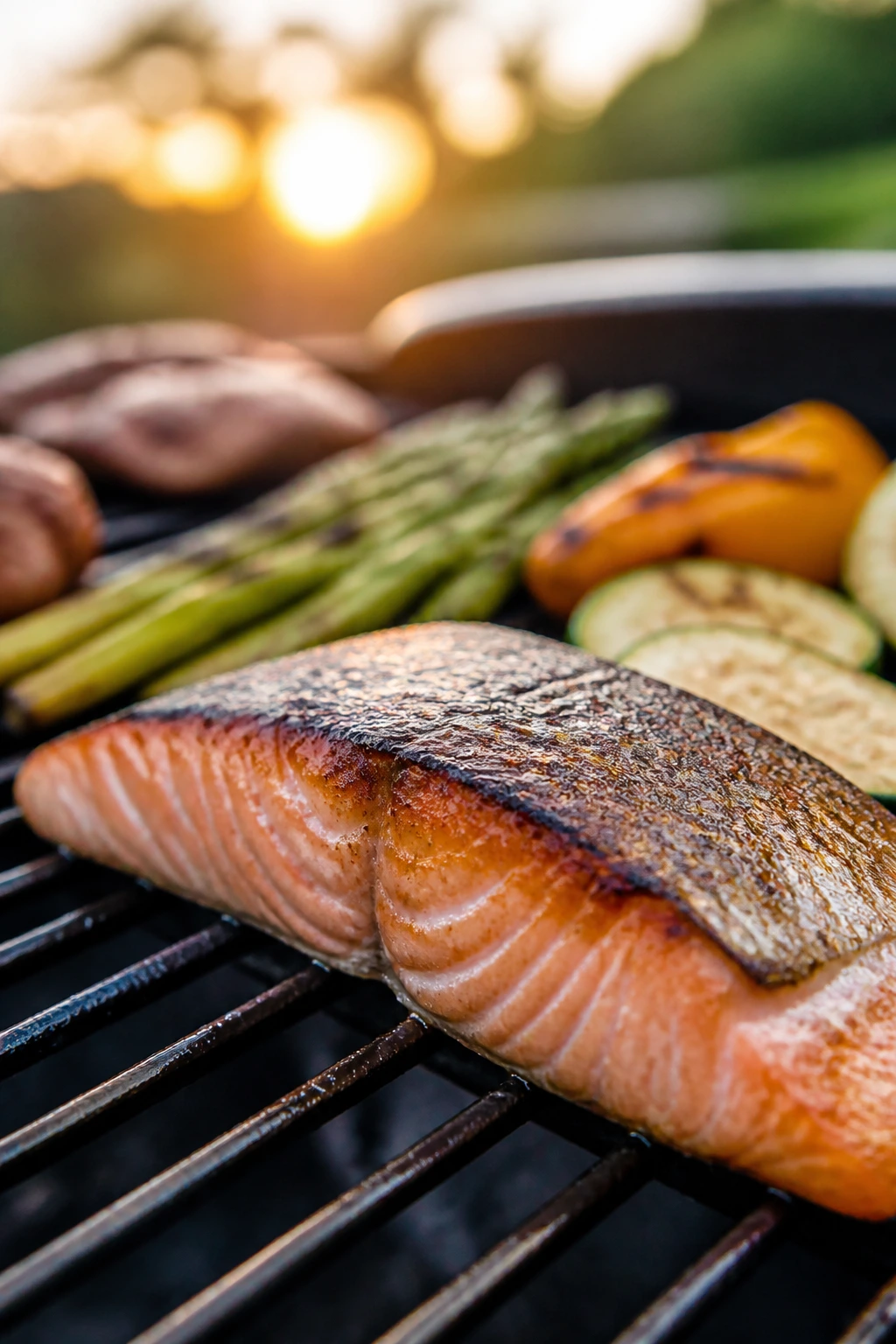
The grill rewards patience in the first minute and confidence in the next ten. Food that moves too much on the grate usually sticks. Food that’s left alone long enough to brown releases more cleanly. That’s why the first flip matters more than the tenth adjustment.
For steaks, start over direct heat and let the surface sear before turning. A 1-inch steak often needs about 2 to 4 minutes per side for a proper crust, then a short finish on the cooler side if the center needs help. Thicker steaks deserve the reverse-sear treatment more often than not: gentle heat first, hard sear at the end. The crust comes out cleaner that way, and the inside has less chance to overshoot.
Chicken thighs can handle more aggression. Put them skin-side down over direct heat long enough to render and brown, then move them to indirect heat until the thermometer says they’re done. Chicken breasts need more care because they dry out fast. I prefer them only when they’ve been brined or when they’re sliced thinner and grilled quickly. Otherwise, thighs give better results with less stress.
Fish needs the lid and a little restraint. Salmon skin-side down over medium-high heat, with the lid closed for part of the cook, gives you a crisp bottom and a moist interior. Shrimp cook in minutes. Halved vegetables can be grilled cut-side down first so they pick up color, then flipped to finish until tender.
A Few Moves Worth Repeating
Leave the spatula down unless you need it. Pressing on meat squeezes out juices. Keep the lid in play when the food is thick or the heat is uneven. And don’t chase perfect grill marks like they’re the whole point. Good char tastes better than decorative stripes.
A grill basket or a cast-iron pan on the grate can save small vegetables, sliced mushrooms, and shrimp from falling through. That’s not cheating. That’s admitting physics exists.
Sauces, Butters, and Finishes That Belong at the End
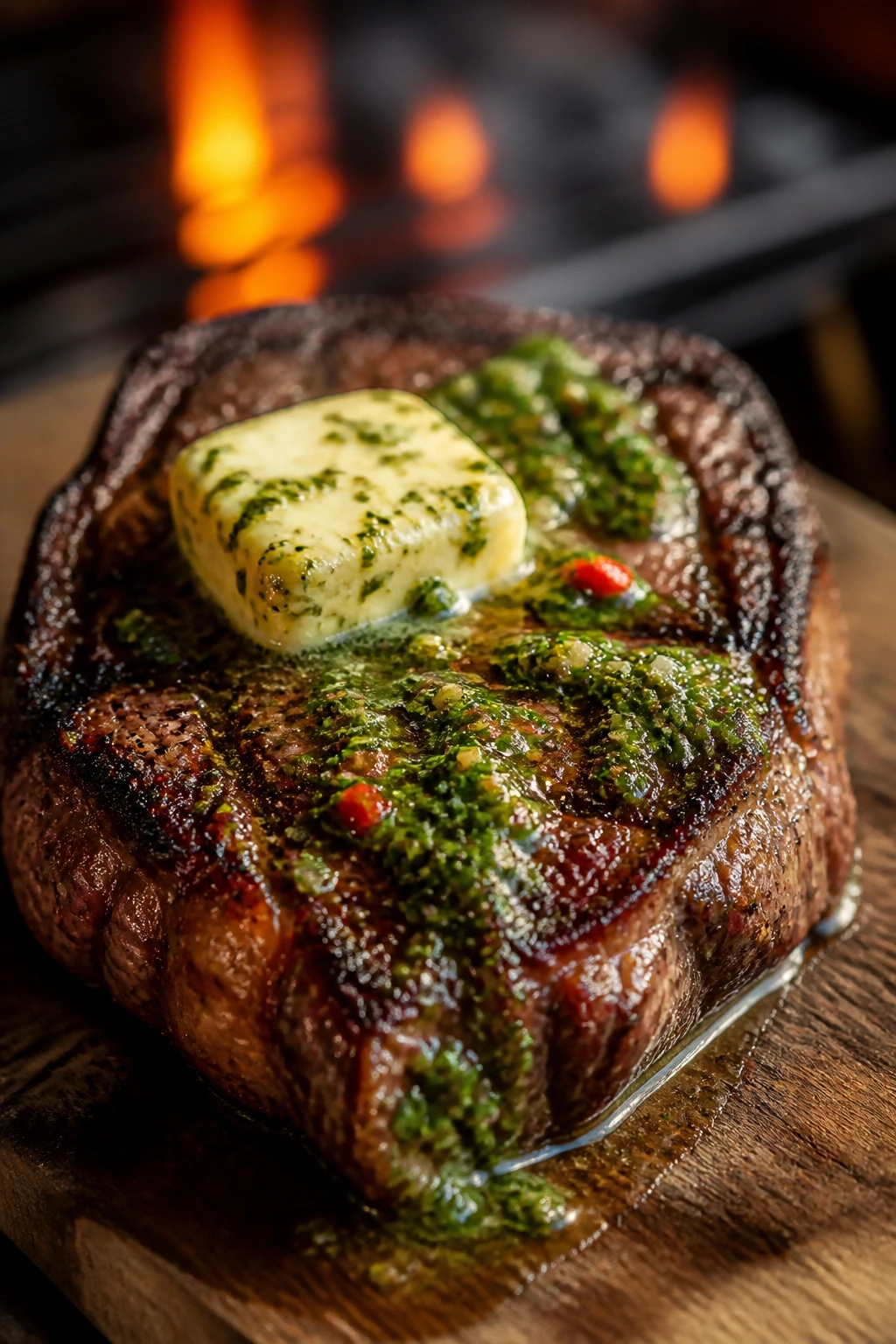
Good sauce on grilled food should wake things up, not bury the smoke. I’m picky about this. A heavy sweet sauce brushed on too early can scorch before the food is done. A better move is to grill first, then finish with something that has acid, herbs, salt, or butter — sometimes all four if the food can take it.
Chimichurri is one of my favorites for grilled steak because it brings parsley, garlic, vinegar, oil, and chile without smothering the meat. Salsa verde does a similar job with a slightly different green edge. Herb butter is excellent on corn, grilled bread, potatoes, and steak, but it should be added at the end so it melts into the cracks instead of burning on the grate.
A little acid changes everything. Lemon juice on fish, vinegar on beans, pickled onions on pork, or charred lime on chicken can sharpen the whole plate. Grilled lemons are worth the tiny extra step; the heat tames the fruit and turns the juice rounder, less sharp, easier to spoon over the food. Finishing salt has the same effect in miniature.
Finishes That Earn Their Keep
- Herb oil: Parsley, chives, dill, or basil blended with olive oil and a little salt.
- Chimichurri: A bold match for steak and grilled mushrooms.
- Compound butter: Best on steak, corn, and bread.
- Pickled onions: A sharp counterpoint for pork, burgers, and sausages.
- Grilled lemon or lime: One squeeze can pull the whole plate together.
I like to keep one sauce bright and one sauce richer. That way the table can tilt either way depending on what was cooked. It feels small. It matters a lot.
Sides That Can Stand Up to Smoke and Char
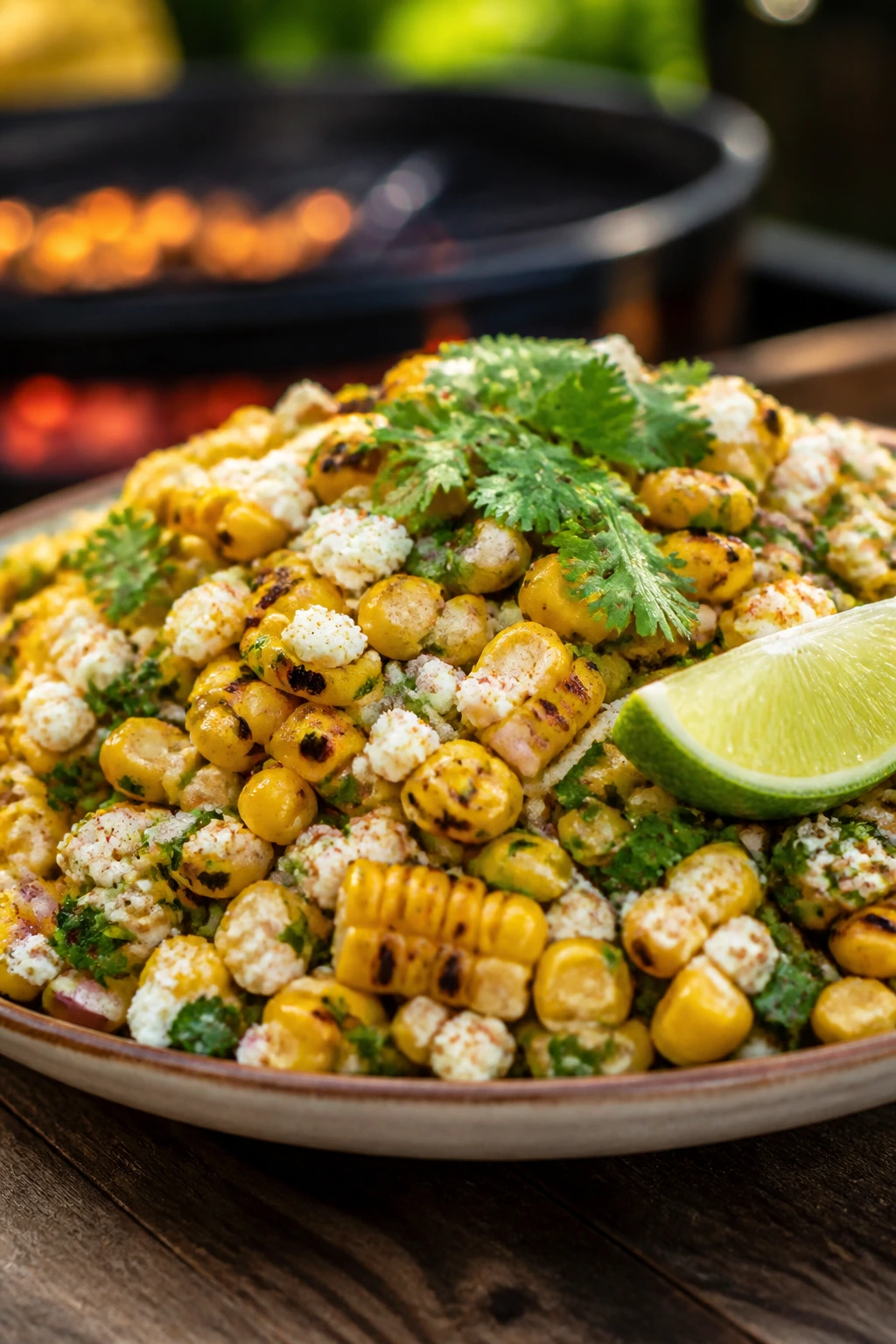
A cookout goes flat when every side is soft. Creamy potato salad has its place, but a table full of soft things beside grilled meat can feel heavy in a hurry. The better move is to build contrast: cool beside hot, acidic beside rich, crunchy beside tender.
A vinegar-heavy slaw brings snap and keeps the plate from tiring out. Bean salad works beautifully because it tastes better after sitting for a little while, and the beans can absorb dressing without going limp. Grilled corn salad, especially with lime, herbs, and a little cheese, feels made for this kind of meal. So does tomato salad with a sharp dressing and enough salt to pull the juice out of the fruit.
Bread deserves a mention too. Grill it. A slice of good sourdough or country bread brushed with oil and kissed by flame does more for a cookout than a basket of dry rolls. It gives the sauces somewhere to land. It also turns the meal into something people assemble rather than merely consume.
Sides I Reach For Again and Again
- Vinegar slaw: Keeps things lively next to fatty cuts.
- Corn salad: Sweet, smoky, and easy to serve warm or cool.
- Bean salad: Holds for hours without falling apart.
- Grilled bread: Good with butter, cheese, or sauce.
- Tomato and cucumber salad: Best when seasoned aggressively enough to taste like itself.
- Mustard potato salad: Better with grilled sausage or chicken than the mayonnaise-heavy version.
A strong side dish also buys you time. While the grill is busy, the salad is already done. That matters more than people admit.
Timing the Meal So Nothing Sits Around Getting Sad
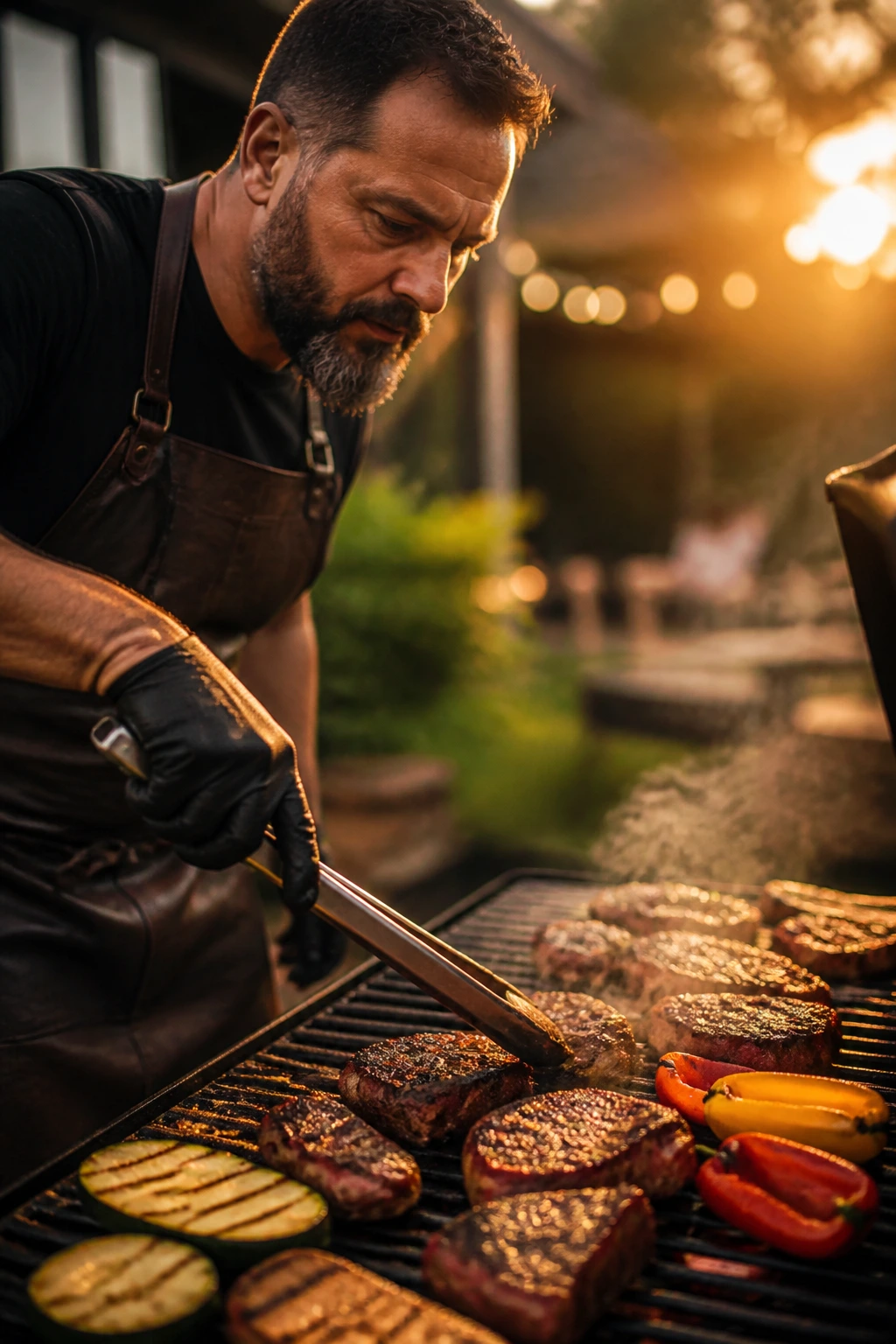
A backyard cookout is a choreography problem. That sounds less romantic than smoke and fire, but it’s the part that keeps the food good. The most common failure I see is not bad grilling. It’s bad timing. The steak is done, the vegetables are ready, the sauce is sitting out, and the bread has turned leathery because the host was busy talking. Timing fixes that.
Start with anything that tastes fine warm or room temperature. Sauces can be made ahead. Salads can be dressed at the last minute or partly dressed and finished with herbs. Bread can be grilled first and held in a low oven. Vegetables that don’t mind a little wait — onions, corn, peppers, roasted potatoes — can sit on the cooler side of the grill while the protein finishes.
Then build the meal around the item with the smallest window. Shrimp comes off fast. Thin fish fillets come off fast. Sliced flank steak only needs a short rest. A thick roast or bone-in chicken can wait a little longer if the grill has an indirect zone. That order keeps you from serving one thing hot and another thing wrecked.
A warm platter helps more than people think. Put the serving dish on the cooler side of the grill for a minute, or in a low oven if you’re working inside and outside at once. Don’t wrap grilled food tightly in foil unless you want soft crust and trapped steam. A loose tent is better. Or a rack over a sheet pan, which lets air move under the food and keeps the bottom from going soggy.
Serving a Backyard Cookout Like a Meal, Not a Picnic
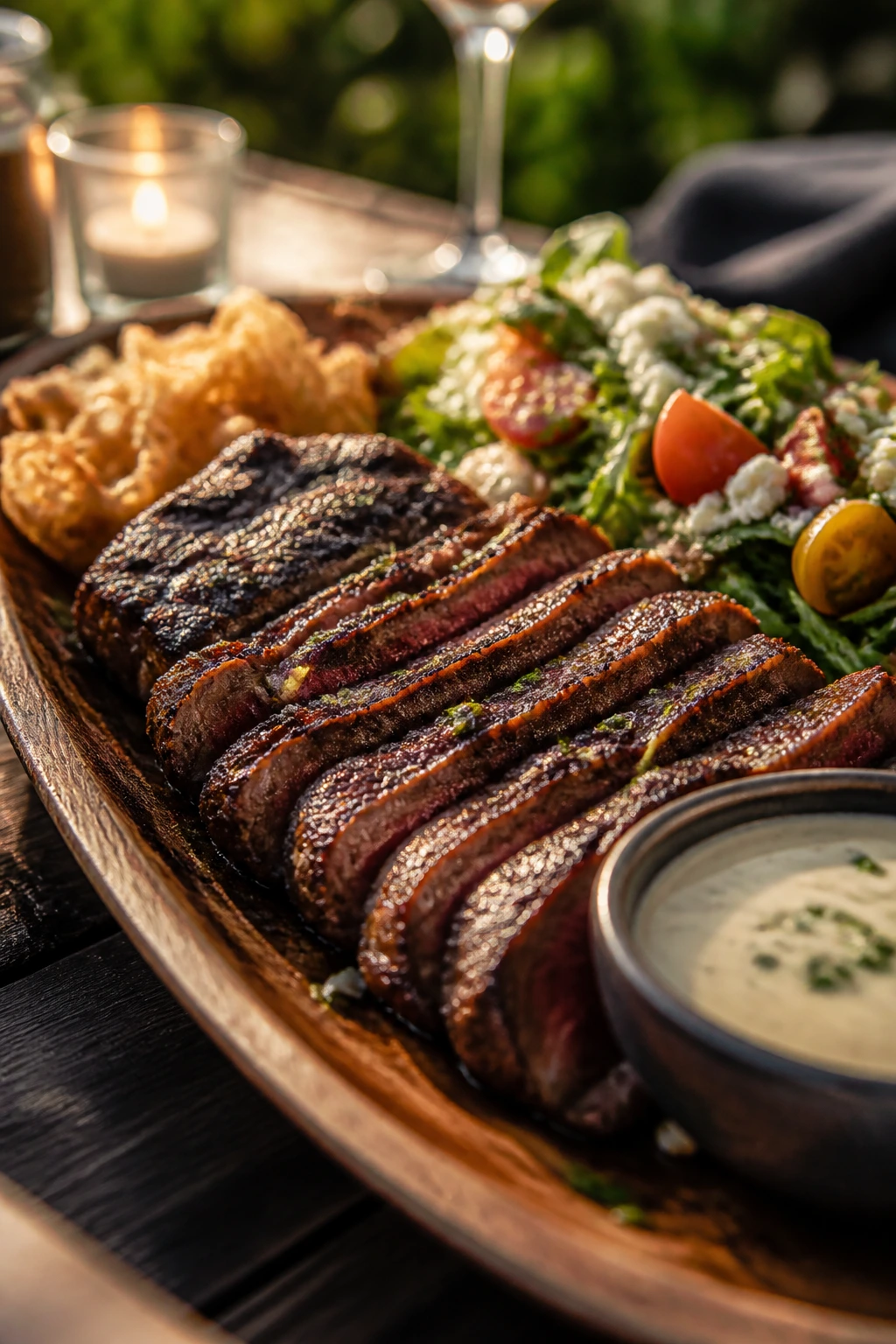
The plate should look like someone planned it. Not fussy. Planned. Backyard food gets a bad reputation when everything lands in separate bowls with no logic connecting them. The fix is easy: one main item, one bright side, one crunchy thing, and one sauce or acid that ties the plate together.
Presentation: Use long platters for sliced meat so the crust stays visible, not buried. Scatter grilled scallions, herbs, or lemon wedges around the edges instead of piling garnish in the middle. If the vegetables are on a separate tray, keep the colors mixed — charred red peppers next to pale onions and green herbs look alive, even before anyone takes a bite.
Accompaniments: Pair richer grilled foods with sharp sides: slaw, tomato salad, pickles, chimichurri, mustard potato salad, or grilled asparagus with lemon. If the main is lean — flank steak, chicken breast, shrimp — add a little fat somewhere else, like herb butter, avocado, or a creamy yogurt sauce. The meal feels more complete when the balance is obvious.
Portions: A dinner crowd usually wants about 6 to 8 ounces of cooked protein per person, less if there are several sides and a lot of bread. Vegetables can be generous; people will eat more grilled peppers and corn than they expect once they’ve got smoke on them. If the guest list includes big appetites, scale the protein first rather than just doubling the salad.
Beverage Pairing: Dry lager, pale ale, sparkling water with citrus, or a chilled red with low tannin all fit this kind of meal. If you’re serving fish or a lot of herbs, something crisp and cold works best. If the menu leans meaty and charred, a beer with a little bitterness keeps pace.
I also like one small thing at each seat — a folded napkin, a knife that cuts well, and a little dish for bones or pits. It sounds fussy until you’ve watched a good cookout get cluttered. Then it looks like common sense.
Small Moves That Make the Grill Taste Better
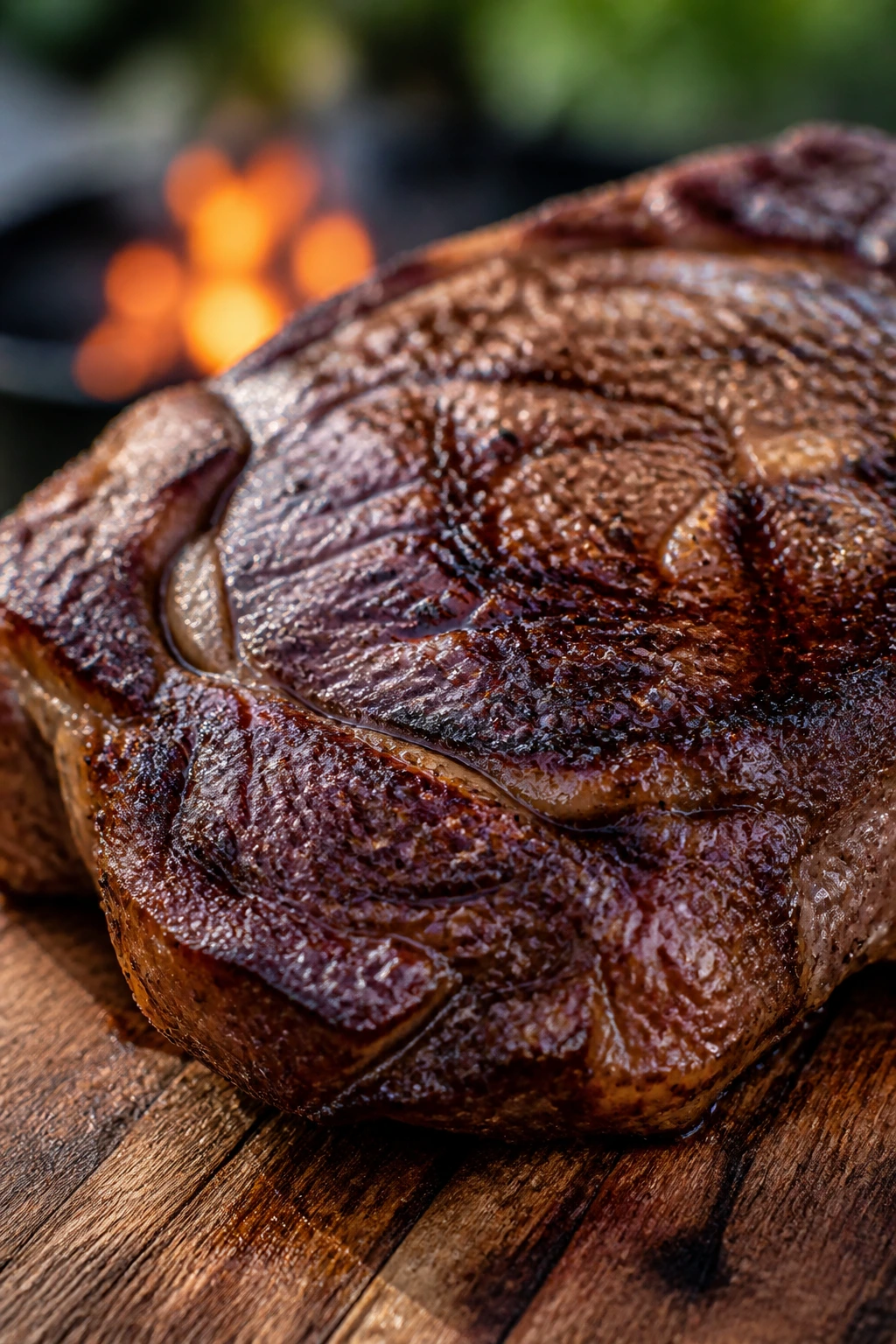
The best upgrades are tiny. I’m not interested in grill tricks that require three burners, a smoking box, and a prayer. The moves that matter most are the ones you can repeat without thinking too hard after the second drink and the first round of food.
Flavor Enhancement: Finish grilled meat with a pinch of flaky salt and a squeeze of lemon or vinegar while it’s still hot. The steam carries the acid and salt into the surface, and the crust wakes up. On vegetables, a spoon of herb oil does the same thing with less bite.
Time-Saver: Make one sauce that works across the whole menu. Chimichurri, yogurt-herb sauce, or a lemon-garlic vinaigrette can hit steak, chicken, vegetables, and bread. One sauce means one less thing to juggle while the grill is hot.
Pro Move: Warm your serving platter before the food comes off the grill. Five minutes on the cooler side of the grill or a low oven keeps the plate from stealing heat out of the steak or chicken the second it lands. That little buffer matters more than decorative garnish ever will.
Cost-Saver: Buy larger cuts and slice them yourself. Flank steak, whole chicken thighs, or a bone-in pork loin often cost less per pound than smaller pre-cut pieces, and they grill well when trimmed and seasoned properly. Better cooking can make a smarter purchase taste like a splurge.
Make-It-Yours: Add a regional twist without rebuilding the whole menu. Go Mediterranean with oregano, lemon, and yogurt. Go Southwest with cumin, chile, charred corn, and salsa. Go herb-heavy with parsley, dill, and chives. The grill doesn’t care what the flavor map is, as long as the seasoning is bold enough to survive the heat.
A quiet habit I like: keep raw and finished food on separate trays from the start. It sounds basic because it is basic, and basic is good when food safety and clean presentation both matter. The grill already gives you enough to think about.
The Mistakes That Waste Good Food
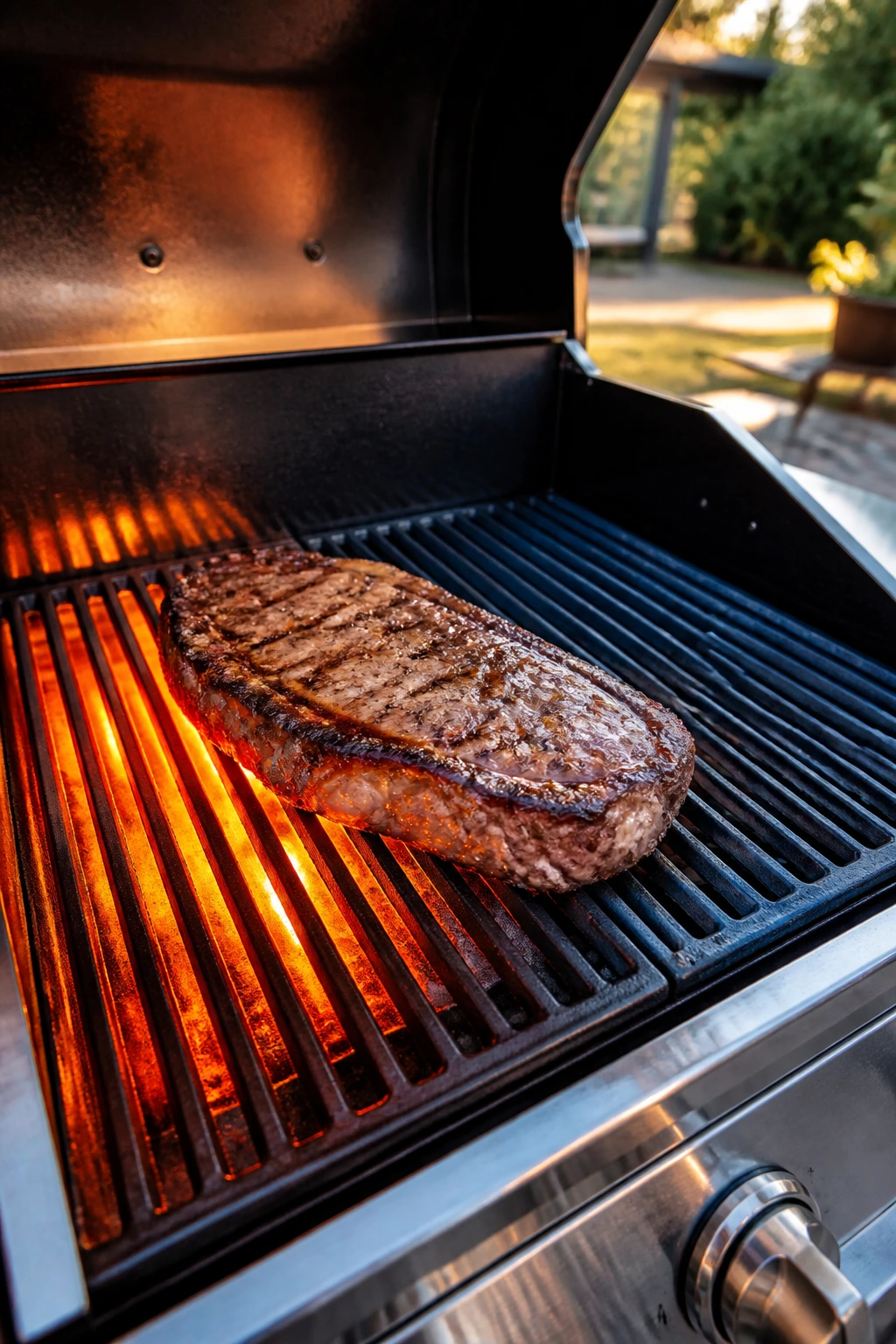
Most bad cookout food gets ruined by three or four predictable habits. None of them require a bad grill. They usually come from impatience, overconfidence, or a stubborn refusal to use a thermometer.
Overcrowding the grate: Food placed too close together traps steam and loses its chance to brown. The symptom is pale meat with weak marks and soft vegetables that taste boiled. Fix it by giving each piece room, even if that means cooking in batches.
Saucing too early: Sweet sauces and glazes burn before the inside is done. You’ll smell bitterness before you see it, and the surface may look dark in all the wrong places. Brush on sugary sauce near the end, or serve it on the side.
Cutting too soon: Slice a steak or chicken breast right off the grill and the board floods with juice. That’s not a theory. You can see the problem. Rest the meat on a board or warm platter so the juices stay in the fibers where you want them.
Using one heat level for everything: A steak, a sausage, and asparagus do not share the same cooking path. If the grill is blazing hot with no cooler zone, you end up choosing which food to ruin. Split the grill into zones and use them.
Ignoring the rest after grilling: Carryover heat is real. It keeps cooking thick cuts after they leave the grate, which is useful if you planned for it and annoying if you didn’t. Pull meat a little early, rest it, and let the final temperature settle where you want it.
Treating every ingredient the same: Shrimp, chicken thighs, and peaches each want different timing and handling. The surface can mislead you into thinking they’re done because they look brown. Brown is not the same thing as finished.
A cookout usually fails in the last 10 percent, not the first 90. That’s the part worth protecting.
Variations on the Same Cookout Mood
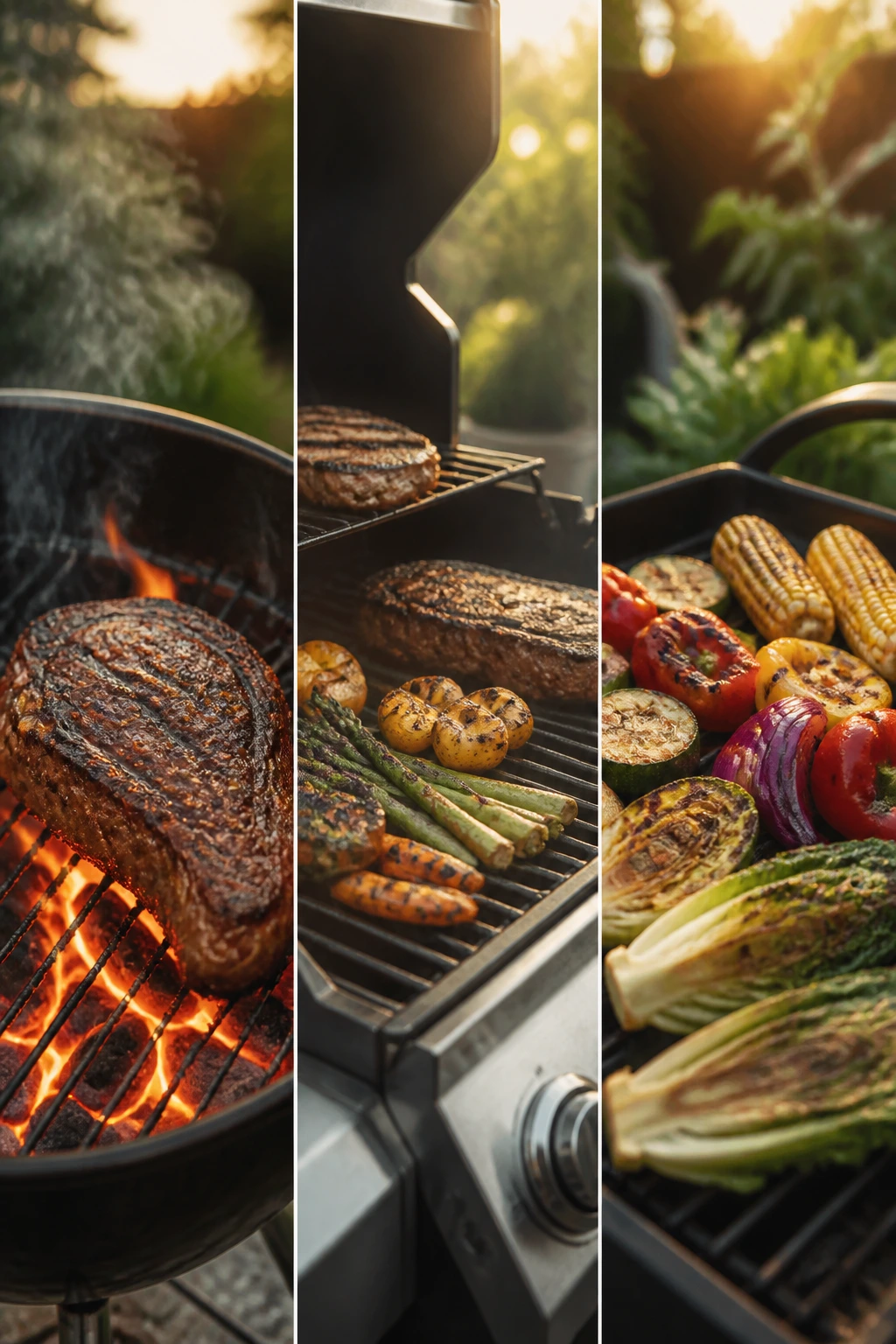
There’s more than one good way to grill well. The menu can shift depending on your grill, your budget, or how much attention you want to pay that day. The technique stays the same. The cast changes.
Charcoal-First Night: Use lump charcoal or briquettes with a few wood chunks if you want deeper smoke and a little more drama in the crust. This style suits steak, chicken thighs, corn, and anything that benefits from a stronger grilled edge. It asks for more setup and rewards you with a flavor that feels fuller.
Gas-Grill Calm: Gas makes timing easier, especially when the menu includes several items with different cooking windows. It’s the cleaner choice for weeknight-style cookouts or hosts who want direct control over hot and cool zones. Use it well and nobody at the table will complain that the food was less serious.
Vegetable-Forward Spread: Make the vegetables the center instead of the backup. Grill thick slabs of zucchini, peppers, onions, mushrooms, corn, and halved hearts of romaine, then serve them with beans, bread, cheese, and a sharp dressing. Nobody misses a heavy protein if the vegetables are handled with the same care.
Seafood and Citrus Menu: Salmon, shrimp, scallops, and grilled lemons give you a cleaner, brighter table. Keep the seasoning direct, use the grill gently, and finish with herbs and acid. This version feels especially good when you want the meal to taste lighter without feeling skimpy.
Reverse-Sear Steak Menu: Thick steaks get gentle indirect heat first, then a hard sear at the end. That sequence gives you a better edge-to-center gradient and a more controlled result. It’s my first choice for thick ribeyes and strip steaks that deserve attention.
Skewer Style for Mixed Company: Thread chicken, vegetables, shrimp, or beef onto skewers and cook them in batches. Everything gets easy to serve, and guests can mix and match without needing a carving board. It’s also one of the cleanest ways to keep portions consistent.
The useful part of variations is not novelty. It’s flexibility. The grill should fit the crowd, not the other way around.
Equipment That Makes the Grill Easier
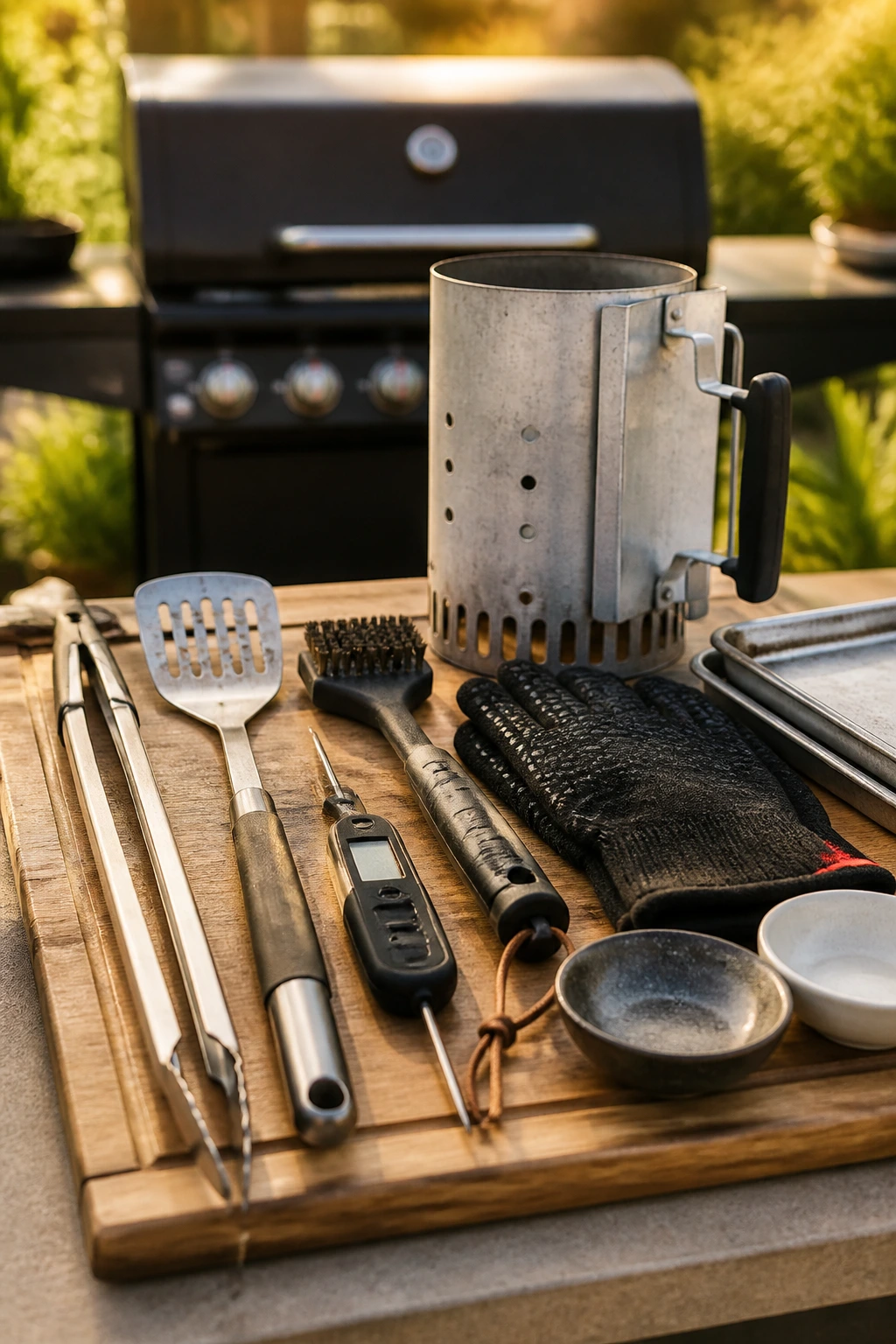
A good cookout runs on a short list of tools. You can survive with less, sure. But the right equipment makes the heat easier to control, the food easier to move, and the cleanup less irritating than it needs to be.
- Grill, gas or charcoal: The main machine. Use what you know well; familiarity beats glamour here.
- Instant-read thermometer: The cheapest way to avoid dry chicken and overcooked steak. Non-negotiable in my book.
- Long-handled tongs: Better than a fork for turning meat without piercing it.
- Fish spatula: Useful for delicate fish, smash burgers, and vegetables that need a quick lift.
- Grill brush or scraper: Keeps the grates cleaner and improves browning.
- Chimney starter: If you use charcoal, this makes lighting faster and more even.
- Heatproof gloves: Worth it when you need to move coals, adjust vents, or grab a hot pan.
- Sheet pans or rimmed trays: Essential for carrying raw food out and finished food back in without crowding the board.
- Cutting board with a groove: Saves the counter from meat juices.
- Serving platters: Wide enough for sliced meat, corn, or grilled vegetables.
- Small bowls for sauces: Keeps the table from turning into a puddle.
- Cast-iron skillet or grill-safe pan: Optional, but useful for mushrooms, shrimp, tomatoes, or anything small that might fall through the grate.
A small extra I like is a cheap squeeze bottle for oil or sauce. It keeps hands cleaner and lets you finish the food in thin, even lines instead of globs. Not necessary. Useful anyway.
Leftovers, Grill Care, and What to Do After the Cookout
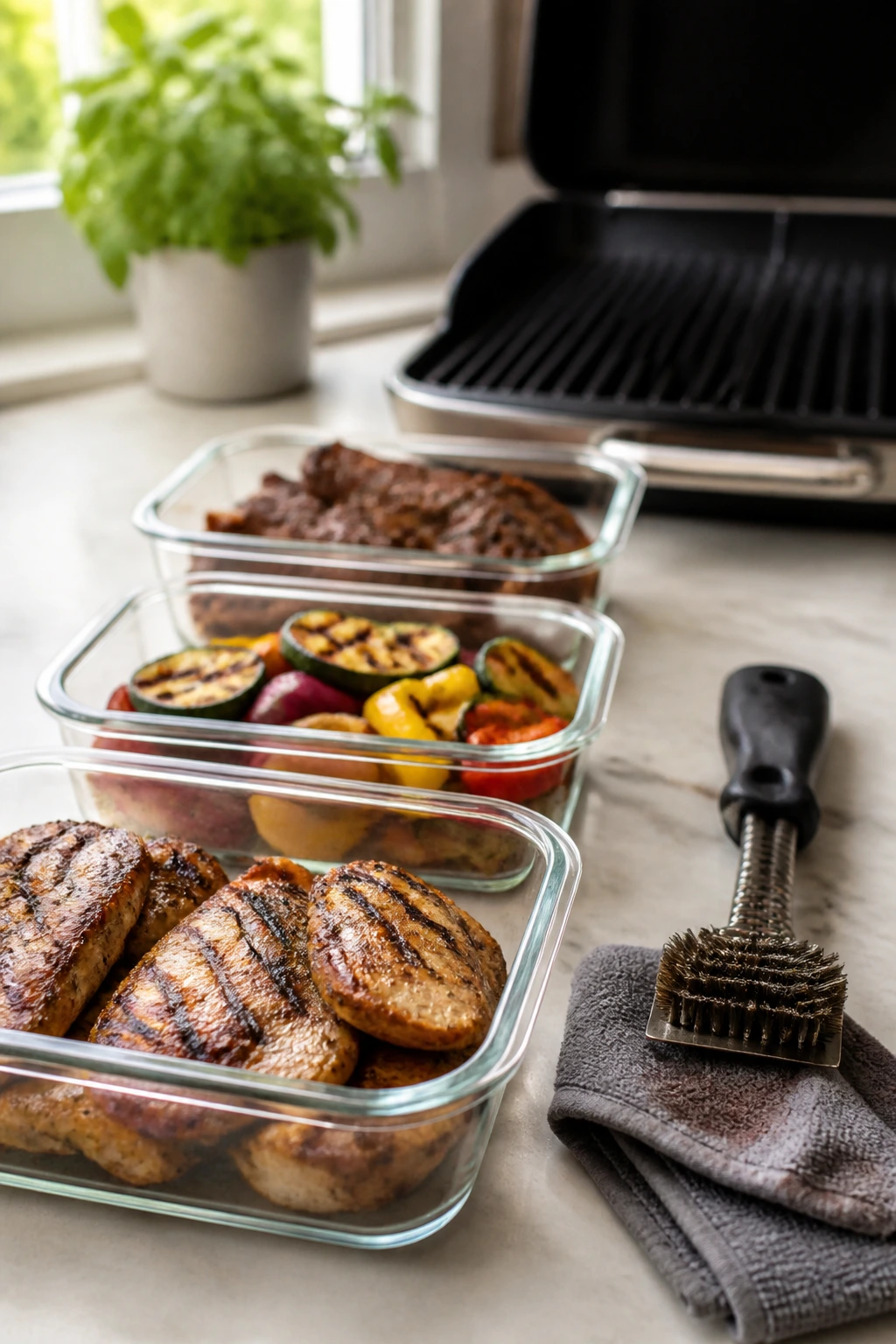
The meal isn’t over when the last plate leaves the table. Leftovers can be good if you treat them right, and the grill itself needs a little care so the next cookout starts clean instead of crusty and half-broken.
For food safety, cooked food should not sit out longer than 2 hours. If the weather is hot enough that the table feels warm to the touch, shorten that window. Get leftovers into shallow containers so they cool faster in the fridge. Separate sauces from meat if you can. Wet food held with wet sauce gets soft fast.
Grilled chicken, steak, and pork usually keep 3 to 4 days in the refrigerator. Fish is shorter — usually 1 to 2 days is the sensible window. Grilled vegetables last about 3 to 5 days, though the texture softens. Sauces like chimichurri, herb oil, or yogurt dressing often keep 3 to 4 days in a sealed container. Wrap or store bread separately; once it’s absorbed steam, it loses the crisp edges that made it worth grilling in the first place.
Reheating Without Killing Texture
Steak slices reheat best in a low oven, around 250°F to 275°F, just until warmed through. A skillet with a little butter works too if you’re careful and don’t overdo the heat. Chicken does better covered in the oven around 300°F with a splash of stock or pan juices so it doesn’t dry out. Vegetables can go back in a hot skillet or under the broiler for a minute or two to revive some char. Fish is the fussiest leftover of the bunch; gentle reheating is the only path worth taking, and sometimes cold fish folded into a salad is the better answer.
Grill Care After the Smoke Clears
Brush the grates while they’re still warm, not hours later when the residue has turned into armor. Empty charcoal ash only after it has fully cooled. Check gas burners and drip trays for buildup every few cookouts, because a clogged tray or burner can change heat patterns more than people realize. Cover the grill once it’s cool and dry. That simple habit keeps rust, dust, and grease from becoming your next problem.
A clean grill is not a luxury. It’s the reason the next steak will sear instead of stick.
Frequently Asked Questions
What makes gourmet grilling different from an ordinary cookout?
The difference is in the choices, not the price tag. Gourmet grilling uses better ingredient quality, cleaner seasoning, sharper finishes, and more careful heat control, so the food tastes deliberate instead of generic.
Do I need charcoal to get real flavor?
No. Charcoal adds a stronger smoke note, but gas can still produce excellent food if the grill is hot, clean, and set up with direct and indirect zones. Flavor comes from browning, seasoning, and timing as much as it comes from fuel.
How do I keep chicken from drying out on the grill?
Use thighs if you can, or brine breasts before cooking. Pull them at the right internal temperature, rest them for a few minutes, and avoid blasting them over high heat the whole time. A thermometer is your best friend here.
What if the food keeps sticking to the grates?
Usually the grill wasn’t hot enough, or the food was moved too soon. Preheat longer, clean the grates, oil the food lightly, and wait for a proper crust before flipping. Food often releases on its own when it’s ready.
Can I prep most of the menu ahead of time?
Yes, and you should. Sauces, chopped herbs, slaws, marinated vegetables, and trimmed proteins can all be done earlier in the day or the day before. Just keep raw and cooked foods separated and don’t over-marinate delicate items like shrimp or fish.
What’s the best way to cook vegetables so they don’t turn soggy?
Use high heat, don’t crowd them, and dry them well after washing. Cut them into pieces that are big enough to stay on the grate, oil them lightly, and salt them so the surface browns instead of steaming.
How do I reheat grilled steak without turning it gray?
Use low heat and stop as soon as the center is warm. A 250°F to 275°F oven works well, or a quick warm-up in a skillet with a little butter if the slices are thin. High heat dries the meat fast.
What if I only have a small grill?
Cook in batches and keep finished food on a warm tray or in a low oven. A small grill can still do excellent work if you manage the heat zones well and avoid crowding the grate. In some ways, small grills force better habits.
The Cookout People Remember
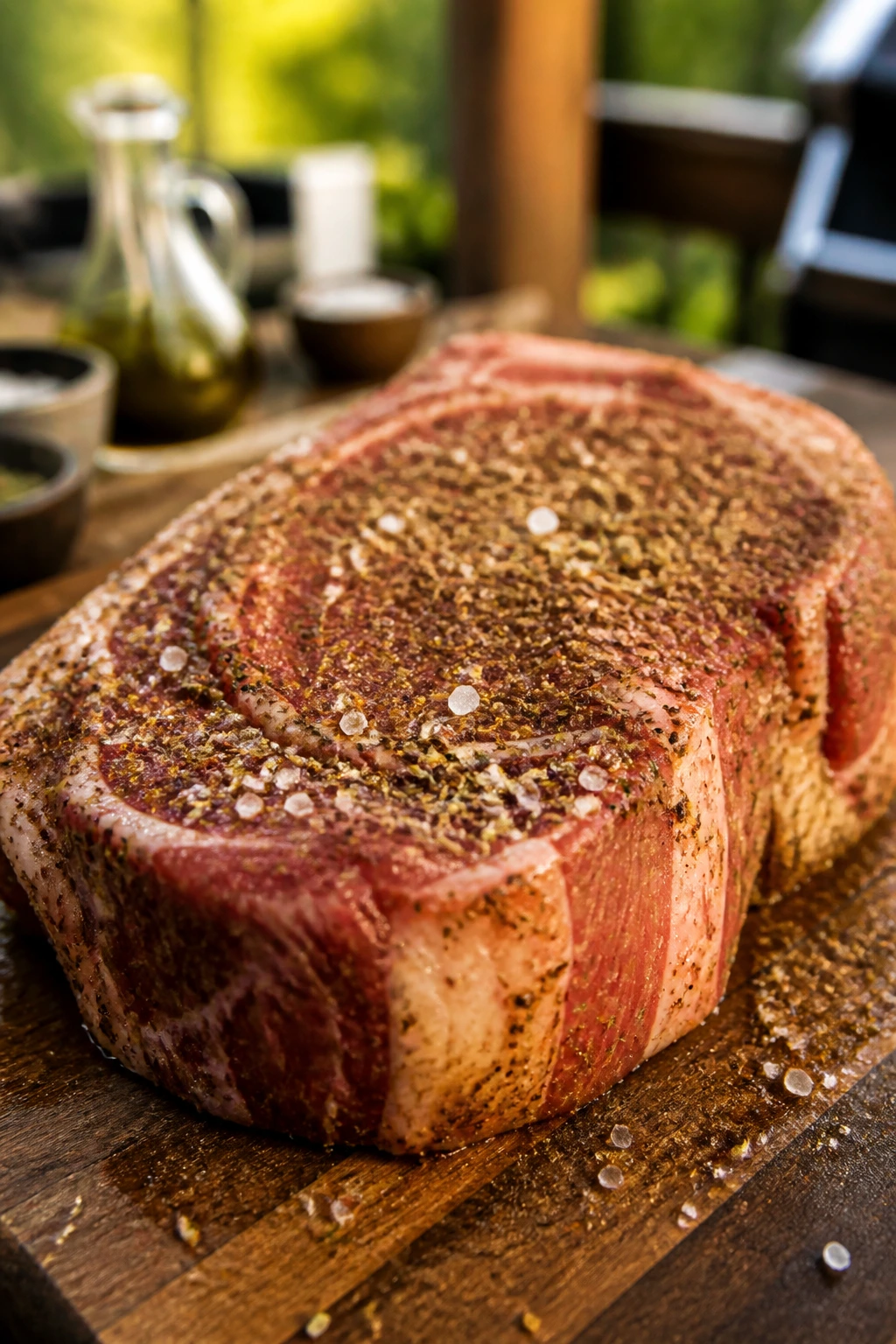
A good backyard cookout doesn’t need a giant menu or a pile of tricks. It needs a few smart decisions made early: better ingredients, a cleaner grill, a real two-zone fire, and a finish that wakes up the plate instead of smothering it. That’s the shape of gourmet grilling for backyard cookouts when it’s done with confidence rather than fuss.
The best part is how ordinary it can feel while it’s happening. Someone’s standing near the cooler, someone else is stealing bread before dinner, the grill is hissing, and the food smells like smoke, lemon, salt, and fat meeting at the right temperature. That’s the moment people come back for.
Pick one strong protein, one sharp side, and one finishing sauce that you actually like. The rest gets easier from there.