



A good backyard cookout needs food that can survive one hand, one paper plate, and at least one conversation that drifts halfway across the yard. Marinated handheld picnic food does that better than a big platter of loose bites ever will. The flavor is already built into the filling, the structure is easy to manage, and the whole thing can be eaten while standing, walking, or balancing a drink on a folding chair arm.
The part people usually miss is that this kind of food is not about dumping meat in acid and hoping for the best. It’s about matching the marinade to the cut, then matching the cut to the bread, wrap, or pocket. A juicy chicken thigh soaked in garlic, lemon zest, olive oil, and oregano will behave one way over a grill. Thin skirt steak, shrimp, portobello mushrooms, and slabs of halloumi each behave differently. Treat them the same and something gets soggy, overdone, or dry.
I care a lot about the first bite here. If the bun tears, the sauce puddles, or the filling slips out onto the lawn, the whole thing feels sloppy no matter how good the marinade was. Get the structure right, though, and these cookout sandwiches and wraps start doing the heavy lifting for you.
Why These Bites Earn Their Place on the Table
-
One-hand eating: A wrapped sandwich, pita pocket, or slider lets people hold food and a drink at the same time without negotiating a fork and knife on a wobbly patio table.
-
Built-in flavor: A marinade seasons the protein or vegetables before they ever touch the heat, so the browned edges taste as deliberate as the center instead of relying on sauce alone.
-
Less last-minute chaos: A 2- to 8-hour soak gives you a main dish that can go on the grill or into a skillet right before guests arrive, which keeps the kitchen from turning into a bottleneck.
-
Works across diets: Chicken thighs, pork, steak, tofu, halloumi, mushrooms, and zucchini all take to marinades in different ways, so one menu can handle mixed eaters without making three separate dinners.
-
Cleaner serving: When the food lives inside a bun, wrap, or pocket, you need fewer serving spoons, fewer dripping platters, and fewer people hovering over the cutting board.
-
Better leftovers: A marinated filling that was cooked for a handheld sandwich can be sliced cold, tucked into a salad, or stuffed into a wrap the next day without feeling like sad picnic scraps.
What a Handheld Food Needs to Survive Heat, Hands, and Paper Plates
A good handheld has three jobs. It has to hold together, taste good after a few minutes on a plate, and not turn your fingers into a sauce disaster. That sounds obvious. It is not. A lot of cookout food tastes fine in the kitchen and falls apart the second it meets warm air, steam, and a paper napkin.
The most reliable picnic handhelds are built around foods that can be sliced, folded, or stacked without leaking. Think split-top buns, sturdy rolls, pita pockets, wide tortillas, flatbreads, and skewers that can be paired with bread instead of trying to be the whole meal. The exact format matters. A big baguette stuffed with juicy filling can be glorious, but if the crust is too hard and the filling is too wet, the sandwich turns into a jaw workout.
The three things I check first
-
Does it stay intact after a 10-minute wait?
If the answer is no, it needs a dryer filling, a thicker bread, or a protective spread. -
Does it fit the way people actually eat at a cookout?
Sliders, wraps, and pita halves win because they leave one hand free for a drink, a napkin, or a kid who wanders over with a grass stain. -
Can it handle warm weather without collapsing?
Anything with a lot of raw tomato, watery cucumber, thin sauce, or hot steam needs a barrier layer or a separate container until serving time.
One more thing. A handheld does not need to be overloaded. In fact, it usually gets better when it is not. A chicken thigh sandwich with pickles, herbs, and a thick swipe of yogurt sauce feels more deliberate than a six-inch tower of everything in the refrigerator. The yard is not the place for structural optimism.
The Marinade Formula That Gives You Flavor Without Soggy Meat
Marinade is where a lot of people get overexcited. They reach for a bottle of vinegar, a whole lemon, and half a jar of garlic, then act surprised when the surface turns mealy or the grill scorches the outside before the center cooks. A marinade should add flavor and help the food brown. It should not bully the texture.
The best handheld marinades usually follow the same rough logic: salt for seasoning, fat for cling, acid for brightness, aromatics for depth, and a little sweetness only if you want better browning. The exact balance changes with the food. Shrimp wants a short, clean soak. Pork can take a stronger profile. Chicken thighs are forgiving. Vegetables like a little more oil than acid because they do not have the fat of their own.
Salt: the part that actually seasons
Salt is the engine. It moves flavor into the food more effectively than people expect, and it helps the surface hold onto moisture when the heat hits. For a 1-pound batch of chicken or pork, a marinade with about 1 teaspoon kosher salt, plus salty ingredients like soy sauce or Worcestershire, gets you in the right zone. Too little salt and the food tastes like it was brushed with perfume. Too much and you end up with a cure instead of dinner.
Acid: useful, not magical
Lemon juice, lime juice, vinegar, buttermilk, yogurt, and fermented soy all count here. Acid brightens the bite and can change the outside of the protein, which is why a shrimp ceviche-style soak takes only minutes, not hours. The catch is that a thin, high-acid marinade can make meat surface texture strange if you leave it too long. For chicken breasts and seafood, shorter is usually better. For pork shoulder slices or steak, a stronger marinade can hold up longer without going chalky.
Fat: what helps the marinade cling
Oil does not tenderize. It carries fat-soluble flavors, helps the marinade coat the food, and encourages browning. Olive oil works well with herbs, garlic, citrus zest, and Mediterranean flavors. Neutral oil is better when you want the spices to speak louder. If the filling will hit direct heat, a little oil keeps the surface from drying out too fast.
Aromatics: the part people remember
Garlic, onion, scallions, ginger, cumin, coriander, smoked paprika, fresh herbs, black pepper, chili flakes. These are the notes that make a sandwich taste like somebody meant it. Minced garlic burns if there’s too much loose garlic clinging to the surface, so I like to use a mix of grated garlic, dried spices, and a spoonful of herb paste or minced herbs for a cleaner result.
Sweetness: useful, but easy to overdo
Honey, maple, brown sugar, and fruit juice can help with browning and balance heat. The problem is flare-ups. A sugary marinade over a hot grill can blacken before the food is done. I keep sweetness low if I’m grilling directly over flame, then brush on a glaze during the last minute instead of the whole cook.
A handy starting point for many handhelds is this: about 3 tablespoons oil, 1 to 2 tablespoons acid, 1 tablespoon salty liquid, 2 garlic cloves, and 1 to 2 teaspoons of herbs or spices per pound of meat or firm vegetables. That is not a law. It is a sane place to begin.
Best Proteins for Picnic Sandwiches and Wraps
Some proteins are showy on a plate and lousy in a sandwich. Others are almost built for the job. Backyard cookouts reward the cuts that stay juicy, slice cleanly, and carry marinade flavor without needing a rescue mission.
Chicken thighs, not chicken breast if you want margin for error
Boneless, skinless chicken thighs are my first pick for marinated handheld picnic food. They take on flavor fast, stay juicy on a hot grill, and slice cleanly into sandwiches or wraps. Chicken breasts can work, but they punish overcooking. Thighs forgive a slightly hot fire, a slightly longer rest, and a slightly distracted host.
A soy-garlic-ginger profile, lemon-herb mixture, yogurt marinade, or smoky chili rub all do well here. I like thighs when the filling will be tucked into pita with slaw or sliced over a crusty roll with pickled onions. They have enough fat to keep the bite from drying out.
Pork cutlets and tenderloin medallions
Pork loves a marinade with mustard, garlic, cider vinegar, black pepper, and herbs. Thin cutlets cook fast and slice neatly, which makes them good for hoagie-style sandwiches. Pork tenderloin is leaner and a little more delicate, so it benefits from a shorter soak and a watchful hand on the grill. If you want something rich and picnic-friendly, sliced pork shoulder from a slow-cooked or smoked preparation also works, though that drifts more into barbecue territory than a pure marinade play.
Flank steak, skirt steak, and thin-sliced beef
Beef brings chew and mineral flavor that feels right at a cookout. Flank steak and skirt steak are especially good because they slice thin and take bold marinades like chimichurri-style herbs, soy, garlic, lime, or sesame. The trick is to cook them hot and fast, then cut against the grain. Miss that last step and the sandwich turns chewy no matter how good the marinade was.
I like beef when I want a more assertive handheld. It pairs well with sharp pickles, onions, or a creamy sauce that cools the edges. Thin slices keep the bread from fighting back.
Shrimp when the menu needs speed
Shrimp are a fast lane option, but they need discipline. A citrus-heavy marinade should be short—think 15 to 30 minutes, not a long soak. The texture changes quickly. Shrimp work well in tortillas, lettuce cups, or small rolls with slaw and a punchy sauce. They are not the filling I’d choose for a long, leisurely picnic unless I had a cooler, a grill, and a clear plan.
Tofu, tempeh, and halloumi
Vegetarian handhelds need enough texture to feel satisfying. Pressed tofu soaks up marinade beautifully if you give it time and a hard sear. Tempeh likes a salty, tangy soak and a quick grill or skillet crust. Halloumi does not need a deep marinade, but it loves an oil-and-herb coating before it hits the heat. All three work better in wraps, pita, or sturdy flatbreads than in soft sandwich bread.
The biggest mistake with plant-based fillings is treating them like an afterthought. They need the same attention to salt, heat, and texture as the meat does. Maybe more.
Vegetables, Cheese, and Meatless Fillings That Marinate Well
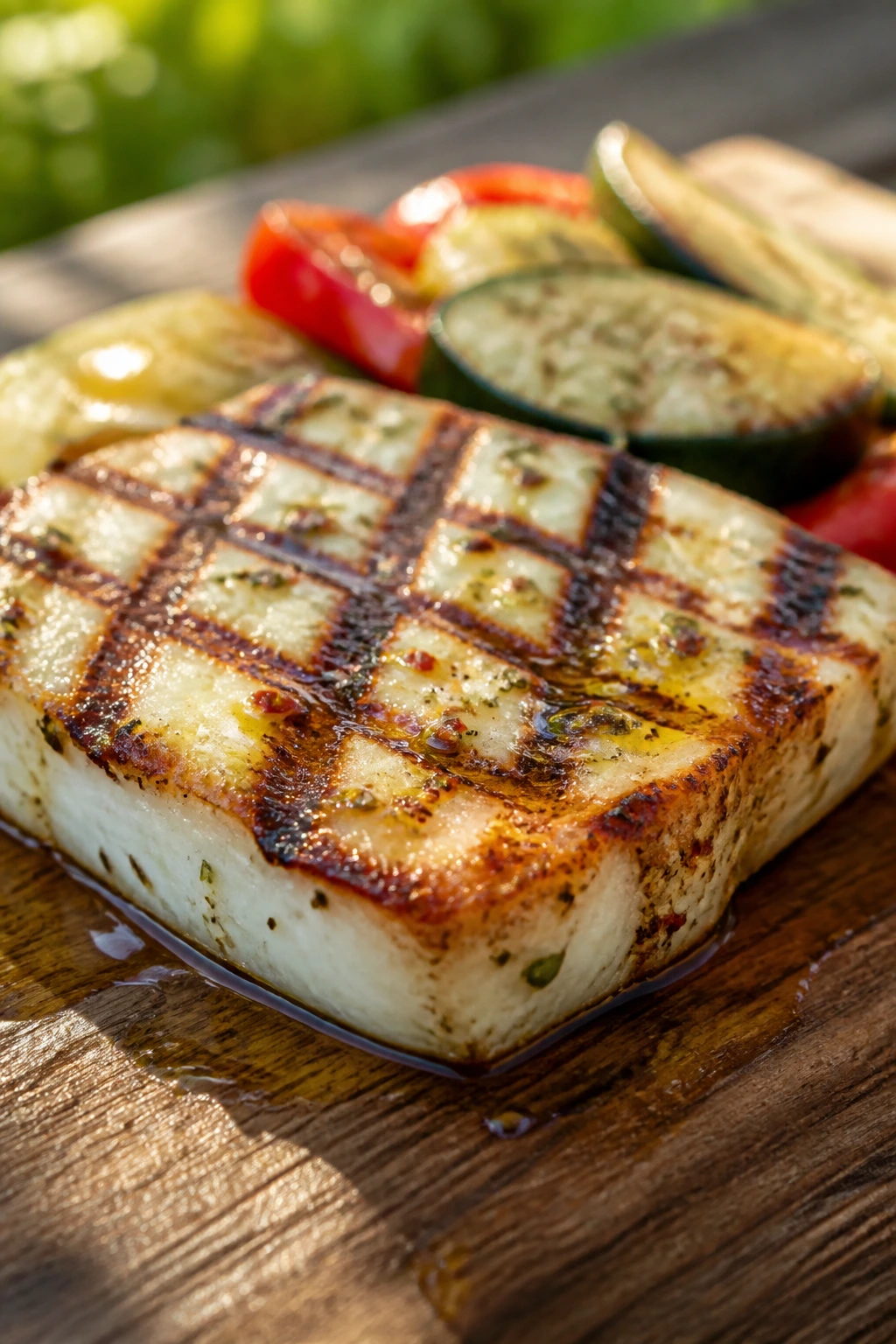
A cookout menu gets more interesting the moment vegetables stop acting like side characters. Marinated mushrooms, zucchini, eggplant, peppers, onions, and cauliflower can carry a handheld all by themselves if they get enough heat and enough seasoning. They also solve the problem of having one or two guests who do not want meat but still want food with actual structure.
Portobello mushrooms are a favorite because they soak up garlic, balsamic, olive oil, and herbs without falling apart. Slice them thick enough to keep some bite. Zucchini and yellow squash do better in slabs than in tiny half-moons; those thin coins vanish on the grill. Eggplant likes salt, time, and a little patience. If it’s cut too thin, it turns to silk. If it’s cut too thick, it goes spongy.
Cauliflower behaves differently. It wants enough oil to coat the florets and enough heat to char the edges. Tossing it in a shawarma-style marinade, then roasting or grilling it, gives you something that fits into pita with tahini and herbs in a way that feels deliberate, not apologetic.
Cheese can help a lot here. Halloumi is the obvious grill-friendly choice because it keeps its shape. Paneer also holds up well, especially in spice-forward marinades. Feta is more of a finishing move than a main filling, since it crumbles instead of slicing. That’s fine. Not everything has to pretend to be a steak.
One thing I’d say flatly: watery vegetables need pre-treatment. Salt sliced cucumbers and let them drain. Roast tomatoes instead of stuffing them raw if the sandwich is going to travel. Quick-pickled onions, pickled peppers, and shaved fennel add the bright snap that makes a vegetarian handheld feel complete.
Breads, Rolls, and Wraps That Refuse to Collapse
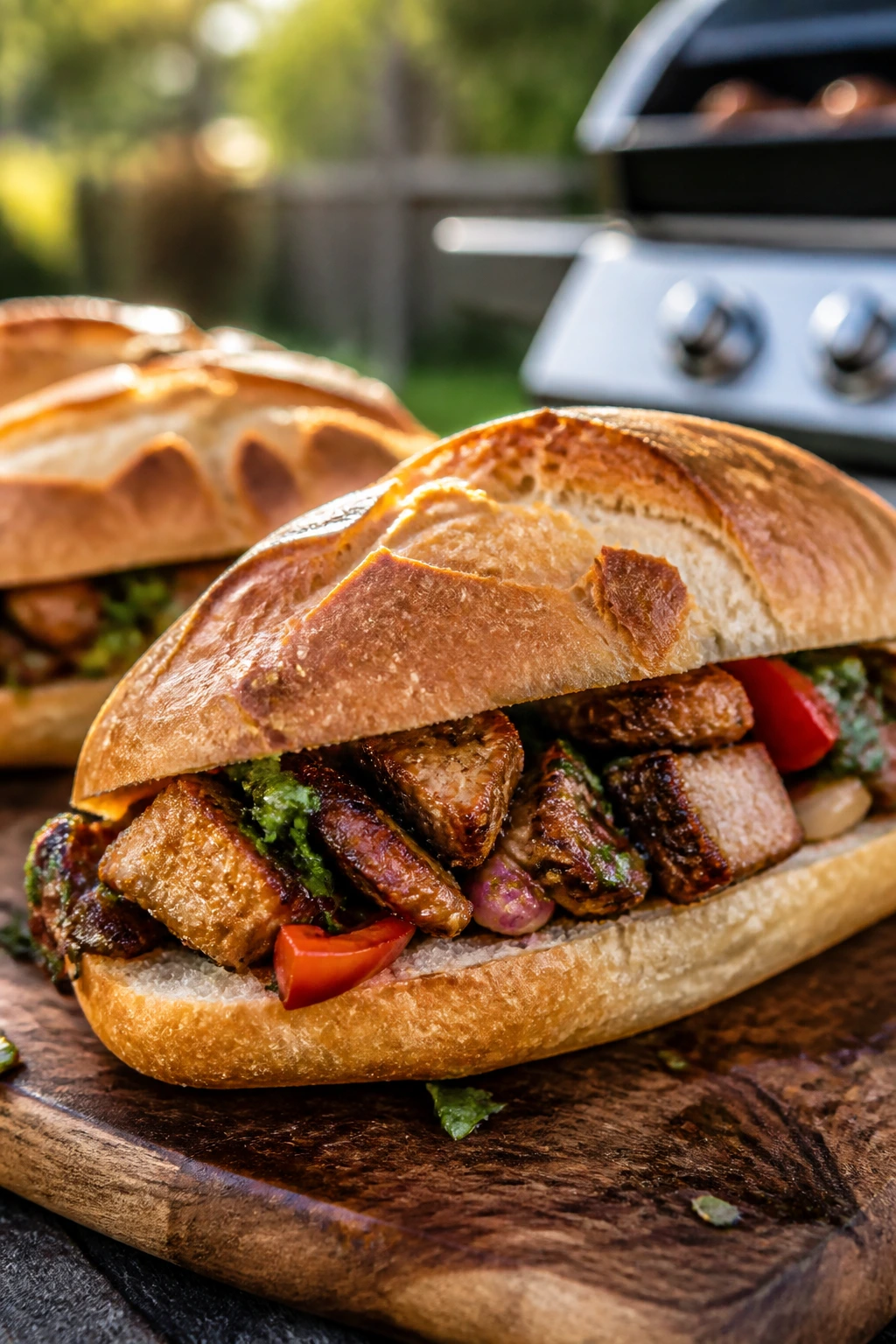
The bread is not a neutral background. It is a structural decision. Pick the wrong one and your picnic food starts leaking before the first bite. Pick the right one and the whole handheld eats cleanly enough that people stop apologizing while they talk.
Split-top buns and soft rolls
Split-top buns hold fillings better than round, floppy rolls because the cut faces can be toasted and create a drier landing zone. Brioche buns feel rich, but they get soft fast if the filling is juicy. Potato rolls are a good middle ground: soft enough to bite, sturdy enough to survive a saucy chicken or pork filling. For sliders, I like rolls with a little chew and a flat base so the sandwich doesn’t skate around the plate.
Pitas and pocket bread
Pita is excellent when the filling is sliced thin and the sauce is thick. The pocket catches the juices, which is nice until it is too much. Warm the pita so it bends instead of cracking, then stuff it modestly. A little lettuce or shredded cabbage inside the pocket acts like a sponge and keeps the marinade from soaking through the bottom seam.
Tortillas and wraps
Large flour tortillas are hard to beat for neatness. They fold tightly, travel well, and make marinated chicken, pork, or tofu look instantly more picnic-friendly. The trick is not stuffing them full. A wrap that can still close without splitting is the one that makes it to the table intact. Whole-wheat tortillas can taste sturdy, but they crack faster if they’re old or dry. Warm them briefly before rolling.
Ciabatta, baguettes, and crusty bread
Crusty bread is for people who like chewing. It can be excellent with grilled steak, marinated mushrooms, or sliced chicken if you hollow out some of the soft interior and toast the cut side with olive oil or butter. Don’t overfill it. A baguette stuffed to the rafters sounds impressive and eats badly. You want a sandwich, not a structural complaint.
The barrier layer matters
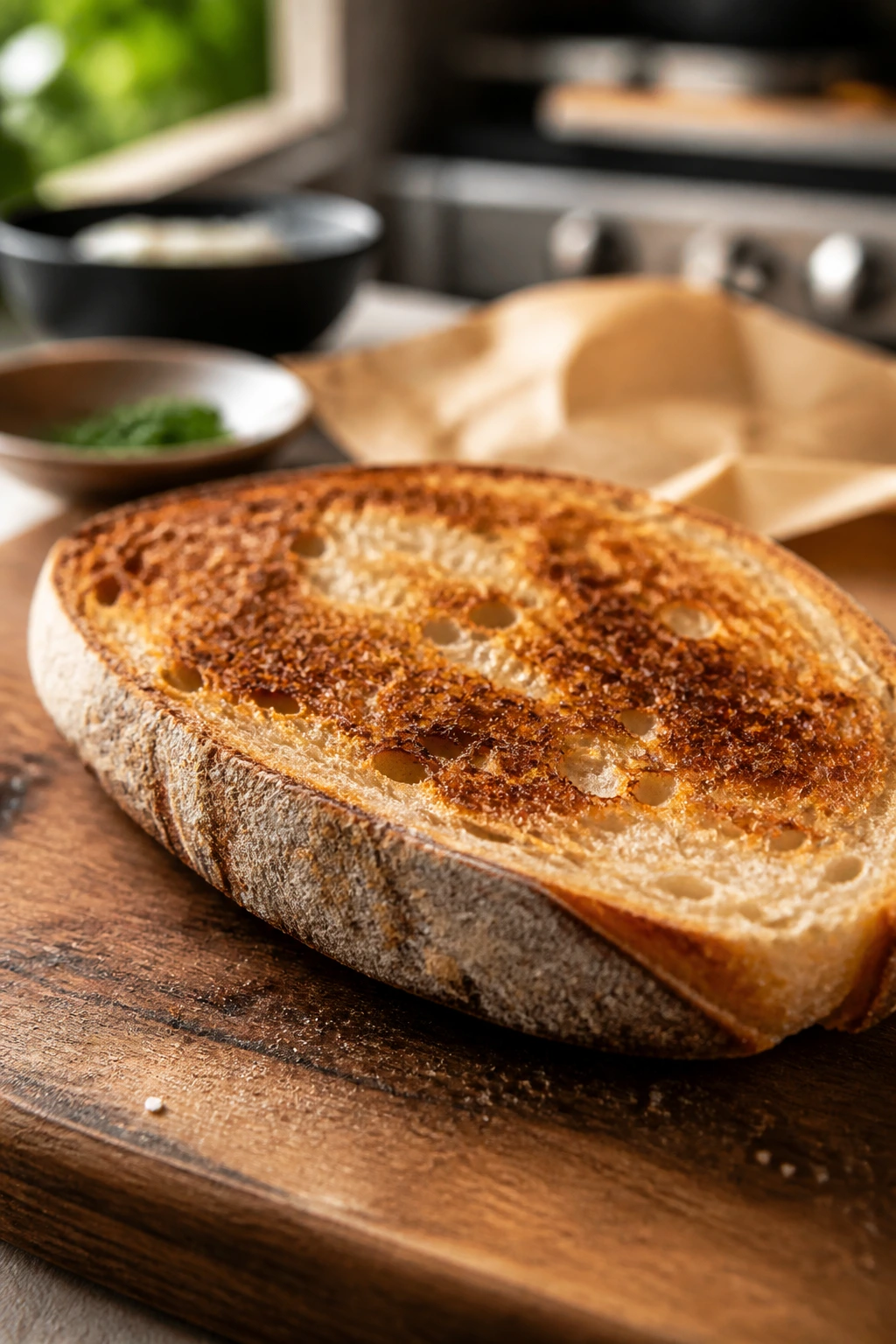
A thin layer of mayo, mustard, hummus, aioli, labneh, or softened butter on the bread side helps repel moisture. I use this even when the sandwich has plenty of sauce because the barrier slows the sog. Toasting the bread helps too. Not to the point of cracker-hard. Just enough to set the surface.
A picnic handheld should feel like it was planned in the kitchen, not rescued at the table.
Grill Marks, Skillet Sizzle, and Oven Heat: Which Cooking Method Fits Which Filling
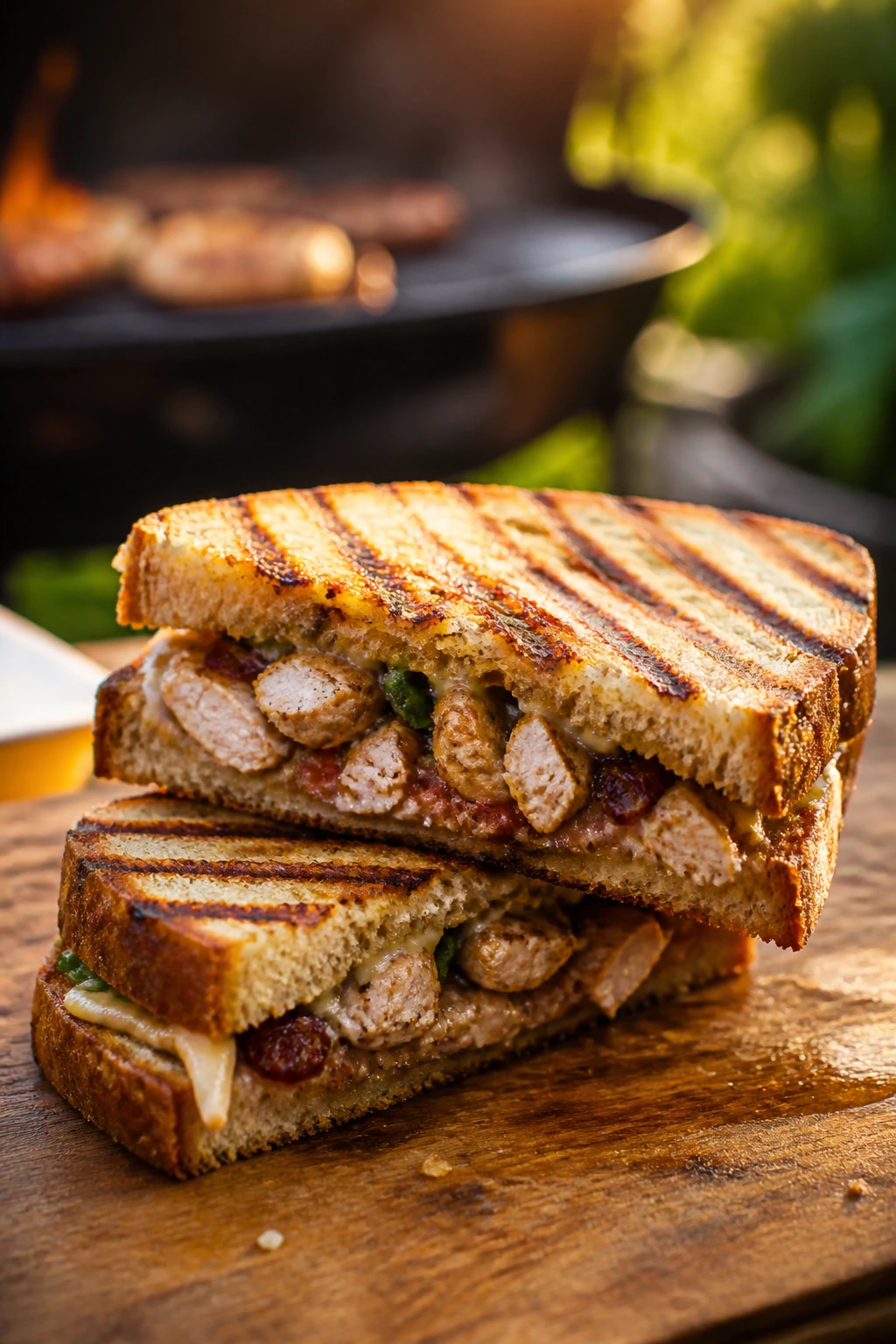
Direct heat is not the only way to get cookout flavor, but it is the most obvious one. A grill gives you char, smoke, and those little browned spots that make a sandwich taste like summer food even when the rest of the meal is simple. A skillet and an oven can do the job too, and sometimes they do it better because they’re easier to control.
Over the grill
Use the grill for chicken thighs, pork cutlets, flank steak, halloumi, mushrooms, onion slabs, and thick zucchini. Medium-high heat is the sweet spot for most of these. You want char without turning the outside into carbon before the center is done. If the marinade has sugar, keep a cooler zone ready so you can move the food away from flare-ups.
For thin beef, hot and fast is the move. For chicken thighs, I care less about pretty grill marks than I do about a juicy interior and crisp edges. If a lid is available, close it when you need to carry heat through a thicker cut. If you’re grilling shrimp, watch them like they owe you money. They go from opaque and curled to overdone in a blink.
In a cast-iron skillet
A cast-iron skillet gives you a deep brown crust and enough control to avoid flare-ups. It’s my favorite indoors if the grill is busy, rainy, or full of charcoal that refuses to cooperate. Thin marinated pork, strips of beef, tofu, halloumi, and mushrooms all work well here. Dry the surface first so the food sears instead of steaming.
There’s a lovely thing that happens in cast iron: the marinade clings to the surface, the pan gets a little sticky, and the browned bits turn into flavor. That is not a cue to pour extra liquid in and wash it away. Leave those bits alone unless you are deglazing on purpose.
In the oven or under the broiler
The oven is not glamorous, but it is dependable. Sheet-pan chicken thighs, pork slices, marinated vegetables, and tofu can all cook evenly in a hot oven. The broiler adds char on top without requiring constant turning. That matters when you’re trying to build multiple handhelds at once.
I like the oven when the filling needs a little slack. You can roast a full tray of peppers, onions, and chicken, then slice everything for wraps or sandwiches without standing over a flame. Less drama. More repeatable results.
Internal temperature still rules
No marinade replaces a thermometer. Chicken needs to hit 165°F in the thickest part. Pork is done at 145°F with a rest. Beef depends on how you like it, but a medium-rare steak sandwich usually lives around 125 to 135°F before rest. Shrimp should be opaque and just firm. Tofu and vegetables are about texture more than temperature, though the edges should look browned and a little crisp.
If you skip the thermometer, you are guessing. Guessing is expensive when the food is meant to be portable.
Building Layers So the Bread Stays Dry and the Filling Stays Loud
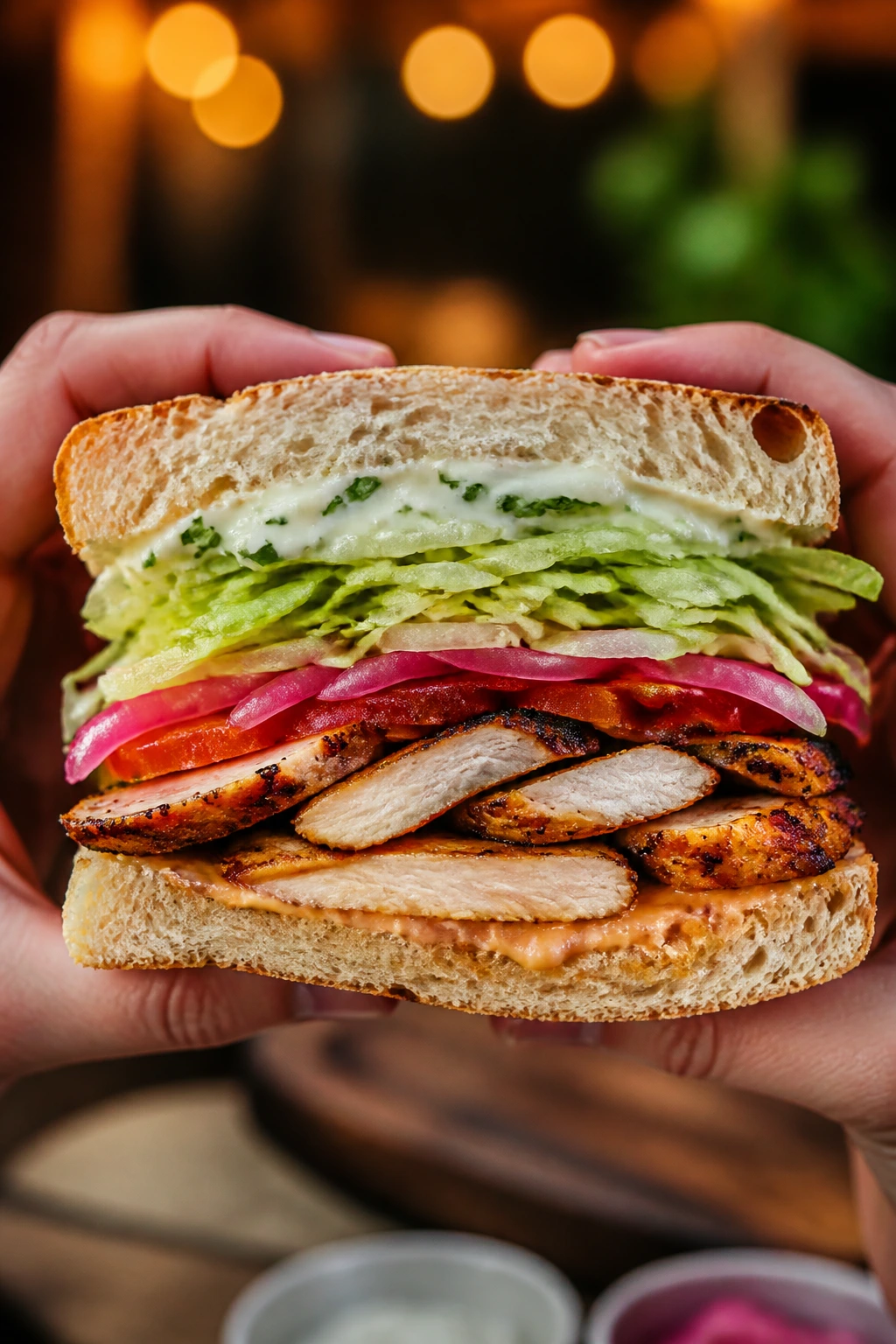
A marinated handheld succeeds or fails in layers. The person who builds it last minute with a damp tomato slice and no barrier is asking for trouble. The person who thinks in layers gets clean bites and better texture from the first chew to the last.
Start with the bread. If it’s a bun or roll, toast the cut sides. If it’s a tortilla or pita, warm it just enough to make it pliable. Then add a barrier layer: mayo, mustard, hummus, labneh, softened butter, aioli, or a thick yogurt sauce. That layer does not just add flavor. It slows moisture migration.
Next comes something dry or crisp. Shredded lettuce, cabbage slaw, cucumber ribbons that have been salted and drained, sliced radish, or herbs all work. This step matters more than people think. If the filling is hot, let it rest first so steam does not soak the bread from the inside. Five to ten minutes is enough for a lot of grilled meat.
Then add the sliced protein or vegetables. Thin, even slices are better than giant chunks because they spread the seasoning around and make the sandwich easier to eat. If you’ve got a saucy filling, spoon the sauce over the meat rather than pouring it on the bread. That keeps the flavor where it belongs.
A simple layering order that holds up
- Bottom bread or wrap
- Thick barrier spread
- Crunchy or leafy layer
- Sliced marinated filling
- Pickles, onions, herbs, or cheese
- Final sauce or glaze, used lightly
- Top bread or final fold
If you’re making wraps, roll them tight and let them sit seam-side down for a minute before cutting. That pause helps them hold shape. If you’re making sandwiches for a table of hungry people, cut them on a diagonal and wrap the cut edge in parchment. It looks cleaner and stops the contents from sliding the moment somebody lifts a half.
And yes, the garnish matters. Not in a fussy way. In a “this bite needs a lift” way. A few herbs, a sharp pickle, or a spoon of slaw changes the whole sandwich.
How to Serve a Marinated Picnic Spread
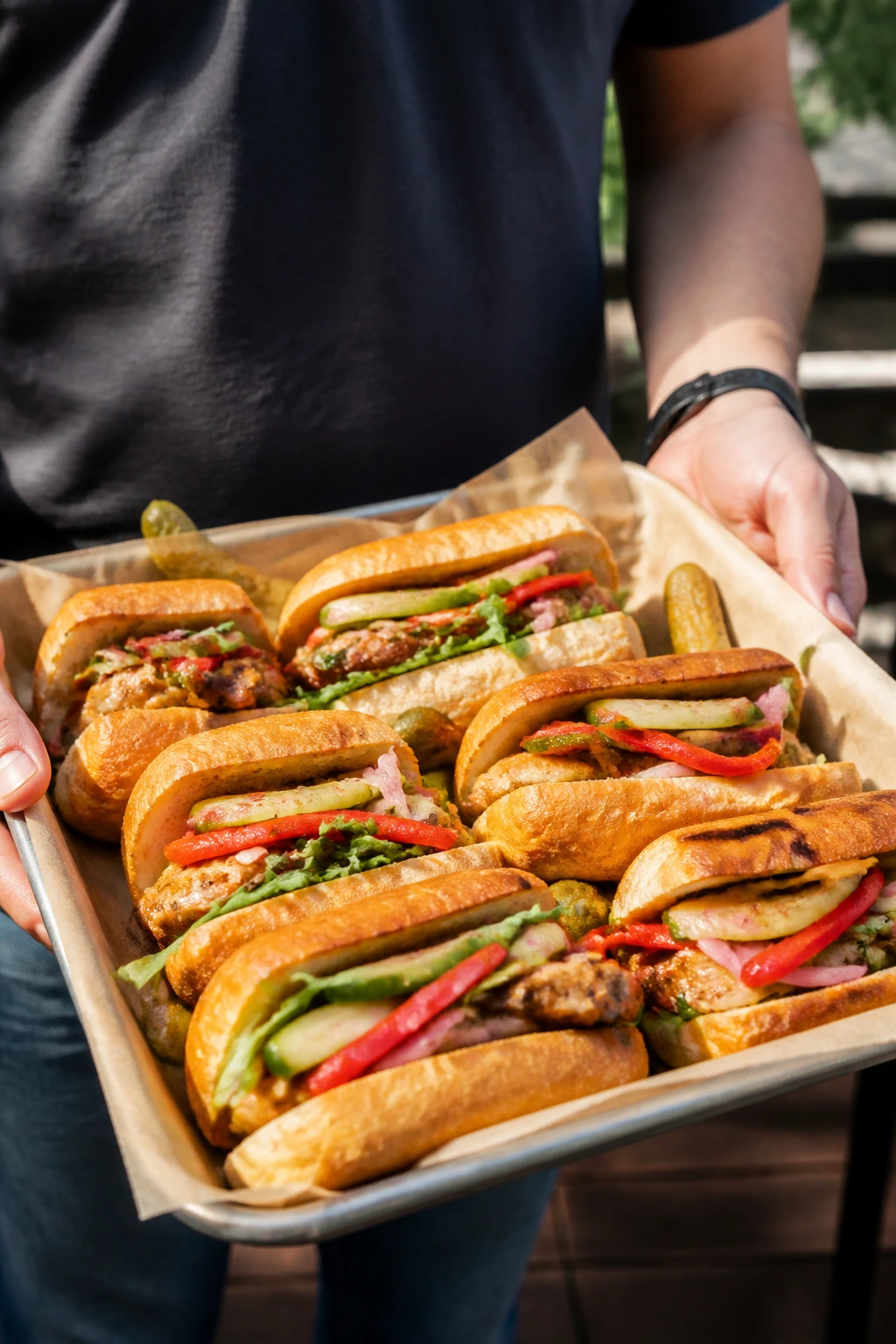
Presentation:
Slice the sandwiches or wraps on a bias and stack them on a rimmed tray lined with parchment. If you’re serving sliders, keep the tops on until the last minute so the bread doesn’t dry out under the patio sun. I like to put pickles, lemon wedges, or herb sprigs in the gaps between sandwiches because it makes the tray look finished without turning it into garnish theater.
Accompaniments:
Keep the sides crisp or cold. Vinegar slaw, grilled corn, potato salad with mustard, chips, tomato salad, and chilled bean salad all fit the cookout mood without fighting the handhelds. A marinated chicken pita does not need another heavy starch next to it. A pile of cucumber salad or a bowl of marinated olives makes more sense. If the handheld is rich, lean the side dish bright and salty.
Portions:
Plan on one full sandwich or wrap per adult if it’s the main event, or two sliders if the menu includes several sides. For bigger eaters, a 6- to 8-ounce raw protein portion per person is a fair starting point when the handheld is meant to stand alone. If there are two or three other mains, you can reduce that and let the sides do some of the work. Kids usually do better with halves, not full wraps.
Beverage Pairing:
Dry cider, a crisp lager, iced tea with lemon, sparkling water with cucumber, or lemonade with mint all sit well beside marinated handhelds. If the marinade leans smoky or spicy, keep the drink cold and clean, not sweet. A sugary soda can make a hot chili marinade feel even hotter.
Timing, Transport, and Food Safety for Backyard Cookouts
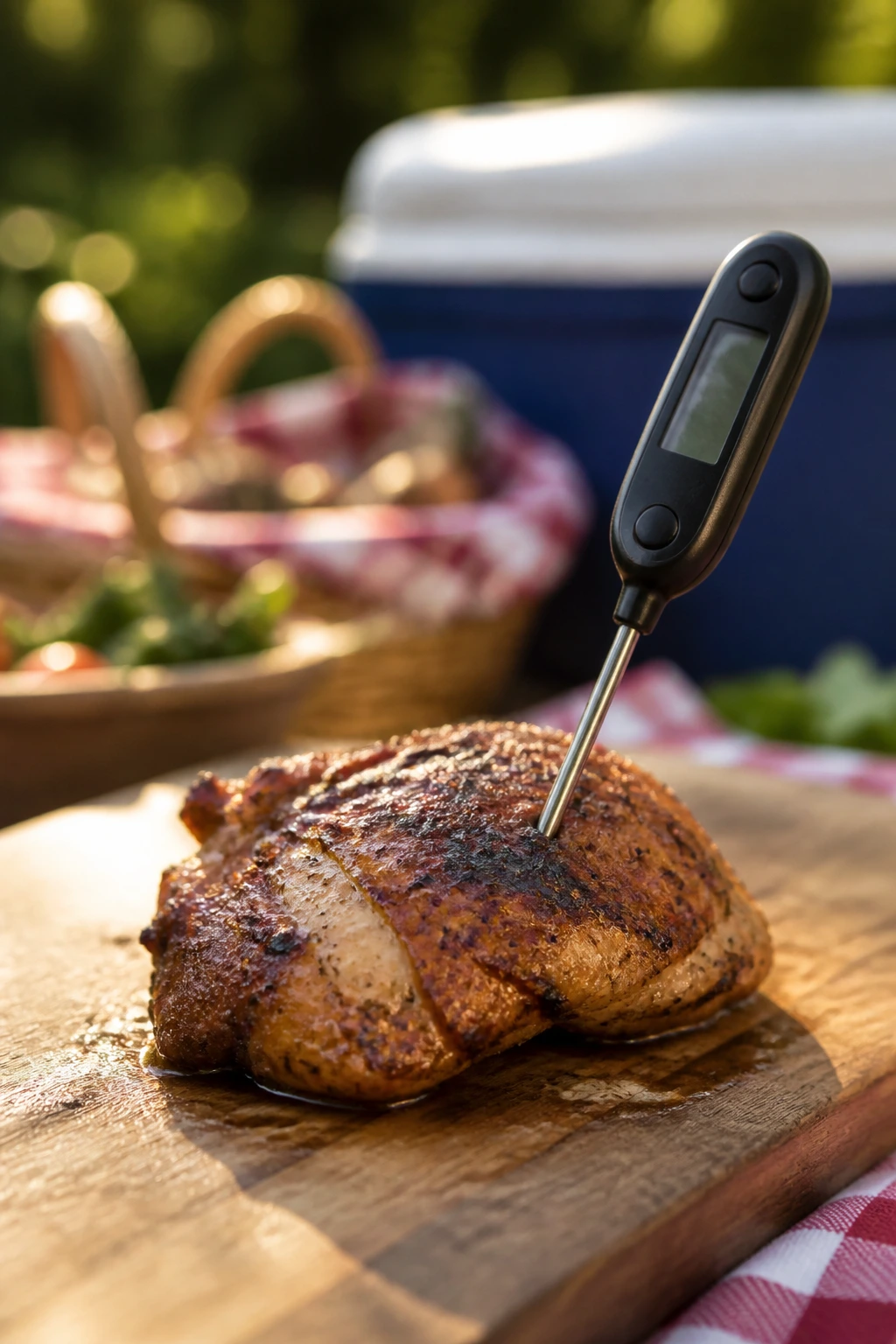
Marinated handheld picnic food rewards planning because the timeline matters more than it does with a casserole. The food spends time raw, then cooked, then maybe wrapped, then maybe waiting on a tray. Each stage needs a little discipline.
The USDA Food Safety and Inspection Service is very clear on the basic rules: marinate raw food in the refrigerator, not on the counter, and do not reuse marinade that touched raw meat unless you boil it first. That advice is not fussy. It keeps the food safe and keeps the marinade from becoming a contamination problem. Use a glass dish, stainless bowl, or food-safe bag. Acidic marinades can react with reactive metal and make the flavor strange.
Marinating times that make sense
- Seafood: 15 to 30 minutes is enough. Longer can make the surface tight or mushy.
- Chicken breasts: about 2 to 4 hours, longer if the marinade is gentle and not too acidic.
- Chicken thighs: 4 to 8 hours is a sweet spot; overnight can work if the mix is not too sharp.
- Pork cutlets or tenderloin: 2 to 8 hours usually covers it.
- Flank or skirt steak: 2 to 6 hours handles most marinades well.
- Tofu: 30 minutes to overnight, depending on how pressed it is and how much salt the marinade carries.
- Vegetables: 15 minutes to 2 hours, depending on how dense they are.
Longer is not always better. Citrus-heavy or vinegar-heavy marinades can turn lean proteins weird if they sit too long. Yogurt, buttermilk, and oil-based marinades give you more room.
When you’re transporting the food, keep raw and cooked items separate. Pack the bread separately too. If you need to travel with cooked protein before assembly, wrap it in foil, place it in an insulated container, and keep the cooler closed until you’re ready to build. Perishable food should not sit out more than 2 hours, or 1 hour when the heat is intense enough that the table feels like it’s baking the napkins.
That rule is not negotiable. If the sandwich has mayo, cheese, chicken, or anything else that spoils easily, the clock matters.
Practical Tips for Better Marinated Handheld Picnic Food
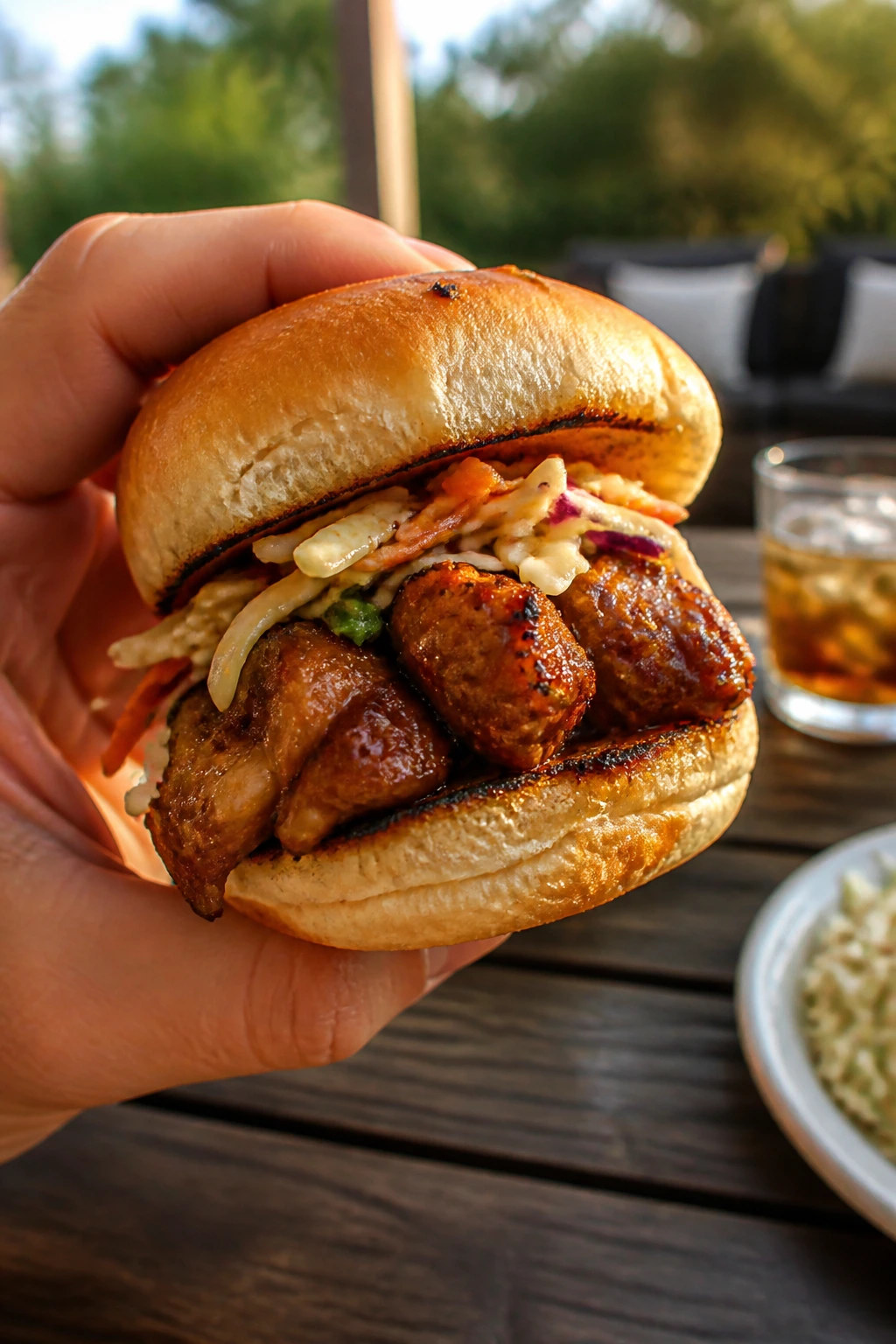
Flavor Enhancement: Add citrus zest, not just juice, to the marinade. Zest carries oils that cling to the surface and stay loud after the grill dries the food a bit. Lemon zest with oregano on chicken thighs. Lime zest with chili and garlic on shrimp. Orange zest with soy and ginger on pork. It’s a small move, but it changes the top note.
Time-Saver: Slice onions, peppers, cabbage, and herbs the day before and store them dry in separate containers. That way, all the fast crunchy stuff is ready when the cooked filling comes off the heat. I also like to mix the sauce in a squeeze bottle or small jar so it can be applied neatly instead of spooned around the sandwich.
Pro Move: Save a clean portion of marinade before it touches raw meat, then use it as a finishing glaze or dressing. If it’s meant for raw food, boil it first for safety. A spoonful of warmed herb oil or a brushed-on glaze right before serving wakes up the whole sandwich.
Texture Move: Let grilled meat rest before slicing. Five minutes for thin cuts, 10 minutes for thicker ones. Resting keeps the juices inside the slices instead of bleeding into the cutting board. Slice beef against the grain and chicken thighs into even strips so every bite feels the same.
Cost-Saver: Buy the cuts that forgive mistakes. Chicken thighs, pork shoulder slices, tofu, mushrooms, and halloumi tend to be more forgiving than lean breast meat or expensive steak. You do not need premium cuts to make a picnic handheld worth eating. You need good seasoning and good handling.
Make-It-Neater Move: Use parchment or deli paper for wrapped sandwiches. It catches stray sauce, keeps the hands cleaner, and makes transport easier. Foil keeps heat in, but parchment feels nicer and doesn’t trap steam as aggressively.
Common Mistakes That Ruin the First Bite
-
Over-marinating with a lot of acid
The symptom is a chalky or mealy surface, especially on chicken breast or shrimp. The fix is simple: shorten the soak, cut the acid with oil or yogurt, and keep citrus-heavy marinades on the clock instead of leaving them overnight. -
Building the handheld too early
The symptom is soggy bread, limp lettuce, and sauce creeping out from the seam. The fix is to keep wet fillings separate until close to serving time, toast the bread, and add a barrier layer before the protein goes in. -
Skipping the thermometer
The symptom is dry chicken, underdone pork, or beef that looks fine outside but isn’t where you want it. The fix is to check internal temperature and pull the food at the right point, then rest it. Guessing is the enemy of portable food. -
Using thin, sugary marinades over screaming-hot flames
The symptom is black edges and a raw center. The fix is to lower the heat, move the food to indirect heat, or brush on sweet glaze during the final minute instead of marinating in it from the start. -
Leaving too much loose marinade on the surface
The symptom is steamed food with a wet, slick crust rather than browned edges. The fix is to let excess marinade drip off before cooking and pat the surface lightly if needed. A thin coat browns better than a puddle. -
Cutting steak with the grain
The symptom is chewy strings that pull out of the sandwich instead of clean slices. The fix is to identify the grain before cooking if you can, then slice thinly across it after resting. That one move changes the whole mouthfeel.
Variations and Alternative Approaches Worth Trying
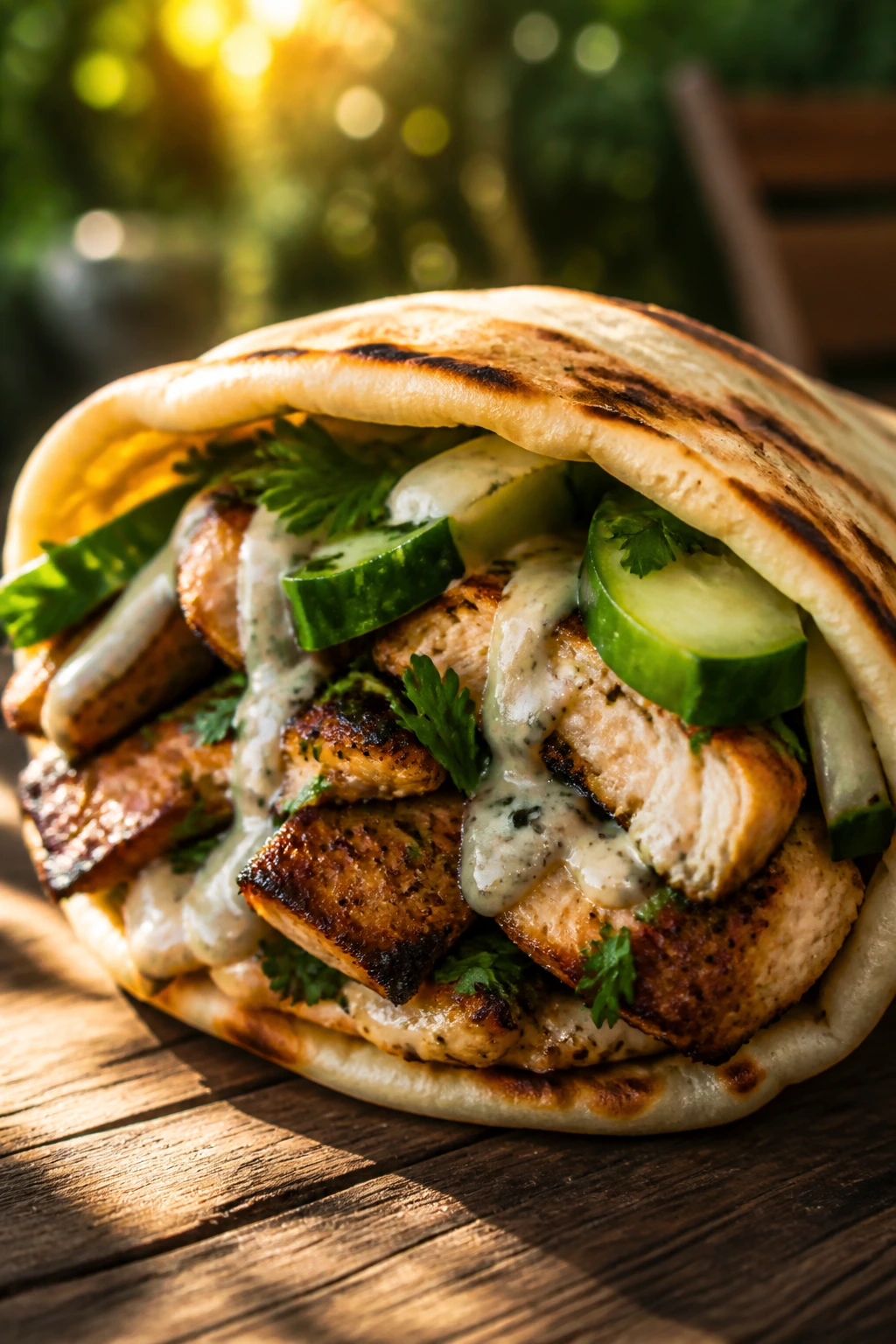
Shawarma Picnic Pitas
Use chicken thighs or cauliflower with yogurt, garlic, cumin, coriander, paprika, and lemon zest. Grill or roast until the edges brown, then tuck into warm pita with cucumber, herbs, and tahini sauce. This one handles both meat-eaters and vegetarians if you split the batch before cooking.
Bulgogi Slider Stack
Thin-sliced beef marinated in soy sauce, grated pear, garlic, sesame oil, and a little brown sugar makes a sweet-salty filling that browns fast and slices neatly. Pile it onto toasted slider buns with quick cucumber pickles and scallions. The pear softens the beef’s edge without drowning it.
Jerk Chicken Wraps with Crunchy Slaw
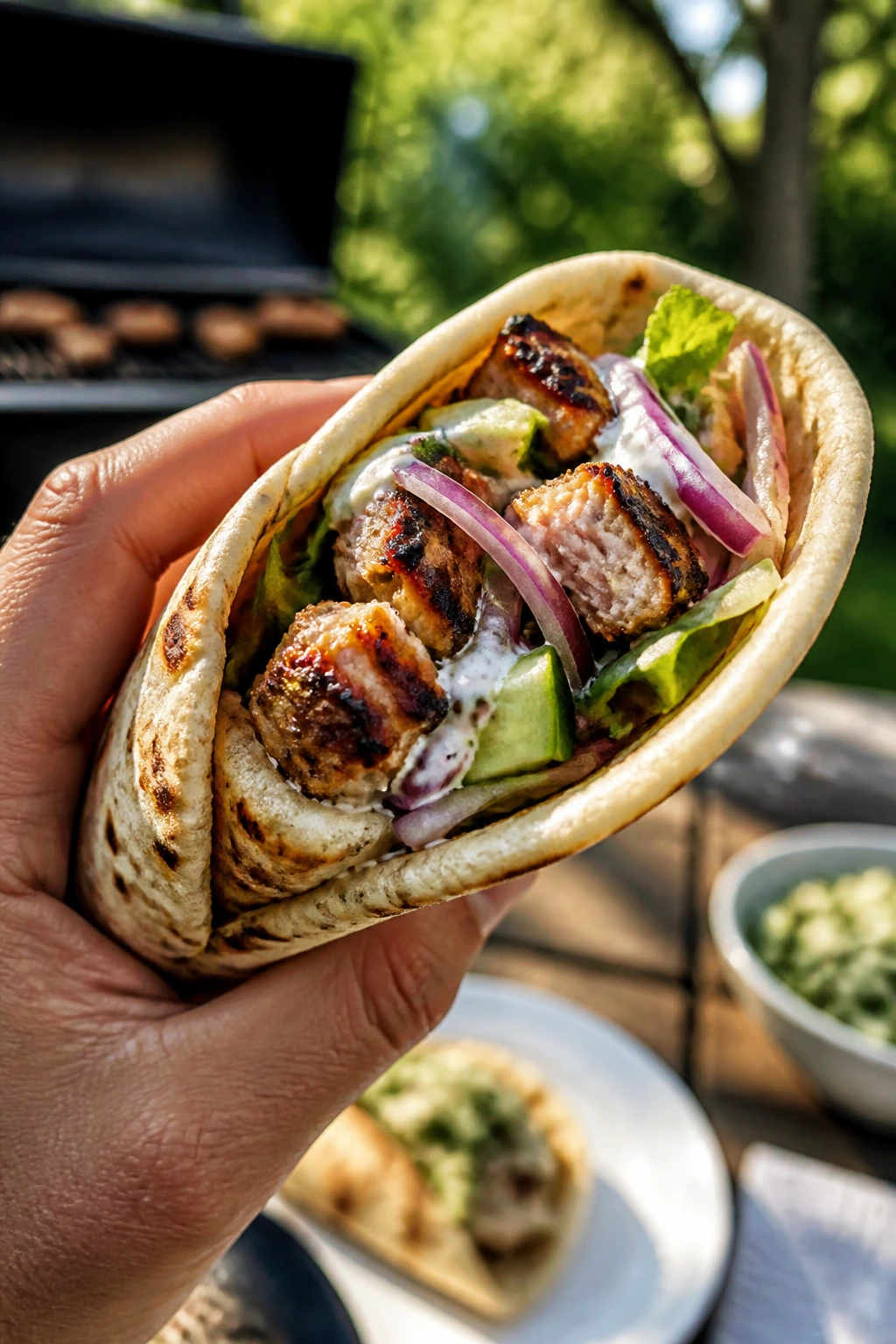
A marinade built on thyme, scallion, allspice, ginger, garlic, and chili gives grilled chicken thighs a smoky, peppery kick. Cool the heat with a cabbage slaw and a thick yogurt or lime sauce. This is the wrap I reach for when I want the marinade to do more than just whisper.
Herb-Oil Halloumi and Vegetable Rolls
Brush halloumi, zucchini, peppers, and onions with olive oil, oregano, and garlic, then grill until the cheese browns and the vegetables pick up char. Slide everything into a crusty roll with hummus or labneh. It’s meatless, but it does not eat like a concession prize.
Lemon-Chile Tofu Pockets
Press tofu well, marinate it in soy, lemon, garlic, and chili flakes, then sear until the edges are crisp. Stuff into pita with pickled onions and lettuce. The texture matters here; if the tofu is not pressed enough, it turns soft and bland inside the pocket.
Essential Equipment for the Cooler, Grill, and Cutting Board
-
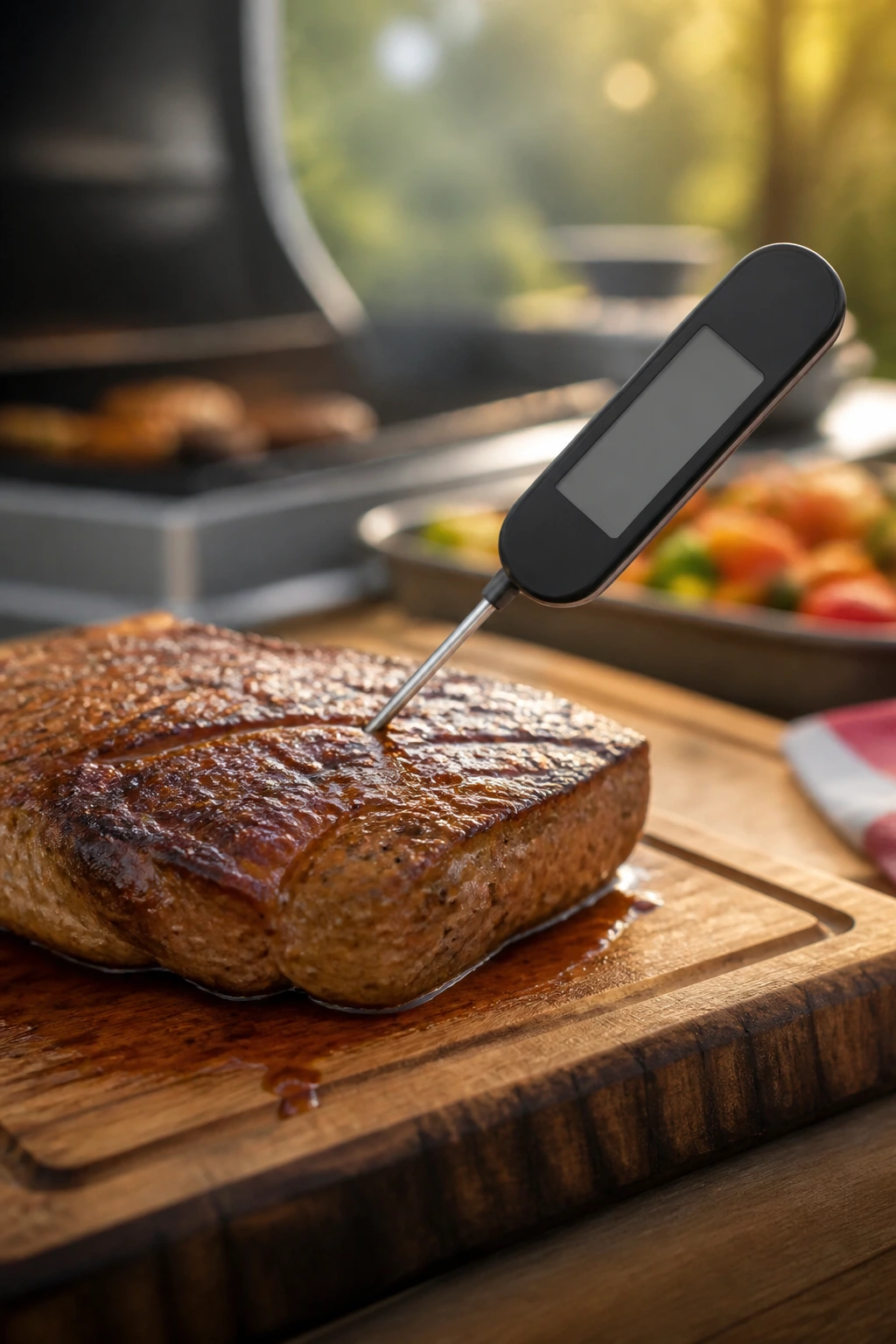
Instant-read thermometer — The fastest way to keep chicken, pork, and steak from wandering into dry or unsafe territory.
-
Large zip-top bags or shallow glass dishes — Bags coat the food well with less marinade; shallow dishes work if you want easier turning.
-
Mixing bowls in two sizes — One for the marinade, one for slaw, sauce, or chopped toppings.
-
Tongs with a firm grip — Essential for flipping slippery marinated food on a hot grate or in a skillet.
-
Cast-iron skillet or grill pan — Useful when the grill is crowded, the weather is unfriendly, or you want a hard sear indoors.
-
Sharp chef’s knife — Clean slices make the handheld easier to eat and help the filling spread evenly.
-
Cutting board with a damp towel underneath — Keeps the board from sliding while you slice hot meat or stack sandwiches.
-
Rimmed sheet pans — Great for moving marinated food from fridge to grill, catching drips, and resting cooked fillings.
-
Foil and parchment paper — Foil keeps heat in; parchment wraps sandwiches neatly without trapping as much steam.
-
Cooler with ice packs — Keeps raw marinades, cooked fillings, and sauces safe if you’re building the meal away from the kitchen.
-
Squeeze bottle or small jar — Makes sauce application clean and controlled, which matters more than people think.
Make-Ahead, Storage, and Reheating Guidance
Most marinated handheld components can be made ahead, but not all of them should be assembled in full the day before. Cooked meat and vegetables keep well in the refrigerator for 3 to 4 days if they’re cooled promptly and stored in airtight containers. Sauces and slaws are usually fine for 3 to 5 days, though watery slaws get softer by the second day. Bread should stay separate until serving.
Raw food in marinade belongs in the refrigerator only. If you’re freezing a marinated protein, do it before cooking and use a freezer-safe bag. Chicken, pork, beef, and tofu all freeze decently in marinade for up to 2 months. Thaw them in the refrigerator, not on the counter. Seafood is less forgiving, so I’d cook it close to the day you want to serve it.
For reheating, the oven is kinder than the microwave. Warm sliced chicken, pork, or beef in a covered dish at 325°F until hot through, usually 10 to 15 minutes depending on thickness. A skillet works well too; add a splash of water or broth, cover briefly, then uncover to re-crisp the edges. Wraps and sandwiches are best assembled fresh, but the cooked filling can be reheated and tucked into warmed bread just before serving.
If a handheld is already assembled and has to be stored, keep it no more than 2 hours at room temperature, or 1 hour if the weather is hot enough that the food seems to fight back. After that, it belongs back in the fridge or out of the serving line. That’s the boring part. It’s also the part that keeps the picnic from becoming a regret.
Frequently Asked Questions
Can I marinate everything the night before?
Not everything. Chicken thighs, pork, beef, tofu, and some vegetables can handle an overnight soak if the marinade is not too acidic. Seafood, soft vegetables, and citrus-heavy mixes need a shorter window or the texture gets strange.
What’s the best meat for marinated handheld picnic food?
Chicken thighs are the safest bet because they stay juicy and slice cleanly. Flank steak and pork cutlets are close behind if you want something a little more dramatic. Lean chicken breast can work, but it has less margin for error.
How do I keep the bread from getting soggy?
Toast the cut sides, add a barrier spread, keep wet toppings under control, and assemble close to serving time. If the filling is hot, let it rest first so steam doesn’t soak the bread from the inside out.
Can I use bottled dressing as a marinade?
Yes, if the flavor makes sense and the ingredient list is decent. A bottled vinaigrette can work on chicken, pork, or vegetables, but I still like to add fresh garlic, herbs, or citrus zest so the flavor tastes less flat.
Is it safe to reuse marinade?
Not if it touched raw meat, poultry, or seafood. The safe move is to boil it first if you want to use it as a sauce, or better yet, reserve a clean portion before the raw food goes in.
What if I don’t have a grill?
A cast-iron skillet or hot oven will still give you good results. The skillet is better for crust; the oven is better for volume. You can also finish under the broiler if you want a little char on top.
How far ahead can I build the sandwiches?
If you’re feeding a crowd and want the best texture, build them within 10 to 20 minutes of serving. For transport, pack the filling, bread, and sauce separately and assemble on site. That small hassle pays off in a cleaner bite.
What should I do if the marinade tastes flat after cooking?
Finish with something bright and fresh. A squeeze of lemon, a spoonful of herb sauce, pickled onions, chopped herbs, or a pinch of flaky salt can wake the whole thing up. Flat flavor usually means the final layer was missing, not that the marinade failed.
A Handheld Spread People Actually Finish
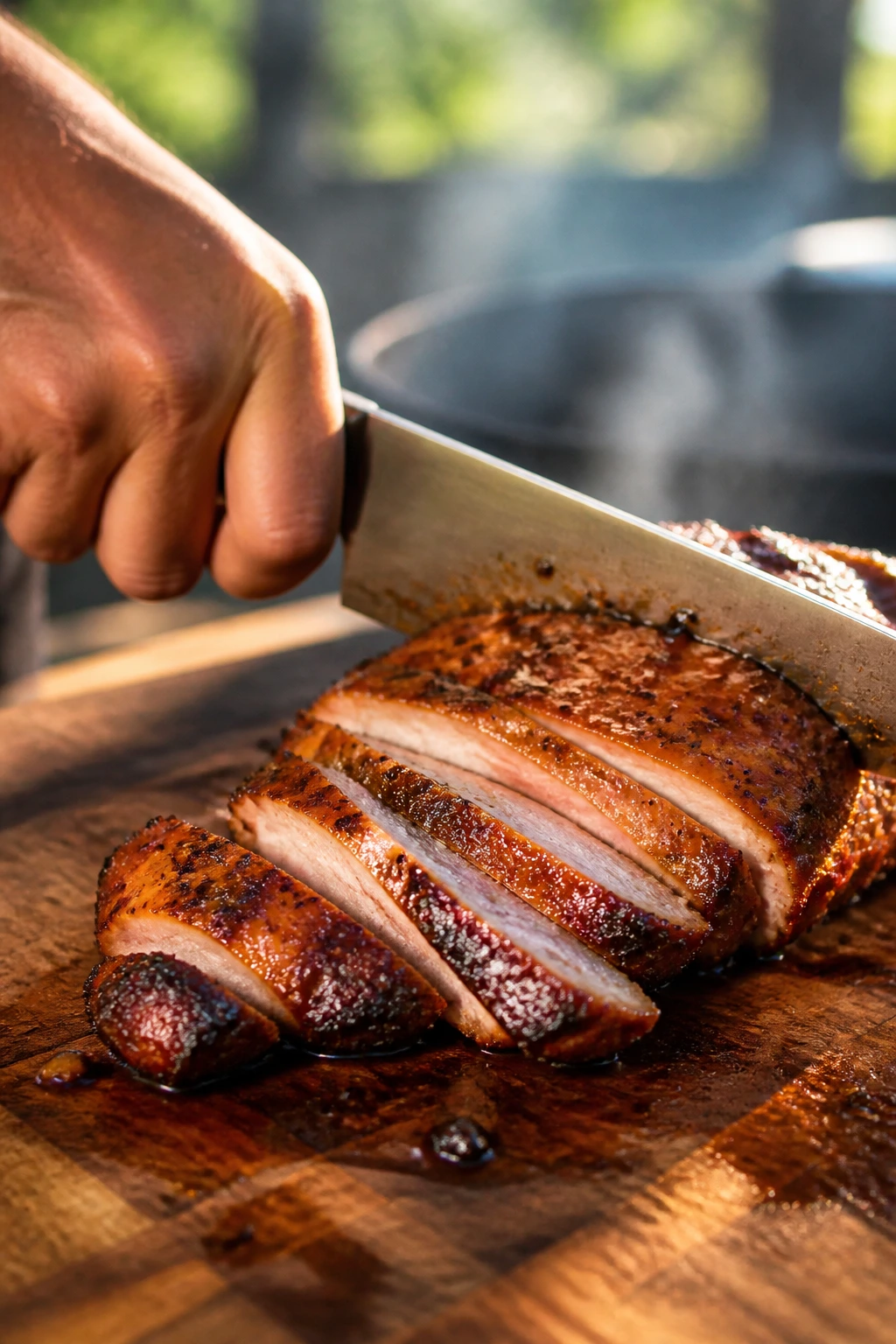
A cookout menu gets a lot easier when the food is built to be held, not admired for five minutes and then left to slump on a plate. That’s the real win of marinated handheld picnic food: the flavor starts before the grill, and the structure keeps going after it leaves the grill. You get smoky edges, juicy filling, and a bread or wrap that still makes sense when the chair gets pulled back and the conversation gets louder.
I’d rather make four really well-built sandwiches than chase ten fragile dishes that need constant rescue. Give the marinade enough time, keep the bread dry, and use the cooler like it matters. The whole spread starts to feel calm.
Set out the pickles, slice the herbs, warm the rolls, and let the fillings do their work. That’s the kind of backyard food people reach for first and remember later.