



A good BBQ marinade has one job before the grill ever heats up: it should put flavor into the meat, not just sit on the surface and burn into a sticky mess. The version I keep coming back to tastes like a backyard cookout should taste — tangy first, smoky second, with a quiet sweetness that shows up only after the fire does its work. It smells like garlic, vinegar, ketchup, and a little molasses when you whisk it together, which is one of those plain kitchen smells that somehow makes people drift into the room and ask what’s for dinner.
What I don’t like in a marinade is thinness. A watery mix slides off the meat, pools at the bottom of the bag, and leaves you with a pile of expensive protein that tastes like salt on the outside and nothing much in the middle. This BBQ marinade has more backbone than that. Ketchup and molasses give it body, Worcestershire brings the savory edge, apple cider vinegar keeps it bright, and smoked paprika gives the whole thing the kind of dark color that looks right once it hits a hot grate.
I reach for this when I want chicken thighs, pork chops, flank steak, or even thick mushrooms to taste like somebody paid attention. It’s not fussy. It doesn’t need a blender or a grocery list that turns into a scavenger hunt. It just needs a bowl, a whisk, and enough time to do what a marinade does best: coat the meat, season the surface, and help the grill turn all that moisture into something juicy and charred around the edges.
Why This BBQ Marinade Earns Its Place Next to the Grill
-
It clings instead of puddling: ketchup, molasses, and mustard give the marinade enough thickness to stay on chicken thighs and pork chops instead of running straight to the bottom of the container.
-
It tastes like barbecue before the grill does anything: the soy sauce, Worcestershire, garlic, and smoked paprika give you savory depth right away, so you’re not waiting for the fire to invent all the flavor.
-
It plays nicely with smoke and char: the brown sugar is there for browning, not candy-sweet glaze, which means the edges go dark and glossy without turning into burnt syrup if you keep the heat in check.
-
It works on cheap cuts and better cuts: flank steak, pork tenderloin, drumsticks, and bone-in chicken thighs all benefit from a marinade that seasons the outside and helps the meat stay moist while it cooks.
-
It’s easy to batch and easy to stash: one whisked bowl covers a full cookout tray, and the extra can sit in the fridge for the next round of grilling as long as it hasn’t touched raw meat.
-
It gives you a lot of control: if you want more smoke, more heat, or a little extra sweetness, you can steer it without wrecking the base. That matters. A lot.
Batch Size, Timing, and Difficulty
Yield: About 1¾ cups marinade, enough for 2½ to 3 pounds of meat or vegetables
Prep Time: 10 minutes
Cook Time: 0 minutes
Total Time: 10 minutes, plus marinating time
Chill/Rest Time: 30 minutes to 12 hours, depending on what you’re marinating
Difficulty: Beginner — the work is mostly measuring and whisking, but the timing windows matter if you want the meat juicy instead of mushy.
Best Served: After the protein has soaked long enough to pick up that smoky-sweet edge and the grill has left a few dark char marks on the outside.
What Makes This Marinade Stick to Meat Instead of Sliding Off
A lot of marinade recipes read like they were built to sound busy. This one is built to stay on the food.
The thickness comes from the ketchup, mustard, and molasses working together. That matters because a marinade isn’t paint; it needs enough body to coat the meat and hang on while the surface warms up. When a mix is too thin, it tends to run off as soon as it hits a tray or bag. You end up marinating the bowl. That’s not the goal.
Salt and acid do different jobs here, and they’re easy to confuse. The vinegar gives the marinade a clean edge and keeps the flavor from flattening under the sugar, while the soy sauce and Worcestershire bring salt and umami that help the meat taste seasoned deeper than the surface. If you’ve ever bitten into grilled chicken that tasted like it had been dusted with spices but not actually marinated, you know why this balance matters.
Sugar gets treated like a villain in grilling talk, and that’s lazy thinking. Sugar is not decoration here. Brown sugar and molasses help the meat take on color, and that darker color means more than looks — it means browning, a little crust, and that sticky finish people keep chasing with bottled sauce after the meat is already cooked. The trick is balance. Too much sugar on too hot a fire turns ugly fast. This recipe keeps the sweetness in the range where it helps instead of wrecking dinner.
Mustard is the quiet helper. Dijon gives the marinade a little sharpness and helps the oil and vinegar hang together instead of separating into layers. If you’ve ever shaken a bottled dressing and watched it split again in under a minute, you already understand why emulsification matters. It’s the difference between a marinade that looks coherent and one that tastes scrambled.
The Short Ingredient List
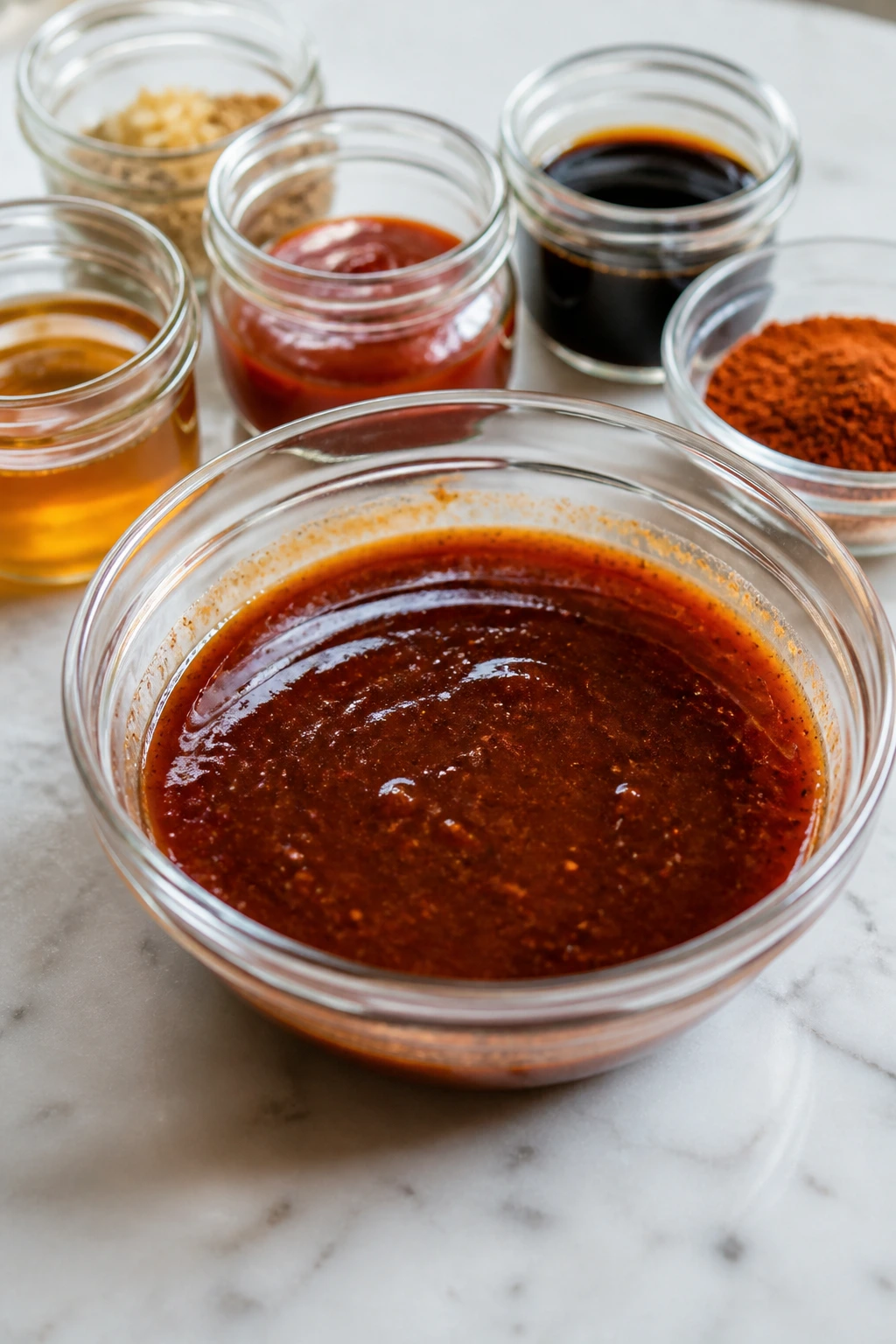
For the Marinade:
-
1/2 cup ketchup
Gives the marinade its tomato base and enough body to coat meat instead of sliding off. -
1/4 cup packed dark brown sugar
Packed tight for the right amount of sweetness and deeper molasses notes. -
1/4 cup apple cider vinegar
Brings brightness and keeps the marinade from tasting flat. -
1/4 cup low-sodium soy sauce
Adds salt and savory depth; use tamari if you need a gluten-free swap. -
2 tablespoons Worcestershire sauce
Adds that hard-to-name grill-house savoriness people usually think comes from a much longer ingredient list. -
2 tablespoons Dijon mustard
Helps the marinade emulsify and adds a clean sharp note. -
2 tablespoons molasses
Thickens the mix and deepens the color. -
2 tablespoons olive oil
Helps the marinade coat the meat evenly and gives the grill surface a little protection. -
4 garlic cloves, finely grated or minced
Finely grated garlic spreads through the marinade better than big chunks. -
1 tablespoon smoked paprika
Gives the barbecue flavor a real smoky edge without needing liquid smoke. -
1 teaspoon onion powder
Fills in the savory middle and rounds out the garlic. -
1 teaspoon freshly ground black pepper
Adds bite and keeps the sweetness from taking over. -
1/4 teaspoon cayenne pepper, optional
For a small kick at the back of the throat, not a full-on heat bomb. -
1/2 teaspoon kosher salt, only if your soy sauce is very low sodium
Use this only after tasting, because the soy and Worcestershire already bring salt.
Why Each Ingredient Pulls Its Weight
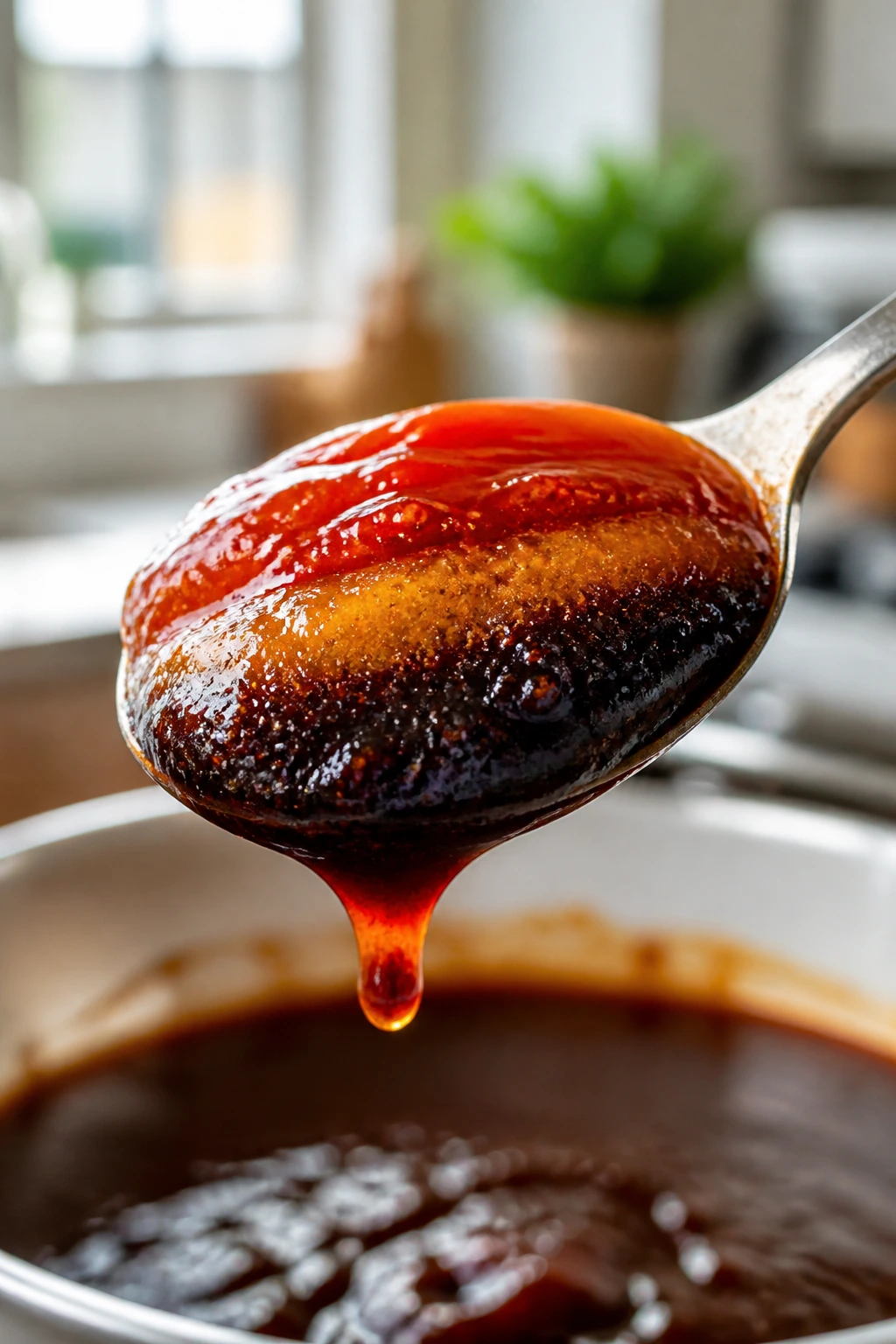
The ingredient list is short on purpose. There’s no dead weight in it.
Tomato, Umami, and Salt
What to use: 1/2 cup ketchup, 1/4 cup low-sodium soy sauce, 2 tablespoons Worcestershire sauce, and 1/2 teaspoon kosher salt only if the soy sauce is very low sodium.
Preparation: Whisk these together first so the ketchup loosens before anything sweet goes in; that keeps the marinade smooth and glossy instead of streaky.
Substitutions: Tamari works well in place of soy sauce, and certified gluten-free Worcestershire is an easy swap if you need to keep the marinade gluten-free.
Tips: Taste this base on its own before you add the sugar. If it already tastes dull, more sweetness won’t fix it. It needs salt or acid.
Sweetness and Browning
What to use: 1/4 cup packed dark brown sugar and 2 tablespoons molasses.
Preparation: Pack the brown sugar into the measuring cup so you get a full measure, then break up any molasses lumps with the whisk.
Substitutions: Honey or maple syrup can replace the brown sugar, but the flavor shifts lighter and the marinade loses some of that deep grill-house darkness.
Tips: Sugar helps with color, which is useful, but it also burns faster than meat does. If your grill runs hot, this is the first place to be careful.
Acid and Tang
What to use: 1/4 cup apple cider vinegar and 2 tablespoons Dijon mustard.
Preparation: Add the vinegar slowly while whisking so it blends into the ketchup base instead of sitting in a sharp little pool at the edge of the bowl.
Substitutions: Red wine vinegar or sherry vinegar both work, though apple cider vinegar gives a softer, rounder tang that feels right for cookouts. Yellow mustard can replace Dijon in a pinch, but the flavor is louder and less refined.
Tips: Acid is not a magic tenderizer. It helps the surface of the meat taste brighter and can loosen the proteins a little, but too much acid for too long is what gives chicken breast that chalky, tight texture nobody wants.
Smoke, Garlic, and Heat
What to use: 4 garlic cloves, 1 tablespoon smoked paprika, 1 teaspoon onion powder, 1 teaspoon freshly ground black pepper, and 1/4 teaspoon cayenne pepper if you want a little heat.
Preparation: Grate the garlic on a microplane or mince it very fine so it disperses through the marinade; big garlic pieces can burn on the grill.
Substitutions: Garlic powder can step in for fresh garlic, chipotle powder can replace the cayenne for a smokier heat, and sweet paprika works if smoked paprika is missing.
Tips: Smoked paprika is doing a lot of heavy lifting here. If you use regular paprika, the marinade still works, but it loses that whisper of smoke that makes grilled meat taste like it came from an actual cookout.
Oil and Cling
What to use: 2 tablespoons olive oil.
Preparation: Whisk the oil in last so it emulsifies into the acid and mustard base rather than floating on top.
Substitutions: Avocado oil or another neutral oil works if you want a lighter flavor; melted butter is not a good swap here because it solidifies in the fridge and turns the marinade clumpy.
Tips: A little oil helps the marinade coat the meat evenly and keeps the surface from drying out as fast on the grill. You don’t need much. Too much oil just waters down the flavor.
Best Proteins and Vegetables for This Marinade
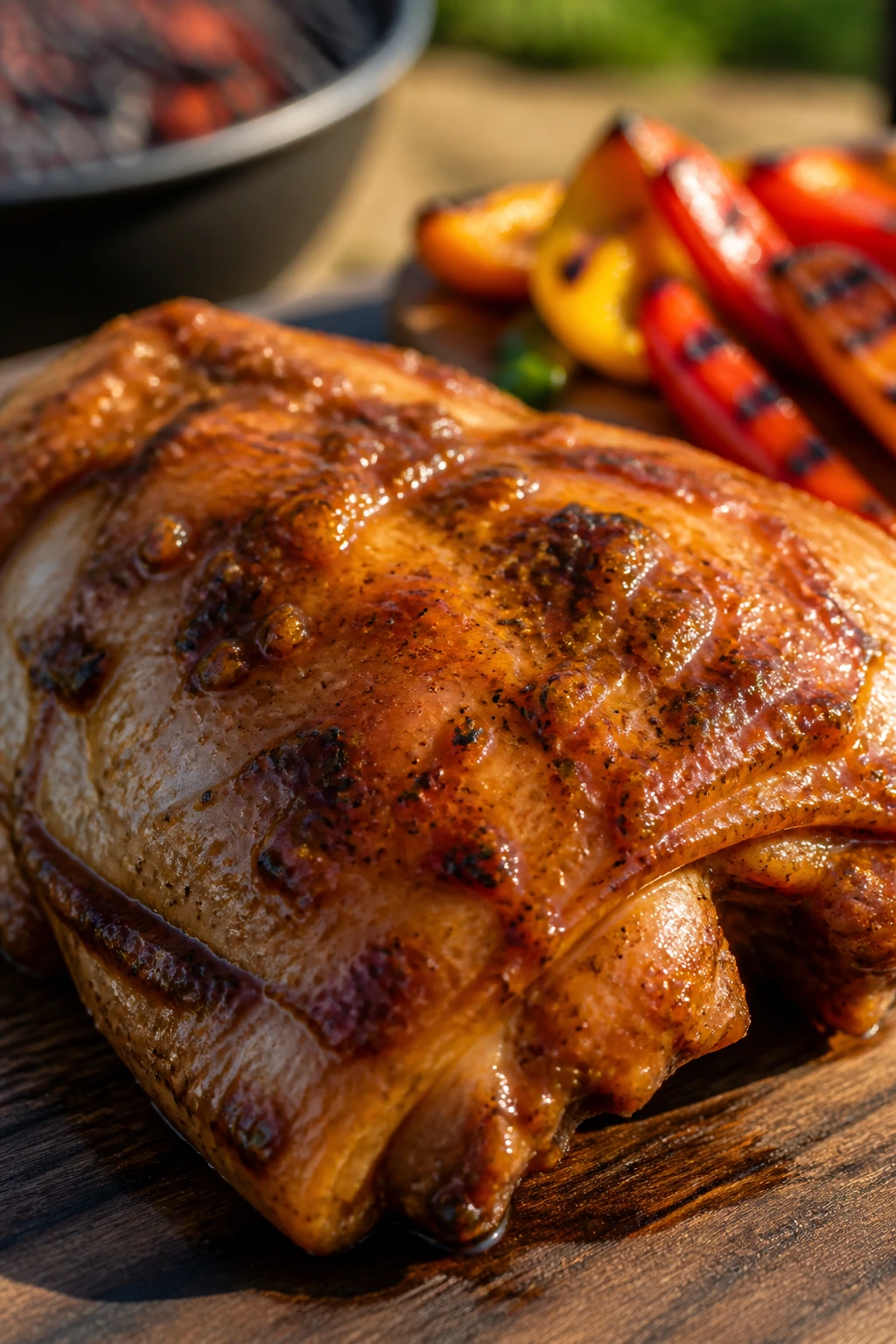
Not every cut wants the same soak. That’s where a lot of backyard grilling goes sideways. People see a marinade and assume more time is always better. It isn’t.
Chicken Thighs and Drumsticks
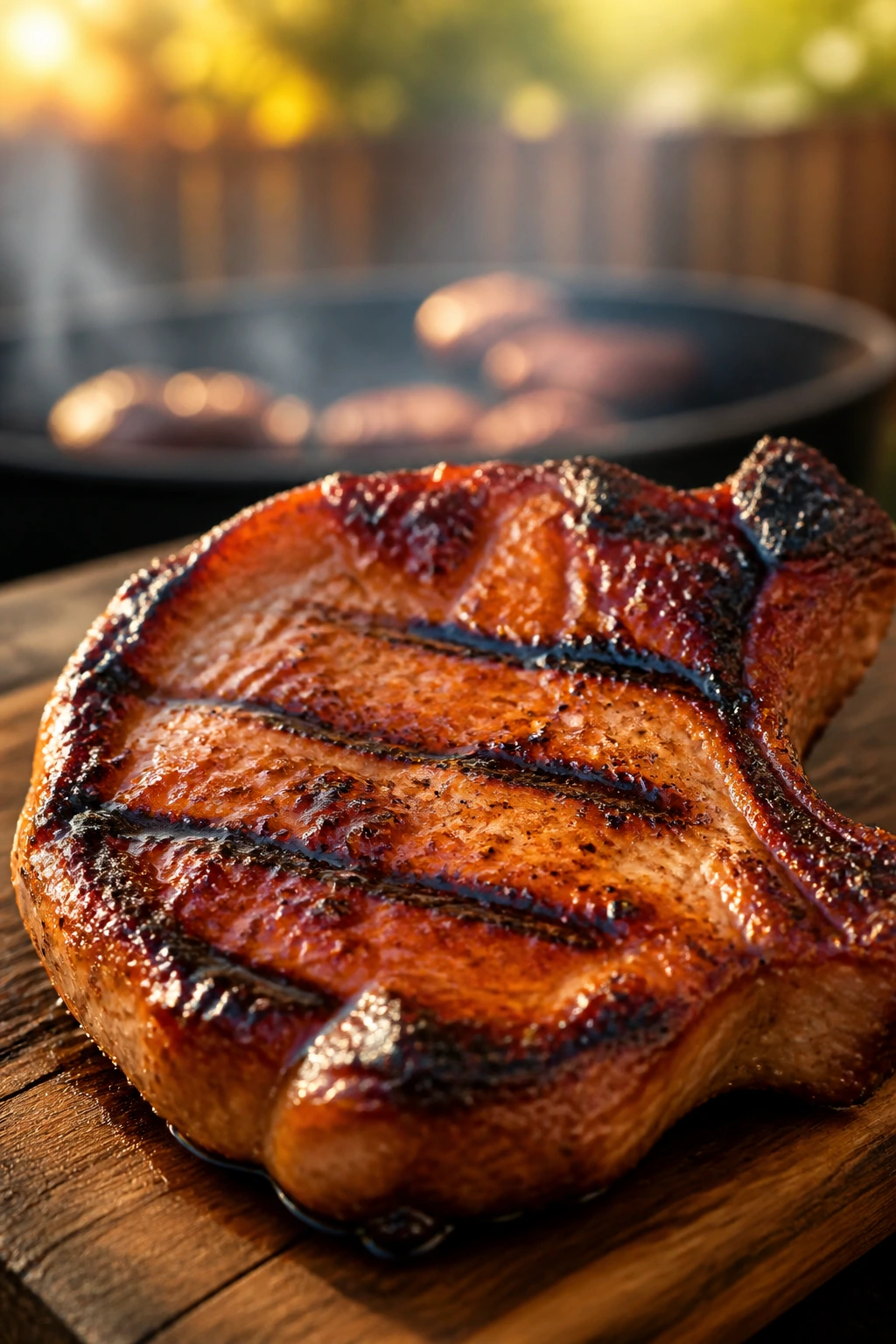
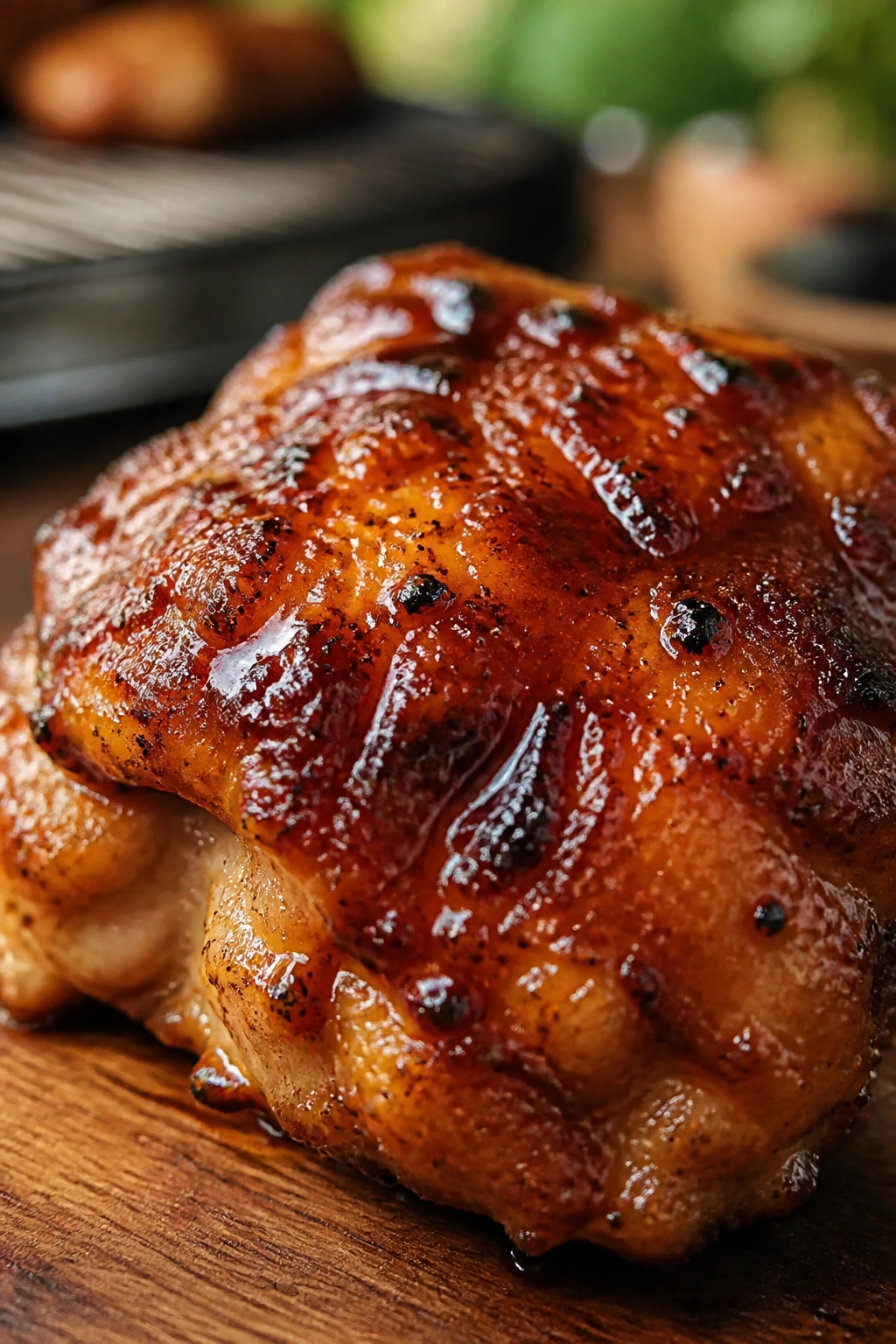
Chicken thighs are my favorite place to use this BBQ marinade because they forgive a little chaos. They can sit in the fridge for 4 to 8 hours without turning strange, and the darker meat handles the sugar and acid better than chicken breast. Drumsticks work the same way, though they benefit from a few extra turns on the grill so the skin picks up some color in the spots where it isn’t pressed flat against the grate.
Chicken breast is possible, but it needs restraint. Two to four hours is enough. Any longer and the outside can start to feel a little tight, especially if the meat is on the thin side. If you’re cooking breasts, keep the grill at medium-high and pull them as soon as the thickest part hits 165°F.
Pork Chops, Tenderloin, and Pork Steaks
Pork is where this marinade gets a chance to show off. Pork chops, especially bone-in chops about 1 inch thick, pick up the sweet-smoky edge beautifully after 2 to 6 hours in the fridge. Pork tenderloin is leaner, so I keep it on the shorter side — usually 2 to 4 hours — because lean pork doesn’t have much fat to cushion a rough acid bath.
Pork steaks and country-style ribs are even more forgiving. They like the tang and the sugar, and they get a nice mahogany color if the grill isn’t set too aggressively high. If you’re cooking for a table full of people who like sauce but don’t want something sticky-sweet, pork is the sweet spot.
Flank Steak, Skirt Steak, and Tri-Tip
Beef wants a shorter soak. Flank steak and skirt steak take on this marinade fast because they’re thinner and more open on the surface, so 1 to 4 hours is enough. Tri-tip can handle a little longer, but I still keep it under 8 hours unless the cut is especially thick.
The key with beef is not to expect the marinade to do all the work. It adds flavor and helps with the crust, but the grill still needs to give you the final texture. Slice flank steak against the grain after a 5 to 10 minute rest, and the marinade will taste deeper because the meat isn’t chewing like a rubber band.
Vegetables, Tofu, and Halloumi
Thick mushrooms, zucchini planks, bell peppers, and red onion all like this marinade, but they need far less time. Fifteen to thirty minutes is enough. Any longer and the vegetables start to lose their structure and turn soft before they ever meet the grill.
Pressed tofu can work too, especially if you cut it into slabs and let it sit in the marinade for 30 to 60 minutes. Halloumi is a different beast — salty already, so it only needs a short dip, maybe 15 to 20 minutes, and then a hot grill to give it those brown edges. If you’re feeding mixed eaters, this is the kind of marinade that can cover the entire tray without making the plant-based food feel like an afterthought.
Tools That Make Mixing Easier
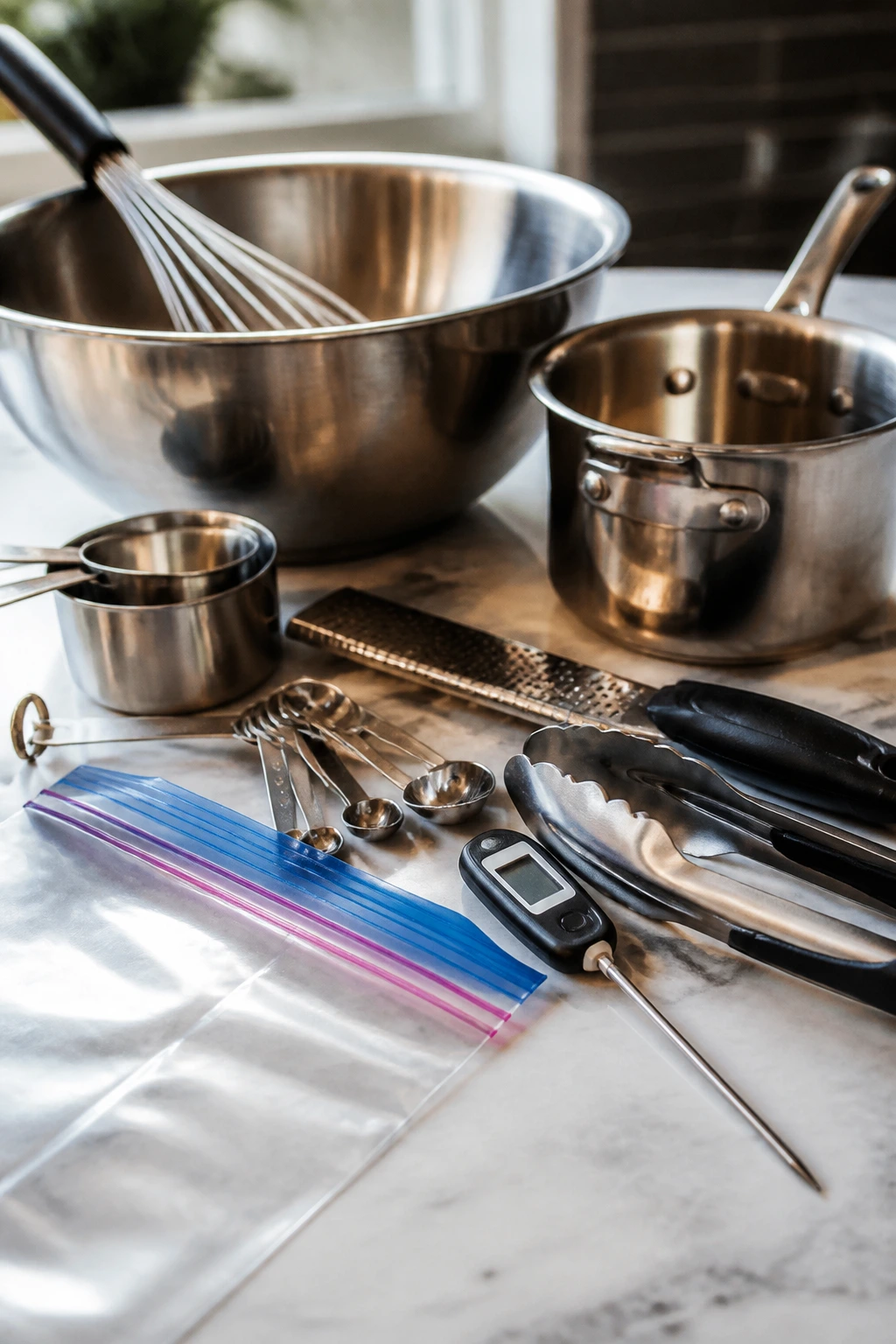
You don’t need much, which is one reason I like this recipe in the first place. Still, a few tools make the job cleaner and keep the marinade from turning into a mess on the counter.
-
Medium mixing bowl — A bowl with a wide base gives you room to whisk without splashing ketchup onto the backsplash.
-
Whisk — Better than a spoon here because it breaks up the brown sugar and emulsifies the oil into the vinegar base.
-
Measuring cups and spoons — The balance matters, especially with sugar, salt, and vinegar.
-
Microplane or fine grater — Best for garlic, because finely grated garlic disappears into the marinade instead of floating around in chunks that can scorch.
-
Zip-top bag or shallow nonreactive dish — A bag uses less marinade and coats meat more evenly; a dish works when you want to turn thick cuts by hand.
-
Tongs — Useful for moving meat in and out of the marinade without stabbing it and letting juices run everywhere.
-
Instant-read thermometer — Not for the marinade itself, obviously, but for the meat once it hits the grill. It’s the difference between juicy and overdone.
-
Small saucepan, optional — Handy if you want to boil a reserved portion of the marinade into a glaze.
Mixing the Marinade, Step by Step
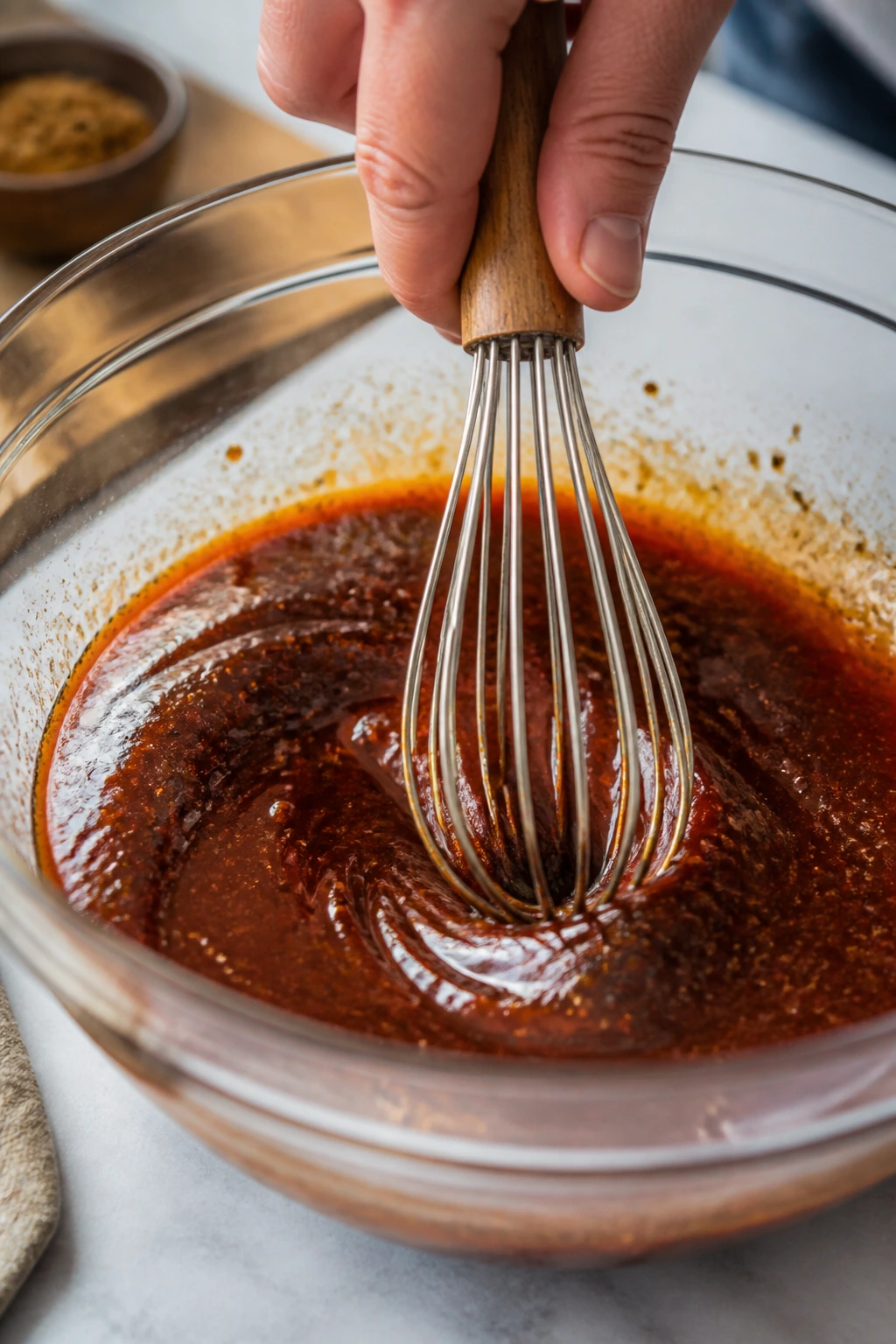
Make the Marinade
-
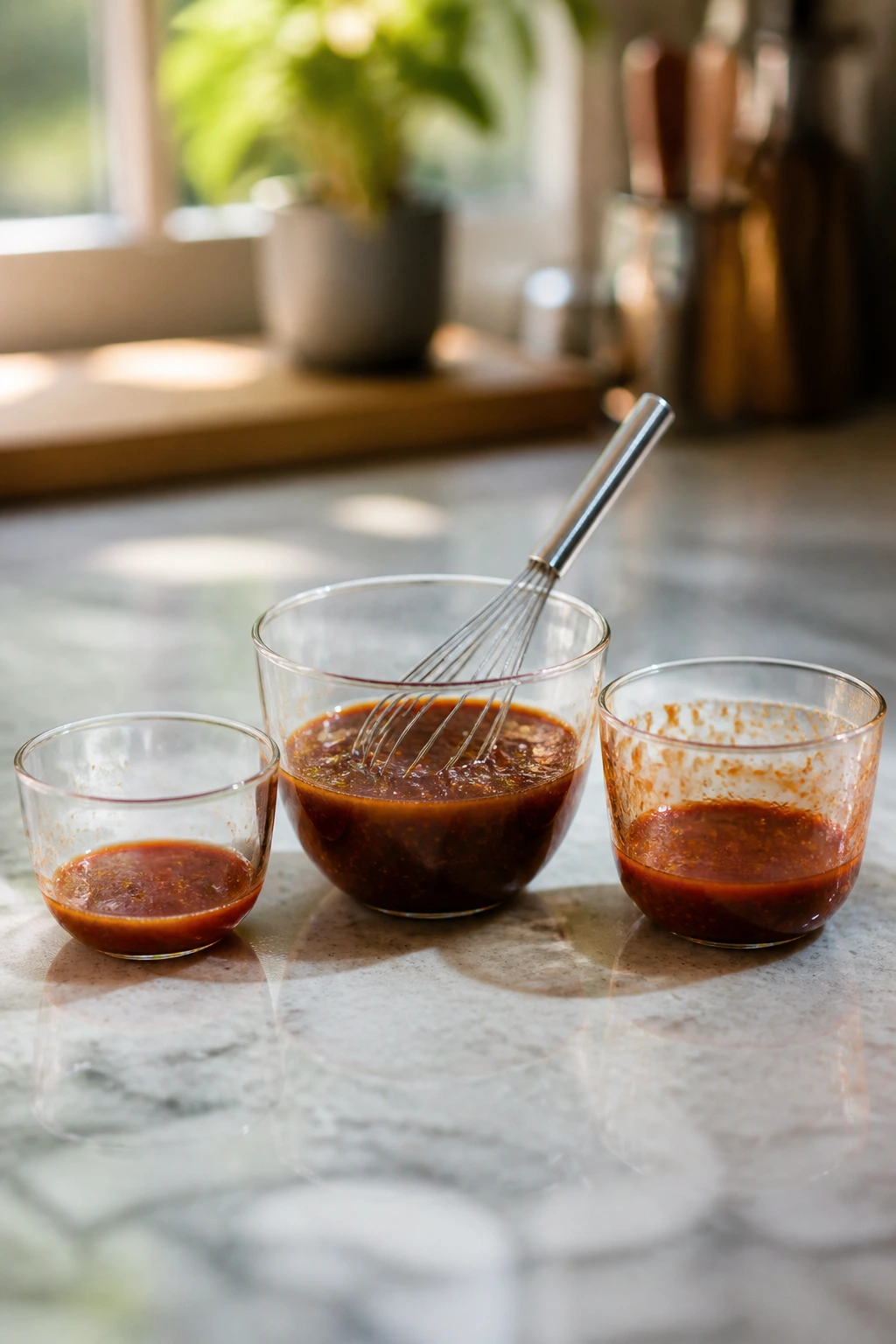
Measure the wet base. Add the ketchup, apple cider vinegar, soy sauce, Worcestershire sauce, Dijon mustard, olive oil, and molasses to a medium bowl. Whisk for about 30 seconds, until the mixture turns smooth and glossy and you no longer see separate streaks of oil.
-
Add the sweet and savory dry ingredients. Whisk in the brown sugar, smoked paprika, onion powder, black pepper, garlic, cayenne if you’re using it, and the kosher salt only if the soy sauce is very low sodium. Keep whisking for another 30 to 45 seconds, until the sugar looks mostly dissolved and the marinade smells tangy, garlicky, and a little sweet.
-
Taste and adjust before the meat goes in. Dip a clean spoon into the bowl and taste a tiny bit. It should hit sweet, salty, tangy, and smoky in that order, with the heat staying in the background. If it tastes too sharp, add 1 teaspoon more brown sugar. If it tastes heavy or flat, add 1 teaspoon more vinegar.
Marinate and Cook
-
Reserve clean marinade if you want a glaze. Scoop out up to 1/3 cup of the marinade before it touches raw meat and put it in a separate container. If you want to brush it on cooked meat later, this reserved portion stays safe and doesn’t need to be boiled.
-
Coat the meat evenly and refrigerate it. Place up to 2½ to 3 pounds of chicken, pork, beef, tofu, or vegetables in a zip-top bag or shallow dish. Pour in the marinade, press out excess air, and turn the bag or toss the pieces until every surface is coated. Refrigerate for the right window: 2 to 8 hours for chicken thighs or pork chops, 1 to 4 hours for flank steak, and 15 to 30 minutes for vegetables.
-
Remove, pat dry lightly, and grill over medium-high heat. Let excess marinade drip off, then pat the surface dry with paper towels if you want cleaner browning. Grill over medium-high heat — about 400 to 450°F at the grate — until the meat reaches the correct internal temperature: 165°F for chicken, 145°F for pork with a 3-minute rest, and 130 to 135°F for medium-rare beef if that’s how you like it. If the sugar starts to darken too fast, move the meat to a cooler part of the grill.
-
Handle any leftover raw marinade the safe way. Discard anything that touched raw meat unless you bring it to a full boil for at least 3 minutes and use it as a glaze. That step matters. It’s not busywork.
How Long to Marinate Chicken, Pork, Beef, and Vegetables
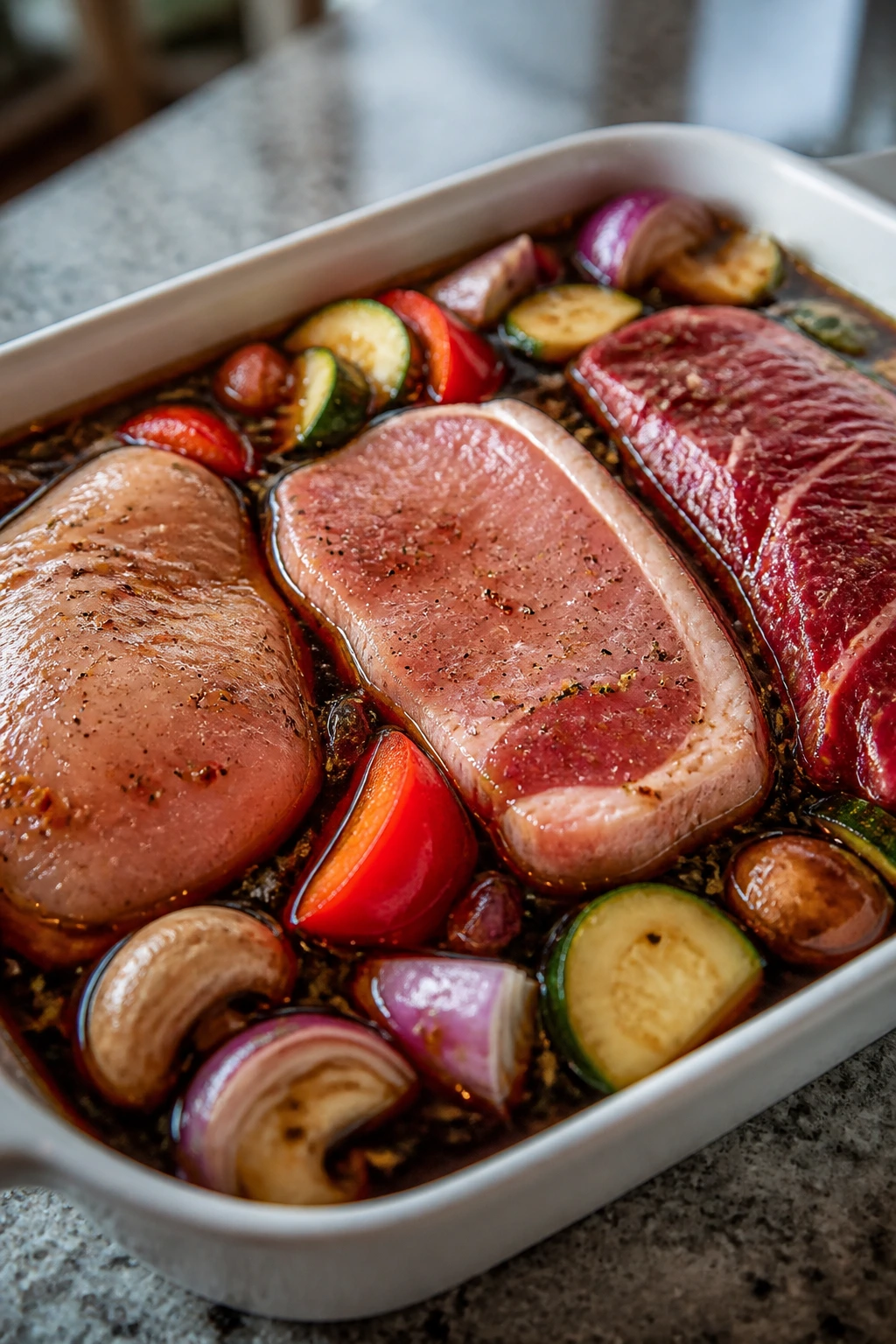
Chicken breast and chicken thighs do not play by the same rules, and neither do pork chops and flank steak. The timing window is one of the places where people either get the best result or accidentally make dinner weird.
Chicken
Bone-in chicken thighs like the full soak. Four to eight hours gives the marinade time to season the surface without making the meat tight. Boneless thighs can go a little shorter — around 2 to 6 hours — because they absorb flavor quickly and cook faster on the grill.
Chicken breasts need a shorter bath. They’re lean and they dry out faster, so 2 to 4 hours is enough. If you forget and leave them overnight, the outside can feel firmer than you want. The grill will still save them if you’re careful, but why create the problem.
Pork
Pork chops, especially the thicker ones, are one of the best matches here. Two to six hours is the sweet range. Thin chops need the shorter end because they can get salty and a little soft at the edges if they sit too long.
Pork tenderloin can also use the marinade, but I keep it to 2 to 4 hours. It’s lean enough that the sugar and acid are doing flavor work, not structural work, and there’s no reason to push it past the point where the outside starts to get odd.
Beef
Flank steak, skirt steak, and tri-tip all benefit from a short, focused soak. One to four hours is plenty. The goal is surface flavor and a better crust, not a full-on soak that changes the texture of the meat in ways you’ll regret later.
A lot of people think beef can sit in a marinade all day because it’s beef. Maybe some cuts can, but this one has acid and sugar. Keep the timing disciplined. The flavor gets better in the first few hours and stops improving long before dinner does.
Vegetables, Tofu, and Other Short-Soak Foods
Vegetables need the least time. Fifteen to thirty minutes is enough for mushrooms, zucchini, onion wedges, bell peppers, and thick asparagus stalks. Any longer and they start to wilt before they even reach the heat.
Pressed tofu does well with 30 to 60 minutes. If you’re using extra-firm tofu, press it first so the marinade has somewhere to go. Halloumi only needs a brief soak because it already brings salt to the table. Shrimp, if you choose to use it, should stay in the marinade no longer than 15 to 20 minutes. That’s not much time, but seafood changes fast and there’s no medal for leaving it in longer.
How to Serve It at a Backyard Cookout
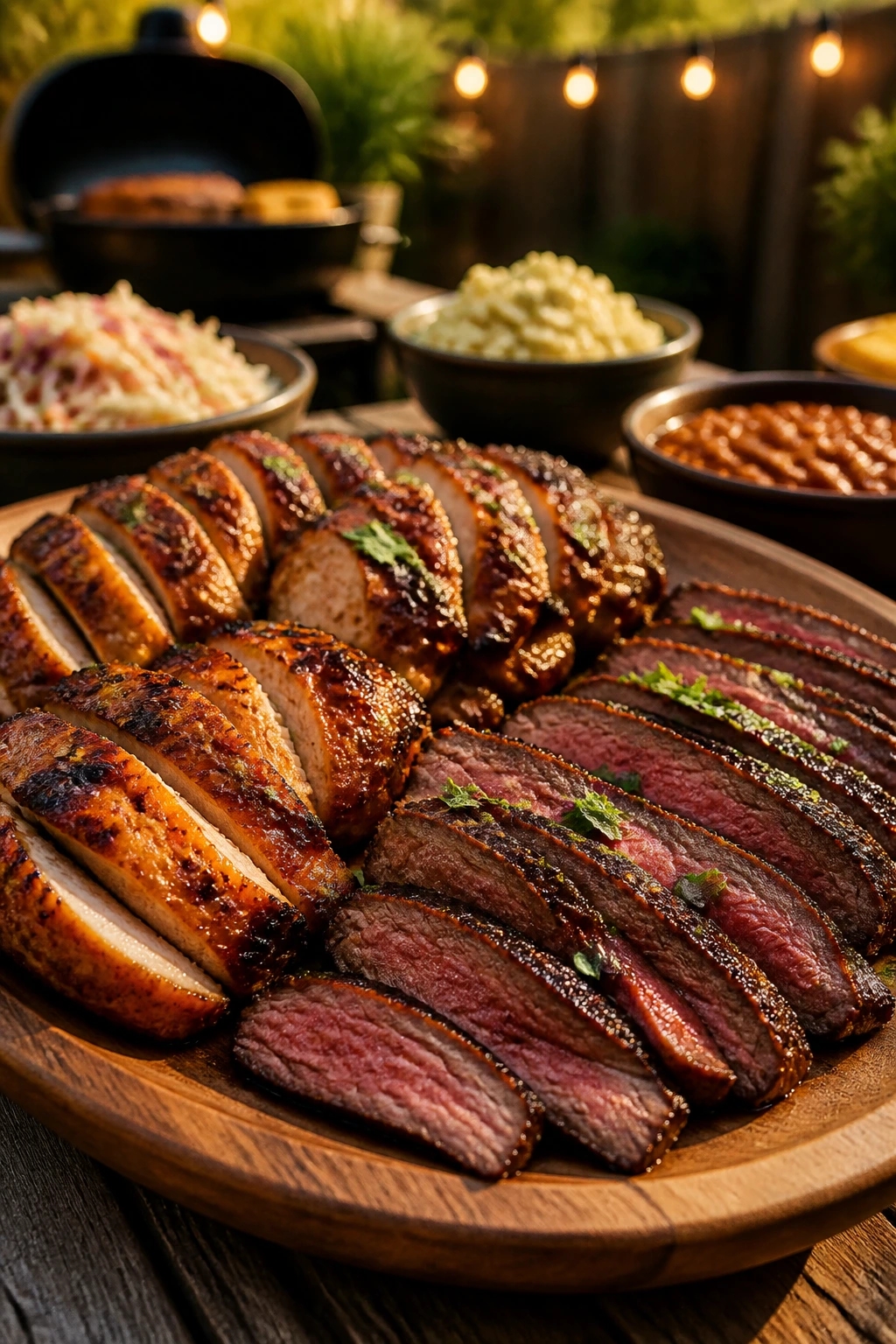
Presentation: Slice grilled chicken thighs or flank steak against the grain, fan the pieces on a warm platter, and spoon a little of the reserved, boiled glaze over the top if you made one. A scatter of chopped parsley, scallions, or thin-sliced chives keeps the plate from looking like a single brown note.
Accompaniments: Vinegar slaw, grilled corn, potato salad, baked beans, and a simple tomato salad fit the sweet-smoky profile well. If you’re serving pork, I like a sharp slaw with more bite. For beef, keep the sides clean and not too sweet so the marinade stays in the spotlight.
Portions: One 1¾-cup batch seasons about 2½ to 3 pounds of meat or vegetables, which usually feeds 6 to 8 people when the sides are doing their share. If you’re feeding big eaters, count on 4 to 6 ounces of cooked meat per person. If the grill is only one piece of a larger spread, you can stretch that a little.
Beverage Pairing: Cold lager, sparkling lemonade, or unsweetened iced tea all work with the sweet-tangy edge. If you want something with a little more backbone, a dry cider is a good fit because it matches the grilled fruit notes without piling on extra sugar.
Extra Tips for Better Char and Better Juiciness
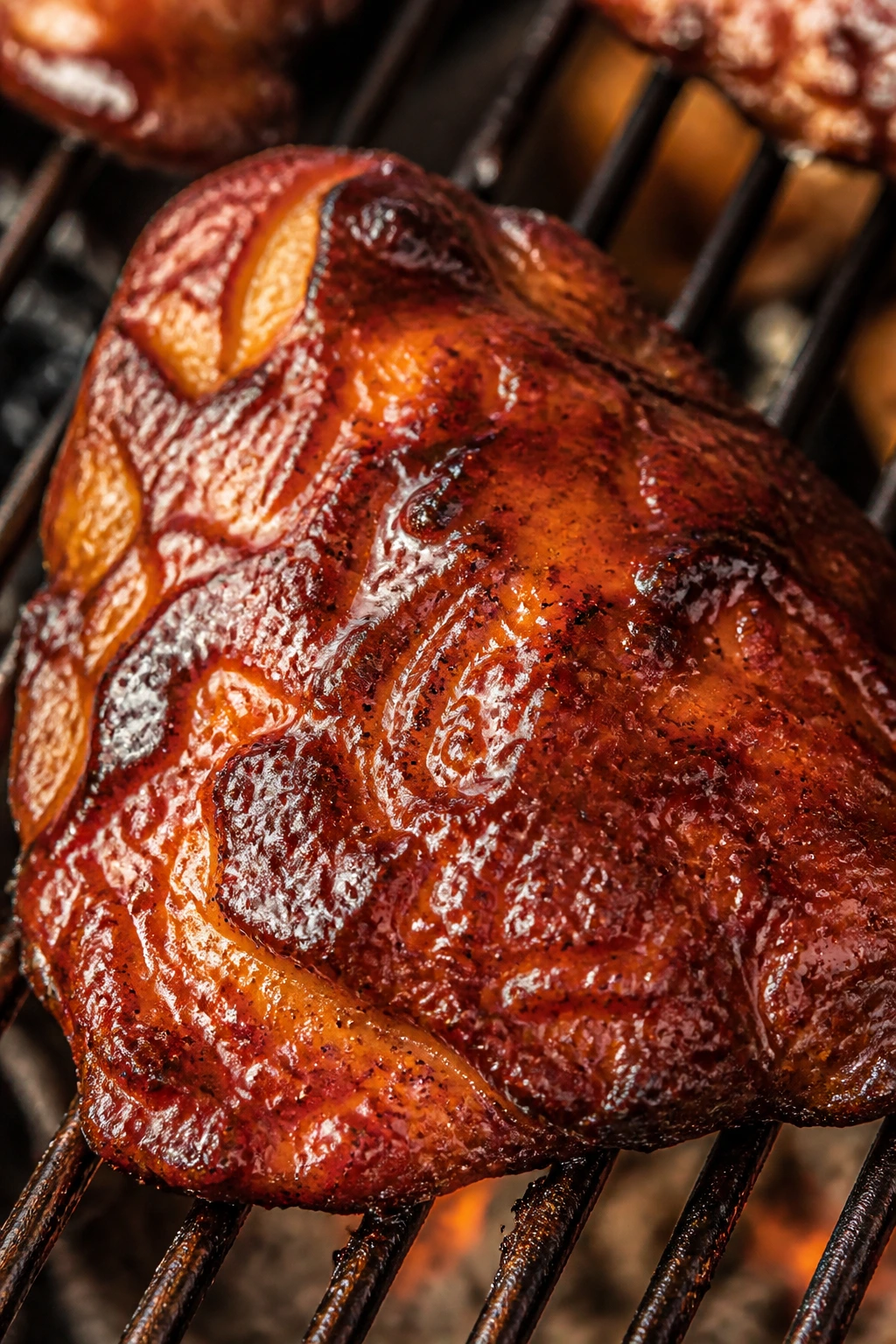
Flavor Enhancement: A teaspoon of liquid smoke can go into the marinade if your grill setup is weak on smoke, but I’d add it sparingly. Too much liquid smoke tastes like a bottle and not a fire.
Customization: If you want a rounder, deeper flavor, swap 1 tablespoon of the brown sugar for 1 tablespoon of bourbon or dark beer. The alcohol cooks off fast, but the flavor stays behind, especially on pork.
Serving Suggestions: A final squeeze of lemon over grilled chicken or a dusting of flaky salt on sliced beef right before serving keeps the glaze from tasting sticky. Fresh herbs sound like a small thing. They aren’t. A handful of chopped parsley changes the whole plate.
Make-It-Yours: For gluten-free cooking, use tamari and a gluten-free Worcestershire sauce. For lower-sodium cooking, cut the soy sauce to 3 tablespoons and add 1 tablespoon water so the marinade still has enough liquid to coat properly. For a little more heat, add a pinch of crushed red pepper or a spoonful of minced chipotle in adobo.
The biggest upgrade is not an ingredient. It’s control. Give the marinade enough time, give the grill a hot but not raging fire, and give the meat a rest before slicing. Those three things matter more than any flashy add-in.
Common Mistakes That Turn a Good Marinade Into a Sticky Mess
-
Marinating chicken breast too long: The symptom is a tight, almost rubbery surface after grilling. The fix is to keep breast meat in the marinade for 2 to 4 hours, not overnight.
-
Using the same bowl of marinade as a finishing sauce: The risk is obvious, but people still do it. If the marinade touched raw meat, discard it or boil it for at least 3 minutes before brushing it on cooked food.
-
Cooking over a flame that’s too hot: Sugar and molasses blacken fast. If you smell burnt sugar before the meat is done, move the food to a cooler part of the grill or lower the heat.
-
Skipping the pat-dry step: Meat pulled straight from the bag can steam instead of sear. A quick blot with paper towels gives you better browning and a cleaner crust.
-
Over-salting before tasting: Soy sauce and Worcestershire already carry salt, so adding a full spoon of extra salt can push the marinade over the edge. Taste first, then adjust.
-
Leaving vegetables in the marinade too long: Mushrooms and zucchini can go from well-coated to limp in a short time. Fifteen to thirty minutes is enough for most vegetables, and longer usually makes the texture worse.
One more thing. If the marinade tastes too sweet in the bowl, do not panic and dump in more sugar or more vinegar at random. Taste, then fix one side at a time. The mistake people make most often is chasing balance with three adjustments at once.
Flavor Variations That Keep the Same Backyard Feel
Smoky Chipotle Backyard Marinade
Stir in 1 to 2 tablespoons minced chipotle in adobo and reduce the black pepper to 1/2 teaspoon. The chipotle adds heat and a deeper smoke note that works especially well on pork chops and chicken thighs.
Honey-Bourbon Grill Marinade
Replace the brown sugar with 3 tablespoons honey and add 2 tablespoons bourbon. This version feels a little softer and rounder, and I like it best on pork tenderloin or bone-in chicken pieces where the sweeter finish has room to brown without overwhelming the meat.
Gluten-Free Cookout Marinade
Use tamari instead of soy sauce and certified gluten-free Worcestershire sauce. Everything else stays the same. The flavor barely changes, which is exactly what you want from a good swap.
Bright Citrus BBQ Marinade
Replace 2 tablespoons of the apple cider vinegar with fresh orange juice and add 1 teaspoon lime zest. This one leans brighter and is excellent on chicken or tofu, especially if you’re serving it with a crisp slaw on the side.
Make-Ahead, Storage, and Freezer Notes
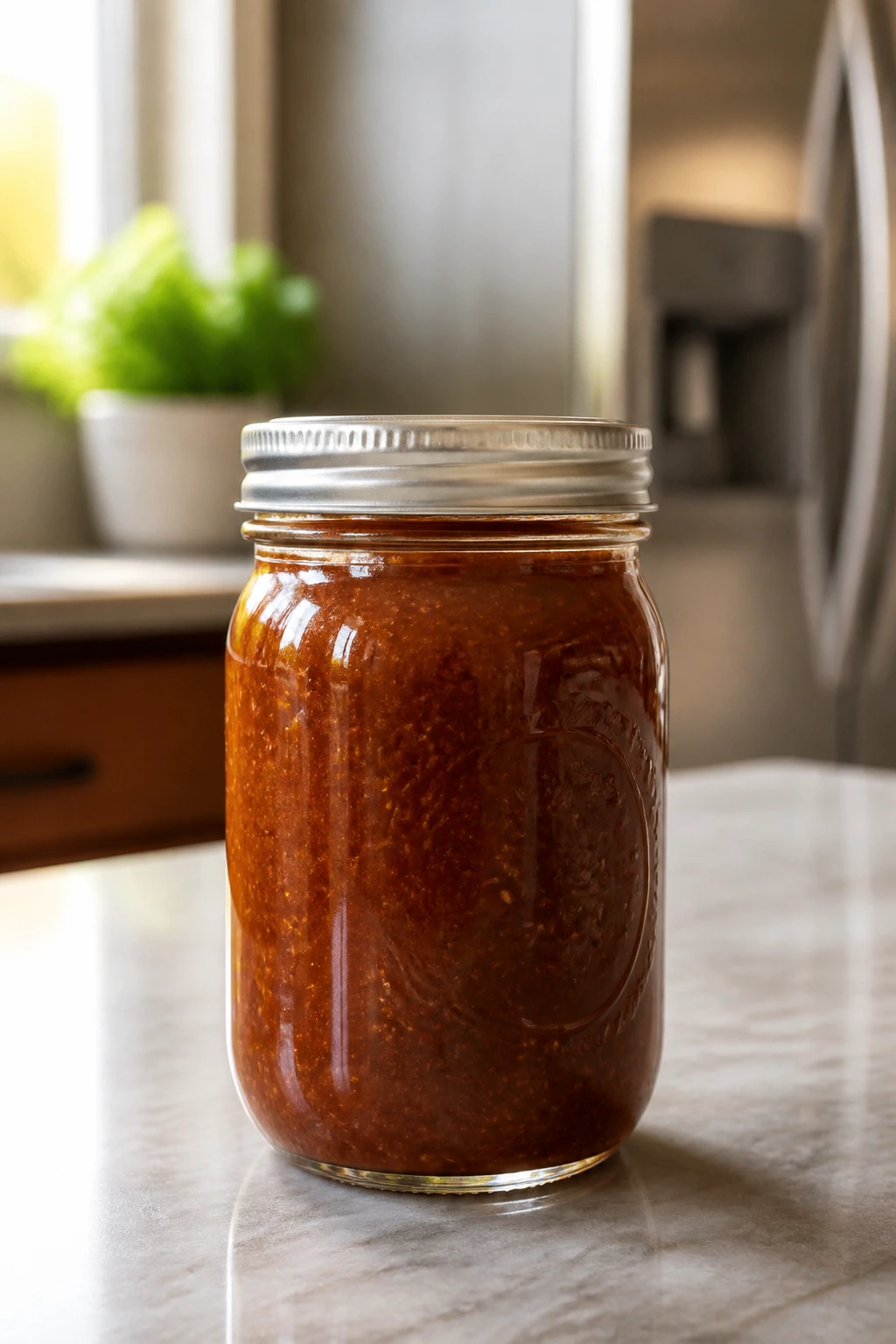
A mixed marinade like this keeps well in a sealed jar or container in the refrigerator for up to 1 week. The flavor deepens after a day, which is one of those rare times when make-ahead prep actually improves the result. If you want to prep for a cookout, whisk the marinade the day before and leave it in the fridge overnight. A quick shake or whisk before using brings it back together.
Freezing works too. Pour the marinade into a freezer-safe bag or small container and freeze it for up to 3 months. I like freezing it in 1/2-cup portions so I can thaw exactly what I need instead of committing the whole batch to one meal. Thaw it overnight in the refrigerator, then whisk again before using because the oil may separate a bit.
Once the marinade has touched raw meat, it does not get a second life unless you boil it first. That’s straight food safety guidance, and it’s not negotiable. If you want sauce for the table, reserve a clean portion before the meat goes in, or simmer the used marinade for at least 3 minutes and use it as a glaze only after it has boiled.
For cooked leftovers, store grilled meat in the refrigerator for 3 to 4 days in a covered container. Reheat in a 300°F oven loosely covered with foil, or warm sliced meat in a skillet with a tablespoon of water so it doesn’t dry out. I’d skip the microwave unless you’re in a hurry and don’t care about the edges.
The marinade itself is best used fresh, but the flavor does hold nicely overnight. That makes it a solid make-ahead move for cookout days when the grill already has enough moving parts.
Frequently Asked Questions
Can I use this BBQ marinade on chicken breasts?
Yes, but keep the soak short — usually 2 to 4 hours. Chicken breasts are lean, so too much acid time can make the outside feel tight and a little chalky once it hits the grill.
Do I have to boil the leftover marinade before using it again?
Only if it touched raw meat. If you reserved a clean portion before marinating, that part can be used as a glaze or brushed over cooked meat. Once raw meat has been in the bowl or bag, boil the used marinade for at least 3 minutes if you want to serve it.
Can I make this marinade without soy sauce?
Tamari is the easiest swap if you need gluten-free or just want a similar flavor. Coconut aminos also work, but they’re sweeter and less salty, so you may want a little extra kosher salt to keep the balance right.
How long should pork chops sit in the marinade?
Thicker pork chops do well for 2 to 6 hours. Thin chops need the shorter end of that window because they pick up flavor fast and can start to soften too much if you leave them too long.
Can I use it on vegetables and tofu?
Yes. Mushrooms, peppers, zucchini, and onions only need 15 to 30 minutes. Pressed tofu can sit for 30 to 60 minutes and will pick up the smoky-sweet flavor nicely if you give it a hot grill afterward.
What if the marinade tastes too sweet?
Add 1 teaspoon of vinegar and taste again before changing anything else. If it still feels heavy, a pinch more black pepper or a little more mustard often helps better than dumping in more acid.
Can I thin the marinade if it feels too thick to coat?
Yes. Add 1 to 2 tablespoons of water or apple juice and whisk again. I’d avoid adding too much or the marinade starts to lose the cling that makes it work well on the grill.
A Better Bottle to Reach for by the Grill
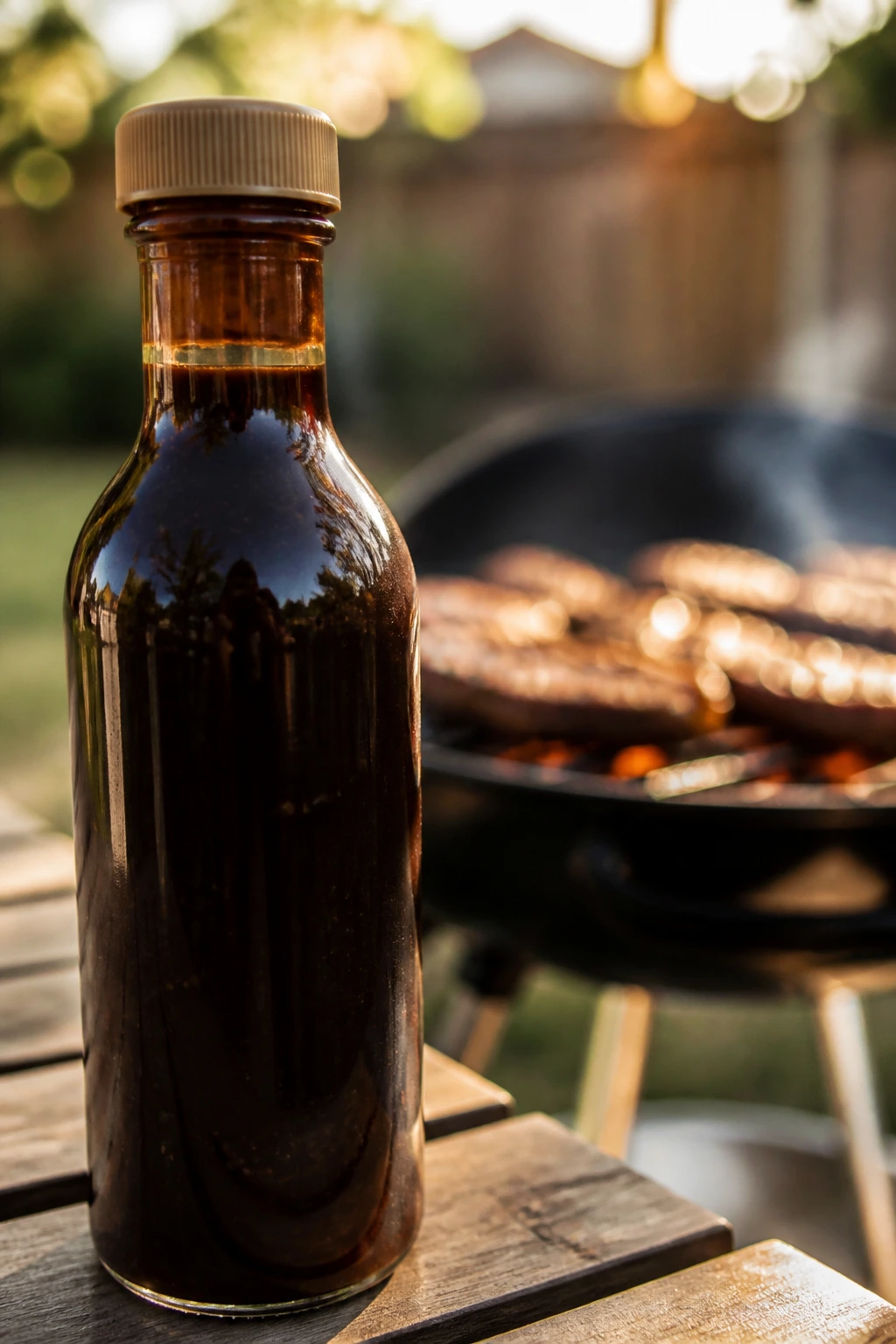
A marinade like this earns its keep because it knows what it is. It isn’t trying to be a sauce, a rub, and a braising liquid all at once. It’s trying to do one job well: coat the meat, season it with enough salt and smoke to matter, and help the grill leave a dark, juicy finish behind.
That’s why I like it for backyard cookouts. It scales cleanly, it behaves on chicken thighs and pork chops, and it still has enough personality for flank steak or a tray of mushrooms. If you keep an eye on the timing and don’t let the sugar get too much heat too fast, it does exactly what you wanted when you started whisking.
Juicy BBQ Marinade for Backyard Cookouts — Recipe Card
Recipe Name: Juicy BBQ Marinade for Backyard Cookouts
Description: A tangy, smoky, lightly sweet BBQ marinade that clings to chicken, pork, beef, or vegetables and helps the grill build a glossy, juicy finish.
Prep Time: 10 minutes
Cook Time: 0 minutes
Total Time: 10 minutes, plus marinating time
Course: Condiment, Marinade
Cuisine: American
Servings: Makes about 1¾ cups, enough for 2½ to 3 pounds meat or vegetables
Calories: About 50 kcal per 2 tablespoons
Ingredients
For the Marinade:
- 1/2 cup ketchup
- 1/4 cup packed dark brown sugar
- 1/4 cup apple cider vinegar
- 1/4 cup low-sodium soy sauce
- 2 tablespoons Worcestershire sauce
- 2 tablespoons Dijon mustard
- 2 tablespoons molasses
- 2 tablespoons olive oil
- 4 garlic cloves, finely grated or minced
- 1 tablespoon smoked paprika
- 1 teaspoon onion powder
- 1 teaspoon freshly ground black pepper
- 1/4 teaspoon cayenne pepper, optional
- 1/2 teaspoon kosher salt, only if your soy sauce is very low sodium
Instructions
- Whisk together the ketchup, brown sugar, apple cider vinegar, soy sauce, Worcestershire sauce, Dijon mustard, olive oil, molasses, garlic, smoked paprika, onion powder, black pepper, cayenne if using, and kosher salt if needed until smooth and glossy.
- Taste and adjust with a little more vinegar for brightness or a little more sugar for sweetness.
- Reserve up to 1/3 cup of clean marinade if you want a sauce or glaze later.
- Coat 2½ to 3 pounds of meat or vegetables, then refrigerate for the proper marinating time: 2 to 8 hours for chicken thighs or pork chops, 1 to 4 hours for flank steak, and 15 to 30 minutes for vegetables.
- Remove the food from the marinade, let excess drip off, and grill over medium-high heat until cooked through.
- Discard used marinade that touched raw meat, or boil it for at least 3 minutes before using it as a glaze.
Notes: Use tamari and gluten-free Worcestershire if needed. Marinate chicken breasts for a shorter window than thighs, and don’t leave vegetables in the marinade too long. Refrigerate unused marinade up to 1 week or freeze up to 3 months.