



The best backyard cookouts don’t smell like a grease fire. They smell like corn silk singeing off the husk, chicken skin tightening over heat, and peaches turning sticky at the cut face while the table fills with cold tomatoes, herbs, and ice clinking in glasses.
That balance is what makes a charred summer meal plan for backyard cookouts work. One plate of random grilled things can feel loud and uneven. A real plan has rhythm: one or two proteins that can handle flame, vegetables that blister instead of collapse, a cold side to cut through the smoke, and a sauce that wakes everything up after the first few bites. Burnt food is bitter and dead. Proper char has sweetness in it.
Grill menus fall apart when every dish asks for the same amount of attention at the same moment. A good cookout spread spreads the work around. One item can rest. Another can sit in a cooler. Something else can grill in five minutes while you’re setting out plates and trying not to forget the lemon wedges. That’s the whole game, really. Keep the fire doing the hard part, and let the rest of the meal be cool, calm, and already half-finished before anyone shows up.
Why This Meal Plan Feels Easier on the Cook
Built-in contrast: Smoky grilled food needs a cool, crisp counterpoint, or the whole plate starts tasting heavy by the third bite. A vinegar slaw, cucumber salad, or yogurt sauce keeps the char from turning into a smoke parade.
Flexible heat zones: Foods with different cook times can share the same grill if you plan for direct and indirect heat. Chicken thighs, corn, zucchini, and steak all like flame, but they do not want the same amount of it.
Less panic at the grill: The parts that can be made ahead—dressings, slaws, herb sauces, dessert fruit—take the pressure off the last ten minutes, which is where most cookouts get sloppy. Cold bowls in the fridge are worth more than one extra marinade.
Better crowd math: A menu built from components makes scaling easy. Add another tray of potatoes or another bunch of scallions and you’ve increased the meal without creating a second dinner.
More useful leftovers: A planned grill spread gives you ingredients that hold up the next day. Sliced steak, roasted peppers, grilled corn, and herb sauce all have a second life. Dry chicken breast on a foil plate does not.
The Flavor Formula Behind Good Char
Char is not a flavor by itself. It’s a seasoning that works when the rest of the food is doing its job.
The first thing to understand is that a little darkness is not the same as burnt edges. On corn, peaches, onions, and chicken skin, the browning gives you sweetness, nuttiness, and that faint bitterness that makes the next bite feel brighter. Push it too far, though, and you lose the good part. Blackened patches that smell sharp and ashy are not “extra flavor.” They’re the point where the food starts tasting like a lesson.
Salt Before Heat
Salt changes what happens on the grill. Chicken thighs salted ahead of time taste deeper all the way through. Zucchini salted too early, on the other hand, turns soft and moody before it ever sees the grate, so I salt it right after oiling or even after grilling if it’s a thin slice. Steak benefits from a proper salt rest of at least 40 minutes, and if you have time, a few hours in the fridge uncovered dries the surface enough to brown faster.
Acid at the End
Lemon juice, vinegar, pickled onions, and green sauces are not decorative. They keep charred food from tasting flat. A grilled pork chop with a splash of cider vinegar and mustard suddenly tastes bigger. Corn brushed with lime and cotija gets sharper and cleaner. Even grilled peaches, which sound indulgent and slightly ridiculous, need a squeeze of citrus or a spoon of tart yogurt to keep the sugar from taking over.
Smoke Needs a Cold Counterpart
A cookout plate gets tired when everything is hot, rich, and dense. That’s why I almost always want one cold thing with crunch. Cucumber salad. Vinegary cabbage. Tomatoes with basil and flaky salt. A chilled bean salad with onions and parsley. The cold part is not a side issue. It’s what lets the grilled part stay exciting instead of muddy.
A Backyard Cookout Menu You Can Actually Pull Off
If you want one meal plan to keep in your pocket, use this one for 8 guests and scale it up or down from there.
Main proteins
- 3 to 3½ pounds bone-in, skin-on chicken thighs
- 2 to 2½ pounds flank steak, skirt steak, or flat iron steak
Vegetables
- 8 ears corn
- 3 medium zucchini, cut lengthwise
- 2 red bell peppers, quartered
- 1 large red onion, cut into thick wedges
- 1 pound mushrooms or 1 large head of romaine, split lengthwise
Cold sides
- 1 large bowl vinegar slaw with cabbage, fennel, or both
- 1 tray potato salad with mustard and herbs
- 1 cucumber-tomato salad or bean salad
Sauces and finishes
- 1 jar chimichurri or herb sauce
- 1 bowl yogurt-herb sauce or garlicky aioli
- Lemon wedges, pickled onions, and flaky salt
Bread and dessert
- 1 to 2 loaves ciabatta, sourdough, or flatbread
- 4 to 6 peaches, nectarines, or plums for the grill
- Vanilla ice cream or whipped crème fraîche
That spread gives you smoke, salt, acid, crunch, and a cold finish without turning the table into a buffet line of competing flavors. The steak and chicken give guests a choice without forcing you to cook six different things. The vegetables are chosen because they tolerate high heat and hold up once they come off the grill. The sides can sit in the fridge while you handle the fire.
How I’d scale it
For 4 people, cut the protein in half and keep the same side structure. Grill fewer vegetables, but keep the sauce and one cold salad exactly the same. The sauce is what makes the smaller meal feel finished.
For 12 people, add another pound and a half of chicken thighs, another steak or a tray of sausages, and double the corn. Do not double every side. Pick one cold salad to increase and one starch to increase, or you’ll end up with a table full of leftovers and not enough attention on the good stuff.
What I’d prep first
Make the sauce, chill the slaw, boil or roast the potatoes if you’re using them, and cut the vegetables before the grill even lights. Once the food hits heat, the menu moves fast. The cool parts should already be done.
Proteins That Hold Up to Flame
Chicken breast gets invited to too many cookouts. I said it.
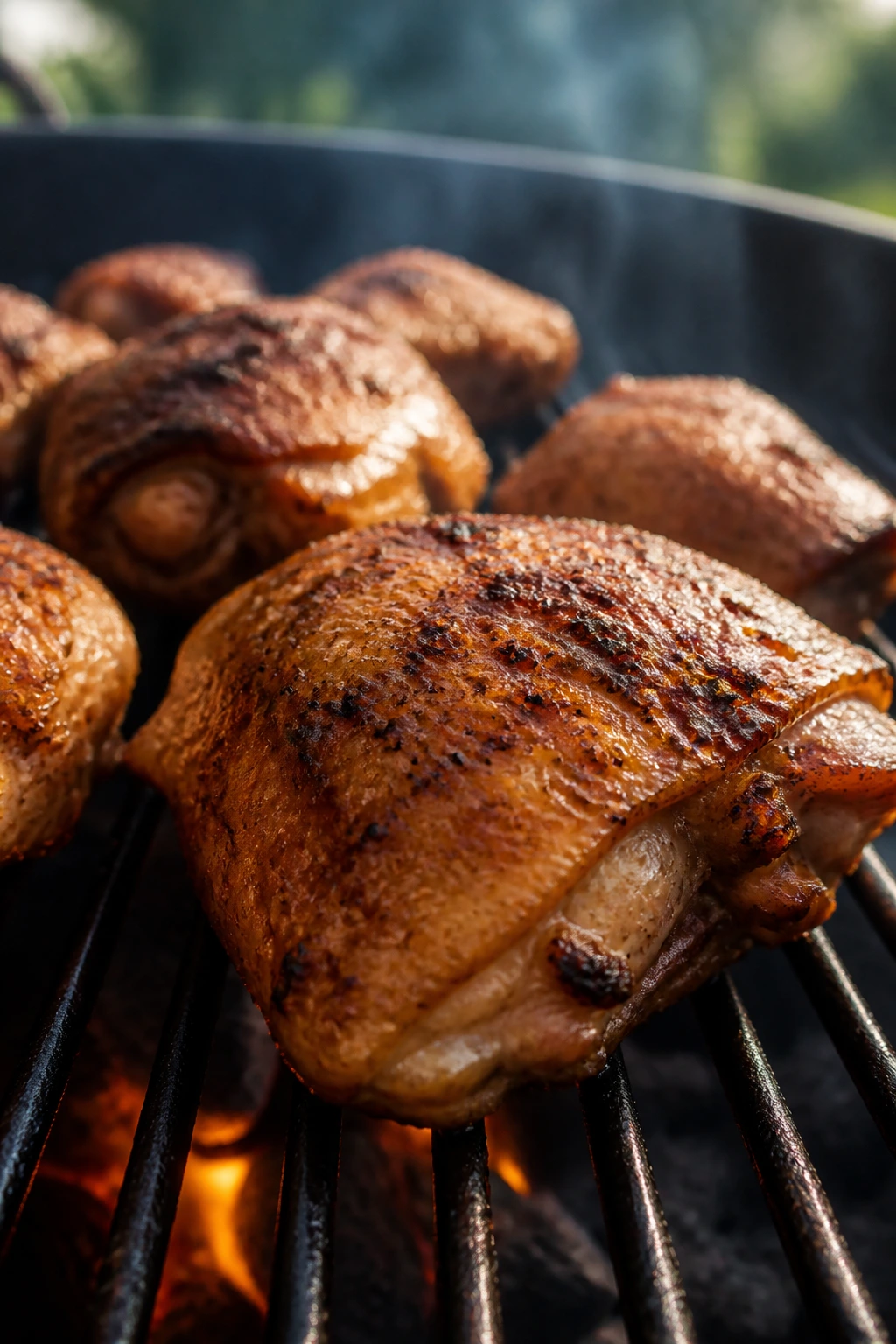
It can work, but it gives you almost no room for error, and nobody wants to babysit lean meat while guests keep asking when dinner is ready. Bone-in chicken thighs are the better answer for most backyard meals. They stay juicy longer, the skin gets crisp without turning leathery, and the darker meat can take a little extra time while you finish the vegetables or rest the steak. Season them well, grill over medium heat, and pull them when the thickest part hits 165°F.
Chicken thighs that don’t dry out
Use skin-on, bone-in thighs if you can find them. The skin protects the meat, and the bone keeps the center from overcooking before the outside catches color. I like them with garlic, lemon zest, olive oil, black pepper, and oregano or thyme. They can marinate for 2 to 12 hours, but if you salt them early and let them sit uncovered in the fridge for an hour, the skin dries enough to brown faster.
Steak with some backbone
Flank steak, skirt steak, or flat iron makes sense for cookouts because the cook time is short and the flavor is strong enough to stand next to corn, peppers, and smoke. Pat the meat dry, salt it ahead, and grill it hot and fast. Pull flank or skirt at about 125°F to 130°F for medium-rare, then rest it 5 to 10 minutes before slicing across the grain. If you slice it the wrong way, it will eat like shoe leather no matter how perfect the fire was.
Sausage, pork chops, and the forgiving middle ground
Fresh sausage links are a smart backup when you want one more protein that won’t punish you for talking too long. Pork chops work too, especially one-inch thick chops with a simple brine or dry salt rub. Pork wants 145°F with a rest, and the difference between juicy and dried-out is often two or three minutes, not a heroic rescue mission. If you’re feeding a mixed crowd, I’d rather have sausage than a pile of overcooked chops.
Fish and shellfish if you’re keeping it light
Salmon fillets, shrimp skewers, and even thick fish steaks can fit this meal plan, but they need different handling. Fish goes on the grill last because it cooks fast and waits badly. Shrimp should be just opaque and curled; salmon wants enough heat to release cleanly from the grate, not enough time to fall apart while someone hunts for a spatula. If you go this route, keep the sauce bright and the sides crisp.
Vegetables That Earn a Place on the Grate
A sad grilled vegetable has one thing in common with a bad haircut: it was rushed.
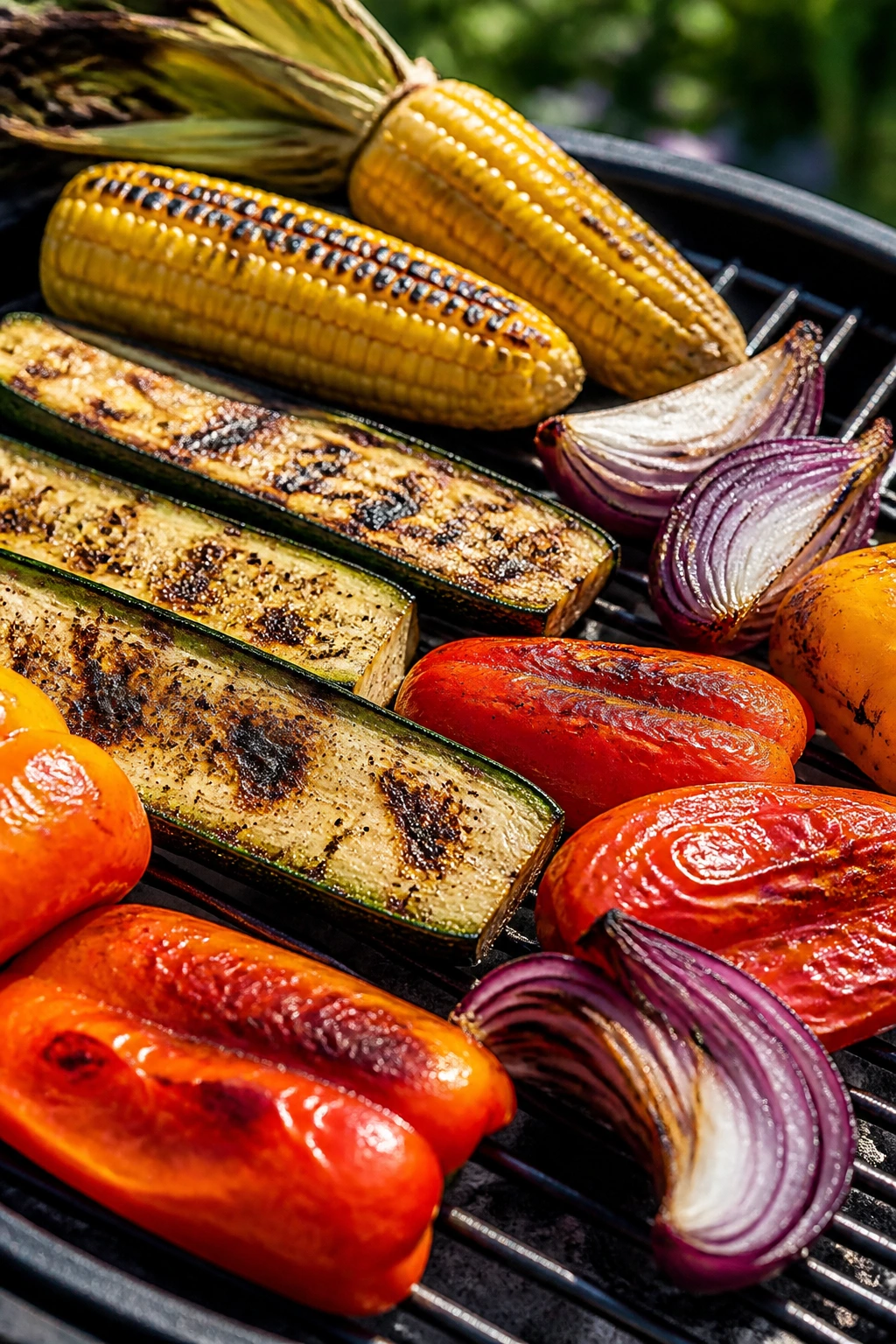
The vegetables that shine on a summer grill are the ones with enough structure to survive heat and enough water to stay sweet inside. Corn, zucchini, peppers, onions, eggplant, mushrooms, asparagus, romaine, and scallions all behave well if you cut them at the right size and give them a light coat of oil. The oil is not there to drown them. It’s there so they make contact with the metal instead of steaming in their own moisture.
Corn that tastes like summer, not cafeteria food
Corn can go two ways: blistered and sweet, or dry and disappointing. I prefer it husked so the kernels touch the grate directly, but grilling in the husk works if you want a little steam first. Turn ears every 2 to 3 minutes until the kernels have patches of brown and the sugars smell nutty. Finish with butter, lime, and salt, or let it sit for a salad with tomatoes and scallions.
Zucchini, peppers, and onions
Cut zucchini lengthwise into planks, not coins. Coins fall through grates and overcook fast. Pepper quarters should stay big enough to flip cleanly, and onion wedges need the root end intact so they don’t unravel. I grill peppers until the skins blister and the flesh turns soft, usually around 8 to 10 minutes, and I pull onions when the edges are charred and the centers are sweet enough to eat like candy.
Eggplant and mushrooms for real char
Eggplant wants thickness. Thin slices can turn floppy and oily before they brown. Go with half-inch rounds or long slabs, salt them if they’re especially seedy, then grill until the surface goes glossy and dark. Mushrooms do something different; they shrink and concentrate. A large portobello cap brushed with oil can take on smoke beautifully, but you need enough heat to drive off moisture instead of trapping it.
Quick-cooking greens and fruit
Romaine halves, scallions, and peaches are the little surprises that make the spread feel alive. Romaine gets smoky at the edges and stays cool in the center if you keep it on the heat only long enough to mark the leaves. Scallions need barely a minute or two. Peaches should be firm-ripe, cut side down, just long enough to caramelize the sugars without collapsing into jam.
Sides That Can Wait in the Fridge
A cookout without a cold side feels unfinished. Hot food needs something with bite.
I have a bias here, and it’s not subtle: a vinegar-driven side beats a heavy mayo bowl when the weather is warm and the table is outside. That doesn’t mean potato salad is banned. It means the dressing should be smart enough to survive sitting out a little while. Mustard, herbs, and olive oil keep potatoes from turning to glue, and a crisp slaw with vinegar and celery seed keeps the plate from getting sleepy.
Potato salad that actually matches grilled food
Boiled potatoes tossed with Dijon, chopped dill, parsley, scallions, and a good splash of vinegar can sit next to steak or chicken without fighting them. If you like mayo, add a little for body, but don’t let it become frosting. The ideal version tastes bright on the first bite and a little more rounded as it warms.
Slaw that stays crisp
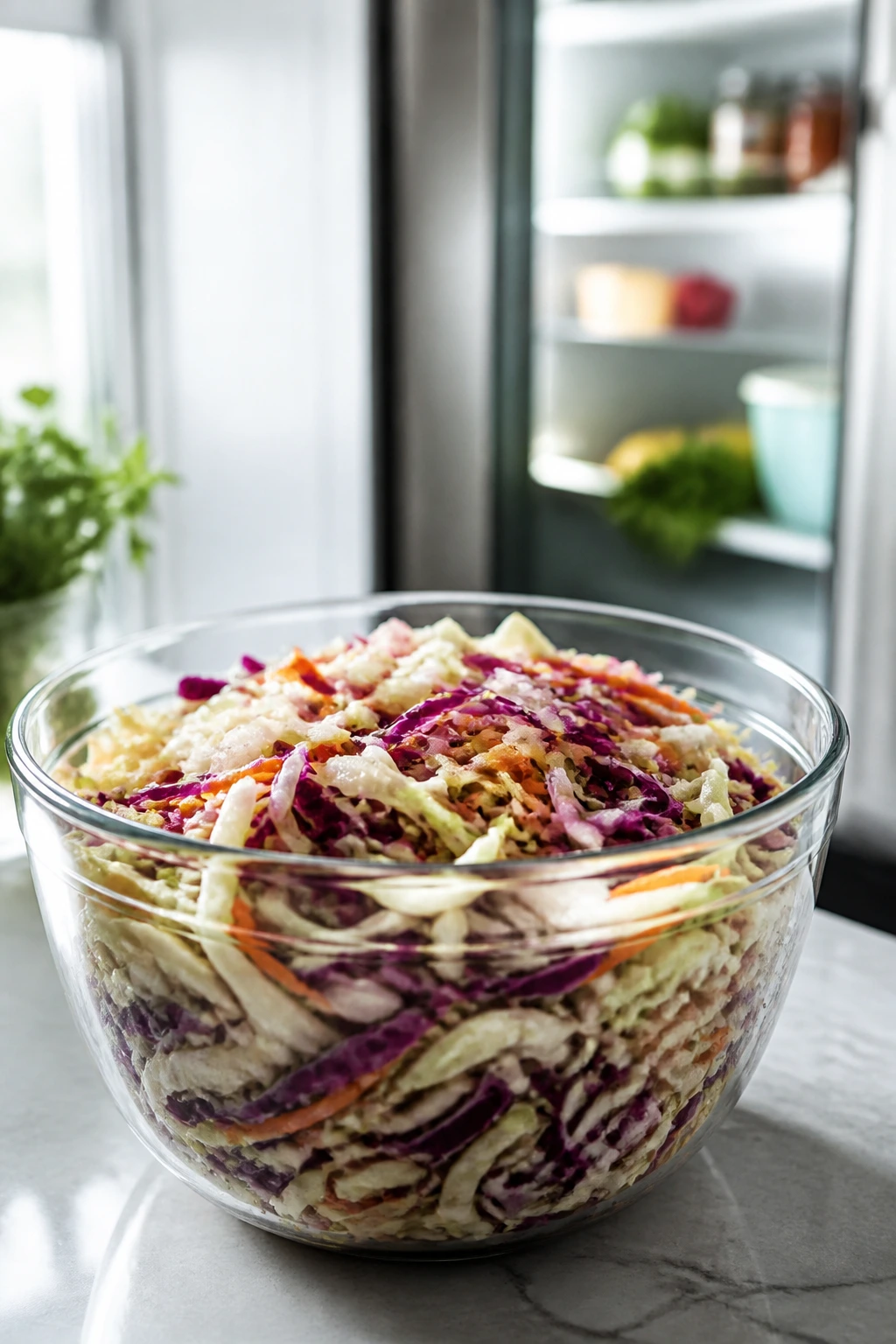
Cabbage slaw holds better than delicate lettuce, and it tastes better after it sits for an hour or two. A sharp dressing with vinegar, mustard, salt, pepper, and a touch of sugar is enough. Add fennel if you want a licorice snap, or apples if you want sweetness and crunch. I like slaw with grilled chicken because the contrast is honest. It cuts through the skin and resets the palate.
Bread, beans, and grain sides
Grilled bread belongs on the table. It catches sauce, grabs juices, and gives the meal a little chew. Beans work too—black beans with lime and onion, or white beans with parsley and olive oil. Farro, couscous, or herbed rice can fill the gap if you need a sturdier starch, but I wouldn’t run three starches at once unless you’re feeding a crowd that wants to sit around and keep eating for hours.
Keep one side cold on purpose
A tomato-cucumber salad, a bean salad, or even a tray of sliced watermelon with mint gives the menu a cooling edge. That’s not garnish. That’s relief. When the grill is hot and the air feels heavy, one cold, clean side keeps everyone reaching for another plate.
Sauces, Relishes, and Finishing Oils
Good sauce on a cookout plate should feel like a bright exhale, not a blanket.
A lot of backyard meals go bland because the cook assumes the smoke will do all the work. It won’t. Smoke adds depth, sure, but the finish is where the meal gets its shape back. A spoonful of herb sauce on steak, a drizzle of yogurt dressing on chicken, a little tomato relish on pork, or even plain lemon and olive oil on vegetables can turn the same grilled ingredient into something that tastes deliberate.
The sauces I trust most
Chimichurri is the first one I reach for with steak, mushrooms, and bread. It brings parsley, garlic, vinegar, and oil, which means it can cut through char without making the meat taste wet. Yogurt-herb sauce is the safer, cooler answer for chicken, potatoes, and corn. It likes dill, mint, garlic, lemon, and a pinch of salt. If you want something with a little more smoke, a tomato relish with shallot, vinegar, and olive oil does a nice job on pork chops or halloumi.
Relishes and pickles do a lot of heavy lifting
Pickled onions are one of those cheap, useful things that make people think you worked harder than you did. Thinly sliced red onions soaked in vinegar and salt soften just enough to lose the sharp bite. Spoon them onto grilled meats, tuck them into sandwiches, or scatter them over charred vegetables. Quick-pickled peppers do the same job with more heat.
Finish, don’t bury
The biggest mistake with sauce is too much of it. If the grill marks disappear under a thick coat, you might as well have made stew. Use enough to brighten the food, not enough to hide the char. A tablespoon or two per serving usually does the job.
The Timing Plan That Keeps the Grill from Owning You
A backyard cookout feels smooth when the work starts hours before the first guest reaches the patio.
Most people think grill night is about fire management. It’s actually about sequence. The minute food is organized by how long it needs to cook and how well it holds, the whole evening gets easier. Cold sides can wait. Vegetables can be grilled first and held at room temperature. Meats can rest. Fruit can go on last.
The day before
Make the sauces, dressings, and pickles. Trim the meat. Wash the vegetables. If you’re doing potato salad, boil the potatoes and dress them once they’re cool enough to handle. If you’re marinating chicken, let it sit in the fridge overnight. Cut bread into serving pieces only if you want to toast it fast the next day; otherwise leave the loaf whole and slice it before grilling.
The day of
Two to three hours before dinner, pull the cold sides together and let them chill. Salt the steak if you haven’t already. Oil the grill grates and check that your tongs, platter, thermometer, and resting tray are sitting where you can reach them without crossing the patio five times.
About 45 minutes before eating, start the fire. For charcoal, I like a two-zone setup: a hot side for searing and a cooler side for finishing. For gas, turn one side high and keep the other at medium or off. That little patch of cooler heat is what saves dinner when a chicken thigh wants a minute longer than expected.
The grill order
Start with the vegetables and bread if you want to serve them warm but not piping hot. Then move to steak or thinner proteins. Finish with chicken thighs or anything that needs a little more time. Fruit goes on at the end because it only needs enough heat to brown the cut sides and wake up the sugars. Rest the meats while you bring the rest of the platter to the table. That pause is not wasted time. It is the difference between juicy and dry.
Smart Shopping for the Best Grill Ingredients
You can make a backyard meal plan much better just by buying the right versions of ordinary things.
For meat, look for thickness and shape more than fancy labels. Chicken thighs should be even in size if you want them to finish together. Steak should be at least one inch thick so the outside can brown before the center runs past medium-rare. Sausage should be fresh, not pre-cooked, if you want it to take on real grill flavor.
For corn, the husk should be green and tight, and the silk should look fresh rather than dry and brittle. Sweet corn loses charm fast once it’s picked, so buy it close to when you plan to grill it. Zucchini should be medium, not huge. The giant ones are watery and seedy, and they turn limp before they get much color.
A few shopping rules I follow
- Buy more herbs than you think you need. Parsley, dill, mint, and basil disappear fast once they’re chopped.
- Choose sturdy bread with some chew. Thin sandwich bread will collapse under juices.
- Pick peaches or nectarines that give a little near the stem. Rock-hard fruit won’t char evenly.
- Grab two acids if you can—one lemon or lime, one vinegar. They do different jobs.
- Don’t skip kosher salt and flaky finishing salt. The second one is what makes grilled vegetables taste finished.
What not to buy
Pre-cut vegetables save time, but they often dry out in the case before you get home. Bagged salad mixes can work for a side, though they’re fragile next to a smoky menu. And if your steak is already paper-thin, don’t expect grill magic to rescue it. The heat does not fix everything.
Tools That Make Backyard Cookouts Easier
The right tools don’t make you fancier. They make you calmer.
- Instant-read thermometer — The one thing I wouldn’t skip. Guessing doneness on chicken and steak is how dinner gets ruined quietly.
- Long metal tongs — Better than a spatula for turning vegetables, bread, and protein without tearing the surface.
- Grill brush or scraper — A clean grate gives you better browning and keeps old residue from sticking to peaches and onions.
- Two rimmed sheet pans — One for raw items, one for cooked food. Keep them separate.
- Large serving platters — Wide, shallow platters hold heat and keep grilled food from steaming in a pile.
- Grill basket — Useful for chopped vegetables, mushrooms, shellfish, or anything that wants to fall through the bars.
- Heat-proof gloves — Especially useful on charcoal grills or when you’re moving grates and hot pans.
- Cutting board with a juice groove — Steak and grilled chicken both release liquid when they rest.
- Small bowls or squeeze bottles — Perfect for sauces, oil, lemon juice, and finishing salt.
- Lidded cooler or insulated bin — Keeps cold sides and drinks in good shape while the grill does its thing.
- Long-handled lighter or chimney starter — If you use charcoal, this saves time and frustration.
- Foil and parchment — Not glamorous. Very useful.
If you buy only one thing from that list, make it the thermometer. It pays for itself the first time you don’t overcook chicken by five miserable minutes.
How to Plate the Meal So It Feels Intentional
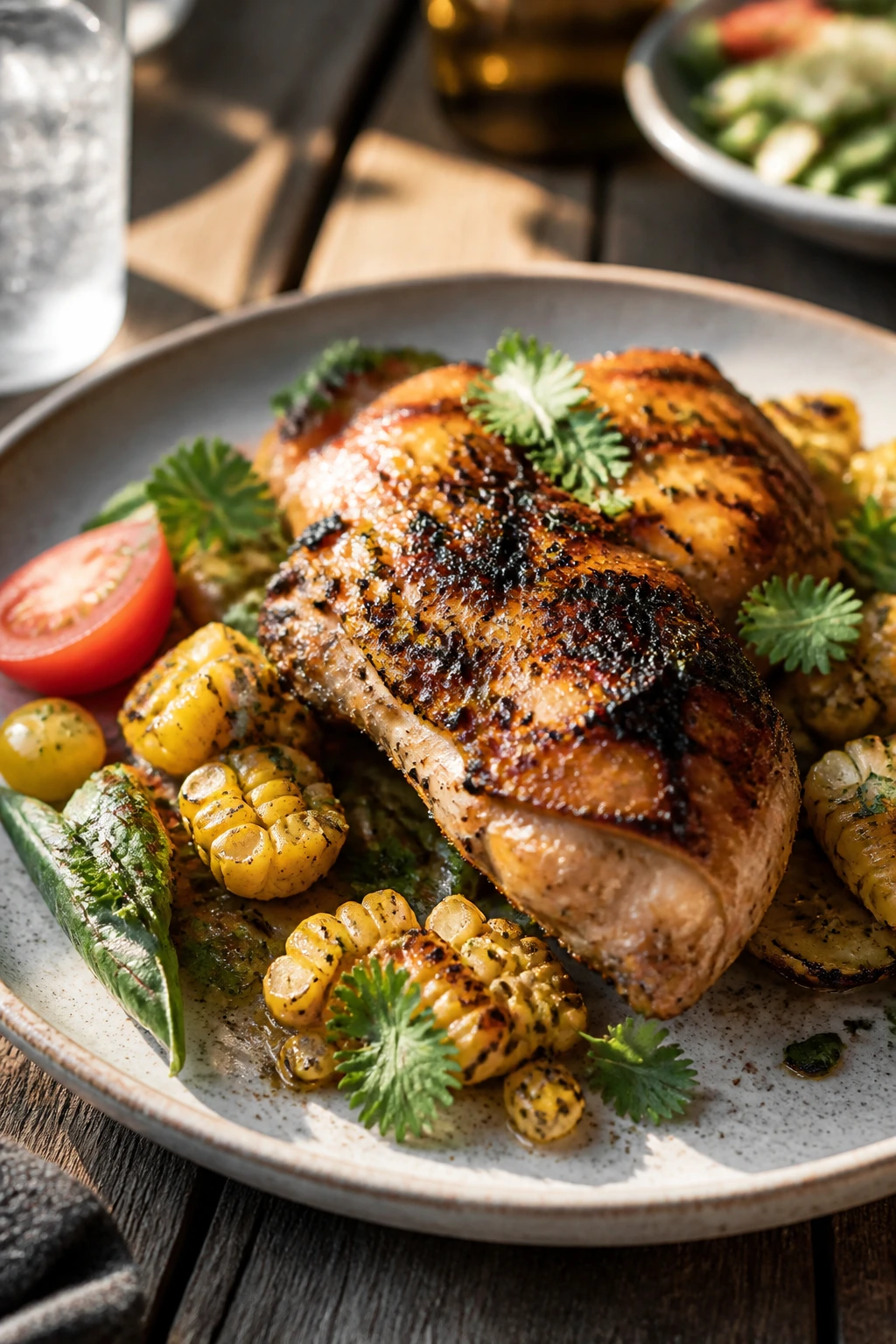
A good cookout plate doesn’t look precious. It looks considered.
Presentation: Use one large platter for the meats and another for the vegetables. Put the sauce in a bowl, not all over the food, so the char stays visible and people can control how much they use. Scatter herbs across the top right before serving—parsley, dill, mint, basil, whatever fits the menu—because chopped herbs wilt fast and look tired after ten minutes in the heat.
Accompaniments: Keep the cold salad cold. Put the slaw or cucumber salad in a wide bowl and tuck the potato salad nearby, not underneath the hot food. Grilled bread belongs on a separate basket or board so it stays crisp around the edges. Lemon wedges, pickled onions, and sliced chilies should sit where people can reach them without asking twice.
Portions: Plan on 6 to 8 ounces of protein per adult if you’re serving several sides. If the sides are sparse, lean closer to 8 ounces. One ear of corn per person is fine for a smaller dinner, but at a cookout where people graze, two ears for every three people is safer. Vegetables shrink once they hit the grill. Buy more than your brain says you need.
Beverage Pairing: Cold pilsner, dry rosé, unsweetened iced tea with lemon, or a cucumber-lime spritz all behave well next to char. Heavy cocktails can flatten the plate. You want drinks that refresh the mouth, not dress it in more smoke.
Make-Ahead, Storage, and Leftover Moves
Cookout food holds up better when you separate the parts instead of storing everything together in one big container.
The rule for outdoor food safety is simple: don’t leave perishable food out longer than 2 hours. If the air is hot and the table is baking, shorten that to 1 hour. Cooked meat, potato salad, slaw with dairy, and cut fruit all need to be chilled again once the meal is over. It’s one of those boring chores that matters a lot.
What keeps well
Grilled chicken thighs stay good in the fridge for 3 to 4 days. Steak lasts about the same, though sliced steak is best reheated gently so it doesn’t tighten up. Grilled vegetables usually keep for 3 days if they’re stored in a shallow container. Potato salad and bean salad can last 3 to 4 days depending on the dressing and how cold the fridge runs.
What freezes well
Cooked chicken freezes better than steak. If you wrap it well and freeze it promptly, it can hold for 2 to 3 months without going chalky. Sliced steak can also freeze, but the texture gets a little firmer after thawing. Grilled corn cut off the cob freezes decently for soups, salads, and salsa. Grilled peaches freeze, but the texture softens a lot, so I usually treat them as a fridge-only item.
Reheating without wrecking it
Chicken and vegetables reheat best in a 300°F oven covered loosely with foil. A skillet works too if you add a spoonful of water or broth and cover the pan for a minute or two. Steak should be warmed gently, not blasted. I prefer slicing it cold and letting it come to room temperature, or giving it just enough heat to lose the chill. Bread can go back into a hot oven for 4 to 5 minutes.
Leftover ideas that do not feel like punishment
Slice leftover steak thin and tuck it into a sandwich with pickled onions. Chop grilled corn into a salad with tomatoes and basil. Dice grilled vegetables for scrambled eggs, grain bowls, or pasta. Leftover chicken makes a very decent next-day lunch if you put it with something sharp and crunchy instead of just more bread.
Small Moves That Make the Whole Meal Taste Better
A charred summer meal plan gets better when you stop treating every part of it the same way.
Season in layers: Salt meat ahead of time, season vegetables before they hit the grill, and finish with flaky salt after they come off. That last pinch matters more than people think. It gives the char something to sit on.
Use one sharp acid: Lemon juice, rice vinegar, cider vinegar, or pickled onions should show up somewhere on the plate. Rich grilled food gets muddy without a little bite. I’d rather have a meal that tastes slightly sharper than one that drifts into soft, smoky sameness.
Keep one dish cold on purpose: A chilled slaw or cucumber salad does more than fill space. It resets the mouth between bites of meat and smoke. If you’re serving only hot food, you’re making the cookout harder than it needs to be.
Finish fruit and bread late: Grilled peaches, nectarines, and bread do not want to sit around waiting for the rest of the meal. Make them close to serving time, or they’ll go limp or stale. Bread can be rewarmed, fruit cannot be ungrilled.
Save a spoonful of sauce for the end: Chimichurri, herb oil, or yogurt sauce tastes brighter when it’s drizzled right before the platter hits the table. Heat dulls fresh herbs quickly. Let the sauce stay green and sharp.
Where Backyard Cookout Plans Go Wrong
The biggest cookout mistakes are rarely dramatic. They’re small, annoying, and very fixable.
- Crowding the grate: If the food is packed too tightly, it steams instead of browning. You’ll see pale chicken skin, soft zucchini, and steak that never quite gets a crust. Cook in batches and leave space around each piece.
- Starting everything at the same time: Corn, peppers, chicken, and steak do not share one clock. The fix is to grill in stages and use the cool side of the grill for holding.
- Using sugary marinades too early: Honey, brown sugar, and sweet glazes can burn before the meat cooks through. Save sticky finishes for the last minute or two.
- Skipping the rest: Steak and chicken need a pause before slicing. Cut them too early and the juices run out onto the board instead of staying in the meat.
- Serving only rich sides: Potato salad, bread, and grilled meat are good. Too much of it in one place gets heavy fast. Add a salad with acid and crunch.
- Cutting vegetables too small: Tiny pieces fall through grates and overcook before they brown. Bigger cuts are safer and taste better.
The symptom of a bad cookout is usually dryness, not bad seasoning. Heat was the problem all along.
Variations for Different Crowds and Diets
A good meal plan can shift without losing its shape.
The All-Chicken Table: Use chicken thighs as the main protein, then add grilled corn, zucchini, and a big bowl of slaw. This version is the least fussy and the easiest to time. It also leaves room for guests who want dark meat and guests who want something lighter without making a second menu.
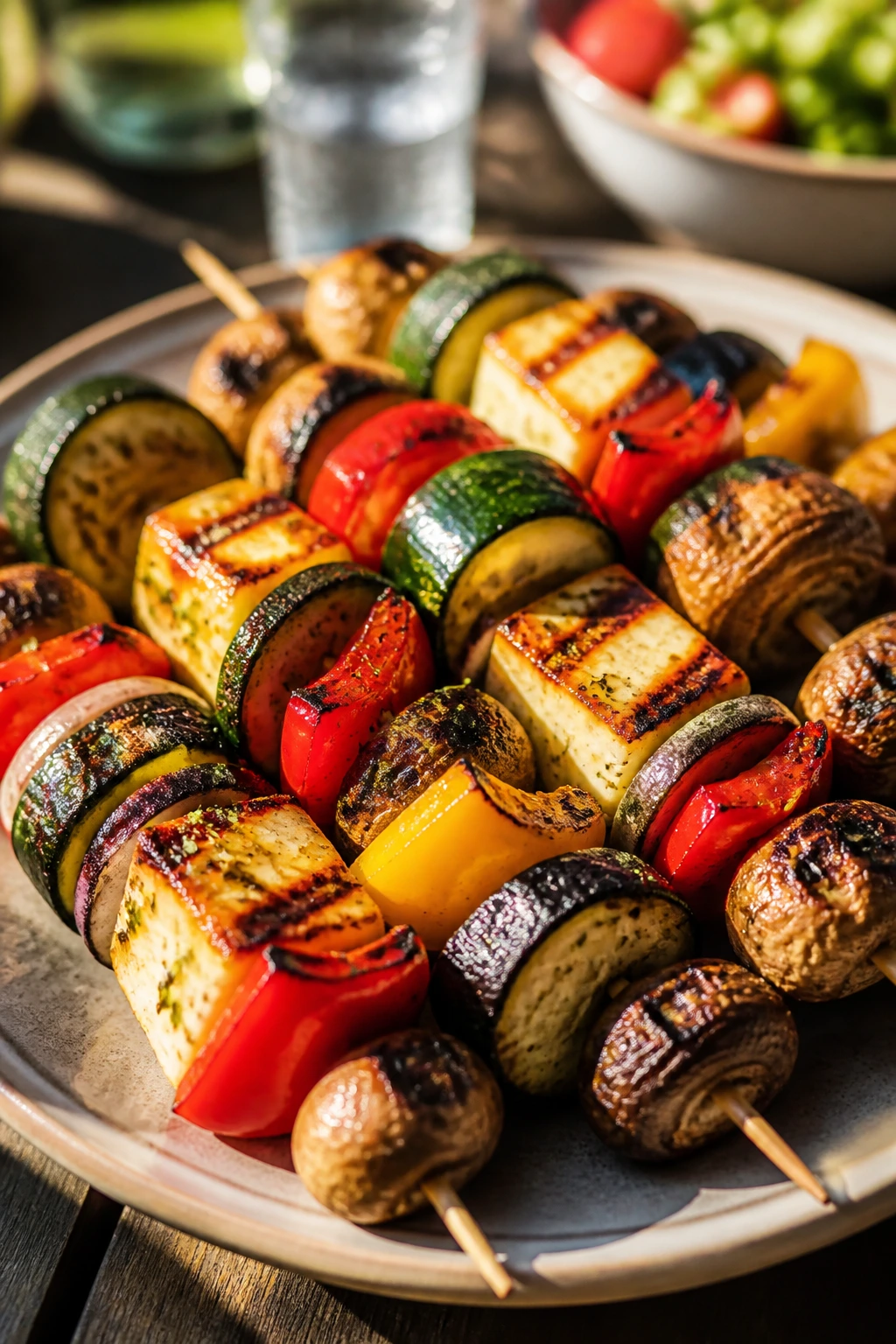
Vegetarian With Backbone: Build around halloumi, portobello mushrooms, eggplant, grilled onions, and charred romaine. Add chickpeas or white beans for heft, and keep the sauces especially bright—lemony yogurt, herb oil, or salsa verde. This isn’t a side dish pretending to be dinner. It holds its own.
Seafood by the Fire: Shrimp skewers, salmon fillets, grilled lemon, cucumber salad, and buttered corn make a lighter spread that still feels like a cookout. Keep the seafood last on the grill so it doesn’t overcook while the bread toasts. A dill sauce or a caper-laced yogurt works well here.
Budget-First Backyard Dinner: Sausages, drumsticks, potato salad, cabbage slaw, and grilled onions keep costs down without making the meal feel stripped bare. Sausage gives you rich flavor from a smaller protein budget, and drumsticks are far less touchy than boneless chicken breasts.
Low-Carb Plate: Steak or chicken thighs, grilled asparagus, tomatoes with herbs, and a yogurt sauce make a meal that stays light without leaving people hungry. Swap bread for extra vegetables and bring the acid forward. The char does the rest.
Questions People Ask Before They Turn On the Grill
How much food do I need for a backyard cookout?
For adults with several sides, plan on about 6 to 8 ounces of protein per person. If you’re serving lighter eaters or a lot of vegetables, the lower end works; if the menu is lean, aim higher. Corn, bread, and salad should be bought in generous amounts because they disappear faster than the meat.
Can I make this kind of meal plan on a gas grill instead of charcoal?
Absolutely. A gas grill gives you cleaner control, which is useful when you’re juggling vegetables and chicken at the same time. Set up one hot side and one cooler side, and you’ll have the same flexibility you’d get from charcoal with less fuss.
What’s the best protein if I don’t want to babysit the grill?
Chicken thighs or fresh sausage. Both forgive small timing mistakes better than steak or fish, and both can sit for a few minutes while you finish the rest of the plate. Chicken breasts are the least forgiving option here, which is why I treat them as a backup, not the star.
How far ahead can I make the sides?
Cold salads, sauces, and pickles can usually be made a day ahead. Potato salad is often better after a few hours in the fridge because the flavors settle in. Leafy salads and grilled bread should wait until closer to serving so they stay crisp.
What if my grill has hot spots?
Use them on purpose. Put the corn, peppers, or bread over the hotter zones and keep thicker chicken thighs or sausage on the cooler side. Hot spots become a problem only when you ignore them and expect the whole grate to act the same.
Can I include fruit without it turning mushy?
Yes, if the fruit is firm-ripe and you grill it briefly. Peaches, nectarines, pineapples, and plums all work. Keep the cut side on the grate long enough to brown, then pull them before they collapse.
What if my steak and chicken finish at different times?
That’s normal. Rest the steak under loose foil while the chicken finishes, or hold the chicken in a low oven around 200°F if it comes off first. Planning for staggered doneness is easier than trying to force every protein to land together.
What’s the easiest side to make if I’m short on time?
A tomato-cucumber salad or a simple cabbage slaw. Both need little more than chopping, salt, acid, and herbs, and both taste better once they’ve sat for a bit. They also balance the smoke better than another heavy starch.
The Last Plate at the Table
A good backyard meal does not need to be complicated. It needs to be considered. The difference shows up in little things: one cold bowl waiting in the fridge, one sauce with real acid, one vegetable that got a little black around the edges on purpose, and one protein that was chosen because it could handle the heat.
That’s the kind of cookout people remember. Not because it was fussy. Because the plates made sense together. If you keep the char honest, give the table something cool, and let the grill do what it does best, the whole evening lands with less stress and more flavor. And the next time someone asks what you’re bringing, you’ll already know the answer.