



Grilled picnic food has one job: make it from the grate to the folding table without falling apart, turning soggy, or demanding a knife in one hand and a napkin in the other. That sounds modest. It isn’t. A proper backyard cookout lives or dies on timing, texture, and how well the food behaves once the smoke clears.
The best grilled picnic food tastes like it was built for a paper plate. Chicken thighs keep their juiciness after a short rest. Corn stays sweet and a little sticky at the kernels. Thick wedges of zucchini, onion, and peach pick up char in the right places and keep their shape long enough for people to actually eat them. Thin, delicate things tend to vanish into the heat or collapse into mush. That’s the part most people miss. Picnic food is not just food that can be grilled. It’s food that can sit, travel, and still feel worth the fuss.
I like backyard cookouts that don’t punish the cook. No frantic sauce juggling. No twenty-minute countdown where everything has to land on the table at once or the whole meal goes limp. The smarter approach is simpler: choose foods that can take heat, hold texture, and taste good warm or just below it. Then build a spread that gives the grill a clear job instead of asking it to do everything badly.
Why Grilled Picnic Food Works on a Backyard Table
-
The grill adds flavor before the first bite. A good sear puts a browned edge on chicken, vegetables, bread, and fruit, and that edge still matters after the food has cooled a little on the table.
-
It survives staggered timing. Corn can finish, rest, and wait while burgers get one more minute and onions need a turn. Picnic food that tolerates that pause keeps the cook calmer.
-
Handheld shapes make serving easier. Skewers, wedges, buns, and thick slices are easier to pass around than saucy casseroles or soft salads that need a spoon.
-
Fat and smoke do a lot of the heavy lifting. Chicken thighs, sausages, halloumi, and marbled steak stay juicy because they’ve got enough fat to stand up to the heat. Lean, delicate cuts need more babysitting.
-
The plate stays cleaner. A grilled menu usually needs less sauce pooling, less extra liquid, and fewer messy transitions from grill to table. That matters when people are balancing drinks, plates, and a seat on the lawn.
-
You can feed a crowd without crowding the grill. A few well-chosen items—one main protein, one or two vegetables, one starch, one bright finishing sauce—feel abundant without turning the cookout into a traffic jam.
The Cuts and Shapes That Stay Tender Over Charcoal or Gas
The first decision isn’t seasoning. It’s shape.
A backyard grill is happiest with foods that are thick enough to resist drying out but not so massive that the outside burns before the inside is done. Chicken thighs, sausage links, flank steak, pork chops cut on the thicker side, and salmon fillets with skin all do better than whisper-thin cuts. They hold onto moisture, and moisture is what keeps grilled picnic food from tasting like it spent too long in a hot parking lot.
Bone-in cuts deserve more respect than they usually get. A bone-in chicken thigh or drumstick heats a little more slowly, which sounds inconvenient until you taste the result. The meat stays juicy, and the bone gives you a buffer against overcooking. Boneless chicken breasts can work, but they ask for perfect timing and a gentle hand. That’s a bad trade at a lively cookout where somebody is always asking whether the tongs are free.
What to buy when you want less drama
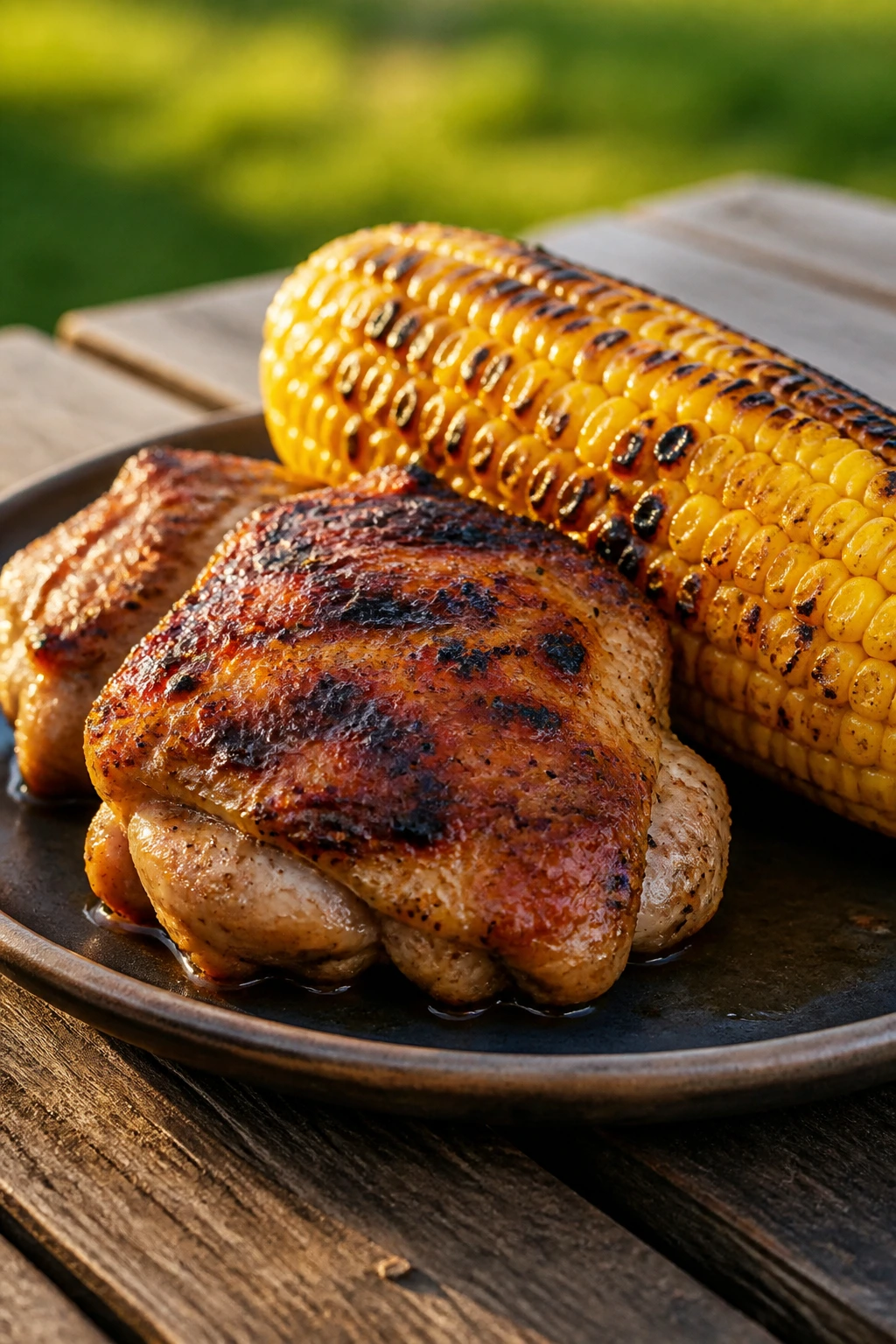
- Chicken thighs: My default for a cookout. They forgive a few extra minutes and still taste good after resting.
- Sausage links: Choose a coarse sausage with visible fat, not the skinny, dry stuff that snaps and crumbles.
- Flank or skirt steak: Best when sliced across the grain and served quickly.
- Pork chops, 1 to 1½ inches thick: Thin chops dry out fast; thicker ones stay friendlier.
- Salmon steaks or fillets: Use skin-on pieces so they lift cleanly from the grate.
- Shrimp on skewers: Fast and useful, but they need attention. A minute too long matters.
Shape matters almost as much as cut. A thick slab of chicken cooks more evenly than a loose pile of tiny pieces. Skewers should be built with similar-sized chunks so the peppers don’t char while the onion is still raw in the middle. If you’re slicing steak for sandwiches, go for enough thickness that the slices still feel meaty after resting.
And yes, burger patties belong here too, but they need to be a little larger than the bun and a little flatter than people think. They puff when they hit heat. If you make them like hockey pucks, they stay that way.
Vegetables That Hold Their Bite on a Picnic Plate
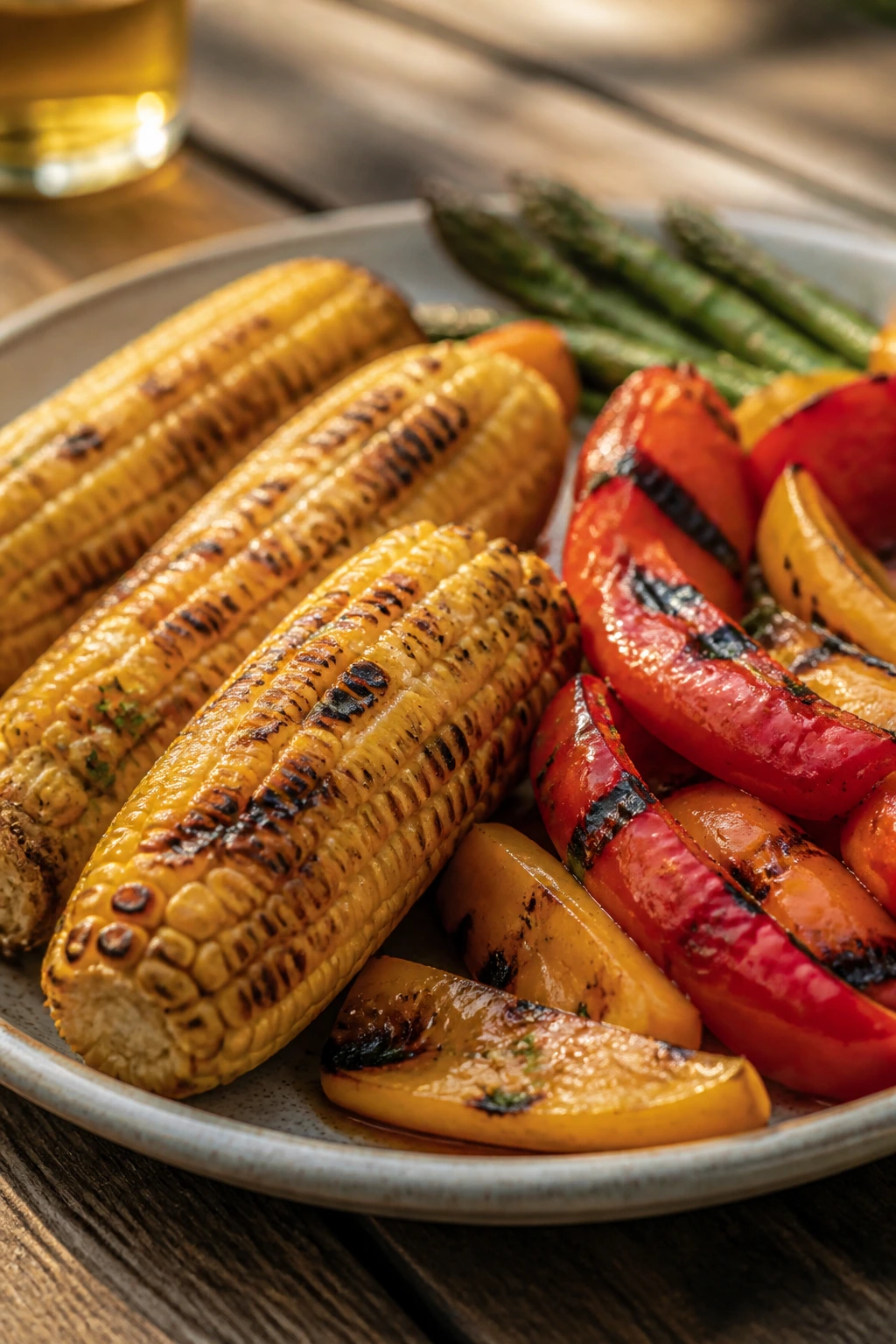
Grilled vegetables can be either the smartest thing on the table or the sad, collapsed thing people pick at because they feel polite. The difference is size, oil, and timing.
The vegetables that do best are the ones with a bit of structure. Corn, onions, peppers, asparagus, eggplant, zucchini, mushrooms, and romaine hearts can all handle the grill if you treat them like they deserve a little respect. Thin slices and tiny scraps tend to fall through grates or turn limp before they get color.
Corn is one of the easiest wins. Leave the husk on for a softer, steamed result, or strip it back for more char and direct flavor. Either way, the kernels should still pop when you bite into them. Onions want to be cut thick—wedge-style or into rings at least half an inch wide—so they don’t separate and slide between the bars. Mushrooms do better whole or halved, not chopped into little bits that dry out.
The vegetables I reach for first
- Corn on the cob: Sweet, cheap, and sturdy. It carries smoke well and tastes better with a little char.
- Bell peppers: They blister cleanly and keep their shape.
- Red onions: Their sharpness softens over the flame, and the outer layers pick up a dark, sweet edge.
- Zucchini and summer squash: Cut lengthwise into planks so they stay intact.
- Asparagus: Best with thick spears. Thin ones disappear fast.
- Portobello mushrooms: Dense enough to grill like a main.
- Eggplant: Slice thick, salt lightly first if you want a less sponge-like texture.
Oil is not optional here. You don’t need to drown vegetables, but a thin coat helps them brown instead of sticking and tearing. Salt can go on before grilling for some vegetables and after for others; tomatoes, for example, can release too much juice if salted too early, while squash is happy to be seasoned ahead of time.
I also like finishing vegetables with something bright. A squeeze of lemon, a splash of vinegar, or a spoonful of herb oil after grilling wakes up the char. Without that last bit of acid, a plate of vegetables can taste one-note, which is a shame after you’ve already heated up the grill.
Starches, Breads, and Fillers That Catch Smoke Without Getting Soggy
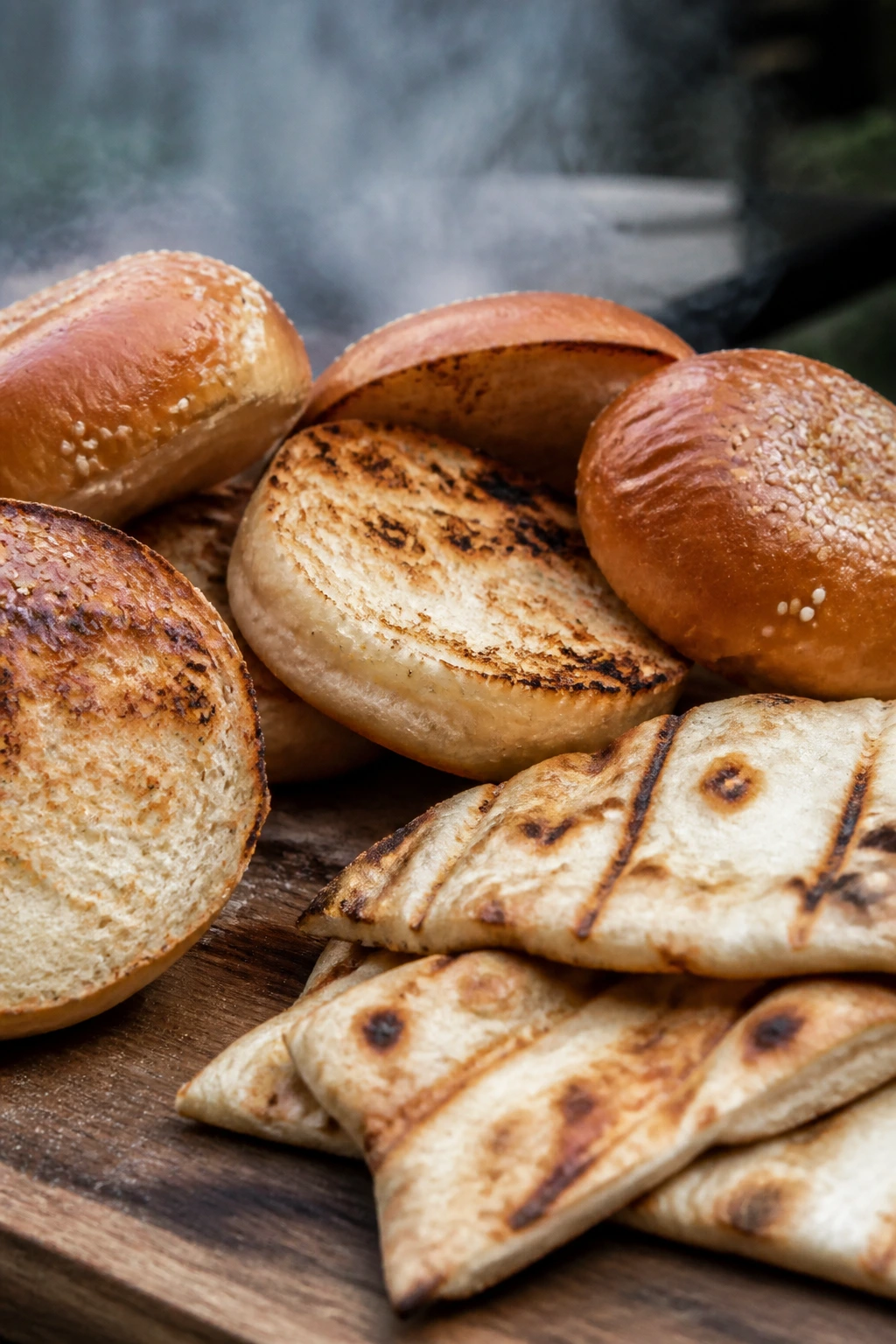
A cookout plate feels thin if it has nothing starchy to anchor it. Grilled food needs a companion that can soak up juices, carry toppings, and keep people from wandering off after two bites.
Bread is the obvious answer, but not all bread behaves well over fire. Buns, ciabatta, naan, flatbread, tortillas, and sturdy country loaf slices can all work if you give them a brief kiss of heat. The goal is not to turn them into toast racks. You want surface warmth, a little smoke, and enough firmness to stand up to a juicy filling or a piece of saucy meat.
Potatoes deserve a spot too, though they usually need a head start. Par-cooked potato wedges or halved baby potatoes can be finished on the grill in a grill basket, on a foil tray, or directly over medium heat after a brief boil. They’re useful because they stretch the meal without making it feel heavier than it needs to be. A little salt, some oil, and a final blast of heat are usually enough.
Best choices for the grill table
- Burger buns or split rolls: Toast the cut sides for 30 to 60 seconds so they don’t go limp under meat juices.
- Flatbreads and naan: Warm quickly and stack well for a build-your-own setup.
- Potato wedges: Par-cook first, then finish on the grill for crisp edges.
- Cornbread slices: Grill gently, just until the edges firm up and the center stays soft.
- Country bread: Thick slices brushed with olive oil and garlic make a good base for grilled vegetables.
- Tortillas: Ideal if you want a taco-style picnic spread.
A small trick makes a big difference: brush the cut side of bread with oil or melted butter before it hits the grate. The bread picks up color faster, and you get that crisp edge people always think came from some elaborate technique. It didn’t. It was just a minute on the grill and a little fat.
You can also use starch as a safety net. If the protein comes off a touch later than expected, a basket of grilled bread or potatoes buys you time. Cookout food likes that kind of patience.
Fruit, Cheese, and Other Wild Cards That Belong on the Grill
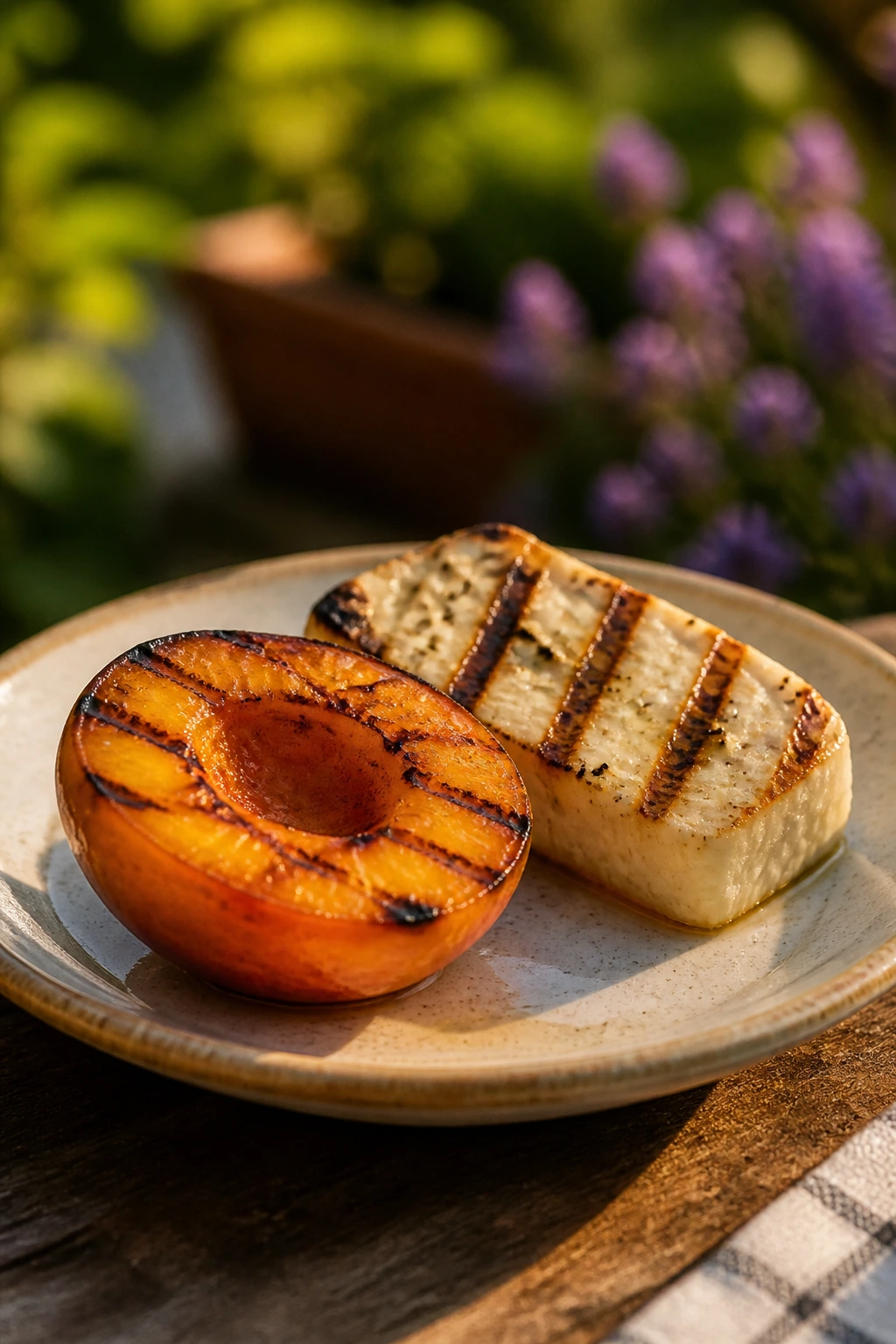
Grilled fruit makes sense the second you taste it. The sugars concentrate, the surface picks up a dark edge, and the inside stays soft and fragrant. It’s one of those moves that feels fancy but isn’t fussy at all.
Peaches, pineapple, plums, watermelon, pineapple rings, and firm pears are the easiest places to start. They need to be ripe but not collapsing. A peach should yield slightly when pressed, not leak juice through your fingers. Pineapple should be cut into thick rings or spears, because thin pieces dry out and go stringy before they get a proper sear. Watermelon is better in slabs or thick triangles than in little cubes; you want enough surface area for the grill marks to matter.
Cheese is trickier, but still useful. Halloumi is the obvious star, because it stays firm under heat and squeaks a little when you bite it. Thick slices of queso fresco wrapped in foil with herbs, or feta crumbled over grilled vegetables after the fact, can also work. The point is texture. If the cheese melts into the grates, it was the wrong cheese for this job.
A few combinations that never feel forced
- Grilled peaches with salty cheese: The sweet-salty contrast is the whole show.
- Pineapple with pork or sausage: Smoke and caramelized fruit are old friends.
- Watermelon with lime and chili: A cold, juicy garnish that needs only a light char.
- Halloumi with tomatoes and herbs: Best when served warm so it stays springy.
The sweet finish matters more than people expect. A bowl of grilled fruit near the end of the meal resets the palate after smoke, salt, and fat. It also gives the cookout a little lift without asking for a separate dessert project, which is a win in my book.
If you’ve never grilled fruit, start with peaches or pineapple. They’re forgiving. Watermelon is the one I’d reserve for when you’re comfortable with the timing, because it can slide from golden to watery if you overdo it.
Building a Menu That Feels Full Without Overcrowding the Grill
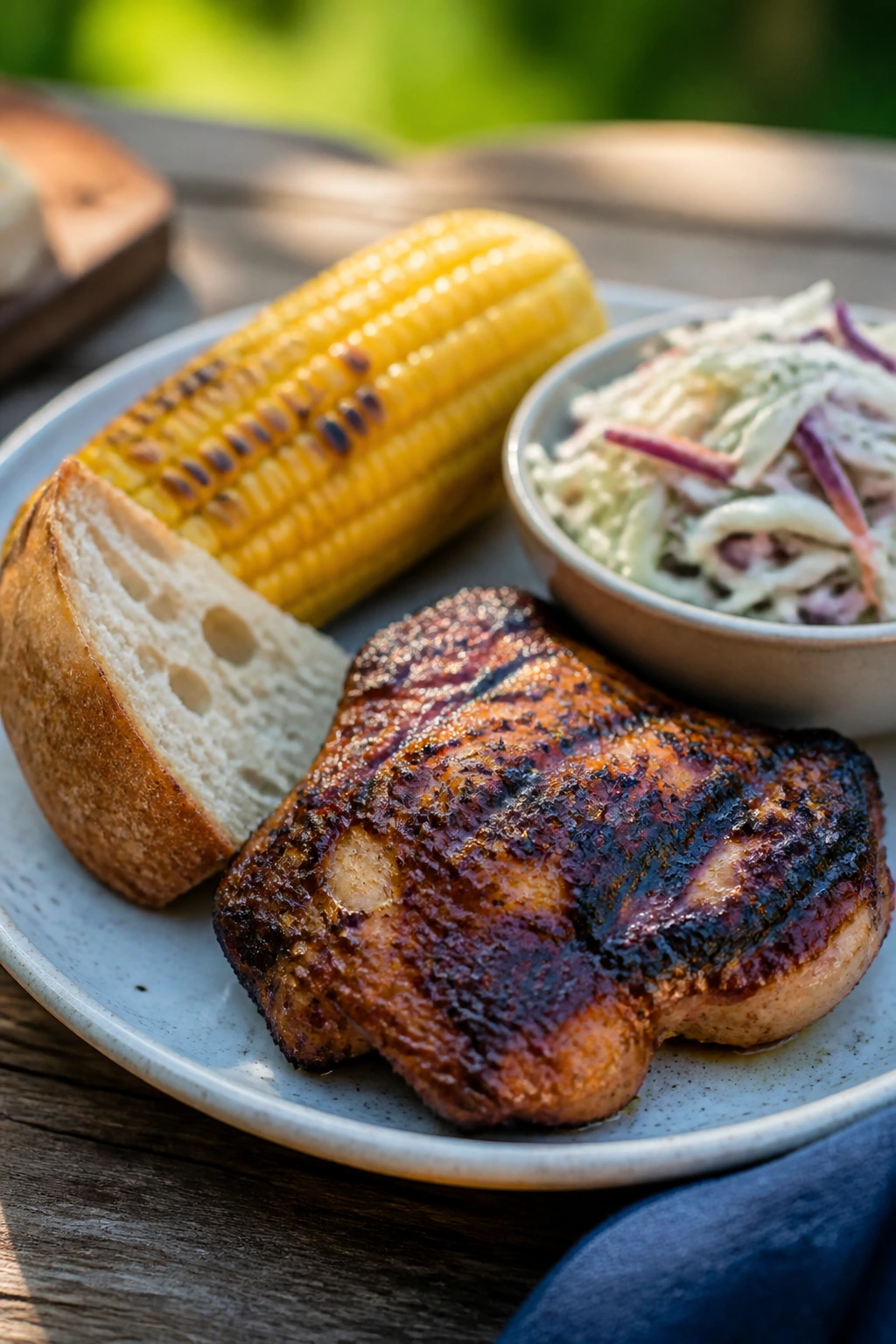
A backyard spread gets better when it’s edited. That sounds less exciting than adding more dishes, but it’s how you keep the grill from becoming a bottleneck.
My favorite structure is simple: one main protein, two grilled sides, one starch, one bright finish, and one cold thing that didn’t come anywhere near the flame. That last part matters. A bowl of crisp slaw, sliced tomatoes, or a cucumber salad gives the plate some relief from all the smoke and char. If everything is browned, the meal can start to taste flat even when each item is cooked well.
For a small group, one protein and two sides are enough. Think chicken thighs, corn, and grilled onions with bread. For a medium crowd, add a second protein with a different timing profile—maybe sausages or shrimp skewers. For a larger group, pick items that can hold their heat without falling apart and stagger the cooking: vegetables first, then proteins, then bread and fruit at the end.
A menu formula that keeps things sane
- Anchor: chicken thighs, sausages, burgers, salmon, or halloumi.
- Green or crisp side: asparagus, peppers, romaine, zucchini, or grilled cucumbers in a quick salad afterward.
- Sweet or smoky side: corn, onions, peaches, or pineapple.
- Starch: buns, flatbread, potatoes, or grilled bread.
- Cold contrast: slaw, herb salad, tomatoes, pickles, or sliced melon.
The quiet mistake people make is treating the grill like a performance stage instead of a cooking tool. You do not need six kinds of meat. You need a spread with a few clear roles. Once that clicks, the whole cookout becomes easier to time, easier to serve, and easier to finish before somebody starts asking whether dinner is ready.
I also like building menus with leftovers in mind. If the grilled chicken can become sliced sandwiches the next day, or the vegetables can be chopped into a grain bowl, the original cookout feels less like a one-night event and more like a useful stretch of cooking.
Direct Heat, Indirect Heat, and the Timing That Saves Dinner
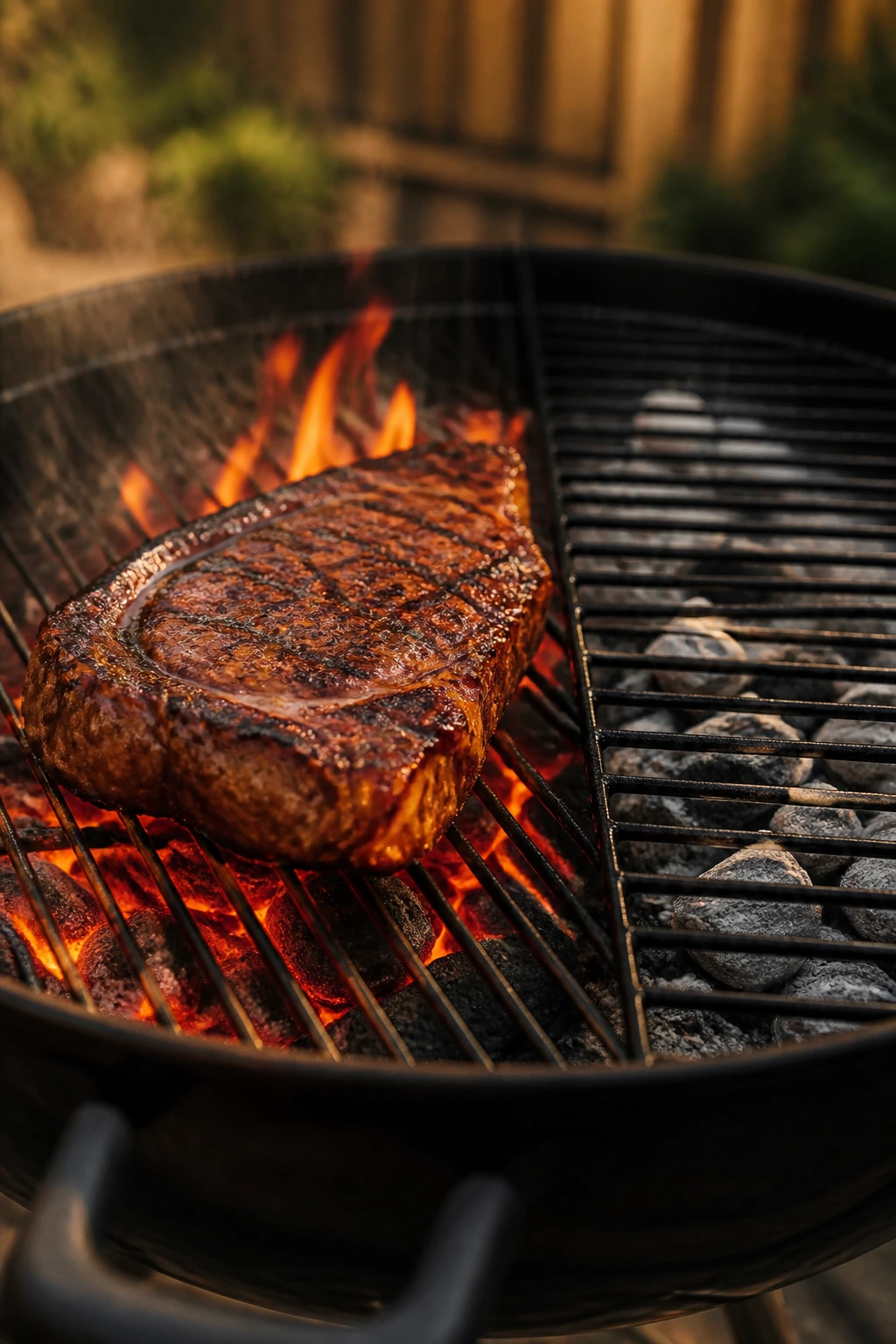
Heat control is where backyard grill food either gets polished or gets ragged. The food is not the problem most of the time. The heat is.
Direct heat is for quick cooking and browning. Indirect heat is for finishing thicker cuts without burning the outside. Charcoal grills make the difference by moving coals to one side or spreading them thinly. Gas grills do the same job by turning on one or two burners and leaving another off. It sounds mechanical because it is mechanical, and that’s the point. Cooking over flame gets a lot easier when you stop expecting every item to behave the same way.
Thicker proteins often do best with a two-stage approach. Start chicken thighs or pork chops on the cooler side of the grill so the inside catches up, then move them over the hot side for color. Burgers and sausages can start direct and move off if the outside is browning too quickly. Vegetables are usually happiest over direct heat, though onions and larger mushrooms can take a little indirect time if the grate is crowded.
A practical timing rhythm
- Preheat the grill for 10 to 15 minutes so the grates are hot enough to sear.
- Use direct heat for thin items like asparagus, shrimp, bread, and sliced zucchini.
- Use indirect heat for thick cuts like bone-in chicken thighs, pork chops, and whole sausages that need time to cook through.
- Rest meat for 5 to 10 minutes after grilling so the juices settle back in.
- Rotate only when needed. If food sticks, it usually needs another minute before you try again.
One thing I always tell people: don’t chase perfect grill marks at the expense of doneness. A beautiful crosshatch is nice. Dry chicken is not. If the food is ready and the marks are uneven, serve it anyway. The table doesn’t care nearly as much as the person chewing does.
Lid control matters too. Closing the lid traps heat and speeds up cooking, which helps with thicker food. Opening it works for quick items where you want the surface to stay crisp and the cook to stay visible. That’s not fancy knowledge. It’s just the difference between food that lands on time and food that doesn’t.
Rubs, Marinades, Sauces, and Finishing Salt
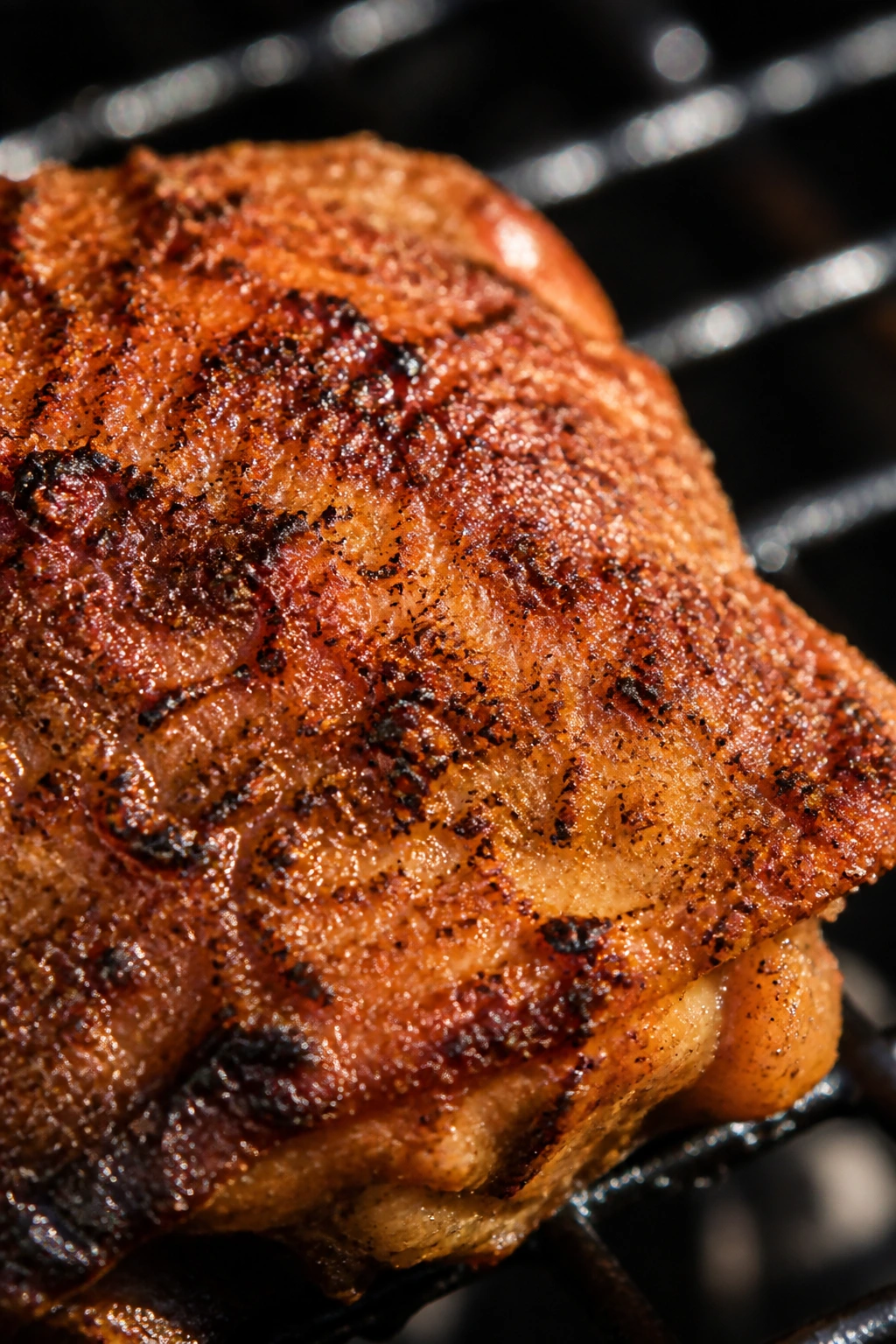
Seasoning is where grilled picnic food gets its personality. But the best seasoning strategy is usually less dramatic than people want it to be.
Dry rubs work well on thicker proteins because they stick, brown, and build a crust. Salt, pepper, garlic powder, paprika, and a little brown sugar are enough for many cookouts. The sugar helps browning, but too much of it burns fast, so keep it modest. Wet marinades are useful for chicken, steak, and tofu, but they should support the food, not drown it. A marinade with oil, salt, garlic, herbs, and a restrained amount of acid can add flavor without turning the surface mushy.
Acid deserves caution. Vinegar, lemon juice, and lime juice can brighten a cut, but too much time in a sharply acidic bath can make chicken or fish taste chalky on the outside. That’s a texture problem, not just a flavor one. If the marinade is heavily acidic, keep the soak shorter and pat the food dry before it hits the grill.
Three ways to season without overthinking it
Dry rubs
Use on chicken thighs, pork chops, ribs, and sausage. A coating of salt, pepper, paprika, garlic powder, onion powder, and a little brown sugar gives a balanced crust and works well when you want the surface to stay dry.
Marinades
Use on thinner chicken pieces, flank steak, shrimp, and vegetables like mushrooms or zucchini. Keep the oil-to-acid balance steady so the food browns instead of steams.
Finishing sauces
Brush on in the last minute or two if the sauce contains sugar, honey, or molasses. Add chimichurri, herb oil, salsa verde, or a squeeze of citrus after grilling for cleaner flavor and less burn risk.
Finishing salt is underrated. A pinch right before serving sharpens tomatoes, corn, grilled bread, and even peaches. The crystals hit the tongue first, then the smoke and sweetness follow. Tiny move. Big payoff.
I’m also fond of serving sauce on the side rather than painting it on everything. People like control. Some want a little tang; others want the chicken plain and the vegetables dressed. Put the sauce in a bowl, a jar, or a squeeze bottle and let the plate stay flexible.
How to Serve Grilled Food at a Picnic Without Losing the Plot
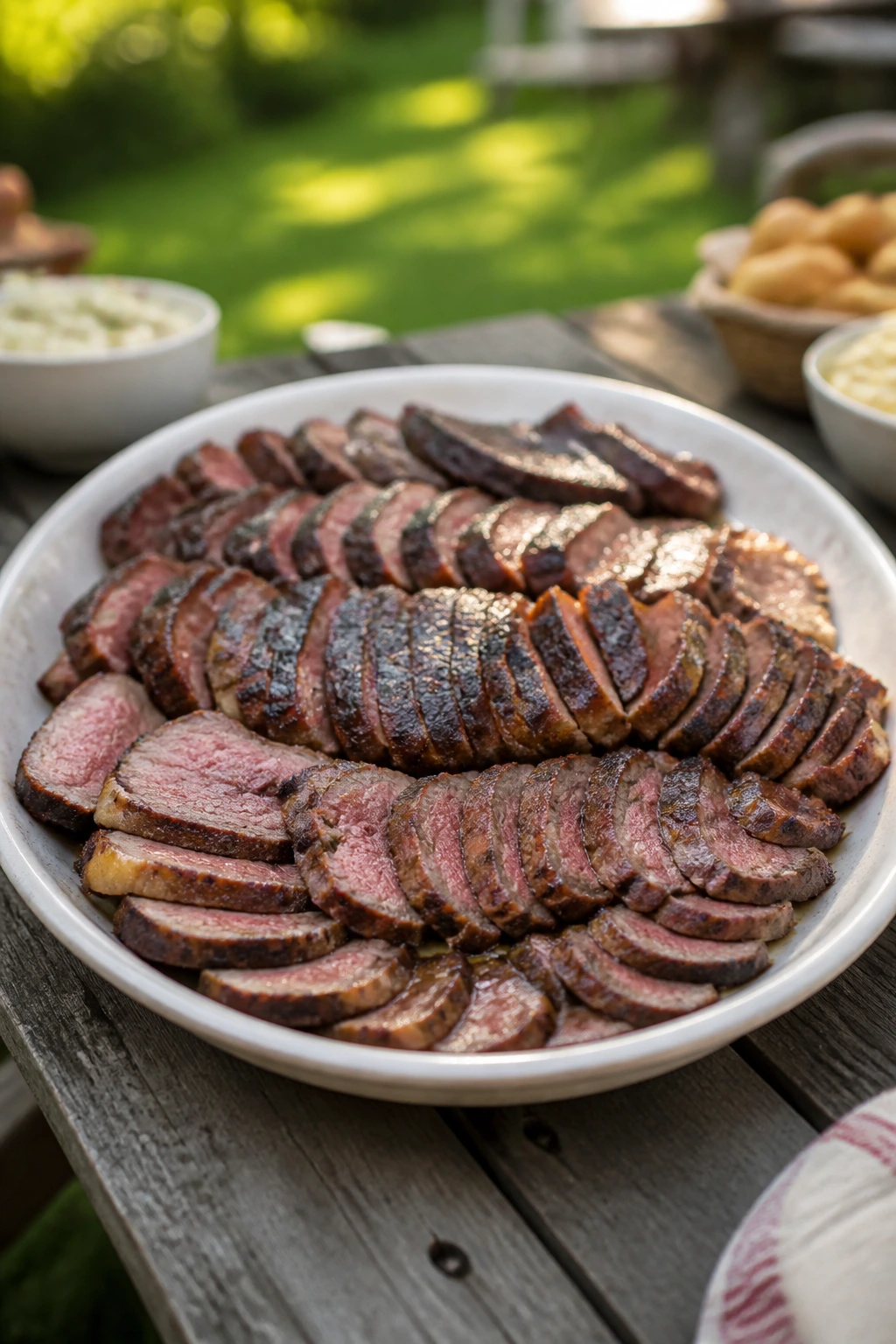
Serving is not an afterthought. It’s part of the cookout.
The easiest way to keep a backyard table moving is to build the serving line around what holds heat and what doesn’t. Put the grilled proteins on the biggest platters. Keep bread in baskets lined with a towel so it stays warm without sweating. Put cold things—slaw, sliced cucumbers, pickles, tomatoes—farther away from the heat so they don’t wilt before anyone reaches them.
Presentation: Wide platters beat deep bowls here. Spread chicken thighs, sausages, or sliced steak in a single layer so the steam can escape and the food doesn’t trap moisture underneath itself. Corn can go in a shallow tray or be stacked in a low pile with a little butter brushed on top.
Accompaniments: Grilled meat likes crisp things nearby. Slaw, vinegar-dressed salad, tomato slices, pickles, and simple potato salad all work because they cut through the smoke. If you’re serving bread, keep a butter knife or spreader close; a naked basket of buns becomes a shuffle fast.
Portions: Plan on 6 to 8 ounces of cooked protein per adult if the grill is the main event. If there are several sides and a lot of bread, you can trim that down a little. For vegetables, a half-cup to a full cup per person is a useful target when grilled produce is one of the main attractions.
Beverage Pairing: Cold lager, sparkling water with citrus, or an unsweet iced tea sit well next to smoky food. For a richer menu with sausage or steak, a dry cider or a light red works fine. Keep the drinks colder than the food and people will forgive almost anything else.
A serving station also needs tools. Tongs, a serving spoon, napkins, and a trash bowl for husks and skewers should all live within arm’s reach. People are much nicer when they don’t have to hunt for where the corn ended up.
Food Safety When the Table Moves Outside
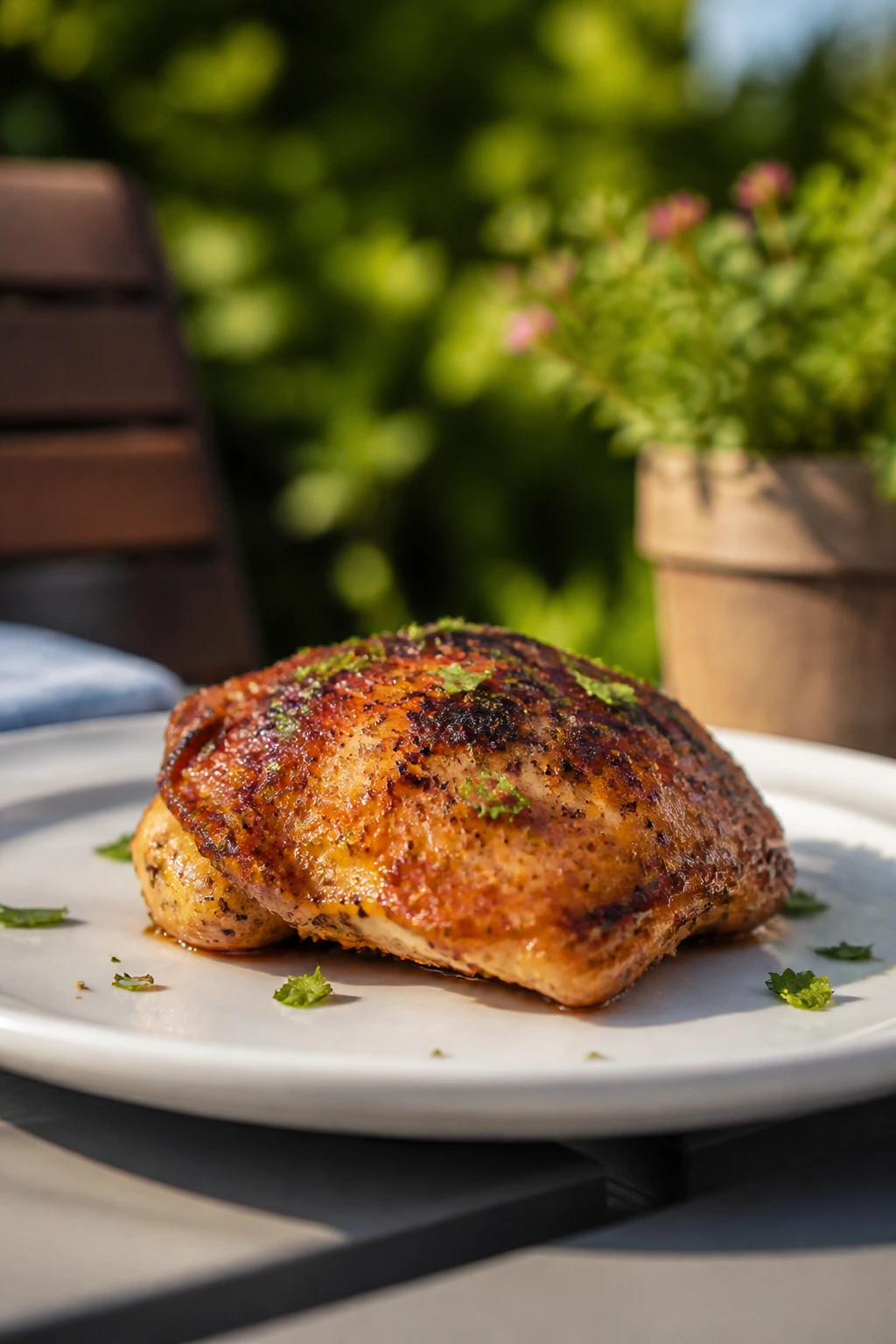
Outdoor eating is relaxed. Food safety should not be.
USDA guidance is plain about the danger zone: perishable food should not sit between 40°F and 140°F for more than 2 hours. If the ambient temperature is above 90°F, that window drops to 1 hour. Those numbers are not there to ruin your fun. They’re there because warm food left in the open becomes a bad idea faster than people expect.
Thermometers solve a lot of guesswork. An instant-read thermometer tells you whether chicken hit 165°F, ground meat reached 160°F, and whole cuts of beef, pork, or lamb hit 145°F with a short rest. That rest matters because the temperature climbs a little after the meat leaves the heat. If you cook only by color, you’ll eventually overcook something to be safe, which is how grilled chicken turns dry in the first place.
The food safety habits I never skip
- Keep raw and cooked food apart. Different platter, different tongs, different cutting board.
- Return food to the fridge promptly. Don’t let a bowl of potato salad or sliced meat sit out all afternoon.
- Use smaller serving batches. Bring out one platter, then refill from the grill or cooler as needed.
- Chill marinades that touched raw meat. If you want to use them as sauce, boil them first.
- Hold cold foods cold. An insulated cooler with ice packs works better than leaving everything on a side table in the shade.
Cross-contamination is the quiet villain of cookouts. A raw chicken tray passed too close to a cooked vegetable platter can undo all your good work. It takes one careless swap. Keep the raw stuff on one side of the prep area and the finished food on another. That one habit saves more trouble than any clever seasoning trick ever will.
I also like using smaller platters for serving. A huge tray of food looks generous, but it spends too long at room temperature. Smaller trays replenished from the grill are easier to manage and safer to serve.
Make-Ahead and Holding Tricks for Calm Backyard Cooking
A calm cookout usually starts the day before.
The smartest prep jobs are the ones that don’t hurt texture. You can trim vegetables, mix dry rubs, whisk sauces, and portion meat ahead of time. Chicken can sit in a marinade for several hours; vegetables can be tossed in oil and herbs close to grilling time; bread can be sliced and wrapped so it’s ready for the grate. The less chopping you do while the grill is hot, the fewer things will be forgotten.
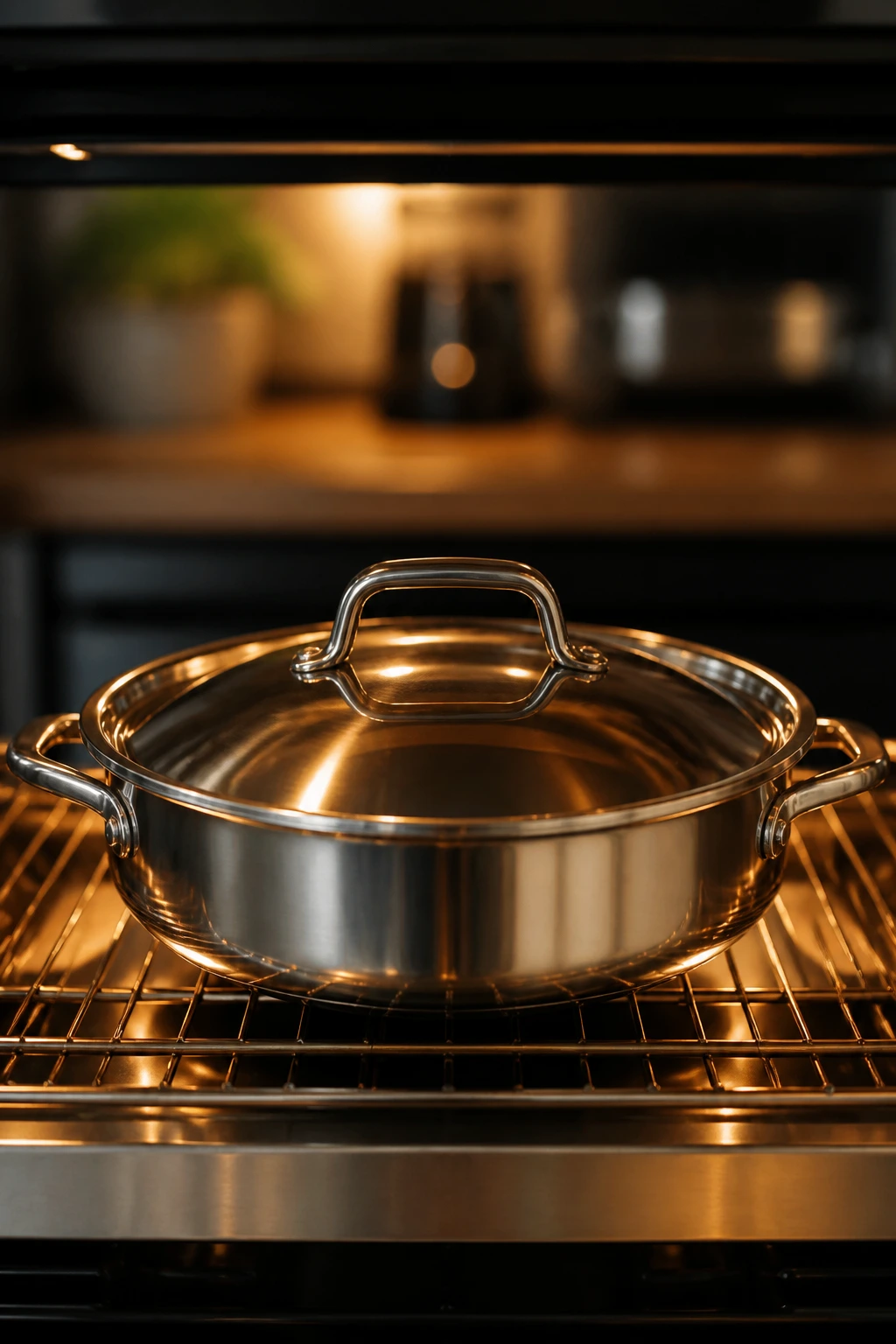
For holding, low heat is your friend, but only for a short stretch. A covered pan in a 200°F oven can keep grilled food warm without blasting out the juices. So can a towel-lined cooler if you need to bridge a few minutes between batches. Don’t hold food forever. Even a perfect steak loses its edge if it sits around for too long under foil.
A sane prep schedule
The day before
Mix rubs, make sauces, wash greens, slice onions, and prep sturdy vegetables like peppers and corn. If you’re serving fruit, choose it now so it can ripen to the right point.
Earlier the same day
Marinate chicken or steak, skewer vegetables, and par-cook potatoes if they need it. Set out platters, tongs, and thermometers so you are not rummaging through drawers with greasy hands.
Right before grilling
Pat the meat dry, oil the grates, and bring the food out in batches rather than all at once. Cold meat straight from the fridge can be harder to brown evenly, so a short rest at room temperature helps if the recipe allows it.
What improves overnight? Sauces, slaws, and dry rubs. What usually does not? Grilled bread and delicate vegetables. They’re best done close to serving time. That’s not a flaw. It’s just how texture works.
Practical Tips for Better Grilled Picnic Food
-
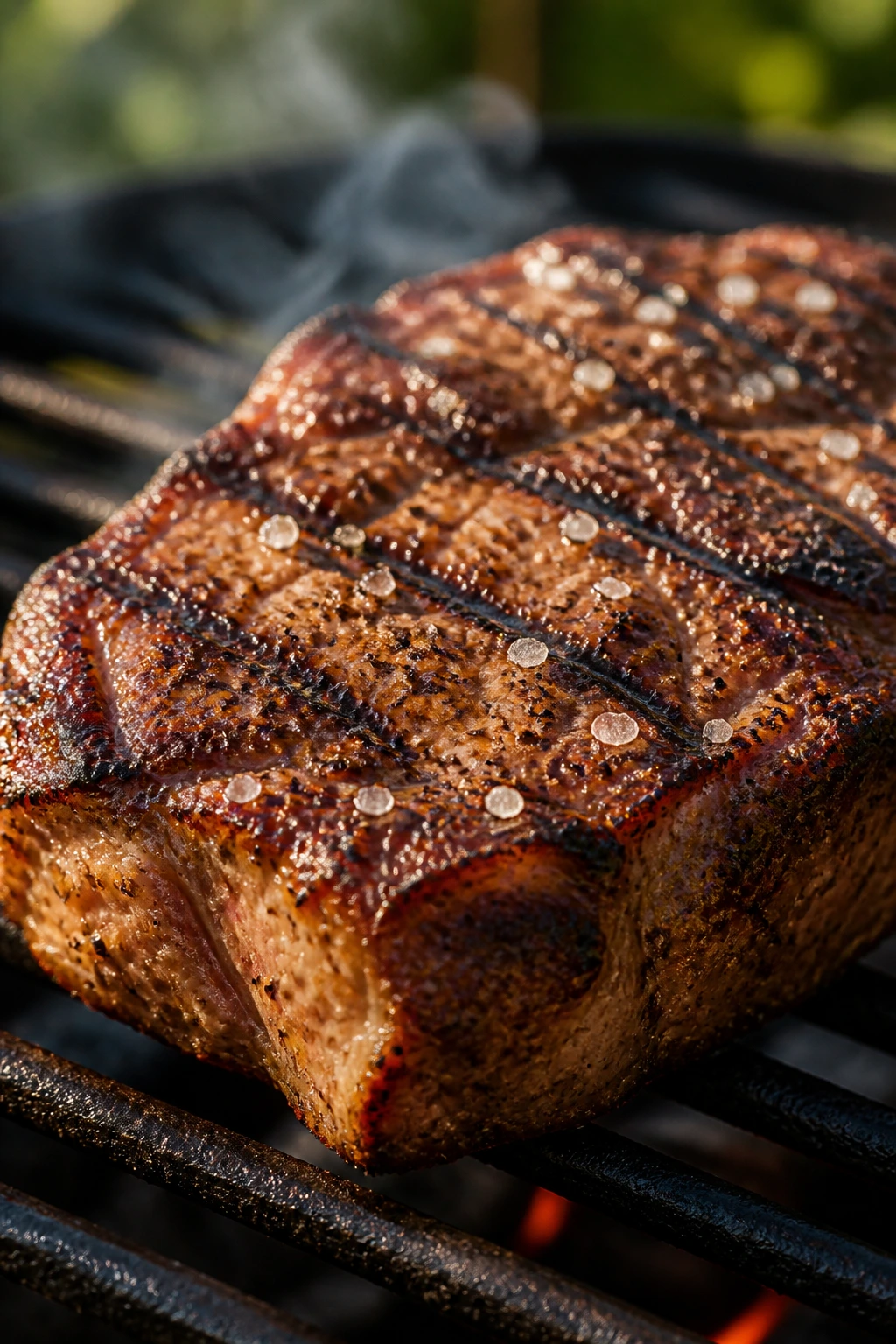
Salt earlier than you think. Chicken thighs and pork chops taste better when salted ahead of time, not only at the end. The seasoning settles in, and the meat tastes seasoned through, not just on the surface.
-
Keep one side of the grill cooler. Even a simple two-zone setup saves you from flare-ups and burnt edges. The cooler side becomes your parking spot while you finish the rest of the spread.
-
Use thicker cuts for vegetables. Half-inch onion rings, wide zucchini planks, and whole mushrooms hold together better than thin slices. Thin pieces dry out before they brown.
-
Finish with acid, not more salt, when the plate tastes flat. Lemon juice, vinegar, or pickled onions brighten grilled food faster than another pinch of salt.
-
Brush sauces on at the end. Anything sweet can burn if it goes on too early. Wait until the last minute or two, when the food is already cooked.
-
Rest meat on a warm platter, not a cold one. A cold plate steals heat fast. If you want the food to stay pleasant for serving, the platter should not be icy from the dishwasher.
-
Buy one item you can cook in a crowd. Chicken thighs, sausages, or corn are easier to scale than a delicate fish fillet that needs individual attention.
My favorite tip is the least glamorous one: clean the grill while it’s still a little warm. A quick scrape between batches keeps fish from tasting like onions or peaches from tasting like last week’s steak. That tiny reset matters more than fancy marinades most of the time.
Common Mistakes That Turn a Nice Cookout Into a Stressed One
-
Packing the grill too tightly. Food crowded shoulder to shoulder steams instead of browns, and the cook loses access to the cooler zone. Leave gaps so heat can move and you can actually turn things without wrestling the whole grate.
-
Saucing too early. Sugar-heavy barbecue sauce burns, turns sticky-black, and tastes bitter before the meat finishes. Brush it on near the end or serve it on the side.
-
Skipping the thermometer. Guessing leads to dry chicken on one side of the grill and undercooked meat on the other. Use an instant-read thermometer and trust the numbers.
-
Cutting vegetables too thin. Thin zucchini and onion slices fall apart, dry out, or slip through the grates. Cut them thicker than you think you need.
-
Leaving food in the danger zone too long. Cooked meat and sides sitting out for hours become a food-safety problem. Refill smaller serving platters and keep backup food cold or hot, not lukewarm.
-
Forgetting to rest the meat. Slice chicken or steak immediately and the juices run onto the cutting board instead of staying in the meat. Give it 5 to 10 minutes, loosely covered.
The symptom of most grill mistakes is the same: food that looks cooked but eats tired. Dry edges. Limp vegetables. Burnt sauce. Pale bread. You can fix nearly all of it by slowing down a little and giving the grill a better plan.
Variations and Alternative Approaches for Different Crowds
The Charcoal-Heavy Backyard Spread
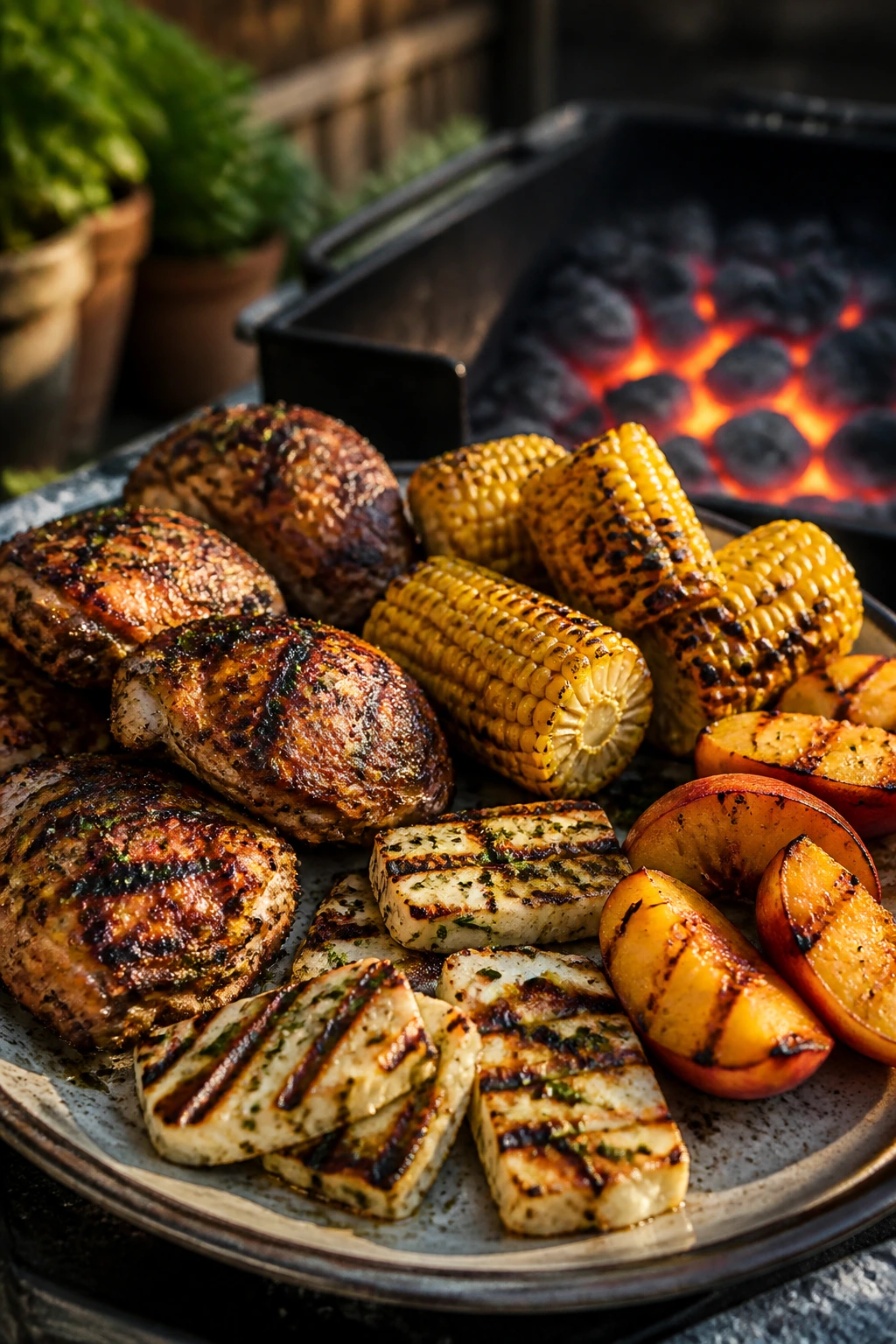
If you like a smokier edge, build the menu around foods that can sit near live coals without falling apart: chicken thighs, corn, onions, halloumi, and thick peaches. Charcoal is less forgiving than gas, but the flavor payoff is obvious as soon as the first platter lands.
The Gas-Grill Weeknight Shortcut
Gas grills are perfect for a stripped-down menu that still feels full. Go with sausages, zucchini planks, burgers, and toasted buns, then add a cold salad and a fruit platter so the grill doesn’t have to do every job.
The All-Plant Picnic
Halloumi, portobello mushrooms, corn, peppers, onions, and grilled bread make a spread with real texture. Add a bold finishing sauce—chimichurri, herb oil, or yogurt with lemon—and the plate stops feeling like a side dish to someone else’s meal.
The Budget Cookout
Choose chicken thighs, sausage links, corn, and potatoes. That combination feeds a lot of people without leaning on expensive cuts, and it holds up well if dinner gets delayed by a few minutes.
The Kid-First Grill Table
Plain grilled chicken, buttered corn, simple buns, and sliced fruit keep things easy for smaller eaters. Put stronger sauces on the side. Kids tend to like food they can recognize without a second explanation.
Tools and Equipment You’ll Actually Reach For
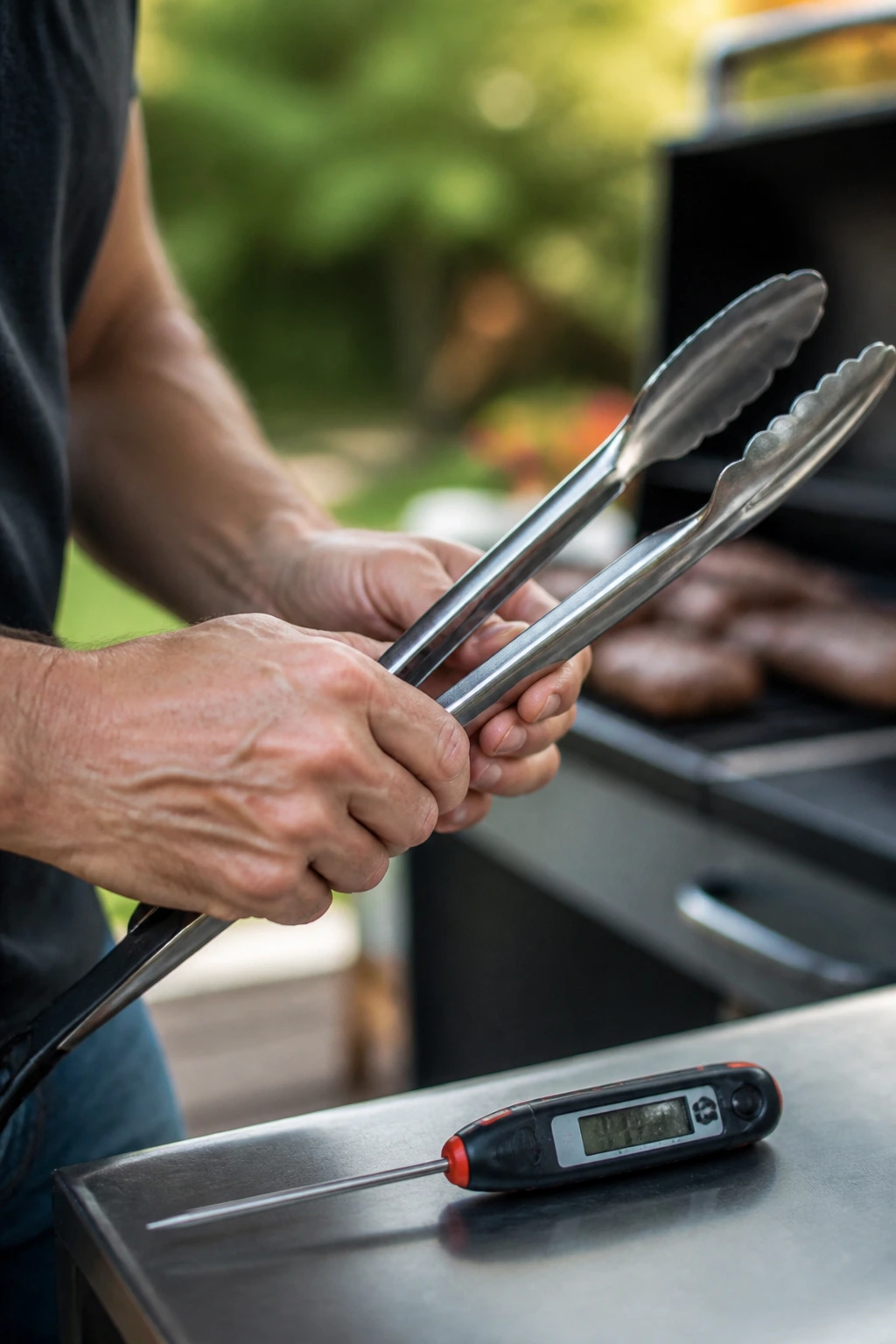
- Grill thermometer — Lets you know if the grate is truly hot enough before food goes on.
- Instant-read thermometer — The fastest way to keep meat juicy and safe.
- Long tongs — Essential for moving food without puncturing it and losing juices.
- Wide metal spatula — Best for burgers, fish fillets, and anything fragile.
- Sheet pans — Useful for carrying raw food out and cooked food back in.
- Skewers — Metal ones are reusable; bamboo ones need soaking first.
- Grill basket — Handy for vegetables, shrimp, and small pieces that would slip through the grates.
- Pastry brush or squeeze bottle — Good for oil, glaze, and finishing sauce.
- Cutting board with a groove — Keeps juices from running across the counter when you slice meat.
- Airtight containers — Helpful for leftovers, sauces, and prepped vegetables.
- Insulated cooler or cooler bag — Keeps cold items safe while you’re cooking outside.
- Heavy-duty foil — Not glamorous, but useful for potatoes, delicate fish, or a quick holding pan.
If you only buy one thing, make it the thermometer. Everything else helps. That one tool prevents guesswork.
Storage, Reheating, and Leftovers
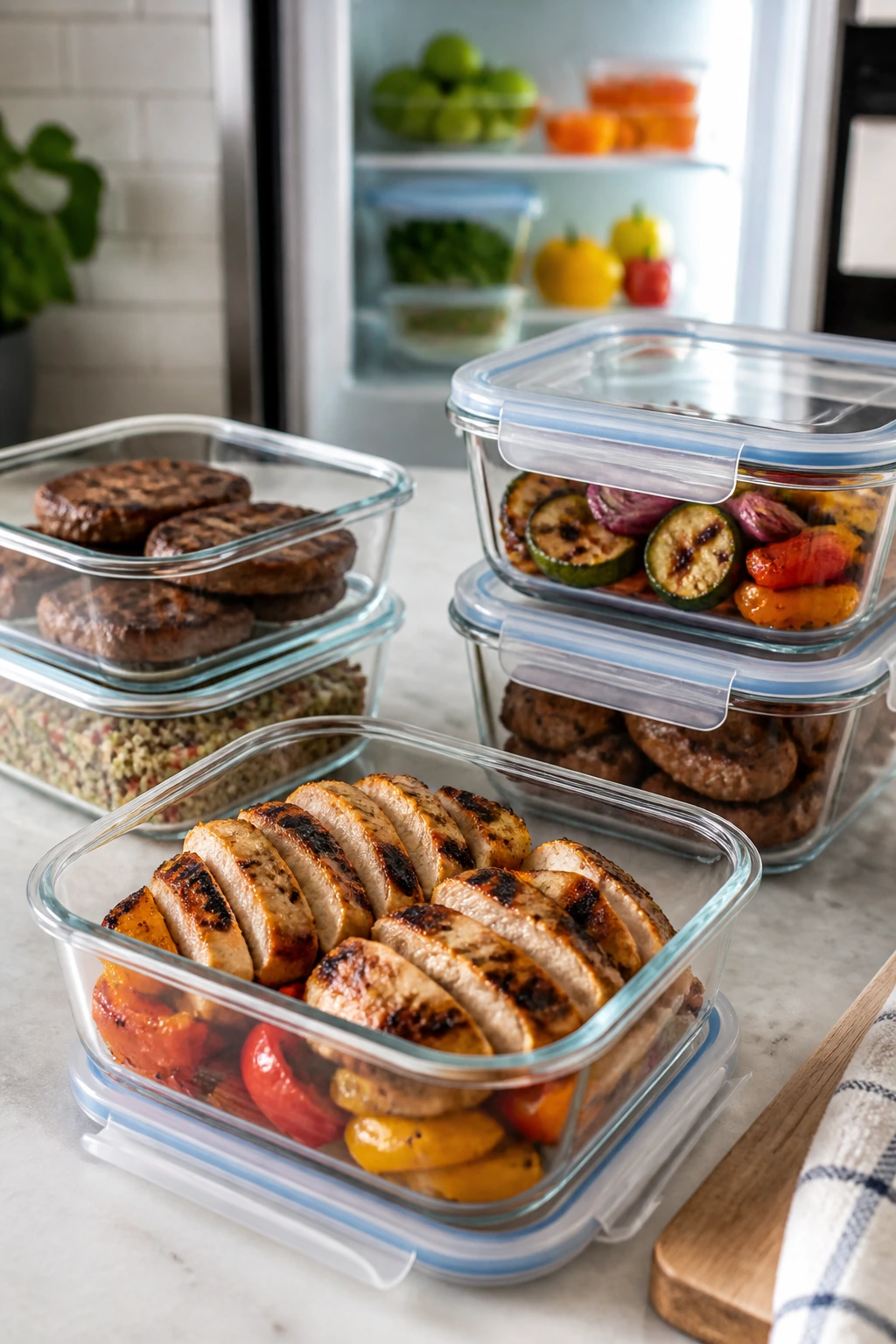
Leftovers from a grilled picnic are only good if they’re handled like leftovers, not like they’ve joined the party forever.
Cooked grilled meats generally keep 3 to 4 days in the refrigerator when stored in airtight containers. Grilled vegetables are best within 3 days, while grilled bread is better the same day but can be revived for a short crisp in the oven. Most cooked proteins freeze well for up to 2 months if wrapped tightly and cooled first. Sausages and chicken hold up better than delicate fish, which can get dry after freezing and reheating.
Reheat meat in a 300°F oven until warm through, or use a skillet over medium heat with a splash of water and a lid if the food is sliced. That keeps the surface from turning leathery. For vegetables, a hot skillet or a brief blast in the oven works better than the microwave, which can make them slump. Bread should go straight onto the grate or into a hot oven for a minute or two. Microwaved grilled bread is a sad thing.
Here’s the part people ignore: if cooked food sat out longer than the safe window, toss it. Don’t rescue it. Leftovers are only a bargain when they’re still safe to eat.
Some components improve overnight. Sliced grilled chicken tucked into sandwiches, or grilled onions folded into a cold salad, can be even better the next day. Other things, like corn and bread, are less forgiving and should be eaten sooner. Separate them in your head before you pack the fridge.
Frequently Asked Questions
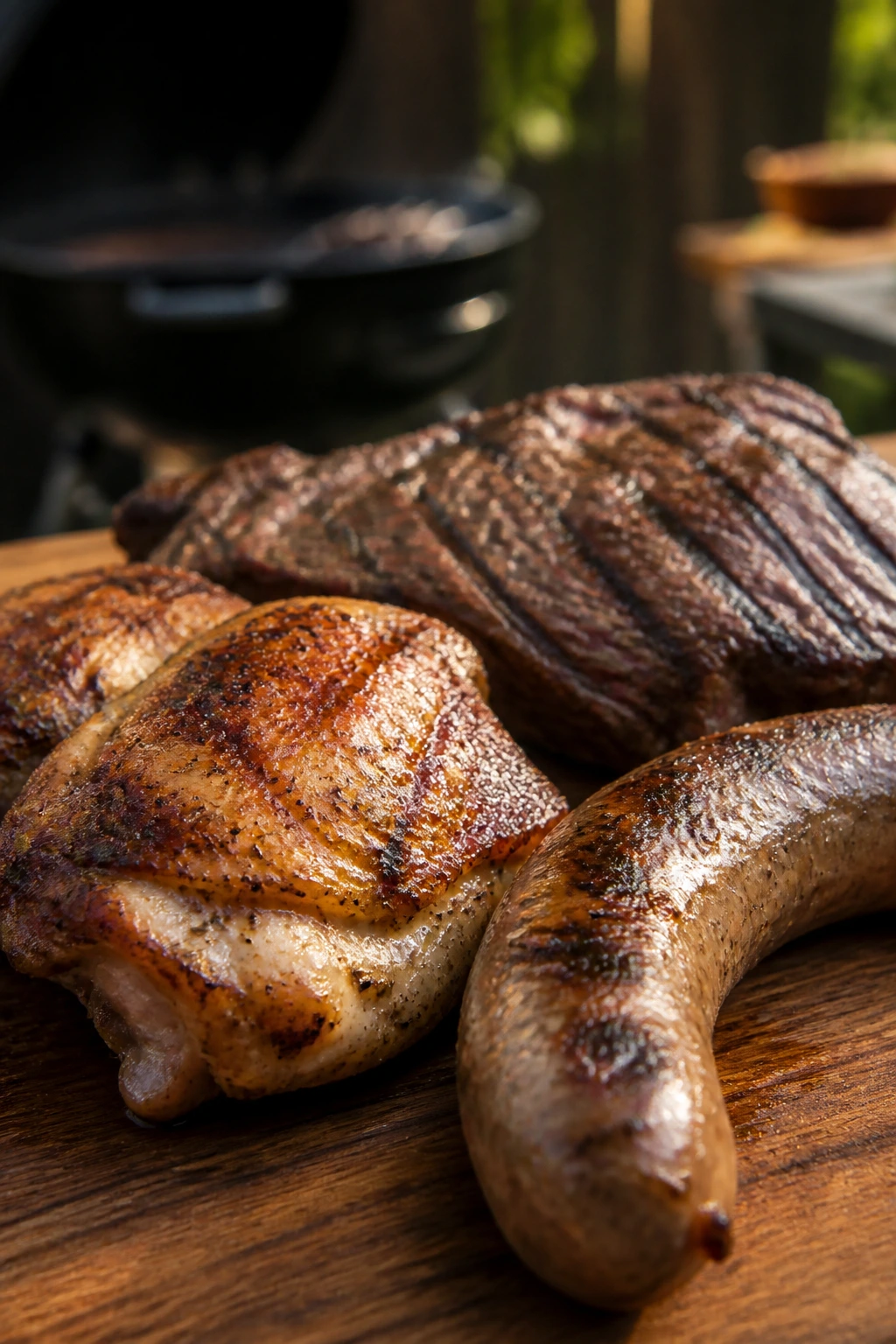
What grilled foods hold up best for a picnic table?
Chicken thighs, sausages, corn, thick onion wedges, peppers, halloumi, and grilled bread all handle sitting out better than fragile fish or thin vegetables. They keep texture after a short rest and still taste lively when they’re warm instead of blazing hot.
Can I grill the whole meal ahead of time?
You can prep a lot ahead, but not everything should be grilled too early. Proteins and sturdy vegetables can be cooked a bit in advance and held warm for a short time, while bread, fruit, and delicate vegetables are better grilled close to serving.
How do I keep grilled food warm without drying it out?
Hold it covered in a 200°F oven for a short period or wrap it loosely in foil and place it in a towel-lined cooler. Give the food a little breathing room so it doesn’t steam itself into limpness.
What should I avoid grilling for a picnic?
Tiny, delicate, or very lean foods are the hardest to manage. Thin fish fillets, paper-thin vegetables, and boneless chicken breasts without enough fat can dry out fast or fall apart before they reach the table.
Is it okay to serve grilled chicken at room temperature?
Yes, for a limited window, as long as it hasn’t sat in the danger zone too long. Keep food within the USDA’s 2-hour rule—or 1 hour if it’s above 90°F—and use smaller serving batches so the platter stays safe.
Can I make a good backyard cookout on a gas grill only?
Absolutely. Gas gives you clean temperature control, which makes timing easier. Add a little smoke with a smoker box if you want, but good seasoning and proper heat zones matter more than fuel type.
What if my vegetables keep falling through the grates?
Cut them bigger, use a grill basket, or skewer them. Zucchini planks, onion wedges, and whole mushrooms are easier to manage than small slices and chopped bits.
Do I need both a marinade and a sauce?
No. Pick one primary flavor path and stick with it. If the food is already seasoned well with a dry rub, a finishing sauce on the side is often enough.
How many items should I cook for a medium backyard crowd?
One main protein, two grilled vegetables, one starch, and one cold side is usually enough. If you add a second protein or a grilled fruit finish, the menu starts to feel generous without becoming unmanageable.
The Backyard Table That Actually Works
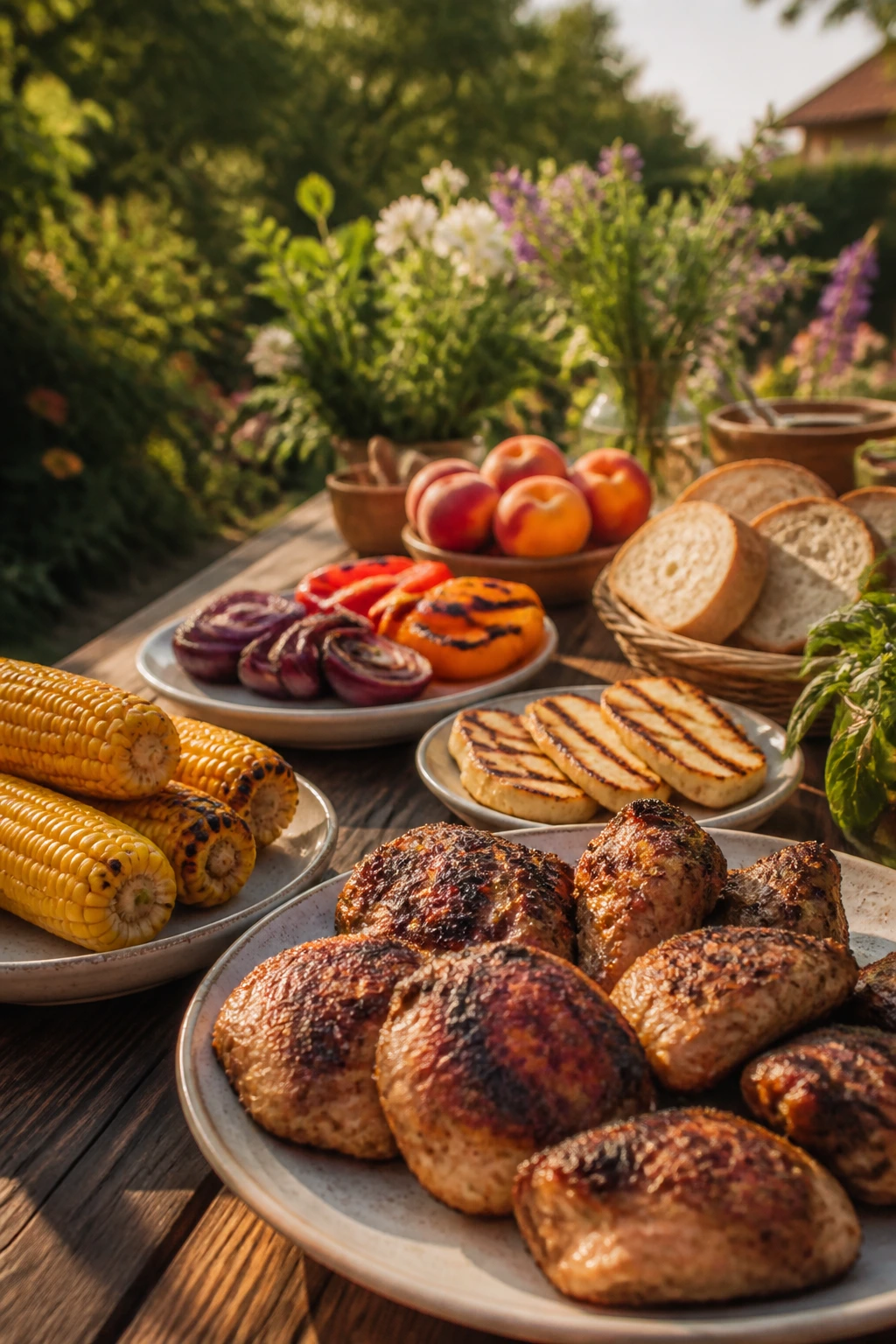
Grilled picnic food earns its place when it can do three things at once: taste good off the heat, hold up on a plate, and keep the cook from spiraling into timing chaos. That’s a high bar, but it’s a fair one. The foods that pass—chicken thighs, sausages, corn, onions, bread, peaches, halloumi—aren’t flashy. They’re reliable. And reliability is what makes a backyard cookout feel generous instead of frantic.
The real trick is not to grill more. It’s to grill better-chosen things. Give the flame food with structure, keep the menu balanced, and protect the table with a few sane food-safety habits. That’s the difference between a plate that feels thrown together and one that feels like somebody thought it through.
Build your next backyard menu around foods that pass the paper-plate test, and the grill will do the rest.