



The first forkful should crack, not wilt. That is the whole appeal of a good Asian slaw: cabbage with backbone, a dressing that lands sharp and nutty, and enough toasted crunch to keep the last bite as lively as the first. Too many deli-counter versions get trapped under their own steam and end up tasting like sweet vinegar on soggy lettuce.
Green cabbage, red cabbage, carrots, snap peas, sesame oil, rice vinegar—those are ordinary ingredients, but they wake up fast once you slice them thin and give them a dressing that knows when to stop. The cabbage carries the texture, the carrots soften the edges with sweetness, and the sesame keeps the whole bowl smelling warm before you even pick up a fork.
No mayo backup. No limp pile hiding under a slick sauce. Cut the vegetables thin, whisk the dressing until the honey disappears, and let the bowl sit long enough for the flavors to settle without sacrificing the snap.
Why This Slaw Earns a Spot Next to Takeout
-
Cabbage that stays loud: Thin ribbons of green and red cabbage keep their bite even after the dressing has sat for ten or fifteen minutes, which is the difference between a crisp slaw and a sad pile of dressed vegetables.
-
A dressing with actual shape: Rice vinegar, soy sauce, sesame oil, ginger, garlic, and lime give you salt, acid, heat, and a nutty finish instead of the flat sweetness that shows up in bottled dressings.
-
No stovetop drama: Aside from a quick toast on the almonds and sesame seeds, the whole recipe stays on the cutting board and in one bowl, which means less cleanup and less chance of overcooking anything.
-
Easy to steer: Want it sharper? Add a teaspoon of rice vinegar. Want it softer? Another half spoon of honey does the trick. You can move the flavor without rebuilding the whole bowl.
-
Works beside hot food or on its own: It cuts through sticky chicken, grilled shrimp, or plain jasmine rice, but it also stands alone as a cold lunch if you add a handful of peanuts and call it done.
-
Better the same day, still useful the next: The crunch is brightest right after tossing, but the flavor settles nicely after a short rest, so you can prep it ahead without losing the whole point.
Yield: Serves 6 as a side
Prep Time: 20 minutes
Cook Time: 5 minutes
Total Time: 25 minutes active, plus 10 to 15 minutes resting if you want the flavor to settle
Difficulty: Beginner — the hardest part is slicing the cabbage thinly and evenly.
Chill/Rest Time: 10 to 15 minutes, optional but recommended
Best Served: Within 2 hours of tossing, while the cabbage still snaps
The Cabbage Blend That Keeps This Asian Slaw Snappy
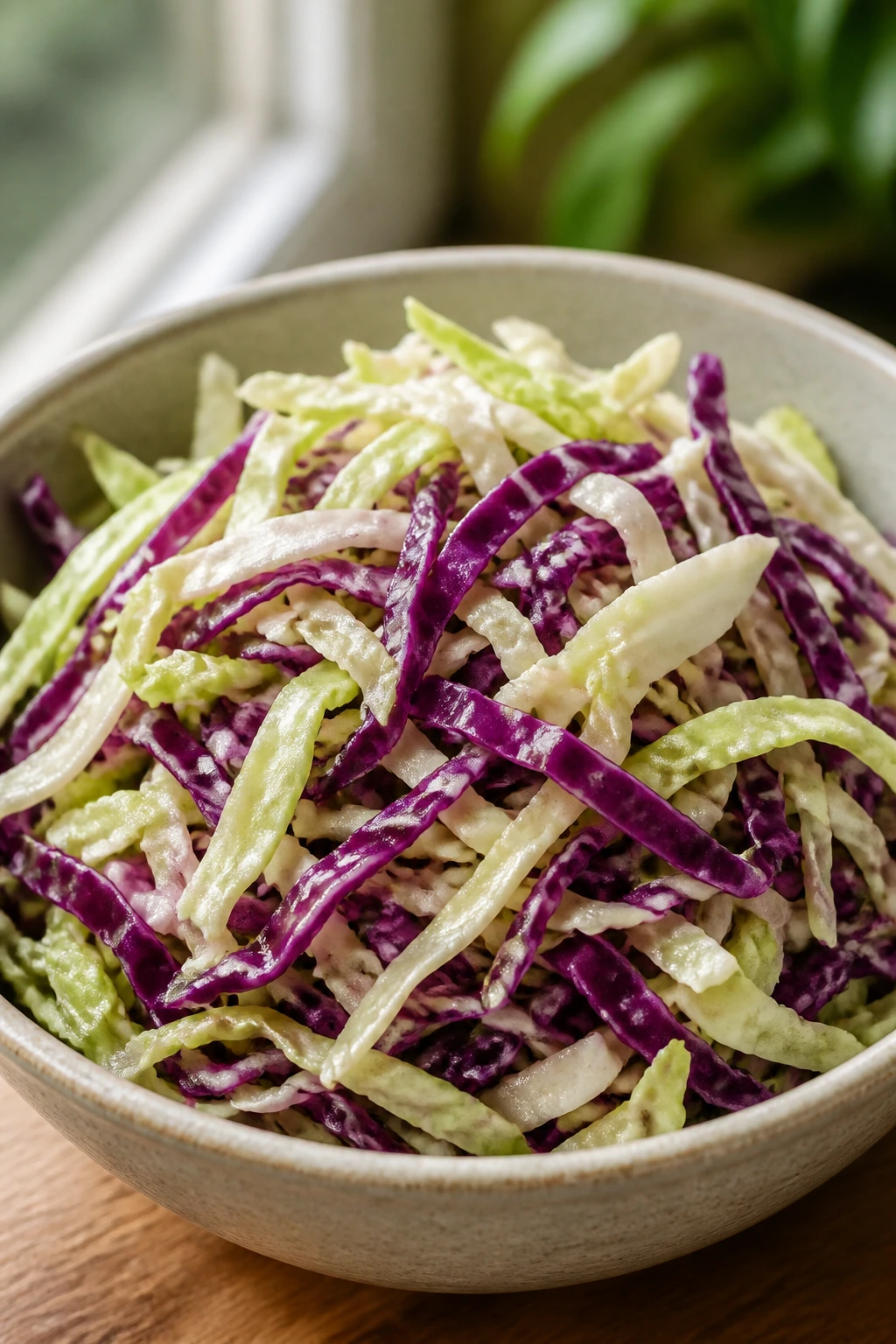
Green cabbage is the workhorse here. Its leaves are dense, a little waxy, and sturdy enough to stand up to acid without collapsing into soft threads. Red cabbage adds a sharper edge and a little color drama, which matters more than people admit; a bowl full of pale shreds looks tired before you’ve taken a bite.
Green and Red Cabbage Do Different Jobs
Green cabbage carries most of the volume. Red cabbage keeps the bowl from looking one-note and gives a slightly firmer crunch near the stem. I like using more green than red because the red can take over visually if you get heavy-handed, and once it sits in dressing, the whole bowl starts to drift purple. That can be charming. It can also look like you made the slaw three hours ago and forgot about it.
Iceberg has no place here.
If you want a softer, more delicate bite, napa cabbage can replace part of the green cabbage. It wilts faster, though, so I treat it like a different animal: shorter resting time, less dressing, and a faster trip from bowl to table.
The Cut Matters More Than the Brand
Do not chop the cabbage into chunky squares. Thin ribbons are the whole game. Around 1/8 inch wide is the sweet spot, because the dressing can cling to the edges and the cabbage still feels crisp rather than fibrous. If you have a mandoline, use it. If you use a knife, quarter the cabbage through the core first, trim the hard center cleanly, and slice across the grain.
I keep a damp kitchen towel under the cutting board so it does not skate while I work. Small habit. Big help. Cabbage is slippery in a way that makes people underestimate how much it moves under a blade.
What to Do if the Cabbage Is Older
Older cabbage is not useless, but it wants a little more attention. Peel off the outer leaves if they feel leathery, and trim the cut face until it looks fresh again. If the core has dried out, cut a little deeper than you think you need to. A tight head can still make a good slaw; it just asks for cleaner cuts and a slightly shorter rest in the dressing.
A fresh cabbage tastes faintly sweet once sliced. That sweetness helps the dressing. It gives you a cleaner finish than lettuce ever could.
The Dressing That Wakes Up Every Shred
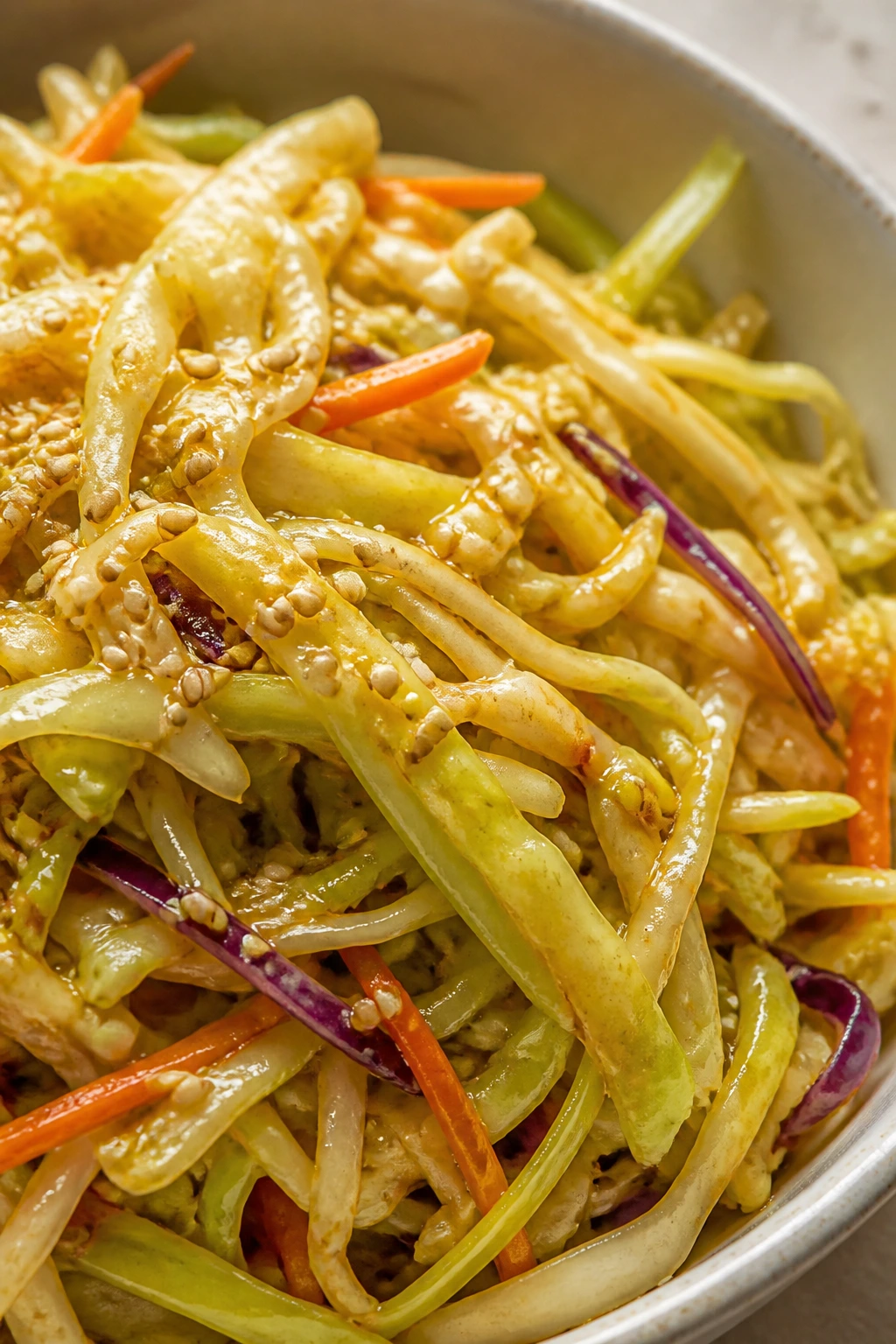
A good slaw dressing should hit three notes at once: sharp, salty, and nutty. If one of those notes goes missing, the bowl starts feeling thin. Rice vinegar brings the clean acid, soy sauce brings salt and depth, sesame oil carries the aroma, and ginger gives the whole thing a little lift at the back of the throat.
Rice Vinegar Should Lead
Rice vinegar is softer than distilled white vinegar, and that matters here. White vinegar can feel blunt against raw cabbage, like it is shouting over the rest of the bowl. Rice vinegar still cuts through the vegetables, but it leaves room for ginger, garlic, and sesame to stay visible.
If you only have apple cider vinegar, use it in a pinch, but the flavor will be rounder and less clean. That may work in a sweet slaw. Here, I want the acid to stay bright.
Sesame Oil Needs a Light Hand
Toasted sesame oil is powerful. Two tablespoons may sound small, but it perfumes the entire bowl once the dressing hits the cabbage. Go heavier and the slaw starts tasting greasy and dark instead of crisp and toasty. I would not try to “fix” that with more vinegar. The balance just gets noisy.
A little neutral oil smooths out the dressing and keeps the sesame oil from clinging too hard to one note. That is the only reason it is there. It rounds the edges.
Heat, Sweetness, and the Garlic-Ginger Pair
Ginger and garlic should be finely grated, not chopped. Tiny pieces disappear into the dressing and flavor the whole bowl evenly. Big bits taste harsh, especially when they hit a raw cabbage ribbon on their own. Honey should stay low enough to support the vinegar, not smother it. If the dressing tastes perfect by the spoonful, it is probably too sweet for the finished slaw.
I like a teaspoon of chili crisp here because it gives heat in tiny little pockets, not a blunt burn. Sriracha works too. Use it sparingly. The point is not to make the bowl spicy enough to knock people back from the table; the point is to give the sesame and ginger something to bounce against.
Whisk until the honey disappears. That tiny detail matters more than it sounds.
The Ingredients on the Cutting Board
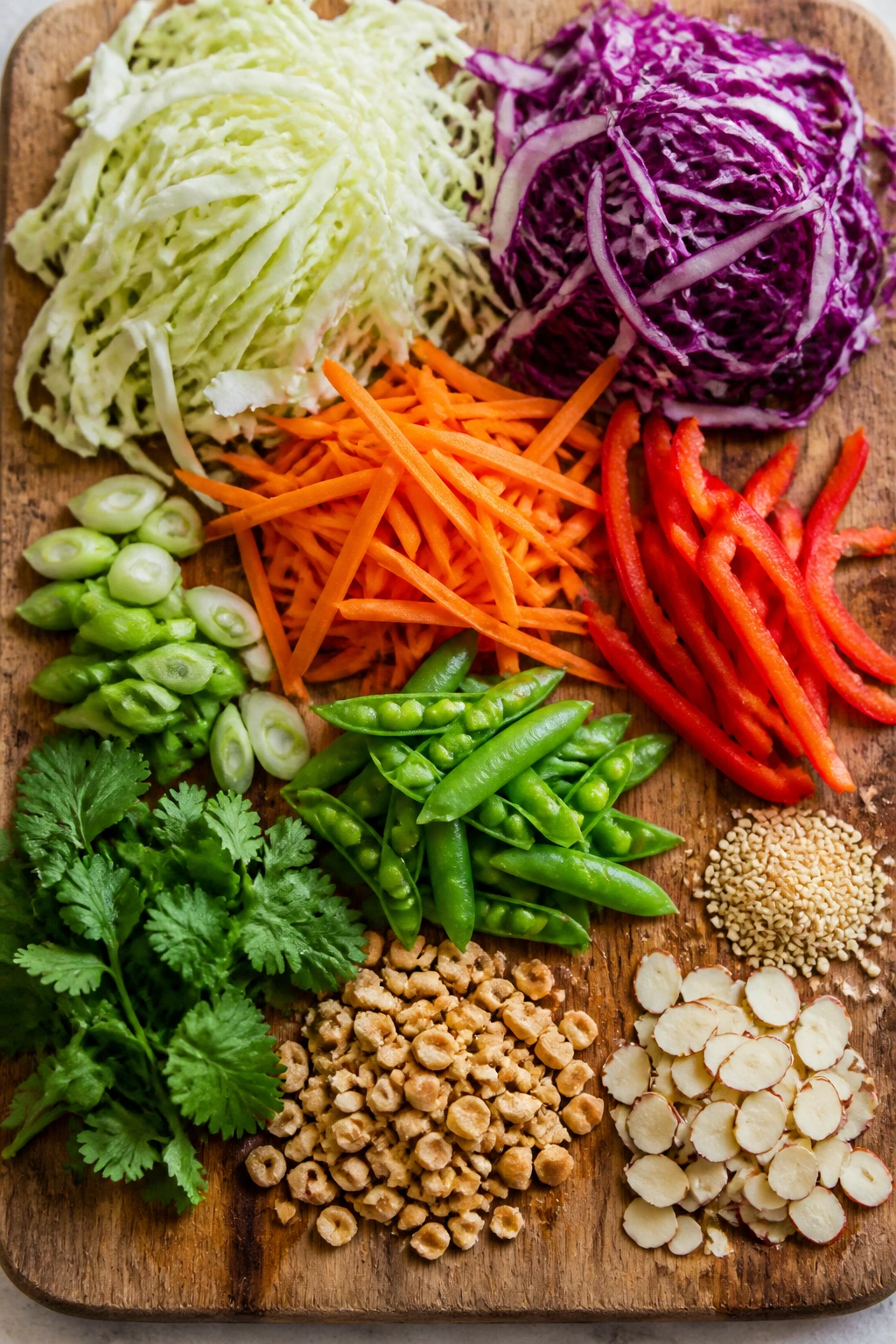
A fresh head of cabbage is worth the minute it takes to trim. Bagged coleslaw mix is fine if the bag feels dry and the cabbage smells clean, but freshly sliced cabbage has a cleaner snap and fewer sad edges. The rest of the ingredients are pantry simple, which is the nice part. You are not chasing specialty items here.
-
For the Slaw:
- 5 cups green cabbage, thinly sliced
- 3 cups red cabbage, thinly sliced
- 2 large carrots, julienned or shredded
- 1 red bell pepper, thinly sliced
- 4 scallions, thinly sliced
- 1 cup snap peas, thinly sliced on the bias
- 1/2 cup cilantro leaves, roughly chopped
- 1/2 cup roasted peanuts, roughly chopped
- 1/4 cup sliced almonds, toasted
- 2 tablespoons sesame seeds, toasted
-
For the Dressing:
- 1/4 cup rice vinegar
- 3 tablespoons low-sodium soy sauce or tamari
- 2 tablespoons toasted sesame oil
- 1 tablespoon neutral oil
- 1 1/2 tablespoons honey
- 1 tablespoon fresh lime juice
- 1 teaspoon fresh ginger, finely grated
- 1 small garlic clove, finely grated
- 1 teaspoon chili crisp or 1/2 teaspoon sriracha
- 1/4 teaspoon fine sea salt, only if needed
That list looks longer than it cooks. Most of the work is slicing, and if your knife is sharp, the whole thing moves fast.
Why Each Ingredient Matters
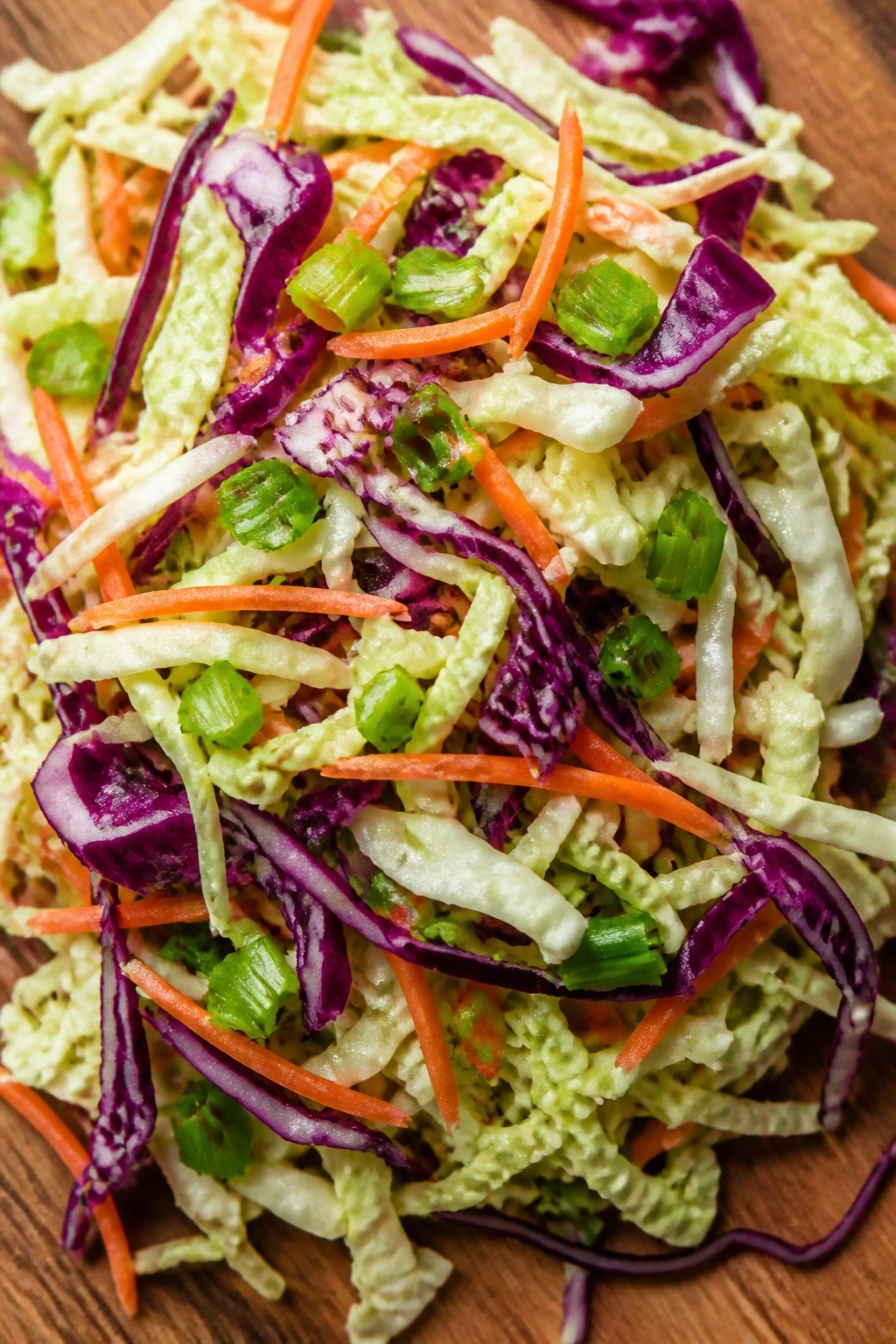
The Cabbage Base
What to use: 5 cups green cabbage and 3 cups red cabbage, both thinly sliced.
Preparation: Cut the cabbage into quarters through the core, trim the hard center, and slice crosswise into ribbons about 1/8 inch wide. If the head is very large, measure after slicing so you do not guess wrong.
Substitutions: Napa cabbage works if you want a softer bite, and a fresh bagged slaw mix can stand in when you do not want to cut a head yourself.
Tips: Choose the tightest, heaviest cabbage you can find. Loose outer leaves often mean the head is older, and older cabbage can still work but needs a cleaner trim and a shorter rest in the dressing.
The Bright Vegetables
What to use: 2 large carrots, 1 red bell pepper, 1 cup snap peas, and 4 scallions.
Preparation: Keep everything thin and matchstick-like so the bowl eats evenly. Big carrot chunks or thick pepper strips feel clumsy in a slaw.
Substitutions: Shredded daikon adds peppery bite, cucumber brings more water and a cooler crunch, and celery works if you want a sharper snap.
Tips: If you use cucumber, seed it first and pat it dry. Too much surface moisture loosens the dressing and blurs the flavor faster than you’d expect.
The Crunch and Herbs
What to use: 1/2 cup roasted peanuts, 1/4 cup sliced almonds, 2 tablespoons sesame seeds, and 1/2 cup cilantro leaves.
Preparation: Toast the almonds and sesame seeds before they hit the bowl, then chop the peanuts after they cool. Tear the cilantro by hand if the leaves are large; a knife can bruise them and make them look tired.
Substitutions: Cashews bring a softer crunch, sunflower seeds work for nut-free cooking, and mint can replace some or all of the cilantro if you want a cooler, greener finish.
Tips: Reserve a little of the nuts and seeds for the top. Toppings sink faster than people think, and a final scatter on the surface keeps the slaw looking loose instead of packed down.
The Dressing
What to use: Rice vinegar, soy sauce or tamari, toasted sesame oil, neutral oil, honey, lime juice, ginger, garlic, chili crisp, and a pinch of fine sea salt only if needed.
Preparation: Grate the ginger and garlic as fine as you can, then whisk or shake the dressing until the honey disappears and the mixture looks smooth.
Substitutions: Tamari makes the dressing gluten-free, maple syrup can replace honey, and a little orange juice can soften the lime if you want a rounder edge.
Tips: Taste the dressing before it meets the cabbage, then taste again after the slaw rests. Raw cabbage mutes sharp flavors faster than most people expect, so a bowl that tastes perfect in the jar may need one more splash of vinegar on the plate.
Tools That Make the Prep Less Annoying
-
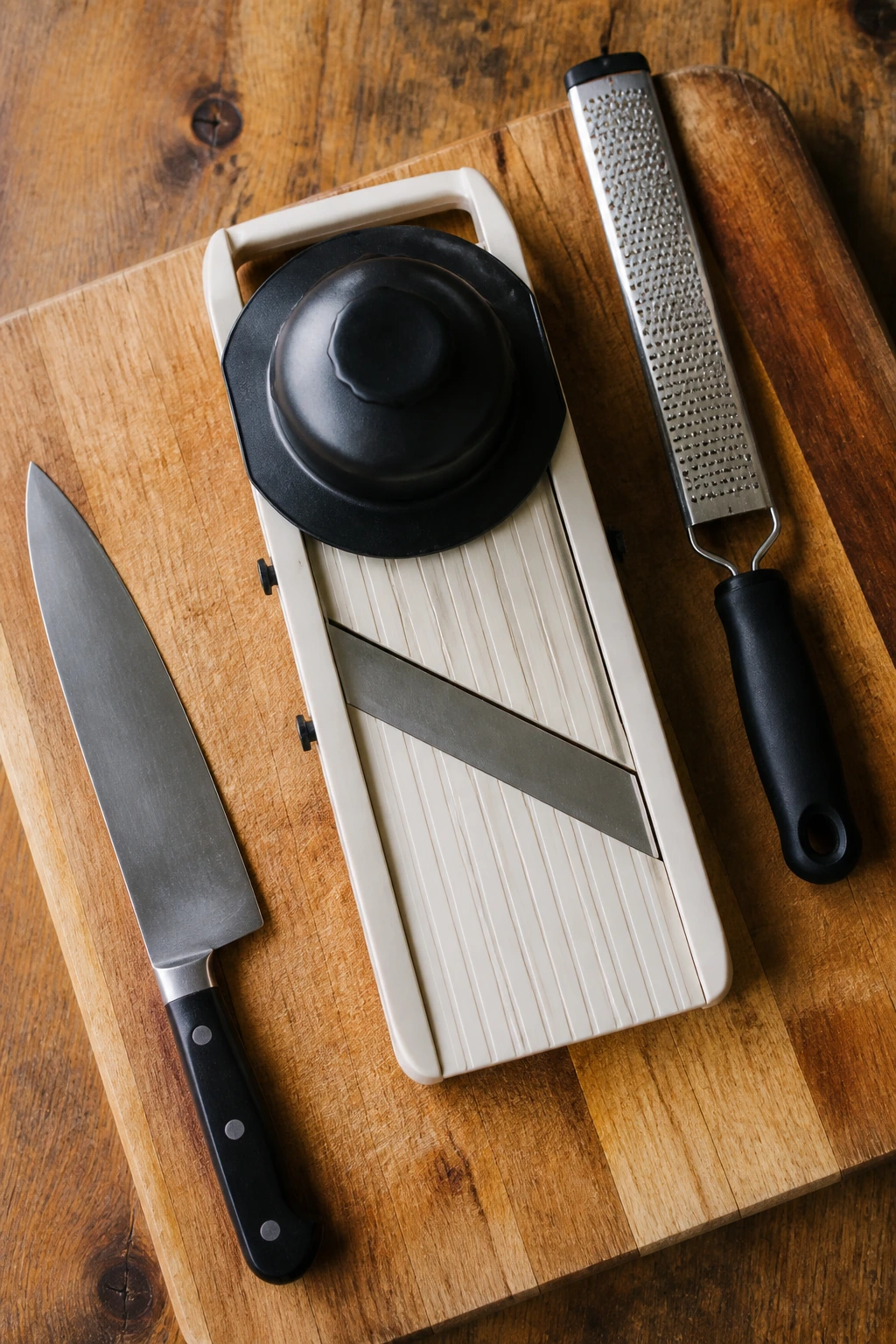
Sharp chef’s knife: A dull knife crushes cabbage and leaves ragged edges that turn soft faster.
-
Mandoline slicer with guard: Optional, but useful if you like very even cabbage shreds and move carefully with it.
-
Large cutting board: Gives you room to slice without sending carrot sticks and cabbage shavings onto the counter.
-
Large mixing bowl: Needs enough space to toss everything without the slaw spilling over the edge.
-
Small bowl or lidded jar: Handy for whisking or shaking the dressing until the honey fully dissolves.
-
Microplane or fine grater: The easiest way to get ginger and garlic into the dressing without chunky bits.
-
Dry skillet, 10 to 12 inches: Toasts the almonds and sesame seeds evenly and fast.
-
Tongs or clean hands: Either works, but hands let you feel when the dressing has spread evenly through the cabbage.
How to Toss It So the Crunch Survives
Toast the Nuts and Seeds
-
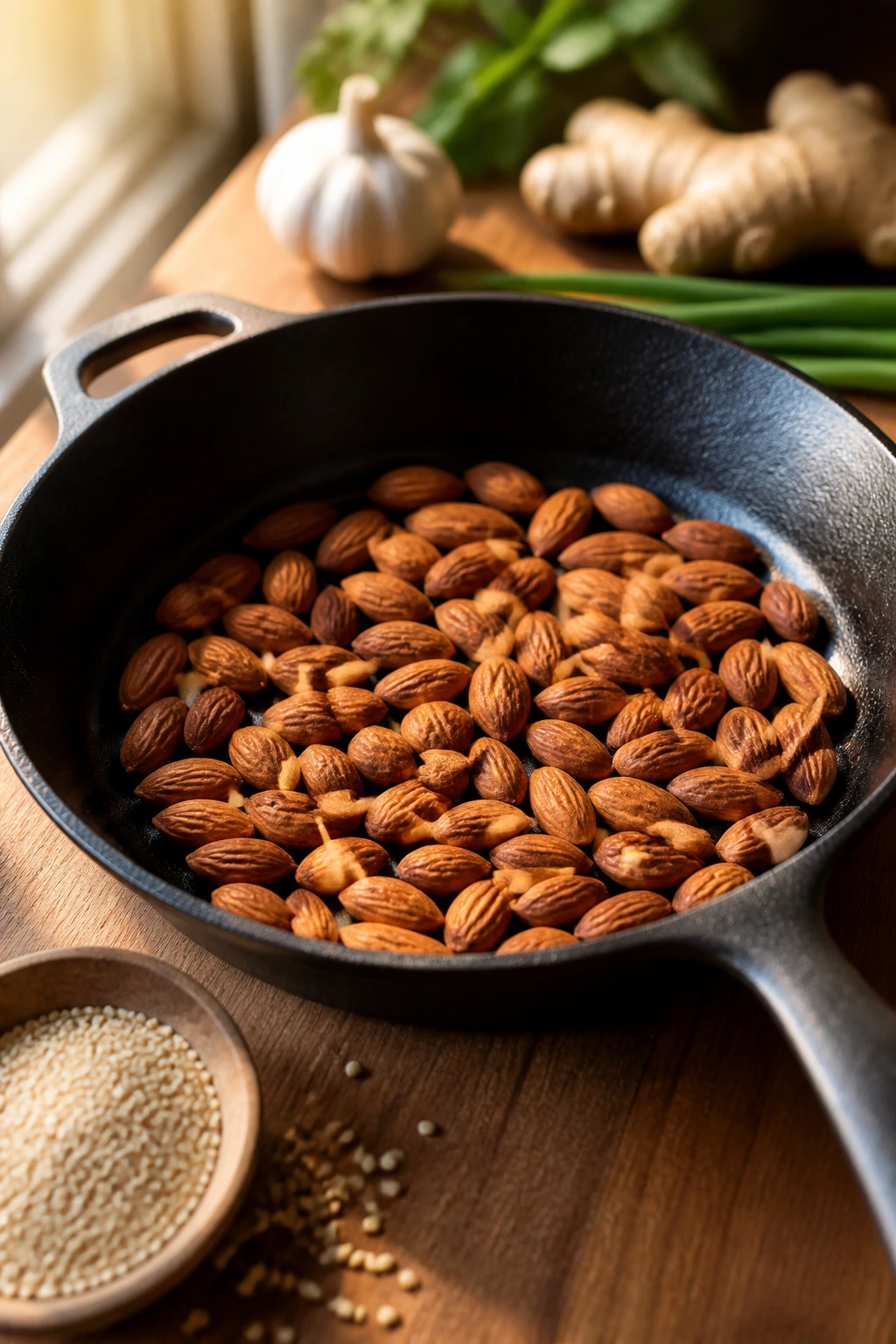
Place a dry 10- or 12-inch skillet over medium heat. Add the sliced almonds in a single layer and toast for 2 to 3 minutes, stirring often, until they smell nutty and the edges turn pale gold. Move them to a plate right away. Do not leave them in the hot pan; they cross from toasted to bitter fast.
-
Add the sesame seeds to the same skillet and toast for 30 to 45 seconds, shaking the pan constantly until they smell fragrant and just start to jump. Tip them onto the same plate and cool completely.
Whisk the Dressing
- In a large mixing bowl or a lidded jar, whisk together the rice vinegar, soy sauce, sesame oil, neutral oil, honey, lime juice, ginger, garlic, chili crisp, and salt, if using, until the dressing looks smooth and glossy. Taste it. It should feel sharp, salty, and nutty with a little sweetness at the edges.
Build and Rest the Slaw
-
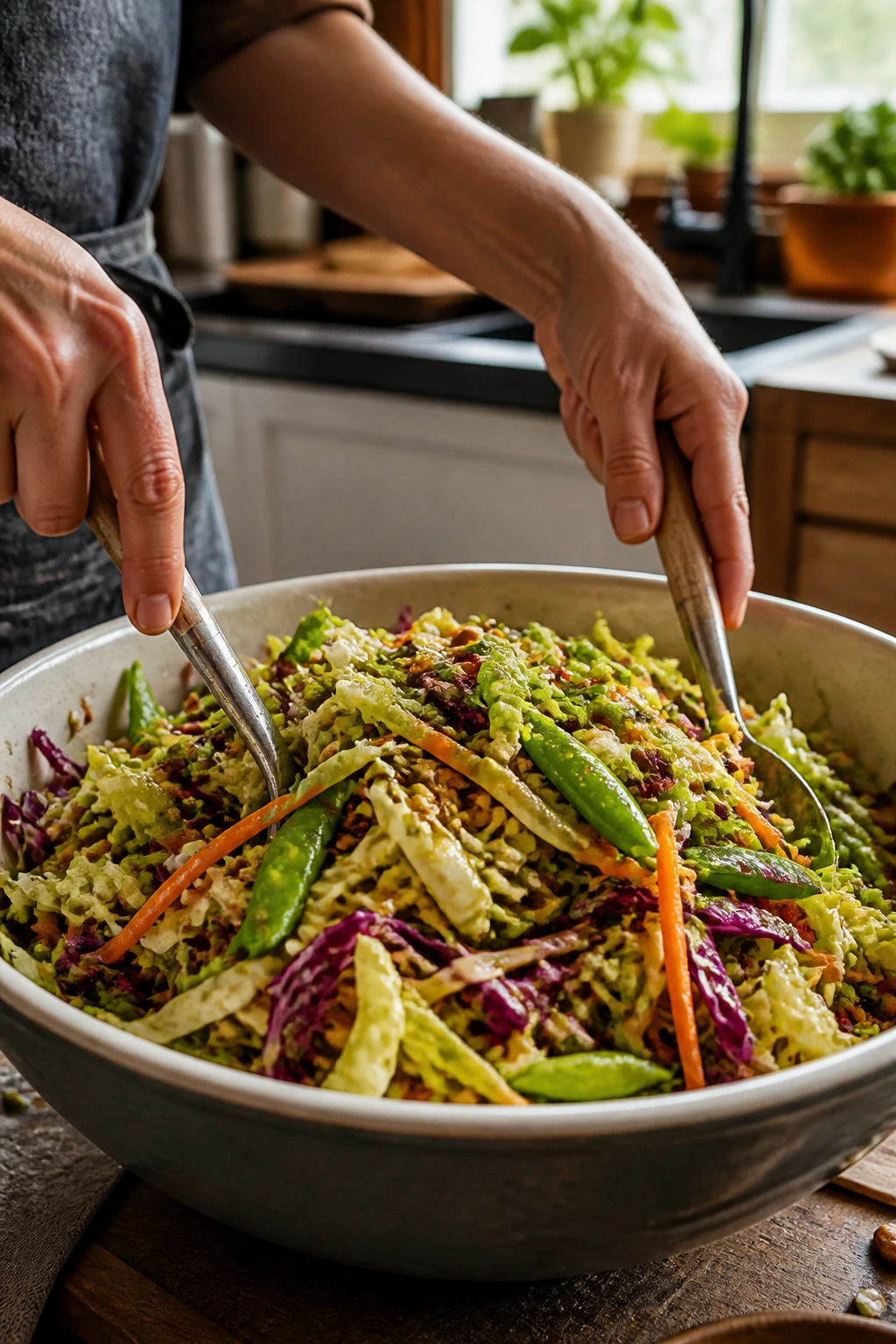
Add the green cabbage, red cabbage, carrots, bell pepper, scallions, snap peas, and cilantro to the bowl. Toss with tongs or clean hands until the vegetables are lightly coated and no dry pockets hide at the bottom. If you used a jar, pour the dressing into a separate bowl first so you can control the amount more easily.
-
Let the slaw sit for 10 to 15 minutes at room temperature. The cabbage should soften at the surface while the centers stay crisp. If liquid gathers at the bottom, stop and toss in a little more cabbage rather than more dressing.
-
Add the peanuts, toasted almonds, and toasted sesame seeds, then toss one last time. Taste again and adjust with a teaspoon of rice vinegar for brightness or a pinch of salt if the flavor feels flat.
-
Pile the slaw into a serving bowl and finish with an extra pinch of cilantro or sesame seeds if you want the top to look loose and fresh. Serve right away if you want the loudest crunch; if it needs to sit, keep the nut topping separate and scatter it over the bowl at the last minute.
How to Serve This Asian Slaw
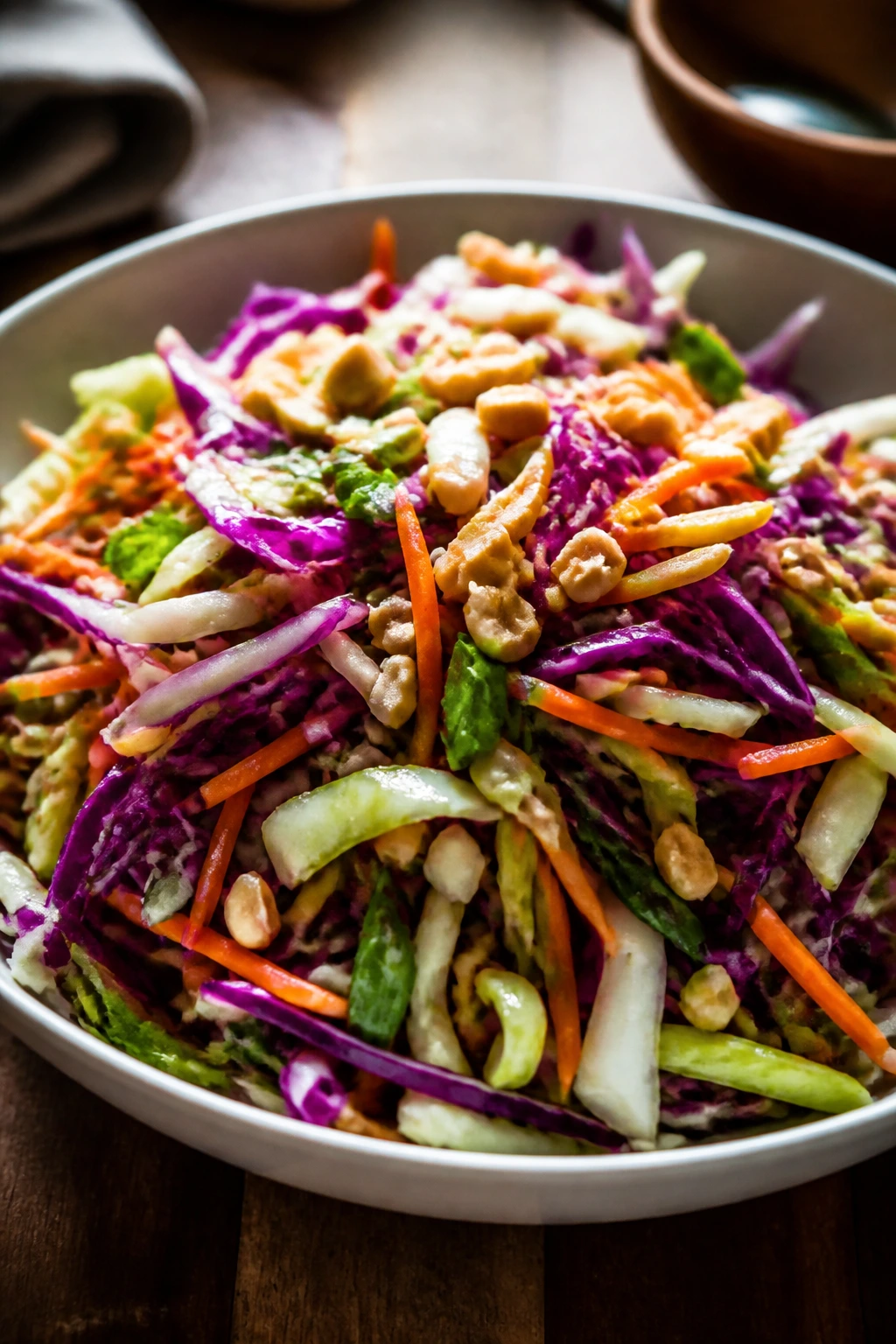
Presentation: Use a shallow bowl or a wide platter instead of a deep serving dish. The loose pile keeps the purple cabbage visible at the edges and gives the nuts a place to sit on top instead of sinking into the middle.
Accompaniments: This slaw sits well beside sesame chicken thighs, grilled salmon, sticky tofu, or plain jasmine rice. It also works in lettuce cups or spooned over chilled soba noodles if you want something that eats more like lunch than side salad.
Portions: As written, it serves 6 as a side dish or 4 as a light main with protein added. If you are feeding a bigger group, scale the vegetables first and the dressing second; cabbage heads vary more than people think, and you may not need every last drop.
Beverage Pairing: Iced jasmine tea is the cleanest match because it stays out of the way and lets the sesame and ginger do their thing. A cold lager works too, especially if you are serving the slaw with grilled meat or dumplings.
If you are packing it for a lunch box, keep the dressing under the vegetables and the nuts on top. A cold plate helps too. Warm bowls make cabbage sweat.
Extra Tips and Flavor Boosters
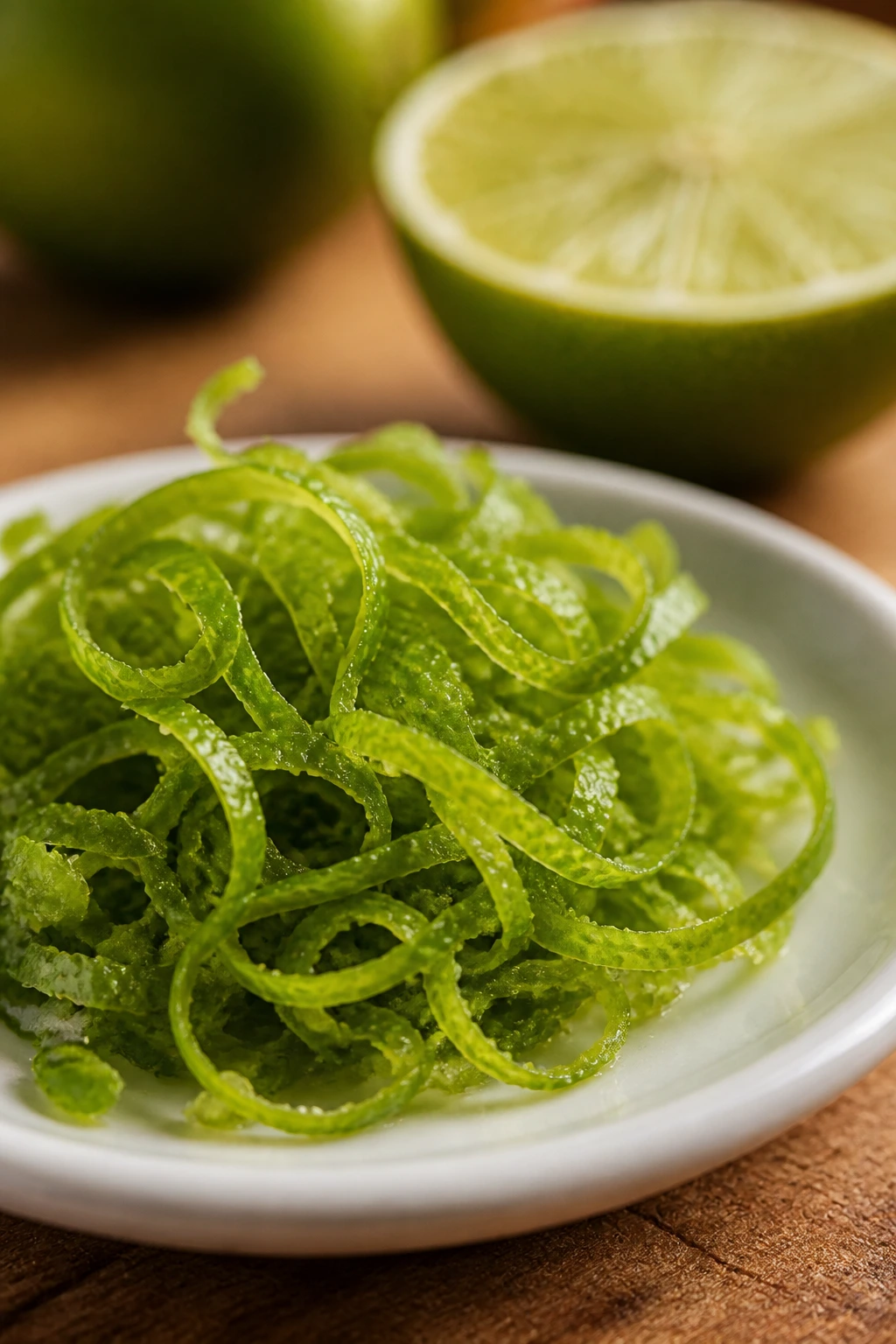
Flavor Enhancement: Add a little lime zest at the end. It smells sharper than juice and makes the bowl taste fresher without adding more liquid. If you like heat, a spoonful of chili crisp drizzled over the top gives little pockets of smoke and pepper that land after the first bite.
Time-Saver: Use a fresh bagged coleslaw mix for part of the cabbage if you are short on knife time, but check that it smells clean and feels dry. I would still slice the scallions, snap peas, and herbs by hand, because those fresh pieces are what stop the bowl from tasting packaged.
Pro Move: Toss the slaw with about two-thirds of the dressing first, wait 10 minutes, then decide whether it needs the rest. That keeps the vegetables from swimming in sauce and gives you more control over the final texture.
Cost-Saver: Let green cabbage do most of the work and treat red cabbage as the color accent. Red cabbage usually costs a bit more, and in this bowl it is mostly there for contrast and a slightly firmer bite.
Serving Suggestions: Save a handful of peanuts, almonds, and sesame seeds for the very top. A final scatter gives the slaw a loose, fresh look and keeps the first bite crunchy, which is the part people remember.
The Mistakes That Turn Crunch Into Limp Salad
-
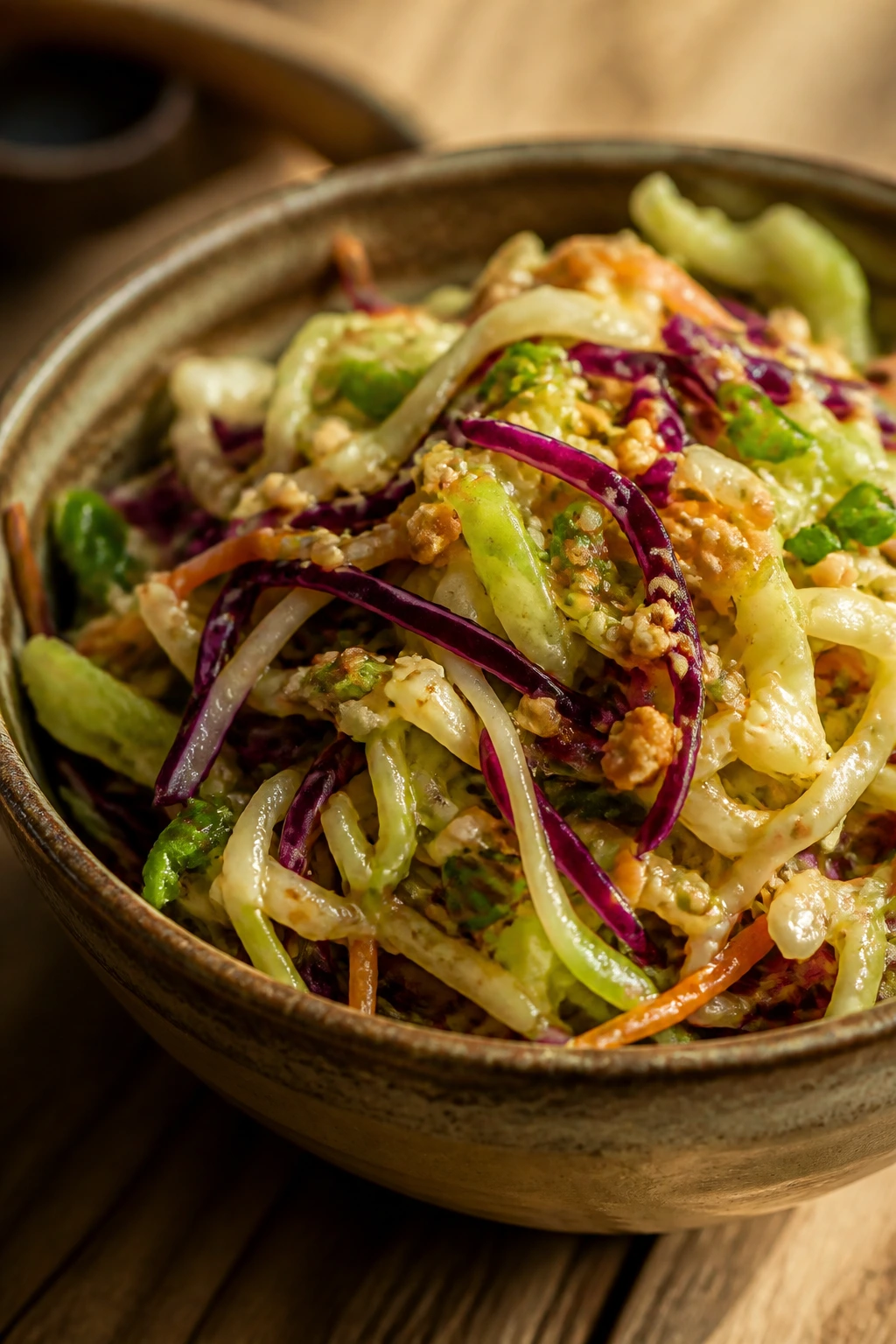
Slicing the cabbage too thick: Thick chunks stay blunt and chewy, and the dressing never really reaches the center. Slice thinner than you think you need, especially if the cabbage is a little old.
-
Overdoing the sesame oil: Too much toasted sesame oil makes the bowl taste heavy and flat instead of bright and nutty. Stick to the measured amount, then use lime or rice vinegar if you want more lift.
-
Dressing the slaw until it swims: If there is liquid pooling at the bottom, you went too far. Start with less dressing, toss, and only add more after the cabbage has had a few minutes to settle.
-
Using stale nuts and seeds: Nuts that smell dusty or oily lose the whole point of the crunch. Toast them briefly, let them cool, and if they still taste tired, buy fresh ones.
-
Adding crispy toppings too early: Fried noodles, wonton strips, or extra toasted toppings soften fast once they touch moisture. Keep them separate until the slaw is already in the bowl and headed to the table.
Variations Worth Trying
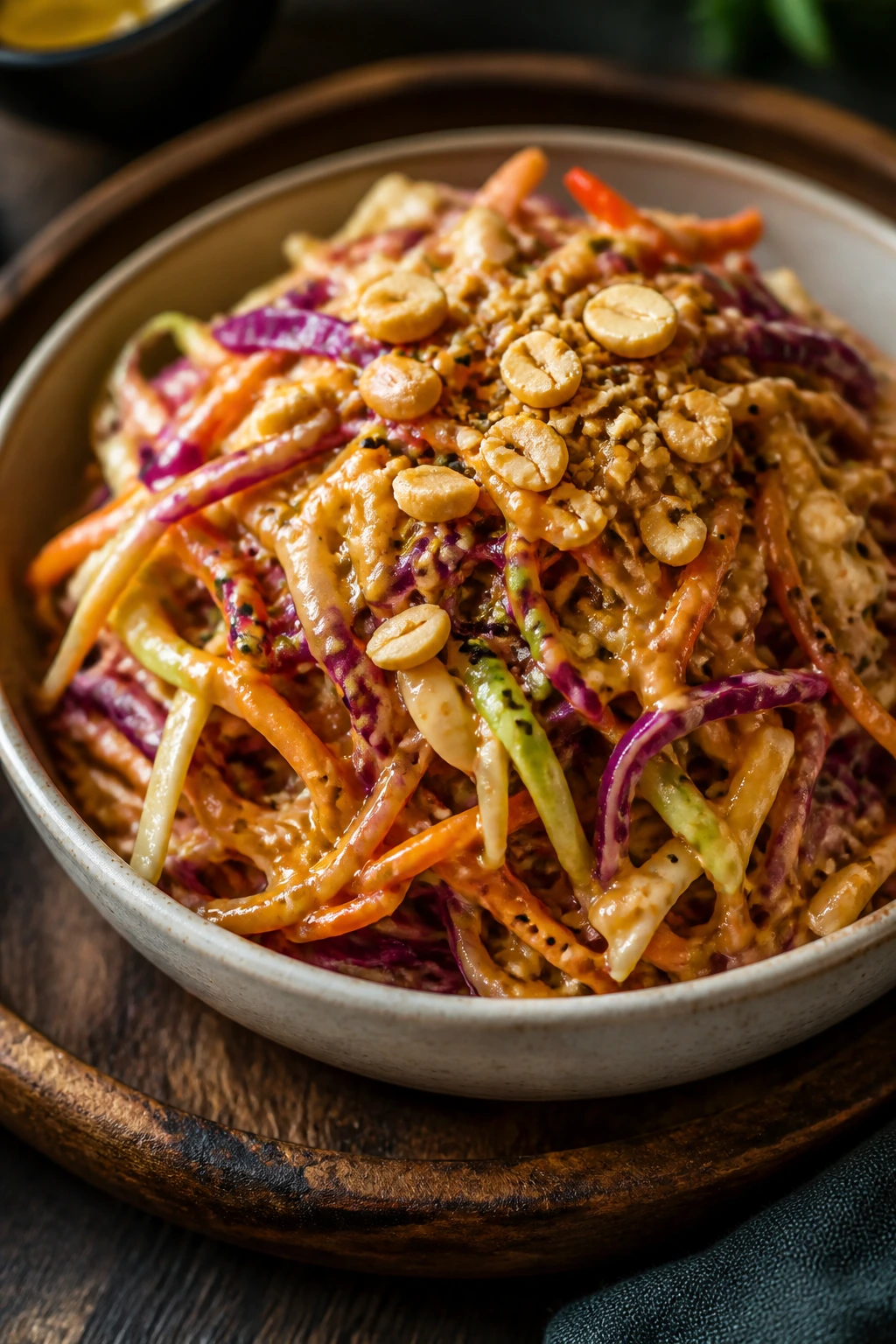
Spicy Peanut Street Bowl
Whisk 1 1/2 tablespoons peanut butter into the dressing and add another teaspoon of chili crisp. The dressing turns richer and a little clingier, which is great if you want the slaw to sit under grilled chicken or tofu and act more like a meal.
Sesame-Orange Brightness
Swap 1 tablespoon of the lime juice for orange juice and add a little orange zest if you have it. The dressing softens up and tastes rounder, which works well beside salmon, shrimp, or anything with a sticky glaze.
Gluten-Free Tamari Toss
Use tamari in place of soy sauce and check any store-bought add-ons if you decide to use crispy noodles later. The rest of the bowl stays exactly the same, and nobody will miss the wheat.
Napa Cabbage Softer Crunch
Replace 2 cups of the green cabbage with napa cabbage for a more delicate, softer bite. I would shorten the resting time by a few minutes because napa wilts faster, but it still keeps enough structure to stay interesting.
Protein-Packed Lunch Bowl
Add 2 cups shredded rotisserie chicken, chilled shrimp, or baked tofu cubes and toss the dressing with the cabbage just before packing. It turns the slaw from a side into lunch without asking you to cook a second recipe.
Make-Ahead, Storage, and Leftover Handling
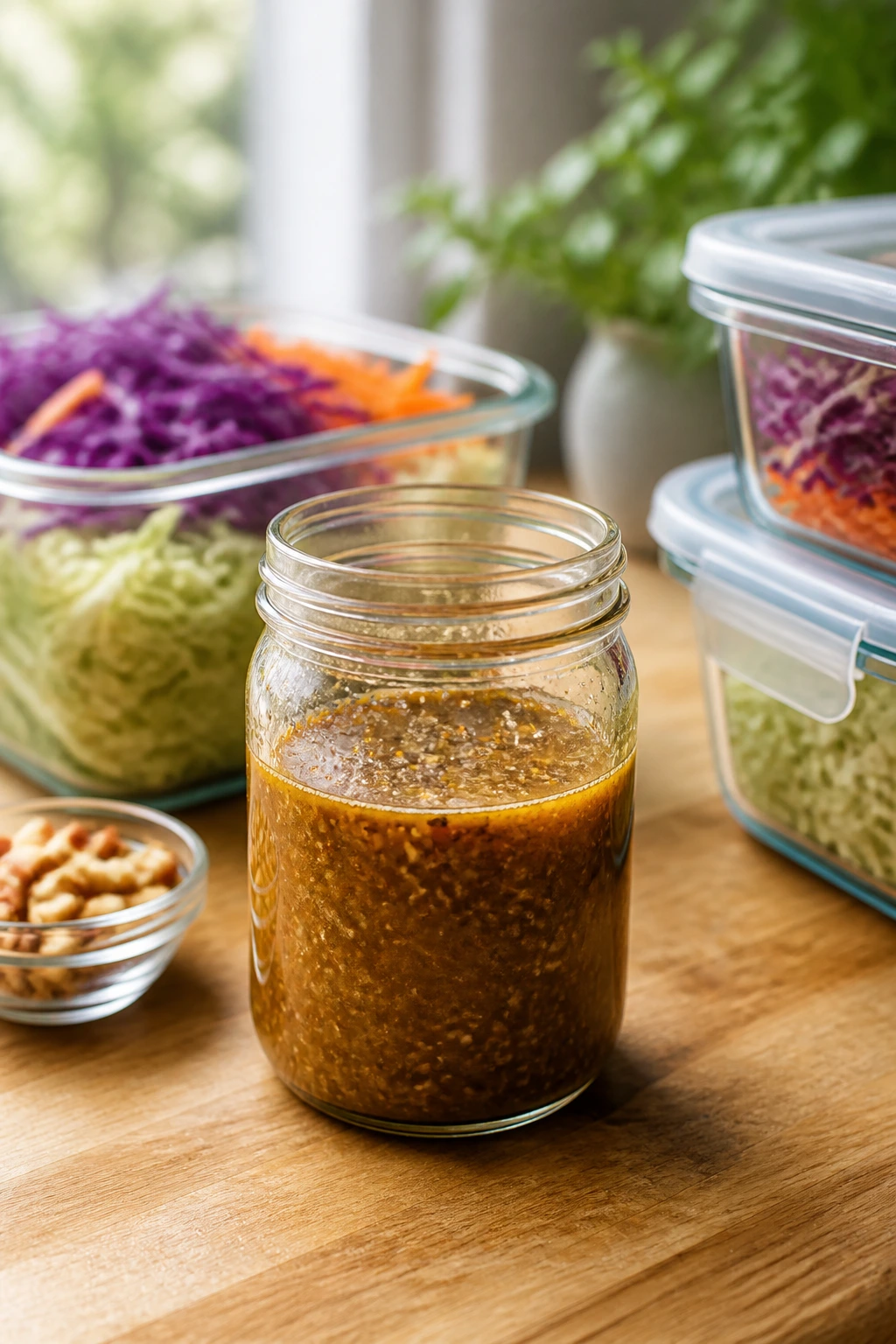
Undressed Slaw
Shredded cabbage, carrots, peppers, scallions, and herbs will keep for 3 to 4 days in the refrigerator if you store them in an airtight container. A paper towel tucked on top helps absorb condensation, especially if the carrots or herbs were washed recently. Keep the nuts and seeds separate if you can; once they sit with moisture, the crunch starts to fade.
Dressed Slaw
Once dressed, the slaw is at its best the same day and still good the next day, usually up to 2 days refrigerated. The cabbage softens a little overnight, which can be nice if you like a more deli-style texture, but the peanuts and almonds lose their snap faster than the vegetables do. If you know leftovers are coming, reserve the nut topping and add it only to the portion you are eating.
Dressing in a Jar
The dressing keeps for about 1 week in the fridge in a sealed jar. Shake it hard before using because the oil will separate from the vinegar and soy sauce. If the jar feels thick when cold, let it sit at room temperature for a few minutes and shake again.
No Reheating, Only Refreshing
There is no real reheating method here, and that is fine. This is a cold slaw, not a pan sauce. If leftovers taste a little muted, refresh them with a squeeze of lime, a pinch of salt, or a handful of fresh cabbage rather than trying to warm them up. Freezing is a bad idea; cabbage and carrots turn watery and soft after thawing, and the whole thing loses the snap you made it for.
Questions People Ask Before They Toss It
Can I use bagged coleslaw mix instead of slicing cabbage myself?
Yes, if the bag is fresh and dry. Use it for part or all of the cabbage, then add the scallions, snap peas, herbs, and dressing just before serving so the mix does not collapse.
How do I keep the slaw from getting watery?
Do not over-dress it, and do not let cucumber or overly wet herbs sit in the bowl without drying them first. If liquid starts pooling, add more cabbage or enough nuts to soak up some of the excess rather than pouring in more sauce.
Can I make the dressing ahead of time?
Yes. The dressing holds well in the fridge for about a week, and the flavor settles in a good way once the ginger and garlic sit in the vinegar for a few hours. Just shake it before using because the oil separates.
What protein works best with this slaw?
Shredded chicken, grilled shrimp, baked tofu, and salmon all work because the dressing has enough acid to cut through richer food. I also like it with dumplings, where the cold crunch balances something hot and chewy.
Can I make it nut-free?
Use toasted sunflower seeds or pumpkin seeds in place of the peanuts and almonds. The bowl loses a little sweetness, so a small squeeze of lime at the end helps pull the flavor back into focus.
What if the dressing tastes too salty?
Add a teaspoon of honey and another teaspoon or two of rice vinegar, then taste again. Salt usually needs acid more than oil, and this bowl is no different.
Can I turn this into lunch instead of a side dish?
Absolutely. Add protein, spoon it over rice or noodles, or pack it with the dressing separate if you want the cabbage to stay loud by noon. A cold forkful of this slaw next to hot rice is one of those small, ordinary meals that gets better every time.
A Cold Bowl That Keeps Its Bite
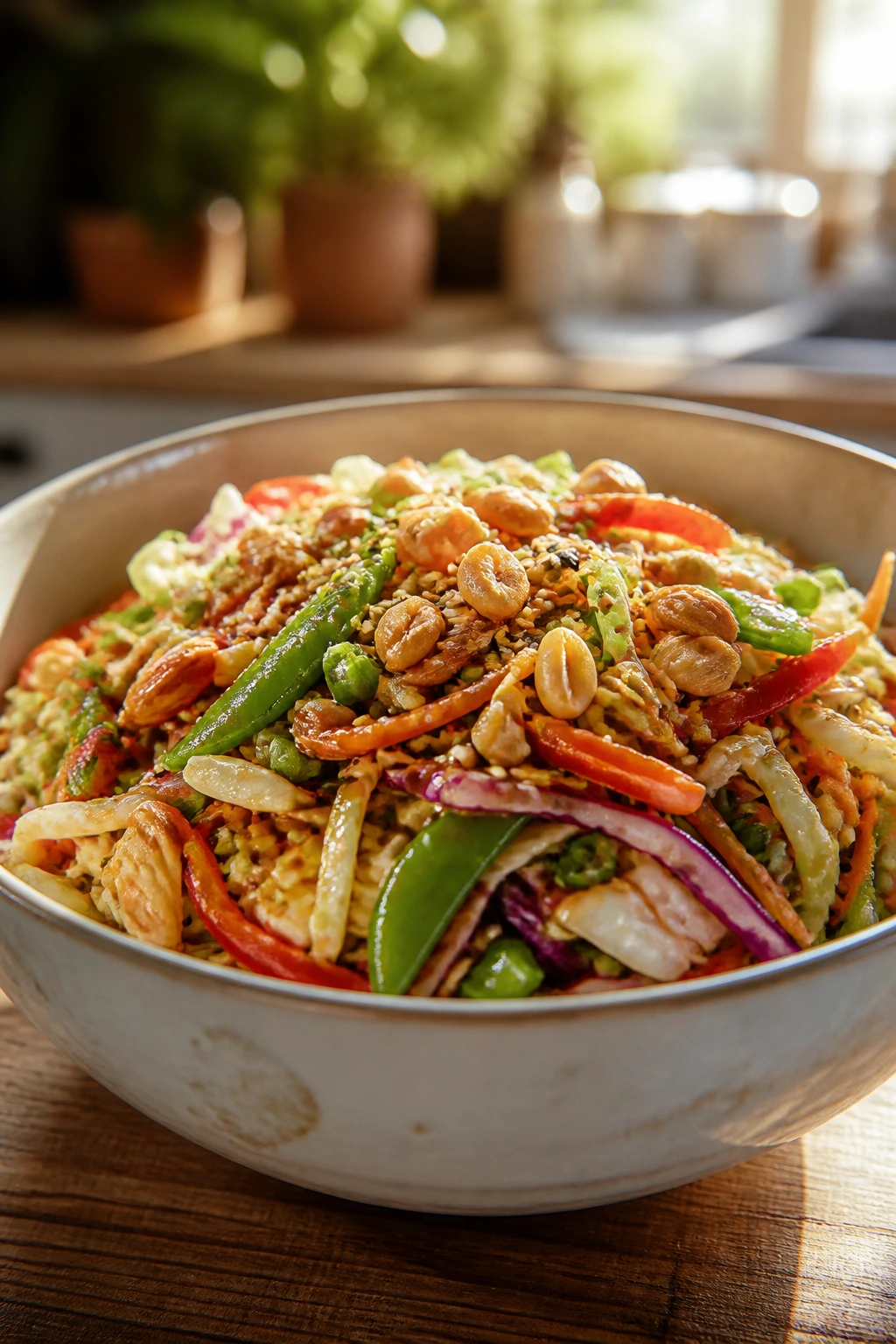
Some recipes are all about heat. This one lives or dies on texture. If the cabbage is sliced thin, the dressing is balanced, and the nuts are toasted long enough to smell warm before they hit the bowl, the slaw stays bright from the first forkful to the last.
I like recipes that know exactly what they are. This one does not try to be soup, stir-fry, or a heavy salad pretending to be light. It is a cold, crunchy bowl with a sharp sesame dressing and a clean finish, and that is enough. Make it once, keep the dressing in a jar, and you will have a side dish that can sit beside dumplings, grilled chicken, salmon, or a plain bowl of rice without disappearing.
Crispy Crunchy Asian Slaw — Recipe Card
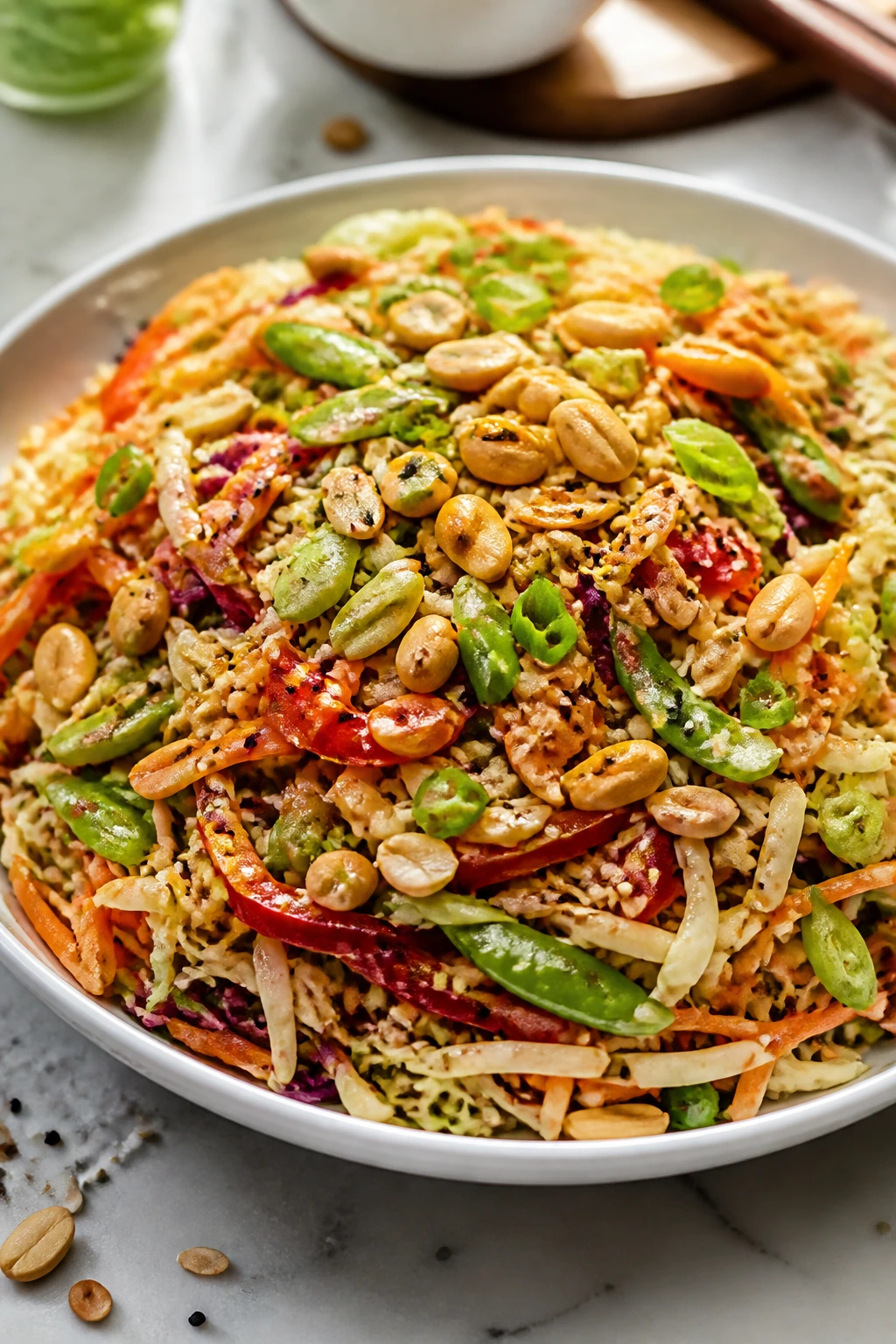
Recipe Name: Crispy Crunchy Asian Slaw
Description: A cabbage slaw with carrots, snap peas, scallions, peanuts, toasted almonds, and a sesame-ginger dressing. It stays crisp, bright, and salty-sweet instead of turning soggy.
Prep Time: 20 minutes
Cook Time: 5 minutes
Total Time: 25 minutes active, plus 10 to 15 minutes resting if desired
Course: Side Dish
Cuisine: Asian-Inspired
Servings: 6 side servings
Calories: About 220 kcal per serving
Ingredients
For the Slaw:
- 5 cups green cabbage, thinly sliced
- 3 cups red cabbage, thinly sliced
- 2 large carrots, julienned or shredded
- 1 red bell pepper, thinly sliced
- 4 scallions, thinly sliced
- 1 cup snap peas, thinly sliced on the bias
- 1/2 cup cilantro leaves, roughly chopped
- 1/2 cup roasted peanuts, roughly chopped
- 1/4 cup sliced almonds, toasted
- 2 tablespoons sesame seeds, toasted
For the Dressing:
- 1/4 cup rice vinegar
- 3 tablespoons low-sodium soy sauce or tamari
- 2 tablespoons toasted sesame oil
- 1 tablespoon neutral oil
- 1 1/2 tablespoons honey
- 1 tablespoon fresh lime juice
- 1 teaspoon fresh ginger, finely grated
- 1 small garlic clove, finely grated
- 1 teaspoon chili crisp or 1/2 teaspoon sriracha
- 1/4 teaspoon fine sea salt, only if needed
Instructions
-
Toast the almonds in a dry skillet over medium heat for 2 to 3 minutes. Toast the sesame seeds for 30 to 45 seconds and cool both on a plate.
-
Whisk the dressing ingredients together until smooth and glossy.
-
Add the cabbage, carrots, bell pepper, scallions, snap peas, and cilantro. Toss to coat.
-
Rest the slaw for 10 to 15 minutes, then add the peanuts, almonds, and sesame seeds.
-
Taste and adjust with a little more vinegar or salt, then serve.
Notes: Add crispy noodles at the table if you want extra crunch. Keep the dressing separate if you make the slaw more than a few hours ahead.