



The difference between a crispy quick stir fry and a sad, glossy heap is usually one hot pan, one clean sequence, and a little restraint. Give the vegetables room. Let the chicken brown before you start fussing with the sauce. That’s the whole trick, and it’s the part most home cooks skip because they’re trying to move fast.
Takeout stir fry often loses its snap on the ride home. Steam gets trapped in the container, the broccoli softens, and the sauce slides to the bottom like it’s looking for a place to hide. At home, you get to do the opposite: high heat, short cooking time, and a sauce that clings to every strip of chicken and every ridge of pepper.
I like this kind of dinner because it feels sharp, not heavy. The chicken stays juicy, the peppers keep a little bite, and the sauce tastes like soy, garlic, ginger, and sesame instead of one blunt note of salt. If you’ve ever eaten stir fry that tastes cooked but somehow still flat, the issue was probably not the ingredients. It was the order.
Why This Stir-Fry Tastes Brighter Than a Takeout Box
A good stir fry is less about a secret ingredient and more about sequence under heat. That’s the part restaurant kitchens understand instinctively: the pan has to be hot enough to brown, but not so crowded that the food steams in its own moisture. When you cook at home, you can actually control that balance instead of hoping a delivery container will preserve it for 20 minutes.
This version borrows the parts that matter. Chicken thighs give you a little forgiveness, because they stay juicy even if your timing is imperfect. Broccoli, peppers, snap peas, and carrot bring different textures, which makes every bite feel brighter than a pan full of one soft vegetable. The sauce does its job too, but only because it’s built to coat, not drown.
There’s also a practical advantage home cooks get that takeout rarely can: you can serve this the second it comes off the burner. No bag. No lid. No trapped steam turning crisp edges floppy. A sheet pan, a bowl, and a hot skillet will beat a clamshell container almost every time.
And yes, the high heat matters. A wok or heavy skillet gives you a little bit of that restaurant-style sear, the smoky edge people often call wok hei when they’re talking about Chinese cooking. You don’t need a commercial burner to get close. You do need dry ingredients, a preheated pan, and the discipline to leave things alone for a minute when browning is what you want.
Why You’ll Keep Making This One
-
Fast, but not rushed: Once the chopping is done, the cooking part moves in about 15 minutes, so dinner lands while the vegetables still have bite.
-
Crisp-tender vegetables: Broccoli, peppers, snap peas, and carrot each get a different amount of heat, which keeps the pan from tasting like one soft, blended thing.
-
A sauce that coats, not floods: Cornstarch gives the sauce enough body to cling to the chicken and vegetables without turning syrupy.
-
Forgiving chicken: Thighs stay juicy even if the pan runs a little cooler than you hoped, which is a very real help on a crowded stovetop.
-
Flexible pantry ingredients: Soy sauce, oyster sauce, garlic, ginger, and vinegar do the heavy lifting, so you don’t need a wall of bottled sauces.
-
Leftovers that behave: Reheated in a skillet, this still tastes like dinner instead of lunchbox mush, especially if you keep the rice separate.
Timing, Yield, and the One-Pan Game Plan
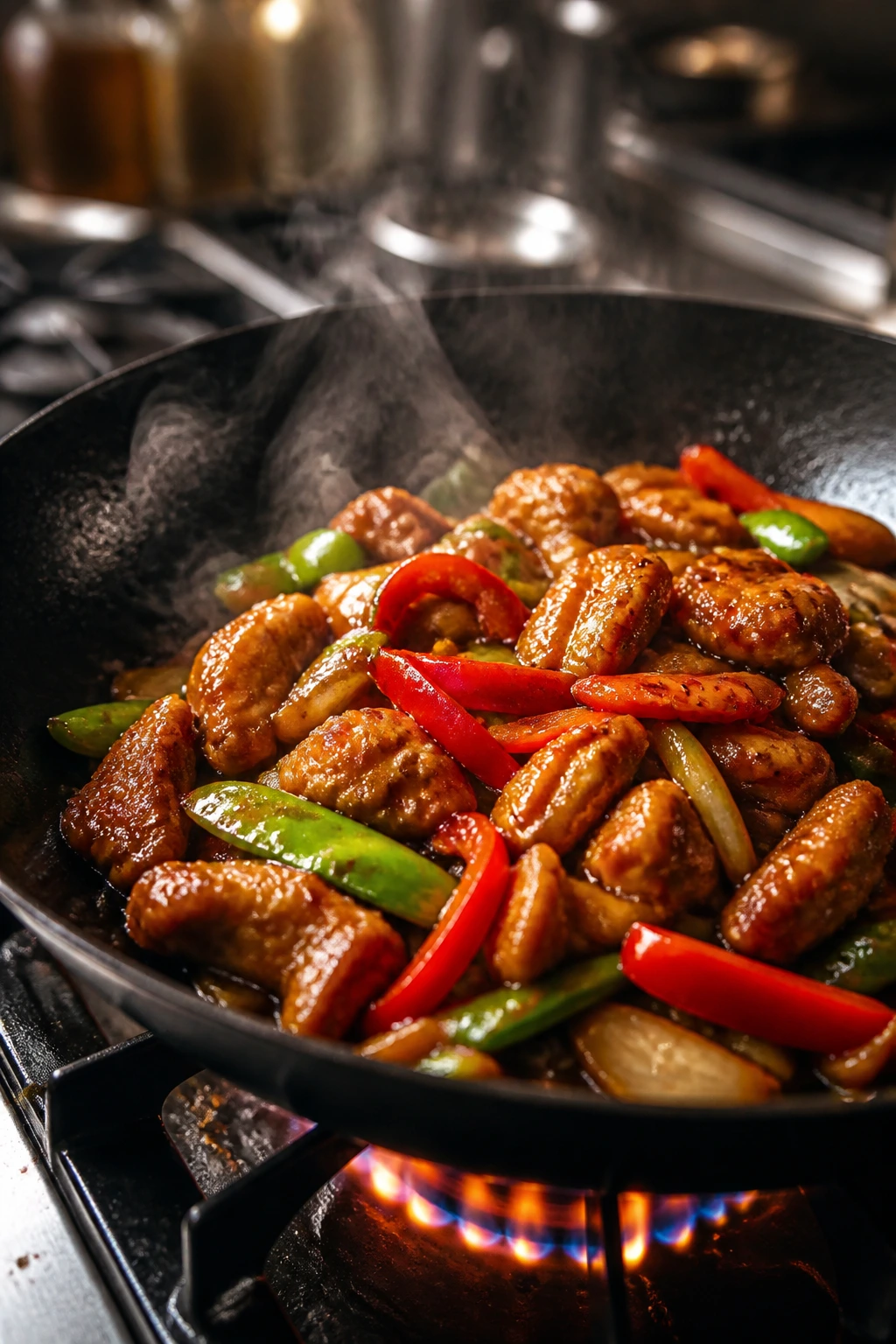
Yield: Serves 4
Prep Time: 20 minutes
Cook Time: 15 minutes
Total Time: 35 minutes
Difficulty: Beginner — the steps are straightforward, but the pan needs to stay hot and the ingredients need to be ready before you start.
Best Served: Right after cooking, while the vegetables still have snap and the sauce is glossy.
The one thing that makes stir fry feel hard is speed, but speed is only a problem if the cutting board is still a mess when the burner turns on. Once the pan is hot, you should not be hunting for garlic or trying to whisk a sauce with one hand. Everything lives in little bowls, lined up near the stove, and the whole dish becomes much less stressful.
I also like to think of this as a hot-pan recipe, not a “cook while you prep” recipe. Prep first. Cook second. If you try to do both at once, the vegetables overcook while you’re slicing the scallions, and then the whole thing loses its edge.
The Ingredient List That Makes the Skillet Work
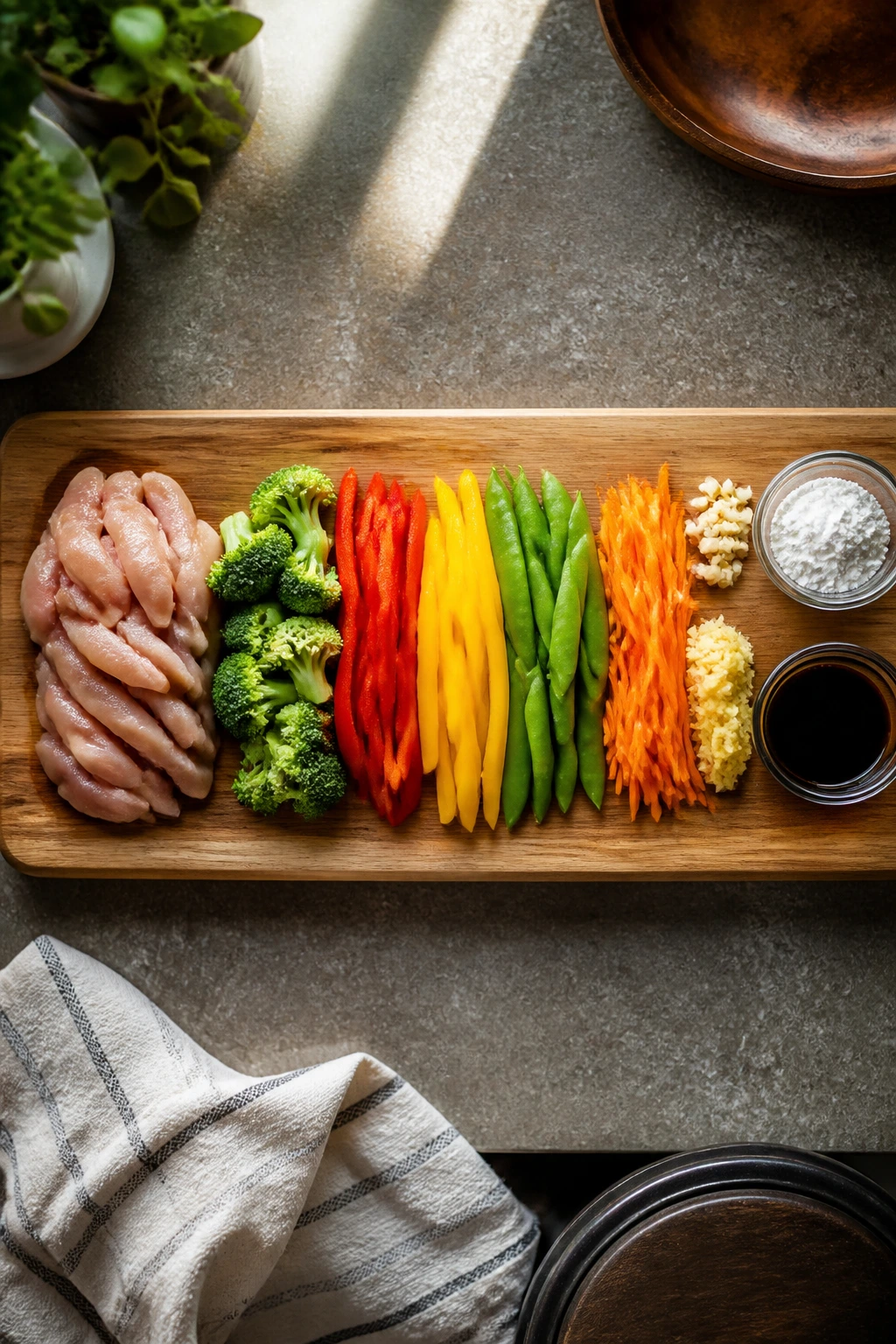
For the Chicken:
- 1½ lbs boneless, skinless chicken thighs, sliced into ¼-inch strips against the grain
- 1 tbsp soy sauce
- 1 tbsp Shaoxing wine or dry sherry
- 1 tbsp cornstarch
- 1 tsp neutral oil
For the Sauce:
- 1/3 cup low-sodium soy sauce
- 1/4 cup chicken broth
- 2 tbsp oyster sauce
- 1 tbsp honey
- 1 tbsp rice vinegar
- 1 tbsp cornstarch
- 1/2 tsp white pepper or black pepper
- 1/4 tsp crushed red pepper flakes, optional
For the Stir-Fry:
- 2 tbsp peanut oil or avocado oil
- 1 medium yellow onion, cut into 1/2-inch wedges
- 1 red bell pepper, sliced into 1/2-inch strips
- 1 yellow bell pepper, sliced into 1/2-inch strips
- 2 cups broccoli florets, cut small enough to eat in one bite
- 1 cup sugar snap peas, strings removed
- 1 medium carrot, julienned or thinly sliced
- 3 cloves garlic, minced
- 1 tbsp fresh ginger, grated
For the Finish:
- 4 scallions, cut into 2-inch pieces
- 2 tsp toasted sesame oil
- 1 tbsp toasted sesame seeds
Why the Chicken Stays Juicy and the Sauce Sticks
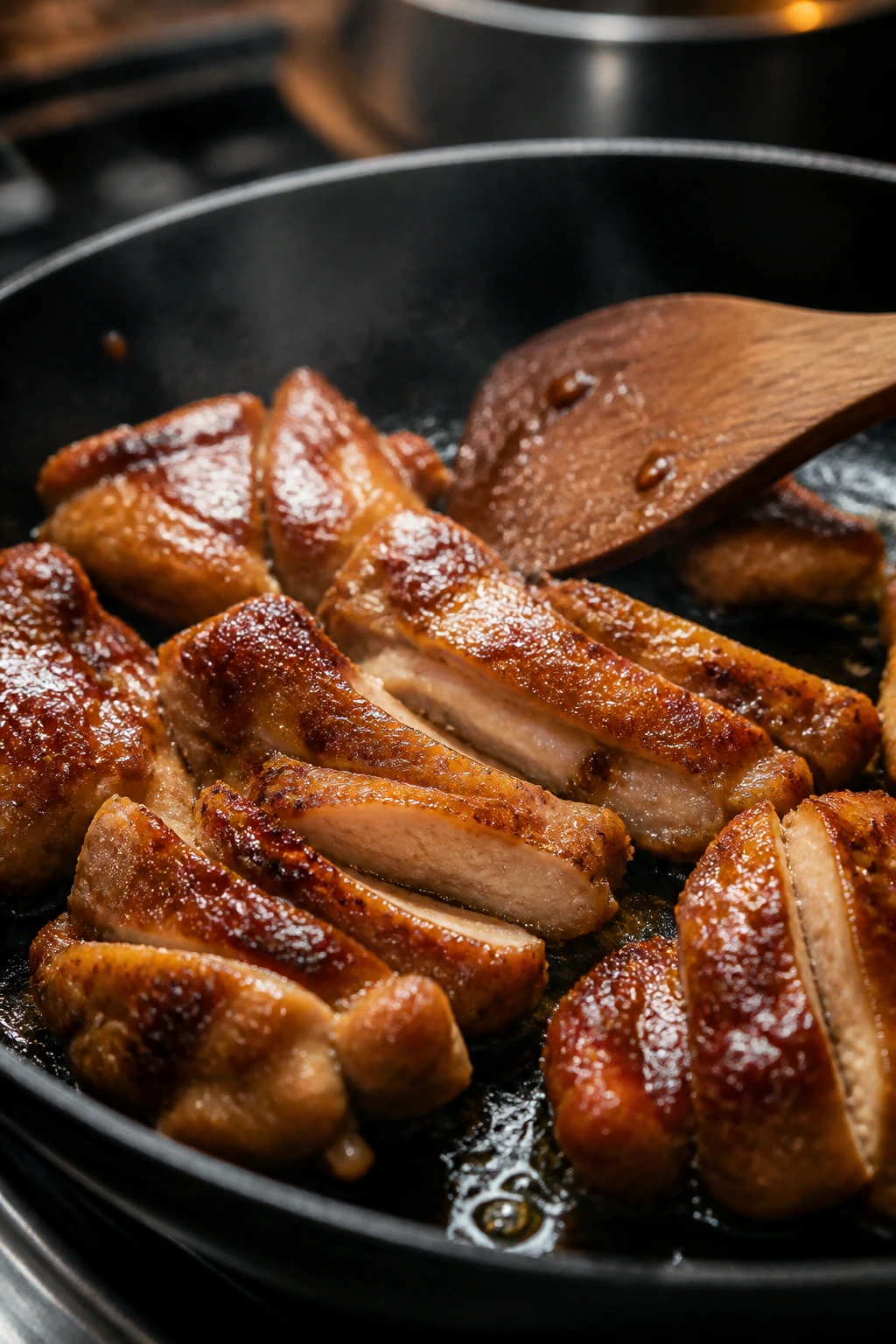
Chicken Thighs
What to use: 1½ lbs boneless, skinless chicken thighs, sliced into ¼-inch strips against the grain.
Preparation: Slice while the chicken is still cold, then pat the strips dry before they hit the bowl. That thin cornstarch coat needs a dry surface to grab onto.
Substitutions: Chicken breast works if you keep the strips thin and shorten the cook time, and shrimp can step in if you want an even faster version. Firm tofu works too, but it needs a longer press and a more patient sear.
Tips: Thighs are the safer choice here because they stay tender even when the pan is crowded for a moment. If you cut the pieces too thick, the outside browns before the inside catches up.
The Sauce Base
What to use: 1/3 cup low-sodium soy sauce, 1/4 cup chicken broth, 2 tbsp oyster sauce, 1 tbsp honey, 1 tbsp rice vinegar, 1 tbsp cornstarch, and 1/2 tsp white pepper or black pepper.
Preparation: Whisk the cornstarch into the liquid until the mixture looks smooth and slightly cloudy, with no little white streaks floating around.
Substitutions: Tamari makes this gluten-free, and vegetarian oyster sauce or mushroom stir-fry sauce can replace the oyster sauce if you skip the chicken. If you want less sweetness, cut the honey back to 2 teaspoons and add a splash more vinegar.
Tips: Low-sodium soy keeps the sauce from turning harsh when it reduces in the pan. Regular soy can work, but you’ll want to taste carefully before adding any extra salt.
Quick-Heat Oil and Cornstarch
What to use: 2 tbsp peanut oil or avocado oil for the pan, plus 1 tbsp cornstarch on the chicken.
Preparation: Keep the oil measured out and within reach, because high heat goes from ready to smoky in a blink. The cornstarch should coat the chicken lightly, not leave a dusty shell.
Substitutions: Canola oil is fine if that’s what you have. I would not use extra-virgin olive oil here; the smoke point is too low for the heat this dish needs.
Tips: Peanut oil gives the cleanest takeout-style finish, but avocado oil is excellent if you want a neutral taste and a little more heat tolerance.
Why the Vegetables Keep Their Snap
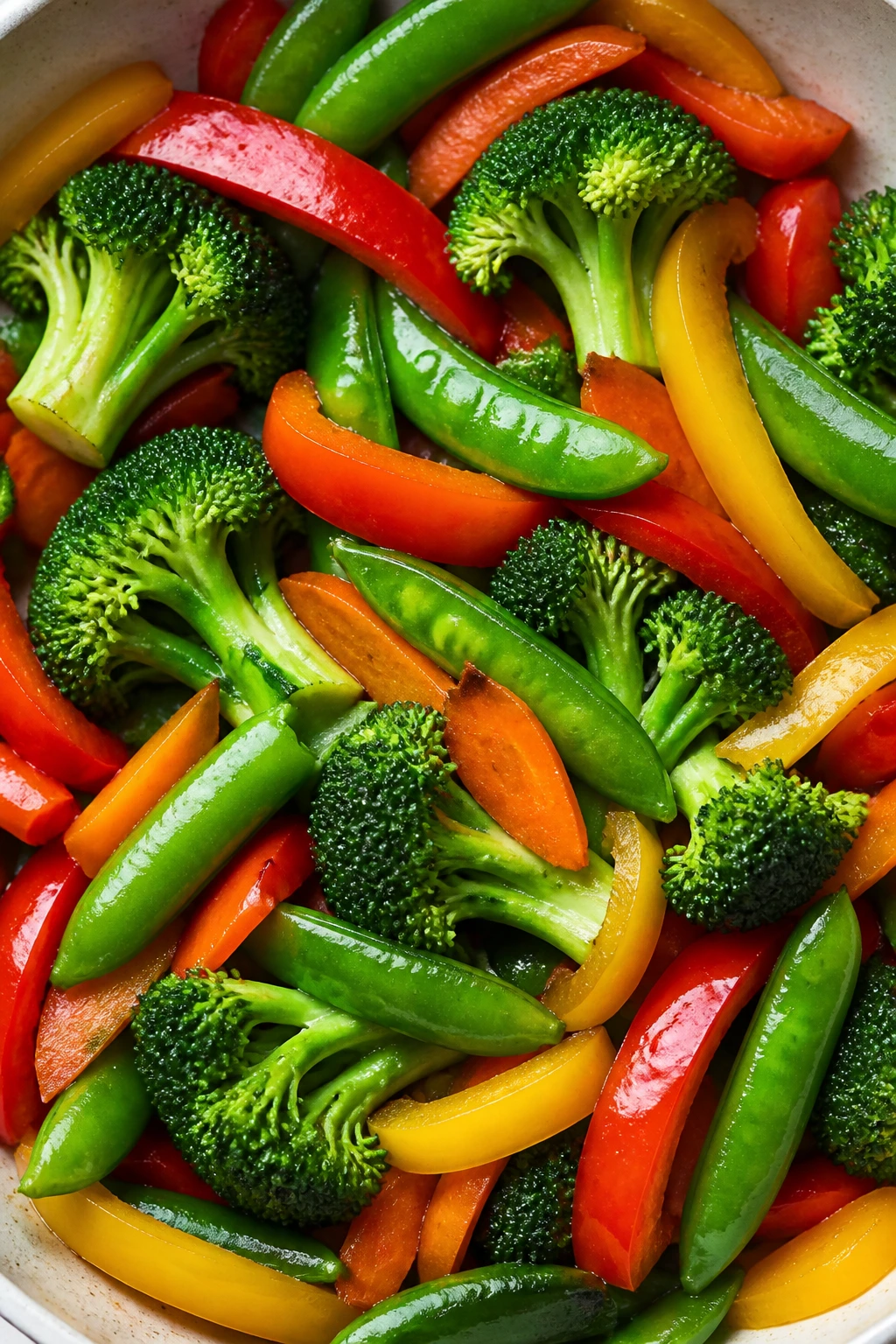
Broccoli, Peppers, Snap Peas, and Carrot
What to use: 2 cups broccoli florets, 1 red bell pepper, 1 yellow bell pepper, 1 cup sugar snap peas, 1 medium carrot, and 1 medium yellow onion.
Preparation: Cut everything to a similar bite size so the pan doesn’t leave you with one raw carrot chunk and one collapsing pepper strip. The broccoli florets should be small enough that the stems cook through quickly.
Substitutions: Snow peas can stand in for snap peas, green beans can replace the broccoli if you want a different shape, and mushrooms work if you like a deeper, woodsy flavor.
Tips: Wet vegetables are the enemy here. If you rinse the broccoli ahead of time, dry it well on towels so the pan doesn’t suddenly turn into a steaming box.
Garlic, Ginger, Scallions, and Sesame Oil
What to use: 3 cloves garlic, 1 tbsp fresh ginger, 4 scallions, 2 tsp toasted sesame oil, and 1 tbsp toasted sesame seeds.
Preparation: Mince the garlic finely and grate the ginger so they disappear into the sauce instead of burning into little sharp bits. Slice the scallions into long pieces so they still look fresh at the end.
Substitutions: Garlic paste or ginger paste can save time, though fresh always smells cleaner in the pan. Chives can replace scallions if your market has limp ones.
Tips: Toasted sesame oil belongs at the end, not in the frying oil. Its job is fragrance, and that fragrance is fragile.
The Equipment That Saves the Sear
-
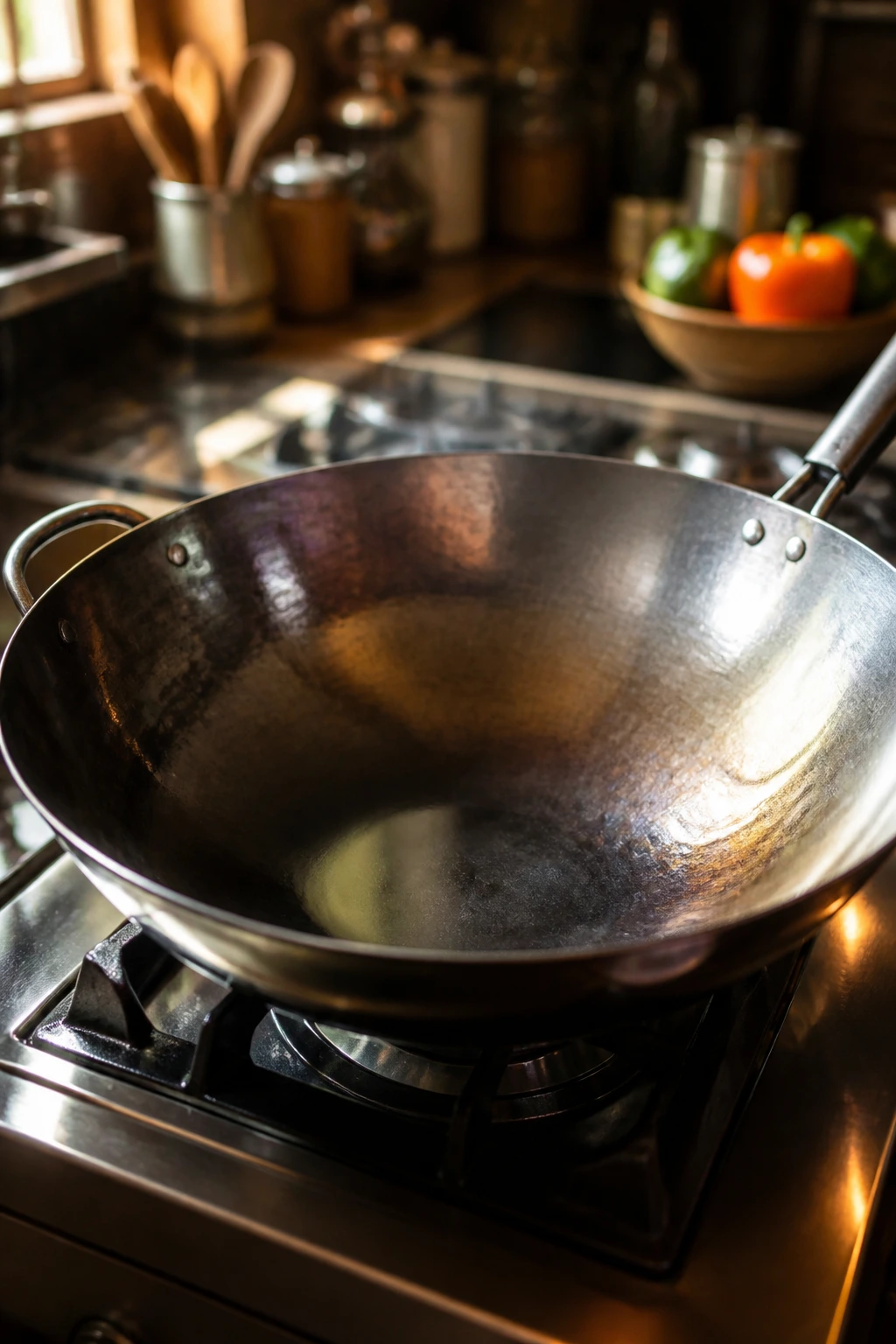
12-inch wok or heavy skillet: A wok gives you room to toss, but a heavy skillet holds heat better than a flimsy one. Either works if it gets hot enough.
-
Large mixing bowl: Use this for the chicken marinade so every strip gets the same light coating.
-
Small bowl or measuring cup: Whisk the sauce here before the pan is on. You do not want to be scraping cornstarch clumps out of the corner of the skillet.
-
Tongs or a wide spatula: Tongs help with the chicken, while a spatula is useful for getting under the vegetables without crushing them.
-
Sharp chef’s knife: Thin, even slicing is half the battle. A dull knife turns this from quick prep into a small problem.
-
Cutting board: I keep one board just for vegetables when I’m cooking something like this, because you move faster when you’re not cleaning between each ingredient.
-
Microplane or fine grater: This makes the ginger easy to work with and keeps fibrous little shreds from hanging around in the sauce.
The Fast, Hot Method That Gets Dinner on the Table
Prep the Sauce and Chicken:
-
In a small bowl, whisk together the soy sauce, chicken broth, oyster sauce, honey, rice vinegar, cornstarch, black or white pepper, and crushed red pepper flakes if you’re using them. Keep whisking until the mixture looks smooth and slightly thick, with no cornstarch streaks left behind.
-
In a medium bowl, toss the sliced chicken thighs with the soy sauce, Shaoxing wine or dry sherry, cornstarch, and neutral oil. The coating should cling to the chicken in a thin sheen, not sit in puddles at the bottom of the bowl. Let it rest while you finish the vegetables, about 10 minutes.
-
Prep all the vegetables, garlic, ginger, scallions, and sesame seeds before you turn on the burner. Line them up in the order you’ll use them. This is the part that keeps stir-fry calm. Once the pan is hot, there is no time to stop and mince.
Cook the Stir-Fry:
-
Set a wok or 12-inch skillet over high heat and let it heat for 1 to 2 minutes, until a drop of water skitters across the surface and vanishes almost at once. Add 1 tablespoon of the oil and swirl it around. The oil should shimmer quickly, not sit there looking sleepy. If it smokes hard right away, lower the heat for a few seconds before you add the chicken.
-
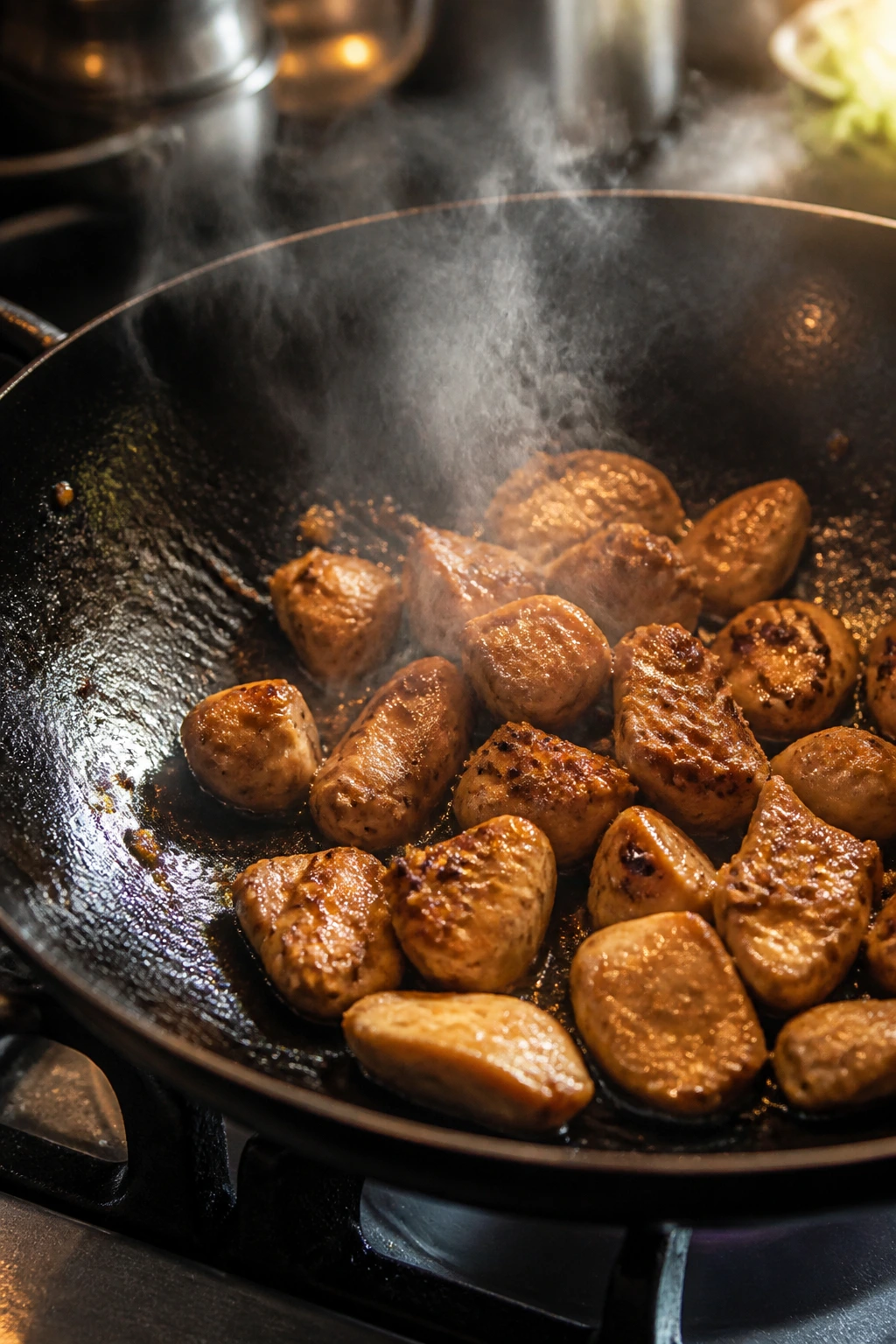
Add half the chicken in a single layer and let it sit for 45 seconds before you start stirring. Then stir-fry for 2 to 3 minutes, tossing often, until the pieces are lightly browned and nearly cooked through. Transfer them to a plate. Repeat with the remaining chicken and the last tablespoon of oil. Do not crowd the pan. Crowding turns browning into pale steaming, and that is where stir-fry loses its texture.
-
Add the onion, carrot, and broccoli to the hot pan. Stir-fry for 2 minutes, letting the broccoli edges pick up a little color. If the vegetables look dry or the pan starts to feel too fierce, add 1 to 2 tablespoons of water and keep tossing for 30 seconds. The broccoli should turn bright green and still feel firm when you press a piece with the edge of the spatula.
-
Add the bell peppers and snap peas, then stir-fry for 1 to 2 minutes more. They should soften just enough to lose their raw edge, but still hold a crisp bite. Add the garlic and ginger and stir for 20 to 30 seconds, just until the smell turns sweet and sharp. If the garlic starts to brown fast, the heat is too high or you waited too long.
-
Return the chicken and any juices to the pan. Whisk the sauce one more time, then pour it around the edges of the skillet so it hits the hottest metal first. Stir constantly for 30 to 60 seconds, until the sauce bubbles and turns glossy, clinging to the chicken and vegetables instead of pooling at the bottom. The chicken should reach 165°F in the thickest pieces.
-
Turn off the heat. Add the scallions, drizzle over the toasted sesame oil, and toss once or twice to coat. Scatter the sesame seeds on top and serve immediately. That last off-heat sesame oil drizzle matters more than people think. It gives the dish the smell you expect when the bowl lands on the table.
How to Plate It So the Vegetables Stay Crisp
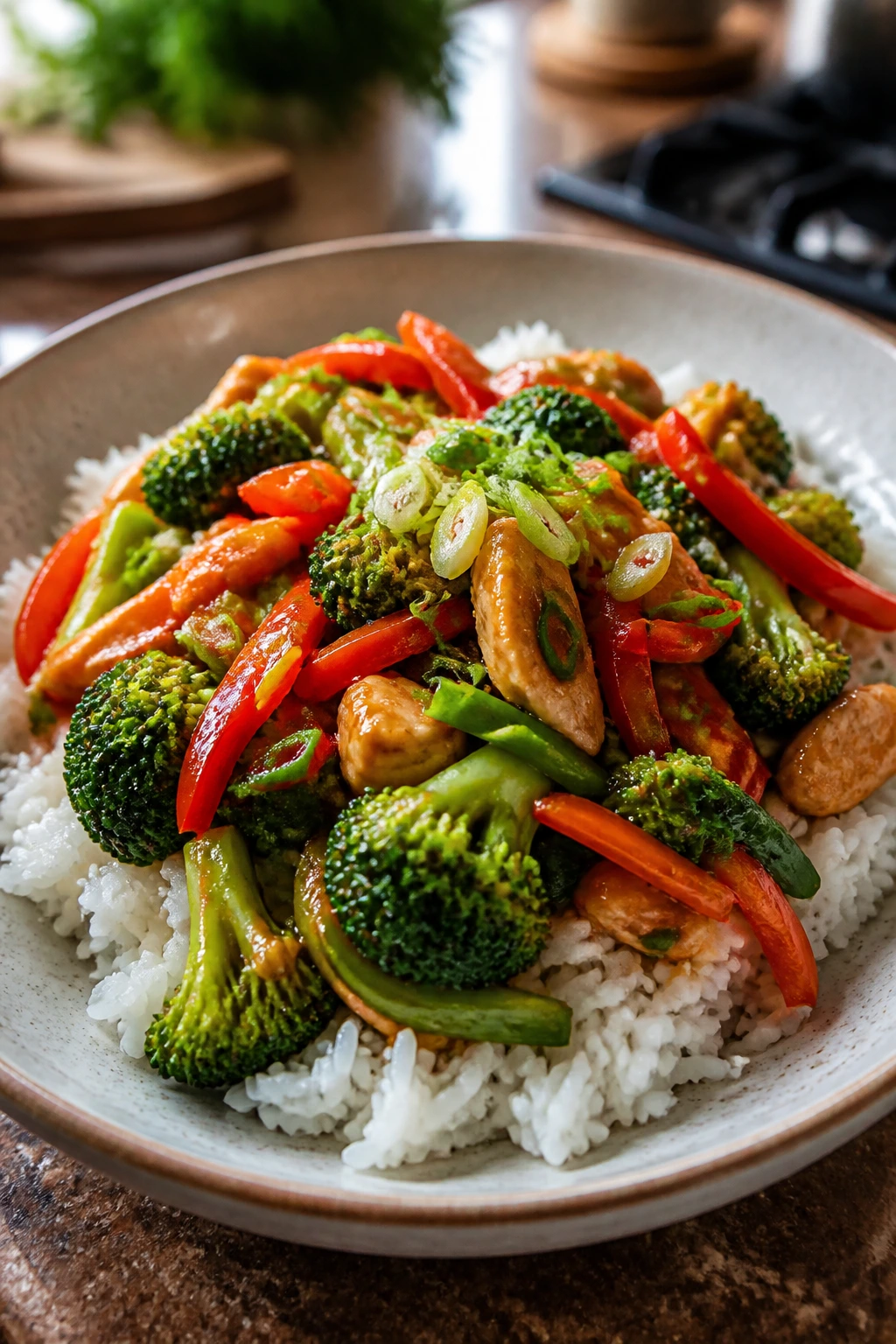
A shallow bowl beats a deep one here. Deep bowls trap steam, and steam is the quiet enemy of anything you’re trying to keep crisp. Spoon the stir-fry over a loose bed of jasmine rice or onto warm noodles, then pile the chicken and vegetables high so the sauce stays visible on the top layer instead of disappearing underneath.
Presentation: I like a dark bowl or a white platter for this because the broccoli, peppers, and scallions look sharper against a plain surface. A quick scatter of sesame seeds and those green scallion tops gives you the feeling of a finished dish without making it fussy.
Accompaniments: Jasmine rice is the standard answer, and honestly, it earns that spot because its soft grain catches the sauce without competing with it. If you want a little more heft, use rice noodles or brown rice. A cold cucumber salad with rice vinegar and a pinch of sugar is a nice side if you want the meal to feel lighter.
Portions: Four servings is a fair call for a main dish with rice, though hungry adults can clear it faster. If you’re stretching it, serve smaller scoops of stir-fry over a bigger bed of rice and add steamed edamame or a fried egg on top. For a lighter dinner, this also works as a bowl without rice if you pile the vegetables up generously.
Beverage Pairing: Unsweetened jasmine tea is the cleanest match. A cold lager or light pilsner also works if you want something with a little snap of its own. Sparkling water with a squeeze of lime is the quiet, easy option that doesn’t fight the sauce.
Small Tweaks That Change the Flavor Fast
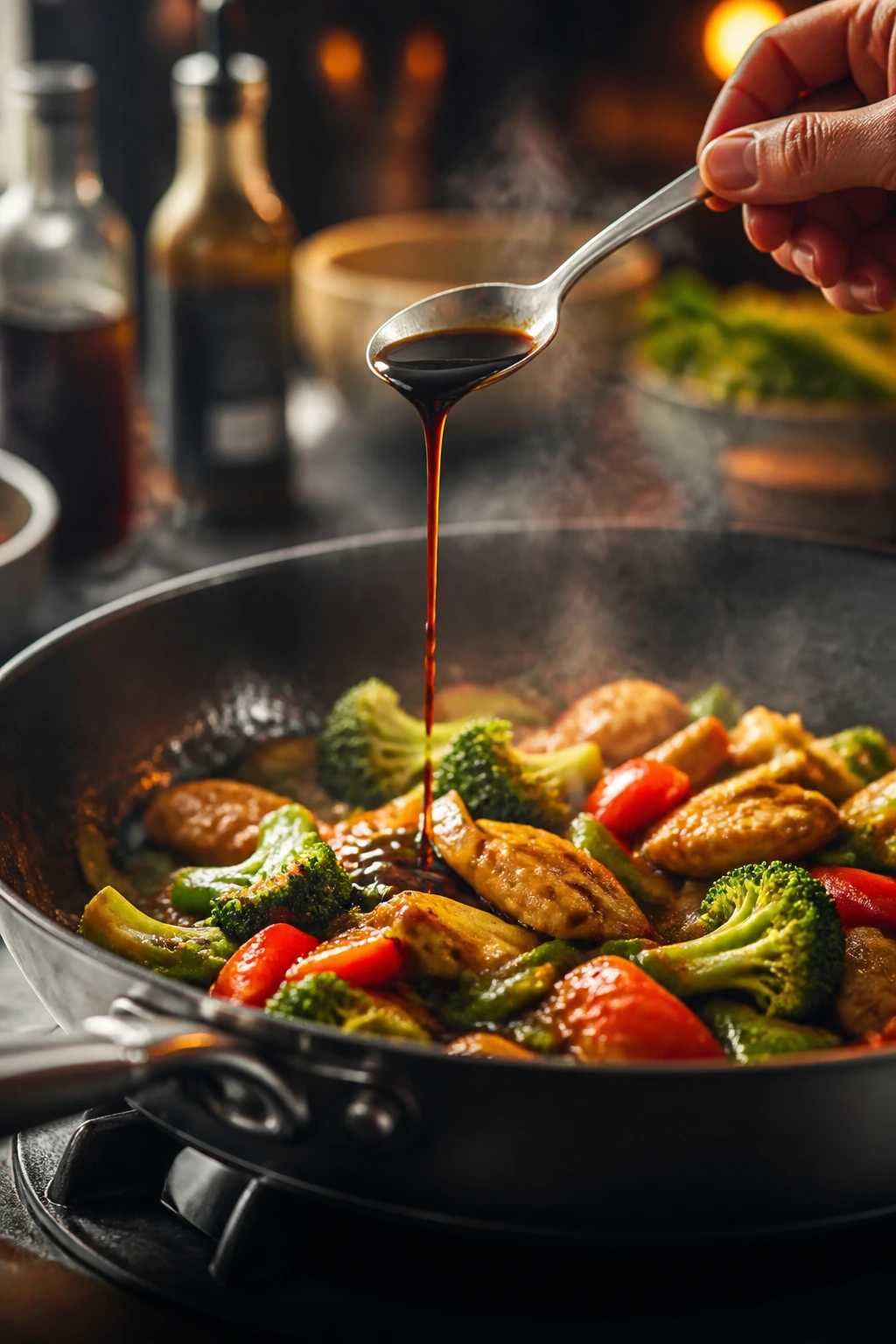
Flavor Enhancement: A teaspoon of black vinegar at the very end gives the sauce a deeper, sharper finish. It does not make the dish sour; it makes the soy and oyster sauce taste more awake.
Time-Saver: Slice the chicken and whisk the sauce before you chop the vegetables. That one shift keeps the cutting board from turning into a pileup while the pan waits. If you buy broccoli already cut, spread it on a towel for a few minutes so the surface moisture dries off before cooking.
Pro Move: Let the chicken sit in the hot pan long enough to brown on one side before you stir. You are not making soup. A little stillness is how you get those browned edges that taste a lot better than pale, boiled-looking chicken.
Cost-Saver: If bell peppers are expensive or small, stretch the vegetables with extra onion, shredded cabbage, or a handful of thinly sliced celery. Cabbage softens fast and picks up the sauce nicely, and it costs less than another pepper most of the time.
Make-It-Yours: A spoonful of chili crisp at the table brings heat and texture without changing the structure of the dish. If you want more freshness, add a few cilantro leaves or a squeeze of lime after plating. If you want a richer edge, toss in a handful of toasted cashews at the very end.
Common Mistakes That Make Stir-Fry Limp
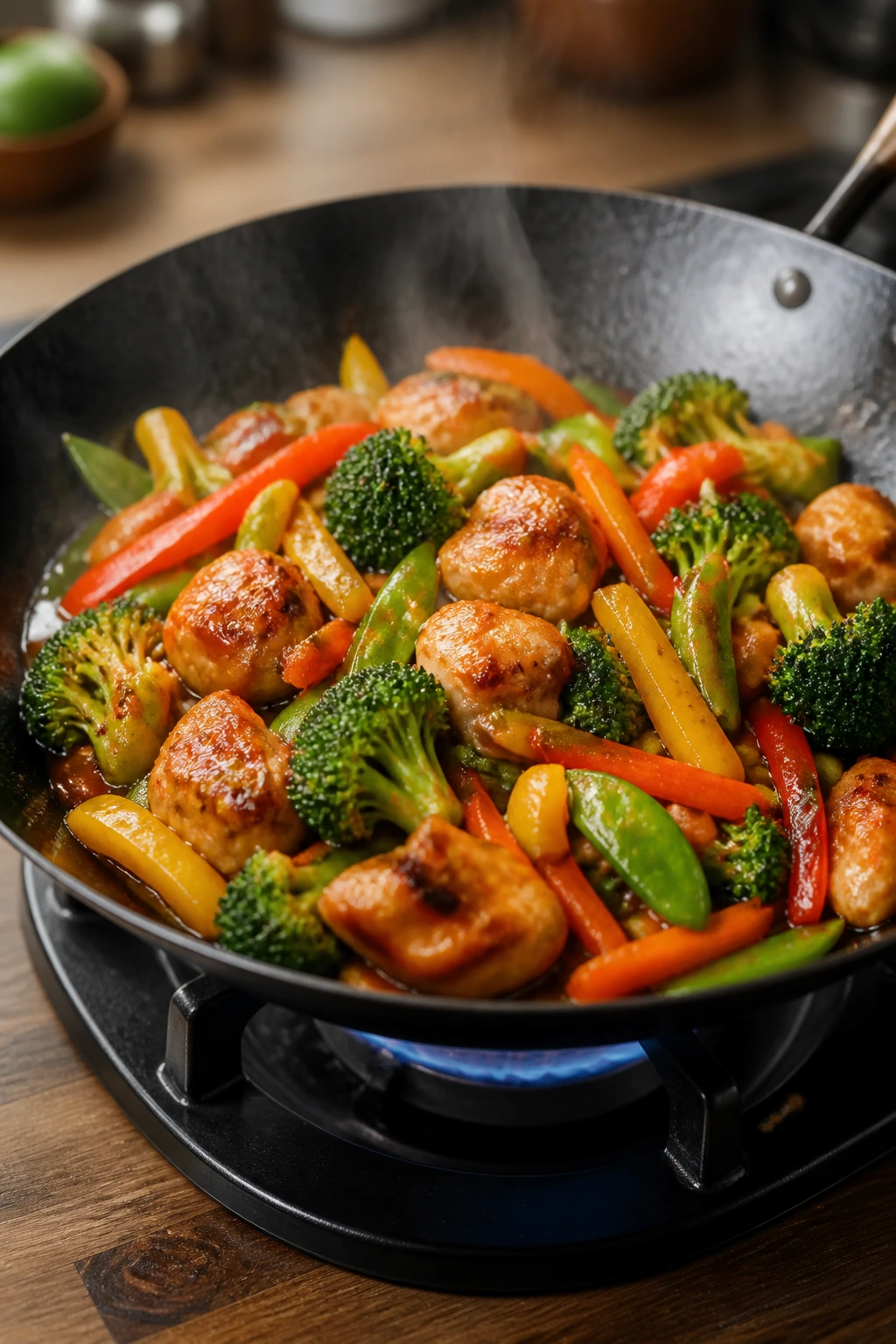
Crowding the pan is the classic one. The chicken goes in, the temperature drops, and the whole thing starts steaming instead of browning. You’ll know it happened because the meat looks pale and the vegetables release a puddle of water. The fix is easy: cook the chicken in two batches and, if needed, give the vegetables a little extra room too.
Wet vegetables are another trouble spot. Even a quick rinse can leave broccoli and peppers with enough surface water to cool the pan and thin the sauce. Pat them dry or let them sit on towels for a few minutes before cooking. If you’re using pre-cut produce from a bag, this step matters even more.
Adding garlic too early gives you bitter little brown flecks. Garlic wants only a short ride in the pan, ideally after the heartier vegetables are already moving and just before the sauce goes in. If the garlic hits oil alone for too long, it turns sharp and acrid fast.
Pouring in the sauce before the pan is hot enough makes it sit like gravy instead of glazing the food. You want active bubbling the second it hits the skillet. If the sauce just warms up and hangs around, the cornstarch can feel sticky without becoming glossy. Let the pan come back to heat before you add it.
Overcooking the vegetables is the silent killer of this dish. Broccoli that turns olive-green and soft is usually a sign that the stir-fry stayed in the pan too long after the sauce went in. The fix is to cook until the sauce thickens and then stop. Off the heat. Done. The vegetables finish riding on residual heat.
Variations That Still Taste Like Dinner
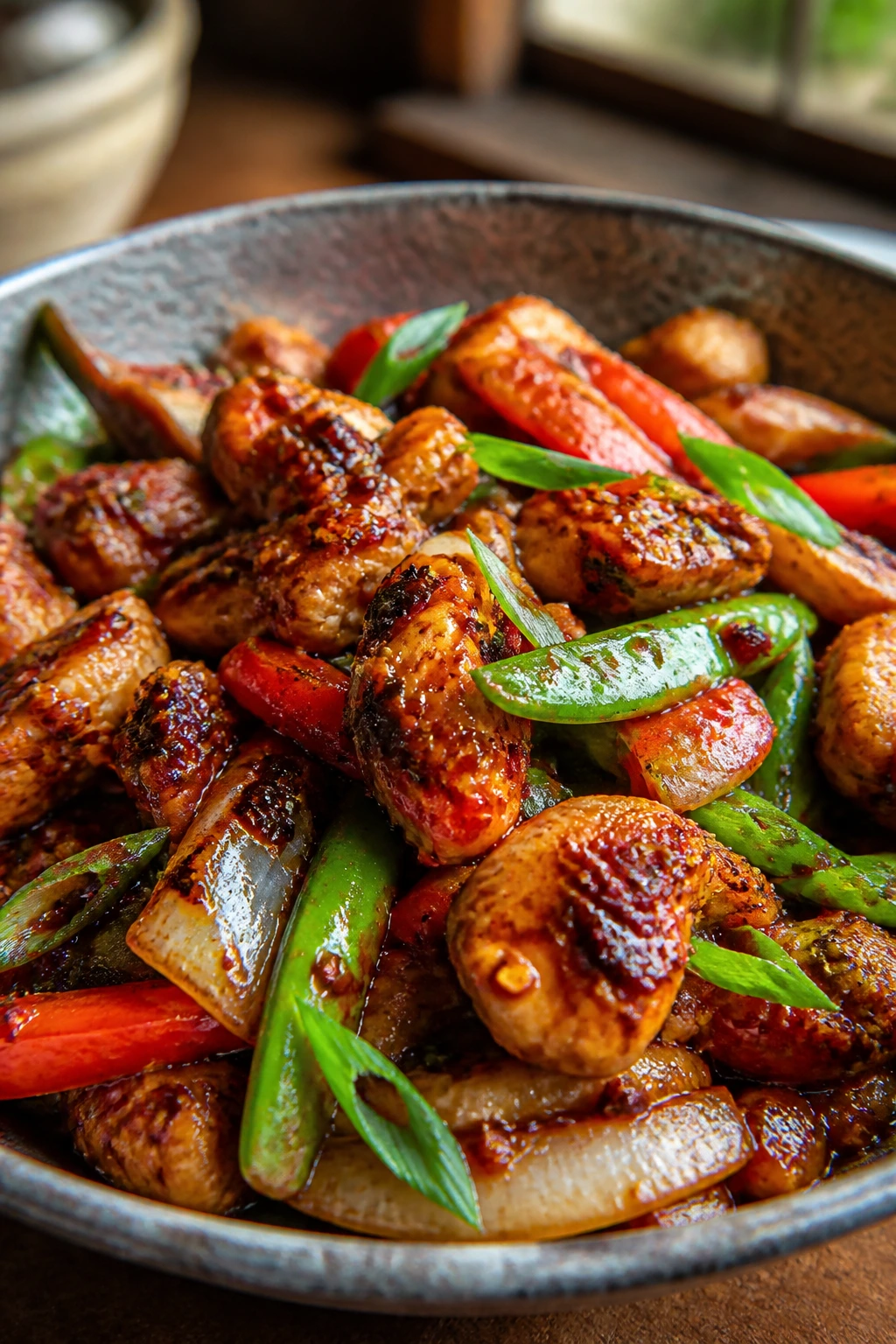
Chili Crisp Chicken Stir-Fry: Stir 1 to 2 tablespoons of chili crisp into the finished pan or spoon it over the top at the table. It brings heat, garlic, and a little crunchy texture without changing the basic method. If you like a sharper edge, add the tiniest splash of black vinegar along with it.
Ginger-Sesame Shrimp Stir-Fry: Swap the chicken for 1½ lbs peeled, deveined shrimp and cut the first sear down to about 60 to 90 seconds per side. Shrimp cook fast and go rubbery if you babysit them too long, so remove them as soon as they turn pink and finish them in the sauce at the end. This version is lighter and lands even faster.
Vegetable-Drawer Stir-Fry: Skip the chicken and build the pan with mushrooms, cabbage, snap peas, carrots, and broccoli. A vegetarian oyster sauce or mushroom stir-fry sauce keeps the flavor deep without meat. This one likes a little extra oil in the pan and a little more patience with browning the mushrooms first.
Gluten-Free Tamari Bowl: Replace the soy sauce with tamari and use a gluten-free oyster-style sauce if you can find one. Cornstarch is already gluten-free, so the rest of the recipe stays the same. Taste carefully before adding anything salty, because tamari can read a little differently from bottle to bottle.
Cashew Crunch Stir-Fry: Toss in 1/2 cup toasted cashews at the end for a richer bite and a little crunch that survives the sauce. I like this when I want the dish to eat more like a full bowl and less like a side. Toast the cashews first, separately, so they stay crisp.
Make-Ahead, Storage, and Reheating Notes
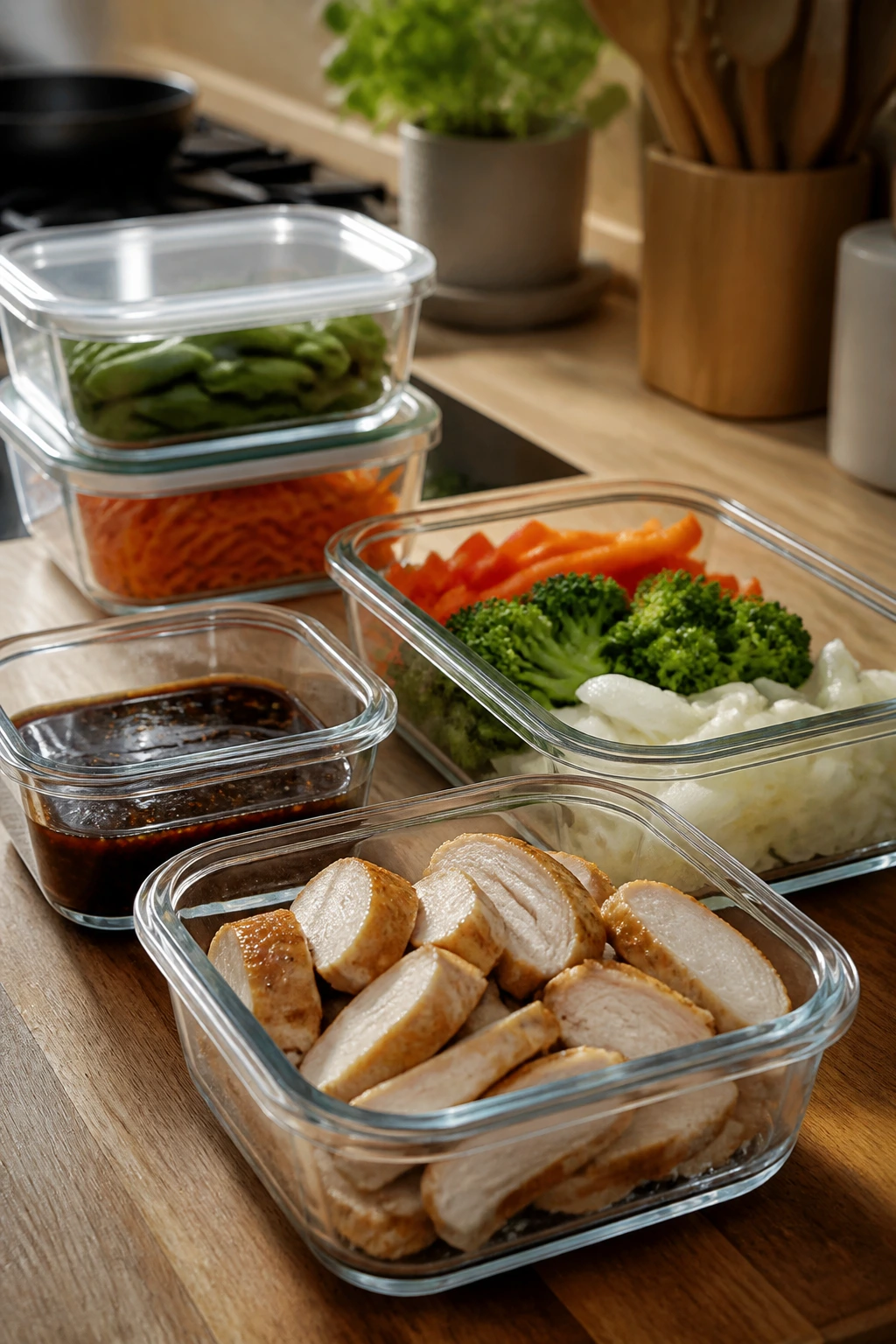
This stir fry is at its best straight from the pan, but the parts can be staged ahead without trouble. The sauce can be whisked and kept in the refrigerator for up to 3 days. Give it another whisk before cooking because the cornstarch settles to the bottom while it sits. The chicken can also be sliced and tossed with the soy, wine, cornstarch, and oil up to 24 hours ahead, which actually helps on busy nights because the skillet work becomes almost immediate.
The vegetables are best cut the same day or the day before. Keep them dry in a lined container or wrapped in paper towels so they don’t sweat. If they sit around wet in a sealed box, you’ll start cooking with built-in steam, and that works against the whole point of the recipe.
Leftovers keep in the refrigerator for 3 to 4 days in an airtight container. Reheat them in a skillet over medium heat with 1 to 2 tablespoons of water, tossing until the sauce loosens and the chicken is hot through. The microwave works in a pinch, but use short bursts and expect the vegetables to soften more.
Freezing is possible for up to 2 months, though the peppers and broccoli will lose some crispness after thawing. If you know you want to freeze a batch, undercook the vegetables a little and stop as soon as the sauce thickens. Thaw overnight in the refrigerator, then reheat in a skillet. Rice freezes separately much better than the stir-fry itself, so keep those in different containers if you can.
Questions People Actually Ask About Stir-Fry
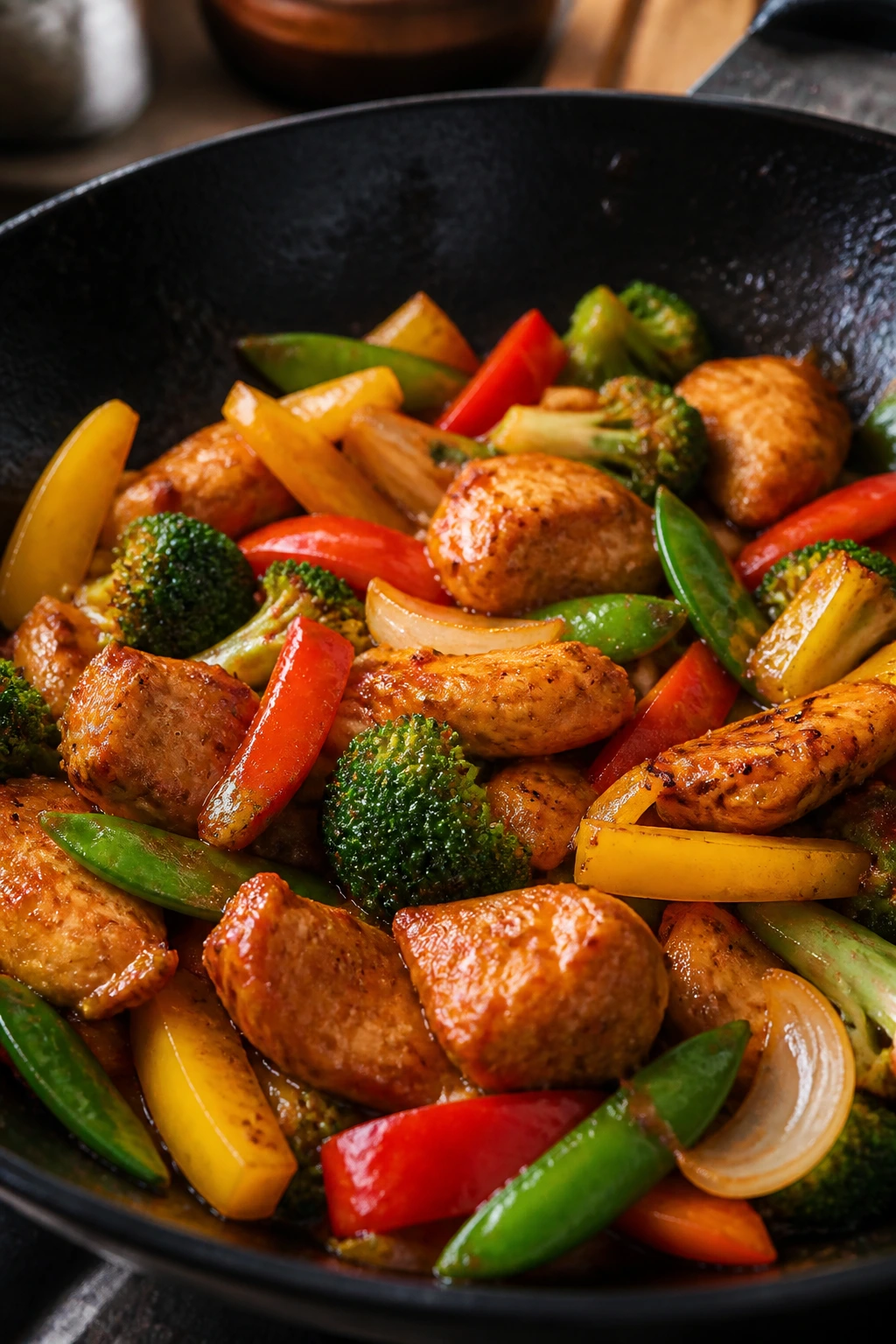
Can I use chicken breast instead of thighs?
Yes. Slice it thin, keep the pieces dry, and pull it the moment the thickest strip hits 165°F. Breast meat doesn’t forgive overcooking the way thighs do, so the batch should stay small and the pan should stay hot.
Do I need a wok for this?
No. A heavy 12-inch skillet works well and often holds heat better than a thin wok on a home burner. A wok gives you more room to toss, but the real requirement is high heat and enough surface area that the ingredients aren’t stacked on top of each other.
What if I only have frozen vegetables?
They can work, but use them straight from frozen and expect a softer finish. Don’t thaw them first or they’ll dump extra water into the pan. Frozen broccoli and snap peas are the best bets because they hold shape better than watery vegetables.
Why did my sauce get too thick?
Usually the heat was too low after the sauce went in, or the pan kept reducing it for too long. Add 1 to 2 tablespoons of water or chicken broth and stir until it loosens back into a glossy coating. Stir-fry sauce thickens fast; a little liquid fixes it quickly.
Can I make the sauce without oyster sauce?
You can. Hoisin sauce gives a sweeter, softer result, and vegetarian mushroom sauce works if you want a deeper savory note. The flavor changes a bit, but the structure of the dish stays the same as long as you keep the soy, vinegar, and cornstarch in place.
How spicy is this recipe?
As written, it’s mild. White pepper brings a little restaurant-style heat, but it doesn’t read as hot the way fresh chiles do. If you want more fire, add chili crisp, sliced jalapeño, or a pinch more red pepper flakes at the end.
Can I double it?
Yes, but only if you cook the chicken and vegetables in batches. A doubled stir-fry in one crowded pan turns soft and gray fast. If you want the same crisp texture, work in two rounds and combine everything only at the very end.
A Hot Pan and a Clean Finish
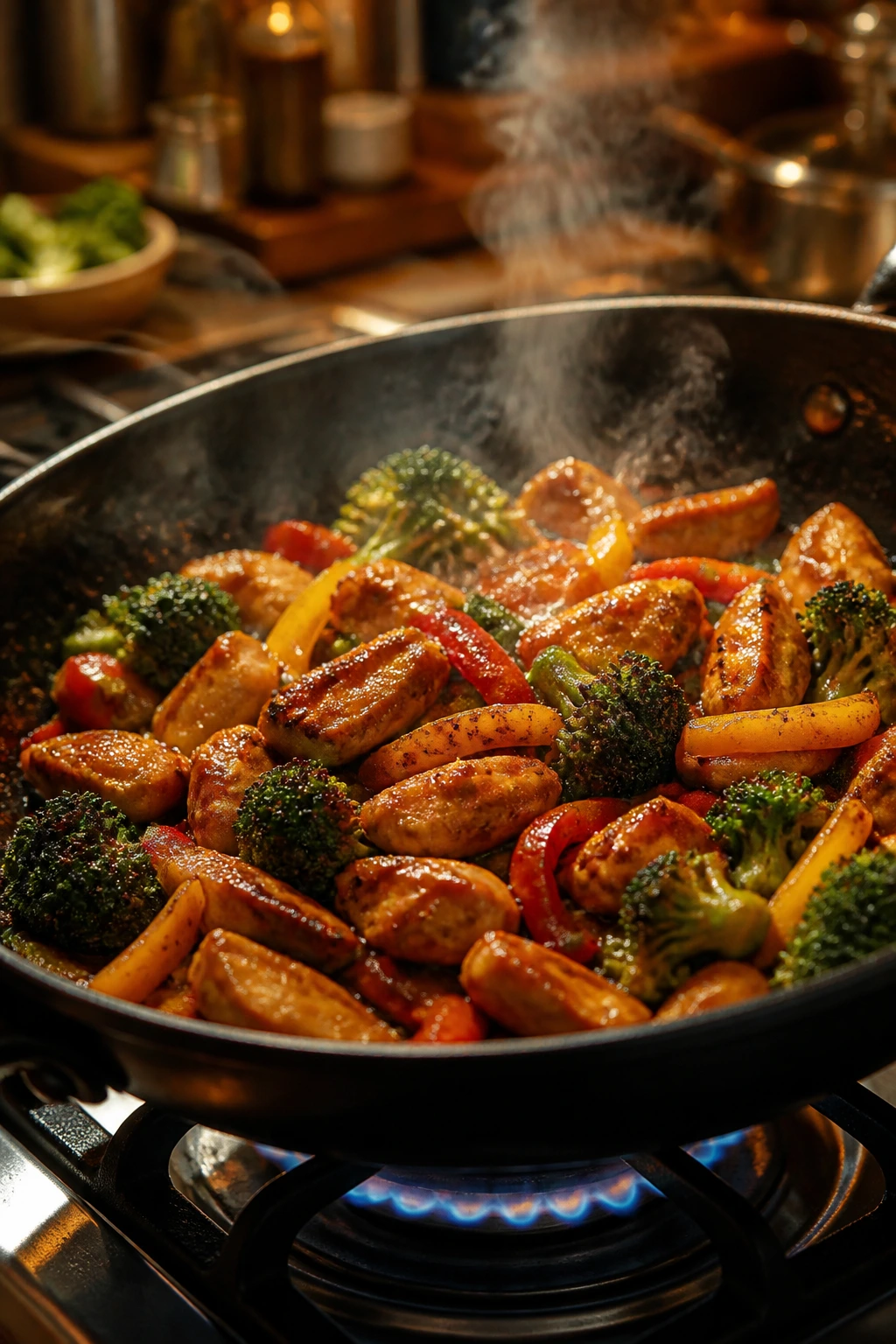
The real reason this kind of stir-fry works is not magic, and it’s not a bottle from the sauce aisle. It’s the pan. Hot enough to brown, roomy enough to avoid steaming, and used with enough discipline that the vegetables still taste like vegetables when they hit the bowl.
I like recipes like this because they reward attention in a very direct way. Cut cleanly, cook hot, stop on time. That’s it. When the chicken is glossy and the broccoli still snaps under the fork, you get the kind of dinner that makes a Tuesday feel slightly more put together than it was five minutes earlier.
Crispy Quick Chicken Stir Fry — Recipe Card
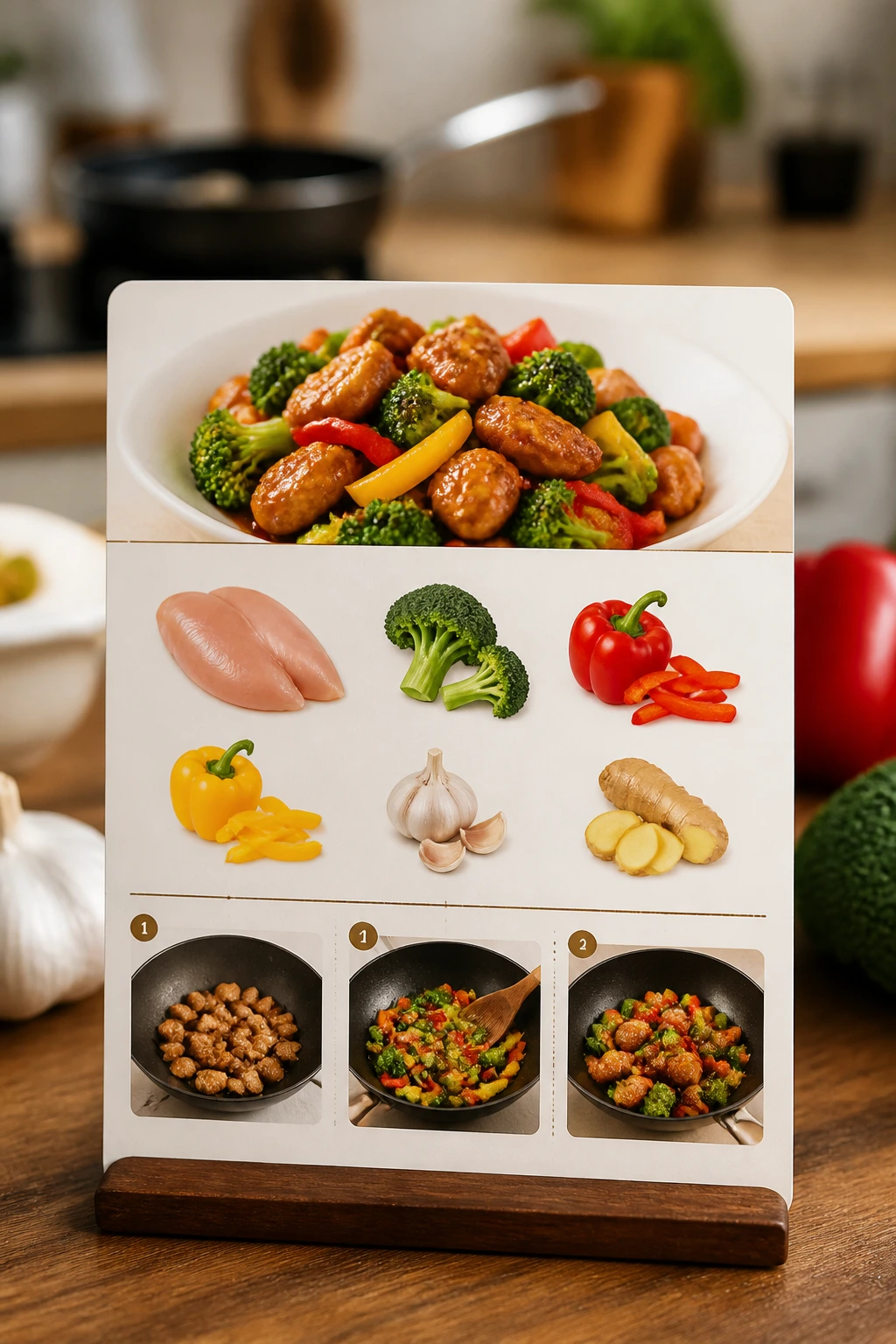
Recipe Name: Crispy Quick Chicken Stir Fry
Description: A glossy, Chinese-inspired chicken stir-fry with broccoli, bell peppers, snap peas, carrot, garlic, and ginger. The chicken browns fast, the vegetables stay crisp-tender, and the sauce clings instead of pooling.
Prep Time: 20 minutes
Cook Time: 15 minutes
Total Time: 35 minutes
Course: Dinner, Main Course
Cuisine: Asian-Inspired, Chinese-Inspired
Servings: 4 servings
Calories: About 390 kcal per serving
Ingredients
For the Chicken:
- 1½ lbs boneless, skinless chicken thighs, sliced into ¼-inch strips against the grain
- 1 tbsp soy sauce
- 1 tbsp Shaoxing wine or dry sherry
- 1 tbsp cornstarch
- 1 tsp neutral oil
For the Sauce:
- 1/3 cup low-sodium soy sauce
- 1/4 cup chicken broth
- 2 tbsp oyster sauce
- 1 tbsp honey
- 1 tbsp rice vinegar
- 1 tbsp cornstarch
- 1/2 tsp white pepper or black pepper
- 1/4 tsp crushed red pepper flakes, optional
For the Stir-Fry:
- 2 tbsp peanut oil or avocado oil
- 1 medium yellow onion, cut into 1/2-inch wedges
- 1 red bell pepper, sliced into 1/2-inch strips
- 1 yellow bell pepper, sliced into 1/2-inch strips
- 2 cups broccoli florets, cut small enough to eat in one bite
- 1 cup sugar snap peas, strings removed
- 1 medium carrot, julienned or thinly sliced
- 3 cloves garlic, minced
- 1 tbsp fresh ginger, grated
For the Finish:
- 4 scallions, cut into 2-inch pieces
- 2 tsp toasted sesame oil
- 1 tbsp toasted sesame seeds
Instructions
-
Whisk together the soy sauce, chicken broth, oyster sauce, honey, rice vinegar, cornstarch, pepper, and red pepper flakes if using.
-
Toss the chicken with soy sauce, Shaoxing wine, cornstarch, and neutral oil. Let it rest while you prep the vegetables.
-
Prep all vegetables, garlic, ginger, scallions, and sesame seeds before heating the pan.
-
Heat a wok or 12-inch skillet over high heat. Add 1 tablespoon oil and sear half the chicken for 2 to 3 minutes, then remove. Repeat with the remaining chicken.
-
Add the remaining oil, then stir-fry the onion, carrot, and broccoli for 2 minutes.
-
Add the bell peppers and snap peas and cook for 1 to 2 minutes more. Stir in the garlic and ginger for 20 to 30 seconds.
-
Return the chicken and any juices to the pan. Whisk the sauce again, pour it in, and stir until glossy and thick, about 30 to 60 seconds.
-
Turn off the heat. Add the scallions and toasted sesame oil, toss once, and finish with sesame seeds. Serve right away.
Notes: Keep the vegetables dry, cook the chicken in batches, and add the sesame oil off the heat for the best aroma. Serve with jasmine rice or noodles if you want a fuller meal.