



The gap between limp takeout and truly crisp Chinese food is usually one minute long. That’s the minute between frying and saucing, when steam sneaks under the crust and turns a blistered shell into a soft coat.
That’s why some homemade versions disappoint before they even reach the plate. The chicken was hot, the broccoli tasted fresh, the sauce smelled right — and yet the whole thing arrived at the table wearing a damp sweater. Crowding the pan, using the wrong starch, skipping a rack, adding sauce too early. Tiny errors. Big consequences.
The good news is that crispness is not mysterious. It is built on a few repeatable choices: dry ingredients, hot oil, small batches, fast finishing, and a little restraint at the end. Once you understand that pattern, you can make Chinese takeout-style dishes that stay snappy on the tongue and glossy in the bowl instead of collapsing into a syrupy mess.
Why Better-Than-Takeout Crunch Starts Before the Pan
Dry food cooks crisp food: If the surface of the protein or vegetable is wet, the heat spends its first few seconds boiling off moisture instead of browning the outside, which is why a damp piece of chicken goes pale and soft while a dry one turns golden and crackly.
The right starch changes everything: Cornstarch, potato starch, rice flour, and plain flour do not behave the same in hot oil. Each one makes a different shell, and picking the right one matters more than any flashy sauce.
Smaller batches brown better: A crowded wok drops in temperature fast. Once that happens, the coating absorbs oil instead of setting into a thin shell.
Sauce on the side buys you time: Tossing fried pieces in sauce only when you’re ready to serve keeps the crust intact far longer than spooning sauce over the whole dish and hoping for the best.
A rack beats paper towels: Paper towels trap steam under the food. A wire rack lets air move around the underside, which keeps the bottom from going limp while you finish the rest of the batch.
Home cooking lets you tune the flavor: You can make the garlic sharper, the ginger brighter, the white pepper stronger, and the salt lighter than most takeout boxes ever bother to do.
The Steam Trap That Ruins Takeout Boxes
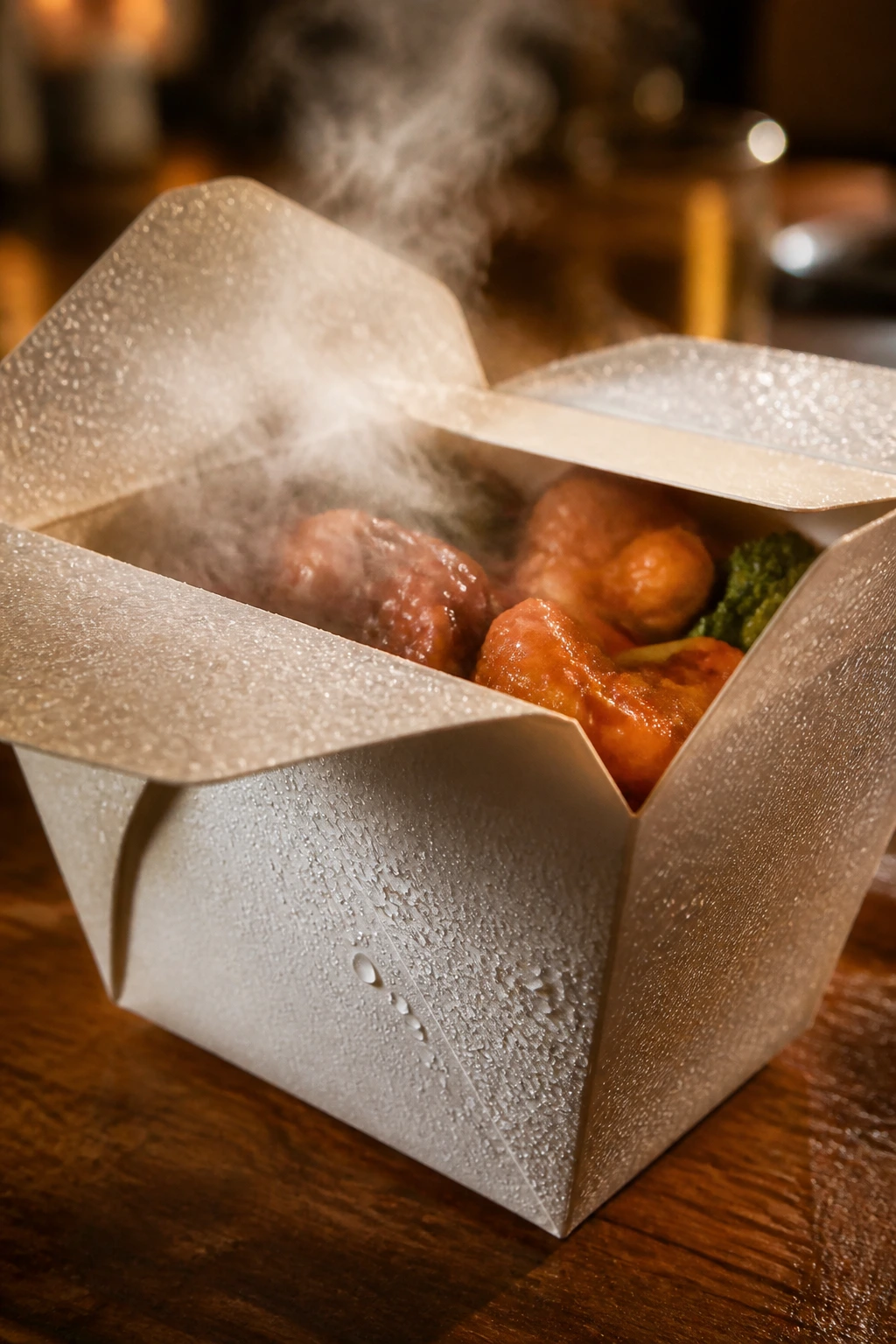
A takeout container is a warm little sauna. That’s the problem.
Fried chicken, battered shrimp, or crisp eggplant leaves the oil blistered and dry-looking. Then the lid goes on. Steam rises from the hot food, hits the cooler top of the box, and falls back down as condensation. By the time the food reaches the table, the crust has started to soften from the top and the bottom has picked up moisture from the carton. It’s not bad luck. It’s physics.
And the same thing happens at home when people stack fried food on a plate and cover it “to keep it warm.” That’s the move that kills the texture. Warm is good. Trapped warm vapor is not.
A better plan is almost boringly simple. Set a wire rack over a sheet pan. Put the fried pieces on the rack in a single layer. If you need to hold them for a few minutes, slide the whole tray into a low oven — around 200°F / 95°C — and leave the door cracked if you can. You want to preserve heat without sealing moisture in.
Sauced dishes need even more care. If you toss fried orange chicken into a bowl of sauce and leave it sitting there, the glaze will seep through the crust in minutes. The shell starts crisp. Then it softens. Then it slips. That’s why restaurant kitchens move fast at the end. Fry, drain, sauce, serve. No long pause. No decorative staging. Just food moving from one hot surface to another before the steam gets ideas.
Which Starch Belongs on Which Food
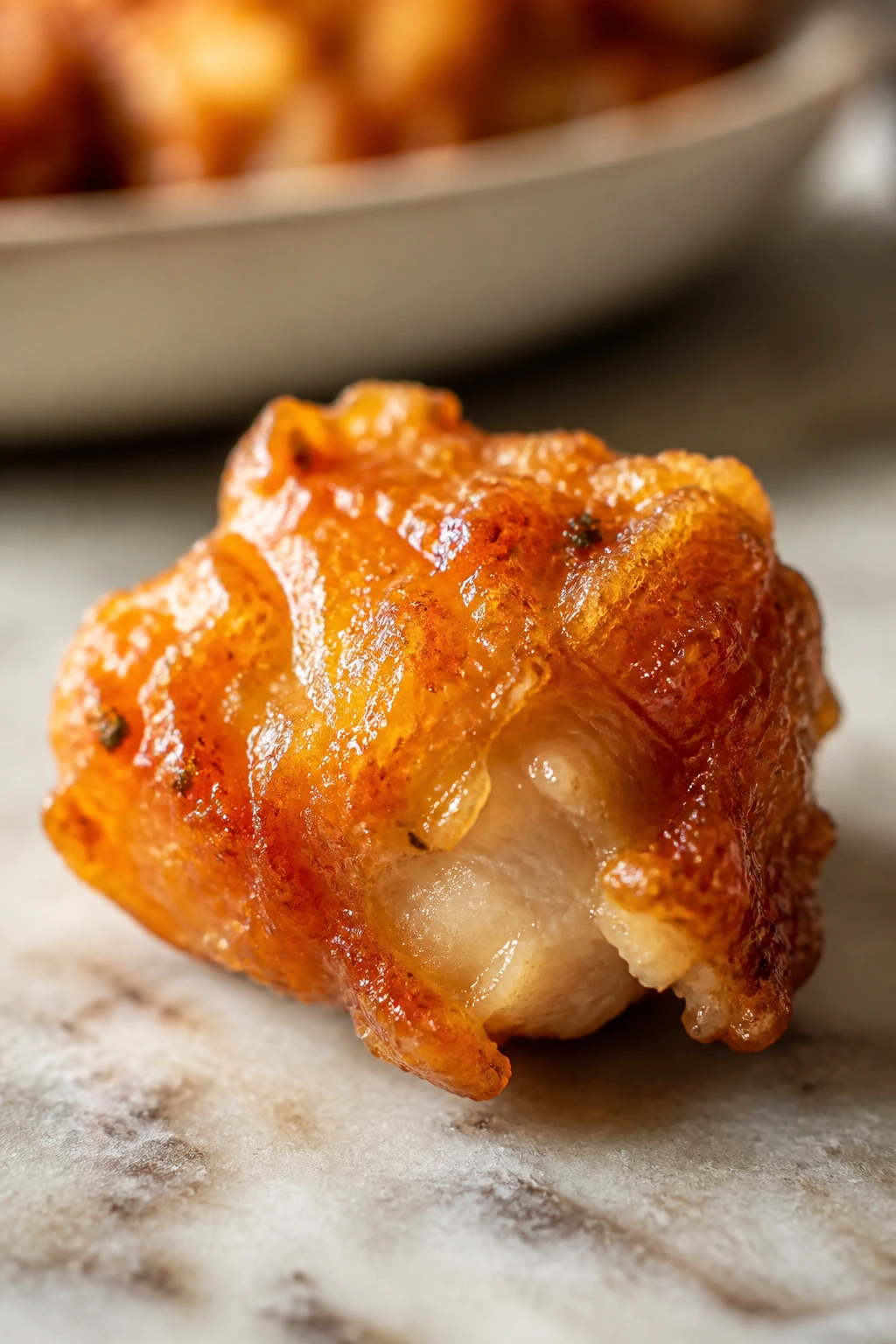
Starch is the unsung part of the whole thing, and people usually treat it like a shrug. They shouldn’t.
Cornstarch: This is the workhorse for a light, dry, crisp coating. It makes a shell that fries up pale-golden and slightly glassy. I like it for chicken bites, beef strips, and anything that will be sauced right at the end, because it gives you crunch without a thick, bready crust.
Potato starch: This one makes a more brittle, almost shattery crust. It browns fast, so you have to watch it. It’s a strong choice for salt-and-pepper shrimp or thin slices of chicken when you want a shell that snaps instead of feeling dusty.
Rice flour: Rice flour brings a delicate, lace-edged crunch. It is especially nice in batter blends, where it keeps the shell from turning heavy. Mixed with cornstarch, it can make fried food feel lighter and less dense.
Plain flour: On its own, flour makes a thicker, breadier coating. That can be useful if you want something closer to classic Chinese-American fried chicken, but it is easy to overdo. Too much flour and you end up with a soft jacket instead of crisp armor.
My preferred blends
For most crispy Chinese takeout-style dishes, a blend works best. I lean toward 3 parts cornstarch to 1 part flour for fried chicken or beef that will be tossed in sauce. If I want a thinner shell, I’ll go heavier on cornstarch and add a spoonful of rice flour. If I want more structure for a battered piece that has to survive a thick glaze, a little flour helps it hold together.
You can also add a pinch of baking powder to batter. Not baking soda. Baking powder. The idea is tiny bubbles and a rougher surface, not a chemical aftertaste. A little goes a long way.
If you’ve only got cornstarch in the cupboard, don’t panic. That’s enough for a crisp result. Honestly, it’s often the simplest answer. The trick is not the exact starch alone; it’s how dry the food is, how hot the oil is, and how fast you move once the pieces come out of the fryer.
Velveting: The Tender-Crisp Trick
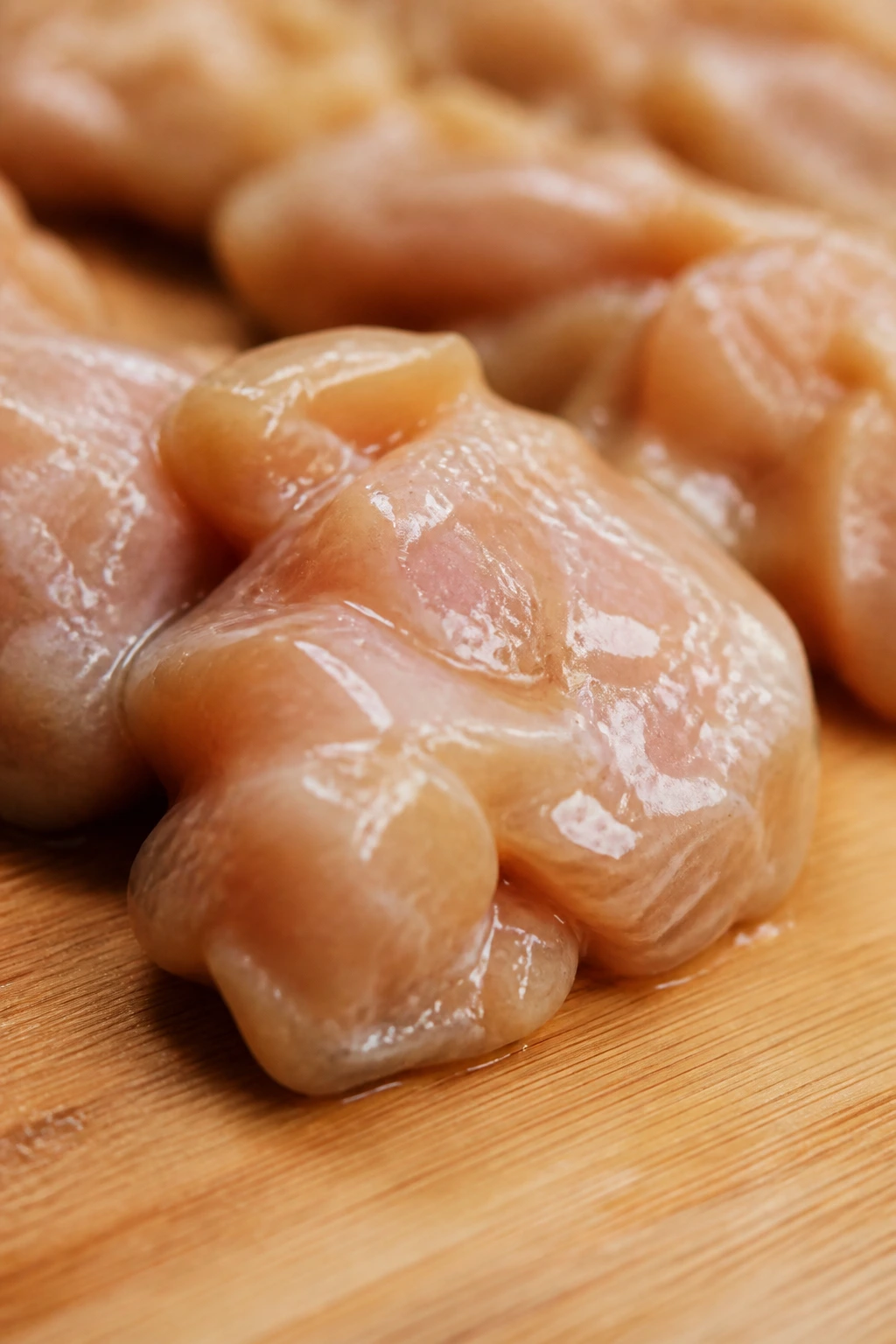
Velveting sounds fussy until you taste the result. Then it sounds like something worth keeping forever.
The basic idea is to coat meat in a thin marinade that protects the surface during high heat cooking. It helps chicken stay juicy, beef stay soft, and shrimp stay plump instead of rubbery. The coating is thin. Not gloopy. You are not breading the food here; you’re giving it a slipperier surface so it can handle the pan.
For 1 pound of chicken breast or thigh, I like a mix of 1 tablespoon soy sauce, 1 tablespoon Shaoxing wine or dry sherry, 1 teaspoon cornstarch, 1 teaspoon neutral oil, and a pinch of white pepper. Let it sit for 15 to 20 minutes while you prep everything else. That is enough. Longer is not always better.
For beef, especially flank steak or sirloin sliced thin against the grain, a tiny bit of baking soda can help. I mean tiny — about 1/4 teaspoon for 1 pound, mixed with soy sauce, wine, and a little cornstarch. Too much baking soda and the meat gets slippery in the wrong way. It starts tasting odd and the texture can go mushy. Respect the pinch.
Shrimp need a lighter hand. They are already tender. A dusting of cornstarch, a little salt, maybe a drop of wine, and then straight to the heat. If shrimp sit in a heavy marinade too long, they lose that clean snap that makes salt-and-pepper shrimp so good.
Tofu is a different animal altogether. Press it first. Then cut it into firm blocks or slabs, toss it lightly with cornstarch, and let the surface dry a bit before frying or air-frying. If you skip the pressing step, the tofu steams from the inside and you get pale cubes instead of crisp edges.
The useful rule
Think of velveting as a shield, not a coat. If the marinade looks thick enough to cling in blobs, it’s too much. The meat should still look like meat.
Double-Frying and Other Ways to Build a Shell
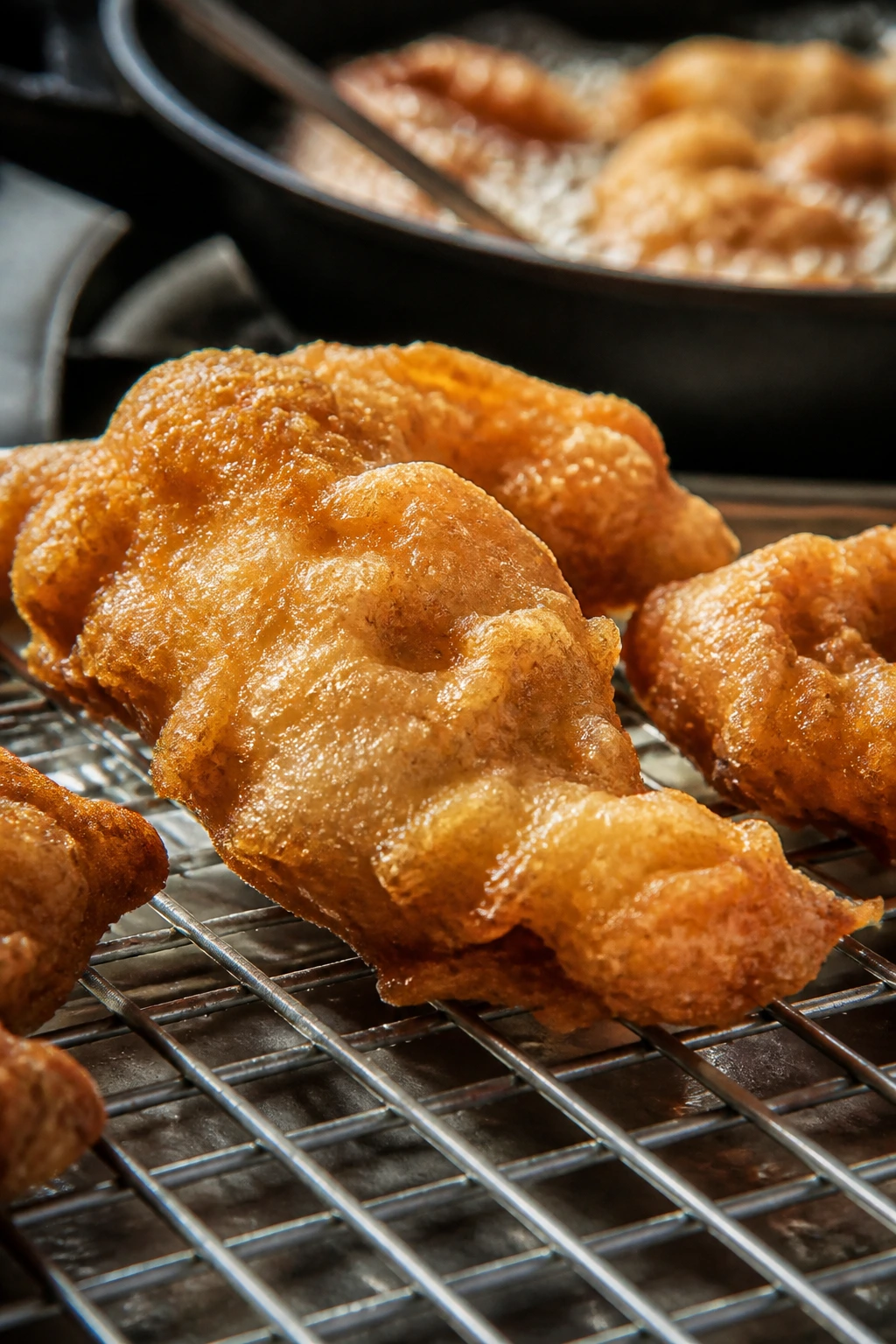
A single fry can work. Two fries is where the magic gets smug.
The first fry cooks the food through and starts the crust. The second fry, usually hotter and shorter, drives out extra moisture and makes the surface crisper. That’s why battered chicken from a good kitchen often tastes almost glassy at the edges. The structure has been set, rested, and then snapped back into the oil for a last pass.
For chicken pieces or battered shrimp, I like a first fry around 325°F / 165°C until the outside is pale gold and the food is cooked through. Pull it out, drain on a rack, and let it sit for 3 to 5 minutes. Then go back in at 375°F / 190°C for 30 to 90 seconds, just until the crust turns deeper gold and sounds dry when you lift it.
That last part matters. It should sound dry. Not hissy and wet.
When one fry is enough
If you’re making thin shrimp, small tofu cubes, or lightly coated vegetables, a single pass may be fine. The point isn’t to worship double-frying as a rule. The point is to use it when you need a sturdier shell that can survive a sauce toss.
When shallow frying works better
Some dishes don’t need deep oil. A generous shallow layer in a skillet can be enough for thin beef strips or battered eggplant. You just need to turn the pieces carefully and keep the oil hot enough that the coating sets fast. If the oil is too shallow, though, the bottoms absorb too much fat before they brown. That’s when the food comes out greasy and oddly flat.
And yes, a spider strainer or slotted spoon makes life much easier here. So does not trying to fry four different things at once. Chaos is not a cooking method.
Heat, Oil, and the Sound of a Proper Sear
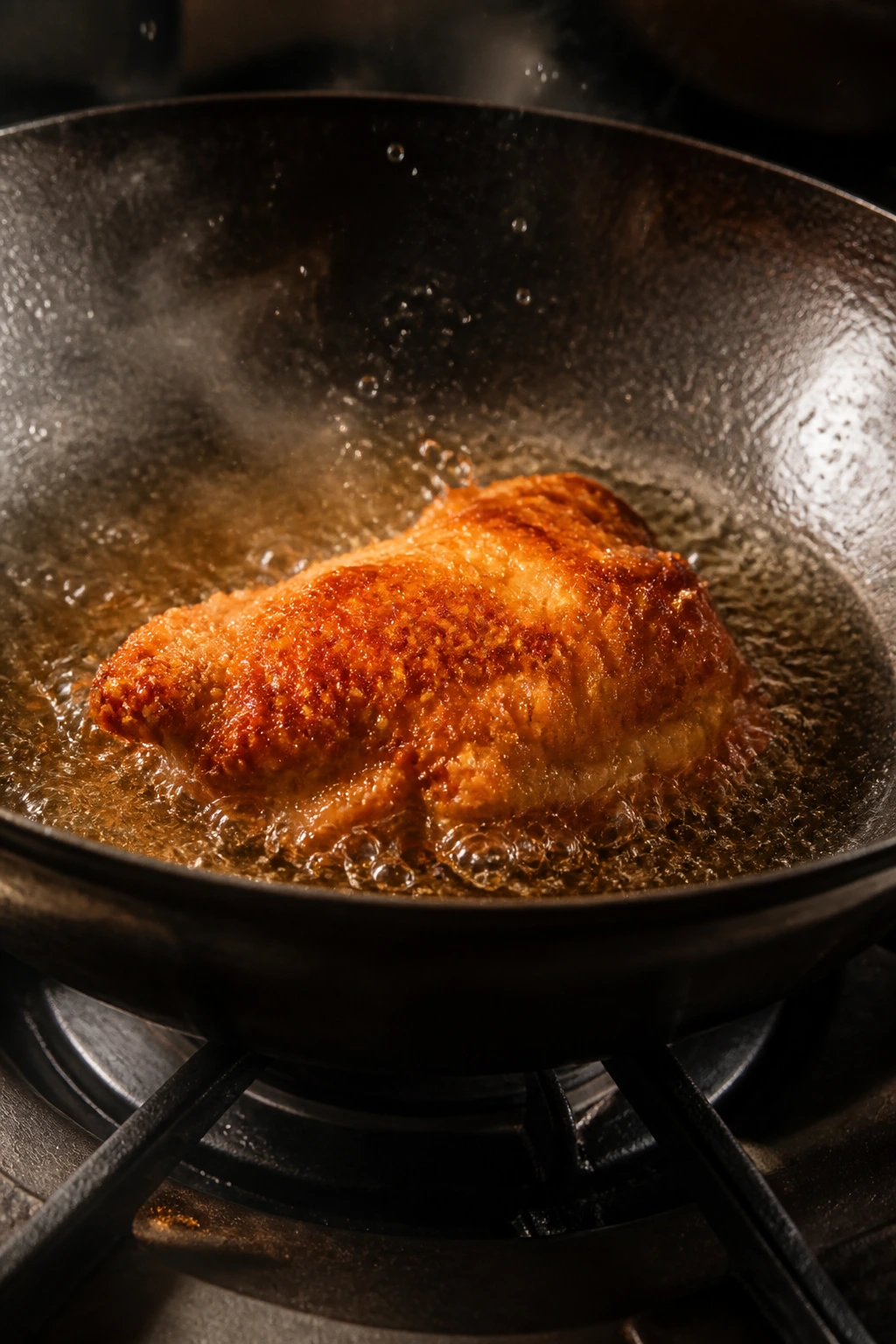
High heat has a sound. Once you hear it, you stop guessing.
In a wok or a wide skillet, the oil should shimmer before the food goes in. If you drop in a piece of coated chicken and it sits there like it’s waiting for a bus, the pan is too cool. If it smokes immediately and the coating blacks out in seconds, the pan is too hot or the oil choice is wrong. You want the middle ground: active, lively heat that browns fast without scorching.
A carbon steel wok is still the classic tool here because it heats quickly and responds fast when you add food. But a 12-inch cast-iron skillet or heavy stainless pan can do a solid job too. The real difference is not the shape. It is the heat retention and your willingness to cook in batches.
Neutral oil matters more than people think. Use canola, peanut, refined sunflower, or refined avocado oil if you want to fry at higher heat. Save toasted sesame oil for finishing. It burns too fast to be a frying oil, and its flavor is too strong to be the whole story.
The little test I trust
If I’m unsure about oil temperature, I drop in a tiny piece of batter or a single breadcrumb. It should bubble right away and move around the oil without darkening too fast. That’s the point where you can start frying in earnest.
Do not let the pan cool down by dumping in a huge batch. That’s the fast road to oil-soaked crust. If the food pieces are crowded, the temperature drops, the moisture rises, and you’re back in takeout-box territory.
Heat is not a mood. It’s a number, a sound, and a schedule.
Sauce Timing and the Last-Minute Toss
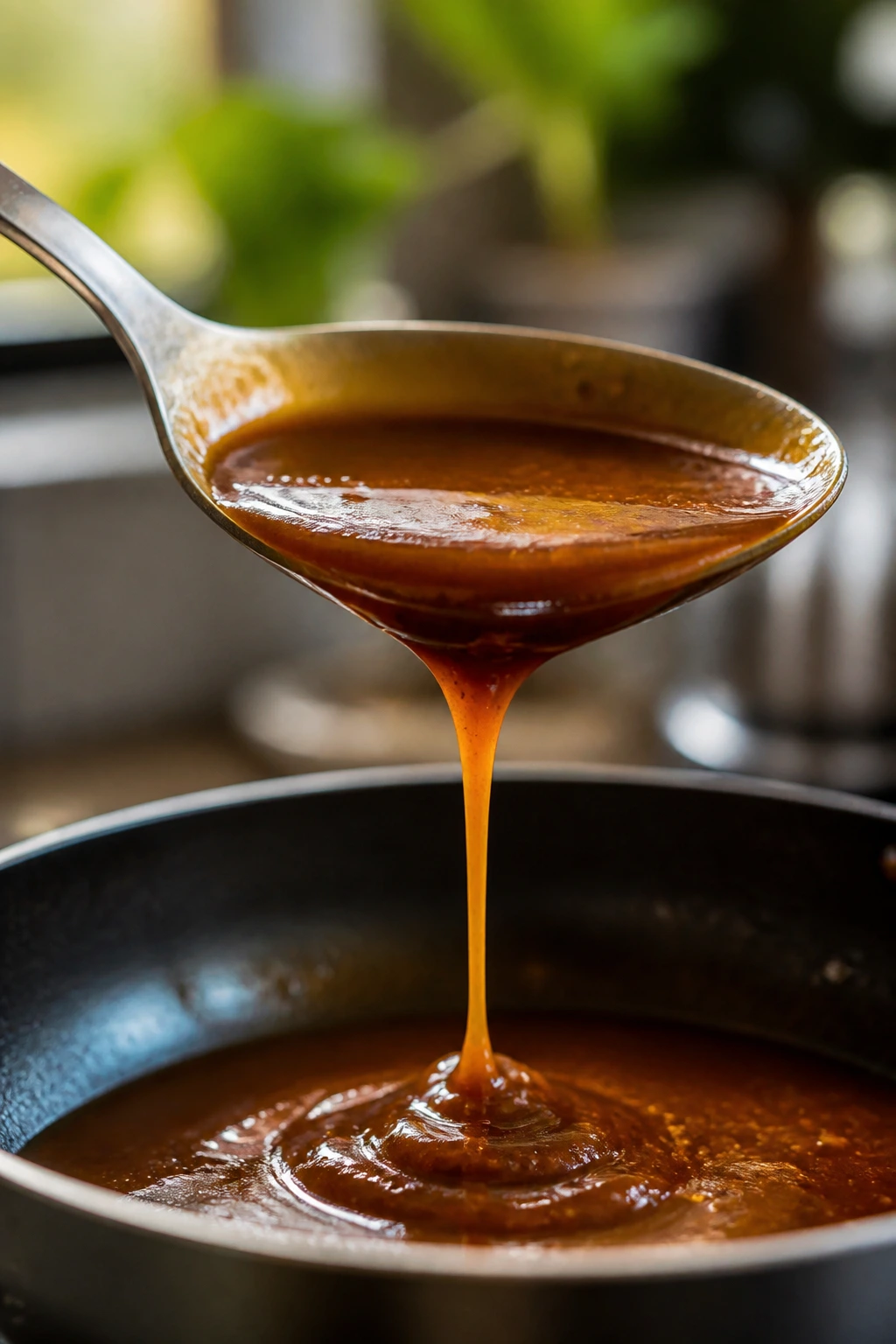
Sauce is where a lot of good frying gets sabotaged.
A proper Chinese takeout-style sauce should coat the food, not soak into it like soup. That means you want it thick enough to cling, but not so thick that it turns pasty the moment it cools. The easiest way to get there is to build the sauce separately in a small saucepan or in the empty wok after the aromatics have bloomed.
Here’s the rhythm that works: fry the protein or vegetables first. Set them on a rack. Stir the sauce until it’s glossy and just thick enough to leave a trail when you drag a spoon through it. Then toss the food quickly, off the heat or over very low heat, for just long enough to coat every piece.
A slurry is the usual fix for thickness. Mix 1 teaspoon cornstarch with 1 tablespoon cold water for about 1 cup of sauce. Whisk it in while the sauce is simmering, not cold. Give it 20 to 30 seconds. If it looks shiny and lightly nappé — that nice thin coating that clings to the back of a spoon — you’re there.
Glaze, don’t drown
A spoonful of sauce goes farther than most home cooks expect. The goal is a thin sheen, not a bath. If you pour in so much sauce that the pieces float, you’ve already lost the crust.
Some dishes should stay partially dry. Salt-and-pepper shrimp, crispy beef with chilies, and many broccoli stir-fries don’t need full coating at all. They want the seasoning tossed over the top, maybe with a quick splash of soy or vinegar, but not enough liquid to soften the edges.
I’d rather see a little excess sauce served alongside than a flooded plate. That’s the cleaner move, and it keeps the texture honest.
Crisp Vegetables, Noodles, and Rice With Real Bite
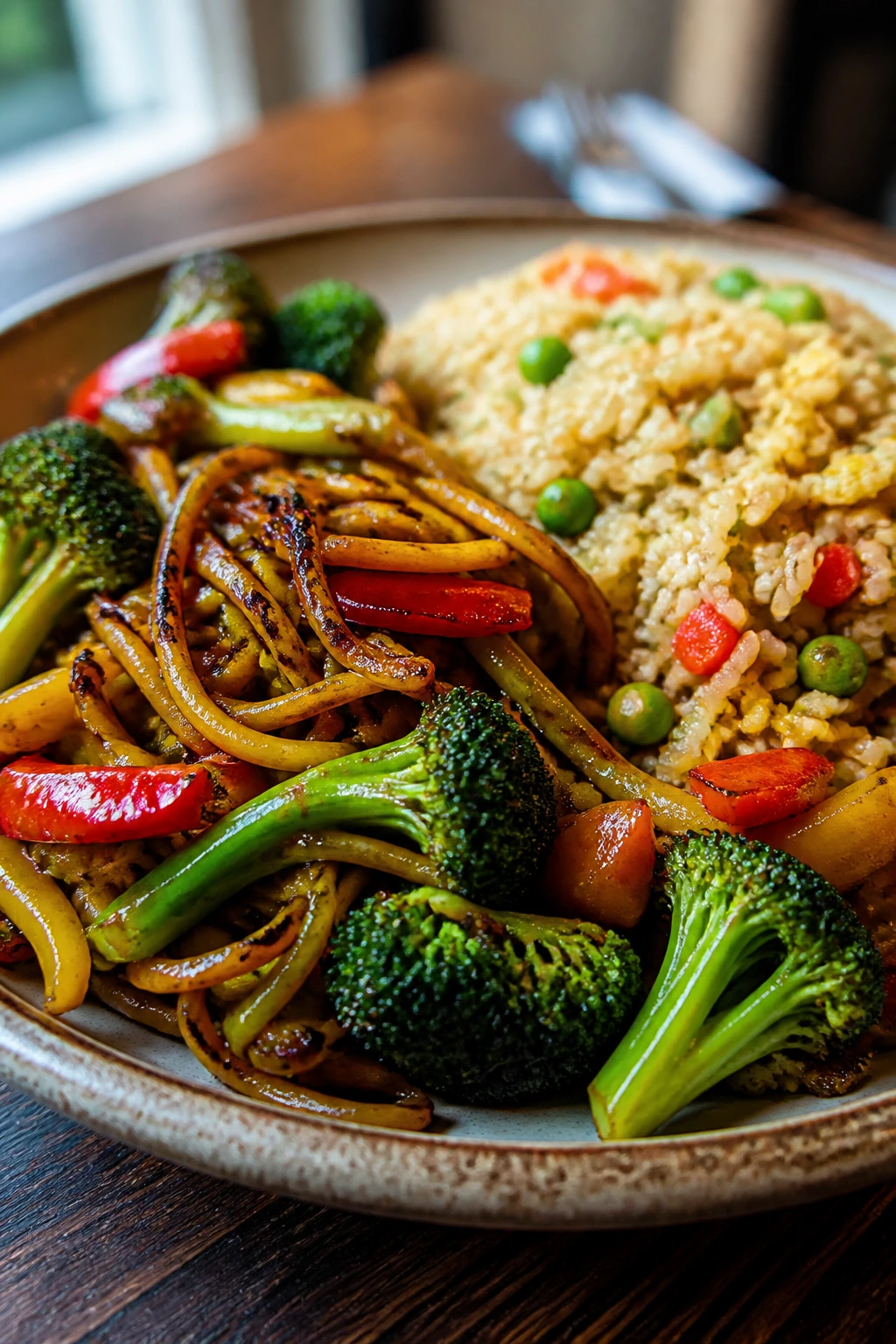
Crisp Chinese food is not only about meat. Some of the best texture lives in vegetables, noodles, and rice when you give them the same respect.
Broccoli is the obvious case. If you blanch it for 45 to 60 seconds in salted boiling water and then dry it thoroughly, it can take on a stir-fry without turning olive and tired. The key is drying. Wet broccoli steams in the wok and goes limp. Dry broccoli sears at the edges and keeps its green snap.
Bell peppers, snap peas, and celery behave differently. They don’t need a full blanch. They need a short, hot toss so they stay bright and a little firm. If they soften until they slump, you’ve gone too far. Chinese-American stir-frying is often at its best when the vegetables still have a bit of spine.
Noodles that take a little char
Chow mein and lo mein are not the same thing in texture, and that distinction matters here. If you want crispy edges, cook the noodles until just tender, drain well, and then sear them in a hot pan with a little oil until the bottom strands pick up color. Don’t stir immediately. Let the pan do some work.
Fried rice that isn’t sticky
For fried rice, day-old rice on a tray is still the cleanest method. Fresh rice is too wet and clumps. Cold rice from the fridge can work, but it’s better if you spread it out first and break the grains apart with your hands. Then fry in a wide pan with room to move, so the grains can dry and toast rather than steam into glue.
Water chestnuts deserve a mention too. They’re not flashy, but they bring a cold, clean crunch that survives heat better than most vegetables. I like them in chicken and cashew dishes, and in any stir-fry where you want one bite to feel different from the next.
The Dishes That Show the Method Best
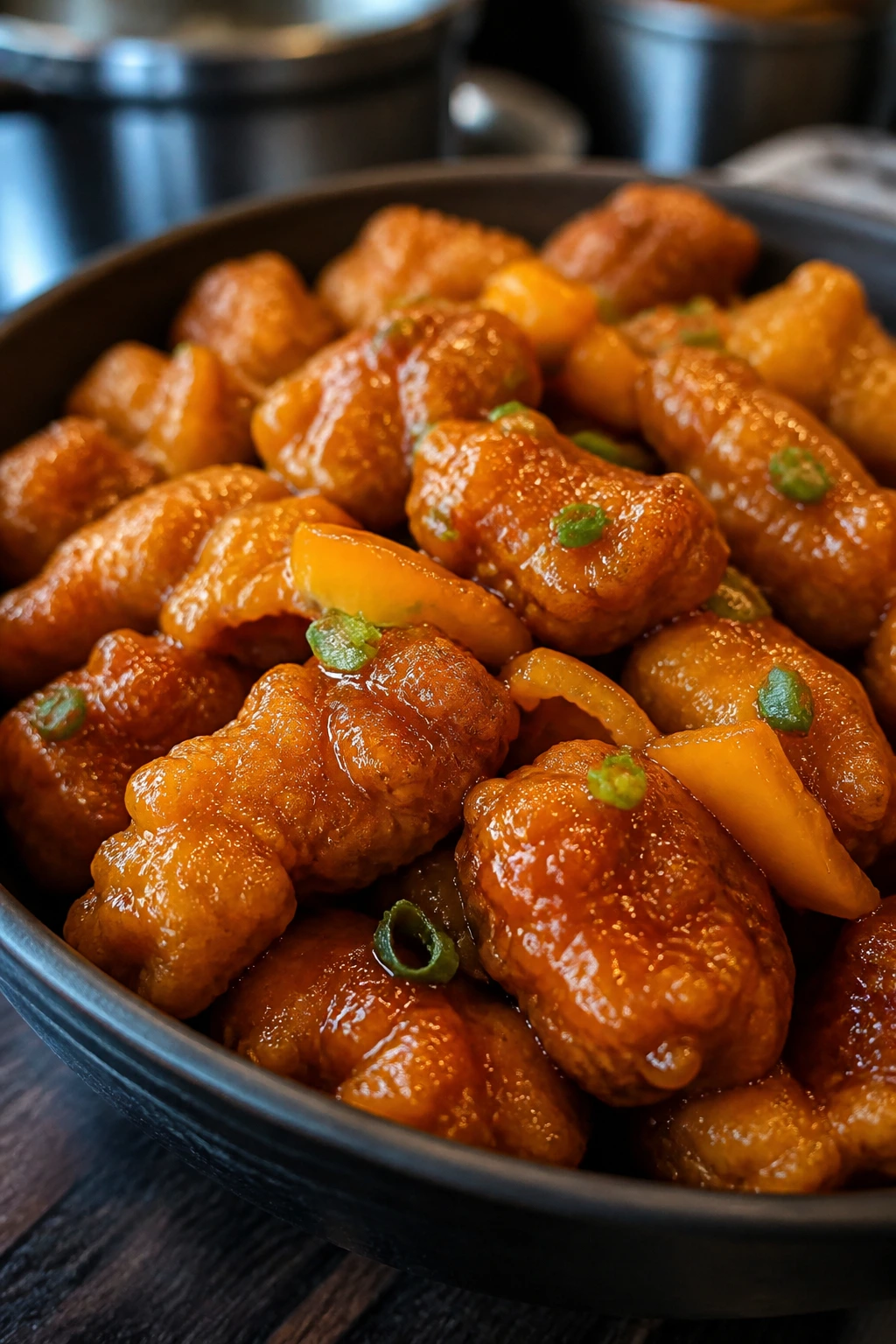
Some dishes are practically textbooks for this whole idea. They reward care. They punish shortcuts.
Orange chicken and General Tso’s
These dishes live or die on the crust. The chicken needs a thin, craggy coating that can hold up to a glossy sweet-tart sauce. If the batter is too thick, you get doughy chunks. Too thin, and the sauce slips off. The sweet spot is usually a light cornstarch-and-flour dredge, fried in batches, then tossed fast with a sauce that has already been reduced.
Orange chicken wants bright citrus and ginger. General Tso’s wants a little more heat, a little more soy depth, and often a sharper vinegar note. Both benefit from a second fry if you have the patience.
Salt-and-pepper shrimp
This one is the simplest proof that crispness does not need a heavy shell. A dusting of starch, a quick fry, then a toss with fried garlic, chilies, scallions, white pepper, and salt. That’s it. If the shrimp go rubbery, you held them in the oil too long. If they taste muted, the seasoning went in too late.
Crispy beef
Thin slices of beef, cut against the grain, are the trick here. A little marinade, a starch coat, and hot oil can turn them into curled, browned strips that stay tender in the middle. The sauce should be bold and reduced, not watery. A lot of home versions fail because the beef sits in sauce for too long and turns soft before serving.
Dry-fried green beans or sesame tofu
These are the dishes that prove crispness is not only about batter. Green beans blister in a hot pan until the skins wrinkle. Tofu, when pressed and dried well, can take on a brittle shell that gives way to a creamy center. Add garlic, ginger, chilies, and a little soy, and you’ve got real texture, not just heat.
There’s a reason these dishes keep showing up on restaurant menus. They make texture part of the flavor.
Tools That Make Home Cooking Less Fussy
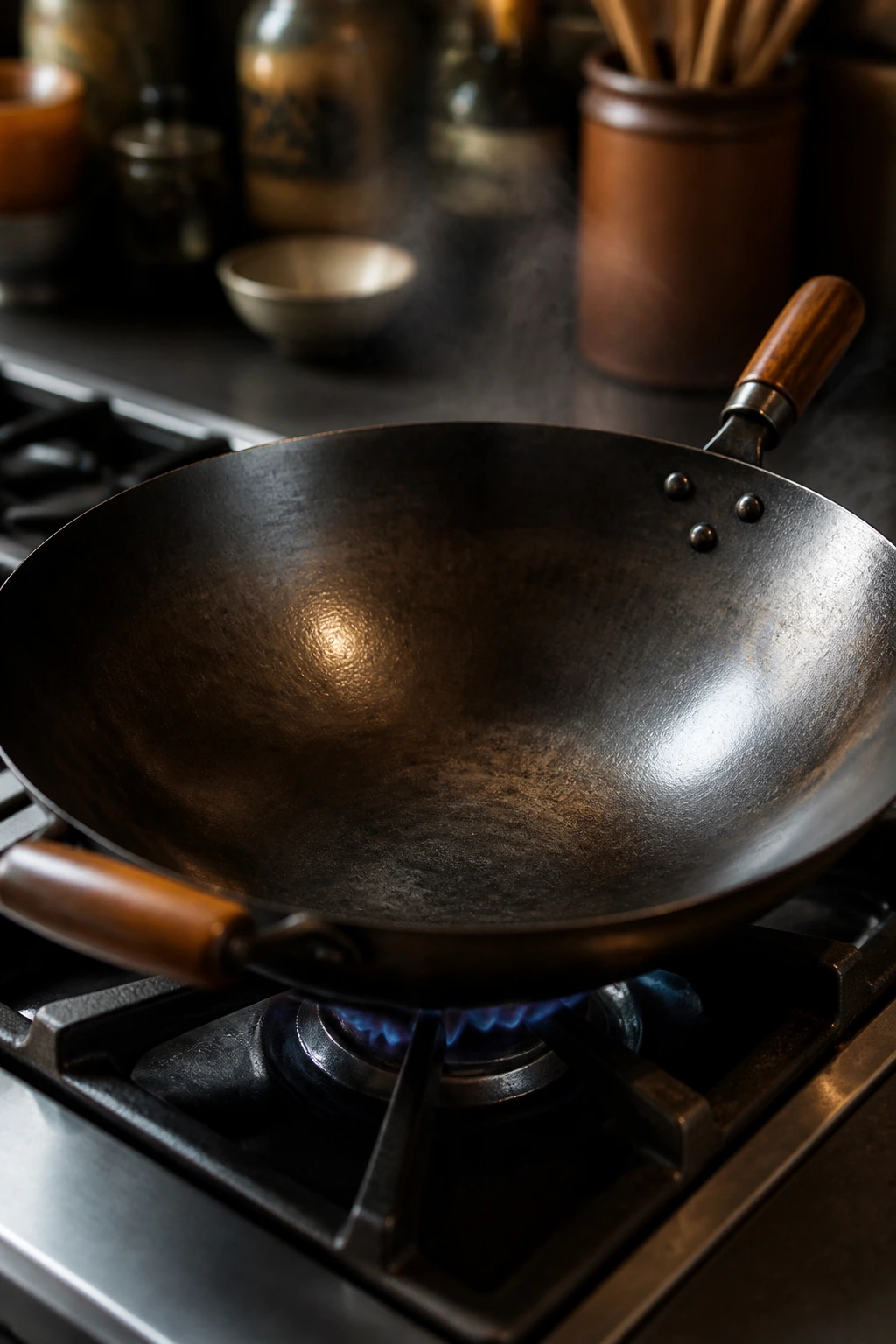
You do not need a pro kitchen, but a few tools make this kind of cooking less chaotic.
- Carbon steel wok or 12-inch skillet: A wok is classic, but a heavy skillet can handle high heat just fine if it’s large enough for batch cooking.
- Digital thermometer: This is the easiest way to know whether your oil is at 325°F or 375°F instead of guessing from bubbles and hope.
- Wire rack and sheet pan: The rack keeps fried food from steaming underneath. The sheet pan catches drips and makes transfer easier.
- Spider strainer or slotted spoon: Useful for lifting fried pieces out of hot oil without bruising the crust.
- Tongs: Better than forks for turning delicate pieces, and less likely to puncture battered food.
- Mixing bowls in 2 or 3 sizes: One for marinade, one for dredging, one for finished sauce. It keeps the station from becoming a mess.
- Small whisk: A tiny whisk is perfect for slurry and sauce, especially when cornstarch wants to sink in clumps.
- Paper towels, used smartly: Not for trapping fried food under a pile. Use them to blot raw meat or tofu before coating, then let the rack do the final job.
- A rimmed baking sheet: Handy if you need to carry fried batches to the oven for a short hold at low heat.
If you only buy one thing, buy the thermometer. It pays for itself fast. Oil that’s too cool ruins texture, and oil that’s too hot burns the outside before the inside is ready.
Small Fixes That Make a Big Difference
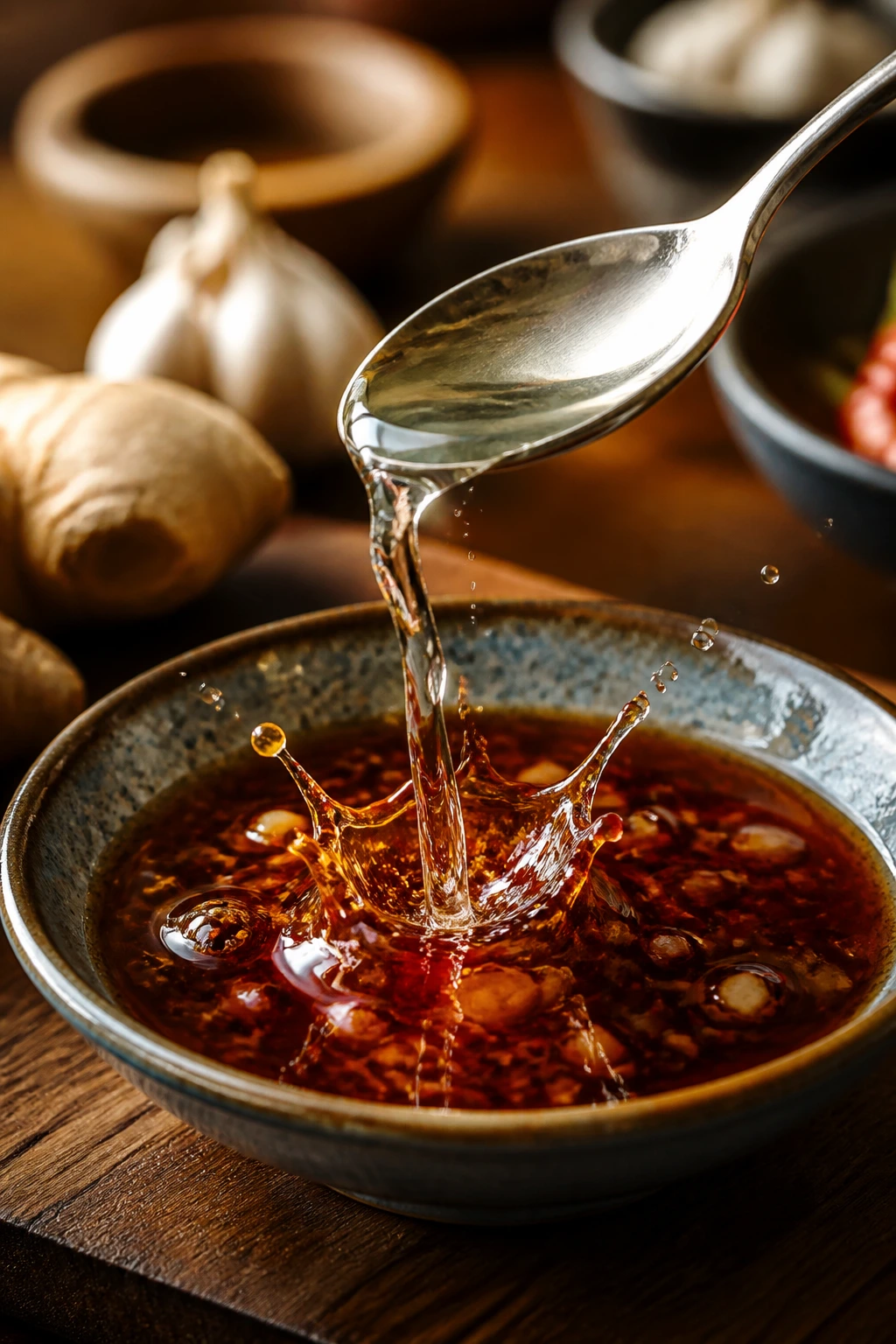
A lot of home cooks think crispness comes from a single trick. It doesn’t. It comes from a few small fixes stacked together.
Flavor Enhancement: Add a teaspoon of Chinkiang vinegar or rice vinegar at the end of a sauce for a sharper edge. It cuts sweetness and keeps fried food from tasting flat. White pepper is another one — a tiny pinch in the marinade or sauce gives that unmistakable takeout note.
Time-Saver: Mix the sauce before you heat the oil. It sounds small, but it keeps you from scrambling with cornstarch while the fried pieces are waiting. If the sauce is ready, the food stays crisp longer because you can move it straight from the rack to the wok.
Pro Move: Fry in two short batches instead of one long one. Even if it takes an extra 4 minutes, the crust sets better, the oil stays hotter, and the food comes out cleaner. The pan needs breathing room. So do the ingredients.
Cost-Saver: Use chicken thighs instead of breast for fried dishes that will be sauced. Thighs stay juicier and forgive a little overcooking. Save shrimp for dishes where they can shine in a smaller portion, since they are usually the priciest piece on the board.
Make-It-Yours: Want less sugar? Cut the sweetener in the sauce and lean on garlic, vinegar, and soy. Want more heat? Use dried chilies, chili oil, or a little doubanjiang, but keep the sauce still thin enough to glaze. Want extra crunch? Add a spoonful of rice flour to your starch mix and fry a bit longer on the second pass.
The nicest part is that these tweaks do not fight the technique. They ride on top of it.
Common Mistakes That Flatten the Crunch
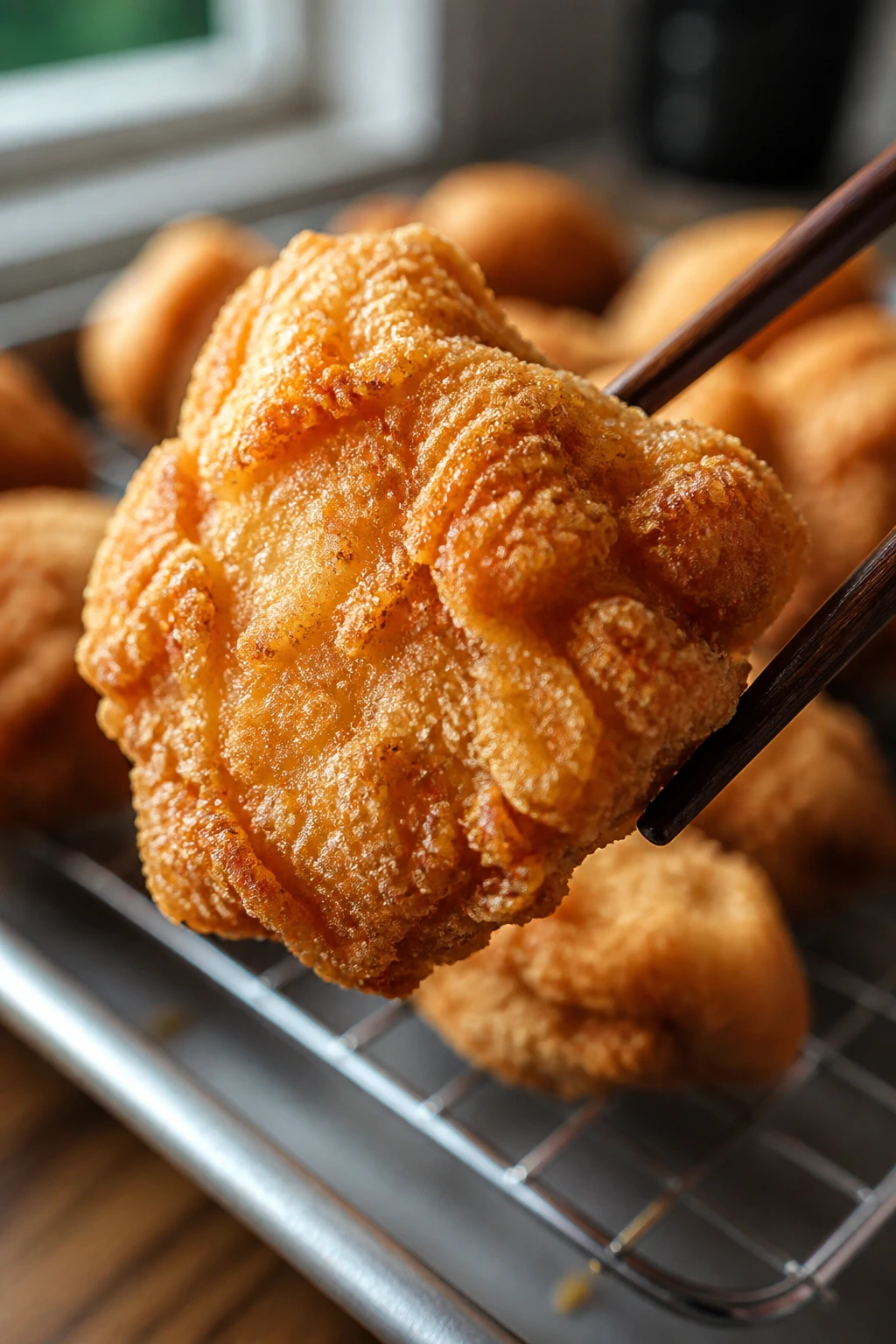
The usual failures are painfully predictable, which is good news. Predictable mistakes are fixable.
- Crowding the pan: Too many pieces at once drop the oil temperature and make the coating greasy. Fry in batches with space around each piece, even if that means keeping the first batch on a rack while you finish the rest.
- Saucing too early: Once the sauce touches the crust, the clock starts. If you need to wait before serving, keep the sauce separate and toss at the very end.
- Skipping the drying step: Wet meat, wet tofu, and wet vegetables steam instead of crisp. Pat everything dry, then dry it again if needed. This is the most boring step and one of the most important.
- Using the wrong oil: Butter, extra virgin olive oil, and toasted sesame oil all bring trouble at high heat. They smoke or taste wrong. Use a neutral oil that can handle frying temperatures.
- Draining on paper towels: Paper towels are fine for blotting raw ingredients. They are poor for holding fried food. The bottom stays moist and soft. A rack fixes that.
- Letting the oil cool between batches: If the oil temperature slides too low, the crust drinks oil instead of sealing. Use a thermometer if you can. If not, give the oil a minute to come back up before the next batch.
There’s one more thing people do: they panic and keep fiddling with the food. Turning it too often. Stirring the sauce too much. Moving pieces before the crust has a chance to set. Leave food alone long enough to do its job. That’s half the battle.
Better-Than-Takeout Variations
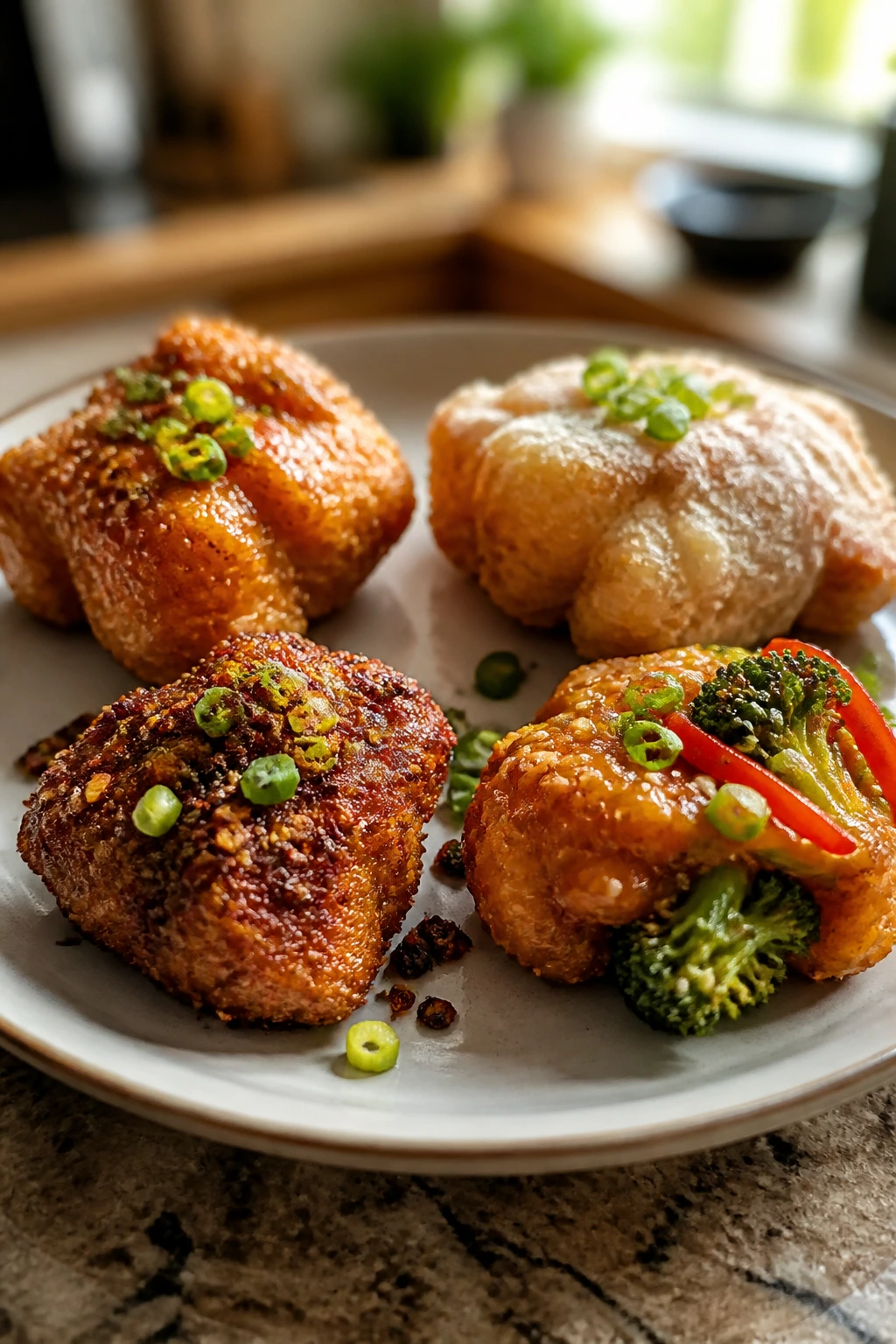
The same crunch technique can move in a few different directions without losing its edge.
Air-Fryer Crunch Fix: Coat chicken, tofu, or shrimp lightly in starch, mist with neutral oil, and air-fry in a single layer until the surface is dry and golden. It won’t taste like deep-fried food, and that’s fine. What you get is a lighter shell that still has a clean bite, especially good for orange-style sauces.
Gluten-Free Rice-Flour Shell: Swap the flour in your dredge for rice flour or a rice flour-cornstarch blend, then fry as usual. The crust comes out delicate and crisp, with a lighter finish than a standard flour coat. This works well for shrimp and vegetables that need a finer shell.
Sichuan Heat and Peppercorn: Add dried chilies, garlic, scallions, and a small pinch of Sichuan peppercorn to the finish. The peppercorn brings a tingly, citrusy numbness that changes the whole dish. Keep the sauce lighter and let the spice sit on the surface of the food.
Lighter Weeknight Stir-Fry: Skip the deep fry and use a hot skillet with a thin coat of oil to sear marinated chicken strips, then add crisp vegetables and a reduced sauce. You won’t get the same shell, but you do get browning, texture, and a dish that still feels lively instead of soggy.
Extra-Crunch Salt-and-Pepper Style: Toss fried pieces with fried garlic, sliced jalapeños, scallions, and a little extra salt after draining. This is the version I reach for when I want a dish that stays boldly textured even before the sauce enters the picture — or when I want to skip the sauce entirely.
Each variation keeps the same principle: dry surface, hot cooking, fast finish. Change the seasonings all you want. Don’t mess with the timing.
Make-Ahead, Storage, and Reheating
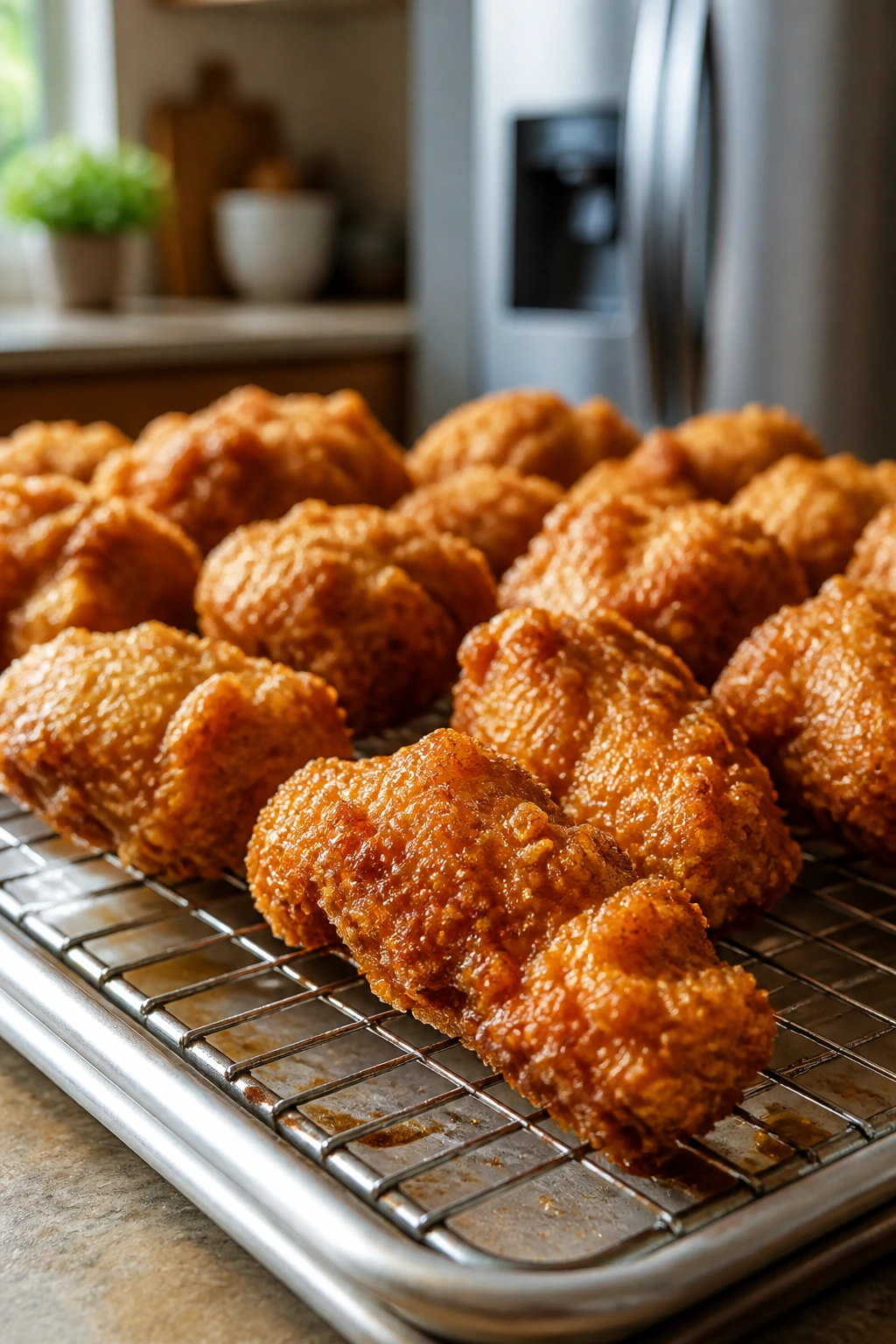
Crispy food has a short memory, so make-ahead strategy matters.
For the best texture, keep fried components and sauce separate until serving. Fried chicken, shrimp, or tofu can sit on a rack at room temperature for about 15 to 20 minutes while you finish the rest of the dish. After that, move them to the fridge if they’ll wait longer. Do not leave cooked food out all afternoon because you want it to stay crisp; food safety wins that argument.
In the refrigerator, sauced dishes usually hold for 3 to 4 days. Unsauced fried pieces can keep for about the same amount of time, though the crust will soften a bit. Plain stir-fried vegetables and rice are usually best within 3 days.
Freezing is possible, but be honest about texture. Fried pieces freeze for up to 2 months if you cool them fully, wrap them well, and reheat them in a hot oven or air fryer. Sauced dishes freeze less gracefully because the sauce and coating fight each other on thawing. If you know you’ll freeze a batch, freeze the sauce and crispy component separately.
Best reheating methods
- Oven: Reheat fried pieces on a wire rack at 400°F / 205°C for 8 to 12 minutes, depending on size, until hot and crisp again.
- Air fryer: Reheat at 375°F / 190°C for 4 to 8 minutes. This is the easiest way to bring back a little snap without drying the food out.
- Skillet: For stir-fries, a hot skillet with a teaspoon of oil works better than the microwave. Toss just until warmed through and the edges wake back up.
- Sauce: Rewarm separately over low heat. If it thickened too much in the fridge, add a splash of water before reheating.
If you want to make ahead, fry the protein or vegetables earlier in the day, keep them on a rack, and make the sauce right before dinner. That’s the sweet spot. You get the hard part done early and still keep the crunch.
Questions Readers Ask in Real Kitchens
Can I make crispy Chinese food without a deep fryer?
Yes. A heavy skillet, a wok, or a wide sauté pan can handle shallow frying or small-batch frying just fine. The real key is keeping the oil hot enough and not crowding the pan, not owning a dedicated fryer.
Is cornstarch better than flour for crisp coating?
For a lighter, sharper crust, yes, cornstarch usually wins. Flour gives more structure and a breadier shell, which can be useful in some battered dishes, but it tends to soften faster once sauced.
Why does my coating fall off in the oil?
Usually because the food was too wet, the dredge was too loose, or the oil was not hot enough to set the crust quickly. Pat the food dry, press on the coating firmly, and wait until the oil is actually hot before frying.
Can I use chicken breast instead of thighs?
You can, but slice it thin and do not overcook it. Chicken breast dries out faster, so velveting and careful timing matter more. Thighs forgive small mistakes better, which is why they’re my default for sauced fried dishes.
How do I keep fried food crisp while I finish the rest of dinner?
Set it on a wire rack over a sheet pan and hold it in a low oven for a short time. Keep the sauce separate until the moment you’re ready to serve. A covered plate will steam the crust soft in minutes.
What’s the best oil for Chinese-style frying?
Use a neutral oil with a high smoke point, like canola, peanut, refined sunflower, or refined avocado. Toasted sesame oil is for finishing, not frying. It burns too fast and can take over the flavor.
Do I need MSG for that takeout taste?
No, but a tiny pinch can add the savory roundness you taste in a lot of restaurant food. If you use it, keep the amount modest and taste as you go. Garlic, soy sauce, and good browning still do most of the work.
Why does my sauce get gluey instead of glossy?
Usually the slurry was too strong, or it cooked too long after thickening. Add cornstarch slowly, let the sauce simmer only until it coats a spoon, and toss the food off the heat if you can. A glossy sauce should cling; it should not stand in paste-like clumps.
Can I use an air fryer for these dishes?
Yes, especially for smaller batches of chicken, tofu, or shrimp. Spray lightly with oil and cook in a single layer. You won’t get the exact deep-fried shell, but you can get a respectable crisp edge without filling a pot with oil.
The Last Bite
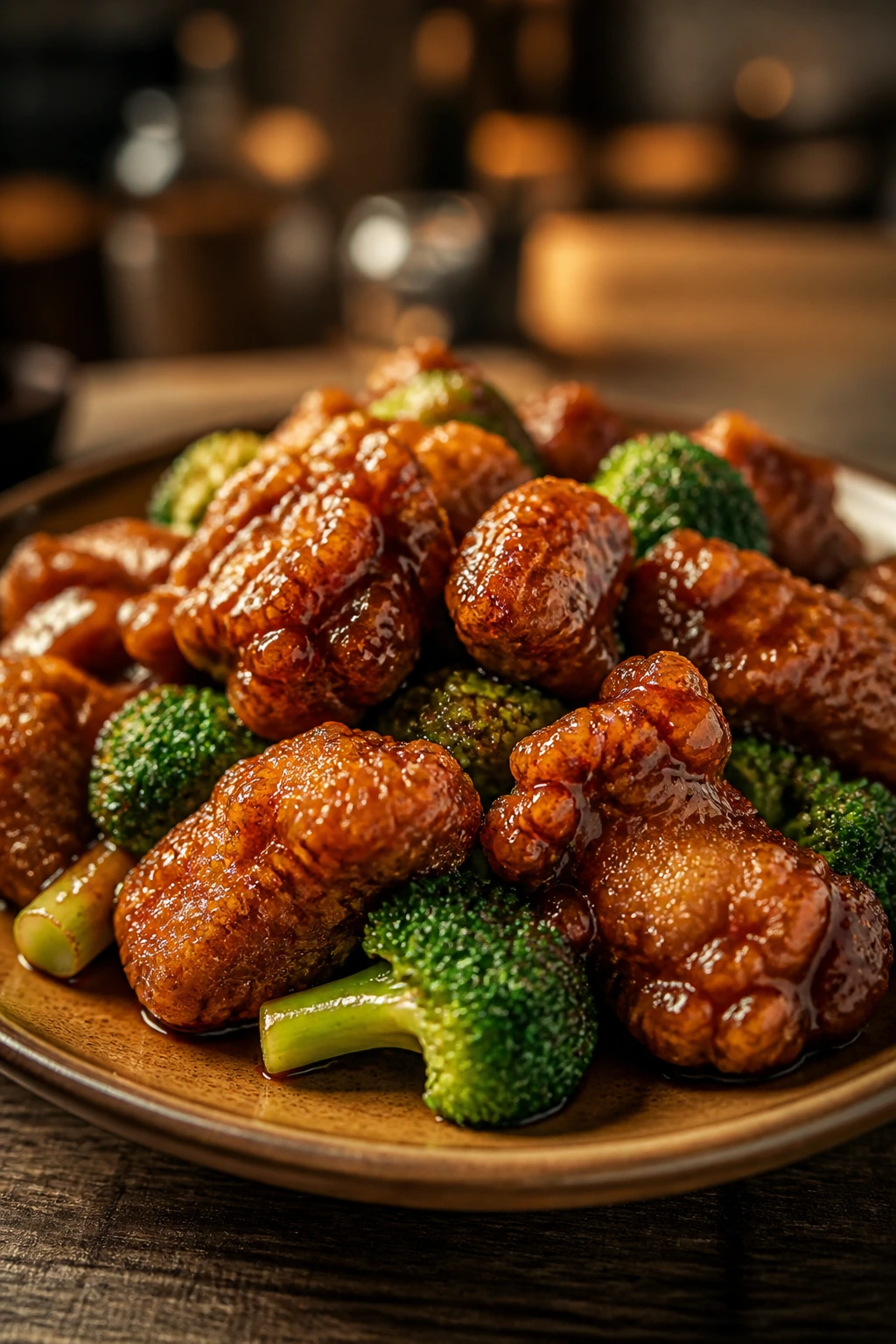
Crispy Chinese food at home is less about imitation and more about control. You’re not trying to rebuild a takeout box in your kitchen. You’re choosing where the steam goes, how thick the crust should be, and when the sauce earns its place.
That’s why the finished dish can taste cleaner and sharper than delivery. The garlic hits brighter. The frying tastes fresher. The crunch survives long enough to matter.
Start with one dish and one rule: keep it dry until the last possible second. The rest falls into place faster than most people expect.