



Some dinners get admired. Others get eaten.
Kids are not impressed by a plate that needs a speech, a garnish, and three separate promises that the sauce is “mild.” They want food they can recognize in five seconds, textures that make sense, and at least one part of the meal they can control with their own hands. That is why the best crowd-pleasing dinner options for kids will actually eat are usually a little plain on purpose. A crisp chicken tender. A soft taco. A cheesy pasta bake. A slider the size of a palm.
There’s a reason so many family meal strategies lean on familiarity, repeated exposure, and small choices. When dinner looks like a negotiation, the main problem is usually not the food itself. It’s the shape, the heat, the sauce, or the fact that too many ingredients got mixed together before anyone had a chance to say yes. Keep the plate readable and the stakes low, and the same child who “hates dinner” will often eat three bites before asking for more ketchup.
The trick is not making separate meals for everyone. Nobody needs that. The trick is building dinners that feel safe enough to start, interesting enough to finish, and flexible enough to survive one child who refuses onions and another who wants “the orange sauce” on everything.
Why These Dinner Ideas Win at the Table
Familiar shapes matter more than fancy flavors.
A strip, a slider, a tortilla, a noodle, a scoopable bowl—those shapes feel easy before the first bite even happens.
Sauce on the side changes everything.
A child who rejects a wet plate will often happily eat the same food with the dip kept in a tiny bowl, away from the main item.
Crisp and soft on the same plate is the sweet spot.
A tender meatball next to buttered noodles, or a crisp tender next to roasted potatoes, gives kids enough texture to stay interested without throwing them off.
Smaller portions get fewer refusals.
Three mini sliders or a few bite-size pieces of chicken usually get less pushback than one giant serving that looks like a homework assignment.
Leftovers matter more than they get credit for.
The dinners that reheat well and keep their shape usually become the ones you make again because they don’t turn into mush in the fridge.
The plate should feel like a yes, not a test.
When a child sees one or two safe foods and one small “bridge” food, dinner stops looking like a trap.
The Plate Formula Kids Trust
The most useful family dinner model I know is also the least glamorous: one familiar protein, one familiar starch, one small vegetable or fruit, and one dip or sauce that stays separate until the child asks for it. That’s it. No drama. No edible confetti.
The USDA-style plate idea works partly because it does not demand too much from a kid all at once. A child who is nervous about a new dinner can still eat the bun, the pasta, the rice, or the tortilla. Once that first bite is safe, the rest of the plate becomes less suspicious. Food bridging matters. So does serving temperature. A piping-hot casserole on a plate can send a child into immediate shutdown, while the same food, cooled for five minutes, suddenly seems fine.
One safe food, one bridge food, one dip
A “safe food” is the thing your child already trusts. Buttered noodles. Plain rice. Roasted potato wedges. A roll. A tortilla.
A “bridge food” looks familiar but stretches the menu a little. Chicken cut into fingers instead of chunks. Taco meat tucked into a soft shell. A slider instead of a huge burger. Kids usually tolerate bridge foods far better than completely new plates.
Dip is not decoration. It is a tool. Ranch, ketchup, salsa, yogurt sauce, hummus, warm marinara—whatever your child likes, keep it in a small bowl and leave the main food as dry and readable as possible.
Why mixed casseroles lose so much goodwill
Mixed dishes can work, but they often ask a child to trust too many things at once. A cream sauce hiding peas, carrots, onion, and shredded chicken may be fine for an adult who likes surprise bites. Kids often do not. They want to see what’s there. They want control. I would rather serve plain pasta with a spoon of sauce on the side than bury everything under a blanket and hope for the best.
And yes, some children will eat almost anything if it’s coated in cheese. Fine. Use that. But don’t overdo the cheese so much that the whole plate turns into one beige blob. Kids like clarity more than adults think.
Crispy Chicken Tenders That Beat Soggy Takeout
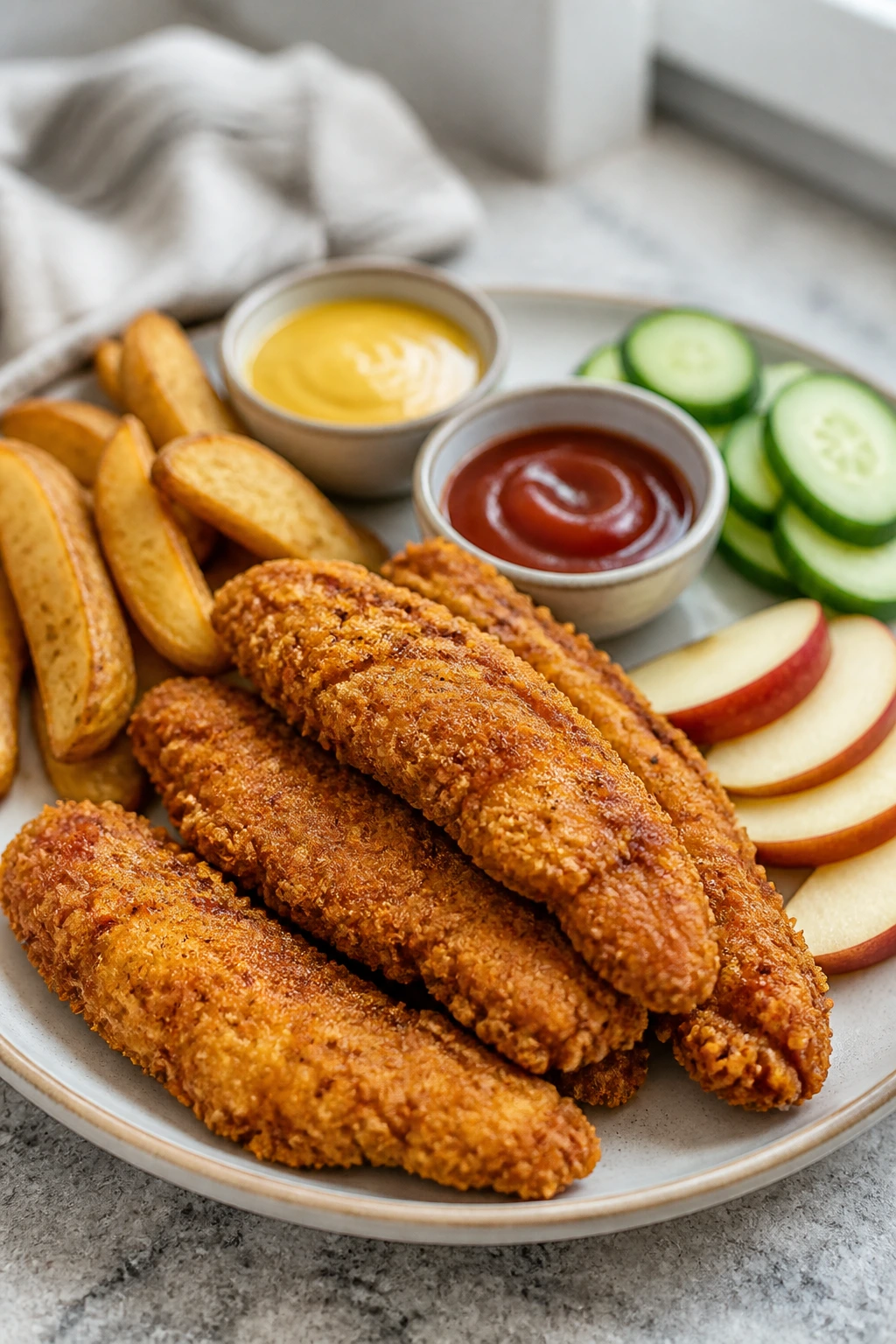
Chicken tenders are the dinner equivalent of a truce. They look harmless. They hold up well in little hands. They can be dipped, dunked, dragged through ketchup, or eaten plain if that’s what the night requires. The key is crispness. If the coating goes soft, the whole thing loses its magic fast.
I like tenders more than nuggets for one practical reason: the shape gives you a better crust-to-meat ratio. You get more crunch on the outside, and the white meat stays juicy if you don’t overcook it. Panko breadcrumbs help, but so does a shallow bake on a wire rack or a fast pass in the air fryer. Nobody wants a pale, damp breadcrumb jacket.
Why they work for picky eaters
Chicken is neutral enough to feel safe, but the crispy coating gives enough texture to make it feel like dinner instead of cafeteria mystery food. Keep the seasoning simple—salt, pepper, garlic powder, maybe a touch of paprika if your kids don’t mind color. Then put out two dips and stop talking. The food does the selling.
Best setup on the plate
A handful of tenders, a pile of oven fries, cucumber coins, apple slices, or steamed corn. That plate has contrast without chaos. If a child refuses the vegetable, at least the rest of the plate still makes sense.
What I’d change depending on age
Smaller kids do better with short strips and a mild dip. Older kids usually like a crunchier crust and may accept a little heat in the seasoning—cayenne can stay in the spice jar or make a polite guest appearance on the adult portions only.
Taco Night With Mild Fillings and Tiny Bowls
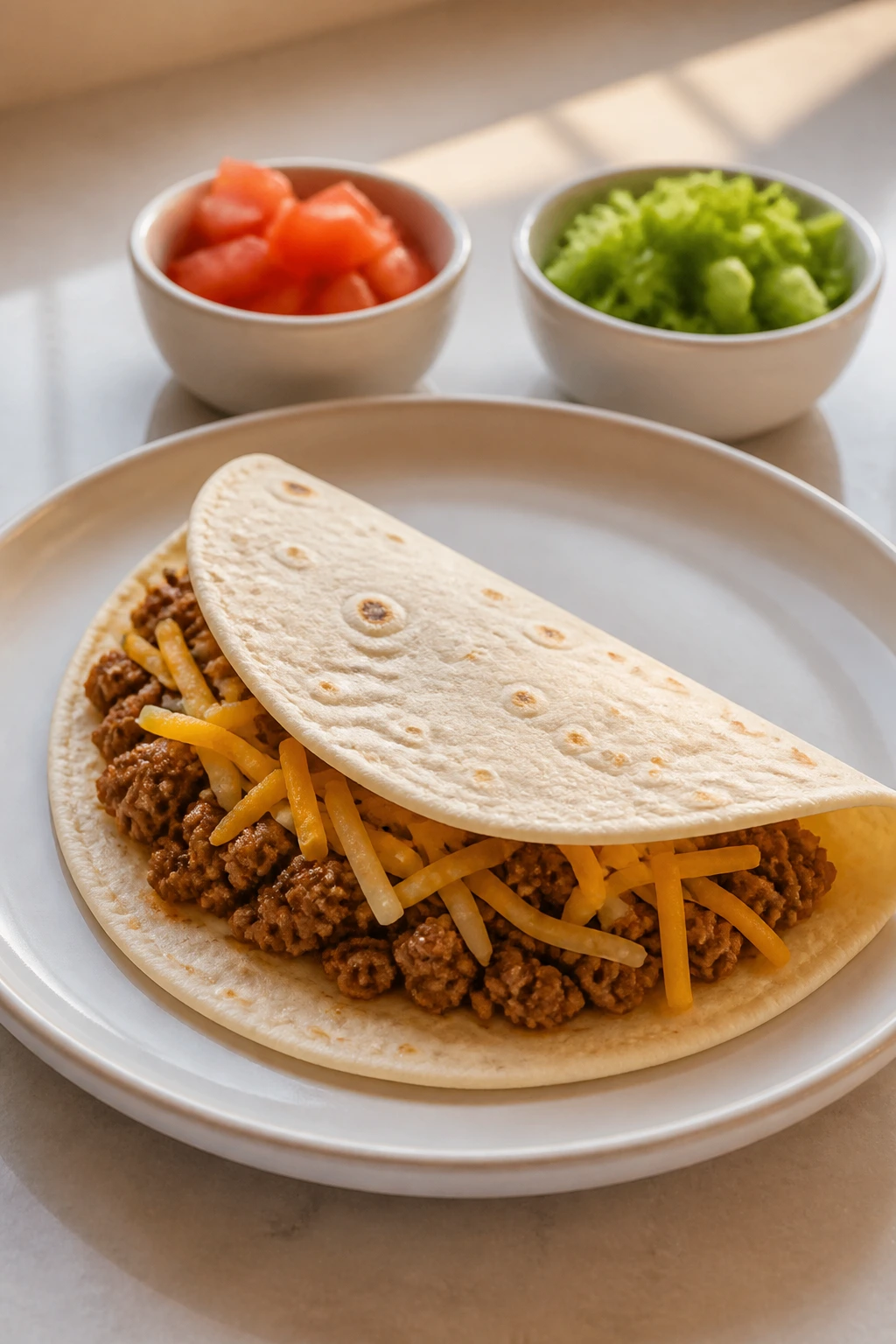
Taco night is one of the best family dinner ideas because it hands over the decision-making without forcing anyone to cook. The trick is to make the setup clean, not chaotic. One bowl of seasoned meat, one bowl of rice, one bowl of shredded cheese, and a few toppings that don’t leak everywhere. That’s a dinner. The mountain of fifteen toppings some adults love? That’s a salad bar trying too hard.
Soft tortillas are usually the win for kids. Hard shells crack and spill, and cracked tacos are where dinner turns into a floor-cleaning event. Keep the meat lightly seasoned, not aggressively spiced. A little cumin, garlic, onion powder, and salt go farther than a heavy chili blend.
The child-friendly taco bar formula
- Warm tortillas in a dry skillet for a few seconds so they bend instead of split.
- Keep diced tomatoes, lettuce, and onions on the side rather than forcing them into the first taco.
- Offer plain rice, refried beans, or avocado as a safe filler.
- Put salsa and sour cream in separate bowls.
That last one matters. A child who wants to dip a taco edge into sour cream may be fine with that. A taco pre-soused in everything often gets rejected halfway through.
Why taco night earns repeat status
Kids can build a “little” taco, then come back for another one. Adults get to sharpen theirs with hot sauce, pickled onions, or extra cilantro. It is one of the rare dinners where the family table can split without making separate meals.
Cheesy Baked Pasta That Stays Familiar
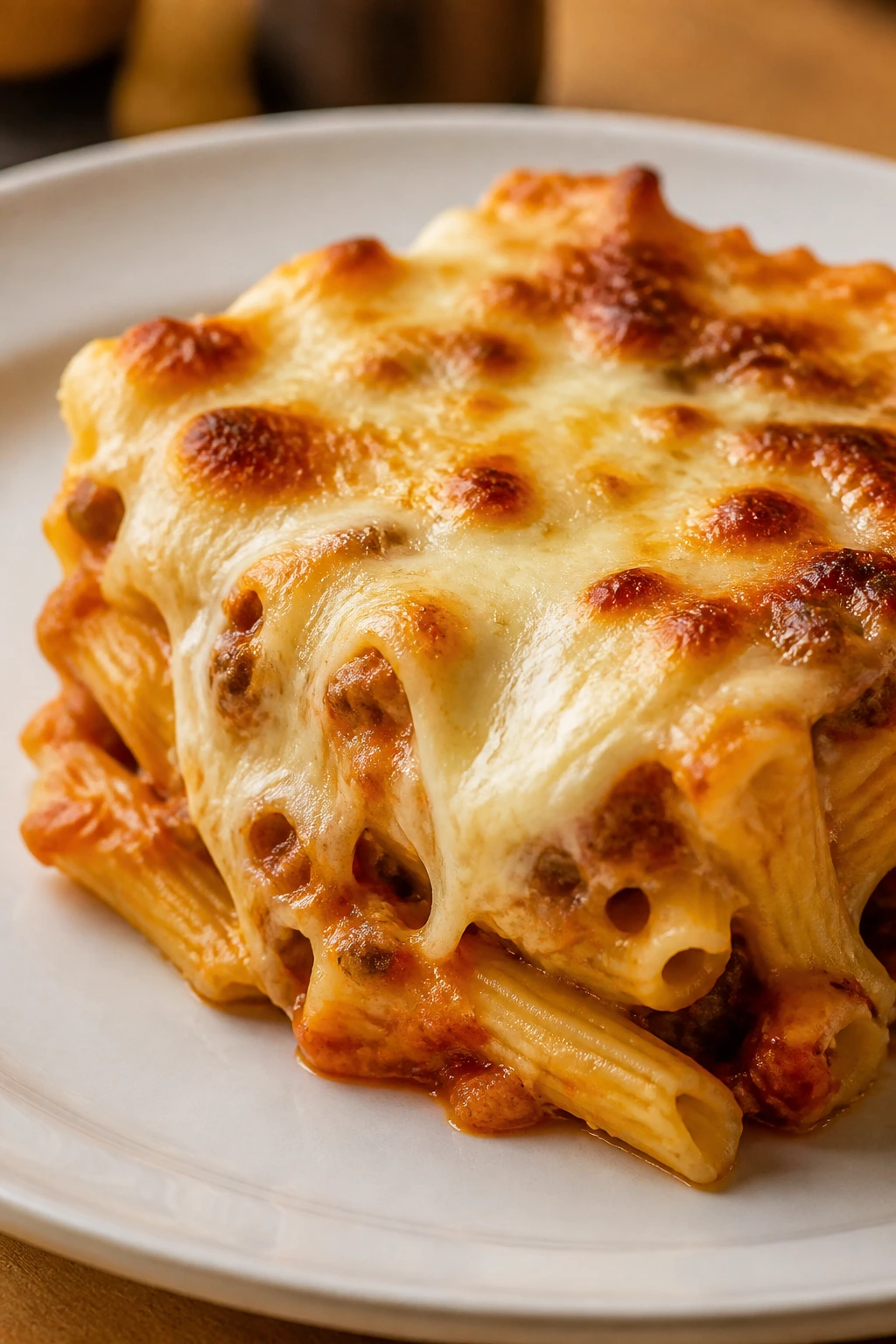
Baked pasta wins because it keeps the ingredient list easy to read. Noodles. Sauce. Cheese. Maybe a little meat. That’s the whole conversation. The danger is overloading it with vegetables or making it so wet that the bottom layer turns slick and the top layer turns dry. Both happen all the time. Neither is necessary.
A good baked pasta should slice into soft squares or scoopable mounds, with cheese browned in spots and noodles that still have a little bite. If the sauce is creamy, even better. Kids tend to accept baked pasta more easily than red-sauce pasta with a lot of visible chunks, especially when the top is melted and browned enough to smell a little nutty.
Small changes that matter
Use short shapes like penne, rotini, ziti, or shells. Those shapes grab sauce without turning the whole dish into a slippery mass. If you want to add a vegetable, keep it tiny and predictable—finely chopped spinach, grated zucchini squeezed dry, or minced mushrooms cooked until they disappear into the sauce. Big broccoli florets can stay on the adult side of the table.
The part adults forget
Let the pasta sit for at least 10 minutes after baking. Right away, it slumps. After a short rest, it firms up and cuts cleanly. That matters when kids are already suspicious of anything hot and messy.
Mini Meatballs and Buttered Noodles
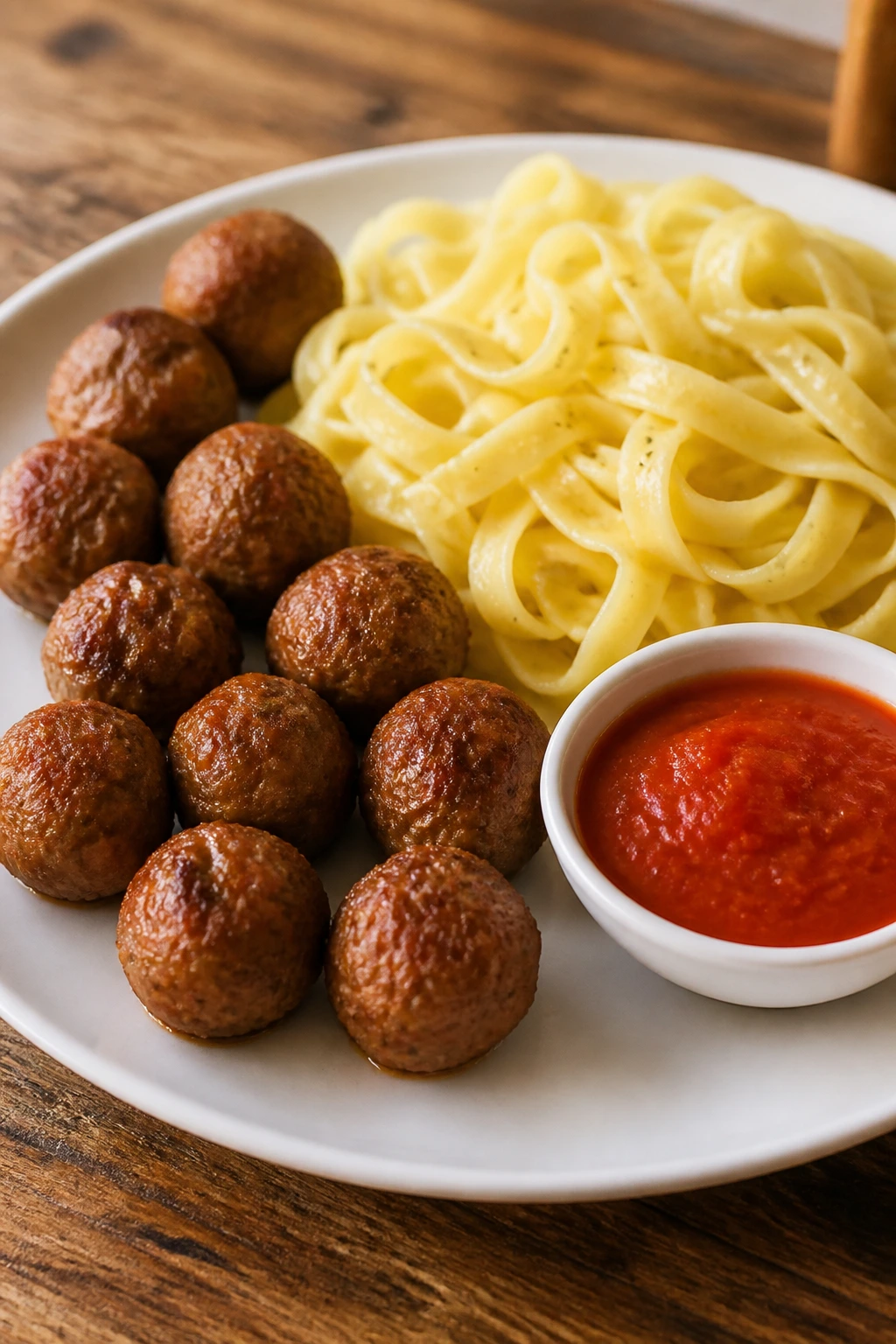
Mini meatballs solve a problem that regular meatballs sometimes create: the size. Large meatballs can feel heavy or mysterious. Mini ones are less intimidating, cook faster, and fit neatly on a fork or straight onto a spoon with pasta. They also make portion control easy, which is not a bad thing when one child eats three and another eats one and a half if nobody is watching.
The flavor should lean gentle. Beef, turkey, or a mix of the two all work. Breadcrumbs keep them tender. A little grated parmesan helps, but don’t overdo the seasoning. Kids usually do better with a meatball that tastes clean and savory than one that tries to taste like a restaurant special.
Why this plate works
Buttered noodles are the perfect anchor. They are bland in the best possible way—soft, warm, and familiar. Put the meatballs next to the noodles instead of burying them under sauce, and you give kids a choice. Marinara can go in a small bowl for dipping, or spooned lightly over the adult portion.
A useful detail adults often miss
Mini meatballs reheat well if they’re cooked through but not overbrowned. I like them cooked to just past the point of done, because they finish nicely in sauce later. If you make a big batch, freeze them on a tray first, then bag them. They won’t glue together into one sad meatball brick.
Sheet Pan Sausage and Potatoes
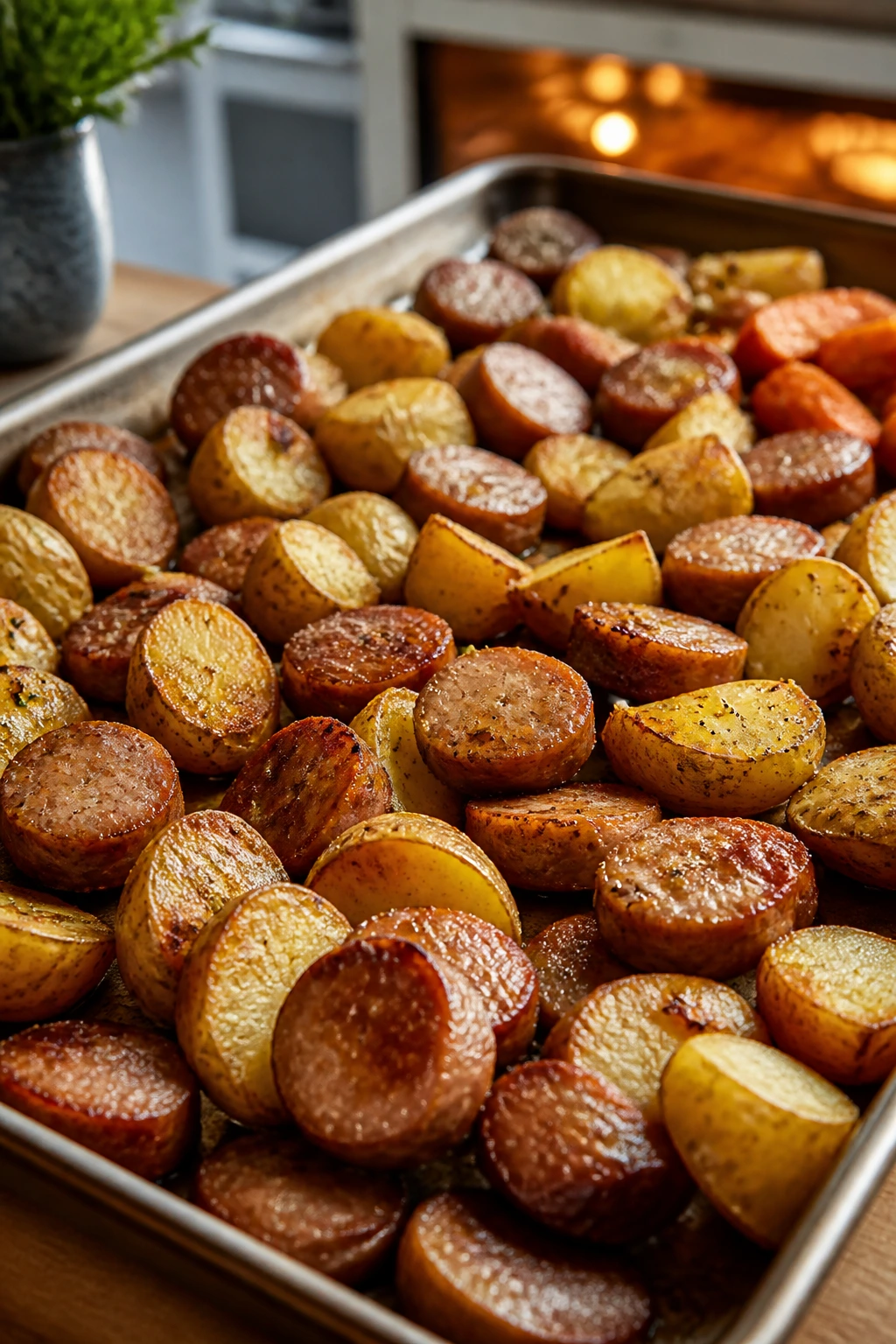
A sheet pan dinner works when the flavors are simple and the edges get crisp. Sausage and potatoes are a strong pair because they both like high heat, both get a little caramelized, and neither demands a sauce if you season them well. Add carrots or green beans only if your kids already accept them roasted. Raw broccoli on the same pan can smell like a bad idea halfway through cooking.
I prefer a mild sausage here—chicken sausage, turkey sausage, or a not-too-spicy pork link sliced into rounds. Potatoes should be cut small enough to roast in the same window as the sausage. If the potato pieces are too big, they stay chalky while the sausage gets done. No one needs that.
Why it’s so easy to serve
The pan comes to the table looking finished. That matters. There’s something reassuring about a dinner that doesn’t need a complicated transfer to plates or bowls. Serve it with applesauce, a roll, or a small pile of steamed peas on the side, and the plate feels complete without a lot of fuss.
Texture is the whole game here
Roasted potatoes should have brown edges and a fluffy center. Sausage should be browned, not shriveled. If the vegetables are limp, kids notice. If they’re crisp at the edges, they often disappear faster than the protein.
Quesadillas That Hide Extras Without Feeling Sneaky
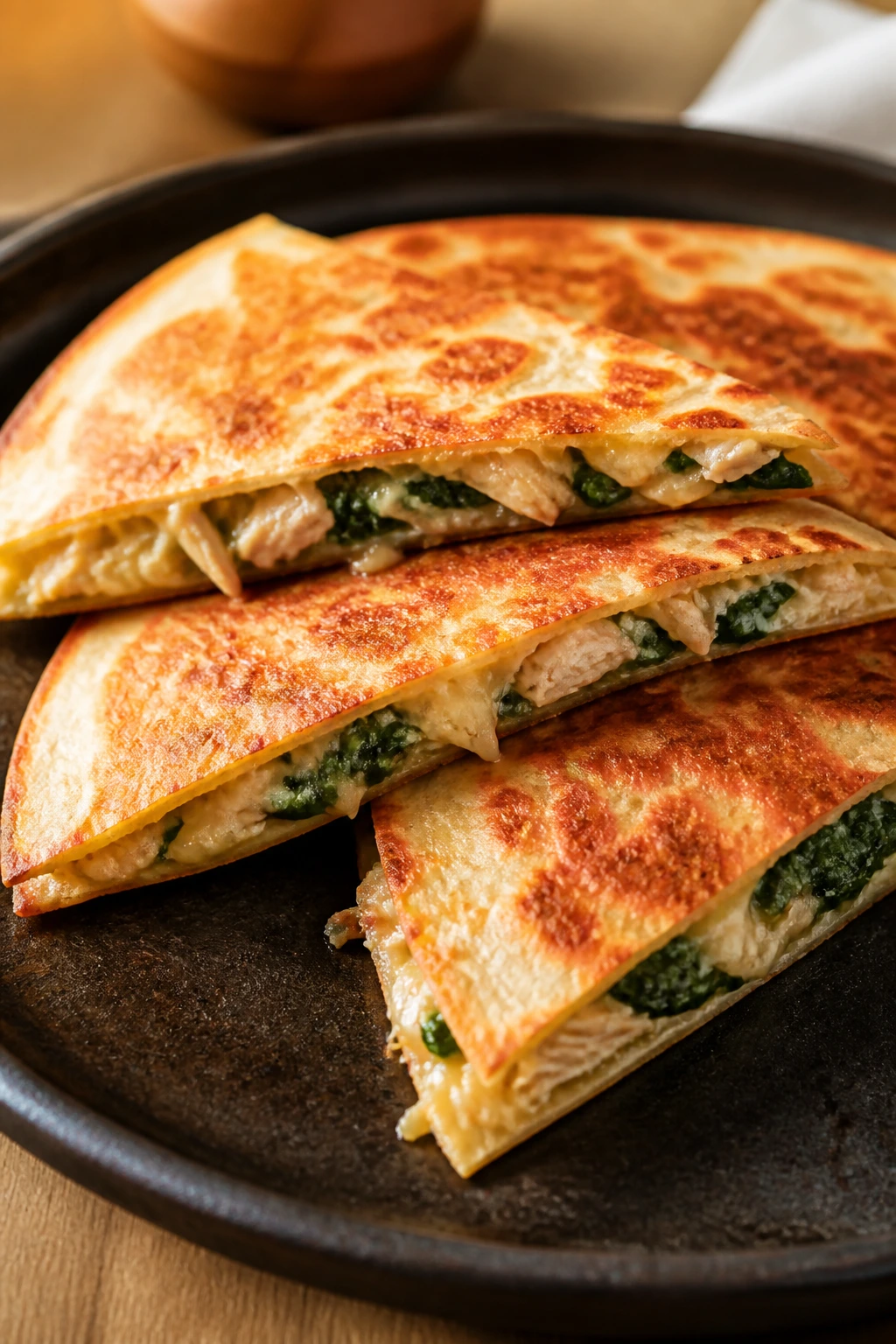
Quesadillas can carry a surprising amount of dinner responsibility. Cheese does the binding. Tortillas keep the shape. You can add a few small extras without making the whole thing look suspicious. Finely shredded chicken, black beans mashed a little, spinach chopped until it is almost invisible, or tiny bits of pepper all fit if you stay disciplined about quantity.
The point is not stuffing the tortilla until it bursts. That makes a mess and invites rejection. The best quesadilla is thin enough to crisp in a skillet and easy enough to cut into triangles with a pizza wheel or sharp knife. A golden tortilla and melted cheese are the whole pitch.
Why kids accept these more than wraps
Wraps feel like a commitment. Quesadillas feel like snack food that got promoted. That difference matters. You can put out salsa, sour cream, or avocado on the side, but a kid can also eat the triangle plain and still call it dinner.
A small opinion I’ll stand behind
Do not overload them with vegetables if the goal is getting dinner eaten. Add a little. Enough to count. Not enough to trigger a full inspection.
Slider Burgers and Tiny Buns
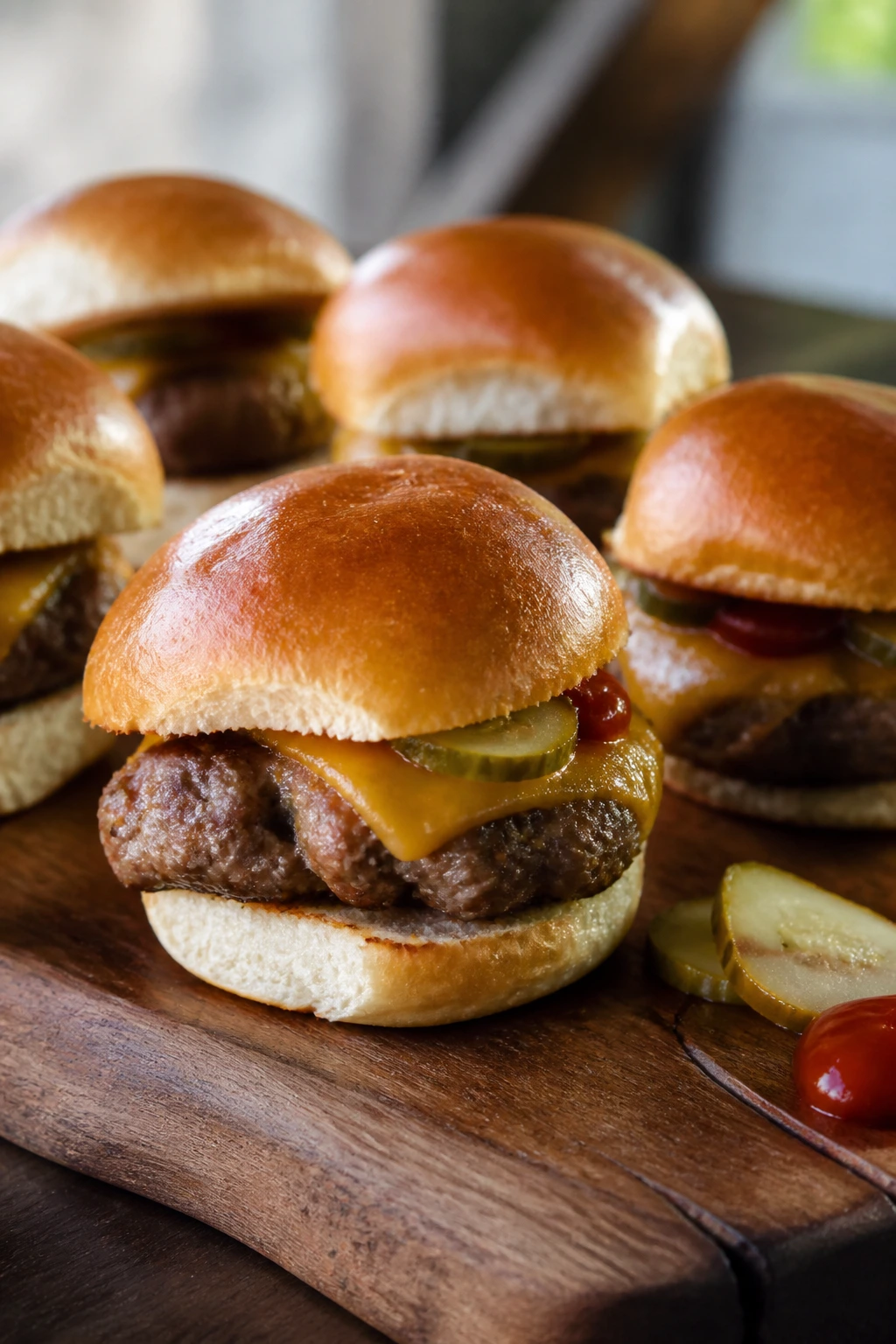
Full-size burgers can be messy, heavy, and too much for a child who wants to eat with both hands. Sliders fix that. They’re smaller, they cool faster, and they let kids build exactly one manageable bite at a time. That is a victory in itself.
Beef patties don’t have to be thick. In fact, thinner patties cook more evenly and fit the bun better. Keep the seasoning simple. Cheddar, pickles, ketchup, maybe a little mayo if your child likes it. Tiny buns do better than giant rolls because they keep the burger from sliding apart while little hands are holding it at a strange angle.
The side dish should not compete
Wedges, oven fries, corn, sliced cucumbers, or baby carrots work because they don’t demand much. A burger slider already gives a child a lot to manage. A complicated side can tip the plate from manageable to annoying.
Why sliders show up on repeat menus
Adults can add onions, mustard, tomato, or a sharper cheese after the kids are done. That keeps the same dinner from feeling repetitive. I’d rather have one slider night a week than a fussy burger night nobody wants to clean up.
Breakfast-for-Dinner Plates That Feel Like a Treat
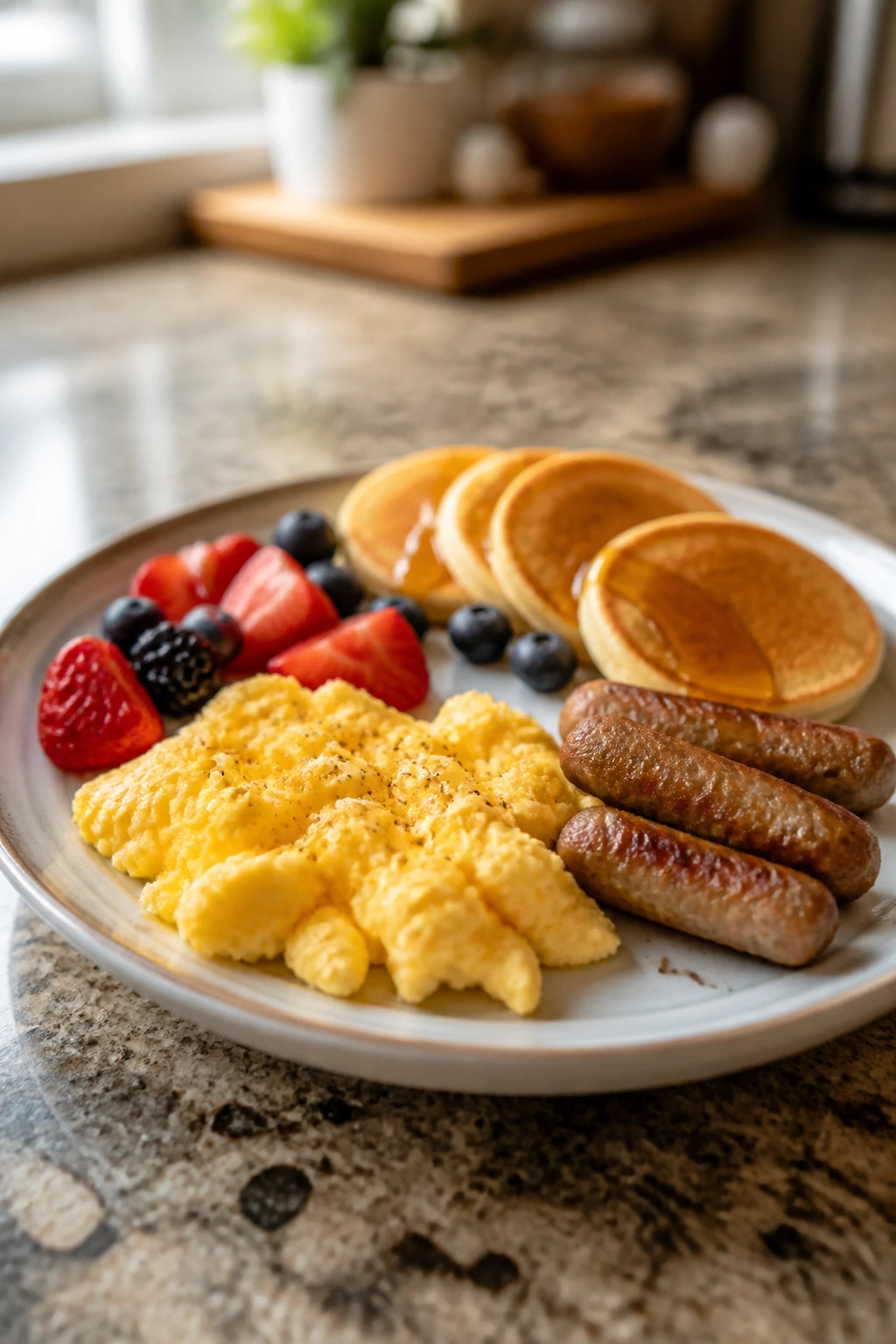
Eggs for dinner can be a very good thing. So can pancakes, waffles, breakfast potatoes, sausage, and fruit. The reason breakfast-for-dinner works with kids is not mystery. It’s comfort. These foods are already associated with a relaxed meal, and that relaxed feeling carries over. Dinner gets less formal, and suddenly the child who pushed away chicken yesterday is asking for a second waffle.
The key is balance. A plate of only syrupy pancakes turns into a sugar crash. Better to build a plate with scrambled eggs, one starch, and a fruit side. If you add sausage or bacon, keep the portion modest and let the rest of the meal stay soft and familiar.
A few combinations that hold up well
- Scrambled eggs, toast, and sliced strawberries
- Mini pancakes, turkey sausage, and melon
- Egg and cheese breakfast quesadillas with orange slices
- Hash brown patties, soft scrambled eggs, and yogurt
That kind of plate feels playful, but not random. Kids usually prefer that. Adults can make theirs a little sharper with hot sauce, chives, or a better cheese.
What makes this option useful on a tired night
It is fast, flexible, and forgiving. Eggs cook in minutes. The leftovers are easy. And if you use breakfast for dinner once in a while, the family stops treating dinner like it has to be a grand performance.
Flatbread Pizza Night With a Self-Serve Topping Bar
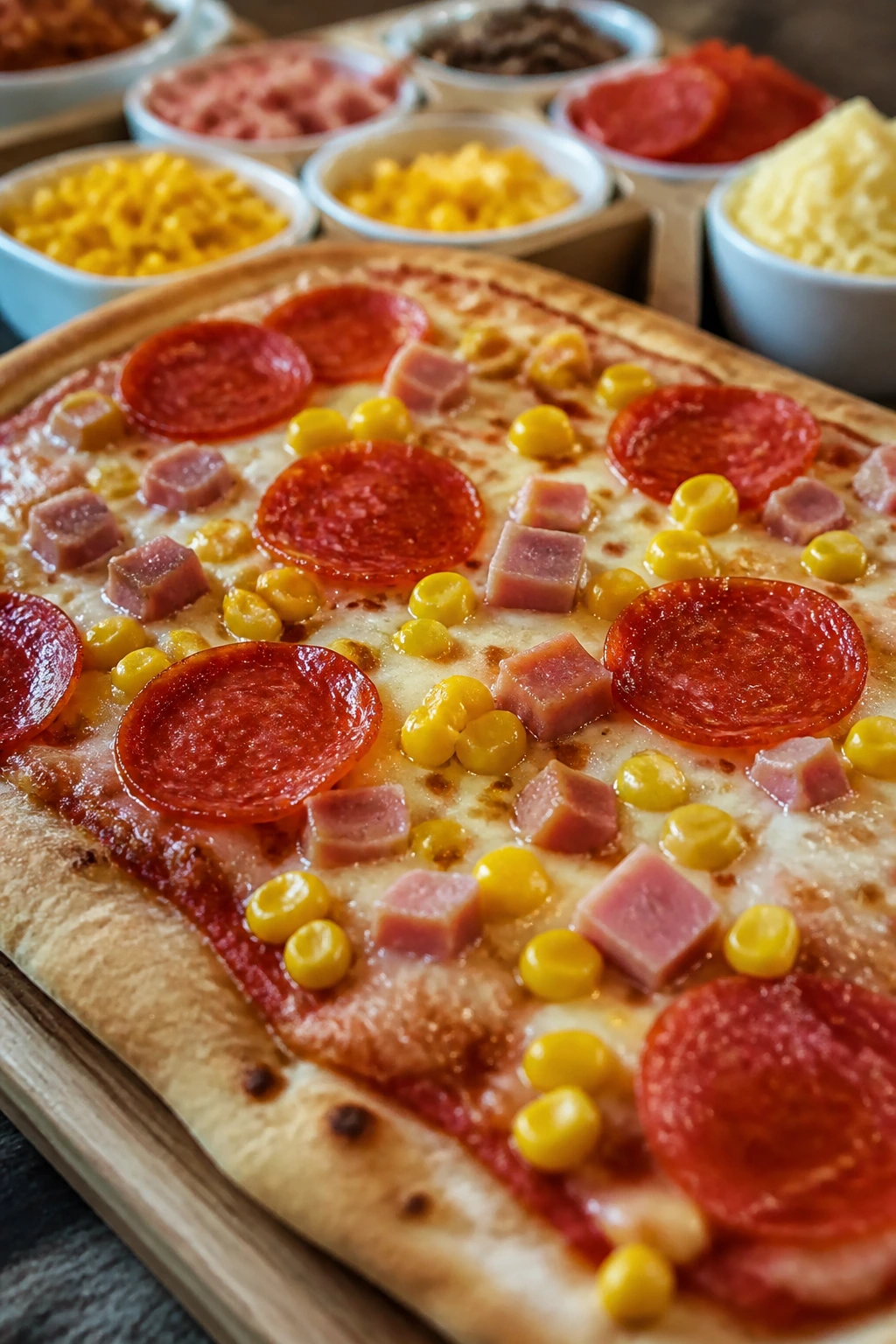
Pizza is almost cheating, which is why it works. The crust gives the meal a sturdy base. Cheese gives everyone a common starting point. Toppings can stay separate until the child chooses them, which is half the battle won. Flatbreads, naan, pita, or pre-baked crusts keep the process quick and the edges crisp.
The best version for kids is not overloaded. A thin layer of sauce, a light sprinkle of cheese, then a few familiar toppings—pepperoni, sweet corn, chopped ham, or tiny pieces of cooked sausage. Too much sauce makes the crust soft. Too many toppings make the slice slip. Nobody wants to watch dinner slide off the bread.
Why the self-serve part matters
Kids feel invested when they help choose one topping. Not ten. One or two. That little amount of control often changes the mood at the table. A child who rejects mushrooms on sight may still try a single pepperoni-and-cheese slice if it was the one they helped build.
Practical note worth remembering
Bake flatbread pizza hot and fast so the crust stays crisp. A pale, limp crust makes even good toppings seem dull. A browned edge and melted cheese smell like dinner is finished, which is half the charm.
Rice Bowls With Pick-and-Pick Components
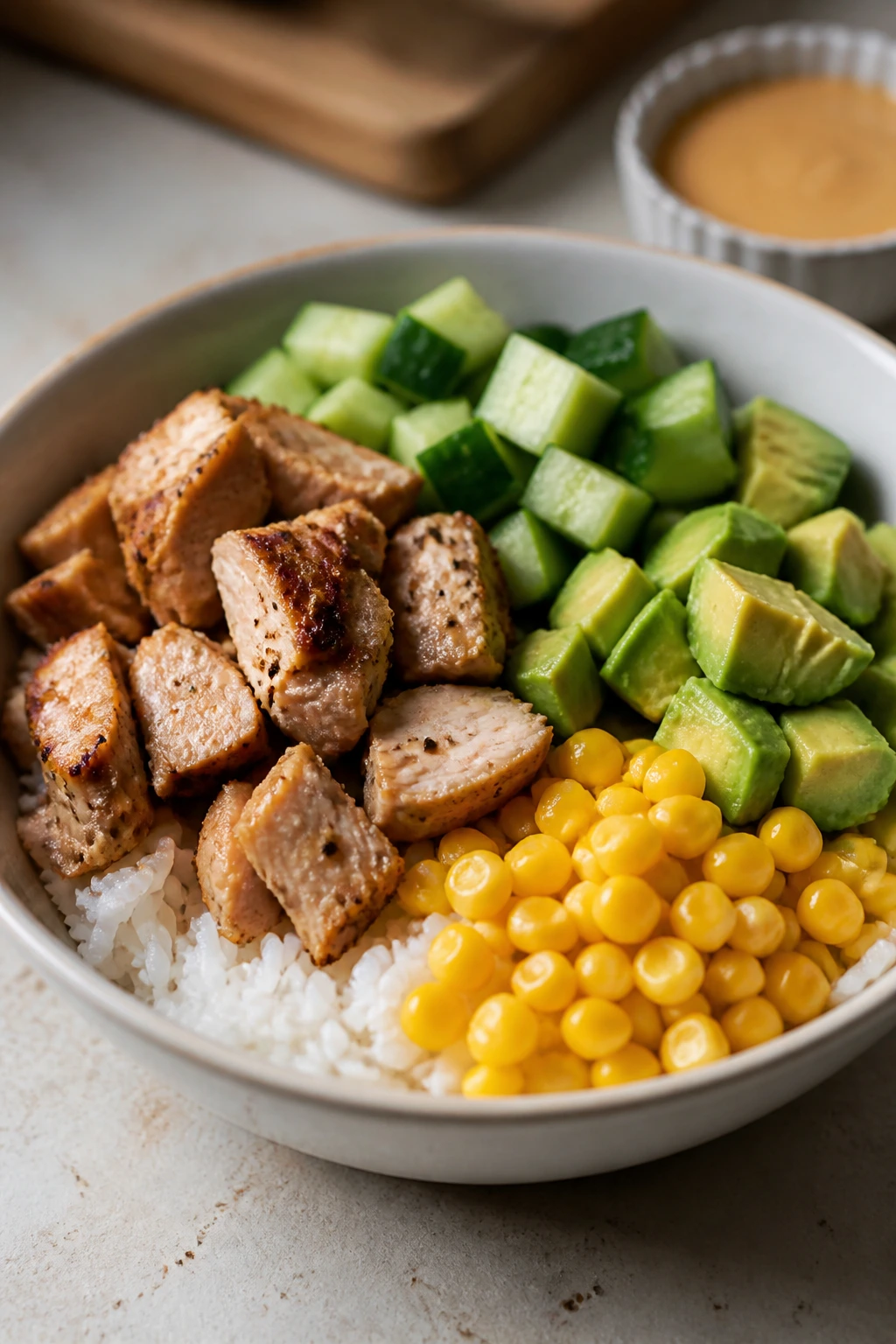
Rice bowls can be a trap if you pile everything into one wet, mixed mess. They can also be one of the best family dinners if you keep the pieces separate and the toppings simple. A scoop of rice, a protein, a mild sauce, and a few toppings in tiny piles—that’s the version kids trust.
Rice is a useful base because it is soft, bland, and easy to aim a fork at. Chicken, beef, salmon flakes, tofu cubes, or scrambled egg all work depending on the family. The main rule is to avoid too many strong flavors in the same bowl. One sauce is enough. Two is pushing it.
How to make the bowl less intimidating
Use small portions arranged in sections instead of one big mixed pile. Add edamame, cucumber, shredded carrot, avocado, or corn only if your kids already tolerate them. Warm rice, warm protein, and cool crunchy toppings give a nice contrast without making the bowl feel busy.
Why bowls work better than casseroles here
A child can eat the rice first, then the protein, then the topping they like best. That order matters. A mixed bake forces commitment before the first bite. A bowl gives choice at every step.
Grilled Cheese and Tomato Soup, Done for Real
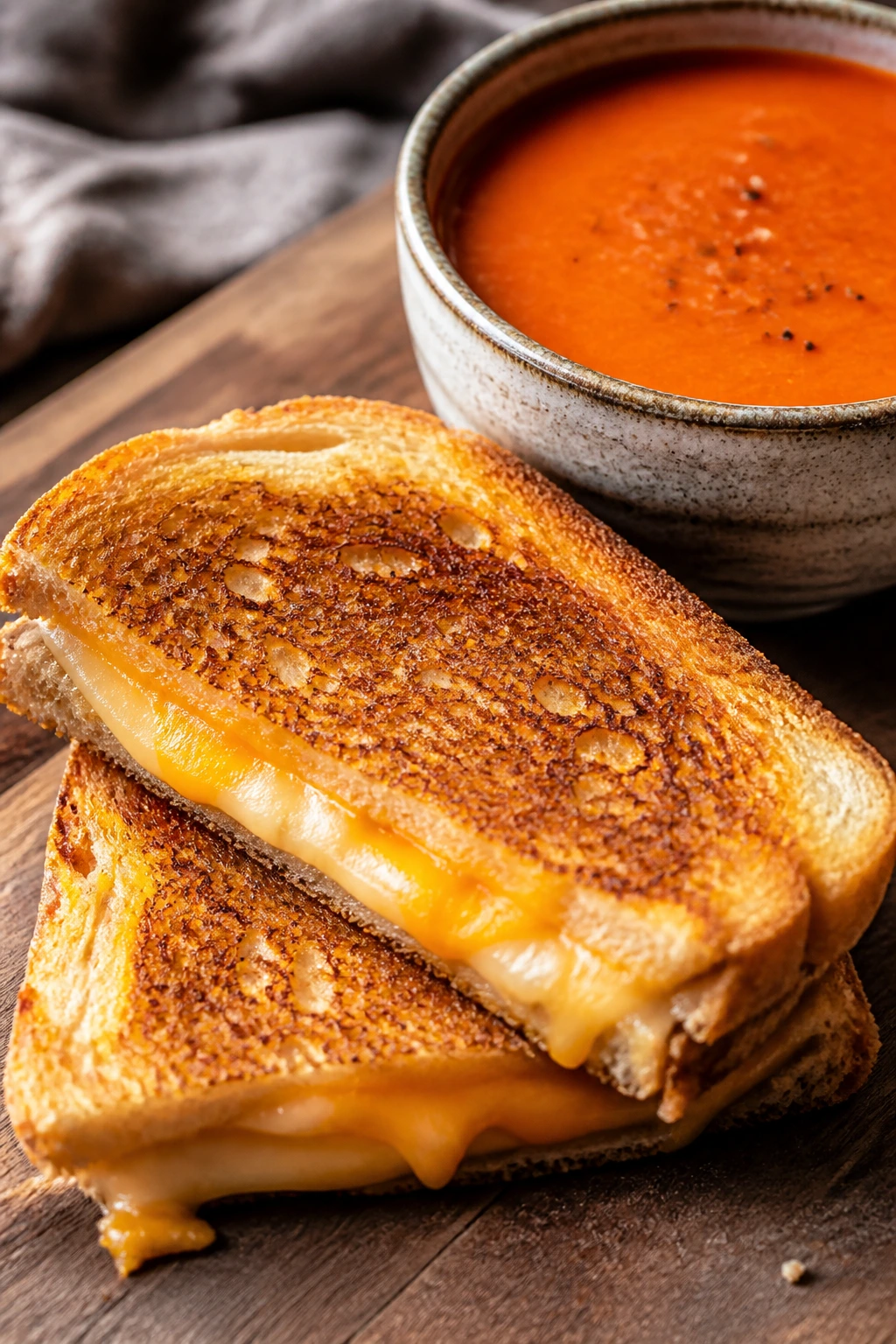
A grilled cheese sandwich and a bowl of tomato soup is not fancy. Good. It doesn’t need to be. It needs to be hot, crisp, and balanced. The sandwich should have enough butter on the outside to brown properly, and enough cheese inside to melt into one stretchy layer. The soup should be smooth enough for dipping but not so thin that the bread turns to mush on contact.
Kids love dipping. That’s the whole story here. The sandwich feels interactive. The soup gives them a reason to stay at the table. If you want to make the meal more substantial, add apple slices, carrot sticks, or a few crackers. But the center of the plate is the sandwich-and-soup combo.
What ruins it
A burnt sandwich with cold cheese is a disappointment. So is soup that tastes sharp or metallic from the can. If you use store-bought soup, simmer it with a splash of milk or cream and a little extra butter. That softens the edges and makes the whole bowl feel more homemade.
A personal bias
I would rather serve one excellent grilled cheese than three mediocre side dishes. The sandwich deserves the attention. It’s carrying more of the meal than it looks like.
Mac and Cheese That Doesn’t Need a Sales Pitch
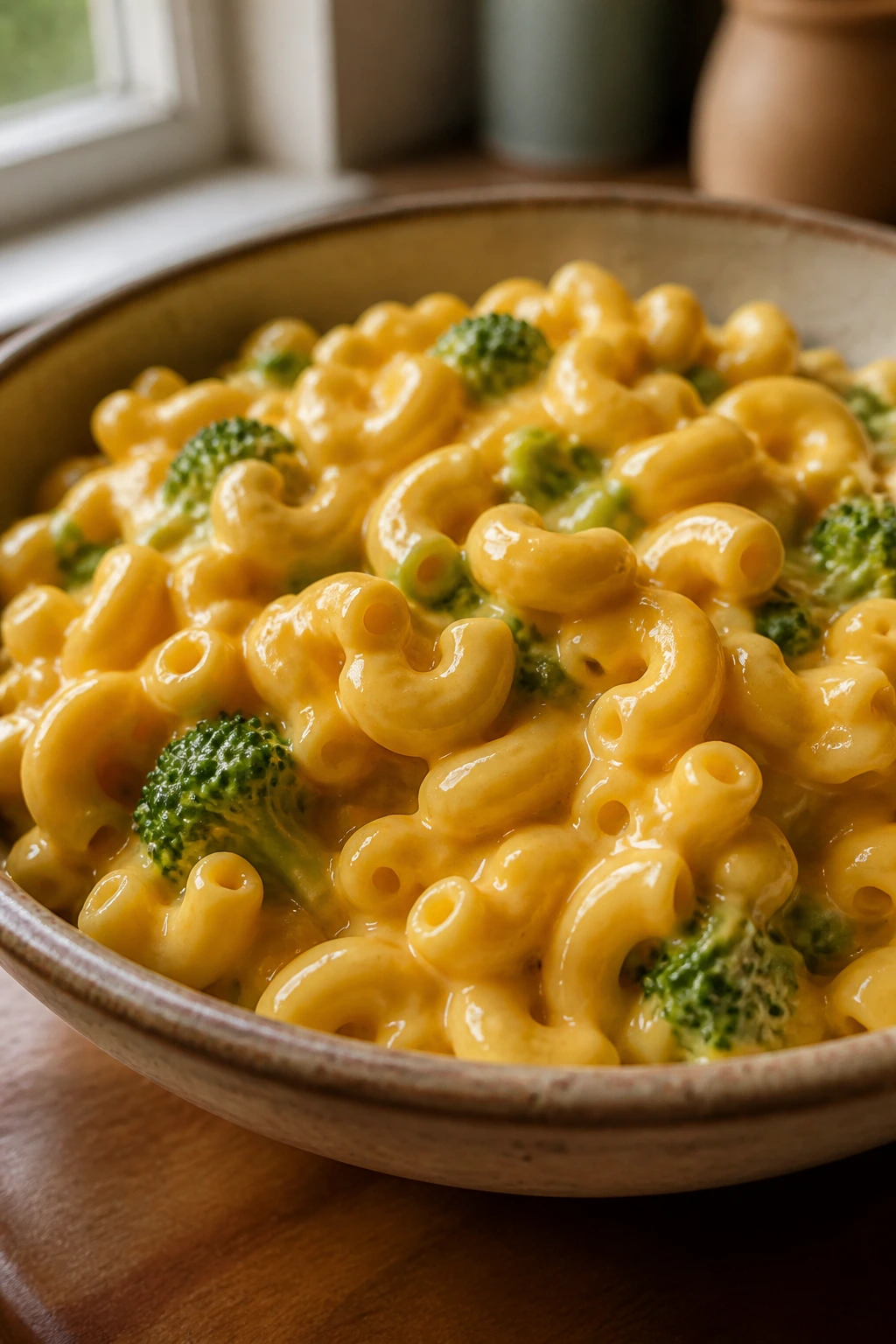
Mac and cheese is the obvious answer, which is also why it gets overlooked in favor of more complicated dinners. Kids usually do not need the sales pitch. They need the cheese sauce to be smooth, the noodles to be tender, and the top, if baked, to have a little color without drying out.
The dish works best when it stays recognizable. Elbow pasta is classic for a reason. A sharp cheddar base gives enough flavor without turning the sauce into a weird, adult-tasting cheese paste. If you want to add something, keep it subtle—tiny peas, finely chopped broccoli, or a little shredded chicken. Too many add-ins and the kid-friendly part falls apart.
Serve it with one sharp side
A crisp apple salad, green beans, or cucumber slices can sit next to mac and cheese without making a fuss. The contrast gives the plate some shape. And yes, if a child ignores the side, that’s still fine. The main dish has done its job.
Why it belongs on the list
Mac and cheese is familiar, but it can still be a good dinner if you add real texture and avoid the boxed-soup feeling. A homemade or well-made baked version tastes like someone cared, which is often enough to get the spoon moving.
Practical Tips for Fewer Dinner Battles
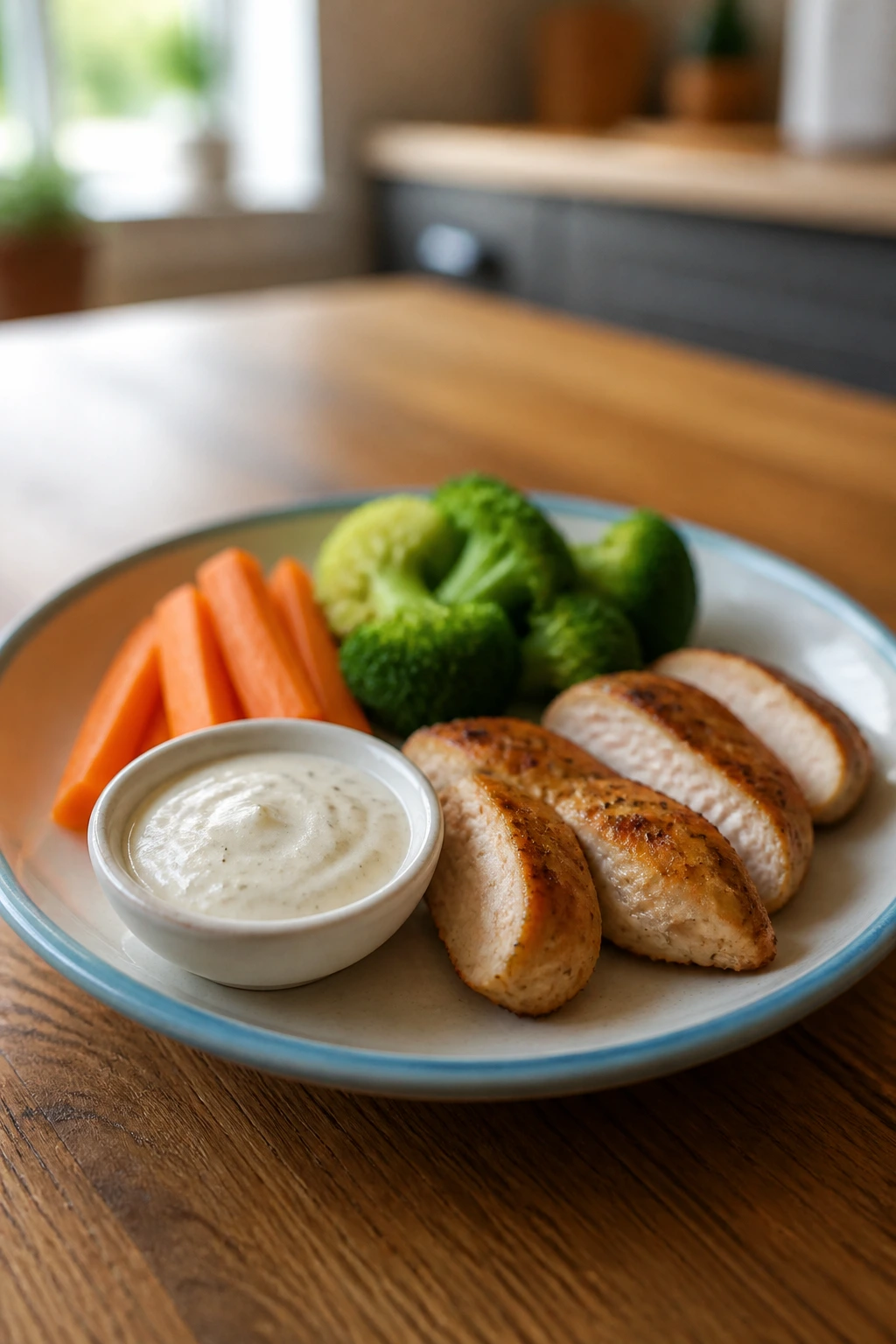
Serve sauces in small bowls.
A child can always add more ketchup, ranch, salsa, or marinara. They can’t un-drench a plate.
Keep the first plate smaller than you think.
A huge serving can shut a kid down before they start. A smaller portion feels safer and is easier to finish.
Use one new item, not four.
One bridge food is manageable. Four new things on the same plate looks like a dare.
Let the hot food rest a little.
Chicken tenders, baked pasta, burgers, and pizza all taste better after a short pause. Too-hot dinner is a fast way to lose a child’s trust.
Make the “safe food” obvious.
If the meal has rice, noodles, bread, or potatoes, keep them visible and unhidden. Kids need to spot the thing they already know.
Cut food into manageable pieces before it hits the table.
Pre-cut chicken, sliced sliders, halved quesadillas, and bite-size vegetables reduce resistance. Small hands like small food. Simple.
Common Mistakes That Make Dinner a Fight
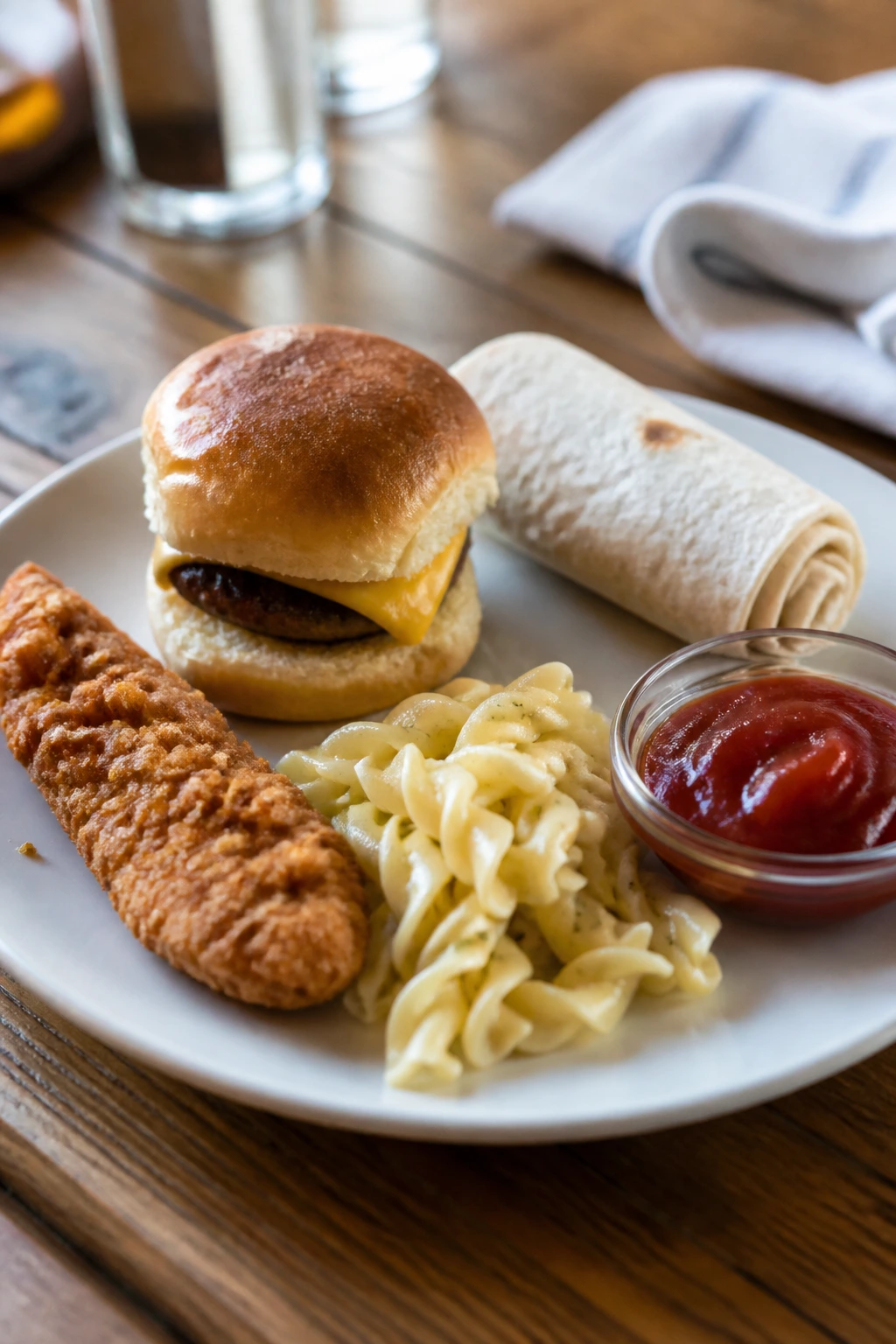
Making the plate too busy.
A plate with four sauces, two proteins, and three vegetables looks like a buffet, not dinner. Kids often freeze when they see too many choices. Fix it by narrowing the plate to one main item, one side, and one dip.
Serving food that is too wet.
Soggy tenders, watery pasta, and over-sauced tacos all lose texture fast. The symptom is a child poking at dinner and pushing it around. Fix it by keeping wet ingredients separate until the last second.
Hiding vegetables so aggressively that the meal feels suspicious.
If the food suddenly tastes “green” in a way the child can’t identify, trust drops. The fix is to use small amounts of finely chopped or grated vegetables until the family is ready for more.
Trying to make every dinner healthy and exciting at the same time.
That often backfires. A dinner can be boring-looking and still be balanced. Start with a food kids already accept, then build from there.
Letting dinner get too cold before serving.
Many kid-friendly foods depend on texture. Chicken needs crisp edges. Cheese needs to be melty. Pasta needs to stay soft and warm. If it sits too long, the magic fades.
Turning dinner into a negotiation.
“Just one bite” is sometimes the wrong hill to die on. Instead, make the food visible, keep portions small, and leave room for repeat exposure tomorrow.
Variations and Adaptations to Try
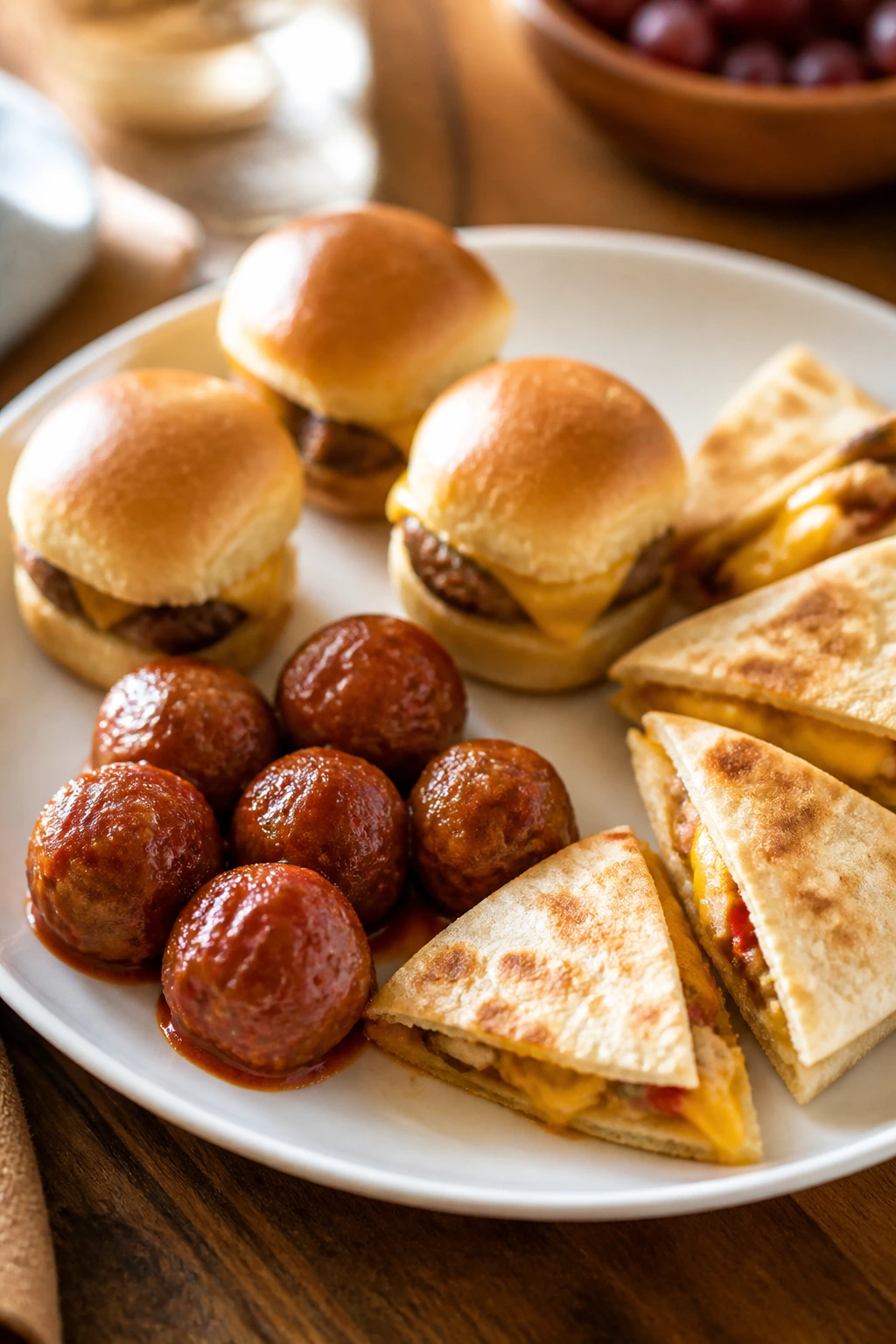
The Mild-Only Menu
Skip chili flakes, sharp onion, and heavy spice blends for the whole table. Keep seasoning gentle, then set hot sauce or chili oil on the side for adults. This works well for tacos, rice bowls, and chicken tenders.
The Dairy-Light Version
Use olive oil instead of butter in some dishes, swap plain tomato sauce for creamy cheese sauces, and lean on roasted potatoes, rice, or tortillas as the base. Quesadillas and pasta can both adapt if you use a good melting dairy-free cheese, but taste-test first. Some melt like a dream; some melt like glue.
The One-New-Thing Rule
Each dinner gets one new ingredient only. New veggie, new sauce, or new protein—not all three. That keeps the plate from looking unfamiliar enough to trigger rejection.
The Tiny-Hand Upgrade
Turn everything into bite-size pieces: sliders instead of burgers, mini meatballs instead of large ones, chicken strips instead of chunks, and halved quesadillas instead of big wedges. Smaller portions usually mean less resistance and less mess.
The Bigger-Kid Version
Add bolder toppings after the kids are served. Pickled onions, jalapeños, hot sauce, chili crisp, extra pepper, sharper cheese, or a squeeze of lime can transform the same base dinner for older children and adults without cooking two meals.
Kitchen Gear That Makes This Easier
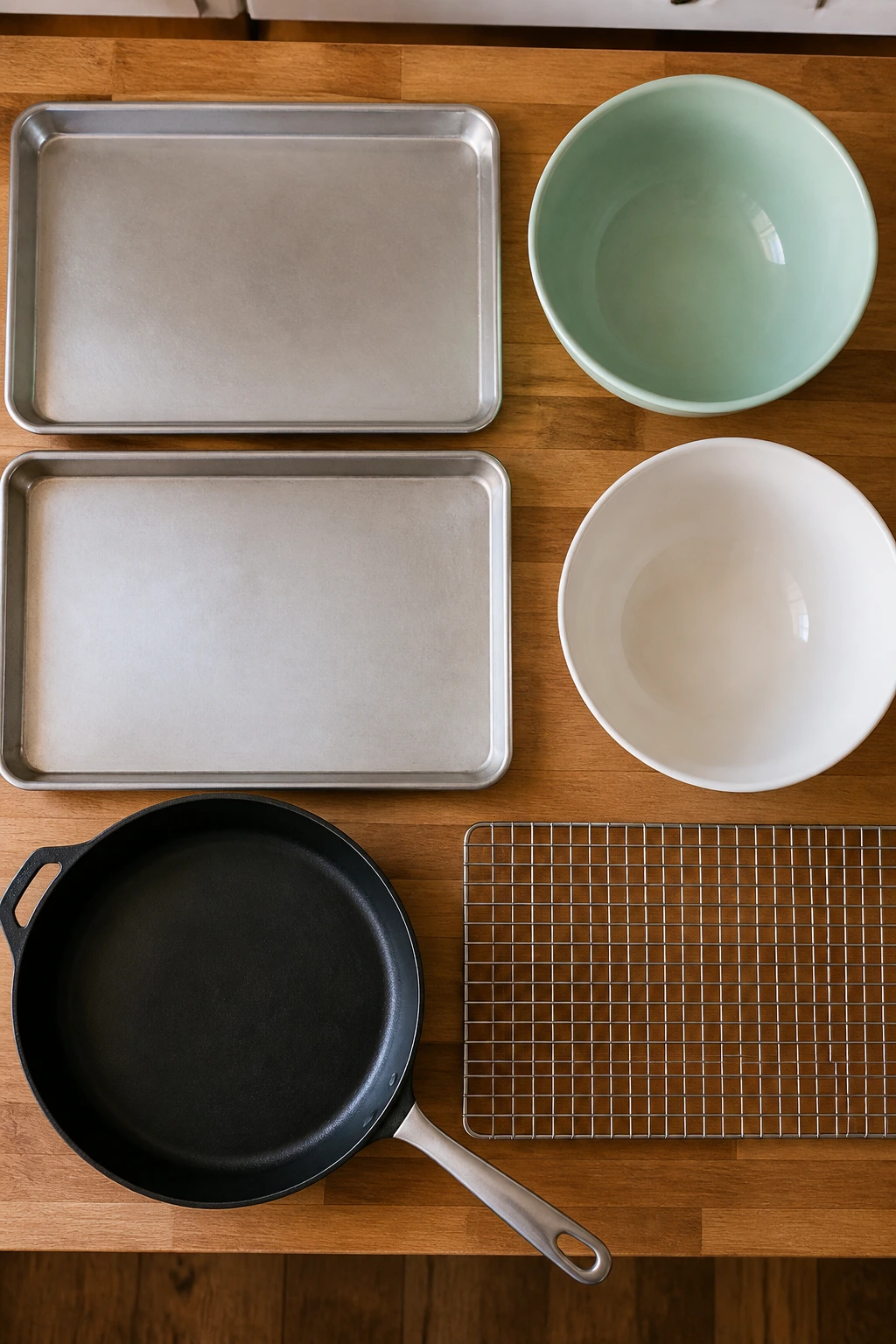
- Two rimmed sheet pans — One for roasted vegetables or tenders, one for a backup batch when the first pan fills up.
- 12-inch skillet — Useful for quesadillas, sliders, grilled cheese, and quick browning.
- Wire rack — Keeps chicken tenders crisp instead of trapping steam underneath.
- Large mixing bowls — Helpful for tossing potatoes, coating chicken, or mixing pasta fillings.
- Sharp chef’s knife — Makes small, even cuts, which matter more than most people think in kid food.
- Box grater — Good for shredding cheese and grating vegetables fine enough to disappear into sauces.
- Mini bowls or ramekins — Perfect for dips, sauces, and tiny topping piles.
- Pizza wheel — Cuts quesadillas and flatbreads fast, which keeps the crust clean.
- Airtight storage containers — Leftovers stay better when the sauce and starch are not shoved together in one sad container.
How to Serve These Dinners So They Actually Get Eaten
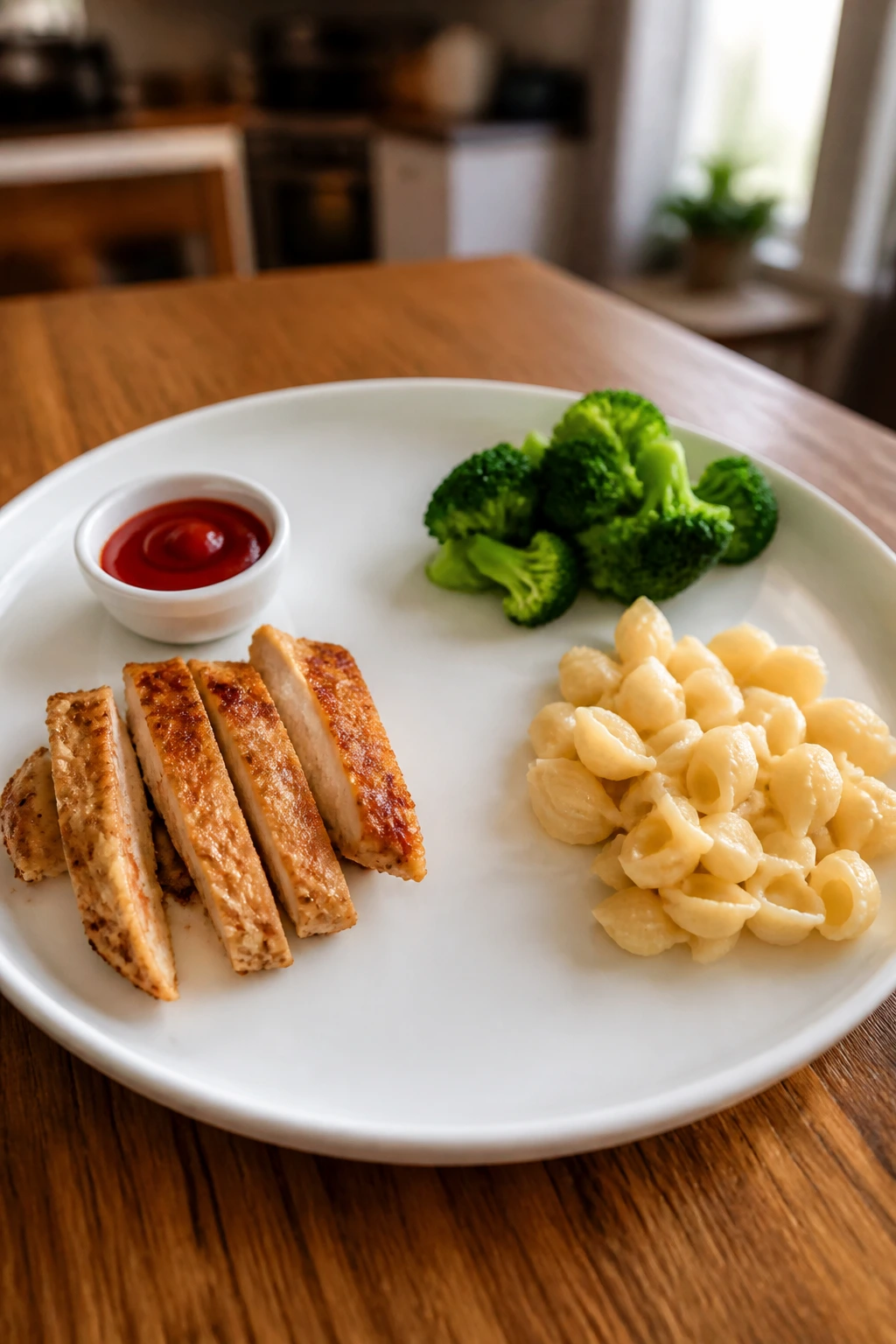
Presentation:
Keep the plate simple and readable. Separate the dip from the main food, leave a little empty space on the plate, and avoid stacking ingredients into one unstable heap. A tidy plate feels calmer than a crowded one.
Accompaniments:
Think in plain sides: fruit slices, cucumber rounds, corn, roasted potato wedges, steamed peas, buttered noodles, or a roll. The best side dish is often the one that doesn’t compete with the main item for attention.
Portions:
Small servings work better than heroic ones. Start with one or two pieces of the main dish, a modest spoonful of the starch, and one vegetable or fruit. If kids are still hungry, they can ask for more without feeling overwhelmed by what is already on the plate.
Beverage Pairing:
Milk is the classic for a reason, but water with lemon, diluted apple juice, or a very lightly flavored sparkling water can work well too. Keep drinks simple. A sugary drink plus a sugary dinner usually just makes the table louder.
Small Upgrades That Make the Same Dinner Feel New
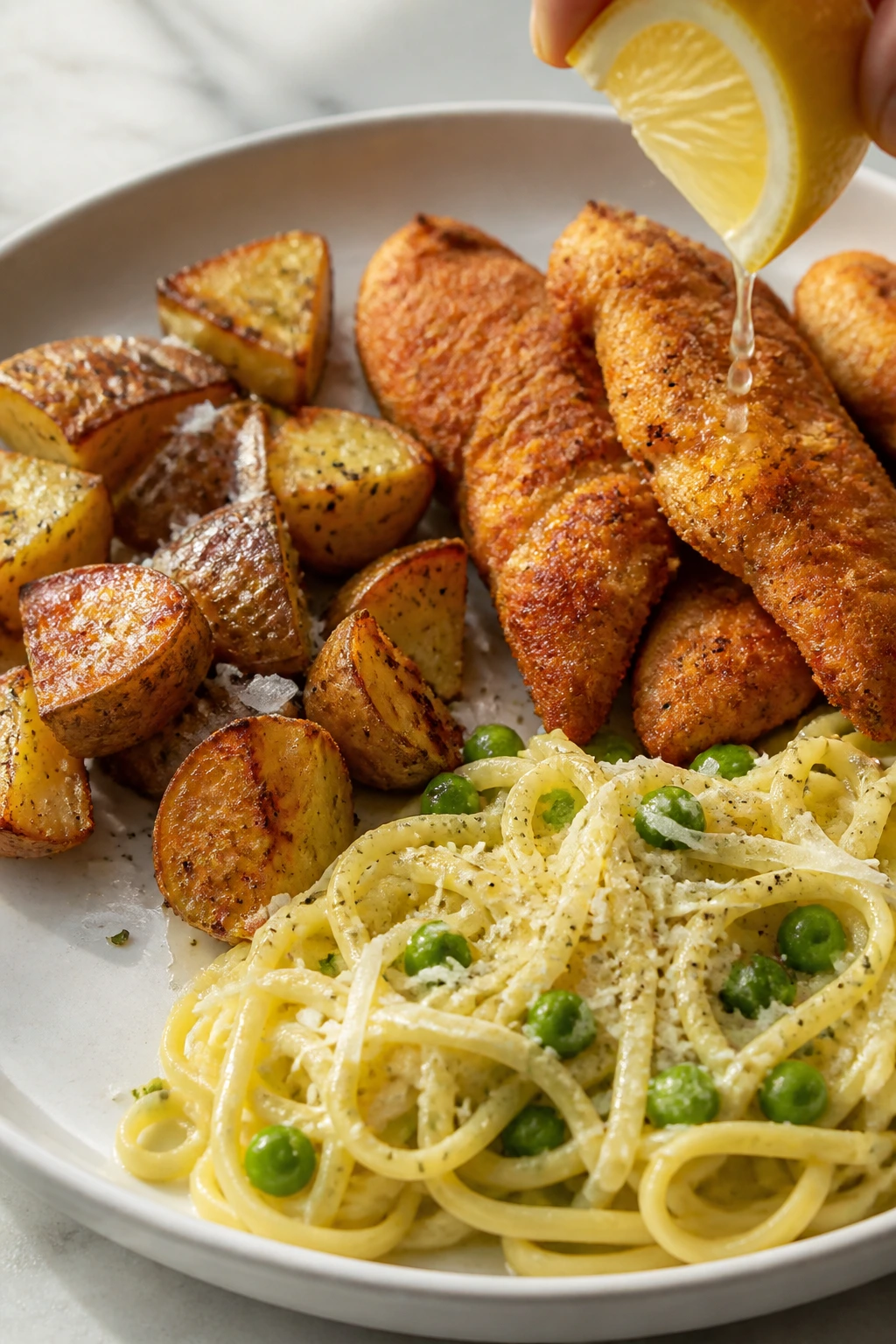
Flavor Enhancement:
A finishing sprinkle of flaky salt on roasted potatoes, a tiny squeeze of lemon over chicken tenders, or a little parmesan on buttered noodles can wake up a dinner that was starting to feel flat. Keep the finishing touch small. Kids notice the difference, even if they can’t name it.
Customization:
Let each person add one thing. One sauce. One herb. One topping. That tiny bit of control makes a dinner feel personal without turning the kitchen into a diner.
Serving Suggestions:
Use chopped chives on the adult portion, sesame seeds on rice bowls, or a dusting of extra cheese on pasta. If the meal looks finished, people eat it like it matters. Strange but true.
Make-It-Yours:
For gluten-free eaters, use rice, corn tortillas, potatoes, or gluten-free pasta. For dairy-free plates, lean on olive oil, tomato sauce, avocado, and well-seasoned proteins. For extra picky kids, keep one completely plain component on the plate—plain pasta, plain rice, plain chicken—so there is always something to start with.
Storing Leftovers and Reheating Without Sadness
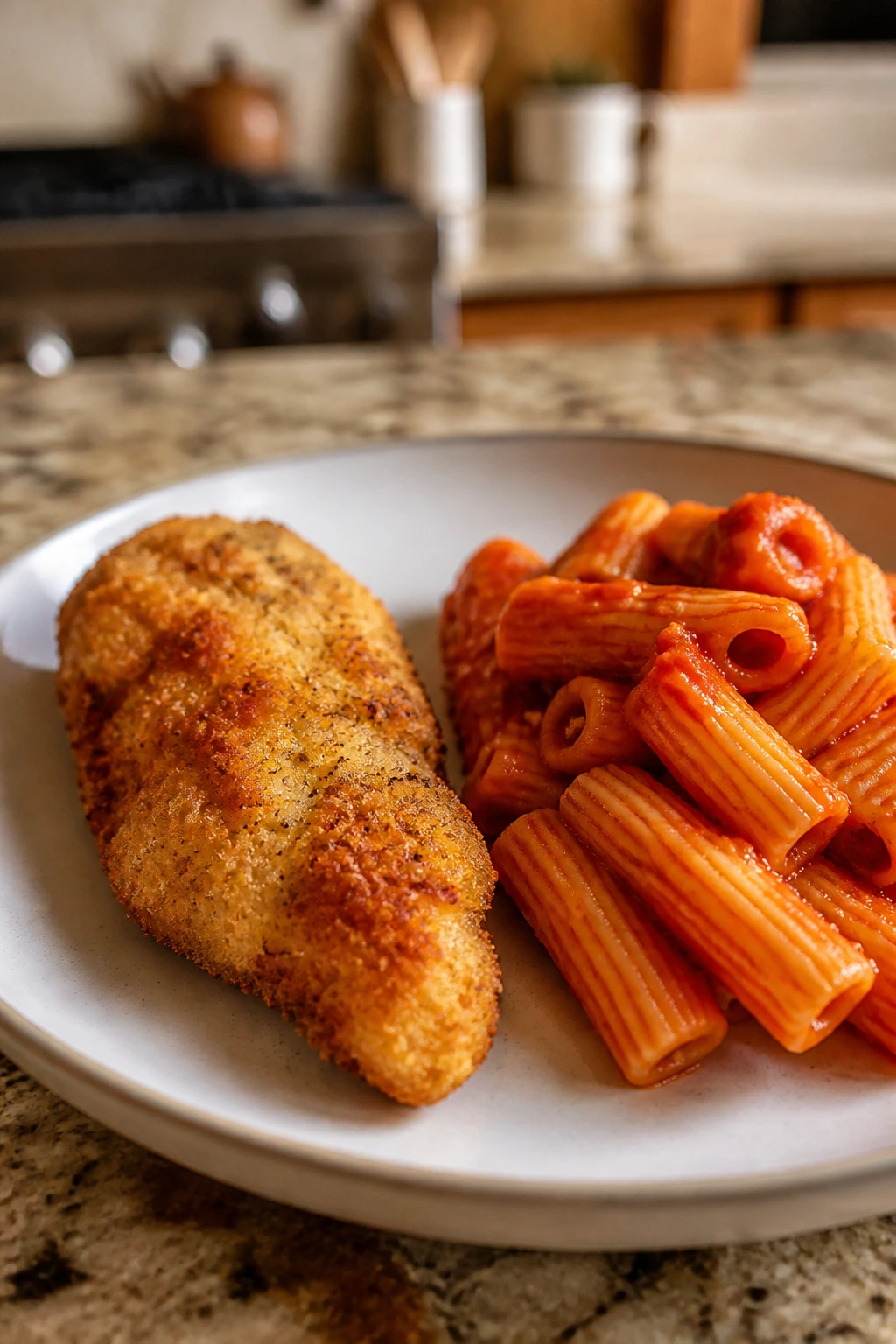
Most cooked family dinners keep well in the fridge for 3 to 4 days if they’re cooled promptly and stored in airtight containers. Pizza, chicken tenders, baked pasta, meatballs, sliders, and quesadillas all do better when you store the crisp part apart from the moist part. A burger patty with a bun stuffed together in one container turns soft fast. Split them up.
Freezer life is usually up to 2 months for cooked proteins, meatballs, pasta bakes, and many sauces. Chicken tenders freeze best if they cool completely and are wrapped well before bagging. Reheat them in a hot oven or air fryer so the coating wakes back up. Microwaves make the crust limp. They are fine for some leftovers, but not for anything you want to stay crisp.
For pasta, add a splash of milk or water before reheating so the sauce loosens instead of clumping. For rice bowls, store the sauce separately and warm the rice with a damp paper towel over the bowl. For taco fillings, reheat the meat in a skillet so the edges sizzle a little. That tiny bit of browning brings back a lot of the original flavor.
Breakfast-for-dinner is a little different. Scrambled eggs don’t freeze well, and they can turn rubbery in the microwave. Toast, waffles, pancakes, and sausage freeze more happily, so think in components rather than one finished plate.
Questions Parents Ask Before Dinner Hits the Table
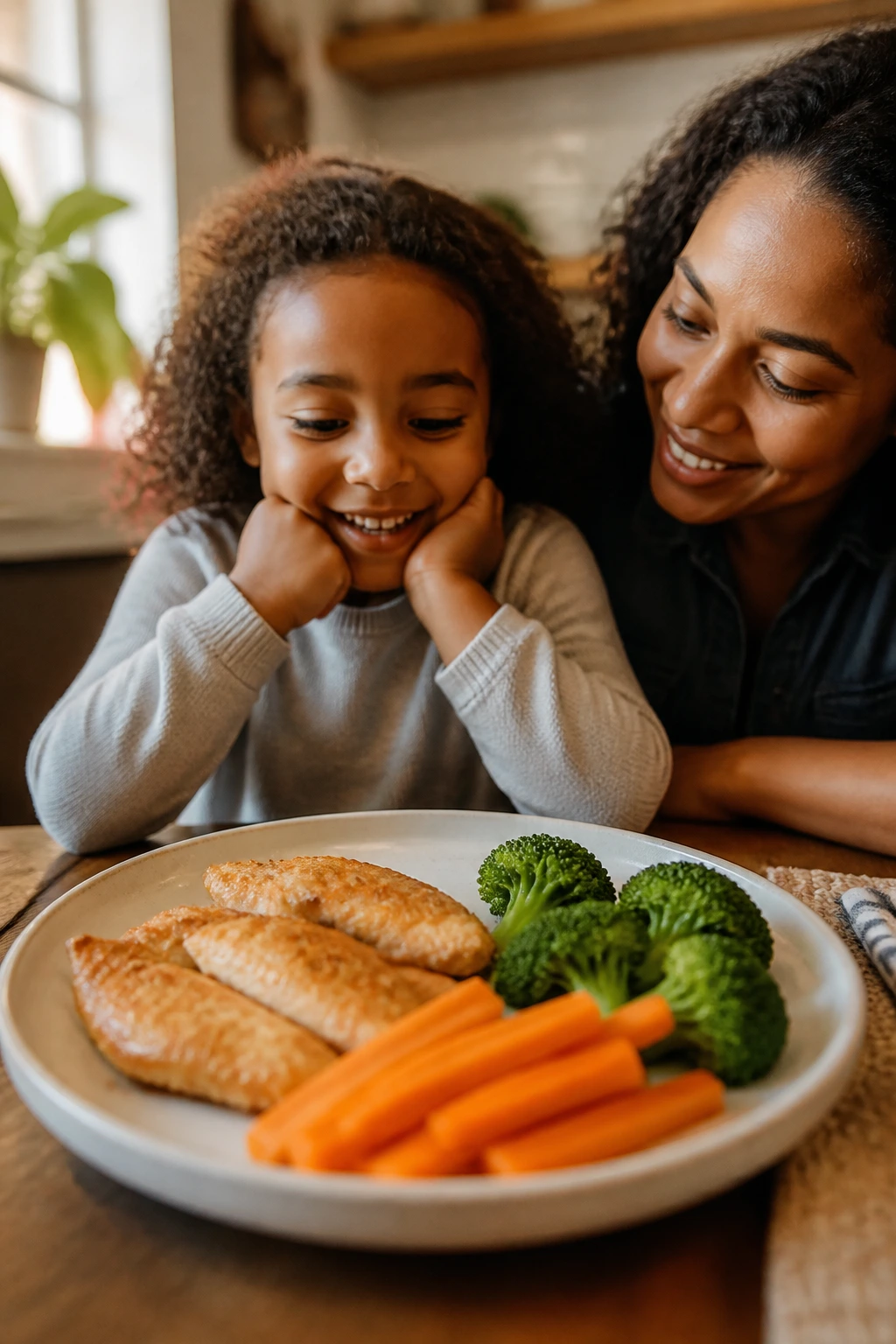
What if my kid only eats three foods?
Start with one of those foods on the plate and add one bridge item beside it. A child who trusts buttered noodles may accept mini meatballs next to them long before they accept a full mixed casserole.
Should I hide vegetables in everything?
Only if that helps the household get through the night. Hidden vegetables can be useful, but they should not become the only strategy. Kids also need repeated, visible exposure to vegetables that look like vegetables.
Are build-your-own dinners actually better for picky eaters?
Usually, yes. Tacos, sliders, rice bowls, and pizza let a child decide how much of each part to take. That small sense of control often lowers resistance.
What if my child hates sauces?
Serve the main food dry and keep sauces on the side for adults or for dipping only. Some kids tolerate a sauce as a dip long before they accept it poured over the whole plate.
Can I use leftovers to make these dinners easier?
Absolutely. Leftover chicken becomes quesadillas, pizza topping, taco filling, or rice-bowl protein. Leftover pasta can become a baked pasta dish with a little fresh sauce and cheese on top.
How do I handle siblings who want different things?
Pick one base dinner and split off the extras at the table. Same chicken. Different sauce. Same pasta. Different topping. The goal is not identical plates. The goal is one cooking session.
What if the meal gets rejected anyway?
Do not turn it into a standoff. Keep one safe food available, put the rest away, and try again another night in a slightly different form. Kids often need the same food to show up in a new shape before they’ll trust it.
Do air fryers actually help with kid dinners?
Yes, especially for chicken tenders, potato wedges, and reheating leftovers. They bring back crispness quickly, which is one of the easiest ways to improve a dinner without changing the recipe itself.
The Plates That Keep Coming Back
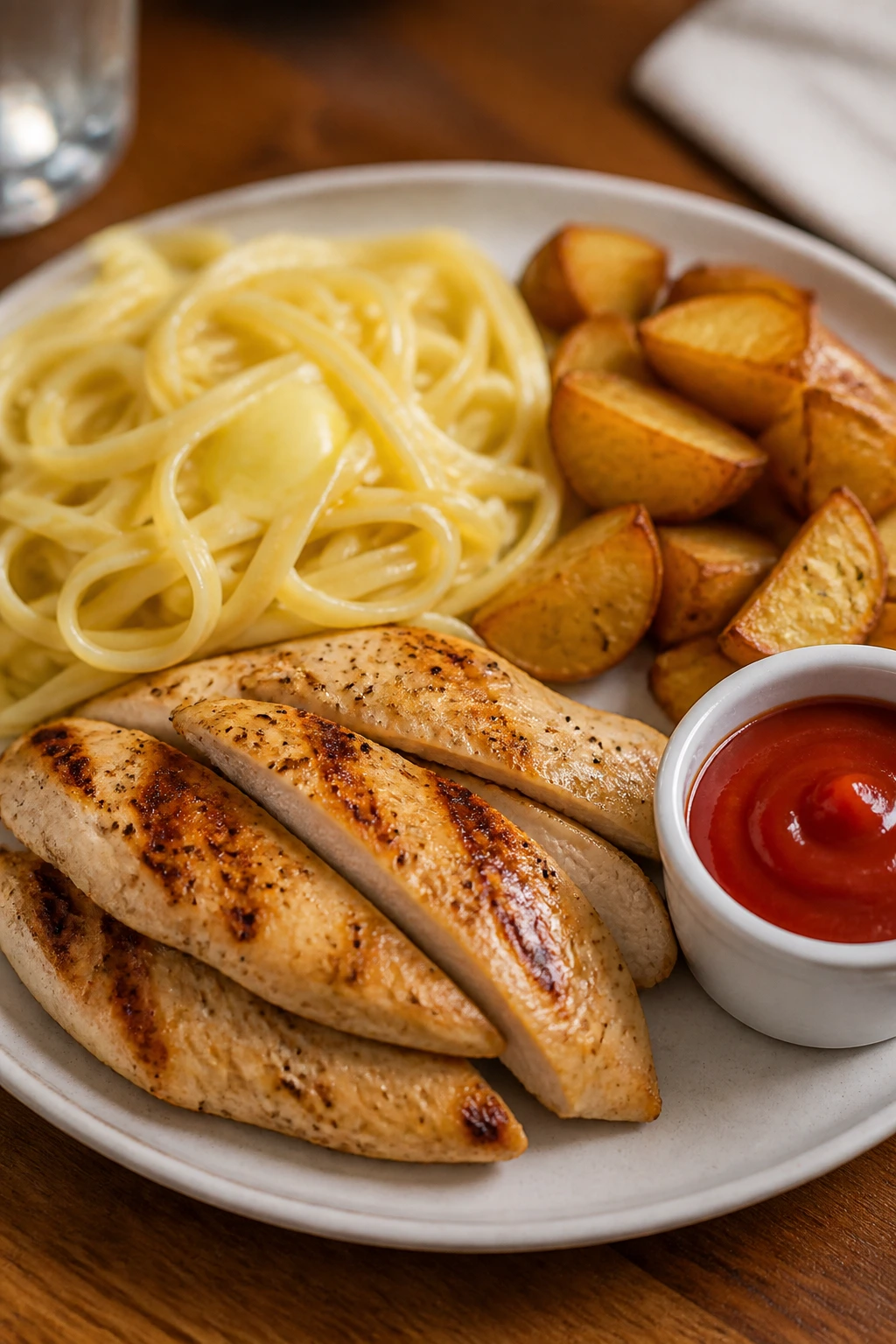
The dinners that work best for kids are not the loudest ones. They’re the ones that look simple, feel safe, and still give a little room for choice. A crisp tender. A soft taco. A slider. A bowl of noodles with cheese. Those meals win because they respect what kids notice first: shape, texture, temperature, and control.
Once you stop trying to make every dinner interesting to everyone at once, the whole thing gets easier. Keep one safe food visible. Keep sauces separate. Use smaller portions than you think. Then repeat the meals that disappear fastest, because that’s the real test. Not applause. Empty plates.
If you build your week around a handful of these family-friendly dinners, dinner stops feeling like a nightly gamble and starts feeling like something you can actually repeat with a straight face.