



Fresh kid-friendly vegetables can save a weeknight dinner faster than another speech about eating your greens. The real problem usually isn’t vegetables themselves. It’s the version on the plate: limp broccoli, bitter zucchini, carrots that taste like they were boiled in regret, or a pile of raw salad that looks more like homework than food.
The better move is much less dramatic. Pick vegetables with a little natural sweetness, cut them into shapes that make sense in small hands, and cook them so they still have life in them. A tray of carrots with browned edges, a bowl of peas glistening with butter, or green beans that still snap when you bite them will do more work than a hundred reminders to “take just one bite.”
That’s also where a lot of dinner advice goes wrong. The half-plate vegetable idea from MyPlate is useful, but only if the vegetables are recognizable, pleasantly cooked, and served with something the child already trusts. Kids are not rejecting the entire category. They’re rejecting mush, bitterness, and too much pressure at the table. Once you stop treating vegetables like a moral test, dinner gets a lot easier.
Why This Approach Works
-
Sweet flavors win early: Carrots, peas, corn, red peppers, and roasted sweet vegetables usually get a warmer first response because they taste familiar before they taste “healthy.”
-
Texture does half the convincing: A crisp edge, a soft center, or a clean snap matters more than whether the vegetable is technically good for you.
-
Fresh produce has a head start: A firm carrot or a tight head of broccoli needs less rescue from salt, sugar, or sauce.
-
Small portions lower the stakes: Two broccoli florets feel manageable; a mountain of vegetables feels like a lecture.
-
A little fat helps the flavor: Olive oil, butter, or a spoonful of yogurt turns plain vegetables into something that smells like dinner instead of a punishment.
-
Repeating the same vegetable in different forms helps: Raw peppers, roasted peppers, and pepper strips in a taco bowl do not feel identical to a child, even though they’re the same ingredient.
What Makes a Vegetable Kid Friendly at Dinner
A kid-friendly vegetable usually has three things going for it: a mild taste, a familiar texture, and a shape that looks easy to handle. That sounds simple, but it’s where a lot of dinner tables go sideways. A vegetable can be nutritious and still be a bad fit if it’s too bitter, too wet, or cut into a shape that feels awkward in a small mouth.
Flavor comes first. Sweetness is your friend here. Carrots, peas, bell peppers, and sweet corn have a softer entry point than sharper greens like radicchio or big piles of raw kale. Even broccoli can work, but it usually needs a gentler treatment—roasted until the edges brown or steamed just until tender, not cooked until the kitchen smells like boiled cabbage.
Texture is the second filter, and it might matter even more than taste. Kids who refuse “vegetables” often do fine with crisp-tender green beans, roasted carrot sticks, or cucumber spears with dip. What they’re objecting to is usually mush. Or slime. Or that wet, overcooked thing that happens when vegetables sit in a closed pot too long.
Flavor, Texture, and Shape
A vegetable that can be cut into sticks, coins, or bite-size florets usually gets a better reception than one that arrives in irregular pieces. Think about the first moment a child sees the plate. If the vegetables look tidy and predictable, the whole meal feels less suspicious.
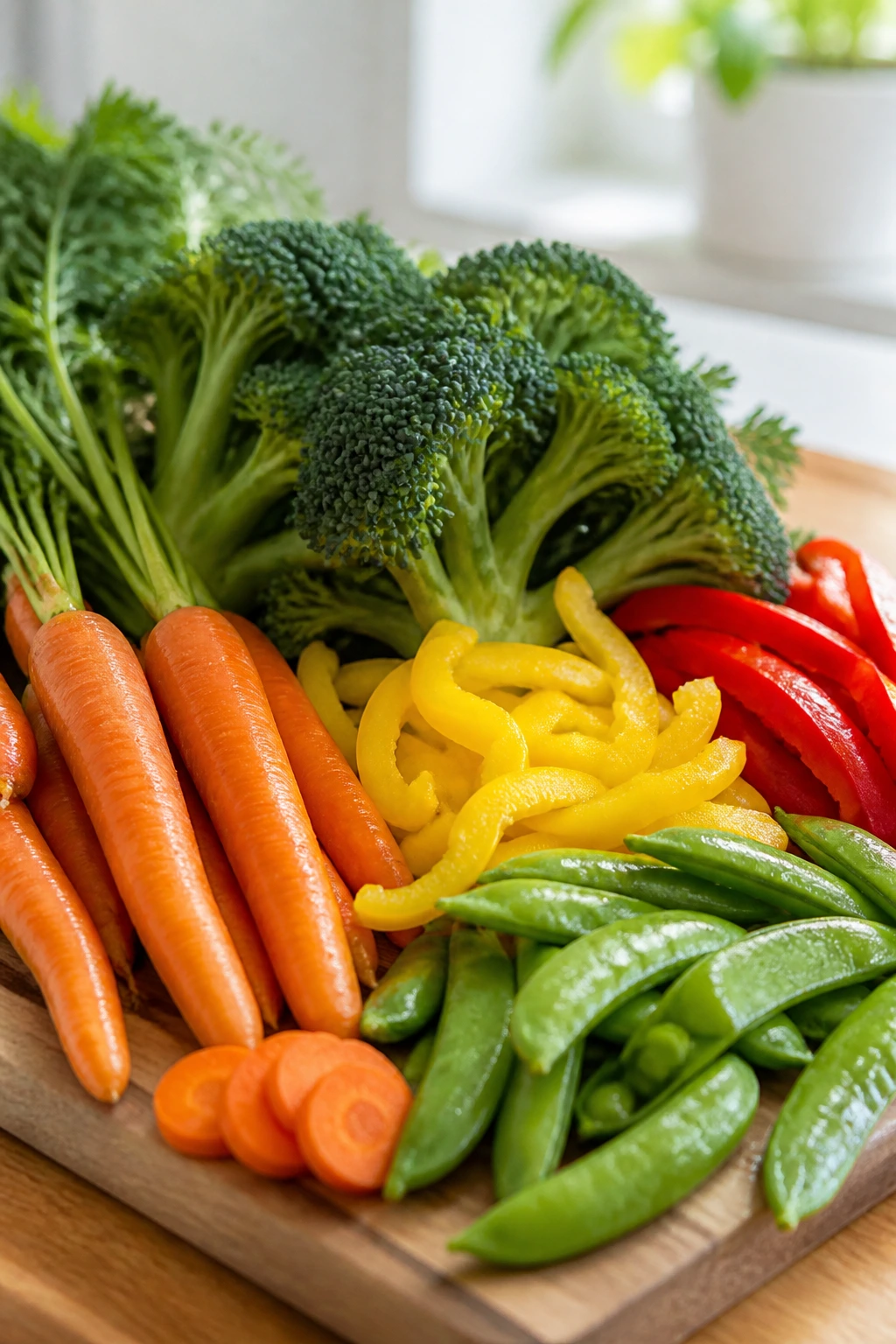
That’s one reason carrots are such a workhorse. They’re sweet, cheap, stable in the fridge, and easy to cut into batons that roast evenly. Bell peppers do something similar, especially the red, orange, and yellow ones. They’re bright, crunchy, and easy to dip.
The “Looks Like Food” Problem
Presentation matters more than most adults want to admit. A few broccoli florets arranged beside chicken and rice look like dinner. A giant tangle of steamed mixed vegetables looks like a test. The vegetables do not need to be disguised, but they do need to look intentional.
I’d also argue against the idea that every vegetable has to be hidden inside a casserole to count. Children learn flavor by meeting it face-to-face. The goal is not trickery. It’s familiarity.
Fresh Kid-Friendly Vegetables That Usually Win the First Bite
The vegetables that tend to disappear first are rarely the most “exciting” ones on paper. They’re the ones with a forgiving flavor and a little built-in sweetness. Fresh produce works especially well here because the taste is cleaner, the texture is firmer, and you can control the final bite instead of fighting freezer burn or soggy steam.
The sweet and crunchy lane
-
Carrots: Roast them at 425°F with olive oil and a pinch of salt, and the edges start to caramelize in about 20 to 25 minutes. Cut them into sticks for roasting or thin coins for faster cooking.
-
Bell peppers: Red, orange, and yellow peppers are the easiest sell because they’re sweet rather than sharp. Slice them into strips and serve raw with dip, or sauté them for 5 to 7 minutes until they soften but still hold shape.
-
Sugar snap peas: These are a cheat code. They’re crisp, sweet, and look like something a kid can pick up without assistance. Serve them raw, lightly blanched, or tossed into a hot pan for 1 to 2 minutes.
The warm and tender lane
-
Broccoli: Broccoli gets a bad reputation from overcooking. Roast the florets until the edges are dark gold, or steam them just until a fork slides in with a little resistance. Stems are worth using too—just peel the tough outer layer and slice them thin.
-
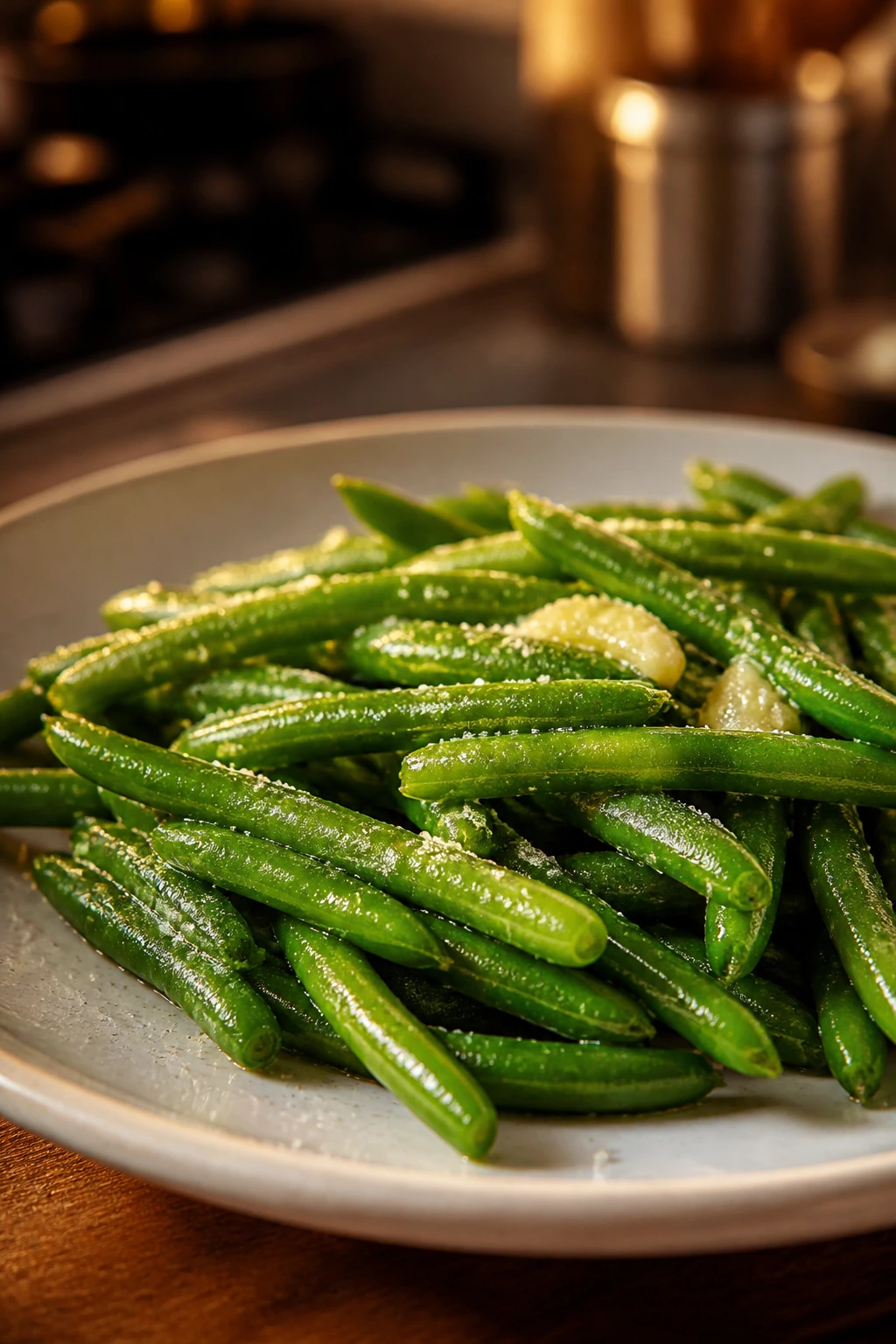
Green beans: Fresh green beans are better than canned by a mile. Roast them until they wrinkle slightly, or sauté them until they’re bright green and still snappy. A little butter at the end goes a long way.
-
Peas: Fresh peas are lovely when you can get them, though shelled peas can be fussy. Kids usually like their sweetness, and they work well in rice bowls, pasta, or alongside roasted chicken.
The soft, flexible options
-
Zucchini: Small zucchini are better than huge ones. Slice them thick enough that they don’t collapse, then sauté fast over medium-high heat so they brown instead of turning watery.
-
Cauliflower: Cauliflower can be a yes if it’s roasted hard enough to get nutty edges. Plain steamed cauliflower, though? That’s a harder sell. It needs help from butter, parmesan, or a good sauce.
-
Sweet potatoes: Not technically a vegetable side in every dinner context, but they’re often one of the easiest wins. Cube them small and roast until the edges caramelize. Their sweetness makes a lot of kids relax.
No single vegetable wins every child. That’s not the point. The point is to keep a short list of vegetables that can be cooked in a way that gives them a fair shot.
Why Texture Changes the Whole Plate
Most kids are not sitting there analyzing vitamin content. They’re reacting to mouthfeel. Mushy vegetables feel old before they taste old. Crisp-tender vegetables feel alive. That difference shows up in the first bite, sometimes even before the fork hits the mouth.
Roasting is so useful because it changes texture in your favor. The surface dries out, the sugars concentrate, and the edges brown. Broccoli starts to taste nuttier. Carrots taste sweeter. Green beans lose that flat steamed flavor and start tasting like food with a point of view.
Soft doesn’t mean bad, though. A good cooked vegetable should still have shape. If a carrot slumps the second it’s lifted, it’s gone too far. If a green bean bends but still snaps, you’re in the right zone. If a zucchini round leaks water onto the plate, it needed hotter heat and less time.
Crunch, Bite, and Softness
For picky eaters, a vegetable that has one clear texture usually does better than one that is trying to be everything at once. Raw carrot sticks are crunchy. Roasted carrots are soft with browned edges. Blanched peas are tender and sweet. Each version works for a different child or a different night.
That’s why I like to keep vegetables in the “fork test” zone. They should be easy to cut, easy to chew, and not so soft that they collapse. Children notice those things immediately. Adults do too, if we’re being honest.
Why Browning Helps
Browning isn’t just about color. It changes smell and taste. A tray of roasted vegetables smells like dinner before it even hits the table. A bowl of pale steamed vegetables smells like a side project. That distinction matters more than people admit.
And no, more cooking does not equal better eating. There’s a line between tender and soggy, and dinner crosses it fast.
Roasting, Sautéing, Steaming, and Air-Frying Fresh Vegetables
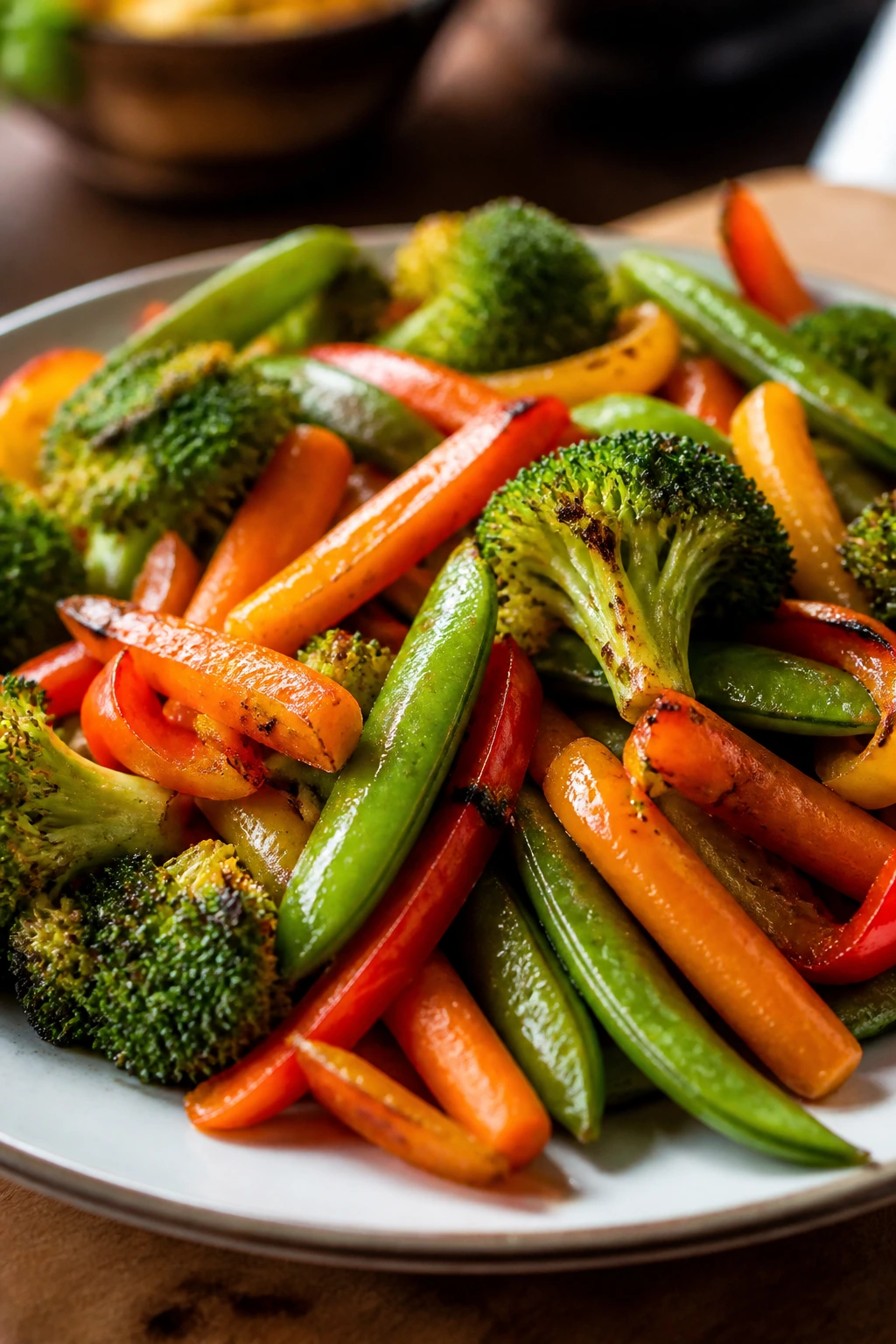
Different vegetables need different treatments, and the cooking method is often the whole story. A carrot wants heat. A pea wants speed. A broccoli floret wants enough time to brown without turning limp. One method does not fit everything, which is why so many vegetable dinners fall flat.
Roasting for sweetness and edges
Roasting is the easiest way to make fresh vegetables taste more dinner-like. Preheat the oven to 425°F and give the vegetables enough space on the pan that they’re not stacked on top of each other. If the tray looks crowded, use two trays. Crowding traps steam, and steam is the enemy of browning.
Carrots, broccoli, cauliflower, green beans, and sweet potatoes all benefit from roasting. Toss them with olive oil, salt, and whatever seasoning fits the rest of the meal. Keep the pieces roughly the same size. Tiny bits burn before the larger ones are done, and that is how people end up with one tray of charcoal and one tray of undercooked stems.
Sautéing for fast nights
Sautéing works well when you need the vegetables done in under ten minutes. A wide skillet, medium-high heat, and a small amount of oil can turn green beans, peppers, zucchini, and snap peas into a proper side dish fast. The key is to keep the pan hot enough that the vegetables sear instead of steaming in their own water.
Add garlic toward the end, not the beginning, if you don’t want it to go bitter. A little butter at the finish—just a tablespoon or two—makes the vegetables taste fuller without turning them greasy.
Steaming for delicate vegetables
Steaming is gentler, which makes sense for peas, broccoli, and green beans when you want to keep the color bright and the texture soft but not mushy. Use a steamer basket over an inch or two of simmering water and cover the pot. Most vegetables need only 2 to 5 minutes.
Steamed vegetables benefit from a finishing touch. Salt alone can feel flat. Add a dab of butter, a squeeze of lemon, or a little parmesan while the vegetables are still hot enough to melt it.
Air-frying for crisp edges
Air-frying gives you roasted texture faster, and it can be a useful trick for carrots, broccoli, cauliflower, and green beans. Keep the basket in a single layer if possible, or shake it halfway through so the pieces brown evenly. Around 390°F to 400°F is usually enough, with timing based on the vegetable and size of the cut.
It isn’t magic. It’s just concentrated heat. But when the oven is already full, an air fryer can save the night.
Seasonings and Sauces Kids Usually Accept
The best seasoning for vegetables is not the most complicated one. It’s the one that makes the vegetable taste like itself, only better. Too much spice can drown out the sweet notes that help kids relax. Too little seasoning can leave the vegetable tasting raw and unfinished.
Butter and salt are still popular for a reason. A small amount of butter on green beans or peas gives the vegetables a rounder taste. Olive oil with a little garlic powder works well on broccoli and carrots because it adds aroma without the sharpness of raw garlic. Parmesan can be scattered over hot vegetables so it clings instead of sliding off in sad little flakes.
The gentler flavor lanes
A few combinations work again and again:
- Butter, salt, and lemon on broccoli or green beans
- Olive oil, garlic powder, and parmesan on roasted carrots or cauliflower
- Honey and a pinch of salt on carrots, especially when roasted at higher heat
- Mild ranch or yogurt dip with raw carrots, peppers, and snap peas
- Soy sauce, sesame oil, and a touch of honey on green beans or broccoli for a stir-fry style dinner
Use sugar sparingly. A teaspoon of honey across a whole tray is one thing. Turning vegetables into candy is another. Kids usually prefer the version that tastes savory first and sweet second.
What to use carefully
Raw minced garlic can burn fast in the oven and turn harsh. Chili flakes are fine for adults, but most children prefer a quieter heat or none at all. Strong vinegar can be useful in tiny amounts, though a full splash can make vegetables taste sharp rather than bright.
Cheese is helpful when it’s used as a finish, not a blanket. Parmesan on hot broccoli is great. A huge layer of melted cheese hiding a vegetable is a different project entirely.
How to Build a Healthy Dinner Around Vegetables Without the Lecture
Vegetables work better at dinner when they have a clear job. They do not need to carry the whole plate. They just need a place where they make sense. The cleanest approach is to anchor dinner with one familiar protein, one starch, and one vegetable that has been cooked to a texture the child can handle.
That setup lines up nicely with the familiar half-plate produce idea from MyPlate, though I’d translate it for real life: get a vegetable onto the plate in a form the child can chew, then build the rest of dinner around something already trusted. Nobody needs a moral speech with their chicken and rice.
A plate of roasted broccoli beside chicken thighs and mashed potatoes feels like dinner. A giant bowl of raw greens with a crumbly topping feels like a project. Same nutrition goal. Very different response.
A few combinations that work
- Roasted carrots + baked chicken + rice
- Green beans + salmon + roasted potatoes
- Broccoli with parmesan + turkey meatballs + pasta
- Bell peppers and onions + tacos or quesadillas
- Snap peas + rice bowls + scrambled eggs or tofu
- Sweet potatoes + black beans + avocado + warm tortillas
Notice what these plates do. They keep the vegetable visible, but not isolated. They also give the child a familiar thing to land on if the vegetable feels new. That single detail matters more than most dinner advice admits.
Family-style or plated?
Family-style works when kids like seeing choices. Plated portions work when choice becomes a standoff. I usually prefer a middle ground: one vegetable on the main plate, a second one in a small bowl, and a dip nearby if needed. That keeps the dinner feeling organized without turning the table into a negotiation.
How to Shop and Prep Fresh Vegetables Without Waste
Fresh vegetables are only kid-friendly if they’re still in good shape when dinner starts. That means shopping with an eye for texture, not just color. A gorgeous-looking vegetable that’s soft at the store is already halfway to the compost bin.
Carrots should feel firm and smooth, not floppy. Broccoli should have tight florets and stems that feel dense, not dried out. Green beans should snap cleanly when bent. Bell peppers should feel heavy for their size, with taut skins and no wrinkled patches. Snap peas should be crisp and bright, not dull or leathery. Tiny zucchini are usually better than giant ones because they’re less watery and have smaller seeds.
What to buy when time is tight
Bagged broccoli florets are fine if you inspect the bag for moisture and yellowing. Pre-trimmed green beans can save a lot of time. Baby carrots are convenient, though I think whole carrots taste better when you peel and cut them yourself. That extra five minutes buys you a better finish in the oven.
Do not bring wet vegetables home and toss them into the fridge in a sealed bag. Dry them. Moisture is the fastest route to limpness. A paper towel in the produce bag or storage container helps keep things crisp.
Prep that pays off
Wash and cut vegetables before dinner gets chaotic. Carrots can be peeled and stored in cold water for a day or two if you want them extra crisp. Broccoli florets keep better when they’re dry and wrapped in a towel inside a container. Green beans do fine in the crisper drawer, but trim the ends only when you’re ready to cook if you can help it.
One vegetable in the fridge is a promise. Pre-cut vegetables are dinner insurance.
How to Get More Bites Without Turning Dinner Into a Standoff
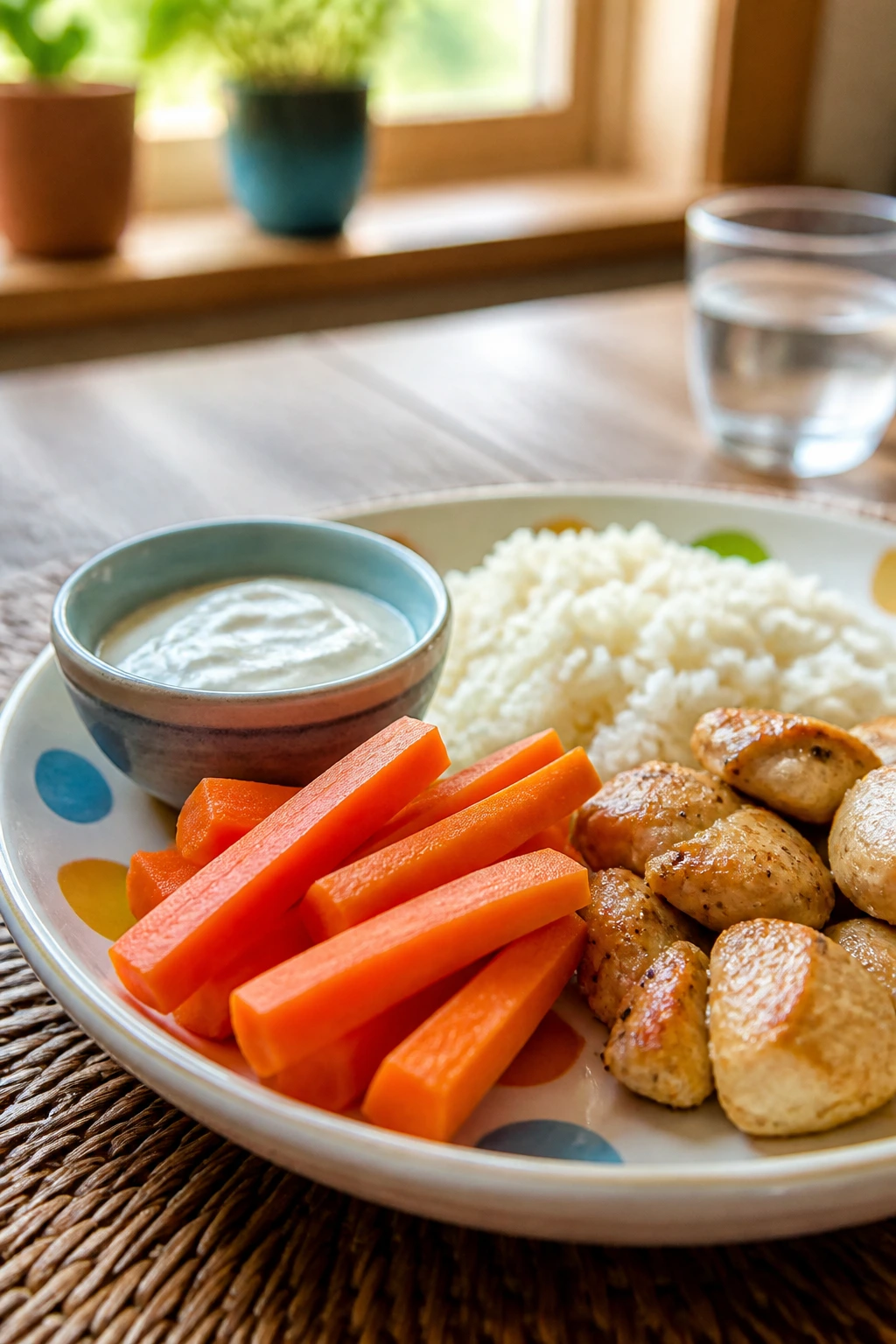
A lot of vegetable advice gets too emotional. That’s a mistake. Children can smell pressure from across the table. The calmer the setup, the better the odds. Serve the vegetable in a small portion, keep it hot, and make the rest of the plate look familiar.
Start with one safe food. If a child loves rice, pasta, potatoes, or chicken, keep that anchor on the plate. The vegetable feels less dangerous when the rest of dinner is known.
Keep the first serving tiny. Two carrot sticks are enough to start. A child can always ask for more. A big serving often invites refusal before the food gets a chance.
Serve dip beside the vegetables, not over them. Hummus, ranch, yogurt sauce, or a mild cheese dip gives a child a place to begin. The point isn’t to drown the vegetable. It’s to make the first bite easier.
Offer one decision, not ten. “Broccoli or green beans?” works better than “Pick any vegetable in the kitchen.” Too many choices can become a trap.
Repeat the same vegetable in different forms. Raw peppers on Monday, roasted peppers on Thursday, peppers in a taco bowl on Saturday. That’s not sneakiness. It’s pattern-building.
Stop talking after the plate lands. Seriously. The first few bites often go better when nobody is narrating the experience. Dinner does not need a commentary track.
Common Mistakes That Make Vegetables Go Cold on the Table
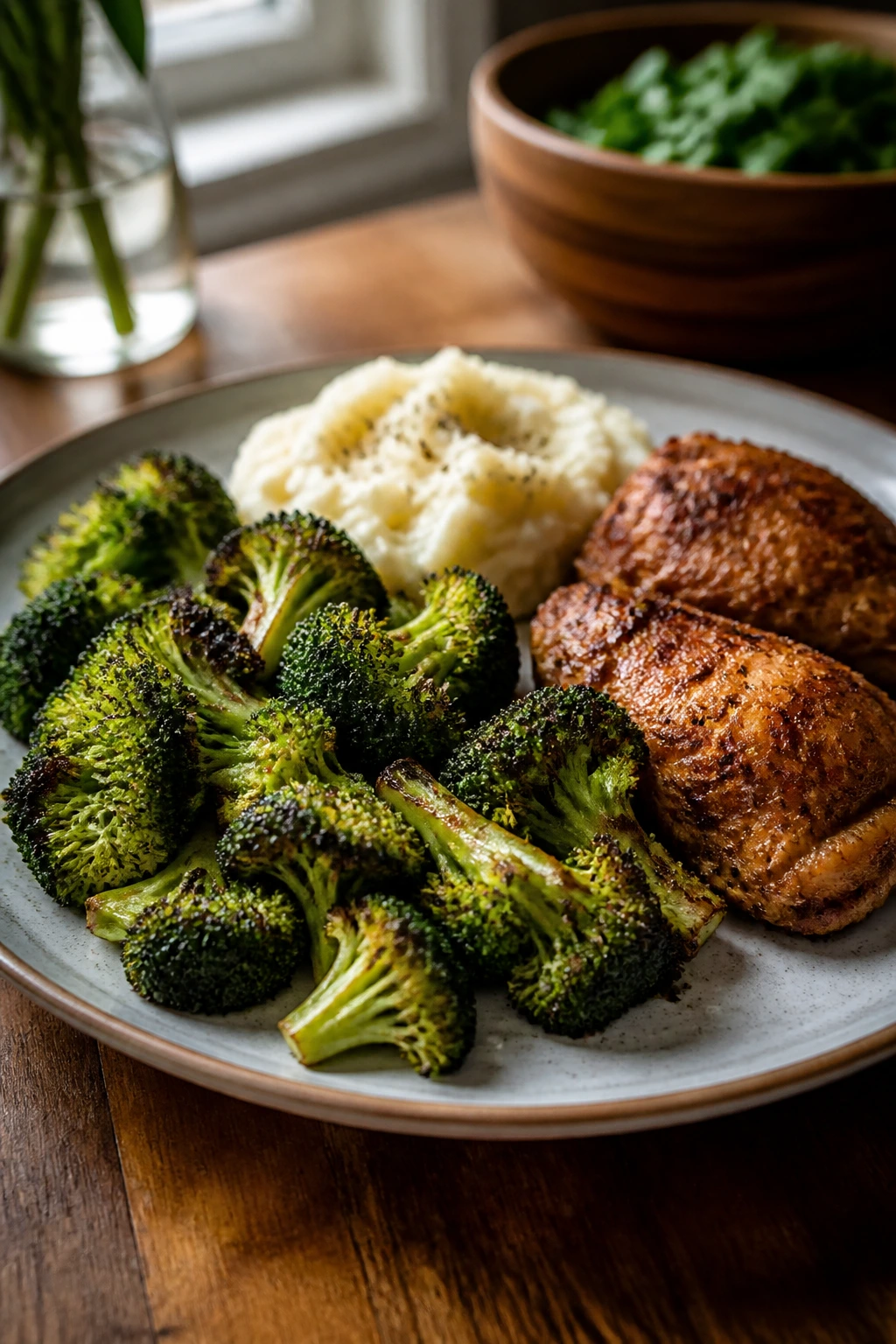
The biggest mistake is cooking vegetables until they’re exhausted. Overcooked broccoli smells strong and tastes flat. Overcooked carrots lose their edges. Overcooked green beans turn army-green and bendy. The fix is simple: pull them when they still have shape, because carryover heat finishes the job.
Another problem is crowding the pan. If the vegetables are stacked or packed too tightly, they steam instead of brown. That’s how you get pale, soft carrots and broccoli with wet bottoms. Spread them out. Use two pans if you have to. A little extra cleanup is worth the better texture.
The mistakes I see most often
-
Too much water, not enough heat: Wet vegetables cook into limpness. Dry them before they hit the pan.
-
Trying to cook everything together: Carrots, zucchini, and broccoli do not all finish at the same time. Add quick-cooking vegetables later or give them separate pans.
-
Seasoning too early with delicate herbs or cheese: Fresh herbs can disappear in the oven, and cheese can burn. Finish with them at the end.
-
Serving too late: Vegetables are at their best straight from the pan or pot. Let them sit under a lid too long and they go soft fast.
-
Making the vegetable feel like a punishment: A giant portion with a lecture attached will lose against a smaller, calmer serving almost every time.
-
Using only one cooking method forever: A child who rejects steamed broccoli might adore roasted broccoli. The vegetable didn’t fail; the treatment did.
Variations and Alternatives for Different Kids and Different Nights
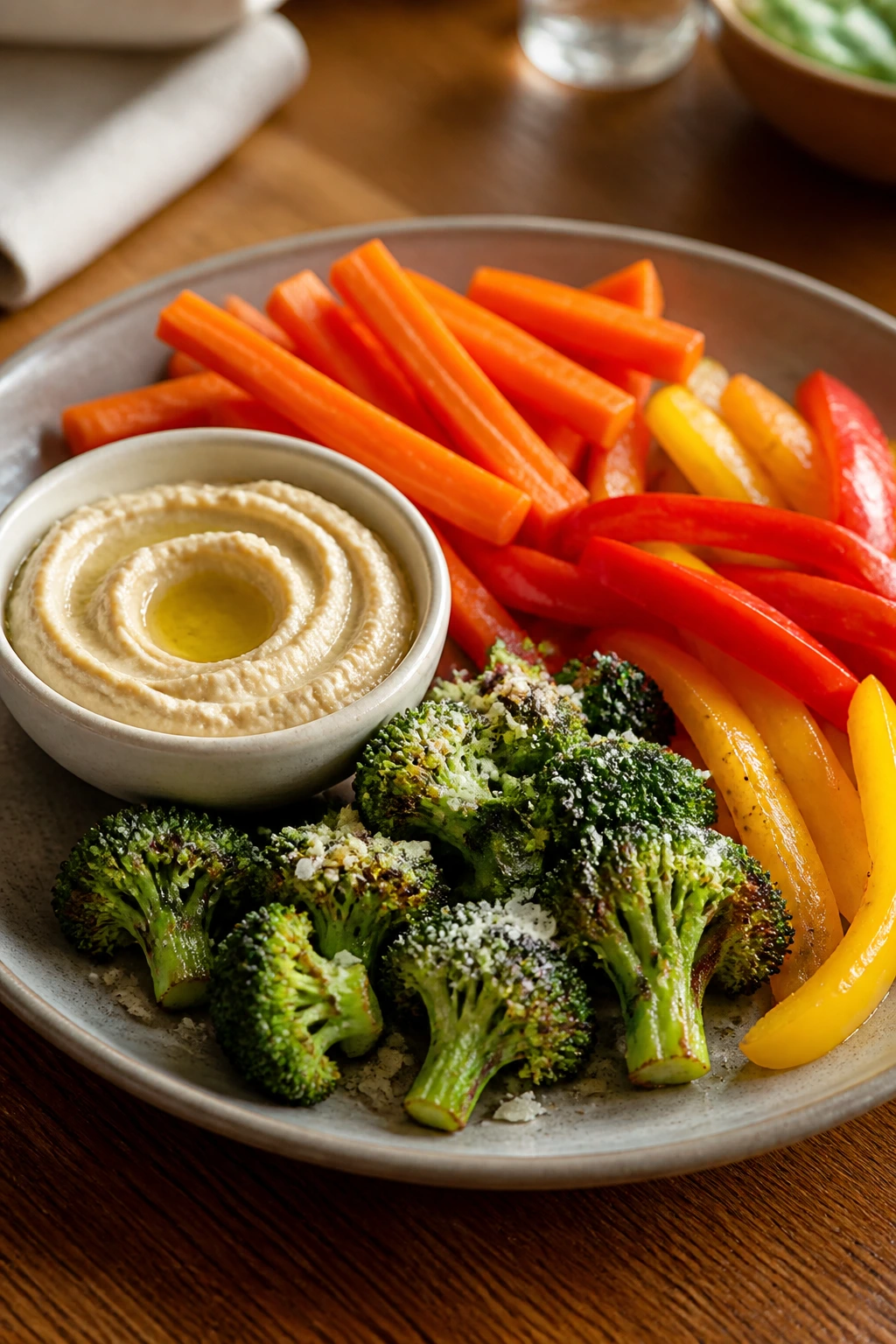
The Dip-First Plate
Serve raw carrot sticks, cucumber spears, snap peas, and bell pepper strips with a small bowl of hummus, ranch, or yogurt herb dip. This is the move for kids who like crunch and hate mush. It also works well when the main dinner is already hot and you want one cool, fresh element on the table.
The One-Sheet Family Dinner
Toss broccoli, carrots, and potatoes with olive oil, salt, and garlic powder, then roast them on the same sheet pan as chicken thighs or tofu cubes. Different pieces may need a little staggered timing, but the payoff is worth it. Dinner lands on the table with far fewer dishes and a better chance of everyone eating the vegetables while they’re still hot.
The Soft-and-Sweet Bowl
Use roasted sweet potatoes, peas, and corn over rice or quinoa, then finish with butter, a little parmesan, or a squeeze of lime. This suits children who prefer softer textures and sweeter vegetables. It also works on nights when teeth are tired and the whole family wants gentler food.
The Taco-Night Vegetable Swap
Sauté bell peppers, onions, and zucchini with a little cumin and garlic powder, then pile them into tortillas with beans, cheese, or chicken. Kids often accept vegetables more easily when the vegetables are part of something they can hold. Taco night has that going for it.
The Bright Lemon Finish
Roast green beans, broccoli, or cauliflower with olive oil and salt, then finish with lemon zest and parmesan. The citrus keeps the vegetables from tasting heavy, and the parmesan gives them a salty edge that reads as dinner rather than garnish.
Tools and Equipment That Make Vegetable Night Easier
-
Rimmed sheet pan: Keeps roasted vegetables contained and helps them brown instead of rolling off the edge.
-
Large skillet: Best for quick sautéed vegetables like green beans, peppers, and zucchini. A wide base matters.
-
Chef’s knife: A sharp knife makes it easier to cut carrots, broccoli stems, and peppers into even pieces.
-
Cutting board: A sturdy board keeps prep safer and faster. I like a larger one than I think I need.
-
Vegetable peeler: Useful for carrots, sweet potatoes, and the tough outer skin of broccoli stems.
-
Steamer basket: Handy for peas, green beans, and broccoli when you want soft but still bright vegetables.
-
Tongs or a silicone spatula: Makes it easier to turn vegetables without crushing them.
-
Salad spinner or clean kitchen towels: Helps dry washed vegetables so they roast instead of steam.
-
Airtight storage containers: Good for prepped raw vegetables and leftovers. Separate shallow containers work better than one deep one.
-
Air fryer basket, optional: Nice to have if you want fast browning without heating the whole oven.
Storage, Make-Ahead, and Reheating for Fresh Vegetables
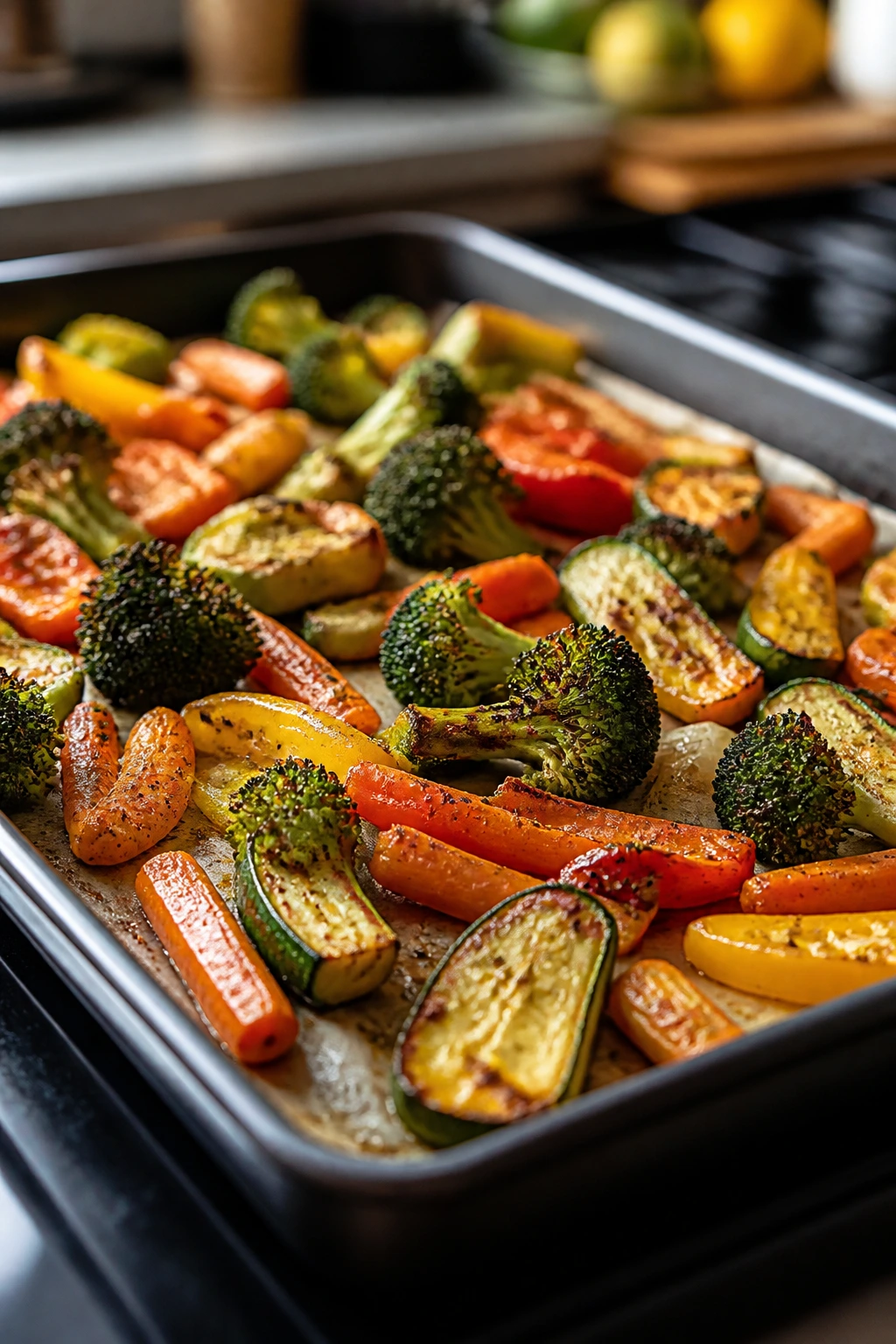
Raw cut vegetables last best when they stay dry and cold. Carrot sticks, broccoli florets, and green beans will usually hold for 3 to 4 days in the refrigerator if they’re stored in airtight containers lined with a paper towel. Bell pepper strips can last about the same amount of time. Snap peas are better within 2 to 3 days, because they lose their snap faster than carrots do.
Cooked vegetables are a little different. Roasted carrots, broccoli, cauliflower, and green beans keep for 3 to 4 days in the fridge. The freezer is possible for some of them, but the texture softens; I’d freeze roasted vegetables only if you’re planning to fold them into soup, pasta, or a casserole later. Most will do fine for up to 2 months frozen, but they won’t come back with the same crisp edges.
Best reheating methods
Roasted vegetables reheat best in a 400°F oven or air fryer for 5 to 8 minutes. That brings the edges back to life. A skillet on medium heat works well for sautéed vegetables. The microwave is fine if speed matters most, but it softens the texture quickly, so use short bursts and keep the lid vented.
Make-ahead that actually helps
Wash and dry vegetables the day before. Cut carrots, broccoli, and peppers ahead of time. Mix your seasoning in a small jar so dinner takes less thought. If you’re serving dip, keep it separate until the table is set. Dressed vegetables, especially with creamy sauces, should be treated as same-day food if you want the best texture.
Frequently Asked Questions About Kid-Friendly Vegetables
What are the best fresh vegetables for picky eaters?
Carrots, bell peppers, snap peas, green beans, broccoli, and sweet potatoes are usually the easiest places to start. They have mild or sweet flavors, and they can be cooked into textures that feel familiar rather than strange.
Should I serve vegetables raw or cooked?
Both can work, but for dinner I’d start with whatever texture the child already accepts. Raw carrots and peppers are great for crunch lovers, while roasted broccoli or green beans often work better for kids who dislike biting into hard, cold vegetables.
How do I keep roasted vegetables from getting soggy?
Dry them well before they hit the pan, use enough heat, and leave space between the pieces. A crowded tray traps steam, which gives you pale, soft vegetables instead of browned ones.
Can I use frozen vegetables instead of fresh?
Yes, especially for peas, broccoli, and green beans. Fresh vegetables usually have better texture, but frozen ones are convenient and still useful. Roast them straight from frozen if the package allows it, or sauté them so the extra moisture can cook off.
How much vegetable should I serve my child at dinner?
Start small. A few bites are enough to begin with, especially for a child who’s still learning to trust a vegetable. You can always offer more after the first serving disappears.
What if my child only eats one vegetable?
Keep serving that one and add a second vegetable in tiny portions beside it. Repetition matters more than speeches. A child often needs to see the same vegetable in different forms before they’re willing to touch it.
Is it a bad idea to hide vegetables in everything?
Hiding vegetables in sauce or baked goods can help with nutrition, but it should not be the only strategy. Kids also need chances to taste vegetables on their own so they learn what they actually are, not just what they’ve been blended into.
How do I make vegetables taste better without using a lot of salt or sugar?
Use heat, fat, and acid. Roasting brings out sweetness, a little olive oil carries flavor, and a squeeze of lemon at the end can wake up broccoli or green beans without pushing them into dessert territory.
What if the vegetables are always left on the plate?
Change the texture before you change the vegetable. A child who refuses steamed cauliflower may eat roasted cauliflower with parmesan. The vegetable may not be the problem at all.
A Calmer Way to Serve Vegetables Night After Night
The vegetables that get eaten are usually the ones that feel familiar, smell like dinner, and don’t arrive with a speech attached. That’s the whole game. Not hiding vegetables. Not forcing vegetables. Just making them taste better and feel less threatening on the plate.
A tray of carrots with browned edges, a skillet of bright green beans, or a bowl of snap peas with dip does more than fill a nutritional checkbox. It changes the tone of dinner. That matters. Especially on the nights when everyone is tired and nobody has energy for a fight over broccoli.
Start with one vegetable that has a fair shot. Cook it well. Keep the portion small. Then do it again next week. That’s how fresh kid-friendly vegetables become part of a healthy dinner instead of a nightly negotiation.