



A limp bag of broccoli can make dinner feel like homework, but fresh veggies for a healthy dinner change the mood fast. When the florets go dark at the edges, the carrots pick up a little sweetness, and the onions turn silky instead of sharp, the plate stops looking like restraint and starts looking like food you want to eat.
That matters because most people do not need another lecture about vegetables. They need a dinner that tastes good, fills the plate, and does not leave them poking through the fridge an hour later. Public-health advice has pushed the same basic structure for ages — roughly half the plate vegetables and fruit, with protein and starch doing the rest — because the math works: you get more volume, more fiber, and more texture without piling on heaviness.
Fresh does not mean raw, and it definitely does not mean bland. It means choosing produce with real structure, cooking it the right way, and finishing it with salt, acid, fat, or herbs so it tastes like itself. The rest is mostly about knowing which vegetables want high heat, which ones want a quick toss in a hot pan, and which ones should stay crunchy until the very last second.
Why Fresh Veggies Earn the Center of the Plate
A good vegetable dinner is not a punishment. It is a plate with enough color, bite, and seasoning that you stop thinking about what is missing.
That sounds simple. It is not always simple in practice.
The half-plate rule from USDA MyPlate keeps hanging around because it solves an actual dinner problem. When vegetables take up space, the meal feels fuller without asking you to eat a mountain of pasta or bread. Fiber and water do a lot of work here, and so does texture. A roasted carrot has a different job at dinner than a boiled one. One keeps you interested. The other can feel like a compromise.
- More food on the plate: Two cups of roasted vegetables take up real space, so dinner looks generous even when it is built around beans, eggs, tofu, or grains.
- Better texture: Browning gives broccoli, cauliflower, Brussels sprouts, and mushrooms edges that crunch a little, which is half the reason they feel satisfying.
- Easy to pair: The same tray of vegetables can sit next to chickpeas one night, a fried egg the next, and a bowl of rice the night after that.
- Less cleanup: A rimmed sheet pan, one skillet, and a cutting board can carry a whole vegetable dinner without making the sink miserable.
- Less waste: When you buy produce with a plan, the same bunch of carrots or head of cabbage can turn into dinner, lunch, and a quick side for the fridge.
- Built for flavor: Olive oil, lemon, garlic, parsley, tahini, chili flakes, and a pinch of salt are enough to make fresh vegetables taste like a real meal.
One more thing. A vegetable-heavy dinner does not need to be tiny. It should be large enough to feel like dinner and structured enough to keep you from snacking right after.
What Fresh Veggies Mean When Dinner Has to Be Real
Fresh does not mean “just picked this morning” and it does not mean “served raw in a bowl and called a day.” In the kitchen, fresh means the vegetable still has enough structure to hold up under heat, slicing, tossing, or a quick dressing.
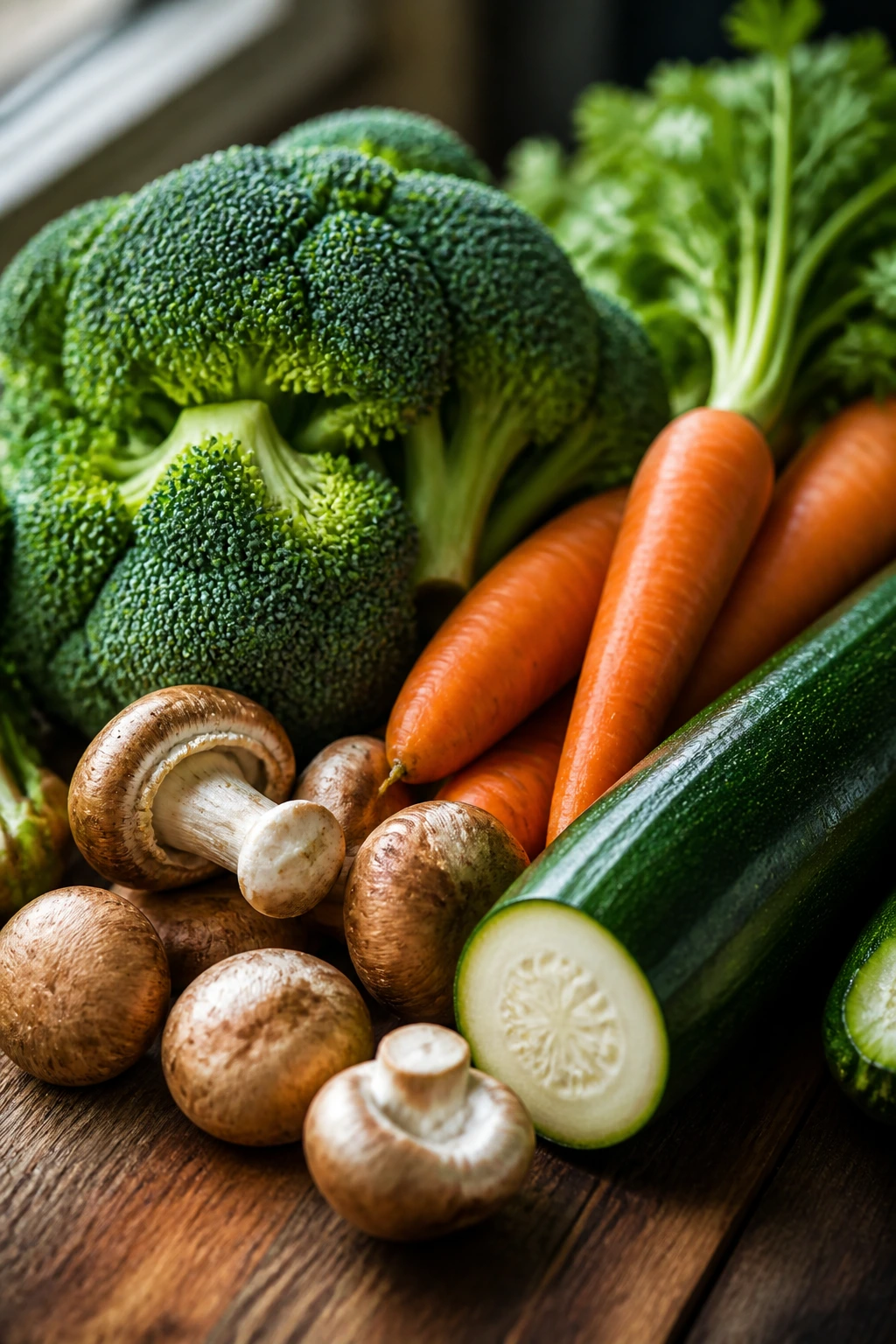
That is why a firm head of broccoli matters more than a fancy label. Tight florets, clean stems, and a smell that is grassy rather than sour tell you more than a sign ever will. The same goes for zucchini, carrots, cabbage, green beans, and mushrooms. If they feel heavy for their size, look dry rather than slimy, and give a clean snap or firm bite when you test them, they are ready to cook.
Fresh does not mean uncooked
Raw vegetables have their place, but dinner is a different animal. Heat changes everything. It pulls sweetness out of carrots, softens cabbage, wakes up mushrooms, and gives broccoli that nutty, roasted smell that makes the whole kitchen smell like you meant to be there.
That is why a healthy dinner built from fresh produce usually works better when at least part of it is cooked. Not because raw food is bad. Because cooked vegetables are easier to season deeply, and they carry sauces and grains with more grace.
What to look for at the store
Go for vegetables with tight, lively surfaces. Broccoli should not look yellowed at the tips. Zucchini should be firm, not floppy. Bell peppers should feel heavy and smooth. Mushrooms should be dry and unopened, not slick in the carton. Leafy greens should look alert, not like they spent the afternoon in a hot car.
If the produce section is a little sad, do not panic-buy the first shiny thing you see. Pick vegetables that can handle your cooking plan. Broccoli, carrots, cauliflower, cabbage, onions, and Brussels sprouts forgive a lot. Delicate greens and herbs are the ones that punish sloppy handling.
When frozen should take a backseat
Frozen vegetables are useful. They save dinner on rough nights. Still, fresh usually gives you better browning, better texture, and more control over the final plate. If you want crisp edges, snappy greens, or a bright raw finish, fresh is the better choice.
Use frozen as backup, not as a defeat.
The Vegetables That Earn a Spot in Your Crisper Drawer
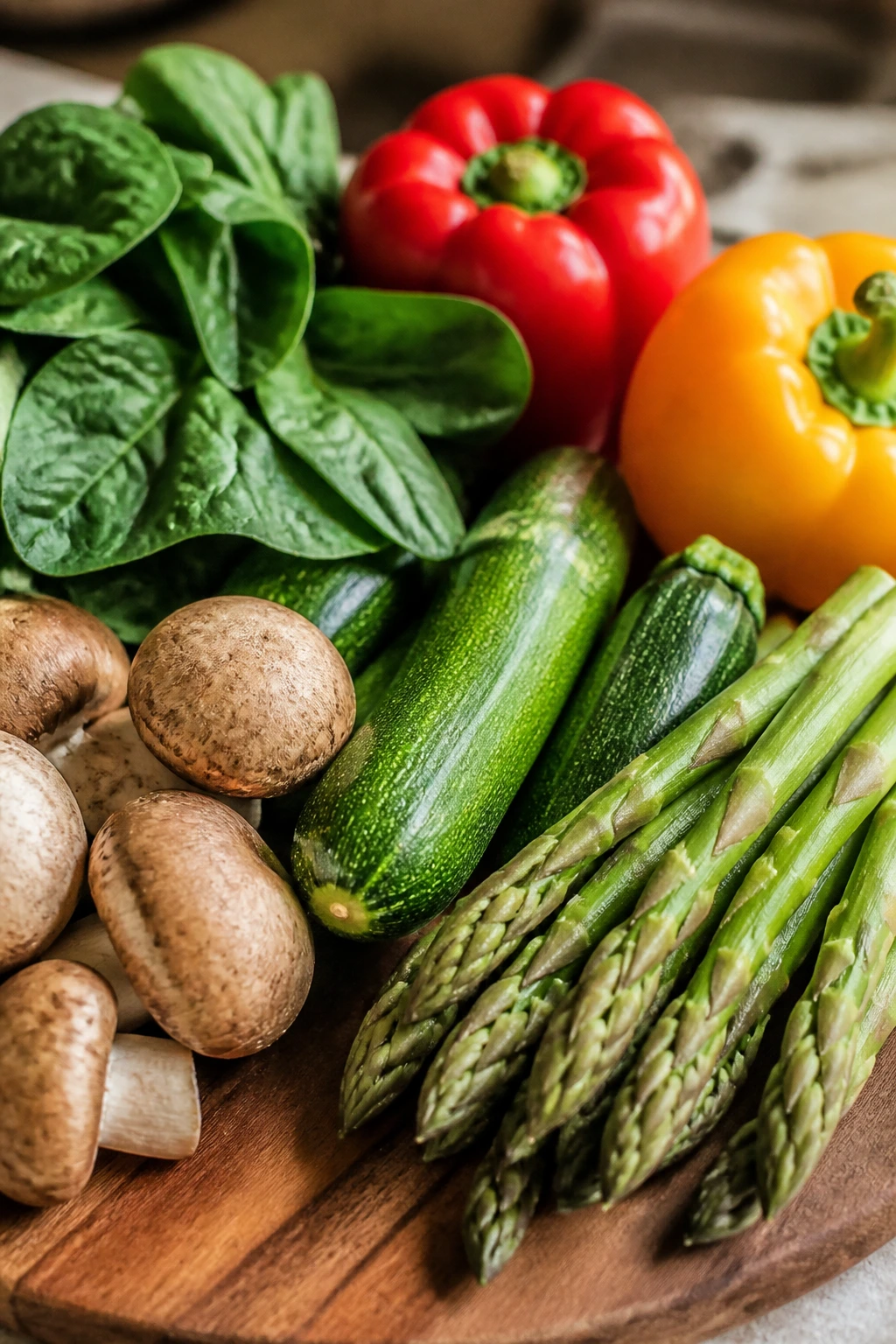
What belongs in the crisper drawer depends on what you actually cook. If you only buy vegetables that look pretty in the store, you end up with odd little leftovers and not much dinner.
I reach for vegetables that can do a job. Some roast well. Some sauté fast. Some stay crisp and sharp in a salad. A few are workhorses that can slide between all three.
Fast-cooking vegetables
Zucchini, mushrooms, bell peppers, asparagus, snap peas, bok choy, and spinach are the quick ones. They give up texture fast, which makes them perfect when you want dinner in under 20 minutes.
- Zucchini: Best cut into half-moons or thick batons so it does not collapse into mash.
- Mushrooms: Let them sit in a hot pan long enough to lose their water, or they will taste steamed.
- Bell peppers: Sweet, sturdy, and easy to toss into a skillet with onions.
- Asparagus: Use thinner spears for speed; thicker ones need a little more time or a quick steam under a lid.
- Spinach: Needs only a minute or two. Any longer and it turns to green silk.
- Snap peas: Stay bright and crisp if you cook them just until they blister in spots.
Sturdy vegetables
Broccoli, cauliflower, Brussels sprouts, carrots, cabbage, green beans, beets, and sweet potatoes are the ones that can take heat without falling apart. They are the reason sheet-pan dinners work.
Broccoli and cauliflower are especially useful because the cut surfaces brown so well. Brussels sprouts get those dark outer leaves that taste a little nutty. Carrots turn sweet and concentrated. Cabbage, which people forget about far too often, gets soft at the edges and keeps its core. It is cheap, forgiving, and honestly one of the smartest vegetables on the board.
Leafy and finishing vegetables
Arugula, herbs, shaved fennel, radishes, cucumbers, celery, scallions, and tender greens should often come in at the end. They are your contrast. Your crunch. Your wake-up call.
A roasted dinner with a handful of arugula on top feels fresher than the same tray without it. A handful of dill or parsley changes the whole smell of the plate. Thin radishes or cucumber slices can cut through a creamy sauce or a rich grain bowl in a way that makes the next bite taste clean.
How to Build a Filling Plate Around Vegetables
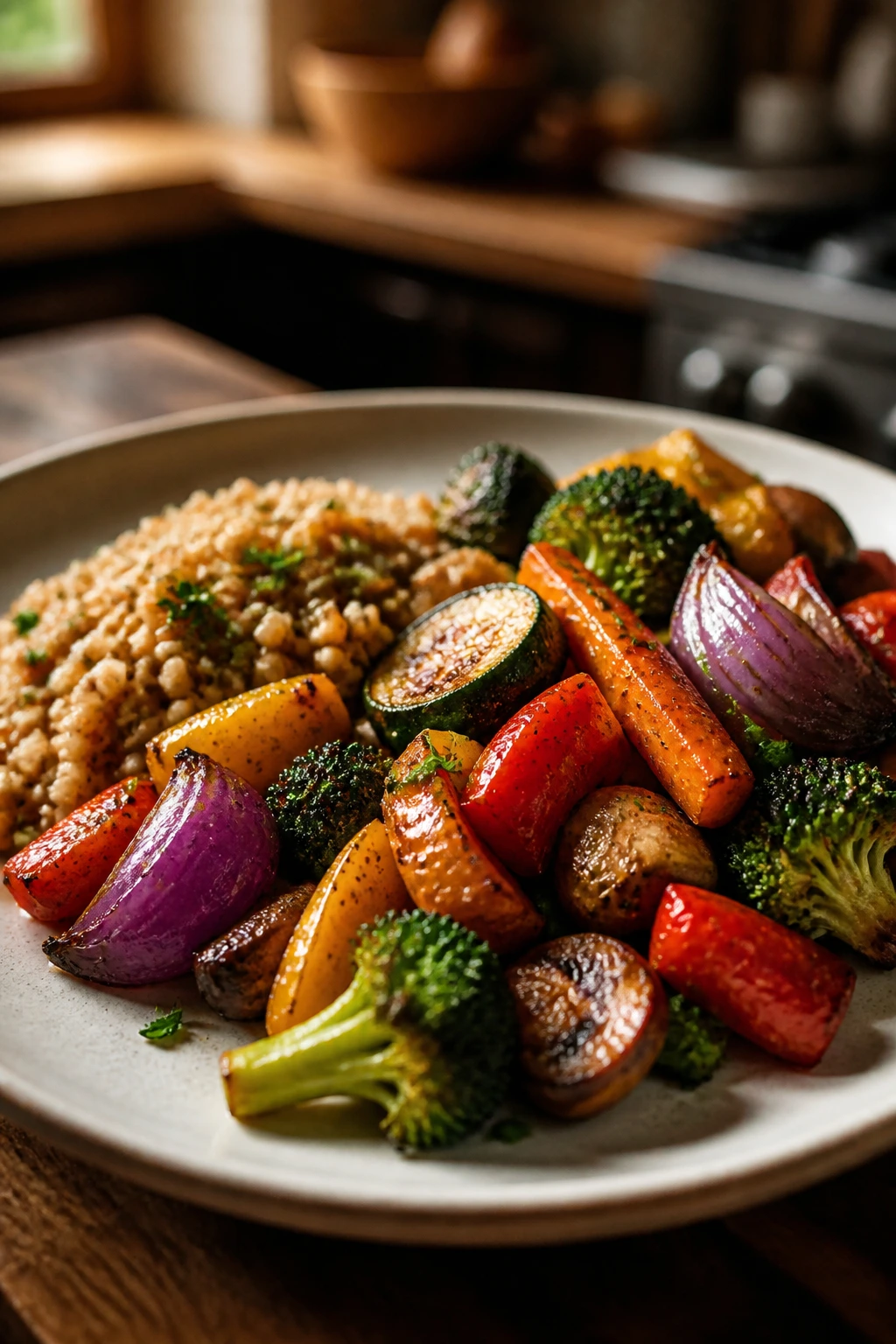
A vegetable dinner falls apart when it tries to act like a side dish and a main course at the same time. Pick a role. Give the vegetables a clear job, then anchor them with something that has chew.
The easiest way to think about it is this: vegetables are the center, but they do not have to carry every ounce of the meal alone. A little grain, a little protein, and one sharp or creamy finish go a long way.
Start with a base
Two to three cups of vegetables per person is a good dinner-sized amount. That can be roasted broccoli and carrots, sautéed peppers and zucchini, or a mix of raw and cooked vegetables in a bowl. If you are hungrier, make the vegetable portion larger instead of piling on random starch.
Add something with staying power
Beans, lentils, tofu, tempeh, eggs, Greek yogurt, cottage cheese, feta, halloumi, or edamame all work. If you eat fish or meat, those can fit too, but a vegetarian plate does not need to feel incomplete. Chickpeas with roasted cauliflower. Lentils with carrots and herbs. A fried egg over sautéed greens. A tofu stir-fry with mushrooms and snap peas. These are not consolation prizes. They are real dinners.
Use grains or bread with intention
A half-cup to one cup of cooked rice, farro, quinoa, barley, or couscous gives the vegetables something to rest on. A slice of toasted sourdough or a warm pita can do the same job. The grain should not swallow the vegetables. It should give the sauce somewhere to land.
Finish with something sharp or creamy
A spoonful of tahini sauce, a squeeze of lemon, a drizzle of yogurt, a little pesto, or a shower of herbs keeps the whole plate from tasting flat. Without that last layer, even good vegetables can feel unfinished.
If you want a quick formula, use this: vegetables + protein + small starch + bright finish. That structure holds up on tired nights, which is when dinner habits usually live or die.
Roasting Vegetables Until the Edges Brown
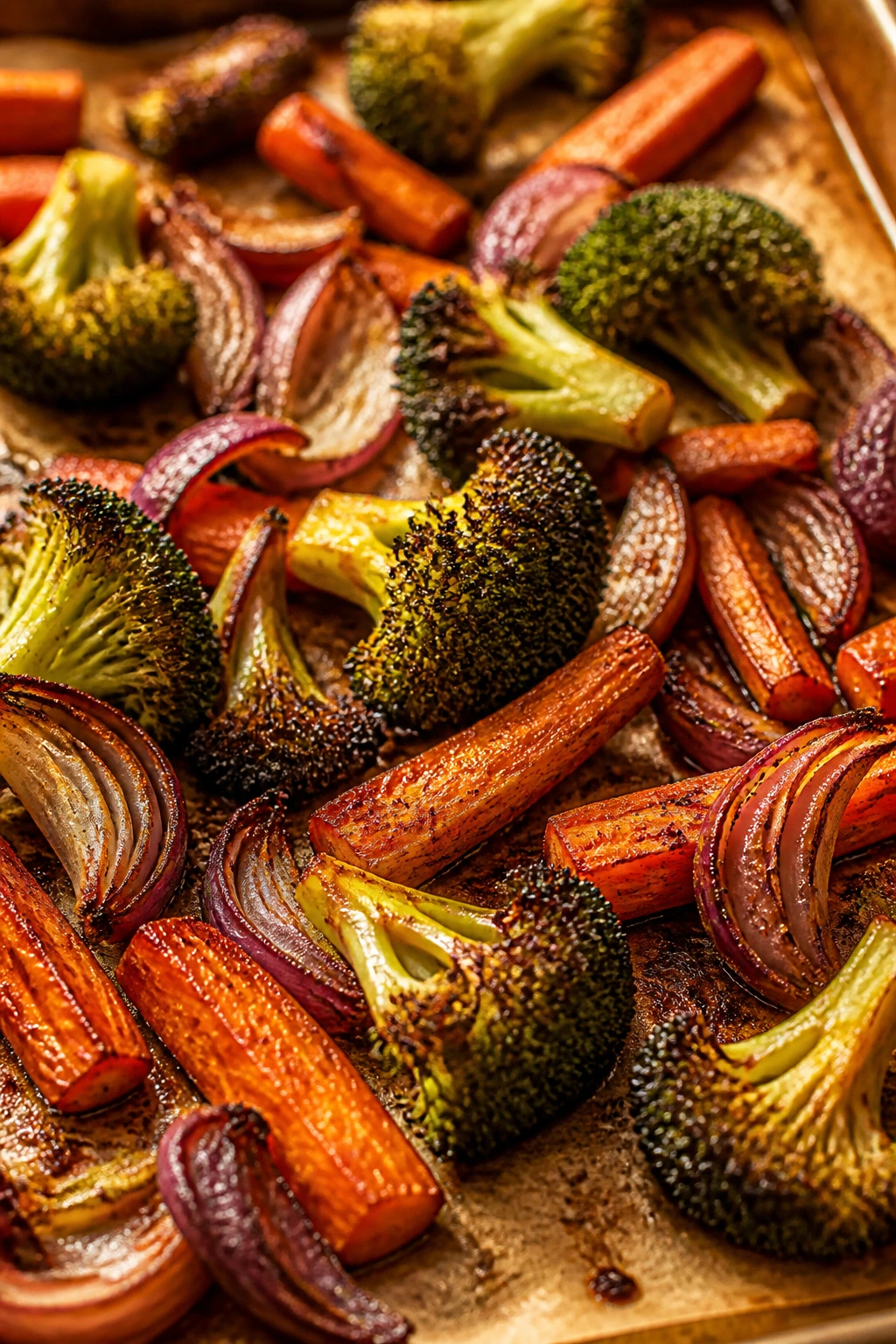
Roasting is where fresh vegetables start acting like dinner. The oven dries the surface, the sugars concentrate, and the edges pick up those dark spots that smell nutty and a little sweet when the pan comes out.
425°F is the workhorse temperature for most vegetables. Hot enough to brown. Not so hot that you scorch the outside before the middle gets tender. If your oven runs cool, give it more time. If it runs hot, keep an eye on the cut edges and pull the pan when the color looks deep, not burnt.
The spacing rule matters more than the seasoning
Pile vegetables into a crowded pan and they steam. They never really roast. Give them room. Use two sheet pans if you need to. That is not overkill. That is dinner.
Dry the vegetables after washing them. Toss with a modest amount of oil — enough to gloss the surface, not drown it. Salt them before they go in. I use about 1/2 to 3/4 teaspoon kosher salt per pound, then taste and adjust after cooking. Black pepper is fine, but it is not the whole story. A little garlic powder, smoked paprika, cumin, or chopped rosemary can help, depending on the vegetable.
Know which vegetables can share a pan
Broccoli, cauliflower, Brussels sprouts, and carrots can roast together if you cut them with the same goal in mind. Dense vegetables need smaller pieces. Softer vegetables need larger ones. Zucchini, tomatoes, and mushrooms cook faster and should often go on their own pan or be added later.
A practical example: carrots might need 25 to 35 minutes, broccoli more like 18 to 22, and zucchini often 12 to 18. If you throw them all together at the same size, one will go soft while the other still feels stubborn.
A little extra heat helps
Preheat the empty sheet pan for 5 minutes before adding the vegetables if you want a faster start on browning. Use parchment for easier cleanup, or bare metal if you want a harder sear on the underside. Both work. Bare metal browns a bit better, parchment is easier to live with on a weekday.
The best roasted vegetable dinners usually finish with something fresh. Lemon zest, chopped parsley, a spoonful of yogurt, or a few torn mint leaves keep the tray from tasting one-note.
Sautéing and Stir-Frying for Crisp-Tender Bite
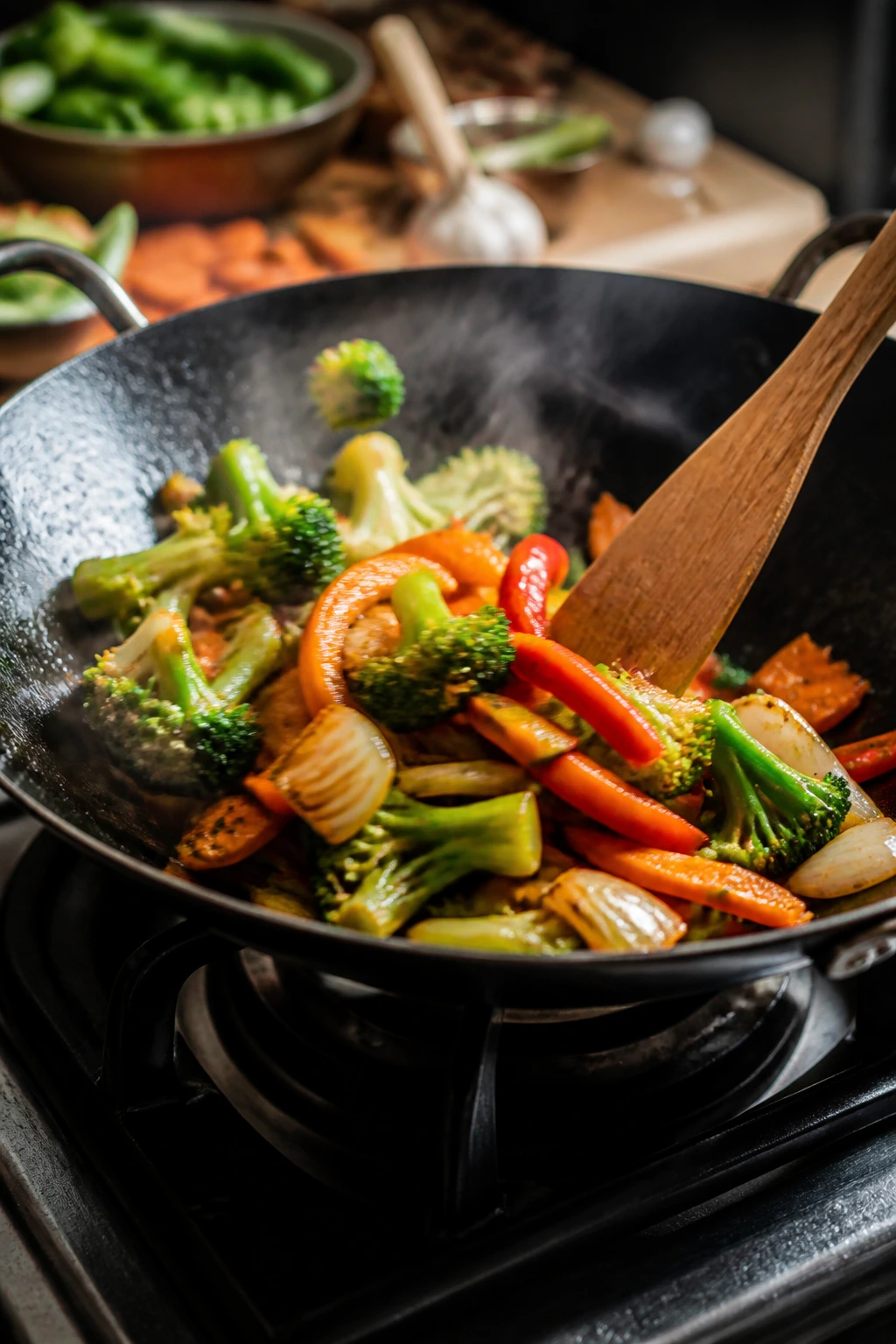
A hot skillet gives you a different kind of dinner. Faster. Brighter. Less caramelized, more snappy. The trick is not to dump everything into the pan at once and hope for the best.
Start with a wide skillet, not a small one. Heat it first. Add oil only after the pan is hot enough that the oil thins out and shimmers. If it smokes hard, the pan is too hot. If it sits there like pond water, the vegetables will just soak.
Order matters in the pan
Hard vegetables go in first. Carrots, broccoli stems, cabbage, and mushrooms need more time. Garlic, scallions, spinach, and herbs go in later, sometimes only for the last minute. That is how you keep the garlic sweet instead of bitter and the greens from collapsing into a gray heap.
If the vegetables start to stick a little, a splash of water can save you. Two tablespoons is often enough. Cover the pan for 60 to 90 seconds, then uncover and let the moisture cook off. That trick works especially well for broccoli and thicker cabbage slices.
Stir-fry is not the same as stir-until-soft
High heat, quick movement, and small batches. That is the point. You want browning on the edges and a little snap in the middle. If the pan fills with liquid, you are steaming. If the vegetables all turn soft before they color, the heat was too low or the batch too crowded.
A rough rule: mushrooms need time to shed water first. Peppers and onions can follow. Zucchini and spinach should go in later because they collapse fast. Snap peas and asparagus are close to last call; they taste best when they still crack between your teeth.
Sauce should coat, not drown
A stir-fried vegetable dinner does not need a bowl of sauce. A tablespoon or two of soy sauce, tamari, sesame oil, lemon juice, vinegar, or a quick pan sauce is enough if the vegetables were cooked correctly. The sauce should cling to the vegetables, not erase them.
That is one of the reasons people think they do not like vegetables. They are usually being served something limp, wet, and over-sauced. Heat the pan properly, and a little goes a long way.
Raw Crunch and Quick Pickles That Wake Up the Plate
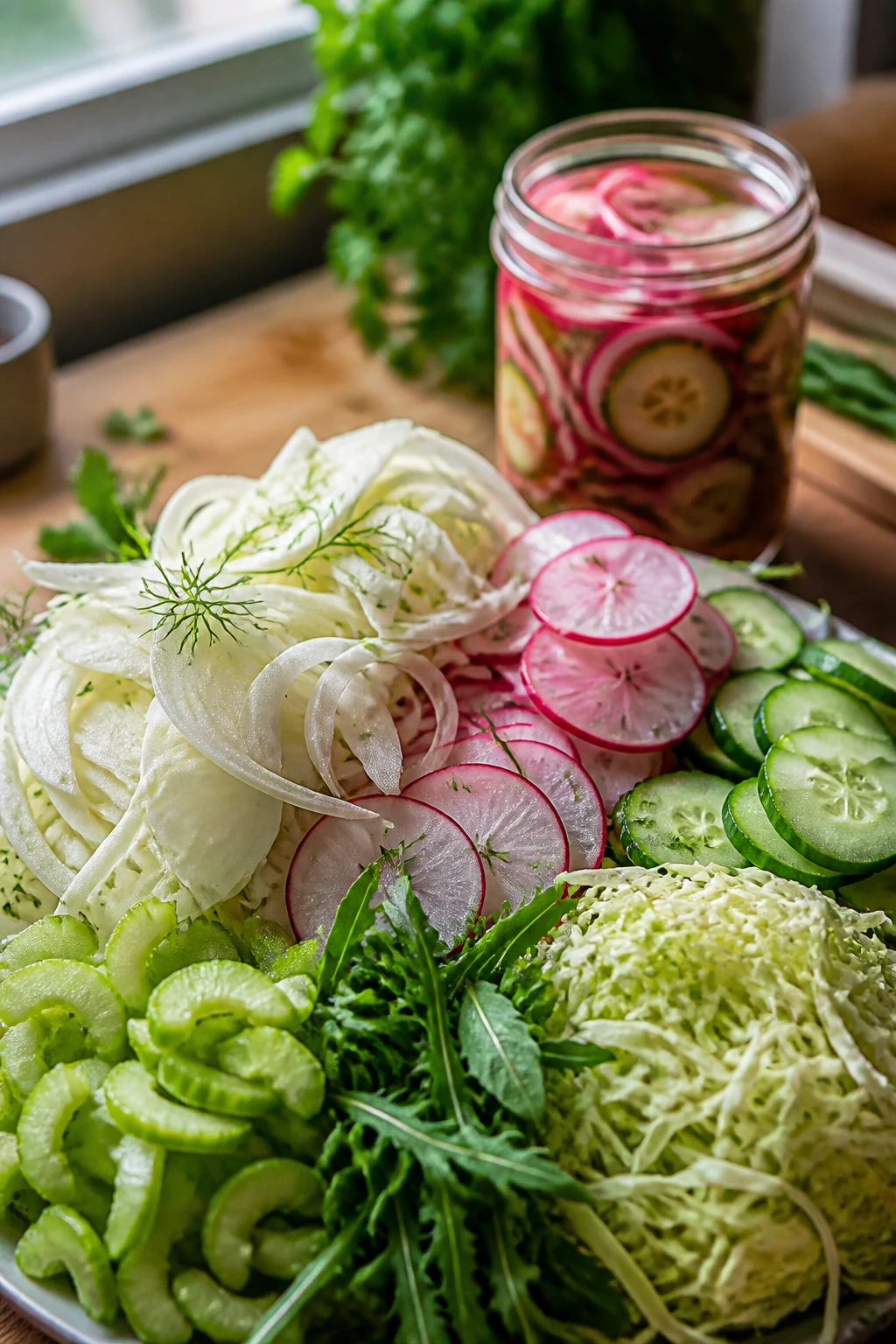
A warm vegetable dinner gets sharper when something cold and crisp lands on top. Raw vegetables do not have to be the main event to matter.
Shaved fennel, sliced radishes, cucumber, celery, arugula, and thin cabbage can cut through roasted carrots or creamy grains in a way that makes the whole plate taste cleaner. Raw crunch is not a garnish. It is part of the structure.
Quick pickles are worth the tiny effort
Thinly sliced red onions, radishes, or cucumbers can turn into quick pickles in 15 to 20 minutes. Cover them with vinegar, a pinch of sugar, and salt. That is usually enough. Rice vinegar gives a softer edge. Apple cider vinegar is a little louder. White vinegar is sharper and more old-school.
I like quick pickles because they solve the “this feels a little flat” problem without asking for a sauce bottle. A handful on top of a grain bowl or roasted vegetable tray brightens the whole thing.
Raw vegetables need their own seasoning
Do not serve plain cucumber slices and call it contrast. Salt them lightly. Dress shaved fennel with lemon. Toss cabbage with vinegar and a little olive oil. If you want to keep it crunchy, season the raw component at the last minute so it does not go limp before dinner reaches the table.
A little raw element beside warm vegetables makes the plate feel deliberate. The difference is subtle, then obvious, then hard to ignore.
Turning Vegetables Into the Main Course
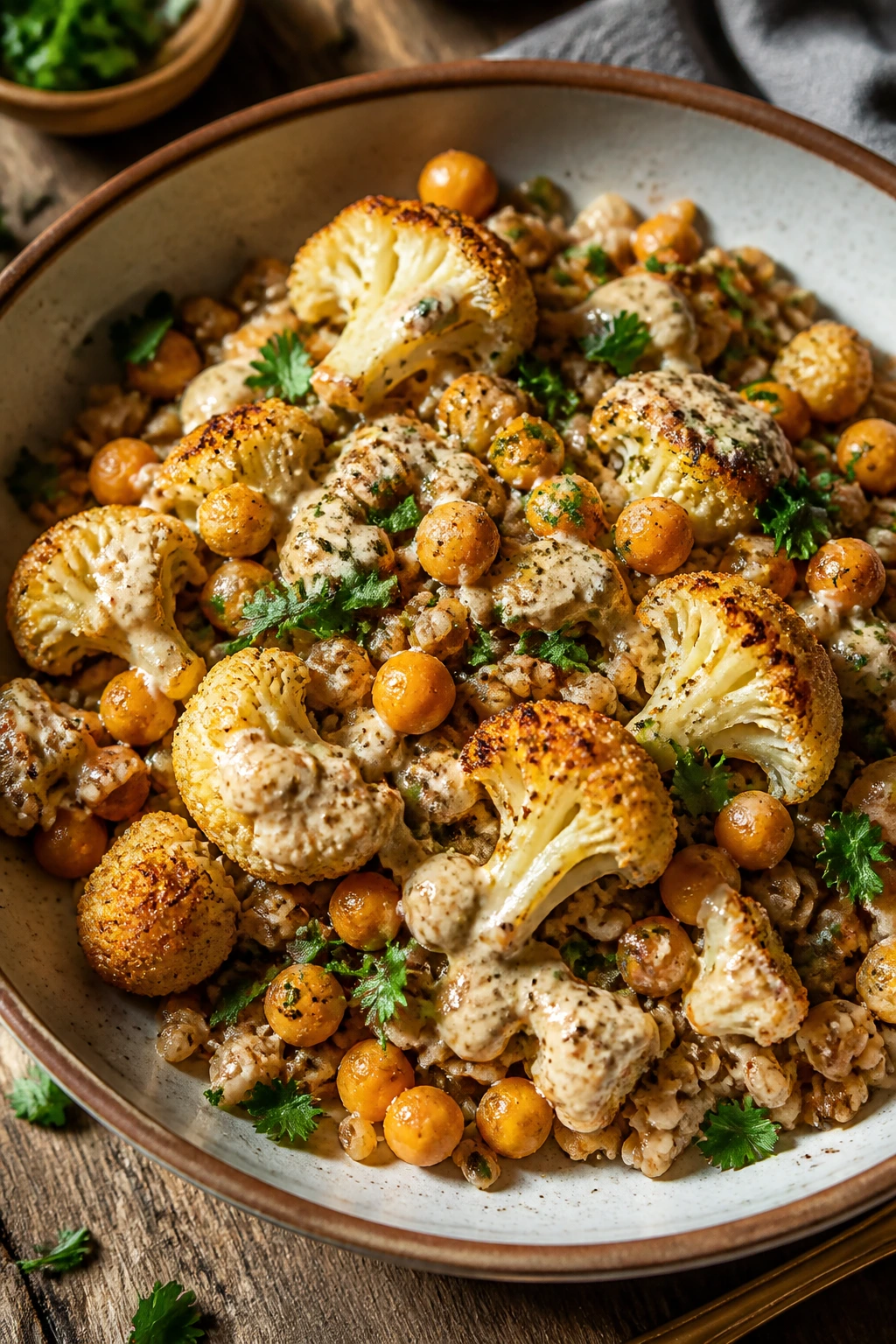
A vegetable-heavy dinner becomes a main course when it has enough structure to keep you from asking what else is for dinner. That structure comes from protein, fat, grain, and contrast. Not all at once every time. But enough to hold the plate together.
Think in combinations, not in ingredients. Roasted cauliflower by itself is a side. Roasted cauliflower with chickpeas, tahini, herbs, and farro is dinner. Sautéed greens with garlic are a side. Sautéed greens with white beans and a fried egg are a meal.
The fastest anchors
Beans and lentils are the easiest way to make fresh vegetables feel substantial. Chickpeas roast well. White beans soften into a creamy base. Lentils hold their shape in bowls and salads. They also bring a bit of chew, which matters more than people think.
Eggs do the same job in a different way. A fried egg over sautéed broccoli and mushrooms gives you a rich yolk that doubles as sauce. Soft scrambled eggs can fold into spinach and tomatoes for a fast dinner that feels bigger than it is.
Tofu and tempeh deserve better treatment
A lot of people say they “do not know what to do” with tofu, which usually means they never let it get hot enough or dry enough. Press it, cube it, and let it brown before you add sauce. Tempeh likes the same treatment, though it brings a firmer, nuttier bite. Both pair well with fresh vegetables because they soak up flavor without disappearing.
Grains make vegetables easier to live with
Rice, quinoa, barley, couscous, or farro give vegetables a place to land. Warm grains under a pile of roasted vegetables and beans make a dinner bowl feel complete without getting heavy. Use enough grain to catch the sauce, not enough to bury the vegetables.
The main course question is not “Can vegetables be enough?” It is “What do they need around them so the meal feels complete?” That answer changes by night, and that is fine.
Salt, Acid, Fat, and Herbs: The Finishing Moves That Matter
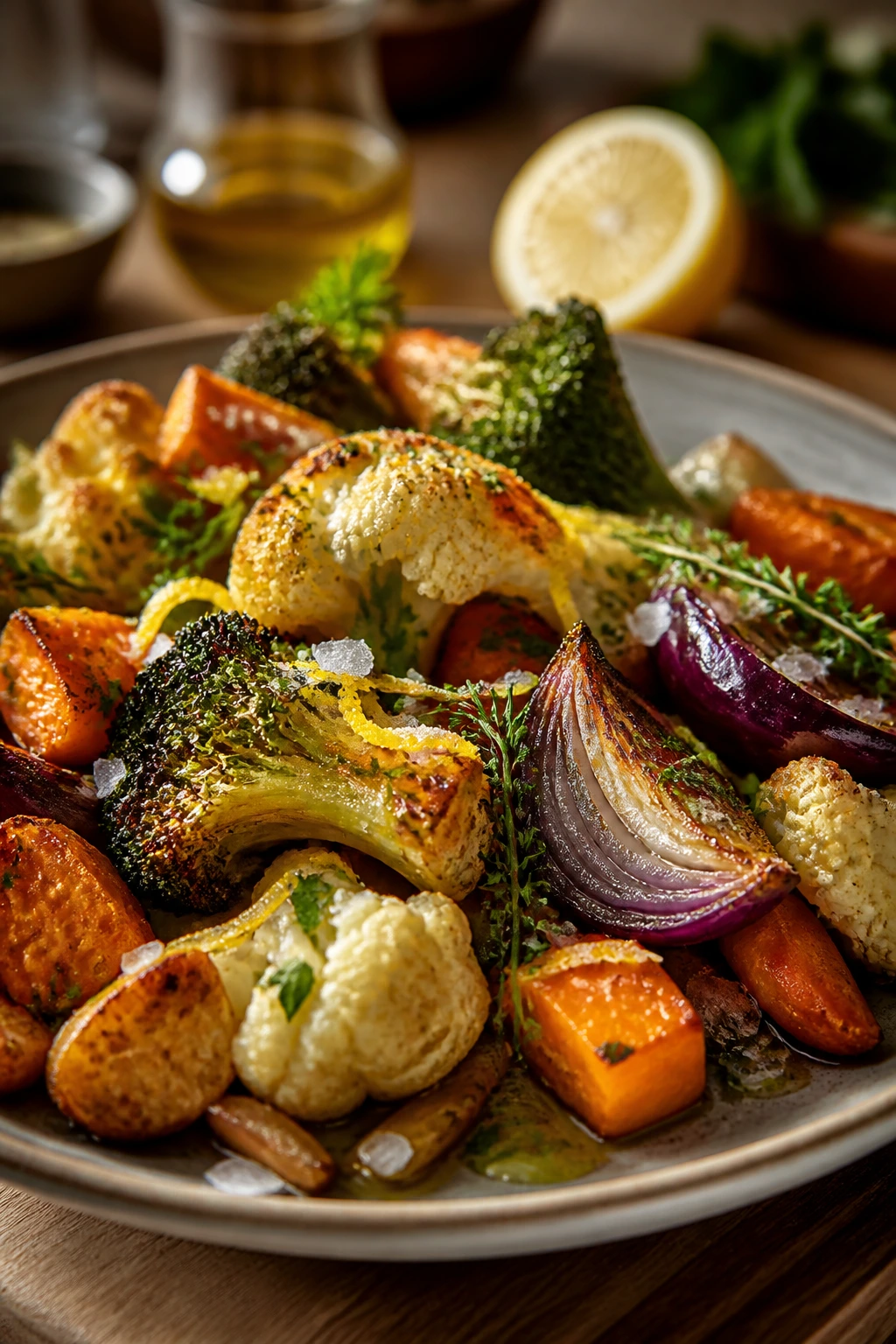
A vegetable dinner can be cooked perfectly and still taste unfinished. Usually the missing piece is one of four things: salt, acid, fat, or herbs.
You do not need all four every time. But if the plate tastes tired, one of them is probably missing.
Salt first: Vegetables need enough salt to taste like themselves. Not much. Enough. If the broccoli tastes flat, the answer is usually not more garlic. It is a better salt level, added before cooking and corrected at the end.
Acid at the end: Lemon juice, lime juice, red wine vinegar, sherry vinegar, or rice vinegar wakes up roasted and sautéed vegetables. Acid does not make the dish sour when used well. It makes the other flavors line up.
Fat for carry: Olive oil, tahini, avocado, yogurt, nuts, sesame oil, and cheese help flavor stick to the vegetables. A dry vegetable can taste like a draft. A lightly dressed one tastes finished.
Herbs and alliums: Parsley, dill, cilantro, basil, mint, chives, scallions, garlic, and shallots bring freshness and lift. Add delicate herbs at the end. Cook hard herbs like rosemary or thyme earlier if you want them to perfume the pan.
A small finish can change the whole dinner. A spoonful of pesto over roasted zucchini. A squeeze of lemon over green beans. A shower of herbs over carrots. None of it is fancy. It just works.
How to Plate a Vegetable-Forward Dinner
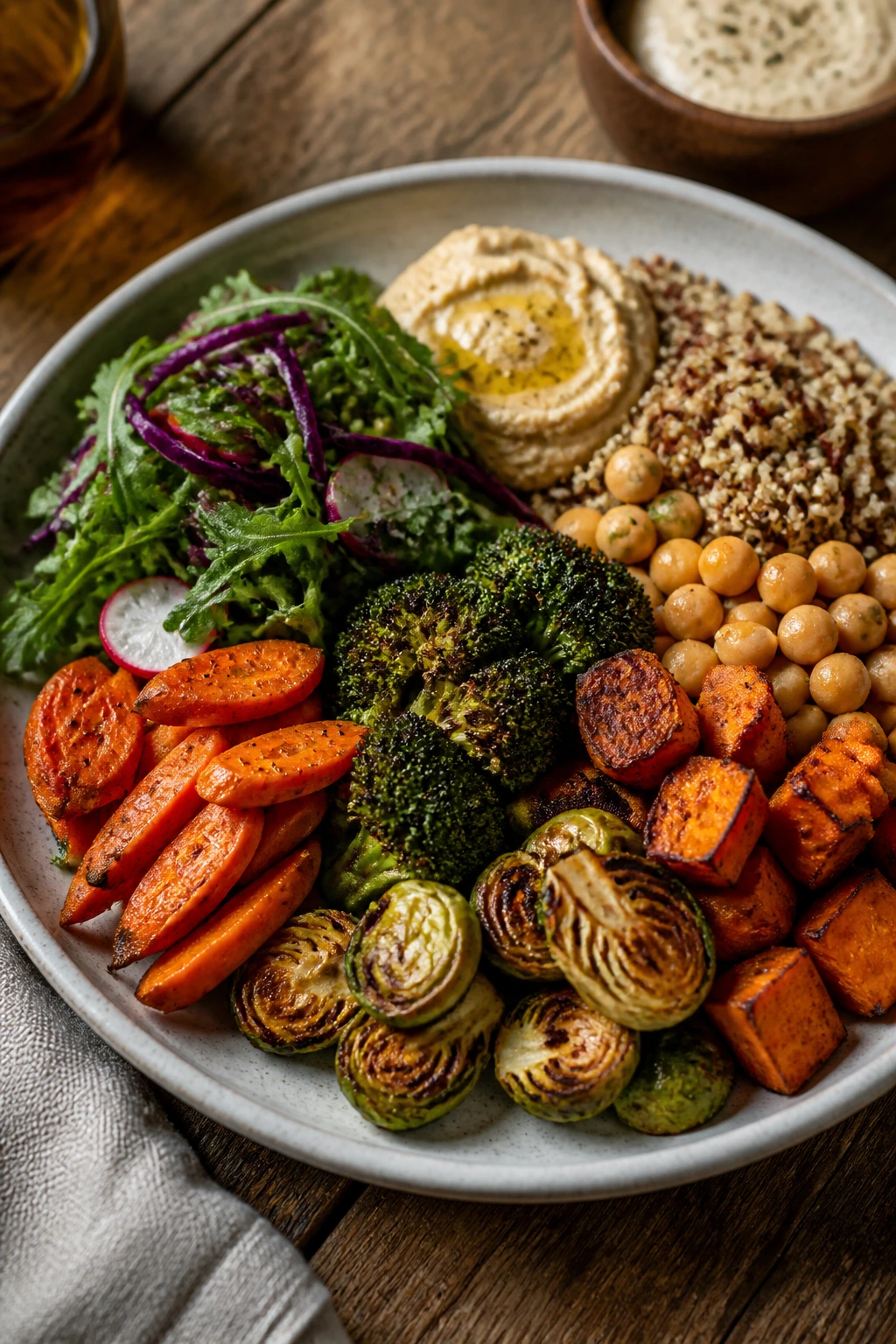
A good vegetable dinner should look like someone thought about it for a minute. Not a long minute. Just enough to make the plate feel arranged instead of dumped.
Bowls work well for grain-heavy meals. Platters work better when you want the vegetables to stay crisp and the colors to stay separate. A shallow bowl is useful when you want sauce and grains to sit together. A wide plate lets roasted vegetables show their edges instead of hiding under a mound of rice.
Presentation: Put the warm vegetables on the plate first, then tuck the raw crunch, herbs, or pickles on top or to the side. If everything gets mixed into one beige heap, the texture is gone before the first bite. Leave a little space on the plate so the colors do not blur into each other.
Accompaniments: A crusty piece of bread, a scoop of hummus, a spoonful of yogurt sauce, a small grain salad, or a bowl of lentils all fit the same dinner. For a fuller vegetarian meal, I like beans or tofu on the plate and bread or grains as the support. That way the vegetables stay central instead of sliding into side-dish territory.
Portions: Plan on 2 to 3 cups of vegetables for a standard dinner plate. Add about 1/2 to 1 cup cooked grains if you want them, or 3/4 to 1 cup beans/lentils if you are building around plant protein. If you are extra hungry, increase the vegetables first. They handle the volume better than extra starch does.
Beverage Pairing: Sparkling water with lemon, iced green tea, a dry white wine, or even plain cold water with cucumber slices keeps the meal feeling light. With spicy vegetable dishes, a crisp lager or a tart nonalcoholic drink can work too.
Shopping, Washing, and Cutting Without Wasting Good Produce
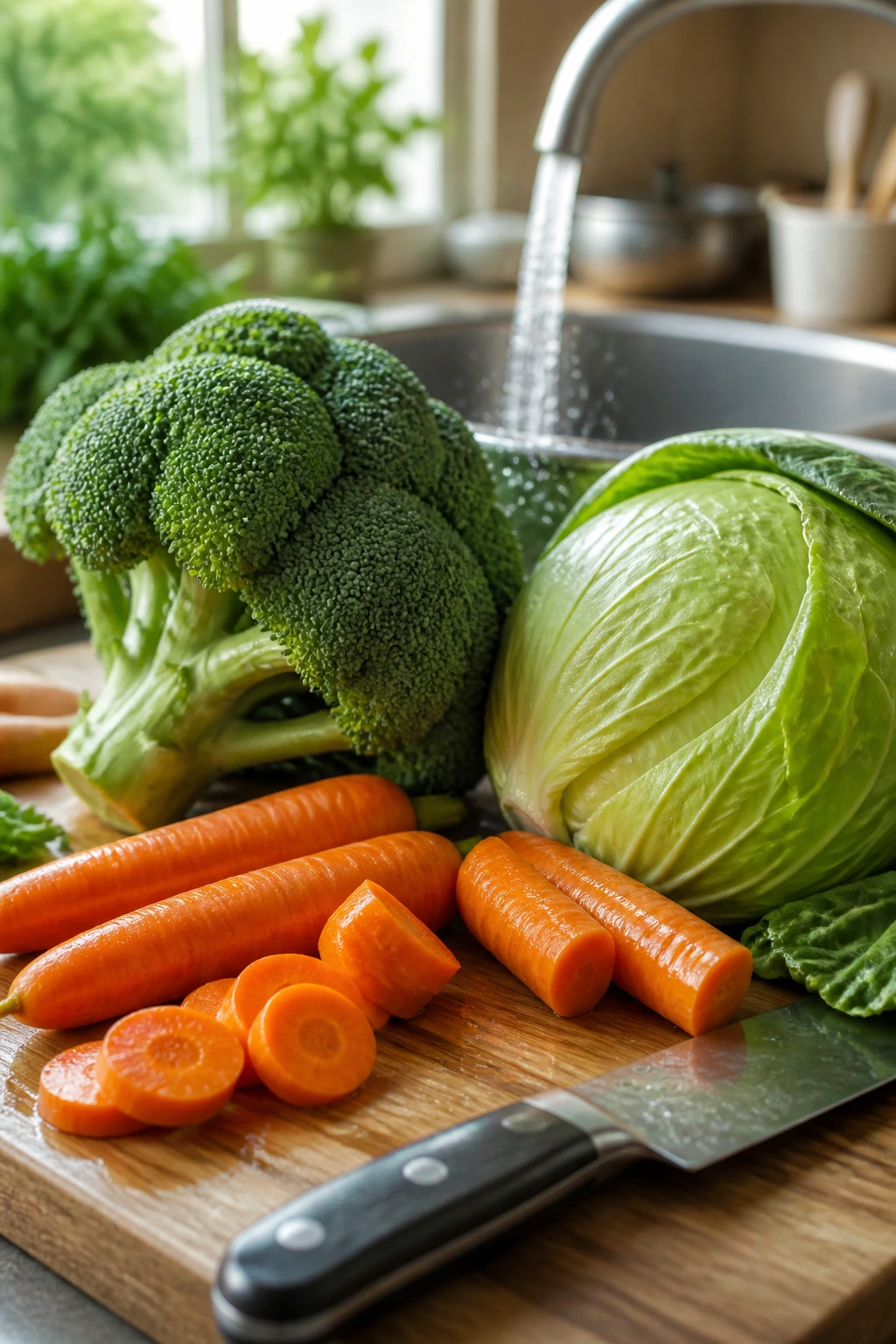
The best vegetable dinners usually start before the stove turns on. If the produce is weak, the cooking has to work harder than it should.
Buy with the pan in mind. If you want a roasted dinner, pick vegetables that can brown. If you want a skillet dinner, pick vegetables that can cut into even pieces and cook at roughly the same speed. If you want raw crunch, look for vegetables that stay crisp after slicing.
Buy one sturdy vegetable and one fast one
That is the simplest shopping rule I know. A sturdy vegetable might be broccoli, cauliflower, carrots, cabbage, or Brussels sprouts. A fast one might be spinach, zucchini, peppers, mushrooms, or asparagus. The sturdy one gives the dinner structure. The fast one keeps the plate from feeling heavy.
If money is tight, cabbage is one of the smartest buys on the shelf. It lasts, it roasts, it sautés, it shreds into slaws, and it does not ask for much. Carrots and onions are right there with it. Those three can cover a lot of meals.
Wash with the texture in mind
Leafy greens need a thorough wash and a thorough dry. Wet spinach is a mess in the pan. Wet herbs turn limp fast. A salad spinner is worth owning if you cook vegetables often because paper towels only do so much.
Sturdy vegetables do not need as much fuss. Rinse them, scrub what needs scrubbing, and dry them before roasting or sautéing. Mushrooms are a special case. Wipe them with a damp towel if they are clean enough, because soaking them is a fast route to sogginess.
Cut for the heat you plan to use
Cut vegetables to match the cooking method. Thin slices for quick sautéing. Bigger chunks for roasting. Strips or shavings for raw salads and quick pickles. If you cut carrots, broccoli stems, and onions into the same size, they will not cook the same way. That is not a small detail. It is the difference between a good tray and a mixed-up one.
A sharp knife matters more than fancy gear here. Dull blades bruise vegetables and make prep miserable. And if your cutting board slides, put a damp kitchen towel underneath it. That tiny fix saves a lot of awkward shuffling.
Common Mistakes That Make Veggie Dinners Fall Flat
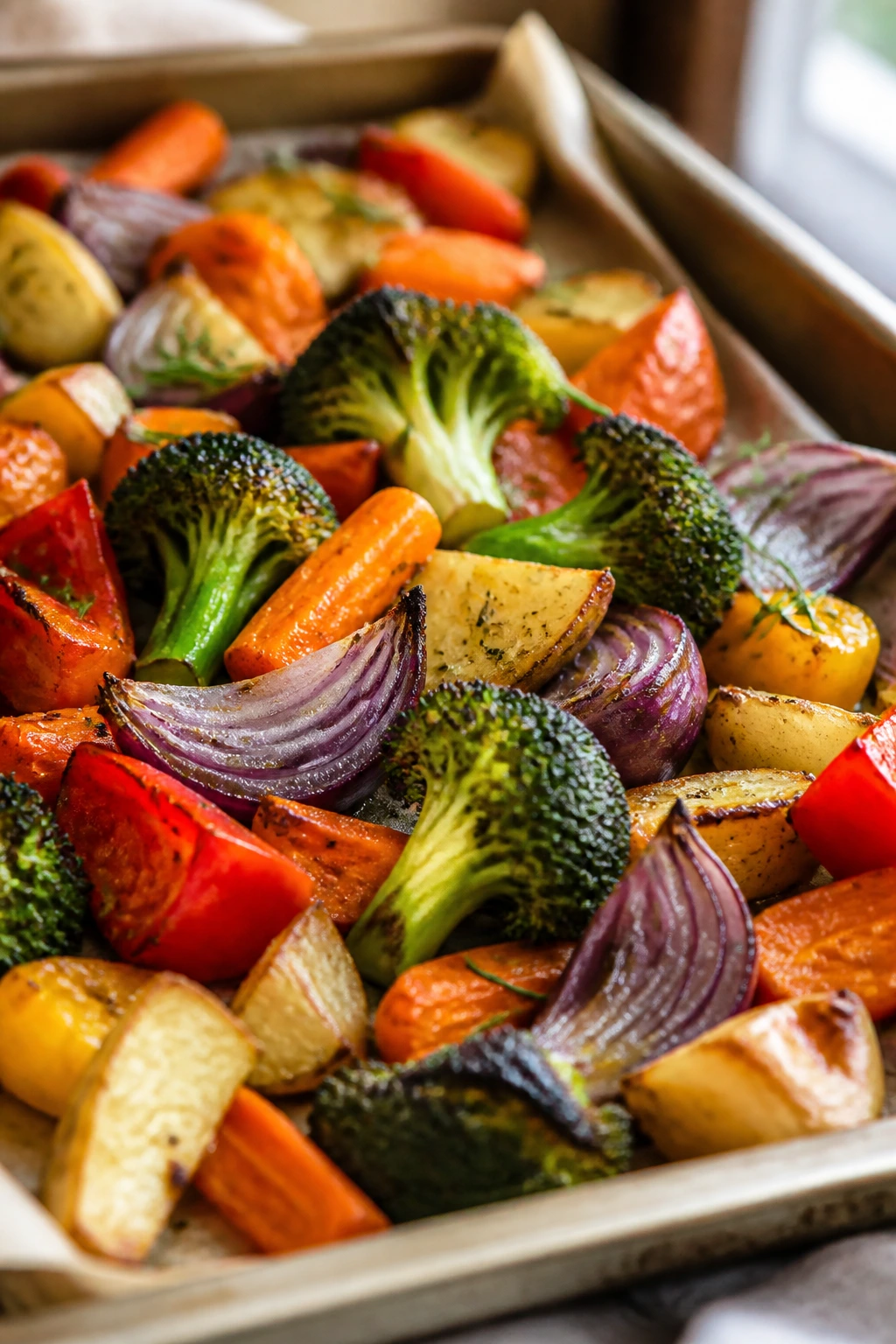
Fresh vegetables are forgiving, but not infinitely forgiving. A few simple mistakes keep showing up, and most of them are easy to fix once you know what to look for.
- The crowded pan: If the vegetables are packed shoulder to shoulder, they steam instead of browning. The fix is simple: use two pans, cook in batches, or accept that you are making soft vegetables on purpose and season them differently.
- The equal-size trap: Carrots, zucchini, broccoli, and mushrooms do not cook on the same schedule. When everything is cut the same, some pieces collapse while others stay hard. Group vegetables by density and cut them to match.
- The salt-shy habit: Under-salted vegetables taste watery and oddly flat, even when the cooking is fine. Season in layers — a little before cooking, a little after, then taste again with the sauce or acid you plan to use.
- The mush-first timer: If you wait until every vegetable is soft, the texture disappears. Pull the pan when the edges are browned and the centers still have a little bite.
- The sauce flood: Too much sauce turns fresh vegetables into one undifferentiated pile. Use enough to coat, not drown. A spoonful on top often works better than a bowlful underneath.
- The burnt-garlic problem: Garlic goes bitter fast in a hot pan. Add it late, or let it sit in the oil for only a few seconds before the vegetables go in.
Most “I don’t like vegetable dinners” complaints come down to one of those mistakes. The vegetable was not the problem. The treatment was.
Variations for Different Nights and Different Appetites
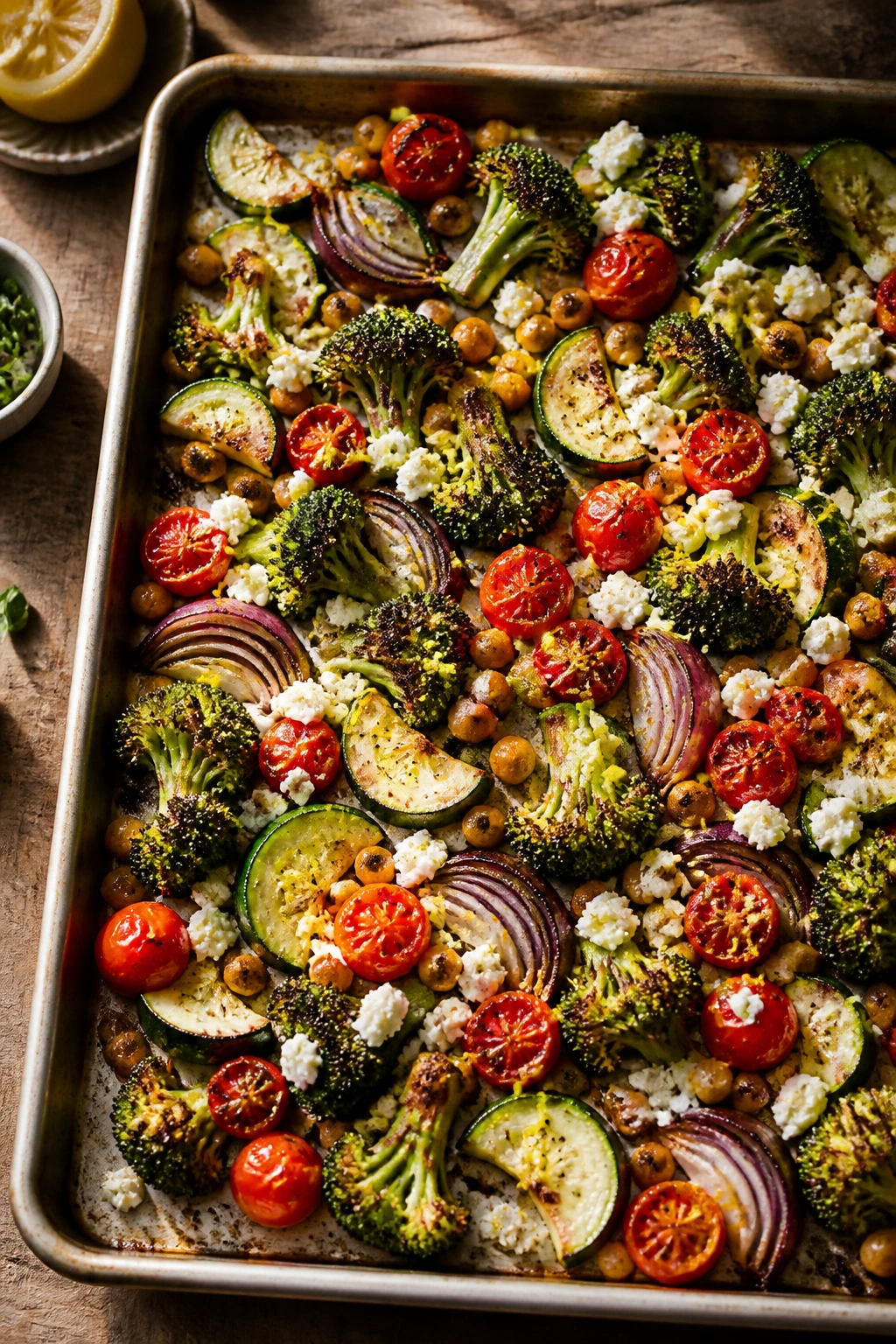
Once the basic vegetable dinner starts working, you can bend it in a few directions without learning a new system every time.
Mediterranean Market Tray: Roast broccoli, zucchini, red onion, and cherry tomatoes with olive oil and oregano, then finish with chickpeas, lemon, and crumbled feta. It is bright, salty, and good with pita. If you want it dairy-free, use olives and a tahini drizzle instead.
Sesame-Ginger Skillet: Stir-fry bok choy, snap peas, mushrooms, and carrots with garlic, ginger, soy sauce, and a little sesame oil. Add tofu if you want a more filling bowl, then spoon it over rice. This one moves fast, so prep everything before the pan gets hot.
Cozy Sheet-Pan Supper: Use cauliflower, Brussels sprouts, carrots, and onions with rosemary, olive oil, and black pepper. Add white beans near the end so they warm through without breaking apart, then finish with lemon zest. It tastes like a proper cold-weather dinner without asking for much effort.
Breakfast-for-Dinner Greens: Sauté spinach or kale with mushrooms and onions, then top with fried or soft-scrambled eggs. Toast on the side helps soak up the yolk. A little hot sauce or chili crisp keeps it from feeling timid.
Raw-and-Roasted Bowl: Combine roasted sweet potato or cauliflower with shaved cabbage, cucumber, herbs, seeds, and a yogurt or tahini dressing. You get warm, cool, soft, and crunchy all in one bowl. That mix matters more than people realize.
These are not fixed recipes. They are templates. Swap the vegetables based on what looks good, then keep the structure.
Essential Tools That Make Vegetable Cooking Easier
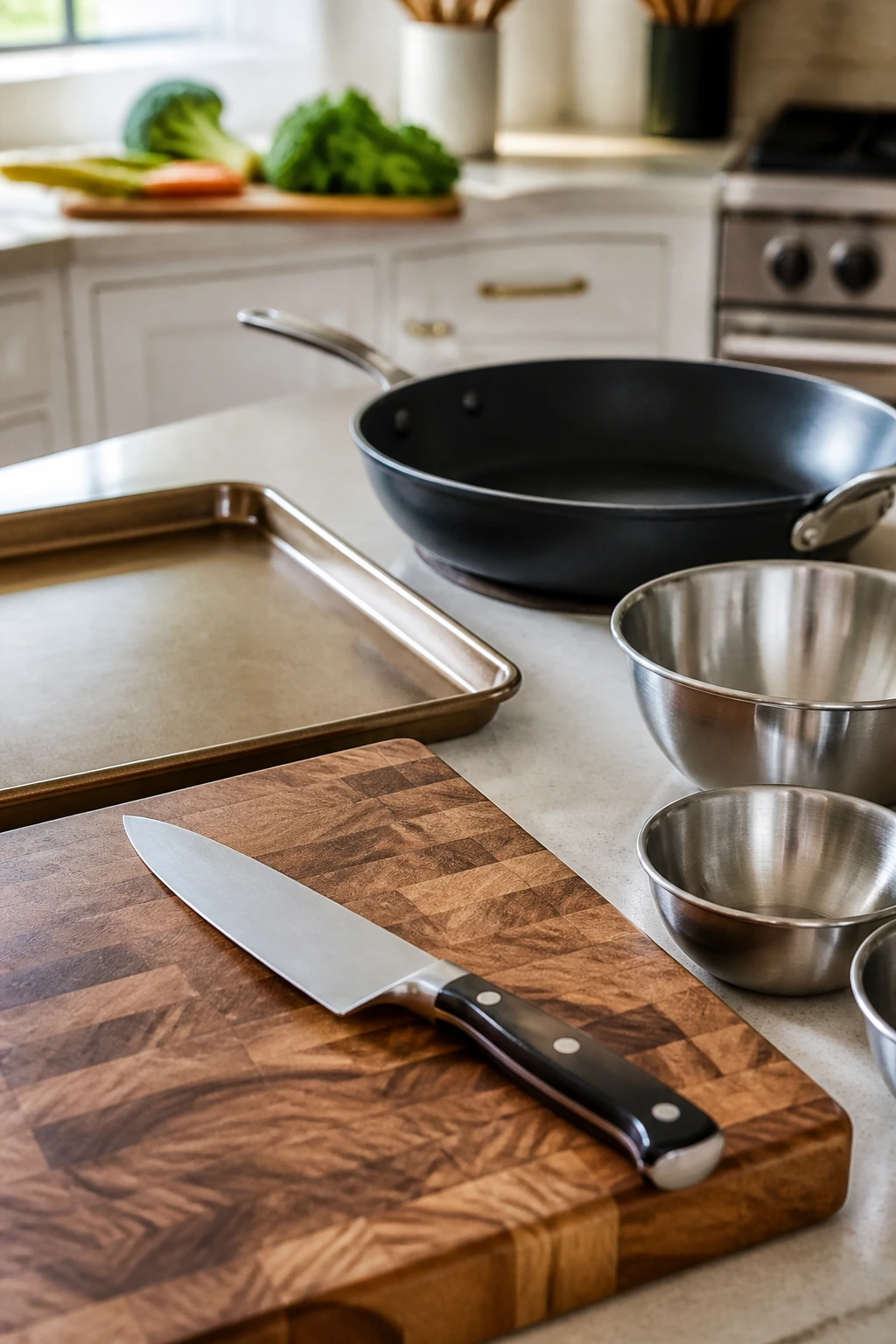
Good vegetable dinners do not require fancy equipment, but a few tools save time and keep the results cleaner.
- Chef’s knife: A sharp 8-inch knife makes chopping faster and safer, especially for onions, cabbage, and carrots.
- Large cutting board: Bigger boards give you space to separate raw and cooked ingredients, which keeps the prep sane.
- Rimmed sheet pan: The sides keep vegetables from sliding off when you toss them. Two pans are better than one crowded pan.
- Large skillet or wok: Use a wide surface so vegetables can actually touch the hot metal instead of steaming in layers.
- Mixing bowls: One for tossing vegetables with oil and seasoning, one for holding chopped produce, one for sauces if needed.
- Salad spinner: Worth it if you cook leafy greens or herbs often. Dry leaves behave better.
- Tongs or a sturdy spatula: Helpful for flipping vegetables without smashing them.
- Microplane or fine grater: Useful for garlic, lemon zest, ginger, and hard cheese.
- Airtight storage containers: Keep leftover vegetables dry and separated from sauces so they do not turn limp.
- Mandoline with guard, optional: Great for thin cabbage, cucumbers, fennel, and radishes if you use it carefully.
You do not need everything on that list to cook dinner. You do need enough of it that prep does not become the worst part of the meal.
Storing, Reheating, and Meal Prepping Fresh Vegetables
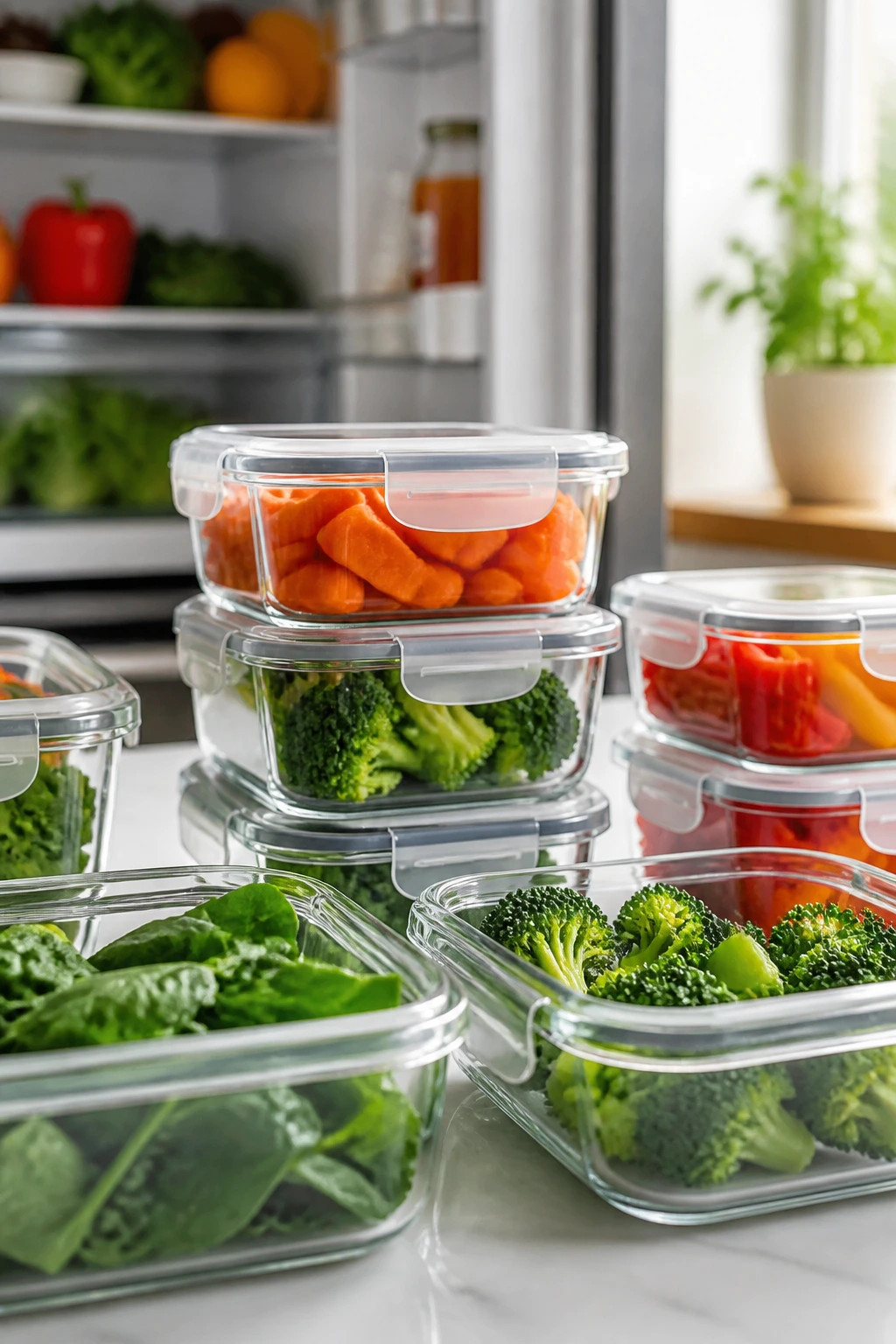
Vegetables keep differently depending on whether they are raw, cooked, dry, or wet. That is where a lot of meal prep goes sideways.
Raw cut sturdy vegetables — carrots, cabbage, broccoli stems, cauliflower, cucumbers, and peppers — usually hold for 3 to 5 days in the fridge if they are kept dry in airtight containers. Leafy greens are fussier. Wash them well, dry them completely, then store them with a paper towel in the container. They usually stay in decent shape for 2 to 3 days, sometimes a little longer if the fridge is cold and the greens were crisp to begin with.
Cooked vegetables last about 3 to 4 days in the refrigerator. Roasted vegetables keep their texture better than very soft sautéed ones, especially broccoli, cauliflower, carrots, Brussels sprouts, and cabbage. Mushrooms and zucchini can get soft faster, so treat those leftovers kindly and eat them sooner.
Reheating without wrecking the texture
The oven is best for roasted vegetables. Use 400°F for about 8 to 10 minutes on a sheet pan, just until they warm through and the edges perk back up. A skillet over medium heat works well for sautéed vegetables, especially if you want to cook off a little extra moisture. The microwave is fine when you are in a hurry, but stop as soon as the food is hot. Overheating makes vegetables soft and dull.
Make-ahead moves that actually help
Wash and cut sturdy vegetables a day or two ahead. Make a quick dressing or sauce and keep it separate. Roast a full pan of carrots, broccoli, or cauliflower and use part of it for dinner, part for lunch the next day. Keep raw herbs, pickles, and dressings in separate containers until serving time so they stay bright.
Quick pickles can hold for about a week in the fridge. That makes them one of the few prep items that reliably improve as they sit.
Frequently Asked Questions
How many vegetables should I plan for one dinner?
Aim for about 2 to 3 cups of vegetables per person if they are the center of the plate. If you are serving grains, beans, or bread with them, that amount usually feels full without getting heavy.
Can frozen vegetables work if I cannot get good fresh produce?
Yes, especially for broccoli, cauliflower, peas, spinach, and green beans. Fresh vegetables usually brown and crisp more easily, but frozen can still make a solid dinner if you roast or sauté them hot enough to drive off extra moisture.
What are the fastest fresh vegetables to cook on a weeknight?
Zucchini, mushrooms, spinach, asparagus, bell peppers, snap peas, and bok choy move quickly. They are usually done in 5 to 15 minutes depending on how thickly you cut them and how hot the pan is.
How do I make vegetables taste good without drowning them in sauce?
Salt them properly, cook them until they brown a little, then finish with something sharp like lemon juice or vinegar. A spoonful of tahini, yogurt, or pesto can help, but the vegetables should still taste like vegetables when you bite into them.
What protein works best with a vegetable dinner?
Beans, lentils, tofu, tempeh, eggs, Greek yogurt, and cheese all fit nicely. Pick the one that matches the cooking method; for instance, eggs work well with skillet vegetables, while chickpeas or tofu do better with roasting or stir-frying.
Can I prep fresh vegetables earlier in the day?
Yes. Cut sturdy vegetables ahead, store them dry, and keep delicate greens and herbs separate until dinner. If you dress chopped cucumbers or tomatoes too early, they will leak water and lose the crispness you wanted.
How do I keep roasted vegetables from getting soggy after storage?
Cool them completely before packing them up, then store them in a shallow container so steam does not collect. Reheat on a sheet pan or in a skillet instead of the microwave if you want some of the texture back.
Is an air fryer worth using for vegetable dinners?
For small batches, yes. It is especially good for broccoli, Brussels sprouts, cauliflower, and green beans because the moving hot air browns the edges fast. It is not the best tool for leafy greens or watery vegetables like zucchini unless you cut them thick and watch them closely.
The Dinner That Keeps Showing Up
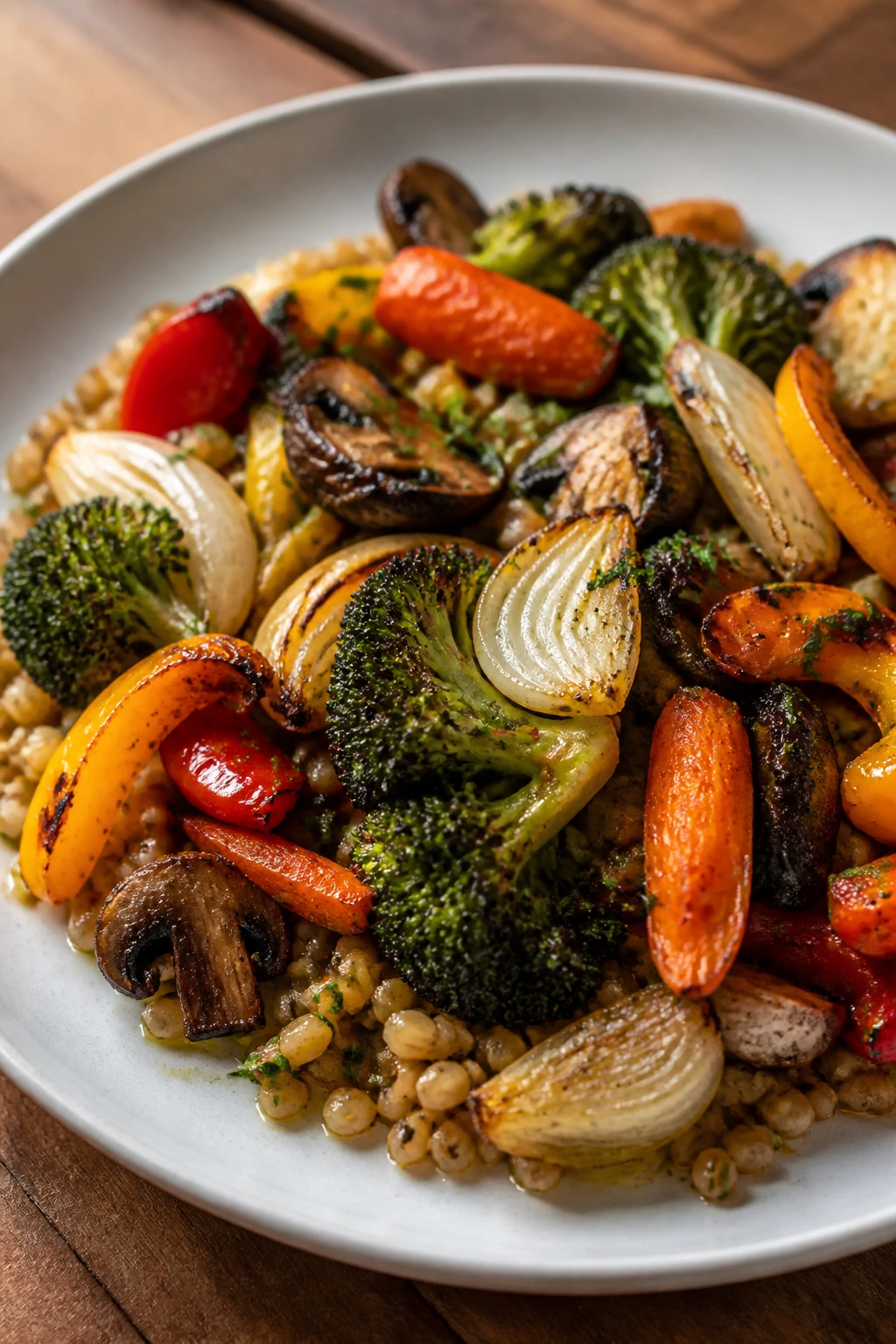
Fresh vegetables do not have to be a side note, and they do not have to feel strict. When you give them enough heat, enough salt, and one smart finishing move, they carry a dinner better than most people expect.
That is the part I keep coming back to. A good vegetable dinner is not a performance. It is a repeatable, useful habit: one tray, one skillet, one crisp thing on top, and enough protein or grains to make the plate hold together. Keep a few solid vegetables in rotation — broccoli, carrots, cabbage, peppers, mushrooms, spinach — and a weeknight meal starts to feel less like a scramble.
And if the first plate is a little plain, fix that with lemon, herbs, tahini, pickles, or a fried egg. Small moves. Big difference.