



One wet tray of vegetables can flatten a crispy Meatless Monday dinner before it reaches the table. The smell is usually promising — garlic, onion, a little smoke from the oven — and then the food lands on the plate looking soft, pale, and oddly tired. No crunch. No edge. No reason to go back for a second bite.
That’s the part people get wrong. They keep treating a meatless dinner like a bowl of polite vegetables with sauce on top, when the real trick is texture. A healthy dinner can still have shattering tofu edges, browned chickpeas that pop between your teeth, roasted cauliflower with dark little freckles, and a sharp sauce that wakes the whole plate up. Done well, the meal tastes layered instead of gentle. Better still, it feels complete.
The good news is that crispness is not mysterious. It comes from dry surfaces, enough heat, smart seasoning, and a little restraint with sauce. Once you understand those pieces, a weeknight vegetarian dinner stops feeling like a compromise and starts feeling like something you’d actually look forward to making. And honestly, that’s the point.
Why This Approach Works So Well on a Meatless Monday Plate
Crunch does half the emotional work for you. A crisp edge gives your mouth a clean starting point, and that matters more than people think. Tofu without a crust can taste blank; tofu with a browned shell suddenly tastes nutty, savory, and finished. Chickpeas do the same thing. So do cauliflower florets with their rough little ridges browned at the edges.
A crispy meatless Monday plate also solves the “where’s the main thing?” problem. When dinner is built around legumes, tofu, tempeh, cauliflower, or mushrooms, it needs more than a pile of soft textures to feel satisfying. Browning gives shape. A little salt and heat make the vegetables taste louder. A fresh sauce — lemony, herby, garlicky, or spicy — gives the food a clear endpoint instead of a mushy fade.
There’s another reason this works. Crisping usually means less oil than deep-frying, but more flavor than boiling or steaming. A thin film of oil in a hot oven, an air fryer basket with space between the pieces, or a skillet that’s actually hot enough to sear does more with less than people expect. You do not need a greasy dinner to get a dinner that eats well.
And that matters on a Monday. The meal has to feel light enough to repeat and substantial enough to stand in for meat. Crisp surfaces, high-contrast sauces, and a few bright garnishes get you there faster than a complicated pantry of substitutes ever will.
The Moisture Problem Behind Most Limp Vegetarian Dinners
Moisture is the enemy, but not in the dramatic way food blogs like to pretend. It’s just the practical thing standing between you and browning. Water has to leave the surface of tofu, chickpeas, mushrooms, broccoli, and cauliflower before the food can brown properly, because browning needs heat, not steam.
Where Water Hides
Freshly washed vegetables carry more water than they look like they should. Cauliflower hides it in the little branches. Broccoli keeps it in the stem and the tight crowns. Mushrooms give off water as soon as they hit the pan, which is why they can go from glossy to watery in a minute. Tofu brings its own liquid from the package, and canned chickpeas arrive with extra moisture unless you dry them like you mean it.
Frozen vegetables can work, but they need a different approach. Thawed broccoli or cauliflower often releases enough water to sabotage crisping unless you cook them hard and fast. The same goes for any vegetable that has been salted too early in the process. Salt pulls water out. Useful, yes. Convenient, not always.
How to Dry Without Bruising the Food
Press tofu for 15 to 30 minutes if you can, and at least blot it well if you can’t. A clean kitchen towel or layers of paper towels work fine. For chickpeas, rinse them, drain them, then roll them around on a towel until the skins feel dry and the beans no longer shine. For cauliflower and broccoli, wash them earlier in the day so the surface moisture has time to evaporate.
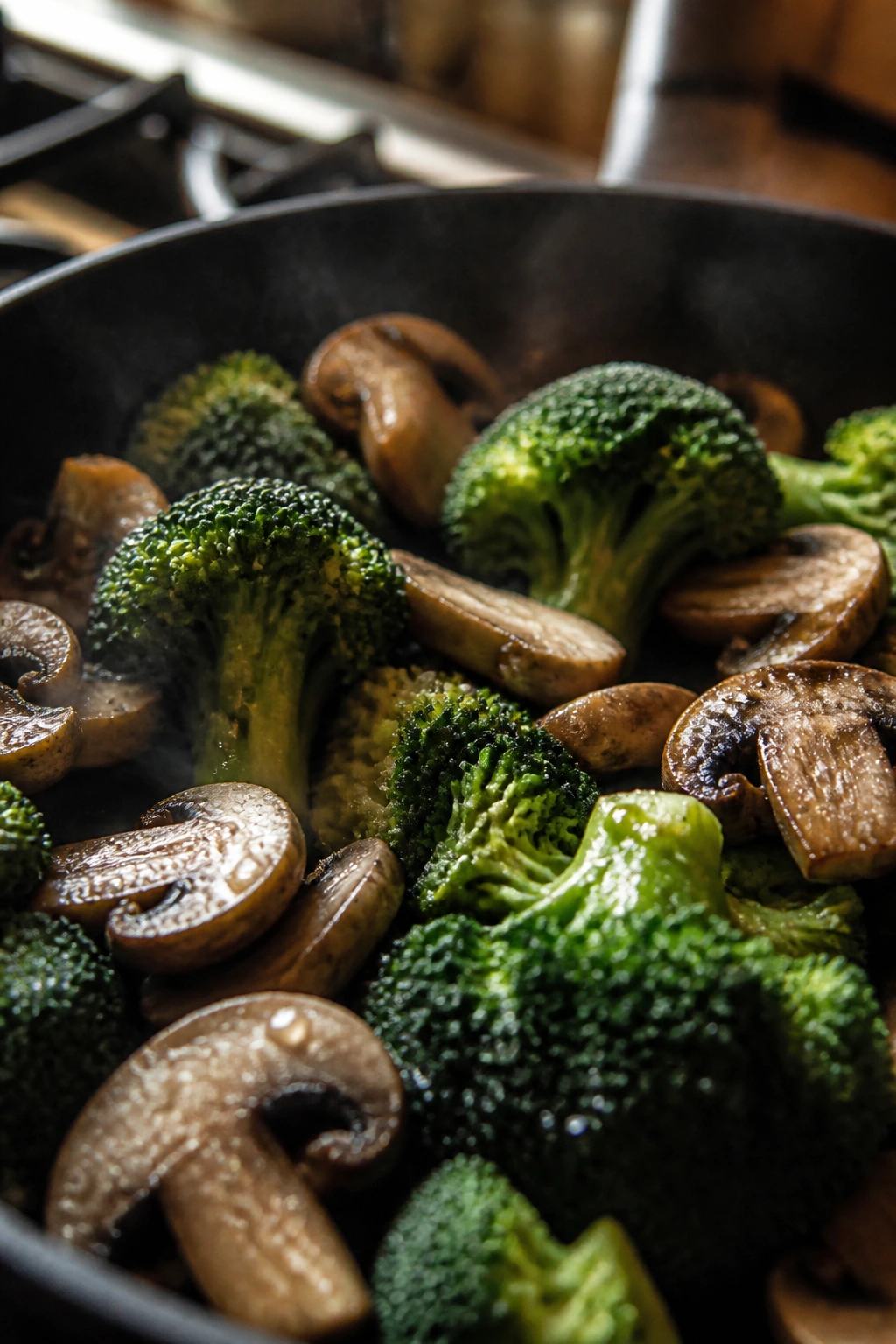
Mushrooms are a little different. Don’t soak them. Wipe them with a damp cloth or give them a very fast rinse, then dry them immediately. If you’re making a skillet dinner, let them sit in the hot pan long enough for the first burst of liquid to cook off before you add oil or sauce. It feels backwards, but it works.
Steam Is What Sneaks Up on You
Crowding the pan traps steam. A wet marinade traps steam. A cold sheet pan traps steam. Even a beautiful pile of vegetables can fail if it’s stacked too thickly. The food starts soft, the heat has nowhere to go, and the surface never gets the chance to crisp. That’s why the best crispy vegetarian dinners are usually arranged in a single layer with room between the pieces. Space matters. A lot.
The Best Ingredients for a Crispy Meatless Monday Plate
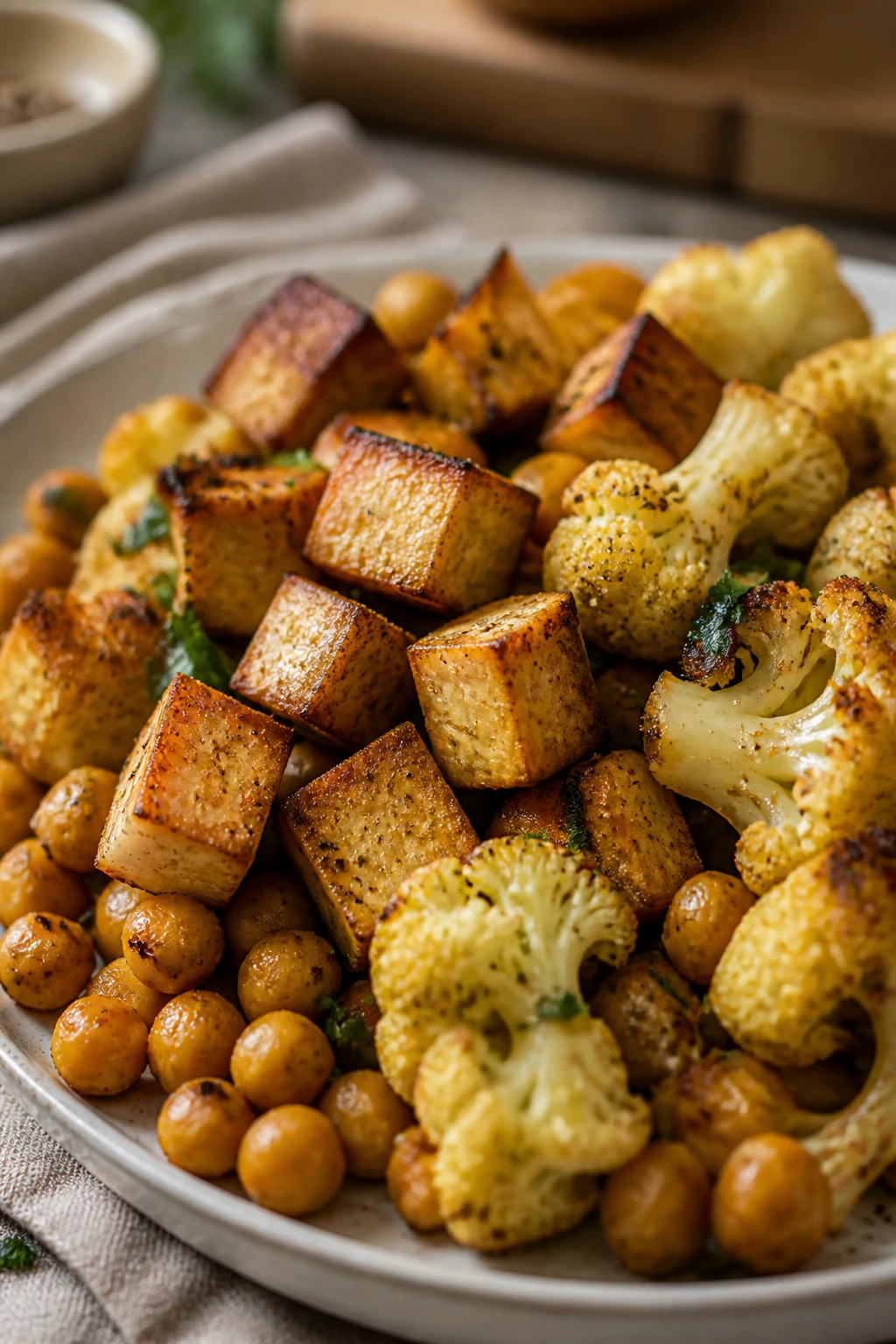
A good crispy dinner starts with ingredients that can stand up to heat instead of collapsing under it. Some vegetables are naturally better at this than others. Some proteins need help from starch or a coating. Some are fine naked, if you treat them right.
Tofu and Tempeh
Extra-firm tofu is the easiest place to start. It has enough structure to press, cube, slice, or tear into rough chunks, and those uneven edges brown faster than smooth cut surfaces. Freeze-thawed tofu gets even firmer and more spongy, which many people love because it grabs seasoning and crisps in a skillet with almost no drama. Tempeh has a tighter, more nutty flavor and a denser bite. Steam it for 5 minutes before cooking if you want to mellow the edge, then dry it and crisp it in a pan or oven.
Tofu works best when you don’t expect it to behave like meat. It’s not trying to be chicken. It’s trying to become something with a crisp shell and a tender middle. That’s a better job.
Chickpeas and White Beans
Chickpeas are the easiest pantry hero for crispy meatless dinners. Rinse them, dry them well, toss with oil and seasoning, then roast at 425°F / 220°C until the skins split and the centers feel dry when you bite down. White beans can work too, especially cannellini beans, but they’re a little softer and need gentler handling. Use them when you want a creamy middle beneath the crust.
A dry chickpea is a good chickpea. A glossy chickpea is still wet.
Cauliflower, Broccoli, and Brussels Sprouts
Cauliflower is almost unfairly good at crisping because of all the little crags on its surface. Those edges brown faster than the floret core, which gives you more texture in every bite. Broccoli behaves the same way, though the stems need to be cut small enough to catch the heat. Brussels sprouts crisp best when you halve them and place the cut side down on a hot pan. Don’t move them too early. Let the flat face go deep gold first.
These vegetables are not delicate. Use that.
Mushrooms, Cabbage, and Other Browning-friendly Vegetables
Mushrooms are tricky but worth it. They need a dry pan and patience to release their liquid before they can brown. Cabbage — especially cut into wedges or thick slabs — gets almost buttery at the center and beautifully crisp at the edges when roasted hard. Thin slices of sweet potato can crisp too, though they tend to soften after cooling, which means they’re best served immediately.
Thin things brown faster. Dense things need more time. That’s the rule.
The Coating Tricks That Build a Brown, Shattering Exterior
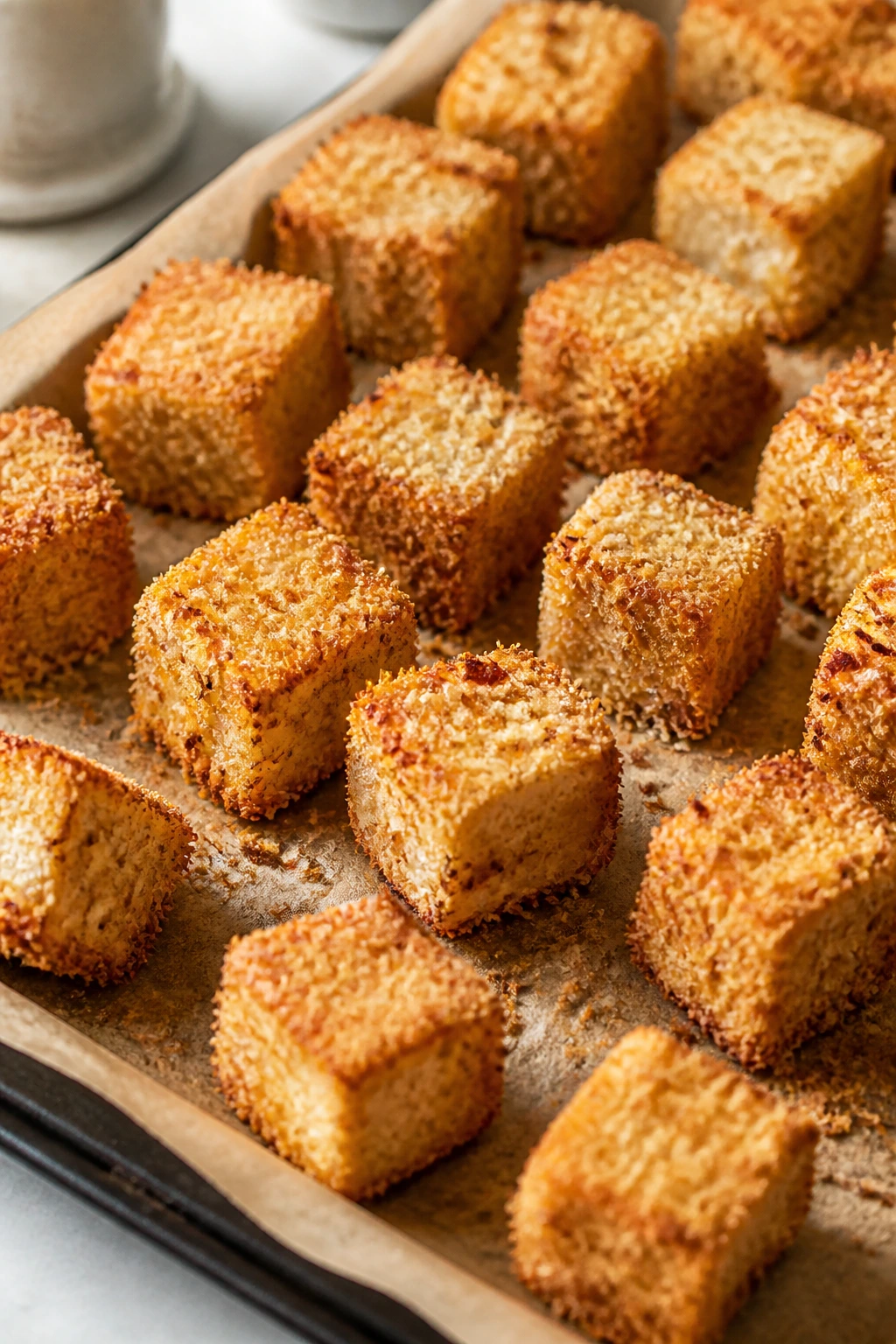
A coating is not always necessary. It is, however, a very useful tool when you want the surface to go from merely cooked to actually crisp. The trick is keeping it thin. Thick batter belongs to another kind of dinner.
Starch First, Always
Cornstarch is the workhorse here. A light dusting before roasting tofu, cauliflower, or tempeh creates a dry surface that browns faster than bare food. Rice flour works too and gives a slightly more brittle finish. Use about 1 to 2 tablespoons cornstarch per 14 ounces of tofu or enough to leave a visible powdery coat without clumps. If it looks pasty, there’s too much moisture still hanging around.
Potato starch can be even crispier, but it burns more easily. Use it with an oven or air fryer, not a blazing-hot skillet unless you know your timing.
Panko and Crumbs for a Bigger Crunch
Panko gives you those jagged, airy crumbs that crack when you bite them. It’s especially good on tofu cutlets, cauliflower steaks, and thick broccoli stems. To make it stick, use a light dredge — flour or starch, then a wet binder like beaten egg, yogurt, or a little mustard-thinned plant milk, then panko. A shallow tray of crumbs makes the coating easier to press in evenly.
For a more rustic finish, crushed cornflakes or crushed crisp rice cereal can work. They toast fast, so watch the oven. A crumb coating with no oil on top will look pale even when it’s done, so a spray or drizzle matters.
Ground Nuts and Seeds for Deeper Flavor
Finely chopped almonds, sesame seeds, or sunflower seeds bring both crunch and a little richness. These work well on broccoli, cauliflower, and tofu, especially when the rest of the plate is sharp and bright. Mix nuts or seeds with panko, a spoonful of oil, and spices before coating. Straight seeds alone tend to fall off; mixed coatings cling better.
This is the place for smoked paprika, cumin, garlic powder, black pepper, and a pinch of chili flakes. Keep the seasoning dry if you want the coating to stay crisp.
When Bare Roasting Wins
Sometimes the best result is plain roasted food with a high-heat finish. Chickpeas, cauliflower, broccoli, and Brussels sprouts can all become crisp enough without breading if the pan is hot and the pieces are dry. Use a little oil, season well, and leave space around each piece. It’s cleaner, faster, and often better for weeknight cooking because you’re not setting up three bowls just to make dinner happen.
Oven, Air Fryer, Skillet, or Broiler: Which Method Gives the Best Crunch
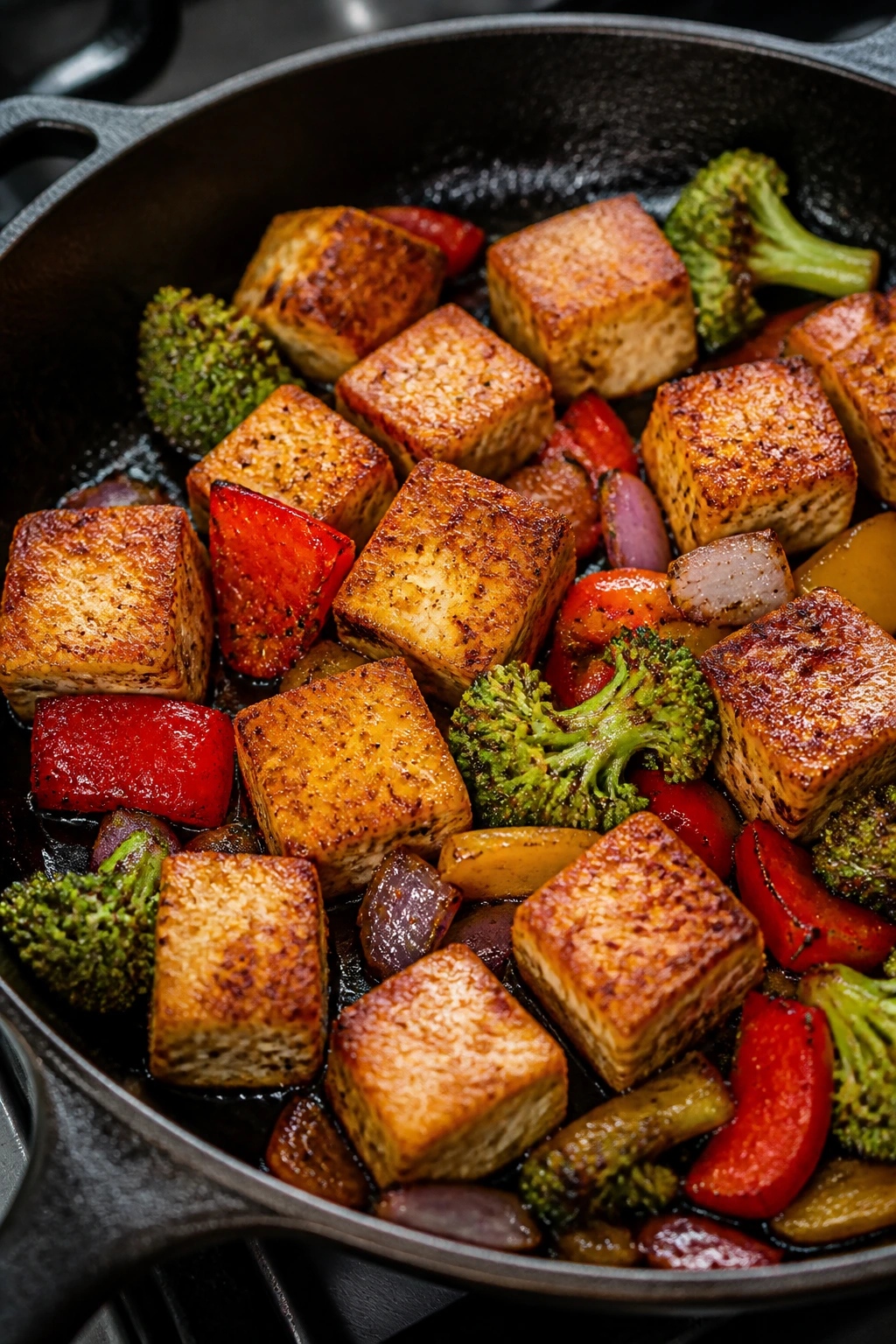
Not every kitchen setup needs the same method. The best tool depends on how much food you’re making and how much crisp you want. A tray of roasted vegetables feeds more people. An air fryer gives you a fierce little crunch in less time. A skillet can build the deepest browning, especially on tofu and cabbage.
Oven Roasting
The oven is the easiest way to make a larger crispy meatless Monday dinner without babysitting it. Set it to 425°F / 220°C, preheat the sheet pan if you want extra browning, and use parchment for easy cleanup. Flip tofu, cauliflower, or chickpeas halfway through, but don’t stir them every five minutes. They need uninterrupted contact with the hot surface to brown.
The oven is the most forgiving method for mixed trays. A tray of cauliflower, onion wedges, and chickpeas can all roast together if the pieces are roughly the same size. Just don’t mix ingredients with wildly different cooking times unless you’re willing to add them in stages.
Air Frying
An air fryer is small, fierce, and unfairly good at crisping. It works best for tofu cubes, chickpeas, broccoli florets, and breaded cutlets. Set it around 390°F to 400°F / 200°C to 205°C, keep the food in a single layer, and shake the basket once or twice. If you pile food in, the machine loses the very thing that makes it useful: fast air movement.
Air fryers are excellent when you want dinner for two or three and you don’t feel like heating the whole oven. They also recover better from minor moisture issues than a full sheet pan, because the air keeps moving around the food. Still, they are not magical. Wet ingredients stay wet. They just get hot and disappointing faster.
Skillet Crisping
A skillet gives you the deepest brown crust. Use a cast-iron or heavy stainless pan, a thin film of oil, and enough patience to let the surface stay in contact with the heat. This is the method for tofu slabs, tempeh, cabbage wedges, and mushroom slices. If the pan is crowded, you get pale food and a puddle at the bottom. Don’t do that to yourself.
Medium-high heat is usually enough. If the oil smokes hard the second it goes in, the pan is too hot. If nothing happens after a minute, it’s too cool. The food should hiss when it lands.
Broiler Finish
The broiler is not a full cooking method for most of these dishes. It’s a finisher. Use it to deepen color on cauliflower, panko-coated tofu, or a tray that needs one last burst of heat. Keep the rack about 6 inches from the element and stay near the oven. Broilers move fast. A tray can go from golden to burnt in under a minute if you wander off.
Broiler use is a little old-school, but I like it for one reason: it fixes the last 10 percent that ovens sometimes miss.
How to Build a Balanced Healthy Dinner Around the Crispy Centerpiece
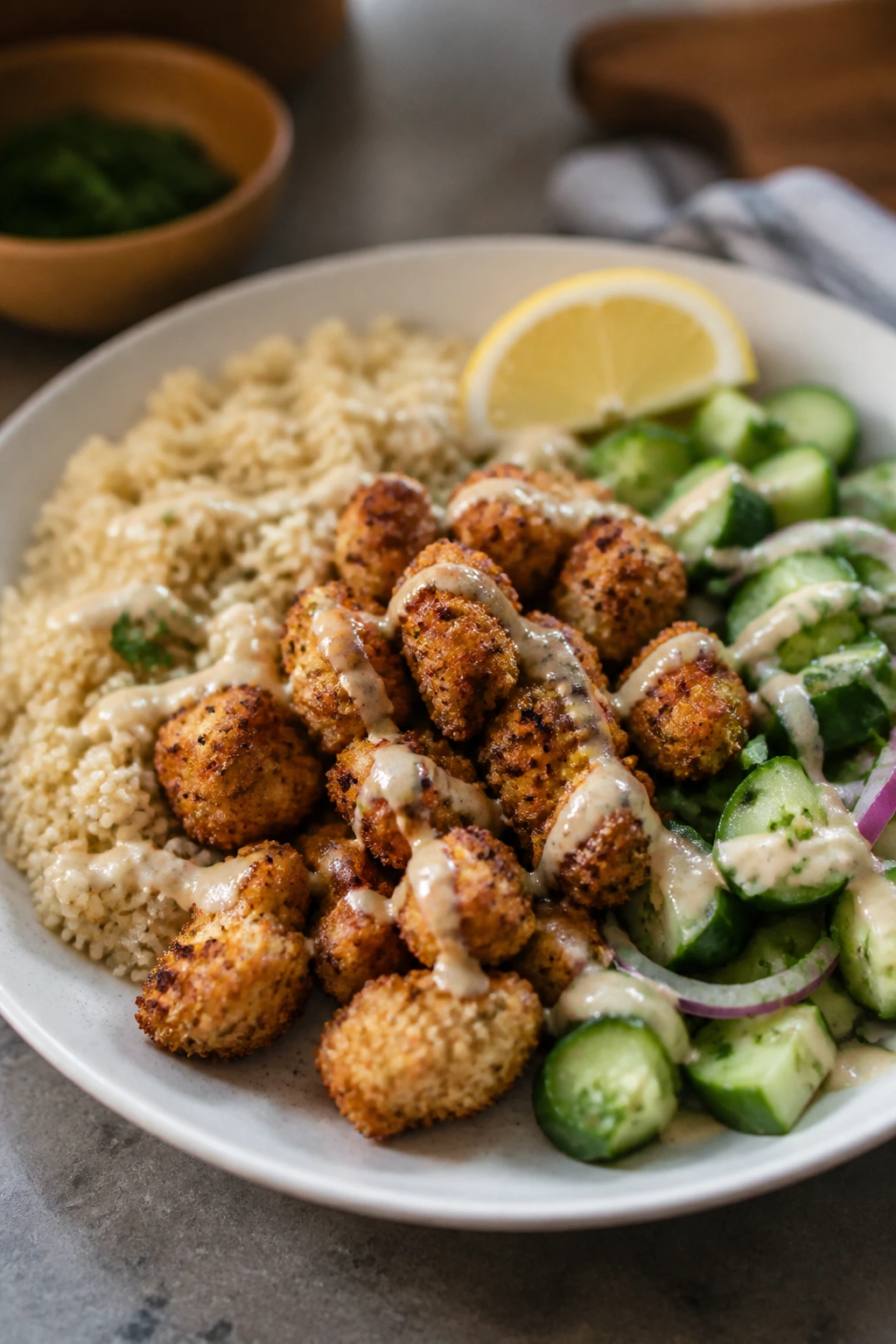
A healthy vegetarian dinner works best when the crispy part is the anchor, not the whole story. You want a contrast plate. Crisp against creamy. Hot against cool. Salty against sharp. Soft grains against browned edges. Once that balance is in place, you don’t need much to make the plate feel finished.
A useful rule is simple: one crisp protein or vegetable, one soft grain or starch, one fresh element, and one sauce. That might mean roasted cauliflower with farro, cucumbers, and tahini-lemon dressing. Or tofu cutlets with rice, shredded cabbage, and a quick peanut-lime sauce. Or chickpeas, roasted carrots, and yogurt with herbs. The pieces do not need to be fancy. They need to contrast.
Fresh acidity matters more than people expect. A squeeze of lemon, a splash of rice vinegar, pickled onions, or chopped tomatoes can cut through the fried or roasted edges and keep the meal from tasting heavy. It’s the same reason fries taste better with ketchup. The acid sharpens everything else.
A Plate That Actually Feels Complete
A good meatless Monday plate usually lands somewhere near this balance: half vegetables, a quarter protein, a quarter starch. That’s not a law. It’s a useful visual guide. If your crispy component is tofu, use grains or potatoes as the base and add a bright vegetable on the side. If your crispy component is chickpeas or cauliflower, you may want a bit more protein somewhere else — edamame, yogurt, a bean salad, or a sesame dressing does the job without making the plate feel crowded.
Pairings That Rarely Fail
- Tofu + broccoli + brown rice + peanut sauce
- Roasted cauliflower + chickpeas + pita + lemon yogurt
- Crispy tempeh + cabbage slaw + quinoa + mustard vinaigrette
- Air-fried chickpeas + cucumber salad + couscous + tahini
- Skillet cabbage wedges + white beans + mashed potatoes + herbs
The point is not to build a masterpiece. The point is to keep dinner from collapsing into one texture.
A Weeknight Formula You Can Repeat Without Getting Bored
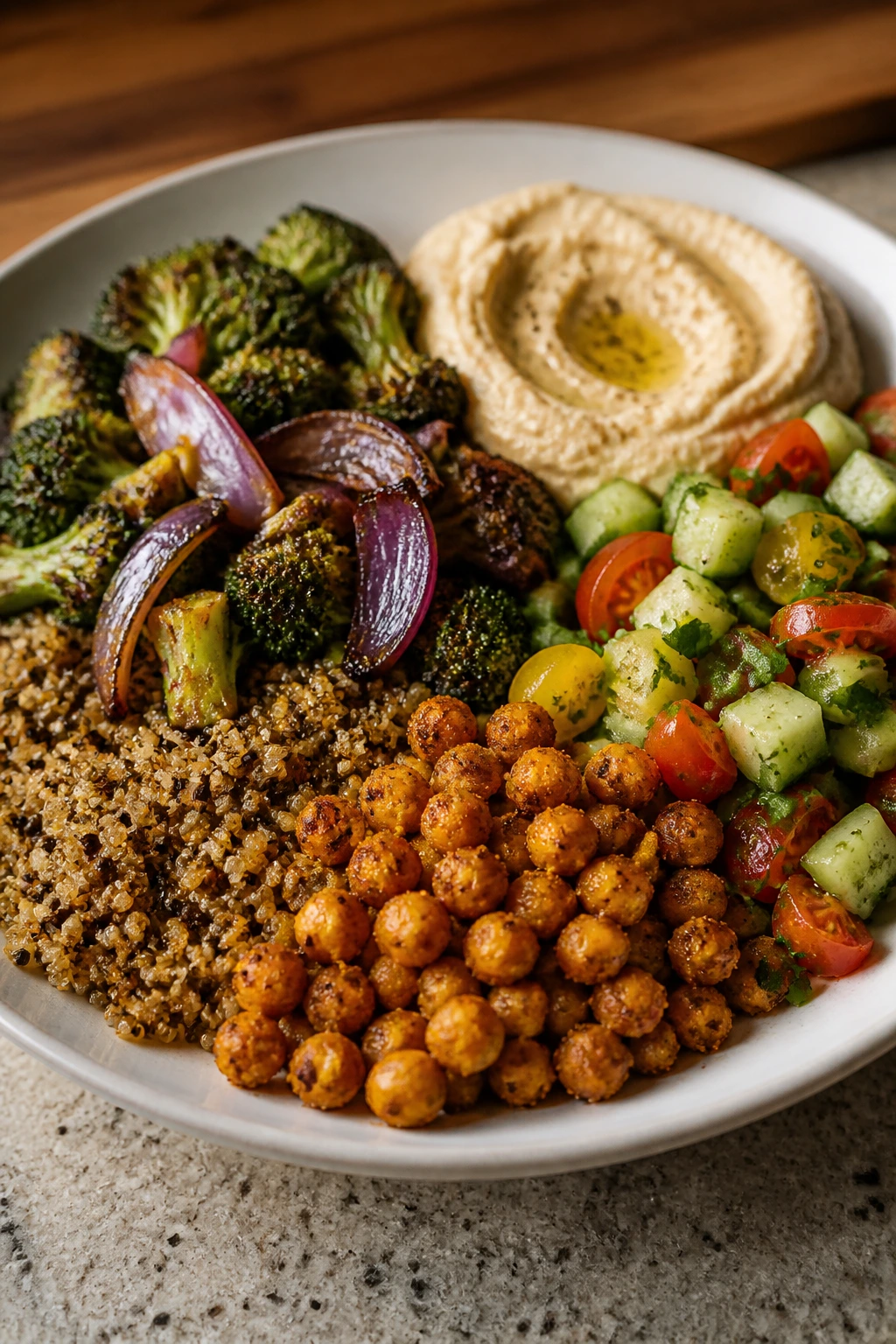
I like a dinner formula better than a rigid recipe when the goal is repeatable weeknight cooking. It keeps you from staring into the fridge at 6:30 and deciding takeout is a personality trait. Build the plate in five parts, and dinner starts to get easy.
1. Pick One Crunch Base
Choose tofu, chickpeas, cauliflower, tempeh, Brussels sprouts, or cabbage. Pick the thing that will brown well in your chosen method. If you’re tired, pick the thing your kitchen handles most easily. Tofu and chickpeas are the least fussy. Cabbage is the cheapest. Cauliflower is the most flexible.
2. Add One Soft or Creamy Thing
This is what keeps the plate from feeling dry. Warm rice, couscous, mashed potatoes, yogurt sauce, avocado, hummus, or tahini all work. You do not need two creamy elements. One is enough. Too much and the plate starts to feel heavy in a way that blunts the crispness you worked for.
3. Bring in a Sharp or Fresh Element
Shredded cabbage, sliced cucumbers, herbs, pickled onions, radish, lemon wedges, kimchi, or a tomato-cucumber salad all do the job. Think of this as the thing that cuts across the richer parts of the meal. A handful of chopped parsley sounds small. It changes the plate.
4. Season in Two Layers
Season before cooking. Season again after cooking. The first layer helps browning and gives the food depth. The second layer wakes up anything that got muted by heat. That can be a pinch of flaky salt, a dusting of cumin, a squeeze of lime, or a few drops of sesame oil. Small things. Big difference.
5. Finish With One Sauce, Not Three
A single strong sauce makes the meal taste organized. Tahini-lemon, peanut-lime, yogurt-garlic, salsa verde, chimichurri, or chili crisp all work. Make it thin enough to drizzle, not so thick that it weighs the food down. If you want more sauce, serve it on the side and let people decide.
Smart Tips for Better Texture, Faster Cleanup, and Less Oil
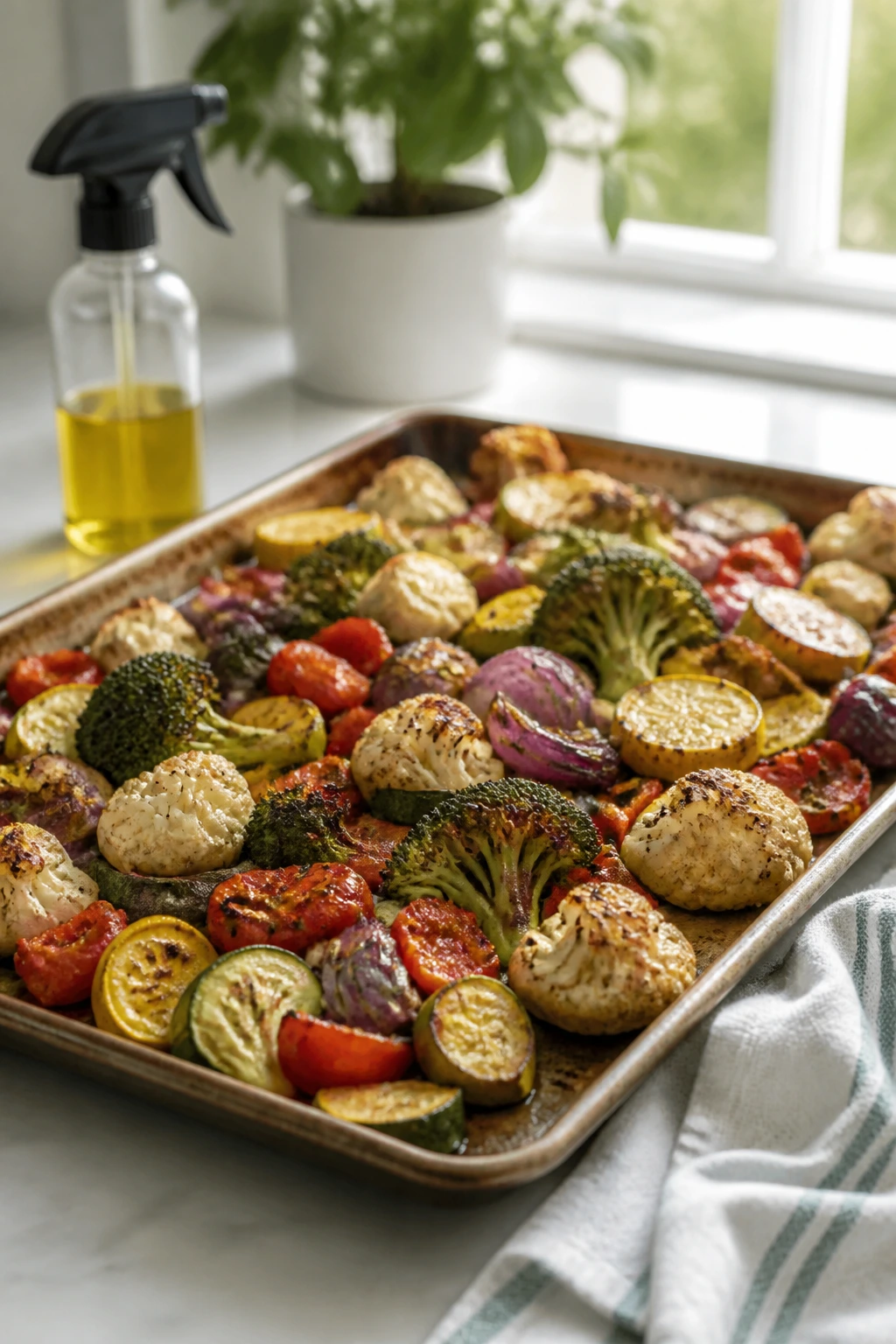
Dry first, then season. If tofu or cauliflower goes into the bowl damp, the seasoning slides off and the surface steams. I keep a clean towel nearby and dry the food twice if needed — once after rinsing, once after chopping. That extra minute is cheaper than a sad dinner.
Preheat the pan or tray. A hot sheet pan gives broccoli, cauliflower, and tofu an immediate head start. You’ll hear a quick sizzle when the food lands. That sound matters. Cold pans don’t brown; they warm up slowly and let the vegetables leak water before the crust forms.
Use oil sparingly, but use it where it counts. You don’t need to drown vegetables in oil. You do need enough to coat the surface in a thin, even sheen. A spray bottle or small spoon works better than pouring from the bottle. Too much oil softens the coating and leaves you with food that looks roasted but eats greasy.
Sauce at the table. Crisp food and wet sauce should meet as late as possible. If you toss everything together in the pan, the crunchy edges soften before the plates are even filled. Put the sauce in a small bowl, spoon it over the starch or into a corner of the plate, and let people add more.
Use parchment for the oven, not for the broiler. Parchment makes cleanup easier and helps with sticking, especially on sticky tofu marinades. It is not broiler-safe in most setups. If you plan to finish under high heat, switch to foil or a lightly oiled pan.
Season after the crust forms. A pinch of salt, flaky sea salt, lime zest, or a dusting of spice after roasting can rescue flavors that got muted in the oven. I’m fond of this move because it feels tiny and somehow fixes half the plate.
Common Mistakes That Turn Crisp Edges Into Limp Sadness
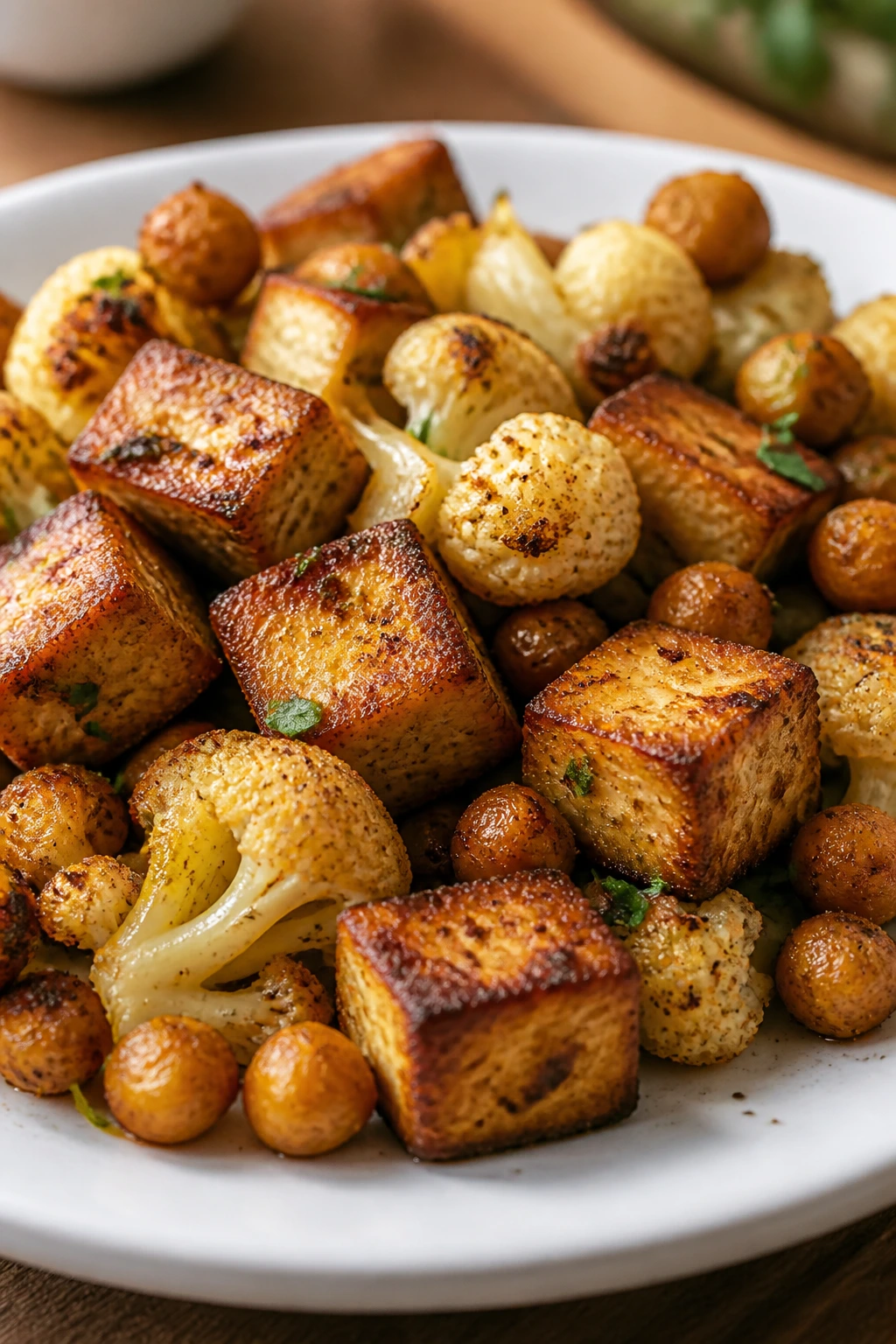
Starting with wet food. This is the big one. If tofu, chickpeas, or vegetables are damp, the oven spends its energy turning water into steam instead of browning the surface. The fix is plain: blot, air-dry, or press before cooking, and don’t rush it just because the pan is already hot.
Crowding the pan. If the pieces touch, they trap steam and soften each other. The symptom is pale food with soft bottoms. Spread the food out in a single layer and use two pans if you need to. Two pans are better than one overloaded tray every time.
Saucing too early. A coated cauliflower floret drenched before roasting will never get truly crisp. A tofu bowl tossed with dressing and then left sitting will go limp in minutes. Keep the sauce separate until the last possible moment. If you want flavor inside the crust, season the base well and add the sauce on top later.
Using low heat and calling it “gentle.” Gentle heat has its place. Crisping is not one of them. If the oven is too cool, the food dries slowly and never develops a proper browned shell. Aim for 425°F / 220°C in the oven or a genuinely hot skillet. You want fast moisture loss and surface browning, not a long sweat.
Choosing the wrong ingredient for the job. Silken tofu will not crisp like extra-firm tofu. Zucchini will not roast like cauliflower. Some vegetables simply refuse to behave unless you change the method. If you want crisp, choose foods that can dry out a little without falling apart.
Skipping the final seasoning. Food can look done and still taste flat. A tiny hit of salt, citrus, herbs, or heat after cooking makes the entire plate taste more alive. If your dinner feels dull even though the texture is right, this is probably the missing piece.
Variations for Gluten-Free, Vegan, High-Protein, and Kid-Friendly Plates
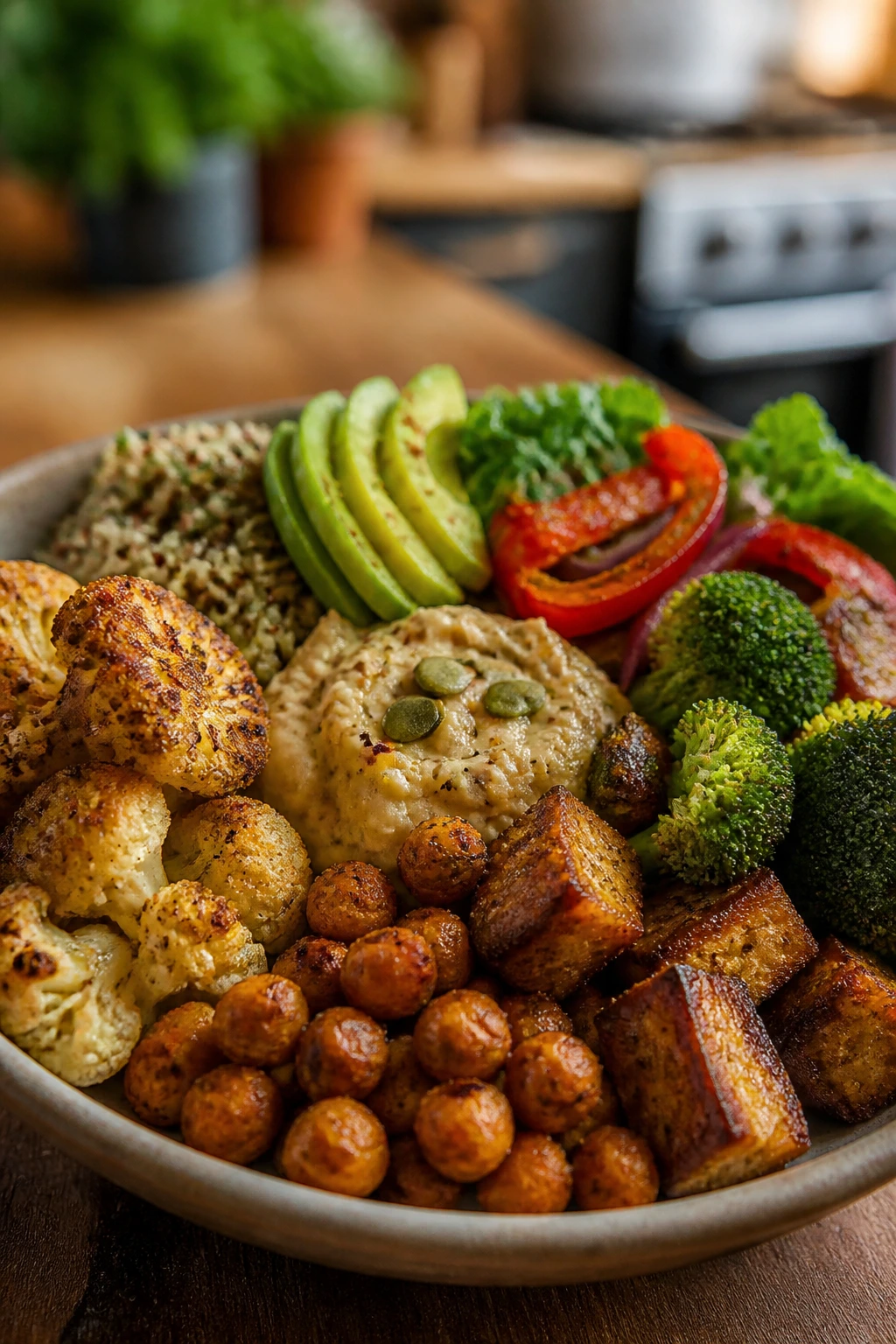
Gluten-Free Crunch Plate
Use cornstarch or rice flour instead of wheat flour, and choose gluten-free panko or crushed rice cereal for breading. Tamari stands in for soy sauce without changing the flavor profile much. This version works especially well with tofu cutlets, broccoli florets, and air-fried chickpeas because the coating stays light and dry.
Extra-Protein Tofu Power Bowl
Pair crispy tofu with edamame, quinoa, and a sesame-ginger sauce. Add hemp seeds or pumpkin seeds on top if you want more protein without changing the texture too much. This is the version I’d make when the dinner needs to be filling enough to keep you away from the snack drawer later.
Vegan Creamy-Crunchy Plate
Use tahini-lemon sauce, roasted cauliflower, chickpeas, and a pile of shaved cabbage or cucumber ribbons. The creamy element comes from the sauce and maybe a spoonful of hummus, not dairy. That keeps the plate rich without getting heavy.
Kid-Friendly Crispy Bites
Go easy on the heat and salt, then serve the crisp pieces with a dip that kids already know — yogurt ranch, mild barbecue sauce, or ketchup mixed with a little mustard. Tofu nuggets, panko broccoli, and roasted sweet potato wedges usually land well because they have a familiar shape. Keep the seasoning friendly and let adults add chili oil at the table.
Spicy Street-Food Version
Toss cauliflower or tofu with cumin, smoked paprika, garlic powder, and cayenne, then serve with lime, pickled onions, and chopped cilantro. Add a spoonful of yogurt or cashew crema if you want to soften the heat. This is the version that stops tasting “healthy” in the bland sense and starts tasting like something you’d order on purpose.
Tools and Equipment That Pull Their Weight
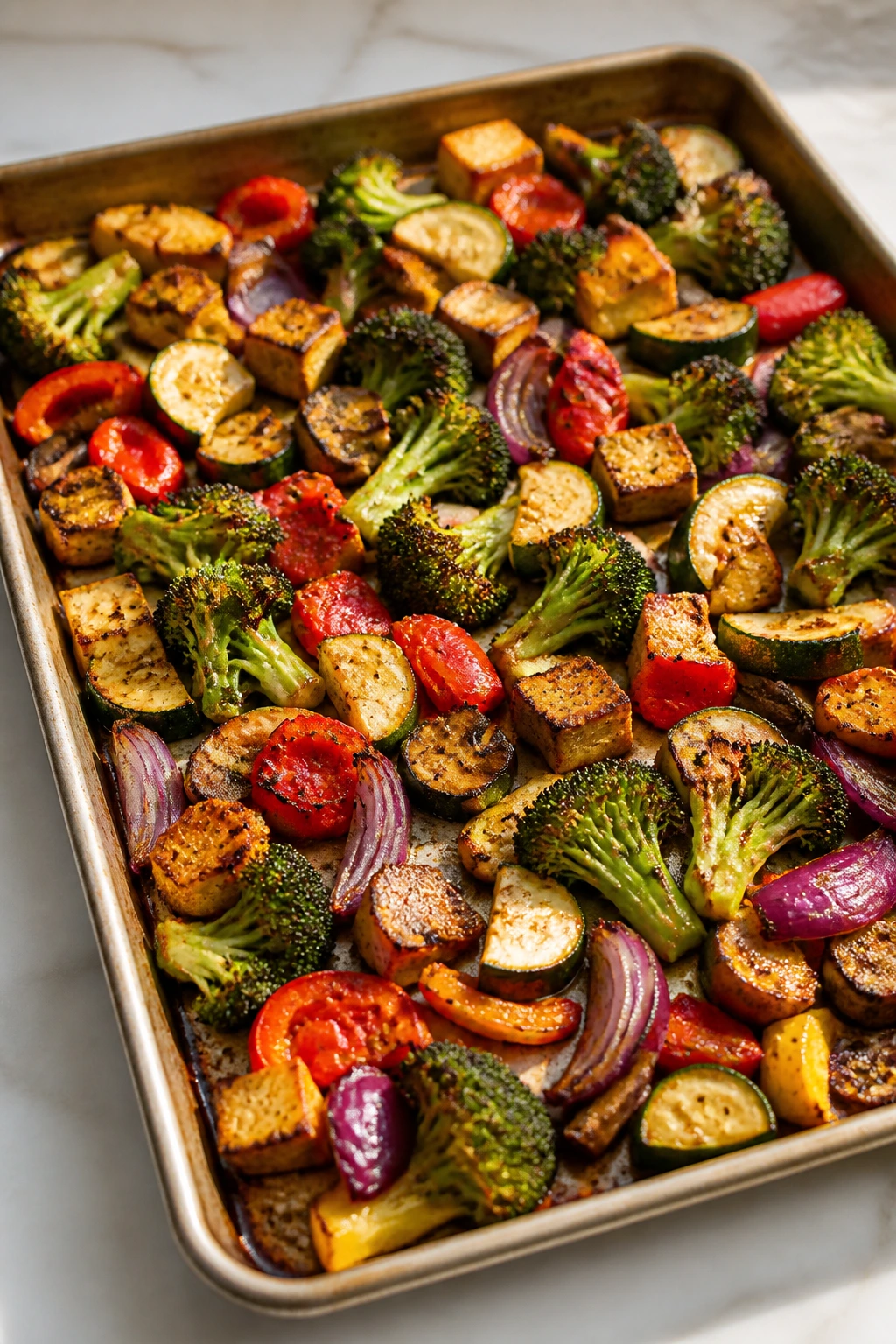
- Rimmed sheet pan — The rim keeps oil and juices from sliding off, which matters when roasting chickpeas or cauliflower.
- Wire rack — Useful for tofu cutlets or breaded pieces when you want airflow underneath; not mandatory, but handy.
- Parchment paper — Cuts down on sticking and cleanup, especially with seasoned tofu or sticky glazes.
- 12-inch cast-iron skillet or heavy stainless skillet — Best for deep browning on tofu, tempeh, mushrooms, and cabbage wedges.
- Air fryer basket — Optional, but it gives excellent texture for small batches of chickpeas, broccoli, and tofu cubes.
- Large mixing bowl — Needed for tossing food with oil, starch, and seasoning without crushing the pieces.
- Tongs or a thin metal spatula — Helps flip tofu and vegetables without scraping off the crust.
- Clean kitchen towel or paper towels — For pressing tofu, drying chickpeas, and blotting washed vegetables.
- Small whisk or jar with a lid — Useful for sauces that need to be shaken or emulsified.
- Sharp chef’s knife — A good cut makes better browning; uneven pieces cook unevenly, and that’s where dinner goes sideways.
Storage, Reheating, and Make-Ahead Strategy
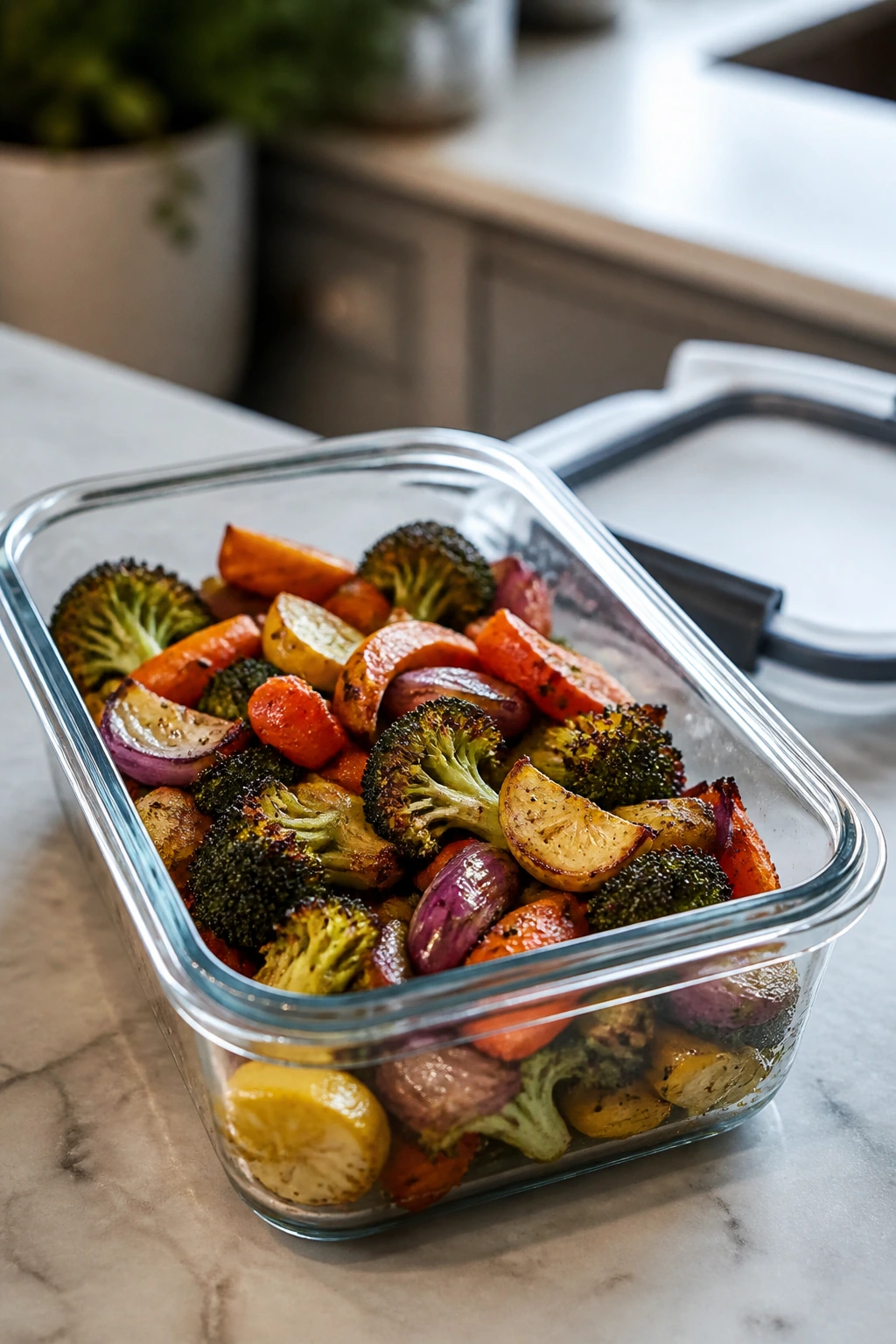
Cooked crispy components keep best when they are cooled on a rack or a plate lined with paper towels, then stored in an airtight container once they’re no longer steaming. You can refrigerate most roasted tofu, chickpeas, cauliflower, and broccoli for 3 to 4 days. Keep sauces separate. If you pour sauce over the food before storing it, the texture usually softens overnight.
Room temperature is only safe for about 2 hours, less if the kitchen is hot. That applies to the whole plate, not just the crispy part. If you know dinner will sit around longer than that, chill it instead of leaving it on the counter.
Freezing is mixed. Tofu and tempeh hold up better than roasted cauliflower or broccoli. Cooked tofu can be frozen for up to 2 months, though the texture gets a little chewier after reheating. Roasted vegetables can freeze too, but they lose some snap. I’d freeze them only if you care more about convenience than perfect texture.
Best Reheating Methods
- Oven: Reheat at 400°F / 205°C for 8 to 12 minutes on a sheet pan. This is the best all-around method for tofu, chickpeas, cauliflower, and breaded pieces.
- Air fryer: Reheat at 375°F / 190°C for 4 to 6 minutes. Good for small portions and anything with a coating.
- Skillet: Warm tofu or tempeh over medium heat with a teaspoon of oil, turning until the edges wake back up. Great when you want the crust to recover fast.
- Microwave: Fine for grains, beans, or vegetables that are already meant to be soft. Not great for the crispy part.
Make-Ahead Moves That Save Time
Press tofu the day before and keep it wrapped in the fridge. Mix dry seasoning blends ahead of time. Chop broccoli, cauliflower, cabbage, and onions earlier in the day, then store them loosely wrapped so they dry out a bit. Sauce can usually be made 2 to 4 days ahead and held in a jar. If you’re doing a full meal prep, cook the grain base separately and crisp the main component fresh right before eating. That small split in timing makes a big difference.
Frequently Asked Questions
What makes a vegetarian dinner crisp without deep-frying?
It comes down to three things: dry surfaces, enough heat, and a little oil. A 425°F oven, an air fryer, or a hot skillet can all create browning if the food isn’t carrying a lot of moisture into the pan. Starch helps too, because it gives the surface something dry to cling to before it browns.
Is the air fryer better than the oven for Meatless Monday dinners?
For small batches, yes, often it is. Air fryers move hot air around tight spaces, so tofu cubes and chickpeas can get crisp faster than they would on a sheet pan. For bigger meals, the oven wins because you can cook more food at once without having to batch everything in tiny rounds.
Can I make crispy tofu if I don’t love tofu?
Yes, but use extra-firm tofu and treat it like a blank canvas, not a substitute. Press it, tear or cube it for more rough edges, season it well, and give it a coating or starch dusting. The plain, wet version is what turns people off. The crisp version with a good sauce is a different animal.
What sauce keeps the crunch best?
Thinner sauces usually work better than thick ones, especially if you’re serving the meal immediately. Think tahini-lemon, peanut-lime, chimichurri, yogurt with herbs, or salsa verde. Keep the sauce on the side if you want the crispest result, and spoon it over the grain or into a corner of the bowl instead of soaking the whole tray.
How do I keep roasted chickpeas crispy after cooking?
Let them cool in a single layer, not piled in a bowl. If you trap the steam, the shells soften. Store them uncovered for a short time if needed, then move them to an airtight container once they’re no longer warm. To refresh them, put them back in a hot oven or air fryer for a few minutes before serving.
Can I meal prep this kind of dinner for the week?
Yes, but prep the pieces separately. Cook the grain, sauce, and chopped vegetables ahead, then crisp the main component fresh or reheat it in the oven right before dinner. If you fully assemble the bowl on day one, the crunch is gone by day two. That’s just how moisture works.
What if my vegetables still come out soft?
Usually the pan was crowded, the oven was too cool, or the vegetables went in wet. Dry them more aggressively next time and give them more space. If you already cooked them, a quick blast under the broiler or in a hot skillet can rescue some of the texture, though not all of it.
Can I make a healthy crispy dinner without breading everything?
Absolutely. Breading is optional. Roasted cauliflower, air-fried chickpeas, pan-seared cabbage, and crisped tofu all work beautifully with nothing more than oil, salt, and a spice blend. Breading is useful when you want a heavier crust, but it’s not required for a satisfying dinner.
Keep the Crunch Going
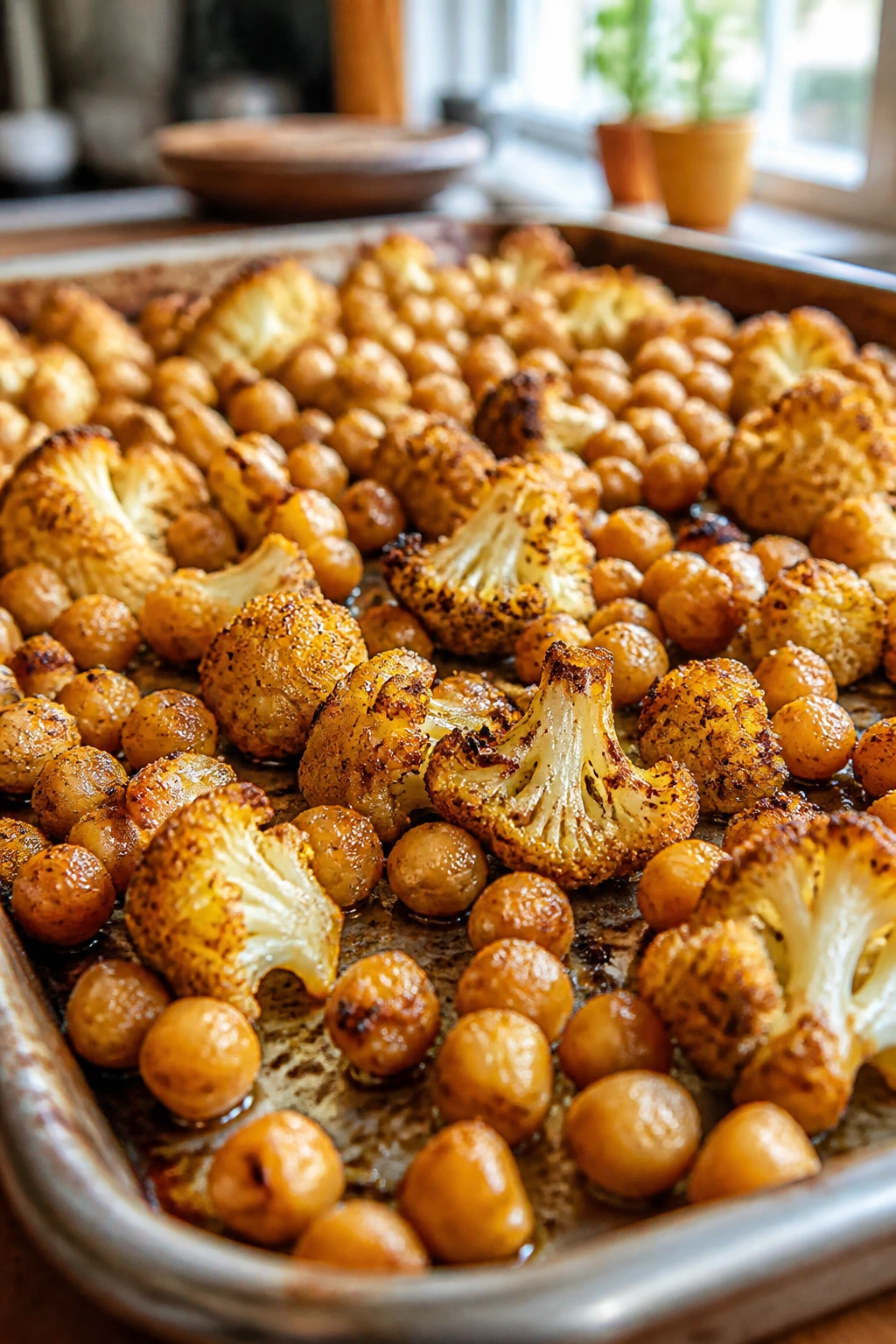
Crispy meatless dinners are less about imitation and more about good technique. Once you stop expecting vegetables and plant proteins to behave like they’ve been braised all day, the food gets better almost immediately. Dry the surface. Use heat with intent. Add a bright sauce at the end. That’s the whole dance.
And that’s why crispy Meatless Monday deserves a place in the regular dinner rotation. It’s flexible, it travels well across tofu, chickpeas, cauliflower, and cabbage, and it gives you the sort of texture that keeps a plant-based plate from feeling flat. Keep a jar of sauce in the fridge, a bag of chickpeas in the pantry, and one sheet pan ready to go. The rest gets easier every time you do it.