



A good barbecue sauce has to do more than taste sweet. It needs to cling, darken, and leave a faint trail of smoke on the tongue without turning into syrup. Smoky honey BBQ sauce gets there by using honey for shine, tomato paste for depth, and enough vinegar to keep the whole thing awake.
It should brush on in a thin, glossy layer and settle into the meat after a minute or two over heat. If it runs off the first rib you slice, the sauce isn’t doing its job.
I’m not interested in barbecue sauce that tastes like corn syrup with a campfire sticker on it. I want the kind that smells warm when it hits the pan, with a sweet tomato base, pepper at the back end, and a little bitterness from browned tomato paste that makes the whole thing taste cooked, not mixed.
That balance is what makes a backyard cookout plate feel finished. The brisket needs it. The chicken wants it. Even a grilled burger starts acting like it knows what party it’s at once this sauce gets brushed on.
Why Smoky Honey BBQ Sauce Belongs at a Cookout
- Sticky without being gluey: Honey and tomato paste give the sauce enough body to coat ribs and chicken skin instead of sliding straight into the tray.
- Smoke without a smoker: Smoked paprika does most of the heavy lifting, and the optional liquid smoke can stay at a half teaspoon or the whole pot starts tasting like a campfire accident.
- Cookout-proof flavor: Vinegar, mustard, pepper, and Worcestershire keep the sweetness from flattening out once the sauce hits hot meat.
- Works three ways: Brush it on during the last minutes of grilling, spoon it over sliced pork, or set it out cold as a dip for fries and wings.
- Better after a pause: A short rest lets the garlic, molasses, and paprika settle into one another instead of tasting like separate ingredients in a hurry.
This style sits somewhere between Kansas City sweetness and a more vinegar-bright backyard sauce, which is exactly why it behaves so well on the grill. The tomato base gives you that familiar red-brown color people expect when they think barbecue, but the honey keeps the finish round and glossy instead of thin and sharp.
The part I like most is the way it changes as it heats. In the pot, it smells like warm ketchup, garlic, and smoke. On hot meat, it tightens up, shines a little, and picks up the browned edges underneath it. That’s the whole trick.
Batch Size, Timing, and What You’ll Get From One Pot
A single batch makes about 2 cups, which is enough for 3 to 4 pounds of meat if you’re glazing lightly, or a tableful of people who can’t stop dipping fries and onion rings into the same bowl. If you want to slather ribs thick enough to look lacquered from across the yard, plan on doubling it.
Yield: About 2 cups of sauce, enough for 8 servings
Prep Time: 10 minutes
Cook Time: 25 minutes
Total Time: 35 minutes
Difficulty: Beginner — one saucepan, one whisk, and a little patience at the simmer.
Chill/Rest Time: 20 to 30 minutes for the flavor to settle
Best Served: Warm for glazing, room temperature for dipping
One thing worth remembering: the sauce thickens more as it cools. If it looks a touch loose when you pull it off the stove, that’s usually where you want it.
The Clean Ingredient List
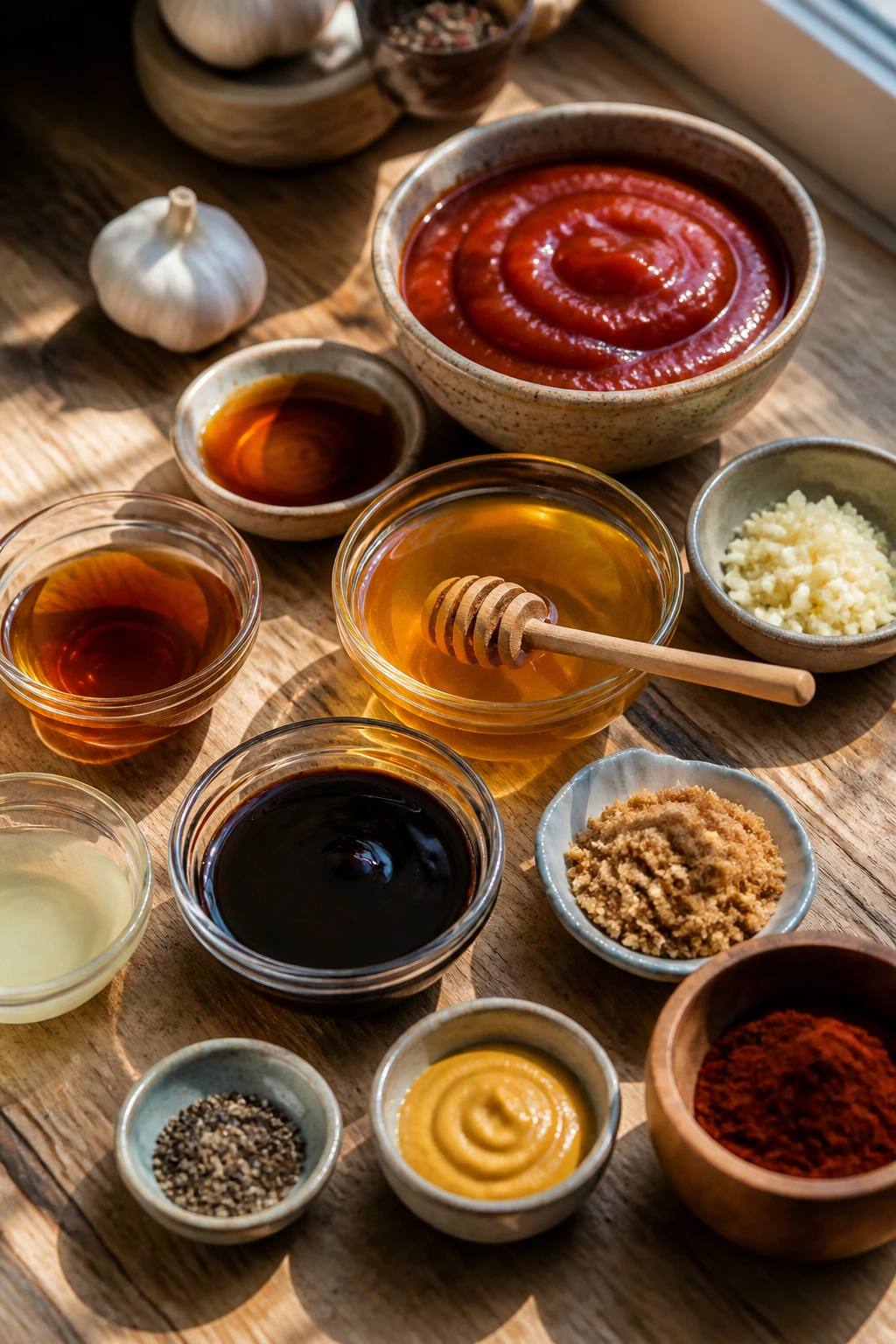
For the Sauce:
- 1 tablespoon unsalted butter
- 1/2 small yellow onion, finely grated
- 2 garlic cloves, finely grated
- 1/2 cup tomato paste
- 1 cup ketchup
- 1/3 cup apple cider vinegar
- 1/4 cup honey
- 2 tablespoons packed light brown sugar
- 2 tablespoons unsulfured molasses
- 2 tablespoons Worcestershire sauce
- 1 tablespoon Dijon mustard
- 1 tablespoon smoked paprika
- 1 teaspoon kosher salt
- 1 teaspoon freshly ground black pepper
- 1/2 teaspoon chipotle powder
- 1/4 teaspoon cayenne pepper, optional
- 1/2 teaspoon liquid smoke, optional
- 2 to 4 tablespoons water, only if needed to thin the finished sauce
What Each Ingredient Does in the Pot
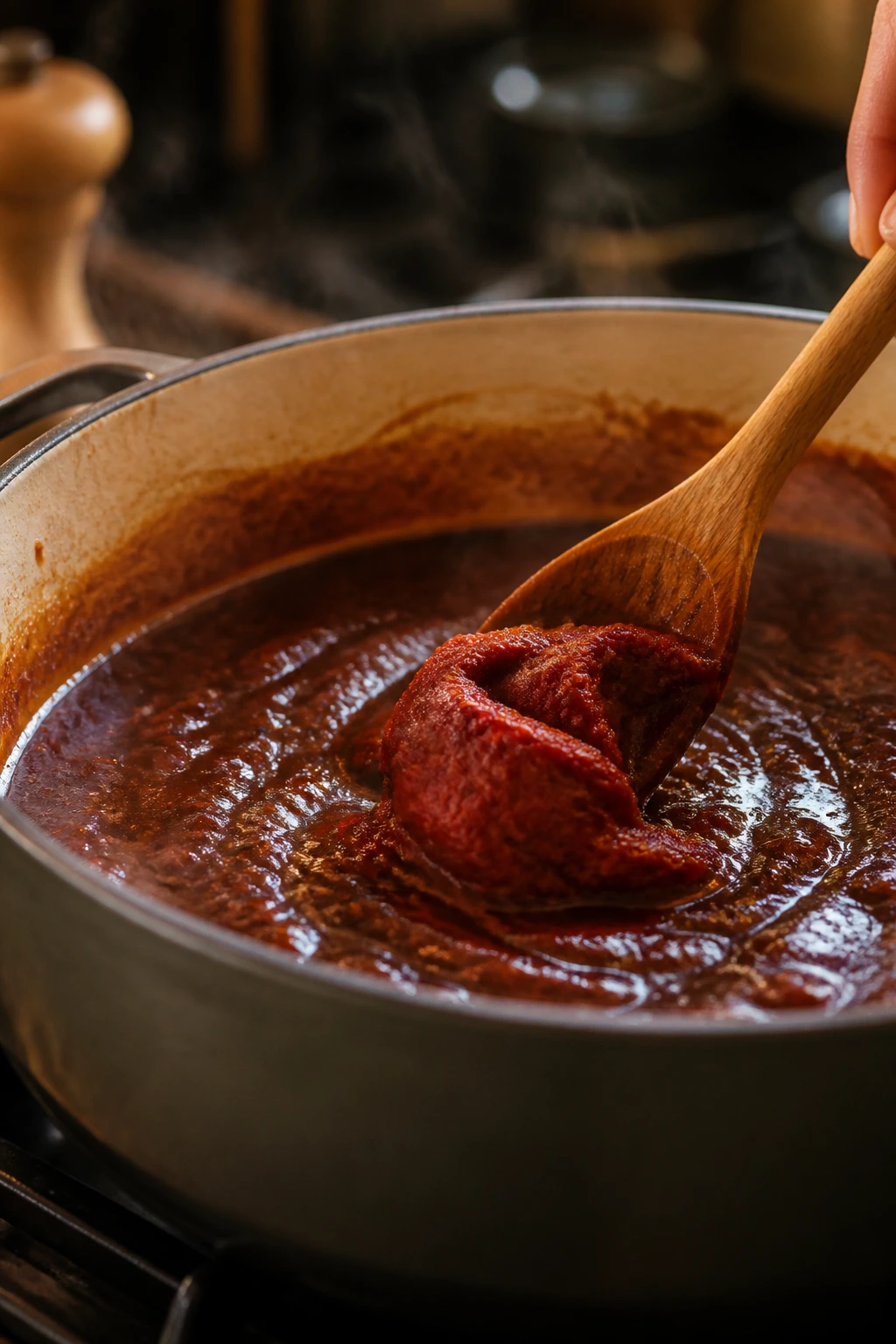
Tomato Backbone
What to use: 1/2 cup tomato paste and 1 cup ketchup.
Preparation: Grated onion and garlic go in first, then the tomato paste gets cooked long enough to darken and lose that raw, tinny edge before the ketchup joins in.
Substitutions: If all you have is tomato sauce, use 1 1/4 cups tomato sauce plus 1 extra tablespoon honey and 1 extra tablespoon vinegar, though the finished sauce will be looser.
Tips: Tomato paste is the quiet workhorse here. If you skip the 1-minute cook, the sauce tastes flatter and a little canned.
Sweetness, Shine, and Stickiness
What to use: 1/4 cup honey, 2 tablespoons brown sugar, and 2 tablespoons molasses.
Preparation: Measure the honey first so it slides out more easily, then pack the brown sugar firmly and level it off.
Substitutions: Maple syrup can stand in for honey if you want a deeper, woodsy note, and dark corn syrup will give you a smoother gloss if that’s what’s in the pantry.
Tips: Honey thickens fast once the sauce cools, so do not chase the final texture while it’s still bubbling in the pot.
Acid, Salt, and the Quiet Funk
What to use: 1/3 cup apple cider vinegar, 2 tablespoons Worcestershire sauce, 1 tablespoon Dijon mustard, and 1 teaspoon kosher salt.
Preparation: Stir these in after the tomato paste cooks so the vinegar lifts all that browned flavor off the bottom of the pan.
Substitutions: White wine vinegar works if you want a softer tang, and vegan Worcestershire or soy sauce can replace the traditional version for a meat-free bottle.
Tips: Worcestershire brings a savory bass note that keeps the sauce from reading like dessert. The Dijon doesn’t make it taste like mustard; it just keeps the sweetness from getting sleepy.
Smoke and Heat
What to use: 1 tablespoon smoked paprika, 1/2 teaspoon chipotle powder, 1/4 teaspoon cayenne, and 1/2 teaspoon liquid smoke if you want extra depth.
Preparation: Whisk the spices into the wet ingredients so they dissolve evenly instead of floating in little red specks on top.
Substitutions: If chipotle powder is too smoky for your crowd, use a smaller pinch of cayenne and lean harder on smoked paprika.
Tips: Treat liquid smoke like a strong perfume. A half teaspoon goes a long way, and too much tastes sharp instead of smoky.
Aromatics and Texture
What to use: 1 tablespoon unsalted butter, 1/2 small yellow onion, 2 garlic cloves, and 2 to 4 tablespoons water for thinning if needed.
Preparation: Grate the onion and garlic finely so they almost melt into the sauce; the texture should stay smooth enough for brushing.
Substitutions: Onion powder and garlic powder can replace the fresh aromatics if you want a pantry-only sauce, though the flavor will be less round.
Tips: Grated onion gives you sweetness without chunks. It’s the difference between a sauce that looks made and a sauce that looks rushed.
The Tools That Make the Sauce Easier
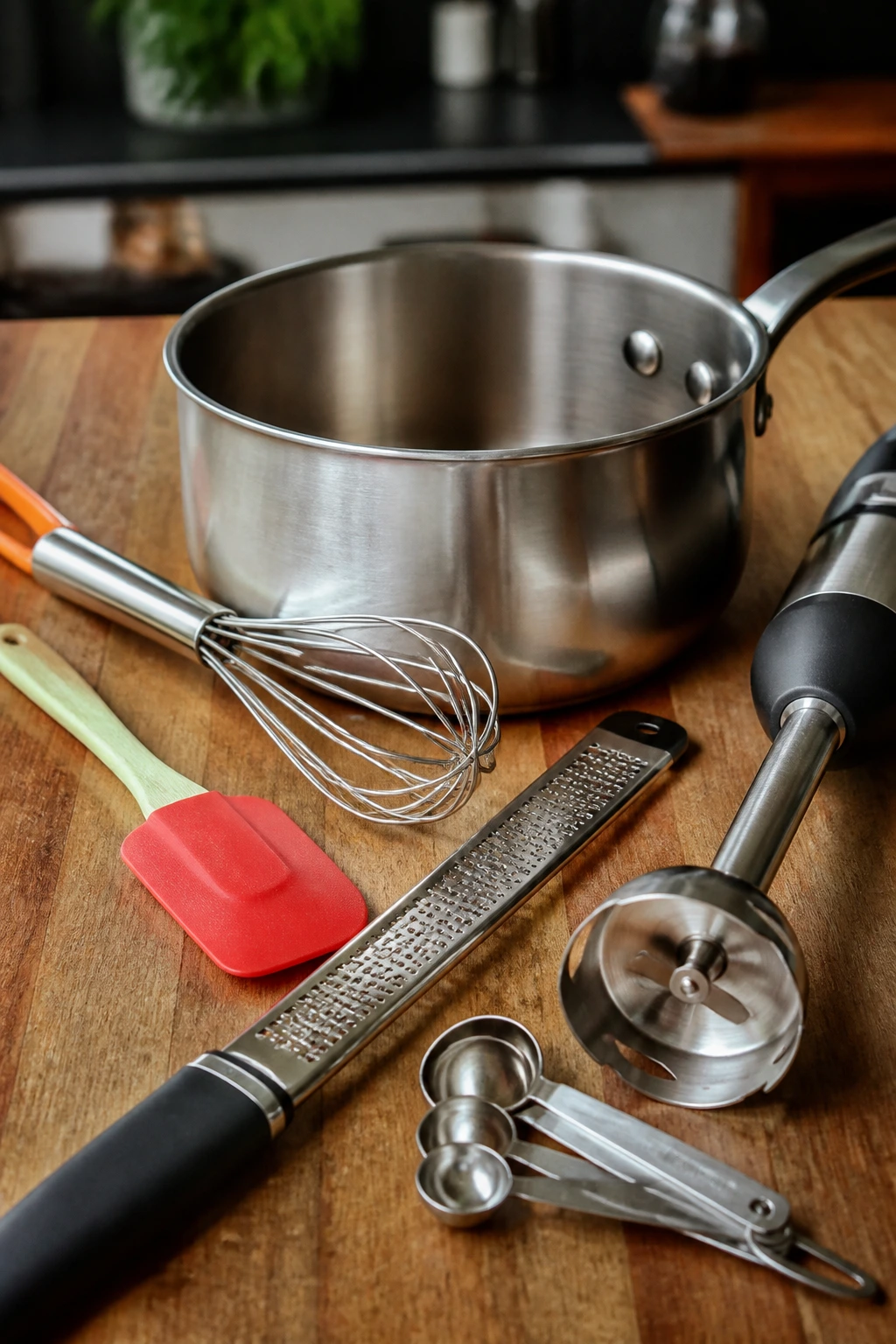
- 2-quart saucepan: Big enough to simmer without splashing all over the stove.
- Whisk: Helps the tomato paste and spices dissolve into the liquid without little lumps.
- Silicone spatula: Better than a spoon for scraping the sides and bottom of the pan clean.
- Microplane or fine grater: The easiest way to turn onion and garlic into a smooth base.
- Measuring cups and spoons: Honey and molasses are too sticky to guess by eye.
- Immersion blender, optional: Nice if you want a silkier finish and zero visible onion.
- Fine-mesh strainer, optional: Use it if you like a polished, bottled-style texture.
- Heatproof jar or squeeze bottle: Handy for serving and storing the finished sauce without a sticky mess.
How to Make Smoky Honey BBQ Sauce on the Stove
Phase 1: Wake Up the Aromatics
-
Set a 2-quart saucepan over medium heat and melt the butter. Add the grated onion and cook for 3 to 4 minutes, stirring often, until it softens and turns glossy but stays pale. Add the grated garlic and cook for 30 seconds more, just until you smell it bloom. If the garlic starts browning, pull the pan off the heat for a few seconds.
-
Stir in the tomato paste and cook for 1 minute, pressing it against the bottom of the pan with your spoon or spatula. It should darken from bright red to a deeper brick color and start to smell sweeter, not raw. Don’t skip this step; it’s where the sauce gets its cooked flavor.
Phase 2: Build the Sauce
-
Whisk in the ketchup, apple cider vinegar, honey, brown sugar, molasses, Worcestershire sauce, Dijon mustard, smoked paprika, salt, black pepper, chipotle powder, cayenne, and liquid smoke, if using. Keep whisking until the mixture looks smooth and even, with no streaks of tomato paste hiding in the corners.
-
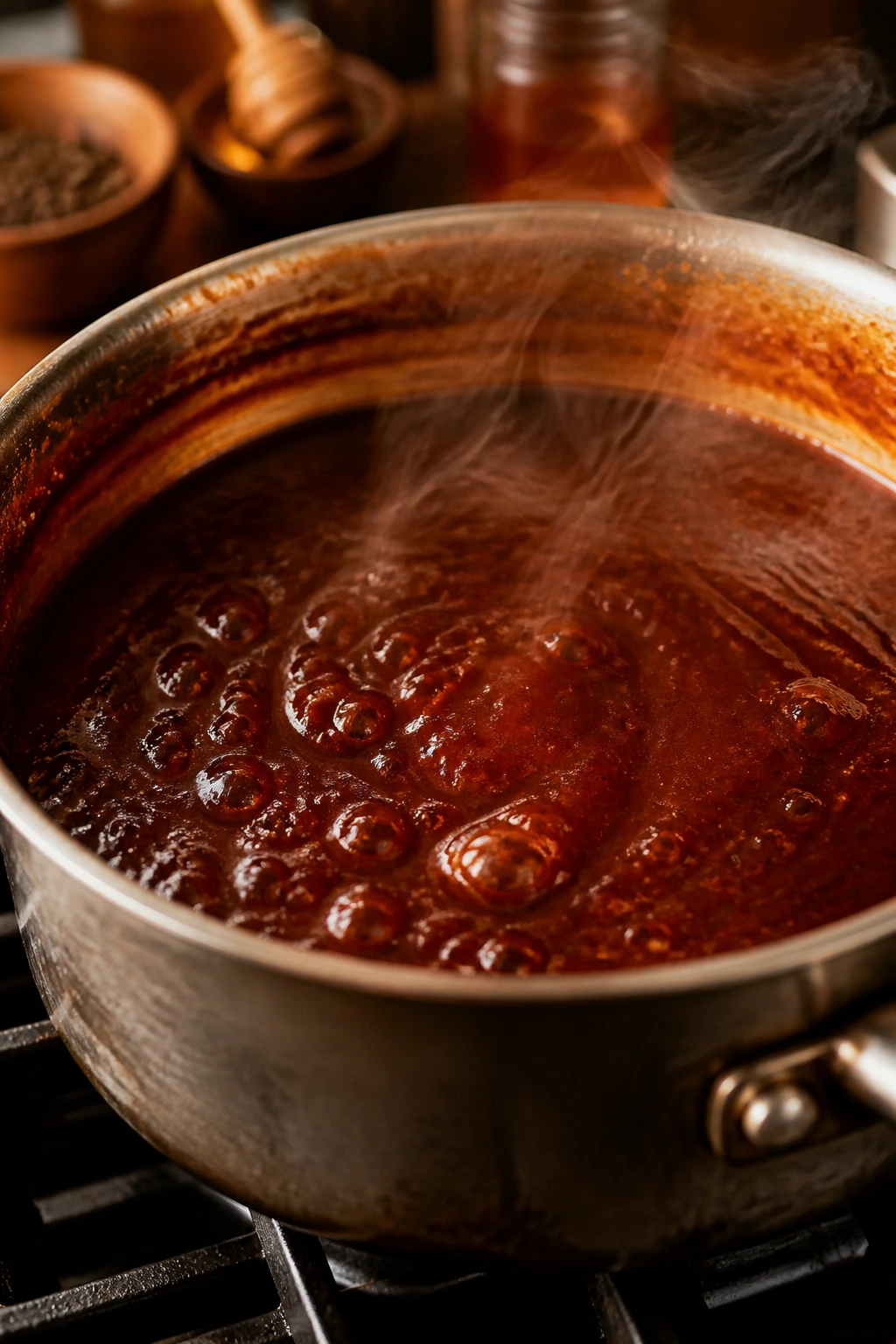
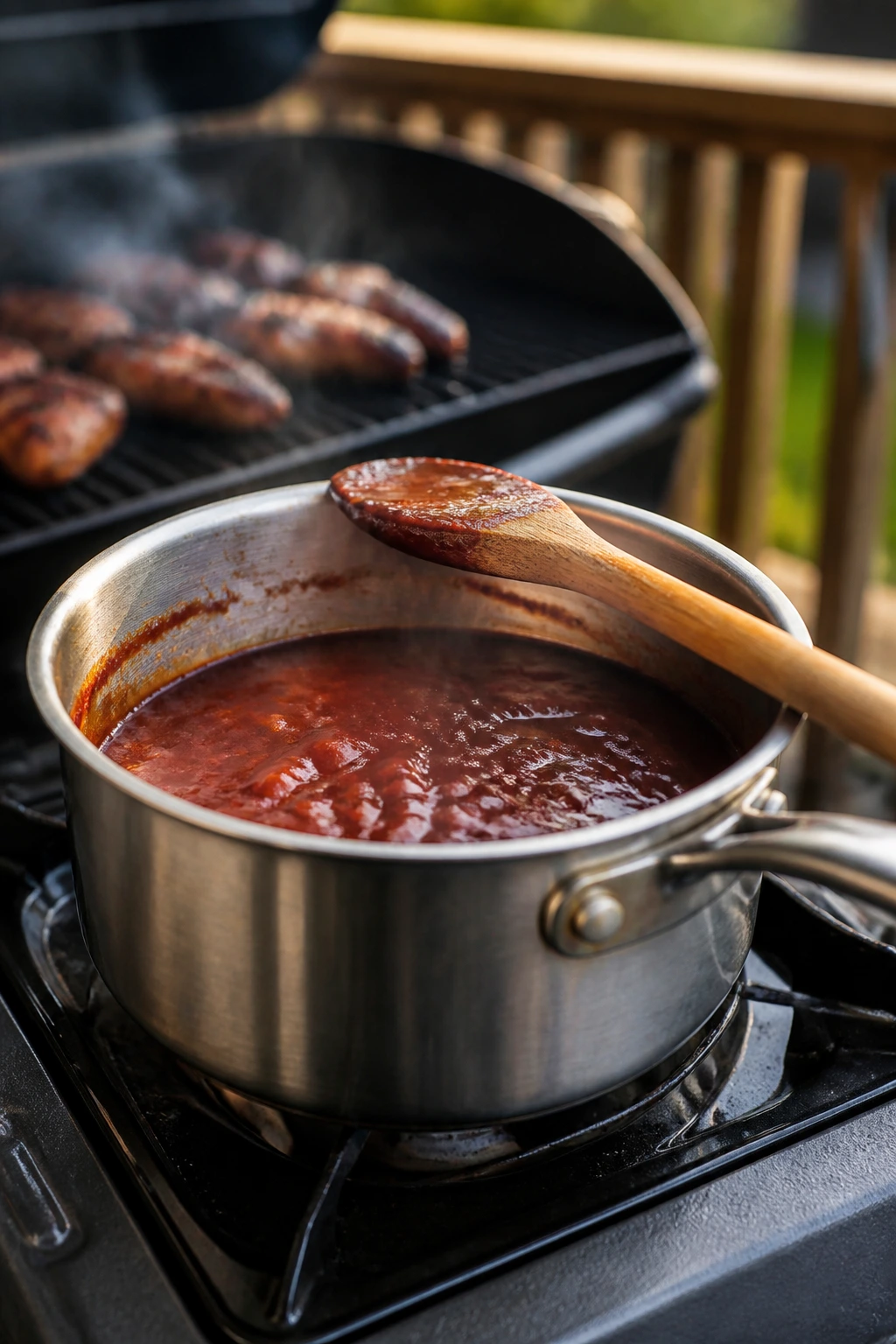
Bring the sauce to a gentle simmer over medium heat, then reduce the heat to low. Simmer uncovered for 15 to 20 minutes, stirring every 2 to 3 minutes, until it thickens enough to coat the back of a spoon and leaves a clean line when you drag a finger through it. If the sauce is boiling hard, the sugar can scorch and turn bitter.
Phase 3: Finish, Taste, and Set It Aside
-
Taste the sauce and adjust it. If it feels too thick, whisk in 1 tablespoon of water at a time until it loosens. If it leans too sweet, add 1 teaspoon of vinegar or a small pinch of salt and simmer for 2 minutes more. Do not oversalt early; ketchup and Worcestershire already bring salt to the party.
-
If you want a silky, pourable sauce, blend it with an immersion blender for 10 to 15 seconds, or pass it through a fine-mesh strainer. Let it cool for 20 to 30 minutes before serving or transferring to a jar. The sauce thickens a little more as it sits, which is exactly what you want if you’re planning to brush it on ribs or chicken.
-
If you’re using it as a grill glaze, brush it on during the last 5 to 8 minutes of cooking, not at the beginning. Honey and brown sugar can scorch fast over direct flames, and burnt sugar does not taste like barbecue magic.
How to Serve It at the Table
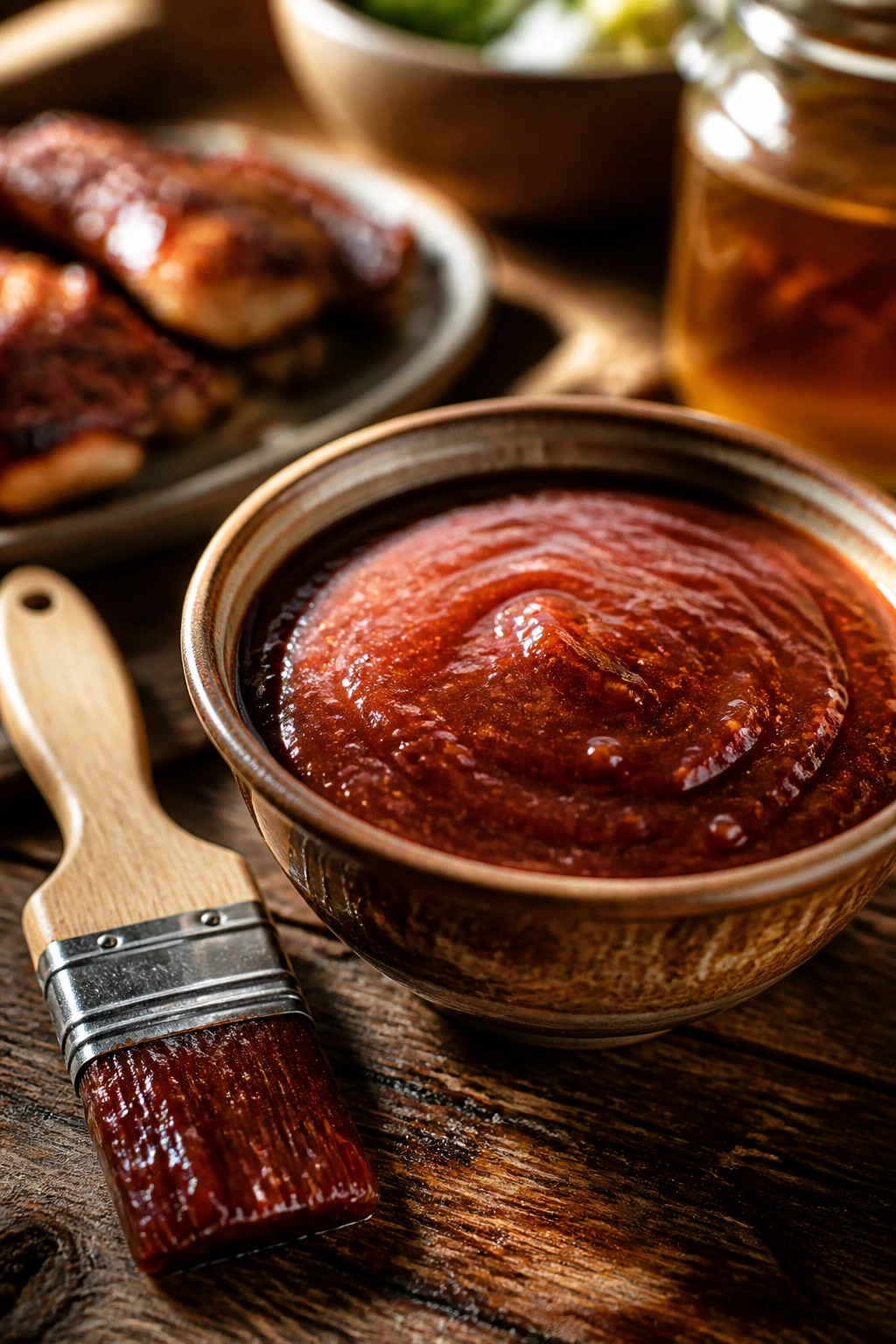
Presentation: Spoon the sauce into a warm bowl with a clean brush beside it, or serve it in a squeeze bottle if you want tidy stripes over sliced meat. On ribs, I like a thin brushed coat that catches the light and leaves the bark visible underneath.
Accompaniments: Pulled pork sandwiches, grilled chicken thighs, smoked sausages, burgers, corn on the cob, and vinegar slaw all make sense here. If you put out potato salad, keep it tangy rather than sweet so the plate doesn’t get sticky-heavy.
Portions: Figure on about 2 tablespoons per person for dipping, or closer to 1/4 cup per person if the sauce is the main glaze on the plate. For a big cookout, I’d make a double batch before I’d ever make a triple batch, because this stuff disappears from bowls faster than it disappears from meat.
Beverage Pairing: Cold lager, sweet tea, ginger beer, or a bourbon lemonade all work. Anything with a little bite cuts through the honey and keeps the sauce from feeling too heavy.
A small but useful habit: keep one serving bowl for the table and another clean jar in the fridge. Once a brush touches raw meat, that jar is done for dipping.
Small Fixes and Flavor Boosters
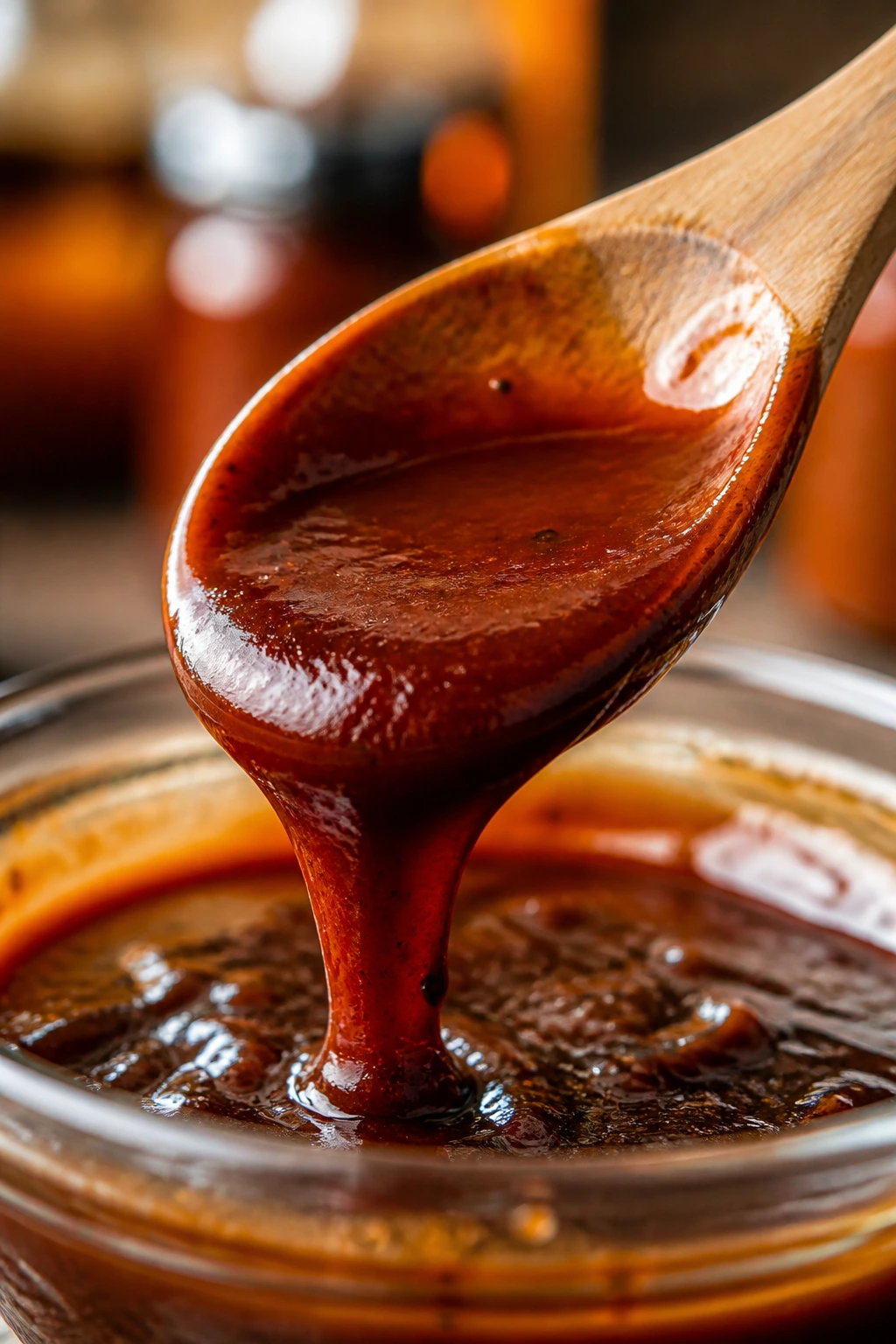
Flavor Enhancement: Stir in 1 tablespoon bourbon during the last 2 minutes of simmering if you want a woody, caramel note that sits well on ribs. The alcohol cooks off quickly, so what’s left is a rounder edge, not a boozy one.
Customization: Swap 1 tablespoon of the honey for maple syrup if you want a darker finish, or add 1 teaspoon of hot sauce if the sweetness needs a little sharpness. If you like a thinner brush-on glaze, whisk in another tablespoon or two of water right at the end.
Serving Suggestions: Finish the sauce with a crack of black pepper or a pinch of smoked paprika just before it goes on the table. That tiny top note makes a plain bowl smell a little fresher, especially if the sauce has been sitting for a while.
Make-It-Yours: Use vegan Worcestershire or soy sauce if you need the bottle to stay meat-free. If you want to cut the sugar, reduce the honey to 3 tablespoons and simmer the sauce 2 to 3 minutes longer so it still lands with some body.
Mistakes That Flatten BBQ Sauce
-
Boiling it hard: If the pot is rattling and splattering, the sugars can scorch on the bottom and leave a bitter edge. Fix it by lowering the heat until the sauce moves with a lazy bubble instead of a violent one.
-
Treating liquid smoke like a shortcut you can pour freely: Too much makes the sauce taste harsh and artificial, not smoky. Start with 1/4 teaspoon if you’re cautious, then taste before adding the rest.
-
Stopping the cook too early: Hot sauce always looks looser than cooled sauce. The fix is to simmer until it coats a spoon and leaves a visible trail, then trust the cooling stage to finish the job.
-
Skipping the tomato paste cook: Raw paste brings a metallic note that sticks out once the sauce cools. Give it that 1-minute toast in the pan, and the whole batch tastes deeper.
-
Using it too early on the grill: Honey and brown sugar burn faster than people expect, especially over direct flames. Brush on the sauce during the final 5 to 8 minutes, or use it as a finishing glaze once the meat is off the heat.
-
Forgetting to taste after simmering: Salt, vinegar, and sweetness all shift when water cooks off. Taste at the end, not at the start, because that’s when you’ll know whether the sauce needs a pinch of salt, a splash of vinegar, or nothing at all.
Variations for Different Grills and Tastes
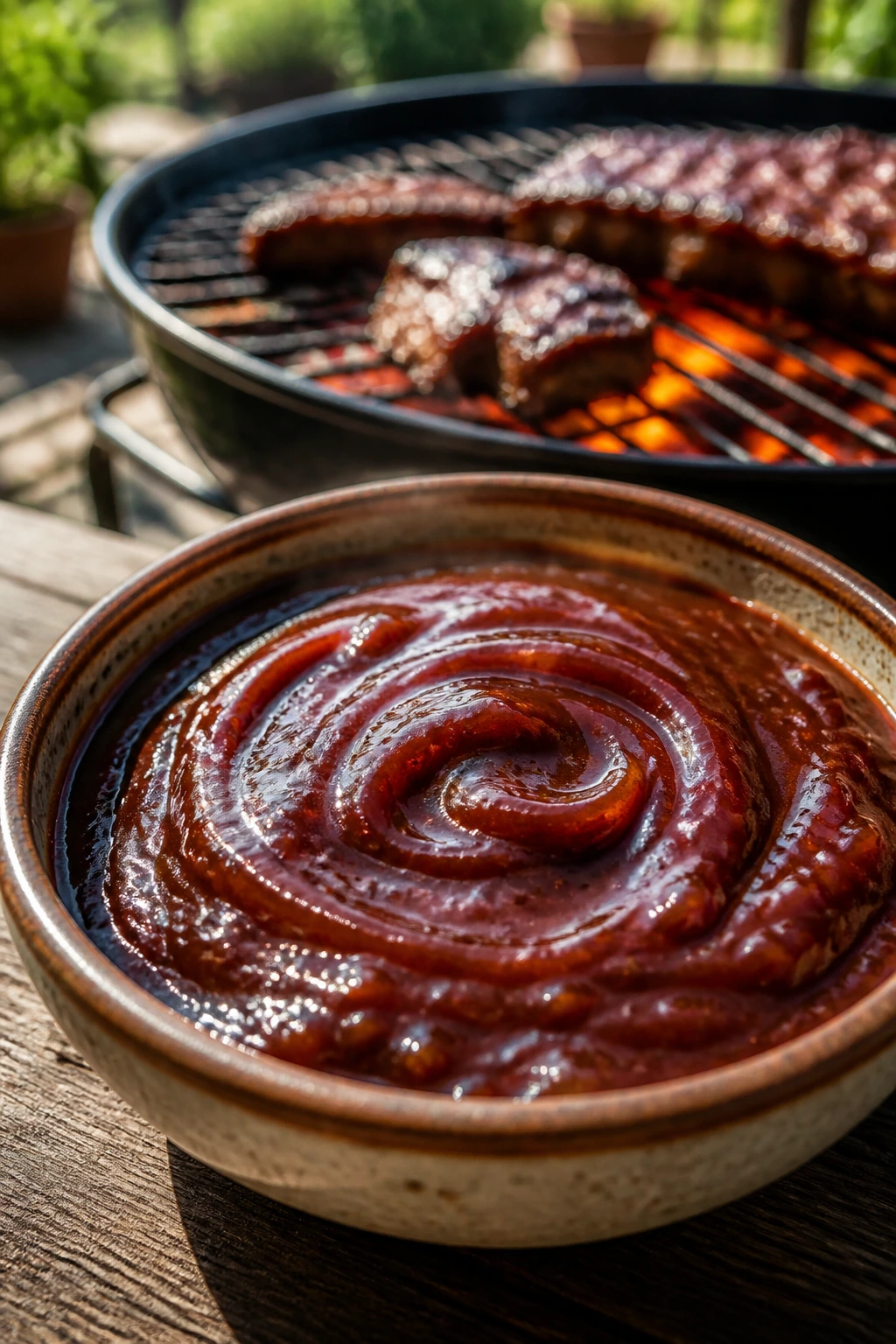
Carolina-Tilt Tang: Add 2 extra tablespoons of apple cider vinegar, drop the honey to 2 tablespoons, and cut the molasses to 1 tablespoon. The sauce turns sharper and cleaner, which is a good fit for pulled pork or chopped chicken that already has plenty of richness.
Chipotle Campfire: Double the chipotle powder to 1 teaspoon and skip the liquid smoke altogether. This version tastes earthier and less processed, with a slower burn that works well on chicken thighs, burgers, and smoked sausage.
Bourbon Brown Sugar Glaze: Add 2 tablespoons bourbon right after the tomato paste cooks, then simmer for 1 minute before adding the rest of the ingredients. It leans deeper and a little darker, which I like on ribs when I want the sauce to feel a bit more grown-up.
Mild Backyard Bottle: Remove the cayenne and cut the chipotle powder to a pinch. Add 1 extra tablespoon of ketchup if you want the sauce softer and friendlier for a mixed crowd where kids and spice-shy adults are both reaching for it.
Mustard-Bright Brisket Sauce: Add another tablespoon of Dijon and an extra teaspoon of apple cider vinegar. It lands with a sharper finish that cuts through fatty meat, especially brisket or thick-cut pork shoulder.
Make-Ahead, Storage, and Reheating
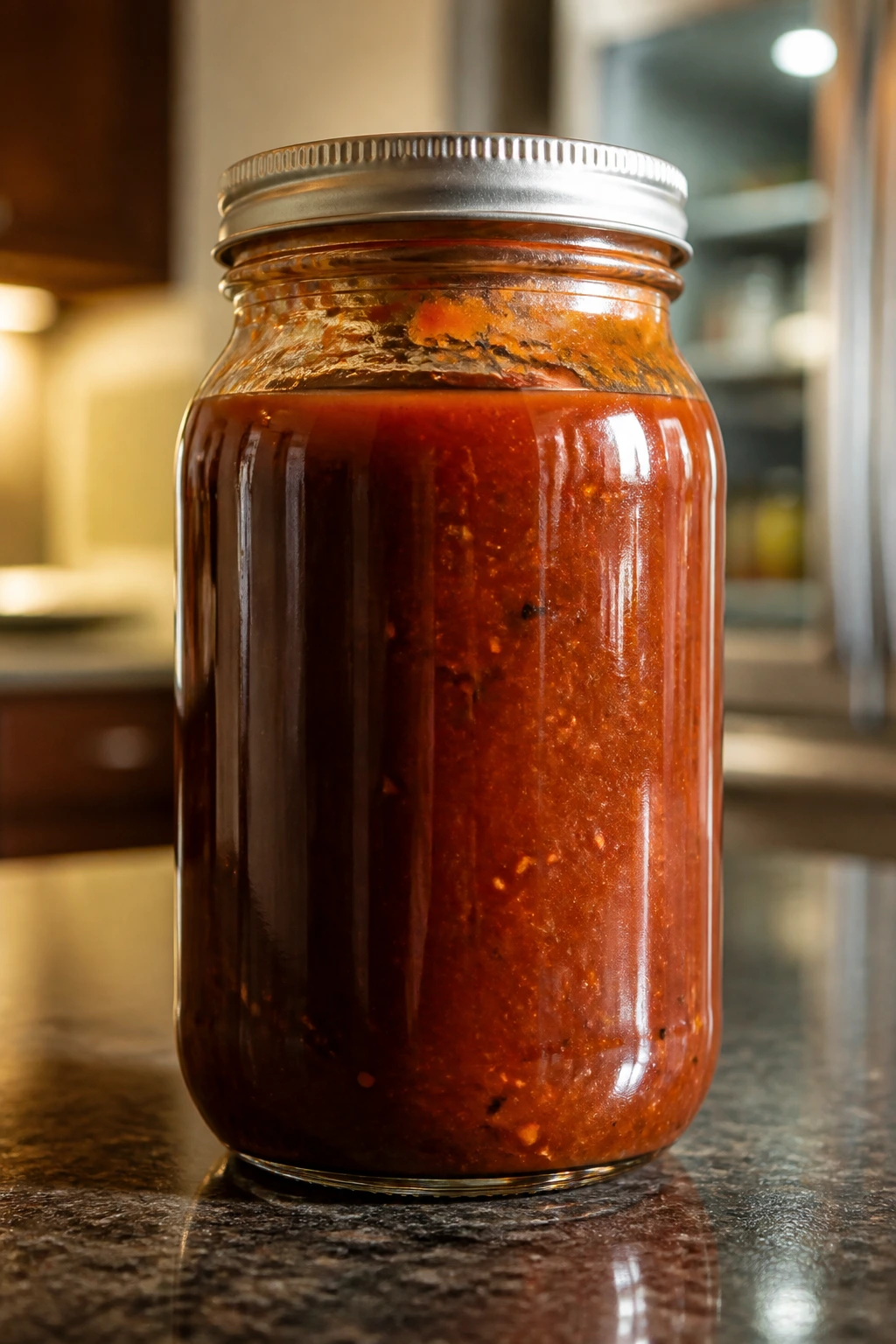
On the Counter
Once the sauce cools, it can sit out for a cookout serving window, but I would not leave it in a warm backyard buffet for hours and hope for the best. Follow the usual food-safety window: no more than 2 hours at room temperature, and less if the weather is hot enough to make the bowl feel warm to the touch.
If you’re serving a crowd, keep a small bowl on the table and stash the larger jar in the fridge between uses. Clean utensils matter here. A spoon that touched raw meat or a sticky bun can shorten the life of the whole batch.
In the Fridge
Stored in a clean, airtight jar, the sauce keeps well for 10 to 14 days in the refrigerator. It often tastes better on day two because the garlic, vinegar, and paprika settle into one another instead of showing up separately.
If the top layer looks a little thicker after chilling, that’s normal. Stir it or shake the jar before using, and if it feels too tight, warm it over low heat with 1 teaspoon of water at a time until it loosens.
Freezer Notes and Reheating
This sauce freezes for up to 3 months. Portion it into small freezer-safe containers or zip-top bags laid flat, which makes thawing faster and keeps you from defrosting a giant chunk when all you need is a few spoonfuls.
To reheat, thaw overnight in the fridge and warm gently in a small saucepan over low heat. A microwave works too, but do it in short bursts and stir between each one so the honey doesn’t hot-spot and scorch. If the sauce separated a little in the freezer, a quick whisk brings it back.
A useful habit: freeze one half of the batch and keep the other half in the fridge for immediate use. That way the next cookout starts with sauce already waiting.
Backyard Cookout Questions, Answered
Can I make this smoky honey BBQ sauce without liquid smoke?
Yes, and honestly, that’s how I make it most often. Smoked paprika and the browned tomato paste carry plenty of smoke on their own, and chipotle powder gives a deeper, slower smoke if you want it.
How do I keep the sauce from burning on the grill?
Brush it on during the last 5 to 8 minutes of cooking, when the meat is nearly done and the sugars have less time to char. If your grill has a hot spot, move the meat to indirect heat for the final glaze so the sauce can set without blackening.
Can I make it less sweet?
Cut the honey to 3 tablespoons and the brown sugar to 1 tablespoon, then add an extra teaspoon of vinegar. The sauce will still be glossy, but the tang will come forward and keep it from reading like candy.
Why is my sauce too thin after simmering?
It probably needs another 3 to 5 minutes over low heat, uncovered. If you’re in a hurry, whisk in 1 tablespoon more tomato paste and simmer for 1 more minute, which tightens the body fast without making the sauce gluey.
Can I freeze the sauce?
Yes. Freeze it in small containers for up to 3 months, then thaw it in the refrigerator and rewarm slowly. The texture comes back well, though you may need a quick whisk or a teaspoon of water to loosen it.
Can I use this as a marinade?
You can, but I prefer using it as a finishing glaze or dip because the sugar helps it cling better at the end. If you do marinate with it, keep a separate portion aside for serving so you’re never tempted to dip a brush into sauce that touched raw meat.
Can I make this vegetarian?
Absolutely. Use vegan Worcestershire or a mix of soy sauce and a splash of extra vinegar, and you’ve got a meat-free sauce that still has the savory edge people expect. The rest of the ingredients are already plant-based.
A Jar That Won’t Stay Full
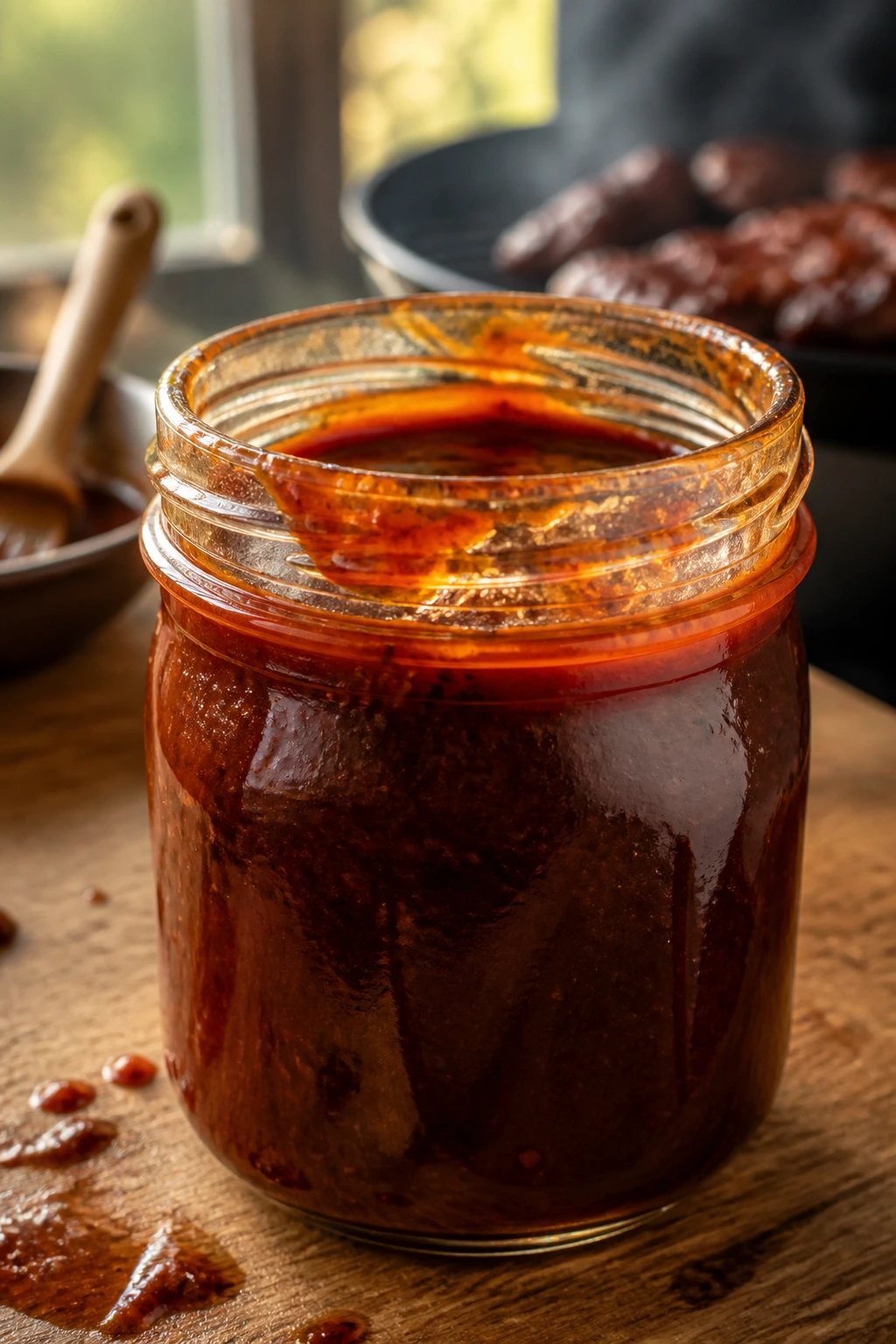
A sauce like this earns its keep the first time it brushes onto hot meat and turns shiny at the edges. It doesn’t try to do anything clever. It just gives you smoke, sweetness, tang, and enough body to make grilled food taste finished.
Make one batch, keep the jar in the back of the fridge, and the next rack of ribs will already have a head start. That’s the kind of cookout habit worth repeating.
Smoky Honey BBQ Sauce for Backyard Cookouts — Recipe Card
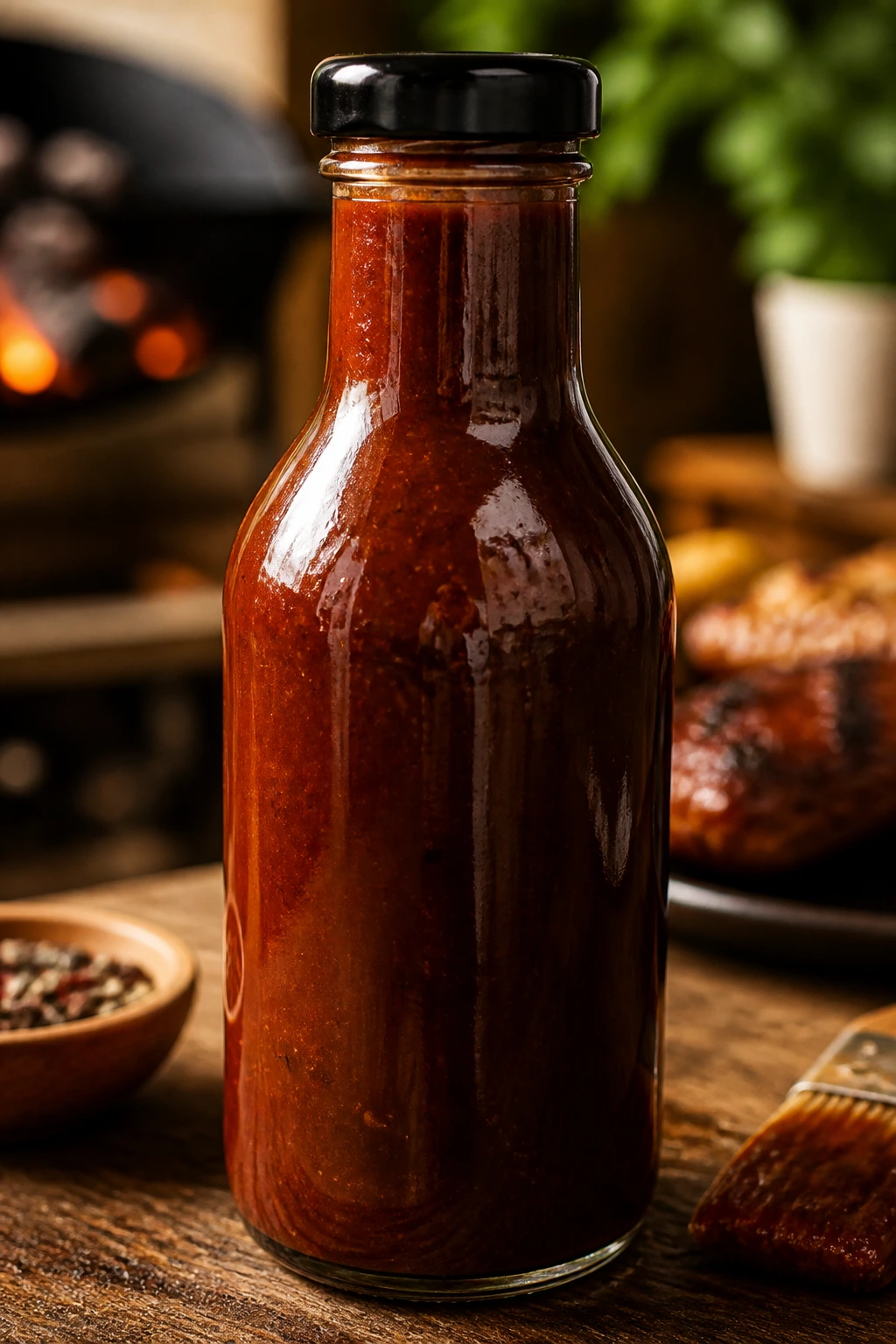
Recipe Name: Smoky Honey BBQ Sauce for Backyard Cookouts
Description: A glossy, smoky honey barbecue sauce with tomato, vinegar, molasses, and a little chipotle heat. It works as a glaze for ribs, chicken, and burgers, or as a dipping sauce for fries, wings, and sausage.
Prep Time: 10 minutes
Cook Time: 25 minutes
Total Time: 35 minutes
Course: Condiment
Cuisine: American
Servings: About 16 servings
Calories: About 60 kcal per 2-tablespoon serving
Ingredients
For the Sauce:
- 1 tablespoon unsalted butter
- 1/2 small yellow onion, finely grated
- 2 garlic cloves, finely grated
- 1/2 cup tomato paste
- 1 cup ketchup
- 1/3 cup apple cider vinegar
- 1/4 cup honey
- 2 tablespoons packed light brown sugar
- 2 tablespoons unsulfured molasses
- 2 tablespoons Worcestershire sauce
- 1 tablespoon Dijon mustard
- 1 tablespoon smoked paprika
- 1 teaspoon kosher salt
- 1 teaspoon freshly ground black pepper
- 1/2 teaspoon chipotle powder
- 1/4 teaspoon cayenne pepper, optional
- 1/2 teaspoon liquid smoke, optional
- 2 to 4 tablespoons water, only if needed to thin the finished sauce
Instructions
- Melt the butter in a 2-quart saucepan over medium heat. Add the grated onion and cook for 3 to 4 minutes, then add the garlic and cook for 30 seconds more.
- Stir in the tomato paste and cook for 1 minute, pressing it against the pan until it darkens.
- Whisk in the ketchup, vinegar, honey, brown sugar, molasses, Worcestershire sauce, Dijon, smoked paprika, salt, black pepper, chipotle powder, cayenne, and liquid smoke.
- Bring the sauce to a gentle simmer, then reduce the heat to low and cook uncovered for 15 to 20 minutes, stirring every few minutes, until thick and glossy.
- Taste and adjust with water, vinegar, or a pinch of salt as needed. Simmer 2 minutes more if you make changes.
- Blend briefly with an immersion blender or strain for a smoother texture, then cool for 20 to 30 minutes before serving or storing.
- If using as a grill glaze, brush on during the final 5 to 8 minutes of cooking so the sugars do not burn.
Notes:
A little liquid smoke goes a long way. The sauce thickens more as it cools, and it tastes even better after a short rest in the fridge.