



The best part of a backyard cookout is not the smoke. It’s that first hiss when marinated chicken, pork, shrimp, or vegetables hit a hot grate and the surface goes from glossy to deeply browned in seconds. That little crackle tells you the marinade did its job: seasoning the food all the way through the surface, helping it char instead of dry out, and giving you a head start before anyone has had time to ask, “Is it ready yet?”
Marinated easy grilling for backyard cookouts works because it solves the two things that make grill food feel fussy: timing and flavor. The flavor is built ahead of time, in a bowl or bag while you’re doing something else. The timing is handled with a grill that’s already hot, a thermometer in your pocket, and a plan for what gets direct heat and what gets a quieter finish off to the side. That’s the whole trick. No drama. Just food that tastes like someone paid attention.
Food-safety guidance from the USDA is boring in the best possible way. Keep raw marinated food in the refrigerator, not on the counter. Use a clean container, not the plate you’ll serve from. If you want to brush marinade onto cooked meat at the end, save a clean portion before the raw food goes in, or boil the used marinade hard before it touches anything you plan to eat. That part is not optional. The rest is where the fun starts.
Why This Approach Works
-
The marinade works before the grill even heats up. Salt, acid, fat, and aromatics can season the surface of food while you’re setting out plates, lighting charcoal, or hunting for serving tongs in the drawer that eats tongs.
-
It gives you a wider safety margin. Chicken thighs, pork chops, shrimp, and vegetables all behave differently over fire, but a smart marinade helps them brown faster and taste fuller even if the cookout gets noisy.
-
You can build a whole meal around one method. A lemon-garlic marinade on chicken, a soy-ginger version on steak, and a yogurt-herb mix on vegetables all follow the same basic rhythm. Different flavors. Same playbook.
-
The grill gets more forgiving. A marinated surface browns quickly, which means you can use two-zone heat and pull food off before it scorches. That matters when guests are hanging around the grill and every piece of meat seems to have its own schedule.
-
Leftovers stay useful. Sliced grilled chicken, pork, or flank steak slides into salads, wraps, rice bowls, and cold noodles without tasting like an afterthought the next day.
-
You spend less time fussing and more time eating. That’s the real luxury of easy grilling. You season early, cook cleanly, and keep your attention on the party instead of babysitting every piece of food.
Why Marinated Grilling Wins at a Backyard Cookout
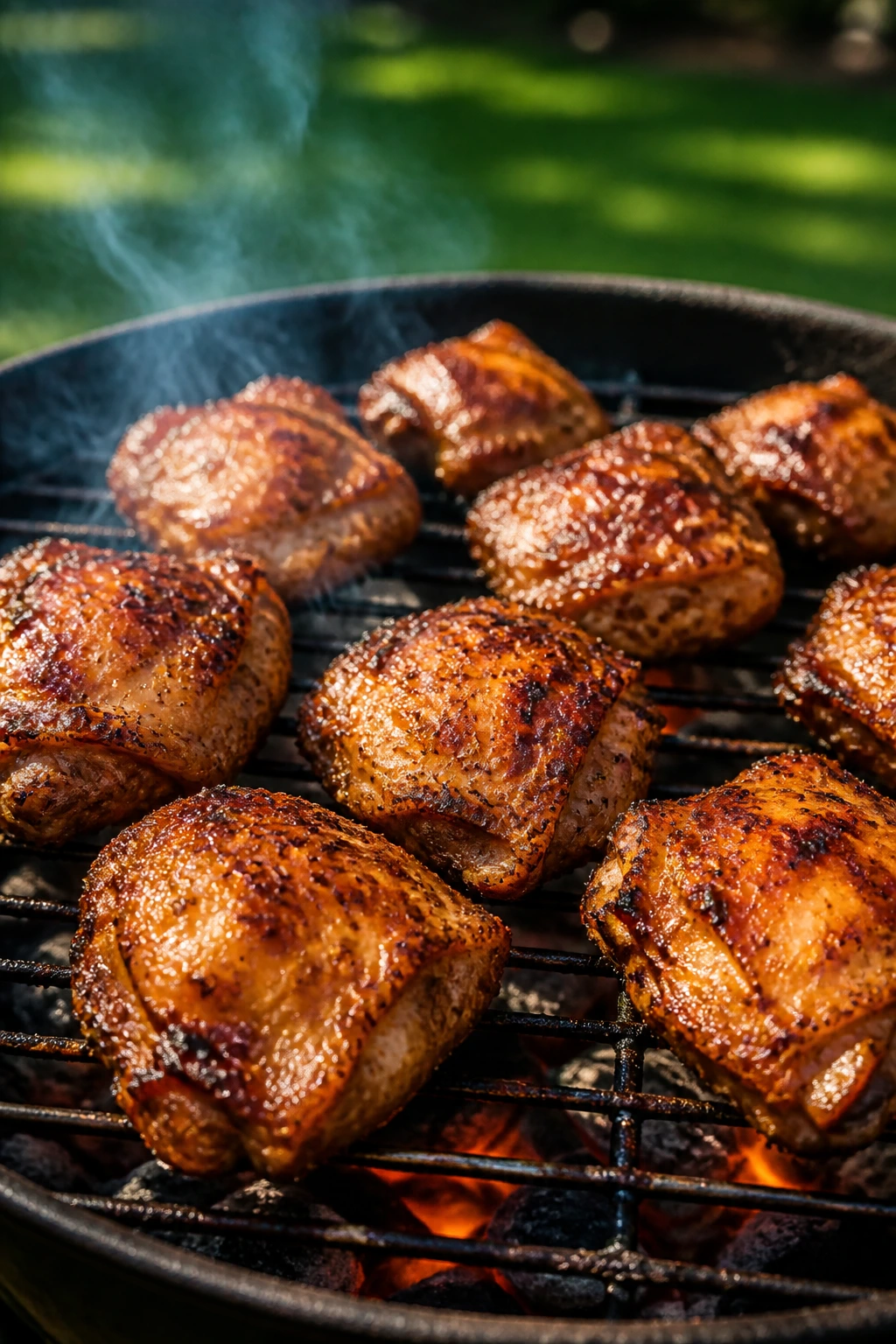
A backyard cookout runs on timing more than talent. People rarely remember whether you used fancy tongs or the expensive charcoal. They remember whether the chicken was juicy, whether the vegetables had a dark edge instead of a soggy middle, and whether the host looked calm enough to pour a drink. Marinated grilling helps with all three.
The key is that a marinade does more than “add flavor.” Salt changes how the outer layer of meat holds onto moisture. Oil helps carry garlic, herbs, spices, and citrus zest across the surface. A little acid, used with restraint, can loosen the exterior just enough to help browning. Too much acid for too long, though, and you get mushy chicken or chalky fish. That’s where people get into trouble. Marinades are useful, but they are not magic.
I like marinated grilling because it asks for less at the last minute. A tray of chicken thighs can sit in the fridge for a few hours, already seasoned, while the grill warms and the sides get finished. That breathing room matters. It also means you can use cheaper, more forgiving cuts — chicken thighs instead of breasts, flank steak instead of tenderloin, pork shoulder steaks instead of lean chops — and still get food that feels deliberate.
There’s one more reason this method earns its place: it scales. Two servings and ten servings follow the same pattern. The same bowl. The same thermometer. The same two-zone fire. You just repeat the process more times, which is much easier than trying to improvise a new flavor at the grill every ten minutes.
Building a Marinade That Sticks, Seasons, and Browns
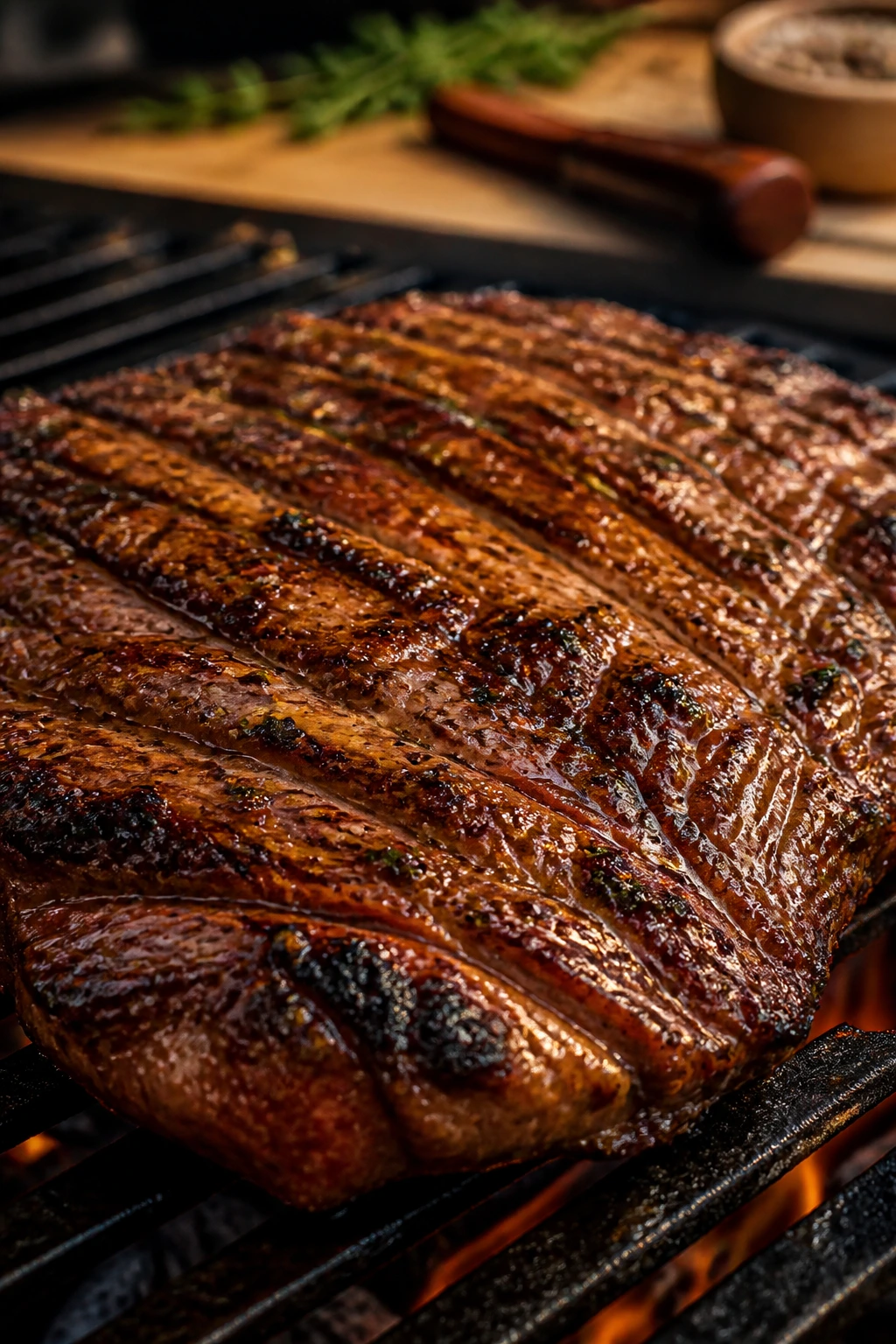
A good marinade has a job, not a personality disorder. It should season the food, help it brown, and stay out of the way when the grill gets hot. That means resisting the urge to throw in every bottle and jar in the pantry.
Start with salt
Salt is the part people leave vague, and that’s a mistake. If you want a marinade to do real work, it needs enough salt to season the surface properly. For most home cooks, that means about 1 teaspoon kosher salt per pound of meat as a starting point, or a slightly saline marinade that tastes pleasantly seasoned before it touches the protein. If you’re using a soy sauce base, that salt may already be there; if you’re using citrus and herbs, it probably isn’t.
Keep acid under control
Lemon juice, vinegar, buttermilk, yogurt, wine, and tomato all bring brightness. They also behave differently. Citrus and vinegar act fast and can turn fish or thin chicken cutlets tight if you leave them too long. Yogurt and buttermilk are gentler and better for chicken, pork, and lamb. I use strong acid sparingly for grilling — usually enough to wake up the flavor, not enough to “cook” the protein on the counter.
Use fat as a carrier
Oil is not there to make the marinade fancy. It helps garlic, pepper, herbs, and spices cling to the food instead of sliding into the bowl. Olive oil, avocado oil, grapeseed oil, and neutral oils all work. For high heat, I lean toward avocado or grapeseed because they handle a hotter grate more comfortably.
Treat sugar like a spark, not a bucket
Honey, maple syrup, brown sugar, and pomegranate molasses can make a grilled marinade shine. They can also blacken fast. A teaspoon or two may be plenty. If you’re cooking over a very hot grill, keep sweet ingredients modest or brush them on near the end so the surface can caramelize instead of burn.
Add the flavor builders
Garlic, ginger, scallions, mustard, miso, soy sauce, smoked paprika, black pepper, cumin, coriander, chile flakes, citrus zest, fresh herbs — these are the notes people notice when they take the first bite. I prefer zest to juice when I want big aroma without too much acid. A teaspoon of lemon zest gives more lift than another tablespoon of lemon juice.
Picking the Right Protein, Vegetable, or Plant-Based Main
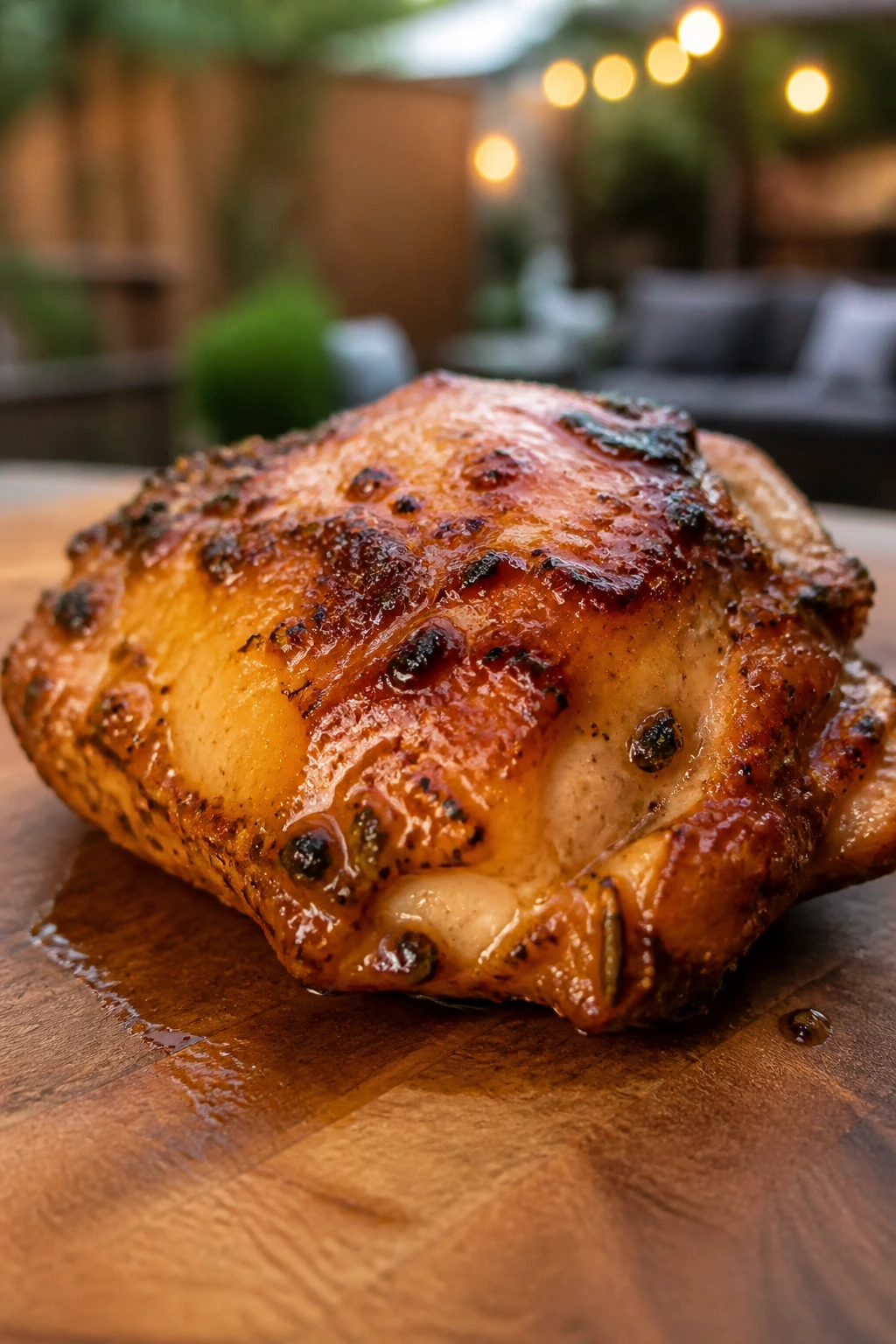
Some foods love the grill after a marinade. Some tolerate it. A few become better than they have any right to be. Choosing the right one saves you from disappointment before you even light the fire.
Chicken thighs and drumsticks
Chicken thighs are the easiest win. They handle salt, acid, and moderate sugar better than breasts, and they don’t dry out the minute you look away. Boneless thighs can marinate for 2 to 12 hours and cook evenly over medium-high heat. Bone-in pieces take longer, but they reward you with crisp skin and more flavor along the bone.
Pork chops and pork tenderloin
Pork loves a savory marinade with garlic, mustard, herbs, or soy. Thin chops only need a short soak; thick chops can go longer. Pork tenderloin cooks fast and stays tender if you don’t overdo the acid. I like pork with citrus, rosemary, or a touch of brown sugar — enough to brown, not enough to lacquer into candy.
Flank steak and skirt steak
These cuts were built for marinades. They’re lean, they cook quickly, and they taste better when sliced thin across the grain. A soy-garlic-lime or cumin-chile marinade gives them a grilled edge without masking the beef. Keep the marinating window modest if there’s a lot of acid in the mix.
Shrimp and fish
Seafood is where people get too enthusiastic and ruin a perfectly good cookout. Shrimp only needs 15 to 30 minutes in a marinade. Fish fillets usually want 15 to 20 minutes, sometimes a little more if they’re firm and thick. Anything longer and citrus or vinegar can toughen the texture. Use oil, herbs, salt, and a little citrus zest more than a heavy acidic bath.
Vegetables and plant-based mains
Portobello mushrooms, zucchini planks, bell peppers, onion wedges, cauliflower steaks, tofu, and halloumi all play nicely with marinades. Tofu likes time — press it, slice it, and give it room to soak in flavor. Vegetables need less. A quick toss and a short rest are enough. If you marinate them too long, they can go limp and leak water onto the grill.
How Long to Marinate Without Losing Texture
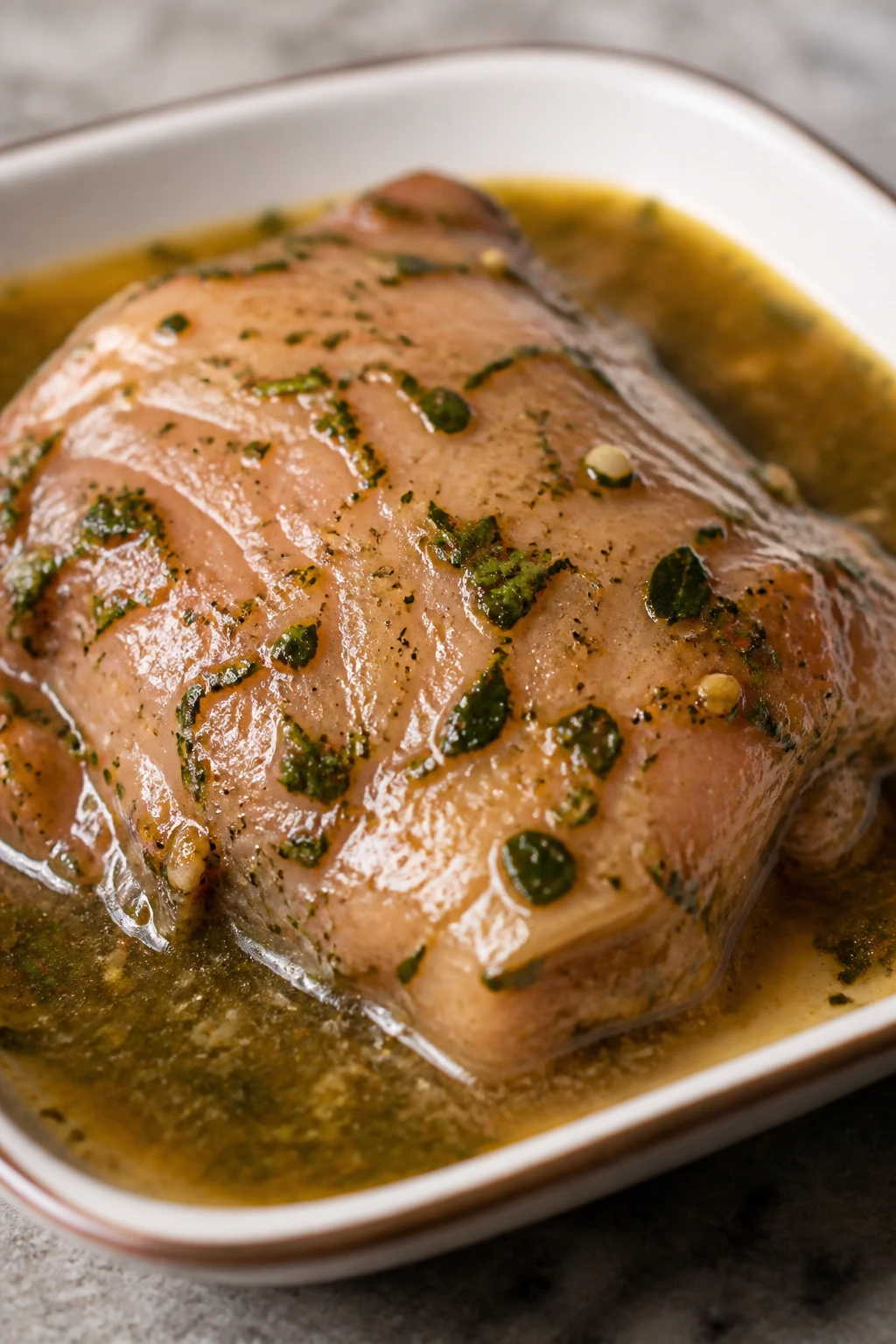
The clock matters as much as the ingredient list. Too short, and the food tastes barely dressed. Too long, and the texture goes sideways.
For chicken thighs, I like 2 to 12 hours. A short marinade still helps, but a longer one lets garlic, herbs, and salt settle in. Chicken breasts are fussier. Keep them to 30 minutes to 4 hours unless the marinade is gentle and low in acid. Thin cutlets need the shorter end of that range.
For pork chops, 1 to 8 hours is usually enough. Thick chops can handle more time, while thinner ones only need a few hours. Pork tenderloin does not need an overnight soak. It cooks fast enough on the grill that a long acidic bath can make the exterior mealy.
For beef, especially flank or skirt steak, 30 minutes to 4 hours is the sweet spot for most marinades. If the recipe is heavy on soy, mustard, garlic, or oil and light on citrus or vinegar, you can stretch that a little. But beef does not need to drown to taste good.
For shrimp and scallops, keep it short: 15 to 30 minutes. Seafood absorbs flavor quickly and changes texture quickly. I would rather under-marinate shrimp than try to fix rubbery shrimp with a louder sauce.
For vegetables and tofu, the range is wider. Firm tofu can sit for 1 to 8 hours after pressing. Vegetables usually need 15 to 45 minutes. Beyond that, they often start releasing too much liquid, which leads to steaming instead of grilling.
If you want a useful habit, set a timer the second the food goes into the marinade. Guessing is how people end up with chicken that tastes fine but feels spongy, or fish that flakes like wet paper.
Getting the Grill Hot, Clean, and Set Up for Two-Zone Cooking
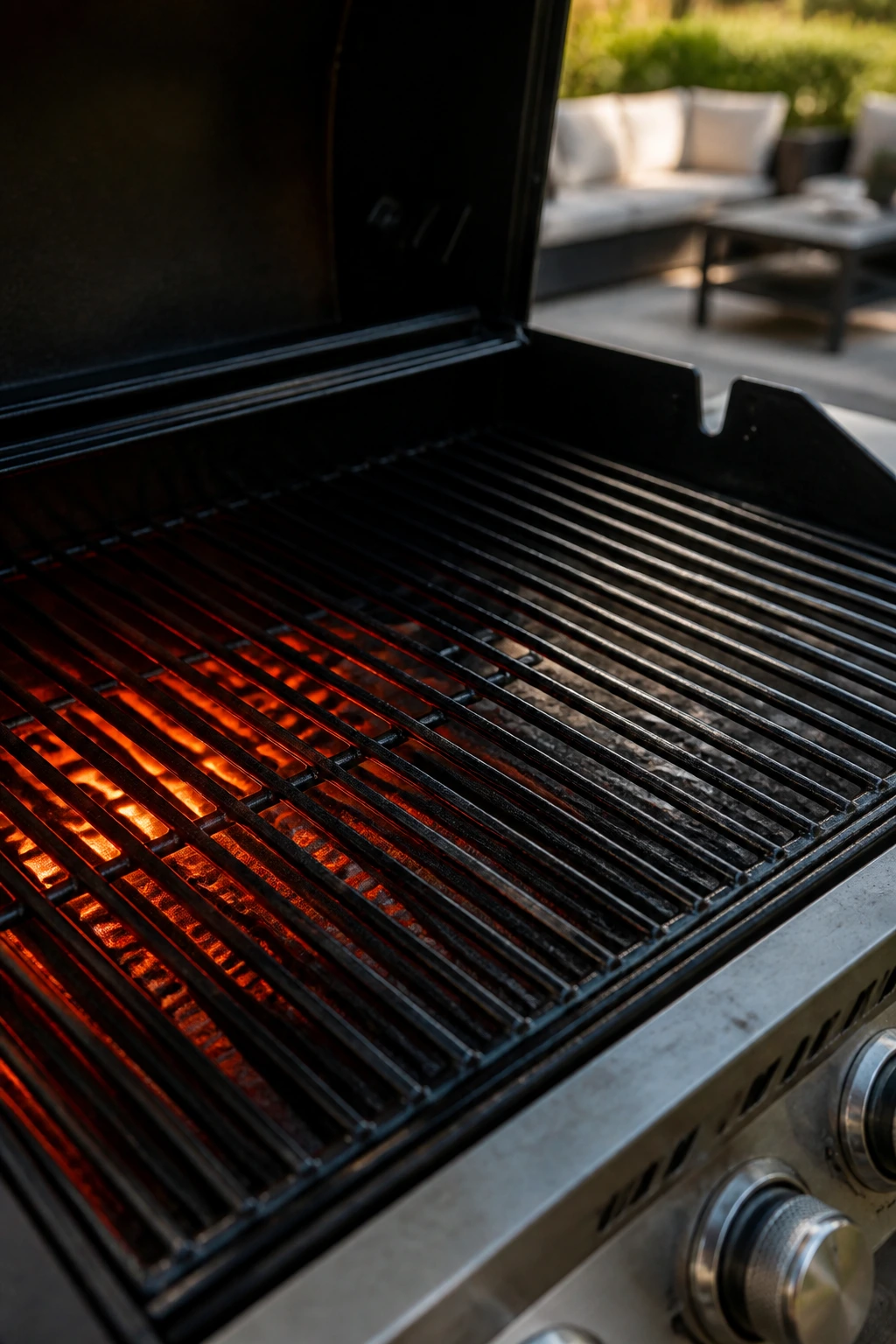
A clean, hot grill solves half the problems people blame on the marinade. Burnt sugar, sticky protein, and uneven cooking usually point back to bad fire management, not the marinade itself.
Start by scraping the grate while it’s still warm enough to loosen residue. Then oil the grate lightly with a folded paper towel held in long tongs or a grill-safe brush. You do not need a slippery surface; you need food-grade friction that keeps the protein from welding itself to the bars.
Gas grill setup
On a gas grill, preheat for 10 to 15 minutes with the lid closed until the grate is hot and the lid thermometer sits around 400°F to 450°F for medium-high grilling. Then create a two-zone layout by leaving one burner on high or medium-high and turning another burner down or off. That gives you a hot side for searing and a cooler side for finishing if the marinade browns faster than the center cooks.
Charcoal grill setup
For charcoal, build a pile of lit coals on one side of the grill and leave the other side sparse or empty. You want a strong direct-heat zone and a gentler zone. If you’re using a chimney starter, wait until the top coals are covered with gray ash before dumping them. That makes the heat cleaner and more predictable. Tossing food onto charcoal that’s still choked with flame and black smoke is a fast route to bitter char.
A small but useful habit
Take the marinated food out of the fridge only when the grill is almost ready. Cold meat on a hot grate is fine. Cold meat that sits around while the grill struggles to catch up is not. If a marinade is heavy with sugar or garlic paste, shake off the excess before grilling. A thin coating browns better than a thick, wet layer that steams and sticks.
Grilling Over Direct Heat Without Burning the Marinade
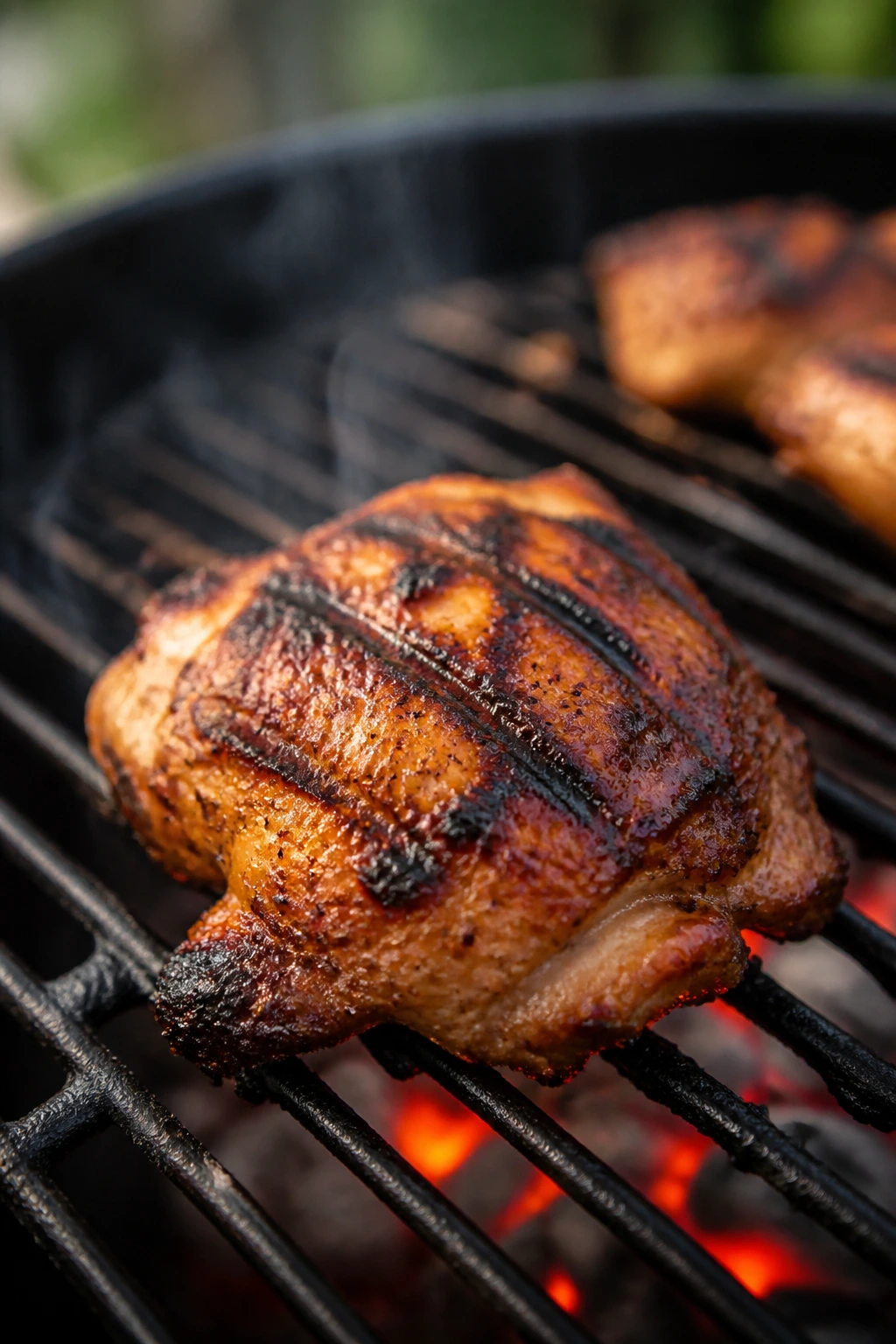
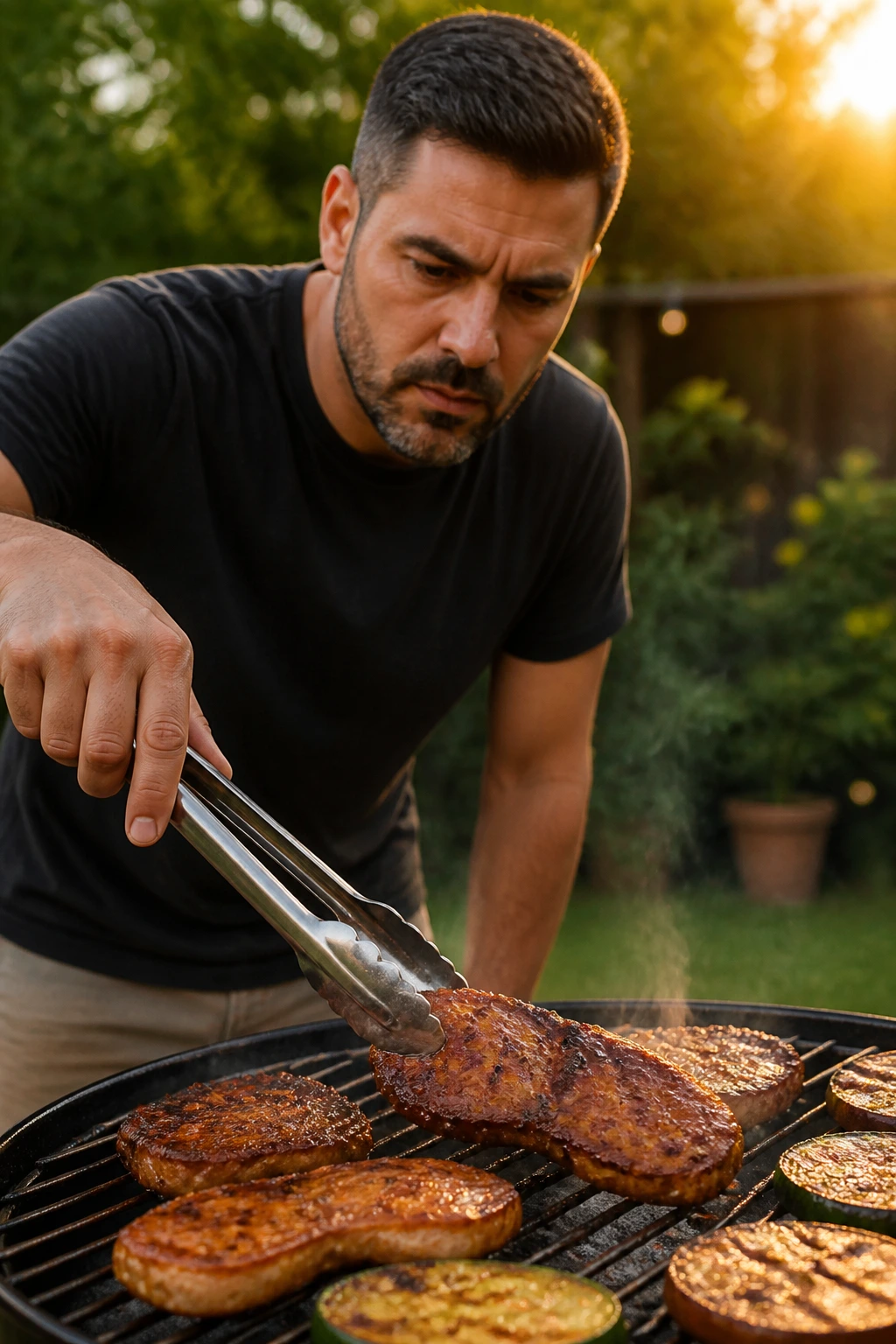
Marinated food can fool you. It smells done before it is done, and it browns before the inside catches up. That is the point where a lot of home grillers panic and start flipping every thirty seconds. Resist that. The food needs contact with the grate, not constant intervention.
Step 1: Place the food on the hottest zone
Set chicken thighs, pork chops, steak, or vegetables on the direct-heat side and leave them alone long enough to build color. On a properly heated grill, that usually means 3 to 6 minutes per side for many proteins, depending on thickness. Thin vegetables may need less. Thick pork chops may need more.
Step 2: Watch the edges, not just the clock
The marinade will tell you what it wants. When the edges start turning opaque and you see clean grill marks, it’s time to check the underside. If the surface is darkening too quickly, move the food to the cooler zone. That is not failure. That is good grilling.
Step 3: Use the indirect zone to finish
Chicken thighs, thick pork chops, and larger pieces of steak often benefit from a brief move to the cooler side after the initial sear. Close the lid and let the internal temperature rise without turning the outside into a charcoal sketch. This is where the two-zone setup pays for itself.
Step 4: Cook to temperature, not to guesswork
An instant-read thermometer is the least glamorous tool in the yard and the one that saves the most dinners. Chicken should reach 165°F in the thickest part. Pork chops and pork tenderloin are usually best around 145°F, then rested. Beef depends on preference, but if you’re serving a crowd, medium-rare to medium usually lands well. Shrimp are done when they curl into a loose C shape and turn opaque; fish should flake and reach 145°F.
Step 5: Pull before the sugar burns
If your marinade includes honey, maple, or brown sugar, move the food or lower the heat sooner than you think. Sugar can go from amber to bitter black fast. I’d rather sacrifice a few grill marks than feed people food that tastes scorched.
Resting, Slicing, and Finishing So the Juices Stay Put
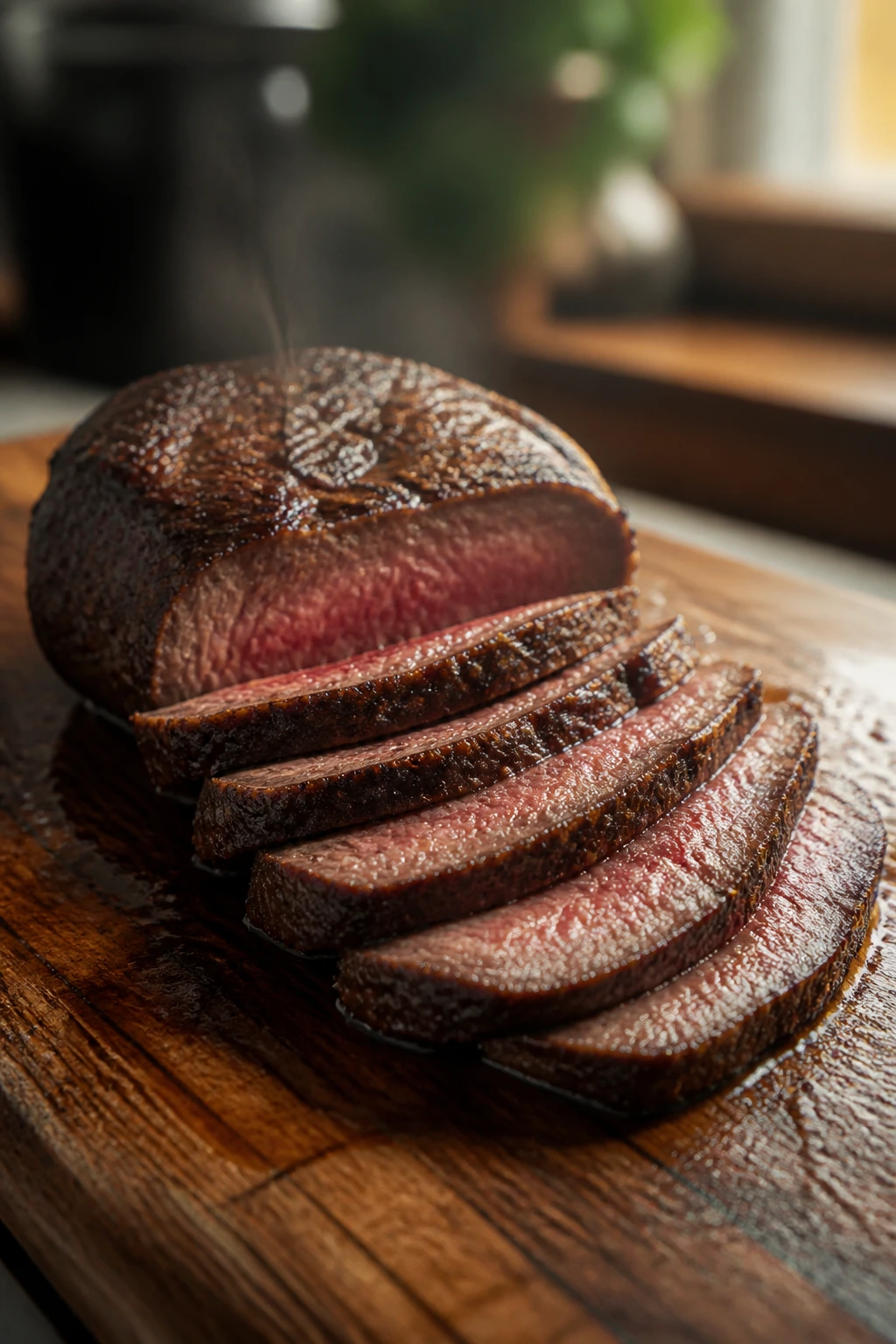
A lot of backyard food gets ruined in the last two minutes. The grill did its job. The resting board did not.
After cooking, move the food to a clean platter or cutting board and let it sit. Chicken thighs and pork chops need 5 to 10 minutes. Steak needs 5 to 10 minutes too, depending on thickness. Smaller pieces like shrimp barely need a pause; fish fillets need enough time to firm up so they don’t fall apart when you lift them.
Resting matters because heat keeps moving inward after the food leaves the grill. That carries the final internal temperature up a little and lets the juices settle back into the meat instead of running onto the board the second you cut in. Skip this step and you get a puddle, not a juicy slice.
Slice beef and pork across the grain. That matters more than people think. Long muscle fibers can feel chewy even when the meat is cooked perfectly; cutting across them shortens the bite and makes the whole thing feel tender. For chicken thighs, slice only if the pieces are large enough to benefit from it. For vegetables, keep some whole and some cut so the platter has contrast.
If you want to brush on extra sauce, use a clean, reserved portion or a freshly cooked glaze. Never drag a basting brush through the raw marinade and then back over finished food. That’s the kind of mistake that looks small and behaves big.
A final squeeze of lemon, a scatter of chopped herbs, or a pinch of flaky salt can wake up grilled food in a way that a heavier sauce never will. Especially on a hot day, bright finishing notes matter. They keep the cookout from tasting flat.
How to Serve a Backyard Cookout Without Rushing the Grill
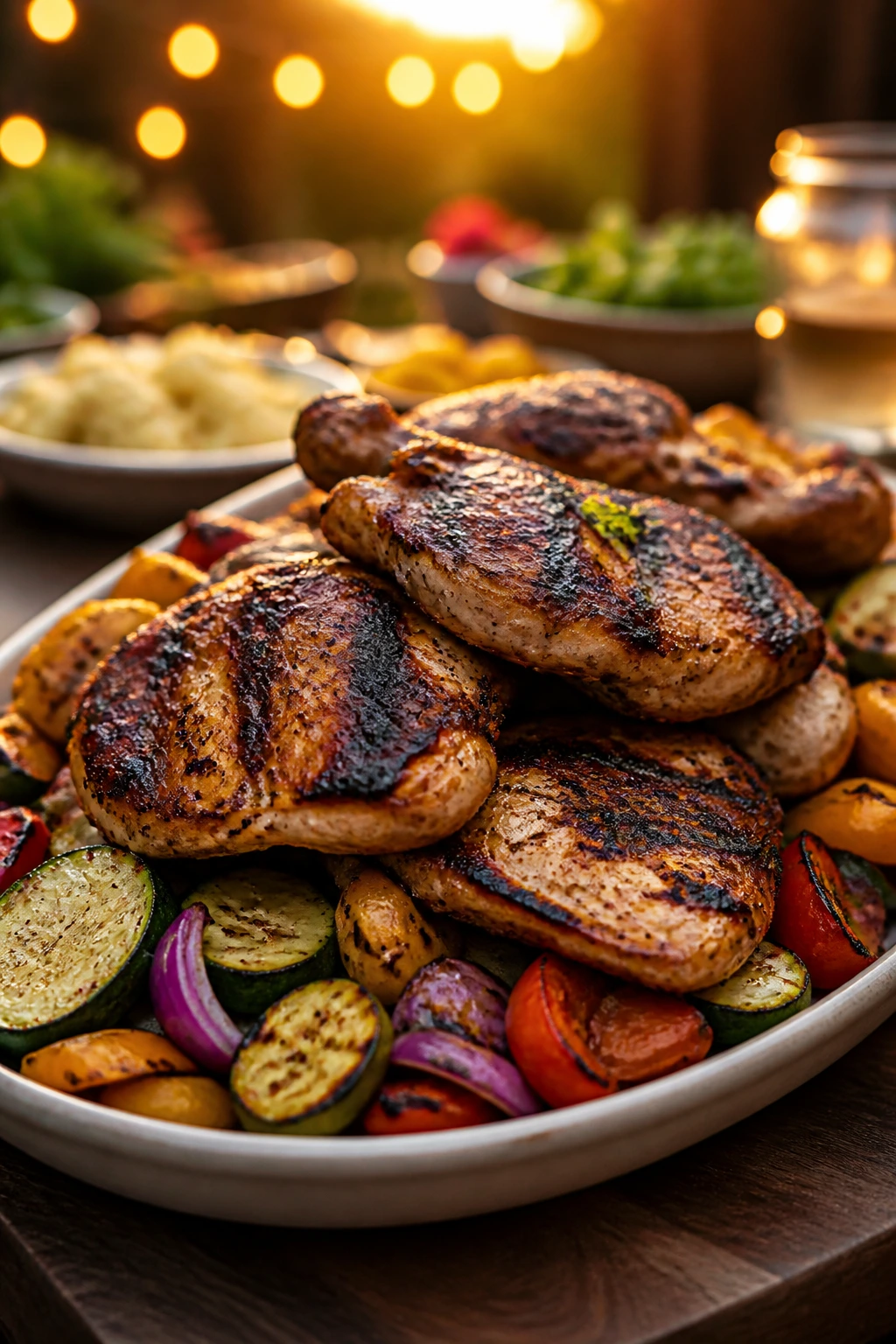
The most relaxed cookouts are the ones with a plan that doesn’t look like a plan. Food comes off the grill in batches. Plates get built quickly. No one stands around starving while the last piece of chicken catches up.
Presentation: Put the grilled food on a warm platter, not a cold tray straight from the cupboard. Chicken thighs can be stacked slightly so the juices pool in the bottom of the dish. Steak should be sliced before serving if you want people to grab easily. Vegetables look best when they’re spread out with some char showing, not piled into a steamy mound.
Accompaniments: Marinated grilled food likes simple sides with crunch or starch. Think vinegar slaw, grilled corn, potato salad, tomato salad, rice pilaf, or a loaf of crusty bread for mopping up juices. If the main has a bold soy-ginger or chile-lime profile, a cucumber salad or plain grilled onions keep the plate from feeling heavy.
Portions: For adults, plan on 6 to 8 ounces of cooked meat or 8 to 10 ounces of vegetables and plant-based mains if they’re the main event. Shrimp works better by count; 6 to 8 large shrimp per person is a fair serving when there are sides. If your crowd likes seconds, cook a little extra and keep it warm in a low oven rather than trying to guess too tight.
Beverage Pairing: A cold lager, a crisp pilsner, or unsweetened iced tea handles smoky, salty, and citrusy marinades without getting in the way. For something lighter, sparkling water with lime keeps the palate fresh between bites. Sweet drinks can clash with sugary marinades, so I usually keep the beverages clean and sharp.
Tools That Make Marinated Grilling Less Fussy
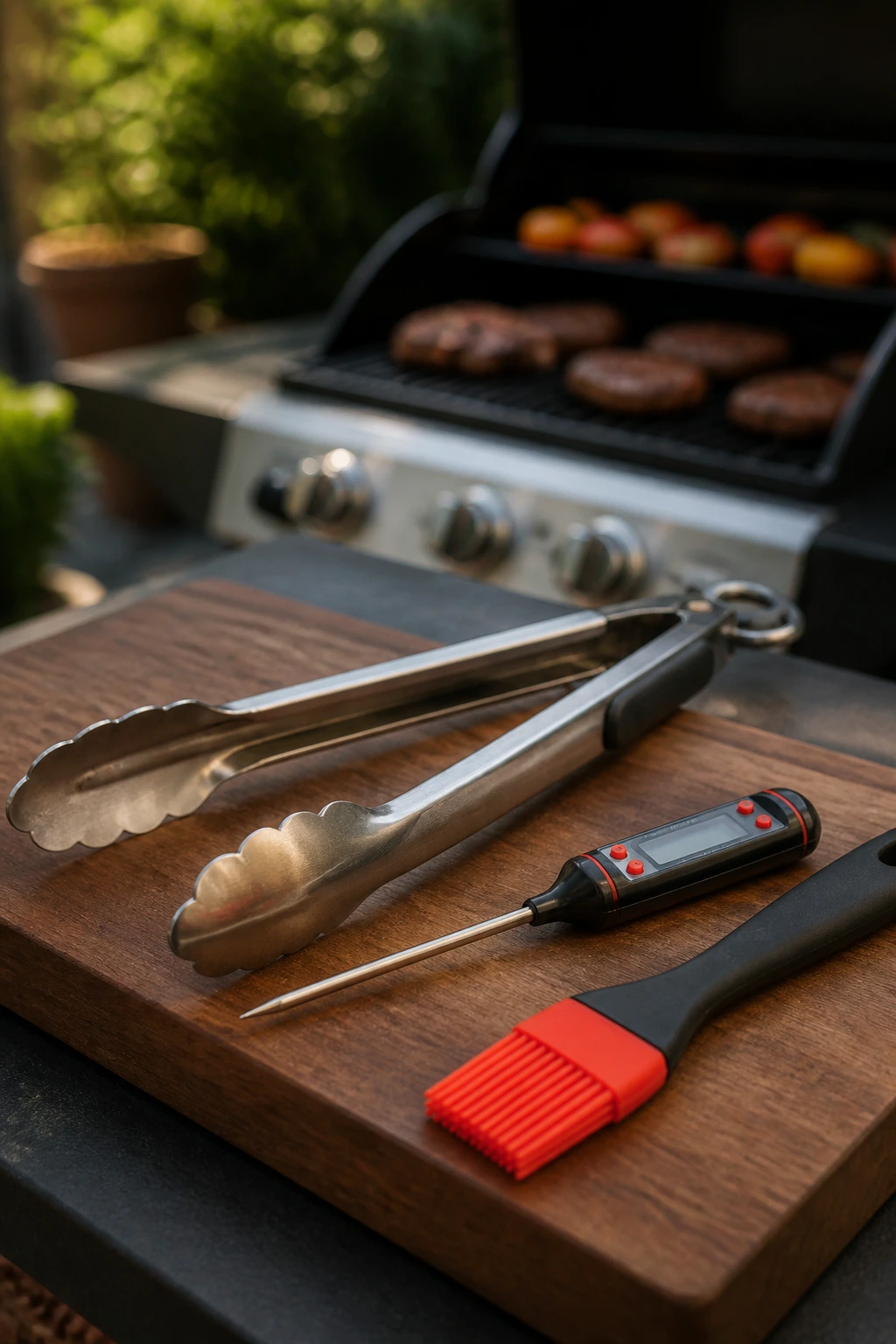
A grill can work with a bare minimum, but a few tools make the whole thing calmer.
-
Instant-read thermometer — The single most useful tool here; it takes the guesswork out of doneness and keeps chicken, pork, and fish from going too far.
-
Long metal tongs — Better than a fork for turning food, because piercing meat leaks juice and tears the crust you just built.
-
Two sheet pans or platters — Use one for raw marinated food and one for the cooked batch. Mixing them is how cross-contamination happens.
-
Large resealable bags or shallow glass dishes — Bags coat food evenly with less marinade; shallow dishes work well for large cuts and are easier to stack in the fridge.
-
Grill brush or scraper — A clean grate gives you cleaner marks and fewer sticky disasters. Use it while the grill is still warm.
-
Silicone basting brush — Handy if you have a clean, cooked glaze to brush on during the final minute or two.
-
Heavy-duty aluminum foil — Useful for a cool zone rest, a quick vegetable packet, or keeping bread warm near the edge of the grill.
-
Small bowl reserved for clean sauce — If you plan to finish with extra marinade-based sauce, set aside a portion before anything raw touches it.
The Mistakes That Leave You With Charred Edges and Flat Flavor
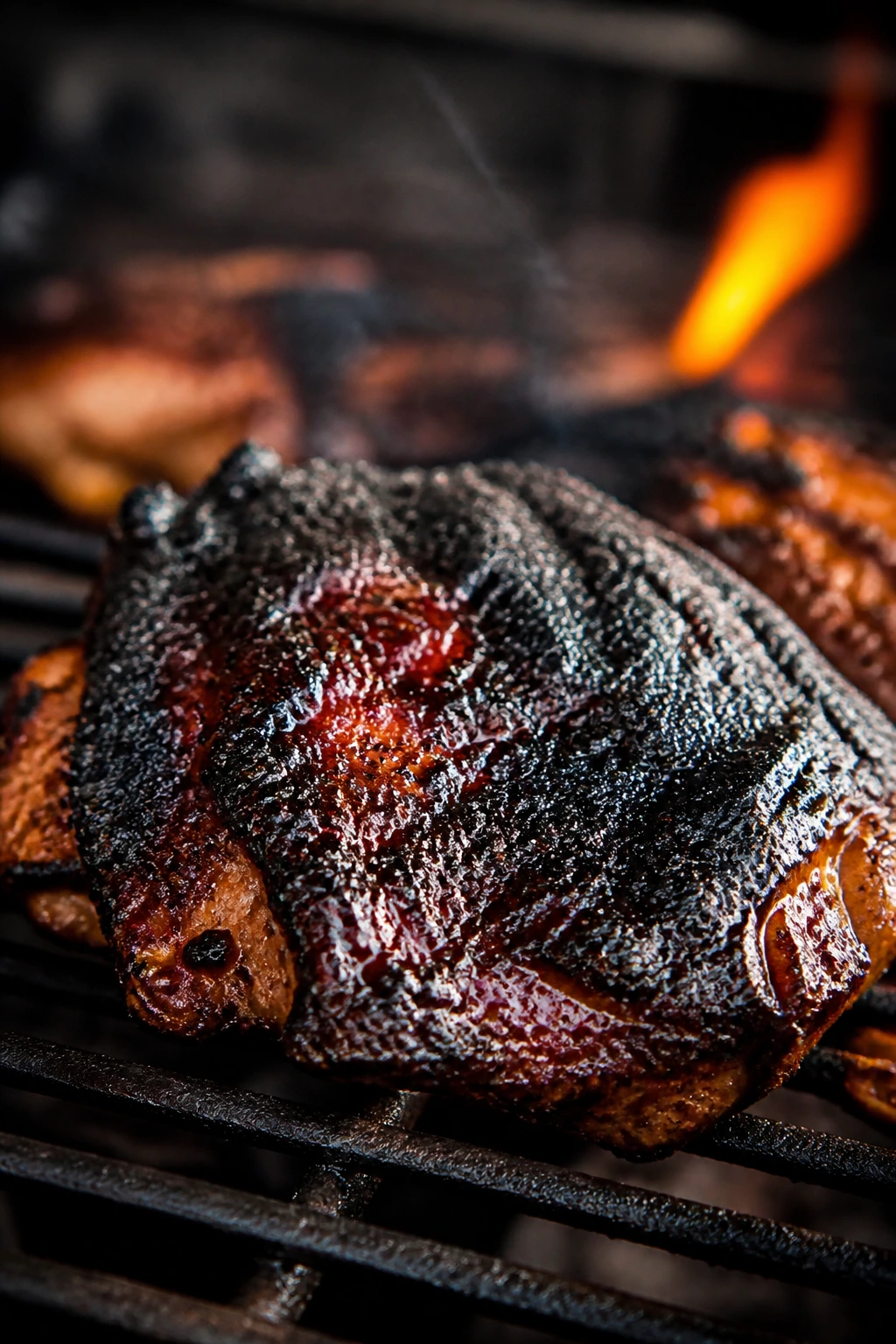
People rarely ruin marinated grilling in one dramatic move. It’s usually a handful of small errors that stack up.
Using too much sugar too early. The smell is seductive, but a marinade loaded with honey or brown sugar can burn before the center is cooked. The fix is simple: keep sweeteners modest, grill over a medium-hot fire, or brush the sweet glaze on near the end.
Marinating on the counter. Food that sits at room temperature while it soaks is a food-safety problem, not a technique. Keep it refrigerated the entire time. If the marinade needs more movement, stir the food halfway through with clean hands or tongs and put it right back in the fridge.
Dragging too much wet marinade onto the grate. Thick clumps of garlic, herbs, or yogurt stick, burn, and make the grill flare. Shake off the excess before the food goes on. A thin coating gives better color and cleaner flavor.
Crowding the grill. When pieces are packed too close, they steam instead of sear. The marinade turns gray and sticky, and the texture gets soft in the wrong way. Leave space between pieces, even if it means grilling in two rounds.
Skipping the thermometer. This is the mistake that turns a decent cookout into an apology. Chicken breasts dry out, pork looks done before it is, and fish goes from moist to chalky with a few degrees too much heat. Check the temperature, especially with thicker cuts.
Reusing raw marinade as sauce without boiling it. That’s not a shortcut. It’s a risk. If you want a finishing sauce, reserve a clean portion before the raw food goes in, or boil the used marinade hard for a few minutes until it’s safe and slightly reduced.
Practical Tips for Better Backyard Cookout Results
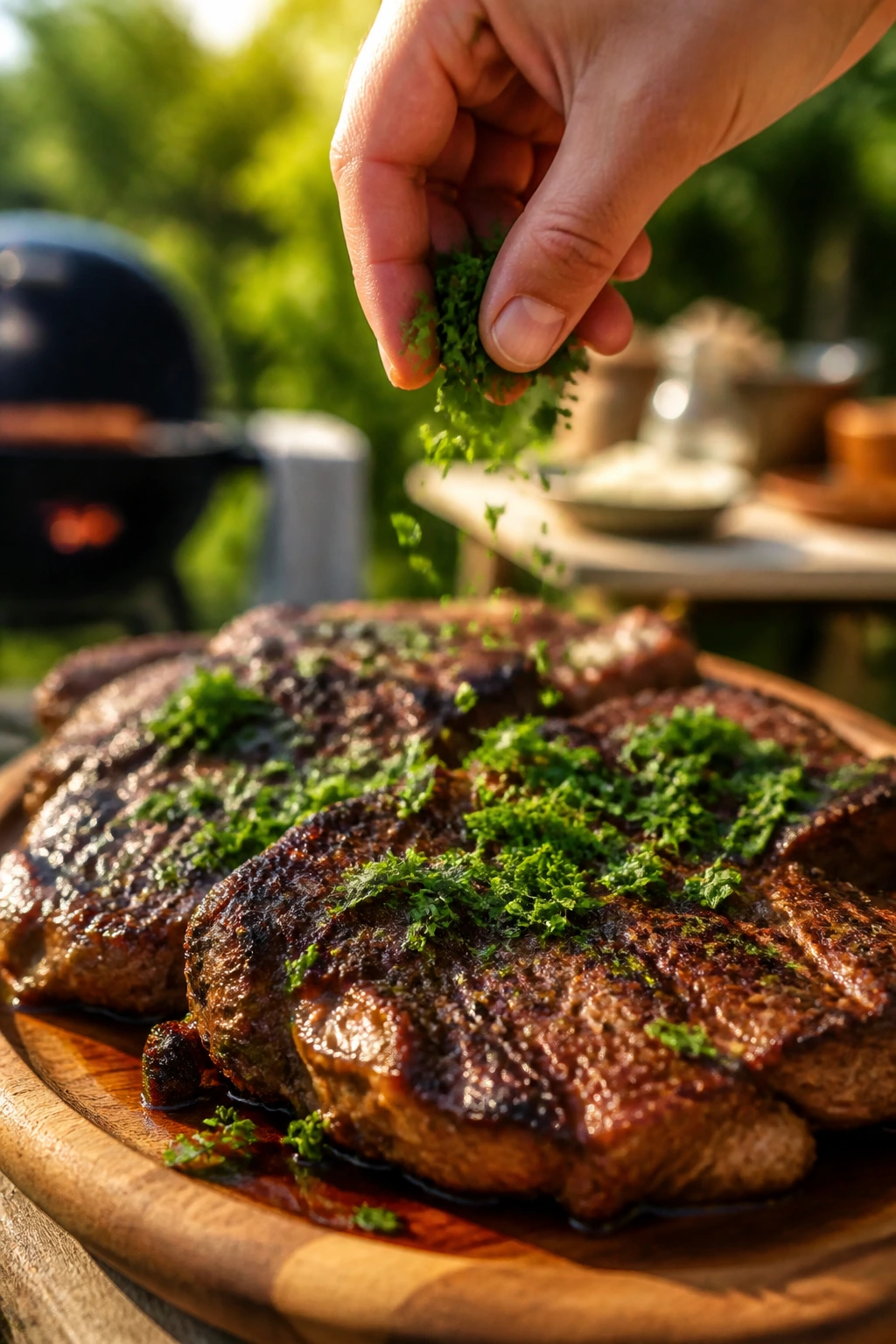
Flavor Enhancement: Add fresh herbs and zest at the end, not just in the marinade. A handful of chopped parsley, cilantro, dill, or basil scattered over hot food gives the plate a sharper, greener smell than dried herbs can manage. Zest from lemon, lime, or orange does the same thing without adding more acid.
Time-Saver: Use resealable bags laid flat in a rimmed sheet pan. They marinate more evenly, stack neatly in the fridge, and are easier to move outside without dripping all over the floor. If you’re feeding a crowd, label each bag with a piece of tape so you don’t end up guessing which one is chicken and which one is pork.
Pro Move: Keep one clean bowl of “finish sauce” separate from the start. Make it from the same flavor profile — a little oil, a little citrus, herbs, maybe garlic — but leave it untouched by raw food. Brush it on just before serving or spoon it over the sliced meat on the platter.
Cost-Saver: Choose cuts that forgive a marinade and a hot grill. Chicken thighs, pork shoulder steaks, flank steak, drumsticks, and bone-in chicken pieces often cost less than the lean cuts people default to, and they hold up better over fire. Good grilling does not require expensive meat. It requires the right meat.
Texture Boost: Dry the surface lightly before grilling if the marinade is watery. A quick blot with paper towels removes excess liquid and helps the food brown faster. That’s especially useful for shrimp, tofu, and vegetables that tend to weep.
Make-It-Yours: If you like heat, add crushed chile flakes, fresh jalapeño, or harissa to the marinade. If you want something milder, lean on garlic, herbs, mustard, or ginger and skip the extra acid. You can steer the same grill session in a dozen directions without changing the method.
Easy Marinade Variations for Chicken, Pork, Seafood, and Vegetables
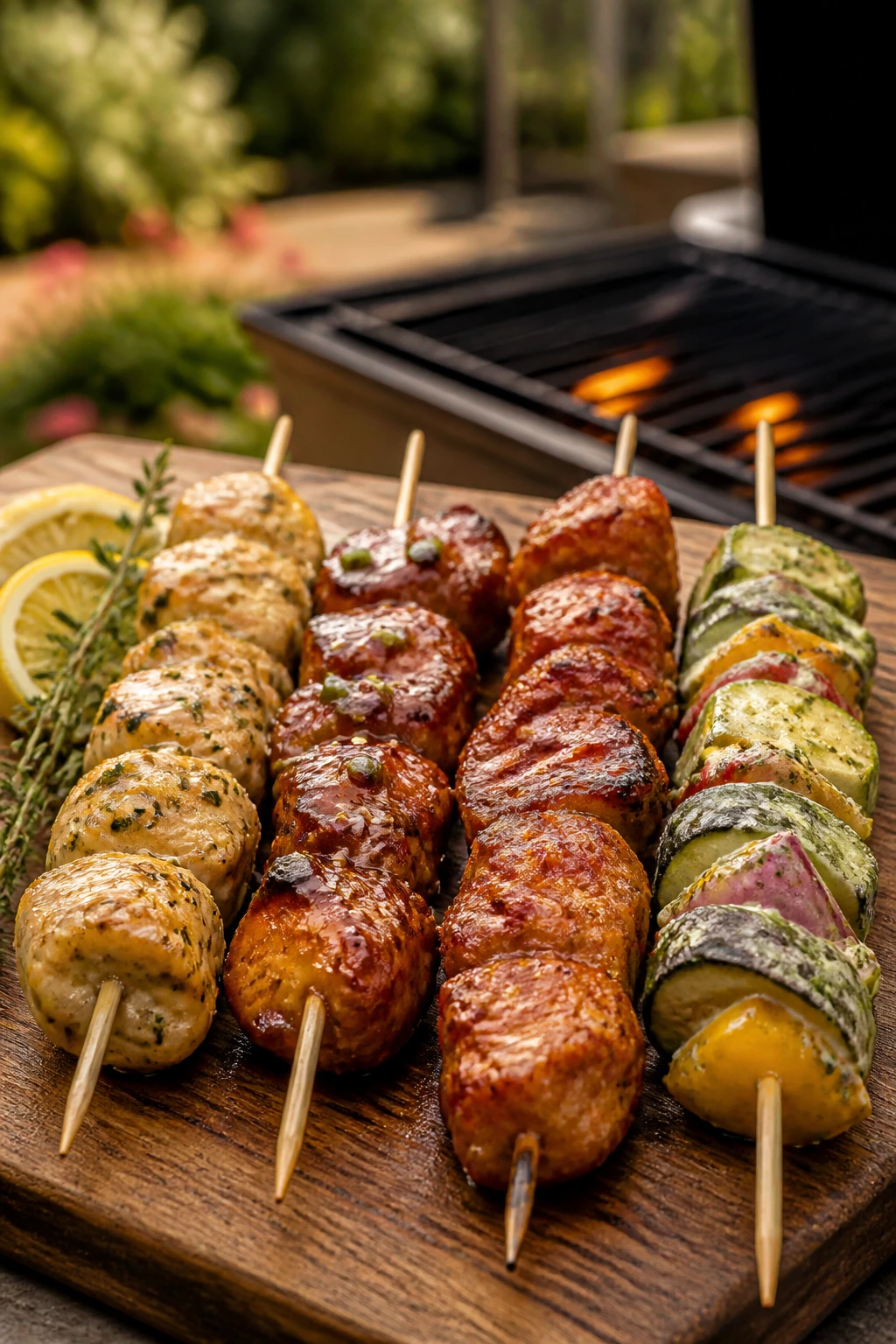
A backyard grill gets interesting when the flavor profile changes, not the workload. These variations keep the method the same and move the taste in a different direction.
Bright Lemon-Garlic Chicken: Lemon zest, lemon juice, olive oil, minced garlic, oregano, salt, and black pepper make a clean, sharp marinade for chicken thighs or drumsticks. It tastes especially good with grilled potatoes or a tomato salad, and it behaves nicely over medium-high heat as long as you don’t drown the meat in acid.
Soy-Ginger Skewer Night: Soy sauce, grated ginger, garlic, sesame oil, a little brown sugar, and scallions make a glossy marinade for chicken, steak, shrimp, or tofu. It browns quickly, so keep the grill medium-hot and watch closely near the end. A sprinkle of sesame seeds after grilling gives the platter a finished look without extra work.
Smoky Chile-Lime Pork: Lime zest, a little lime juice, smoked paprika, cumin, garlic, oil, and a touch of honey turn pork chops or pork tenderloin into something with actual backbone. It’s bold enough for corn and slaw, and it loves a quick sear followed by a short move to indirect heat.
Herb-Yogurt Vegetables and Chicken: Thick yogurt, garlic, chopped dill or mint, lemon zest, salt, and pepper cling beautifully to chicken thighs, cauliflower, zucchini, or halloumi. The yogurt gives you a pale coating that browns in spots instead of burning fast, which is useful when the grill is hot and the timing is loose.
Miso-Sesame Everything Sauce: White miso, sesame oil, rice vinegar, a little honey, garlic, and grated ginger make a savory-sweet marinade for salmon, mushrooms, eggplant, or tofu. It’s salty enough to carry weaker vegetables and rich enough to make grilled fish taste fuller. Keep the heat moderate, because miso can darken fast.
Make-Ahead, Storage, and Reheating Guidance
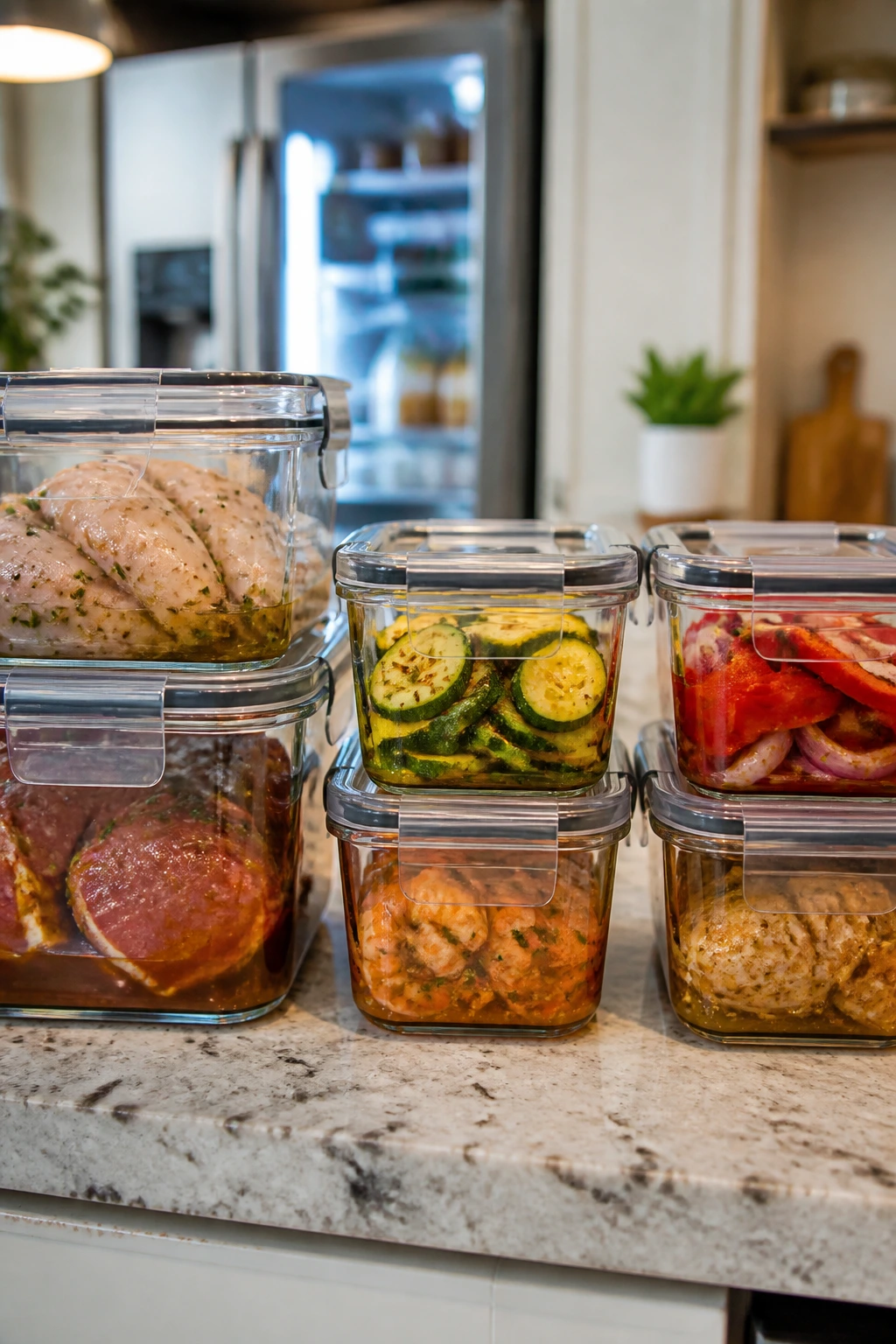
Marinated grilling gets easier when you treat the fridge like part of the grill setup.
Raw and marinated food
Chicken, pork, beef, and tofu can be marinated ahead of time and kept in the refrigerator until you’re ready to grill. For most chicken and pork cuts, up to 24 hours is a comfortable planning window; many leaner pieces are best within that time. Seafood should stay much shorter — usually 15 to 30 minutes, and no more than a couple of hours for firmer fish if the marinade is gentle. Vegetables are best marinated the same day, since they can soften and leak liquid if they sit too long.
Cooked leftovers
Grilled chicken, pork, beef, and vegetables keep well in airtight containers for 3 to 4 days in the refrigerator. Slice the meat before chilling if you know you’ll use it in wraps or salads; it cools faster and is easier to portion. Shrimp and fish are best eaten within 1 to 2 days because the texture drops off fast once they’re cooked.
Freezing
Most cooked grilled meats freeze for up to 2 months if wrapped well and stored in a sealed container or freezer bag. Slice beef and pork first if you want quicker thawing. Chicken freezes nicely too, though the grilled crust softens a little when it comes back. I would not freeze delicate seafood leftovers unless you have no better option.
Reheating
For the best texture, reheat chicken, pork, and steak in a 300°F oven covered loosely with foil until just warm. If you’re reheating slices, a skillet over medium-low heat with a spoon of water or broth works well and keeps the meat from drying out. Microwaving is fine in a pinch, but use short bursts and cover the food so it doesn’t turn leathery. Vegetables reheat quickly in a skillet. Seafood wants the gentlest treatment possible — a few minutes in a low oven or a quick pass in a covered pan.
Questions That Come Up Right Before the First Flip
Can I marinate meat overnight?
Yes, but not every cut wants that. Chicken thighs and many pork cuts can handle a longer rest, while fish, shrimp, and thin chicken pieces can turn mushy or overly salty if you leave them too long. If the marinade is heavy on acid, shorten the time.
What if I only have 30 minutes?
Use salt, oil, garlic, herbs, and a little citrus zest, then cut the food into smaller, even pieces so the flavor reaches more surface area. Thirty minutes is enough to help chicken, pork, and vegetables. Shrimp barely needs more than that anyway.
Should I dry the food before it goes on the grill?
A light blot helps if the marinade is wet or sugary. You want a thin coating, not dripping liquid. Too much marinade on the surface slows browning and raises the odds of flare-ups.
Is it safe to use leftover marinade as a sauce?
Only if it never touched raw food, or if you boil it hard for a few minutes first. The cleanest move is to reserve a separate portion of marinade before adding the raw meat. That way you have a safe finishing sauce without thinking about it later.
Which grill temperature works best?
For most marinated foods, medium-high heat around 400°F to 450°F is a solid starting point. Use direct heat to build color, then shift thicker pieces to a cooler zone if the outside is ahead of the inside. If sugar is involved, lower the heat a little or move earlier.
Do I need to bring the meat to room temperature first?
No. That advice gets repeated a lot, but a brief rest while the grill heats is enough. Keeping raw food cold until it’s time to cook is safer, and the temperature difference is not the thing that makes or breaks dinner.
Can vegetables use the same marinade as meat?
Sometimes, yes, but I prefer to keep vegetable marinades a little lighter on salt and acid. Vegetables need less force. A mix that’s perfect for chicken can overwhelm zucchini or mushrooms and leave them soggy.
Why does my marinade burn so fast?
Usually it’s sugar, garlic paste, or a grill that’s too hot for the marinade you made. Lower the heat, shake off extra liquid, and move the food to indirect heat sooner. Burnt marinade smells louder than it tastes, and not in a good way.
The Part That Makes You Want to Grill Again Next Weekend
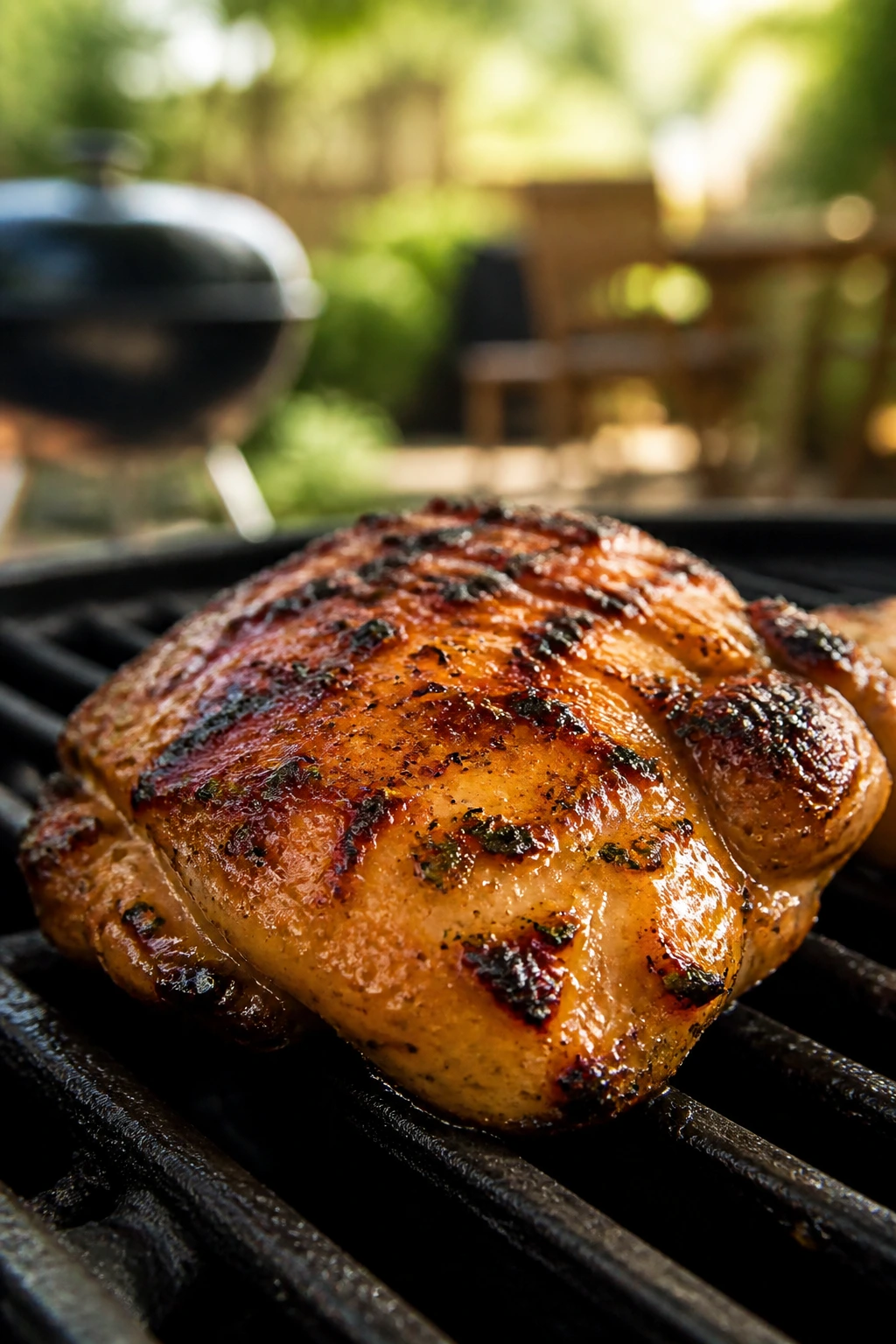
Marinated easy grilling works because it respects the grill instead of fighting it. You do the seasoning early, keep the heat set up properly, and let the food develop color instead of forcing it. That’s how a simple chicken thigh or pork chop starts tasting like a cookout worth remembering.
The nice thing is how repeatable it becomes. Once you know your marinade style, your timing, and your grill’s hot spots, the whole process gets quieter. Less hovering. Fewer guesses. Better food on the plate.
The next time the backyard fills up and the grill lid starts clanging open and shut, this is the method that keeps dinner on track and the cook out of the weeds.