



A good salad cup has a job to do. It has to stay upright, stay crisp, and stay interesting after the first few bites — which is harder than it looks when you start loading lettuce with juicy vegetables and a dressing that wants to run straight to the bottom of the bowl. These hearty salad cups with homemade dressing solve that problem with chopped chicken, quinoa, chickpeas, crunchy vegetables, and a lemon-Dijon yogurt dressing that clings instead of pooling.
I like this style of salad because it behaves more like lunch and less like a side dish pretending to be a meal. Butter lettuce gives you a soft shell that bends instead of snapping, while romaine brings more crunch if that’s your thing. The filling is chopped small enough to tuck into a leaf without collapsing it, and the dressing has enough body to coat the grains and chickpeas without turning the whole thing slippery.
There’s also the practical side, which is why this recipe earns real kitchen space. You can cook the quinoa ahead, use leftover chicken, and keep the lettuce leaves dry in a towel-lined container so the whole thing comes together fast when you’re hungry. Once you’ve made a batch this way, it starts to feel less like “salad night” and more like a smart reset with actual texture.
Why These Salad Cups Earn a Spot in the Fridge
A salad cup works when it solves the two problems that sink ordinary salads: soggy greens and a filling that slides everywhere. The chopped format fixes both. Each bite gets a little quinoa, a little chicken, a little chickpea, and a little crunch from cucumber or celery, so the lettuce acts like a crisp wrapper instead of the whole meal.
That’s the part I like most. The cups feel tidy, but not fussy. They’re sturdy enough for lunch, light enough that the dressing doesn’t turn heavy, and flexible enough that you can pull them from pantry basics without making the food taste like a compromise.
There’s a bit of smart structure hiding under the simplicity. Quinoa gives the filling a dry, fluffy base that catches the lemony dressing. Chickpeas add chew. Chicken makes the cups satisfying enough to stand in for dinner, not just a snack. And the herbs — especially dill and parsley — keep the whole thing from tasting blunt or flat.
I also like the way the lettuce choice changes the mood. Butter lettuce is soft and buttery, almost like edible parchment. Romaine is cleaner and snappier, with a more rigid rib that holds a bigger scoop. Neither is wrong. They just behave differently, and once you notice that, you can pick the one that matches the day.
Why You’ll Keep Making Them
-
Meal-prep friendly: The chicken, quinoa, chickpeas, and dressing all hold up well for a few days, so you can pack the parts separately and assemble fast when lunch gets annoying.
-
Crisp instead of soggy: The filling gets dressed lightly, not drowned, which keeps the lettuce leaves from folding into wet little puddles by the time you sit down to eat.
-
Good use of leftovers: Rotisserie chicken, extra quinoa, and herbs that are starting to look tired all have a place here. Nothing feels wasted.
-
Balanced bite: You get protein, grain, acid, fat, and crunch in one cup. That balance is why the cups feel like real food instead of a polite side salad.
-
Flexible lettuce choice: Butter lettuce makes soft, easy cups. Romaine gives you more structure if you’re packing them for a desk lunch or serving them to people who overfill everything.
A Quick Snapshot
Here’s the short version before the chopping starts.
Yield: Serves 4 to 6
Prep Time: 20 minutes
Cook Time: 15 minutes
Total Time: 35 minutes
Difficulty: Beginner — the technique is straightforward, and the main skill is keeping the lettuce dry and the filling chopped small enough to stay put.
Chill/Rest Time: 10 to 15 minutes for cooling the quinoa, if needed
Best Served: Right after assembling, while the lettuce is still crisp and the dressing hasn’t had time to soften the leaves
The Ingredient List
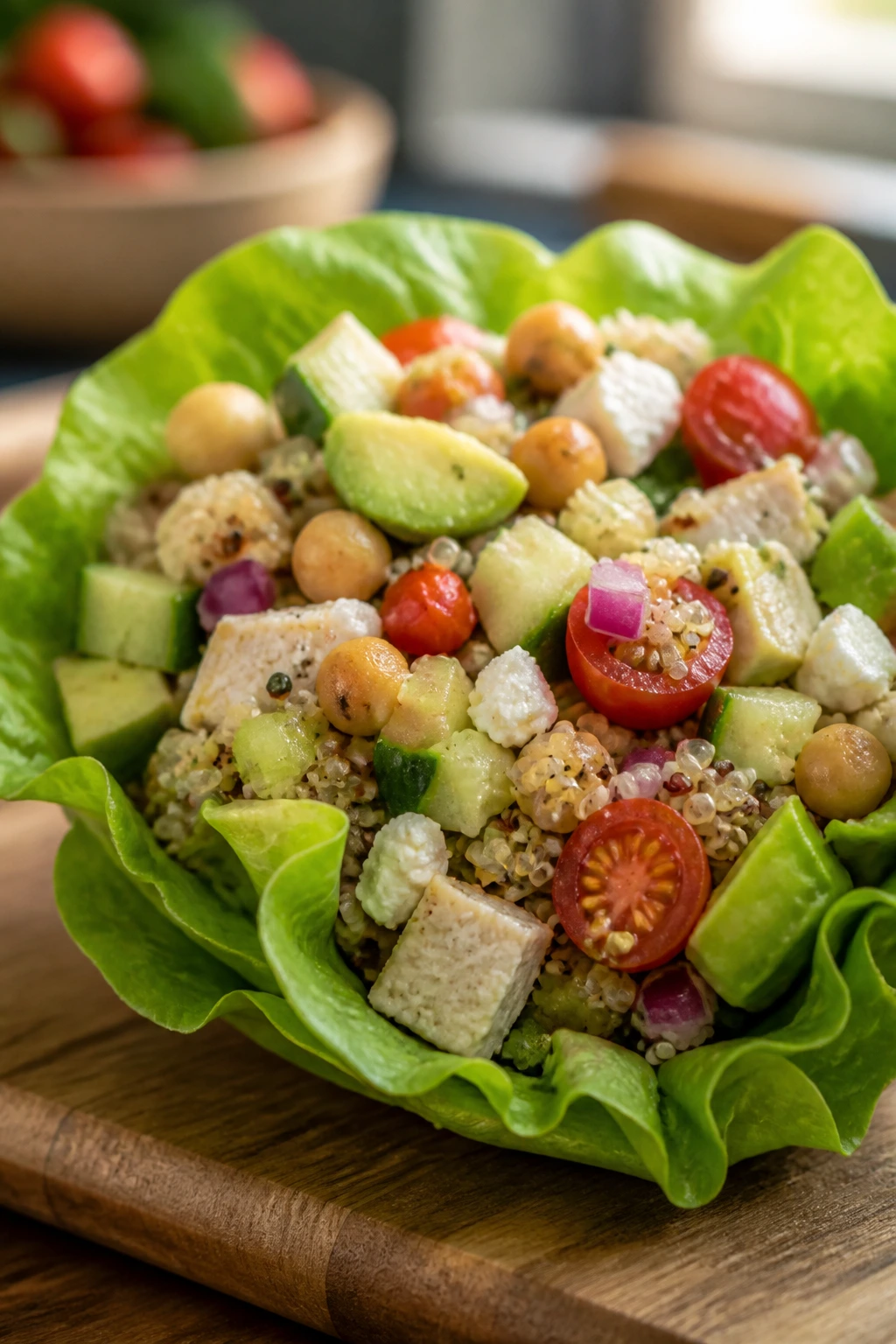
The best version of this recipe lives or dies on small, even pieces. Big chunks are the enemy here; they make the cups split and the whole thing feel sloppy.
For the Salad Cups
- 3 heads butter lettuce or 2 large romaine hearts, leaves separated, washed, and thoroughly dried
- 3/4 cup dry quinoa, rinsed well
- 1 1/2 cups water
- 1/4 teaspoon kosher salt, for the quinoa
- 2 cups cooked chicken breast, chopped into 1/2-inch pieces
- 1 can (15 ounces) chickpeas, drained, rinsed, and patted dry
- 1 cup cucumber, diced small
- 1 cup cherry tomatoes, halved
- 1/2 cup celery, finely diced
- 1/4 cup red onion, minced
- 1 avocado, diced just before serving
- 1/3 cup crumbled feta
- 1/4 cup chopped fresh parsley
- 2 tablespoons chopped fresh dill
- 1/4 cup toasted pepitas, optional, for crunch
For the Homemade Dressing
- 1/4 cup plain Greek yogurt
- 3 tablespoons extra-virgin olive oil
- 3 tablespoons fresh lemon juice
- 1 tablespoon Dijon mustard
- 1 teaspoon honey
- 1 small garlic clove, finely grated
- 1 tablespoon water, plus more as needed
- 1/2 teaspoon kosher salt
- 1/4 teaspoon black pepper
Why Each Ingredient Pulls Its Weight
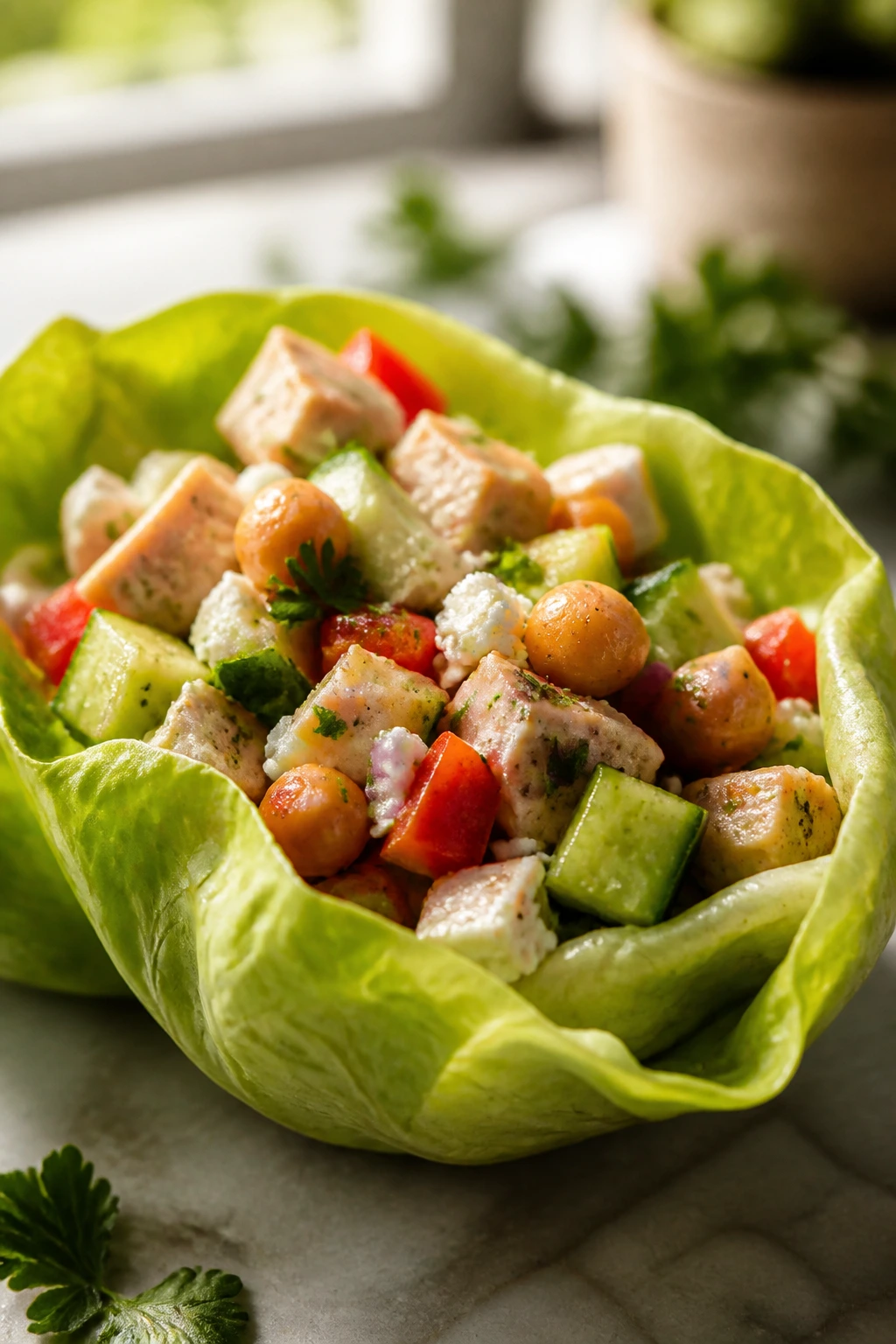
Crisp Lettuce Shells
What to use: 3 heads butter lettuce or 2 large romaine hearts, with the leaves separated and kept intact.
Preparation: Wash the leaves, spin them dry, then blot them with a clean kitchen towel so there’s no hidden water clinging to the ribs. If you want extra crispness, chill them for 10 minutes before assembling.
Substitutions: Little gem, endive, or tender cabbage leaves can step in when you want more structure or a slightly different texture.
Tips: Look for leaves with unbroken ribs and no split edges. Those are the ones that fold into cups instead of cracking when you spoon in the filling.
The Filling That Gives the Cups Their Backbone
What to use: 3/4 cup dry quinoa, 2 cups cooked chicken, and 1 can chickpeas. That trio gives the salad enough substance that you’re not chasing food around the plate.
Preparation: Cook the quinoa until the grains pop open and look a little curly, then spread it on a plate or tray so it cools without steaming itself soggy. Chop the chicken to chickpea size, not because it sounds cute, but because small pieces sit inside the lettuce better.
Substitutions: Leftover turkey, chopped tofu, or canned tuna can replace the chicken. If you want a vegetarian version, add another half-cup of chickpeas and a few chopped hard-boiled eggs if you eat them.
Tips: Salt the quinoa lightly while it cooks. Plain quinoa can taste dusty; a small pinch in the pot keeps the grain from fading into the background.
Fresh Crunch and Bright Bits
What to use: Cucumber, cherry tomatoes, celery, red onion, parsley, dill, avocado, feta, and optional pepitas.
Preparation: Dice the vegetables small and even so the filling spoons cleanly into the lettuce. Add the avocado at the end so it doesn’t get mashed into the bowl.
Substitutions: Radish, bell pepper, scallions, shredded carrot, shaved fennel, or mint can change the feel without changing the method.
Tips: Pat the cucumber dry after dicing if it’s watery. That tiny step keeps the dressing from thinning out and sliding to the bottom of the bowl.
The Homemade Dressing That Clings Instead of Drips
What to use: Greek yogurt, olive oil, lemon juice, Dijon, honey, garlic, water, salt, and pepper.
Preparation: Whisk until the dressing looks smooth and pale, then let it sit for 5 minutes before tasting. That resting time softens the garlic and lets the lemon settle down a little.
Substitutions: Tahini makes a dairy-free version with a little more nutty depth. Mayo can make it richer, though I’d keep the amount of lemon and Dijon the same so it doesn’t taste heavy.
Tips: The dressing should pour in a slow ribbon, not sit in a thick lump on the spoon. If it clings too hard, add water by the teaspoon until it loosens.
The Gear That Makes the Job Easier
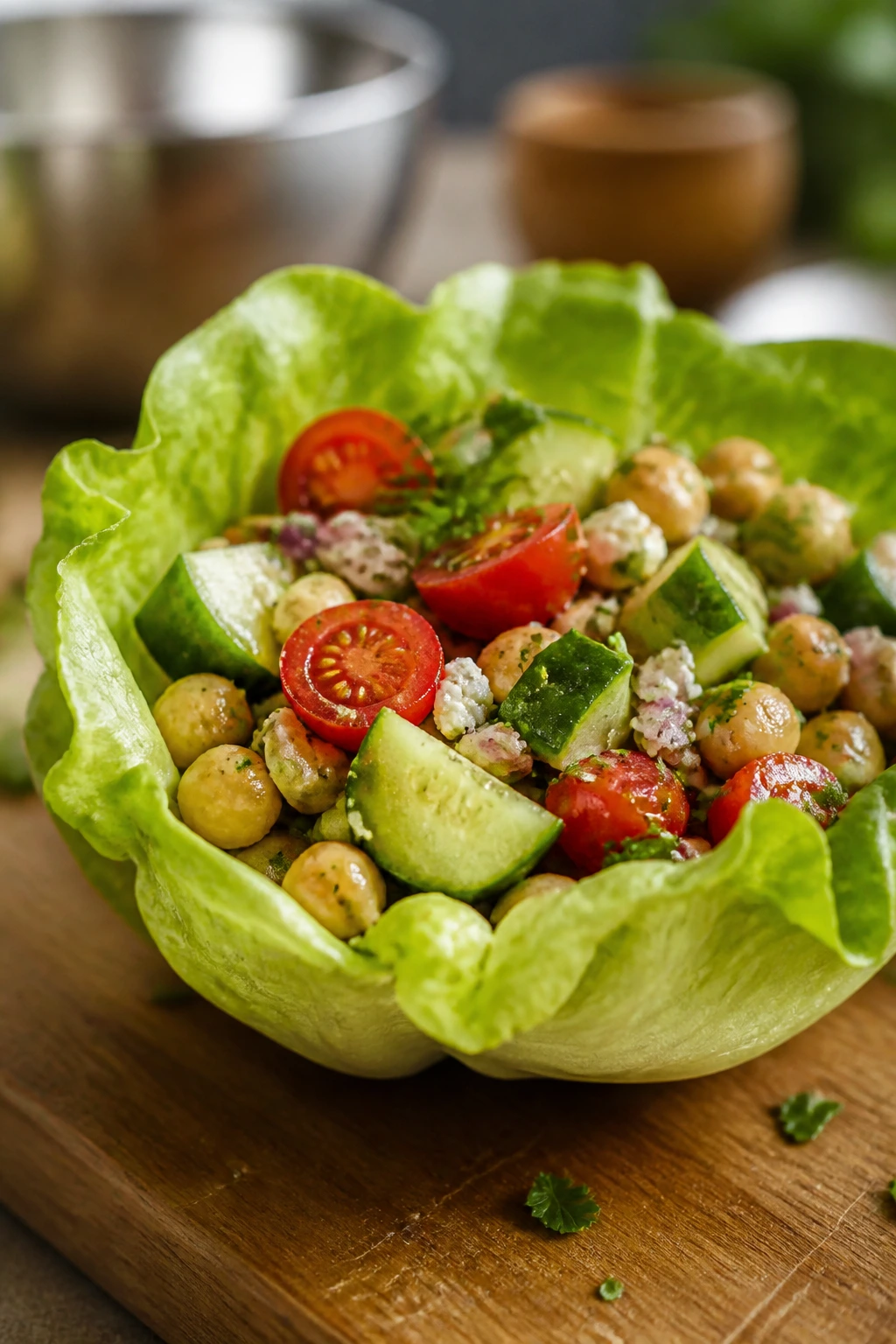
You do not need a pile of special equipment here. A few smart tools make the whole thing cleaner and faster.
- Fine-mesh strainer: Useful for rinsing the quinoa until the water runs mostly clear.
- Medium saucepan with a lid: Needed for cooking the quinoa evenly without scorching the bottom.
- Large mixing bowl: Give yourself room to toss the filling without crushing the avocado or breaking the chickpeas.
- Sharp chef’s knife: Small, tidy cuts matter in salad cups. A dull knife turns the vegetables into mush.
- Cutting board: A stable board makes the fine chopping much easier. I like one with a damp towel underneath so it doesn’t slide.
- Salad spinner or clean kitchen towels: Dry lettuce is the difference between a cup and a slump.
- Whisk or small jar with a lid: Either works for the dressing. A jar is handy if you want to shake and store it.
- Sheet pan or large plate: Great for spreading out the quinoa so it cools fast.
- Measuring cups and spoons: Use them for the dressing and the quinoa water. Eyeballing the liquid is how things drift.
Building the Salad Cups Step by Step
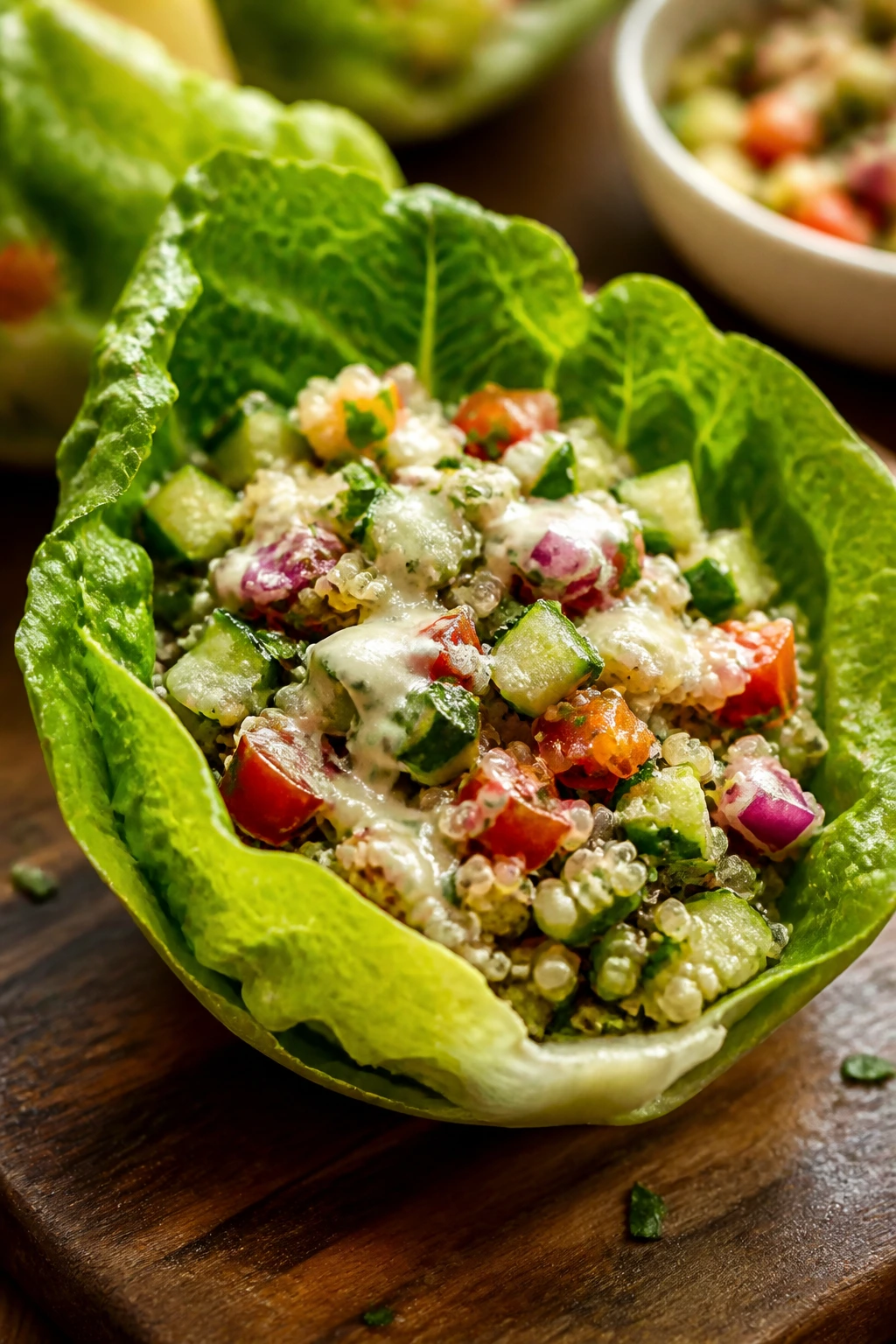
Cook the Quinoa:
-
Rinse 3/4 cup dry quinoa in a fine-mesh strainer under cold running water for about 30 seconds, rubbing it lightly with your fingers. Keep going until the water looks mostly clear, not foamy. That rinse cuts the bitter edge that can sneak into the finished filling.
-
Combine the rinsed quinoa, 1 1/2 cups water, and 1/4 teaspoon kosher salt in a medium saucepan. Bring it to a boil over medium-high heat, then reduce to low, cover, and simmer for 15 minutes until the water is absorbed and the grains look open and fluffy.
-
Turn off the heat and let the quinoa sit, covered, for 5 minutes. Fluff it with a fork, then spread it on a plate or sheet pan so it cools faster. Do not mix hot quinoa into the lettuce filling — it will soften the greens and make the dressing turn loose.
Mix the Dressing:
- In a small bowl or jar, whisk together the Greek yogurt, olive oil, lemon juice, Dijon mustard, honey, grated garlic, 1 tablespoon water, salt, and black pepper. Whisk until smooth and glossy, then taste. If it feels too thick to drizzle, add another teaspoon or two of water until it moves easily.
Build the Filling:
-
In a large bowl, combine the cooled quinoa, chopped chicken, chickpeas, cucumber, cherry tomatoes, celery, red onion, parsley, dill, and feta. Spoon in about half the dressing and toss gently until everything is coated. The bowl should look moist, not drenched.
-
Fold in the diced avocado and toasted pepitas, if you’re using them, right before serving. The avocado should be coated but still hold its shape. If you add it too early, it starts to smear and the whole bowl gets heavy.
Assemble the Cups:
-
Arrange the lettuce leaves on a platter or divide them among plates. Use the biggest, most intact leaves for the outer cups and the smaller ones for the top or for double-layering. If a leaf curls too much, overlap two leaves to make one sturdier cup.
-
Spoon about 1/4 to 1/3 cup of filling into each leaf. Finish with a little more dressing, a few extra herbs, and a crack of black pepper. Serve immediately, while the lettuce still feels cold and the edges are crisp.
How to Serve Them Without Losing the Crunch
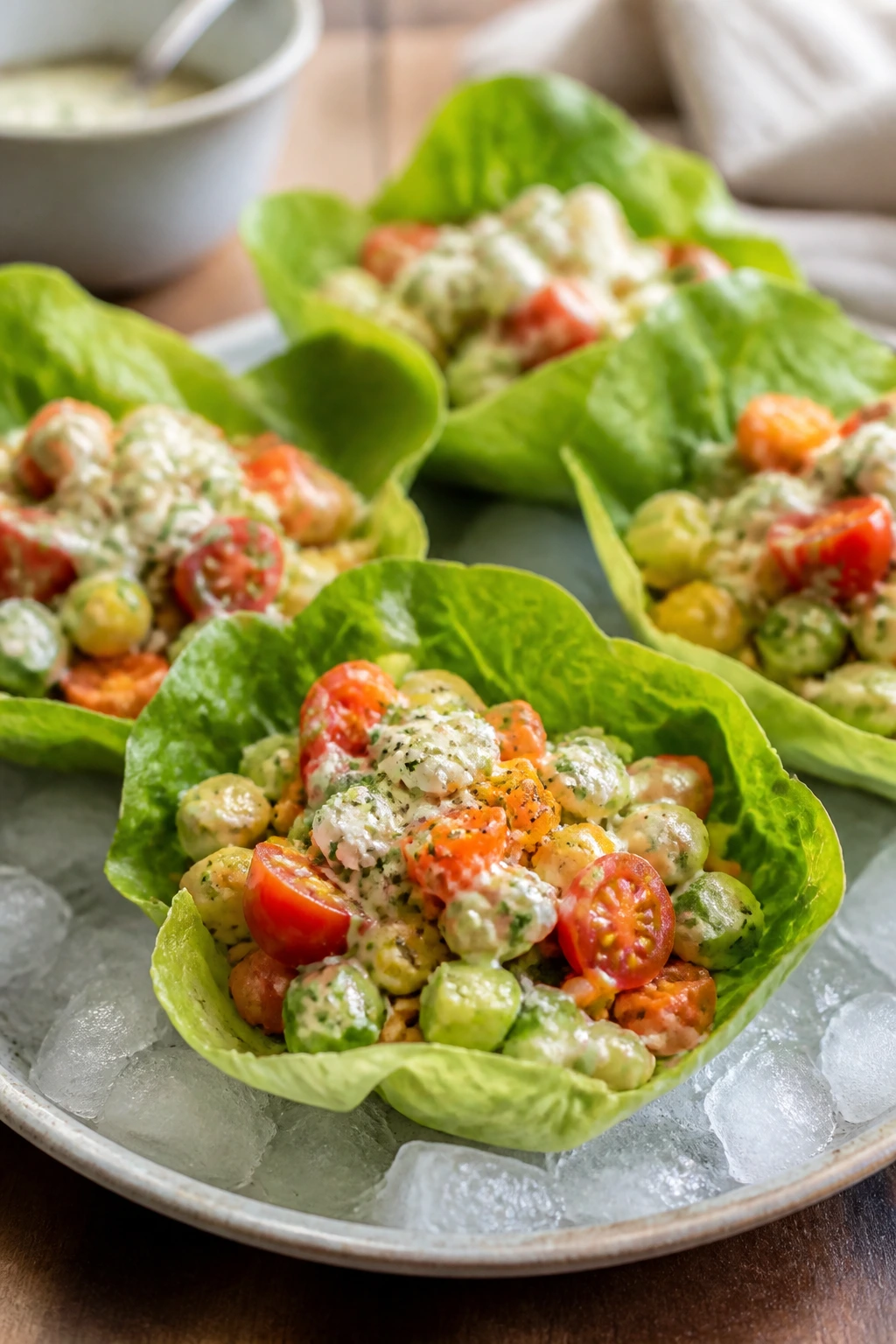
Presentation:
Set the lettuce cups on a chilled platter or a board lined with parchment if you’re taking them to a table or picnic spread. I like to mound the filling slightly off-center so the leaf folds naturally around it instead of splitting down the middle.
Accompaniments:
These cups work well with a bowl of tomato soup, a handful of pita chips, simple cucumber spears, or a few olives on the side. If you want a larger meal, add fruit — melon, grapes, or sliced peaches all sit nicely next to the lemony dressing.
Portions:
Plan on 2 to 3 cups per person for lunch and 4 to 5 cups if this is the main event at dinner. The recipe makes enough filling for about 12 to 16 lettuce cups, depending on leaf size, so you can scale up by making a second batch of dressing and using another head of lettuce.
Beverage Pairing:
Sparkling water with lemon keeps the bright, tangy notes in step. Dry white wine, unsweetened iced tea, or a cold cucumber-mint spritz also fits the clean crunch of the cups without making them taste heavier.
Small Moves That Make a Big Difference
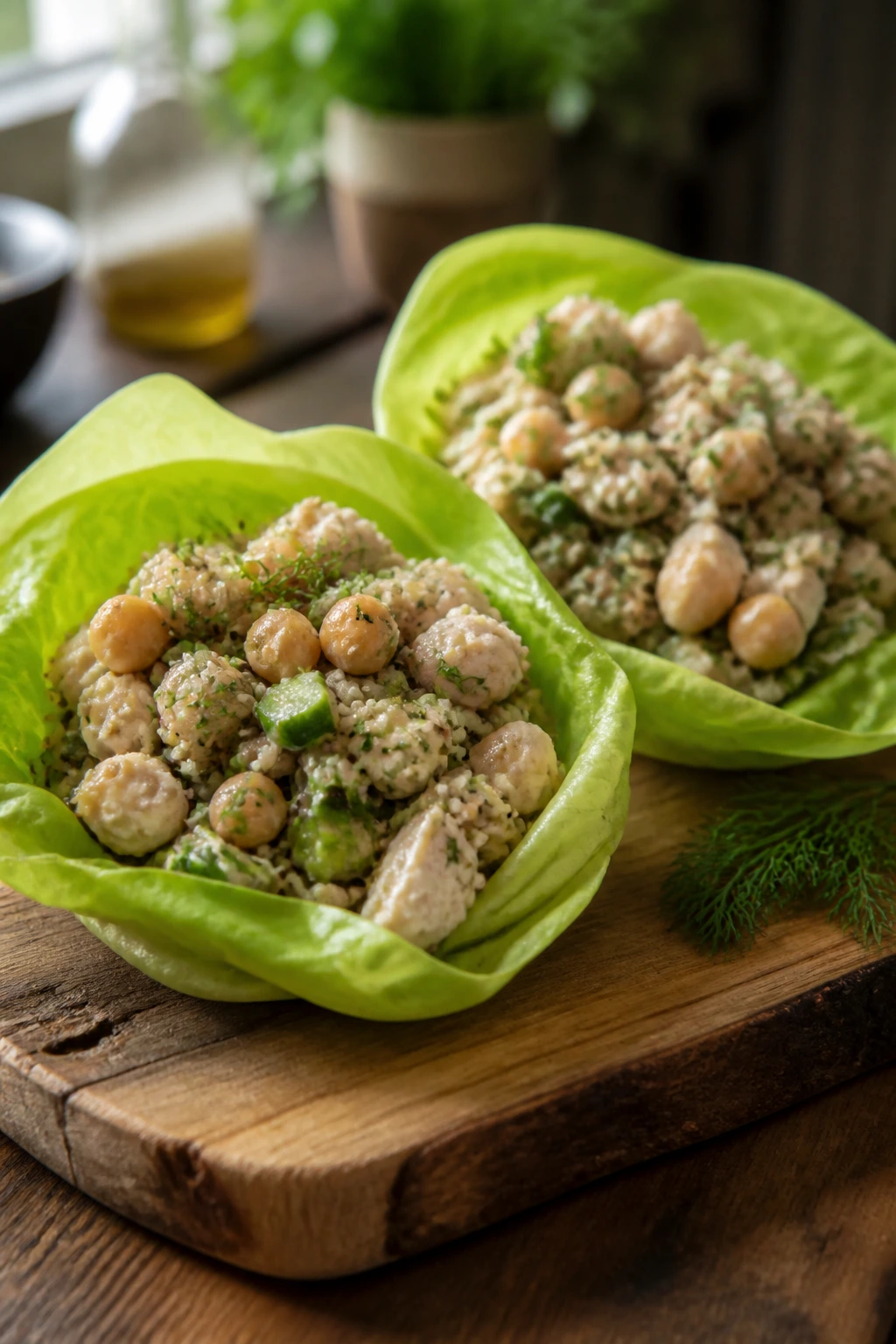
Flavor Enhancement:
Grate a little lemon zest into the dressing and finish the cups with a pinch of flaky salt. The zest lifts the whole bowl without making it taste more acidic, and that matters when the filling already has yogurt and Dijon in it.
Time-Saver:
Cook the quinoa the day before and keep it plain in the fridge. Cold quinoa mixes better, cools the filling faster, and saves you from standing around waiting for steam to disappear.
Texture Fix:
If the filling starts to feel wet, add a spoonful of pepitas or an extra scoop of quinoa instead of more lettuce. More lettuce only gives you more fragile cups. More dry bulk gives you a filling that actually sits where you put it.
Make-It-Yours:
Leave out the feta for dairy-free cups, or swap it for chopped olives if you want a saltier edge. If you like a richer bite, tuck a thin smear of hummus under the filling before you spoon it in. That little layer makes the cups feel denser and keeps the lettuce from getting damp too fast.
The Mistakes That Sog Everything Down
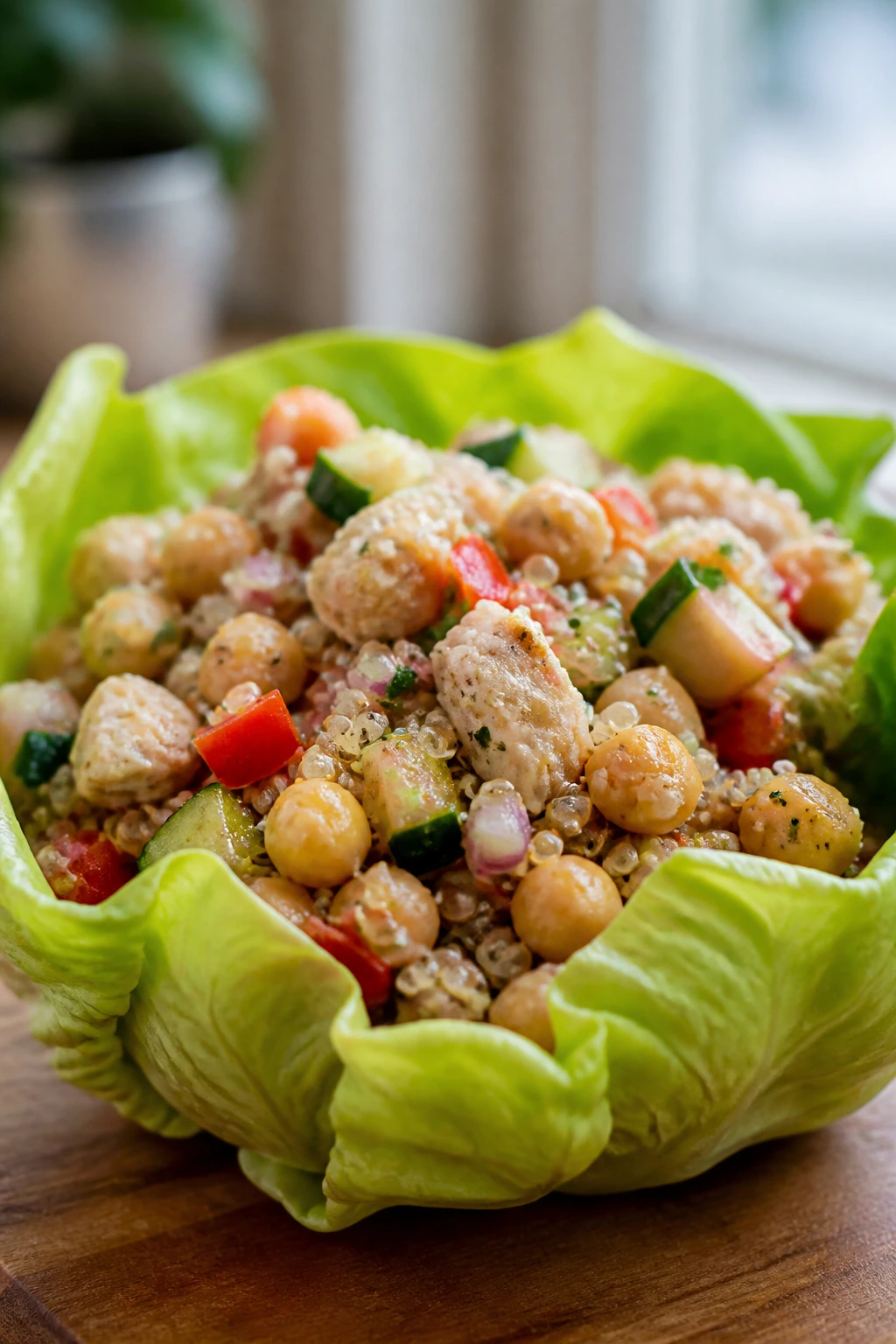
-
Dressing the filling too early: The bowl looks fine at first, then turns loose and shiny after 20 minutes. Fix it by tossing with only half the dressing at first and adding the rest just before serving.
-
Skipping the lettuce dry-down: Wet leaves make the filling slide, and the first bite feels slippery instead of crisp. Spin them dry, blot them, and give them a few minutes in the fridge if needed.
-
Cutting the vegetables too large: Big chunks pry the lettuce open and make the cups tear. Chop everything to chickpea size or smaller so the filling nestles into the leaf instead of fighting it.
-
Using warm quinoa: Hot quinoa steams the lettuce from the inside. Spread it out to cool until it feels close to room temperature before mixing.
-
Adding avocado too soon: It starts to brown and smear, which changes the whole texture of the bowl. Add it last, right before assembly, and keep the pieces small.
-
Underseasoning after chilling: Cold food always tastes a little flatter than warm food. Taste the filling after it sits for a few minutes and add another pinch of salt or a squeeze of lemon if it needs a lift.
Variations for Different Kitchens
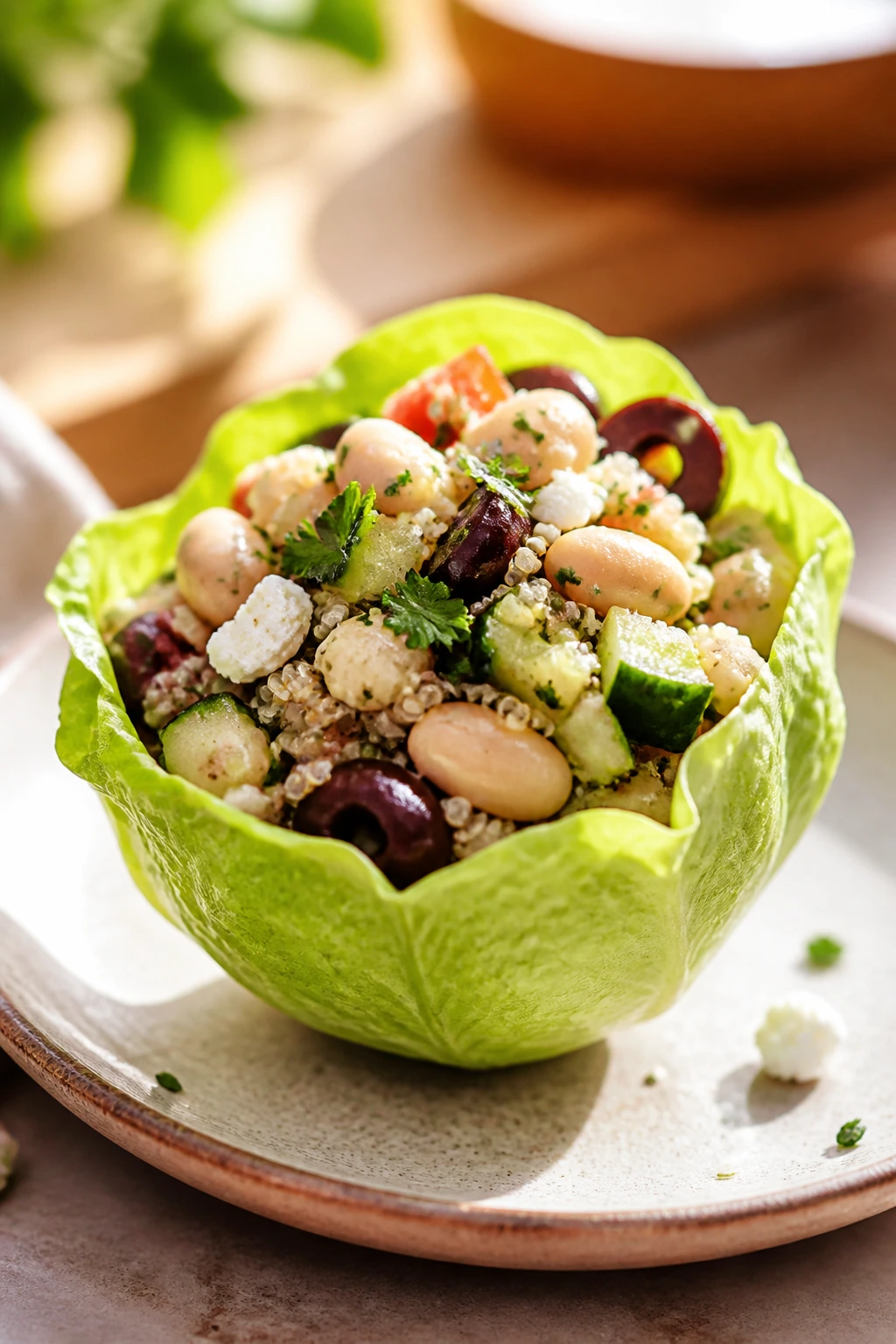
Mediterranean Pantry Cups
Swap the chicken for 1 1/2 cups cannellini beans and add chopped kalamata olives, more cucumber, and a little oregano in the dressing. The cups turn saltier and more savory, with a texture that leans softer and creamier.
Dairy-Free Tahini Cups
Replace the Greek yogurt with 2 tablespoons tahini and add water a teaspoon at a time until the dressing loosens. Tahini needs a little extra lemon and salt to wake it up, but the result is deeper and more nutty than the yogurt version.
Spicy Green Crunch
Stir minced jalapeño and chopped cilantro into the filling, then add a few drops of hot sauce or chili crisp over the top. Keep the honey in the dressing so the heat doesn’t flatten out into something harsh.
Egg-and-Herb Picnic Cups
Leave the chicken out and use 4 chopped hard-boiled eggs instead. Dill becomes the main herb here, and the whole thing tastes especially good after a short chill in the fridge, which makes it handy for packed lunches.
Make-Ahead, Storage, and Reheating
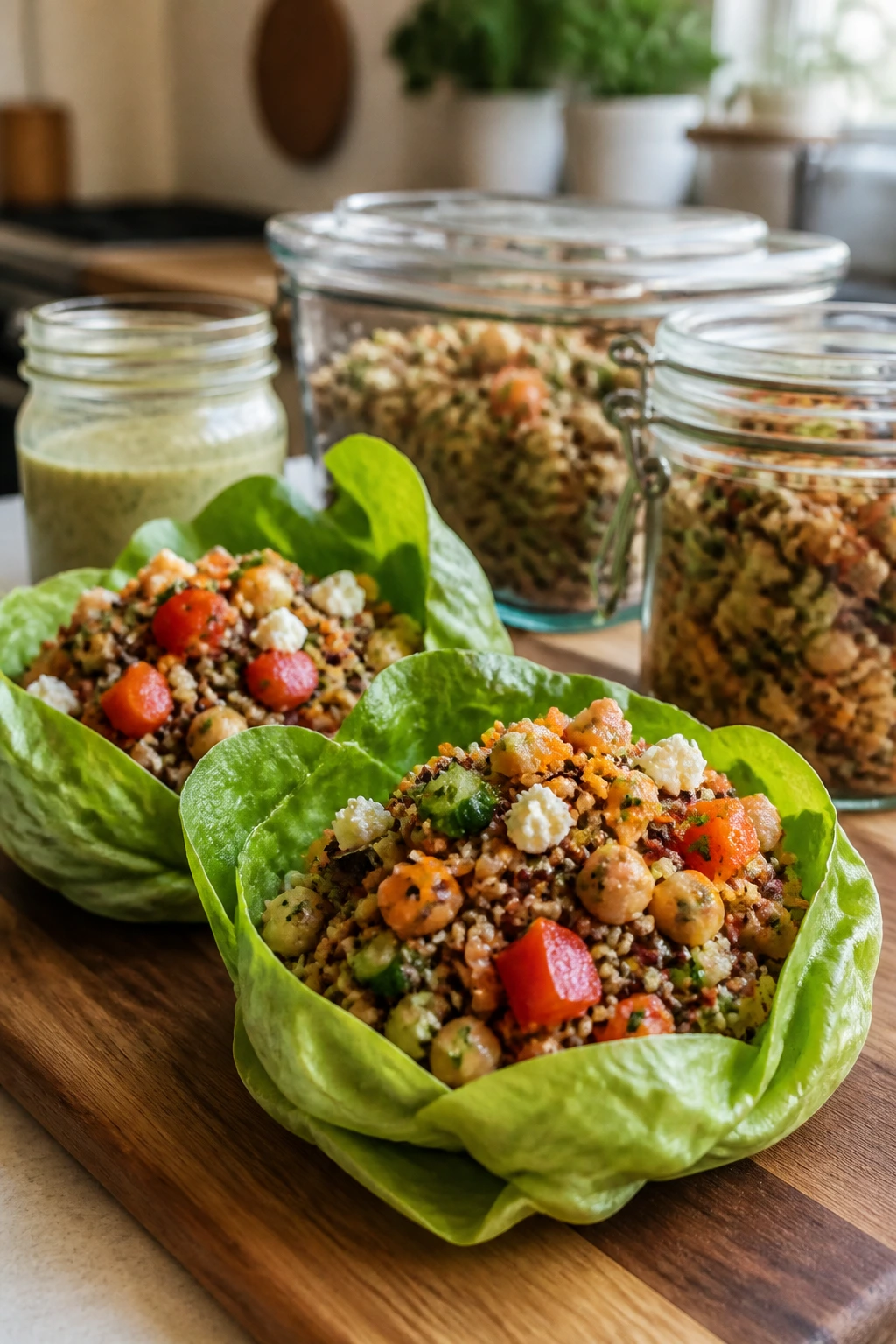
The filling and the dressing are the parts that survive the fridge well. The lettuce is not. That’s the tradeoff, and honestly, it’s a good one if you plan for it.
Store the chopped filling without avocado in an airtight container in the fridge for up to 3 days. Keep the dressing in a jar or small sealed container for up to 1 week; give it a quick whisk or shake before using because the yogurt and oil can separate a little. The lettuce leaves stay freshest for 2 to 3 days if you wrap them in paper towels and keep them in a bag or container with just a little air space.
Assembled salad cups are best eaten right away. If they’re already dressed, expect the leaves to start softening within 30 to 45 minutes. That’s not a failure. That’s just lettuce being lettuce.
If you want a warmer filling, warm only the quinoa-chicken-chickpea base for 20 to 30 seconds in the microwave, then let it cool for a minute before spooning it into the leaves. Do not heat the lettuce or the dressing. The leaves wilt fast, and the dressing can turn thin and sharp.
Freezing is only worth doing for the plain chicken-quinoa base, and even then I’d keep it to up to 2 months. Leave out the cucumber, tomato, avocado, and lettuce if you plan to freeze anything. Thaw overnight in the fridge, then add the fresh pieces and re-season with lemon and salt.
One food-safety note matters here: cooked chicken and quinoa both count as perishable foods, so they should go into the fridge within 2 hours. That boring rule saves a lot of trouble.
Frequently Asked Questions
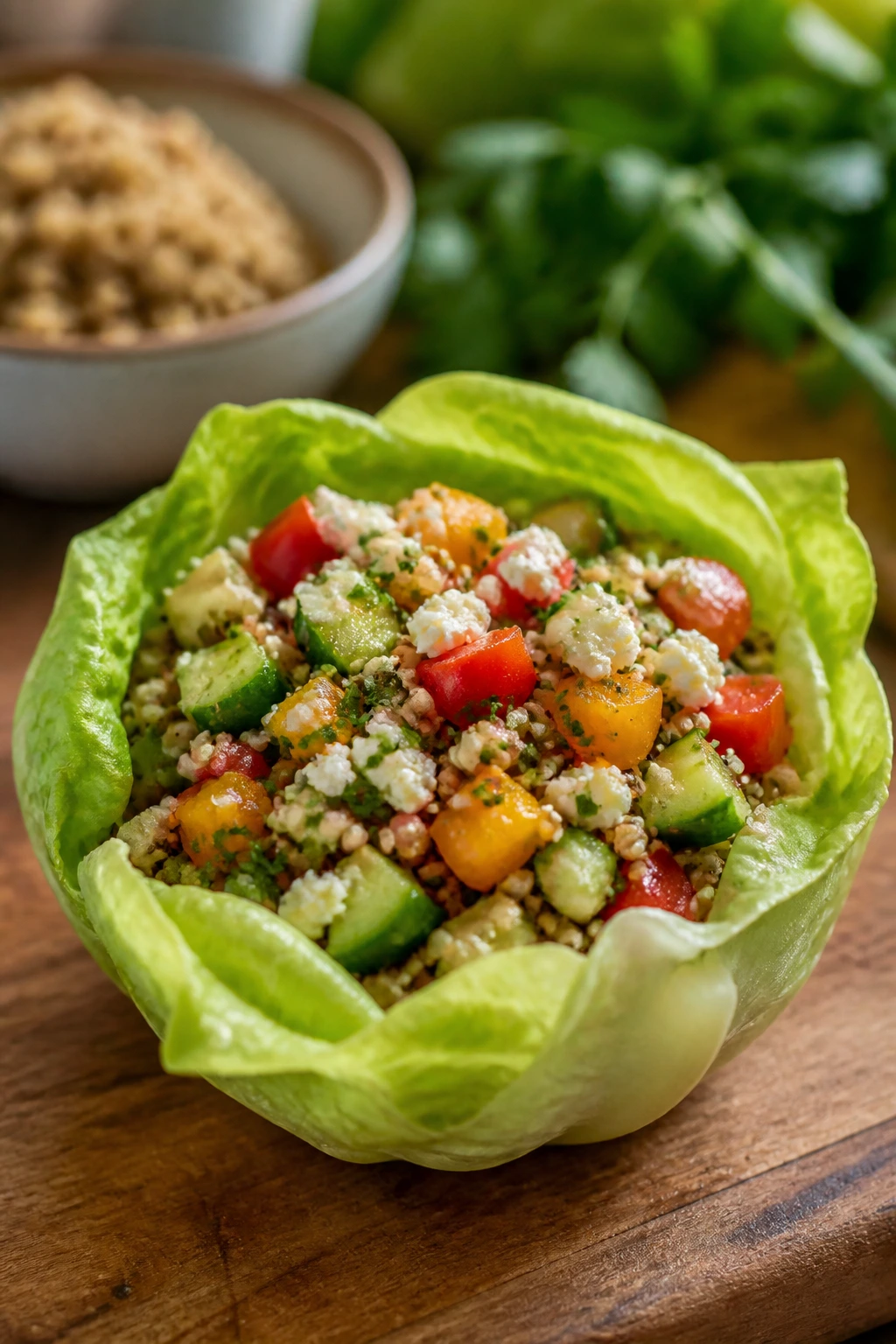
Can I use romaine instead of butter lettuce?
Yes, and it’s a good choice if you want sturdier cups. Use the outer leaves, trim the thick center rib if it’s too stiff, and choose the widest leaves so the filling doesn’t spill out.
Do I have to cook the quinoa?
For this version, yes. The quinoa gives the filling body and catches the dressing so the cups don’t feel wet, and that dry, fluffy texture is part of why the recipe works.
What can I use instead of chicken?
Canned tuna, chopped hard-boiled eggs, leftover turkey, or extra chickpeas all fit well. If you go vegetarian, add another half-cup of chickpeas and maybe a spoonful of hummus for more heft.
How do I keep these from getting soggy in a lunch box?
Pack the lettuce, filling, and dressing in separate containers. Line the lettuce container with paper towels, keep the dressing in a small jar, and assemble right before you eat. That’s the only reliable way to keep the cups crisp.
What if my dressing is too thick?
Add water 1 teaspoon at a time and whisk after each addition. Greek yogurt thickens as it sits, so a dressing that looked fine five minutes ago may need a small loosening before serving.
Can I turn this into a bowl salad instead of cups?
Absolutely. Chop the lettuce and pile the filling over the top, then drizzle the dressing across the whole bowl. You’ll get the same flavor, just with less structure and more spooning.
How do I keep the avocado from browning?
Add it at the last minute and toss the pieces with a little dressing or lemon juice. If you’re packing lunch, keep the avocado separate and slice it right before eating.
Is bottled dressing okay if I’m short on time?
It can work in a pinch, but choose a lemony vinaigrette with some Dijon in it rather than a thick, sugary one. The homemade dressing sticks to the quinoa and chickpeas better, which is part of what gives these cups their shape.
Can I make the filling a day ahead?
Yes. In fact, the flavors settle in nicely after a few hours in the fridge. Just hold back the avocado and keep the dressing separate until the last minute so the texture stays clean.
What should I do if the lettuce leaves keep tearing?
Use the outer leaves of butter lettuce or switch to romaine, which has more backbone. You can also double up two smaller leaves to make one stronger cup; it’s a simple fix and often the best one.
A Salad Worth Repeating
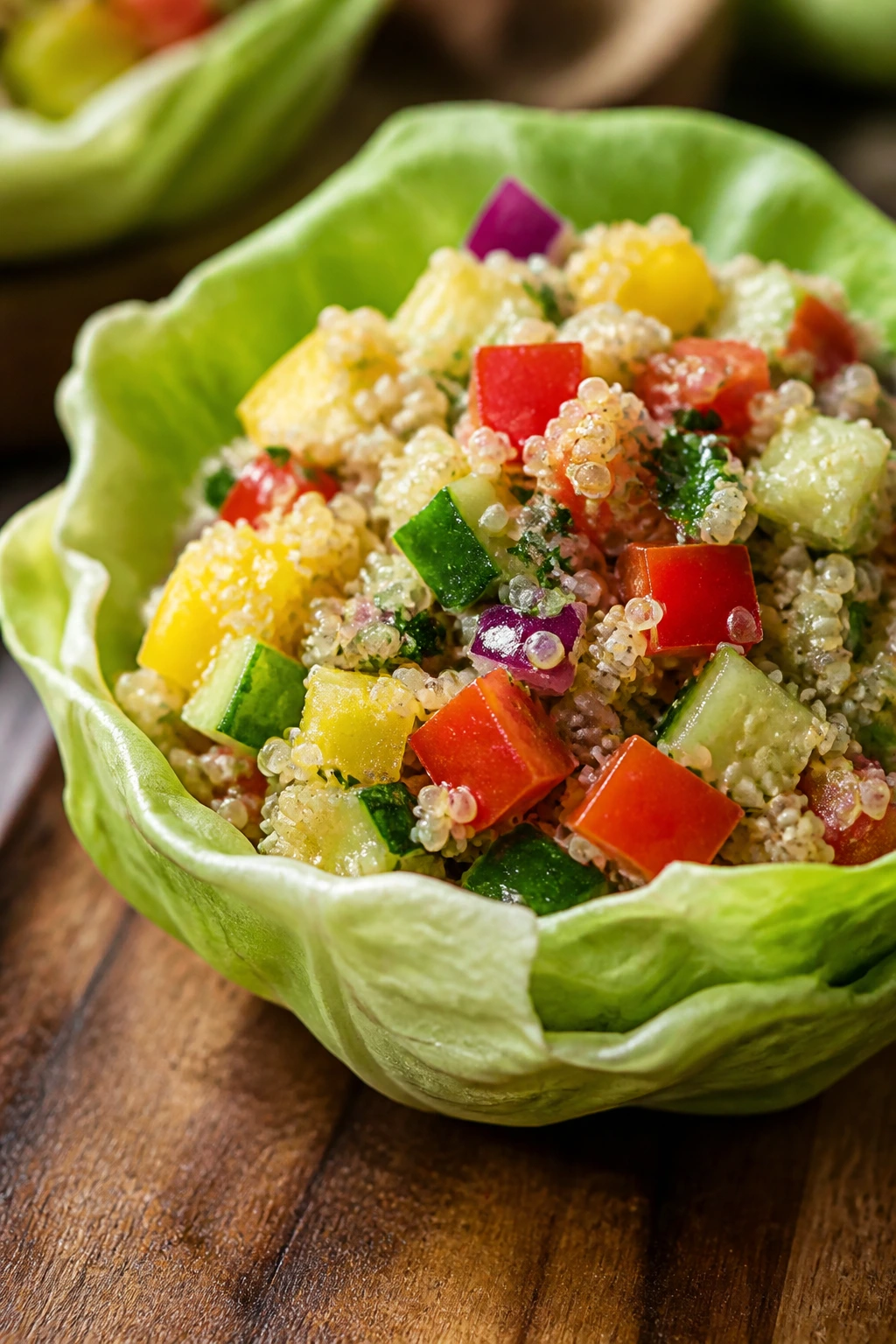
A lettuce cup can feel fussy when the filling is loose and the dressing is thin. It stops feeling fussy the moment the pieces are cut small, the quinoa is cooled properly, and the dressing has enough body to cling without dripping. Then the whole thing clicks.
That’s what I like about this kind of salad. It behaves. You can make it ahead, keep the parts separate, and build it in minutes when lunch starts looking dull. Keep the crunch intact, and the rest takes care of itself.
Hearty Salad Cups with Homemade Dressing — Recipe Card
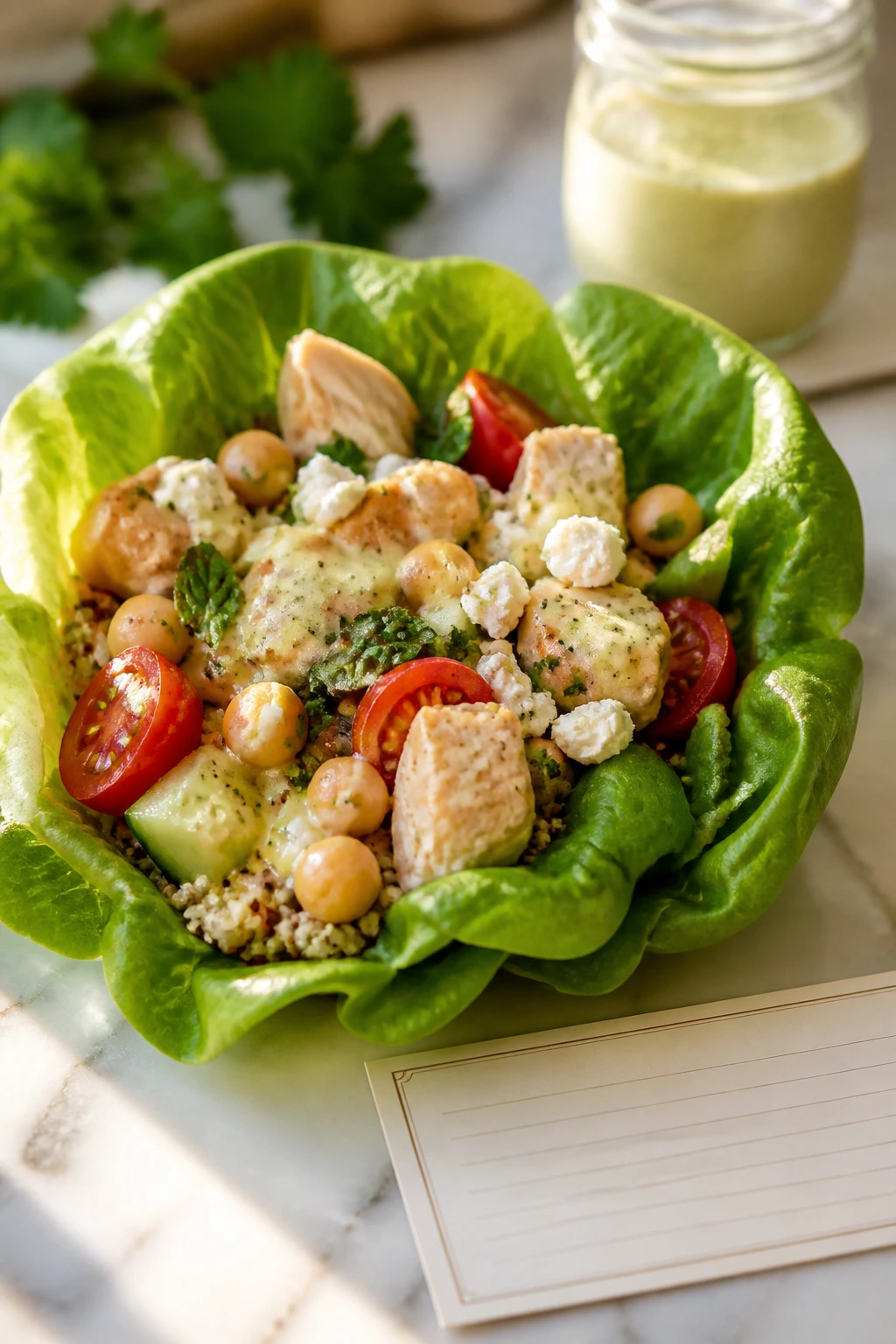
Recipe Name: Hearty Salad Cups with Homemade Dressing
Description: Crisp lettuce cups filled with quinoa, chicken, chickpeas, crunchy vegetables, herbs, and feta, finished with a lemon-Dijon Greek yogurt dressing that clings instead of running.
Prep Time: 20 minutes
Cook Time: 15 minutes
Total Time: 35 minutes
Course: Lunch, Main Course
Cuisine: American, Mediterranean-inspired
Servings: 4 to 6 servings
Calories: About 390 kcal per serving
Ingredients
For the Salad Cups
- 3 heads butter lettuce or 2 large romaine hearts, leaves separated, washed, and thoroughly dried
- 3/4 cup dry quinoa, rinsed well
- 1 1/2 cups water
- 1/4 teaspoon kosher salt, for the quinoa
- 2 cups cooked chicken breast, chopped into 1/2-inch pieces
- 1 can (15 ounces) chickpeas, drained, rinsed, and patted dry
- 1 cup cucumber, diced small
- 1 cup cherry tomatoes, halved
- 1/2 cup celery, finely diced
- 1/4 cup red onion, minced
- 1 avocado, diced just before serving
- 1/3 cup crumbled feta
- 1/4 cup chopped fresh parsley
- 2 tablespoons chopped fresh dill
- 1/4 cup toasted pepitas, optional
For the Homemade Dressing
- 1/4 cup plain Greek yogurt
- 3 tablespoons extra-virgin olive oil
- 3 tablespoons fresh lemon juice
- 1 tablespoon Dijon mustard
- 1 teaspoon honey
- 1 small garlic clove, finely grated
- 1 tablespoon water, plus more as needed
- 1/2 teaspoon kosher salt
- 1/4 teaspoon black pepper
Instructions
-
Rinse the quinoa, then combine it with the water and salt in a saucepan. Bring to a boil, reduce to low, cover, and cook for 15 minutes. Rest 5 minutes, fluff, and cool.
-
Whisk together the Greek yogurt, olive oil, lemon juice, Dijon, honey, garlic, water, salt, and pepper until smooth.
-
In a large bowl, combine the cooled quinoa, chicken, chickpeas, cucumber, tomatoes, celery, red onion, parsley, dill, and feta. Toss with about half the dressing.
-
Fold in the avocado and pepitas just before serving, then add more dressing if needed.
-
Spoon the filling into the lettuce leaves and serve right away with the remaining dressing on the side or drizzled over the top.
Notes: Keep the lettuce dry, add the avocado at the last minute, and save extra dressing for the next day’s bowl salad.