



Hearty tuna salad with homemade dressing is what happens when a lunch staple stops apologizing for itself. The watery, over-mayo version in sad office fridges has trained a lot of people to expect very little from tuna salad. That’s a shame, because when you build it with good tuna, crisp celery, briny pickles, a handful of beans, and a dressing that tastes sharp before it turns creamy, the whole bowl changes character.
The version I keep coming back to has real texture. The tuna stays in clean flakes instead of turning to paste. The celery still snaps when you bite it. The beans make the salad feel substantial enough to stand alone on lettuce or toasted bread, and the homemade dressing pulls the flavors together without smothering them. That balance matters. Too much mayo and everything goes beige. Too little acid and the bowl tastes flat by the second bite.
There’s also a practical reason this style works so well: it holds up. A tuna salad recipe with a thoughtful dressing, a bit of crunch, and a few sturdy mix-ins keeps its shape longer than the flimsy kind, which means it’s useful for lunch boxes, quick dinners, and the kind of fridge raid that happens when you don’t feel like cooking but still want something with actual substance. The trick is in the details, and the details are where this one gets interesting.
Why This Bowl Earns Its Keep
-
The texture stays alive: Celery, red onion, pickles, and beans give you a mix of crisp, soft, and creamy in one forkful, which keeps the salad from turning into tuna paste.
-
The homemade dressing has a backbone: Mayo alone can taste heavy; the lemon juice, Dijon, and a little pickle brine keep the dressing bright enough to wake up the tuna.
-
It eats like a meal, not a side: The beans and eggs push the protein higher and make the bowl hold up on its own over greens, in a sandwich, or scooped with crackers.
-
It’s good cold and even better after a short rest: Ten to fifteen minutes in the fridge lets the onion mellow and the dressing settle into the tuna without softening the vegetables too much.
-
It’s easy to steer in different directions: You can keep it classic, push it toward Mediterranean, make it spicier, or lean into the dill-pickle angle without changing the whole method.
-
The leftovers have a job: This is one of those salads that can become lunch, a stuffed tomato, a lettuce wrap, or a toast topping without needing a second recipe.
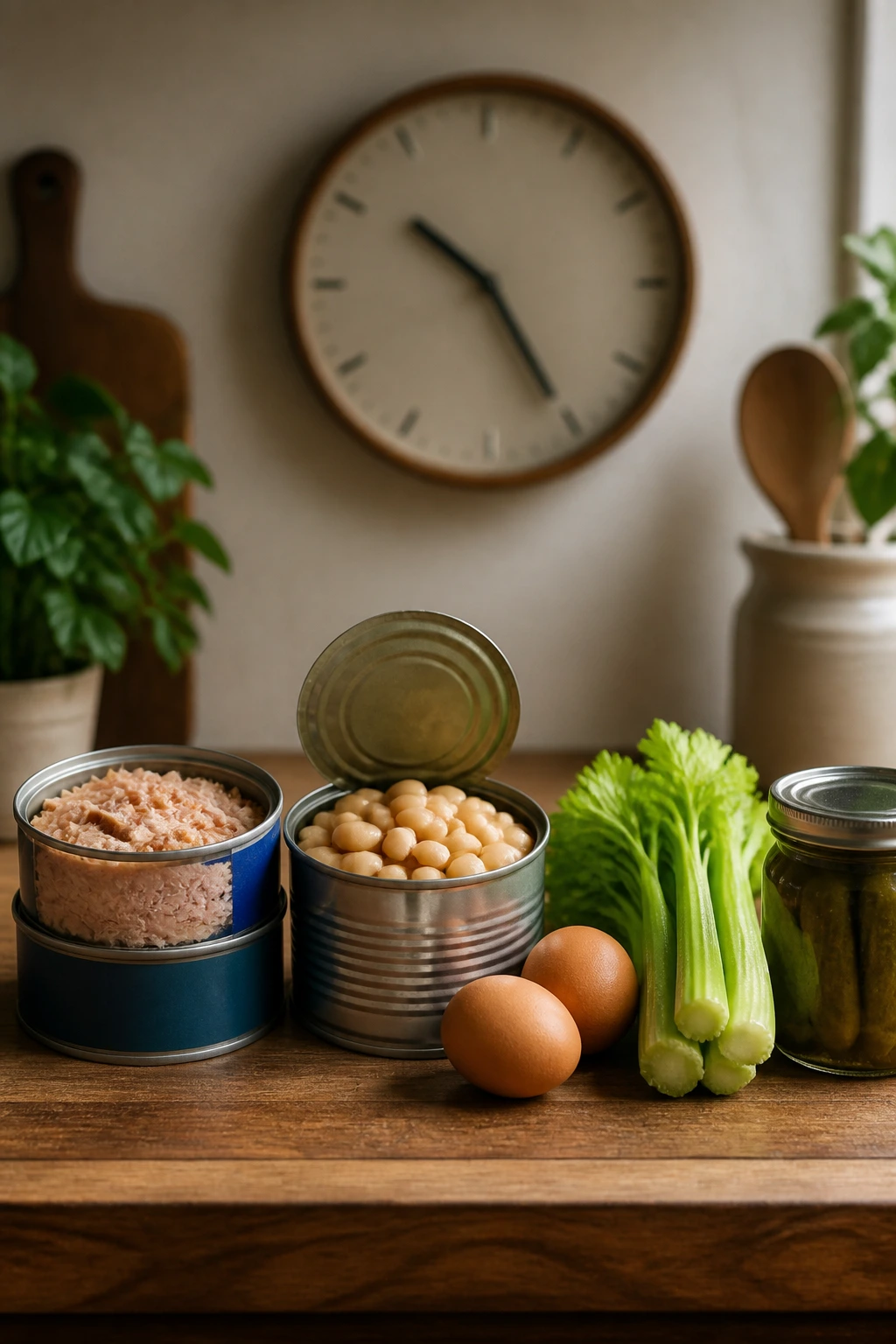
The Pantry Lineup and the Clock
Yield: Serves 4
Prep Time: 20 minutes
Cook Time: 12 minutes
Total Time: 32 minutes
Difficulty: Beginner — the steps are straightforward, and the only real timing to watch is the eggs.
Best Served: Slightly chilled or at cool room temperature after a 10 to 15 minute rest
For the Salad:
- 2 cans (5 ounces each) solid white tuna packed in water, drained very well
- 1 can (15 ounces) cannellini beans, drained, rinsed, and patted dry
- 3 hard-boiled eggs, peeled and chopped
- 2 celery ribs, finely diced
- 1/3 cup red onion, finely diced
- 1/2 cup dill pickles, finely chopped
- 2 tablespoons fresh dill or flat-leaf parsley, chopped
- 1 tablespoon capers, chopped, optional
For the Homemade Dressing:
- 1/3 cup mayonnaise
- 1/4 cup plain Greek yogurt
- 1 tablespoon Dijon mustard
- 1 tablespoon fresh lemon juice
- 1 teaspoon dill pickle brine
- 1/2 teaspoon garlic powder
- 1/2 teaspoon kosher salt, plus more to taste
- 1/4 teaspoon black pepper
- Pinch of smoked paprika, optional
For Serving:
- Butter lettuce, romaine, sourdough toast, crackers, or split avocado halves
The Dressing That Keeps the Salad Creamy
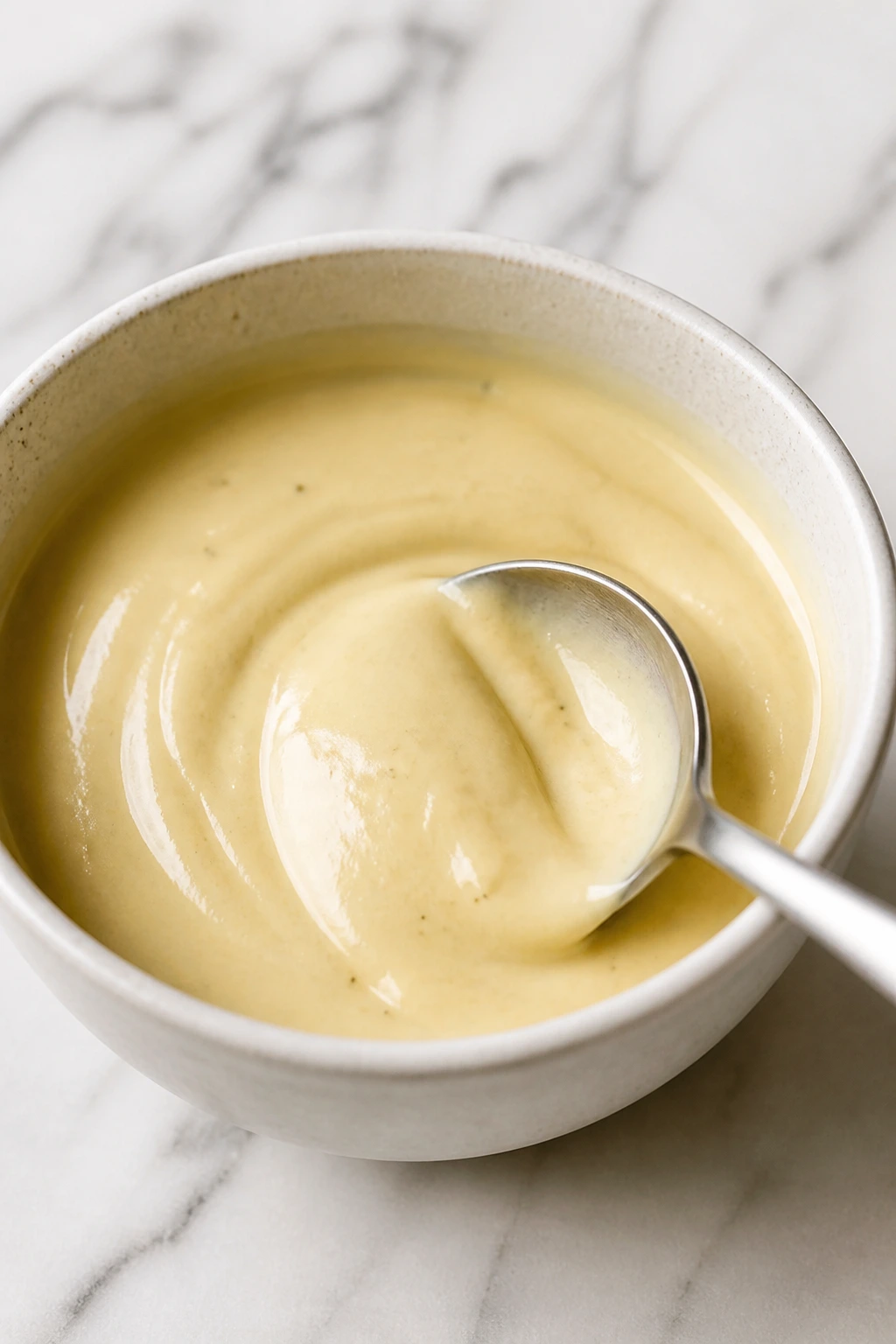
The homemade dressing is the part that quietly makes or breaks the bowl. Tuna can take a lot of seasoning, but it doesn’t forgive bland dressing. You need enough fat to coat the beans and tuna, enough acid to keep the salad from tasting sleepy, and enough salt to make the pickles and celery pop.
The combination of mayonnaise and Greek yogurt is the sweet spot here. Mayo gives the salad that familiar, rounded richness. Greek yogurt loosens it slightly and adds a clean tang so the dressing doesn’t sit on your tongue like a slab of cold spread. If you’ve ever eaten tuna salad that felt thick but somehow dry at the same time, this is the fix.
Dijon matters more than people think. It doesn’t just add mustard flavor; it helps the dressing hold together and gives the whole bowl a low, savory bite that plays well with tuna. The lemon juice and pickle brine do a similar job from a different angle. One lifts the richness. The other gives the dressing a briny edge that echoes the pickles and keeps the final mix from tasting one-note.
A tiny pinch of smoked paprika is optional, but I like it. Not enough to announce itself. Just enough to hint that the salad has depth. If your tuna is very mild, that small smoky note keeps the bowl from reading like plain cold protein with dressing on top.
What Each Ingredient Does in the Bowl
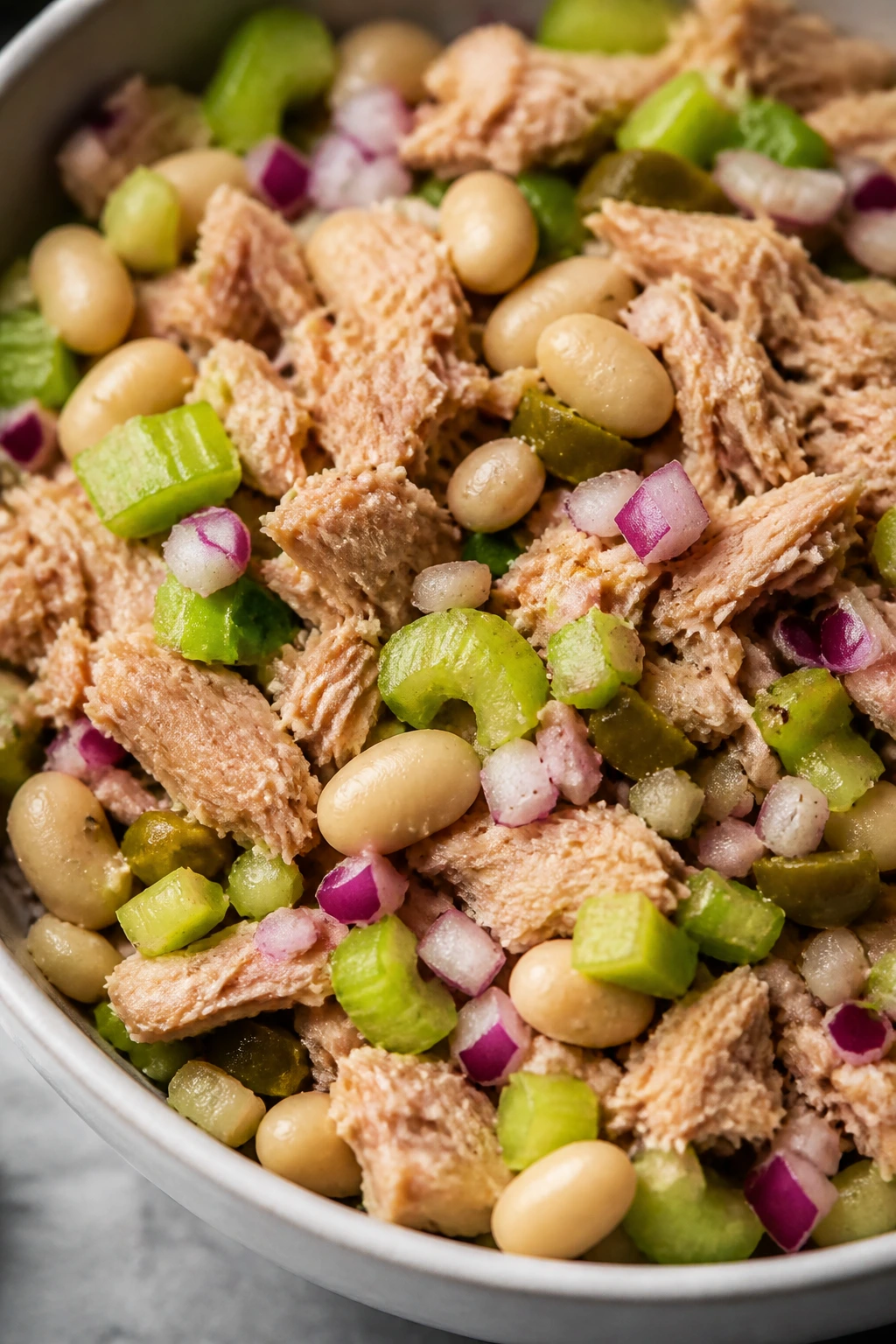
Tuna and Beans
- What to use: 2 cans solid white tuna packed in water, plus 1 can cannellini beans, for a mix that is flaky, creamy, and filling without getting heavy.
- Preparation: Drain the tuna thoroughly, then flake it with a fork so the pieces stay distinct; rinse the beans and pat them dry with a clean towel.
- Substitutions: Chunk light tuna works if that’s what you have, and chickpeas can stand in for cannellini beans if you want a firmer bite.
- Tips: Tuna that still smells like the can is not drained enough; give it a minute in a fine-mesh strainer and press lightly with the back of a spoon.
Eggs and Crunchy Vegetables
- What to use: 3 hard-boiled eggs, 2 celery ribs, 1/3 cup red onion, and 1/2 cup dill pickles for body, snap, and sharpness.
- Preparation: Chop everything small and even so every spoonful gets a little of each texture; the eggs should be chopped, not mashed.
- Substitutions: Use scallions instead of red onion if you want something softer, and chopped cornichons if you like a smaller, tighter pickle bite.
- Tips: Red onion gets harsh when it’s cut too big; keep the dice tiny, or soak it in cold water for 5 minutes if you want to soften the edge.
Creamy Dressing Base
- What to use: 1/3 cup mayonnaise, 1/4 cup plain Greek yogurt, 1 tablespoon Dijon mustard, 1 tablespoon lemon juice, and 1 teaspoon pickle brine.
- Preparation: Whisk these together before they touch the tuna so the salt and acid are evenly spread through the dressing.
- Substitutions: Use all mayonnaise for a richer deli-style salad, or all Greek yogurt if you want a sharper, lighter bowl.
- Tips: If your yogurt is very thick, loosen it with 1 teaspoon of water before whisking so the dressing spreads more easily.
Seasoning and Finishers
- What to use: 1/2 teaspoon garlic powder, 1/2 teaspoon kosher salt, 1/4 teaspoon black pepper, a pinch of smoked paprika, and 2 tablespoons fresh dill or parsley.
- Preparation: Chop the herbs just before mixing so they stay bright and don’t turn limp in the bowl.
- Substitutions: Dill gives this salad a classic lunch-counter feel, while parsley keeps it cleaner and more neutral.
- Tips: Taste again after the salad rests; tuna salad almost always wants one more pinch of salt or a few drops more lemon after the flavors settle.
Special Equipment for the Bowl
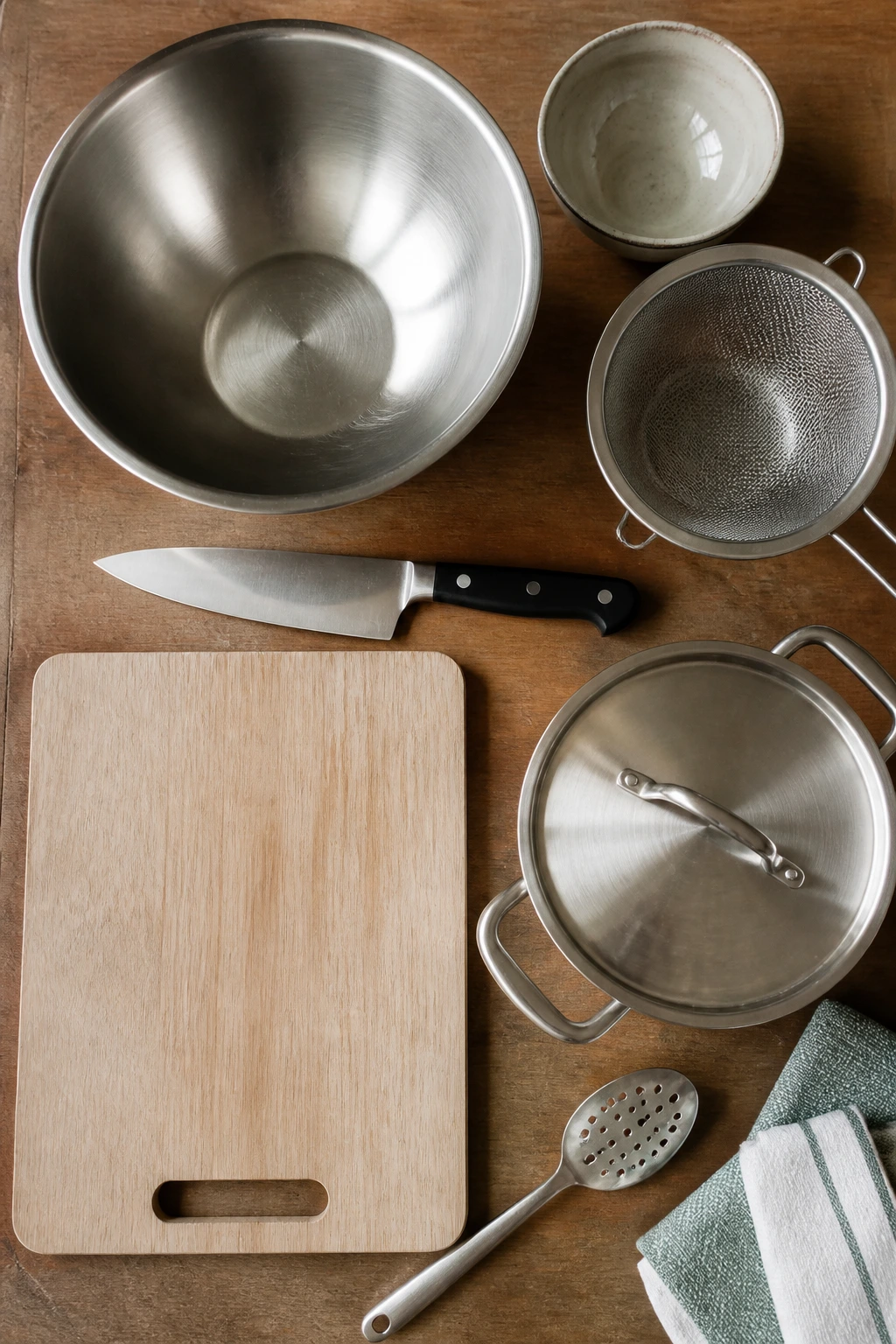
- Medium mixing bowl — big enough to fold the tuna and dressing together without launching beans across the counter.
- Small bowl or jar — useful for whisking the dressing before it hits the salad.
- Fine-mesh strainer — helps drain tuna and beans properly, which is worth the extra step.
- Chef’s knife and cutting board — keep the dice small so the texture stays balanced.
- Saucepan with lid — needed for boiling the eggs.
- Slotted spoon — makes moving the eggs into an ice bath easier.
- Paper towels or clean kitchen towel — handy for drying the beans and draining the tuna if it still looks wet.
Step-by-Step: Building the Salad Without Turning It Mushy
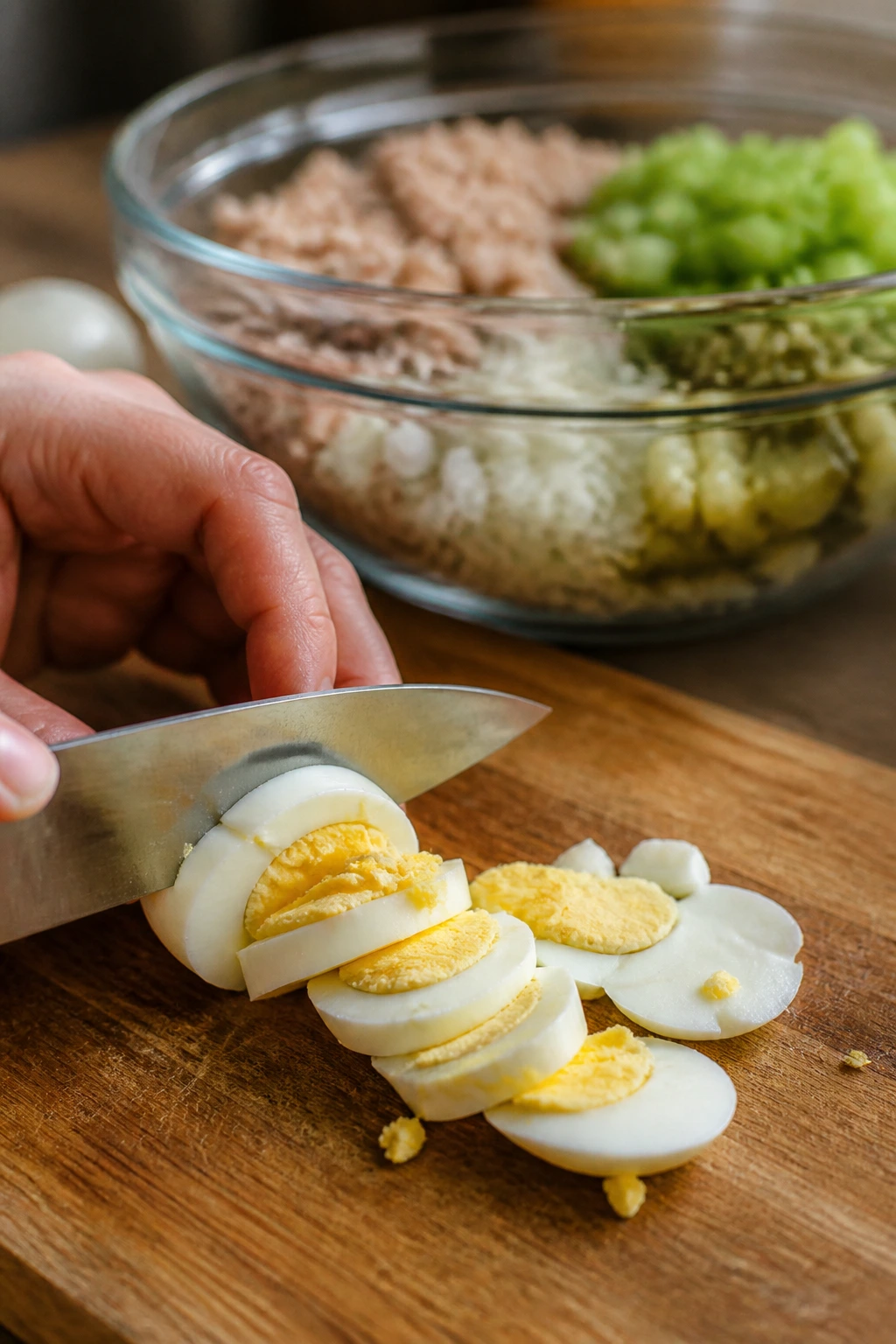
Boil the Eggs and Prep the Base:
- Place 3 eggs in a small saucepan and cover them with at least 1 inch of cold water. Bring the water to a boil over medium-high heat.
- Once the water boils, reduce the heat to a gentle simmer and cook the eggs for 11 minutes. This gives you firm yolks that chop cleanly without chalky edges.
- Transfer the eggs to a bowl of ice water and let them sit for 5 minutes. Do not skip the ice bath — it stops the cooking and makes peeling easier.
- Peel the eggs, then chop them into small pieces and set them aside.
Mix the Dressing: 5. In a small bowl, whisk together the mayonnaise, Greek yogurt, Dijon mustard, lemon juice, pickle brine, garlic powder, salt, black pepper, and smoked paprika until smooth and pale. The dressing should look glossy and loose enough to coat a spoon in a thin layer. 6. Taste the dressing now. If it tastes too sharp, add 1 more teaspoon of mayo. If it tastes flat, add a few drops more lemon juice and another pinch of salt.
Assemble the Salad: 7. In a medium bowl, combine the drained tuna, cannellini beans, celery, red onion, dill pickles, chopped eggs, and herbs. Break the tuna into large flakes, but leave some texture; if you mash it into a paste, the salad loses its best quality. 8. Spoon about three-quarters of the dressing over the tuna mixture and fold gently with a spatula until everything is coated. Add the remaining dressing only if the salad still looks dry. 9. Let the salad rest for 10 to 15 minutes in the refrigerator before serving. The onion softens a touch, the beans absorb some flavor, and the whole bowl tastes more settled. 10. Taste one more time and adjust with a final pinch of salt, black pepper, or a squeeze of lemon if needed.
How to Serve It at Lunch, Dinner, and on a Picnic
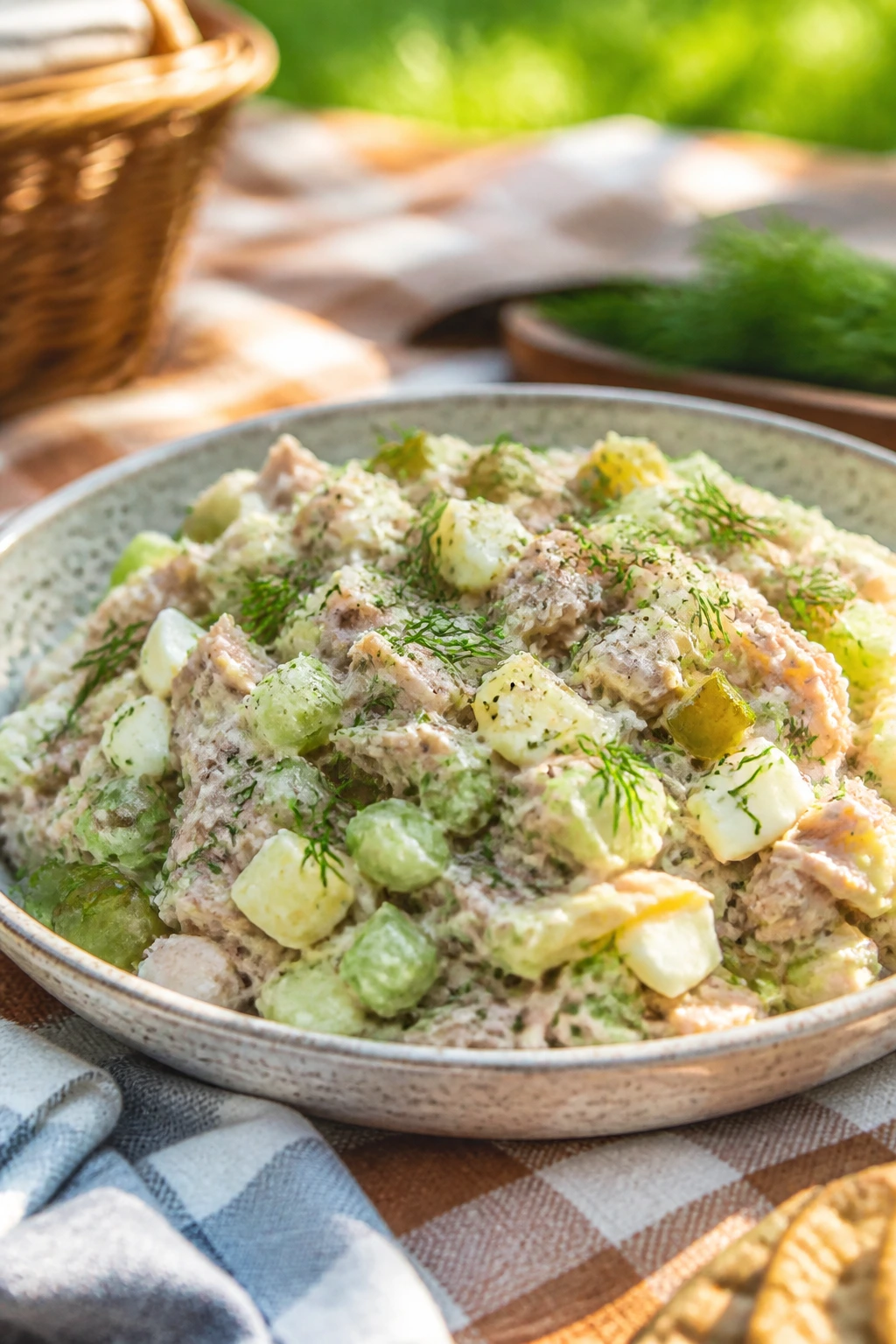
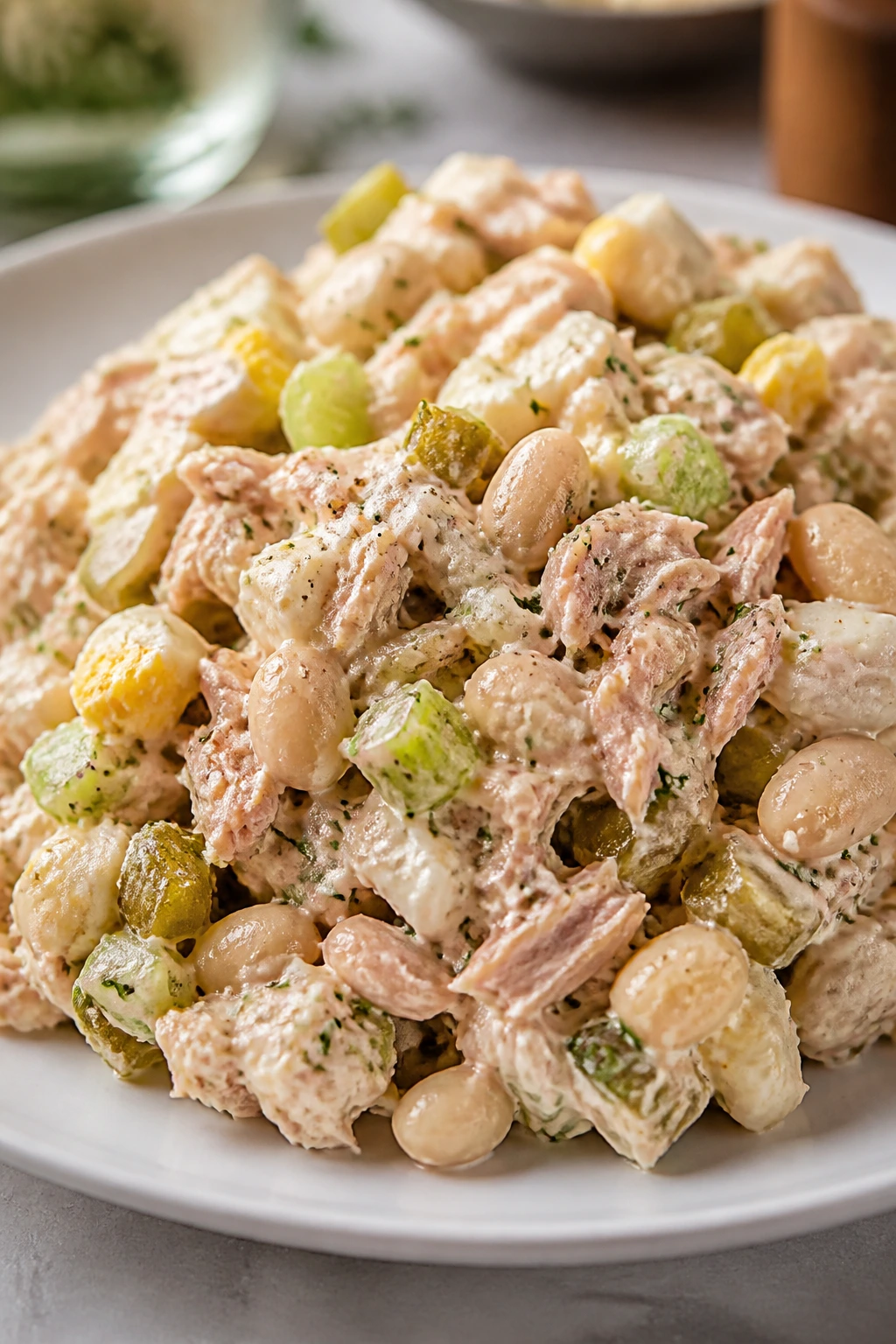
Presentation: Spoon the tuna salad into a shallow bowl so you can actually see the bits of celery, egg, and pickles instead of hiding everything in a mound. A final scatter of dill and black pepper on top makes the bowl look fresh rather than dense.
Accompaniments: Butter lettuce cups keep things light and crisp, while toasted sourdough or rye bread makes the salad feel closer to a sandwich shop lunch. Crackers, sliced cucumbers, cherry tomatoes, and a few potato chips on the side all work without fighting the flavor. If you want a bigger plate, add a handful of bitter greens with olive oil and lemon.
Portions: Four lunch-size servings come from this recipe if you portion it with restraint. For a sandwich, plan on about 3/4 cup per person; for lettuce cups, 1/2 cup is usually enough; for a dinner salad, you can stretch it by piling it over greens and adding extra cucumber or tomato.
Beverage Pairing: Cold iced tea with lemon is the safe, honest choice. A crisp Sauvignon Blanc or a dry sparkling water with cucumber also fits the lemon-dill profile without making the tuna taste heavy.
Small Tweaks That Pay Off
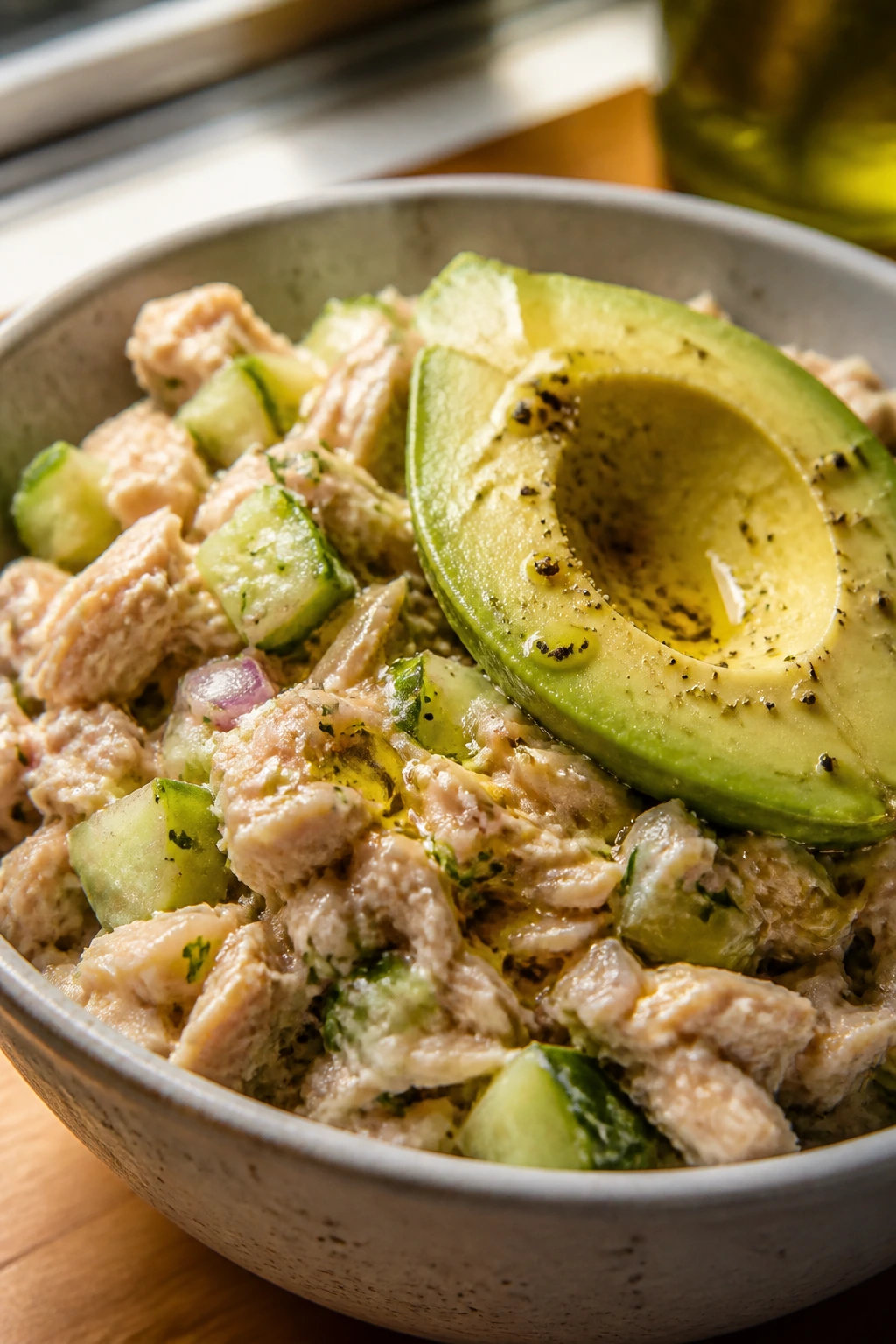
Flavor Enhancement: A teaspoon of caper brine in the dressing gives the salad a deeper briny note, especially if your tuna is mild. I also like a little extra black pepper on top right before serving; it wakes up the egg and the beans.
Customization: If you want a firmer bite, fold in diced cucumber or celery heart. If you want a richer bowl, add 1/2 diced avocado at the very end and eat it right away before it starts to soften.
Serving Suggestions: Stuff the salad into a ripe tomato half, pile it onto toasted rye with sliced cucumber, or scoop it onto butter lettuce with a few extra pickles on the side. A sprinkle of toasted sesame seeds is odd in the best way if you lean toward an Asian-inspired lunch bowl.
Make-It-Yours: For a dairy-free version, use all mayonnaise and skip the yogurt. For a gluten-free meal, serve it in lettuce cups or over sliced potatoes. If you want a lower-carb plate, keep the beans but skip the bread and add more crunchy vegetables instead.
Mistakes That Drain the Life Out of Tuna Salad
-
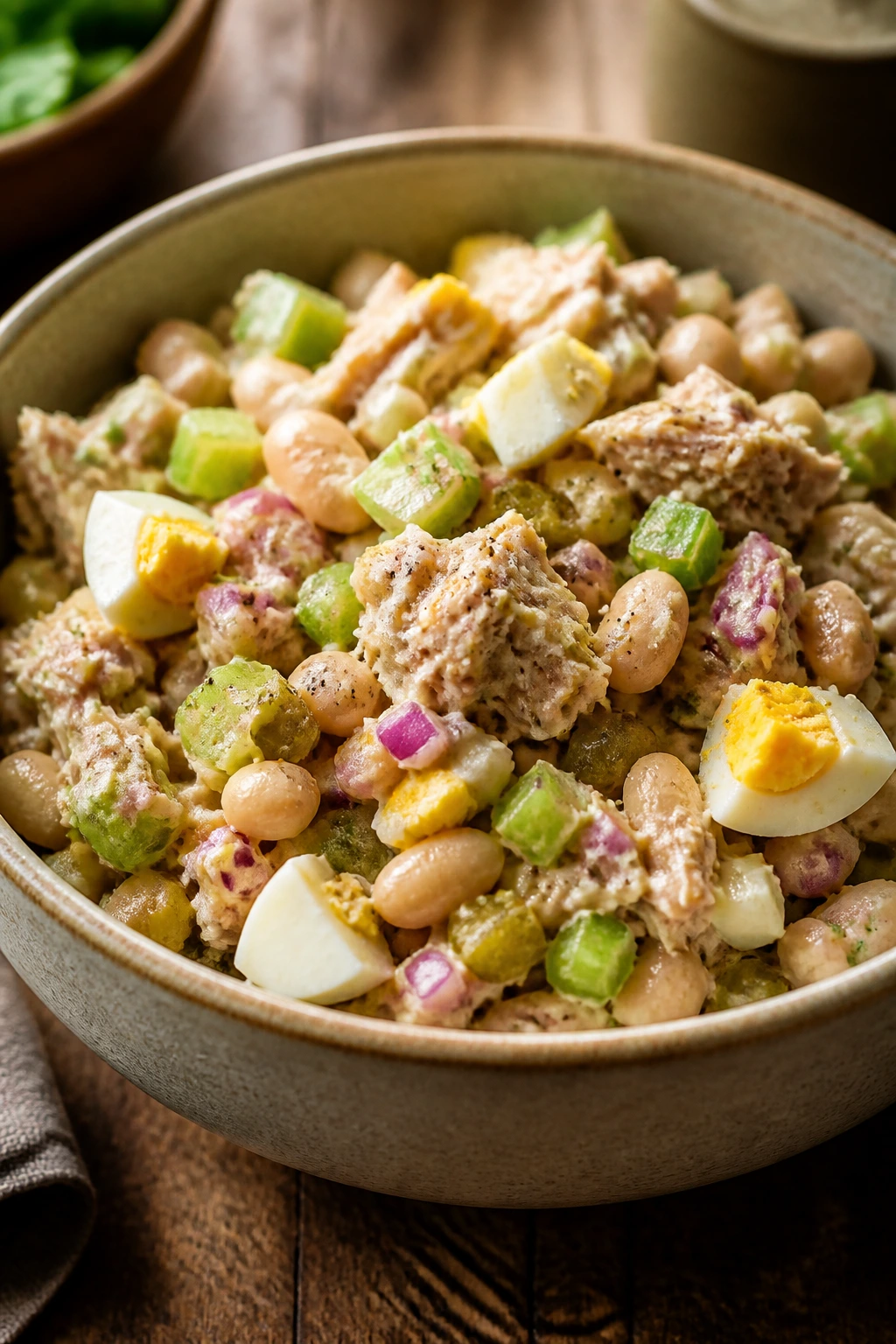
Leaving too much liquid in the tuna or beans: The salad turns loose, watery, and bland after a few minutes. Drain both well and pat them dry if they still look slick.
-
Using huge chunks of onion or pickle: One bite tastes sharp and the next tastes plain because the flavor is uneven. Dice them small enough that they disappear into the mix instead of sitting on top of it.
-
Overmixing the tuna: The salad turns pasty and loses the clean flakes that make it satisfying. Fold gently and stop as soon as the dressing coats the ingredients.
-
Adding all the dressing at once: The salad can get heavy fast, especially if your tuna was already moist. Start with three-quarters, then add more only if the bowl still looks dry after folding.
-
Skipping the resting time: The flavors can taste separate and a little loud if you eat it right away. Ten minutes in the fridge lets the lemon, dill, and mustard settle down and become one thing.
-
Underseasoning after chilling: Cold food mutes salt and acid, which makes tuna salad taste flatter than it did in the mixing bowl. Taste it cold, then adjust before you serve it.
Different Ways to Build the Same Bowl
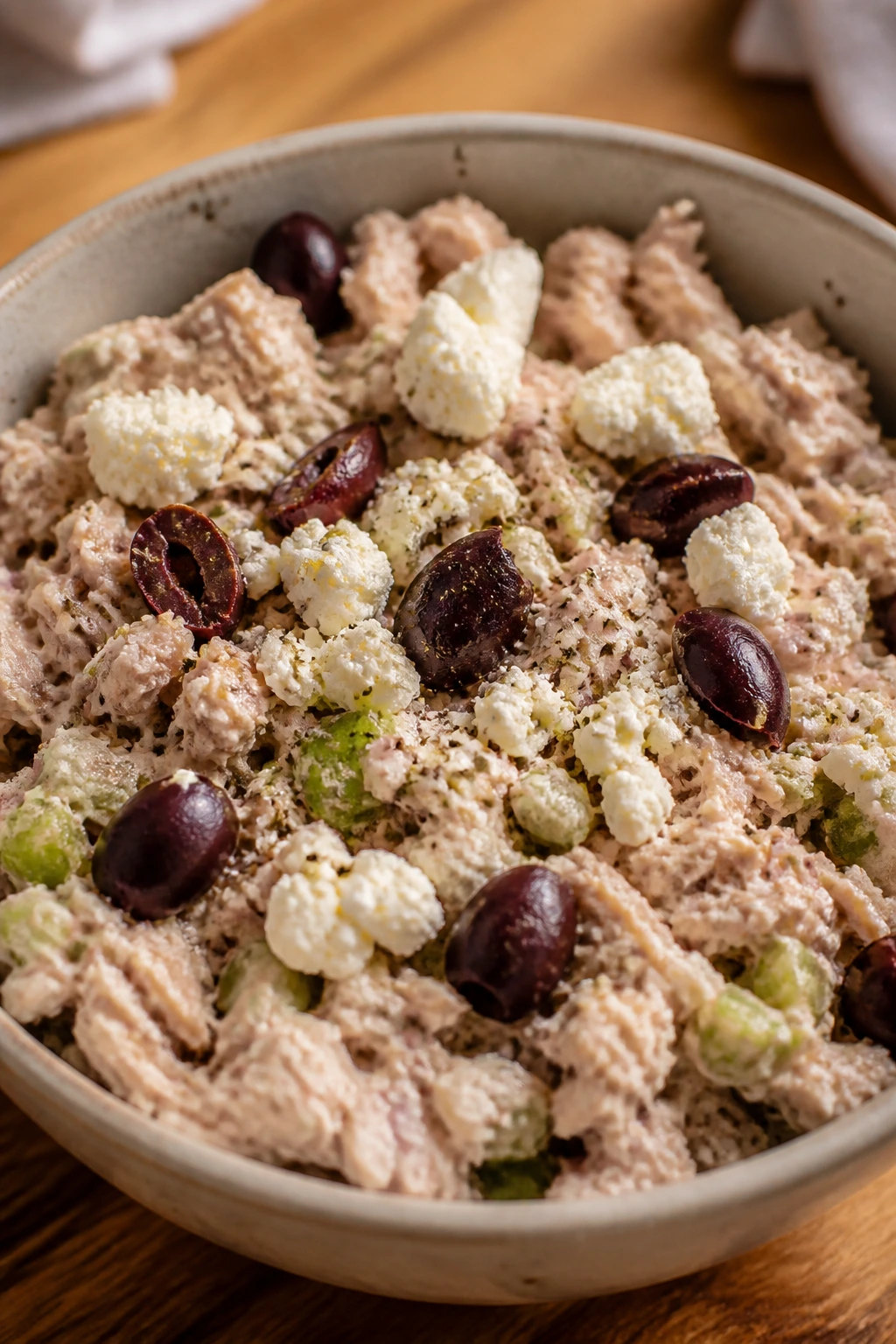
Mediterranean Dockside Version: Swap the dill pickles for chopped cucumber and Kalamata olives, use parsley instead of dill, and add a little dried oregano to the dressing. A spoonful of crumbled feta on top makes the bowl saltier and more lunch-counter bright.
Spicy Pantry Bowl: Stir 1 to 2 teaspoons of hot sauce into the dressing and add a pinch of cayenne with the black pepper. A few sliced pepperoncini on top give the salad a clean, sharp heat that doesn’t bulldoze the tuna.
Old-School Deli Style: Leave out the beans, increase the mayonnaise to 1/2 cup, and add 1 tablespoon sweet relish if you want a softer, more classic sandwich-shop texture. This version is best on toasted white bread with iceberg lettuce and sliced tomato.
Avocado Cream Cut: Replace half the mayo with mashed avocado and add an extra squeeze of lemon to keep the color bright. The salad gets richer and softer, so it works best the same day you make it.
Herb-Heavy Picnic Bowl: Use a mix of dill, parsley, and chives, then add a small handful of chopped celery leaves. The greens make the salad smell fresher and keep it from reading as purely creamy.
How to Keep It Cold and Crisp
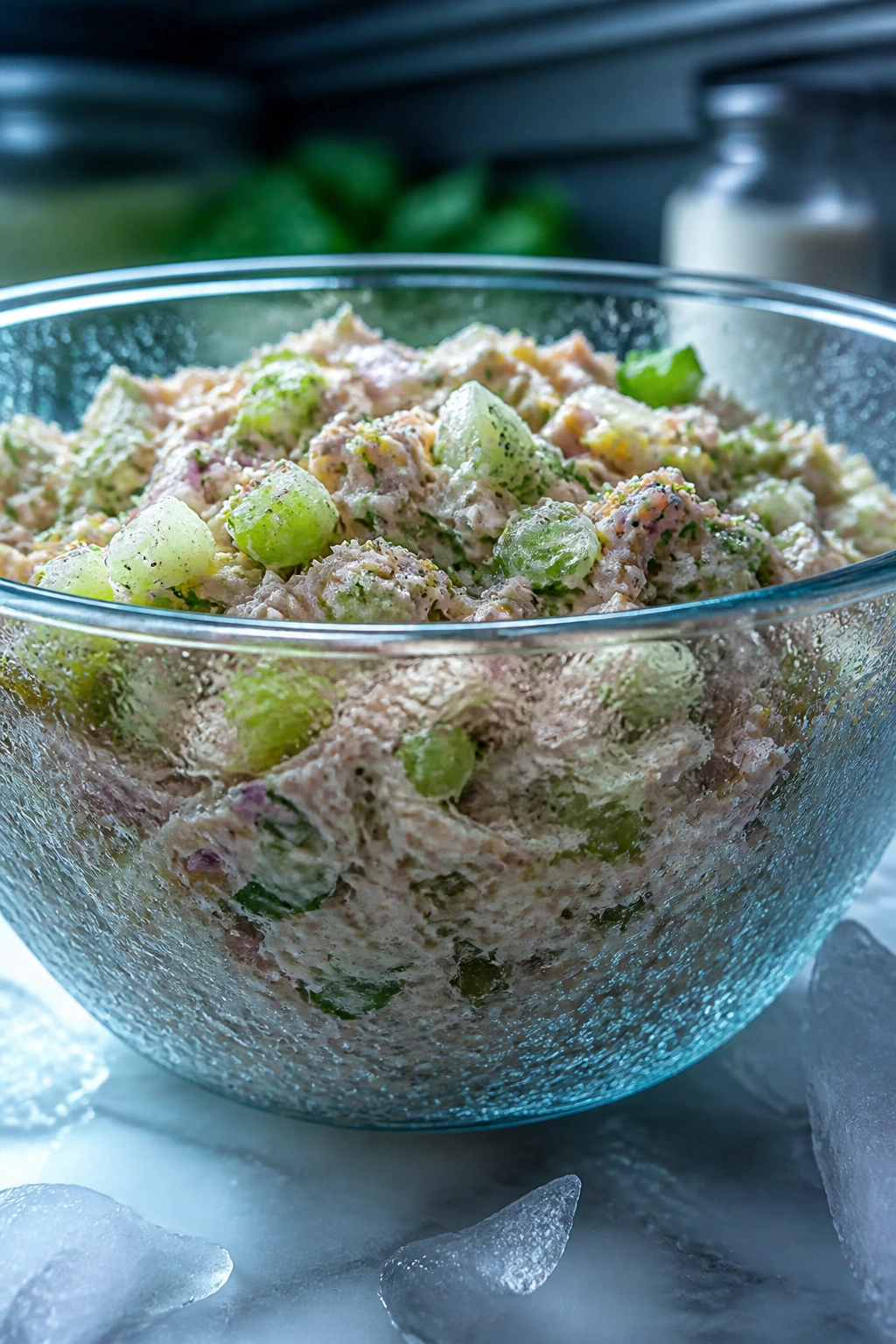
This tuna salad keeps in the refrigerator for 3 days in a sealed container, though the celery is at its crispiest on day one and the flavor is best after a short rest, not a long sleep. If you’re packing it for lunch, use an ice pack or a chilled container, because mayo-based salads should not sit at room temperature for more than 2 hours.
The dressing can be whisked together 3 days ahead, and the eggs can be boiled and peeled up to 5 days ahead if you store them separately. That makes this a very easy workday lunch, because the only thing left to do is fold everything together. I prefer to keep the dressing separate until the night before if I want the celery to stay snappy; if I’m fine with a softer texture, I mix the full salad and let it sit overnight.
Freezing is a bad fit here. The mayonnaise and yogurt separate, the celery goes limp, and the beans take on a strange grainy texture when thawed. If you need to work ahead, freeze the tuna by itself and assemble the salad fresh instead. That takes the trouble out of it without punishing the texture.
If the salad dries out in the fridge, stir in 1 teaspoon of mayonnaise or Greek yogurt and a few drops of lemon juice. If it tastes a little flat after sitting, a pinch of salt and a grind of black pepper usually fixes it faster than another spoonful of dressing.
Questions People Actually Ask
Can I make this tuna salad without beans?
Yes. If beans are not your thing, leave them out and add one more celery rib plus an extra egg so the salad still feels substantial. You may want a touch more dressing, since the beans help absorb and spread it.
Is tuna packed in oil better than tuna packed in water?
Oil-packed tuna tastes richer and can be lovely here, especially if you’re making the old-school deli-style version. Water-packed tuna gives you a cleaner base and lets the dressing do more of the work, which is why I usually reach for it with this recipe.
How do I keep the salad from getting watery?
Drain the tuna and beans well, and don’t skip patting the beans dry if they look wet after rinsing. Also, add the dressing in stages; too much at once is the fastest way to end up with a bowl that sloshes.
Can I make it the night before?
You can, and the flavor is usually better after a few hours in the fridge. For the crispest texture, keep the dressing separate and mix it in before serving, or at least hold back a tablespoon and stir that in after the salad has rested.
What if the salad tastes too sharp?
That usually means the lemon, pickle brine, or mustard is outpacing the mayo. Add a spoonful of mayonnaise or a few more beans, then taste again. Cold salads often feel sharper before they’ve had a chance to settle.
What if the salad tastes flat even though I salted it?
Add acid, not only salt. A few drops of lemon juice or a small splash of pickle brine often makes tuna taste more like itself, especially after the salad has chilled.
Can I use this as a sandwich filling?
Yes, and it’s one of the best uses for it. Spoon it onto toasted rye, sourdough, or split rolls, then add lettuce or thin tomato slices so the bread doesn’t soften too fast.
A Bowl Worth Making Twice
Good tuna salad doesn’t need tricks. It needs balance, decent ingredients, and the patience to drain, chop, and season properly. Once you get those pieces in place, the homemade dressing stops being a background detail and becomes the thing that makes the bowl feel finished.
I like this version because it behaves well. It’s sturdy enough for lunch, sharp enough to stay interesting, and flexible enough that you can keep changing the edges without losing the core idea. Make it once with beans and eggs, then adjust it the next time for your own fridge habits. That’s usually how a staple earns its spot.
Hearty Tuna Salad with Homemade Dressing — Recipe Card
Recipe Name: Hearty Tuna Salad with Homemade Dressing
Description: A creamy, crunchy tuna salad with cannellini beans, eggs, celery, pickles, and a sharp homemade dressing made with mayo, Greek yogurt, Dijon, lemon, and dill. It’s sturdy enough for lettuce cups, toast, or crackers.
Prep Time: 20 minutes
Cook Time: 12 minutes
Total Time: 32 minutes
Course: Lunch, Main Course
Cuisine: American
Servings: 4 servings
Calories: About 325 kcal per serving
Ingredients
For the Salad:
- 2 cans (5 ounces each) solid white tuna packed in water, drained very well
- 1 can (15 ounces) cannellini beans, drained, rinsed, and patted dry
- 3 hard-boiled eggs, peeled and chopped
- 2 celery ribs, finely diced
- 1/3 cup red onion, finely diced
- 1/2 cup dill pickles, finely chopped
- 2 tablespoons fresh dill or flat-leaf parsley, chopped
- 1 tablespoon capers, chopped, optional
For the Homemade Dressing:
- 1/3 cup mayonnaise
- 1/4 cup plain Greek yogurt
- 1 tablespoon Dijon mustard
- 1 tablespoon fresh lemon juice
- 1 teaspoon dill pickle brine
- 1/2 teaspoon garlic powder
- 1/2 teaspoon kosher salt, plus more to taste
- 1/4 teaspoon black pepper
- Pinch of smoked paprika, optional
For Serving:
- Butter lettuce, romaine, sourdough toast, crackers, or split avocado halves
Instructions
- Place the eggs in a saucepan, cover with cold water, bring to a boil, then simmer for 11 minutes.
- Move the eggs to an ice bath for 5 minutes, peel, and chop.
- Whisk the mayonnaise, Greek yogurt, Dijon, lemon juice, pickle brine, garlic powder, salt, pepper, and smoked paprika until smooth.
- Combine the tuna, cannellini beans, celery, red onion, pickles, eggs, herbs, and capers in a bowl.
- Fold in about three-quarters of the dressing, then add more only if needed.
- Chill for 10 to 15 minutes, taste, and adjust with extra salt, pepper, or lemon if needed.
- Serve on lettuce, toast, crackers, or avocado halves.
Notes: Drain the tuna and beans well so the salad stays thick. The flavor improves after a short rest in the fridge. Do not freeze this salad; the dressing will split.