



There’s a particular smell that makes a kitchen feel occupied in the best way: garlic rubbed into olive oil, parsley just chopped, lemon zest hitting a bowl, and a little Parmesan landing at the end with a soft, salty dust. That’s the smell this herbed Italian dip is built on. It’s the kind of thing that makes people drift toward the counter before you’ve even set out the bread.
Some versions of this old-school Italian appetizer stay stripped down — olive oil, garlic, oregano, maybe a pinch of red pepper and a hunk of crusty bread. I like the ricotta version better. It has more body, so it clings to crostini instead of sliding off in a shiny puddle, and the herbs have somewhere to settle instead of floating around like garnish that never got invited to stay.
The trick is not making it complicated. It’s making it taste deliberate. Watery ricotta tastes thin. Garlic that hasn’t been grated fine can turn sharp and rude. Dried herbs dumped straight in taste dusty, like they’ve been sitting in a jar since the last time somebody promised to make bruschetta and never did. Drain the cheese, chop the herbs small, and give the bowl a short rest so the salt can pull everything together.
After that, it behaves the way a good Nonna-style dip should: creamy, bright, a little peppery, and hard to stop eating once the first piece of bread goes in. That’s the whole point, really. Not fuss. Not drama. Just a bowl that disappears faster than you planned.
Why This Herbed Italian Dip Earns Its Place on the Table
A bowl like this does not need a big entrance. It just needs warm bread nearby and a few people who know how to linger.
-
Creamy without feeling heavy: Whole-milk ricotta gives the dip a plush texture that still feels light enough to sit beside olives, salami, and tomatoes without stealing the whole show.
-
Fast, but not careless: You can put this together in 15 minutes, yet the flavor tastes more layered if you let it rest for a short stretch before serving.
-
Flexible in a real kitchen: If your herbs are a little short, if the ricotta is a bit loose, or if you want more heat, this bowl bends without breaking.
-
Better than a jar of herb dip mix: Fresh garlic, lemon zest, and chopped basil give you a cleaner, greener flavor than the dried packet route ever could.
-
Useful beyond bread: Spoon it onto cucumbers, grilled zucchini, roasted potatoes, or toasted baguette slices, and it stops acting like a one-note appetizer.
The dip also has that useful little quality most Italian-inspired snacks share: it plays nicely with whatever else is on the table. A plate of peppers, a few olives, a wedge of Pecorino, some leftover roasted vegetables — it all fits.
What Gives It That Nonna-Style Flavor
The flavor here is old-fashioned in the best sense. Nothing is trying to be clever. The ricotta gives you softness, the olive oil brings that green, peppery finish, and the herbs keep the whole thing from tasting flat.
That’s why this kind of dip feels familiar even if you didn’t grow up with it. It lives in the same neighborhood as antipasto platters, bread dipped in garlicky oil, and the little bowl of something creamy that gets set near the tomatoes. It’s not flashy. It’s just the sort of thing people keep returning to because each bite is a little different — a burst of basil here, a hit of garlic there, a salty edge from Parmesan on the finish.
The lemon matters more than people think. Without it, ricotta can feel sleepy. With it, the whole bowl wakes up. You get a little lift on the tongue, and the herbs taste greener because the acid sharpens them.
And then there’s the garlic. Raw garlic can go from warm and welcome to bossy in about ten seconds, which is why grating it finely is not a fussy detail. It’s the difference between a dip that tastes balanced and one that tastes like somebody chewed a clove and stirred the result into cheese. Nobody needs that.
The Timing, Yield, and Best Moment to Serve It
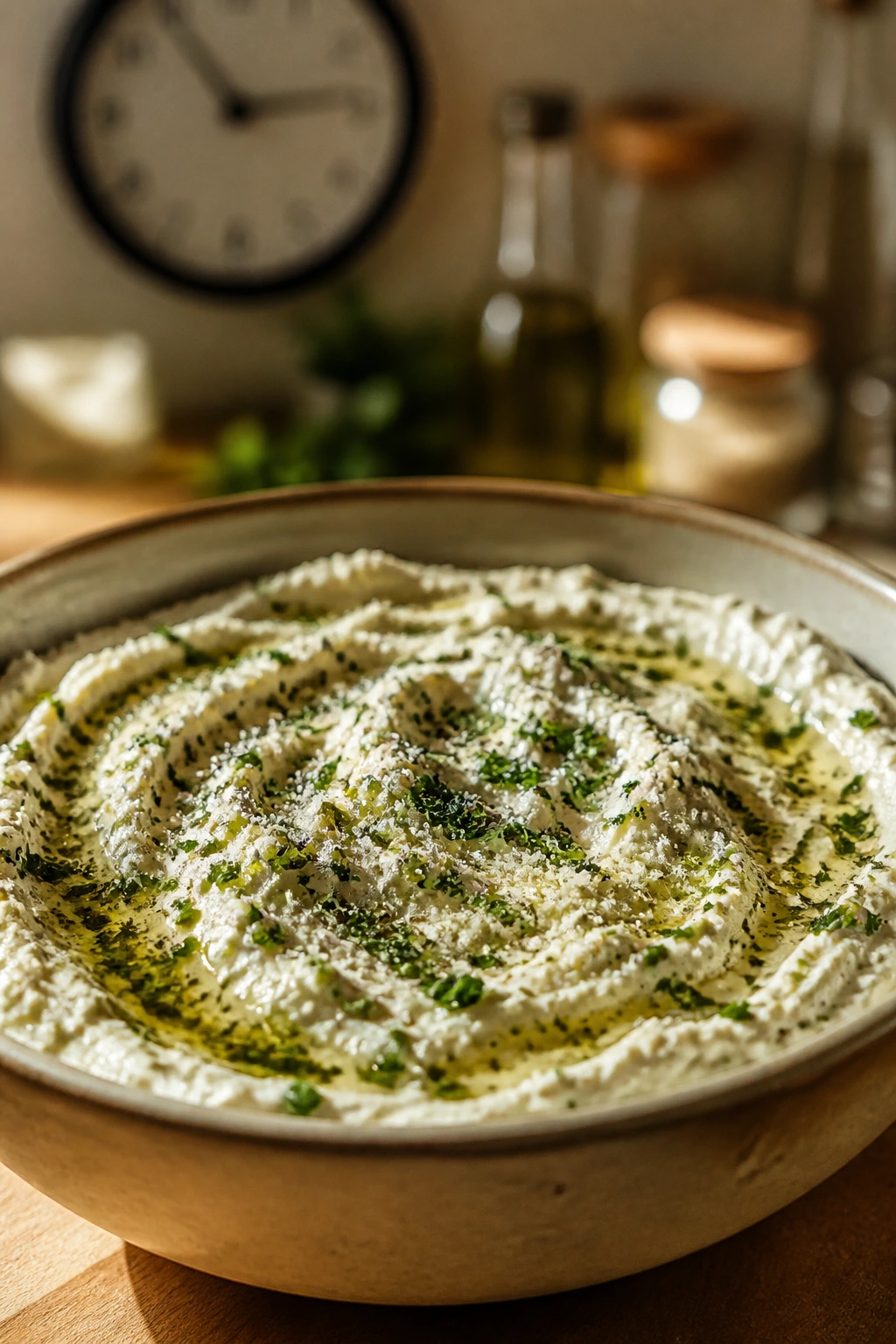
Make this too far ahead and the herbs lose some of their brightness. Make it five minutes before guests arrive and the garlic can still taste a little blunt. The sweet spot sits in the middle.
Yield: Serves 6 to 8
Prep Time: 15 minutes
Cook Time: 0 minutes
Total Time: 15 minutes active + 15 to 30 minutes resting
Difficulty: Beginner — there’s no stove work here, but the texture depends on a few small details, especially drainage and seasoning.
Chill/Rest Time: 15 to 30 minutes
Best Served: After a short rest at room temperature, with warm bread, vegetables, or crostini
A quick rest does two things. First, it softens the garlic edge. Second, it gives the salt time to pull the herbs into the ricotta, which makes the whole bowl taste more like one thing instead of a handful of separate ingredients.
The Ingredients You Actually Need
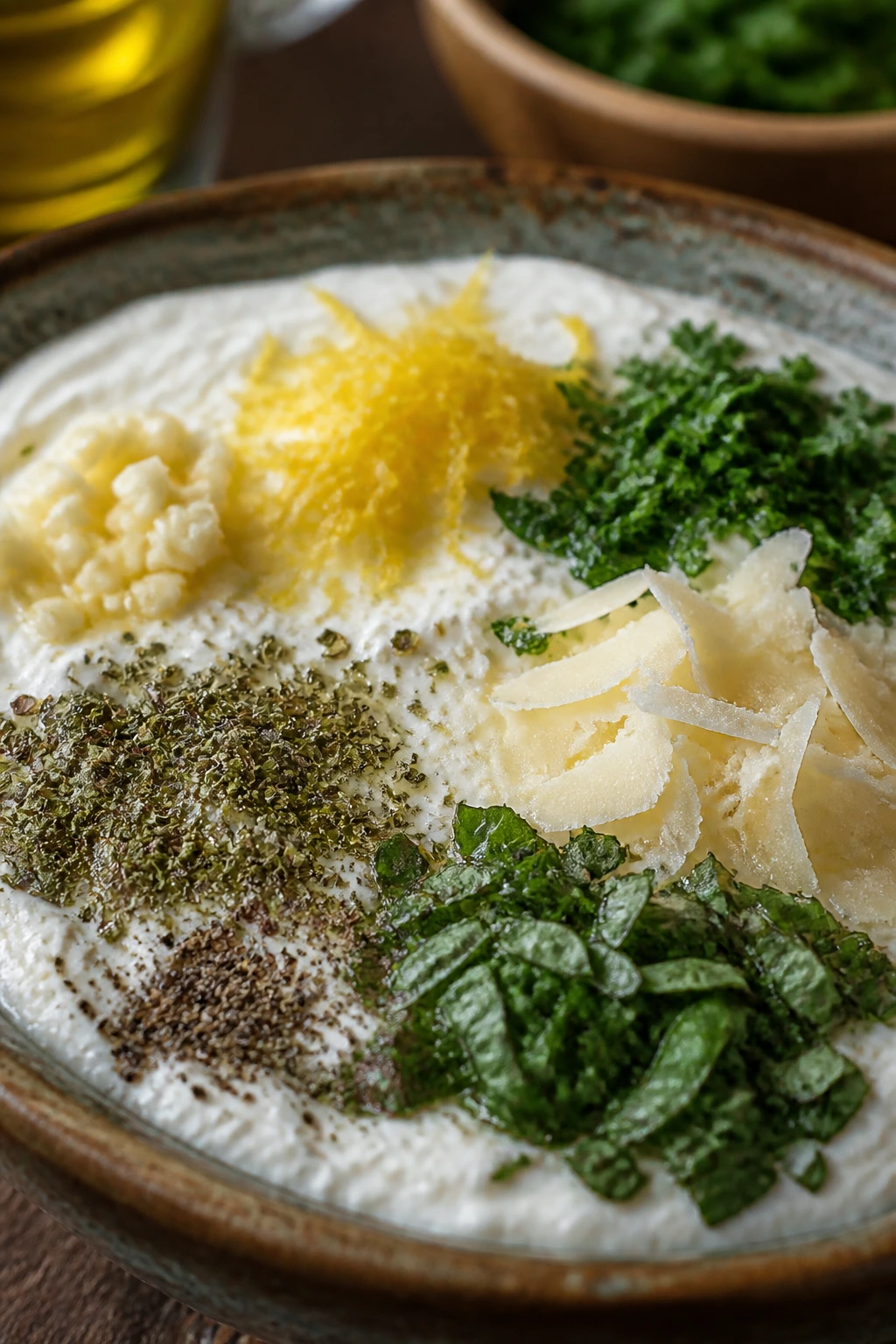
You do not need a long shopping list here. What you need is the right handful of ingredients, and you need them in the right form.
- 1 (15-ounce) container whole-milk ricotta, drained if watery
- 3 tablespoons extra-virgin olive oil, divided
- 1 small garlic clove, finely grated or mashed to a paste
- 1 teaspoon lemon zest, finely grated
- 1 tablespoon lemon juice
- 1/4 cup finely grated Parmesan cheese, divided
- 2 tablespoons finely chopped flat-leaf parsley, plus 1 tablespoon for garnish
- 1 tablespoon finely chopped fresh basil
- 1 teaspoon finely chopped fresh oregano
- 1/2 teaspoon fine sea salt, plus more to taste
- 1/4 teaspoon black pepper
- 1/4 teaspoon crushed red pepper flakes, optional
That’s the base. If your ricotta is loose, drain it. If your Parmesan comes in a bag of coarse shreds, grate it finer. Small adjustments like that matter more here than they do in a baked casserole, because this dish has nowhere to hide.
How Each Ingredient Changes the Final Bowl
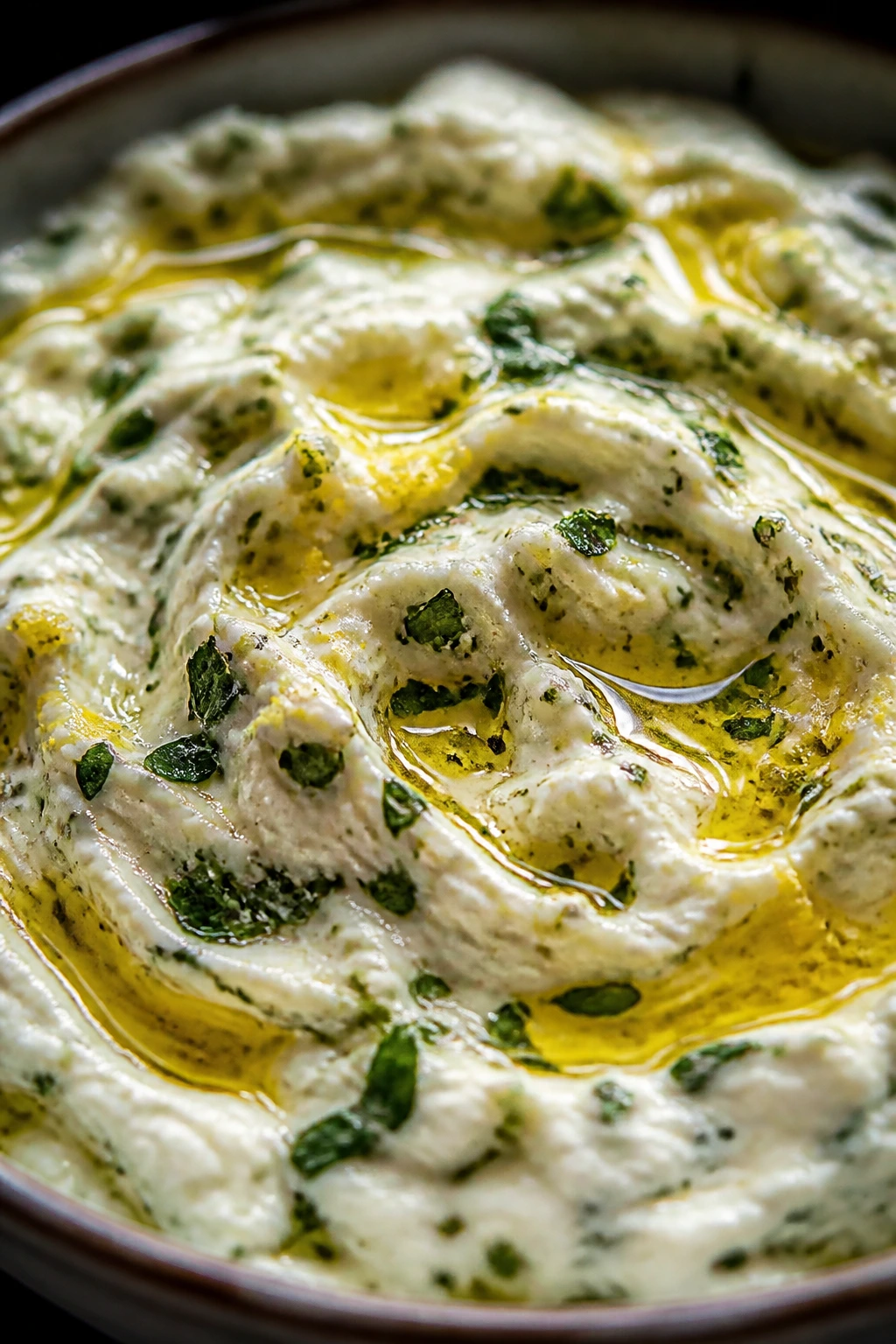
Whole-Milk Ricotta
What to use: 1 (15-ounce) container of whole-milk ricotta is the sweet spot. It gives you a spread that feels creamy and rich without turning greasy.
Preparation: If there’s liquid pooled in the tub, drain the ricotta in a fine-mesh strainer for 10 to 15 minutes before mixing. Give it a quick stir before it goes into the bowl so the texture is even.
Substitutions: Part-skim ricotta will work, but it usually tastes drier and a little chalkier. For a firmer, more savory version, half ricotta and half whipped cream cheese is fine, though it shifts the flavor away from classic Italian toward deli-counter territory.
Tips: Buy ricotta with a short ingredient list if you can. When the label starts reading like a small science project, the texture tends to be less clean.
Olive Oil and Lemon
What to use: 3 tablespoons extra-virgin olive oil, plus 1 tablespoon lemon juice and 1 teaspoon lemon zest. The oil carries the herbs; the lemon keeps the bowl from tasting sleepy.
Preparation: Use the zest first so the oil and salt can catch those citrus oils early. Add the juice slowly and taste as you go, because lemon can move a dip from bright to harsh faster than you think.
Substitutions: White wine vinegar can stand in for lemon juice if that’s what you have, though the flavor gets sharper and less sunny. A small splash of mild balsamic is also useful if you want a darker, sweeter note on top.
Tips: Peppery olive oil tastes better here than a very soft, buttery one. You want a little bite from the oil itself, not just from the garlic.
Herbs
What to use: 2 tablespoons finely chopped flat-leaf parsley, 1 tablespoon basil, and 1 teaspoon fresh oregano. That combination gives you a green, almost grassy top note with a familiar Italian backbone.
Preparation: Chop the herbs finely so they disappear into the ricotta instead of sitting in clumps. Basil should go in last, because it bruises faster than parsley and can go dark if you beat it around too much.
Substitutions: If oregano is strong to your crowd, use marjoram for a softer edge. If basil isn’t on hand, more parsley is better than dried basil that tastes like old cabinet paper.
Tips: Fresh herbs make this dip feel alive. Dried herbs can work in a pinch, but you need far less of them, and they need a little time to bloom in the oil.
Garlic, Parmesan, and Heat
What to use: 1 small garlic clove, 1/4 cup finely grated Parmesan, and 1/4 teaspoon crushed red pepper flakes if you like a little lift.
Preparation: Grate or mash the garlic into a paste so it distributes evenly. Grate the Parmesan as finely as you can; fine cheese melts into the ricotta and seasons the whole bowl, while chunky shreds sit there like they’re waiting for permission.
Substitutions: Pecorino Romano gives a sharper, saltier edge if you want more bite. If you skip the red pepper flakes, the dip becomes rounder and more family-friendly, especially if you’re serving it with a lot of other spiced food.
Tips: Parmesan adds salt as much as flavor. Taste after it’s in the bowl, not before, or you’ll overshoot the seasoning.
Salt and the Final Balance
What to use: 1/2 teaspoon fine sea salt and a final pinch if the bowl needs it.
Preparation: Mix the salt with the garlic and lemon zest first so it starts pulling flavor out of both. Then taste after the ricotta, Parmesan, and herbs are in place.
Substitutions: Fine kosher salt works if you measure carefully. Don’t swap in coarse salt without crushing it first; you’ll end up with little salty bursts nobody asked for.
Tips: Salt doesn’t just season here. It wakes up the ricotta and makes the herbs taste less muddy. If the dip feels flat, salt is usually the missing piece, not more cheese.
The Tools That Make the Texture Right
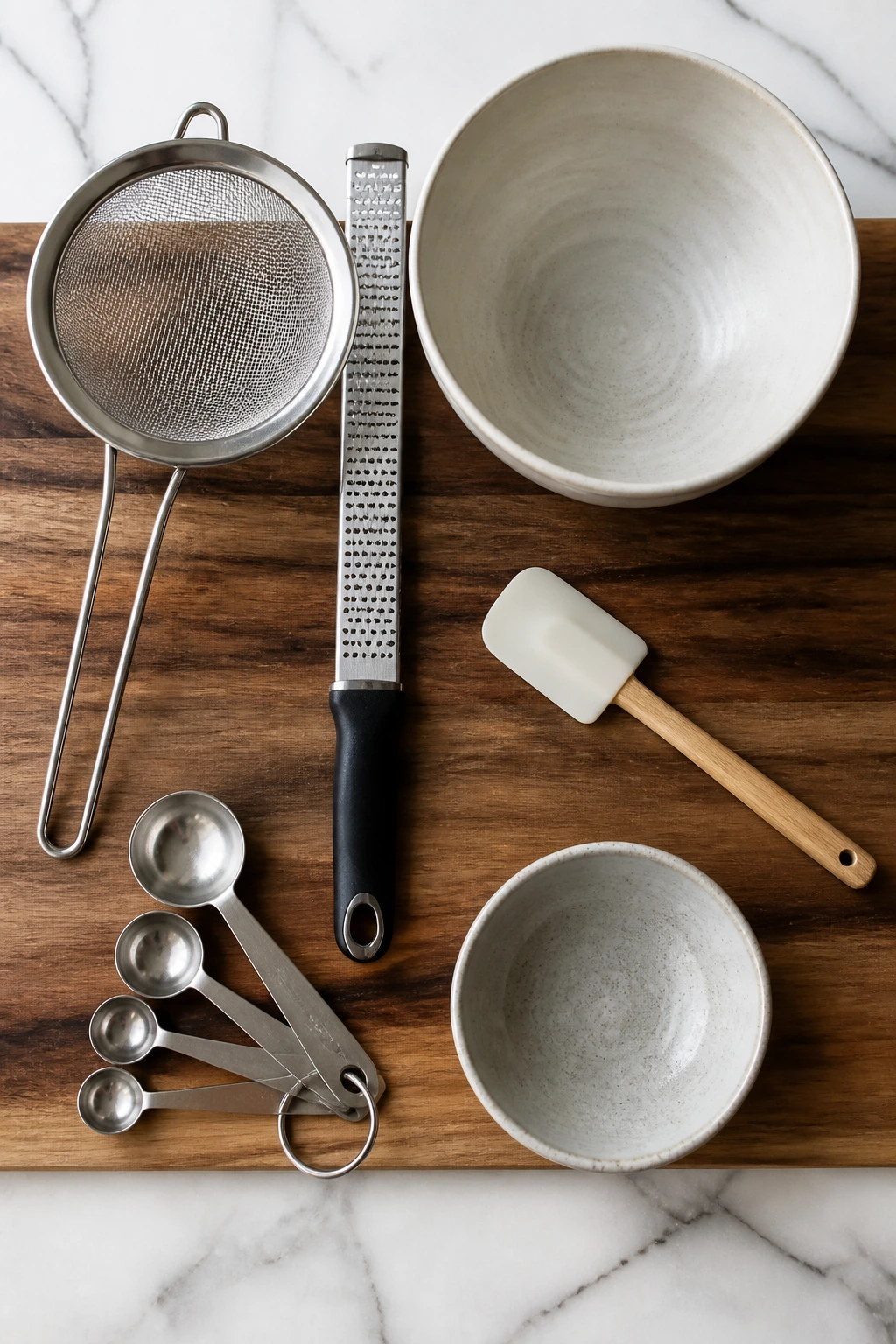
You don’t need a crowded counter. A few good tools do the job cleanly.
-
Fine-mesh strainer: Useful if your ricotta is loose or watery. Let it drain for 10 to 15 minutes so the dip doesn’t turn soupy.
-
Medium mixing bowl: Give yourself enough room to fold without spilling olive oil over the rim. A shallow bowl is fine for serving, not mixing.
-
Microplane or fine grater: Best for garlic, lemon zest, and Parmesan. The finer the grate, the smoother the dip tastes.
-
Rubber spatula or sturdy spoon: A spatula folds the herbs in without crushing them.
-
Measuring spoons and cups: This sounds basic, but small bowls like this lean on the ratio. Too much lemon or garlic shows instantly.
-
Serving bowl: Pick something shallow enough that the garnish sits on top instead of sinking. A wide white bowl makes the green herbs look more vivid, though the dip tastes the same either way.
Stirring and Whipping the Dip Step by Step
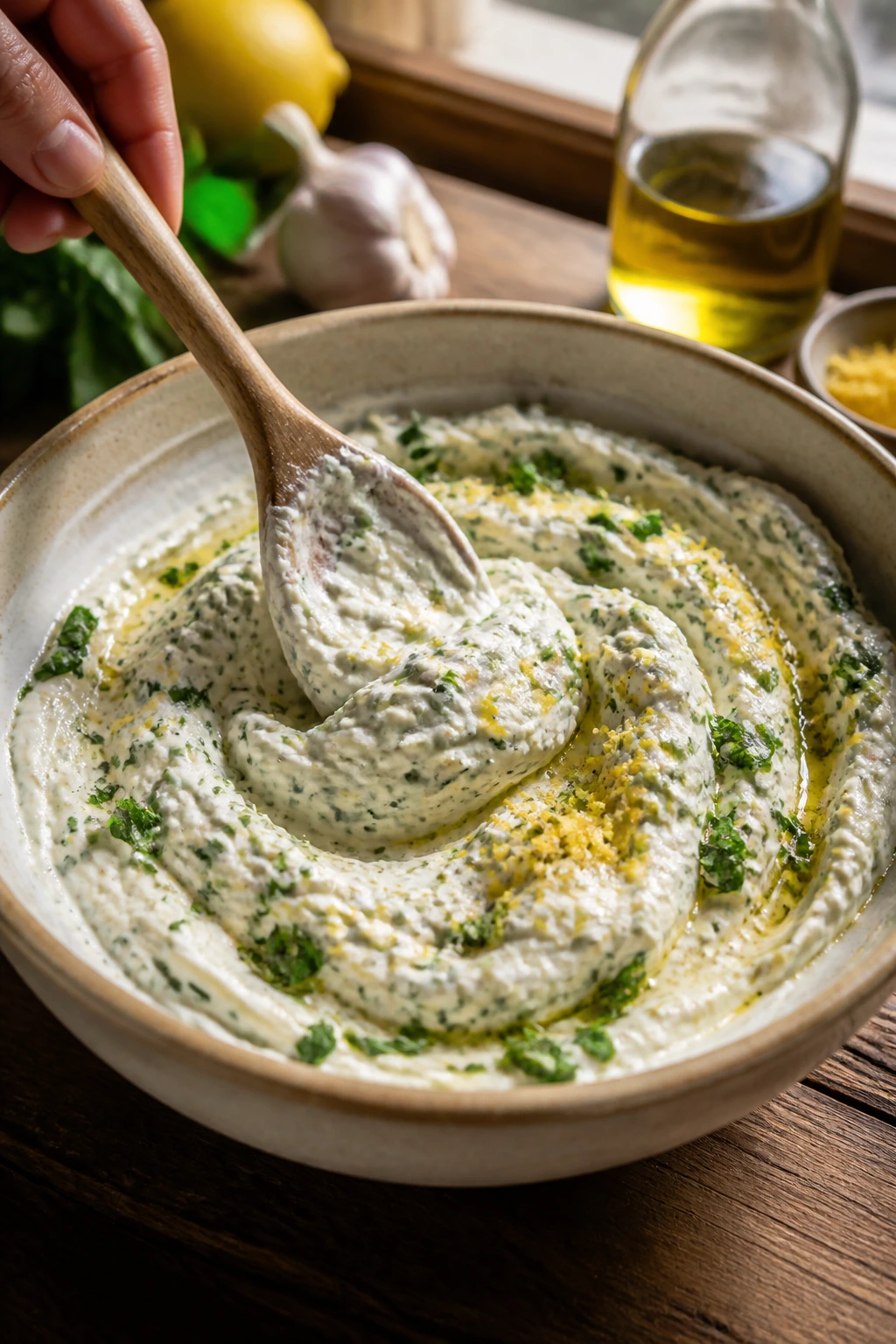
Prep the Ricotta and Aromatics:
-
If the ricotta looks at all loose, set a fine-mesh strainer over a bowl and drain it for 10 to 15 minutes. You want it thick enough to hold a spoon mark, not so soft that it slumps into a puddle.
-
In a medium mixing bowl, combine the grated garlic, lemon zest, and salt. Use the back of a spoon to press them together for 15 to 20 seconds until the garlic looks almost paste-like and the lemon smells sharp and clean. This step takes the edge off the raw garlic and spreads the citrus oil through the bowl.
Build the Base:
-
Add the ricotta, 2 tablespoons of the olive oil, the lemon juice, Parmesan, black pepper, and red pepper flakes if you’re using them. Stir for 30 to 45 seconds until the mixture looks smooth, creamy, and lightly glossy, with no streaks of unmixed cheese at the bottom. Do not overbeat it into paste; a little texture is better than gluey smoothness.
-
Fold in the parsley, basil, and oregano with a spatula. Stir just until the green flecks are spread through the bowl. Taste a little spoonful and decide whether it needs another pinch of salt, a few more drops of lemon, or a touch more Parmesan.
Finish and Serve:
-
Spoon the dip into a shallow serving bowl and use the back of the spoon to make a gentle swirl in the center. Drizzle the remaining 1 tablespoon of olive oil over the top so it pools in the ridge and catches the herbs.
-
Sprinkle the reserved parsley and a little extra Parmesan over the surface. If you like heat, add one last pinch of red pepper flakes. Let the bowl sit for 15 to 30 minutes before serving if you have the time. The flavor settles down and gets more even.
How to Serve It Like an Italian Appetizer Spread
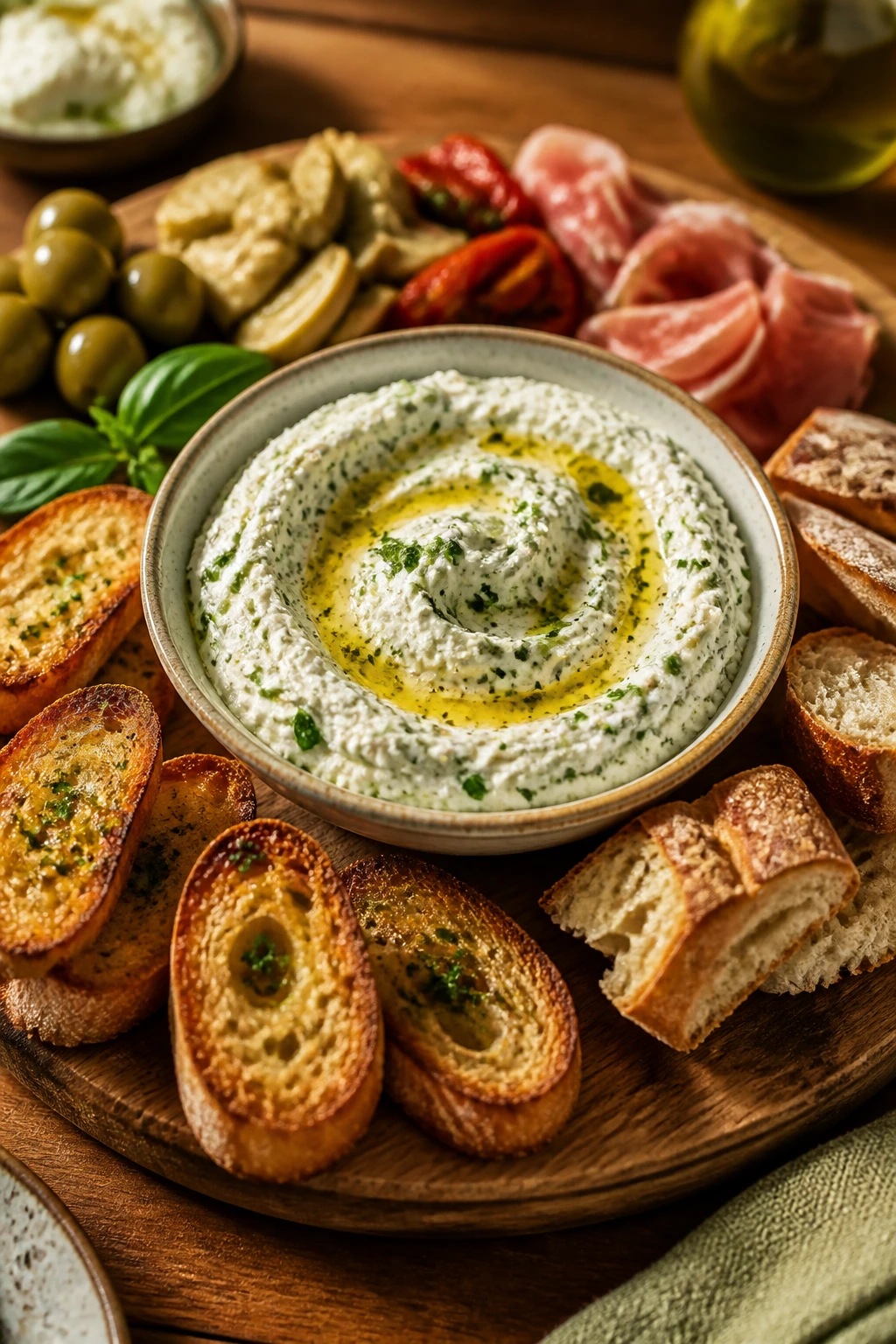
A dip like this needs the right setting. Put it in the middle of a board, not off to the side like an afterthought.
Presentation: Use a shallow bowl and leave a little swirl in the ricotta so the olive oil settles into the groove instead of disappearing. That small ridge gives the dip a finished look, and it also catches the herbs so they don’t drift to one edge. A final pinch of black pepper on top makes the bowl look intentional.
Accompaniments: Warm crostini are the obvious choice, but torn ciabatta, grilled sourdough, and breadsticks all work. I also like it with raw fennel, cucumber spears, blanched green beans, roasted peppers, cherry tomatoes, and a few olives set nearby so the bowl feels part of an antipasto spread rather than a lone appetizer.
Portions: Figure on 2 to 3 tablespoons per person if the dip is part of a larger snack board. If it’s the main appetizer, plan on 1/4 cup per person and make sure there’s enough bread to keep up. This recipe comfortably serves 6 to 8 people in that setting.
Beverage Pairing: A crisp Vermentino, Pinot Grigio, or dry Prosecco fits the herbs and lemon without turning the whole thing sweet. For something nonalcoholic, sparkling water with lemon or a lightly bitter Italian soda keeps the palate clean between bites.
Small Changes That Make a Big Flavor Difference
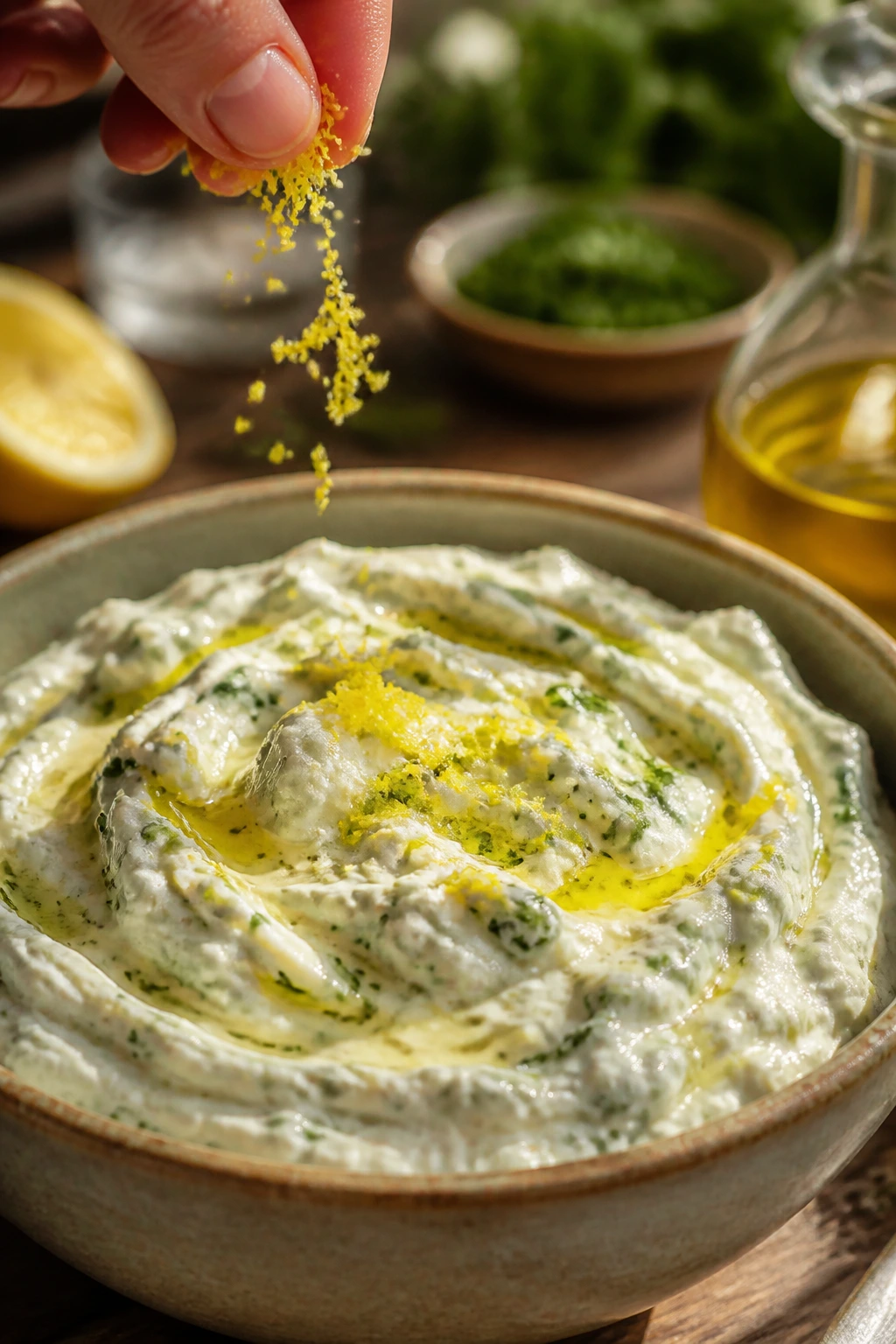
Flavor Enhancement: Warm 1 tablespoon of the olive oil with a smashed garlic clove for 1 to 2 minutes over low heat, then cool it before drizzling it over the top. You get a softer garlic note and a more rounded oil finish.
Customization: Fold in 1 tablespoon of very finely chopped sun-dried tomatoes if you want a little chew and a sweeter edge. They fit the bowl without turning it into a tomato dip, which is the wrong direction here.
Serving Suggestions: A little extra lemon zest over the top makes the herbs smell fresher the second the bowl hits the table. Fresh basil ribbons look pretty, sure, but they also add a stronger perfume than chopped basil buried inside the dip.
Make-It-Yours: For a dairy-free version, replace the ricotta with 1 1/2 cups blended cannellini beans and add 1 to 2 extra tablespoons of olive oil. For a lower-salt bowl, cut the Parmesan in half and lean harder on lemon zest, parsley, and pepper.
Time-Saver: Chop the herbs while the ricotta drains. That little overlap saves you from standing around staring at a strainer like it owes you money.
The Mistakes That Flatten the Dip
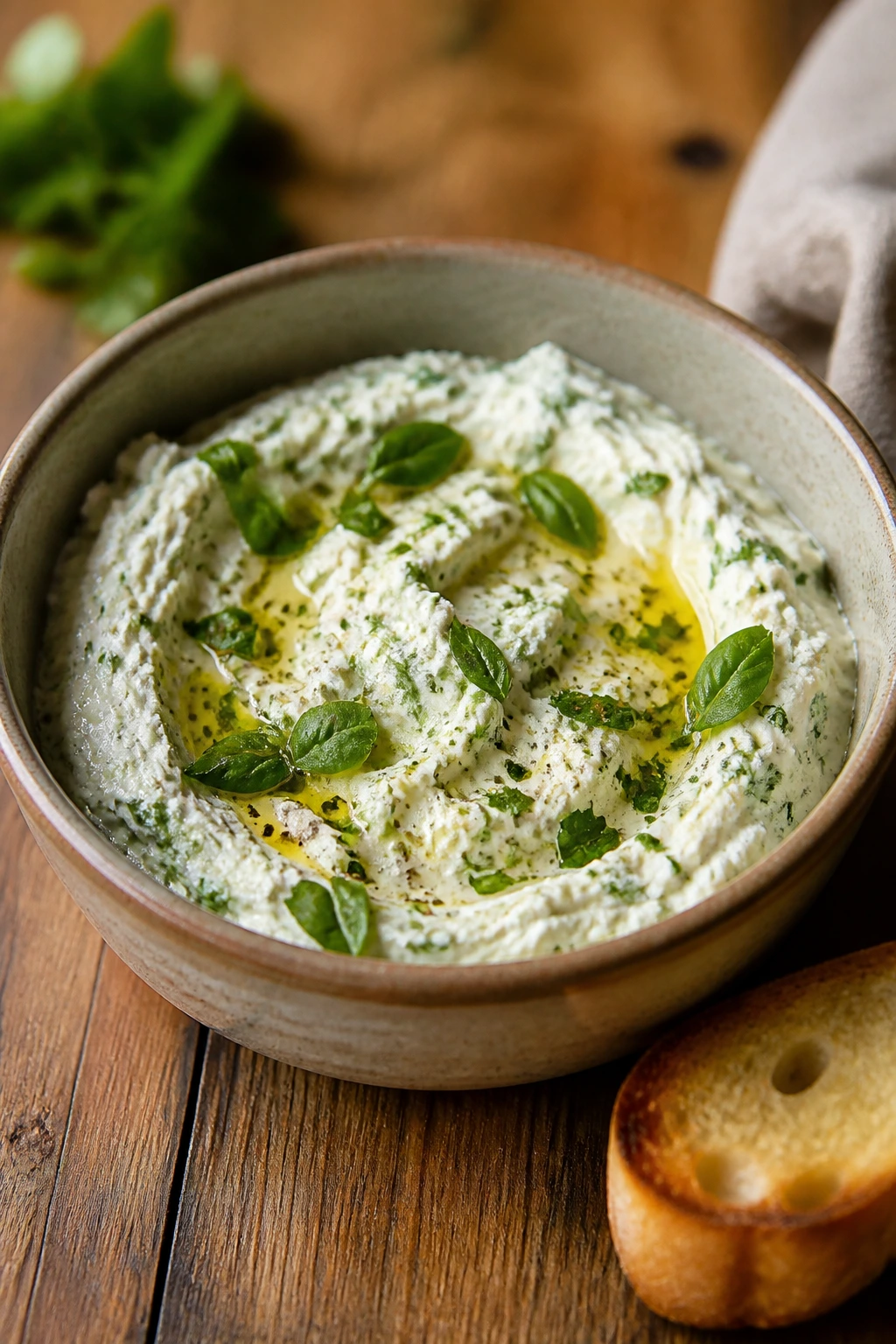
The errors here are small, but they show up fast.
-
Watery ricotta: If the dip spreads like soup or leaves liquid in the bowl, the ricotta needed a drain first. Fix it by straining the cheese for 10 to 15 minutes next time, or by folding in a spoonful more Parmesan if you need to tighten the current batch.
-
Too much raw garlic: If the first bite tastes sharp and a little hot at the back of the throat, the garlic was either too large or too coarsely chopped. Grate it finer and let the salt sit on it for a minute before mixing in the dairy.
-
Dried herbs dumped straight in: The dip can taste dusty or oddly stale if the herbs weren’t fresh or if the dried herbs never had a chance to hydrate. Use fresh if you can, or stir dried herbs into the olive oil first and give them 5 minutes to wake up.
-
Over-salting before tasting the cheese: Parmesan brings salt of its own. If you season the base heavily before adding cheese, the bowl can end up loud and briny instead of balanced. Taste after the Parmesan goes in.
-
Serving it fridge-cold: Cold ricotta mutes the herbs and makes the olive oil feel thick. Let the bowl sit out for 15 to 20 minutes before serving, then stir once more and refresh the top drizzle.
-
Skipping the final taste: This is a bowl that changes with your ingredients. Lemon juice, Parmesan, and the natural moisture in ricotta all vary, so taste at the end and adjust one small thing at a time.
Variations for Different Crowds and Diets
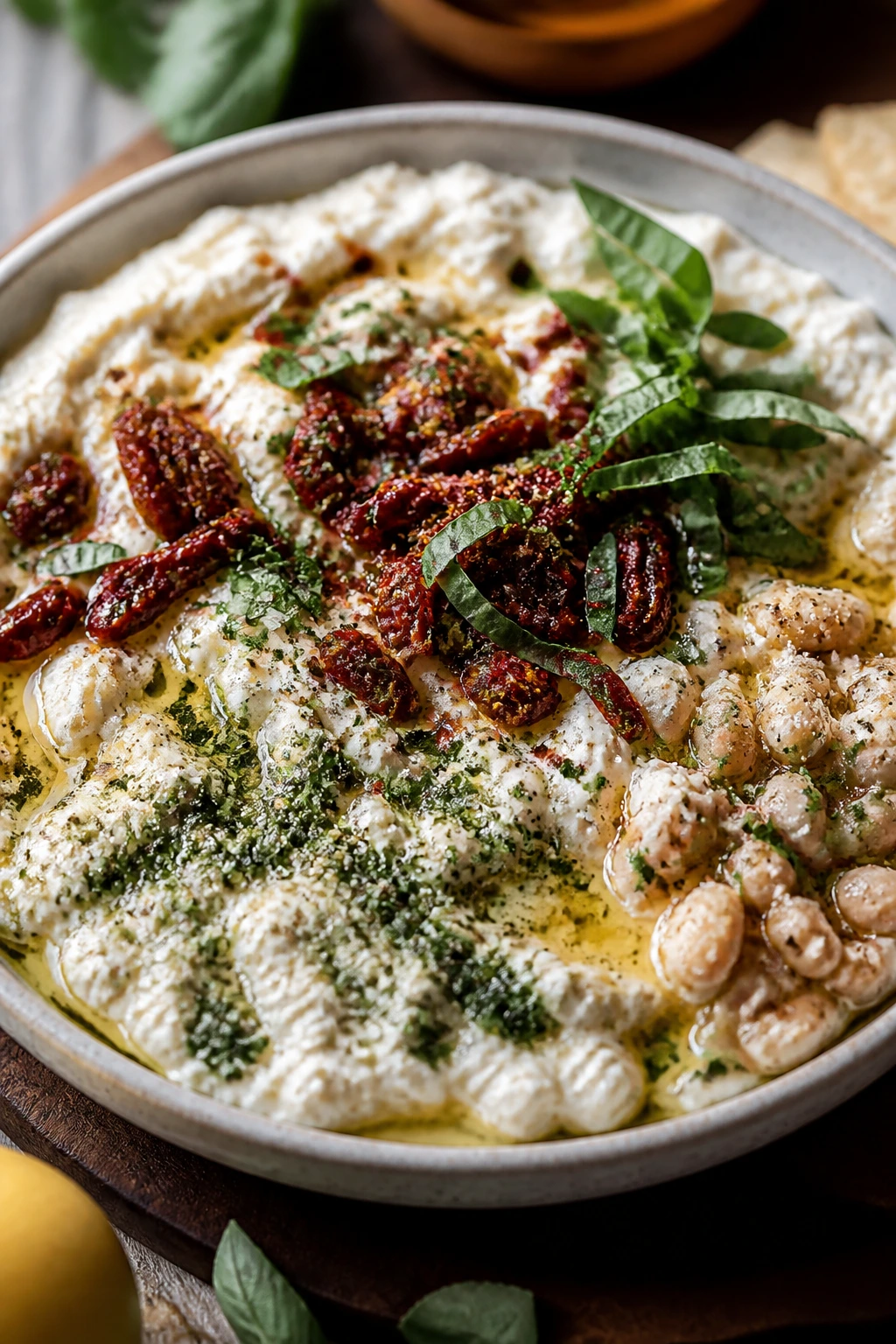
Sun-Dried Tomato Swirl: Fold 2 tablespoons of very finely chopped oil-packed sun-dried tomatoes into the finished dip. Their sweet-salty bite works especially well if you’re serving the bowl with plain crackers or simple bread, because they add a little chew and color without changing the structure.
Calabrian Heat: Add 1 to 2 teaspoons of Calabrian chili paste and skip the crushed red pepper flakes. The flavor lands deeper and a little smokier than standard pepper flakes, which is nice if the dip is sitting next to grilled sausage or roasted vegetables.
White Bean and Ricotta Blend: Replace half the ricotta with 1 1/2 cups drained, rinsed cannellini beans and blend until smooth. The bowl turns a little earthier and sturdier, and it holds up well if you want to spread it on toast instead of dipping into it.
Olive Oil Bread Dip Cousin: If you want the more rustic version, skip the ricotta and mix 1/2 cup extra-virgin olive oil with the garlic, lemon zest, herbs, Parmesan, salt, pepper, and red pepper flakes. Serve it with warm bread for a thinner, more traditional dipping oil that leans hard into the herby side.
Rosemary and Lemon Cut: Swap the oregano for 1/2 teaspoon very finely chopped rosemary and add an extra 1/2 teaspoon lemon zest. Rosemary is stronger, so use a light hand, but it gives the dip a woodsy note that fits roasted potatoes and grilled vegetables.
Make-Ahead, Storage, and the Fridge Test
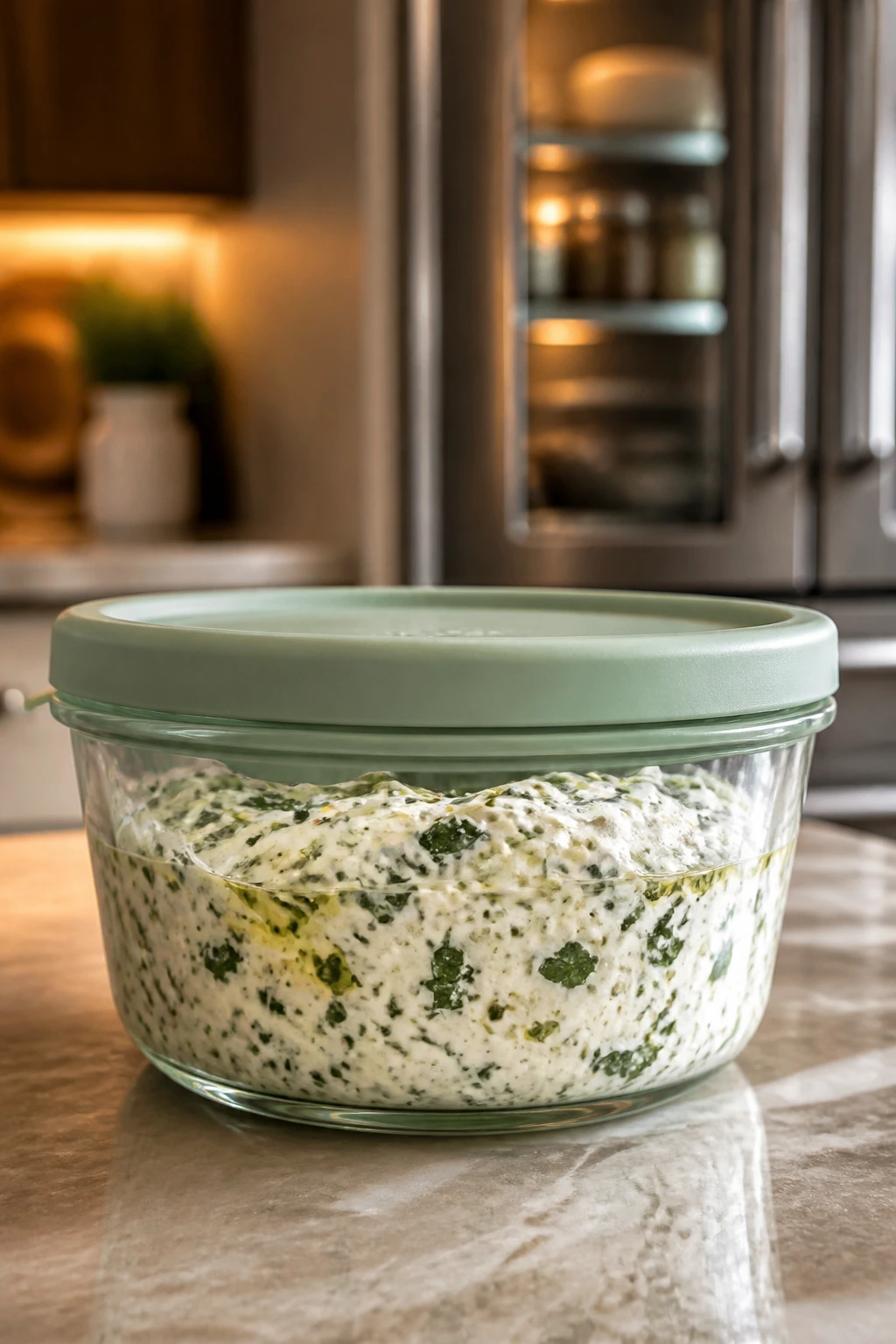
This dip keeps well enough to make life easier, but not so long that you should forget about it.
If you’re serving it the same day, you can mix it 1 to 2 hours ahead and leave it covered in the refrigerator. Bring it back to room temperature for 15 to 20 minutes before serving, then stir and refresh the top with a thread of olive oil and a pinch of herbs. The flavor is brighter and the texture is softer that way.
For longer storage, keep it in an airtight container in the refrigerator for up to 3 days. After that, the herbs start to lose their brightness and the garlic gets a little louder than I like. If a little liquid gathers on top, just stir it back in. That’s normal.
Freezing is not a good idea with this ricotta version. The texture tends to turn grainy when it thaws, and the herbs go dull. If you want something freezer-friendly, use the white bean variation instead.
There isn’t really a reheating step here, and that’s fine. Warmth is the wrong goal. What you want is a dip that sits at room temperature long enough for the oil to loosen and the aroma to open up. If the bowl feels stiff coming from the fridge, let it sit out a bit longer rather than trying to fix it with heat.
Frequently Asked Questions
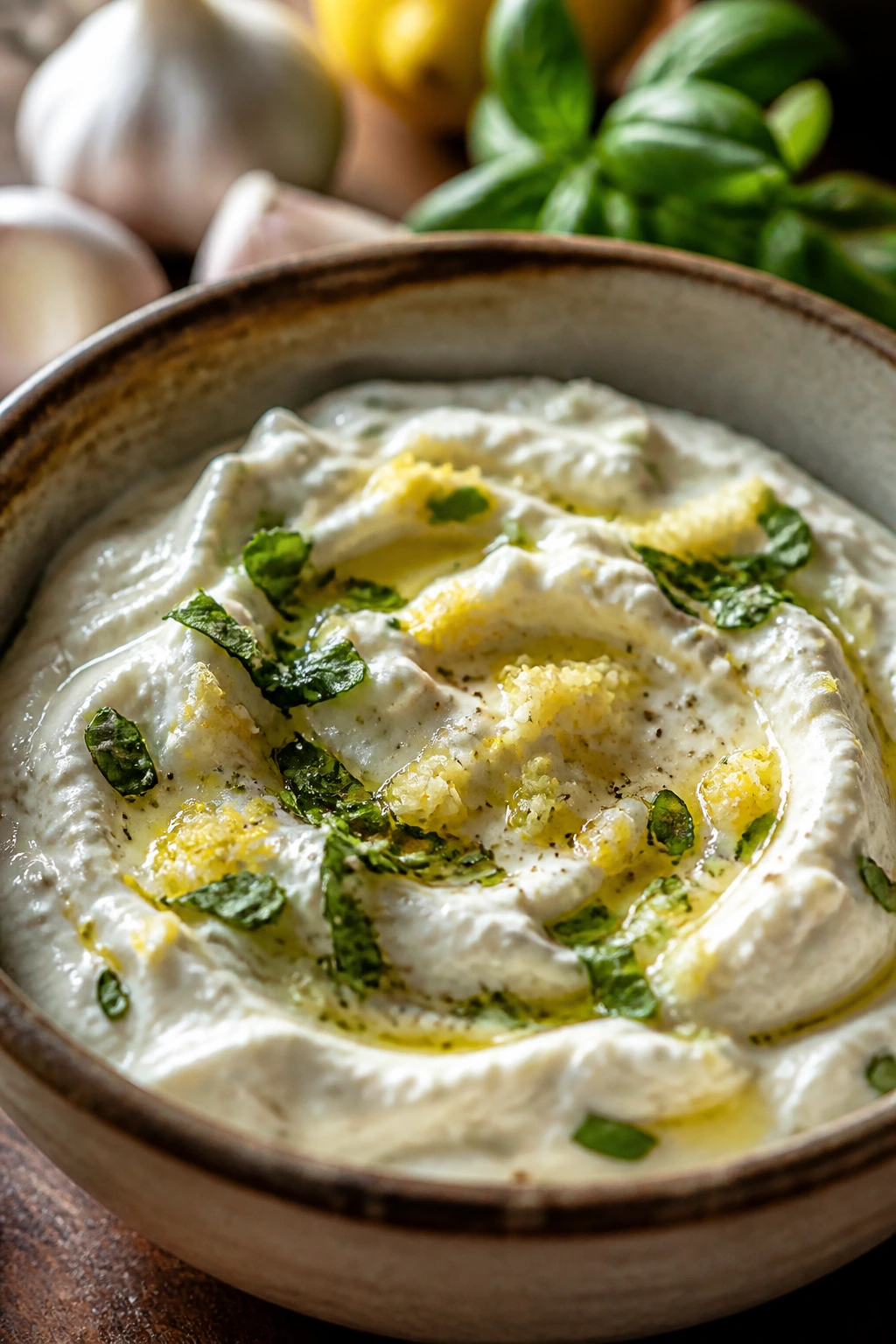
Can I use part-skim ricotta instead of whole-milk ricotta?
Yes, but the texture changes. Part-skim ricotta tends to be drier and less plush, so drain it gently and expect a firmer dip. If that’s what you have, add the olive oil a teaspoon at a time until the bowl loosens without turning runny.
Can I make this herbed Italian dip without Parmesan?
You can. The dip will still work, but you’ll lose some salt and depth, so add a pinch more fine sea salt and a little extra lemon zest to keep the bowl from tasting thin. Pecorino Romano is the closest swap if you want another hard Italian cheese.
What if I only have dried herbs?
Use them sparingly. Dried herbs are more concentrated than fresh, so start with 1 teaspoon dried parsley, 1/2 teaspoon dried basil, and 1/4 teaspoon dried oregano, then let them sit in the olive oil for 5 to 10 minutes before mixing everything together. That short rest helps the flavor open up.
How do I make the dip smoother?
If you want a silkier texture, stir the ricotta, olive oil, Parmesan, lemon juice, garlic, and salt first until very smooth, then fold the herbs in at the end. A whisk works fine, but a small food processor can take the base to a restaurant-style texture if you pulse it only a few seconds.
What bread goes best with this?
Bread with a crust works best. Ciabatta, baguette slices, focaccia, and pane pugliese all do a good job because they can stand up to the ricotta without collapsing. Thin sandwich bread gets soggy fast and misses the point.
Can I make it a day ahead?
Yes, and the flavor usually settles in a nice way overnight. Keep the herb garnish and final olive oil drizzle separate, then add them right before serving so the top stays green and glossy instead of dull.
Why does my dip taste flat even after I add garlic?
Usually it needs acid or salt, not more garlic. Try another small pinch of salt, a tiny bit more lemon juice, and a fresh drizzle of olive oil. Garlic gives the bowl shape, but lemon and salt are what make it pop.
A Bowl Worth Passing Around
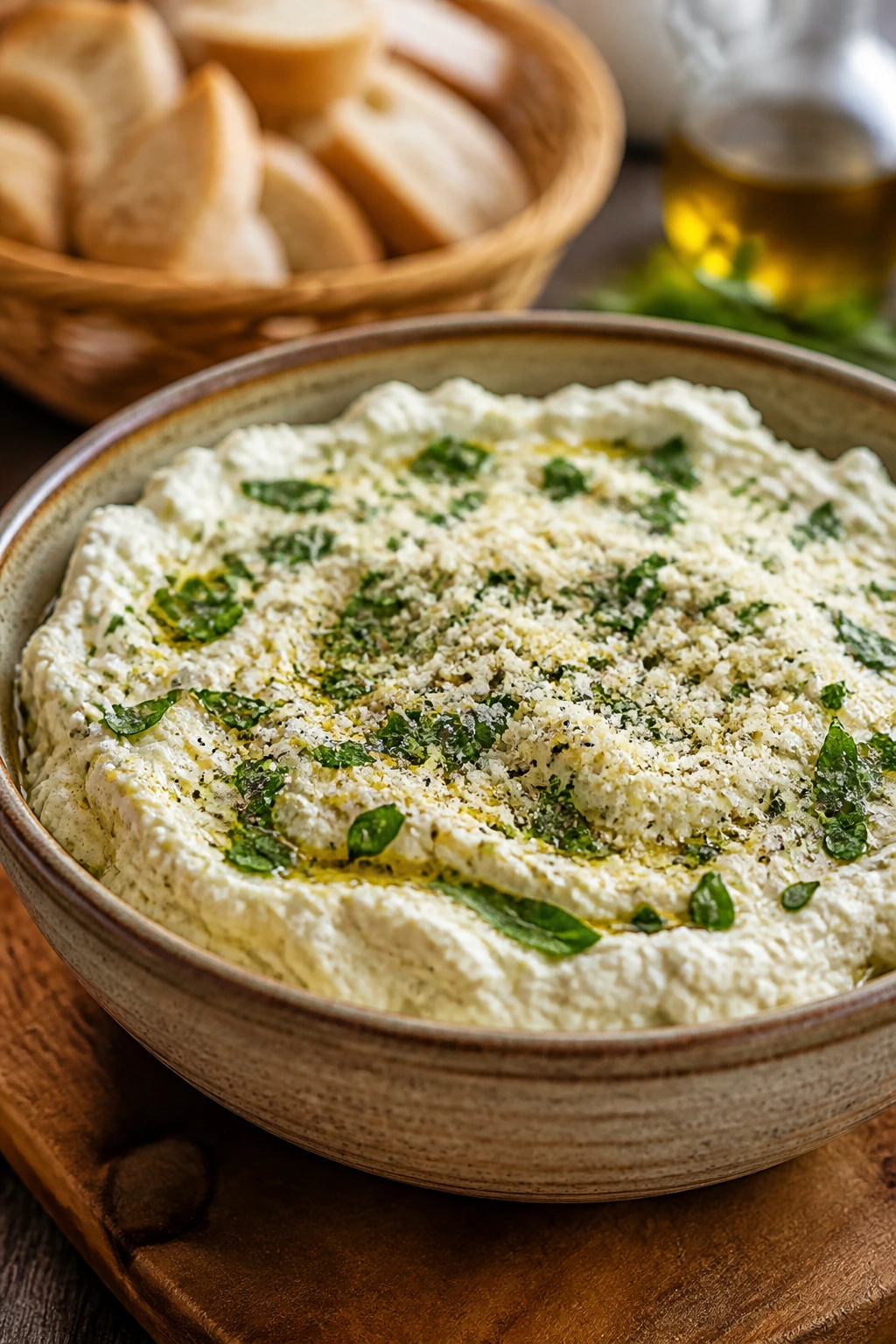
The best part of a dip like this is that it doesn’t demand much and still manages to feel generous. A little ricotta, a few herbs, good olive oil, and the right amount of garlic can turn the plain old bread basket into the first thing people remember from the table.
And that’s the Nonna lesson hiding inside the bowl: keep the ingredients honest, keep the seasoning sharp, and let the food do its work without a lot of noise. A bowl like this is at its best when the bread is warm, the olive oil is still fragrant, and somebody has already gone back for more before the rest of the spread has settled in.
Make it once, and you’ll probably start keeping ricotta, parsley, and a lemon around for exactly this reason.
Nonna-Style Herbed Italian Ricotta Dip — Recipe Card
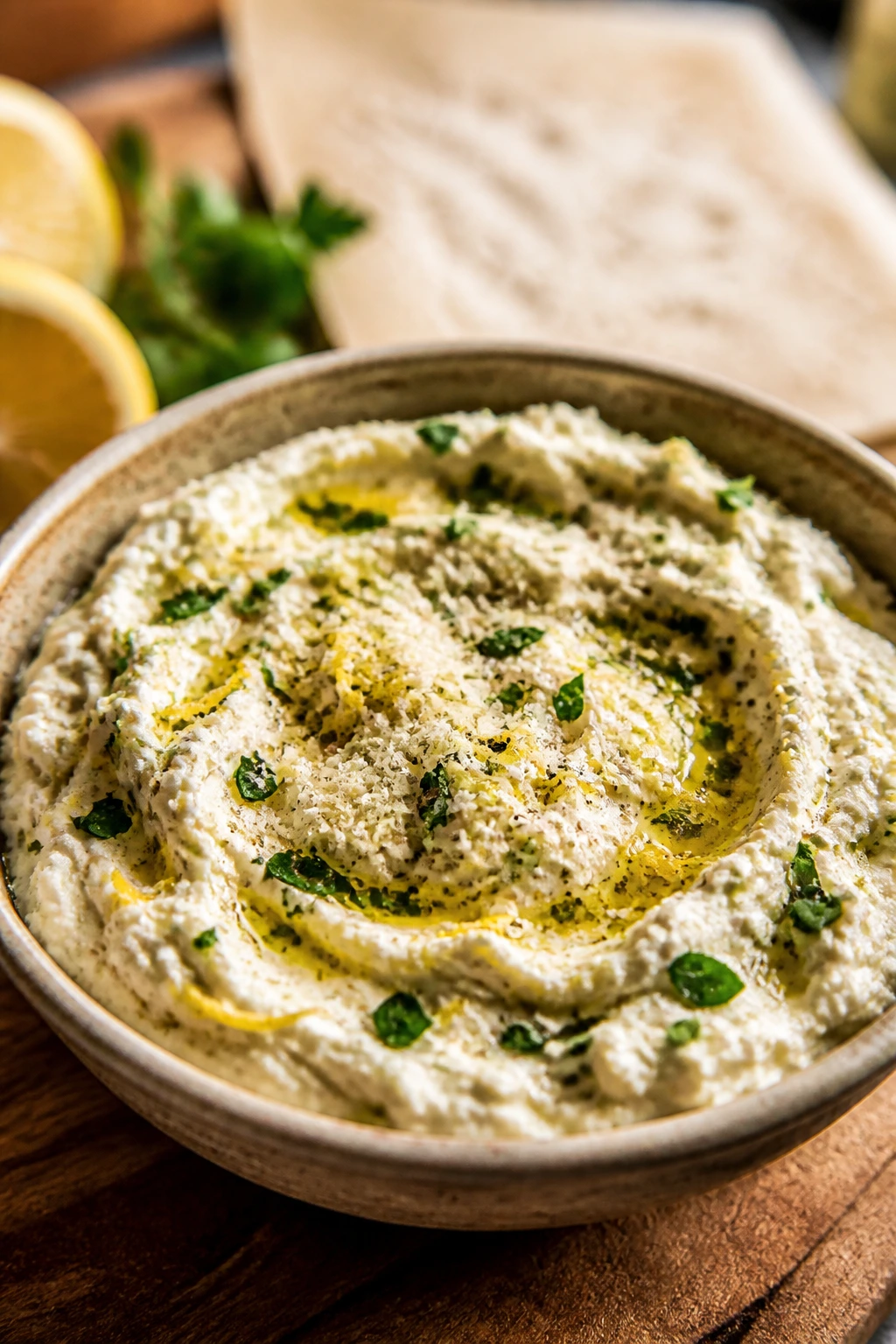
Recipe Name: Nonna-Style Herbed Italian Ricotta Dip
Description: A creamy, no-cook Italian-inspired dip made with whole-milk ricotta, olive oil, fresh herbs, lemon, garlic, and Parmesan. It’s lush enough for crostini and bright enough to sit on an antipasto board.
Prep Time: 15 minutes
Cook Time: 0 minutes
Total Time: 15 minutes active + 15 to 30 minutes resting
Course: Appetizer
Cuisine: Italian-American
Servings: 6 to 8
Calories: About 115 kcal per serving
Ingredients
- 1 (15-ounce) container whole-milk ricotta, drained if watery
- 3 tablespoons extra-virgin olive oil, divided
- 1 small garlic clove, finely grated or mashed to a paste
- 1 teaspoon lemon zest, finely grated
- 1 tablespoon lemon juice
- 1/4 cup finely grated Parmesan cheese, divided
- 2 tablespoons finely chopped flat-leaf parsley, plus 1 tablespoon for garnish
- 1 tablespoon finely chopped fresh basil
- 1 teaspoon finely chopped fresh oregano
- 1/2 teaspoon fine sea salt, plus more to taste
- 1/4 teaspoon black pepper
- 1/4 teaspoon crushed red pepper flakes, optional
Instructions
-
Drain the ricotta for 10 to 15 minutes if it looks loose or watery.
-
In a medium bowl, mash the garlic, lemon zest, and salt together until the garlic looks like a paste.
-
Add the ricotta, 2 tablespoons of the olive oil, lemon juice, 3 tablespoons of the Parmesan, black pepper, and red pepper flakes if using. Stir until smooth and creamy.
-
Fold in the parsley, basil, and oregano. Taste and adjust the salt or lemon if needed.
-
Spoon the dip into a shallow bowl, drizzle with the remaining olive oil, and finish with the reserved parsley and remaining Parmesan.
-
Let the bowl rest for 15 to 30 minutes before serving if you have time.
Notes: Drain watery ricotta first, or the dip will loosen too much. If serving from the fridge, let it sit at room temperature for 15 to 20 minutes and give it a quick stir before bringing it to the table.