



A backyard cookout changes the second the first ribbon of smoke lifts off the grill. People stop hovering inside, drift toward the deck, and start sniffing the air like they know something good is about to happen. That smell matters. It’s oak on hot metal, pepper rubbing into fat, onions softening at the edge of the fire, and a little sweetness from sauce brushing the surface at exactly the right moment.
Smoky BBQ party food works because it doesn’t ask for silence. It wants noise, passing plates, sauce on your wrist, a cold drink sweating beside a paper napkin, and somebody leaning over the grill to ask, “What wood did you use?” Good smoke is not heavy-handed. It’s the clean, layered kind that makes a rib taste deeper, gives chicken skin a savory edge, and turns grilled corn into something people remember after the ice has melted.
The mistake most people make is thinking more smoke equals better food. Nope. A little oak, a steady fire, and a menu that mixes rich meat with sharp slaw, pickles, and toasted bread will beat a pile of sooty, over-sauced food every time. The trick is balance. Always balance.
Why Smoky BBQ Party Food Pulls Everyone Toward the Grill
Smoke does half the hosting. The smell alone pulls people outdoors before the first tray is ready, which is half the magic of a backyard cookout. A grill that smells clean and steady makes guests hungry in a way that a kitchen oven never quite can.
Fat and smoke are old friends. Pork shoulder, chicken thighs, sausage, and even grilled mushrooms pick up smoke better than lean cuts that dry out under pressure. That’s why the best party food usually has some fat in it. It carries flavor.
Contrast keeps the meal lively. Rich meat wants vinegar, pickles, or a crisp slaw beside it. Without that bright edge, the plate gets dull by bite three. A barbecue spread should move from juicy to crunchy to cool and back again.
The grill scales better than most people think. You can cook in batches, hold meat warm at 140°F to 160°F, and serve a crowd without everything going soft. That’s a real advantage when people arrive in waves and the first few eaters are already circling back.
Smoke gives the menu personality. Oak tastes different from pecan. Mustard sauce behaves differently from a tomato glaze. Cherry wood on chicken reads soft and round, while hickory on pork comes in a little louder. These details are small. They change the whole table.
How to Keep Smoke Clean Instead of Bitter
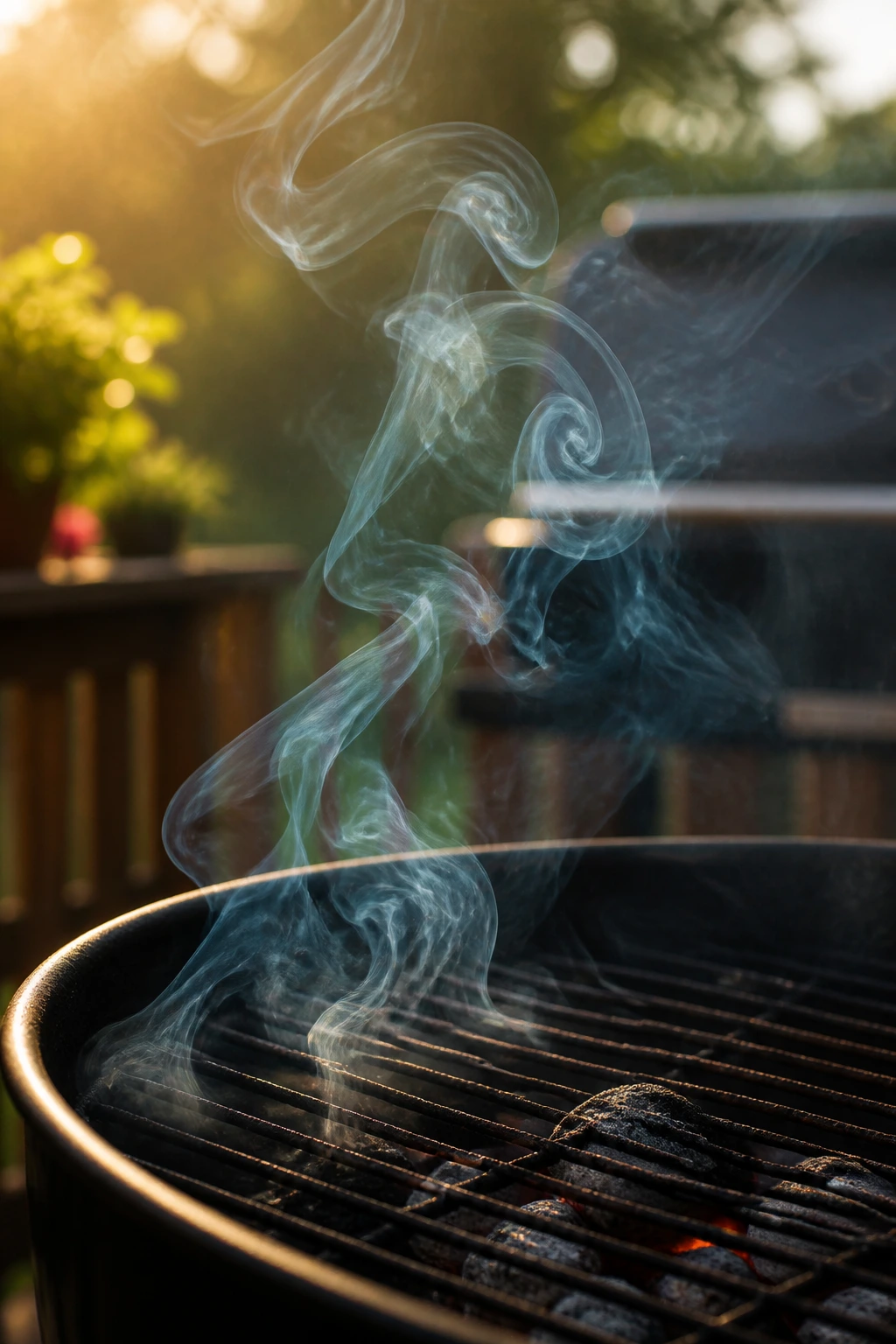
A clean smoke flavor starts with restraint. If the fire smells sharp, bitter, or sooty enough to make you blink, the grill is telling you to back off. Thick white smoke usually means the fuel is struggling, airflow is weak, or there’s too much wood piled on for the heat you’ve got.
Oak, Pecan, Cherry, and Hickory
Oak is the steady hand. It’s mild enough for almost anything and strong enough to matter on pork shoulder or brisket. Pecan leans a little sweeter and works beautifully on chicken thighs, sausage, and vegetables that need a nutty edge.
Cherry gives food a softer, rounder smoke and a slightly darker color. I like it on chicken skin and ribs when I want the smoke to sit in the background instead of shouting. Hickory is stronger. Good, but easy to overdo. A single chunk can be enough for a whole batch of chicken if your grill runs hot.
Mesquite has a place, too, but only in small doses. It burns with a fierce, almost resinous edge. Too much and the food tastes like you set it near a campfire and forgot it there.
Thin Blue Smoke Is the Goal
The best smoke is barely visible. People talk about “thin blue smoke” because that faint haze carries flavor without the ashtray note. On a charcoal grill, that means waiting until the coals are fully ashed over and using one or two fist-sized wood chunks instead of a mountain of chips.
On a gas grill, a smoker box or a foil packet punched with holes will do the job. You do not need a whole cigar box’s worth of chips. One small handful is enough for most backyard meals. More wood doesn’t mean more flavor. Often it means a harsher one.
What I Leave Out of the Fire
I skip lighter fluid completely. It adds a chemical note that hangs around longer than people think. I also skip soaking wood chips in water. Soaked chips don’t really “smoke better”; they just spend time drying out before they do anything useful.
A better move is a hot grill with decent airflow and a little patience. Keep the lid closed. Let the smoke work briefly, then settle. The food should taste kissed by fire, not buried in it.
Building a Cookout Menu That Has Brightness, Crunch, and Fat
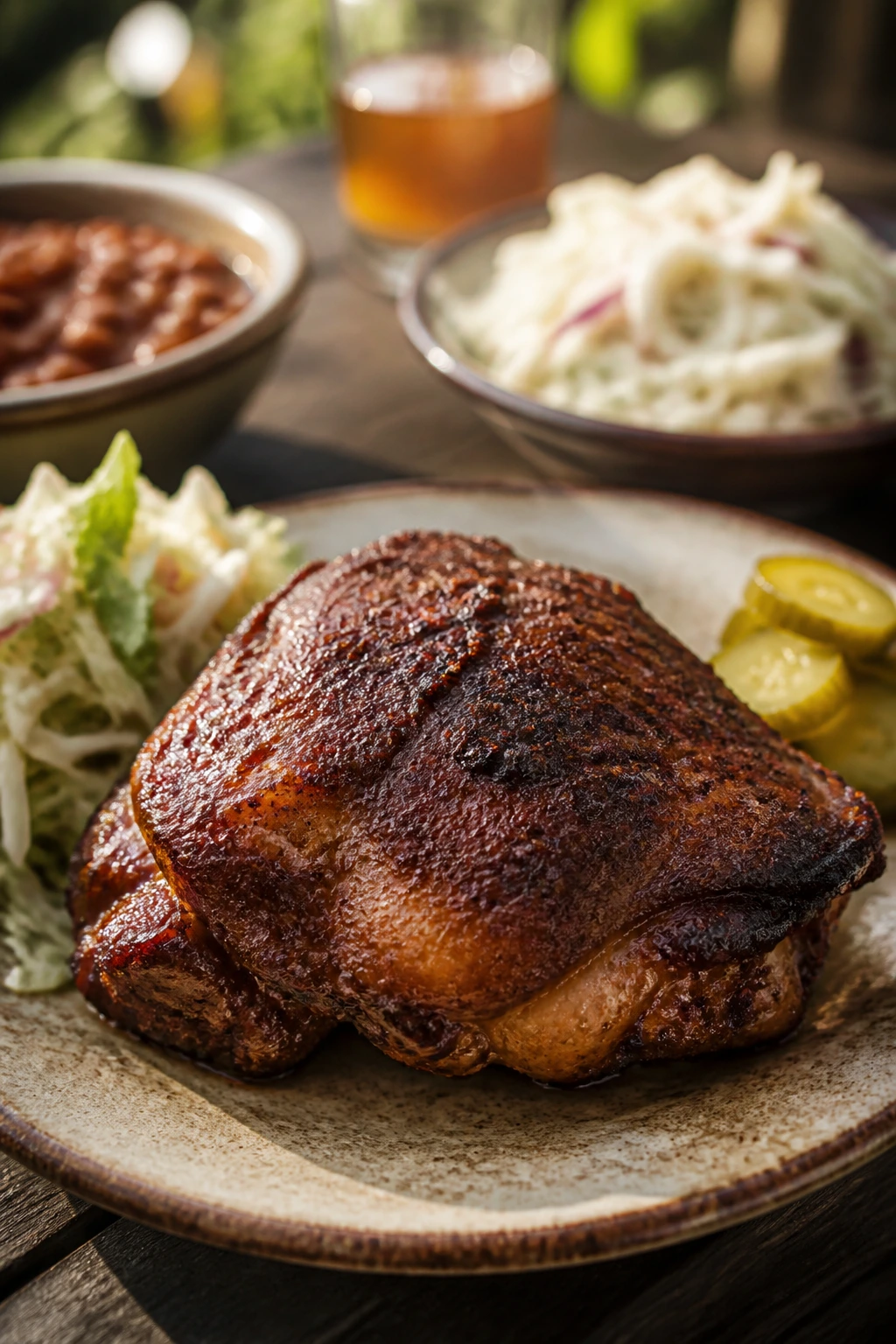
A good barbecue spread is built like a sentence with punctuation. The meat is the main clause, but the slaw, pickles, and grilled vegetables are the commas that keep it readable. Without them, the plate runs on too long and starts tasting flat.
The easiest way to plan a menu is to think in layers. One rich anchor. One bright side. One crunchy thing. One soft carb. One sauce with enough acid to wake everything back up. That combination is why a cookout feels complete instead of merely full.
The Anchor: Pick One Thing People Will Chase
You do not need six mains. You need one thing worth the first plate. Pork shoulder, chicken thighs, ribs, brisket slices, sausage links, or burgers can all do the job, but each asks for a different support cast. If the anchor is rich and fatty, the sides should be sharper. If the anchor is leaner chicken, the sides can be a little rounder and more buttery.
My bias? Chicken thighs are the most forgiving party meat on the grill. They stay juicy longer, handle smoke well, and forgive a distracted host. Brisket is spectacular, but it wants time and attention. That matters.
The Bright Side: Acid Is Not Optional
A splash of vinegar in slaw, pickled onions, dill pickles, cucumber salad, or a mustardy dressing can rescue a heavy plate. Smoke and fat are satisfying, but without acid they start to feel muddy. A barbecue sauce with tang is usually better than one that reads like candy.
The Crunch: Give People Something Snappy
Raw onions, sliced radishes, pickled jalapeños, slaw with a sharp bite, and charred vegetables with a little snap all keep the meal awake. Soft-on-soft-on-soft is where cookout menus get boring.
The Soft Carb: It Holds the Plate Together
Buns, cornbread, potato rolls, tortillas, white bread, and even grilled flatbread give the meal structure. They soak up juices. They also let people build their own plates, which is useful when guests are fussy about sauce or heat.
A party spread becomes easy to eat when every bite has a little contrast. That’s the whole trick.
The Meats That Hold Up Best on a Party Platter
Some cuts are built for the chaos of a cookout. Others are not. A party doesn’t need the most expensive meat in the case. It needs the cuts that can stay juicy while people drift in and out of conversation and the platter sits under a tent of foil for a little while.
Chicken Thighs and Drumsticks
Bone-in, skin-on chicken thighs are a backyard workhorse. They take smoke beautifully, they brown well, and they don’t punish you for giving them a few extra minutes. I like them cooked to 175°F to 185°F so the collagen in the dark meat relaxes and the texture turns tender instead of squeaky.
Chicken breasts are the opposite story. They can work, but they demand more control and often a short brine. For a crowd, that’s extra stress for no real reward.
Pork Shoulder and Ribs
Pork shoulder is the most forgiving large-format party meat. It can be cooked ahead, rested, pulled, and held warm without falling apart into sadness. If you’re feeding a crowd and want one tray that disappears fast, this is the one I’d pick.
Ribs bring more theater. People love a rack on the board. Baby backs cook a little faster and stay a bit leaner; spare ribs have more fat and a deeper pork flavor. Either way, the meat should loosen when you bend the rack and the bones should start to peek through.
Sausage and Burgers
Sausage is a cheat code for a grill party. It smokes quickly, stays juicy, and gives you something fast to serve while larger cuts finish. A good sausage should blister, split a little at the seams, and release fat that smells like the grill was meant for it.
Burgers need less smoke than people think. A 80/20 ground beef patty with salt, pepper, and a hot grate can be enough. Push the smoke too hard and you lose the beef. Burgers are the most social food on the grill, but they also dry out fast if you chase them around.
Brisket and Beef Slices
Brisket is glorious when you have time, and slightly ridiculous when you don’t. It rewards patience, steady heat, and a proper rest before slicing. If you slice it too soon, the board floods. If you slice it across the grain after a good rest, the meat stays tender and the smoke ring looks like it means business.
For a party, brisket works best when it’s part of a larger table rather than the only thing on it. Beef wants pickles, onions, bread, and a sharp sauce to keep it honest.
Vegetables That Deserve a Place on the Grill
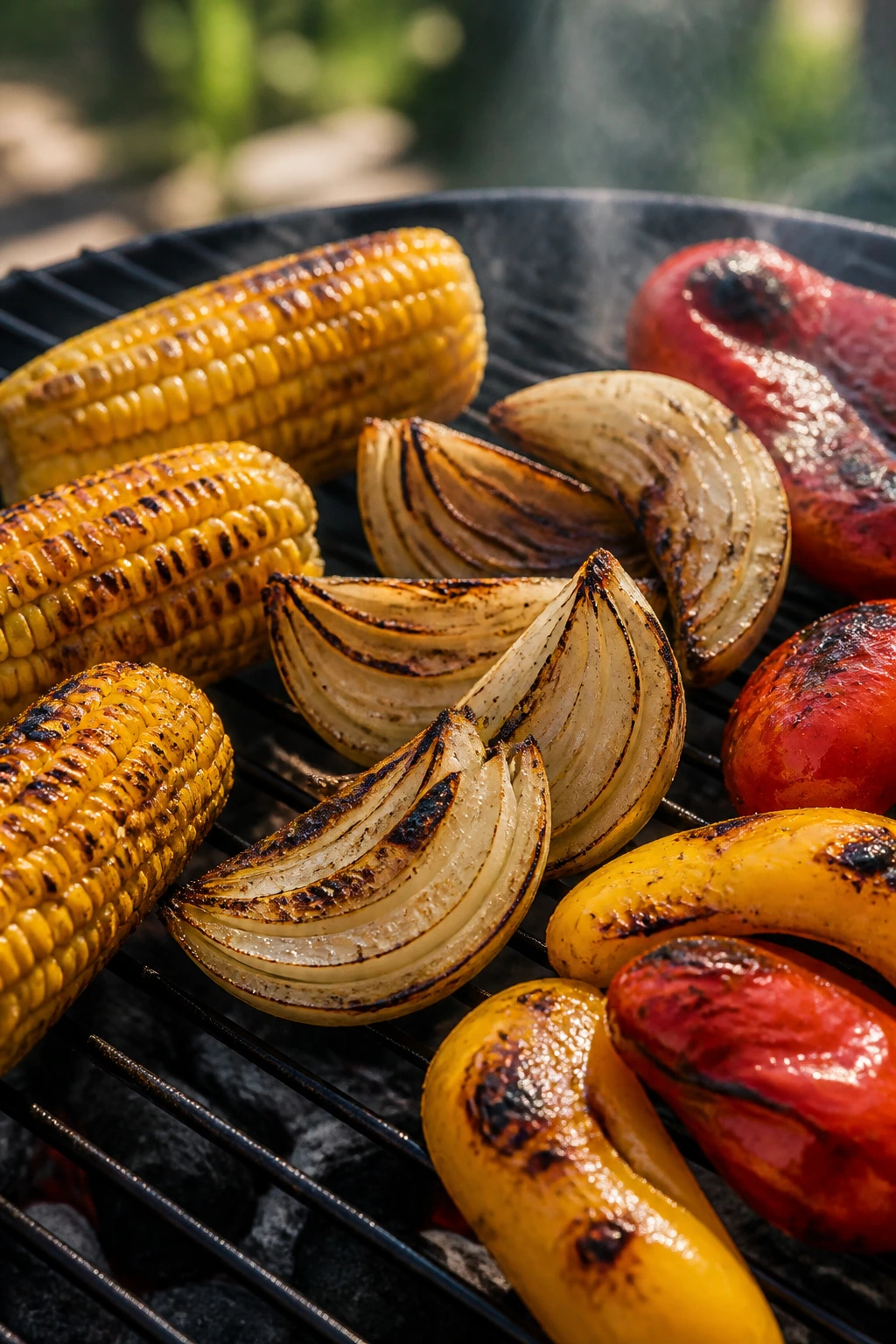
Grilled vegetables are not filler. They’re the part of the cookout that keeps the meat from becoming a blur. When they’re done right, they taste sweet at the edges and smoky in the middle, with enough char to make them feel like they belonged at the party from the start.
Corn, Onions, and Peppers
Corn loves direct heat. Leave the husks on if you want a steamed, softer result, or strip them back and let the kernels blister for more color. A little butter at the end is fine, but I like lime, salt, and chili powder better. It wakes the sweetness up.
Onions, especially thick wedges, go mellow and almost jammy on the grill. Keep the root end attached so the layers don’t fall apart. Peppers should go on whole or in large slabs. Little pieces dry out and turn fussy.
Mushrooms, Zucchini, and Eggplant
Mushrooms soak up smoke like little sponges. Portobellos can hold a marinade and even stand in for a main for vegetarian guests. Zucchini and eggplant need oil and enough heat to brown before they collapse. If the grill is weak, they’ll steam and go limp. Nobody asked for limp vegetables.
A Few Surprising Winners
Halved lemons, charred scallions, and even thick slices of cabbage bring something useful. Lemon cut-side down for a minute or two turns smoky and sweet. Scallions soften and add a little onion bite. Cabbage, cut into wedges and grilled until the edges bronze, gets nutty and sturdy enough to sit beside ribs without getting lost.
A vegetable platter with real grill marks does more than look good. It keeps the whole meal from feeling heavy. That matters more than people admit.
Sauces, Rubs, and Glazes That Turn Smoke into Dinner
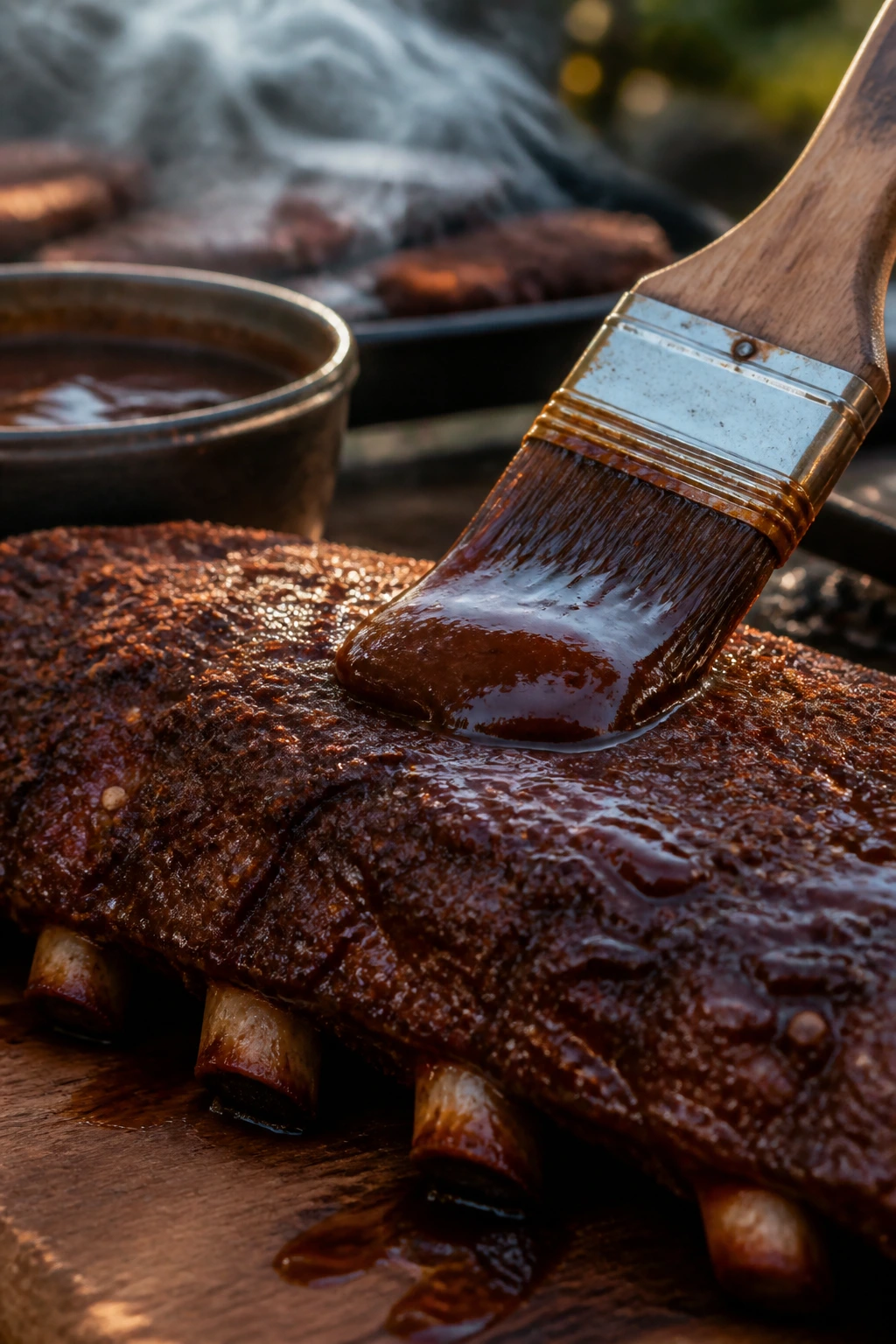
A rub should season the meat, not bury it. A sauce should sharpen the final bite, not cover up a weak fire. The best barbecue sauces and rubs are there to make the smoke clearer, not louder.
Start With Salt, Paprika, Pepper, and Garlic
A solid dry rub usually begins with kosher salt, black pepper, paprika, garlic powder, and onion powder. Brown sugar can help build a crust, especially on pork, but it should not be the only thing you taste. Smoked paprika gives you a deeper note without needing to overcomplicate the fire.
If you want heat, use cayenne, chili powder, or chipotle powder in modest amounts. A rub should invite the smoke forward. It should not turn the meat into a chili bomb.
Choose a Sauce Style That Matches the Meat
Tomato-heavy sauces like sweetness and shine. They’re good on ribs and burgers, but they burn if you brush them on too early. Vinegar sauces are leaner and sharper, which makes them excellent on pork shoulder and chicken. Mustard sauces bring a tang that works especially well with pork and sausage.
I like to keep one sauce on the table and one in the finishing brush. That way the meat gets a final gloss without drowning it.
Glaze Late, Not Early
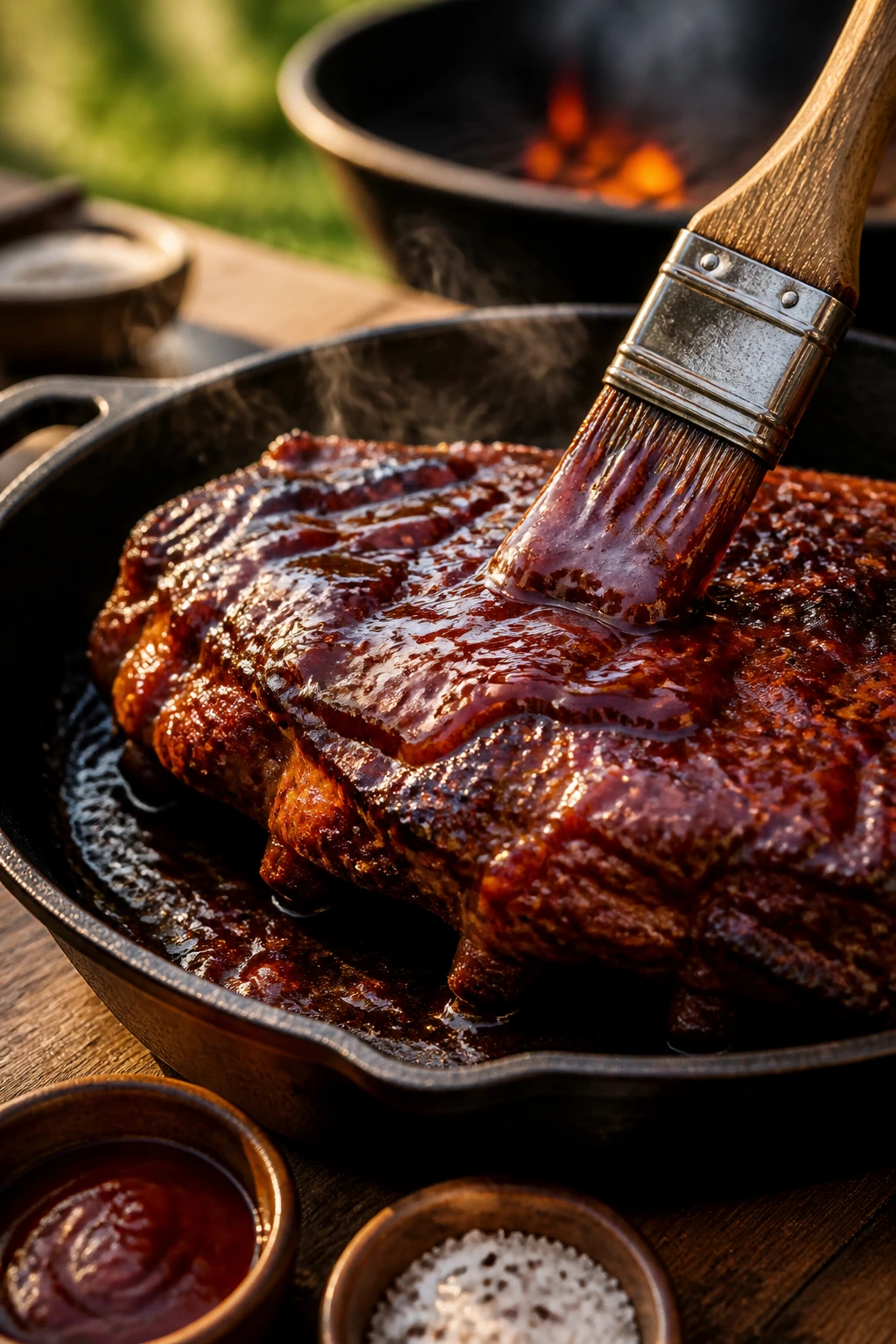
Sugar burns. That’s just how it goes on a hot grill. Brush sauce on during the final 5 to 10 minutes of cooking, or even better, serve it alongside so guests can choose how much they want. If a piece of meat already has a good bark or char, a late brush of sauce is enough.
Mop sauces and finishing vinegars are useful because they keep the flavor bright. A spoonful of vinegar in a sauce can make smoke taste cleaner. A tiny bit of butter at the end can soften sharp edges, especially on chicken thighs or grilled corn. Small moves. Big payoff.
Sides That Cut the Richness Instead of Adding More of It
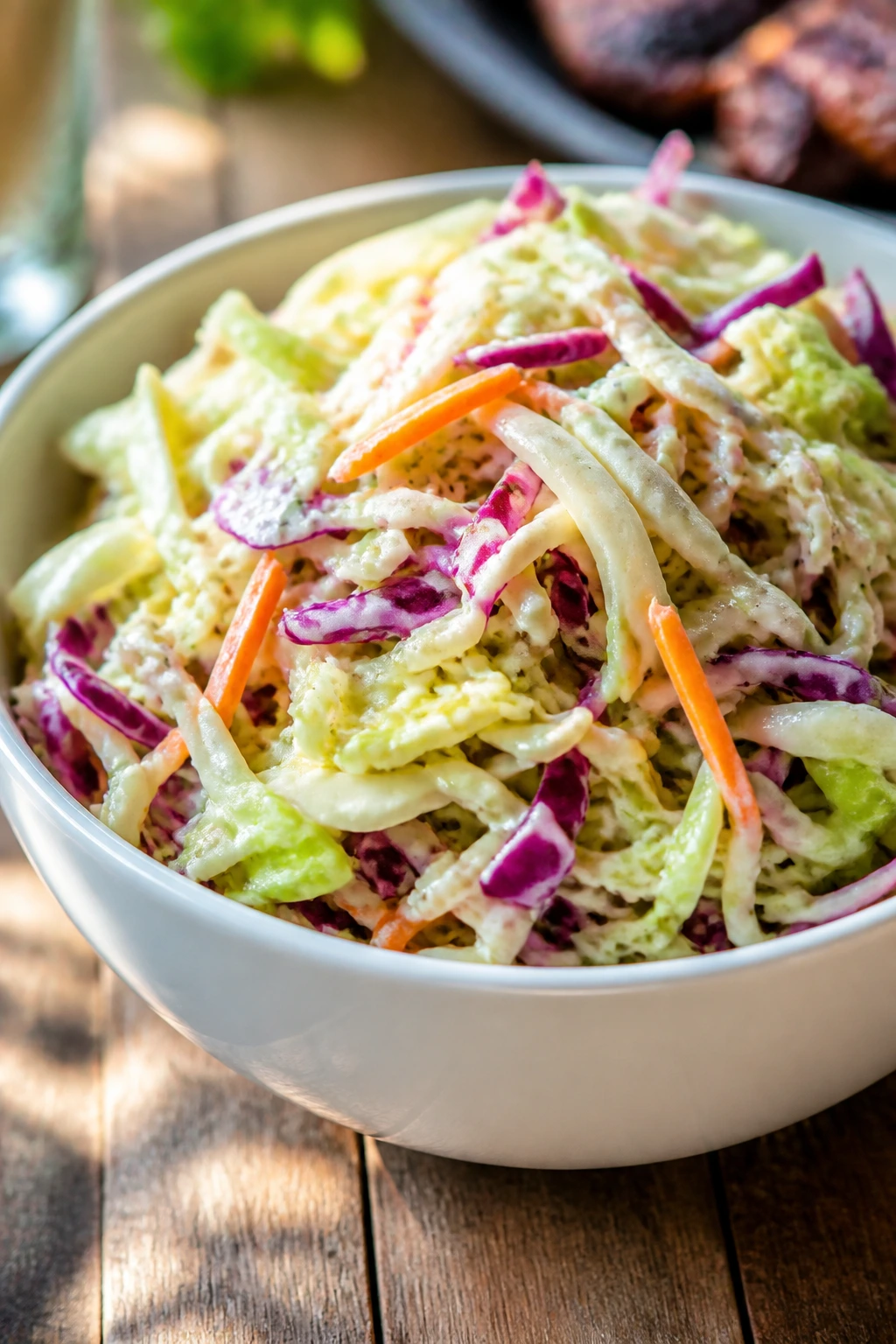
A barbecue side dish should earn its place. If it just adds more cream, sugar, or starch, the table starts to sag under its own weight. The best sides act like a reset between bites of meat.
Slaw That Stays Crisp
Vinegar slaw is the smartest move if the rest of the menu is rich. It stays snappy longer than creamy slaw and cuts through pork fat with almost no effort. If you do use mayo, keep it light and add enough acid that the cabbage still tastes awake.
I like slaw with thin-sliced cabbage, a little carrot, and enough salt to draw out some moisture before the dressing goes on. It should still crunch.
Beans, Potato Salad, and Corn Salad
Baked beans work when they’re savory first and sweet second. A spoon of mustard or a splash of vinegar keeps them from tasting like dessert. Potato salad should have some bite from mustard, dill, or pickle brine. If it tastes flat cold, it’ll taste flatter warm.
Corn salad, especially with tomatoes, herbs, and a little lime, gives the table a bright, fresh lane. It’s the sort of side people keep spooning onto the plate because it doesn’t fight anything else.
Pickles, Relishes, and Small Sharp Things
Pickles are not garnish. They’re a correction. A few dill spears, pickled onions, or sliced jalapeños can reset the palate after a heavy bite of brisket or pork shoulder. Deviled eggs with smoked paprika also belong here, if only because they disappear before the meat does.
A good cookout side is usually the thing people think about later, after the grill is already cold. That’s a clue.
Bread, Buns, and the Little Carb Choices People Notice
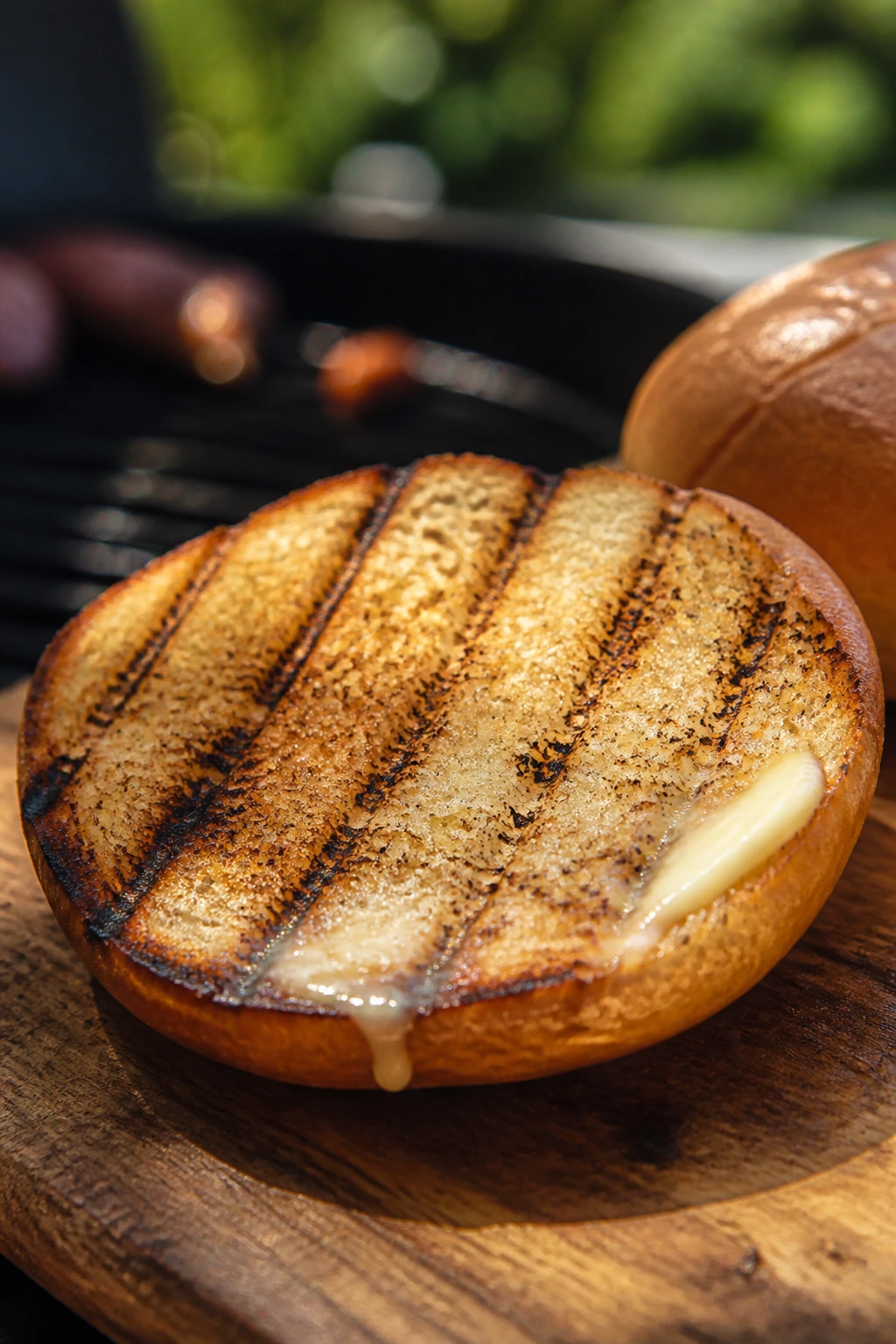
A dry bun can flatten a great sandwich. A toasted one can save it. People usually focus on meat and sauce, but bread is what holds the whole hand-held part of the cookout together, and the wrong bread turns slick in thirty seconds.
The Best Buns for the Job
For pulled pork, I like split-top buns or soft potato rolls. They hold sauce and don’t tear apart under shredded meat. For burgers, sesame buns or sturdy brioche work if they’re toasted cut-side down. For brisket, white bread still makes sense. It absorbs juices and doesn’t compete with the meat.
Tortillas are a smart option too, especially for leftover brisket or sliced chicken. They make the food easier to serve in smaller portions.
Toasting Matters More Than You Think
Toast the cut side for 30 to 45 seconds on the grill, just until the surface picks up a little color and feels dry. That tiny bit of resistance keeps the bread from going soggy before the first bite is done. Butter is welcome, but not required.
A soft bun straight from the bag is the fastest way to make a sandwich feel mushy. Don’t do that to good pork.
Breads for Sharing, Not Just Sandwiches
Cornbread, grilled flatbread, and even sliced baguette can work for a cookout table. The point is to give people something to scoop sauces, pick up meat, and keep their fingers from becoming sticky disasters. Bread is function first, pleasure second, and then both at once.
Drinks and Coolers That Keep the Meal Moving
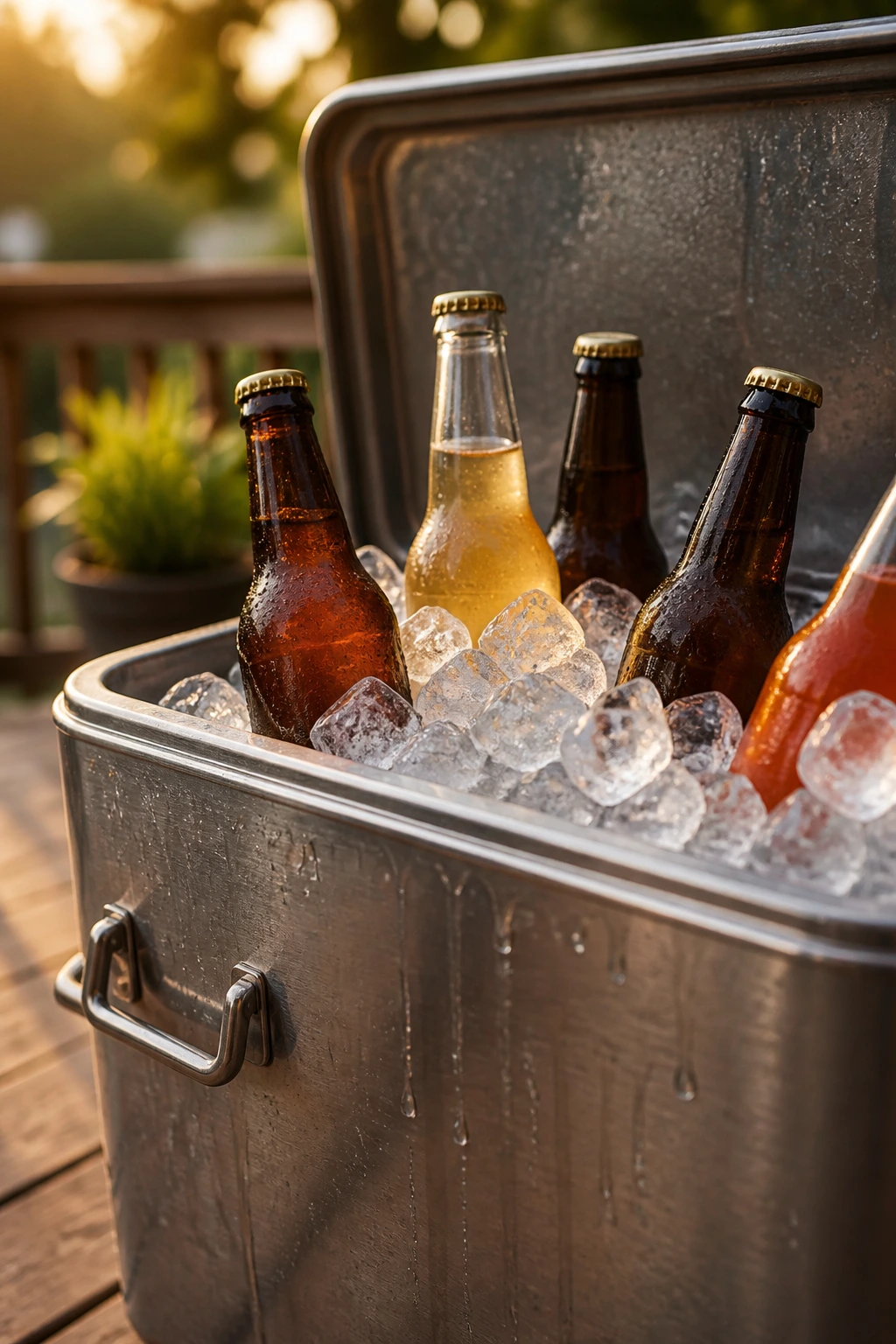
The drink cooler deserves more thought than it gets. A barbecue spread with the right drinks tastes fresher, and a cookout with a separate drink cooler stays cleaner. That’s the part people forget until somebody reaches past the ice and grabs the raw-meat bag by mistake. Bad scene.
Cold, Dry, and Not Too Sweet
A crisp lager, a dry cider, unsweetened iced tea, or sparkling water with citrus all make good sense beside smoky food. Bitter or tart drinks cut through fat. Sweet drinks can work too, but if the sauce is already sweet, stacking more sugar on the table gets cloying fast.
If you serve beer, stay on the lighter side unless the meat is very rich. Heavy beers can drown out the food. A clean lager or a pale ale with a little bitterness usually plays better.
Non-Alcoholic Drinks Matter
Lemon iced tea, cucumber water, lime seltzer, and ginger beer give people options that don’t feel like an afterthought. A smoky meal can be a little salty and a little fatty. Cold, bright drinks keep the palate from getting tired.
Keep Drink Ice Separate From Food Ice
That sounds obvious until the grill gets busy and everyone is reaching for the nearest cooler. One cooler for raw meat and one for drinks is safer and cleaner. It also makes serving less awkward. Nobody wants a bottle opener sharing a box with chicken juices.
The Timing Plan for Serving a Crowd Without Chaos
Cookout timing is where a lot of good food goes sideways. Meat finishes, side dishes go cold, guests arrive early, and suddenly the host is trapped between tongs and a cutting board. A better plan is to stagger the work in layers.
The Day Before
Season meat early if you can. A dry brine overnight gives salt time to move into the meat and helps the surface dry out enough to brown. Make sauces ahead, wash the lettuce or cabbage for slaw, slice onions, and set out serving platters.
If you’re doing pulled pork or brisket, the day before is also the time to trim, wrap, and make sure your cooler space is clear. No scrambling with a warm pork shoulder in your hands.
The Hour Before Guests Arrive
Fire the grill early. You want steady heat, not a panic blaze. Set out tongs, thermometers, plates, napkins, and serving spoons. Put the cold sides in the fridge until the last minute, then move them out so they stay crisp.
If you’re grilling vegetables or buns, do them after the main proteins have enough color. That way nothing sits around getting soft while you chase a perfect sear on a pepper.
The Final Stretch
Rest meat before cutting. Chicken thighs need only a few minutes. Larger cuts like pork shoulder and brisket need longer, often 20 to 30 minutes, sometimes more if wrapped and held warm. Keep hot food above 140°F if you’re holding it. The USDA’s food safety guidance is plain on this point: don’t let perishable food sit out longer than 2 hours, and cut that down to 1 hour if the heat is intense.
Serve in batches if you have to. A second tray of hot food tastes better than a big tray that’s gone lukewarm.
Essential Equipment for a Smooth Grill Session
- Grill with a lid: Charcoal brings deeper smoke; gas works fine with a smoker box or foil packet if that’s what you have.
- Instant-read thermometer: The easiest way to know when chicken, pork, and burgers are actually done.
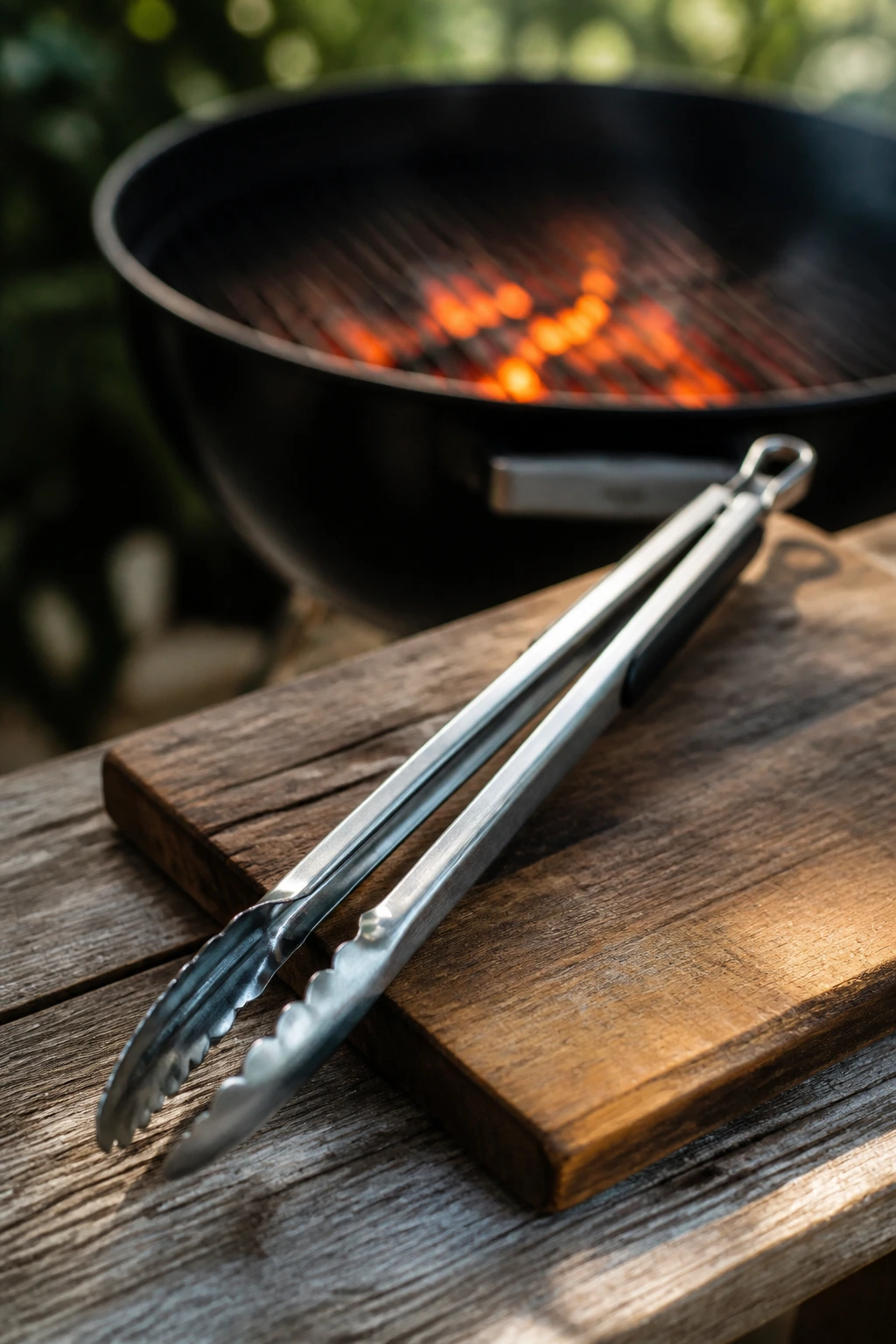
- Long-handled tongs: Better than forks, which puncture meat and let juices run out.
- Chimney starter: Makes charcoal cleaner and faster to light without lighter fluid.
- Smoker box or heavy-duty foil: Useful on gas grills for wood chips or small chunks.
- Rimmed sheet pans: One for raw prep, one for finished food, and one for holding buns or sides.
- Cutting board with a juice groove: Keeps carved meat from flooding the counter.
- Basting brush or squeeze bottle: Helpful for sauces, mop liquids, and finishing glazes.
- Heavy-duty aluminum foil: For resting, tenting, and wrapping hot food.
- Serving platters and bowls: Warm platters make meat look and stay better; bowls keep sides from spreading across the table.
- Separate cooler for drinks: Keeps raw food away from the beer and soda.
- Grill basket: Optional, but nice for smaller vegetables that would fall through the grate.
Smart Shopping and Ingredient Tips for a Better Cookout
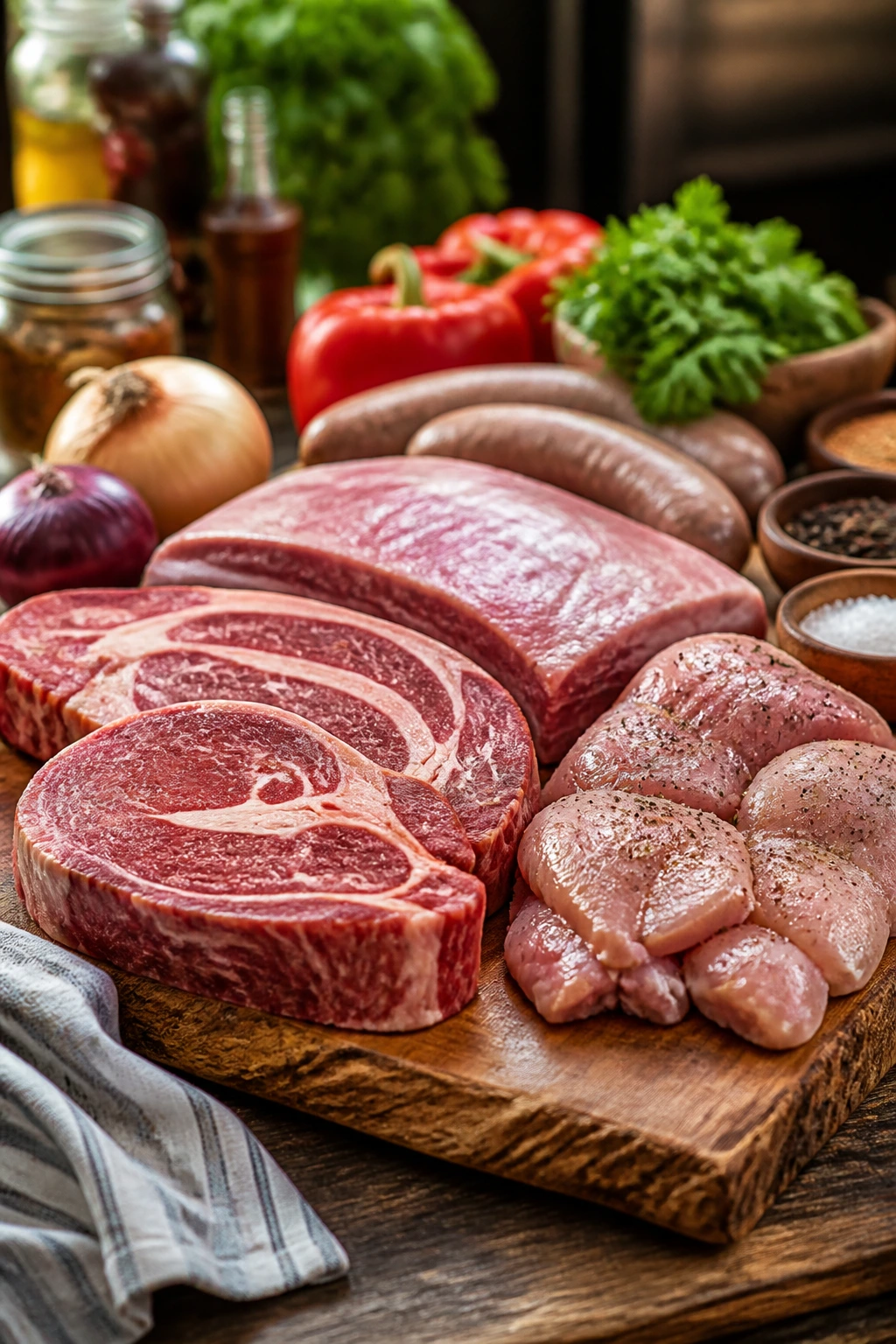
Shopping for a barbecue spread is partly about buying the right cuts and partly about not being fooled by shiny packaging. The meat case can be misleading. Look for color, texture, and fat that does the job, not marketing language on the label.
For chicken, choose thighs or drumsticks with skin and bone if you want the easiest path to juicy meat. For pork shoulder, look for good marbling and a solid fat cap, not a dry-looking roast with no fat to spare. For ribs, baby backs cook a little faster, while spare ribs usually bring more meat and a deeper pork flavor. If you want brisket, ask for a whole packer cut when you’re feeding a crowd; if you only need a smaller table, a trimmed flat can be enough.
Ground beef for burgers should usually sit around 80/20. Leaner patties can work, but they don’t forgive a hot grill or a long wait. Sausage should feel firm in the casing and smell fresh, not sour or overly salty. If you’re buying store-made barbecue sauce, check the first few ingredients. Vinegar, tomato, molasses, mustard, and real spices matter. A label that reads like a sugar list is not your friend.
Produce deserves the same care. Corn should have tight green husks and plump kernels. Tomatoes should smell like tomatoes near the stem. Onions should feel heavy for their size. Cabbage for slaw should be dense and crisp, not soft around the edges.
Buy more buns than you think you need. People always take one more sandwich than they planned.
How to Plate a Backyard BBQ Spread
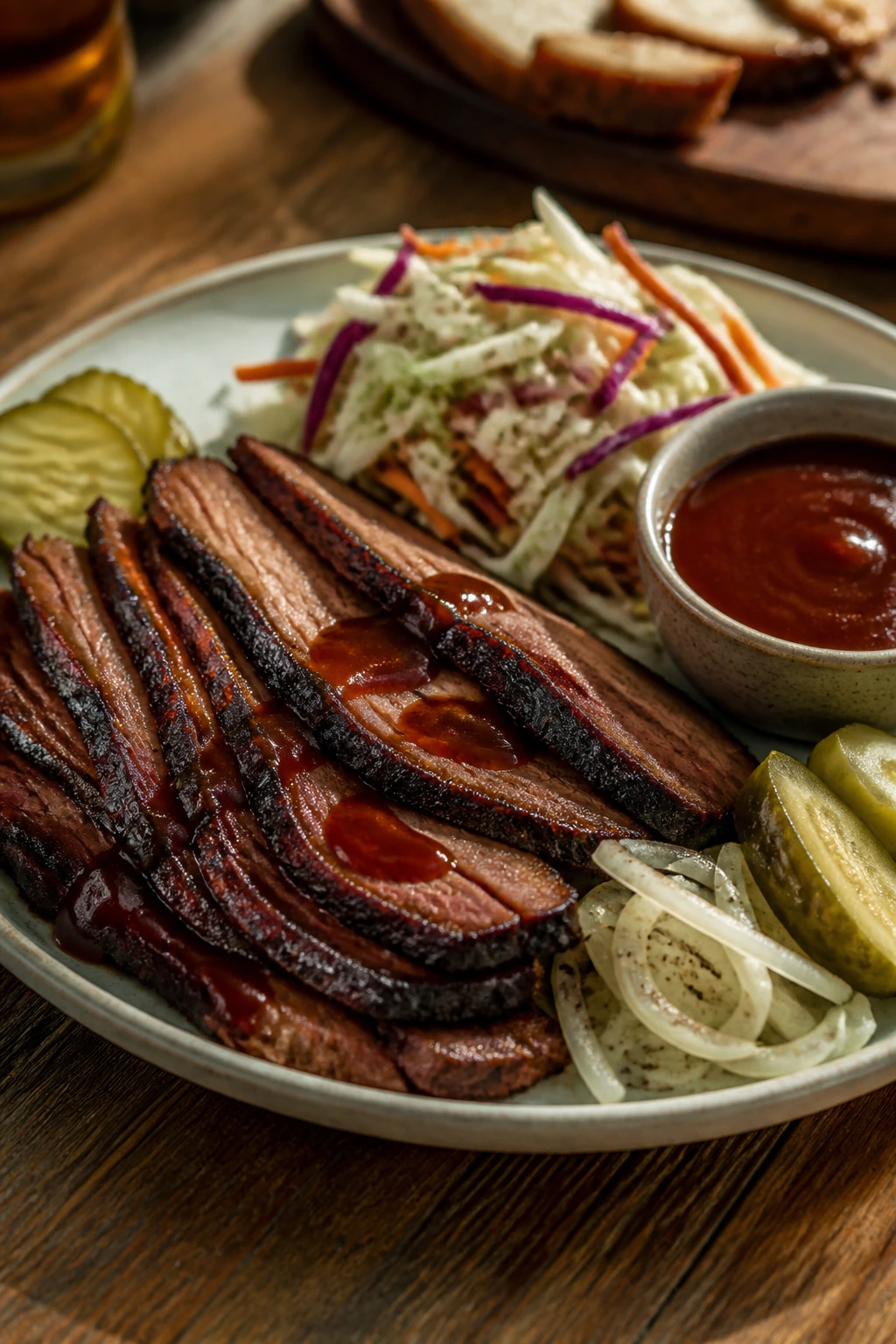
Presentation: Put the main meat on warmed platters and slice it only when you’re close to serving. A pile of brisket slices should lean slightly, not slump into a heap. Pulled pork looks better in a shallow tray with a little sauce spooned over the top and more on the side. Finish with chopped herbs, sliced scallions, or a few pickles rather than too many decorative garnishes.
Accompaniments: Build each plate around one rich item and two sharp ones. Ribs love slaw and corn. Pulled pork loves pickles and a soft bun. Chicken thighs want grilled vegetables or cucumber salad alongside them. Keep one plain side, too — buttered rolls or plain rice if you’re feeding people who don’t want the whole menu shouting at them.
Portions: Plan on about 6 to 8 ounces of cooked meat per adult if the sides are generous. If the meal is meat-forward and the crowd is hungry, 1/2 pound per person is safer. For bone-in ribs, think 2 to 3 bones per person or about half a rack for very hungry eaters. Vegetables and starches should be enough to make the plate feel full without burying the main cut.
Beverage Pairing: Cold lager, dry cider, unsweetened iced tea, or sparkling water with lime all sit well next to smoke and fat. If the sauce is sweet, go drier with the drink. If the food is spicy, keep the drink cold and clean.
Additional Tips and Flavor Boosters
Flavor Enhancement: Finish hot meat with a small splash of cider vinegar, pickle brine, or lemon juice right before serving. It doesn’t take much. A teaspoon or two can make smoke taste brighter and keep fatty cuts from feeling heavy.
Customization: If you want more heat, add chipotle powder, chopped pickled jalapeños, or hot honey at the table. If you want less sweetness, lean on mustard, black pepper, and vinegar instead of sugary sauce. That one decision changes the whole cookout.
Serving Suggestions: Put sliced raw onion, dill pickles, lemon wedges, and flaky salt on the table. They don’t look fancy, and that’s fine. They make the food taste more alive. I’d also keep one sauce in a squeeze bottle and one in a bowl, because guests use them differently.
Make-It-Yours: For gluten-free guests, corn tortillas, lettuce cups, and grilled vegetables make easy carriers. For dairy-free tables, skip buttery basting and use olive oil or avocado oil on vegetables. For vegetarian plates, grilled portobellos, cauliflower steaks, or halloumi can carry smoke without feeling like a consolation prize.
Common Mistakes to Avoid
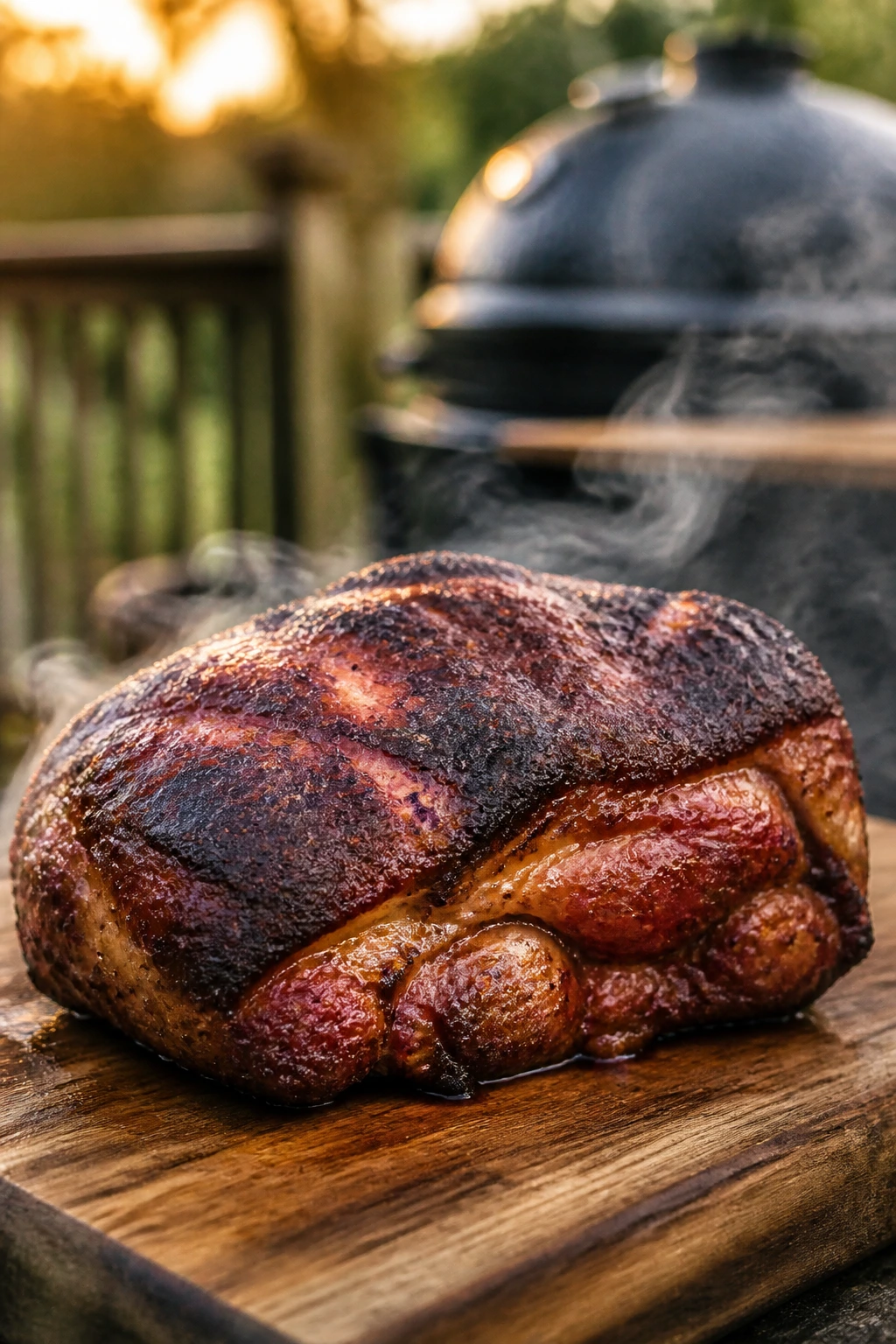
Too much wood, too little air. The food starts tasting harsh, and the smoke smells thick instead of sweet. That usually means the fire needs oxygen or the wood pile is too big. Use less fuel and keep the lid from getting choked.
Saucing too early. Sugar burns fast on a hot grill, so that beautiful lacquer turns dark and sticky in a bad way. Brush on glaze only during the last few minutes, or serve the sauce on the side and let people handle it themselves.
Crowding the grate. If the meat sits shoulder to shoulder, it steams instead of browns. The skin stays pale, the bark gets soft, and the grill loses heat. Give the food breathing room and cook in batches if you have to.
Skipping the rest. Cut into pork shoulder or brisket too soon and the board floods with juice. The meat may still taste fine, but the texture gets drier because the juices are all over the cutting board instead of in the slices. Rest small cuts for a few minutes; larger ones need longer.
No acid on the table. A meal built only from meat, sauce, and starch can feel heavy by the second plate. Slaw, pickles, and vinegary sauces are not extras. They’re part of why the meal stays enjoyable.
Guessing doneness by color. Chicken can look done before it is. Burgers can brown early. Pork can be safe yet still tough, or tender and still under-rested. A thermometer takes the guesswork out of the whole thing. USDA numbers matter: chicken to 165°F, ground meats to 160°F, and whole cuts of beef and pork to 145°F with rest, if you’re cooking them that way.
Variations and Adaptations to Try
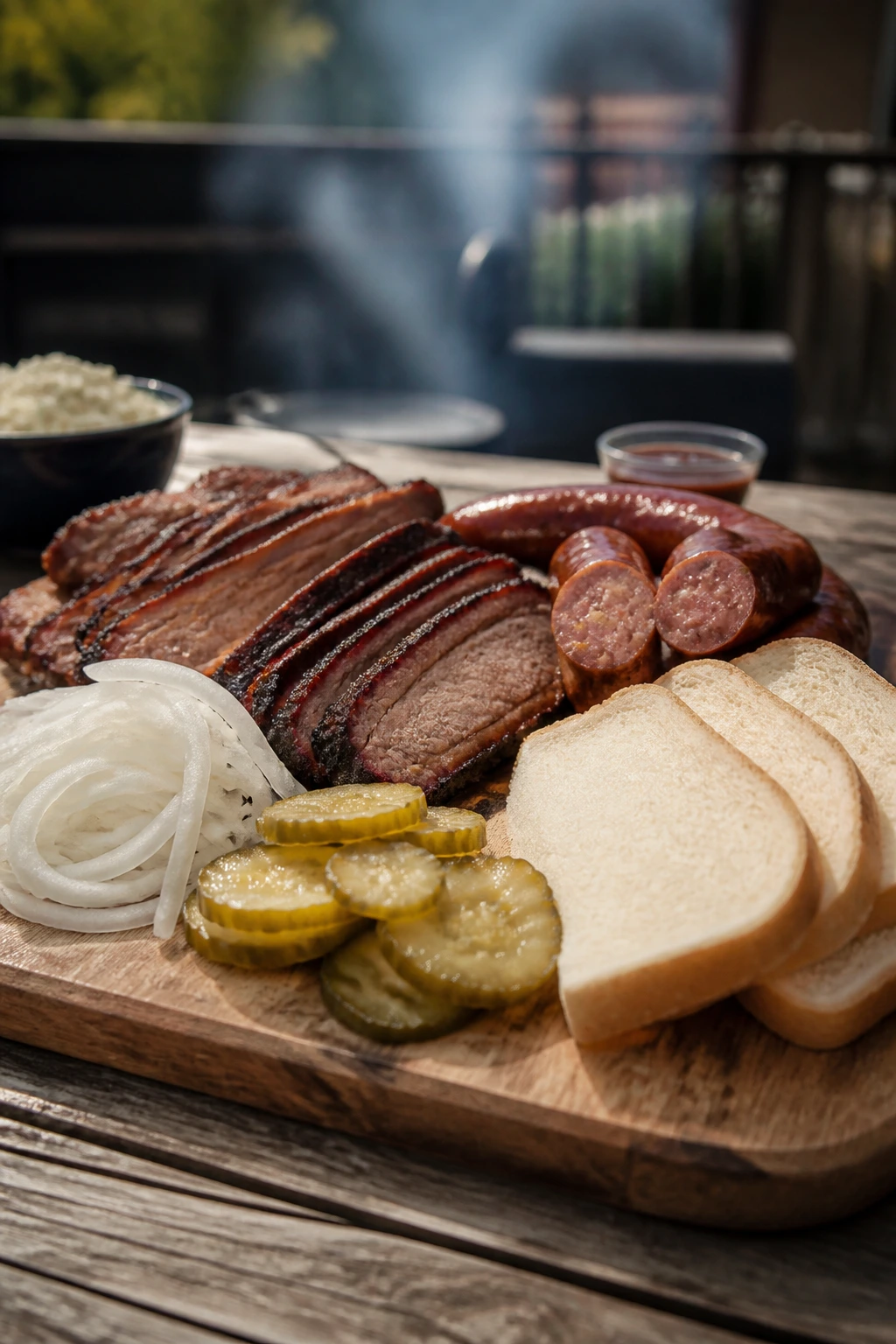
Central Texas Meat-and-Bread Spread
Build the table around brisket, sausage, sliced onions, pickles, and plain white bread. Keep sauce on the side and let the smoke do the heavy lifting. Oak is the right wood here, because it gives beef enough backbone without turning the plate bitter.
Carolina Vinegar Party Tray
Use pulled pork, a sharp vinegar sauce, mustardy slaw, and cornbread or rolls. The meal tastes brighter and a little leaner, which is useful when the weather is hot and people are eating outdoors for hours. This version also holds well because acid keeps the flavors lively even after the meat has rested.
Kansas City Sweet Smoke Table
Go with ribs, baked beans, grilled corn, and a sticky tomato sauce brushed on late. A little sweetness makes sense here, but don’t let it run wild. Add pickles or a vinegary side so the plate doesn’t read like dessert wearing a barbecue jacket.
Vegetarian Grill Board
Center the spread on portobello mushrooms, cauliflower steaks, charred peppers, grilled onions, halloumi, and a bean salad. Smoke gives vegetables a surprising amount of depth when you oil them well and season them with salt before they hit the grate. Guests who eat meat will still reach for this tray if it’s laid out with confidence.
Heat-Forward Chipotle Menu
Use chipotle in the rub, pickled jalapeños on the side, and hot honey for finishing. The trick is to make the heat a thread through the meal, not a dare. A little smoke and a little burn keep each other honest.
Lower-Salt Citrus Spread
Lean on lemon, lime, garlic, black pepper, and herbs instead of a heavy salt rub. This works especially well with chicken, grilled vegetables, and fish if you’re adding seafood to the party. The smoke stays present, but the meal feels lighter and cleaner on the palate.
Make-Ahead, Storage, and Reheating Guidance
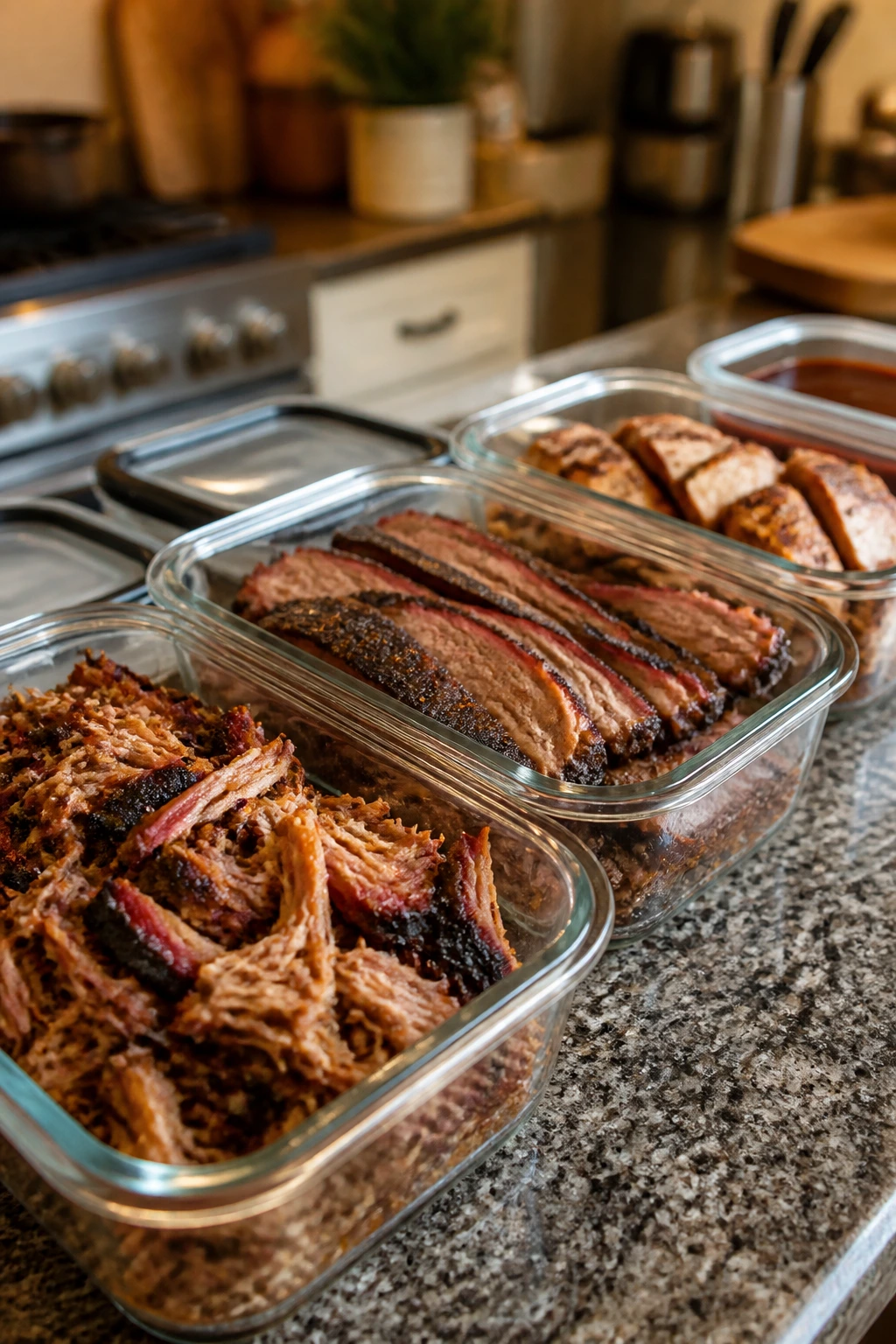
Cooked meat keeps for 3 to 4 days in the refrigerator if it’s cooled quickly and stored in shallow, airtight containers. Pulled pork, sliced brisket, and grilled chicken can also be frozen for up to 2 months if wrapped tightly and packed with as little air as possible. A label and date save you from guessing later.
Reheat meat gently. A 275°F oven works well for brisket, pork shoulder, and chicken thighs if you cover the tray with foil and add a spoonful or two of broth, stock, or pan juices. On the stovetop, a covered skillet over low heat with a splash of liquid keeps shredded pork from drying out. Microwave reheating works in a pinch, but do it in short bursts and cover the food so the edges don’t toughen.
Sauces usually hold for about 1 week in the fridge if they’re vinegar- or tomato-based. Mayo-heavy sauces are fussier and should stay cold and be used sooner. Slaw is best fresh, but undressed cabbage can sit for 2 to 3 days in the fridge, while dressed slaw is at its best the same day and still usable the next day if it’s vinegar-based.
Grilled vegetables keep for up to 3 days and reheat best in a hot skillet, not a microwave. Buns and rolls stay fine at room temperature for a day or two if they’re covered, and they freeze well for about 1 month. Warm bread in foil at 300°F for a few minutes so it comes back soft instead of stale.
Hot food shouldn’t sit on the table longer than 2 hours, or 1 hour if the sun and heat are working hard against you. If you need to hold food, keep it above 140°F in a low oven, insulated carrier, or covered warming tray.
Frequently Asked Questions
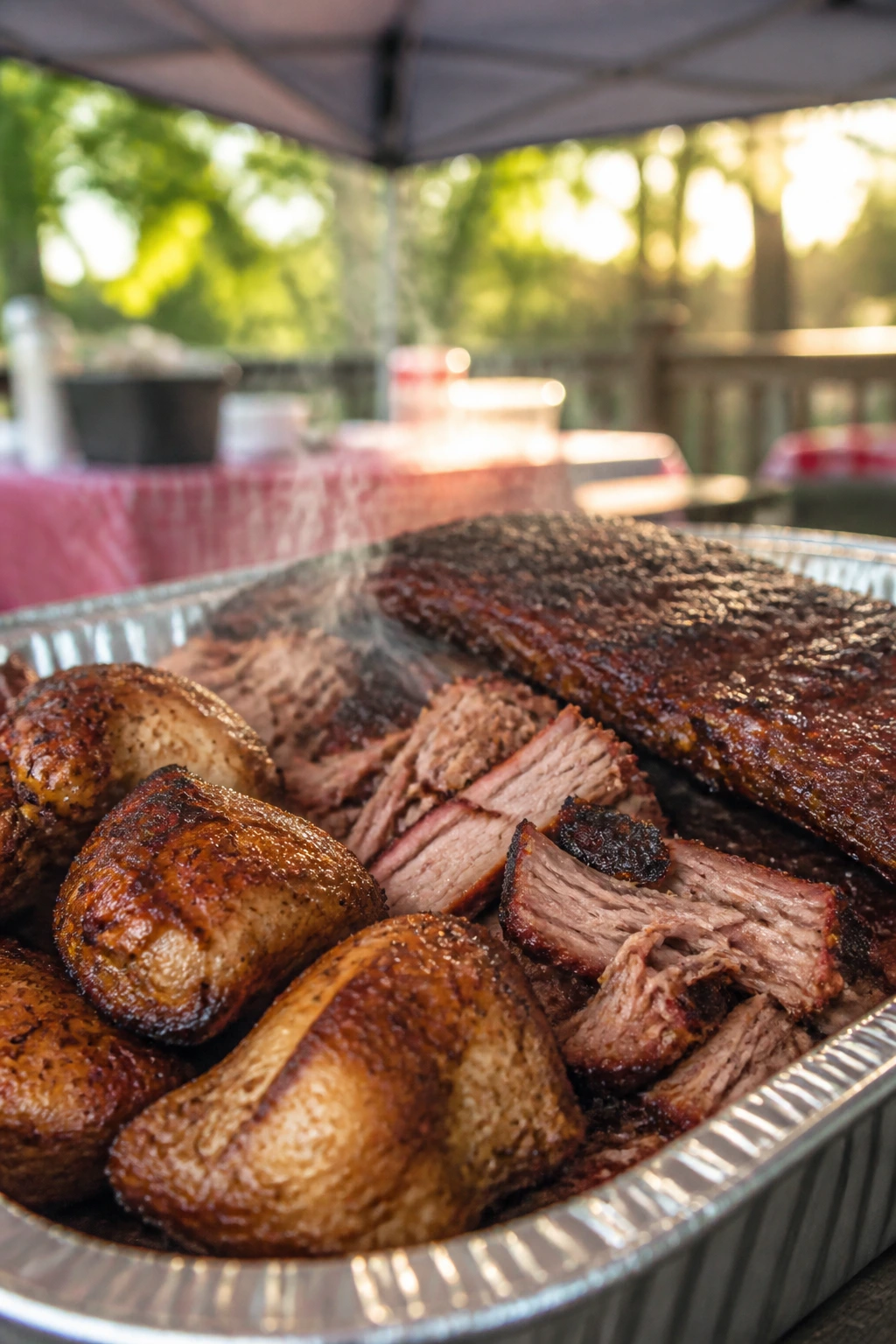
How much smoky BBQ party food should I plan per person?
For a mixed spread with sides, plan on 6 to 8 ounces of cooked meat per adult. If the menu is meat-heavy and the sides are light, 1/2 pound per person is safer. Bone-in cuts need a little extra cushion because people usually eat more than they think once the plates start moving.
Can I make smoky barbecue on a gas grill?
Yes. Use a smoker box or a foil packet with a few holes punched in it, then keep one burner low and the others off for indirect heat. Close the lid and let the wood smolder gently. You won’t get the same character as a charcoal fire, but the food can still taste clean and smoky.
Which wood should I use for chicken, pork, and beef?
Fruit woods like apple or cherry work well for chicken because they stay soft and a little sweet. Pecan and oak are reliable for pork, while oak and hickory suit beef if you keep hickory in check. Mesquite can work, but it’s strong enough to overpower smaller cuts if you’re not careful.
How do I keep chicken thighs juicy on the grill?
Use bone-in, skin-on thighs if you can. Salt them ahead of time, cook over medium heat, and pull them when the internal temperature lands around 175°F to 185°F for the best texture. Rest them for a few minutes before serving so the juices settle.
What sides can I make ahead for a cookout?
Vinegar-based slaw, baked beans, sauces, and many potato salads can be made the day before. Keep cabbage and dressing separate if you want the slaw extra crisp. Tomato salads and herbs are better chopped close to serving so they stay bright.
What if the food tastes too smoky or bitter?
Balance it with acid. A little vinegar sauce, pickles, lemon juice, or a fresh slaw can pull the bitterness back into line. Next time, cut the wood amount in half and watch the fire’s airflow more closely.
How do I feed vegetarian guests without making a whole second meal?
Grilled portobellos, cauliflower steaks, charred peppers, halloumi, corn, and bean salad can sit right beside the meat and still feel intentional. Give them a sauce with acid and maybe a toasted bun or flatbread, and they’ll have a real plate instead of a token side.
What’s the easiest smoky menu if I’m short on time?
Chicken thighs, grilled corn, vinegar slaw, toasted buns, and a tomato or mustard sauce are the least stressful combination. The chicken cooks faster than brisket or shoulder, and the sides can be prepped early. You get smoke, color, and enough food for a crowd without living at the grill all afternoon.
Can I hold cooked meat in a cooler?
Yes, if it’s wrapped well and the cooler is used as an insulated hot box rather than a cold one. Line it with clean towels, wrap the meat tightly, and keep the lid closed. Check that the food stays hot enough to remain above 140°F if you’re holding it for any real length of time.
When the Smoke Settles
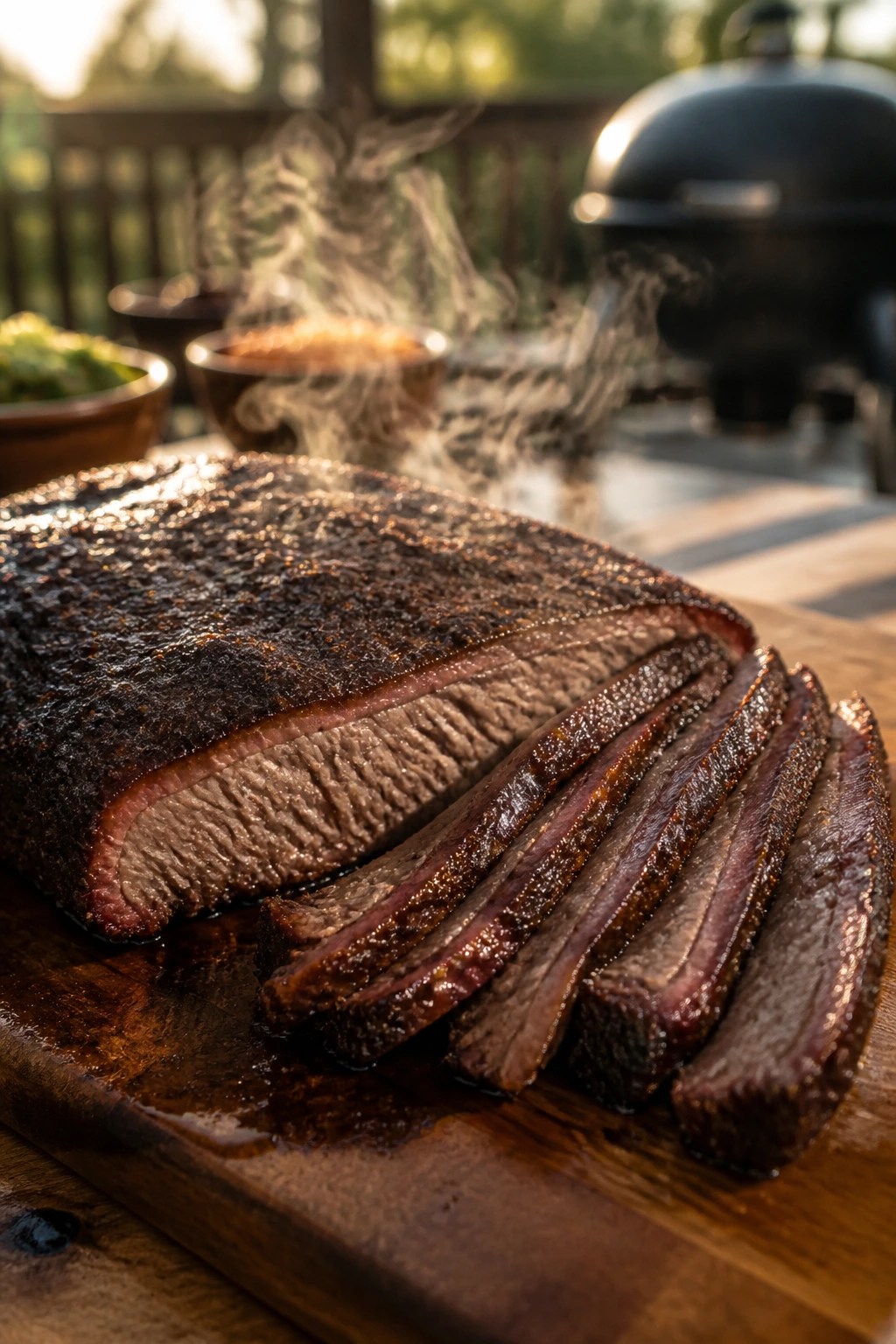
A good backyard cookout doesn’t need ten complicated dishes. It needs a few things that know their jobs. One clean fire. One main cut worth chasing. One sharp side to cut the fat. One bread that can catch the juices before they hit the paper plate.
That’s the version people remember. Not because it was fussy, but because it was balanced enough to keep the plates moving and the conversation going. The smoke smells better when it has room to breathe, and the food tastes better when something bright is sitting right beside it.
Get the grill hot, keep the wood modest, and leave space for pickles. Then let the evening unfold the way a proper cookout should: loud for a while, a little sticky, and gone too fast.