



Sausage lies. It looks done long before it is, and a sweet glaze can either cling like lacquer or burn into a sticky mess if you get impatient with the pan. The version I like best for keto cooking starts with a pork sausage that has enough fat to stay juicy, then finishes with a brown sugar glaze made from a sweetener that actually behaves in heat instead of sulking in the corner and turning grainy.
Most low-carb glazed sausage recipes miss one of two things. They either go thin and watery, like someone melted candy and forgot to add purpose, or they chase such a hard caramel shell that the coating turns brittle the second the skillet comes off the stove. Neither is what you want. You want browned edges, a glossy glaze that clings in a thin coat, and enough acidity to keep the whole thing tasting savory instead of dessert-adjacent.
That balance matters more here than in a lot of other sausage recipes because the ingredient list is short. There’s nowhere for weak technique to hide. A little Dijon, a splash of apple cider vinegar, and the right keto brown sugar substitute do most of the heavy lifting, while the sausage itself brings the salt and fat that make each bite taste complete.
I reach for allulose here because it behaves more like sugar in a hot skillet. Erythritol-heavy blends can work, but they cool into tiny crystals if you’re not careful, and nobody wants a gritty glaze coating a good link of sausage. The details are small. The payoff isn’t.
Why This Sausage Earns Its Spot on the Table
- Juicy from the inside out: The sausage browns first and finishes under a lid, which keeps the fat where it belongs instead of squeezing it onto the pan.
- A glaze that actually clings: Allulose melts into a smooth coating that stays shiny on the sausage instead of turning into syrupy puddles underneath.
- Low-carb without tasting “diet”: Dijon, vinegar, and a pinch of smoked paprika give the glaze a savory edge, so the sweetness doesn’t feel one-note.
- Fast enough for a weeknight, sharp enough for brunch: Once the skillet is hot, the whole dish moves quickly and doesn’t ask for a second pan.
- Easy to scale up: Double the sausage for a bigger crowd, but keep the links in a single layer or the browning step turns gray and steamed.
- Fits more than one meal: Two links with eggs is breakfast. One link with cauliflower mash and green beans is dinner. Same pan, different mood.
The Clock, the Yield, and the Pan Size
Yield: 6 servings
Prep Time: 15 minutes
Cook Time: 15 minutes
Total Time: 30 minutes active + 5 minutes resting
Difficulty: Beginner to Intermediate — the method is straightforward, but the glaze wants medium-low heat and a watchful eye.
Chill/Rest Time: 5 minutes after cooking
Best Served: hot from the skillet, while the glaze is still loose and glossy
What Goes Into the Skillet
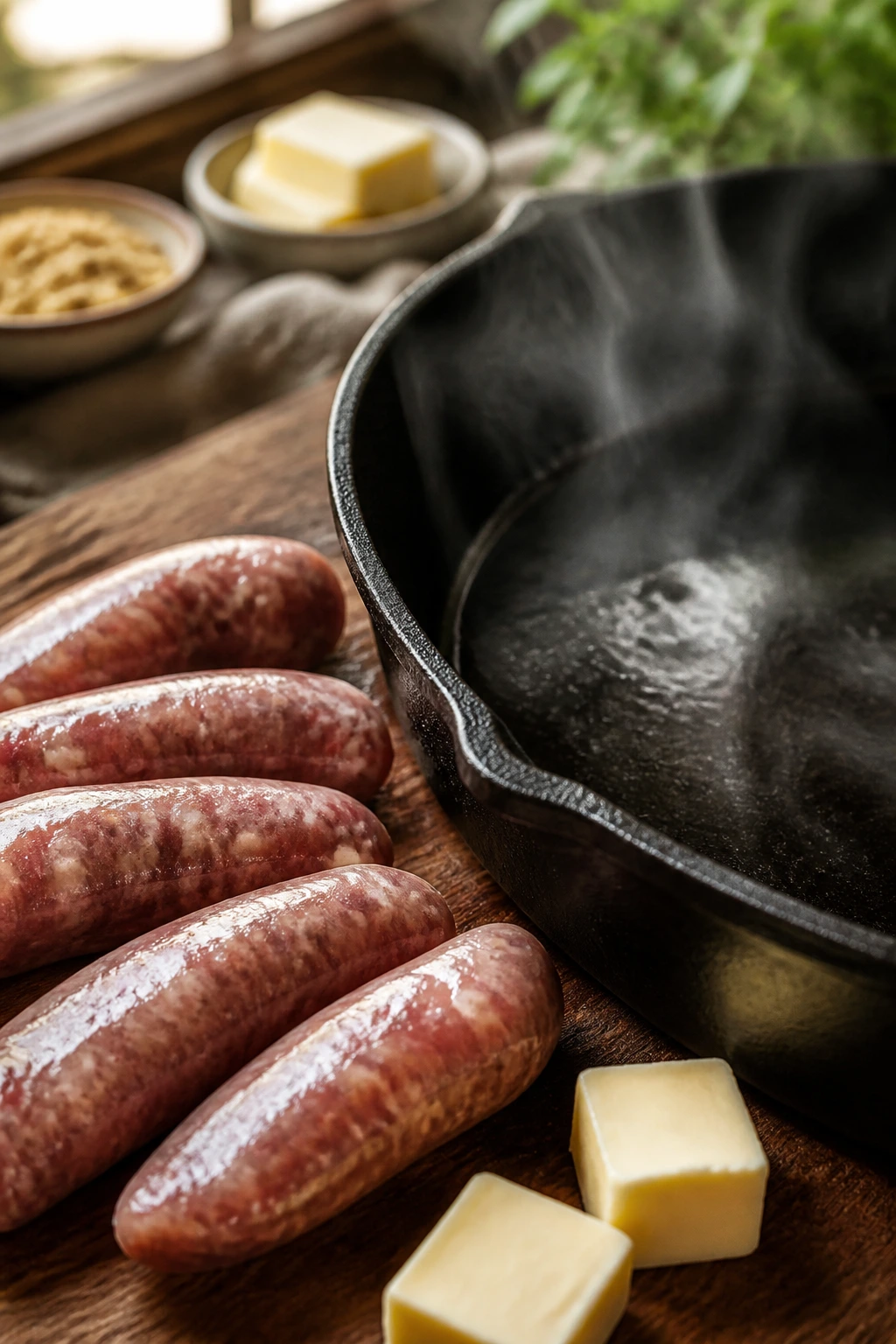
-
1 1/2 pounds fresh pork breakfast sausage links, about 10 to 12 links
Use links with good fat marbling; that’s what keeps the centers juicy while the outside browns. -
2 tablespoons unsalted butter
Gives the glaze a rounder flavor and helps the sweetener dissolve smoothly. -
1/3 cup allulose brown sweetener, lightly packed
The closest keto-friendly stand-in for brown sugar in a hot glaze; it melts smoothly and doesn’t grit up fast. -
2 tablespoons Dijon mustard
Sharpens the glaze and keeps the sweetness from tasting flat. -
1 tablespoon apple cider vinegar
Brings the glaze back into savory territory and helps the butter and sweetener play nicely together. -
1 teaspoon Worcestershire sauce or coconut aminos
Adds depth and a little dark edge; coconut aminos is the easy swap if you want to avoid soy. -
2 tablespoons water
Keeps the glaze brushable and prevents it from thickening into candy too early. -
1/2 teaspoon garlic powder
Adds a warm background note without turning the glaze into a savory paste. -
1/4 teaspoon smoked paprika
Gives the sauce a deeper color and a whisper of smoke. -
1/8 teaspoon kosher salt
A small pinch is enough; sausage already carries plenty of salt. -
1/4 teaspoon black pepper
Pulls the sweetness back into line. -
Pinch of red pepper flakes, optional
Use this if you want the glaze to land with a little heat at the end. -
Chopped parsley or chives, optional
Not necessary, but a little green on top keeps the plate from looking heavy.
Why These Ingredients Matter More Than a Fancy Sauce
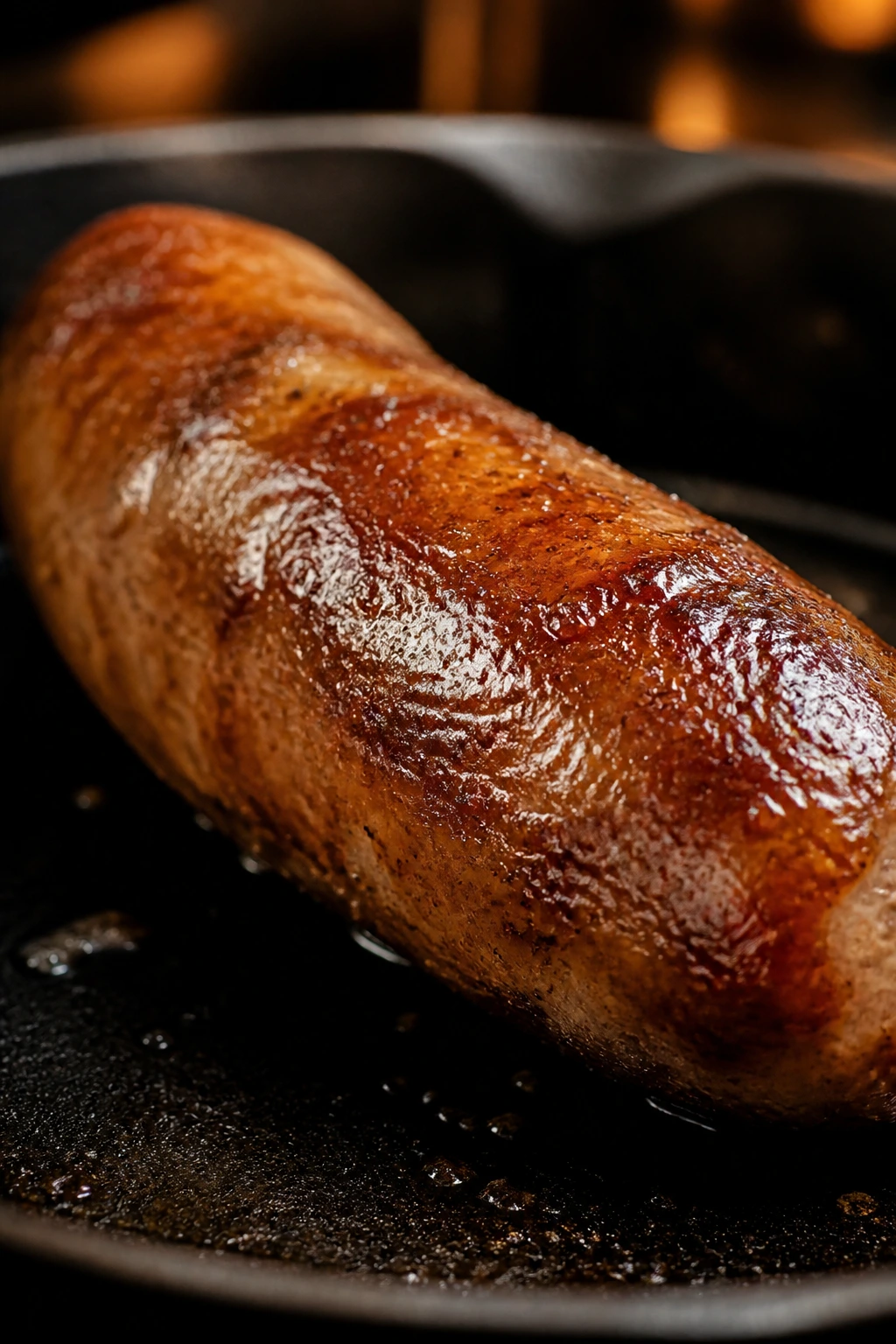
Main Sausage
- What to use: 1 1/2 pounds fresh pork breakfast sausage links, ideally 10 to 12 evenly sized links so they brown at the same pace.
- Preparation: Let the sausage sit out for 15 minutes before cooking, then pat the links dry with paper towels so the first contact with the skillet is browning, not steaming.
- Substitutions: Mild Italian sausage works if you want a more fennel-forward flavor; turkey sausage works too, but it needs gentler heat and a higher finish temperature of 165°F.
- Tips: Look for visible fat marbling. If the sausage seems unusually lean, the glaze will taste flatter because the meat itself won’t carry enough richness.
The Sweet Base
- What to use: 1/3 cup allulose brown sweetener and 2 tablespoons unsalted butter.
- Preparation: Measure the sweetener lightly packed, not smashed into the cup. Soften the butter a bit if your kitchen is cold; it will melt faster and distribute more evenly.
- Substitutions: A monk-fruit brown sugar blend can work. If it leans on erythritol, expect a firmer glaze once it cools, and serve it promptly.
- Tips: Allulose is the reason this glaze behaves. It dissolves more like sugar in heat, which means fewer gritty surprises on the plate.
The Tang and Depth
- What to use: 2 tablespoons Dijon mustard, 1 tablespoon apple cider vinegar, 1 teaspoon Worcestershire sauce or coconut aminos, 1/2 teaspoon garlic powder, 1/4 teaspoon smoked paprika, 1/4 teaspoon black pepper, and 1/8 teaspoon kosher salt.
- Preparation: Whisk these together before the skillet gets hot enough to bubble aggressively. Mustard blends more smoothly into fat when it’s not dumped into a pan that’s already screaming.
- Substitutions: Yellow mustard works in a pinch, though it tastes sharper and less rounded. White wine vinegar can replace apple cider vinegar, but cider vinegar gives a softer edge that suits pork.
- Tips: The vinegar and mustard are not decorative. They stop the glaze from tasting like melted sweetener and give the sausage a cleaner finish.
The Finish
- What to use: 2 tablespoons water, plus a pinch of red pepper flakes and chopped parsley or chives if you want a little lift at the end.
- Preparation: Keep the water nearby and the herbs chopped only when you’re close to serving. Fresh herbs darken fast if you throw them in too early.
- Substitutions: A splash more vinegar can stand in for some of the water if you want extra brightness, but add it carefully; too much makes the glaze sharp.
- Tips: If the glaze tightens too quickly, the water is what keeps it loose enough to coat the links instead of freezing on contact.
The Tools That Keep the Glaze Smooth
- 12-inch cast-iron or heavy stainless skillet — A heavy pan gives you steady heat and better browning than a thin skillet that swings hot and cold.
- Instant-read thermometer — Non-negotiable for sausage. Color lies; temperature tells the truth.
- Tongs — Use these for turning the links without puncturing them.
- Silicone spatula or wooden spoon — Best for stirring the glaze and scraping up the browned bits without tearing up the pan.
- Small whisk — Helps the butter, sweetener, mustard, and vinegar become one smooth sauce instead of separate layers.
- Lid for the skillet — Needed for the short finishing steam that keeps the sausage juicy; if your pan has no lid, a rimmed baking sheet can work in a pinch.
- Paper towels — Dry the sausage before it hits the skillet. That small step matters more than it sounds.
- Heatproof plate or platter — For resting the sausage while the glaze comes together.
Browning the Sausage Without Drying It Out
Phase 1: Brown the Sausage
-
Let the sausage sit at room temperature for 15 minutes, then pat the links dry with paper towels. Set a 12-inch skillet over medium heat and let it warm for 2 minutes.
-
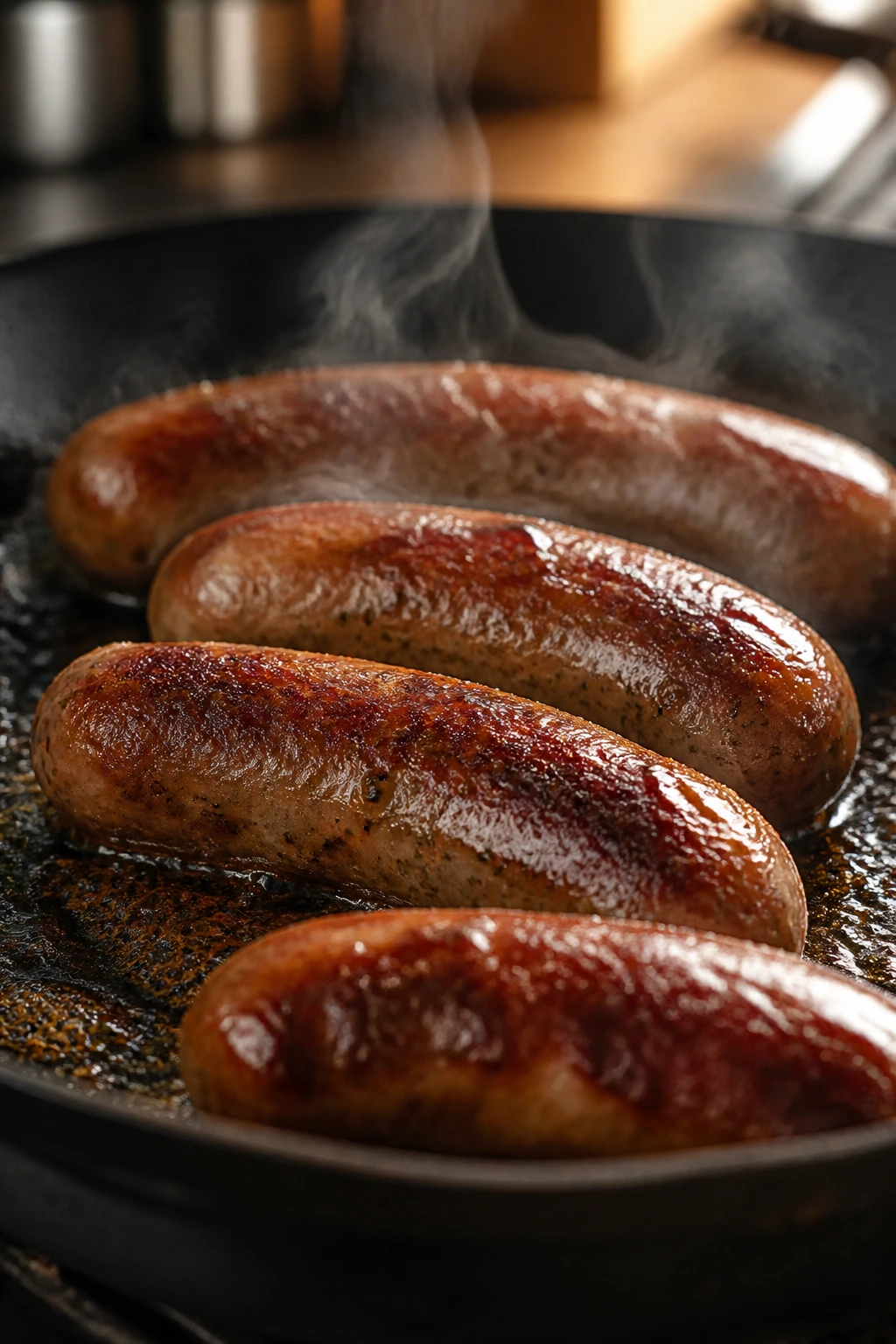
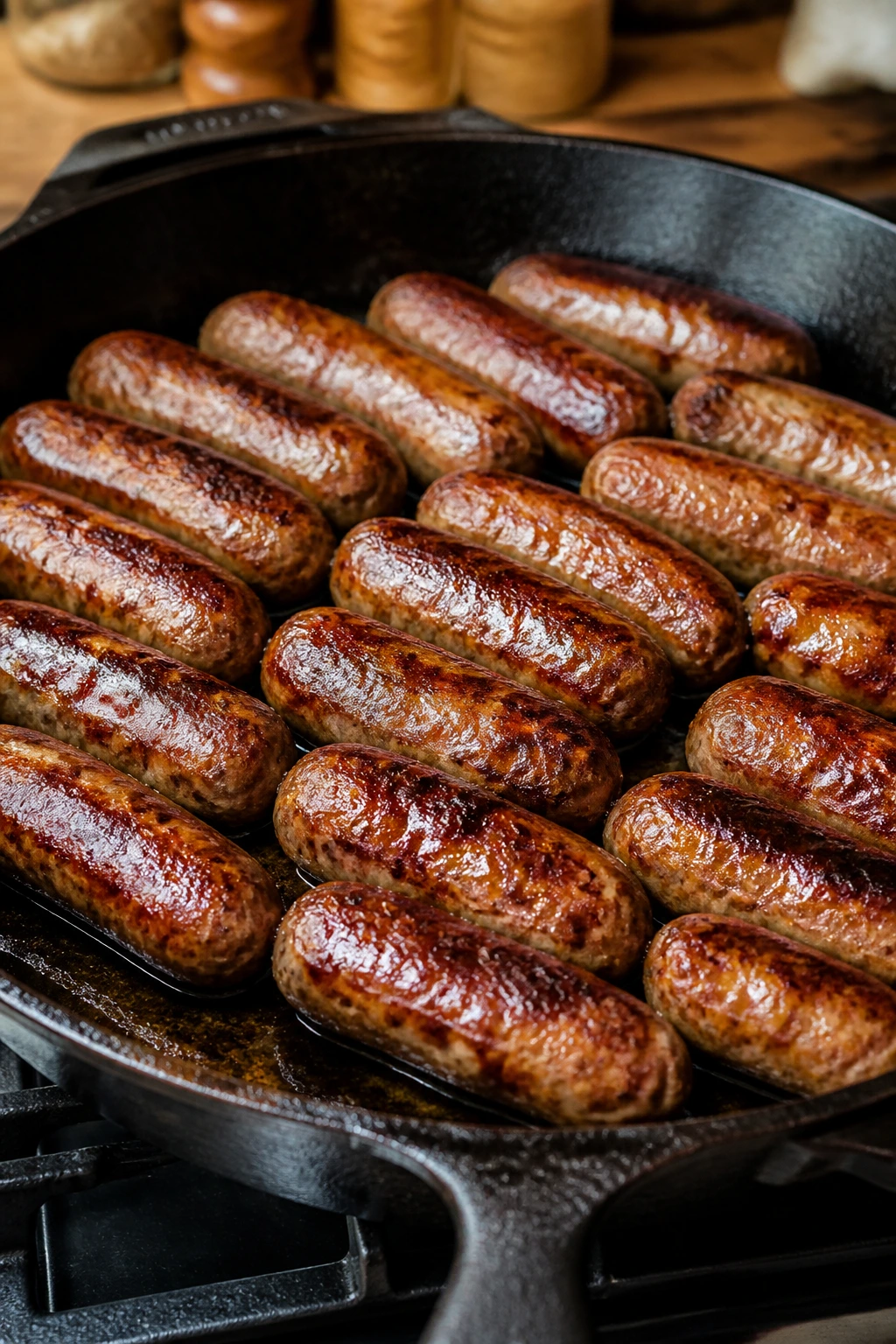
Arrange the sausage links in a single layer. If the pan feels crowded, cook in two batches. Brown the links for 6 to 8 minutes, turning every 1 to 2 minutes, until the outside is deep golden and lightly blistered in spots. Do not pierce the links; the juices will leave through the holes, and that’s how sausage gets dry.
-
Transfer the browned sausage to a plate. Leave about 1 tablespoon of fat in the skillet. If the pan is bone-dry, add 1 teaspoon butter so the glaze has something to grab onto.
Phase 2: Build the Brown Sugar Glaze
-
Reduce the heat to medium-low. Add the butter, allulose brown sweetener, Dijon mustard, apple cider vinegar, Worcestershire sauce, water, garlic powder, smoked paprika, salt, black pepper, and red pepper flakes if using. Whisk for 1 to 2 minutes until the mixture looks smooth and starts bubbling gently at the edges. If it smells sharp but not burnt, you’re in the right place.
-
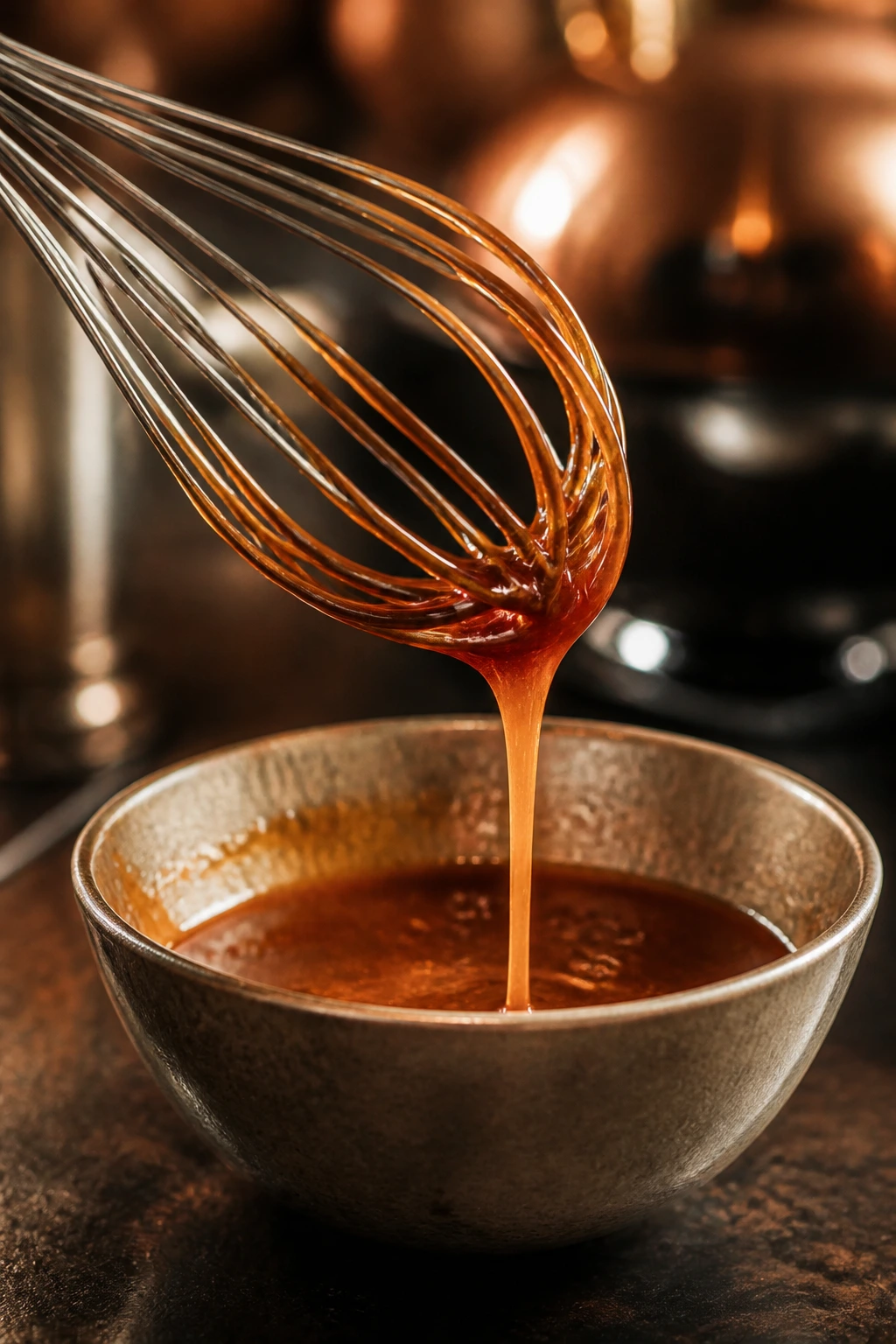
Keep whisking until the sweetener dissolves and the glaze looks glossy, not grainy. It should thin enough to pour off the spoon in a ribbon. If it looks sandy, keep the heat low and give it another 30 seconds.
Phase 3: Finish Gently
-
Return the sausage links and any juices from the plate to the skillet. Turn each link in the glaze until coated on all sides, then lower the heat and cover the pan. Cook for 4 to 6 minutes, just until the sausage reaches 160°F in the thickest part. For turkey sausage, wait for 165°F. Do not crank the heat higher to speed this up; the glaze will tighten too fast and the casing can split.
-
Uncover the skillet and raise the heat to medium for 30 to 60 seconds. Spoon the glaze over the links as it reduces to a thin, shiny coat that clings instead of pooling. If it starts to look like taffy, add 1 teaspoon water and stir.
-
Pull the pan off the heat and let the sausage rest for 5 minutes. The juices settle back into the meat during this pause, and the glaze finishes setting into a thin lacquer. Sprinkle with parsley or chives if you want a fresher look and a cleaner finish.
How to Serve It Without Letting the Glaze Run Everywhere
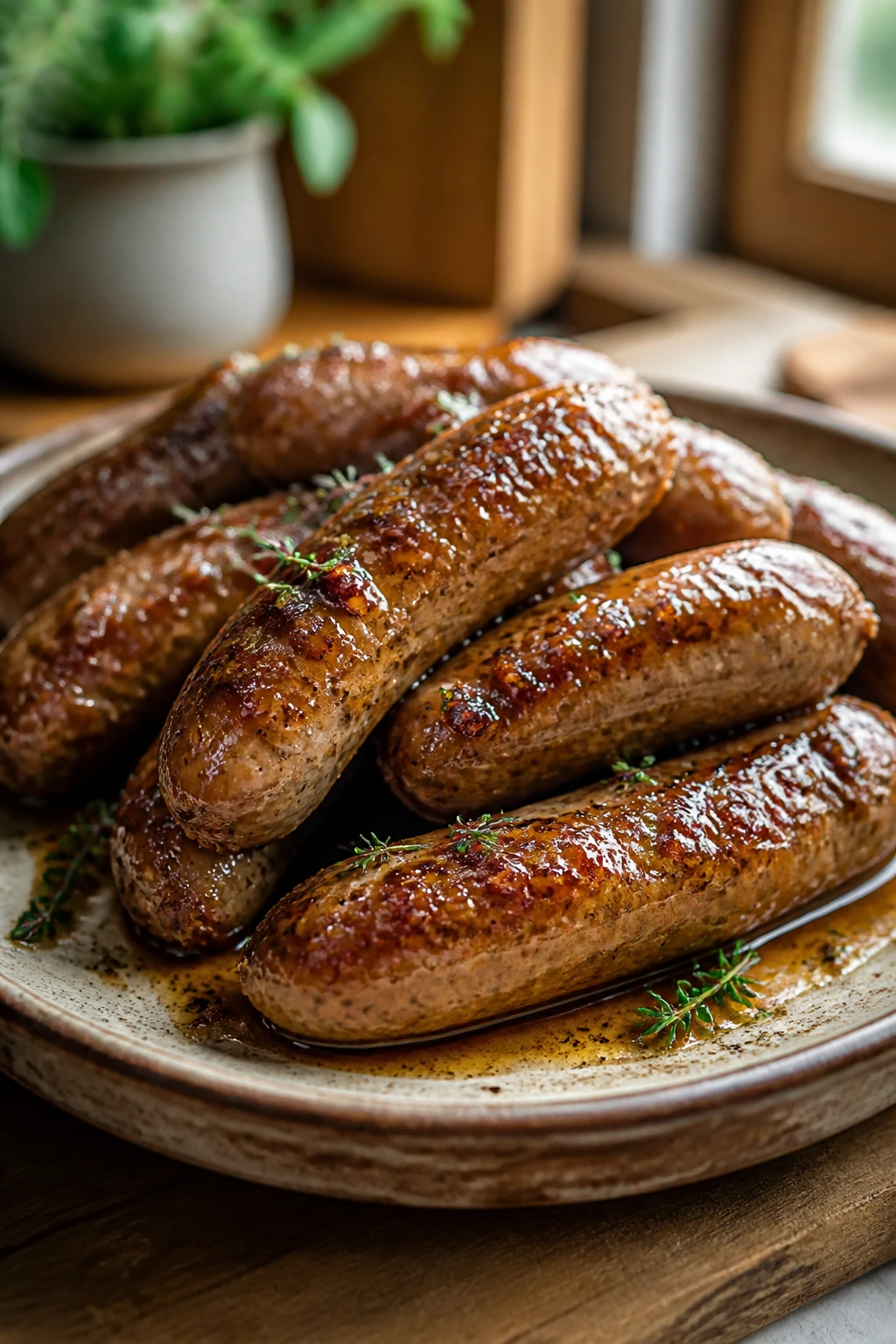
Presentation: Arrange the links in a shallow platter or over a simple bed of scrambled eggs, then spoon the glaze down the middle instead of flooding the whole plate. A little restraint makes the sausage look glossy and intentional instead of drowned.
Accompaniments: For breakfast, serve with soft scrambled eggs and sautéed spinach. For dinner, I like these next to cauliflower mash and garlicky green beans, because the soft mash catches the glaze and the beans keep the plate from feeling heavy. For a snack board or brunch spread, add toothpicks and a small bowl of extra glaze on the side.
Portions: Count on 2 links for a full breakfast or a light dinner, or 1 link if you’re serving them as part of a larger spread. One pound of sausage usually feeds about 4 hearty portions; 1 1/2 pounds gives you a little breathing room for second helpings.
Beverage Pairing: Black coffee cuts through the sweet-savory glaze at brunch. Unsweetened iced tea with lemon works for a later meal, and plain sparkling water with a wedge of lime keeps the plate feeling sharp and clean.
Small Adjustments That Change the Whole Dish
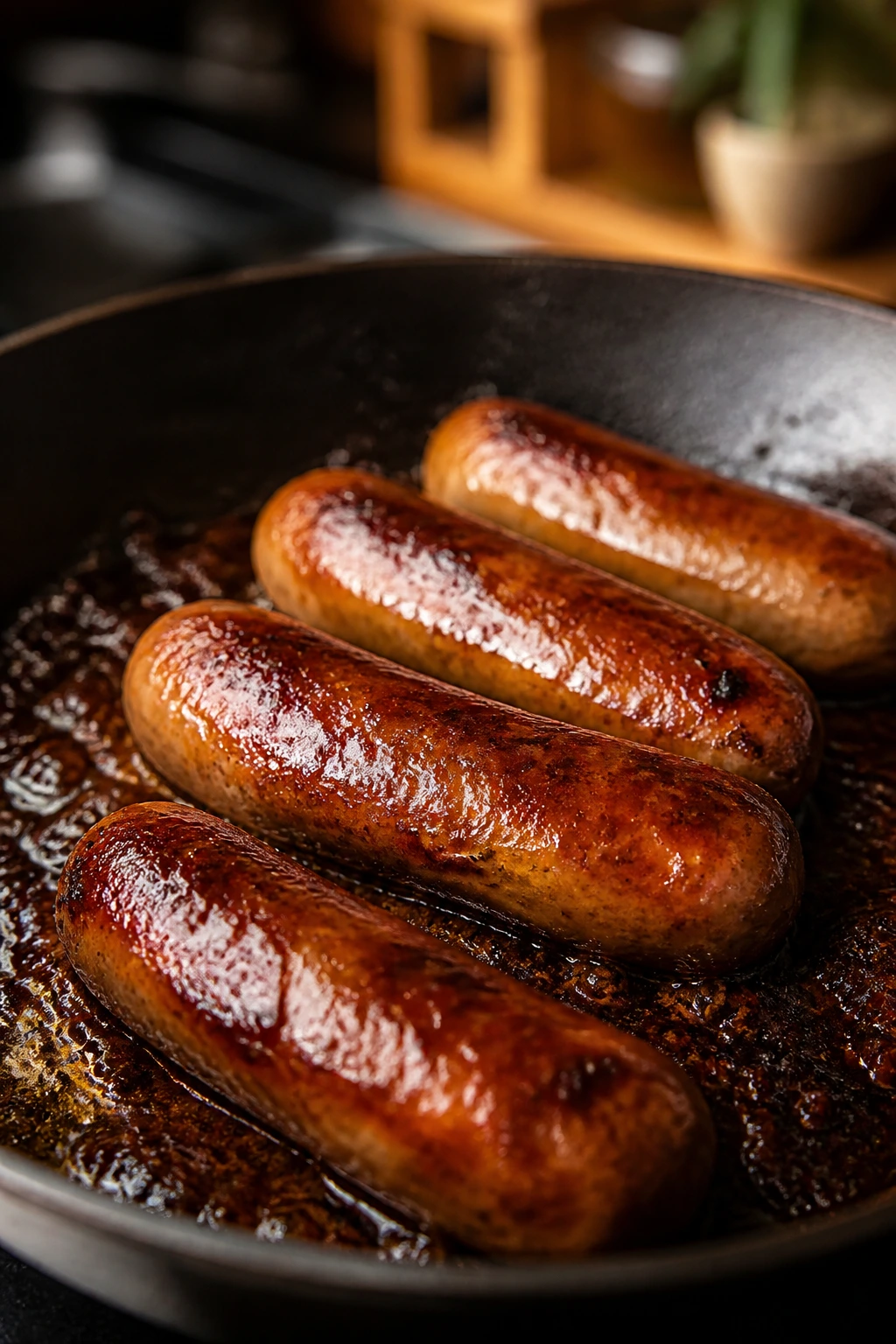
Flavor Enhancement: Add 1 teaspoon of apple cider vinegar right at the end, after the sausage is out of the pan. That tiny hit of acid wakes up the glaze and keeps it from tasting heavy once it cools on the plate.
Time-Saver: Brown the sausage and build the glaze in the same skillet. The browned bits clinging to the bottom are not a mess; they’re part of the flavor, and a splash of butter and vinegar will pull them right into the sauce.
Texture Move: If the glaze starts to tighten before the sausage is fully coated, stir in 1 teaspoon water at a time. The goal is a sauce that ribbons off the spoon, not one that snaps into place like hard candy.
Make-It-Yours: For dairy-free cooking, swap the butter for avocado oil. For a leaner version, use turkey sausage and shorten the browning time so the outside doesn’t dry before the center comes up to temperature.
The Mistakes That Flatten the Flavor or Dry the Meat
-
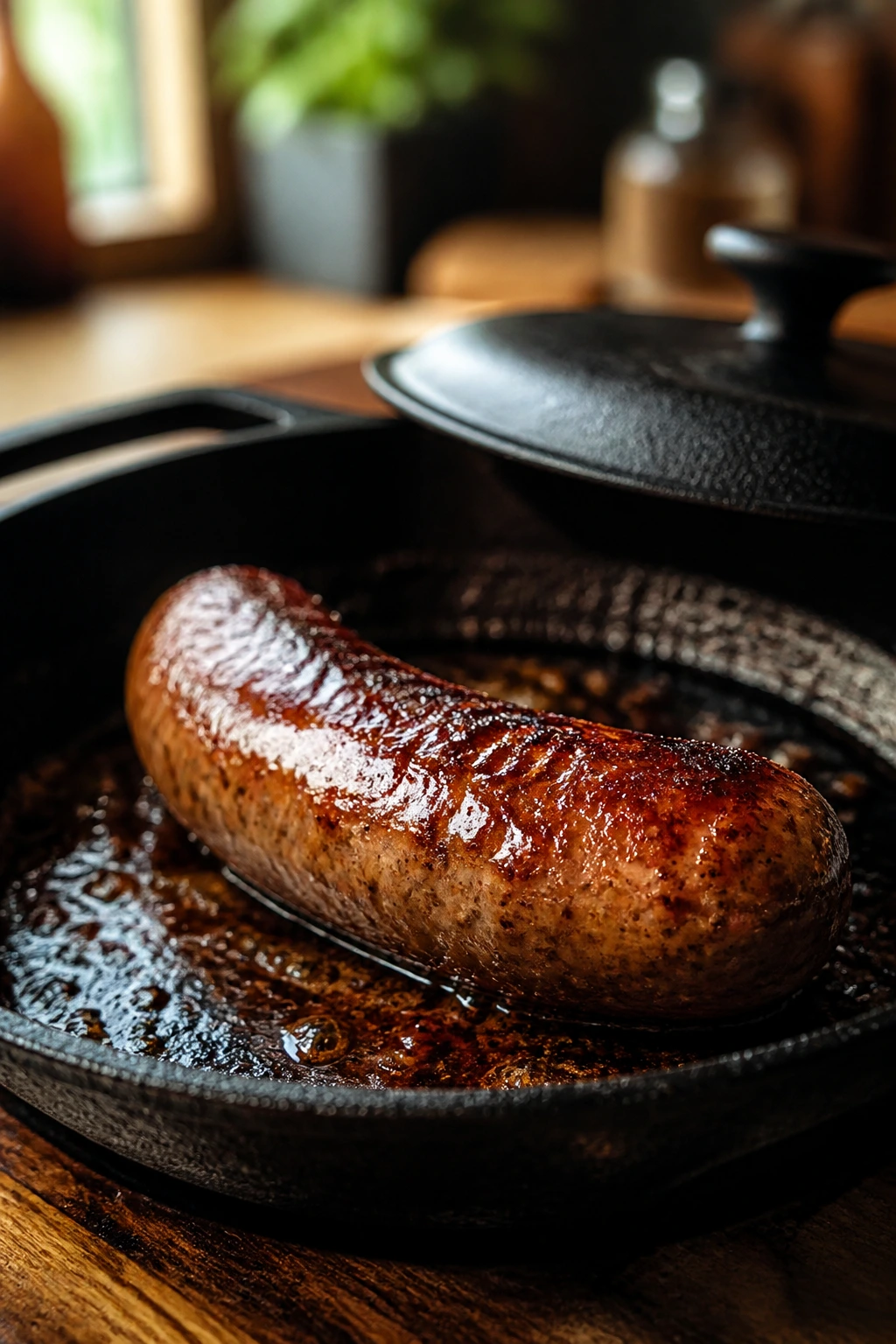
Running the heat too high once the sweetener goes in: Allulose will brown faster than table sugar, and a blazing burner turns the glaze bitter before the sausage finishes. Keep the pan at medium-low during the glaze stage.
-
Crowding the links together: If the sausage touches shoulder-to-shoulder, the edges steam instead of browning and the glaze slips off a slick surface. Give the links room, or cook in two batches.
-
Using a sweetener that turns gritty when it cools: Erythritol-heavy blends can work, but they’re not the smoothest choice for a glaze you want to stay glossy. If that’s what you have, keep the sauce loose and serve it right away.
-
Puncturing the sausage while it browns: A fork or sharp tip looks harmless, then the juices disappear into the pan and the links tighten up. Use tongs and leave the casing alone.
-
Guessing doneness from color: Brown sausage can still be undercooked in the center. Pull out the thermometer and check the thickest link for 160°F; that number matters more than any shade of brown.
-
Reducing the glaze until it looks “done” in the pan: It thickens more as it rests. Stop a little earlier than feels natural, because the glaze that looks perfect in the skillet often turns sticky after two minutes on the plate.
Variations Worth Trying
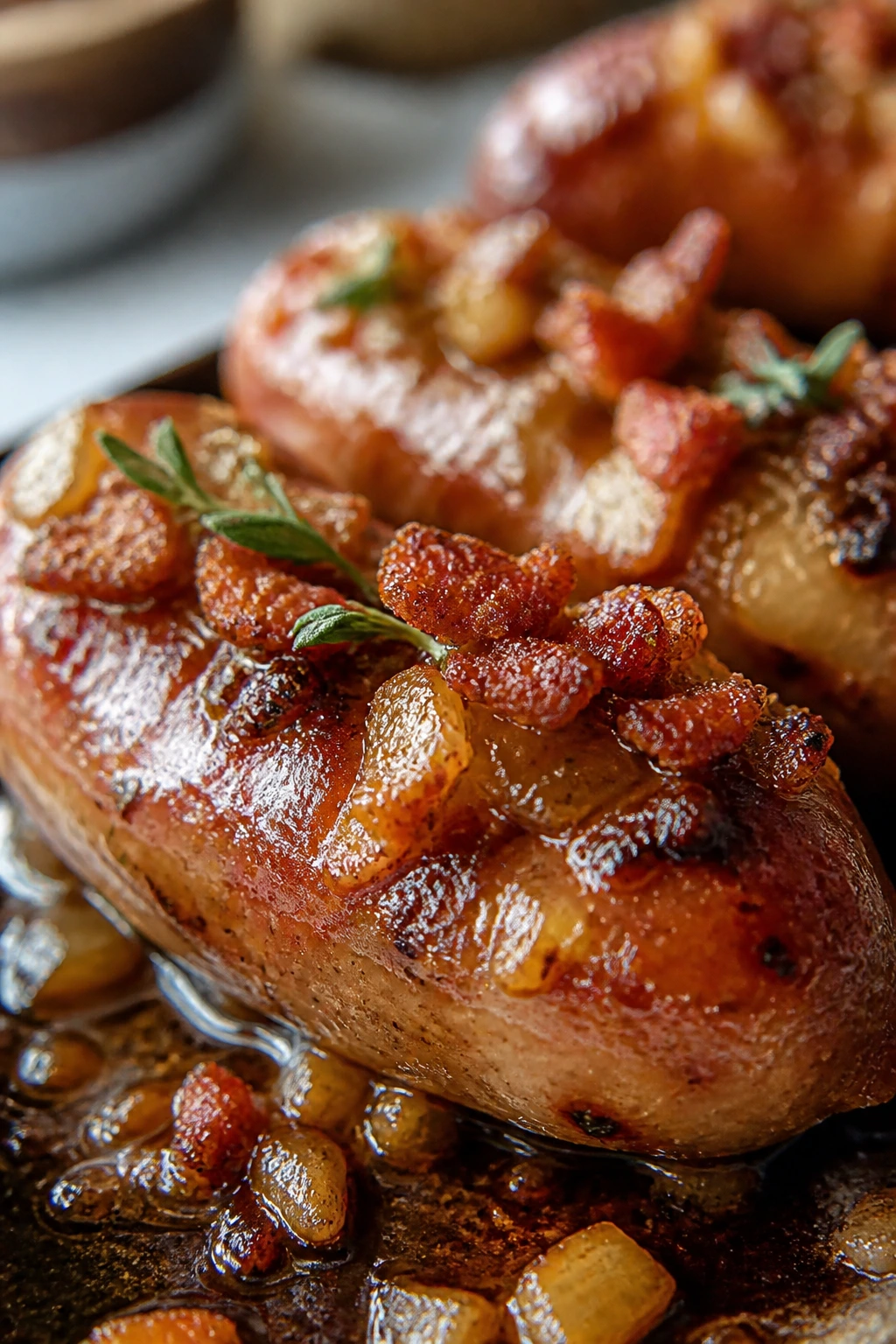
Smoky Bacon-Skillet Finish
Add 2 tablespoons of finely chopped cooked bacon at the end and use a teaspoon or two of the bacon fat in place of part of the butter. The smoke from the bacon pushes the glaze toward a breakfast-board flavor that feels a little richer and a little rougher around the edges, which I mean as a compliment.
Spicy Pepper-Glaze Links
Stir in an extra 1/2 teaspoon of red pepper flakes and a pinch of cayenne with the Dijon and vinegar. That works especially well with mild breakfast sausage, because the heat gives the sweetness something to push against.
Turkey Sausage Swap
Use 1 1/2 pounds turkey sausage links and cook them to 165°F. Add an extra tablespoon of butter or avocado oil to the glaze so the lean meat doesn’t taste lean in the bad way, the way dry meat always does.
Dinner-Board Herb Version
Add 1/2 teaspoon dried thyme and 1/2 teaspoon finely chopped rosemary to the glaze. This leans the whole dish toward dinner, especially if you serve it with roasted Brussels sprouts or mashed cauliflower.
Party-Bite Skewers
Cook the links as written, cool for 5 minutes, slice them into 1-inch pieces, and toss them back through the glaze before skewering. The smaller pieces catch more sauce, which makes them useful for brunch buffets and game-day plates.
Make-Ahead, Storage, and Reheating Guidance
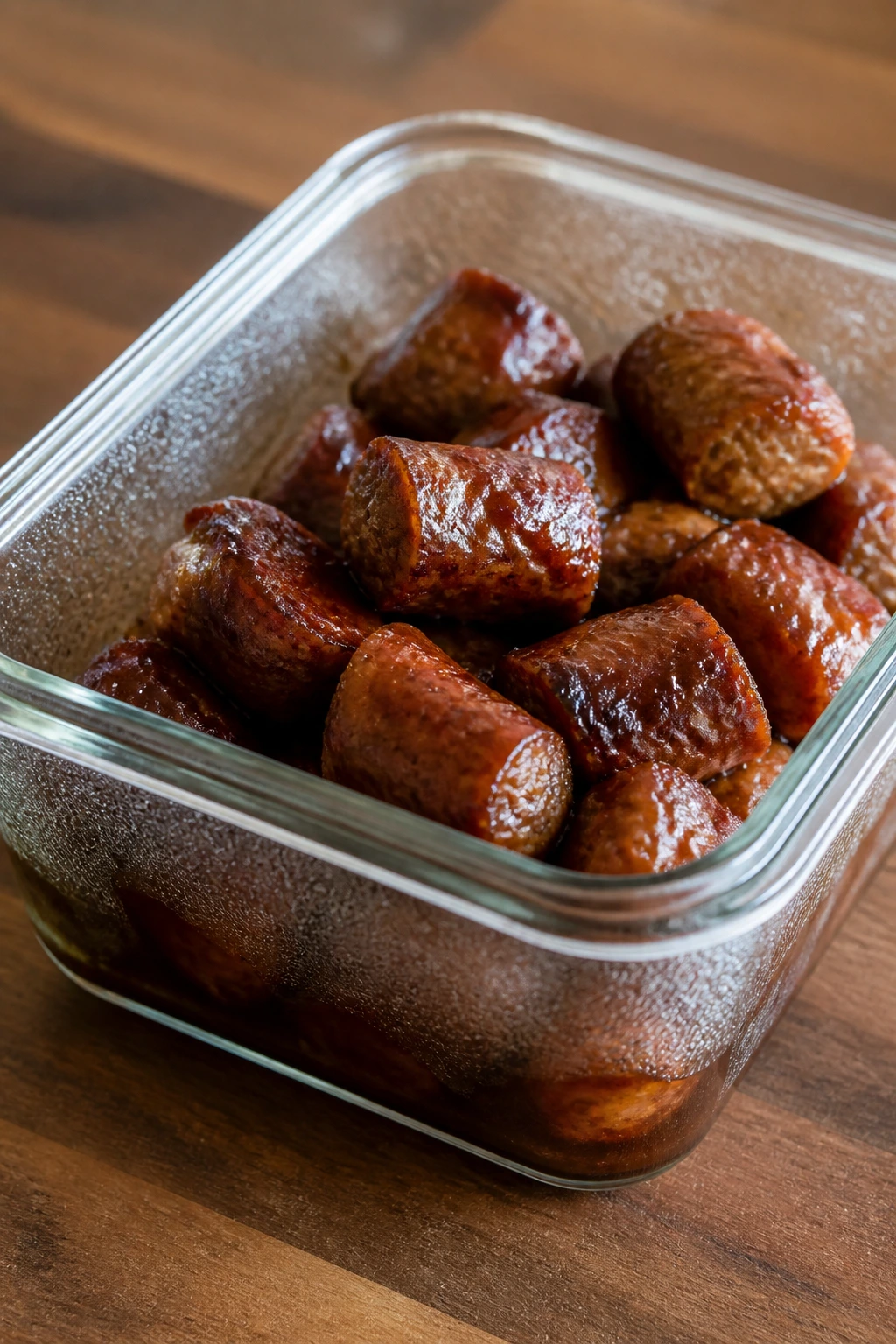
Leftovers keep well, but they need a little care so the glaze doesn’t turn tacky and dull. Cool the sausage within 2 hours of cooking, then store it in an airtight container in the refrigerator for 3 to 4 days. Keep the glaze and sausage together; separating them only makes the reheating step more annoying.
For freezing, tuck the cooked sausage into a freezer-safe container or zip-top bag and freeze for up to 2 months. The glaze may lose some shine after thawing, but the flavor holds up better than you’d expect. I wouldn’t freeze this for longer than that unless you’re fine with a slightly softer sauce.
The best reheating method is a skillet over low heat with 1 to 2 teaspoons water and a lid. Give the sausage 3 to 5 minutes, turning once, until it’s hot through and the glaze loosens enough to coat again. If you use the microwave, cover the plate with a damp paper towel and heat in 30-second bursts at half power; that keeps the sausage from turning rubbery.
If you want to get ahead for a brunch spread, brown the sausage earlier in the day and make the glaze separately. Store both in the fridge, then finish them together in the skillet right before serving. The glaze tastes brighter when it’s freshly heated, and the sausage stays juicier if it doesn’t sit in the pan for hours.
Questions People Ask Before They Cook It
Can I use allulose if I’m not trying to stay strict keto?
Yes, and honestly, it’s the best choice for this glaze either way. It dissolves smoothly, browns cleanly, and stays glossy longer than most sugar substitutes. If you want the closest texture to brown sugar in a hot pan, this is the one I’d pick.
What if I only have erythritol or a monk-fruit blend?
You can still make it, but the glaze may tighten and turn a little sandy as it cools. Keep the heat lower than you think you need, add the water, and serve the sausage right away while the coating is still fluid.
Can I bake the sausage instead of using a skillet?
Yes. Brown the links on a sheet pan at 400°F until nearly cooked through, then brush or toss them with the glaze and return them to the oven for a few minutes. I still prefer the skillet because the browned bits add depth, but the oven works if you need less stove time.
How do I know the sausage is actually done?
Use an instant-read thermometer and check the thickest link. For pork sausage, the safe target is 160°F. Turkey sausage needs 165°F. The outside can look finished before the center catches up, and the thermometer avoids that guesswork.
Can I make this with fully cooked smoked sausage?
Yes, and the cook time drops a lot. Brown the sausage just enough to get color on the cut sides or outer skin, then simmer it in the glaze for 2 to 4 minutes until hot through. Keep the heat lower, because fully cooked sausage only needs warming, not a long finish.
What if the glaze gets too thick?
Pull the pan off the heat and stir in 1 teaspoon water at a time. The glaze should flow off the spoon in a thin ribbon and coat the sausage instead of setting into a hard layer in the skillet.
Can I make this ahead for brunch?
Yes, and that’s one of the nicer things about it. Brown the sausage earlier, mix the glaze ahead, then finish both together in the skillet right before guests eat. The sauce tastes fresher that way, and the sausage stays plump.
Is this recipe sweet enough without real sugar?
It is, but the sweetness feels different from table sugar. Allulose gives a rounder, softer sweetness that reads more like brown sugar once the mustard and vinegar are in the mix. The glaze is meant to be sweet-savory, not candy-sweet.
A Pan Worth Repeating
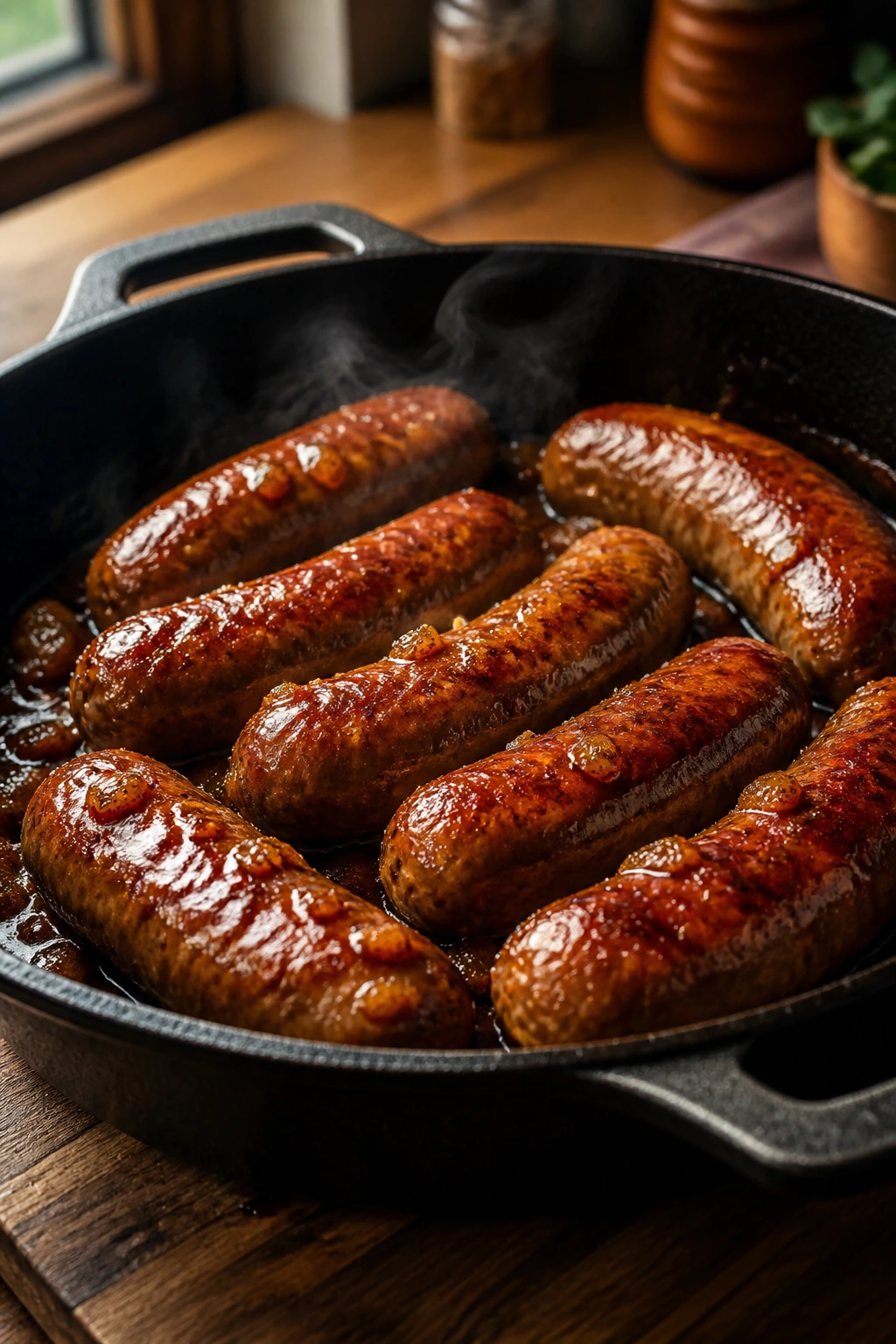
This is the kind of skillet meal that disappears fast because it tastes like it took more work than it did. The sausage stays juicy, the glaze stays shiny, and the sweetness never gets the last word. That matters. Sweet without balance gets old in three bites.
If you keep the heat moderate and trust the thermometer instead of the color of the casing, the whole recipe becomes repeatable in a way that matters on a busy morning or a lazy brunch table. After one or two runs, you’ll know exactly when the glaze is thin enough to cling and thick enough to leave a line behind the spoon.
Juicy Keto Sausage with Brown Sugar Glaze — Recipe Card
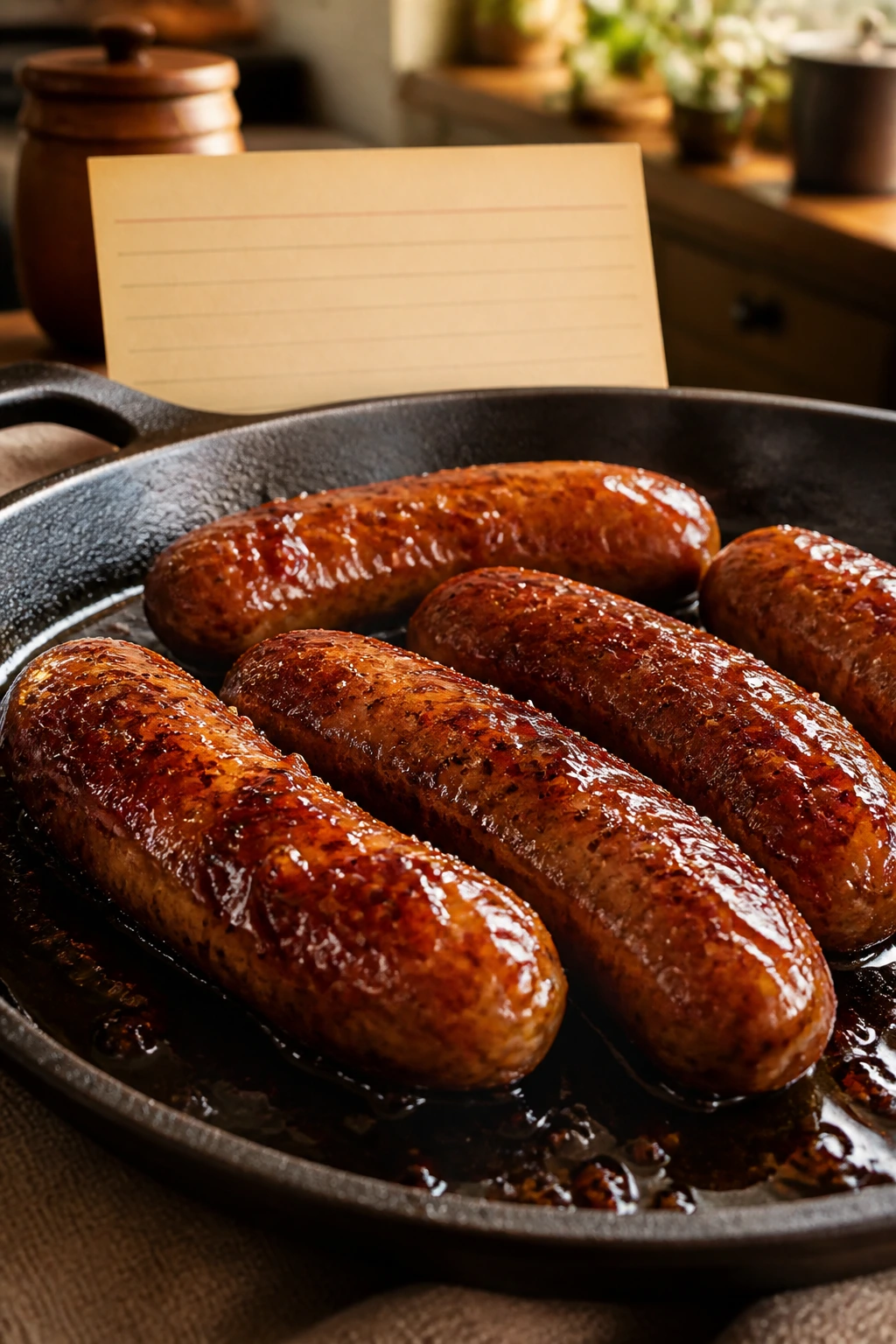
Recipe Name: Juicy Keto Sausage with Brown Sugar Glaze
Description: Fresh pork sausage links brown in a skillet, then finish in a glossy sugar-free glaze made with allulose, Dijon, vinegar, and butter. The result lands sweet, savory, and low-carb enough for breakfast, brunch, or an easy dinner side.
Prep Time: 15 minutes
Cook Time: 15 minutes
Total Time: 30 minutes active + 5 minutes resting
Course: Breakfast, Brunch, Appetizer
Cuisine: American
Servings: 6
Calories: about 360 kcal per serving
Ingredients
- 1 1/2 pounds fresh pork breakfast sausage links, about 10 to 12 links
- 2 tablespoons unsalted butter
- 1/3 cup allulose brown sweetener, lightly packed
- 2 tablespoons Dijon mustard
- 1 tablespoon apple cider vinegar
- 1 teaspoon Worcestershire sauce or coconut aminos
- 2 tablespoons water
- 1/2 teaspoon garlic powder
- 1/4 teaspoon smoked paprika
- 1/8 teaspoon kosher salt
- 1/4 teaspoon black pepper
- Pinch of red pepper flakes, optional
- Chopped parsley or chives, optional
Instructions
- Let the sausage sit at room temperature for 15 minutes, then pat the links dry. Heat a 12-inch skillet over medium heat.
- Brown the sausage in a single layer for 6 to 8 minutes, turning often, until deeply golden. Transfer to a plate.
- Lower the heat to medium-low. Add the butter, allulose, Dijon, vinegar, Worcestershire, water, garlic powder, paprika, salt, pepper, and red pepper flakes. Whisk until smooth and glossy.
- Return the sausage and any juices to the skillet. Coat the links in the glaze, cover, and cook 4 to 6 minutes, until the thickest link reaches 160°F.
- Uncover, cook 30 to 60 seconds more, spooning the glaze over the links until it clings in a thin coat. Rest 5 minutes, then garnish if desired.
Notes: Allulose gives the smoothest glaze. If you use an erythritol-based blend, serve promptly so the coating stays glossy. Add a teaspoon of water if the glaze tightens too fast.