



Minute chicken is what I make when the evening has already taken the good part of my brain. Thin cutlets, a hot skillet, and a lemony butter pan sauce are enough to turn a plain package of chicken into a dinner that tastes thought-through, even if you started it with one eye on the clock and one ear on the dishwasher beeping.
The whole trick is thickness. Or, more to the point, the lack of it. A thick chicken breast asks for patience, and patience is not always on the menu. Minute chicken keeps the meat thin enough that the outside browns before the inside dries out, which is exactly what you want on a weeknight when you want dinner to taste like you paid attention. You did, of course. Just not for long.
I like this style of chicken because it rewards a hot pan, a little restraint, and a thermometer. Skip the guesswork. Skip the frantic poking. Cook it to 165°F / 74°C in the thickest part, rest it for a few minutes, and the juices stay where they belong instead of flooding the cutting board. That part matters more than any fancy garnish, and it’s the difference between “fine chicken” and chicken you’ll actually make again.
Why Minute Chicken Works When Dinner Needs to Move
- Thin cutlets cook fast without turning stringy: A 1/2-inch cutlet can go from raw to done in about 6 to 8 minutes total, which means the meat spends less time in the danger zone where it starts to dry out.
- The flour dusting does more than brown the surface: A light coat of flour helps the chicken pick up color quickly and gives the pan sauce a touch of body when you deglaze the skillet.
- The pan sauce is built from the fond, not from a packet: Those browned bits stuck to the bottom of the skillet are the flavor. A splash of broth and lemon lifts them, and the sauce tastes like it was planned, even though it came together in the same pan.
- It behaves well with plain sides: Rice, buttered noodles, mashed potatoes, roasted broccoli, green beans — this chicken doesn’t argue with any of them. It just slides into place.
- You can scale it without fuss: Make two cutlets for one person or double it for four. The method doesn’t change, and that’s a relief on nights when you don’t want to rewrite dinner in your head.
- It still feels like a real meal: Fast doesn’t have to mean flimsy. The browned crust, the lemon, the glossy butter sauce — they give the plate enough shape to feel finished.
The Story Behind This Fast Chicken Cutlet
“Minute” cooking has been around forever because thin food cooks fast, and fast food — the home-cooked kind, not the drive-thru kind — is often the only kind that survives a long day. Minute steak got the idea into a lot of kitchens: pound it thin, season it well, cook it quickly, and don’t overthink it. Chicken takes the same logic and makes it a little more useful for ordinary dinners.
This version is built around boneless, skinless chicken breasts pounded to even thickness. That evenness is the whole game. A breast that’s thick on one end and thin on the other always overcooks somewhere. A cutlet behaves better. It sears in a few minutes, the crust takes on color before the meat loses its moisture, and the center stays tender enough to slice cleanly without shredding into fibers.
I also like this method because it’s honest about what chicken breast wants. It does not want a long bath in heat. It wants a hot skillet, a little fat, and a quick exit. That’s why the sauce matters so much here. Lemon juice, broth, and cold butter bring the pan back to life after the chicken comes out, and the whole thing tastes brighter than plain skillet chicken ever could.
There’s a little restaurant logic in this, too. Thin cutlets are easier to brown evenly, easier to serve in neat portions, and easier to pair with almost anything. You can put them beside a tangle of pasta, spoon the sauce over mashed potatoes, or tuck them into a lunch box with rice the next day. Nothing about it is precious. That’s part of the appeal.
Quick Facts for a Chicken Dinner That Doesn’t Hang Around
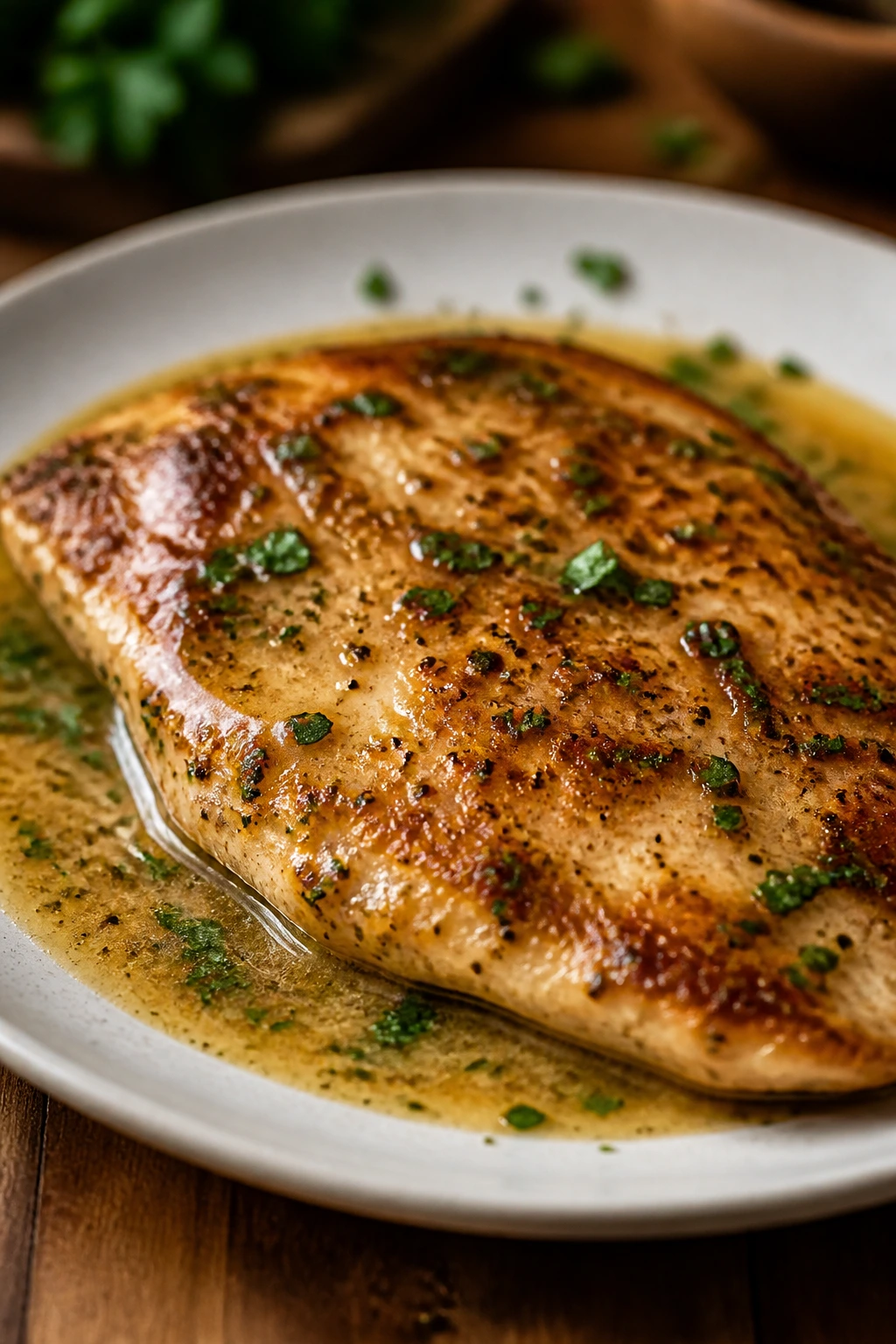
Yield: Serves 4
Prep Time: 15 minutes
Cook Time: 12 minutes
Total Time: 27 minutes
Difficulty: Beginner — the method is straightforward, but the chicken cooks fast, so staying close to the skillet matters.
Best Served: Right away, while the sauce is glossy and the cutlets are still warm from the pan.
The Ingredient List for Juicy Minute Chicken
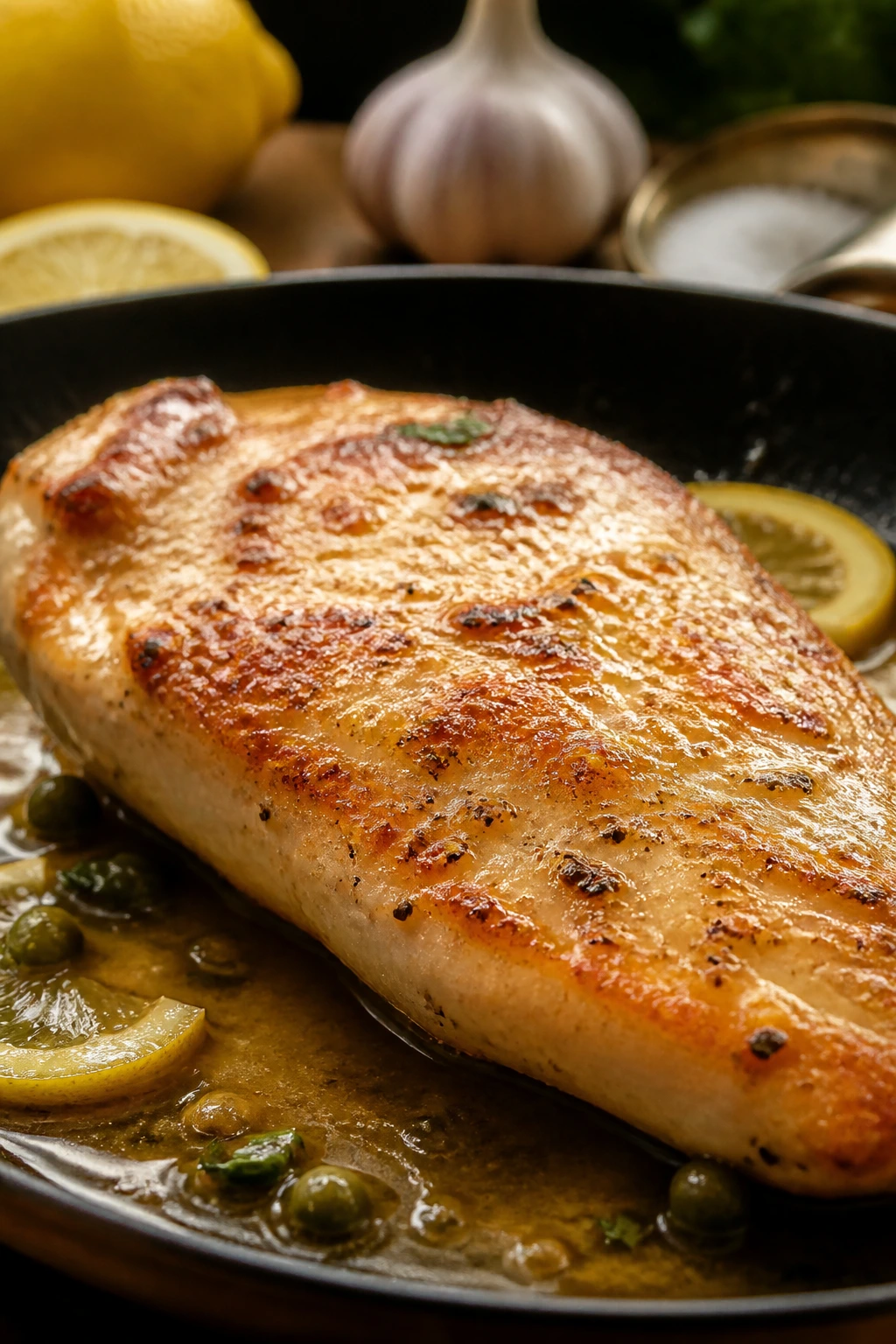
For the Chicken:
- 1 1/2 pounds boneless, skinless chicken breasts, trimmed and pounded to 1/2-inch thickness
- 1 teaspoon kosher salt
- 1/2 teaspoon freshly ground black pepper
- 1/2 teaspoon garlic powder
- 1/2 teaspoon paprika
- 1/4 cup all-purpose flour, for a light coating
- 2 tablespoons olive oil
- 1 tablespoon unsalted butter
For the Lemon Butter Pan Sauce:
- 3 cloves garlic, minced
- 1/2 cup low-sodium chicken broth
- 2 tablespoons fresh lemon juice
- 1 teaspoon Dijon mustard
- 2 tablespoons cold unsalted butter, cut into small cubes
- 2 tablespoons chopped fresh parsley
- 1 teaspoon finely grated lemon zest, optional but sharp and useful
Why Each Ingredient Matters in Minute Chicken
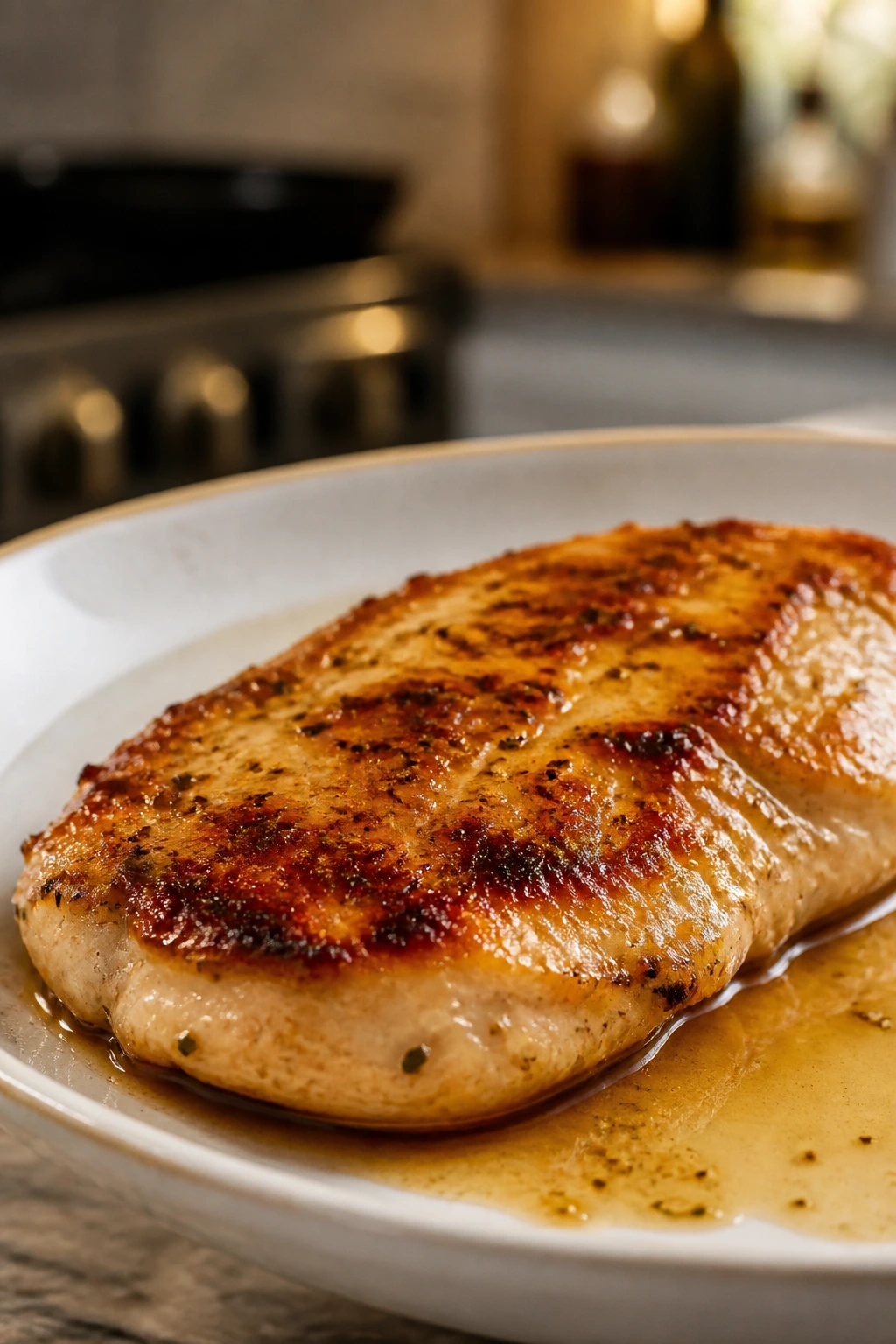
Chicken Breast Cutlets
What to use: 1 1/2 pounds boneless, skinless chicken breasts, trimmed and pounded to 1/2-inch thickness. Two large breasts usually split into 4 cutlets, which is the sweet spot for fast cooking.
Preparation: Slice each breast horizontally if it’s very thick, then cover it with plastic wrap or parchment and pound it gently with a meat mallet or rolling pin until the pieces are even. Aim for uniform thickness, not paper-thin sheets.
Substitutions: Boneless chicken thighs work if you want a richer, slightly darker result, though they usually need a minute or two longer. Thin turkey cutlets also work well with the same method.
Tips: Even thickness matters more than size here. A chicken breast that starts out uneven will cook unevenly, and the thick end will tempt you to overcook the rest while you wait for it to catch up.
Coating & Seasoning
What to use: 1 teaspoon kosher salt, 1/2 teaspoon black pepper, 1/2 teaspoon garlic powder, 1/2 teaspoon paprika, and 1/4 cup all-purpose flour.
Preparation: Mix the salt, pepper, garlic powder, and paprika together before you season the chicken so the flavor lands evenly. Dust each cutlet lightly with flour right before cooking and shake off the excess.
Substitutions: Rice flour gives a crisp, pale crust and works nicely if you need a gluten-free version. Cornstarch can also work, though it gives a thinner, shinier coating.
Tips: Don’t bury the chicken under flour. You want a whisper-thin coat, not a paste. Too much flour turns gummy in the pan and blunts the browning.
Fat for Searing
What to use: 2 tablespoons olive oil and 1 tablespoon unsalted butter.
Preparation: Heat the oil first, then add the butter once the pan is hot so the butter doesn’t scorch before the chicken goes in.
Substitutions: Avocado oil works if you want a higher smoke point, and ghee is a clean swap if you avoid regular butter. If you use all butter, lower the heat a touch so the milk solids don’t go brown too early.
Tips: The oil gives you heat tolerance; the butter gives you flavor and browning. I use both because they solve different problems.
Lemon Butter Sauce Ingredients
What to use: 3 cloves garlic, 1/2 cup low-sodium chicken broth, 2 tablespoons fresh lemon juice, 1 teaspoon Dijon mustard, 2 tablespoons cold butter, 2 tablespoons parsley, and 1 teaspoon lemon zest if you have it.
Preparation: Mince the garlic finely so it melts into the sauce instead of sitting in hard little pieces. Keep the butter cold until the end; that’s what makes the sauce look glossy instead of split.
Substitutions: White wine can replace part of the broth if you want a sharper sauce. No Dijon? Use 1/2 teaspoon of dry mustard or leave it out; the sauce will still work, just with less edge.
Tips: Fresh lemon juice matters here. Bottled juice can work in a pinch, but it tastes flatter and more metallic, and this sauce depends on brightness.
Finishing Herbs
What to use: 2 tablespoons chopped fresh parsley.
Preparation: Chop it at the end so it stays green and doesn’t bruise into a sad, damp pile.
Substitutions: Chives, tarragon, or dill can stand in if that’s what you have. Dill pushes the sauce toward a more springlike note, while tarragon gives it a faint anise edge.
Tips: Add herbs at the very end. If they go in too early, they lose color and turn muddy.
The Few Tools That Make This Easier
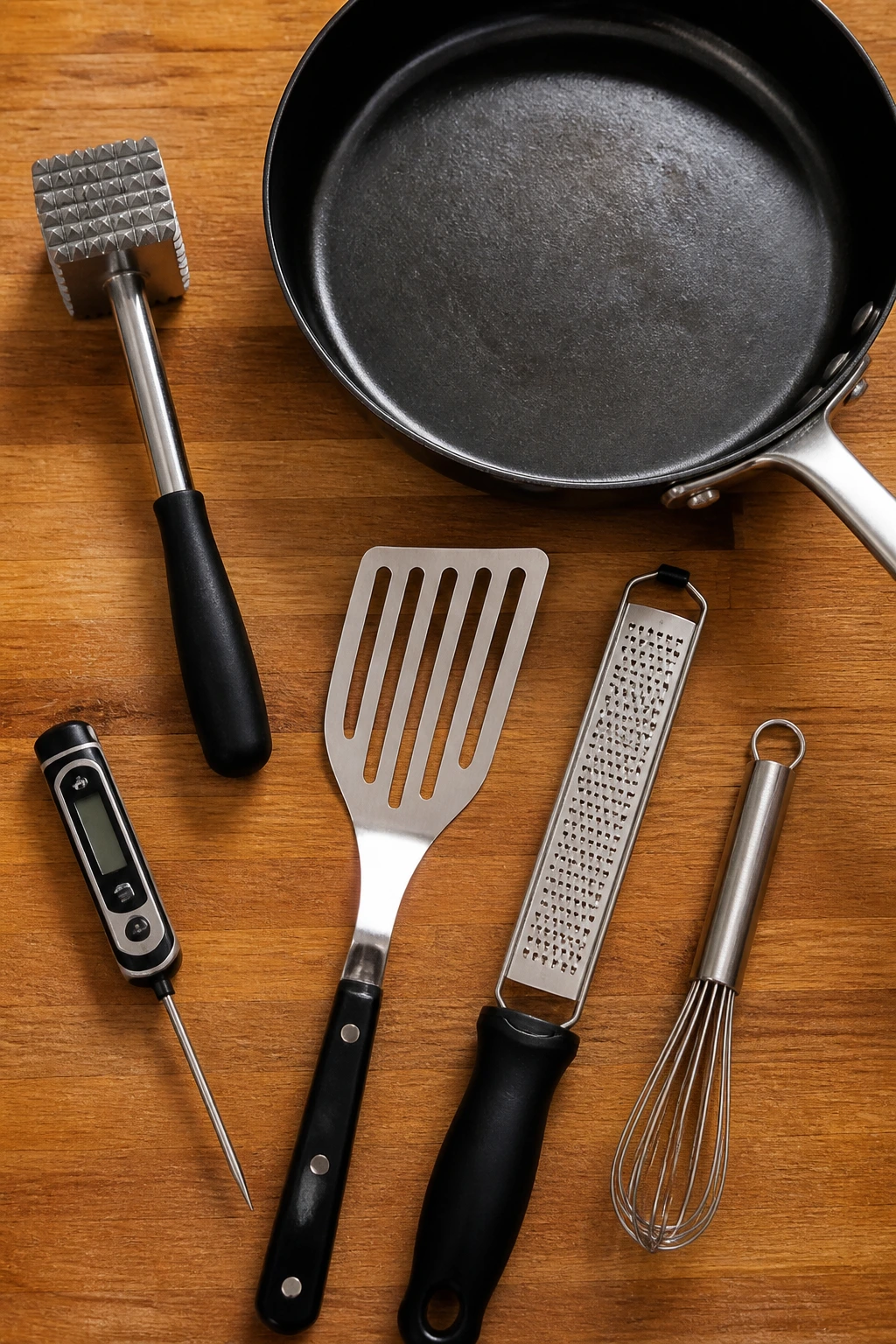
- 12-inch skillet, preferably stainless steel or cast iron: Big enough to hold 4 cutlets without crowding. A crowded pan steams chicken; that’s not what you want here.
- Meat mallet or rolling pin: Either one will flatten the cutlets evenly. A heavy skillet works in a pinch.
- Instant-read thermometer: The quickest way to stop guessing. Pull the chicken at 165°F / 74°C in the thickest part.
- Thin metal spatula or fish spatula: Helps you slide under the cutlets without ripping the crust.
- Microplane or fine grater: Best for lemon zest. A box grater works, but it’s clumsier.
- Small whisk: Useful for the sauce, especially if you want the Dijon to disappear cleanly into the broth.
How to Cook Minute Chicken Without Drying It Out
Prep the Chicken
-
Lay the chicken breasts on a cutting board and trim away any stray fat or tough little membranes. If a breast is very thick, slice it horizontally to make two thinner pieces before pounding.
-
Cover the chicken with parchment or plastic wrap and pound it to an even 1/2-inch thickness. Do not smash it into shreds; the goal is even thickness, not a flattened souvenir.
-
Stir together the salt, pepper, garlic powder, and paprika in a small bowl. Season both sides of the chicken evenly, then dust each piece lightly with flour and shake off the excess. The surface should look dry, not paste-coated.
Sear the Cutlets
-
Set a 12-inch skillet over medium-high heat and add the olive oil. When the oil shimmers, add the butter. It should foam quickly but not turn brown in the first second.
-
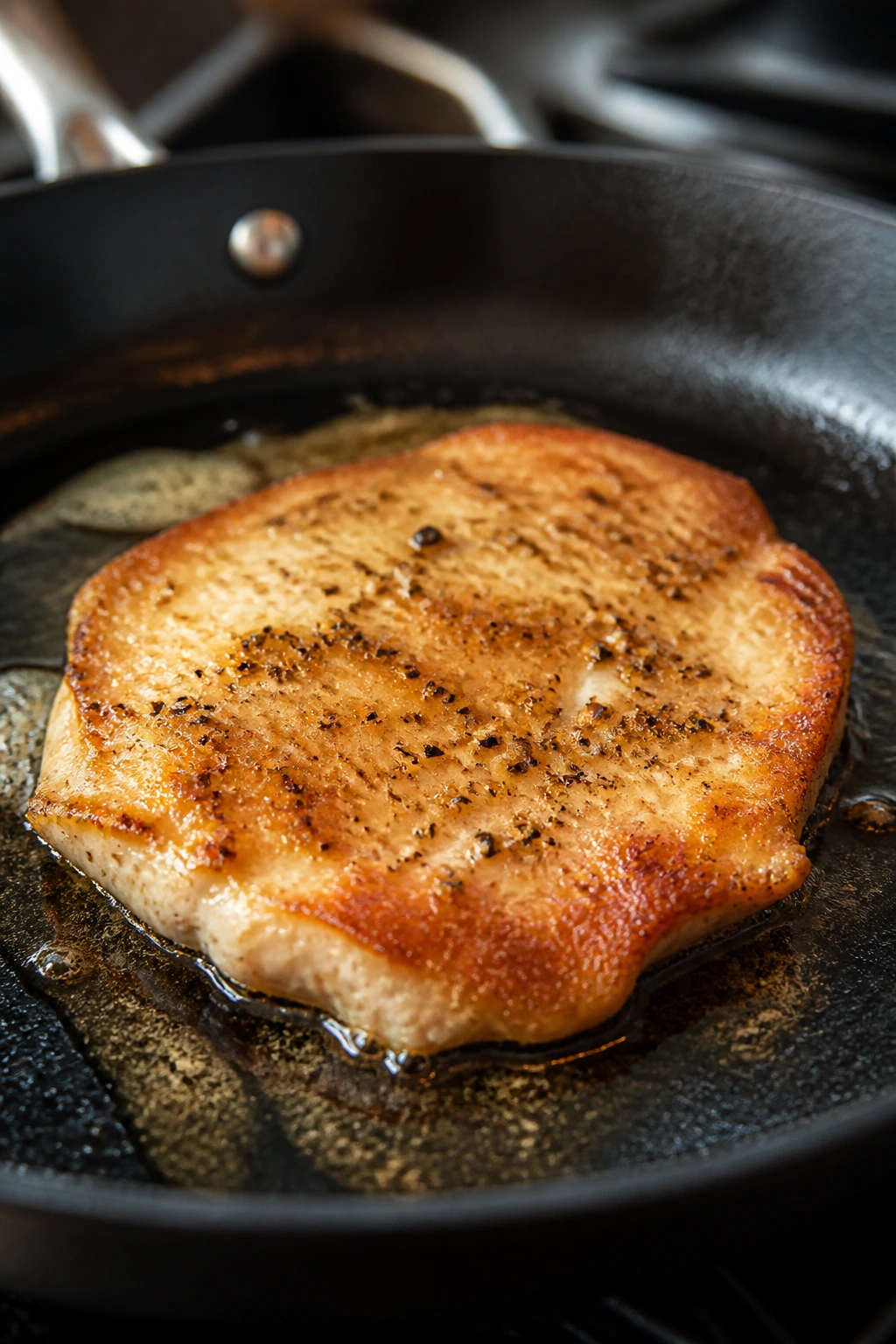
Lay the chicken cutlets in the skillet in a single layer, leaving space between each one. Cook for 3 to 4 minutes on the first side, until the edges turn opaque and the underside is deeply golden. If the pan is crowded, cook in batches; crowding is how chicken starts steaming instead of browning.
-
Flip the cutlets and cook for another 2 to 3 minutes, until the second side is golden and the thickest part registers 165°F / 74°C on an instant-read thermometer. Transfer the chicken to a plate and let it rest while you make the sauce.
Build the Pan Sauce
-
Lower the heat to medium. Add the minced garlic to the skillet and stir for 15 to 20 seconds, just until it smells sweet and loses that raw bite. If it starts to darken, move fast; burned garlic turns bitter in a hurry.
-
Pour in the chicken broth and lemon juice, then whisk in the Dijon mustard. Scrape the bottom of the pan with a wooden spoon or whisk to lift the browned bits. Let the sauce bubble for 2 to 3 minutes until it reduces by about a third and looks lightly syrupy.
-
Turn the heat to low and whisk in the cold butter, one cube at a time, until the sauce turns glossy and slightly thickened. Stir in the parsley and lemon zest, if using. Taste and adjust with a pinch of salt or a grind of pepper if needed.
Finish and Serve
- Return the chicken and any juices to the skillet for 30 to 60 seconds, spooning sauce over the top so every cutlet gets coated. Serve right away.
What to Put on the Plate Beside It
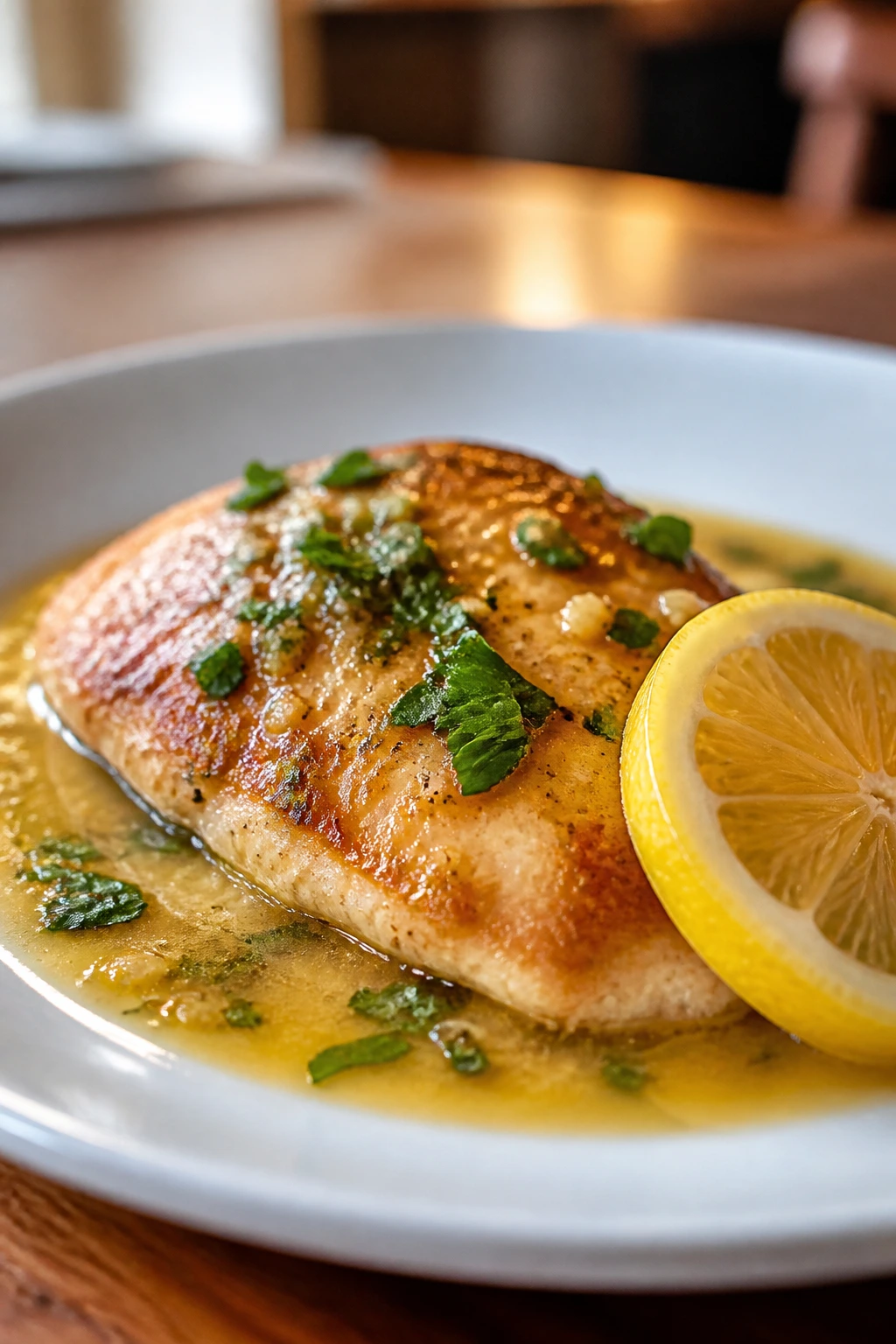
Presentation: Spoon a little of the lemon butter sauce under the cutlets and a little over the top. The plate looks calmer that way, and the sauce pools around the chicken instead of running off the sides. I like a few parsley leaves scattered over the top and a thin lemon slice leaned against the edge for color.
Accompaniments: Buttered egg noodles catch the sauce well. So do mashed potatoes, plain rice, couscous, or roasted baby potatoes with crisp edges. If you want vegetables on the side, green beans, broccolini, asparagus, or sautéed spinach all make sense here.
Portions: One cutlet per person is usually enough when you’re serving this with a starch and a vegetable. If the cutlets are small or you’ve got hungry people at the table, two per person works. For a bigger group, double the sauce before you double the chicken; nobody ever complained about extra lemon butter.
Beverage Pairing: A dry white wine like Sauvignon Blanc or Pinot Grigio fits the lemon and garlic cleanly. If you want something nonalcoholic, cold sparkling water with a lemon slice or a lightly brewed iced tea works without getting in the way.
Small Tweaks That Improve the Pan
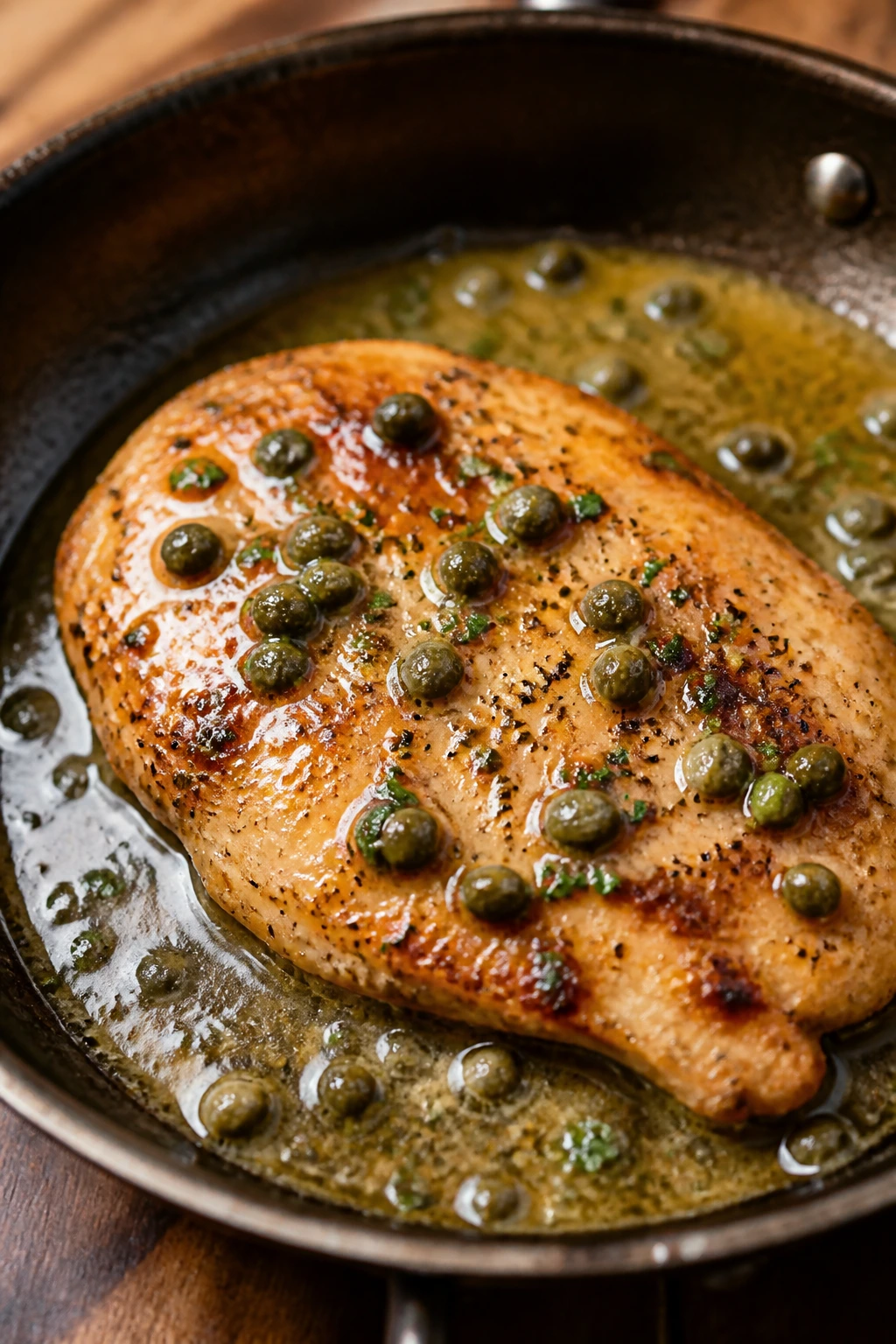
Flavor Enhancement: Add 1 teaspoon of capers to the sauce after the broth goes in. They bring a briny pop that makes the lemon taste sharper without making the dish taste salty.
Time-Saver: Pound the chicken and mix the seasoning early in the day, then cover the cutlets and refrigerate them for up to 24 hours. When dinner time hits, all that’s left is the sear.
Pro Move: Use the chicken’s resting juices. Pour them from the plate back into the sauce before serving. It’s only a spoonful or two, but those juices carry a lot of flavor and keep the sauce from tasting thin.
Cost-Saver: If parsley is expensive or flimsy, skip the herb heavy finish and use a little extra lemon zest instead. The zest gives you brightness without asking much from the grocery budget.
Make-It-Yours: If you like heat, add 1/4 teaspoon red pepper flakes to the garlic for the last 10 seconds of cooking. It won’t make the dish spicy in a loud way; it just gives the sauce a little hum underneath.
The Mistakes That Dry Out Minute Chicken
-
Pounding the chicken unevenly: You end up with thin edges that dry out before the thick center is done. Fix it by pounding from the middle outward until the whole cutlet sits at the same thickness.
-
Using a pan that isn’t hot enough: The chicken goes pale and limpy instead of developing a crust. Wait for the oil to shimmer before the cutlets go in, and don’t move them for the first couple of minutes.
-
Crowding the skillet: If the cutlets touch, they leak moisture and steam. Cook in two rounds if you need to. It takes a few minutes longer, but the chicken tastes better.
-
Cooking by color alone: The surface can look done before the center is safe. Use an instant-read thermometer and pull the chicken at 165°F / 74°C. It’s the easiest way to keep the meat tender.
-
Adding the butter too early in the sauce: Butter boiled hard in liquid can split or turn oily. Let the broth and lemon reduce first, then whisk in the cold butter off a lower heat.
-
Skipping the rest: Slicing immediately sends the juices onto the cutting board. Give the chicken 3 to 5 minutes to settle, and the texture stays noticeably better.
Five Ways to Change the Flavor
Lemon-Herb Minute Chicken
Add 1 teaspoon of chopped thyme or dill to the sauce with the parsley. This version leans fresher and greener, and it works especially well with rice or roasted potatoes.
Parmesan-Crusted Minute Chicken
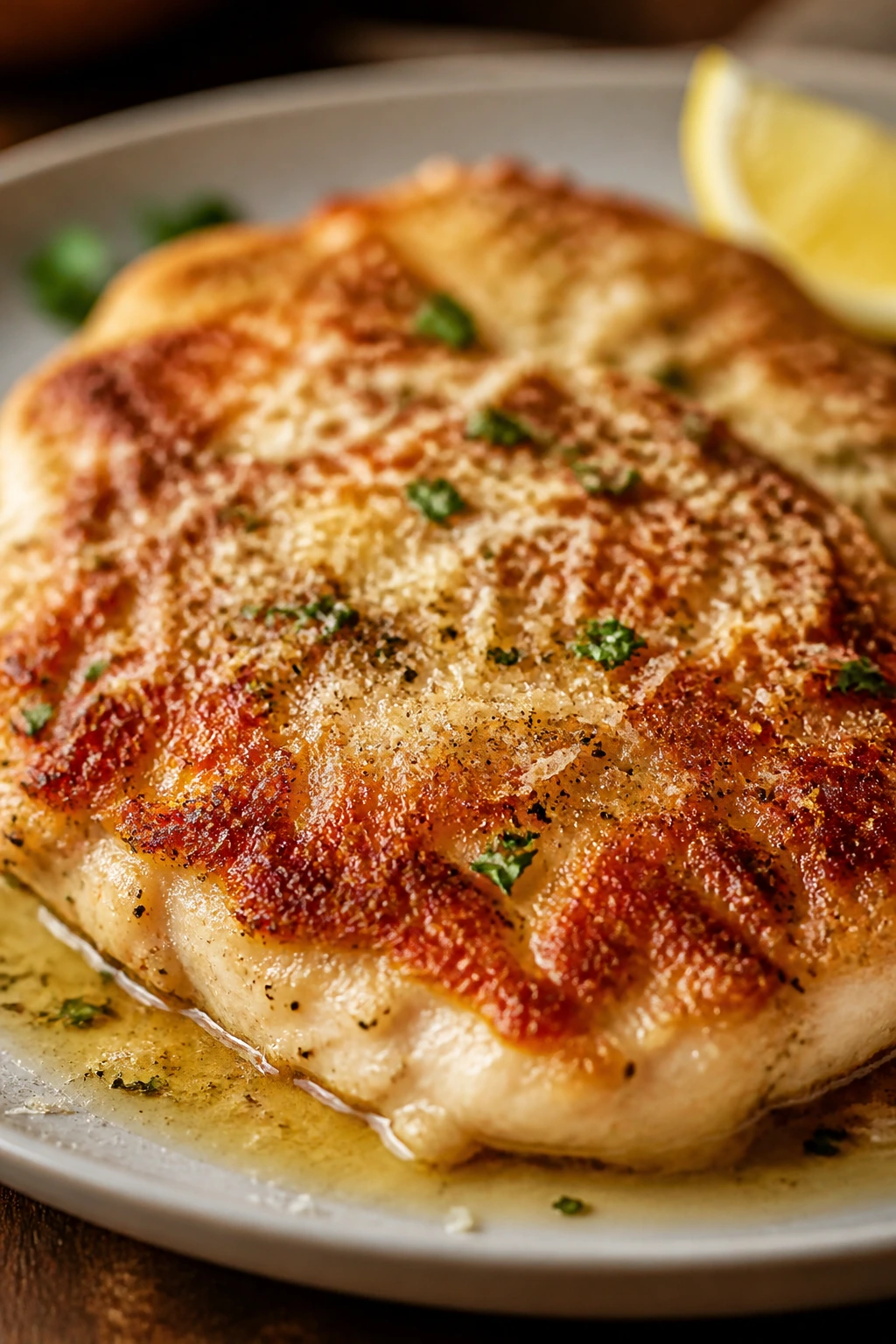
Mix 2 tablespoons finely grated Parmesan into the flour before dredging the cutlets. The cheese browns fast, so keep the heat at medium-high rather than pushing it hotter, or the crust can go too dark.
Creamy Mushroom Minute Chicken
After the chicken comes out, sauté 8 ounces sliced mushrooms in the skillet until their moisture cooks off and the edges brown. Add the broth, lemon, and a splash of cream at the end for a deeper, more spoonable sauce.
Garlic-Basil Minute Chicken
Swap the parsley for torn basil and add an extra clove of garlic to the sauce. The basil softens the sharp lemon edge and gives the dish a softer, almost late-summer feel.
Gluten-Free Minute Chicken
Use rice flour or cornstarch instead of all-purpose flour. Rice flour gives the closest texture to the original; cornstarch makes the crust a little thinner, which is still fine if you want a lighter finish.
Make-Ahead, Storage, and Reheating
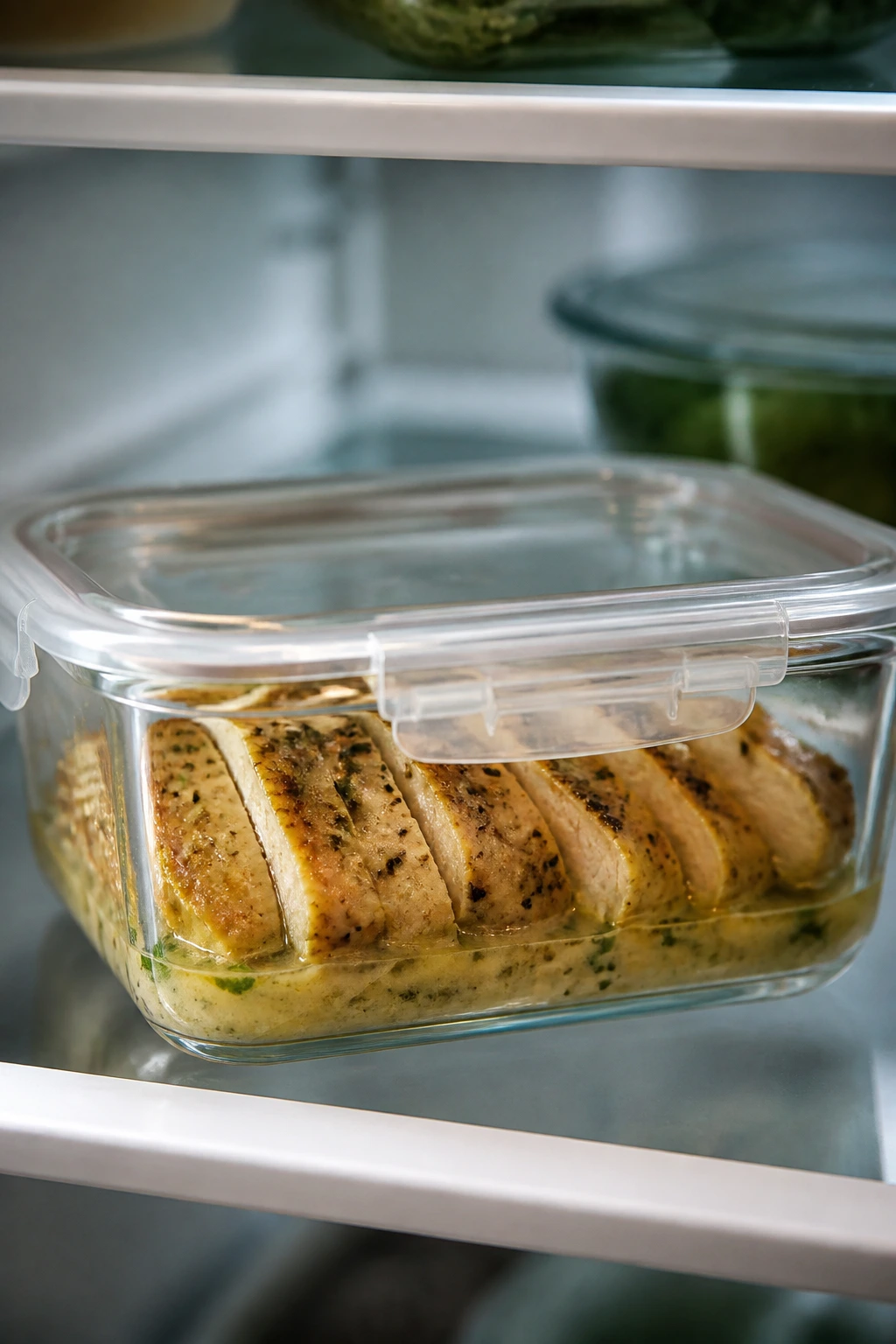
Cooked minute chicken keeps well in the refrigerator for 3 to 4 days if you cool it fully before storing it in an airtight container. I like to tuck the cutlets into a shallow container and spoon a little sauce over the top so the surface doesn’t dry out. Keep the sauce and chicken together if you can; separate storage is fine too, but together is easier.
For the freezer, wrap the cooked cutlets tightly or store them in a freezer-safe container with parchment between layers. They’ll hold for up to 2 months with decent texture. The sauce can be frozen too, but it may look a little split when thawed. A quick whisk over low heat usually brings it back.
Reheat in a skillet over low heat with 1 to 2 tablespoons of chicken broth or water per cutlet, covered loosely with a lid for 2 to 4 minutes. That keeps the chicken from drying out. If you’re reheating several pieces, a 300°F / 150°C oven for about 10 minutes works well, especially when you want the crust to stay intact.
For make-ahead work, pound and season the chicken up to a day in advance. You can also mix the dry seasonings and chop the parsley ahead of time. I would not cook the cutlets too far ahead if you can help it; minute chicken is at its best when it’s fresh from the pan and the sauce still clings to the surface in a thin, shiny layer.
Frequently Asked Questions
Can I use chicken thighs instead of breasts?
Yes, boneless, skinless thighs work well if you want a juicier, slightly richer result. They usually need an extra minute or two in the skillet, and they won’t slice as neatly as breast cutlets, but the flavor is good.
Do I have to pound the chicken thin?
If you want the fast cook time and the even texture, yes. Thick breasts can be cooked this way, but you’ll spend more time fighting for a browned outside and a juicy middle. Thin cutlets solve both problems at once.
What if I don’t have flour?
You can skip it, but the crust will be less even and the sauce won’t cling as well. Rice flour, cornstarch, or a very light dusting of almond flour all work better than nothing, though the flavor and texture change a little.
Can I make the sauce without Dijon?
Yes. Leave it out, or use 1/2 teaspoon dry mustard if you have it. Dijon mainly adds a faint tang and helps the sauce taste more complete, but the dish still works without it.
How do I keep the chicken from getting rubbery?
Don’t overcook it, and don’t slice it the second it leaves the pan. Pull it at 165°F / 74°C, rest it for a few minutes, and then spoon on the sauce. That little pause keeps the juices where they belong.
Can I double this recipe?
Absolutely, but cook the chicken in batches so the skillet stays hot and the cutlets have room. If you cram eight pieces into one pan, they release steam, and the browning turns patchy.
What if the sauce gets too thick?
Add a splash of broth or water and whisk it over low heat for 10 to 15 seconds. If it gets too thin, let it bubble a little longer before you add the butter back in. The sauce should coat a spoon in a light, glossy film.
The Chicken I Reach For on Busy Nights
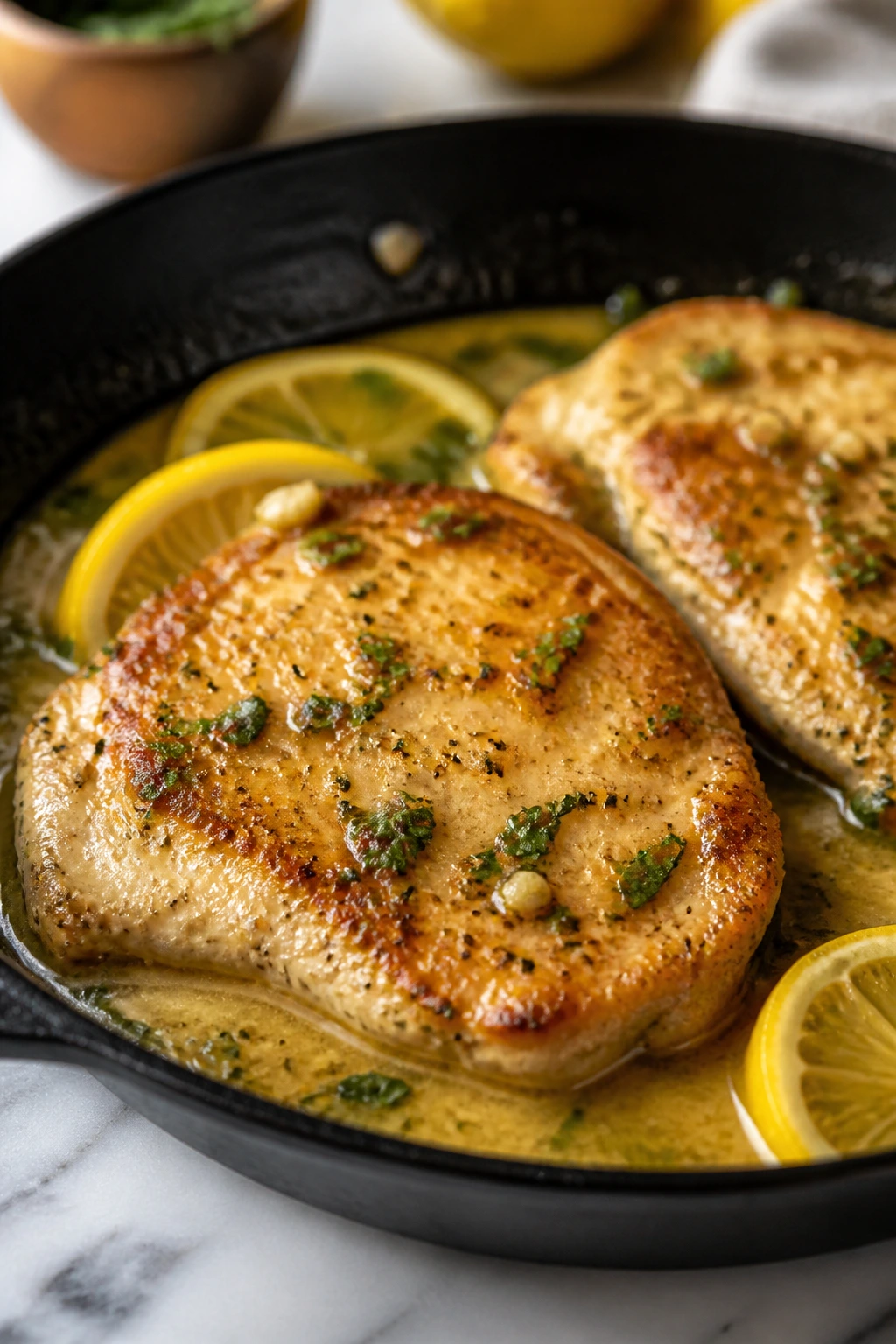
Minute chicken earns its place because it understands the limits of a weeknight. It doesn’t ask for a long marinade, a complicated sauce, or a six-pan cleanup. It asks for a hot skillet, a steady hand, and the sense to stop cooking when the chicken is done, not five minutes after.
What you get back is a plate of food that feels sharper than the effort it took to make it. The cutlets stay tender, the sauce tastes bright and savory, and the whole thing behaves like dinner even when the day didn’t.
A recipe like this has a useful kind of honesty. It won’t hide a bad skillet or rescue chicken that’s been cooked to death, but when you treat it well, it pays you back fast.
Minute Chicken for Weeknight Dinners — Recipe Card
Recipe Name: Juicy Minute Chicken for Weeknight Dinners
Description: Thin chicken cutlets are seasoned, lightly floured, seared until golden, and finished in a lemon butter pan sauce. The result is fast, bright, and tender enough to serve with almost any side.
Prep Time: 15 minutes
Cook Time: 12 minutes
Total Time: 27 minutes
Course: Main Course, Dinner
Cuisine: American
Servings: 4 servings
Calories: About 340 kcal per serving
Ingredients
For the Chicken:
- 1 1/2 pounds boneless, skinless chicken breasts, trimmed and pounded to 1/2-inch thickness
- 1 teaspoon kosher salt
- 1/2 teaspoon freshly ground black pepper
- 1/2 teaspoon garlic powder
- 1/2 teaspoon paprika
- 1/4 cup all-purpose flour, for a light coating
- 2 tablespoons olive oil
- 1 tablespoon unsalted butter
For the Lemon Butter Pan Sauce:
- 3 cloves garlic, minced
- 1/2 cup low-sodium chicken broth
- 2 tablespoons fresh lemon juice
- 1 teaspoon Dijon mustard
- 2 tablespoons cold unsalted butter, cut into cubes
- 2 tablespoons chopped fresh parsley
- 1 teaspoon finely grated lemon zest, optional
Instructions
-
Trim the chicken, slice thicker breasts horizontally if needed, and pound to an even 1/2-inch thickness.
-
Mix the salt, pepper, garlic powder, and paprika, then season the chicken and dust lightly with flour.
-
Heat the olive oil in a 12-inch skillet over medium-high heat, then add the butter.
-
Sear the chicken for 3 to 4 minutes on the first side, then 2 to 3 minutes on the second side, until golden and the thickest part reaches 165°F / 74°C.
-
Transfer the chicken to a plate and rest it while you make the sauce.
-
Lower the heat to medium, add the garlic, and cook for 15 to 20 seconds.
-
Add the broth, lemon juice, and Dijon mustard, scraping up the browned bits, and simmer for 2 to 3 minutes.
-
Lower the heat and whisk in the cold butter until the sauce looks glossy and slightly thickened.
-
Stir in the parsley and lemon zest, then return the chicken and any juices to the skillet for 30 to 60 seconds.
-
Spoon the sauce over the chicken and serve immediately.
Notes: Pound the chicken evenly for the best texture. Don’t crowd the skillet. If the sauce thickens too much, add a splash of broth and whisk gently.