



Juicy seasoned chicken is the kind of dinner that rescues a tired Tuesday without tasting like a compromise. A few pantry spices, a hot skillet, and about half an hour are enough to turn plain chicken thighs into something with browned edges, a savory smell that fills the kitchen, and meat that stays supple when you slice into it.
I reach for boneless, skinless thighs when I want the most forgiving result. They have enough fat to stay tender even if the pan runs a touch hot or the phone rings halfway through cooking, which is more realistic than any glossy recipe photo wants to admit. A dry rub of paprika, garlic powder, onion powder, oregano, salt, and pepper gives the meat color before it ever hits the pan, so the first bite tastes seasoned all the way through instead of merely salted on the outside.
There’s one detail that matters more than the rest: an instant-read thermometer. Guessing works until it doesn’t. Once the thickest part of the chicken reaches 165°F, you can pull it, rest it, and move on to the pan sauce without hovering over the stove like a guard.
The whole thing is built for the kind of evening where you want real dinner, not a project. A skillet, a little patience, and a clean finish. That’s enough.
Why This Chicken Belongs on Your Regular Rotation
-
It stays juicy without babysitting. Boneless thighs have enough natural fat that a two-minute delay won’t punish you with dry, stringy meat the way leaner cuts often do.
-
The spice mix uses pantry staples that already earn their keep. Paprika, garlic powder, onion powder, oregano, salt, and pepper make a deeper crust than plain salt ever can, and you probably have most of them sitting near the stove.
-
The pan does double duty. Those browned bits stuck to the skillet become the base of a lemon-butter sauce in under 2 minutes, which is a very good trade for such little effort.
-
It plays well with almost anything. Rice, potatoes, pasta, roasted broccoli, a chopped salad, warm pita — the chicken doesn’t fight the rest of the plate.
-
Leftovers actually hold up. Sliced cold chicken thighs stay moist enough for lunch bowls and salads, which is not something I say about every chicken recipe.
-
It scales cleanly. Double the batch, use two pans, and you’ve got a second dinner waiting without having to make a whole new plan.
Timing and Yield for a Real Weeknight
The pace of this recipe is brisk, but not frantic. You mix the seasoning, coat the chicken, sear it hard enough to get color, then finish the pan with a quick sauce. No marinating overnight. No breading station. No oven preheat that holds the whole night hostage.
Yield: Serves 4
Prep Time: 15 minutes
Cook Time: 18 minutes
Total Time: 33 minutes
Difficulty: Beginner — the method is simple, but the thermometer and the resting time matter more than brute force or fancy gear.
Chill/Rest Time: 10 minutes for the seasoned chicken to sit before cooking, plus 5 minutes of resting after it comes off the heat.
Best Served: Warm, straight from the skillet, while the sauce is still glossy and the edges of the chicken are crisp.
What Goes Into the Pan
For the Chicken
- 2 lbs boneless, skinless chicken thighs, trimmed of excess fat and patted dry
- 2 tablespoons olive oil
- 1 teaspoon kosher salt
- 1 teaspoon smoked paprika
- 1 teaspoon garlic powder
- 1 teaspoon onion powder
- 1/2 teaspoon dried oregano
- 1/2 teaspoon black pepper
- 1/4 teaspoon cayenne pepper, optional
For the Pan Sauce
- 2 cloves garlic, minced
- 1/3 cup low-sodium chicken broth
- 1 tablespoon fresh lemon juice
- 1 tablespoon unsalted butter
- 1 tablespoon chopped parsley, for serving
Why Each Ingredient Matters
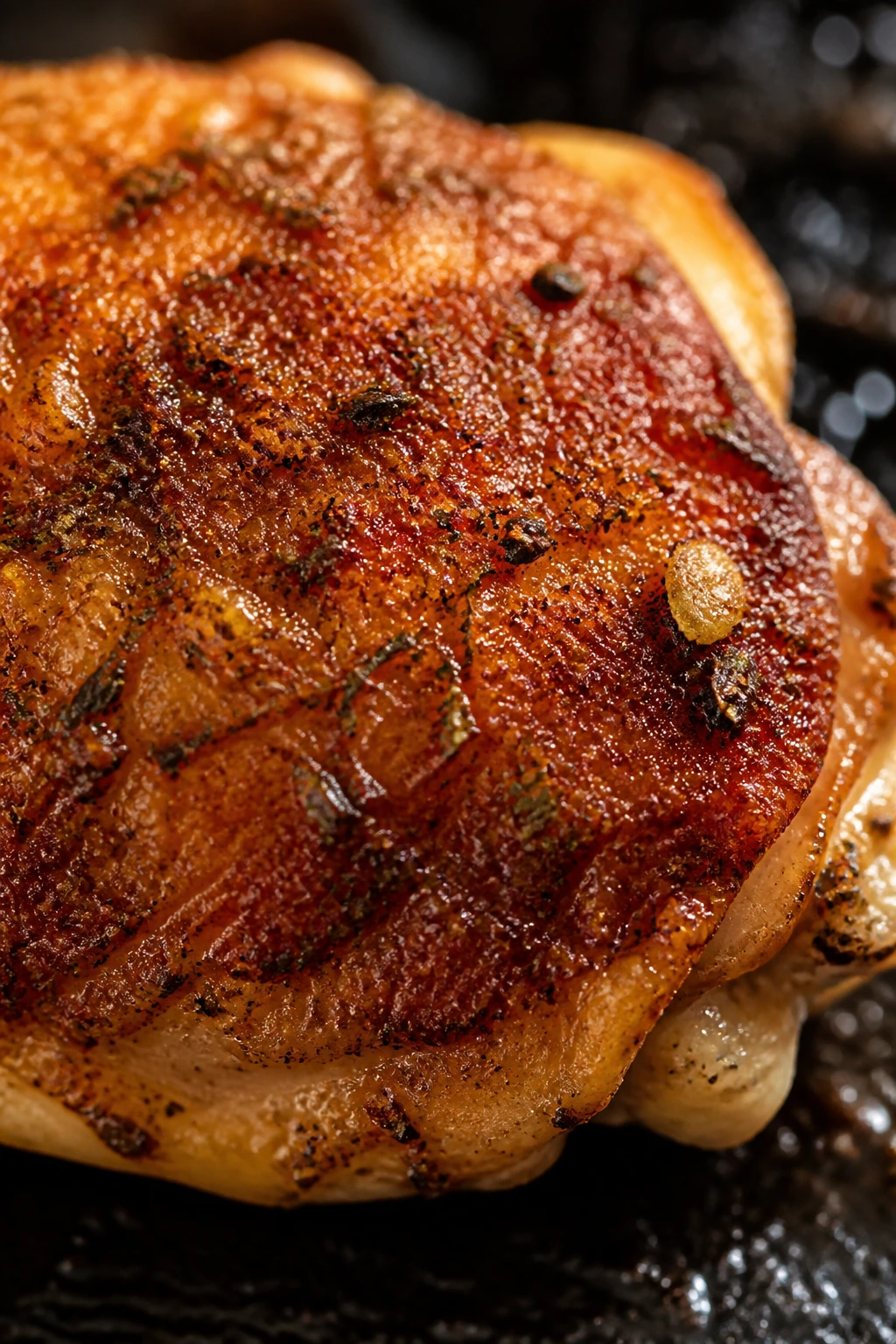
Main Protein
What to use: 2 pounds boneless, skinless chicken thighs. That amount gives you 4 solid servings, or 5 if you’re serving them with a pile of rice and vegetables.
Preparation: Trim any loose fat so it doesn’t render into smoke in the pan, then pat the thighs dry with paper towels. Dry meat browns; damp meat steams, and that difference shows up immediately in the skillet.
Substitutions: Boneless chicken breasts work if you pound them to even thickness first, and chicken tenderloins work too if you want a faster cook time. Just know that leaner cuts need a closer eye and a thermometer you trust.
Tips: Try to buy thighs that are similar in size. If one piece is tiny and another is a thick, folded-over lump, they will not finish at the same time.
Spice Rub
What to use: Smoked paprika, garlic powder, onion powder, oregano, black pepper, kosher salt, and a pinch of cayenne if you want a little heat. This mix builds a savory crust that smells like dinner before the chicken even hits the pan.
Preparation: Stir the spices together in a small bowl before they touch the chicken. Pre-mixing keeps you from dumping too much paprika on one piece and too little salt on another.
Substitutions: Regular paprika works if that’s what you have, and Italian seasoning can stand in for oregano in a pinch. If you want a warmer profile, add 1/2 teaspoon cumin.
Tips: Smoked paprika can burn if the pan is too hot, so the burner should be at medium-high rather than blaring on full. That tiny adjustment keeps the spice from turning bitter.
Fat and Browning Base
What to use: 2 tablespoons olive oil for the pan and for coating the chicken. It gives you a thin, even layer that helps the seasoning cling and helps the skillet brown instead of sticking.
Preparation: Rub the oil over the chicken before you season it, then let the pieces sit for about 10 minutes. That pause lets the salt start working on the surface and gives the oil time to spread.
Substitutions: Avocado oil works well because it handles heat cleanly, and melted ghee can be used if you want a slightly richer, nuttier flavor.
Tips: Don’t drown the chicken in oil. A glossy coat is enough; a puddle in the pan just gives you greasy edges and weaker browning.
Pan Sauce and Finish
What to use: Garlic, low-sodium chicken broth, lemon juice, and butter. The broth lifts the browned bits, the lemon brightens the whole skillet, and the butter makes the sauce cling instead of running off the plate.
Preparation: Mince the garlic finely so it softens quickly, and measure the broth before the chicken starts cooking. Once the skillet is hot, you won’t want to pause and search through cabinets.
Substitutions: White wine can replace part of the broth if you like a sharper sauce, and lime juice works when you’re serving the chicken with rice and black beans. If you need dairy-free, use another spoonful of olive oil instead of butter.
Tips: Add the lemon after the broth has started to sizzle, not before. That keeps the acid bright and prevents the sauce from tasting flat or boiled.
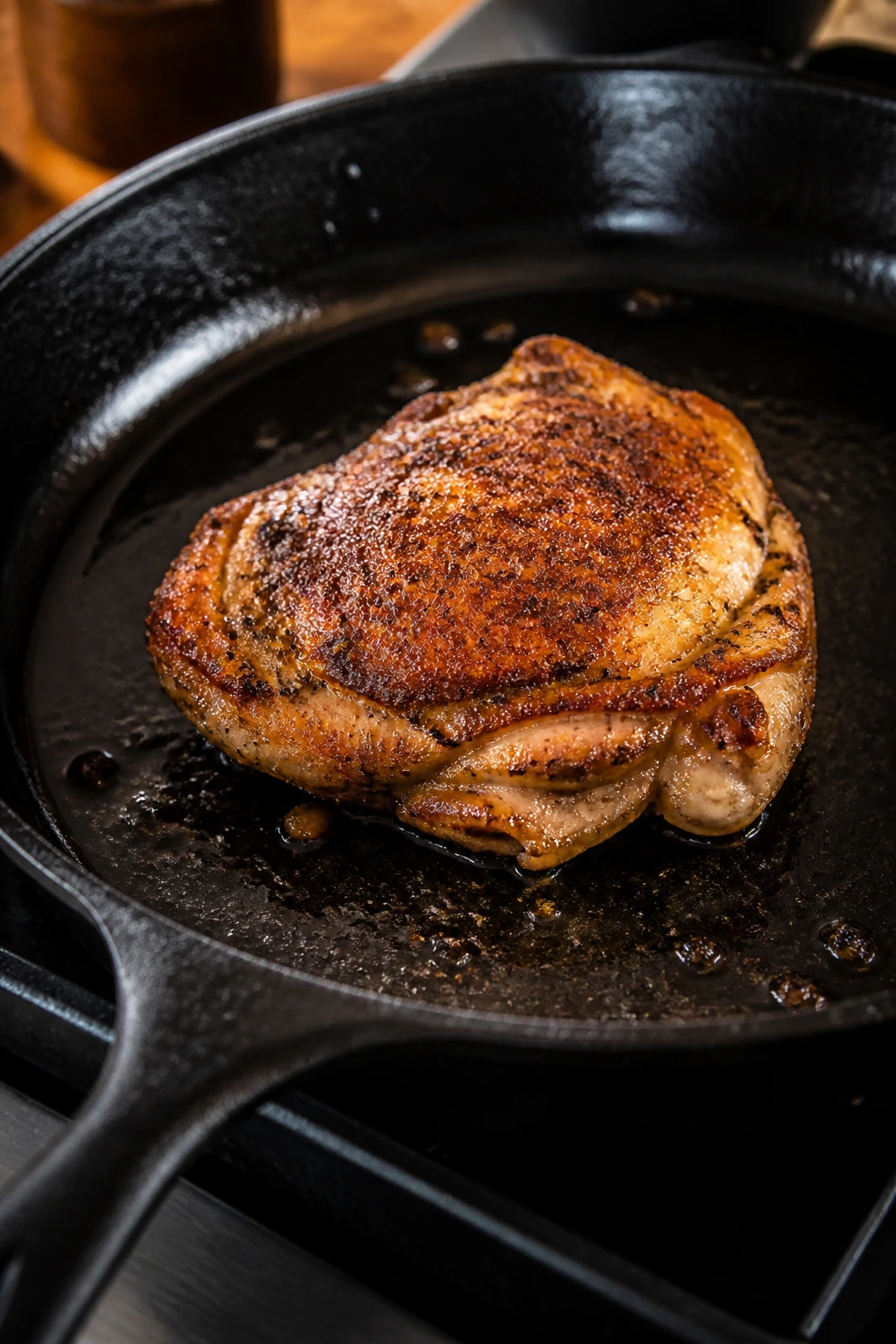
The Gear That Helps the Chicken Brown, Not Steam
-
12-inch cast-iron or stainless-steel skillet: This gives the chicken enough room and enough heat to brown properly. A small skillet crowds the meat and turns the whole thing pale.
-
Instant-read thermometer: This is the simplest way to keep chicken juicy. If you cook by color alone, you’ll get lucky sometimes and dry chicken other times.
-
Tongs: Better than a fork. Forks pierce the meat and leak juices you’d rather keep inside.
-
Small mixing bowl: Useful for combining the seasoning before it hits the chicken. A saucer works too, but the bowl keeps the rub from skittering all over the counter.
-
Paper towels: Not glamorous, but essential. A dry surface sears better and picks up seasoning more evenly.
-
Wooden spoon or spatula: Needed for scraping the browned bits into the sauce. Metal is fine too, as long as it doesn’t scratch your pan.
-
Cutting board with a rim or a plate: The chicken needs a place to rest before slicing, and you do not want those juices sliding all over the counter.
How I Cook Juicy Seasoned Chicken in One Skillet
Prep the Chicken
-
Pat the chicken thighs dry with paper towels and trim any loose strips of fat. If a thigh is folded over on itself, open it out gently so the thickness is more even.
-
In a small bowl, mix the salt, smoked paprika, garlic powder, onion powder, oregano, black pepper, and cayenne. Stir until the color looks uniform, with no clumps of paprika hiding at the bottom.
-
Rub the chicken all over with the olive oil, then season both sides with the spice mix. Press the seasoning in with your fingers so it sticks, then let the chicken sit for 10 minutes while you heat the skillet. If you have 20 minutes, leave it uncovered in the fridge for a drier surface and better browning.
Cook the Chicken
-
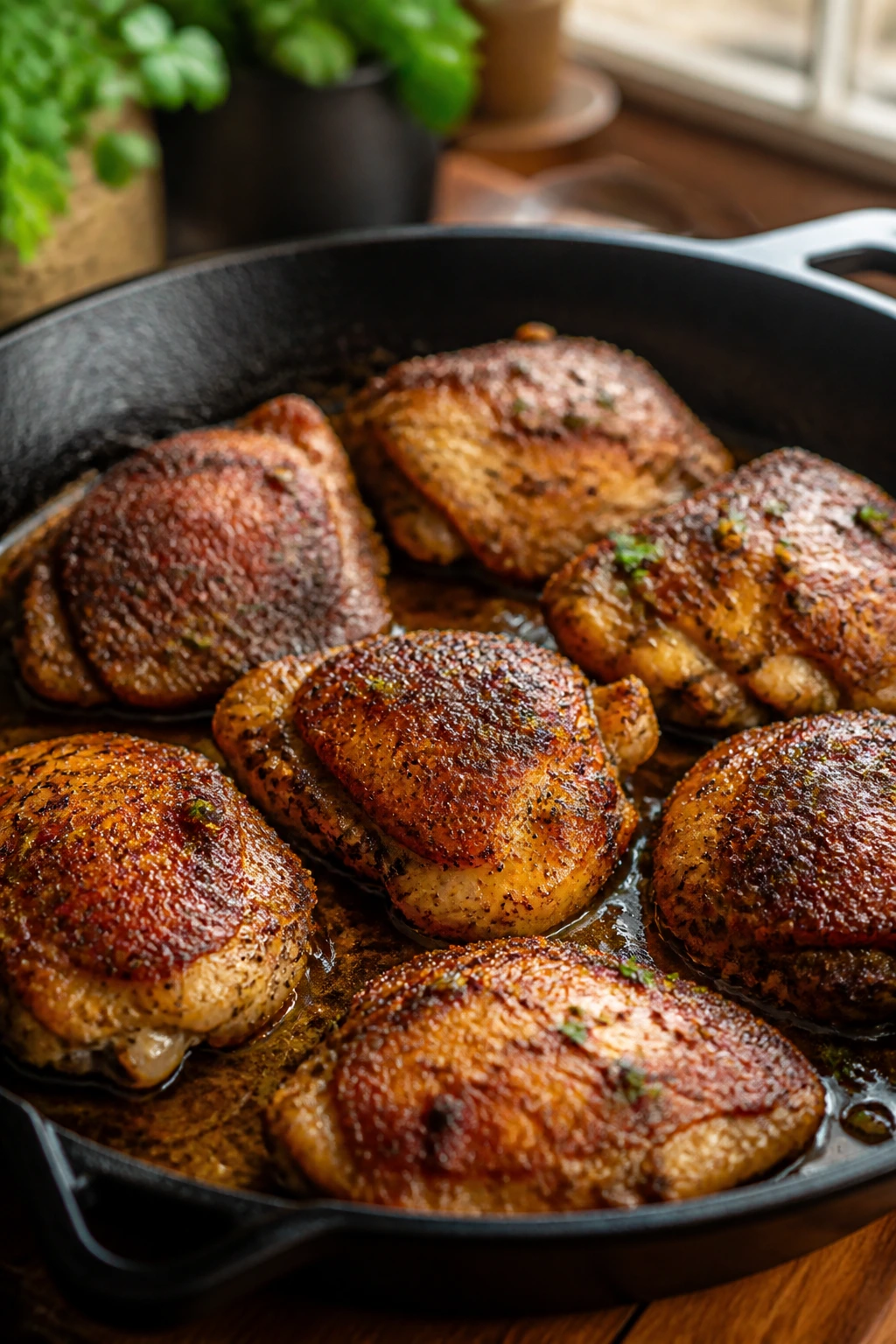
Heat a 12-inch skillet over medium-high heat for about 2 minutes, until a drop of water flicks and sizzles on the surface. Add the chicken in a single layer, leaving space between the pieces. Do not crowd the pan — if the thighs touch, they steam instead of sear.
-
Cook the first side for 5 to 6 minutes without moving the chicken. You want a deep brown crust and edges that look opaque about halfway up the sides.
-
Flip the chicken with tongs and cook the second side for 4 to 6 minutes more, reducing the heat to medium if the spices darken too quickly. Check the thickest part with an instant-read thermometer; when it reaches 165°F, transfer the chicken to a plate. If the outside looks done but the center is short of temperature, lower the heat and give it another minute or two rather than blasting it harder.
-
Let the chicken rest for 5 minutes. That short pause keeps the juices inside the meat instead of spilling out the second you cut in.
Make the Pan Sauce
-
Reduce the heat to medium-low and add the minced garlic to the skillet. Stir for 20 to 30 seconds, just until it smells sweet and sharp at the same time. Pour in the chicken broth and lemon juice, scraping the browned bits from the bottom of the pan with a wooden spoon.
-
Simmer for 1 to 2 minutes until the liquid reduces slightly and looks a little glossy. Whisk in the butter until it melts and the sauce turns smooth. Taste it and add a pinch of salt if needed.
-
Slice the chicken or serve it whole, spoon the pan sauce over the top, and finish with parsley. Serve right away while the sauce still clings to the spoon.
How to Serve It Without Making Dinner Feel Like Assembly
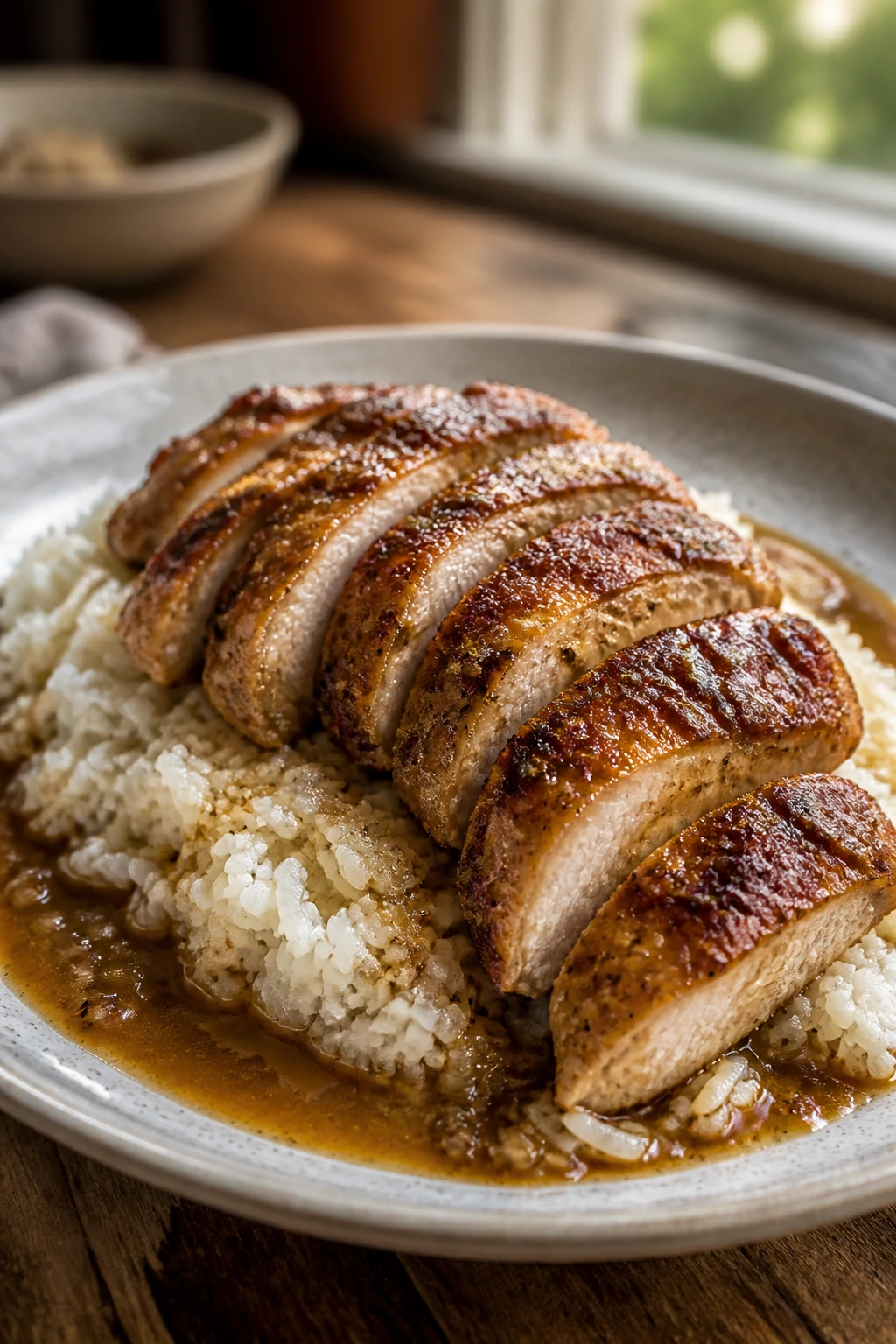
Presentation: Slice the thighs on a slight bias and fan them over rice, mashed potatoes, or a shallow bed of buttered noodles. Spoon the pan sauce over the top so it pools around the edges and catches the browned spice crust.
Accompaniments: Roasted broccoli, green beans, a cucumber salad with vinegar, garlic bread, or simple steamed rice all work. If you want a more filling plate, add mashed potatoes or couscous and let the sauce soak in.
Portions: Plan on 1 large thigh per person if you’re serving sides, or 2 if the chicken is the main event and the rest of the plate is light. For bowls and meal prep, 4 ounces of cooked chicken per person is a sensible starting point.
Beverage Pairing: A crisp sauvignon blanc fits the lemony finish well, but plain sparkling water with a squeeze of lime is just as good. Unsweetened iced tea also makes sense here, especially if you’re serving the chicken with rice or potatoes.
Small Tweaks That Make a Big Difference
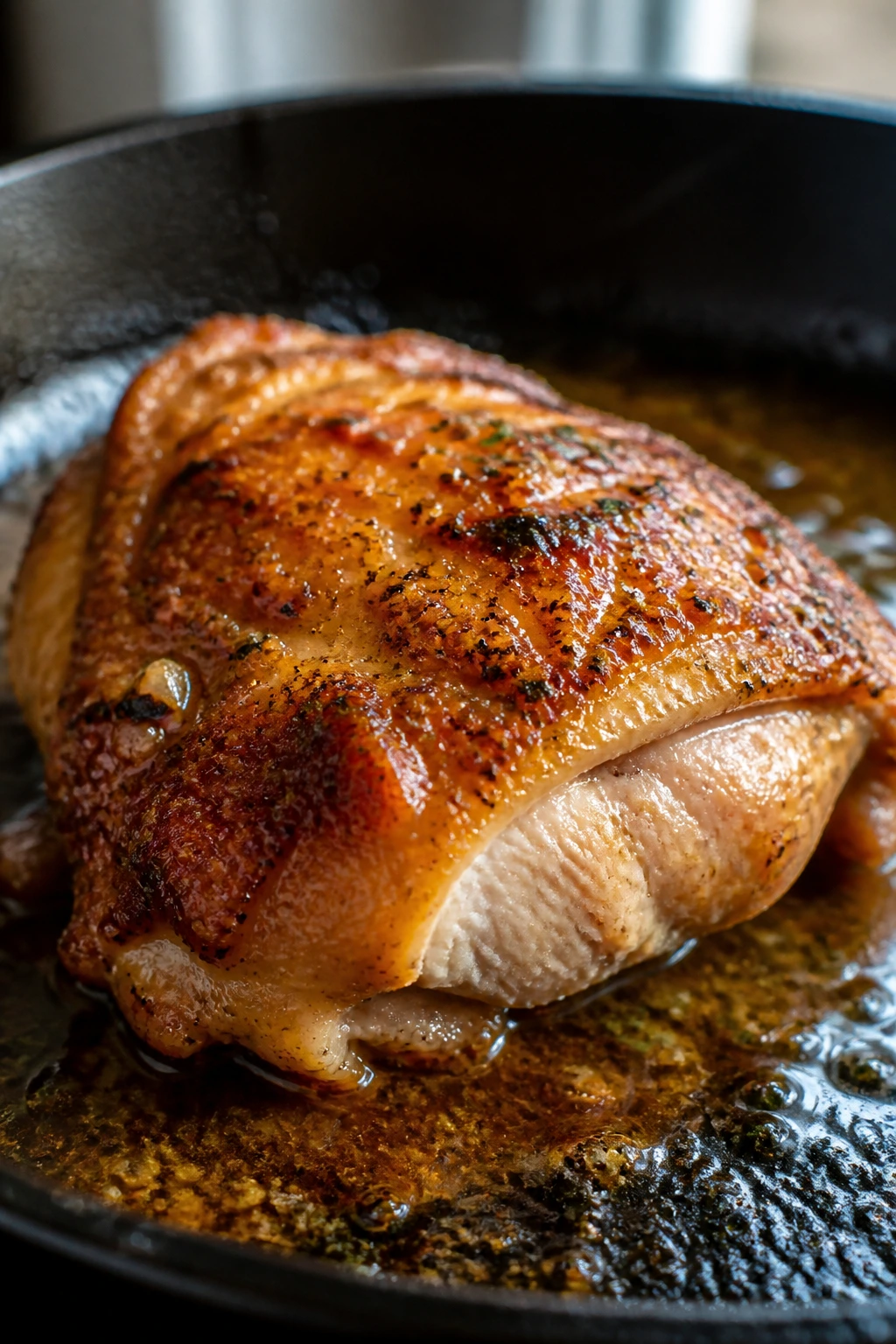
Flavor Enhancement: Stir 1 teaspoon of lemon zest into the spice mix if you want the chicken to smell brighter before it even hits the pan. I also like a few torn parsley leaves at the end rather than a heavy shower of dried herbs; they taste cleaner and don’t cling to the teeth.
Customization: If you want a warmer, deeper flavor, add 1/2 teaspoon ground cumin to the rub. If you prefer a sharper edge, finish the chicken with a teaspoon of red wine vinegar instead of, or in addition to, the lemon juice.
Serving Suggestions: Pile the sliced chicken into warm pita with cucumber, tomato, and a spoonful of yogurt. Or keep it simple and put it over rice with the sauce drizzled on top and a few quick-pickled onions on the side.
Make-It-Yours: For dairy-free cooking, skip the butter and finish the sauce with another tablespoon of olive oil. For lower sodium, reduce the kosher salt to 3/4 teaspoon and use unsalted broth; the paprika and garlic still give the chicken plenty of presence.
Where Chicken Usually Goes Wrong
-
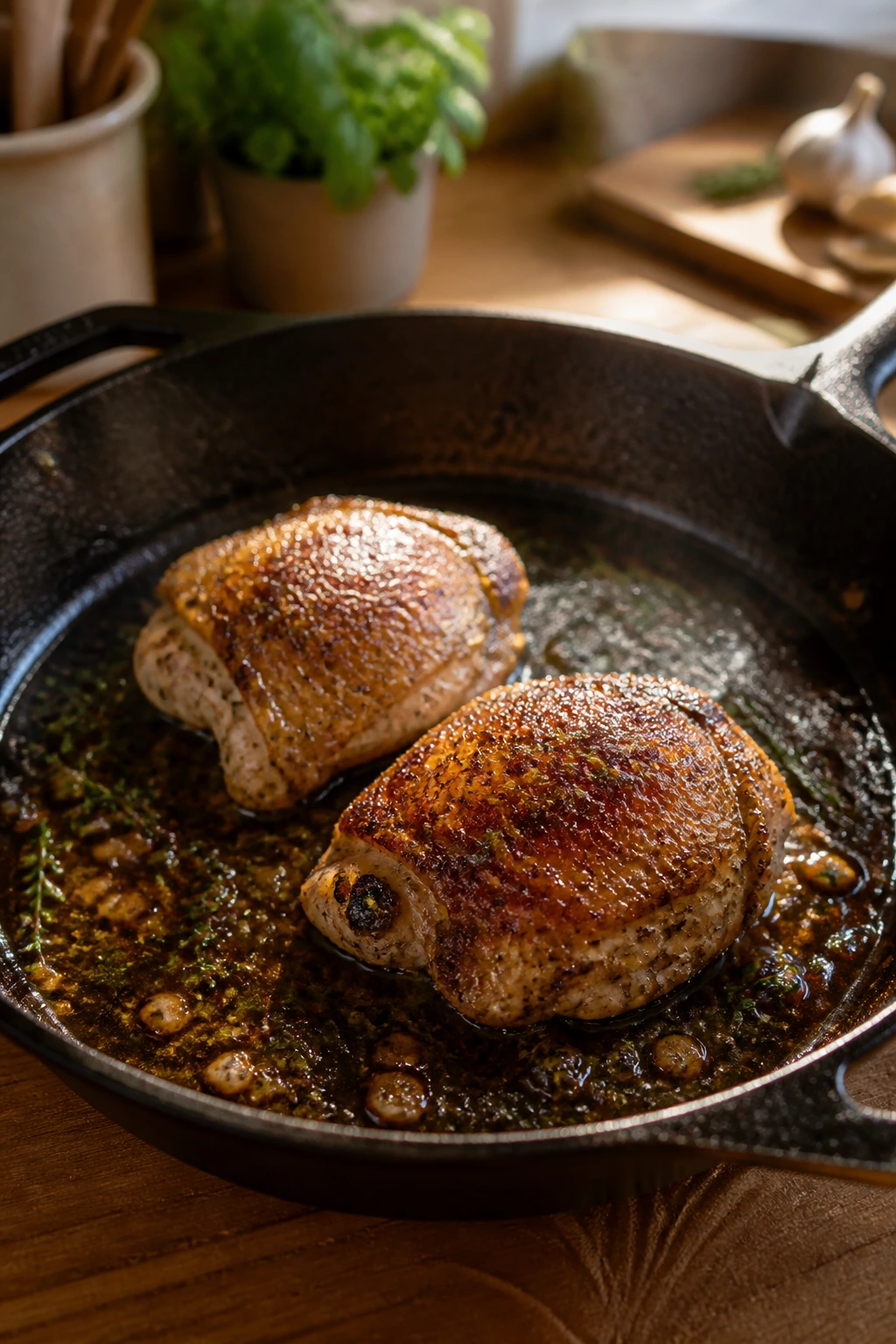
Starting with damp chicken: Wet thighs hit the skillet and give you pale patches, loose seasoning, and more steam than browning. Pat the chicken dry before seasoning, and if the surface still feels slick, blot it again.
-
Crowding the skillet: Too many pieces at once drop the pan temperature fast, which leaves you with gray edges instead of a crust. Cook in two batches if your pan can’t leave visible space around each thigh.
-
Trusting color alone: A dark crust can fool you into thinking the meat is done when the center still needs time. Use a thermometer in the thickest part, and pull the chicken when it reaches 165°F.
-
Cranking the heat too high: Smoked paprika and garlic powder can turn bitter if they sit on screaming-hot metal. Medium-high is enough for this recipe; if the spices start to smell sharp and burnt, lower the burner immediately.
-
Slicing too soon: Cut chicken the second it leaves the pan and the juices run onto the board instead of staying in the meat. Give it 5 minutes to rest before slicing or serving.
-
Skipping the pan scrape: Those browned bits are flavor, not mess. If you add broth and don’t scrape the skillet, you leave half the taste behind.
Other Ways to Season the Same Chicken
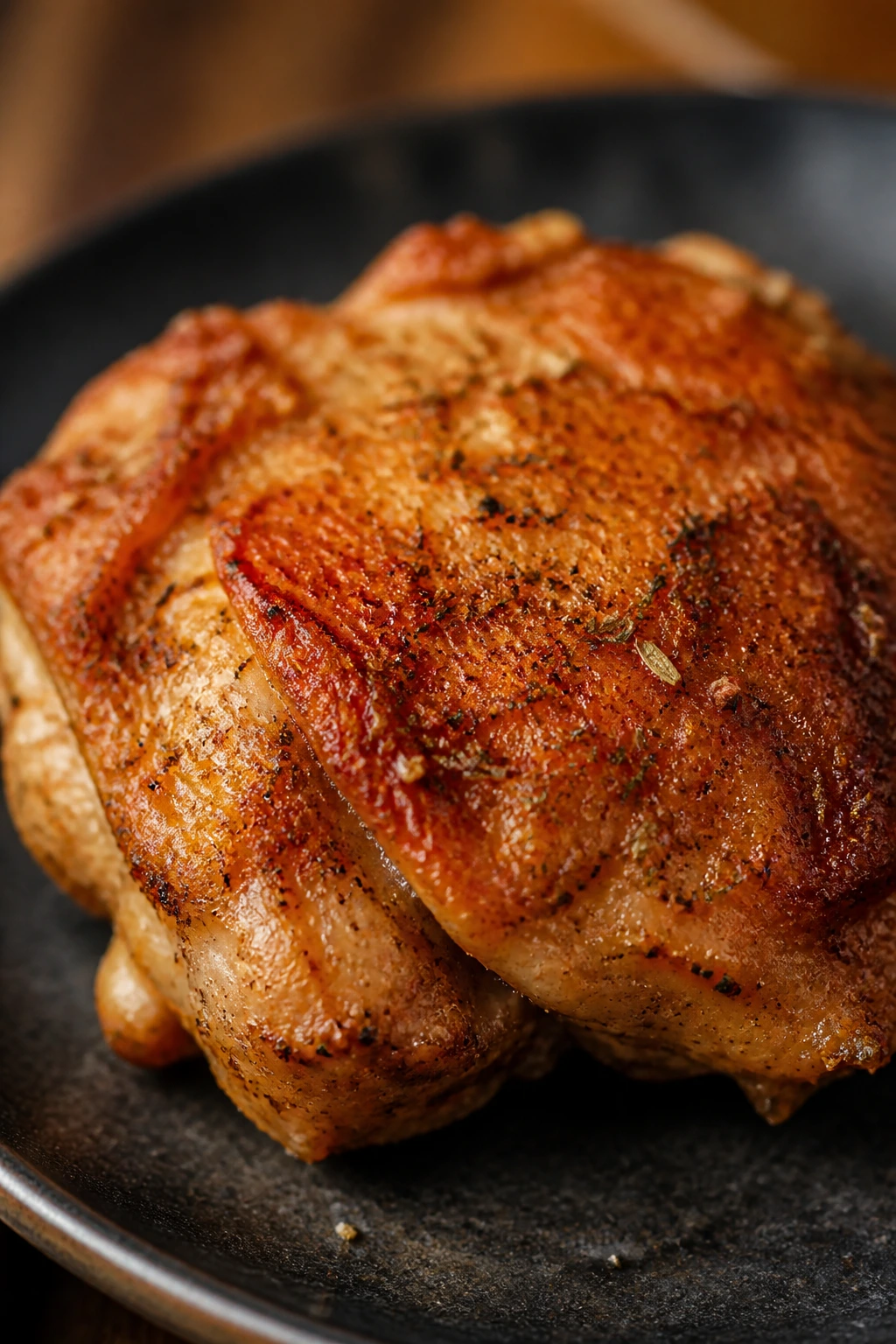
Lemon-Herb Finish
Swap the oregano for thyme and add 1 teaspoon of lemon zest to the spice mix. Finish the chicken with extra lemon juice and a little more parsley. This version leans lighter and works especially well with potatoes or roasted asparagus.
Smoky Chipotle Chicken
Replace half the smoked paprika with chipotle powder and stir 1 teaspoon honey into the pan sauce. The heat sits deeper and slower, which is nice if you’re serving the chicken with rice, corn, or black beans.
Garlic-Parmesan Skillet
After the chicken comes out of the pan, melt the butter with the broth and garlic, then whisk in 2 tablespoons of finely grated Parmesan. The sauce turns a little richer and saltier, and it clings to noodles in a way that feels almost suspiciously useful.
Air Fryer Shortcut
Use the same seasoning mix and oil, then cook the thighs in a preheated air fryer at 380°F for 14 to 16 minutes, flipping halfway through. Check with a thermometer at the thickest spot, because the air fryer can brown the outside before the center catches up.
Chicken Breast Version
If you want leaner meat, use 4 boneless, skinless chicken breasts pounded to 3/4-inch thickness. Cook them for less time and start checking early; breasts dry out faster than thighs, so the thermometer matters even more.
Keeping Leftovers Tender
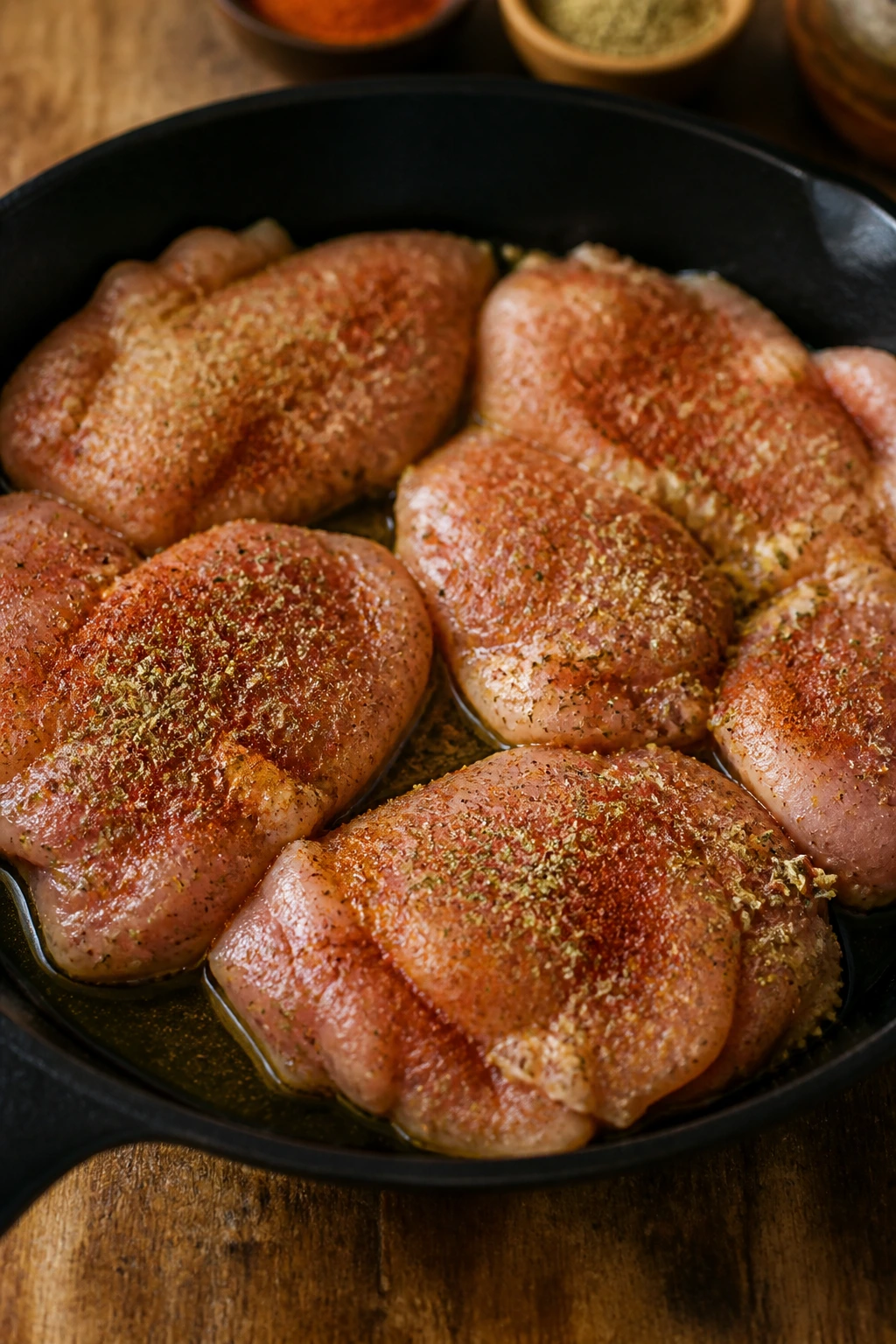
Cooked chicken keeps well in the fridge for 3 to 4 days in an airtight container. I like to store the chicken and the sauce separately if I know there will be leftovers, because the meat holds its texture better and the sauce doesn’t soak everything into softness.
For the freezer, wrap the cooled chicken tightly or pack it in a freezer-safe container with a little bit of sauce. It stays in good shape for about 2 months, though the texture is best if you thaw it in the fridge overnight rather than on the counter. Slice the chicken before freezing if you know you’ll use it for wraps or salads; thin pieces thaw faster and reheat more evenly.
Reheat in a skillet over medium-low heat with 1 to 2 tablespoons of broth or water. Cover the pan for a few minutes so the chicken warms through without drying out, then uncover it for the last minute if you want the edges to tighten back up. The microwave works in a pinch, but use 50% power and short bursts so the meat doesn’t turn rubbery.
If you want to make part of the recipe ahead, mix the spice blend up to a month in advance and keep it in a jar. You can also season the raw chicken up to 24 hours ahead and leave it in the fridge, uncovered, which dries the surface a little and improves browning the next day.
Questions That Come Up Before the Pan Gets Hot

Can I use chicken breasts instead of thighs?
Yes, but pound them to an even thickness first so the thinner edges don’t dry out before the center cooks. Start checking them a little earlier than thighs, and pull them as soon as the thickest part reaches 165°F.
Do I have to marinate the chicken?
No. The spice rub and the short resting time before cooking do enough work for a weeknight dinner. A marinade can be nice, but this recipe is built to taste good without waiting around for hours.
Can I bake this instead of cooking it on the stove?
You can. Arrange the seasoned thighs on a rimmed baking sheet and bake at 425°F until they hit 165°F in the center, usually about 18 to 22 minutes depending on thickness. Broil for 1 to 2 minutes at the end if you want more color, but keep a close eye on it.
What if I don’t have smoked paprika?
Use regular paprika and, if you want a little more depth, add a small pinch of cumin. The chicken will still brown well and taste seasoned; it just loses that faint campfire note from the smoked version.
How do I keep the chicken juicy after reheating?
Reheat it gently with a splash of broth, water, or leftover pan sauce. If you blast it in the microwave on high, the outside tightens up fast and the texture goes from tender to chalky.
Can I double this recipe for meal prep?
Yes, and it’s worth doing if you already have two skillets or a large baking sheet. Give the chicken enough room so it browns instead of steaming, and cook in batches if your pan is small.
Why does my pan sauce taste flat?
Usually it needs more salt, more lemon, or one more minute on the heat. Taste it after the butter goes in, because the fat changes how the seasoning reads, and adjust before pouring it over the chicken.
A Chicken Recipe Worth Keeping Close
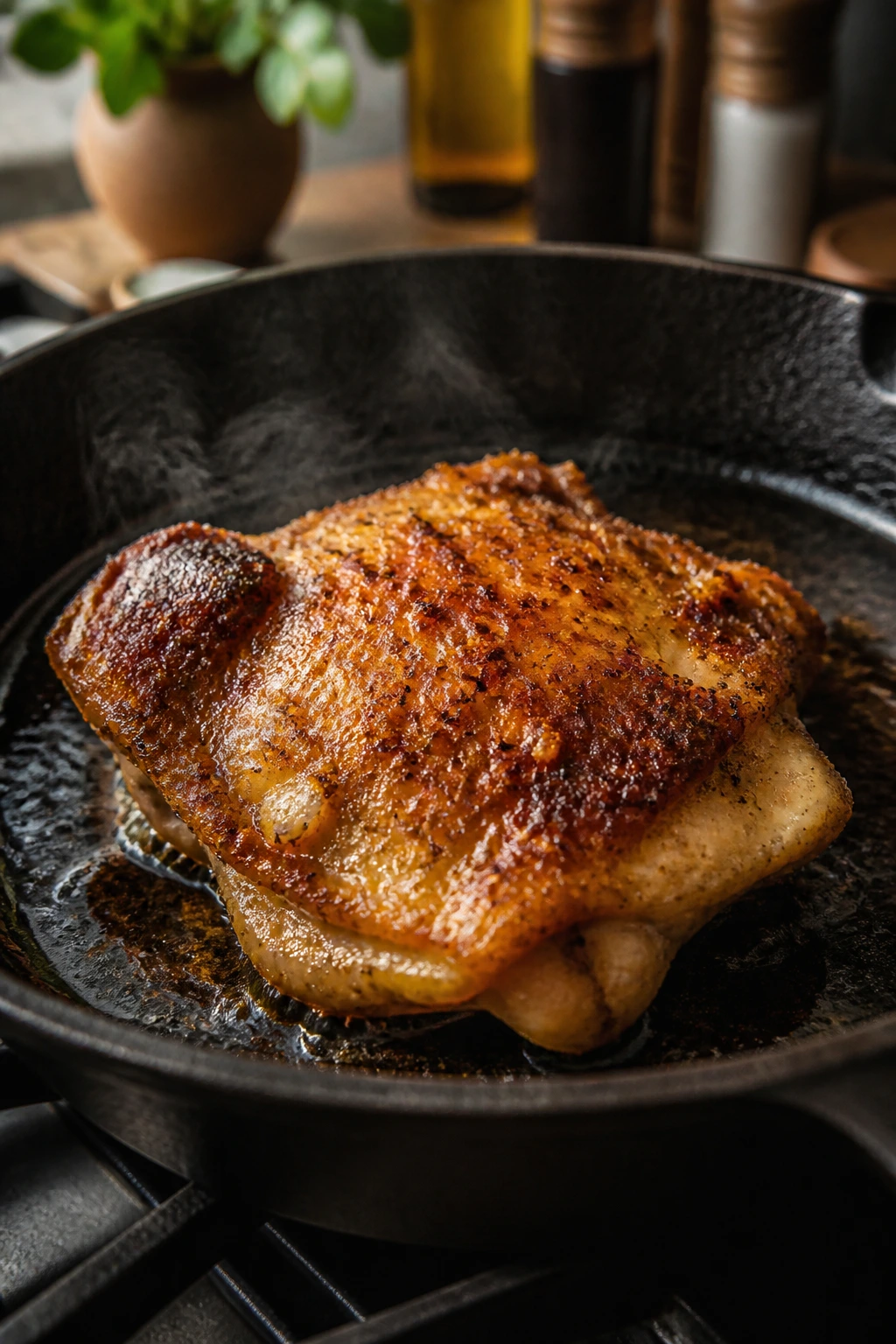
The best thing about this skillet chicken is not that it tries to be clever. It doesn’t. It leans on a few strong moves — dry the meat, season it well, use enough heat to brown it, and stop cooking before it goes over the edge. That’s the whole story, and it works because each step gives you something visible, audible, or fragrant to watch for.
Once you make it a couple of times, the spice mix becomes muscle memory and the pan sauce becomes second nature. That’s when a weeknight dinner stops feeling like a decision and starts feeling like a habit you’re glad to have.
Juicy Seasoned Chicken for Weeknight Dinners — Recipe Card
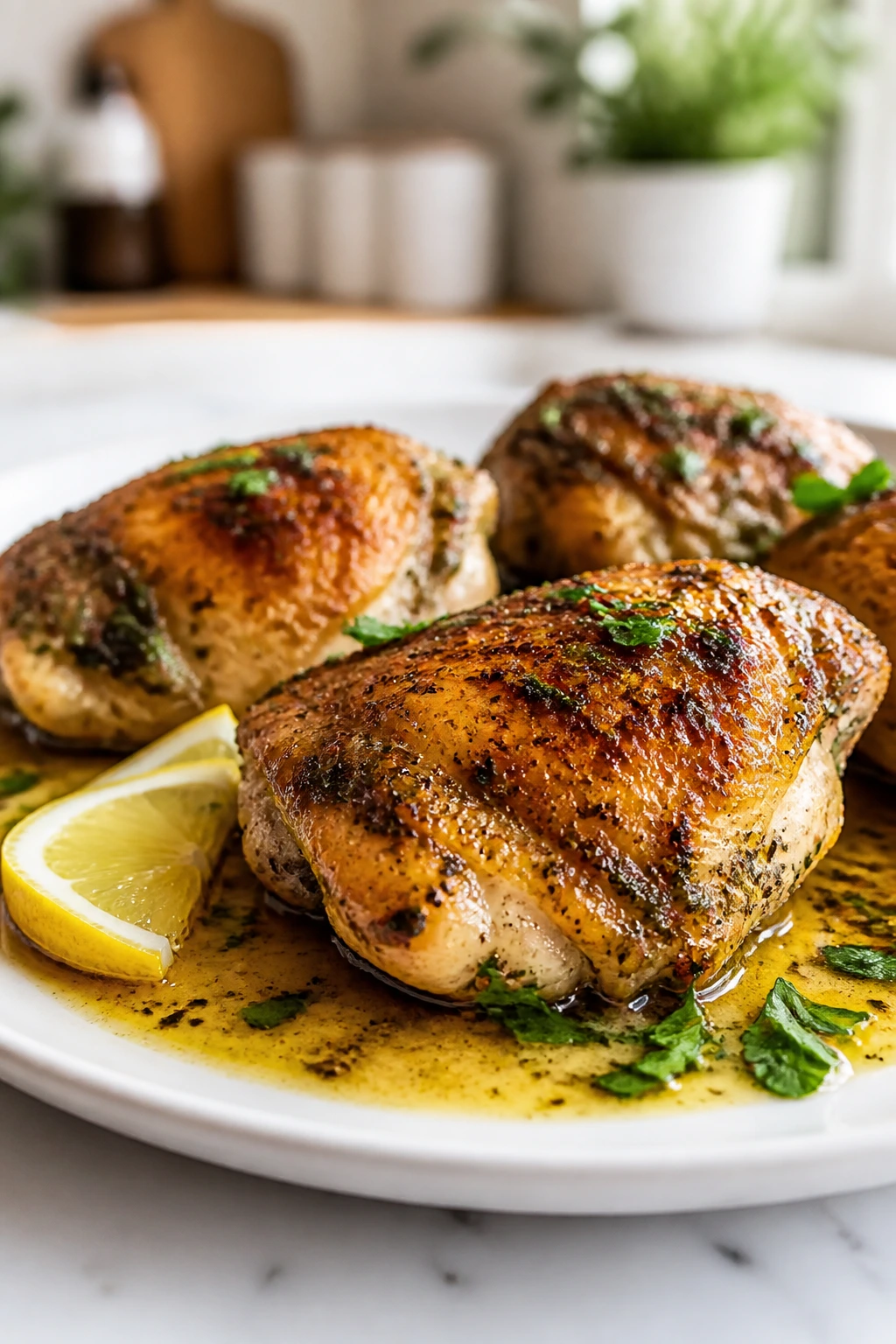
Recipe Name: Juicy Seasoned Chicken for Weeknight Dinners
Description: Boneless chicken thighs are coated in a smoky garlic-herb spice rub, seared until browned, and finished with a quick lemon-butter pan sauce. It’s a straightforward skillet dinner with enough flavor to stand on its own.
Prep Time: 15 minutes
Cook Time: 18 minutes
Total Time: 33 minutes
Course: Main Course
Cuisine: American
Servings: 4 servings
Calories: About 325 kcal per serving
Ingredients
For the Chicken:
- 2 lbs boneless, skinless chicken thighs, trimmed of excess fat and patted dry
- 2 tablespoons olive oil
- 1 teaspoon kosher salt
- 1 teaspoon smoked paprika
- 1 teaspoon garlic powder
- 1 teaspoon onion powder
- 1/2 teaspoon dried oregano
- 1/2 teaspoon black pepper
- 1/4 teaspoon cayenne pepper, optional
For the Pan Sauce:
- 2 cloves garlic, minced
- 1/3 cup low-sodium chicken broth
- 1 tablespoon fresh lemon juice
- 1 tablespoon unsalted butter
- 1 tablespoon chopped parsley, for serving
Instructions
-
Pat the chicken thighs dry and trim any loose fat. Mix the salt, smoked paprika, garlic powder, onion powder, oregano, black pepper, and cayenne in a small bowl.
-
Rub the chicken with olive oil, season both sides with the spice mix, and let it sit for 10 minutes.
-
Heat a 12-inch skillet over medium-high heat for about 2 minutes. Add the chicken in a single layer and cook for 5 to 6 minutes on the first side.
-
Flip the chicken and cook for 4 to 6 minutes more, reducing the heat if the spices darken too quickly. When the thickest part reaches 165°F, transfer the chicken to a plate.
-
Rest the chicken for 5 minutes. Reduce the heat to medium-low, add the garlic to the skillet, and stir for 20 to 30 seconds.
-
Add the chicken broth and lemon juice, scraping up the browned bits. Simmer for 1 to 2 minutes, then whisk in the butter.
-
Slice the chicken or serve it whole, spoon the sauce over the top, and finish with parsley.
Notes: For the best texture, do not crowd the skillet. If you want a brighter finish, add a little lemon zest to the spice mix before cooking.