



Wholesome healthy meal plans under 500 calories usually fail for one simple reason: they are built like tiny apologies. A few leaves of lettuce, a lonely chicken breast, maybe a teaspoon of dressing if you’re feeling reckless. That’s not a meal. That’s a calibration exercise.
I’m treating 500 calories as a per-meal ceiling, not a whole-day target. A full day at 500 calories is a different situation entirely, and not something to casually build from a grocery list on a Tuesday night. But a breakfast, lunch, or dinner that stays under 500 can still look normal on a plate, still taste like food, and still leave you able to think about something besides snacks an hour later.
The trick is not shrinking everything. It’s arranging the calories so they do useful work: protein that actually fills you up, vegetables that bring volume, a measured starch so the plate doesn’t feel like it came from a tasting menu, and just enough fat to make the whole thing taste like dinner instead of penance. I like meals like salmon with blistered broccoli and potatoes, or eggs with toast, fruit, and a little yogurt sauce. Nothing dramatic. Nothing sad. Just food that behaves.
Why This Approach Works
-
It gives you a real ceiling, not a vague wish. A hard 500-calorie cap makes shopping and portioning easier because you stop guessing whether “a little extra” olive oil or cheese is still “fine.”
-
It keeps the plate looking normal. You can fit a palm of protein, a pile of vegetables, and a measured starch into 500 calories without making the meal look microscopic.
-
It helps you stay full longer. Protein, fiber, and water-rich foods slow down the empty feeling that hits fast when a meal is mostly refined carbs or fat.
-
It works with meal prep instead of fighting it. Cooked grains, roasted vegetables, and simple proteins can be mixed into different meals without you eating the same bowl five times in a row.
-
It teaches portion sense fast. After a week of weighing a tablespoon of oil and a half cup of rice, you stop treating every drizzle and scoop like it’s calorie-free.
-
It leaves room for flavor. Lemon, herbs, chili crisp, salsa, mustard, yogurt sauces, and vinegars can make a low-calorie meal taste far more alive than a heavier one drowning in sauce.
What 500 Calories Actually Looks Like on a Plate
A 500-calorie meal is not one exact shape. That’s the first useful thing to understand.
The USDA MyPlate model still earns its keep here: half the plate vegetables and fruit, a quarter protein, a quarter grains. I’d tilt that a little harder toward vegetables and protein for sub-500 meals, because a quarter plate of rice can chew through your calorie budget faster than people expect. Harvard’s Healthy Eating Plate pushes in a similar direction, but I prefer its stricter hand with refined grains and its willingness to let healthy fats play a small, measured role rather than a free-for-all.
The visual test matters. If your plate looks like a garnish situation, you’re probably underbuilding the meal. If it looks like a standard dinner plate with color, texture, and at least one warm element, you’re usually close.
The shape of a satisfying 500-calorie meal
Think in layers:
- One protein anchor: chicken breast, salmon, eggs, Greek yogurt, tofu, turkey, tuna, beans, tempeh, cottage cheese.
- One or two volume foods: broccoli, spinach, cabbage, zucchini, lettuce, green beans, tomatoes, cucumber, cauliflower rice, mushrooms.
- One measured starch or fruit: potatoes, brown rice, oats, quinoa, whole-grain bread, beans, corn tortillas, berries, apples, oranges.
- One measured fat or sauce: olive oil, avocado, nuts, tahini, pesto, yogurt dressing, sesame oil.
That last part matters more than people think. A meal with a measured fat tastes finished. A meal with unmeasured fat tastes expensive.
What it feels like in real life
A 500-calorie breakfast might be two eggs, two egg whites, a slice of whole-grain toast, sautéed spinach, and a piece of fruit. That is breakfast. A 500-calorie lunch might be a chicken quinoa bowl with cucumber, tomatoes, and lemon yogurt sauce. That is lunch. A 500-calorie dinner could be salmon, broccoli, and a small roasted potato. That is dinner.
The number is a ceiling, not a dare. You do not need to cram every plate right up to 499. Some meals land around 350 and feel right because they’ve got enough protein and volume. Others need the full 480 or 490 because you’re more active, or because you know a tiny meal will send you into the pantry with bad intentions.
Why Protein, Fiber, and Water-Rich Foods Hold the Line
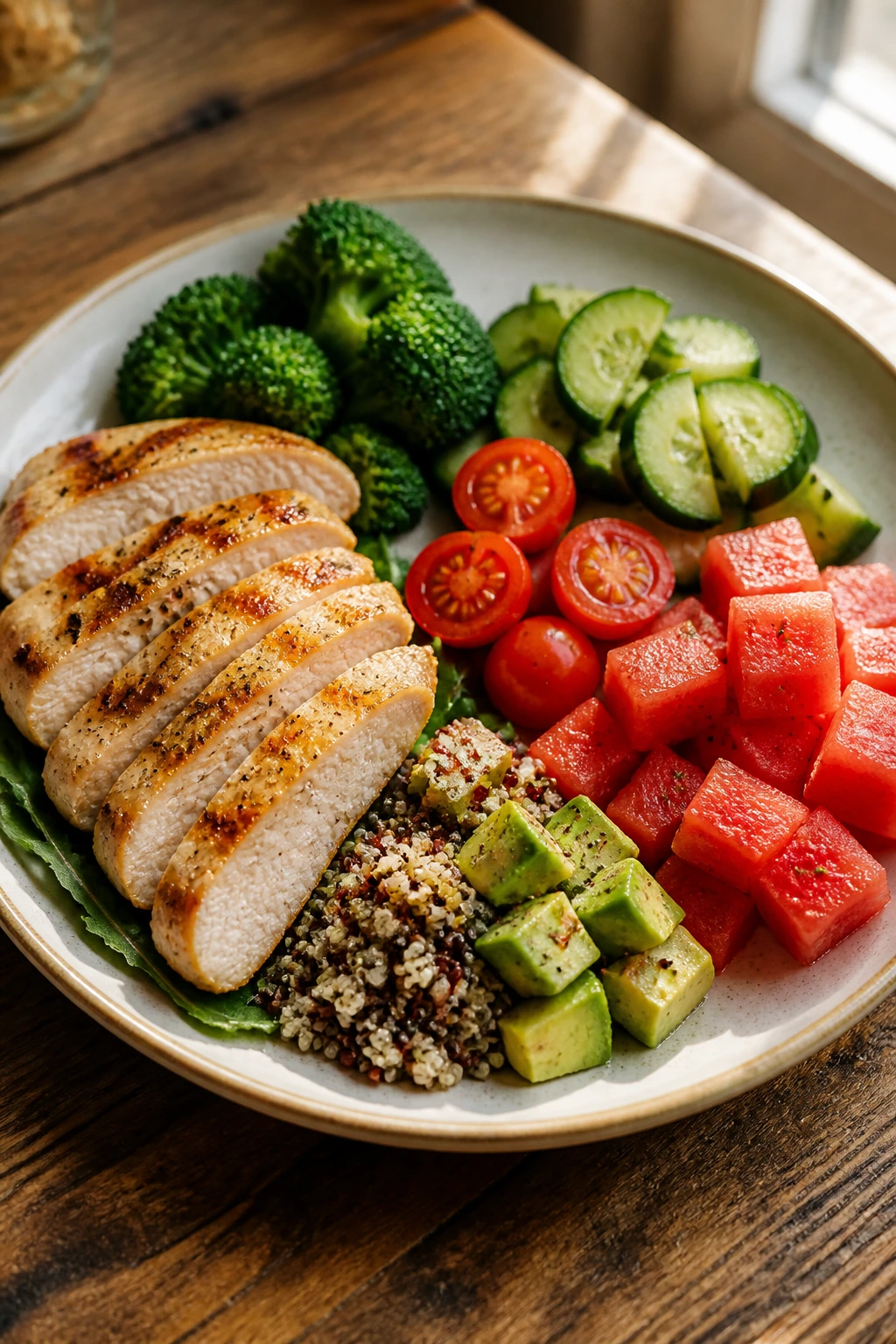
A meal that stays under 500 calories and still feels substantial usually has three things going for it: enough protein, enough fiber, and enough water-rich food to make the plate look generous.
Protein is the easiest place to start. I like aiming for 25 to 35 grams per meal when that’s practical, because meals in that range tend to feel more stable than a carb-heavy plate that burns hot and fast. Eggs, Greek yogurt, cottage cheese, chicken, fish, turkey, tofu, tempeh, edamame, beans, and lentils all pull their weight here. You do not need every meal to be a protein seminar. You do need it to have a backbone.
Fiber matters just as much. A bowl of broccoli, cabbage, leafy greens, berries, oats, beans, or lentils does more than “add nutrition.” It takes up space, slows the eating pace, and gives your brain time to catch up with your stomach. That’s one reason a tuna salad with white beans can feel more filling than a wrap made with deli meat and a handful of lettuce. Same calorie neighborhood. Different staying power.
The fat question, handled honestly
Fat is not the enemy. Unmeasured fat is the enemy.
A teaspoon of olive oil gives you flavor and helps vegetables brown instead of steam. A tablespoon can sneak in 120 calories while you’re busy admiring how shiny the pan looks. Nuts, seeds, avocado, tahini, cheese, and nut butter all have a place in a sub-500 meal. They just need a teaspoon, tablespoon, or ounce attached to them in the real world, not a vague promise.
Water-rich foods make the plate look full
This is where soups, salads, roasted vegetables, fresh berries, cucumbers, tomatoes, zucchini, cabbage, and broth-based dishes shine. They let you build volume without burning through calories. A bowl of tomato-based lentil soup with a side salad can feel much bigger than a dense pasta bowl that eats up half your calorie cap before the fork has made its second trip.
I keep coming back to this because it matters: a meal under 500 calories works best when it feels like a meal before it’s even on the fork. If it looks like a side dish, you’ll eat it like a side dish.
Breakfast Meal Plans Under 500 Calories That Still Feel Like Breakfast
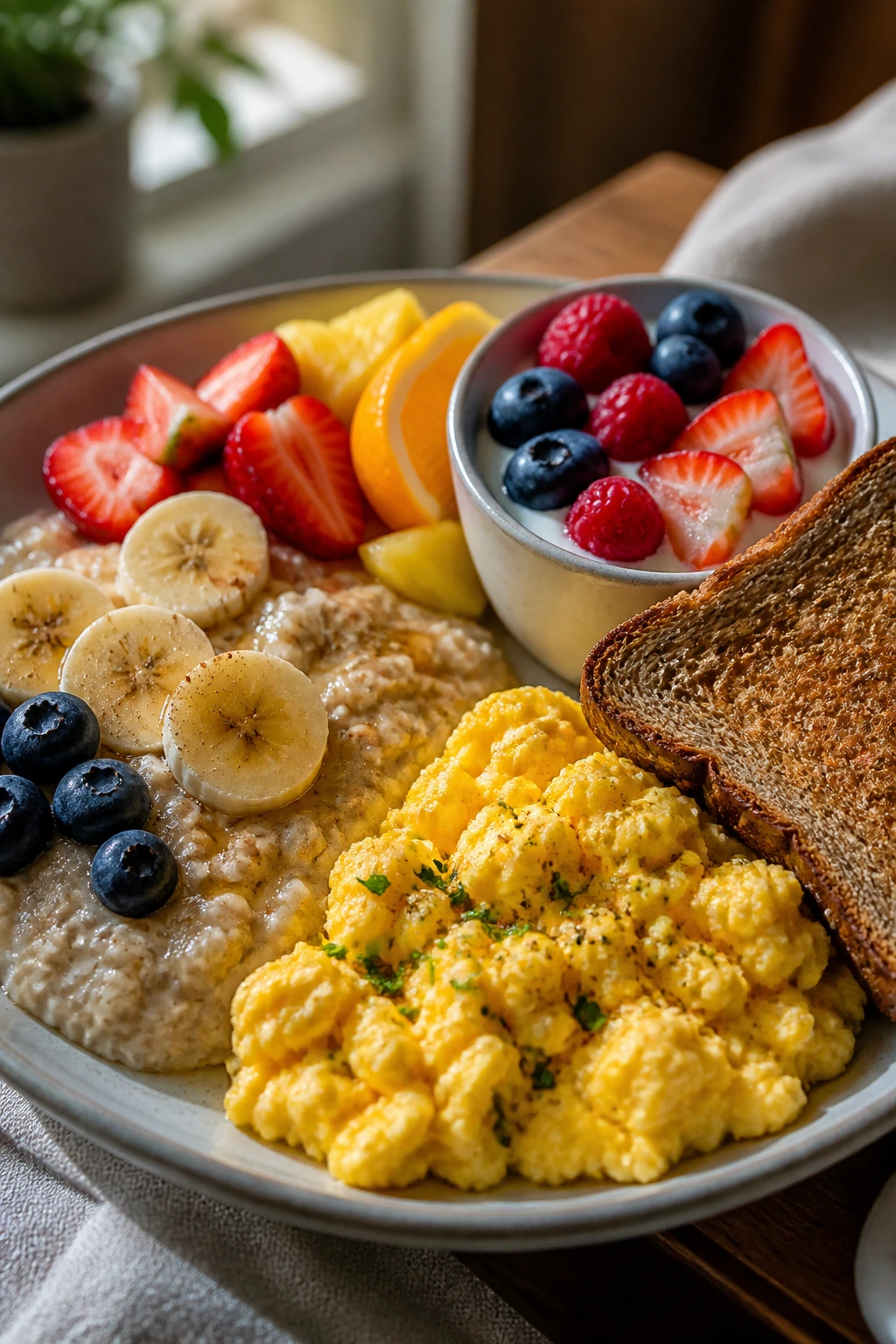
Breakfast gets awkward fast when people cut too hard. The fix is not more willpower. The fix is choosing breakfast foods that bring structure: eggs, yogurt, oats, fruit, toast, cottage cheese, and a few well-placed fats.
I like breakfast to have one warm or creamy element and one fresh element. That little contrast keeps it from tasting like a nutrition spreadsheet.
Warm breakfasts that don’t collapse by 10 a.m.
A veggie egg scramble with 2 whole eggs, 2 egg whites, 1 cup spinach, 1/2 cup mushrooms, and 1 slice whole-grain toast lands around 350 to 400 calories depending on the bread and how much oil you use. Add an orange or a small apple and you’re still safely under 500. The trick is to cook the vegetables first so they lose water and concentrate a bit. Wet scrambled eggs taste like surrender.
A savory cottage cheese bowl works better than people expect. Try 1 cup low-fat cottage cheese, sliced tomato, cucumber, cracked pepper, 1 slice toasted seeded bread, and 2 ounces turkey breast. It’s cool, salty, and oddly satisfying in a way that sweet breakfast bowls aren’t. The protein is doing most of the work, and the bread keeps it from feeling like diet food in a bowl.
Cold breakfasts for mornings when the stove feels rude
Greek yogurt bowls are the dependable workhorse here. I like 1 cup plain Greek yogurt, 1/3 cup rolled oats, 1/2 cup berries, 1 tablespoon chia seeds, cinnamon, and 1 tablespoon chopped almonds. That usually lands around 380 to 450 calories depending on yogurt fat content and almond size. The oats bring chew, the berries bring volume, and the chia thickens the whole thing after a few minutes in the fridge.
Overnight oats can stay under 500 if you don’t let the toppings get dramatic. Use 1/2 cup oats, 1 cup milk or unsweetened soy milk, 1 tablespoon chia, 1/2 cup berries, and 1 scoop protein powder if you want a sturdier breakfast. If you add peanut butter, measure it. A tablespoon is fine. A casual spoonful from the jar is how 500-calorie plans go sideways before breakfast is over.
My blunt breakfast rule
Breakfast should not require a nap.
If it leaves you hunting for crackers an hour later, it was too small or too light on protein. Fix that by adding egg whites, Greek yogurt, cottage cheese, or a scoop of protein powder—not by tossing in a second pastry and calling it balance.
Lunches That Travel Well and Stay Crisp
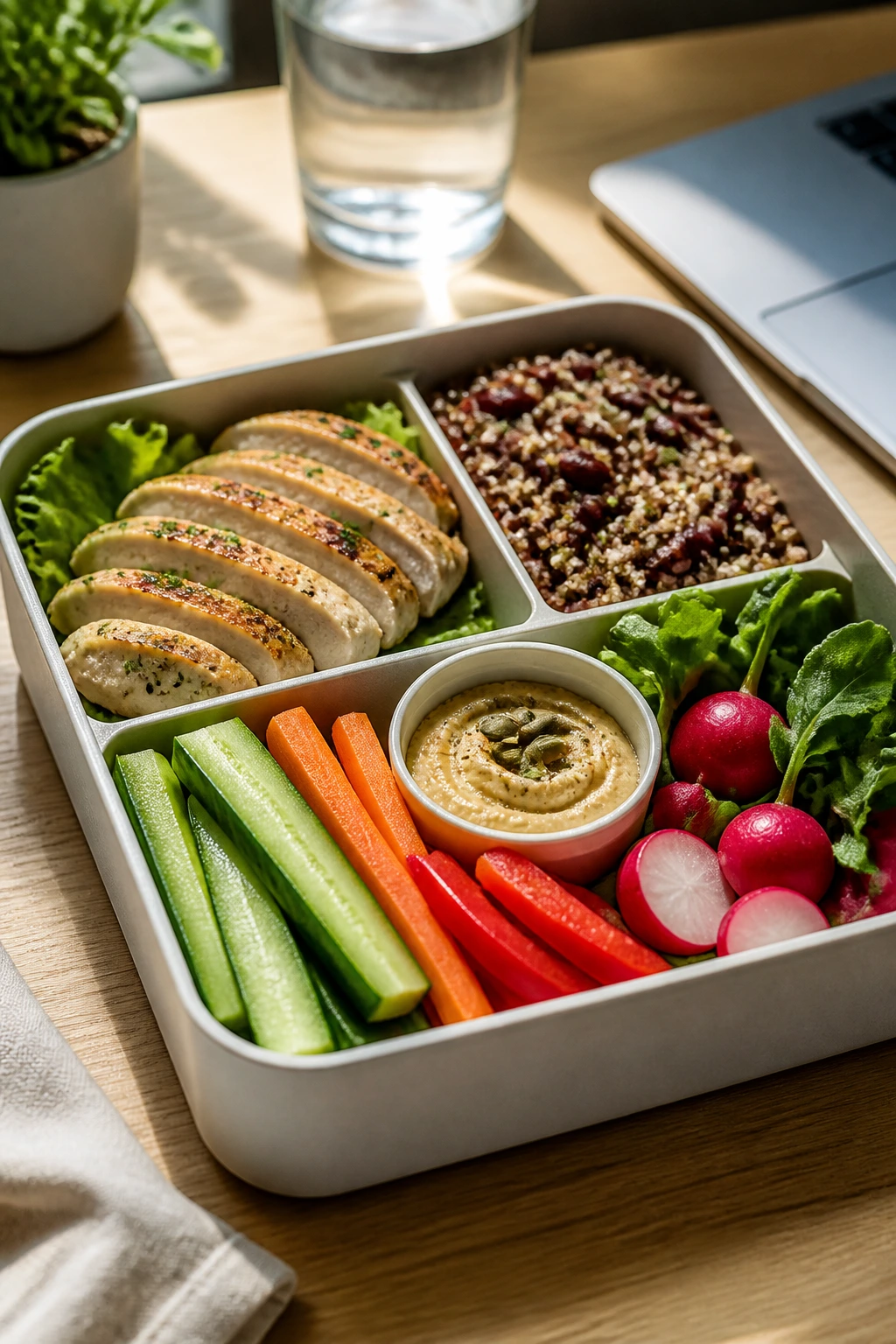
Lunch is where a lot of careful meal plans go to die. The refrigerator is fine. The commute is fine. The problem is texture. Bread gets soggy. Greens wilt. Rice turns gluey. Dressing migrates into everything like it owns the place.
So I build lunches for texture first, then calories.
Bento-style boxes beat sad desk salads
A good lunch box has compartments for a reason. Use 3 to 5 ounces of lean protein, a scoop of grains or beans, and a big pile of crunchy produce. One of my favorite versions is grilled chicken, quinoa, cucumber, cherry tomatoes, roasted red peppers, a few olives, and lemon-tahini dressing on the side. You can keep that around 450 calories if the dressing stays measured and the quinoa portion stays sane.
Tuna and white bean salad is another strong candidate. Mix 1 can tuna in water, 1/2 cup rinsed white beans, chopped celery, parsley, lemon juice, and a teaspoon of olive oil. Add a handful of greens and a few whole-grain crackers. It eats like lunch, not like punishment, and the beans give the tuna some body.
Wraps that do not turn into damp paper
Wraps can work under 500 calories, but only if you respect moisture. Spread hummus or yogurt-based sauce first, then layer dry ingredients, then the greens, then the protein. Do not place tomatoes directly against the tortilla unless you enjoy a lunch that tastes like the inside of a wet envelope.
A turkey hummus wrap with 1 high-fiber tortilla, 3 ounces turkey, 2 tablespoons hummus, shredded carrots, cucumber, and lettuce can sit around 350 to 430 calories. Add an apple or a small yogurt and it’s still on target. If you want more staying power, swap the tortilla for two small corn tortillas and make it a soft taco situation.
Lunches that do well after a night in the fridge
Cold soba bowls, grain bowls, and bean salads are the safest bets. A bowl of soba noodles, tofu, edamame, shredded cabbage, carrots, and sesame-ginger sauce holds up better than pasta in cream sauce ever will. A lot better. It also tastes cleaner after chilling overnight, which is not true of many hot lunches pretending to be cold.
The real lunch trick is simple: keep the dressing separate until the last minute, and pack something crunchy—radishes, cucumber, snap peas, chopped cabbage, sunflower seeds—in its own little pocket or container.
Dinners That Feel Like Dinner, Not a Diet Plate
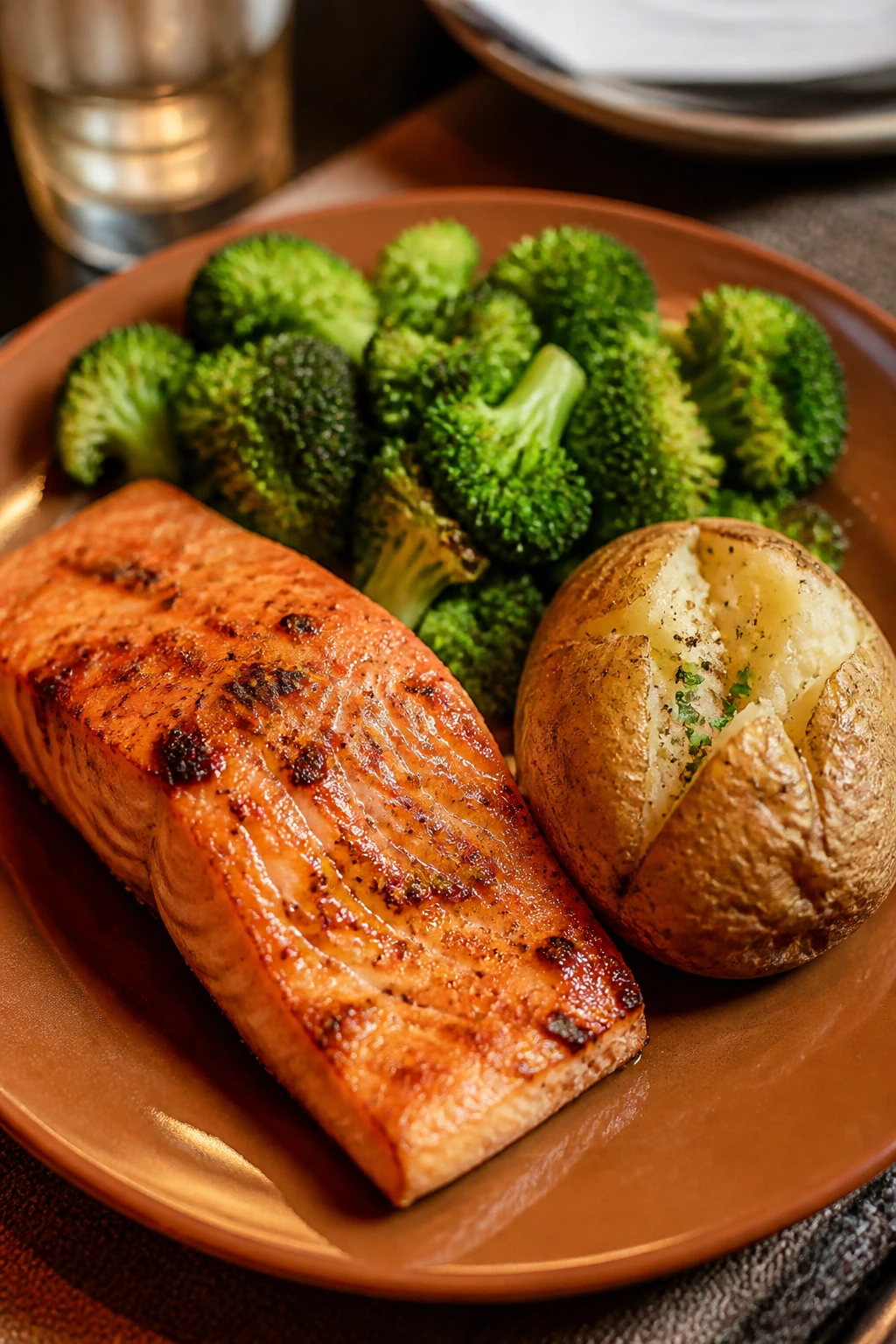
Dinner deserves more respect than a forkful of chicken and a shrug. If there’s one place people should refuse to build a tiny meal, it’s the evening meal after a long day. That’s when you want warmth, texture, and enough food to make the kitchen go quiet for a while.
The best sub-500 dinners usually follow the same pattern: one protein, two vegetables, one measured starch, one sharp finish.
The dinner formula I keep using
A sheet-pan dinner is the easiest place to start. Roast 5 ounces salmon, 1 cup broccoli, and 1 small potato with 1 teaspoon olive oil, salt, pepper, and lemon. Depending on the potato size, that comes in near 450 to 500 calories. The salmon gives richness, the broccoli gives volume, and the potato keeps it from feeling like a “light bite,” which is a phrase nobody should have to live with.
Turkey chili is another excellent dinner because the bowl does the work for you. Use lean ground turkey, black beans, tomatoes, onion, bell pepper, chili powder, and broth. Finish with a little Greek yogurt instead of sour cream. A big bowl with a side salad can still stay under 500 if the bean and meat portions are measured and the cheese stays a garnish, not a snowdrift.
Warm bowls beat beige plates
If dinner looks beige, it usually tastes flat too. I want color on the plate: orange sweet potato, green beans, red peppers, bright herbs, yellow corn, chopped parsley, or a squeeze of lime. Those things do not add many calories, but they make the meal feel intentional.
A shrimp stir-fry is another nice fit. Cook shrimp, snap peas, mushrooms, cabbage, garlic, and ginger in a teaspoon or two of oil, then serve with 1/2 cup cooked brown rice. The dish stays light but not thin. If you use cauliflower rice, fine, but I usually prefer a real measured grain portion because it tastes more like a complete dinner and less like a food substitution product.
What dinner should feel like
Dinner should not leave you staring at the fridge at 9 p.m.
If it does, the meal probably lacked either protein or volume. Add vegetables first. Then add more protein if needed. Trim starch only if the starch portion was the thing pushing the meal over the line. Cutting protein down to a whisper is a fast way to create a problem two hours later.
The Calorie Traps Hiding in Oils, Cheese, Nuts, and Dressings
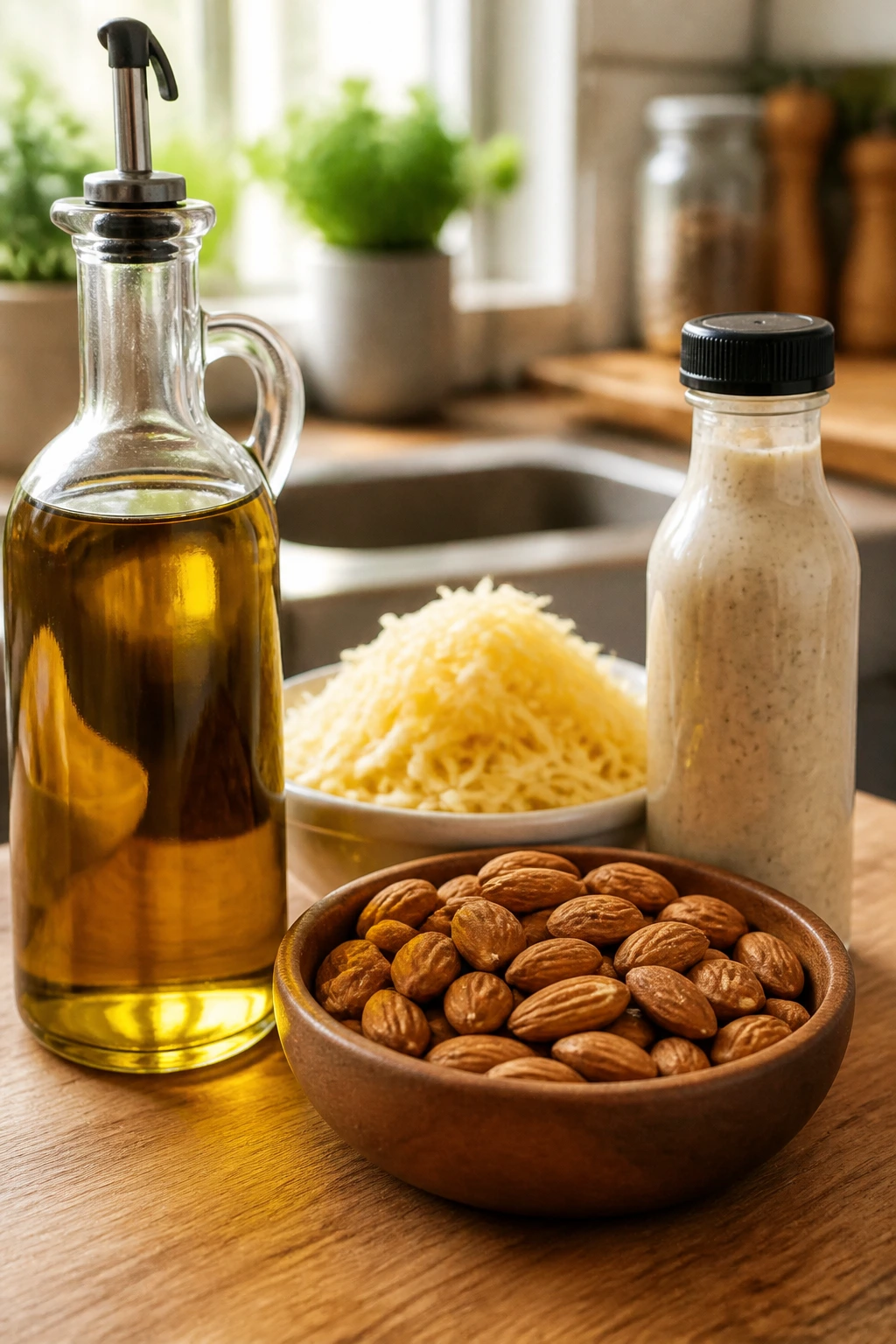
This is where careful meal plans get ambushed.
A tablespoon of olive oil is about 120 calories. That disappears fast when you pour it straight into a pan and call it “just a little.” Two tablespoons of peanut butter are often around 190 calories. A small handful of almonds can be 160 to 180 calories before you’ve finished the second chew. Cheese sneaks in too: an ounce is often 110 to 120 calories, and many people use two or three ounces without noticing because grated cheese feels airy.
Dressings are another sneaky one. Creamy bottled dressings often sit around 140 to 160 calories for 2 tablespoons, and people tend to use more than 2 tablespoons. If you want a sub-500 meal to behave, dress it with vinegar, lemon juice, salsa, mustard, herbs, or a yogurt-based sauce that you’ve actually measured.
The places where people lose control
- Cooking fat: Measure it with a teaspoon or use a spray bottle you can see through.
- Nuts and seeds: Sprinkle them, don’t pile them.
- Cheese: Treat it like seasoning unless the dish is built around cheese.
- Avocado: A quarter avocado is useful; half an avocado can eat a whole meal’s worth of room.
- Granola: It looks innocent and behaves like dessert.
- Nut butter: Great on toast. Dangerous by the spoon.
I’m not saying skip these foods. I’m saying respect them. They’re dense, useful, and delicious. They also do a lot of damage when you stop measuring.
A better flavor strategy
Use acid and herbs before you reach for more fat. A squeeze of lemon, a splash of vinegar, chopped dill, cilantro, parsley, scallions, mint, or a bit of grated garlic can make low-calorie food taste awake. That little hit of brightness matters more than people think. Bland food drives overeating. Food with a sharp finish doesn’t.
Building a Week of Meals Around Three Anchors
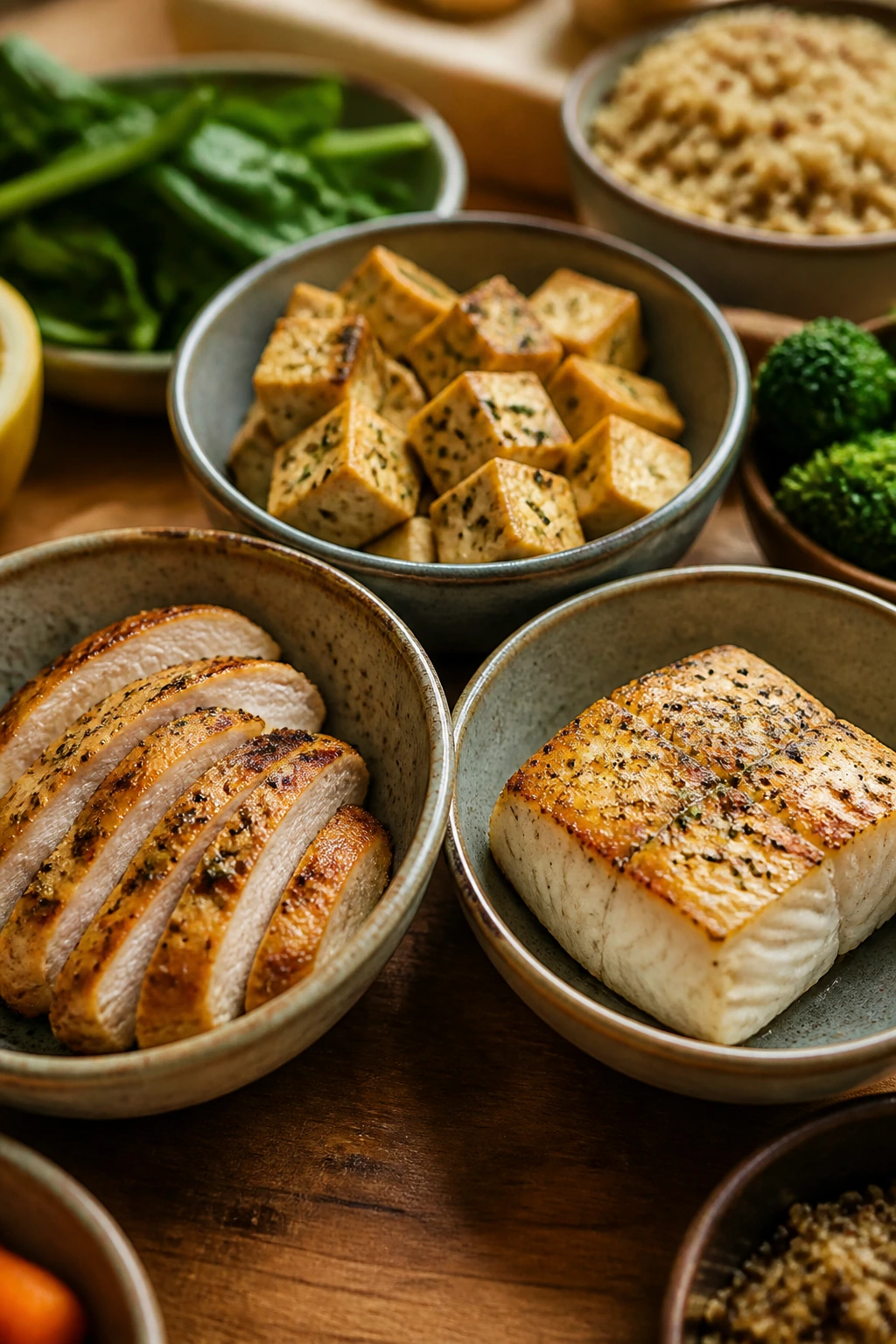
Three anchors keep a meal plan from turning into a spreadsheet headache.
I like to plan around three proteins, three vegetables, and three starches or fruit options for the week, then mix in different sauces and seasonings. That way, you’re not inventing seven entirely separate meals. You’re rotating pieces.
Start with the protein anchor
Pick one lean poultry option, one fish or seafood option, and one plant option. Something like:
- Chicken breast or thighs, trimmed and portioned
- Salmon, tuna, shrimp, or white fish
- Tofu, tempeh, lentils, or beans
Keep each portion sized for the target meal. A cooked protein portion of 3 to 5 ounces is usually the range that works well in a 500-calorie meal, depending on the rest of the plate. If the protein is richer—salmon, turkey thigh, higher-fat tofu—you trim back the starch a bit. If it’s leaner—chicken breast, shrimp, nonfat Greek yogurt—you have more room for grains or fruit.
Then choose the volume foods
This is where you buy yourself freedom.
Broccoli, cauliflower, cabbage, spinach, romaine, mushrooms, zucchini, green beans, cucumbers, tomatoes, carrots, and bell peppers are all useful because they keep the plate looking full. Frozen versions are fine, and often better. Frozen broccoli does not sulk in the crisper drawer for six days and then collapse when you need it.
Finish with a measured starch or fruit
Pick one or two from the list:
- Potatoes or sweet potatoes
- Brown rice, quinoa, or oats
- Whole-grain bread or tortillas
- Beans or lentils
- Berries, apples, oranges, or bananas
This is where portion size matters most. Half a cup of cooked rice behaves very differently from a full restaurant scoop. A small potato can be a smart choice. A giant baked potato with butter and cheese can blow past your budget in a hurry.
Three sample day blueprints
Day 1
- Breakfast: Greek yogurt, berries, oats, chia, and almonds — about 420 calories
- Lunch: Chicken quinoa bowl with cucumber, tomatoes, peppers, and lemon dressing — about 460 calories
- Dinner: Salmon, broccoli, and roasted potato — about 480 calories
Day 2
- Breakfast: Veggie egg scramble with toast and fruit — about 380 calories
- Lunch: Tuna and white bean salad with greens and crackers — about 430 calories
- Dinner: Turkey chili with a small side salad — about 470 calories
Day 3
- Breakfast: Overnight oats with protein powder, berries, and chia — about 450 calories
- Lunch: Tofu soba bowl with cabbage, edamame, and sesame-ginger sauce — about 480 calories
- Dinner: Shrimp stir-fry with vegetables and a half-cup of rice — about 440 calories
Those are not magic menus. They’re examples of how a week can look when each meal stays under the cap without getting weird about it.
Smart Grocery Shopping for Lean, Filling Ingredients
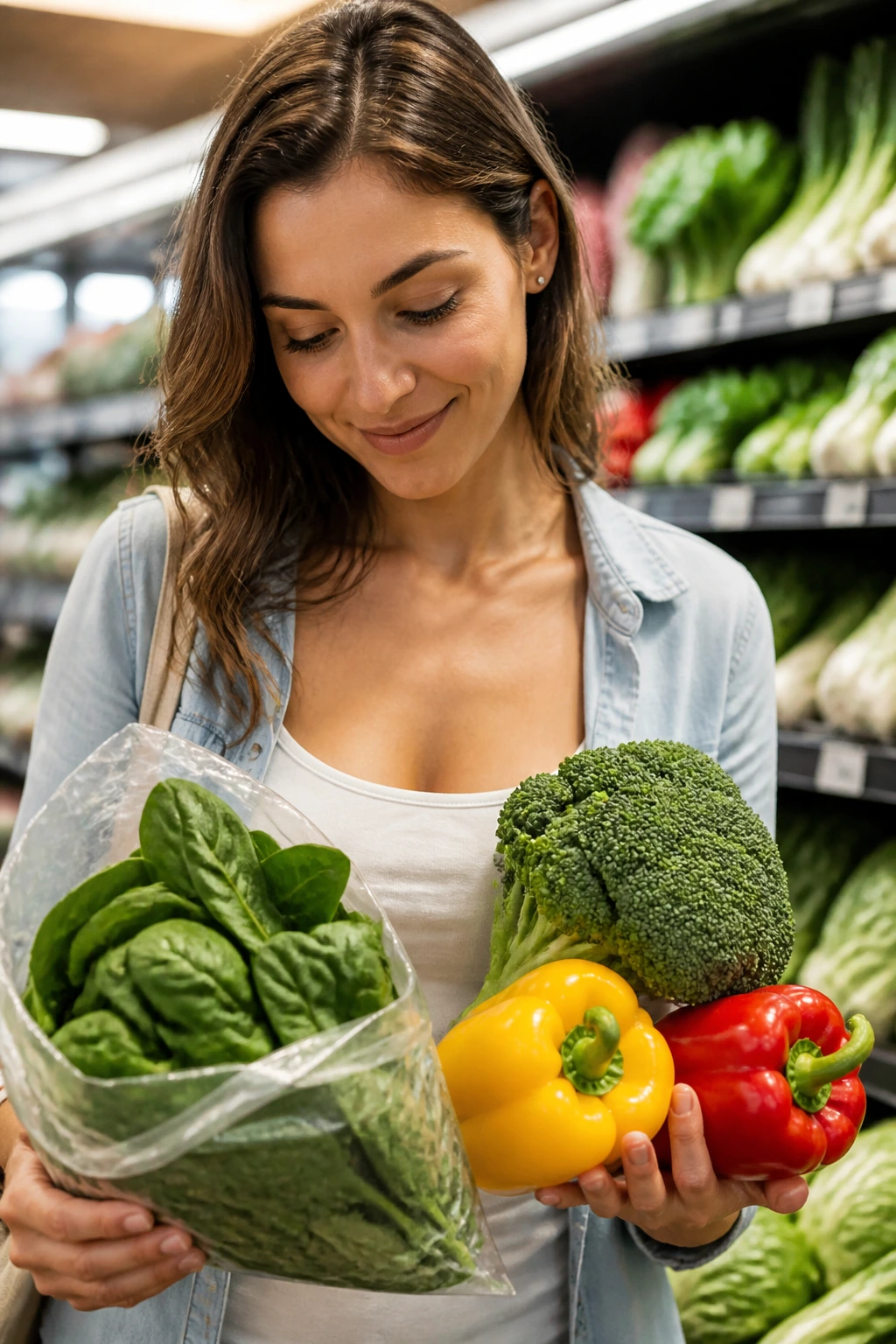
Grocery shopping is where the meal plan either becomes easy or turns into a pile of random things that don’t go together.
I shop in layers: protein, produce, starches, finishers. If the cart has those four pieces, I can build meals without another trip.
The protein aisle, handled carefully
Look for:
- Chicken breast, turkey breast, lean ground turkey
- Salmon, tuna, cod, shrimp
- Eggs and egg whites
- Plain Greek yogurt
- Cottage cheese
- Tofu and tempeh
- Canned beans and lentils
Rotisserie chicken is useful too, especially when time is short. Just strip off the skin, watch the sodium, and portion it instead of eating from the container with the door open. That path never ends in a tidy calorie count.
The produce section should do the heavy lifting
Buy a mix of fresh and frozen vegetables. Fresh is great for crunch and salads. Frozen is better for weeknight sanity.
A smart cart usually includes:
- Spinach or romaine
- Broccoli or cauliflower
- Cabbage or slaw mix
- Zucchini and mushrooms
- Bell peppers
- Cucumbers and tomatoes
- Berries, apples, oranges, bananas
- Lemons and limes
Cabbage deserves more respect than it gets. It lasts, it crunches, and it survives heat better than a delicate salad mix. I use it all the time for bowls and stir-fries because it adds bulk without becoming a sad puddle.
Pantry and freezer staples that save you
Keep these around:
- Oats
- Brown rice or quinoa
- Whole-grain bread or tortillas
- Potatoes and sweet potatoes
- Low-sodium broth
- Salsa
- Vinegar
- Mustard
- Canned tomatoes
- Frozen vegetables
- Olives, capers, herbs, spices
These are the things that let a basic protein turn into a real meal. Low-calorie meal plans get boring when all the flavor comes from one sauce. Stocking the pantry with acid, spice, and a few sharp condiments keeps that from happening.
Batch Prep Without the Soggy-Lunch Problem
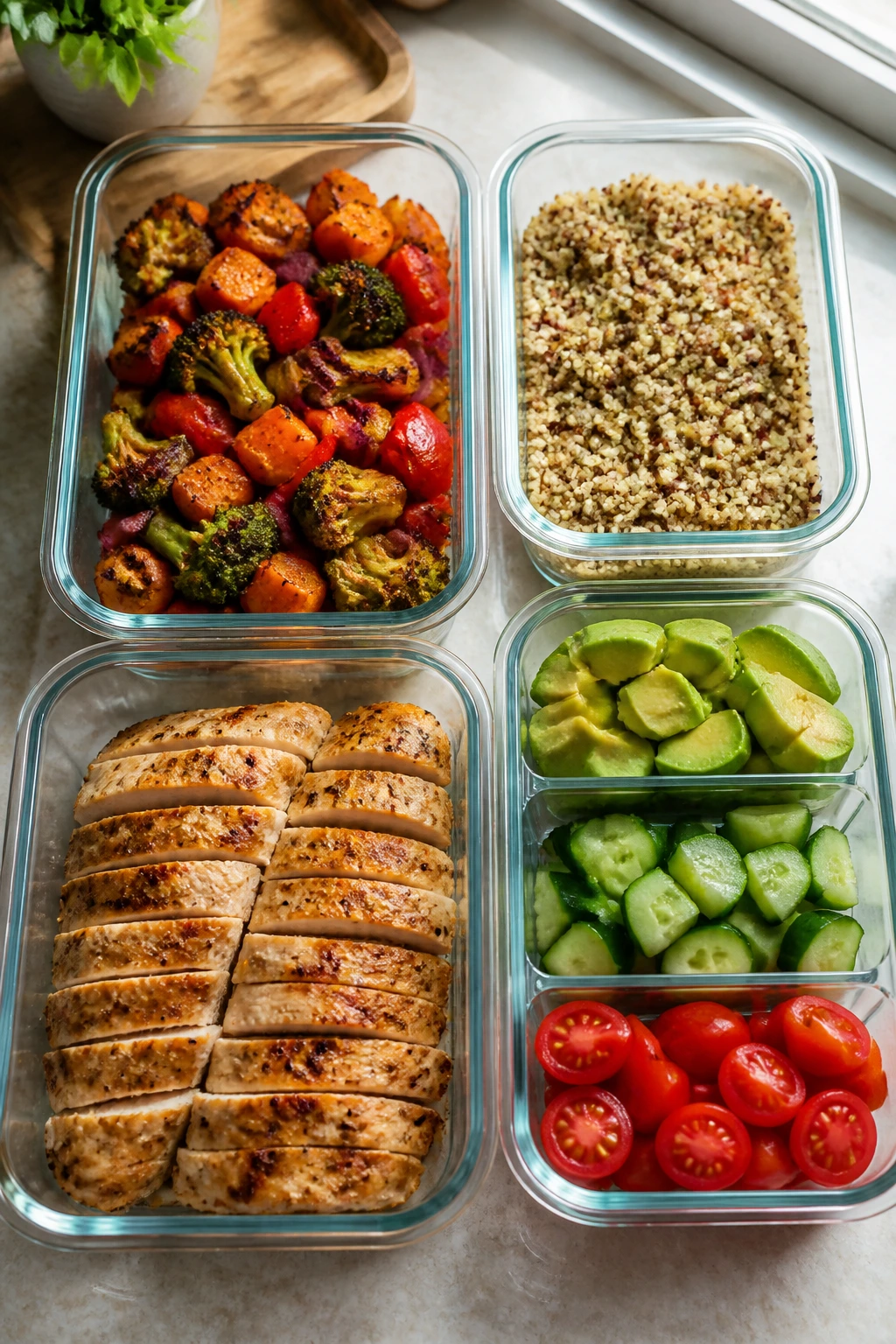
Meal prep gets a bad name because people often prep the wrong parts of the meal.
Nobody wants five containers of the same mush. The answer is to prep components, not complete surrender bowls.
Cook the building blocks, not the final meal
Roast a tray of vegetables. Cook a pot of rice or quinoa. Bake or grill chicken. Boil eggs. Mix one sauce. That gives you a set of parts that can become lunch, dinner, or breakfast the next day.
I like to do this in a rough 30- to 45-minute block. First the oven. Then the protein. Then the starch. While those are cooking, wash greens and chop crunchy vegetables. Let everything cool before packing. Steam trapped in a container is how texture dies.
Keep wet and dry apart
This rule saves more lunches than any fancy container ever will.
Put dressing in a small side cup. Keep tomatoes and cucumbers separate if they’re headed into a wrap. Store toasted nuts or seeds apart until the moment you eat. If you’re making bowls, pack the sauce beneath the protein rather than pouring it over the greens too early.
Reheat with intention
Microwave meals need a splash of water or broth and a loose cover so the food doesn’t dry out. Skillet reheating is better for proteins and vegetables when you want edges to stay crisp. Oven reheating is slower, but it works well for roasted vegetables and potatoes.
One more thing: if you’re prepping fish, I’d make it for two days, not five. Fish is lovely. It is not durable. There’s no need to pretend otherwise.
Practical Tips for Making 500-Calorie Meals Satisfying
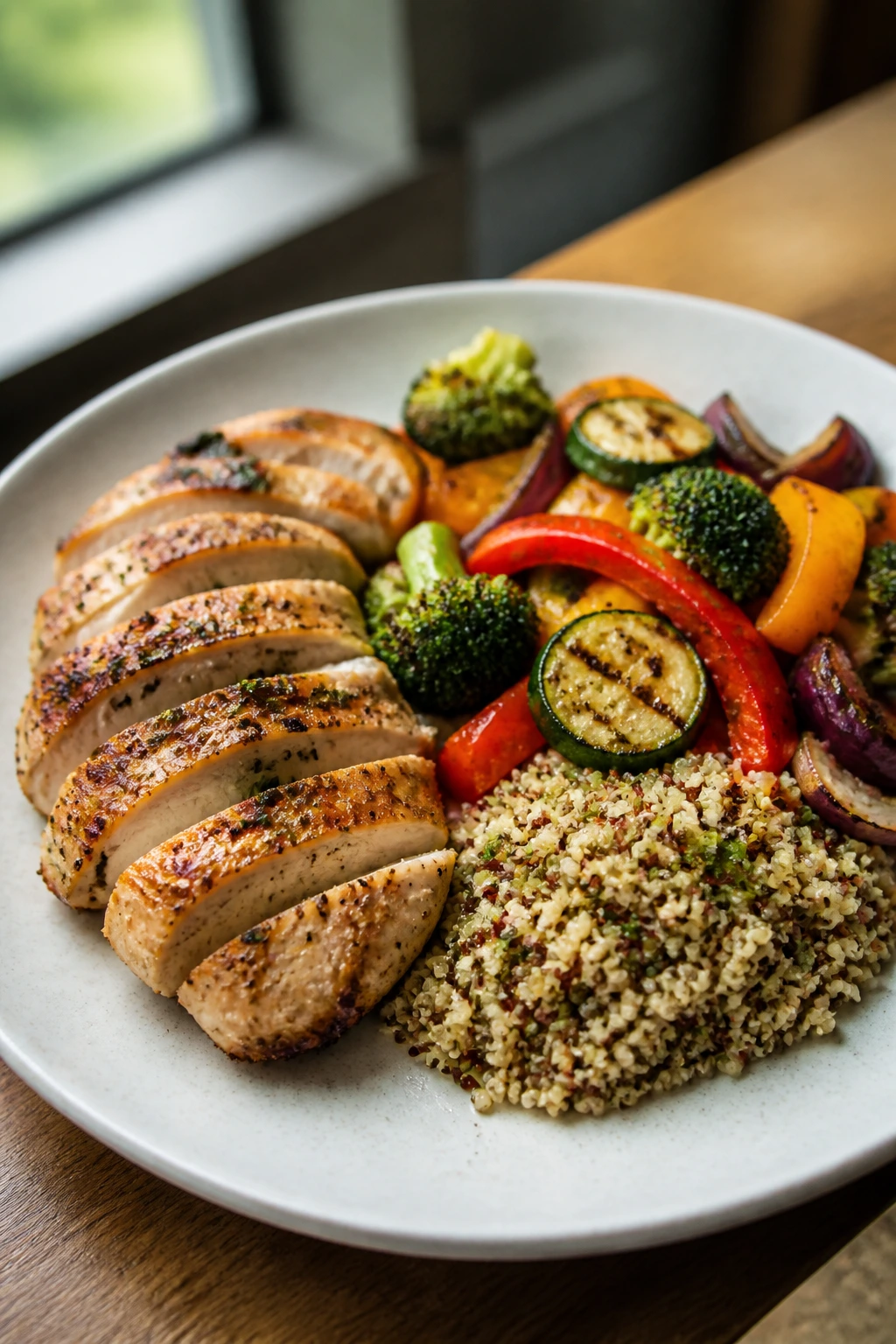
Flavor Enhancement: Finish meals with acid and herbs. A squeeze of lemon over chicken, a splash of rice vinegar over a rice bowl, or chopped dill on yogurt sauce makes the plate taste finished without adding much to the calorie count. The last bite should still have some brightness.
Time-Saver: Keep one pre-cooked protein in the fridge and one in the freezer. Grilled chicken strips, hard-boiled eggs, or thawed shrimp can become breakfast, lunch, or dinner in minutes. Frozen vegetables are not a compromise here; they’re the reason the plan survives a busy week.
Pro Move: Build a “sauce shelf” in the fridge with mustard, salsa, hot sauce, yogurt, tahini, pesto, and vinegar-based dressings. One meal plan gets boring when every bowl tastes like plain salt and effort. A teaspoon of the right sauce changes the whole thing.
Cost-Saver: Use beans, lentils, eggs, canned tuna, and tofu more often than expensive specialty items. They’re filling, they hold up well in meal prep, and they don’t demand a long ingredient list to taste like something.
Make-It-Yours: If you want dairy-free meals, use tahini, olive oil measured by the teaspoon, avocado in a quarter-fruit portion, or cashew-based sauces. If you want more protein, add egg whites, Greek yogurt, cottage cheese, or an extra ounce or two of lean meat instead of shaving calories from the vegetables.
Common Mistakes to Avoid
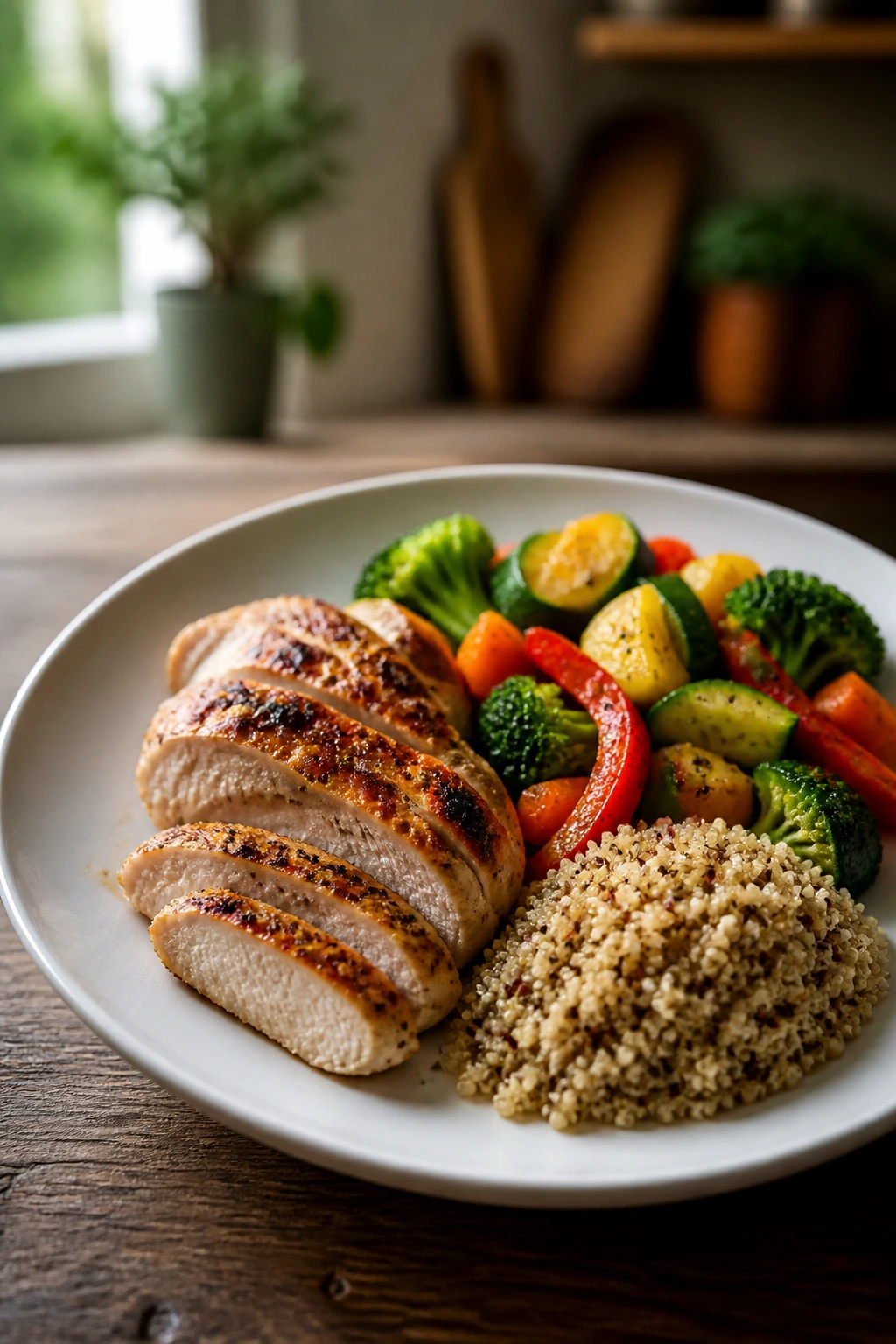
The mistakes people make with sub-500 meal plans are rarely dramatic. They’re small, repetitive, and annoying.
-
Measuring raw one day and cooked the next. A 5-ounce raw chicken breast is not the same as 5 ounces cooked. Pick one method and stick to it, or your calorie tracking will drift fast.
-
Treating oil like it doesn’t count. It does. A pan slicked with olive oil can add more calories than the vegetables in the pan if you’re careless. Use teaspoons, sprays you can see, or a brush.
-
Building meals with too little protein. A plate of vegetables and a token scoop of rice may look virtuous, but it often leaves you hungry. If a meal feels flimsy, add protein first.
-
Letting texture disappear. Soft, wet, all-mixed-up food gets old quickly. Keep crunchy toppings, pickled vegetables, seeds, or toasted nuts separate until the end.
-
Trusting package labels without checking the serving size. Some yogurt cups and frozen meals are technically “one serving” in the way a tiny candle is technically “lighting.” Read the grams and portions, not just the front of the box.
-
Trying to keep every meal equally low. If one meal lands at 330 calories and another at 490, that’s fine. Weekly consistency matters more than pretending every plate must hit the same number. Real life is not a lab.
If a meal keeps leaving you hungry, don’t slash it further. Add vegetables and protein. That usually fixes the problem faster than any amount of stubbornness.
Variations and Alternatives for Different Appetites and Eating Styles
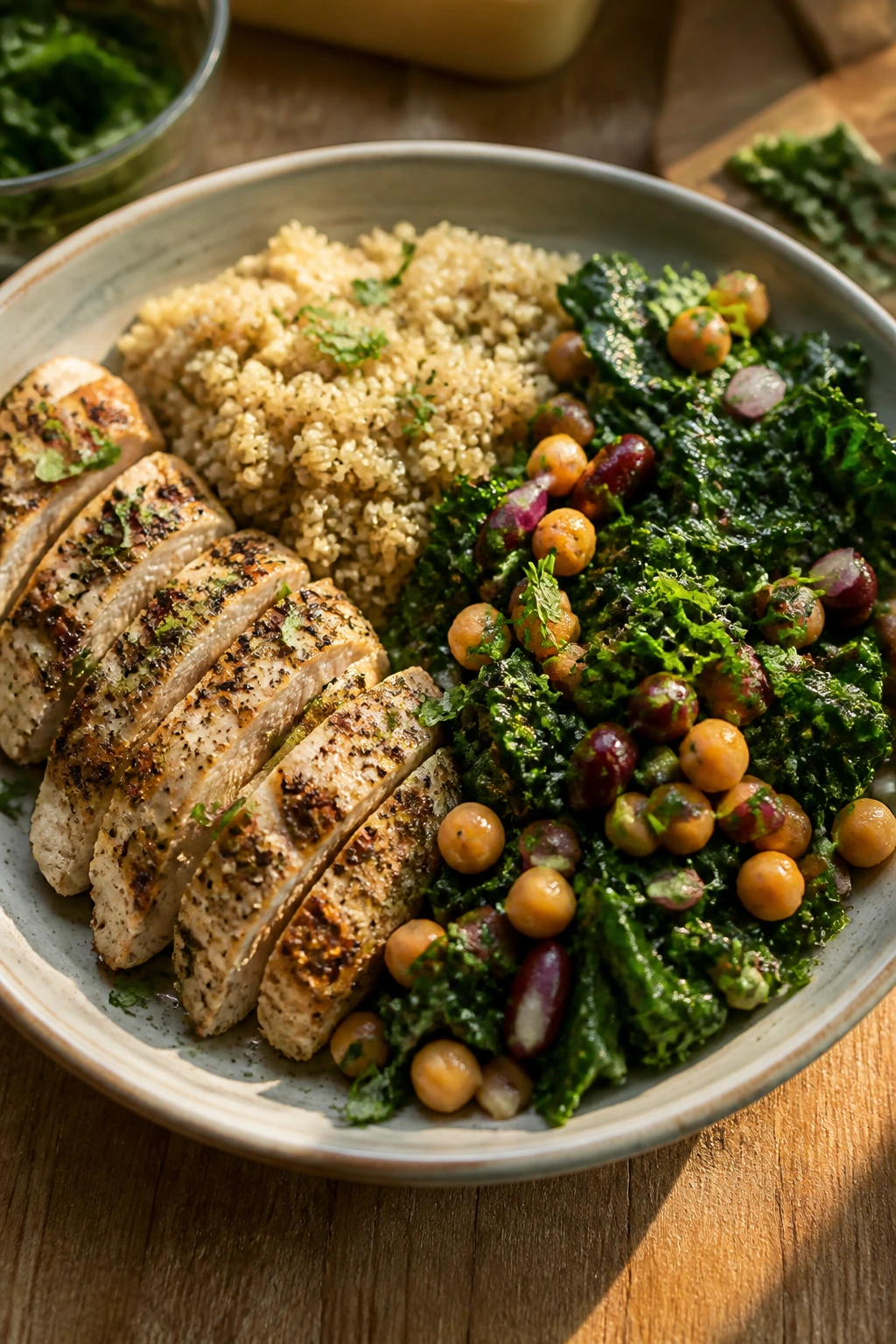
Higher-Protein Plates: Push the protein higher by adding extra egg whites, more Greek yogurt, another ounce of chicken, or a second tofu serving. I like this approach for lunches and dinners because it slows the return of hunger without requiring a lot of extra calories.
Plant-Forward Versions: Build meals around beans, lentils, tofu, tempeh, edamame, and whole grains. Use lemon, herbs, garlic, cumin, curry paste, or miso to keep the flavor sharp. Plant-forward meals can stay under 500 easily, but they need enough texture and seasoning or they feel thin.
Lower-Carb Builds: Lean harder on vegetables, lean proteins, and measured fats. Swap rice for cauliflower rice or extra greens, but don’t strip the plate down so far that it feels like a side dish. A little potato, a few beans, or a small fruit portion often keeps the meal more livable.
Budget Pantry Plans: Use eggs, oats, beans, canned tuna, frozen vegetables, rice, and potatoes. Those ingredients are cheap, filling, and easy to batch. The key is not fancy ingredients. It’s keeping them seasoned well and portioned with a steady hand.
Family-Style Splits: Make the same main dish for everyone, then scale the starch or fat separately. A chicken stir-fry can feed a family if one portion gets a small rice scoop and another gets a bigger one. That way, nobody has to cook two separate dinners just because one person is watching calories.
Tools and Containers That Make This Easier
-
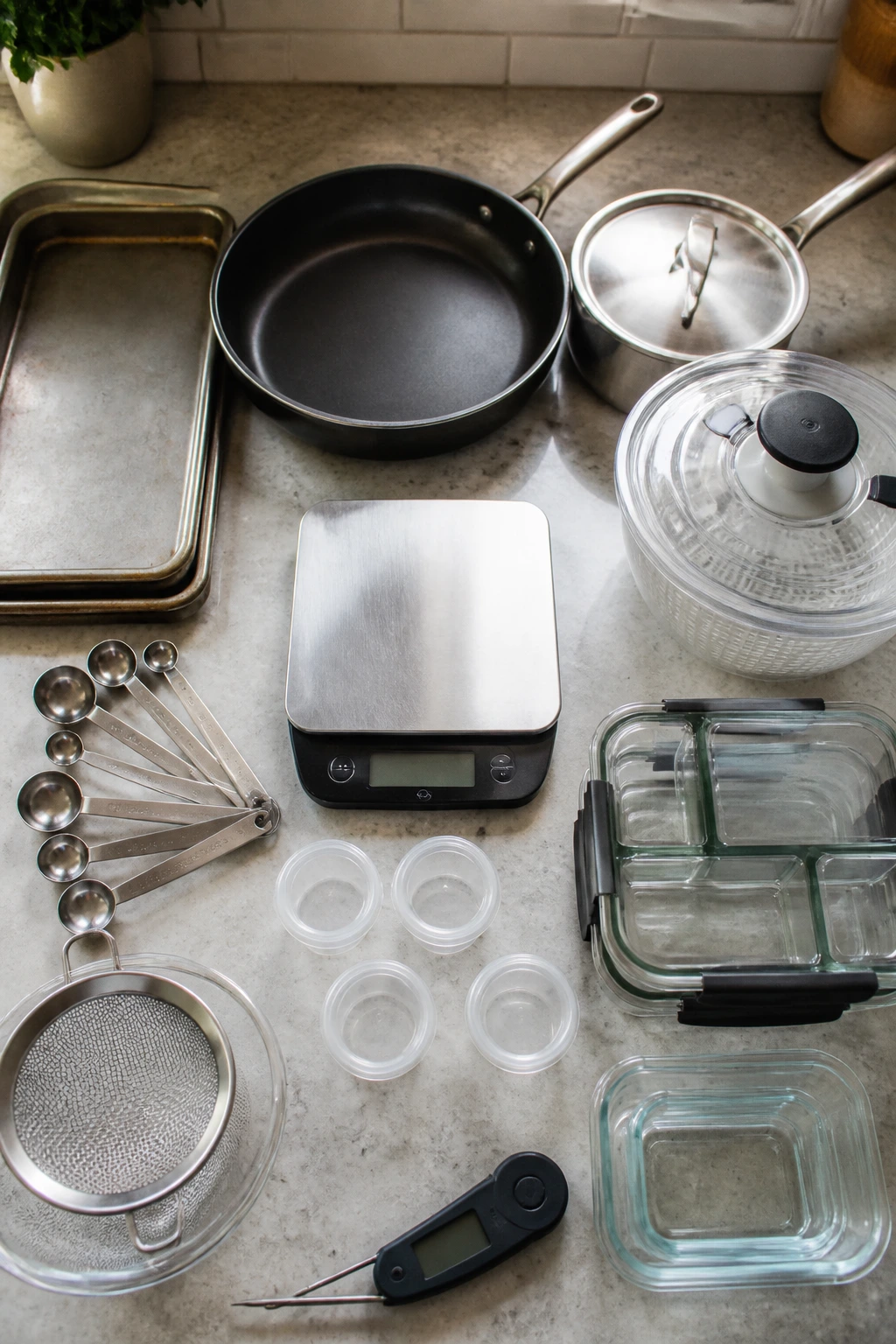
Digital kitchen scale — The fastest way to keep oils, grains, nuts, and proteins honest; this matters more than most people want to admit.
-
Measuring spoons and cups — Use these for dressing, nut butter, rice, and oats. Eyeballing is where hidden calories enter the room.
-
Sheet pans with parchment paper — Best for roasting vegetables and proteins with minimal cleanup and good browning.
-
10- to 12-inch skillet or sauté pan — Useful for eggs, stir-fries, chicken cutlets, and quick vegetables.
-
Saucepan with a lid — Needed for grains, soups, beans, and boiled eggs.
-
Meal prep containers with compartments — Great for keeping wet and dry ingredients apart until eating time.
-
Small lidded sauce cups — Worth having for dressings, hummus, salsa, yogurt sauce, and peanut sauce portions.
-
Salad spinner — Not glamorous. Very useful. Dry greens stay crisp longer and take dressings better.
-
Instant-read thermometer — Handy for chicken, turkey, and fish so you don’t overcook them trying to “be safe.”
-
Fine-mesh strainer — Good for rinsing canned beans and lentils, which helps with sodium and texture.
Make-Ahead, Storage, and Reheating Guidance
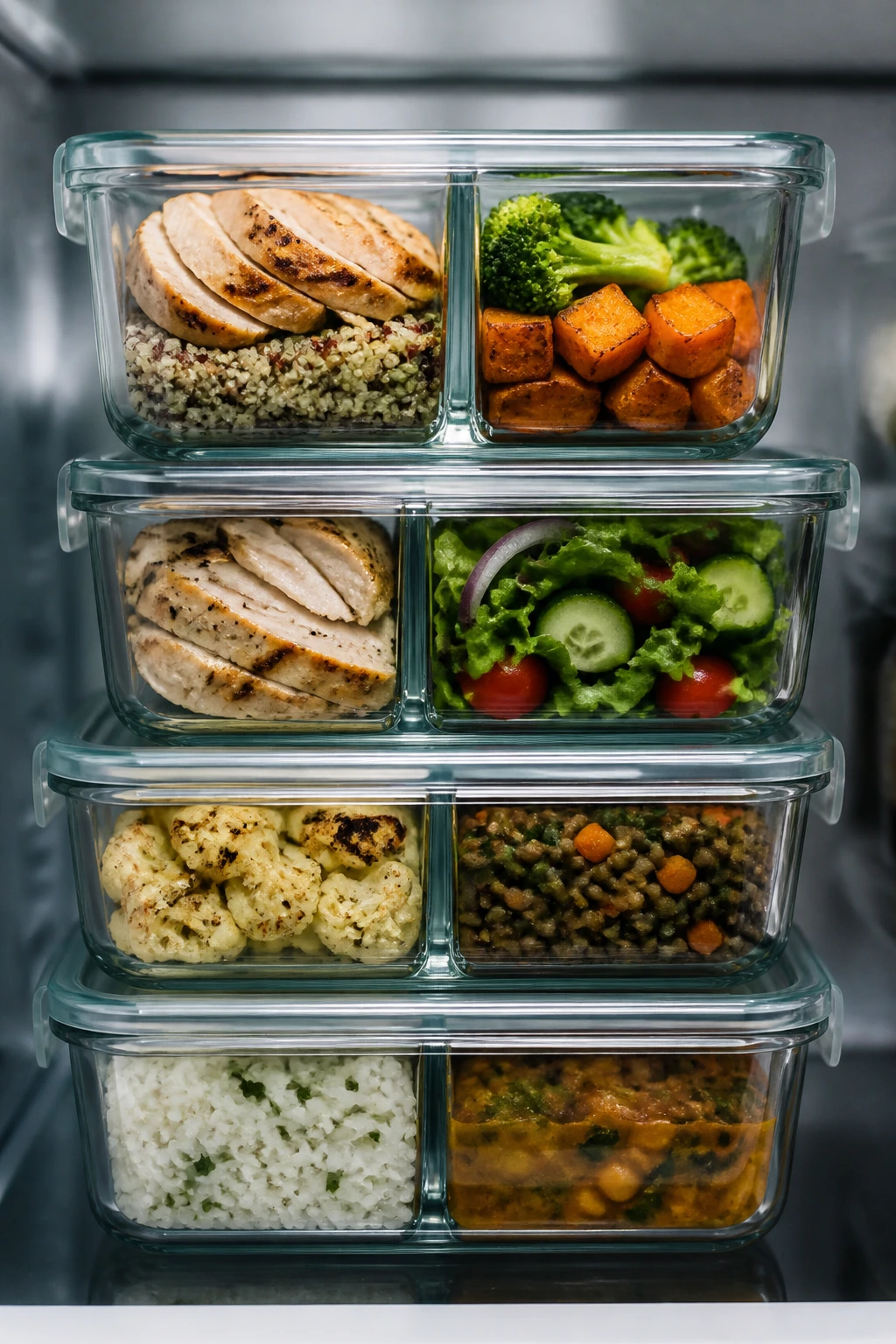
Cooked meal-plan components keep well, but only if you store them like separate ingredients, not one confused pile.
Cooked chicken, turkey, or lean beef usually holds for 3 to 4 days in the refrigerator and up to 2 to 3 months in the freezer. Slice it after cooling, then store it in shallow containers so it chills quickly. Reheat in a skillet with a splash of broth or in the microwave in short bursts.
Cooked grains like rice, quinoa, and farro keep for 4 to 5 days refrigerated and about 2 months frozen. Flatten them in a container so they cool faster. When reheating, add a teaspoon or two of water and cover loosely so they fluff instead of drying into little pebbles.
Roasted vegetables stay good for 3 to 4 days in the fridge. They reheat best in the oven or air fryer at a moderate temperature so they regain some edges. Microwaves will work, but the texture gets softer.
Soups and chilis keep for 3 to 4 days refrigerated and 2 to 3 months frozen. These are usually the best make-ahead meals in the whole category because they reheat evenly and taste better after a night in the fridge.
Fresh greens and chopped vegetables need more care. Dry greens can last 3 to 5 days if stored with a paper towel in the container to catch moisture. Cut cucumbers, tomatoes, and dressed salad should be eaten sooner. If it’s already dressed, the clock is ticking.
Dressings and sauces usually keep for 5 to 7 days in the fridge if they’re yogurt-based or vinaigrette-style. Keep them in small jars or lidded cups and shake before using.
Fish is the one exception I’d be stricter with. Cooked salmon, cod, or shrimp is best within 1 to 2 days. It can be frozen, but I rarely love the texture after thawing. I’d rather cook fish fresh and prep the rest of the plate ahead of time.
Frequently Asked Questions
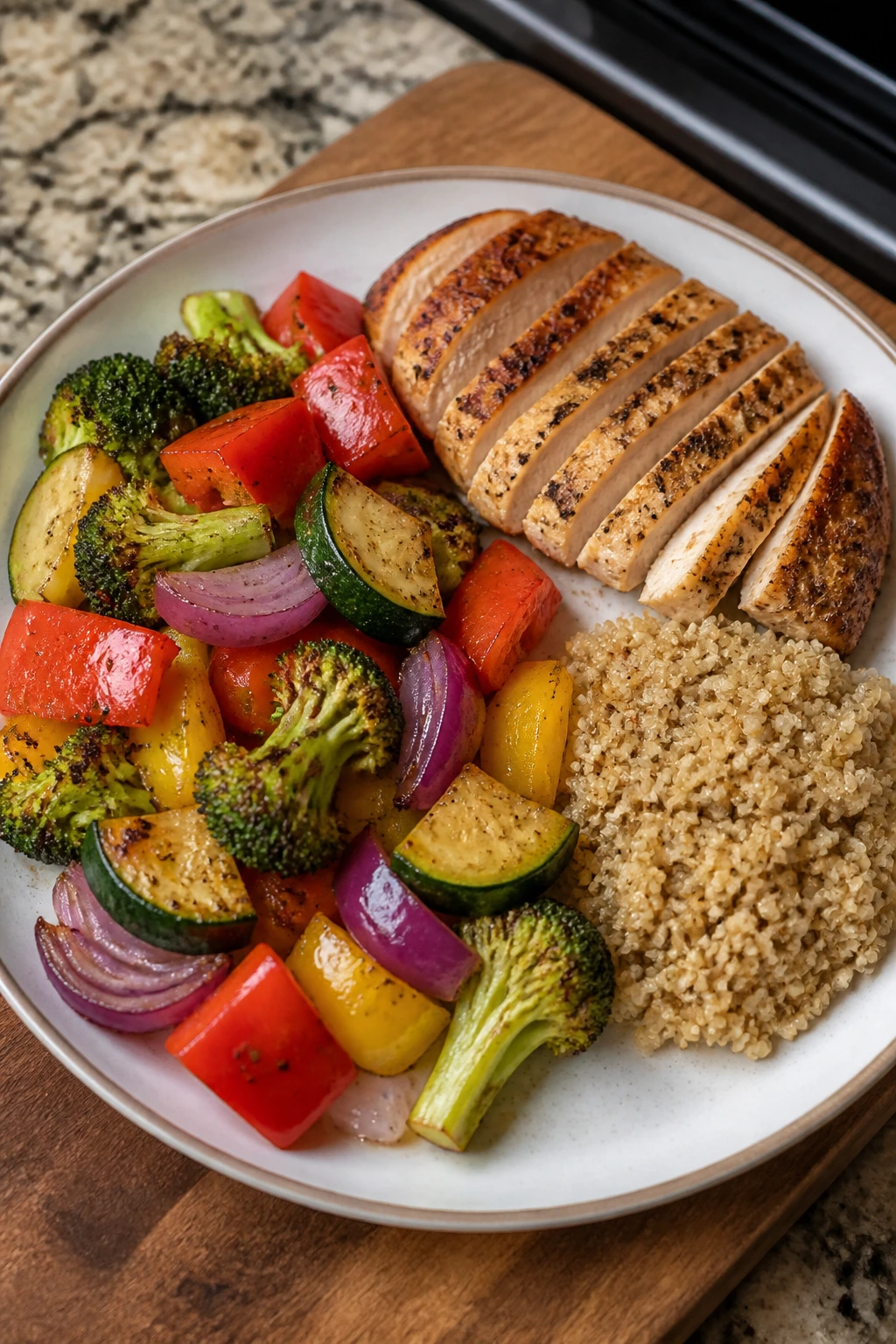
Is a 500-calorie meal enough to keep me full?
Usually, yes—if the meal has enough protein, fiber, and volume. A 500-calorie plate of Greek yogurt, berries, oats, and chia is a very different thing from 500 calories of crackers and cheese. The first one behaves like a meal. The second one behaves like a snack that got promoted too fast.
How much protein should I aim for in one of these meals?
A rough target of 25 to 35 grams works well for many people, especially at lunch and dinner. You can go a little lower at breakfast if the rest of the day is stronger, but if a meal feels flimsy, protein is usually the first thing to increase.
Do I need to weigh everything?
Not forever, but it helps when you’re learning. Weighing oils, nuts, grains, and proteins a few times teaches your eye what portions actually look like. After that, you can eyeball more confidently because you’ve calibrated the plate instead of guessing at it.
Can I use frozen vegetables and still keep meals under 500 calories?
Absolutely. Frozen vegetables are one of the easiest ways to keep meals large, cheap, and predictable. They’re especially useful for stir-fries, soups, bowls, and sheet-pan dinners because they cook fast and don’t spoil in two days.
What if my meal goes over 500 calories by 50 or 100?
One meal being a little over is not a disaster. If it happens often, check the usual suspects first: oil, dressing, cheese, nuts, and portion size on the starch. Those are the ingredients that move a meal from “close enough” to “surprisingly dense.”
How do I keep lunch from getting soggy?
Pack dressing separately, keep tomatoes and cucumbers off bread until eating time, and use sturdier greens like cabbage or romaine. Grain bowls and protein boxes do better than dressed salads if the meal has to sit for a few hours.
Can I make these meals without counting calories every day?
Yes. Once you learn what a 400- to 500-calorie meal looks like, you can build by structure instead of numbers. Use the plate formula, keep oil measured, and keep the protein portion consistent. That gets you most of the way there without logging every bite.
What should I change if I’m still hungry after the meal?
Add vegetables first, then protein. If you need more staying power, add a little starch or fruit rather than cutting fat and protein down further. A plate that’s too small usually needs more volume, not more discipline.
Can I eat out and still stay near this range?
Yes, though you’ll need to make sharper choices. Grilled proteins, broth-based soups, salads with dressing on the side, and vegetable-heavy bowls are the easiest bets. Restaurant portions of oil, cheese, and starch run bigger than home portions, so ask for sauces separately and eat half if the plate is large.
A Plate That Feels Normal Again
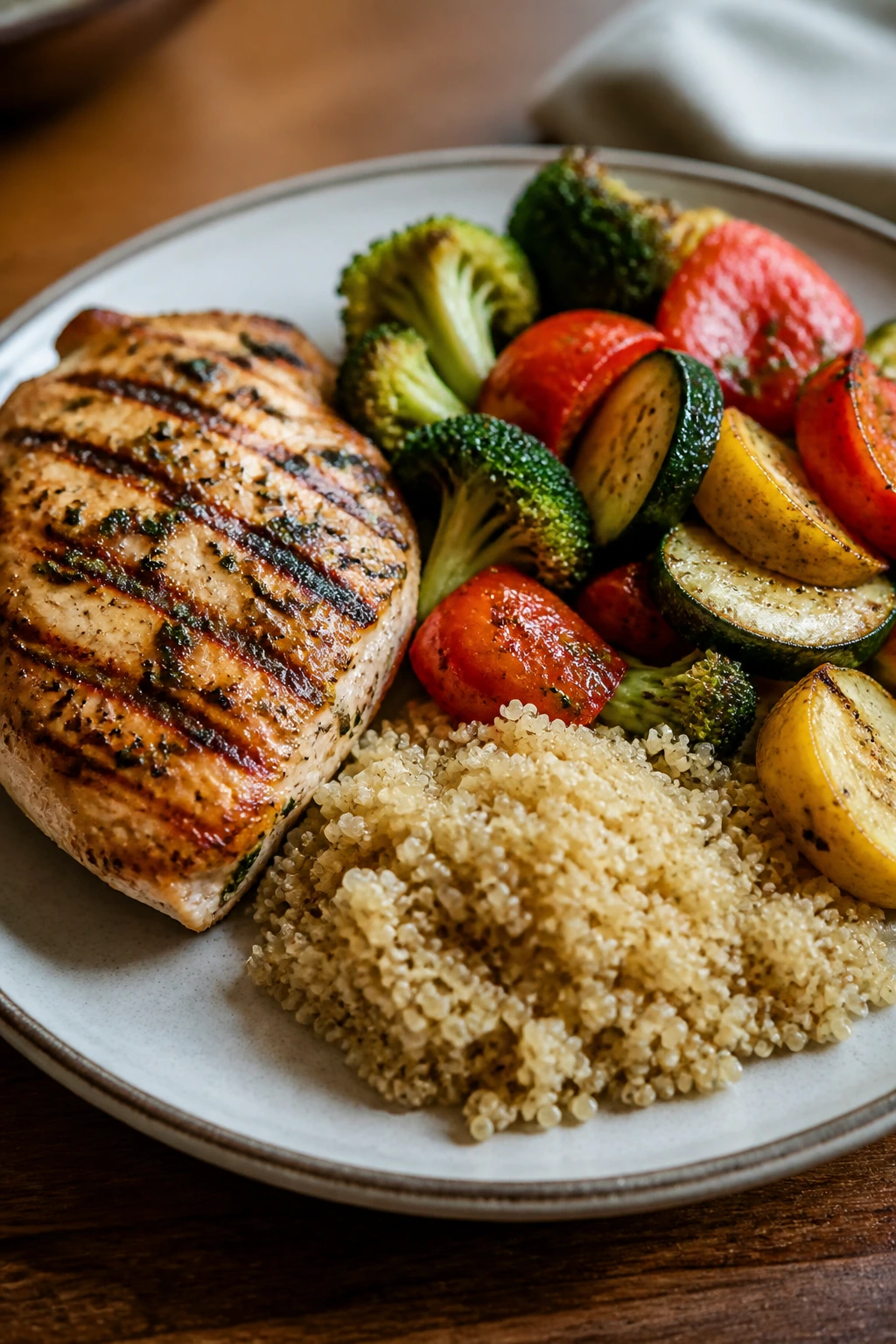
The point of wholesome healthy meal plans under 500 calories is not to make food smaller until it stops mattering. It’s to build meals with enough protein, vegetables, and measured starch that the plate looks and eats like a real meal. That’s a much better trade.
Once you get used to the shape of it, the whole thing gets easier. You start spotting the calorie traps before they land in the pan, you stop relying on hope to carry lunch through the afternoon, and you can make a 450-calorie dinner that feels like a proper end to the day.
One good meal like that changes the rest of the week more than people expect. Make one, then another, and the pattern starts to feel less like counting and more like cooking.