



A light high protein dinner under 500 calories should not feel like a punishment disguised as a meal. If the plate is built well, it looks normal — seared chicken, glossy vegetables, a scoop of rice or a small potato, maybe a spoon of yogurt sauce — and it still leaves room for dessert later if that’s your thing. The trick is not eating less food. The trick is choosing ingredients that carry more protein per bite and less hidden fat per forkful.
I care a lot more about a dinner that keeps you satisfied at 9 p.m. than one that looks virtuous for ten minutes and disappears in five. A tiny salad with a few shreds of chicken is not dinner. A measured plate of shrimp, broccoli, noodles, and ginger-lime sauce is. That difference matters, and it’s the whole reason this style of eating keeps working when stricter plans fall apart.
Protein does a lot of quiet heavy lifting here. It tends to keep a meal feeling anchored, and when you pair it with high-volume vegetables and a controlled amount of starch, you get a plate that eats like a real meal instead of a compromise. Once you learn the rhythm — protein first, vegetables second, fats measured, sauces treated like ingredients instead of background noise — the whole thing becomes less fussy than it sounds.
Why This Approach Works
-
Protein carries the meal: A serving of chicken breast, shrimp, turkey, tofu, or fish gives the plate shape, not just calories, and that’s why a 400-calorie dinner can still feel finished.
-
Vegetables do the volume work: Broccoli, cabbage, mushrooms, zucchini, asparagus, and spinach add a lot of food by weight for very few calories, so the plate looks full before the calorie count gets scary.
-
Measured fat changes everything: One tablespoon of olive oil is about 120 calories. That means a “light” dinner can turn heavy fast if you free-pour from the bottle.
-
A small starch is not the enemy: Half a cup of rice, a small potato, or two corn tortillas can make the meal feel like dinner instead of a protein plate with garnish.
-
Flavor has to be deliberate: Lemon, vinegar, garlic, herbs, chili, mustard, soy sauce, and yogurt-based sauces keep the meal interesting without relying on a big slick of oil or cheese.
-
The method matters as much as the ingredient list: A grilled, roasted, or air-fried dinner usually stays lighter than one built around creamy sauces or breaded coatings, even when the protein is identical.
The Plate Math Behind a Light High Protein Dinner Under 500 Calories
A lot of people get tripped up here because they think “under 500 calories” means tiny portions. It doesn’t. It means you spend the calories where they do the most work: on protein, on texture, and on a little bit of fat where it actually helps the food taste like food.
A useful rough split looks like this: 150 to 300 calories for protein, 50 to 120 calories for vegetables, 80 to 160 calories for a starch, and 30 to 80 calories for sauce or finishing fat. That puts most dinners in the 350 to 500 range without requiring strange ingredients or a tiny lunchbox mentality. A 6-ounce chicken breast with broccoli and a small potato lands very differently from a chicken breast drowned in Alfredo. Same protein. Very different plate.
The other thing worth saying plainly: calorie-dense ingredients are small but loud. Oil, cheese, nuts, pesto, avocado, coconut milk, and creamy dressings can each be useful, but they need boundaries. One tablespoon of olive oil is not much in a skillet, and it’s a lot on a calorie budget. A little goes farther than people expect.
If you’ve ever looked at a dinner and wondered why it somehow felt heavier than the ingredients suggested, that’s usually where the answer lives. The protein was fine. The extras weren’t.
Proteins That Fit the Budget Without Feeling Like Penalty Food
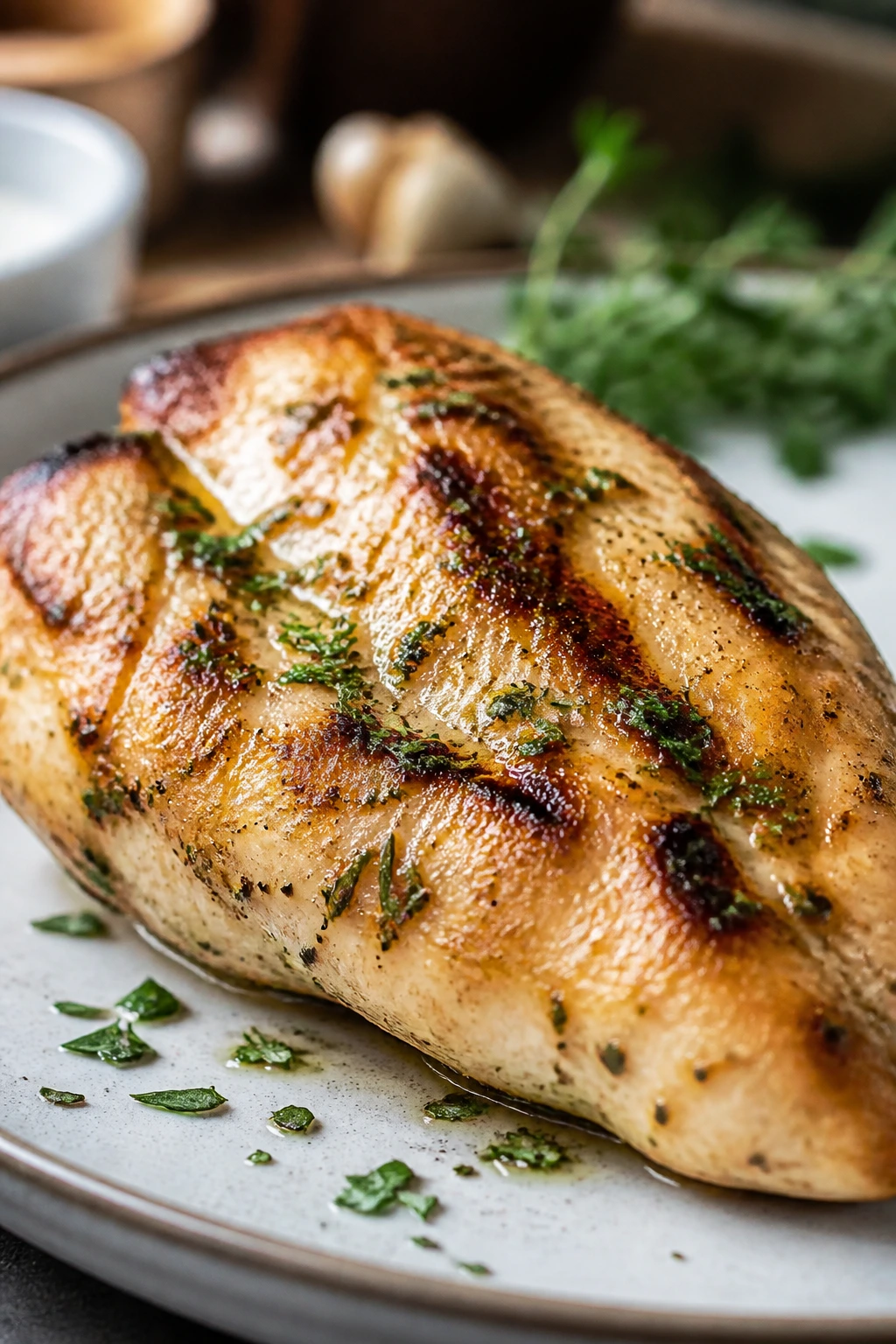
Chicken breast is the workhorse here, and I mean that as a compliment. Five to six ounces cooked usually lands around 230 to 280 calories with 40 to 50 grams of protein, which gives you room to build a meal around it. It’s also one of the easiest proteins to season aggressively without wrecking the calorie count.
Turkey deserves more credit than it gets. Turkey tenderloin and 93 to 99 percent lean ground turkey both work well when you want something softer or saucier than chicken. Ground turkey is especially useful in taco bowls, lettuce wraps, skillet meals, and meat sauces because it stretches nicely with onions, peppers, and mushrooms.
Seafood is where the math gets almost annoyingly good. Shrimp, cod, tilapia, pollock, and haddock are all naturally lean and cook fast. Shrimp is the speed demon. Cod is the flaky, mild one that takes on sauce well. Salmon is richer, a little higher in calories, and still absolutely workable if you keep the sides measured and don’t stack too many extras on top.
Lean Meats
Chicken breast and turkey tenderloin are the easiest choices when you want a dinner that feels classic. They sear well, roast well, and hold up to strong seasoning. I like them for sheet-pan dinners because you can keep the veg in the same pan without the whole meal turning greasy.
If you’re using ground turkey, go for the leanest version you can find without making the texture chalky. 93 percent lean is a nice middle ground. 99 percent lean can work too, but it needs more seasoning and a little care so it doesn’t dry out.
Seafood
Shrimp is almost unfair in this category. A 6-ounce portion gives a lot of protein for very few calories, and it cooks in minutes. White fish works the same way. The catch is that both overcook fast, so you need to watch the color and texture instead of leaving them in the pan “just in case.”
Salmon is the one I reach for when I want dinner to feel a little richer without blowing the budget. A 4- to 5-ounce fillet with asparagus and a measured carb can stay under 500 calories easily. Don’t bury it under a cream sauce. That’s a waste of good salmon.
Vegetarian Proteins
Extra-firm tofu is the quiet hero here. Press it, cube it, and sear it hard in a hot pan until the sides go golden and a little crisp. It takes on sauce well, which makes it ideal for stir-fries, curry-ish bowls, and chili crisp dinners where you want flavor to cling.
Tempeh gives a firmer, nuttier bite, while edamame adds protein without changing the shape of the meal too much. Greek yogurt, cottage cheese, eggs, and egg whites can also help build high-protein dinners, especially in bowls, scrambles, and sauces. Just don’t treat them as filler. They work best when they have a clear job.
Vegetables That Bulk Up the Plate Without Bulking Up Calories
The vegetable part of this formula is where dinner stops feeling skimpy. Not because vegetables are magic. Because they bring weight, texture, and color at a calorie cost that’s almost comically low compared with cheese, oil, or bread.
Broccoli is one of the best bets. It roasts beautifully at 425°F and gets those browned edges that make it taste deeper than it does raw. Cauliflower behaves the same way, especially when you cut the florets into similar sizes so the little pieces don’t scorch before the bigger ones are done. Mushrooms are another favorite of mine because they shrink, brown, and take on savory flavor like they’re trying to help.
Cabbage is underrated and cheap. It stays sturdy in a skillet, softens without collapsing, and gives you a real sense of volume. Zucchini is useful too, though it needs heat; otherwise it turns watery and dull. Green beans, asparagus, bell peppers, spinach, and snap peas all have a place, depending on whether you want crunch, sweetness, or a softer finish.
The Best Volume Vegetables
- Broccoli: Roast it at high heat or steam it briefly, then finish with lemon and salt.
- Cauliflower: Works as roasted florets, cauliflower rice, or a mash base.
- Cabbage: Holds up in stir-fries, taco bowls, and sheet-pan dinners.
- Mushrooms: Let them cook long enough to lose moisture first; they get meatier and more savory.
- Zucchini: Best when sliced thick enough to keep shape.
- Asparagus: Good with fish or chicken and fast enough for a weeknight.
- Spinach: Wilts into almost nothing, so use a lot more than you think.
- Bell peppers: Add sweetness and color, especially with turkey or shrimp.
Frozen vegetables are fine. Sometimes they’re better. They’re already trimmed, they don’t rot in the crisper drawer, and they make it easier to portion dinner instead of adding “a little more” every time you open the fridge.
Carbs and Fats You Can Keep on the Plate
This is the part people overcorrect on. They cut carbs and fat until the dinner feels naked, then wonder why they’re hunting for snacks an hour later. That’s not discipline. That’s a design flaw.
A small starch portion is often the difference between “I ate something” and “I had dinner.” Half a cup of cooked rice, a small roasted potato, a modest handful of couscous, or two corn tortillas can fit comfortably under the cap. The point is not to strip the plate. The point is to choose the starch on purpose and keep the portion honest.
Fats need the same treatment. Olive oil, avocado, nuts, seeds, cheese, pesto, tahini, and nut butters all belong in a light high protein dinner — in measured amounts. A teaspoon or tablespoon can be enough to change the texture and finish. A careless pour is what blows the budget.
Smart Carb Choices
- Half a cup of cooked rice: Simple, dependable, and easy to weigh or measure.
- A small potato: Roasted or microwaved, then split and topped with yogurt or herbs.
- Two corn tortillas: Great for taco-style bowls, fish tacos, and turkey fillings.
- A slice of crusty bread: Fine if the rest of the plate is lean and vegetable-heavy.
- Quinoa or couscous: Useful when you want a little more texture and a higher protein side than plain rice.
Smart Fat Choices
- 1 teaspoon olive oil: Enough for a skillet or to finish vegetables.
- 1 tablespoon tahini: Strong flavor, small amount.
- 1/4 avocado: Works in bowls and tacos, but it adds up fast.
- 1 ounce feta or parmesan: A little salinity goes a long way.
- 1 tablespoon nuts or seeds: Best as a garnish, not a handful.
I’m not against fat. Far from it. I’m against treating it like it’s invisible.
Cooking Methods That Keep the Meal Fast and Light
The easiest way to keep a dinner under 500 calories is to cook in a way that doesn’t demand a bunch of extra fat just to make the food taste finished. Some methods naturally work better here than others.
Sheet Pan Dinners
Sheet pans are hard to beat for this kind of meal. Chicken breast, shrimp, salmon, broccoli, zucchini, cauliflower, and peppers all do well at 400°F to 425°F. The trick is spacing things out so they roast instead of steam. If the vegetables pile up in a heap, you’ll get limp edges and bland flavor, which tempts you to add more oil or cheese afterward.
A sheet pan meal also makes portioning easier. You can see exactly how much protein and veg you made. That visual line is useful.
Skillet Meals
Skillet dinners are better when you want browning and sauce. Use a 12-inch skillet if you have one, and don’t crowd it. Crowding traps steam, and steam is the enemy of good color. A little oil — measured, not guessed — goes far in a hot pan.
I like skillets for turkey taco mixtures, shrimp stir-fries, tofu with vegetables, and quick chicken cutlets. They’re also the easiest place to add a splash of broth, soy sauce, vinegar, or lemon juice at the end and turn pan juices into a real sauce.
Air Fryer Meals
Air fryers are useful when you want crisp edges without a lot of oil. They’re especially good for chicken tenders, shrimp, salmon bites, and tofu cubes. Most of these meals work at 380°F to 400°F, with the food shaken or flipped once. Watch the texture; air fryers move fast.
Use the air fryer for the protein and do the vegetables on the side, unless they’re sturdy enough to roast at the same rate. Broccoli and Brussels sprouts work. Spinach does not.
Simmered Bowls and Soups
Broth-based bowls, chili, and soup are the quiet winners when you want a high-protein dinner that feels big. Lean turkey chili, chicken vegetable soup, shrimp and corn chowder with a light base, miso bowls with tofu, and bean-heavy soups can all sit under 500 calories if you keep the creamy add-ins in check.
These meals reward restraint. Use enough broth to give the bowl body, then finish with herbs, scallions, lemon, or a measured spoon of yogurt. That’s usually enough.
Dinner Blueprints You Can Reuse
Once you know the formula, you do not need a brand-new recipe every night. You need a few repeatable dinner patterns that you can steer toward whatever is in the fridge.
Lemon Chicken and Broccoli Plate:
Use 5 ounces of chicken breast, 2 cups of broccoli, 1/2 cup cooked rice or couscous, 1 teaspoon olive oil, lemon zest, garlic, and black pepper. It usually lands around 420 to 470 calories with 40-plus grams of protein. The lemon keeps it bright, and the broccoli gives the plate enough weight that it doesn’t feel spare.
Shrimp Stir-Fry Bowl:
Build it with 6 ounces of shrimp, 1 to 2 cups of cabbage, 1 cup of snap peas or peppers, 1/2 cup rice, ginger, garlic, and soy sauce. You can keep this around 350 to 420 calories depending on the rice and oil. I like this one when I want dinner on the table fast and still want something with crunch.
Turkey Taco Skillet:
Brown 6 ounces of lean ground turkey with onions, peppers, cumin, chili powder, and a splash of salsa. Serve it with two corn tortillas, shredded lettuce, tomato, and 1/4 avocado if the calories allow. It feels like actual dinner, not a “health” recipe trying too hard.
Salmon and Asparagus Dinner:
A 4- to 5-ounce salmon fillet, a pile of asparagus, and a small roasted potato make an elegant-looking plate without a huge calorie bill. Add dill, lemon, and a spoon of Greek yogurt mixed with garlic. This one sits closer to the top of the range, but it’s worth it when you want something richer.
Tofu and Edamame Bowl:
Press 7 ounces of extra-firm tofu, sear it hard, and serve it with 1/2 cup edamame, cabbage slaw, cauliflower rice, scallions, sesame seeds, and a little soy-chili sauce. It’s a strong plant-based option because the tofu and edamame work together instead of pretending one ingredient can do everything.
Smart Shopping and Ingredient Picks
A meal like this gets easier when you shop with the end in mind. The goal is not just “protein.” The goal is protein that cooks well, vegetables that keep their shape, and flavor builders that don’t cost half the calorie budget.
Choose proteins with as little hidden baggage as possible. Pre-marinated meats often come with sugar and extra oil. That’s fine if you budget for it, but it’s worth checking the label. Plain chicken breast, turkey, shrimp, fish, tofu, eggs, cottage cheese, and Greek yogurt give you more control. If you’re buying canned tuna or salmon, pick water-packed versions when you want tighter calorie control.
Frozen vegetables are not a downgrade. They’re a tool. Frozen broccoli, cauliflower rice, stir-fry blends, green beans, and spinach can save time and cut waste. They also make portioning easier because the bag tells you exactly what you have. Fresh is great when it’s actually fresh. Frozen is often smarter when you need the dinner to happen tonight.
What I Look for at the Store
- Chicken and turkey: Plain cuts with no sugary brine unless you want it.
- Seafood: Frozen shrimp that’s peeled and deveined saves time without changing the meal.
- Tofu: Extra-firm, packed well, and not swimming in extra water.
- Dairy: Plain Greek yogurt, cottage cheese, and a hard cheese you can grate in small amounts.
- Sauces: Salsa, mustard, broth, soy sauce, vinegar, and lemon juice beat creamy bottled sauces when calories are tight.
- Vegetables: Broccoli, cabbage, peppers, spinach, zucchini, mushrooms, cauliflower, and asparagus all earn their place.
The pantry matters too. Garlic powder, onion powder, paprika, chili flakes, cumin, curry powder, soy sauce, rice vinegar, and Dijon mustard can turn a plain protein into dinner without asking for much else. If you keep those around, the food stops tasting like a diet plan.
How to Keep Dinner Light Without Feeling Small
Flavor Enhancement: Salt the protein ahead of time when you can. Even 15 to 20 minutes helps chicken or tofu season more deeply, and it makes the final bite taste less flat. Finish with acid — lemon, vinegar, lime, or pickled onions — because a bright edge keeps a lean dinner from tasting dusty.
Time-Saver: Cook the protein and vegetables at the same time only when they need similar heat. Shrimp and asparagus are a good match. Chicken breast and broccoli work if you cut the broccoli small. Salmon and delicate greens do better when the greens are added at the end or cooked separately.
Pro Move: Use a teaspoon, not your eyes, for oil and sauces. Sounds boring. It works. A measured teaspoon in the pan and another teaspoon in the sauce can be enough, especially if you’re using a hot skillet or air fryer that already gives you good texture.
Cost-Saver: Buy the proteins that stretch. Ground turkey, canned tuna, tofu, eggs, and frozen shrimp often cost less than steak or big salmon fillets, and they’re easier to portion into a week’s worth of dinners. Stretch them with cabbage, mushrooms, and onions. Those vegetables are cheap and they pull a lot of weight.
Serving Suggestion: Serve the meal on a wide plate or in a shallow bowl instead of a tiny bowl that makes everything look crowded. Add a garnish that means something — chopped herbs, scallions, sesame seeds, a few chili flakes, a spoon of yogurt sauce, or a squeeze of lime. You’re not decorating. You’re finishing the dish.
One more thing. If a dinner feels too light after you eat it, the fix is usually not a second helping of sauce. It’s either a bit more protein or a small measured starch. That’s a cleaner repair.
Common Mistakes That Push a Healthy Dinner Over 500 Calories
-
Free-pouring oil: The pan looks fine. The calories do not. Oil is the fastest way to quietly blow the budget, especially in stir-fries and roasted vegetables. Measure it, or use a brush and a teaspoon so you know what’s actually on the food.
-
Treating sauces like air: Creamy dressings, mayo-based sauces, pesto, tahini, peanut sauce, and cheese sauces can turn a disciplined plate into a heavy one fast. Use them as accents, not blankets. A spoonful on top beats a half-cup mixed through everything.
-
Making the protein too small: A dinner with 2 or 3 ounces of chicken is a snack wearing dinner clothes. If you want the meal to hold you, keep the protein portion honest: usually 4 to 6 ounces cooked for meat or fish, or a meaningful tofu/Greek yogurt portion.
-
Stacking too many calorie-dense extras: Avocado, nuts, cheese, croutons, and oil can each make sense on their own. Put all of them on one plate and the math changes fast. Pick one or two. Not five.
-
Overcooking lean protein: Dry chicken breast or shriveled shrimp pushes people toward more sauce, more cheese, or an extra carb they didn’t plan for. Use a thermometer when it helps. Chicken hits 165°F, shrimp turn opaque and curl, and fish flakes without falling apart.
-
Forgetting the starch altogether: Some nights you need it. A meal with protein and vegetables only can leave you prowling the kitchen later. A small carb portion is often what makes the dinner feel finished instead of stripped down.
Useful Variations and Dietary Swaps
Mediterranean Lemon Bowl:
Swap in chicken, cod, or tofu with cucumber, tomato, olives, parsley, and a spoon of plain yogurt mixed with garlic and lemon. Keep the olive oil measured. This version tastes especially good when the vegetables are cold and the protein is hot, which gives the bowl some temperature contrast.
Taco Night Skillet:
Use lean ground turkey, black beans if you want a little extra fiber, peppers, onions, salsa, cumin, and two small corn tortillas. It’s easy to keep this under 500 calories if you treat cheese and avocado as garnish, not as the base of the plate.
Creamy Without the Cream:
Blend plain Greek yogurt or cottage cheese with garlic, dill, lemon, or herbs to make a sauce that feels richer than it is. If you need it dairy-free, use silken tofu, lemon, and mustard for a similar effect. This is one of the easiest ways to make a light dinner feel like a real one.
Vegetarian Protein Plate:
Pair extra-firm tofu with edamame, mushrooms, cabbage, and a small scoop of rice or quinoa. If you want more protein without a lot more calories, add a fried egg or a poached egg on top. The yolk turns into a sauce, which is doing a lot of work for one ingredient.
Higher-Carb Training Plate:
If you’ve had a long workout or a day with a lot of movement, keep the protein high and move a few more calories into rice, potatoes, or pasta while trimming fat elsewhere. That still fits the spirit of a light high protein dinner under 500 calories, and it often feels better than forcing yourself into a tiny starch portion when you actually need it.
Essential Tools and Kitchen Gear
-
Digital kitchen scale: The easiest way to keep portions honest, especially for protein, cheese, nuts, and cooked starches.
-
Meat thermometer: Worth it for chicken, turkey, and fish. It keeps you from overcooking lean protein, which is where a lot of dinners go sideways.
-
12-inch skillet: Big enough to brown protein and vegetables without crowding them into a steam bath.
-
Rimmed sheet pan: Ideal for roast dinners because the juices stay on the tray instead of spilling everywhere.
-
Air fryer: Optional, but useful for crisping tofu, shrimp, chicken pieces, and vegetables with very little oil.
-
Sharp knife and cutting board: Faster prep, cleaner cuts, better-looking vegetables. Boring answer. True answer.
-
Measuring spoons: Especially for oil, sauces, tahini, and spice blends.
-
A few airtight containers: Meal prep gets much easier when protein, vegetables, and sauces can live separately until dinner.
Make-Ahead, Storage, and Reheating Guidance
Cooked proteins and vegetables usually keep 3 to 4 days in the fridge when stored in airtight containers. Fish is fussier and tastes best within 1 to 2 days. Tofu, turkey, chicken, roasted vegetables, and cooked grains all hold well, but keep delicate greens, cucumber, and fresh herbs separate until serving.
Freezing works best for cooked chicken, turkey, chili, soups, and some grain bowls. Aim for up to 2 to 3 months frozen for the protein-and-sauce parts of the meal. Roasted vegetables can be frozen too, though they soften after thawing. I would not freeze a salad and expect it to come back charming.
For reheating, the method matters. Skillet reheating is best for stir-fries and roasted vegetables: use medium-low heat with a splash of water or broth and cover loosely for a few minutes. Microwave reheating works for bowls and cooked proteins if you use 50 to 70 percent power and stop as soon as the food is hot. Oven reheating at 325°F is kinder to chicken, turkey, and potatoes when you have more time. Air fryers can refresh crispy bits at 350°F for 3 to 5 minutes.
Sauces should usually be stored separately. Yogurt sauces, vinaigrettes, salsa, and broth-based pan sauces stay better that way, and they keep the main ingredients from turning soggy. Some dinners improve overnight — turkey chili, chicken soup, and curry-style bowls usually do — while things like shrimp, fish, and leafy greens are better the day they’re made.
Frequently Asked Questions
How much protein should a dinner have?
A lot of people do well with 25 to 40 grams of protein at dinner, though bigger or more active eaters may want more. That range gives the meal enough backbone to feel like dinner without forcing the calories too high.
Can I still eat rice, potatoes, or pasta in a light high protein dinner under 500 calories?
Yes. The trick is portion size. Half a cup of cooked rice, a small potato, or a modest serving of pasta can fit easily if the protein is lean and the sauce is measured.
What protein gives the most food for the fewest calories?
Shrimp and white fish are tough to beat on pure calorie efficiency. Chicken breast and turkey are close behind, and tofu can be a smart plant-based option when you want something that soaks up flavor well.
Is salmon too high in calories for this kind of dinner?
Not if you keep the portion reasonable. A 4- to 5-ounce fillet with vegetables and a small starch can stay under 500 calories without feeling skimpy. Salmon just asks for a little more discipline with oil, cheese, and sides.
Can I make this vegetarian and still stay full?
Yes. Use extra-firm tofu, tempeh, edamame, eggs, Greek yogurt, or cottage cheese as the protein anchor, then add vegetables with real texture — cabbage, mushrooms, peppers, broccoli, or cauliflower rice. Vegetarian dinners fail when they’re mostly soft food with no structure.
What if I’m hungry again an hour later?
That usually means the dinner was short on protein, fiber, or measured fat, not that you lack willpower. Add a bigger protein portion, more vegetables with texture, or a small starch next time. A light meal should still feel finished.
Do sauces and marinades count in the calorie total?
They count, and the dense ones count fast. Tomato-based sauces, broth, vinegar, mustard, salsa, and yogurt sauces are easier to work with than cream, pesto, or nut-heavy sauces when you’re keeping dinner under 500 calories.
How do I stop chicken breast from turning dry and dull?
Don’t overcook it, and don’t under-season it. Salt it ahead of time if you can, cook it to 165°F, then let it rest a few minutes before slicing. Finish with lemon, herbs, or a simple sauce so it tastes like dinner instead of leftovers from a training plan.
A Dinner Pattern You Can Reuse
A light high protein dinner under 500 calories works best when it stops feeling like a rule and starts feeling like a pattern. Protein first. Vegetables with enough volume to matter. A measured starch when the plate needs one. Fat and sauce used on purpose, not sprayed around by accident.
That’s the part I like most. The meal stays flexible. Chicken tonight, shrimp tomorrow, tofu on a busy night, salmon when you want something richer. Once the proportions click, you can cook almost anything in this lane and still end up with a plate that feels like dinner, not a compromise.