



Smoke, vinegar, blistered onion edges, and the faint sweet burn of a sauce that hit the grate at exactly the right moment — that’s the flavor lane where charred tangy BBQ lives. It’s a sharper, cleaner style of backyard cooking than the sticky-sweet stuff that can taste heavy halfway through a plate. You get the dark crust, the smoke, the little bitter edge from proper caramelization, and then the acid steps in and keeps the whole thing awake.
That balance matters more than most people think. A sauce with vinegar, mustard, citrus, pickle brine, or even a splash of hot sauce does more than “add flavor”; it cuts through fat, wakes up smoke, and keeps grilled meat from tasting flat after the third bite. The trick is knowing where the char ends and the burnt flavor begins, and then giving tang enough room to do its job without turning the food into sour soup.
Backyard cookouts go wrong in very predictable ways. The grill is too hot in one spot, the sauce goes on too early, the chicken skin never dries out, and everything ends up looking like it was kissed by fire but not improved by it. A better cookout feels calmer. You can smell the vinegar in the sauce, hear the sizzle on the grate, and see the edges turn deep brown instead of blackened and bitter. That’s the sweet spot — and once you understand it, the whole menu gets easier.
Why Char and Tang Belong on the Same Plate
Char gives BBQ its backbone; tang keeps it from feeling heavy. That’s the whole relationship in one sentence. Without the browned crust, barbecue sauce can taste one-note and sugary. Without acid, the smoke and fat can sit on the tongue like a coat you forgot to take off.
A good char is not random burning. It’s controlled browning on a dry-ish surface, where heat has time to do its work. On chicken skin, that means the fat renders and the skin tightens. On pork chops, it means the outside picks up those dark grill marks and a little crispness at the edges. On vegetables, it means the sugars in onions, peppers, and corn turn deeper and nuttier instead of tasting raw or steamed.
Tang comes in as the counterweight. Vinegar is the classic move, but mustard does something different: it adds sharpness plus body. Citrus is brighter and more aromatic. Pickle brine is salty, bracing, and a little weird in the best way. Even tomato-based sauces can feel tangy if they carry enough vinegar to cut the sweetness. The point is not to make everything sour. The point is to make each bite keep going.
Why the Contrast Tastes Bigger Than Either Flavor Alone
Smoke clings to fat. Acid slices through it. That contrast is why a rib glazed with a vinegar-heavy sauce can taste cleaner than a sweeter rib, even though both have plenty of richness. Your tongue gets a little reset after each bite.
There’s also a practical side. Tangy sauces often let you use less sugar, which means fewer burnt spots on the grill when you finish the meat over direct heat. You still get caramelization, but you’re not asking the sauce to do a job it can’t handle under a blowtorch of flame.
What Char Is Supposed to Look Like
- Deep brown edges: The best pieces look mahogany, not gray.
- Small black flecks: Fine. Those add smoky bite.
- Large soot-black patches: Too far. That turns bitter fast.
- Gloss after saucing: A good glaze looks shiny, not wet.
- Dry surface before the grill: Water is the enemy of crust.
One sentence matters here: if the food looks wet, it won’t brown well.
Picking Cuts That Shine Over Live Fire
A rack of meat can survive bad sauce. Bad cuts, though? They make the whole cookout feel like work. The best proteins for charred tangy BBQ are the ones that can handle high heat, short finishing bursts, or a little patience without drying out.
Chicken thighs are my first pick for most backyard cookouts. They have enough fat to stay juicy through direct heat, and their skin can crisp before the meat overcooks. Chicken breasts can work, but they demand attention and a thermometer. Miss by a few degrees and they go chalky fast.
Pork shoulders, ribs, and chops all take tang well, though they behave differently. Shoulder wants time and smoke. Ribs love a low, steady fire with a final sticky glaze. Chops are fast, which makes them perfect for a mustard-forward or vinegar-forward sauce that gets brushed on near the end. Beef behaves differently again. Flank steak, skirt steak, and chuck steaks like bold acid and a short rest; thick brisket is a long-game project.
The Cuts I Reach for First
Chicken thighs are the easiest win. They stay forgiving, even if the grill runs a little hot, and the skin crisps up in a way that flatters a tangy glaze.
Bone-in pork chops deserve more respect than they get. A 1-inch chop can take a good sear, then finish over indirect heat while you brush on a thin layer of sauce during the last few minutes.
Spare ribs and St. Louis-style ribs want a slower cook, but they reward patience with a meatier bite and enough surface area to take on a sharp glaze without collapsing.
Flank steak wants fast grilling and an aggressive finish. Slice it thin across the grain, and a vinegar-heavy sauce turns it from “good” to “why did we not make more.”
Vegetables and Fruit That Actually Belong Here
Don’t sleep on vegetables. Thick onion rounds, bell peppers, zucchini planks, eggplant slices, corn on the cob, and halved peaches all handle char in different ways. Onions are probably the most underrated. They go soft at the center, brown at the edges, and soak up glaze like a sponge.
Firm fruit is another smart move. Pineapple and peaches can carry a tangy BBQ brush-on better than people expect, especially if the sauce leans mustardy or citrusy. Their natural sugars caramelize fast, so you need to watch them closely. Ten seconds too long can be the difference between glossy and scorched.
What to Avoid If You Want Good Results
- Very lean cuts with no plan: Turkey breast or thin boneless pork chops dry out fast unless you brine or sauce carefully.
- Tiny pieces on a hot grate: They fall through or overcook before they char.
- Anything coated in too much sugar from the start: It burns before the middle is hot.
- Marinated meat that’s still dripping wet: Pat it dry, or you’ll steam the surface instead of browning it.
Building a Two-Zone Fire Without Guesswork
A grill that gives you only one temperature is a rude machine. Hot everywhere is how you get black edges and raw centers. Two zones — one hot, one cooler — give you the control that backyard cookouts actually need.
On a gas grill, that means turning on one side to medium-high and leaving the other side lower, or off entirely. On charcoal, bank the coals on one side so you have a direct heat zone and a gentler indirect side. You want a place to sear and a place to finish. That’s not a luxury. It’s how you keep sauce from burning before the food is cooked through.
Preheat longer than people think. Fifteen minutes is a bare minimum for a gas grill, and charcoal should be fully ashed over before food touches the grate. Scrub the grates while they’re hot, then oil them lightly with a folded paper towel held in tongs. Skip the giant oil slick. You want a thin film, not a flare-up festival.
How the Heat Zones Work in Practice
Start over direct heat for the early browning. Let the meat pick up color and grill marks where it belongs, then move it to indirect heat to finish through the center. That approach is especially useful for thicker chicken thighs, bone-in chops, and anything brushed with a sauce that contains sugar or honey.
If you’re cooking a mixed tray — say, chicken thighs, corn, and onion halves — move the pieces around by size. Corn can stay on the hotter side longer. Chicken may need a move to indirect heat. Onions usually like a gentler zone once they’ve picked up some color, because they can go from sweet to bitter if you forget them.
A Good Lid Matters More Than People Admit
A covered grill behaves more like an oven with smoke. That’s a good thing. It lets heat wrap around the food and finish the middle without torching the outside.
Open-grate grilling has its place, especially for fast vegetables and thin steaks. Still, a lid gives you control when the sauce is tangy and you want the meat to cook evenly before that final glaze. If your grill lid leaks a little, no big deal. You’re after enough enclosure to steady the heat, not laboratory perfection.
The Sauce Styles That Actually Fit Backyard Cooking
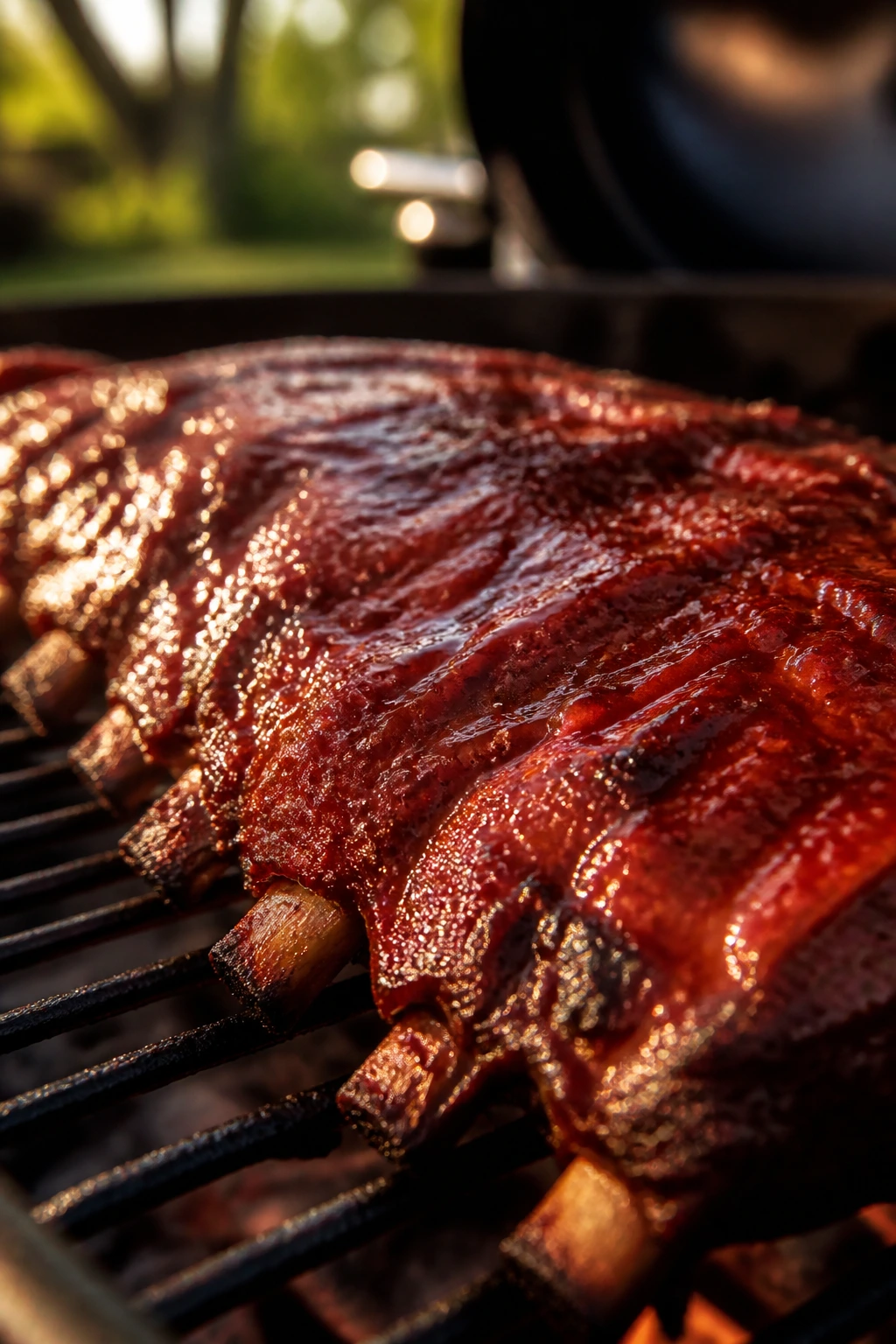
Some barbecue sauces are syrup with a smoke costume. Fine for a spoon, bad for the grill. The better tangy BBQ sauces bring enough acid to wake up the meat and enough body to cling after a brush-on. You can build that profile from a few different directions.
Vinegar-based sauces are the sharpest. They usually lean thin, peppery, and a little salty, which makes them excellent for pork and chicken skin. Mustard sauces have more body and a yellow-gold color that looks especially good on grilled chicken thighs and chops. Tomato-based tangy sauces sit in the middle: familiar, thicker, and easy to nudge toward sweet, spicy, or smoky depending on what you add.
Then there are the supporting flavors. Worcestershire adds depth. Pickle brine adds salinity and a small fermented edge. Lemon zest adds perfume. Cayenne, chipotle, black pepper, and mustard seed keep the sauce from tasting like watered-down ketchup. If the sauce feels flat on a spoon, it will feel flatter on a plate.
The Flavor Backbone to Aim For
Think in layers:
- Base: vinegar, tomato, mustard, or citrus
- Body: a little ketchup, honey, molasses, or onion purée
- Depth: Worcestershire, soy sauce, smoked paprika, or garlic
- Heat: black pepper, cayenne, chipotle, or crushed red pepper
- Finish: more vinegar, lemon juice, or pickle brine at the end
That last step matters. A lot. Many home cooks build the sauce, simmer it, and stop there. I prefer a small splash of acid at the end because heat dulls brightness. Taste the sauce warm, then sharpen it if needed.
What Not to Overdo
Too much molasses and you get sticky sweetness with no edge. Too much mustard and the sauce can taste harsh after it hits the heat. Too much hot sauce and you lose the BBQ identity entirely. I like sauces that still taste like barbecue after one bite and then leave a little sting or snap at the end.
The best versions aren’t loud. They’re balanced enough that you want a second bite before the first one is gone.
When to Brush, Mop, and Glaze
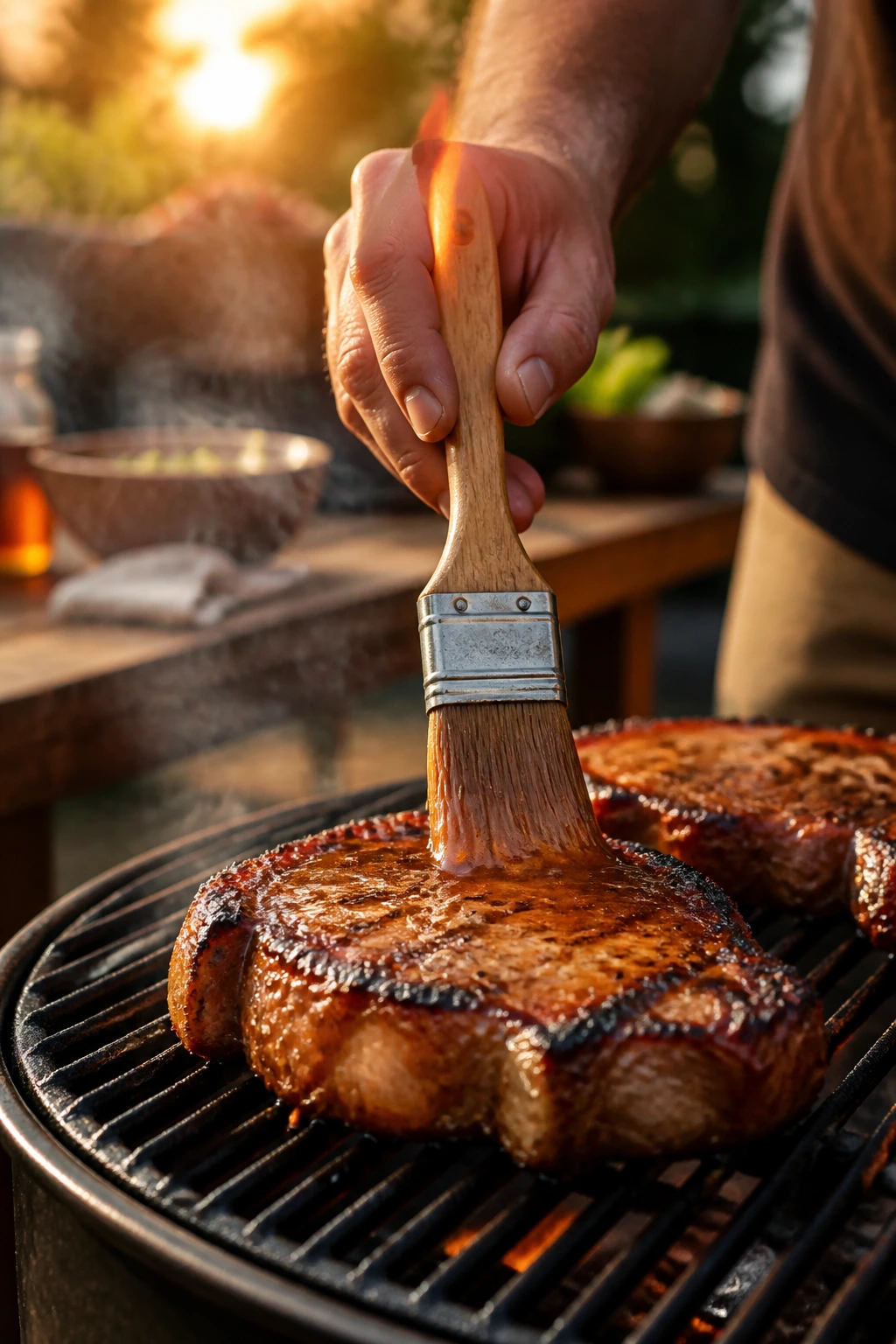
Saucing at the wrong time is how good barbecue turns into a burnt rack with a glossy shell. Sugar and high heat are not friends for long. Timing is everything.
Brush sauce on during the final stretch of cooking, not the opening minutes. For chicken thighs or chops, that usually means once the meat is nearly done and you’ve already built some color. For ribs, you often want to wait until the meat has set and the surface has dried a bit, then glaze in thin layers near the end. If you dump on a thick coat early, the sauce can scorch before the center cooks through.
Mopping and glazing are related, but they’re not the same move. A mop is thinner and meant to keep the surface moist during a long cook. A glaze is thicker and meant to finish the meat with shine and cling. Backyard cooks often use the words interchangeably, which is fine until they start painting a thick, sugary glaze onto something that still needs twenty minutes over heat. That’s where trouble starts.
A Simple Rule for Timing
If the meat still needs a lot of cooking, keep the sauce off.
If it only needs a few more minutes, brush it on in a thin layer and let it tighten.
If you want a lacquered surface, add two or three thin coats instead of one heavy coat. Give each coat a minute or two to set before the next one. That builds gloss without dumping raw sugar on the fire.
The Cleanest Way to Avoid Contamination
Reserve a separate bowl of sauce for the table. Do not brush raw-meat sauce back into the serving dish. That seems obvious until people get busy, then someone grabs the same brush twice and the whole bowl becomes a health hazard. Keep one brush for raw or early-stage cooking, and another for the finished sauce.
That small habit saves you from a messy, unsafe cookout. Also, it keeps the final sauce tasting clean instead of like the grill.
Why the Grate Can Make or Break the Flavor
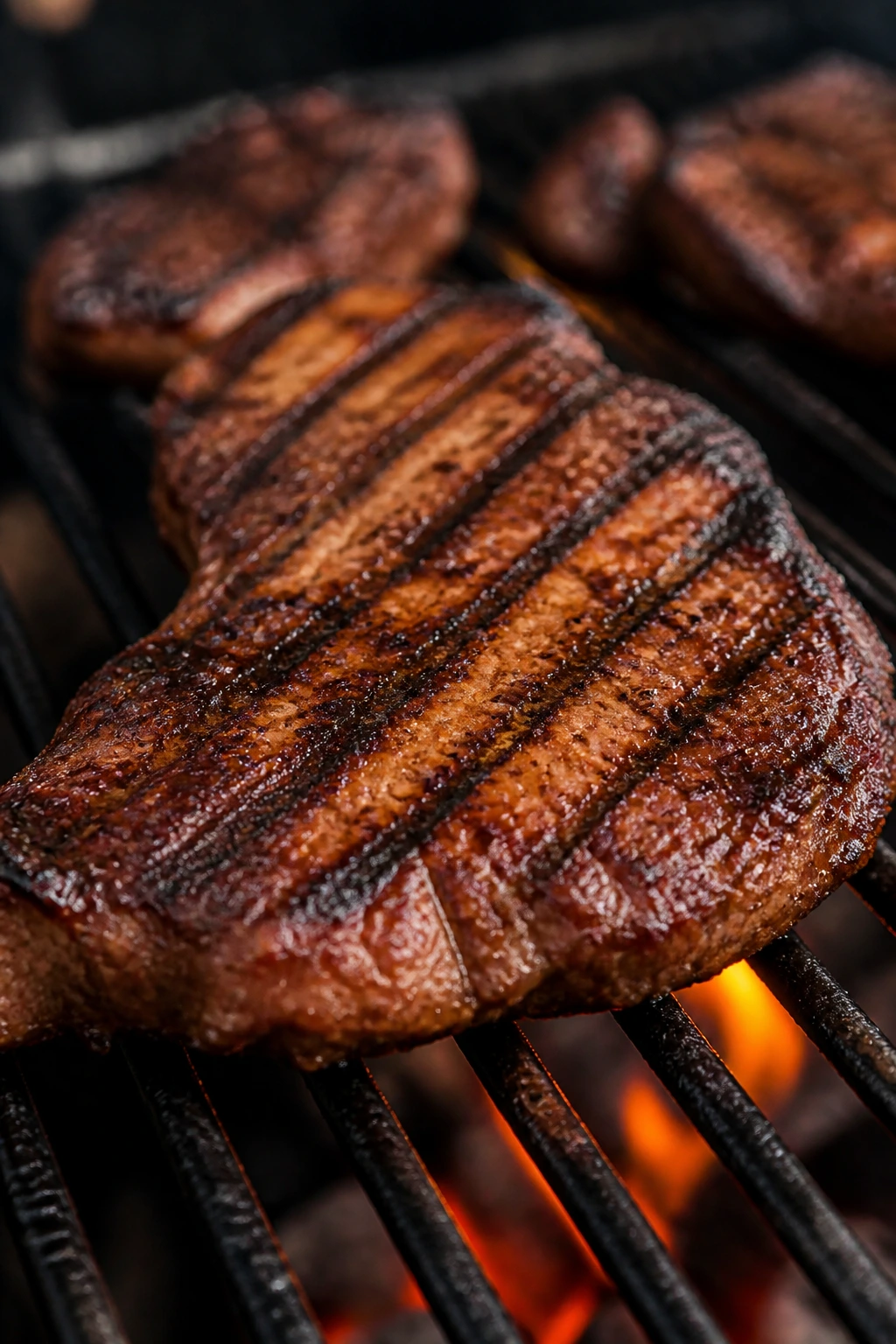
A lot of backyard BBQ problems are actually surface problems. If the grate is dirty, the seasoning sticks to old carbon. If it’s too wet, the meat clings and tears. If it’s too cold, nothing browns. If the grate is oily in globs, flames jump and scorch the sauce before it has a chance to shine.
Clean grates matter because char is supposed to come from the food, not from old black residue. I’m not precious about a grill being spotless, but I do want the cooking bars scraped and heated so the food gets a fair shot. A quick brush, a hot preheat, and a light oiling make a noticeable difference on chicken skin and pork chops. You can see it in the release. Good meat lifts cleanly after a proper sear. Bad setup leaves half the crust welded to the metal.
The other thing to watch is sugar build-up. Tangy sauces leave a little residue after repeated brushing. That residue can darken fast, especially if you keep flipping the same piece over direct flame. Every few minutes, shift the food to the cleaner side of the grill if you can. That tiny move keeps the glaze glossy instead of sticky-black.
Char Marks vs. True Crust
Char marks are those clean, dark stripes you get from good grate contact. True crust is broader. It covers more of the surface and has some variation in color — deep brown, chestnut, a few black freckles, maybe a shiny edge from sauce.
Both are useful. The problem is when people chase perfect stripes and ignore the rest of the piece. Backyard cookouts taste better when the whole surface gets some heat, not when two lines are Instagram-friendly and the middle is pale.
Backyard Cookout Menu Pairings That Make the Plate Make Sense
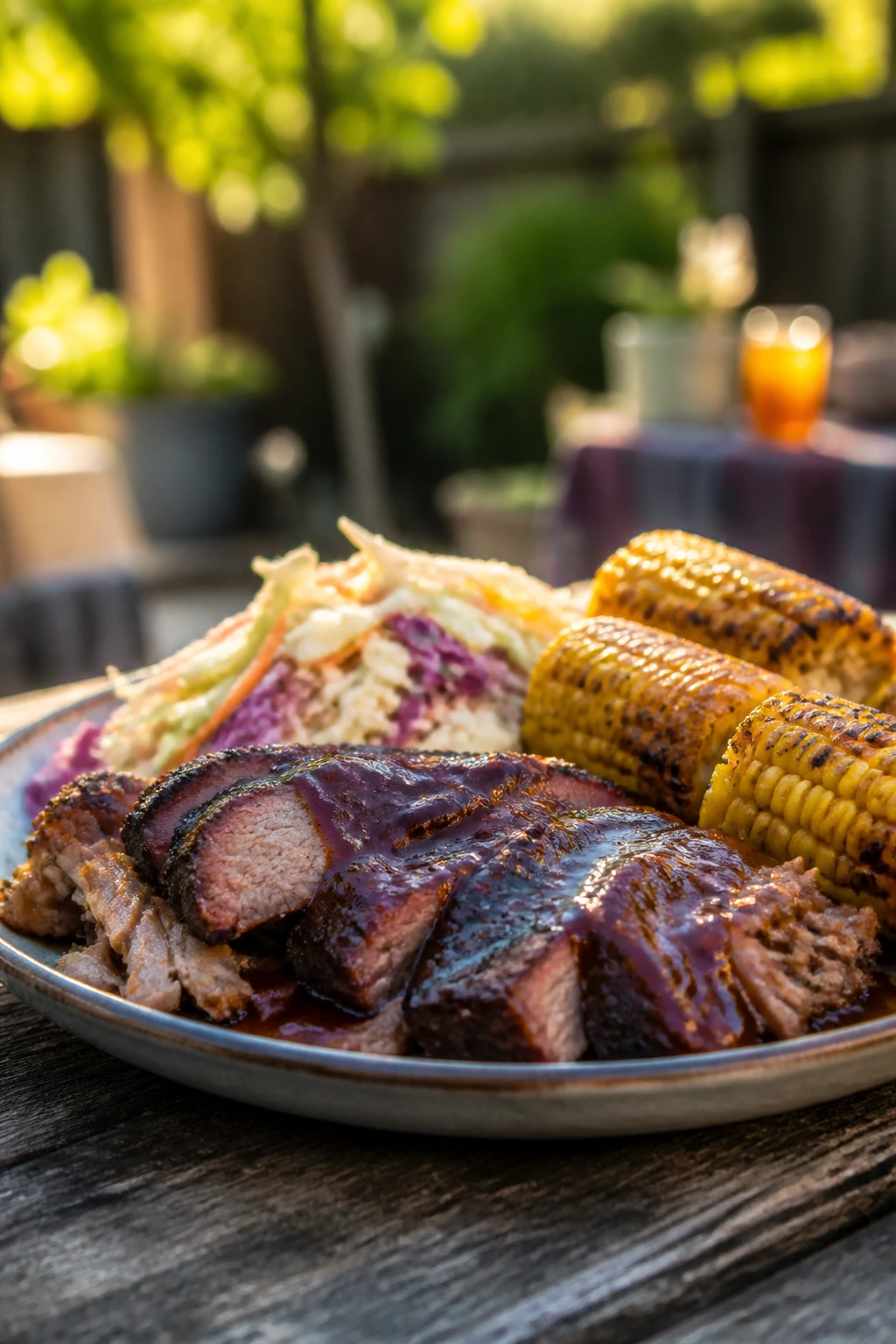
Tangy BBQ needs side dishes with crunch, coolness, or their own little acidic kick. If every item on the table is soft and sweet, the meal gets heavy fast. A bright slaw, a vinegary bean dish, or even a simple tomato salad gives the plate a place to breathe.
My favorite pairing is still a classic vinegar slaw. Not a mayo-heavy pile that weighs down the meat. A slaw that stays crisp, carries pepper, and has enough acid to echo the sauce without copying it. Grilled corn with lime and a little chili salt is another excellent move. The corn’s sweetness meets the char head-on, and the lime keeps it from feeling like a sugar bomb.
Potato salad can work, too, but I prefer mustard-based versions with chopped pickles or celery. Baked beans are fine if they are not all brown sugar and molasses. You want some smoke in there and maybe a little mustard or vinegar to keep them from turning into dessert in disguise.
The Sides I’d Put on the Table First
- Vinegar slaw: Crisp cabbage, carrot, and a peppery dressing.
- Grilled corn with lime: Charred kernels and a salty finish.
- Mustard potato salad: Better with ribs and pork than a sweet version.
- Pickles or pickled onions: Bright, cold, and sharp against smoky meat.
- Watermelon with salt: Sounds simple. Works every time.
- Cornbread: Best when the main sauce is tangy rather than sugary.
What to Pour in the Glass
Cold lager is a clean fit. So is iced tea with lemon, especially if the food leans mustardy or vinegar-heavy. If you want a non-alcoholic drink with a little more edge, ginger beer or sparkling water with lime keeps the palate fresh between bites. Heavy, syrupy drinks fight the meal. Crisp drinks help it.
How to Serve Charred Tangy BBQ at the Table
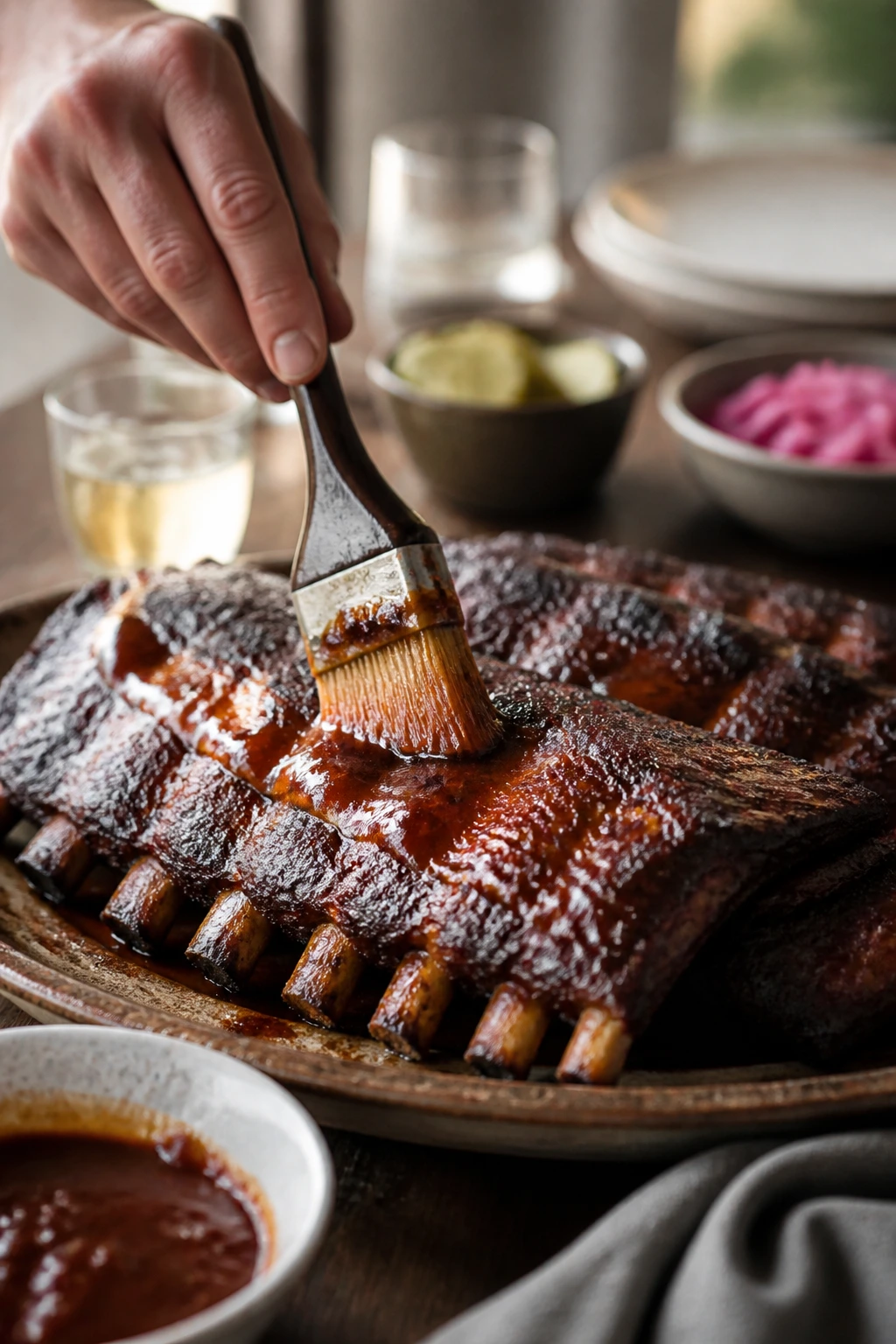
Presentation: Put the protein on a warm platter and spoon or brush a final thin coat of sauce over the top right before serving. If it’s chicken or pork, let some skin or crust stay visible; a full blanket of sauce hides the best texture. Scatter sliced scallions, chopped parsley, or thinly sliced pickled onions over the top if you want color and a little bite.
Accompaniments: Serve the meat with one crunchy side and one cool side. I’d choose vinegar slaw, grilled corn, mustard potato salad, or a platter of pickles and sliced tomatoes before I’d choose another heavy starch. If you want bread, go for soft rolls or cornbread that can catch sauce without drowning the plate.
Portions: Plan on 6 to 8 ounces of cooked meat per adult for a main plate, a little less if there are several sides and plenty of bread. Chicken thighs usually work out to 1 to 2 pieces per person, depending on size. For ribs, figure on 1/2 rack to 1 rack per adult if ribs are the centerpiece.
Beverage Pairing: A cold pilsner or lager is the easy answer. Unsweetened iced tea with lemon is the quieter one, and it might be the better one if your sauce leans mustardy, vinegary, or spicy.
Practical Moves That Keep the Cookout Calm
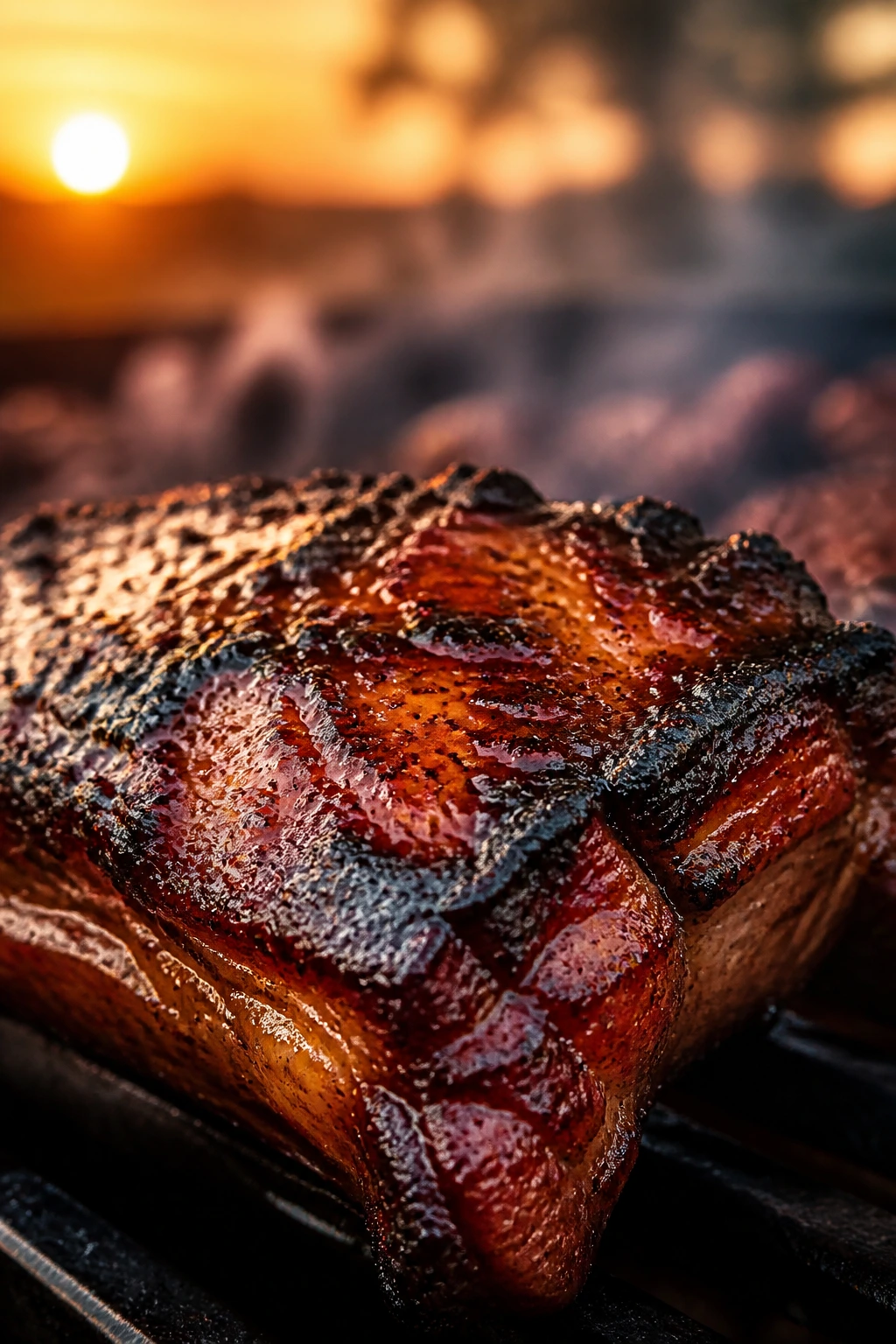
Prep ahead or pay later. That’s the blunt version. If you slice onions, mix sauce, trim meat, and set out your tongs before the grill gets hot, the whole night runs smoother. Backyard cookouts get chaotic because people start cooking and organizing at the same time. Those are different jobs.
Thermometer first, guesswork second. USDA-safe targets are not optional when you’re cooking chicken or ground meat. Chicken should hit 165°F in the thickest part. Whole cuts of pork and beef are commonly cooked to 145°F with a short rest, and ground meats need 160°F. If you can see the thermometer, you can stop overcooking.
Hold back some sauce. Keep one clean batch for the finish and the table. It sounds fussy until you’ve got a sticky brush, a half-raw chicken batch, and a serving bowl that nobody wants to touch. Clean sauce tastes brighter anyway.
Let the meat rest. Five to ten minutes for chops and chicken pieces. A little longer for thicker cuts. Juices settle down, the surface stays more intact, and the first slice doesn’t spray all over the cutting board. Resting is boring. It matters.
And yes, you still get to eat the crisp edges. Just not instantly.
Common Mistakes That Turn Good BBQ Flat or Bitter
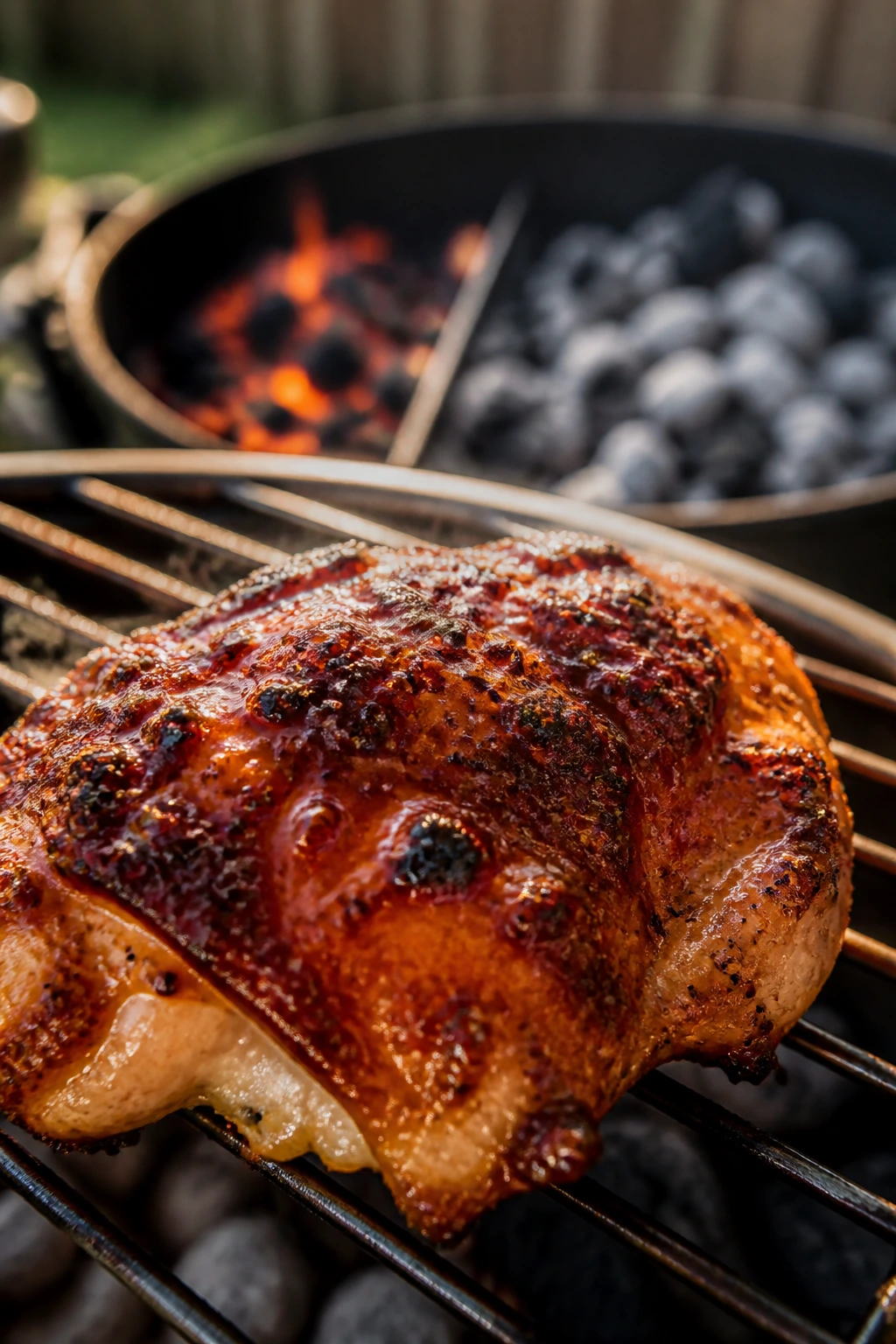
Saucing too early: The surface turns dark before the center is done, and the glaze tastes burnt instead of sticky. Fix it by waiting until the meat is almost finished, then brushing on thin layers near the end.
Cooking over one hot zone only: Everything outside the sweet spot burns while the thicker parts lag behind. Fix it with a two-zone fire so you can move food away from flare-ups and finish it gently.
Using a sweet sauce like paint: Thick sugar-heavy sauce goes black fast, especially on chicken skin and ribs. Fix it by thinning the sauce with a little vinegar or brushing on less of it more often.
Skipping the dry surface: Wet meat steams first, browns later, and often not enough. Fix it by patting chicken, pork, or vegetables dry before seasoning and grilling.
Forgetting carryover cooking: You pull meat at the exact target temp, then it keeps rising as it rests. Fix it by taking chicken off a few degrees early once you know your grill and your cuts.
Crowding the grate: Too many pieces close together trap steam and block the airflow that helps browning. Fix it by leaving space between pieces, even if that means grilling in two rounds.
Flavor Variations Worth Trying
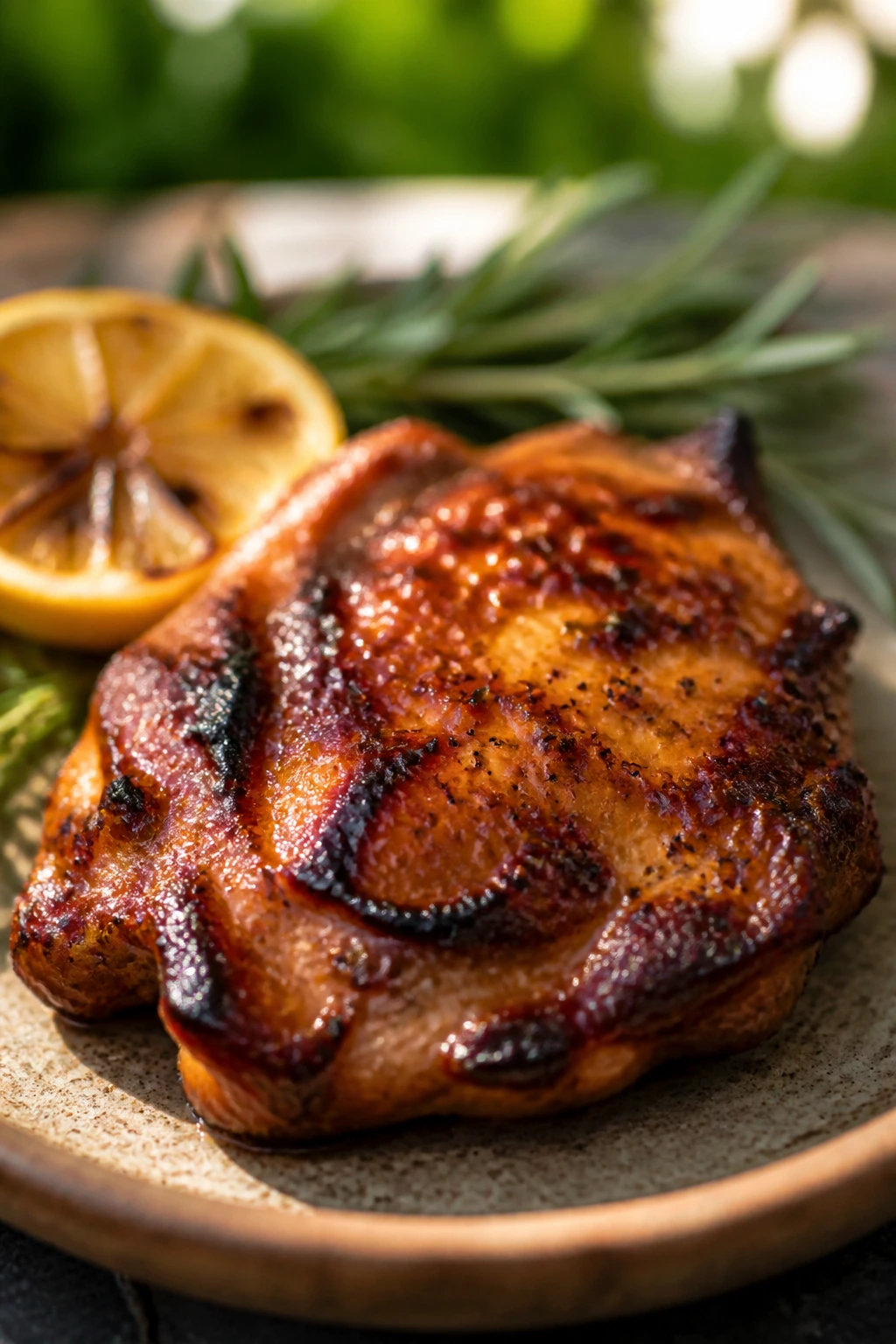
Carolina Vinegar Snap
Use apple cider vinegar, a spoon of mustard, black pepper, red pepper flakes, and a little salt. This is the sharpest version, and it loves pork shoulder, pulled chicken, and chopped barbecue sandwiches. If you like your sauce to cut right through richness, this is the lane.
Golden Mustard Backyard Glaze
Start with yellow or Dijon mustard, a touch of honey, cider vinegar, garlic powder, and paprika. It clings well to chicken thighs and bone-in chops, and it looks especially good once it hits the grill. The mustard keeps the sauce lively even with a little sweetness in the mix.
Smoky Citrus Brush-On
Mix orange juice, lime juice, a little ketchup, chipotle, garlic, and salt. That one works nicely for chicken, shrimp, and grilled vegetables because the citrus stays bright while the chipotle brings heat and a little smoke. Use it on the last few minutes only. Citrus can go bitter if you let it sit over aggressive flame too long.
Pickle-Brine Chicken Finish
Blend pickle brine with a small amount of barbecue sauce, a spoon of mustard, and black pepper. It sounds like a dare until you taste it. The brine adds salt and snap, which makes grilled chicken skin and pork chops taste sharper and more awake.
No-Sugar Weeknight Version
Skip the honey and molasses. Use tomato paste, vinegar, mustard, Worcestershire, smoked paprika, and garlic. You lose a little gloss but gain a sauce that handles direct heat better and works for people who don’t want a sticky finish.
The Tools That Make Grilling Less Chaotic
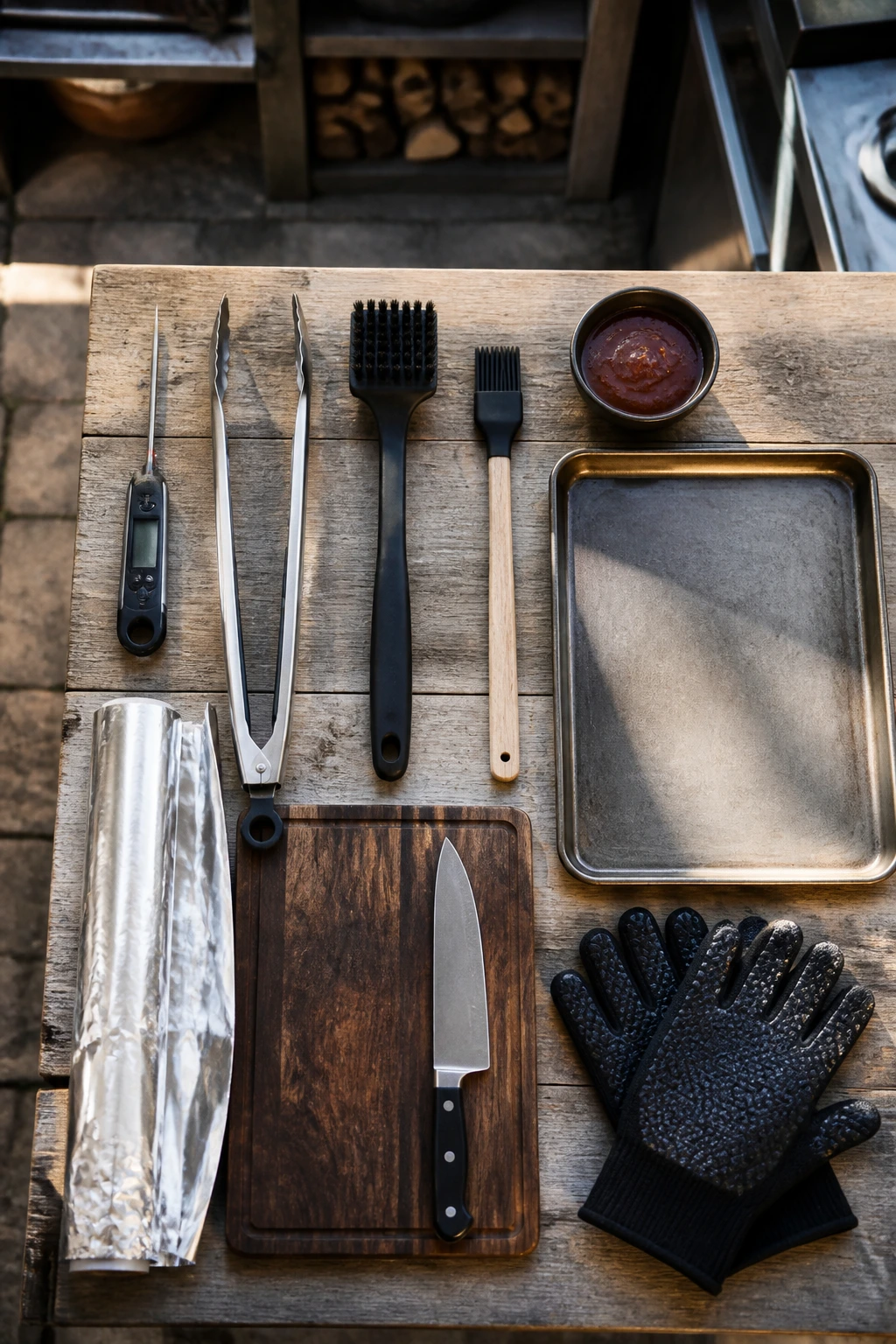
- Instant-read thermometer: The single best way to stop guessing on chicken, pork, and beef.
- Long grill tongs: Keep your hands away from flare-ups and let you move food cleanly.
- Stiff grill brush or scraper: A hot grate is easier to clean, and a clean grate browns better.
- Silicone basting brush: Holds sauce without shedding bristles into the food.
- Small sauce bowl or squeeze bottle: Lets you portion out a clean finishing sauce.
- Sheet pans or platters: Useful for carrying raw meat out and rested food back in.
- Aluminum foil: Handy for tenting, resting, or building an indirect zone with charcoal if needed.
- Cutting board with a groove: Catches juices so rested meat does not flood the counter.
- Sharp knife: Especially useful for slicing flank steak, pork shoulder, or thick chicken pieces after rest.
- Heat-resistant gloves: Optional, but worth it if you move grates, coals, or cast iron around the fire.
Leftovers, Storage, and Food Safety
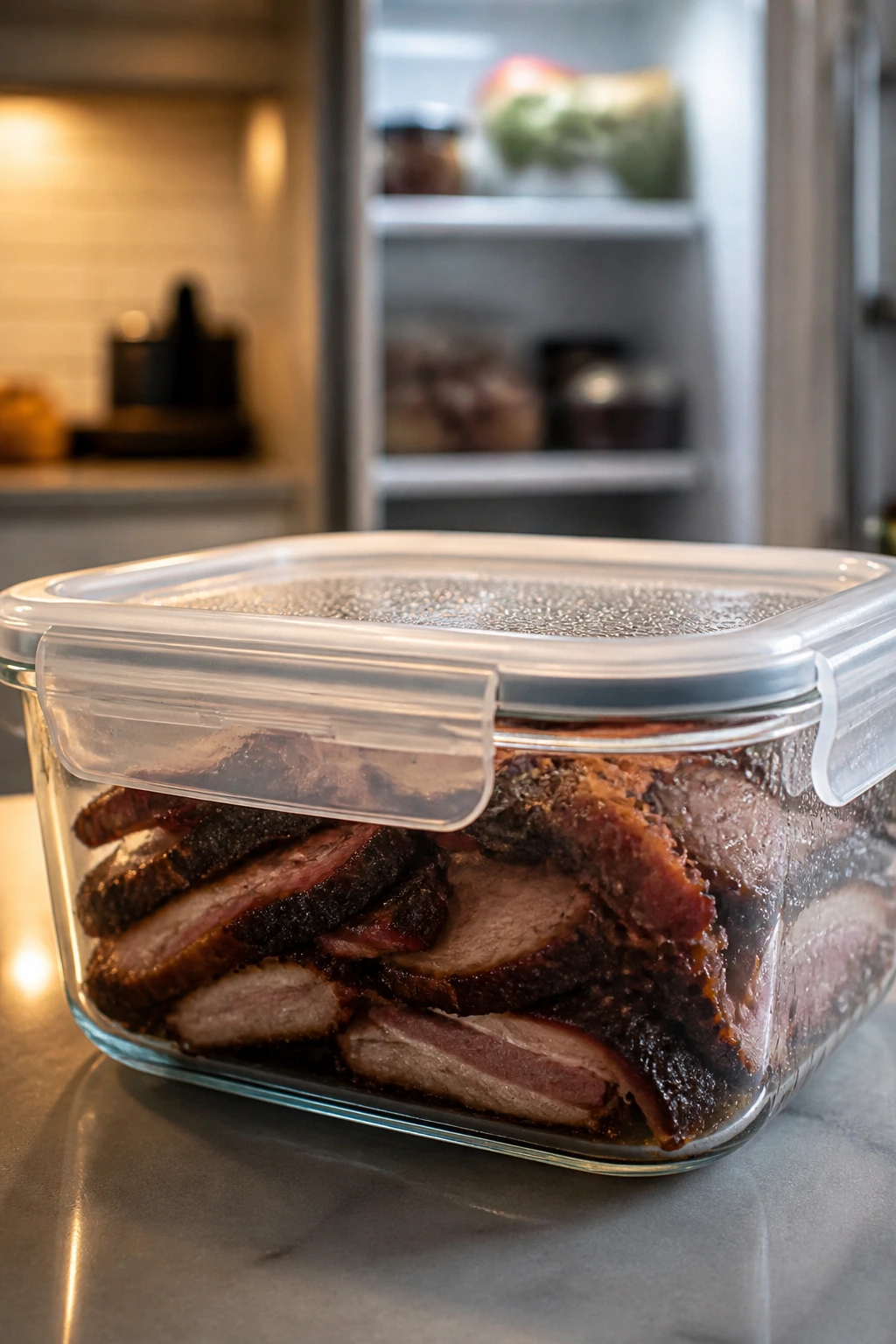
Cooked meat should go into the fridge within 2 hours, and within 1 hour if the grill session has turned hot and sticky and people are hovering over the table for too long. That rule saves more backyard food than almost anything else. If you cooked chicken, pork, or beef with sauce, let it cool briefly, then pack it into shallow containers so it chills faster.
Most grilled meats keep well for 3 to 4 days in the refrigerator. Chicken thighs and pulled pork often reheat better than lean steaks because they have more fat to stay moist. For the freezer, wrap portions tightly or use airtight containers and plan on up to 2 to 3 months for best texture. Sauce-free meat freezes better than meat already drowning in glaze, though a little extra sauce on the side can help at reheating time.
Reheat gently. A 300°F oven with a splash of water, broth, or reserved sauce works better than blasting the meat until the edges dry out. For smaller portions, a covered skillet over low heat does the job fast. Microwave reheating is fine in a pinch, but use short bursts and stop while the meat is still a little under hot; the carryover heat finishes the job. Leftover barbecue sauce, if it does not contain dairy or fresh herbs, usually keeps 1 to 2 weeks in a sealed container in the fridge.
The grill itself needs care, too. Brush the grate while it is still warm, not icy cold. Empty ash from charcoal grills once everything is fully cooled, and store charcoal in a dry spot. A wet grill smells like old metal and makes bad food. There’s no romantic way to say that.
Questions People Ask Before the First Flip
What makes BBQ taste tangy instead of just sweet?
Tang comes from vinegar, mustard, citrus, pickles, or a brighter tomato base with enough acid to cut the sugar. If the sauce tastes sticky on its own spoon but dull on the tongue, it probably needs a little more acid and a little less sweetness.
Can I use tangy BBQ on chicken and pork both?
Yes, and that’s one reason this flavor profile works so well for backyard cookouts. Chicken thighs, pork chops, ribs, and pulled pork all welcome acid because it keeps the meat from feeling heavy. Just match the sauce strength to the cut: sharper and thinner for pork shoulder, a little thicker for chicken skin.
When should I put the sauce on the meat?
Near the end. That’s the short answer. If the sauce contains sugar, honey, or molasses, it should not be on raw meat for long over direct heat. Brush it on during the final minutes, then add another light coat after the meat comes off the grill if you want more shine.
What if my grill runs hot and keeps burning the sauce?
Move the food to indirect heat sooner, and thin the sauce a little with vinegar or reserved drippings. You can also keep the lid closed more often so the heat evens out instead of blasting one side of the meat. Hot grills are manageable; they just need a shorter leash.
Can I make tangy BBQ sauce ahead of time?
Absolutely. In fact, many sauces taste better after a night in the fridge because the garlic, pepper, and acid settle into each other. Make it a day or two ahead, then warm it gently before serving so it brushes on in a thin, even layer.
Do I need a charcoal grill for real char?
No. Charcoal gives a deeper smoke note, but a gas grill can make strong grill marks and a proper crust if it’s preheated well and kept clean. The real difference is control and smoke flavor, not the presence of flame alone.
How do I keep chicken from drying out under barbecue sauce?
Use thighs if you can, and cook to temperature instead of time. Pat the skin dry, let the grill do the browning before the sauce goes on, and pull the chicken once the thickest part reaches 165°F. If you want extra insurance, finish with a light brush of sauce off the heat instead of loading it on early.
What should I do if the sauce tastes too sharp?
Add a small spoon of honey, brown sugar, or ketchup, then taste again. If it still feels jagged, a pinch of salt or a tiny pat of butter can round the edges. Go slow. Tang can turn clumsy fast if you drown it in sweetness.
The Cookout People Remember
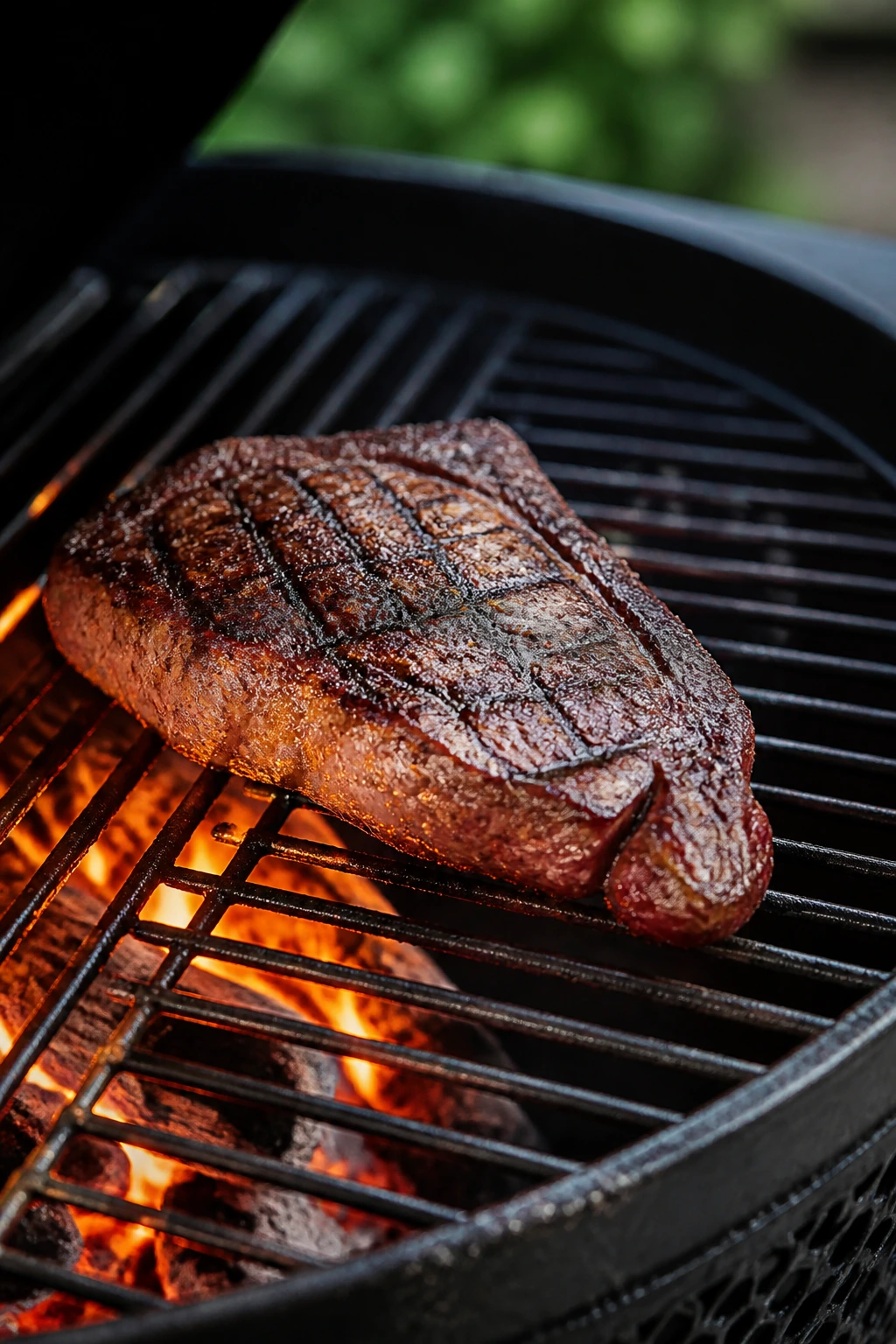
Charred tangy BBQ works because it respects contrast. Smoke needs acid. Rich meat needs a bright finish. Sugar needs a careful hand. When those pieces line up, the grill stops feeling like a gamble and starts acting like a tool you can control.
That’s the part I like best: you do not need a fancy setup or a museum of gadgets. You need a clean grate, two heat zones, a thermometer, and enough restraint to let the sauce arrive at the right moment. Get those pieces right, and the food tastes like you meant every step.
And once you’ve got that rhythm, backyard cookouts get easier to trust. You’ll know when to move the meat, when to brush on the glaze, and when to leave the sauce alone for ten more seconds. That’s a good place to be when the grill is hot and the first plate is coming off.