



The best cookout food has a little patience in it.
Marinated picnic inspiration for backyard cookouts works because the food does some of the job before the grill is even hot. A chicken thigh that spends the afternoon in garlic, lemon zest, olive oil, and salt arrives with flavor already working through the surface. A plain piece of chicken just shows up and hopes for a rescue.
I keep coming back to marinated dishes for outdoor meals because they solve two problems that show up at the same time: dry meat and tired sides. A good marinade gives you a head start, but the real value is calmer timing. You can season early, pack your cooler with intent, and spend less of the afternoon staring at a grate while everyone else asks when dinner’s ready.
The phrase sounds fancier than the food needs to be. A bowl of herbs, citrus, vinegar, soy, or yogurt can turn a backyard spread into something that feels thoughtful without becoming fussy. And once you start treating the marinade as the backbone of the menu, not an afterthought, the whole cookout changes shape.
Why Marinated Food Belongs at a Backyard Cookout
A backyard cookout asks for food that can take a little heat, a little waiting, and a little chaos. Marinated food handles all three.
That’s the real reason this approach works so well. You do the seasoning work early, while the kitchen is still quiet, and the flavor has time to settle into the surface of the food before fire gets involved. When the first guests wander into the yard with a drink in hand, you are not scrambling to make the food taste like something. It already does.
Marinades also make leaner cuts less punishing. Chicken breast, flank steak, pork chops, shrimp, mushrooms, zucchini — all of them gain a little insurance from a well-made marinade. The grill still matters. A lot. But the marinade gives you margin, and margin is what keeps a cookout from turning tense.
There’s another thing people forget: marinated food tends to taste better at room temperature. Not lukewarm and sad, but properly rested. A piece of grilled chicken with a soy-lime-garlic marinade still tastes lively after it sits on a platter for ten minutes. That matters when people are moving between chairs, the cooler keeps getting opened, and the timing stretches by a few minutes in either direction.
What Happens in the Bowl Before the Food Hits the Grill
A marinade isn’t magic. It’s chemistry with better clothes on.
Salt is the first piece that matters. It pulls moisture to the surface, then helps that moisture carry seasoning back into the food. If the marinade tastes weak in the bowl, it will taste weak on the plate. I like my marinades to taste a touch too seasoned on their own, especially for meats that will lose some juice on the grill.
Salt Sets the Pace
Salt does more work than most people give it credit for. It doesn’t just season the outside. It helps proteins hold onto moisture and gives the whole bite more depth, especially in chicken, pork, and thick vegetables like eggplant.
That’s why a marinade without enough salt often feels flat, no matter how pretty the herbs look floating in it. The garlic may be there. The lemon may be there. The food still tastes shy.
Acid Changes the Surface, Not the Whole Story
Vinegar, lemon juice, lime juice, yogurt, buttermilk, and wine all bring acid to the party. Acid brightens the flavor and can soften the very outer layer of meat or vegetables. It does not, despite a lot of bad advice floating around, penetrate deeply enough to turn a pork chop into silk from the inside out.
Too much acid for too long is where people get into trouble. Chicken breast can go dry and faintly chalky. Fish turns rough at the edges. Even beef can lose that clean meaty chew if it sits in a sour bath longer than it should. I use acid for lift, not for total transformation.
Oil Carries Flavor and Helps With Heat
Oil gives the marinade something to cling to. It coats herbs, carries spices, and helps keep the surface from sticking too aggressively to the grate. On a hot grill, that matters.
Still, don’t treat oil like an excuse to drown the food. A slick, greasy marinade is not the goal. You want enough to move flavor around and protect the surface, not so much that the food starts frying in the bowl.
Aromatics and Sweeteners Need a Light Hand
Garlic, shallot, ginger, herbs, chile, mustard, soy sauce, miso, honey, maple syrup, and brown sugar all add their own shape. They also behave differently over heat. Garlic can go bitter if it burns. Sugar can scorch in a hurry. Fresh herbs can turn dark and papery if they’re left on high heat for too long.
That’s why the best marinades don’t try to do everything at once. They choose a lane.
Picking the Right Foods for a Marinade
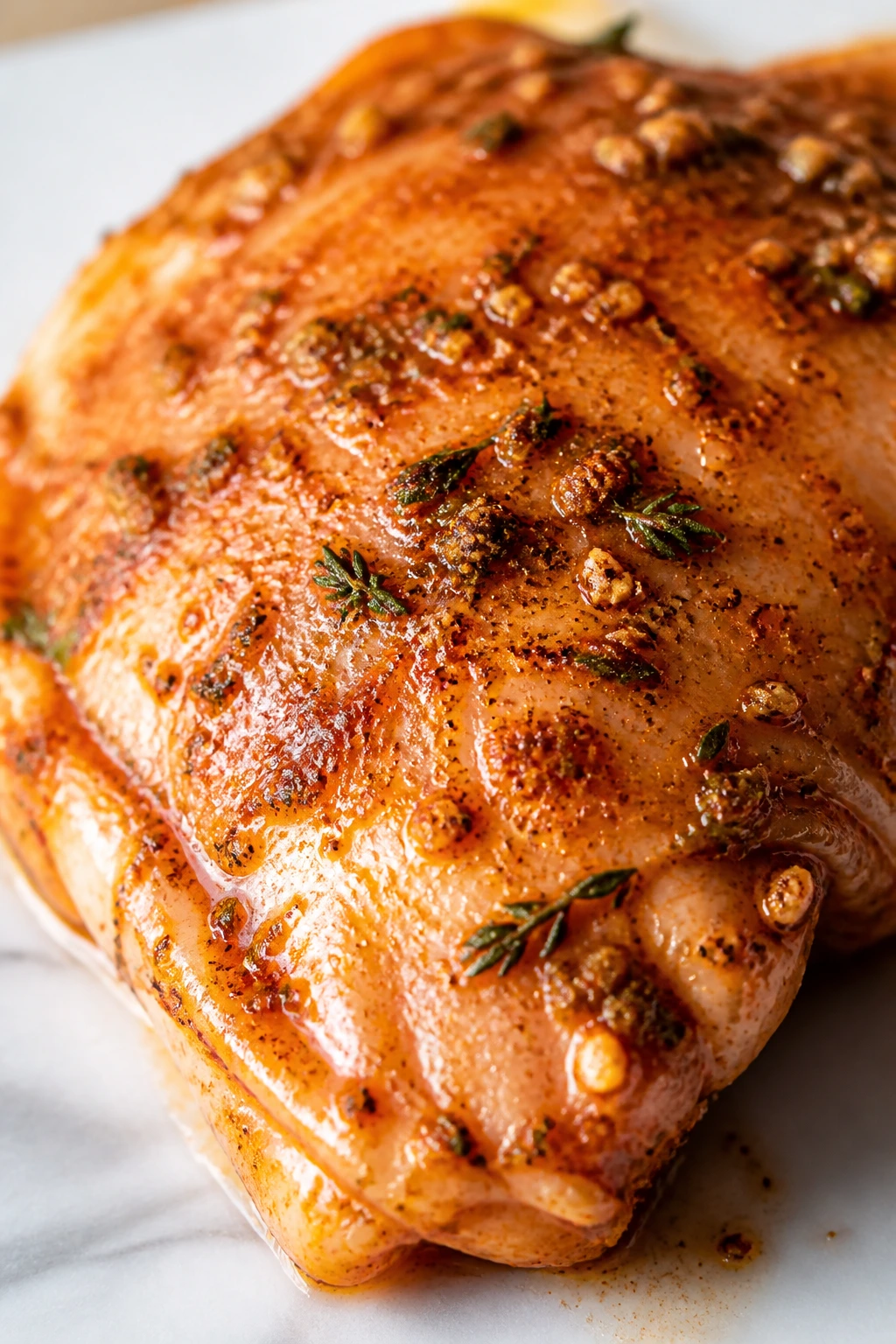
Not every food wants the same kind of soak. Some are built for a long rest. Some need a quick coat and a fast trip to the grill. Some need a marinade only because the surface is thirsty.
Chicken thighs are easy. Flank steak is easy. Pork chops are useful. Shrimp is touchy. Delicate white fish is touchy in a different way. And vegetables are their own category, because some of them drink up flavor while others just get soggy if you leave them alone too long.
A few foods almost always reward a marinade:
- Chicken thighs and drumsticks because they stay juicier than breast meat and can handle stronger flavors.
- Flank steak, skirt steak, and sirloin because their grain and texture benefit from a punchy marinade.
- Pork chops, pork tenderloin, and small ribs because they like sweet-salty, herb-heavy, or mustardy mixtures.
- Shrimp, scallops, and salmon because they pick up flavor fast and cook fast, which makes a short marinade useful.
- Mushrooms, zucchini, eggplant, onions, and peppers because they soak up oil, salt, and aromatics in a way that feels almost unfair.
- Tofu, halloumi, and cauliflower because they absorb the seasoning that their own texture leaves behind.
And then there are the foods that deserve caution. Very delicate fish, like thin sole fillets, can turn soft and ragged if left in acid too long. Cucumber is better salted and dressed than truly marinated for hours. Tender lettuces don’t want a soak at all. They want a light hand and a quick toss.
The best marinated picnic inspiration for backyard cookouts starts with this question: will the food get better if I give it time, or will it just get mushy? That one question saves a lot of bad dinners.
Chicken That Comes Off the Grill Juicy, Not Beige
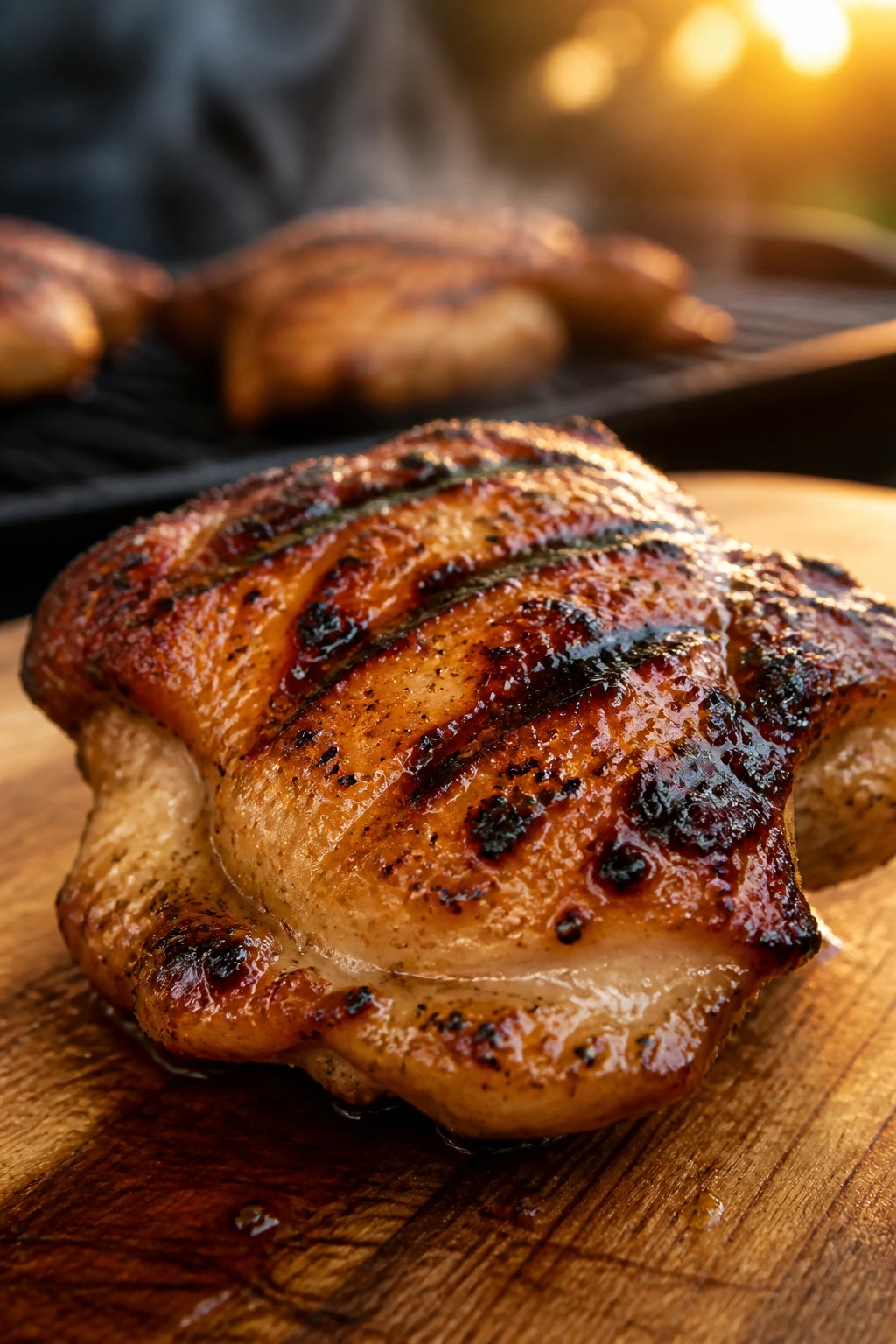
Chicken is where marinades earn their keep.
Breasts, thighs, wings, and drumsticks all behave differently, and pretending they don’t is how people end up with one dry piece and one undercooked piece on the same platter. Thighs are the easiest to love. They have more fat, more forgiveness, and more flavor when they’re grilled over medium-high heat. A citrus-herb or soy-garlic marinade can sit on thighs for 4 to 12 hours without trouble.
Breasts need more care. They take flavor quickly, but they also dry out faster. I prefer a shorter marinade for chicken breast — 2 to 4 hours is usually enough — and I keep the acid lower if I know the grill will be hot. Yogurt works well here because it clings and softens without turning the meat sharp.
Wings are their own little project. They love bold seasoning and can take more sugar in the marinade because the skin protects them a bit. Drumsticks sit somewhere between thighs and wings. They like enough time to season through the meat, but not so much that the skin becomes slippery and hard to crisp.
My Favorite Chicken Directions
A lemon-garlic-parsley marinade gives you bright, clean chicken that works with potato salad and grilled corn. A soy-ginger-sesame mixture leans deeper and suits cucumber salad or rice. A yogurt-cumin-coriander blend tastes warmer and more savory, especially when you want the chicken to feel a little more substantial on the plate.
The big trick with chicken skin is drying it before it hits the heat. If the skin is soaking wet, you’ll steam more than you sear. Drain the chicken, let the excess drip off, and blot the surface lightly. The skin should look damp, not shiny-wet.
And yes, use a thermometer. Chicken should reach 165°F in the thickest part. Guessing is how cookouts go sideways.
Beef and Pork Need Bigger, Sharper Flavor
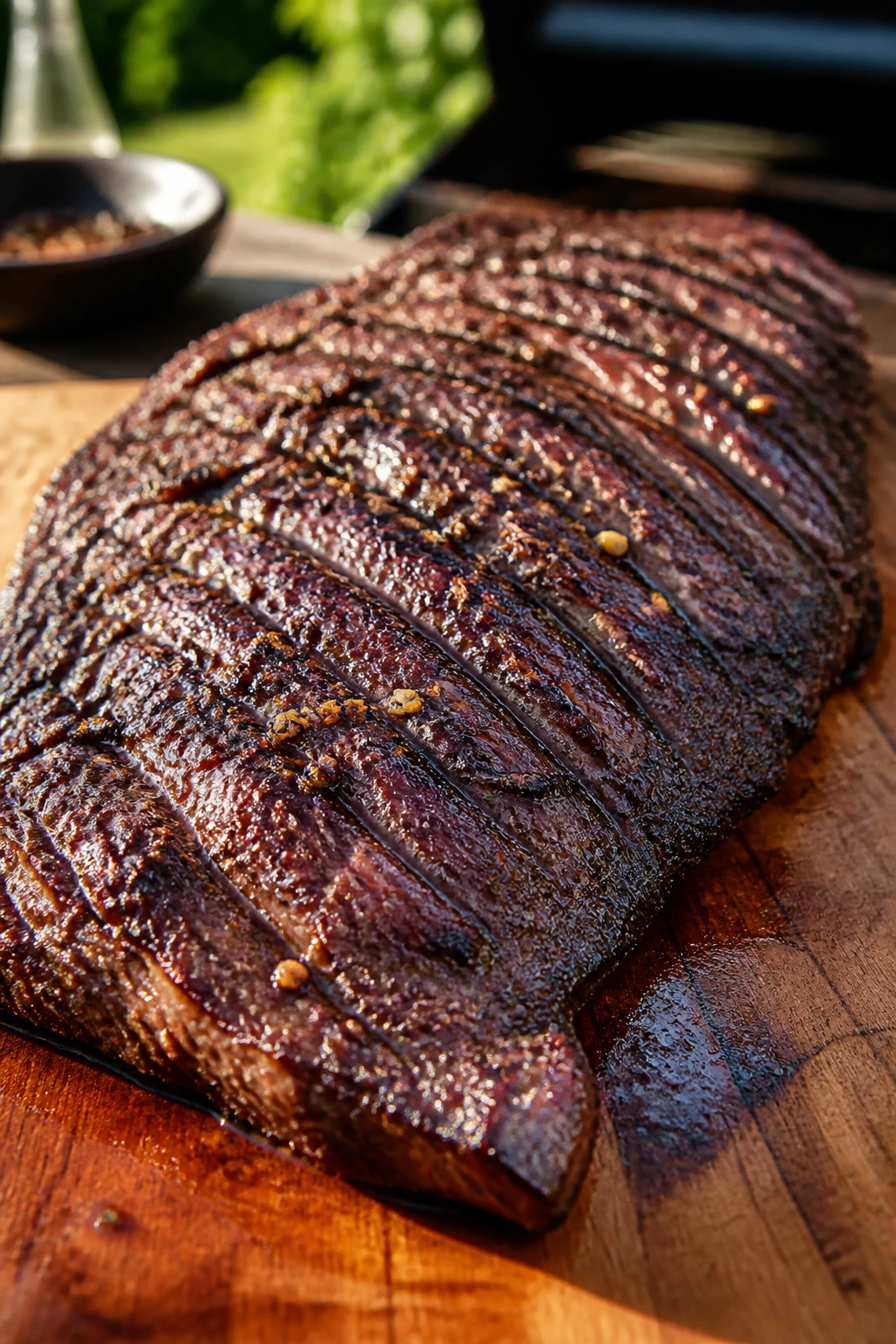
Beef likes confidence. Pork likes structure.
That’s why beef and pork marinades tend to work best when they are clean, bold, and not overloaded with acid. Flank steak, skirt steak, tri-tip, and sirloin take well to soy, Worcestershire, black pepper, garlic, onion, mustard, and a little oil. A short marinate — 2 to 6 hours for most steaks — is usually enough. Longer can flatten the meat and make the exterior too soft.
Pork gives you more room to play. Pork chops can handle mustard, cider vinegar, garlic, brown sugar, sage, thyme, paprika, and pepper. Pork tenderloin likes a lighter hand and a shorter bath. Pork shoulder or small rib cuts can go longer and welcome a deeper, more savory marinade, especially one with a touch of sweetness to balance the fat.
Where the Flavor Should Land
With beef, I want the marinade to sharpen the edges. I’m not trying to hide the meat. I want soy sauce to deepen it, vinegar to wake it up, and black pepper to stay on the tongue after the bite is gone.
With pork, I want the marinade to round things out. A mustardy marinade gives pork a little snap. Apple cider vinegar keeps the sweetness from getting sticky. Fresh herbs — rosemary, thyme, sage — help pork taste like it belongs on a summer table instead of in a weeknight skillet.
Sugar belongs here, but carefully. Brown sugar, honey, or maple syrup can create a bronzed crust that smells fantastic when it’s just starting to caramelize. Leave it on too hot a grill and the same sugar becomes a black shell with a bitter edge. That’s not a flavor upgrade. That’s a rescue mission.
Seafood and Vegetables Want a Shorter Bath
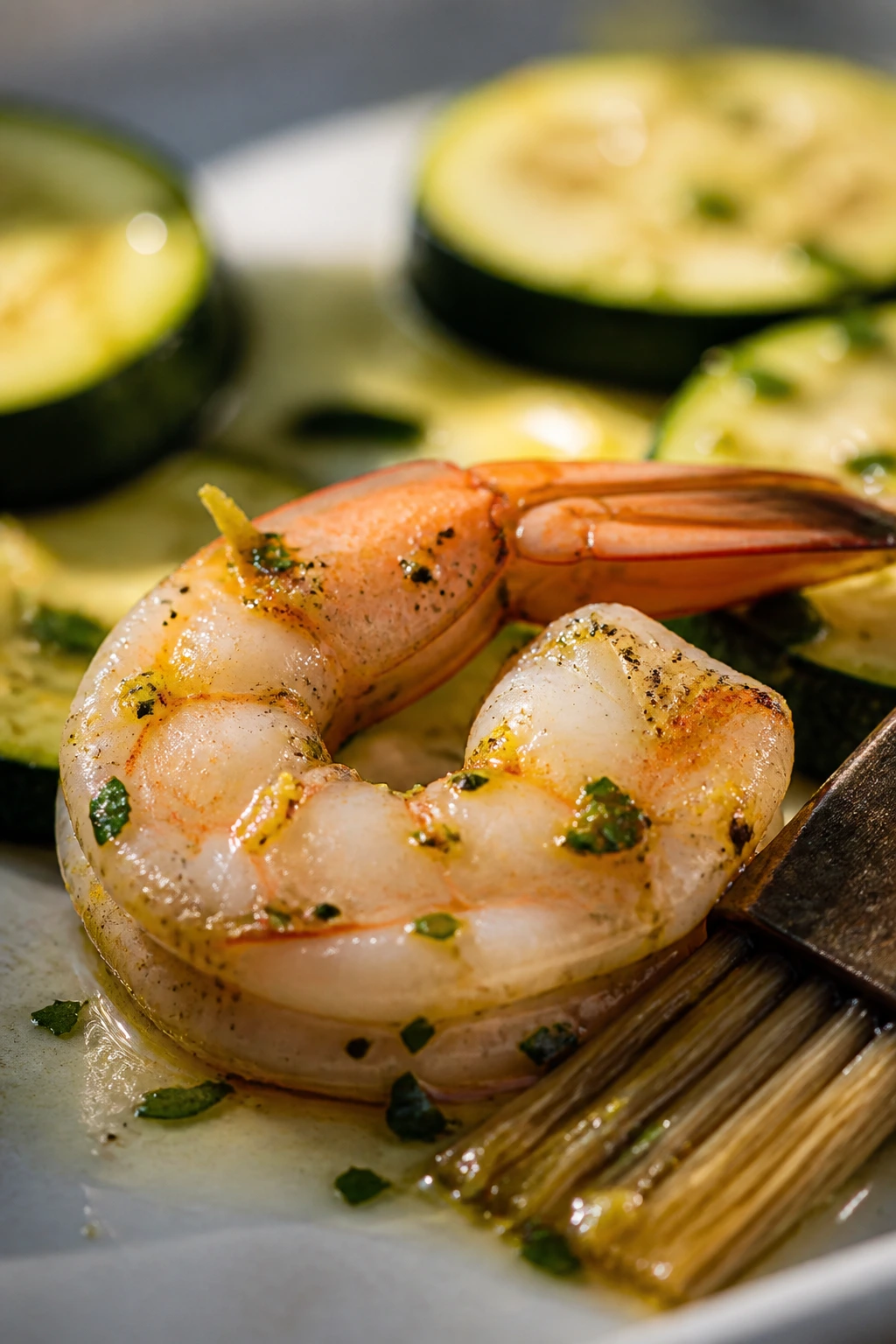
Seafood is fast, and the marinade needs to respect that.
Shrimp can take a punchy marinade, but not for long. Fifteen to thirty minutes is plenty. If the marinade is very acidic, I keep it even shorter. The shrimp should smell bright and seasoned, not cured. Salmon and other firm fish like a quick coating too — usually 15 to 30 minutes. You’re adding flavor, not pickling dinner.
Scallops are more delicate still. A light oil-based marinade with herbs, citrus zest, and a little salt is enough. I do not soak scallops in vinegar. They deserve better than that.
Vegetables on the Grill Need Different Thinking
Mushrooms are the sneaky stars. They soak up marinade fast and can carry strong flavors because their texture gives them room to absorb. Zucchini and yellow squash benefit from a quick toss in oil, salt, garlic, and herbs, then onto the grate before they collapse. Eggplant likes more oil than most people think, and onions want enough marinade to sweeten their edges as they char.
Halloumi and tofu are both useful if you want a meatless platter that still feels serious. Halloumi doesn’t need a long soak, but it welcomes bold seasoning. Tofu should be pressed first, then marinated long enough to pull flavor into the surface — 30 minutes to a few hours works well, depending on the firmness.
Fruit deserves a mention here too. Peaches, pineapple, and watermelon can all handle a quick brush of citrus, honey, or chile, then a fast trip to the grill. I keep fruit marinades light. Too much sugar and they slump before the grill marks even set.
Picnic Sides That Taste Better After a Little Soak
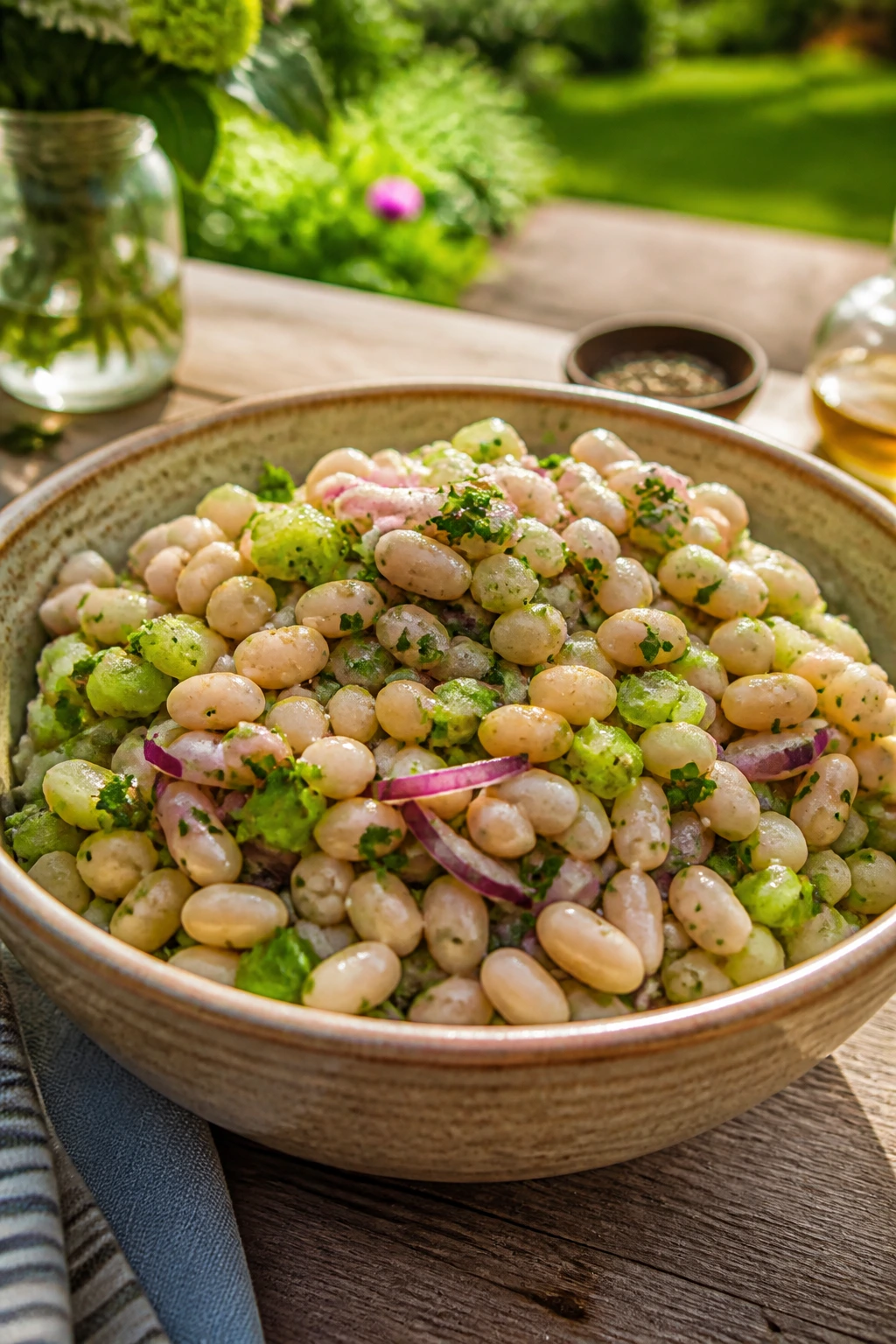
The main dish gets the charcoal and the attention. The sides quietly decide whether the meal feels finished.
A marinated bean salad is one of the easiest wins in this whole category. White beans, chickpeas, or black beans pick up a vinaigrette with red onion, parsley, celery, and a little mustard. Let it sit for 30 minutes and the whole bowl wakes up. Overnight, it gets even better.
Potato salad also behaves well with a little marinating logic. Warm potatoes tossed with vinegar, salt, scallions, and herbs absorb seasoning far better than cold potatoes dumped into mayonnaise and hoped for. I like mayonnaise in potato salad, but not as the first move. Let the potatoes take on the sharp stuff first.
Cucumber salads, tomato salads, and slaws all benefit from a brief rest. Salt the vegetables, dress them lightly, and give them time to release a little liquid. The dressing settles, the edges soften, and the salad stops tasting like separate ingredients in the same bowl.
A few side dishes worth building into a marinated picnic spread:
- Bean salad with lemon, dill, and red onion.
- Cucumber and onion salad with vinegar, sugar, and black pepper.
- Tomato-corn salad with basil and olive oil.
- Marinated feta with oregano, olive oil, and chile flakes.
- Grilled bread brushed with garlic oil and finished with flaky salt.
- Pickled slaw that stays crunchy under hot meat and heavy sauces.
This is the part people skip when they’re rushing. It’s also the part that makes the whole plate feel awake.
Building a Menu Around Three Flavor Families
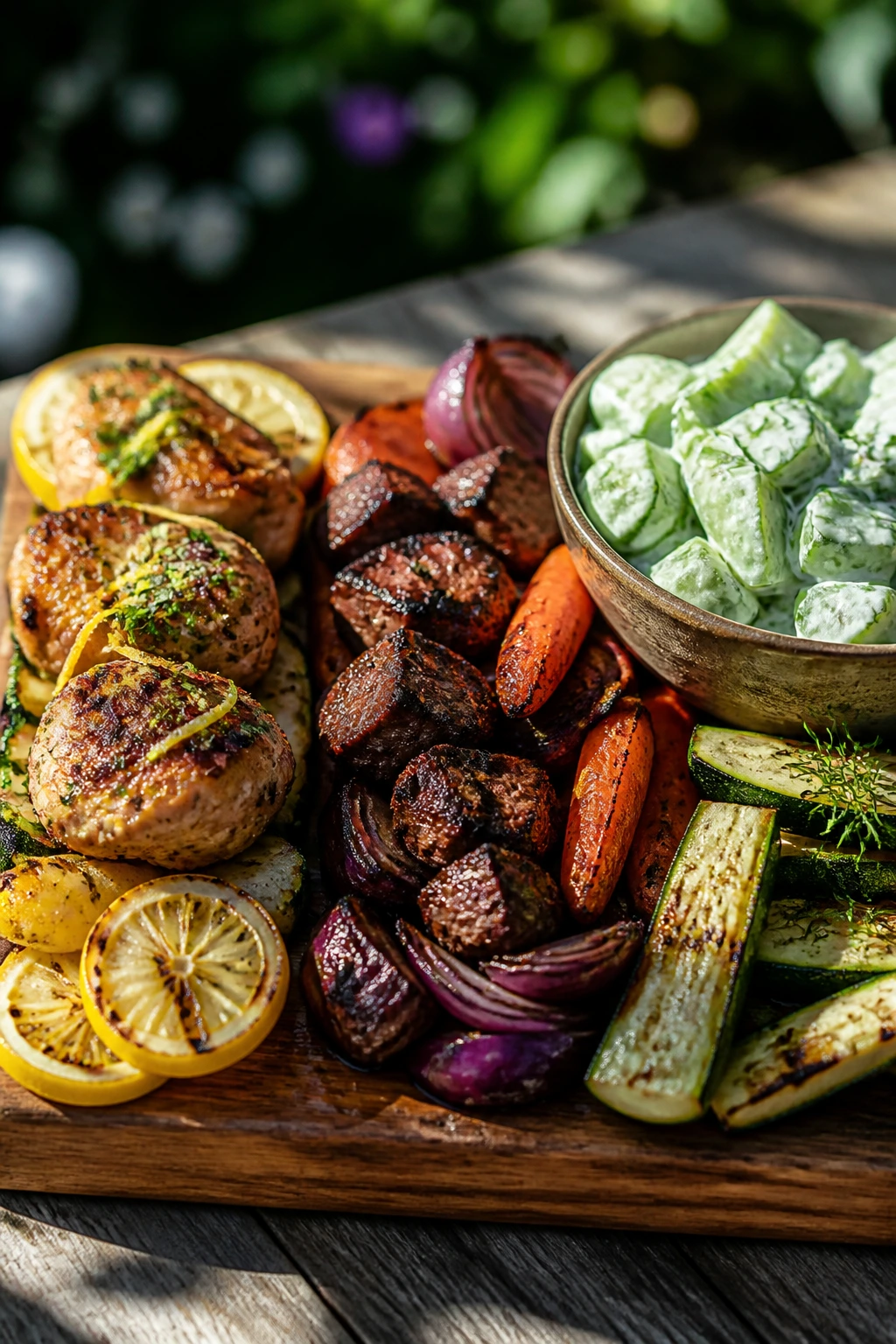
A cookout gets easier when you stop thinking in isolated recipes and start thinking in flavor families.
Pick a direction, then let that direction show up in the meat, the vegetables, and one cold side. That’s enough. Too many competing notes make the table feel busy in a bad way.
Bright, Citrus-Heavy, and Sharp
Lemon, lime, vinegar, scallions, dill, parsley, and a little garlic keep the meal light on its feet. This family works especially well with chicken thighs, shrimp, zucchini, cucumber salad, and grilled bread brushed with olive oil. It’s the menu I reach for when the weather is hot and I want the food to feel clean rather than heavy.
Deep, Savory, and a Little Smoky
Soy sauce, Worcestershire, mustard, smoked paprika, black pepper, garlic, onion, and a small amount of brown sugar build a darker, more grounded profile. Beef steaks, pork chops, mushrooms, onions, and halloumi all like this treatment. It tastes especially good when the grill has a little char on it and the plate needs something with backbone.
Creamy, Herb-Driven, and Gentle
Yogurt, buttermilk, tahini, fresh herbs, cumin, coriander, and ginger create a softer, rounder mood. Chicken, cauliflower, tofu, and even corn do well here. I like this family when I want the picnic table to have one cooler, calmer lane among all the smoke and salt.
You do not need to use all three at once. Pick one, maybe two if you’re feeding a bigger crowd. That’s enough to make the spread feel planned.
Timing and Food Safety That Keep the Party Calm
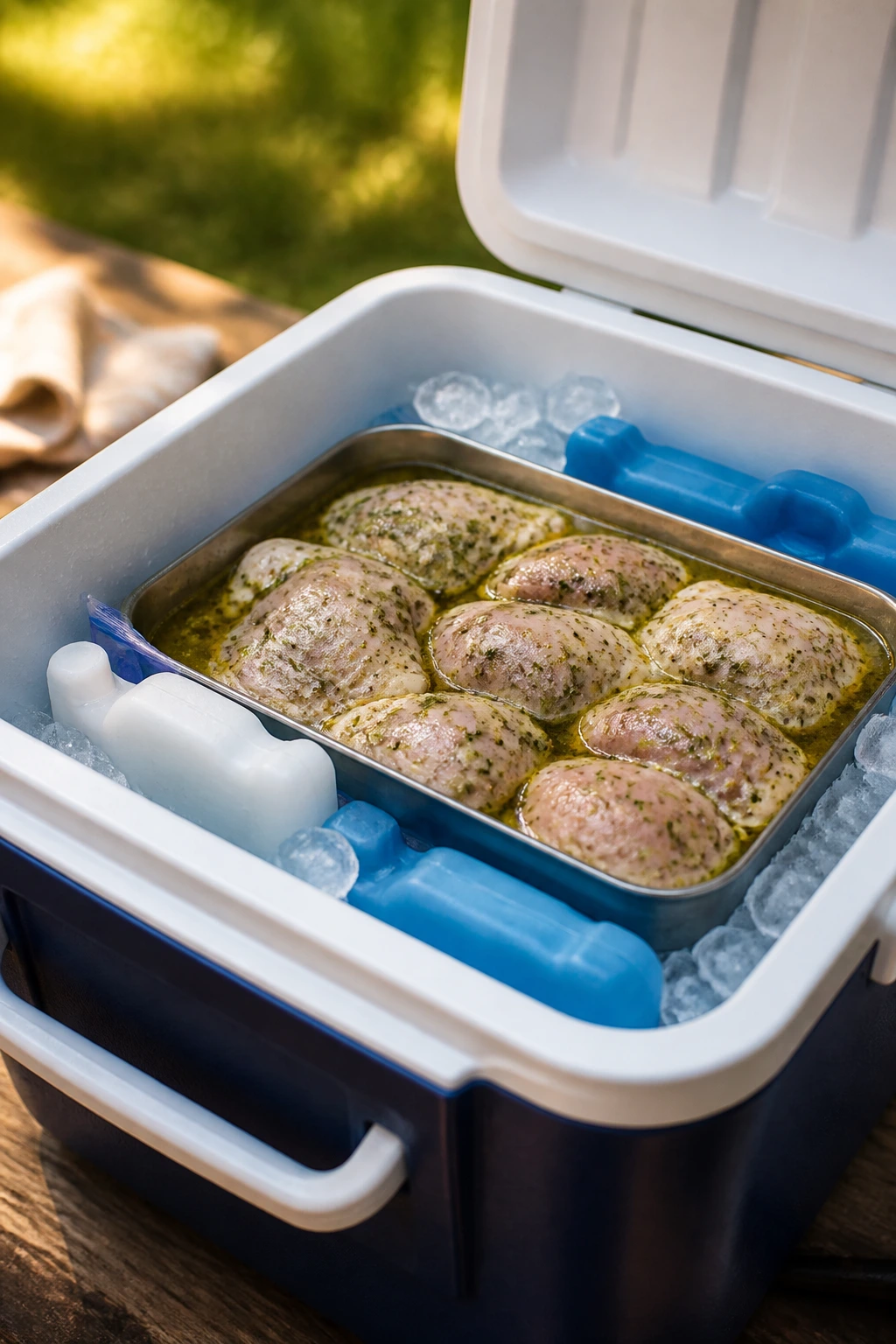
Food safety gets less glamorous than grill marks, but it matters more.
Raw meat, seafood, and their marinades belong in the fridge or in a cooler with ice packs until the moment they cook. Keep them at 40°F or below. If the cooler is opening every few minutes, tuck the raw containers low and deep, under the ice packs, not on top of them. Heat sneaks in fast on a patio.
Marinating times are where a lot of people overdo it. Here’s the range I trust most:
- Chicken thighs: 4 to 12 hours
- Chicken breasts: 2 to 4 hours
- Pork chops or tenderloin: 1 to 4 hours
- Flank or skirt steak: 2 to 6 hours
- Shrimp: 15 to 30 minutes
- Firm fish: 15 to 30 minutes
- Mushrooms and vegetables: 15 to 60 minutes
- Tofu: 30 minutes to several hours, depending on firmness
Longer is not automatically better. It’s usually just wetter and harder to manage.
And one thing the food-safety side never changes: do not reuse marinade that touched raw meat unless you boil it first. Better yet, save a clean portion of marinade before it touches the raw food if you want a sauce for brushing or serving. That small habit saves a lot of bad improvisation later.
Grilling Techniques That Stop Marinades from Burning
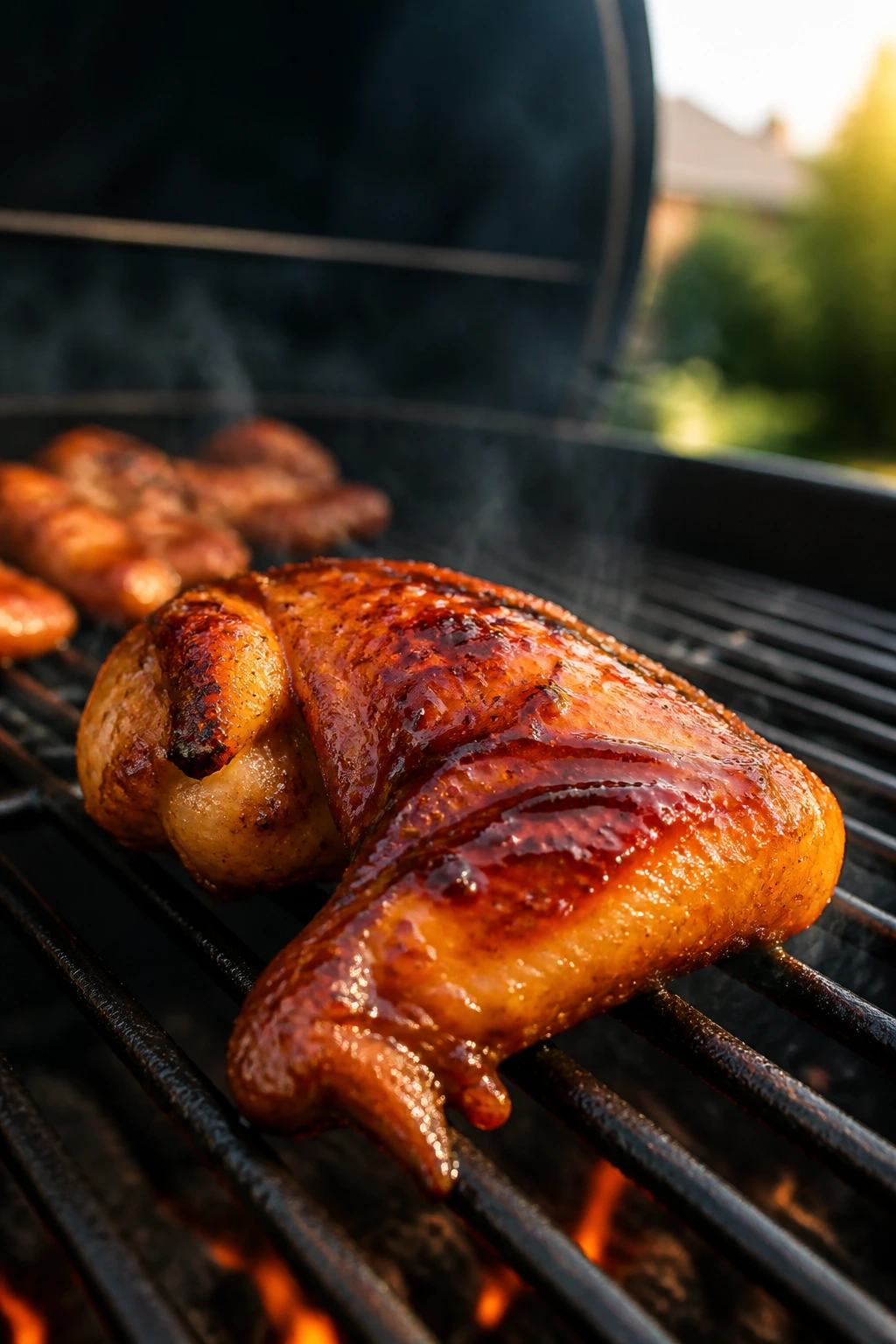
A lot of marinade trouble isn’t really marinade trouble. It’s heat trouble.
Sugar burns faster than most people expect. Honey, maple syrup, brown sugar, molasses, fruit juice, and even some bottled dressings can go dark before the food inside is ready. If your marinade includes sweeteners, cook over medium heat or set up a two-zone fire so you have somewhere gentler to move the food.
Pat the food dry before it hits the grate. Not bone dry. Just enough so the excess marinade doesn’t drip straight into the flames. That little move makes the difference between a clean sear and an ugly flare-up that tastes like smoke and panic.
Keep the Sauce for the End
If the dish needs a glossy finish, brush it on during the last few minutes of cooking. That gives the sauce time to set without turning bitter. I’m especially strict about this with chicken wings, ribs, and sticky pork. The food should darken, not blacken.
Give the Grill Room to Work
Crowding the grate traps steam and softens the char. It also makes it harder to move food away from the hot zone when flare-ups start. Leave enough room between pieces that you can actually turn them with tongs without knocking three things into one another.
A meat thermometer is not optional in my kitchen. Chicken should hit 165°F. Pork is safe at 145°F with a rest. Fish is done when it flakes and reaches about 145°F. Beef depends on the cut and the crowd, but you still want a thermometer if you’re serving more than a couple of people and you care about consistency.
How to Serve a Marinated Picnic Spread
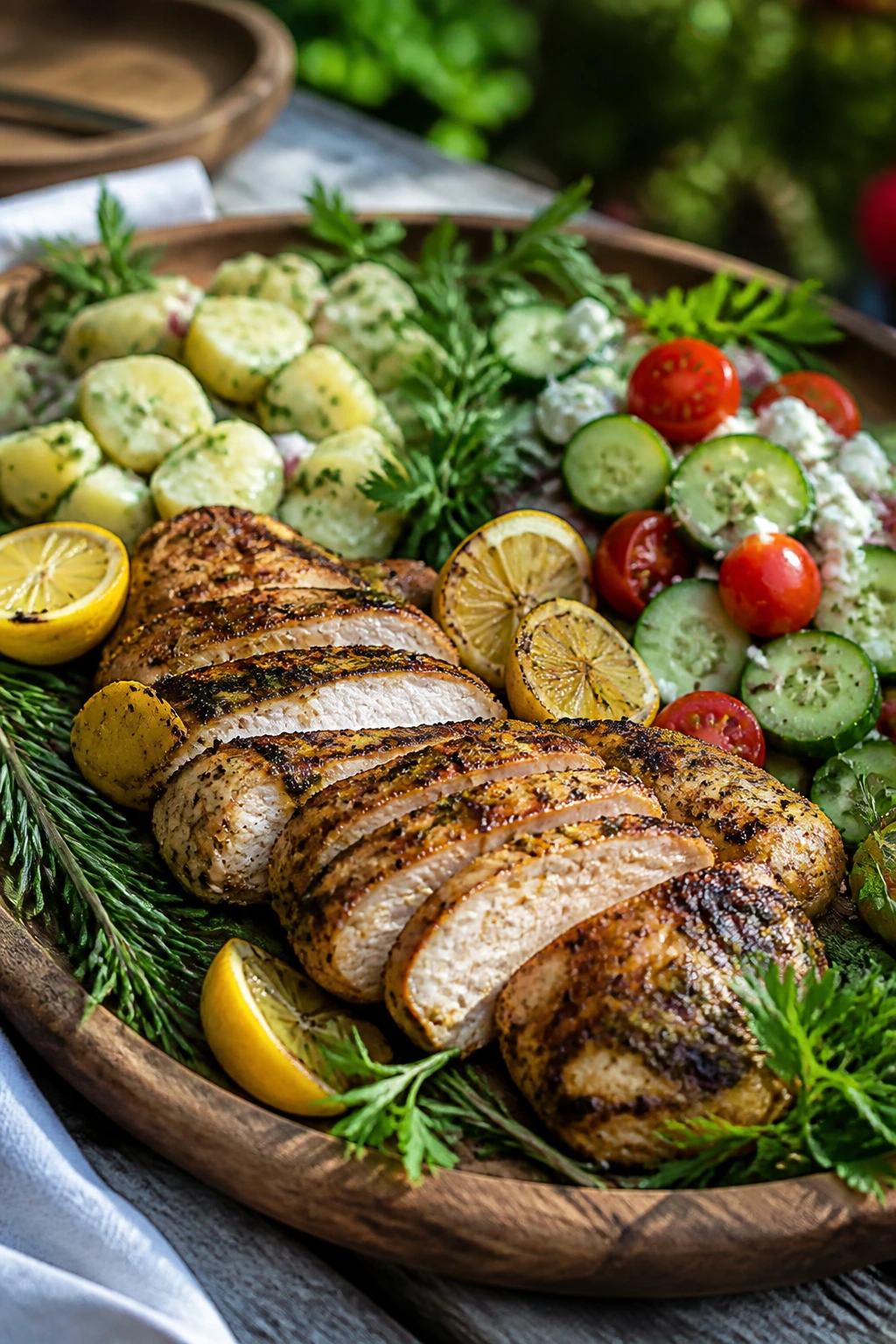
The spread looks better when it isn’t treated like a pile of disconnected food.
Presentation: Slice grilled chicken, flank steak, or pork tenderloin across the grain and fan it on a wide platter. Tuck herbs around the edges, lay a few grilled lemon halves or lime wedges nearby, and let the juices pool a little under the meat. Cold sides should go in shallow bowls rather than deep ones; they’re easier to serve and they hold their shape better.
Accompaniments: I like one starchy side, one crisp side, and one sharp sauce. Think potato salad with mustard and herbs, cucumber salad with dill and vinegar, grilled corn with chile butter, or a bean salad with scallions and parsley. Grilled bread is underrated here. It catches juices, eats well with marinated vegetables, and keeps people from hovering around the main platter.
Portions: Plan on about 4 to 6 ounces of cooked meat per adult, a little more if the crowd is hungry and the menu is light on sides. For shrimp, figure 6 to 8 medium shrimp per person if they’re the main protein. For vegetable-heavy spreads, I treat the platter more like a shared grazing board and build in extra bread or beans so nobody leaves hungry.
Beverage Pairing: Cold sparkling water with citrus is the safe answer, but a crisp lager or dry cider sits nicely next to smoky, savory marinades. For nonalcoholic drinks, unsweetened iced tea with lemon or a lightly salted lime cooler keeps the palate fresh between bites.
Practical Tips for Better Marinated Cookouts
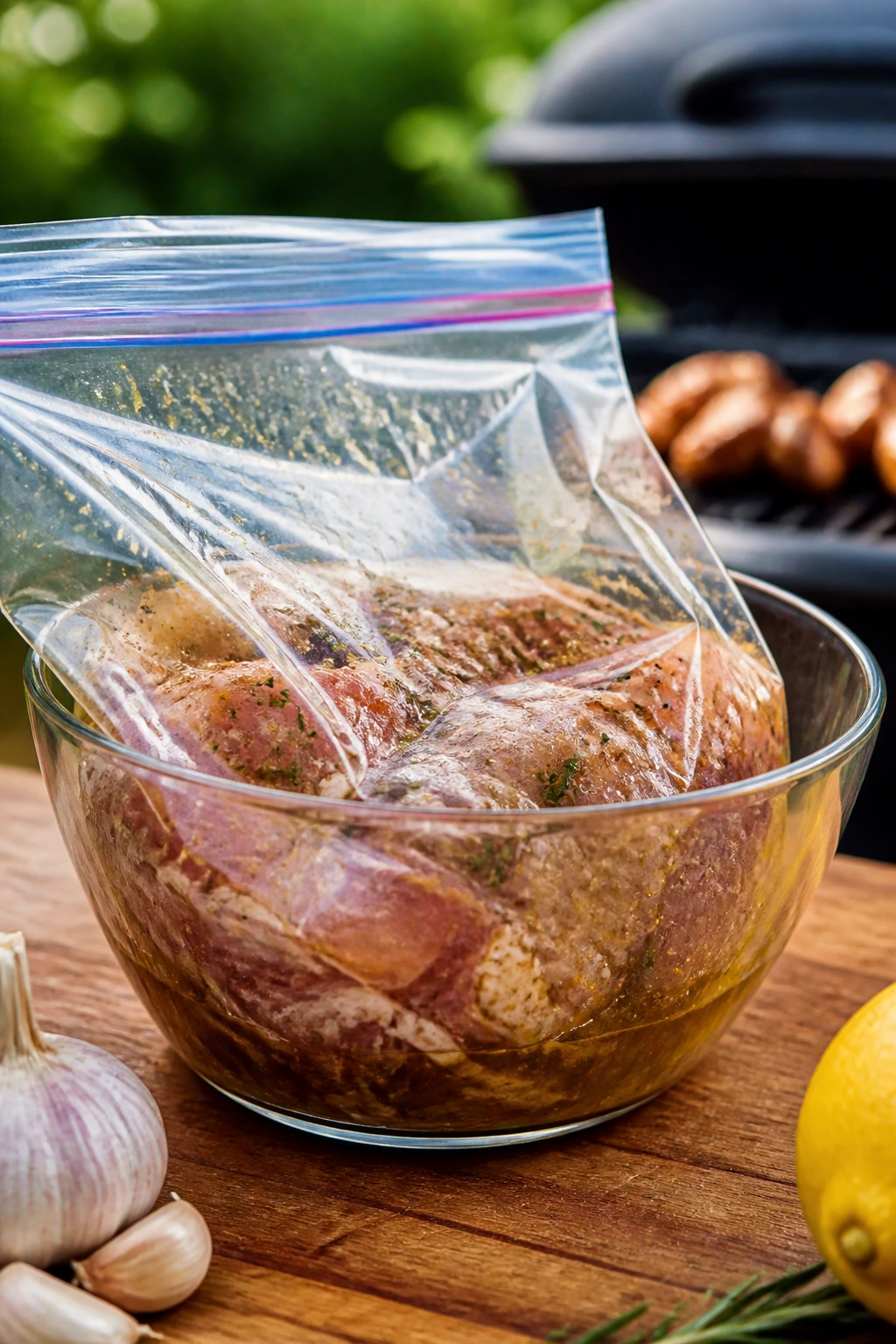
A few small habits change the whole result.
Flavor Enhancement: Zest matters more than most juice-heavy marinades admit. A teaspoon or two of lemon, lime, or orange zest gives you the sharp top note without flooding the bowl with acid. I use that trick when I want brightness but I do not want the food to turn soft.
Time-Saver: Mix the marinade in a zip-top bag set inside a bowl. The bowl catches leaks, and the bag lets you squeeze out air so the food gets better contact with the seasoning. Less mess. Better coverage.
Pro Move: Reserve a clean half of the marinade before you add raw food if you want something to brush on at the table or serve on the side. That clean batch can also be stirred into yogurt, mayonnaise, or sour cream for a quick sauce.
Cost-Saver: Don’t waste expensive olive oil in giant amounts. A modest amount of neutral oil plus a smaller pour of good olive oil usually does the job. Save the fancy stuff for finishing.
Texture Fix: If the food looks wet when it comes out of the marinade, let it drain in a colander or on a rack for a few minutes before grilling. Wet food steams. Dry-ish food browns.
Make-It-Yours: Add fresh herbs at the end if you want them to stay green and vivid, or let tougher herbs like rosemary and thyme sit in the marinade longer. That tiny choice changes how the whole dish smells when it comes off the heat.
Common Mistakes That Can Ruin a Good Marinade
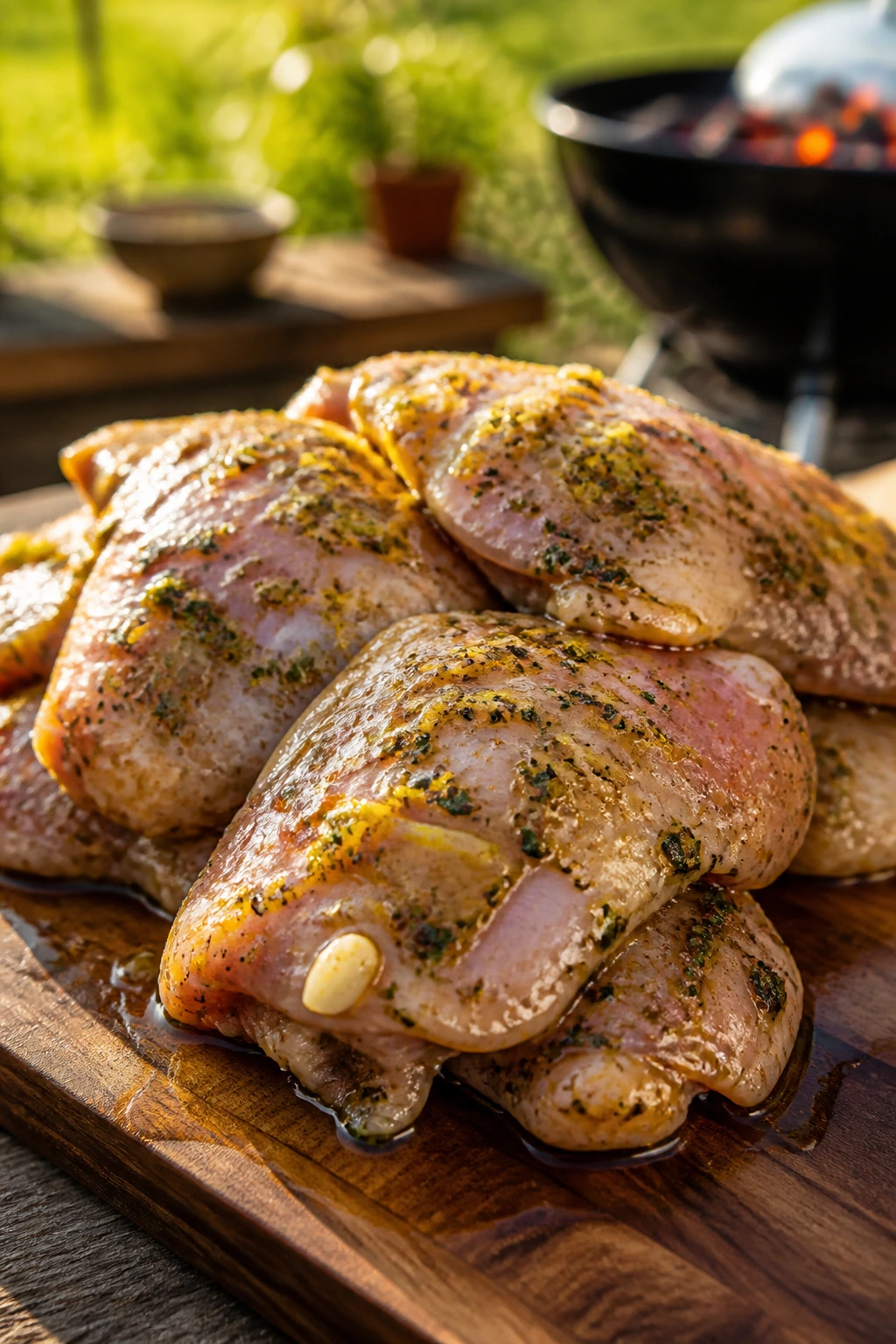
The ugly part about marinades is that the mistakes are small and the payoff for fixing them is large.
- Leaving acidic food in the marinade too long. The symptom is chicken breast that goes stringy or fish that turns chalky at the edges. The fix is simple: shorten the marinade time, cut the acid with oil or yogurt, or switch to a gentler flavor base.
- Using sweet marinades over blazing heat. If the outside blackens before the center is done, the grill is too hot or the sugar load is too high. Move to medium heat, finish over indirect heat, or brush sweet glaze on near the end instead of from the start.
- Skipping the dry step before grilling. Food that comes out dripping wet steams before it sears, and the grill marks come out muddy. Drain the excess marinade and blot lightly with paper towels.
- Reusing raw marinade without treating it first. This is the food-safety mistake that people make because they hate wasting flavor. Save a clean portion before adding raw food, or boil the used marinade until it bubbles hard for at least a minute before it touches cooked food.
- Crowding the grate. Pieces stick together, flare-ups spread, and you lose the ability to move food to a cooler zone. Give the grill room to breathe.
- Underseasoning the marinade. If the bowl tastes timid, the finished food will taste timid too. Season the marinade so it tastes lively on its own — salty, sharp, and a little bold.
Flavor Variations That Change the Whole Mood
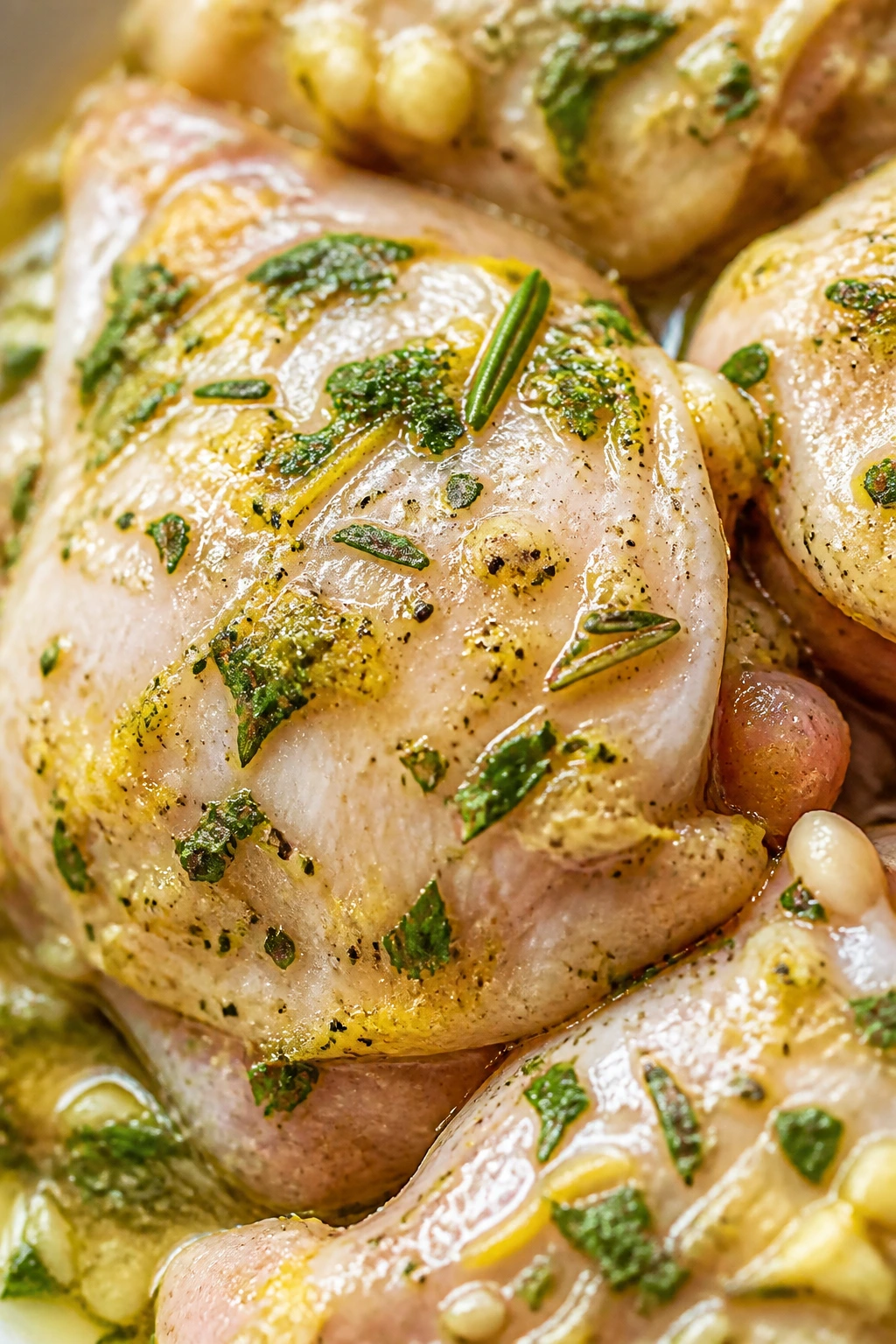
A good base marinade can move in a lot of directions without needing a whole new plan.
Citrus Herb Porch Mix
Lemon juice, lime juice, olive oil, garlic, parsley, dill, and a little black pepper make a bright marinade that suits chicken, shrimp, zucchini, and potato salad. It tastes clean and fresh, which makes it easy to pair with creamy sides.
Smokehouse Sweet Heat
Smoked paprika, chipotle, brown sugar, Worcestershire sauce, garlic, and apple cider vinegar lean into darker flavor. I like this for pork chops, flank steak, mushrooms, and onions. It carries a little char well, but keep the grill at medium heat so the sugar doesn’t go bitter.
Yogurt Spice Cooler
Plain yogurt, garlic, ginger, cumin, coriander, salt, and a squeeze of lemon give chicken or cauliflower a soft, fragrant coating. The yogurt clings beautifully and helps the surface brown without drying out too fast.
Soy-Sesame Night Market
Soy sauce, sesame oil, rice vinegar, ginger, scallions, garlic, and a pinch of sugar give you a deeper savory profile. It’s good on flank steak, tofu, mushrooms, and grilled corn. This one tastes especially good with a side of cucumber salad.
Mustard-Vinegar Picnic
Dijon mustard, cider vinegar, olive oil, thyme, black pepper, and a touch of honey bring a sharper, more old-school cookout feel. Pork tenderloin and chicken thighs love it. It’s the kind of marinade that smells strong in the bowl and settles into something cleaner once it hits the heat.
The Gear That Makes Marinating Less Fussy
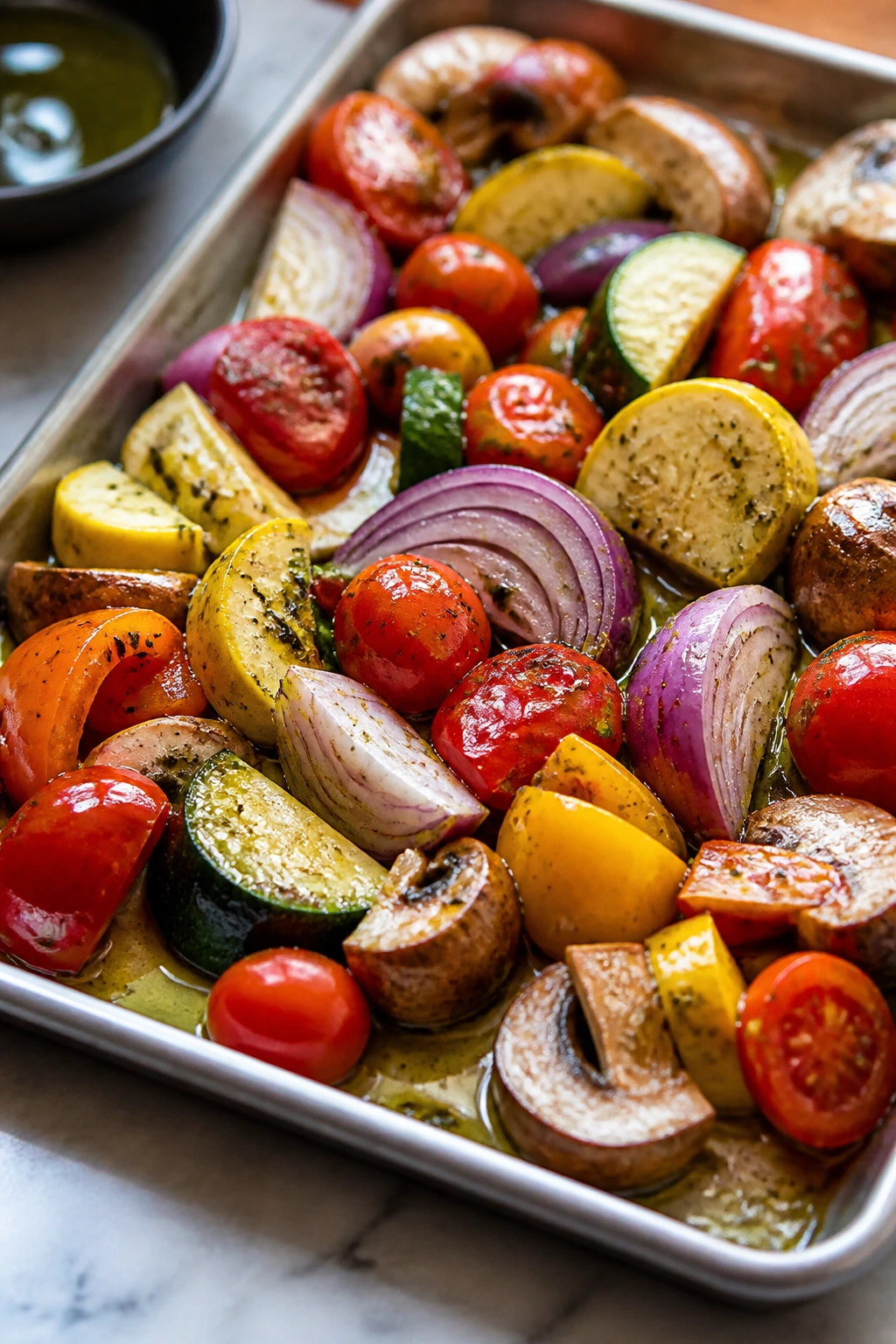
You do not need a giant setup. You do need the right few things.
- Large mixing bowls — Handy for whisking marinades and tossing vegetables without splashing the counter.
- Zip-top freezer bags or shallow glass dishes — Bags give better contact; dishes are easier if you want to turn food by hand.
- Rimmed sheet pans — Useful for carrying marinated food to the grill and catching drips on the way.
- Instant-read thermometer — The fastest way to keep chicken, pork, and fish from being undercooked or pushed too far.
- Long grill tongs — Short tongs make you hover too close to the heat. Long ones keep your hands out of the flare-ups.
- Grill brush or scraper — Clean grates help marinaded food sear instead of sticking.
- Fine-mesh strainer — Useful if you want to strain a marinade before turning it into a sauce or baste.
- Microplane or citrus zester — One of the easiest ways to get sharper flavor without pouring in more liquid.
- Cooler with ice packs — Nonnegotiable if the food is traveling or sitting outside before grilling.
- Airtight storage containers — Good for leftovers, marinated sides, and any clean sauce you set aside before raw contact.
Make-Ahead, Storage, and Reheating Guidance
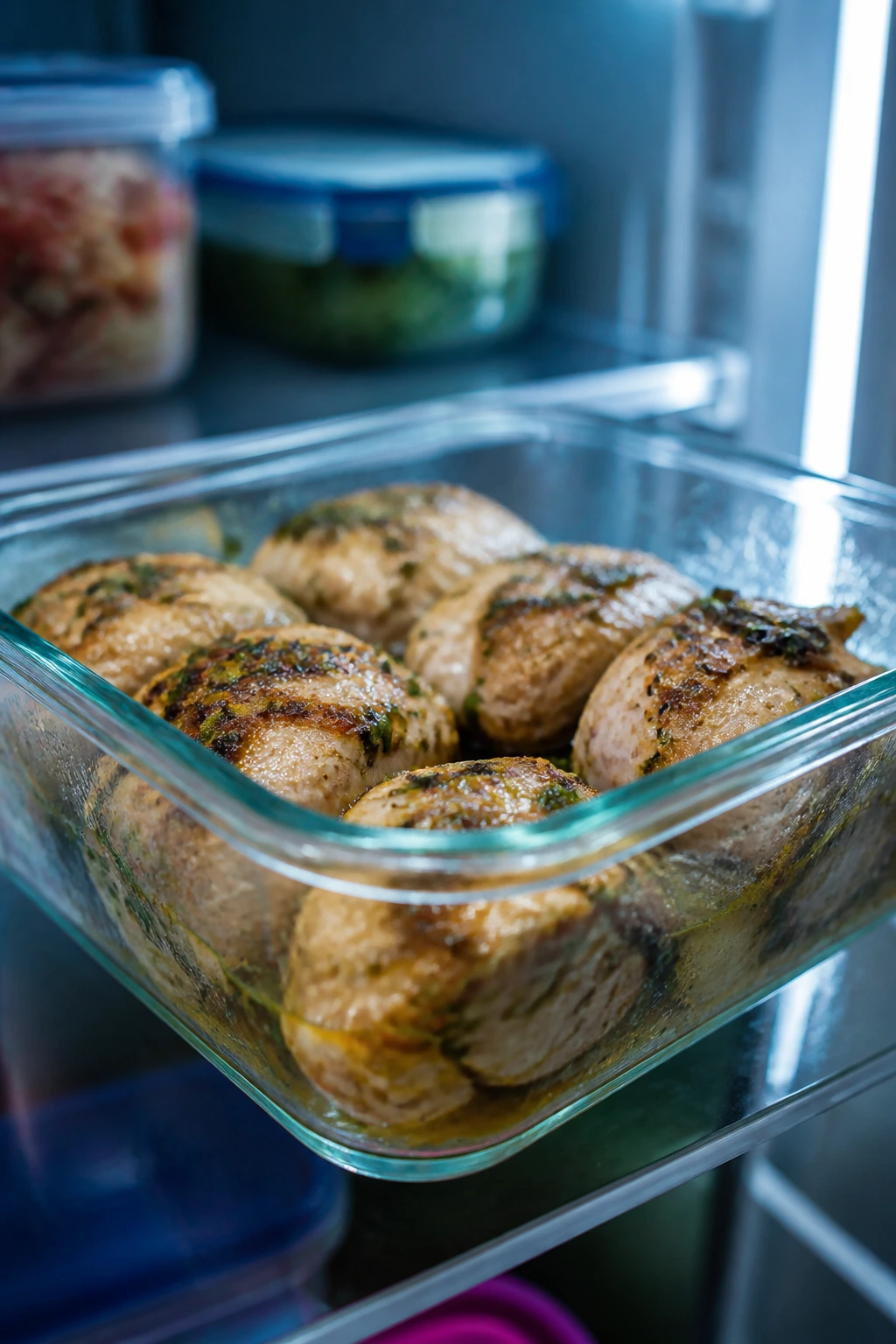
Marinated cookout food rewards planning, but it also forgives a little leftover chaos if you handle it properly.
Raw food should marinate in the refrigerator, not on the counter. Chicken and pork usually do best when cooked within the same day or the next day after marinating, depending on the cut and the strength of the marinade. Chicken breasts are especially sensitive to over-marinating, so I keep them in the shorter end of the time range. Big pork cuts and beef steaks can take longer, but the fridge rule never changes.
If you want to freeze raw marinated meat, that works well. Put the food and marinade in a freezer bag, press out the air, freeze it flat, and thaw it in the refrigerator overnight. The food marinates as it thaws, which is one of those small cookout tricks that feels like cheating the clock.
Cooked leftovers keep about 3 to 4 days in the refrigerator in a covered container. Seafood is shorter — use it within 2 days. Grilled vegetables usually hold up for 3 to 4 days, though zucchini and mushrooms soften a bit as they sit. Potato salad, bean salad, and slaws have their own rhythm; bean salad often improves overnight, while crisp slaw may need a fresh splash of vinegar before serving again.
Reheating depends on the food. Chicken and pork reheat best in a covered skillet over low heat with a spoonful of water or broth, or in a 300°F oven until warmed through. Fish is gentler in a low oven and is often better served cold the next day if it was meant for that. Vegetables do fine in a skillet or on a sheet pan, but they should not be blasted at high heat or they’ll collapse.
Frequently Asked Questions
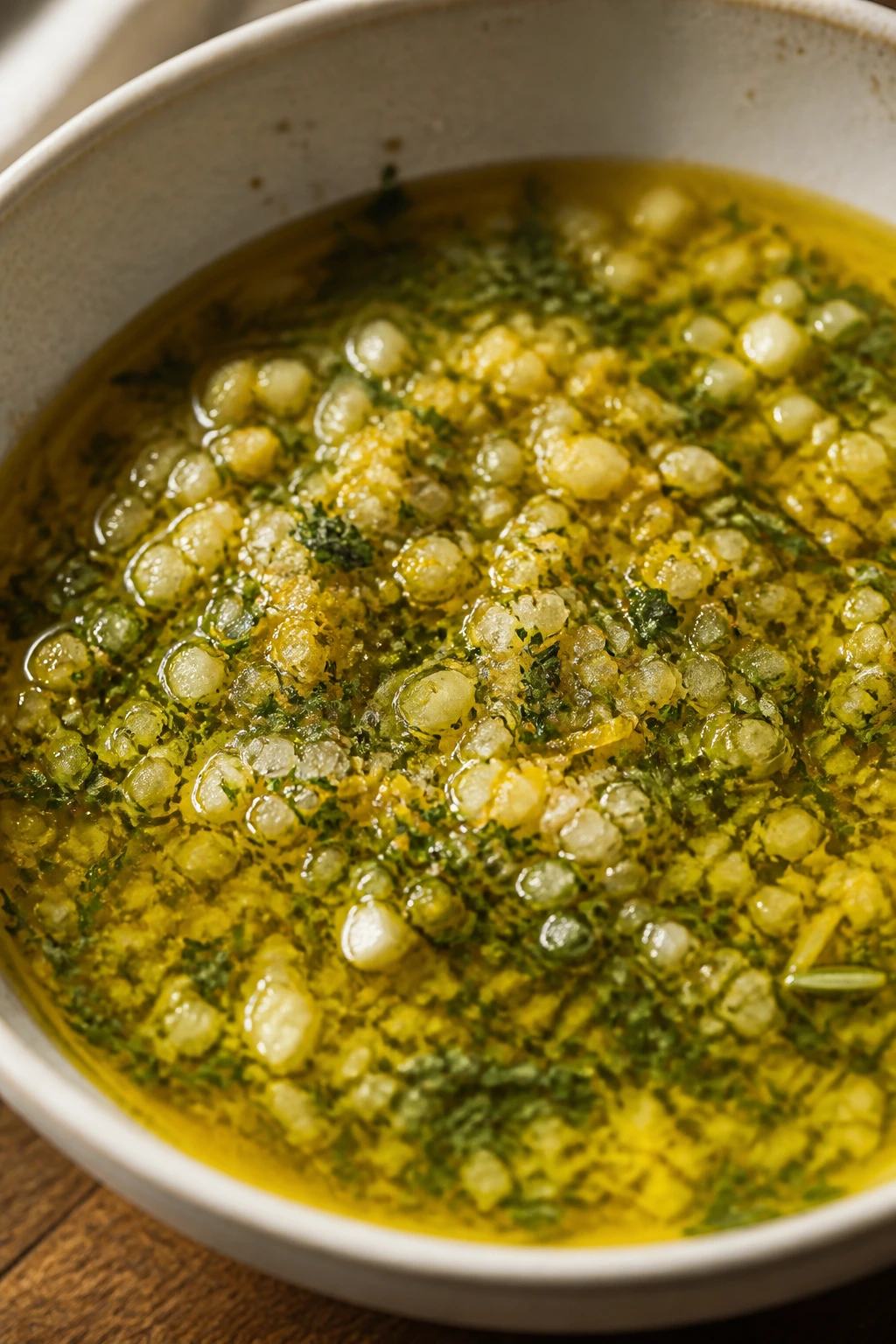
How long should chicken sit in marinade before grilling?
Chicken thighs usually want 4 to 12 hours. Chicken breasts need less — about 2 to 4 hours is enough before the surface starts losing that clean texture. If the marinade is very acidic, stay closer to the short end.
Can I use bottled dressing as a quick marinade?
Yes, sometimes. A bottled Italian or vinaigrette-style dressing can work for chicken, mushrooms, or vegetables if it isn’t loaded with sugar. Check the label first; if it tastes aggressively sweet or oddly thick, it may burn faster than a homemade marinade.
What if my marinade tastes too salty?
Dilute it with oil, a little water, citrus zest, or an unsalted base like yogurt or onion puree. If the food has already soaked in it, keep the cooking surface clean and pair it with an unsalted side so the whole plate stays balanced.
Can I marinate shrimp overnight?
I wouldn’t. Shrimp only need 15 to 30 minutes, and longer can make the texture odd, especially if the marinade contains lime, lemon, or vinegar. If you want to prep ahead, mix the marinade early and add the shrimp only when you’re close to grilling.
Is it safe to reuse the marinade as sauce?
Only if you reserved a clean portion before the raw food went in, or if you boil the used marinade thoroughly first. I prefer the first option because it keeps the flavor cleaner and saves you from wondering whether the sauce got hot enough.
What’s the best marinade for vegetables on the grill?
A simple oil-and-acid mix with garlic, salt, and herbs usually works better than something heavy. Zucchini, onions, mushrooms, and eggplant all take on flavor quickly, so they need seasoning more than soaking.
Can I freeze meat in the marinade?
Yes, and it works well for chicken, pork, and beef. Freeze it flat in a bag, thaw it in the refrigerator, and cook it once it’s fully thawed. I wouldn’t freeze delicate seafood in a strong acidic marinade, though.
What do I do if the outside starts burning before the inside is done?
Move the food to indirect heat and lower the temperature right away. If the marinade has sugar, let the food finish more gently and brush on any sticky glaze only near the end. A charred crust and an undercooked center is the clearest sign the heat won the fight.
The Picnic Table Wins
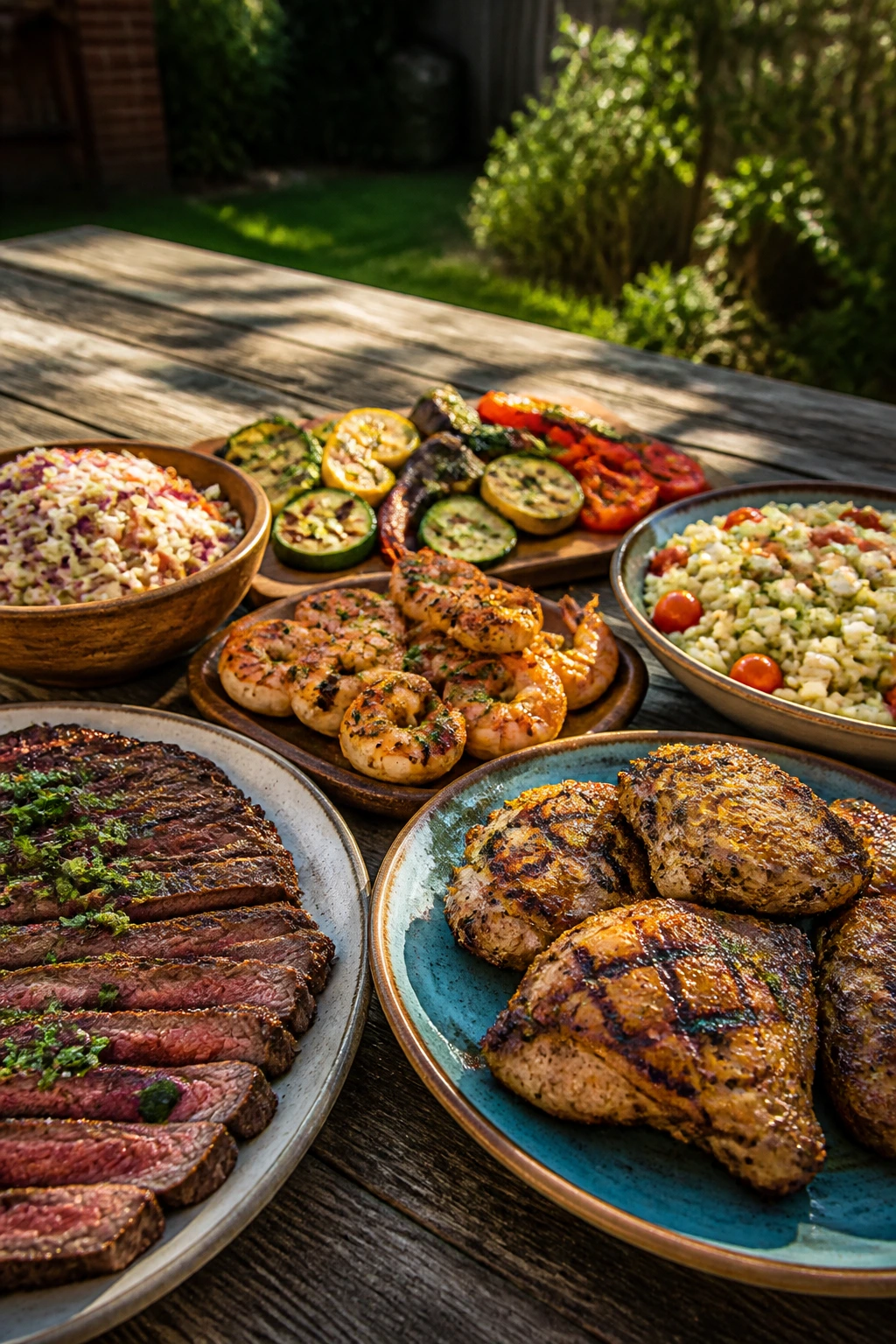
A cookout built around marinated food has a calmer rhythm. The seasoning happens early, the grill has less pressure on it, and the table tastes like someone thought ahead without making a spectacle of it.
That’s why this kind of food stays useful. Chicken thighs, flank steak, shrimp, mushrooms, zucchini, pork chops, bean salads, and grilled fruit all respond to the same basic idea: give the food time, give the fire a job it can actually finish, and keep one or two sharp, cold sides nearby. The rest falls into place faster than people expect.
Start with one good marinade, one protein that likes it, and one cold side with enough vinegar or lemon to keep the whole meal awake. The yard will smell better almost immediately.