



Marinated smoked cooking for backyard cookouts works best when you stop treating the marinade and the smoke as separate jobs. One seasons, the other perfumes. Put them together the right way and the meat picks up a darker crust, a deeper surface flavor, and that slow, wood-fired smell that hangs in the yard long before the first plate lands on the table.
A lot of people get this wrong by making the marinade too sweet, too acidic, or too watery, then wondering why the bark turns sticky, the chicken tastes flat, or the smoke comes across as harsh. The fix is not complicated. It just takes a cleaner sense of timing, a little restraint with sugar, and a thermometer that earns its keep instead of living in a drawer.
I trust this method most on foods that can stand up to a long, lazy cookout: chicken thighs, pork shoulder, ribs, flank steak, salmon, even thick vegetables when the fire is calm and the seasoning is sharp. The surface should smell garlicky and a little briny before it ever sees smoke. That’s the point. The smoker then does what fire does best — deepens, sets, and pulls all those edges together.
Why Marinades and Smoke Belong on the Same Plate
Marinades do the surface work that smoke can’t do alone. Smoke is good at building aroma and that dark, savory crust, but it does not season meat from the inside out. A well-built marinade gives you salt, spice, and a little acidity right where the first bite hits.
Low-and-slow heat rewards food that already tastes seasoned. A plain chicken thigh can dry out around the edges before you notice it. A marinated one holds onto flavor even after an hour or more over steady indirect heat, especially when the skin or exterior gets a chance to dry before smoking.
Smoke clings better to a tacky surface than to a wet, oily one. That’s one reason marinated meat needs a pause after coming out of the fridge. Pat it dry enough to lose the puddles, not so dry that it looks dusty. You want a light, seasoned sheen.
This method gives you more forgiveness on a crowded cookout schedule. If guests are late or the side dishes need another ten minutes, marinated smoked meat holds its shape better than a quick-grilled chop or breast. A pork shoulder can sit wrapped while the beans finish. Chicken thighs can rest without collapsing into cardboard.
It works on cheaper cuts that people actually buy for cookouts. Bone-in chicken thighs, pork shoulder, chuck roast, and even trout or salmon sides all benefit from a marinade that carries salt and aromatics. I’d rather smoke those than pay extra for a lean cut that demands perfect timing.
The flavor reads as layered instead of loud. That matters. You get salt first, then garlic or citrus, then the sweet, woodsy edge from the smoke, then the final hit of whatever sauce or finishing acid you add at the end.
Picking the Right Cuts for the Smoker
A marinade can’t rescue every cut. Some foods want smoke, some want a quick sear, and some are better left to a dry rub and a careful fire. Start with the cuts that can take a little patience. They’re usually the ones people go back for.
Chicken: thighs win, breasts need restraint
Chicken thighs are the easiest place to start. They have enough fat to stay juicy through a longer cook, and their darker meat handles garlic, citrus, soy, yogurt, and spice without getting fussy. Drumsticks are close behind, especially if you want something hand-held for a crowd.
Chicken breasts can work, but they punish sloppy timing. Use a lighter marinade, keep the smoke around 250°F to 275°F, and pull them as soon as they hit 165°F in the thickest part. Go too far, and the texture turns chalky.
Pork: shoulder, ribs, and chops all need different thinking
Pork shoulder is the big crowd-pleaser for this style because it forgives a rougher fire and a long afternoon. A marinade with salt, sugar, garlic, and a little vinegar helps the outer layers stay lively while the interior breaks down slowly.
Ribs take marinade well if you keep it lighter and avoid drowning the surface. They still benefit from a dry rub. In practice, marinade plus rub gives you a better crust than marinade alone. Pork chops sit on the leaner end, so they need shorter marinating times and a hotter, shorter smoke to avoid a mealy bite.
Beef: strong smoke, strong seasoning
Flank steak, tri-tip, short ribs, and chuck roast all play nicely with a marinade that includes soy sauce, black pepper, garlic, and some kind of acid. Beef can carry bolder smoke than chicken, so oak, hickory, or a restrained mesquite blend makes sense here.
Thin beef cuts are the easiest to overdo. Tri-tip especially needs a probe and some discipline. If you take it past medium, you lose the clean slice and the cookout turns into a chewing contest.
Fish and vegetables: shorter, cleaner, sharper
Salmon likes brown sugar, soy, citrus zest, dill, and mustard. Trout wants gentler smoke and less time in the marinade. Shrimp need barely any time at all — often 15 to 30 minutes is enough. Any longer and the texture tightens.
Firm vegetables can join the party, too. Cauliflower steaks, mushrooms, zucchini planks, and eggplant slices do well with an oil-based marinade and a shorter smoke. They need less acid, more fat, and a good pinch of salt so the flavor survives the heat.
Building a Marinade That Can Handle Fire
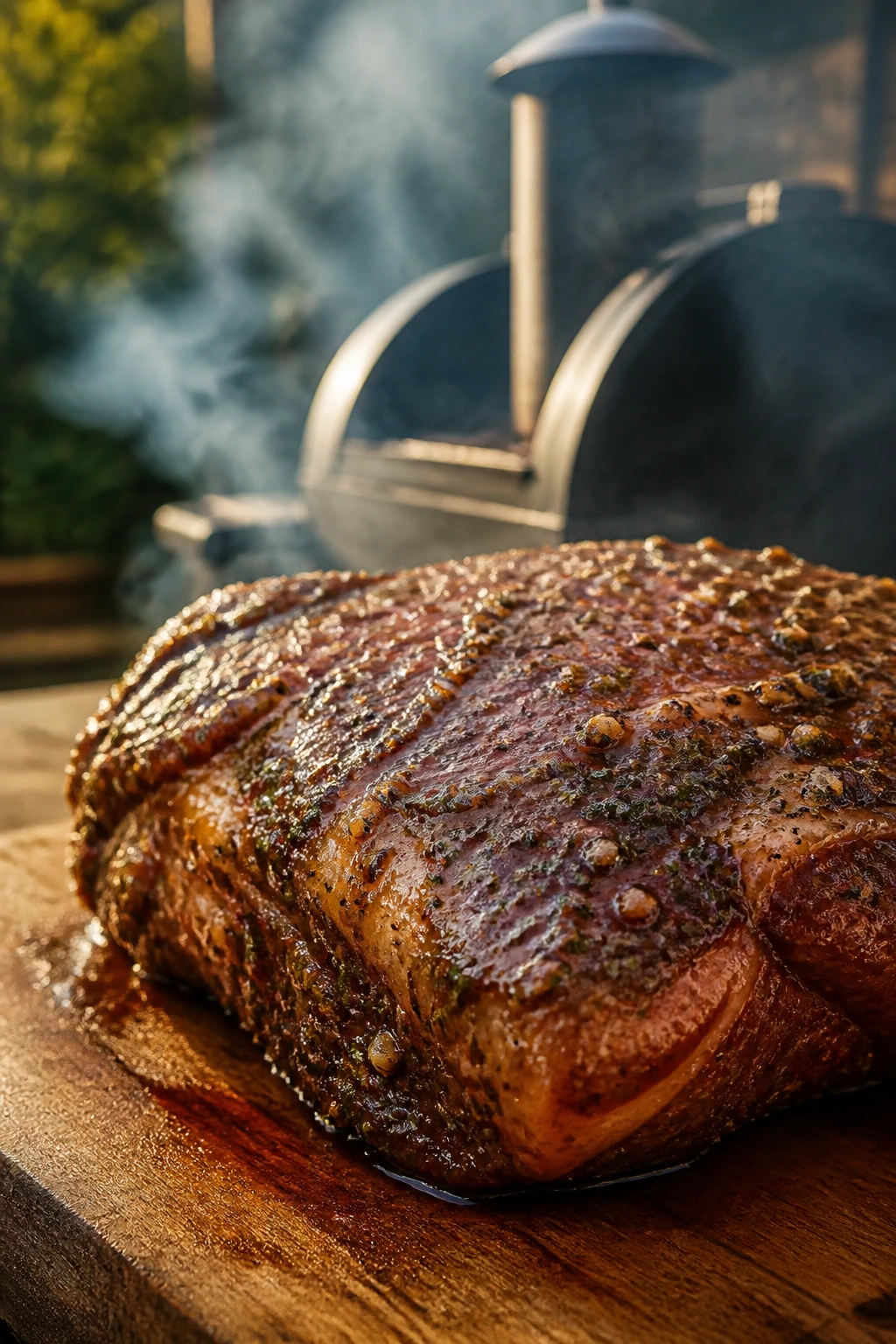
A smoke-friendly marinade is not a random splash of bottled sauce. It needs balance. Salt first. Then aromatics. Then acid and sweetness in smaller amounts than most store-bought blends would suggest. Smoke already brings sweetness and depth; the marinade shouldn’t fight it.
Salt is the part that matters most
Salt does the real heavy lifting. It seasons the meat where smoke can only coat. Soy sauce, kosher salt, fish sauce, miso, Worcestershire, and even a well-seasoned brine all belong here. If the marinade tastes flat before it hits the meat, it will taste flat after smoking, too.
For a rough starting point, I like a marinade that has enough salt to taste clearly savory on the tongue without crossing into harshness. On a 2 to 3 pound batch of chicken thighs or pork chops, that might mean 2 to 3 tablespoons of soy sauce plus another pinch or two of kosher salt if the recipe needs it.
Acid should wake the meat up, not chew it apart
Vinegar, lemon juice, lime juice, wine, and yogurt each do a different job. Vinegar and citrus brighten the finish. Yogurt and buttermilk coat the meat more gently and give you a little tang without the same sharp bite. For smoking, I usually keep acid in check. Too much and the outer layer can turn soft or stringy after a long soak.
A smart marinade often uses around 1/4 to 1/3 cup acid for a standard family-sized batch, not a whole bottle. Enough to wake up the flavor. Not enough to turn the texture slippery.
Sugar has to be managed, not feared
Brown sugar, honey, maple syrup, and molasses all help a marinade caramelize. They also burn if the fire gets too hot or the sugar sits on the surface for hours before the meat is ready. That’s not a reason to avoid sweeteners. It is a reason to use them with a light hand.
I like sugar most for pork and salmon, less for chicken breast, and least when I’m after a deep bark on beef. If the cook is going to run long, save the bigger hit of sweetness for a glaze near the end.
Aromatics should smell sharp in the bowl and mellow on the meat
Garlic, shallot, grated onion, black pepper, smoked paprika, cumin, coriander, mustard powder, crushed fennel seed, rosemary, thyme, dill, and chili all work in different combinations. Fresh garlic gives you a quick punch; garlic powder spreads more evenly and is less likely to scorch in oily spots.
The best marinades don’t smell crowded. They smell pointed. One clear herb, one clear spice, one clear acid, and a salty base usually beat seven competing seasonings.
How Long to Marinate Without Turning Things Soft
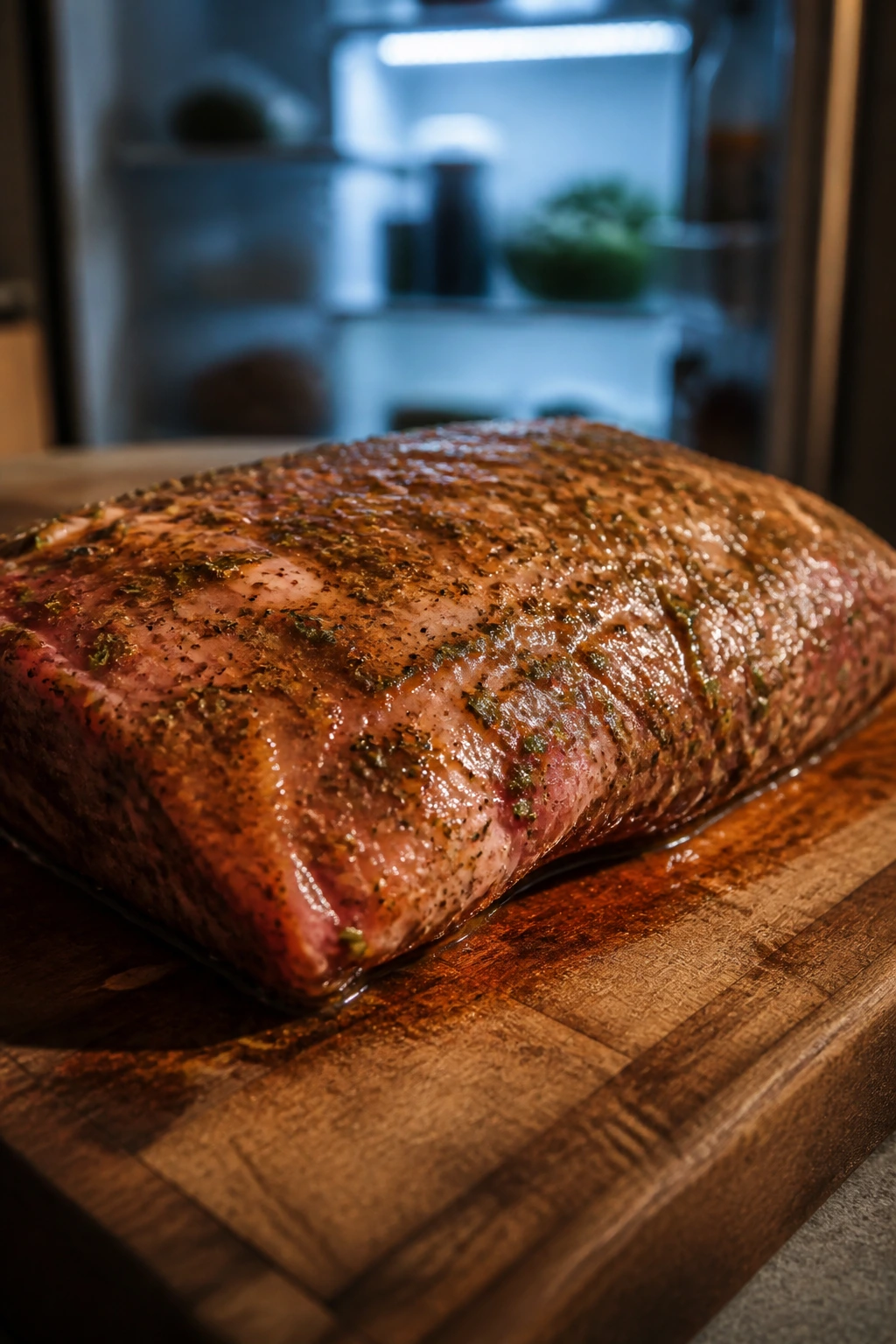
Time is where a lot of backyard cooks go sideways. They think more time means more flavor, so the meat sits all night in a strongly acidic bath and comes out loose around the edges. That is not flavor. That is texture damage.
Thin cuts and seafood need short windows
Shrimp can be marinated for 15 to 30 minutes. Fish fillets usually need 15 to 45 minutes. Thin chicken cutlets or pork cutlets are best around 30 minutes to 2 hours. If you leave delicate seafood in citrus too long, the surface starts to look opaque and tight before it ever hits the smoker.
Chicken and pork can take a longer soak
Bone-in chicken thighs and drumsticks do well with 4 to 12 hours in the fridge. Pork chops usually sit nicely in the 2 to 8 hour range. Pork shoulder can go overnight, especially if the marinade is more salty and aromatic than aggressively acidic.
That’s long enough to change the surface flavor without making the meat mushy. If the marinade includes yogurt or buttermilk, you can lean toward the longer end because those ingredients are gentler than straight vinegar or citrus.
Beef likes structure, not a bath
Flank steak, tri-tip, and short ribs can marinate anywhere from 4 to 12 hours depending on thickness and acidity. Chuck roast for smoking can handle overnight, but I still keep the acid moderate so the outer layer doesn’t get soft before the smoke sets the bark.
Brisket is a special case. Many cooks skip wet marinade entirely and use a salt-forward rub or injection instead. I’m with them. Brisket likes a dry surface and a long, steady cook more than it likes a wet, cloudy soak.
Vegetables and tofu have their own clock
Firm vegetables usually need 20 to 60 minutes, depending on how porous they are. Mushrooms can go a little longer. Tofu likes 30 minutes to a few hours once it’s pressed and drained. The goal is coating, not saturation.
If you remember one thing, make it this: marinade time should match the thickness and the acid level. Thin and acidic means short. Thick and salty means longer.
Wood, Airflow, and the Smoke That Tastes Clean
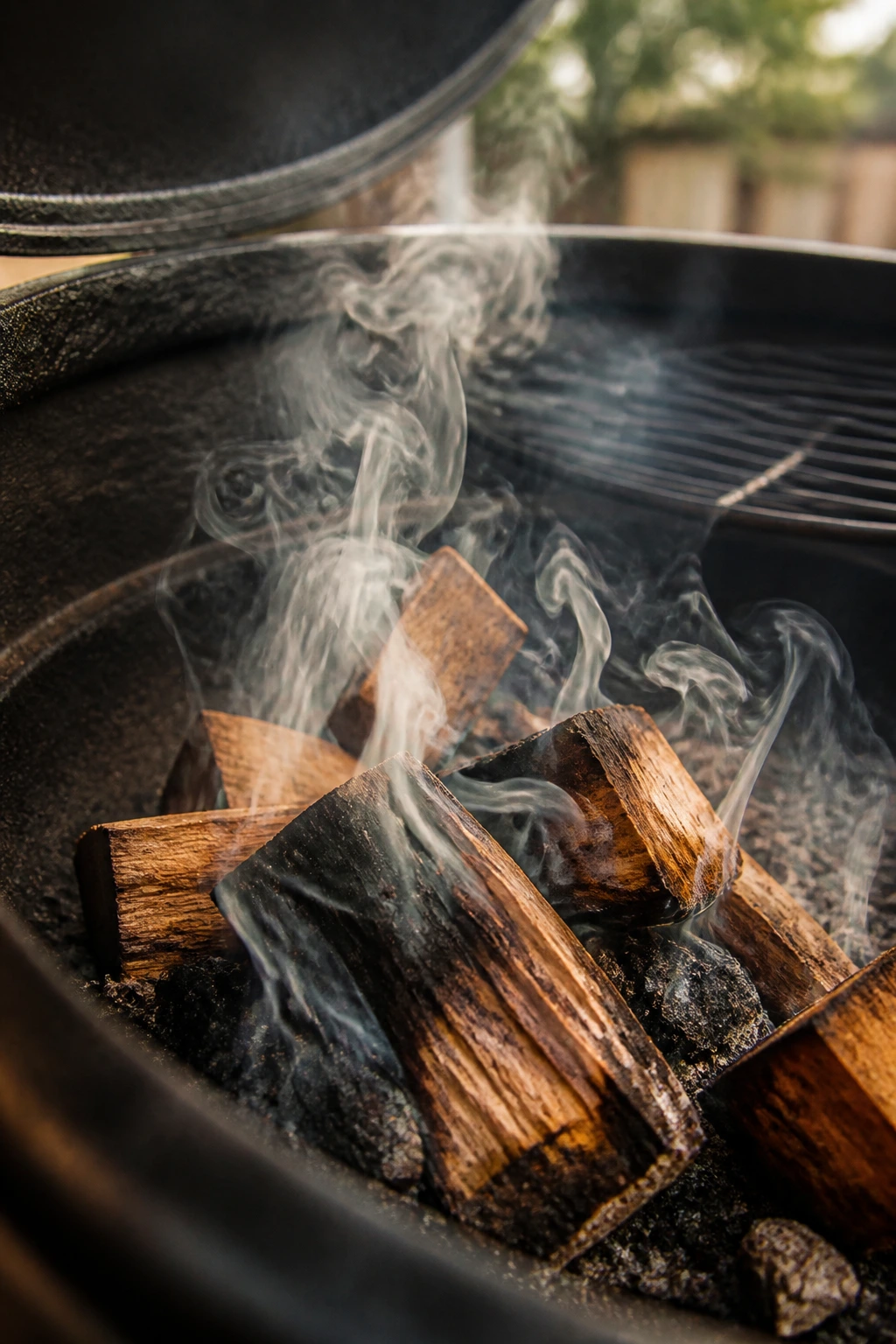
Smoke can taste sweet and round, or it can taste like an old fireplace. The difference comes from wood choice, airflow, and how much you fuss with the fire. A clean fire smells like a campfire that knows how to behave.
Mild woods for chicken, fish, and vegetables
Apple, cherry, and maple give a gentle smoke that fits chicken thighs, salmon, trout, and vegetables. Cherry has a soft fruit note and gives meat a darker color faster than most woods. Apple is lighter and a little sweeter. Maple stays polite and steady.
Pecan sits in the middle. It’s richer than apple, softer than hickory, and useful when you want smoke without the bludgeon.
Strong woods for pork and beef
Hickory brings that bacon-like edge people expect from barbecue. Oak is steadier and less assertive, which is why I reach for it a lot with beef and pork shoulder. Mesquite has a loud personality. It works with beef when used carefully, but it can bully chicken and fish if you treat it like a default.
A blend often works better than a single wood. Oak with a little cherry is one of the most forgiving combinations for a mixed cookout.
Thin blue smoke beats thick white smoke every time
White billowing smoke usually means the fire is starved, the wood is damp, or the combustion isn’t clean. That smoke can make marinated meat taste bitter fast, especially if the surface is already wet with sugary sauce. Thin blue smoke is what you want — faint, almost hard to see, but easy to smell.
The smoke ring gets a lot of attention, but it’s not a flavor scorecard. It forms early in the cook when smoke compounds react with the meat’s surface. A deep ring can look handsome on a sliced shoulder, yet it tells you almost nothing about tenderness. The thermometer still matters more.
Airflow is part of flavor
A smoker that smolders all afternoon will ruin a good marinade. Open the vents enough to keep the fire alive, and don’t keep lifting the lid because you’re impatient. Every peek dumps heat and can swing the cook from calm to moody.
If your smoker runs hot, use smaller wood additions and more airflow control rather than trying to rescue it with extra liquid or another handful of chips. That just gives you wet, dirty smoke and a cranky piece of meat.
Prepping the Meat So Smoke Actually Clings
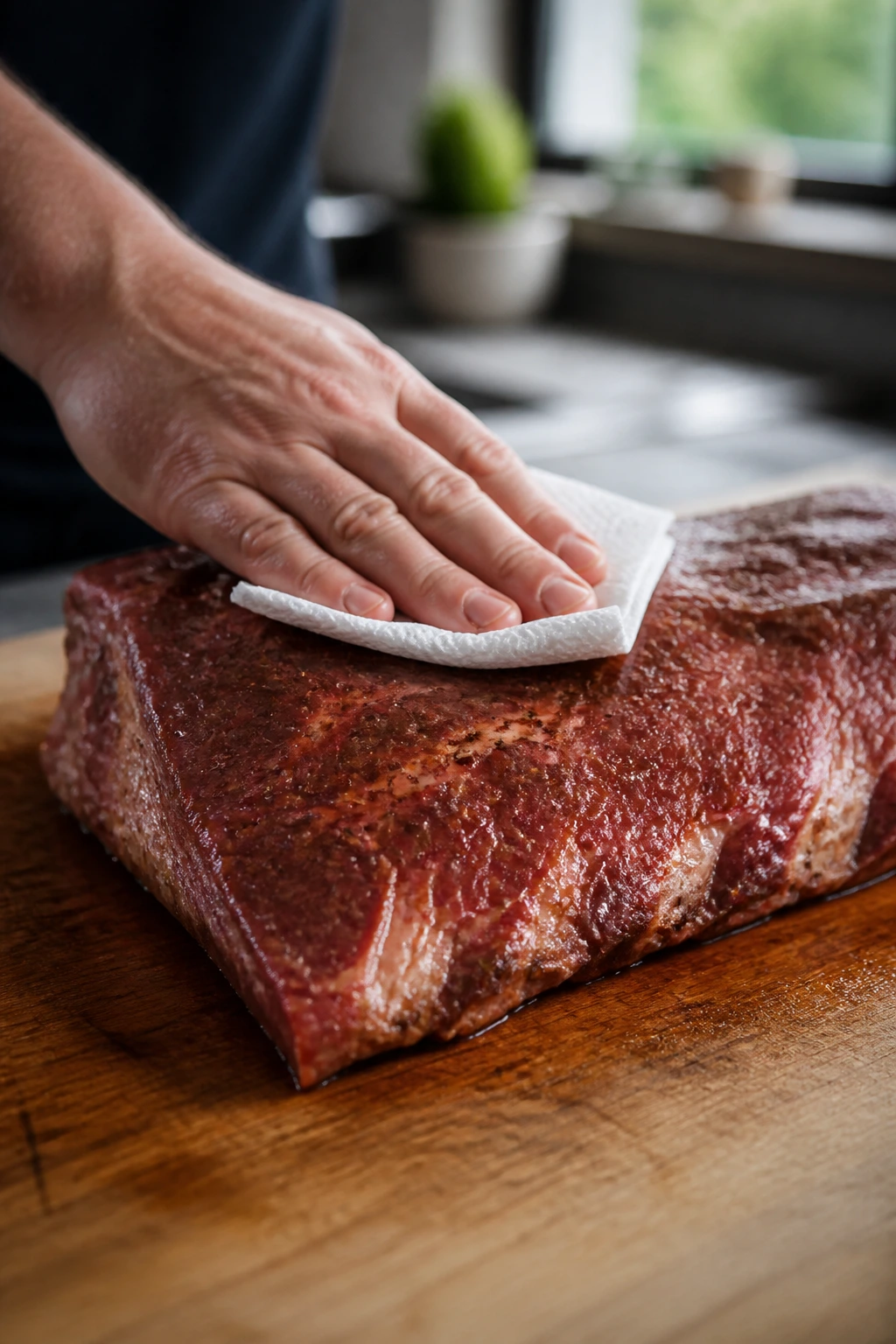
The glossy, dripping surface that looks good in a marinade bowl is not what you want going into the smoker. Smoke likes a surface that’s seasoned and a little tacky. Not wet. Not slick. Just enough moisture left to hold onto the spice and the smell.
Dry the surface first
Pull the meat from the marinade and let the excess drip off. Then pat it lightly with paper towels. You are not wiping off the flavor. You are removing the puddles so the fire can make contact with the surface instead of steaming it.
This step matters even more if the marinade contains oil or honey. A thin film is enough. A thick coat turns into a slippery shell that takes longer to set.
Use a nonreactive container and keep the meat cold
Glass, stainless steel, and food-safe plastic all work. Skip aluminum for long acidic marinades. If you use a zip-top bag, put it in a bowl in the fridge so leaks don’t turn into a cleanup job.
The USDA’s food-safety advice is boring in the best way: keep raw meat refrigerated, don’t leave it out while the smoker heats for a long stretch, and use a thermometer instead of guessing by color or feel. That advice saves more cookouts than any fancy rub ever will.
Give the smoker time to settle before the meat goes in
A good backyard smoker needs to come to a steady temperature before you load it. For most meats, that means somewhere around 225°F to 275°F, depending on what you’re cooking and how long you want to wait. Chicken pieces can sit at the higher end. Pork shoulder and ribs usually like the lower end.
If you toss meat into a pit that’s still climbing, the first hour gets messy. The smoke can be harsh, the outside can dry unevenly, and the timing becomes a guess. Wait for the fire to calm down first. That patience pays off.
Temperature, Resting, and the Point Where Dinner Is Done
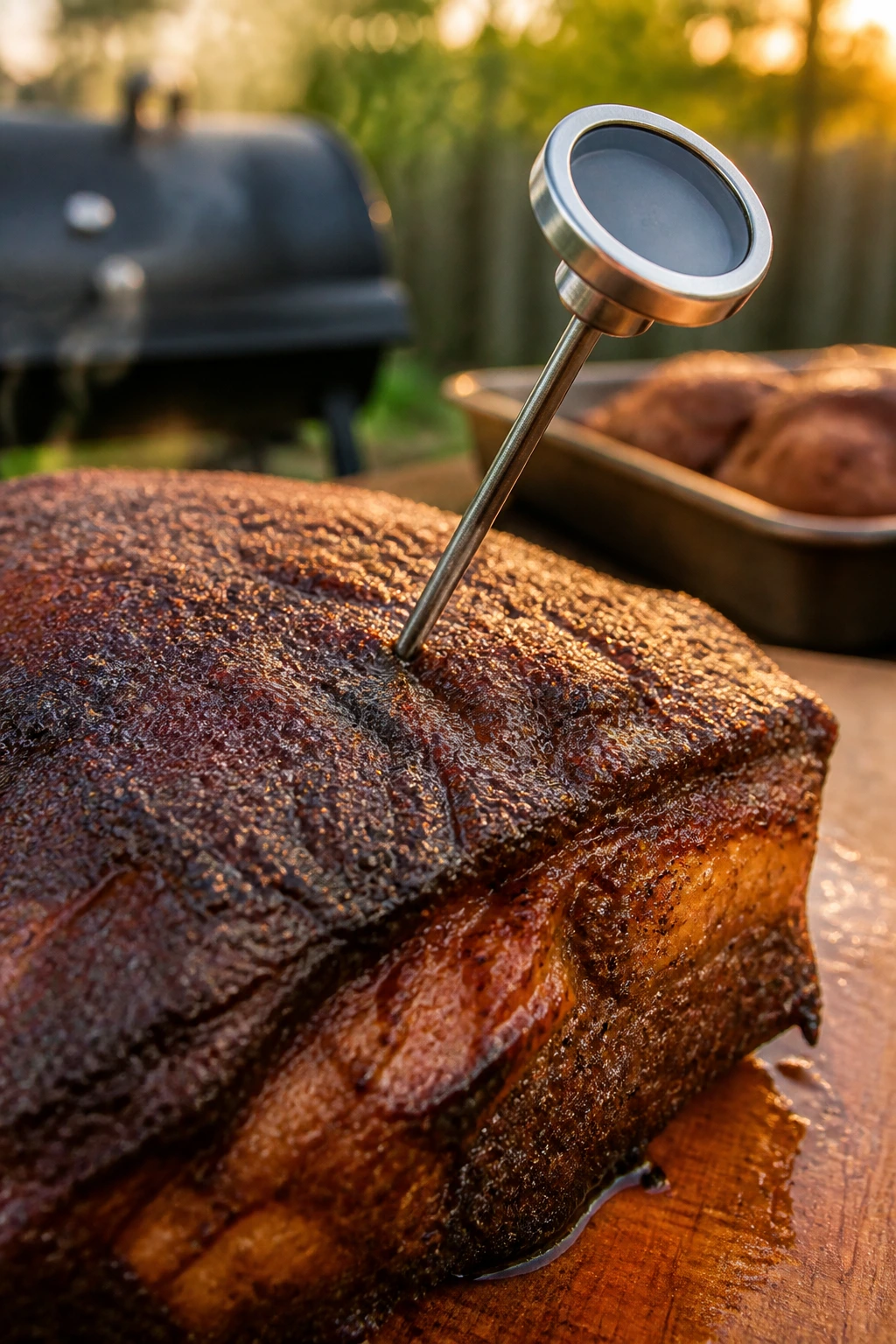
A smoker can make the house smell like a dream, but food safety still runs the show. Guessing by color is a bad habit. Pink chicken is not okay just because it looks smoky. Pork shoulder needs to be tender, not merely safe. A thermometer is the only tool that settles the argument.
Safe internal temperatures that matter
Here are the numbers I trust, and the ones that line up with standard food-safety guidance:
- Poultry: 165°F in the thickest part
- Ground meats: 160°F
- Whole cuts of pork, beef, lamb, and veal: 145°F with a 3-minute rest
- Fish: 145°F, or until it flakes easily and the flesh turns opaque
- Pork shoulder and other pull-apart cuts: often 195°F to 205°F for texture, even though they are safe much earlier
That last point trips people up. Safe and tender are not the same thing. Pork shoulder is safe at the lower USDA whole-cut temperature, but it won’t shred cleanly until the collagen melts and the meat gets much hotter.
Resting is part of the cook, not a bonus round
Pull meat too early and the juices run onto the board instead of staying in the slice. Resting gives the fibers time to relax. Chicken pieces usually need 5 to 10 minutes. Chops and steaks can rest around 5 to 15 minutes. Larger smoked cuts like pork shoulder benefit from 20 to 30 minutes, sometimes wrapped loosely in butcher paper or foil.
Don’t seal everything in tight foil unless you want the crust to soften. If you worked hard on bark, a loose wrap or a warm rest in a dry cooler is better.
A probe tells you more than your eyes ever will
Slide the probe into the thickest part without touching bone. For poultry, aim for the center of the thickest thigh or breast section. For pork shoulder, probe several spots. Temperature can vary inside a cut this large, and one hot point does not mean the whole thing is ready.
I’d rather check three times with a thermometer than slice into underdone meat and spend the rest of the meal pretending that “a little pink” was the plan.
How to Serve a Smoked Marinated Spread
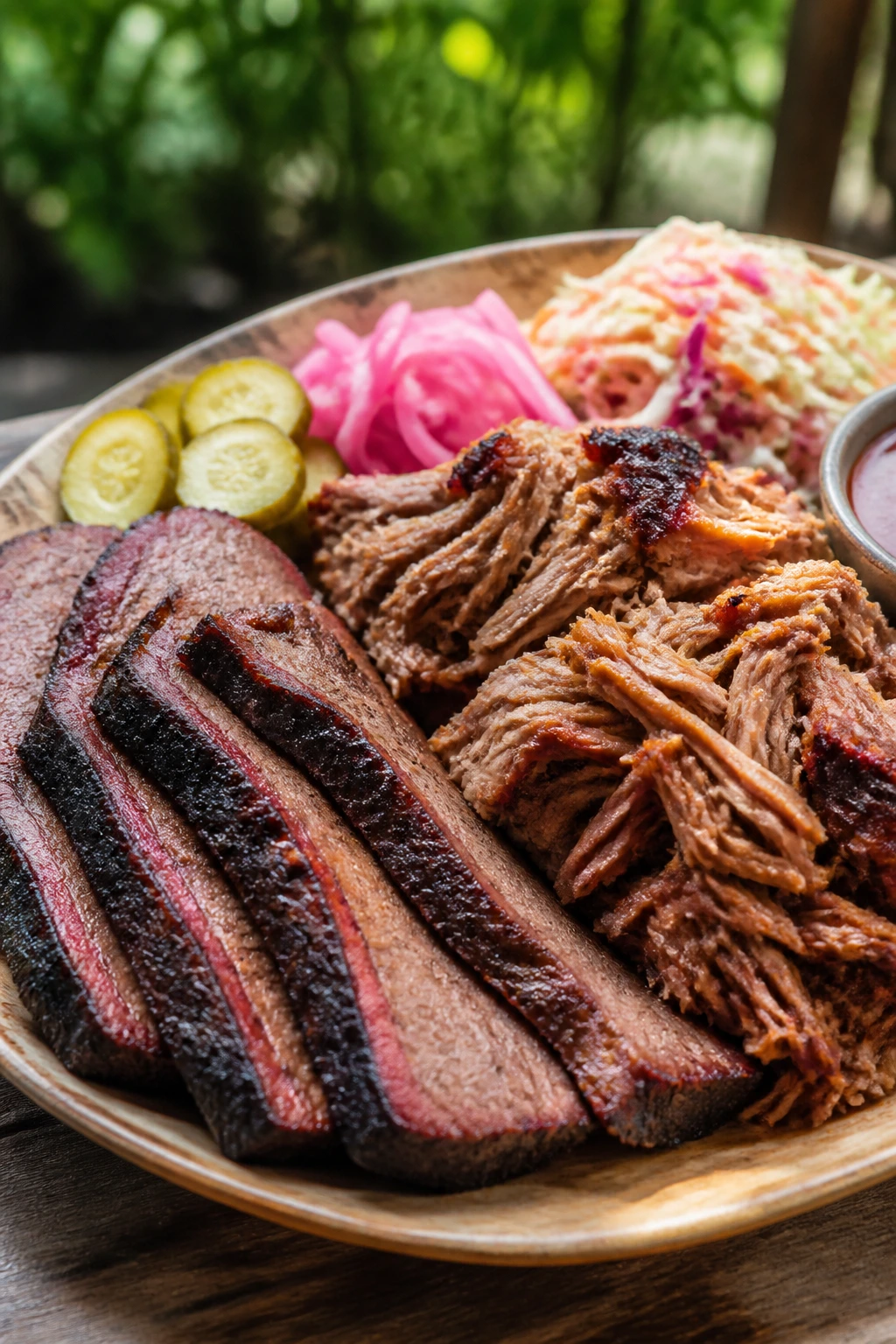
A backyard cookout lives or dies on the plate. A platter of dark, smoky meat can look a little severe unless something bright and crisp sits next to it. Pickles help. Slaw helps. Vinegar helps. A hot tray of meat with no contrast can feel heavy halfway through the second serving.
Presentation: Slice beef against the grain and fan it across a warm platter. Pull pork into loose piles so the crisp edges stay visible. Keep chicken thighs whole for the first pass, then let people cut at the table. A small bowl of finishing sauce on the side looks better than drowning everything before it leaves the kitchen.
Accompaniments: I like vinegar slaw, grilled corn, potato salad with mustard, baked beans, charred onions, sliced cucumbers, dill pickles, and warm rolls for soaking up sauce. For salmon or chicken, a lemony herb salad cuts the smoke. For pork shoulder, cornbread and pickled jalapeños make sense. Cold watermelon sounds simple, but after a salty smoker ride, it earns its spot.
Portions: Plan on about 6 to 8 ounces of cooked meat per adult if the spread is meat-heavy. If the table has several sides, 4 to 6 ounces is enough. For big smoked shoulders, start with more raw weight than you think you need because shrinkage is real and the bark is never as heavy as people expect.
Beverage Pairing: Iced tea with lemon is the easy answer. A crisp lager, a dry cider, or a pale ale also works with the salt and smoke. For nonalcoholic drinks, sparkling water with lime keeps the palate fresh when the plate gets rich.
Glazes, Sauces, and the Final Brush-On
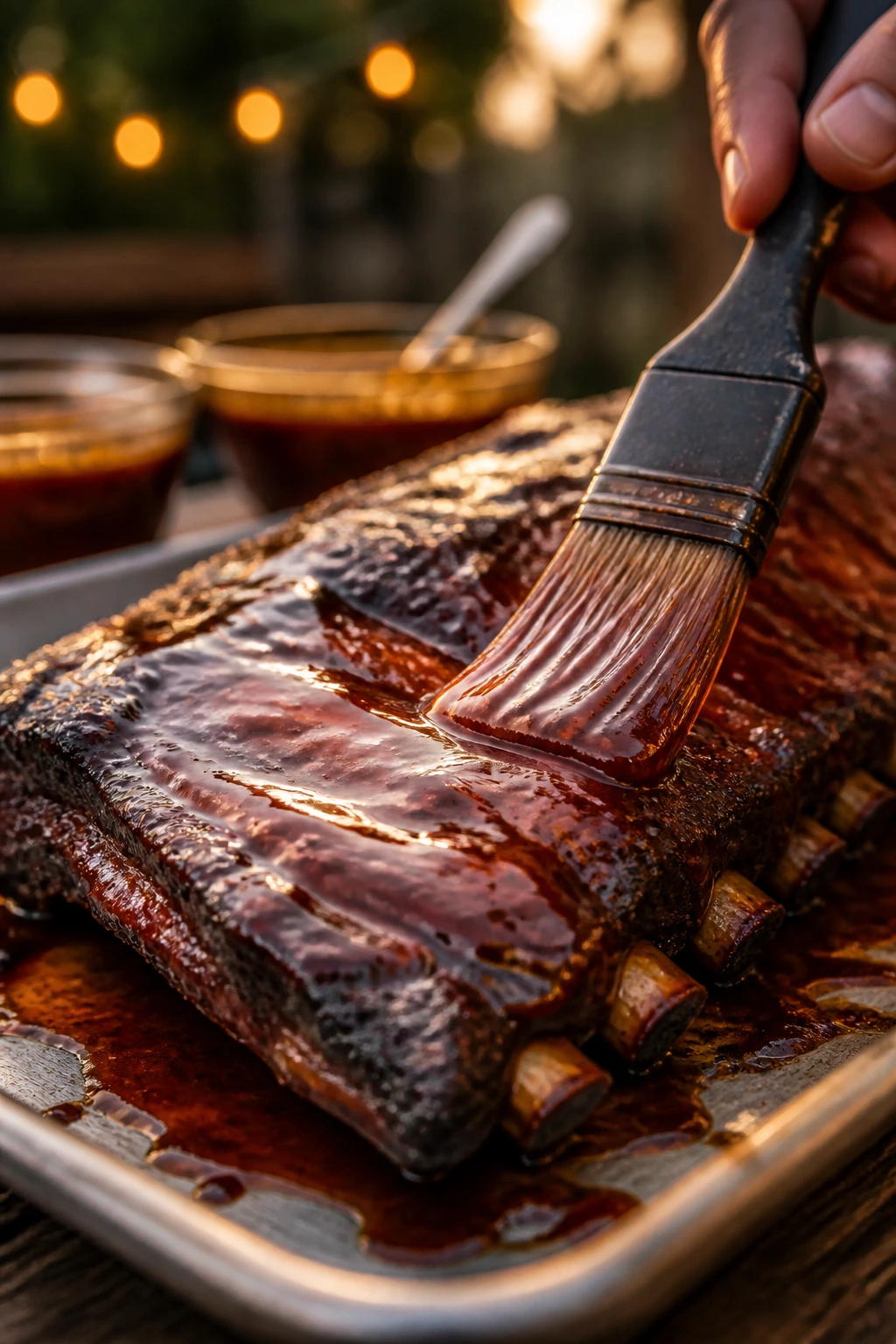
A good marinade gives you a base. A final glaze gives you shine and a little lift. Those are not the same thing. If you brush on a sugary sauce too early, it can darken fast and turn sticky in the wrong way. If you wait until the end, it becomes a glossy coat instead of a burnt shell.
Sweet sauces belong near the finish
Honey barbecue sauce, maple glaze, and brown-sugar mop sauces should go on during the last 10 to 15 minutes of cooking, sometimes even later. That gives the sugar time to set without scorching. On ribs or pork shoulder, I like to brush lightly, wait five minutes, then brush once more for a thin lacquer.
Bright finishes keep smoke from feeling heavy
A little cider vinegar, lemon juice, lime juice, or chopped herb sauce can rescue meat that tastes one note too dark. That’s especially useful on chicken thighs and pork shoulder. A spoonful of vinegar sauce on the plate can make the whole cookout taste more awake.
Spritzing is a tool, not a ritual
A bottle of apple juice, cider vinegar and water, or a light broth blend can keep the surface from drying out, but overdoing it cools the meat and washes off seasoning. Spritz every 45 to 60 minutes if the surface looks dry. If the meat already has a good bark, leave it alone.
A wet brush can also soften bark, so use it with a light hand. Think sheen, not flood.
Additional Tips for Better Flavor and Less Fuss
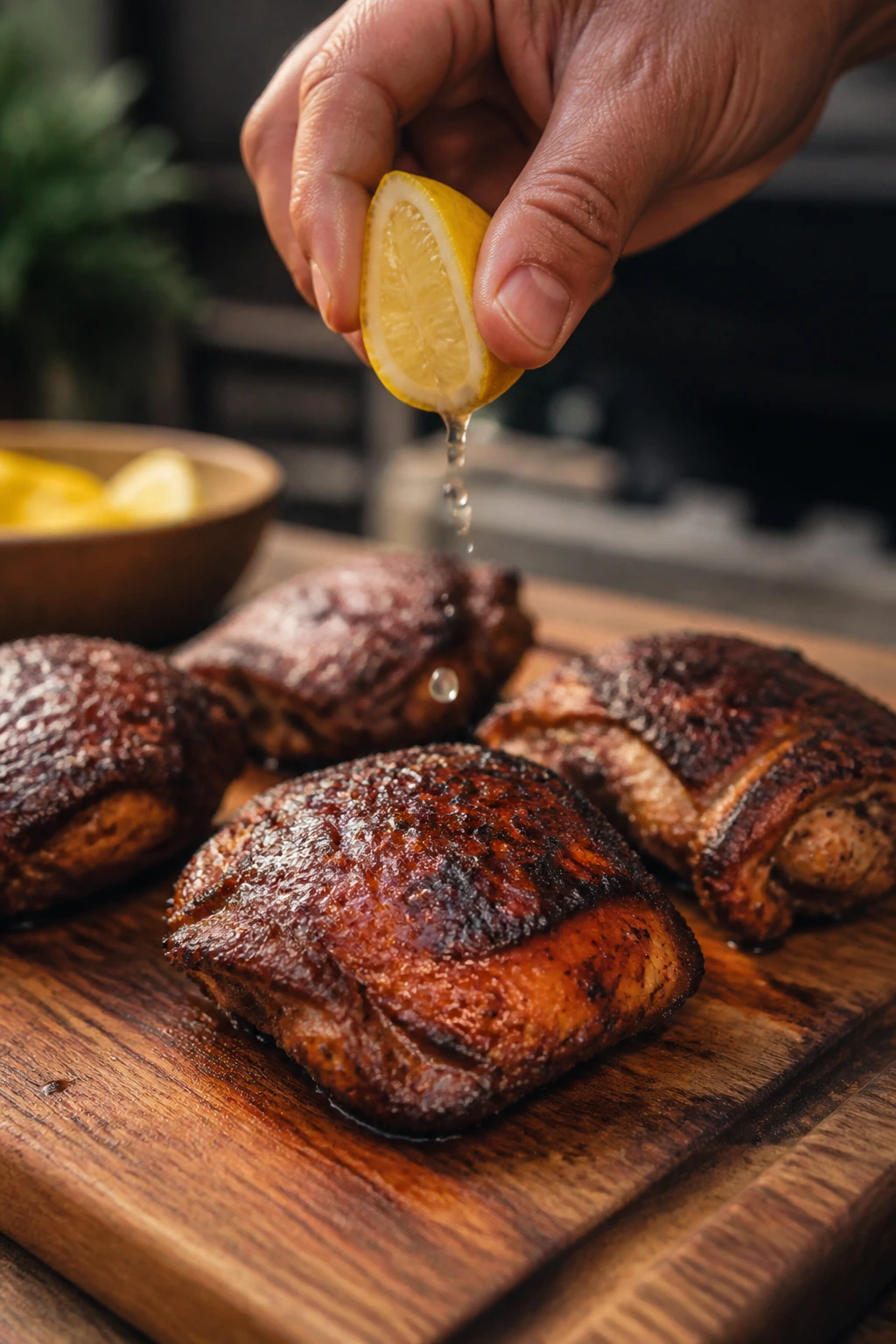
Flavor Enhancement: Add a finishing hit of acid right before serving — a few drops of lemon juice on chicken, cider vinegar on pork, or lime on shrimp. Smoke can flatten the palate if you never wake it back up.
Time-Saver: Marinate meat in a zip-top bag laid flat on a sheet pan. It spreads the liquid evenly, takes less fridge space, and makes turning the bag once or twice far easier than trying to rotate a deep bowl.
Cost-Saver: Use chicken thighs, drumsticks, pork shoulder, or chuck roast when you’re feeding a crowd. They take marinating well, handle smoke without much drama, and cost less than lean cuts that demand perfect timing.
Pro Move: Let the surface dry for 10 to 20 minutes after marinating, then apply a light dusting of dry rub if you want a deeper bark. The rub sticks better to a tacky surface, and the smoke has something to grab.
Make-It-Yours: For spicy food, add chili flakes, chipotle, or hot sauce to the marinade. For a softer profile, use yogurt, dill, and garlic on chicken. For a sweeter style, reserve the maple, honey, or brown sugar for the last brush-on instead of building it into the soak.
Serving Suggestions: Scatter sliced scallions, chopped parsley, dill, or pickled onions over the finished platter. Those bright bits do more than look nice; they cut through the smoke and keep each bite from feeling heavy.
Marinated Smoked Cooking Mistakes to Avoid
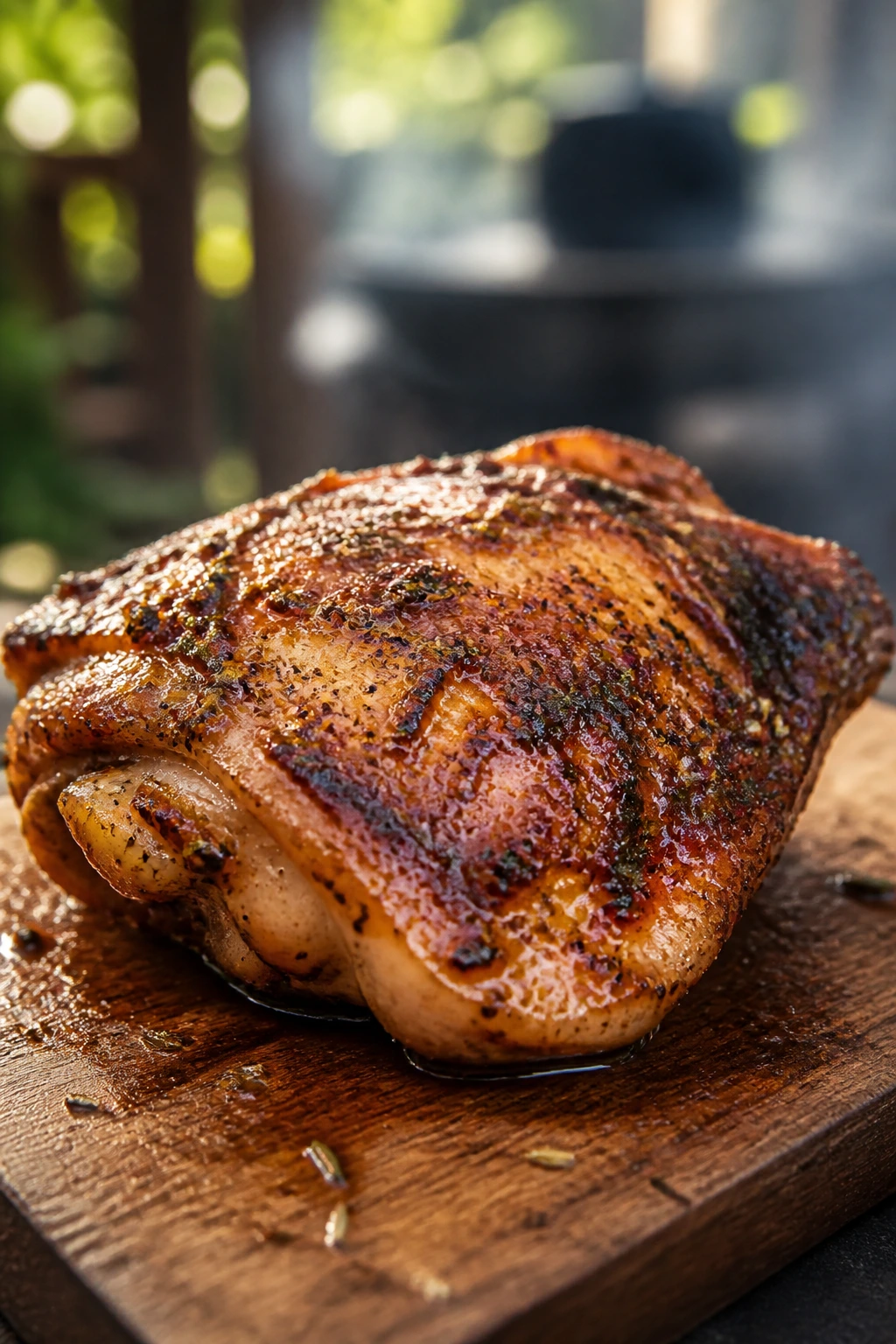
A lot of smoked meat problems are self-inflicted, and they usually start in the marinade bowl. The fire gets blamed, but the real issue is a sloppy ratio or bad timing.
-
Using too much acid for too long. The meat can come out soft on the surface and a little chalky underneath. Fix it by keeping vinegar or citrus moderate and shortening the soak, especially on chicken, fish, and thin chops.
-
Leaving sugary marinade on the meat before the bark sets. The surface turns dark too fast, sometimes bitter and sticky instead of glossy. Save sweet glazes for the final stretch and keep the early marinade saltier than sweet.
-
Smoking straight from a dripping wet surface. The meat steams before it smokes, and you lose that clean bark. Drain well, pat lightly dry, and let the surface sit until it feels tacky, not wet.
-
Trusting color instead of temperature. Smoked poultry can stay pink around the bones even when it’s done, while pork can look pale and still be undercooked. Use a thermometer every time.
-
Reusing raw marinade as sauce without boiling it. That’s a food-safety problem, not a style choice. If you want to use the same flavor as a sauce, set some aside before the raw meat goes in, or boil the used marinade hard for a full minute or two.
-
Over-smoking delicate foods. Fish, shrimp, and some vegetables pick up bitterness fast. Use mild wood, keep the fire clean, and shorten the cook. Not everything wants a heavy cloud.
Flavor Variations Worth Trying
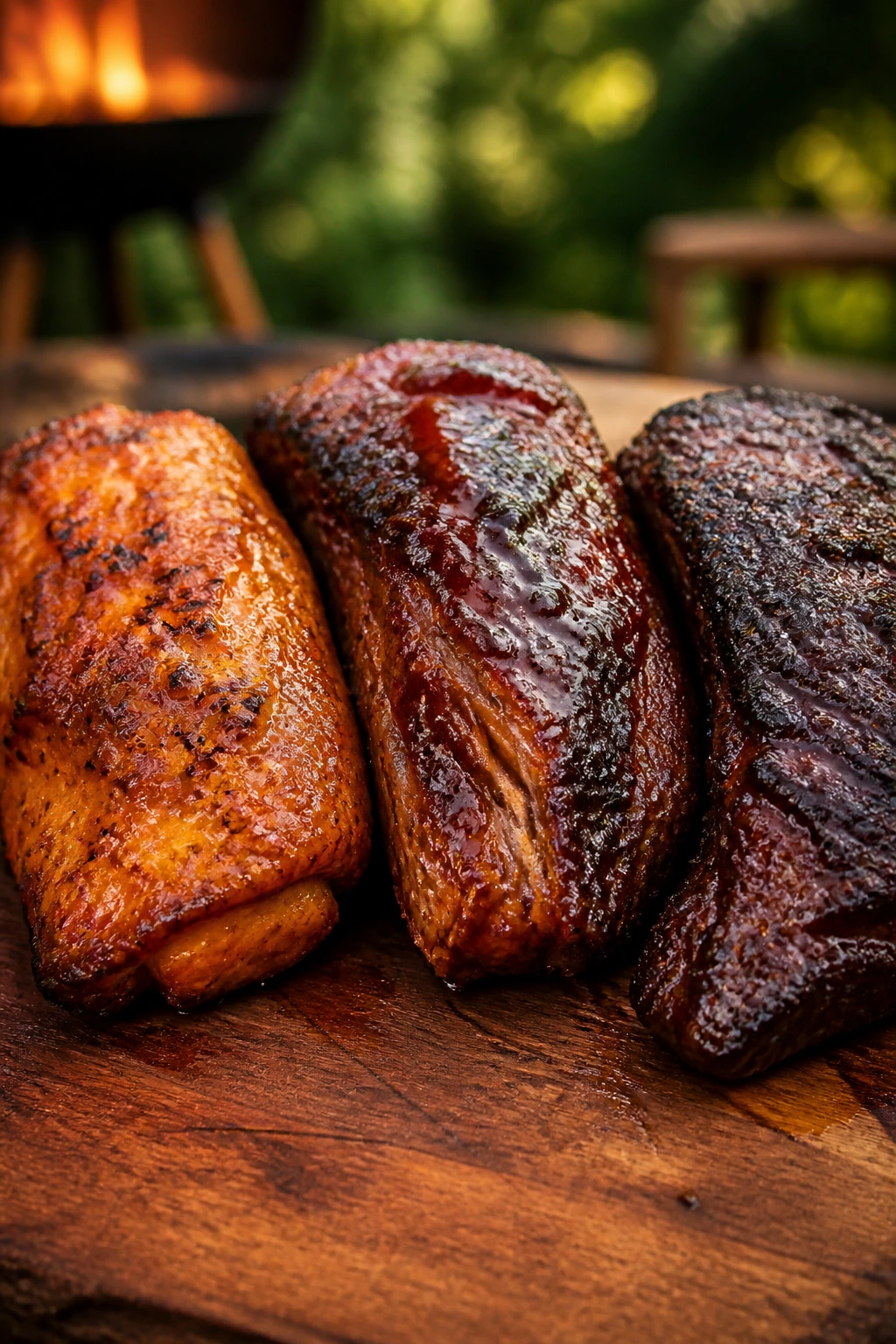
A good base method can lean in a dozen directions without changing the bones of the process. The marinade shifts, the wood changes, and the cookout gets a different mood.
Citrus-Chile Chicken
Use lime juice, orange zest, garlic, olive oil, cumin, and chopped jalapeño for chicken thighs or drumsticks. Apple or cherry wood keeps the citrus bright instead of harsh. This one likes a little char at the edges and a final scatter of cilantro.
Soy-Ginger Pork Shoulder
Soy sauce, grated ginger, garlic, brown sugar, and a splash of rice vinegar give pork shoulder a savory, slightly glossy finish. Oak or pecan smoke fits better than mesquite here. I’d use this when you want pulled pork that eats more like a sticky, salty roast than a classic barbecue mound.
Coffee-Chile Beef
For flank steak, tri-tip, or chuck, stir together strong coffee, Worcestershire, black pepper, garlic, and ancho or chipotle. The coffee deepens the beefiness without making the meat taste like dessert. Hickory or oak works well, but keep the smoke clean.
Yogurt-Herb Chicken
Greek yogurt, lemon zest, garlic, dill, parsley, and black pepper make a cooler, softer marinade that’s especially good on chicken pieces. It clings nicely, and the yogurt helps the spices stay put through the smoke. Use cherry or maple if you want a gentler finish.
Maple-Mustard Salmon
Whisk maple syrup, Dijon mustard, lemon juice, dill, and a little olive oil, then marinate salmon briefly before smoking at a lower temperature. The key is restraint. Too much maple and the fish tastes candied. Just enough and you get a clean glaze with smoke underneath.
Tools That Make the Job Easier
-
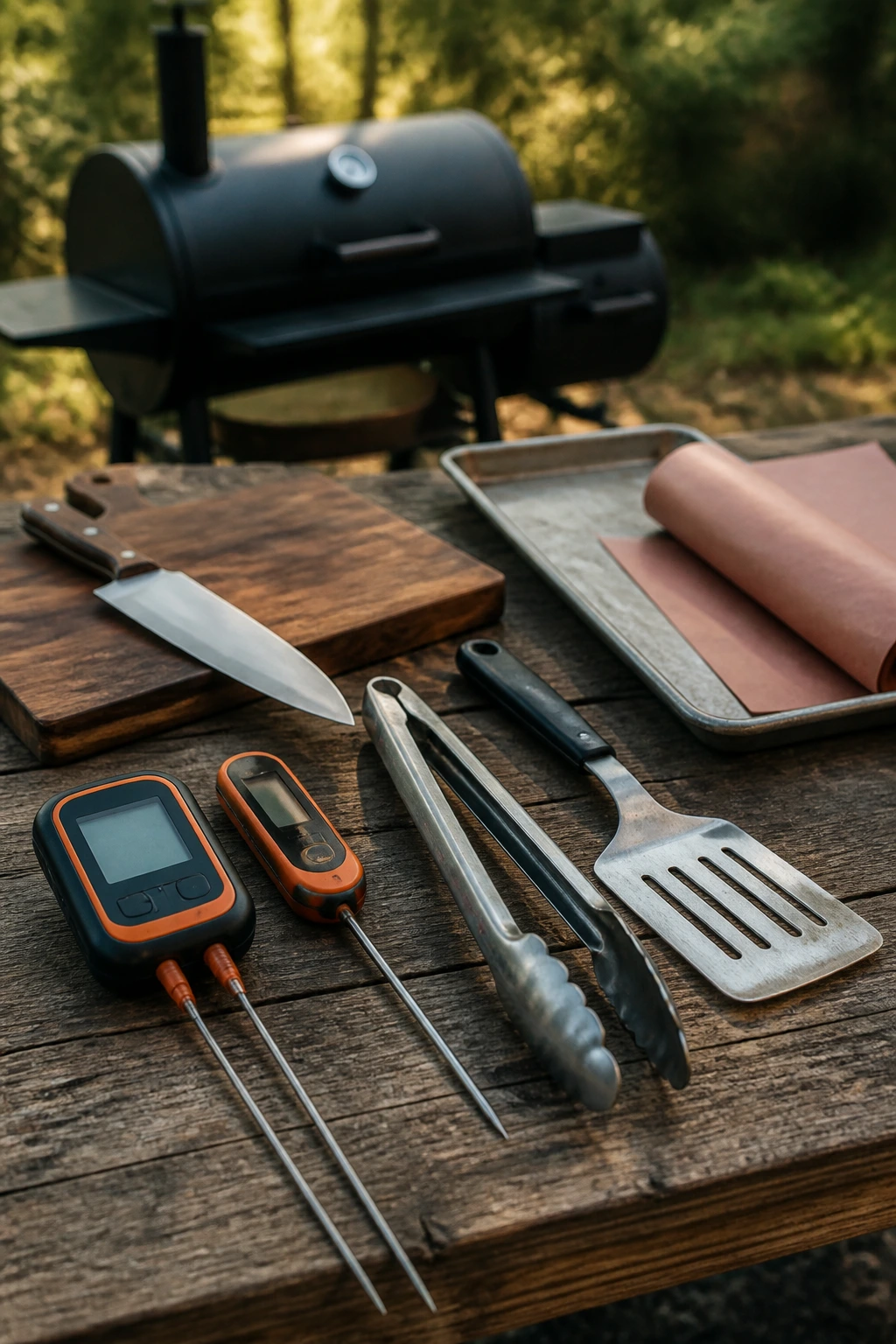
Smoker or grill with indirect heat setup — Pellet smokers, offset smokers, kamado grills, and even a kettle grill can all work if you can hold a steady indirect temperature.
-
Dual-probe thermometer — One probe tracks the smoker temp, the other tracks the meat. That keeps you from opening the lid every ten minutes.
-
Instant-read thermometer — Useful for checking the thickest part of chicken, pork chops, steaks, and fish right before you pull them.
-
Large zip-top bags or nonreactive containers — Bags save fridge space and coat meat evenly; glass or stainless bowls work if you’d rather not use plastic.
-
Tongs and a sturdy spatula — You want tools that can move hot meat without piercing it and letting juices run out early.
-
Sheet pans with rims — Handy for transporting marinated meat from fridge to smoker, and for resting cooked food without a mess.
-
Butcher paper or foil — Use these for wrapping larger cuts during rest or if you want to soften the bark slightly at the end.
-
Spray bottle — Optional, but useful for a light apple juice or vinegar-water spritz. Keep it clean and dedicate it to food use only.
-
Sharp knife and cutting board — Slicing against the grain matters a lot on smoked beef and pork, and a dull knife tears the bark you worked to build.
Make-Ahead, Storage, and Reheating Without Drying Things Out
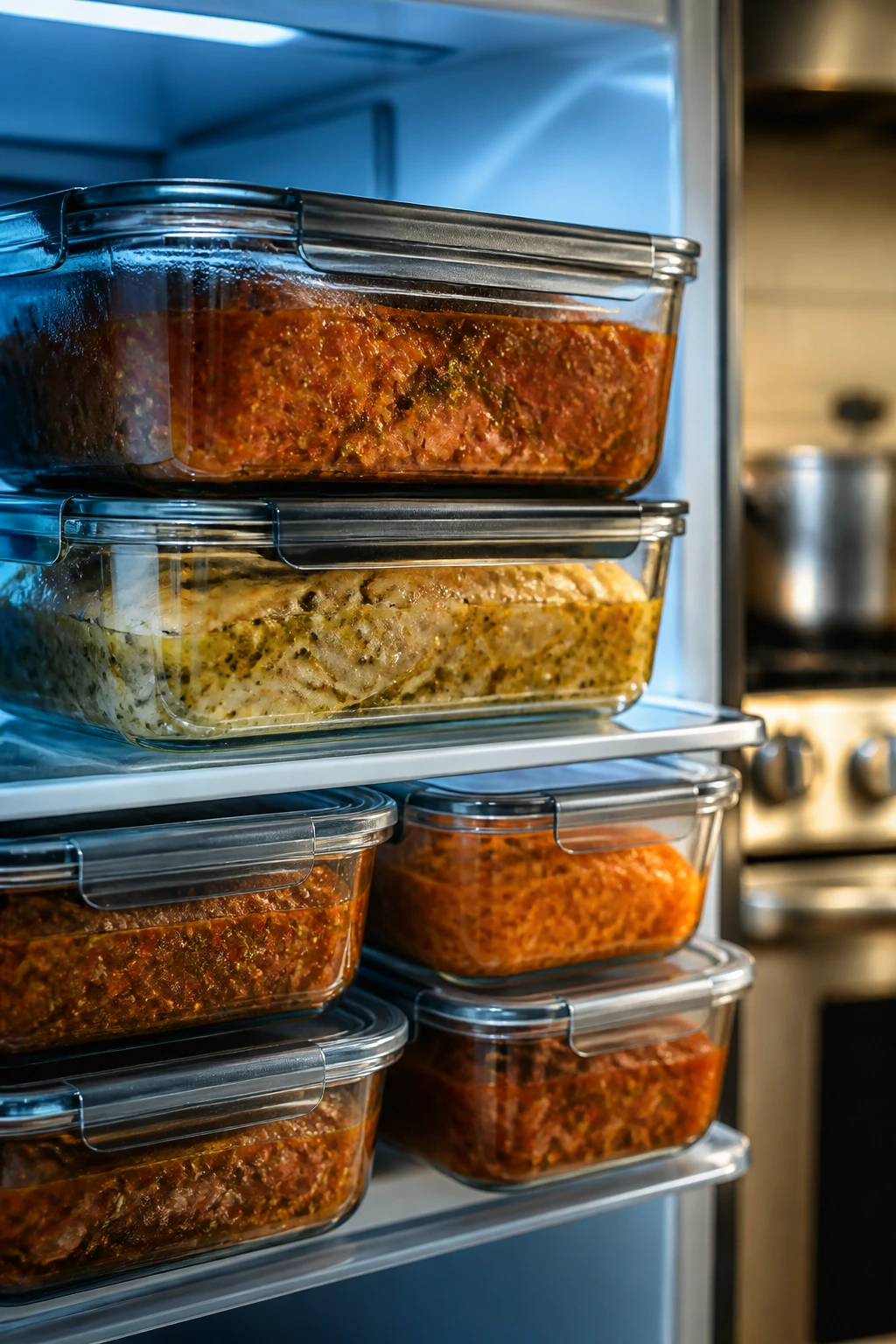
Marinating ahead makes sense. Leaving meat at room temperature does not. Keep the raw food in the fridge while it soaks, and keep the marinating windows honest. Fish might need less than an hour. Chicken pieces can sit overnight. Tougher pork and beef cuts can go longer, but they still belong under 40°F until they hit the smoker.
Cooked marinated smoked meat keeps well in the refrigerator for 3 to 4 days if it’s cooled and stored in a sealed container. Shredded pork and chopped chicken freeze well for up to 2 months; slices of beef and whole chicken pieces do best closer to 1 to 2 months before the texture starts to drift. Fish is more fragile and is better eaten within a couple of days, not frozen if you can avoid it.
For reheating, the method depends on the cut. Pulled pork and shredded chicken do well in a covered skillet with a splash of broth or cooking juices over low heat. Sliced beef should be warmed gently in a 250°F oven, covered loosely with foil, until just heated through. Chicken pieces can go back into a low oven around 300°F with a spoonful of sauce or pan juices so the surface doesn’t dry out. Fish is best reheated carefully in the oven, if at all; too much heat turns it chalky fast.
If you know a cookout will stretch into the next day, undercook the glaze slightly and finish it when reheating. That keeps the exterior from turning sticky and hard in the fridge. And if you need to hold a large cut for a couple of hours before serving, wrap it loosely and tuck it into a dry cooler with a towel. That old trick still works.
Questions People Ask Before They Fire Up the Smoker

Can you smoke meat in the marinade itself?
Not safely if the marinade touched raw meat. The used liquid needs to be boiled hard before it can become a sauce, or you should set some aside before the raw food goes in. Clean flavor is worth the extra bowl.
Should you pat meat dry after marinating?
Yes, but lightly. You want to remove the drip, not strip the seasoning. A tacky surface gives you better smoke adhesion and a cleaner bark.
What’s the best meat for marinated smoked cooking at a backyard cookout?
Chicken thighs and pork shoulder are the safest bets because they forgive a little timing drift and still taste good when the fire behaves imperfectly. Tri-tip and salmon are excellent too, but they ask for more attention.
How long can meat stay in marinade before cooking?
That depends on the cut and the acid level. Shrimp may need only 15 to 30 minutes, chicken pieces often do well for 4 to 12 hours, and pork shoulder can go overnight. Strong citrus or vinegar shortens the safe window, especially on delicate foods.
Can you use a bottled marinade?
Yes, but check the sugar and salt. Bottled blends can be handy on a busy weekend, yet many are sweeter than they need to be for smoke. If the label reads like dessert, dilute it with a little oil, garlic, or extra citrus.
Do you need both a marinade and a rub?
No, but they can work together if you keep the flavors from fighting. If the marinade is salty and acidic, a dry rub after the surface dries can help build bark and add more texture.
What if the meat tastes too smoky?
That usually means the fire was dirty, the wood was too aggressive, or the food stayed in the smoke too long. Use milder wood next time, keep the smoke thin, and don’t smother delicate food under a heavy cloud.
Can vegetables handle the same marinade as meat?
Sometimes, but not always. Vegetables usually need less acid and much less time. Mushrooms, cauliflower, and zucchini handle smoke well; watery vegetables can turn limp if the marinade is too salty or too long.
When the Smoke Settles
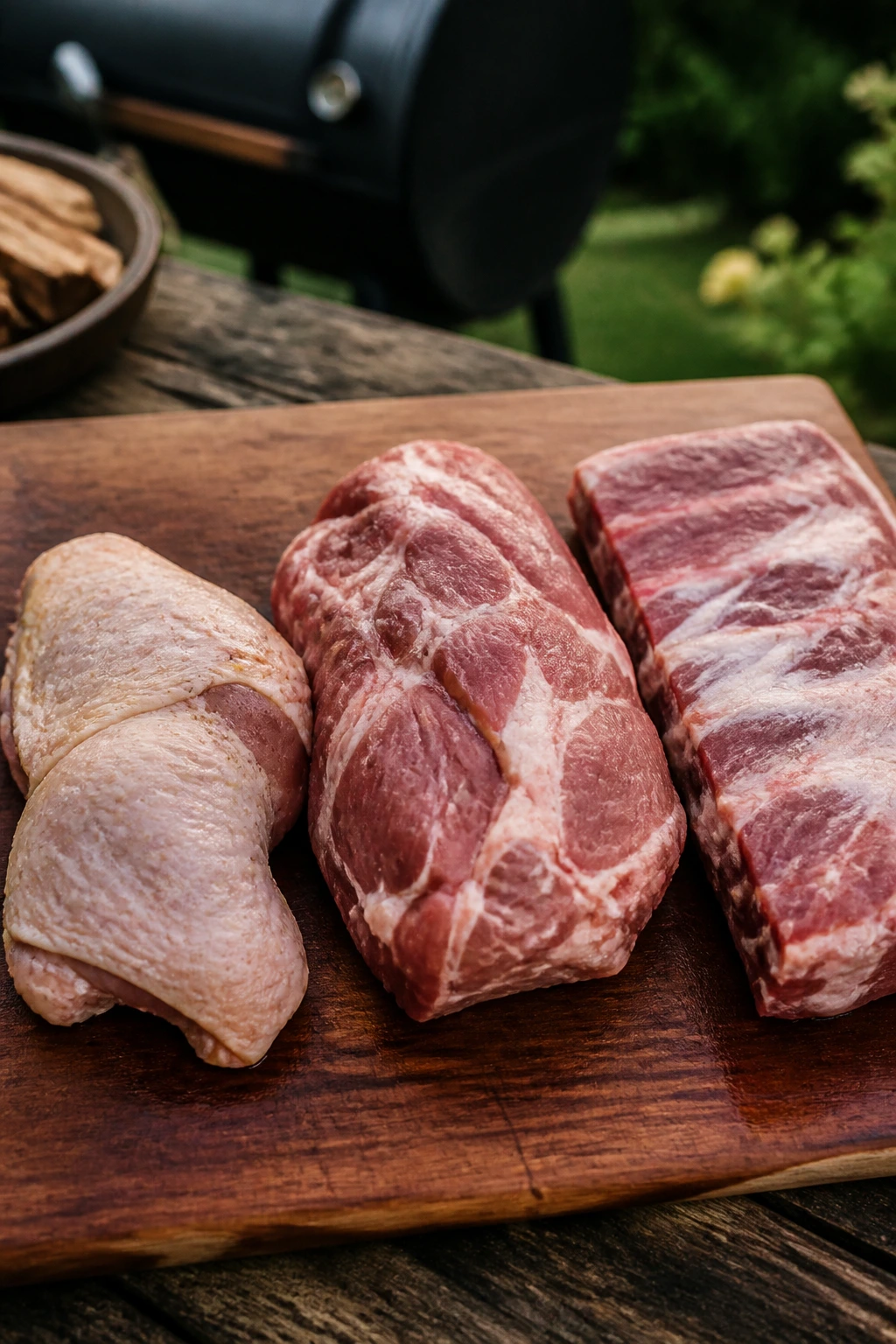
A backyard smoker does its best work when you respect both halves of the process. The marinade seasons the surface, the smoke builds depth, and the fire stays clean enough to let both show up on the plate. Skip the sugary overload. Keep the acid in check. Use the thermometer like it matters, because it does.
That rhythm makes cookouts easier to run and better to eat. You can marinate the meat before guests arrive, settle the smoker into a steady groove, and bring out food that tastes like you spent all day paying attention — even if most of the work happened quietly in the fridge.
The first tray that comes off with a proper crust, a clean smoke note, and a bright finish on the side usually goes fast. That’s the sign you did it right, and it’s a very good reason to light the fire again.