



Moist easy cupcakes with cream cheese frosting have a way of making a whole kitchen smell like vanilla, warm butter, and sweet dairy before the timer even rings. The trick is not some complicated bakery move. It’s the quieter stuff: oil for softness, sour cream for body, buttermilk for a little tang, and a frosting that tastes sharp enough to keep the sweetness in check.
A lot of cupcake recipes promise tenderness and then bake into dry little domes that need a drink beside every bite. This one behaves differently. The crumb stays plush after chilling, the tops bake level enough to take a tall swirl of frosting, and the cream cheese layer firms up just enough to hold its shape without turning greasy or heavy.
The part that usually makes people hesitate is the frosting, and fair enough. Cream cheese frosting can go loose if the dairy is too warm or the sugar ratio is off by even a little. But the method here is built to avoid that mess, and once you know what the batter should look like — glossy, thick, and a little nubby before baking — the whole thing gets calm fast. Start with the crumb, and the rest follows.
Why These Cupcakes Stay Soft Without Feeling Heavy
These cupcakes rely on oil, sour cream, and buttermilk instead of a butter-only cake base, and that choice matters more than people think. Butter tastes lovely, but it firms up in the fridge. Oil stays soft at room temperature, so the crumb keeps that tender bite even after the cupcakes chill under the frosting.
Tang keeps the sweetness in line. Cream cheese frosting can taste cloying if the cake underneath is already rich and sugary. Here, the cake itself has a light tang from the sour cream and buttermilk, so the frosting reads as bright rather than sticky.
Oil is the quiet hero.
A lot of home bakers overthink cupcakes and reach for cake flour, whipped egg whites, or a dozen separate bowls. You do not need any of that here. The batter comes together in a plain, sensible order, and the structure is sturdy enough to hold frosting without doming into something awkward or collapsing in the middle.
The real payoff shows up after the cupcakes cool. Day one, they’re soft. Day two, they’re still soft. That’s the part I like most. If you’ve ever baked cupcakes in the morning and watched them dry out by evening, this formula feels like a small correction to the whole problem.
The Clock, the Yield, and the Kind of Frosting They Like
This batch makes 12 standard cupcakes, the kind that fit a regular muffin tin and finish with a neat frosting cap instead of a giant bakery tower. That size matters because it bakes through evenly in a home oven without leaving you with raw centers and overdone edges.
The frosting is built to be tangy, not fluffy-sweet in the way a boxed mix frosting often is. I like that balance. A vanilla cupcake wants a frosting with some edge, and cream cheese brings exactly that — a cool, clean bite that makes the cake taste richer than it is.
Yield: 12 standard cupcakes
Prep Time: 20 minutes
Cook Time: 18 to 22 minutes
Total Time: 40 to 45 minutes
Difficulty: Beginner — the method is straightforward, but the batter needs a light hand and the frosting needs room-temperature ingredients.
Chill/Rest Time: 20 to 30 minutes for the frosted cupcakes to set, if desired
Best Served: Slightly cool or at room temperature, once the frosting has settled
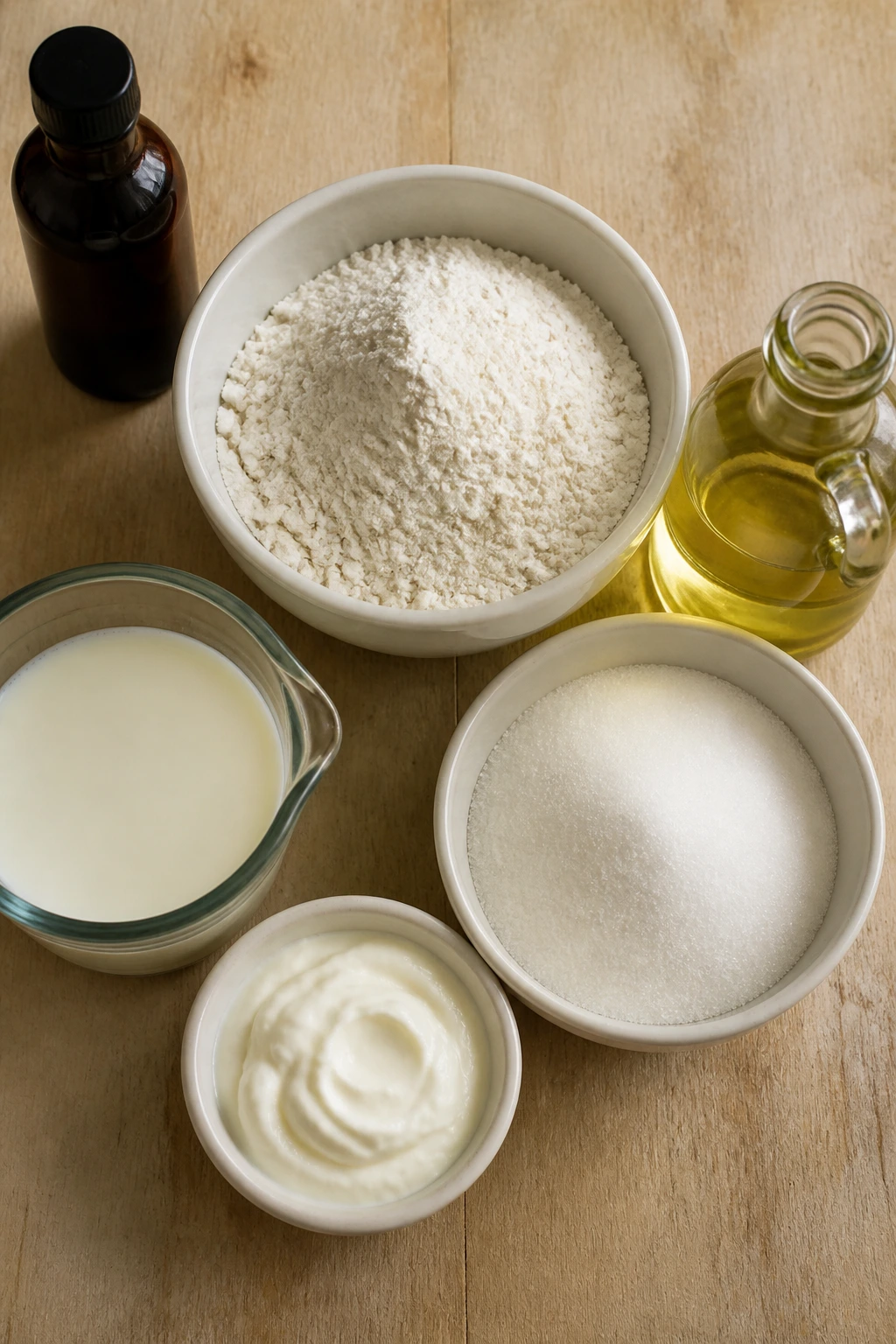
The Ingredients That Give You a Tender Crumb and Clean Frosting
For the Cupcakes:
- 1 1/2 cups all-purpose flour
- 1 cup granulated sugar
- 1 1/2 teaspoons baking powder
- 1/2 teaspoon baking soda
- 1/2 teaspoon fine salt
- 1/2 cup neutral oil, such as canola or vegetable oil
- 1/4 cup unsalted butter, melted and cooled
- 2 large eggs, room temperature
- 1 teaspoon pure vanilla extract
- 1/2 cup sour cream, room temperature
- 1/2 cup buttermilk, room temperature
For the Cream Cheese Frosting:
- 8 ounces full-fat block cream cheese, softened
- 1/2 cup unsalted butter, softened
- 3 1/2 to 4 cups powdered sugar, sifted
- 1 teaspoon pure vanilla extract
- Pinch of fine salt
- 1 to 2 tablespoons heavy cream, if needed for a softer swirl
Why Each Ingredient Is in the Bowl
Dry Base
What to use: 1 1/2 cups all-purpose flour, 1 cup granulated sugar, 1 1/2 teaspoons baking powder, 1/2 teaspoon baking soda, and 1/2 teaspoon fine salt.
Preparation: Whisk the dry ingredients together before they touch the wet mixture. That breaks up little clumps of baking powder and salt, and it keeps the cupcakes from rising unevenly.
Substitutions: A 1:1 gluten-free baking blend can stand in for the flour if it already contains xanthan gum. Cake flour makes the crumb softer, though you may need a touch less liquid because it absorbs differently.
Tips: If you can weigh flour, do it. If not, spoon it into the cup and level it off; scooping straight from the bag packs in too much flour and makes the cupcakes dry.
Wet Batter Ingredients
What to use: 1/2 cup neutral oil, 1/4 cup unsalted butter, 2 large eggs, 1 teaspoon vanilla, 1/2 cup sour cream, and 1/2 cup buttermilk.
Preparation: Let the eggs, sour cream, and buttermilk come to room temperature before mixing. Melt the butter first, then let it cool until it’s warm, not hot, so it doesn’t scramble the eggs.
Substitutions: Plain whole-milk yogurt can replace the sour cream. If you don’t have buttermilk, use 1/2 cup whole milk mixed with 1 1/2 teaspoons lemon juice or white vinegar; let it stand 5 minutes before using.
Tips: Cold dairy makes the batter look broken and can leave tiny uneven tunnels in the crumb. It still bakes, but the texture turns a little less even.
Cream Cheese Frosting Base
What to use: 8 ounces full-fat block cream cheese, 1/2 cup unsalted butter, 3 1/2 to 4 cups powdered sugar, 1 teaspoon vanilla, a pinch of salt, and 1 to 2 tablespoons heavy cream if the frosting needs loosening.
Preparation: Soften the cream cheese and butter until they give slightly when pressed. Sift the powdered sugar if it has lumps; the frosting will be smoother and easier to pipe.
Substitutions: Mascarpone makes a milder frosting with a softer dairy note. A dairy-free cream cheese can work, but it usually needs a little less liquid and more chilling to hold shape.
Tips: Use block cream cheese, not the spreadable tub kind. The tub version carries extra water and gives you frosting that never quite firms up the way you want.
Optional Finish
What to use: Fresh raspberries, lemon zest, or finely chopped toasted pecans.
Preparation: Add them after frosting so they sit cleanly on top instead of sinking into the swirl.
Substitutions: Leave the cupcakes plain for a straightforward vanilla-and-tang combination, or swap in mini chocolate chips if you want a sweeter finish.
Tips: Keep garnishes small and light. Heavy toppings sink into soft frosting and make the top look messy by the time you serve them.
The Tools That Keep the Batter Easy to Handle
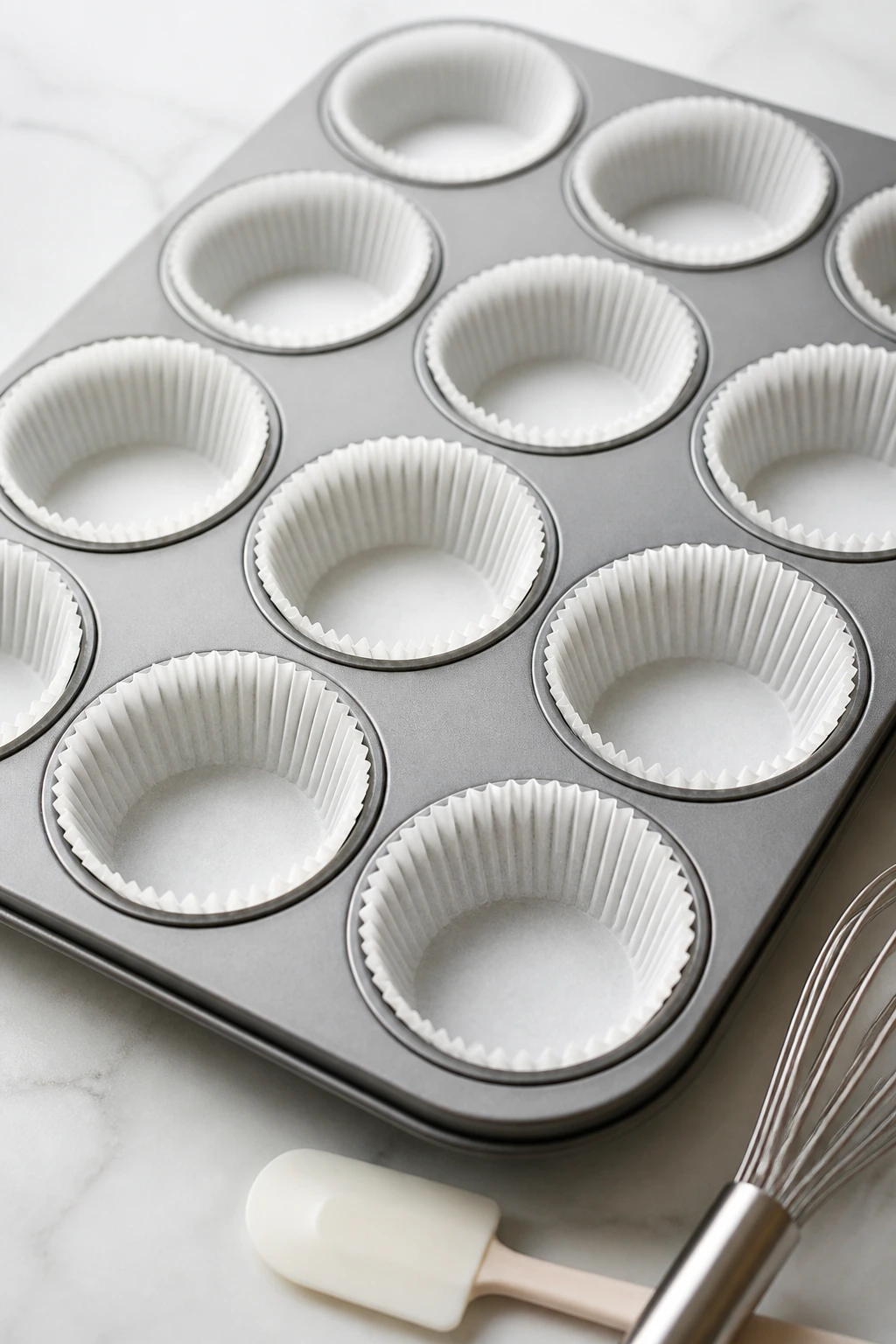
- 12-cup muffin tin — A standard tin bakes these cupcakes evenly; a dark nonstick pan may brown the edges a little faster.
- Paper liners — They make removal easy and keep the crumb from sticking to the pan.
- Two mixing bowls — One for dry ingredients, one large bowl for the batter and frosting.
- Whisk — Useful for the dry mix and the wet batter base.
- Rubber spatula — This is the tool that keeps you from overmixing once the flour goes in.
- Hand mixer or stand mixer — Either one works for the frosting; a hand mixer is fine if that’s what you have.
- Cookie scoop or 1/4-cup measure — Helpful for portioning the batter evenly so the cupcakes rise at the same rate.
- Cooling rack — Lets steam escape from the bottoms so the cupcakes don’t get soggy.
- Offset spatula or piping bag with a large tip — Optional, but nice if you want a cleaner frosting finish.
Mixing the Batter Without Overworking It
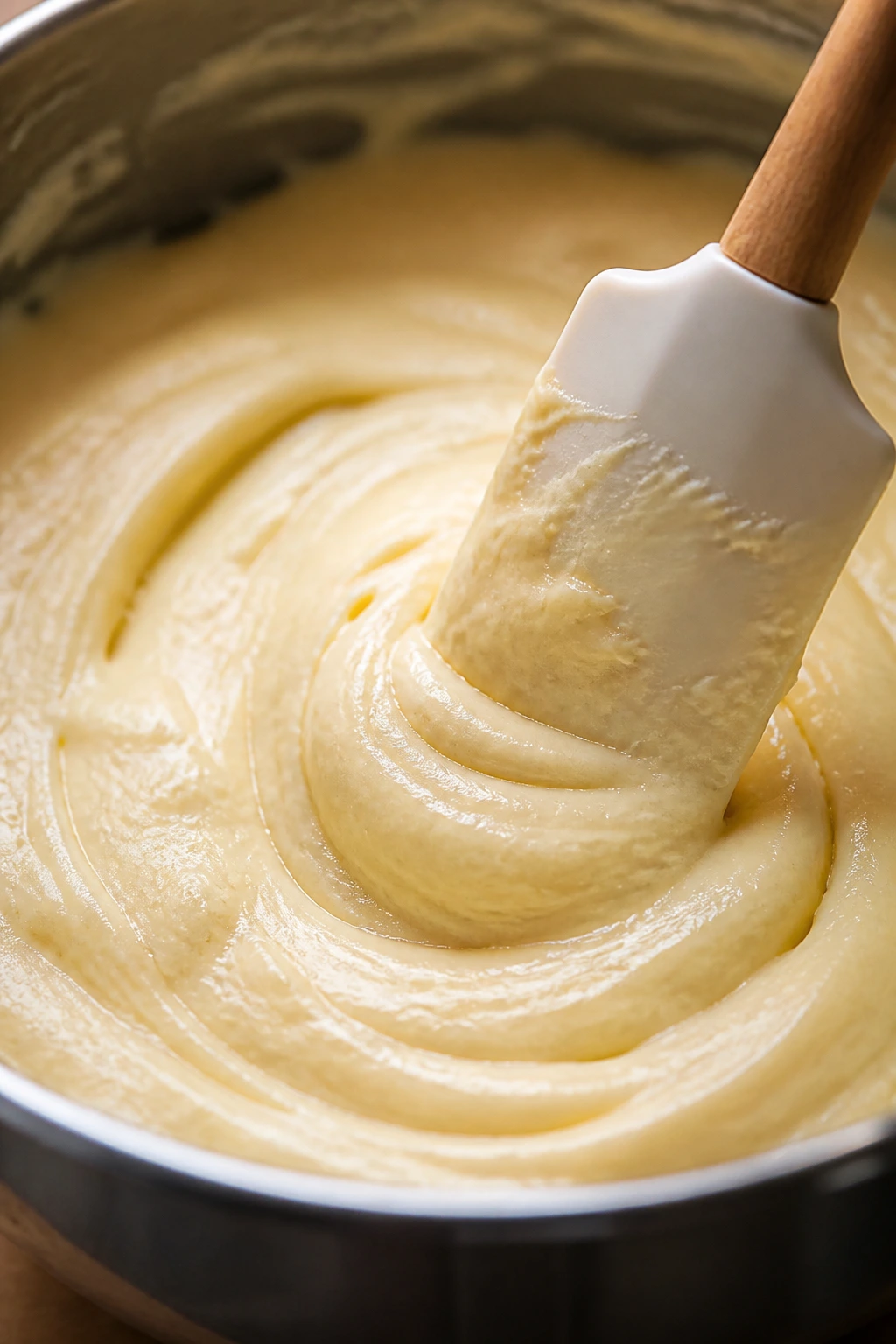
The batter here is not the sort that wants to be beaten into submission. Once the flour goes in, the job changes from mixing to guiding. That’s the difference between a cupcake that stays soft and one that bakes up tight and springy in the wrong way.
The other thing worth watching is temperature. Room-temperature eggs, sour cream, and buttermilk blend faster and more smoothly, which means less stirring and a better crumb. If the batter looks a little odd halfway through, keep going a moment longer before deciding something has gone wrong. It usually comes back together.
Prepare the Pan and Dry Mix:
-
Preheat the oven to 350°F (175°C) and position a rack in the middle. Line a 12-cup muffin tin with paper liners.
-
In a medium bowl, whisk together the flour, baking powder, baking soda, and salt for about 20 seconds, until the mixture looks even and no single ingredient is clustered in one corner. Set the bowl aside.
Build the Batter Base:
-
In a large bowl, whisk the sugar, oil, and melted butter for 30 to 45 seconds, until the mixture looks glossy and slightly thick. You’re not whipping air into it; you’re just making the fat and sugar behave together.
-
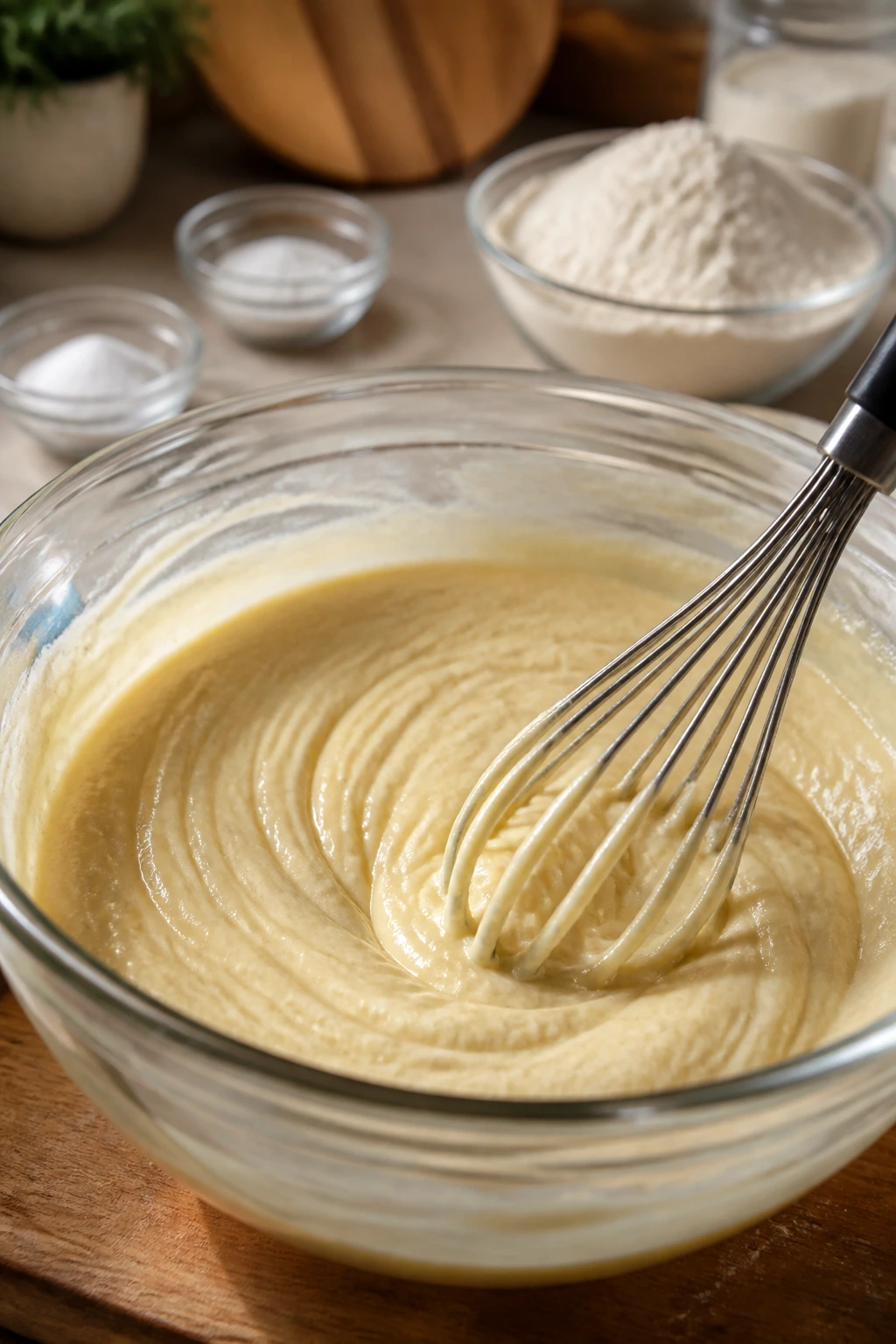
Whisk in the eggs one at a time, then add the vanilla, sour cream, and buttermilk. Keep whisking just until the batter looks smooth and pale. If it looks slightly broken for a moment, keep going — it usually comes back together.
-
Add the dry ingredients to the wet ingredients in 2 additions. Fold gently with a rubber spatula until no flour streaks remain and the batter is thick and scoopable. Do not beat it smooth. That’s how cupcakes turn dense and chewy around the edges.
-
Divide the batter evenly among the liners, filling each about two-thirds full. A 3-tablespoon scoop or a 1/4-cup measure keeps the tops even and makes the cupcakes bake at the same rate.
Baking, Cooling, and Frosting in the Right Order
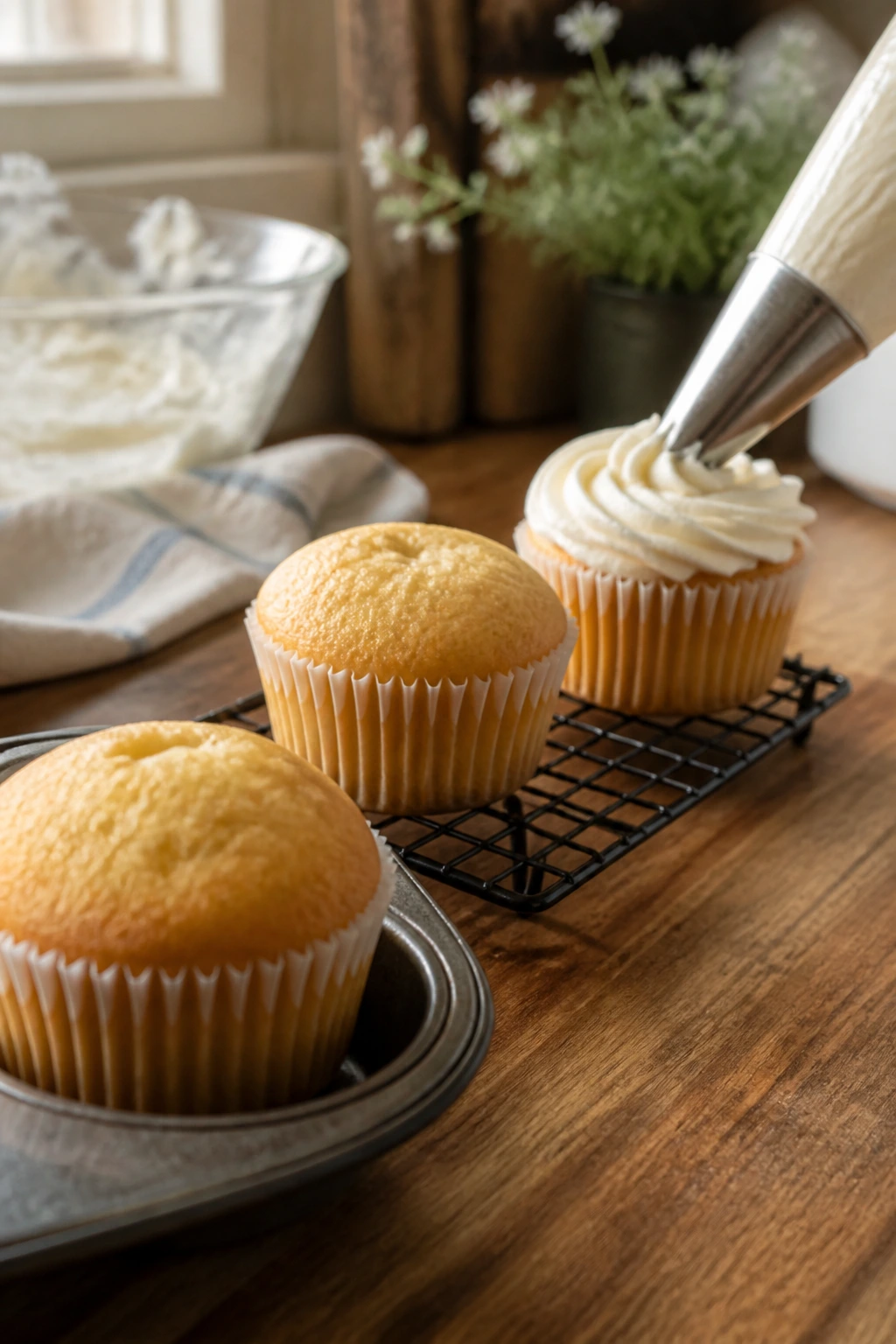
Cupcakes are one of those bakes that punish impatience. Frost them warm, and the frosting slumps. Bake them too long, and the edge dries before the center finishes. The good news is that the visual cues are easy once you know them.
I like to think of this stage as three separate jobs: bake, cool, then decorate. When people rush those jobs together, the whole batch gets clumsy. When they stay separate, everything looks neater and tastes better.
Bake and Check:
-
Bake for 18 to 22 minutes, rotating the pan once at the 12-minute mark if your oven has hot spots. The cupcakes are done when the tops spring back lightly and a toothpick inserted in the center comes out with a few moist crumbs, not wet batter.
-
Let the cupcakes rest in the pan for 5 minutes, then move them to a cooling rack and cool completely, about 45 to 60 minutes. Never frost them while warm; the frosting will slide and the cake will trap steam.
Make the Frosting:
-
Beat the cream cheese and butter together on medium speed for 1 to 2 minutes, until smooth and creamy with no lumps. Add the powdered sugar in 2 batches, then mix in the vanilla and salt. Beat for another 1 to 2 minutes until fluffy. If the frosting feels too stiff to pipe, add 1 teaspoon of heavy cream at a time, up to 2 tablespoons.
-
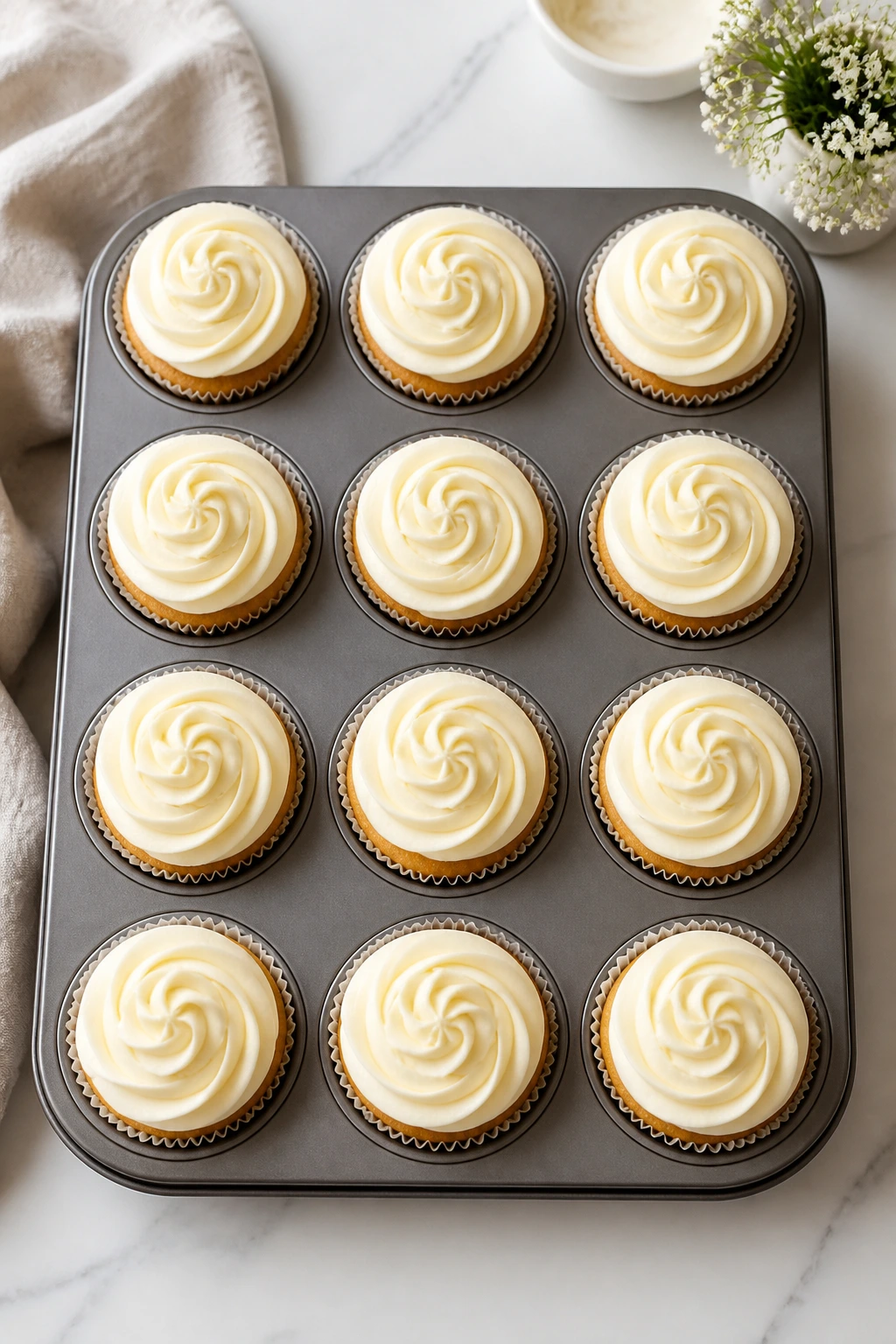
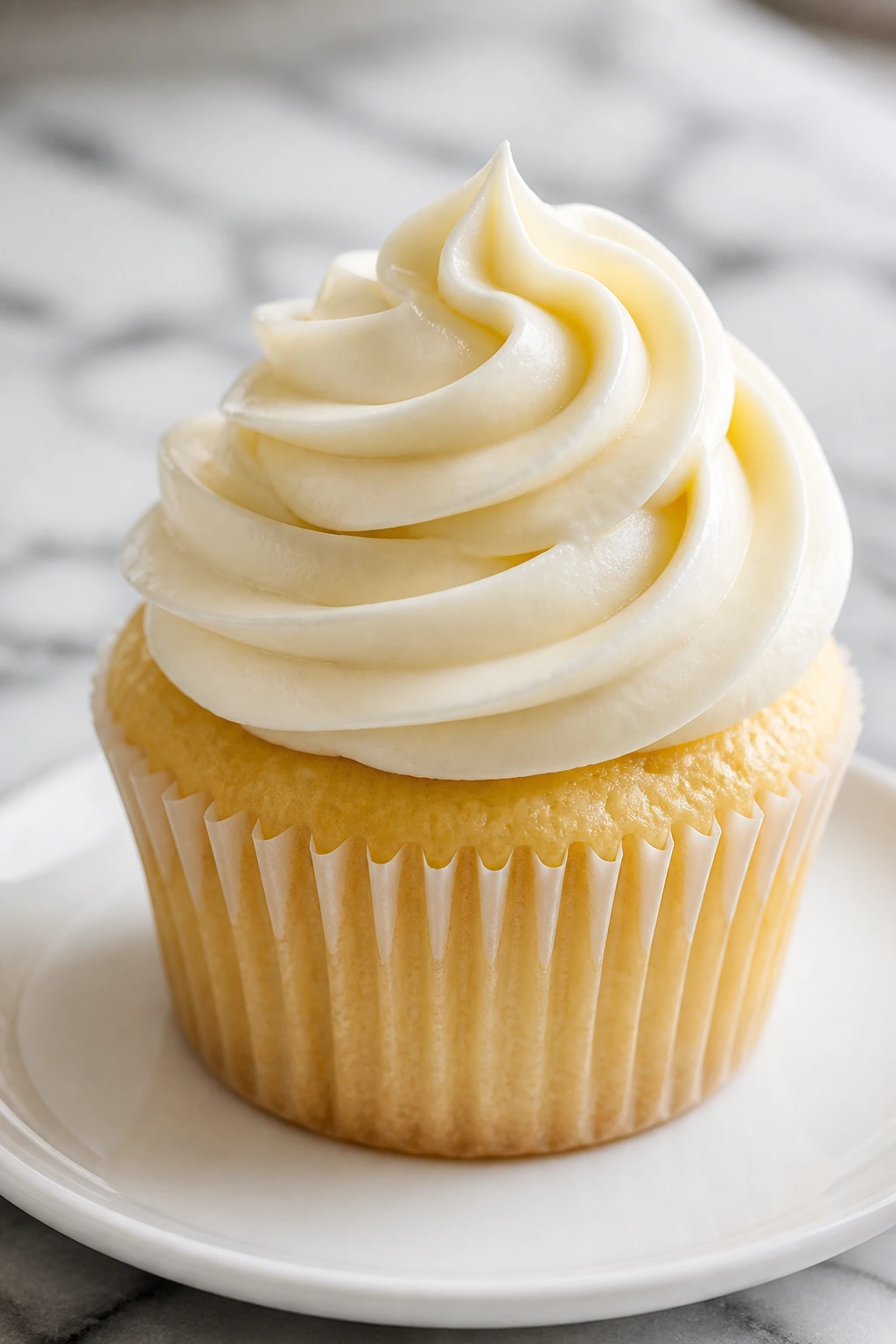
Spoon, spread, or pipe the frosting onto the cooled cupcakes. If you want neat swirls, chill the frosted cupcakes for 20 to 30 minutes before serving so the frosting sets on top instead of slumping.
How to Serve Them So the Frosting Stays Neat
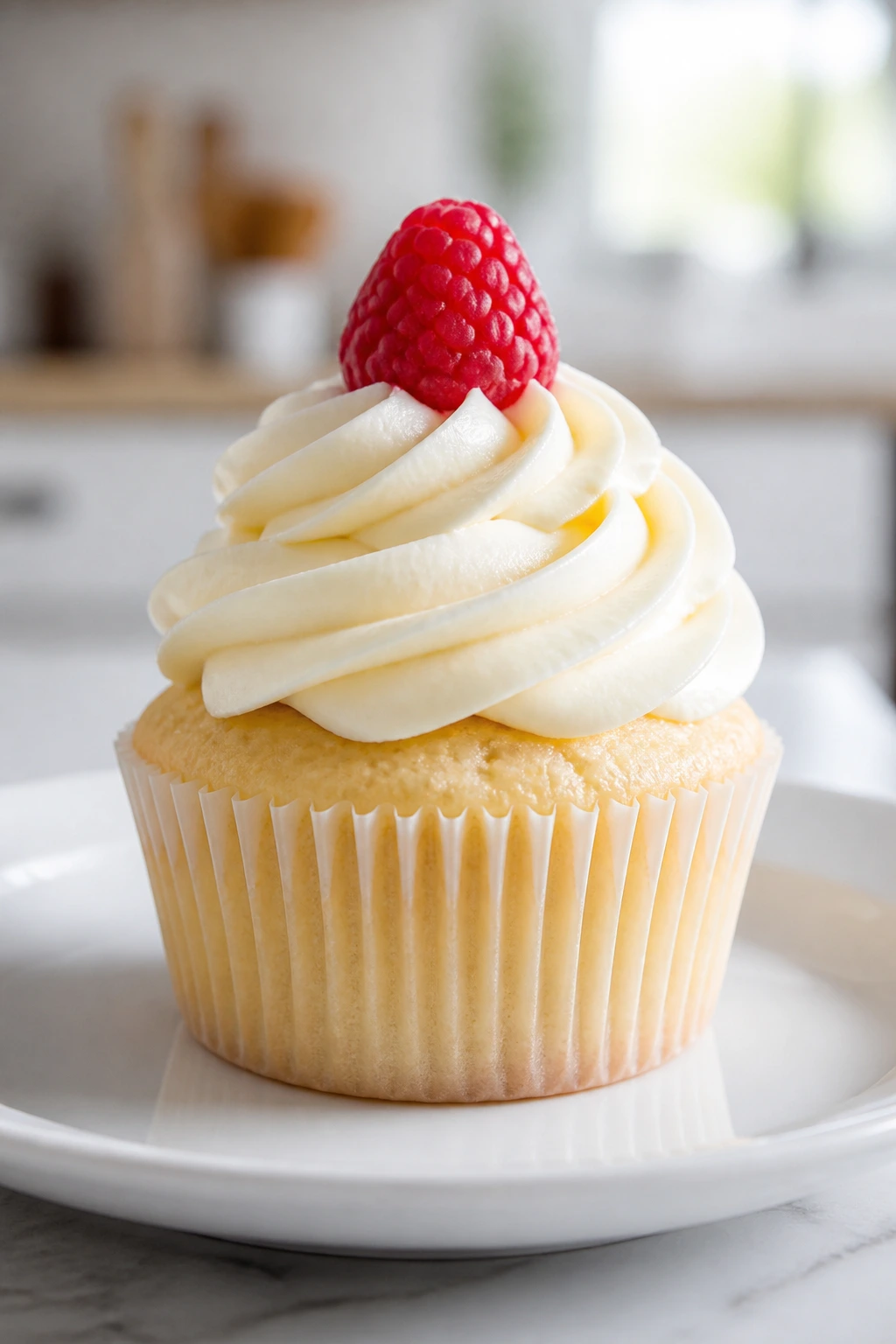
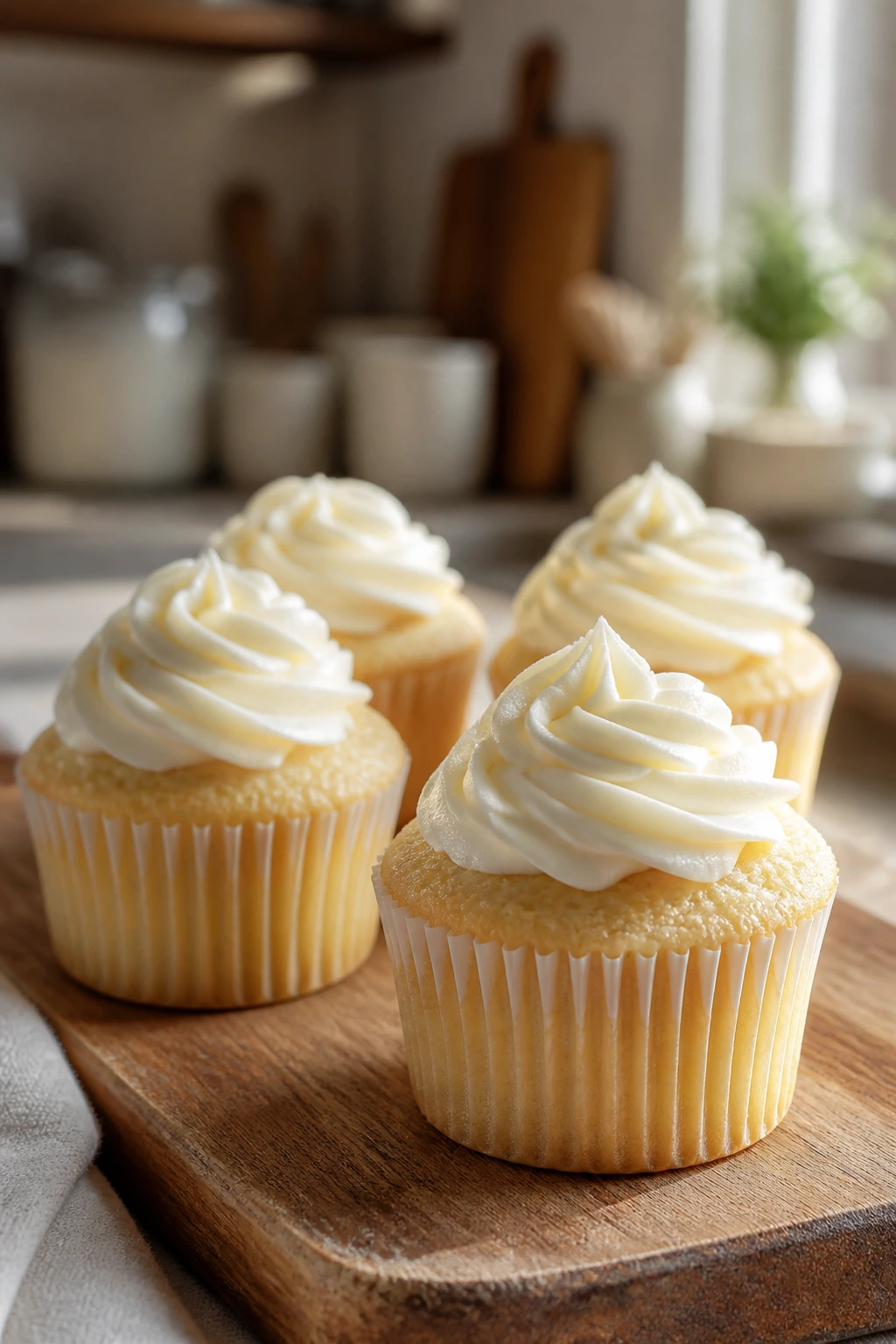
Presentation: A simple white plate or a low cake stand makes these cupcakes look cleaner than a busy platter with too many colors fighting the frosting. If you’re piping tall swirls, stop before they get cartoonish; a modest spiral looks more bakery-like and is easier to eat without smearing cream cheese everywhere. A single raspberry, a thread of lemon zest, or a few chopped pecans on top gives each cupcake a finished look without burying the frosting.
Accompaniments: These cupcakes sit nicely beside fresh berries, a fruit salad with strawberries and blueberries, or a bowl of sliced peaches when you want something juicy on the plate. For a bigger dessert spread, pair them with plain shortbread or salted nuts so there’s a bit of crunch next to the soft crumb. Coffee is the obvious partner, but a strong black tea or cold milk works just as well.
Portions: One standard cupcake serves one person, and that’s usually enough unless the dessert table is sparse. If you’re serving several sweets, smaller portions help — bake mini cupcakes or set these out with a knife so people can split one. For a larger crowd, bake the batter in two tins rather than overfilling one; cupcakes that start crowded in the pan tend to rise unevenly.
Beverage Pairing: Dark coffee cuts the sweetness cleanly, especially if the frosting is generous. Black tea or Earl Grey brings a dry edge that plays well against the cream cheese. If you want something cooler, a tart lemonade or cherry soda keeps the dessert from feeling too heavy.
Practical Tips for a Better Batch
Flavor Enhancement: Stir 1 tablespoon of finely grated lemon zest into the sugar before you mix in the wet ingredients. The zest perfumes the batter without turning it into a lemon cupcake, and it gives the cream cheese frosting a brighter edge.
Time-Saver: Bake the cupcakes a day ahead and leave them unfrosted in an airtight container. Cold cupcakes are easier to frost neatly, and the frosting goes on with sharper edges when the cake isn’t shedding heat.
Pro Move: Use a cookie scoop for the batter and give the filled tin one light tap on the counter. That knocks out large air pockets and evens the tops without flattening them.
Cost-Saver: Buy block cream cheese, not the whipped spread in tubs. It costs less per ounce, holds its shape better, and gives you frosting that pipes instead of puddles.
Mistakes That Dry Out the Crumb or Loosen the Frosting
Scooping flour straight from the bag. That packs in too much flour, and the cupcakes come out dry even if you don’t overbake them. Spoon the flour into the measuring cup or weigh it if you can; the difference shows up in the first bite.
Beating the batter until it looks perfectly smooth. That’s a trap. Once the flour goes in, too much mixing builds gluten and leaves the crumb tight, almost bready. Stop as soon as the last visible streak of flour disappears.
Frosting warm cupcakes. Warm cake turns the frosting slack, and the swirls slide into a shiny mess. Let the cupcakes cool all the way through, then chill them a few minutes if your kitchen runs warm.
Using soft tub cream cheese or a frosting that was left near a warm stove. The texture gets loose and grainy instead of smooth. Use block cream cheese and butter softened just enough to press with a finger; if the frosting still feels thin, add powdered sugar in small handfuls and chill the bowl for 10 minutes.
Overbaking because the tops don’t look dark enough. Cupcakes are easy to pull a minute too late. Check for a light spring back and moist crumbs on the tester, then get them out; the residual heat finishes the center while the tin is still hot.
Flavor Twists and Easy Variations
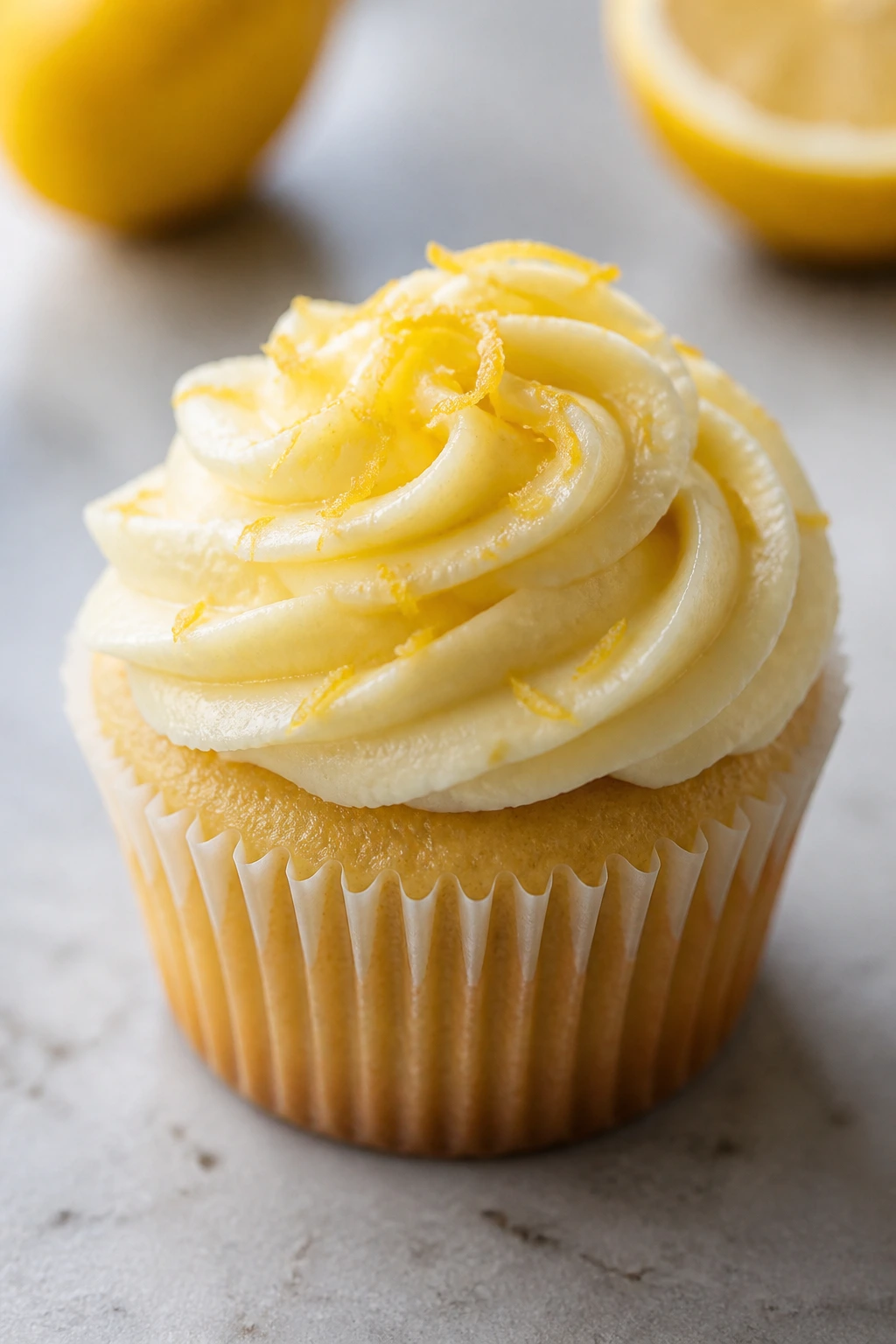
Lemon Zest Brightener
Add 1 tablespoon finely grated lemon zest to the sugar in the batter and finish the frosting with 1 teaspoon lemon juice. The result is still a vanilla cupcake, but the citrus lifts the whole thing and keeps the frosting from leaning too sweet.
Red Velvet Shortcut
Replace 2 tablespoons of the flour with 2 tablespoons unsweetened cocoa powder, add 1 tablespoon red gel food coloring, and stir 1 teaspoon white vinegar into the wet ingredients. It gives you the red velvet look and a gentle cocoa note without changing the cream cheese frosting that belongs on top.
Warm Spice Batch
Add 1 teaspoon ground cinnamon and 1/4 teaspoon ground nutmeg to the dry mix. That version feels right when you want something a little cozier; the spice works especially well if you finish the frosting with a dusting of cinnamon instead of fruit.
Mini Party Cupcakes
Bake the same batter in a mini muffin tin lined with paper cups. Fill each about two-thirds full and start checking at 9 minutes; most mini cupcakes finish in 9 to 11 minutes. The frosting can be piped or simply spread with the back of a small spoon.
Gluten-Free Batch
Swap the all-purpose flour for a 1:1 gluten-free baking blend that contains xanthan gum. Let the batter sit for 10 minutes before portioning so the flour has time to hydrate, then bake for a minute or two longer if the centers still look soft.
Make-Ahead, Storage, and Reheating
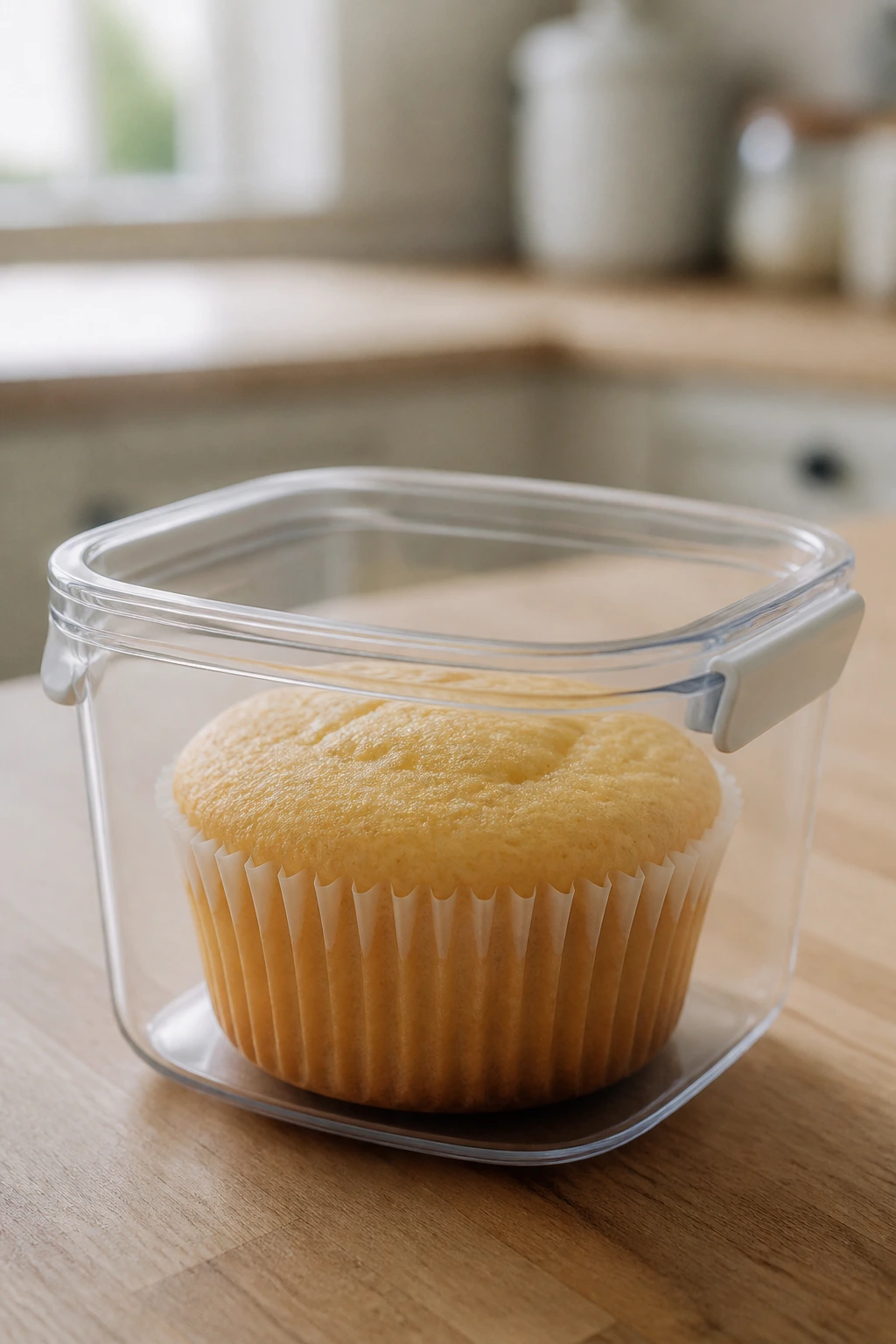
Unfrosted cupcakes keep well at room temperature for 1 day in an airtight container, and they’re still good for up to 3 days in the fridge if you need to stretch them. For longer storage, freeze the cupcakes unfrosted for up to 2 months. Wrap each one tightly in plastic wrap once it has cooled, then slide them into a freezer bag so they don’t pick up freezer smell.
Frosted cupcakes should go into the fridge if they’ll be around for more than a short gathering. They keep for 3 to 4 days in an airtight container, ideally in a single layer so the frosting doesn’t get scraped. If you need to stack them, chill them until the frosting firms first, then place a sheet of parchment between layers.
Cream cheese frosting can be made up to 5 days ahead and stored in the fridge. Let it come back to room temperature, then beat it briefly before frosting the cupcakes; a quick whisk loosens it up again. You can also freeze the frosting for up to 1 month, though it may need a longer rewhip after thawing.
If you want to reheat a plain cupcake, give it 8 to 10 seconds in the microwave or warm it in a 300°F (150°C) oven for 4 to 5 minutes. Do not heat frosted cupcakes unless you like melting the top into a puddle. For serving after refrigeration, let the cupcakes sit out for 20 to 30 minutes so the cake softens and the frosting loses its chill.
Cupcake Questions, Answered
Can I make these without buttermilk?
Yes. Mix 1/2 cup whole milk with 1 1/2 teaspoons lemon juice or white vinegar, let it sit for 5 minutes, and use that in place of buttermilk. The flavor stays close enough, and the acid still helps the baking soda do its job.
Why did my cupcakes sink in the middle?
Usually the batter was underbaked, the oven door got opened too early, or the baking powder was measured too generously. Check your oven with a cheap thermometer if you can, and pull the cupcakes when the centers spring back rather than waiting for a dark top.
Can I use low-fat cream cheese?
You can, but I wouldn’t if you want frosting that pipes cleanly. Low-fat cream cheese carries more water and less fat, which makes the frosting softer and a little more fragile once it sits out.
How do I get taller frosting swirls?
Chill the frosting for 10 to 15 minutes before piping, and use a large star tip or a wide round tip. A frosting that is cool but still spreadable holds ridges better than one that has been beaten warm and fluffy for too long.
Can I turn this into mini cupcakes?
Yes, and they bake fast. Fill the mini liners about two-thirds full and start checking at 9 minutes; most of them finish between 9 and 11 minutes depending on the oven.
Do these cupcakes need to be refrigerated?
Because the frosting contains cream cheese, yes if they’ll sit out for long. For a party, I keep them out no longer than 2 hours before moving them back to the fridge, and I bring them to room temperature again before serving.
Can I freeze the frosted cupcakes?
You can, but unfrosted cupcakes freeze better. If you must freeze them frosted, chill them until the frosting is firm, wrap each one gently, and thaw them overnight in the fridge rather than on the counter so the frosting doesn’t turn sticky.
Worth Repeating
These cupcakes do the one thing a good cupcake should do: they stay tender without falling apart, and the frosting gives each bite a cool, tangy finish that keeps you going back for another. Nothing here is fussy. The batter is simple, the bake time is short, and the whole recipe behaves well if you respect the two places where people usually go wrong — overmixing and frosting too soon.
I also like that they’re forgiving in the way home baking ought to be. If the swirls aren’t perfect, they still taste right. If you swap in lemon zest or leave them plain, they still hold their shape. Bake a batch once with the frosting chilled enough to pipe, and you’ll probably start keeping cream cheese, powdered sugar, and a muffin tin in easy reach.
Moist Easy Cupcakes with Cream Cheese Frosting — Recipe Card
Recipe Name: Moist Easy Cupcakes with Cream Cheese Frosting
Description: Tender vanilla cupcakes with a soft, oil-and-sour-cream crumb and a tangy cream cheese frosting that pipes neatly once chilled. The texture stays plush for days, and the frosting gives each bite a clean, cool finish.
Prep Time: 20 minutes
Cook Time: 18 to 22 minutes
Total Time: 40 to 45 minutes
Course: Dessert
Cuisine: American
Servings: 12 cupcakes
Calories: about 420 kcal per cupcake
Ingredients
For the Cupcakes:
- 1 1/2 cups all-purpose flour
- 1 cup granulated sugar
- 1 1/2 teaspoons baking powder
- 1/2 teaspoon baking soda
- 1/2 teaspoon fine salt
- 1/2 cup neutral oil, such as canola or vegetable oil
- 1/4 cup unsalted butter, melted and cooled
- 2 large eggs, room temperature
- 1 teaspoon pure vanilla extract
- 1/2 cup sour cream, room temperature
- 1/2 cup buttermilk, room temperature
For the Cream Cheese Frosting:
- 8 ounces full-fat block cream cheese, softened
- 1/2 cup unsalted butter, softened
- 3 1/2 to 4 cups powdered sugar, sifted
- 1 teaspoon pure vanilla extract
- Pinch of fine salt
- 1 to 2 tablespoons heavy cream, if needed
Instructions
-
Preheat the oven to 350°F (175°C) and line a 12-cup muffin tin with paper liners.
-
Whisk together the flour, baking powder, baking soda, and salt in a medium bowl.
-
In a large bowl, whisk the sugar, oil, and melted butter until glossy.
-
Whisk in the eggs one at a time, then add the vanilla, sour cream, and buttermilk until smooth.
-
Fold in the dry ingredients in 2 additions until no flour streaks remain; do not overmix.
-
Divide the batter evenly among the liners, filling each about two-thirds full.
-
Bake for 18 to 22 minutes, until the tops spring back lightly and a toothpick comes out with a few moist crumbs.
-
Cool in the pan for 5 minutes, then transfer to a rack and cool completely.
-
Beat the cream cheese and butter until smooth, then add the powdered sugar, vanilla, salt, and heavy cream if needed; beat until fluffy.
-
Frost the cooled cupcakes and chill for 20 to 30 minutes if you want the frosting to set more firmly.
Notes: Use block cream cheese, not spreadable tub cream cheese. Frost only when the cupcakes are completely cool. For a brighter flavor, add lemon zest to the sugar before mixing the batter.