



Fruit on a hot grill does something a bowl on the counter never can. The cut sides blister, the sugars darken at the edges, and the whole thing picks up that faint smoky smell that makes people wander into the kitchen asking what’s going on.
This moist grilled fruit dessert with cream cheese frosting lives or dies on heat control. Too low, and the fruit sweats and goes soft before it picks up any color. Too high, and the outside scorches before the center warms. Get the balance right, though, and you end up with glossy peaches, pineapple that tastes brighter than it has any right to, and a tangy frosting that melts into the creases instead of disappearing into them.
I like desserts like this because they don’t need a pastry crust to feel finished. They need a hot grate, ripe fruit with a little backbone, and a frosting that knows its place. Simple idea. Very specific execution. That combination is where the magic lives.
Why This Dessert Earns Its Spot on the Table
-
The grill does half the work: A preheated grill gives you caramelized edges in about 2 to 3 minutes per side, which is enough time to deepen the flavor without collapsing the fruit.
-
The frosting brings balance, not weight: Cream cheese has the tang to cut through grilled fruit’s sweetness, so the dessert tastes fuller than it would with plain whipped cream.
-
You can see doneness with your eyes: When peaches and pineapple are ready, the surface goes glossy and the grill marks turn dark gold, so you’re not guessing in the dark.
-
It handles different fruit without getting fussy: Peaches, nectarines, plums, and pineapple all behave well on the grate if they’re ripe but still firm.
-
The finished plate looks deliberate with almost no effort: A spoonful of frosting, a stack of warm fruit, a drizzle of honey, and a handful of nuts is enough to make the whole thing feel composed.
-
It plays well warm or room temp: The fruit is best warm, but the frosting holds up at room temperature long enough for you to plate calmly instead of rushing like the grill is on fire.
Yield: Serves 6
Prep Time: 20 minutes
Cook Time: 8 to 10 minutes
Total Time: 28 to 30 minutes
Difficulty: Beginner — the method is straightforward, but the grill needs a little attention so the fruit caramelizes instead of turning soft and watery.
Best Served: Warm, with the frosting at room temperature and the fruit still just warm to the touch.
Chill/Rest Time: 10 minutes if the frosting needs to firm up.
The Ingredient List That Keeps the Fruit Juicy
For the Grilled Fruit:
- 3 ripe but firm peaches, halved and pitted
- 3 ripe but firm nectarines or plums, halved and pitted
- 1 small pineapple, peeled, cored, and cut into 8 thick spears or 6 rings
- 2 tablespoons unsalted butter, melted
- 1 tablespoon neutral oil
- 2 tablespoons light brown sugar
- 1 teaspoon ground cinnamon
- 1/4 teaspoon fine sea salt
For the Cream Cheese Frosting:
- 8 ounces cream cheese, softened
- 1/2 cup powdered sugar, sifted
- 2 tablespoons heavy cream or whole milk
- 1 teaspoon pure vanilla extract
- 1 teaspoon lemon zest
- Pinch fine sea salt
For Finishing:
- 2 tablespoons honey, warmed enough to drizzle
- 1/3 cup toasted pistachios or sliced almonds, chopped
- 2 tablespoons fresh mint, chopped
Why These Ingredients Work Better Than a Heavy Sauce
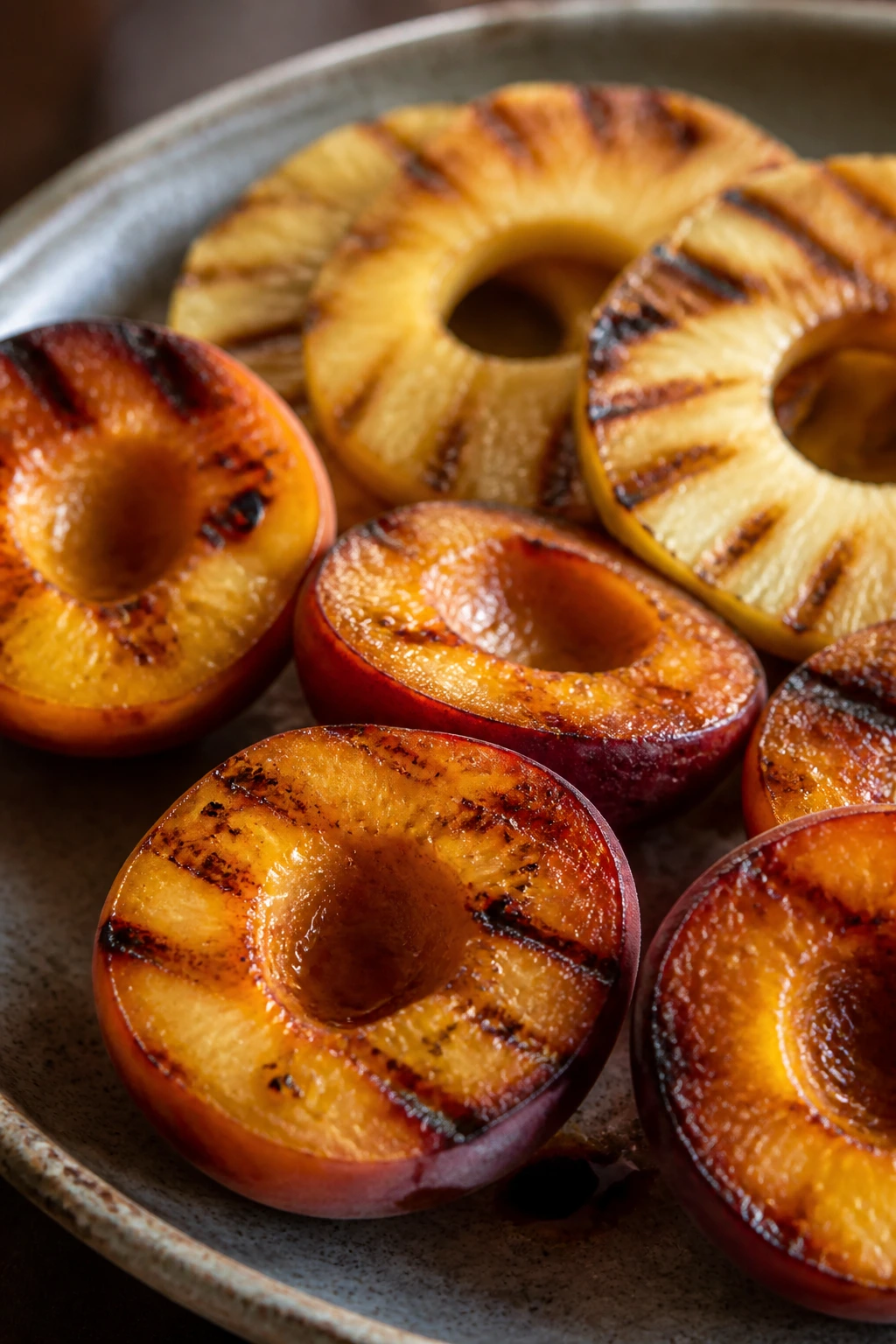
Stone Fruit
What to use: 3 peaches plus 3 nectarines or plums, all ripe but still firm enough to hold their shape on the grate.
Preparation: Halve them cleanly, remove the pits, and leave the skin on. The skin gives the fruit a little structure, and that matters when the heat starts softening the flesh.
Substitutions: Apricots work if they’re large and not too soft; mango halves work if you want a more tropical plate. If you only have peaches, use 6 peaches and skip the mixed-fruit approach entirely.
Tips: Choose fruit that gives slightly at the stem but does not collapse when you press a thumb into the side. If it feels mushy at the market, it will slide apart on the grill.
Pineapple
What to use: 1 small pineapple, peeled, cored, and cut into thick spears or rings.
Preparation: Keep the pieces at least 1/2 inch thick so they can take a little heat without drying out. Thin slices are a bad idea here; they slump, stick, and lose the good texture fast.
Substitutions: Thick mango slabs or firm pears can step into the pineapple’s spot if you want something less sharp. Pears need to be just barely ripe, or they go grainy.
Tips: Pineapple brings acid and a clean sweet note, which keeps the dessert from tasting like one long sugar note. If you’ve ever had grilled fruit taste flat, pineapple is often the thing that fixes it.
Butter, Oil, Brown Sugar, Cinnamon, and Salt
What to use: 2 tablespoons melted butter, 1 tablespoon neutral oil, 2 tablespoons light brown sugar, 1 teaspoon cinnamon, and 1/4 teaspoon fine sea salt.
Preparation: Whisk the mix until the sugar looks mostly dissolved and the cinnamon is evenly suspended. You want a brushable glaze, not a gritty paste.
Substitutions: Coconut oil can replace the butter if you want a slightly tropical edge. Maple sugar or granulated sugar works in place of brown sugar, though brown sugar gives a deeper, more caramel-like finish.
Tips: The oil helps prevent sticking, while the butter gives flavor. That pair matters more than people think. Butter alone can burn too fast; oil alone tastes clean but a little thin.
Cream Cheese Frosting
What to use: 8 ounces cream cheese, 1/2 cup powdered sugar, 2 tablespoons heavy cream or whole milk, 1 teaspoon vanilla, 1 teaspoon lemon zest, and a pinch of salt.
Preparation: Soften the cream cheese until it yields easily to a finger press but still feels cool, then beat it smooth before adding sugar. If it’s cold from the fridge, it turns lumpy and stays that way longer than you’d like.
Substitutions: Mascarpone can stand in for part of the cream cheese if you want a softer, richer frosting. Dairy-free cream cheese also works, though you may need less liquid and a little extra chill time.
Tips: This frosting should be spoonable, not stiff enough for cake piping. Warm fruit asks for a frosting with a little looseness, because the two textures meet in the middle instead of fighting each other.
Honey, Nuts, and Mint
What to use: 2 tablespoons warmed honey, 1/3 cup chopped toasted pistachios or sliced almonds, and 2 tablespoons chopped fresh mint.
Preparation: Warm the honey just enough so it drizzles in a thin ribbon, and chop the nuts small enough that they cling to the fruit. Mint should be torn or chopped right before serving so it stays bright.
Substitutions: Toasted coconut flakes can replace the nuts if you want a softer crunch. Basil works in place of mint if you’re leaning into stone fruit and want something a little less sweet.
Tips: These finishers keep the dessert from tasting flat. Without them, you’ve got warm fruit and frosting. Good. But a little one-note. The nuts and herbs give you the snap and freshness that make the plate feel awake.
Why Grilling Fruit Makes Dessert Taste Brighter
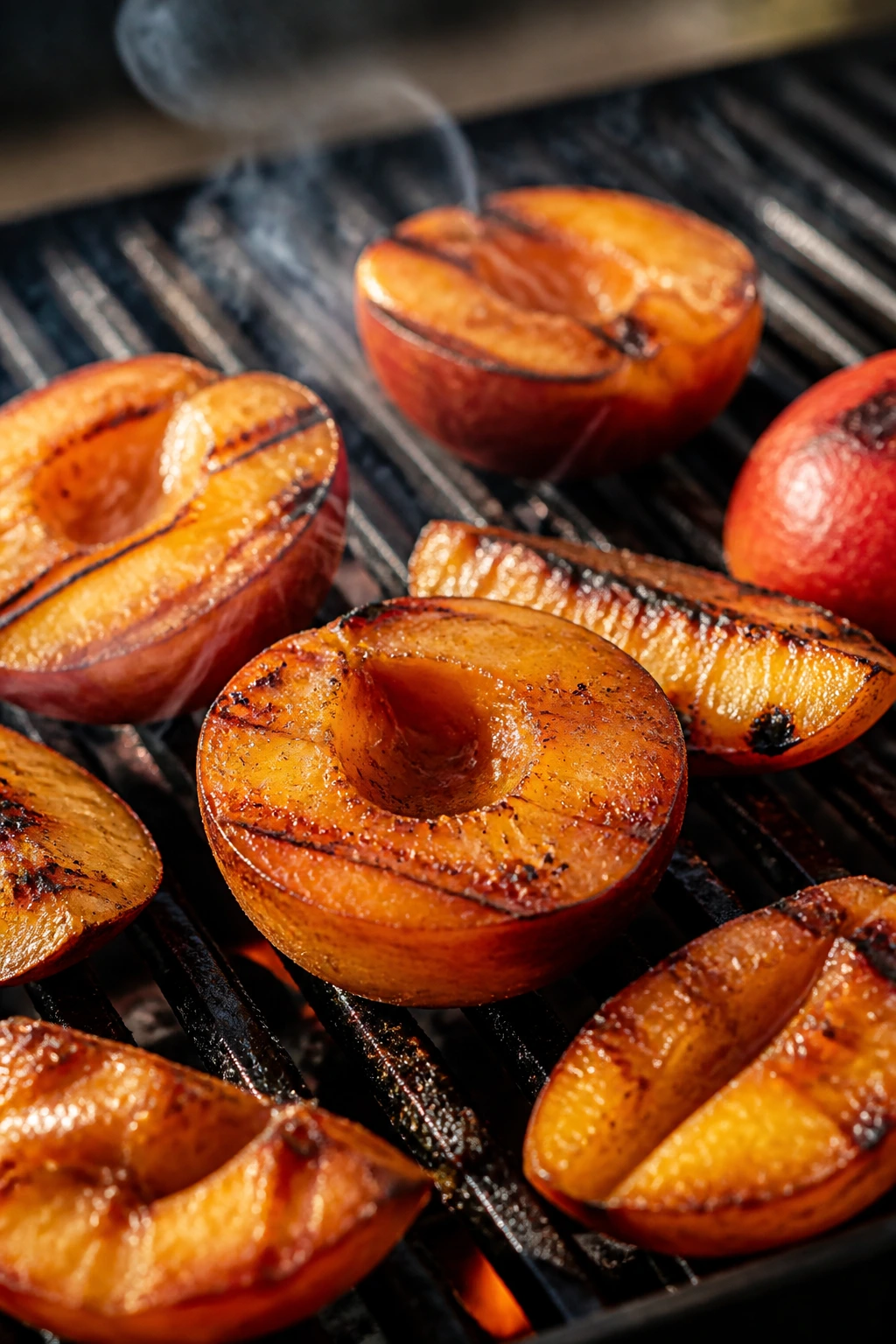
A hot grill changes fruit in a way that a baking dish can’t quite match. The surface moisture evaporates fast, the sugars on the cut side darken, and the fruit picks up a lightly smoky edge that makes it taste more concentrated. You do not need much time. Usually 2 to 3 minutes per side is enough for peaches, plums, and pineapple, and that short window is part of the appeal.
The key is heat, not patience. Fruit that sits on a lukewarm grate just gets tired. It starts sweating before it browns, and that’s how you end up with soft slices that taste cooked but not especially interesting. A grill preheated to medium-high — roughly 425°F to 450°F — gives the cut surface the fast hit of heat it needs to caramelize instead of collapse.
There’s also a texture thing going on that people don’t always talk about. The exterior turns a little sticky and lacquered, while the inside stays juicy and tender. That contrast is the whole reason this dessert works. If every bite is uniformly soft, you’ve basically made fruit compote. Which can be nice. But it’s not this.
I also think the grill earns its keep because it gives dessert some restraint. The fruit already wants to be sweet. What it needs is shape. A hot grate keeps the sweetness clean and the flavor direct, and that’s much more interesting than drowning the whole thing in sauce.
How to Choose Fruit That Holds Its Shape
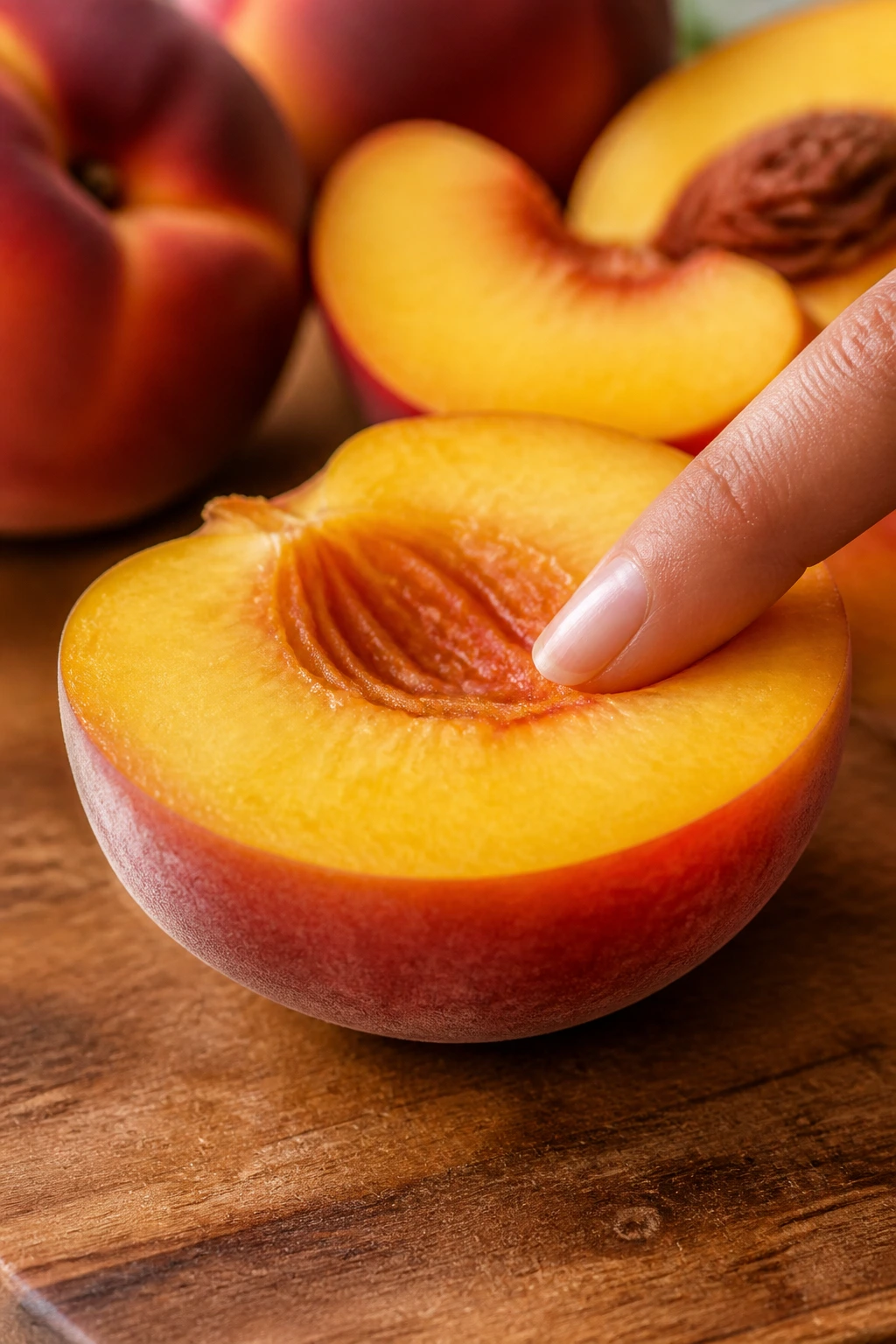
The fruit should feel like it has a little spring left in it. That’s the short version. If it caves in when you lift it, it is past the point where the grill will help.
Peaches are the easiest place to start. Choose fruit that smells fragrant at the stem end and yields slightly when you press it, but not so much that your thumb leaves a dent. Nectarines and plums should have a similar feel — soft enough to eat, still firm enough to halve without turning to mush. I prefer fruit that’s ripe in the kitchen sense, not the “eat-it-over-the-sink” sense.
Pineapple is less dramatic, but it matters just as much. You want a pineapple with a sweet smell at the base, a shell that gives a little when pressed, and flesh that looks bright rather than dry. If it is too green, the flavor stays sharp and a little rough. If it’s too soft, it turns floppy fast on the grill and loses the clean bite that makes the dessert feel fresh.
A good rule: if the fruit can survive a clean half without collapsing, it can probably survive the grate. If it can’t, use it for a compote, a jam, or a spoon dessert. Not this one. This dessert works because every piece still has some backbone.
What to look for at the store
- Peaches and nectarines: Fragrant, slightly soft at the stem, no bruised shoulders.
- Plums: Full color, tiny give when pressed, skin unwrinkled.
- Pineapple: Sweet smell at the base, leaves that pull free with a gentle tug, no wet or sour spots.
- Overall texture: Ripe, yes. Mushy, no.
What to skip
- Fruit with deep bruises where the pit or core has already started to collapse.
- Pineapple that smells fermented.
- Any stone fruit with skin so slack it looks polished.
That sounds picky, but it saves the whole dessert. And honestly, the grill exposes weak fruit fast.
The Cream Cheese Frosting That Stays Spoonable
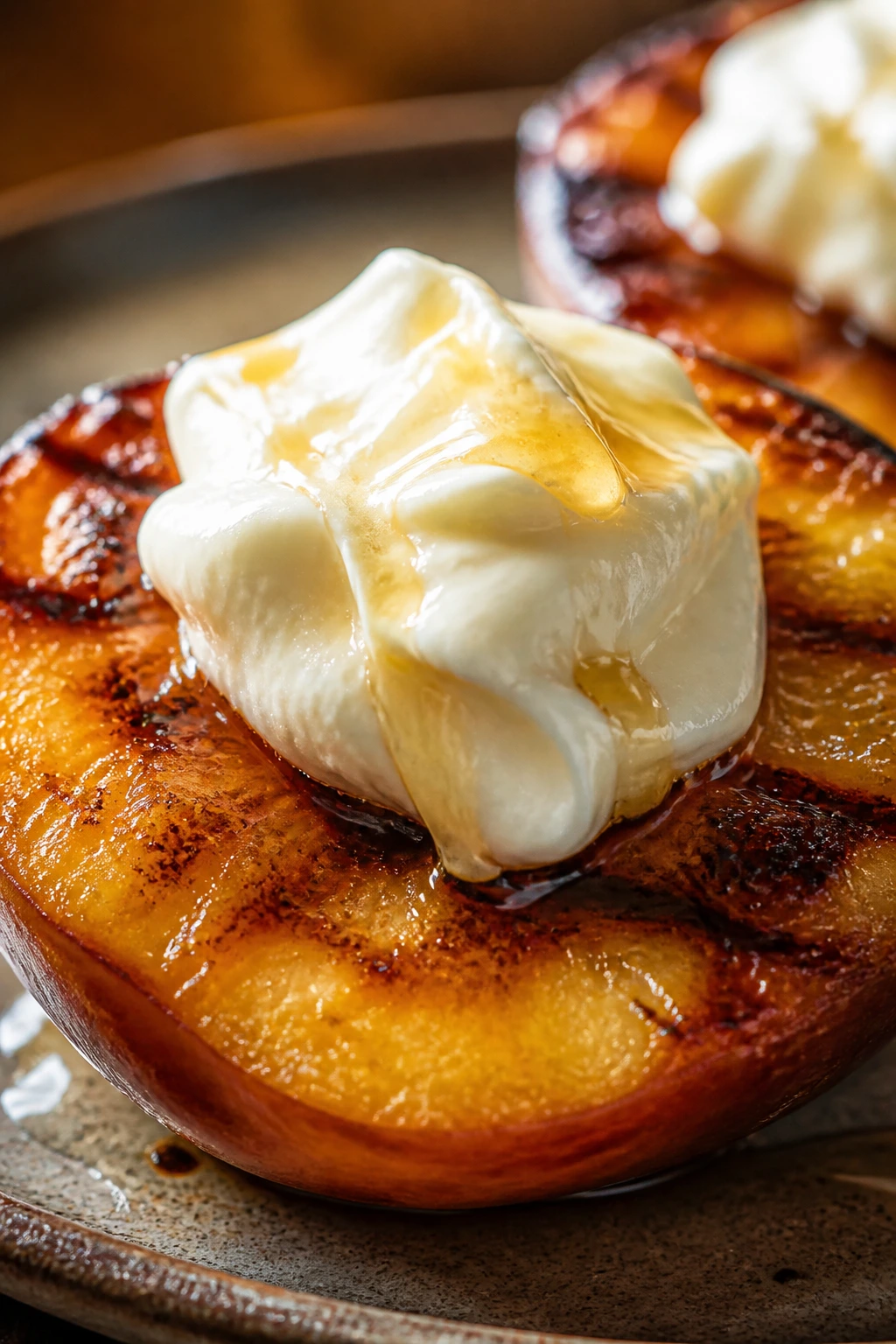
Cream cheese frosting on warm grilled fruit should behave differently than frosting on a cake. It doesn’t need to hold a sharp swirl. It needs to sit in a soft mound, melt at the edges, and carry enough tang to keep the fruit from tasting one-dimensional.
Start with softened cream cheese, not melted cream cheese. There’s a difference, and it’s not subtle. Softened cream cheese beats smooth in a minute or two; melted cream cheese goes loose and glossy and never quite becomes frosting again. If your kitchen is cool, let the block sit out until it yields easily to a light press but still feels cool in the center.
Beat the cream cheese first, then add the powdered sugar slowly. That order keeps the frosting from clumping. The heavy cream or milk is there to loosen the texture just enough so it slides off a spoon instead of sitting in a dense lump. I like lemon zest in this frosting because it keeps the flavor awake. The fruit is already sweet. The frosting should be bright.
If the mixture seems too thin, chill it for 10 minutes. If it seems too thick, add another teaspoon of cream. Tiny adjustments work better than big ones here. A tablespoon too much liquid turns the frosting into a soft spread. Fine for toast. Not what you want on a warm platter.
A pinch of salt matters more than people expect. It keeps the frosting from tasting like sweet paste, which is a common problem with fruit desserts that try to do too much. One small pinch. That’s enough.
Step-by-Step: From Prep Bowl to Warm Platter
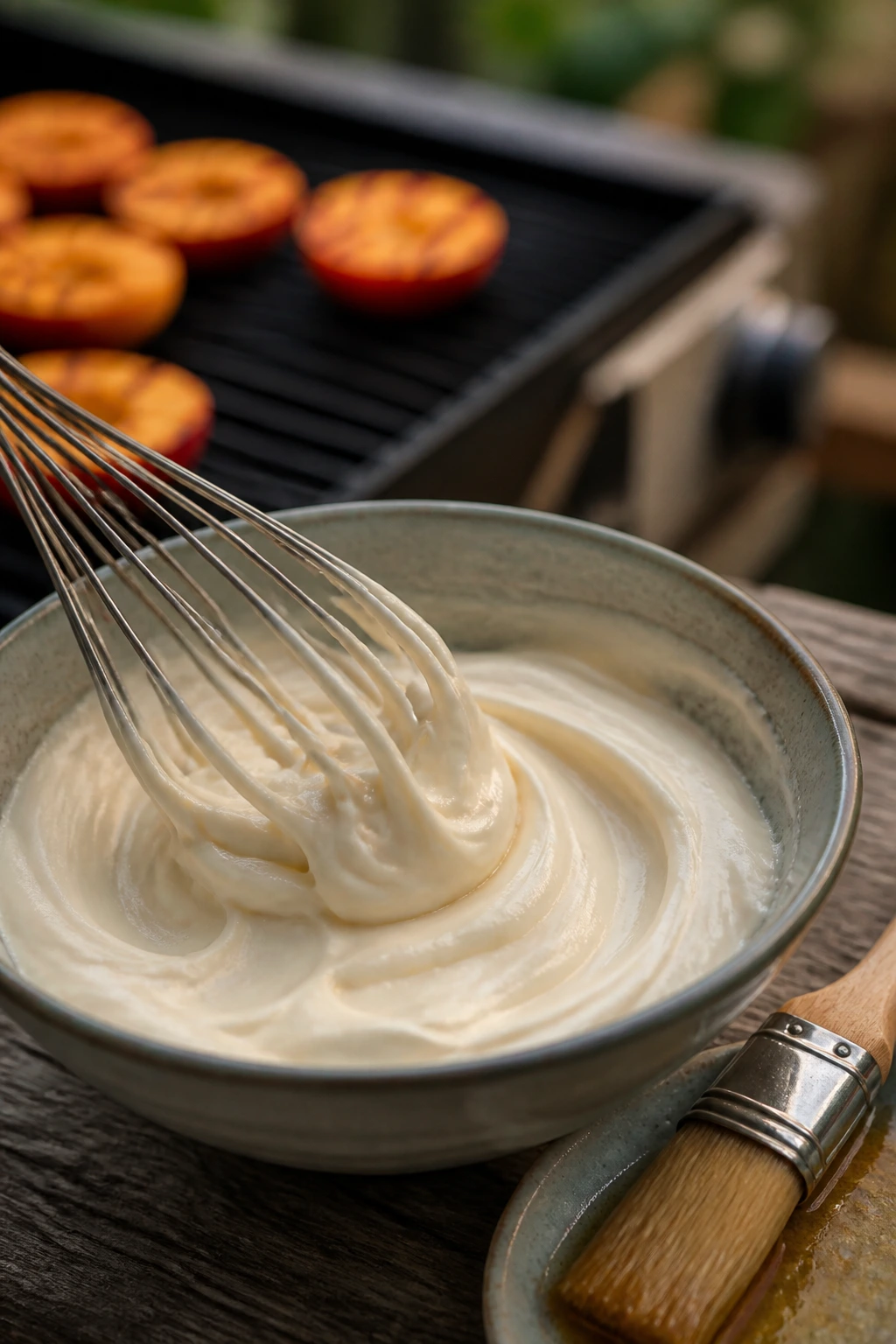
Prepare the grill and frosting:
-
Preheat an outdoor grill to medium-high, about 425°F to 450°F. Clean the grates well, then oil them lightly with a paper towel dipped in neutral oil held with tongs. If you’re using a grill pan, heat it over medium-high until a drop of water flicks and sizzles across the surface.
-
Beat the 8 ounces of softened cream cheese in a medium bowl until completely smooth, about 1 minute. Add the 1/2 cup powdered sugar, 2 tablespoons heavy cream or whole milk, 1 teaspoon vanilla extract, 1 teaspoon lemon zest, and a pinch of salt. Beat again until the frosting looks fluffy and spoonable. If it seems loose, refrigerate it for 10 minutes before serving.
Prepare the fruit:
-
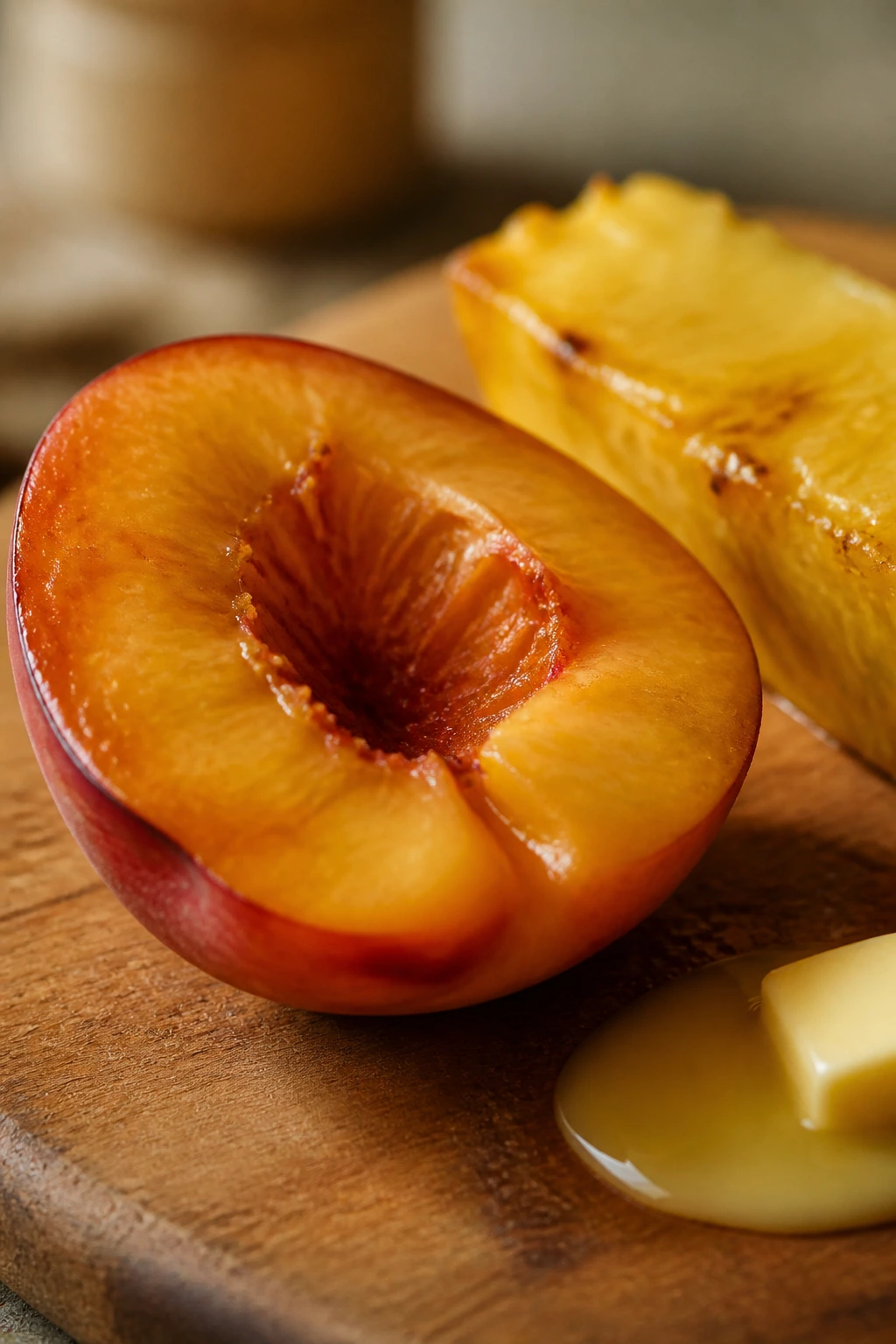
Whisk together the 2 tablespoons melted butter, 1 tablespoon neutral oil, 2 tablespoons light brown sugar, 1 teaspoon cinnamon, and 1/4 teaspoon fine sea salt in a small bowl. Brush the cut sides of the peaches, nectarines or plums, and pineapple lightly with the glaze. Do not soak the fruit — too much coating causes flare-ups and soft, slippery fruit.
-
Place the peaches and nectarines or plums cut-side down on the hot grates. Grill for 2 to 3 minutes without moving them until you see deep grill marks and the edges start to caramelize. Turn and grill the skin side for 30 to 60 seconds, just long enough to warm the fruit through.
-
Grill the pineapple spears or rings for 2 to 3 minutes per side, turning once the marks are dark gold and the surface looks glossy. The pineapple should soften slightly but still feel structured when lifted with tongs. Pull it early if the fruit starts to slump or leak heavily.
Assemble and serve:
-
Transfer the fruit to a platter and let it rest for 2 minutes so the juices settle instead of running everywhere. Spoon the cream cheese frosting onto the platter in dollops, or spread a wide swipe across one side of the plate if you want a more styled look.
-
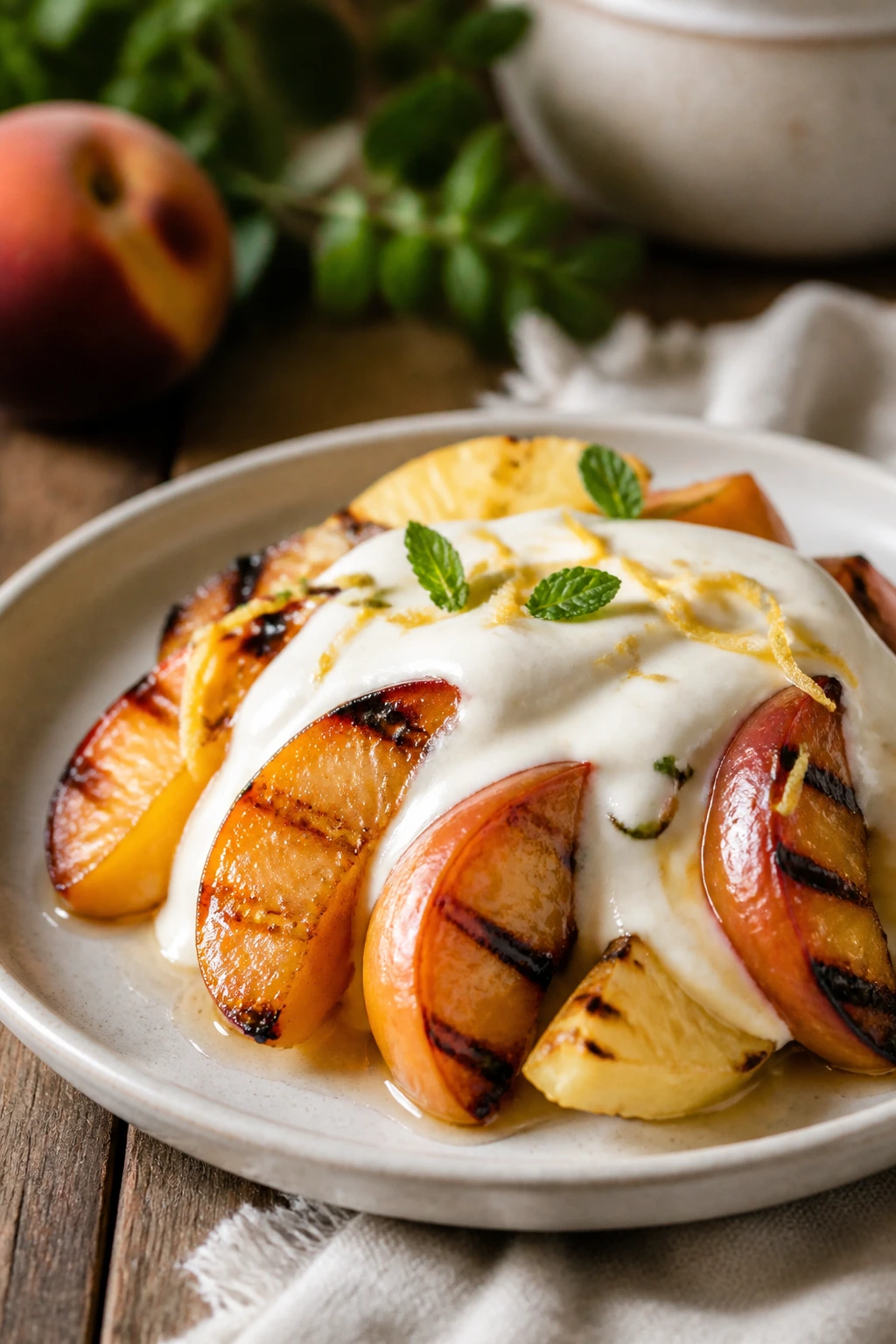
Arrange the warm fruit over and around the frosting. Drizzle with warmed honey, scatter the chopped nuts on top, and finish with chopped mint. Serve right away while the fruit is still warm and the frosting is soft at the edges.
That’s the core of it. Short cook, quick assembly, and no drama if you keep the heat where it belongs.
How to Serve It So the Plate Looks Intentional
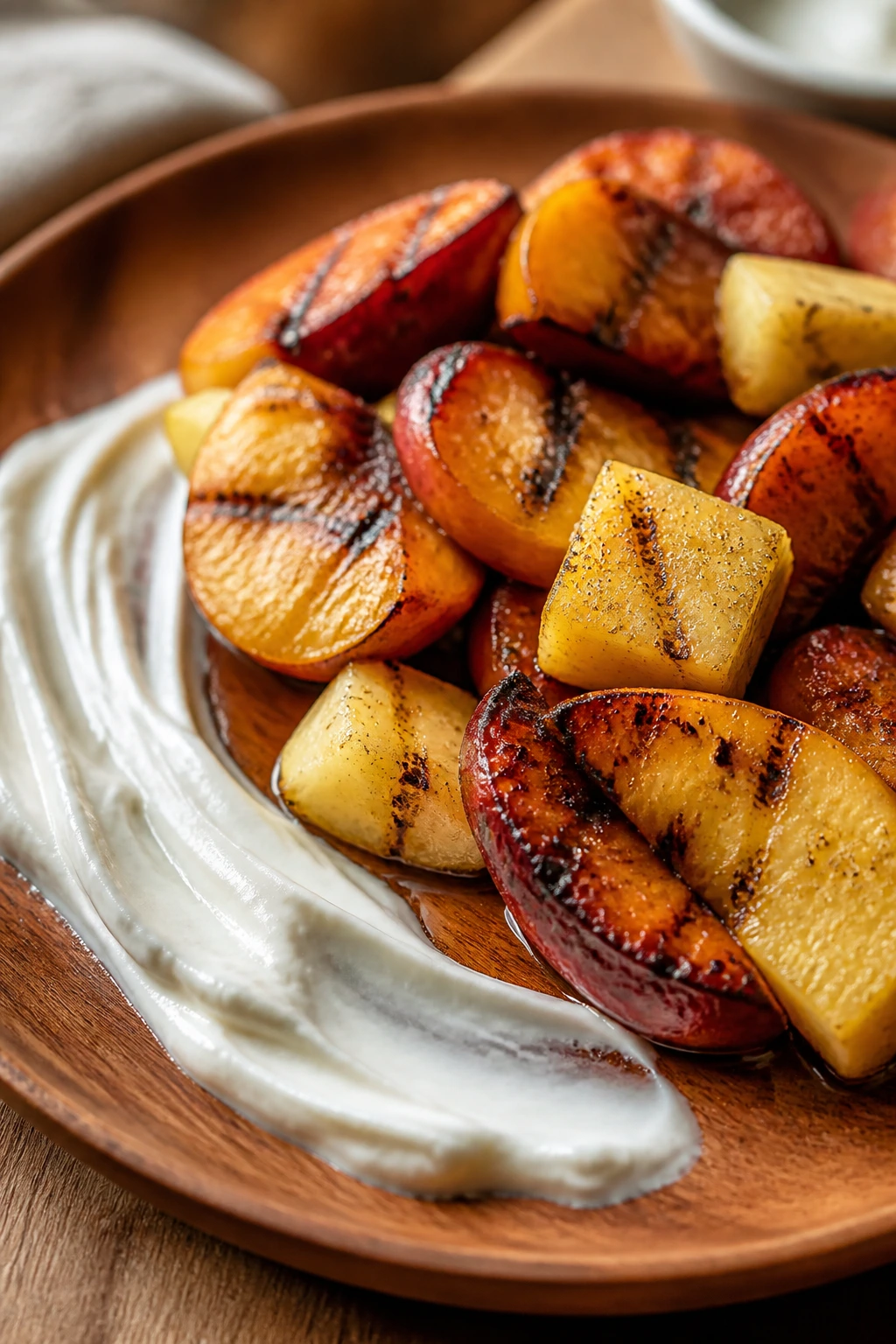
Presentation: Start with a wide platter or shallow serving bowl so the fruit has room to breathe. I like to swipe the frosting across one side first, then pile the fruit so the warm juices run into it. That little trail of melting cream cheese looks better than a random blob in the middle.
Accompaniments: Serve it with plain shortbread cookies, crisp biscotti, or a few slices of grilled pound cake if you want a firmer base under the fruit. A scoop of vanilla ice cream also works, but I’d keep it small; the frosting already brings richness. If you want something fresher, a bowl of tart berries on the side does the job without crowding the plate.
Portions: Figure on two peach halves, two pineapple pieces, and a generous spoonful of frosting per person. That sounds like a lot until the dessert lands on the table and the warm fruit starts thinning the frosting at the edges. If you’re serving after a heavy meal, smaller portions feel right. If it’s the main event, do not be shy.
Beverage Pairing: I like this with cold brew coffee, strong black tea with lemon, or a lightly sparkling drink with a bit of sweetness. If you’re pouring wine, something off-dry and bright — sparkling wine or a late-harvest white — works better than anything oak-heavy or very sweet. The dessert already covers the sugar. The drink should keep pace, not compete.
There’s also a small service trick worth using: warm the platter for a minute or two in a turned-off oven if your kitchen is cool. Not hot. Just warm enough that the first spoonful doesn’t hit a cold plate and seize.
Small Flavor Tweaks That Make the Dessert Taste Finished
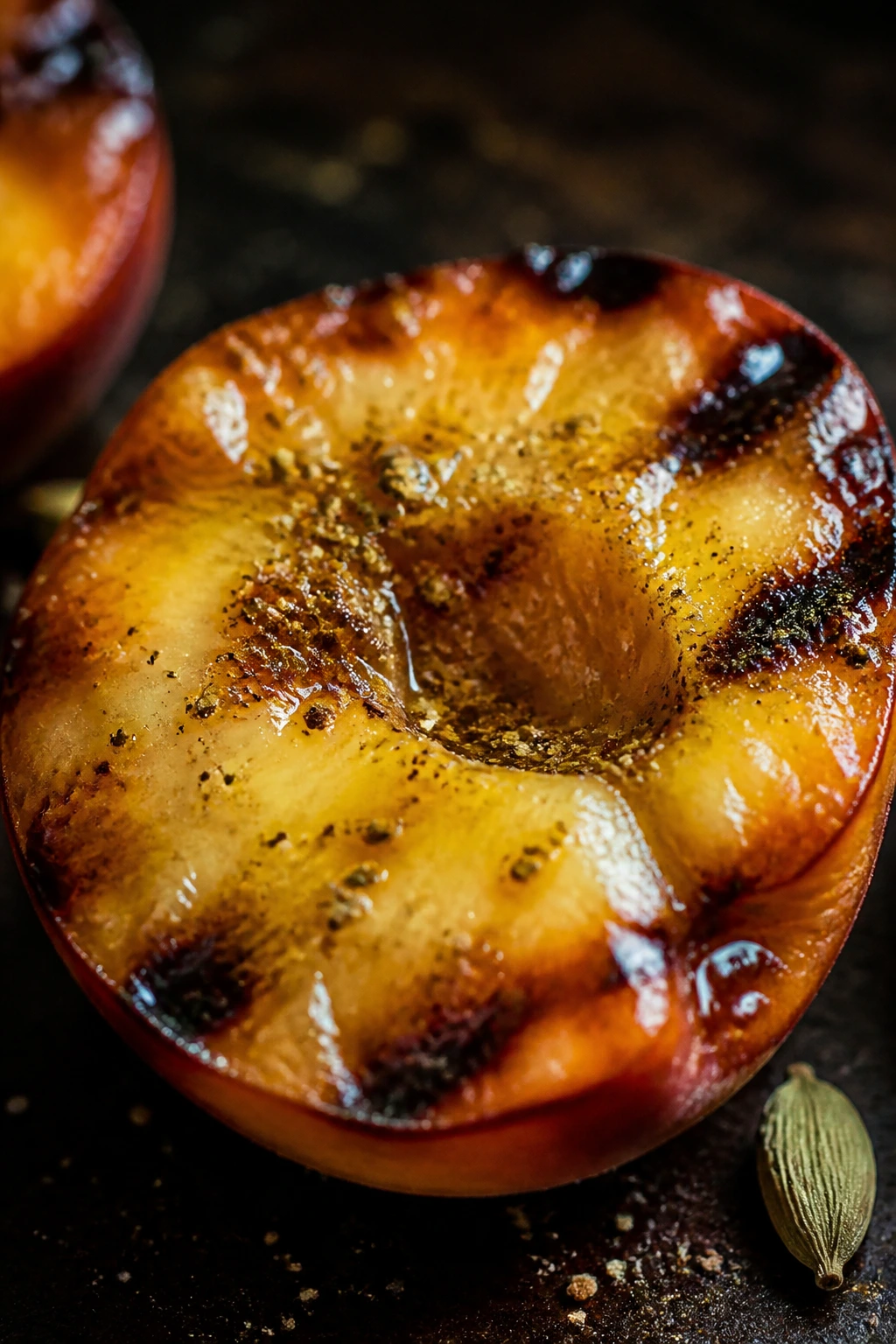
Flavor Enhancement: A pinch of cardamom in the butter glaze does quiet work here. Just 1/8 teaspoon is enough. It doesn’t announce itself, but it gives the fruit a perfume that makes people pause for a second bite.
Customization: If you want more contrast, add a few thin slices of fresh basil with the mint. Basil and stone fruit get along better than people expect, especially when the peaches are at peak ripeness and smell floral already. For a richer plate, tuck a few grilled pound cake squares under the fruit and let the frosting run over them.
Serving Suggestions: Toast the nuts in a dry skillet until they smell nutty and look a shade darker, then chop them while they’re warm. That takes maybe 4 minutes and makes a bigger difference than a fancy syrup would. Finish with a tiny pinch of flaky salt if you like the sweet-salty thing. Tiny. Not a snowfall.
Make-It-Yours: For a dairy-free version, use a good dairy-free cream cheese and a tablespoon or two of coconut cream to loosen it. For a lower-sugar plate, reduce the frosting sugar to 1/3 cup and let the fruit and honey carry more of the sweetness. If you want a more adult finish, brush the fruit glaze with 1 teaspoon of bourbon or orange liqueur before grilling. Not a lot. Just enough to leave a trace.
I’m not a fan of piling too many things onto this dessert. It doesn’t need a parade. One or two thoughtful changes are usually better than five loud ones.
Common Mistakes That Turn Juicy Fruit Watery or Burnt
-
Using fruit that’s too soft: The fruit looks good in the bowl, then slumps on the grate and leaks into the flames. The fix is simple: choose fruit with some resistance when you press it. Slightly firm beats fully ripe here every time.
-
Starting with a grill that isn’t hot enough: Low heat makes the fruit steam instead of caramelize, and you end up with pale slices and no real marks. Preheat fully. The grate should be hot enough that the glaze sizzles the moment fruit hits it.
-
Over-brushing with butter and sugar: Too much glaze causes flare-ups and sticky patches that taste burnt at the edges. Brush lightly. A thin coat is enough for color and flavor.
-
Moving the fruit too soon: People get nervous and keep flipping. Don’t. Fruit releases more cleanly when it has time to sear first. If it sticks, give it another 20 to 30 seconds instead of forcing it off the grate.
-
Making the frosting too loose: If you pour in too much cream, the frosting turns runny and disappears into the platter. Add liquid a teaspoon at a time, and chill it if it starts to slump.
-
Assembling too early: Warm fruit sitting on frosting for too long turns the whole plate soupy. Grill first, plate second, eat soon after. That timing is the difference between dessert and puddle.
The frustrating part is that most of these mistakes come from trying to rush a dish that is already fast. There is no prize for speed here. A little patience buys a better texture.
Variations That Still Belong to the Same Dessert
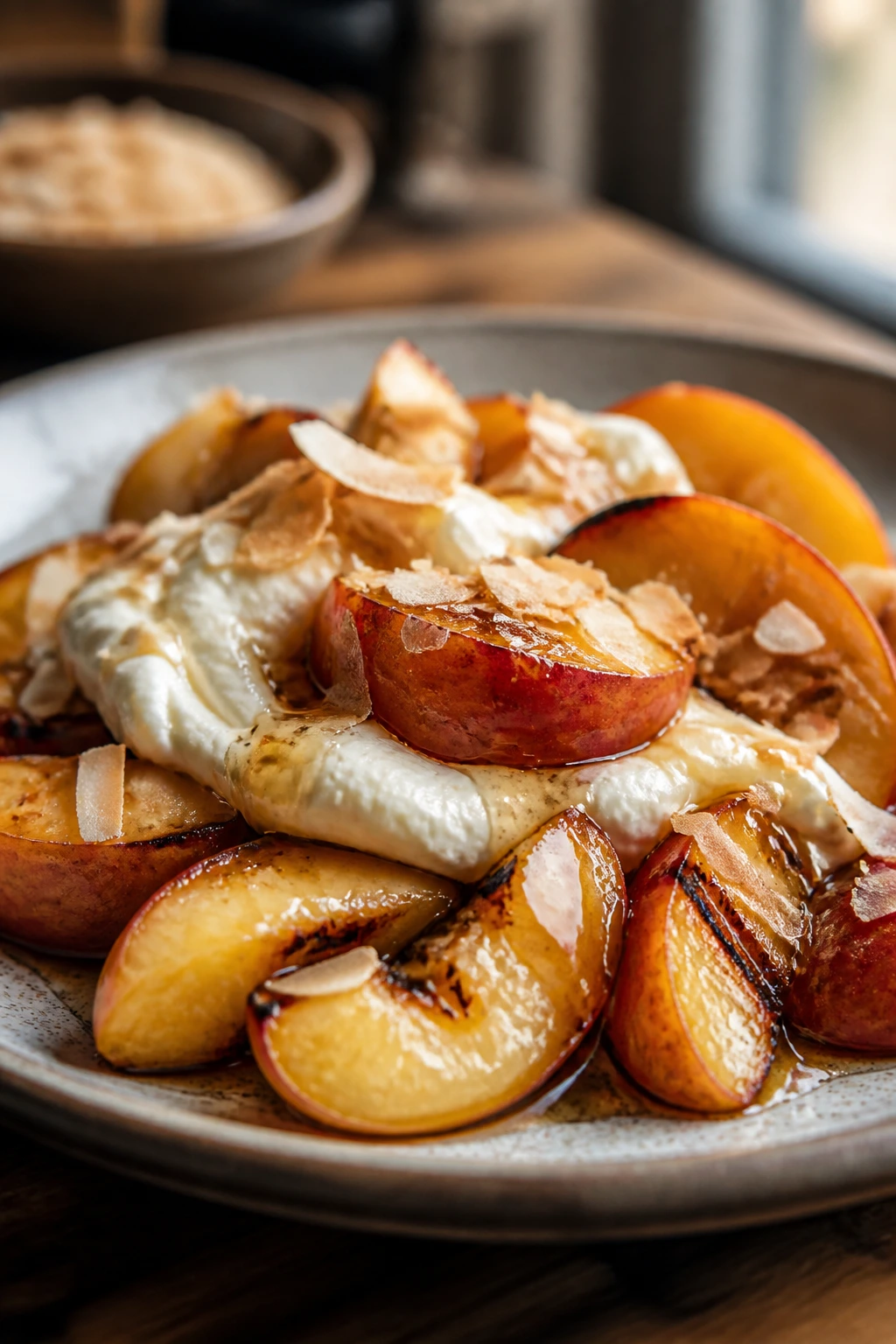
Stone-Fruit Honey Plate
Use peaches, nectarines, and plums only, skip the pineapple, and add 1/4 teaspoon cardamom to the glaze. The result tastes softer and more floral, which is a nice move if you want the fruit to stay at the center instead of sharing the stage.
Tropical Grill Plate
Swap half the stone fruit for thick mango cheeks and add 1 tablespoon shredded coconut to the nut topping. A squeeze of lime over the finished fruit keeps the sweetness bright and gives the frosting something sharper to meet.
Brown-Butter Bourbon Finish
Brown the butter before mixing the glaze, then stir in 1 teaspoon bourbon after it cools for a minute. The brown butter gives the fruit a deeper, toastier edge, while the bourbon stays in the background instead of shouting. Good for an evening dessert when you want the plate to feel a little more serious.
Dairy-Free Coconut Cream Version
Use dairy-free cream cheese with 2 tablespoons coconut cream and a little extra powdered sugar if needed to thicken it. Finish with toasted coconut flakes instead of nuts. The plate ends up softer and more tropical, but it still keeps that warm-fruit-cold-topping contrast that makes the original work.
Shortbread and Citrus Version
Serve the grilled fruit over broken shortbread cookies and add extra lemon zest to the frosting. The cookies soak up the juices in a way that feels almost pie-like, without asking you to bake a crust. It’s the version I’d choose if I wanted dessert to feel a little sturdier.
Each variation keeps the same basic promise: hot fruit, cool tang, and enough texture to keep the plate from going flat.
Equipment That Makes the Grill Easier
- Outdoor grill or heavy grill pan: Either one works; the grill pan just needs a little more babysitting and may require cooking in batches.
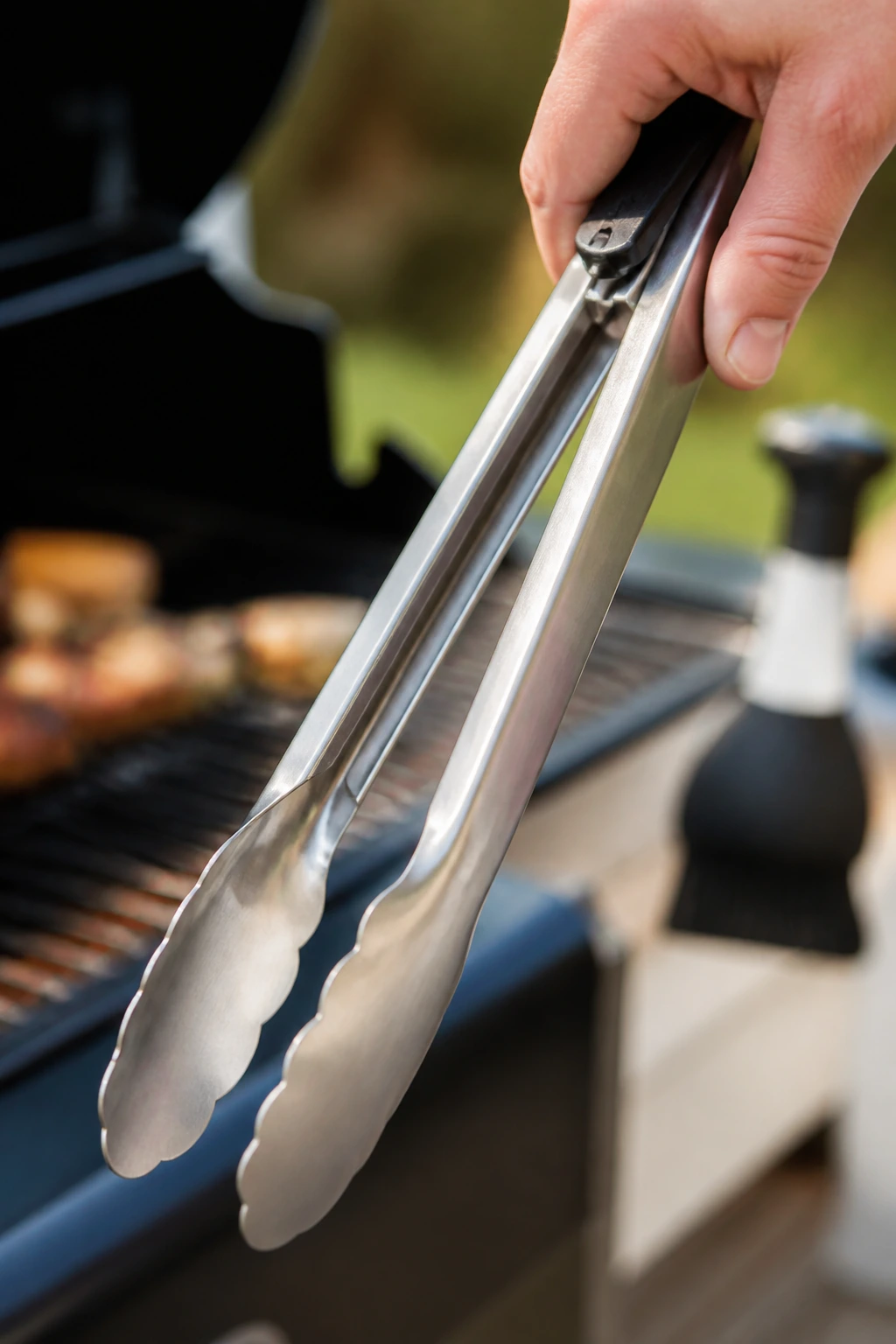
- Long-handled tongs: Useful for turning fruit without tearing the skin or chasing a slippery peach half across the grate.
- Pastry brush or silicone brush: For applying the butter glaze in a thin layer.
- Sharp chef’s knife and paring knife: The chef’s knife handles halving the fruit; the paring knife helps with peeling and coring if needed.
- Medium mixing bowl: Big enough for the frosting without splashing powdered sugar over the counter.
- Hand mixer or stand mixer: Faster for the frosting, though a sturdy whisk and some patience can do the job in a pinch.
- Small bowl for glaze: Keep the brushable mixture together so you can work fast.
- Serving platter or shallow bowl: A flat, wide surface keeps the fruit from stacking too tightly and steaming itself.
- Microplane or fine zester: Handy for the lemon zest in the frosting.
- Optional grill basket: Useful if you’re grilling smaller or softer fruit pieces and want extra insurance against slipping.
Nothing here is exotic. That’s part of the appeal. The dessert gets its personality from heat and timing, not from gear.
Make-Ahead, Storage, and Leftovers
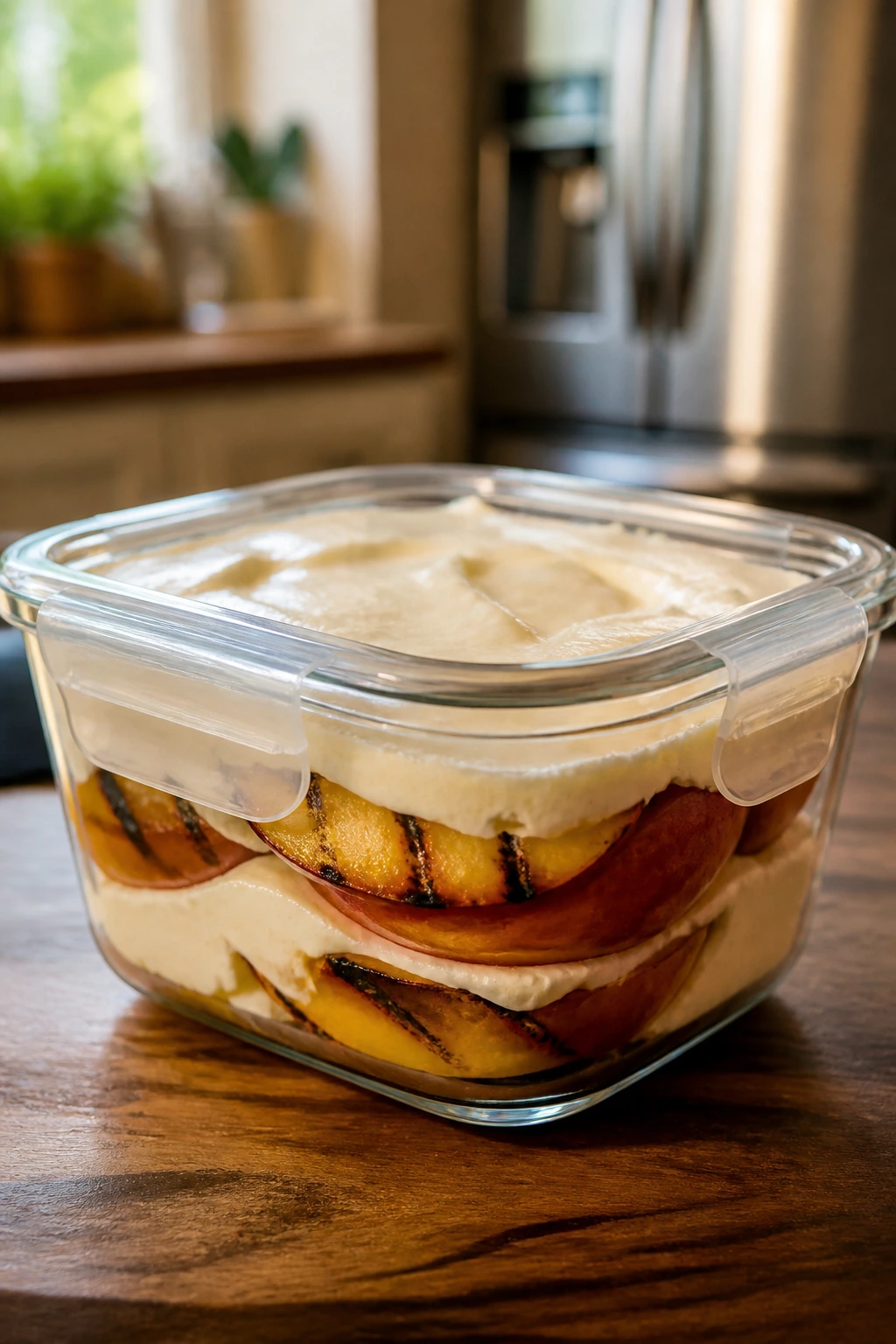
The frosting is the easiest part to make ahead. It keeps in an airtight container in the refrigerator for up to 3 days, and it usually loosens up again after a brief stir. If it firms up too much, let it sit at room temperature for 15 to 20 minutes before serving, then whisk or beat it briefly to bring back the smooth texture.
The fruit is best grilled right before serving. You can wash, peel, pit, and cut it a few hours ahead, then keep it covered in the refrigerator with a light brush of lemon juice over the cut surfaces if you want to slow browning. I would not grill the fruit much earlier than that if you want the best texture. Once it’s cooked, the surface softens as it sits.
Leftover assembled dessert will keep in the refrigerator for about 2 days, though the fruit gets softer and the frosting starts to spread into the juices. Store it in a shallow airtight container if possible so the fruit doesn’t crush itself under its own weight. Eat it cold or let it sit out for 10 to 15 minutes before serving again; that takes the chill off without turning the frosting runny.
Freezing is not a friend to this dessert. The grilled fruit turns mushy after thawing, and the frosting can separate. If you have extra fruit, freeze it for smoothies or a crisp filling instead. The dessert itself is better made fresh. That’s not a flaw. It’s just what the texture wants.
Food safety matters here too. Once the frosting is out on the table, don’t leave the dessert sitting at room temperature for more than about 2 hours. If the room is warm, shorten that window. Cream cheese deserves the same common sense you’d use with any dairy-based topping.
Questions People Ask Before Serving This Dessert
Can I make this on a grill pan instead of an outdoor grill?
Yes, and it works well if you keep the pan truly hot. Preheat it over medium-high until a drop of water hisses, then oil it lightly and avoid crowding the fruit. You may need to work in batches so the slices can sit flat and pick up marks instead of steaming.
What fruit works best if I don’t want peaches or pineapples?
Plums, nectarines, apricots, and thick mango slices all behave nicely on the grill. Pears can work too, but they need to be firm enough that they don’t cave in after a minute or two of heat. Soft berries are a poor match unless you thread them on skewers and handle them with care.
Can I make the cream cheese frosting the day before?
Yes. In fact, that’s one of the easiest parts to do ahead. Keep it covered in the refrigerator, then let it soften for a short time and stir it before serving so the texture becomes smooth again.
How do I keep the fruit from sticking to the grates?
Start with a clean, hot grill and oil the grates lightly. Brush the fruit with a thin layer of glaze, not a thick one, and give each piece time to sear before turning it. If it sticks, it usually needs another few seconds to release naturally.
Can I serve the dessert cold instead of warm?
You can, but the flavor changes. Warm fruit gives you softer texture and more aroma, while cold fruit tastes firmer and a little more restrained. I prefer it warm, because the frosting melts at the edges and the contrast is much better.
What if my frosting gets too thin?
Chill it for 10 to 15 minutes first. If it still seems loose, beat in 1 to 2 tablespoons more powdered sugar and stop adding liquid until it thickens. The goal is a spoonable frosting, not a pourable sauce.
Can I skip the nuts if someone has an allergy?
Absolutely. Leave them off and finish with mint plus a little flaky salt instead, or add toasted coconut if coconut is safe for your table. The dessert still works because the fruit and frosting already carry the main contrast.
Is there a broiler version if I don’t have a grill?
Yes, though the timing gets shorter and you need to watch closely. Place the fruit cut-side up on a foil-lined sheet pan, brush with the glaze, and broil it on a rack a few inches from the heat until the edges color and the fruit softens. It can go from pale to overdone quickly, so stay nearby.
A Sweet Finish
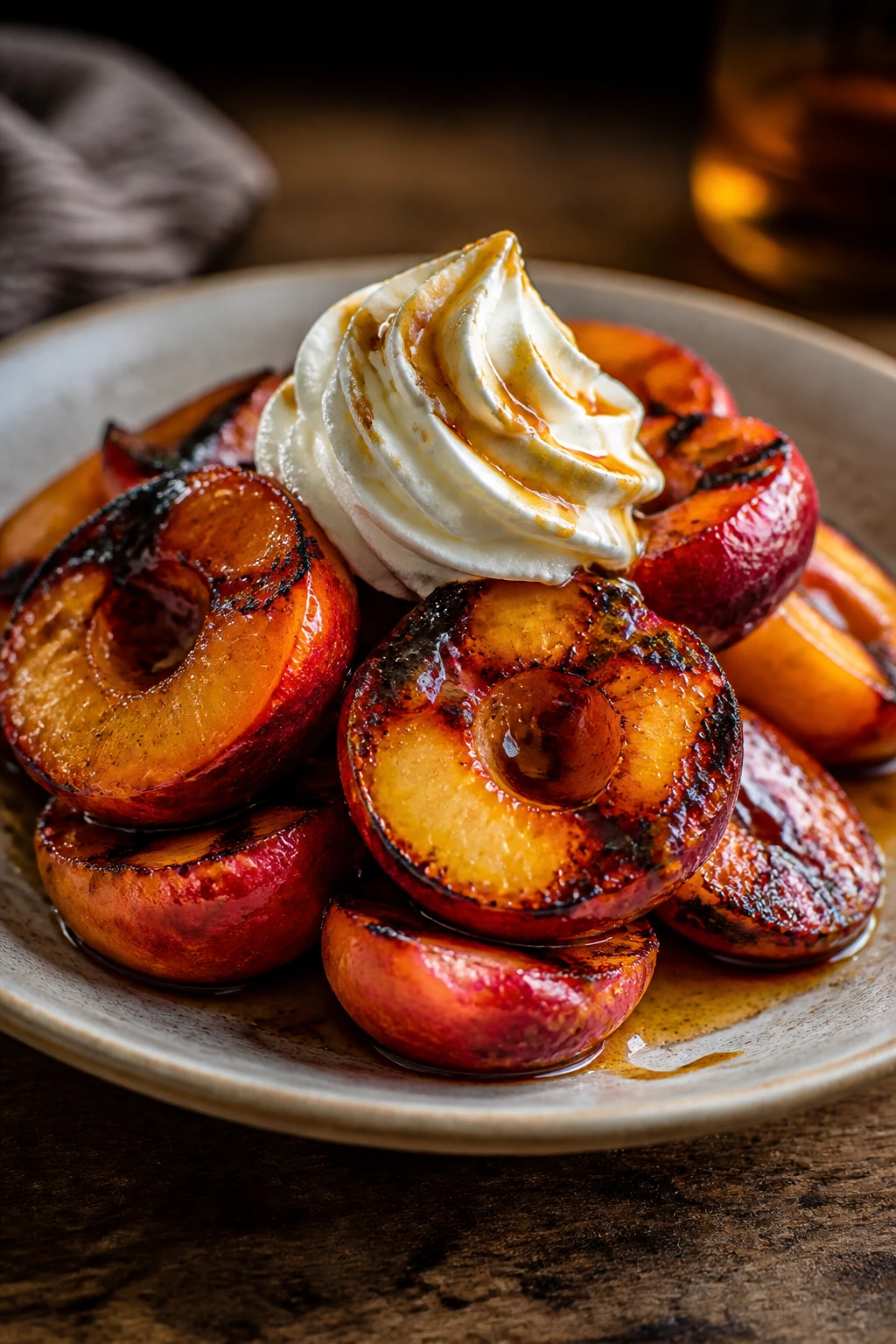
The nicest thing about this dessert is that it doesn’t pretend to be more complicated than it is. You take ripe fruit, give it a blast of heat, and set it against frosting that brings tang instead of fluff. That’s the whole structure. And it works because each part knows what job it’s doing.
If you keep the fruit firm, the grill hot, and the frosting cool enough to hold its shape, the plate lands with a kind of calm confidence that is hard to fake. Make it once, and you’ll start seeing other fruit in a different light — not as garnish, not as filler, but as something that can carry dessert all by itself.
Grilled Fruit Dessert with Cream Cheese Frosting — Recipe Card
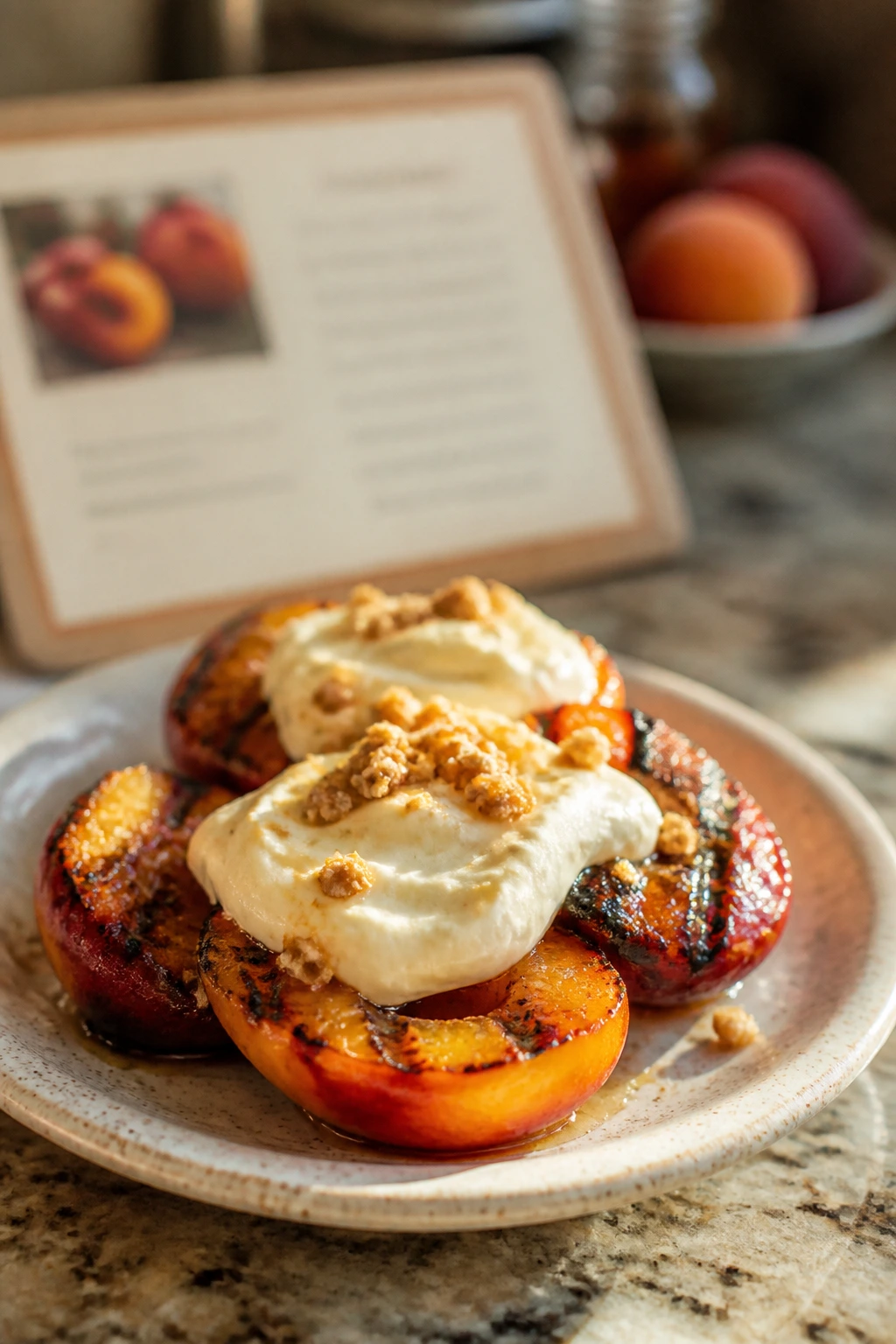
Recipe Name: Moist Grilled Fruit Dessert with Cream Cheese Frosting
Description: Warm grilled peaches, nectarines or plums, and pineapple are finished with tangy cream cheese frosting, honey, toasted nuts, and mint. The fruit stays juicy while the grill adds caramelized edges and a little smoke.
Prep Time: 20 minutes
Cook Time: 8 to 10 minutes
Total Time: 28 to 30 minutes
Course: Dessert
Cuisine: American
Servings: 6 servings
Calories: 285 kcal per serving
Ingredients
For the Grilled Fruit:
- 3 ripe but firm peaches, halved and pitted
- 3 ripe but firm nectarines or plums, halved and pitted
- 1 small pineapple, peeled, cored, and cut into 8 thick spears or 6 rings
- 2 tablespoons unsalted butter, melted
- 1 tablespoon neutral oil
- 2 tablespoons light brown sugar
- 1 teaspoon ground cinnamon
- 1/4 teaspoon fine sea salt
For the Cream Cheese Frosting:
- 8 ounces cream cheese, softened
- 1/2 cup powdered sugar, sifted
- 2 tablespoons heavy cream or whole milk
- 1 teaspoon pure vanilla extract
- 1 teaspoon lemon zest
- Pinch fine sea salt
For Finishing:
- 2 tablespoons honey, warmed for drizzling
- 1/3 cup toasted pistachios or sliced almonds, chopped
- 2 tablespoons fresh mint, chopped
Instructions
-
Preheat a grill to medium-high, about 425°F to 450°F, and oil the grates lightly. If using a grill pan, heat it over medium-high until hot.
-
Beat the cream cheese until smooth, then mix in the powdered sugar, cream, vanilla, lemon zest, and salt until fluffy and spoonable. Chill briefly if needed.
-
Whisk together the melted butter, oil, brown sugar, cinnamon, and salt. Brush the fruit lightly with the glaze.
-
Grill the peaches and nectarines or plums cut-side down for 2 to 3 minutes, then turn and warm the skin side for 30 to 60 seconds.
-
Grill the pineapple for 2 to 3 minutes per side until lightly caramelized and just softened.
-
Transfer the fruit to a platter and let it rest for 2 minutes.
-
Spoon or spread the frosting onto the platter, arrange the fruit, drizzle with honey, and finish with nuts and mint.
Notes: Use ripe but firm fruit so it keeps its shape. Store frosting separately for up to 3 days. Do not freeze the assembled dessert.