



The worst sticky Chinese food is the kind that arrives in a carton already halfway defeated. The sauce has soaked through the crust, the steam has turned the coating soft, and what should have been glossy and sharp now tastes tired before you’ve even sat down.
Sticky Chinese cooking at home changes that equation. You control the heat, the order of operations, and the exact moment the sauce meets the protein, which is the difference between a lacquered bite and a soggy one. That’s why a plate of orange chicken, sesame beef, or sticky tofu made in a hot skillet can beat the takeout version without trying to impersonate a restaurant line cook.
The magic is not a secret ingredient. It’s timing, balance, and a little discipline with starch and sugar. Get those three things right, and the sauce clings like glass instead of pooling like syrup. Get them wrong, and the whole dish turns heavy and muddy. Once you see how the pieces fit together, the style stops feeling mysterious and starts feeling repeatable.
Why Home-Cooked Sticky Chinese Wins the Minute It Hits the Plate
Crisp edges stay crisp: When you cook at home, the protein can go from pan to sauce to plate in under a minute, which is the only way to keep that faint crackle under the glaze.
You control the sweetness: Takeout versions often lean hard on sugar because sugar reads fast, but at home you can push the sauce toward honey, brown sugar, or a sharper vinegar finish so it tastes balanced instead of sticky in the bad way.
The salt tastes cleaner: Light soy sauce, dark soy, oyster sauce, and a small splash of Shaoxing wine give you depth without making the dish taste flat and salty at the same time.
Leftovers can still work: If you keep the sauce separate from the fried or seared pieces, reheating becomes a matter of bringing them back together for 30 to 60 seconds, not trying to revive a mushy block.
The stove matters less than people think: A true restaurant burner is nice, but a wide skillet, a hot burner, and small batches will do far more for you than any “takeout-style” shortcut sauce ever will.
The dish is easy to bend: Chicken thighs, beef, shrimp, tofu, broccoli, cauliflower, green beans, and eggplant can all live inside the same sticky sauce idea if you treat them according to how much moisture and heat they can handle.
Why Sticky Chinese Cooking Tastes Better When You Understand the Balance
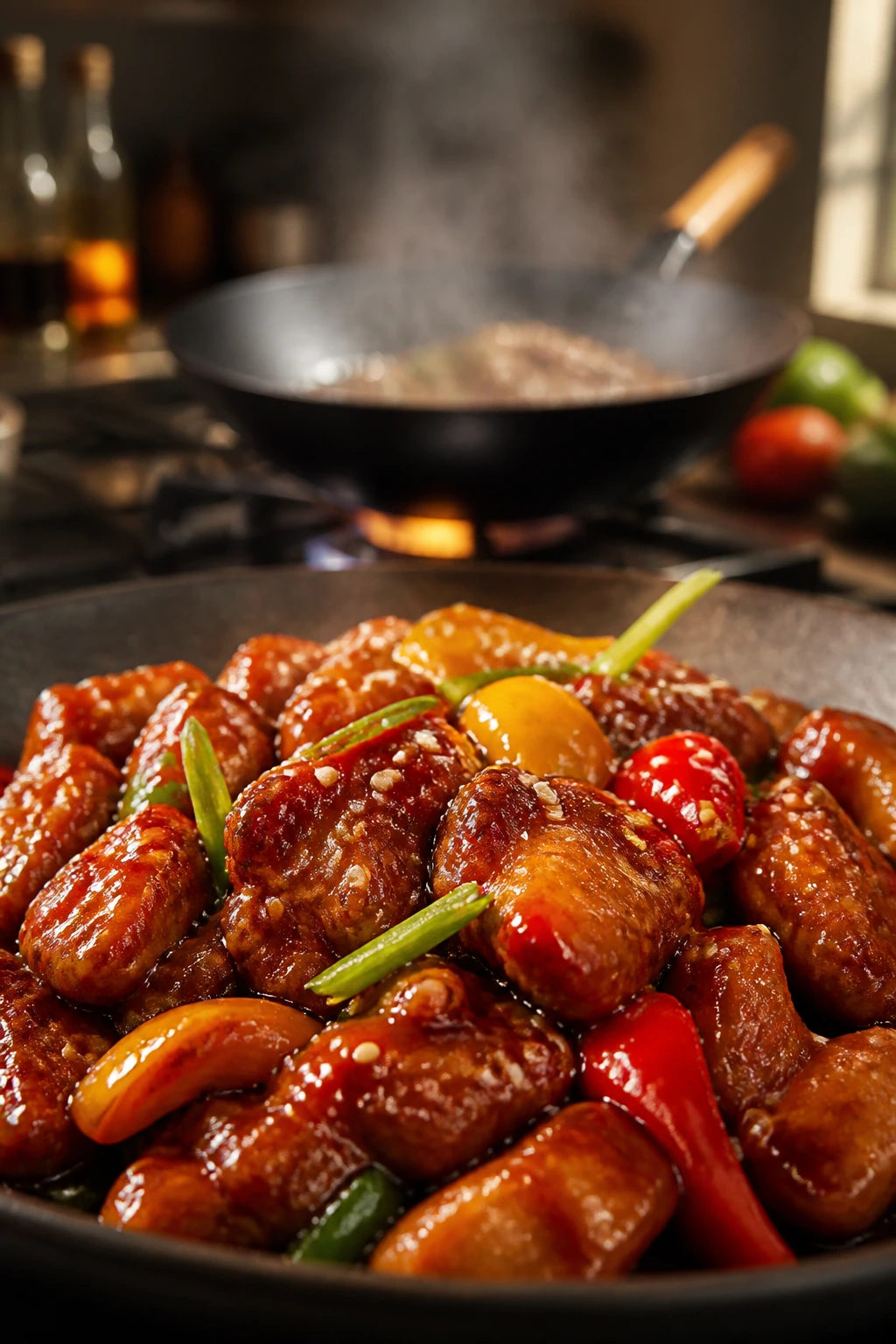
Sticky sauce only works when sweet, salty, sour, and savory stop fighting each other. If one note gets too loud, the glaze feels one-dimensional; if you under-season it, the sauce tastes like melted candy with soy poured over the top. The sweet part should pull you in. The salty part should give it shape. The acid should keep the whole thing from sticking to your teeth.
That’s why the best versions never taste like plain sugar. A spoonful of rice vinegar, black vinegar, or even a little Shaoxing wine does a lot more than most cooks realize. It keeps the sauce bright enough to stay appetizing after a few bites, which is one reason homemade sticky dishes often taste less clumsy than the restaurant version. The glaze still shines, but it doesn’t sit there like a candy coating.
A good sticky dish also respects contrast. If the protein is crisp, the sauce can be thicker. If the vegetables are tender, the sauce can be bolder. If the rice is plain, the main dish can carry more punch. Nothing in the bowl has to do all the work. That’s the part people miss when they copy a takeout recipe from memory and wonder why it feels dull at home.
The Sauce Formula That Gives You Shine
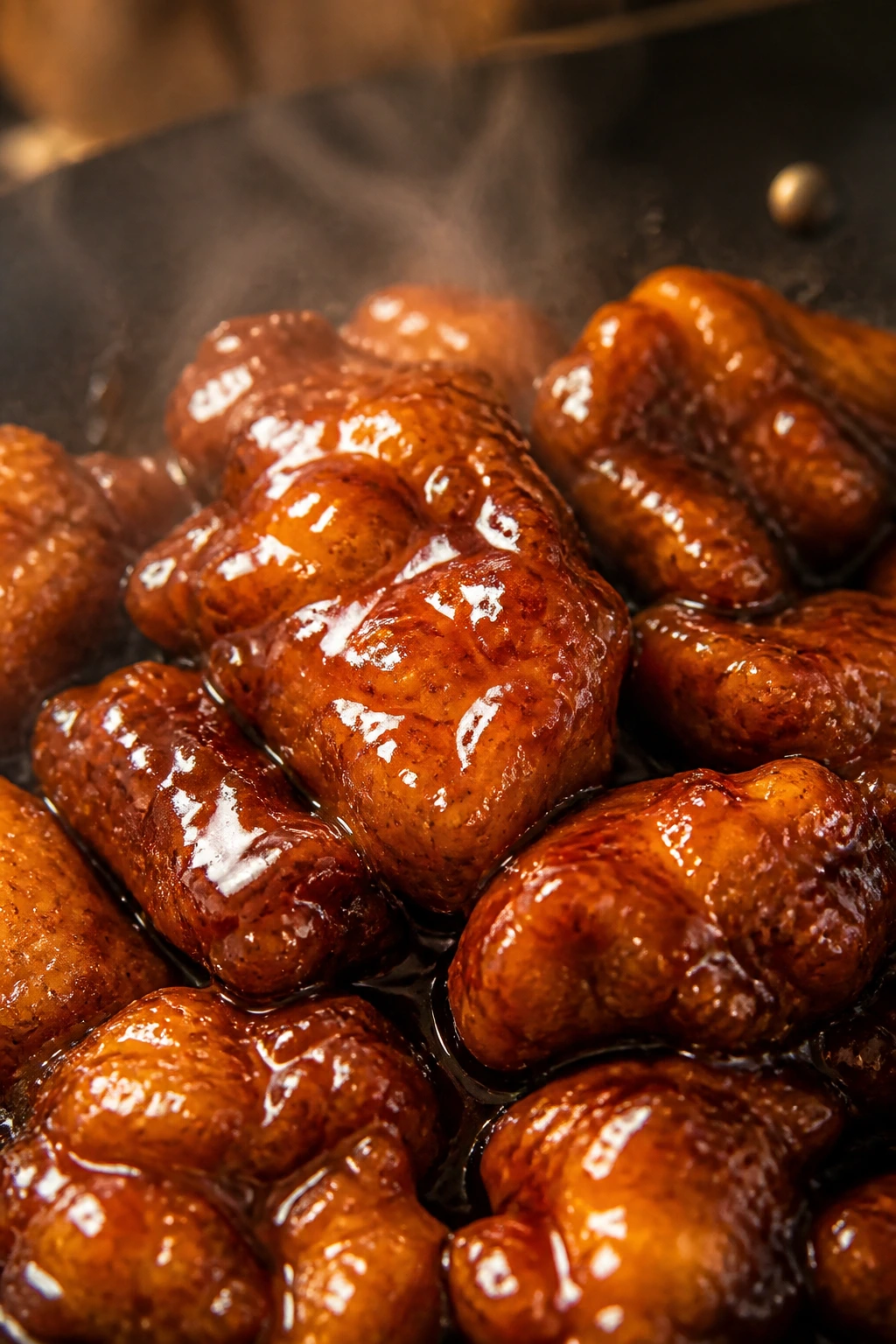
Sticky Chinese cooking is built on a short list of ingredients doing specific jobs. Light soy sauce brings salt and that familiar savory base. Dark soy sauce, used sparingly, gives you color and a deeper, almost molasses-like edge. Oyster sauce adds body and a rounded savory note that reads as restaurant-style even when the ingredient list is short.
Sweetness is where people get sloppy. Brown sugar gives the glaze a soft caramel note; honey makes it shinier and a little stickier; white sugar tastes cleaner but needs acid beside it or the whole dish goes flat. I tend to like a mix of brown sugar and honey if I want a sauce that clings nicely but still tastes like food, not candy. That’s a personal preference, but it’s a useful one.
The rest of the formula matters just as much. Rice vinegar or black vinegar gives the sauce lift. Garlic and ginger provide the smell that hits first when the pan warms up. A bit of stock or water keeps the sauce from turning into paste before the protein is ready. Cornstarch then comes in at the end to tighten everything up.
The base that works again and again
A solid sticky sauce usually needs:
- 2 to 3 tablespoons light soy sauce for salt and backbone
- 1 tablespoon oyster sauce or hoisin sauce for body
- 1 to 2 tablespoons brown sugar or honey for gloss and cling
- 1 tablespoon rice vinegar or black vinegar for brightness
- 2 to 4 tablespoons stock or water to keep the sauce fluid before reduction
- 1 teaspoon cornstarch mixed with 1 tablespoon cold water for thickening at the end
- 1 clove garlic and 1 teaspoon grated ginger for the smell that makes the sauce seem bigger than it is
That’s not a rigid formula. It’s a working pattern. If you want a darker sauce, use a touch more dark soy. If you want a sweeter orange-style glaze, add a little more honey and a little more vinegar to keep it from tasting sleepy. If you want the sauce to cling harder, reduce it a little longer before the slurry goes in.
The key is not piling everything in at once. Build it in layers. That sounds fussy, but it takes less time than cleaning up a burnt pan full of sugar.
Why Cornstarch Does So Much Heavy Lifting
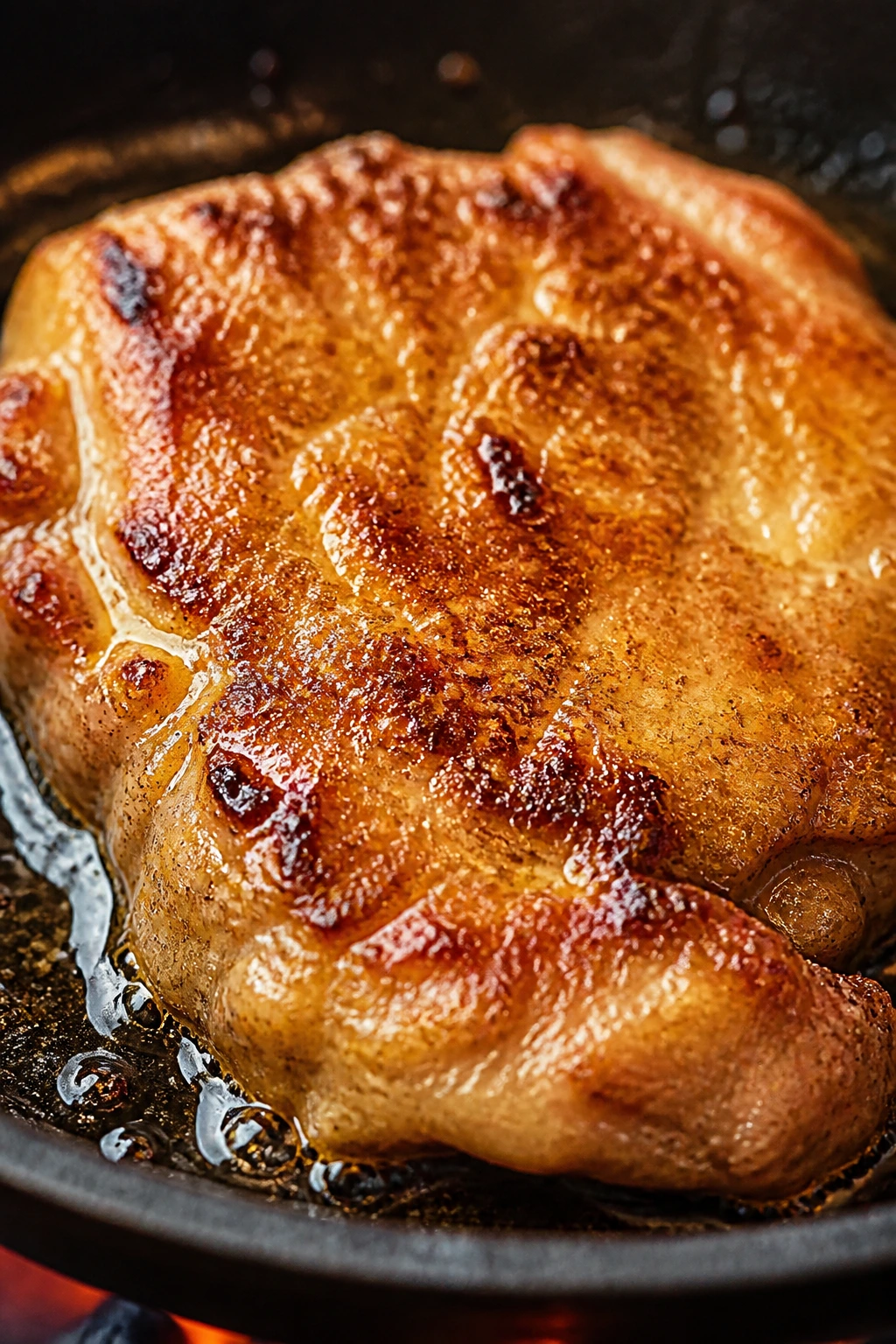
What a lot of home cooks call “sticky” is really two separate starch jobs pretending to be one. The first job happens on the protein: a light cornstarch coating, often with soy sauce or a little egg white, gives chicken, beef, or tofu a thin shell that browns fast and keeps juices in. The second job happens in the sauce itself, where a cornstarch slurry thickens the liquid just enough to coat the back of a spoon and cling to the food.
That distinction matters. If you dump cornstarch straight into a hot pan, it clumps. If you add too much slurry, the sauce stops looking glossy and starts looking like wallpaper paste. The sweet spot is a sauce that moves easily when you stir it, then tightens in the final 20 to 30 seconds as it simmers.
Cornstarch is not the only starch that works. Potato starch gives a softer, more delicate gloss; arrowroot can stay clear, but it dislikes a hard boil. Cornstarch is still the easiest choice for most home kitchens because it behaves predictably and thickens fast. That speed is a blessing and a trap. It lets you get away with a quick toss in the wok, but it also means you need the rest of the dish ready before you add it.
Two separate starch moments
On the protein: A thin dusting or light marinade with cornstarch helps the surface dry out and crisp in the oil or on the skillet.
In the sauce: A slurry added at the end thickens the glaze so it hugs the food instead of sliding off and pooling in the bottom of the plate.
A lot of restaurant-style gloss comes from that surface starch, not from a massive amount of sugar. That’s why a well-seared piece of chicken can taste sticky without feeling wet. The exterior grabs the sauce. The sauce grabs the pan. You get that shiny, almost glassy finish without needing to drown everything.
If you only remember one thing here, remember this: cornstarch thickens fast, but only after the liquid starts to simmer. So give it heat, not panic.
Choosing the Right Protein for the Job
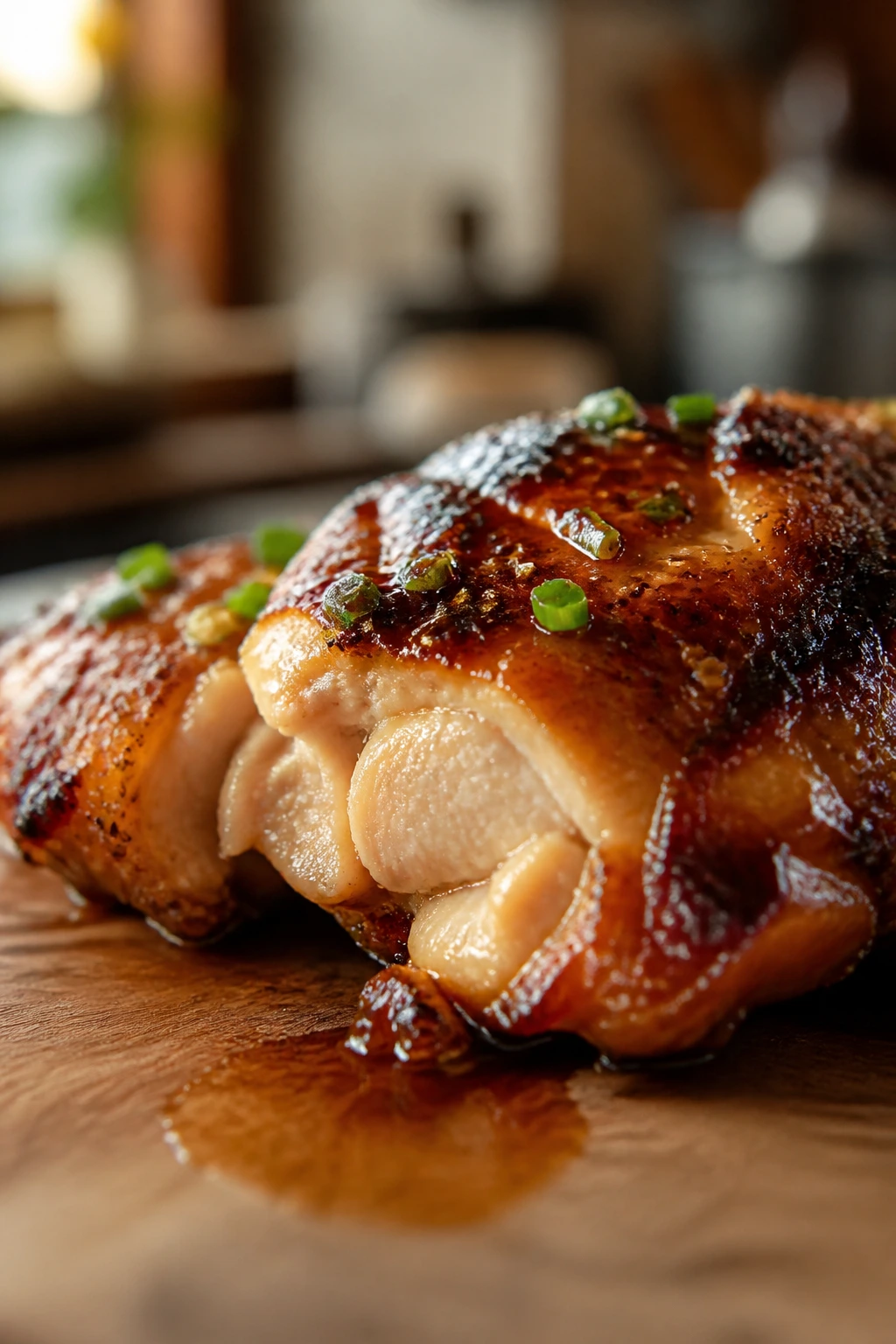
Chicken thighs are the safest bet, and I say that without apology. They have enough fat to stay juicy through high heat, and their texture holds up after the toss in sauce. If you cut them into bite-size pieces, dry them well, and cook them hard, they give you the classic takeout bite people chase in orange chicken and sesame chicken.
Chicken breast can work, but it wants more care. Slice it thin, keep the pieces even, and pull it the second it turns opaque and springs back when pressed. Breast meat dries out fast once it crosses that line. If you’re cooking for people who like a leaner piece, fine. Just don’t treat it like thigh meat and hope for the best.
Beef is another strong choice, especially flank, skirt, or sirloin sliced thin across the grain. Those cuts love a quick marinade with soy, ginger, garlic, and a bit of cornstarch. A tiny pinch of baking soda can help flank steak stay tender if you know what you’re doing, but don’t overdo it or the flavor turns strange. Pork works too, especially tenderloin or thin slices of shoulder when you want something a little richer.
Shrimp, tofu, and the trickier proteins
Shrimp can be excellent in sticky sauce, but it punishes hesitation. It only needs a minute or two per side, and if you leave it in the pan after it curls into a loose C, you’ve gone too far. Toss it in the sauce at the end, not before. Tofu needs the opposite approach: press it, dry it, and give it enough surface heat to brown before the glaze goes on. Extra-firm tofu is the easiest route because it keeps its shape and doesn’t leak water into the sauce.
A few people love sticky duck, sticky ribs, or sticky cauliflower. All fair. The method changes, not the principle. Duck gives you fat and richness. Ribs need a longer cook and a heavier hand with sauce. Cauliflower is all about roasting or air-frying first so the florets can stand up to the glaze instead of going floppy.
The right protein is the one that can handle the sauce without disappearing under it. That’s the real test.
Vegetables and Add-Ins That Stay in the Game
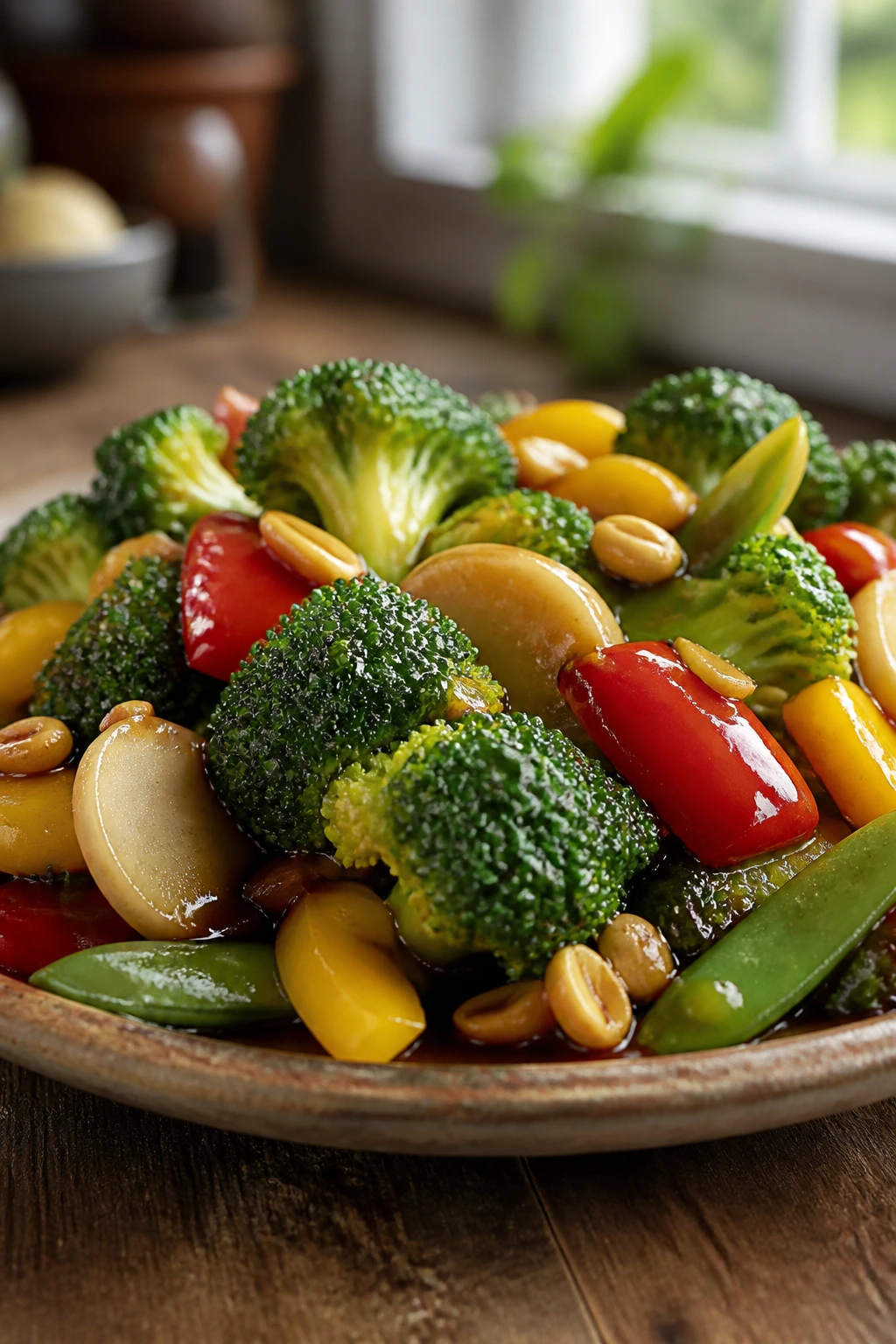
Not every vegetable belongs in a sticky sauce. Some of them look right in theory and turn watery in the pan. Zucchini is the classic offender. Mushrooms can do the same thing if you rush them. If you want the glaze to stay concentrated, choose vegetables that hold their shape and shed less liquid.
Broccoli is one of the best choices because the florets catch sauce in their little folds, and the stems stay pleasantly crunchy if you cut them thin. Bell peppers give you sweetness and a little snap. Snap peas stay bright and keep their bite. Onions soften into the sauce and help it feel fuller. Carrots bring a quiet sweetness that doesn’t fight the glaze.
Baby bok choy and green beans also deserve a place here. Bok choy works best if you separate the stems from the leaves and cook the stems a touch longer. Green beans like a hard sear. If you blanch broccoli or green beans for a minute or two before they hit the skillet, you get better color and a faster finish. That small step matters when you want the sauce to stay thick.
The add-ins that make the bowl feel finished
Water chestnuts give you a cold, clean crunch that survives the sauce. Toasted cashews or peanuts add richness and a little fat. Scallions, sliced on the bias, give the finished dish a fresh bite. A few strips of red chili wake up the whole plate without turning it into a heat contest.
Pineapple is a separate decision. Some people love the sweet-sour pop it brings to sticky chicken or pork. Others find it too bright and too obvious. I like it when the sauce leans savory and needs a little lift. I skip it when the sauce is already sweet enough to stand on its own.
If a vegetable leaks water, pre-cook it harder or keep it out. That’s the blunt version. Sticky food hates extra liquid.
Heat Management: Wok, Skillet, or Oven
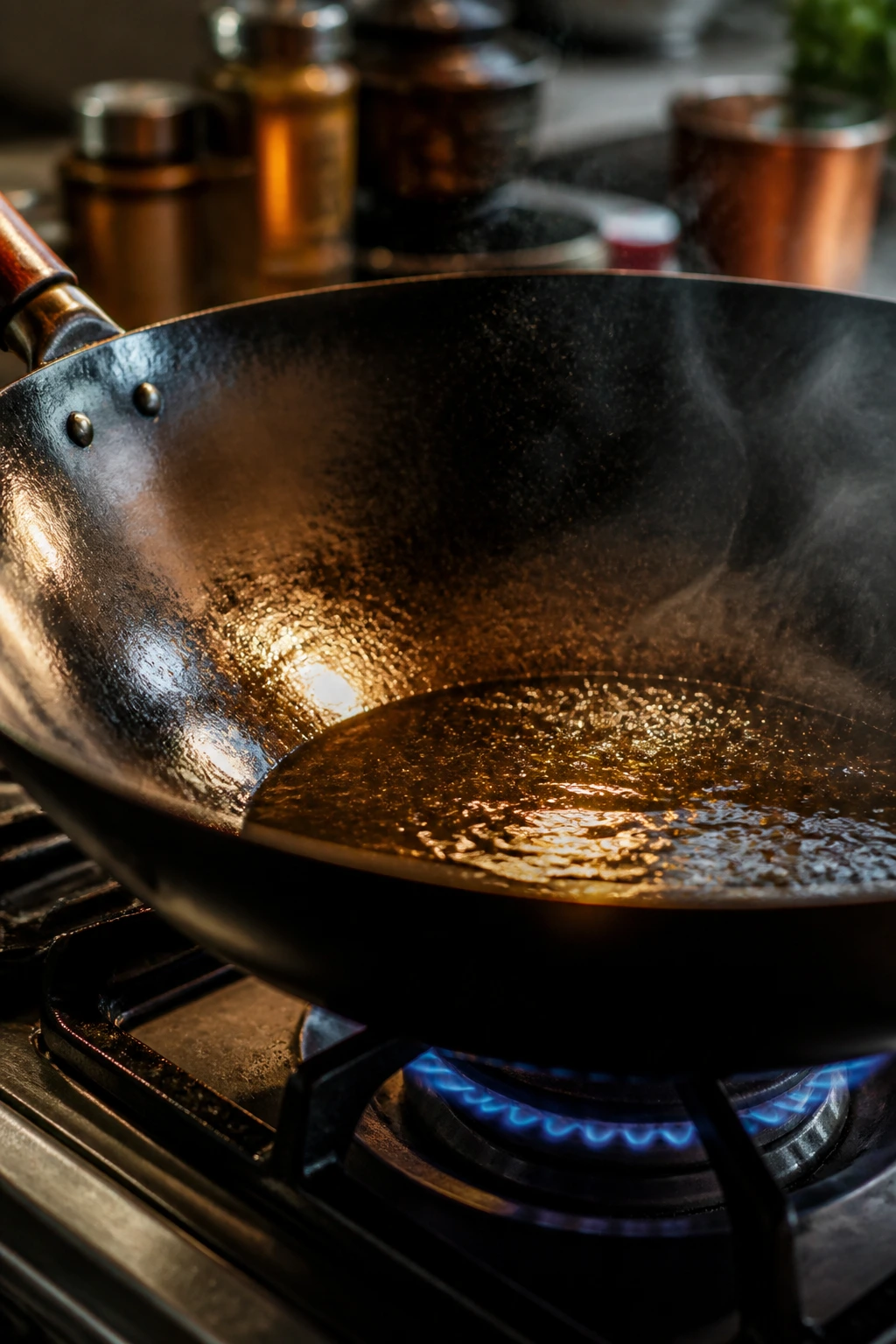
Your burner is part of the recipe. Sticky Chinese cooking depends on moving liquid off the food fast, and that means surface area matters more than most home cooks want to admit. A wide skillet often does a better job than a deep wok on a weak burner because more of the food touches hot metal at once. A wok shines when the burner is strong enough to keep the sides screaming hot. On a modest stove, it can behave like a bowl.
Carbon steel is the sweet spot if you have it. It heats fast, reacts quickly, and recovers after you add cold ingredients. Stainless steel works too if you know how to preheat it and give the oil time to shimmer. Nonstick can handle a gentler version of this style, but it is not my first pick for a hard sear or a fast reduction. You can make a good sticky dinner in nonstick. You just won’t get the same edge.
When the oven or air fryer makes sense
Some dishes want a dry-crisp first stage. Wings, cauliflower, and tofu all take well to an oven or air fryer before they’re tossed in glaze. That method gives you surface browning without the constant attention a skillet demands. You roast or air-fry until the outside is firm and browned, then finish with the sauce in a bowl or wide pan. The sauce should go on after the heat, or at least in the final minute if you want a thicker coat.
For a lot of home cooks, the oven method is the easiest way to keep things sane. You can prep the sauce while the protein cooks, then toss everything together at the end. The bite is a little different from a wok-fired dish, but it still lands in the right place: crisp, glossy, and loud enough to taste like a treat.
If your stove runs cool, don’t fight it with a full pan. Work in batches. That one adjustment fixes more soggy takeout-style dinners than any special sauce ever will.
The Order That Keeps the Coating Crisp
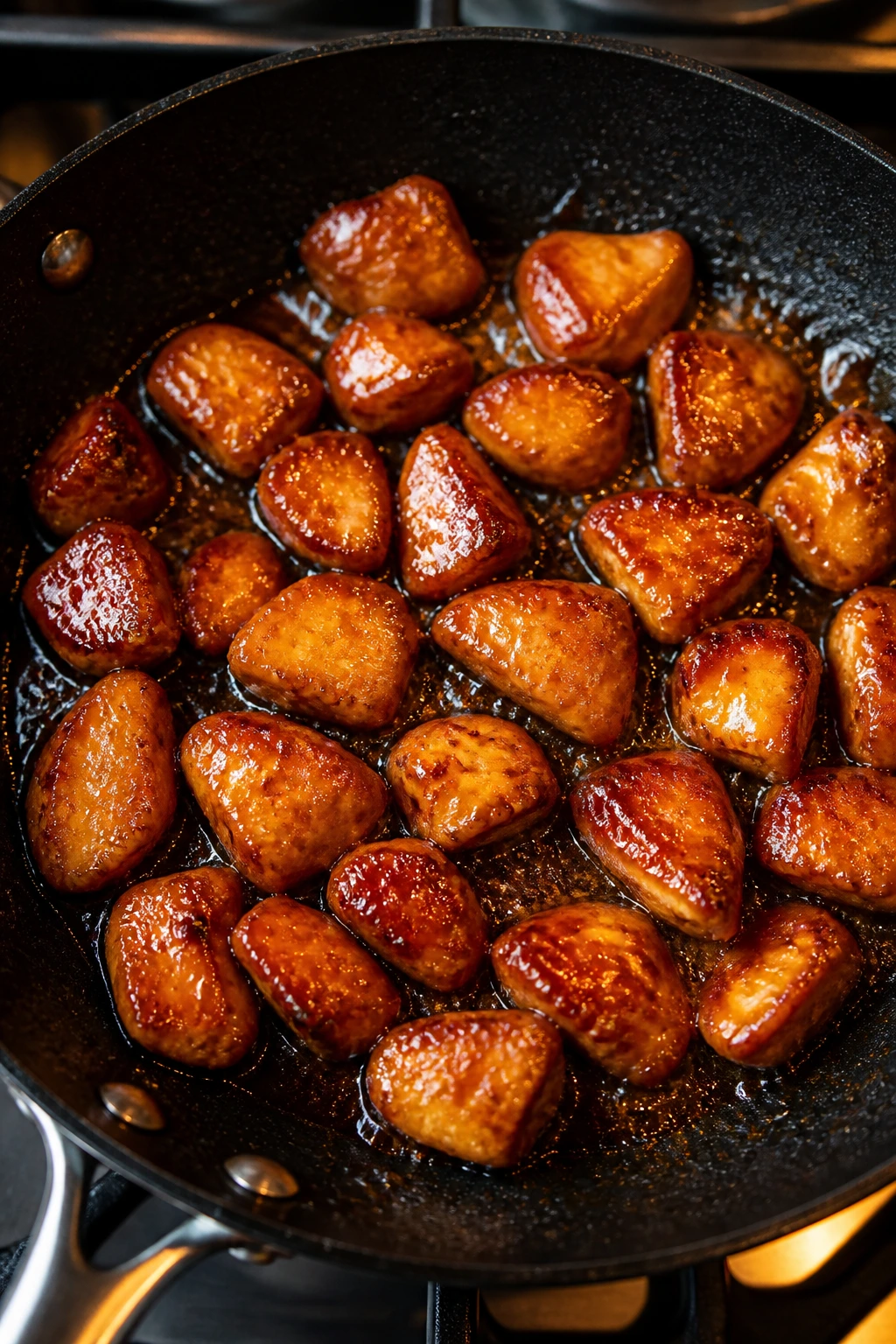
If the order is wrong, you get steam, then mush, then regret. That sounds harsh, but it’s the truth. Sticky Chinese cooking rewards sequence more than effort. You can use excellent ingredients and still ruin the texture if you sauce too early or crowd the pan.
Start by drying the protein well. If you’re using chicken, beef, or tofu, pat it down with paper towels until the surface is dry enough that starch can cling instead of sliding off. Then cook in a hot pan in a single layer, or as close to one as you can manage. You want browning on the edges, not a pale pile crowded in its own moisture.
Once the protein is cooked through and resting, make the sauce in the same pan or a second one if the first is too cramped. Let the aromatics sizzle for a few seconds, add the liquid ingredients, and reduce until the mixture turns syrupy and bubbles in slow, fat pops. Only then should the cornstarch slurry go in.
The last 60 seconds matter most
Return the protein to the sauce and toss just until coated. Not five minutes. Not “until it looks nice” while you chat. Thirty to sixty seconds is usually enough. The pan will look shiny, the pieces will pick up that lacquered finish, and the sauce will cling in thin threads instead of running off in a puddle.
That short toss is what separates a true sticky dish from a saucy stir-fry. The food should be hot enough that the glaze loosens and coats, but not so long in the pan that the crisp edges soften completely. Then serve it. Immediately.
I know that sounds dramatic. It is still a one-pan dinner. But the last minute is where the whole personality of the dish lives.
Aromatics and Finishing Moves That Matter
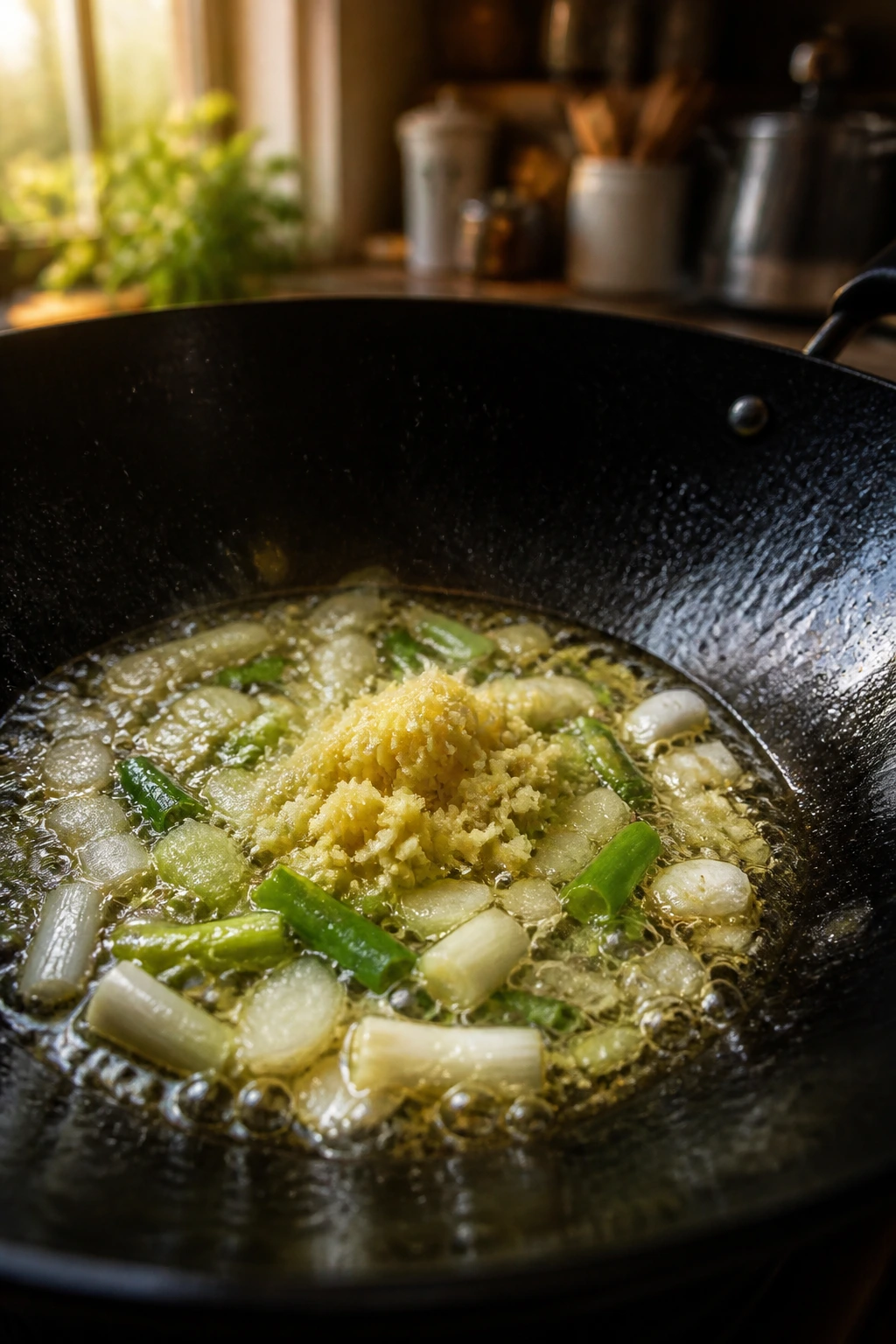
Garlic and ginger are not background noise here. They’re the smell that tells you the pan is alive. If you add them too early, they scorch and turn bitter. If you add them too late, they never open up. The sweet spot is a hot pan with a little oil, then a fast bloom of minced garlic and grated ginger for 15 to 30 seconds, just until the raw edge disappears.
Scallion whites can go in with the garlic and ginger. Scallion greens should wait until the end. That little split matters. The white parts soften and give body to the sauce; the green parts stay fresh and sharp if you scatter them on top after the heat is off. Dried chilies, if you like them, need even more attention. Toast them just until they darken a shade and smell nutty, then move fast or they’ll go from fragrant to bitter in a blink.
Sesame oil is a finishing oil, not a frying oil. A half teaspoon at the end can make the whole dish smell more complete. White pepper is another underused move. It gives a warm, dry heat that feels more “Chinese takeout” than black pepper does. A pinch goes a long way. So does toasted sesame seed on top, though I’d rather have it as a garnish than mixed in early, where it loses its crackle.
A few finishers worth keeping nearby
- Rice vinegar or black vinegar for a final sharp note if the sauce tastes too soft
- Chili crisp for heat and texture
- Sesame seeds for a nutty crunch
- Lime zest or orange zest when you want a brighter, fresher edge
- A tiny pinch of MSG if you want more savory depth without adding more salt
That last one deserves a calm mention. It’s optional. It is also one of the cleanest ways to make a homemade sticky sauce taste fuller without turning it saltier.
Small Tweaks That Make the Sauce Taste Sharper
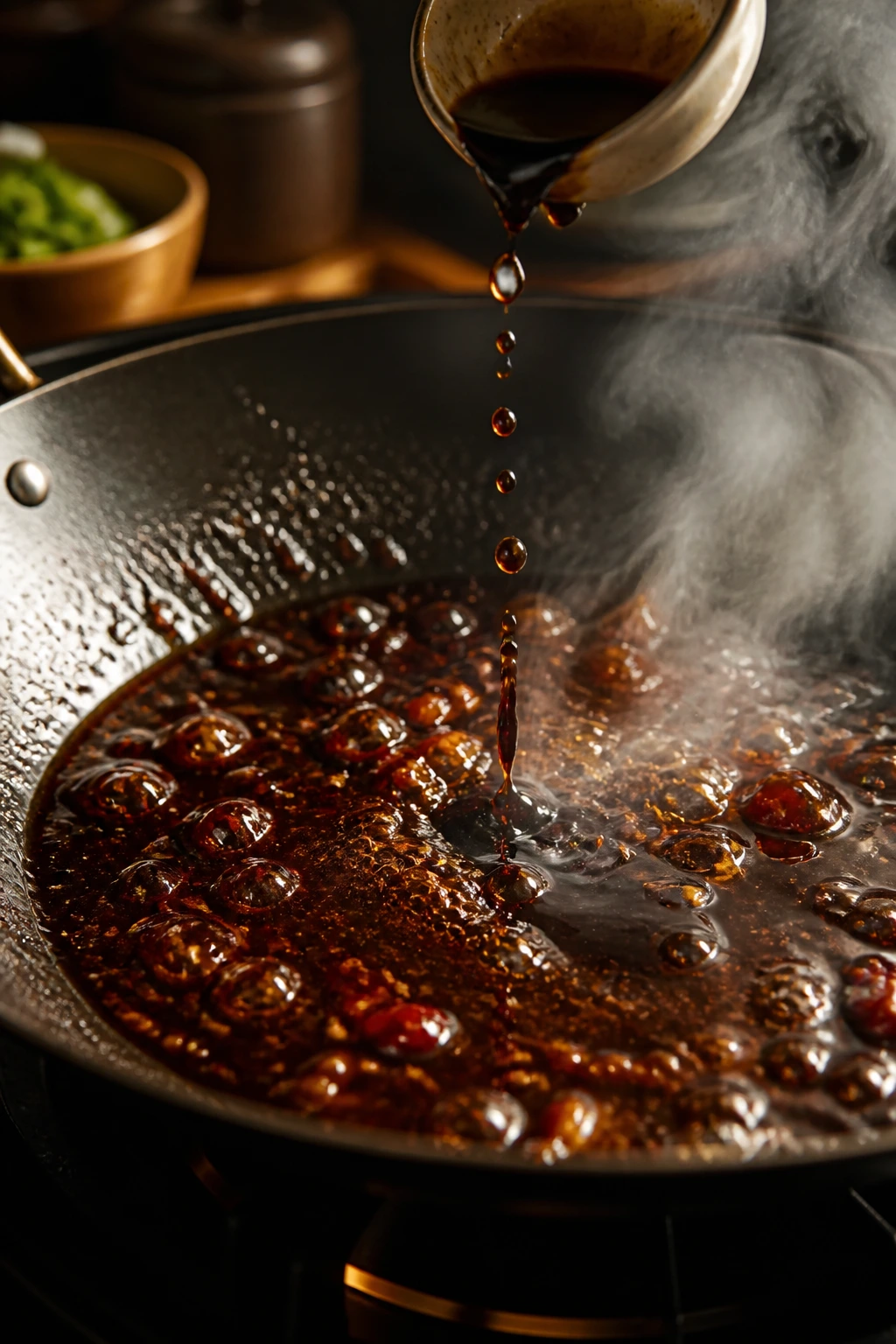
Flavor Enhancement: Stir in 1 teaspoon of black vinegar or rice vinegar at the very end, after the sauce has already thickened. It wakes up sweet glazes fast, especially when you’ve used honey or hoisin and the sauce needs a sharper edge.
Time-Saver: Whisk the sauce in a measuring cup before the heat goes on. That keeps you from fumbling with soy, sugar, and starch while garlic burns in the pan. If you want to save even more time, grate the ginger and garlic ahead and keep them in a small container in the fridge for a day or two.
Pro Move: Toast sesame seeds in a dry skillet for 2 to 3 minutes over medium heat until they turn just a shade deeper and smell nutty. Scatter them on top after the dish is plated. Warm seeds are fine. Blackened seeds are not.
Cost-Saver: Cabbage, onions, carrots, and broccoli stretch sticky sauces without making the dish feel empty. They catch glaze in the folds and give you more food without needing more meat, which matters when you’re cooking for a crowd or trying to keep the grocery bill sane.
Make-It-Yours: If you’re cooking gluten-free, use tamari instead of soy sauce and check the label on oyster or hoisin sauce, since those can vary. If you want more heat, add chili oil at the table instead of loading the whole pan. That keeps the base dish flexible for everyone at the table.
Finishing Move: A few drops of toasted sesame oil after the heat is off do more than a big pour ever will. Too much sesame oil flattens the dish into sameness. A little makes the whole bowl smell expensive in the best possible sense of the word.
Where Sticky Chinese Cooking Usually Goes Wrong
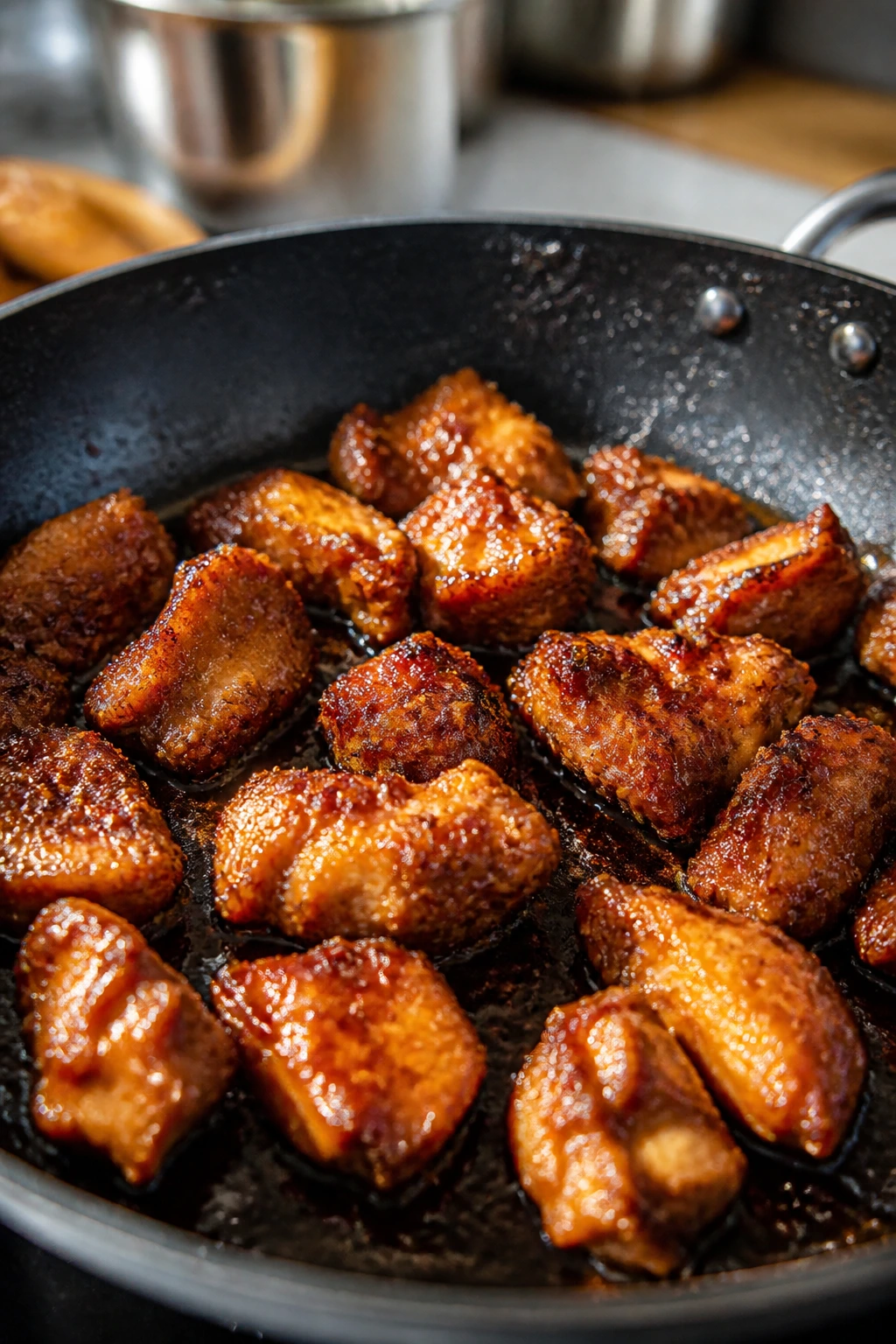
The first mistake is saucing too early. You can spot it because the protein loses its edges and the plate gets wet fast. The fix is simple: cook the protein first, reduce the sauce separately, then toss right before serving. If the sauce needs to wait a minute, take it off the heat and give it a quick stir before adding the food back in.
The second mistake is too much sweetness and not enough acid. The dish tastes heavy, even if the sauce is shiny. A splash of rice vinegar, black vinegar, or lime juice cuts through the sugar and gives the sauce shape. If you already added too much sweetener, do not keep dumping in soy sauce. That just makes the whole thing saltier and muddier.
The third mistake is crowding the pan. When the pieces touch too much, they steam. Steam is the enemy here. Cook in batches if you need to, and don’t be precious about it. A second batch takes four minutes. A soggy first batch takes much longer to rescue.
A few more traps worth naming
Over-thickening is another one. If the sauce looks like glue in the pan, it will feel worse on the plate. Fix it with a splash of stock or water and a fast stir over heat. On the other side, sauce that never thickens usually needs one more minute of simmering before you touch the slurry.
Using wet protein is its own small disaster. Moisture on the surface dilutes the starch and stops browning. Pat the pieces dry. Seriously. That one habit improves the sear, the crust, and the final cling of the sauce.
And then there’s the sugar burn. Honey and brown sugar can turn bitter fast if the pan is too hot and you wander off. Keep the flame at medium-high, not volcanic, and move the sauce around so it never sits in one place long enough to scorch.
Five Ways to Bend the Formula
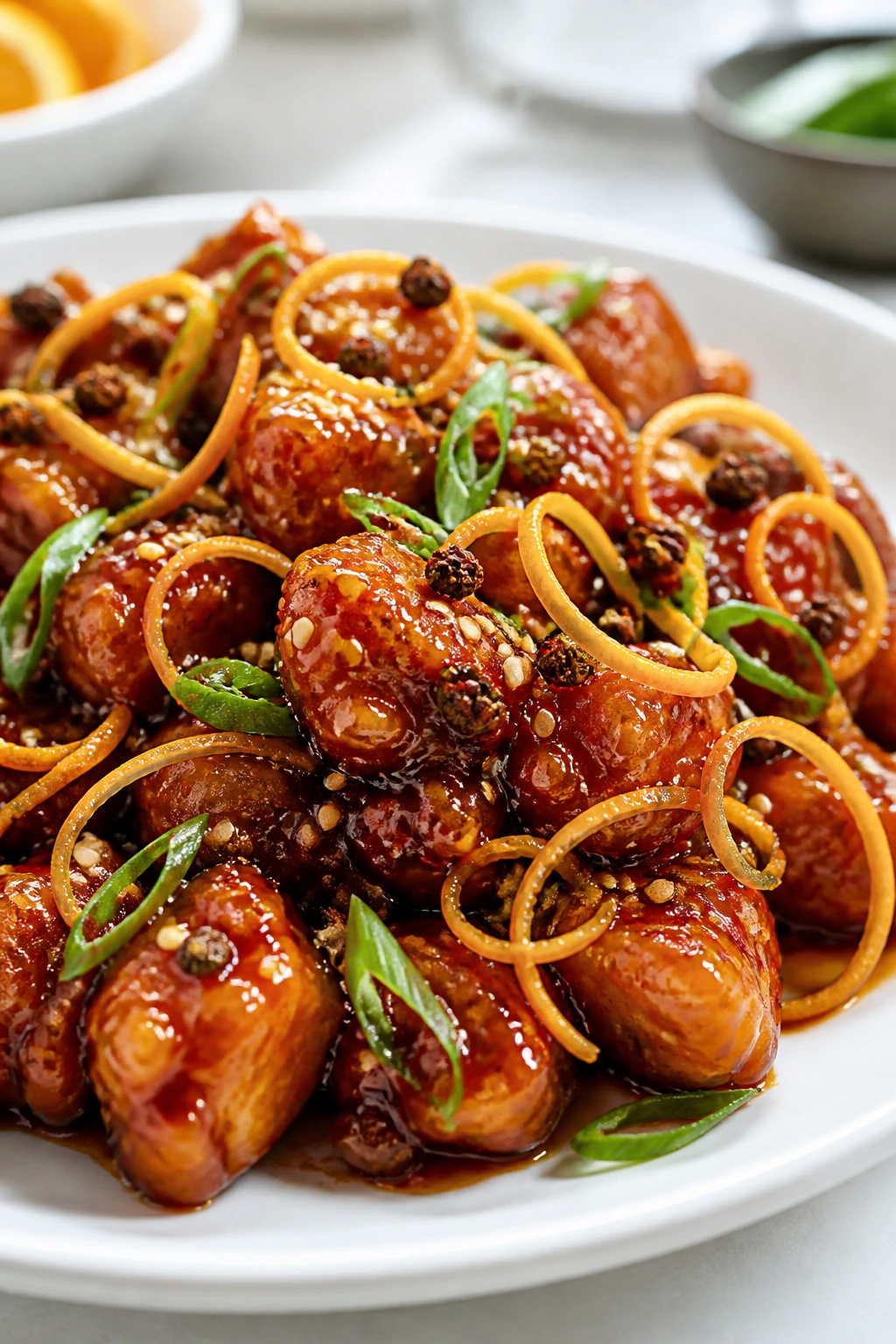
Crisp Orange Chicken: Add orange zest, a splash of orange juice, and a little extra rice vinegar to the sauce. The result is brighter and more fragrant than a straight brown-sugar glaze, and it plays nicely with chicken thighs or air-fried breast pieces.
Mala Sticky Beef: Add a small pinch of ground Sichuan peppercorn and a spoonful of chili crisp to the sauce. The tongue-tingle changes the whole dish, so keep the sweetener a touch lower and let the peppercorn do part of the work.
Honey-Sesame Chicken Thighs: Lean harder on honey and finish with more toasted sesame seeds and scallions. This version tastes softer and rounder, which makes it good for people who want the sticky flavor without a big hit of heat.
Sticky Tofu and Broccoli: Press extra-firm tofu, cube it, dust it lightly with cornstarch, and sear until the corners are deeply golden. Toss it with broccoli and a sauce that uses a little more ginger and a little less sugar, so the tofu doesn’t disappear under sweetness.
Garlic-Black Vinegar Pork: Use thin slices of pork tenderloin or shoulder, then finish the sauce with a bigger splash of black vinegar. That sharper edge cuts through pork’s richness and gives the whole plate a more grown-up, less candy-like finish.
The nice part about these variations is that they keep the same structure. You are not learning a new dish every time. You are changing the accent.
What You Actually Need on the Counter
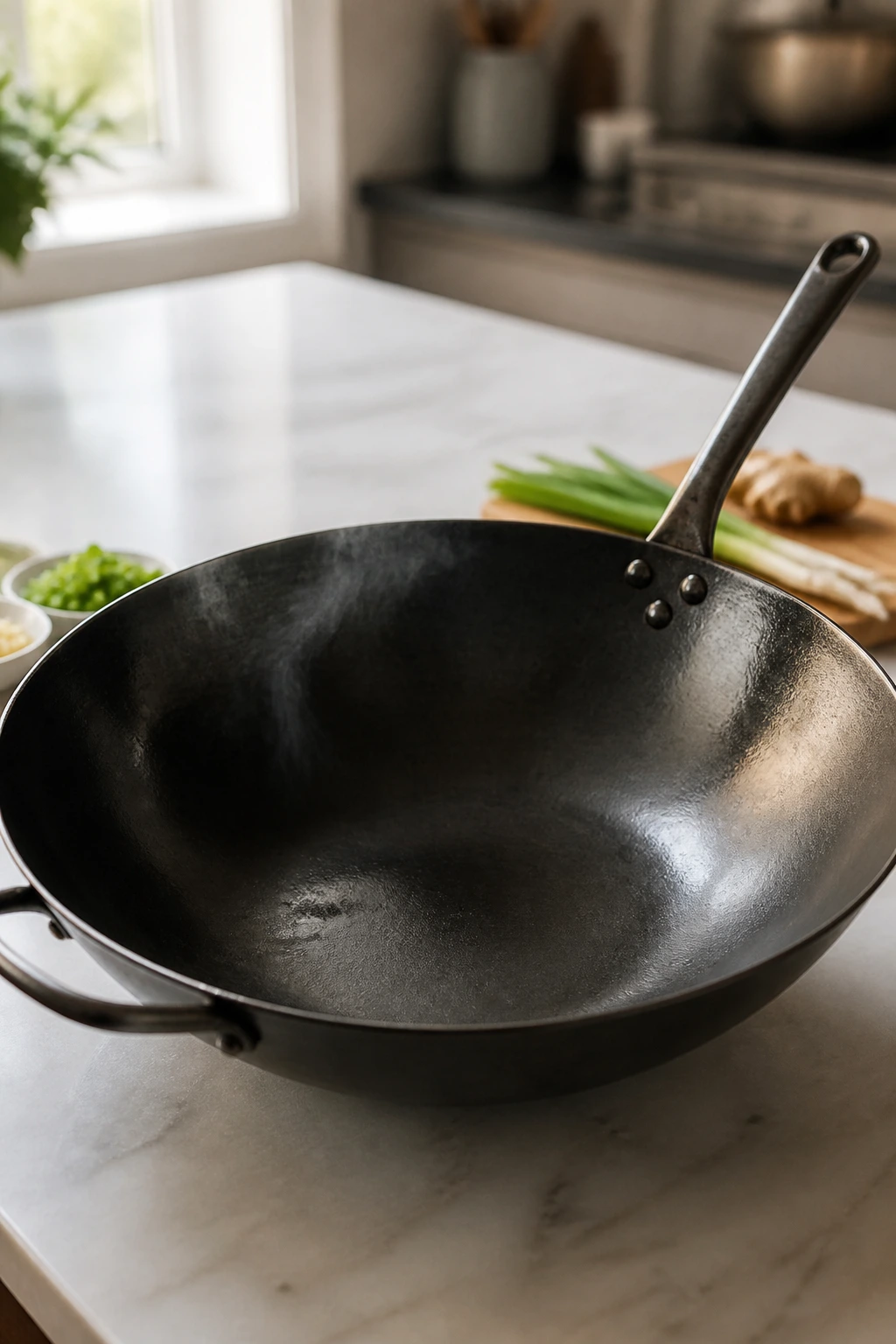
- 12-inch carbon steel wok or wide skillet: The extra surface area helps moisture cook off fast, which is half the battle in sticky sauces.
- Small whisk: Useful for the sauce base and the cornstarch slurry. A fork works in a pinch, but it is messier.
- Mixing bowls: One for the protein, one for the sauce, one for the vegetables if you’re keeping the prep organized.
- Tongs or a spider strainer: Tongs help with turning protein; a spider lifts fried pieces out without tearing the coating.
- Instant-read thermometer: Helpful for chicken, beef, and shrimp if you want exact doneness instead of guesswork.
- Microplane or fine grater: Best for ginger and garlic when you want them to melt into the sauce instead of sitting in little sharp pieces.
- Measuring spoons and cups: Sticky sauces depend on balance, and guessing with sugar or soy gets sloppy fast.
- Rimmed sheet pan with a rack: Optional, but excellent for holding crisp protein before saucing or for oven/air-fryer versions.
- Paper towels: Drying protein before coating is boring and necessary. There’s no glamorous substitute.
If you already own a wok, use it. If you don’t, don’t let that stop you. A wide skillet does more for home cooking than most specialty gear ever will.
Keeping Leftovers Glossy Instead of Sad
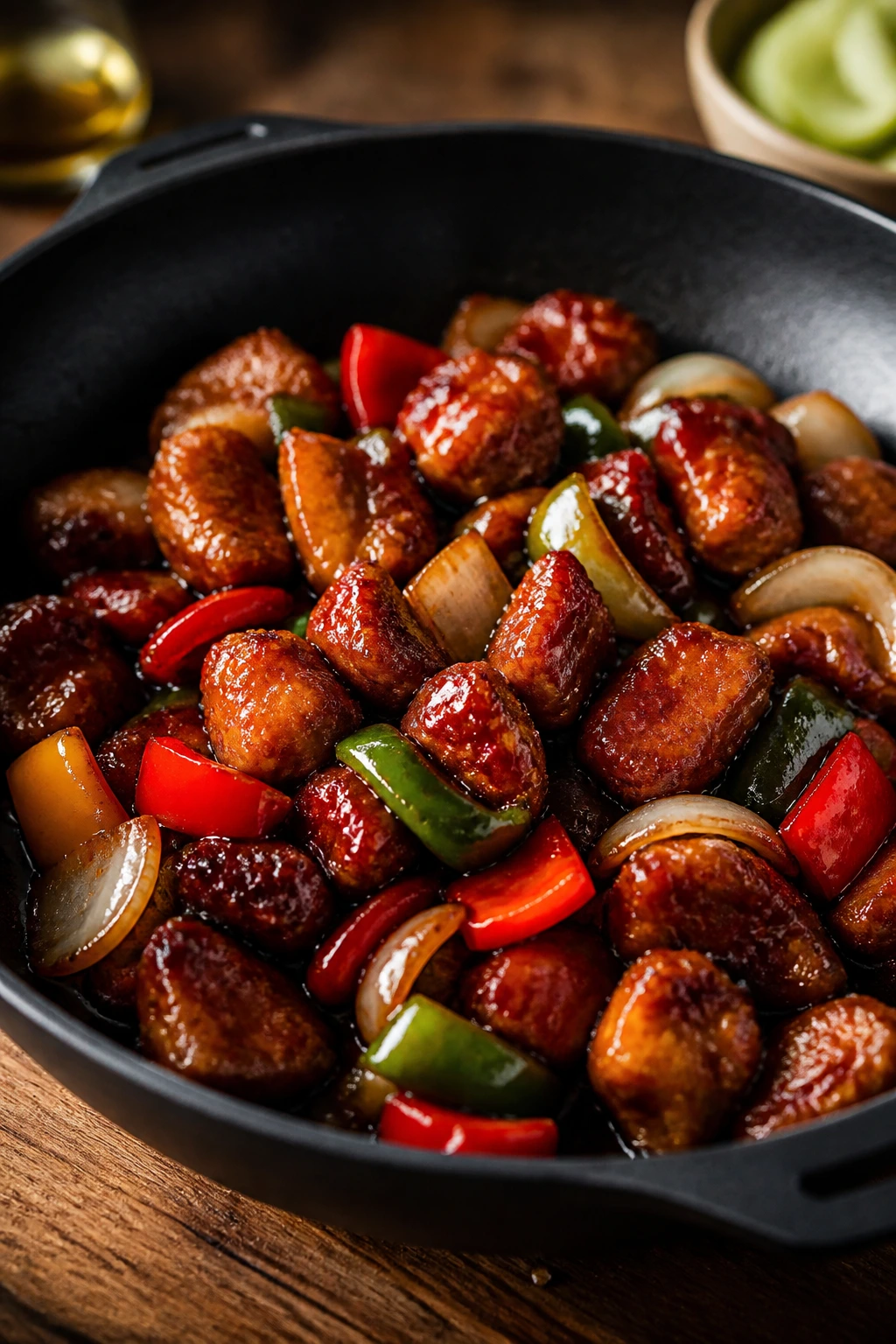
Sticky dishes are best the day they’re made, and that should be said plainly. The glaze stays sharp, the protein stays crisp, and the vegetables keep their bite. Leftovers can still be good, but they need a little care. Put cooked food in the fridge within 2 hours of cooking, sooner if the kitchen is hot. That’s not negotiable.
Stored in an airtight container, the dish keeps for 3 to 4 days in the refrigerator. If you expect leftovers, store the sauce and the crisp protein separately when you can. That one habit helps a lot. The sauce can be made 3 to 5 days ahead and kept chilled; the protein can be cooked earlier in the day and reheated in a hot pan just before serving.
Freezing works best for sauced meats that don’t rely on a super crisp exterior, like sticky beef or saucy chicken bites. You can freeze them for up to 2 months, though the texture will soften. Tofu and vegetables take freezing poorly in this style. If you freeze them anyway, accept that they’ll come back softer and less polished.
Reheating without wrecking the bite
The skillet is the best tool. Add the leftovers to a hot pan with 1 to 2 tablespoons of water and a tiny splash of oil, then stir over medium heat until the sauce loosens and the food is hot through. If the coating looks dry, a spoonful of extra sauce or a tiny drizzle of water will bring it back. The oven works too: 375°F on a rack, 8 to 12 minutes, until the edges crisp again. The microwave is the last resort. It gets the food hot, but it also turns the glaze slack and the coating soft.
If you’re making the dish ahead for guests, prep the sauce, cut the protein, and chop the vegetables earlier in the day. Cook the dish close to serving time. That gap matters. Sticky food waits badly.
Sticky Chinese Cooking Questions People Ask Most

What makes a sauce sticky instead of just thick?
A sticky sauce has sugar, starch, and reduction all working together. The sugar gives it shine, the starch gives it body, and the reduction concentrates the flavor so it clings rather than puddles.
Can I make this without a wok?
Yes. A wide stainless skillet or a cast-iron pan does the job well, especially if you cook in batches. A wok is helpful because it moves quickly and keeps ingredients tossed, but it is not mandatory.
Is cornstarch better than flour for this style of cooking?
Cornstarch is better for the clean, glossy finish people associate with takeout-style sticky dishes. Flour can work for a heavier crust, but it tends to make the coating softer and less shiny once the sauce goes on.
How do I stop the sugar from burning?
Keep the heat at medium-high instead of cranking it until the pan smokes, and keep the sauce moving. Add the sweetener to liquid ingredients, not to a dry pan, unless you are intentionally making caramel and know exactly how fast it can go wrong.
Which protein is easiest for a beginner?
Chicken thighs. They stay juicy, forgive a little overcooking, and handle cornstarch coating well. Pork tenderloin is also friendly if sliced thin, but chicken thighs are the safest place to start.
Can I make sticky Chinese cooking gluten-free?
Yes. Use tamari instead of regular soy sauce, and check your oyster or hoisin sauce labels carefully because they are not always gluten-free. Cornstarch is already a good thickener for this kind of dish, so you don’t need to change that part.
Why does my sauce turn grainy?
Usually the sugar crystallized, the cornstarch clumped, or the sauce reduced too fast over too much heat. Whisk the slurry separately, add it gradually, and keep the sauce moving while it simmers. If it goes grainy anyway, add a splash of water and stir until the texture loosens.
Can I use bottled stir-fry sauce?
You can, but it will taste flatter than a sauce built from soy, vinegar, aromatics, and a little sugar. Bottled sauce is fine when time is tight. If you use it, sharpen it with fresh garlic, ginger, and a final splash of vinegar so it doesn’t taste canned.
The Sticky Dinner Worth Repeating
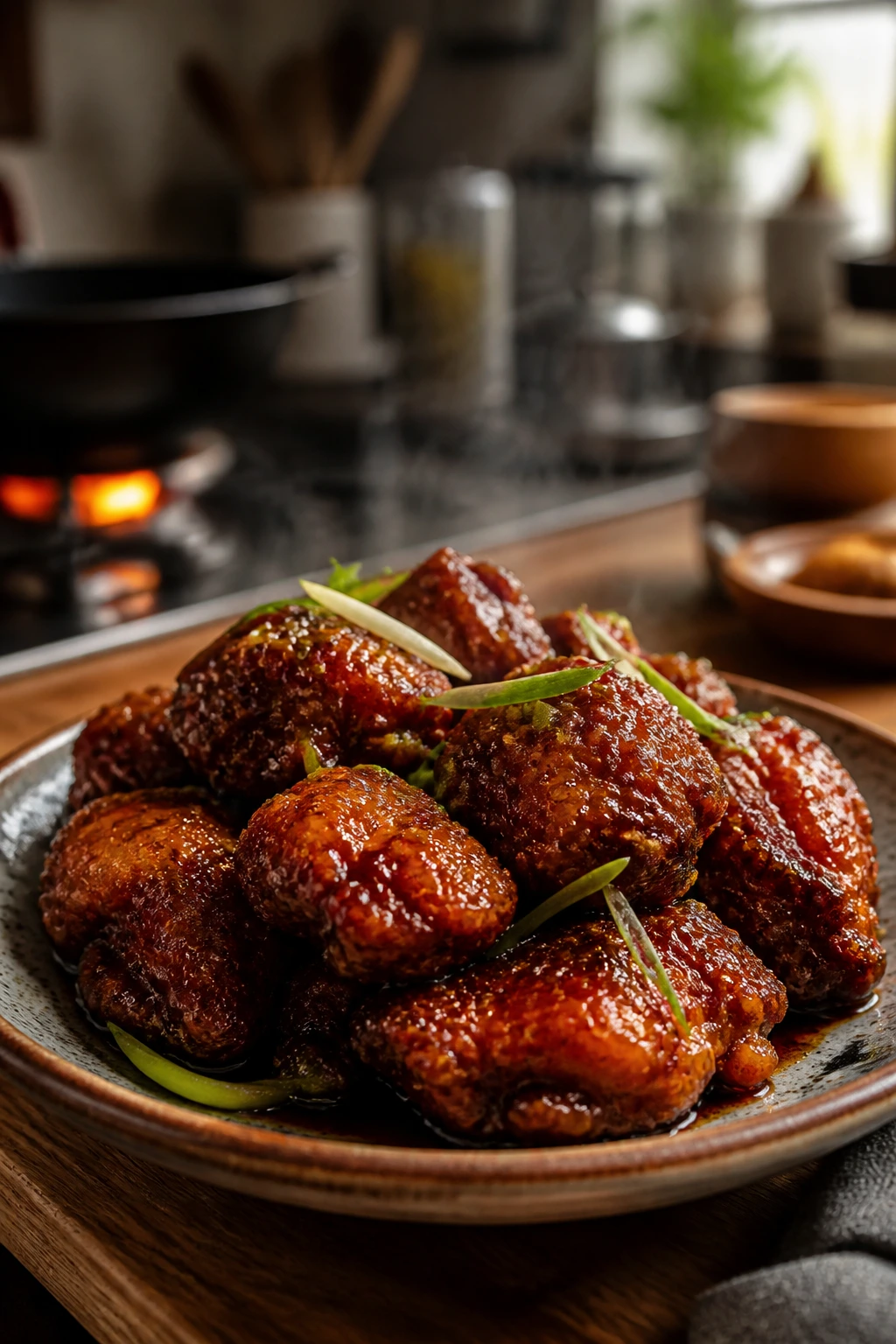
The best sticky Chinese cooking does not ask you to chase restaurant nostalgia. It gives you a better reason to stay home: crisp edges, a glossy glaze, and flavors you can steer instead of accept. Once you stop treating the sauce like a dump-and-stir shortcut, the dish gets cleaner, brighter, and a lot more satisfying.
That’s the part I come back to. Not the sweetness, not the shine, but the control. You can make the sauce deeper, sharper, spicier, or lighter without losing the thing people came for in the first place. Once you’ve done it a couple of times, the rhythm settles in fast. Heat. Toss. Gloss. Serve. Then do it again next week, maybe with pork, maybe with tofu, maybe with chicken thighs and broccoli when the fridge looks spare.