



A good Asian seasoning should smell warm before it even reaches the pan. Not “spicy” in the loud, neon sense — warm in the way garlic softens, sesame turns nutty, and white pepper puts a tiny bite behind the whole thing. That’s the smell that makes plain rice stop acting like a side dish and start pulling its weight.
Store-bought packets often miss that mark. They lean salty, or sweet, or one-note in a way that tastes flat once the food hits the plate. A homemade blend gives you control over the salt, the heat, and the umami, which matters more than people think. If you’ve ever cooked a stir-fry that looked fine but tasted a little hollow, the seasoning was probably the missing piece.
This version is built like a home cook’s answer to takeout flavor: garlic for the first hit, ginger for lift, white pepper for that clean restaurant-style heat, toasted sesame for depth, and a little mushroom powder or MSG for the savory backbone. It is not fussy. It just works hard.
Why This Jar Earns Its Shelf Space
-
One spoon changes the whole pan: A teaspoon stirred into hot noodles, steamed rice, or sautéed vegetables gives the food a fuller, rounder finish than salt alone ever will.
-
The aroma is built in layers: Toasted sesame, ginger, and five-spice do not shout over one another; they stack, which is why the blend smells like a real kitchen instead of a dusty spice rack.
-
You control the salt line: Many seasoning packets go too hard on sodium before the food even starts cooking. Here, you can keep the mix punchy and still stop short of salty.
-
It plays well with fast heat: Stir-fries, roasted broccoli, seared chicken thighs, and pan-fried tofu all benefit from a seasoning that wakes up the oil without burning into bitterness.
-
The jar keeps its shape: Stored dry and sealed tight, this blend stays useful for months, which makes it a smart thing to mix in a bigger batch.
-
It is flexible in a way takeout seasoning isn’t: Sprinkle it, rub it, whisk it into sauce, or toss it with oil before roasting. Same jar, different job.
What It Smells Like in the Pan
The first thing you notice is the sesame. Not the pale, seed-sprinkled sesame you get on burger buns. Toasted sesame smells darker, almost buttery, and it gives the whole blend a little roundness that keeps the spices from feeling sharp.
Then the ginger shows up. Dry ginger powder can go flat fast if it’s old, but when it’s fresh it has a dry, citrusy lift that keeps the seasoning from sitting heavy. White pepper adds a cleaner heat than black pepper — less smoky, more direct — and that matters in fried rice, noodles, and vegetables where you want the seasoning to disappear into the food instead of sitting on top of it.
This blend is not trying to imitate one single restaurant dish. That would be a weird promise. Different kitchens balance sweet, salty, and savory in different ways, and some lean hard into soy sauce or fermented black beans or chili oil. What this seasoning does is borrow the parts that most home cooks actually want: the smell of garlic hitting hot oil, the faint warmth of five-spice, and a savory finish that makes you take a second bite without thinking about it.
It also behaves differently from a wet sauce. A sauce coats. A seasoning wakes things up from the surface down. That’s why I like it on dry-fried cabbage, pan-seared shrimp, roast carrots, and plain egg noodles. The food gets flavor before it gets slick.
What One Batch Gives You
Yield: Makes about 1/2 cup seasoning, roughly 8 tablespoons
Prep Time: 10 minutes
Cook Time: 3 to 5 minutes
Total Time: 15 minutes
Difficulty: Beginner — the work is mostly measuring, toasting, and whisking.
Best Served: After the toasted sesame seeds have cooled completely; the flavor settles a little more after the jar rests overnight.
What Goes Into the Jar
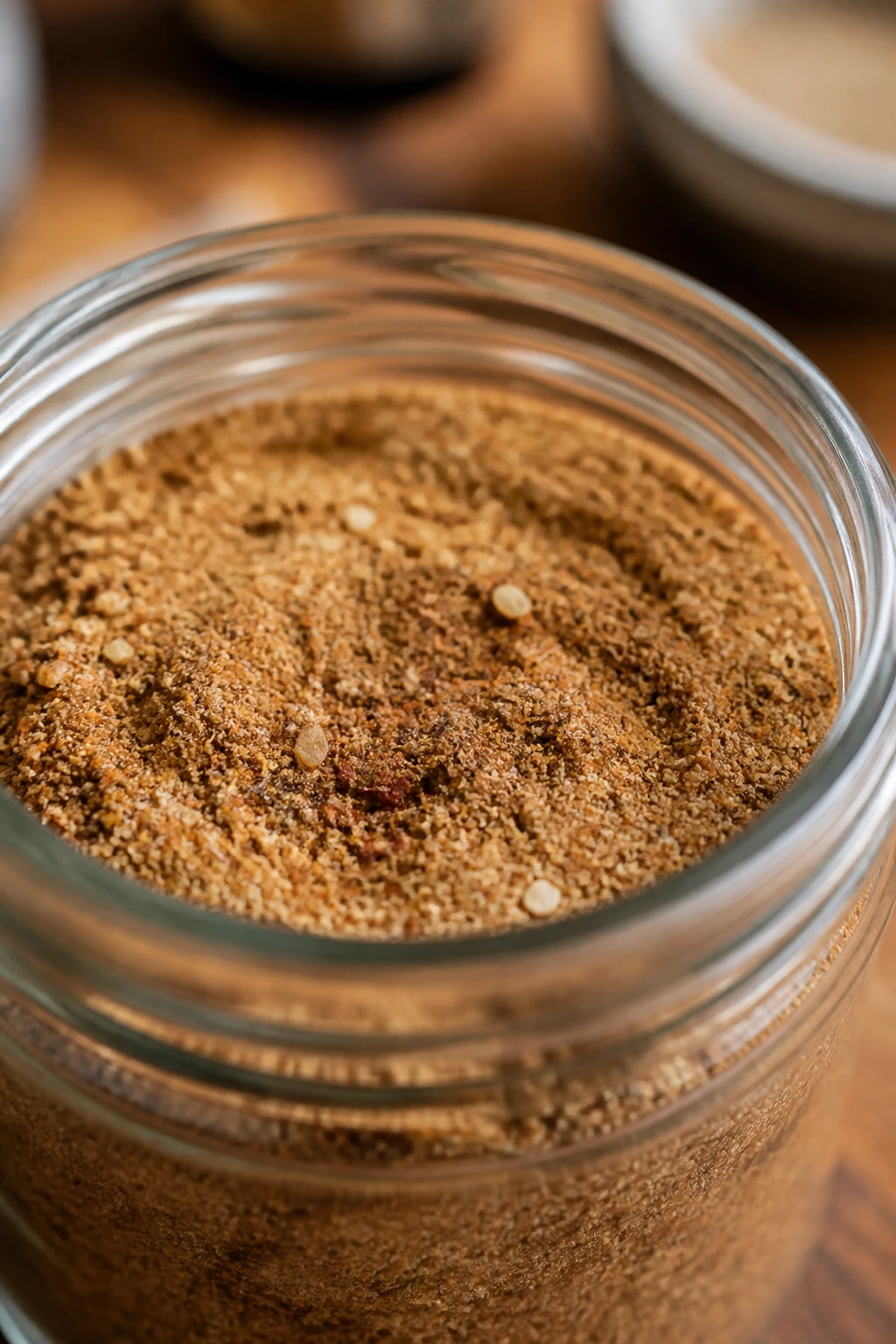
For the Seasoning Blend:
- 2 tablespoons fine sea salt
- 2 tablespoons granulated sugar
- 1 tablespoon garlic powder
- 1 tablespoon onion powder
- 1 tablespoon ground ginger
- 2 teaspoons white pepper
- 2 teaspoons Chinese five-spice powder
- 1 tablespoon toasted sesame seeds, ground fine
- 1 tablespoon dried shiitake powder
- 1 teaspoon crushed red pepper flakes, ground a little finer
- 1 teaspoon MSG, optional
Why Each Spice Has a Job
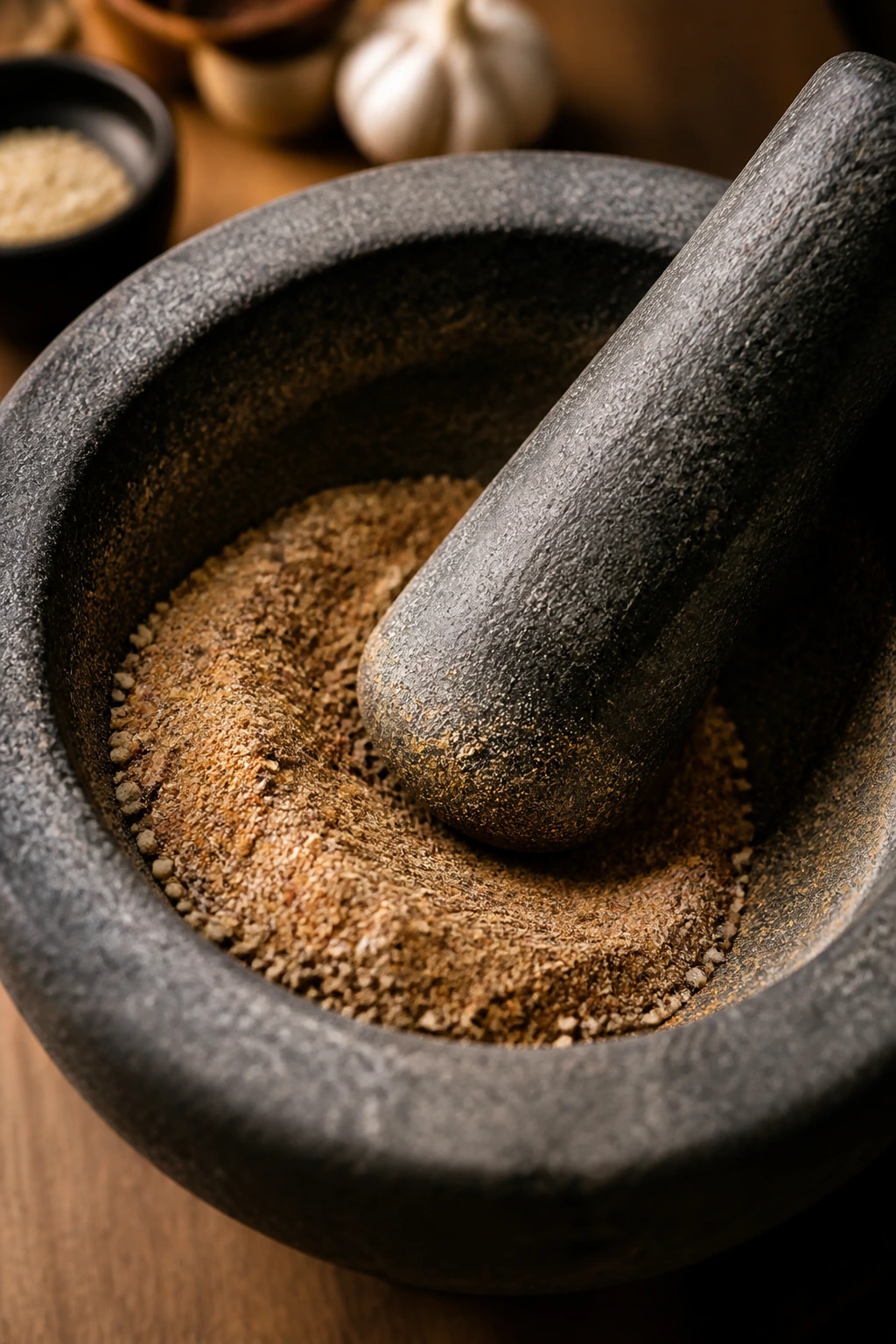
The Salty-Sweet Backbone
What to use: 2 tablespoons fine sea salt and 2 tablespoons granulated sugar.
Preparation: Measure both carefully and whisk them together before the other spices go in. That keeps the sugar from clumping and helps the salt distribute evenly through the blend.
Substitutions: Fine kosher salt can work, but measure it by volume only if you know how your brand behaves; crystal size changes the saltiness. Brown sugar gives a softer, darker note if you want the seasoning to read a little more caramel-like on roasted vegetables.
Tips: The sugar is there to round off the sharp edges, not to make the seasoning sweet. If you push it much higher, it starts to scorch on high heat and the whole blend tastes more like burnt glaze than savory seasoning.
The Aromatic Powders
What to use: 1 tablespoon garlic powder, 1 tablespoon onion powder, 1 tablespoon ground ginger, 2 teaspoons white pepper, and 2 teaspoons Chinese five-spice powder.
Preparation: Break up any lumps with your fingers before mixing. If your five-spice powder has been sitting open for a while, shake it hard and smell it first — it should smell warm and lively, not like old drawer dust.
Substitutions: Black pepper can stand in for white pepper, but use less at first because it tastes louder and more familiar. If your five-spice is heavy on cinnamon, trim it back to 1 teaspoon and add another 1 teaspoon of ginger so the blend stays savory rather than dessert-like.
Tips: Ginger is the first thing I’d replace if it starts to fade. It loses its edge faster than garlic powder or onion powder, and a tired ginger powder makes the whole jar smell sleepy.
The Umami and Finishers
What to use: 1 tablespoon toasted sesame seeds, ground fine; 1 tablespoon dried shiitake powder; 1 teaspoon crushed red pepper flakes, ground finer; and 1 teaspoon MSG, optional.
Preparation: Toast the sesame seeds in a dry skillet until pale gold, let them cool, then grind them with the mushroom powder so the texture feels even. If you like a cleaner powder, pulse the red pepper flakes too.
Substitutions: Finely ground porcini can replace shiitake if that’s what you have. If you do not keep MSG in the pantry, leave it out and add a touch more mushroom powder; the blend will still work, just with a little less savory depth.
Tips: The mushroom powder is the part that makes the seasoning smell like a stocked kitchen instead of just a spice mix. It gives the blend a kind of quiet depth that shows up best when the seasoning hits hot oil.
How to Mix and Bottle It
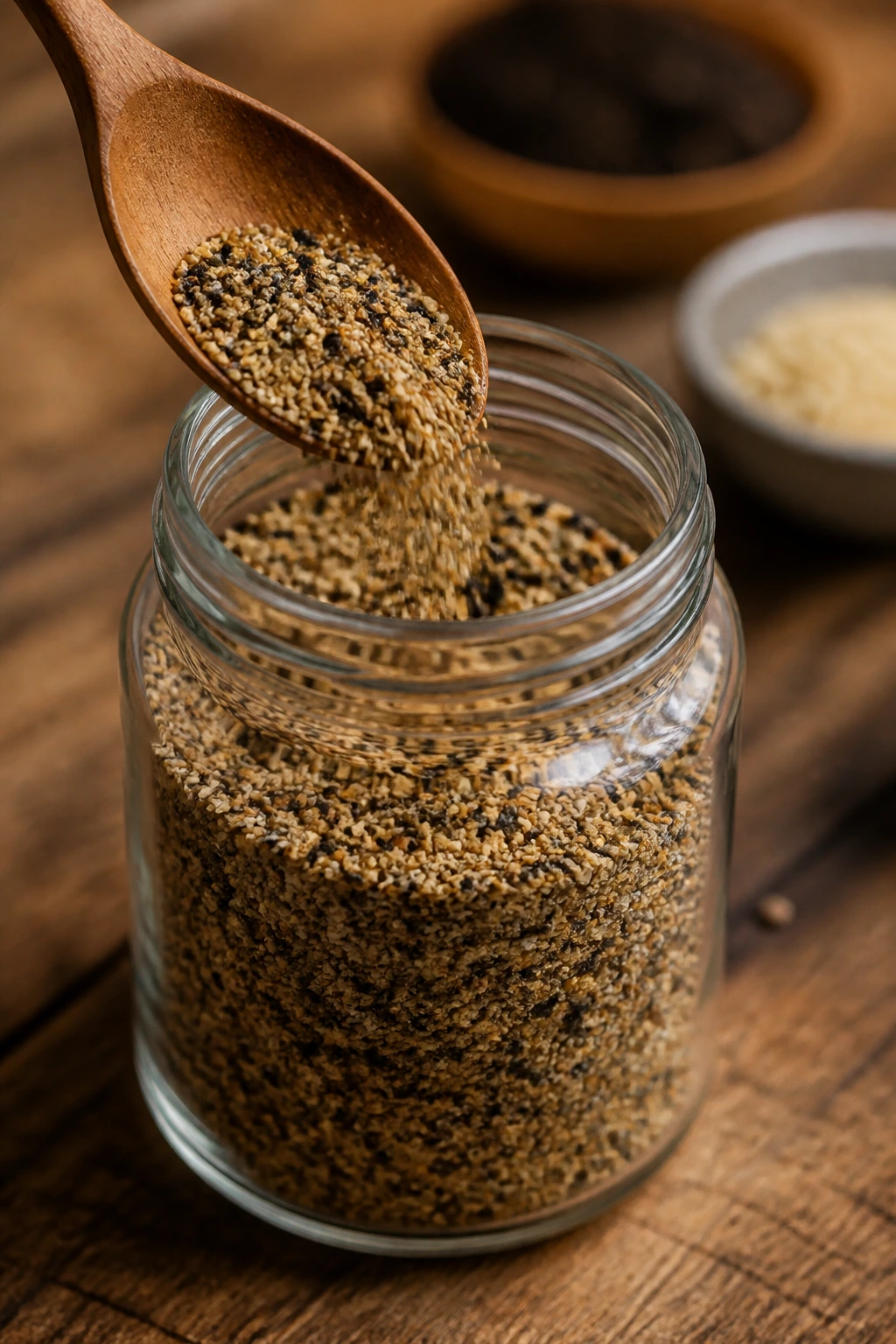
Toast the sesame seeds:
- Set a small dry skillet over medium-low heat and add the sesame seeds. Stir constantly for 2 to 3 minutes, until they turn pale gold and smell nutty, not browned. Stop the moment you smell toast, because sesame can turn bitter in a hurry.
- Slide the seeds onto a plate and let them cool for 5 minutes. They should feel dry and crisp before they go near the grinder.
Build the powder: 3. Add the cooled sesame seeds and the dried shiitake powder to a spice grinder or mortar and pestle. Pulse or grind until the seeds look finely ground and the mixture is sandy, not oily. 4. Transfer the ground sesame mixture to a medium bowl. Add the salt, sugar, garlic powder, onion powder, ginger, white pepper, five-spice, red pepper flakes, and MSG if you’re using it. 5. Whisk the blend for 30 to 45 seconds, scraping the bottom of the bowl once or twice so the lighter spices don’t sit on top. You want one even color, not streaks of white and tan. If you see clumps, break them now; clumps turn into salty pockets later.
Jar it: 6. Funnel the seasoning into a clean, completely dry airtight jar. Tap the jar gently on the counter to settle the powder, then seal it and label the lid with the date. 7. Let the jar rest for 15 minutes before using, or overnight if you want the aroma to soften and blend. The sesame and mushroom notes settle down after they sit, and the mix feels less sharp.
Where This Seasoning Shines
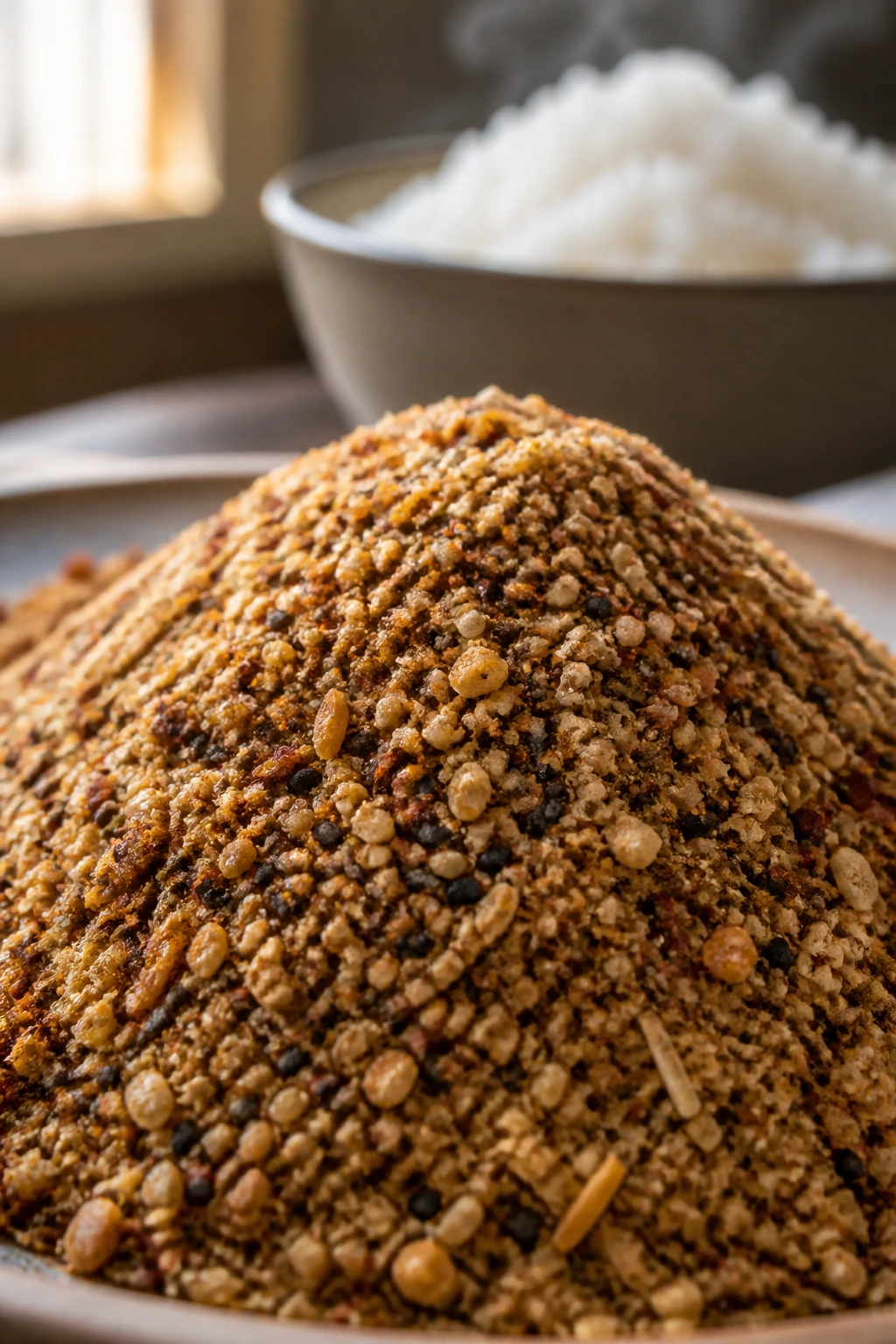
Presentation: Sprinkle it over food at the end when you want the aroma to hit first. A light shower over hot jasmine rice, buttered noodles, or blistered green beans gives the plate that just-cooked smell that makes people lean in before the first bite.
Accompaniments: It loves plain rice, stir-fried cabbage, garlic bok choy, fried eggs, tofu, salmon, chicken thighs, shrimp, and roasted carrots. If the dish already has a sauce, use the seasoning more sparingly and treat it like a finishing dust rather than the main salt source.
Portions: Start with 1 teaspoon per pound of vegetables or protein, then taste and add more after the food is cooked. For a bowl of rice or noodles, 1/4 to 1/2 teaspoon is usually enough; the blend is strong enough that a little goes a long way.
Beverage Pairing: Unsweetened jasmine tea keeps the sesame and ginger from feeling heavy. If you want something colder, a dry lager or sparkling water with lime cuts through the salt and sugar cleanly.
Little Moves That Make It Taste Fresher
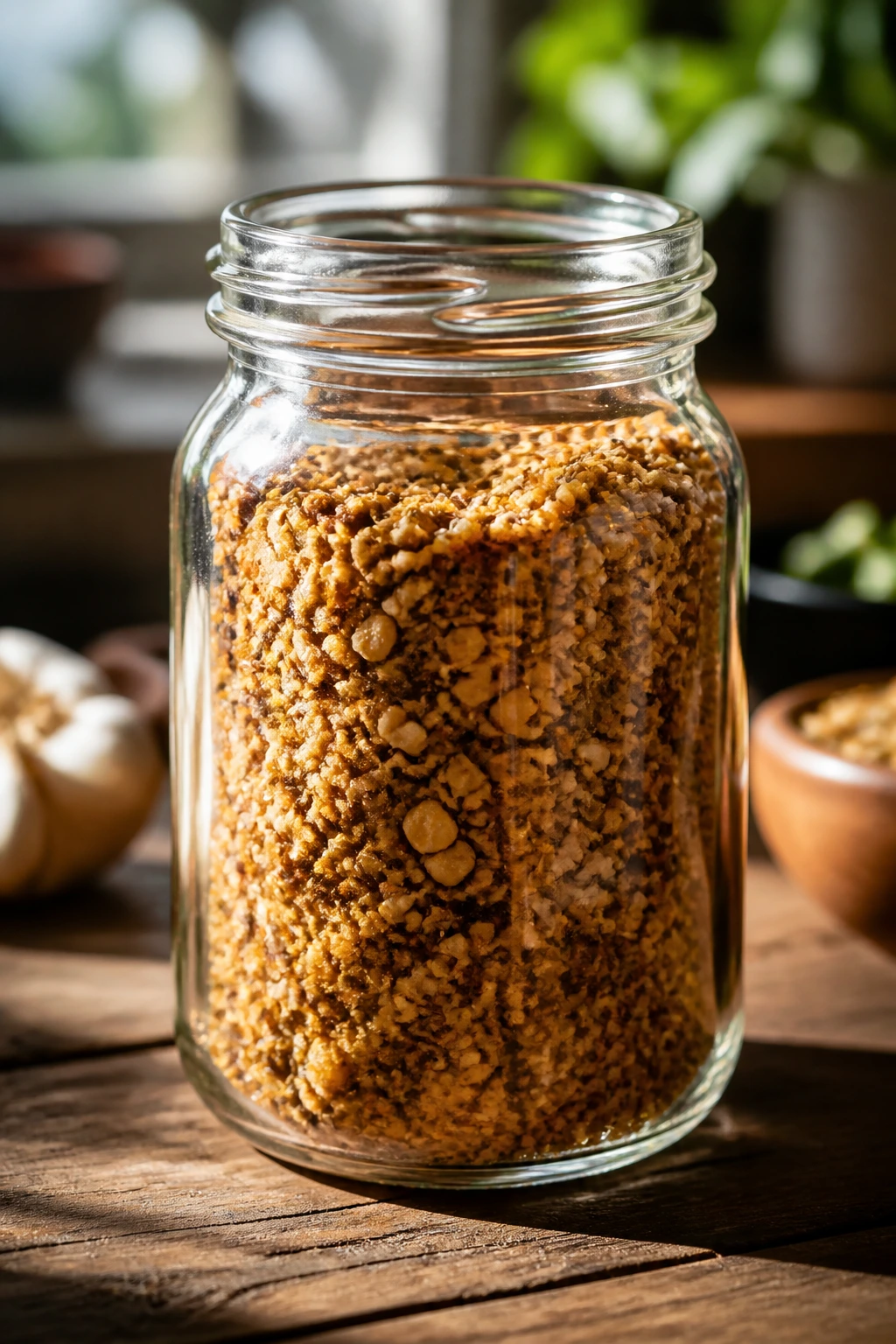
Flavor Enhancement: Bloom 1/2 teaspoon of the seasoning in 1 tablespoon neutral oil for 10 to 15 seconds before you toss in vegetables or noodles. That tiny sizzle wakes up the garlic, ginger, and sesame so they smell louder without adding more salt.
Customization: If you like a darker, richer blend, add 1 teaspoon of finely ground roasted nori or a pinch more mushroom powder. If you want a cleaner chicken-rice flavor, cut the five-spice to 1 teaspoon and add 1 extra teaspoon of white pepper.
Pro Move: Use the seasoning in two stages. Toss a little with the food while it cooks, then add a smaller pinch at the end when the heat is off. The first round seasons the food itself; the second round stays on the surface and smells better.
Cost-Saver: Buy the spices in smaller jars if you cook with them slowly. Ginger and five-spice are the ones that go stale first, and it makes more sense to replace them before they drift into that flat, papery taste.
Make-It-Yours: For a lower-sodium version, cut the salt to 1 tablespoon and add 1 extra tablespoon of mushroom powder. For a more fiery jar, add 1/2 teaspoon cayenne or gochugaru, but keep the red pepper flakes modest so the heat does not drown the sesame.
The Slip-Ups That Flatten the Flavor
-
Using stale spices: If the ginger smells like cardboard or the five-spice tastes dusty, the blend will never wake up. Replace old jars instead of trying to hide them with more salt. Fresh spices make a huge difference here.
-
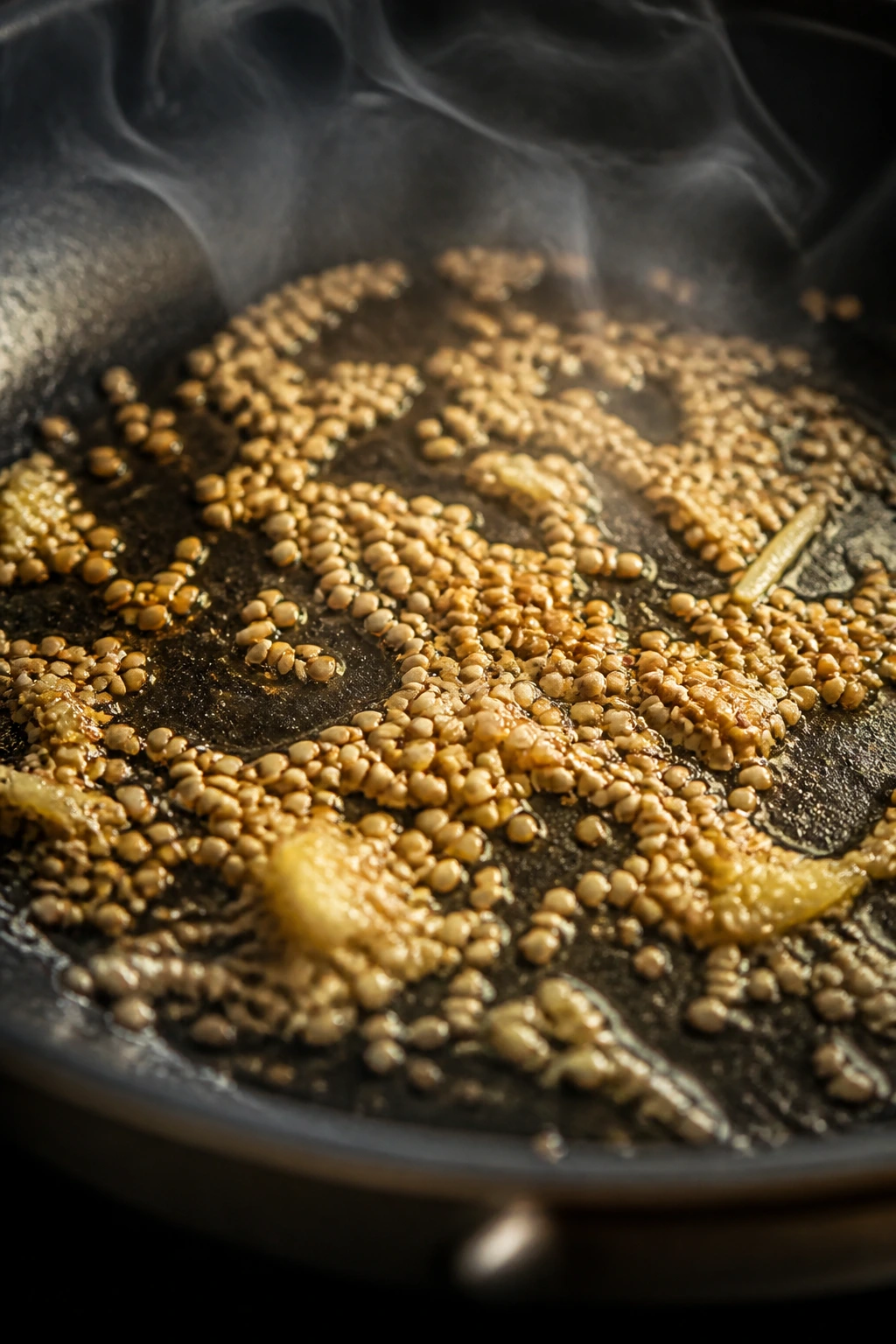
Toasting sesame over high heat: Burned sesame tastes bitter and a little harsh, and there is no saving it once it goes there. Keep the heat at medium-low and stir like you mean it.
-
Mixing while the seeds are still warm: Warm sesame traps a little steam inside the jar and that leads to clumps. Let the seeds cool fully before grinding or bottling.
-
Overdoing the sugar: A heavy hand with sugar makes the seasoning taste sticky when it hits a hot pan. Keep the balance savory and use sweetness only as a soft edge.
-
Using too much at once: This blend is strong enough to overtake a dish fast. Start with a teaspoon, cook the food, taste, and add more only if it needs it.
-
Storing the jar near the stove: Heat and steam dull the aroma faster than people expect. Keep the jar in a cool cupboard, not above the oven or beside the kettle.
Variations Worth Making
Sichuan Spark: Add 1 teaspoon finely ground Sichuan peppercorns and reduce the white pepper to 1 teaspoon. The blend gets that numbing, citrusy tingle that works well on cucumbers, fried chicken, and stir-fried green beans.
Smoky Weeknight Jar: Add 1 teaspoon smoked paprika and use the blend on roasted cauliflower, potatoes, or wings. It pushes the seasoning a little outside the strict takeout lane, but the smoky note plays nicely with sesame and garlic.
Low-Sodium Pantry Blend: Cut the salt to 1 tablespoon and add 1 extra tablespoon of dried mushroom powder. This version is better as a finishing seasoning or a rub on tofu and vegetables where you can add salt elsewhere if needed.
Sweet-Heat Noodle Dust: Add 1 teaspoon brown sugar and 1/2 teaspoon cayenne. It leans into glossy noodles, pan-fried dumplings, and crispy tofu where a little sweet heat feels welcome.
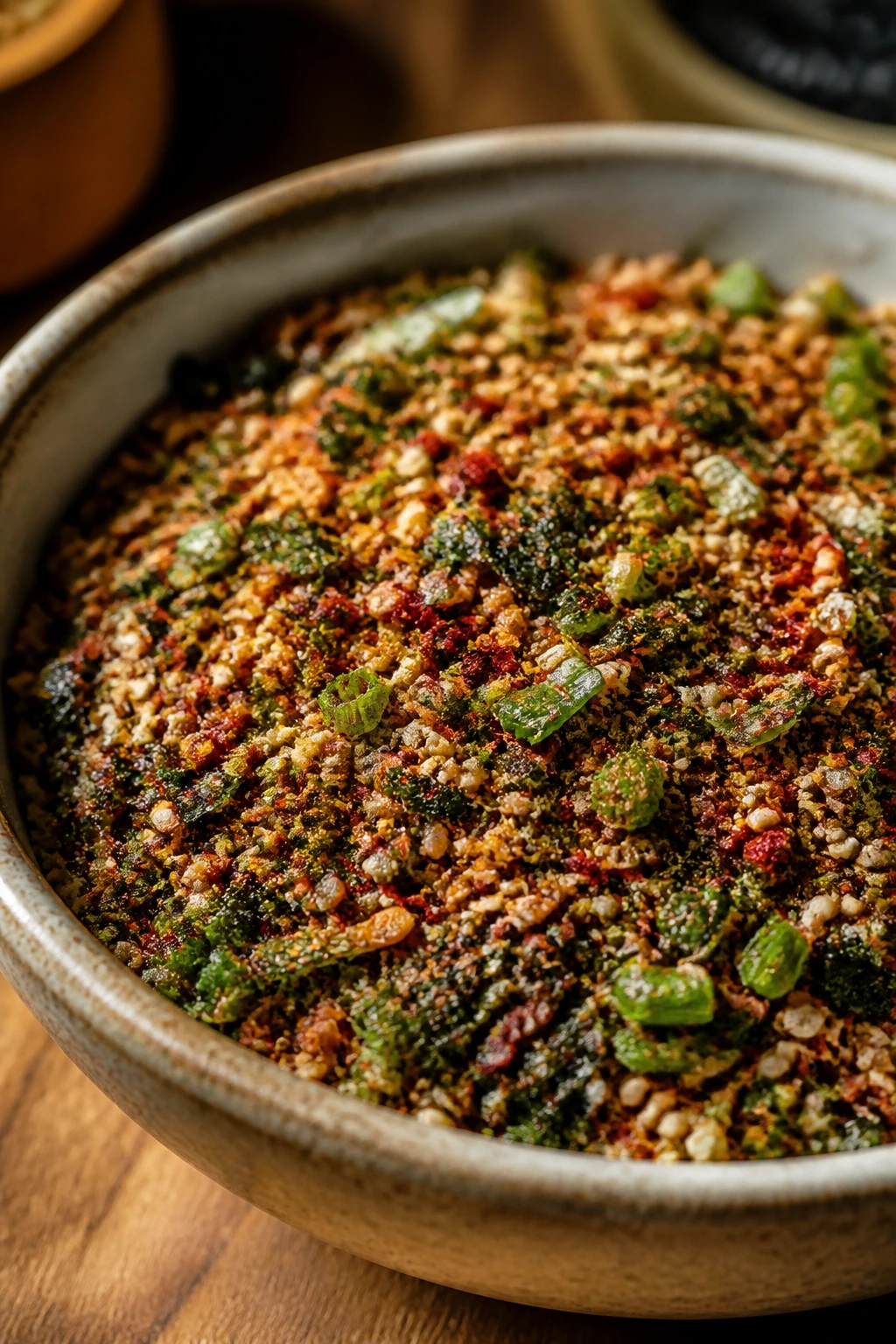
Nori-Sesame Bowl Finish: Add 1 tablespoon finely crumbled nori or aonori. That one is especially good on rice, eggs, avocado toast that needs a wake-up, and cold noodle salads when you want an ocean note without making the jar taste fishy.
Tools That Make the Mixing Easier
- Small dry skillet: Best for toasting sesame seeds evenly without hot spots.
- Spice grinder or coffee grinder reserved for spices: Makes the sesame and mushroom powder fine enough to distribute well.
- Mortar and pestle: A good fallback if you want a slightly rougher texture and do not mind a little elbow work.
- Medium mixing bowl: Gives you room to whisk without spilling powder onto the counter.
- Measuring spoons: The balance in this blend depends on the ratios staying tight.
- Fine-mesh funnel: Makes transferring the seasoning into a jar much less messy.
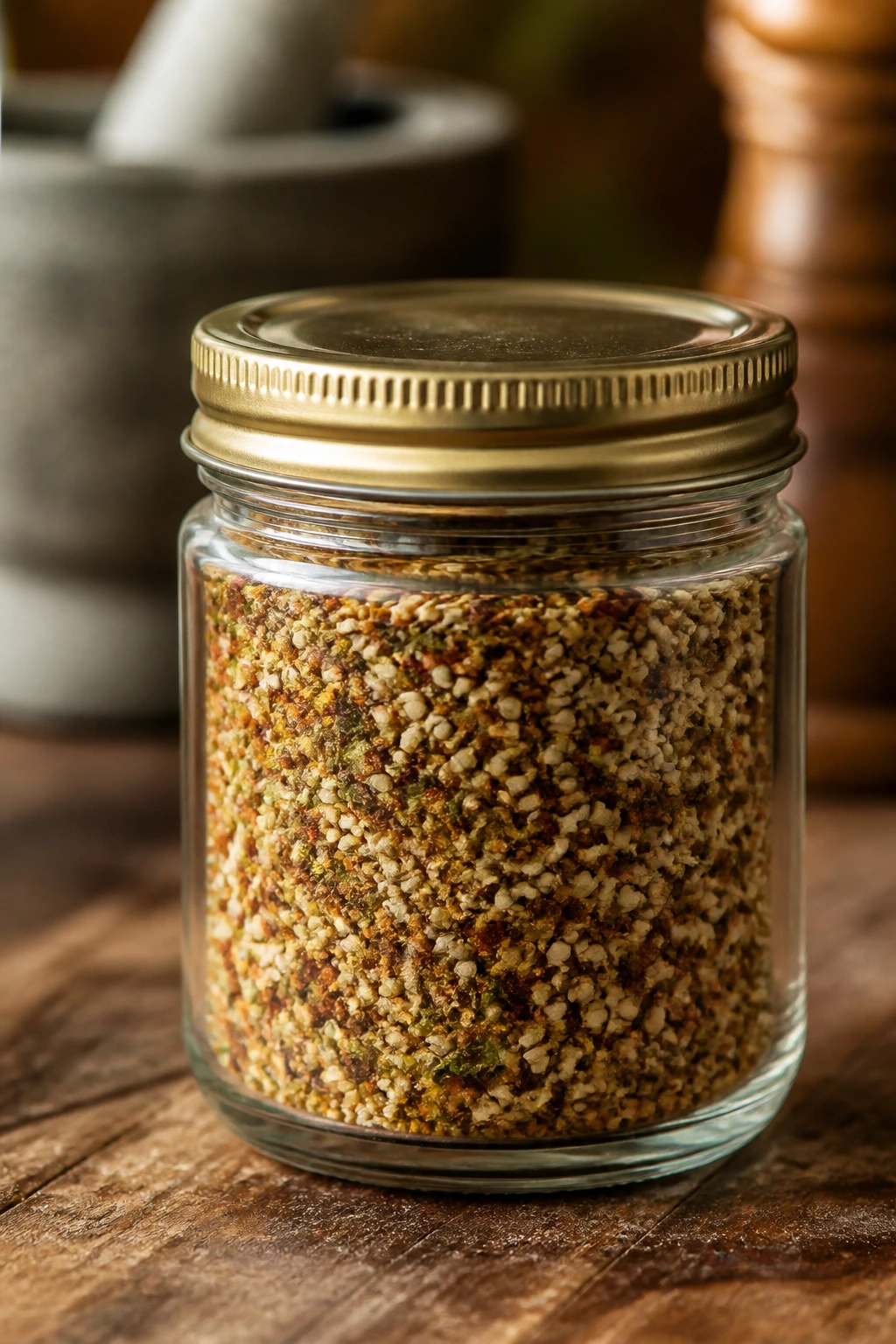
- Airtight glass jar: The dry spices stay brighter in glass than in a half-open plastic tub.
- Label or masking tape: Handy if you make more than one blend and do not want mystery jars in the pantry.
Storage, Shelf Life, and Make-Ahead Notes
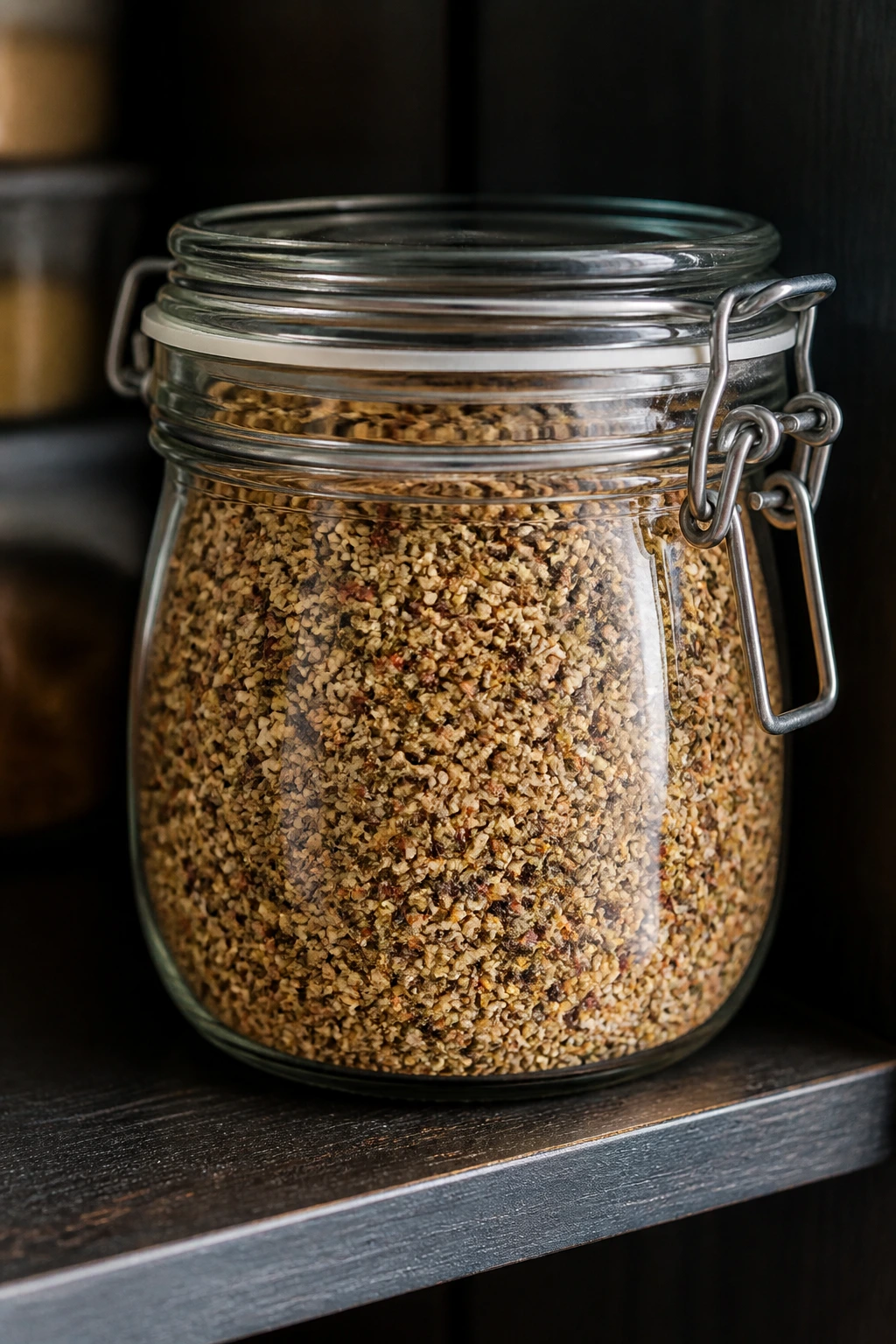
This seasoning keeps best in a sealed airtight jar at room temperature in a cool, dark cupboard. The texture stays dry and usable for about 6 months, but the flavor is at its sharpest in the first 8 to 12 weeks after mixing, especially if your ginger and five-spice were fresh when you started.
Do not store it in the fridge. The temperature swings and condensation can make the powder clump, and once clumps start forming, the mix stops sprinkling evenly. A jar near the stove is also a bad idea because steam and heat chew through the aroma faster than you’d think.
If you want to make it ahead for gifts or future cooking, mix a double batch and keep one jar sealed until you need it. It does not need freezer storage, and freezing a spice blend usually solves a problem you do not have. Dry seasonings want cool, dry, and dark. That’s the whole game.
If the blend starts to smell faint after a few months, it is still safe to use; it just will not carry the same punch. In that case, use a little more and finish the dish with fresh scallions, a splash of soy sauce, or a few drops of sesame oil so the top notes come back.
Questions People Ask Before They Make It
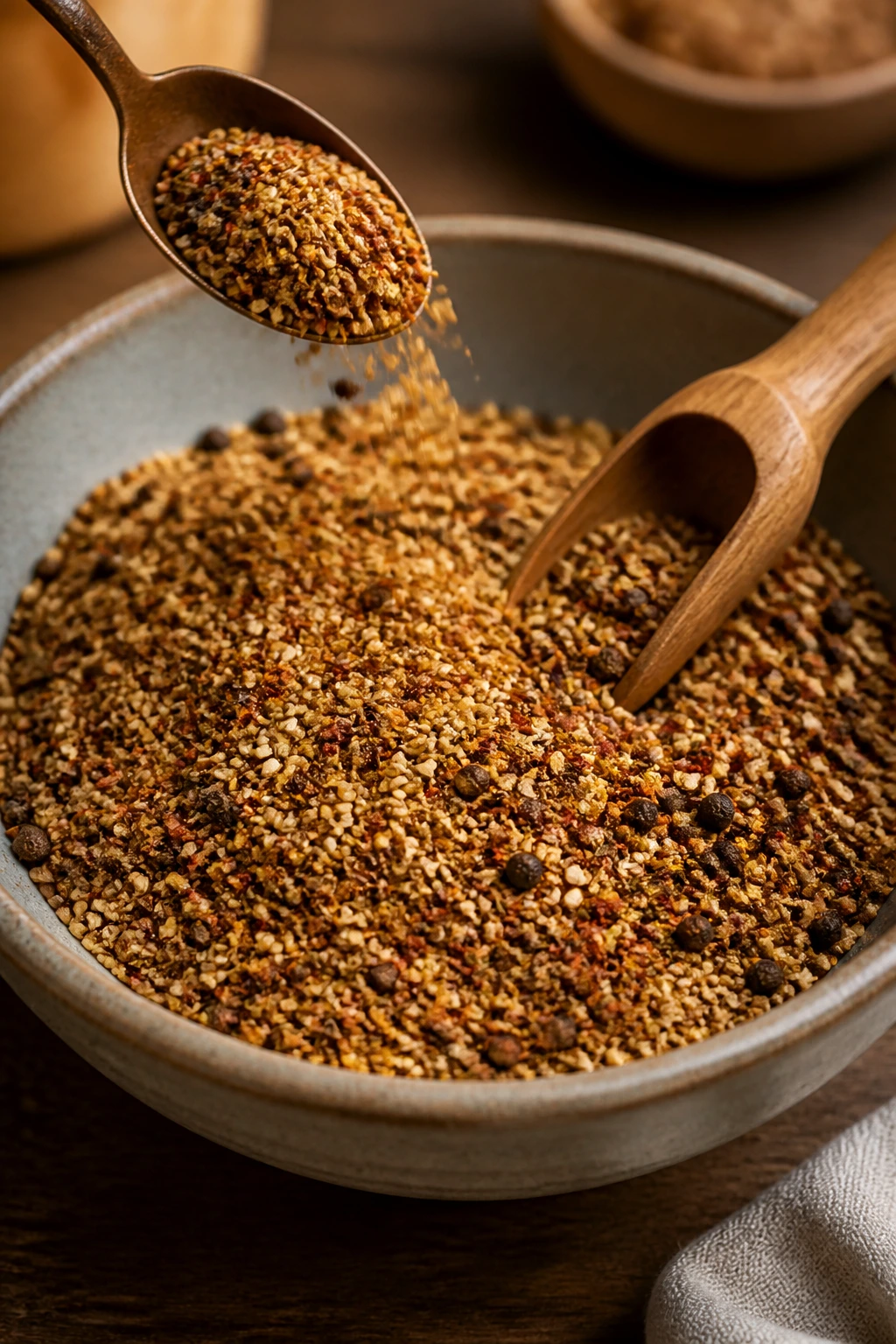
Can I leave out the MSG?
Yes. The blend still works without it, especially if you keep the mushroom powder in place. You lose a little of that round, takeout-style savoriness, but the garlic, sesame, and white pepper still carry the seasoning well.
What if I do not have white pepper?
Black pepper can take its place, but start with 1 teaspoon instead of 2. White pepper gives a cleaner, less speckled heat that reads closer to fried rice and noodle dishes, while black pepper tastes more familiar and a little louder.
How much should I use on chicken?
Start with about 1 to 1 1/2 teaspoons per pound of chicken. If you are pan-searing or roasting skin-on pieces, rub the seasoning on with a little neutral oil so it clings and browns instead of dusting off in the pan.
Can I use this on vegetables without making them salty?
Yes, but toss the vegetables with oil first and use less than you think. For 2 cups of vegetables, 1 teaspoon is a good starting point; roasted broccoli, carrots, cabbage, and green beans all handle it well.
Can this become a wet marinade?
It can. Mix 1 tablespoon seasoning with 1 tablespoon soy sauce and 1 tablespoon neutral oil per pound of protein. That gives you a quick marinade for shrimp, tofu, or thin chicken cutlets, though it is better for a short soak than an overnight bath.
Why does my blend taste flat after a few weeks?
The spices are probably old, or the jar has been sitting in heat and steam. Ginger and sesame lose their punch faster than salt, so if those two fade, the whole mix goes quiet. Freshen it with a small new batch rather than trying to rescue the old one.
Does this work on rice by itself?
It does, and plain rice is where the blend shows its value fast. Sprinkle 1/4 teaspoon over a bowl of hot rice, add a few drops of sesame oil if you like, and toss it gently so the grains stay separate instead of turning mushy.
Can I make it less sweet?
Absolutely. Drop the sugar to 1 tablespoon and keep everything else the same. The seasoning will read drier and a little sharper, which is nice on salty proteins and stir-fried greens.
A Jar Worth Keeping by the Stove
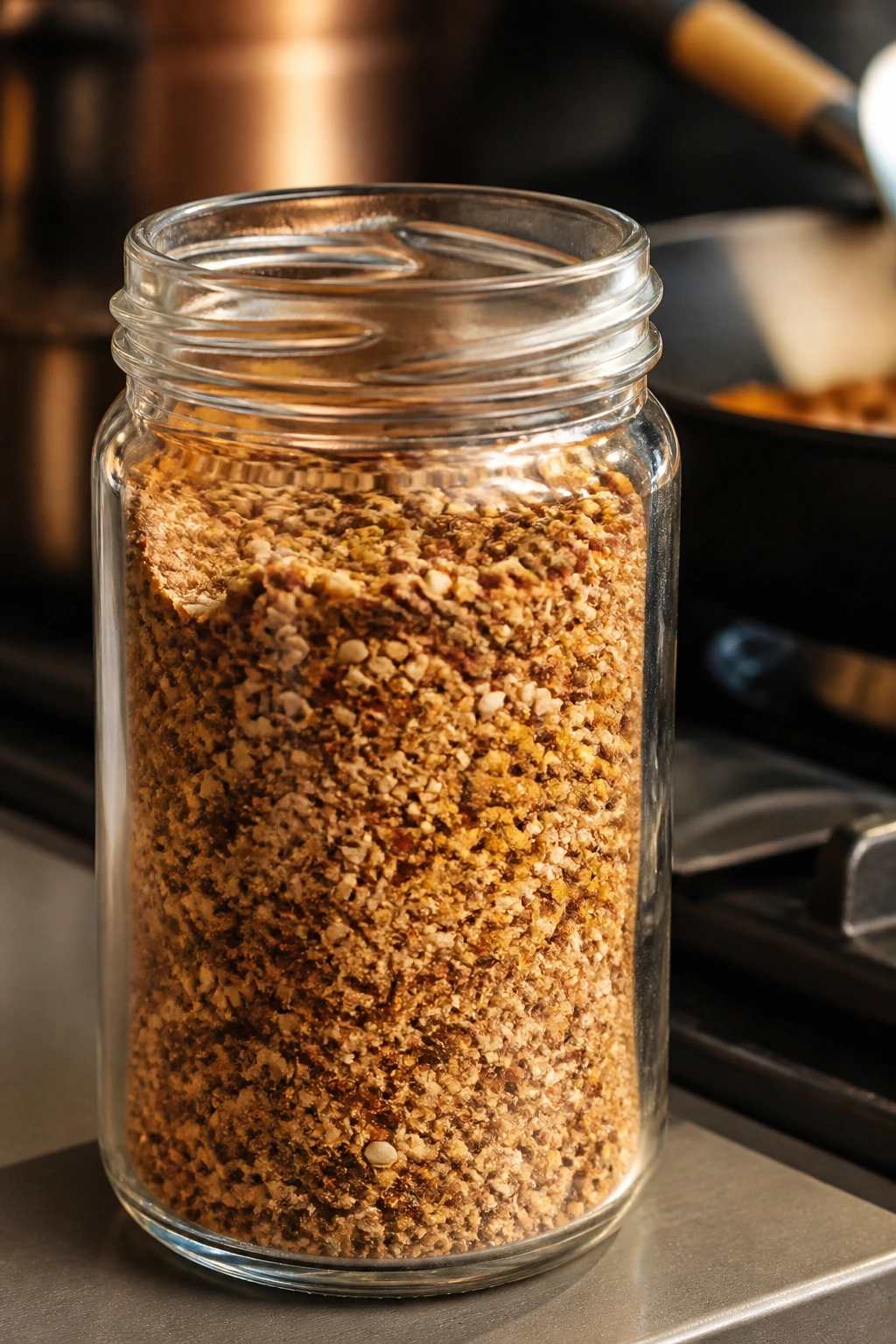
The best seasoning blends do one thing that seems small until dinner is on the table: they make plain food feel cared for. This one does that without asking for much. A few measured spoons, a minute at the stove, and a jar that stays ready for rice, noodles, vegetables, and quick proteins.
I like blends like this because they are honest. If the ginger is stale, you’ll know. If the sesame gets burned, you’ll taste it. And when the mix is fresh and balanced, it gives you exactly what you were after in the first place — that warm, savory smell that makes the kitchen feel fuller the second it hits the pan.
Aromatic Asian Seasoning — Recipe Card
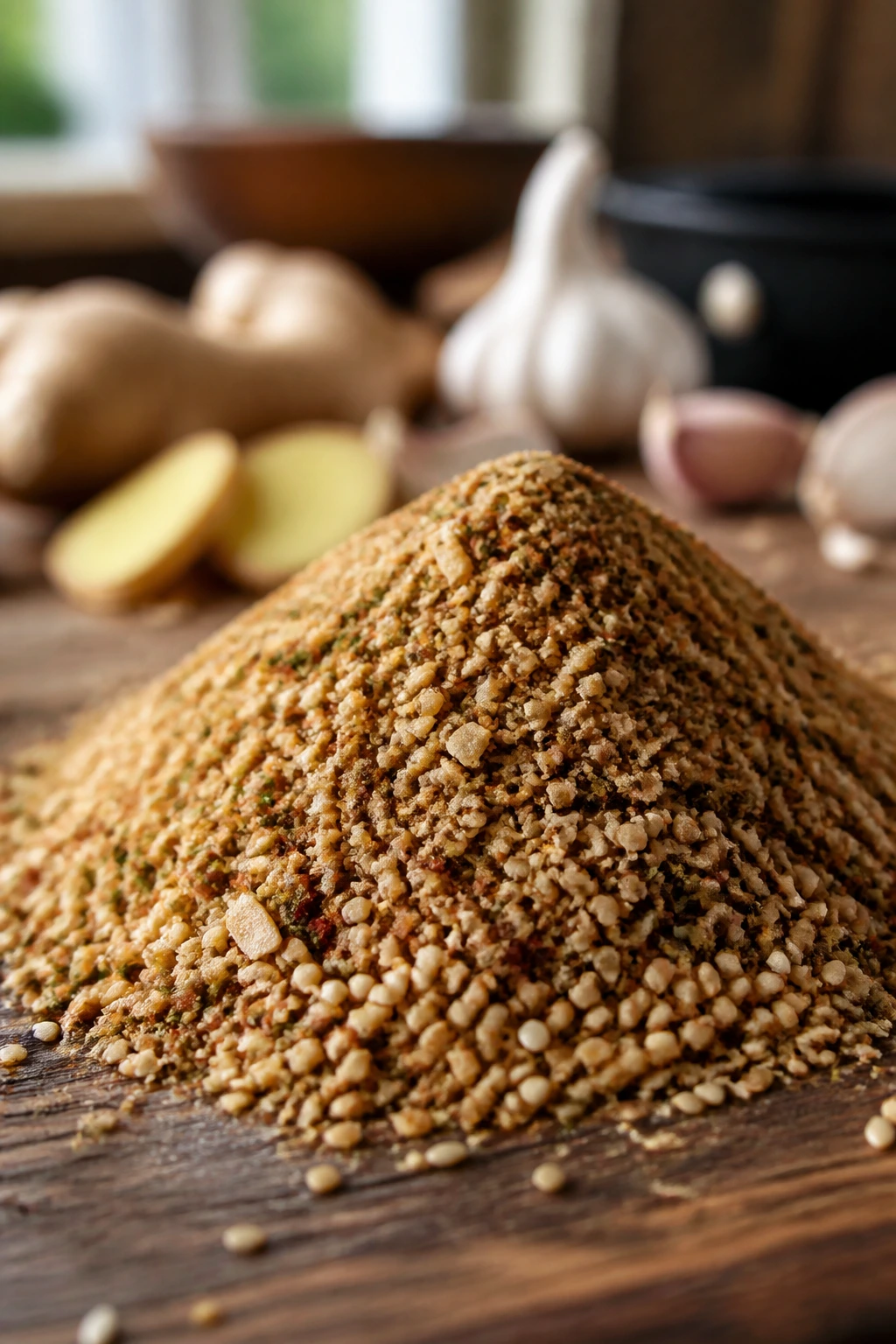
Recipe Name: Aromatic Asian Seasoning
Description: A savory, Chinese-inspired dry seasoning blend with sesame, ginger, garlic, white pepper, five-spice, and mushroom powder. It gives rice, noodles, vegetables, tofu, seafood, and chicken a warm takeout-style aroma without relying on a bottled packet.
Prep Time: 10 minutes
Cook Time: 3 to 5 minutes
Total Time: 15 minutes
Course: Condiment, Seasoning
Cuisine: Asian-Inspired, Chinese-Inspired
Servings: About 8 tablespoons total, or 8 to 16 servings depending on use
Calories: About 12 kcal per tablespoon
Ingredients
For the Seasoning Blend:
- 2 tablespoons fine sea salt
- 2 tablespoons granulated sugar
- 1 tablespoon garlic powder
- 1 tablespoon onion powder
- 1 tablespoon ground ginger
- 2 teaspoons white pepper
- 2 teaspoons Chinese five-spice powder
- 1 tablespoon toasted sesame seeds, ground fine
- 1 tablespoon dried shiitake powder
- 1 teaspoon crushed red pepper flakes, ground a little finer
- 1 teaspoon MSG, optional
Instructions
- Toast the sesame seeds in a dry skillet over medium-low heat for 2 to 3 minutes, stirring constantly, until pale gold and fragrant.
- Cool the sesame seeds completely, then grind them with the dried shiitake powder until finely textured.
- Whisk the ground sesame mixture with the salt, sugar, garlic powder, onion powder, ginger, white pepper, five-spice, red pepper flakes, and MSG if using.
- Transfer to a dry airtight jar, label it, and let it rest for 15 minutes before using.
- Use about 1 teaspoon per pound of food, then adjust to taste.
Notes: Keep the jar in a cool, dark cupboard. The flavor is best in the first 8 to 12 weeks. If you want more heat, add a little extra white pepper rather than doubling the red pepper flakes.