



A good beef and broccoli stir fry should hit the table with a dark, glossy sauce that clings to the meat, broccoli with a little bite left in the stems, and beef that tastes seared instead of steamed. That’s the whole point of sticky beef broccoli stir fry better than takeout: it should have the same salty-sweet punch you want from the box, but without the limp vegetables, mystery oil, or sauce pooling in the bottom like it gave up halfway through the job.
What usually ruins it is not the idea. It’s the heat management. Too little heat and the beef turns gray. Too much sauce too soon and the broccoli softens into something floppy and tired. The sweet spot is a hot pan, thin slices of beef, a sauce that’s mixed before the burner comes on, and just enough cornstarch to make everything shine without turning gluey. That’s the kind of dinner I keep coming back to because it rewards a little attention. Not a lot. Just enough.
And yes, the phrase “better than takeout” gets thrown around a lot, usually without proof. Here, the proof is in the texture: browned beef edges, broccoli with snap, garlic that still smells bright, and a sauce that coats the back of a spoon instead of acting like soup. If you’ve made stir fry that tasted flat or soggy before, the fix is in the details below.
Why You’ll Want This One in the Dinner Rotation
-
Glossy sauce, not watery sauce: The cornstarch, oyster sauce, and brown sugar reduce into a shiny coating that sticks to the beef instead of sliding off into the rice bowl.
-
Broccoli stays green and crisp-tender: A quick steam in the same pan keeps the florets bright and snappy, with just enough softening to make them pleasant to eat.
-
The beef tastes seared, not boiled: Thin slicing, a short marinade, and a hot pan give you browned edges in minutes.
-
It uses pantry staples with a few smart extras: Soy sauce, brown sugar, garlic, ginger, and oyster sauce do most of the work. Nothing fussy. Nothing that sits in your cupboard forever.
-
Leftovers reheat well if you treat them right: A spoonful of water in a skillet brings the sauce back to life and keeps the beef from drying out.
-
It scales cleanly: Double the beef and sauce if you’re feeding more people, but keep the searing in batches so the pan doesn’t lose heat.
Quick Facts Before You Start
Yield: Serves 4
Prep Time: 20 minutes
Cook Time: 15 minutes
Total Time: 35 minutes
Difficulty: Intermediate — the steps are straightforward, but the slicing, batching, and high heat all matter if you want the right texture.
Best Served: Hot from the pan over rice, while the sauce is still glossy and loose enough to spread through the bowl.
The Ingredient List That Gives You Sticky Beef Broccoli Stir Fry
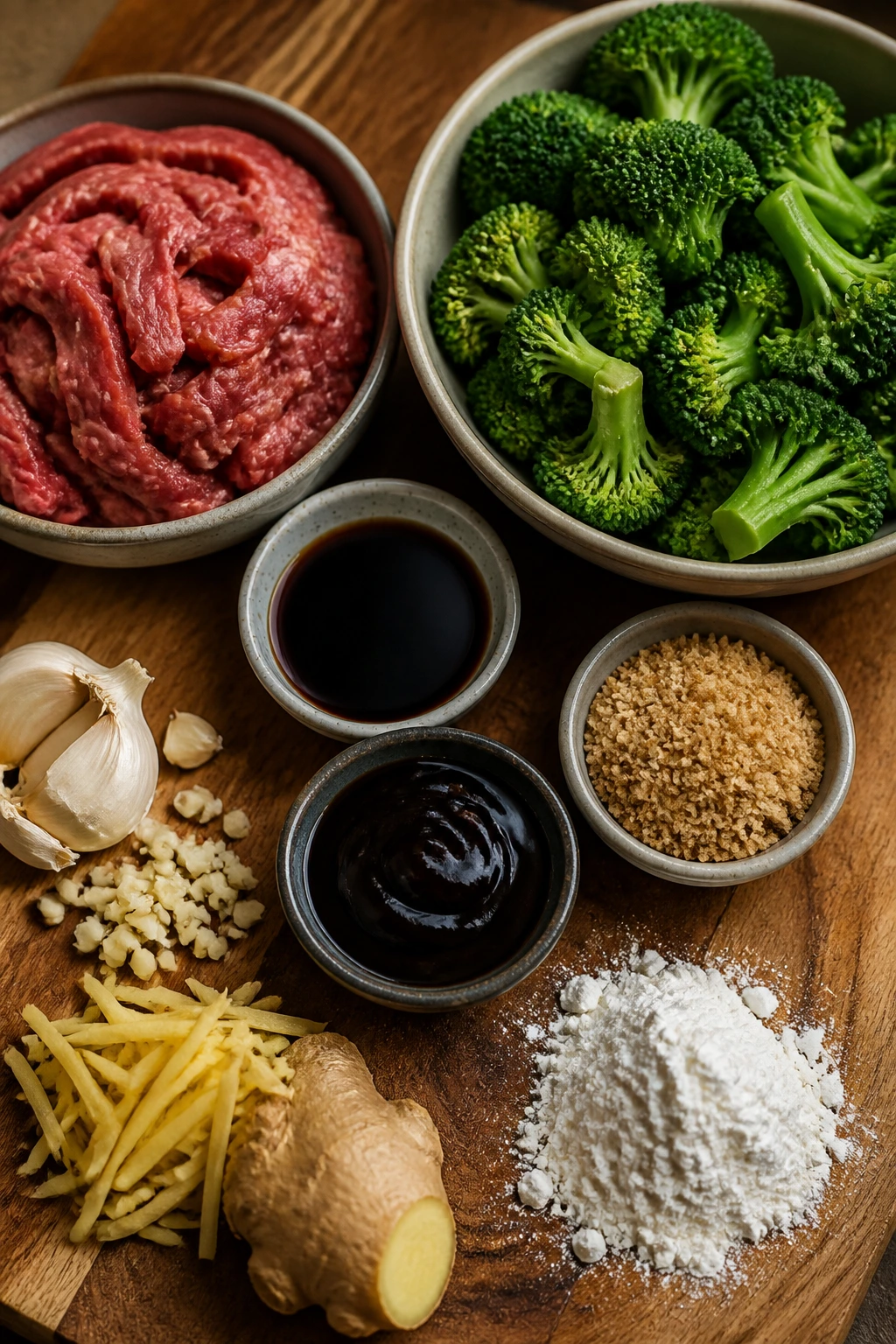
For the Beef
- 1 1/2 lbs flank steak, skirt steak, or sirloin, sliced very thin across the grain
- 2 tablespoons soy sauce
- 1 tablespoon Shaoxing wine or dry sherry
- 1 tablespoon cornstarch
- 1 teaspoon toasted sesame oil
- 1/2 teaspoon freshly ground black pepper
For the Stir Fry
- 1 1/2 lbs broccoli florets, cut into bite-size pieces
- 3 tablespoons neutral oil, divided
- 1/4 cup water, divided
- 4 garlic cloves, minced
- 1 tablespoon fresh ginger, grated
For the Sticky Sauce
- 1/2 cup low-sodium soy sauce
- 1/2 cup water or beef stock
- 1/4 cup oyster sauce
- 3 tablespoons packed light brown sugar
- 1 tablespoon rice vinegar
- 2 teaspoons cornstarch
- 1 teaspoon toasted sesame oil
- 1/4 teaspoon red pepper flakes, optional
For Serving
- 3 cups hot cooked jasmine rice
- 2 scallions, thinly sliced
- 1 teaspoon toasted sesame seeds
What Each Ingredient Is Doing in the Pan
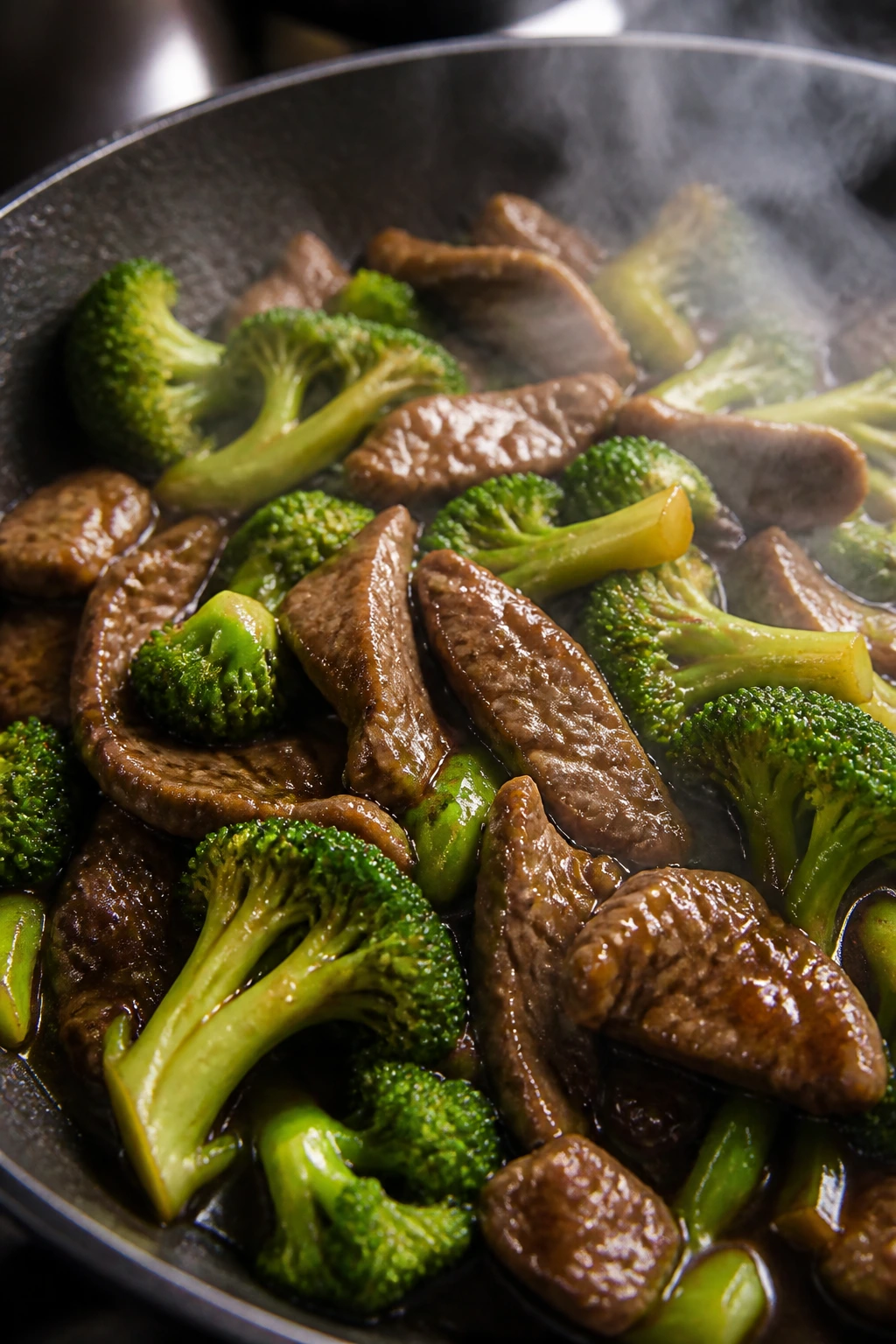
Flank Steak, Skirt Steak, or Sirloin
What to use: 1 1/2 pounds of flank steak, skirt steak, or sirloin, cut very thin across the grain. Flank is my first pick because it soaks up the marinade and slices cleanly.
Preparation: Slice the beef when it is slightly firm, not floppy. A short stint in the freezer — about 15 minutes — makes the knife work easier, and thin slices cook before they have time to dry out.
Substitutions: Boneless ribeye works if you want more richness, and top round works if it’s sliced thin enough. Chicken thigh strips can stand in too, but they need a different cook time.
Tips: The grain matters more than the cut name. If you slice with the grain, you’ll get chewy ribbons no matter how expensive the steak was.
Broccoli
What to use: 1 1/2 pounds of broccoli florets, cut into bite-size pieces with some stem attached. The stems are worth keeping; they stay crisp and sweet when cooked properly.
Preparation: Trim any woody ends, then cut the florets so they’re close in size. Bigger pieces need a little longer and are fine, but wildly different sizes make the pan hard to manage.
Substitutions: Broccolini, sugar snap peas, or a mix of broccoli and bell pepper all fit this sauce. Cauliflower works too, though it won’t hold as much green color.
Tips: Dry broccoli matters. Wet florets steam in the pan and go soft before they ever pick up flavor.
The Sticky Sauce
What to use: Low-sodium soy sauce, oyster sauce, brown sugar, rice vinegar, water or beef stock, cornstarch, garlic, ginger, sesame oil, and a pinch of red pepper flakes if you want some heat.
Preparation: Whisk the sauce until the cornstarch disappears. If you leave streaks of starch in the bowl, they can turn into little pale lumps once the sauce hits the heat.
Substitutions: Tamari works for a gluten-free version, and a good vegetarian mushroom sauce can stand in for oyster sauce if you’re keeping things plant-based. Beef stock gives the sauce more depth, but water works fine.
Tips: Sauce thickens when it simmers, not when it sits there looking important. If the pan isn’t hot enough, the sauce stays thin and salty instead of turning glossy.
Aromatics and Finishing Ingredients
What to use: Fresh garlic, fresh ginger, toasted sesame oil, scallions, and sesame seeds. These are the loud, fresh notes that keep the dish from tasting heavy.
Preparation: Grate the ginger finely and mince the garlic small enough that it perfumes the pan fast. Slice the scallions thin so they soften from the residual heat without turning limp.
Substitutions: Garlic paste is usable in a pinch, though fresh is better here. Chopped cilantro can replace some of the scallions if you like a brighter finish.
Tips: Save the toasted sesame oil for the end if possible. Its nutty smell fades if it sits in a screaming-hot pan for too long.
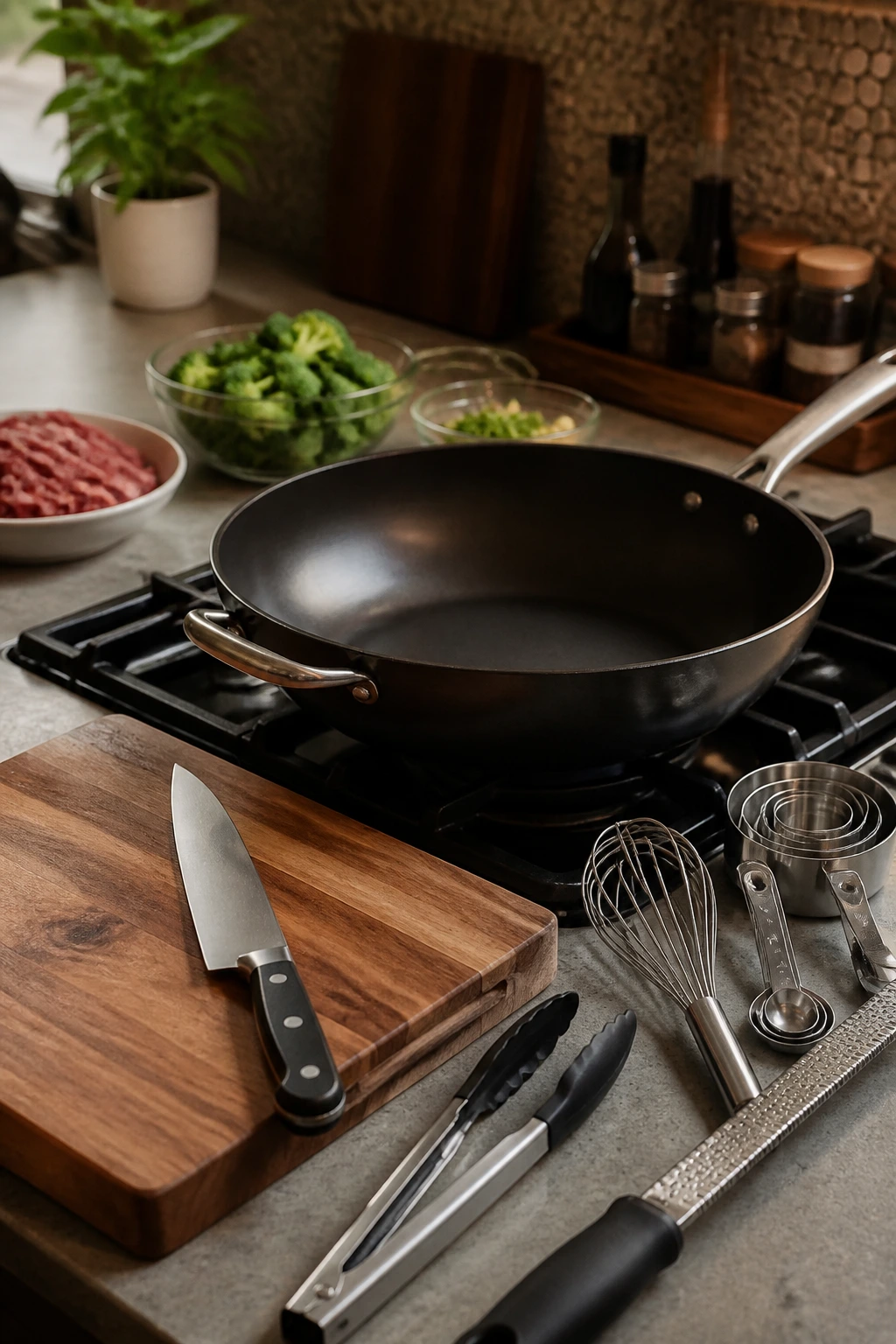
The Tools That Make Stir-Frying Easier
-
12-inch skillet or wok: A wide, heavy pan gives the beef room to brown instead of steaming in a pile.
-
Sharp chef’s knife: Thin slicing is the difference between tender beef and a tough chew.
-
Sturdy cutting board: Beef slips around on a slick board. A damp towel underneath helps keep it steady.
-
Large mixing bowl: You need one bowl for the beef marinade and another for the sauce. A cramped prep space gets messy fast.
-
Tongs or a wide spatula: Both are useful, but tongs make it easier to flip beef strips without breaking them.
-
Small whisk: The sauce needs to be fully blended so the cornstarch doesn’t sink and clump.
-
Measuring cups and spoons: Stir fry moves too quickly to eyeball every part. Measure the sauce once. You’ll thank yourself later.
-
Microplane or fine grater: Fresh ginger disappears into the sauce better when it’s grated, not chopped into little pebbles.
How to Prep the Beef and Broccoli Without Rushing the Pan
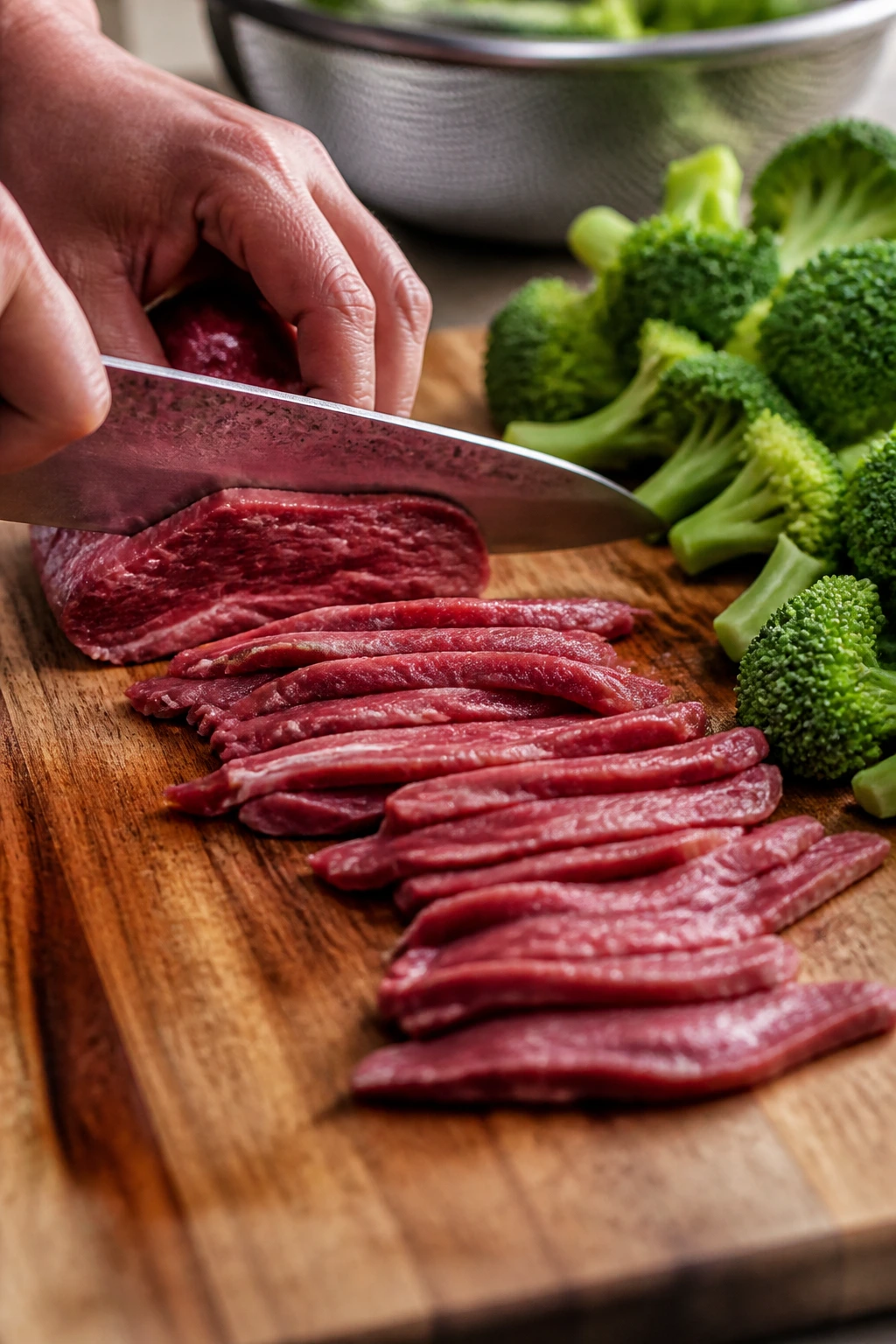
The prep is where this dish wins or loses. Once the burner is on, things happen fast. If you’re still slicing garlic while the beef is in the skillet, the broccoli gets overcooked and the meat sits too long.
Start with the beef. Pat it dry before slicing. Moisture makes the knife slip, and it also interferes with browning later. If the steak is wide, cut it into shorter sections first, then slice across the grain into thin strips about 1/8 inch thick. Don’t chase perfection here. Thin and even is the goal, not paper-thin and fussy.
Broccoli needs similar attention. Separate the florets into pieces that are close in size, and don’t throw away the stems if they’re tender. Peel the tough outside of the stems and cut the inner part into coins or matchsticks. Those pieces cook fast and taste sweet after a short steam in the pan.
One small habit I like: put the sauce in a measuring cup with a spout. Once the pan is hot, you do not want to be opening cabinets or hunting for a whisk. The whole point of stir fry is speed with control. If your prep is done cleanly, the rest feels almost easy.
Sear, Steam, and Gloss: The Cooking Method That Works
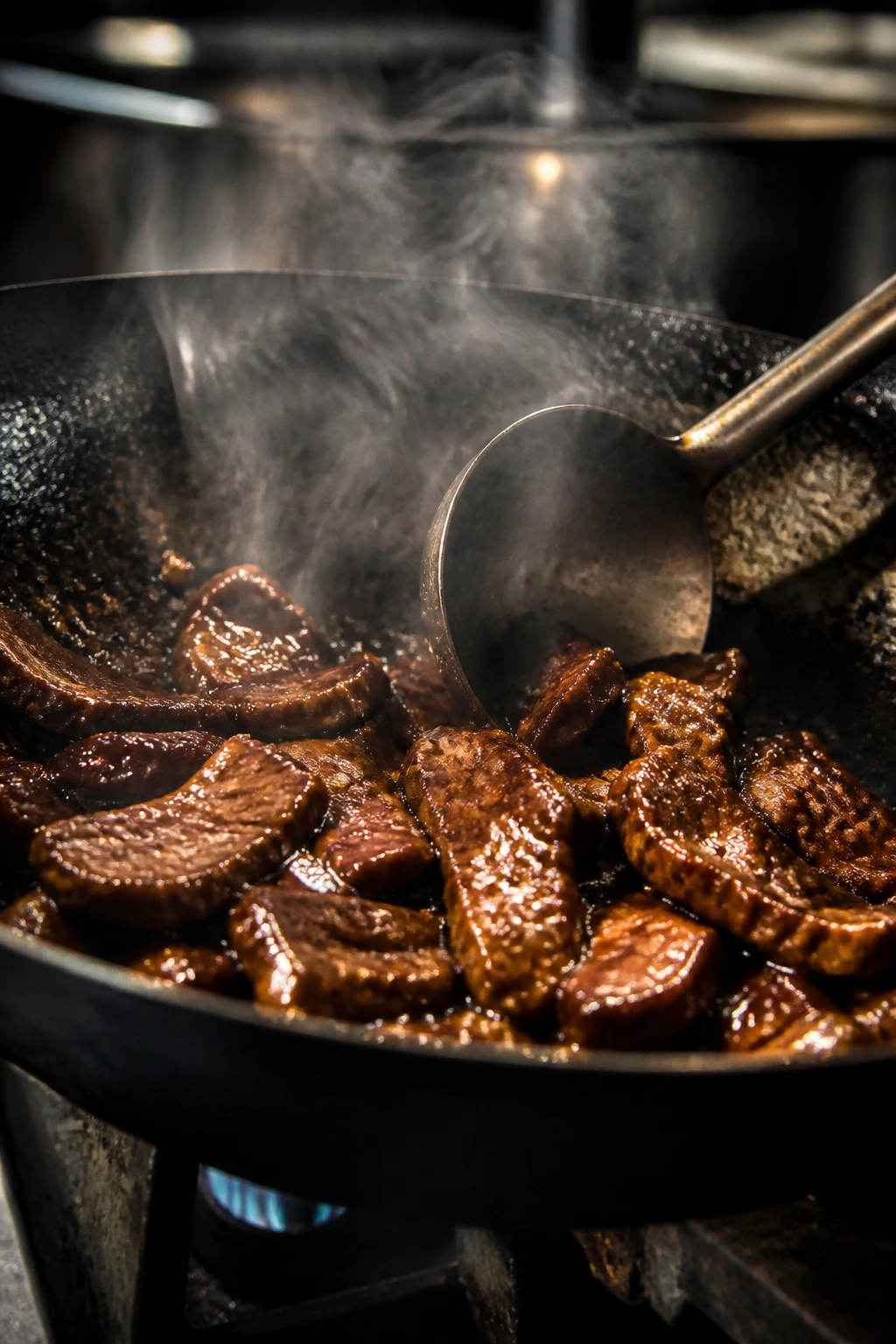
Marinate and Mix the Sauce:
-
Place the sliced beef in a medium bowl. Add the 2 tablespoons soy sauce, Shaoxing wine or dry sherry, cornstarch, sesame oil, and black pepper. Toss until the beef looks evenly coated and a little tacky, not wet. Let it sit while you finish the sauce and vegetables, about 10 to 15 minutes.
-
In a separate bowl or a measuring cup, whisk together the 1/2 cup soy sauce, 1/2 cup water or beef stock, oyster sauce, brown sugar, rice vinegar, 2 teaspoons cornstarch, sesame oil, and red pepper flakes if using. Whisk until the cornstarch disappears. Re-whisk it right before pouring, because starch likes to settle at the bottom.
Stir-Fry and Finish: 3. Heat a 12-inch skillet or wok over high heat until a drop of water flicks and skates across the surface. Add 1 tablespoon of neutral oil and swirl it around. The oil should shimmer fast, not smoke violently.
-
Add half of the beef in a single layer. Sear for 60 to 90 seconds per side, tossing only when the underside has browned. Remove it to a plate. Repeat with another tablespoon of oil and the remaining beef. Do not crowd the pan — crowded beef steams and goes gray.
-
Add the remaining tablespoon of oil to the empty pan. Toss in the broccoli florets and 2 tablespoons of water. Cover the pan for 1 minute, then uncover and stir-fry for 2 to 3 minutes until the broccoli is bright green with browned spots on the edges and the stems are crisp-tender.
-
Push the broccoli to one side or make a clear spot in the center of the pan. Add the garlic and ginger. Stir constantly for about 15 seconds, just until fragrant. If the garlic goes dark, it will taste bitter.
-
Give the sauce one more whisk, then pour it into the pan. It should bubble quickly and start to thicken within 30 to 45 seconds. Stir and scrape the bottom of the pan so the sauce reaches every bit of the broccoli.
-
Return the beef and any juices on the plate to the pan. Toss everything together for 60 to 90 seconds, until the beef is just cooked through and the sauce clings to the meat in a shiny coating. If the sauce gets too thick, add 1 to 2 tablespoons of water and stir to loosen it.
-
Turn off the heat. Stir in the scallions, taste for balance, and add a small splash of rice vinegar if you want more lift or a pinch more brown sugar if the sauce tastes too sharp. Spoon over jasmine rice and finish with sesame seeds. The sauce should look glossy, not heavy.
How to Serve It So the Bowl Feels Finished
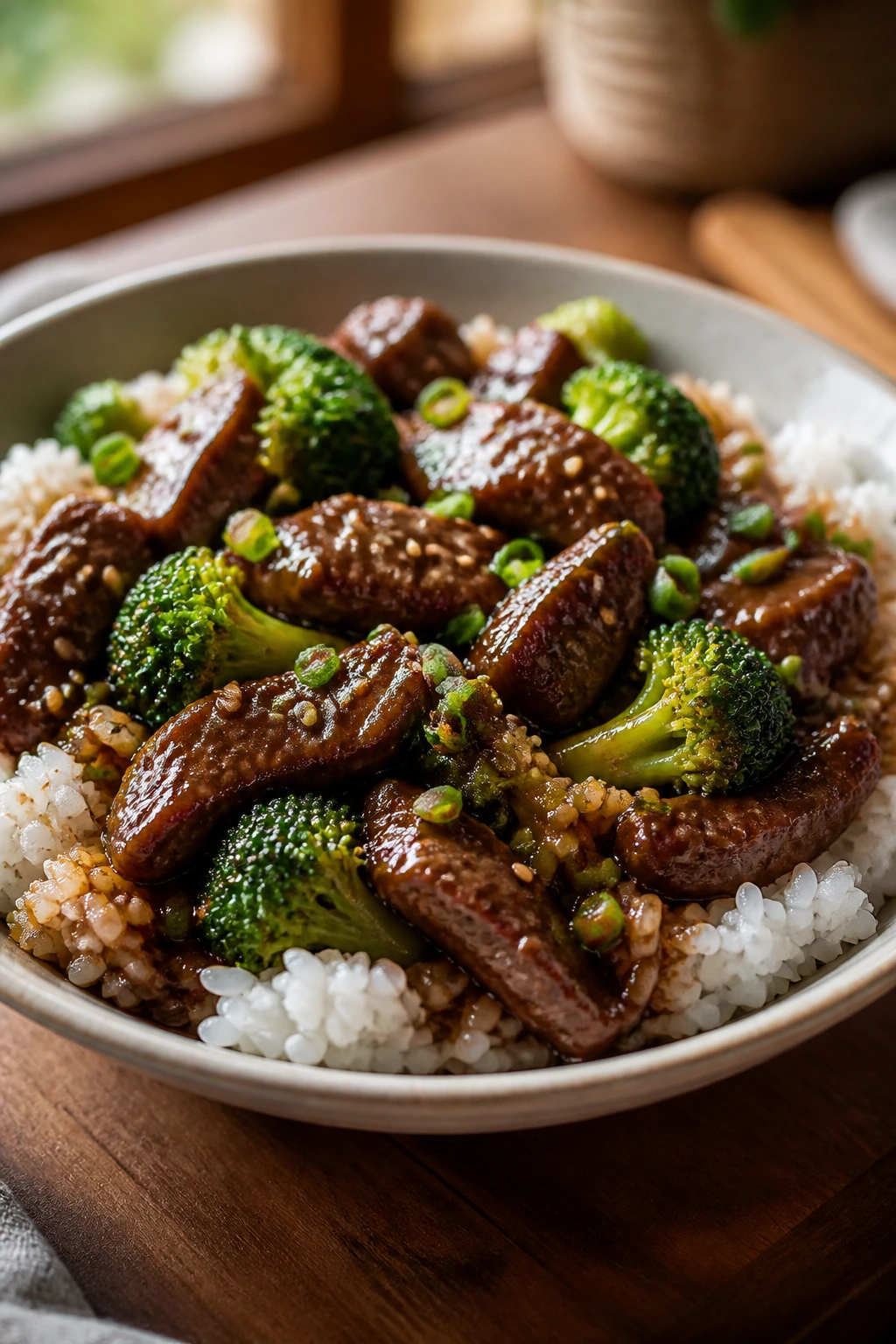
Presentation: Spoon hot jasmine rice into shallow bowls, then pile the beef and broccoli over the center so the sauce runs through the rice instead of sitting on top in one dark puddle. A scatter of scallions and sesame seeds gives the bowl some lift, and a few broccoli florets placed with the crown facing up look better than a random heap.
Accompaniments: Plain rice is the cleanest match, but you can also serve this with garlic fried rice, steamed noodles, or a simple cucumber salad dressed with rice vinegar and a pinch of sugar. If you want extra vegetables, blanched bok choy or snap peas fit neatly beside the main dish.
Portions: This recipe makes 4 solid servings over rice. If you’re feeding very hungry people, stretch it with an extra cup of broccoli or another cup of rice rather than doubling the sauce blindly. Too much sauce can turn the bowl sloppy.
Beverage Pairing: Cold jasmine tea keeps the meal bright, while a crisp lager or a dry riesling handles the sweet-salty sauce without fighting it. If you want something nonalcoholic and simple, sparkling water with lime cuts through the richness nicely.
Practical Tweaks That Make the Bowl Better
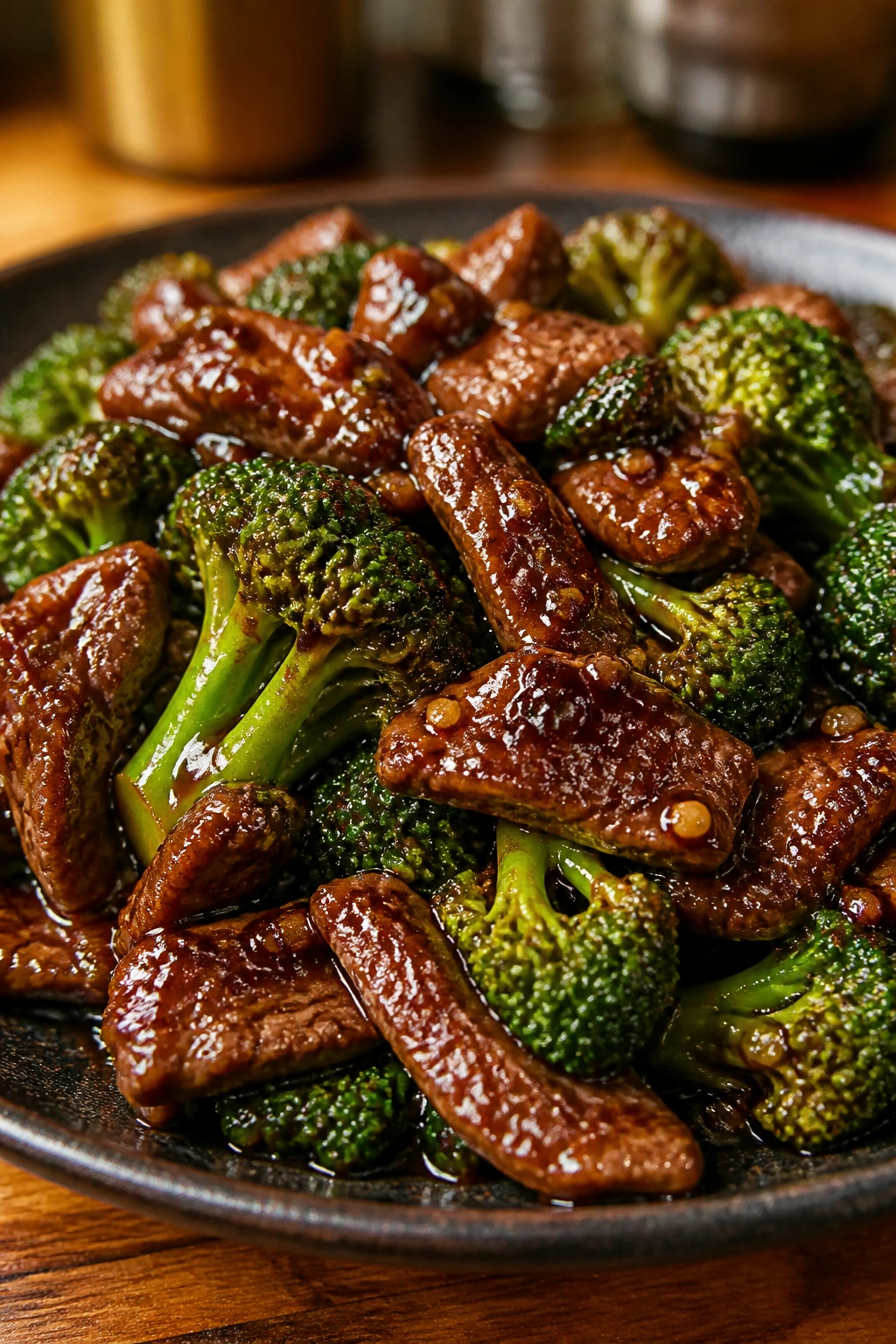
Flavor Enhancement: A teaspoon of black vinegar at the end gives the sauce more depth than extra soy sauce ever will. It doesn’t make the dish taste sour; it just keeps the sweetness from flattening out.
Time-Saver: Slice the beef and mix the sauce a day ahead, then keep them separate in the fridge. The broccoli can be cut the same morning and stored in a container lined with a paper towel so it stays dry.
Heat Control: If your burner runs weak, cook the beef in three smaller batches instead of two. The pan needs enough space to stay hot, and the first few seconds of contact are when the browning happens.
Texture Upgrade: If you like a little char on the broccoli, let the florets sit untouched for 20 to 30 seconds after they hit the hot oil. That brief pause gives you little browned spots instead of pale, steamed surfaces.
Make-It-Yours: If you want more vegetable bulk, add sliced onions, shiitake mushrooms, or red bell pepper. They all work with the same sauce, and mushrooms do a nice job of soaking up the garlicky edges.
Common Mistakes That Make Stir Fry Go Sideways
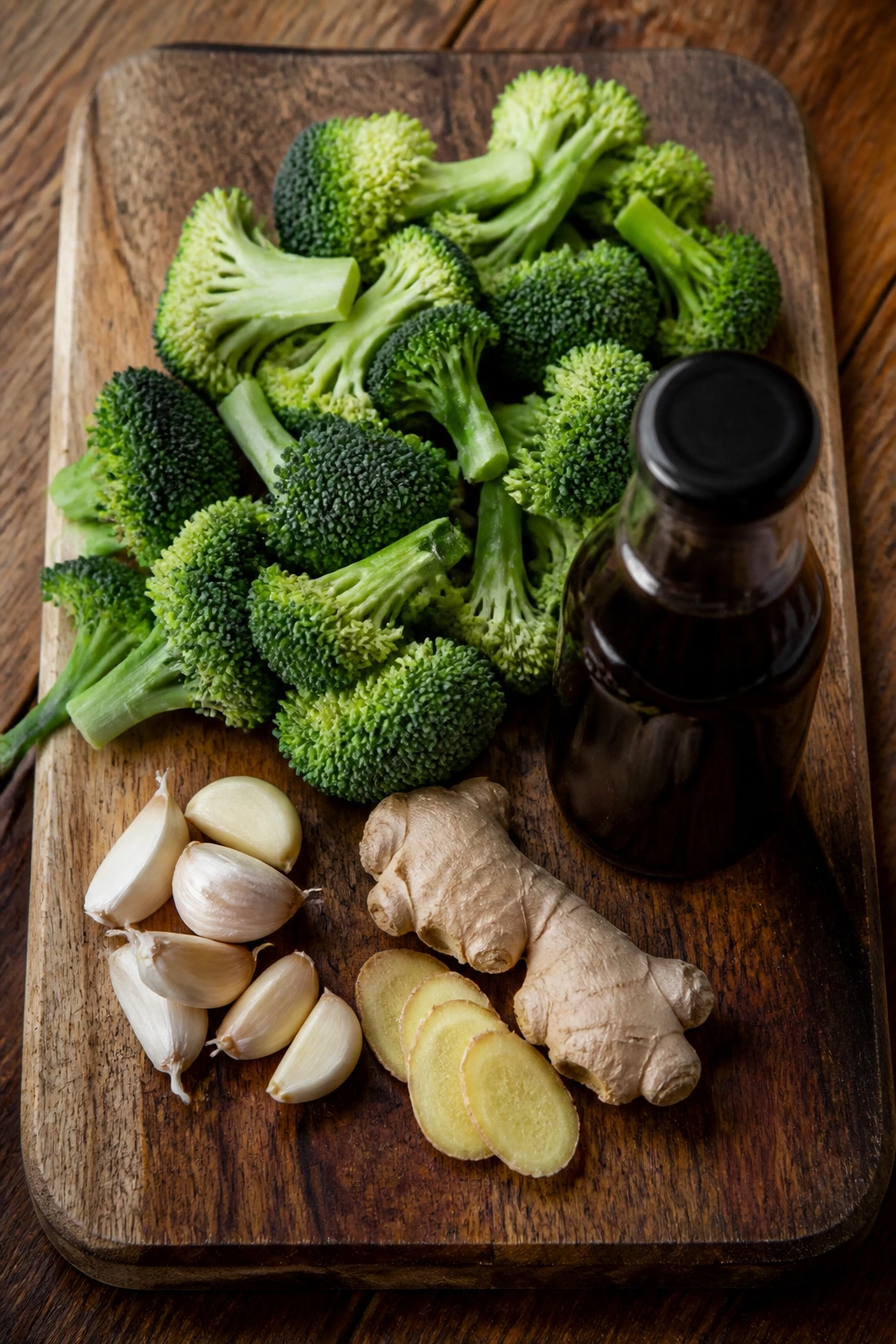
The first mistake is slicing the beef with the grain. It feels harmless until you bite into it and realize the strips resist your teeth. Always slice across the grain, even if it means turning the steak two or three times on the board.
Another common one: putting too much beef in the pan at once. A crowded skillet drops temperature fast, and instead of browning, the meat gives off moisture and turns pale. Batch cooking is not extra work here. It is the work.
Broccoli can get wrecked by impatience. If you leave it in the pan until it looks “soft enough,” it will keep softening after the heat is off. Pull it when it’s bright green and still a little crisp in the stems. That last minute of carryover heat matters.
The sauce can go wrong in the other direction, too. If the cornstarch isn’t whisked in fully, you’ll get little cloudy bits. If the sauce cooks too long after it thickens, it can turn into a sticky paste. The fix is simple: whisk first, simmer briefly, then stop.
One more trap: forgetting to taste at the end. Soy sauce brands vary a lot in saltiness, and oyster sauce can swing sweet or briny. A tiny splash of rice vinegar or an extra pinch of brown sugar can pull the whole bowl into balance.
Variations Worth Trying in the Same Pan
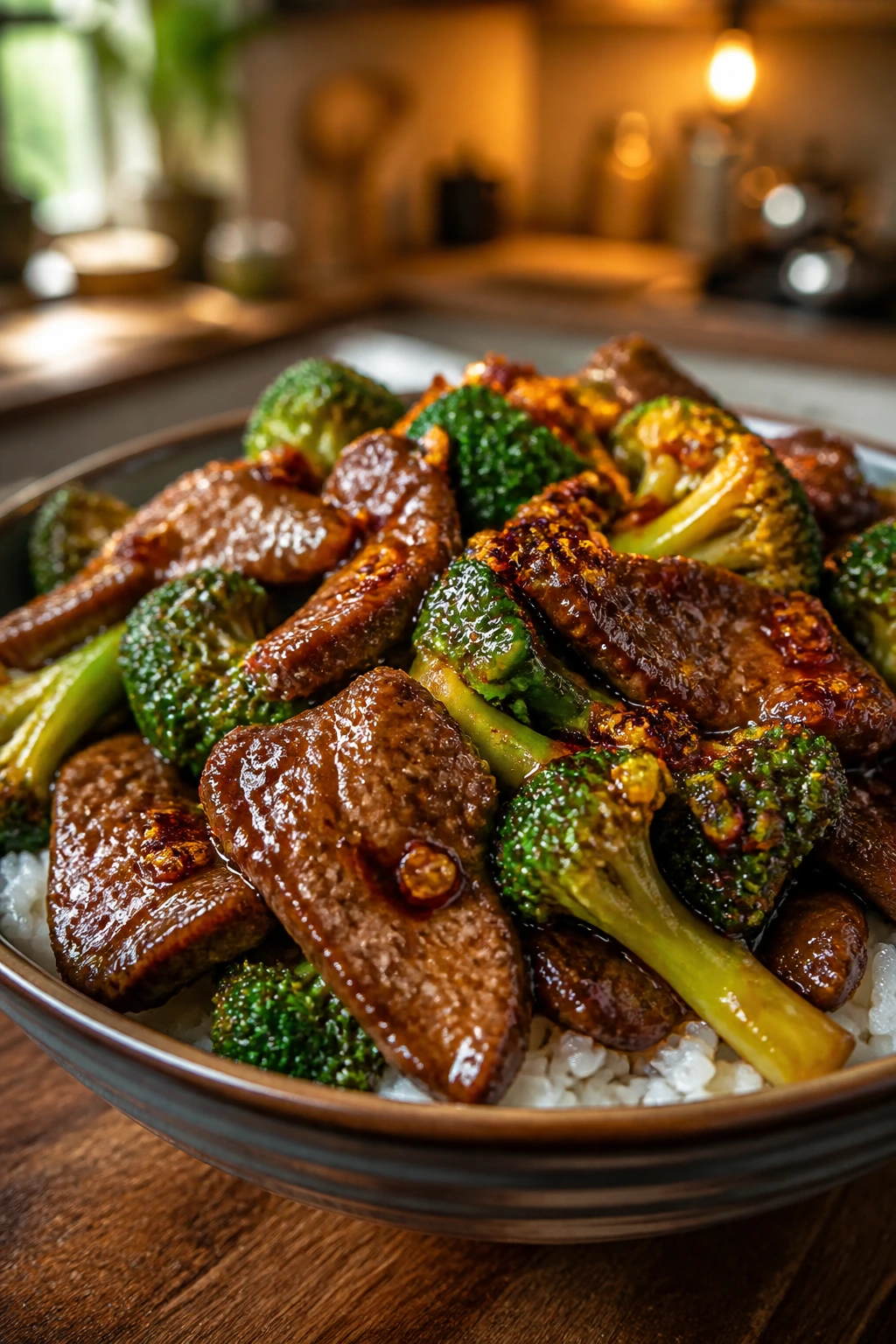
Garlic-Chili Crunch Version: Stir 1 to 2 tablespoons of chili crisp into the sauce at the end and top each bowl with a little more. The fried garlic bits in chili crisp play well with the broccoli, and the heat cuts through the brown sugar.
Orange-Soy Bright Version: Add 1 tablespoon of orange zest and 1/4 cup orange juice to the sauce, then reduce the water by the same amount. The result is still savory, but the citrus edge gives the beef a sharper finish that feels lighter on the plate.
Gluten-Free Tamari Bowl: Swap the soy sauce for tamari and use a gluten-free oyster sauce or mushroom stir-fry sauce. Dry sherry can stand in for Shaoxing wine, and the texture stays the same if you keep the cornstarch amount unchanged.
Broccoli and Snow Pea Mix: Replace half the broccoli with snow peas and add them during the last 60 seconds of cooking. Snow peas stay crisp longer than broccoli, so they bring a little snap and a sweeter bite to the bowl.
Lean Sirloin Version: Top sirloin is a touch leaner than flank, so it benefits from a very short marinade and a fast sear. Keep the slices thin and pull the meat as soon as it loses the last trace of pink.
Storage, Reheating, and Make-Ahead Notes
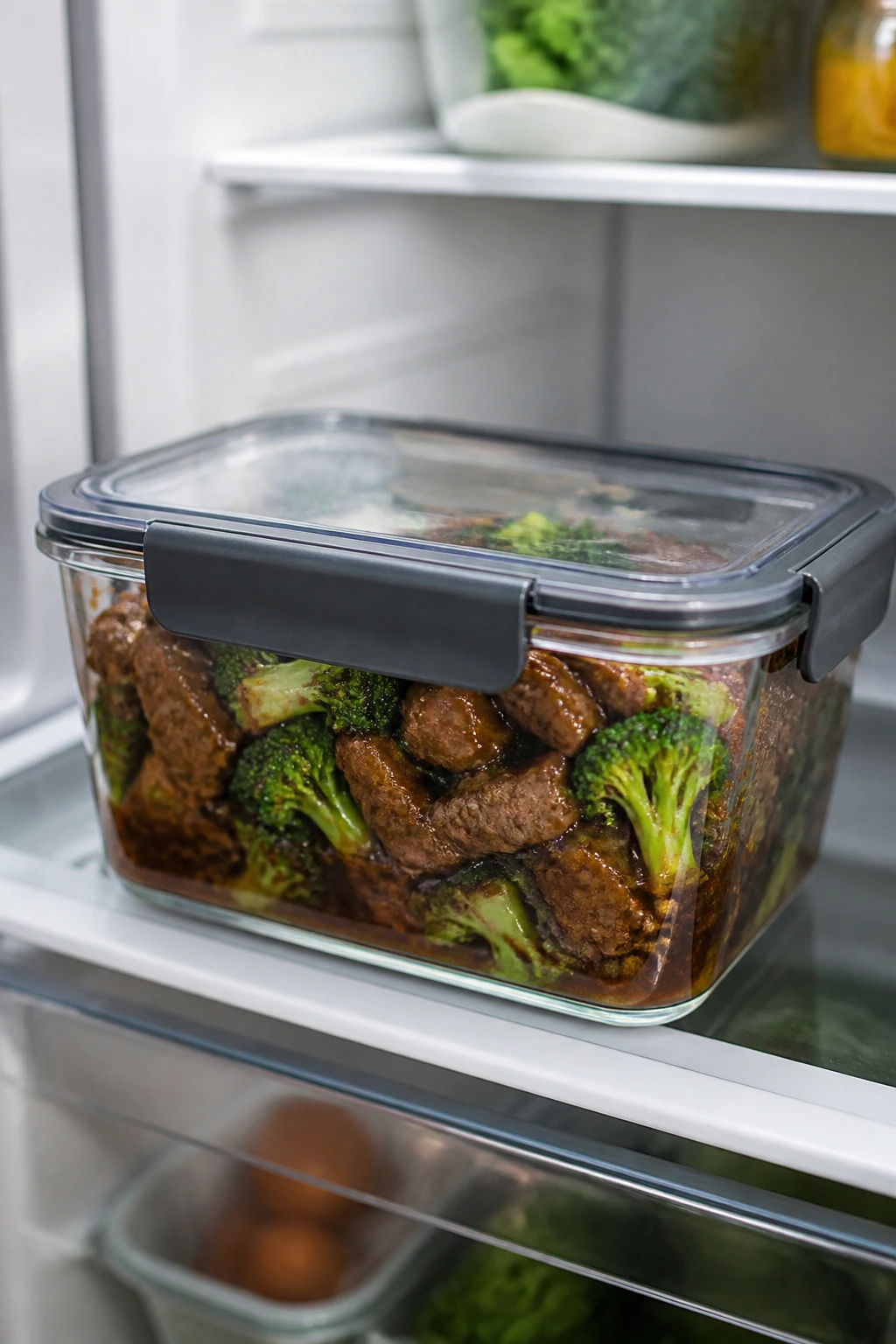
Leftovers keep best in an airtight container in the fridge for 3 to 4 days. The beef stays tender enough, though the broccoli will soften a bit after day one. That’s normal. It still tastes good.
For the freezer, this dish can hold up for up to 2 months, but the broccoli will lose some of its snap. If you know you’re freezing it, undercook the broccoli by about 30 seconds so it has room to soften on reheating. Rice freezes separately better than it does mixed into the stir fry.
Reheat the dish in a skillet over medium heat with 1 to 2 tablespoons of water. Cover for a minute, then stir. The steam loosens the sauce and keeps the beef from drying out. A microwave works too, but keep the bowl covered and heat in 45-second bursts, stirring between each one so the sauce warms evenly.
For make-ahead work, slice and marinate the beef up to 24 hours in advance. The sauce can be whisked a few hours ahead, though the cornstarch should be re-whisked just before cooking. Broccoli can be cut the day before and stored dry. If you want the rice ready, cook it ahead and refrigerate it in a flat container so it reheats without clumping into a brick.
Room temperature is a short window here. Don’t leave the finished stir fry out longer than 2 hours.
Sticky Beef Broccoli Stir Fry Questions

Can I use frozen broccoli instead of fresh?
Yes, but thaw it first and dry it well with paper towels. Frozen broccoli holds extra water, and if you add it wet, the sauce gets diluted and the pan loses heat fast. I’d use it only when fresh broccoli isn’t an option.
What cut of beef is best if I want the most tender result?
Flank steak gives the best mix of flavor and texture, with skirt steak close behind. Sirloin works too, especially top sirloin, but it needs thin slicing and a fast cook so it doesn’t dry out. Whatever you buy, slice across the grain.
Do I need a wok for this?
No. A heavy 12-inch skillet works well and is often easier to handle than a wok on a home stove. What matters more is surface area and heat. If the pan is too small, the beef crowds and the broccoli steams.
Why did my sauce turn thin and salty instead of sticky?
Usually one of two things happened: the cornstarch wasn’t fully whisked in, or the pan wasn’t hot enough for the sauce to bubble and thicken. A brief simmer fixes both. If needed, mix 1 teaspoon cornstarch with 1 tablespoon water and stir that slurry in at the end.
Can I make this less sweet?
Yes. Drop the brown sugar to 2 tablespoons and add an extra teaspoon of rice vinegar. That keeps the sauce balanced without turning it sour. You can also use low-sodium soy sauce so the savory side stays cleaner.
How do I keep the beef from getting tough?
Thin slices, a short marination, and a hot pan do most of the work. Don’t simmer the beef in the sauce for long. Once it’s browned and the sauce has thickened, it’s done.
Is this good for meal prep?
It is, with one caveat: broccoli softens a little in the fridge. If meal prep is the goal, undercook the broccoli by a minute and store the rice separately. The beef and sauce hold up well, and reheating in a skillet brings the texture back better than the microwave.
Why This Bowl Earns Its Spot on the Table
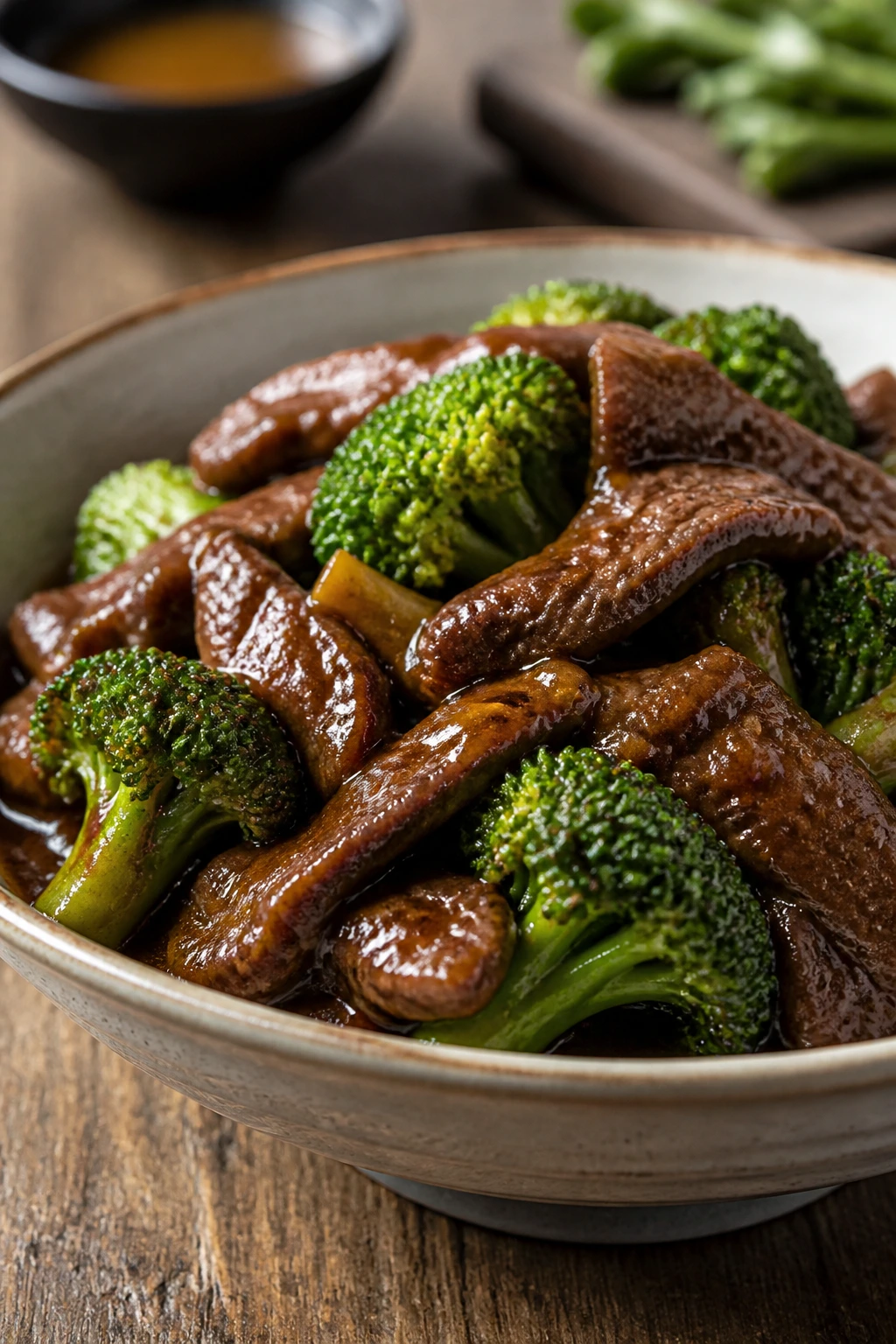
A stir fry like this works because every part earns its place. The beef brings the sear, the broccoli gives you crunch and a little sweetness, and the sauce does the heavy lifting without drowning the whole pan. That balance is the difference between a decent dinner and one you keep thinking about two hours later.
The best part is that it doesn’t need a lot of drama. Give the pan some heat, keep the slices thin, don’t crowd the meat, and stop cooking while the broccoli still has life left in it. Do that, and you end up with the kind of takeout-style dinner that makes the restaurant version feel a little too soft around the edges.
Sticky Beef Broccoli Stir Fry Better than Takeout — Recipe Card
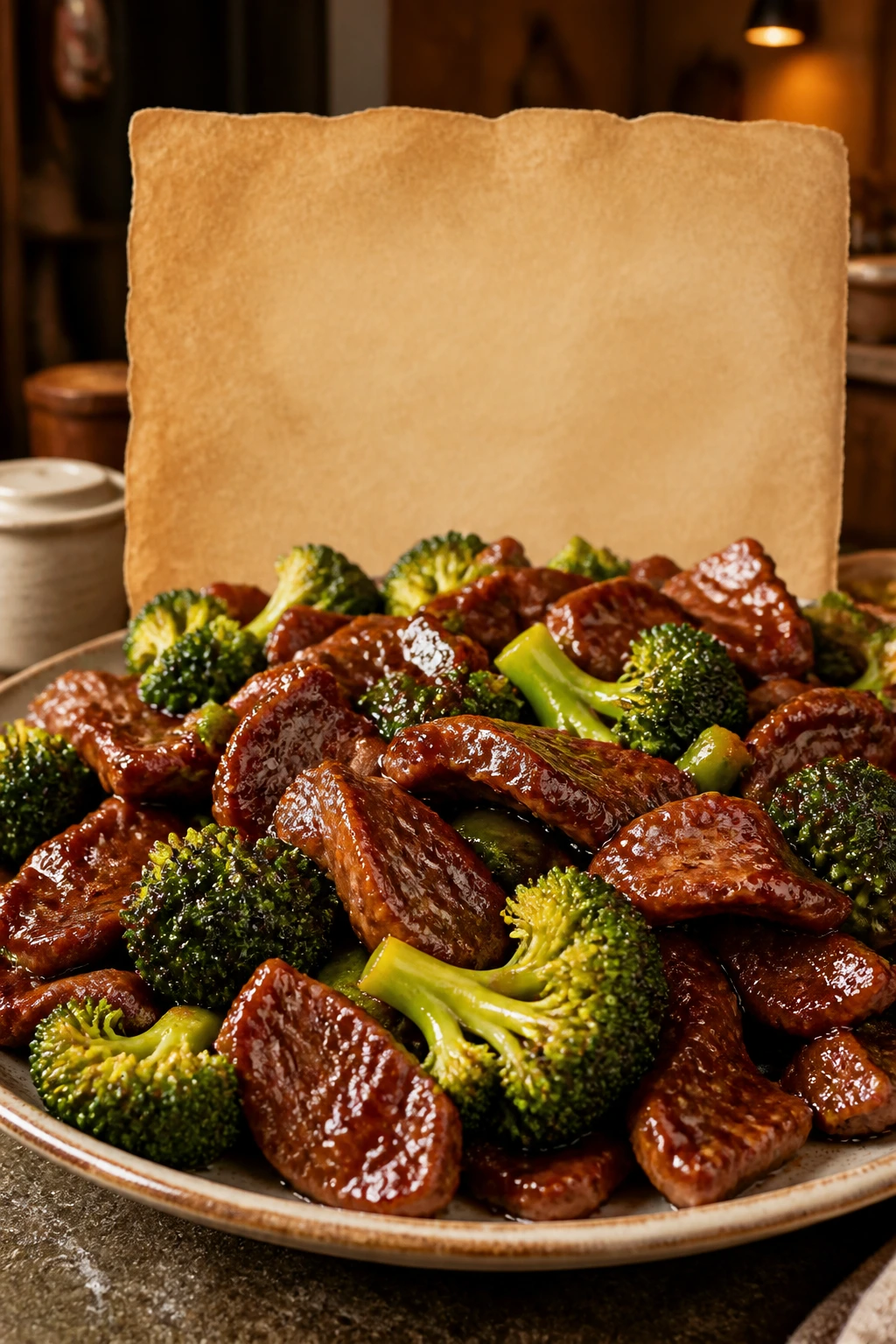
Recipe Name: Sticky Beef Broccoli Stir Fry Better than Takeout
Description: Glossy beef and crisp broccoli coated in a savory-sweet soy oyster sauce with garlic, ginger, and a little sesame warmth. Serve it over jasmine rice for a dinner that tastes fresh, seared, and deeply satisfying.
Prep Time: 20 minutes
Cook Time: 15 minutes
Total Time: 35 minutes
Course: Dinner, Main Course
Cuisine: Chinese-Inspired, Asian-Inspired
Servings: 4 servings
Calories: About 560 kcal per serving
Ingredients
For the Beef:
- 1 1/2 lbs flank steak, skirt steak, or sirloin, sliced very thin across the grain
- 2 tablespoons soy sauce
- 1 tablespoon Shaoxing wine or dry sherry
- 1 tablespoon cornstarch
- 1 teaspoon toasted sesame oil
- 1/2 teaspoon freshly ground black pepper
For the Stir Fry:
- 1 1/2 lbs broccoli florets, cut into bite-size pieces
- 3 tablespoons neutral oil, divided
- 1/4 cup water, divided
- 4 garlic cloves, minced
- 1 tablespoon fresh ginger, grated
For the Sticky Sauce:
- 1/2 cup low-sodium soy sauce
- 1/2 cup water or beef stock
- 1/4 cup oyster sauce
- 3 tablespoons packed light brown sugar
- 1 tablespoon rice vinegar
- 2 teaspoons cornstarch
- 1 teaspoon toasted sesame oil
- 1/4 teaspoon red pepper flakes, optional
For Serving:
- 3 cups hot cooked jasmine rice
- 2 scallions, thinly sliced
- 1 teaspoon toasted sesame seeds
Instructions
-
Toss the sliced beef with soy sauce, Shaoxing wine or dry sherry, cornstarch, sesame oil, and black pepper. Let it sit 10 to 15 minutes.
-
Whisk together the soy sauce, water or beef stock, oyster sauce, brown sugar, rice vinegar, cornstarch, sesame oil, and red pepper flakes if using.
-
Heat a 12-inch skillet or wok over high heat. Add 1 tablespoon oil and sear half the beef for 60 to 90 seconds per side. Remove to a plate and repeat with the remaining beef.
-
Add the remaining oil, then add the broccoli and 2 tablespoons water. Cover for 1 minute, then stir-fry 2 to 3 minutes until bright green and crisp-tender.
-
Add the garlic and ginger and stir for about 15 seconds, just until fragrant.
-
Re-whisk the sauce, pour it into the pan, and simmer 30 to 45 seconds until slightly thickened.
-
Return the beef and any juices to the pan. Toss 60 to 90 seconds until the beef is cooked through and the sauce clings to everything.
-
Turn off the heat, stir in the scallions, and serve over jasmine rice. Finish with sesame seeds.
Notes: Slice the beef across the grain, re-whisk the sauce before it hits the pan, and cook in batches so the meat browns instead of steaming. For a sharper finish, add a tiny splash of rice vinegar right before serving.