



The pan should be loud. Not polite loud. The kind of hiss that starts when chicken hits hot oil and the edges go from pink to opaque before you can finish your first stir.
A good spicy stir fry works because every part is doing a small, specific job. The chicken gets a thin cornstarch coat so it sears instead of drying out. The vegetables stay bright and snappy because they go in hot and come out fast. The sauce lands at the end, thickens in seconds, and clings to the food instead of pooling in the bottom of the bowl like a regretful soup.
I’ve had plenty of restaurant stir-fries that tasted one-note once they cooled down a little. Too salty. Too sweet. Too wet. Home stir fry can beat that with less drama than people think — if you respect the heat, chop the vegetables to the right size, and stop treating the sauce like an afterthought. Once you do, this becomes the kind of weeknight dinner that feels fast without tasting rushed.
Why This Spicy Stir Fry Earns Its Keep
A stir fry can look simple and still fall apart if the order is wrong. This one stays sharp, glossy, and punchy because the whole method is built around speed and separation: protein first, vegetables second, sauce last.
- Fast heat, no long simmer: Once the chopping is done, the actual cooking takes about 15 minutes, which keeps the broccoli green and the peppers from turning limp.
- Glossy sauce, not a puddle: A little cornstarch in both the chicken and the sauce gives that clingy, takeout-style finish without needing a gallon of liquid.
- Heat you can steer: Chili garlic sauce, sambal oelek, or even chili crisp lets you choose the burn level instead of letting the dish choose it for you.
- Uses pantry bottles with purpose: Soy sauce, oyster sauce, rice vinegar, and sesame oil do the heavy lifting here; none of them are decorative.
- Reheats with less damage than most skillet dinners: If you rewarm it in a hot pan with a splash of water, the sauce comes back to life instead of tightening into a sticky glaze.
The nice part is that this is not a fussy dinner. It just rewards attention. That’s a fair trade.
Timing and Yield at a Glance
The clock matters in stir fry. Once the oil goes in, the line between “done” and “overdone” is short, so it helps to know exactly where the finish line is before you start.
Yield: Serves 4
Prep Time: 20 minutes
Cook Time: 15 minutes
Total Time: 35 minutes active + 10 minutes resting
Difficulty: Intermediate — the steps themselves are straightforward, but the heat, chopping, and timing need to be lined up before the first sizzle.
Chill/Rest Time: 10 minutes for the chicken to sit in the quick marinade
Best Served: Right away, while the sauce is glossy and the vegetables still have bite
The Ingredient List for a Spicy Stir Fry That Stays Crisp
For the Chicken and Quick Marinade:
- 1 1/2 pounds boneless, skinless chicken thighs, trimmed and cut into 1-inch pieces
- 1 tablespoon low-sodium soy sauce
- 1 tablespoon Shaoxing wine or dry sherry
- 1 tablespoon cornstarch
For the Stir Fry Sauce:
- 1/3 cup low-sodium soy sauce
- 1/4 cup chicken broth or water
- 2 tablespoons oyster sauce
- 1 to 2 tablespoons chili garlic sauce or sambal oelek
- 1 tablespoon rice vinegar
- 1 tablespoon honey or packed brown sugar
- 2 teaspoons cornstarch
- 1 teaspoon toasted sesame oil
For the Vegetables and Aromatics:
- 2 tablespoons neutral oil, divided
- 1 small yellow onion, cut into 1/2-inch wedges
- 2 cups broccoli florets, cut into bite-size pieces
- 1 red bell pepper, sliced into 1/2-inch strips
- 1 cup snap peas, strings removed
- 4 garlic cloves, minced
- 1 tablespoon fresh ginger, minced
- 3 scallions, sliced, whites and greens separated
To Serve:
- 3 cups cooked jasmine rice
- 1 tablespoon toasted sesame seeds
Why Each Ingredient Pulls Its Weight
Chicken
- What to use: 1 1/2 pounds boneless, skinless chicken thighs cut into 1-inch pieces.
- Preparation: Pat the chicken dry before cutting, then keep the pieces close to the same size so they cook at the same pace.
- Substitutions: Chicken breast works if that’s what you have, but it needs a sharper eye and shorter cook time; extra-firm tofu also works if you press it well first.
- Tips: Thighs stay juicy even when the pan gets fierce, which is why I reach for them here. Breast can turn chalky fast if you get distracted by the vegetables.
The Sauce
- What to use: Soy sauce, chicken broth or water, oyster sauce, chili garlic sauce or sambal oelek, rice vinegar, honey, cornstarch, and toasted sesame oil.
- Preparation: Whisk until the cornstarch disappears and the sauce looks smooth and slightly darkened; any dry starch hiding at the bottom will show up as a lump later.
- Substitutions: Tamari can replace soy sauce for a gluten-free version. If you don’t keep oyster sauce around, hoisin works in a pinch, but cut the honey by about 1 teaspoon because hoisin brings its own sweetness.
- Tips: Taste the sauce before it hits the wok. It should seem a little too bold on its own — salty, sweet, sharp, and spicy — because the vegetables and chicken will calm it down once everything comes together.
Vegetables
- What to use: Onion, broccoli, red bell pepper, and snap peas.
- Preparation: Keep the broccoli small enough to soften at the stem before the sauce is done. Slice the pepper into even strips so you don’t end up with some pieces limp and others still crisp.
- Substitutions: Broccoli can become broccolini, green beans, asparagus, baby bok choy, or sliced mushrooms. The snap peas can be swapped for snow peas if that’s what’s in your crisper.
- Tips: Dry vegetables matter more than people think. If they’re wet from rinsing, they steam instead of blistering, and that steals the whole point.
Aromatics and Finish
- What to use: Garlic, ginger, and scallions.
- Preparation: Mince the garlic and ginger fine so they melt into the sauce instead of staying in sharp little chunks. Keep the scallion greens separate from the whites so you can add them at different moments.
- Substitutions: Shallot can step in for onion in a lighter version, and if you’re out of scallions, a handful of cilantro leaves at the end gives a different but welcome fresh finish.
- Tips: Garlic and ginger go in late, not early. They burn faster than people expect, and burnt garlic has that bitter, stale edge that can flatten the whole skillet in one second.
The Pan and Tools That Make Stir Fry Easier
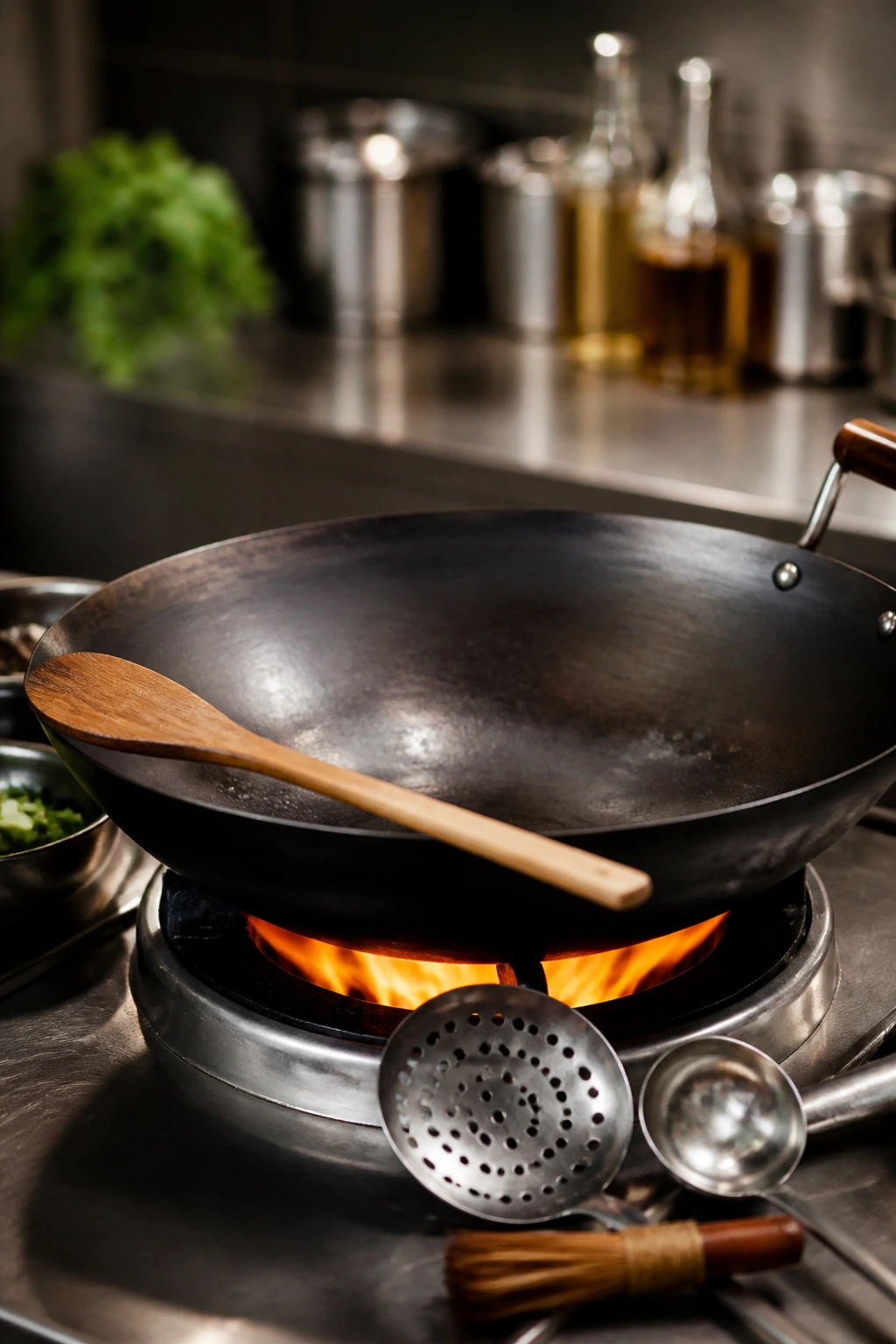
You do not need a restaurant burner. You do need a pan that can take heat without sulking.
- 12-inch wok or large stainless-steel skillet: A wok gives you more room to toss, but a heavy skillet works well if your burner is decent and you keep the batch size under control.
- Mixing bowl for the sauce: A medium bowl gives you enough room to whisk the cornstarch smooth without sloshing soy sauce all over the counter.
- Second bowl for the chicken marinade: Keep raw chicken separate from the sauce bowl. It’s cleaner, safer, and less annoying to manage.
- Tongs or a wok spatula: Something with a little shape makes it easier to flip the chicken without stabbing it into pieces.
- Chef’s knife and cutting board: Sharp knife, stable board, clean cuts. Stir fry punishes sloppy chopping because mismatched pieces cook at different speeds.
- Instant-read thermometer: Optional, but helpful. Chicken should hit 165°F in the thickest piece, and there’s no guessing if you have the number in front of you.
If your skillet is thin and tends to cool down fast, cook the chicken in two batches. That sounds like extra work. It isn’t. It is the difference between browned chicken and gray, steamed chicken.
The Sizzle-to-Bowl Method
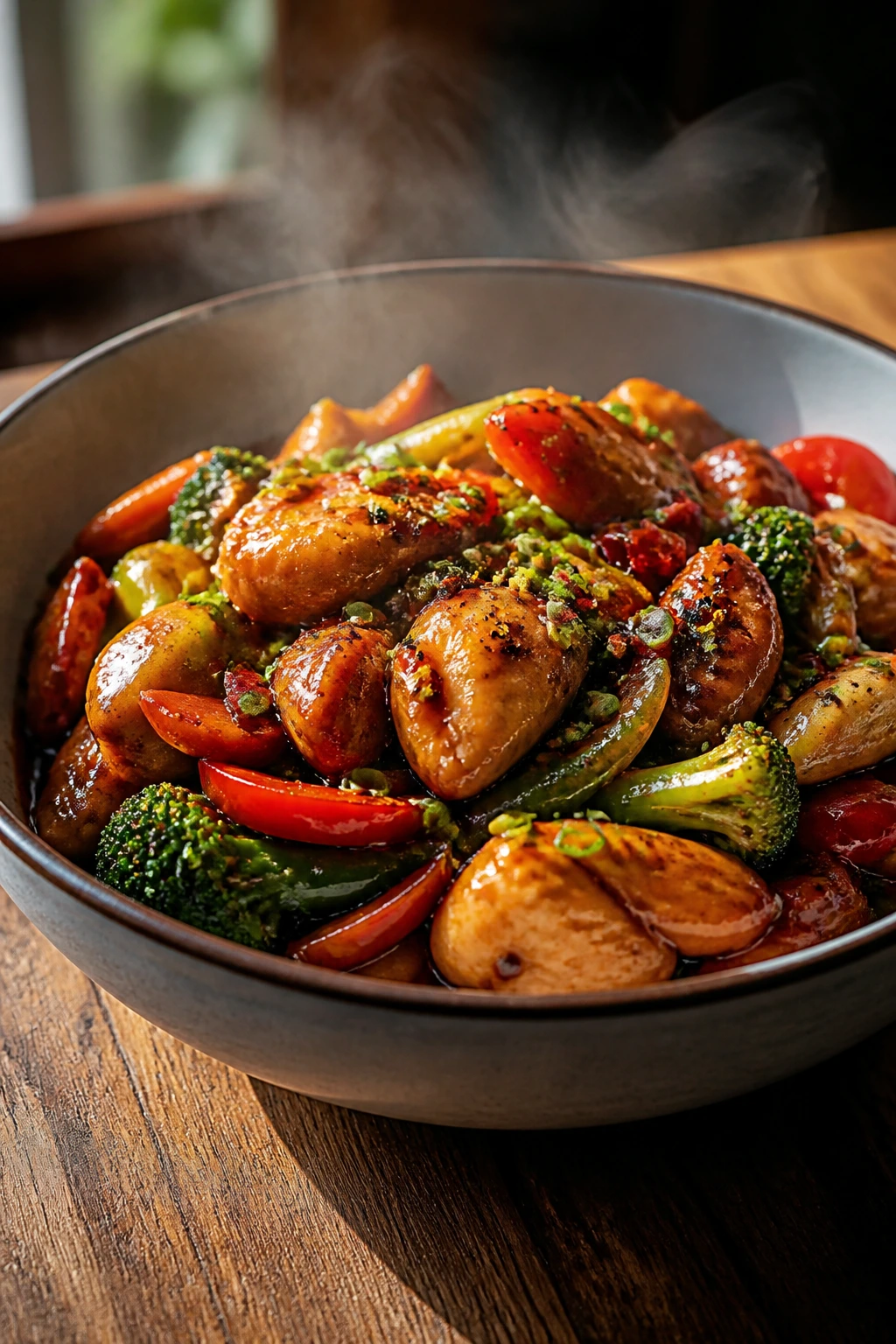
The quiet part happens before the stove turns on. Once the heat starts, you want everything within reach: chicken, vegetables, sauce, tongs, and rice already cooked and waiting.
Prep the Sauce and Chicken:
- In a medium bowl, whisk together the soy sauce, chicken broth, oyster sauce, chili garlic sauce, rice vinegar, honey, cornstarch, and sesame oil until the cornstarch disappears and the liquid looks smooth.
- In a second bowl, toss the chicken with the soy sauce, Shaoxing wine, and cornstarch until every piece is lightly coated. Let it sit for 10 minutes while you finish the vegetables. Do not skip this rest — the cornstarch needs a minute to cling to the chicken.
Heat the Pan and Brown the Protein:
- Set a wok or large skillet over high heat and let it get properly hot, about 1 to 2 minutes. Add 1 tablespoon of neutral oil and swirl it around so the bottom shines.
- Add the chicken in a single layer. Leave it alone for 60 to 90 seconds so the first side can brown, then stir and cook for another 2 to 3 minutes until the pieces are mostly cooked through and the edges have a little color. Transfer the chicken to a clean plate. If the pan is crowded, cook in two batches.
Stir-Fry the Vegetables:
- Add the remaining tablespoon of oil. Add the onion and broccoli, and stir-fry for 2 minutes, tossing often. If the pan looks dry or the vegetables threaten to stick, splash in 1 to 2 tablespoons of water.
- Add the red bell pepper and snap peas. Stir-fry for another 1 to 2 minutes until the vegetables are bright, hot, and still crisp at the center. They should not go soft.
- Add the garlic, ginger, and scallion whites. Stir constantly for 20 to 30 seconds, just until fragrant. If the garlic turns brown, you’ve gone too far.
Finish With Sauce and Serve:
- Return the chicken and any juices from the plate to the pan. Give the sauce one more whisk, then pour it around the edges of the skillet. Toss everything for 1 to 2 minutes until the sauce thickens enough to coat the chicken and vegetables in a shiny layer.
- Check the thickest chicken piece. It should read 165°F and look opaque all the way through. Turn off the heat, stir in the scallion greens, and sprinkle with sesame seeds. Serve immediately over jasmine rice.
The sauce will tighten fast. That’s good. You want the food to look glossy, not soupy.
How to Serve It With Rice, Noodles, or Greens
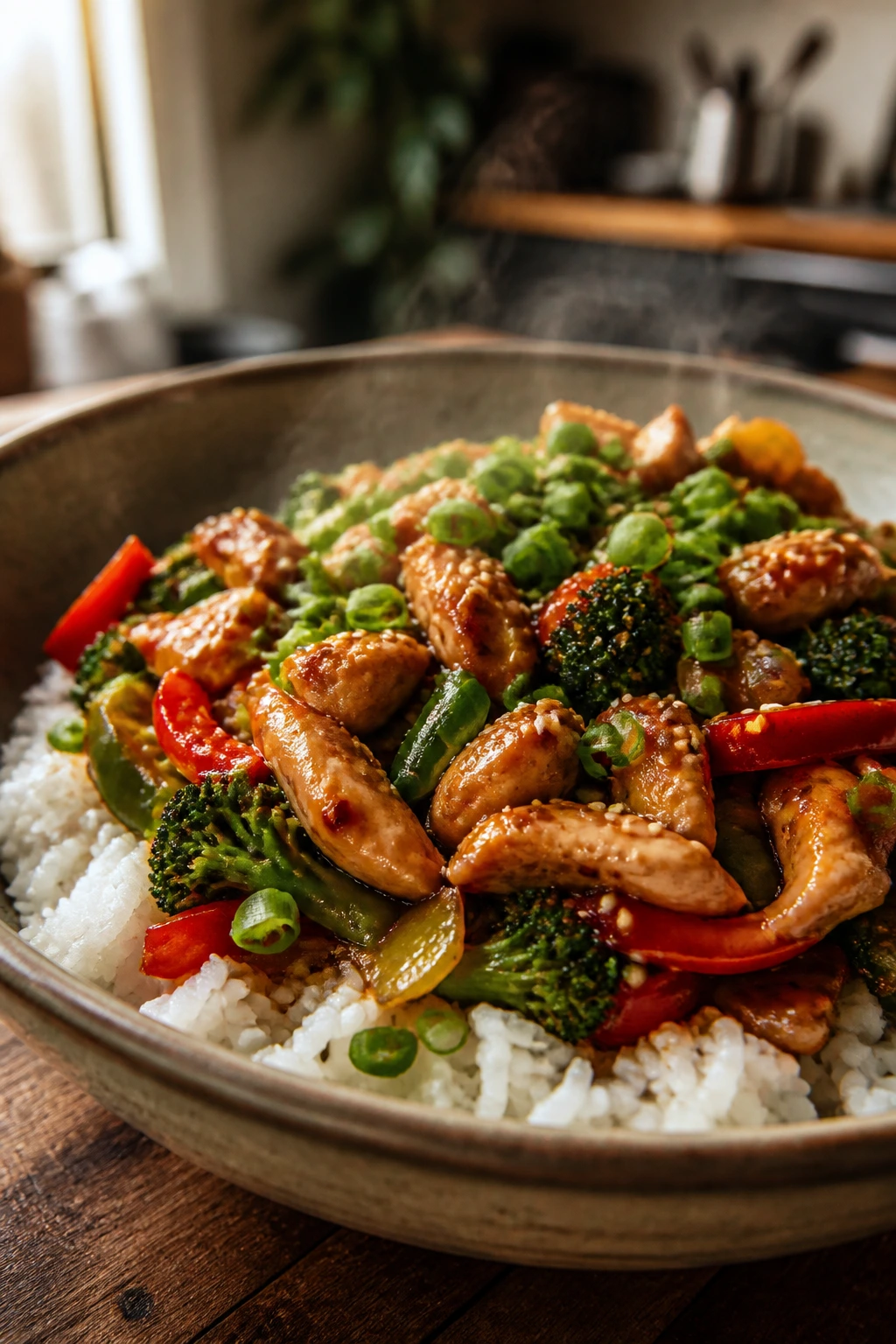
Presentation: Spoon the stir fry over a shallow bed of jasmine rice so the sauce slides into the grains instead of disappearing. Heap the vegetables high on top and finish with the scallion greens and sesame seeds so the bowl looks lively, not brown and flat.
Accompaniments: Jasmine rice is the cleanest match because it stays soft and doesn’t fight the chili or garlic. If you want more chew, serve the stir fry over lo mein noodles or thin rice noodles. A crisp cucumber salad on the side is the one cold, crunchy thing that makes the heat feel sharper in a good way.
Portions: A generous serving is about 1 1/2 cups of stir fry with 3/4 cup cooked rice. If you’re feeding very hungry people, push the rice to a full cup per plate and keep the stir fry the same; stretching the vegetables too far makes the sauce lose its punch.
Beverage Pairing: I like a cold lager or a dry ginger beer with this because both cut through the sauce without clashing with the chili. Iced jasmine tea works too, especially if you want something that tastes calm beside the heat.
Practical Tips for Better Spicy Stir Fry at Home
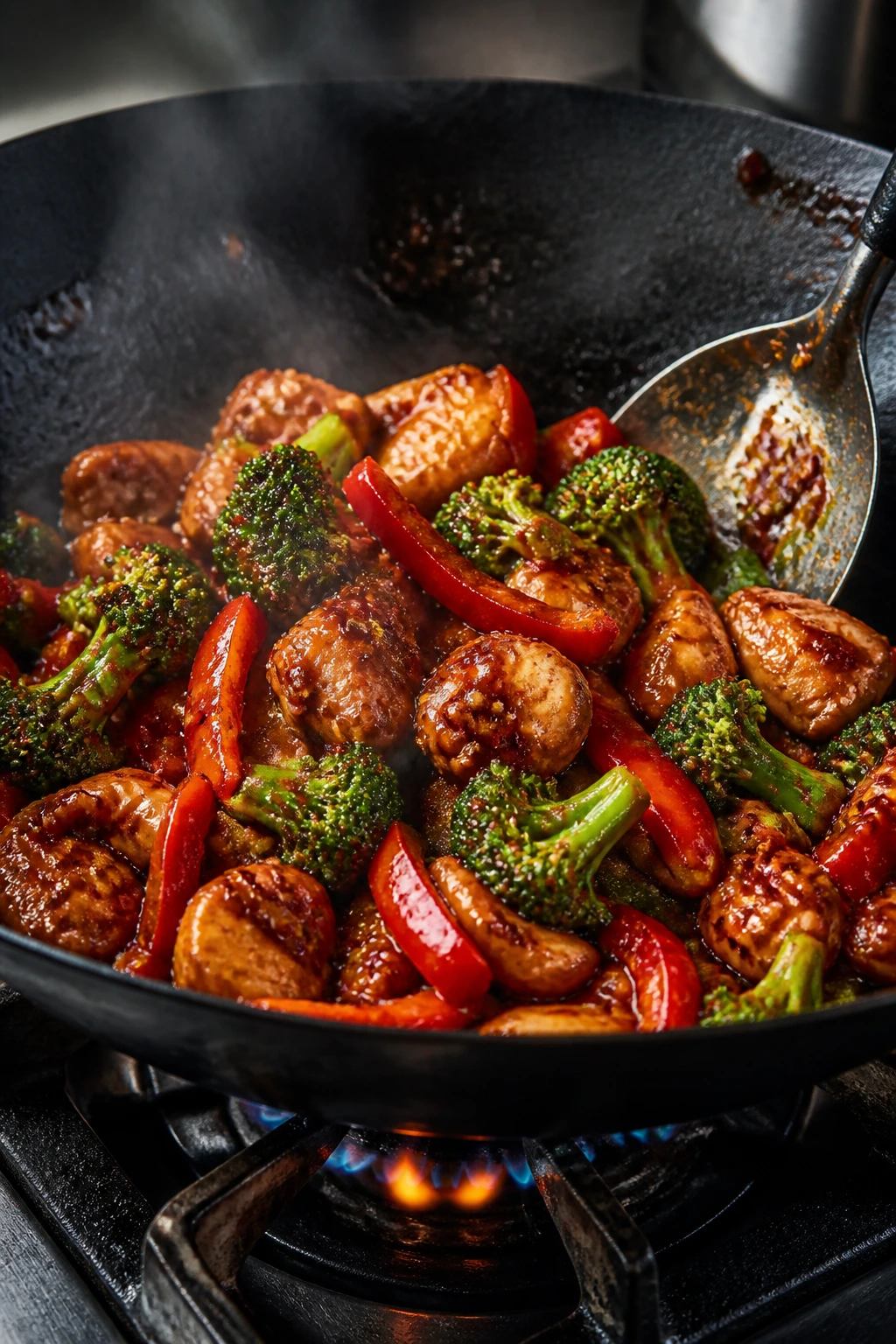
Flavor Enhancement: A small spoonful of chili crisp at the very end gives the dish a deeper heat and a little crunch. Add it off the heat, not while the sauce is boiling, so the chili flakes stay bright instead of tasting burned.
Time-Saver: Mix the sauce in the morning and keep it in the fridge. At dinner time, all you have to do is whisk it once more and pour it in. That one prep move saves enough mental energy to matter.
Heat Control: If your burner runs weak, stop trying to compensate with more sauce. Use a smaller batch or cook the chicken and vegetables in separate turns. Weak heat plus a crowded skillet is how stir fry becomes steamed dinner.
Texture Upgrade: Cut the broccoli florets smaller than you think you need. The stem ends are what take the longest to soften, and small florets mean the whole piece lands on the plate at the same texture point.
Make-It-Yours: If you want more acidity, finish with 1 extra teaspoon of rice vinegar after the sauce thickens. If you want more sweetness, add another teaspoon of honey. Don’t guess at the end; adjust in tiny amounts and taste after each stir.
Cost-Saver: Frozen snap peas or frozen broccoli can work when fresh vegetables are expensive, but thaw them and pat them dry first. Wet frozen vegetables need a little extra heat, and that means the pan may need to be cooked in two shorter batches.
I’m a fan of thighs here because they forgive a slightly hot pan and a slightly distracted cook. That matters more than recipe poetry.
Common Stir Fry Mistakes and How to Fix Them
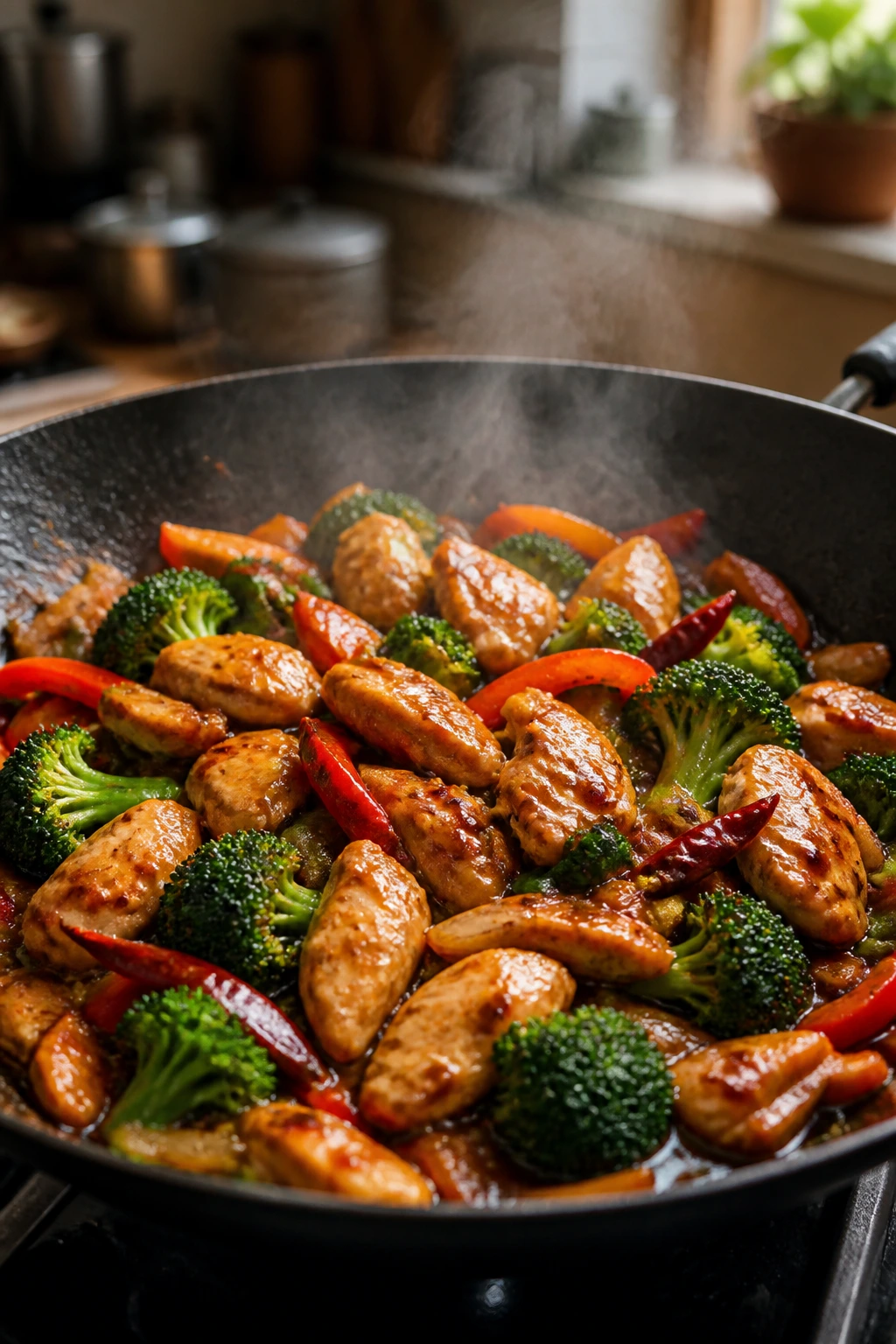
- Crowding the pan: If the chicken goes in all at once and the pieces start releasing water, you’ll get pale, rubbery meat instead of browned edges. Fix it by cooking in batches and keeping the pan hot between batches.
- Adding garlic too early: Garlic that sits in the pan while the chicken browns turns dark and bitter. Add it only after the vegetables have already started to soften, and keep it moving for less than half a minute.
- Pouring in the sauce before the vegetables are hot: Cold vegetables plus sauce equals a loose, watery finish. The vegetables need to be hot enough that the sauce thickens almost immediately when it hits the pan.
- Using sauce that was never whisked smooth: Cornstarch settles. If you dump the sauce in without whisking, the first spoonful may clump while the rest stays thin. Give the bowl a quick stir every time, even if it looks mixed already.
- Overcooking the broccoli and peas: The color shifts from bright green to dull olive, and the texture goes soft in a hurry. Pull the vegetables while they still have a little bite; they’ll finish in the sauce.
- Ignoring the juices on the chicken plate: Those few tablespoons of liquid taste like the chicken and the marinade, so they should go back into the skillet. Toss them in with the sauce instead of leaving them behind.
A stir fry rarely fails from one giant mistake. It usually goes wrong by six tiny ones in a row. The fix is not complicated; it just asks for a little attention.
Variations Worth Trying
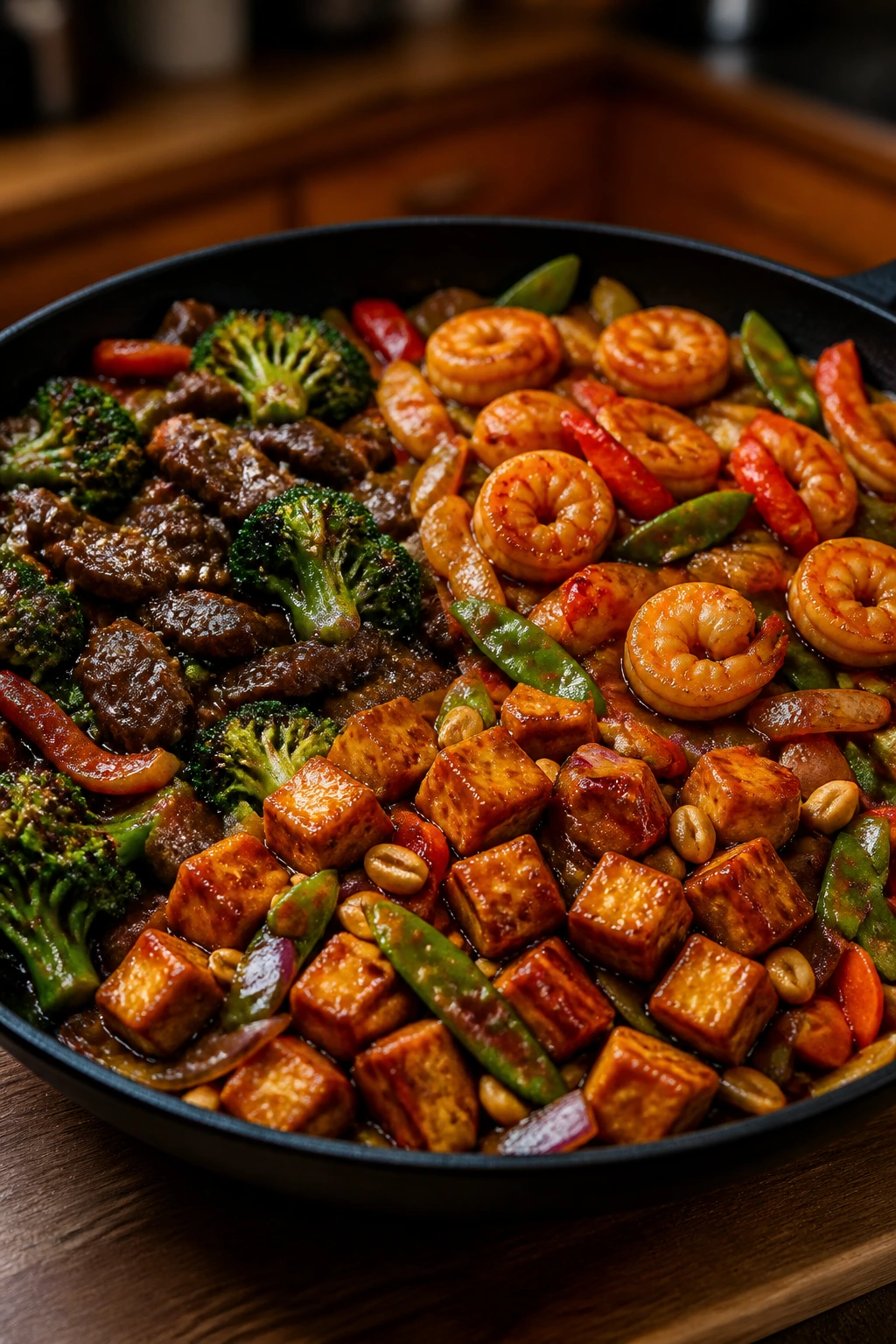
Crispy Beef and Broccoli Swap
Use 1 1/2 pounds flank steak, sliced very thin against the grain, and shorten the cook time on the beef to about 90 seconds per side. Everything else can stay the same, though I’d lean a little harder into the chili garlic sauce because beef can carry more heat.
Shrimp Lightning Round
Swap in 1 1/2 pounds peeled shrimp and cut the vegetable cook time by about a minute. Shrimp cooks fast enough to go in after the vegetables are nearly done, which keeps it juicy instead of squeaky. Pull the pan the second the shrimp turn opaque and pink.
Tofu With a Crunchy Crust
Press 14 to 16 ounces of extra-firm tofu for 20 minutes, cube it, and toss it with 2 teaspoons cornstarch plus a pinch of salt before frying. You’ll want to brown the tofu first, remove it, then finish the vegetables and sauce the same way. The texture is different from chicken, but the sauce fits it nicely.
Vegetable-Heavy Pantry Bowl
Use broccoli, mushrooms, carrots, cabbage, and snap peas when the crisper drawer is loaded. Slice the mushrooms thick and the carrots thin so they cook at a similar speed, then keep the sauce exactly the same. This version has a softer, more brothy feel if you add a splash more broth.
Gluten-Free Tamari Bowl
Replace the soy sauce with tamari and check that your oyster sauce is gluten-free or swap in a mushroom stir-fry sauce. The flavor stays deep and salty, but the bowl gets a little cleaner and less sharp. It’s a straightforward switch, not a compromise.
Make-Ahead, Storage, and Reheating
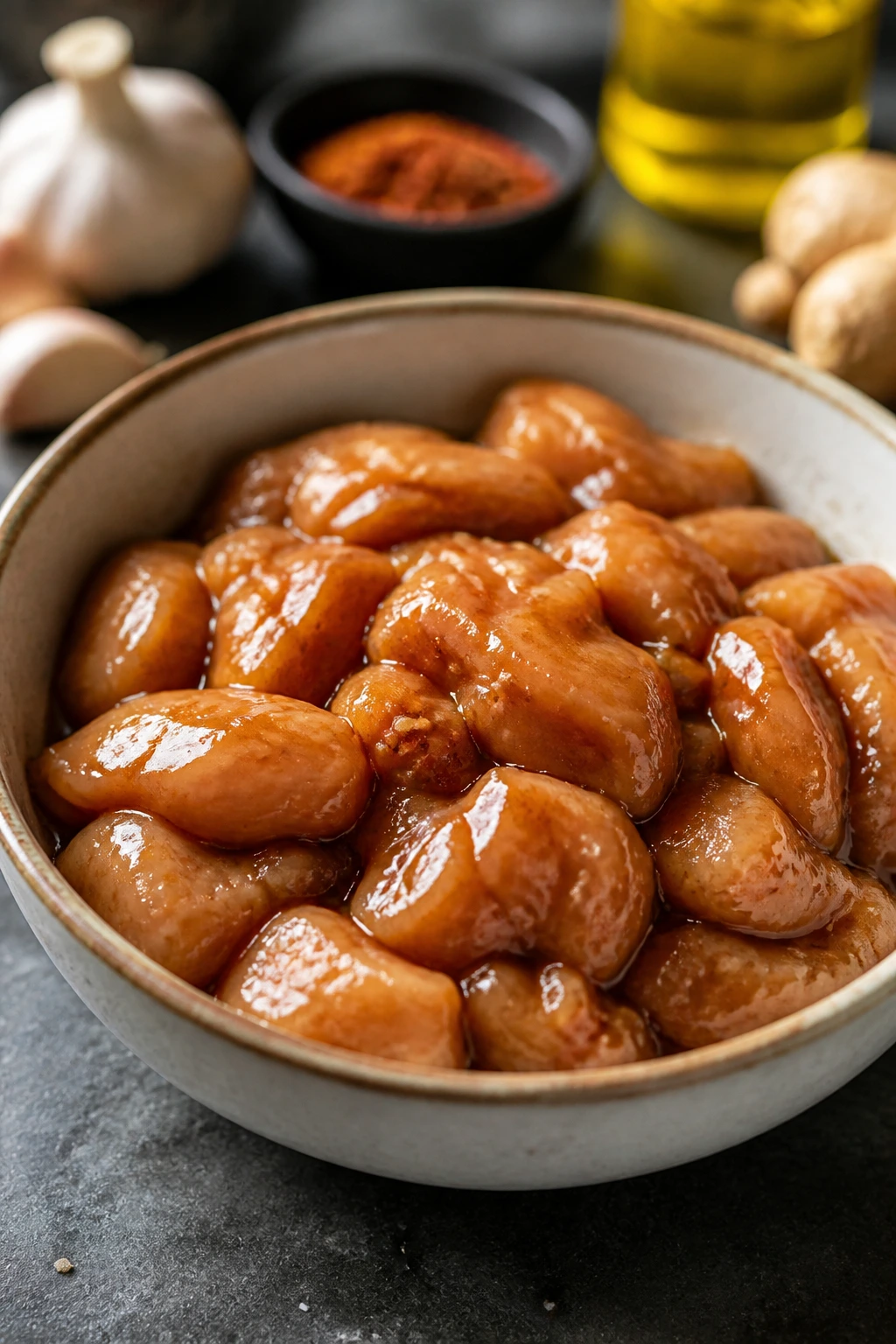
Cooked stir fry holds well if you treat the components with a little respect. The rice and the stir fry are happier stored separately, and the sauce stays cleaner that way.
For make-ahead work, mix the sauce up to 3 days in advance and keep it in a sealed jar in the fridge. The chicken can be cut the day before, but I’d wait to toss it with cornstarch until about 10 minutes before cooking so the coating stays light instead of gummy. The vegetables can be washed and cut up to 24 hours ahead, though broccoli and snap peas should be patted dry before they go into the container.
Leftovers keep in the refrigerator for 3 to 4 days in an airtight container. Room temperature is a no-go after 2 hours, or 1 hour if the kitchen is hot and the food is sitting out longer than it should. The freezer will hold the cooked stir fry for up to 2 months, but the vegetables will soften after thawing, so I prefer freezing only when I know I’ll reheat it for lunch rather than serve it to company.
For reheating, a skillet beats a microwave every time. Set a pan over medium-high heat, add the leftovers with 1 to 2 tablespoons of water or broth, and toss until the sauce loosens and the chicken is hot all the way through. If you use the microwave, cover the bowl loosely and heat in 60-second bursts, stirring between rounds so the sauce doesn’t separate at the edges.
Rice reheats better with a damp paper towel on top, which keeps the grains from drying into little hard pellets. Simple trick. Works.
Questions People Ask Before the First Sizzle
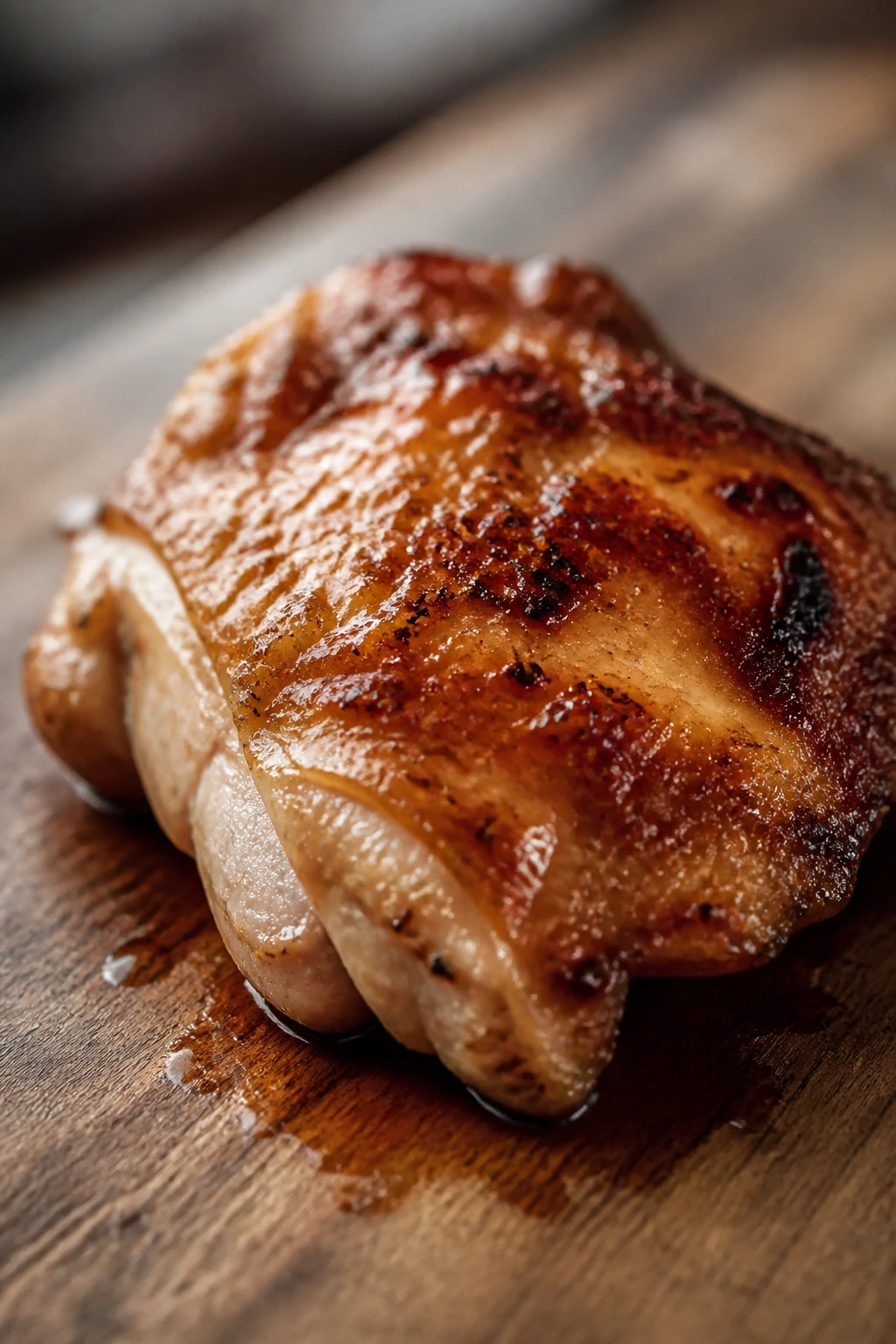
Can I use chicken breast instead of thighs?
Yes, but slice it a little thinner and watch the clock. Breast cooks faster and dries out sooner, so pull it the moment the pieces turn opaque and the center reaches 165°F.
What if I don’t own a wok?
Use the biggest heavy skillet you have. A 12-inch stainless-steel skillet or cast iron pan can do the job as long as you don’t overcrowd it and you keep the burner hot.
How do I make it less spicy without flattening the flavor?
Cut the chili garlic sauce down to 1 tablespoon and add another teaspoon of honey plus a splash more rice vinegar. That keeps the sauce lively without turning the bowl into a chili test.
Can I use frozen vegetables?
You can, but thaw them first and pat them dry so they don’t dump water into the pan. Frozen broccoli and snap peas are the easiest swaps; frozen bell peppers tend to go soft in a hurry.
Why did my sauce turn clumpy?
Usually the cornstarch wasn’t whisked in smoothly, or the sauce hit the pan before the vegetables were hot enough. Keep whisking the sauce right before it goes in, and let the heat do the thickening instead of trying to force it with extra starch.
Can I make this for meal prep?
Yes, though the vegetables soften a bit after a day or two. For the best lunch texture, store the rice and stir fry separately and reheat the stir fry in a skillet so the sauce loosens instead of soaking the vegetables.
What noodles work best if I skip the rice?
Lo mein noodles, ramen noodles, or thin rice noodles all work. I like lo mein best because the sauce clings to the curled noodles and the dish still feels sturdy enough for a fork.
Can I add more vegetables without ruining the sauce balance?
Yes, but keep the total chopped vegetables to about 5 to 6 cups and be ready to add 1 extra tablespoon of broth if the pan looks dry. Once you go past that, the sauce starts to spread too thin unless you increase the cornstarch a little.
A Hot Pan, a Quiet Counter
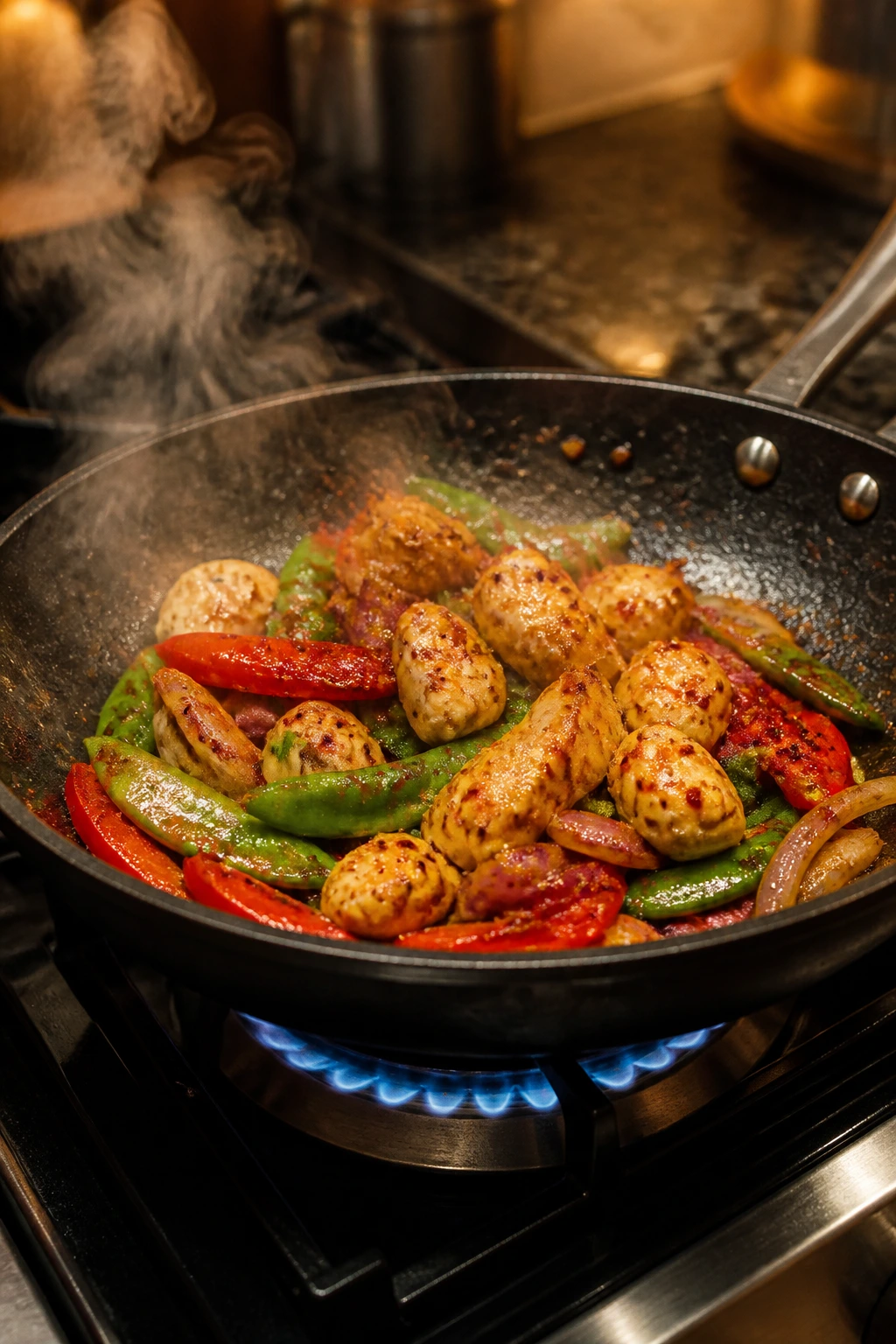
A stir fry looks like a fast dinner because it is fast, but the part that makes it worth repeating is the order underneath the speed. Hot pan. Dry vegetables. Sauce at the end. Chicken cooked just enough, not a second longer. Those are small decisions, and they matter more than any special bottle on the shelf.
That’s why this spicy stir fry works on a Tuesday when the fridge looks half empty and you’d still like dinner to feel deliberate. Keep the ingredients cut small, keep the heat steady, and don’t let the pan cool off just because you got distracted for a minute. The next time you want a bowl with real bite and a sauce that clings instead of slides, this is the skillet I’d reach for.
Spicy Chicken Stir Fry — Recipe Card
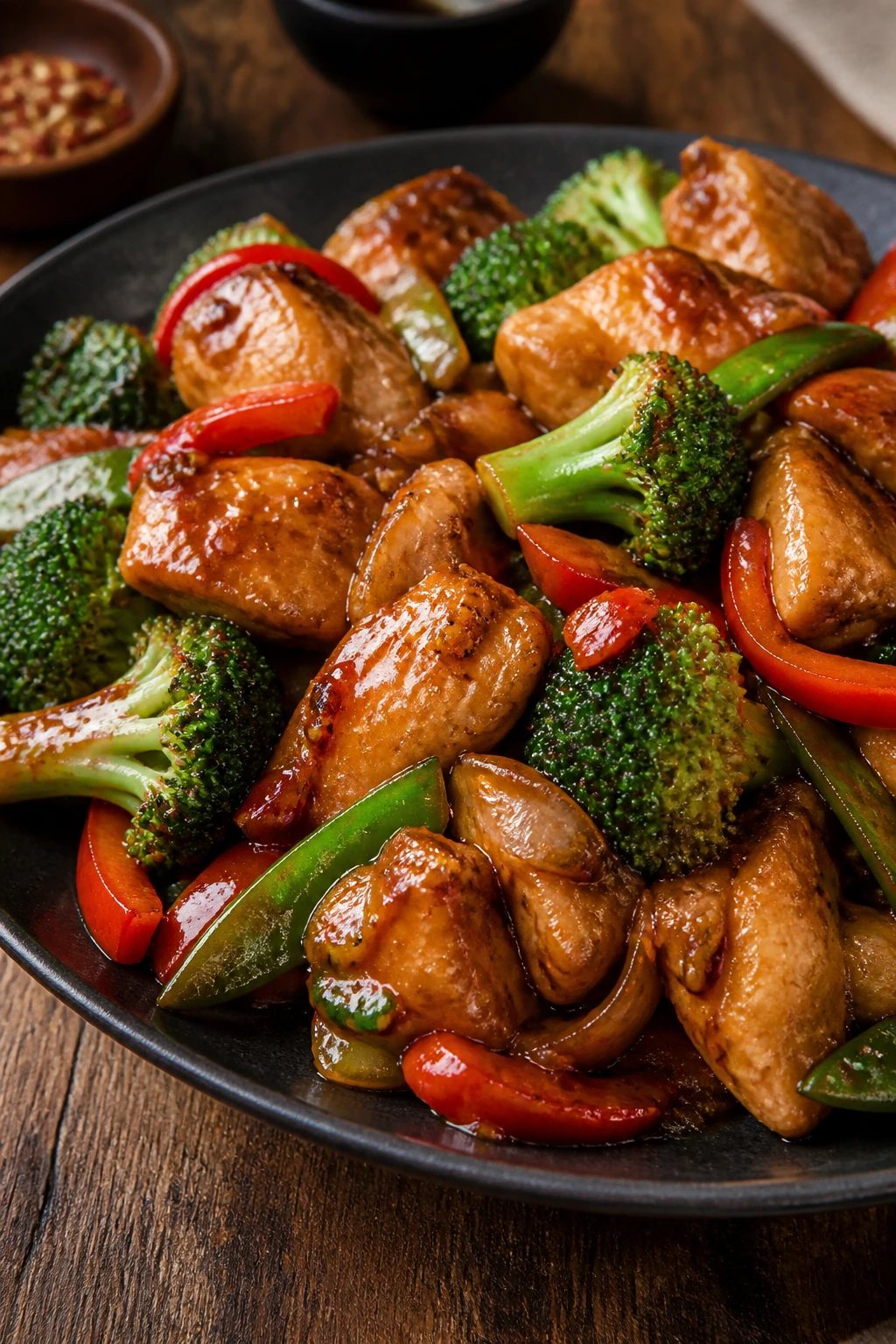
Recipe Name: Spicy Chicken Stir Fry
Description: Tender chicken thighs, crisp vegetables, and a glossy chili-garlic sauce come together in one hot skillet for a Chinese-inspired dinner that tastes bold, sharp, and fresh.
Prep Time: 20 minutes
Cook Time: 15 minutes
Total Time: 35 minutes active + 10 minutes resting
Course: Main Course, Dinner
Cuisine: Chinese-Inspired, Asian-Inspired
Servings: 4 servings
Calories: About 540 kcal per serving
Ingredients
For the Chicken and Quick Marinade:
- 1 1/2 pounds boneless, skinless chicken thighs, trimmed and cut into 1-inch pieces
- 1 tablespoon low-sodium soy sauce
- 1 tablespoon Shaoxing wine or dry sherry
- 1 tablespoon cornstarch
For the Stir Fry Sauce:
- 1/3 cup low-sodium soy sauce
- 1/4 cup chicken broth or water
- 2 tablespoons oyster sauce
- 1 to 2 tablespoons chili garlic sauce or sambal oelek
- 1 tablespoon rice vinegar
- 1 tablespoon honey or packed brown sugar
- 2 teaspoons cornstarch
- 1 teaspoon toasted sesame oil
For the Vegetables and Aromatics:
- 2 tablespoons neutral oil, divided
- 1 small yellow onion, cut into 1/2-inch wedges
- 2 cups broccoli florets, cut into bite-size pieces
- 1 red bell pepper, sliced into 1/2-inch strips
- 1 cup snap peas, strings removed
- 4 garlic cloves, minced
- 1 tablespoon fresh ginger, minced
- 3 scallions, sliced, whites and greens separated
To Serve:
- 3 cups cooked jasmine rice
- 1 tablespoon toasted sesame seeds
Instructions
- Whisk together the sauce ingredients in a medium bowl until smooth.
- Toss the chicken with the soy sauce, Shaoxing wine, and cornstarch. Rest 10 minutes.
- Heat 1 tablespoon oil in a wok or large skillet over high heat.
- Sear the chicken in a single layer for 1 to 2 minutes, then stir-fry until mostly cooked through. Remove to a plate.
- Add the remaining oil, then stir-fry the onion and broccoli for 2 minutes.
- Add the bell pepper and snap peas, stir-frying until crisp-tender.
- Add the garlic, ginger, and scallion whites; stir for 20 to 30 seconds.
- Return the chicken, pour in the sauce, and toss until glossy and thickened.
- Turn off the heat, add the scallion greens, and serve over jasmine rice with sesame seeds.
Notes: Mix the sauce ahead if you want to move faster at dinnertime. Keep the pan hot and don’t overcrowd it. For extra heat, stir in 1 teaspoon chili crisp at the very end.