



The first time sweet and sour Korean cuisine lands on a table the right way, it has a little snap to it. Not a syrupy, flabby snap — a real one. The crust crackles, the sauce glows, and the whole thing tastes brighter than the delivery version that spent twenty minutes sweating inside a cardboard box. That’s the difference between a dish that merely arrives and a dish you actually want to finish.
Sweet and sour Korean cuisine earns the “better than takeout” claim when the sweet part stays in line and the sour part keeps some teeth. The best versions — tangsuyuk, dakgangjeong, the whole family of crispy Korean sweet-and-sour plates — don’t bury the protein under a sticky blanket. They let the coating stay crisp long enough for you to notice it. Then the sauce comes in with vinegar, garlic, a little salt, and enough sweetness to round off the edges without turning into candy.
Most people don’t need a vague pep talk about cooking at home. They need the practical stuff that makes this style work: which starch gives you that glassy shell, why the sauce should be a touch sharper than you think, and why sauce-on-the-side is not fussy but smart. Get those details right and the whole dish stops feeling like a compromise.
Why this version is worth making at home
-
Crispness first: The best batches keep the fried coating dry until the last second, so every bite still has a crackly edge instead of turning soft in the bowl.
-
A sauce with backbone: Rice vinegar, garlic, soy sauce, and a restrained sweetener keep the glaze bright, not syrupy.
-
Two classic routes: Tangsuyuk gives you sauce on the side; dakgangjeong gives you a sticky glaze clinging to every ridge of the crust.
-
Flexible protein choices: Chicken thigh, pork tenderloin, and even firm tofu can work if you handle the coating and heat correctly.
-
Better leftovers: Fry first, sauce later, and the next meal still has some life in it instead of tasting like a damp redo.
Why Sweet and Sour Korean Food Tastes Cleaner Than the Usual Takeout
The flavor profile is sharper than people expect. A lot of takeout sweet-and-sour leans hard on sugar and cornstarch until the sauce tastes like melted candy with a vinegar afterthought. Korean versions usually behave differently. They still bring sweetness, but they often keep the acid more visible, and that matters. A sauce that tastes a little tart at first bite wakes up fried food instead of flattening it.
There’s also a texture decision built into the dish. Korean sweet and sour food tends to respect crunch. That sounds minor until you compare it to the soggy, glazed situation that shows up in many paper containers. Tangsuyuk especially is famous for serving the sauce separately. That is not a trick. It is the whole point. You dip, you spoon, you chase the sauce with the crispy piece, and the coating survives long enough to matter.
And then there’s the seasoning. Garlic shows up more clearly. Soy sauce brings salt and depth. Sometimes you get ginger, sometimes white pepper, sometimes a little fruit like pineapple or pear in the sauce. The result tastes rounder and less one-note. It is still sweet and sour. It just has better posture.
I also think people underestimate how much better this style feels when the oil is hot enough. A properly fried crust gives you structure before the sauce hits. Without that structure, all the seasoning in the world just turns into sludge on a plate. That’s true whether you’re making pork, chicken, or tofu.
Tangsuyuk, Dakgangjeong, and the Korean-Chinese Angle
Korean sweet and sour cuisine is not one single dish, and that distinction matters. If you treat it that way, you miss the texture differences that make each version worth cooking. Tangsuyuk and dakgangjeong look related from a distance, but they do different jobs on the plate.
Tangsuyuk: crisp meat, sauce on the side
Tangsuyuk is the classic Korean-Chinese sweet-and-sour dish most people think of when they want something glossy and savory-sweet. Traditionally, it uses pork, often sliced or cut into bite-size strips, coated in starch, fried until pale and crisp, and served with a sauce that usually stays separate until the table. The sauce may include vinegar, sugar, soy sauce, vegetables, and sometimes fruit.
That separate-sauce setup is important because tangsuyuk is supposed to keep its crunch. The meat should feel light, not heavy. The sauce should taste clean enough to dip, not so thick that it turns every bite into a paste. If you like a little ceremony with dinner, this is the version I’d put in front of people first.
Dakgangjeong: sticky, crunchy, and a little louder
Dakgangjeong lives in a different lane. It is fried chicken tossed in a sweet-savory glaze that clings to the crust, often with garlic, ginger, sesame, and sometimes chili flakes or a spoon of gochujang for heat. It is louder, stickier, and a touch more snacky. You can eat it with rice, but it also works as a platter dish that people keep picking at with their fingers.
The texture is the selling point. Good dakgangjeong still has crunch under the glaze, not mush. That means the frying step matters more than the sauce. If you try to rush the chicken or coat it while it’s still steaming hot from the fryer, the shell softens fast. Let it breathe for a minute. Then glaze.
Which one should you make?
If you want the cleaner, restaurant-style experience, make tangsuyuk. If you want sticky fingers and a bowl that disappears fast, make dakgangjeong. Both sit inside the same flavor family, but they satisfy different moods. I keep both in my back pocket because the sauce logic is similar, but the final texture feels entirely different.
The Crunch That Holds Up Under Sauce
The shell is where people usually lose the dish. They think the sauce is the main event, but it isn’t. The coating is. If the crust starts out weak, the whole thing folds under the weight of the glaze, and no amount of garlic can save it.
Potato starch is the ingredient that changes the game for a lot of home cooks. It fries up crisper and drier than plain flour, with a texture that feels a little glassy when you bite it. Cornstarch also works, and it’s easier to find, but I find potato starch gives a firmer shell that hangs on a little longer once sauce enters the picture. Sweet potato starch is another strong option and is often used for that chewier, crisper, almost shattery finish in Korean frying.
A lot of recipes use some combination of starches. That’s not indecision. It’s insurance. A mix of potato starch and cornstarch gives you crispness without making the crust feel too brittle. If you want the shell to stay light, keep the wet batter thin or skip it altogether and dredge the protein lightly before frying. Thick batter is the enemy here. It can look impressive in the fryer and still eat heavy.
Oil temperature is the other piece people mess up. If it dips too low, the coating drinks oil and gets greasy. If it’s too hot, the outside browns before the inside finishes. I like to work around 350°F to 365°F for the first fry, then a slightly hotter second fry for extra crunch when the protein can handle it. That second pass is not showy. It’s practical. It dries the surface and gives you a sturdier shell.
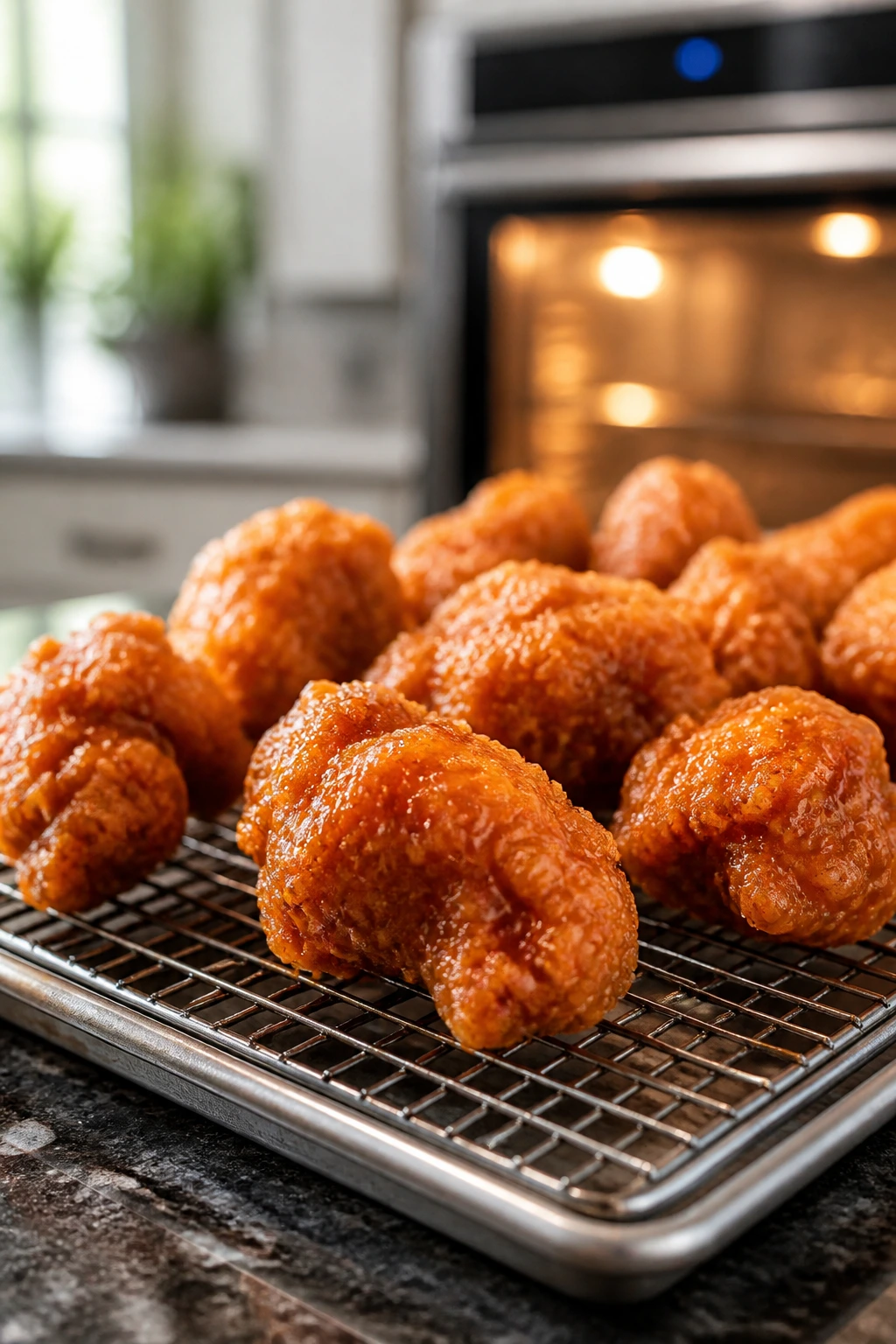
And yes, the rest matters too. Pat the meat dry. Don’t crowd the pot. Lift fried pieces onto a wire rack, not a paper towel mountain that traps steam underneath. Paper towels soak grease, sure. They also trap heat and soften the underside. I’ll take a rack every time.
The Sauce Formula That Glosses Instead of Pooling
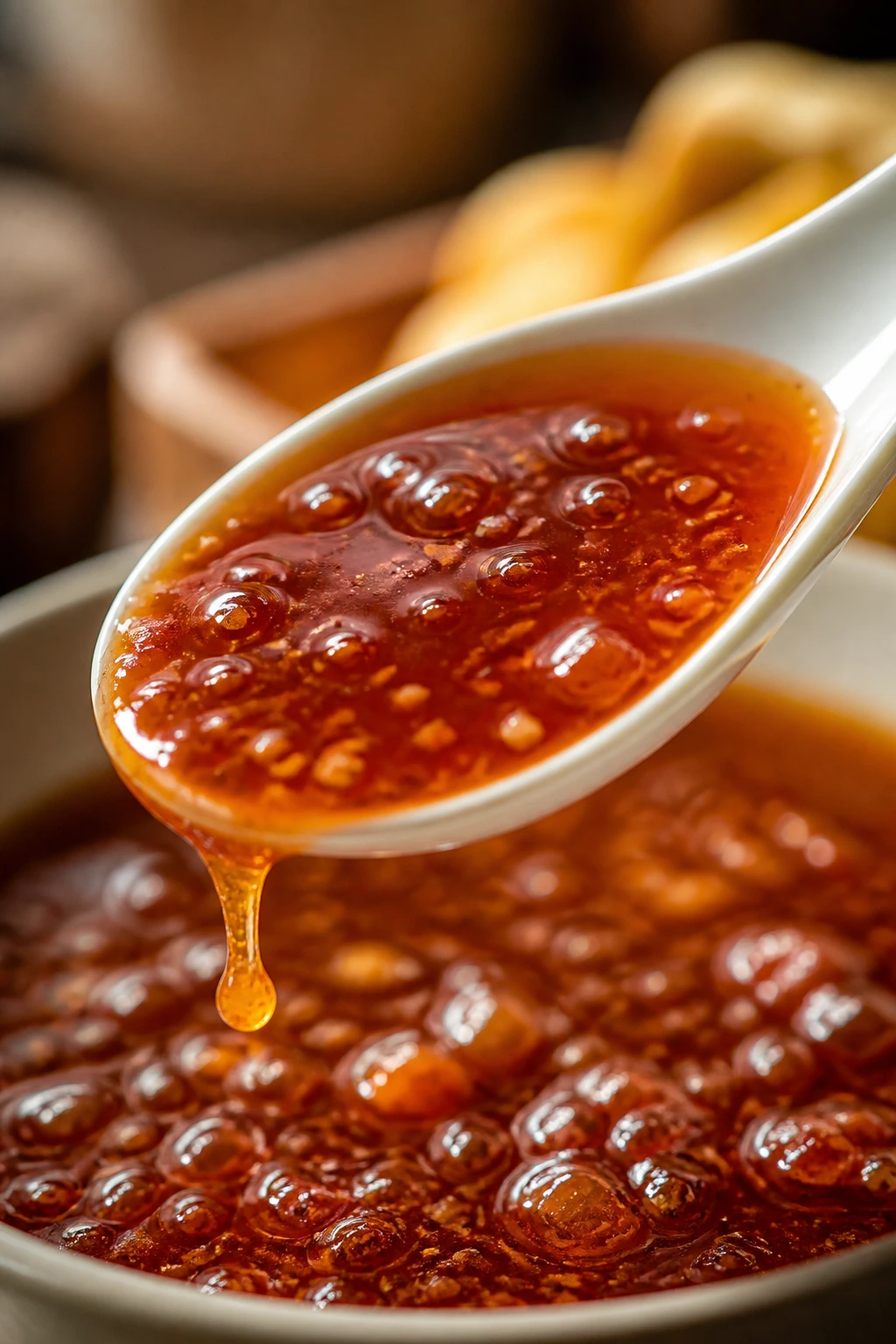
A good Korean sweet and sour sauce should coat a spoon in a thin sheen, then slide back off without clumping. It should look glossy, not gluey. If it sits in the bowl like jelly, it is too thick. If it runs off the meat like hot tea, it is too thin. The sweet spot lives between those two bad places.
The backbone is usually rice vinegar, sugar, and salt from soy sauce or a little fine salt. Garlic belongs in there. Ginger does too if you want a fresher edge. A small spoon of ketchup can help with color and tomato depth, especially in home versions of tangsuyuk-style sauce. That little bit of tomato is not a cheat. It gives the sauce a rounded base so the vinegar doesn’t feel sharp in a raw way.
Fruit is another useful layer. Pineapple juice, grated Asian pear, or a splash of orange juice can soften the corners without making the sauce taste childish. I do not think it needs much. Too much fruit pushes the sauce toward dessert. A few tablespoons is enough to round the edges.
For a sauce that behaves well on a plate, thickness matters more than people think. A quick cornstarch slurry — usually a small amount of cornstarch mixed with cold water — turns the liquid into something that clings instead of puddling. But it should stay light. The sauce should move. If you can scoop it and it sits there like pudding, you’ve gone too far.
My rule is simple: make the sauce slightly too sharp in the pan. The sweetness becomes more obvious once it hits hot fried protein. What tastes borderline aggressive in a saucepan often lands exactly right on the plate. That’s one of those kitchen lessons you keep relearning the hard way.
The Ingredients I Would Actually Buy
A dish like this gets better when the ingredient list is short and intentional. You do not need a crowded pantry raid. You need the pieces that give the fried coating structure and the sauce a clean line.
Protein choices that make sense
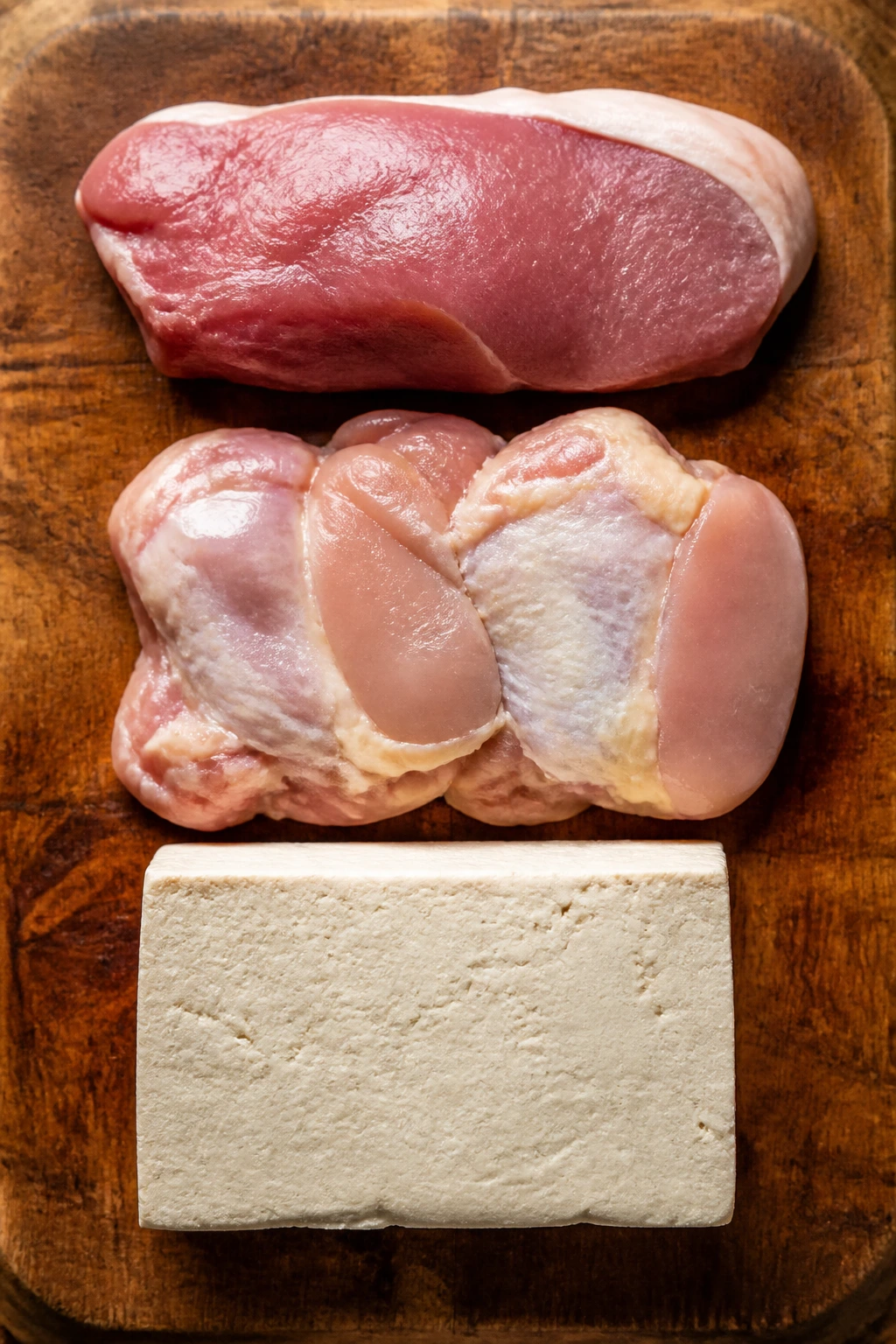
- 1½ pounds boneless pork tenderloin or pork loin — Slice it thin for tangsuyuk-style pieces; it stays tender and cooks fast.
- 1½ pounds boneless, skinless chicken thighs — My favorite for dakgangjeong because the dark meat keeps its juices even after a hard fry.
- 1½ pounds firm tofu, pressed well — A good vegetarian stand-in if you cut it into thicker slabs and handle it gently.
Pork gives you that classic tangsuyuk feel. Chicken is a little more forgiving and plays better with sticky glaze. Tofu works only if you press it long enough to lose surface water. Wet tofu is a sad thing in hot oil.
Starch and coating
- 1 cup potato starch
- ½ cup cornstarch
- 1 teaspoon fine salt
- ½ teaspoon white pepper
That mix gives you a coating that fries crisp without tasting dusty. Potato starch is the texture driver. Cornstarch rounds it out and keeps the shell from getting too hard.
Sauce ingredients that do the heavy lifting
- ⅓ cup rice vinegar
- ¼ cup sugar
- 2 tablespoons soy sauce
- 1 to 2 tablespoons ketchup
- 2 to 3 garlic cloves, minced
- 1 teaspoon grated fresh ginger
- ½ cup water or pineapple juice
- 1 teaspoon cornstarch mixed with 1 tablespoon cold water
Rice vinegar keeps the sauce bright. Soy sauce brings depth. Ketchup is optional in some households and completely normal in others. I like a little of it because it gives the sauce a color that reads as finished, not pale and uncertain.
Optional finishers worth keeping around
- Toasted sesame seeds
- Sliced scallions
- Thin strips of cucumber or onion
- A pinch of gochugaru
- A few cubes of pineapple or Asian pear
Use the finishers with a light hand. You want contrast, not a fruit salad on fried meat. Sesame and scallions give you freshness. Gochugaru adds heat without dragging in too much sauce complexity.
A Home Method for Crispy, Better-Than-Takeout Korean Sweet and Sour
Prep the protein
-
Pat the pork, chicken, or tofu very dry with paper towels. If you skip this, the coating will slide around and the oil will spit harder than it should.
-
Cut the protein into bite-size pieces, roughly 1 to 1½ inches across. Keep the pieces similar in size so they finish at the same pace.
-
Toss the pieces with 1 teaspoon salt and ½ teaspoon white pepper. Let them sit for 10 minutes while you make the coating.
Build the coating and fry
-
Mix 1 cup potato starch with ½ cup cornstarch in a wide bowl. If you want a thinner shell, lean heavier on potato starch; if you want a lighter finish, keep the dredge very thin.
-
Dredge the protein lightly, then shake off the excess. You want a thin, even layer, not a paste. Heavy coating turns gummy in the sauce.
-
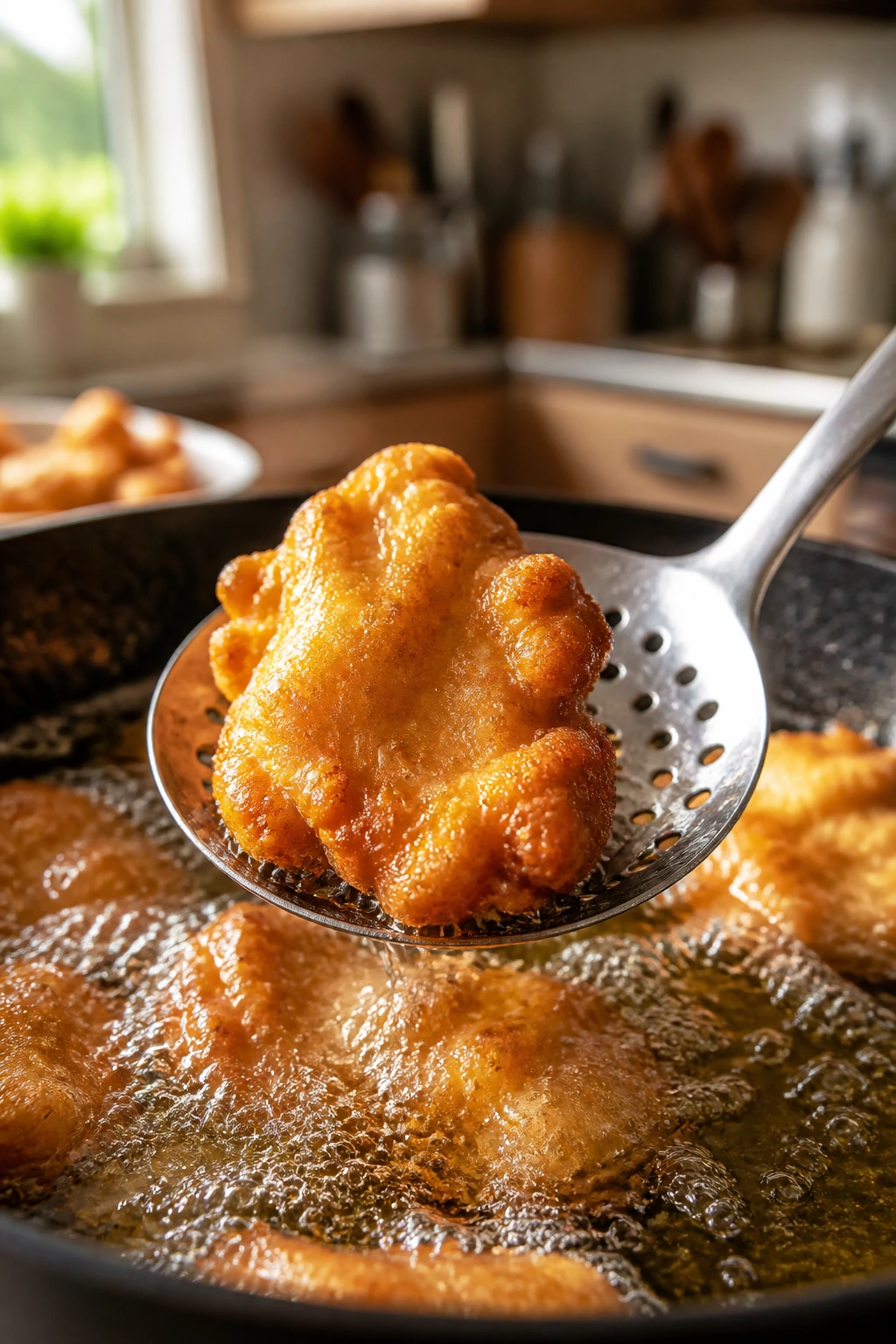
Heat 2 to 3 inches of neutral oil in a heavy pot to 350°F. Use a thermometer. Guessing here is a fast way to get greasy food.
-
Fry in small batches for 4 to 6 minutes, depending on the protein, until the exterior turns pale golden and feels firm when nudged. Remove to a wire rack.
-
For extra crunch, fry a second time at 375°F for 45 to 90 seconds, just until the shell deepens a shade and the surface looks dry.
Make the sauce
-
Whisk ⅓ cup rice vinegar, ¼ cup sugar, 2 tablespoons soy sauce, 1 to 2 tablespoons ketchup, ½ cup water or pineapple juice, minced garlic, and grated ginger in a small saucepan.
-
Bring the mixture to a simmer over medium heat, then stir in the cornstarch slurry. Cook for 30 to 60 seconds until the sauce turns glossy and lightly thickened. Do not boil it hard after adding the slurry or it can turn muddy and overly thick.
Finish and serve
-
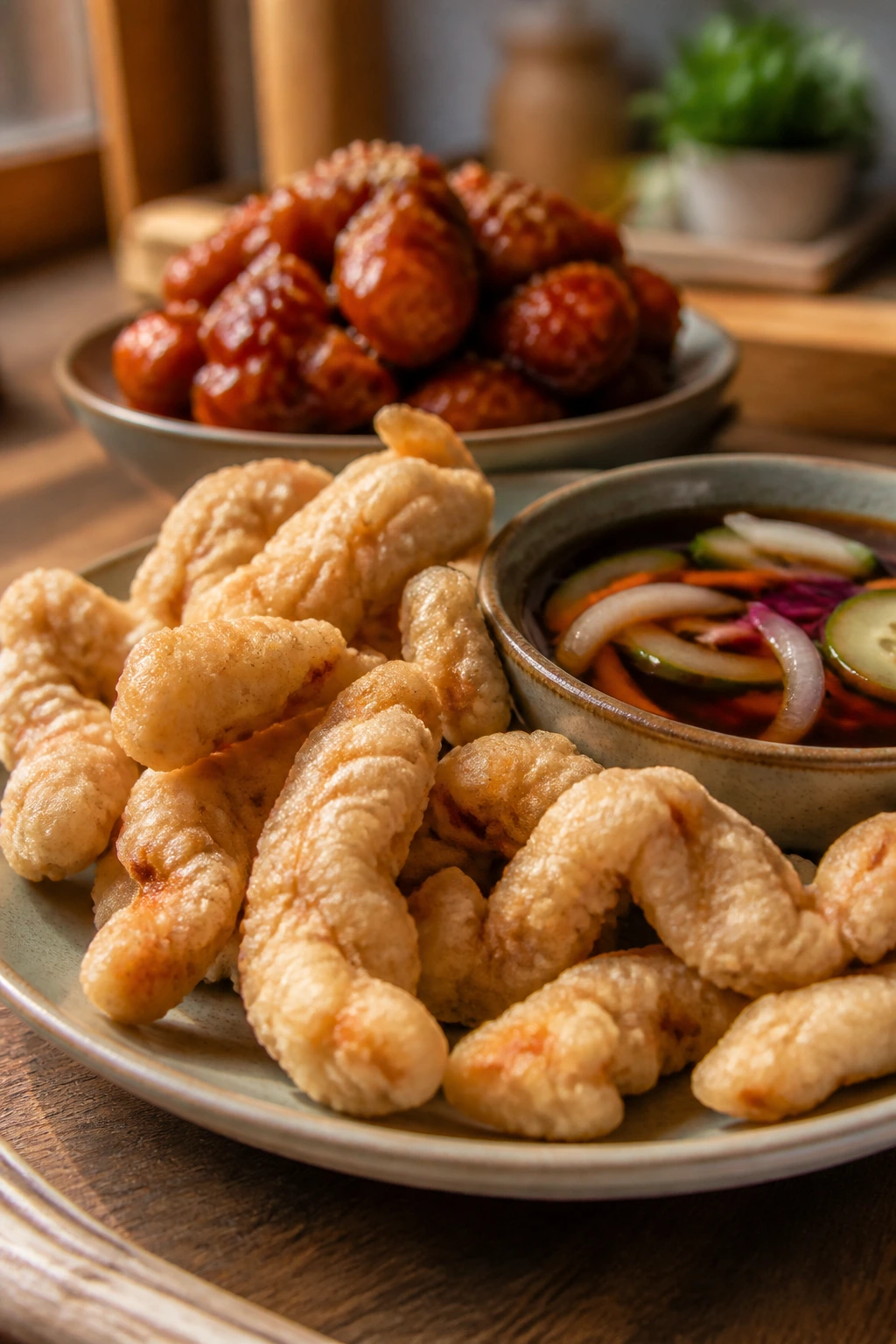
For tangsuyuk, spoon the sauce into a separate bowl and serve it alongside the fried protein. For dakgangjeong, toss the fried pieces with just enough sauce to coat, then finish with sesame seeds and scallions.
-
Eat it right away. The texture window is short, and that is part of the charm.
If you want the shortest possible version of the method, it’s this: dry protein, hot oil, thin coating, quick sauce, immediate serving. Everything else is detail, but those four pieces decide whether the dish feels crisp or limp.
How to Build a Plate That Feels Like a Korean Restaurant Order
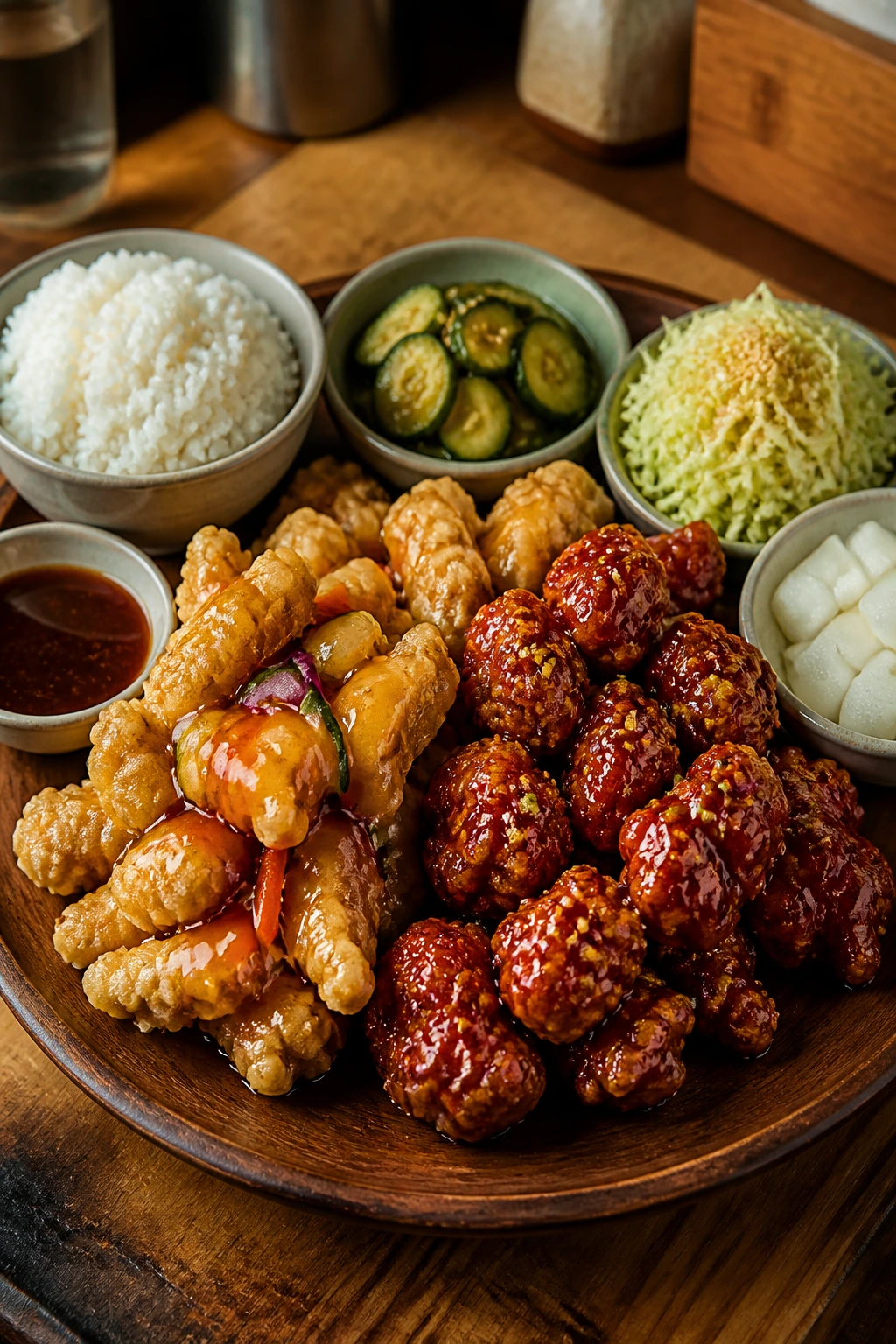
Presentation: Set the fried pieces on a warm platter with the sauce in a separate bowl if you’re serving tangsuyuk. For dakgangjeong, toss lightly and pile the chicken high so the glaze catches the light on the ridges instead of sitting flat on the plate.
Accompaniments: Steamed short-grain rice gives you a soft, plain base that catches extra sauce. Add quick cucumber pickles, shredded cabbage with sesame dressing, or a small dish of pickled radish if you want the plate to feel more complete. A little napa slaw with rice vinegar and sesame oil works too.
Portions: Plan on about 6 ounces of cooked protein per adult if the dish is the main event, or 4 ounces if you’ve got rice and side dishes on the table. If you’re feeding people who like to pick, make a bit more sauce than you think you need and keep extra scallions nearby.
Beverage Pairing: Cold barley tea is my first choice because it resets the palate without fighting the sauce. A crisp lager or a light soju spritz also works if you want something colder and a little sharper. Avoid anything sweet. The dish already carries enough sugar.
Small Moves That Make a Big Difference
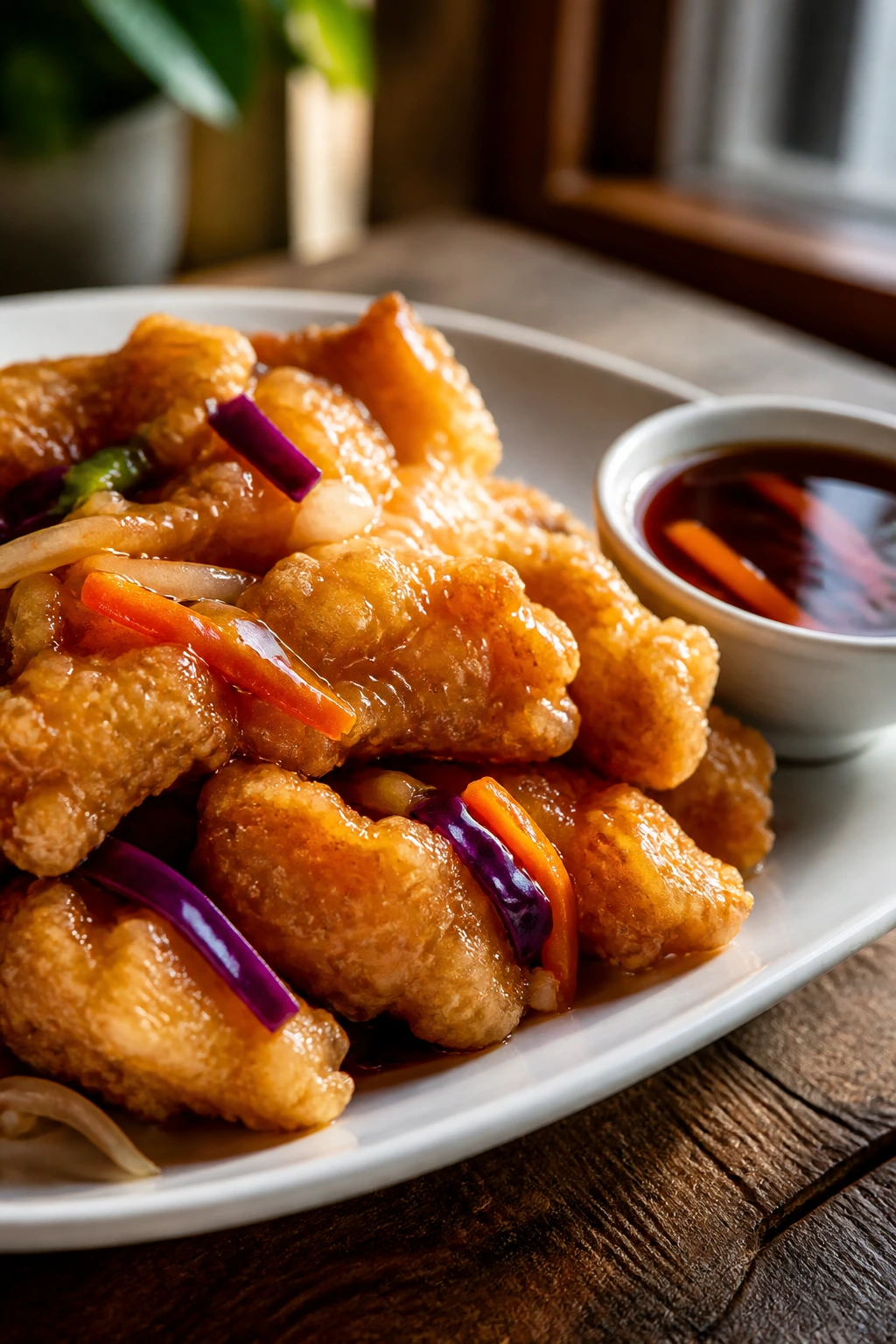
Flavor Enhancement: A teaspoon of grated Asian pear in the sauce adds a soft fruit note that tastes natural, not candy-like. If you can’t find pear, a splash of unsweetened apple juice gives a similar roundness.
Time-Saver: Make the sauce earlier in the day and chill it. It reheats in a minute or two, and having it ready means the fried food never waits around for you to finish stirring a saucepan.
Crispness Trick: Keep a wire rack set over a sheet pan under the fried pieces. That tiny air gap saves the underside from the steam trap you get with paper towels.
Heat Control: If the oil starts smelling stale or the coating darkens too fast, stop and let the oil recover. Rushing the batches does more damage than waiting an extra two minutes.
Make-It-Yours: Add gochugaru for a mild chili finish, sesame oil at the very end for nuttiness, or thin-sliced chilies if you want the sauce to bite back a little.
I also like to keep the sauce slightly under-salted until the very end. Fried food often carries more salt than you think, and once the sauce reduces, the balance can shift fast. Taste after the glaze thickens. Not before.
Common Mistakes That Turn a Good Batch Soggy or Too Sweet
-
Saucing too early: If you toss fried pieces in sauce while they’re still steaming hard from the fryer, the crust softens almost immediately. The fix is simple: let them rest on a rack for a minute, then glaze or serve the sauce separately.
-
Using wet protein: Water on the surface turns into steam, and steam ruins adhesion. Dry the meat or tofu well before dredging, and the coating will stick more evenly.
-
Overcrowding the pot: Too many pieces at once drops the oil temperature and gives you greasy, pale crust. Fry in smaller batches than feels efficient. Efficiency is overrated if the texture is wrong.
-
Making the sauce too sweet: A heavy hand with sugar can flatten the dish into dessert-adjacent territory. If the sauce tastes flat, add a teaspoon of rice vinegar or a squeeze of lemon before adding more sugar.
-
Skipping the second fry when the coating needs it: A second short fry is often what gives you the crackly shell that holds up after glazing. If your first fry looks soft or a little blond, a brief second pass fixes it.
-
Thickening the sauce until it turns paste-like: The sauce should coat, not cement. If it clings in heavy globs, whisk in a spoonful of hot water and loosen it before serving.
The pattern is always the same. Most failures are not flavor failures. They are timing and texture failures. That is good news, because those are fixable with a thermometer, a rack, and a little restraint.
Variations That Keep the Korean Feel
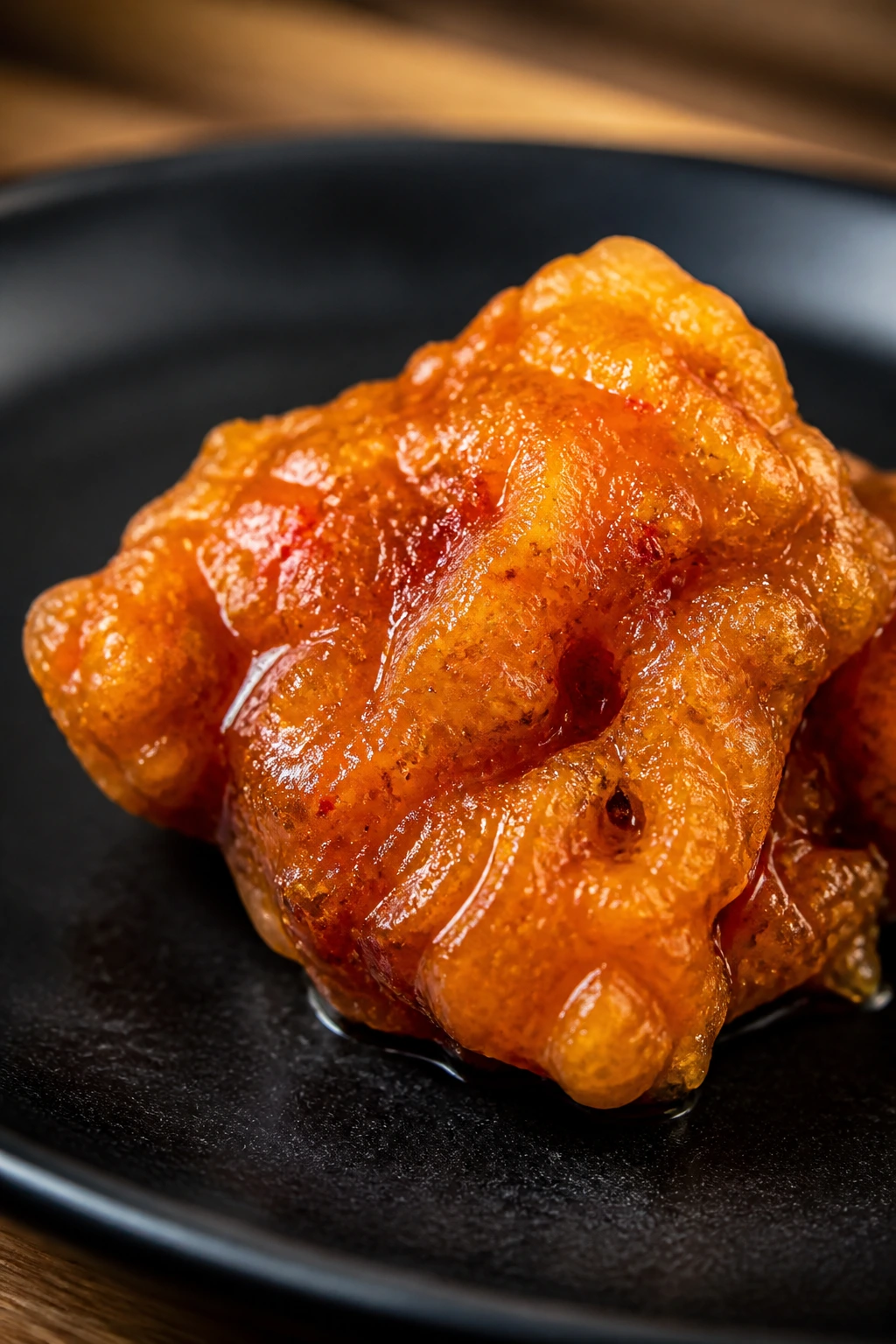
Spicy Dakgangjeong Kick: Add 1 to 2 teaspoons of gochugaru or 1 teaspoon of gochujang to the sauce for a mild heat that sits behind the sweetness. It keeps the sticky chicken feeling familiar but gives the glaze more pull on the tongue.
Tangsuyuk With Fruit Brightness: Stir a few pineapple chunks or thin slices of Asian pear into the sauce right at the end. The fruit should stay distinct, not melt away, and it works especially well when you want the dish to feel a little fresher.
Air-Fryer Shortcut: Coat the protein as usual, mist it lightly with oil, and cook in a hot air fryer until the surface is crisp and lightly golden. You won’t get the same crust as deep-frying, but you will get a workable weeknight version that still tastes recognizably Korean.
Vegetarian Crunch Bowl: Use pressed tofu or king oyster mushrooms instead of chicken or pork. Mushrooms give you a meaty bite and keep their shape better than soft tofu, which makes them the safer choice if you’re nervous about frying.
Soy-Free Adaptation: Replace soy sauce with coconut aminos or a low-sodium tamari if soy is the issue. The sauce will taste a touch sweeter and less dark, so add an extra splash of vinegar to keep the balance sharp.
If you want my honest pick, the fruit-bright tangsuyuk version is the one I reach for most often. It tastes closest to the restaurant dish without feeling weighed down, and it gives you a little contrast against the fried coating.
Tools That Make the Process Easier
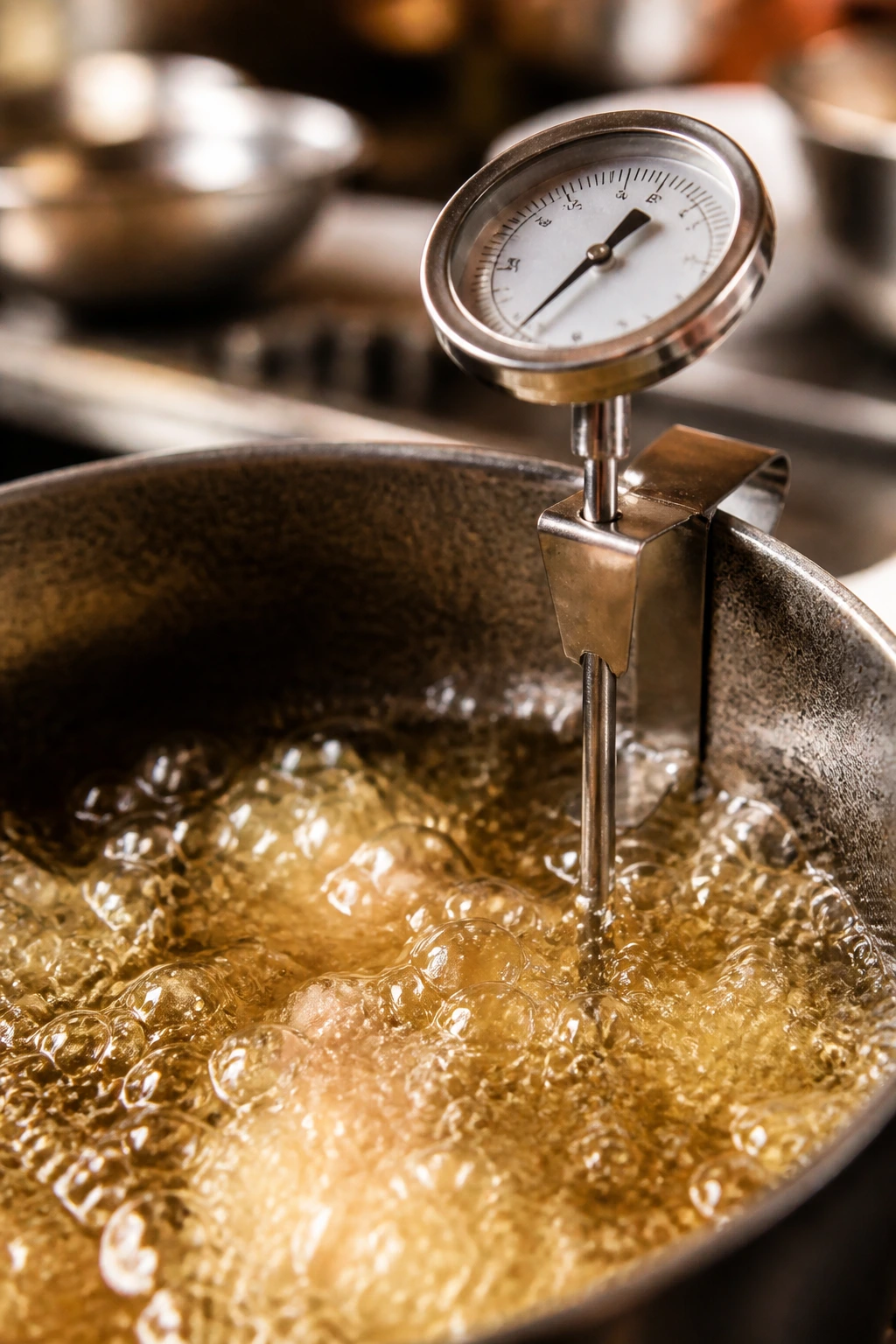
- Heavy pot or Dutch oven — Holds heat better than a thin saucepan and makes the oil temperature easier to manage.
- Instant-read thermometer or candy thermometer — The difference between crisp food and greasy food is often 15 degrees.
- Wire rack set over a sheet pan — Lets fried pieces drain without steaming themselves soggy.
- Spider skimmer or slotted spoon — Safer and cleaner than fishing pieces out with chopsticks alone.
- Mixing bowls, one wide and one medium — Wide bowls make dredging easier and keep the coating from clumping.
- Small saucepan — A narrow pan helps the sauce thicken evenly without reducing too fast.
- Tongs — Useful for flipping pieces and moving them from oil to rack without tearing the crust.
- Microplane or fine grater — Best for garlic and ginger when you want them to melt into the sauce instead of staying in chunks.
- Paper towels — Handy for drying protein before coating, but not the best landing spot for fried pieces.
If you have only one non-negotiable tool here, make it the thermometer. Everything else helps. That one saves dinner.
Make-Ahead, Storage, and Reheating Without Losing the Crunch
The sauce is the easiest thing to make ahead. It keeps in the fridge for about 5 days in a sealed container. Reheat it gently in a small pan over low heat, adding a splash of water if it thickens too much in the cold.
The fried protein is less forgiving, but it still has some wiggle room. Unsauced pieces keep in the refrigerator for 2 to 3 days if they’re cooled on a rack first and then packed into a container lined with a paper towel. I prefer a shallow container so the pieces don’t crush themselves under their own weight.
Freezing works best for the fried pieces before saucing. Lay them on a tray until firm, then pack them into a freezer bag or airtight container for up to 2 months. Reheat from frozen in a 400°F oven or an air fryer until the coating feels crisp again and the center is hot. The microwave is the wrong tool here unless you want softness.
If the dish is already sauced, plan on eating it the same day. You can revive it a little in a hot skillet, but you will not get the original texture back. That’s not failure. That’s physics. The sauce and crust are in a temporary truce, and it ends once they sit together too long.
For make-ahead assembly, fry the protein earlier in the day, cool it on a rack, and keep the sauce separate. Right before serving, either toss quickly for dakgangjeong or set the sauce beside the fried pieces for tangsuyuk. That keeps the texture closest to fresh and saves you the frantic last-minute rush.
Frequently Asked Questions About Korean Sweet and Sour Food
Is tangsuyuk the same thing as sweet and sour chicken?
Not exactly. Tangsuyuk is usually pork, and the sauce is often served separately so the crust stays crisp. Sweet and sour chicken can live in the same flavor family, but the texture and serving style are different enough that I would treat them as cousins, not twins.
Can I use chicken breast instead of chicken thighs?
You can, but thighs are easier to keep juicy after frying. Breast meat works if you cut it into even pieces and keep the fry short, but it dries out faster and gives you less margin for error. If you want a forgiving batch, use thighs.
Why does my coating fall off in the oil?
Usually because the protein was too wet, the coating was too thick, or the oil wasn’t hot enough when the pieces went in. Dry the meat well, keep the dredge thin, and hold the oil around 350°F before frying. If the coating still slips, let the dredged pieces rest for 5 to 10 minutes before frying.
Can I make this without deep-frying?
Yes, but the texture changes. An air fryer or oven can give you a crisp-edged result, especially with a light starch coating and a little oil spray, but it will not match the hard shell of fried tangsuyuk or dakgangjeong. Still, it’s a solid fallback when you want the flavor more than the exact crunch.
What if my sauce tastes too sweet?
Add rice vinegar in small splashes, about 1 teaspoon at a time, until the edge comes back. A pinch of salt can help too. Do not just dump in more vinegar and hope for balance; tiny corrections work better.
How do I keep leftovers from going mushy?
Store the sauce and fried protein separately. Reheat the protein in a hot oven or air fryer, warm the sauce in a pan, and combine only at the table if you’re making dakgangjeong-style leftovers. Once sauce and crust sit together in the fridge, the clock is not your friend.
What vegetables fit this style without feeling random?
Thin cucumber slices, lightly pickled radish, onion, carrot, and shredded cabbage all make sense here. They bring crunch and acidity, which helps cut through the sweet glaze. Soft vegetables like zucchini can work, but they tend to blur into the sauce faster than I like.
Is gochujang necessary?
No. Gochujang is useful when you want heat and depth, especially in dakgangjeong-style sauce, but it is not required for the core flavor. A little gochugaru gives you cleaner heat if you want to keep the sauce bright.
Why I’d Still Make It at Home
Sweet and sour Korean cuisine earns its place at the table when the crunch survives long enough to matter and the sauce tastes like something with a point of view. That’s the part takeout often misses. The food can be hot, but still tired. Homemade lets you keep the texture alive and push the sauce toward sharp, clean, and glossy instead of thick and sleepy.
If you remember only one thing, make it this: fry first, sauce later. That one habit changes the dish more than any fancy ingredient ever will. Get that right, and whether you go with tangsuyuk’s dip-and-crunch style or dakgangjeong’s sticky glaze, you end up with something worth making again.