



Tender chicken veggies for weeknight dinners sound like a promise, but they’re mostly a timing problem. Give the pan too much freedom, and the chicken dries out before the carrots soften. Start with the wrong cut, or the wrong vegetable size, and you end up with a plate that looks close to dinner but eats like two separate problems.
The version worth making is the one that lands in the middle: juicy chicken, vegetables with some shape left in them, and enough seasoning that the whole thing tastes finished instead of assembled. That takes a little more than tossing everything onto a tray and hoping. It takes the sort of choices experienced home cooks make without thinking about them anymore — cut size, heat level, when to add garlic, whether the chicken wants a roast, a sear, or a gentle braise.
I keep coming back to this kind of dinner because it solves the right problem. You get something warm, substantial, and flexible without turning the kitchen into a project. And once you understand how the pieces behave, you can stop treating chicken and vegetables like a gamble.
Why Chicken and Veggies Go Wrong on Weeknights
Tender chicken and vegetables are not hard because the ingredients are fussy. They fail because chicken and vegetables do not cook at the same speed, and people keep pretending they do.
Dry chicken is usually a timing issue, not a seasoning issue. If the surface spends too long over high heat, the outside goes tight before the center is done. If it spends too long in a crowded pan, it steams instead of browns, which gives you pale chicken with soft edges and no real flavor on the outside.
Vegetables have their own bad habits. Dense vegetables like carrots and potatoes want a head start. Quick vegetables like zucchini and mushrooms collapse if they sit in heat for too long, especially once they release their water. Put all of them in the pan at once and you get a strange compromise: the hard vegetables are still hard, the soft ones are turning to mush, and the chicken is waiting in the middle like it took the wrong bus.
The steam problem is the sneaky one
A wet pan is the enemy here. If your chicken or vegetables go in damp, the surface water turns to steam first, and steam does not brown. It softens.
That’s why patting chicken dry matters. That’s why I toss vegetables in a bowl before they hit the tray or skillet. It sounds fussy until you taste the difference. Then it feels obvious.
One pan is not automatically the answer
A one-pan dinner can be brilliant. It can also be a shortcut to disappointment if you overload it.
Crowding traps moisture. Moisture kills browning. And browning is where most of the flavor lives in a chicken-and-vegetable dinner that needs to taste like more than boiled leftovers wearing olive oil.
Choosing Chicken That Stays Juicy
Boneless chicken thighs are the safest choice for weeknight cooking. They have more fat and connective tissue than breasts, which gives you a wider cushion if the pan runs hot or you lose track of time. I reach for them when I want dinner to survive a distracted phone call, a late oven preheat, or a vegetable that takes a minute longer than expected.
Chicken breasts can work. They just ask for more babysitting. Slice them thinner, cook them over medium-high heat or a hot oven, and pull them the second they hit temperature. A thick breast left alone in a slow pan gets chalky in the center before the outside has a chance to brown properly.
Chicken tenders and cut-up breasts are best for fast skillet meals. They cook quickly and love a sauce at the end, but they also punish overcooking fast. If you use them, keep the pieces even — around 1 to 1½ inches — so the pan doesn’t give you a mix of dry chunks and underdone bits.
Bone-in or boneless?
Bone-in pieces bring more flavor, and the skin can be excellent if you roast properly. The tradeoff is time. They are not the move for a rushed Tuesday unless you’re willing to let the oven do the work.
Boneless pieces are the practical choice for most weeknights. Less carving, less waiting, less guesswork. That matters when dinner needs to happen between “where are the math worksheets?” and “who used the last of the rice?”
The temperature line that actually matters
The USDA line for poultry is 165°F in the thickest part. Use an instant-read thermometer. Don’t guess by color. Juices can lie, and chicken breast can go from done to dry in a small temperature window.
For thighs, I often let them go a little farther if I’m roasting or braising. They get silkier around 170°F to 175°F. That extra stretch is part of why thighs are such a useful weeknight cut.
Vegetables That Keep Their Bite
Not every vegetable belongs in the same pan for the same amount of time. Some are built for a fast roast, some need a head start, and some need to be added at the end or they’ll collapse into something you scrape sadly off the tray.
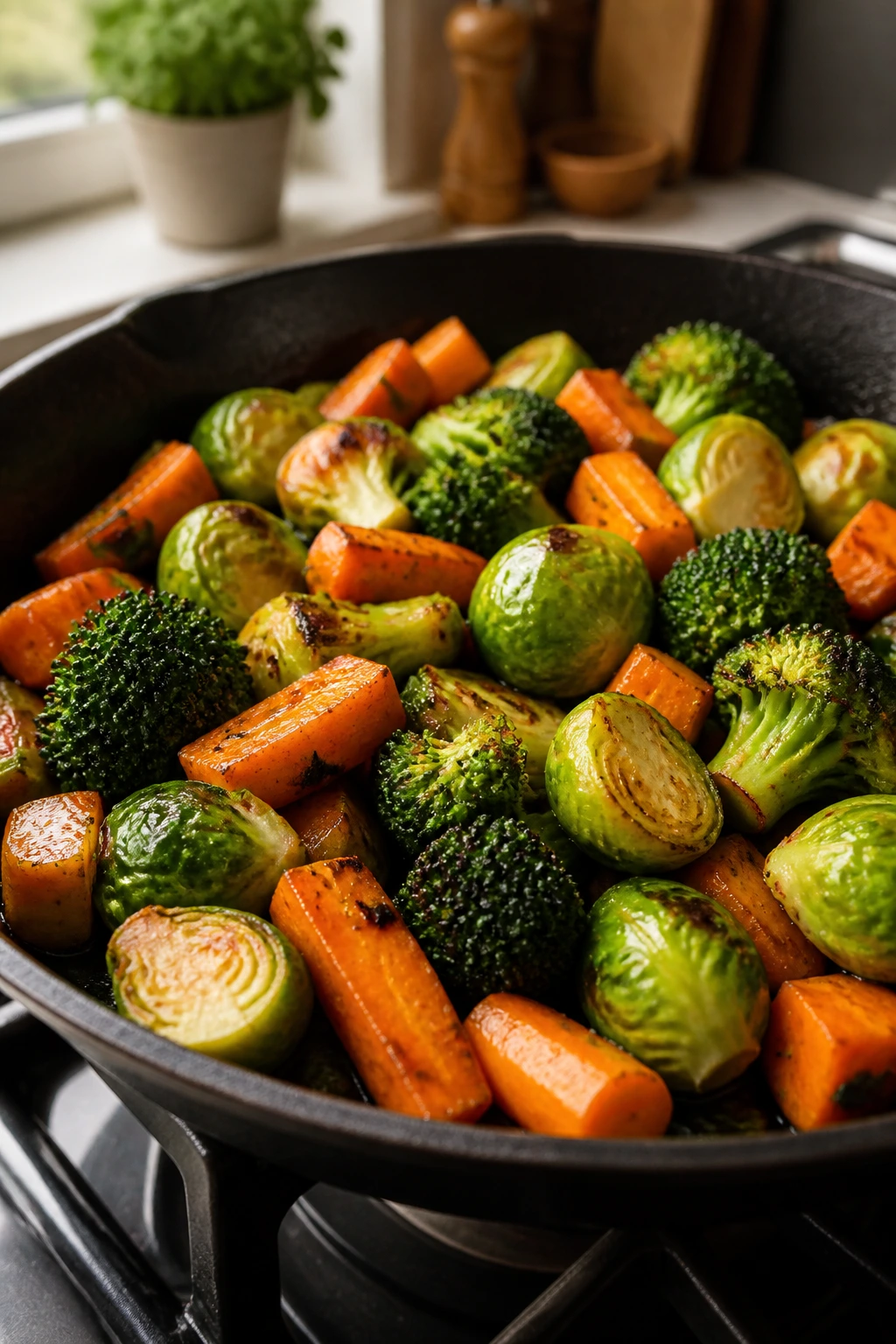
Sturdy vegetables are your best friends here. Carrots, onions, potatoes, Brussels sprouts, cauliflower, and broccoli all bring enough structure to survive high heat. Cut them small enough to finish in the same window as the chicken, but not so small that they dry out. A carrot sliced into 1-inch coins will still be firm when dinner should already be on the table.
Quick vegetables need restraint. Zucchini, mushrooms, snap peas, asparagus, and bell peppers cook fast. They’re the reason you can make a dinner feel fresh and light without buying a second sauce. They’re also the reason many sheet-pan dinners turn watery. Mushrooms and zucchini shed moisture quickly, so they need space and a hot pan.
A simple vegetable timing map
- Early starters: carrots, potatoes, sweet potatoes, Brussels sprouts
- Middle players: broccoli, cauliflower, onions, fennel
- Late additions: zucchini, asparagus, snap peas, green beans, bell peppers
- Finish-at-the-end ingredients: spinach, baby kale, fresh herbs
That list saves more bad dinners than any fancy spice mix ever will.
Cut size matters more than people think
A chunky carrot and a thin slice of zucchini are not the same job. If the pieces are wildly different sizes, they will not finish together. That sounds obvious, but this is where a lot of weeknight cooking goes sideways. Consistent cuts are boring. They also work.
If you want potatoes in the mix, use baby potatoes halved or quartered, then give them a head start. If you want broccoli, keep the florets fairly small so the stems soften before the tops char. If you want mushrooms, leave them large enough that they brown before they shrink into nothing.
Seasoning, Salt, and the Small Details That Matter
Salt is not a finishing thought. It’s part of the cooking structure. Chicken that gets salted ahead of time seasons more evenly and tends to brown better on the surface. Even 20 to 30 minutes of rest with salt on the chicken helps more than a last-minute sprinkle ever will.
A dry seasoning mix is usually enough for a weeknight dinner: salt, black pepper, garlic powder, paprika, and a little onion powder if you like that background note. Smoked paprika works well when you want the pan to taste like it spent more time cooking than it did. A pinch of cumin changes the tone in a good way, especially with carrots or sweet potatoes.
Acid belongs at the end
Lemon juice, a splash of vinegar, or a spoonful of yogurt sauce can wake the whole dish up. Add acid too early and it gets lost or, with some methods, it can make the chicken surface a little tight. Add it at the end and it sharpens everything.
That last squeeze of lemon is not decoration. It cuts through the olive oil, picks up the browned bits, and makes the vegetables taste like they were cooked on purpose.
Marinade or dry rub?
If you want speed, use a dry rub. If you have 30 minutes, a quick marinade can help, especially for chicken breast.
I like a simple formula: oil, salt, pepper, garlic, and one accent. That accent might be lemon zest, soy sauce, Dijon mustard, chili flakes, or chopped herbs. Too many accents and the food starts sounding like a recipe card instead of tasting like dinner.
The 1-2-3 Formula for Building a Weeknight Pan
A good chicken-and-vegetable dinner usually follows a pattern, whether you name it or not.
One protein. Two vegetables. Three flavor moves. That’s the whole thing.
The protein is your chicken cut. The vegetables should give you contrast — one sturdy, one softer, or one dense and one quick-cooking. The flavor moves are where the dinner stops tasting plain: oil or fat for browning, salt and spice for depth, and a finishing element that makes the pan taste complete.
The structure I trust
- Protein: boneless thighs, chicken breast cutlets, or tenders
- Vegetable one: something sturdy, like carrots, potatoes, broccoli, or Brussels sprouts
- Vegetable two: something faster, like peppers, zucchini, mushrooms, green beans, or asparagus
- Flavor move one: oil, butter, or another fat for heat transfer and browning
- Flavor move two: salt, pepper, garlic, paprika, or a marinade
- Flavor move three: lemon, vinegar, herbs, mustard, parmesan, or a sauce
That’s enough to make dinner feel deliberate.
Why the formula helps
Most weeknight dinner problems start with too many ingredients and not enough logic. This formula keeps the plate balanced. It also makes shopping easier, because you’re not asking yourself to invent a meal from scratch every time.
If you keep a few versions of the formula in your head, you can build dinner around what’s in the fridge. Chicken, broccoli, and lemon. Chicken, carrots, onions, and Dijon. Chicken, peppers, mushrooms, and soy sauce. None of that needs a long recipe. It needs a plan.
Sheet-Pan Chicken and Veggies for Hands-Off Cooking
Sheet-pan chicken and veggies are the easiest path when you want dinner to mostly run itself. You get high heat, a little browning, and a short ingredient list. The trick is not mixing everything together blindly. The tray needs a hierarchy.
I prefer 425°F for most sheet-pan chicken dinners. It gives the vegetables enough heat to brown at the edges without turning them limp. If your oven runs cool, give it a few extra minutes. If it runs hot, check early. A dark pan also speeds browning more than a shiny one, which can be handy if you want crisp edges.
The basic sheet-pan method
Start with vegetables that need a head start. Toss carrots, potatoes, or Brussels sprouts with oil, salt, pepper, and your seasoning. Spread them on the pan with room between pieces. If they’re piled up, they steam.
Give them 10 to 15 minutes in the oven before adding the chicken. After that, nestle in the chicken pieces and return the pan to the oven until the chicken reaches 165°F and the vegetables are tender at the edges. Small broccoli florets or peppers can go in later, around the same time as the chicken, so they don’t overcook.
What works best on a sheet pan
Broccoli, cauliflower, carrots, onions, Brussels sprouts, sweet potatoes, and bell peppers all behave well here. Zucchini can work, but cut it thick and add it near the end. Mushrooms are fine too, though they do release moisture; give them room.
Parchment paper makes cleanup easier, but it dulls browning a little. If you want crisper edges, use a lightly oiled pan instead. Simple tradeoff.
My rule for sheet-pan success
Use enough space. That’s it.
If the pan is crowded, the food steams. If you need to make more than can fit in a single layer, use two pans. People resist this because washing a second pan feels annoying. Dry chicken and soggy vegetables feel more annoying to eat.
Skillet Chicken and Veggies When You Want Browning
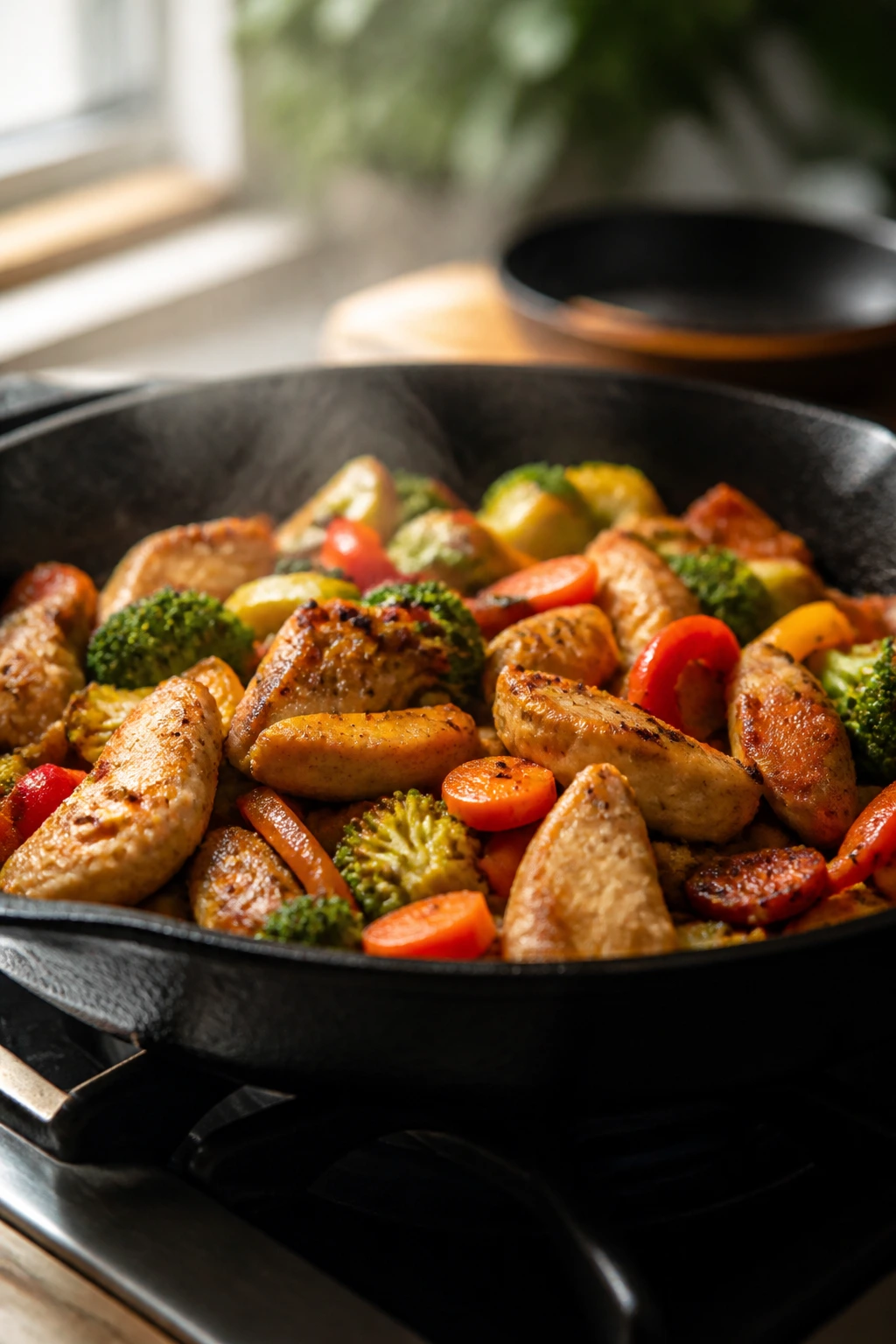
A skillet dinner gives you something the oven can’t quite mimic: direct contact with a hot surface. That means deeper browning, faster flavor, and a little pan sauce if you play your cards right.
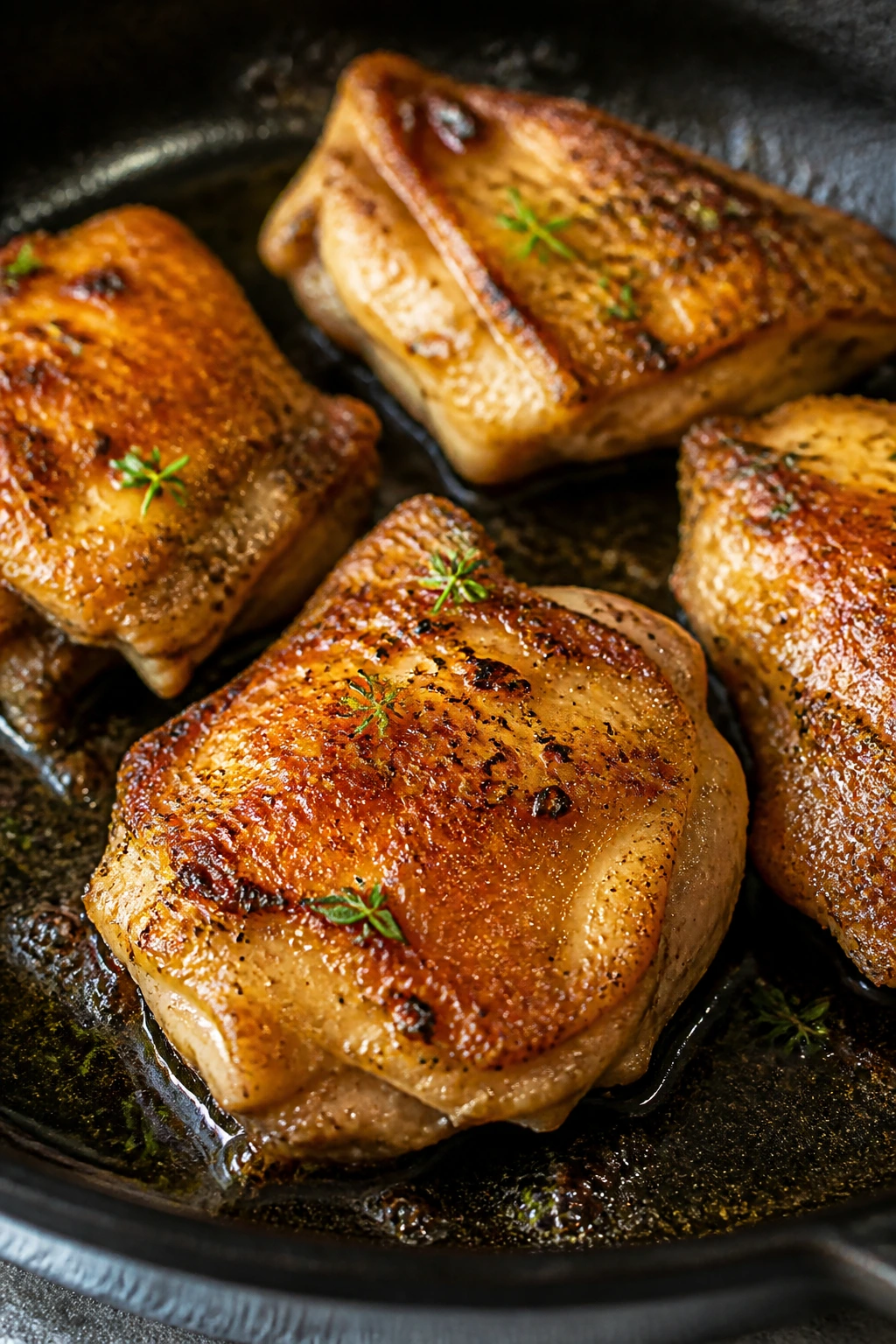
I like a 12-inch skillet for this. Cast iron gives the best browning, but a heavy stainless skillet works too. Thin nonstick pans can be fine for delicate chicken, though they don’t build the same fond — those browned bits on the bottom that turn into flavor once you add liquid.
The order matters
Sear the chicken first, in batches if needed. Don’t move it around the pan too much. Let the surface get color before turning it. Once the chicken is browned and mostly cooked through, take it out.
Cook the vegetables in the same skillet, starting with onions, carrots, mushrooms, or peppers. Add garlic near the end so it doesn’t scorch. If the pan looks dry, a teaspoon or two of oil is better than turning down the heat too much. You want the vegetables to brown before they soften.
Return the chicken, add a splash of broth, water, wine, or lemon juice, and let everything finish together for a minute or two. That little bit of liquid loosens the browned bits from the pan and gives you a quick sauce.
Best vegetables for the skillet
Peppers, onions, mushrooms, zucchini, green beans, and thin-sliced carrots all do well. Potatoes can work if you par-cook them first or use very small pieces. Broccoli is possible, but it does better if you blanch it for a minute or two first or give it a little steam under a lid.
Why I like this method
It feels fast without tasting rushed. The chicken gets color. The vegetables get edges. The whole pan tastes like it had a plan.
And if you’re the sort of cook who likes to taste while you go, the skillet gives you more chances to adjust. A pinch more salt. A squeeze of lemon. A spoonful of butter at the end. That sort of thing makes a difference.
Braised Chicken and Veggies for Saucy Dinners
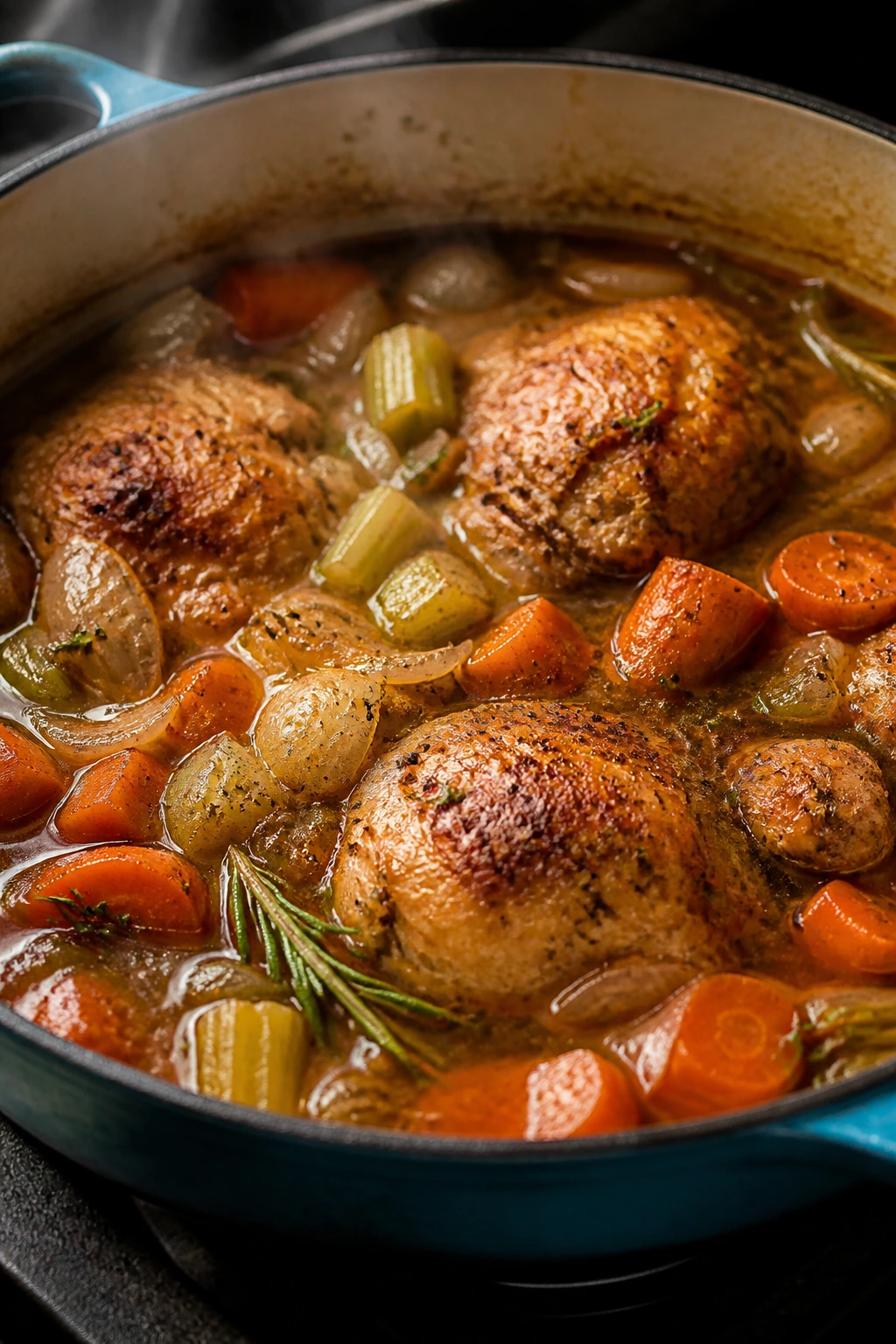
Sometimes dinner needs to be softer around the edges. Not mushy. Softer. Braising is what you do when you want the chicken to be spoonable and the vegetables to taste like they’ve spent time in a shared pot.
Braised chicken works best with thighs or bone-in pieces. Breasts can be used, but they need a gentler hand and less time. The liquid should never boil hard. A quiet simmer is enough. A rolling boil makes the chicken tighten up and the vegetables fall apart.
The braise formula
Brown the chicken first if you can. That step gives you a base layer of flavor that the liquid alone can’t create. Then add onions, garlic, maybe carrots or celery, and pour in broth, tomatoes, coconut milk, or a mix of broth and a little wine. Keep the liquid partway up the chicken, not drowning it.
Cover the pot and cook at a low simmer or in a 325°F oven until the chicken is tender and the vegetables are cooked through. If you’re using potatoes or carrots, they can go in early. If you’re using green beans or zucchini, add them near the end so they hold their shape.
The best braise vegetables
Carrots, onions, celery, leeks, potatoes, fennel, and mushrooms all love a braise. Kale and spinach can go in late and soak up the broth without disappearing. This is also the best place for tomatoes, which bring acidity and body to the pot.
Where braising shines
A braise is ideal when you want dinner to feel like it cooked longer than it did. It’s forgiving. It also reheats well, which matters if you want tomorrow’s lunch to be as decent as tonight’s dinner.
The only real risk is overcooking the softer vegetables. Add them at the right time and you get a pot that tastes layered, not muddled.
What to Serve Beside the Pan
A chicken-and-vegetable dinner can stand alone, but a small side often makes it feel complete without much work. The point is not to build a second meal. The point is to give the juices somewhere to go.
Presentation: Serve sheet-pan dinners straight from the tray for a rustic look, or move the chicken to a platter and pile the vegetables around it. If you want it to feel a little neater, spoon the pan juices over the chicken first and scatter herbs on top. A lemon wedge on the side is never wasted.
Accompaniments: Rice, couscous, mashed potatoes, buttered noodles, or crusty bread all work. For a lighter plate, add a simple salad with a sharp vinaigrette. If the chicken was roasted with a lot of vegetables, you may not need a starch at all.
Portions: Plan on 4 to 6 ounces of cooked chicken per adult and roughly 1 to 1½ cups of vegetables if the meal is built around the pan. If you’re serving rice or potatoes too, the vegetable portion can be smaller. For kids, I usually think in halves and repeats — smaller first serving, then a second spoonful if they want it.
Beverage Pairing: Sparkling water with lemon works with almost anything here. If you want something with more flavor, iced tea, a dry white wine, or a light beer keeps the meal from feeling heavy. For saucy braises, a tomato-based chicken dish can handle something with a little more acidity in the glass.
Tools That Make the Process Easier
You do not need a crowded drawer of gadgets to make good chicken and vegetables. You need a few things that do their job well.
- Rimmed sheet pan: Keeps oil and juices from sliding into the oven. Two pans are better than one crowded pan.
- 12-inch skillet or sauté pan: Best for searing chicken and building a quick pan sauce.
- Instant-read thermometer: The easiest way to know when chicken is done without cutting it open.
- Sharp chef’s knife: Clean cuts mean even cooking, and that matters more than most people admit.
- Large cutting board: Gives you room to separate chicken from vegetables without turning the counter into a mess.
- Mixing bowls: Useful for tossing vegetables with oil and seasoning before they hit the heat.
- Tongs: Better than a fork for turning chicken and moving hot vegetables without tearing them apart.
- Measuring spoons: Helpful for seasoning mixes, especially if you want consistent flavor from one night to the next.
- Airtight storage containers: Important for leftovers, meal prep, and keeping tomorrow’s lunch from smelling like the fridge.
A microplane is optional, but I like one for lemon zest, garlic, and finishing parmesan. It’s one of those tools that looks fussy until you start using it and wonder why you ever used a box grater for everything.
Practical Tips for Better Tenderness and Flavor
Dry the chicken first. Moisture on the surface fights browning. A paper towel and thirty seconds are enough to make a visible difference in the pan.
Salt earlier than you think. Even a short rest while you prep the vegetables helps the chicken season from the outside in. If you have 30 minutes, use them. If you don’t, season well and move on.
Cut for the cooking method. Bigger chunks work for roasting. Smaller, even pieces work for skillet dinners. The cut should match the heat, not your mood.
Finish with something sharp. Lemon juice, vinegar, a spoonful of yogurt, or a few chopped herbs wakes up the whole dish. Without that final note, a chicken-and-vegetable dinner can taste flat even when everything is cooked correctly.
Use broth or pan juices when the plate needs moisture. A tablespoon or two stirred into the skillet, or spooned over the tray at the end, keeps leftovers from drying out before they hit the table.
Time-saver: Prep vegetables in two groups when you shop or cook ahead — sturdy ones in one container, fast ones in another. That single habit makes weeknight cooking move faster without turning into a full meal prep routine.
Common Mistakes That Turn Dinner Dry or Mushy
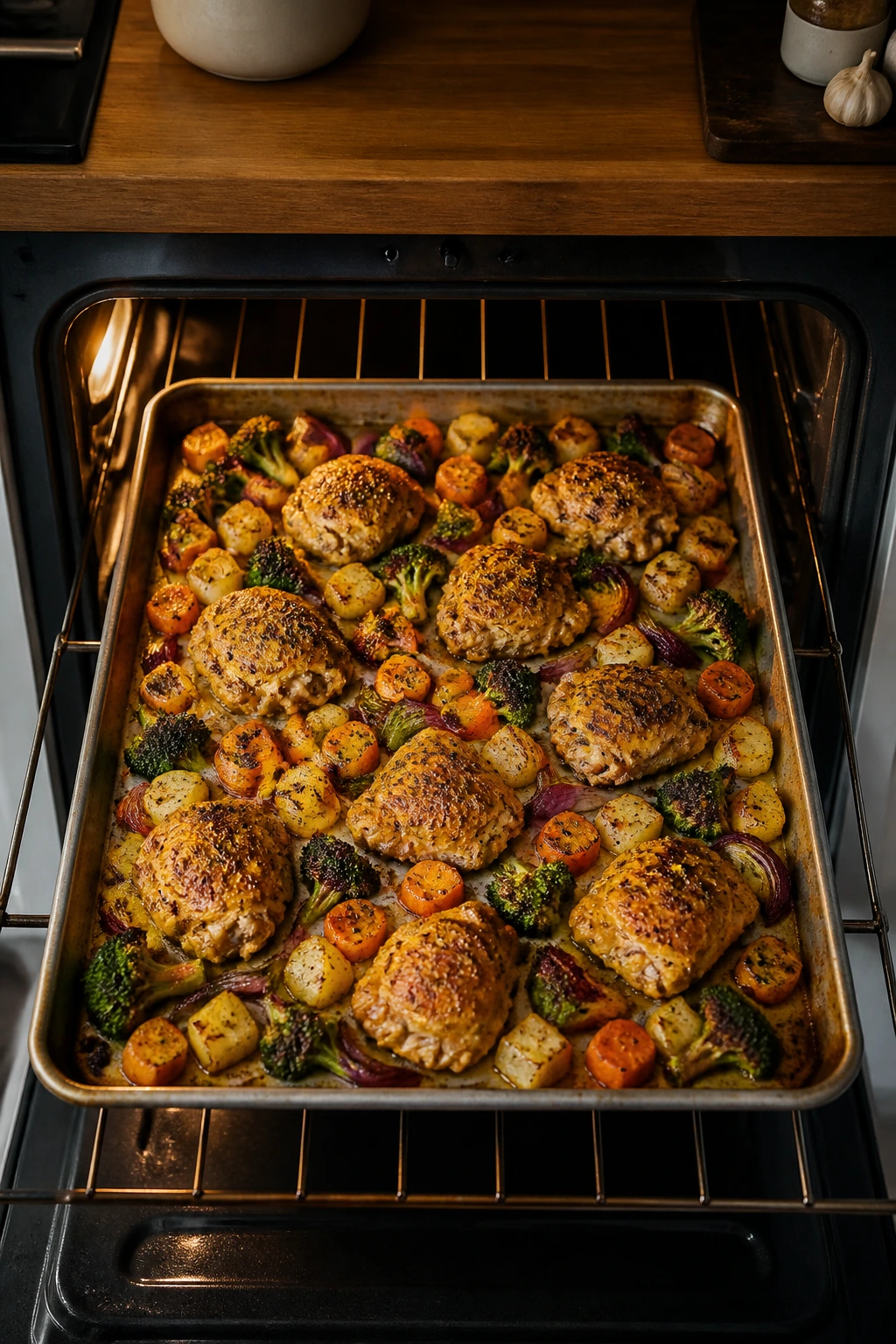
Crowding the pan. The symptom is pale chicken and vegetables that slump instead of brown. Fix it by giving the food space, or use two pans. If the pieces touch too much, they steam.
Using one vegetable cut for everything. A carrot coin, a potato cube, and a zucchini half-moon do not belong to the same clock. Match the cut to the vegetable and the method. Larger pieces for roasting, smaller pieces for quick skillet work.
Adding garlic too early. Burned garlic tastes harsh, and it can make the whole pan bitter. Add it near the end of sautéing or mix it into a marinade instead.
Cooking chicken by color alone. Pink meat is not the only problem, and white meat is not a guarantee of safety. Use a thermometer. Hit 165°F in the thickest part and you remove the guesswork.
Leaving wet vegetables unprepared. Mushrooms, zucchini, and spinach all carry a lot of water. If you don’t account for that, the pan gets soupy. Salt watery vegetables lightly, give them room, and add them late.
Saucing too early. Thick sauces can scorch, and acidic sauces can tighten chicken if they spend too long on high heat. Add the sauce at the end, or keep it loose enough that it doesn’t coat the pan in a sticky mess before the food is finished.
Variations and Alternatives Worth Trying
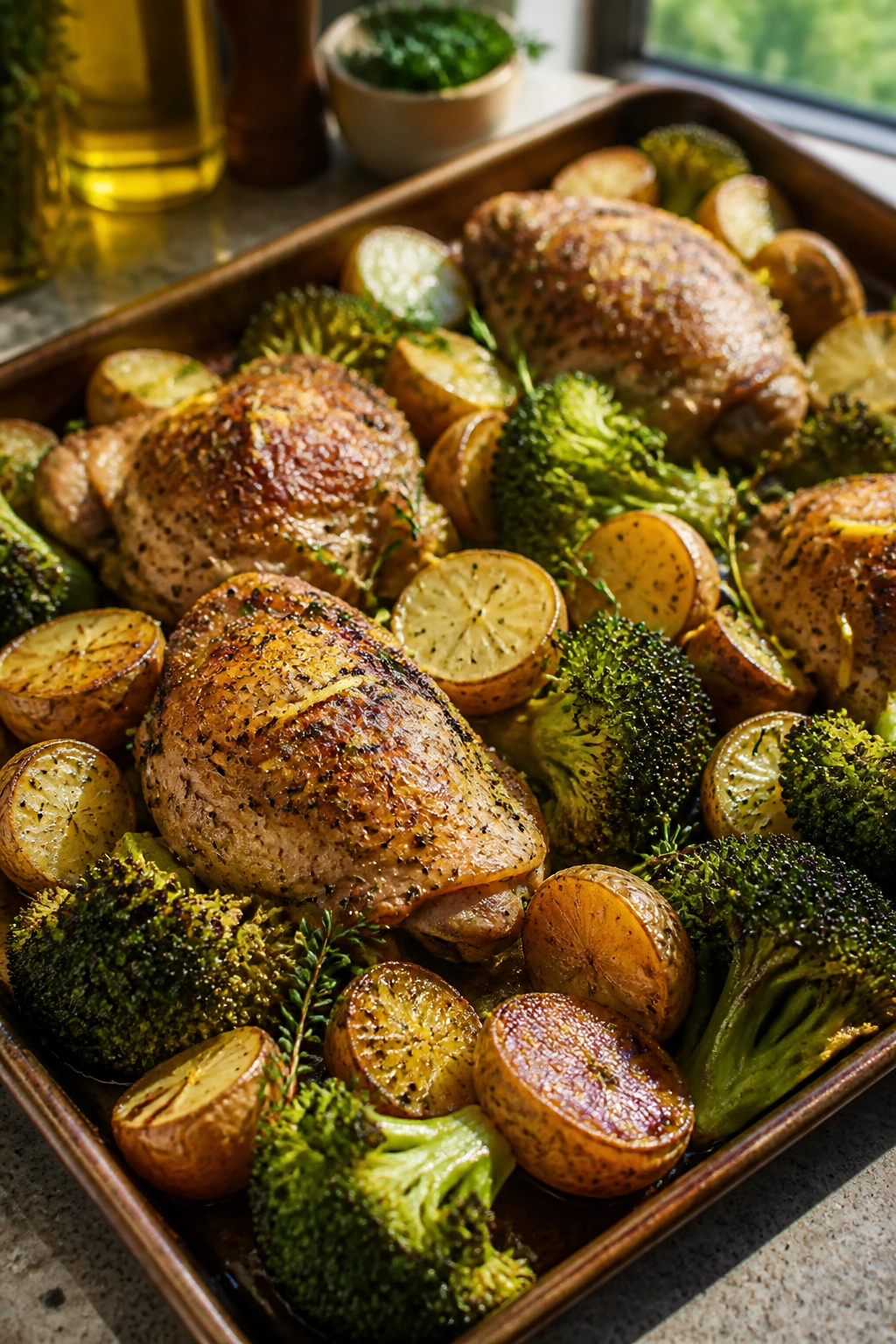
Lemon-Herb Tray Dinner
Use chicken thighs, broccoli, and baby potatoes. Toss everything with olive oil, garlic, lemon zest, thyme, and black pepper, then finish with lemon juice after roasting. It tastes clean and bright, and it’s the version I’d make when I want the meal to feel lighter without making it smaller.
Smoky Paprika Skillet
Use chicken breast cutlets, onions, bell peppers, and mushrooms. Season with smoked paprika, garlic powder, salt, and a pinch of cumin, then finish with a splash of broth and a little butter. The pan tastes deeper than the ingredient list suggests, which is half the charm.
Ginger-Soy Stir-Fry Bowl
Use chicken tenders, broccoli, snap peas, and carrots. Stir in soy sauce, grated ginger, garlic, and a little honey at the end, then serve over rice. This is the fastest path if you want something that leans more savory than roast chicken and still lands in weeknight territory.
Creamy Dijon Braise
Use thighs, onions, carrots, and mushrooms. Add broth and a spoonful or two of Dijon mustard, then finish with a small splash of cream or Greek yogurt off the heat. The sauce clings to the chicken instead of pooling at the bottom of the bowl.
Garlic-Parmesan Finish
Use roasted chicken and vegetables, then toss the finished pan with parmesan, lemon zest, and chopped parsley. It works especially well with broccoli, cauliflower, and Brussels sprouts, which can handle the salty finish without getting lost.
Storing, Freezing, and Reheating Leftovers
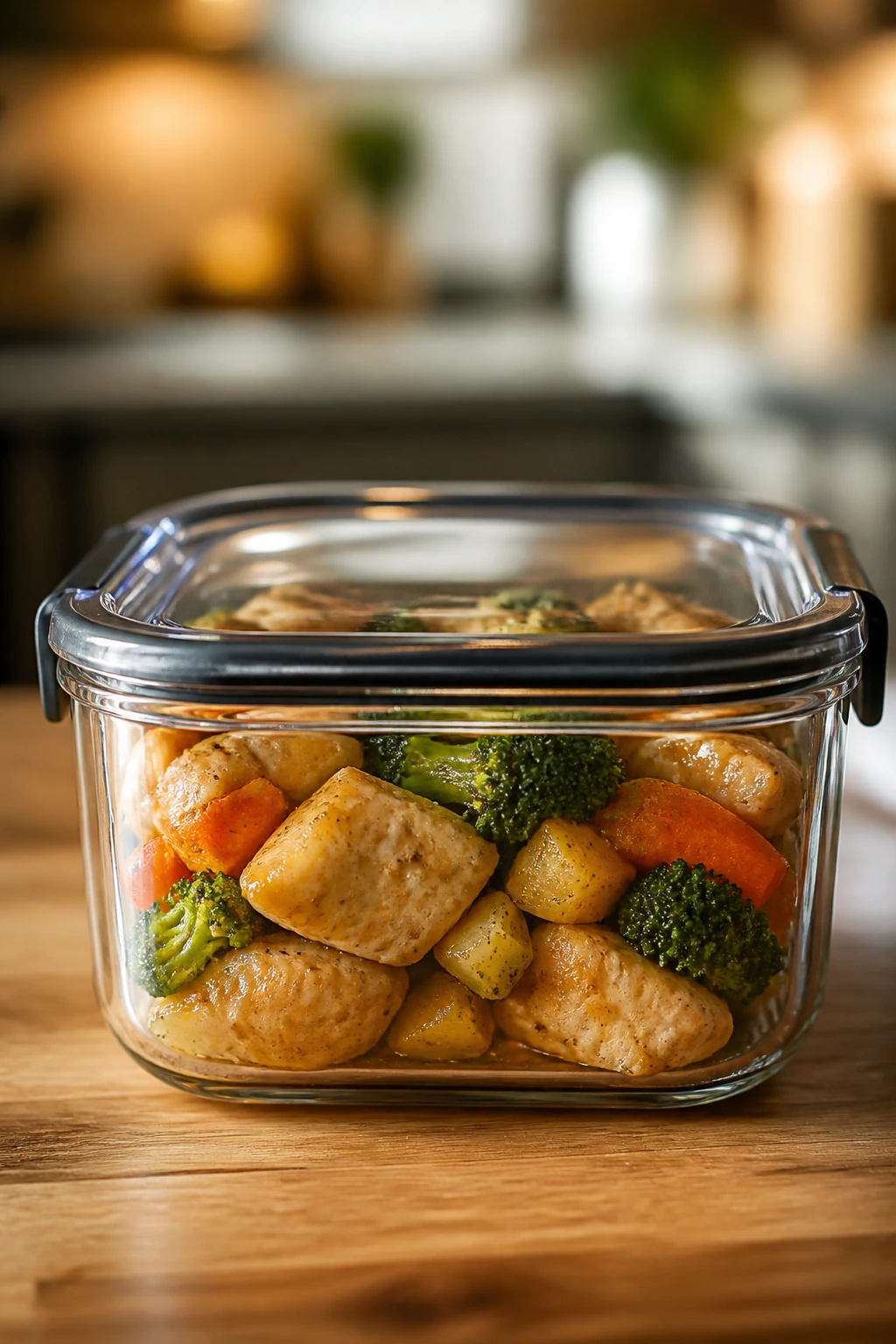
Cooked chicken and vegetables keep in the refrigerator for 3 to 4 days if you chill them promptly and store them in shallow airtight containers. If the dinner includes rice, potatoes, or pasta, keep those in a separate container if you can. It makes reheating cleaner and keeps the vegetables from going soggy in the starch.
You can freeze cooked chicken and vegetables for up to 2 months, though the texture of softer vegetables will change a little. Roasted zucchini, for instance, is never as perky after freezing. Thighs, carrots, broccoli, and braised dishes freeze better than delicate vegetables.
For reheating, the method depends on how you cooked it.
- Sheet-pan or roasted dinners: Reheat in a 325°F oven for about 10 to 15 minutes, loosely covered with foil if the chicken looks dry.
- Skillet dinners: Warm over medium-low heat with a splash of broth or water until the chicken is hot and the vegetables have some life again.
- Braised dinners: Reheat gently on the stove over low heat. This is the best leftover method because the sauce keeps everything from drying out.
Microwaves are fine for lunch, but use lower power and short bursts. High heat turns chicken rubbery fast. If you need to use the microwave, add a spoonful of broth or a damp paper towel over the container and stop as soon as the center is hot.
Questions People Ask About Chicken and Veggie Dinners
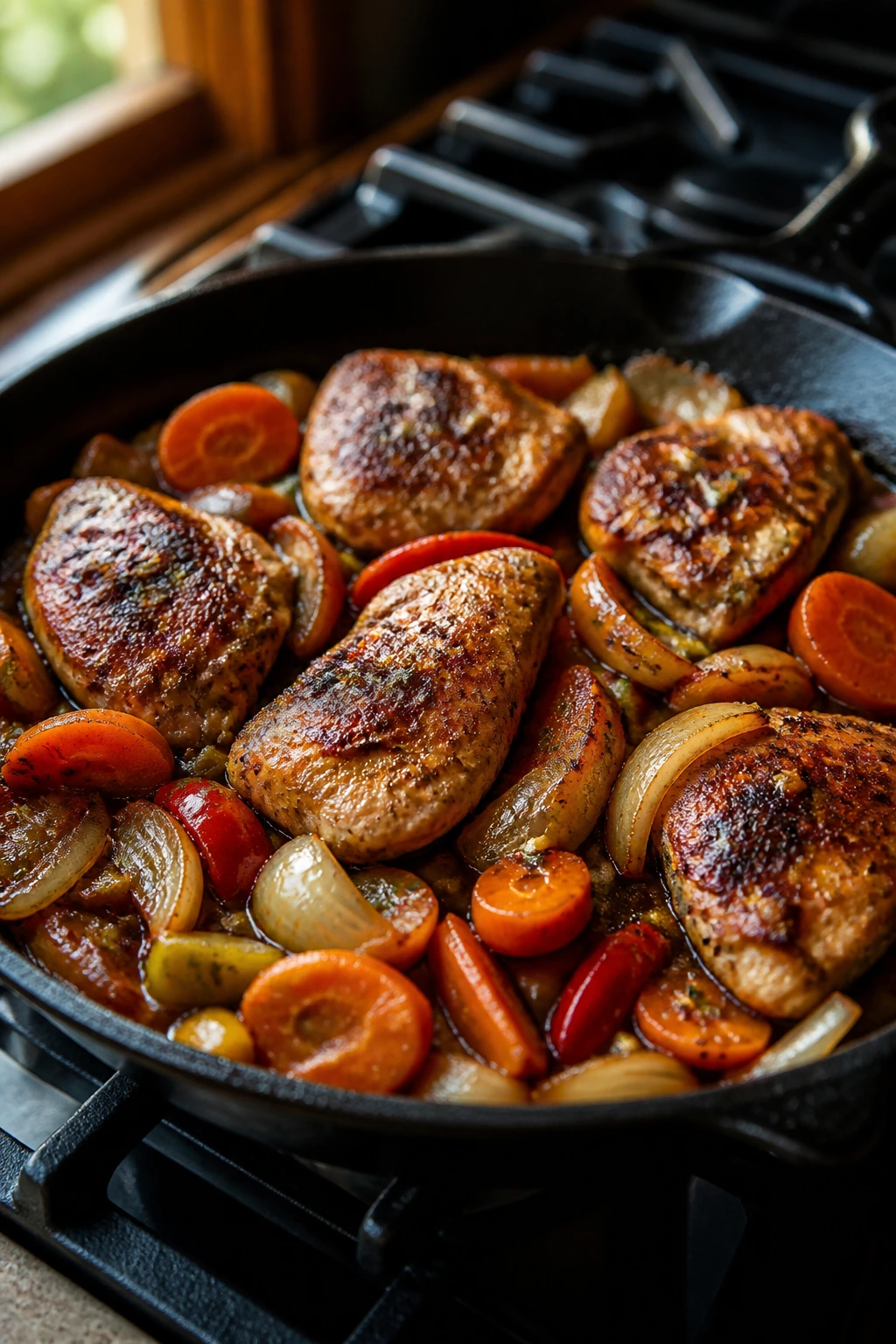
Can I use chicken breasts instead of thighs?
Yes, but treat them carefully. Slice them into even cutlets or pieces and cook them quickly over high heat or a hot oven. Pull them as soon as they hit 165°F, because the margin between juicy and dry is thin.
What vegetables should I avoid?
Water-heavy vegetables like summer squash and spinach can work, but they need late addition and space. Very delicate vegetables can disappear in a roast if you add them too early. If you want them in the dish, treat them as finishing ingredients, not core vegetables.
Can I use frozen vegetables?
You can, but they need a different approach. Frozen broccoli, cauliflower, or green beans work best when roasted from frozen at high heat or sautéed after the ice has mostly cooked off. Don’t expect the same browning you get from fresh vegetables.
How do I keep zucchini from getting watery?
Cut it thick, salt it lightly, and add it late. If you roast it, keep the pieces in a single layer and give them room. Zucchini is fine in this kind of dinner, but it likes to be treated as a late guest.
Do I need to marinate the chicken?
No. A dry seasoning mix and proper salt are enough for most weeknight dinners. Marinating helps when you want extra flavor or if you’re using breast meat, but it is not required to make the meal taste good.
What if the vegetables finish before the chicken?
Pull them out first and let the chicken keep going. If you’re using a sheet pan, move the vegetables to the edges or a plate and return the chicken to the oven. Don’t sacrifice the chicken just to keep the carrots in the same pan.
Can I make this ahead for meal prep?
Yes, and this style of food is one of the easier meal prep options. Roast or cook everything, cool it fast, then portion into containers. Keep sauces separate if you can, because added moisture helps leftovers reheat without drying out.
What’s the easiest way to tell when the chicken is done?
Use an instant-read thermometer in the thickest part. The target is 165°F for poultry, and that number matters more than the clock. If you cut into the meat to check, you lose juices you could have kept.
The Dinner Habit That Sticks
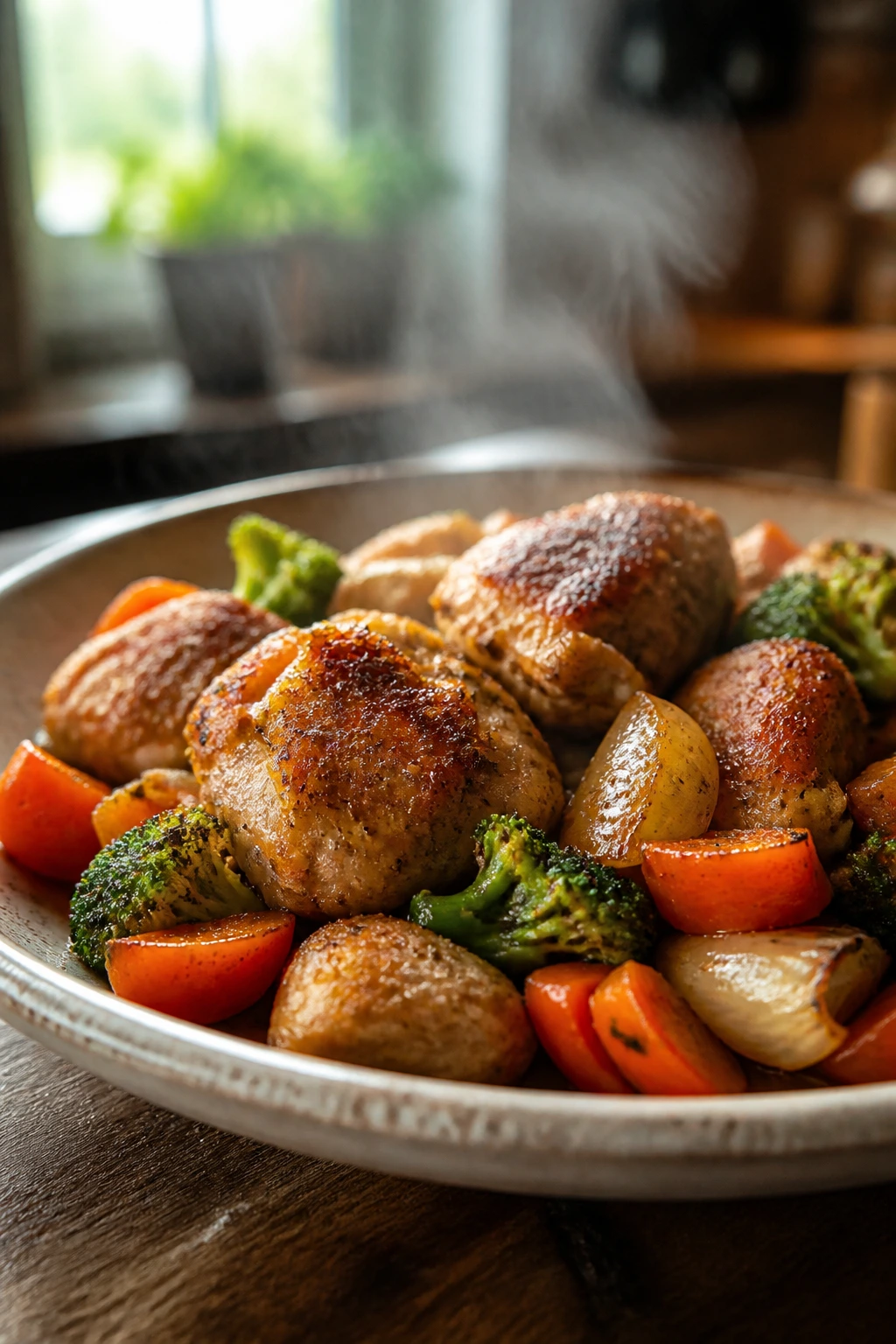
The best weeknight chicken dinner is not the fanciest one. It’s the one you can repeat without checking a different recipe every time. Once you know which chicken cut forgives you, which vegetables hold their shape, and which finish makes the pan taste finished, the whole thing gets easier in a way that actually matters.
I like that this kind of dinner leaves room for a little judgment. Some nights you roast everything on one pan. Some nights you sear the chicken in a skillet and make a quick sauce in the same pan. Some nights you braise because the weather, the mood, or the fridge asks for something softer. That flexibility is the whole point.
And when the timing clicks, the plate has a clean, honest look to it: browned chicken, vegetables with edges, steam rising when you cut in. That’s a good weeknight to keep around.