



Chewy beef ruins a good dinner fast. You can do everything else right — the potatoes are fluffy, the carrots are sweet, the table looks clean, the kitchen smells like onions and pepper and something rich — and one tough bite wipes the whole mood out. That is the part people remember.
Tender beef for a hearty dinner is not mostly about buying the priciest cut in the case. It’s about matching the cut to the method, then giving that method the kind of attention beef actually rewards. Chuck roast can turn spoon-tender in a covered pot. Short ribs can become glossy, almost sticky with their own gelatin. A flank steak can eat beautifully if it’s cooked hot and sliced across the grain. The mistake is usually not the beef itself. It’s forcing the wrong beef into the wrong job.
I love beef when it’s handled with a little patience because it brings a certain gravity to dinner. The sauce clings. The fat turns silky. The onions melt into the drippings, and the whole plate starts tasting deeper than the ingredient list would suggest. That’s the good part. Not showy. Just solid and satisfying.
And the good news is that the details are not mysterious. Dry the meat. Brown it properly. Keep the simmer lazy, not violent. Slice it the right way. Do those things, and the dinner stops feeling like a gamble.
Why Tender Beef Earns Its Place at the Center of the Table
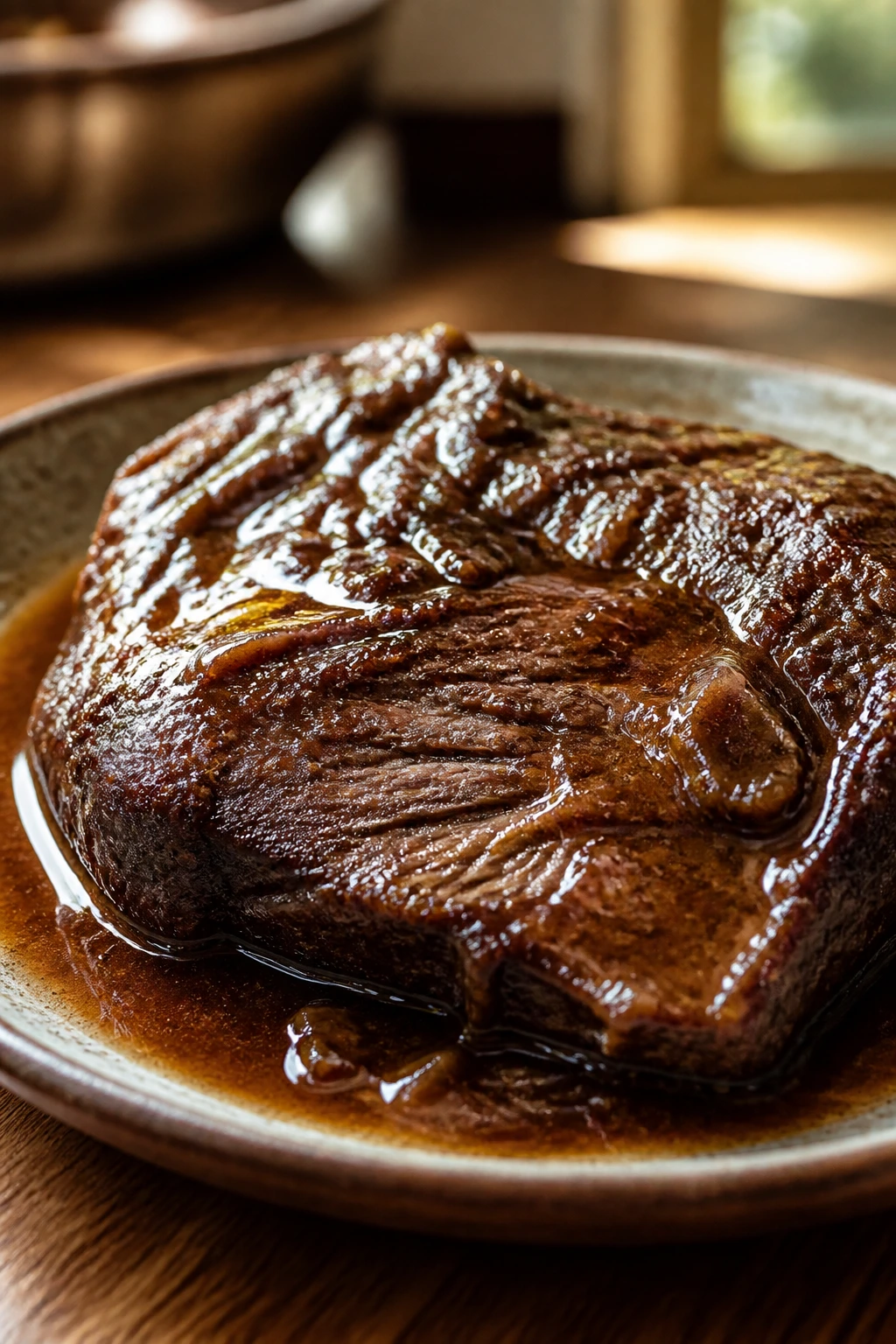
Better texture: A properly cooked chuck roast or braised short rib gives you beef that yields with a fork instead of fighting back, and that change comes from time, heat, and moisture working together.
More flavor in one pot: The browned fond, softened onions, stock, wine, and meat juices all merge into a sauce that tastes far richer than plain pan juices.
Less waste, better value: Tougher cuts like chuck, shank, and brisket are often cheaper than quick-cooking steaks, yet they can deliver the most satisfying dinner on the table.
Excellent leftovers: Braised beef usually tastes deeper the next day because the sauce settles, the fat is easy to skim off, and the seasoning has time to move through the meat.
Flexible enough for different nights: The same basic idea can turn into a stovetop braise, a slow-cooker supper, or a pressure-cooker dinner when the clock is rude.
If you’ve ever stood in front of a beef roast and wondered whether it needs more time or less, that uncertainty is normal. Beef is one of those foods that punishes guesswork and rewards observation.
The trick is knowing what to watch for.
What Makes Beef Turn Chewy or Soft
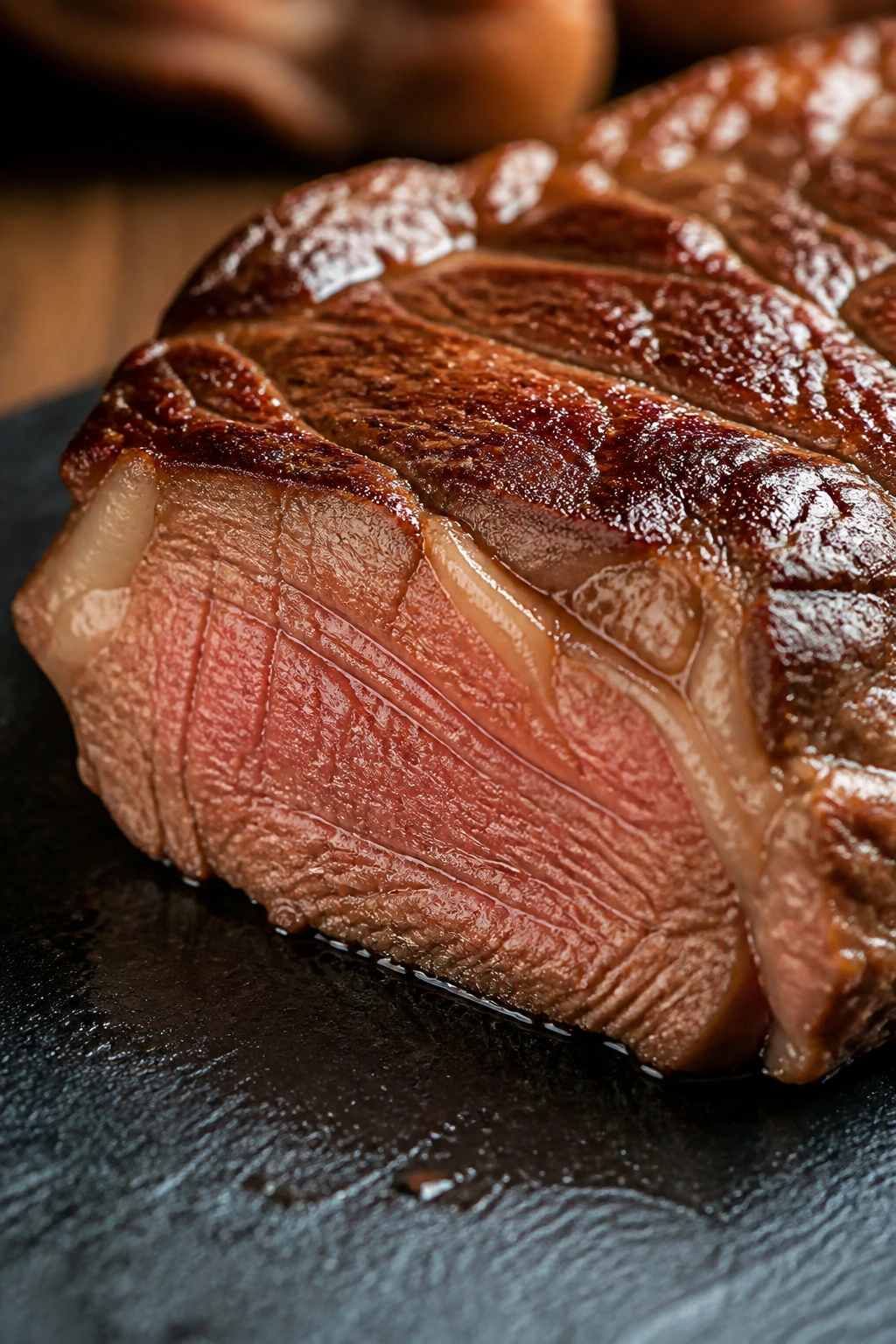
Beef muscle is a mix of meat fibers, connective tissue, fat, and water. Those parts do not all respond to heat in the same way. Muscle fibers tighten as they cook. Collagen, the connective tissue that makes a cut feel stubborn, can break down into gelatin if it gets enough time in gentle heat and moisture. That gelatin is the quiet reason a braise tastes rich instead of merely wet.
Collagen is the part you actually need to tame
Tough cuts come from muscles that do more work. Chuck, shank, brisket, and short rib all carry more connective tissue than a tenderloin or ribeye. That sounds like a drawback until you cook them slowly. Give collagen a covered pot, a little liquid, and a low simmer, and it changes shape in a way that makes the meat feel supple rather than stringy.
That’s why braised beef can be so comforting. The meat starts firm, even a little stern. Hours later, a spoon glides through it.
Fat is not the same as tenderness
Marbling matters because it melts and coats the fibers while the meat cooks, but fat alone does not rescue a bad method. A very fatty piece of beef can still turn dry if it’s blasted with heat or sliced too soon. Think of fat as insurance, not magic.
A leaner cut can still be tender if the cooking style fits. A flat iron steak or top sirloin wants high heat, a shorter cook, and a clean slice across the grain. That is a different kind of tenderness. It’s tighter, more steak-like, and it disappears fast if you overdo it.
Grain direction changes every slice
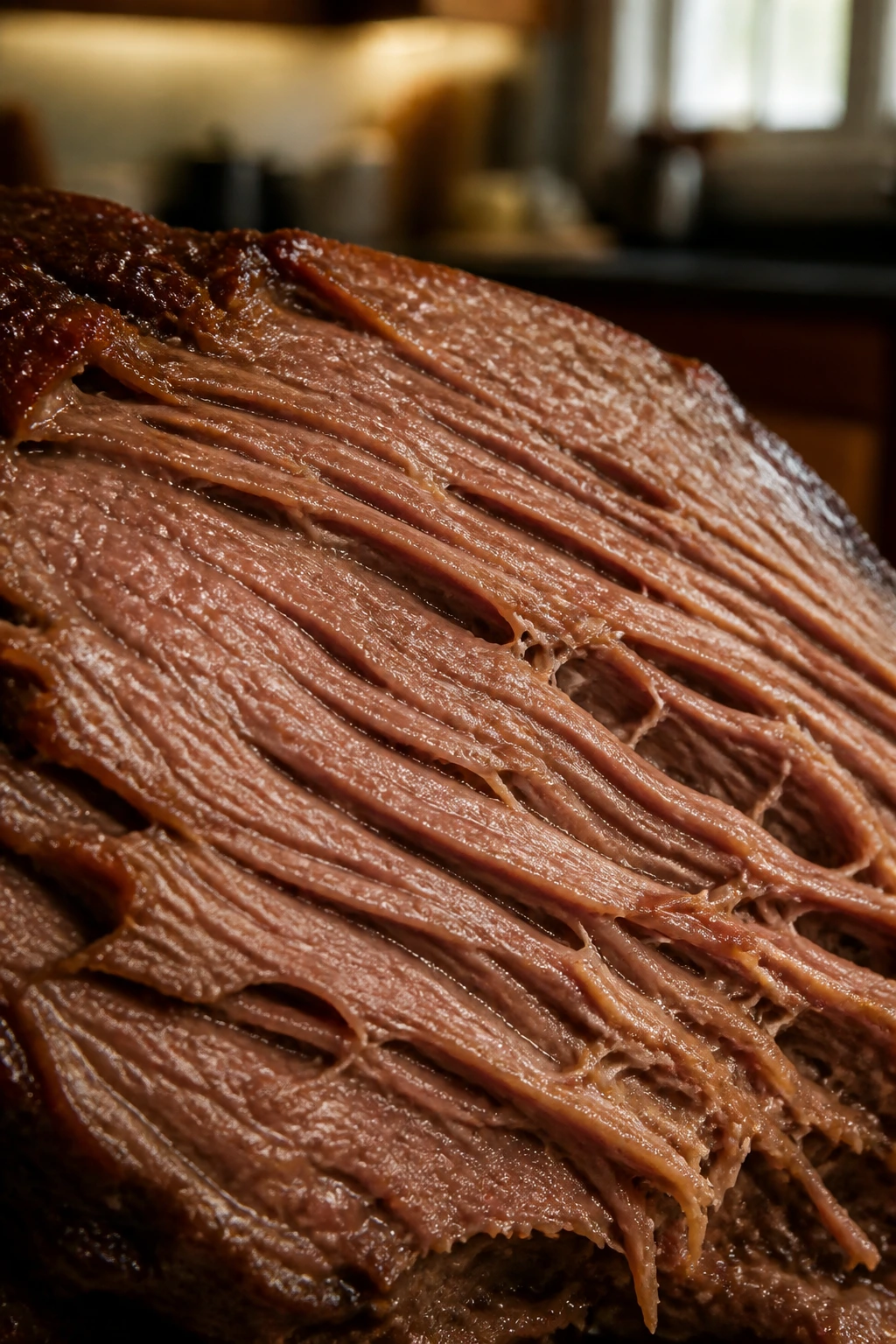
Look at the strands in the meat before you cut. Beef fibers run in a direction, and if you slice parallel to those lines, you leave the fibers long and chewy. If you slice across them, each bite is shorter and easier to chew.
That one habit fixes a surprising number of “tough beef” complaints. It is boring advice. It works.
Temperature matters too, but not in the same way for every cut. Whole roasts meant for slicing have a target range for doneness. Braises have a tenderness target. Those are different. A roast can be safe to eat before it is tender enough to fall apart, and a braise can be safe well before the connective tissue is ready. That’s why the thermometer and the fork test should sit next to each other, not compete.
The Cuts That Reward a Long, Slow Cook
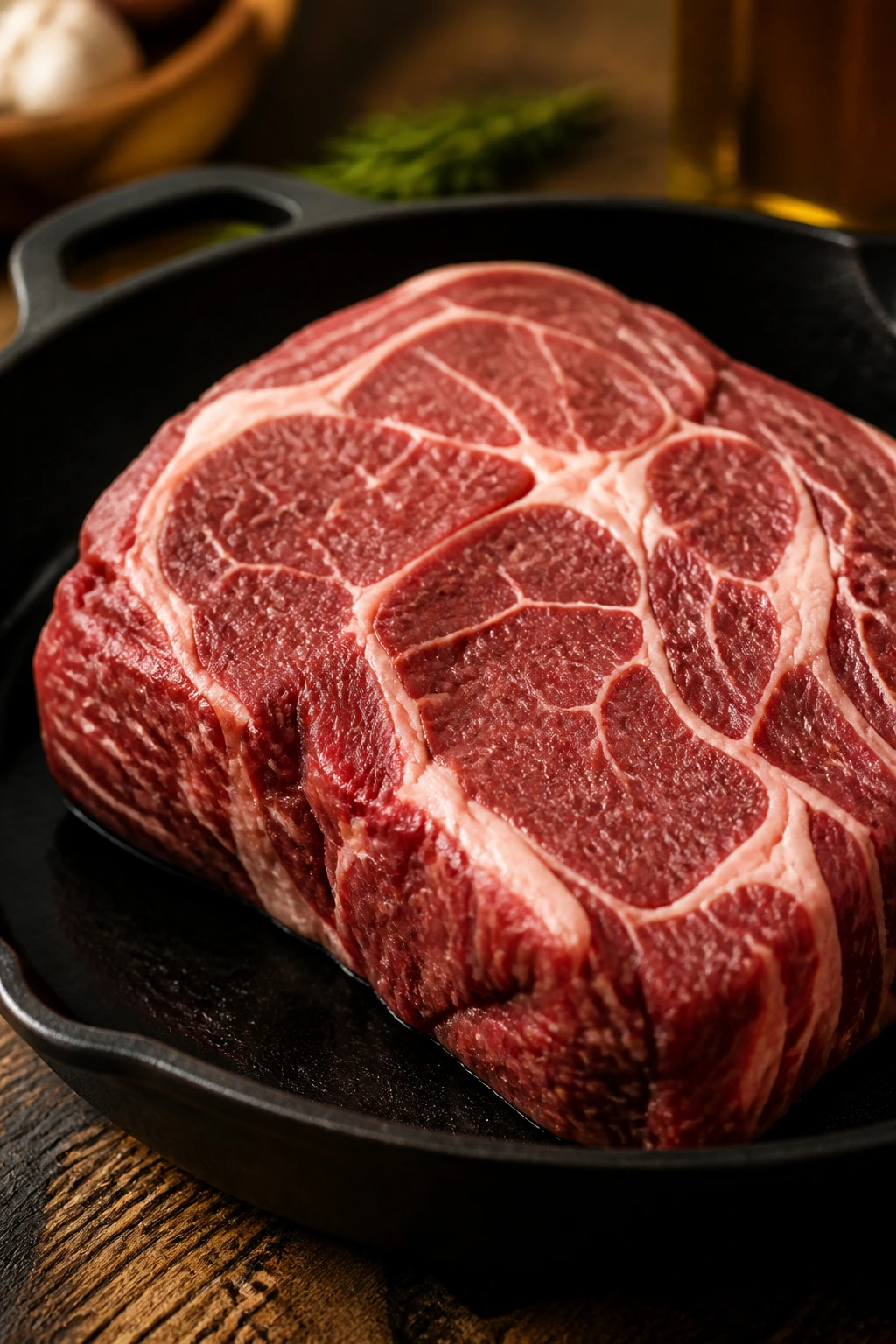
The best cuts for tender beef in a hearty dinner are the ones with enough collagen and fat to turn generous under gentle heat. I would take a good chuck roast over a leaner, more expensive roast for this kind of meal almost every time. Chuck has enough structure to survive the long cook and enough marbling to stay moist while it softens.
Chuck roast
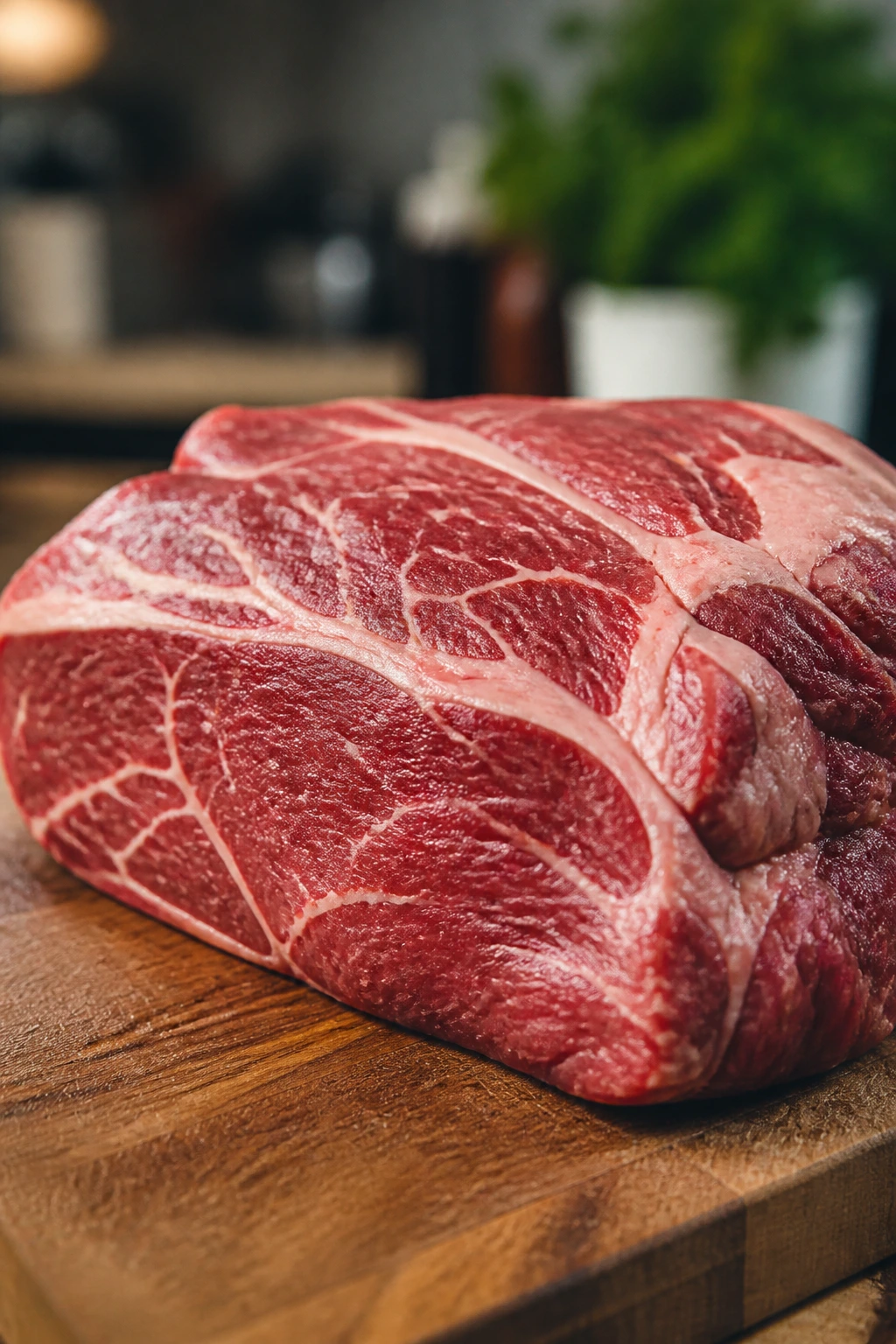
Chuck roast is the dependable workhorse. It comes from the shoulder, so it has connective tissue, but that connective tissue is exactly what turns into a rich, almost silky texture after a few hours in the oven or slow cooker. A 3- to 4-pound roast is a sweet spot for family dinner, and it braises cleanly with onions, carrots, garlic, stock, and a little wine or tomato paste.
The piece I like most has visible white streaks of fat through the meat, not just a fat cap on the outside. That marbling melts in a way that makes the finished meat taste fuller.
Short ribs
Short ribs are lush in a way most beef cuts are not. They bring a dense, meaty flavor and a lot of gelatin from the bones and surrounding connective tissue. When they’re browned hard and braised low and slow, the sauce turns glossy and deep, almost sticky at the edges.
Bone-in short ribs are my pick when I want dinner to feel a little dramatic without requiring anything fussy at the table. They’re rich, though, so they need something sharp or starchy alongside them. Mashed potatoes, polenta, or a piece of crusty bread earns its keep here.
Brisket
Brisket can be spectacular, but it asks for patience. The flat cut is leaner and slices neatly when cooked right; the point has more fat and usually eats juicier. Either way, brisket needs slow heat and enough liquid to stay protected. If you rush it, you get tight, stringy slices. If you give it time, you get beef that cuts with almost no resistance and still holds its shape on the plate.
I like brisket when I want a cleaner slice than a shredded roast provides. It has a more defined grain, which means the slicing step matters even more.
Shank and oxtail
Beef shank and oxtail are the deep, brothy end of the spectrum. They carry a lot of connective tissue and a lot of flavor. Shank is excellent in a braise where you want the sauce to feel almost soup-like in richness. Oxtail brings a sticky, almost luxurious body to the liquid, which makes it superb with polenta or mashed potatoes.
These cuts are not fast. They are not subtle, either. They give you that old-school, slow-cooked beef comfort that tastes like it has been simmering all afternoon because, well, it has.
If the package says “stew meat,” look closely at the cut names if they’re listed. Good stew meat is usually chuck. Random trimmings from different muscles can cook unevenly, which means one bite is lovely and the next chews like a rubber band. That is not the pot’s fault. It’s a shopping problem.
The Cuts That Stay Tender With Heat and Speed
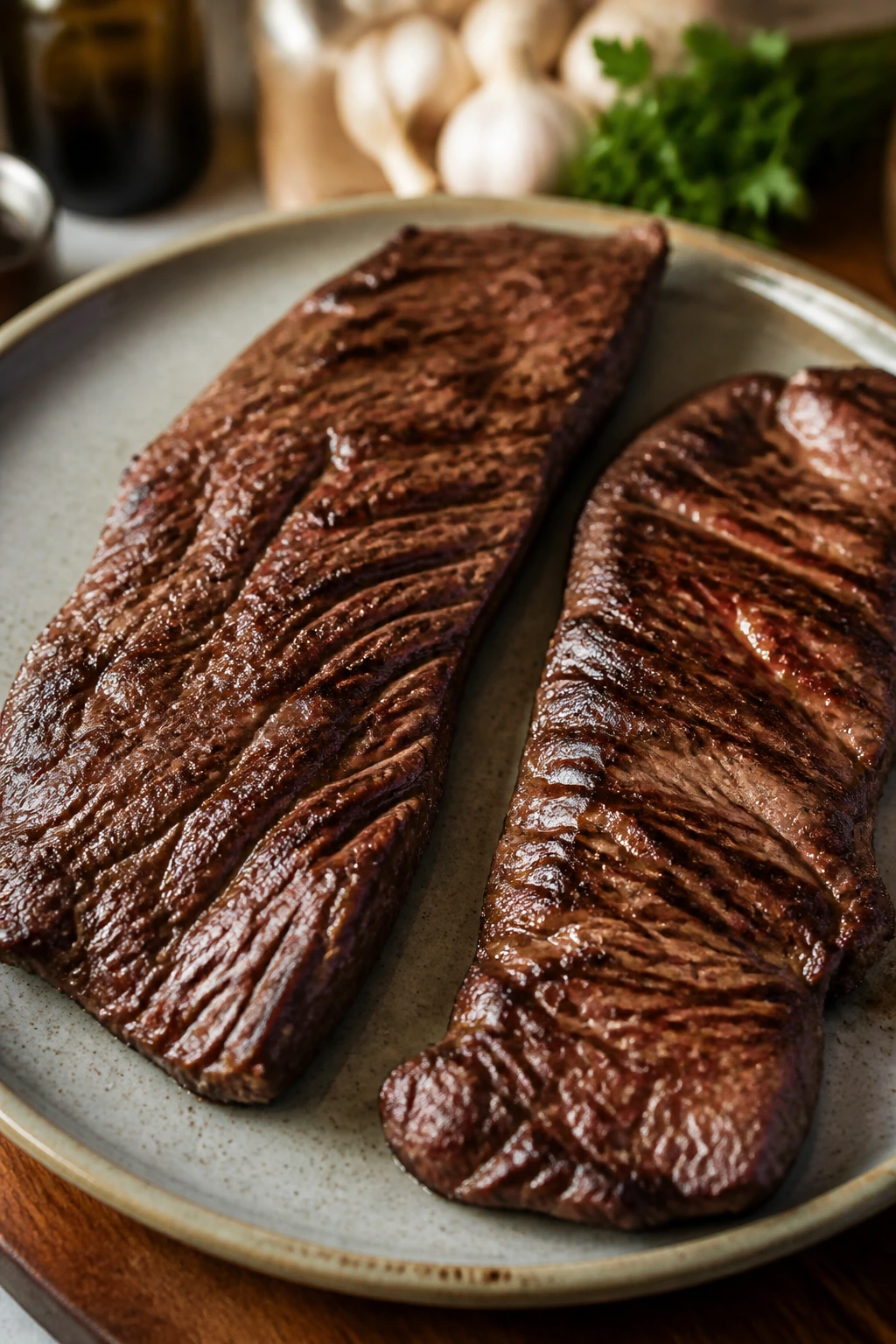
Not every hearty beef dinner needs four hours and a Dutch oven. Some cuts are built for a hot pan, a short rest, and a sharp knife. These are the cuts I reach for when I want beef to stay tender without turning into a braise.
Flank and skirt steak
Flank and skirt are among the most useful cuts in the house if you respect the grain. They’re thin, muscular, and best cooked quickly over high heat. A marinade can help with flavor, but the real tenderness comes from not overcooking them and slicing them thin against the grain.
Skirt steak has a loose grain that becomes obvious once it’s cooked. That’s a gift, not a problem. You can see exactly how to cut it. Flank is a little thicker and slightly leaner, so it benefits from a short rest after searing.
Flat iron steak
Flat iron is one of the most underrated steaks for a quick hearty dinner. It has a nice beefy flavor, enough marbling to stay juicy, and a texture that stays tender at medium rare or medium. I like it with a simple pan sauce made from shallots, stock, and a splash of vinegar or wine.
This cut does not need a long cook. It needs heat, restraint, and a proper slice.
Top sirloin
Top sirloin is the friendliest lean steak on the shelf when you want dinner to feel substantial but not heavy. It’s firmer than ribeye, but it cooks predictably and takes seasoning well. It’s also one of the better choices for a plate that includes potatoes, green beans, or mushrooms because the steak carries the meal without drowning in fat.
Go past medium and it starts to tighten. That’s the line with sirloin. Keep an eye on it, let it rest, and slice it thin.
Hanger steak and other quick-cook options
Hanger steak has a gorgeous, beefy flavor and a texture that eats tender if handled right. Ribeye can also play this role if you want a richer, fattier steak dinner. These are not the cuts for braising. They are for high heat, a brief cook, and a sauce that comes together while the meat rests.
The important thing is not to force these cuts into a pot for hours. That turns a good steak into an expensive mistake. If you want a slower, saucier dinner, use chuck. If you want steakhouse-style tenderness in under 20 minutes, use one of these and keep the heat moving.
Browning Beef Without Steaming It
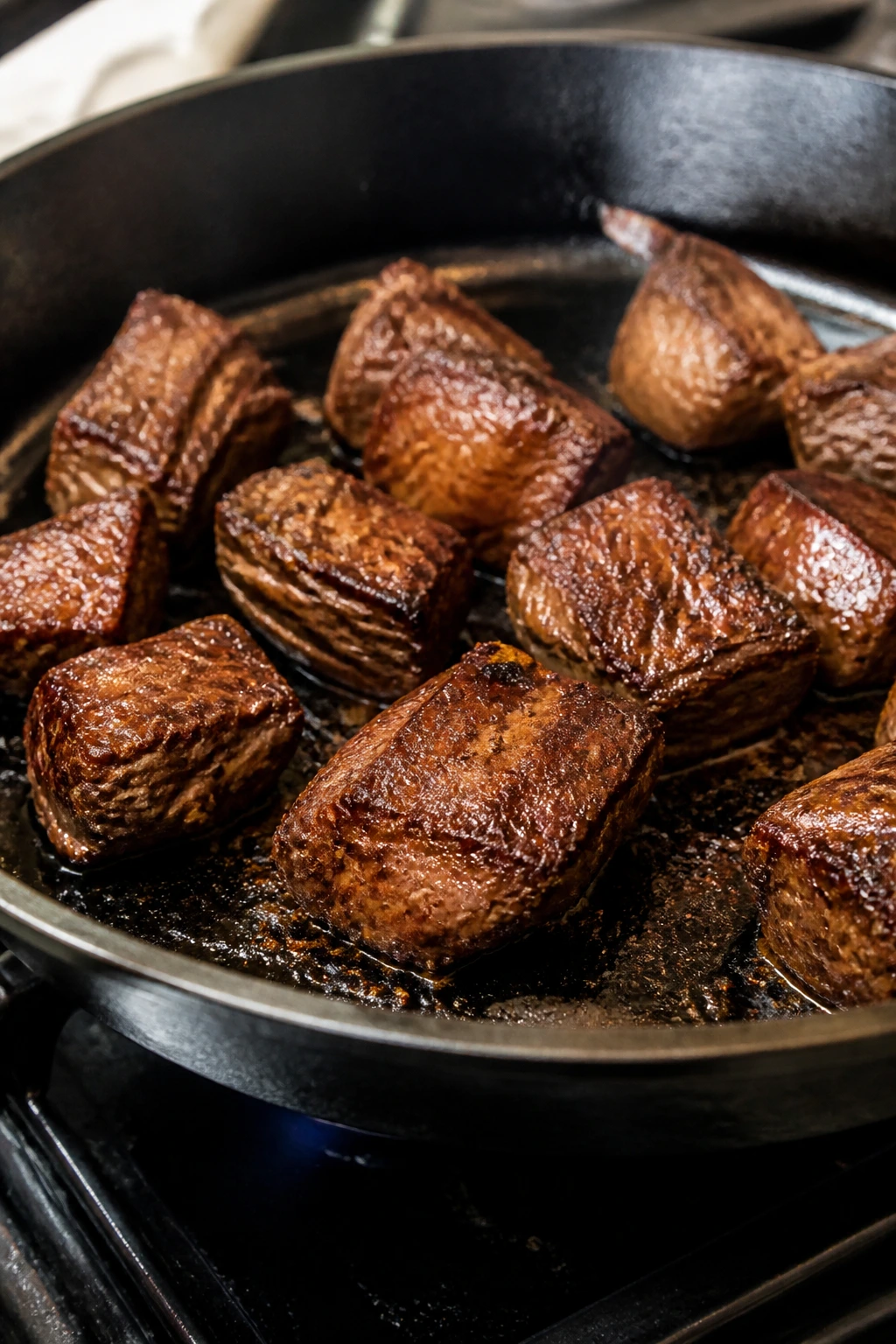
A proper sear does more than make the surface look dark and appetizing. It gives you the fond in the pan, and the fond is where a lot of the dinner’s flavor comes from. If the meat goes gray instead of brown, the sauce has to do too much work later.
Dry the beef first. That’s not optional. Moisture on the surface turns into steam, and steam blocks browning. A few paper towels are worth more than another spice in this step.
Use a heavy skillet or Dutch oven and let the oil heat until it shimmers. The beef should sizzle when it touches the pan, not whisper. Leave space between pieces. If you crowd the pot, the temperature drops and the meat steams in its own water. That’s the quickest way to lose flavor before the pot even gets going.
One sentence matters here: brown in batches.
If a piece sticks, let it stay put for another 20 to 30 seconds. A good crust releases on its own when it’s ready. Pull it too early and you tear the surface. That surface is where a lot of the savor lives.
For larger braised pieces, I like 3 to 4 minutes per side, sometimes a little more if the meat is thick. You’re looking for a deep brown, not black, and a smell that turns nutty and savory. That smell is your cue. When the kitchen starts smelling like real dinner, you’re on the right track.
Braising Beef in the Oven or on the Stove
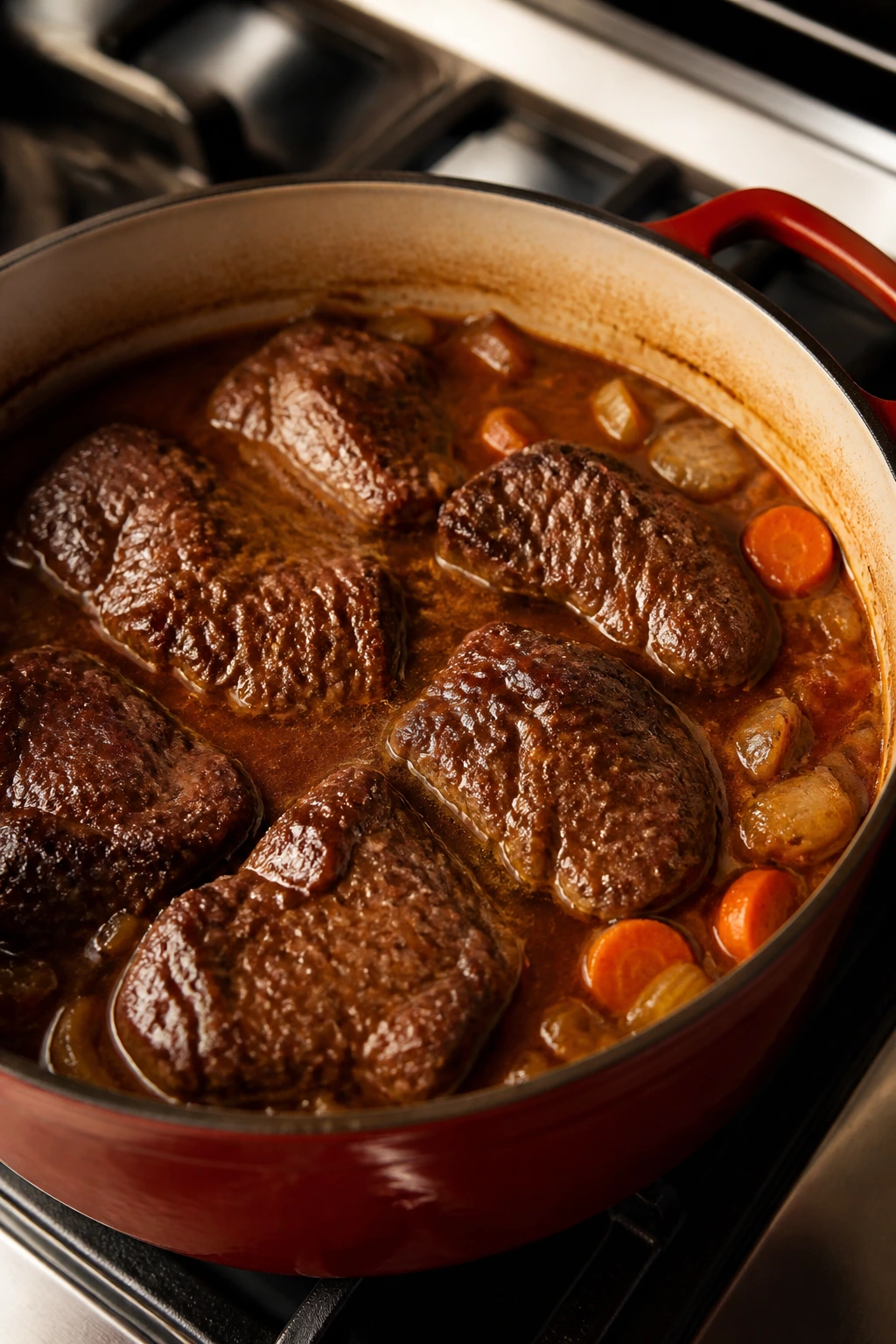
Braising is the old reliable route when the goal is tender beef for a hearty dinner. A braise uses dry heat from the oven or very gentle heat on the stove, plus a modest amount of liquid. The pot stays covered, the liquid barely simmers, and the beef slowly shifts from tight to tender.
The liquid should come partway up the meat, not drown it
A braise is not a boil. The beef should sit in liquid that reaches roughly halfway up the side of the roast or chunks, maybe a little less depending on the cut. Too much liquid dilutes the flavor and turns the dish into soup unless that’s the goal. Too little leaves the meat exposed and can dry the top before the center is ready.
Stock is the backbone. Wine adds depth. Tomato paste adds body. A spoonful of Worcestershire or soy sauce can deepen the savory side without making the dish taste like those sauces by themselves. I like onions, carrots, celery, and garlic underneath the beef because they break down into the sauce and soften the edges of the whole dish.
The oven gives you steadier heat
For a Dutch oven braise, 300°F to 325°F is the zone I like most. Lower than that and the cook drags on; much hotter and the liquid starts bubbling hard. A few lazy bubbles around the edge are enough. You want a whisper, not a churn.
Chuck roast usually needs around 2½ to 4 hours, depending on size and thickness. Short ribs can land in that same range. Brisket sometimes needs longer. Start checking near the lower end and then every 20 to 30 minutes after that. The fork test is your friend. If a fork slides in with almost no resistance, you’re close. If it twists and the meat flakes, you’re there.
The stovetop gives you more control, but it asks for attention
Stovetop braising can be excellent when you want to watch the pot closely. Keep the burner low enough that the liquid barely shivers. A hard simmer squeezes moisture out of the meat and can make the sauce greasy on top. The lid should fit tightly, and if your pot loses too much steam, crack it only a hair, not a mile.
Once the beef is tender, pull it out and let it rest in the sauce for 10 to 15 minutes. That gives the juices a chance to settle and the sauce a chance to cling. If the liquid tastes thin, uncover the pot and reduce it for a few minutes, or whisk in a small slurry of cornstarch and cold water. Do not add flour by the spoonful and hope for the best. That’s how you get glue.
Slow Cooker Beef That Keeps Its Shape and Juiciness
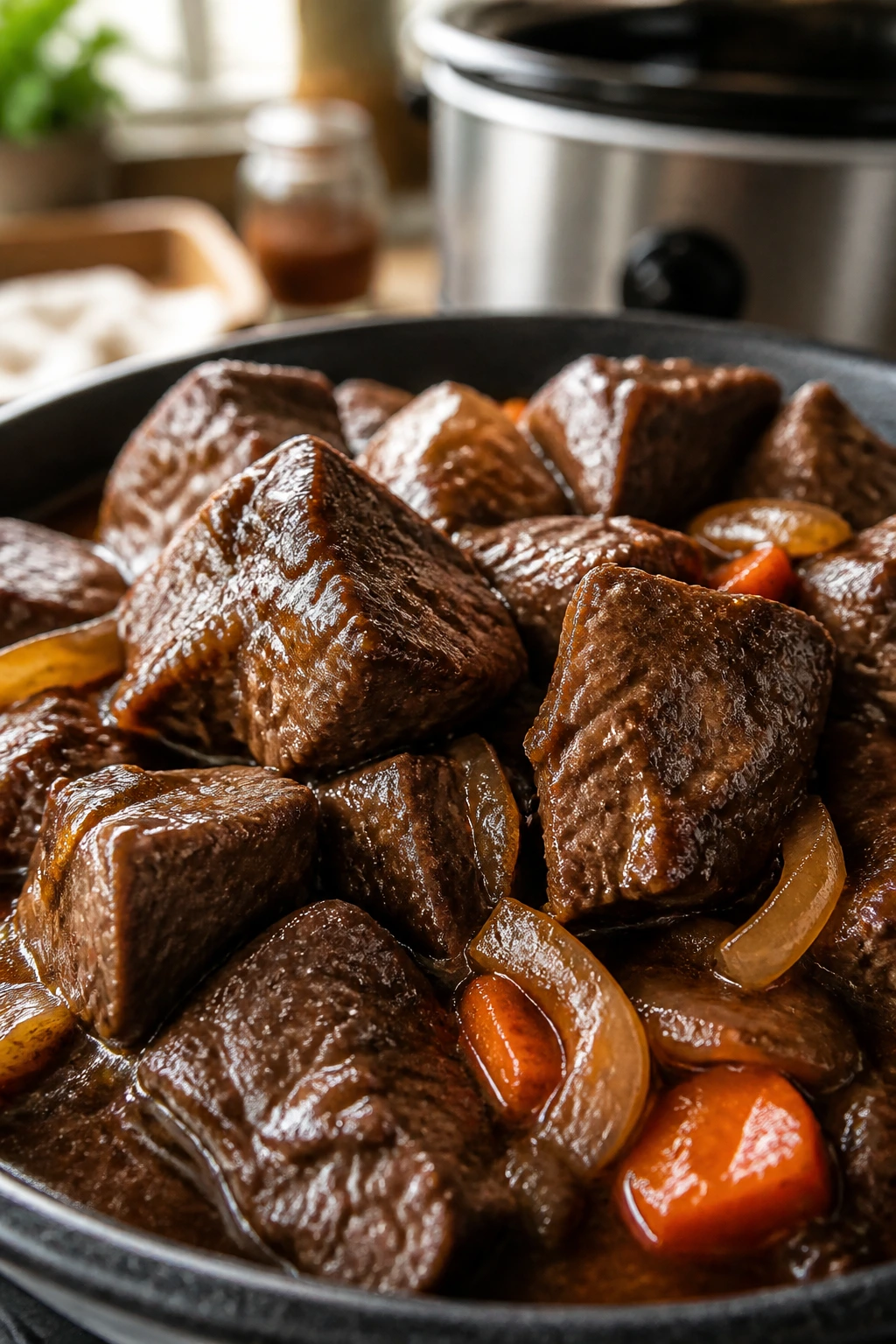
A slow cooker can make tender beef for a hearty dinner with very little daily fuss, but it does not fix everything for you. It still wants the right cut, a decent layer of seasoning, and at least some browning before the lid goes on. Skip the sear and the dish can taste flat, almost sleepy.
The biggest advantage of the slow cooker is control over time. Chuck roast, blade roast, and short ribs do well on low for about 8 to 9 hours, or on high for roughly 4 to 5 hours if you’re in a tighter window. Low is better when you can manage it. The texture tends to stay cleaner, and the sauce has time to become more cohesive.
Put onions or carrots under the meat so it doesn’t sit directly on the bottom. That helps with circulation and keeps the beef from scorching in one spot. Use less liquid than you might expect. Slow cookers trap moisture instead of evaporating it, so the sauce can thin out if you pour in too much stock at the start. A little goes a long way.
One thing the slow cooker does not do well is browning. That’s why the pre-sear matters. The meat may look a little plain when it goes in, but the browned crust and fond carry into the final dish through the sauce. If you have time, reduce any excess liquid on the stovetop at the end and finish with a splash of vinegar or a knob of butter. That last move wakes the whole pot up.
If you want shredded beef for sandwiches, tacos, or mashed potatoes, the slow cooker is excellent. If you want crisp edges and a darker crust, the oven or a final broil will serve you better.
Pressure Cooker Beef for a Shorter Night
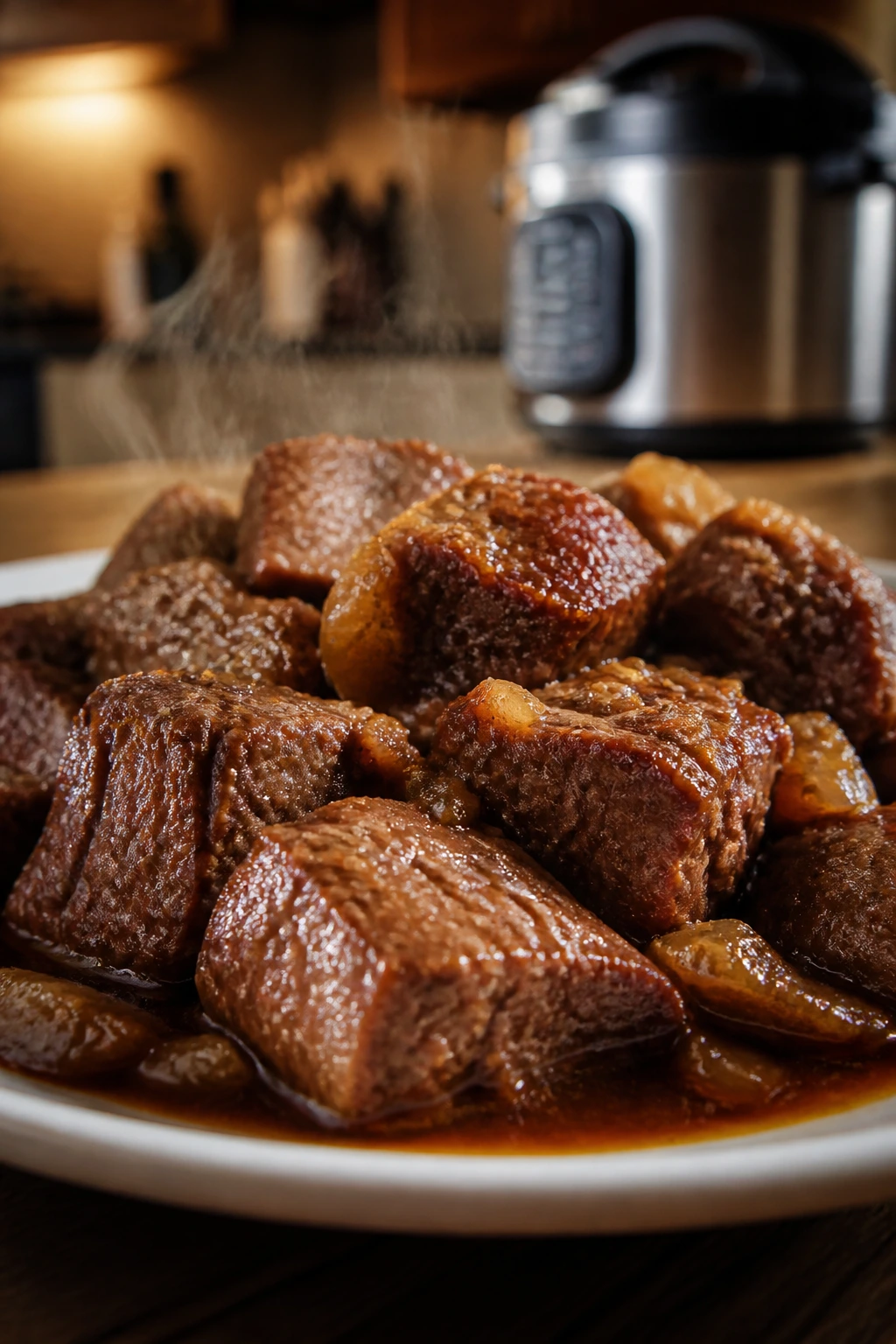
A pressure cooker is the right tool when tender beef needs to happen before the evening disappears. It does in under an hour what a braise might do in several, and it’s especially useful for chuck roast cut into large pieces, short ribs, or shank.
Brown the beef first if your cooker allows it. That step still matters. The pressure cooker can soften meat, but it cannot invent seared flavor out of nowhere. After browning, add the aromatics, deglaze the pot, and make sure there is enough liquid for the machine to come to pressure safely. Most cookers need at least 1 cup, sometimes a little more depending on the recipe and the model.
For a chunked chuck roast, I usually think in the 35- to 45-minute range at high pressure, followed by a natural release for 10 to 15 minutes. A whole roast can need more. Short ribs often fall somewhere similar. If the meat isn’t tender enough after release, seal it back up and cook a little longer. Pressure cookers are forgiving that way.
The texture is slightly different from a long braise. Pressure-cooked beef can be softer, less layered, and a bit more uniform. That is not a flaw if you want shreddable meat or if the sauce is doing a lot of the talking. It’s just a different finish. I like pressure-cooked beef for weeknight bowls, sandwiches, and plates of mashed potatoes where the sauce can soak into everything.
After the beef comes out, reduce the liquid on sauté mode until it coats a spoon. Pressure cooking builds a lot of liquid and not much evaporation, so this final reduction matters. Without it, the dish can taste thin even when the meat itself is tender.
Salt, Marinades, and Acid Without the Guesswork
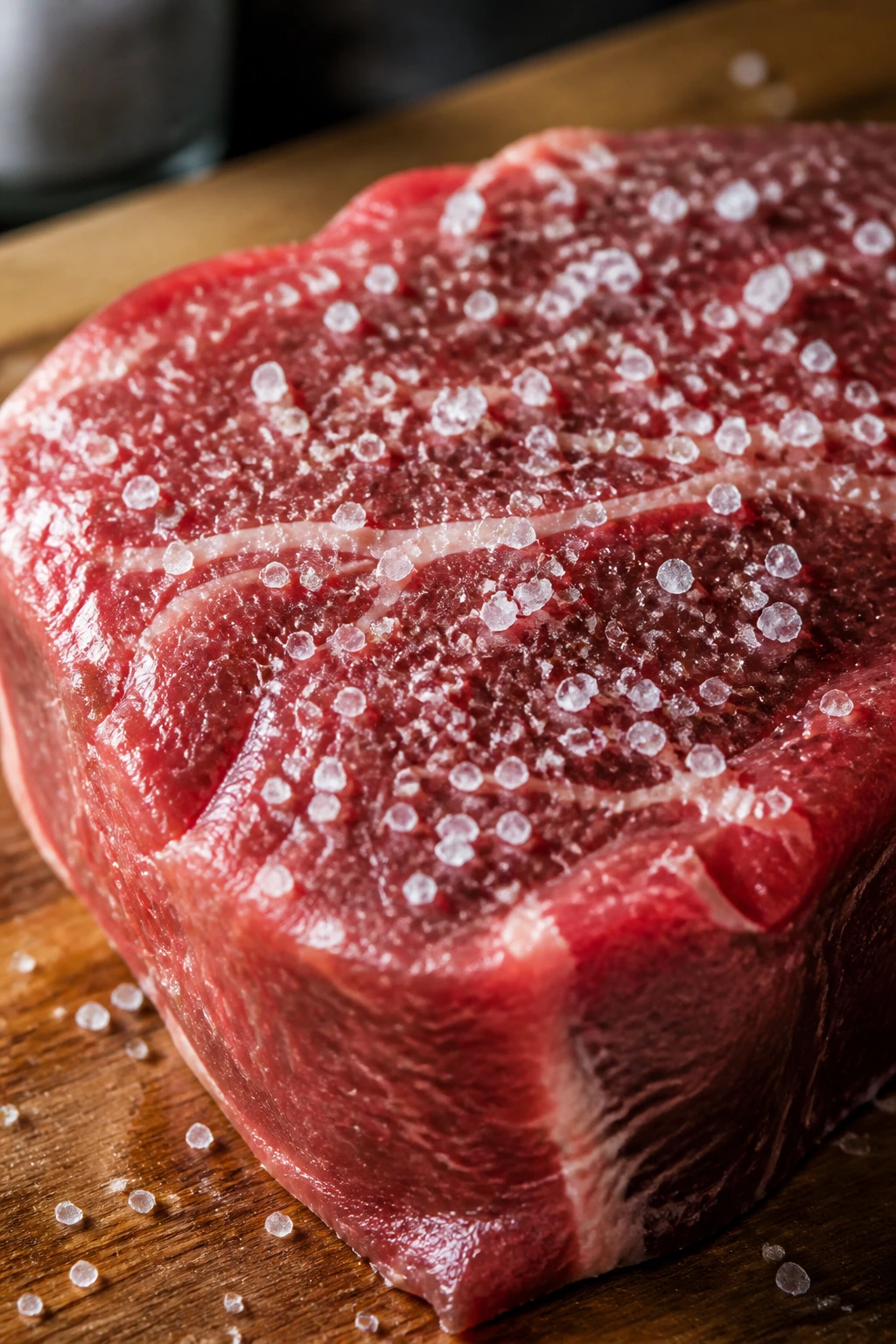
Salt is the quiet hero of tender beef, and it gets too little credit because it doesn’t look dramatic. A good dry brine seasons the meat through the surface layers and helps it hold moisture better during cooking. For many roasts and braises, I like about ½ teaspoon kosher salt per pound of beef, sprinkled ahead of time and left uncovered in the refrigerator for several hours or overnight.
What salt does best
Salt changes the way meat retains water and seasons it from the outside in better than a last-minute sprinkle. For thick cuts, that means a more even flavor and a slightly juicier bite. For quick-cooking steaks, it also helps the surface dry out a bit, which improves browning.
Table salt and kosher salt are not the same by volume. If you’re measuring by spoon, use less table salt than kosher salt, because it packs tighter. That tiny detail matters more than most people think.
Where marinades help
Marinades are useful for thin, quick-cooking cuts like flank, skirt, or flat iron steak. A simple mix of oil, vinegar or citrus, garlic, and a salty ingredient like soy sauce or Worcestershire can add flavor and help the surface stay lively under high heat. I’d give those cuts 30 minutes to 4 hours, depending on the strength of the marinade and the thickness of the meat.
Marinades do not deeply tenderize thick roasts in any dramatic way. They mostly flavor the outside. That’s fine if you know what they’re for. It just means you should not expect a overnight bath in vinegar to transform a chuck roast into filet mignon. It will not.
How acid can go wrong
Too much acid for too long can make the surface of beef soft in an unpleasant way. The meat can turn mushy on the outside while staying tough inside, which is a miserable trade. Pineapple, papaya, and very strong citrus need special care because their enzymes or acidity can move fast.
A little acid works best as a flavor piece, not a miracle fix. I like to add it at the end of cooking too — a splash of red wine vinegar, sherry vinegar, or lemon juice can brighten a heavy sauce and keep the beef from tasting muddy. That is usually where acid earns its keep.
Serving Tender Beef So the Plate Feels Complete
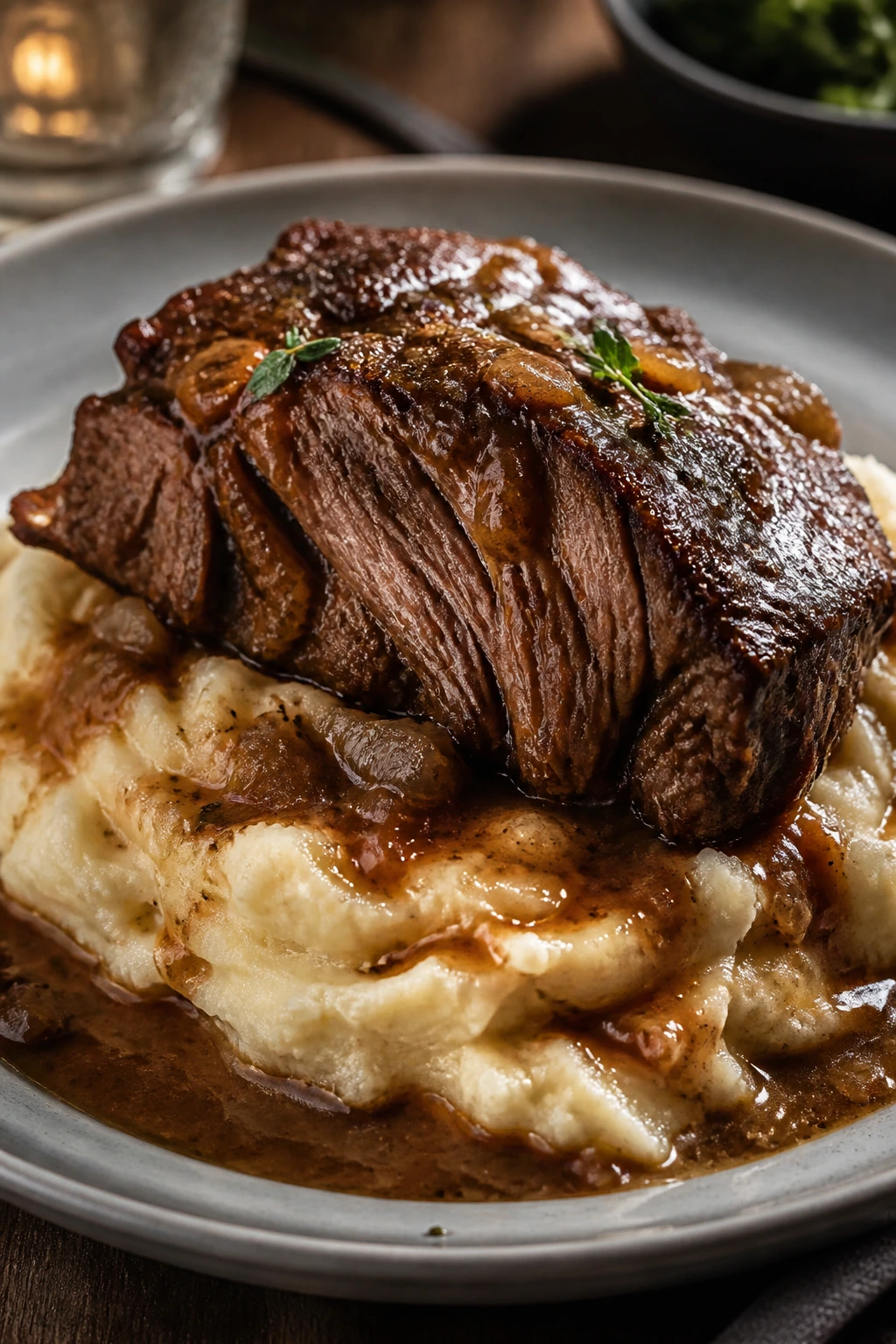
Presentation: Serve braised beef in shallow bowls or on wide plates so the sauce can spread a little instead of pooling into a dark puddle at the bottom. A chunk of beef over mashed potatoes, creamy polenta, or buttered egg noodles looks and eats like dinner, not a side project. Spoon some sauce over the top, scatter parsley or chives, and keep the garnish simple.
Accompaniments: I like something starchy and something sharp. Mashed potatoes, crusty bread, roasted carrots, green beans with lemon, or a cabbage salad with a vinegar bite all make sense next to rich beef. If the beef is very rich — short ribs, for instance — a sharp salad or braised greens keeps the plate from feeling heavy halfway through.
Portions: Plan on about 6 to 8 ounces of cooked beef per person if it is the main event. For a meal with several sides, 4 to 5 ounces can be plenty. For braises with bones, go by raw weight and appetite instead of trying to count pieces too neatly; the bones and sauce change the yield.
Beverage Pairing: A glass of cabernet sauvignon or syrah fits the fat and browned edges well, but a brown ale or stout works too. If alcohol isn’t the move, sparkling water with lemon or a strong iced tea cuts through the richness and keeps the meal feeling balanced.
Warm plates help. Cold plates steal heat fast, and braised beef loses its charm when the sauce starts thickening on contact with a chilled dish. If the meal has a showpiece quality, serve the beef last so the sauce goes on while it’s still glossy.
Small Moves That Improve the Whole Pot
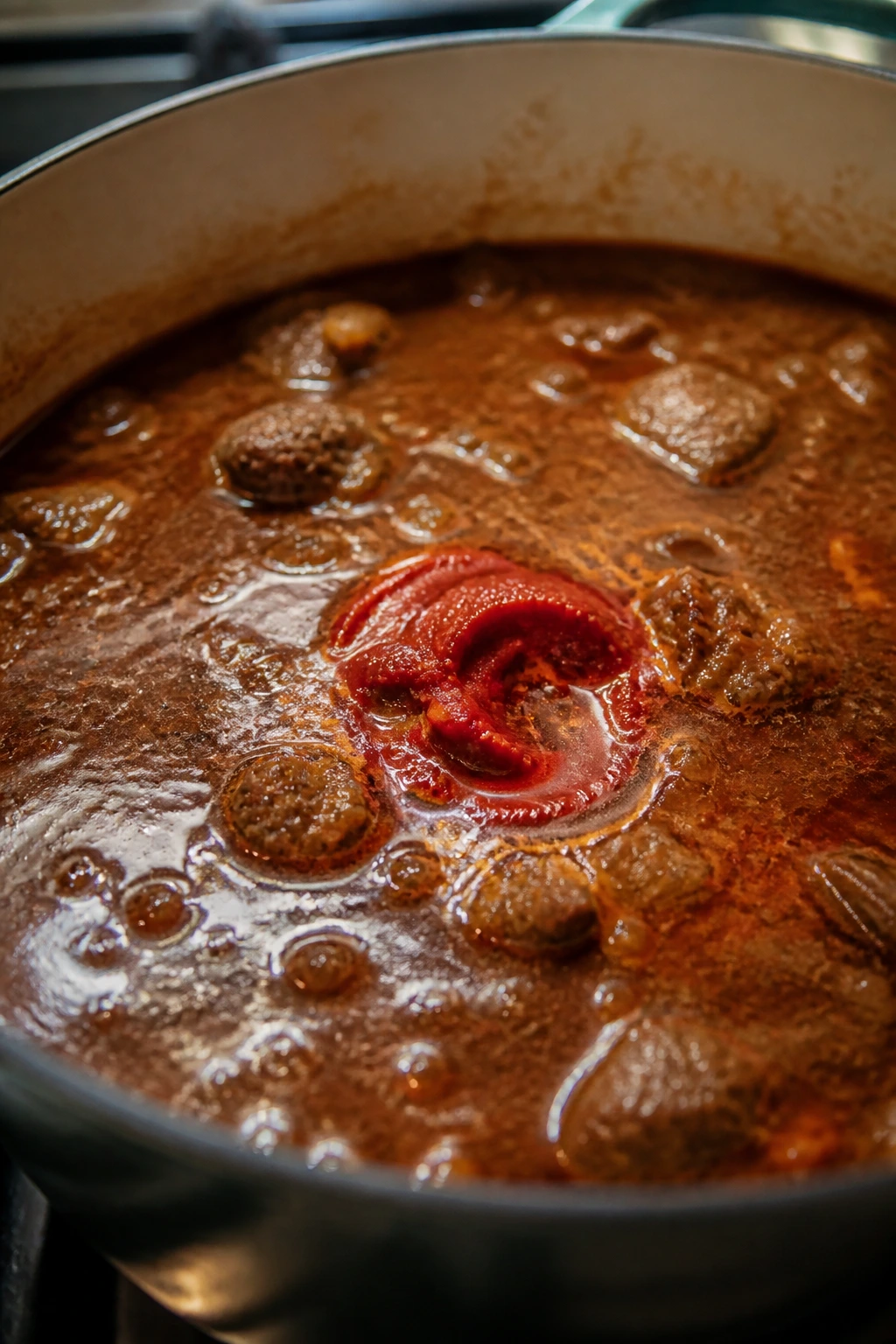
Flavor Enhancement: Cook 1 tablespoon of tomato paste in the fat and onions until it darkens to a brick-red color. That tiny step adds an almost meaty depth to braises and keeps the sauce from tasting flat.
Time-Saver: Cut a chuck roast into big 2-inch pieces before braising if you want it to cook faster. The flavor stays beefy, the sauce gets more surface area, and the meat reaches tenderness sooner than a whole roast would.
Cost-Saver: Buy chuck, blade roast, shank, or short ribs instead of leaner steak cuts when the goal is a hearty dinner. Tougher cuts often cost less because they need more time, not because they taste worse.
Pro Move: Chill braised beef overnight when you can. The fat rises and firms up on top, which makes it easy to remove, and the sauce usually tastes cleaner the next day.
Serving Suggestions: Finish with chopped parsley, thyme leaves, or a little lemon zest if the dish feels heavy. That final hit of freshness keeps the beef from tasting murky.
If you like a little heat, a pinch of crushed red pepper in the sauce is enough. Too much spice can bully the beef flavor right out of the room. Beef wants depth more than fireworks.
Mistakes That Make Beef Chewy
-
Using a lean cut for a slow cook: Eye of round or a very lean sirloin roast can go dry and stringy in a long braise. The fix is to use a collagen-rich cut like chuck, brisket, short ribs, or shank when you want tenderness from long heat.
-
Letting the liquid boil hard: A rolling boil makes the meat tighten up and can leave the sauce greasy. Keep the heat at a bare simmer or use a 300°F oven so the bubbles stay lazy.
-
Skipping the dry surface before searing: Wet beef steams instead of browns, and the sauce loses the deep flavor that comes from fond. Pat the meat dry and sear in batches.
-
Slicing with the grain: Long muscle fibers stay long if you cut them the wrong way, and every bite feels stringy. Turn the meat and slice across the grain, even if that means adjusting your knife angle twice.
-
Pulling the pot based only on the clock: Time is a rough estimate, not a verdict. A roast can be underdone, perfect, or still stubborn depending on shape, pot size, and oven temperament, so the fork test matters more than the timer.
-
Under-seasoning the sauce: Beef can taste flat if the liquid never gets enough salt or acid. Season in layers, then taste at the end and finish with a splash of vinegar or lemon if the flavor feels heavy.
That last one surprises people. A dish can be fully cooked and still taste dull.
Variations and Flavor Paths Worth Trying
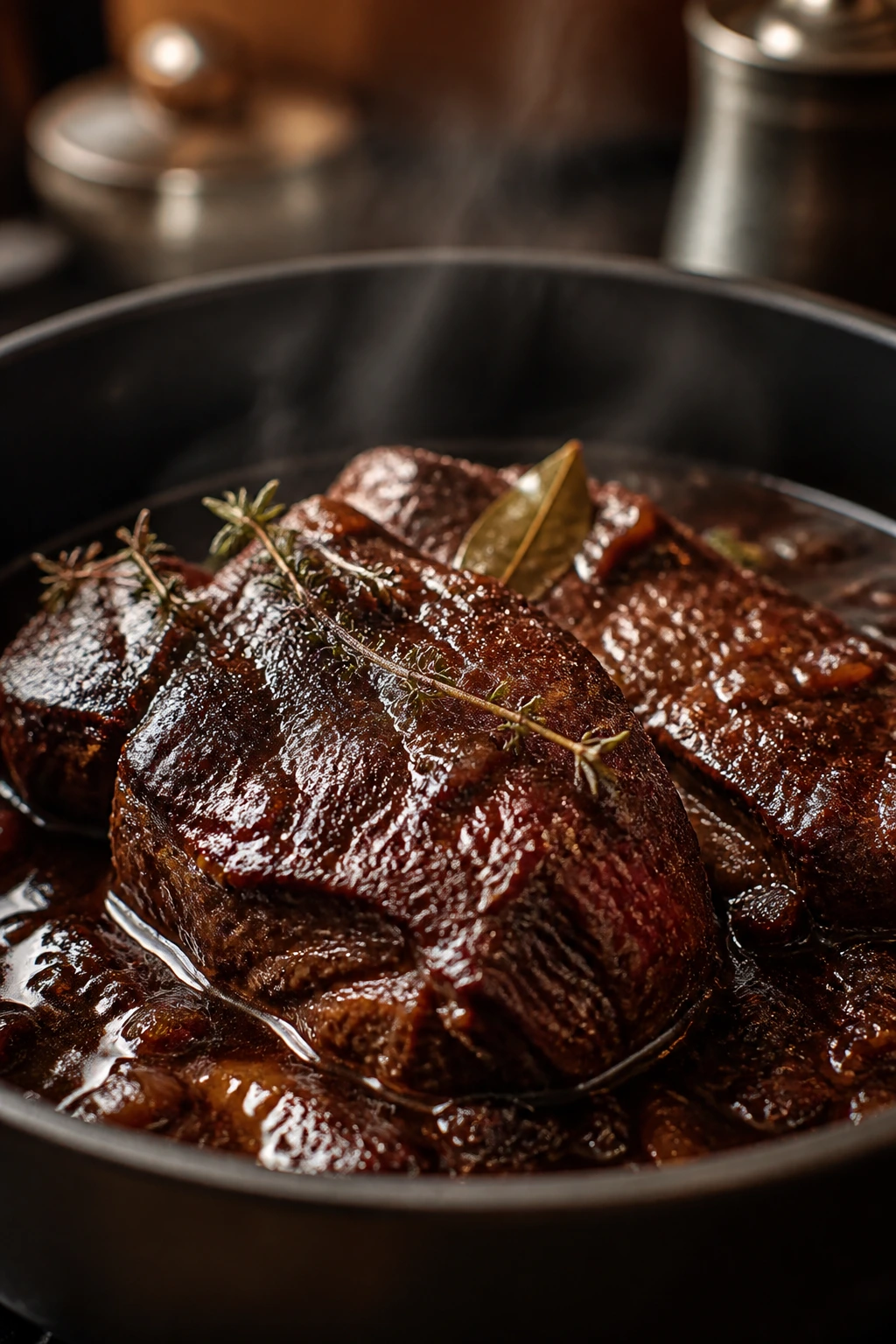
Red Wine and Thyme Braise: Swap part of the stock for a dry red wine and add a few sprigs of thyme plus a bay leaf. The sauce turns darker and more winey, which is excellent with mashed potatoes or wide noodles.
Tomato-Mushroom Pot Roast: Stir in tomato paste early, then add sliced mushrooms during the last hour so they keep some shape. The mushrooms soak up the beefy liquid and make the whole dish taste earthier and deeper.
Smoky Chipotle Beef: Add chipotle in adobo, cumin, and oregano to the braise or slow cooker. This version lands somewhere between pot roast and taco filling, and it’s excellent over polenta, rice, or tucked into warm tortillas.
Beer-Braised Onion Beef: Use a dark beer or brown ale in place of some of the stock and double the onions. The flavor goes a little malty and sweet, and the onions melt into the sauce in a way that feels old-fashioned in the best sense.
Ginger-Soy Braised Beef: Use soy sauce or tamari, fresh ginger, garlic, star anise, and a splash of rice vinegar. It keeps the beef tender and gives you a savory, glossy sauce that works well with rice or noodles.
For a gluten-free version, make sure your soy sauce is tamari and your stock is gluten-free. For a dairy-free route, skip any butter finish and use olive oil or a spoonful of meat drippings to round out the sauce. For a lower-sodium version, lean harder on herbs, onion, garlic, and pepper, then salt the finished sauce in tiny increments.
Tools That Make the Work Easier
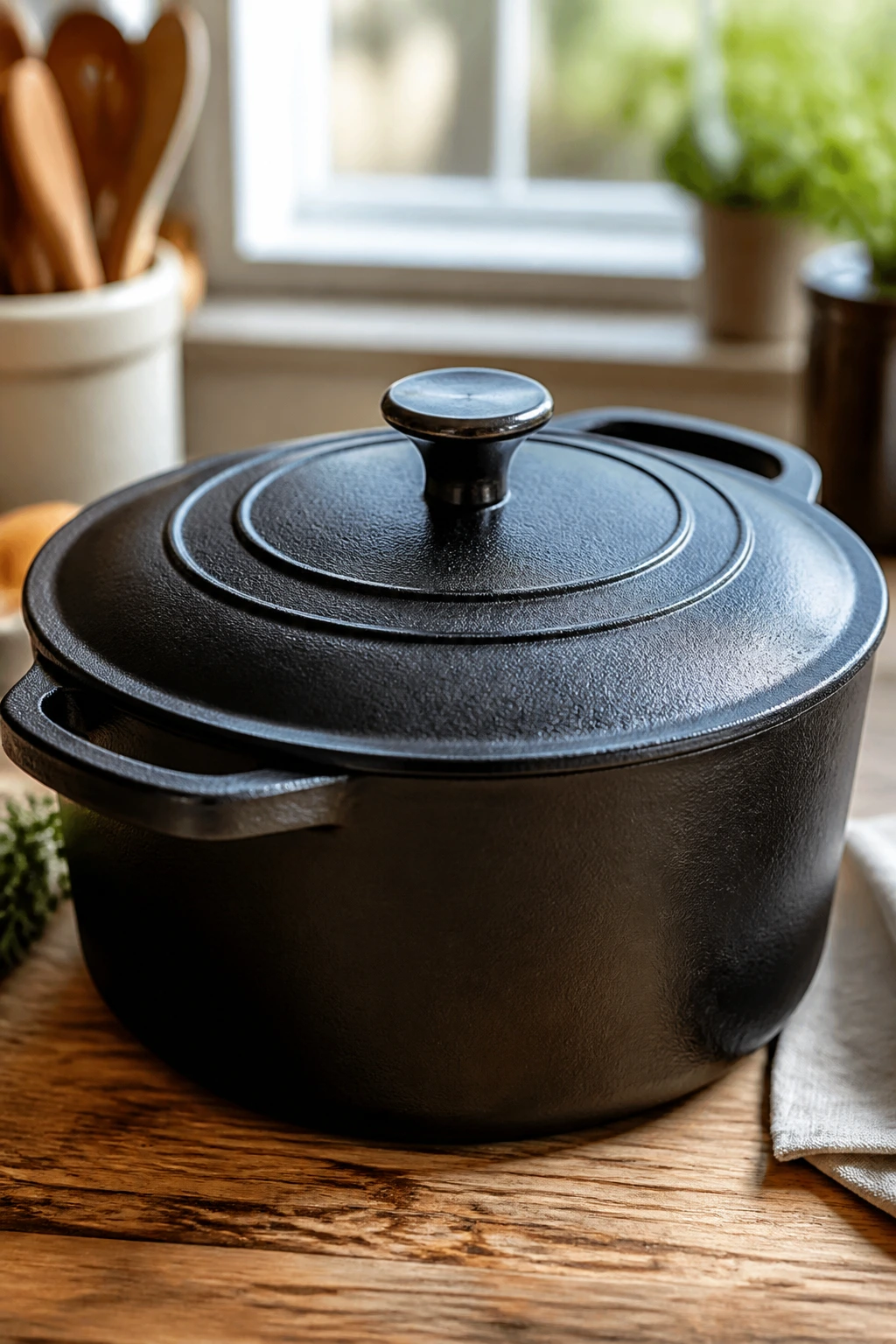
- Dutch oven with a tight lid: The best all-around pot for braised beef because it holds heat evenly and keeps steam where it belongs.
- Heavy skillet or cast-iron pan: Useful for browning beef well before it goes into a slow cooker or roasting pan.
- Tongs: Better than a fork for turning meat without piercing out the juices.
- Instant-read thermometer: Helpful for steak-style cuts and for checking whether a roast has gone hot enough before resting.
- Sharp chef’s knife: Necessary for trimming fat and slicing against the grain cleanly.
- Cutting board with a groove: Keeps juices from running all over the counter.
- Wooden spoon or flat spatula: Good for scraping up fond and stirring aromatics without scratching the pot.
- Fine-mesh strainer: Optional, but useful if you want a smoother sauce after braising.
- Fat separator: Optional for long braises; it makes skimming easy if you do not want to chill the whole pot first.
You do not need a kitchen full of gadgets for this. You need one good pot, one good knife, and a willingness to let the beef go its own pace.
Make-Ahead, Storage, and Reheating
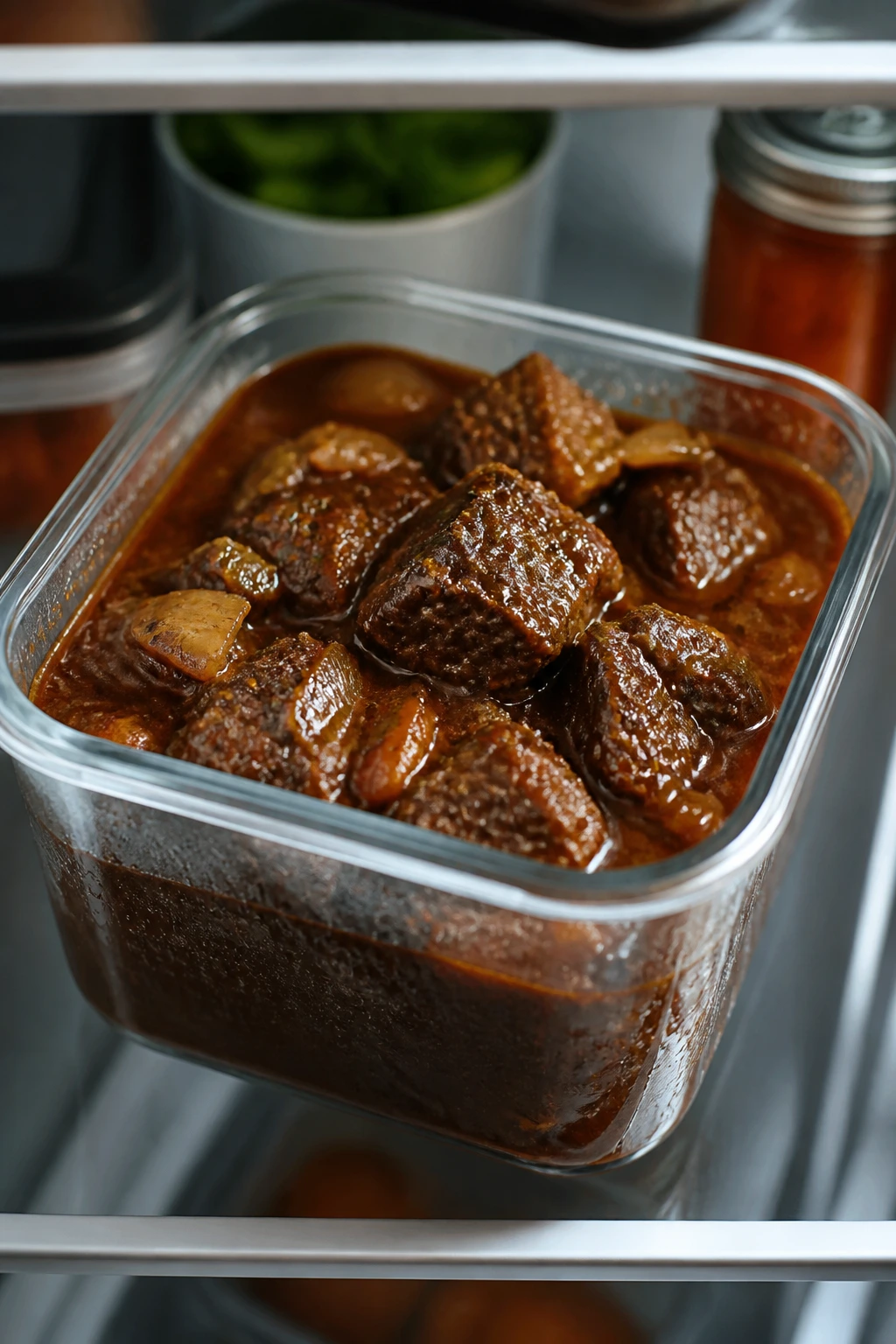
Cooked beef should not sit out at room temperature for more than 2 hours, and no more than 1 hour if the kitchen is hot. Once it cools enough to handle, pack it into shallow containers so it drops in temperature faster. That matters more than people think.
Braised beef keeps well in the refrigerator for 3 to 4 days. If you can store it in its sauce, even better; the sauce helps protect the meat from drying out. Short-rib or chuck roast leftovers often taste better on day two because the gelatin sets a little in the fridge and comes back silky when reheated.
Freezer life is solid at up to 3 months. Freeze beef in sauce, not dry, if you want the best texture later. A flat freezer bag or a shallow container helps the beef freeze and thaw more evenly. Label it. Beef mystery bags are not a hobby worth keeping.
For reheating braised beef, low and slow is the move. Warm it covered in a 300°F oven with a splash of stock or water, or reheat it on the stovetop over low heat until it is hot through and the sauce loosens. Microwaving works in a pinch, but use short bursts and stir or turn the meat so the edges do not tighten while the center stays cold.
Quick-cooked steaks are different. A flank or flat iron steak keeps best for 1 to 2 days, and it reheats more gently if sliced thin and warmed only until no longer cold. If you overheat it, the texture goes from tender to tired in a hurry.
For make-ahead dinner planning, a braise is one of the most forgiving choices on the board. Cook it the day before, chill it overnight, skim the fat, and reheat it slowly before serving. That is the version I trust when dinner needs to feel calm, not frantic.
Questions People Ask Before Cooking Tender Beef
What cut of beef is best for a tender hearty dinner?
Chuck roast is my first choice because it is easy to find, usually affordable, and rich enough to turn tender without falling apart too early. Short ribs and brisket are excellent too if you want a more luxurious, slow-cooked result.
Do I have to brown the beef first?
No, but you’ll taste the difference if you do. Browning creates fond, and fond gives the sauce the kind of depth that raw beef and stock alone cannot supply.
Can I make tender beef without wine?
Yes. Use stock, a spoonful of tomato paste, and a splash of vinegar, Worcestershire, or soy sauce for depth. Wine adds character, but it is not required for tenderness.
Why did my beef stay chewy even after a long cook?
Usually one of three things happened: the cut was too lean, the pot boiled too hard, or it needed more time. Tough beef is often undercooked when it is first pulled from the heat, even if the clock says otherwise.
Is a slow cooker or Dutch oven better?
A Dutch oven usually gives you better browning and a richer sauce. A slow cooker wins when you need to leave the kitchen alone for hours and still come back to tender beef.
Can I use ground beef for this kind of dinner?
Not in the same way. Ground beef is for meatloaf, meat sauce, casseroles, and skillet meals; it does not get tender from long braising because the texture is already broken down. It needs moisture and seasoning, not patience in the pot.
How do I keep reheated beef from drying out?
Reheat it in its sauce, not on a bare plate. Add a splash of stock or water, keep the heat low, and stop as soon as the beef is hot through.
What if the sauce tastes flat at the end?
Add salt in tiny pinches first, then a splash of acid like vinegar or lemon juice. Flat beef sauce usually needs brightness more than it needs more herbs.
A Beef Dinner Worth the Wait
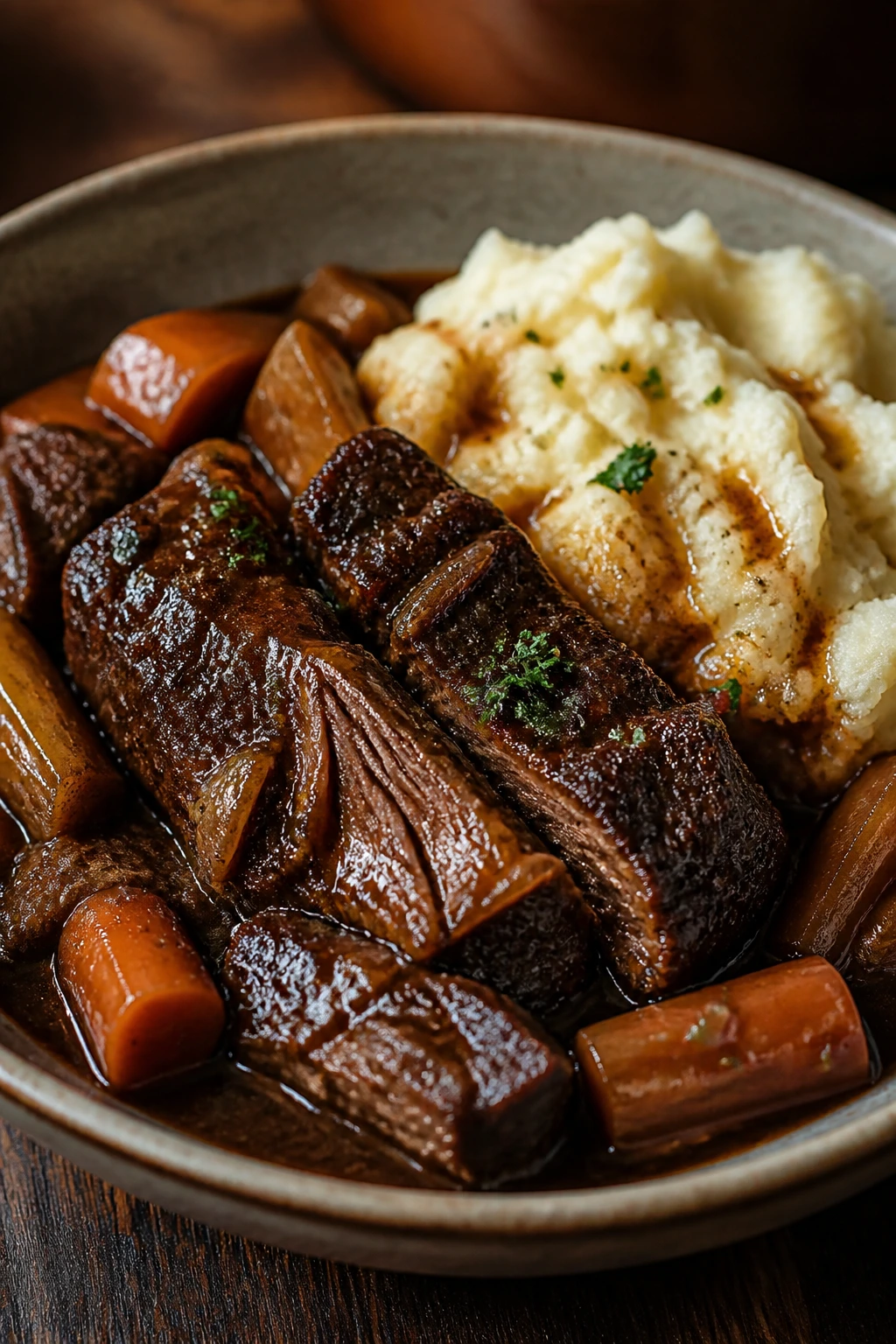
A good beef dinner does not need to show off. It needs to feel steady, deep, and generous — the kind of meal that makes the room go quiet for a minute because everyone is busy eating. When the cut fits the method, the meat browns well, and the heat stays gentle, the whole pot starts working in your favor.
That is the part I keep coming back to. Tender beef is less about chasing perfection and more about removing the usual mistakes that toughen meat before it has a chance. Once those mistakes are out of the way, the kitchen gives you something warm, rich, and worth the time.
Start with a chuck roast, a solid pot, and enough patience to let the beef soften on its own terms. After that, the rest becomes a habit.