



A zesty salad inspiration with homemade dressing starts with one simple refusal: refusing to let a bowl of greens taste like cold wallpaper. The right salad has bite. It has snap from radish, a little burn from garlic or pepper, a slick of oil that carries lemon across your tongue, and enough salt to make tomatoes taste like they were picked five minutes ago.
That’s the part bottled dressing usually misses. It may be convenient, but it often lands in one flat note — too sweet, too thick, or so timid that it tastes like it’s apologizing for itself. Homemade dressing changes the whole picture. You can push it sharp and bright, soften it with honey or mustard, or pull it toward citrus, vinegar, herbs, or tahini without losing control of the bowl.
And control matters. Once you know how to balance acid, fat, salt, and crunch, a salad stops being a sad side dish and starts acting like dinner, lunch, or the thing you make when the fridge looks half empty but still promising. The best part is that the method is forgiving once you understand the bones of it, and those bones are where the good flavor lives.
Why This Kind of Salad Works So Well
- Bright acid wakes up tired produce: A tablespoon of lemon juice or vinegar can make pale romaine, cucumbers, and even plain chickpeas taste sharper and cleaner.
- Homemade dressing gives you the exact level of bite you want: You can stop at “lively” or push all the way to “wake-up slap,” depending on the greens and toppings.
- Crunch keeps the bowl from going soft in ten minutes: Radishes, toasted seeds, shaved fennel, and croutons all do real work here, not just decoration.
- A little fat carries flavor farther: Olive oil, avocado, feta, or tahini helps the acid land smoothly instead of tasting thin and harsh.
- You can build it into a full meal without making it heavy: Beans, eggs, chicken, grains, or cheese can sit inside a zippy salad without flattening the freshness.
- The same dressing can behave differently on different ingredients: That’s the fun part. Lemon on arugula tastes lean and sharp; lemon on chickpeas tastes rounder and almost buttery.
What Makes a Salad Taste Zesty Instead of Merely Cold
A zesty salad is built on contrast. Not chaos. Contrast. The greens stay crisp, but they don’t have to be bland. The dressing brings acid, but not enough to make your jaw tighten. Something sweet, even if it’s only a few slivers of carrot or a pinch of honey, keeps the sharp edge from becoming stingy.
Most people think “zesty” means “more lemon.” Sometimes it does. More often, it means a smarter balance. A bowl with lemon juice, Dijon mustard, olive oil, salt, pepper, and a handful of chopped herbs tastes far brighter than a bowl splashed with twice as much vinegar and no salt. Salt matters here in a way that gets overlooked all the time. It doesn’t just season the greens; it turns the dressing from sour liquid into something the vegetables can actually hold onto.
Acid Is Not the Whole Story
A sharp dressing without fat tastes thin. A fat-heavy dressing without acid tastes sleepy. The best zesty salads keep both in view, then add a third piece: aroma. Garlic, shallot, scallion, dill, basil, mint, coriander seed, citrus zest, and pepper all create the feeling of freshness before the first bite even lands.
That’s why a salad can taste flat even when the ingredients are technically fine. The problem is usually structure, not quality. No crunch. No salt. No acidity with backbone.
Texture Is Part of Flavor
A bowl of tender lettuce and soft avocado is pleasant for about six bites. After that, your mouth gets bored. Toss in toasted almonds, crumbled feta, sliced radish, or a few crisp chickpeas and the whole thing starts to read as a meal instead of a side note.
Texture changes how the dressing tastes, too. A peppery arugula leaf feels different when it’s coated in lemon and oil than a piece of romaine does. One is almost grassy and electric. The other is cool and sturdy. Same dressing. Different bowl.
Zesty Does Not Mean Sour
That’s worth saying twice. A lot of people reach for lemon or vinegar and never come back with anything to soften the edges. The result is salad that tastes bright for two seconds and then plain uncomfortable. A little honey, maple syrup, orange juice, or even grated apple gives the sharp flavors somewhere to land.
The bowl should make you want another bite. That’s the test.
The Dressing Formula I Reach For First
What if the dressing is the whole trick? In salads like this, it often is. A good homemade dressing does three jobs at once: it seasons the leaves, binds the toppings, and leaves a clean finish instead of an oily film on the tongue.
My first draft is a simple vinaigrette: 3 tablespoons olive oil, 1 tablespoon lemon juice or vinegar, 1 teaspoon Dijon mustard, 1/2 teaspoon honey, and a pinch of fine salt. That gives you a bright, balanced base without making the salad taste sweet. If I want the dressing sharper, I cut the oil back to 2 tablespoons. If I want it softer, I add another teaspoon of oil or a spoonful of yogurt.
The Baseline Formula
- 3 tablespoons extra-virgin olive oil
- 1 tablespoon lemon juice, lime juice, or vinegar
- 1 teaspoon Dijon mustard
- 1/2 teaspoon honey or maple syrup
- 1 small garlic clove, grated, or 1 teaspoon minced shallot
- Pinch of fine salt
- Freshly ground black pepper
That dressing is tiny enough to mix in a jar, and that’s one of its strengths. Put the acid, mustard, honey, garlic, salt, and pepper in first. Whisk or shake until the mustard disappears into the liquid. Then stream in the oil slowly. If you dump it all in at once, the dressing may still taste fine, but it won’t cling the same way.
Why Dijon Pulls More Weight Than It Looks Like It Should
Dijon isn’t there for mustard flavor alone. It helps emulsify the dressing, which means it keeps the oil and acid from separating immediately into a greasy top layer and a sour bottom layer. That matters in a salad because the first spoonful and the last spoonful should taste alike. A teaspoon is enough for one small batch, and I would not skip it unless you have another emulsifier lined up, like tahini or yogurt.
When I Want the Dressing Creamier
If the greens are bitter — arugula, endive, radicchio — I’ll add 1 tablespoon Greek yogurt, tahini, or mashed avocado to the base. That changes the mouthfeel in a good way. The dressing still tastes bright, but the edges soften. You can also stir in a teaspoon of minced shallot and let it sit for 5 minutes before tossing. The shallot takes the raw sting down and folds into the acid beautifully.
One small jar. One quick shake. No mystery.
Choosing the Sharpness: Lemon, Lime, Vinegar, and Zest
Lemon smells one way, lime another, and vinegar has its own sharp little personality. That matters more than people think. A lemon dressing on romaine tastes clean and classic. Lime on cabbage tastes snappy and a little more playful. Apple cider vinegar brings a rustic tang that can stand up to carrots, beans, and kale. Champagne vinegar stays lighter, which is useful when you don’t want the dressing to bulldoze delicate greens.
Fresh citrus brings two things at once: juice and zest. The zest is where the perfume lives. A teaspoon of finely grated lemon or lime zest can make a dressing taste twice as vivid without making it more sour. I’d argue this is the easiest upgrade in the entire salad universe, and it costs almost nothing.
Pick the Acid for the Bowl You’re Building
- Lemon juice: Best with romaine, cucumber, chickpeas, fennel, avocado, and herbs.
- Lime juice: Best with cabbage, corn, black beans, cilantro, jalapeño, or anything leaning southwest.
- Apple cider vinegar: Best with kale, slaw, carrots, apples, and roasted vegetables.
- Sherry vinegar: Best with tomatoes, peppers, olives, tuna, and salty cheese.
- Champagne vinegar: Best with tender greens and delicate fruit like berries or peaches.
- Rice vinegar: Best when you want the sharpness to stay gentle, especially with sesame, cucumber, or noodles.
Bottled Juice Has a Job, But It’s Not the First Choice
Bottled lemon juice can work in a pinch, and I don’t think anyone should act precious about that. The tradeoff is aroma. Fresh citrus has oils in the peel that make the dressing smell alive before it hits the plate, and that matters more than people admit. If bottled juice is what you have, add a little zest from any fresh citrus you do have lying around. It bridges the gap fast.
A Small Warning About Too Much Acid
Sharpness is useful. Harshness is not. If you taste the dressing and immediately want to flinch, it needs fat, salt, or a spoon of something sweet. Another trick: let the dressing sit for 5 minutes before tasting again. Garlic and shallot mellow a little in acid, and that tiny wait can save you from overcorrecting with too much sugar.
Greens That Can Carry Bold Dressing Without Collapsing
Iceberg gets dismissed too easily. So does cabbage. Both can take dressing better than a pile of delicate spinach that’s been left sitting in a warm bowl for twenty minutes. The leaf matters. So does the cut. A sturdy green gives you time to toss, plate, and eat without ending up with a puddle.
Romaine is the obvious workhorse. It stays crisp, has enough water in the ribs to taste cool, and doesn’t turn mushy the second acid hits it. Little gem behaves the same way, just smaller and more tender. Escarole, endive, radicchio, and cabbage bring bitterness or bite, which is useful if the dressing is on the brighter side. Arugula is a different beast. It’s tender, yes, but its peppery finish makes a zippy dressing feel sharper and more grown-up.
Greens I Reach For Often
- Romaine: Crisp, dependable, and good with lemony dressing.
- Little gem: Tender but sturdy; a nice middle ground when you want crunch without a huge rib.
- Arugula: Peppery and quick to wilt, so dress it right before serving.
- Kale: Needs a quick massage with salt and dressing to soften its edges.
- Radicchio: Bitter, crunchy, and excellent with a slightly sweet vinaigrette.
- Cabbage: Holds for hours and tastes even better once it has sat in the dressing for a bit.
- Escarole: A little bitter, a little crisp, and better than people give it credit for.
The Knife Changes the Salad More Than People Expect
A rough chop leaves jagged edges that catch dressing. A thin ribbon cut on cabbage gives you a slaw-like feel. Torn romaine looks rustic, but sliced romaine is easier to eat in a bowl. There’s no single right answer, but there is a bad one: huge leaves with no strategy. Those end up dragging dressing to the bottom of the bowl while the top stays bare.
Kale Needs a Different Treatment
Kale is not difficult. It’s stubborn. Remove the stems, slice the leaves thin, add a pinch of salt and a teaspoon of dressing, then rub it with your hands for 30 to 45 seconds. The leaves darken, soften, and stop fighting you. If you’ve ever had a kale salad that felt like chewing on a winter coat, the issue was almost always that the kale skipped this part.
Crunch, Cream, and Heat: The Ingredients That Keep a Bowl Interesting
Take a bowl of soft greens and give it one crunchy piece, one creamy piece, and one sharp little kick. Everything changes. A salad is not about piling on more ingredients for the sake of it. It’s about giving the dressing something to work against.
Crunch Comes From More Than Croutons
Radishes. Celery. Fennel. Cucumbers. Apples. Snap peas. Toasted sunflower seeds. Pepitas. Almonds. Puffed grains. Thinly sliced red onion. The best crunch is usually mixed: one fresh, one toasted, one raw and a little sharp. That gives the bite some range.
Cream Softens the Edges
Avocado is the obvious one, but feta, goat cheese, ricotta salata, shaved parmesan, and even a spoonful of hummus can do the job. Creaminess matters because it rounds off acid. Without it, the bowl can taste too lean. With it, the dressing hangs around in a nicer way.
Heat Keeps the Salads from Blurring Together
Not every salad needs spice, but a little heat keeps zesty flavors from drifting into the predictable. A pinch of red pepper flakes, sliced jalapeño, chili crisp, black pepper, or a dusting of Aleppo pepper can be enough. Tiny amount. Big effect. Heat should flicker, not take over the plate.
A good salad usually has at least one ingredient that fights back a little.
How to Build a Salad That Eats Like Lunch, Not Decoration
A salad that fills you up needs structure. Not weight for its own sake, structure. Think in layers: a sturdy base, two or three vegetables, one protein, one crunchy element, one creamy or salty accent, and a dressing that’s bright enough to tie the whole thing together. That’s how you move from side dish to actual meal.
Public-health nutrition advice has been steady on this point for a long time: protein, fiber, and fat give a bowl staying power. Plain greens don’t carry you far. Beans, eggs, fish, chicken, tofu, grains, nuts, and cheese all do more than decorate the bowl. They change the way your body experiences it.
A Simple Meal-Salad Formula
- 2 to 3 cups sturdy greens
- 1 cup chopped vegetables
- 1/2 to 1 cup protein
- 1/4 cup crunch
- 1 to 2 tablespoons creamy or salty element
- 1 to 2 tablespoons dressing to start, then more only if needed
That last part matters. Dress less than you think. Toss. Taste. Add another spoonful if the bowl needs it. Overdressing is the fastest way to flatten all the nice work you did earlier.
Warm Components Help a Salad Feel Like Dinner
Roasted beets, grilled chicken, warm chickpeas, sautéed mushrooms, or even a handful of freshly toasted seeds can make the bowl feel bigger without making it heavy. Warm ingredients also soak up dressing a little differently, which gives the salad more depth. I like that contrast — cold lettuce, warm beans, cool citrus, salty cheese. The bowl wakes up.
If You Want It to Hold You Longer
Add a grain in a small amount, not a massive scoop. Farro, quinoa, brown rice, or pearl couscous can stretch a salad without turning it into a grain bowl pretending to be a salad. Half a cup per serving is usually enough. More than that, and the greens start disappearing from the conversation.
Romaine, Chickpeas, and Parmesan for a Sharp, Savory Bowl
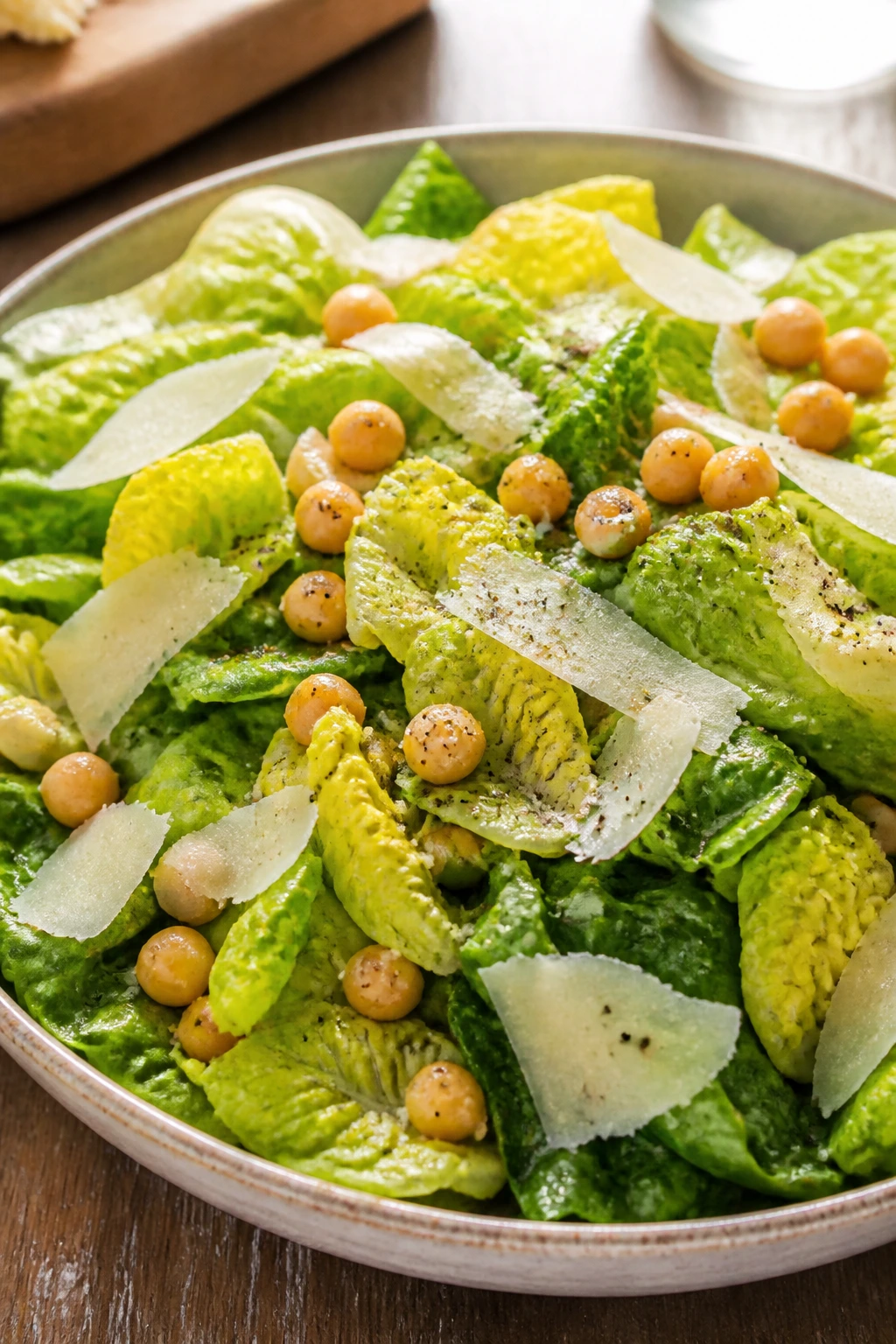
A lunch salad needs a backbone. Romaine, chickpeas, and parmesan give you one without turning the plate into a brick. The romaine stays cool and crisp, the chickpeas soak up lemony dressing, and the parmesan brings salt and a little nutty finish that makes the whole thing feel planned.
This is the kind of bowl I make when I want something quick but not lazy. The dressing can be a straight lemon-Dijon vinaigrette with a crushed garlic clove, and the rest is mostly knife work. Chop the romaine into wide ribbons. Rinse and dry the chickpeas well. Use a vegetable peeler on the parmesan so you get long, thin shavings instead of dust.
A few cucumber slices and sliced scallions help, but don’t bury the clean line of the bowl. What you want is crisp greens, creamy chickpeas, and the salty parmesan hitting the dressing at the edges. If you want more heat, add black pepper or a pinch of red pepper flakes right at the end.
The nice thing about this combination is that it doesn’t collapse after one bite. Chickpeas and parmesan keep the salad sturdy for longer than a more delicate mix would, which makes it a solid desk lunch or fast dinner. Serve it with a chunk of bread if you want more heft, but I often leave it as is.
Grapefruit, Avocado, and Watercress for a Bracing, Bittersweet Mix
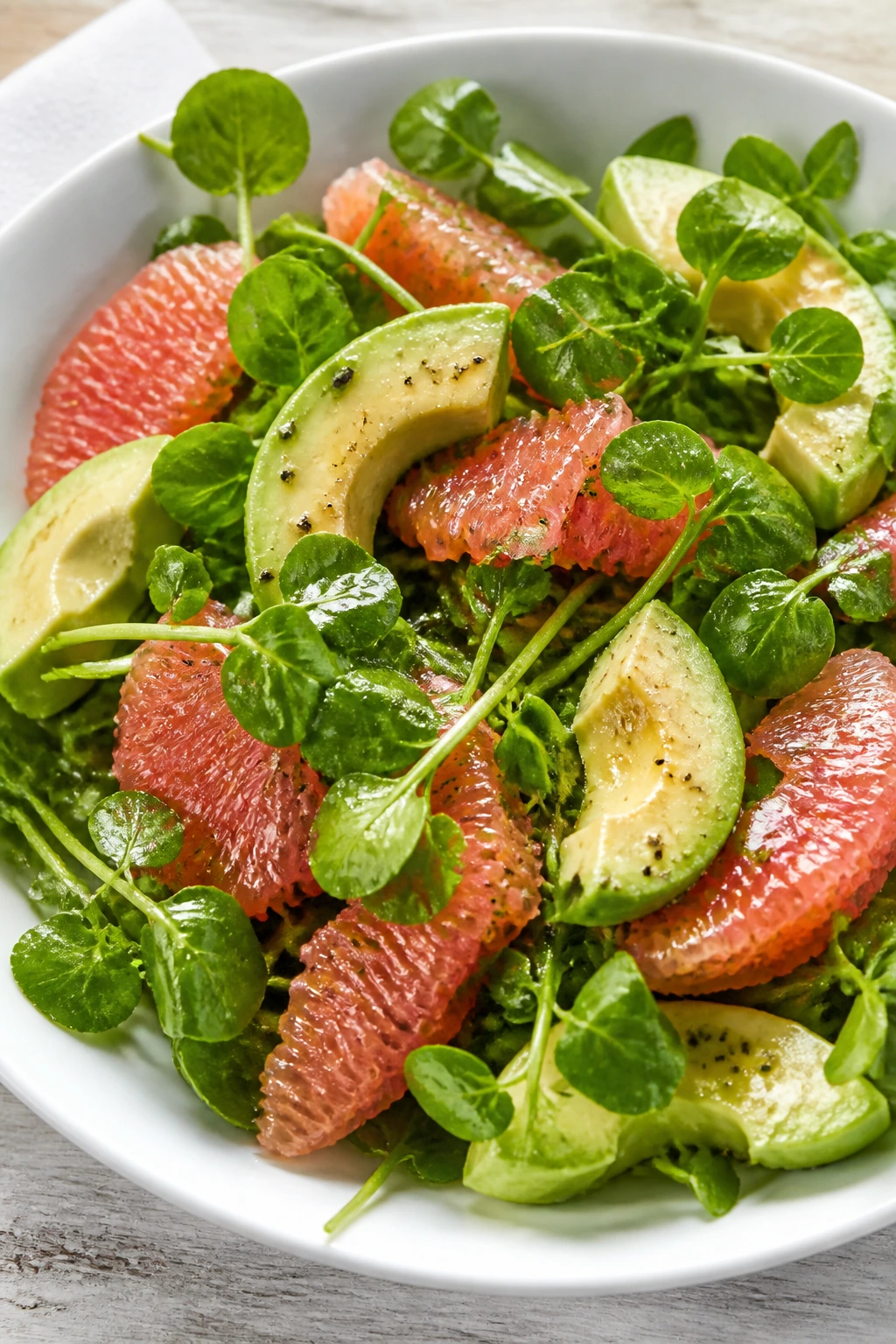
Grapefruit has no patience for timid oil. It wants a dressing with enough backbone to match its bitterness, and watercress loves that sort of thing. Add avocado and the whole bowl turns from sharp to silky without losing the edge that made it interesting in the first place.
This salad works because the flavors don’t sit politely in a row. They overlap. Grapefruit gives a clean, almost electric citrus hit. Watercress brings pepper. Avocado softens the whole thing. Toasted pistachios or sesame seeds add the crunch that keeps the bite from becoming all softness and acid.
A Good Dressing Direction Here
Use grapefruit juice, olive oil, white wine vinegar or rice vinegar, a little honey, salt, and black pepper. A tiny pinch of chili flakes works well, too, especially if you like the sweet-bitter thing to linger. If the grapefruit is very tart, let the honey go a touch higher. If the avocado is very ripe, go lighter on the oil so the dressing doesn’t feel heavy.
This is also one of those salads where the visual effect matters in a useful way. Pink grapefruit, dark green watercress, pale avocado, and green herbs on a wide white plate make it easy to see whether the bowl has enough contrast. It usually does. The missing piece is often salt. Taste the fruit once it’s cut. If it tastes flat, a tiny pinch of salt fixes more than you’d expect.
A spoonful of thinly sliced fennel is a sharp little bonus if you have it. Not required. But good.
Cabbage, Carrot, and Sesame for a Slaw With Bite
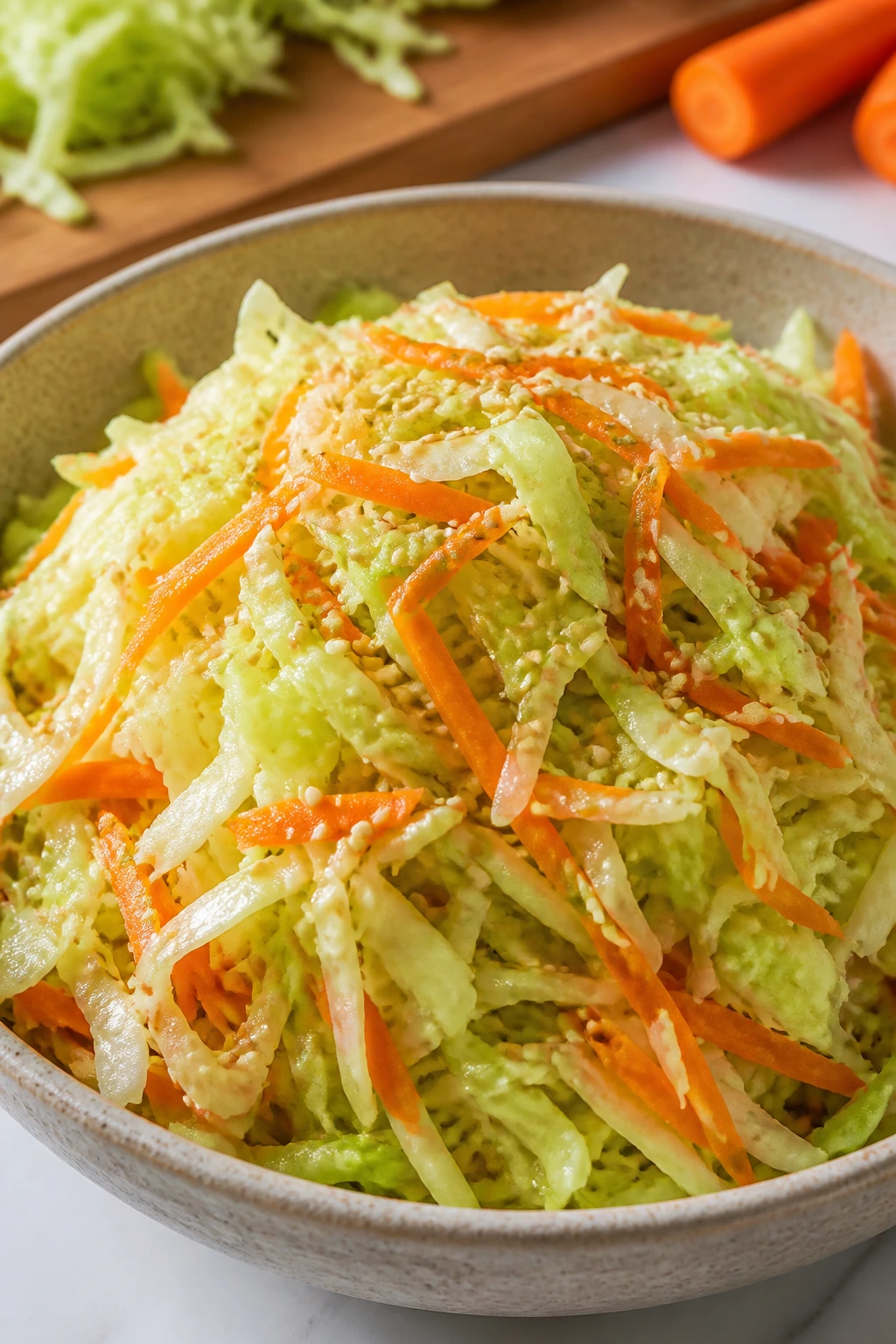
Cabbage forgives almost everything. Too much dressing? It still holds. A little extra vinegar? It can take it. Left in the fridge for an hour? Often better than when you first made it. That makes it one of my favorite places to start when I want a zesty salad that can sit around without falling apart.
Shred green cabbage thinly. Add carrots cut into ribbons or matchsticks. Toss in scallions, cilantro, toasted sesame seeds, and maybe a handful of edamame if you want extra protein. The dressing wants rice vinegar, a little soy sauce or tamari, sesame oil, lime juice, and a spoon of honey or maple syrup. That combination gives you tang, salt, and a nutty finish that feels bright rather than heavy.
What Makes This One Different
It tastes sharper than a mayo-based slaw and cleaner than a heavy cabbage salad. The sesame oil is potent, so use it like perfume, not cooking fat. A teaspoon goes a long way. If you overdo it, the salad starts to smell like the bottom of a takeout carton, and nobody wants that.
This is the bowl to make when you want something sturdy enough for meal prep, cookout spread, or a Tuesday night fridge clean-out. Add shredded rotisserie chicken, baked tofu, or a soft-boiled egg if you want a more complete meal. The cabbage keeps the whole thing from getting soggy too fast, which makes it one of the most practical zesty salad builds in the bunch.
Arugula, Strawberry, and Feta for Sweet-Tart Contrast
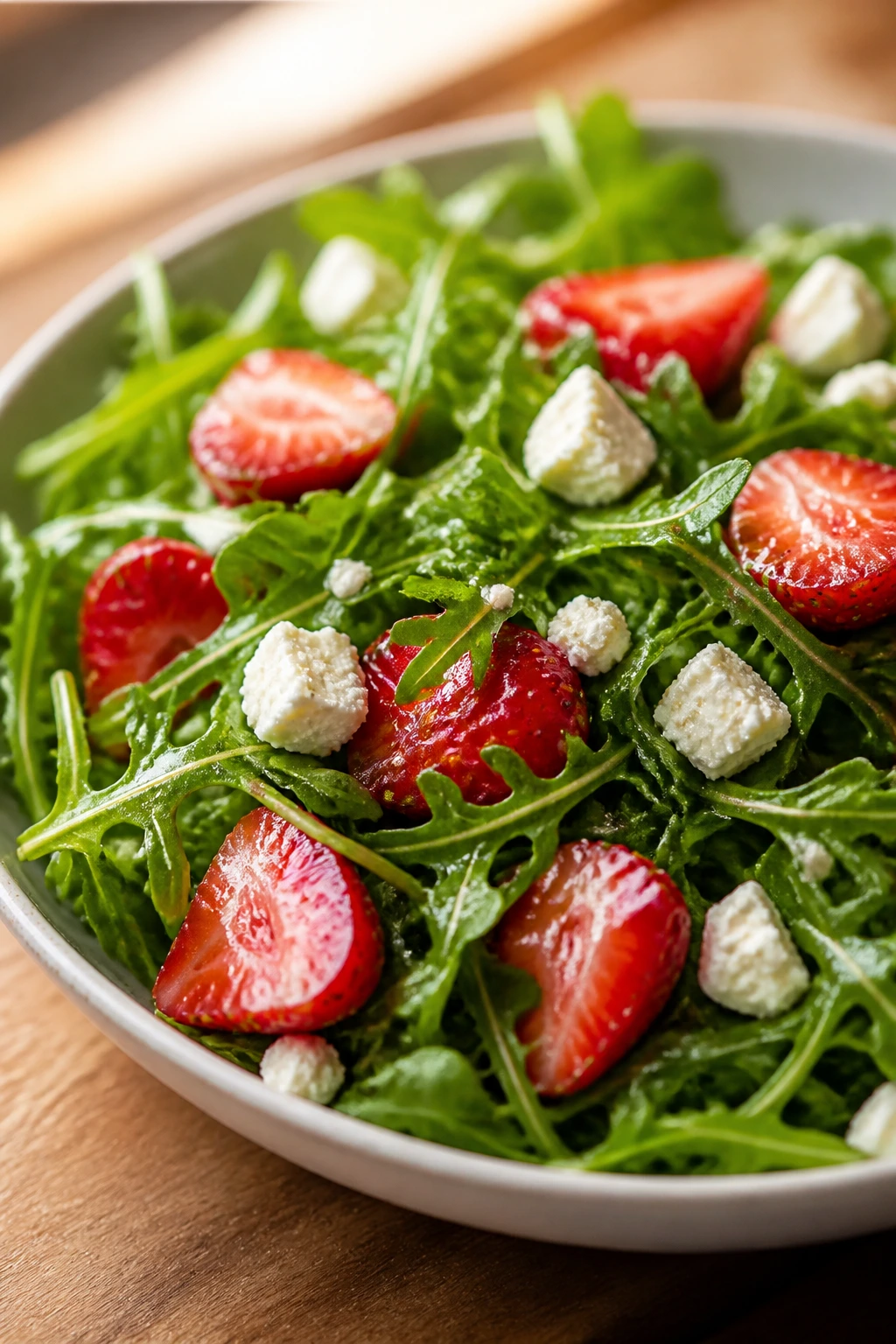
Sweet strawberries and peppery arugula can behave, but only if you give them a dressing with restraint. Too much acid and the fruit gets bruised-looking. Too much oil and the peppery bite disappears. The sweet spot is a sherry vinaigrette or a light balsamic-based dressing with enough mustard to keep it lively.
I like this salad in a shallow bowl because the fruit deserves space. Halve the strawberries. Use arugula that’s dry and cold, not limp. Crumble feta over the top in small bits so it lands in more than one bite. Toasted almonds or pistachios help a lot here, and a few torn basil leaves make the whole bowl smell like a garden instead of a fridge drawer.
The trick with strawberry salads is not to crowd them. Four ingredients done well beat eight ingredients done carelessly. A few ribbons of cucumber can work. So can a little shaved fennel. But the main idea is the contrast between sweet, peppery, salty, and sharp.
If you want the dressing to lean more citrus than vinegar, use lemon juice and a whisper of maple syrup. The salad should taste awake, not candy-sweet. That’s the line.
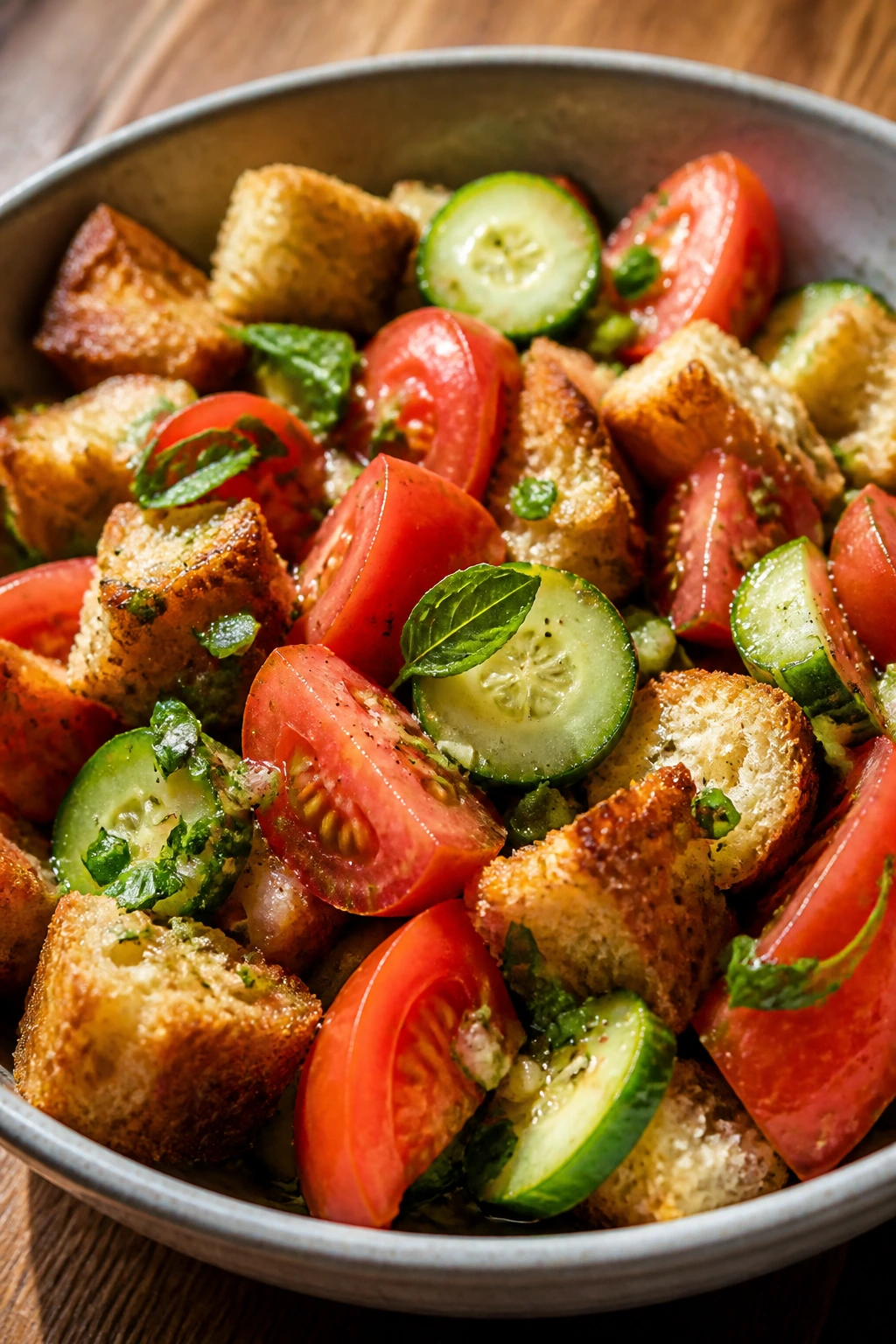
Tomato, Cucumber, and Herbs for a Fast Panzanella-Style Bowl
Tomato salad that tastes like more than tomato water requires a little discipline. Salt the tomatoes first. Give them a few minutes. Let the juice they release become part of the dressing instead of something you mop up with the last piece of bread and a sigh.
This version is somewhere between a chopped salad and a loose panzanella. Use ripe tomatoes cut into wedges, cucumber sliced thick enough to stay crisp, and a mix of soft herbs like basil, dill, parsley, or mint. Add torn bread croutons if you want the classic feel, or leave them out and keep it lighter. The dressing can be red wine vinegar, olive oil, a little garlic, and plenty of black pepper. If the tomatoes are sweet and very ripe, a pinch of salt is all the “extra” the bowl needs.
The Piece People Miss
Bread is not there to bulk up the salad. It’s there to catch the dressing and the tomato juices, which turn into a kind of herby, oily, slightly tangy sauce on the bottom of the bowl. Good bread cubes should be crisp on the outside and a little tender in the center. Toast them in a hot oven until the edges are golden and the cut sides feel dry.
This salad is best eaten soon after dressing, while the tomatoes still look glossy and the cucumbers are crisp. Letting it sit too long turns it muddy. Five minutes is great. Twenty can be too much. That’s one place where timing matters more than recipe cleverness.
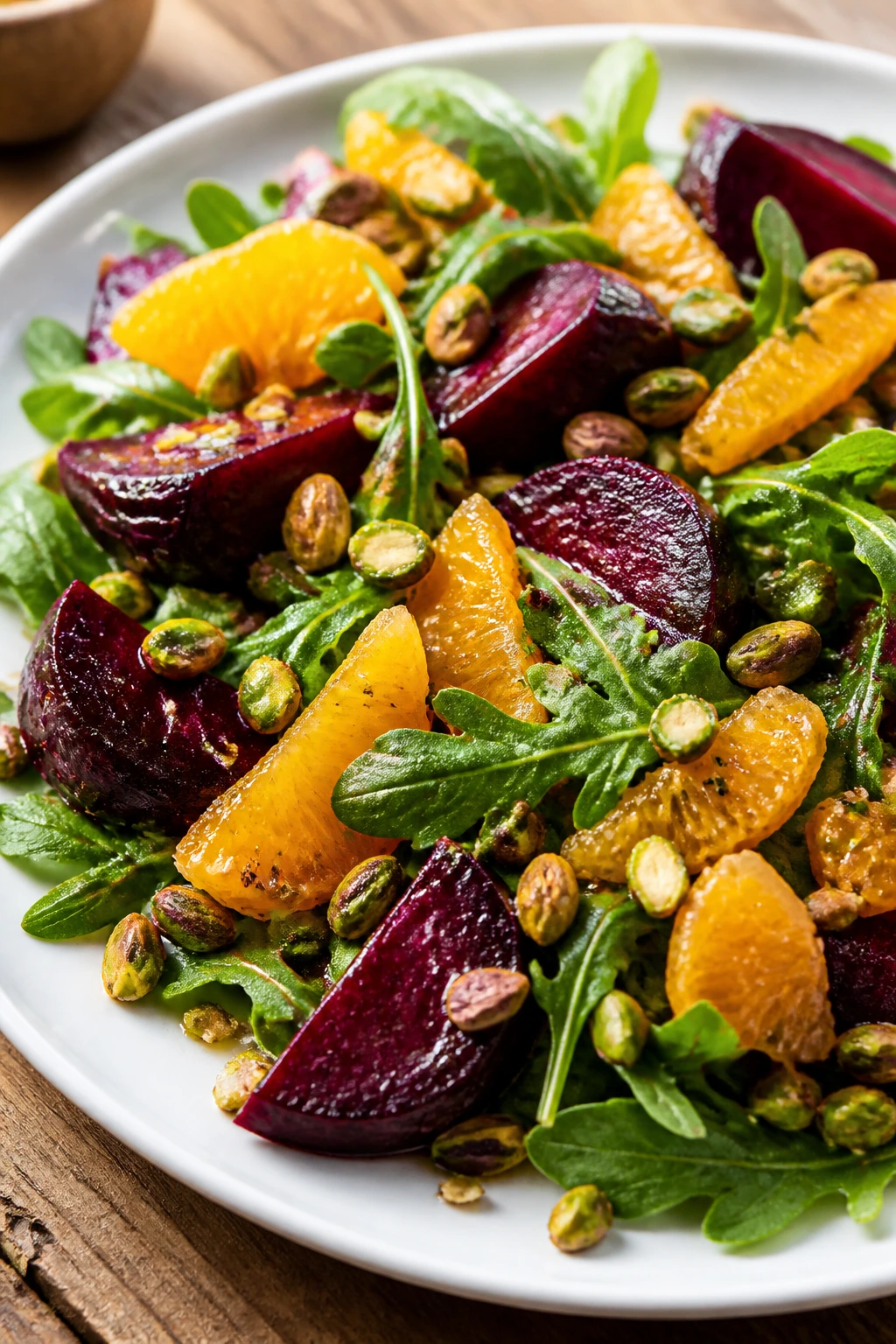
Roasted Beet, Orange, and Pistachio for Earthy Sweetness
Beets bring dirt and sweetness in the same bite. That sounds unglamorous until you pair them with orange, pistachio, and a tangy vinaigrette, at which point the whole salad starts acting much more refined than the ingredient list suggests.
Roast the beets until a knife slips in with no protest. Peel them once they’re cool enough to handle, then cut them into wedges or thick coins. Pair them with orange segments, baby greens, goat cheese if you like it, and chopped pistachios. A dressing made with orange juice, white wine vinegar, olive oil, Dijon, salt, and black pepper gives the bowl enough lift to keep the earthiness from feeling heavy.
This is one of those salads that tastes better if you’re careful with the plating. Put the greens down first. Nest the beets and oranges on top. Sprinkle the pistachios last so they stay crunchy. The colors do half the work before the first forkful. The flavors do the rest.
A few mint leaves or dill fronds can be excellent here, especially if the beets are intensely sweet. The herbs stop the bowl from leaning too far into dessert territory. That’s the balancing act. Brightness, not sugar.
The Tools That Make Salad Prep Less Annoying
A few cheap tools change the whole game. Salad is at its best when the leaves are dry, the knife work is quick, and the dressing gets mixed without a fight. None of that requires fancy equipment, but a few items save time and keep the bowl crisp.
- Salad spinner: The easiest way to get greens dry enough to hold dressing instead of swimming in it.
- Microplane or fine grater: Best for garlic, lemon zest, ginger, and hard cheese.
- Mason jar or small lidded container: Shake dressing hard for 10 to 15 seconds and store leftovers in the same jar.
- Sharp chef’s knife: Thin slices of cabbage, herbs, radish, and citrus are better than hacked chunks.
- Cutting board with a damp towel underneath: Keeps the board from sliding when you’re slicing slick vegetables.
- Citrus juicer or reamer: Gets more juice out of lemons and limes without crushing seeds into the dressing.
- Large mixing bowl: You want room to toss without bruising greens against the sides.
- Vegetable peeler: Especially useful for parmesan, cucumber ribbons, carrots, and beet curls.
A mandoline is optional, but useful if you want very thin fennel, radish, or cabbage slices. Use the guard. Always.
Additional Tips for Bigger Flavor and Better Texture
Flavor Enhancement: Rub the inside of your salad bowl with a cut garlic clove before adding greens. It leaves a faint savory background that plays well with lemon and herbs without broadcasting raw garlic in every bite.
Time-Saver: Make the dressing in a jar and the crunchy vegetables in a separate container. You can toss the two together in under a minute at mealtime, which is the difference between actually making salad and staring at ingredients.
Pro Move: Salt tomatoes, cucumbers, and sliced onions for 5 to 10 minutes before assembling the bowl. They release a little liquid, which you can use as part of the dressing instead of draining away all the flavor.
Cost-Saver: Use cabbage, carrots, and beans when produce prices climb. Those ingredients hold their own with homemade dressing and don’t need much else to taste complete.
Make-It-Yours: If you want more protein, add eggs, tuna, tofu, chickpeas, or leftover chicken. If you want it vegetarian and richer, use avocado plus seeds. If you need it dairy-free, lean on tahini, nuts, and herbs instead of cheese.
Little tweaks matter. A salad is not fragile once you know what it wants.
Common Mistakes That Leave Salads Flat or Soggy
A bowl goes wrong in predictable ways.
- Overdressing the greens: The salad looks glossy for 30 seconds, then turns heavy and wet. Fix it by starting with less dressing than you think you need and tossing in two rounds.
- Using wet leaves: Water dilutes the dressing and leaves a slick puddle at the bottom of the bowl. Spin the greens dry, then blot very tender leaves with a clean towel if needed.
- Skipping salt in the dressing: Acid without salt tastes thin and sharp in a bad way. Add a pinch to the dressing first, then taste again after tossing.
- Choosing only soft textures: Avocado, tomatoes, and soft greens all have their place, but they need a crisp counterpoint. Add nuts, seeds, radish, cabbage, or croutons so the mouthfeel stays alive.
- Dressing too early: Delicate greens collapse fast once they’re coated. Dress arugula, spinach, and herbs right before serving. Cabbage and kale can wait longer.
- Using too much sweetener: Honey and maple help balance acid, but too much makes the salad taste like it’s hiding. Use enough to soften the edges, not enough to blunt the point.
The fix is usually simpler than people expect. Less dressing. Better drying. More texture. A little salt. Those four things solve most of the bad salad problems I see.
Flavor Variations and Swaps Worth Trying
Not every zesty salad wants the same accent.
Mediterranean Lemon Herb: Add chopped parsley, dill, cucumbers, olives, feta, and chickpeas to romaine or little gem. Use lemon juice, olive oil, garlic, and a touch of oregano in the dressing. It tastes clean and salty in the best way.
Sesame Lime Crunch: Swap olive oil for a blend of neutral oil and a little toasted sesame oil, then add lime juice, rice vinegar, and grated ginger. Cabbage, carrots, scallions, and edamame fit here nicely. A few sesame seeds on top seal the deal.
Creamy Tahini Citrus: Stir tahini into a lemon or orange dressing until it turns pale and thick. This works well with kale, shaved Brussels sprouts, roasted sweet potato, or chickpeas. It’s richer, but still bright.
Berry and Herb Shift: Use blueberries, strawberries, basil, mint, and a champagne-vinegar dressing over tender greens. Add a soft cheese if you want it more filling. The fruit should taste fresh, not syrupy.
Spicy Southwest Bowl: Combine romaine, black beans, corn, avocado, radish, cilantro, and a lime-cumin dressing. A pinch of chili powder in the dressing gives the whole bowl a warm edge without making it heavy.
These are starting points, not rules. Change the greens, keep the balance.
Make-Ahead, Storage, and Keeping the Crunch
This is where salads usually fall apart, so it’s worth being a little fussy. Homemade vinaigrettes without dairy keep for about 1 to 2 weeks in the fridge if you store them in a sealed jar. If the dressing has yogurt, avocado, or fresh garlic, I’d treat 3 to 4 days as the safe, useful window. Citrus-heavy dressings can separate in the cold, so let them sit at room temperature for 10 minutes and shake again before using.
Leafy greens need to be dry. That part matters more than almost anything else. Spin them well, then line a container with paper towels and store the greens loosely inside. Replace the towel if it gets damp. Most sturdy greens hold for 3 to 5 days this way. Cabbage lasts longer. Tender greens like arugula and spinach are fussier and should be used sooner.
If you’re meal-prepping a salad, keep the dressing separate from everything else. Keep crunchy toppings separate too. Toasted nuts, seeds, and croutons stay crisp in an airtight container at room temperature for a few days. Avocado is the exception; slice it right before eating. Apples and pears can be tossed with a little lemon juice so they don’t brown too fast.
The USDA’s basic produce guidance is boring in the best way: keep cut produce cold and dry, and don’t let it sit around warm for long. The advice sounds plain because plain habits save salads. A bowl that’s been dressed in advance usually has a small window of glory. For delicate greens, that can be 10 to 20 minutes. For cabbage or kale, you may have an hour or more before the texture slips.
If a salad does wilt, all is not lost. Toss in a few fresh leaves, a handful of seeds, or a squeeze of lemon and it often comes back to life enough to finish.
Questions People Ask About Zesty Salads
Can I use bottled lemon juice in homemade dressing?
Yes, if that’s what you have. The dressing won’t smell as bright as one made with fresh citrus, so I’d add zest from any fresh lemon, lime, or orange you do have. That gives the bowl back some of the aroma bottled juice misses.
What oil works best for a zesty salad dressing?
Extra-virgin olive oil is the cleanest default because it has enough flavor to stand up to acid. For Asian-style salads, a neutral oil plus a smaller amount of toasted sesame oil often tastes better. The main thing is choosing an oil that doesn’t fight the dressing.
How do I keep salad from getting soggy?
Dry the greens well, dress only what you’ll eat soon, and keep watery ingredients like tomatoes or cucumbers from sitting around in the bowl too long. If you’re packing lunch, store dressing and crisp toppings separately. That one habit fixes most soggy salad problems.
Can I make a zesty dressing without mustard?
Yes. Tahini, yogurt, miso, or even a small spoon of mashed avocado can help bind the dressing instead. You’ll lose the classic mustard tang, but the dressing can still emulsify and taste balanced.
What if the dressing tastes too sharp?
Add a little more oil, a pinch more salt, or a small amount of honey or maple syrup. Let it sit for 5 minutes and taste again before changing it a second time. Acid often feels harsher at first than it does after it has settled.
Can I turn these salads into a full meal?
Absolutely. Add beans, eggs, chicken, tofu, tuna, salmon, or a half cup of grain per serving. The trick is to keep the salad ratio in mind so the greens stay visible and the dressing still tastes bright.
Which greens are best for meal prep?
Cabbage, kale, little gem, and romaine hold up better than spinach or very tender mixed greens. If you want something that tastes even better after sitting, cabbage is the safest bet. It softens a little, but it does not collapse.
Do I need to make the dressing separately every time?
No. You can make a jar of dressing once and use it over several salads during the week. Just shake it before each pour, and if it contains fresh garlic or dairy, keep an eye on how long it has been in the fridge.
Keep the Dressing Jar Handy
The best zesty salads are not fussy, but they are deliberate. They need acid with some nerve, greens that can hold up, and at least one ingredient that gives the bowl a little resistance. That resistance is what makes each bite feel awake. Without it, you’re just chewing cold leaves and wondering why lunch is so forgettable.
Homemade dressing is what ties the whole thing together. Once you get comfortable mixing lemon, vinegar, oil, mustard, salt, and a few herbs or spices, the rest becomes easy. You stop reaching for the same dull bottle in the fridge door and start building bowls that taste crisp, bright, and alive.
Keep a jar of dressing around. Keep some cabbage, a lemon, a handful of herbs, and something crunchy within reach. The salad practically makes itself after that — not because it’s effortless, but because the pieces finally know how to talk to each other.