



The best weeknight reset is usually the one that starts with a hot skillet and ends with a bowl you’d happily eat straight out of the pan. If your usual takeout order shows up lukewarm, a little soggy around the edges, and more expensive than it ought to be, these Asian recipes for dinner better than takeout will make a strong case for staying in. The sauces hit faster, the vegetables stay crisp, and you get to decide whether the garlic should be loud or just a little pushy.
That’s the real advantage here. Homemade stir-fries, noodle bowls, fried rice, and saucy skillet dinners don’t need much time, but they do need a little attention — a preheated pan, ingredients cut to a sane size, and a sauce that’s mixed before the heat goes on. Miss those basics and dinner gets slippery. Nail them, and you get glossy chicken, tender beef, noodles that actually taste seasoned, and rice that isn’t buried under extra oil.
A lot of people think restaurant-style Chinese and Asian-inspired cooking depends on some mystery ingredient they don’t have. Usually it’s not mystery at all. It’s soy sauce with enough salt to matter, ginger grated fine enough to vanish into the sauce, cornstarch used with purpose, and heat high enough to sear instead of steam. That’s the game. And the first dish makes the point fast.
Why These Dinners Beat the Paper Carton
Sauce clings instead of pooling. A quick cornstarch slurry and a proper simmer make the sauce coat chicken, beef, noodles, or tofu instead of running to the bottom of the plate.
Vegetables stay alive. Broccoli, snap peas, cabbage, and bell peppers keep a little snap when they’re cooked hot and fast, which is exactly what most takeout loses on the ride home.
You control the salt and sugar. Some delivery versions lean heavy on both. At home, you can keep the sauce sharp with rice vinegar, add sweetness only where it helps, and stop before the whole dish turns sticky.
The pantry does a lot of the work. Soy sauce, sesame oil, garlic, ginger, rice vinegar, oyster sauce, miso, and chili crisp can build half the menu from one shelf.
Cleanup is smaller than the craving. A wok or large skillet, one cutting board, a handful of bowls. Not six pans. Not a sink full of regret.
1. Crispy Soy-Garlic Chicken and Broccoli
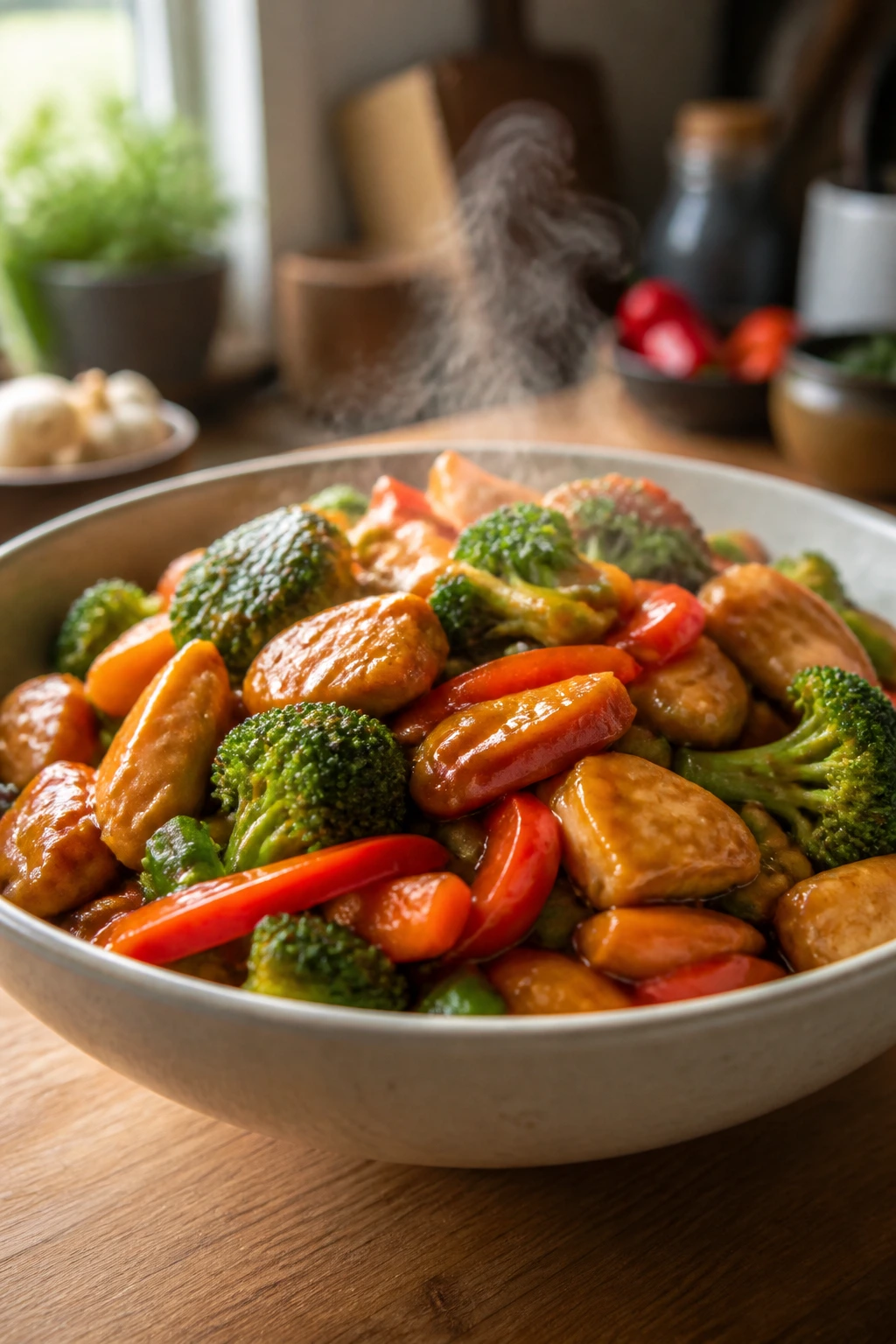
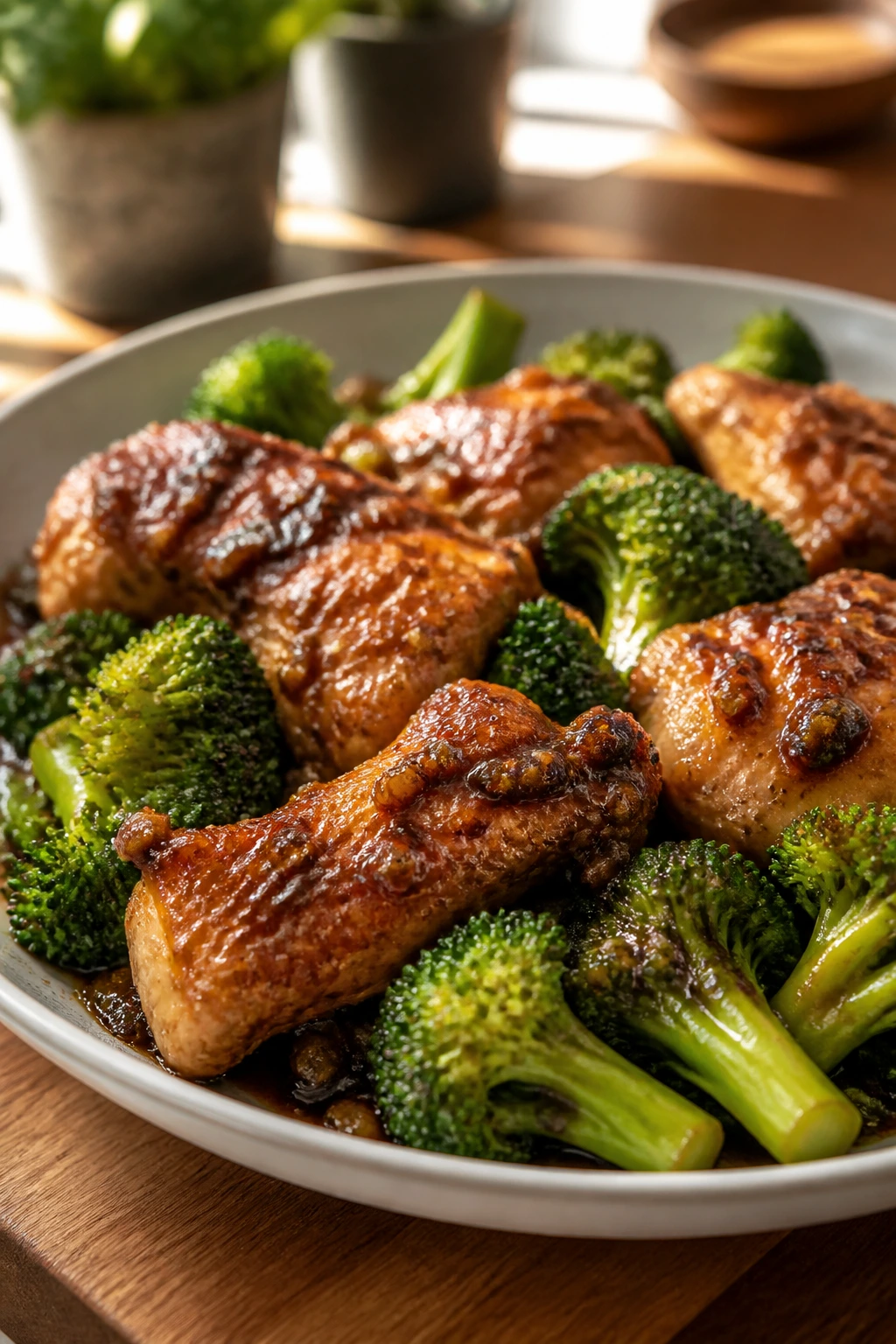
The chicken gets bronzed at the edges, the broccoli turns bright green and a little blistered, and the sauce lands somewhere between savory and sticky in the best way. This is the kind of dinner that smells like the good part of a Chinese takeout bag the second the garlic hits the oil.
Why It Works:
Chicken thighs handle high heat better than breast meat, so they stay juicy even when the pan runs hot. Broccoli likes that same heat; it gets charred tips before it softens into mush. The sauce is built with soy, honey, rice vinegar, and cornstarch, which means it turns glossy in under a minute and doesn’t slide off the chicken.
Key Ingredients:
- 1 1/2 pounds boneless, skinless chicken thighs, cut into 1-inch pieces
- 3 cups broccoli florets, cut into bite-size pieces
- 1/4 cup soy sauce
- 2 tablespoons honey
- 1 tablespoon rice vinegar
- 4 garlic cloves, minced
- 1 tablespoon fresh ginger, grated
- 1 tablespoon cornstarch
- 2 tablespoons water or chicken broth
- 2 tablespoons neutral oil
- 1 teaspoon toasted sesame oil
- 2 scallions, sliced
- 1 teaspoon sesame seeds, optional
Quick Steps:
- Whisk the soy sauce, honey, rice vinegar, garlic, ginger, cornstarch, and water in a small bowl until smooth.
- Pat the chicken dry and season lightly with salt and pepper.
- Heat the oil in a large skillet or wok over medium-high heat. Add the chicken in one layer and cook for 5 to 6 minutes, turning once, until browned and cooked through.
- Add the broccoli with 2 tablespoons of water. Cover for 2 minutes, then uncover and stir until the broccoli turns bright green and the water disappears.
- Pour in the sauce, stir for 30 to 60 seconds until it thickens, then finish with sesame oil, scallions, and sesame seeds.
- Serve over rice while the sauce is still shiny and hot.
Equipment for This Recipe:
- Large skillet or wok
- Small mixing bowl
- Wooden spoon or spatula
- Sharp knife and cutting board
How to Serve This Dish:
Pile it over jasmine rice so the sauce has somewhere to go. A few cucumber slices on the side help cut the richness, and extra scallions on top make the bowl look finished without fuss.
Pro Tips for This Recipe:
- Cut the broccoli smaller than you think you should. Thick stems lag behind the chicken.
- Don’t crowd the pan with chicken. If it steams, you lose the browned edges that make this dish worth making.
- Add the sesame oil at the end. It smells best when it stays fresh and doesn’t get scorched.
Variations on This Dish:
- Spicy Garlic Version: Add 1 teaspoon chili flakes or 1 tablespoon chili crisp to the sauce. It turns the glaze darker and gives the dish more bite.
- Cauliflower Swap: Use cauliflower florets instead of broccoli and add an extra splash of water while steaming. The timing stays nearly the same.
Common Mistakes to Avoid with This Dish:
- Wet chicken, pale chicken. If the thighs go into the pan damp, they boil before they brown. Dry them well with paper towels.
- Sauce too early. If you add it before the broccoli has had a chance to cook, the pan cools down and the glaze can thin out.
- Overcooked broccoli. Once it turns olive green, you’ve gone too far. Pull it while it still has a little snap.
2. Beef and Broccoli Stir-Fry
This one tastes like the version people order on tired Thursdays, except the beef is softer because you sliced it correctly and the broccoli still has a little crunch. The sauce is darker, saltier, and a touch sweeter than the chicken version, which is exactly why it works with rice.
Why It Works:
Flank steak, sliced thin across the grain, cooks fast enough to stay tender. Oyster sauce gives the stir-fry body and a rounded, savory depth that plain soy sauce can’t supply on its own. A little brown sugar softens the edges, and the cornstarch thickens the sauce just enough to cling to every strip of beef.
Key Ingredients:
- 1 1/2 pounds flank steak, thinly sliced against the grain
- 4 cups broccoli florets
- 3 tablespoons soy sauce
- 2 tablespoons oyster sauce
- 1 tablespoon Shaoxing wine or dry sherry
- 1 tablespoon brown sugar
- 2 teaspoons cornstarch
- 3 garlic cloves, minced
- 1 tablespoon fresh ginger, grated
- 2 tablespoons neutral oil
- 1/2 cup water or beef broth
- 2 scallions, sliced
Quick Steps:
- Mix the soy sauce, oyster sauce, Shaoxing wine, brown sugar, cornstarch, garlic, ginger, and water in a bowl.
- Heat half the oil in a hot skillet. Sear the beef in two batches for 1 to 2 minutes per side, then move it out of the pan.
- Add the remaining oil and the broccoli with a splash of water. Cover for 2 minutes until the florets turn bright green.
- Return the beef to the pan and pour in the sauce. Toss for 30 to 45 seconds until the liquid thickens and coats the meat.
- Finish with scallions and serve immediately over steamed rice.
Equipment for This Recipe:
- Large skillet or wok
- Sharp chef’s knife
- Mixing bowl
- Tongs or a spatula
How to Serve This Dish:
Serve it with white rice or brown rice, depending on how sturdy you want the bowl to feel. If you want a sharper plate, add a side of quick-pickled carrots or sliced radish.
Pro Tips for This Recipe:
- Freeze the steak for 15 minutes before slicing. It firms up enough to cut thin ribbons instead of ragged chunks.
- Sear in batches. If the beef goes in all at once, it releases liquid and turns gray.
- Broccoli stems are worth using. Peel them and slice them thin; they cook fast and taste sweet.
Variations on This Dish:
- Black Pepper Beef: Add 1 teaspoon coarsely ground black pepper to the sauce for a sharper finish.
- Mushroom Broccoli Beef: Throw in 2 cups of sliced mushrooms with the broccoli for a deeper, earthier sauce.
Common Mistakes to Avoid with This Dish:
- Cutting with the grain. The beef stays chewy instead of tender. Slice across the lines in the meat.
- Using a lukewarm pan. Beef needs immediate heat or it steams. Wait until the oil shimmers.
- Skipping the sauce whisk. Cornstarch settles fast; if you pour it in unmixed, you’ll get little gluey clumps.
3. Chicken Lo Mein with Cabbage and Carrots
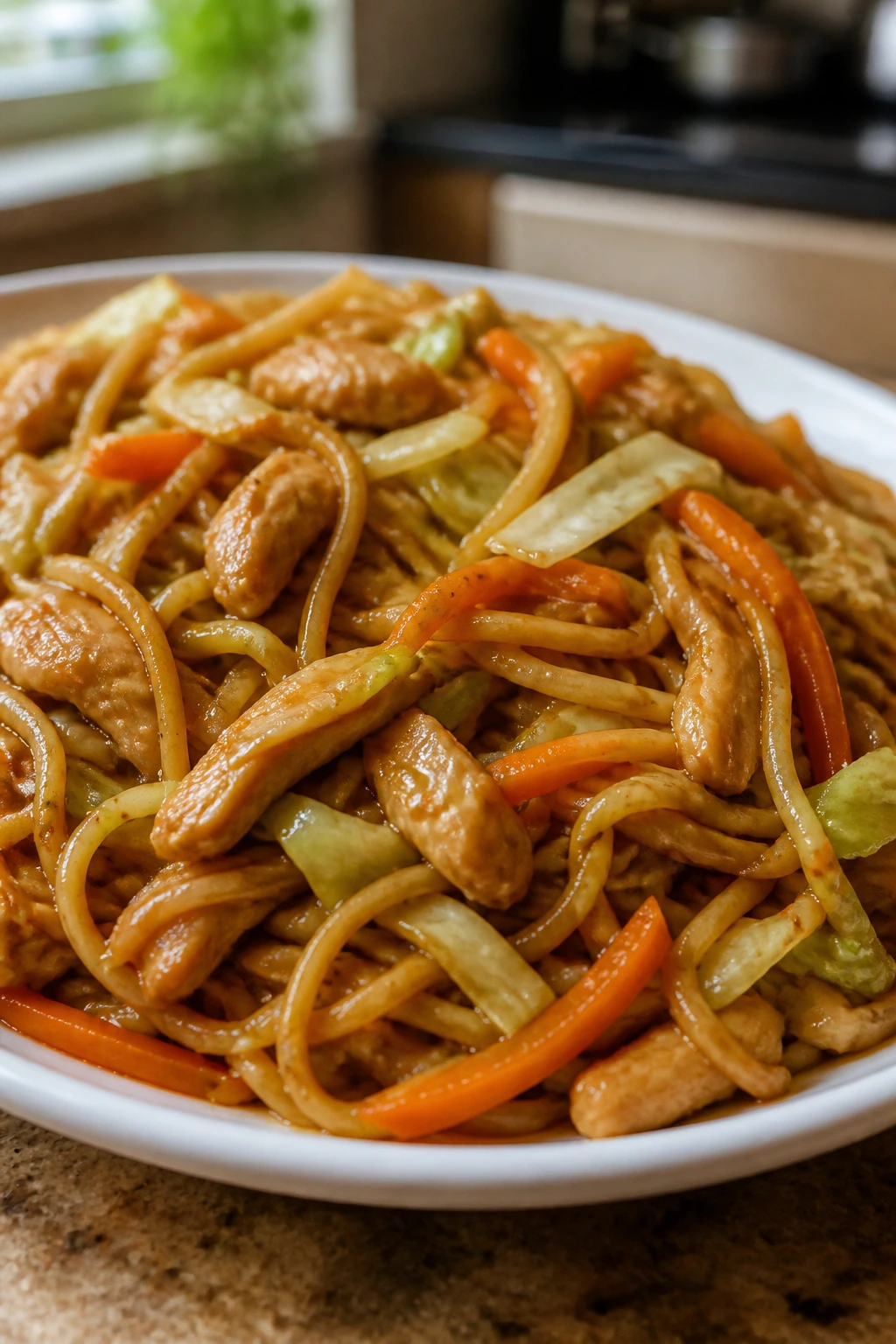
Lo mein should be slippery, savory, and a little messy in the best way — noodles coated in sauce, soft chicken, cabbage that still has crunch, and carrots that bring a faint sweetness. This version gets all of that without turning the noodles into one heavy brick.
Why It Works:
The trick is to cook the noodles barely to al dente, because they finish in the skillet. Cabbage and carrots hold up better than delicate vegetables, so they stay distinct even after the sauce goes on. Oyster sauce, soy, and sesame oil make the noodle coating taste finished instead of thin.
Key Ingredients:
- 12 ounces lo mein noodles or spaghetti
- 1 pound boneless chicken breast or thighs, thinly sliced
- 2 cups shredded cabbage
- 1 cup julienned carrots
- 3 scallions, sliced
- 3 tablespoons soy sauce
- 2 tablespoons oyster sauce
- 1 tablespoon toasted sesame oil
- 1 tablespoon rice vinegar
- 1 teaspoon sugar
- 2 garlic cloves, minced
- 1 teaspoon grated ginger
- 2 tablespoons neutral oil
Quick Steps:
- Cook the noodles in salted water until just tender. Drain and rinse briefly with warm water, then toss with a few drops of oil.
- Stir the soy sauce, oyster sauce, sesame oil, rice vinegar, sugar, garlic, and ginger together in a bowl.
- Heat the oil in a large skillet or wok. Cook the chicken for 4 to 5 minutes until no pink remains and the edges pick up color.
- Add the cabbage and carrots. Stir-fry for 2 to 3 minutes until the cabbage softens but still keeps some bite.
- Add the noodles and pour in the sauce. Toss for 1 to 2 minutes until everything is coated and hot.
- Finish with scallions and eat it right away.
Equipment for This Recipe:
- Large pot for noodles
- Wok or deep skillet
- Strainer
- Tongs
How to Serve This Dish:
Lo mein likes to sit in a wide bowl, not a shallow plate. A sprinkle of sliced scallions and toasted sesame seeds is enough; the noodles should do the talking.
Pro Tips for This Recipe:
- Undercook the noodles by about 1 minute. They soak up sauce in the skillet.
- Shred the cabbage thinly. Thick ribbons take too long and can steam the rest of the pan.
- If the pan looks dry, splash in 2 tablespoons of the noodle water before tossing. It helps the sauce spread.
Variations on This Dish:
- Shrimp Lo Mein: Swap in 1 pound of shrimp and cook them for about 2 minutes per side before removing them from the pan.
- Veggie-Heavy Lo Mein: Add snow peas, bean sprouts, or thin bell pepper strips, but keep the total vegetable load close to 4 cups so the noodles still get coated.
Common Mistakes to Avoid with This Dish:
- Overcooked noodles. Once they go soft in the pot, they’ll turn mushy in the skillet.
- Dumping in too many vegetables. The pan cools down and the noodles stop frying.
- Forgetting to toss fast. Lo mein should be moving in the pan almost constantly once the sauce goes in.
4. Pork Fried Rice with Peas and Egg
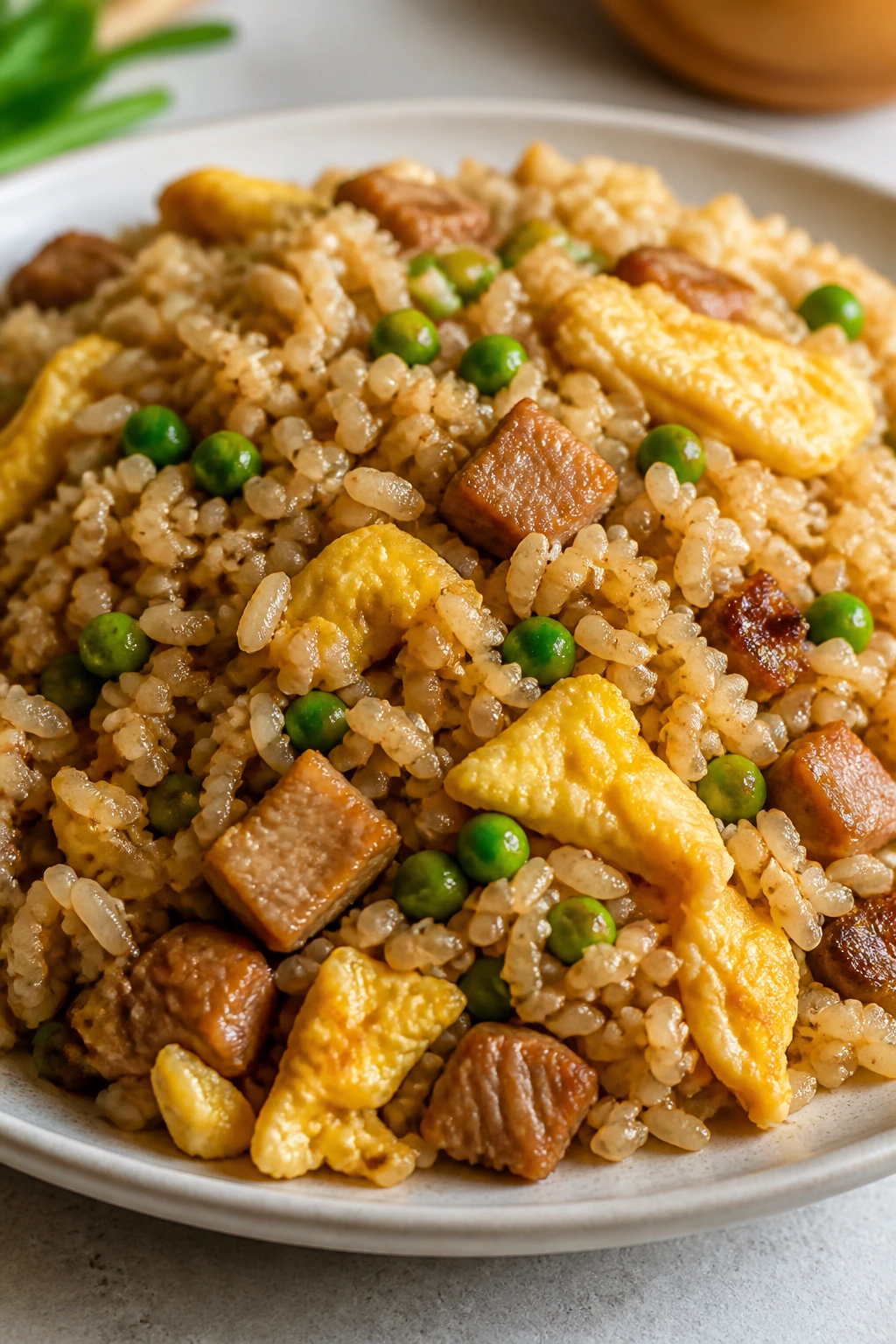
This is the leftover rice dinner that eats like a plan, not a rescue mission. The grains stay separate, the pork gives the dish enough fat to taste rich, and the egg gets folded in in soft yellow ribbons instead of scrambled rubble.
Why It Works:
Cold rice is the whole point. Day-old grains dry out just enough to fry instead of clump, which gives you that slightly chewy, individual texture people chase in restaurant fried rice. Ground pork brings quick browning, and the peas plus carrots add color without throwing off the pan temperature.
Key Ingredients:
- 4 cups cold cooked jasmine rice
- 1 pound ground pork
- 2 large eggs, lightly beaten
- 1 cup frozen peas
- 1 small carrot, finely diced
- 3 scallions, sliced
- 3 tablespoons soy sauce
- 1 tablespoon neutral oil
- 1 teaspoon toasted sesame oil
- 2 garlic cloves, minced
- 1 teaspoon grated ginger
- 1 tablespoon water, optional
Quick Steps:
- Break up the cold rice with your hands or a spoon so it’s loose before you start cooking.
- Heat the oil in a large skillet or wok. Cook the pork for 4 to 5 minutes until browned and crumbly.
- Push the pork to one side, pour in the eggs, and scramble them just until softly set.
- Add the carrot, peas, garlic, and ginger. Stir for 1 minute until fragrant and bright.
- Add the rice and soy sauce. Fry for 2 to 3 minutes, pressing and tossing until the grains are hot and lightly toasted.
- Finish with sesame oil and scallions. Serve while the rice still has a little steam rising off it.
Equipment for This Recipe:
- Large skillet or wok
- Spatula
- Mixing bowl for eggs
- Measuring spoons
How to Serve This Dish:
Serve it as the main event with a side of sliced cucumbers or a quick cabbage salad. If you want it more filling, spoon a little chili crisp over the top and call it done.
Pro Tips for This Recipe:
- Use rice that has been chilled at least 6 hours. Fresh rice clumps and turns gummy.
- Let the pork brown before you stir too much. Those dark bits give the rice more flavor.
- Add sesame oil at the end, not at the beginning. It fades fast under heat.
Variations on This Dish:
- Char Siu Shortcut: Stir in 1 cup chopped Chinese barbecue pork instead of ground pork.
- Pineapple Fried Rice: Add 3/4 cup diced pineapple near the end for sweetness that cuts through the soy sauce.
Common Mistakes to Avoid with This Dish:
- Wet rice. If the grains are still warm or humid, the whole dish turns heavy.
- Too much soy. Fried rice should be seasoned, not soaked. Start with 2 tablespoons and taste.
- Crowded pan. Fried rice needs contact with the skillet. If you pile in too much, it steams.
5. Easy Mapo Tofu
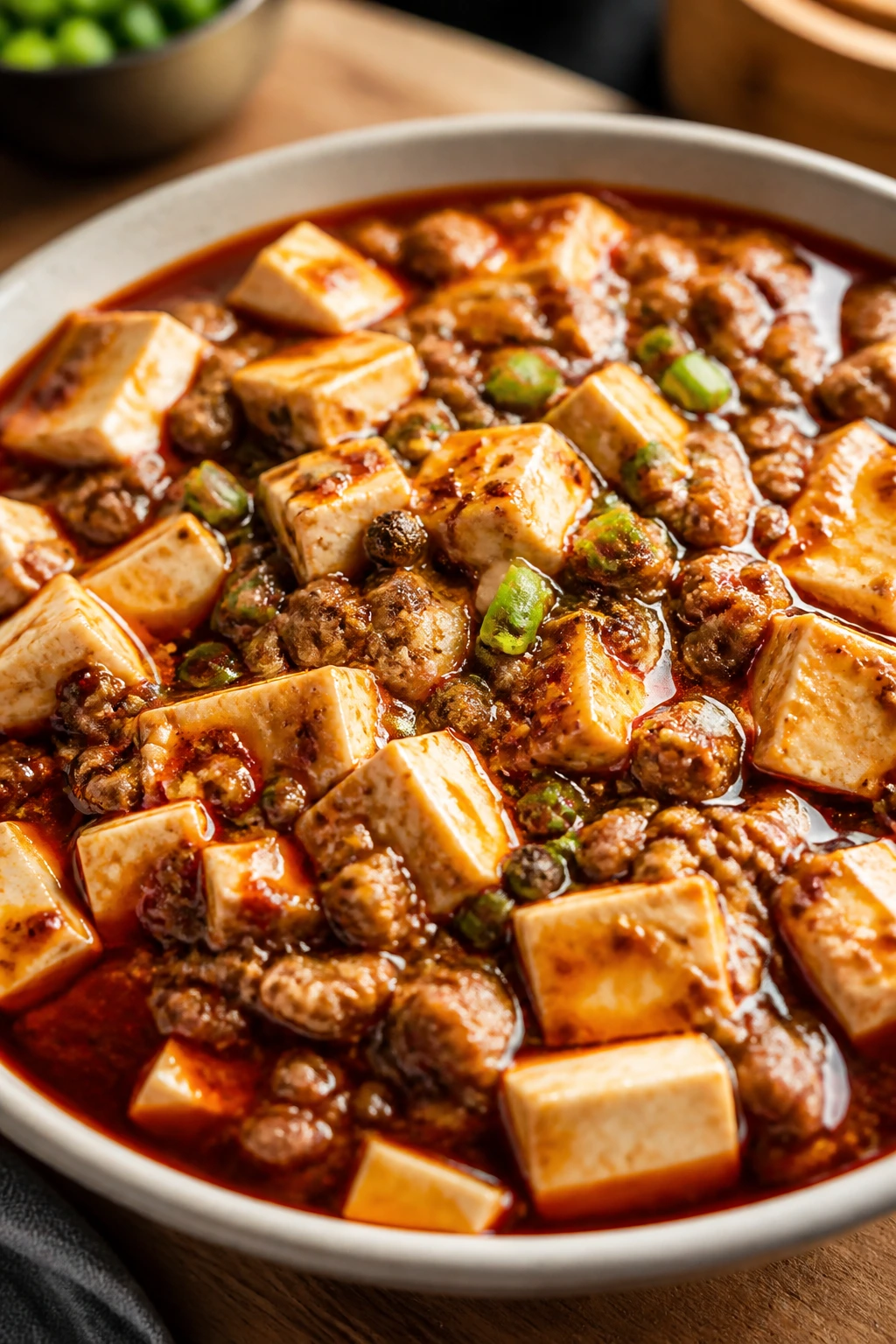
Mapo tofu is the dish that reminds you tofu isn’t supposed to be timid. The sauce is brick-red, salty, and a little numbing from Sichuan pepper, while the tofu turns silky and soft enough to drink up the broth around it.
Why It Works:
The tofu provides a gentle base, so all the heat and funk from the doubanjiang, garlic, and ginger has somewhere to land. Ground pork adds fat and texture, which keeps the sauce from feeling flat. Sichuan peppercorns give a citrusy tingle that’s distinct from chili heat — that one-two combination is what makes mapo tofu unforgettable.
Key Ingredients:
- 1 pound medium-firm tofu, cut into 1-inch cubes
- 8 ounces ground pork
- 2 tablespoons doubanjiang
- 1 tablespoon fermented black beans, rinsed and chopped, optional
- 3 garlic cloves, minced
- 1 tablespoon grated ginger
- 1 cup chicken or vegetable broth
- 2 tablespoons soy sauce
- 1 tablespoon Shaoxing wine
- 1 teaspoon sugar
- 1 tablespoon cornstarch
- 2 tablespoons water
- 1 teaspoon Sichuan peppercorns, lightly toasted and crushed
- 2 scallions, sliced
- 1 teaspoon chili oil, optional
Quick Steps:
- Bring a pot of water to a bare simmer and gently warm the tofu cubes for 2 minutes, then drain. This keeps them from breaking apart later.
- Cook the pork in a skillet over medium-high heat until browned. Add the doubanjiang, black beans, garlic, and ginger and stir for 30 seconds.
- Pour in the broth, soy sauce, Shaoxing wine, and sugar. Stir and bring it to a simmer.
- Add the tofu carefully and simmer for 3 to 4 minutes so the cubes soak up the sauce without breaking.
- Stir the cornstarch slurry, pour it in, and cook for 1 minute until the sauce thickens around the tofu.
- Finish with Sichuan peppercorns, scallions, and chili oil.
Equipment for This Recipe:
- Deep skillet or sauté pan
- Small pot for blanching tofu
- Slotted spoon
- Small bowl for slurry
How to Serve This Dish:
Spoon it over plain white rice. That’s the move. The sauce is the main event, and rice gives it enough space to spread into every bite.
Pro Tips for This Recipe:
- Use medium-firm tofu unless you want a very delicate texture. Silken tofu is harder to handle unless you’re used to it.
- Rinse the doubanjiang off your spoon if it’s especially salty before you taste the sauce. It’s powerful stuff.
- Crush the Sichuan peppercorns right before cooking. They lose their scent fast once ground.
Variations on This Dish:
- Vegetarian Mapo Tofu: Skip the pork and use finely chopped mushrooms or crumbled tempeh. The sauce still has enough punch to carry the dish.
- Milder Version: Use 1 tablespoon doubanjiang and leave out the chili oil. You’ll still get depth without much heat.
Common Mistakes to Avoid with This Dish:
- Skipping the tofu warm-up. Cold tofu breaks more easily when it hits the sauce.
- Boiling too hard after the tofu goes in. The cubes tear apart. Keep the simmer gentle.
- Using too much cornstarch. You want sauce, not paste.
6. Kung Pao Shrimp with Peanuts
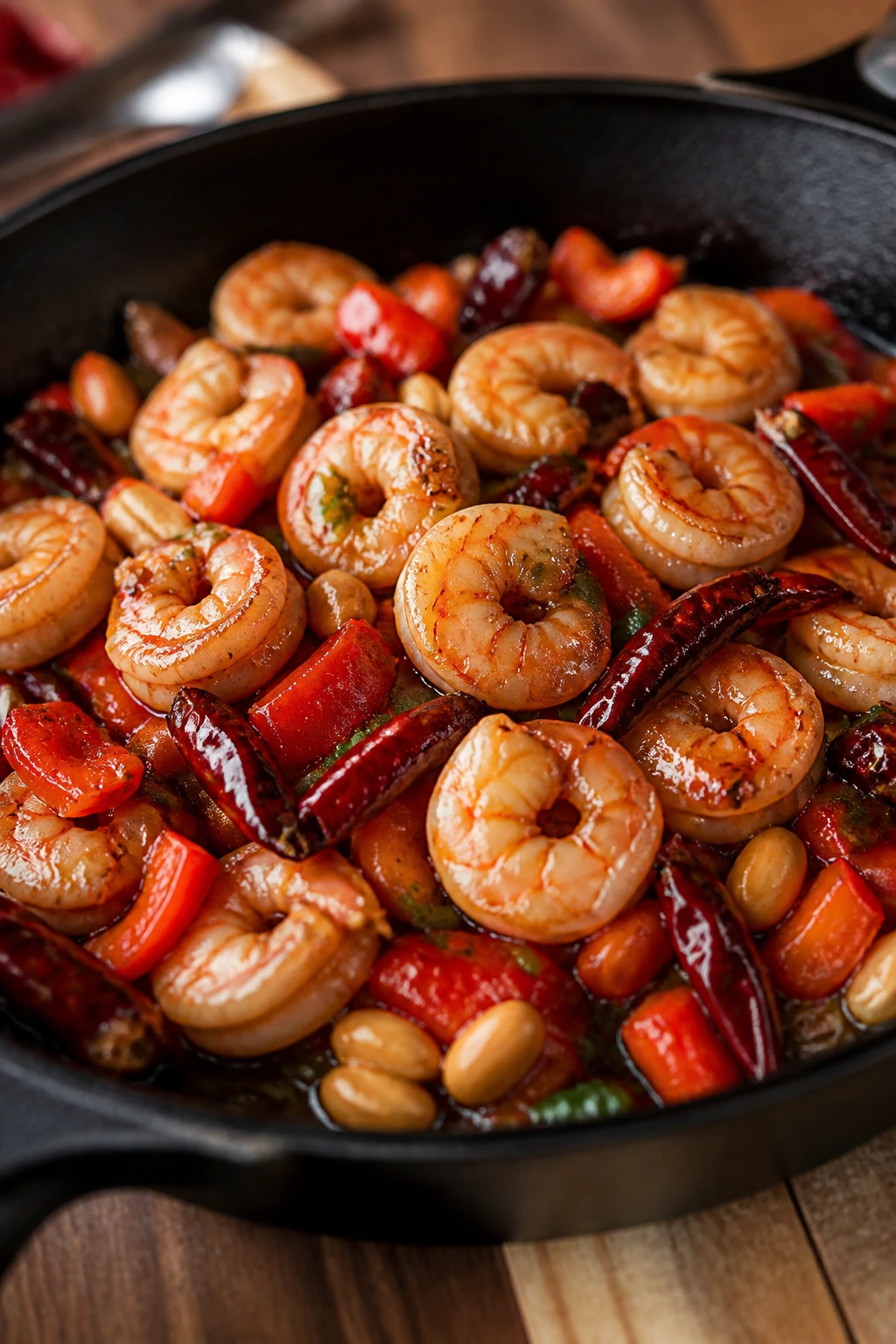
Kung Pao shrimp has that fast, sharp energy that makes dinner feel less like a chore. The shrimp cooks in minutes, the peanuts bring crunch, and the dried chilies perfume the oil before the sauce even lands.
Why It Works:
Shrimp is one of the few proteins that actually improves when cooked in a blink. The sauce balances soy, vinegar, sugar, and Shaoxing wine, so it tastes sweet, salty, and tangy instead of flat. Peanuts and bell pepper give the dish texture, which matters because shrimp alone can feel too soft.
Key Ingredients:
- 1 1/2 pounds large shrimp, peeled and deveined
- 1 red bell pepper, cut into 1-inch pieces
- 1/2 cup roasted peanuts
- 4 dried red chilies
- 3 garlic cloves, minced
- 1 tablespoon fresh ginger, minced
- 3 tablespoons soy sauce
- 2 tablespoons black vinegar or rice vinegar
- 1 tablespoon Shaoxing wine
- 1 tablespoon sugar
- 1 teaspoon cornstarch
- 2 tablespoons neutral oil
- 2 scallions, cut into 1-inch lengths
Quick Steps:
- Stir the soy sauce, vinegar, Shaoxing wine, sugar, cornstarch, garlic, and ginger together.
- Pat the shrimp dry. Heat the oil in a skillet, then add the dried chilies for 10 seconds until they smell toasted, not burnt.
- Add the shrimp and cook for 1 to 2 minutes per side until just pink. Remove them from the pan.
- Stir-fry the bell pepper for 2 minutes so it stays crisp.
- Return the shrimp, pour in the sauce, and toss for 30 seconds until it thickens.
- Add the peanuts and scallions, then serve over rice.
Equipment for This Recipe:
- Large skillet or wok
- Small bowl
- Tongs
- Cutting board and knife
How to Serve This Dish:
It works best over a plain bowl of rice that can catch the sauce. A side of steamed bok choy or sautéed spinach gives the meal a little green balance without stealing the spotlight.
Pro Tips for This Recipe:
- Shrimp cooks faster than you think. Pull it as soon as it turns opaque.
- Toast the chilies in the oil, not over the flame. Burned chilies taste bitter fast.
- Use roasted, unsalted peanuts if you can find them. Salted peanuts can push the dish over the edge.
Variations on This Dish:
- Chicken Kung Pao: Swap in 1 1/2 pounds chicken thigh pieces and cook them fully before adding the peppers.
- Cashew Kung Pao: Replace peanuts with cashews for a softer crunch and a slightly sweeter finish.
Common Mistakes to Avoid with This Dish:
- Overcooked shrimp. Rubbery shrimp ruin the whole pan. Stop early.
- Too much sauce heat. If the dried chilies are blackening, lower the flame right away.
- Adding peanuts too soon. They should stay crunchy, not soak in sauce.
7. Mongolian Beef with Scallions
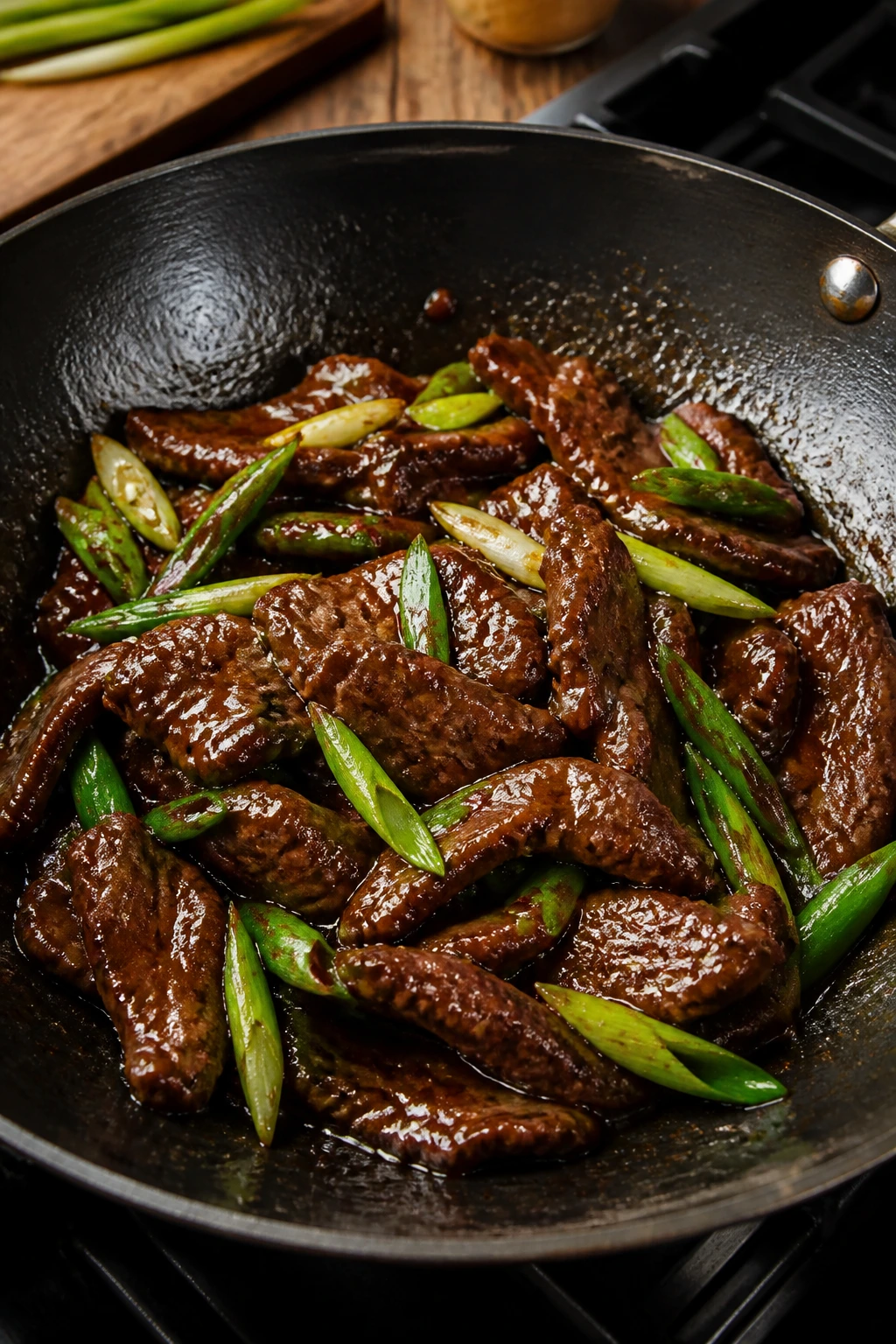
This is the glossy beef dinner people think needs a takeout box and a grease-stained napkin. At home, it’s cleaner, faster, and better when the scallions are still a little sharp and green.
Why It Works:
A light dusting of cornstarch on the beef helps it sear and gives the sauce something to grip. Brown sugar and soy reduce into a dark glaze that clings to the meat instead of flooding the pan. Scallions go in late so they keep their bite, which stops the dish from feeling one-note.
Key Ingredients:
- 1 1/2 pounds flank steak, thinly sliced
- 1/4 cup cornstarch
- 1/4 cup soy sauce
- 1/4 cup packed brown sugar
- 1/3 cup water
- 4 garlic cloves, minced
- 1 tablespoon grated ginger
- 8 scallions, cut into 2-inch pieces
- 2 tablespoons neutral oil
- 1 teaspoon toasted sesame oil
Quick Steps:
- Toss the steak with cornstarch until lightly coated.
- Mix the soy sauce, brown sugar, water, garlic, and ginger in a bowl.
- Heat the oil in a hot skillet and sear the beef in two batches for 1 to 2 minutes per side.
- Pour in the sauce and let it bubble for 1 minute until thick and glossy.
- Add the scallions and toss for 30 seconds, just until they soften a touch.
- Finish with sesame oil and serve over rice.
Equipment for This Recipe:
- Large skillet or wok
- Mixing bowl
- Tongs
- Measuring cups and spoons
How to Serve This Dish:
This one wants rice. Jasmine rice is the safest choice because it stays fluffy under the sauce. A few sliced chilies or extra scallions on top sharpen the whole bowl.
Pro Tips for This Recipe:
- Keep the steak slices thin. Thick pieces take longer and lose that fast-seared edge.
- Don’t over-sauce it. Mongolian beef should look lacquered, not soupy.
- Cut the scallions on the bias if you want them to look a little sharper and cook a little more evenly.
Variations on This Dish:
- Broccoli Mongolian Beef: Add 3 cups broccoli florets after the beef comes out and stir-fry for 2 minutes before the sauce goes in.
- Chicken Version: Use thin chicken thigh strips and reduce the sear time slightly.
Common Mistakes to Avoid with This Dish:
- Too much cornstarch. The beef gets dusty instead of lightly crisp.
- Crowding the pan. The meat steams and loses its sear.
- Cooking scallions too long. They should soften, not disappear.
8. Miso-Glazed Salmon Rice Bowls
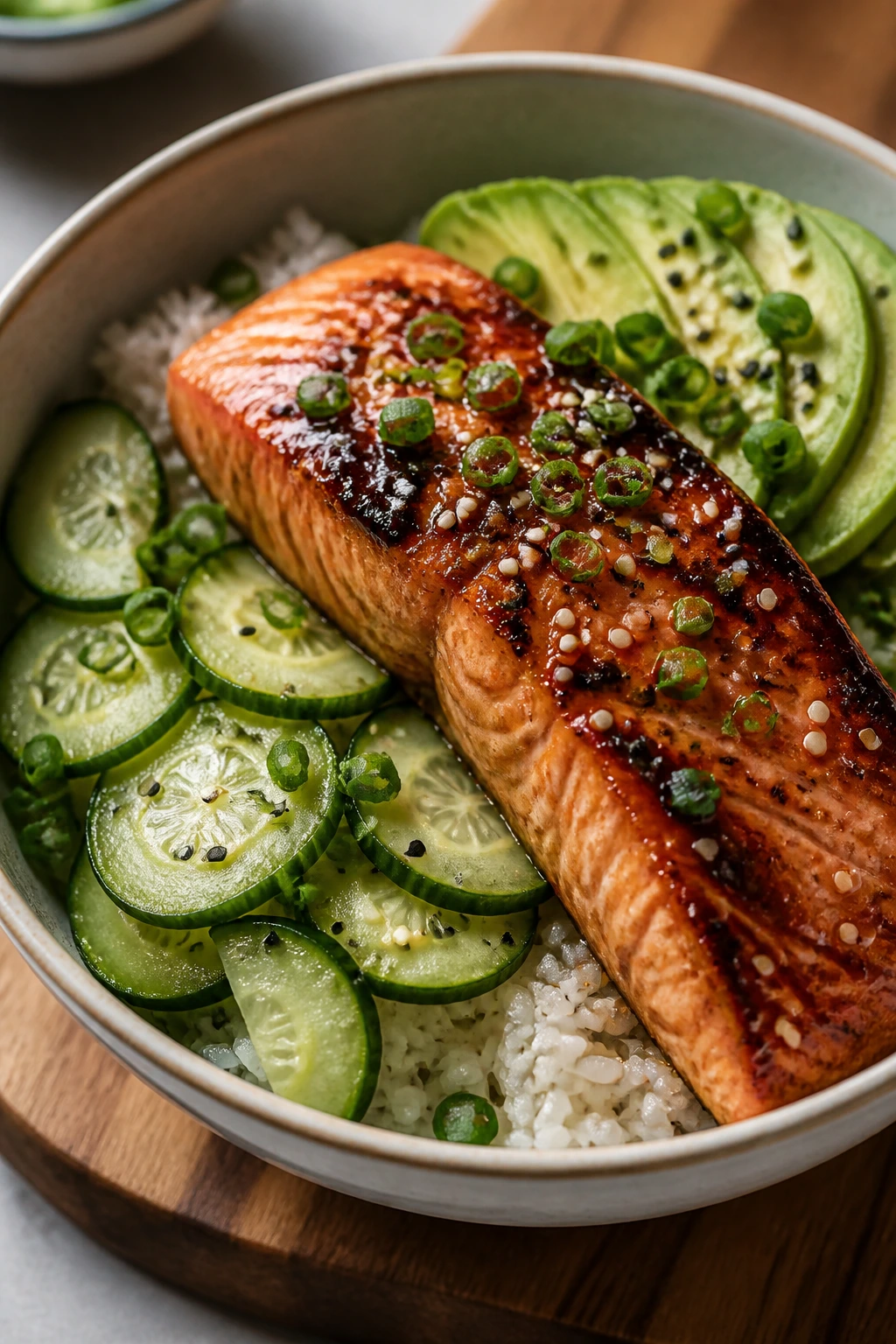
Salmon and miso belong together in a way that feels obvious once you’ve had them. The glaze turns sticky and savory, the fish stays rich and tender, and the bowl gets fresh, cool contrast from cucumber and avocado.
Why It Works:
White miso brings fermented depth without overwhelming the fish. Mirin and honey help the glaze caramelize, which gives the surface a burnished look in the oven. Rice underneath catches the drips, and a quick cucumber pickle keeps the whole bowl from tasting heavy.
Key Ingredients:
- 4 salmon fillets, about 6 ounces each
- 2 tablespoons white miso
- 1 tablespoon soy sauce
- 1 tablespoon mirin
- 1 tablespoon honey
- 1 teaspoon toasted sesame oil
- 3 cups cooked jasmine rice
- 1 cucumber, thinly sliced
- 1 avocado, sliced
- 2 scallions, sliced
- 1 tablespoon rice vinegar
- 1 teaspoon sesame seeds
Quick Steps:
- Heat the oven to 425°F (220°C).
- Stir the miso, soy sauce, mirin, honey, and sesame oil together.
- Place the salmon on a lined sheet pan and brush it with the glaze. Roast for 10 to 12 minutes until the fish flakes and the glaze darkens at the edges.
- Toss the cucumber with rice vinegar and a pinch of salt.
- Build the bowls with rice, salmon, cucumber, avocado, scallions, and sesame seeds.
- Serve while the salmon is still warm and glossy.
Equipment for This Recipe:
- Rimmed sheet pan
- Parchment paper
- Small bowl
- Sharp knife
How to Serve This Dish:
Serve the salmon over rice with the cucumber on one side and avocado on the other. It looks better when you keep the components visible instead of burying everything under sauce.
Pro Tips for This Recipe:
- Line the pan with parchment. Miso glaze sticks hard once it hits high heat.
- Check salmon early. Overbaked fish turns dry in a hurry.
- If your miso is salty, use the lower end of the soy sauce amount.
Variations on This Dish:
- Ginger-Miso Bowl: Add 1 teaspoon grated ginger to the glaze for a sharper edge.
- Trout Instead of Salmon: Use the same glaze on trout fillets; they cook a minute or two faster.
Common Mistakes to Avoid with This Dish:
- Overglazing too soon. A thick coat can burn before the fish cooks through.
- Skipping the cucumber acid. The bowl feels flat without a sharp, cool element.
- Using a bare pan. Parchment keeps cleanup from turning irritating.
9. Thai Basil Chicken
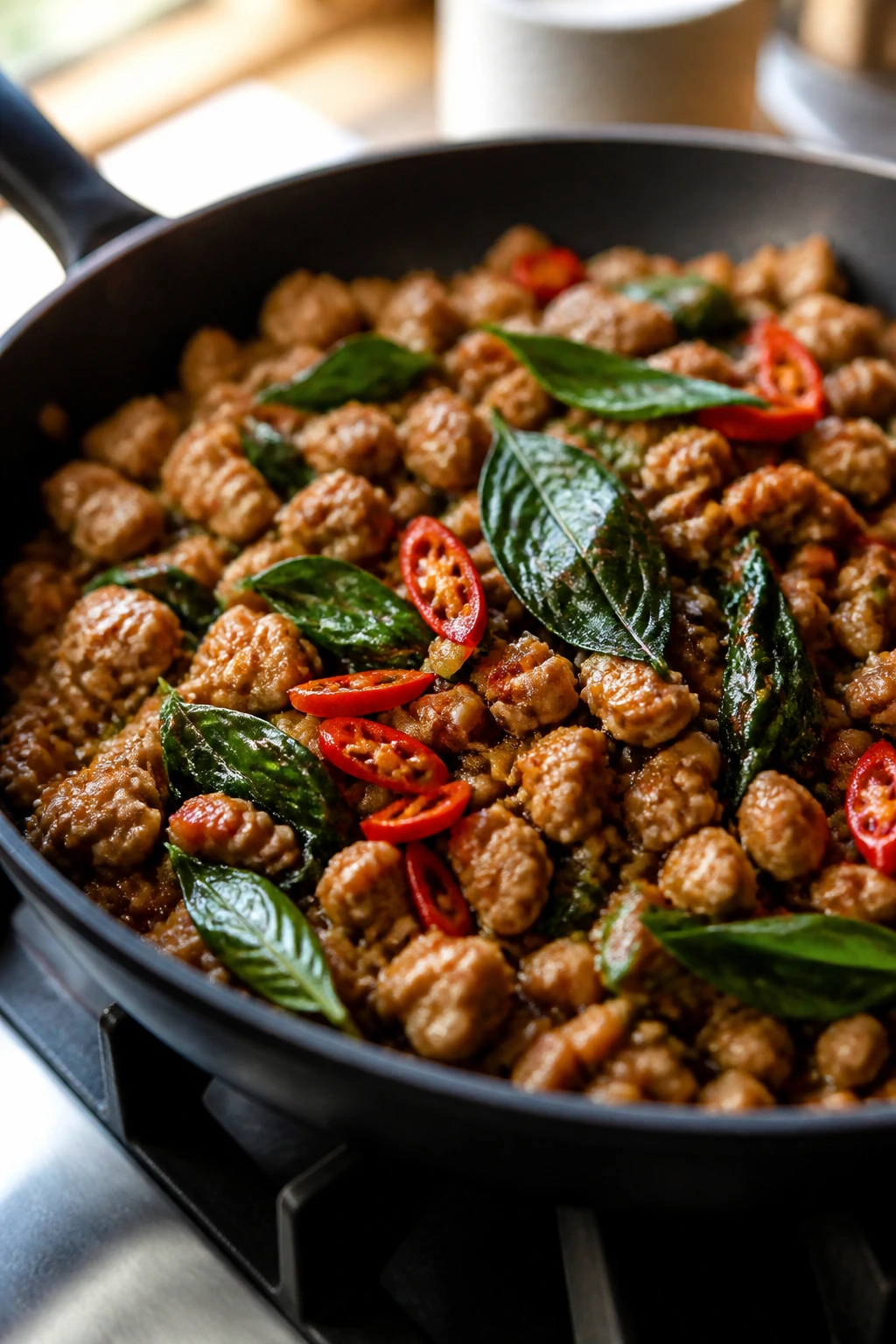
Thai basil chicken is all about speed and attitude. The garlic hits the oil, the chilies bring a little heat, and the basil gets stirred in at the very end so it perfumes the whole pan without turning black.
Why It Works:
Ground chicken cooks fast and soaks up sauce without needing long marinating. Fish sauce and oyster sauce provide the savory backbone, while sugar rounds off the edges. Thai basil has a peppery, anise-like note that ordinary basil can’t quite fake, so use the real thing if you can get it.
Key Ingredients:
- 1 1/2 pounds ground chicken
- 4 garlic cloves, minced
- 2 Thai chilies or 1 jalapeño, sliced thin
- 2 cups Thai basil leaves, packed
- 2 tablespoons fish sauce
- 1 tablespoon soy sauce
- 1 tablespoon oyster sauce
- 1 teaspoon sugar
- 2 tablespoons neutral oil
- 1 bell pepper, thinly sliced or 1 cup long beans
- Cooked jasmine rice, for serving
Quick Steps:
- Mix the fish sauce, soy sauce, oyster sauce, and sugar in a small bowl.
- Heat the oil in a skillet over medium-high heat. Cook the garlic and chilies for 10 to 15 seconds until fragrant.
- Add the ground chicken and break it up with a spatula. Cook for 4 to 5 minutes until no pink remains.
- Stir in the bell pepper or long beans and cook for 2 minutes.
- Pour in the sauce and toss until it coats the meat.
- Turn off the heat, add the basil, and stir just until it wilts.
Equipment for This Recipe:
- Large skillet or wok
- Spatula
- Small mixing bowl
- Knife and cutting board
How to Serve This Dish:
Spoon it over rice and top with a fried egg if you want the yolk to run into the sauce. The egg is optional, but it does make the bowl feel more complete.
Pro Tips for This Recipe:
- Add the basil off the heat. If it cooks too long, you lose the perfume.
- Use ground chicken with some fat, not ultra-lean meat, or the dish feels dry.
- Keep the chilies sliced thin so they spread through the pan instead of hitting one bite at a time.
Variations on This Dish:
- Thai Pork Basil: Use ground pork for a richer, sweeter version.
- Tofu Basil Stir-Fry: Replace the chicken with crumbled firm tofu and add a little extra oyster sauce or mushroom sauce.
Common Mistakes to Avoid with This Dish:
- Basil too early. It goes dark and limp.
- Too much sauce. Thai basil chicken should look glossy, not flooded.
- Using sweet basil only. It works in a pinch, but the flavor is softer and less sharp.
10. Orange Tofu with Snap Peas
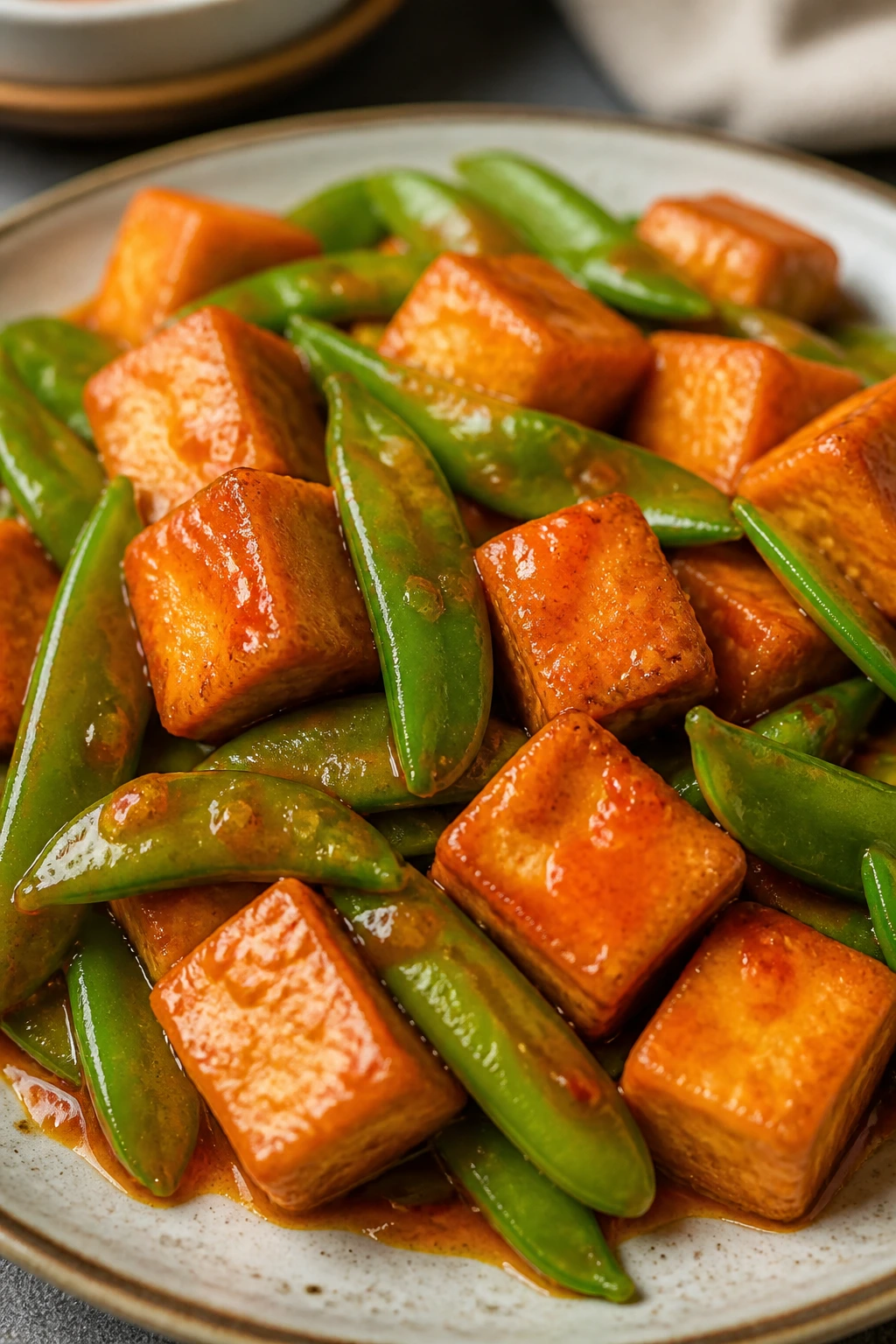
This is the tofu dish for people who think tofu needs a louder personality. The coating turns crisp, the orange sauce tastes bright instead of cloying, and the snap peas keep the whole thing from turning soft and sweet.
Why It Works:
Extra-firm tofu holds together under a starch coating and high heat, which gives you a real crust instead of a sponge. Orange zest and juice add fresh citrus notes that bottled sauce can’t match. Snap peas stay crunchy if you cook them quickly, so they give the plate a clean, green snap.
Key Ingredients:
- 1 1/2 pounds extra-firm tofu, pressed and cut into cubes
- 1/3 cup cornstarch
- 1 cup fresh orange juice
- 1 tablespoon orange zest
- 3 tablespoons soy sauce
- 2 tablespoons rice vinegar
- 2 tablespoons brown sugar
- 3 garlic cloves, minced
- 1 tablespoon fresh ginger, grated
- 1 tablespoon cornstarch mixed with 2 tablespoons water
- 2 cups snap peas
- 2 tablespoons neutral oil
- 2 scallions, sliced
Quick Steps:
- Press the tofu for 15 to 20 minutes, then cut it into cubes and toss with cornstarch.
- Mix the orange juice, zest, soy sauce, rice vinegar, brown sugar, garlic, and ginger in a bowl.
- Pan-fry the tofu in hot oil until golden on most sides, about 8 to 10 minutes total. Remove it from the pan.
- Stir-fry the snap peas for 1 to 2 minutes.
- Pour in the sauce and add the cornstarch slurry. Simmer for 30 to 60 seconds until glossy.
- Return the tofu, toss gently, and finish with scallions.
Equipment for This Recipe:
- Large nonstick or cast-iron skillet
- Tofu press or clean kitchen towels
- Small bowl
- Spatula
How to Serve This Dish:
Serve it with rice or quinoa if you want a sturdier bowl. A few orange segments on top look nice, but more important, they echo the sauce and make the citrus pop.
Pro Tips for This Recipe:
- Press the tofu longer than you think you need to. Extra water is the enemy of crisp edges.
- Don’t stir the tofu constantly. Let it sit long enough to brown.
- Zest the orange before juicing it. That step gets tedious in reverse.
Variations on This Dish:
- Sesame Orange Tofu: Add 1 teaspoon sesame oil at the end for a nuttier finish.
- Chicken Orange Stir-Fry: Use the same sauce on bite-size chicken thigh pieces if tofu isn’t the night’s mood.
Common Mistakes to Avoid with This Dish:
- Unpressed tofu. It splatters and stays soft.
- Sauce too sweet. If the orange juice is very sweet, cut the brown sugar by 1 teaspoon.
- Overcooking the peas. They should stay bright and snappy.
11. Dan Dan Noodles
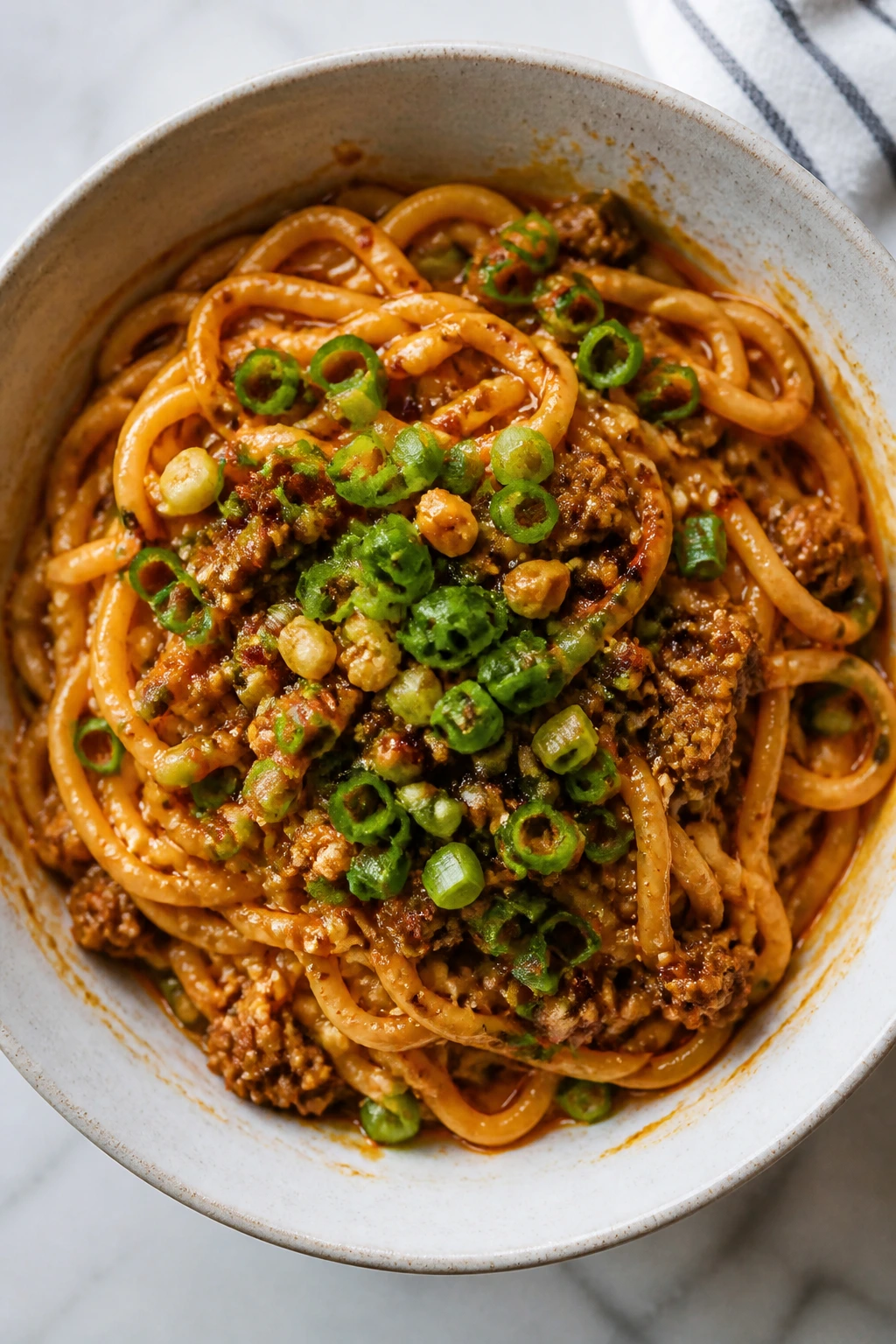
Dan dan noodles have edge. That’s the point. You get heat, nuttiness, a hit of vinegar, and noodles that cling to the sauce instead of swimming in it. It’s not a gentle bowl.
Why It Works:
Sesame paste or tahini gives the sauce body, while chili oil brings heat and a slick finish. Black vinegar cuts through the richness, and Sichuan pepper gives a tongue-tingling finish that keeps the bowl interesting. Ground pork or mushrooms add savory depth so the noodles don’t rely on sauce alone.
Key Ingredients:
- 12 ounces thin wheat noodles or ramen noodles
- 8 ounces ground pork
- 2 tablespoons sesame paste or tahini
- 2 tablespoons soy sauce
- 2 tablespoons chili oil
- 1 tablespoon black vinegar
- 1 teaspoon sugar
- 1 teaspoon ground Sichuan pepper or crushed peppercorns
- 2 garlic cloves, minced
- 2 scallions, sliced
- 2 tablespoons preserved mustard greens, chopped, optional
- 1 cup baby bok choy, sliced, optional
Quick Steps:
- Whisk the sesame paste, soy sauce, chili oil, black vinegar, sugar, Sichuan pepper, and 2 tablespoons hot noodle water in a bowl.
- Cook the noodles until tender. During the last minute, blanch the bok choy if you’re using it.
- Brown the pork in a skillet, add the garlic and mustard greens, and cook for 1 minute more.
- Divide the sauce into bowls, then add noodles and toss so they’re coated.
- Top with pork, bok choy, and scallions.
- Eat while the noodles are still warm enough to pull the sauce loose.
Equipment for This Recipe:
- Large pot
- Skillet
- Mixing bowl
- Tongs or chopsticks
How to Serve This Dish:
Dan dan noodles work best in shallow bowls so you can lift the noodles without splashing the sauce. Keep the toppings grouped if you want the first few bites to feel layered.
Pro Tips for This Recipe:
- Thin the sesame paste with hot noodle water. Cold water leaves it stubborn and thick.
- Taste before adding extra chili oil. Some brands are fierce.
- If you can find preserved mustard greens, use them. They give a salty, fermented bite that dried herbs can’t replace.
Variations on This Dish:
- Peanut-Dan Version: Use peanut butter in place of sesame paste for a softer, sweeter sauce.
- Vegetable Dan Dan: Replace the pork with minced mushrooms and chopped walnuts. The texture is different, but it still lands with enough depth.
Common Mistakes to Avoid with This Dish:
- Too much noodle water. The sauce should coat, not dilute.
- Skipping the vinegar. Without it, the bowl tastes heavy.
- Serving it cold. The sauce tightens up once it cools.
12. Sesame Ginger Noodle Bowls with Edamame
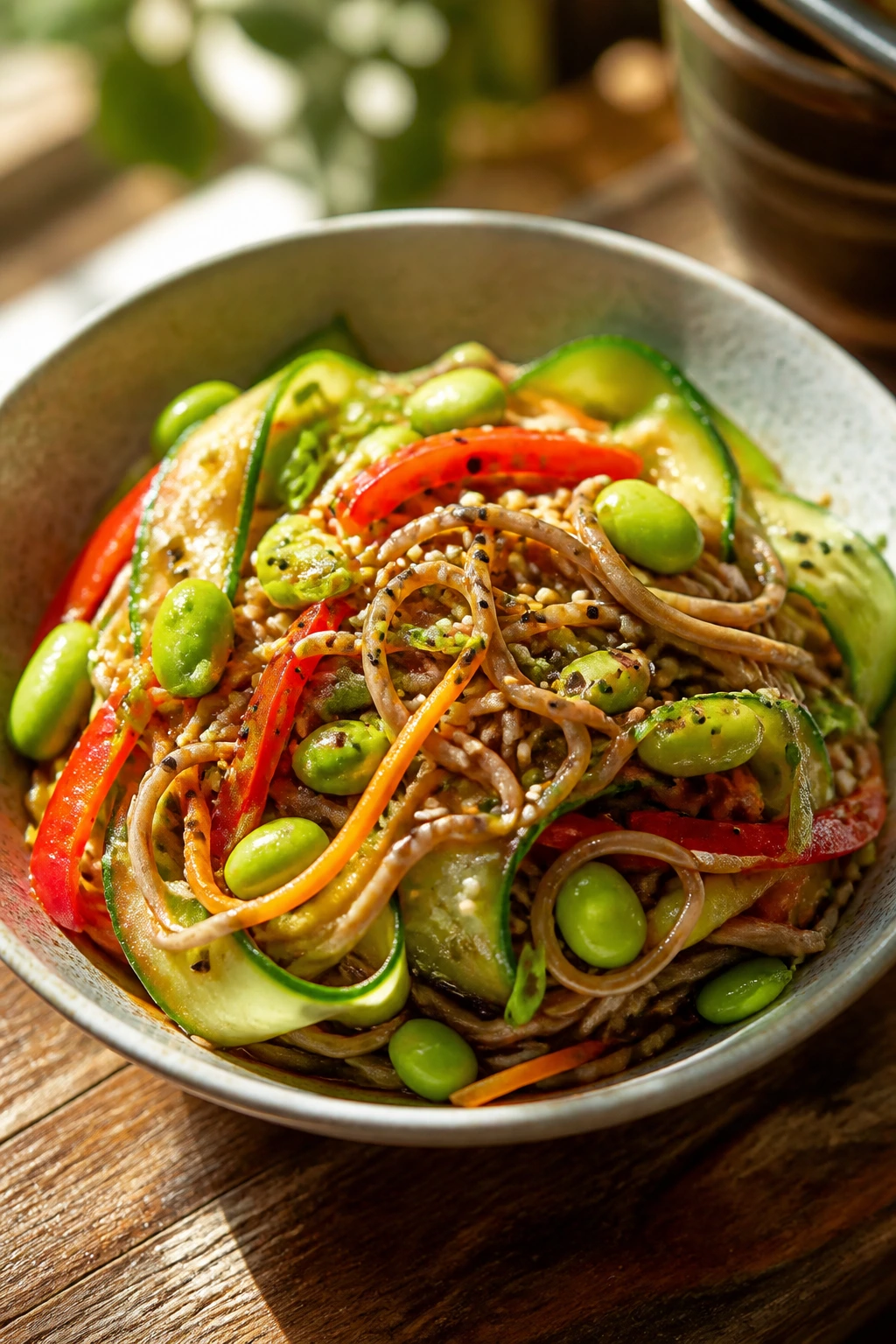
This is the low-drama dinner that still tastes thought through. The noodles are slippery, the edamame adds bite, and the ginger-sesame dressing gives everything a clean, nutty finish that doesn’t need a stove full of work.
Why It Works:
Soba noodles hold dressing well, especially when they’re rinsed after cooking. Edamame adds protein and a little chew, while cucumber and carrot keep the bowl from feeling heavy. The dressing balances sesame oil, rice vinegar, ginger, and a touch of sweetness, which makes the vegetables taste brighter.
Key Ingredients:
- 12 ounces soba noodles or wheat noodles
- 2 cups shelled edamame, cooked
- 1 cucumber, sliced thin
- 1 carrot, shredded
- 1 red bell pepper, thinly sliced
- 2 tablespoons tahini or peanut butter
- 1 tablespoon soy sauce
- 2 tablespoons rice vinegar
- 1 tablespoon honey
- 1 tablespoon toasted sesame oil
- 1 tablespoon grated fresh ginger
- 1 garlic clove, grated
- 2 to 4 tablespoons warm water
- 2 scallions, sliced
- 1 tablespoon sesame seeds
Quick Steps:
- Cook the noodles until tender, then rinse them under cool water and drain well.
- Whisk the tahini, soy sauce, rice vinegar, honey, sesame oil, ginger, garlic, and warm water until smooth.
- Toss the noodles with half the dressing.
- Add the edamame, cucumber, carrot, and bell pepper, then toss with the rest of the dressing.
- Finish with scallions and sesame seeds.
- Serve at room temperature or slightly chilled.
Equipment for This Recipe:
- Large pot
- Colander
- Mixing bowl
- Whisk
How to Serve This Dish:
These bowls are good in big shallow bowls because you want to see the vegetables. A wedge of lime on the side works if you want extra brightness, though it’s not mandatory.
Pro Tips for This Recipe:
- Rinse soba noodles after cooking so they don’t turn gummy.
- Add warm water to the dressing a spoon at a time. Too much and it gets thin fast.
- Salt the noodle water well. The dressing should finish the dish, not do all the seasoning.
Variations on This Dish:
- Chicken Noodle Bowls: Add sliced grilled chicken or rotisserie chicken if you want more protein.
- Crunchy Cabbage Bowl: Replace the bell pepper with shredded cabbage for a sturdier, less watery texture.
Common Mistakes to Avoid with This Dish:
- Not draining the noodles fully. Extra water dilutes the dressing.
- Over-dressing the bowl. It should coat the noodles, not pool.
- Using cold edamame straight from the freezer. Warm it first so the bowl doesn’t lose heat too fast.
13. Honey Sriracha Chicken Lettuce Bowls
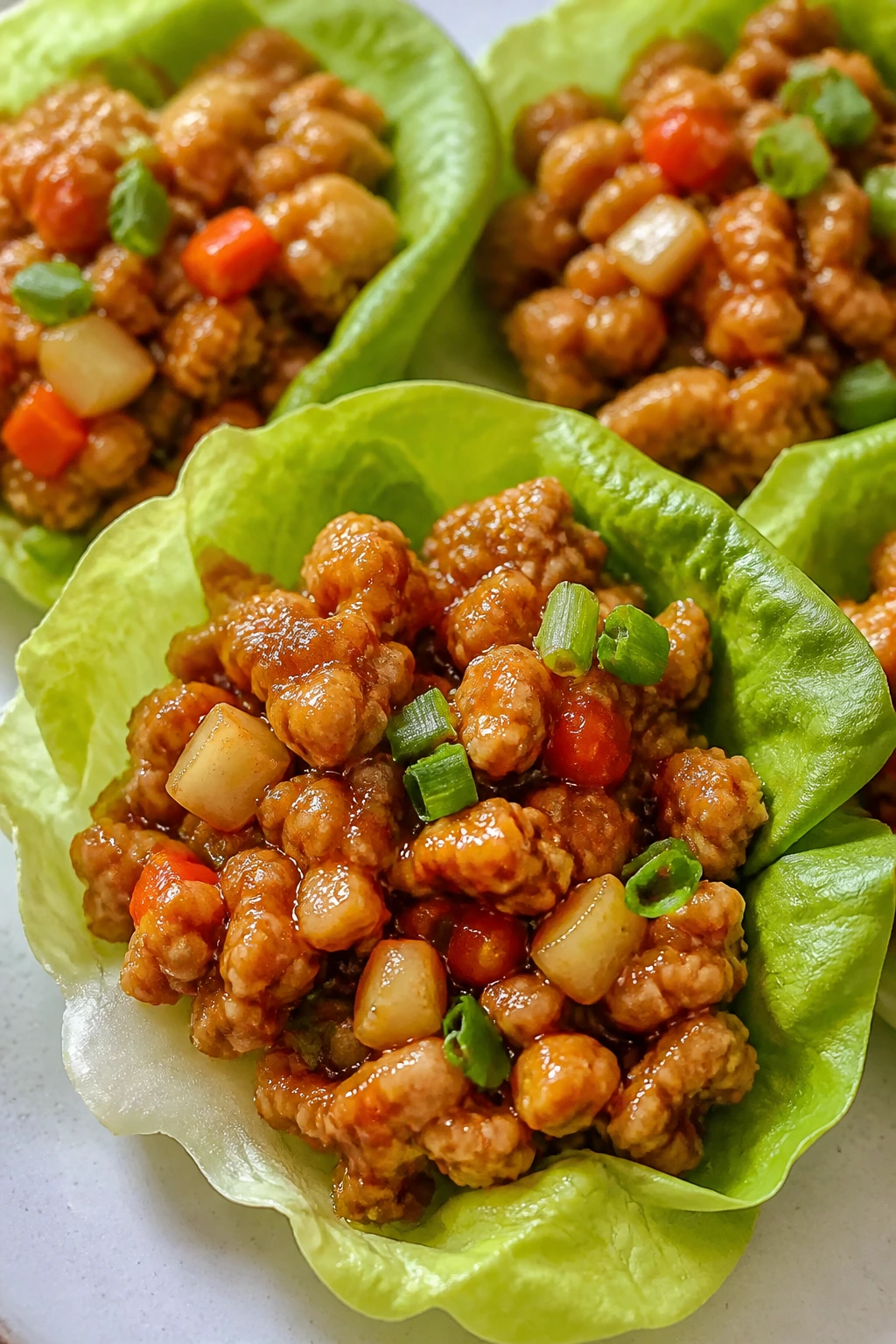
These have the noisy sweetness and heat that make people keep going back for one more leaf. The chicken is sticky, the water chestnuts bring crunch, and the lettuce works like a crisp little bowl that keeps every bite fresh.
Why It Works:
Ground chicken takes on sauce quickly and stays light enough for lettuce cups. Honey and sriracha create that sticky-sweet finish people expect, while rice vinegar keeps the sauce from becoming syrupy. Water chestnuts matter here; they give the filling the kind of crunch that stops the texture from going flat.
Key Ingredients:
- 1 1/2 pounds ground chicken
- 1 can water chestnuts, drained and chopped
- 1 cup diced carrots
- 3 garlic cloves, minced
- 3 tablespoons soy sauce
- 2 tablespoons honey
- 1 to 2 tablespoons sriracha
- 1 tablespoon rice vinegar
- 2 teaspoons cornstarch
- 2 tablespoons water
- 1 head butter lettuce, leaves separated
- 2 scallions, sliced
- 1 teaspoon sesame seeds
Quick Steps:
- Mix the soy sauce, honey, sriracha, rice vinegar, cornstarch, and water.
- Heat a skillet and cook the chicken until no pink remains, about 5 minutes.
- Add the carrots, water chestnuts, and garlic. Cook for 2 minutes until the garlic smells sweet, not sharp.
- Pour in the sauce and cook for 1 minute until the filling looks glossy and sticky.
- Spoon the chicken into lettuce leaves.
- Finish with scallions and sesame seeds.
Equipment for This Recipe:
- Large skillet
- Wooden spoon or spatula
- Mixing bowl
- Serving platter
How to Serve This Dish:
Set the lettuce leaves on a big plate and spoon the filling into the center so people can build their own wraps. A small bowl of rice on the side turns it into a fuller dinner if the crowd is hungry.
Pro Tips for This Recipe:
- Dry the lettuce leaves after washing. Wet leaves slide around and tear.
- Chop the water chestnuts small so they spread through the filling.
- If your sriracha is sharp, start with 1 tablespoon and add more at the table.
Variations on This Dish:
- Turkey Lettuce Cups: Ground turkey works nearly the same way, though you may want an extra teaspoon of sesame oil for flavor.
- Mushroom Chicken Cups: Add 1 cup minced mushrooms for a deeper, earthier filling.
Common Mistakes to Avoid with This Dish:
- Watery filling. If the chicken releases liquid, cook a minute longer before adding the sauce.
- Soft lettuce. Use sturdy butter lettuce or romaine hearts.
- Too much sauce in the cups. Fill them, don’t drown them.
14. Korean Beef Bowls
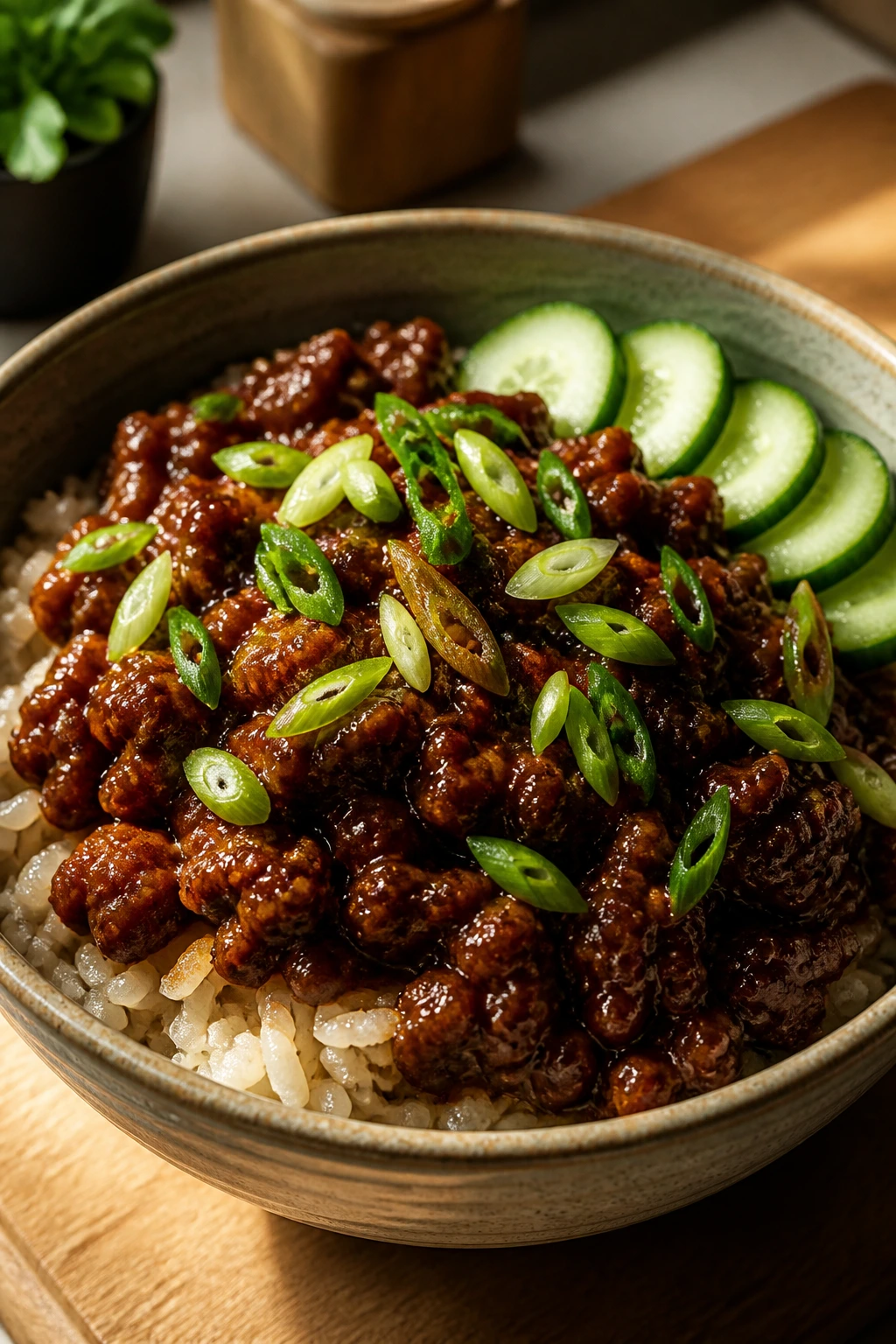
This is the bowl that smells like sesame, garlic, and sweet soy the moment it hits the pan. Ground beef makes it fast, gochujang gives it a deep chili note, and the cool cucumber on top keeps the whole thing from getting heavy.
Why It Works:
Ground beef is quick and forgiving, which matters on nights when you want dinner without a lot of knife work. Gochujang adds fermented chile depth, not just heat, so the sauce tastes layered. Brown sugar and soy round it out, and sesame oil at the end gives the bowl a nutty finish that clings to the rice.
Key Ingredients:
- 1 1/2 pounds ground beef
- 1/4 cup soy sauce
- 2 tablespoons brown sugar
- 1 tablespoon gochujang
- 1 tablespoon toasted sesame oil
- 3 garlic cloves, minced
- 1 tablespoon grated ginger
- 1/2 teaspoon red pepper flakes, optional
- 4 cups cooked rice
- 1 cucumber, thinly sliced
- 2 scallions, sliced
- 1 teaspoon sesame seeds
Quick Steps:
- Whisk the soy sauce, brown sugar, gochujang, sesame oil, garlic, ginger, and red pepper flakes.
- Brown the beef in a skillet over medium-high heat, breaking it up as it cooks.
- Drain excess fat if needed, then add the sauce and simmer for 1 to 2 minutes until it coats the meat.
- Build bowls with rice, beef, cucumber, scallions, and sesame seeds.
- Serve while the beef is still hot enough to soften the rice at the edges.
Equipment for This Recipe:
- Large skillet
- Whisk
- Serving bowls
- Knife and cutting board
How to Serve This Dish:
The bowl looks best when the beef sits on one side and the cucumber on the other, with rice underneath. A fried egg on top is a good add-on if you want the yolk to make its own sauce.
Pro Tips for This Recipe:
- If gochujang is very thick, whisk it with the soy sauce before adding it to the pan.
- Use 85/15 or 90/10 ground beef, not the leanest stuff available. A little fat helps the sauce taste fuller.
- Thin cucumber slices should be salted lightly and patted dry if you want them to stay crisp.
Variations on This Dish:
- Turkey Korean Bowl: Ground turkey works well if you add a splash more sesame oil.
- Spicy Kimchi Bowl: Top the finished bowl with chopped kimchi for more acid and heat.
Common Mistakes to Avoid with This Dish:
- Too much gochujang. It can dominate fast. Add more at the table if needed.
- Skipping the cucumber. The bowl loses contrast.
- Cooking off all the moisture. The meat should stay saucy, not dry.
15. Hot and Sour Soup with Mushrooms and Tofu
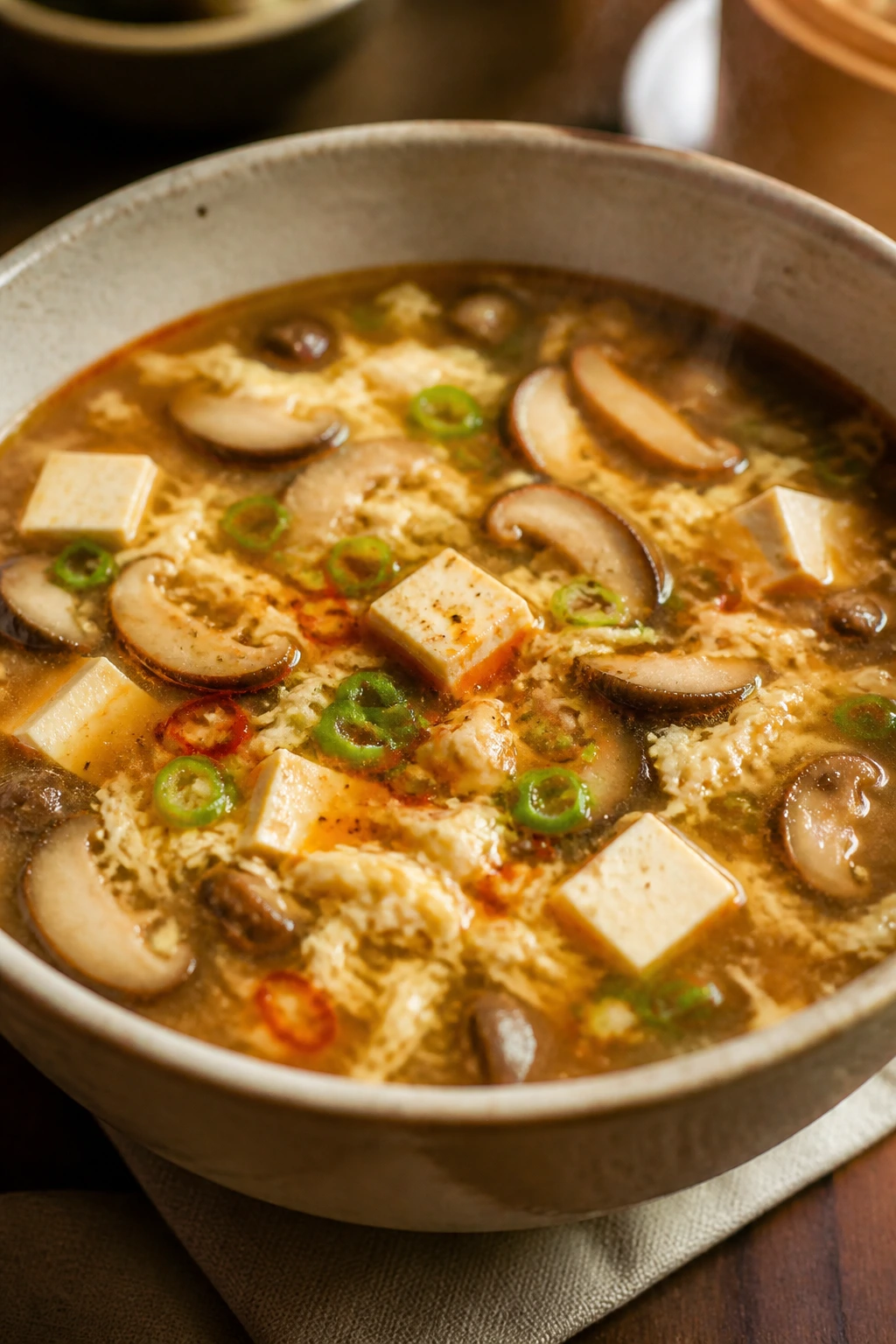
Hot and sour soup is dinner on the nights when you want something warming but not heavy. The broth hits with vinegar and white pepper, the mushrooms bring depth, and the tofu gives soft bites that make each spoonful feel complete.
Why It Works:
This soup is built on contrast: tang from vinegar, warmth from white pepper, soft tofu, and mushrooms with real chew. Cornstarch gives the broth a light body, so it feels silky without becoming thick. Egg ribbons finish the soup in the same way they do in good restaurant bowls — quick, delicate, and a little luxurious.
Key Ingredients:
- 6 cups chicken or vegetable broth
- 8 ounces shiitake or cremini mushrooms, sliced
- 8 ounces firm tofu, cut into thin strips or cubes
- 1 cup bamboo shoots, sliced
- 2 large eggs, beaten
- 3 tablespoons soy sauce
- 3 tablespoons rice vinegar
- 1 tablespoon Shaoxing wine, optional
- 1 teaspoon white pepper
- 2 tablespoons cornstarch
- 3 tablespoons water
- 2 scallions, sliced
- 1 teaspoon toasted sesame oil
Quick Steps:
- Bring the broth, mushrooms, and bamboo shoots to a simmer in a pot. Cook for 5 minutes until the mushrooms soften.
- Stir in the soy sauce, rice vinegar, Shaoxing wine, and white pepper.
- Add the tofu and simmer for 2 minutes.
- Pour in the cornstarch slurry and stir until the broth turns lightly glossy.
- Stir the soup in a slow circle and drizzle in the beaten eggs to form ribbons.
- Turn off the heat, add sesame oil and scallions, and serve hot.
Equipment for This Recipe:
- Medium soup pot
- Whisk
- Ladle
- Small bowl for slurry
How to Serve This Dish:
Serve the soup on its own as a light dinner, or pair it with scallion pancakes or a bowl of rice if you want a bigger meal. A little extra white pepper at the table is a good move for people who like more heat.
Pro Tips for This Recipe:
- Add the vinegar near the end so the brightness stays sharp.
- Stir the soup before drizzling the eggs in; the swirl makes the ribbons instead of one clump.
- Taste the broth before adding more soy. Some brands are saltier than others.
Variations on This Dish:
- Pork Hot and Sour Soup: Add 4 ounces of minced pork at the start and brown it before the broth goes in.
- Extra Mushroom Version: Use a mix of shiitake, oyster, and cremini mushrooms for a deeper, woodier broth.
Common Mistakes to Avoid with This Dish:
- Over-thickening the soup. It should coat a spoon lightly, not stand up like gravy.
- Boiling after the eggs go in. That breaks the ribbons apart.
- Using too little vinegar. The sour note is what keeps the soup balanced.
Why the Stovetop Wins on These Asian Dinner Recipes
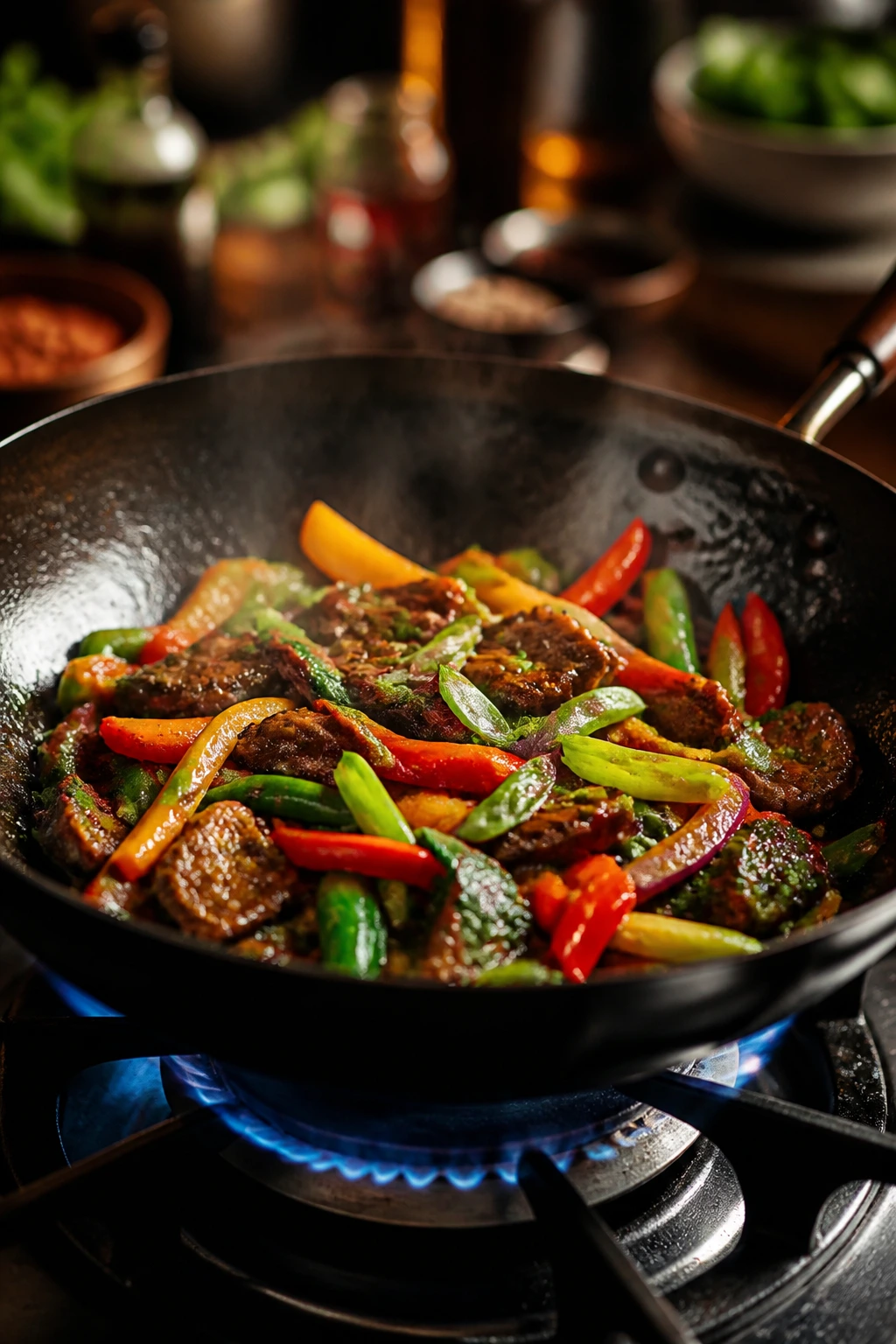
A hot pan changes everything. That sounds simple because it is, but people keep trying to cook these dishes on medium heat and then wondering why the chicken looks pale, the broccoli softens too much, or the sauce turns thin and tired. Stir-fries and quick noodle dishes reward speed, not patience. Give the pan enough heat to make a drop of sauce hiss, and the ingredients start behaving like they should.
The other thing that matters is order. Sauce mixed first. Vegetables cut first. Rice cooled first. Once the pan is hot, you don’t have time to mince garlic while the beef burns. That doesn’t mean the cooking is hard. It means the cooking is front-loaded. A little prep, then everything moves fast.
I like this style of dinner because it punishes laziness in useful ways. Skip the prep, and the dish tells on you. Prep well, and you get glossy, bright, sharply seasoned food that tastes more deliberate than the time you spent making it.
Essential Equipment for These Recipes
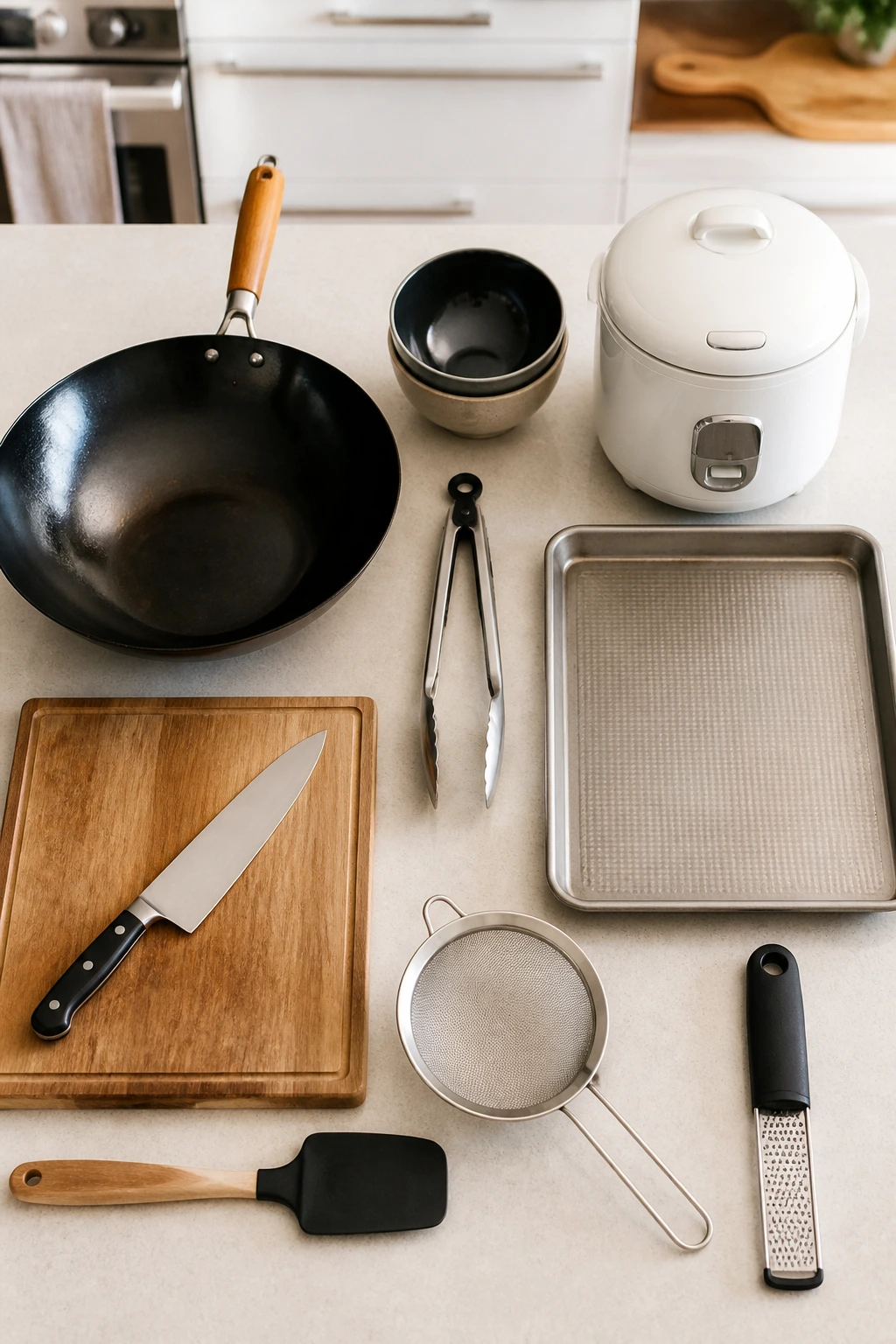
- Large wok or 12-inch skillet: A wok is nice, but a heavy skillet with high sides does most of the same work for these dinners.
- Medium saucepan or pot: Needed for noodles, rice, and soups.
- Sharp chef’s knife: Thin beef slices, clean cabbage ribbons, and quick vegetable cuts all depend on this.
- Cutting board with some size: Small boards slow you down. A bigger one keeps prep from turning chaotic.
- Mixing bowls in 2 or 3 sizes: Sauces, slurry, marinating, and egg whisking all happen faster when bowls are ready.
- Tongs and a spatula: Tongs help with meat and noodles; a flat spatula is better for fried rice.
- Fine-mesh strainer or colander: Useful for noodles, tofu blanching, and quick rinsing.
- Rice cooker or covered pot: Not required, but steady rice makes half this collection easier.
- Sheet pan: Handy for salmon, tofu crisping, and holding prepped ingredients.
- Microplane or fine grater: Fresh ginger and garlic behave better when grated finely instead of chopped into chunks.
Smart Shopping for Sauces, Noodles, and Vegetables
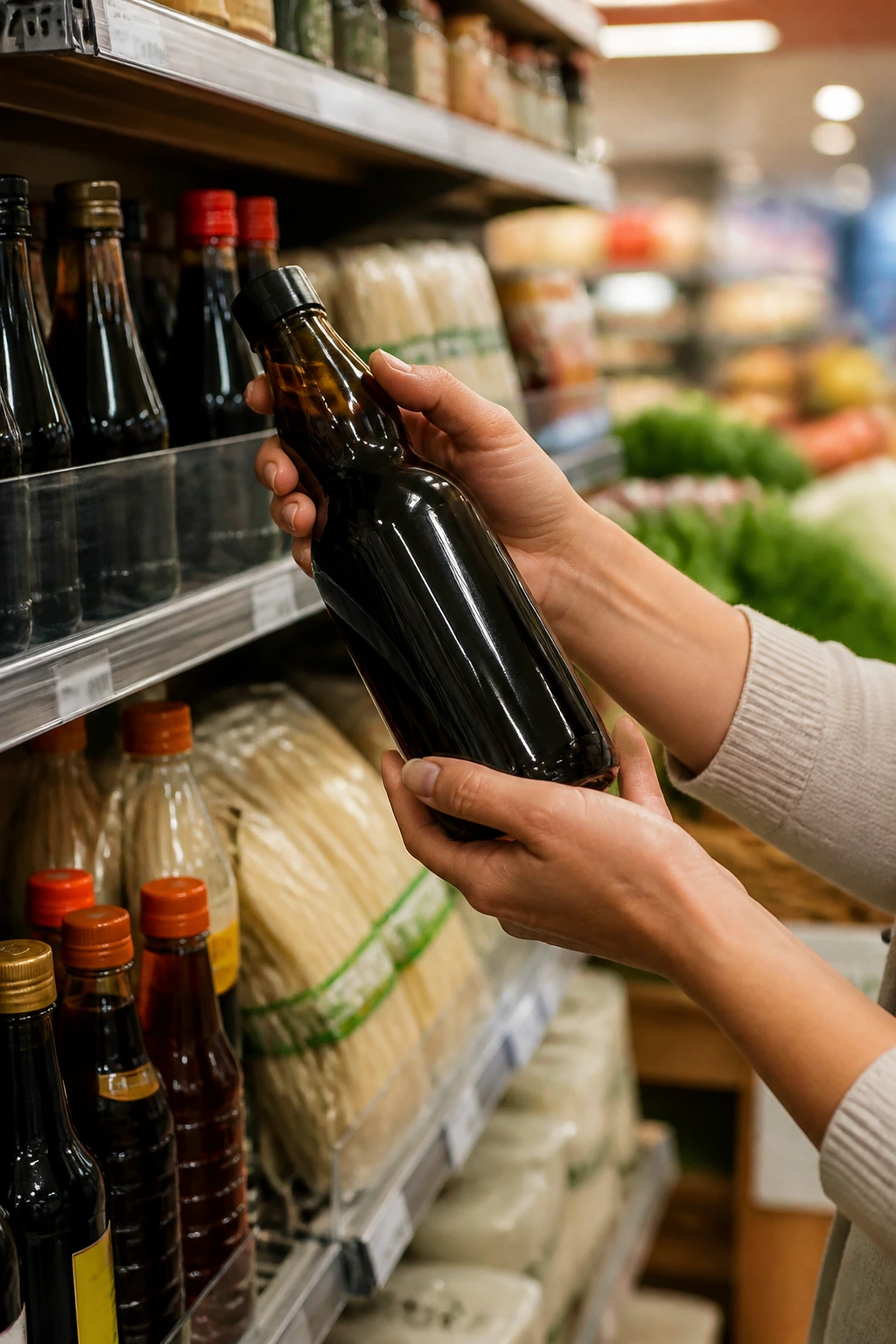
A good Asian-inspired pantry is not huge. It’s just specific. Soy sauce is the backbone, but not every bottle tastes the same. Use a standard all-purpose soy sauce for most of these recipes, then reach for low-sodium only if you know you tend to oversalt. Oyster sauce adds depth to stir-fries and noodle dishes; it tastes dark, savory, and a little sweet, and it’s one of the few bottled sauces that actually earns shelf space.
Rice vinegar matters more than it looks like it should. It’s softer than white vinegar, so it brightens a sauce without making it harsh. For more punchy dishes — hot and sour soup, some pork or beef bowls — black vinegar brings a deeper, almost smoky acidity. Chili crisp, gochujang, miso, sesame oil, fish sauce, and Shaoxing wine all do different jobs. You do not need all of them at once. But each one fills a gap if you cook these dinners often.
For protein, chicken thighs are more forgiving than breast meat in stir-fries. Flank steak and sirloin are the usual beef choices because they slice thin and cook fast. Shrimp should smell clean, not fishy, and tofu should be extra-firm when you want crisp edges or medium-firm when you want soft cubes for saucy dishes. On the produce side, buy broccoli with tight florets, scallions that still look wet at the cut ends, and basil that hasn’t blackened in the bag. A limp bell pepper can still work in a sauce-heavy dish, but tired herbs and sad greens show immediately.
Noodles deserve a little judgment too. Fresh lo mein noodles are fine if you find them. Dried lo mein, ramen, soba, or even spaghetti can stand in depending on the dish. The trick is to pick a noodle that can take a toss without falling apart. Thin rice noodles are lovely, but they need gentler handling and don’t fit every recipe here.
How to Serve These Dinners at the Table
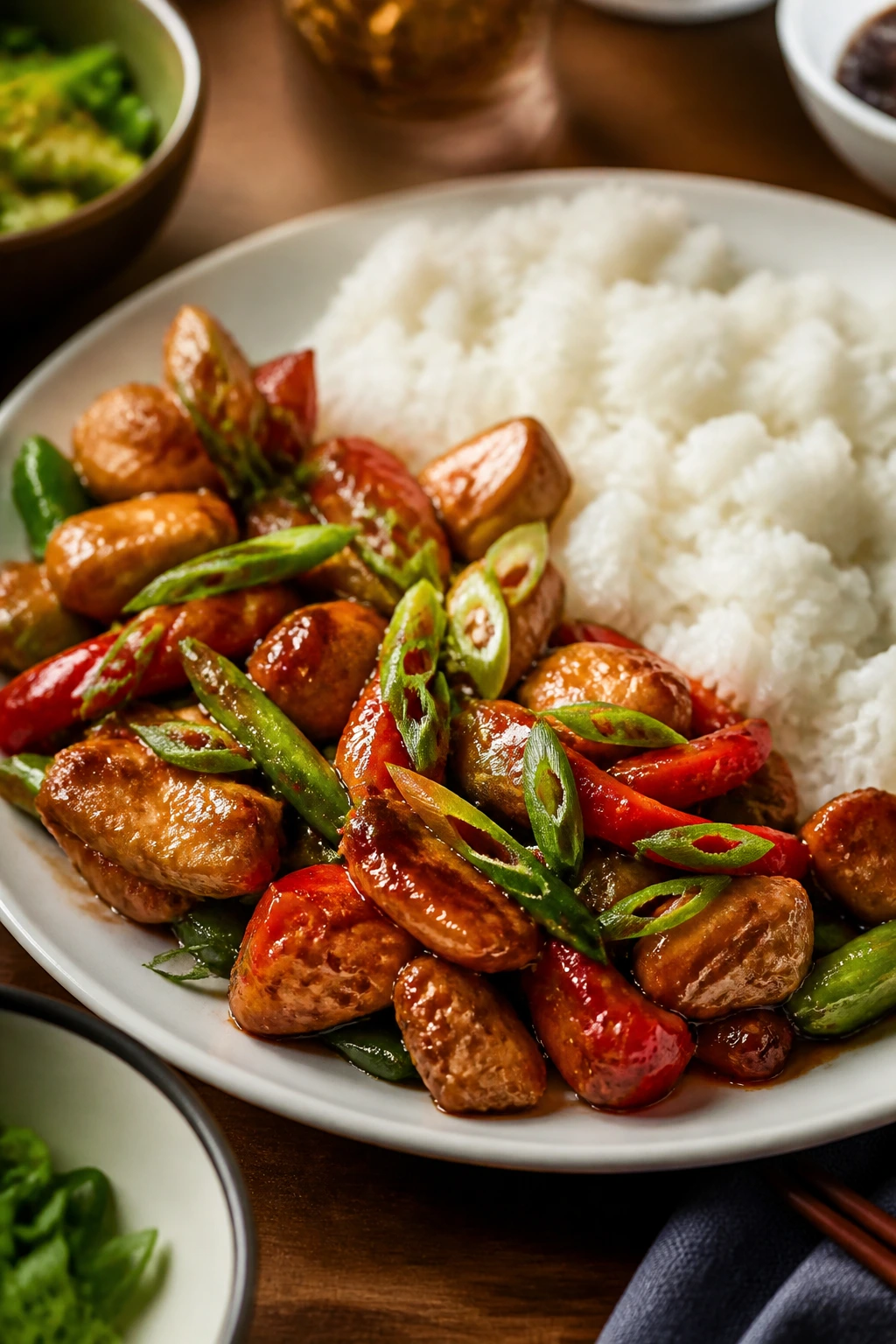
Presentation: Keep the glossy things visible. Mound rice in the center, spoon the stir-fry slightly off to one side, and finish with scallions, sesame seeds, or a few chilies so the plate doesn’t look brown and flat.
Accompaniments: Steamed jasmine rice is the default for the saucy dishes, but cucumber salad, quick-pickled carrots, sautéed bok choy, or a simple cabbage slaw can give the meal a sharper edge. Noodle bowls often don’t need much more than a soup spoon and a clean bowl.
Portions: Most of these recipes serve 4 as a full dinner, with fried rice and noodle dishes stretching further if you add an egg, extra vegetables, or a side soup. If you’re feeding hungry people, build around rice or noodles and don’t be shy about adding a green vegetable on the side.
Beverage Pairing: I like iced jasmine tea with the lighter bowls and a cold lager with the richer stir-fries. Sparkling water with lime works across everything, especially the spicy dishes that lean on chili oil or sriracha.
Small Tweaks That Change the Whole Bowl
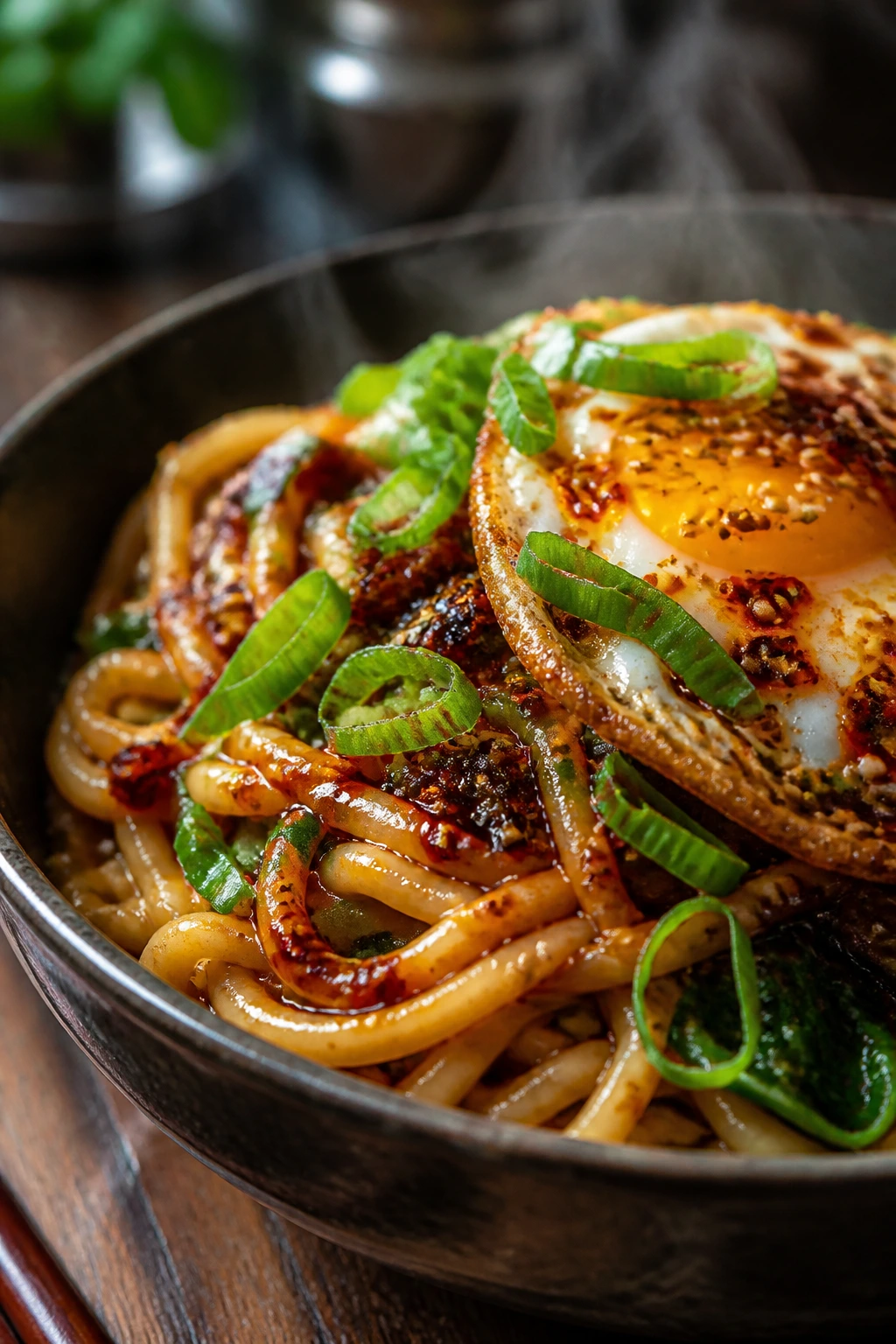
Flavor Enhancement: A spoonful of chili crisp, a pinch of toasted sesame seeds, or a tiny splash of black vinegar at the end can wake up a dish that tastes a little flat. Use those finishes after the heat is off so they stay sharp.
Customization: Add mushrooms to nearly any stir-fry, toss in baby spinach at the very end, or build extra crunch with water chestnuts, peanuts, or toasted cashews. If you want more heft, a fried egg on top solves a lot.
Serving Suggestions: Fresh scallions matter more than most people think. So do herbs. Thai basil on Thai basil chicken, cilantro on hot and sour soup, and extra sesame oil only after plating, not before.
Make-It-Yours: For gluten-free versions, use tamari instead of soy sauce and check the labels on oyster sauce or chili crisp. For dairy-free cooking, you’re already close on nearly every recipe here — just skip any creamy garnish and lean on sesame, vinegar, and herbs.
Make-Ahead, Storage, and Reheating Guidance
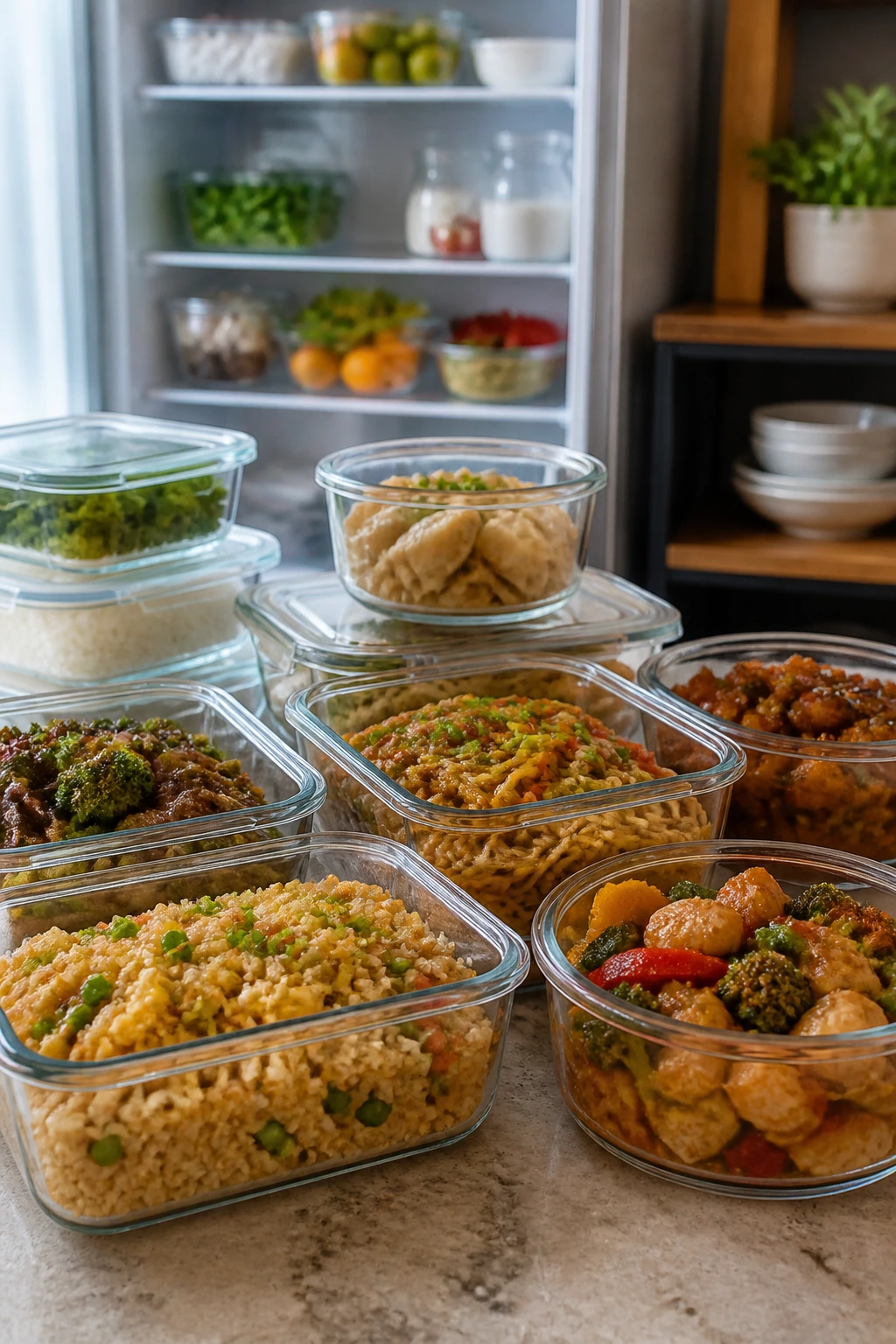
Most of these dishes keep well for 3 to 4 days in the refrigerator if you cool them quickly and store them in airtight containers. Fried rice and stir-fries are best cooled within 1 hour and refrigerated once the steam has come off; soups can go straight into the fridge once they stop bubbling. Noodle bowls hold up a little less gracefully, usually 2 to 3 days, because noodles keep drinking the sauce.
Freezing works best for saucy dishes without crisp toppings. Beef and broccoli, Mongolian beef, mapo tofu, hot and sour soup, and Korean beef bowls all freeze for up to 2 months if sealed tightly. Chicken lettuce cups, crispy tofu, and salmon bowls are better eaten fresh because the texture changes too much. If you freeze rice, spread it in a shallow layer so it cools fast, then reheat it with a damp paper towel or a splash of water.
For reheating, use a skillet when you can. A medium skillet over medium heat with a tablespoon or two of water brings stir-fries back faster than the microwave and keeps the sauce from turning sticky in the wrong way. Soups reheat gently on the stove until they’re steaming, not boiling. If you’re using a microwave, cover the container loosely so the food doesn’t dry out, and stop once halfway through to stir.
Some dishes improve overnight. Hot and sour soup, mapo tofu, and beefy sauces settle into themselves after a day. Others, like salmon bowls, lettuce cups, and anything you want crisp, should be assembled at the last minute. If a recipe depends on crunch, keep the crunchy part separate. That one habit saves a lot of sad leftovers.
Variations and Adaptations to Try
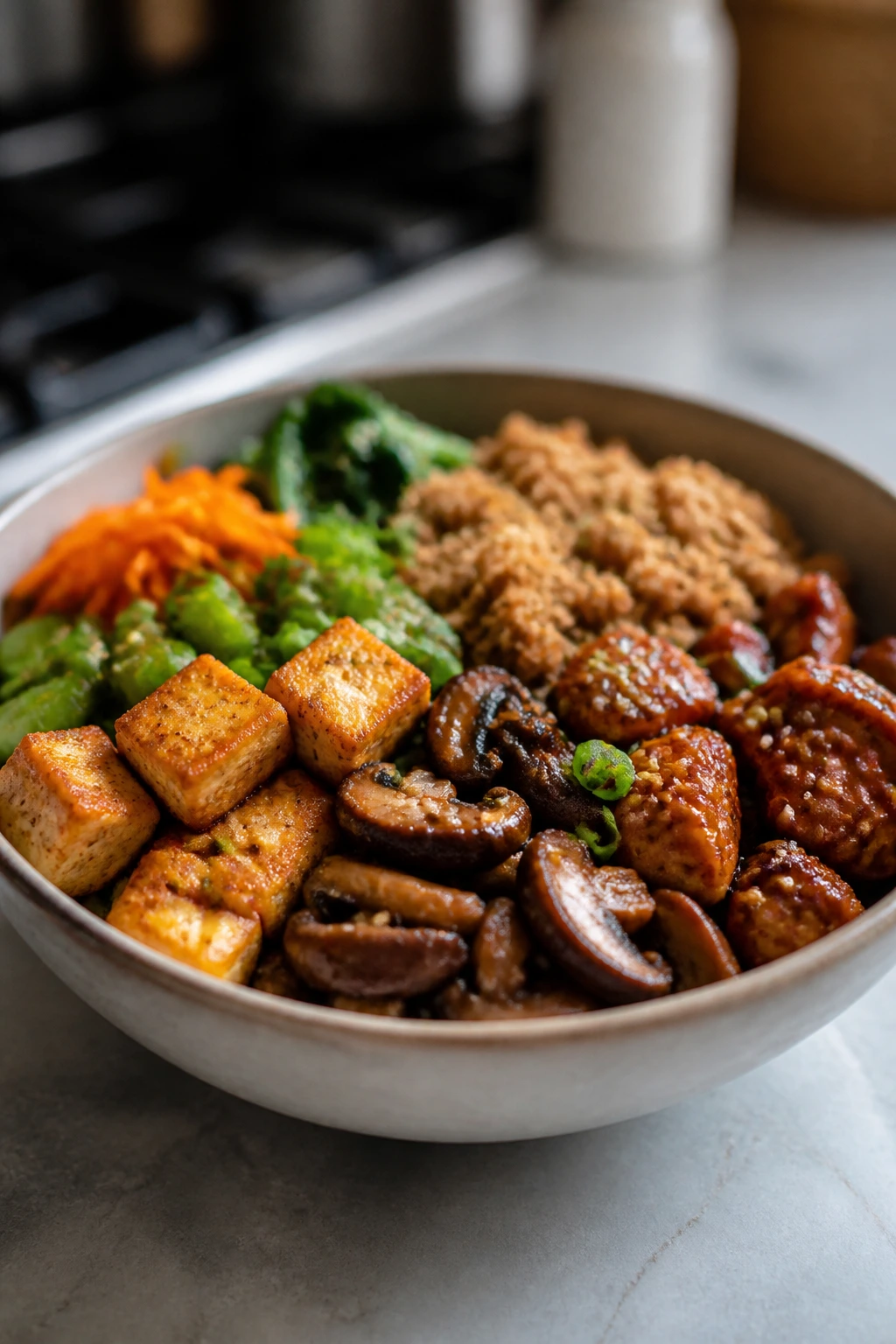
Gluten-Free Pantry Swap: Use tamari in place of soy sauce, and check the labels on oyster sauce, chili crisp, and Shaoxing wine substitutes. Rice noodles, rice bowls, and rice-based stir-fries adapt well to this change without losing their character.
Vegetarian Night Without Losing the Punch: Replace chicken or beef with tofu, mushrooms, or tempeh, then lean harder on garlic, ginger, sesame oil, vinegar, and a little extra soy. Vegetarian dishes need a deeper sear, not more sweetness.
Low-Sodium Balance: Cut soy sauce by one-third and replace the missing liquid with unsalted broth or water plus more rice vinegar and aromatics. That keeps the dish from tasting thin while trimming the salt.
Fire-Lover’s Version: Add chili crisp, fresh chilies, or extra white pepper at the end, not the start. If you add too much heat during cooking, it gets harder to balance the dish afterward.
Kid-Friendly Bowl: Pull back on chili, keep the sauce a touch sweeter, and serve the spicy bits on the side. Honey soy chicken, beef and broccoli, and fried rice are the easiest dishes to soften for younger eaters.
Budget Dinner Mode: Use ground meat, tofu, cabbage, carrots, and rice. Those ingredients stretch far, cook quickly, and still give you enough texture that dinner feels like dinner instead of a compromise.
Common Mistakes to Avoid
Starting with a cold pan. Stir-fries need a surface hot enough to sizzle the second the ingredients hit. If the oil doesn’t shimmer, the food will steam. Wait the extra minute.
Chopping everything too big. Large broccoli florets, thick beef strips, and giant carrot chunks cook at different speeds and throw off the pan. Keep the pieces small enough to finish together.
Adding sauce before the protein is ready. Once liquid goes in, the browning stops. Sear first, sauce second. That order matters more than people like to admit.
Overloading the skillet. Too much food in one batch lowers the temperature and turns your dinner pale. If the pan looks full, cook in two batches.
Using sauces without tasting them. Soy sauce, oyster sauce, miso, and gochujang vary a lot by brand. Taste the sauce mixture before it hits the pan, then adjust sugar, vinegar, or water if it feels too salty or too sharp.
Skipping the finishing acid. A tiny bit of rice vinegar or black vinegar at the end can rescue a heavy dish. Without it, many of these dinners taste one-note and sticky.
Questions Home Cooks Ask Before They Start
Can I use chicken breast instead of thighs?
Yes, and plenty of these recipes work with breast meat. Just cut it smaller and shorten the cooking time, because breast meat dries out faster than thighs in a hot pan.
What if I don’t own a wok?
A large skillet is fine. In fact, a heavy 12-inch skillet often holds heat better than a cheap thin wok, which matters more than the shape when you’re cooking at home.
How do I keep stir-fry sauce from getting watery?
Use cornstarch, keep the pan hot, and don’t overcrowd the ingredients. If the vegetables dump too much moisture into the pan, reduce the sauce a minute longer before serving.
Can I make these dishes less spicy without losing flavor?
Yes. Keep the garlic, ginger, soy, and vinegar, then cut back on chilies, sriracha, chili oil, or gochujang. Heat is only one part of the flavor picture.
Which dishes freeze best?
Mapo tofu, beef and broccoli, Mongolian beef, Korean beef bowls, and hot and sour soup all freeze well. Dishes with lettuce, crispy tofu, or salmon are much better fresh.
What’s the best rice for these dinners?
Jasmine rice is the safest pick because it stays fluffy and smells good with soy-based sauces. Short-grain rice works for bowls too, but it’s stickier and less loose.
Can I swap vegetables without wrecking the recipe?
Usually, yes. Broccoli, snap peas, cabbage, bell peppers, bok choy, mushrooms, and carrots all play well in this kind of cooking. Just keep water-heavy vegetables in check so the pan doesn’t go soggy.
Do I need authentic specialty sauces for every recipe?
No. But one or two specialty items — miso, gochujang, chili crisp, Shaoxing wine, or black vinegar — can make a big difference. Start with the basics, then add the one bottle that fits the dishes you cook most.
Why These Dinners Keep Their Place on My Table
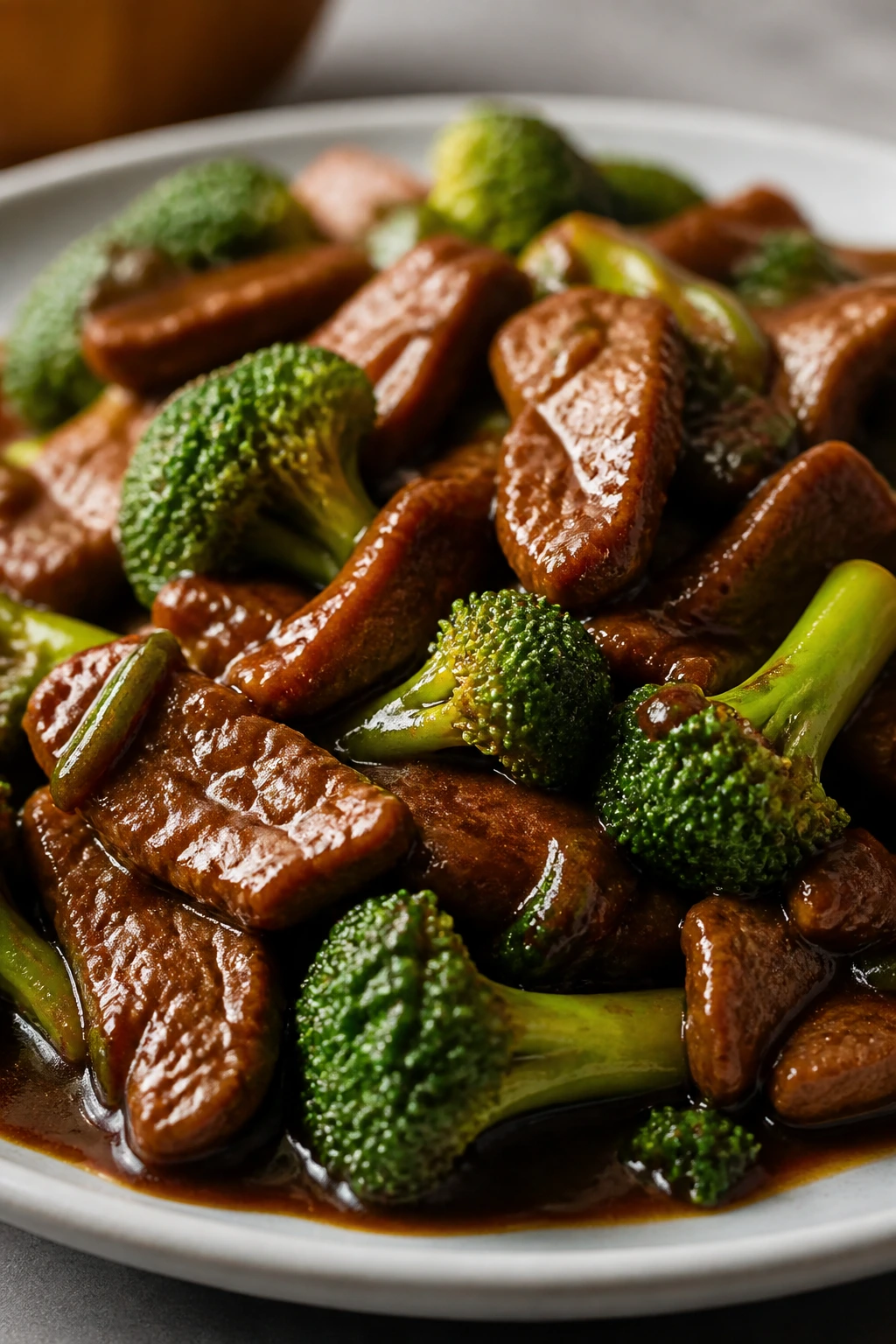
The best part of cooking this way is not that it’s cheaper, though it usually is. It’s that the food lands with more texture and more control than most delivery meals ever manage. The broccoli stays green. The beef stays tender. The sauce tastes like it was made for the dish instead of poured over it out of habit.
And once you get used to the rhythm — hot pan, quick sauce, ingredients ready before the flame goes on — these dinners stop feeling like “recipes” and start feeling like a reliable way to feed yourself well without waiting on a box to arrive. Keep a few of these in your back pocket and the takeout menu gets a lot less interesting.