



A plate of vegetables can look generous and still leave you prowling the kitchen an hour later. That’s the whole trap. A roasted tray of broccoli, a bowl of greens, a pile of sautéed mushrooms — all lovely, all useful, none of them enough on their own if you want dinner to stick.
High protein vegetables recipes work when the vegetables stop acting like garnish and start acting like the base. Beans, lentils, tofu, edamame, eggs, cottage cheese, chickpeas, tempeh, halloumi — those are the ingredients that give the meal some backbone. Add a proper sauce, a little fat, something crunchy, and suddenly you have meatless food that eats like dinner instead of a side dish.
I’ve always had a soft spot for this style of cooking because it’s practical without being dull. You’re not chasing a perfect substitute for meat. You’re building something else entirely: chewy, saucy, salty, bright, and filling in a way that makes sense on the fork. A good vegetarian dinner shouldn’t feel like a compromise. It should feel like a smart choice you’d make again on purpose.
So yes, these are the kinds of recipes that fill you up without meat. More importantly, they’re the ones you can actually cook on a Tuesday night without turning your kitchen into a project site.
Why These Meatless Meals Keep You Full
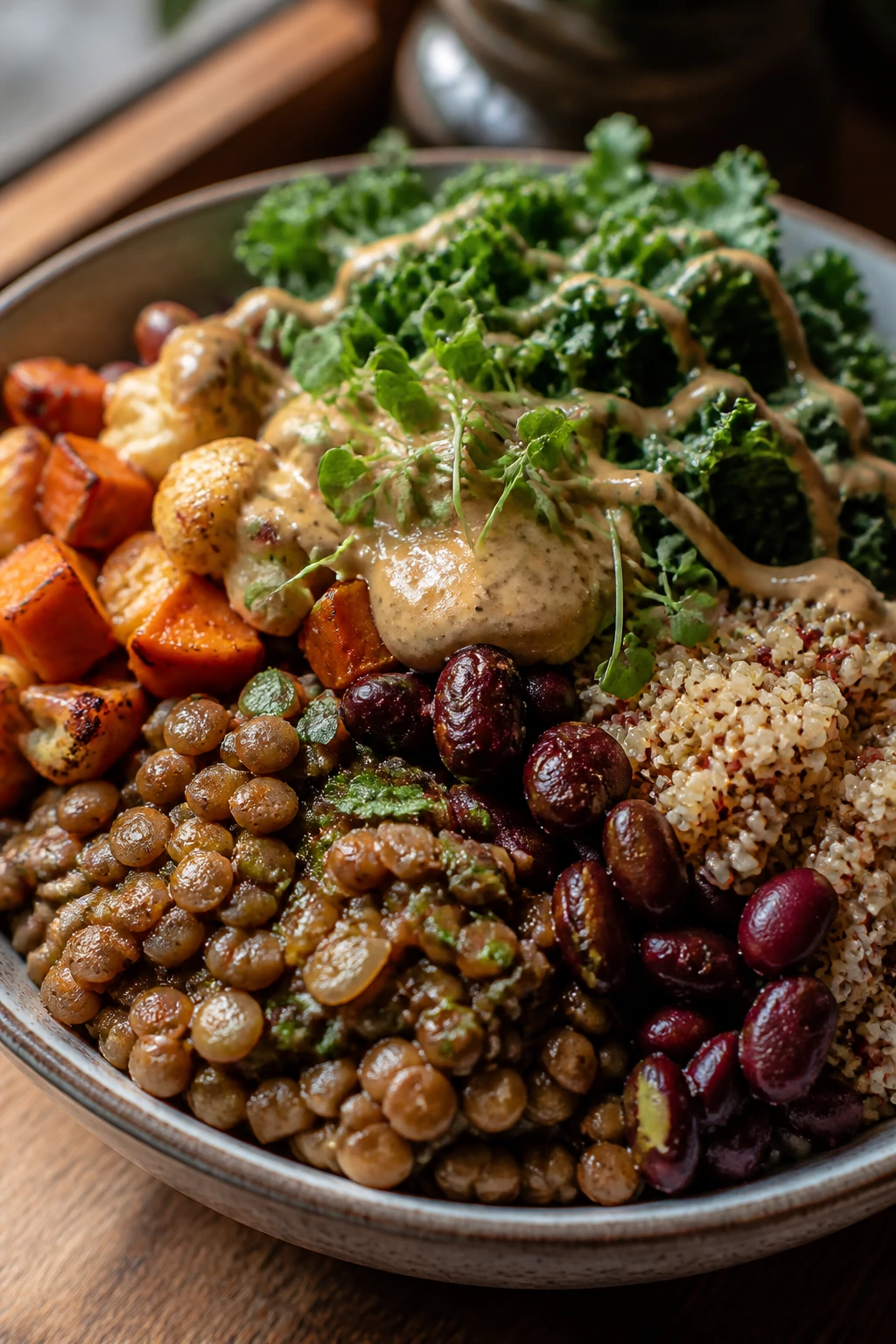
-
Protein that shows up in the bowl: Lentils, tofu, beans, and eggs carry the load here, which means the meal has staying power instead of just volume.
-
Vegetables with actual texture: Roasted cauliflower, seared mushrooms, crisp cabbage, and blistered peppers give you chew, not just softness.
-
Sauces that cling: A curry, yogurt dressing, tahini drizzle, or peanut sauce makes the vegetables feel like dinner, not a side salad.
-
Balanced plates, not random piles: Each recipe pairs fiber, protein, and fat in a way that keeps the food satisfying after the last bite.
-
Flexible enough for real kitchens: If your pantry has beans, grains, or tofu, you’re already halfway to a meatless meal that works.
-
Built for leftovers: A lot of these dishes taste even better after a night in the fridge, which is one of the few cooking rewards I never get tired of.
1. Lentil-Stuffed Sweet Potatoes
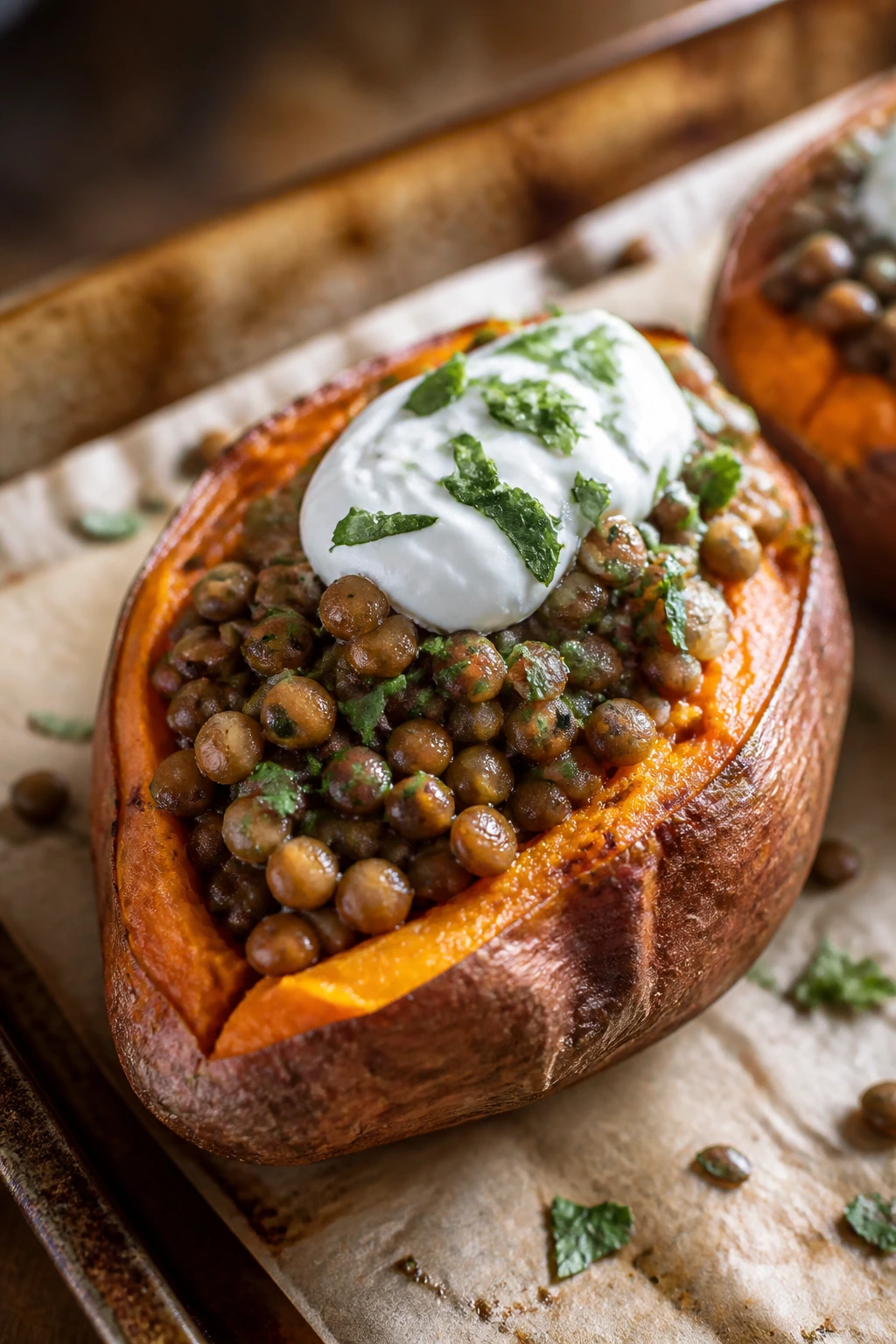
A roasted sweet potato split open and packed with garlicky lentils is one of those dinners that looks humble and eats like it has a plan. The skin gets a little wrinkled, the flesh turns soft and sweet, and the lentil filling lands savory enough to keep the whole thing from drifting into dessert territory.
Why It Works: Lentils are doing the heavy lifting here, and they do it well. A cup and a half of cooked lentils gives the filling body, while the sweet potato brings a soft, almost creamy contrast that keeps the dish from feeling dry. The yogurt finish matters more than people think; it sharpens the sweet potato and makes each bite taste finished instead of assembled.
Key Ingredients:
- 4 medium sweet potatoes, scrubbed
- 1 tablespoon olive oil
- 1 small yellow onion, diced
- 3 garlic cloves, minced
- 1½ cups cooked brown or green lentils, drained if canned
- 1 teaspoon ground cumin
- ½ teaspoon smoked paprika
- 4 cups baby spinach
- ½ teaspoon kosher salt, plus more to taste
- ¼ teaspoon black pepper
- ½ cup plain Greek yogurt
- 2 tablespoons chopped parsley
- 1 tablespoon lemon juice, optional
Quick Steps:
- Preheat the oven to 400°F and line a baking sheet with parchment. Pierce the sweet potatoes all over with a fork and roast them for 45 to 55 minutes, until a knife slides into the center with no resistance.
- Warm the olive oil in a skillet over medium heat. Add the onion and cook for 5 minutes, until softened and lightly golden at the edges.
- Stir in the garlic, cumin, and smoked paprika, then cook for 30 seconds until fragrant.
- Add the lentils, spinach, salt, and pepper. Cook for 2 to 3 minutes, stirring, until the spinach wilts and the lentils look glossy.
- Split the sweet potatoes open, fluff the centers with a fork, and spoon the lentil mixture over the top.
- Finish with Greek yogurt, parsley, and a small squeeze of lemon if you want a brighter edge.
Equipment for This Recipe:
- Rimmed baking sheet
- Skillet
- Chef’s knife
- Cutting board
- Fork and serving spoon
How to Serve This Dish: Serve one potato per person with a crisp salad of cucumber, tomato, and lemon on the side. A little extra yogurt on the plate makes it look more deliberate and keeps the filling from feeling heavy.
Pro Tips for This Recipe:
- Choose sweet potatoes that are close in size so they finish roasting at the same time.
- If your lentils seem wet, cook them in the skillet for another minute so the filling doesn’t slump.
- A pinch of chili flakes in the onion step gives the whole dish more warmth without turning it into a spicy meal.
- Don’t skip the salt. Sweet potatoes need it.
Variations on This Dish:
- Harissa Lentils: Stir 1 teaspoon harissa paste into the lentils for a smoky, peppery finish.
- Tahini Swirl: Swap the yogurt for tahini thinned with lemon juice and water for a dairy-free version.
- Feta Herb Finish: Crumble ¼ cup feta over the top with dill instead of parsley.
Common Mistakes to Avoid with This Dish:
- Undercooked potatoes: If the center resists a knife, keep roasting. A hard potato makes the filling slide off.
- Watery lentils: Drain canned lentils well and cook off extra liquid in the pan.
- Skipping acid: Without yogurt or lemon, the dish tastes flatter and sweeter than it should.
2. Crispy Tofu and Broccoli Stir-Fry
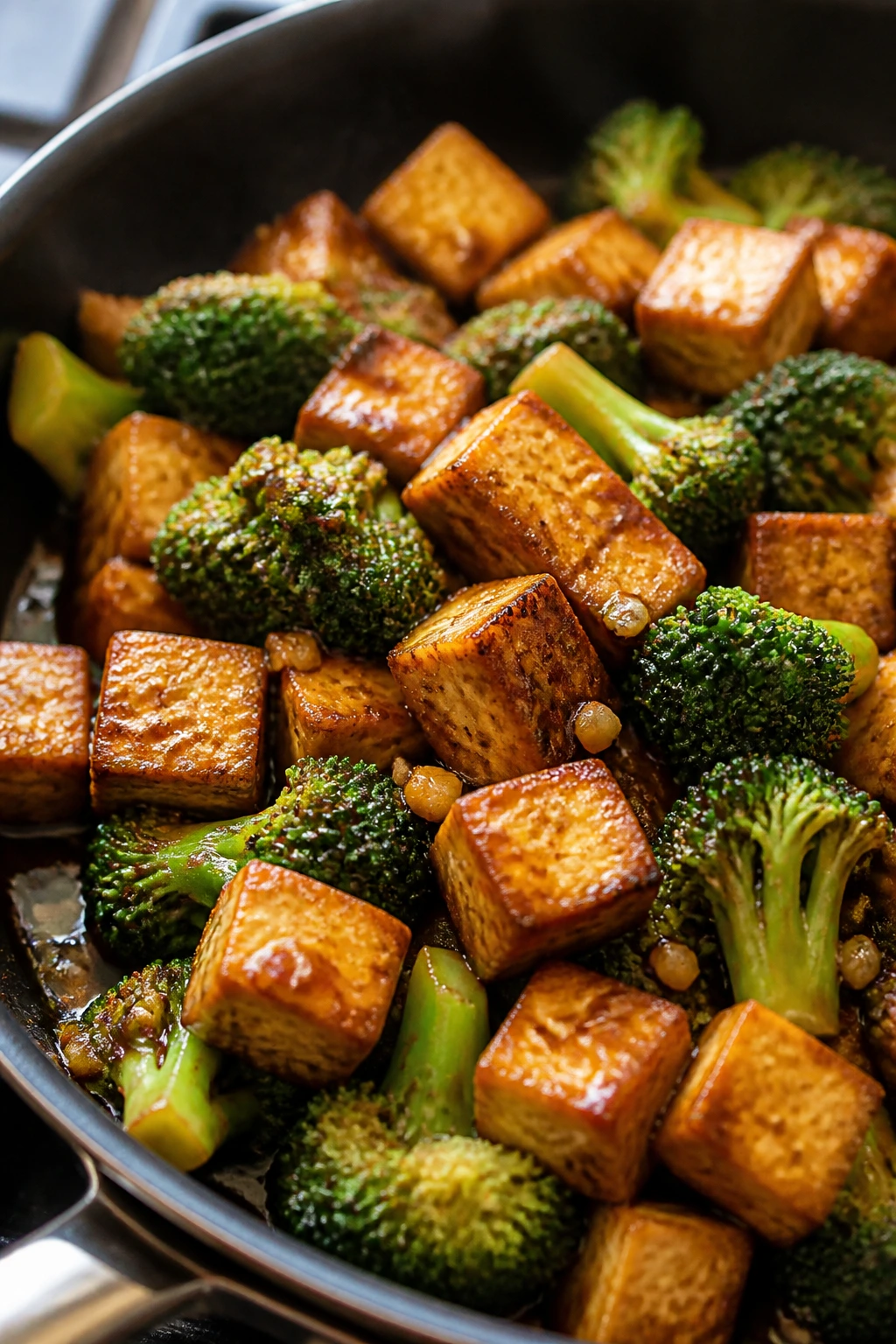
Crispy tofu is one of those things people assume is fussy until they make it once and realize it’s mostly about patience and heat. The broccoli stays bright, the tofu gets craggy edges, and the sauce clings in a way that makes the whole skillet feel more substantial than it looks.
Why It Works: Tofu brings protein, but the texture is the real reason this recipe lands. Pressed extra-firm tofu browns properly, and a cornstarch coating gives it that thin, crisp shell that survives the sauce. Broccoli adds bite, not bulk, which matters because a stir-fry needs contrast or it goes flat fast.
Key Ingredients:
- 14 ounces extra-firm tofu, pressed and cut into 1-inch cubes
- 2 tablespoons cornstarch
- 2 tablespoons neutral oil
- 4 cups broccoli florets
- 1 red bell pepper, sliced
- 3 garlic cloves, minced
- 1 tablespoon grated fresh ginger
- ¼ cup low-sodium soy sauce or tamari
- 2 tablespoons rice vinegar
- 1 tablespoon maple syrup or honey
- 1 teaspoon sesame oil
- 2 tablespoons water
- 2 scallions, sliced
- 1 teaspoon sesame seeds
Quick Steps:
- Press the tofu for 15 to 20 minutes, then pat it dry and toss it with the cornstarch until lightly coated.
- Heat the neutral oil in a large skillet over medium-high heat. Add the tofu and cook for 8 to 10 minutes, turning carefully, until the cubes are golden on at least three sides.
- Add the broccoli and bell pepper. Stir-fry for 3 to 4 minutes, until the broccoli turns bright green and the edges pick up a little color.
- Stir in the garlic and ginger, cooking for 30 seconds.
- Whisk the soy sauce, rice vinegar, maple syrup, sesame oil, and water together, then pour it into the skillet.
- Toss everything for 1 to 2 minutes until the sauce thickens and coats the vegetables and tofu.
- Top with scallions and sesame seeds, then serve right away.
Equipment for This Recipe:
- Large skillet or wok
- Tofu press or paper towels and a heavy plate
- Mixing bowl
- Spatula
- Small whisk or fork
How to Serve This Dish: Spoon it over jasmine rice, brown rice, or rice noodles. The sauce should glisten on the grains, not pool underneath them, so don’t drown the bowl.
Pro Tips for This Recipe:
- Press the tofu. If you skip that step, the cubes steam instead of crisping.
- Keep the pan hot enough that the broccoli sears in spots, not just softens.
- Add the sauce at the end; if it goes in too early, the tofu loses its crunch.
- Frozen broccoli works in a pinch, but roast it first so the moisture doesn’t water down the skillet.
Variations on This Dish:
- Orange-Ginger Stir-Fry: Swap the rice vinegar for orange juice and add a little zest.
- Peanut Sauce Version: Replace the soy-maple sauce with peanut butter, lime, and warm water.
- Chili Garlic Tofu: Add 1 teaspoon chili garlic paste to the sauce for more heat.
Common Mistakes to Avoid with This Dish:
- Crowding the tofu: If the cubes touch too much, they steam and stay pale.
- Overcooking broccoli: Mushy broccoli turns this from stir-fry to regret.
- Adding too much sauce: You want a glossy coating, not a soup.
3. Chickpea Cauliflower Curry
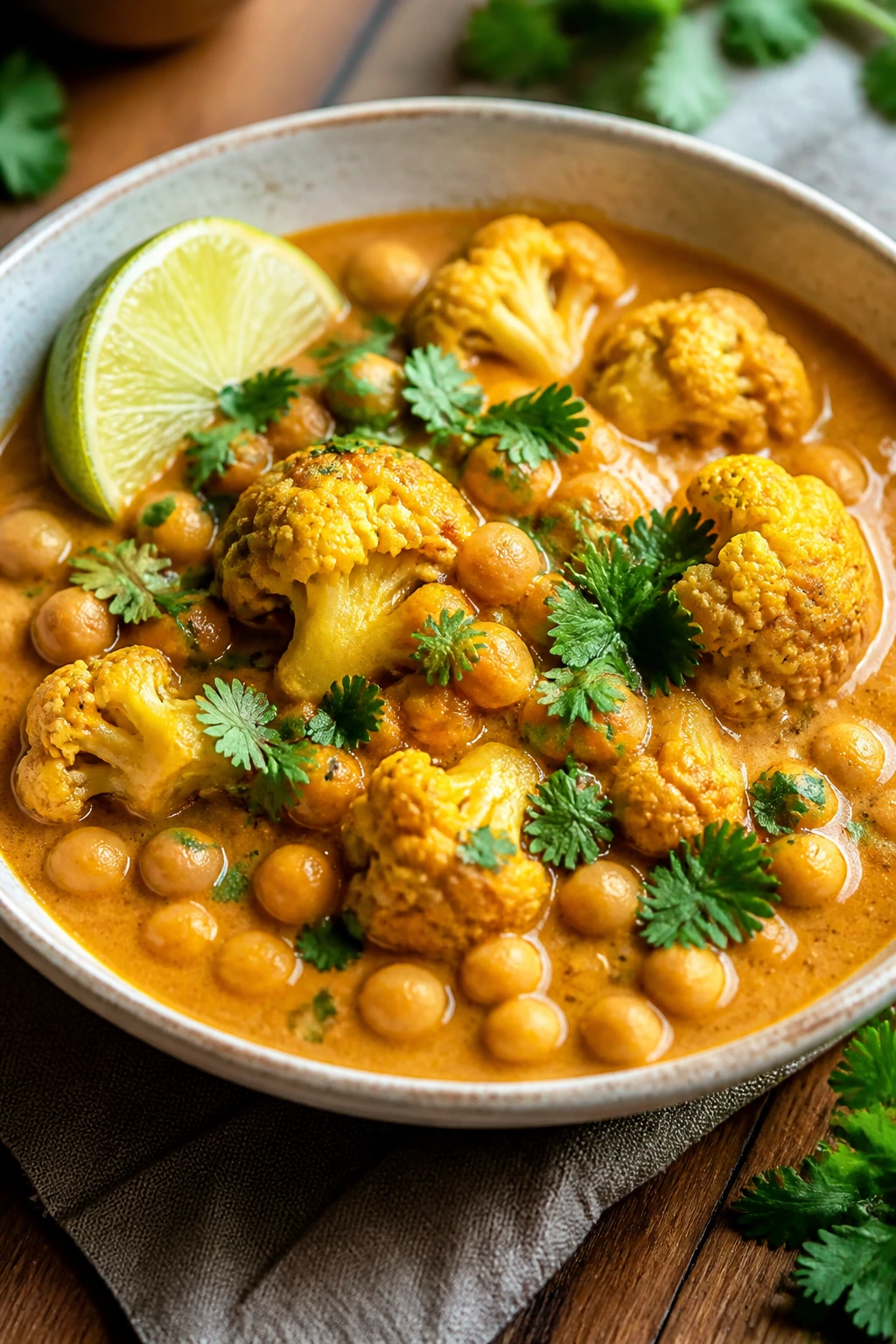
This is the curry I make when I want a kitchen that smells like toasted spice and coconut milk by the time dinner lands. The cauliflower goes soft at the edges, the chickpeas stay firm enough to matter, and the sauce has that rich, spoon-coating texture that makes rice disappear fast.
Why It Works: Chickpeas and cauliflower are a smart pair because each covers what the other lacks. The chickpeas bring protein and chew; the cauliflower soaks up the sauce and keeps every bite from feeling heavy. A touch of coconut milk smooths out the spices, but the lime at the end is what stops the curry from tasting muddy.
Key Ingredients:
- 1 large head cauliflower, cut into florets
- 2 tablespoons oil or ghee
- 1 medium onion, diced
- 3 garlic cloves, minced
- 1 tablespoon grated ginger
- 2 tablespoons curry powder
- 1 teaspoon ground turmeric
- 1 can chickpeas, drained and rinsed
- 1 can full-fat coconut milk
- 1 cup vegetable broth
- 4 cups baby spinach
- 1 teaspoon kosher salt
- 1 lime, cut into wedges
- ¼ cup chopped cilantro
Quick Steps:
- Heat the oven to 425°F. Toss the cauliflower with 1 tablespoon oil and a pinch of salt, then roast for 20 minutes until the edges brown in spots.
- Warm the remaining oil in a pot over medium heat. Cook the onion for 5 minutes until soft.
- Add the garlic and ginger, then the curry powder and turmeric. Stir for 30 seconds so the spices bloom in the oil.
- Pour in the chickpeas, coconut milk, and broth. Simmer for 10 minutes, stirring now and then.
- Add the roasted cauliflower and spinach. Cook for 2 to 3 minutes, just until the spinach collapses and the sauce thickens slightly.
- Finish with salt, lime juice, and cilantro.
Equipment for This Recipe:
- Rimmed baking sheet
- Large pot or Dutch oven
- Wooden spoon
- Knife and cutting board
- Ladle
How to Serve This Dish: Serve over basmati rice with a spoonful of plain yogurt on top if you like a cooler finish. Naan on the side is not required, but it does a good job of cleaning the bowl.
Pro Tips for This Recipe:
- Roast the cauliflower instead of simmering it from raw; the browned edges give the curry more depth.
- Use full-fat coconut milk if you want the sauce to stay silky.
- Add the lime at the end, not the beginning, or the curry tastes sharper than it should.
- If the sauce seems thin, simmer it uncovered for 3 to 5 extra minutes.
Variations on This Dish:
- Tomato-Coconut Curry: Stir in 1 cup crushed tomatoes with the broth for a redder, brighter sauce.
- Extra-Green Curry: Add zucchini or peas in the last 5 minutes.
- Spicier Bowl: Toss in sliced serrano or ½ teaspoon chili flakes with the spices.
Common Mistakes to Avoid with This Dish:
- Skipping the roast: Boiled cauliflower makes the curry taste flatter and softer.
- Burning the spices: Curry powder only needs 30 seconds in the oil.
- Underseasoning the coconut milk: Coconut milk mutes salt, so taste before serving.
4. Black Bean Stuffed Bell Peppers
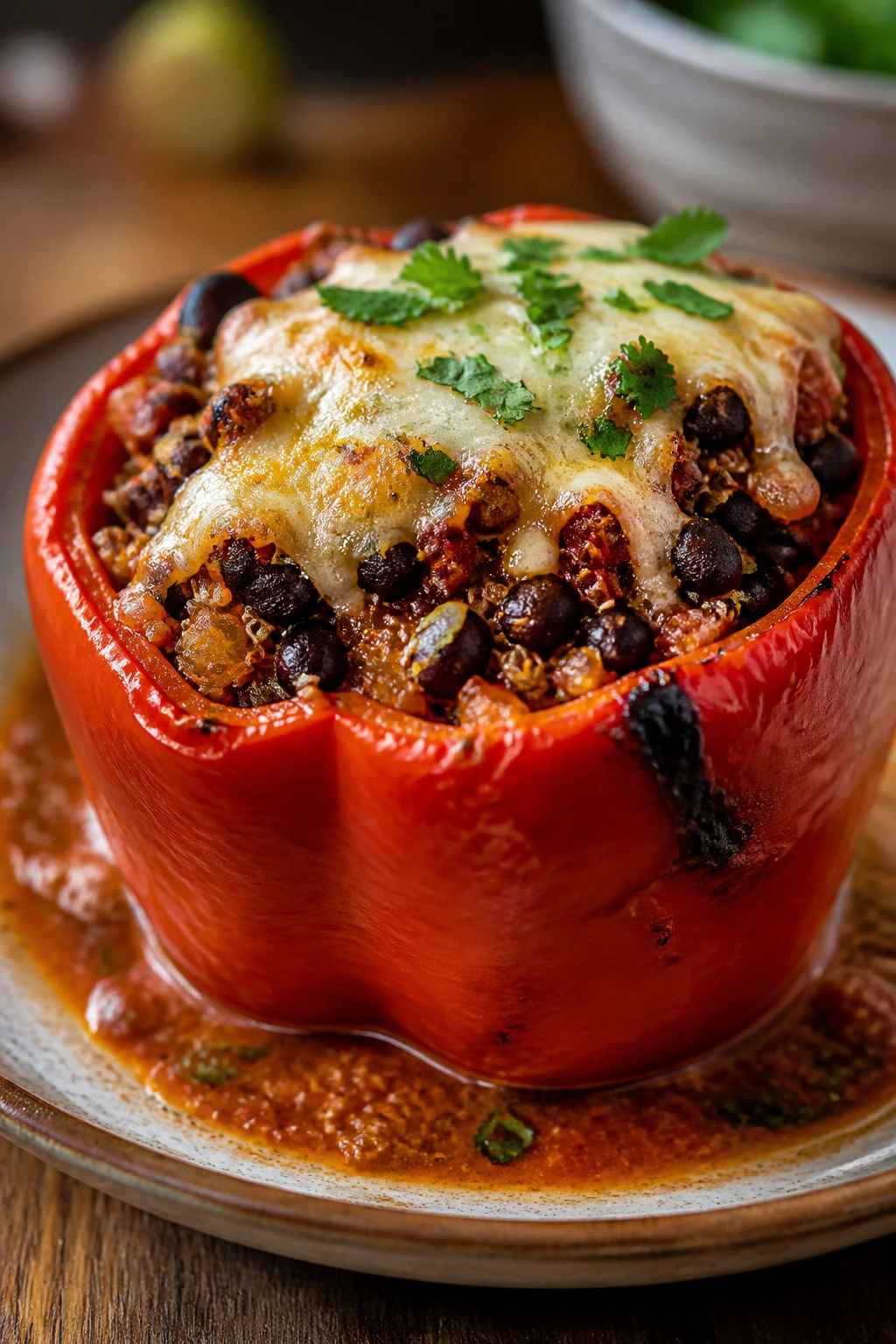
Stuffed peppers work because they give you a built-in bowl and a proper filling all at once. Here, black beans and quinoa make the center chewy and satisfying, while the peppers soften enough to sweeten in the oven without collapsing into mush.
Why It Works: Black beans bring a dense, earthy protein base, and quinoa keeps the filling from feeling like bean mash. Salsa does two jobs at once — it seasons the mix and adds moisture — which matters because dry stuffed peppers are miserable. A little cheese on top gives you the browned lid that makes the tray look finished.
Key Ingredients:
- 4 large bell peppers, tops removed and seeds discarded
- 1 tablespoon olive oil
- 1 small onion, diced
- 2 garlic cloves, minced
- 1 cup cooked quinoa
- 1 can black beans, drained and rinsed
- 1 cup corn kernels, fresh or frozen
- 1 cup thick salsa
- 1 teaspoon ground cumin
- 1 teaspoon chili powder
- 1 teaspoon kosher salt
- 1 cup shredded cheddar
- 2 tablespoons chopped cilantro
- 1 avocado, sliced, for serving
Quick Steps:
- Heat the oven to 400°F. Place the peppers cut-side up in a baking dish and bake for 10 minutes so they start softening.
- Warm the olive oil in a skillet over medium heat. Cook the onion for 4 to 5 minutes, then add the garlic and cook for 30 seconds.
- Stir in the quinoa, black beans, corn, salsa, cumin, chili powder, and salt. Cook for 2 minutes until the filling is hot and thick.
- Fill the peppers generously and press the mixture in with the back of a spoon.
- Top with cheddar and bake for 18 to 20 minutes, until the cheese melts and the pepper edges look lightly blistered.
- Finish with cilantro and avocado.
Equipment for This Recipe:
- Baking dish
- Skillet
- Spoon
- Knife
- Foil, optional for easier cleanup
How to Serve This Dish: Put two pepper halves on each plate and add avocado or a spoon of sour cream on the side. A simple cabbage slaw gives the plate some crunch and keeps the meal from feeling soft all the way through.
Pro Tips for This Recipe:
- Use thick salsa. Thin salsa floods the filling.
- Pre-baking the peppers keeps the skins tender without overcooking the center.
- If your quinoa is cold from the fridge, break it up with a fork before adding it to the pan.
- A little lime juice over the finished peppers wakes up the beans.
Variations on This Dish:
- Enchilada Style: Swap salsa for enchilada sauce and add a pinch of oregano.
- Dairy-Free Version: Use chopped olives and nutritional yeast instead of cheddar.
- Smoky Chipotle Version: Add 1 minced chipotle in adobo to the filling.
Common Mistakes to Avoid with This Dish:
- Raw peppers at the table: If you skip the pre-bake, the filling may be done before the pepper is.
- Wet filling: Too much salsa makes the peppers slide around in the dish.
- Underfilling: Pack the peppers tightly; loose filling dries out.
5. Edamame Quinoa Power Bowls
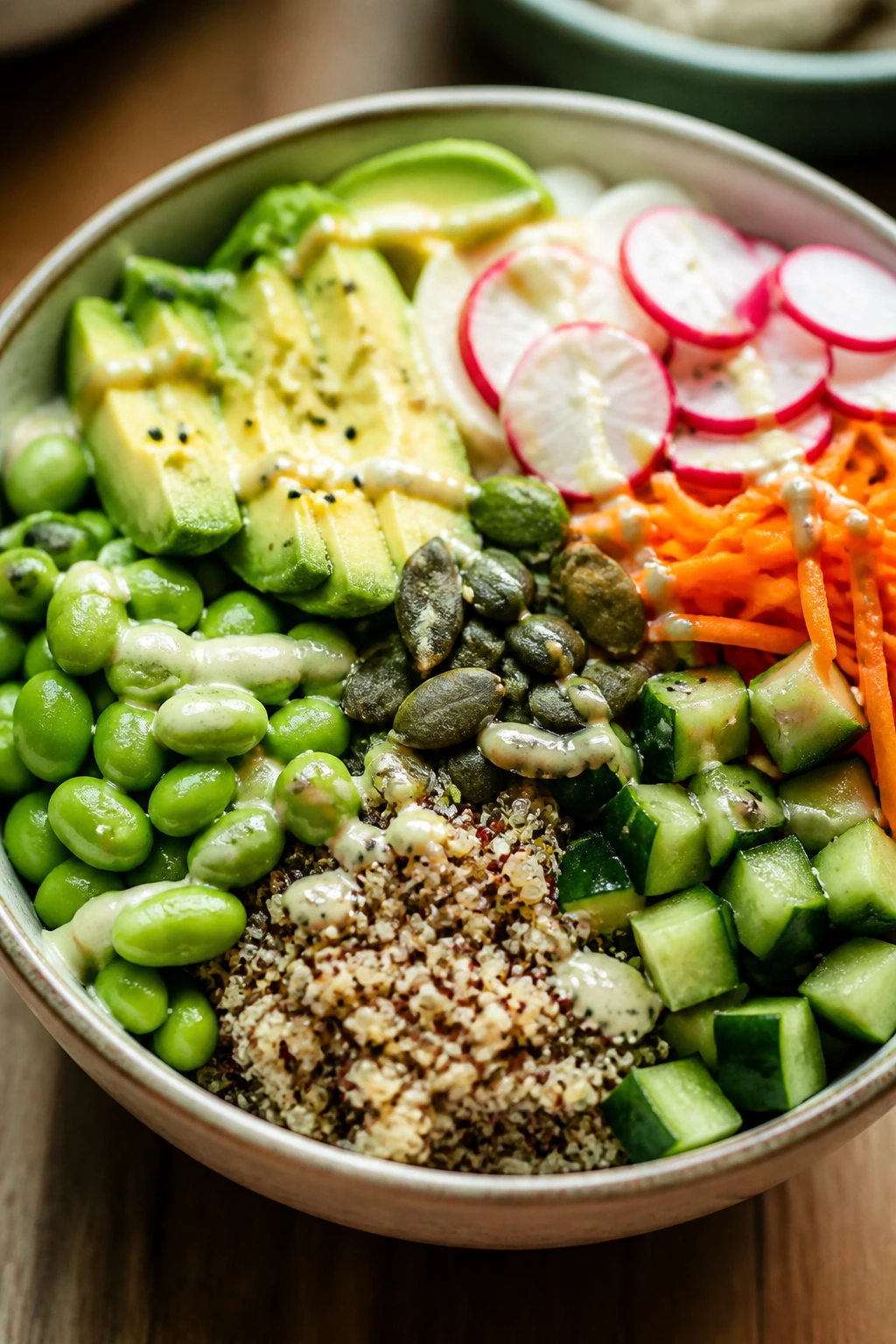
A good bowl should feel like a complete meal the second you look at it. This one does: nutty quinoa, cold crunchy vegetables, bright herbs, and those little green edamame beans that make the whole thing feel built, not thrown together.
Why It Works: Edamame carries a solid amount of protein for a plant ingredient, and quinoa adds both texture and a bit more staying power. The dressing is the piece that keeps the bowl from tasting like separate items; tahini and lemon coat everything in a thin, nutty layer that makes the vegetables taste seasoned all the way through.
Key Ingredients:
- 1 cup quinoa, rinsed
- 2 cups water
- 2 cups shelled edamame
- 1 cucumber, diced
- 2 carrots, shredded
- 1 avocado, sliced
- 3 radishes, thinly sliced
- 2 tablespoons pumpkin seeds
- 2 tablespoons chopped cilantro or parsley
For the Dressing:
- 3 tablespoons tahini
- 1 tablespoon lemon juice
- 1 tablespoon low-sodium soy sauce or tamari
- 1 teaspoon maple syrup
- 2 to 4 tablespoons warm water
Quick Steps:
- Cook the quinoa in the water over low heat, covered, for about 15 minutes until the grains are fluffy and the little tails separate.
- Steam or microwave the edamame just until hot, then drain well.
- Whisk the tahini, lemon juice, soy sauce, maple syrup, and warm water together until smooth and pourable.
- Divide the quinoa between bowls and arrange the edamame, cucumber, carrots, avocado, radishes, and seeds on top.
- Spoon the dressing over the bowls and finish with herbs.
Equipment for This Recipe:
- Medium saucepan with lid
- Mixing bowl
- Whisk
- Knife and cutting board
- Box grater, if shredding carrots by hand
How to Serve This Dish: These bowls can be eaten warm, room temperature, or cold from the fridge. I like them with extra lemon on the side and a handful of pickled onions if I have them.
Pro Tips for This Recipe:
- Rinse quinoa before cooking or it can taste dusty.
- Cool the quinoa slightly before assembling so the avocado doesn’t go limp.
- Thin the tahini dressing more than you think you need; it thickens as it sits.
- Salt the vegetables lightly before plating. It matters.
Variations on This Dish:
- Miso-Ginger Bowl: Add 1 teaspoon white miso and grated ginger to the dressing.
- Peanut Bowl: Swap tahini for peanut butter and add lime juice.
- Grain-Free Version: Use shredded cabbage or cauliflower rice instead of quinoa.
Common Mistakes to Avoid with This Dish:
- Dry quinoa: Give it enough water and let it sit covered after cooking.
- Too-thick dressing: If it clumps, whisk in another spoon of warm water.
- Skipping texture: Leave some vegetables raw and crunchy; the bowl needs contrast.
6. White Bean Kale Soup
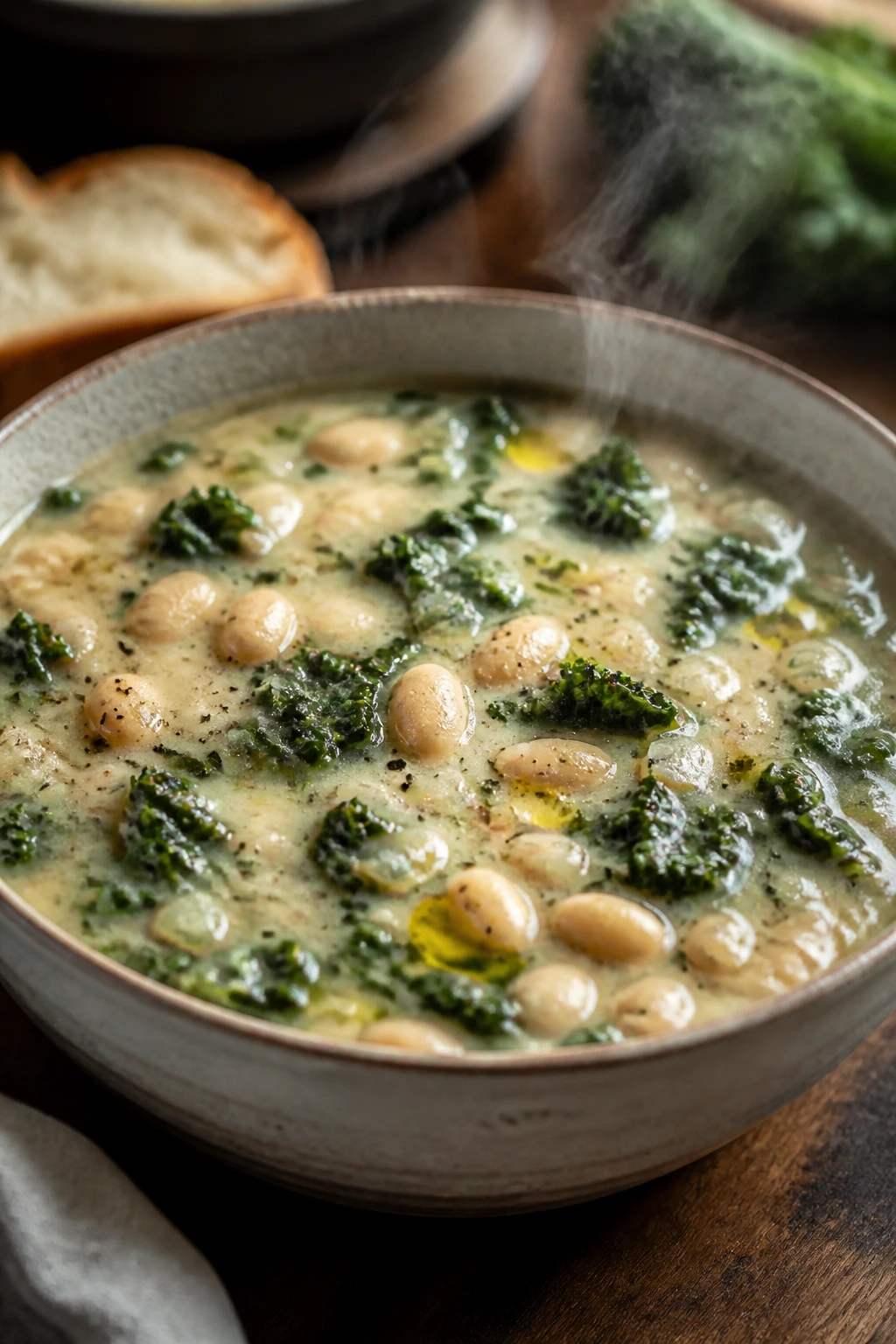
This is the sort of soup that makes a meatless dinner feel settled and complete. White beans go creamy without any cream, kale stays a little chewy, and the broth turns savory enough that you’ll want bread nearby before the pot even leaves the stove.
Why It Works: Cannellini beans bring protein and a naturally soft texture that thickens the soup when you mash a few against the side of the pot. Kale holds up better than spinach in a simmer, which is why the last spoonful still tastes like actual vegetables instead of green mush. A squeeze of lemon at the end sharpens the whole pot.
Key Ingredients:
- 2 tablespoons olive oil
- 1 medium onion, diced
- 2 carrots, diced
- 2 celery stalks, diced
- 4 garlic cloves, minced
- 2 cans cannellini beans, drained and rinsed
- 6 cups vegetable broth
- 1 teaspoon dried thyme
- 1 bay leaf
- 4 cups chopped kale, stems removed
- 1 teaspoon kosher salt, plus more to taste
- ¼ teaspoon black pepper
- 1 lemon, juiced
- 2 tablespoons grated Parmesan, optional
Quick Steps:
- Warm the olive oil in a large pot over medium heat. Cook the onion, carrots, and celery for 7 to 8 minutes, until the onion looks translucent and the carrots start to soften.
- Add the garlic and cook for 30 seconds.
- Stir in the beans, broth, thyme, bay leaf, salt, and pepper. Bring to a simmer and cook for 15 minutes.
- Mash about 1 cup of the beans against the side of the pot with a spoon to thicken the broth slightly.
- Add the kale and simmer for 5 minutes, until tender but still green.
- Turn off the heat, remove the bay leaf, and finish with lemon juice and Parmesan if using.
Equipment for This Recipe:
- Large soup pot or Dutch oven
- Wooden spoon
- Ladle
- Sharp knife
- Citrus juicer, optional
How to Serve This Dish: Ladle it into deep bowls with toasted sourdough or a slab of garlic bread. The soup should be brothy enough to scoop but thick enough that the beans keep showing up in every spoonful.
Pro Tips for This Recipe:
- Mash some beans for body instead of adding cream.
- Add the lemon at the end, or the broth can taste flat.
- Kale stems are tough; strip them off before chopping.
- If you like a richer pot, stir in a spoonful of pesto at the table.
Variations on This Dish:
- Tuscan Style: Add chopped rosemary and a Parmesan rind while simmering.
- Smoky Version: Stir in ½ teaspoon smoked paprika with the garlic.
- Tomato Bean Soup: Add 1 can diced tomatoes with the broth.
Common Mistakes to Avoid with This Dish:
- Overcooking kale: It should be tender, not olive-drab and limp.
- Thin broth: Mash beans or simmer uncovered for a few minutes.
- Underseasoning early: Beans absorb salt, so taste again before serving.
7. Veggie Frittata with Cottage Cheese
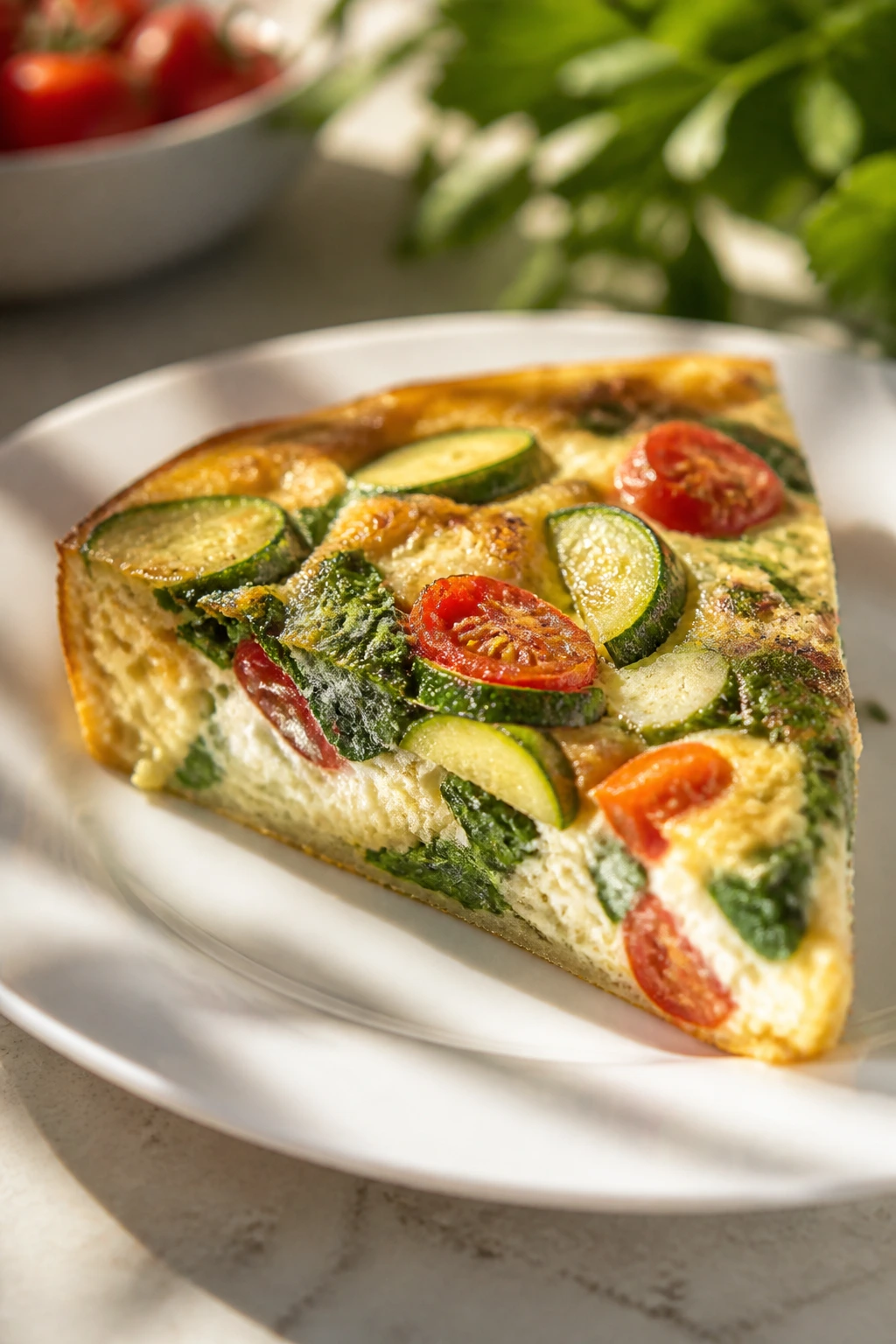
A frittata is one of the easiest ways to make eggs feel like a full meal instead of breakfast that wandered into dinner. Cottage cheese melts into the eggs and keeps the center soft, while zucchini, spinach, and tomatoes make the skillet look bright and packed without weighing it down.
Why It Works: Eggs alone are fine. Eggs plus cottage cheese are better because the curds loosen into the custard and add extra protein without making the frittata dense. Wet vegetables are the only real enemy here, which is why a quick sauté before baking matters more than people think.
Key Ingredients:
- 8 large eggs
- 1 cup cottage cheese
- 2 tablespoons milk
- 1 tablespoon olive oil
- 1 small onion, thinly sliced
- 1 medium zucchini, grated and squeezed dry
- 2 cups baby spinach
- 1 cup cherry tomatoes, halved
- ½ teaspoon kosher salt
- ¼ teaspoon black pepper
- ½ cup crumbled feta
- 2 tablespoons chopped chives or parsley
Quick Steps:
- Heat the oven to 375°F.
- Warm the olive oil in an ovenproof skillet over medium heat. Cook the onion for 4 minutes, then add the zucchini and cook for another 3 minutes until most of the moisture cooks off.
- Stir in the spinach and tomatoes just until the spinach wilts.
- Whisk the eggs, cottage cheese, milk, salt, and pepper in a bowl until combined but still a little textured.
- Pour the egg mixture into the skillet, scatter feta on top, and cook on the stovetop for 2 minutes.
- Transfer the skillet to the oven and bake for 18 to 22 minutes, until the center is just set and the top barely jiggles.
- Rest for 5 minutes, then finish with herbs.
Equipment for This Recipe:
- 10-inch ovenproof skillet
- Mixing bowl
- Whisk
- Grater
- Spatula
How to Serve This Dish: Cut it into wedges and serve with toast and a bitter green salad. It also works cold the next day, which is one of the few reasons I forgive leftovers for being leftovers.
Pro Tips for This Recipe:
- Squeeze the zucchini dry or the frittata turns watery.
- Take it out when the center still has the faintest wobble; carryover heat finishes the job.
- Use a skillet with a little slickness left in it, or the bottom can stick.
- A spoonful of pesto on the plate is a nice move.
Variations on This Dish:
- Asparagus and Goat Cheese: Swap zucchini for chopped asparagus and feta for goat cheese.
- Mediterranean Bake: Add olives and sun-dried tomatoes.
- Dairy-Lighter Version: Use half cottage cheese and half milk if you want a softer texture.
Common Mistakes to Avoid with This Dish:
- Wet vegetables: They release water into the eggs and ruin the slice.
- Overbaking: A dry frittata tastes dusty, not rich.
- Cutting too soon: Give it a few minutes to settle or the pieces fall apart.
8. Tempeh Taco Lettuce Wraps
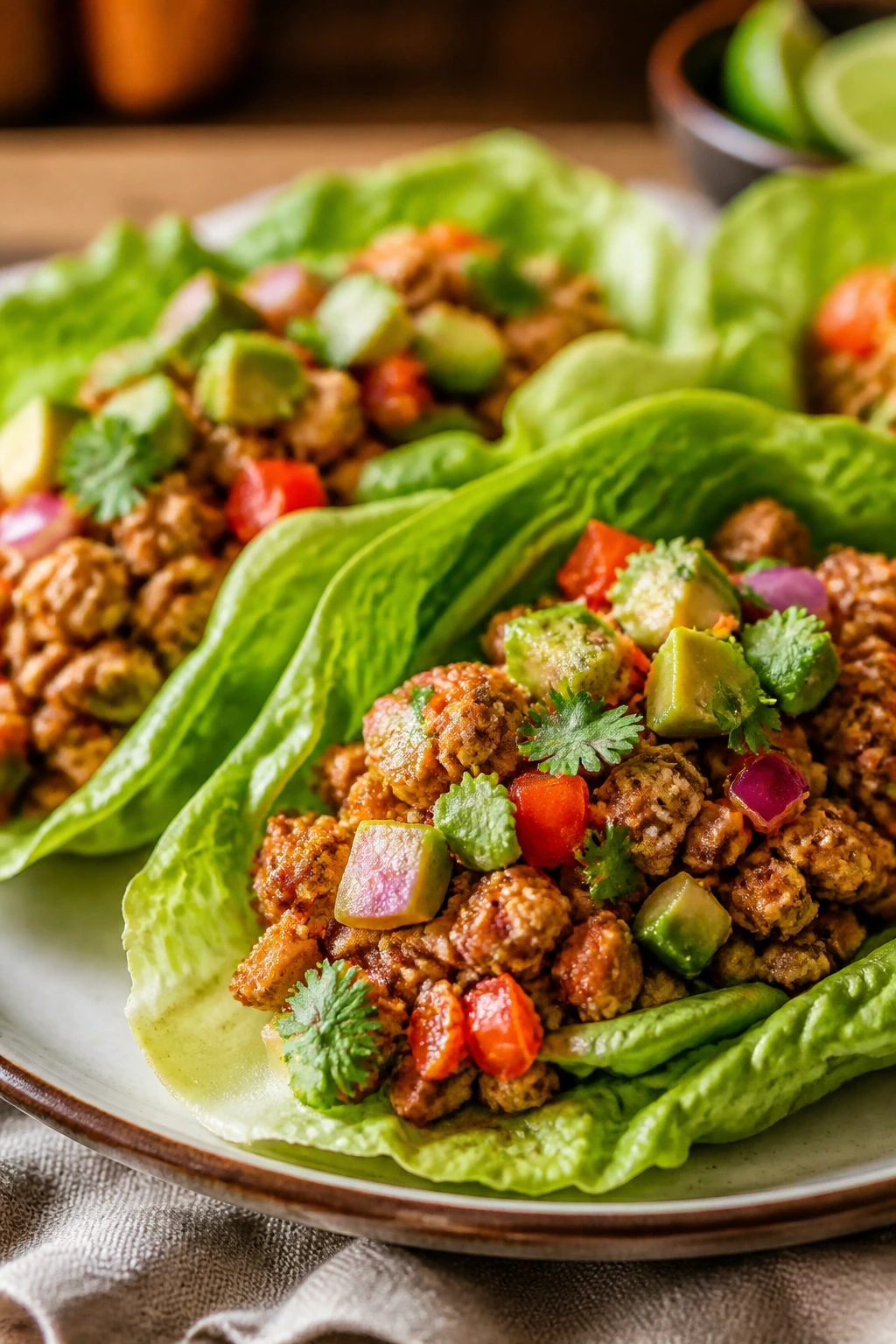
Tempeh has a stronger personality than tofu, which is exactly why it works in taco filling. Once it’s crumbled and browned with spices, it gets meaty in the useful sense — not in imitation, but in the way it holds seasoning and gives you something to bite into.
Why It Works: Tempeh is dense, so it fills you up fast, and the taco seasoning gives it a clear direction. Black beans stretch the filling without making it mushy, while lettuce keeps the wrap crisp and cool. The lime at the end is not optional in my book; it keeps the whole thing from tasting dry.
Key Ingredients:
- 8 ounces tempeh
- 1 tablespoon olive oil
- ½ small onion, finely diced
- 1 bell pepper, diced
- 1 tablespoon taco seasoning
- ½ cup black beans, rinsed and drained
- ¼ cup salsa
- 8 large romaine or butter lettuce leaves
- 1 avocado, sliced
- 1 lime, cut into wedges
- 2 tablespoons chopped cilantro
- 2 tablespoons plain Greek yogurt, optional
Quick Steps:
- Steam the tempeh for 5 minutes, then crumble it with your fingers or a fork.
- Warm the olive oil in a skillet over medium heat. Cook the onion and bell pepper for 4 to 5 minutes until softened.
- Add the tempeh and cook for 4 minutes, stirring, until the pieces begin to brown.
- Stir in the taco seasoning, black beans, and salsa. Cook for 2 more minutes until hot and thick.
- Spoon the filling into lettuce leaves and top with avocado, cilantro, yogurt if using, and a squeeze of lime.
Equipment for This Recipe:
- Skillet
- Steamer basket or microwave-safe bowl
- Fork
- Spoon
- Knife
How to Serve This Dish: Set out the filling and lettuce separately if you’re feeding a group. People can build their own wraps, which is useful because the best bite is the one with the most avocado.
Pro Tips for This Recipe:
- Steam tempeh first; it softens the bitter edge some brands have.
- Don’t chop the lettuce too small or it tears when you fill it.
- If you want a drier filling, cook the salsa down for another minute.
- Warm the avocado slices slightly on the filling if your kitchen is cold; it sounds odd, but it works.
Variations on This Dish:
- Chipotle Tempeh: Add minced chipotle in adobo for smoke and heat.
- Bowl Version: Serve over rice instead of lettuce.
- Vegan Cream Finish: Use cashew cream or plain dairy-free yogurt.
Common Mistakes to Avoid with This Dish:
- Skipping the steam: Raw tempeh can taste harsh.
- Overstuffing the leaves: They tear, then the filling ends up in your lap.
- No acid: The lime is what keeps the taco flavor from going flat.
9. Mushroom Lentil Shepherd’s Pie
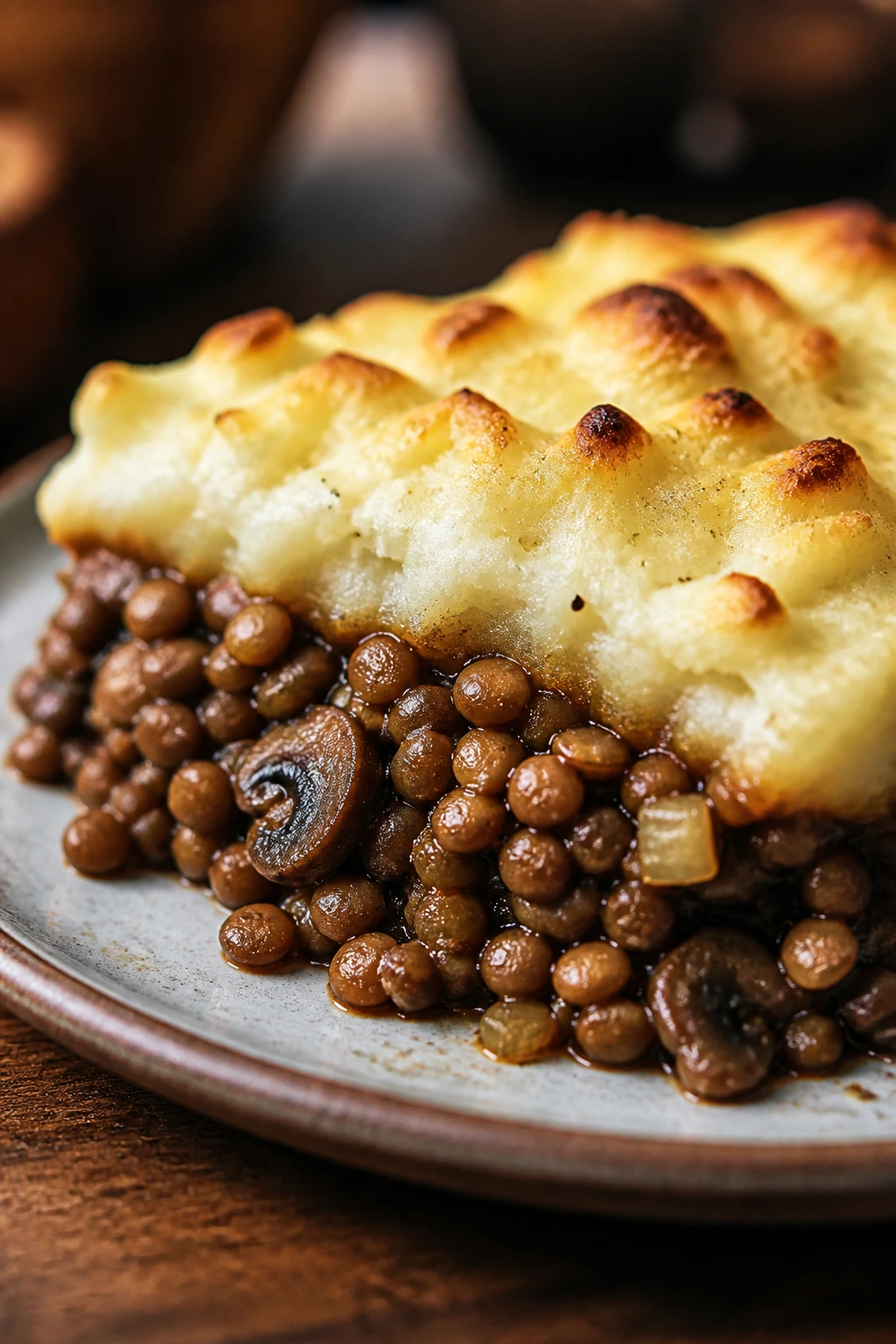
This pie is what happens when you stop pretending comfort food needs meat to feel complete. The filling is deep and savory from mushrooms and lentils, and the mashed potato topping browns in little patches that make the whole dish look like it has been in the oven much longer than it has.
Why It Works: Mushrooms provide the meaty texture people expect, but lentils carry the real protein and give the filling shape. Tomato paste and Worcestershire-style seasoning sharpen the flavors, and the potato layer seals everything in, which keeps the filling juicy instead of soupy. If you’ve ever cut into a shepherd’s pie and found gray mush, you already know why thickness matters.
Key Ingredients:
- 2 tablespoons olive oil
- 1 onion, diced
- 2 carrots, diced
- 12 ounces mushrooms, finely chopped
- 3 garlic cloves, minced
- 2 tablespoons tomato paste
- 1½ cups cooked brown lentils
- 1 cup frozen peas
- 1 tablespoon soy sauce or vegetarian Worcestershire sauce
- 1 teaspoon dried thyme
- 1 cup vegetable broth
- 2 pounds Yukon Gold potatoes, peeled and cubed
- 3 tablespoons butter
- ⅓ cup milk
- ½ teaspoon kosher salt
- ¼ teaspoon black pepper
Quick Steps:
- Boil the potatoes in salted water for 15 to 18 minutes, until fork-tender. Drain and mash with butter, milk, salt, and pepper until smooth.
- Heat the olive oil in a skillet over medium-high heat. Cook the onion and carrots for 5 minutes.
- Add the mushrooms and cook for 8 to 10 minutes, stirring, until they release their liquid and turn deeply browned.
- Stir in the garlic and tomato paste, cooking for 1 minute, then add the lentils, peas, soy sauce, thyme, and broth. Simmer until thick, about 5 minutes.
- Spoon the filling into a baking dish and spread the mashed potatoes over the top with a fork.
- Bake at 400°F for 20 to 25 minutes until the top is golden and the edges are bubbling.
Equipment for This Recipe:
- Large skillet
- Potato pot
- Potato masher
- Baking dish
- Spoon or offset spatula
How to Serve This Dish: Let it rest for 10 minutes, then scoop it into shallow bowls. A sharp green salad on the side is enough; the pie already brings plenty of substance.
Pro Tips for This Recipe:
- Cook the mushrooms until the pan is nearly dry. That’s where the flavor is.
- Keep the filling thick before baking or it will leak around the edges.
- Rough up the potato topping with a fork so it browns in little ridges.
- Use Yukon Golds for a silkier mash than russets.
Variations on This Dish:
- Sweet Potato Top: Replace half the potatoes with sweet potatoes.
- Cauliflower Mash: Swap the topping for mashed cauliflower and a bit of Parmesan.
- Gluten-Free Pie: Use tamari instead of Worcestershire and check the broth label.
Common Mistakes to Avoid with This Dish:
- Watery filling: Mushroom liquid needs to cook off before baking.
- Runny mash: Too much milk makes the topping slide.
- Skipping the rest time: The pie firms as it cools a little.
10. Tofu Lasagna with Spinach and Zucchini
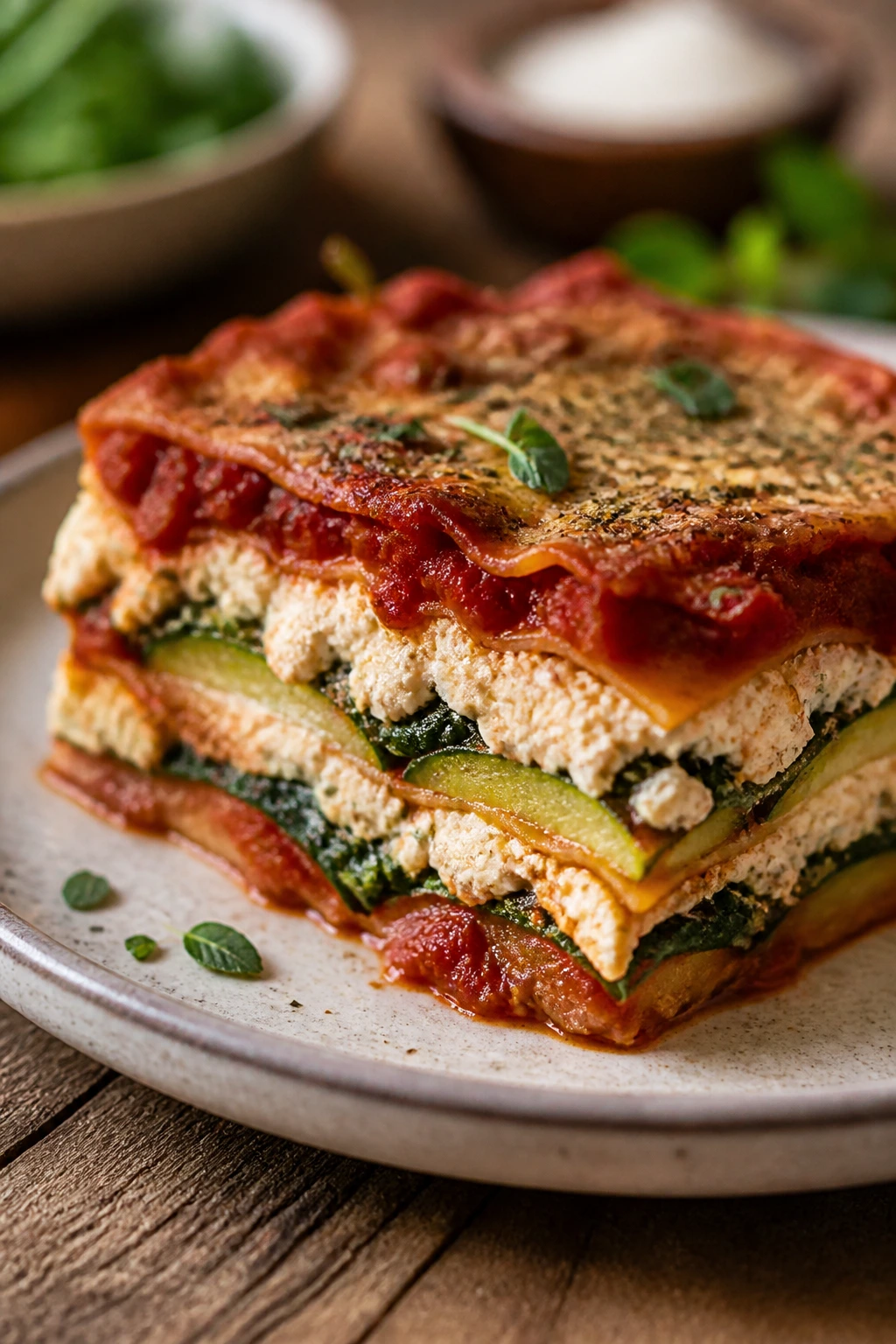
Lasagna with tofu ricotta sounds practical, but when it comes out of the oven, it feels more luxurious than the name suggests. The layers stay clean enough to slice, the zucchini softens into the sauce, and the tofu-ricotta mix carries enough richness that nobody asks where the meat went.
Why It Works: Tofu and ricotta together make a filling that’s lighter than a full ricotta lasagna but still creamy. The spinach adds depth, and zucchini gives you another layer of vegetable bulk without turning the pan heavy. The trick is keeping moisture under control; if you do that, the slices stand up nicely on a plate.
Key Ingredients:
- 9 lasagna noodles
- 1 tablespoon olive oil
- 2 medium zucchini, sliced lengthwise into thin strips
- 14 ounces extra-firm tofu, pressed
- 1 cup ricotta cheese
- 1 large egg
- ½ cup grated Parmesan
- 3 garlic cloves, minced
- 5 ounces baby spinach, squeezed dry if wilted
- 3 cups marinara sauce
- 2 cups shredded mozzarella
- 1 teaspoon kosher salt
- ½ teaspoon black pepper
Quick Steps:
- Cook the noodles according to the package directions, then lay them flat so they do not stick.
- Toss the zucchini strips with olive oil and a pinch of salt, then pat them dry.
- Blend or mash the tofu, ricotta, egg, Parmesan, garlic, spinach, salt, and pepper into a thick filling.
- Spread a thin layer of marinara in a 9×13-inch baking dish. Layer noodles, filling, zucchini, sauce, and mozzarella, repeating until everything is used.
- Finish with sauce and mozzarella on top.
- Bake at 375°F for 40 to 45 minutes until bubbling at the edges and lightly browned on top.
- Rest for 15 minutes before slicing.
Equipment for This Recipe:
- 9×13-inch baking dish
- Large pot
- Mixing bowl or food processor
- Knife
- Foil, optional
How to Serve This Dish: Cut it into generous squares and serve with a chopped salad and garlic bread. The lasagna is rich enough that you don’t need a lot of sides; you just need something crisp beside it.
Pro Tips for This Recipe:
- Press the tofu hard so the filling isn’t loose.
- Squeeze excess moisture from the spinach and zucchini.
- Let the lasagna rest before cutting or the layers will spill.
- Use a thick marinara; thin sauce makes the whole pan sloppy.
Variations on This Dish:
- Dairy-Free Version: Use an all-tofu filling and plant-based mozzarella.
- Extra-Green Lasagna: Add sautéed kale or chopped broccoli rabe.
- Gluten-Free Version: Use gluten-free noodles that hold shape after boiling.
Common Mistakes to Avoid with This Dish:
- Too much moisture: Wet zucchini and spinach are the usual culprits.
- Uneven layers: Thin, even layers bake more reliably.
- Cutting too soon: Give the pan a rest or the first slice falls apart.
11. Chickpea Pasta with Broccoli and Lemon
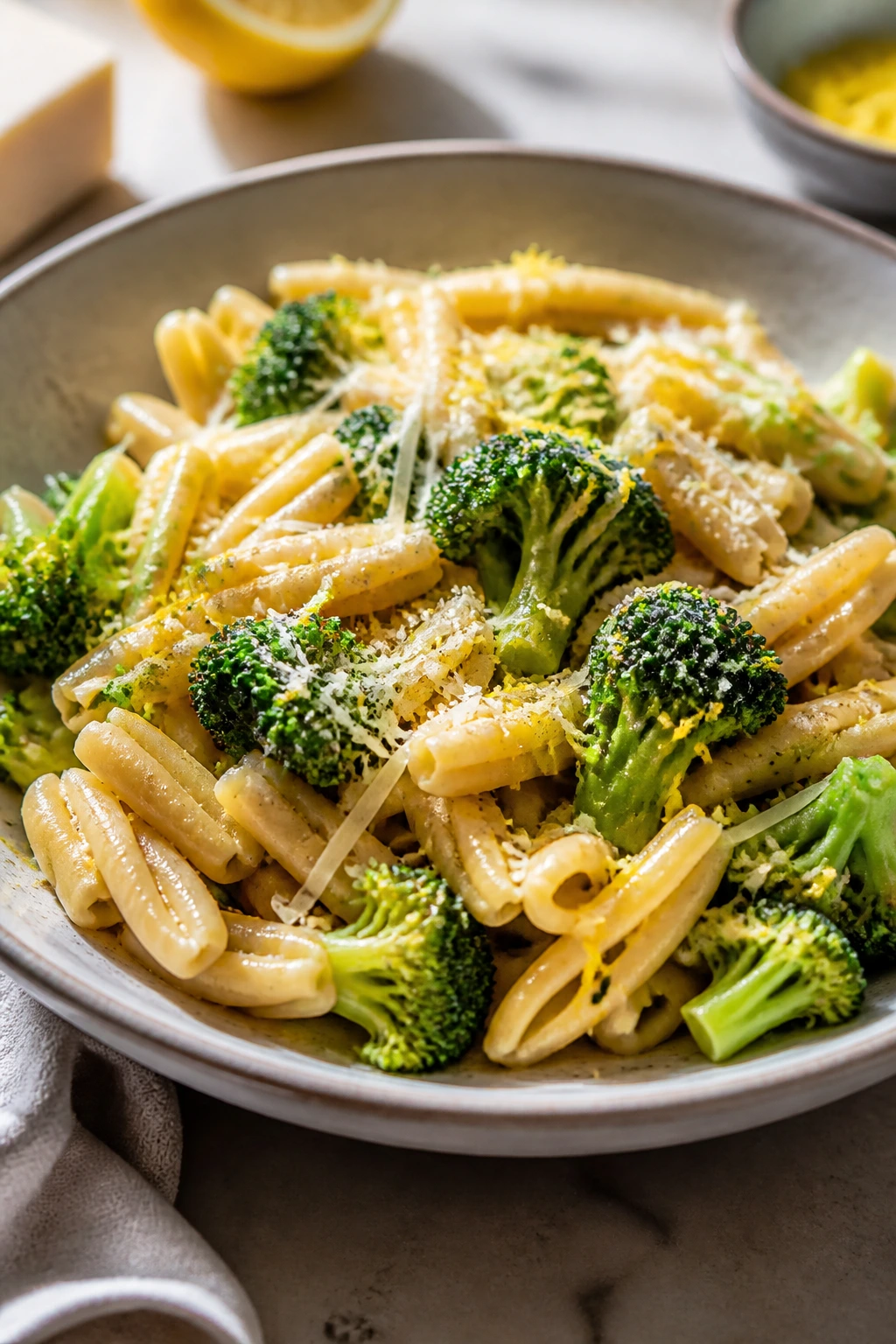
Chickpea pasta has a different texture than wheat pasta — a little firmer, a little nuttier, and much better at pulling its own weight. Add broccoli, garlic, lemon, and a handful of Parmesan, and you’ve got a bowl that feels bright without being flimsy.
Why It Works: The pasta itself brings extra protein, which means this isn’t just vegetables sitting next to carbohydrates. Broccoli cooks in the same water, so it picks up salt and stays crisp-tender, and the lemon gives the whole dish a sharp edge that cuts through the bean-like richness of the pasta. I like this one because it doesn’t try to hide what it is. It leans into it.
Key Ingredients:
- 12 ounces chickpea pasta
- 1 large broccoli head, cut into small florets
- 3 tablespoons olive oil
- 4 garlic cloves, thinly sliced
- 1 lemon, zested and juiced
- ¼ teaspoon red pepper flakes
- ½ cup grated Parmesan
- 1 teaspoon kosher salt
- ¼ teaspoon black pepper
- 2 tablespoons chopped basil, optional
Quick Steps:
- Bring a large pot of salted water to a boil. Cook the pasta for 1 minute less than the package says.
- Add the broccoli florets during the last 3 minutes of cooking so they finish at the same time as the pasta.
- Reserve 1 cup of the pasta water, then drain.
- Warm the olive oil in the empty pot over medium heat. Add the garlic and red pepper flakes and cook for 30 seconds.
- Return the pasta and broccoli to the pot with the lemon zest, lemon juice, salt, pepper, and Parmesan. Toss with a splash of pasta water until glossy.
- Finish with basil if using.
Equipment for This Recipe:
- Large pasta pot
- Colander
- Tongs
- Microplane or zester
- Serving bowl
How to Serve This Dish: Serve it in wide bowls with extra Parmesan and a few drops of olive oil. It stands on its own, but a tomato salad or sliced cucumbers on the side makes the plate feel more complete.
Pro Tips for This Recipe:
- Undercook chickpea pasta by a minute; it can go soft fast.
- Save the pasta water. It helps the sauce cling.
- Cut the broccoli small so it cooks evenly with the pasta.
- Add lemon after the heat is off for a brighter flavor.
Variations on This Dish:
- Pesto Broccoli Pasta: Toss in 2 tablespoons basil pesto with the lemon.
- Creamy Version: Stir in 2 tablespoons plain Greek yogurt off the heat.
- Vegan Finish: Use nutritional yeast instead of Parmesan.
Common Mistakes to Avoid with This Dish:
- Overcooked pasta: Chickpea pasta gets chalky when pushed too far.
- No pasta water: Without it, the oil and lemon don’t coat as well.
- Heavy broccoli pieces: Big florets take too long and go soft.
12. Roasted Cauliflower White Bean Tacos
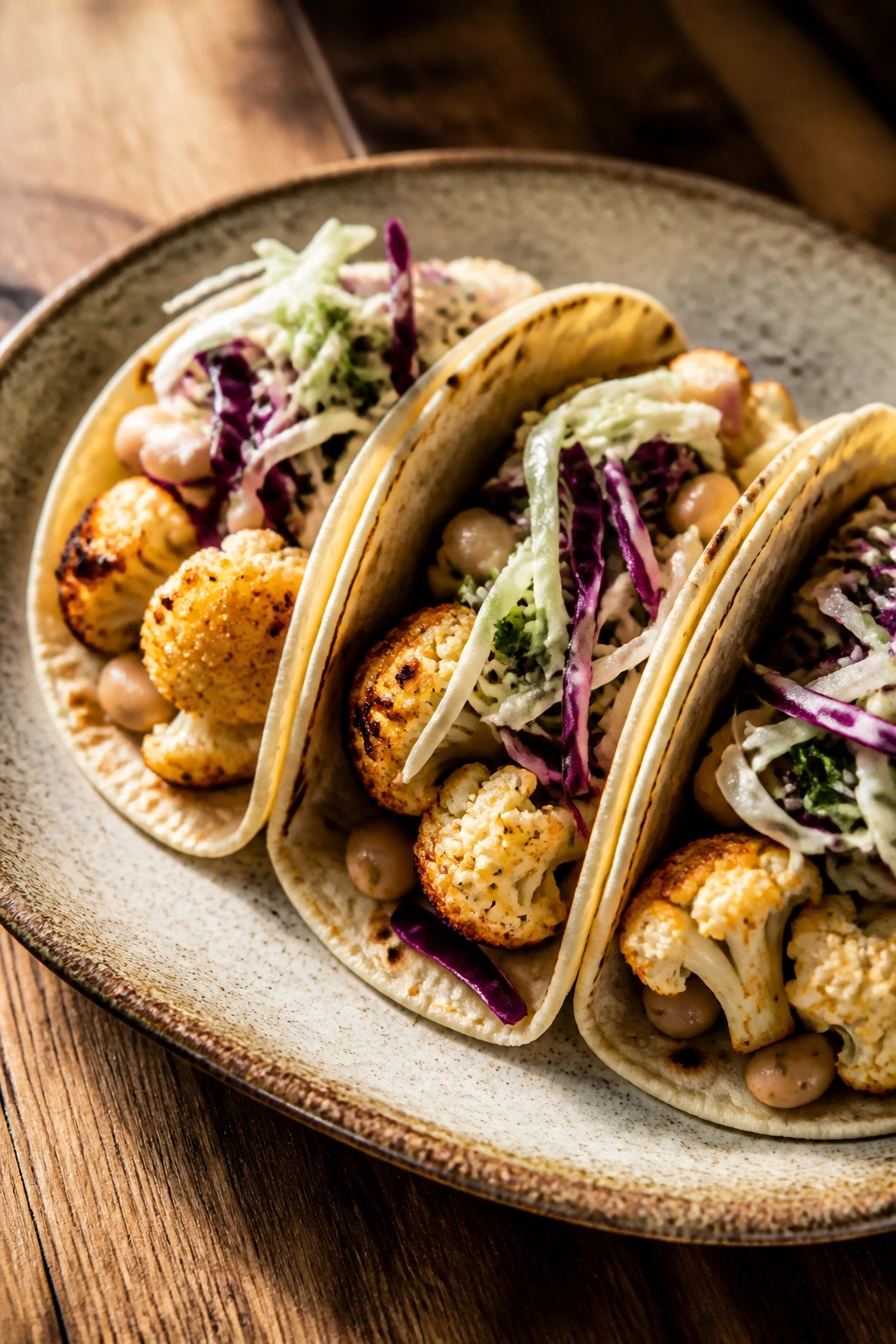
These tacos are the reason I never trust anyone who says vegetarian food can’t be bold enough for dinner. Roasted cauliflower gives you char and sweetness, white beans bring the substance, and the cool cabbage on top keeps the whole thing from collapsing into mush.
Why It Works: Cauliflower loves high heat, which is why roasting beats steaming here by a mile. White beans soften into the taco filling without losing shape, and a quick yogurt-lime crema adds the kind of cooling contrast that lets the spices stay sharp. The tacos feel full because they have crunch, creaminess, and heat in the same shell.
Key Ingredients:
- 1 large head cauliflower, cut into small florets
- 1 can cannellini beans, drained and rinsed
- 2 tablespoons olive oil
- 1 teaspoon ground cumin
- 1 teaspoon chili powder
- ½ teaspoon smoked paprika
- 1 teaspoon kosher salt
- 8 small corn or flour tortillas
- 2 cups shredded cabbage
- 1 avocado, sliced
- ¼ cup chopped cilantro
- 1 lime, cut into wedges
For the Crema:
- ½ cup plain Greek yogurt
- 1 tablespoon lime juice
- Pinch of salt
Quick Steps:
- Heat the oven to 425°F. Toss the cauliflower with olive oil, cumin, chili powder, paprika, and salt.
- Spread it on a baking sheet and roast for 22 to 25 minutes until browned on the edges.
- Warm the beans in a small skillet with a splash of water for 3 to 4 minutes.
- Stir the crema ingredients together in a bowl.
- Warm the tortillas in a dry skillet or over a burner until pliable.
- Fill each tortilla with cauliflower, beans, cabbage, avocado, crema, cilantro, and lime.
Equipment for This Recipe:
- Baking sheet
- Small skillet
- Mixing bowl
- Tongs
- Spoon
How to Serve This Dish: Set the toppings out separately and let everyone build their own tacos. I like three per person with an extra wedge of lime on the side because cauliflower can take more acid than you think.
Pro Tips for This Recipe:
- Cut the cauliflower small so it browns instead of steaming.
- Warm the beans separately; hot filling makes the tacos taste fuller.
- Char the tortillas a little for better flavor.
- Add pickled onions if you want a sharper taco.
Variations on This Dish:
- Buffalo Cauliflower Tacos: Toss the roasted cauliflower with buffalo sauce before serving.
- Chipotle Version: Use chipotle powder and a little adobo in the beans.
- Vegan Cream: Swap the yogurt crema for cashew crema.
Common Mistakes to Avoid with This Dish:
- Soggy tortillas: Warm them last, then fill and eat.
- No char on the cauliflower: High heat is the whole point.
- Overfilling: These tacos need room to bend.
13. Greek Yogurt Chickpea Salad Pitas
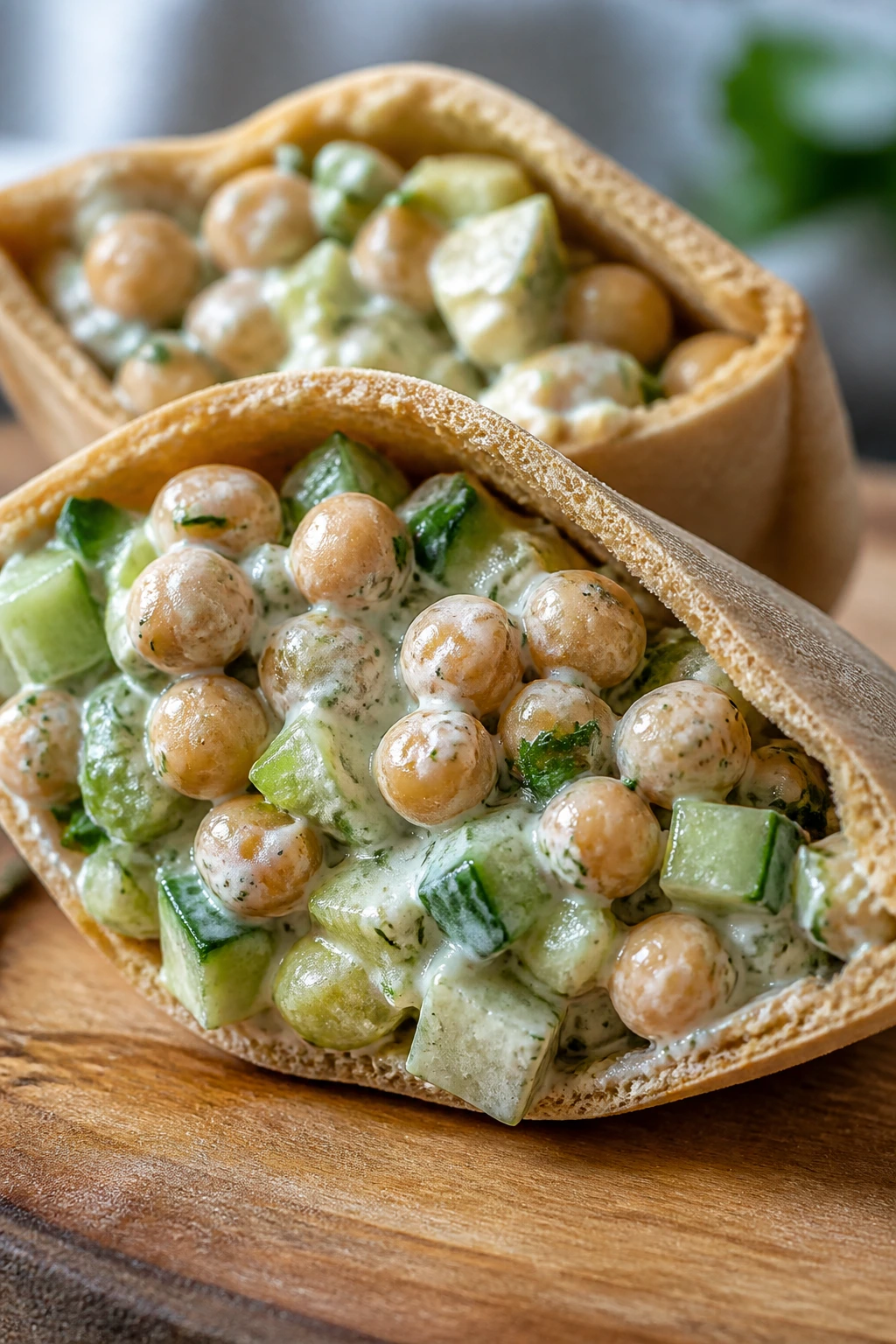
A chickpea salad sandwich can go limp fast if it’s made carelessly. This version stays perky because the vegetables are diced small, the yogurt keeps the dressing light, and the pita gives you a soft pocket instead of a soggy stack of bread.
Why It Works: Chickpeas give you the bulk, Greek yogurt adds protein and tang, and celery plus cucumber keep each bite crisp. Mashing only part of the chickpeas is the trick; you want some creaminess, but you also want the chickpeas to stay visibly chickpeas. That texture is what keeps the filling from tasting like paste.
Key Ingredients:
- 2 cans chickpeas, drained and rinsed
- ¾ cup plain Greek yogurt
- 1 celery stalk, finely diced
- ½ cucumber, seeded and diced
- 2 tablespoons red onion, finely minced
- 2 tablespoons chopped dill
- 1 tablespoon lemon juice
- 1 teaspoon Dijon mustard
- ½ teaspoon kosher salt
- ¼ teaspoon black pepper
- 4 pita pockets
- 1 cup lettuce leaves
- 2 tablespoons sunflower seeds, optional
Quick Steps:
- Pat the chickpeas dry, then mash about half of them with a fork in a bowl.
- Stir in the yogurt, celery, cucumber, onion, dill, lemon juice, Dijon, salt, and pepper.
- Chill the salad for 15 to 20 minutes if you have time. It tastes better once the flavors settle.
- Split the pita pockets and line them with lettuce.
- Spoon in the chickpea salad and finish with sunflower seeds if using.
Equipment for This Recipe:
- Mixing bowl
- Fork
- Knife
- Cutting board
- Spoon
How to Serve This Dish: Serve the pitas with grapes, tomatoes, or a handful of olives on the side. If you’re packing lunch, keep the filling separate and stuff the pitas right before eating.
Pro Tips for This Recipe:
- Dry the chickpeas well or the salad turns loose.
- Seed the cucumber so it doesn’t leak water.
- A little extra dill makes the filling taste fresher.
- If your pita cracks, warm it for 20 seconds first.
Variations on This Dish:
- Curry Chickpea Salad: Add 1 teaspoon curry powder and chopped apple.
- Avocado Version: Mash in half an avocado for a richer spread.
- Tahini Swap: Replace half the yogurt with tahini for a dairy-free filling.
Common Mistakes to Avoid with This Dish:
- Too much liquid: Wet vegetables will make the pita soggy.
- No texture contrast: Leave some chickpeas whole.
- Overstuffing the pocket: It splits, and then lunch becomes a cleanup job.
14. Halloumi Farro Vegetable Skillet
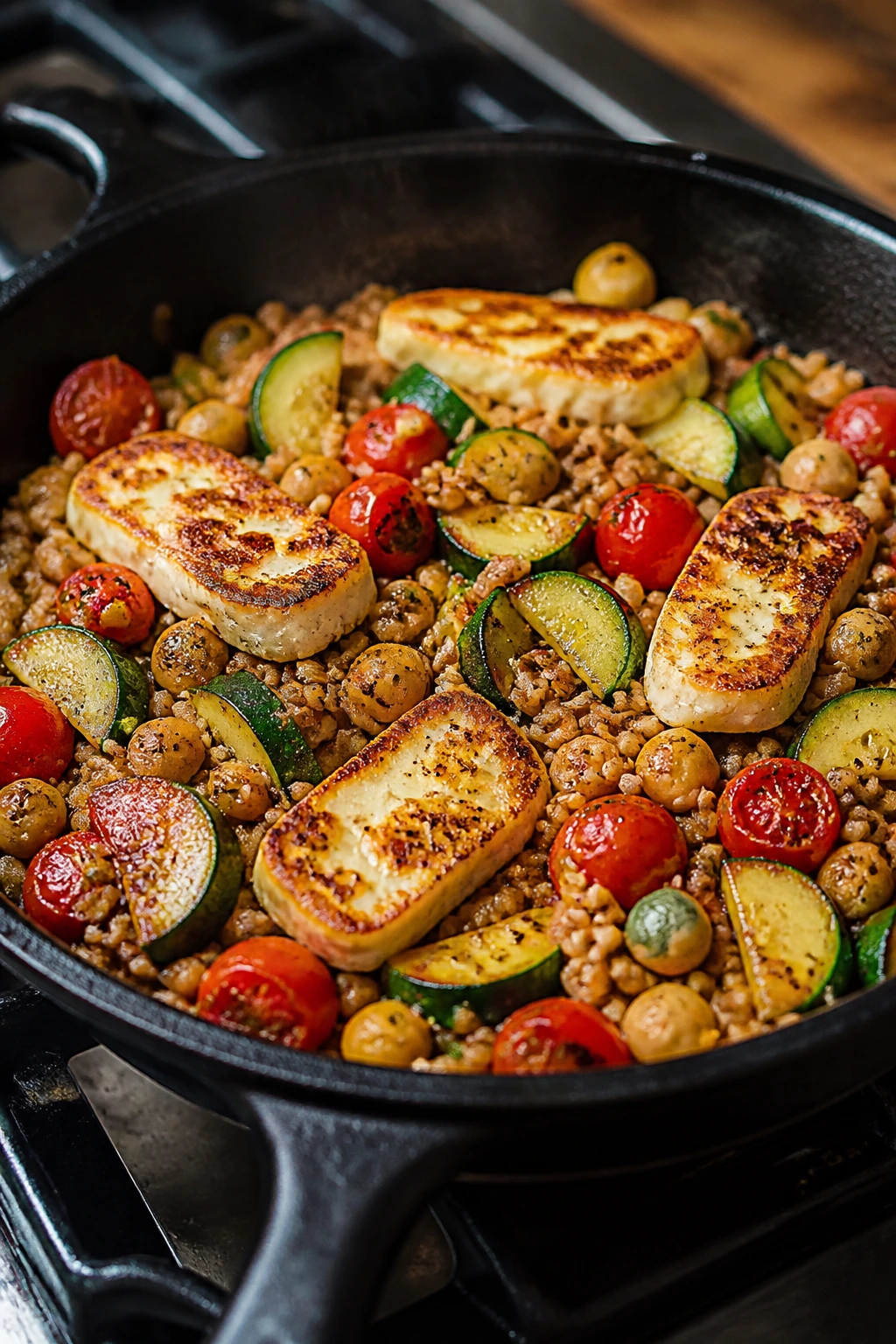
Halloumi is salty, squeaky, and just aggressive enough to make a vegetarian skillet feel substantial. Pair it with chewy farro, zucchini, tomatoes, and chickpeas, and you get a pan that feels polished without asking for much fuss.
Why It Works: Farro has enough chew to carry the plate, and halloumi browns in a way that gives you crisp edges without melting away. Chickpeas bring the protein up another notch, while tomatoes soften into the grain and create a loose, savory glaze. This is one of those rare dishes that tastes good warm or at room temperature, which makes leftovers easy.
Key Ingredients:
- 1 cup pearled farro
- 2½ cups water or vegetable broth
- 8 ounces halloumi, sliced into ½-inch slabs
- 2 tablespoons olive oil
- 1 zucchini, sliced into half-moons
- 1 pint cherry tomatoes
- 1 can chickpeas, drained and rinsed
- 2 garlic cloves, minced
- 1 teaspoon kosher salt
- ½ teaspoon black pepper
- 1 lemon, juiced
- 2 tablespoons chopped basil
Quick Steps:
- Simmer the farro in water or broth for 20 to 25 minutes until chewy but tender, then drain if needed.
- Heat 1 tablespoon olive oil in a skillet over medium-high heat. Sear the halloumi for 1 to 2 minutes per side until golden.
- Add the remaining oil, zucchini, tomatoes, and chickpeas to the pan. Cook for 5 to 7 minutes until the tomatoes blister and begin to burst.
- Stir in the garlic, salt, and pepper for the last 30 seconds.
- Fold in the farro, then finish with lemon juice and basil.
- Return the halloumi to the skillet or lay it on top to serve.
Equipment for This Recipe:
- Saucepan
- Large skillet
- Slotted spoon
- Knife
- Lemon juicer, optional
How to Serve This Dish: Spoon the skillet into shallow bowls with extra lemon on the side. A simple arugula salad or toasted pita works well if you want more green or more crunch.
Pro Tips for This Recipe:
- Dry the halloumi before searing or it won’t brown as nicely.
- Don’t overcook the farro; you want bite, not porridge.
- Use ripe cherry tomatoes so they burst faster.
- A little black pepper goes a long way with halloumi.
Variations on This Dish:
- Mediterranean Style: Add olives and oregano.
- Barley Swap: Use pearled barley instead of farro.
- Vegan Version: Replace halloumi with pan-seared tofu cubes.
Common Mistakes to Avoid with This Dish:
- Oversalted pan: Halloumi already brings plenty of salt.
- Soft grain: Farro should still chew.
- Skipping citrus: Lemon cuts the richness and keeps the skillet lively.
15. Zucchini Boats with Ricotta and Lentils
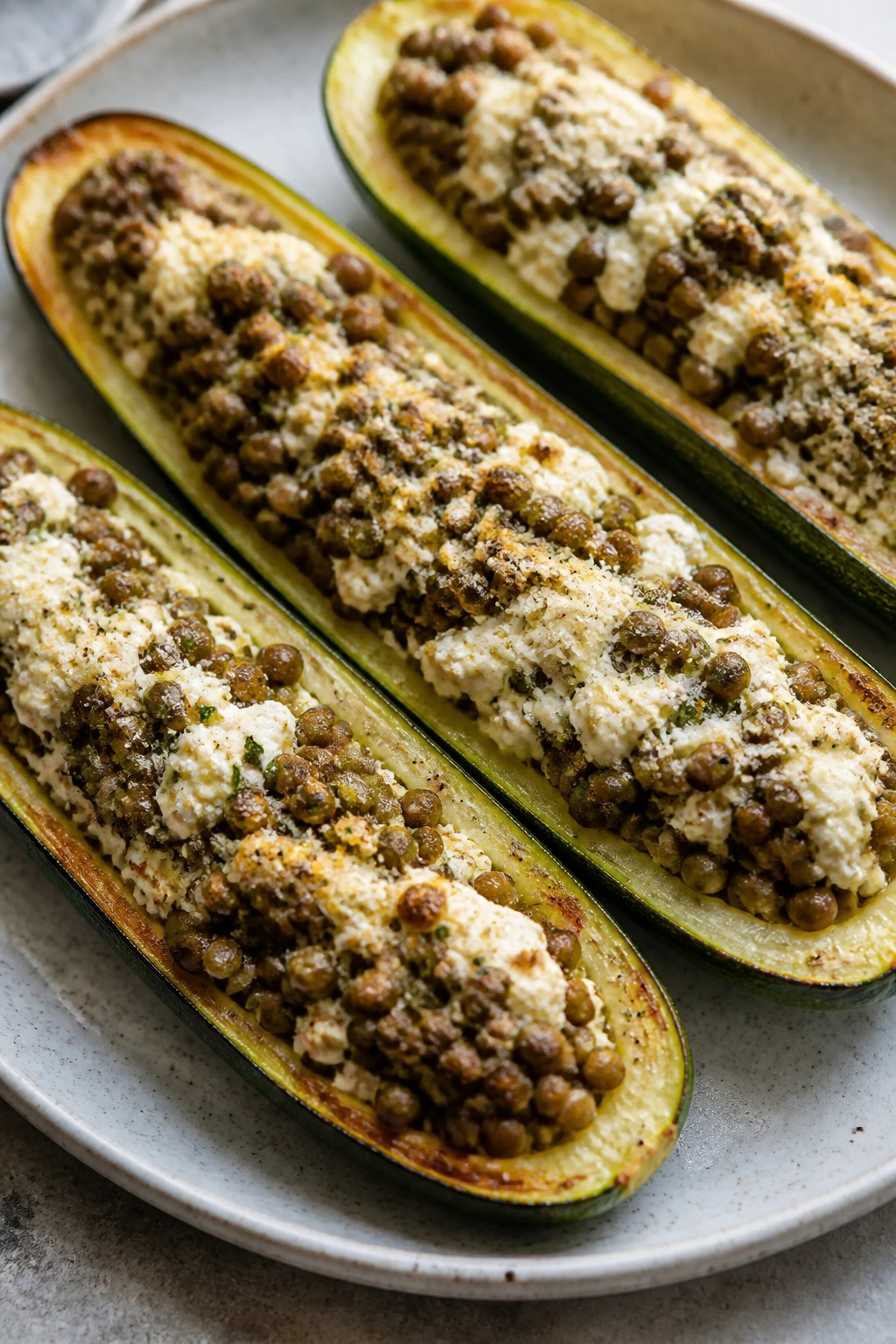
Zucchini boats are at their best when the filling has enough heft to justify the vegetable shell. Ricotta makes the inside creamy, lentils make it substantial, and marinara pulls the whole pan into familiar territory without turning it into another boring pasta bake.
Why It Works: Hollowed zucchini gives you a built-in vessel, but the real job belongs to the lentils. They keep the filling from sliding around, while ricotta brings softness and a little richness that makes the boats taste finished. Baking the zucchini briefly before filling helps it stay tender without collapsing.
Key Ingredients:
- 4 medium zucchini, halved lengthwise
- 1 tablespoon olive oil
- 1 small onion, diced
- 2 garlic cloves, minced
- 1½ cups cooked lentils
- 1 cup ricotta
- 1½ cups marinara sauce
- ½ cup grated Parmesan
- ½ teaspoon Italian seasoning
- ½ teaspoon kosher salt
- ¼ teaspoon black pepper
- 2 tablespoons chopped parsley
Quick Steps:
- Heat the oven to 400°F. Scoop out the centers of the zucchini halves, leaving a sturdy border.
- Brush the zucchini with olive oil and bake for 10 minutes.
- Cook the onion in a skillet over medium heat for 4 minutes, then add the garlic for 30 seconds.
- Stir in the lentils, ½ cup marinara, Italian seasoning, salt, and pepper. Cook until thick.
- Mix the ricotta into the lentil filling or dollop it in layers if you want pockets of creaminess.
- Spoon the filling into the zucchini boats, top with the remaining marinara and Parmesan, and bake for 18 to 20 minutes until bubbling.
Equipment for This Recipe:
- Baking dish
- Skillet
- Spoon
- Knife
- Small scoop or melon baller
How to Serve This Dish: Serve two zucchini halves per person with a green salad or crusty bread. The boats should hold their shape enough to lift, but it’s still fine to eat the filling that escapes with a fork.
Pro Tips for This Recipe:
- Leave a thick enough zucchini wall or the boats collapse.
- Cook the filling until it’s nearly dry.
- If the zucchini are huge, salt the centers lightly and blot after 10 minutes.
- A bit of mozzarella on top is welcome if you want a browner lid.
Variations on This Dish:
- Mexican Style: Use salsa, cumin, and a little shredded cheddar.
- Dairy-Free Boats: Swap ricotta for mashed tofu and nutritional yeast.
- Extra Veggie Fill: Add chopped spinach or mushrooms to the filling.
Common Mistakes to Avoid with This Dish:
- Watery boats: Zucchini holds water, so pre-baking helps.
- Loose filling: The lentil mix needs to be thick before it goes in.
- Cutting too deeply: Thin walls break apart during baking.
16. Miso Eggplant Soba with Edamame
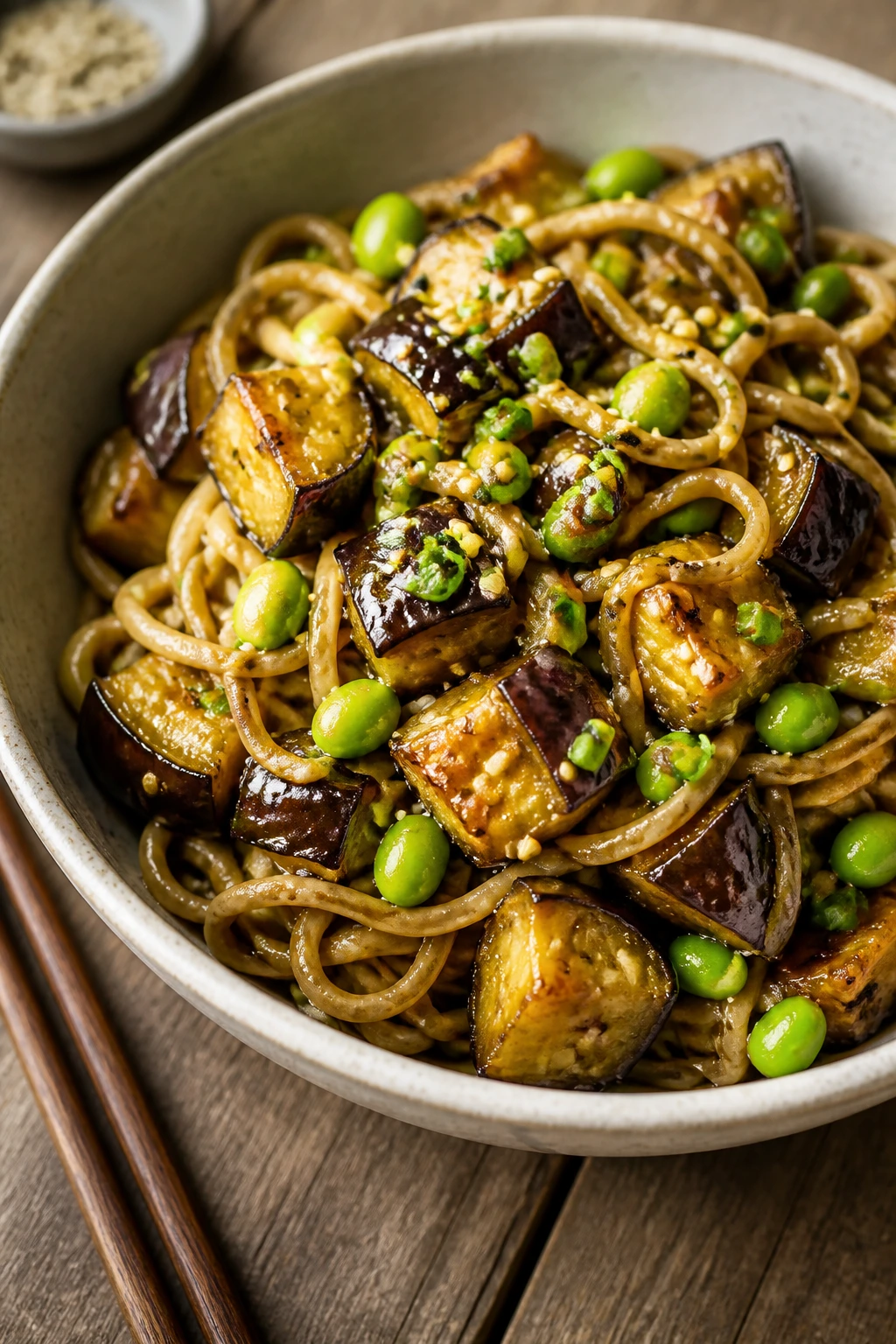
There’s a certain kind of dinner that tastes like it took more effort than it did. This is one of those. Eggplant turns silky, soba noodles stay pleasantly firm, and the miso-sesame sauce wraps everything in a salty, nutty coat that makes the bowl feel complete.
Why It Works: Eggplant absorbs flavor once it’s roasted, and that’s exactly what you want here. Edamame adds a clean, green protein note that keeps the bowl from feeling too soft or too rich. Miso gives the sauce depth without demanding a long simmer, which is why this dish works so well on a weeknight when you still want something with presence.
Key Ingredients:
- 2 medium eggplants, cut into 1-inch cubes
- 8 ounces soba noodles
- 2 cups shelled edamame
- 2 tablespoons white miso
- 2 tablespoons low-sodium soy sauce
- 1 tablespoon rice vinegar
- 1 teaspoon maple syrup
- 1 tablespoon sesame oil
- 1 tablespoon neutral oil
- 2 garlic cloves, minced
- 1 tablespoon grated ginger
- 2 scallions, sliced
- 1 tablespoon sesame seeds
Quick Steps:
- Heat the oven to 425°F. Toss the eggplant with neutral oil and roast for 25 minutes, flipping once, until soft and browned at the edges.
- Cook the soba according to the package directions. Rinse under cool water so the noodles stay separate.
- Warm the edamame briefly in boiling water or the microwave, then drain.
- Whisk the miso, soy sauce, rice vinegar, maple syrup, sesame oil, garlic, and ginger into a smooth sauce.
- Toss the noodles, eggplant, and edamame with the sauce.
- Top with scallions and sesame seeds.
Equipment for This Recipe:
- Baking sheet
- Pot for noodles
- Colander
- Whisk
- Mixing bowl
How to Serve This Dish: Serve it in wide bowls so the eggplant has room to sit on top instead of sinking into the noodles. A side of cucumber salad with rice vinegar is a nice cold contrast.
Pro Tips for This Recipe:
- Roast the eggplant hard enough that it browns; pale eggplant tastes flat.
- Rinse soba after cooking or it clumps.
- Whisk the sauce until the miso is fully dissolved.
- A little chili crisp on top is not a bad idea.
Variations on This Dish:
- Cold Noodle Bowl: Chill everything and serve as a salad.
- Peanut-Miso Sauce: Add 2 tablespoons peanut butter to the sauce.
- Spicy Sesame Version: Stir in chili oil or chili flakes.
Common Mistakes to Avoid with This Dish:
- Soggy eggplant: It needs high heat, not a slow roast.
- Sticky noodles: Rinse soba after draining.
- Blunt sauce: Miso needs acid and a touch of sweetness to sing.
17. Minestrone with Beans and Greens
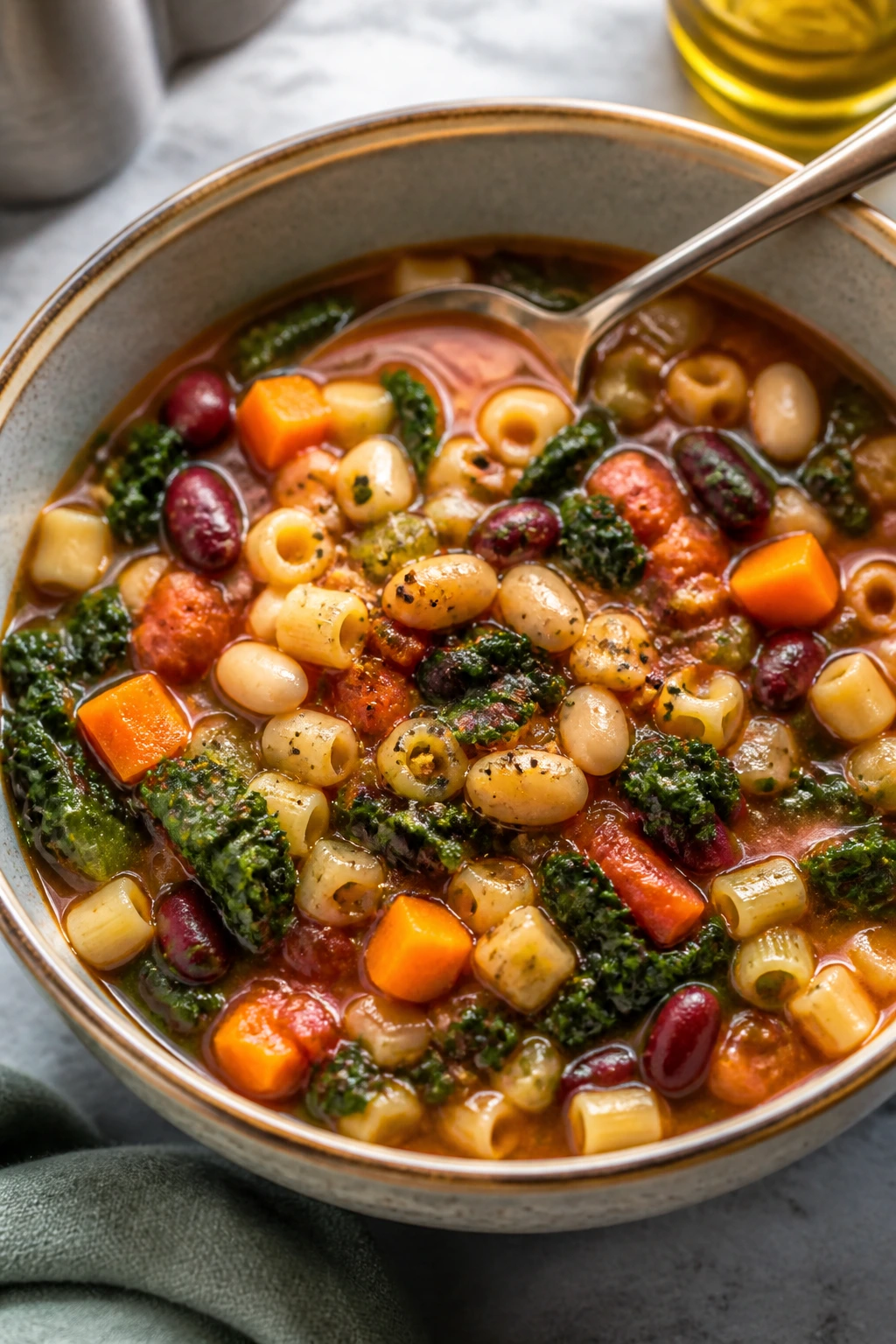
A good minestrone tastes like it has been simmering all afternoon even when it hasn’t. Beans and pasta make it hearty, the vegetables keep it lively, and the kale or spinach at the end gives the bowl a fresh green note that stops the soup from becoming heavy.
Why It Works: This soup gets body from two places: beans and starch. Cannellini beans bring creaminess, kidney beans bring bite, and a small pasta shape thickens the broth just enough to make each spoonful feel like a meal. The greens go in late so they stay visible and tender, which matters more than people admit.
Key Ingredients:
- 2 tablespoons olive oil
- 1 onion, diced
- 2 carrots, diced
- 2 celery stalks, diced
- 1 zucchini, diced
- 3 garlic cloves, minced
- 1 can diced tomatoes
- 1 can cannellini beans, drained and rinsed
- 1 can kidney beans, drained and rinsed
- 6 cups vegetable broth
- 1 teaspoon Italian seasoning
- 1 cup small pasta, such as ditalini
- 3 cups chopped kale or spinach
- ½ teaspoon kosher salt
- ¼ teaspoon black pepper
- ¼ cup grated Parmesan, optional
Quick Steps:
- Warm the olive oil in a pot over medium heat. Cook the onion, carrots, and celery for 6 to 7 minutes.
- Add the zucchini and garlic and cook for 2 minutes.
- Stir in the diced tomatoes, beans, broth, Italian seasoning, salt, and pepper. Bring to a simmer and cook for 10 minutes.
- Add the pasta and cook until just tender, usually 8 to 10 minutes.
- Stir in the greens for the last 2 minutes.
- Taste and adjust the salt before serving with Parmesan.
Equipment for This Recipe:
- Large soup pot
- Wooden spoon
- Ladle
- Knife
- Cutting board
How to Serve This Dish: Serve it with toasted bread rubbed with garlic, or a spoonful of pesto if you want to make the bowl feel greener and richer. It’s substantial enough to stand alone, which is the whole point.
Pro Tips for This Recipe:
- Add pasta only when you’re close to serving if you want leftovers to stay brothy.
- A Parmesan rind in the pot adds depth if you have one.
- Don’t overcook the greens; they should still look lively.
- Taste after the beans go in because they soak up salt.
Variations on This Dish:
- Pasta-Free Version: Skip the pasta and add more beans.
- Tomato-Lighter Soup: Use half the diced tomatoes and more broth.
- Smoky Mineстрone: Add smoked paprika and a pinch of fennel seed.
Common Mistakes to Avoid with This Dish:
- Mushy pasta: Cook it separately if the soup will sit around.
- Underseasoned broth: Beans and pasta need more salt than you think.
- Late greens: Kale added too early gets drab.
18. Cauliflower Fried Rice with Tofu
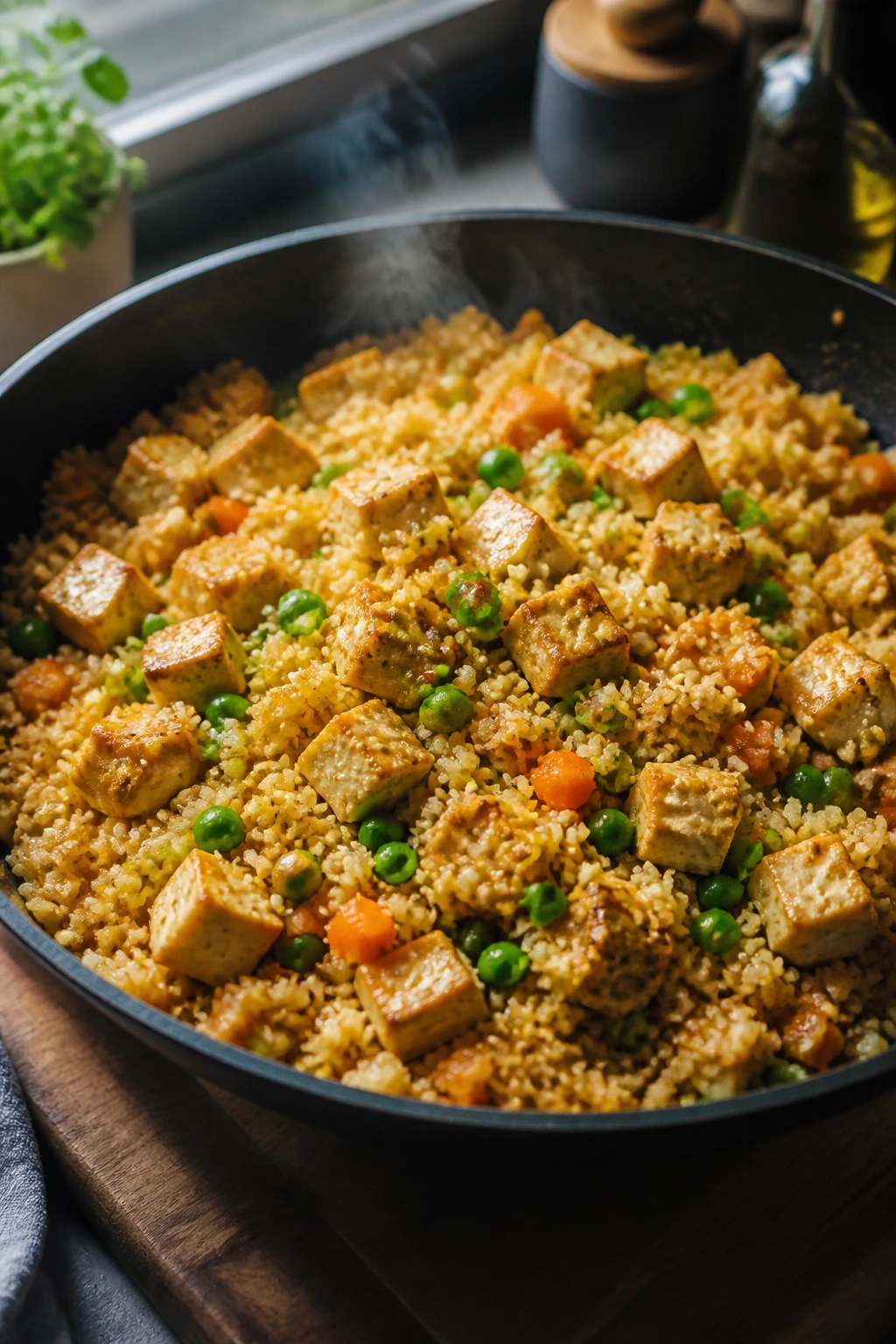
Cauliflower rice has a bad reputation when it’s treated like a sad substitute. In a hot skillet, with tofu, eggs, peas, carrots, and sesame oil, it stops pretending to be anything else and becomes its own thing: light, savory, and still filling enough to count as dinner.
Why It Works: Tofu brings the protein, eggs add richness if you use them, and cauliflower rice keeps the texture loose instead of heavy. The key is heat. If the pan is hot enough, the cauliflower loses some moisture and takes on that fried-rice smell that makes the dish feel much more satisfying than the ingredient list suggests.
Key Ingredients:
- 14 ounces extra-firm tofu, pressed and cubed
- 1 tablespoon neutral oil
- 1 large head cauliflower, riced, about 6 cups
- 1 cup frozen peas and carrots
- 2 scallions, sliced
- 2 garlic cloves, minced
- 1 tablespoon grated ginger
- 2 tablespoons low-sodium soy sauce
- 1 tablespoon sesame oil
- 2 eggs, lightly beaten, optional
- ½ teaspoon kosher salt
- ¼ teaspoon black pepper
Quick Steps:
- Press and cube the tofu, then brown it in neutral oil over medium-high heat for 8 to 10 minutes until golden on several sides.
- Push the tofu to one side of the pan and scramble the eggs if using, then transfer them to a plate.
- Add the peas, carrots, garlic, and ginger. Cook for 2 minutes.
- Stir in the cauliflower rice and cook for 5 to 6 minutes, stirring often, until it softens and some of the moisture cooks away.
- Add the soy sauce, sesame oil, salt, pepper, tofu, eggs, and scallions. Toss for 1 minute and serve hot.
Equipment for This Recipe:
- Large skillet or wok
- Cutting board
- Knife
- Spatula
- Box grater or food processor, if ricing cauliflower yourself
How to Serve This Dish: Serve it straight from the skillet with chili sauce or a squeeze of lime. I like a little extra scallion on top because it keeps the bowl from looking too monochrome.
Pro Tips for This Recipe:
- Dry the cauliflower rice with a towel if it looks wet.
- Cook in batches if your skillet is small.
- Use leftover rice-style veggies if you have them; peas and carrots are just the most classic pair.
- Add the soy sauce around the edges of the pan so it sizzles a little.
Variations on This Dish:
- Vegan Version: Skip the eggs and add more tofu.
- Kimchi Fried Rice: Stir in chopped kimchi at the end.
- Pineapple Version: A small handful of pineapple gives it a sweet edge.
Common Mistakes to Avoid with This Dish:
- Soggy cauliflower: Too much moisture ruins the fry.
- Crowded pan: The cauliflower needs contact with heat.
- Heavy soy sauce pour: Too much liquid makes the dish muddy.
19. Peanut Noodle Salad with Edamame
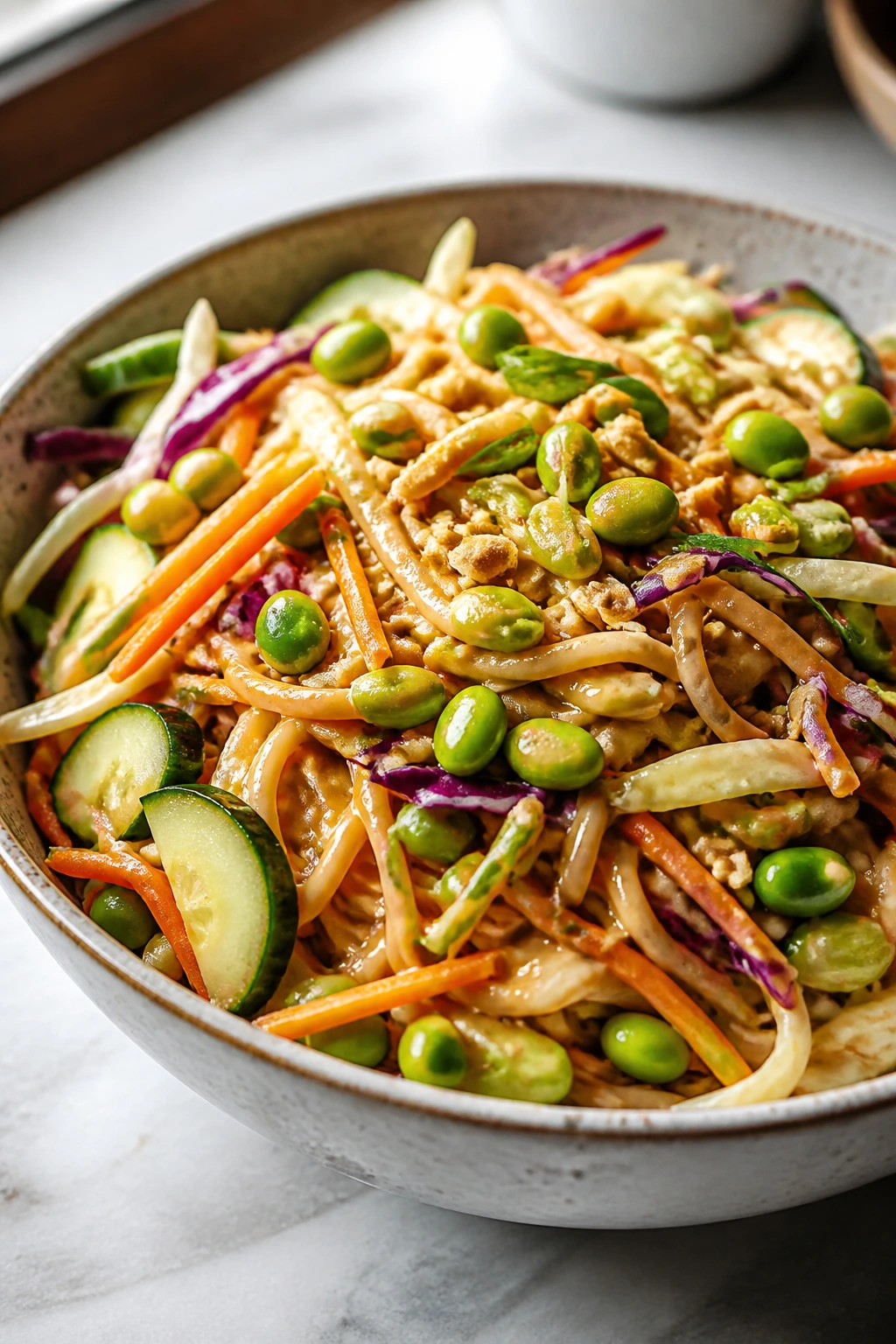
Cold noodle salads live or die by the sauce. If the sauce is thin, the whole bowl feels like dressed vegetables. If it’s thick and glossy, with enough salt and lime to cling to the noodles, the salad becomes something you actually look forward to eating cold from the fridge.
Why It Works: Edamame boosts the protein without asking for any separate cooking drama, and peanut butter gives the dressing enough body to coat the noodles. Cabbage and cucumber add crunch, which is what keeps the bowl from turning into a soft tangle after the first toss. The trick is to make the sauce bold enough to stand up to chilled noodles.
Key Ingredients:
- 12 ounces soba noodles or whole-wheat spaghetti
- 2 cups shelled edamame
- 3 cups shredded cabbage
- 1 carrot, julienned or shredded
- 1 cucumber, sliced thin
- 2 tablespoons chopped cilantro
- 2 tablespoons chopped peanuts
For the Peanut Sauce:
- ⅓ cup peanut butter
- 2 tablespoons soy sauce
- 2 tablespoons lime juice
- 1 tablespoon honey or maple syrup
- 1 teaspoon sesame oil
- 2 to 4 tablespoons hot water
Quick Steps:
- Cook the noodles until just tender, then rinse them under cool water so they don’t stick.
- Warm or steam the edamame and drain well.
- Whisk the peanut sauce ingredients together, adding hot water until it turns smooth and pourable.
- Toss the noodles with the edamame, cabbage, carrot, cucumber, and sauce.
- Top with cilantro and peanuts.
- Chill for 10 minutes if you want the flavors to settle before serving.
Equipment for This Recipe:
- Pot
- Colander
- Mixing bowl
- Whisk
- Tongs or salad servers
How to Serve This Dish: Serve it cold or at room temperature in shallow bowls. A wedge of lime on the side is helpful if the noodles absorb more sauce than you expected.
Pro Tips for This Recipe:
- Rinse the noodles thoroughly so they stay separate.
- Thin the sauce with hot water, not cold, or it can seize.
- Keep the peanuts for the very end so they stay crunchy.
- If the salad sits in the fridge, loosen it with a spoonful of water before serving.
Variations on This Dish:
- Spicy Peanut Salad: Add sriracha or chili crisp to the sauce.
- Sesame-Lime Version: Swap half the peanut butter for tahini.
- Gluten-Free Version: Use rice noodles and tamari.
Common Mistakes to Avoid with This Dish:
- Gluey noodles: They need to be rinsed and drained well.
- Too-thick sauce: It should coat, not paste.
- Crunch added too early: Peanuts and herbs go on at the end.
20. Savory Oatmeal with Mushrooms and Egg
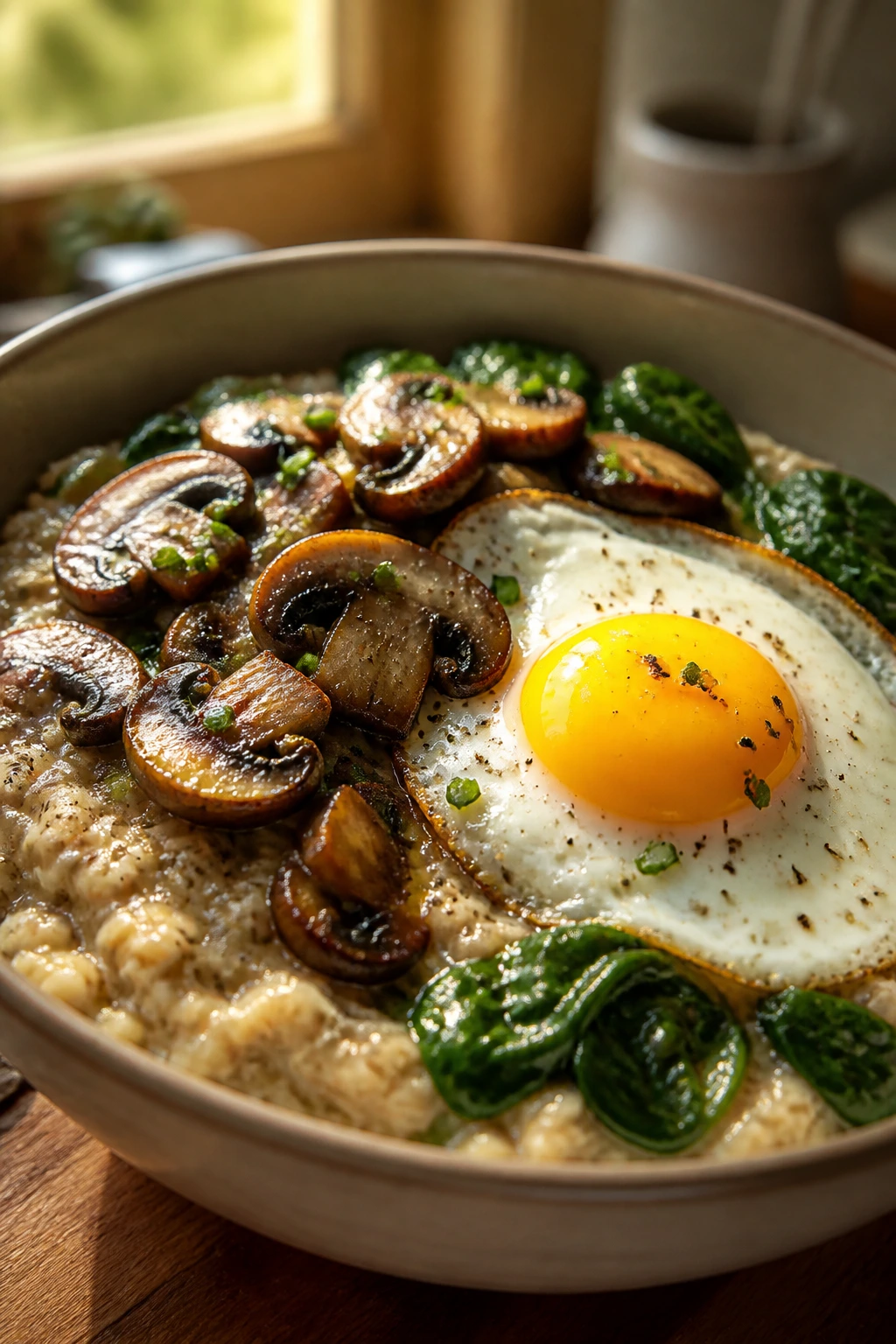
Sweet oatmeal gets all the attention, which is a shame, because savory oatmeal is one of the easiest ways to make a bowl of pantry ingredients feel like dinner. Mushrooms bring the deep, browned flavor, spinach gives you something green, and the egg on top makes the whole thing feel finished.
Why It Works: Oats are not just for breakfast. Cook them in broth instead of water and they pick up real savory depth, then mushrooms and cheese give the bowl body and salt. The egg matters because the yolk turns into a sauce of its own, which is exactly what this bowl needs.
Key Ingredients:
- 1 cup rolled oats
- 2 cups vegetable broth
- 1 tablespoon butter or olive oil
- 8 ounces mushrooms, sliced
- 1 small onion, diced
- 2 cups baby spinach
- 2 large eggs
- ¼ cup grated Parmesan
- ½ teaspoon kosher salt
- ¼ teaspoon black pepper
- Chili crisp or hot sauce, optional
Quick Steps:
- Warm the butter or oil in a skillet over medium heat. Cook the mushrooms and onion for 7 to 8 minutes until browned.
- In a separate saucepan, bring the broth to a simmer and stir in the oats. Cook for 5 minutes, stirring, until thick and creamy.
- Stir the spinach, Parmesan, salt, and pepper into the oats.
- Cook the eggs to your liking — fried, poached, or soft-boiled all work.
- Spoon the oats into bowls and top with the mushrooms and egg.
- Finish with chili crisp or hot sauce if you want heat.
Equipment for This Recipe:
- Saucepan
- Skillet
- Spoon
- Small pot for eggs, if poaching or boiling
- Whisk, if making scrambled eggs instead
How to Serve This Dish: Serve it hot in shallow bowls so the egg can run a little into the oats. A few drops of hot sauce or a spoon of yogurt on the side shifts the whole bowl in a good direction.
Pro Tips for This Recipe:
- Use rolled oats, not instant, or the texture turns pasty.
- Brown the mushrooms well; pale mushrooms taste thin.
- A fried egg with a runny yolk gives the best finish.
- Add more broth if the oats thicken before serving.
Variations on This Dish:
- Miso Oats: Stir in 1 teaspoon miso with the broth.
- Vegan Bowl: Skip the egg and add sautéed tofu.
- Cheesy Herb Version: Use cheddar and chives instead of Parmesan.
Common Mistakes to Avoid with This Dish:
- Watery oats: Too much broth makes them soupy.
- Underbrowned mushrooms: They need color for flavor.
- Skipping salt: Oats need seasoning as much as rice does.
21. Broccoli Cheddar Chickpea Bake
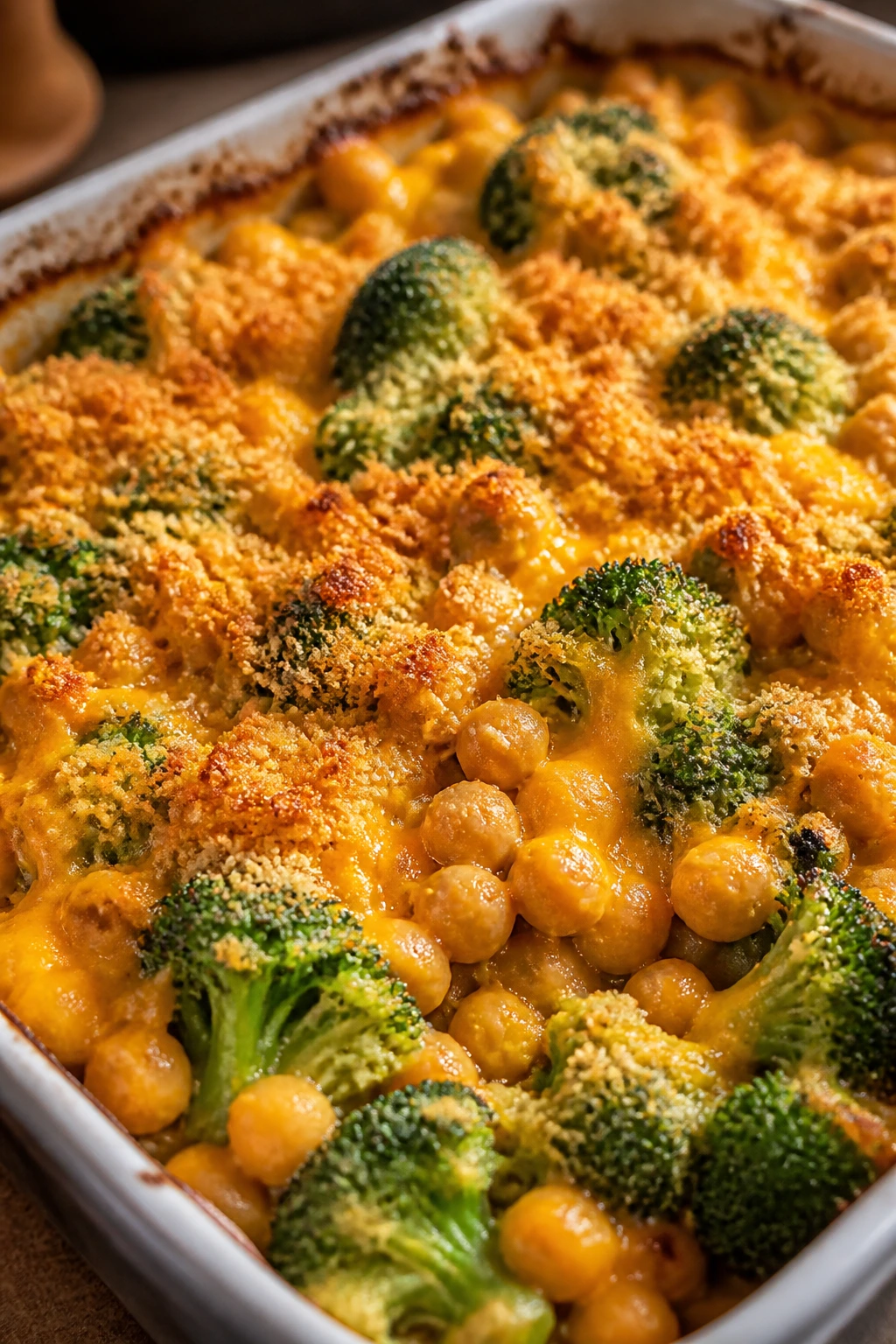
This casserole is what I make when I want something that eats like a comfort dish but still has vegetables showing through. Broccoli gives the bake some structure, chickpeas add heft, and the cheddar sauce pulls everything together in that gloriously old-school way that casserole does so well.
Why It Works: Chickpeas and broccoli make a surprisingly sturdy pair. The broccoli keeps its shape, the chickpeas fill gaps, and the cheese sauce clings to both without turning the pan into soup. Breadcrumbs on top give you the browned crust that makes a casserole feel complete and not just creamy.
Key Ingredients:
- 4 cups broccoli florets
- 2 cans chickpeas, drained and rinsed
- 2 tablespoons butter
- 2 tablespoons all-purpose flour
- 1½ cups milk
- 1 teaspoon Dijon mustard
- 1 cup grated sharp cheddar
- ¼ cup grated Parmesan
- ½ teaspoon garlic powder
- ½ teaspoon kosher salt
- ¼ teaspoon black pepper
- ½ cup breadcrumbs
- 1 tablespoon olive oil
- 2 tablespoons chopped parsley
Quick Steps:
- Heat the oven to 400°F. Steam or blanch the broccoli for 2 minutes so it stays bright but starts to soften.
- Melt the butter in a saucepan over medium heat. Whisk in the flour and cook for 1 minute.
- Slowly whisk in the milk, then add Dijon, cheddar, Parmesan, garlic powder, salt, and pepper. Stir until smooth and thick.
- Combine the broccoli and chickpeas in a baking dish and pour the cheese sauce over the top.
- Toss the breadcrumbs with olive oil and scatter them over the casserole.
- Bake for 20 to 25 minutes until bubbling and browned. Finish with parsley.
Equipment for This Recipe:
- Casserole dish
- Saucepan
- Whisk
- Steamer basket or pot for blanching
- Spoon
How to Serve This Dish: Serve it with a sharp side salad or sliced tomatoes to cut the richness. The casserole is dense enough that a small square goes a long way, which is handy if you want leftovers.
Pro Tips for This Recipe:
- Steam the broccoli briefly so it still has some bite.
- Whisk the milk in slowly to prevent lumps.
- Let the sauce thicken before it goes in the dish.
- Breadcrumbs mixed with a little oil brown better than dry crumbs.
Variations on This Dish:
- Smoky Version: Add smoked paprika to the sauce.
- Gluten-Free Bake: Use a gluten-free flour blend and GF breadcrumbs.
- Extra Veggie Bake: Add cauliflower florets or chopped spinach.
Common Mistakes to Avoid with This Dish:
- Watery broccoli: Too much moisture makes the sauce loose.
- Thin sauce: Cook it long enough on the stove to thicken.
- Overbaked top: Pull it once the crumbs are golden, not dark.
22. Portobello and White Bean Smash Burgers
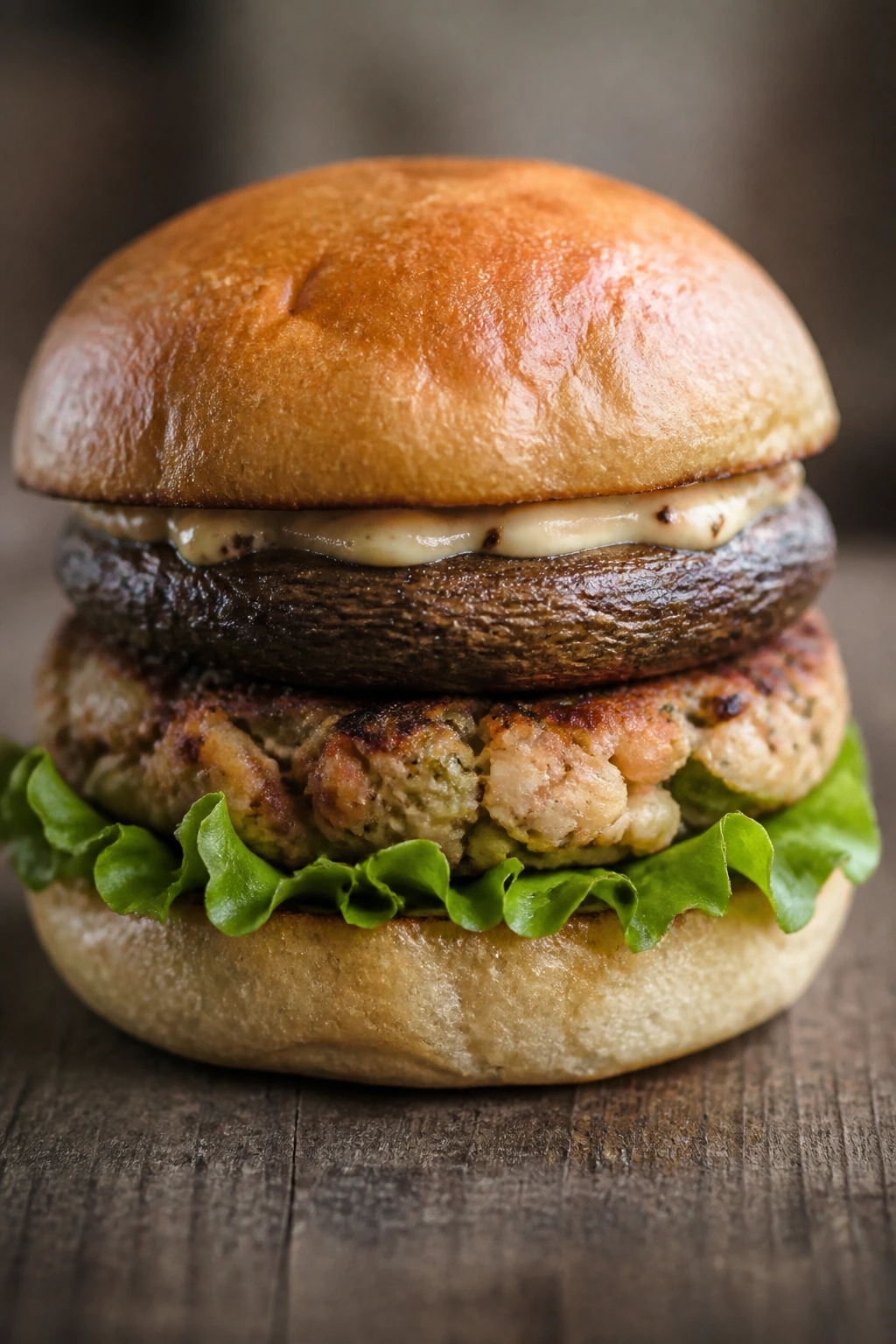
A good meatless burger needs more than a patty-shaped apology. These burgers have that problem solved: meaty portobello caps, a white bean smash patty with enough texture to bite into, and the usual burger fixings that keep the whole thing grounded in familiar territory.
Why It Works: White beans give the patty a creamy interior, breadcrumbs keep it from falling apart, and the egg helps everything bind without making it heavy. Portobellos bring the roasted, savory note that makes the burger feel hearty even before the condiments show up. If you want a meatless burger that doesn’t crumble into a fork situation, this is the move.
Key Ingredients:
- 4 large portobello mushroom caps, stems removed
- 1 can white beans, drained and patted dry
- ⅓ cup breadcrumbs
- 1 egg
- 1 tablespoon Dijon mustard
- 1 tablespoon soy sauce
- ½ small onion, finely minced
- 1 teaspoon garlic powder
- 1 tablespoon olive oil
- 4 burger buns
- Lettuce, tomato, and pickles for serving
- 2 tablespoons mayonnaise or Greek yogurt
Quick Steps:
- Heat the oven to 425°F. Brush the portobello caps with olive oil and roast them for 12 to 15 minutes until tender and a little wrinkled.
- Mash the white beans in a bowl until about three-quarters of them are broken down.
- Stir in the breadcrumbs, egg, Dijon, soy sauce, onion, and garlic powder. Shape the mixture into 4 patties and chill for 10 minutes if it feels loose.
- Pan-sear the patties in a little oil over medium heat for 3 to 4 minutes per side until browned.
- Toast the buns, then stack each burger with mayo or yogurt, portobello cap, bean patty, lettuce, tomato, and pickles.
Equipment for This Recipe:
- Baking sheet
- Skillet
- Mixing bowl
- Spatula
- Fork or potato masher
How to Serve This Dish: Serve the burgers hot with oven fries or a cabbage slaw. The portobello cap should sit under the patty like a second layer of savory insurance.
Pro Tips for This Recipe:
- Dry the beans well so the patties hold together.
- Chill the patties if they seem soft before cooking.
- Roast the mushrooms first so they lose moisture.
- Toast the buns. A soft bun turns the first bite into a mess.
Variations on This Dish:
- Spicy Burger: Add chopped jalapeño or hot sauce to the bean mix.
- Lettuce Wrap Version: Skip the bun and serve in large lettuce leaves.
- Vegan Version: Use a flax egg instead of a chicken egg and vegan mayo.
Common Mistakes to Avoid with This Dish:
- Wet bean mix: It won’t hold shape.
- Skipping the roast on mushrooms: They need to lose water first.
- Cold buns: Toasting keeps the burger from feeling flat.
Why High-Protein Vegetarian Meals Work Better Than a Plain Plate of Greens
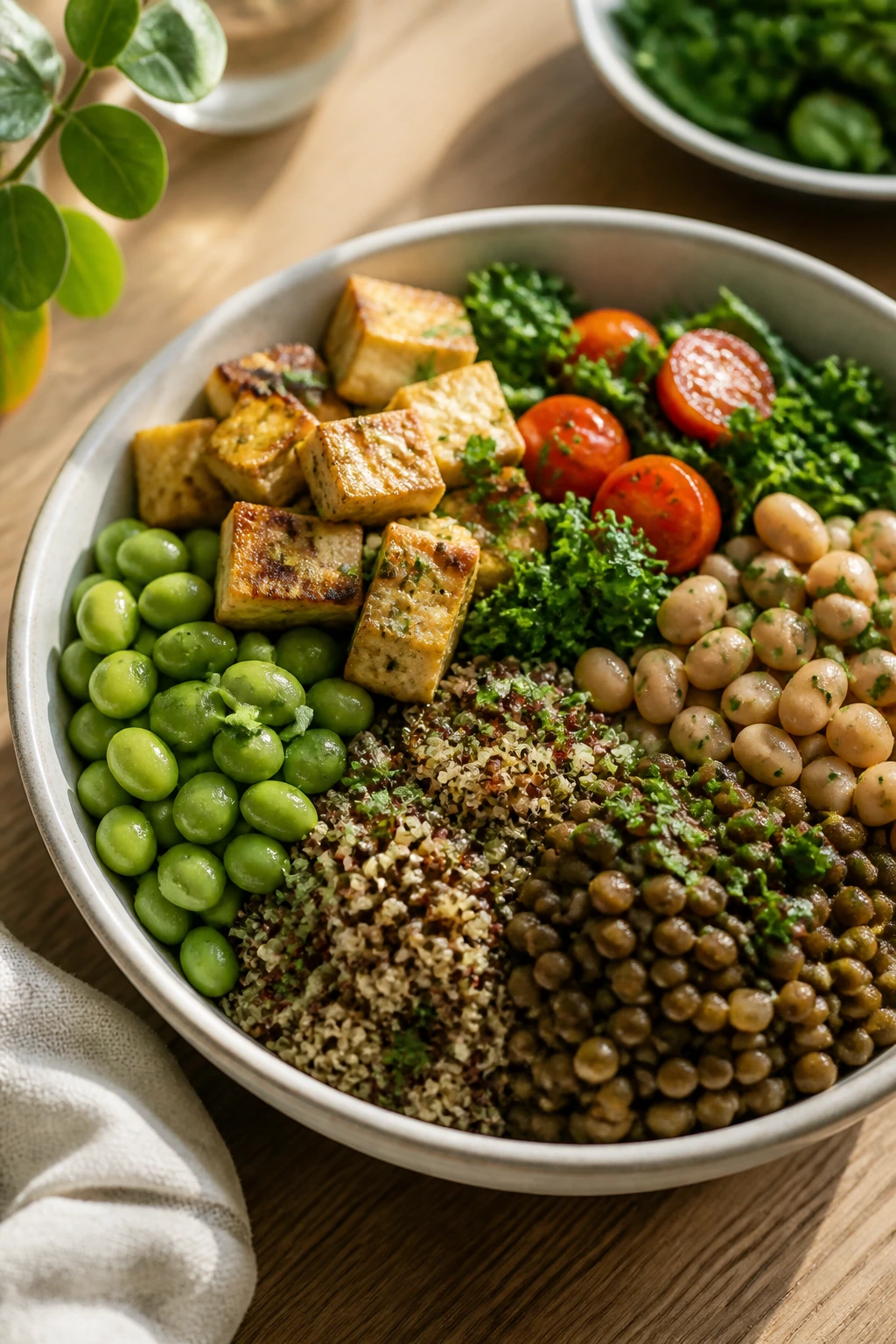
A meatless meal gets filling when protein stops acting like a side note and starts shaping the whole plate. Beans, tofu, lentils, eggs, yogurt, edamame, and tempeh each bring a different kind of density. Some are creamy. Some are chewy. Some brown beautifully in a pan. That variety matters because fullness isn’t only about calories; it’s also about texture, salt, fat, and how long it takes you to eat the meal.
I like building these recipes around one anchor ingredient and one support ingredient. Lentils with sweet potatoes. Chickpeas with cauliflower. Tofu with broccoli. Eggs with cottage cheese. If you use only one protein source, the dish can taste one-note. Use two, and suddenly the plate has a center of gravity. That’s why these recipes don’t feel like side dishes wearing dinner clothes. They’re structured like meals.
You also get a useful bonus: most of these ingredients are cheap enough to keep on hand without much planning. A few cans of beans, a block of tofu, dry lentils, a bag of quinoa, and a head of cauliflower can cover a lot of ground. And when dinner starts from the pantry instead of a special trip to the store, the whole idea of meatless cooking gets easier to live with.
Essential Equipment for These Recipes
-
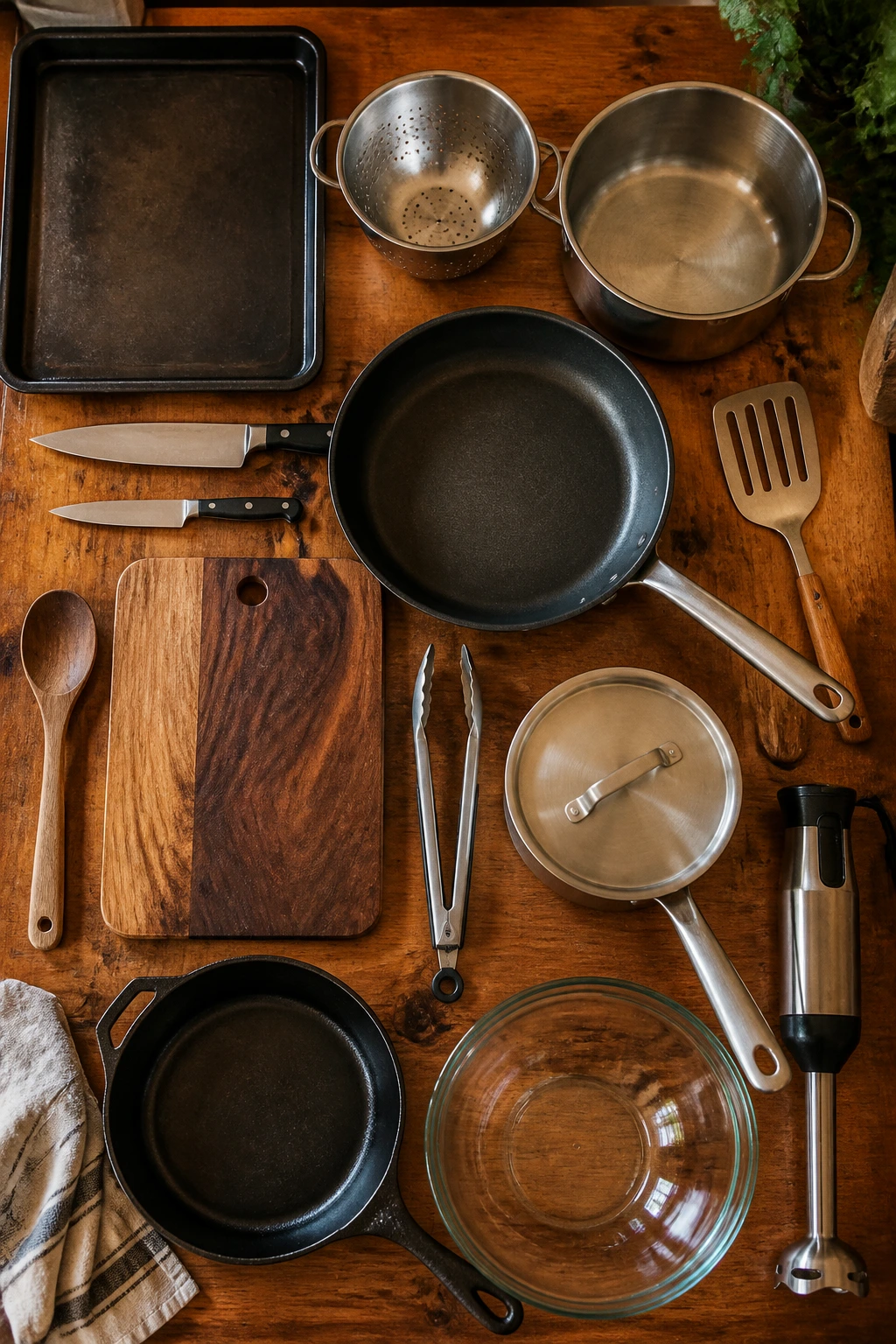
Large skillet or sauté pan: Needed for stir-fries, skillet dinners, and anything that needs browning before saucing.
-
Rimmed baking sheets: Roasting vegetables works better when the pan has room; crowded sheets steam food and flatten the flavor.
-
Dutch oven or soup pot: Soup, curry, and minestrone need a pot with enough depth to simmer without splashing.
-
9×13-inch baking dish: The casseroles, lasagna, and stuffed vegetables all settle into this size nicely.
-
Ovenproof skillet: Frittatas and skillet bakes need a pan that can move from stovetop to oven without drama.
-
Sharp chef’s knife: A dull knife turns vegetable prep into a chore and makes even chopping harder.
-
Cutting board: One board for vegetables, one for protein if you’re using eggs or dairy-prepped ingredients. Keep it simple.
-
Whisk and mixing bowls: Dressings, sauces, and egg mixtures all come together faster with these.
-
Colander: Pasta, noodles, and rinsed beans all need a clean drain.
-
Tongs and a sturdy spatula: You’ll use both more than you expect, especially for tofu, halloumi, and roasted vegetables.
Smart Shopping for Meatless Proteins and Vegetables
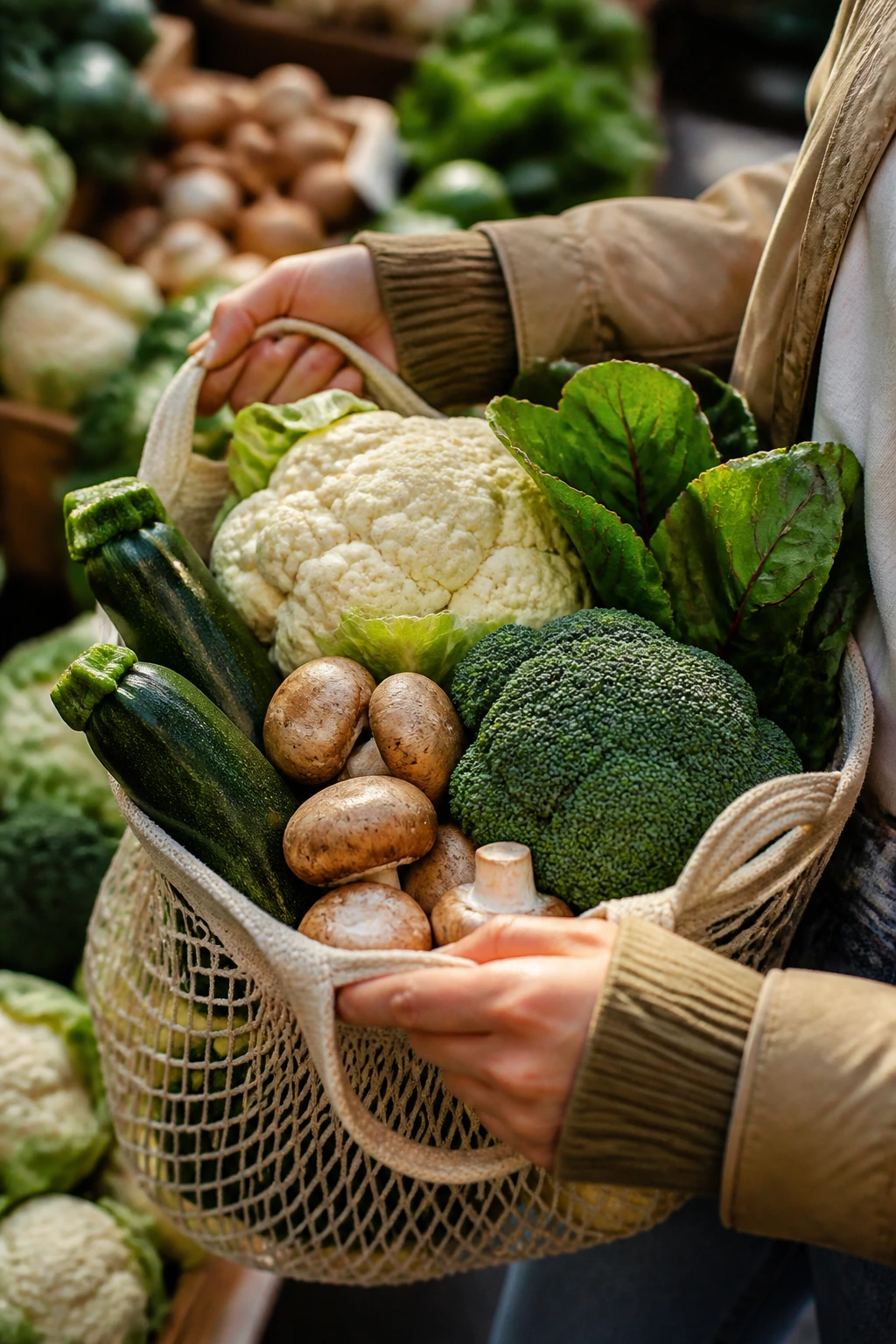
The easiest way to make these recipes taste like dinner is to buy vegetables that already have some character. Look for cauliflower with tight florets, broccoli with firm stems, zucchini that still feels heavy for its size, and mushrooms that are dry and unbruised. Wet, limp produce cooks into softness before you ever get the chance to brown it.
For protein, pick the form that fits the recipe instead of forcing one ingredient to do all the work. Extra-firm tofu is for crisping. Silken tofu is for blending, and it would be a mistake in a stir-fry. Chickpeas and white beans should be rinsed well so the canning liquid doesn’t muddy the flavor. Lentils are better when they hold shape, so brown and green lentils usually work better than red ones in these dishes.
Dairy has a place here, too, if you use it with purpose. Greek yogurt should be thick enough to hold a drizzle on top of a bowl. Cottage cheese should be the kind with distinct curds, not a watery tub. Halloumi needs to feel springy in the package, not soft and wet. And if you’re buying cheese for a bake, grating it yourself tends to melt better than the pre-shredded bag, which often has anti-caking starch mixed in.
Whole grains matter more than they get credit for. Quinoa, farro, brown rice, soba, and oats are not side characters in these recipes; they’re part of what keeps the meal full. Buy them in forms you’ll actually cook. Dry grains keep well forever in a pantry, and that makes it easier to pull together a meal without thinking too hard.
How to Serve These Recipes
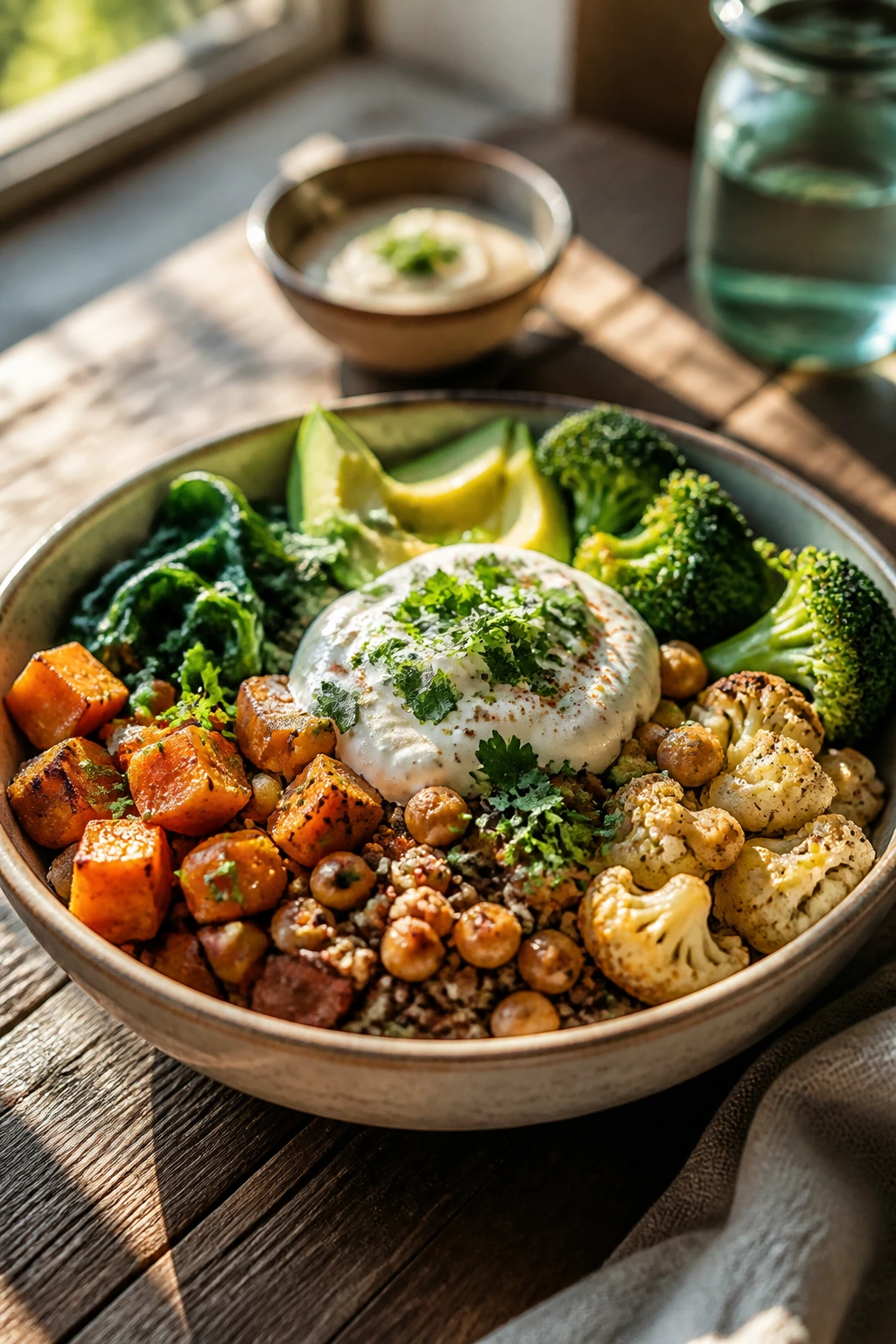
Presentation: Use shallow bowls for grain dishes, deep bowls for soups, and wide plates for roasted items and stuffed vegetables. A spoonful of yogurt, a handful of herbs, or a few sesame seeds on top goes a long way toward making the plate look intentional.
Accompaniments: Crisp salads, toasted flatbread, rice, quinoa, roasted potatoes, and quick pickles all pair naturally with these recipes. If the dish already has a soft base, add something crunchy on the side. If the meal is already saucy, keep the side plain.
Portions: Most of these recipes comfortably serve 4 as a main course, though soups and grain bowls can stretch to 5 if you add bread or salad. For hungrier eaters, aim for about 1½ cups of soup, one stuffed pepper half, or one full bowl with at least one protein anchor and one grain.
Beverage Pairing: Lemon water, iced green tea, sparkling water with lime, or a dry white wine all work well depending on the dish. Curry and tacos like something bright; cheesy bakes and burgers do well with a crisp, cold drink that cuts the richness.
Additional Tips and Flavor Boosters
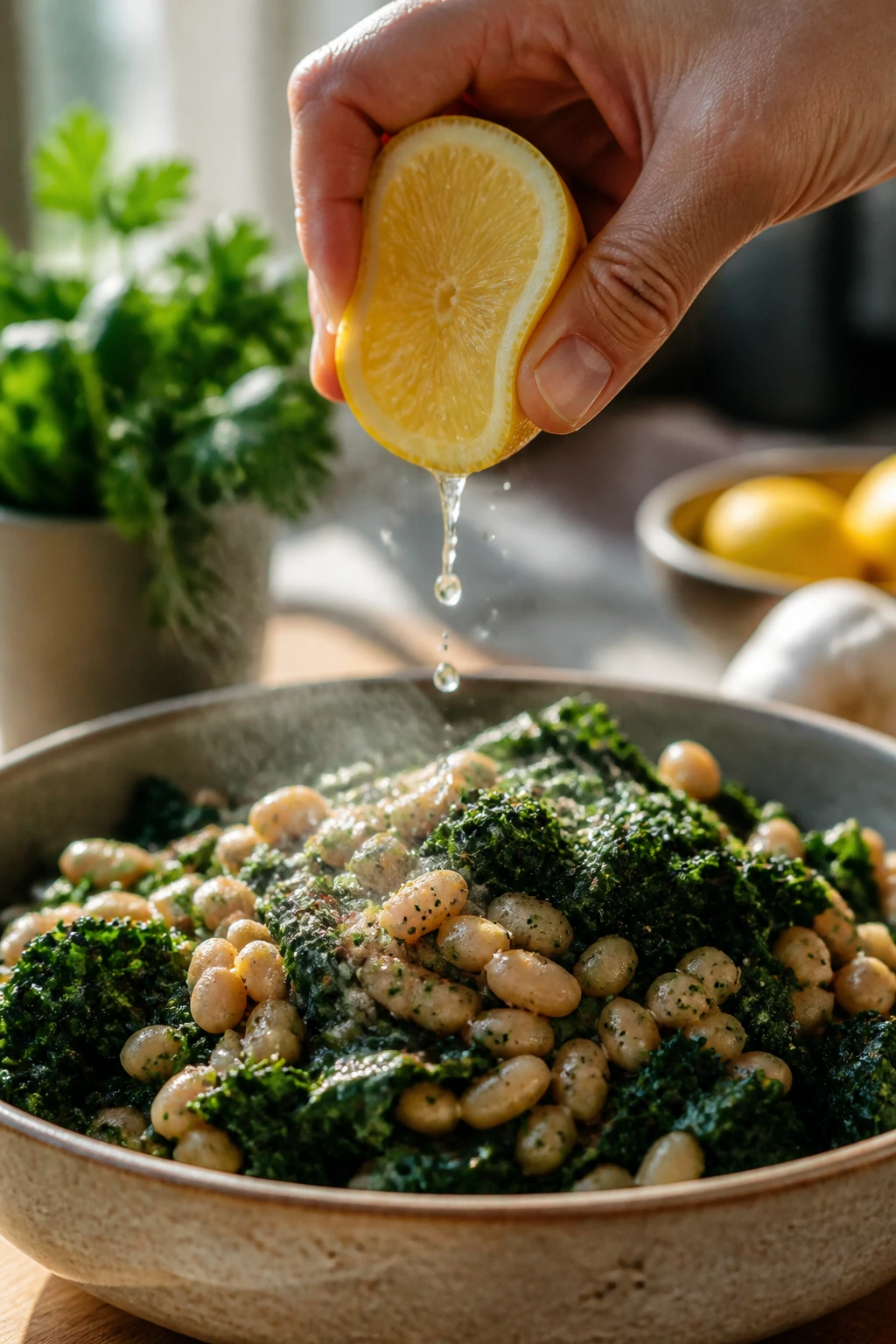
Flavor Enhancement: A squeeze of lemon, lime, or a splash of vinegar at the end is not garnish; it’s structure. Vegetarian food often tastes better once a little acid wakes up the beans, grains, and greens.
Customization: If you want more protein, add hemp seeds to bowls, an extra egg to bakes, or another half cup of beans to soups and stews. If you want a lighter plate, cut the starch a little and lean harder on roasted vegetables and herbs.
Serving Suggestions: Fresh herbs matter more than most people want to admit. Parsley, dill, basil, cilantro, and scallions make a meal taste fresher in one minute than simmering for twenty can.
Make-It-Yours: For dairy-free cooking, use tahini, yogurt alternatives, or blended tofu in place of cream and cheese. For gluten-free versions, swap in rice, quinoa, corn tortillas, gluten-free pasta, or cauliflower rice where the recipe calls for wheat.
Make-Ahead, Storage, and Reheating Guidance
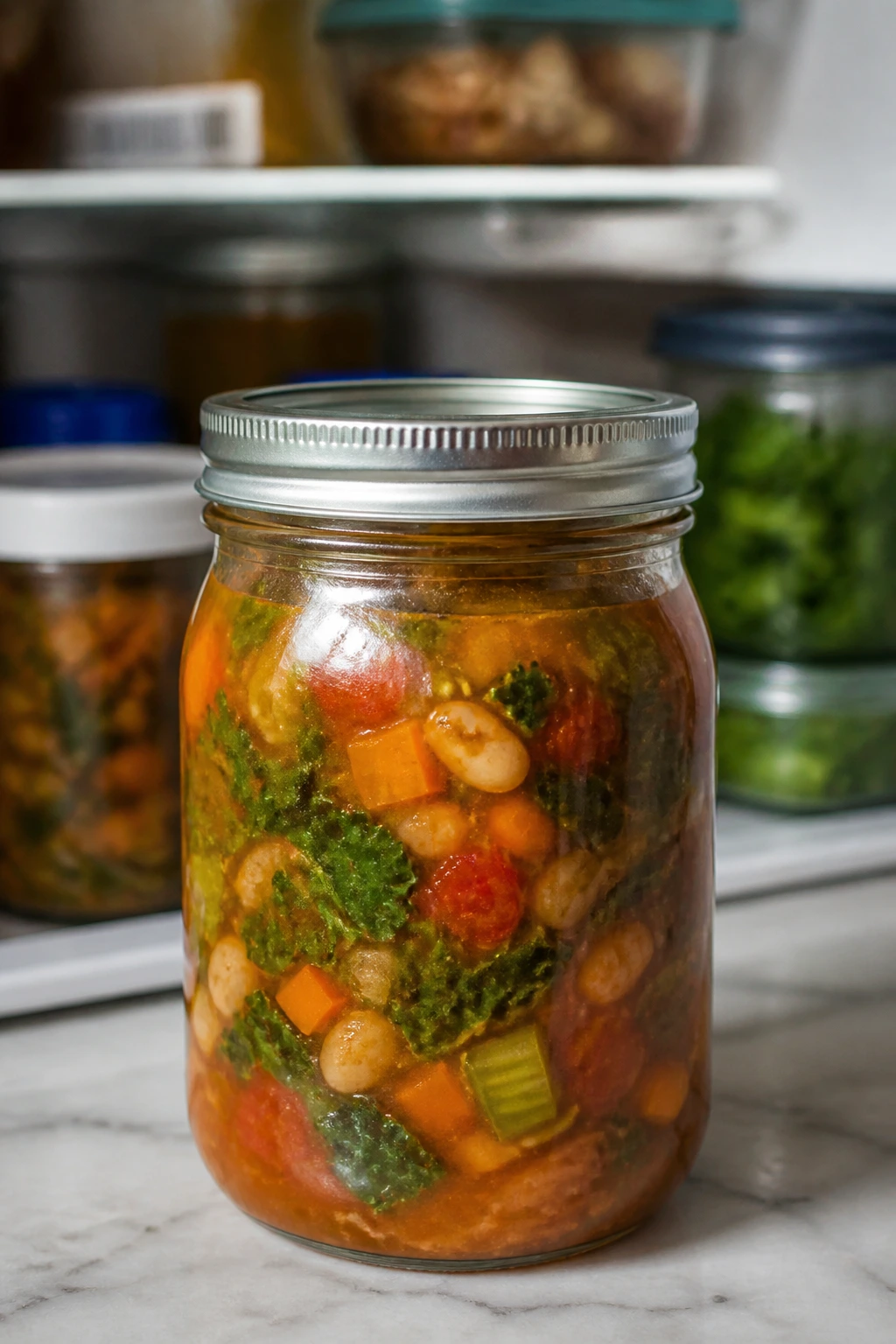
Soups, curries, casseroles, and grain bowls usually keep well for 3 to 4 days in the fridge in sealed containers. A few of them — especially the white bean soup, minestrone, and mushroom lentil pie — freeze well for up to 2 months, though the texture of potatoes and pasta can shift a bit after thawing. If you know you want leftovers, cook pasta separately or keep it undercooked by a minute so it doesn’t turn to mush in storage.
To reheat soups and curries, use low to medium heat on the stove and add a splash of broth or water if they’ve thickened overnight. Casseroles and baked dishes reheat best in a 325°F oven, loosely covered with foil, until hot in the center. Grain bowls and stir-fries do better in a skillet than a microwave because the pan brings back some texture. Add a spoonful of water around the edges of the pan if the grains look dry.
Fresh toppings are another story. Keep avocado, herbs, yogurt, crema, nuts, and crunchy vegetables separate until serving time. If you mix them in too early, you lose half the point of having them there in the first place. A little planning goes a long way here.
Variations and Adaptations to Try
Gluten-Free Grain Switch: Replace farro, pasta, and wheat buns with quinoa, brown rice, rice noodles, or gluten-free bread. The key is keeping the same texture role in the dish, not just swapping randomly.
Dairy-Free Creaminess: Use tahini, cashew cream, blended silken tofu, or coconut milk in place of yogurt, ricotta, and cream sauces. Each one changes the flavor a little, so choose based on whether you want nutty, neutral, or rich.
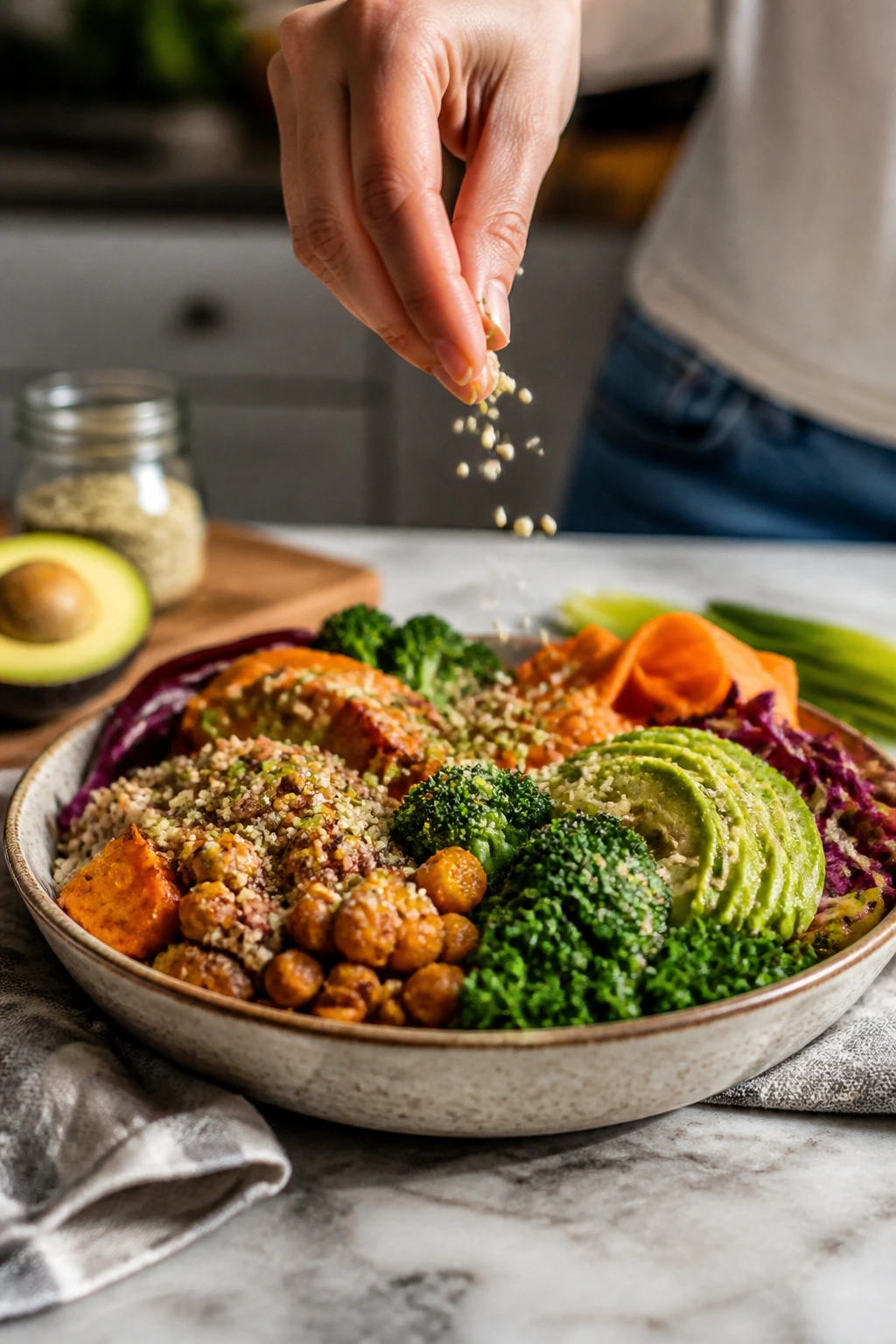
Higher-Protein Boost: Add hemp seeds, extra beans, edamame, cottage cheese, or another egg to the top of bowls and bakes. I like this when a recipe leans heavily on vegetables and grains and needs one more anchor.
Lower-Sodium Version: Use low-sodium beans and broth, rinse canned beans well, and hold back on cheese until the end. Then add brightness with lemon, vinegar, garlic, or herbs so the dish doesn’t taste flat.
Kid-Friendly Mild Mode: Pull back on chili powder, red pepper flakes, and hot sauces, then finish with cheese, yogurt, or a little butter. The food still tastes like dinner, just without the heat.
Spice-Forward Version: Add harissa, chipotle, chili crisp, curry paste, or extra black pepper to recipes that can handle it. The trick is to keep one cooling element nearby — yogurt, avocado, lime, or coconut milk — so the heat stays enjoyable.
Common Mistakes to Avoid
The biggest mistake with meatless cooking is under-seasoning the food and hoping the vegetables will carry the day. They won’t. Beans, tofu, grains, and greens need salt, acid, and usually a little fat to taste like a meal. If the dish seems bland at the end, the fix is often a squeeze of lemon, another pinch of salt, or a sharper sauce — not another handful of vegetables.
Another problem is leaning too hard on softness. A bowl of beans, mash, and sautéed greens can be filling and still feel one-dimensional if nothing cracks or browns anywhere. That’s why roasted cauliflower, crispy tofu, toasted breadcrumbs, and charred tortillas show up so often in these recipes. Texture is not decoration. It’s part of the recipe.
People also rush the moisture control. Wet zucchini, undrained beans, damp tofu, and soggy mushrooms all dilute flavor and make sauces loose. Dry ingredients brown better, and browned food tastes fuller. That’s not theory. It’s the difference between a skillet that smells rich and one that just smells hot.
Finally, don’t treat every ingredient as if it should cook for the same length of time. Greens go in late. Soba noodles need rinsing. Chickpea pasta needs less time than wheat pasta. Halloumi browns quickly. If you cook the whole pan as if every ingredient behaves the same way, the result will be uneven and a little tired.
Questions People Ask Before Making These Recipes
Can you get enough protein from meatless vegetable recipes?
Yes, if you build the plate with intention. Beans, lentils, tofu, tempeh, edamame, eggs, Greek yogurt, cottage cheese, and whole grains all bring meaningful protein, and many of these recipes combine two or three of them in one dish.
Which vegetables help make a meal feel the most filling?
Cauliflower, broccoli, mushrooms, zucchini, kale, cabbage, sweet potatoes, and bell peppers all do well because they either hold seasoning, bring chew, or add volume without turning mushy. They work best when paired with a protein source and something saucy.
Can I make these recipes ahead for lunch?
Yes, several of them are better after the flavors sit for a few hours. Soups, curries, grain bowls, chickpea salads, and lasagna all hold up well. Keep crunchy toppings, avocado, and dressings separate when possible.
What if I don’t eat tofu?
Swap in chickpeas, lentils, eggs, cottage cheese, halloumi, or tempeh depending on the recipe. Each one changes the texture, but the structure stays the same: a protein anchor, vegetables, and a sauce or seasoning that ties it together.
How do I keep vegetarian meals from tasting bland?
Salt early, finish with acid, and use enough browning. A roasted tray of cauliflower tastes far richer than boiled cauliflower because the edges pick up color and flavor. The same goes for mushrooms, tofu, and onions.
Can I freeze these recipes?
Soups, curries, and lentil-based bakes freeze well. Recipes with lettuce, avocado, fresh cucumber, or yogurt dressing should be assembled fresh. Pasta bakes and lasagna are fine frozen, but undercook the noodles slightly so they don’t go soft after reheating.
What’s the easiest recipe in the collection for a busy night?
The white bean kale soup, chickpea pasta with broccoli, and Greek yogurt chickpea pitas are the least fussy. They use pantry ingredients and don’t ask for much more than chopping and stirring.
How do I make the meals more filling without using meat?
Add one extra protein element and one more texture. That might mean a fried egg on the savory oatmeal, pumpkin seeds on the quinoa bowl, or a bigger portion of beans in the taco filling. Small changes here matter more than people expect.
Meatless Dinners That Actually Hold Their Own
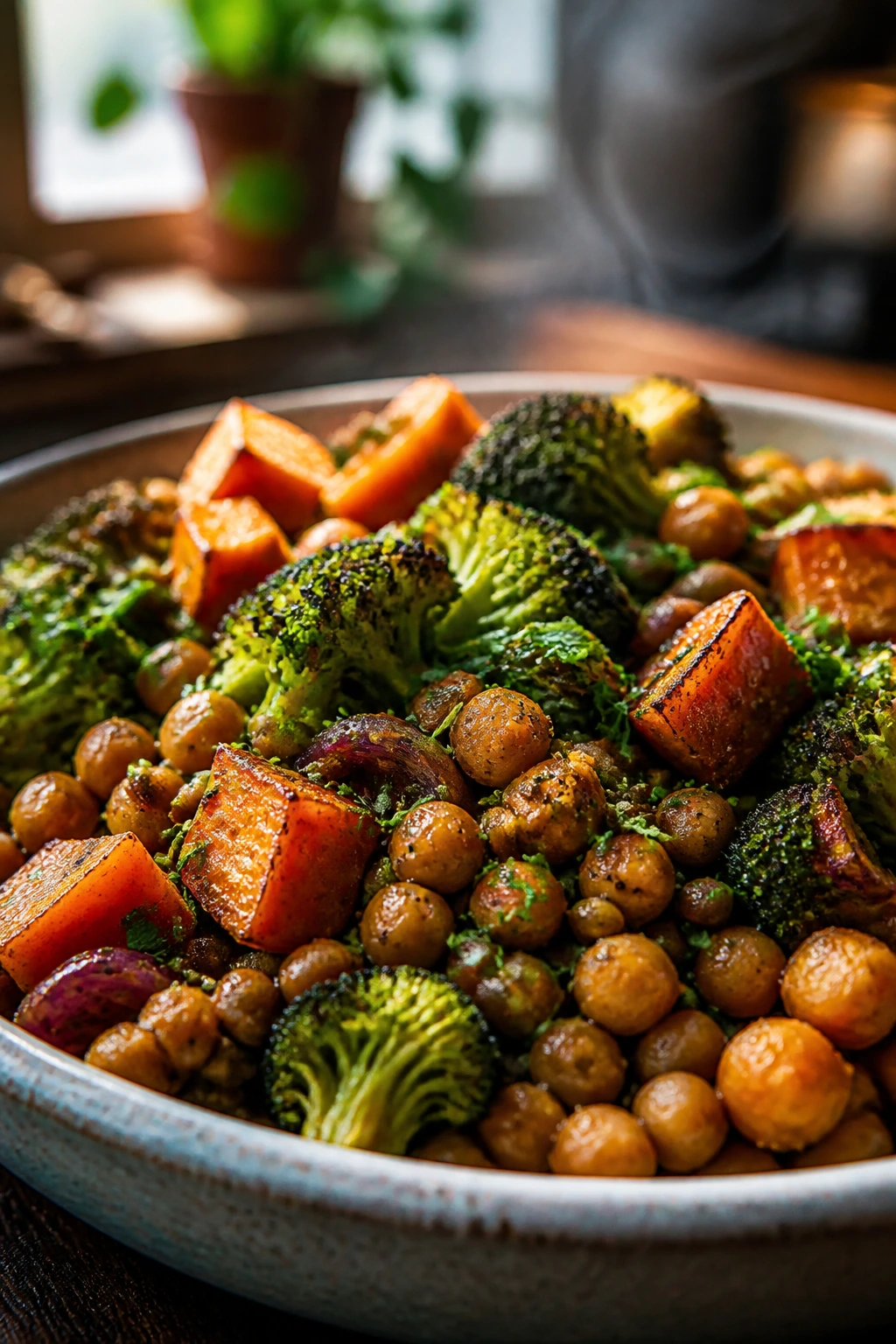
The best high protein vegetables recipes are not trying to imitate meat. They’re doing something better: giving vegetables a backbone, giving legumes a reason to be exciting, and giving you dinner that stays with you past the plate.
That’s the real payoff here. A bowl of lentils and sweet potatoes, a skillet of tofu and broccoli, a cabbage-crunch taco, a broccoli bake with chickpeas — those meals don’t ask for apology or explanation. They just work, and once you get used to that, it’s hard to go back to a lonely salad pretending to be enough.