



A good Asian dinner party recipe has to do two jobs at once: taste lively enough to feel special, and still land on the table without turning your kitchen into a hostage situation. That’s why Asian dinner party recipes have a permanent place in my weeknight rotation. Soy sauce, ginger, garlic, rice vinegar, miso, gochujang, chili crisp—these ingredients do a lot of the heavy lifting, which means you can build real flavor in 20 to 35 minutes without dragging out a complicated prep list.
Give me a hot wok, a pile of scallions, and something that sizzles when it hits the pan, and I’m content. But I’m also realistic: on a Tuesday, nobody wants six pans and a sauce that has to be whisked over a water bath. The best dishes here are the ones that keep their textures straight—crisp snap peas, bouncy noodles, lacquered chicken thighs, flaky salmon, silken tofu with a sauce that clings instead of puddling at the bottom of the bowl.
These 25 recipes lean on the kind of moves that make weeknight cooking feel sharp rather than rushed: fast marinades, high-heat stir-frying, one-pan baking, and sauces built from pantry staples. A few are restaurant-adjacent in the best way. A few are humble and exactly what you want when you need dinner to work. Either way, the plate gets there with enough color, steam, and aroma to make it feel like somebody planned ahead.
Why This Collection Works on a Busy Table
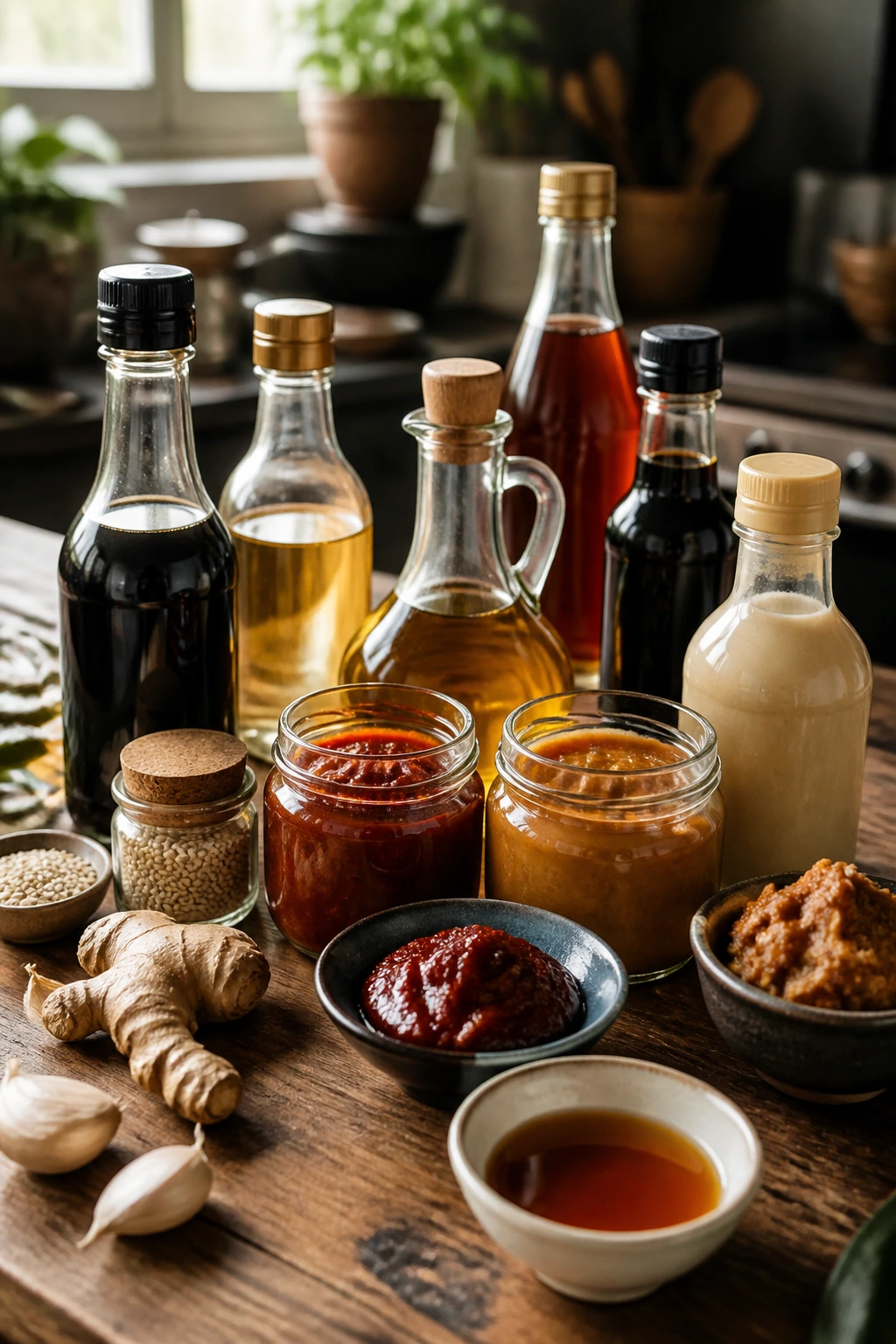
Pantry sauces do the heavy lifting: Soy sauce, oyster sauce, miso, gochujang, sesame oil, rice vinegar, and chili crisp show up again and again, so one shopping trip buys you a lot of dinners.
Most recipes stay in one pan or one pot: That matters when you’re cooking for guests and still want the sink to stay manageable.
The proteins cook fast: Chicken thighs, shrimp, salmon, tofu, thin-sliced beef, and ground pork all take well to high heat and short cook times.
Vegetables stay bright instead of limp: Snap peas, bok choy, cabbage, green beans, and mushrooms all hold their shape if you stop cooking them at the right moment.
The menu feels varied without getting fussy: You get noodles, rice bowls, soups, lettuce cups, and sheet-pan mains, which keeps a dinner table from feeling one-note.
1. Ginger-Soy Chicken Stir-Fry with Snap Peas
Chicken thighs are the right cut here. They stay juicy even if the burner runs hotter than you wanted, and the ginger-garlic sauce sticks to the meat instead of sliding off in a thin puddle.
I like this dish because it gives you that glossy takeout look without relying on a ton of sugar. The snap peas stay crisp, the bell pepper keeps a little bite, and the whole skillet smells sharp and savory the second the garlic hits the oil.
Why It Works:
The cornstarch on the chicken gives the sauce a light sheen, and the thigh meat can take a hard sear without drying out. A quick splash of Shaoxing wine adds depth, but dry sherry works in a pinch. You get a real stir-fry finish in about 15 minutes once the pan is hot.
Key Ingredients:
- 1 1/2 lb boneless, skinless chicken thighs, sliced into 1/2-inch strips
- 2 tbsp soy sauce
- 1 tbsp Shaoxing wine or dry sherry
- 1 tbsp cornstarch
- 2 tbsp neutral oil
- 8 oz sugar snap peas, strings removed
- 1 red bell pepper, thinly sliced
- 3 cloves garlic, minced
- 1 tbsp fresh ginger, grated
- 2 tbsp oyster sauce
- 1 tbsp rice vinegar
- 1 tbsp honey
- 1/2 cup chicken broth
- 1 tsp toasted sesame oil
- 2 scallions, sliced
Quick Steps:
- Toss the chicken with soy sauce, Shaoxing wine, and cornstarch; let it sit for 10 minutes while you prep everything else.
- Whisk oyster sauce, rice vinegar, honey, broth, and sesame oil in a small bowl.
- Heat the oil in a large wok or skillet over medium-high heat until it shimmers, then sear the chicken in a single layer for 3 to 4 minutes per side.
- Add the bell pepper, snap peas, garlic, and ginger, and stir-fry for 2 minutes until the garlic smells sweet and the vegetables look bright green.
- Pour in the sauce and cook for 1 to 2 minutes, stirring, until it coats the chicken in a glossy layer.
- Finish with scallions and serve hot over rice.
Equipment for This Recipe:
- Large wok or 12-inch skillet
- Medium mixing bowl
- Small whisk or fork
- Tongs or a wooden spatula
How to Serve This Dish:
Pile it over jasmine rice so the sauce has somewhere to go. A bowl of sliced cucumbers with rice vinegar makes the plate feel lighter and keeps the meal from getting too heavy.
Pro Tips for This Recipe:
- Cut the chicken thin and evenly so it cooks at the same pace.
- Keep the snap peas in the pan only long enough to turn glossy and bright.
- Add sesame oil at the end; if it cooks too long, the aroma flattens out.
- If your skillet runs cool, cook the chicken in two batches rather than crowding it.
Variations on This Dish:
- Cashew Crunch: Stir in 1/2 cup roasted cashews at the end for extra texture.
- Broccoli Swap: Replace the snap peas with 4 cups small broccoli florets and give them 1 extra minute in the pan.
- Tofu Version: Use 14 oz extra-firm tofu, pressed and cubed, and sear it until the edges are crisp before adding the sauce.
Common Mistakes to Avoid with This Dish:
- Crowding the pan: The chicken steams instead of sears. Cook in batches if the skillet looks packed.
- Adding the sauce too early: If the vegetables are still raw, the sauce can thin out and turn soupy. Cook the stir-fry first.
- Using too much heat for too long: Garlic turns bitter fast. Once it smells sweet, move straight to the sauce.
2. Honey Sesame Salmon with Baby Bok Choy
Salmon and sesame are an easy match, but this version keeps the glaze restrained so the fish still tastes like fish. That sounds obvious, and it matters. Too many glazed salmon recipes drown the fillet.
Baby bok choy makes this feel like a full dinner instead of a piece of fish on a plate. The stems get tender, the leaves crisp at the edges, and the honey-soy glaze leaves a sticky shine that looks tidy with almost no effort.
Why It Works:
The oven does most of the work here. Salmon and bok choy both roast well at 425°F, so you can cook them on the same tray without juggling temperatures. A quick broil at the end gives the glaze a little lacquer without overcooking the fish.
Key Ingredients:
- 4 salmon fillets, about 6 oz each
- 1 lb baby bok choy, halved lengthwise
- 2 tbsp soy sauce
- 1 tbsp honey
- 1 tbsp rice vinegar
- 1 tbsp neutral oil
- 1 tsp grated ginger
- 1 clove garlic, finely grated
- 1 tsp toasted sesame oil
- 1 tbsp sesame seeds
- 2 scallions, sliced
Quick Steps:
- Preheat the oven to 425°F and line a sheet pan with parchment.
- Whisk soy sauce, honey, rice vinegar, ginger, garlic, and sesame oil.
- Toss the bok choy with neutral oil and a pinch of salt, then arrange it cut-side down on the pan.
- Pat the salmon dry, place it on the tray, brush it lightly with the glaze, and roast for 10 to 12 minutes.
- Brush on the remaining glaze, switch to broil for 1 to 2 minutes, and stop when the salmon flakes at the thickest part.
- Scatter sesame seeds and scallions over the top before serving.
Equipment for This Recipe:
- Rimmed sheet pan
- Parchment paper
- Small bowl and whisk
- Fish spatula or thin metal spatula
How to Serve This Dish:
Serve it with steamed rice or soba noodles. I like to spoon the extra glaze over the rice, because it picks up the salty-sweet sauce better than plain fish ever could.
Pro Tips for This Recipe:
- Dry the salmon well so the glaze sticks instead of sliding off.
- Keep bok choy halves large; tiny pieces scorch before the fish is done.
- Broil only at the end. If you start there, the honey burns.
- If your salmon fillets are thin, pull them a minute early and let carryover heat finish them.
Variations on This Dish:
- Miso-Sesame Version: Replace half the soy sauce with white miso whisked into the glaze.
- Citrus Finish: Add 1 tbsp orange juice and a little zest for a brighter, sweeter edge.
- Tofu Plate: Use extra-firm tofu slabs, press them for 20 minutes, and roast until the edges turn golden.
Common Mistakes to Avoid with This Dish:
- Wet salmon skin or surface: The glaze won’t cling. Pat the fillets dry first.
- Overcrowding the sheet pan: The bok choy steams and turns soggy. Leave space between pieces.
- Leaving honey under the broiler too long: The line between glossy and burnt is short.
3. Beef and Broccoli with Garlic Oyster Sauce
This is the dish that proves a weeknight stir-fry does not need a long ingredient list to taste complete. The beef gets savory and tender, the broccoli keeps its bite, and the sauce lands in that sweet spot between salty and rich.
I prefer flank steak here because it slices cleanly and cooks in a flash. If you want the beef to stay soft, the slice matters more than the cut.
Why It Works:
A quick cornstarch marinade helps the beef brown while staying silky inside. Broccoli does best with a quick blanch or a very short stir-fry, because it holds its color and doesn’t flood the pan with water. Oyster sauce gives the dish its deep, savory finish without needing a long simmer.
Key Ingredients:
- 1 1/2 lb flank steak, thinly sliced against the grain
- 2 tbsp soy sauce
- 1 tbsp Shaoxing wine or dry sherry
- 1 tbsp cornstarch
- 6 cups broccoli florets
- 2 tbsp neutral oil
- 4 cloves garlic, minced
- 1 tsp grated ginger
- 3 tbsp oyster sauce
- 2 tbsp soy sauce
- 1 tbsp brown sugar
- 1/2 cup water
- 1 tsp rice vinegar
- 1 tsp toasted sesame oil
Quick Steps:
- Toss the beef with soy sauce, Shaoxing wine, and cornstarch, then rest it for 10 minutes.
- Whisk oyster sauce, soy sauce, brown sugar, water, rice vinegar, and sesame oil in a bowl.
- Blanch the broccoli in boiling salted water for 60 seconds, then drain well. Or stir-fry it for 3 minutes if you’d rather skip the pot.
- Heat oil in a wok over high heat and sear the beef in two batches for 1 to 2 minutes per batch.
- Add garlic, ginger, and broccoli, then pour in the sauce and toss for 1 to 2 minutes until it turns glossy and lightly thickened.
- Serve immediately over rice.
Equipment for This Recipe:
- Wok or large skillet
- Large pot if blanching broccoli
- Slotted spoon or spider
- Mixing bowl
How to Serve This Dish:
This wants a plain bowl of jasmine rice and not much else. If you want a second side, a cold cucumber salad with a splash of vinegar is enough to cut the richness.
Pro Tips for This Recipe:
- Slice the beef as thinly as you can manage; it makes the biggest difference.
- Keep the broccoli crisp. Soft broccoli drags the whole dish down.
- Have the sauce ready before the beef hits the pan.
- If your steak is a little chewy, shave it thinner next time rather than cooking it longer.
Variations on This Dish:
- Chicken Broccoli Bowl: Swap the steak for thin-sliced chicken thighs and keep the same sauce.
- Mushroom Version: Replace half the broccoli with cremini mushrooms for a deeper, earthier pan.
- Chili Crisp Finish: Stir in 1 to 2 tsp chili crisp right at the end for heat and crunch.
Common Mistakes to Avoid with This Dish:
- Slicing with the grain: The beef turns stringy. Cut across the grain every time.
- Letting the broccoli go soft: It should still have some snap when the sauce goes in.
- Dumping everything in at once: The pan cools too fast, and the beef steams instead of browns.
4. Thai Basil Chicken with Green Beans
Thai basil has a peppery, almost clove-like smell that ordinary basil just can’t fake. That matters here because the herb is not garnish; it is the flavor that makes the whole pan wake up.
The green beans keep the dish from feeling one-note, and ground chicken makes the whole thing fast enough for a Tuesday without sacrificing texture. You get salty, sweet, herby, and a little hot in one skillet.
Why It Works:
Ground chicken cooks fast and absorbs sauce well, which is ideal for a high-heat stir-fry. Fish sauce, soy sauce, and oyster sauce build depth quickly, while Thai basil gets added at the end so it stays fragrant. Green beans bring crunch and keep the plate from going soft.
Key Ingredients:
- 1 1/2 lb ground chicken
- 8 oz green beans, trimmed and cut in half
- 3 tbsp neutral oil
- 4 cloves garlic, minced
- 2 shallots, thinly sliced
- 1 to 2 Thai chilies or 1/2 tsp red pepper flakes
- 2 tbsp fish sauce
- 1 tbsp soy sauce
- 1 tbsp oyster sauce
- 1 tsp sugar
- 1 packed cup Thai basil leaves
- Cooked jasmine rice, for serving
Quick Steps:
- Heat the oil in a wok over medium-high heat and cook the green beans for 3 to 4 minutes until blistered in spots.
- Add the shallots, garlic, and chilies and stir for 30 seconds.
- Add the ground chicken and break it up with a spatula, cooking for 4 to 5 minutes until no pink remains.
- Stir in fish sauce, soy sauce, oyster sauce, and sugar, and cook for 1 minute until the liquid clings to the meat.
- Turn off the heat, fold in the Thai basil, and let it wilt for 20 seconds.
- Spoon over rice.
Equipment for This Recipe:
- Wok or wide skillet
- Wooden spatula
- Small bowl
- Rice cooker or saucepan for rice
How to Serve This Dish:
Serve it over steamed rice, and if you want to make it feel more complete, add a fried egg on top with a runny yolk. The yolk mixes into the sauce in a way that feels a little unfair.
Pro Tips for This Recipe:
- Use Thai basil, not sweet basil. The difference is obvious in the final bowl.
- Add the basil off heat so it doesn’t collapse into a dull green pile.
- If the pan looks dry, a splash of water is better than more oil.
- Ground chicken can go pale if you cook it too gently; give it enough heat to pick up color.
Variations on This Dish:
- Pork Basil Bowl: Use ground pork for a richer, slightly sweeter version.
- Green Bean-Free Version: Swap in zucchini half-moons and cook them just until the edges soften.
- Milder Family Bowl: Leave out the chilies and finish with a squeeze of lime instead.
Common Mistakes to Avoid with This Dish:
- Using the wrong basil: Sweet basil does not bring the same punch.
- Adding basil too early: It loses its aroma and looks tired.
- Underseasoning the meat: The sauce should taste bold before it hits the rice.
5. Korean Gochujang Pork Lettuce Cups
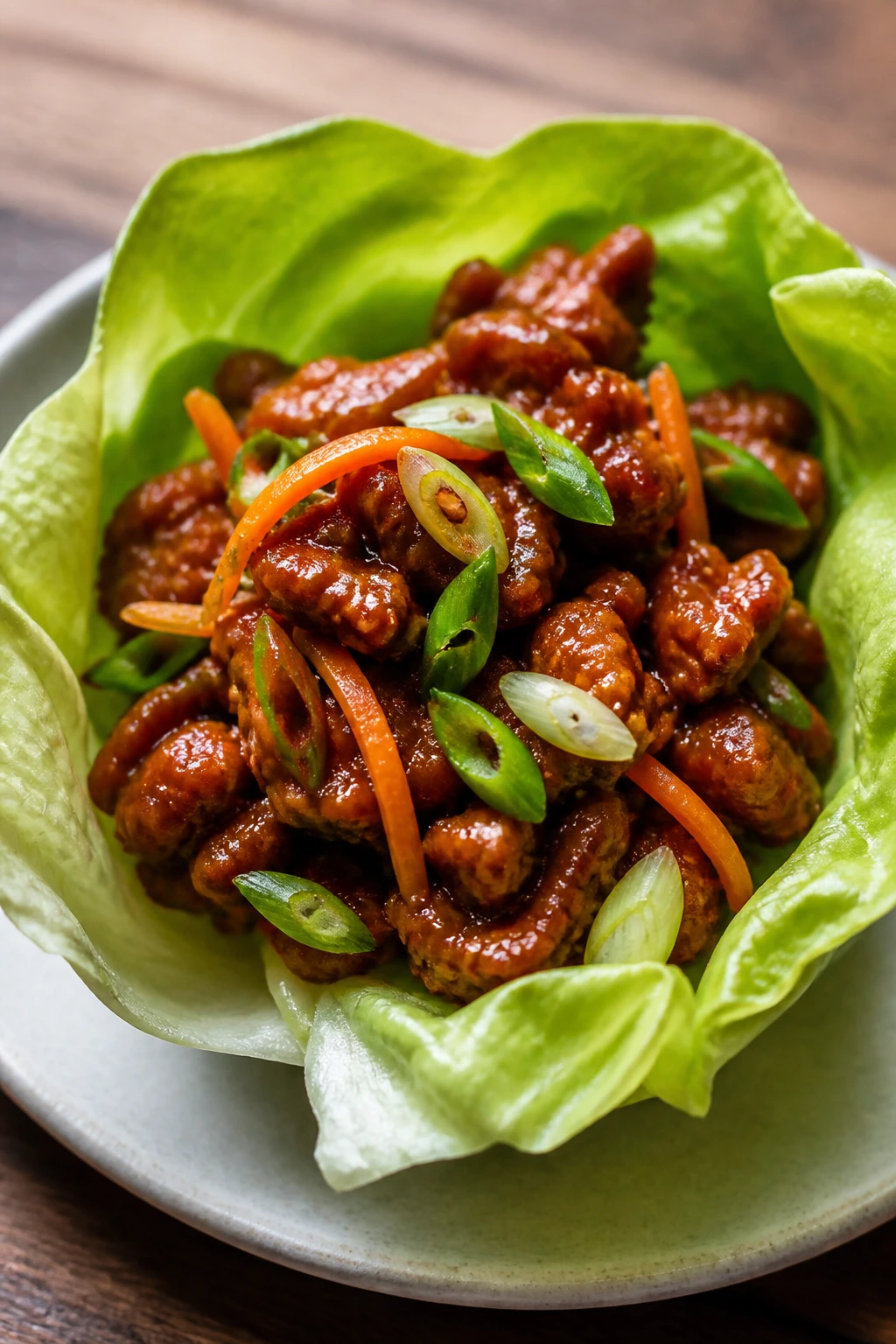
Gochujang does a particular kind of work here. It’s sweet, salty, spicy, and sticky all at once, which means you don’t need a pile of extra sauces to make the pork taste finished.
Lettuce cups keep the whole thing light enough for a weeknight but still make it feel like you’ve put out a spread. I like butter lettuce best because the leaves fold around the filling without cracking.
Why It Works:
Ground pork browns fast and carries gochujang well, especially when you balance it with honey and rice vinegar. Sesame oil and garlic give the filling a savory edge, while shredded carrot and scallions keep each bite fresh. It’s a fast skillet dish that feels like a platter of food, not a single bowl.
Key Ingredients:
- 1 1/2 lb ground pork
- 3 tbsp gochujang
- 2 tbsp soy sauce
- 1 tbsp rice vinegar
- 1 tbsp honey
- 2 tsp toasted sesame oil
- 3 cloves garlic, minced
- 1 tbsp grated ginger
- 1 carrot, shredded
- 2 scallions, sliced
- 2 heads butter lettuce or 1 large head romaine
- 1 tbsp sesame seeds
- Cooked rice, optional
Quick Steps:
- Whisk gochujang, soy sauce, rice vinegar, honey, and sesame oil in a small bowl.
- Heat a skillet over medium-high heat and brown the pork for 5 to 6 minutes, breaking it into small bits.
- Add the garlic and ginger and cook for 30 seconds.
- Stir in the sauce and carrot, and cook for 1 to 2 minutes until the pork is glossy and the carrot softens just a little.
- Fold in half the scallions and spoon the filling into lettuce leaves.
- Finish with sesame seeds and the remaining scallions.
Equipment for This Recipe:
- Large skillet
- Mixing bowl
- Box grater or shredding tool
- Serving platter
How to Serve This Dish:
Set out the lettuce leaves, pork filling, and a bowl of rice separately so people can build their own cups. That makes dinner feel casual in the best way, and it buys you a little breathing room.
Pro Tips for This Recipe:
- Butter lettuce tears less than romaine and folds better.
- If the pork gives off a lot of fat, spoon off some before adding the sauce.
- Grate the carrot finely so it softens in the skillet instead of poking out in long strands.
- Keep extra sauce on the side if your crowd likes a stronger hit of heat.
Variations on This Dish:
- Turkey Lettuce Cups: Use ground turkey and add an extra teaspoon of sesame oil for richness.
- Rice Bowl Version: Serve the filling over short-grain rice and top with a fried egg.
- Crunchy Cabbage Swap: Replace half the lettuce with shredded napa cabbage for more bite.
Common Mistakes to Avoid with This Dish:
- Overfilling the leaves: They split and slide around. Two to three spoonfuls is enough.
- Using too much gochujang: The sweetness disappears into heat. Keep the balance intact.
- Skipping the rice vinegar: The filling turns flat and heavy.
6. Shrimp Chow Mein with Cabbage and Carrots
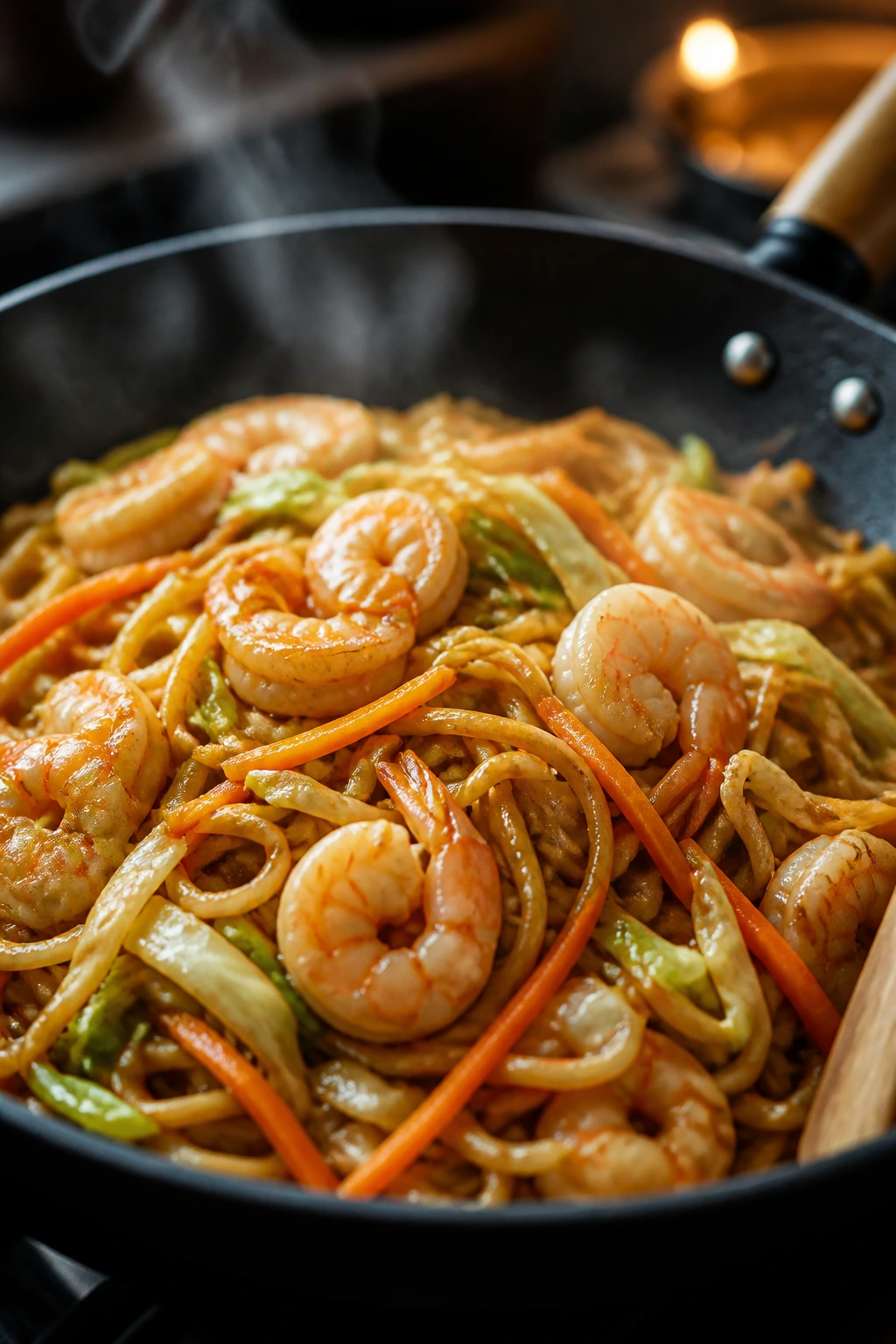
Shrimp chow mein is one of those dishes that looks more complicated than it is. A hot skillet, a tangle of noodles, and a sauce that hits salty-sweet in one pass are usually enough.
I like cabbage in this because it softens just enough to wrap around the noodles without turning watery. Carrots bring a little sweetness and color, and the shrimp cook so fast you need to stay close to the stove.
Why It Works:
Shrimp are done in minutes, which keeps the whole dish quick. A light oyster sauce and broth mixture gives the noodles body without drowning them, and cabbage naturally picks up that sauce as it softens. The result is glossy, not soupy.
Key Ingredients:
- 1 lb medium shrimp, peeled and deveined
- 8 oz chow mein noodles or thin spaghetti
- 3 cups shredded cabbage
- 2 carrots, julienned
- 3 scallions, sliced
- 3 cloves garlic, minced
- 3 tbsp soy sauce
- 2 tbsp oyster sauce
- 1 tbsp hoisin sauce
- 1/2 cup chicken broth or water
- 1 tsp cornstarch
- 1 tsp toasted sesame oil
- 2 tbsp neutral oil
Quick Steps:
- Cook the noodles until just tender, drain them, and rinse briefly if they’re sticking.
- Whisk soy sauce, oyster sauce, hoisin, broth, cornstarch, and sesame oil.
- Heat oil in a large skillet over medium-high heat and cook the shrimp for 1 to 2 minutes per side until pink, then remove them.
- Add the cabbage, carrots, and garlic and stir-fry for 2 to 3 minutes until the cabbage softens at the edges.
- Add the noodles, shrimp, and sauce, then toss for 1 to 2 minutes until everything is coated and warmed through.
- Finish with scallions and serve right away.
Equipment for This Recipe:
- Large skillet or wok
- Pot for noodles
- Colander
- Tongs
How to Serve This Dish:
Serve it straight from the pan in shallow bowls so the noodles don’t compress. A squeeze of lime on the side is nice if you want a little brightness against the oyster sauce.
Pro Tips for This Recipe:
- Pull the shrimp as soon as they turn opaque. One extra minute and they lose their snap.
- Use noodles that have a little chew; mushy noodles make the whole dish feel soft.
- Keep the skillet hot enough that the cabbage sizzles, not steams.
- If the noodles seem dry, splash in a tablespoon or two of water instead of more oil.
Variations on This Dish:
- Chicken Chow Mein: Swap shrimp for thin-sliced chicken thighs and cook them a few minutes longer.
- Vegetable Version: Add mushrooms and snap peas, then skip the shrimp entirely.
- Spicy Sesame Finish: Add chili oil and a pinch of crushed white pepper at the end.
Common Mistakes to Avoid with This Dish:
- Overcooked noodles: They break apart when you toss them. Stop at just-tender.
- Watery cabbage: Use high heat so moisture evaporates fast.
- Adding sauce before the shrimp are out: The shrimp overcook while you try to reduce the liquid.
7. Vegetable Fried Rice with Eggs and Edamame
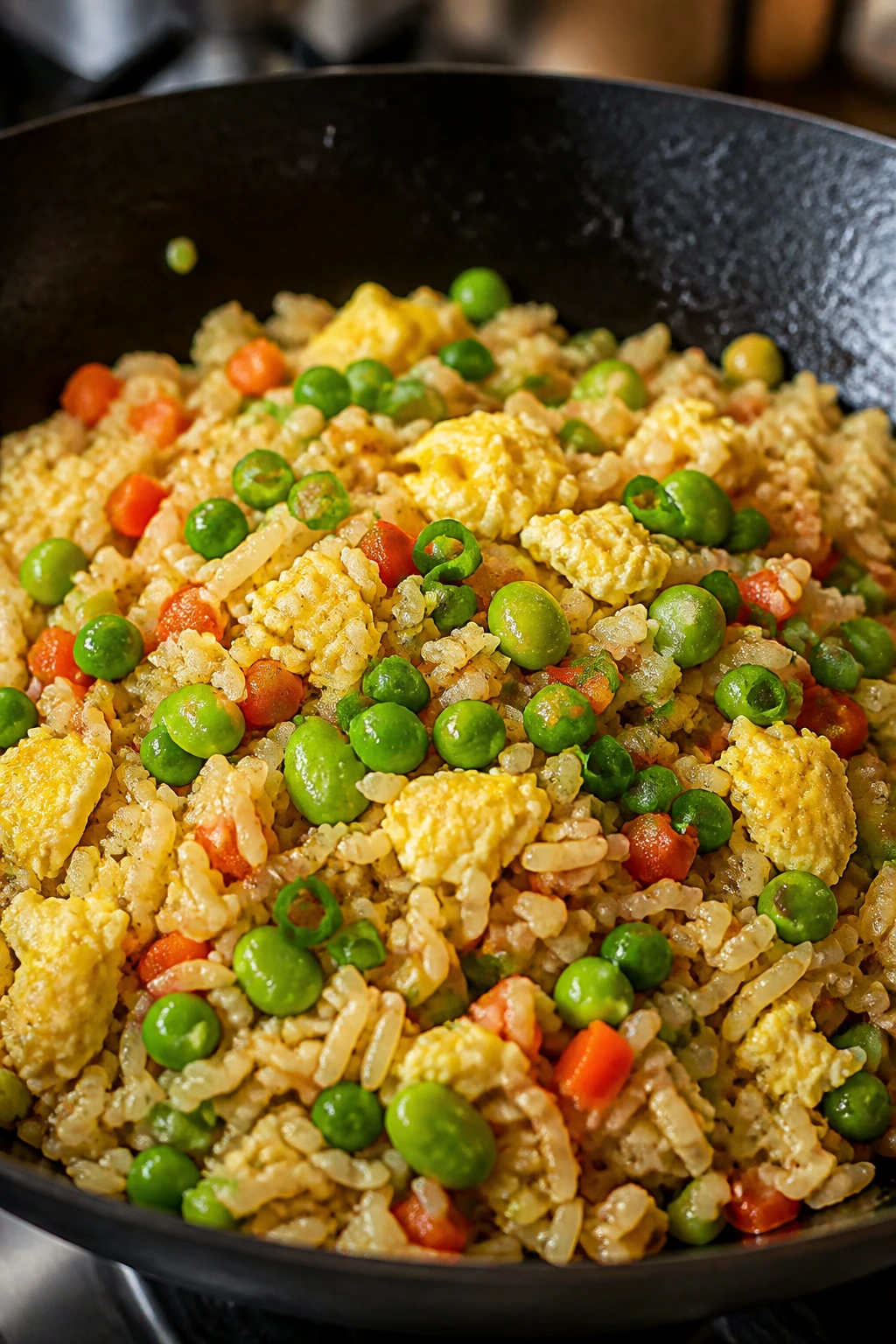
Fried rice is one of the best uses for leftover rice because cold grains fry instead of collapsing. That’s the whole trick, and it’s worth respecting.
The eggs, peas, edamame, and carrots make this feel full enough for dinner, while scallions and sesame oil give the pan a clean finish. It’s one of those dishes that can sit at the center of a table and not feel like a compromise.
Why It Works:
Day-old jasmine rice dries out just enough to separate in the pan, which keeps each grain distinct. Eggs add richness, edamame brings protein, and the vegetables give you enough color to make the bowl look alive. A short blast of heat is all it needs.
Key Ingredients:
- 3 cups cooked, chilled jasmine rice
- 3 large eggs
- 1 cup frozen peas
- 1 cup shelled edamame
- 1 small carrot, diced small
- 3 scallions, sliced
- 2 cloves garlic, minced
- 3 tbsp soy sauce
- 1 tbsp oyster sauce or vegetarian oyster sauce
- 1 tsp toasted sesame oil
- 2 tbsp neutral oil
- Salt and white pepper to taste
Quick Steps:
- Beat the eggs with a pinch of salt.
- Heat 1 tbsp oil in a wok or skillet and scramble the eggs until just set; remove them.
- Add the remaining oil, then cook the carrot, peas, edamame, scallions, and garlic for 2 minutes.
- Add the rice and break up any clumps with a spatula, frying for 3 to 4 minutes until it starts to sizzle.
- Stir in soy sauce, oyster sauce, and sesame oil, then fold the eggs back in.
- Taste and adjust with white pepper or a tiny pinch of salt.
Equipment for This Recipe:
- Wok or large nonstick skillet
- Spatula
- Bowl for beaten eggs
- Rice cooker or saucepan for the rice
How to Serve This Dish:
Serve it with a simple cucumber salad or alongside a stir-fried protein if you want to turn it into a bigger dinner. I like a squeeze of chile oil on top for the people who want more heat.
Pro Tips for This Recipe:
- Chill the rice before frying; warm rice turns gummy.
- Break the rice up with your fingers before it hits the pan if it’s clumped.
- Season in small amounts and taste after the soy sauce goes in.
- If you like a little char, let the rice sit untouched for 20 seconds before stirring.
Variations on This Dish:
- Pineapple Fried Rice: Add diced pineapple with the vegetables for a sweet edge.
- Kimchi Fried Rice: Replace half the peas with chopped kimchi and a teaspoon of gochujang.
- Mushroom Fried Rice: Fold in browned mushrooms for a deeper, earthier bowl.
Common Mistakes to Avoid with This Dish:
- Using hot rice: It sticks and turns heavy.
- Adding too much soy sauce: The rice goes dark and muddy fast.
- Stirring nonstop: Give the rice time to fry in place.
8. Szechuan-Style Tofu and Green Beans
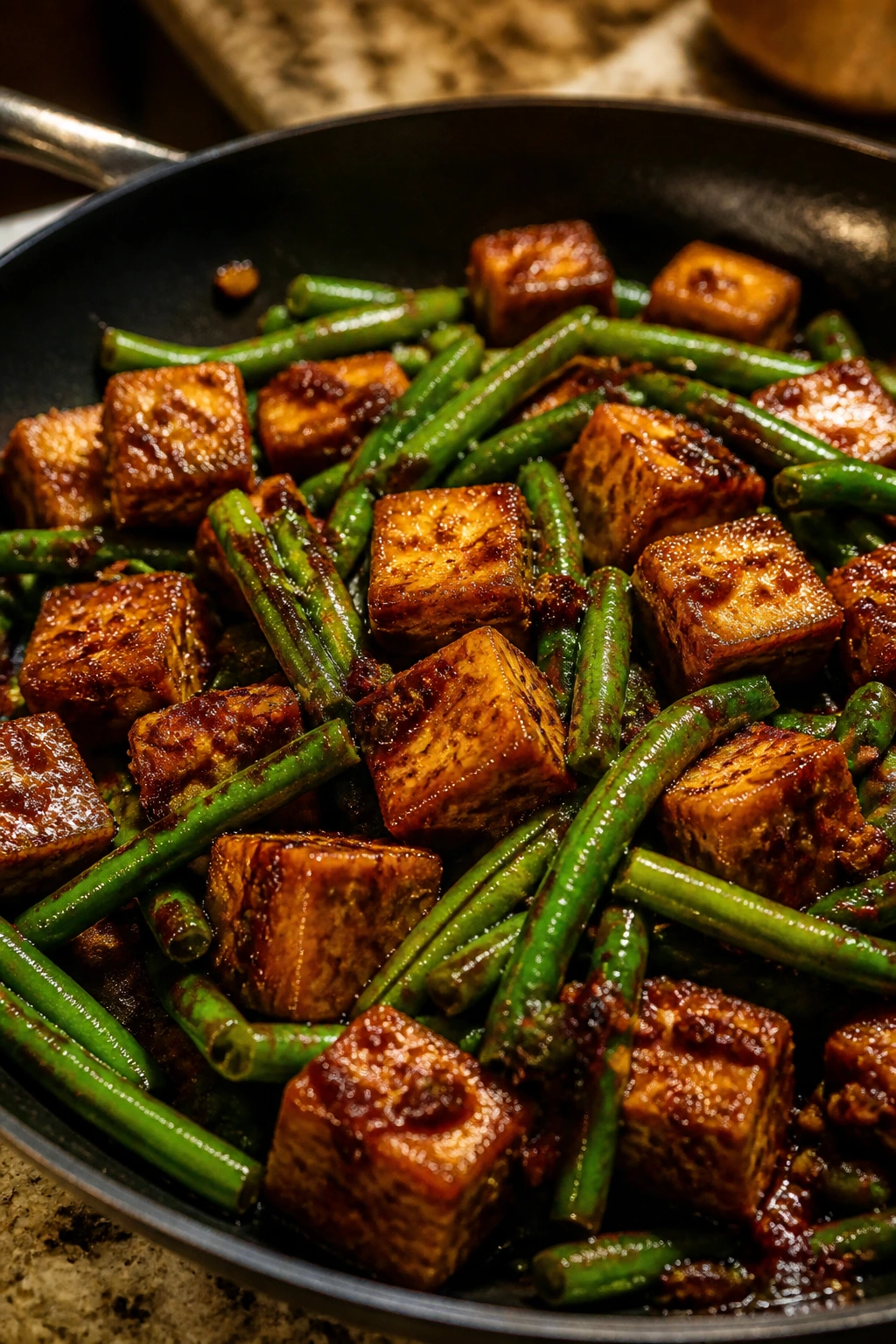
Tofu needs a real purpose, and this is it. It picks up chili bean paste, garlic, and ginger like a sponge, then gets a little crisp on the edges so the sauce has something to cling to.
Green beans bring a firm snap that balances the soft tofu. If you’ve ever thought tofu was bland, this is the kind of pan that changes your mind.
Why It Works:
Pressing the tofu first matters because surface water is the enemy of browning. Doubanjiang gives the dish its salty heat, while a little black vinegar cuts through the richness. The green beans hold their shape and stop the dish from feeling soft all the way through.
Key Ingredients:
- 2 blocks extra-firm tofu, 14 oz each, pressed and cubed
- 12 oz green beans, trimmed
- 3 tbsp cornstarch
- 3 tbsp neutral oil
- 3 cloves garlic, minced
- 1 tbsp grated ginger
- 1 tbsp doubanjiang
- 2 tbsp soy sauce
- 1 tbsp black vinegar or rice vinegar
- 1 tsp sugar
- 1/2 cup water
- 1/2 tsp crushed Sichuan peppercorns, optional
- 2 scallions, sliced
Quick Steps:
- Pat the tofu dry, toss it with cornstarch, and let the cubes sit for 5 minutes.
- Heat oil in a skillet over medium-high heat and brown the tofu on 2 or 3 sides, about 6 to 8 minutes total.
- Add the green beans and cook for 3 minutes until blistered.
- Stir in garlic, ginger, and doubanjiang, then pour in soy sauce, vinegar, sugar, water, and peppercorns.
- Simmer for 2 minutes until the sauce thickens and the beans are tender-crisp.
- Finish with scallions and serve with rice.
Equipment for This Recipe:
- Large skillet or wok
- Tofu press or clean kitchen towel
- Small bowl
- Spatula
How to Serve This Dish:
Spoon it over steamed rice and keep the garnish simple. A few sliced scallions and a tiny drizzle of chili oil are enough.
Pro Tips for This Recipe:
- Press the tofu well; even 15 minutes makes a difference.
- Use low to moderate heat once the paste goes in so it doesn’t scorch.
- If the sauce tastes too sharp, add a pinch more sugar rather than extra soy.
- Blister the beans hard and fast so they stay crisp in the final bowl.
Variations on This Dish:
- Eggplant Version: Swap the beans for Chinese eggplant and cook until the edges soften.
- Ground Pork Addition: Brown 1/2 lb pork before the tofu for a meatier pan.
- Milder Pantry Version: Use less doubanjiang and finish with sesame oil instead of extra chili.
Common Mistakes to Avoid with This Dish:
- Skipping the tofu press: The cubes won’t brown properly.
- Overcooking the green beans: They should still have bite.
- Burning the chili bean paste: It turns bitter in a hurry.
9. Chicken Curry Soup with Rice Noodles
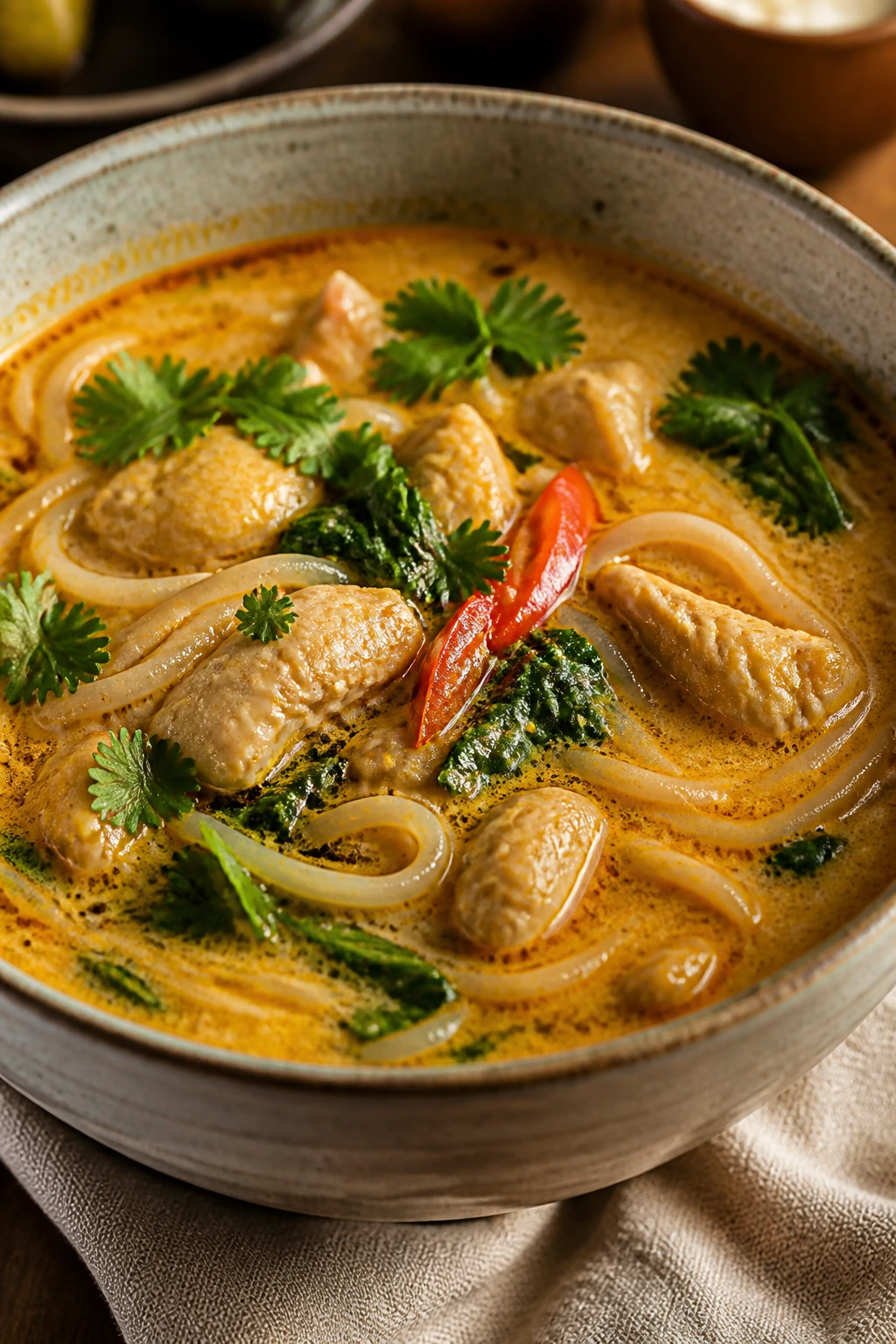
This soup is what I make when I want something brothy but still substantial enough to count as dinner. Coconut milk gives it body, curry paste gives it heat, and rice noodles make sure nobody leaves the table hungry.
The trick is not to overboil it. Once the coconut milk is in, the pot should simmer gently, almost lazily, or the texture gets rough.
Why It Works:
Red curry paste builds flavor fast, so you don’t need a long simmer. Chicken thighs stay tender in the broth, and rice noodles cook separately or directly in the hot soup at the end. Lime juice and fish sauce at the finish sharpen the whole pot.
Key Ingredients:
- 1 1/2 lb boneless chicken thighs, cut into bite-size pieces
- 2 tbsp red curry paste
- 1 onion, thinly sliced
- 3 cloves garlic, minced
- 1 tbsp grated ginger
- 4 cups chicken broth
- 1 can coconut milk, 13.5 oz
- 6 oz rice noodles
- 2 cups baby spinach
- 1 to 2 tbsp fish sauce
- 1 tbsp lime juice
- Cilantro and sliced chilies, for serving
Quick Steps:
- Cook the onion in a little oil over medium heat for 3 minutes until soft.
- Stir in the curry paste, garlic, and ginger for 30 seconds.
- Add the chicken, broth, and coconut milk, then simmer for 10 to 12 minutes until the chicken is cooked through.
- Cook the rice noodles separately or add them to the pot in the last few minutes, depending on the package.
- Stir in spinach, fish sauce, and lime juice, then taste and adjust.
- Ladle into bowls and top with cilantro.
Equipment for This Recipe:
- Large soup pot
- Wooden spoon
- Tongs for noodles
- Ladle
How to Serve This Dish:
Serve it in deep bowls with extra lime wedges on the side. I like a handful of herbs on top because the soup is richer than it looks.
Pro Tips for This Recipe:
- Add lime after the heat is off so it stays bright.
- Keep the boil gentle once the coconut milk goes in.
- If you’re using dried noodles, undercook them slightly so they don’t swell too much in the broth.
- Taste before salting; curry paste and fish sauce often bring enough salt on their own.
Variations on This Dish:
- Shrimp Curry Soup: Swap chicken for shrimp and add them in the last 3 minutes.
- Tofu Curry Soup: Use cubed firm tofu and vegetable broth.
- Green Curry Version: Replace red curry paste with green curry paste for a sharper, herbier bowl.
Common Mistakes to Avoid with This Dish:
- Boiling the coconut milk hard: It can split and turn grainy.
- Overcooking the noodles: They keep softening in the broth.
- Skipping the acid finish: Without lime, the soup tastes flat.
10. Scallion Oil Noodles with Jammy Eggs
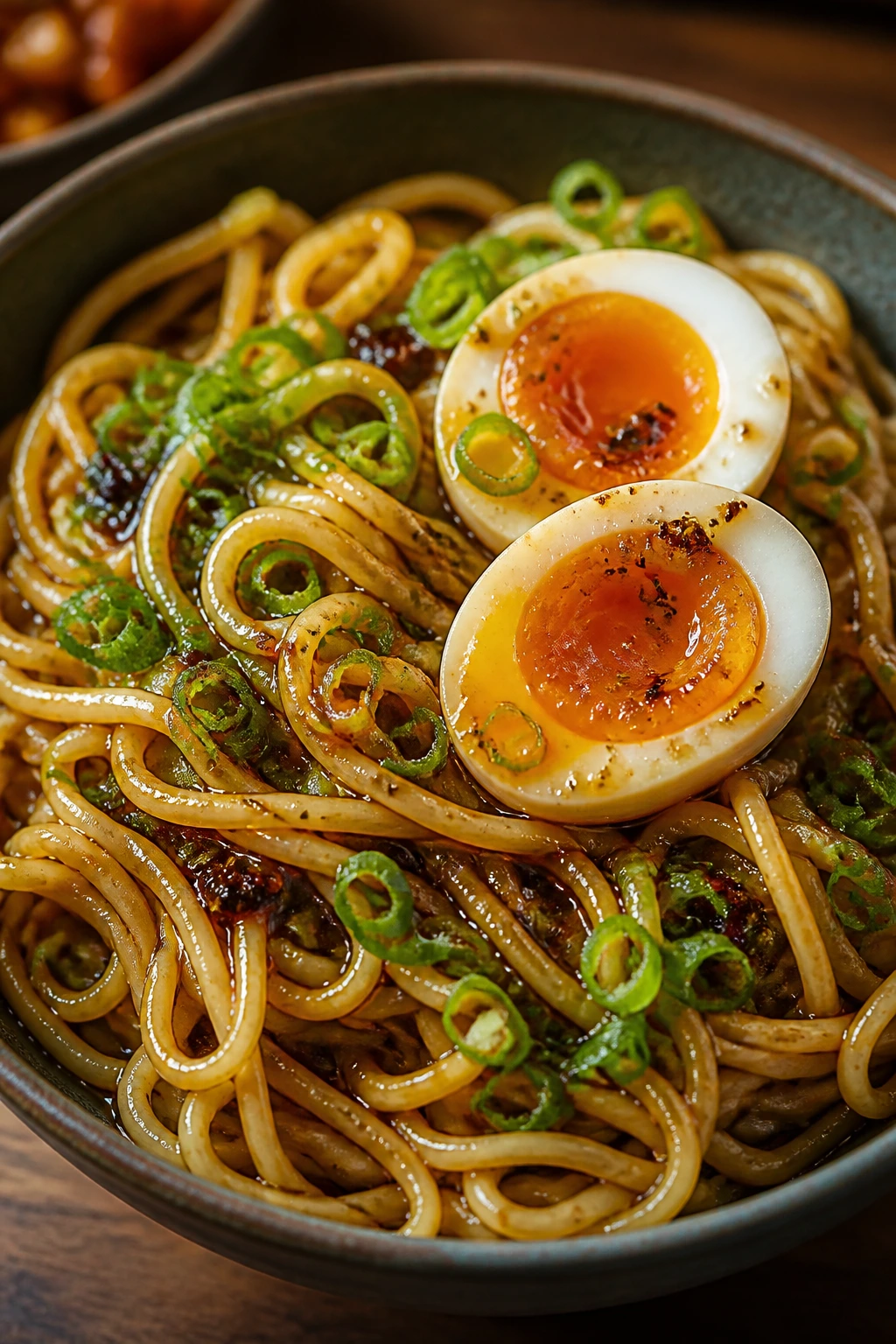
This is the sort of dish that looks plain until you taste it. Then the sweet oniony scallion oil and soy sauce cling to the noodles, and the whole bowl suddenly makes sense.
I like jammy eggs on top because the yolk turns the sauce creamy without needing butter or cream. It’s a small luxury, and it costs almost nothing.
Why It Works:
The scallions cook in oil until sweet and fragrant, which is where the flavor comes from. A little soy and dark soy give the noodles color and depth, while the eggs make the bowl feel rounded out. Everything can be ready in less than 20 minutes.
Key Ingredients:
- 12 oz fresh wheat noodles or lo mein noodles
- 1/2 cup neutral oil
- 6 scallions, thinly sliced
- 3 tbsp soy sauce
- 1 tbsp dark soy sauce, optional
- 1 tsp sugar
- 1 tsp toasted sesame oil
- 4 large eggs
- Chili crisp, optional
Quick Steps:
- Bring a pot of water to a boil and cook the eggs for 7 minutes for a jammy center, then chill them in cold water.
- Cook the noodles until just tender, drain, and reserve 1/2 cup of the water.
- Heat the oil in a small skillet over medium heat and cook the scallions for 3 to 4 minutes until soft and fragrant but not brown.
- Stir in soy sauce, dark soy, sugar, sesame oil, and a splash of noodle water.
- Toss the noodles in the sauce until coated and glossy.
- Peel and halve the eggs, then place them on top with chili crisp if you want heat.
Equipment for This Recipe:
- Pot for noodles and eggs
- Small skillet
- Tongs
- Bowl of ice water
How to Serve This Dish:
Serve in shallow bowls so the sauce can pool around the noodles. If you want to turn it into dinner-party food, add a plate of blanched greens or cucumber ribbons on the side.
Pro Tips for This Recipe:
- Don’t brown the scallions hard; you want sweet, not bitter.
- Reserve noodle water before draining. It loosens the sauce without thinning the flavor too much.
- Jammy eggs peel best after a cold shock.
- Dark soy is optional, but it makes the bowl look deeper and more polished.
Variations on This Dish:
- Chili Crisp Bowl: Add 1 to 2 tbsp chili crisp to the finished noodles.
- Mushroom Noodle Version: Stir in sautéed mushrooms for extra body.
- Vegan Version: Skip the eggs and top with crisp tofu cubes instead.
Common Mistakes to Avoid with This Dish:
- Overcooked eggs: The yolk turns chalky. Pull them at 7 minutes.
- Too much oil in the pan: The noodles get greasy instead of glossy.
- Dry noodles: Use a little reserved water to help the sauce coat evenly.
11. Char Siu-Style Pork Tenderloin
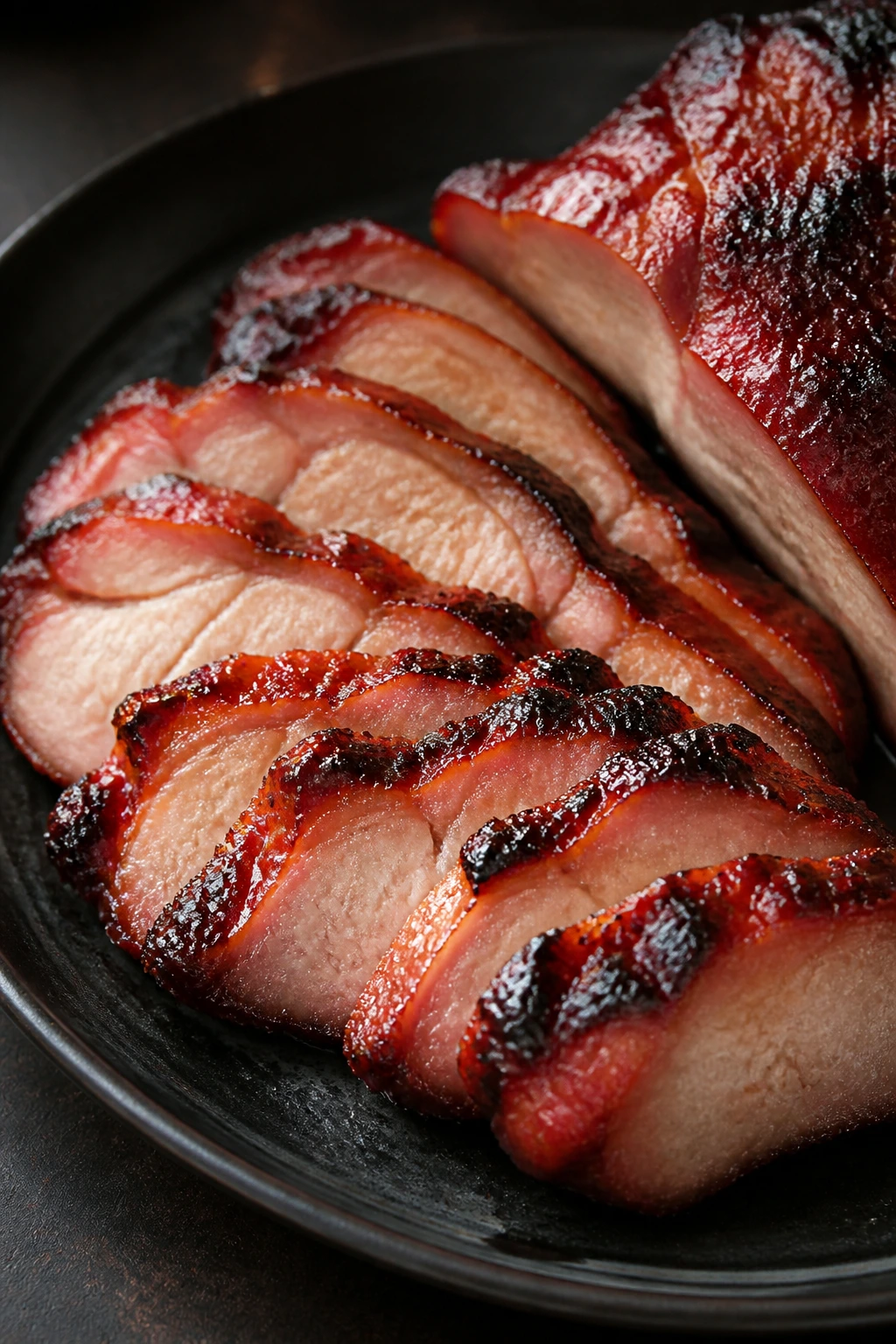
Pork tenderloin is lean, so it needs a sauce that keeps it from drying out. Char siu flavor does that job nicely with hoisin, honey, soy, garlic, and five spice.
This version is faster than the classic roast-pork approach and still gives you those sweet, sticky edges. Slice it thin and it feels much more luxurious than the ingredient list suggests.
Why It Works:
Tenderloin cooks quickly, which makes it practical for a weeknight, and the marinade adds both color and gloss. A hot oven sets the glaze, while a short broil at the end gives the surface those slightly caramelized edges people tend to fight over.
Key Ingredients:
- 2 pork tenderloins, about 1 1/2 lb total
- 3 tbsp hoisin sauce
- 2 tbsp soy sauce
- 2 tbsp honey
- 2 tbsp Shaoxing wine or water
- 3 cloves garlic, grated
- 1 tsp Chinese five spice
- 1 tsp sweet paprika
- 1 tbsp neutral oil
- 2 scallions, sliced
- 1 cucumber, sliced, for serving
Quick Steps:
- Whisk hoisin, soy sauce, honey, Shaoxing, garlic, five spice, paprika, and oil.
- Coat the pork and marinate for at least 20 minutes, or up to 8 hours in the fridge.
- Preheat the oven to 425°F and line a sheet pan with foil or parchment.
- Roast the pork for 18 to 22 minutes, brushing once with extra marinade halfway through.
- Broil for 1 to 2 minutes to deepen the color, then rest the pork for 10 minutes.
- Slice thinly and finish with scallions.
Equipment for This Recipe:
- Sheet pan
- Foil or parchment
- Small whisk
- Sharp slicing knife
How to Serve This Dish:
Serve it with rice, cucumbers, and a little extra hoisin on the side. The pork is rich enough that plain steamed greens are enough to balance it.
Pro Tips for This Recipe:
- Rest the pork before slicing or the juices run out.
- Watch the broiler closely; the honey turns dark quickly.
- Thin slices look and eat better than thick slabs.
- If your tenderloin is very skinny at one end, fold that tip under so it doesn’t overcook.
Variations on This Dish:
- Chicken Thigh Char Siu: Use boneless thighs and roast a few minutes longer.
- Sticky Five-Spice Tofu: Brush the same glaze over pressed tofu slabs and roast until the edges brown.
- Spicy Glaze: Add 1 tsp chili garlic sauce to the marinade.
Common Mistakes to Avoid with This Dish:
- Overcooking tenderloin: It dries out fast. Pull it when the center is just cooked.
- Skipping the rest: The slices go dry and crumbly.
- Using too much broiler time: The glaze can go from lacquered to burnt in seconds.
12. Miso-Glazed Cod with Cucumber Salad
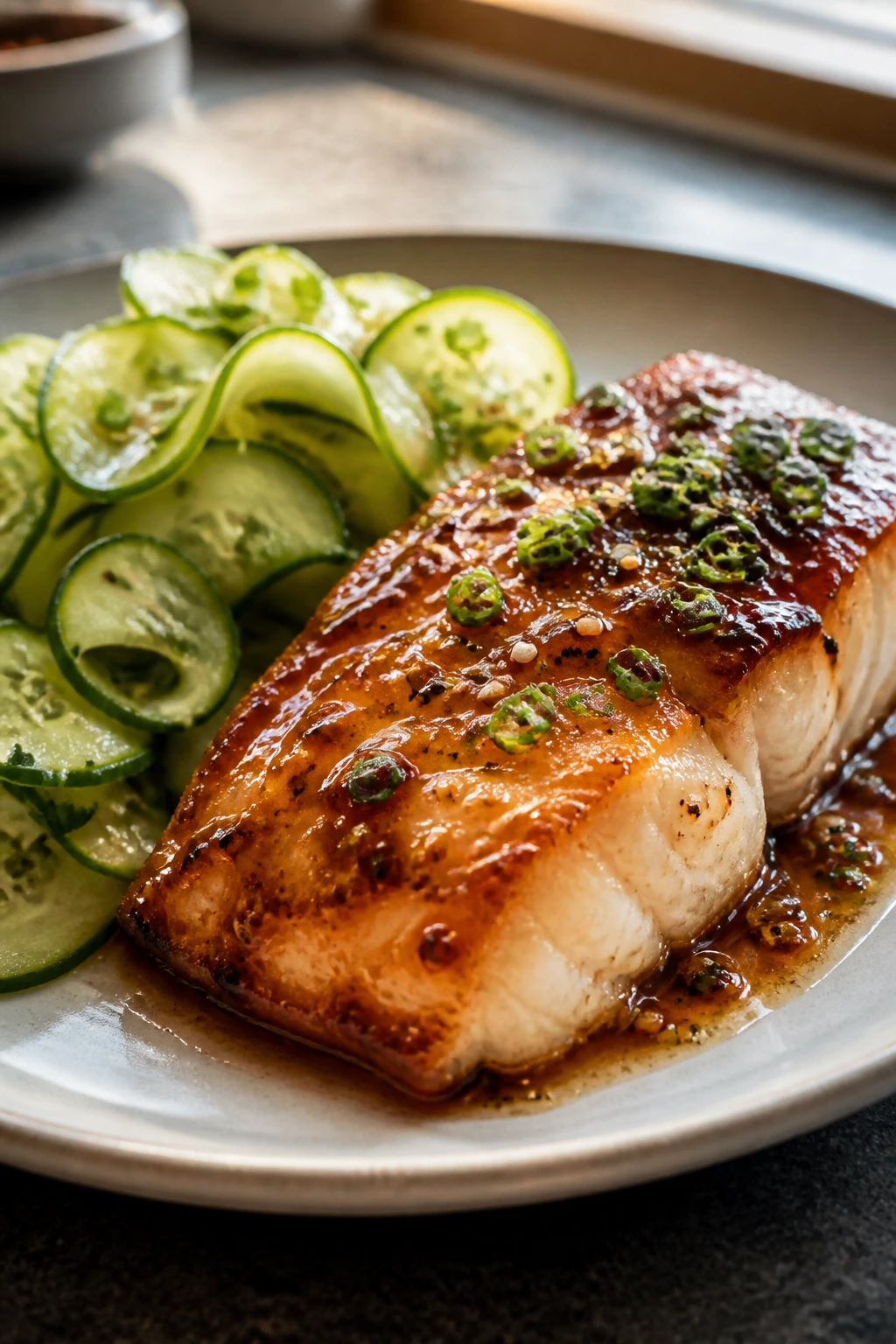
Miso and cod are a clean pairing. The fish tastes buttery and delicate, and the glaze gives it a salty-sweet top note without burying it.
The cucumber salad is more than a side here. It cuts through the richness and gives the plate something cold and crisp, which is exactly what this sort of fish likes.
Why It Works:
White miso brings savory depth, mirin or honey adds balance, and cod cooks fast enough under the broiler to make this a practical dinner. The cucumbers stay bright because they’re dressed separately, not cooked into the fish. That contrast is the whole point.
Key Ingredients:
- 4 cod fillets, about 6 oz each
- 3 tbsp white miso
- 2 tbsp mirin
- 1 tbsp soy sauce
- 1 tbsp honey
- 1 tbsp water or sake
- 2 cucumbers, thinly sliced
- 1 tbsp rice vinegar
- 1 tsp toasted sesame oil
- 1 tbsp sesame seeds
- 2 scallions, sliced
Quick Steps:
- Whisk miso, mirin, soy sauce, honey, and water into a smooth glaze.
- Pat the cod dry and spread a thin layer of glaze over the top; let it sit for 10 minutes.
- Broil the fish on a lined pan for 6 to 8 minutes, depending on thickness, until it flakes cleanly.
- Toss the cucumbers with rice vinegar, sesame oil, and a pinch of salt.
- Plate the fish with the cucumber salad and finish with sesame seeds and scallions.
Equipment for This Recipe:
- Broiler-safe sheet pan
- Parchment paper
- Small bowl and spoon
- Mixing bowl for the salad
How to Serve This Dish:
Serve it with rice and the cucumber salad on the side. If you want a fuller plate, add steamed bok choy or a little soba.
Pro Tips for This Recipe:
- Don’t marinate cod for a long time; 10 to 15 minutes is enough.
- Watch the broiler closely because miso can darken fast.
- Thin fillets need less time than you think.
- Salting the cucumbers lightly before dressing keeps them crisp.
Variations on This Dish:
- Salmon Version: Use salmon fillets and give them an extra minute or two under the broiler.
- Ginger-Miso Glaze: Add 1 tsp grated ginger to the glaze.
- Eggplant Plate: Brush thick eggplant slices with the same glaze and roast until tender.
Common Mistakes to Avoid with This Dish:
- Leaving the fish under the broiler too long: The glaze will char before the cod is done.
- Watery cucumber salad: Salt and drain the cucumbers if they’re especially juicy.
- Using thick, uneven fillets: The thin part overcooks before the thick part is ready.
13. Chicken Katsu Curry Rice Bowls
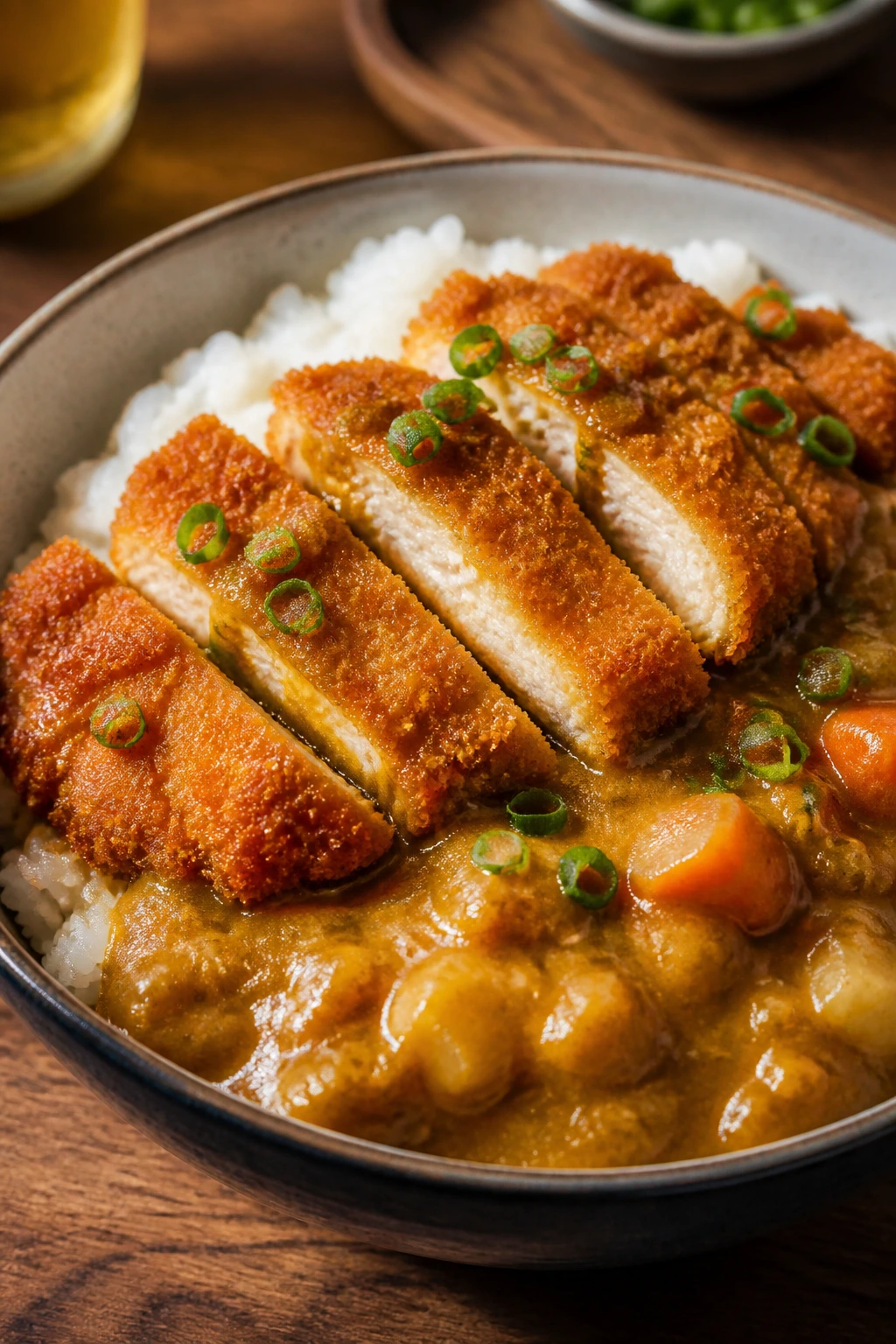
Chicken katsu curry hits a very specific comfort note: crisp cutlet, thick curry sauce, steamed rice. It’s not delicate. That’s part of the appeal.
The sauce here is a shortcut version of Japanese curry, built with onion, butter, flour, and curry powder instead of a boxed roux. It still eats like the real thing, only faster.
Why It Works:
Breaded chicken gives you texture against the thick curry, and the sauce clings to rice without running everywhere. A little grated apple softens the curry and adds body without making it taste sweet in a loud way. The whole bowl lands as one complete meal.
Key Ingredients:
- 4 chicken cutlets, about 1 1/2 lb total
- 1/2 cup all-purpose flour
- 2 large eggs, beaten
- 1 1/2 cups panko breadcrumbs
- 1 tsp salt
- 1/2 tsp black pepper
- 1/2 cup neutral oil, for frying
- 1 onion, finely sliced
- 2 tbsp butter
- 2 tbsp flour
- 2 tbsp curry powder
- 2 cups chicken broth
- 1 small apple, grated
- 1 tbsp soy sauce
- 1 tbsp honey
- Cooked short-grain rice, for serving
Quick Steps:
- Season the chicken with salt and pepper, then dredge in flour, egg, and panko.
- Heat oil in a skillet over medium heat and fry the cutlets for 3 to 4 minutes per side until golden and cooked through.
- In another pan, cook the onion in butter for 5 minutes until soft.
- Stir in flour and curry powder for 1 minute, then whisk in broth, apple, soy sauce, and honey.
- Simmer the curry sauce for 5 to 7 minutes until thick.
- Slice the katsu and serve over rice with curry spooned around it.
Equipment for This Recipe:
- Large skillet
- Saucepan
- Shallow bowls for breading
- Sharp knife for slicing
How to Serve This Dish:
Serve the cutlet partly standing on the rice so the curry can run beneath it. A few pickled cucumbers or a quick cabbage salad keep the plate from feeling too heavy.
Pro Tips for This Recipe:
- Crush the panko lightly with your fingers for a finer, more even crust.
- Keep the oil around medium so the coating browns before the chicken dries out.
- Slice the chicken after a short rest so the breading stays put.
- If the curry thickens too much, loosen it with a splash of broth.
Variations on This Dish:
- Pork Katsu Curry: Use pork cutlets and fry them the same way.
- Baked Katsu: Spray the breaded chicken with oil and bake at 425°F until crisp.
- Vegetable Curry Bowl: Serve the curry over roasted cauliflower and carrots instead of chicken.
Common Mistakes to Avoid with This Dish:
- Oil that’s too cool: The crust absorbs oil and turns heavy.
- Cutting too soon: The coating slides off and the juices run out.
- A curry sauce that’s too thin: It should coat the rice, not soak through it.
14. Chinese Tomato and Egg Stir-Fry
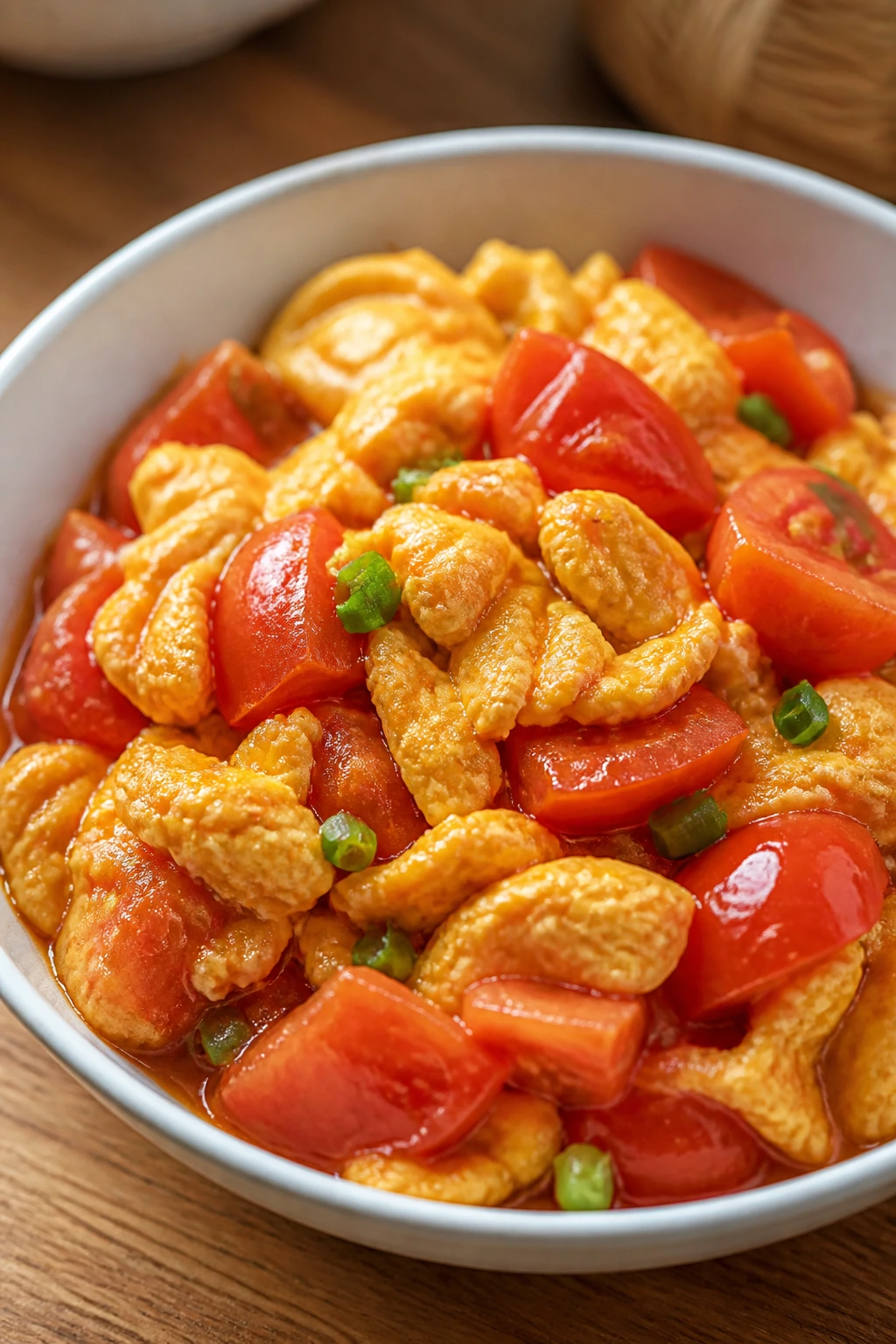
This dish is plain in the best sense of the word. It’s tender eggs, soft tomatoes, and a sauce that tastes like it came from somebody’s home kitchen rather than a restaurant line.
The sugar is not optional. Tomatoes need a little help to taste round and full, and that tiny bit of sweetness pulls the whole pan together.
Why It Works:
Eggs cook in two stages so they stay soft and layered instead of rubbery. Tomatoes break down into a quick sauce, and soy sauce with a little sugar gives them more presence. Over rice, it becomes the kind of dinner that disappears fast.
Key Ingredients:
- 6 large eggs
- 4 medium tomatoes, cut into wedges
- 3 tbsp neutral oil
- 1 tsp sugar
- 1 tbsp soy sauce
- 2 scallions, sliced
- 1 tsp toasted sesame oil
- Salt and white pepper to taste
Quick Steps:
- Beat the eggs with a pinch of salt.
- Heat 1 tbsp oil in a skillet and scramble the eggs until just set but still soft; remove them.
- Add the remaining oil and cook the tomatoes for 3 to 4 minutes until they collapse and release juices.
- Stir in sugar and soy sauce, then return the eggs to the pan.
- Cook for 30 seconds to 1 minute until the sauce lightly coats the eggs.
- Finish with scallions, sesame oil, and white pepper.
Equipment for This Recipe:
- Large skillet
- Mixing bowl
- Spatula
- Cutting board and knife
How to Serve This Dish:
Serve it over plain white rice so the tomato juice can seep into the grains. A few wilted greens or a dish of pickles on the side makes the meal feel finished.
Pro Tips for This Recipe:
- Use ripe tomatoes if you can get them; they break down faster and taste fuller.
- Pull the eggs early. They finish cooking in the sauce.
- White pepper keeps the flavor cleaner than black pepper here.
- If the tomatoes are bland, add a tiny pinch more sugar before reaching for more soy.
Variations on This Dish:
- Tofu Addition: Fold in soft tofu cubes for a gentler, fuller bowl.
- Shrimp Version: Add peeled shrimp after the tomatoes soften and cook until pink.
- Noodle Bowl: Spoon the stir-fry over noodles instead of rice.
Common Mistakes to Avoid with This Dish:
- Overcooked eggs: They lose their soft, almost custardy texture.
- Tomatoes that never break down: Cook them a minute longer before adding the eggs.
- Too much soy sauce: It can turn the dish salty and dark rather than bright.
15. Teriyaki Meatballs with Jasmine Rice
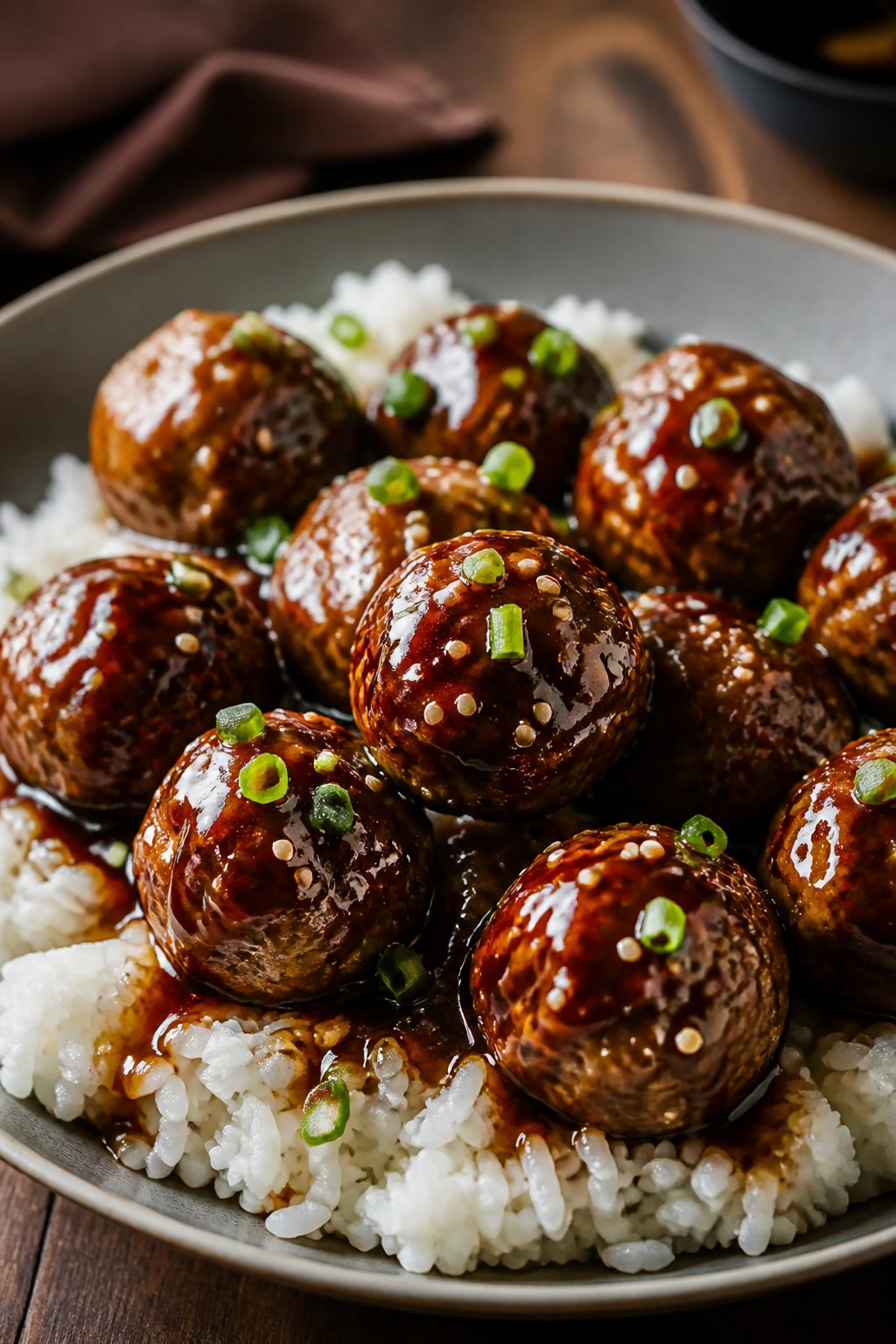
Meatballs are easy to scale for guests, which makes them handy when the table grows unexpectedly. Teriyaki glaze gives them the glossy, sticky finish that keeps people reaching back in with a fork.
I like ground chicken or turkey here because it stays light, but pork works too if you want a richer bite. Jasmine rice underneath soaks up the glaze better than almost any side I can think of.
Why It Works:
The panko and egg keep the meatballs tender, while the teriyaki sauce reduces into a sticky coating without a long simmer. Baking the meatballs instead of pan-frying them means they cook evenly and don’t demand constant turning. It’s a clean, repeatable method.
Key Ingredients:
- 1 1/2 lb ground chicken or turkey
- 1/2 cup panko breadcrumbs
- 1 large egg
- 2 cloves garlic, grated
- 1 tbsp grated ginger
- 1/2 tsp salt
- 1/4 tsp black pepper
- 1/3 cup soy sauce
- 1/4 cup mirin
- 2 tbsp brown sugar
- 1 tbsp rice vinegar
- 1/4 cup water
- 1 tsp cornstarch
- 2 scallions, sliced
- Sesame seeds, for serving
- Cooked jasmine rice
Quick Steps:
- Mix the meat, panko, egg, garlic, ginger, salt, and pepper just until combined.
- Shape into 1 1/2-inch meatballs and place on a lined sheet pan.
- Bake at 425°F for 14 to 16 minutes until cooked through.
- Whisk soy sauce, mirin, brown sugar, rice vinegar, water, and cornstarch in a saucepan.
- Simmer the sauce for 2 to 3 minutes until shiny and thick, then toss in the meatballs.
- Serve over rice with scallions and sesame seeds.
Equipment for This Recipe:
- Rimmed sheet pan
- Parchment paper
- Small saucepan
- Cookie scoop, optional but helpful
How to Serve This Dish:
Serve the meatballs over rice with a little steamed broccoli or bok choy on the side. If you want a party feel, stick toothpicks in the meatballs and put the glaze in a bowl for dipping.
Pro Tips for This Recipe:
- Don’t pack the meat mixture too tightly or the meatballs go dense.
- A cookie scoop keeps the sizes even, which helps them bake evenly.
- Simmer the sauce only until it coats a spoon; over-reduction makes it cloying.
- If you’re using turkey, don’t skip the ginger. It keeps the flavor lively.
Variations on This Dish:
- Pork Meatballs: Use ground pork and cut the brown sugar by 1 tsp.
- Pineapple Teriyaki: Stir in a few tablespoons of crushed pineapple to the sauce.
- Spicy Glaze: Add chili flakes or chili garlic sauce to the teriyaki.
Common Mistakes to Avoid with This Dish:
- Overmixing the meat: The meatballs get springy and tight.
- Sauce that’s too thin: Let it bubble long enough to gloss the meat.
- Crowding the pan: If the meatballs touch, they steam on the sheet.
16. Cold Sesame Noodle Salad with Shredded Chicken
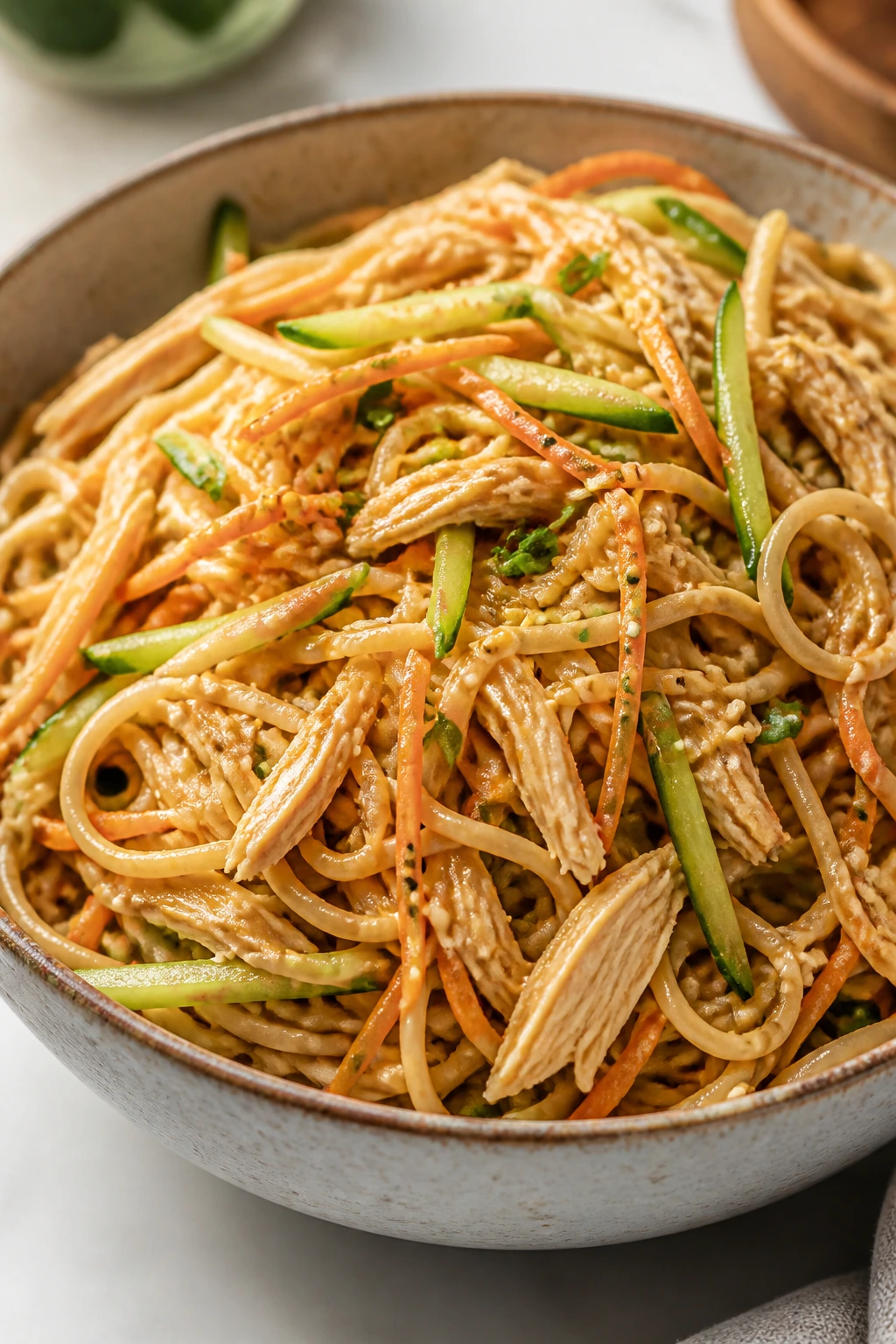
Cold sesame noodles are at their best when the sauce is nutty and the noodles stay slippery. This one leans on peanut butter, soy, rice vinegar, and sesame oil, which gives the bowl enough richness to stand in for dinner.
Rotisserie chicken makes this faster, but leftover poached chicken works too. The cucumbers and carrots keep the bowl from turning heavy.
Why It Works:
The dressing comes together in a minute and coats both noodles and chicken well if you thin it slowly with warm water. Rinsed noodles keep their shape and don’t glue themselves together. The vegetables add crunch so the bowl doesn’t feel like one long bite of sauce.
Key Ingredients:
- 12 oz soba noodles or spaghetti
- 2 cups shredded cooked chicken
- 1 cucumber, julienned
- 2 carrots, julienned
- 1/4 cup creamy peanut butter
- 3 tbsp soy sauce
- 2 tbsp rice vinegar
- 2 tsp toasted sesame oil
- 1 tbsp honey
- 2 to 4 tbsp warm water
- 1 tbsp chili oil, optional
- 2 scallions, sliced
- Cilantro or mint, for serving
Quick Steps:
- Cook the noodles until just tender, then rinse under cold water and drain well.
- Whisk peanut butter, soy sauce, rice vinegar, sesame oil, honey, and warm water until smooth.
- Toss the noodles with the dressing, then add the chicken, cucumber, and carrots.
- Let the salad sit for 10 minutes in the fridge if you want the flavor to settle.
- Top with scallions, herbs, and chili oil if using.
Equipment for This Recipe:
- Pot for noodles
- Large mixing bowl
- Whisk
- Colander
How to Serve This Dish:
Serve it cold or barely cool in shallow bowls. It’s good on its own, but a plate of crisp vegetables or dumplings on the side makes the table feel fuller.
Pro Tips for This Recipe:
- Thin the dressing a little at a time so it stays creamy, not runny.
- Rinse the noodles well to remove excess starch.
- Add the chicken after the noodles so it picks up the dressing evenly.
- Taste again after chilling; cold flavors need a touch more salt or acid.
Variations on This Dish:
- Soba Version: Use buckwheat noodles for a nuttier flavor.
- Tofu Salad: Replace chicken with cubed baked tofu.
- Spicy Sesame Bowl: Add more chili oil and a spoonful of chili crisp.
Common Mistakes to Avoid with This Dish:
- Clumpy noodles: Rinse and toss them right away.
- Dressing that’s too thick: It should coat, not glue.
- Adding the vegetables too early: They lose crunch and make the bowl watery.
17. Mapo Tofu with Ground Pork
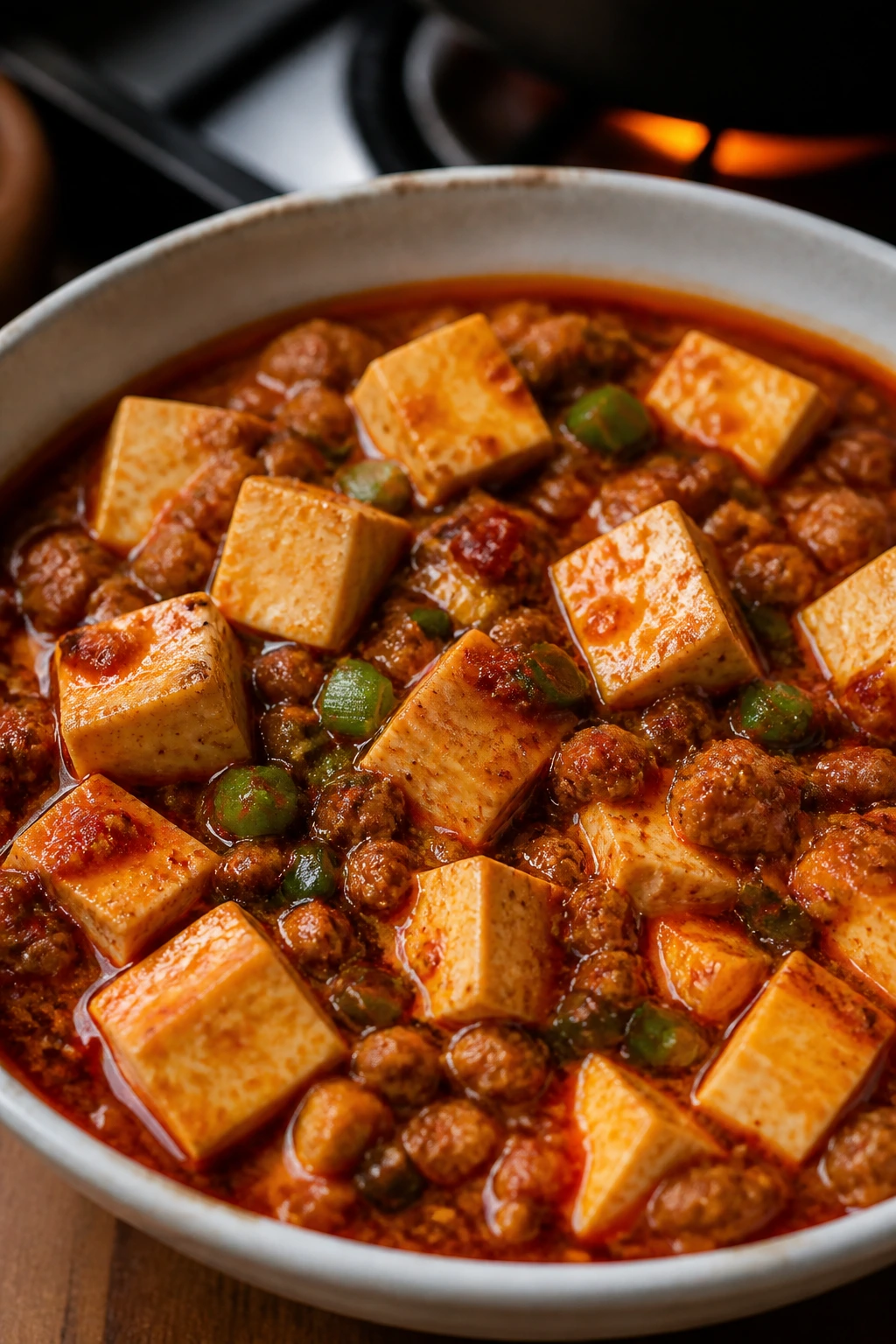
Mapo tofu has a reputation for being intense, and I think that reputation is part of the fun. It should be spicy, numbing, and a little messy in the best way.
The tofu stays soft while the pork and chile bean paste build the deep savory base. If you’ve never made it, the first spoonful can be a little surprising; the second spoonful usually settles the argument.
Why It Works:
Doubanjiang gives the dish its core flavor, while Sichuan peppercorn adds that mouth-tingling edge people either love or learn to love. The tofu gets simmered gently so it doesn’t break apart, and a cornstarch slurry gives the sauce the right thickness. A small amount of sugar keeps the heat in balance.
Key Ingredients:
- 1 lb soft or medium tofu, cut into 1-inch cubes
- 1/2 lb ground pork
- 1 1/2 tbsp doubanjiang
- 3 cloves garlic, minced
- 1 tbsp grated ginger
- 1 tbsp soy sauce
- 1 tbsp Shaoxing wine or water
- 1 cup chicken or vegetable stock
- 1 tsp sugar
- 1 tbsp cornstarch mixed with 2 tbsp water
- 1 tsp ground Sichuan peppercorns
- 2 scallions, sliced
- Chili oil, optional
Quick Steps:
- Brown the pork in a skillet over medium-high heat until the fat renders, about 4 minutes.
- Add the garlic, ginger, and doubanjiang, and cook for 30 seconds.
- Pour in the stock, soy sauce, Shaoxing, and sugar, then bring it to a simmer.
- Add the tofu gently and simmer for 4 to 5 minutes, stirring with a soft hand so the cubes stay intact.
- Stir in the cornstarch slurry and cook for 1 minute until the sauce clings to the tofu.
- Finish with Sichuan peppercorns, scallions, and chili oil.
Equipment for This Recipe:
- Large skillet or wok
- Small bowl for slurry
- Spatula or spoon
- Sharp knife for tofu
How to Serve This Dish:
Serve it over steamed rice and keep extra rice on the table. Mapo tofu is strong enough to be the main event, and plain rice is what makes it work.
Pro Tips for This Recipe:
- Handle the tofu gently once it’s in the pan.
- Add the peppercorns at the end so the aroma stays bright.
- If your doubanjiang is very salty, taste before adding extra soy.
- Soft tofu gives the most classic texture, but medium tofu is easier for beginners.
Variations on This Dish:
- Vegetarian Mapo: Skip the pork and use finely chopped mushrooms instead.
- Milder Bowl: Use less doubanjiang and leave out the chili oil.
- Turkey Version: Swap ground pork for ground turkey and add a little more oil for richness.
Common Mistakes to Avoid with This Dish:
- Stirring the tofu hard: It breaks into crumbs.
- Adding too much cornstarch slurry: The sauce turns gluey.
- Skipping the peppercorn: The dish loses the sharp, floral finish that makes it distinct.
18. Drunken Noodles with Chicken and Thai Basil
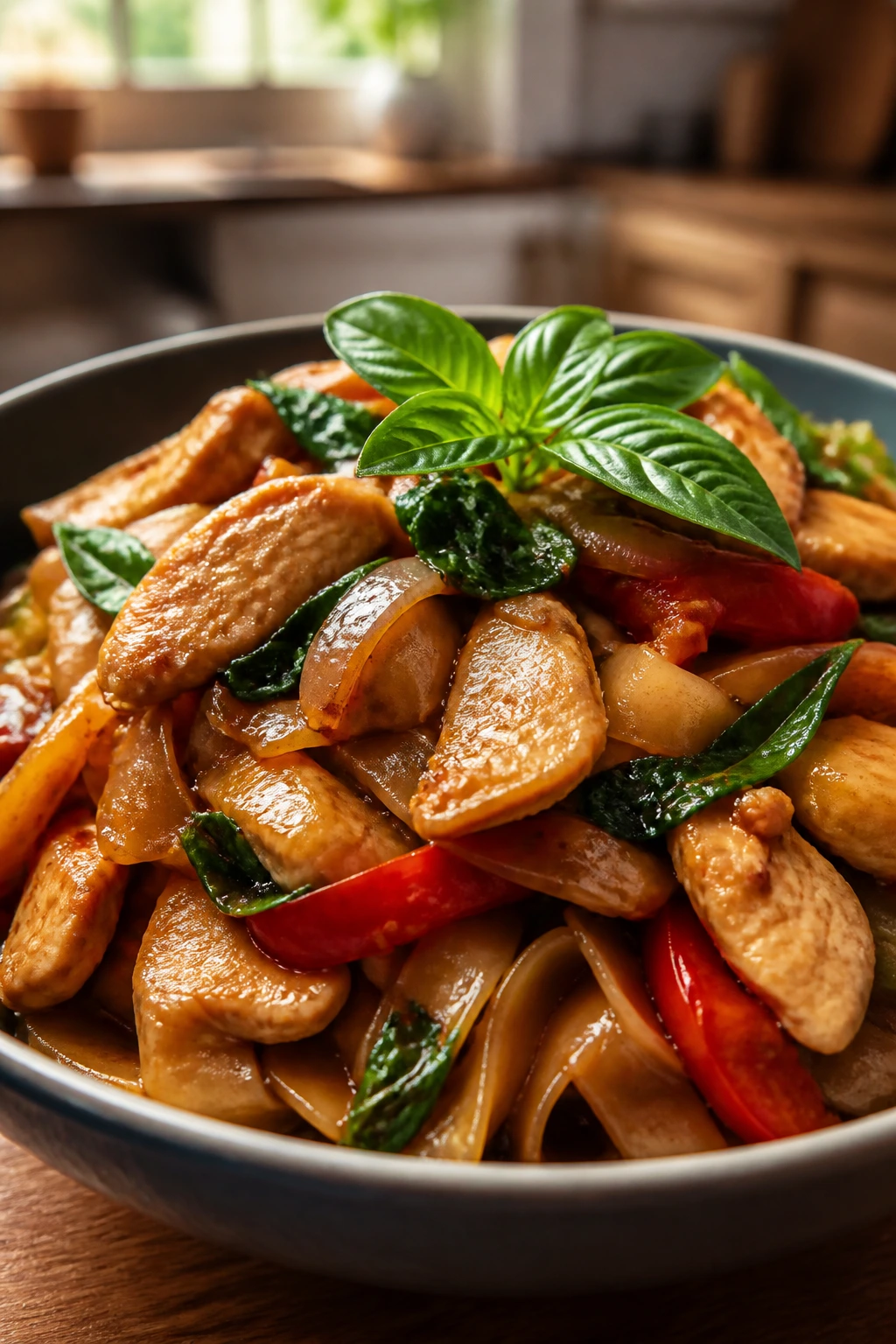
Wide rice noodles are the right tool for this job. They soak up a bold sauce, stay slippery, and carry enough weight to handle chicken and vegetables without collapsing.
The dish tastes hot, savory, and faintly sweet, then the Thai basil comes in at the end and changes the whole smell of the pan. That final handful is the part I look forward to.
Why It Works:
Chicken cooks fast in a hot wok, and the sauce is simple enough to build while the noodles soften. Thai basil gives the final bowl its characteristic perfume, and bell pepper plus onion keep the texture lively. The trick is keeping the noodles a little underdone before they meet the pan.
Key Ingredients:
- 12 oz wide rice noodles
- 1 lb boneless chicken thighs, thinly sliced
- 1 bell pepper, sliced
- 1 small onion, sliced
- 4 cloves garlic, minced
- 1 to 2 Thai chilies or 1/2 tsp red pepper flakes
- 2 tbsp oyster sauce
- 2 tbsp soy sauce
- 1 tbsp fish sauce
- 1 tsp brown sugar
- 2 tbsp water
- 1 packed cup Thai basil leaves
- 2 tbsp neutral oil
Quick Steps:
- Soak or cook the rice noodles according to the package until just flexible.
- Whisk oyster sauce, soy sauce, fish sauce, brown sugar, and water.
- Heat oil in a wok over high heat and cook the chicken for 3 to 4 minutes until browned.
- Add the onion, bell pepper, garlic, and chilies, and stir-fry for 2 minutes.
- Add the noodles and sauce, tossing until the noodles are coated and warmed through.
- Turn off the heat, fold in the Thai basil, and serve immediately.
Equipment for This Recipe:
- Wok or very large skillet
- Pot or bowl for noodles
- Tongs
- Whisk
How to Serve This Dish:
Serve in wide bowls while the noodles are still steaming. A wedge of lime on the side is useful if you want a brighter finish.
Pro Tips for This Recipe:
- Keep the noodles slightly firm before they hit the wok.
- Add basil at the end so it stays aromatic.
- High heat helps the noodles pick up a little char, which makes the dish taste fuller.
- If the pan seems dry, add a tablespoon of water rather than more oil.
Variations on This Dish:
- Shrimp Drunken Noodles: Swap chicken for shrimp and cut the cook time in half.
- Tofu Drunken Noodles: Use extra-firm tofu cubes, seared first until crisp.
- Veggie-Heavy Version: Add mushrooms and baby bok choy for more volume.
Common Mistakes to Avoid with This Dish:
- Fully cooking the noodles first: They turn mushy in the wok.
- Using sweet basil instead of Thai basil: The flavor changes more than people expect.
- Low heat: The noodles steam and stick instead of taking on the sauce.
19. Vietnamese Lemongrass Beef Bowls
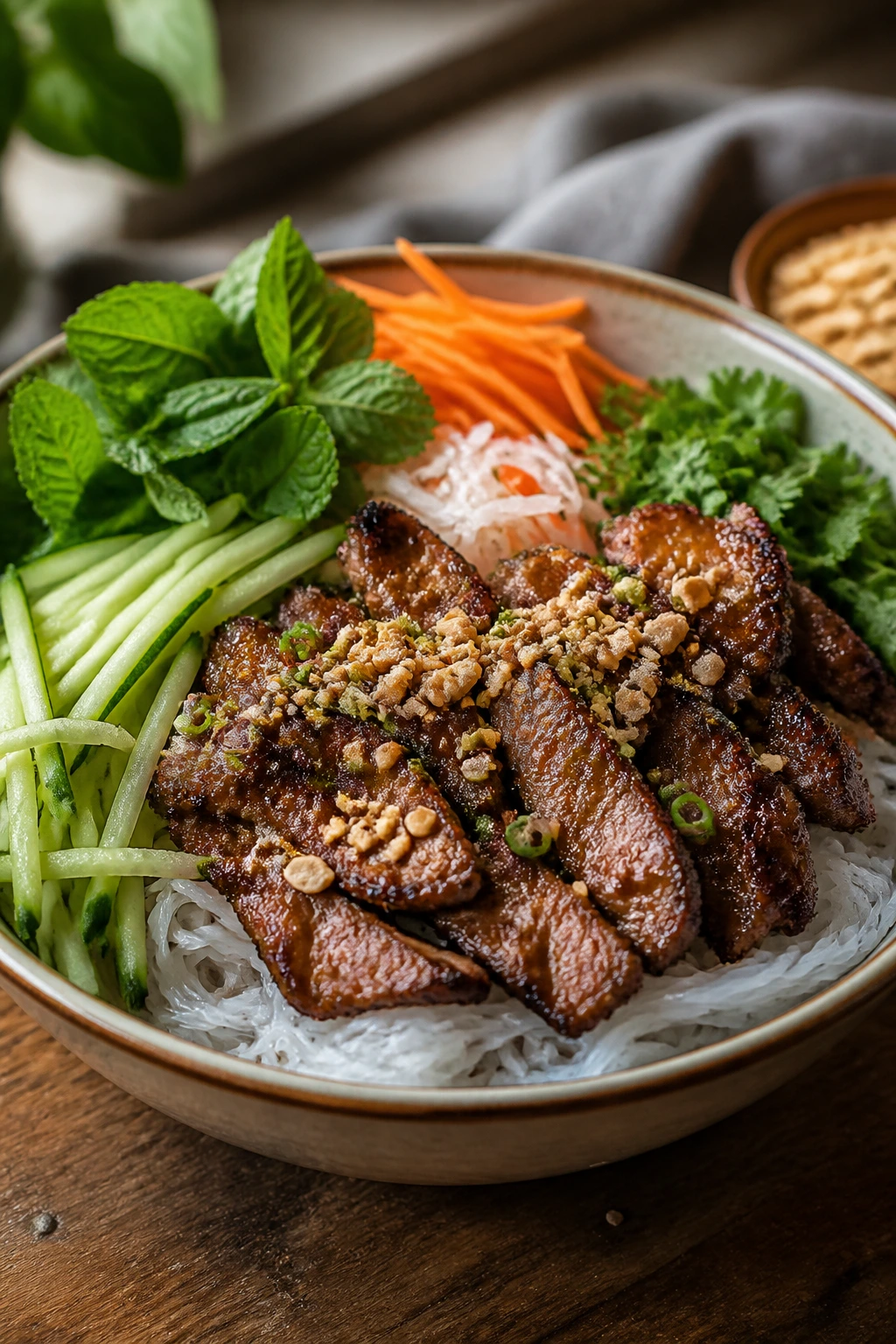
Lemongrass has a bright, almost citrusy scent that makes the whole kitchen feel awake. Paired with beef, herbs, and noodles, it gives you a bowl that tastes fresh without feeling sparse.
This is one of my favorite dinner-party bowls because everyone can build their own. That keeps the meal relaxed and makes the table look fuller than the ingredient list suggests.
Why It Works:
Lemongrass, fish sauce, and garlic create a marinade that flavors the beef quickly. Vermicelli noodles give you a neutral base, while cucumbers, herbs, and peanuts keep each bite varied. The bowl is fast, but it doesn’t eat fast-food flat.
Key Ingredients:
- 1 1/2 lb flank steak, thinly sliced
- 2 stalks lemongrass, tender inner part minced
- 2 tbsp fish sauce
- 1 tbsp soy sauce
- 1 tbsp brown sugar
- 3 cloves garlic, minced
- 1 tbsp rice vinegar
- 8 oz rice vermicelli noodles
- 1 cucumber, julienned
- 2 cups herbs such as mint and cilantro
- 1/4 cup roasted peanuts
- Lime wedges, for serving
Quick Steps:
- Mix lemongrass, fish sauce, soy sauce, brown sugar, garlic, and rice vinegar.
- Toss the beef in the marinade for 15 to 30 minutes.
- Cook the noodles, rinse them briefly, and drain well.
- Sear the beef in a hot skillet for 1 to 2 minutes per side until browned.
- Divide noodles into bowls, top with cucumber, herbs, peanuts, and beef.
- Serve with lime wedges and a drizzle of extra sauce if needed.
Equipment for This Recipe:
- Large skillet
- Sharp knife
- Bowl for marinade
- Colander
How to Serve This Dish:
Serve the bowls family-style and let people add their own herbs and lime. A little pickled carrot on the side makes the plate feel even fresher.
Pro Tips for This Recipe:
- Use only the tender inner part of the lemongrass stalk.
- Slice the beef thin so it stays tender after searing.
- Keep the herbs dry until serving so they don’t wilt in the bowl.
- If you want more sauce, thin the marinade with a splash of water and simmer it briefly before serving.
Variations on This Dish:
- Chicken Lemongrass Bowls: Use thin-sliced chicken thighs and cook them a minute longer.
- Rice Bowl Version: Swap noodles for warm jasmine rice.
- Tofu Bowl: Use baked tofu and let the marinade do the flavoring work.
Common Mistakes to Avoid with This Dish:
- Using woody lemongrass: It never blends properly into the marinade.
- Overcooking the beef: Thin slices need only a fast sear.
- Wet herbs: They slump and water down the bowl.
20. Sesame Garlic Udon with Mushrooms
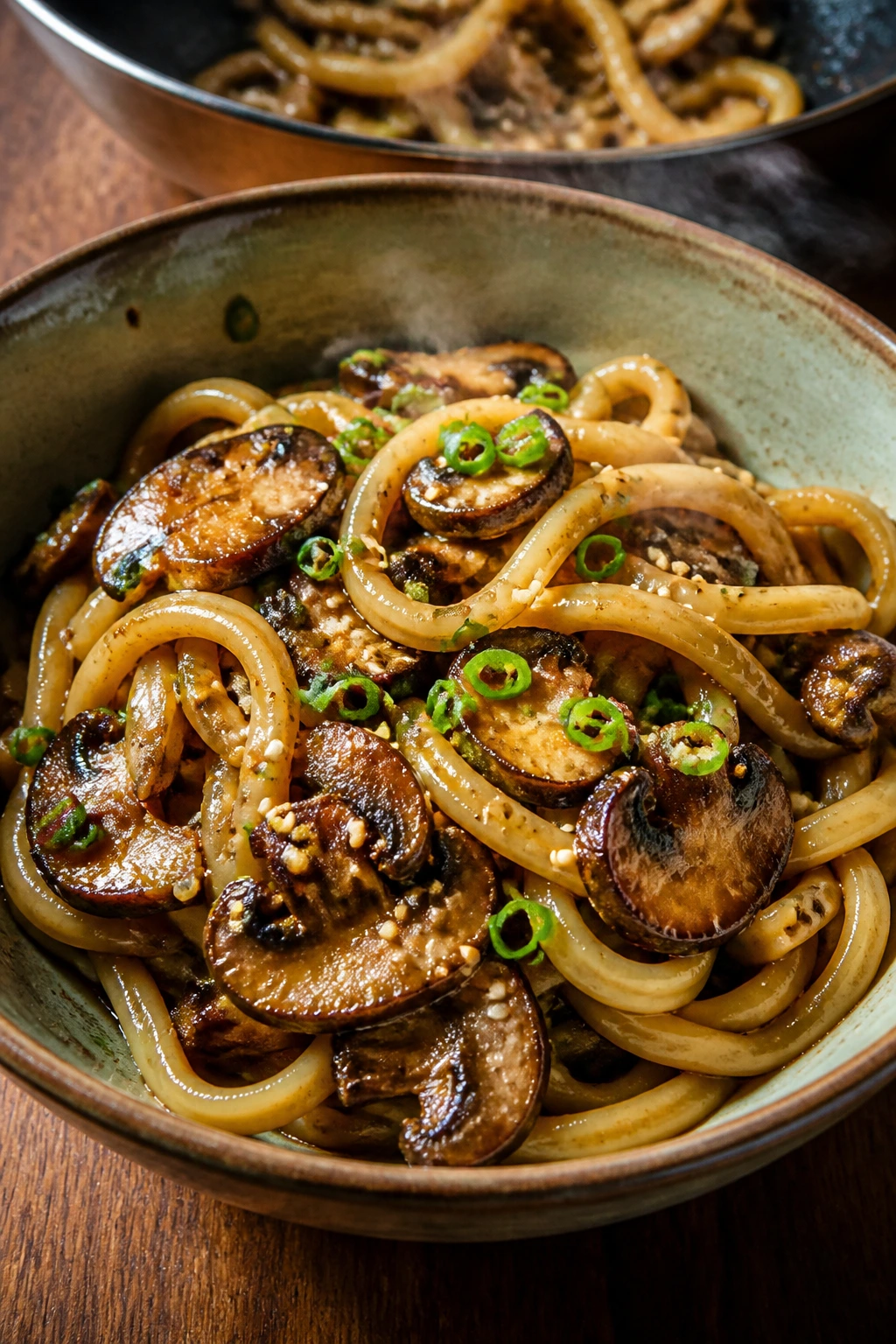
Udon noodles have a thick, chewy pull that makes them feel more substantial than most quick noodle dishes. That chew matters when the sauce is light and the mushrooms are doing the heavy flavor work.
Mushrooms browned properly taste meaty in a way that flatters sesame, garlic, and soy. This is the sort of bowl that disappears quietly because nobody wants to stop eating.
Why It Works:
The mushrooms are cooked until their moisture drives off and their edges turn bronze. That gives the sauce something deep to cling to. Fresh or frozen udon softens fast, so the whole dish can move from pan to bowl without waiting around.
Key Ingredients:
- 2 packs fresh or frozen udon noodles, about 14 to 16 oz total
- 12 oz mushrooms, sliced
- 3 cloves garlic, minced
- 1 tbsp grated ginger
- 3 tbsp soy sauce
- 1 tbsp oyster sauce
- 1 tbsp mirin
- 1 tbsp toasted sesame oil
- 1/2 cup broth or water
- 2 cups baby spinach
- 2 scallions, sliced
- Chili crisp, optional
- 2 tbsp neutral oil
Quick Steps:
- Cook the udon according to the package, then drain and set aside.
- Heat neutral oil in a skillet over medium-high heat and cook the mushrooms until browned and most of their moisture is gone, 6 to 8 minutes.
- Add garlic and ginger and cook for 30 seconds.
- Stir in soy sauce, oyster sauce, mirin, broth, and sesame oil.
- Add the udon and spinach, tossing until the noodles are glossy and the spinach wilts.
- Finish with scallions and chili crisp if you want heat.
Equipment for This Recipe:
- Large skillet or wok
- Pot for noodles if needed
- Tongs
- Cutting board and knife
How to Serve This Dish:
Serve it in deep bowls with extra scallions on top. If you want to make it feel more like a full dinner, add a soft-boiled egg or a few seared tofu cubes.
Pro Tips for This Recipe:
- Brown the mushrooms properly before adding the sauce.
- Frozen udon should be loosened according to the package so it doesn’t clump.
- Add spinach at the end so it wilts instead of disappearing.
- If the noodles seem tight, loosen them with a spoonful of hot water.
Variations on This Dish:
- Chicken Udon: Add thin-sliced chicken thighs before the mushrooms.
- Bok Choy Version: Swap spinach for baby bok choy.
- Peanut-Sesame Bowl: Add 1 tbsp peanut butter to the sauce for a rounder finish.
Common Mistakes to Avoid with This Dish:
- Undercooked mushrooms: They taste wet instead of savory.
- Overusing sesame oil: It can take over the bowl.
- Leaving the noodles dry in the pan too long: They clump into one mass.
21. Dan Dan Noodles with Chili Oil
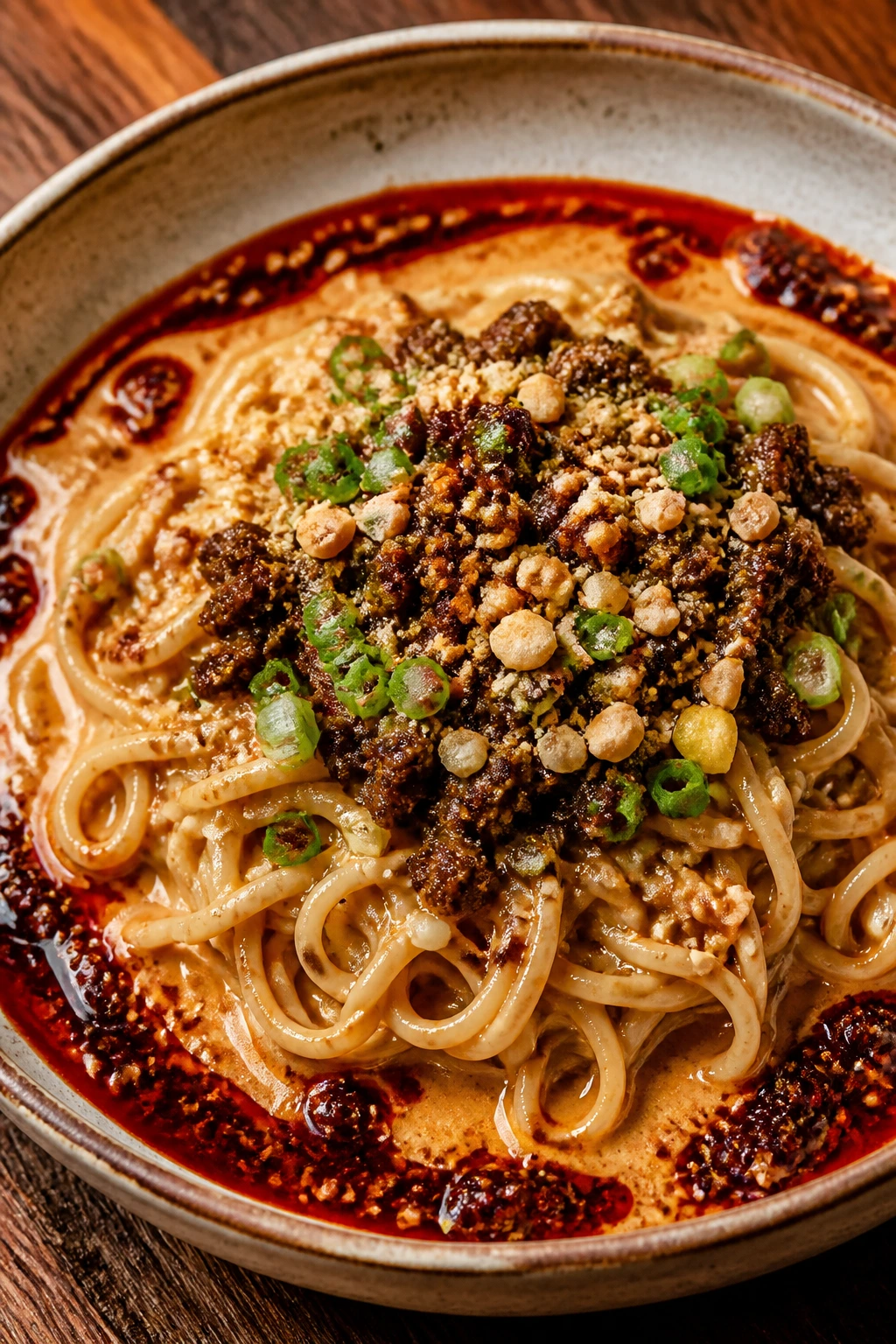
Dan dan noodles are bold, salty, nutty, and a little sneaky. The sauce looks simple in the bowl, but once it hits the noodles, the flavors keep stacking up.
I like using a sesame paste or tahini shortcut when I want the dish on a weeknight. It isn’t exactly the same as a more traditional version, but it gets the right richness and gives you something worth twisting around a fork.
Why It Works:
Ground pork gives the sauce body, black vinegar adds a sharp edge, and chili oil brings heat without making the whole bowl feel one-note. A little sugar and stock round things out so the sauce clings instead of tasting harsh. The peanuts or sesame topping finish the texture.
Key Ingredients:
- 12 oz wheat noodles
- 1 lb ground pork
- 2 cloves garlic, minced
- 3 tbsp sesame paste or tahini
- 2 tbsp soy sauce
- 2 tbsp Chinese black vinegar or balsamic in a pinch
- 2 tbsp chili oil
- 1 tsp sugar
- 1/2 cup stock or hot noodle water
- 2 tbsp preserved mustard greens, optional
- 2 scallions, sliced
- 1/4 cup crushed roasted peanuts
Quick Steps:
- Cook the noodles until just tender, then drain and reserve a little hot water.
- Brown the pork in a skillet over medium-high heat until cooked through.
- Add the garlic and preserved mustard greens, if using, and cook for 30 seconds.
- Whisk sesame paste, soy sauce, vinegar, chili oil, sugar, and stock until smooth.
- Toss the noodles with the sauce and pork, adding a splash of noodle water if needed.
- Finish with scallions and peanuts.
Equipment for This Recipe:
- Large skillet
- Pot for noodles
- Whisk
- Small bowl
How to Serve This Dish:
Serve the noodles in shallow bowls and keep extra chili oil on the table. A simple plate of cucumbers on the side helps clean up the richness between bites.
Pro Tips for This Recipe:
- Use hot noodle water to loosen the sauce if it thickens too much.
- Taste before adding more chili oil; heat builds quickly.
- If you can find preserved mustard greens, use a small amount. They bring a salty edge that matters.
- Keep the pork crumbly, not clumpy, so it distributes through the noodles.
Variations on This Dish:
- Vegetarian Dan Dan: Replace pork with finely chopped mushrooms.
- Extra-Hot Bowl: Add more chili oil and a pinch of Sichuan pepper.
- Peanut-Sesame Version: Use half tahini, half peanut butter for a softer, rounder sauce.
Common Mistakes to Avoid with This Dish:
- A sauce that’s too thick: It should coat noodles, not cement them.
- Skipping the vinegar: The bowl loses its snap.
- Using too little stock or noodle water: The sauce won’t spread evenly.
22. Sticky Orange Chicken with Broccoli
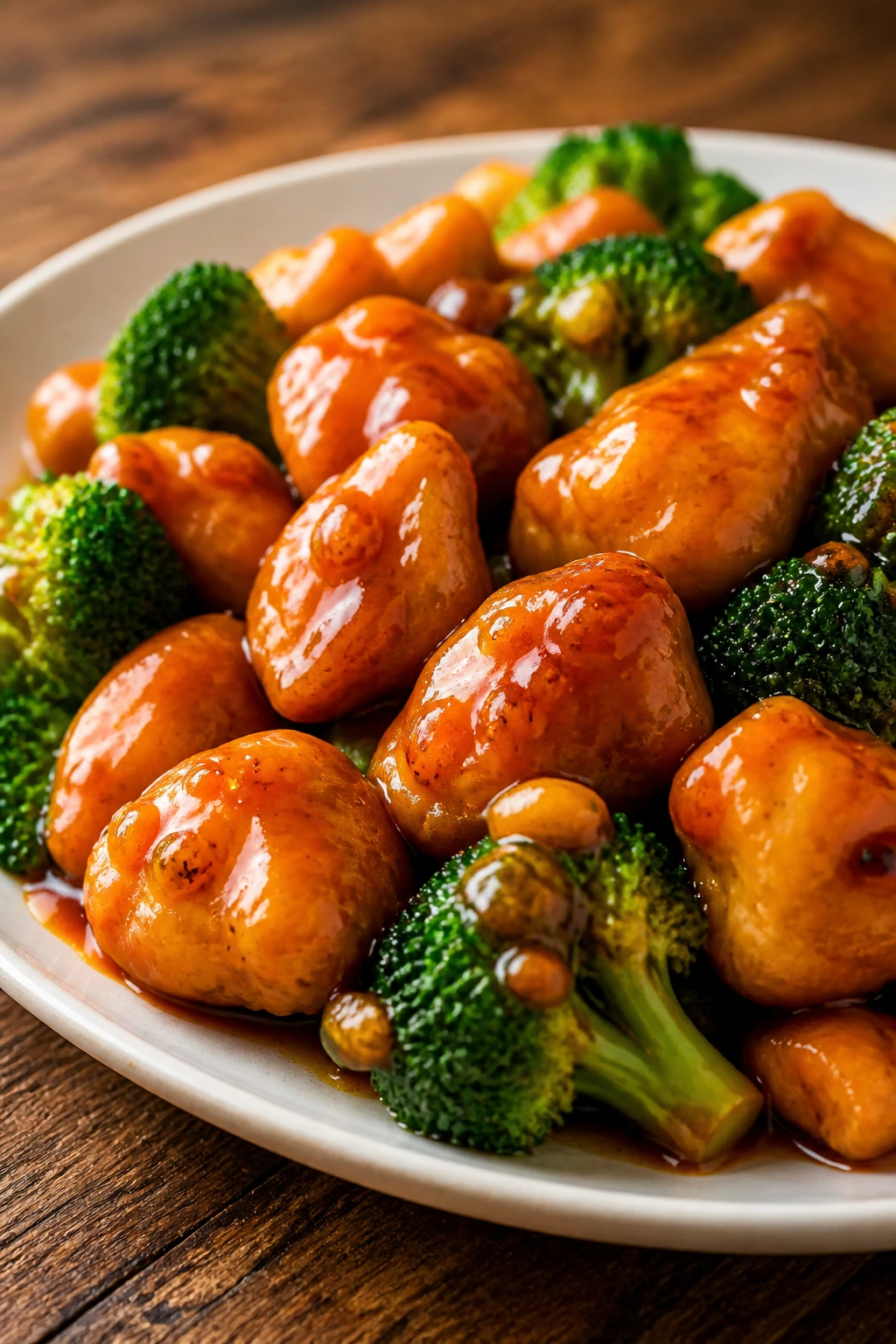
Orange chicken is often too sweet when people make it carelessly. The trick is to keep the citrus bright and the sauce balanced so the chicken still tastes like chicken.
Broccoli helps a lot here. It adds a real vegetable note and gives the sauce somewhere to go besides the chicken alone.
Why It Works:
Cornstarch helps the chicken brown lightly before the sauce goes on, and the orange zest keeps the glaze from tasting flat. The broccoli cooks in the same pan, which means less cleanup and a better chance the whole meal actually happens on a weeknight. A quick simmer thickens the sauce into a sticky coat.
Key Ingredients:
- 1 1/2 lb boneless chicken thighs, cut into bite-size pieces
- 1/3 cup cornstarch
- 1 tsp salt
- 2 tbsp neutral oil
- 4 cups broccoli florets
- 3/4 cup orange juice
- 1 tbsp orange zest
- 3 tbsp soy sauce
- 2 tbsp honey
- 1 tbsp rice vinegar
- 3 cloves garlic, minced
- 1 tbsp grated ginger
- 1 tsp cornstarch mixed with 1 tbsp water
Quick Steps:
- Toss the chicken with cornstarch and salt.
- Heat oil in a skillet over medium-high heat and brown the chicken for 6 to 8 minutes, turning as needed.
- Remove the chicken, then stir-fry the broccoli for 3 minutes with a splash of water until bright green.
- Add orange juice, zest, soy sauce, honey, vinegar, garlic, and ginger to the pan.
- Simmer for 2 to 3 minutes, then stir in the cornstarch slurry.
- Return the chicken and broccoli to the skillet and toss until sticky and coated.
Equipment for This Recipe:
- Large skillet
- Small bowl for slurry
- Zester or microplane
- Tongs
How to Serve This Dish:
Serve over rice with the sauce spooned generously over the top. A little sliced scallion or sesame seed garnish keeps the plate from looking too plain.
Pro Tips for This Recipe:
- Zest the orange before juicing it.
- Don’t pour the sauce in before the chicken has browned.
- Use thighs if you can; they stay juicier than breasts.
- If the sauce gets too thick, loosen it with a tablespoon of water.
Variations on This Dish:
- Baked Orange Chicken: Roast the cornstarch-coated chicken at 425°F until crisp, then toss in sauce.
- Tofu Orange Bowl: Use extra-firm tofu instead of chicken.
- Tangerine Twist: Swap in tangerine juice for a softer citrus note.
Common Mistakes to Avoid with This Dish:
- Too much sugar: The orange flavor disappears under sweetness.
- A sauce that’s too thin: Let it simmer before adding the slurry.
- Boiling the broccoli into mush: It should still have some bite.
23. Hot and Sour Soup with Mushrooms and Tofu
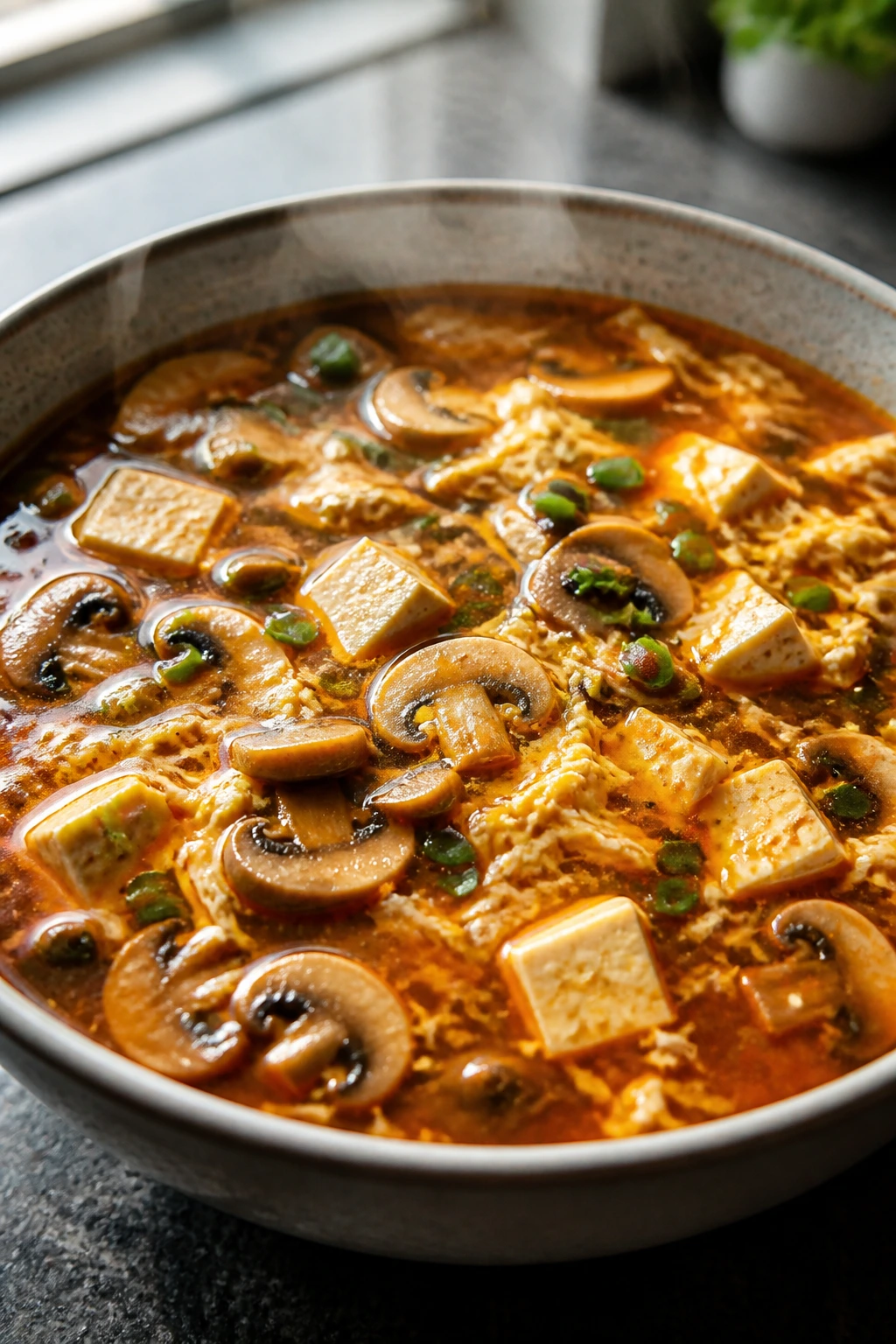
Hot and sour soup should do exactly what the name promises. It should hit the tongue with heat, then follow with a clean, tart finish that makes you want the next spoonful.
Mushrooms and tofu give it enough body to count as dinner, which is useful when the weather—or the mood—calls for soup that doesn’t feel thin. This pot is all about balance.
Why It Works:
White pepper brings the heat, rice vinegar handles the sour, and the cornstarch gives the broth its characteristic body. Tofu stays soft, mushrooms add chew, and a ribbon of egg at the end makes the soup feel finished. It’s fast, but it tastes layered.
Key Ingredients:
- 6 cups chicken or vegetable broth
- 8 oz mushrooms, sliced
- 1 block tofu, 14 oz, cut into thin strips or small cubes
- 1/2 cup bamboo shoots, optional
- 3 tbsp soy sauce
- 3 tbsp rice vinegar
- 1 tsp white pepper
- 1 tbsp chili oil
- 1 tbsp cornstarch mixed with 2 tbsp water
- 1 large egg, beaten
- 2 scallions, sliced
- 1 tsp toasted sesame oil
Quick Steps:
- Bring the broth to a simmer and add the mushrooms and bamboo shoots.
- Stir in soy sauce, white pepper, and chili oil.
- Add the tofu and simmer gently for 3 minutes.
- Stir in the cornstarch slurry and cook for 1 minute until the soup lightly thickens.
- Drizzle in the beaten egg while stirring to form ribbons.
- Turn off the heat, add rice vinegar and sesame oil, then top with scallions.
Equipment for This Recipe:
- Soup pot
- Whisk or fork
- Ladle
- Small bowl for slurry
How to Serve This Dish:
Serve it in wide bowls with extra vinegar on the side for people who like a sharper finish. A bowl of rice or a few scallion pancakes turn it into a fuller meal.
Pro Tips for This Recipe:
- Add vinegar at the end so the flavor stays bright.
- White pepper is more traditional here and gives a cleaner heat than black pepper.
- Stir the soup while adding egg so the ribbons stay fine.
- If it tastes flat, it probably needs more vinegar or a pinch more white pepper, not more salt.
Variations on This Dish:
- Chicken Version: Add shredded cooked chicken for extra protein.
- Extra-Sour Bowl: Increase the vinegar by 1 tablespoon.
- Vegetarian Version: Use mushroom broth and skip the egg if needed.
Common Mistakes to Avoid with This Dish:
- Adding vinegar too early: The sharpness fades.
- Over-thickening the broth: It should be silky, not jelly-like.
- Boiling after the egg goes in: The ribbons turn ragged.
24. Steamed Fish with Ginger and Scallions
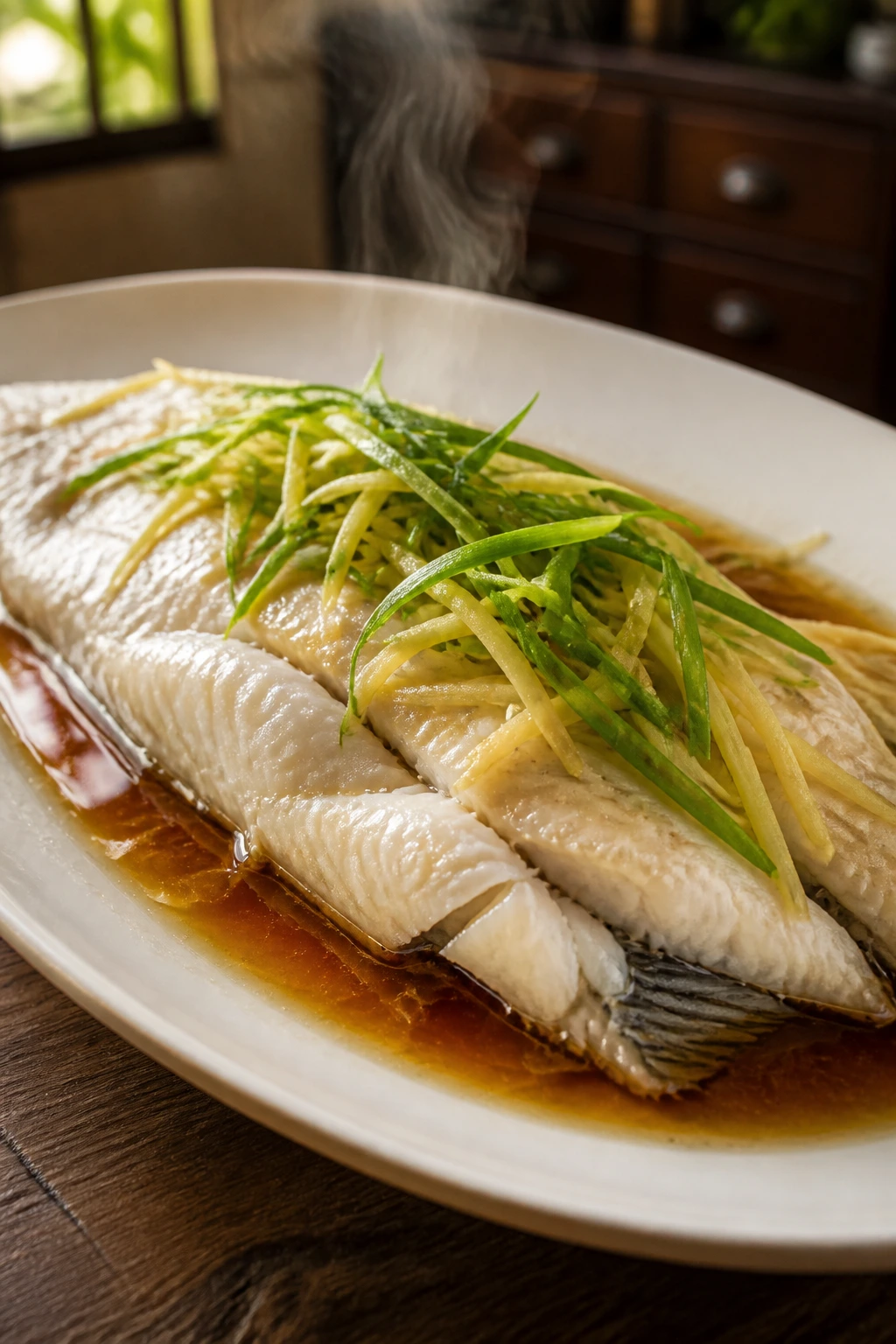
Steamed fish sounds delicate, and it is, but the method is much less fussy than people think. A clean piece of fish, fresh ginger, scallions, and a hot steamer are enough.
What I love here is the contrast: soft fish, pungent ginger, fragrant scallions, and a hot oil-and-soy pour at the end that wakes everything up. It’s light, but it doesn’t feel skimpy.
Why It Works:
Steaming protects the texture of the fish, which is the whole point with a mild white fillet or a whole fish. Ginger underneath and above the fish perfumes the steam, and a quick soy sauce finish gives the dish a savory edge. The cooking time is short, so the fish stays tender.
Key Ingredients:
- 1 1/2 to 2 lb white fish fillets, such as cod, sea bass, or halibut
- 2-inch piece fresh ginger, cut into thin matchsticks
- 4 scallions, cut into 2-inch lengths and julienned
- 3 tbsp soy sauce
- 2 tbsp Shaoxing wine or water
- 2 tbsp neutral oil
- 1 tsp toasted sesame oil
- Cilantro, optional
- Cooked rice, for serving
Quick Steps:
- Lay half the ginger on a heatproof plate and set the fish on top.
- Scatter the remaining ginger over the fish and steam over high heat for 8 to 10 minutes, depending on thickness.
- Mix soy sauce and Shaoxing wine in a small bowl.
- Heat the neutral oil until shimmering, then pour the soy mixture over the fish.
- Top with scallions and drizzle with sesame oil.
- Serve immediately with rice.
Equipment for This Recipe:
- Steamer basket or setup for steaming
- Heatproof plate
- Small saucepan
- Tongs or spatula
How to Serve This Dish:
Serve it with rice and a dish of quick greens. If you want a little extra brightness, a few cilantro leaves or a squeeze of lime work well.
Pro Tips for This Recipe:
- Choose fillets of similar thickness so they cook evenly.
- Do not oversteam; fish goes from tender to chalky fast.
- Slice the ginger thinly so it perfumes the fish better.
- The final oil pour should be hot enough to sizzle the scallions on contact.
Variations on This Dish:
- Whole Fish Version: Use a cleaned whole fish and steam a few minutes longer.
- Chili-Garlic Finish: Add a spoonful of chili crisp with the hot oil.
- Salmon Version: Use thick salmon fillets and shorten the steaming time slightly.
Common Mistakes to Avoid with This Dish:
- Overcooking the fish: It dries out and flakes too hard.
- Using too much soy sauce: The fish should still taste clean and mild.
- Skipping the hot oil finish: That step wakes up the ginger and scallions.
25. Garlic Chili Rice Cakes with Napa Cabbage and Shrimp
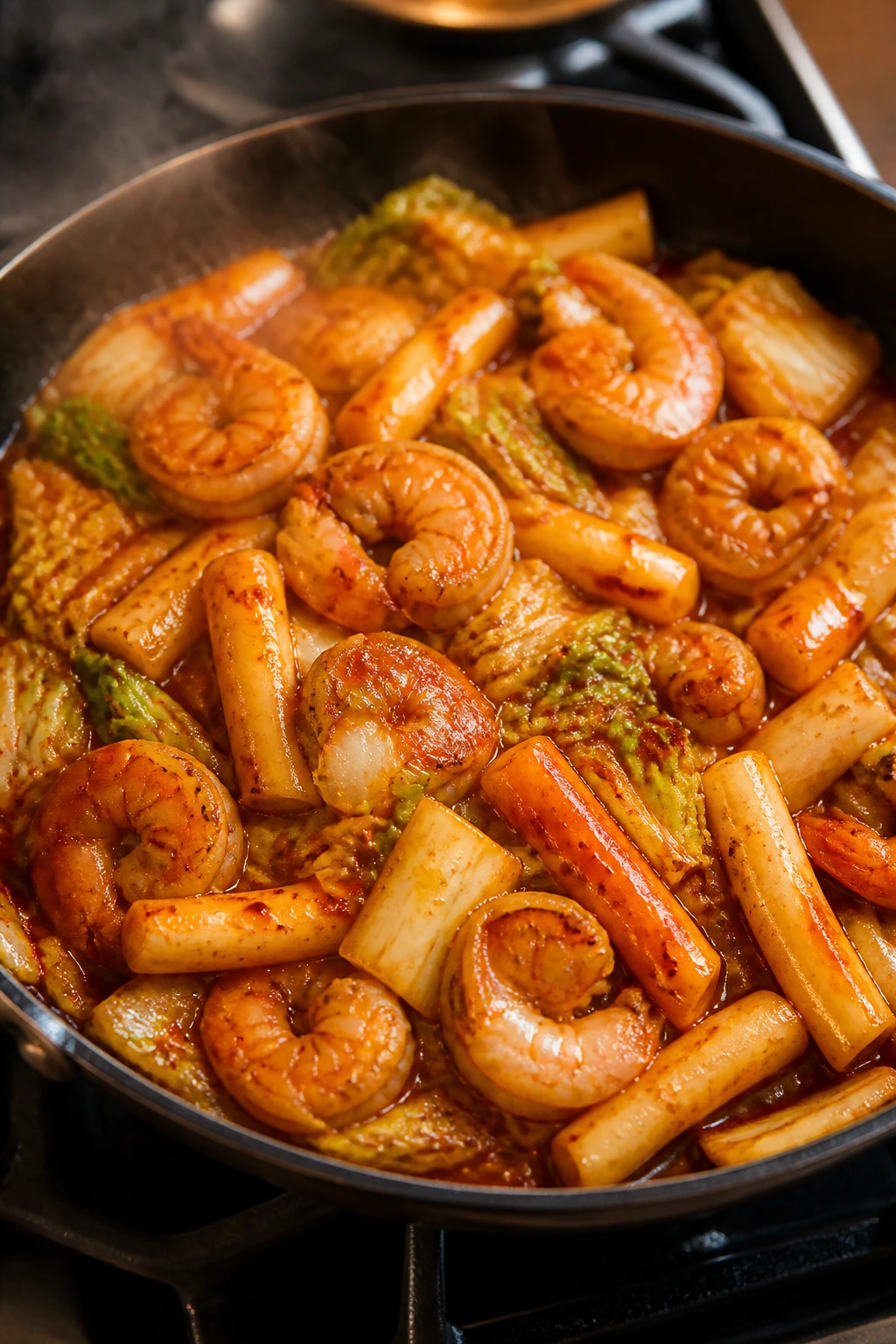
Rice cakes bring chew in a way no noodle really can. They’re springy, a little sticky, and perfect for soaking up a spicy sauce without losing their shape.
With shrimp and napa cabbage in the pan, the dish lands somewhere between stir-fry and comfort food. It eats like something you’d want after a long day, but it looks lively enough to put in front of guests.
Why It Works:
Gochujang gives the sauce body, garlic gives it bite, and broth keeps the rice cakes from turning heavy. Shrimp cook at the end so they stay tender, while napa cabbage softens just enough to absorb the sauce. It’s fast, but the texture is what makes it memorable.
Key Ingredients:
- 1 lb Korean rice cakes, fresh or soaked if refrigerated
- 1 lb shrimp, peeled and deveined
- 3 cups napa cabbage, chopped
- 4 cloves garlic, minced
- 2 tbsp gochujang
- 1 tbsp soy sauce
- 1 tbsp sugar
- 1 1/2 cups broth or water
- 1 tsp toasted sesame oil
- 2 scallions, sliced
- 1 tbsp neutral oil
- Sesame seeds, optional
Quick Steps:
- If the rice cakes are stiff, soak them in warm water for 10 minutes.
- Heat oil in a large skillet over medium-high heat and cook the cabbage for 2 minutes.
- Add garlic, gochujang, soy sauce, sugar, and broth, then stir until the sauce is smooth.
- Add the rice cakes and simmer for 4 to 5 minutes until they soften and the sauce thickens.
- Add the shrimp and cook for 2 to 3 minutes until pink and opaque.
- Finish with sesame oil, scallions, and sesame seeds.
Equipment for This Recipe:
- Large skillet or sauté pan with a lid
- Mixing spoon
- Small bowl for soaking rice cakes
- Colander
How to Serve This Dish:
Serve it in wide bowls so the sauce reaches every bite. A simple cucumber side or a light salad helps balance the heat.
Pro Tips for This Recipe:
- Soak dry rice cakes before cooking so they soften evenly.
- Add shrimp near the end or they turn rubbery.
- If the sauce gets too thick, splash in a little more broth.
- Napa cabbage should stay tender, not collapse into nothing.
Variations on This Dish:
- Chicken Rice Cakes: Swap shrimp for thin-sliced chicken thighs and cook them first.
- Vegetarian Version: Use mushrooms and firm tofu instead of shrimp.
- Extra-Chewy Style: Let the rice cakes simmer a minute longer for a thicker, stickier finish.
Common Mistakes to Avoid with This Dish:
- Unsoaked rice cakes: They stay hard in the middle.
- Overcooked shrimp: They tighten up fast and lose their sweetness.
- Too little liquid: The sauce grabs the pan before the rice cakes soften.
Why Stir-Frying, Steaming, and Sheet-Pan Cooking Make These Dinners Work
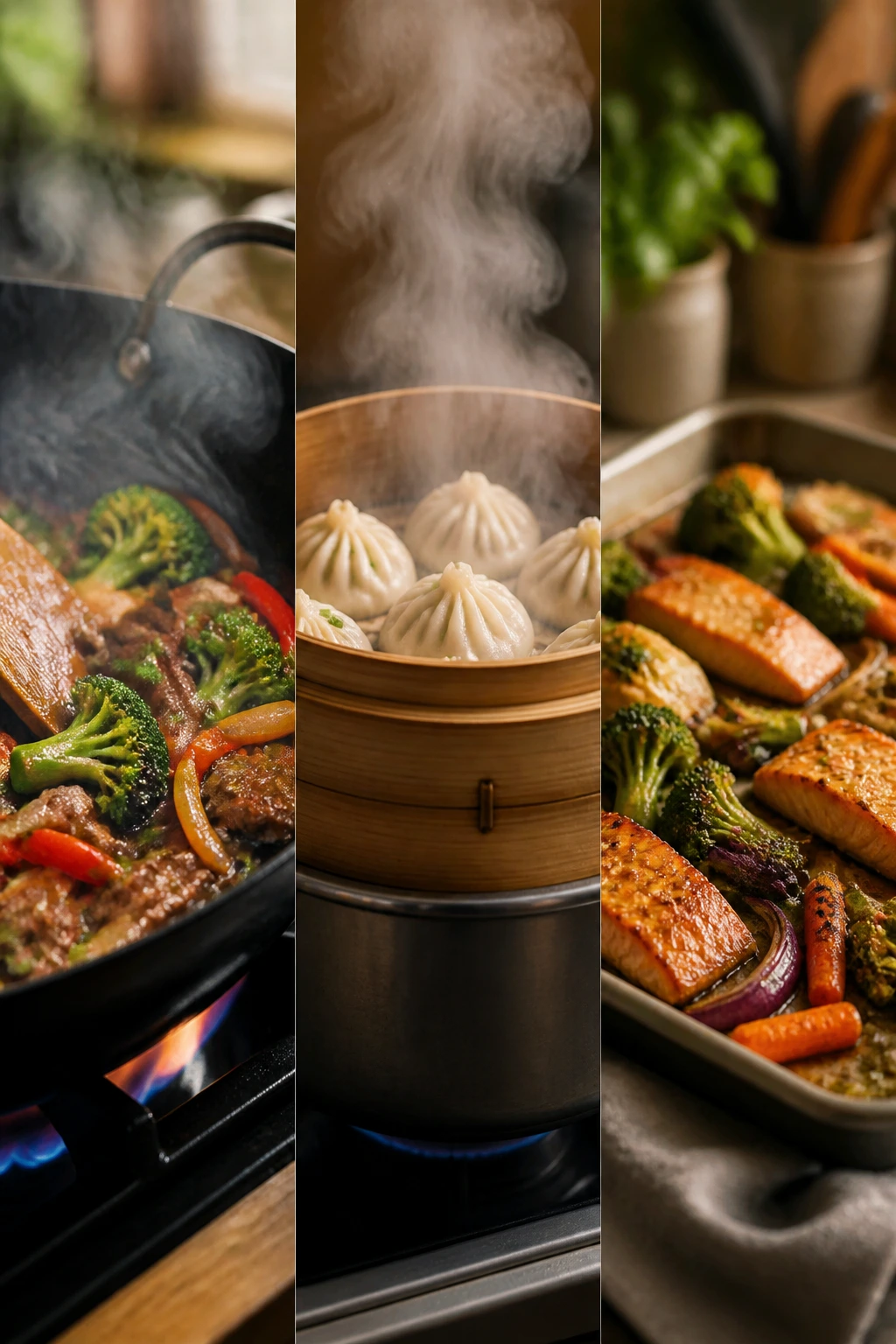
The reason this kind of cooking holds up on a weeknight is simple: the methods are forgiving when you prepare the ingredients in advance and unforgiving only when you forget them. Stir-fries reward hot pans and quick hands. Sheet-pan dinners reward even cutting and good spacing. Steamers reward restraint, which is probably why steamed fish tastes so clean.
A wok is useful, but it is not magic. A wide skillet can do most of the same work if you keep the heat up and avoid crowding the pan. That matters more than the vessel. A pan full of wet vegetables will steam no matter how expensive the cookware is, and a pan with room to breathe will brown even on a modest burner.
What ties these recipes together is not a single cuisine or a single sauce. It’s the habit of building flavor in layers: aromatics first, protein next, sauce at the end, herbs or sesame oil after the heat turns off. That order keeps ginger bright, garlic sweet, basil fragrant, and seafood tender instead of tough.
Essential Equipment for the Whole Spread
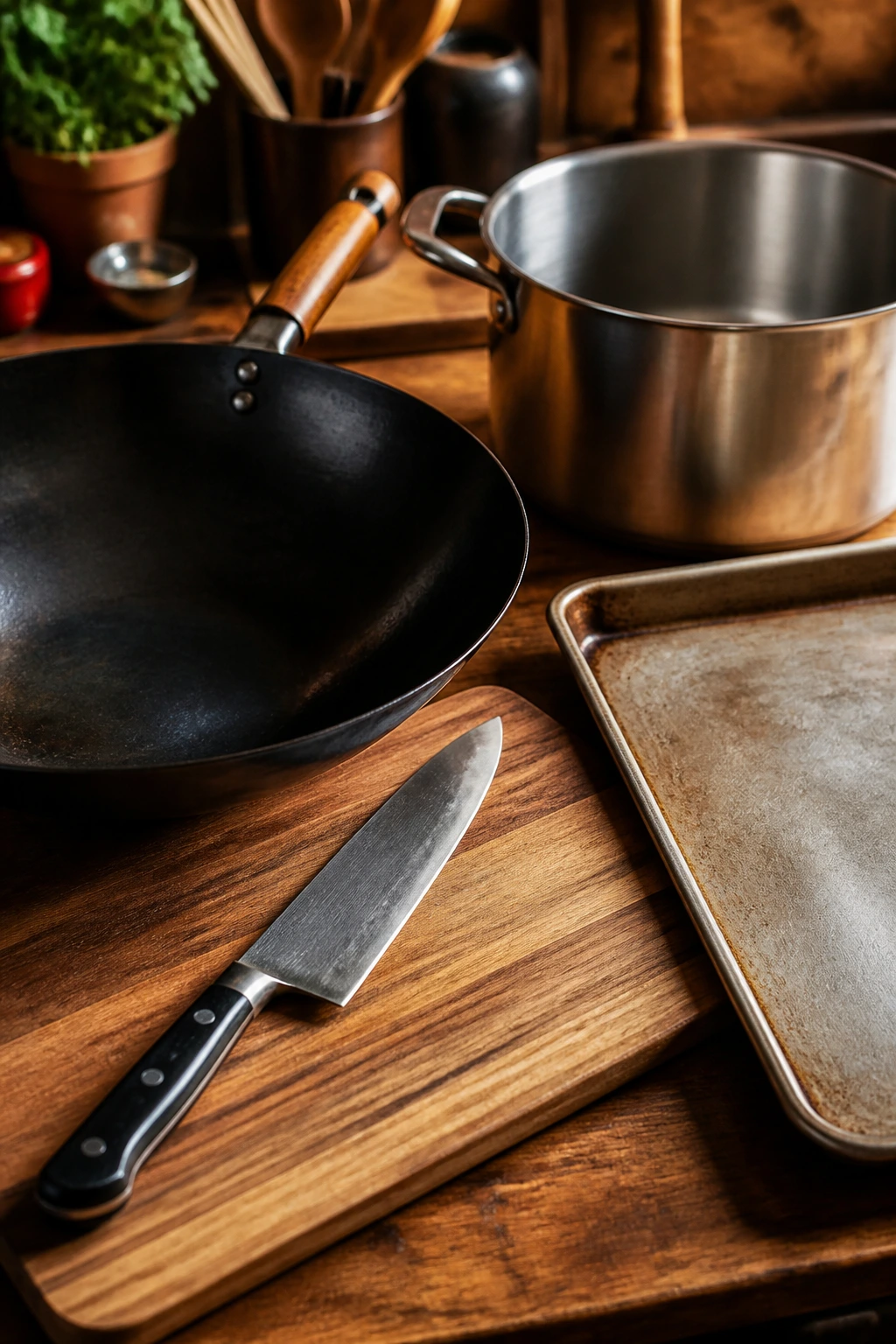
- Wok or large 12-inch skillet: Best for stir-fries, fried rice, and noodle dishes because it gives you space to toss without spilling.
- Rimmed sheet pans: Useful for salmon, char siu-style pork, katsu, and anything that likes dry heat.
- Large soup pot: You’ll want this for curry soup and hot and sour soup.
- Sharp chef’s knife: Thin slices matter in these recipes, especially for beef, pork, and herbs.
- Cutting board with a damp towel underneath: Keeps the board steady while you chop scallions, ginger, and vegetables.
- Mixing bowls in two or three sizes: One for sauces, one for marinades, one for holding prepped ingredients.
- Tongs and a wooden spatula: Tongs help with proteins; a flat spatula keeps stir-fries moving without tearing them apart.
- Fine-mesh strainer or colander: Useful for noodles, rice cakes, and rinsing vegetables quickly.
- Microplane or fine grater: Ginger, garlic, citrus zest, and sometimes apple all behave better when finely grated.
- Rice cooker or medium saucepan: Not required, but worth having if you’re making these meals often.
- Steamer basket or steaming setup: Needed for the steamed fish, though a large pot with a rack can work too.
- Airtight storage containers: Leftovers hold their texture better when they’re cooled and packed properly.
Smart Shopping for Soy Sauce, Noodles, Rice, and Aromatics
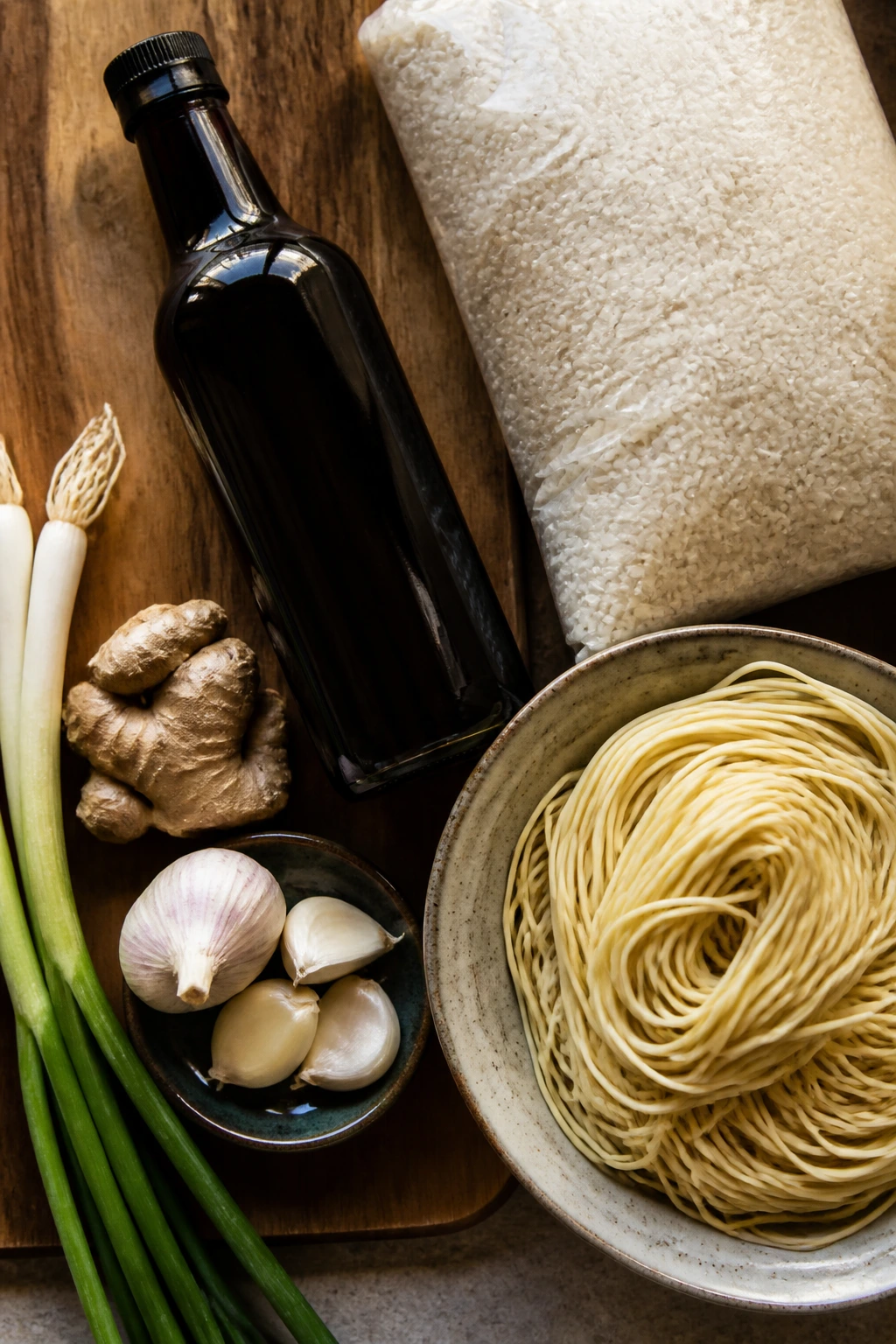
The pantry shelf matters more here than it does in a lot of dinner collections. A decent soy sauce, rice vinegar, sesame oil, chili oil, oyster sauce, miso, gochujang, and a jar of curry paste can power half the list without feeling repetitive. If you can buy from an Asian grocery store, do it. The prices are usually better, and the noodle selection is broader.
Soy sauce deserves a little attention. A standard all-purpose bottle works for most of these recipes, but dark soy sauce gives fried noodles and scallion oil noodles a deeper color. Oyster sauce should smell savory and a little sweet, not flat. Sesame oil should be toasted sesame oil unless the recipe says otherwise; the plain kind doesn’t bring the same aroma.
For noodles, use the shape the dish wants. Rice vermicelli stays light in bowls and salads. Wide rice noodles belong in drunken noodles. Udon wants a chewy sauce. Thin spaghetti can stand in for chow mein in a pinch, though it won’t taste exactly the same. That’s fine. Dinner is still dinner.
Aromatics matter more than people admit. Fresh ginger should feel firm, not shriveled. Garlic should be plump. Scallions should be crisp. If the herbs are wilted before they hit the pan, the dish loses some of its lift. For vegetables, buy what still has structure: bok choy with perky leaves, snap peas that crack when bent, mushrooms that are dry rather than slick.
Protein shopping is easy if you keep the cooking method in mind. Chicken thighs are more forgiving than breasts. Flank steak should be sliced thin across the grain. Shrimp should be peeled and deveined before you start. Tofu should be extra-firm or at least pressed if you want it to brown. Cod, salmon, and other fish should smell clean, never fishy.
How to Serve These Dishes at the Table
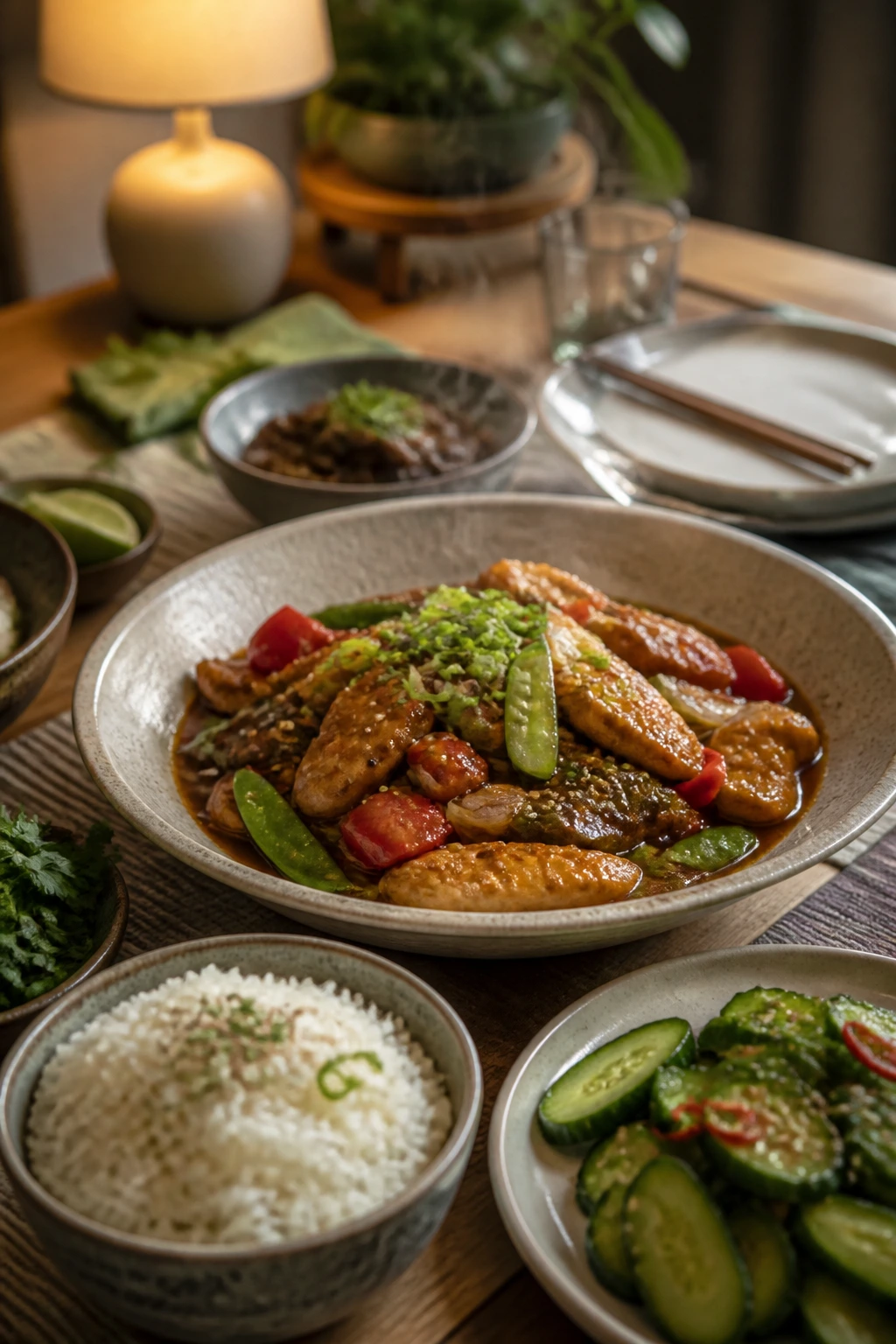
Presentation: Build a little height when you plate these. Mound rice, tuck noodles in with tongs, or set lettuce cups beside a bowl of filling so the table looks abundant instead of scattered. Finish with scallions, sesame seeds, herbs, or a spoonful of chili crisp; those last touches keep the food from looking flat.
Accompaniments: Steamed jasmine rice, scallion rice, cucumber salads, quick-pickled carrots, blanched greens, and simple brothy soups all sit well beside these dishes. If you’re making a dinner spread, choose one starch, one fresh side, and one dish with a little acid. That combination keeps the table from feeling heavy.
Portions: Most of these recipes feed 4 as a main course, though noodle dishes often stretch farther if you serve them with sides. For a dinner party, I’d rather make two medium dishes and one simple vegetable than one giant tray of everything. Guests usually eat better when there’s a little variety instead of an overloaded plate.
Beverage Pairing: Crisp lager, dry riesling, cold jasmine tea, and sparkling water with lime all fit different parts of this menu. If the dish is spicy or salty, reach for something cold and clean rather than heavy or sweet. Beer and tea tend to work especially well because they don’t fight the ginger, sesame, or chile.
Additional Tips and Flavor Boosters
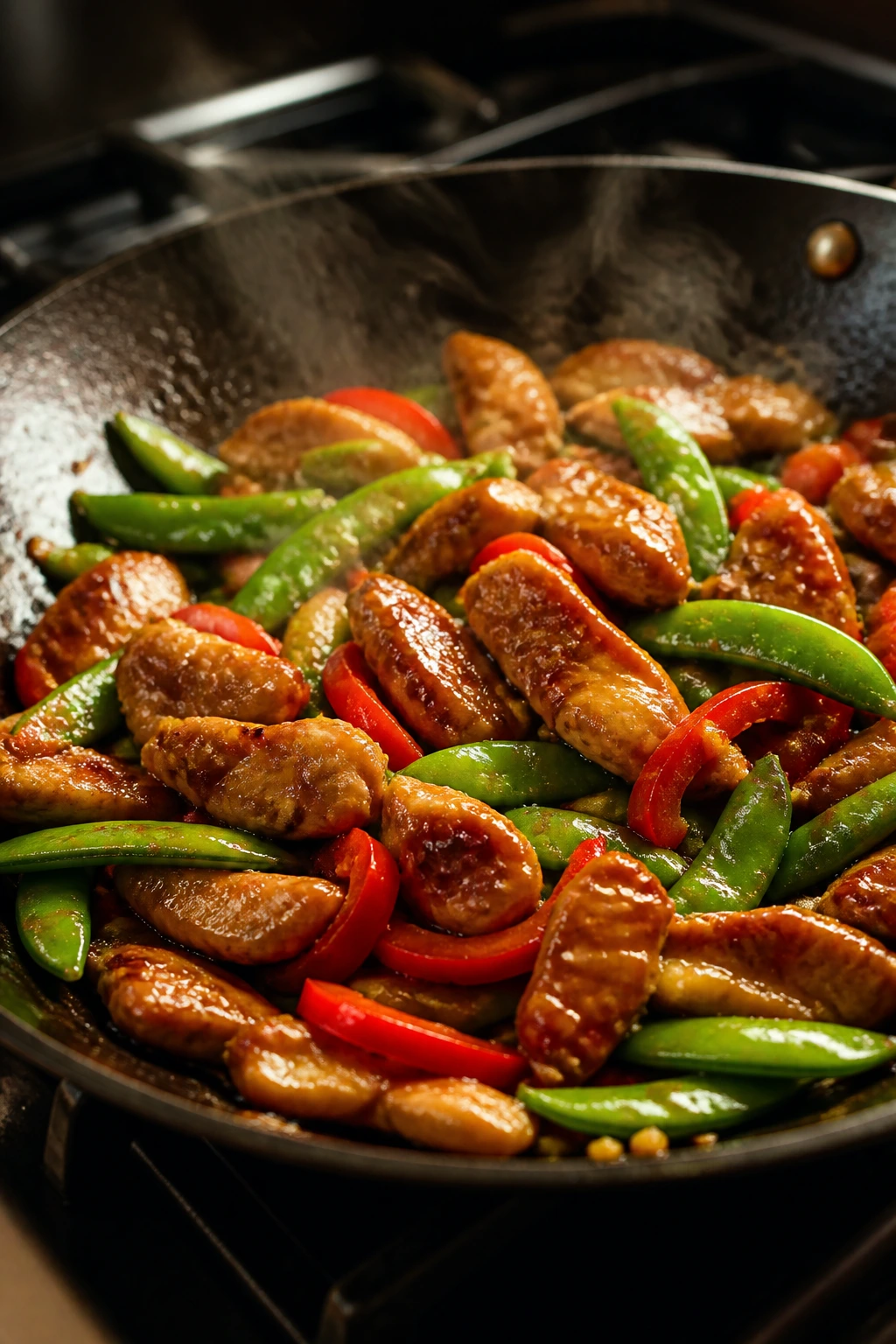
Flavor Enhancement: Finish stir-fries with a few drops of toasted sesame oil, a spoonful of chili crisp, or a scatter of scallions after the heat turns off. Those finishing moves matter more than people think. They’re the difference between a pan that tastes cooked and one that tastes awake.
Customization: Add mushrooms to almost any noodle dish, swap in bok choy for cabbage, or throw snap peas into fried rice and stir-fries when you want a little green. Most of these recipes can absorb another vegetable without drama, as long as you adjust the heat so the pan stays hot.
Serving Suggestions: Keep a small bowl of extra sauce on the table for the people who like their food a little wetter. A plate of sliced cucumbers, quick-pickled carrots, or herb leaves gives the meal a fresh edge. If you’re serving guests, these small sides make the spread look deliberate.
Make-It-Yours: For gluten-free cooking, use tamari instead of soy sauce and check oyster sauce labels carefully. For dairy-free meals, almost everything here already fits the bill. For vegetarian versions, tofu, mushrooms, and egg can stand in for meat better than people expect, as long as you season them with enough salt and acid.
Make-Ahead, Storage, and Reheating Guidance
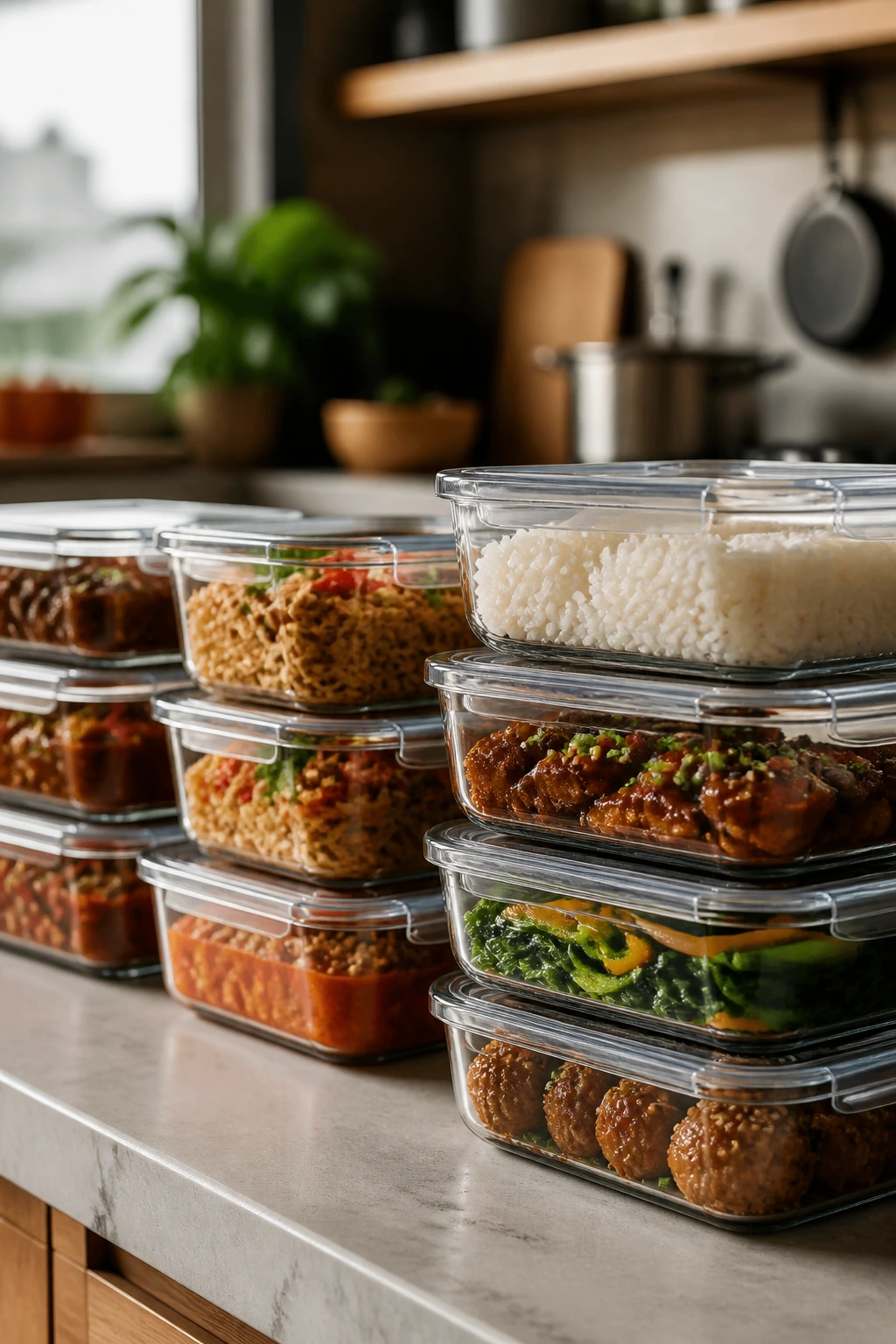
A few of these dishes improve overnight, but not all of them. Saucy chicken, curry soup, teriyaki meatballs, and mapo tofu often taste even better the next day after the flavors settle. Fried rice, noodle stir-fries, and crunchy fish are happiest fresh, though they still hold up for a day or two if you treat them gently.
Most cooked dishes keep 3 to 4 days in the refrigerator in airtight containers. Soups can stay close to 4 days if you cool them quickly and store them well. Most cooked meatballs, braises, and saucy pork or chicken dishes freeze for up to 2 months, though noodles and fried rice lose texture in the freezer faster than sauces do.
Reheat stir-fries in a skillet over medium heat with a tablespoon or two of water to loosen the sauce. Noodles often do better with a quick microwave burst plus a splash of water, then a final toss in a pan if you want the edges to come back. Fish is the delicate one; reheat it gently, covered, at low heat so it doesn’t dry out. Soups can be brought back on the stove over medium-low heat until steaming, then finished with fresh herbs or vinegar.
For make-ahead cooking, marinate the proteins the night before if you want dinner to move faster. Slice vegetables and store them dry in separate containers, because wet vegetables lose crunch and make the wok sad. If you’re hosting, cook the rice or noodles a little ahead of time and reheat them with a splash of water rather than scrambling at the last minute.
Variations and Adaptations to Try
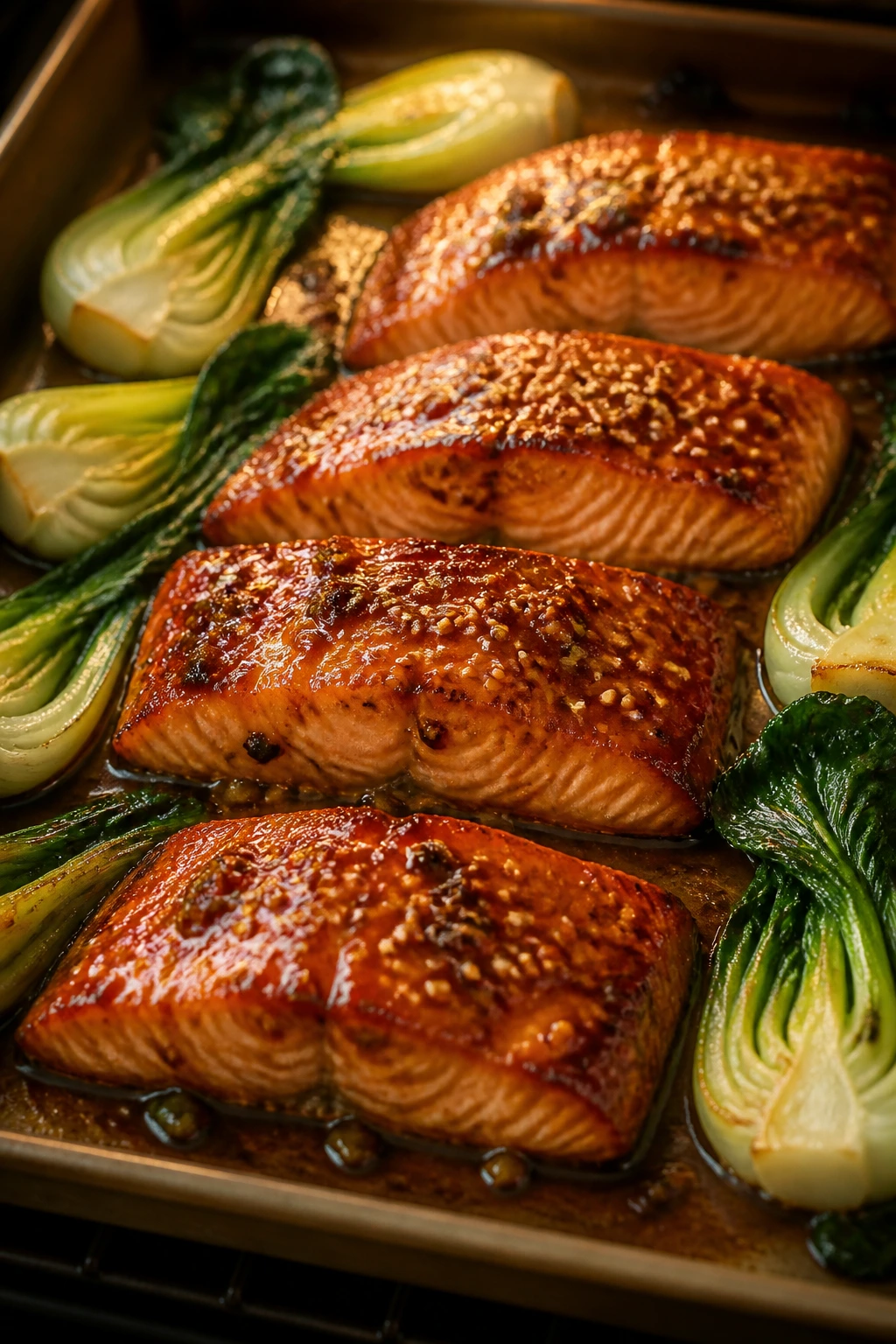
Gluten-Free Pantry Swap: Use tamari in place of soy sauce, and choose rice noodles, rice cakes, or steamed rice more often than wheat noodles. Check oyster sauce and hoisin labels carefully because some brands include wheat. The flavor stays close, especially in stir-fries and soups.
Vegetarian Table Shift: Tofu, mushrooms, eggs, and napa cabbage can carry a surprising number of these dishes without making them feel like second-choice meals. Press tofu when the recipe wants browning, and season mushrooms more aggressively than you would meat. The key is not to under-salt the vegetables and then blame the swap.
Lower-Sodium Balance: Cut the soy sauce by a tablespoon or two and build more flavor from ginger, garlic, vinegar, citrus, and scallions. That keeps the dish lively without leaning so hard on salt. A small squeeze of lime or a splash of black vinegar can do a lot of work here.
Mild Heat, Big Flavor: Leave out the chilies and chili oil, then lean on sesame, scallions, basil, ginger, and toasted aromatics. You’ll still get plenty of character. This is the version I’d serve to a mixed crowd without worrying about who likes heat and who doesn’t.
Extra-Quick Pantry Dinner: Use rotisserie chicken, frozen vegetables, pre-cooked rice, or frozen udon when time is tight. That cuts prep in half without changing the spirit of the dish. The trick is to heat everything properly so it still tastes cooked, not assembled.
Rice-Centric Comfort Version: Turn noodle dishes into rice bowls when you want a softer, more familiar base. Saucy chicken, beef, tofu, or shrimp all sit well over rice, and the plate usually feels more dinner-party friendly that way.
Common Mistakes to Avoid
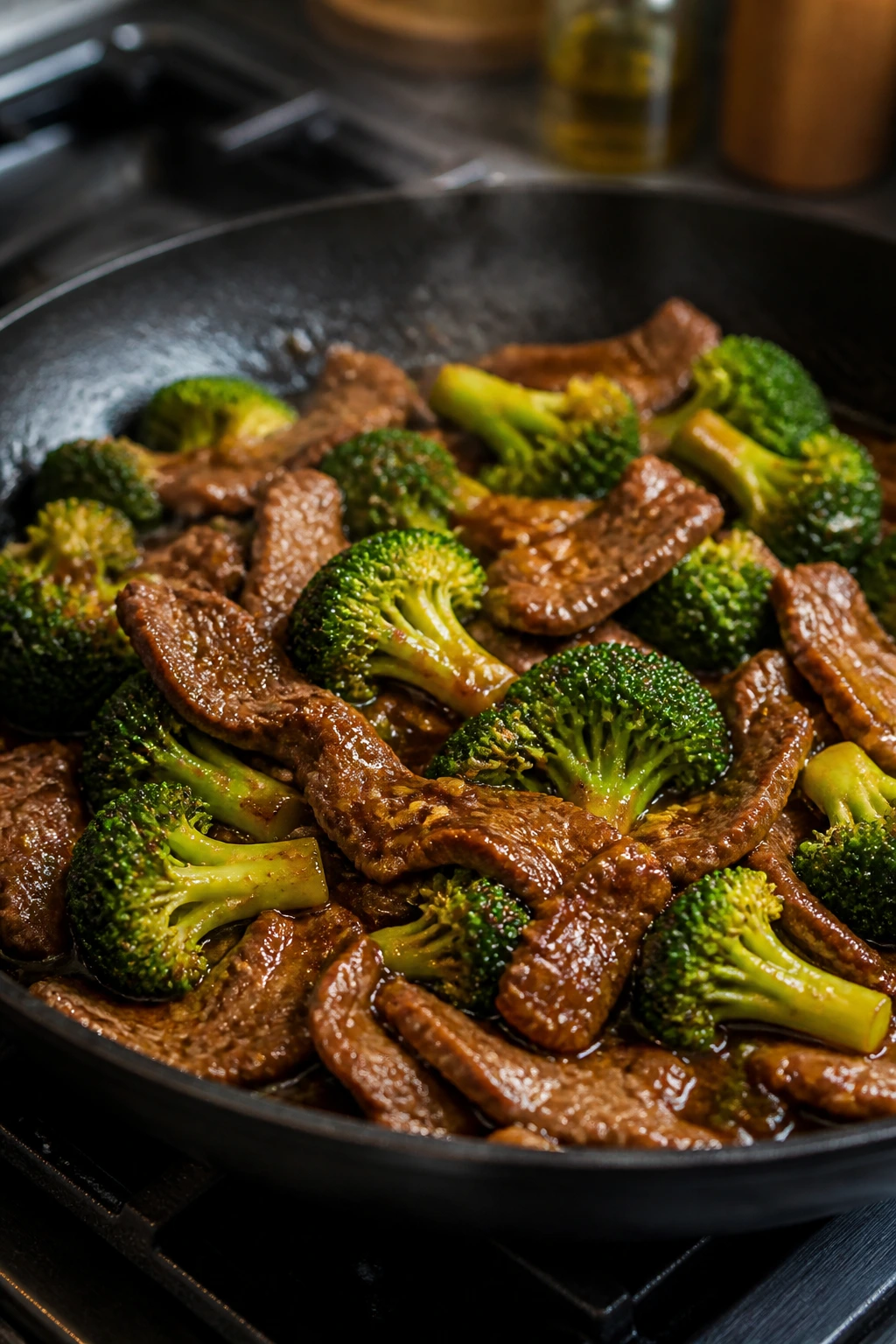
A lot of home cooks make these dishes too wet. They dump vegetables, noodles, and sauce into a pan that isn’t hot enough, then wonder why everything tastes steamed. The fix is simple: preheat the pan, keep the ingredients dry, and cook in batches when the skillet starts looking crowded.
Another common issue is treating sesame oil like a cooking oil. It isn’t. It belongs at the end, or close to it, because the aroma is the point. If you fry it hard for several minutes, the fragrance fades and the dish loses one of its best notes.
People also overdo the sauce. A stir-fry should coat food, not drown it. A soup should taste brothy, not thick like gravy unless that’s the goal. If a dish looks over-sauced, give it a minute on the heat before reaching for a second splash.
Noodles and rice cakes need restraint. Cook them just to tenderness, then let them finish in the pan with the sauce. If you fully cook them first, they absorb too much liquid and turn soft in a hurry. The same goes for fish: if it flakes while you’re still deciding whether it’s done, it’s already gone a little too far.
Fresh herbs are often handled badly, too. Basil, cilantro, mint, and scallions should go in at the end or on top. If you cook them until they collapse, you lose the lift that makes these dishes feel bright.
Questions Home Cooks Ask First
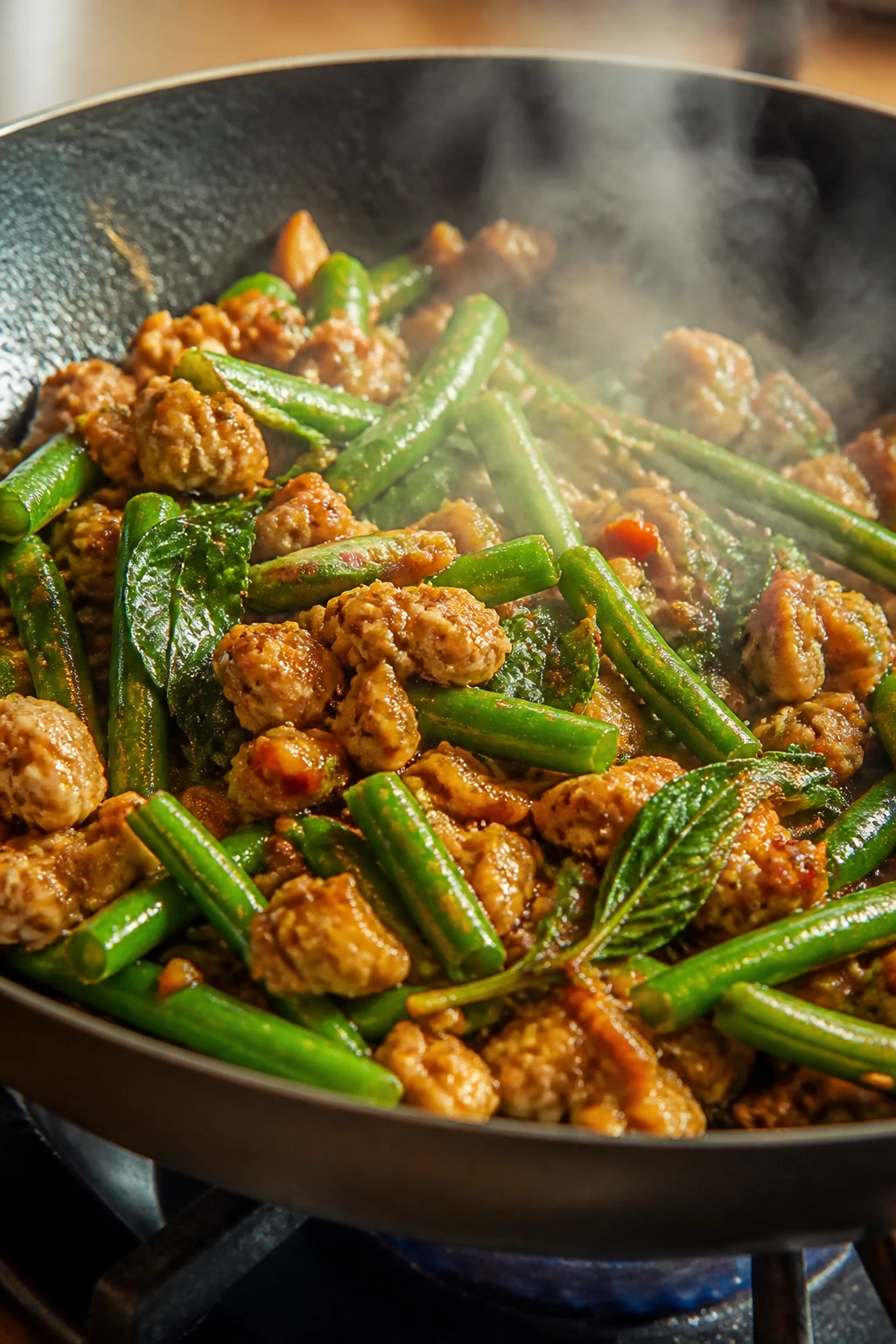
Can I make these recipes with supermarket ingredients only?
Yes. A standard grocery store usually carries soy sauce, rice vinegar, sesame oil, noodles, broccoli, cabbage, chicken, shrimp, and tofu. If you can find an Asian market, great, but it isn’t required for these dishes to work.
What if I don’t own a wok?
Use the widest skillet you have. A wok helps with tossing, but a 12-inch skillet can handle most stir-fries and noodle dishes if you don’t overload it.
Which recipes are easiest for beginners?
Chinese tomato and egg stir-fry, scallion oil noodles, vegetable fried rice, miso-glazed cod, and honey sesame salmon are all gentle places to start. They rely on timing more than technique, which makes them forgiving.
How do I stop noodles from sticking?
Cook them just until tender, drain them well, and toss them right away with sauce or a little oil. If they sit in a clump, they glue together as they cool.
Can I make these dishes ahead for guests?
Yes, but choose wisely. Sauces, marinades, chopped vegetables, and rice can be prepped ahead. Crispy chicken, fish, and noodles are better cooked close to serving time.
Are these recipes very spicy?
Some are, some aren’t. Thai basil chicken, mapo tofu, dan dan noodles, and hot and sour soup can carry heat, but most of the others can be toned down easily by trimming chilies or chili oil.
What’s the best rice to keep around for this kind of cooking?
Jasmine rice is the most flexible because it’s fragrant and light. Short-grain rice works well for bowls, and day-old rice is best for fried rice because it fries cleanly.
Can I use frozen vegetables?
Yes, especially for fried rice, soups, and some stir-fries. Just thaw and dry them well first so they don’t dump extra water into the pan.
One Last Trip to the Stove
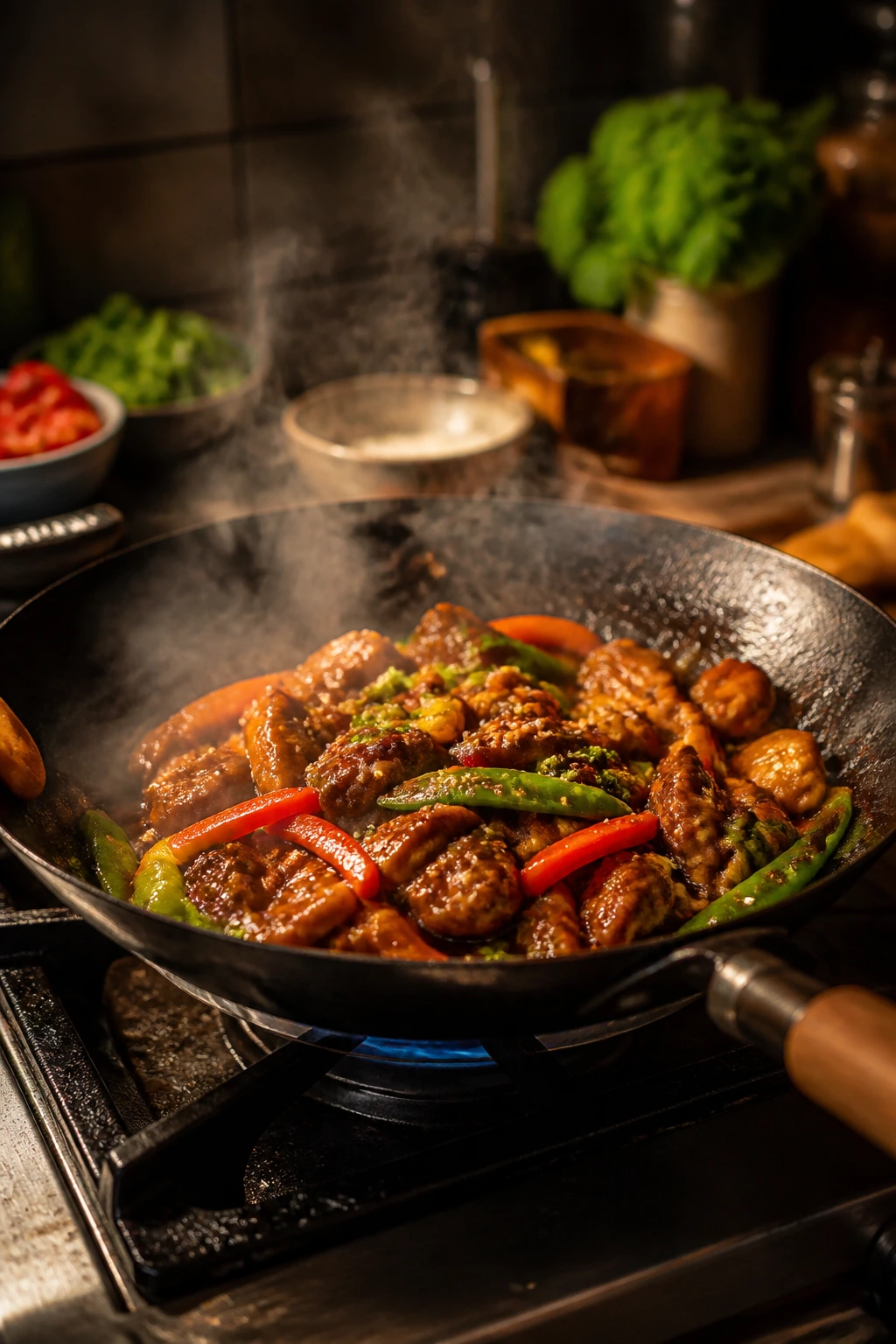
The nicest thing about these dinners is that they don’t ask for a perfect evening. They ask for a hot pan, a few good sauces, and enough attention to keep the vegetables from going soft. That’s a fair trade. The food ends up tasting brighter than the effort it took, which is usually the sign I’m looking for.
If you keep a bottle of soy sauce, a bag of rice, and one or two noodles on hand, half the menu becomes a decision rather than a chore. That’s the kind of cooking I trust on a busy night, and it’s the kind that still feels good when people sit down and start reaching for seconds.