



A summer salad can be a sad bowl of limp lettuce, or it can be the thing people keep circling back to with a fork in one hand and a slice of bread in the other. The difference usually isn’t fancy ingredients. It’s contrast: cold and warm, creamy and crisp, sweet and salty, juicy and crunchy. Get that balance right, and a salad stops being a side note.
The best warm-weather salads don’t collapse after five minutes on the table. They hold their shape. They taste bright, but not sharp. They’re built with ingredients that can handle a little dressing, a little salt, and a little time. I’m talking about shaved vegetables that stay snappy, fruit that’s ripe but not mushy, grains that soak up acid without turning heavy, and cheese that brings enough salt to make everything else taste louder.
A good summer salad also knows when to stop. Too many recipes try to do everything and end up tasting muddled. The ones below stay lively because each one has a clear idea: maybe it’s charred corn and lime, maybe it’s burrata with peaches, maybe it’s a grain salad that eats like lunch. They’re the salads I’d actually make when tomatoes are cheap, herbs are everywhere, and the oven feels like a bad decision.
Why These Salads Earn a Spot at the Table
-
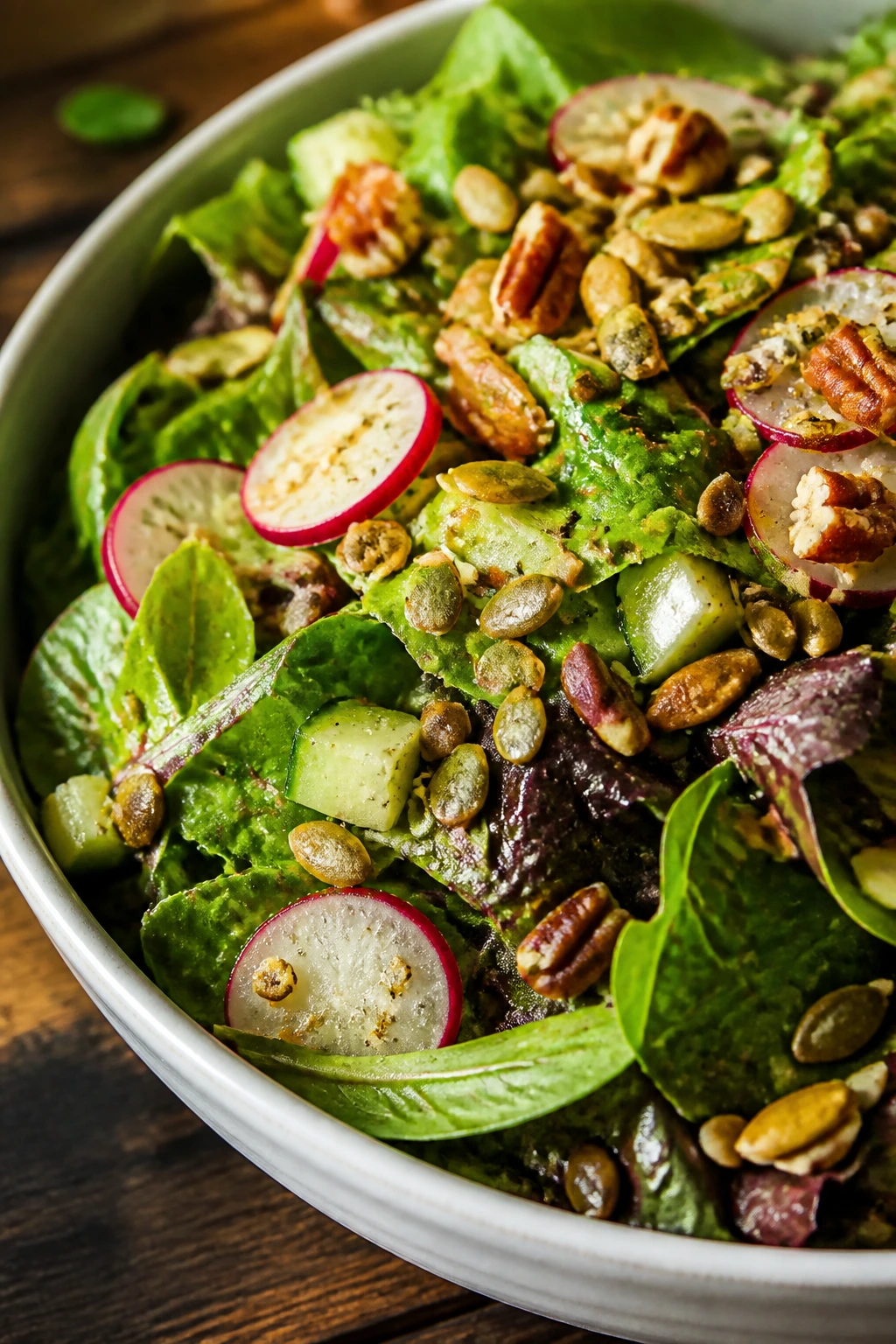
Texture First: Every salad here has at least one crunchy element, because soft-on-soft salads get boring fast and turn samey by the second bite.
-
Built to Eat Cold or Room Temp: These recipes rely on ingredients that hold up on a picnic table, a buffet, or a lunch container without going gray and soggy in twenty minutes.
-
Main-Dish Friendly: Several of them carry protein, beans, grains, or shrimp, so you’re not stuck making “real food” on the side an hour later.
-
Bright Without Being Thin: Acid shows up in every smart summer salad, but here it’s backed by salt, fat, or sweetness so the dressing tastes complete instead of harsh.
-
Flexible by Design: If your peaches are underripe, your feta is salty, or your herbs are mostly parsley, these salads can bend a little and still work.
-
Good Use of Heat: A few recipes lean on char, toast, or quick searing. That small bit of heat gives you a deeper flavor than tossing raw ingredients in a bowl and hoping for the best.
1. Watermelon, Feta, and Mint Salad with Lime
Intro:
Cold watermelon against salty feta is one of those combinations that sounds almost too simple until you taste it. The first bite is loud: juice, salt, lime, and that cool minty finish that makes the whole bowl feel sharper. I like this salad when the fruit is fully ripe and the kitchen is too warm for anything fussy.
Why It Works:
The watermelon brings sweetness and a high water content, which keeps the salad light but not empty. Feta does the heavy lifting on salt, and the lime keeps the fruit from tasting flat. A little red onion gives edge, but only if you slice it thin enough that it doesn’t take over.
Key Ingredients:
- 6 cups seedless watermelon, cut into 1-inch cubes; use a melon that feels heavy for its size.
- 1 medium cucumber, thinly sliced; it adds a cool crunch.
- 4 ounces feta, crumbled; block feta tastes creamier than pre-crumbled.
- 2 tablespoons fresh lime juice; this wakes up the melon.
- 1 tablespoon extra-virgin olive oil; just enough to round the edges.
- 2 tablespoons mint leaves, torn; don’t chop them too fine.
- 1/4 small red onion, sliced paper-thin; use less if yours is sharp.
- 1/4 teaspoon flaky salt; finish with restraint.
Quick Steps:
- Prep the produce: Cube the watermelon, slice the cucumber, and soak the onion in cold water for 5 minutes if it tastes hot.
- Mix the dressing: Whisk lime juice, olive oil, and flaky salt in a small bowl.
- Assemble gently: Add watermelon, cucumber, and onion to a large bowl.
- Finish the bowl: Drizzle on the dressing, scatter feta and mint over the top, and fold once or twice.
- Serve chilled: Let it sit for 10 minutes in the fridge, then add a pinch of pepper right before serving.
Equipment for This Recipe:
- Large serving bowl
- Sharp chef’s knife
- Small mixing bowl
- Measuring spoons
How to Serve This Dish:
Serve it on a shallow platter so the watermelon pieces don’t pile up and crush the feta. It’s especially good with grilled chicken, lamb skewers, or a pile of salted pita chips. One generous cup makes a side; two cups make a light lunch.
Pro Tips for This Recipe:
- Salt the watermelon only at the end or it will leak too much juice.
- If the feta is very dry, toss it with a teaspoon of olive oil before adding it.
- Mint bruises fast; tear it with your fingers instead of chopping it.
Variations on This Dish:
- Basil Swap: Replace mint with basil for a softer, peppery finish.
- Heat Version: Add thin jalapeño rings if you want a little bite with the sweetness.
- Creamier Bowl: Add diced avocado right before serving for a richer texture.
Common Mistakes to Avoid with This Dish:
- Using watery, underripe melon: It tastes bland and makes the salad dull. Pick a melon with deep color and a dense feel.
- Overdressing: A flooded bowl turns mushy fast. The fruit needs just enough lime to taste awake.
- Mixing too hard: The feta breaks and smears. Fold once or twice, then stop.
2. Charred Corn and Avocado Salad with Chili-Lime
Intro:
Charred corn changes the whole mood of a summer salad. Raw kernels are sweet; browned kernels taste deeper, almost smoky, and that extra bit of flavor keeps the avocado from stealing the show. This is the bowl I make when I want something that feels bright but still has enough weight to sit next to tacos, grilled fish, or a roast chicken.
Why It Works:
The quick char on the corn creates browned edges, and that means more than color — it gives the salad a roasted note without turning on the oven. Avocado adds creaminess, tomatoes bring acid, and lime ties the whole thing together. Chili powder keeps it from tasting like a side dish for children.
Key Ingredients:
- 4 ears fresh corn, husked; frozen corn works in a skillet if you’re short on time.
- 2 ripe avocados, diced; they should hold a clean edge when cut.
- 1 pint cherry tomatoes, halved; use the sweetest ones you can find.
- 1/2 small red onion, finely diced; soak it in ice water if needed.
- 2 tablespoons cilantro, chopped; it adds a grassy note.
- 2 tablespoons lime juice; enough to brighten the corn.
- 1 tablespoon olive oil; helps the dressing cling.
- 1/2 teaspoon chili powder; use more if you like heat.
- Salt and black pepper; season in layers.
Quick Steps:
- Char the corn: Heat a dry skillet over medium-high and cook the ears, turning every 2 minutes, until browned spots appear all over, about 8 to 10 minutes.
- Cool and cut: Let the corn cool for 5 minutes, then cut the kernels off the cob.
- Build the base: Combine corn, tomatoes, onion, and cilantro in a large bowl.
- Dress it: Whisk lime juice, olive oil, chili powder, salt, and pepper, then pour over the salad.
- Add avocado last: Fold in the avocado just before serving so it stays intact.
Equipment for This Recipe:
- Large skillet
- Cutting board with a towel underneath
- Sharp knife
- Large mixing bowl
How to Serve This Dish:
Pile it next to grilled shrimp or spoon it into butter lettuce cups for a lighter plate. It also does well with tortilla chips, which is not subtle, but it works. Two-thirds of a cup is a side; a full cup with beans added becomes lunch.
Pro Tips for This Recipe:
- Don’t cut the avocado until the corn has cooled a bit, or the fruit softens too much.
- If your corn is very sweet, use a little extra lime and salt.
- A pinch of smoked paprika can stand in for part of the chili powder.
Variations on This Dish:
- Black Bean Build-Out: Add 1 can drained black beans for more body.
- Cotija Finish: Crumble 1/3 cup cotija over the top if you want a salty, crumbly edge.
- Pepita Crunch: Toss in 1/4 cup toasted pepitas for a nutty bite.
Common Mistakes to Avoid with This Dish:
- Using mushy avocado: It disappears into the bowl. You want ripe, not collapsing.
- Skipping the char: Plain boiled corn makes the salad flatter than it should be.
- Adding cilantro too early: It can darken and lose its fresh taste. Stir it in at the end.
3. Peach, Burrata, and Basil Salad
Intro:
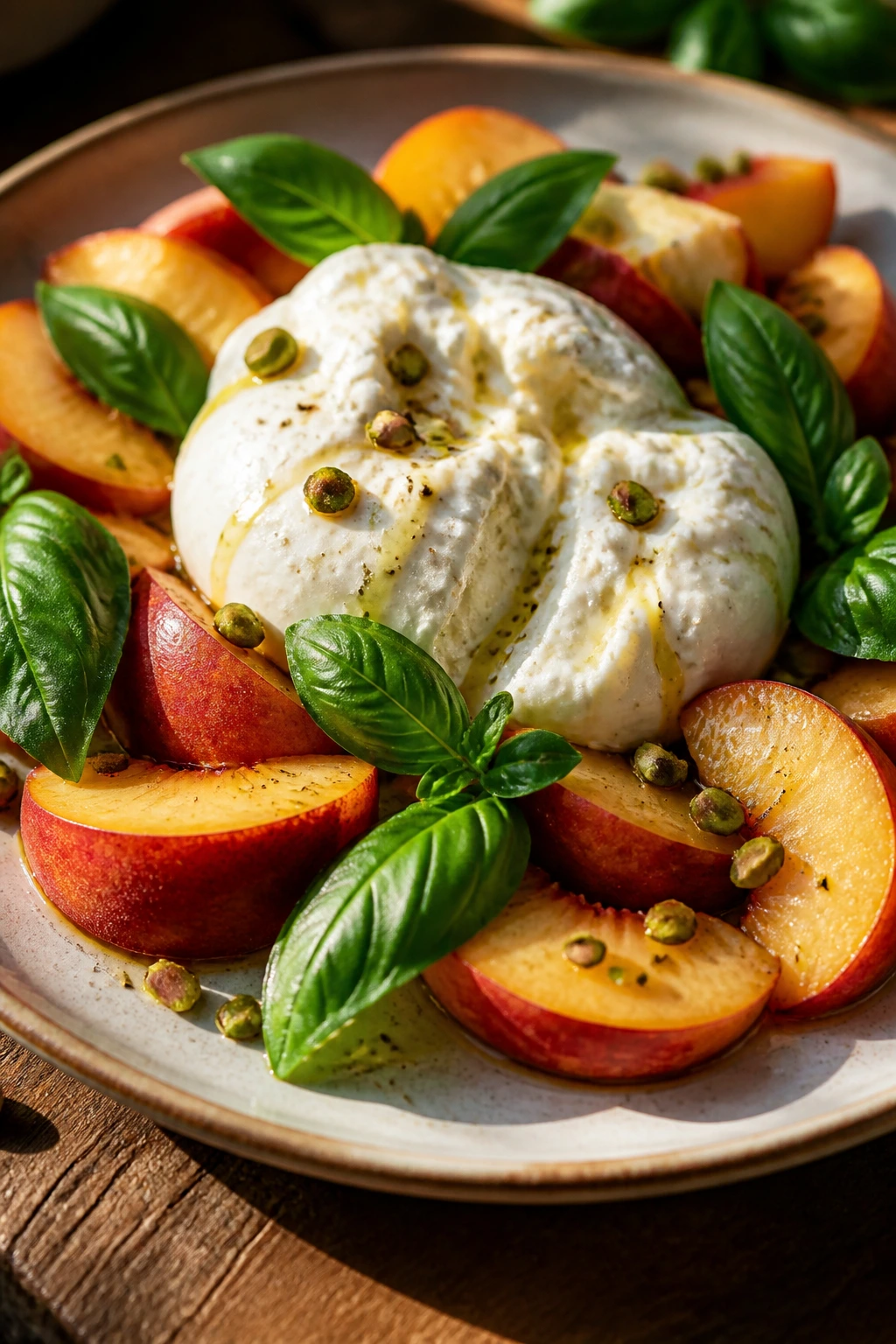
There’s a narrow window when peaches are soft enough to smell from across the room but still firm enough to slice cleanly. That’s the moment this salad wants. Burrata brings a milky center, basil gives perfume, and toasted pistachios keep the bowl from turning into soft fruit and cheese soup.
Why It Works:
Peaches give sweetness with a little acid, burrata gives cream, and basil keeps the salad from feeling dessert-like. Balsamic glaze adds depth without requiring a separate vinaigrette. The pistachios matter more than people think; they keep the texture lively and make the last few bites taste less soft.
Key Ingredients:
- 3 ripe peaches, sliced into wedges; firm-ripe is ideal.
- 8 ounces burrata, drained; let it sit at room temperature for 15 minutes.
- 4 cups baby arugula; its peppery bite keeps the cheese from flattening the fruit.
- 1/4 cup fresh basil leaves; leave them whole if small.
- 2 tablespoons balsamic glaze; use less if your peaches are very sweet.
- 1 tablespoon olive oil; a light drizzle is enough.
- 1/4 cup pistachios, toasted; chop them roughly.
- Flaky salt and black pepper; both are worth using.
Quick Steps:
- Toast the pistachios: Warm them in a dry skillet over medium heat for 2 to 3 minutes until fragrant.
- Slice the peaches: Cut them just before assembling so the flesh stays bright.
- Lay the greens: Spread arugula over a platter and tuck the peach slices around it.
- Add the burrata: Tear it open in the center and let the cream spill a little.
- Finish boldly: Scatter basil and pistachios over the top, then drizzle with olive oil and balsamic glaze.
Equipment for This Recipe:
- Serving platter
- Small skillet
- Sharp knife
- Tongs or clean hands
How to Serve This Dish:
Serve it as the first thing on the table, before anything hot comes out of the kitchen. It likes crusty bread and sliced prosciutto, though it doesn’t need either. One burrata ball usually feeds two as a starter, or four if the rest of dinner is doing the heavy lifting.
Pro Tips for This Recipe:
- Cold burrata tastes dull. Give it time to soften.
- If your peaches are syrupy, use arugula instead of baby greens with more structure.
- Tear basil at the last second so it doesn’t blacken.
Variations on This Dish:
- Tomato-Peach Mix: Add sliced heirloom tomatoes for a sweeter-savory blend.
- Grilled Peach Version: Grill the peaches for 1 to 2 minutes per side until marked.
- Mozzarella Swap: Use fresh mozzarella if burrata feels too rich.
Common Mistakes to Avoid with This Dish:
- Using underripe peaches: They slice well but taste hollow. Wait for aroma and a little give.
- Flooding it with glaze: Too much balsamic hides the fruit. Use a light hand.
- Skipping the salt: A pinch is what makes the peaches taste more peachy.
4. Crispy Chickpea Greek Salad
Intro:
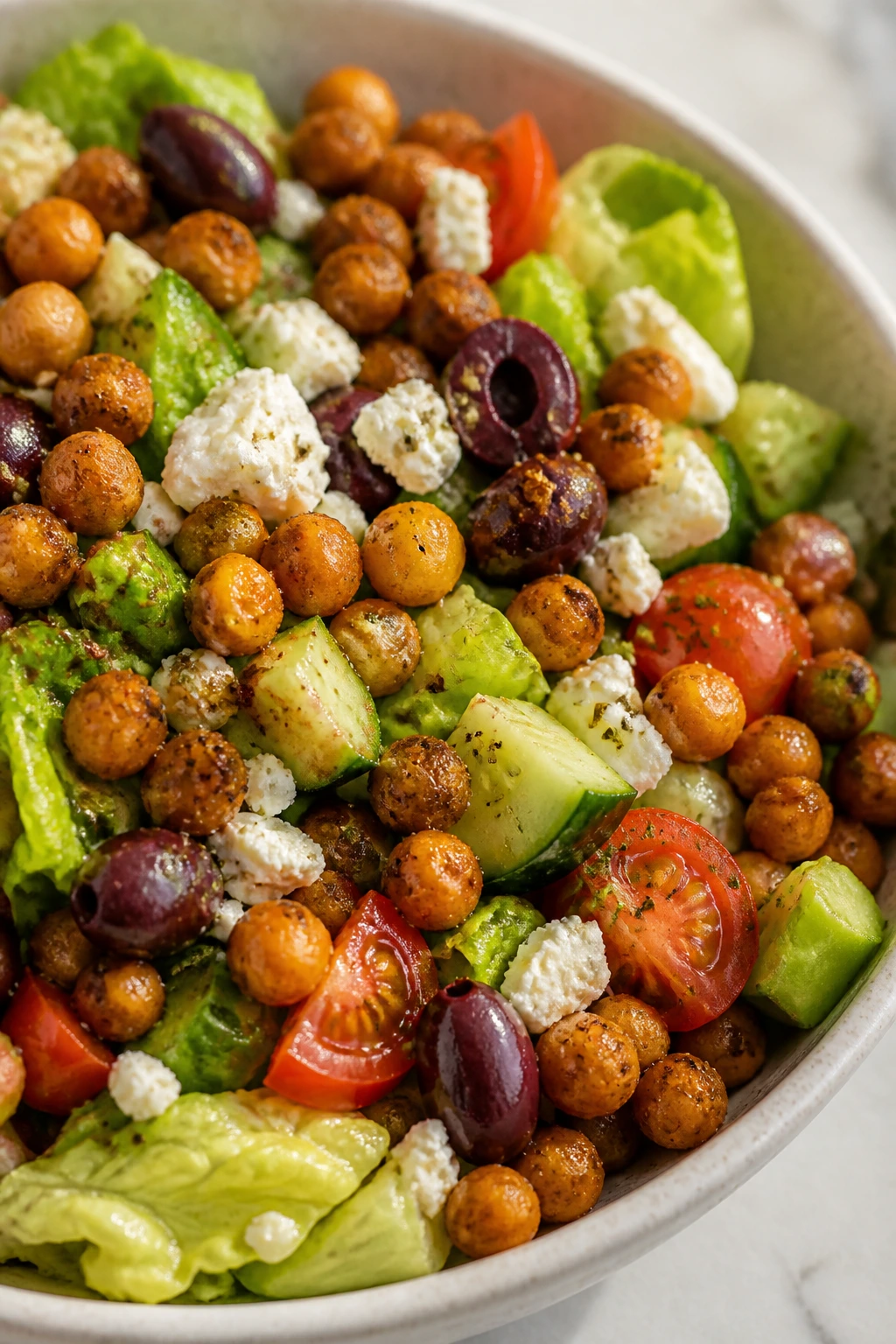
A Greek salad gets a lot more interesting when you add chickpeas roasted until they go a little crunchy on the outside. That gives you something to chew against the cucumbers and tomatoes, and it turns the bowl from side dish into lunch. I like the version with plenty of oregano, a sharp lemon dressing, and feta that actually tastes salty.
Why It Works:
Romaine gives the salad structure, cucumbers keep it cool, and chickpeas make it filling without turning heavy. Roasting the chickpeas at a high heat dries the surface and gives them a firm bite. The lemon-oregano dressing ties the salty olives and feta to the fresh vegetables.
Key Ingredients:
- 1 can chickpeas, rinsed and dried well; moisture is the enemy of crispness.
- 2 tablespoons olive oil, divided; use half for roasting.
- 1 teaspoon dried oregano; classic for this style.
- 1 large romaine heart, chopped; the ribs should be crisp.
- 1 cucumber, diced; peel it if the skin is tough.
- 1 cup cherry tomatoes, halved; they need to be juicy.
- 1/3 cup kalamata olives, pitted; slice if they’re large.
- 4 ounces feta, crumbled; block feta gives better texture.
- 2 tablespoons lemon juice; sharpen the whole bowl.
- 1 teaspoon Dijon mustard; helps the dressing cling.
Quick Steps:
- Roast the chickpeas: Toss them with 1 tablespoon olive oil, oregano, salt, and pepper; roast at 425°F for 20 to 25 minutes until crisp.
- Make the dressing: Whisk lemon juice, remaining olive oil, Dijon, and a pinch of salt.
- Prep the vegetables: Chop the romaine, dice the cucumber, and halve the tomatoes.
- Assemble the bowl: Add greens, vegetables, olives, feta, and warm chickpeas to a large bowl.
- Dress and toss lightly: Pour the dressing around the edges and toss once so the chickpeas stay a little crisp.
Equipment for This Recipe:
- Rimmed baking sheet
- Large mixing bowl
- Small whisking bowl
- Paper towels or clean kitchen towel
How to Serve This Dish:
Serve it with warm pita or alongside grilled salmon. It can sit out for a bit without falling apart, which makes it useful for potlucks. A big bowl serves four as a main if you don’t mind the chickpeas being the star.
Pro Tips for This Recipe:
- Dry the chickpeas aggressively before roasting or they’ll steam.
- Don’t dress the salad until the last minute if you want the romaine to stay crisp.
- A spoonful of chopped dill gives the salad a colder, greener taste.
Variations on This Dish:
- Tzatziki Finish: Add a few spoonfuls of tzatziki on top instead of extra dressing.
- Peppery Version: Add sliced radishes for more crunch and bite.
- Protein Boost: Toss in grilled chicken if you want a bigger lunch.
Common Mistakes to Avoid with This Dish:
- Roasting damp chickpeas: They stay soft and never get that crisp shell.
- Using watery tomatoes without draining them: The bowl turns puddly fast.
- Over-tossing the feta: It breaks down and disappears instead of giving salty pops.
5. Tomato Panzanella with Herby Vinaigrette
Intro:
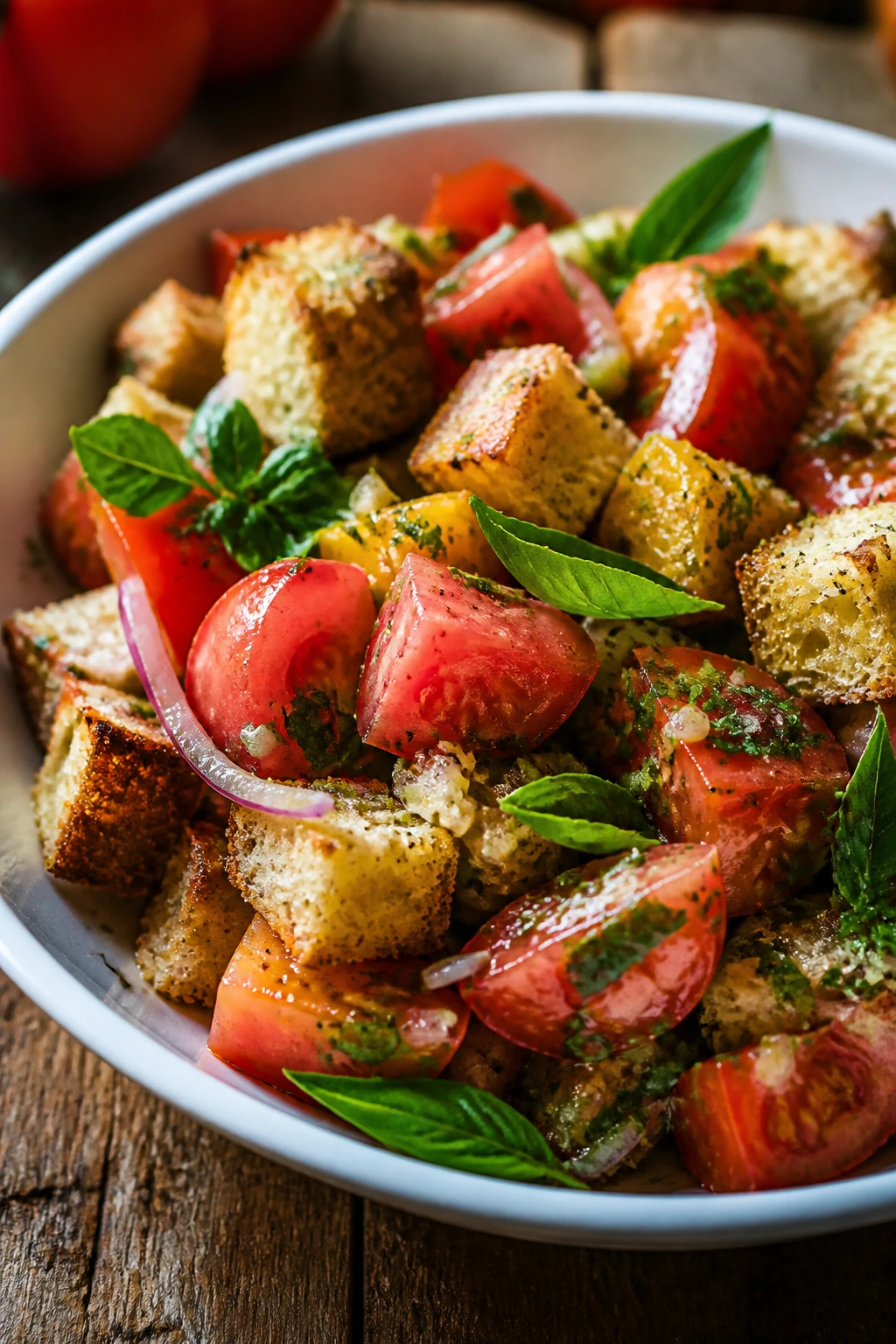
Panzanella is what happens when bread finally gets to be the main character. Stale cubes soak up tomato juices and vinaigrette, but if you toast them first, they keep some chew and don’t collapse into paste. This is one of those summer salad ideas that tastes better if you make it with tomatoes that stain your cutting board.
Why It Works:
The bread acts like a sponge, which means every bit of tomato juice gets used instead of ending up at the bottom of the bowl. Cucumber and onion bring crunch, basil brings freshness, and the vinaigrette keeps everything glossy. The trick is to salt the tomatoes before adding the bread so they leak a little and then get absorbed.
Key Ingredients:
- 4 cups day-old sourdough cubes, 1-inch pieces; sturdier bread holds up best.
- 3 large heirloom tomatoes, chopped; use the juiciest ones you can buy.
- 1 cucumber, thickly sliced and halved; it adds a cool snap.
- 1/2 red onion, thinly sliced; soak if it’s sharp.
- 1 cup torn basil leaves; torn, not minced.
- 1/4 cup olive oil; for the vinaigrette.
- 2 tablespoons red wine vinegar; gives the salad backbone.
- 1 garlic clove, grated; use a microplane if you have one.
- Salt and black pepper; season boldly.
Quick Steps:
- Toast the bread: Bake the cubes at 375°F for 10 to 12 minutes until dry and golden at the edges.
- Season the tomatoes: Toss them with salt and let them sit for 10 minutes.
- Mix the vinaigrette: Whisk olive oil, vinegar, garlic, pepper, and a pinch of salt.
- Combine everything: Add bread, tomatoes, cucumber, onion, and basil to a bowl.
- Let it rest briefly: Toss with vinaigrette and wait 10 minutes so the bread drinks in the juices.
Equipment for This Recipe:
- Rimmed baking sheet
- Large bowl
- Sharp knife
- Grater or microplane
How to Serve This Dish:
Serve it in a wide bowl so the bread stays scattered and visible. It sits well beside grilled sausage, roast chicken, or a slab of mozzarella. One and a half cups makes a solid lunch; a smaller scoop works as a side.
Pro Tips for This Recipe:
- Use bread that has gone a little stale, not rock hard.
- If the tomatoes are weak, add a splash more vinegar and a pinch more salt.
- Toss the basil in at the very end so it stays green.
Variations on This Dish:
- Mozzarella Version: Add torn fresh mozzarella if you want a creamier bowl.
- Caper Punch: Mix in 1 tablespoon capers for a briny edge.
- Grilled Bread Style: Grill the bread cubes in a skillet for a smokier note.
Common Mistakes to Avoid with This Dish:
- Using fresh soft bread: It turns to mush instead of staying chewy.
- Skipping the tomato rest: You lose the juices that make panzanella taste like panzanella.
- Making it too far ahead: The bread gets soggy after a while. Give it a short rest, not a long nap.
6. Niçoise Salad with Green Beans and Potatoes
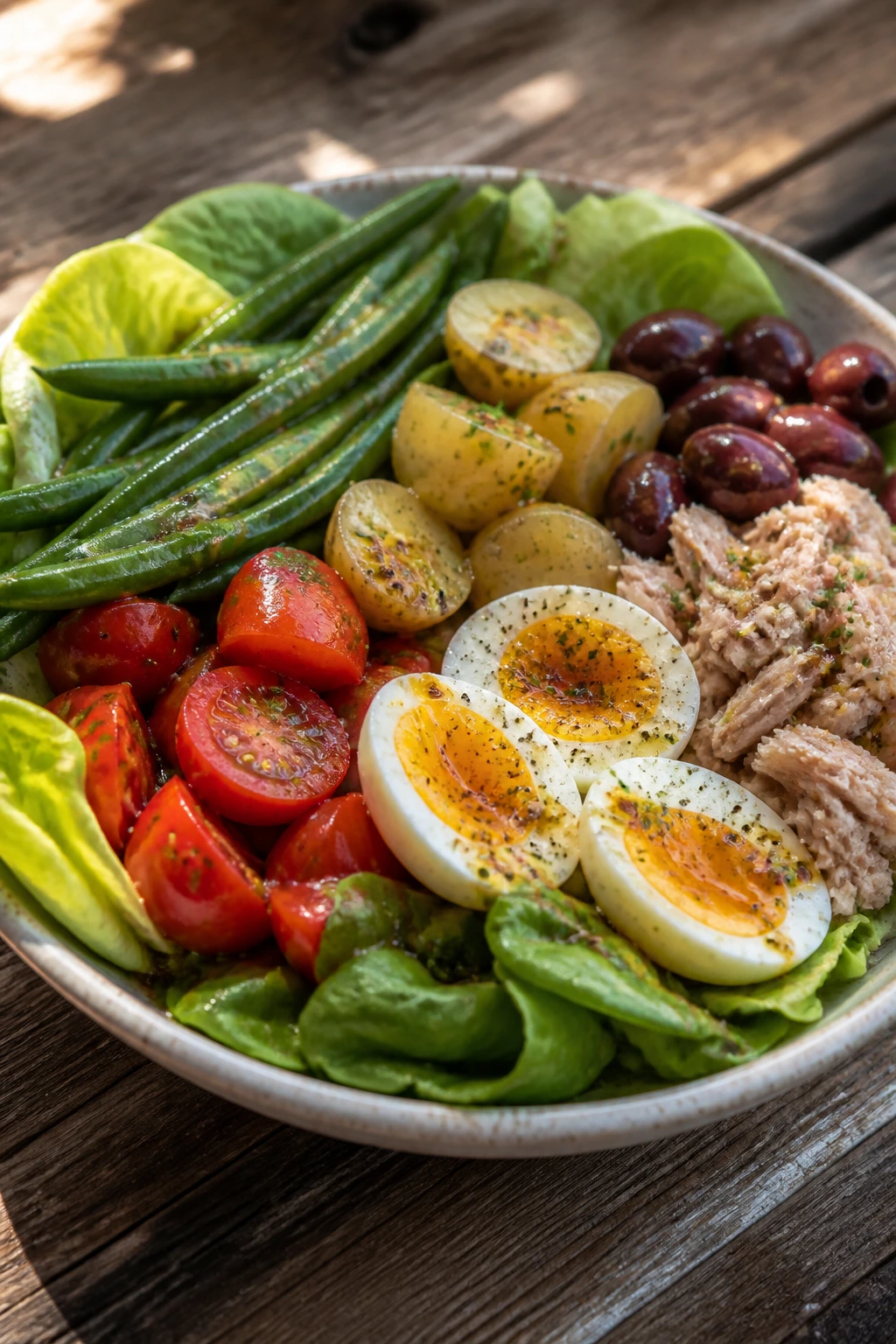
Intro:
A proper Niçoise salad is not a pile of random vegetables with tuna dropped on top. It’s a composed salad with cold potatoes, crisp beans, eggs, olives, and a dressing that can handle everything. This version feels formal enough for a dinner plate but still relaxed enough to eat on a hot day.
Why It Works:
The potatoes bring heft, the green beans bring snap, and the tuna supplies a clean savory note. Hard-boiled eggs add richness without weighing the bowl down. A mustardy vinaigrette pulls the olives, tomatoes, and lettuce together so every bite tastes intentional.
Key Ingredients:
- 1 pound baby potatoes; waxy potatoes hold their shape best.
- 8 ounces green beans, trimmed; keep them bright green.
- 4 large eggs; cook them until just set.
- 2 cans tuna in olive oil, drained; use good tuna if you can.
- 1 pint cherry tomatoes, halved; juicy and sweet.
- 1/2 cup Niçoise or Kalamata olives; pitted is easier.
- 4 cups butter lettuce or mixed greens; the base should be tender.
- 3 tablespoons olive oil; for the dressing.
- 1 tablespoon Dijon mustard; gives the dressing bite.
- 2 tablespoons red wine vinegar; sharpens the plate.
Quick Steps:
- Cook the potatoes: Simmer them in salted water for 12 to 15 minutes until fork-tender, then cool and halve them.
- Blanch the beans: Cook for 2 to 3 minutes in boiling salted water, then shock in ice water.
- Boil the eggs: Cook for 9 minutes, cool, peel, and quarter them.
- Whisk the dressing: Combine olive oil, Dijon, vinegar, salt, and pepper.
- Arrange the plate: Layer greens, potatoes, beans, tomatoes, tuna, olives, and eggs, then drizzle with dressing.
Equipment for This Recipe:
- Medium saucepan
- Slotted spoon
- Large serving platter
- Small whisking bowl
How to Serve This Dish:
Serve it as a full meal with a baguette and a cold glass of something crisp. The layout matters here — keep the ingredients visible instead of tossing everything into a heap. It feeds two generously or four if you add bread and soup.
Pro Tips for This Recipe:
- Salt the potato water well or the whole salad tastes muted.
- Let the potatoes cool before dressing them so they don’t break apart.
- Don’t overcook the beans; they should still snap.
Variations on This Dish:
- Anchovy Dressing: Add 1 minced anchovy to the vinaigrette for a deeper savory note.
- Salmon Swap: Use leftover roasted salmon instead of tuna.
- Potato-Free Version: Replace potatoes with extra beans if you want something lighter.
Common Mistakes to Avoid with This Dish:
- Mushy potatoes: Use waxy potatoes and watch the clock.
- Warm eggs tearing the salad: Cool them fully before peeling.
- Tossing everything together: You lose the clean, composed look that makes Niçoise feel special.
7. Strawberry Spinach Salad with Toasted Almonds
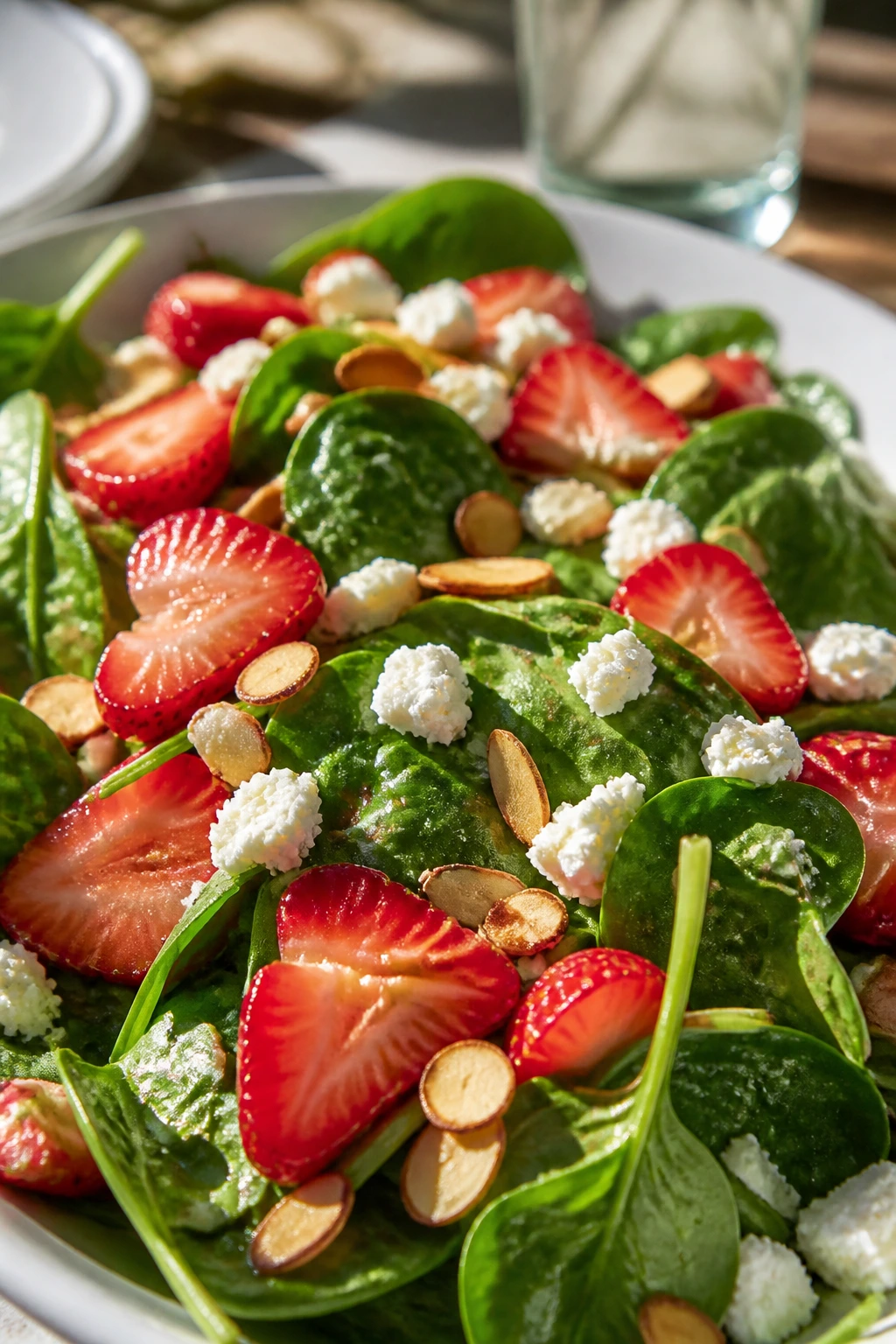
Intro:
Strawberry spinach salad can be boring if you stop at berries and bottled dressing. The version worth making has toasted almonds, sharp cheese, and a dressing that tastes more like a vinaigrette than a syrup. The berries should taste like they were picked an hour ago, even if they weren’t.
Why It Works:
Spinach gives a soft base, but its mild taste needs help, which is where tart berries and salty cheese step in. Toasted almonds add a dry, clean crunch that keeps the salad from getting slippery. A poppy seed dressing works because it brings sweetness and acid in the right proportion.
Key Ingredients:
- 5 ounces baby spinach; dry leaves stay perky.
- 2 cups strawberries, hulled and sliced; choose berries with a strong smell.
- 1/2 cup blueberries; optional, but they add another color and texture.
- 1/3 cup sliced almonds, toasted; they should smell nutty.
- 3 ounces goat cheese, crumbled; feta also works.
- 2 tablespoons red onion, very thinly sliced; use sparingly.
- 2 tablespoons olive oil; for the dressing.
- 1 tablespoon apple cider vinegar; brings a bright edge.
- 1 teaspoon honey; just enough sweetness.
- 1 teaspoon poppy seeds; tiny, but worth it.
Quick Steps:
- Toast the almonds: Cook them in a dry skillet over medium heat for 2 to 3 minutes until golden.
- Whisk the dressing: Combine olive oil, vinegar, honey, poppy seeds, salt, and pepper.
- Prep the fruit: Hull and slice the strawberries.
- Build the salad: Add spinach, berries, almonds, goat cheese, and onion to a bowl.
- Dress lightly: Pour on the dressing just before serving and toss once.
Equipment for This Recipe:
- Small skillet
- Large salad bowl
- Whisk and small bowl
- Strawberry huller or paring knife
How to Serve This Dish:
This salad is good with grilled chicken, salmon, or a thick slice of quiche if you’re building brunch. Serve it cold, but not ice-cold, so the berries taste like berries and not refrigerator food. Two heaping cups make a light meal.
Pro Tips for This Recipe:
- Dry spinach leaves well; wet leaves dilute the dressing.
- Slice strawberries right before serving so they don’t weep.
- If the goat cheese is too tangy, mix it with a little cream cheese for a softer bite.
Variations on This Dish:
- Pecan Swap: Use toasted pecans instead of almonds for a richer crunch.
- Balsamic Twist: Replace the vinegar with balsamic for a deeper dressing.
- Avocado Add-In: Add avocado if you want the salad to eat like lunch.
Common Mistakes to Avoid with This Dish:
- Dressing too early: Spinach wilts fast.
- Skipping the toast on the nuts: Raw almonds taste flat beside the berries.
- Using weak berries: If they smell like almost nothing, the salad will too.
8. BLT Chopped Salad with Creamy Ranch
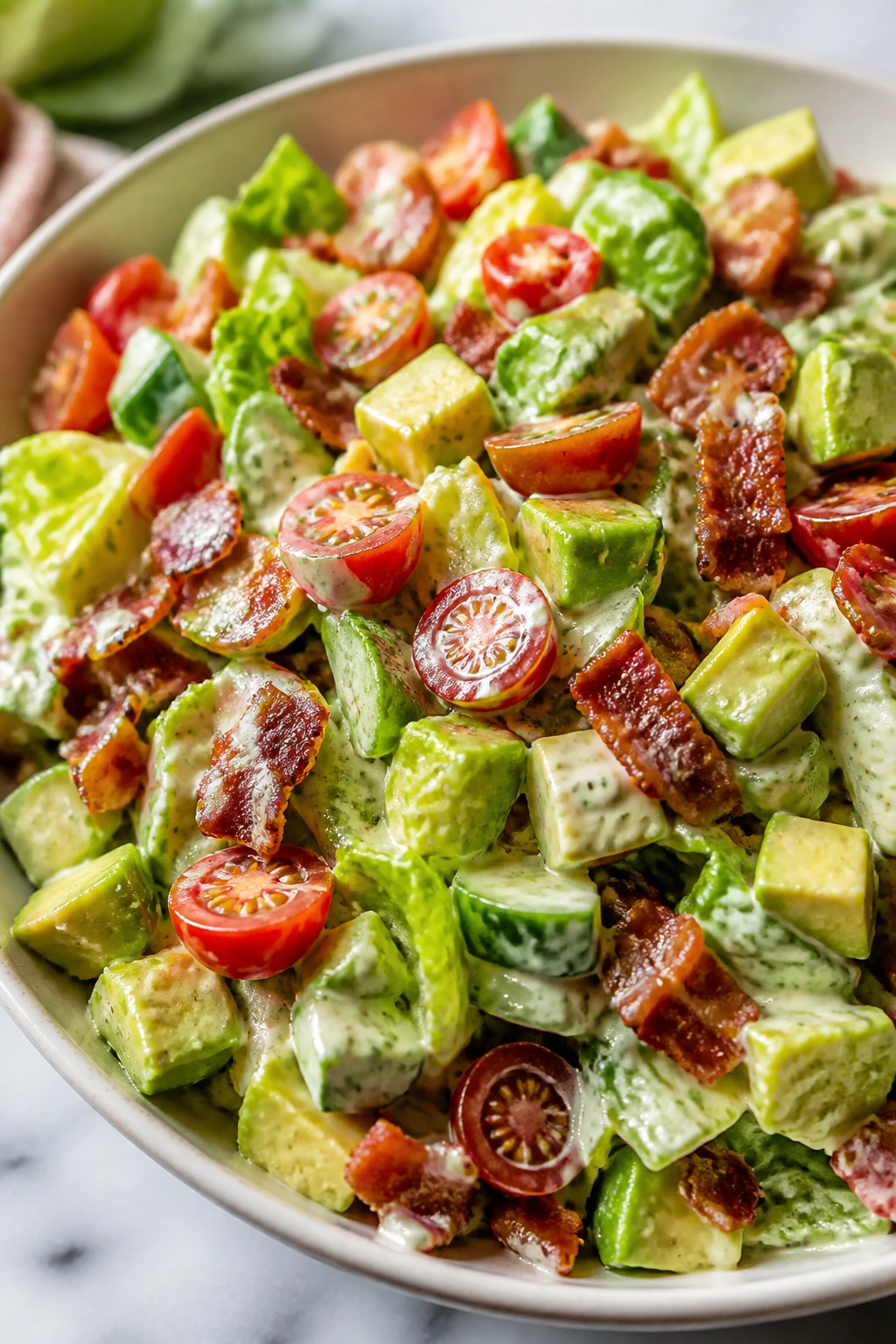
Intro:
A BLT turned into a chopped salad feels less like a compromise and more like a cleaner way to eat the same idea. Bacon, lettuce, tomato, and ranch already know how to get along; chopping them small just makes every forkful more even. I like this when tomatoes are at their best and bacon is crisp enough to shatter.
Why It Works:
Chopping everything into bite-size pieces means the dressing coats the whole bowl instead of pooling at the bottom. Bacon gives salt and crunch, tomatoes give juice, and avocado smooths things out. Ranch works here because its herbs and dairy tie together ingredients that could otherwise taste separate.
Key Ingredients:
- 6 slices bacon; cook until crisp.
- 1 large romaine heart, chopped; keep some of the rib for crunch.
- 2 cups cherry tomatoes, quartered; juicy but not watery.
- 1 avocado, diced; add it near the end.
- 1/2 cup cucumber, diced; optional but nice for freshness.
- 1/3 cup ranch dressing; homemade or a good bottled version.
- 1/4 cup croutons; use sturdy ones.
- 2 tablespoons chopped chives; they sharpen the finish.
Quick Steps:
- Cook the bacon: Fry or bake it until crisp, then drain on paper towels and chop.
- Chop the vegetables: Cut the romaine, tomatoes, avocado, and cucumber into similar-size pieces.
- Build the bowl: Add lettuce, tomatoes, cucumber, and half the bacon to a large bowl.
- Dress gently: Add ranch and toss lightly so the lettuce stays crisp.
- Finish the top: Scatter avocado, the rest of the bacon, croutons, and chives over the salad.
Equipment for This Recipe:
- Skillet or sheet pan
- Large cutting board
- Chef’s knife
- Large mixing bowl
How to Serve This Dish:
Serve it in wide bowls so the bacon and croutons stay on top. It’s an easy main with a grilled cheese on the side or a quick lunch with cold corn. A big bowl makes two meals if you don’t overload the dressing.
Pro Tips for This Recipe:
- Let the bacon cool a bit before chopping or it crumbles into dust.
- Add avocado after tossing so it doesn’t smear.
- If using bottled ranch, thin it with a teaspoon of lemon juice for more lift.
Variations on This Dish:
- Turkey BLT: Swap in turkey bacon or roasted turkey for a lighter bowl.
- Blue Cheese Punch: Replace ranch with blue cheese dressing if you want more bite.
- Crouton-Free Version: Use roasted chickpeas instead of croutons for more crunch.
Common Mistakes to Avoid with This Dish:
- Watery tomatoes: Remove some seeds if the tomatoes are extra juicy.
- Too much dressing: Chopped salads need less than you think.
- Waiting too long to serve: The lettuce loses its snap after a long sit.
9. Thai Peanut Crunch Noodle Salad
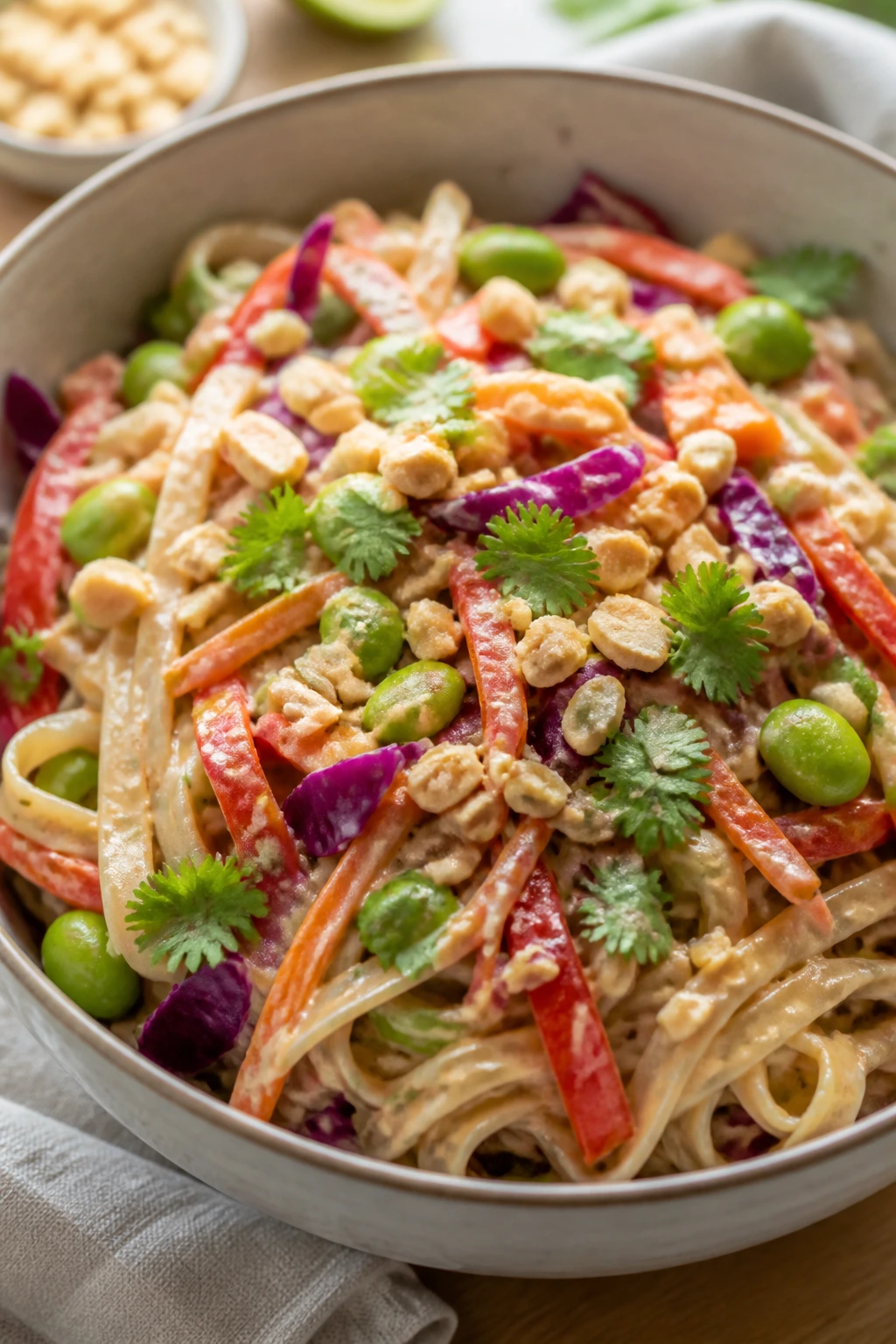
Intro:
This is the salad for people who get bored after the first mouthful of greens. Rice noodles, cabbage, carrots, peanuts, and a peanut dressing give you chew, crunch, and enough salt to keep the bowl lively. It tastes cold, bright, and a little addictive in the way good noodle salads tend to.
Why It Works:
Rice noodles carry the dressing without absorbing it too fast, which makes them better than spaghetti here. Cabbage and carrots hold crunch for hours, and the peanut sauce adds richness without needing cream. Lime and soy keep the flavor awake.
Key Ingredients:
- 8 ounces rice noodles; cook them just until tender.
- 3 cups shredded cabbage; green or purple both work.
- 1 cup shredded carrots; use a box grater if needed.
- 1 cup shelled edamame, thawed; adds protein.
- 1 red bell pepper, thinly sliced; for sweetness and color.
- 1/2 cup roasted peanuts, chopped; the crunch matters.
- 1/4 cup peanut butter; smooth or crunchy.
- 2 tablespoons soy sauce; use low-sodium if needed.
- 2 tablespoons lime juice; cuts the richness.
- 1 tablespoon sesame oil; a little goes far.
Quick Steps:
- Cook the noodles: Boil according to package directions, then rinse under cold water and drain well.
- Mix the sauce: Whisk peanut butter, soy sauce, lime juice, sesame oil, and a splash of warm water until smooth.
- Prep the vegetables: Shred the cabbage and carrots and slice the bell pepper.
- Toss the salad: Combine noodles, vegetables, edamame, and sauce in a large bowl.
- Finish with crunch: Top with chopped peanuts and cilantro, then serve cold.
Equipment for This Recipe:
- Medium pot
- Colander
- Large bowl
- Whisk
How to Serve This Dish:
Serve it in deep bowls with extra lime wedges on the side. It’s a strong lunch on its own, but grilled chicken or shrimp fits neatly on top. One and a half cups is a realistic lunch portion because noodles make this salad more filling than it looks.
Pro Tips for This Recipe:
- Rinse the noodles well or they’ll clump.
- Thin the sauce gradually; peanut butter can go from thick to perfect in one tablespoon.
- Add the peanuts just before serving so they stay crisp.
Variations on This Dish:
- Spicy Chili Version: Stir in chili crisp or sriracha.
- Sesame Noodle Swap: Use tahini instead of peanut butter if needed.
- Herb-Heavy Finish: Add basil and mint for a fresher profile.
Common Mistakes to Avoid with This Dish:
- Overcooked noodles: They get gummy once dressed.
- Sauce too thick: It should coat, not paste.
- Skipping the cold rinse: The whole salad turns sticky fast.
10. Mexican Street Corn Chopped Salad
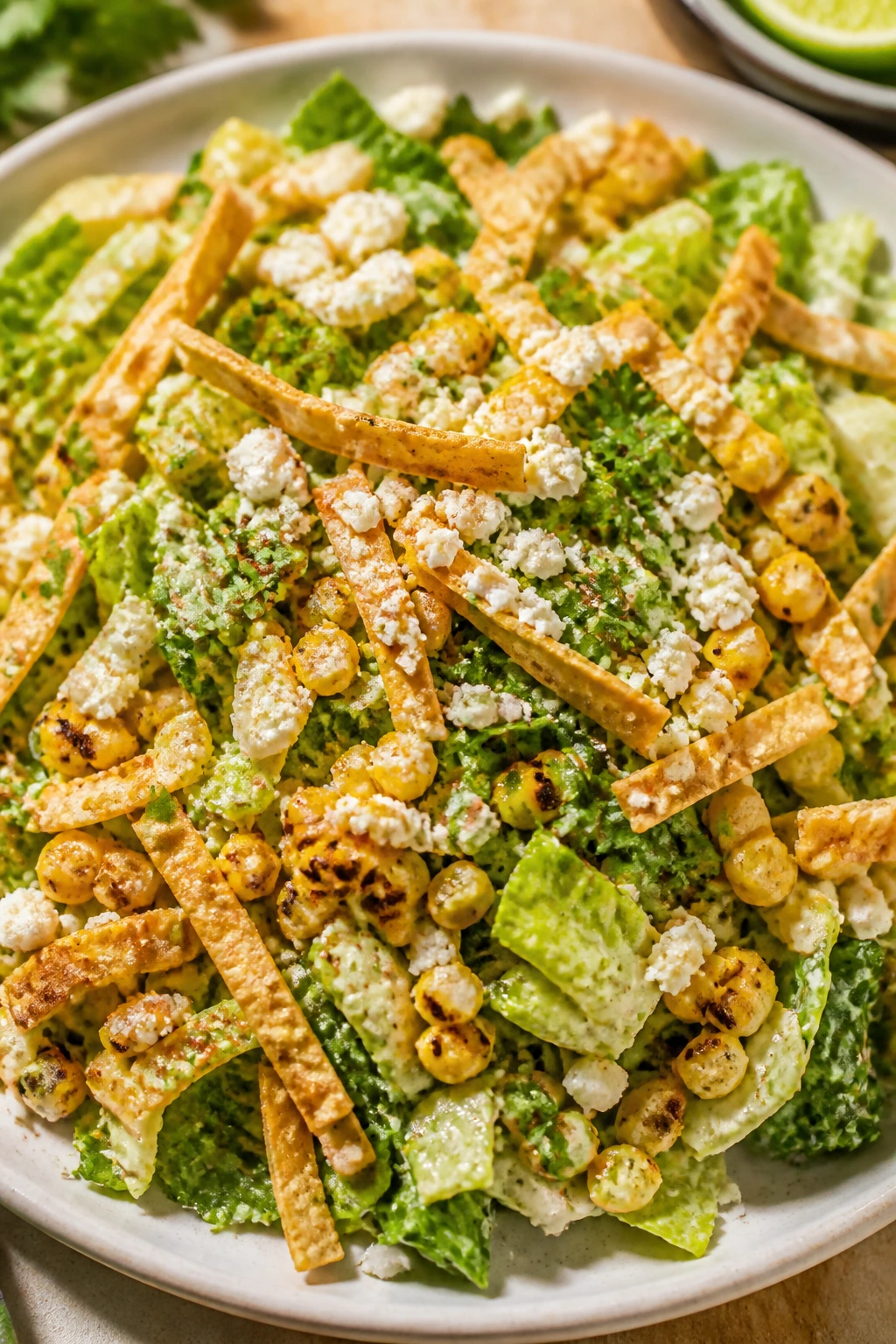
Intro:
If you like elote, this salad makes sense immediately. You get sweet corn, lime, cotija, chili, and a creamy dressing that clings to every kernel. Chopped lettuce and tortilla strips turn it into something that can sit beside grilled meat or fill a bowl by itself.
Why It Works:
The char on the corn adds depth, cotija gives salt, and lime keeps the creamy dressing from feeling heavy. Chopping the lettuce means the toppings distribute evenly, which matters when you want each forkful to taste the same. Tortilla strips deliver the crunch that turns this from corn salad into a full meal.
Key Ingredients:
- 4 ears corn, grilled or charred in a skillet; the browning matters.
- 1 large romaine heart, chopped; use enough to catch the dressing.
- 1/3 cup cotija, crumbled; feta can stand in.
- 1/4 cup cilantro, chopped; don’t skip it if you like that fresh edge.
- 2 tablespoons mayonnaise; just enough for creaminess.
- 2 tablespoons Greek yogurt; lightens the dressing.
- 1 tablespoon lime juice; bright and necessary.
- 1/2 teaspoon chili powder; add more to taste.
- 1 cup tortilla strips; homemade or store-bought.
Quick Steps:
- Char the corn: Cook the ears until browned in spots, then cut off the kernels.
- Whisk the dressing: Mix mayo, yogurt, lime juice, chili powder, salt, and pepper.
- Chop the greens: Add romaine to a large bowl with cilantro.
- Assemble the salad: Toss in corn and dressing, then mix lightly.
- Top and serve: Finish with cotija and tortilla strips right before serving.
Equipment for This Recipe:
- Grill pan or skillet
- Large salad bowl
- Small whisking bowl
- Sharp knife
How to Serve This Dish:
Serve it alongside fajitas, barbecued chicken, or black bean tacos. It looks best when the tortilla strips stay on top, so don’t toss them in too early. A generous bowl can feed four as a side or two as lunch.
Pro Tips for This Recipe:
- Let the corn cool before adding the dressing.
- If the salad needs more punch, add a pinch of smoked paprika.
- Keep the tortilla strips separate until the last second.
Variations on This Dish:
- Avocado Add-In: Dice avocado for a creamier bowl.
- Hot Sauce Finish: Stir in a few dashes of hot sauce to the dressing.
- Black Bean Version: Add 1 can black beans for extra heft.
Common Mistakes to Avoid with This Dish:
- Soggy tortilla strips: Add them too soon and they die.
- Under-seasoned corn: The salad should taste bold, not pale.
- Too much mayo: The dressing should coat, not drown.
11. Grilled Romaine Caesar with Parmesan Crumbs
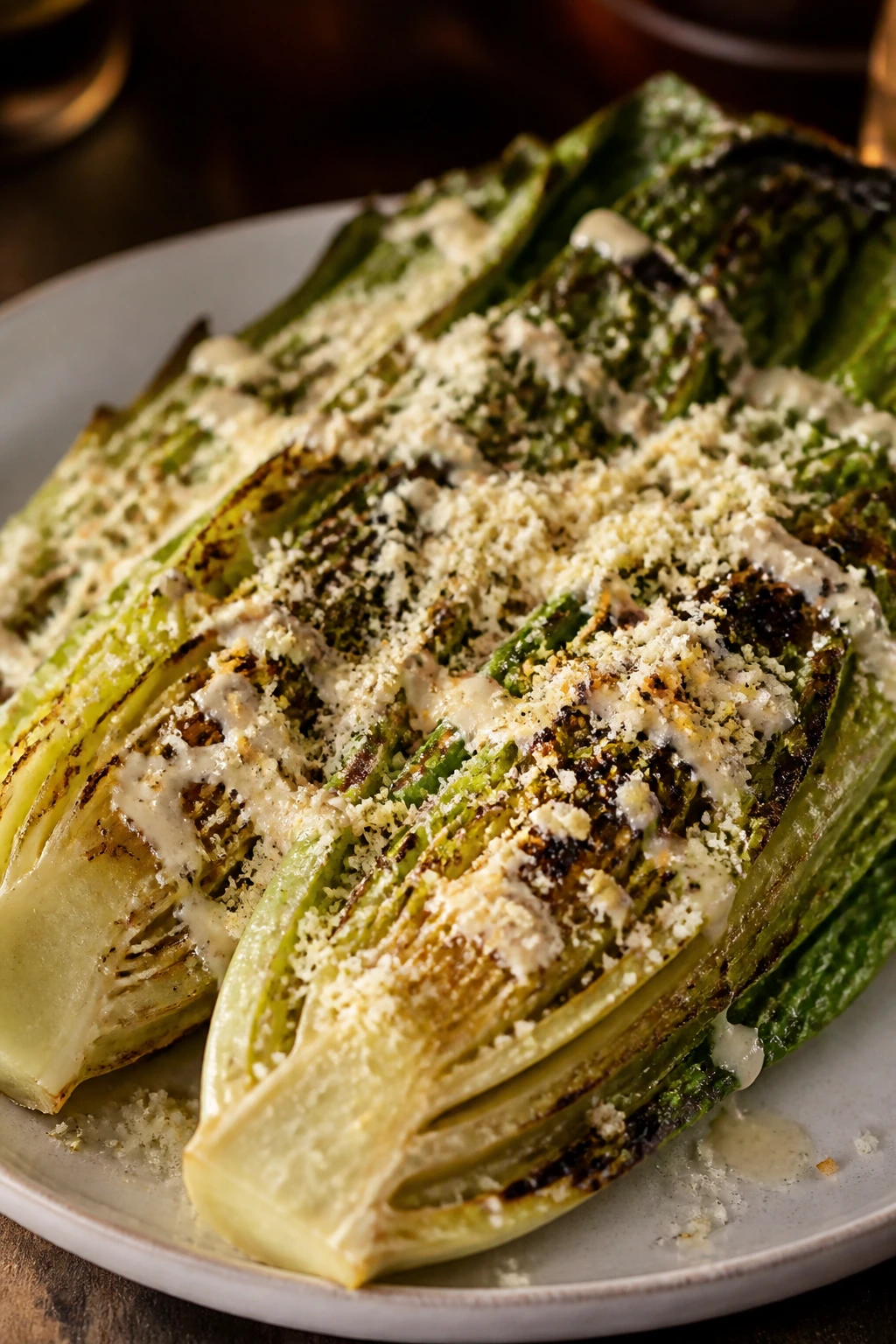
Intro:
Grilled romaine sounds odd until you taste what a little flame does to the edges of the leaves. The outer layer wilts and picks up a smoky note, while the inner ribs stay cool and crisp. With Parmesan crumbs and a briny Caesar-style dressing, this salad feels more deliberate than the usual bowl of romaine and croutons.
Why It Works:
Romaine is sturdy enough to take quick heat, and that heat gives the salad character without turning it limp. Parmesan crumbs do what croutons do, only saltier and sharper. The dressing needs anchovy or anchovy paste because Caesar without that salty depth falls flat.
Key Ingredients:
- 2 romaine hearts, halved lengthwise; keep the cores intact.
- 1 tablespoon olive oil; for brushing the lettuce.
- 1/3 cup Parmesan, finely grated; plus a little extra for the top.
- 1/2 cup sourdough crumbs; toast them for texture.
- 3 tablespoons Caesar dressing; homemade or bottled.
- 1 teaspoon lemon juice; brightens the smoky edge.
- 1 small garlic clove, grated; optional but useful.
- Black pepper; finish generously.
Quick Steps:
- Toast the crumbs: Cook the sourdough crumbs in a skillet with a teaspoon of oil until golden.
- Grill the romaine: Brush the cut sides with oil and grill over medium-high for 1 to 2 minutes until lightly charred.
- Mix the dressing: Stir Caesar dressing with lemon juice and garlic.
- Plate the salad: Lay the romaine on a platter, cut side up.
- Finish it: Spoon dressing over the lettuce, then add Parmesan crumbs and black pepper.
Equipment for This Recipe:
- Grill pan or outdoor grill
- Small skillet
- Tongs
- Small bowl
How to Serve This Dish:
Serve it as a first course with grilled steak, roast chicken, or pasta. It should look a little dramatic, with char lines visible and crumbs clinging to the leaves. One heart usually serves one hungry person as a starter.
Pro Tips for This Recipe:
- Grill the lettuce fast; too long and it goes floppy.
- Make the crumbs in a skillet if you don’t want to heat the oven.
- Hold back some dressing so the salad doesn’t pool.
Variations on This Dish:
- Anchovy-Heavy Caesar: Add more anchovy paste for a deeper savory hit.
- Lemon-Parmesan Style: Increase the lemon juice if you want a brighter salad.
- Herb Crumb Finish: Mix chopped parsley into the crumbs for color.
Common Mistakes to Avoid with This Dish:
- Grilling too long: Romaine should char at the edges, not melt.
- Using tiny limp leaves: Hearts work best because they stay structured.
- Skipping the black pepper: Caesar needs that bite.
12. Caprese Pasta Salad with Lemon Pesto
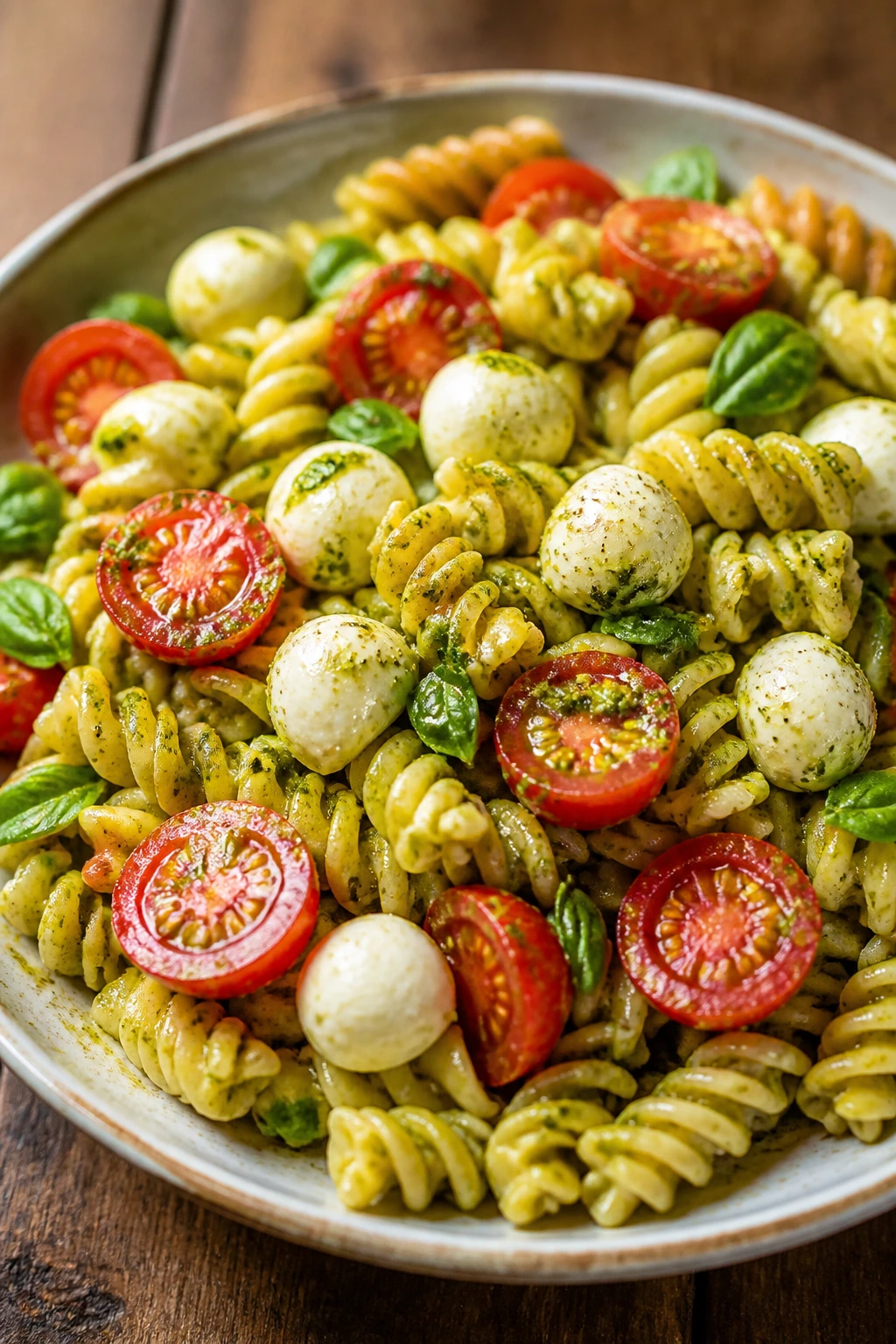
Intro:
Caprese pasta salad can be lazy or it can be sharp and worth repeating. The version I like leans on al dente pasta, ripe cherry tomatoes, mozzarella pearls, and a pesto that gets lifted with lemon so it doesn’t taste heavy. It’s the bowl you bring when you want something that still tastes fresh after it’s been sitting out a bit.
Why It Works:
Pasta gives the salad structure, but only if it’s cooked with enough salt and cooled before dressing. Tomatoes add juice, mozzarella brings softness, and lemon pesto keeps the basil from going dull. Pine nuts help with crunch and turn the whole thing into more than a Caprese copy.
Key Ingredients:
- 12 ounces short pasta, like rotini or fusilli; ridges help hold the sauce.
- 2 cups cherry tomatoes, halved; use mixed colors if you can.
- 8 ounces mozzarella pearls, drained; fresh and mild.
- 1 cup basil leaves; packed lightly.
- 1/4 cup olive oil; for the pesto.
- 2 tablespoons lemon juice; keeps the pesto lively.
- 1 small garlic clove; use less if it’s strong.
- 1/4 cup Parmesan, grated; gives body.
- 2 tablespoons pine nuts, toasted; a small amount goes far.
Quick Steps:
- Cook the pasta: Boil in well-salted water until al dente, then drain and cool under cold water.
- Blend the pesto: Pulse basil, olive oil, lemon juice, garlic, Parmesan, pine nuts, salt, and pepper until spoonable.
- Combine the base: Toss pasta with the pesto in a large bowl.
- Add the tomatoes and mozzarella: Fold them in gently so they don’t break.
- Chill briefly: Rest for 15 minutes before serving so the flavors settle.
Equipment for This Recipe:
- Large pot
- Colander
- Food processor or blender
- Large bowl
How to Serve This Dish:
Serve it chilled or at cool room temperature with grilled chicken or a tray of sliced vegetables. It’s sturdy enough for a picnic and pretty enough for a big platter. A one-cup portion works as a side; two cups can be lunch.
Pro Tips for This Recipe:
- Salt the pasta water well or the salad tastes flat later.
- Toss the pasta with a little oil while it cools if you’re not dressing it right away.
- Add basil leaves near the end if you want them to stay bright.
Variations on This Dish:
- Arugula Kick: Add a handful of arugula for a peppery note.
- Sun-Dried Tomato Boost: Mix in chopped sun-dried tomatoes for depth.
- No-Nut Version: Use pumpkin seeds instead of pine nuts.
Common Mistakes to Avoid with This Dish:
- Overcooked pasta: It turns soft once dressed.
- Too much pesto: The salad should still look like pasta, not green paste.
- Adding mozzarella while the pasta is hot: The cheese gets too soft and loses shape.
13. Tuna and White Bean Salad with Celery
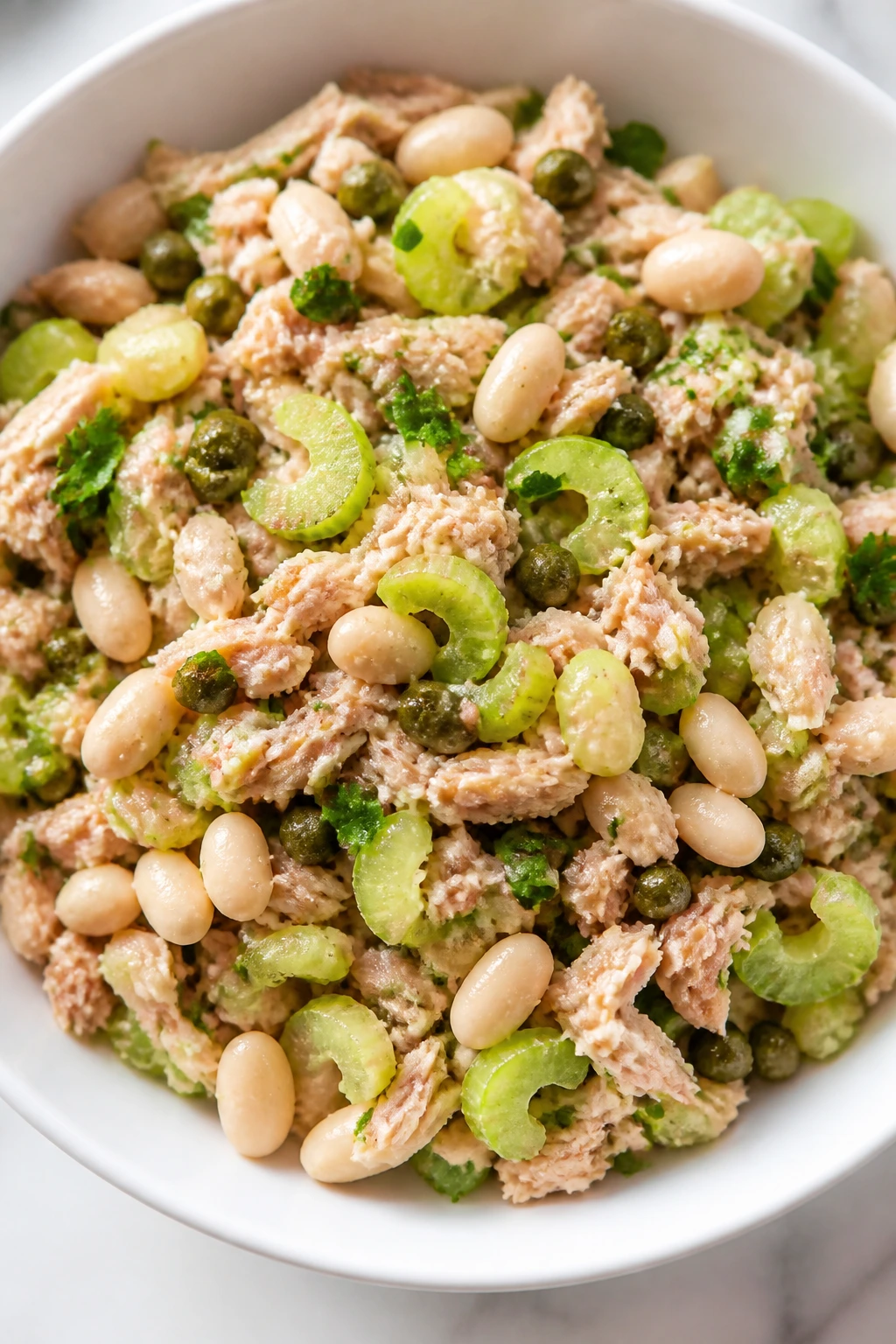
Intro:
This is the kind of salad that earns respect because it’s quiet and useful. Tuna, white beans, celery, and parsley make a bowl that eats like lunch but doesn’t feel heavy, and the lemon-caper dressing keeps it from drifting into cafeteria territory. It’s a cold salad, but not a boring one.
Why It Works:
White beans give creamy substance without dairy, tuna adds clean saltiness, and celery keeps the texture alive. Capers and lemon prevent the beans from tasting muddy. This is one of the easiest salads to make taste expensive with very ordinary ingredients.
Key Ingredients:
- 2 cans tuna, drained; oil-packed tastes richer.
- 1 can cannellini beans, rinsed; drain well.
- 2 celery stalks, thinly sliced; keep the leaves if you have them.
- 1/4 red onion, finely chopped; soak in water if too sharp.
- 2 tablespoons parsley, chopped; flat-leaf parsley is best.
- 1 tablespoon capers, drained; they add brine.
- 2 tablespoons olive oil; the base of the dressing.
- 1 tablespoon lemon juice; needed for brightness.
- 1 teaspoon Dijon mustard; helps everything cling.
Quick Steps:
- Prep the beans: Rinse and drain them well so the bowl doesn’t turn cloudy.
- Mix the dressing: Whisk olive oil, lemon juice, Dijon, salt, and pepper.
- Chop the vegetables: Slice celery and onion finely.
- Combine gently: Add tuna, beans, celery, onion, capers, and parsley to a bowl.
- Dress and rest: Toss lightly and let it sit for 5 to 10 minutes before serving.
Equipment for This Recipe:
- Medium bowl
- Cutting board and knife
- Small whisking bowl
- Can opener
How to Serve This Dish:
Serve it over butter lettuce, inside a pita, or with cracked crackers on the side. It’s also good tucked into a lunch container because it doesn’t weep much. One and a half cups makes a filling meal.
Pro Tips for This Recipe:
- Break the tuna into larger flakes so the salad has texture.
- Keep the celery crisp; don’t over-chop it into mush.
- If using low-sodium tuna, season a little more aggressively.
Variations on This Dish:
- Sardine Swap: Use sardines if you want stronger flavor and more richness.
- Herb-Heavy Version: Add dill or chives for a softer finish.
- No-Bean Bowl: Replace beans with diced cucumber if you want something lighter.
Common Mistakes to Avoid with This Dish:
- Underseasoning the beans: They need salt, not sympathy.
- Overmixing the tuna: It turns pasty.
- Skipping the acid: Without lemon, the salad tastes heavy.
14. Farro Salad with Zucchini and Herbs
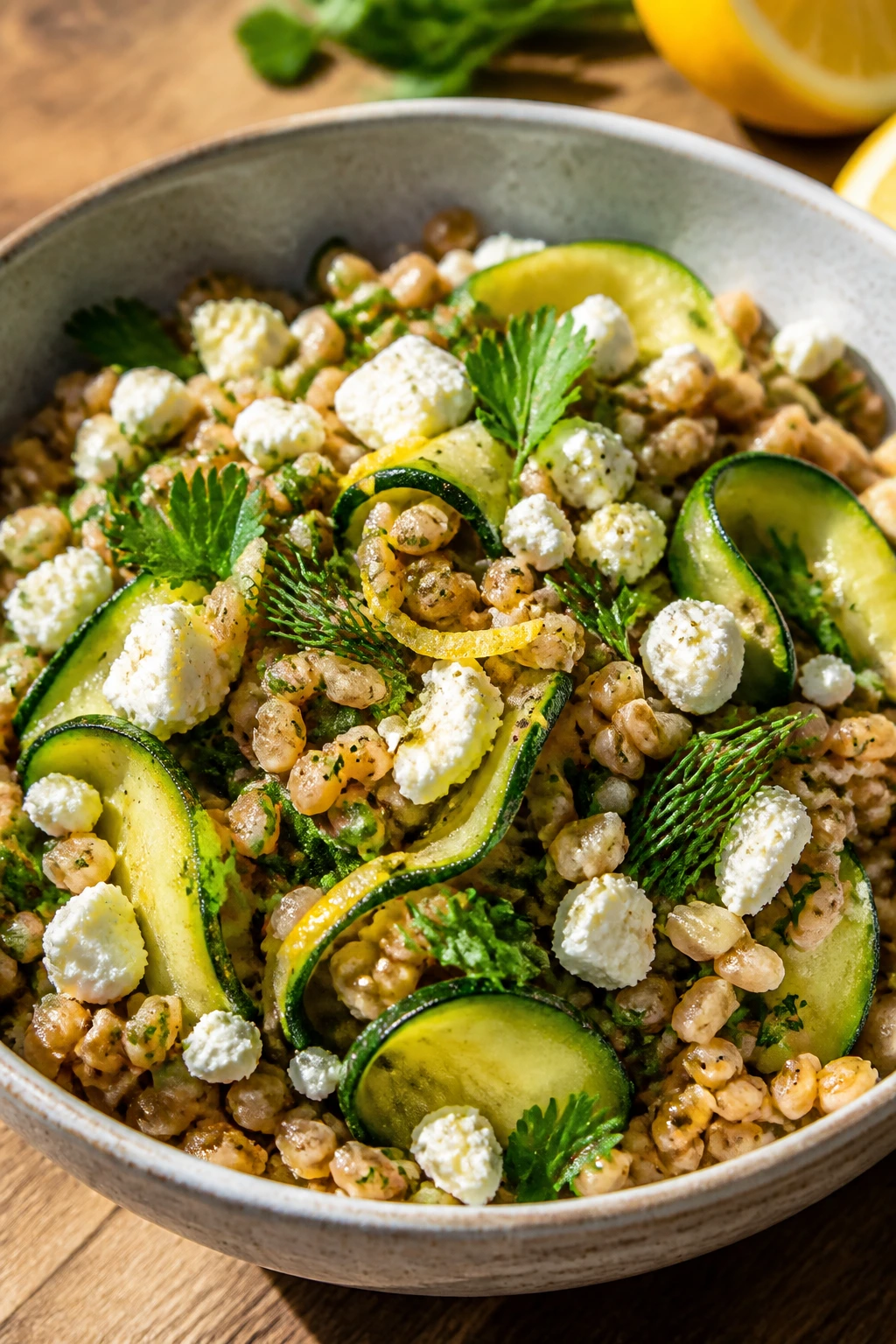
Intro:
Farro has a chewy, nutty bite that makes a grain salad feel substantial without turning dense. Add zucchini, herbs, and feta, and you get something that tastes like it was built for hot weather and actual hunger. This is the kind of bowl I’d pack for lunch because it improves a little as it sits.
Why It Works:
Farro holds dressing better than pasta and stays pleasantly chewy when chilled. Zucchini can be raw or lightly grilled; either way, it brings a fresh, green taste. Herbs and lemon keep the grains from tasting brown or dull, which is the danger with grain salads.
Key Ingredients:
- 1 cup farro, rinsed; pearled farro cooks faster.
- 2 medium zucchini, diced or ribboned; choose firm ones.
- 1/3 cup feta, crumbled; salty enough to wake up the grain.
- 1/4 cup parsley, chopped; adds freshness.
- 2 tablespoons dill, chopped; gives a cool note.
- 2 tablespoons olive oil; for the dressing.
- 1 tablespoon lemon juice; keeps it bright.
- 1 teaspoon Dijon mustard; for body.
- Salt and pepper; season the farro while it’s warm.
Quick Steps:
- Cook the farro: Simmer in salted water for 20 to 25 minutes until chewy, then drain well.
- Cool it slightly: Spread it on a tray for 5 minutes so it doesn’t steam itself.
- Prep the zucchini: Dice it small or shave it into ribbons.
- Make the dressing: Whisk olive oil, lemon juice, Dijon, salt, and pepper.
- Toss the salad: Combine farro, zucchini, herbs, feta, and dressing in a large bowl.
Equipment for This Recipe:
- Saucepan
- Fine-mesh strainer
- Large bowl
- Sharp knife
How to Serve This Dish:
Serve it with grilled chicken, salmon, or roast vegetables. It holds well enough to sit beside other dishes without falling apart, which makes it useful for cookouts. A cup and a half is a fair lunch portion.
Pro Tips for This Recipe:
- Salt the farro water well; the grains need seasoning from the start.
- Dress the farro while it’s still a little warm so it absorbs more flavor.
- Add the herbs after the farro cools a bit so they stay fresh.
Variations on This Dish:
- Roasted Zucchini Version: Roast the zucchini at 425°F for a deeper taste.
- Chickpea Add-In: Add chickpeas for a more filling bowl.
- No-Feta Version: Use chopped olives if you want the salty note without dairy.
Common Mistakes to Avoid with This Dish:
- Undercooked farro: It should be chewy, not hard in the center.
- Dressing the salad too cold: Warm grains absorb flavor better.
- Using too much zucchini: Farro should still be the lead.
15. Mediterranean Chickpea Salad with Cucumber and Sun-Dried Tomatoes
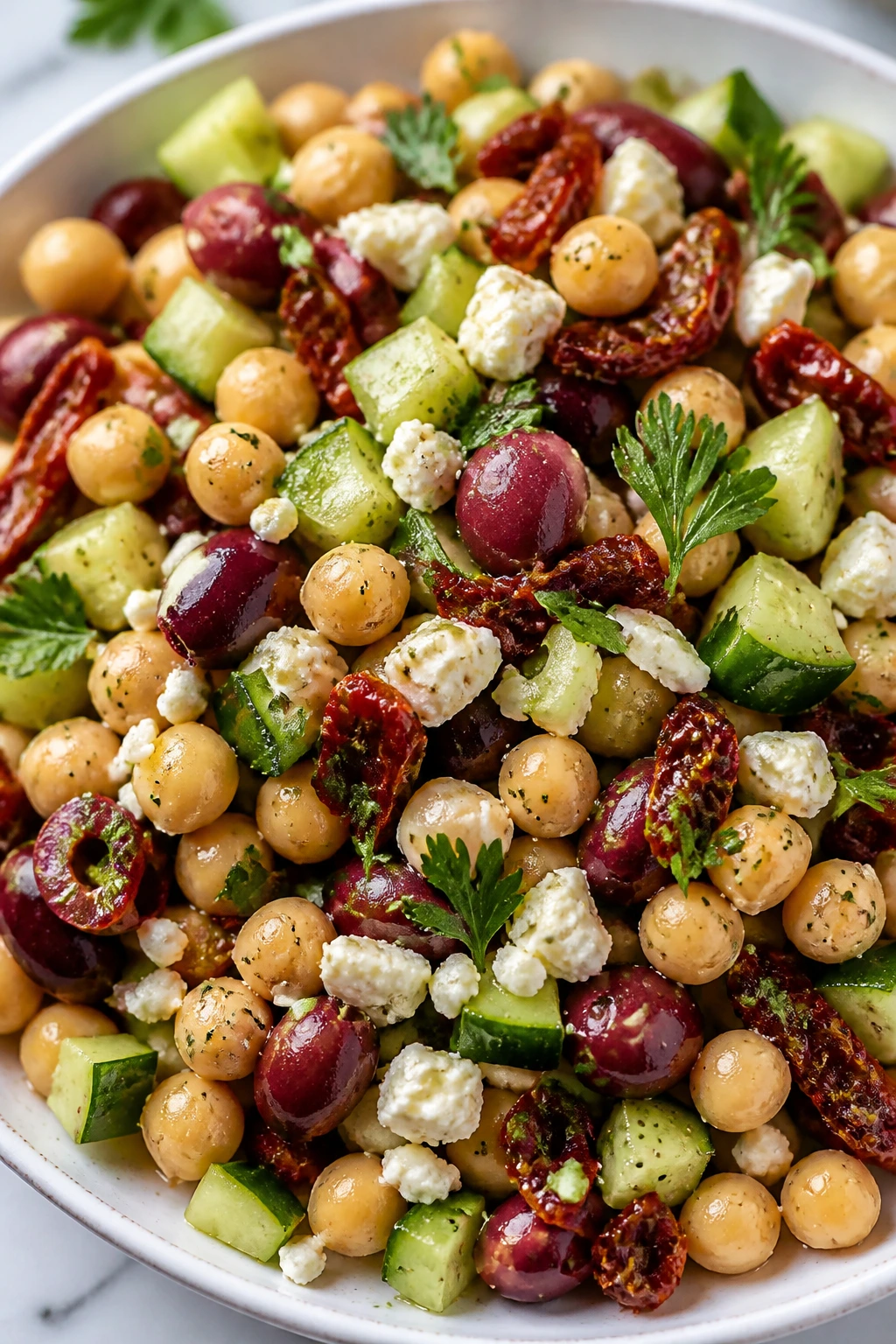
Intro:
Chickpea salads can go flat fast, but this one has enough brine and texture to stay interesting. Cucumber, sun-dried tomatoes, feta, and olives give you salt, acid, and chew in one bowl. It tastes like something you’d want after the heat has worn you down.
Why It Works:
The chickpeas are the steady base, but the sun-dried tomatoes and olives add concentrated flavor that canned beans alone can’t supply. Cucumber cools things down, feta brings a crumbly salt hit, and parsley keeps the bowl from feeling dense. A simple red wine vinaigrette ties it up.
Key Ingredients:
- 2 cans chickpeas, rinsed and drained; dry them a little first.
- 1 cucumber, diced; keep the skin if it’s thin.
- 1/2 cup sun-dried tomatoes, sliced; oil-packed or rehydrated both work.
- 1/2 cup cherry tomatoes, halved; for freshness.
- 1/3 cup Kalamata olives, pitted and halved; they bring the brine.
- 4 ounces feta, crumbled; use block feta if possible.
- 1/4 cup parsley, chopped; flat-leaf is best.
- 2 tablespoons olive oil; for the dressing.
- 1 tablespoon red wine vinegar; gives the sharpness.
- 1 small garlic clove, grated; optional, but useful.
Quick Steps:
- Drain the chickpeas well: Pat them dry so they don’t water down the dressing.
- Whisk the dressing: Mix olive oil, vinegar, garlic, salt, and pepper.
- Chop the vegetables: Dice cucumber and halve the tomatoes and olives.
- Build the bowl: Add chickpeas, vegetables, sun-dried tomatoes, feta, and parsley.
- Dress and rest: Toss lightly and let it sit for 10 minutes before serving.
Equipment for This Recipe:
- Large bowl
- Cutting board
- Whisking bowl
- Colander
How to Serve This Dish:
Serve it as a lunch bowl with pita, or pile it onto greens for something lighter. It also makes a good side with grilled lamb or fish. One cup is a side; one and a half cups is lunch.
Pro Tips for This Recipe:
- If using oil-packed sun-dried tomatoes, cut back a little on the olive oil.
- Taste before adding more salt; feta and olives already bring plenty.
- Add cucumber at the end if you want maximum crunch.
Variations on This Dish:
- Pepperoncini Punch: Add sliced pepperoncini for more acid.
- Avocado Version: Fold in avocado right before serving.
- Herb Change-Up: Swap parsley for dill and mint for a cooler profile.
Common Mistakes to Avoid with This Dish:
- Not drying the chickpeas: The dressing slides right off.
- Too many salty ingredients at once: Taste first, then salt.
- Cutting the cucumber too fine: It loses crunch and disappears.
16. Shrimp, Avocado, and Citrus Salad
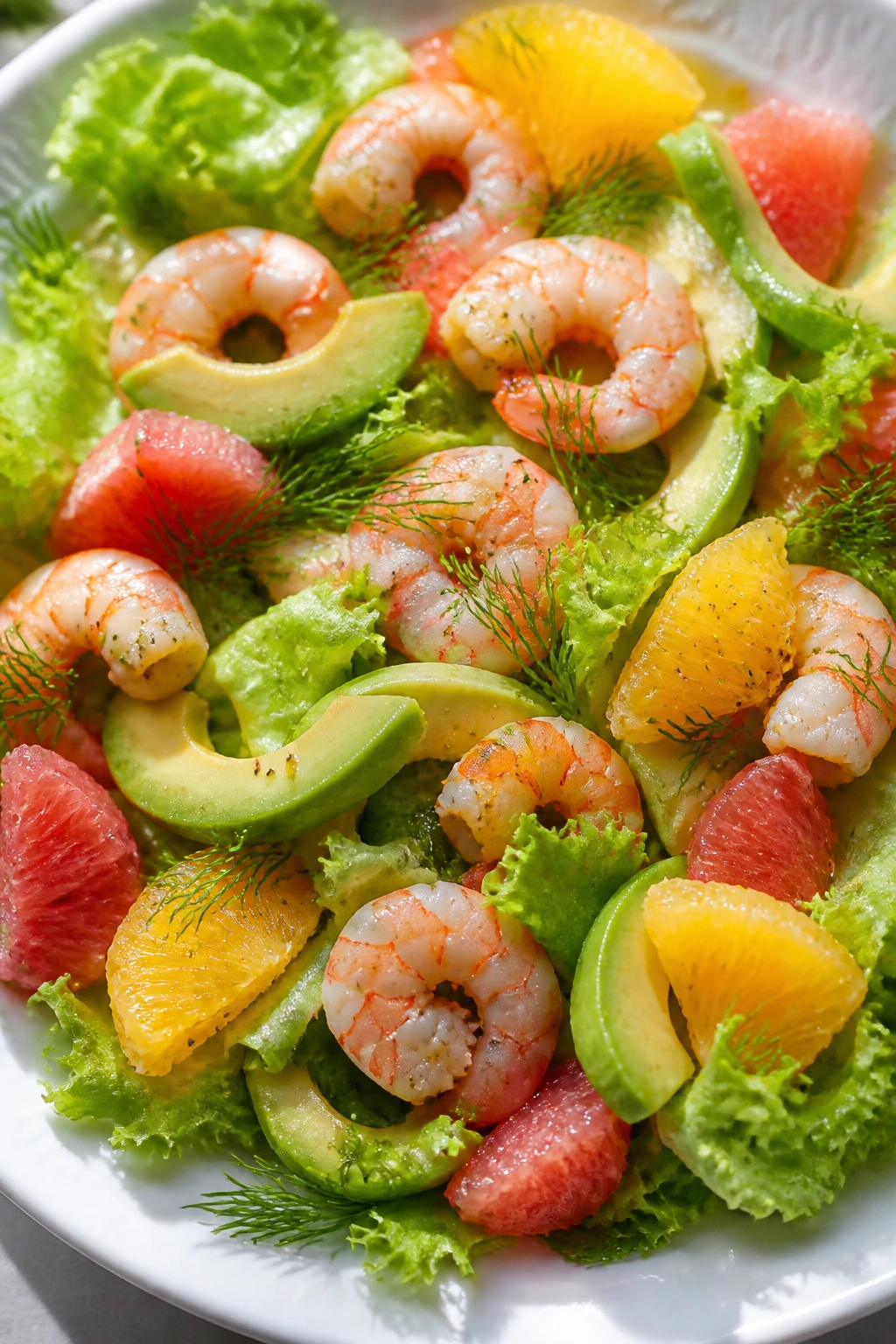
Intro:
Shrimp and avocado can feel luxurious without being heavy, which is why they work so well in a summer salad. Add citrus segments and dill, and you get a bowl that tastes clean, cold, and bright with a little richness at the edges. It’s the sort of salad that disappears fast because it eats like a full plate.
Why It Works:
Shrimp gives protein with a short cooking time, so the salad comes together quickly. Avocado adds creaminess, citrus gives juice and acid, and dill keeps the whole thing from tasting flat. The key is to season the shrimp well so the salad doesn’t rely on dressing alone.
Key Ingredients:
- 1 pound medium shrimp, peeled and deveined; dry them before cooking.
- 1 tablespoon olive oil; for the shrimp.
- 1 grapefruit or 2 oranges, segmented; choose juicy fruit.
- 2 avocados, sliced; use ripe but firm fruit.
- 4 cups butter lettuce or romaine; something crisp and cold.
- 1 cucumber, sliced; it adds a cool snap.
- 2 tablespoons dill, chopped; fresh dill makes a difference.
- 2 tablespoons lemon juice; for the dressing.
- 1 tablespoon olive oil; for finishing.
- Salt and pepper; season both shrimp and salad.
Quick Steps:
- Cook the shrimp: Sauté in olive oil over medium-high heat for 2 to 3 minutes per side until pink and just opaque.
- Cool them slightly: Let the shrimp rest for 5 minutes so they don’t wilt the greens.
- Segment the citrus: Cut away the peel and membrane for clean pieces.
- Build the bowl: Arrange lettuce, cucumber, avocado, citrus, and shrimp.
- Finish with lemon and dill: Drizzle with lemon juice and olive oil, then scatter dill over the top.
Equipment for This Recipe:
- Skillet
- Sharp knife
- Large salad bowl
- Small bowl for citrus juices
How to Serve This Dish:
Serve it chilled on plates rather than in a deep bowl so the shrimp and citrus stay visible. It pairs well with toasted bread or a small pile of rice if you want it more filling. Two cups makes a proper lunch.
Pro Tips for This Recipe:
- Don’t overcook the shrimp; rubbery shrimp ruin the whole thing.
- Use citrus segments, not loose chunks with membrane, for a cleaner bite.
- Add avocado at the last second to keep it from bruising.
Variations on This Dish:
- Chili Lime Version: Add a pinch of chili flakes or Tajín.
- Cucumber-Dill Heavy Bowl: Add more cucumber if you want it lighter.
- No Citrus Segments: Use orange juice in the dressing if you’re short on fruit.
Common Mistakes to Avoid with This Dish:
- Overcooked shrimp: They curl hard and turn bouncy.
- Using watery lettuce: Dry greens keep the plate crisp.
- Adding avocado too early: It bruises and goes brown at the edges.
17. Broccoli Salad with Bacon and Cranberries
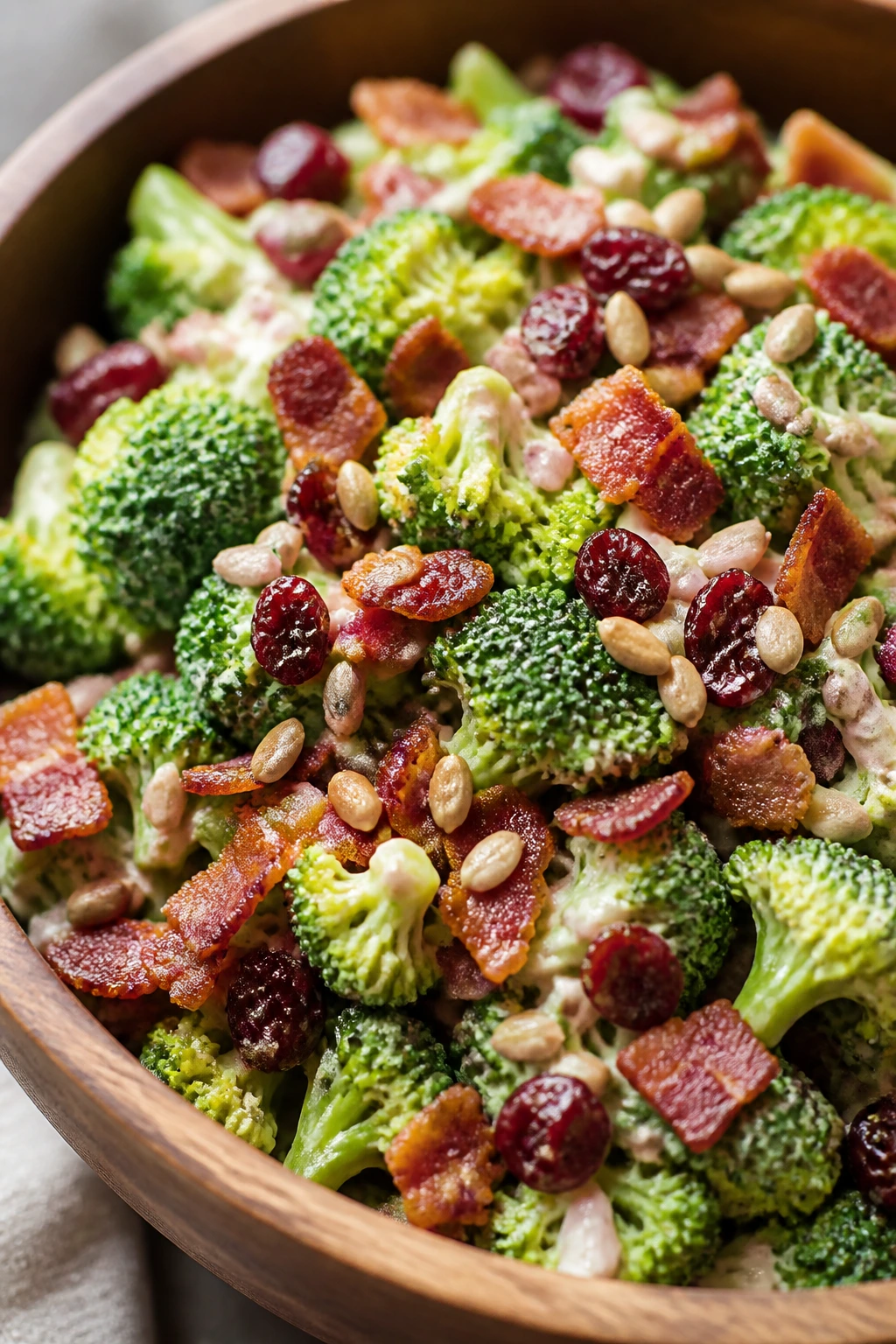
Intro:
Broccoli salad sounds old-fashioned because it is, but that’s not a flaw when the texture is this good. Raw broccoli stays snappy, bacon brings smoke, cranberries add sweet chew, and a tangy dressing ties the whole thing together. It’s the salad people pretend they’ll skip and then scoop twice.
Why It Works:
Broccoli has enough structure to handle dressing without collapsing, which is why it works better here than softer greens. Bacon gives salt and fat, dried cranberries add contrast, and sunflower seeds keep each bite from feeling one-note. A slightly sweet dressing is part of the charm, not a problem.
Key Ingredients:
- 1 large head broccoli, cut into small florets; smaller pieces eat better.
- 6 slices bacon, cooked crisp and chopped; save a little bacon fat if you like.
- 1/3 cup dried cranberries; they bring chew and sweetness.
- 1/4 cup sunflower seeds; roasted if possible.
- 1/4 cup red onion, very finely diced; keep the amount modest.
- 1/2 cup mayonnaise; the dressing base.
- 2 tablespoons apple cider vinegar; gives the tang.
- 1 tablespoon honey; rounds the dressing.
- 1/2 cup cheddar, shredded; optional but classic.
Quick Steps:
- Cook the bacon: Crisp it fully, drain, and chop.
- Prep the broccoli: Cut the florets small so they’re easy to eat.
- Whisk the dressing: Mix mayo, vinegar, honey, salt, and pepper.
- Combine the bowl: Add broccoli, bacon, cranberries, seeds, onion, and cheddar.
- Dress and chill: Toss with dressing and let it rest for 15 minutes before serving.
Equipment for This Recipe:
- Large bowl
- Knife and cutting board
- Whisking bowl
- Skillet or oven sheet for bacon
How to Serve This Dish:
This one likes cookouts, ham sandwiches, and anything smoky from the grill. It should be cold and a little glossy, not swimming. About one cup works as a side, and it holds well for lunch the next day.
Pro Tips for This Recipe:
- Cut the broccoli small enough that the dressing can reach every piece.
- If the onion is too sharp, soak it for 10 minutes in cold water.
- Toast the sunflower seeds if they taste dull.
Variations on This Dish:
- No-Bacon Version: Use toasted almonds instead.
- Sharp Cheddar Swap: Use extra-sharp cheddar for more bite.
- Apple Crunch: Add chopped apple for another sweet-crisp layer.
Common Mistakes to Avoid with This Dish:
- Large broccoli chunks: They’re hard to eat and hard to coat.
- Too much dressing: The bowl should be coated, not creamy-heavy.
- Serving it immediately: A short chill helps the flavors settle.
18. Cantaloupe, Prosciutto, and Arugula Salad
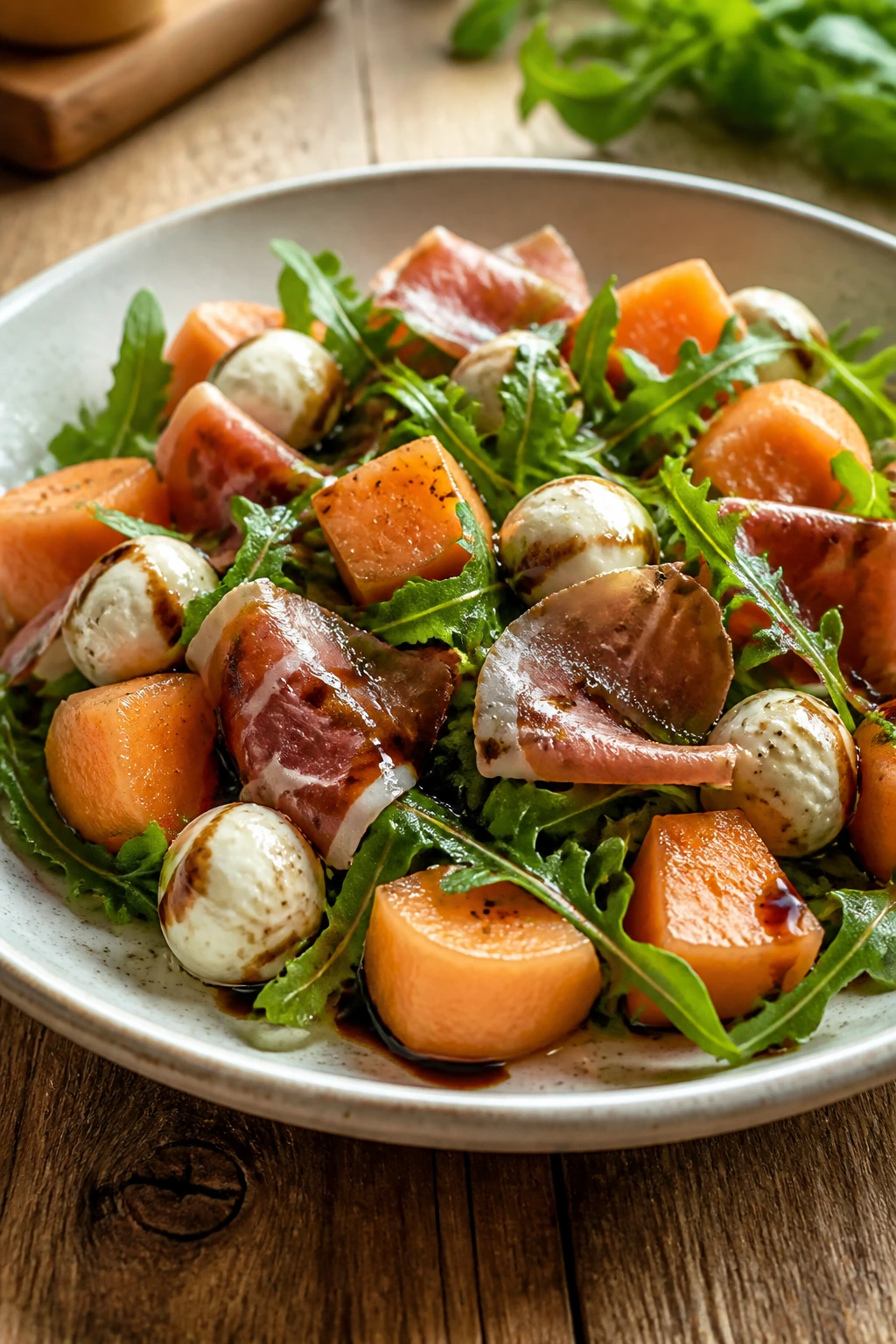
Intro:
Cantaloupe and prosciutto belong together in the way salt and sweetness do when they’re both behaving. Arugula gives pepper, prosciutto gives salt, and a little balsamic pulls the fruit into focus. This salad works because it doesn’t ask the melon to be anything it isn’t.
Why It Works:
The melon is soft and cold, the prosciutto is dry and salty, and arugula keeps the salad from turning sugary. A small amount of fat — burrata or mozzarella if you want it — makes the bowl feel more complete. The best version tastes clean, not overloaded.
Key Ingredients:
- 4 cups cantaloupe balls or cubes; ripe but firm.
- 4 ounces prosciutto, torn into strips; the torn edges feel less stiff.
- 4 cups arugula; its peppery bite is the point.
- 4 ounces fresh mozzarella or burrata; optional, but lovely.
- 2 tablespoons balsamic glaze; use lightly.
- 1 tablespoon olive oil; enough to gloss the greens.
- 2 tablespoons basil leaves; torn.
- Flaky salt and black pepper; go light on both.
Quick Steps:
- Prepare the melon: Scoop or cube it and chill it well.
- Build the greens: Spread arugula on a platter.
- Add the melon and cheese: Nestle the cantaloupe and mozzarella throughout.
- Finish the prosciutto: Draped torn strips over the top.
- Dress at the end: Drizzle olive oil and balsamic glaze, then season lightly.
Equipment for This Recipe:
- Melon baller or knife
- Large platter
- Tongs or hands
- Small spoon for glaze
How to Serve This Dish:
Serve it as a starter with sparkling water or a dry white wine, or pair it with grilled bread and nothing else if the day is warm enough. It looks best spread out rather than piled up. One and a half cups serves as a light lunch.
Pro Tips for This Recipe:
- Choose melon that smells fragrant at the stem end.
- Keep the prosciutto in loose ribbons so it doesn’t clump.
- Don’t use too much glaze or the salad becomes sticky.
Variations on This Dish:
- Burrata Upgrade: Replace mozzarella with burrata for a creamier center.
- Peppery Herb Mix: Add mint along with basil for a cooler finish.
- Tomato Addition: Add a few cherry tomatoes for extra juice.
Common Mistakes to Avoid with This Dish:
- Weak melon: It needs fragrance and sweetness.
- Overpowering with balsamic: Too much glaze hides the fruit.
- Packing the plate too tightly: The salad wants air and space.
19. Quinoa Salad with Edamame and Dill
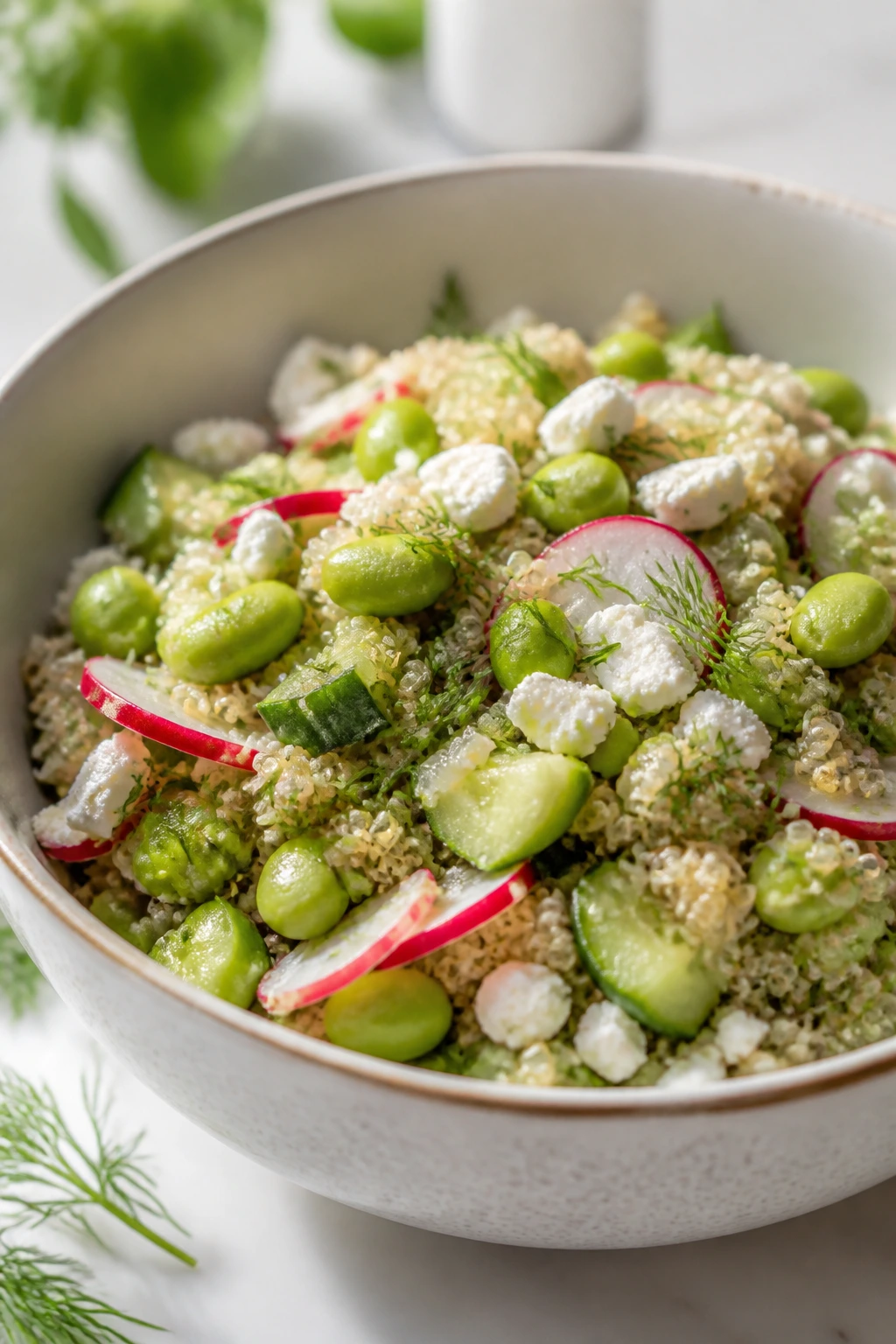
Intro:
Quinoa salads get mocked because people make them taste like wet health food. This one doesn’t do that. Edamame, cucumber, radish, dill, and feta keep the bowl crisp and salty, and the quinoa gives enough substance to carry lunch without making you sleepy after.
Why It Works:
Quinoa soaks up lemon dressing and still stays light if you cool it properly. Edamame adds protein and a clean green taste, while cucumber and radish supply crunch. Dill is the thing that keeps the bowl from tasting like a generic grain mix.
Key Ingredients:
- 1 cup quinoa, rinsed well; rinse to remove bitterness.
- 1 1/2 cups shelled edamame, thawed; adds body and color.
- 1 cucumber, diced; keep the peel if it’s tender.
- 4 radishes, thinly sliced; sharp and crisp.
- 1/4 cup dill, chopped; don’t hold back.
- 3 ounces feta, crumbled; optional, but useful.
- 2 tablespoons olive oil; for the dressing.
- 2 tablespoons lemon juice; lifts the grains.
- 1 teaspoon Dijon mustard; helps it all stick together.
Quick Steps:
- Cook the quinoa: Simmer in 2 cups water for about 15 minutes, then fluff and cool.
- Whisk the dressing: Mix olive oil, lemon juice, Dijon, salt, and pepper.
- Prep the vegetables: Dice the cucumber and slice the radishes.
- Combine everything: Add quinoa, edamame, vegetables, dill, and feta to a bowl.
- Dress and chill: Toss lightly and let it rest for 10 minutes before serving.
Equipment for This Recipe:
- Saucepan with lid
- Fine-mesh strainer
- Large bowl
- Fork
How to Serve This Dish:
Serve it with grilled fish, chicken, or roasted tomatoes. It also works tucked into lunch containers because it doesn’t turn soggy fast. One and a half cups is a meal; three-quarters of a cup is a side.
Pro Tips for This Recipe:
- Cool the quinoa spread out on a tray if you’re in a hurry.
- Salt the dressing generously; quinoa needs help.
- Add dill after the quinoa cools so it stays bright.
Variations on This Dish:
- Mint Finish: Add mint for a cooler flavor.
- No-Feta Version: Use sliced olives for salt instead of cheese.
- Roasted Pepper Twist: Fold in jarred roasted peppers for sweetness.
Common Mistakes to Avoid with This Dish:
- Unrinsed quinoa: It can taste bitter.
- Hot quinoa + herbs: The herbs wilt and darken.
- Under-seasoning: Quinoa needs salt at both the cooking and dressing stages.
20. Asian Slaw with Sesame Ginger Dressing
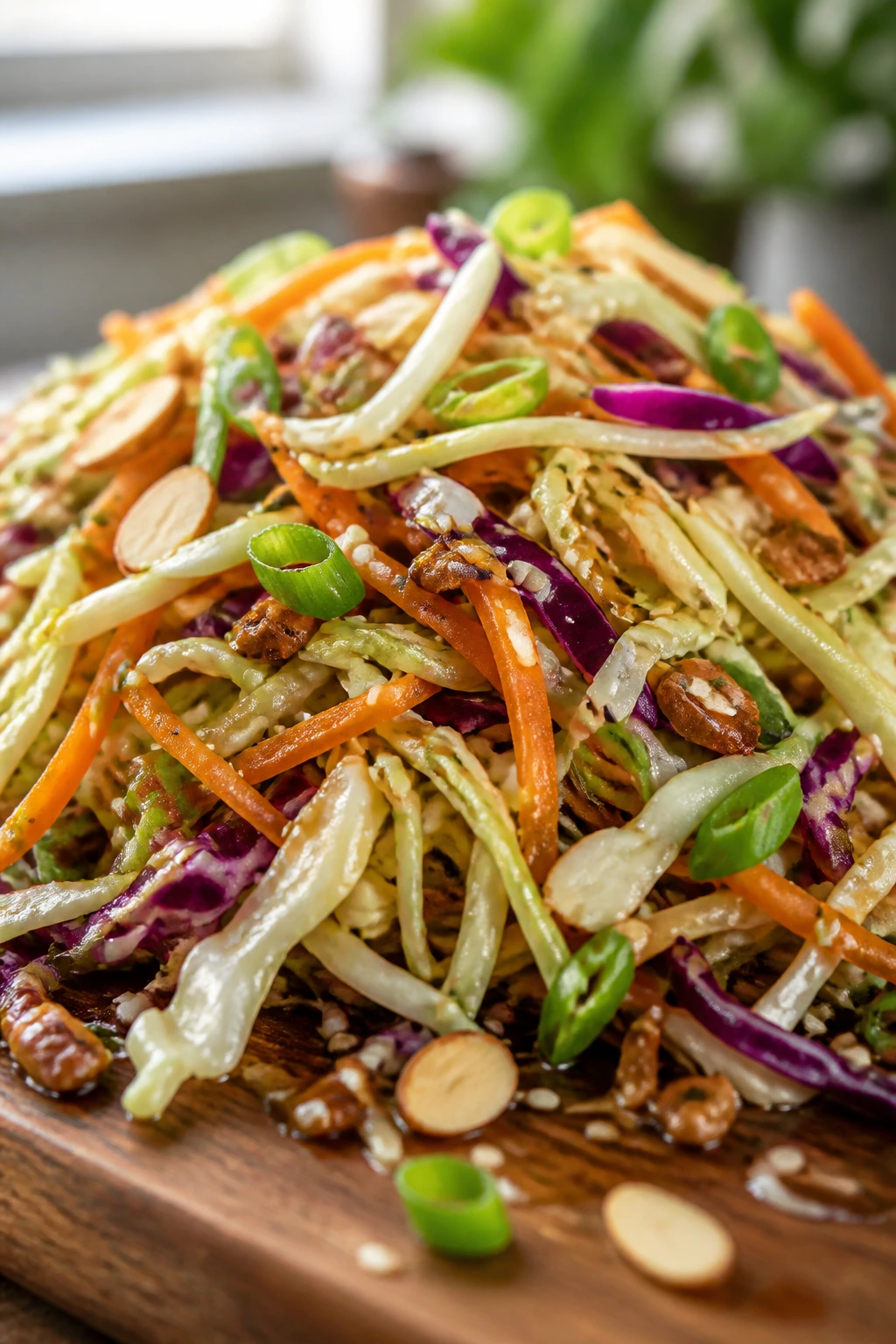
Intro:
A good slaw should stay crunchy even after it’s dressed, and this one does because cabbage is built for it. Sesame oil, ginger, rice vinegar, and soy sauce make the dressing taste sharp and nutty, while carrots and scallions keep the bowl bright. It’s one of the better things to bring when you need a salad that won’t sulk on the buffet.
Why It Works:
Cabbage holds up better than delicate lettuce, so you can dress it ahead of time without disaster. Ginger adds heat, sesame oil adds depth, and a little sweetener softens the vinegar. Almonds and sesame seeds give extra texture, which slaw absolutely needs.
Key Ingredients:
- 6 cups shredded green cabbage; a bagged mix is fine.
- 2 cups shredded purple cabbage; for color and crunch.
- 1 cup shredded carrots; thin strips are better than thick chunks.
- 3 scallions, sliced; both white and green parts.
- 1/4 cup sliced almonds, toasted; crunch plus nut flavor.
- 1 tablespoon sesame seeds; toast them if you can.
- 2 tablespoons rice vinegar; sharp but not harsh.
- 1 tablespoon soy sauce; low-sodium works.
- 1 tablespoon sesame oil; strong, so measure it.
- 1 teaspoon grated fresh ginger; fresh makes a difference.
Quick Steps:
- Toast the nuts and seeds: Warm almonds and sesame seeds in a dry skillet until fragrant.
- Whisk the dressing: Mix rice vinegar, soy sauce, sesame oil, ginger, and a spoon of honey if needed.
- Prep the vegetables: Shred the cabbage and carrots and slice the scallions.
- Toss the slaw: Combine everything in a big bowl and coat lightly.
- Rest briefly: Let it sit for 10 minutes so the cabbage softens just a touch.
Equipment for This Recipe:
- Large bowl
- Small skillet
- Whisking bowl
- Box grater or mandoline
How to Serve This Dish:
It’s a strong side for grilled salmon, pork, or burgers, and it’s sturdy enough for takeout-style lunches. Keep a few seeds and almonds for the top so it looks fresh after tossing. One cup serves as a side; two cups can carry lunch.
Pro Tips for This Recipe:
- Use a mandoline if you want very fine cabbage ribbons.
- Taste the dressing before adding the slaw; sesame oil can dominate.
- Add the nuts at the end if you want maximum crunch.
Variations on This Dish:
- Peanut-Sesame Blend: Add a spoonful of peanut butter for a creamier dressing.
- Chili Crisp Version: Stir in chili crisp for heat and texture.
- Apple Slaw Twist: Add matchstick apple for sweetness.
Common Mistakes to Avoid with This Dish:
- Too much sesame oil: It can take over fast.
- Shredding cabbage too thick: Thick pieces feel clunky.
- Dressing too little slaw: Every strand should get a light coat.
21. Chicken Shawarma Salad with Yogurt Drizzle
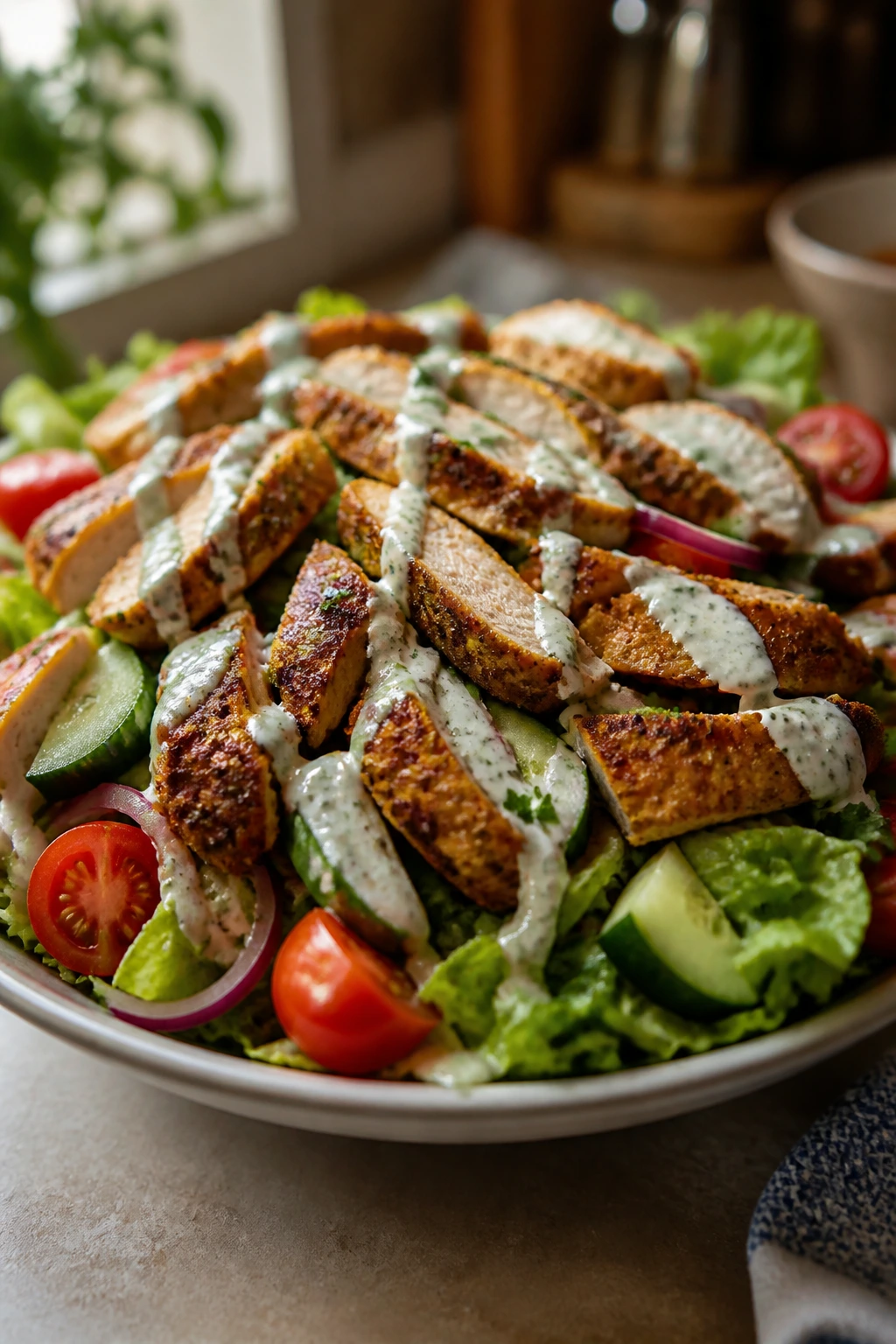
Intro:
This is the salad for people who want dinner to feel like a proper meal. The chicken is spiced, browned, and sliced over a crisp bed of lettuce, cucumbers, and tomatoes, then finished with a yogurt drizzle that cools everything down. It’s the salad I’d make when I want spice without heat exhaustion.
Why It Works:
Shawarma spices give the chicken a deep, savory edge that plain grilled chicken never gets on its own. Yogurt softens the spice and keeps the salad from tasting dry. Cucumber, tomato, and onion supply crunch and juiciness so the bowl doesn’t feel meat-heavy.
Key Ingredients:
- 1 1/2 pounds boneless chicken thighs; thighs stay juicier than breasts.
- 1 tablespoon olive oil; for the chicken.
- 2 teaspoons ground cumin; part of the shawarma flavor.
- 2 teaspoons paprika; adds warmth and color.
- 1 teaspoon ground coriander; gives the spice blend lift.
- 1/2 teaspoon garlic powder; useful if fresh garlic is too sharp.
- 4 cups romaine, chopped; a sturdy base.
- 1 cucumber, diced; cooling and crisp.
- 1 cup cherry tomatoes, halved; juicy and sweet.
- 1/2 cup plain Greek yogurt; for the drizzle.
- 1 tablespoon lemon juice; brightens the yogurt sauce.
Quick Steps:
- Season the chicken: Rub thighs with olive oil, spices, salt, and pepper.
- Cook the chicken: Sear in a skillet over medium-high for 5 to 6 minutes per side until cooked through.
- Rest and slice: Let it rest for 5 minutes, then slice thin.
- Make the yogurt drizzle: Stir yogurt, lemon juice, salt, and a splash of water until spoonable.
- Build the salad: Add romaine, cucumber, tomatoes, onion, and chicken to a bowl, then drizzle on top.
Equipment for This Recipe:
- Skillet
- Cutting board
- Small bowl for sauce
- Sharp knife
How to Serve This Dish:
Serve it with warm pita or rice if you want a fuller plate. A little hummus on the side never hurts. Two cups makes a proper dinner portion, especially with the chicken on top.
Pro Tips for This Recipe:
- Don’t crowd the chicken or it steams instead of browns.
- Let the chicken rest before slicing or the juices run out.
- Thin the yogurt drizzle with water a teaspoon at a time.
Variations on This Dish:
- Lamb Swap: Use sliced lamb if you want a richer flavor.
- Spicy Garlic Version: Add minced garlic and chili to the yogurt sauce.
- Vegetarian Plate: Replace chicken with roasted cauliflower and chickpeas.
Common Mistakes to Avoid with This Dish:
- Under-seasoning the chicken: The spices should be obvious.
- Slicing too soon: The juices need a minute to settle.
- Too much sauce: You want a drizzle, not a marinade.
22. Corn, Black Bean, and Tomato Salad with Avocado
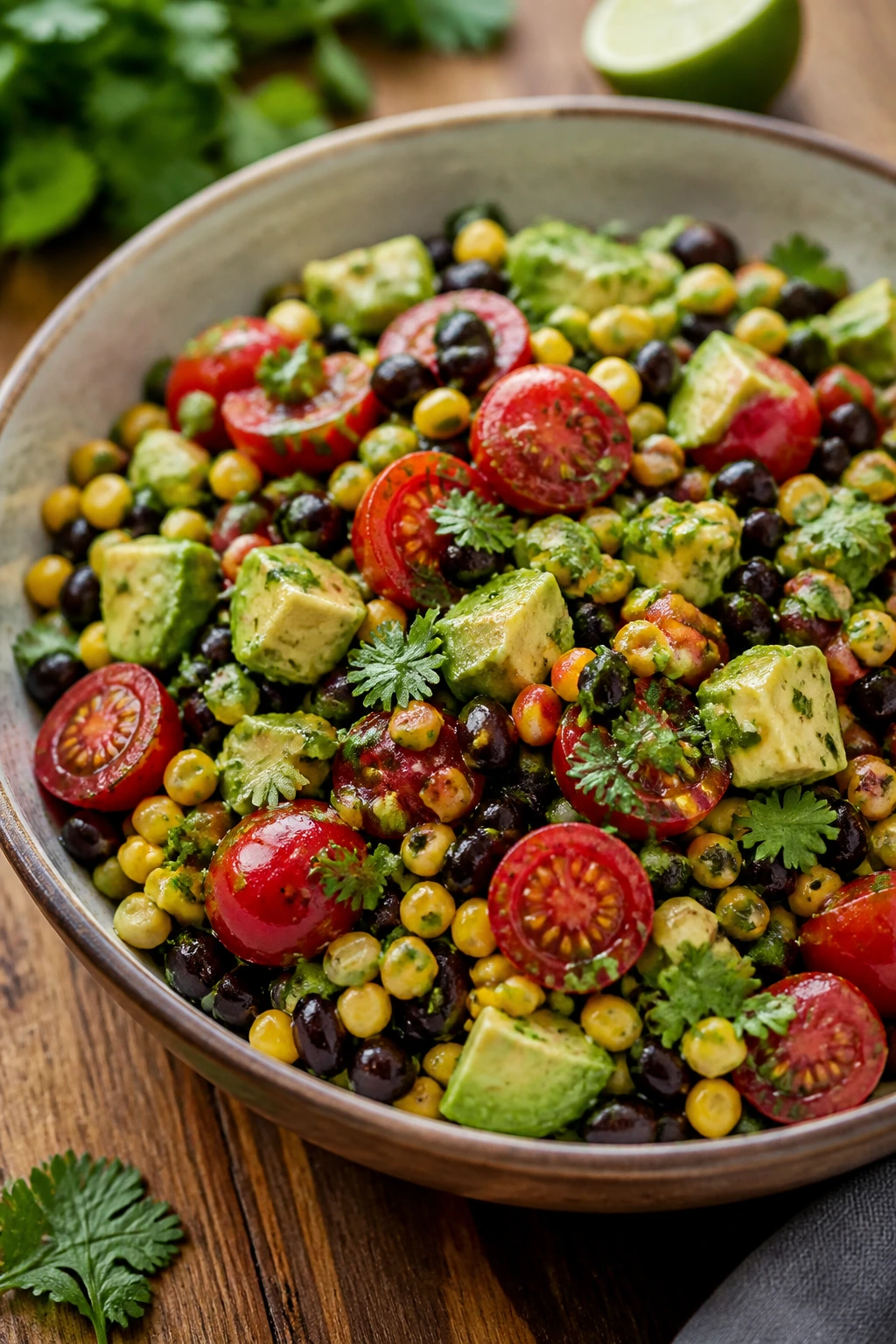
Intro:
Corn, black beans, and tomatoes are the dependable trio of summer salads, but avocado and jalapeño make them less sleepy. This bowl has the sweetness of corn, the earthiness of beans, and enough lime to keep it sharp. It’s also one of the easiest salads here to make ahead without wrecking the texture.
Why It Works:
Beans bring substance, corn brings sweetness, and tomatoes bring acidity. Avocado adds creaminess, while lime and cilantro keep the flavor from getting heavy. The jalapeño is optional only if you’re okay with missing the best part.
Key Ingredients:
- 2 cups corn kernels, fresh or thawed from frozen; fresh or frozen both work.
- 1 can black beans, rinsed and drained; dry them well.
- 2 cups cherry tomatoes, halved; sweeter is better.
- 1 avocado, diced; add at the end.
- 1/4 cup red onion, finely diced; use less if raw onion bothers you.
- 1/4 cup cilantro, chopped; fresh and generous.
- 2 tablespoons lime juice; keep it bright.
- 1 tablespoon olive oil; smooths the edges.
- 1 jalapeño, minced; seed it if needed.
Quick Steps:
- Prep the base: Rinse the beans and cut the tomatoes.
- Whisk the dressing: Mix lime juice, olive oil, salt, pepper, and jalapeño.
- Combine the salad: Add corn, beans, tomatoes, onion, and cilantro to a bowl.
- Fold in the dressing: Toss lightly so the beans stay intact.
- Add avocado last: Stir it in just before serving.
Equipment for This Recipe:
- Large bowl
- Small bowl
- Knife and cutting board
- Can opener
How to Serve This Dish:
Serve it with grilled chicken, salmon, or spooned over tortilla chips if you want something closer to a snack plate. It also works as a taco filling if you’re short on time. A cup makes a side; a cup and a half makes lunch.
Pro Tips for This Recipe:
- If using frozen corn, thaw it fully and pat it dry.
- Add a pinch of cumin if you want a warmer flavor.
- Keep the avocado separate until the very end.
Variations on This Dish:
- Roasted Corn Version: Use roasted corn for a deeper flavor.
- Feta Finish: Crumble feta over the top for salt and creaminess.
- Mango Twist: Add diced mango if you want more sweetness.
Common Mistakes to Avoid with This Dish:
- Watery tomatoes: Scoop out some seeds if they’re very juicy.
- Adding avocado too soon: It bruises and softens quickly.
- Under-salting the beans: They need seasoning or the salad tastes dull.
23. Heirloom Tomato and Peach Salad with Basil Oil
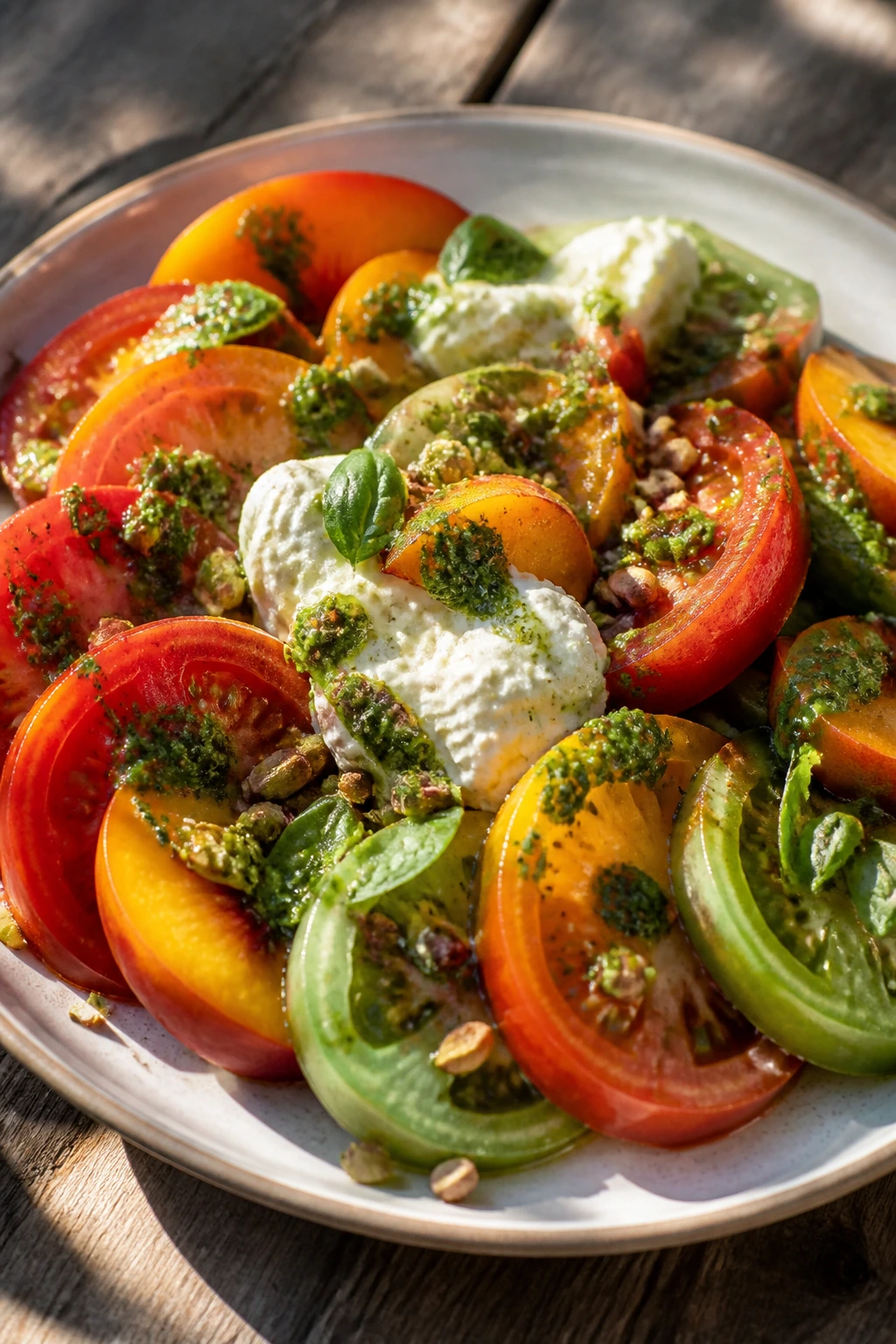
Intro:
Tomatoes and peaches together can sound like a picnic trick, but the pairing works because both bring sweetness and acid at once. Add basil oil and burrata, and the plate feels less like a side dish and more like a careful arrangement of summer’s best produce. This one is all about letting the ingredients stay recognizable.
Why It Works:
Heirloom tomatoes bring juice and a little tang, peaches bring perfume and sweetness, and basil oil threads through both. Burrata softens the sharp edges, while pistachios or pepitas give the bowl a needed crunch. The point is contrast without clutter.
Key Ingredients:
- 3 heirloom tomatoes, sliced thick; mix colors if you can.
- 2 ripe peaches, sliced; firm enough to hold shape.
- 8 ounces burrata; drained and room temp.
- 1/4 cup basil leaves; for the oil.
- 3 tablespoons olive oil; for blending basil.
- 1 tablespoon white balsamic or champagne vinegar; light and clean.
- 1/4 cup pistachios, chopped; crunchy and a little sweet.
- Flaky salt and black pepper; both are necessary.
Quick Steps:
- Make the basil oil: Blend basil and olive oil until green and loose.
- Slice the produce: Cut tomatoes and peaches into thick wedges.
- Arrange the plate: Spread the tomatoes and peaches across a serving platter.
- Add the burrata: Tear it open in the center.
- Finish with oil and salt: Drizzle basil oil and vinegar over the top, then add pistachios and flaky salt.
Equipment for This Recipe:
- Blender or mini food processor
- Sharp knife
- Serving platter
- Spoon for drizzling
How to Serve This Dish:
Serve it at the start of dinner with crusty bread or grilled sourdough. It also works as a lunch salad if you add prosciutto. One platter feeds four as a starter, or two people if bread joins the table.
Pro Tips for This Recipe:
- Use tomatoes and peaches that are both ripe but still sliceable.
- Basil oil should be loose, not paste-like.
- Salt the tomatoes lightly before plating to draw out flavor.
Variations on This Dish:
- Prosciutto Addition: Add torn prosciutto if you want a saltier plate.
- Mozzarella Swap: Use fresh mozzarella when burrata feels too rich.
- Mint Finish: Add a few mint leaves for a cooler note.
Common Mistakes to Avoid with This Dish:
- Unripe peaches: They taste woody beside ripe tomatoes.
- Too much vinegar: It should support the fruit, not dominate it.
- Basil oil too thick: Thin it with another spoon of olive oil if needed.
24. Greek Orzo Salad with Olives and Feta
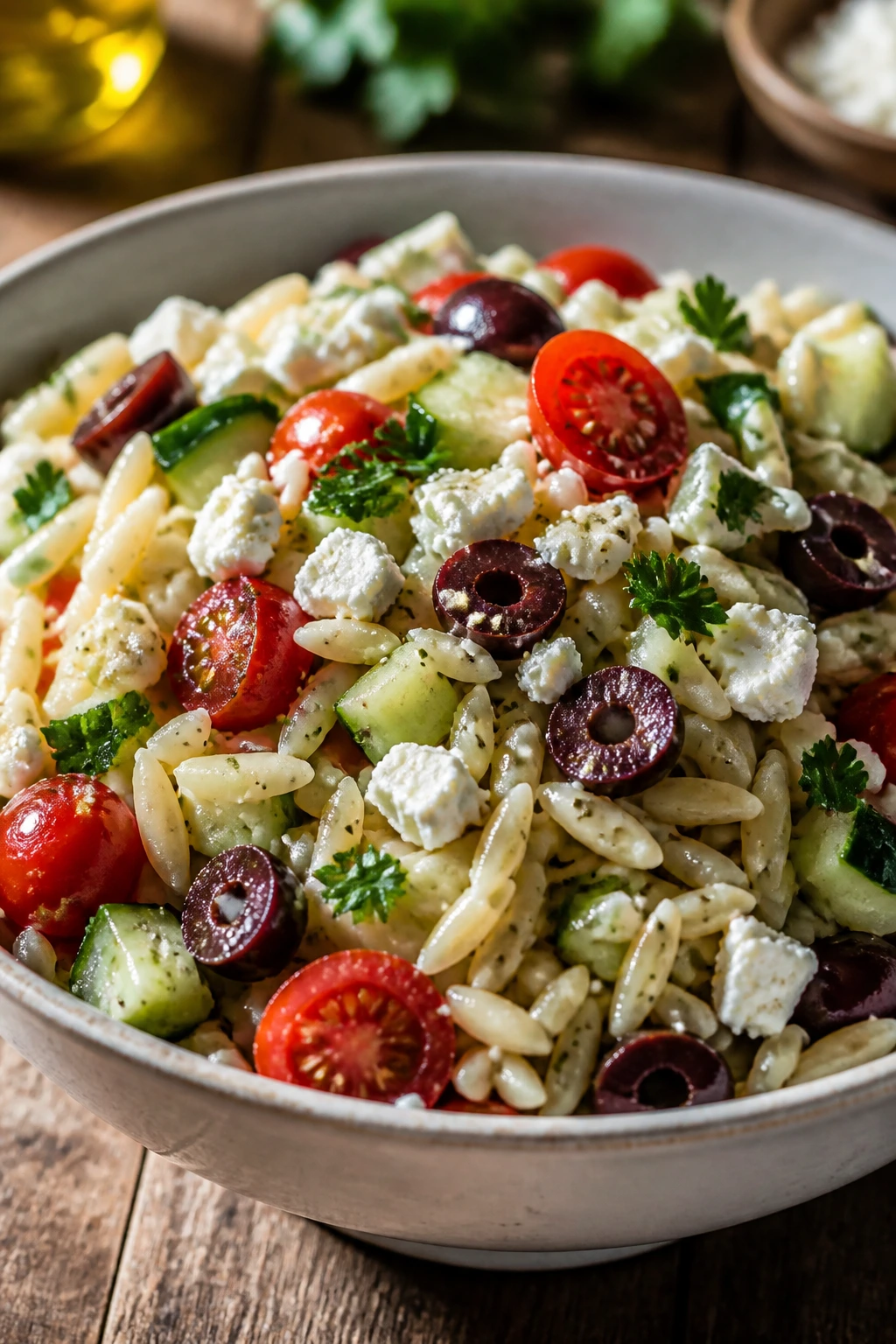
Intro:
Orzo salads can go mushy fast, but if you cook the pasta right and cool it before dressing, you get a salad that feels lively for hours. Cucumber, tomato, olives, feta, and oregano make it taste like a picnic with actual structure. It’s one of my favorite answers to “what should I bring?”
Why It Works:
Orzo is small enough to catch dressing but large enough to keep some chew. Cucumber and tomatoes bring the fresh bite, olives bring salt, and feta makes the bowl taste finished. Oregano and lemon are the whole argument here — without them, the salad gets forgettable.
Key Ingredients:
- 12 ounces orzo; cook until just tender.
- 1 cucumber, diced; keep the pieces small.
- 2 cups cherry tomatoes, halved; juicy and sweet.
- 1/2 cup Kalamata olives, pitted and sliced; briny and bold.
- 4 ounces feta, crumbled; block feta is best.
- 1/4 cup parsley, chopped; gives freshness.
- 2 tablespoons olive oil; for the dressing.
- 2 tablespoons lemon juice; bright and necessary.
- 1 teaspoon dried oregano; Greek flavors need it.
Quick Steps:
- Cook the orzo: Boil in salted water until just tender, about 8 to 10 minutes.
- Cool it down: Drain and rinse briefly so it stops cooking.
- Make the dressing: Whisk olive oil, lemon juice, oregano, salt, and pepper.
- Combine the salad: Add orzo, cucumber, tomatoes, olives, parsley, and feta.
- Toss gently: Coat everything with the dressing and chill for 15 minutes if you have time.
Equipment for This Recipe:
- Medium pot
- Colander
- Large bowl
- Whisking bowl
How to Serve This Dish:
Serve it cold or cool, with grilled chicken, lamb, or simple roasted vegetables. It packs well for lunch and keeps its shape better than leafy salads. A cup is a side; a cup and a half makes a meal if you add protein.
Pro Tips for This Recipe:
- Don’t overcook the orzo; soft pasta ruins the texture.
- Salt the cooking water well so the pasta starts seasoned.
- Add parsley after the salad cools a bit for a fresher taste.
Variations on This Dish:
- Roasted Pepper Version: Add jarred roasted peppers for sweetness.
- Tuna Greek Salad: Stir in tuna for a fuller lunch.
- Dill-Oregano Mix: Add dill for a colder, greener flavor.
Common Mistakes to Avoid with This Dish:
- Soft orzo: It becomes gluey once dressed.
- Too much dressing: The pasta should be coated, not wet.
- Skipping the chill: A short rest helps the flavors settle.
25. Lentil Salad with Herbs and Feta
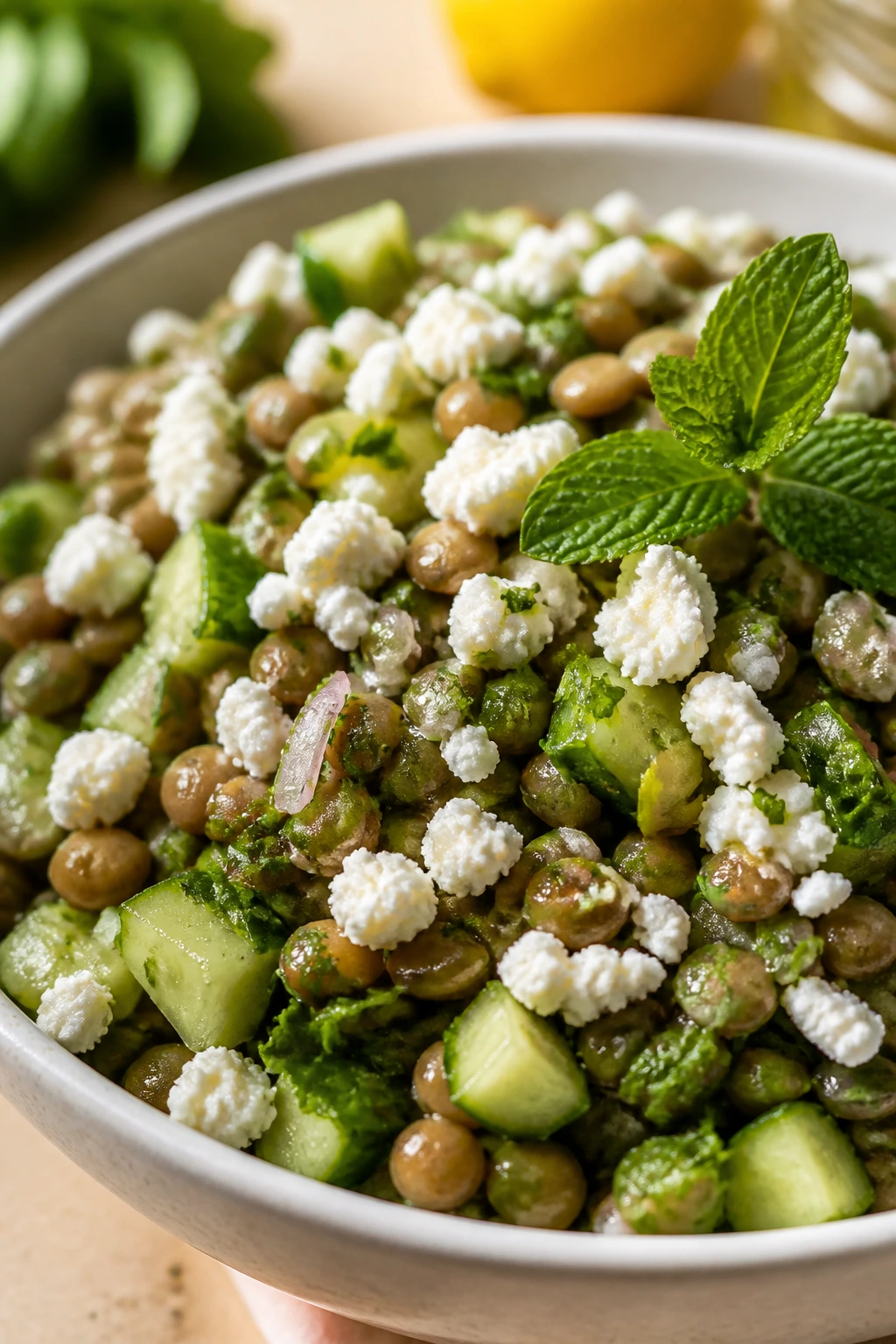
Intro:
Lentils make a salad feel grounded in a way lettuce never can. They’re earthy, sturdy, and excellent at carrying lemon, herbs, and feta without falling apart. This is the salad I want when I’m hungry enough to need substance but not so hungry that I want to cook a whole second dinner.
Why It Works:
Green or brown lentils keep their shape and give the bowl a firm, almost meaty bite. Herbs lighten the earthiness, feta adds salt, and a mustard-lemon dressing keeps the whole thing from feeling too earnest. A chopped cucumber or shallot gives the last bit of crunch.
Key Ingredients:
- 1 cup green or brown lentils; rinse before cooking.
- 1 cucumber, diced; cool and crisp.
- 1 small shallot, finely chopped; milder than onion.
- 1/2 cup parsley, chopped; use a lot.
- 2 tablespoons mint, chopped; makes the bowl taste fresher.
- 4 ounces feta, crumbled; salty and creamy.
- 2 tablespoons olive oil; for the dressing.
- 1 tablespoon lemon juice; brightens the lentils.
- 1 teaspoon Dijon mustard; helps bind the dressing.
Quick Steps:
- Cook the lentils: Simmer in salted water for 18 to 22 minutes until tender but not soft.
- Drain well: Let them sit in the strainer for a minute so excess water drops away.
- Whisk the dressing: Mix olive oil, lemon juice, Dijon, salt, and pepper.
- Combine the salad: Add lentils, cucumber, shallot, parsley, mint, and feta.
- Toss and rest: Dress lightly and let the bowl sit for 10 minutes before serving.
Equipment for This Recipe:
- Saucepan
- Strainer
- Large bowl
- Small whisking bowl
How to Serve This Dish:
Serve it warm-ish or at room temperature with grilled vegetables, roast chicken, or a hunk of bread. It’s sturdy enough for meal prep and doesn’t mind a second day in the fridge. One cup makes a side; two cups make a real lunch.
Pro Tips for This Recipe:
- Watch the lentils closely near the end; a minute too long matters.
- Season the cooking water so the lentils taste good before dressing.
- Add mint just before serving if you want the freshest flavor.
Variations on This Dish:
- Roasted Carrot Addition: Fold in roasted carrots for sweetness.
- No-Feta Bowl: Use chopped olives if you want dairy-free saltiness.
- Tahini-Lemon Version: Swap part of the olive oil dressing for tahini.
Common Mistakes to Avoid with This Dish:
- Overcooked lentils: They become muddy.
- Under-seasoning the dressing: Lentils need enough acid to wake up.
- Adding herbs too early: They taste duller after long chilling.
Why Summer Salads Need More Than Lettuce
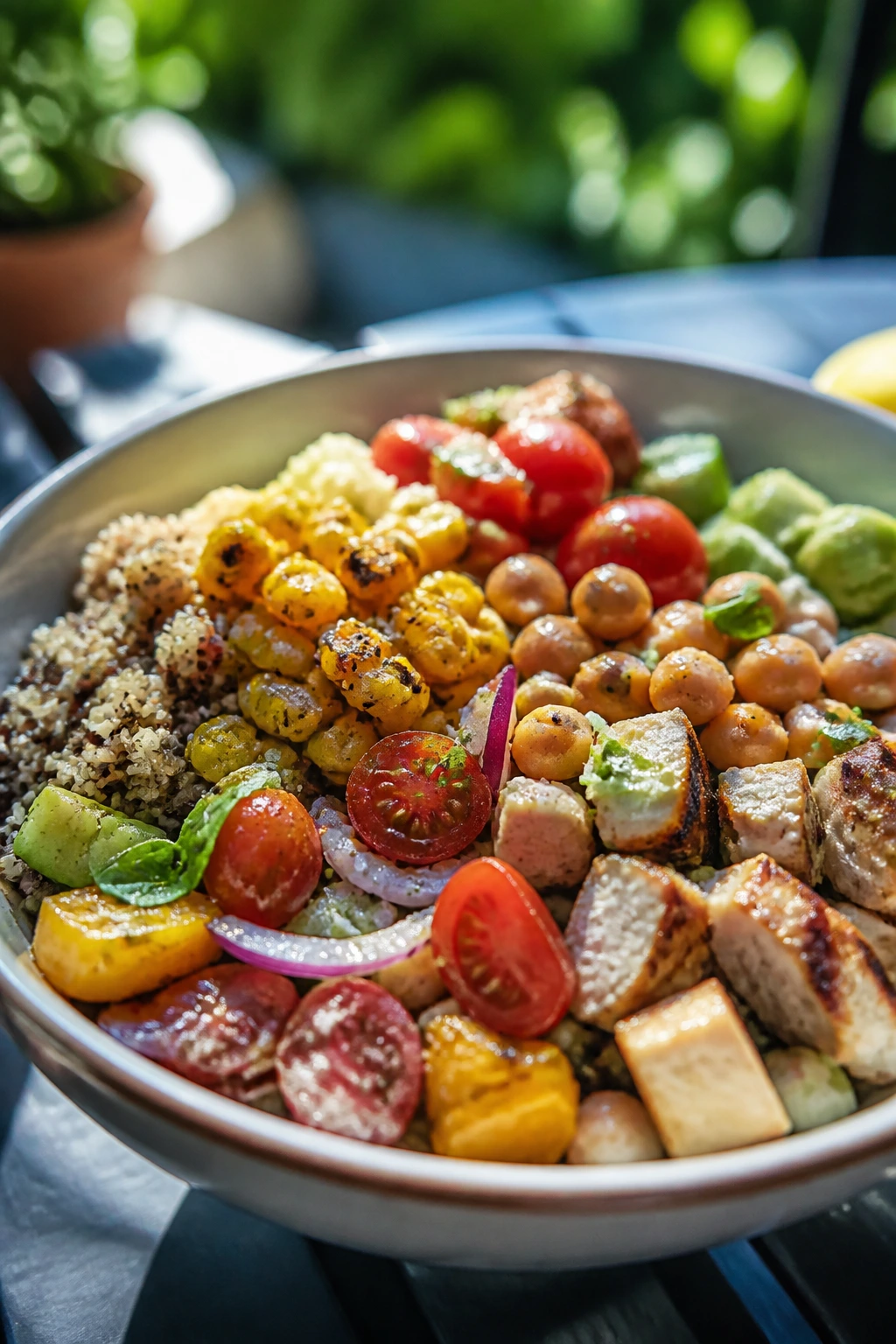
A summer salad works when it carries its own weight. Lettuce is fine, but lettuce alone gets tired fast, and hot weather makes that weakness obvious. The better salads here use vegetables with crunch, fruit with actual perfume, grains with chew, or proteins that turn the bowl into lunch instead of garnish.
The other thing that matters is temperature. Cold ingredients need salt and acid to taste bright, while warm components like roasted chickpeas, grilled chicken, or charred corn bring depth that a refrigerator can’t give you. I’m partial to salads that use both ends of the spectrum. One raw, one cooked. That’s where the flavor gets interesting.
And yes, dressings matter more than people want to admit. A weak vinaigrette makes even good produce taste vague. A good one doesn’t have to be complicated — lemon, olive oil, Dijon, vinegar, yogurt, tahini, or a touch of honey will do plenty — but it has to be balanced enough to make the rest of the bowl speak up.
Essential Equipment for These Recipes
- Large mixing bowls: You’ll need at least two, and one should be roomy enough to toss without flinging tomatoes across the counter.
- Sharp chef’s knife: A dull knife mangles peaches, herbs, onions, and melon. It also makes ripe produce look tired.
- Cutting board with a damp towel under it: Keeps slippery watermelon, tomatoes, and cucumbers from skating around.
- Small whisking bowls: Dressings come together faster in a small bowl than a giant one.
- Measuring spoons and cups: Salads rely on balance, and “a splash” is not a measurement when you’re dressing a grain salad.
- Colander or strainer: Handy for beans, pasta, lentils, and rinsing quinoa.
- Rimmed baking sheet: Useful for roasting chickpeas, toasting bread, or drying out vegetables for grain salads.
- Skillet or grill pan: Best for corn, bacon, shrimp, or grilled romaine.
- Mandoline or box grater: Optional, but useful for slaw, radishes, carrots, and paper-thin cucumber.
- Airtight containers: Keep components separate so crunchy toppings stay crunchy.
Smart Shopping and Ingredient Tips
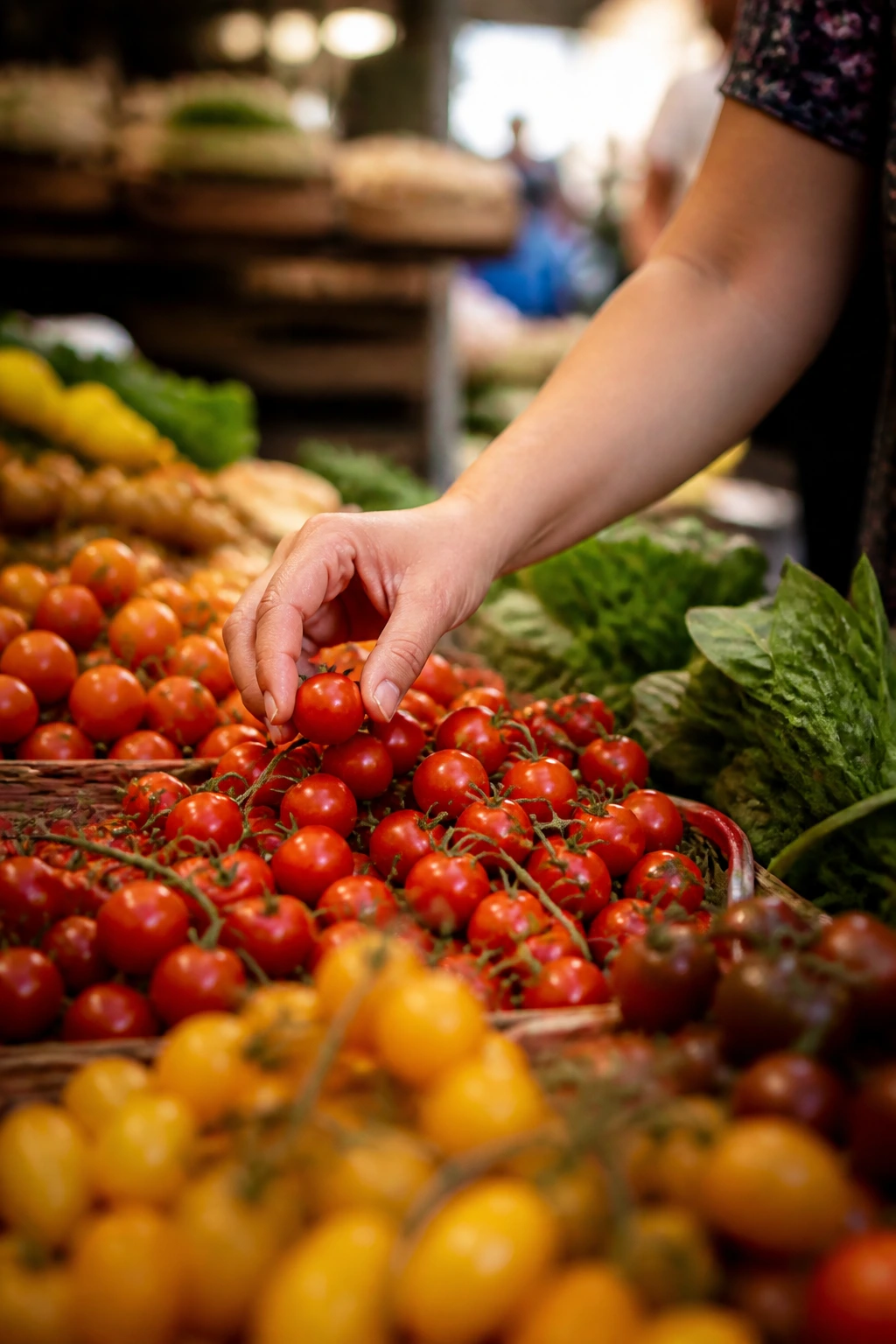
Start with produce that smells like something. That matters more than perfect-looking skin. Peaches should give a little at the stem, tomatoes should feel heavy, watermelon should sound dense when tapped, and herbs should look perky, not wet and tired. If your market tomatoes are bland, buy the best cherry tomatoes you can find instead; they usually beat larger ones for flavor.
For cheese, block feta and fresh mozzarella usually taste cleaner than the pre-shredded or pre-crumbled stuff. Burrata wants to be soft and chilled but not straight-from-the-fridge cold, which is a strange little detail that matters more than it sounds. Hard cheeses like Parmesan should be grated fresh if you can manage it; the dusty shelf-stable kind melts into dressings less cleanly.
Beans and grains deserve the same care. Rinse canned beans until the water runs clear, and dry them before roasting or tossing with dressing. Cook quinoa, farro, lentils, and orzo just to tenderness, then cool them before adding herbs or delicate vegetables. Frozen corn and frozen edamame are fine in these salads; in some cases, they’re better than limp out-of-season produce because they were picked at the right time and frozen fast.
A final note on herbs: buy less than you think, but use more than you usually would. Parsley, dill, mint, and basil are what keep a salad from tasting like a nice but dull bowl of ingredients.
How to Serve These Recipes
Presentation:
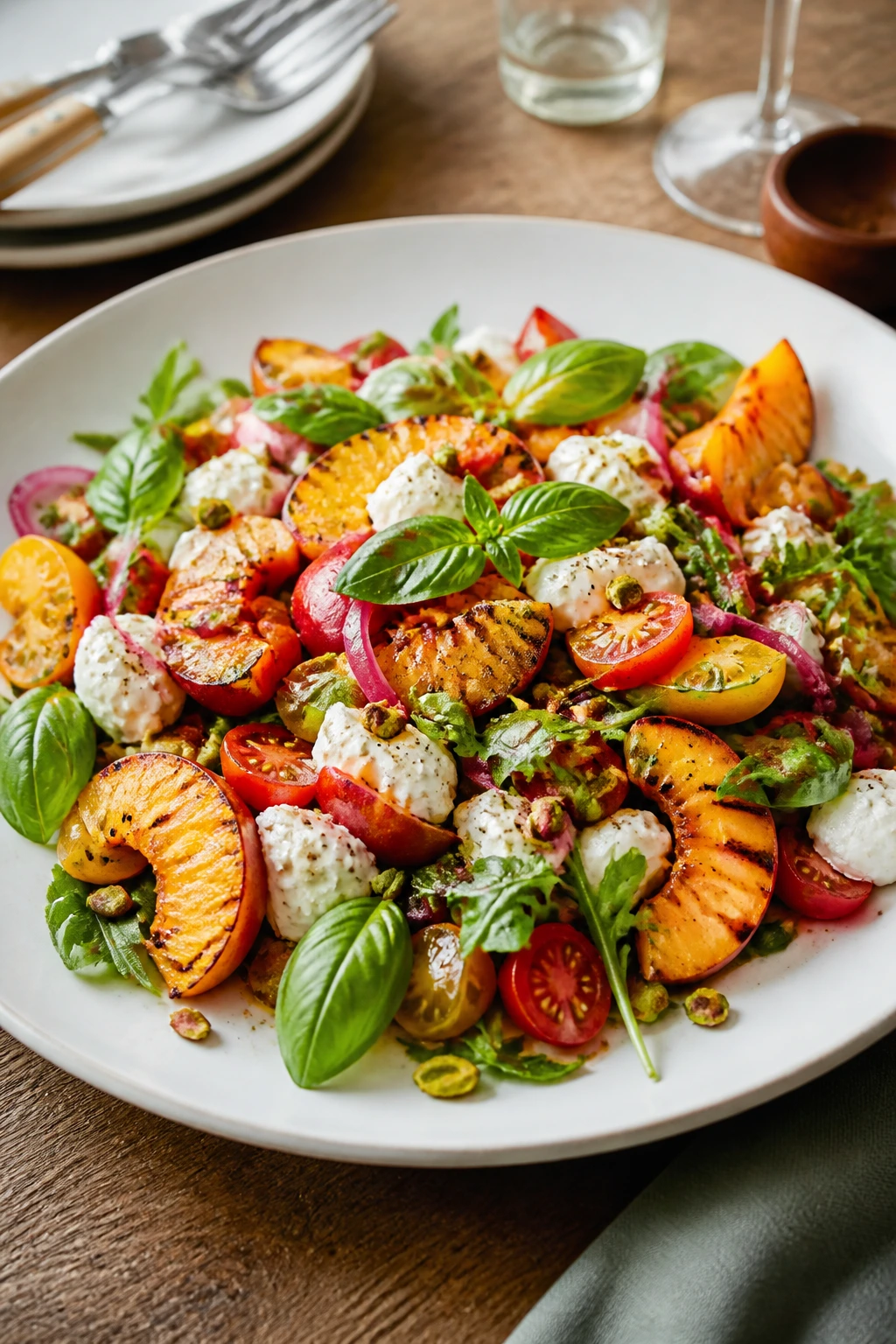
Spread salads out on wide platters when you want them to look lively and stay crisp. Deep bowls are better for grain salads, noodle salads, and chickpea salads, while composed salads like Niçoise, Caprese, or burrata-and-fruit salads read better on flat plates where each ingredient can still be seen. Keep the best-looking pieces — tomato wedges, avocado slices, burrata, herbs, and toasted nuts — on top, not buried.
Accompaniments:
Use crusty bread, pita, tortilla chips, grilled flatbread, or simple crackers depending on the salad’s weight. Leafy salads with fruit do well beside grilled chicken or fish. Grain and bean salads can stand with nothing more than bread and a sharp knife. The richer the salad, the simpler the side should be.
Portions:
For a side salad, plan on about 1 cup per person. For a main dish with protein, grains, beans, or pasta, 1 1/2 to 2 cups is a realistic serving. If you’re feeding a crowd, double the crunchy toppings, not just the greens; that’s where salads often run short.
Beverage Pairing:
Cold sparkling water with lime, iced tea with lemon, or a dry white wine all sit nicely with these bowls. Noodle salads and spicy salads can take ginger beer or cucumber-lime soda. Fruit salads are good with prosecco or a simple chilled rosé if that’s your kind of thing.
Additional Tips and Flavor Boosters
Flavor Enhancement:
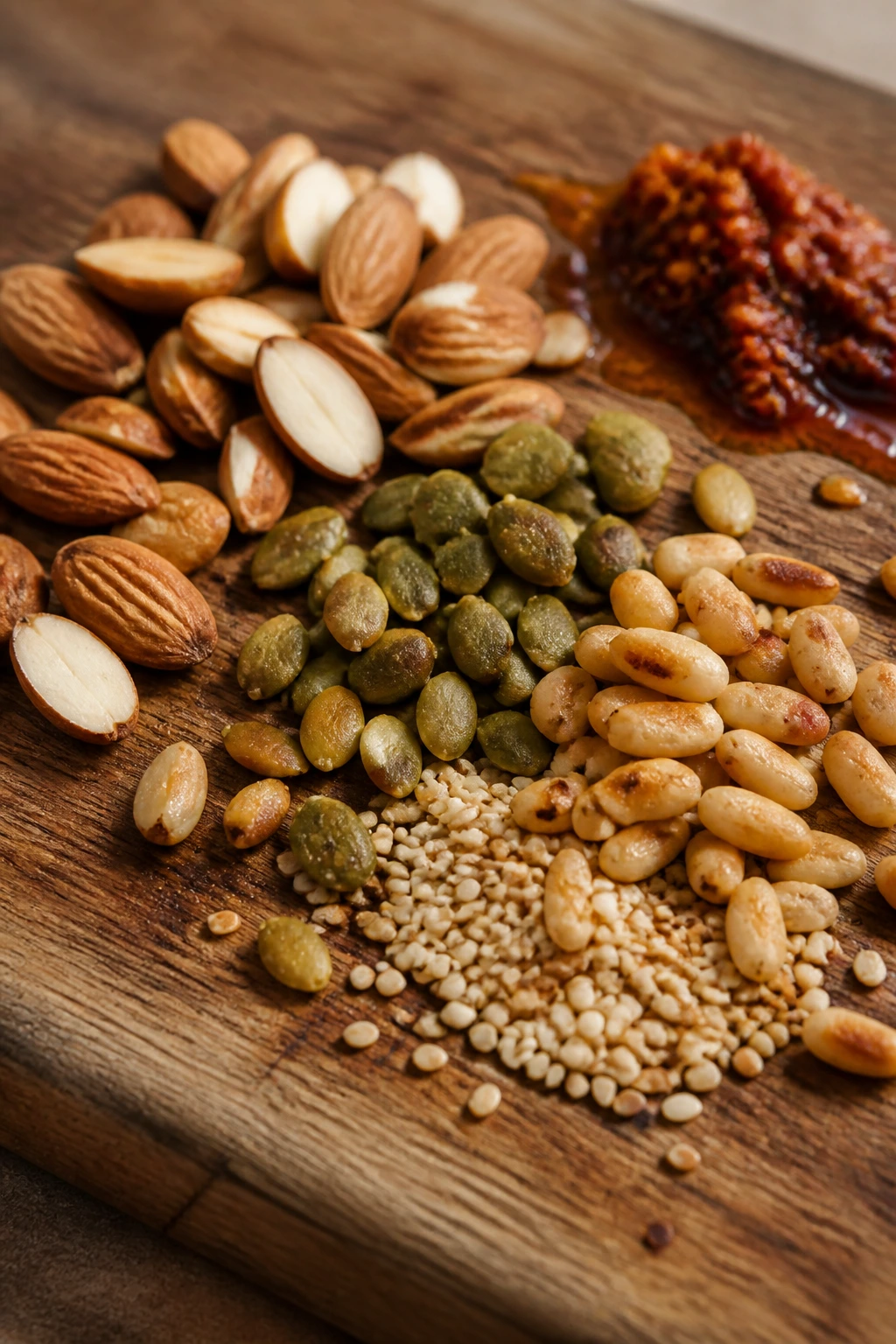
Toast something. Almonds, pepitas, pine nuts, sesame seeds, bread cubes, or even a handful of chopped breadcrumbs can make a salad taste deeper in two minutes. A small spoonful of capers, pickled onions, preserved lemon, or chili crisp can do the same thing. These are not decoration. They’re the part that keeps the bowl from tasting thin.
Customization:
If you want more protein, add chickpeas, tuna, shrimp, grilled chicken, or hard-boiled eggs. If you want more crunch, use radishes, cabbage, cucumbers, fennel, or tortilla strips. If you want less dairy, lean on olives, avocado, herbs, and a stronger vinaigrette. The structure of a good summer salad can handle swaps as long as you keep the balance of salt, acid, fat, and crunch.
Serving Suggestions:
Finish with herbs you can see from across the table. Basil torn by hand, dill scattered loosely, mint left in small whole leaves, or parsley chopped and tossed from above all make a bowl feel fresher. I also like a final pinch of flaky salt on fruit salads and a few grinds of black pepper on anything with cheese.
Make-It-Yours:
For gluten-free eaters, lean toward bean salads, grain salads with quinoa, or lettuce-based bowls without breaded toppings. For dairy-free versions, use avocado, olives, tahini, or a mustardy vinaigrette instead of cheese. For kids, keep the dressing mild and put the spicy element on the side. For heat lovers, add jalapeño, chili flakes, or pepperoncini to almost any of these without breaking the recipe.
Make-Ahead, Storage, and Reheating Guidance
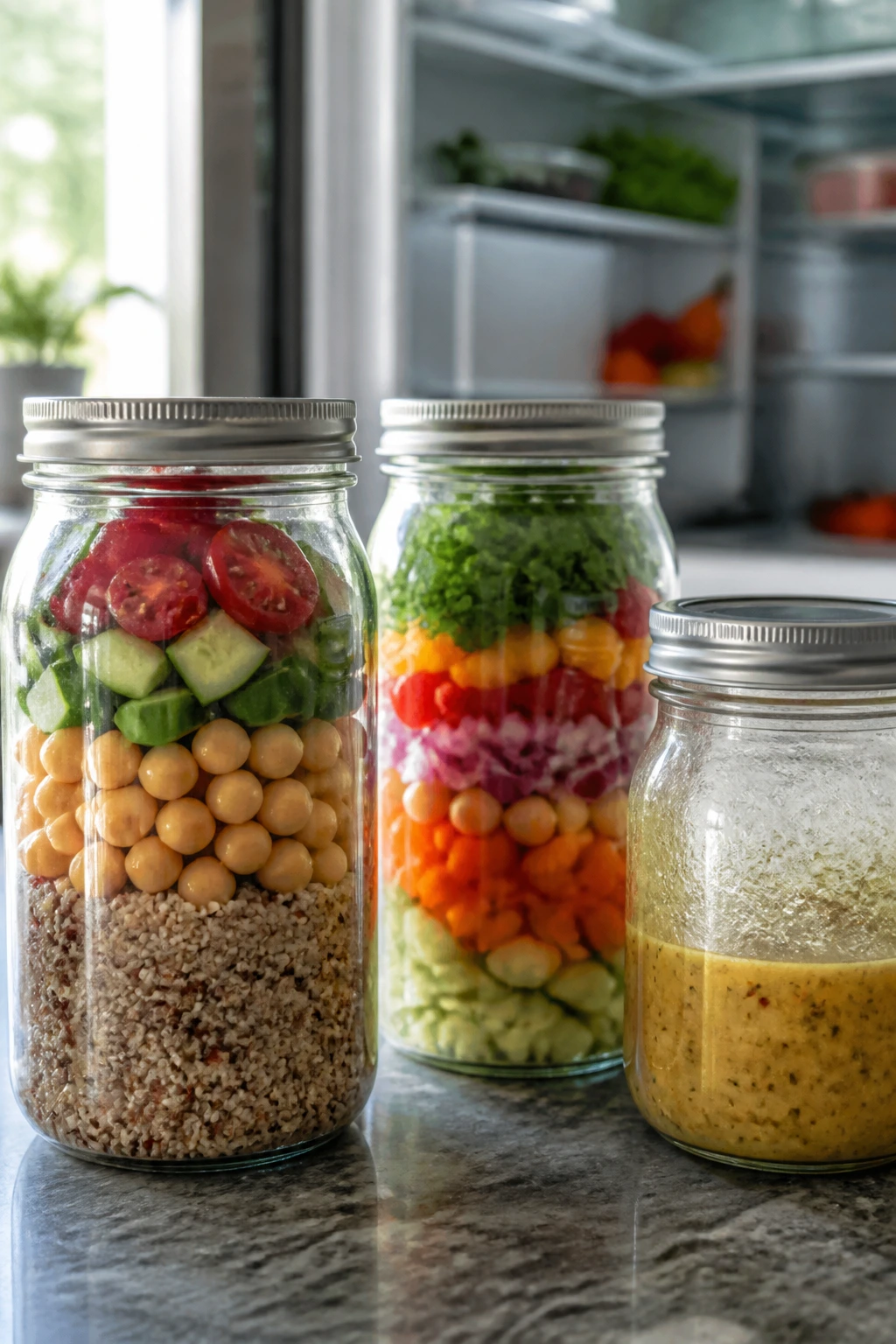
Most of these salads are best when the crunchy parts stay separate until the last minute. Dressings can usually be made 3 to 5 days ahead and kept in the fridge in a sealed jar. Grains like farro, quinoa, or lentils hold for 4 days refrigerated, and they often taste better on day two because the seasoning settles into the grain.
Leafy salads with delicate greens are the least forgiving. Once dressed, they’re best the same day, and some of them — especially those with avocado or burrata — should be eaten within an hour or two. If you need to prep ahead, keep the greens dry, the dressing separate, and the juicy ingredients in their own containers. Tomatoes, citrus, melon, and cucumbers release water as they sit, so they’re better added shortly before serving.
Bean salads and slaws keep longer. A chickpea salad, lentil salad, or cabbage slaw can usually hold 3 to 4 days in the fridge if the herbs are added late and the dressing isn’t too heavy. Pasta salad is usually good for 3 days, though it may need a spoonful of olive oil or lemon to wake it up on day two. Shrimp salads should be eaten within 2 days, and cooked chicken salads within 3 to 4 days, kept cold the whole time.
Freezing is a mixed bag. Cooked grains, roasted chickpeas, and some dressings freeze fine for up to 2 months, but lettuce, tomatoes, cucumbers, avocado, and herbs do not. If you’re planning ahead, freeze the cooked component, not the finished salad. There isn’t a useful reheating method for most salads, but grain salads, chicken salads, and bean salads can be brought back to cool room temperature or gently warmed for 30 to 60 seconds in the microwave if the dressing is hardy and the salad includes no delicate greens.
Variations and Adaptations to Try
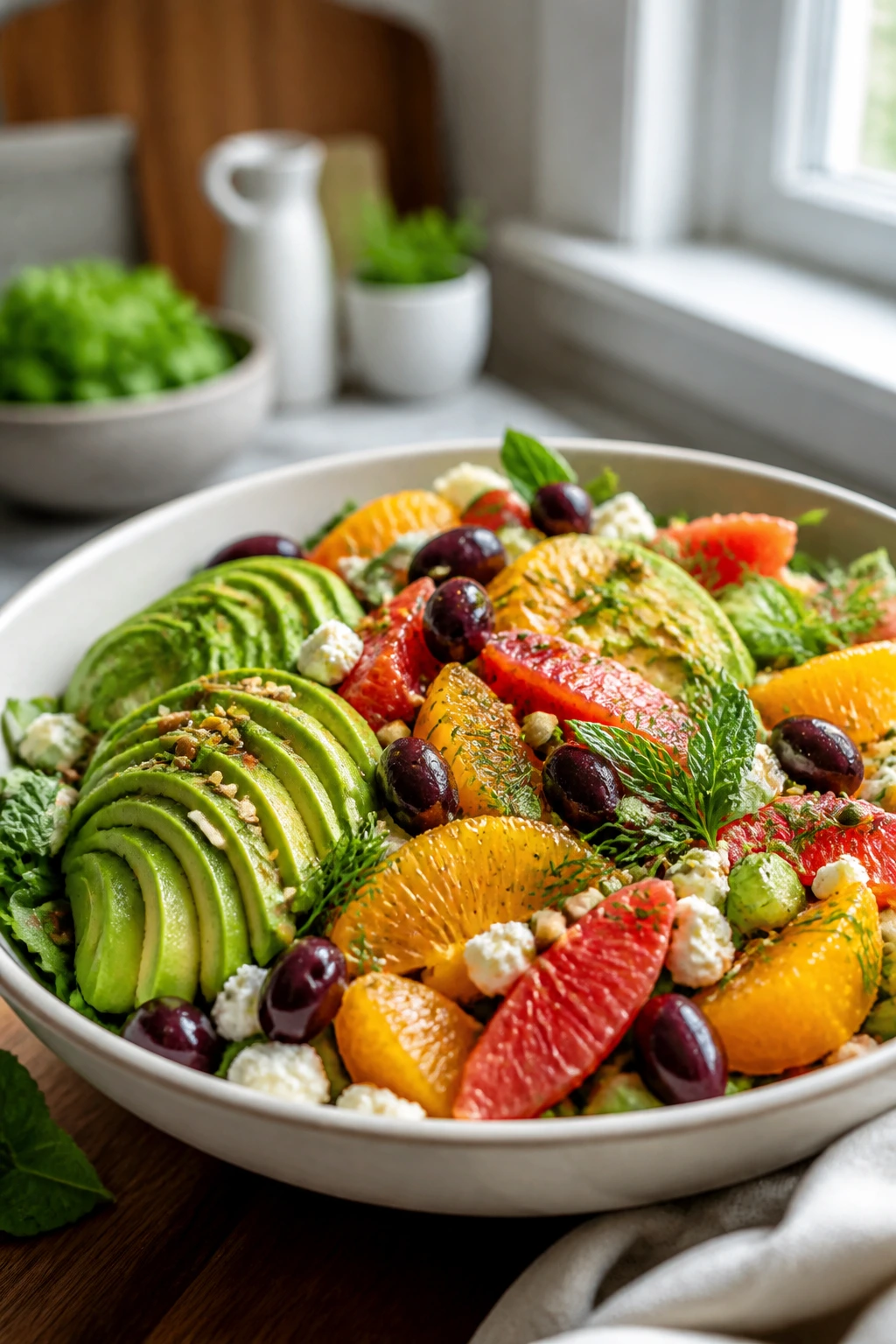
Gluten-Free Crunch Fix:
Swap bread cubes, croutons, and pasta for roasted potatoes, quinoa, rice noodles, or toasted seeds. This works especially well in salads that already lean on beans, citrus, or herbs, because you keep the structure without missing the gluten.
Dairy-Free Brightness:
Use avocado, olives, tahini dressing, or a sharp vinaigrette in place of feta, burrata, goat cheese, or Parmesan. Fruit salads lose very little when the cheese goes, and bean salads usually gain a little clarity when dairy steps aside.
Protein-Heavy Lunch Bowls:
Add grilled chicken, shrimp, tuna, hard-boiled eggs, or extra chickpeas to salads that are otherwise light. The trick is to keep the protein seasoned enough that it doesn’t taste like a separate add-on sitting on top of the bowl.
Picnic-Ready Crunch:
Build the salad in layers and keep the soft stuff in the middle. Put dressing at the bottom of a jar, grains or beans above that, then sturdy vegetables, then greens, then nuts or bread on top. Shake just before eating.
Lower-Salt Balance:
Use more citrus, fresh herbs, and toasted nuts to make up for reduced cheese or olives. The salad should still taste full, so don’t cut salt and leave nothing in its place. Add acid and texture instead.
Spice-Lover’s Finish:
Pepperoncini, jalapeño, chili powder, Tajín, hot sauce, or chili crisp can fit into half the salads in this collection without any drama. Add heat after the first toss so you can judge the balance before the bowl goes too far.
Common Mistakes to Avoid
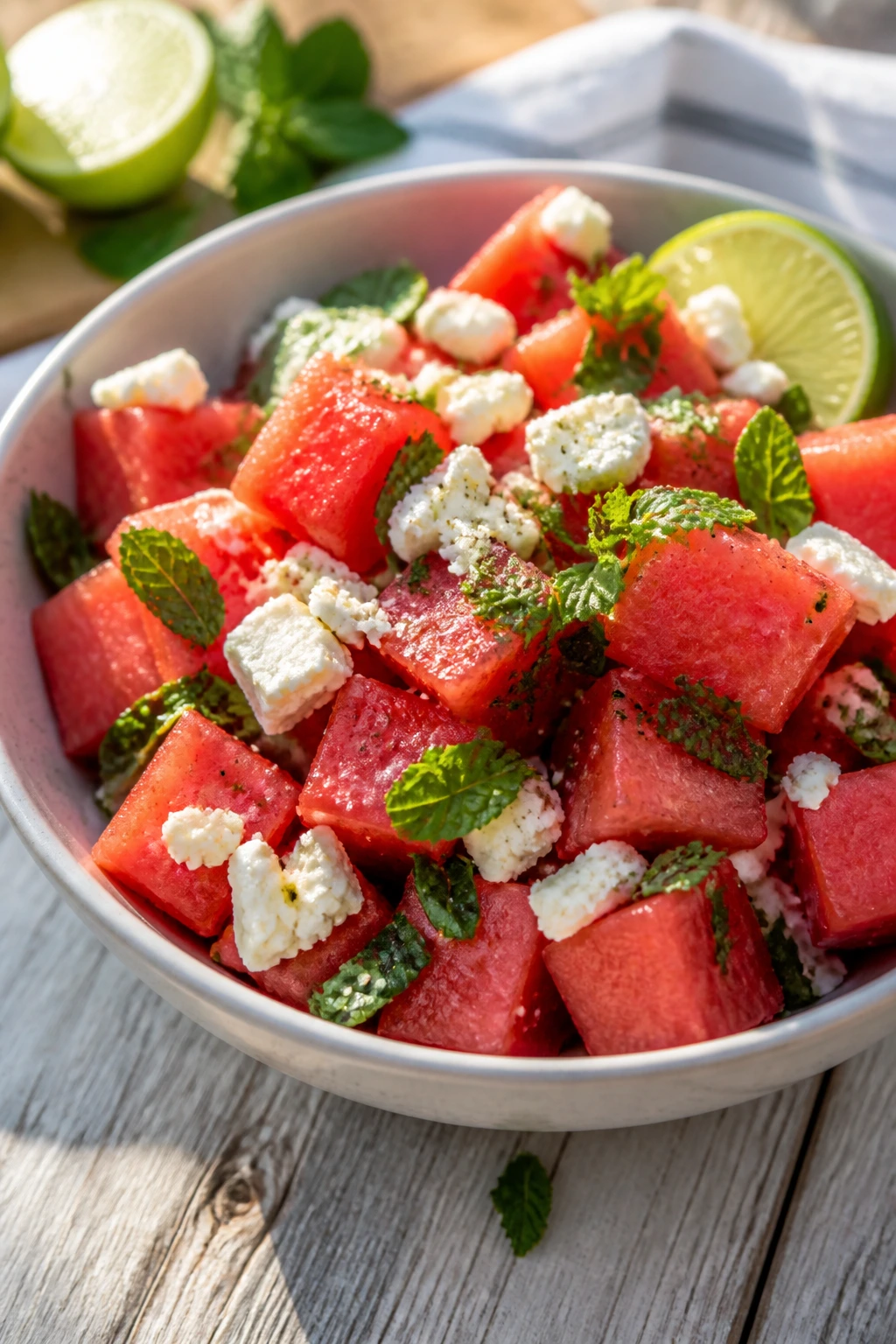
The biggest mistake is overdressing. A summer salad doesn’t need to be soaked to taste finished, and too much dressing wipes out texture fast. Start with less than you think, toss, taste, and then add more only if the bowl still feels dry. That advice saves almost every salad here.
Another common miss is forgetting to season the salad in layers. Beans, grains, tomatoes, potatoes, shrimp, and chicken all need salt before the final toss. If you only season the finished bowl, the outside tastes loud and the inside tastes vague. That’s the difference between a salad that feels composed and one that feels dumped together.
People also cut everything too small or too large. Tiny pieces can turn sloppy, while huge pieces make the salad hard to eat. Aim for bite-size, but not minced. A watermelon cube should be easy to spear. A tomato should still look like a tomato. A radish should still crunch.
Warm components are another trap. If you add hot bacon, fresh-cooked pasta, or newly roasted chickpeas straight into delicate greens, the salad wilts before it hits the table. Give cooked ingredients a few minutes to cool. Not forever. Just enough so they don’t steam the rest of the bowl.
And then there’s the issue of timing. Avocado browns, basil darkens, croutons soften, and herbs lose lift if they sit dressed too long. Keep the beautiful, fragile stuff for the end. It’s a small habit, but it’s the reason a salad still looks alive when you serve it.
Frequently Asked Questions
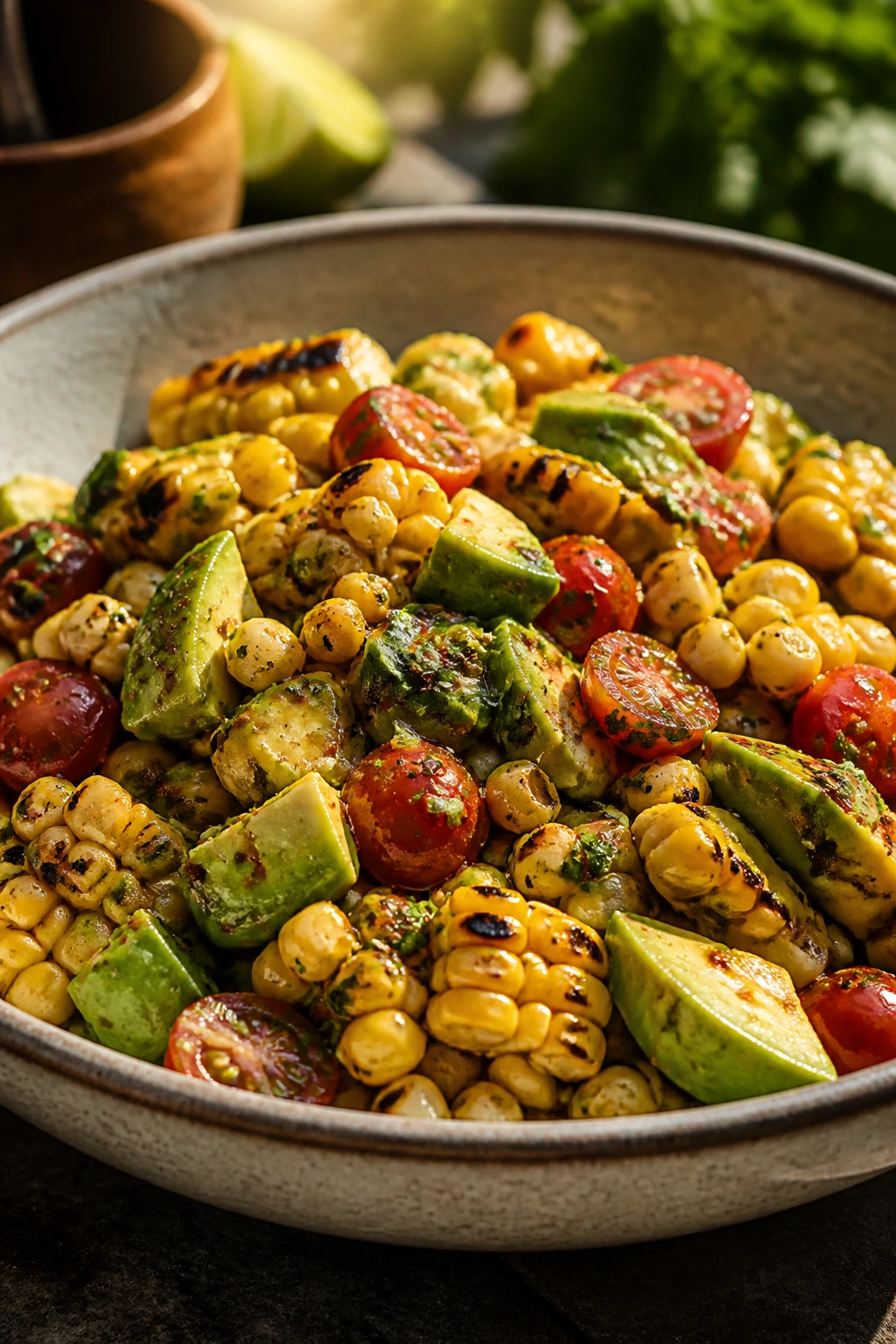
How far ahead can I make a summer salad?
It depends on the structure. Bean, grain, and cabbage salads can usually be made 1 day ahead, while leafy salads and anything with avocado are best assembled close to serving. Keep dressing separate whenever possible.
Which salads here work best for meal prep?
The tuna and white bean salad, lentil salad, farro salad, quinoa salad, and chickpea salads hold up best over a few days. They have enough body to survive the fridge without turning limp.
Can I use bottled dressing?
Yes, if the dressing has enough acid and isn’t syrupy. Bottled dressing is especially fine for chopped salads, slaws, and pasta salads. For fruit or composed salads, homemade usually tastes cleaner.
How do I keep avocado from browning?
Add it at the last minute and coat it lightly with acid, usually lime or lemon juice. If you’re packing a lunch, keep avocado whole until you’re ready to eat, then slice it fresh.
What if my salad tastes flat?
Add salt first, then acid, then crunch. Most flat salads don’t need more ingredients; they need better balance. A squeeze of lemon or a pinch of flaky salt often fixes the problem faster than another handful of toppings.
Can I turn these into main dishes without changing much?
Yes. Add protein, grains, beans, or pasta to the salad you already like. Chickpeas, shrimp, chicken, tuna, farro, or orzo are the easiest ways to make a side salad eat like dinner.
Do these salads travel well?
The best travelers are slaws, grain salads, bean salads, and chopped salads with sturdy vegetables. Pack dressing separately if you can, and keep crunchy toppings in a small container until serving.
What’s the easiest way to make a salad look better on the plate?
Use a wide bowl or platter and keep the best-looking pieces on top. Don’t bury the burrata, avocado, herbs, or toasted nuts. A little scatter looks more natural than a packed mound.
Fresh Bowls, Cold Plates
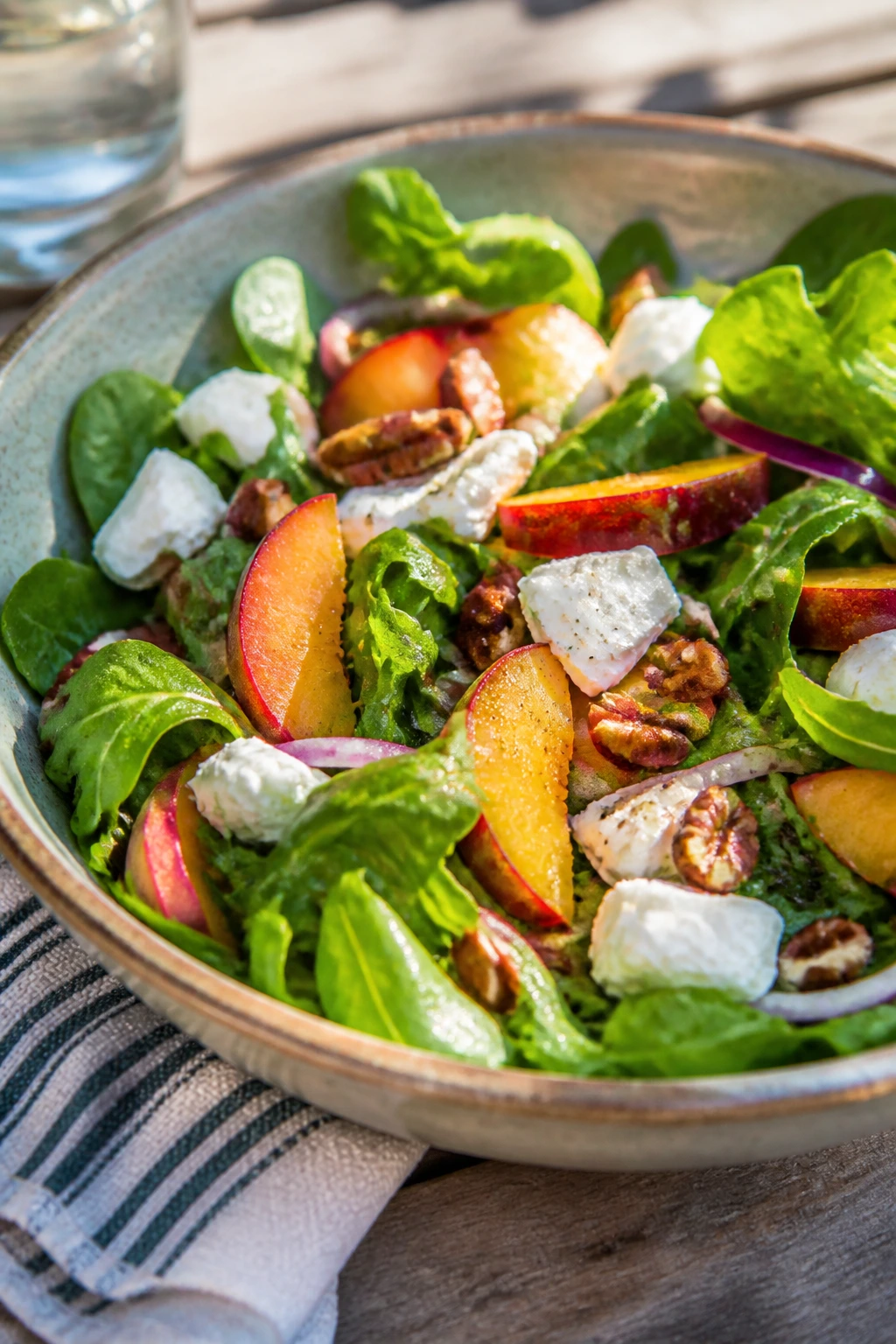
A good summer salad does not need to apologize for being simple. It needs enough salt to wake the produce up, enough crunch to keep the bites moving, and enough structure to survive a warm table without turning tired. That’s the whole game, really.
The salads above do that in different ways. Some lean on fruit and cheese, some on beans and grains, some on char or herbs or a little heat. Pick the one that fits what’s in front of you, and don’t be shy about using the best tomatoes, the ripest peaches, or the crispest lettuce you can find.
Keep a lemon on the counter, a jar of something crunchy in the pantry, and a few herbs in the fridge, and these bowls become less like recipes and more like habits. That’s the kind of salad I trust.