



If your weeknight cooking has been leaning on the same pan of chicken and the same tired side dish, easy Asian cuisine recipes can wake it up fast. A hot skillet, a few pantry sauces, and the right balance of salty, sweet, acid, and heat are enough to make dinner taste deliberate instead of thrown together.
The trick is not chasing a giant shopping list or treating every dish like a restaurant project. It’s knowing which recipes give you a lot back for a little effort: a stir-fry that stays glossy instead of watery, fried rice that gets better with cold rice, a broth that tastes deep after 10 minutes of simmering, a noodle bowl that leans on one sharp sauce and one fresh herb. That’s the sweet spot.
I’ve built this collection around that exact idea. Some recipes are Chinese-inspired classics, some lean Thai, Japanese, Vietnamese, or Korean, and a few borrow the flavors without pretending to be textbook traditional. All of them are meant to fit into real kitchens with real time limits, which means the details matter: the cut of chicken, the order you add the garlic, whether the pan is hot enough to sear or only hot enough to steam.
A good bowl of noodles or a proper stir-fry has a rhythm to it. Once you learn the rhythm, dinner gets easier. And better.
Why This Collection Works So Well
-
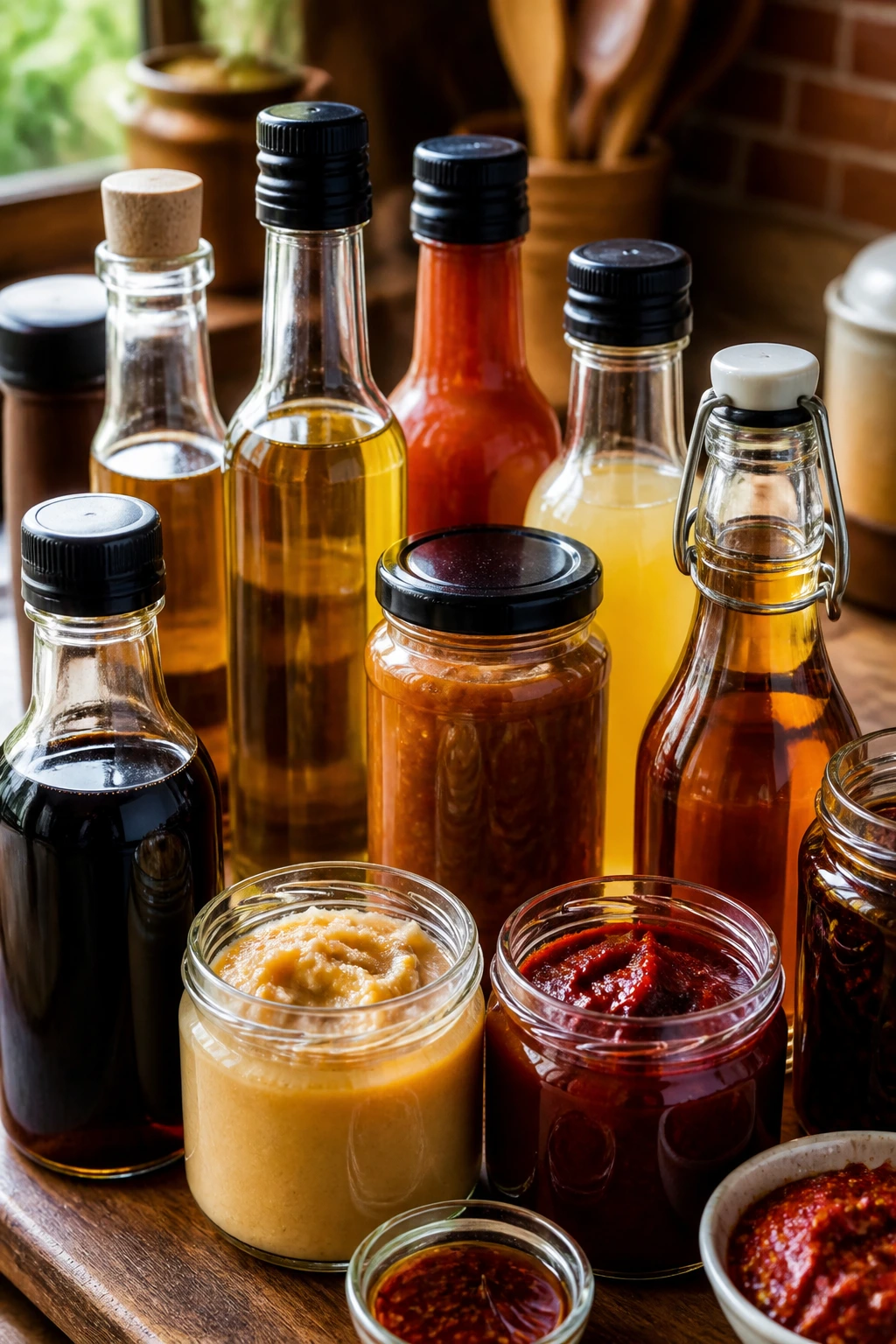
Pantry sauces do the heavy lifting: Soy sauce, sesame oil, rice vinegar, miso, fish sauce, curry paste, and gochujang show up again and again because a spoonful or two can change the whole pan.
-
Most recipes stay under 30 minutes: The fast ones rely on thin slicing, high heat, and short sauces, so you’re not babysitting a simmer for an hour.
-
They use repeat ingredients smartly: Ginger, garlic, scallions, rice, noodles, tofu, and cabbage can move from one dish to the next without feeling repetitive if you change the sauce and texture.
-
Flexible proteins keep dinner practical: Chicken thighs, shrimp, tofu, ground pork, and salmon all fit this style of cooking, and most of them can be swapped without wrecking the dish.
-
The leftovers hold up well: Fried rice, congee, soups, noodles, and braises often taste even better after a night in the fridge, which is one of the few dinner advantages I’ll happily brag about.
-
The flavors stay bold without being fussy: A little heat, a little acid, and a quick finish of herbs or sesame seeds can make a bare-bones meal taste finished.
1. Garlic Ginger Chicken Stir-Fry
The first smell is garlic hitting hot oil, and that’s usually the moment I know dinner is going to work. This one is fast, bright, and glossy, with chicken that stays juicy and vegetables that still have a little bite.
Why It Works:
Chicken thighs handle high heat better than breasts, which means you get browned edges without dry meat. The sauce is built with soy, rice vinegar, and cornstarch, so it clings to the chicken instead of pooling in the bottom of the pan. Keep the heat high and the garlic brief.
Key Ingredients:
- 1 1/2 lbs boneless, skinless chicken thighs, cut into 1-inch pieces
- 2 tbsp soy sauce
- 1 tbsp oyster sauce
- 1 tbsp rice vinegar
- 2 tsp cornstarch
- 2 tbsp neutral oil
- 3 cloves garlic, minced
- 1 tbsp fresh ginger, minced
- 1 red bell pepper, sliced
- 1 cup snap peas
- 2 green onions, sliced
Quick Steps:
- Toss chicken with 1 tbsp soy sauce and cornstarch; rest 10 minutes.
- Stir together remaining soy sauce, oyster sauce, rice vinegar, and 2 tbsp water.
- Sear chicken in hot oil for 4 to 5 minutes until browned and cooked through.
- Add garlic, ginger, and vegetables; cook 2 to 3 minutes until crisp-tender.
- Pour in sauce and toss 30 to 60 seconds until glossy.
Equipment for This Recipe:
- 12-inch skillet or wok
- Mixing bowl
- Whisk or fork
- Sharp knife and cutting board
How to Serve This Dish:
Spoon it over jasmine rice or brown rice and let the sauce soak in a little. A pile of cucumber slices or a quick vinegar salad keeps the plate from feeling heavy.
Pro Tips for This Recipe:
- Cut the chicken evenly so it browns at the same speed.
- Keep the garlic in the pan for only 20 to 30 seconds or it will go bitter.
- If the pan looks crowded, cook the chicken in two batches.
Variations on This Dish:
- Chili Crisp Chicken: Stir in 1 to 2 tsp chili crisp at the end for a sharper, crunchier heat.
- Broccoli Version: Swap the snap peas for small broccoli florets and add 1 tbsp water before covering for 1 minute.
- Gluten-Free Swap: Use tamari instead of soy sauce and a gluten-free oyster sauce.
Common Mistakes to Avoid with This Dish:
- Using a low heat pan: The chicken steams and turns pale. Start with a hot skillet.
- Adding the sauce too early: It thickens before the vegetables finish. Add it at the end.
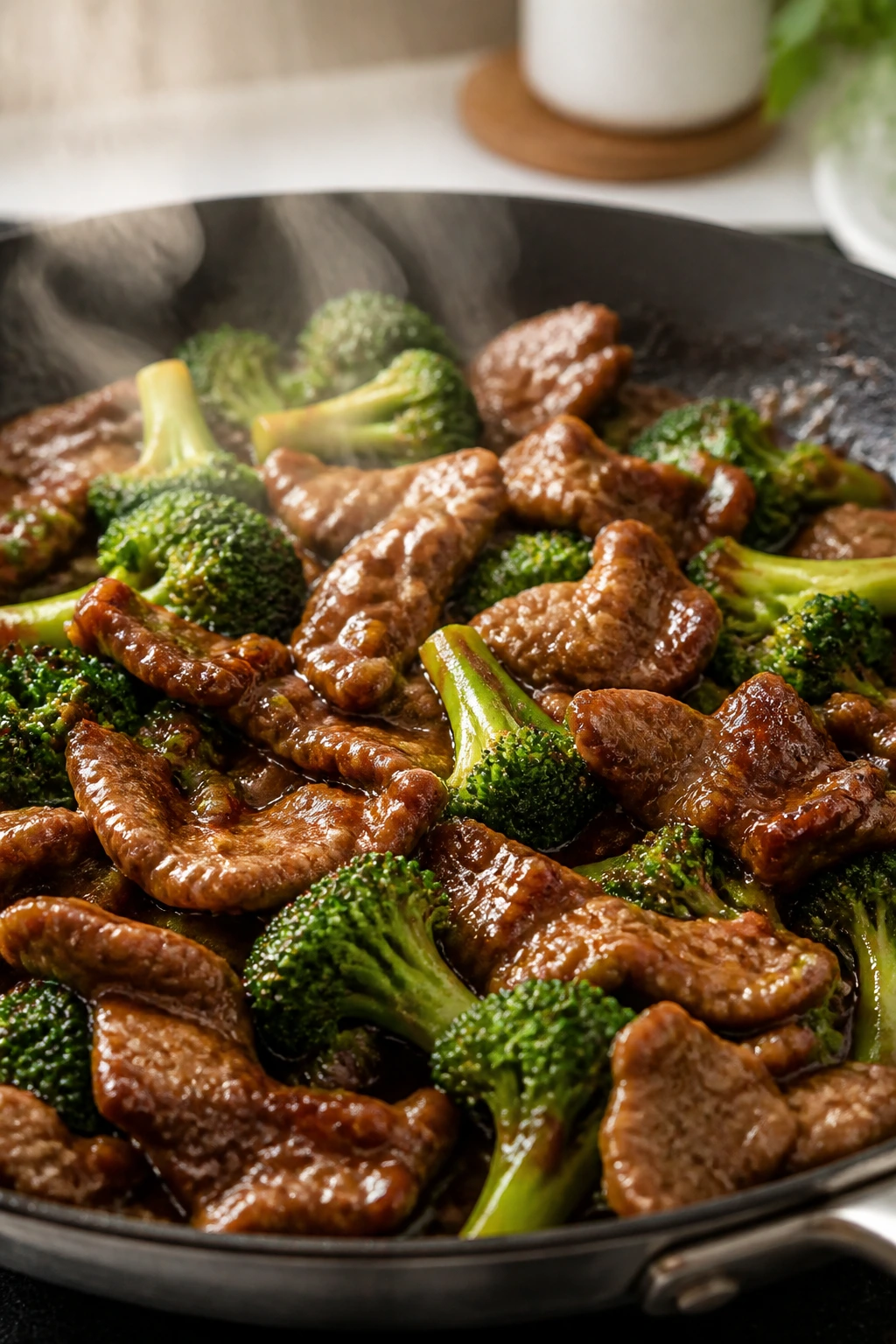
2. Beef and Broccoli
This is the takeout classic that behaves perfectly at home when you slice the beef thin enough. The sauce turns silky, the broccoli stays green, and the whole dish lands somewhere between comforting and sharp.
Why It Works:
Flank steak or sirloin cooks fast when sliced against the grain, and a short cornstarch marinade helps it stay tender. Broccoli likes a quick blanch or steam in the pan before the sauce goes in. The trick is not overcooking either part.
Key Ingredients:
- 1 1/2 lbs flank steak, thinly sliced against the grain
- 4 cups broccoli florets
- 1/4 cup soy sauce
- 2 tbsp oyster sauce
- 1 tbsp brown sugar
- 2 tsp cornstarch
- 2 cloves garlic, minced
- 1 tsp ginger, minced
- 2 tbsp neutral oil
- 1/2 cup water
Quick Steps:
- Toss beef with 1 tbsp soy sauce and cornstarch; rest 10 minutes.
- Whisk remaining soy sauce, oyster sauce, brown sugar, water, garlic, and ginger.
- Sear beef quickly in hot oil, about 1 to 2 minutes per side.
- Add broccoli with a splash of water and cover for 2 minutes until bright green.
- Return beef and sauce to the pan; simmer 1 minute until glossy.
Equipment for This Recipe:
- Large skillet or wok
- Small bowl
- Tongs
- Knife and cutting board
How to Serve This Dish:
Serve it over steamed rice or soft noodles. I like a squeeze of lime on the side, even if it’s not traditional, because the acid makes the beef taste cleaner.
Pro Tips for This Recipe:
- Freeze the steak for 15 minutes before slicing; it cuts thinner.
- Do not crowd the pan or the beef will gray out.
- If your broccoli stems are thick, slice them in half lengthwise so they cook at the same pace as the florets.
Variations on This Dish:
- Sesame Beef: Finish with 1 tsp toasted sesame oil and sesame seeds.
- Pepper Broccoli Beef: Add sliced bell peppers for sweetness and more color.
- Spicy Beef and Broccoli: Stir in 1 tsp chili garlic sauce with the simmering sauce.
Common Mistakes to Avoid with This Dish:
- Overcooking the beef: It turns chewy fast. Pull it as soon as the edges brown.
- Skipping the grain direction: Slicing with the grain makes the meat stringy.
3. Sesame Soy Salmon
Salmon takes on Asian-inspired flavors beautifully when the sauce is kept simple and the fish is not cooked to death. You get crisp skin, flaky flesh, and a sticky glaze that smells like toasted sesame and ginger.
Why It Works:
Salmon needs only a short cook, which makes it perfect for busy dinners. Soy sauce, honey, and sesame oil create a lacquered finish without a lot of steps. A hot oven or skillet gives you the cleanest result.
Key Ingredients:
- 4 salmon fillets, about 6 oz each
- 3 tbsp soy sauce
- 1 tbsp honey
- 1 tbsp rice vinegar
- 1 tsp sesame oil
- 1 tsp grated ginger
- 1 clove garlic, grated
- 1 tbsp sesame seeds
- 2 green onions, sliced
Quick Steps:
- Whisk soy sauce, honey, rice vinegar, sesame oil, ginger, and garlic.
- Brush salmon with half the sauce.
- Bake at 400°F for 10 to 12 minutes, or pan-sear skin-side down 4 to 5 minutes per side.
- Brush with remaining sauce and sprinkle sesame seeds and scallions.
Equipment for This Recipe:
- Baking sheet or skillet
- Parchment paper
- Small bowl
- Pastry brush or spoon
How to Serve This Dish:
Pair it with rice, sautéed bok choy, or a shredded cabbage salad. The fish should sit on the plate with a little glaze pooled around it, not drowned.
Pro Tips for This Recipe:
- Pat the salmon dry before glazing or the sauce slides off.
- Pull it when the center still looks slightly translucent; it finishes from residual heat.
- If the honey darkens too fast, lower the oven rack one level.
Variations on This Dish:
- Miso Salmon: Stir 1 tbsp white miso into the glaze for a deeper, savory edge.
- Spicy Sesame Salmon: Add 1 tsp sriracha or chili paste.
- Orange Sesame Salmon: Replace the vinegar with 2 tbsp orange juice for a sweeter glaze.
Common Mistakes to Avoid with This Dish:
- Overcooking salmon: Dry fish is the fastest way to ruin an otherwise good dinner.
- Using too much glaze early: It can burn before the fish is done. Save half for the finish.
4. Teriyaki Chicken Rice Bowls
If you want a bowl that feels complete without requiring a dozen moving parts, this is the one. Sticky chicken, rice, and a few crisp vegetables give you that takeout-style balance without the takeout price.
Why It Works:
Teriyaki sauce likes a little sugar, a little soy, and a little time on the stove to thicken. Chicken thighs stay tender and reheat well, which makes this a smart meal-prep bowl. The vegetables can be flexible, which is half the point.
Key Ingredients:
- 1 1/2 lbs chicken thighs, bite-size pieces
- 1/3 cup soy sauce
- 3 tbsp mirin or 2 tbsp honey
- 2 tbsp brown sugar
- 1 tbsp rice vinegar
- 2 tsp cornstarch
- 2 cups cooked jasmine rice
- 1 cup steamed broccoli
- 1/2 cup shredded carrots
- 1 tbsp sesame seeds
Quick Steps:
- Whisk soy sauce, mirin, brown sugar, vinegar, cornstarch, and 1/2 cup water.
- Sear chicken in a skillet until golden, about 6 to 8 minutes.
- Pour in sauce and simmer 2 to 3 minutes until thick and shiny.
- Spoon over rice with broccoli, carrots, and sesame seeds.
Equipment for This Recipe:
- Large skillet
- Whisk
- Rice cooker or pot
- Serving bowls
How to Serve This Dish:
Build the bowls in layers: rice first, then chicken, then vegetables, then a sprinkle of sesame seeds. A drizzle of extra teriyaki on the edges makes the bowl look finished.
Pro Tips for This Recipe:
- Cut the chicken small enough that it cooks through before the sauce reduces.
- Steam the broccoli until it’s bright green, not mushy.
- If the sauce gets too thick, loosen it with a tablespoon of water.
Variations on This Dish:
- Pineapple Bowl: Add chunks of pineapple for sweetness and a little acid.
- Tofu Teriyaki Bowl: Use pressed tofu cubes instead of chicken.
- Spicy Teriyaki: Stir in chili flakes or a small spoon of gochujang.
Common Mistakes to Avoid with This Dish:
- Sauce that tastes flat: Teriyaki needs salt, sweet, and acid. Don’t leave out the vinegar.
- Wet rice: If the rice is damp, the whole bowl turns heavy. Fluff it before serving.
5. Shrimp Fried Rice
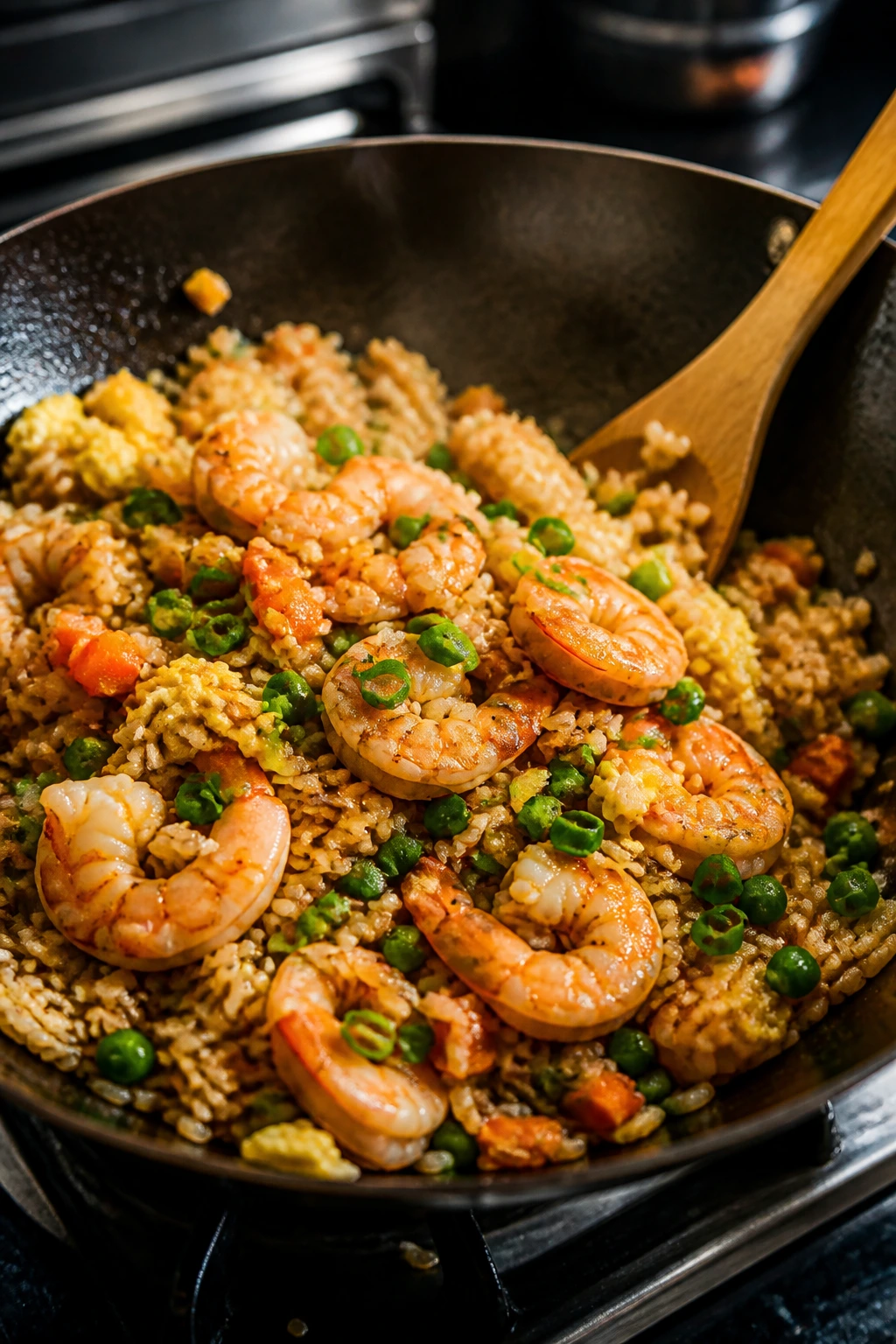
This is the fried rice I make when there are leftovers staring at me from the fridge and I want dinner to stop being a problem. It’s quick, salty, and a little smoky at the edges if your pan is hot enough.
Why It Works:
Cold rice fries instead of clumping, which gives you separate grains and better texture. Shrimp cook in minutes, so they can be pushed to the side while the egg and rice do their thing. Everything happens fast, which is the point.
Key Ingredients:
- 1 lb shrimp, peeled and deveined
- 3 cups cooked, chilled jasmine rice
- 2 eggs, beaten
- 2 tbsp soy sauce
- 1 tbsp sesame oil
- 2 tbsp neutral oil
- 1 cup frozen peas and carrots
- 2 scallions, sliced
- 1 clove garlic, minced
Quick Steps:
- Season shrimp lightly with salt and cook in hot oil for 1 to 2 minutes per side.
- Push shrimp aside and scramble the eggs in the same pan.
- Add garlic, peas, carrots, and rice; break up clumps and stir-fry 3 to 4 minutes.
- Drizzle soy sauce and sesame oil over the rice, then fold in scallions and shrimp.
Equipment for This Recipe:
- Large wok or skillet
- Spatula
- Bowl for eggs
- Cutting board
How to Serve This Dish:
Serve it straight from the skillet with extra scallions on top. A spoon of chili crisp on the side is not required, but I’d argue it helps.
Pro Tips for This Recipe:
- Use rice that has chilled at least a few hours.
- Don’t overdo the soy sauce or the rice turns wet and dark.
- Keep the pan hot enough that you hear a faint sizzle the whole time.
Variations on This Dish:
- Pineapple Fried Rice: Add diced pineapple at the end for sweetness.
- Chicken Fried Rice: Swap shrimp for diced cooked chicken.
- Vegetable Fried Rice: Leave out the shrimp and add mushrooms or edamame.
Common Mistakes to Avoid with This Dish:
- Fresh hot rice: It clumps and smears in the pan. Chill it first.
- Too much stirring: Let the rice sit a few seconds between tosses so it gets a little fried.
6. Veggie Chow Mein
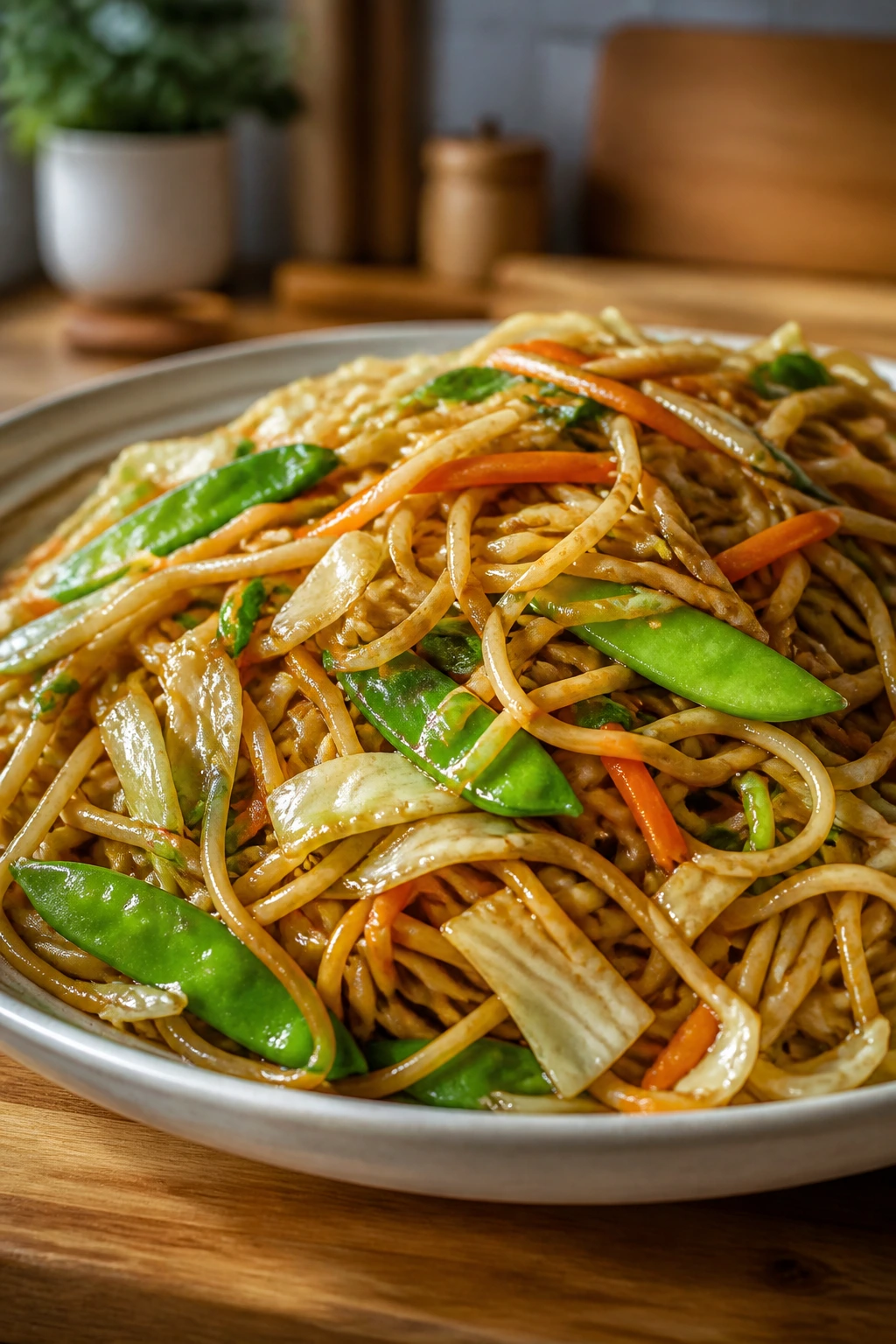
Chow mein can be a soggy mess or a snappy noodle dinner, and the difference usually comes down to heat and timing. When done right, the noodles are coated, the vegetables still have life, and the sauce clings instead of soaking through.
Why It Works:
Lo mein-style noodles or thin egg noodles absorb sauce quickly, so you need the pan ready before they hit it. A mix of cabbage, carrots, and snap peas gives you crunch without a lot of chopping. The sauce is simple enough to make in a mug.
Key Ingredients:
- 8 oz chow mein noodles or thin egg noodles
- 2 tbsp soy sauce
- 1 tbsp oyster sauce or vegetarian oyster sauce
- 1 tsp sugar
- 2 tbsp neutral oil
- 2 cups shredded cabbage
- 1 carrot, julienned
- 1 cup snap peas
- 2 scallions, sliced
- 2 cloves garlic, minced
Quick Steps:
- Cook noodles until just tender, then drain and rinse briefly.
- Whisk soy sauce, oyster sauce, sugar, and 2 tbsp water.
- Stir-fry garlic and vegetables in hot oil for 2 to 3 minutes.
- Add noodles and sauce; toss until coated and heated through.
Equipment for This Recipe:
- Wok or large skillet
- Pot for noodles
- Strainer
- Tongs
How to Serve This Dish:
Serve as a side or a light main with sesame seeds and more scallions. If you want protein, a soft-boiled egg on top works better than people expect.
Pro Tips for This Recipe:
- Drain the noodles well so the sauce sticks.
- Toss the noodles with a teaspoon of oil if they sit before cooking.
- Add the cabbage first; it takes the longest.
Variations on This Dish:
- Mushroom Chow Mein: Add sliced shiitakes for a deeper flavor.
- Spicy Garlic Chow Mein: Add chili flakes with the garlic.
- Protein Bowl: Toss in seared tofu or leftover chicken.
Common Mistakes to Avoid with This Dish:
- Overcooked noodles: They collapse in the pan. Stop cooking while they still have a little chew.
- Watery vegetables: If the pan is crowded, the cabbage steams. Cook in a wider pan.
7. Miso Soup with Tofu and Scallions
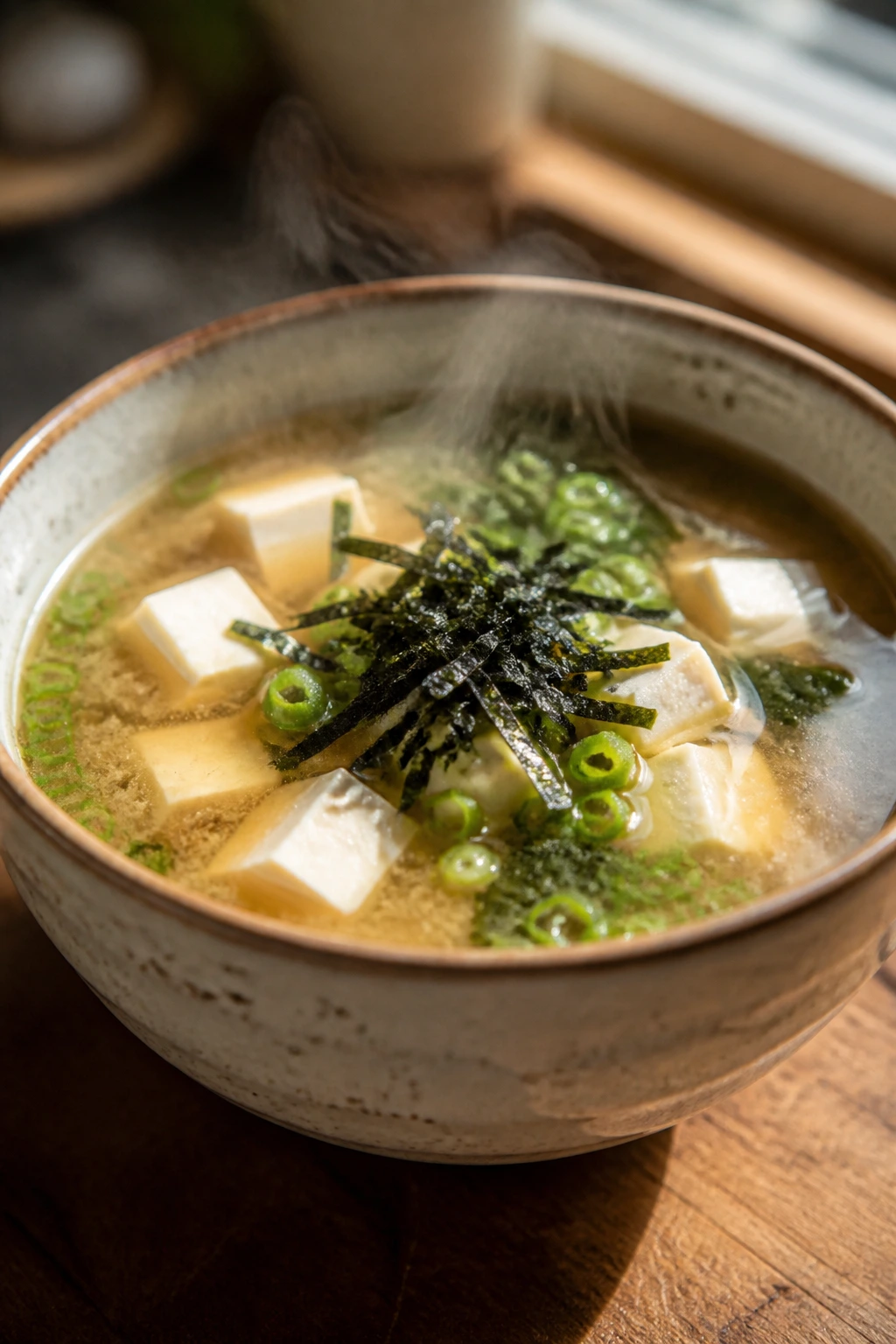
This is the bowl I want when dinner needs to calm down a little. It’s warm, salty, and softly savory, with tofu that feels almost custardy and scallions that stay bright on top.
Why It Works:
Miso should not be boiled hard or it loses some of its flavor and turns muddy. Gentle heat keeps the broth clean and lets the tofu stay tender. Dried kombu or a good stock cube can deepen the base without extra work.
Key Ingredients:
- 4 cups dashi or vegetable broth
- 3 tbsp white miso paste
- 6 oz silken or soft tofu, cubed
- 2 scallions, thinly sliced
- 1 sheet nori, cut into strips
- 1 tsp soy sauce, optional
Quick Steps:
- Warm broth over medium heat until steaming, not boiling.
- Whisk miso with a ladle of hot broth in a bowl until smooth.
- Stir miso mixture back into the pot with tofu and nori.
- Heat 1 to 2 minutes, then top with scallions.
Equipment for This Recipe:
- Small saucepan
- Ladle
- Whisk or spoon
- Soup bowls
How to Serve This Dish:
Serve it as a starter or alongside rice and grilled fish. I like it in a small bowl with a spoon that can scoop tofu cleanly.
Pro Tips for This Recipe:
- Dissolve the miso before adding it to the pot.
- Keep the broth below a boil.
- If you have wakame, a small pinch goes a long way.
Variations on This Dish:
- Mushroom Miso Soup: Add sliced mushrooms to the broth for more body.
- Egg Miso Soup: Swirl in a beaten egg for a softer, richer bowl.
- Spicy Miso: Add a little chili paste or sriracha.
Common Mistakes to Avoid with This Dish:
- Boiling the miso: It flattens the flavor. Keep it gentle.
- Cubing firm tofu too large: It takes longer to heat and feels clunky in the spoon.
8. Korean Beef Lettuce Cups
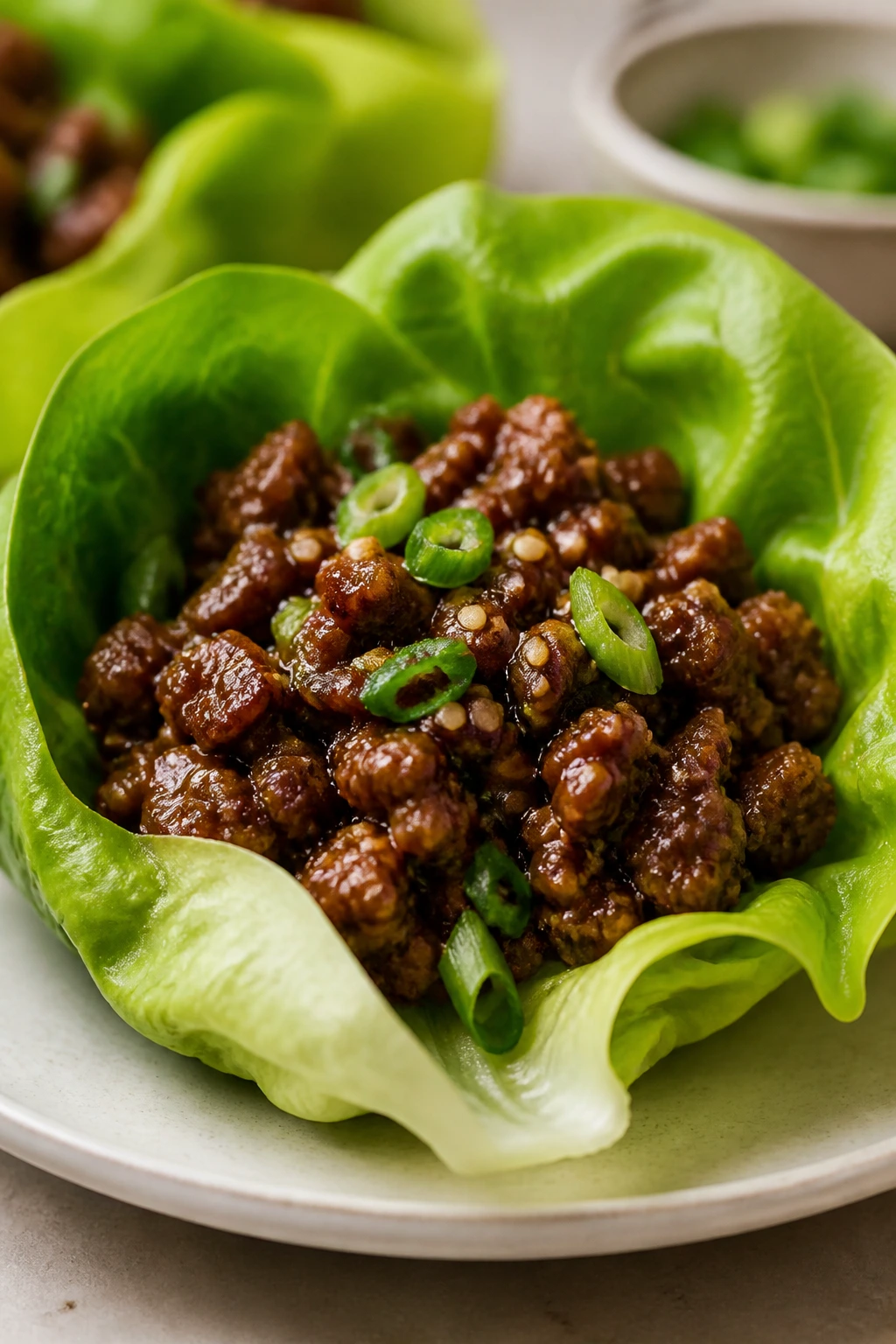
These are fast, salty-sweet, and built for eating with your hands. The beef cooks in one pan, the lettuce stays cold and crisp, and the whole thing has that satisfying mix of hot filling and cool crunch.
Why It Works:
Ground beef browns fast, so the sauce can coat it without long cooking. Gochujang adds heat and depth, while sesame oil and scallions keep the flavor sharp. Lettuce cups turn a skillet dinner into something lighter without making it feel like diet food.
Key Ingredients:
- 1 lb ground beef
- 2 tbsp soy sauce
- 1 tbsp brown sugar
- 1 tbsp gochujang
- 1 tsp sesame oil
- 2 cloves garlic, minced
- 3 scallions, sliced
- 1 head butter lettuce, leaves separated
- 1 tsp sesame seeds
Quick Steps:
- Brown beef in a skillet, breaking it up as it cooks.
- Add garlic, soy sauce, brown sugar, gochujang, and sesame oil.
- Simmer 2 to 3 minutes until the meat looks glazed.
- Spoon into lettuce leaves and finish with scallions and sesame seeds.
Equipment for This Recipe:
- Large skillet
- Wooden spoon
- Lettuce spinner or paper towels
- Serving platter
How to Serve This Dish:
Set out the lettuce leaves like little cups and let people build their own. A bowl of rice on the side makes this more substantial if needed.
Pro Tips for This Recipe:
- Drain excess fat if your beef is on the fattier side.
- Keep the lettuce very dry or the cups slide in your hands.
- Add a few thin cucumber slices for extra crunch.
Variations on This Dish:
- Turkey Cups: Ground turkey works if you add an extra teaspoon of sesame oil.
- Rice Bowl Version: Spoon the beef over rice instead of lettuce.
- Spicier Version: Add more gochujang or a pinch of chili flakes.
Common Mistakes to Avoid with This Dish:
- Wet lettuce: It makes the filling slip out. Dry the leaves well.
- Too much sauce: The beef should be coated, not soupy.
9. Thai Basil Pork
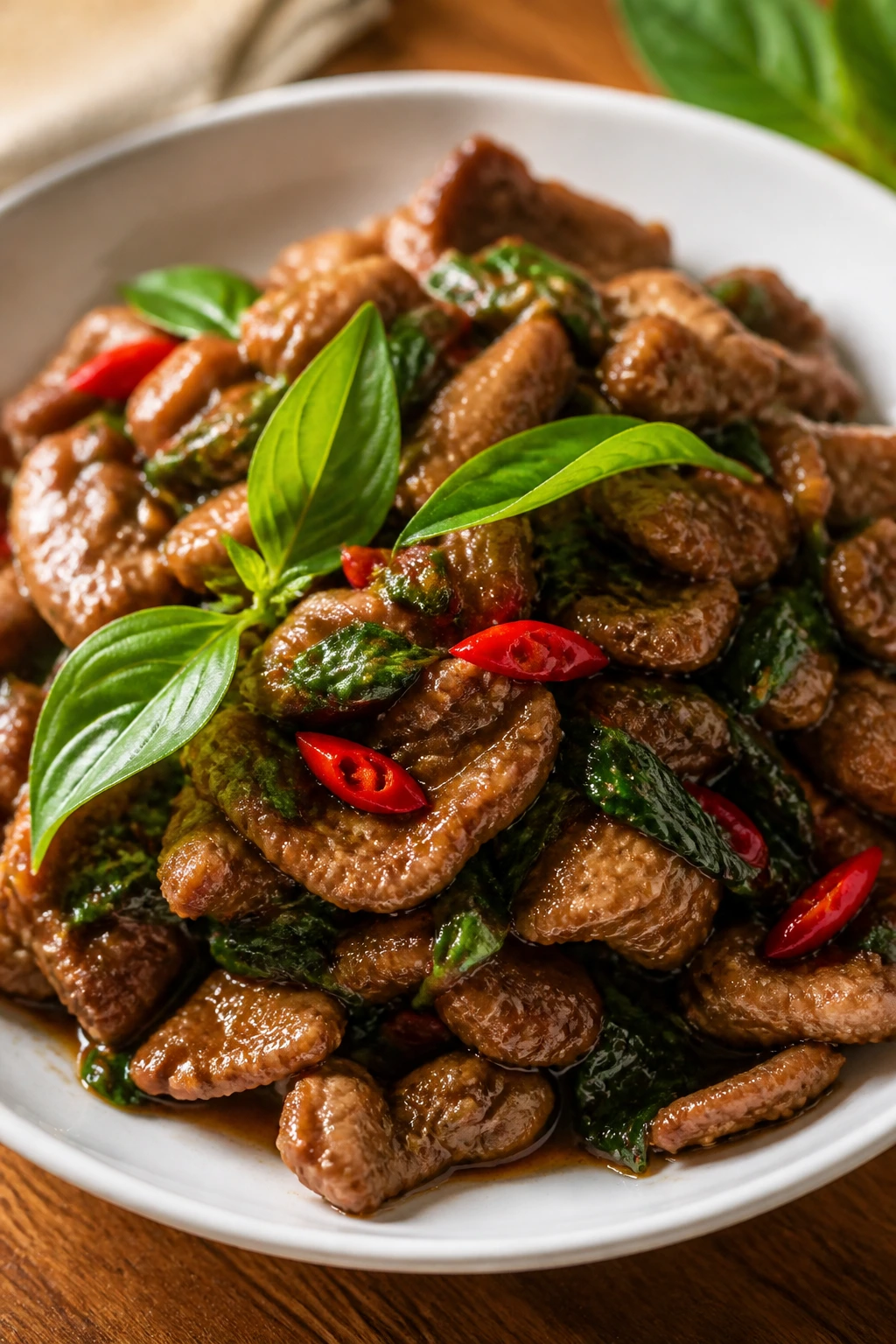
Thai basil pork has a sharp, almost electric smell the second it hits the pan. Garlic, chilies, and basil make the kitchen feel alive, and the pork cooks fast enough that dinner doesn’t drag.
Why It Works:
Ground pork takes to high heat and bold seasoning without becoming dry. Fish sauce, soy, and a touch of sugar make the classic salty-sweet-heat balance. Fresh basil goes in at the end so it stays fragrant instead of turning dull.
Key Ingredients:
- 1 lb ground pork
- 4 cloves garlic, minced
- 2 to 3 Thai chilies or 1 serrano, sliced
- 2 tbsp soy sauce
- 1 tbsp fish sauce
- 1 tsp sugar
- 2 cups packed Thai basil leaves
- 2 tbsp neutral oil
Quick Steps:
- Heat oil and fry garlic and chilies for 20 seconds.
- Add pork and cook until browned, about 5 to 6 minutes.
- Stir in soy sauce, fish sauce, and sugar.
- Turn off the heat and fold in basil until just wilted.
Equipment for This Recipe:
- Wok or skillet
- Spatula
- Knife and board
- Measuring spoons
How to Serve This Dish:
Serve over jasmine rice with a fried egg if you want it to feel like a full meal. The yolk mixing into the pork is one of those small comforts that never gets old.
Pro Tips for This Recipe:
- Use Thai basil if you can; sweet basil works, but the flavor is softer.
- Keep the chilies sliced thin so they distribute evenly.
- Turn off the heat before adding basil or it bruises.
Variations on This Dish:
- Chicken Basil: Ground chicken keeps the dish lighter.
- Veggie Basil: Crumbled tofu or chopped mushrooms can replace the pork.
- Extra Heat: Add a spoonful of chili garlic sauce at the end.
Common Mistakes to Avoid with This Dish:
- Cooking the basil too long: It loses its sharp aroma.
- Under-seasoning the pork: The sauce should taste bold before it hits the rice.
10. Sweet and Sour Chicken
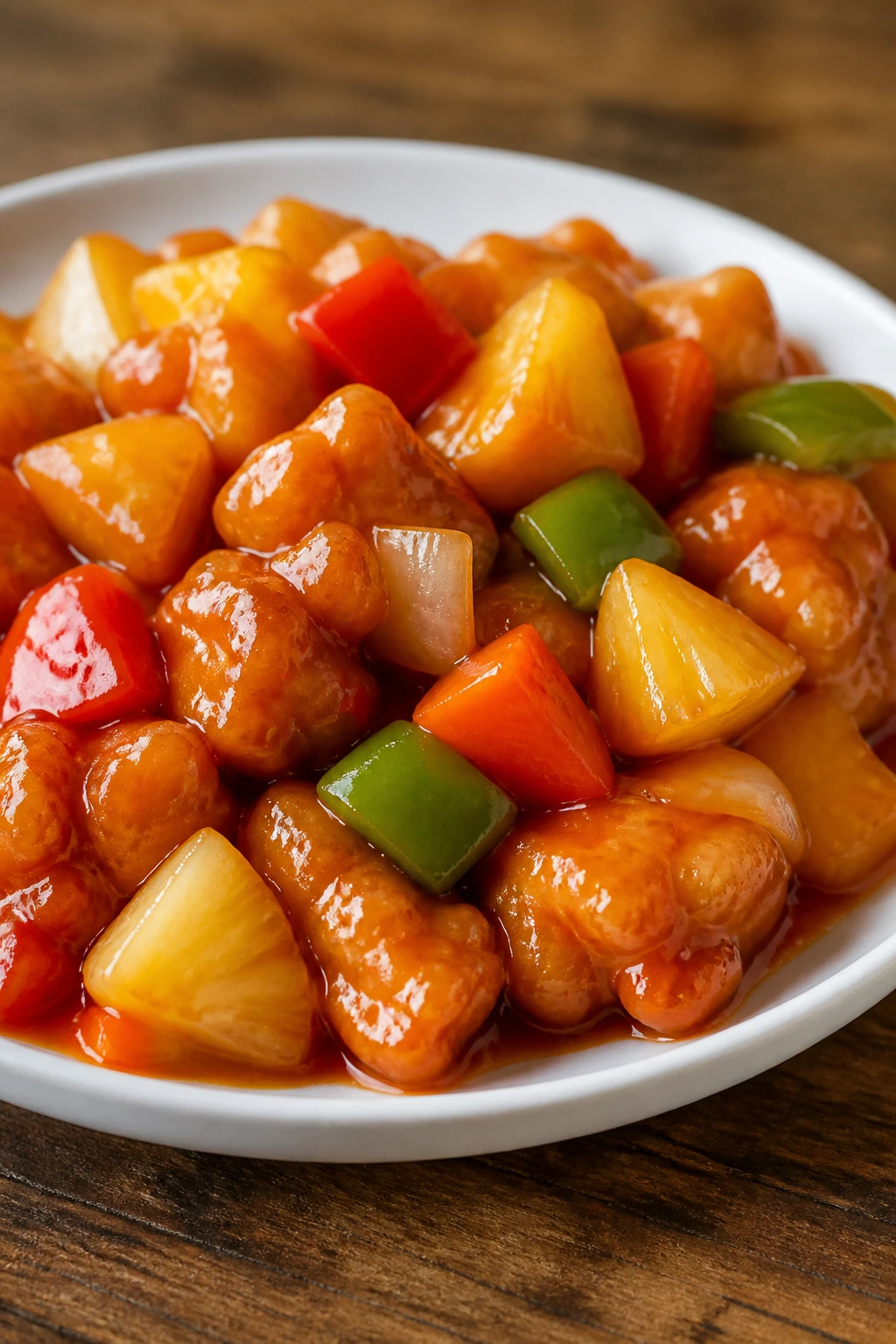
This one is all about contrast: crisp chicken, a glossy tangy sauce, and bits of pineapple or pepper if you want color on the plate. It tastes familiar in the best way, but home-cooked versions usually stay less greasy.
Why It Works:
A light cornstarch coating helps the chicken crisp before it meets the sauce. The sauce needs vinegar for tang, ketchup for body, and sugar for that candy-like edge people expect. Don’t drown the chicken; coat it.
Key Ingredients:
- 1 1/2 lbs chicken breast or thighs, bite-size pieces
- 1/2 cup cornstarch
- 2 eggs, beaten
- 1/2 cup flour
- 1/4 cup rice vinegar
- 1/4 cup ketchup
- 1/4 cup sugar
- 1 cup pineapple chunks
- 1 bell pepper, chopped
- 2 tbsp neutral oil
Quick Steps:
- Dip chicken in flour, egg, then cornstarch.
- Pan-fry or bake at 425°F until golden and cooked through.
- Simmer vinegar, ketchup, sugar, and 2 tbsp water until glossy.
- Toss chicken with sauce, pineapple, and bell pepper.
Equipment for This Recipe:
- Baking sheet or skillet
- 3 shallow bowls
- Saucepan
- Tongs
How to Serve This Dish:
Serve it with rice so the sauce has somewhere to go. A handful of scallions or sesame seeds on top makes the dish look fresher and less sticky-sweet.
Pro Tips for This Recipe:
- Bake the chicken on a rack if you want it less oily.
- Keep the sauce simmering, not boiling hard.
- Add the pineapple at the end so it stays bright.
Variations on This Dish:
- Orange Sweet and Sour: Add orange juice and zest to the sauce.
- Tofu Version: Use firm tofu cubes instead of chicken.
- Chili Sweet and Sour: Add chili flakes or sriracha for heat.
Common Mistakes to Avoid with This Dish:
- Sauce too thin: Simmer it long enough to coat a spoon.
- Chicken added too early: It gets soggy. Toss right before serving.
11. Crispy Orange Tofu
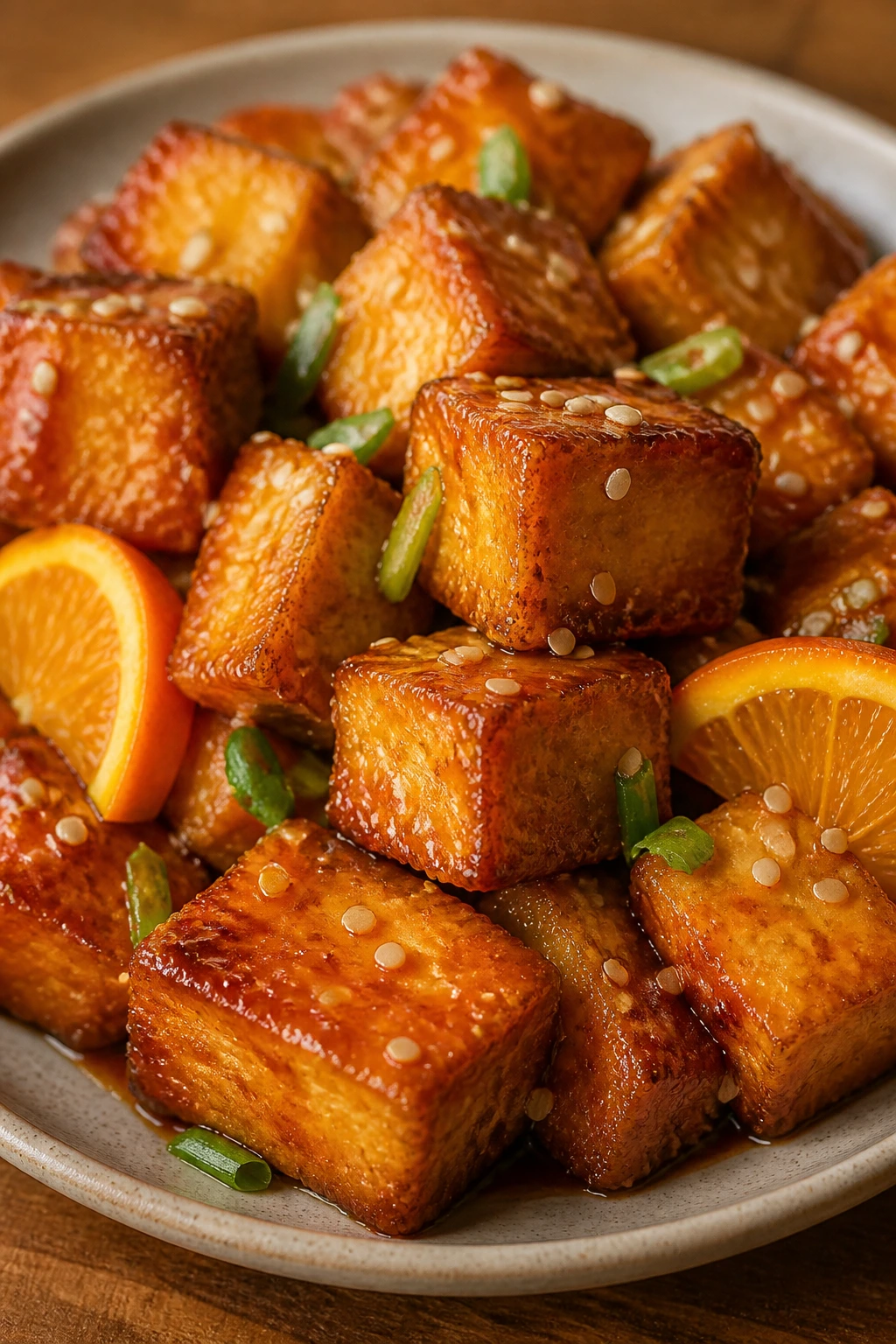
Orange tofu has to be crisp first and sauced second. If you skip that order, you end up with soft cubes in sweet liquid, which is not the same thing at all.
Why It Works:
Pressing tofu removes water, and that water is what keeps it from browning. Cornstarch gives the outside a light shell, and the orange sauce adds acid and sweetness at the end. The result is sticky rather than heavy.
Key Ingredients:
- 14 oz extra-firm tofu, pressed and cubed
- 1/3 cup cornstarch
- 2 tbsp neutral oil
- 1/2 cup orange juice
- 2 tbsp soy sauce
- 1 tbsp rice vinegar
- 1 tbsp sugar
- 1 tsp grated ginger
- 1 clove garlic, grated
Quick Steps:
- Toss tofu with cornstarch until lightly coated.
- Pan-fry or bake at 425°F until crisp and golden.
- Simmer orange juice, soy sauce, vinegar, sugar, ginger, and garlic for 2 to 3 minutes.
- Toss tofu in the sauce and serve immediately.
Equipment for This Recipe:
- Skillet or sheet pan
- Towel or tofu press
- Small saucepan
- Spatula
How to Serve This Dish:
Serve with steamed rice and broccoli, or tuck it into lettuce wraps. The tofu is best eaten soon after saucing, while the edges still have some crunch.
Pro Tips for This Recipe:
- Press the tofu for at least 15 minutes.
- Don’t crowd the pan or the coating softens.
- Add a little orange zest at the end for a sharper smell.
Variations on This Dish:
- Spicy Orange Tofu: Add chili flakes or chili paste.
- Sesame Orange Tofu: Finish with sesame seeds and a drop of sesame oil.
- Extra Crisp Version: Bake on a wire rack so air hits all sides.
Common Mistakes to Avoid with This Dish:
- Skipping the press: Wet tofu won’t brown well.
- Saucing too early: The crust loses its bite fast.
12. Pad Thai with Shrimp
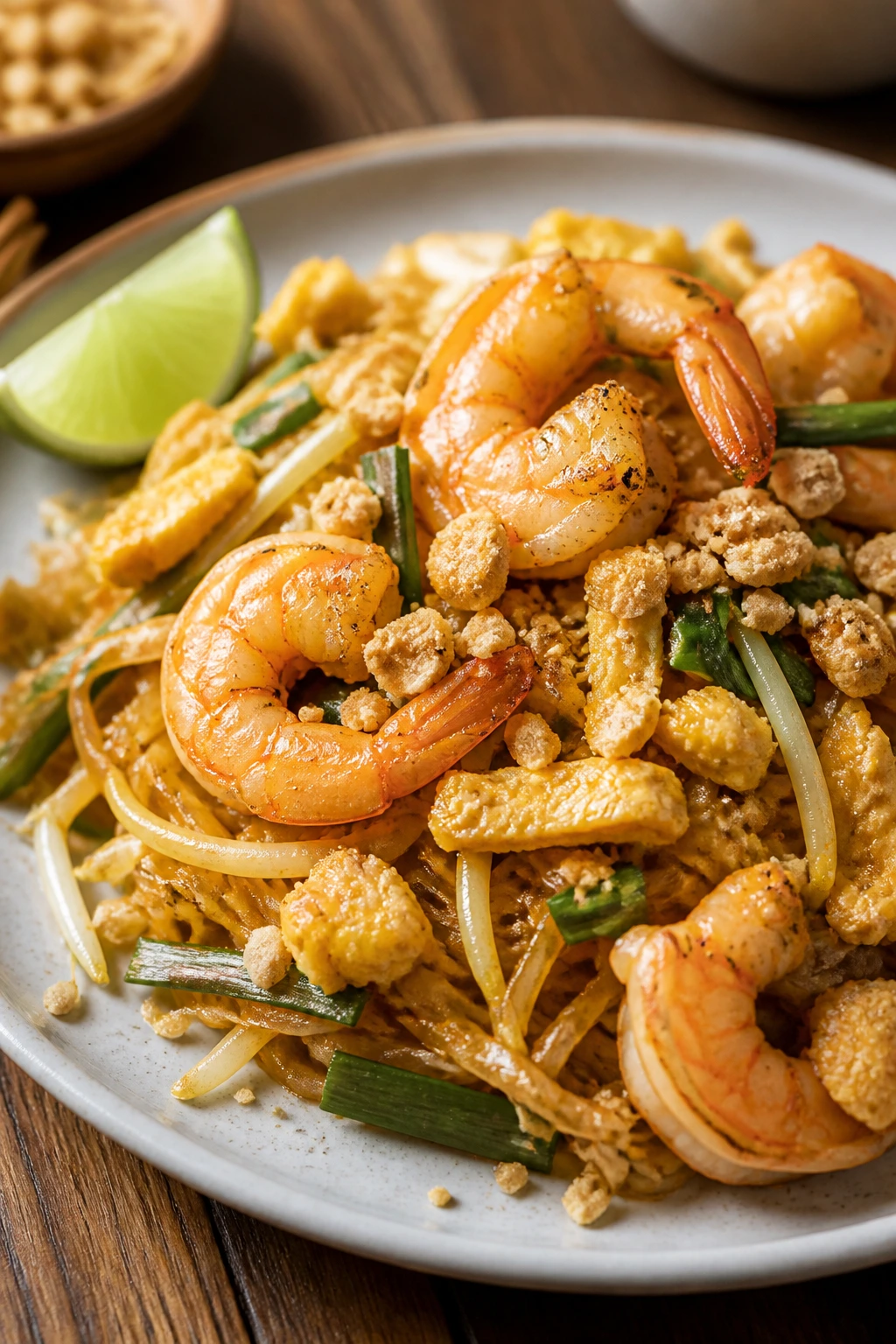
Pad Thai looks fussy until you realize most of the work is just prep. Once the noodles are ready and the sauce is mixed, the pan moves quickly and the smell turns nutty, sour, and a little sweet.
Why It Works:
Rice noodles need soaking or brief cooking, not a long boil. Tamarind, fish sauce, and sugar make the signature sauce, and shrimp finish fast enough that they don’t overcook while the noodles absorb flavor. The scrambled egg gives the dish body.
Key Ingredients:
- 8 oz rice noodles
- 1 lb shrimp, peeled
- 2 eggs, beaten
- 3 tbsp tamarind paste
- 2 tbsp fish sauce
- 2 tbsp sugar
- 2 tbsp neutral oil
- 1 cup bean sprouts
- 2 scallions, sliced
- 1/4 cup crushed peanuts
Quick Steps:
- Soak noodles until flexible, then drain.
- Whisk tamarind, fish sauce, sugar, and 3 tbsp water.
- Cook shrimp, then scramble eggs in the same pan.
- Add noodles and sauce; toss until coated and tender.
- Fold in bean sprouts, scallions, and peanuts.
Equipment for This Recipe:
- Wok or large skillet
- Pot or bowl for soaking noodles
- Tongs
- Whisk
How to Serve This Dish:
Serve with lime wedges and extra peanuts. A few bean sprouts on top keep the bowl from looking flat and heavy.
Pro Tips for This Recipe:
- Don’t over-soak the noodles or they’ll break in the pan.
- Keep the sauce ready before the heat goes on.
- Add the bean sprouts at the very end so they stay crunchy.
Variations on This Dish:
- Chicken Pad Thai: Swap shrimp for thinly sliced chicken.
- Tofu Pad Thai: Use crisp tofu cubes and a little extra oil.
- Spicier Pad Thai: Add dried chili flakes or chili oil.
Common Mistakes to Avoid with This Dish:
- Noodles that clump: Toss them right after draining.
- Too much heat on the sauce: Tamarind can go harsh if it scorches.
13. Chicken Katsu Curry
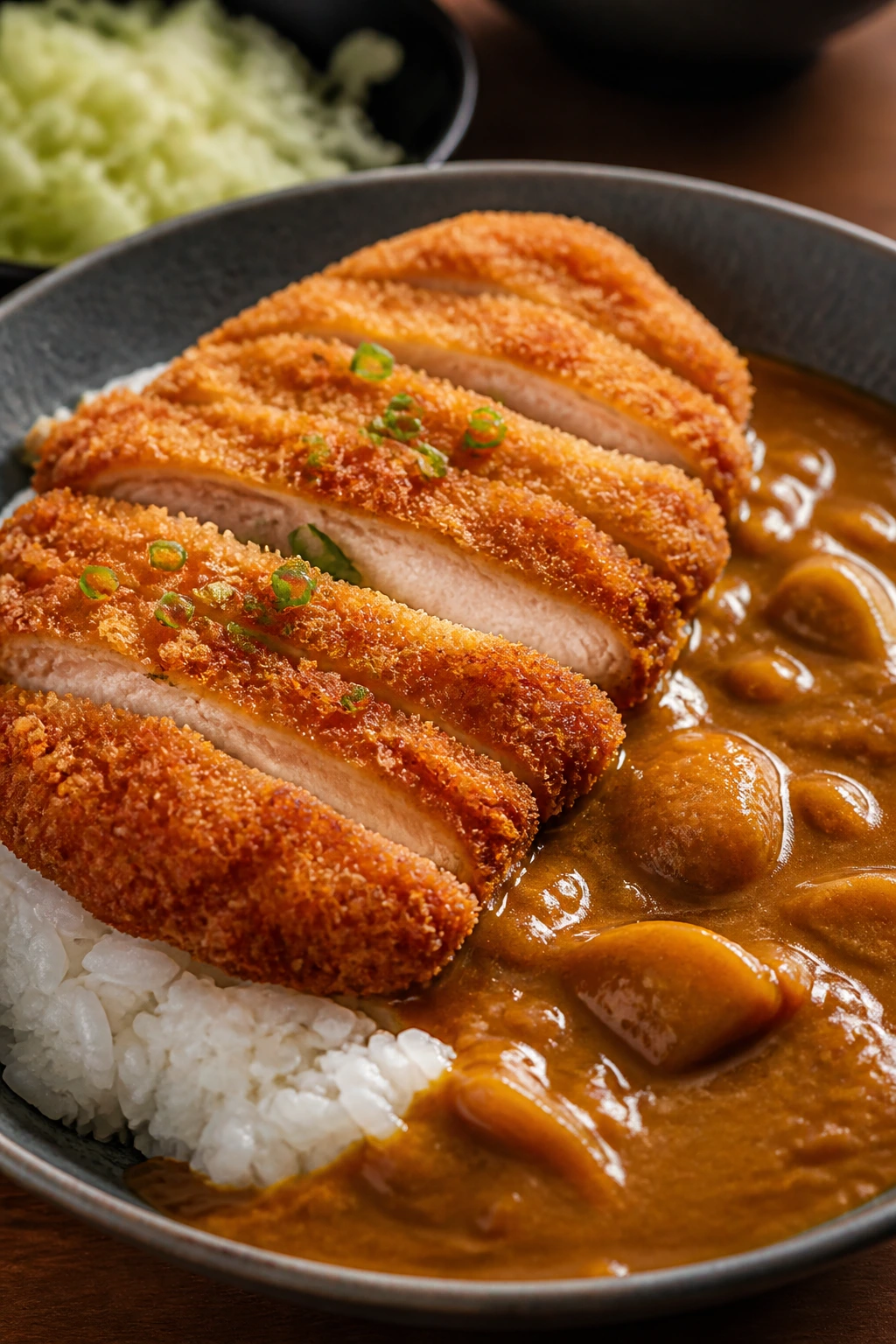
Chicken katsu curry gives you crisp cutlets, soft rice, and a thick curry sauce that coats everything in the bowl. It’s not a complicated dish, but it does reward a little care with the breading.
Why It Works:
Panko crumbs stay lighter and crisper than regular breadcrumbs. The curry sauce can be made from a roux base or a good curry block, which keeps the flavor deep without endless simmering. The cutlet and sauce contrast is the whole point.
Key Ingredients:
- 2 boneless chicken breasts, pounded even
- 1/2 cup flour
- 2 eggs, beaten
- 1 1/2 cups panko breadcrumbs
- 2 cups cooked rice
- 2 cups curry sauce or curry block base
- 2 tbsp neutral oil
- Salt and pepper
Quick Steps:
- Season chicken, then coat in flour, egg, and panko.
- Pan-fry until golden, 4 to 5 minutes per side, or bake at 425°F.
- Warm the curry sauce until thick and smooth.
- Slice chicken and serve over rice with curry spooned alongside.
Equipment for This Recipe:
- Skillet or baking sheet
- Three shallow bowls
- Sharp knife
- Saucepan
How to Serve This Dish:
Serve the cutlet sliced into strips so the sauce can seep into the edges. A little shredded cabbage on the side gives the plate a needed snap.
Pro Tips for This Recipe:
- Pound the chicken to an even thickness so it cooks evenly.
- Press the panko on firmly so it doesn’t fall off in the pan.
- Keep the sauce thick enough to coat the rice, not flood it.
Variations on This Dish:
- Pork Katsu: Use pork cutlets instead of chicken.
- Vegetable Katsu: Swap in thick eggplant or cauliflower slabs.
- Mild Curry: Use a gentler curry base if you want less heat.
Common Mistakes to Avoid with This Dish:
- Oil not hot enough: The crust drinks oil and turns heavy.
- Cutting too soon: Let the chicken rest a few minutes before slicing.
14. Dan Dan Noodles
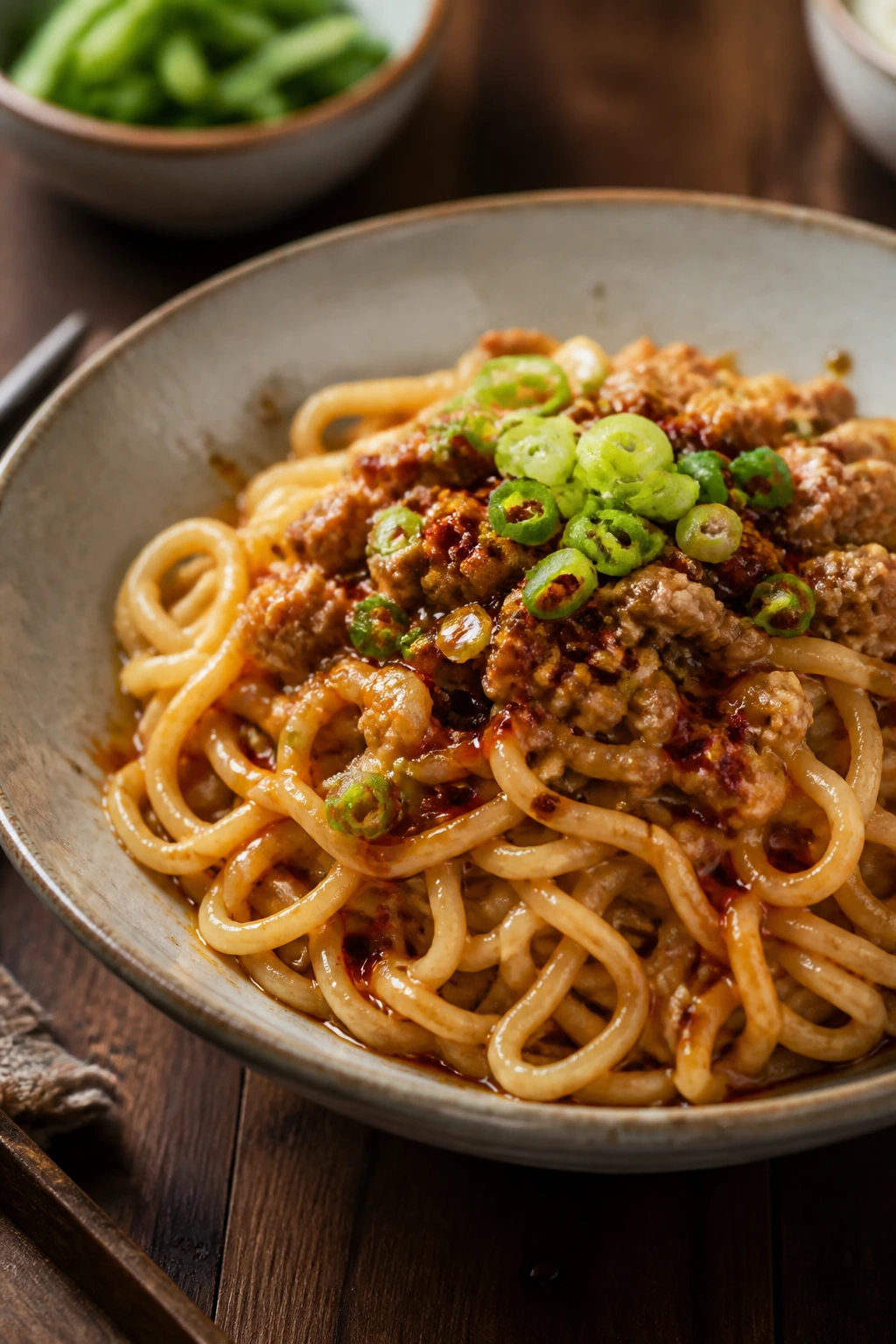
Dan dan noodles bring heat, sesame, and a deep savory sauce that clings to every strand. They’re richer than they look and sharper than they seem, which is exactly why people keep going back for another bite.
Why It Works:
Peanut or sesame paste gives the sauce body, while soy, black vinegar, and chili oil keep it lively. Ground pork adds richness, but the dish still feels balanced because the noodles are tossed in a small amount of sauce rather than drowned. Ground Sichuan pepper adds a tingle if you want it.
Key Ingredients:
- 8 oz noodles
- 1/2 lb ground pork
- 2 tbsp sesame paste or peanut butter
- 2 tbsp soy sauce
- 1 tbsp black vinegar
- 1 tbsp chili oil
- 2 cloves garlic, minced
- 1 tsp sugar
- 2 scallions, sliced
Quick Steps:
- Cook noodles, drain, and set aside.
- Brown pork with garlic until crisp at the edges.
- Whisk sesame paste, soy sauce, black vinegar, chili oil, sugar, and 2 tbsp warm water.
- Toss noodles with sauce and pork, then finish with scallions.
Equipment for This Recipe:
- Skillet
- Pot for noodles
- Small bowl
- Whisk or spoon
How to Serve This Dish:
Serve in shallow bowls so the sauce pools a little around the noodles. A few cucumber slices on the side help with the heat.
Pro Tips for This Recipe:
- Thin the sauce with warm water a spoonful at a time.
- Use black vinegar if you can; it gives the dish a deeper edge.
- Crisp bits of pork are worth chasing in the pan.
Variations on This Dish:
- Vegetarian Dan Dan: Use finely chopped mushrooms instead of pork.
- Peanut Dan Dan: Peanut butter gives a softer, rounder flavor.
- Extra Peppery: Add Sichuan pepper oil or crushed peppercorns.
Common Mistakes to Avoid with This Dish:
- Sauce too thick: It should coat, not paste itself to the noodles.
- Not balancing the heat: The vinegar matters as much as the chili.
15. Mapo Tofu
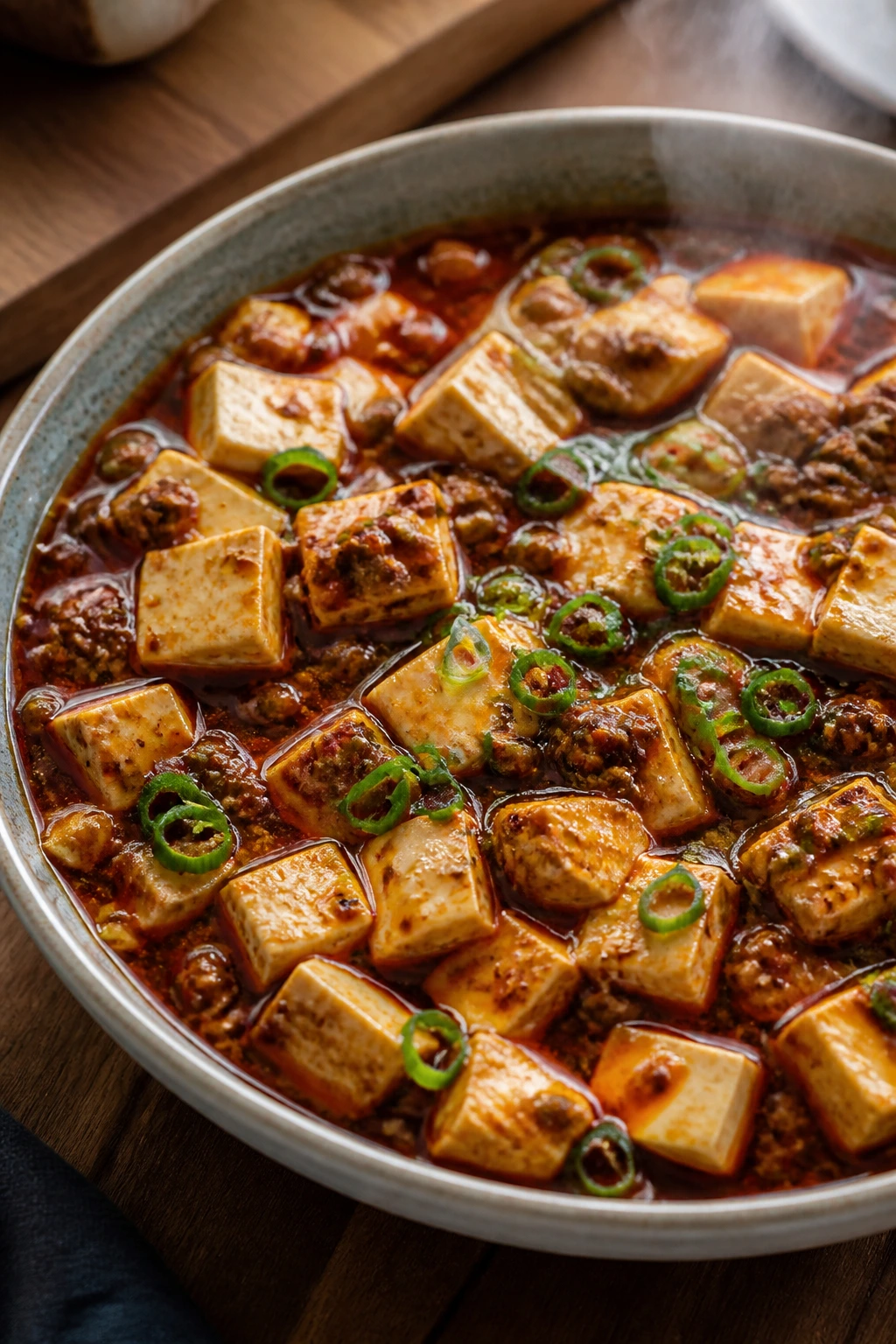
Mapo tofu looks simple and tastes far bigger than the ingredient list suggests. Soft tofu, spicy bean paste, and ground pork or mushrooms make a bowl that is silky, hot, and deeply savory.
Why It Works:
The tofu stays tender because it’s simmered gently, not stirred hard. Doubanjiang brings fermented heat and salt, which means you don’t need a long spice list. A little cornstarch thickens the sauce just enough to cling.
Key Ingredients:
- 14 oz firm or silken tofu, cubed
- 1/2 lb ground pork or mushrooms
- 1 tbsp doubanjiang
- 2 cloves garlic, minced
- 1 tsp ginger, minced
- 1 tbsp soy sauce
- 1 tsp cornstarch
- 1 cup broth
- 1 tbsp chili oil
- 2 scallions, sliced
Quick Steps:
- Brown pork or mushrooms with garlic and ginger.
- Stir in doubanjiang, soy sauce, broth, and chili oil.
- Add tofu gently and simmer 5 minutes.
- Mix cornstarch with water, stir it in, and cook until lightly thickened.
Equipment for This Recipe:
- Skillet or shallow pan
- Spoon or spatula
- Small bowl
- Measuring spoons
How to Serve This Dish:
Serve it over plain rice, because the sauce is the star. I like a bowl that lets the tofu sit without being crushed by the rice.
Pro Tips for This Recipe:
- Handle the tofu with care; stirring too hard breaks it.
- If the sauce tastes flat, add a touch more doubanjiang before reaching for salt.
- Use a shallow pan so the tofu pieces don’t pile up.
Variations on This Dish:
- Vegetarian Mapo: Use mushrooms and vegetable broth.
- Milder Mapo: Cut the doubanjiang in half and add more broth.
- Extra Hot Mapo: Add more chili oil or fermented chile paste.
Common Mistakes to Avoid with This Dish:
- Boiling too hard: Tofu breaks apart. Keep the simmer gentle.
- Salting too early: Doubanjiang is already salty. Taste first.
16. Scallion Pancakes
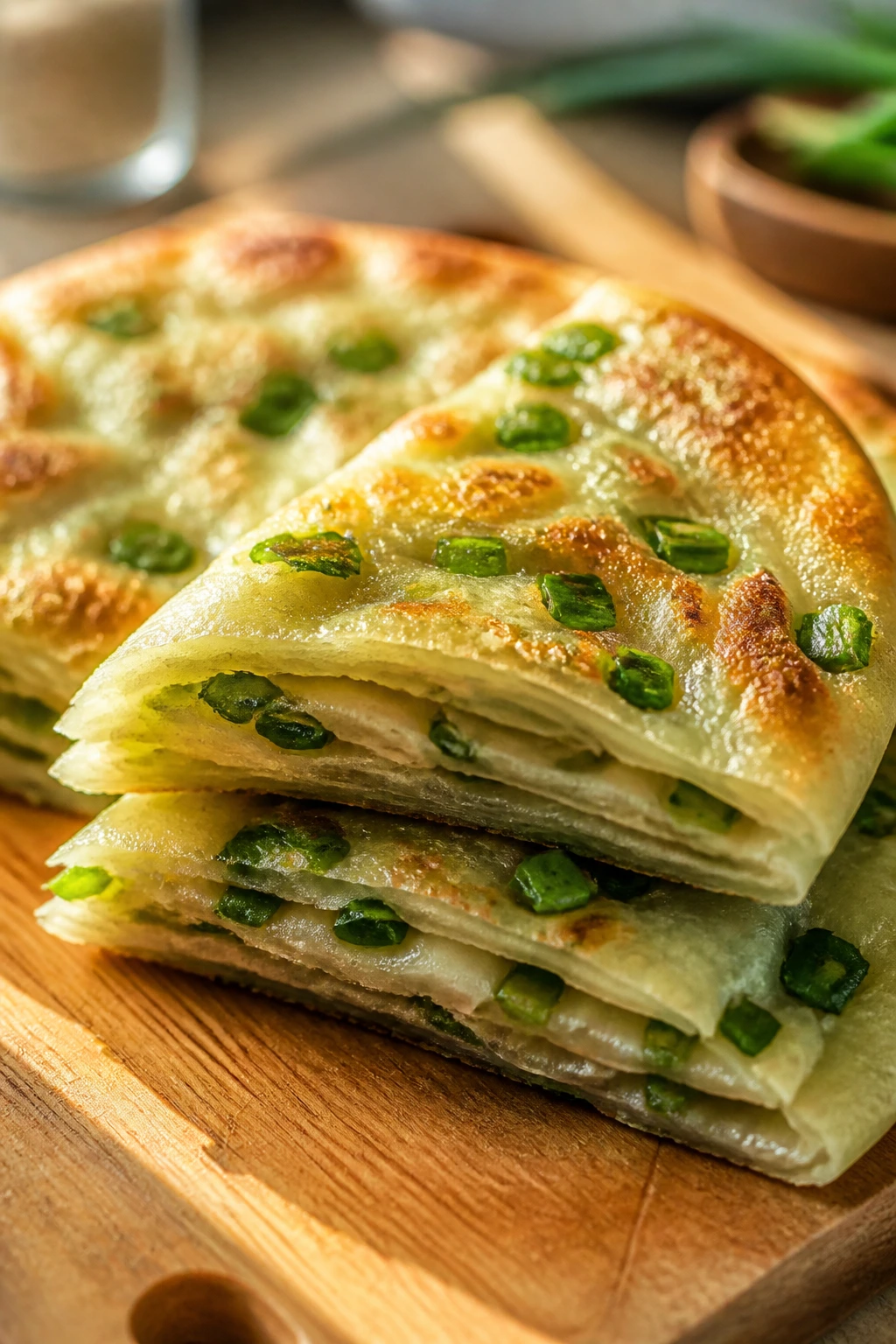
Scallion pancakes are all about the layers. When they’re done right, the crust cracks a little when you bite into it, and the inside stays chewy with little pockets of onion flavor.
Why It Works:
The dough is simple, but the lamination with oil and scallions creates those flaky layers. A hot skillet gives you the browned exterior before the inside dries out. They don’t need many ingredients, which is part of their charm.
Key Ingredients:
- 2 cups all-purpose flour
- 3/4 cup hot water
- 1/2 tsp salt
- 2 tbsp neutral oil
- 4 scallions, finely sliced
- Extra oil for frying
Quick Steps:
- Mix flour, salt, and hot water into a rough dough; rest 20 minutes.
- Roll thin, brush with oil, and sprinkle scallions.
- Roll into a coil, flatten, and roll thin again.
- Fry in a skillet until both sides are golden and blistered.
Equipment for This Recipe:
- Mixing bowl
- Rolling pin
- Skillet
- Pastry brush
How to Serve This Dish:
Cut them into wedges and serve with soy-vinegar dipping sauce. They work as a snack, a side, or the first thing gone from the table.
Pro Tips for This Recipe:
- Resting the dough matters or it will fight you.
- Don’t be stingy with oil between layers.
- Press gently in the pan so the center cooks through.
Variations on This Dish:
- Sesame Version: Add sesame seeds with the scallions.
- Chive Pancakes: Use chives for a sharper green flavor.
- Spicy Dip: Serve with chili oil and black vinegar.
Common Mistakes to Avoid with This Dish:
- Dough rolled too thick: The layers won’t cook through.
- Skillet too cold: The pancake absorbs oil instead of crisping.
17. Gyoza Potstickers
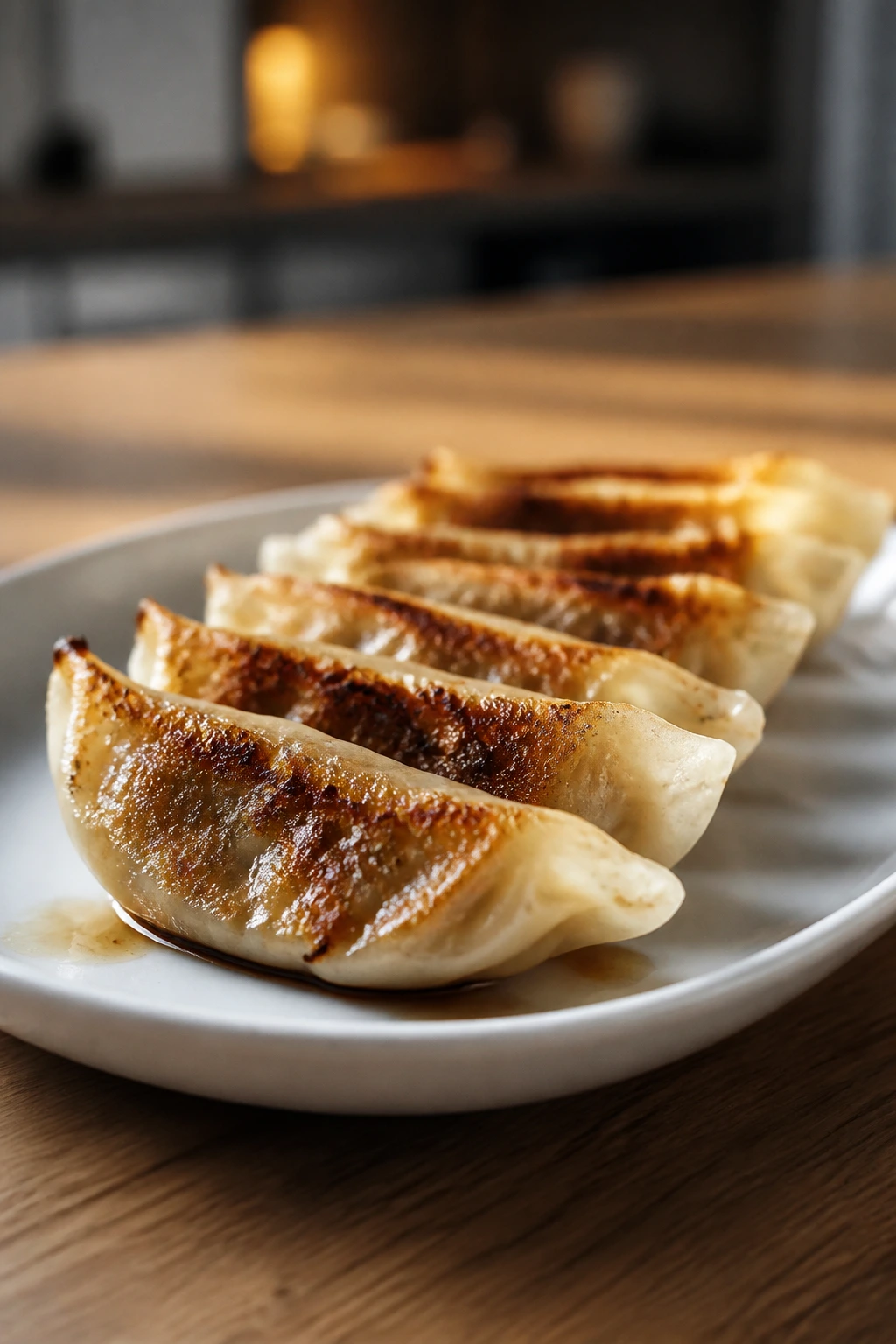
Potstickers are the kind of recipe that looks more complicated than it is once you get the fold and the sear down. The wrapper goes crisp on one side, tender on top, and the filling stays juicy.
Why It Works:
Ground pork, cabbage, and ginger make a filling that holds together without drying out. The steam-and-sear method gives you both textures in one pan. If you’ve got store-bought wrappers, half the work is already done.
Key Ingredients:
- 1 lb ground pork
- 1 cup finely chopped napa cabbage
- 2 scallions, minced
- 1 tbsp soy sauce
- 1 tsp sesame oil
- 1 tsp grated ginger
- 1 package gyoza or round dumpling wrappers
- 2 tbsp oil
- 1/3 cup water for steaming
Quick Steps:
- Mix pork, cabbage, scallions, soy sauce, sesame oil, and ginger.
- Fill wrappers and seal with a little water.
- Pan-fry in oil until the bottoms are golden.
- Add water, cover, and steam until cooked through.
Equipment for This Recipe:
- Nonstick skillet with lid
- Small bowl of water
- Spoon for filling
- Tray or plate for finished dumplings
How to Serve This Dish:
Serve with soy sauce, rice vinegar, and chili oil for dipping. A plate of them disappears fast, so I usually make more than I think I need.
Pro Tips for This Recipe:
- Squeeze excess water from the cabbage so the filling doesn’t leak.
- Don’t overfill the wrappers or they split.
- Let the pan reheat after steaming so the bottoms crisp again.
Variations on This Dish:
- Chicken Gyoza: Ground chicken works with the same seasoning.
- Veggie Gyoza: Mushrooms, cabbage, and tofu make a solid filling.
- Sesame-Spinach Gyoza: Add chopped spinach and a little extra sesame oil.
Common Mistakes to Avoid with This Dish:
- Leaky seals: Press out air before closing the wrapper.
- Soggy bottoms: Re-crisp them after steaming for a minute.
18. Vietnamese Lemongrass Chicken
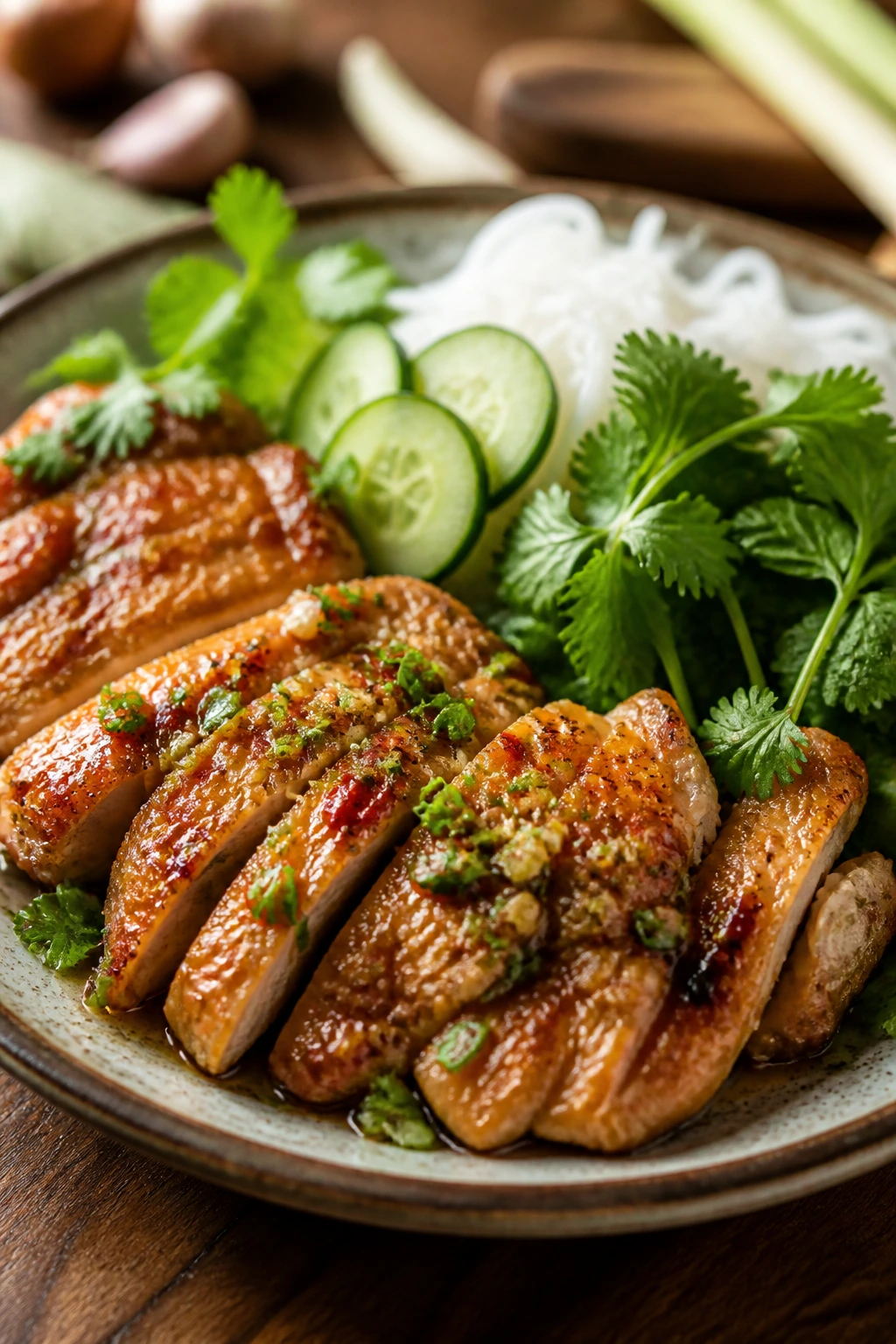
Lemongrass chicken smells clean and bright, almost citrusy, before it even hits the table. It’s one of those dishes that tastes like you worked harder than you did.
Why It Works:
Lemongrass, fish sauce, garlic, and a little sugar make a marinade that punches way above its weight. Chicken thighs absorb the flavor and stay juicy during a fast sauté or grill. The herbs and pickled vegetables on top sharpen everything.
Key Ingredients:
- 1 1/2 lbs chicken thighs, sliced
- 2 stalks lemongrass, finely minced
- 3 cloves garlic, minced
- 2 tbsp fish sauce
- 1 tbsp soy sauce
- 1 tbsp sugar
- 2 tbsp neutral oil
- 1 cucumber, sliced
- Fresh herbs for serving
Quick Steps:
- Mix lemongrass, garlic, fish sauce, soy sauce, sugar, and oil.
- Marinate chicken 20 minutes.
- Sauté in a hot pan until browned and cooked through.
- Serve with cucumber and herbs over rice or noodles.
Equipment for This Recipe:
- Skillet or grill pan
- Mixing bowl
- Knife and cutting board
- Tongs
How to Serve This Dish:
Serve with rice noodles or jasmine rice and a pile of herbs. Mint, cilantro, and Thai basil make the plate feel fresh instead of heavy.
Pro Tips for This Recipe:
- Use the pale inner part of the lemongrass, not the woody outer stalk.
- Slice the chicken thin for quicker browning.
- A little pickled carrot adds a lot of lift.
Variations on This Dish:
- Lemongrass Tofu: Pressed tofu soaks up the marinade well.
- Grilled Version: Thread the chicken onto skewers for outdoor cooking.
- Spicier Version: Add chopped Thai chili to the marinade.
Common Mistakes to Avoid with This Dish:
- Lemongrass left in big pieces: It stays stringy. Mince it finely.
- Marinating too long: The fish sauce can get aggressive after many hours.
19. Coconut Curry Chickpeas
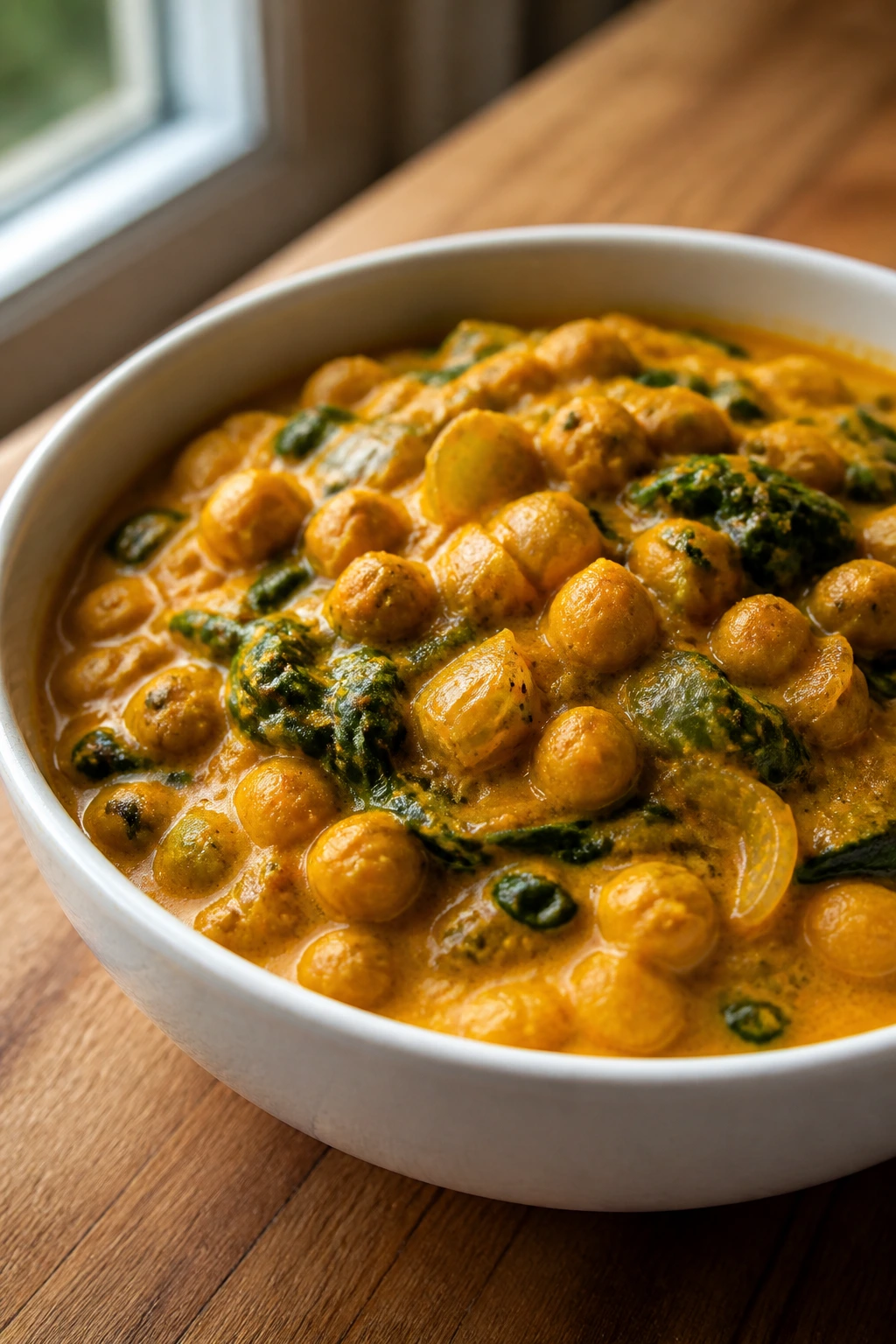
This is the pantry dinner I trust when I need something warm and filling without a grocery run. Coconut milk gives you a soft, rich base, and curry paste does most of the flavor work for you.
Why It Works:
Chickpeas hold their shape and soak up the curry sauce without turning mushy. Coconut milk smooths out the heat, while lime at the end keeps the bowl from tasting flat. A short simmer is enough.
Key Ingredients:
- 2 cans chickpeas, drained and rinsed
- 1 can coconut milk, 13.5 oz
- 2 tbsp curry paste
- 1 onion, diced
- 2 cloves garlic, minced
- 1 tbsp grated ginger
- 1 tbsp lime juice
- 2 cups spinach
- 2 tbsp oil
Quick Steps:
- Cook onion, garlic, and ginger in oil until soft.
- Stir in curry paste and cook 30 seconds.
- Add coconut milk and chickpeas; simmer 10 minutes.
- Stir in spinach and lime juice until wilted.
Equipment for This Recipe:
- Saucepan or deep skillet
- Wooden spoon
- Can opener
- Measuring spoons
How to Serve This Dish:
Serve over rice with chopped cilantro or green onions. A spoonful of yogurt on top is optional, but nice if you want to cool the heat.
Pro Tips for This Recipe:
- Fry the curry paste briefly so it tastes fuller.
- Use full-fat coconut milk for a better texture.
- If the sauce gets too thick, add a splash of water or broth.
Variations on This Dish:
- Sweet Potato Curry: Add diced sweet potato and simmer until tender.
- Tofu Curry: Add cubed tofu with the chickpeas.
- Peanut Curry: Stir in 1 tbsp peanut butter for a rounder flavor.
Common Mistakes to Avoid with This Dish:
- Weak curry flavor: The paste needs a brief fry in oil first.
- Too many greens too soon: Spinach should go in at the end or it disappears.
20. Soba Noodle Salad
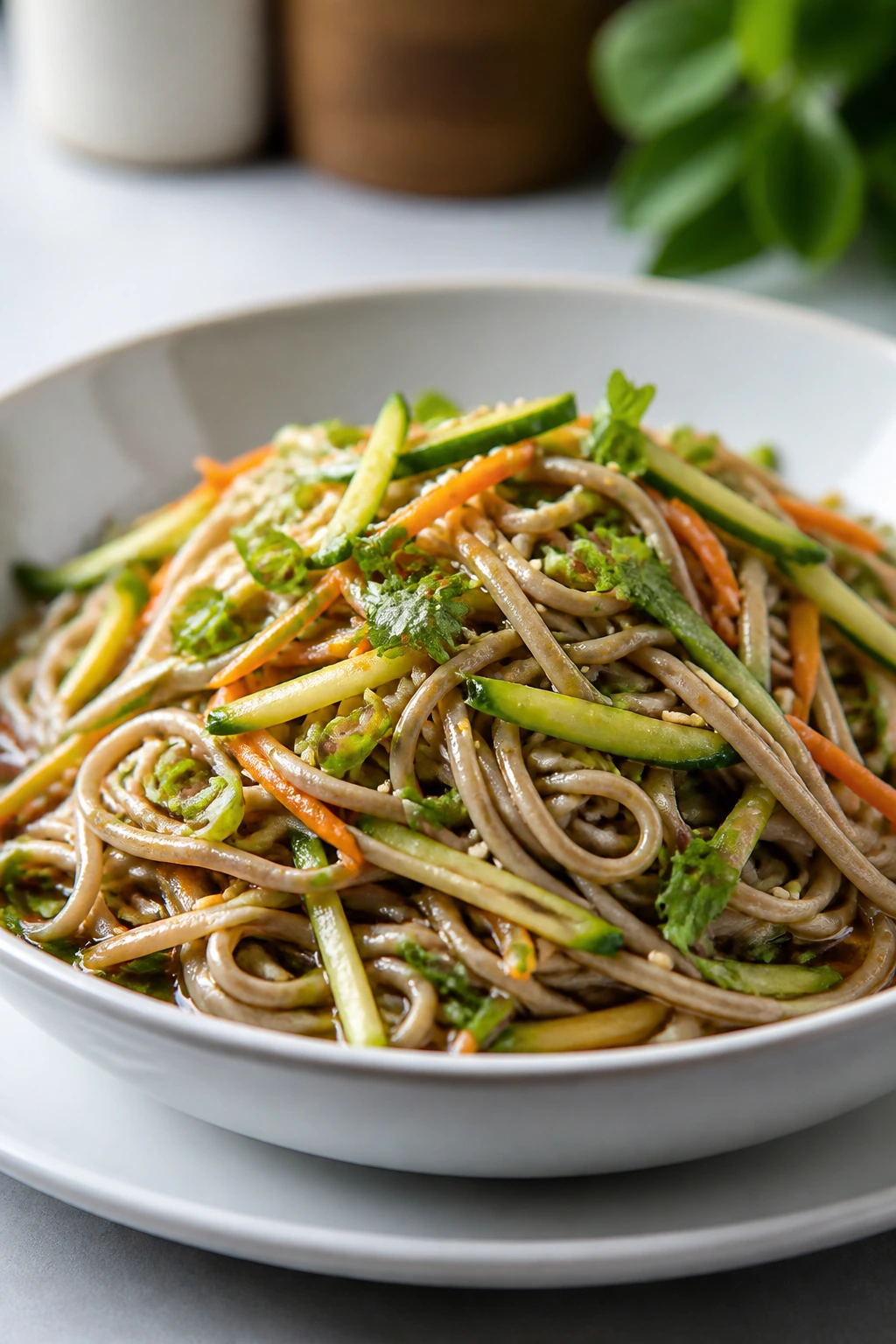
This salad is cold, nutty, and a little sharp, which makes it one of the easiest warm-weather dinners to keep on repeat. The noodles are the base, but the vegetables and dressing give it its shape.
Why It Works:
Soba noodles have a firm bite and hold up well when chilled. The dressing uses soy, sesame oil, and vinegar, so it coats without making the bowl soggy. Crisp vegetables keep each forkful from blending into one texture.
Key Ingredients:
- 8 oz soba noodles
- 1 cucumber, julienned
- 1 carrot, julienned
- 2 scallions, sliced
- 2 tbsp soy sauce
- 1 tbsp rice vinegar
- 1 tbsp sesame oil
- 1 tsp honey
- 1 tbsp sesame seeds
Quick Steps:
- Cook soba noodles, rinse under cold water, and drain well.
- Whisk soy sauce, vinegar, sesame oil, and honey.
- Toss noodles with cucumber, carrot, scallions, and dressing.
- Finish with sesame seeds and chill briefly if desired.
Equipment for This Recipe:
- Pot
- Colander
- Mixing bowl
- Whisk
How to Serve This Dish:
Serve as a main lunch or a side with grilled chicken or tofu. It looks best in a shallow bowl where the vegetables stay visible on top.
Pro Tips for This Recipe:
- Rinse soba well to remove surface starch.
- Dry the vegetables before mixing or the dressing thins out.
- Toss just before serving if you want the crunchiest texture.
Variations on This Dish:
- Spicy Sesame Soba: Add chili oil to the dressing.
- Peanut Soba Salad: Replace half the sesame oil with peanut butter thinned with water.
- Edamame Version: Add shelled edamame for extra protein.
Common Mistakes to Avoid with This Dish:
- Noodles left wet: They dilute the dressing.
- Overdressing: Start with less; you can always add more.
21. Garlic Bok Choy with Mushrooms
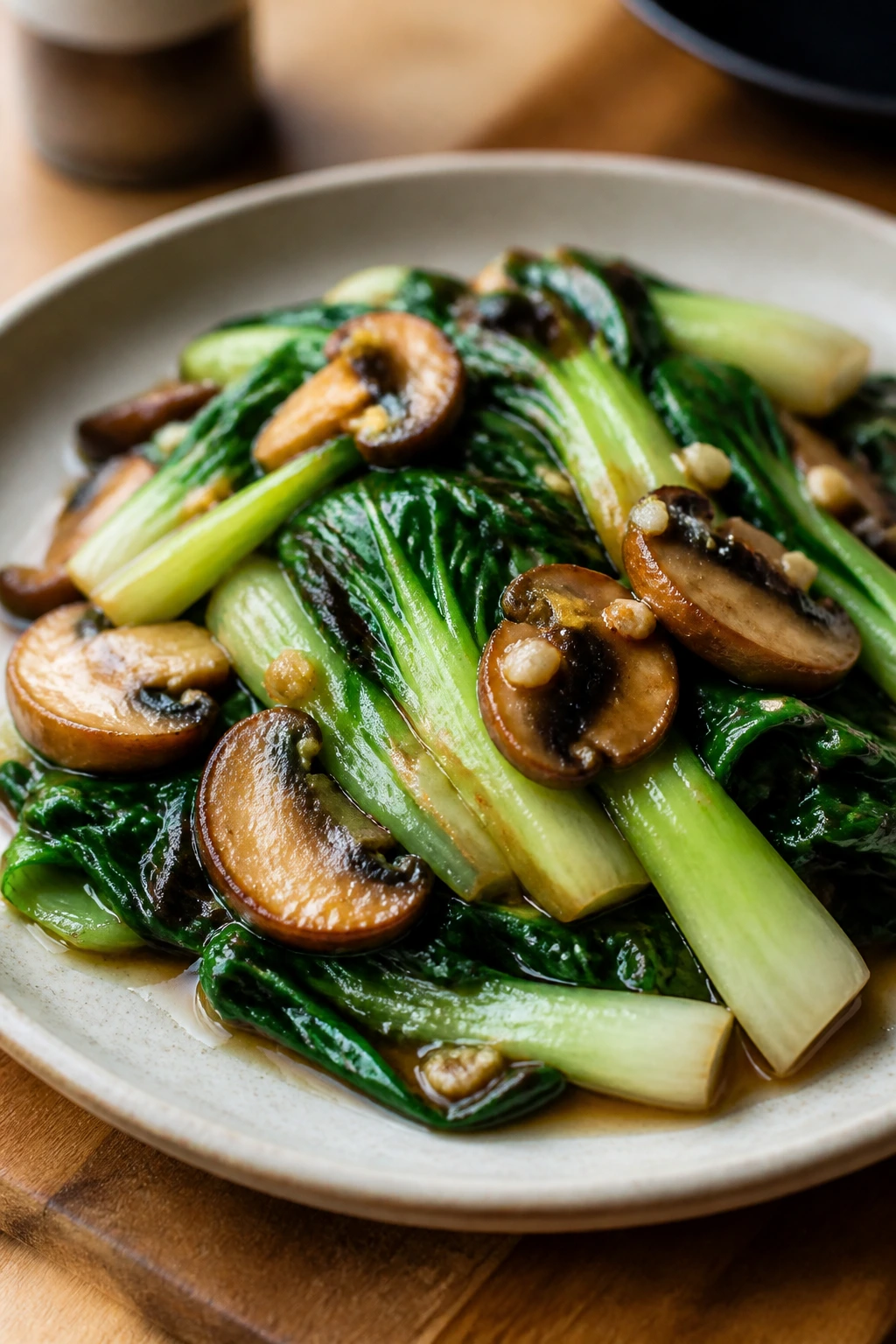
Sometimes the best side dish is the one that tastes like it only took effort. Bok choy and mushrooms cook quickly, soak up garlic, and leave you with a plate that looks polished without much fuss.
Why It Works:
Bok choy stems and leaves need different timing, which is why the stems go in first. Mushrooms release moisture, then brown once that moisture cooks off. Garlic and sesame oil finish the dish with a clean, savory smell.
Key Ingredients:
- 2 heads bok choy, halved
- 8 oz mushrooms, sliced
- 3 cloves garlic, sliced
- 1 tbsp soy sauce
- 1 tsp sesame oil
- 1 tbsp neutral oil
- 2 tbsp water
Quick Steps:
- Sear mushrooms in oil until they release moisture and start browning.
- Add garlic and bok choy stems; cook 1 minute.
- Add leaves, water, and soy sauce; cover briefly until wilted.
- Finish with sesame oil.
Equipment for This Recipe:
- Large skillet
- Knife and board
- Lid
- Spatula
How to Serve This Dish:
Serve beside rice, noodles, or grilled fish. It also works as a quick base under a fried egg if you want a lighter meal.
Pro Tips for This Recipe:
- Keep the bok choy dry before it hits the pan.
- Slice mushrooms thick enough that they don’t vanish.
- Add sesame oil at the end so its aroma stays strong.
Variations on This Dish:
- Spicy Bok Choy: Add chili flakes with the garlic.
- Oyster Mushroom Version: Use oyster mushrooms for a meatier bite.
- Ginger Bok Choy: Add 1 tsp minced ginger with the garlic.
Common Mistakes to Avoid with This Dish:
- Overcrowding the pan: Mushrooms steam instead of browning.
- Cooking the leaves too long: They collapse into a dull pile.
22. Chinese Egg Drop Soup
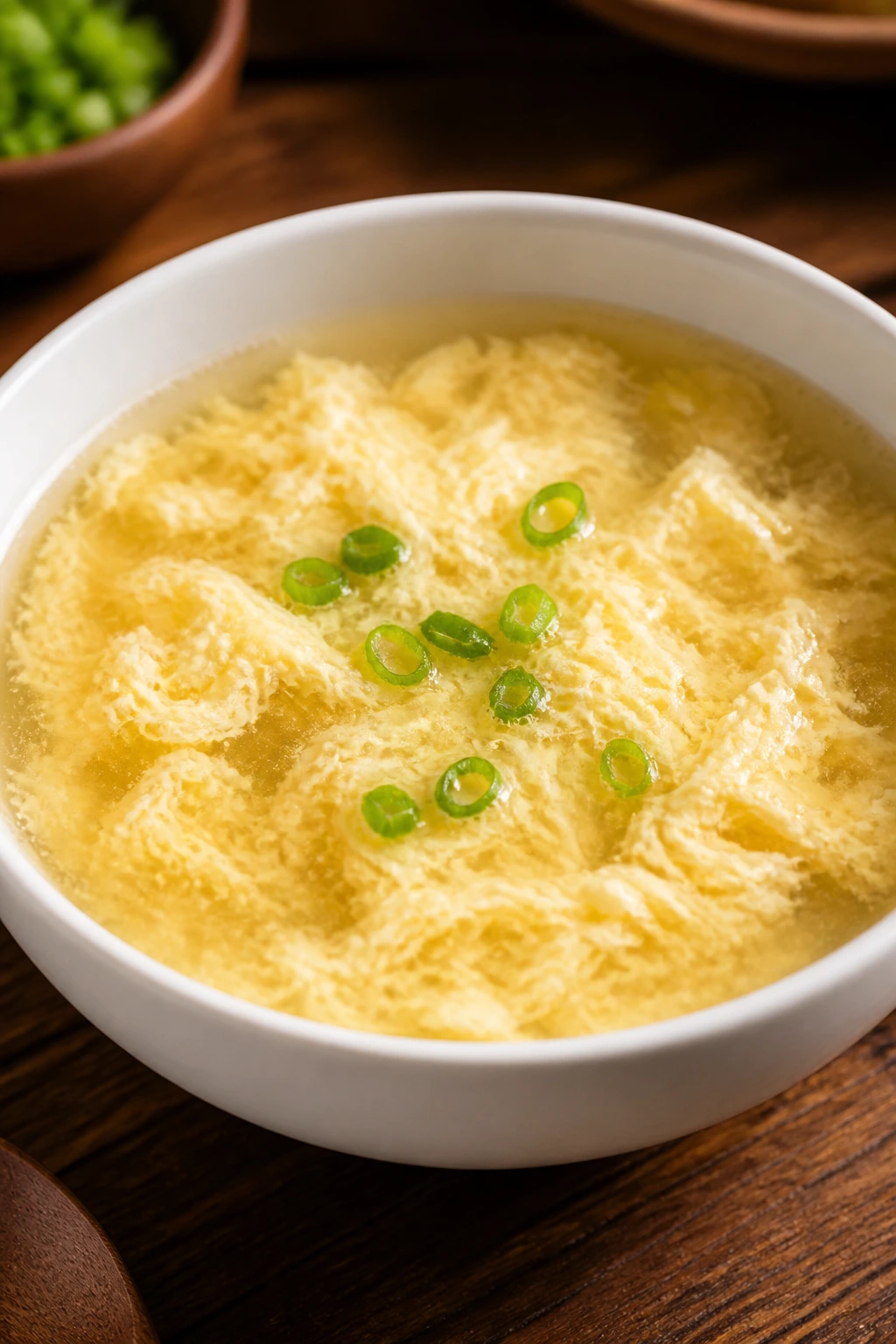
Egg drop soup is barely a recipe in the best sense. You need broth, eggs, a little starch, and one gentle stir, and suddenly the bowl feels warm, silky, and a lot more complete than the ingredient list suggests.
Why It Works:
Cornstarch thickens the broth enough to suspend the egg ribbons. The key is a slow pour of beaten egg into gently swirling liquid, not a hard boil. Scallions and white pepper finish the bowl with lift.
Key Ingredients:
- 4 cups chicken or vegetable broth
- 2 eggs, beaten
- 1 tbsp cornstarch mixed with 2 tbsp water
- 2 scallions, sliced
- 1/4 tsp white pepper
- Salt to taste
Quick Steps:
- Bring broth to a gentle simmer.
- Stir in cornstarch slurry and cook 30 seconds.
- Slowly drizzle beaten eggs into the broth while stirring in one direction.
- Add white pepper and scallions, then serve hot.
Equipment for This Recipe:
- Saucepan
- Fork or whisk
- Small bowl
- Ladle
How to Serve This Dish:
Serve it as a starter or alongside dumplings and rice. The bowl should be hot enough that steam still rises when it hits the table.
Pro Tips for This Recipe:
- Beat the eggs well so the ribbons stay fine.
- Pour slowly for soft strands or faster for larger curds.
- Taste the broth before salting; some stocks need none.
Variations on This Dish:
- Corn Egg Drop: Add a handful of frozen corn.
- Ginger Egg Drop: Simmer a few slices of ginger in the broth first.
- Tofu Egg Drop: Add tiny tofu cubes for more body.
Common Mistakes to Avoid with This Dish:
- Boiling too hard: The egg turns stringy and broken.
- Skipping the slurry: The broth stays thin and the egg sinks.
23. Char Siu-Style Pork Tenderloin
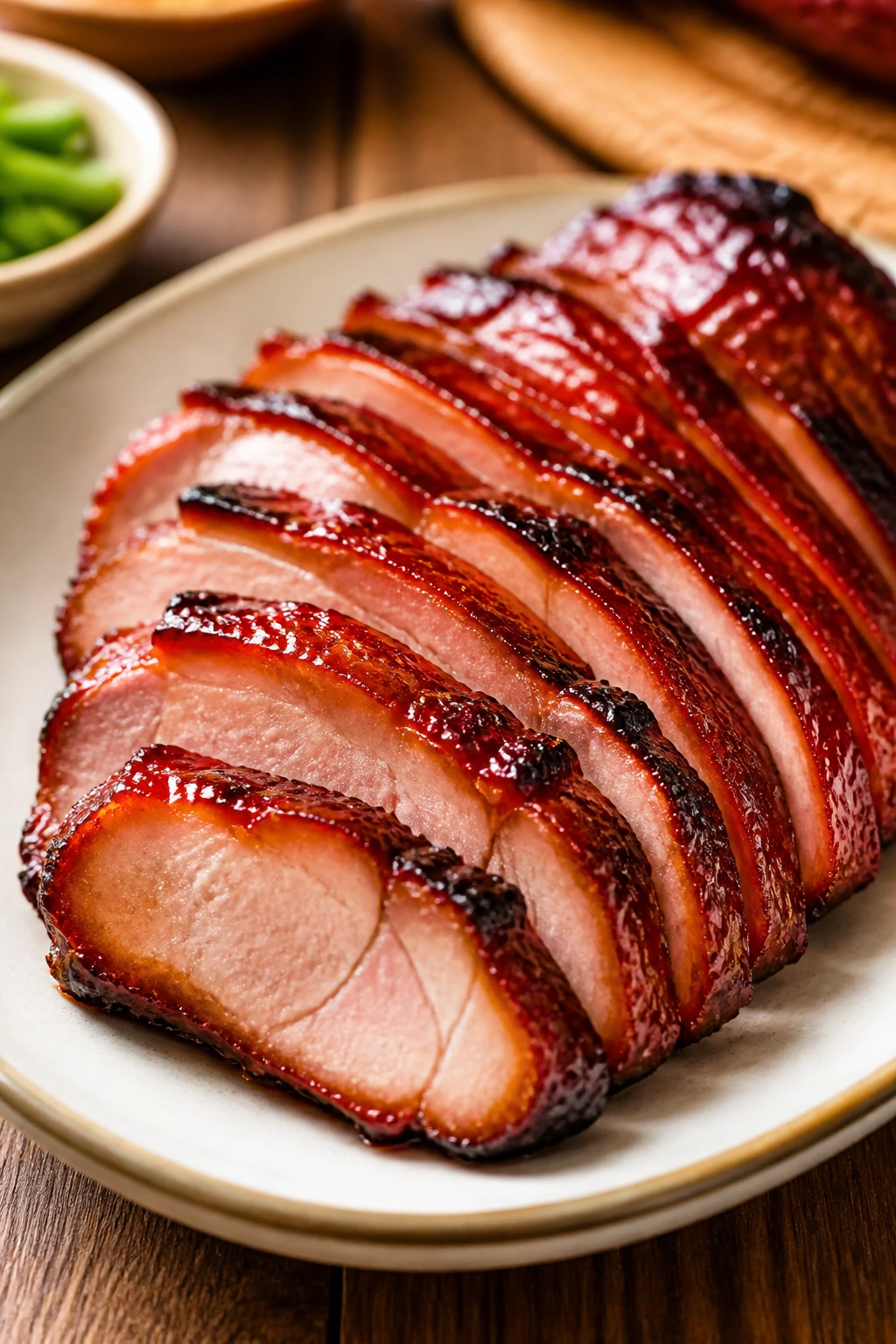
This is the shortcut version of char siu, and I mean that as a compliment. Pork tenderloin takes the sweet-savory glaze well, roasts quickly, and slices into a glossy pink-centered dinner that looks fancier than it is.
Why It Works:
Pork tenderloin cooks fast and stays tender if you don’t overbake it. Hoisin, soy, honey, and five-spice create the familiar barbecue-like flavor. A quick rest after roasting keeps the juices in place.
Key Ingredients:
- 1 1/2 lbs pork tenderloin
- 2 tbsp hoisin sauce
- 2 tbsp soy sauce
- 1 tbsp honey
- 1 tsp Chinese five-spice powder
- 2 cloves garlic, minced
- 1 tbsp oil
Quick Steps:
- Mix hoisin, soy sauce, honey, five-spice, garlic, and oil.
- Coat the pork and rest 20 minutes if you have time.
- Roast at 425°F for 18 to 22 minutes, brushing once midway.
- Rest 5 to 10 minutes, then slice.
Equipment for This Recipe:
- Baking dish or sheet pan
- Small bowl
- Basting brush
- Sharp knife
How to Serve This Dish:
Slice it thin and serve with rice, sautéed greens, or steamed buns. A few drips of glaze on the cutting board are part of the appeal.
Pro Tips for This Recipe:
- Use a thermometer and pull the pork around 145°F.
- Don’t skip the rest or the juices run out.
- Brush a little glaze on after slicing for shine.
Variations on This Dish:
- Chicken Char Siu: Use chicken thighs for a softer texture.
- Spicy Char Siu: Add chili paste to the glaze.
- Honey-Mustard Twist: Mix a spoonful of mustard into the glaze for tang.
Common Mistakes to Avoid with This Dish:
- Overbaking: Tenderloin dries out fast.
- Glazing too early at high heat: Sugar can burn before the pork cooks.
24. General Tso’s Cauliflower
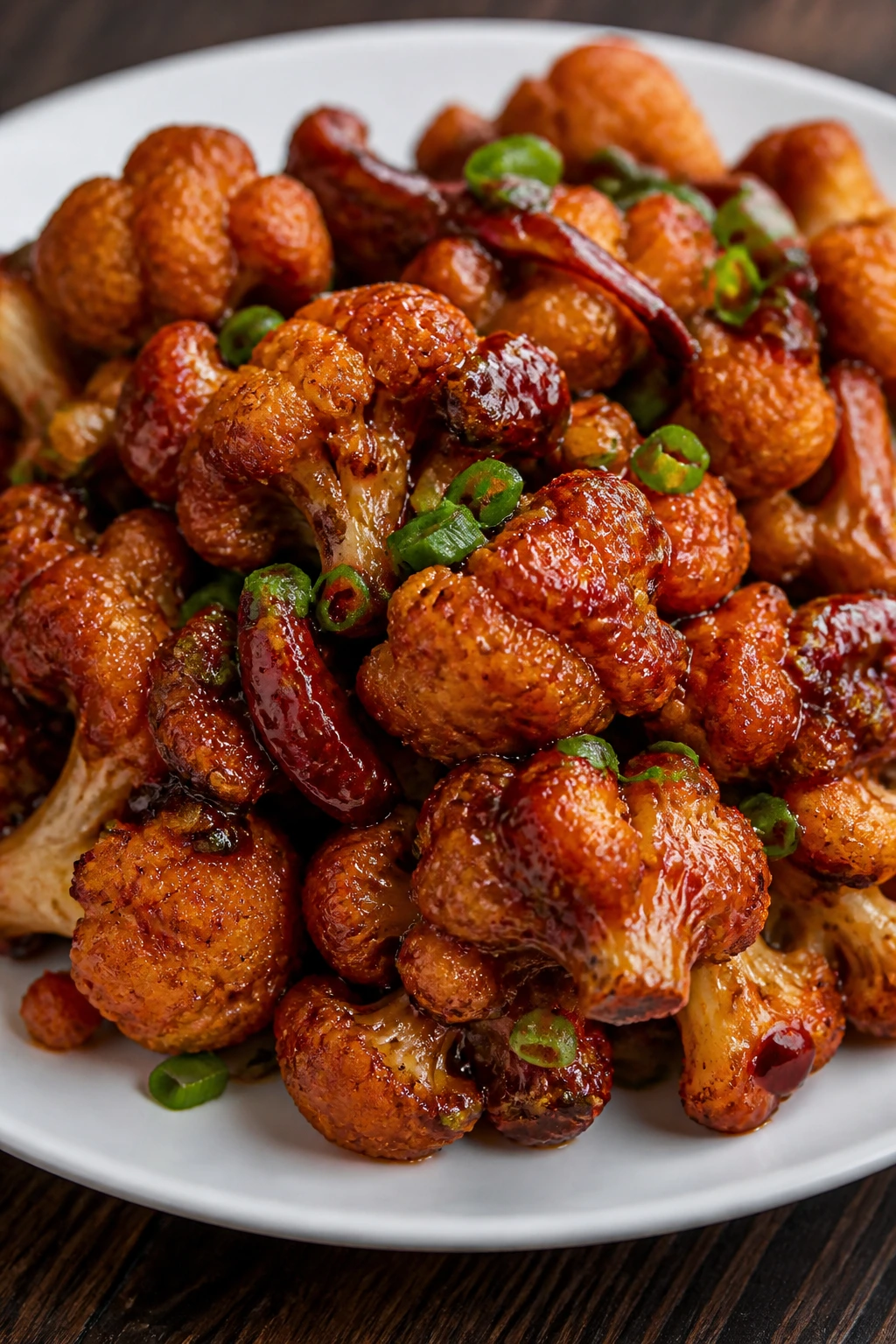
Cauliflower gets a lot of attention when it’s crisp and sauced properly. Here, it turns into sticky, spicy bites that hold their shape long enough to actually taste like food, not a compromise.
Why It Works:
A dry coating and hot oven or air fryer help the cauliflower brown before it gets sauced. The sauce should be sweet, tangy, and a little fiery, which is exactly why it clings so well to the florets. Finish fast.
Key Ingredients:
- 1 large head cauliflower, cut into florets
- 1/2 cup flour
- 1/2 cup cornstarch
- 3/4 cup water
- 2 tbsp soy sauce
- 2 tbsp rice vinegar
- 2 tbsp sugar
- 1 tbsp chili garlic sauce
- 2 tbsp oil
Quick Steps:
- Whisk flour, cornstarch, and water into a light batter.
- Coat cauliflower and bake at 425°F or air-fry until crisp.
- Simmer soy sauce, vinegar, sugar, and chili garlic sauce.
- Toss cauliflower in sauce and serve right away.
Equipment for This Recipe:
- Baking sheet or air fryer
- Mixing bowl
- Saucepan
- Tongs
How to Serve This Dish:
Serve with rice and a scatter of scallions. If the cauliflower sits too long after saucing, it softens, so get it to the table quickly.
Pro Tips for This Recipe:
- Space the florets out so they brown, not steam.
- Sauce only the amount you plan to eat immediately.
- A little sesame oil at the end helps the glaze smell finished.
Variations on This Dish:
- Orange Cauliflower: Swap part of the vinegar for orange juice.
- Extra Crispy Version: Use the air fryer and a lighter batter.
- Mild Version: Cut the chili garlic sauce in half.
Common Mistakes to Avoid with This Dish:
- Wet batter: It slides off and makes the cauliflower gummy.
- Saucing too early: The crust softens almost immediately.
25. Sushi Rice Bowls with Salmon
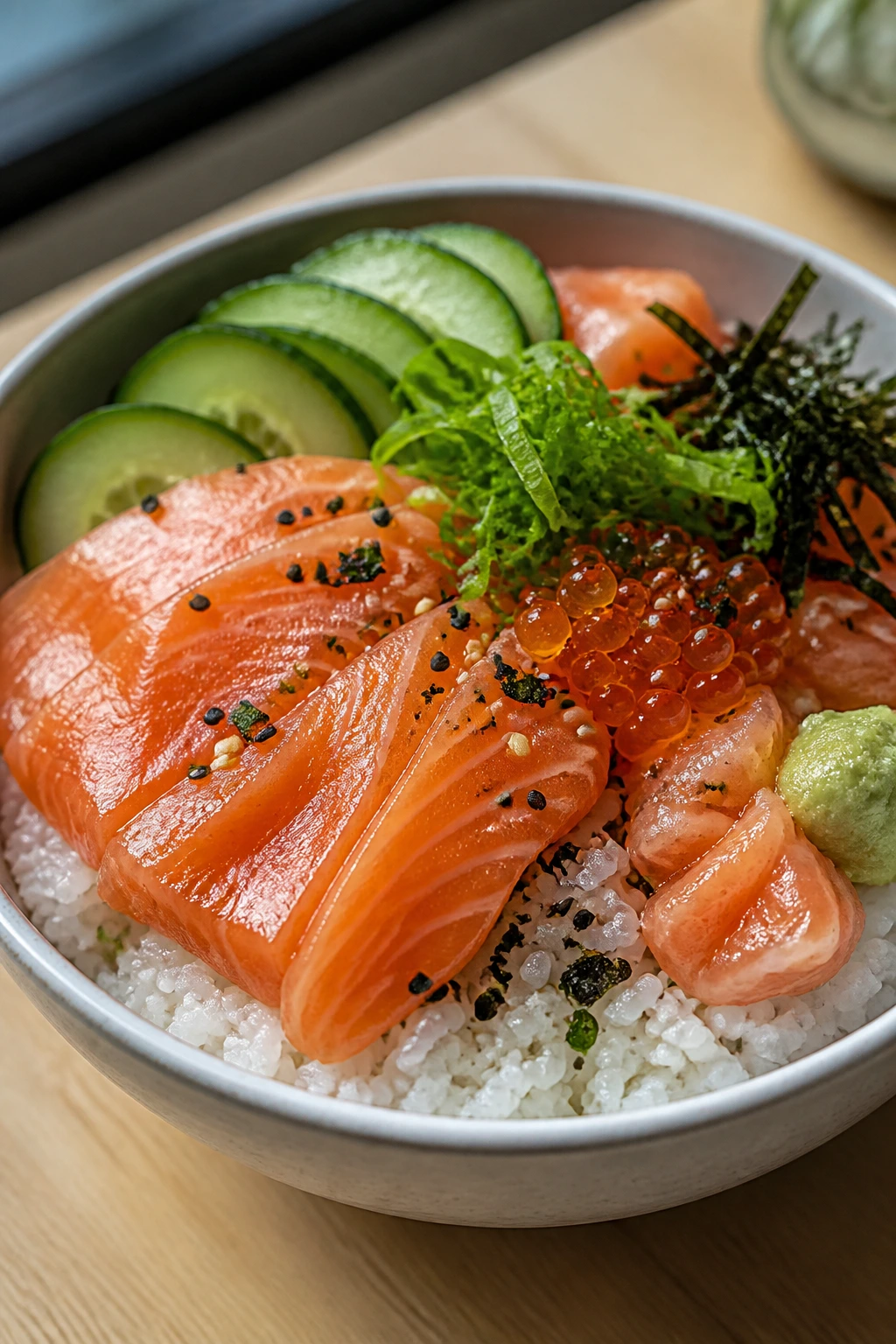
These bowls give you the flavor of sushi without the rolling, the pressure, or the risk of torn nori. The rice is seasoned, the salmon is clean and cool, and the toppings do the rest.
Why It Works:
Sushi rice gets its character from rice vinegar, sugar, and salt, so the base tastes intentional even before the toppings go on. Salmon can be seared, baked, or used as sashimi-grade if you know the source. Toppings make the bowl feel layered.
Key Ingredients:
- 2 cups cooked sushi rice
- 1 1/2 lbs salmon, cooked or sashimi-grade
- 2 tbsp rice vinegar
- 1 tbsp sugar
- 1/2 tsp salt
- 1 avocado, sliced
- 1 cucumber, sliced
- 1 tbsp soy sauce
- 1 tsp sesame seeds
Quick Steps:
- Season warm rice with vinegar, sugar, and salt.
- Cook salmon or slice prepared salmon if using sashimi-grade.
- Divide rice into bowls and top with salmon, avocado, and cucumber.
- Finish with soy sauce and sesame seeds.
Equipment for This Recipe:
- Saucepan or rice cooker
- Knife and board
- Serving bowls
- Small bowl for seasoning rice
How to Serve This Dish:
Serve it like a build-your-own bowl with pickled ginger, nori strips, or a dab of wasabi. The rice should be warm, while the toppings stay cool.
Pro Tips for This Recipe:
- Season the rice while it’s warm so it absorbs the vinegar mix.
- Cut the avocado at the last minute so it stays green.
- If you’re using cooked salmon, flake it lightly instead of mashing it.
Variations on This Dish:
- Tuna Bowl: Use seared tuna or canned tuna dressed with soy and sesame.
- Spicy Salmon Bowl: Mix salmon with a little mayo and sriracha.
- Vegetable Bowl: Add edamame, shredded carrot, and pickled radish.
Common Mistakes to Avoid with This Dish:
- Rice too hot: It wilts the toppings.
- Underseasoned rice: The bowl tastes flat no matter how good the salmon is.
26. Hot and Sour Soup
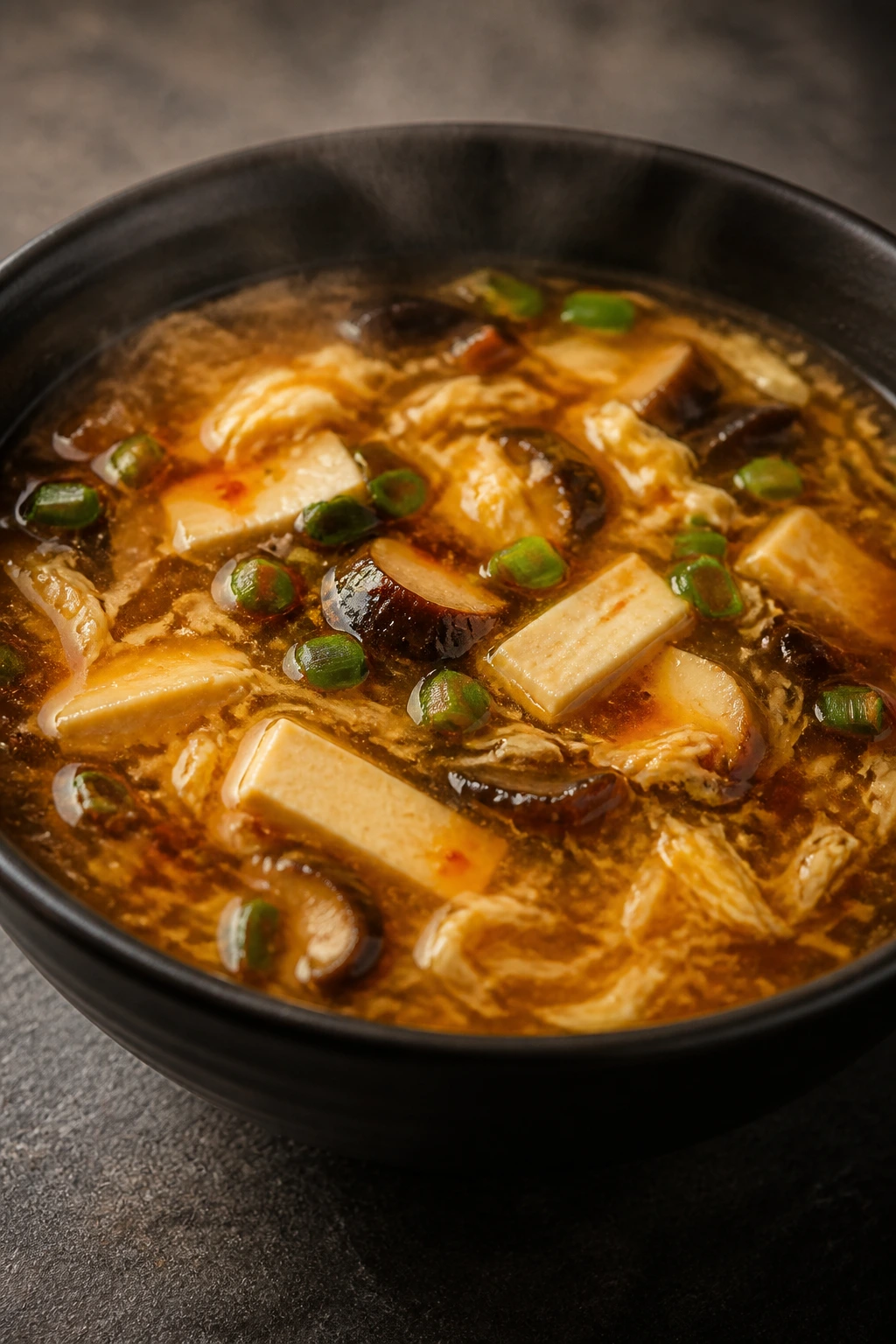
Hot and sour soup has a little bite, a little tang, and enough texture to keep every spoonful interesting. Mushrooms, tofu, and egg turn a simple broth into something that tastes deeper than it is.
Why It Works:
Vinegar and white pepper create the “hot and sour” part, while soy sauce and broth ground it. Cornstarch gives the soup body, and the egg ribbons add softness. Everything moves quickly once the broth is hot.
Key Ingredients:
- 4 cups chicken or vegetable broth
- 1 cup sliced mushrooms
- 6 oz tofu, thinly sliced
- 2 tbsp soy sauce
- 2 tbsp rice vinegar
- 1 tsp white pepper
- 1 tbsp cornstarch mixed with 2 tbsp water
- 1 egg, beaten
- 2 scallions, sliced
Quick Steps:
- Simmer broth with mushrooms and tofu for 5 minutes.
- Stir in soy sauce, vinegar, and white pepper.
- Add cornstarch slurry and let the soup thicken slightly.
- Drizzle in beaten egg while stirring, then finish with scallions.
Equipment for This Recipe:
- Soup pot
- Whisk
- Ladle
- Small bowl
How to Serve This Dish:
Serve it hot in a deep bowl, ideally before the rest of dinner lands on the table. A little extra vinegar at the end wakes it up if the broth tastes sleepy.
Pro Tips for This Recipe:
- Adjust the vinegar at the end rather than guessing early.
- Stir before adding the egg so the ribbons spread.
- A mix of mushrooms gives better texture than one type alone.
Variations on This Dish:
- Spicier Soup: Add chili oil or sliced fresh chili.
- Mushroom-Heavy Version: Use shiitake, oyster, and button mushrooms.
- Pork Version: Add shredded cooked pork for a richer bowl.
Common Mistakes to Avoid with This Dish:
- Too much vinegar at the start: It can overpower the broth.
- Skipping the cornstarch: The soup feels thin and unfinished.
27. Thai Peanut Noodles
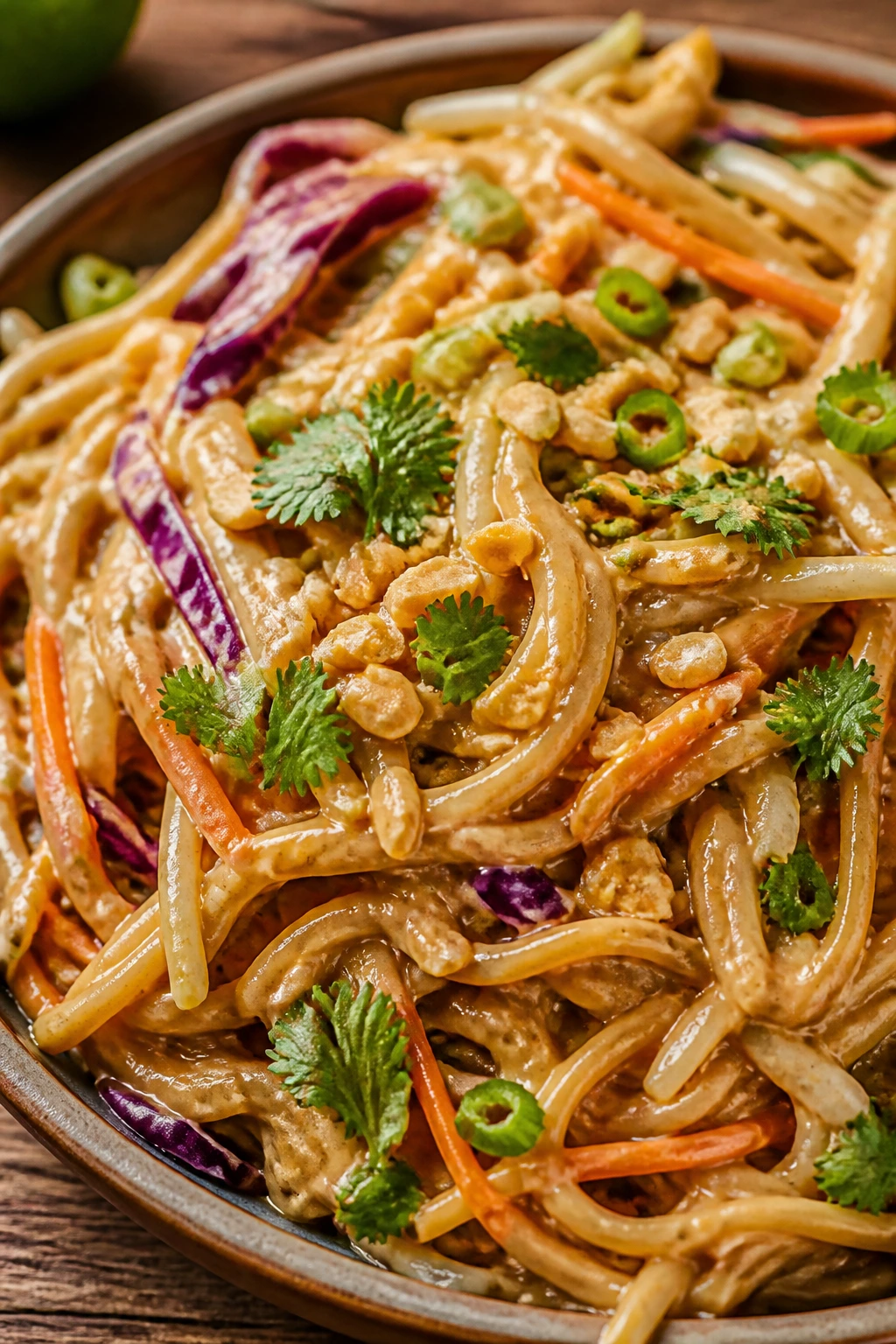
These noodles are creamy, salty, and a little sweet, with enough lime to keep the peanut sauce from sitting too heavy. They’re fast, flexible, and one of the easiest meals to pull together from scraps.
Why It Works:
Peanut butter makes an instant sauce when loosened with warm water, lime, and soy sauce. Noodles take on the sauce fast, and crisp vegetables keep the bowl from turning dense. It’s the kind of dinner that improves with a handful of herbs.
Key Ingredients:
- 8 oz rice noodles or spaghetti
- 1/4 cup peanut butter
- 2 tbsp soy sauce
- 1 tbsp lime juice
- 1 tsp sugar
- 1 tsp sesame oil
- 1 carrot, shredded
- 1 cup shredded cabbage
- 2 scallions, sliced
- 2 tbsp warm water, plus more as needed
Quick Steps:
- Cook noodles and rinse if needed.
- Whisk peanut butter, soy sauce, lime juice, sugar, sesame oil, and warm water.
- Toss noodles with carrot, cabbage, and sauce.
- Finish with scallions and more lime if needed.
Equipment for This Recipe:
- Pot
- Mixing bowl
- Whisk or fork
- Colander
How to Serve This Dish:
Serve warm or room temp with chopped peanuts and cilantro. If you want it fuller, add shredded chicken, tofu, or a fried egg.
Pro Tips for This Recipe:
- Warm water helps the sauce turn smooth instead of clumpy.
- Taste after tossing; peanut sauce often wants more lime.
- Thin the sauce gradually so it stays silky.
Variations on This Dish:
- Spicy Peanut Noodles: Add chili paste or sriracha.
- Cold Salad Version: Chill the noodles after tossing.
- Nut-Free Version: Use sunflower seed butter.
Common Mistakes to Avoid with This Dish:
- Sauce too thick: It should coat the noodles, not glue them together.
- Skipping acid: Lime keeps the peanut flavor bright.
28. Beef Lo Mein
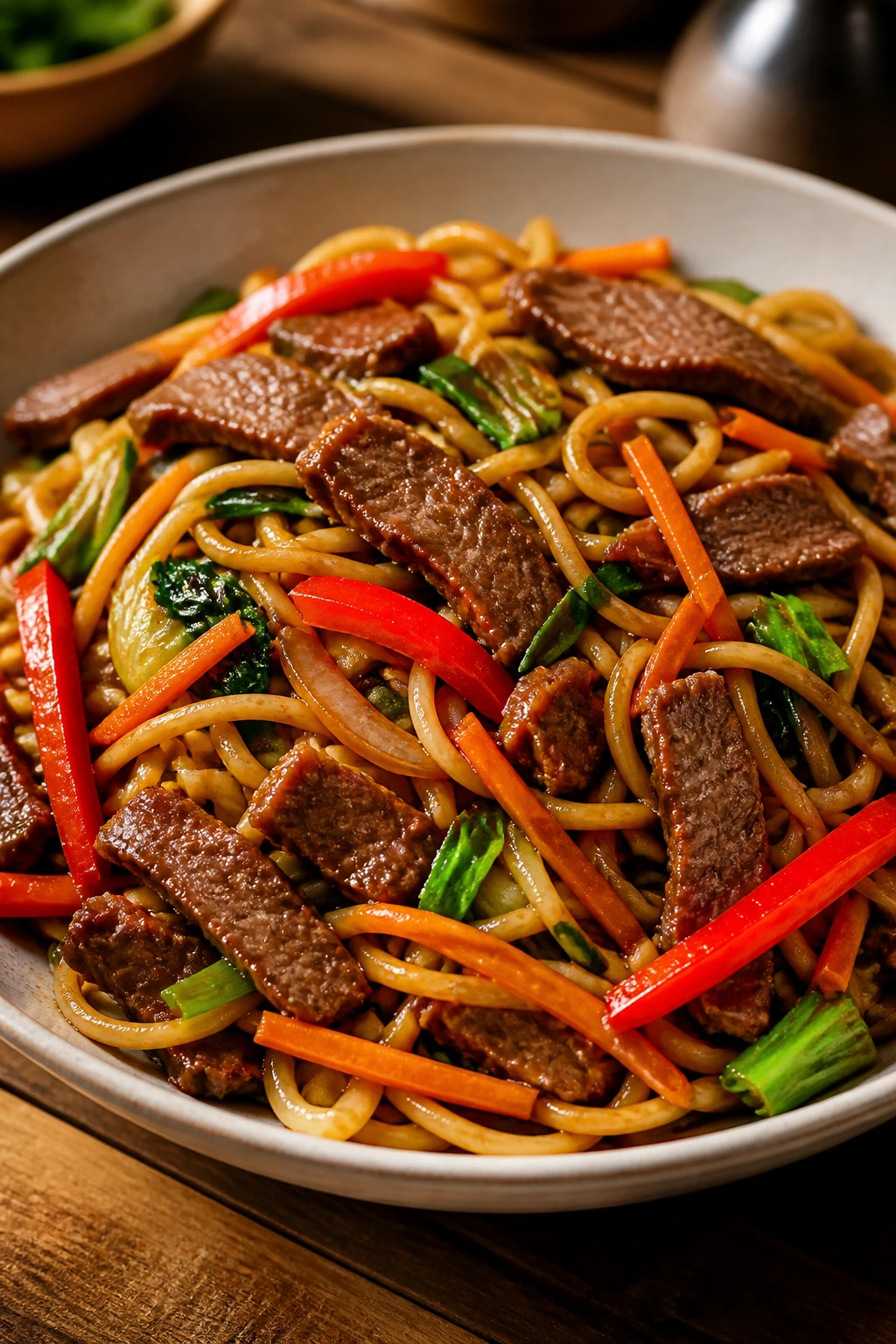
Lo mein is one of those dishes that looks simple until you hit the balance between noodles, sauce, and vegetables. The beef should be tender, the noodles glossy, and the whole pan should move quickly.
Why It Works:
Thin beef cooks in minutes, and lo mein noodles absorb sauce without falling apart. A mix of soy, oyster sauce, and a little sugar gives you the familiar takeout flavor. The vegetables should still have some crunch when you stop cooking.
Key Ingredients:
- 8 oz lo mein noodles or spaghetti
- 1 lb flank steak, thinly sliced
- 2 tbsp soy sauce
- 1 tbsp oyster sauce
- 1 tsp sugar
- 2 tbsp neutral oil
- 1 cup shredded cabbage
- 1 carrot, julienned
- 2 scallions, sliced
- 2 cloves garlic, minced
Quick Steps:
- Cook noodles and set aside.
- Sear beef in hot oil, then remove.
- Stir-fry garlic and vegetables for 2 minutes.
- Add noodles, sauce, and beef; toss until glossy.
Equipment for This Recipe:
- Large skillet or wok
- Pot for noodles
- Tongs
- Cutting board
How to Serve This Dish:
Serve in a wide bowl with extra scallions on top. It’s filling enough on its own, though a simple soup makes it feel more complete.
Pro Tips for This Recipe:
- Keep the beef slices thin so they stay tender.
- Don’t let the noodles sit too long after draining.
- Add a spoon of noodle water if the sauce needs loosening.
Variations on This Dish:
- Chicken Lo Mein: Use sliced chicken thighs.
- Shrimp Lo Mein: Shrimp cook even faster than beef.
- Vegetable Lo Mein: Add mushrooms and snow peas.
Common Mistakes to Avoid with This Dish:
- Sticky noodles: Toss with a little oil if they wait too long.
- Beef cooked too long: It turns tough before the noodles finish.
29. Teriyaki Tofu Skewers
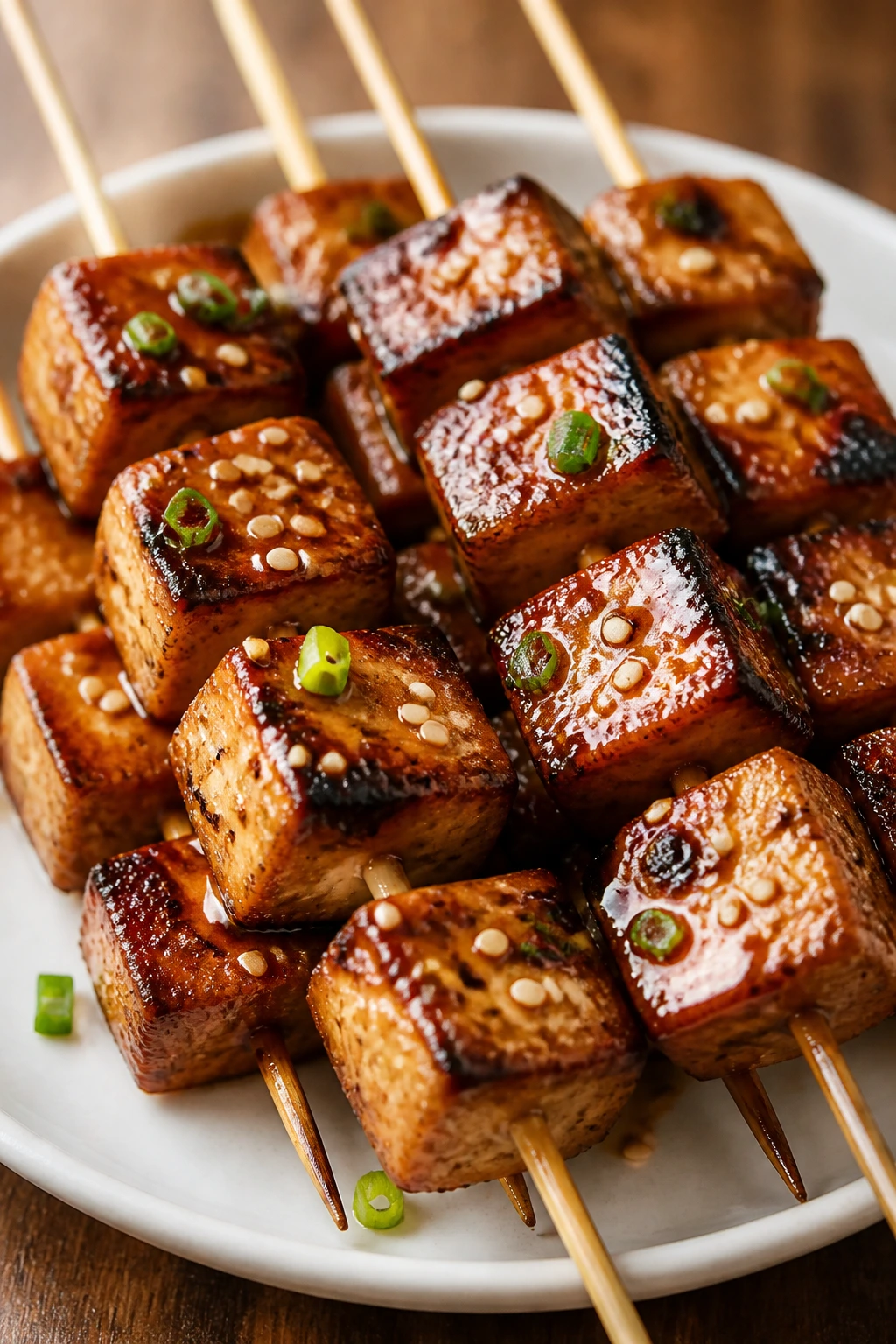
These skewers are a nice change from the usual tofu scramble-and-skillet routine. The outside gets sticky and a little charred, while the inside stays soft if you press the tofu well.
Why It Works:
Pressed tofu absorbs marinade and holds together on skewers. Teriyaki sauce caramelizes quickly, so you want a moderate oven or grill, not screaming heat. The skewers give the tofu some edge and make plating easier.
Key Ingredients:
- 14 oz extra-firm tofu, pressed and cubed
- 1/4 cup soy sauce
- 2 tbsp mirin or honey
- 1 tbsp rice vinegar
- 1 tsp sesame oil
- 1 clove garlic, grated
- 1 tbsp sesame seeds
- 2 scallions, sliced
Quick Steps:
- Mix soy sauce, mirin, vinegar, sesame oil, and garlic.
- Marinate tofu 15 to 30 minutes.
- Thread onto skewers and bake at 425°F or grill until golden.
- Brush with extra glaze and top with sesame seeds and scallions.
Equipment for This Recipe:
- Skewers
- Baking sheet or grill
- Mixing bowl
- Brush
How to Serve This Dish:
Serve with rice and a crisp cucumber salad. The skewers also work well tucked into a bowl with pickled vegetables.
Pro Tips for This Recipe:
- Press the tofu longer if it feels damp.
- Oil the skewers lightly so they release cleanly.
- Brush the glaze near the end so it doesn’t burn.
Variations on This Dish:
- Mushroom Skewers: Alternate tofu with thick mushroom caps.
- Spicy Teriyaki: Add chili paste to the marinade.
- Pineapple Skewers: Add pineapple chunks between tofu cubes.
Common Mistakes to Avoid with This Dish:
- Tofu too wet: It won’t brown well.
- Glaze burned early: Sugar needs control. Brush late.
30. Kimchi Fried Rice
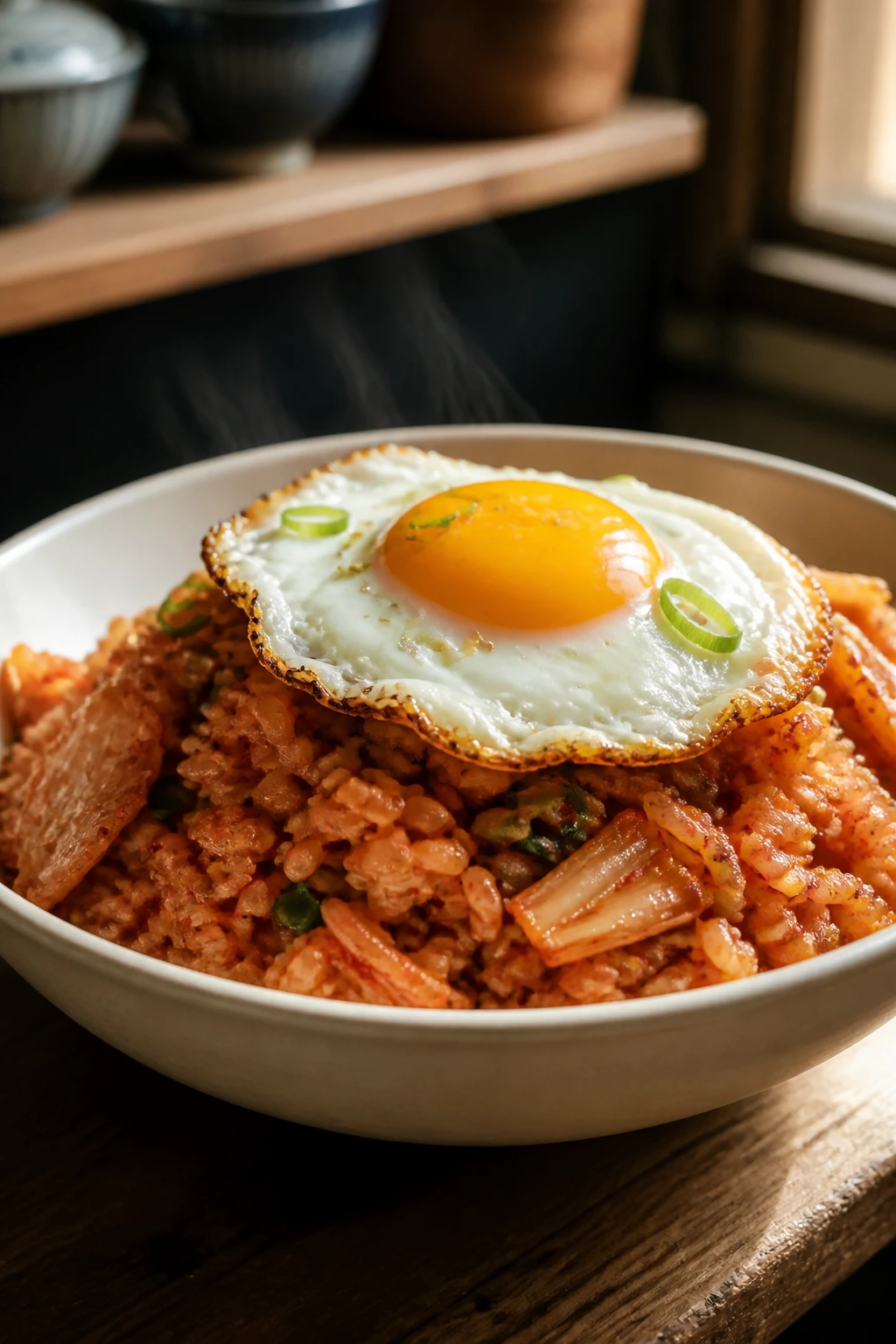
Kimchi fried rice is sharp, savory, and fast enough to happen on a Tuesday without any drama. The kimchi brings acid and heat, the rice fries up with edges, and the egg on top makes the bowl feel complete.
Why It Works:
Fermented kimchi gives the rice flavor before you add much else. Day-old rice gives you the dry texture you want, and gochujang can deepen the sauce if the kimchi is mild. A fried egg is not mandatory, but it helps.
Key Ingredients:
- 3 cups cooked, chilled rice
- 1 cup chopped kimchi
- 2 tbsp kimchi juice
- 1 tbsp gochujang
- 1 tbsp neutral oil
- 2 eggs
- 2 scallions, sliced
- 1 tsp sesame oil
Quick Steps:
- Fry kimchi in oil for 2 minutes.
- Stir in rice, kimchi juice, and gochujang.
- Cook until the rice is hot and lightly crisped.
- Top with fried eggs, scallions, and sesame oil.
Equipment for This Recipe:
- Skillet
- Spatula
- Small bowl
- Frying pan for eggs, optional
How to Serve This Dish:
Serve hot with the egg yolk broken over the rice. A few roasted seaweed strips on the side make it taste even more complete.
Pro Tips for This Recipe:
- Use well-fermented kimchi for stronger flavor.
- Let the rice sit undisturbed in the pan for a few seconds to crisp.
- Add sesame oil at the end so it doesn’t vanish in the heat.
Variations on This Dish:
- Spam Kimchi Fried Rice: Add diced Spam for a salty, meaty version.
- Vegetarian Version: Skip the meat and add mushrooms or tofu.
- Cheesy Version: A little shredded cheese melts in surprisingly well.
Common Mistakes to Avoid with This Dish:
- Using fresh rice: It gets mushy. Chill it first.
- Not enough kimchi juice: The rice tastes dry and one-note.
31. Cashew Chicken
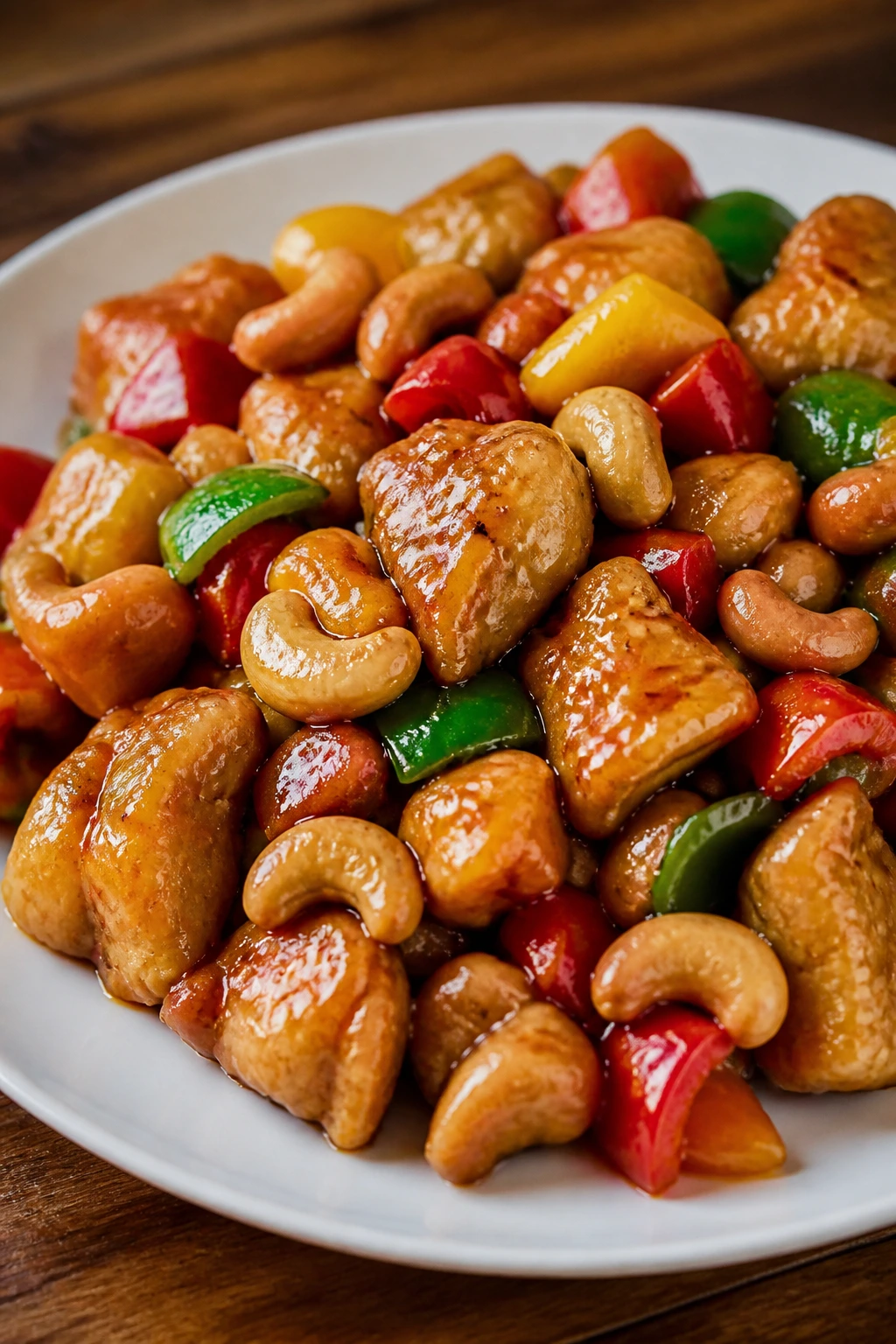
Cashew chicken is crunchy, savory, and built around one texture that keeps you coming back for another bite. The chicken is lightly coated, the sauce is glossy, and the cashews add that rich, toasted snap.
Why It Works:
A light starch coating helps the chicken brown, and the sauce coats everything without going gluey. Cashews need only a quick toast to bring out their flavor. Bell peppers and scallions add color and freshness.
Key Ingredients:
- 1 1/2 lbs chicken thighs, bite-size pieces
- 1/4 cup cornstarch
- 2 tbsp soy sauce
- 1 tbsp oyster sauce
- 1 tbsp rice vinegar
- 1 tbsp honey
- 1 cup cashews
- 1 bell pepper, chopped
- 2 scallions, sliced
- 2 tbsp oil
Quick Steps:
- Toss chicken with cornstarch and a splash of soy sauce.
- Brown chicken in hot oil, then remove.
- Stir-fry pepper and cashews for 1 minute.
- Add sauce and chicken; toss until coated.
Equipment for This Recipe:
- Skillet or wok
- Bowl
- Spatula
- Knife and board
How to Serve This Dish:
Serve over rice with extra scallions. If you want more vegetables, steamed broccoli slides in without fighting the sauce.
Pro Tips for This Recipe:
- Toast the cashews lightly first if they’re raw.
- Don’t overcook the chicken before saucing.
- Keep the vegetables a little crisp so the dish doesn’t feel soft.
Variations on This Dish:
- Shrimp Cashew: Swap chicken for shrimp and shorten the cooking time.
- Spicy Cashew Chicken: Add chili paste or dried chilies.
- Dairy-Free Sweetness: A touch more honey balances sharper soy sauce.
Common Mistakes to Avoid with This Recipe:
- Soggy cashews: Add them near the end.
- Too much sauce: The coating should shine, not puddle.
32. Stir-Fried Green Beans with Garlic and Chili
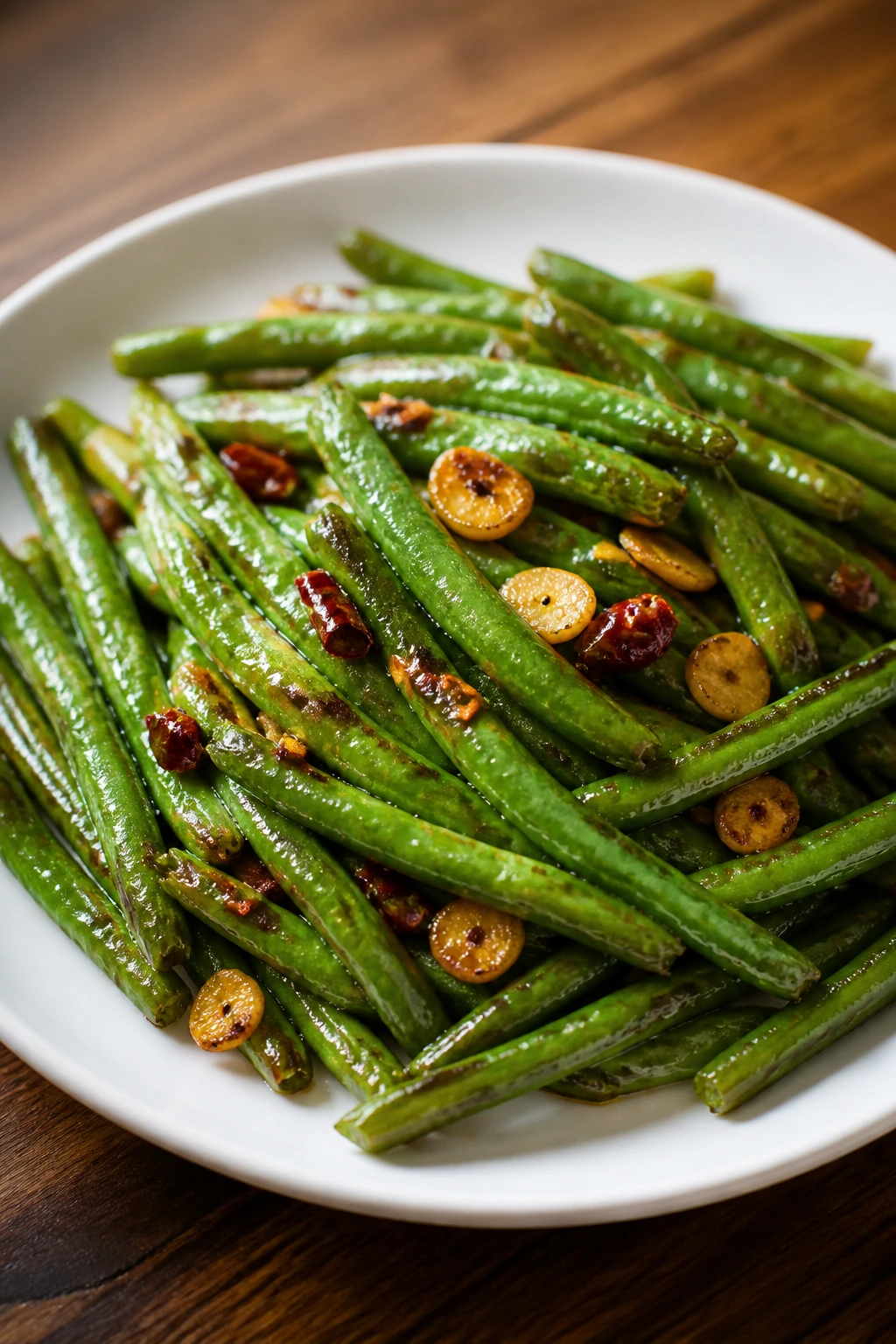
This is the kind of side dish that people keep reaching for while pretending they’re only tasting it. The beans blister a little, the garlic turns sweet, and the chili keeps the whole thing awake.
Why It Works:
Green beans do best in a hot pan where they can char and soften at the same time. Garlic and dried chili are enough seasoning if the beans are fresh. The dish stays light and crisp, which makes it a useful side next to richer mains.
Key Ingredients:
- 1 lb green beans, trimmed
- 3 cloves garlic, sliced
- 1 to 2 dried chilies or 1/2 tsp chili flakes
- 1 tbsp soy sauce
- 1 tsp sesame oil
- 2 tbsp neutral oil
Quick Steps:
- Blister green beans in hot oil for 4 to 5 minutes.
- Add garlic and chili; cook 30 seconds.
- Splash in soy sauce and toss briefly.
- Finish with sesame oil.
Equipment for This Recipe:
- Skillet or wok
- Spatula
- Knife and board
- Serving dish
How to Serve This Dish:
Serve alongside rice, fish, or noodles. A squeeze of lime at the table isn’t traditional, but it works if you want a brighter finish.
Pro Tips for This Recipe:
- Dry the beans well so they blister instead of steaming.
- Keep the garlic moving so it doesn’t burn.
- Taste before adding more soy; green beans don’t need much.
Variations on This Dish:
- Black Bean Beans: Add a teaspoon of black bean sauce.
- Sesame-Ginger Beans: Add fresh ginger with the garlic.
- Long Bean Version: Use Chinese long beans if you find them.
Common Mistakes to Avoid with This Dish:
- Beans too soft: Pull them while they still have snap.
- Burnt garlic: It turns the whole pan bitter fast.
33. Chicken Congee
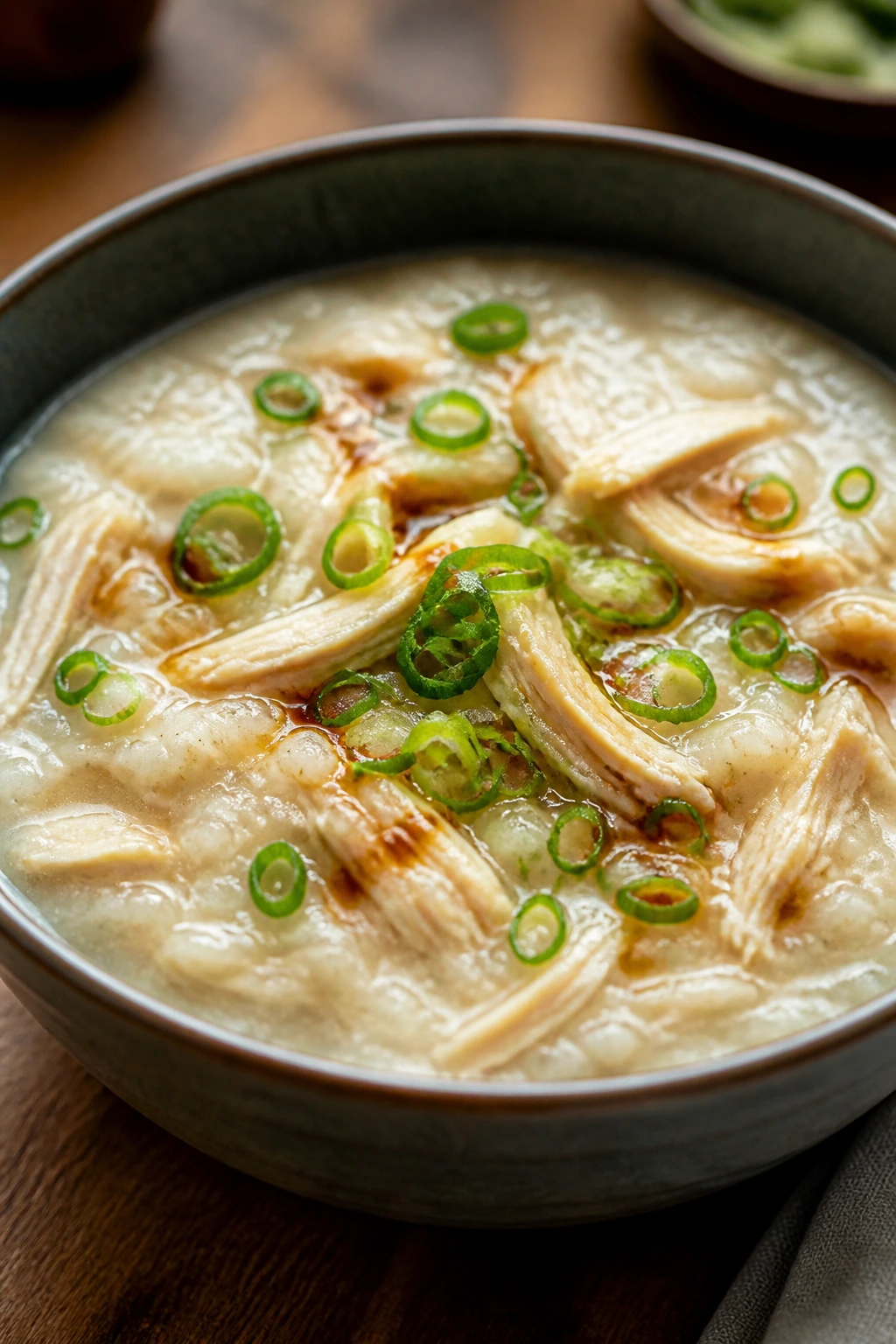
Congee is the opposite of flashy, and that’s exactly why it’s so useful. It’s rice simmered until soft and creamy, with chicken and ginger making the bowl feel soothing and complete.
Why It Works:
Long simmering breaks the rice apart and thickens the broth naturally. Ginger adds warmth without making the bowl spicy, and shredded chicken gives it substance. The texture should be loose and spoonable, not thick like paste.
Key Ingredients:
- 1 cup jasmine rice
- 8 cups chicken broth or water
- 2 boneless chicken breasts or thighs
- 1 thumb ginger, sliced
- 2 scallions, sliced
- 1 tbsp soy sauce
- Salt to taste
Quick Steps:
- Combine rice, broth, and ginger in a pot.
- Simmer gently 45 to 60 minutes, stirring occasionally.
- Poach chicken in the congee or cook separately and shred.
- Season with soy sauce, then top with scallions.
Equipment for This Recipe:
- Heavy pot
- Wooden spoon
- Fork for shredding chicken
- Ladle
How to Serve This Dish:
Serve it hot in deep bowls with extra scallions, fried shallots, or a soft egg. A little chili oil on top gives it life without making it loud.
Pro Tips for This Recipe:
- Stir more often near the end so the rice doesn’t stick.
- Add more water if you want a looser texture.
- Salt at the end so you can judge the broth better.
Variations on This Dish:
- Century Egg Version: Add sliced preserved egg if you like a more traditional topping.
- Turkey Congee: Use leftover turkey after a roast.
- Mushroom Congee: Skip the chicken and add mushrooms for depth.
Common Mistakes to Avoid with This Recipe:
- Heat too high: The rice catches before it softens.
- Too little liquid: Congee should be looser than oatmeal.
34. Cold Sesame Cucumber Noodles
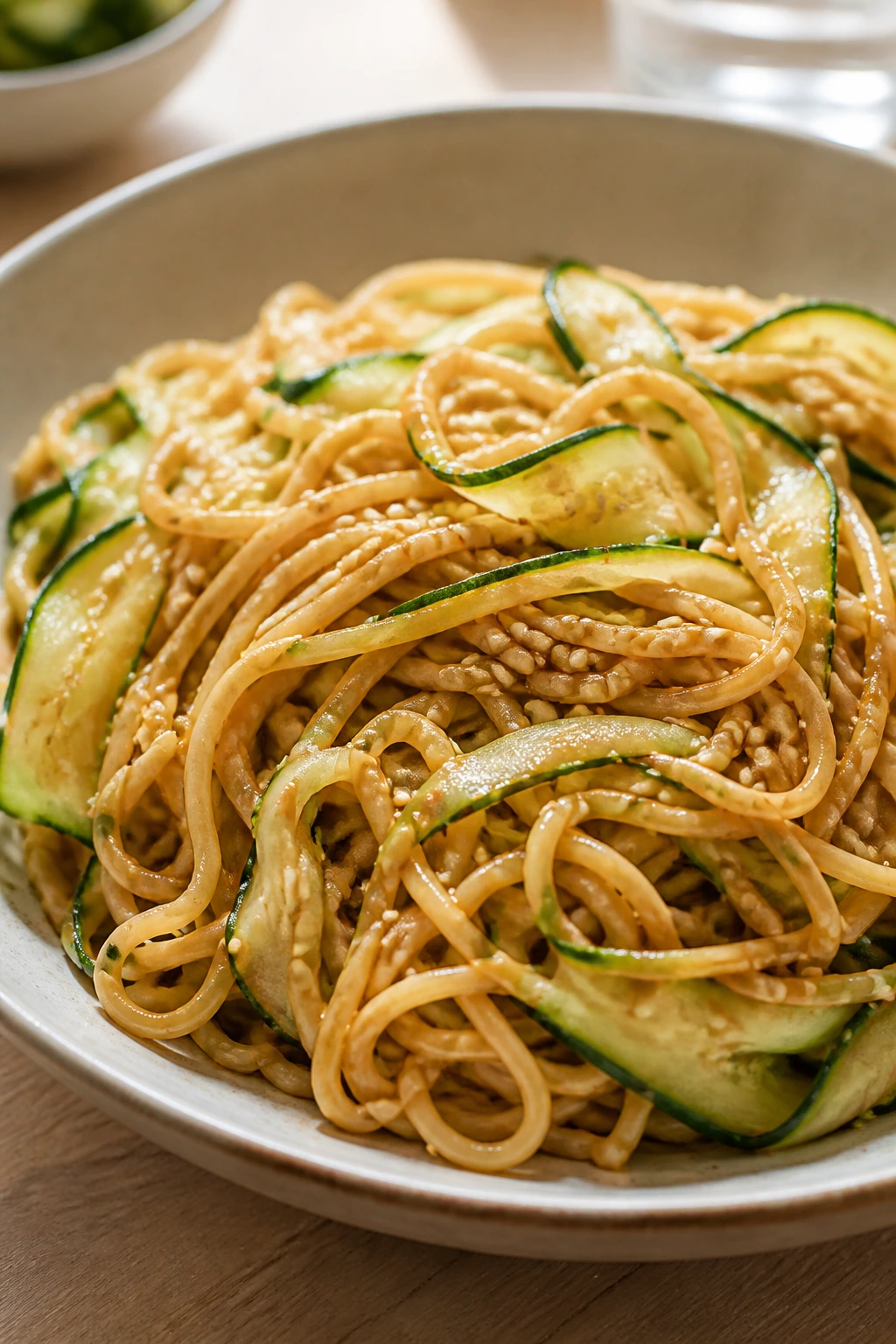
These noodles are crisp, chilled, and quietly addictive. The cucumbers bring crunch, the sesame sauce brings nuttiness, and the whole bowl stays light enough that you don’t immediately need a nap.
Why It Works:
Cucumbers add water and crunch, which makes sense with a thick sesame dressing. The noodles should be rinsed cold so they don’t drag the sauce into a gluey mess. A little acid keeps the peanut-sesame base from feeling heavy.
Key Ingredients:
- 8 oz noodles or soba
- 2 cucumbers, thinly sliced
- 2 tbsp tahini or sesame paste
- 1 tbsp soy sauce
- 1 tbsp rice vinegar
- 1 tsp honey
- 1 tsp sesame oil
- 1 tbsp warm water, plus more as needed
- 1 tsp sesame seeds
Quick Steps:
- Cook noodles, rinse cold, and drain well.
- Whisk tahini, soy sauce, vinegar, honey, sesame oil, and warm water.
- Toss noodles with cucumbers and dressing.
- Chill briefly and finish with sesame seeds.
Equipment for This Recipe:
- Pot
- Bowl
- Whisk
- Knife or mandoline
How to Serve This Dish:
Serve as a cold lunch or a side for grilled meat or tofu. It looks best in a wide bowl where the cucumber ribbons stay visible.
Pro Tips for This Recipe:
- Salt the cucumbers lightly and drain them if they seem watery.
- Thin the sauce slowly; sesame paste tightens quickly.
- Add chili oil if you want more punch.
Variations on This Dish:
- Peanut Cucumber Noodles: Use peanut butter instead of tahini.
- Herb Version: Add cilantro and mint for a fresher note.
- Protein Bowl: Add shredded chicken or tofu.
Common Mistakes to Avoid with This Recipe:
- Watery cucumbers: They thin the sauce too much.
- Sauce too thick: It should coat, not sit in clumps.
35. Mango Sticky Rice
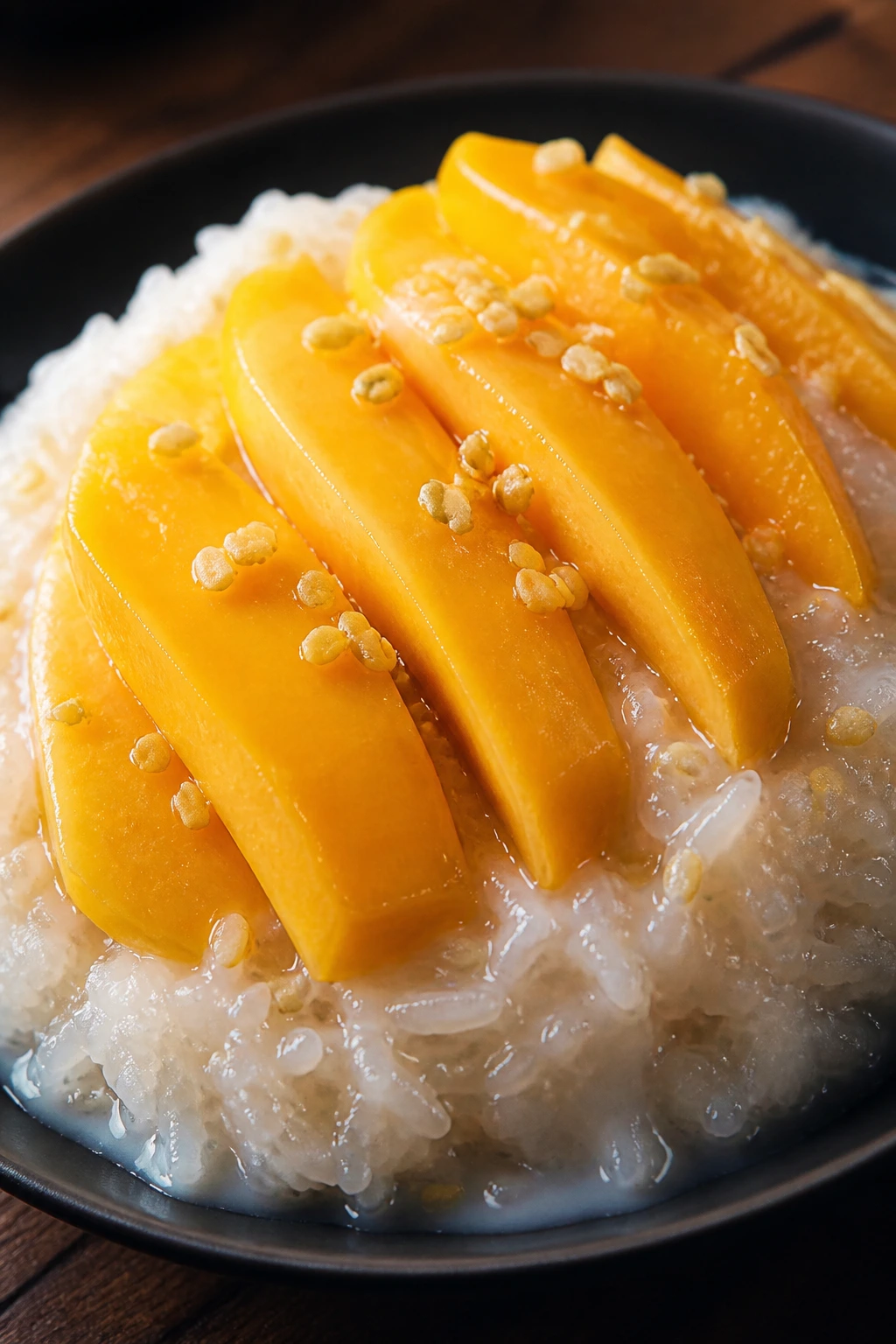
This is the dessert I’ll always make room for if mangoes are good. The rice is soft and sweet, the coconut sauce is warm and creamy, and the fruit brings a clean finish that keeps the whole thing from feeling heavy.
Why It Works:
Sticky rice needs soaking and steaming so it turns tender all the way through. Coconut milk, sugar, and a little salt make the classic sauce that soaks in while the rice is still warm. Fresh mango gives you the cool, bright contrast.
Key Ingredients:
- 1 cup glutinous rice
- 1 1/2 cups coconut milk
- 1/3 cup sugar
- 1/2 tsp salt
- 2 ripe mangoes, sliced
- 1 tbsp toasted sesame seeds or mung beans, optional
Quick Steps:
- Soak sticky rice for at least 4 hours or overnight.
- Steam until tender, about 20 to 25 minutes.
- Warm coconut milk with sugar and salt until dissolved.
- Pour some sauce over rice and serve with mango.
Equipment for This Recipe:
- Steamer or basket
- Saucepan
- Bowl for soaking
- Serving plate
How to Serve This Dish:
Spoon the rice onto a plate, add mango slices, and drizzle extra coconut sauce over the top. It should look soft and glossy, not flooded.
Pro Tips for This Recipe:
- Use ripe mangoes that smell sweet at the stem end.
- Keep the coconut sauce warm, not boiling.
- Let the rice rest a few minutes after saucing so it absorbs better.
Variations on This Dish:
- Pandan Version: Add a little pandan extract to the rice for a green floral note.
- Black Sticky Rice Mix: Blend white and black sticky rice for a deeper texture.
- Toasted Coconut Finish: Sprinkle toasted coconut for more crunch.
Common Mistakes to Avoid with This Dish:
- Skipping the soak: The rice stays hard in the center.
- Using underripe mango: The dessert loses its balance fast.
Why Quick Asian Cooking Methods Work So Well
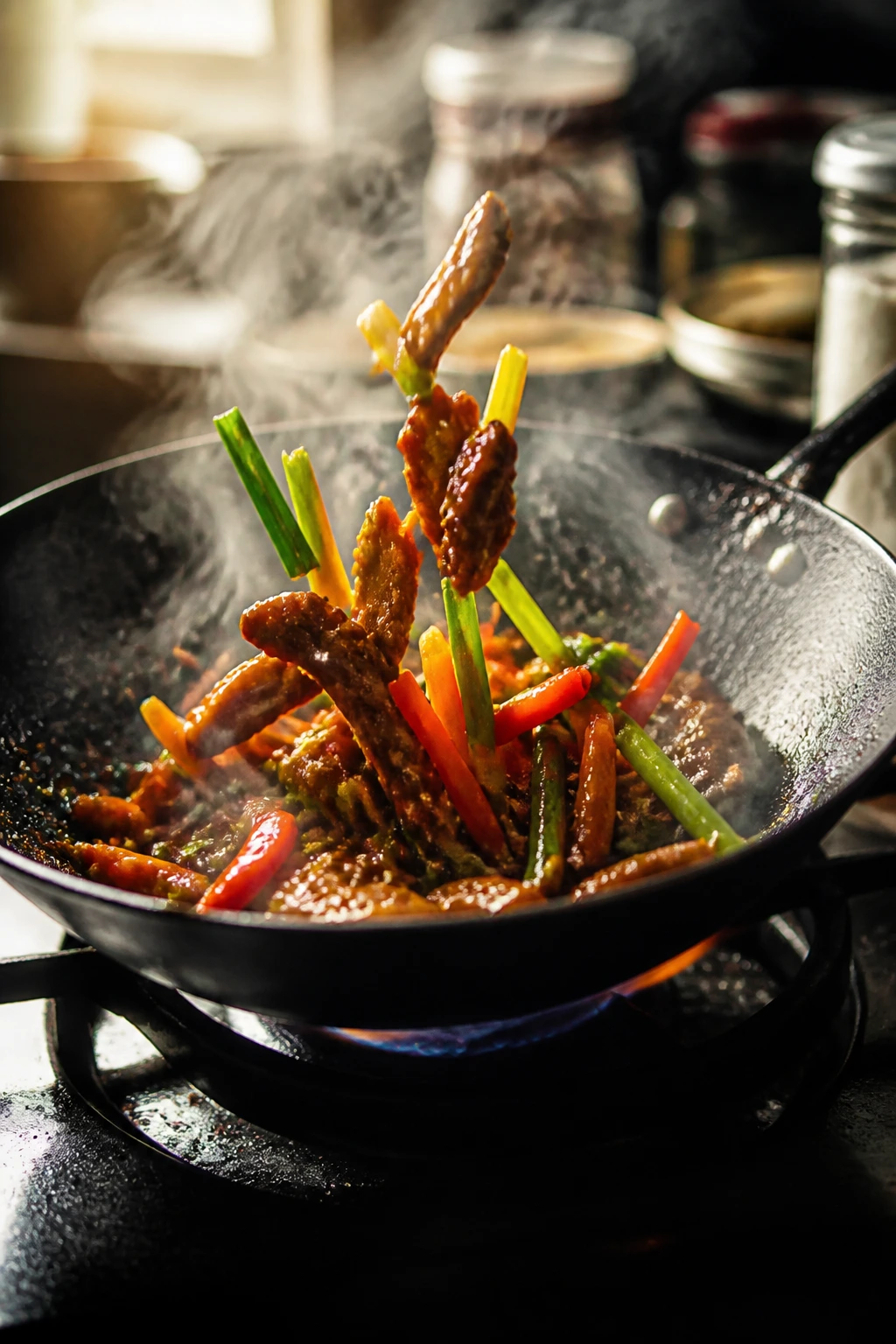
The common thread in these easy Asian cuisine recipes is speed with structure. Stir-fries, rice bowls, noodle dishes, soups, and simple braises all depend on a few small decisions: get the pan hot, prep the sauce first, cut the protein evenly, and add herbs or sesame oil at the end so the aroma survives the heat. That sounds minor, but it changes the plate.
I’m a big fan of recipes that give you movement without chaos. A good stir-fry should take 10 minutes of actual cooking, not 10 minutes of staring at a pan while hoping the sauce thickens on its own. A good soup should taste built, not boiled into submission. The same goes for noodles and rice bowls; if the ingredients are prepped in the right order, the whole meal comes together with much less stress than the finished plate suggests.
The other reason this style works is that the pantry does real work. Soy sauce, fish sauce, rice vinegar, oyster sauce, miso, sesame oil, chili paste, and curry paste are not “extras.” They’re the backbone. Once you learn how to use them in small amounts, you can turn rice, tofu, noodles, and whatever protein is in the fridge into dinner that tastes finished.
Essential Equipment for These Recipes
-
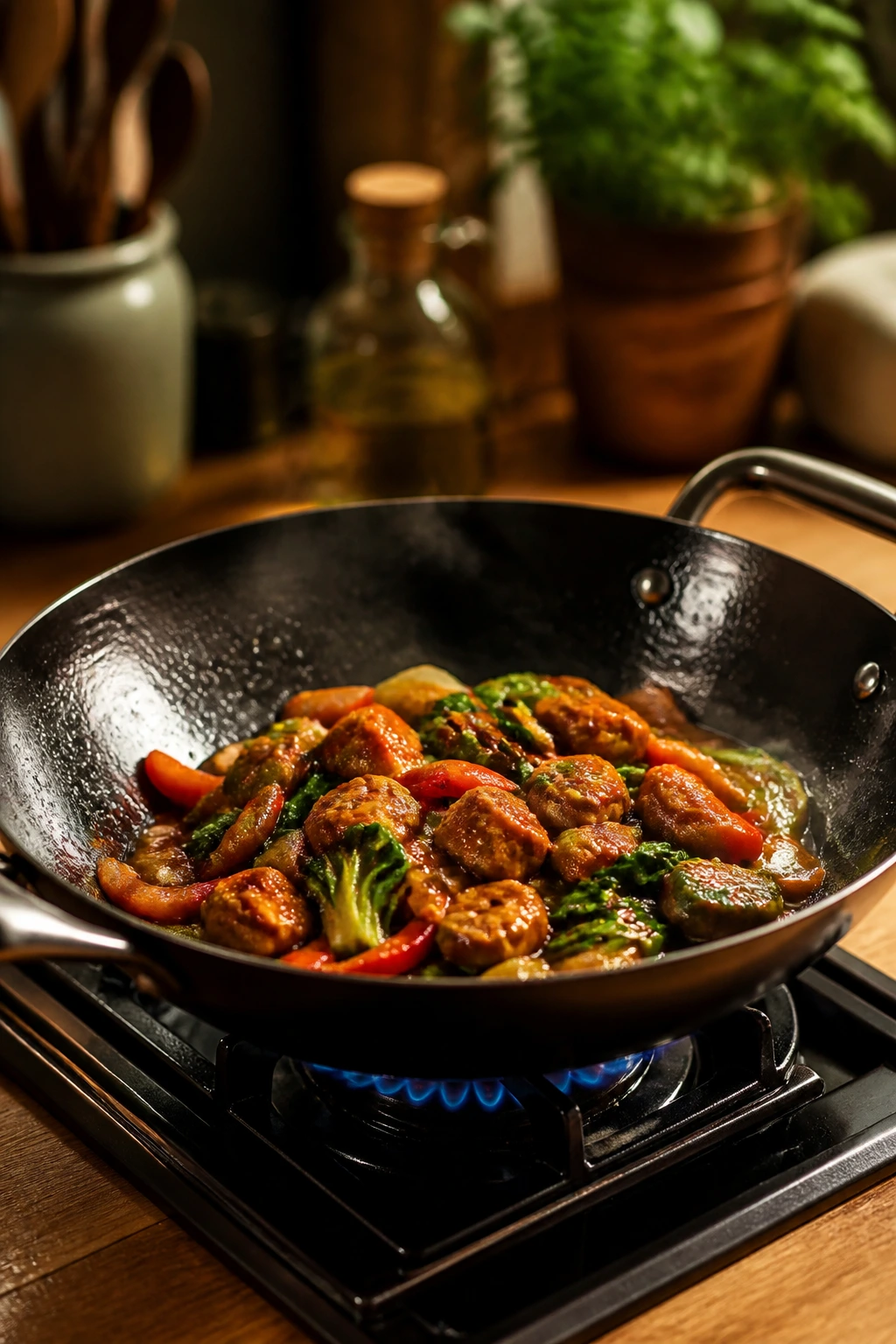
12-inch skillet or wok: The best all-purpose pan here; it gives vegetables room to sear instead of steam.
-
Medium saucepan: Useful for soups, sauces, congee, and boiling noodles without juggling too many pots.
-
Mixing bowls in 2 sizes: One small bowl for sauces and one larger bowl for marinating or tossing noodles.
-
Sharp chef’s knife: Thin slices make a bigger difference in stir-fries than most people expect.
-
Cutting board: A stable board matters when you’re chopping garlic, ginger, scallions, and cabbage quickly.
-
Tongs or a wide spatula: Better for tossing noodles, flipping chicken, and moving vegetables without smashing them.
-
Rice cooker or heavy pot: Not required, but it makes the rice-based recipes much less annoying.
-
Fine mesh strainer or colander: Handy for rinsing noodles, draining tofu, and keeping starch from pooling.
-
Baking sheet with a rack: Useful for katsu, cauliflower, salmon, tofu, and anything you want crisped in the oven.
Smart Shopping and Ingredient Tips
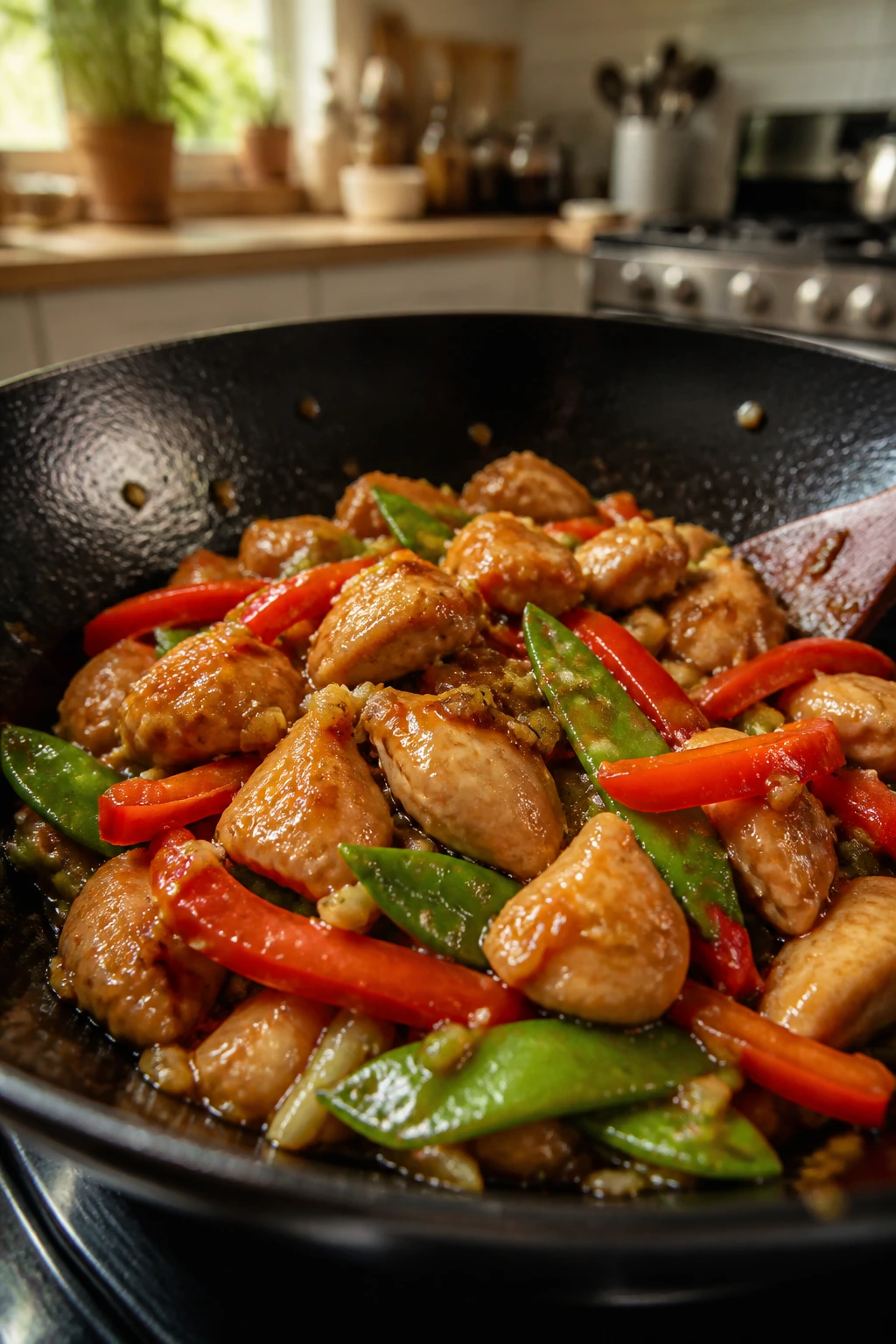
The easiest way to make these recipes taste better is to buy a few core ingredients that do not taste flat. Soy sauce should be full-bodied, not watery. Rice vinegar should taste clean and bright. Sesame oil should smell toasted the moment you open the bottle. If a pantry sauce smells dull in the jar, it’s going to taste dull in the pan too.
Fresh aromatics matter more than fancy extras. Garlic, ginger, scallions, cabbage, and cilantro show up across a lot of these dishes because they give cheap structure and real aroma. I’d rather have excellent ginger and a decent bottle of soy sauce than a cart full of specialty items I’ll use once. For vegetables, choose crisp ones with firm stems and clean cut ends. Limp bok choy and tired green beans show up on the plate immediately.
A few shortcuts are worth it. Frozen peas and carrots work perfectly in fried rice. Store-bought gyoza wrappers save an evening. Good curry paste can do more than a long ingredient list. And if you’re buying tofu, extra-firm is the safest default for stir-frying, while silken tofu belongs in soups and softer braises. There’s nothing glamorous about these choices. They just work.
How to Serve These Recipes
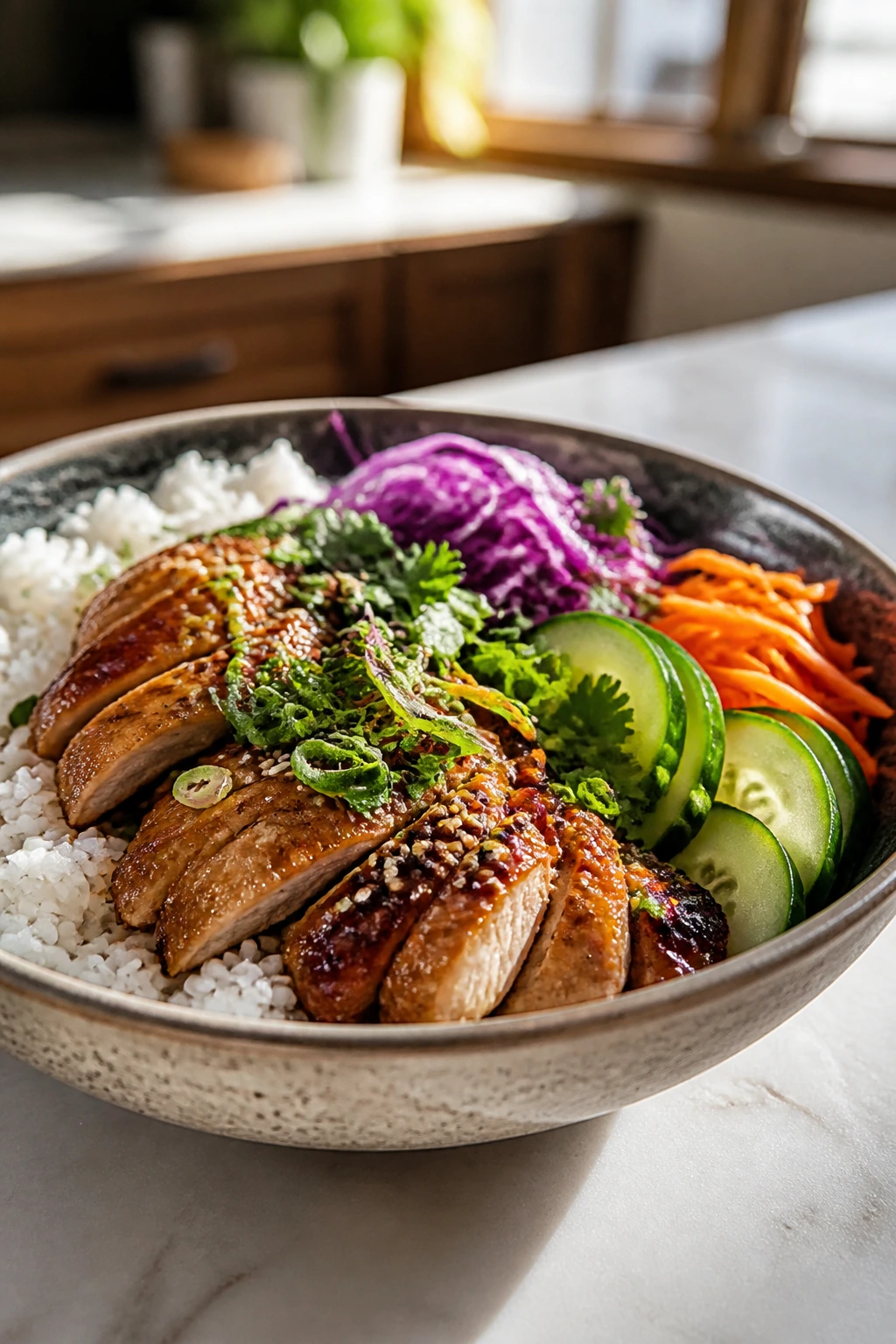
Presentation: Keep the colors visible. Rice bowls look best when the protein sits off-center with scallions, sesame seeds, herbs, or a fried egg on top. Stir-fries do not need to be buried under sauce; let the broccoli, peppers, or snap peas show through.
Accompaniments: Jasmine rice, brown rice, soba noodles, steamed greens, cucumber salad, pickled carrots, and simple miso or egg-drop soup pair naturally across this collection. For richer dishes like katsu curry or sweet and sour chicken, something crisp and plain on the side helps. For lighter bowls, a handful of herbs or a squeeze of lime does more than another heavy side.
Portions: Most of the mains here serve 4. For noodle dishes and fried rice, a full bowl is usually enough on its own. For soups, dumplings, and vegetable sides, think in smaller portions and build the meal around two dishes if you want more than a snack.
Beverage Pairing: Jasmine tea, iced green tea, or sparkling water with lime keeps the flavors clear. If the dish is spicy or fried, a cold lager or light wheat beer works well without fighting the sauce.
Additional Tips and Flavor Boosters
Flavor Enhancement: A finishing drizzle matters. A few drops of sesame oil, chili oil, or black vinegar at the end can make a dish taste more layered than a longer simmer ever will.
Customization: Keep sliced scallions, toasted sesame seeds, crushed peanuts, and lime wedges on hand. They let you nudge each dish in a different direction without rewriting the recipe.
Serving Suggestions: Fresh herbs are not decoration here. Cilantro, Thai basil, mint, and chives can wake up noodles, bowls, and soups in a way salt alone cannot.
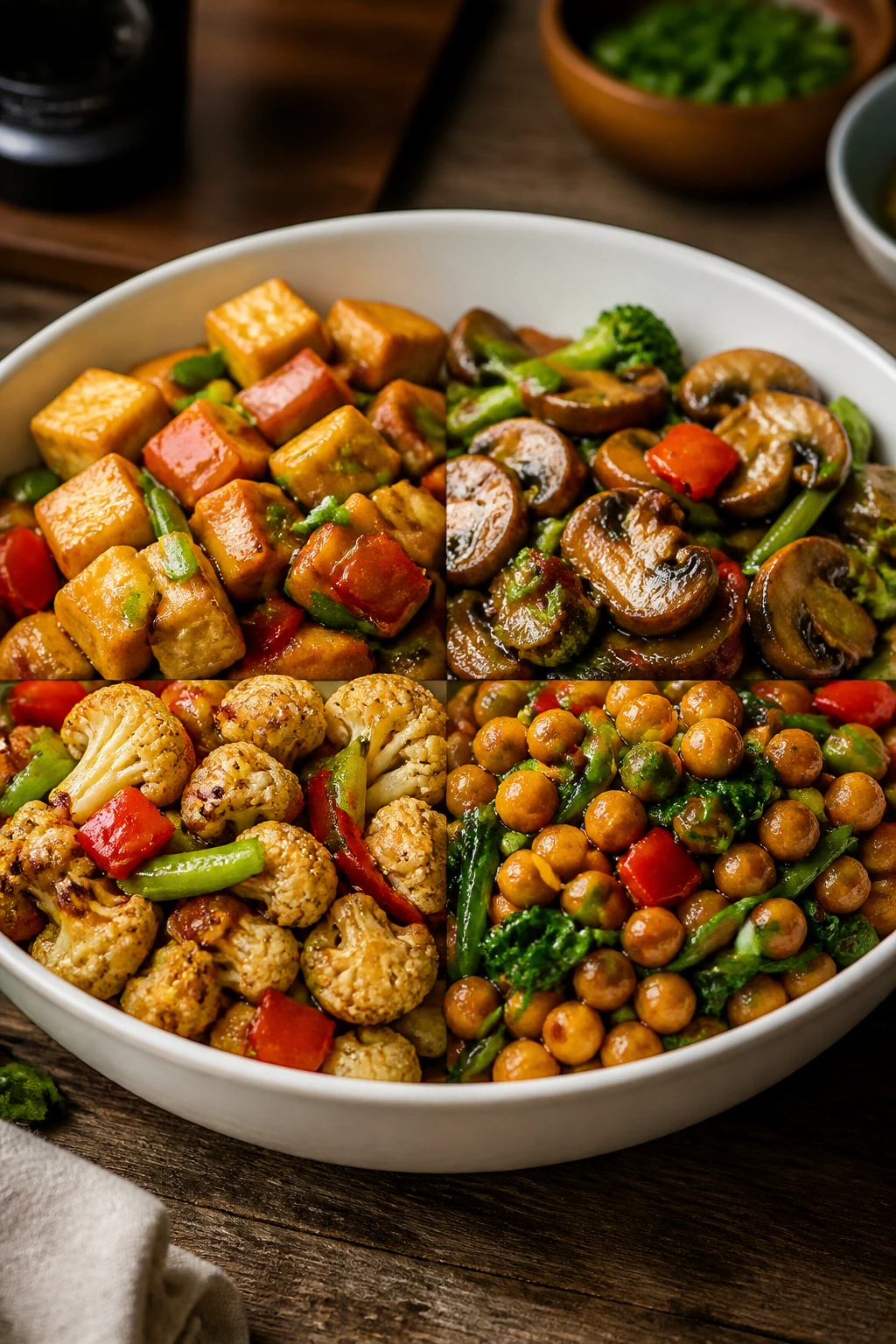
Make-It-Yours: For gluten-free cooking, use tamari and rice noodles. For dairy-free meals, most of these already fit. For vegetarian swaps, tofu, mushrooms, chickpeas, and cauliflower slide into this style of cooking without much friction. For more heat, gochujang, chili crisp, and fresh chilies all work, but add them slowly. They sneak up on you.
Make-Ahead, Storage, and Reheating Guidance
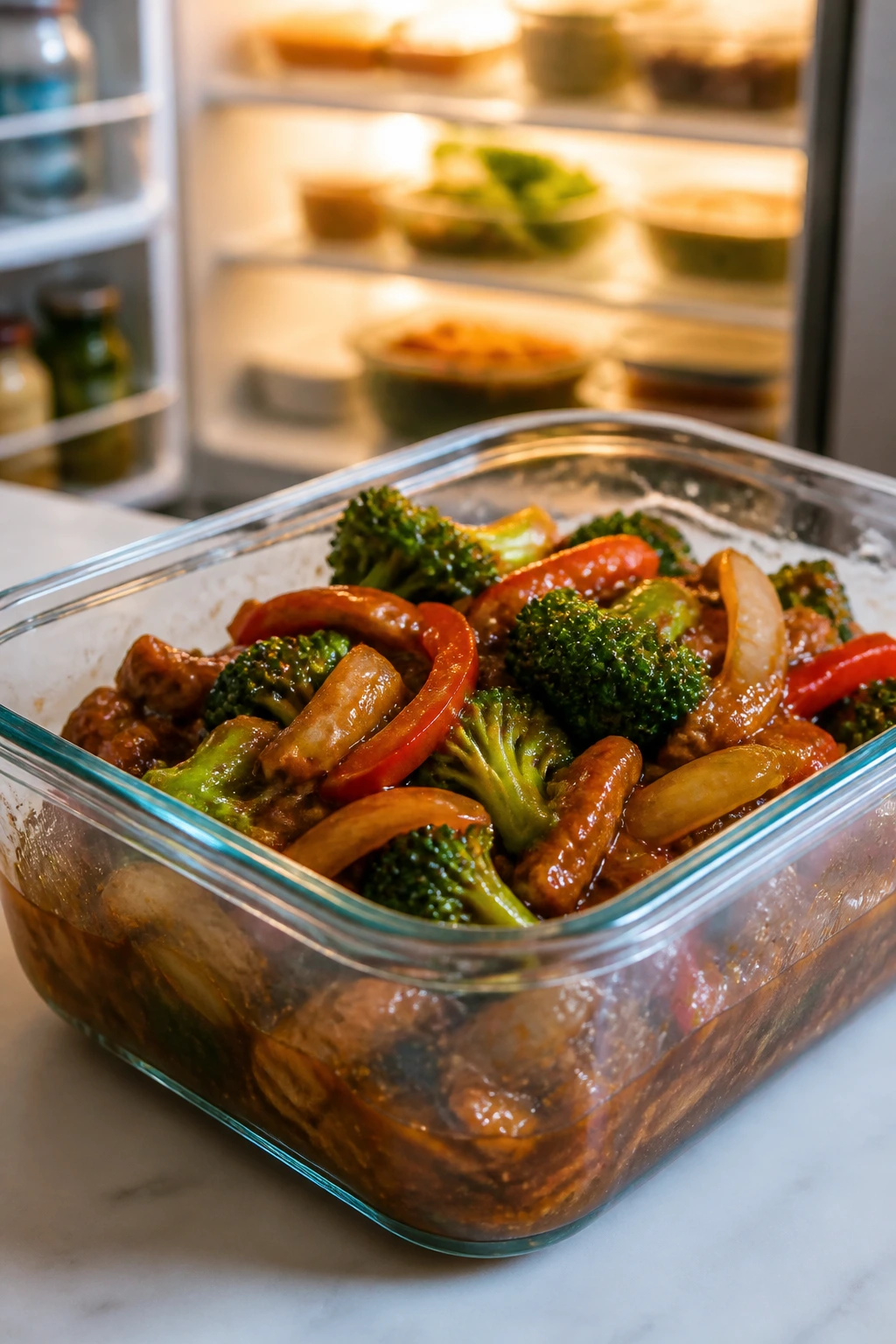
Most stir-fries keep well in the fridge for 3 to 4 days, though the vegetables soften a bit on day two. Fried rice, lo mein, chow mein, teriyaki bowls, and cashew chicken reheat best in a skillet over medium heat with a splash of water, broth, or oil to wake the sauce back up. The microwave works in a pinch, but it makes noodles and rice more compact.
Soups and congee hold for 4 days refrigerated and usually freeze well for up to 2 months, though tofu can change texture a little after freezing. Reheat soups gently so the egg ribbons or tofu do not break apart. Congee often thickens overnight, so add a little water or broth when reheating and stir until it loosens again.
Crispy dishes like orange tofu, General Tso’s cauliflower, potstickers, and scallion pancakes are best eaten fresh. If you need to store them, keep the sauce separate whenever possible. Reheat on a sheet pan or in an air fryer at 375°F until the edges firm back up, then add sauce at the end. That’s the difference between leftovers that feel intentional and leftovers that feel apologetic.
Marinated proteins can usually be prepped a day ahead. Chicken, pork, and tofu all benefit from having the sauce waiting in the fridge, but don’t marinate delicate seafood for hours or the texture starts to go odd. Rice for fried rice should be cooked ahead and chilled uncovered or loosely covered so it dries a bit. That one small step saves a lot of frustration later.
Variations and Adaptations to Try
-
Gluten-Free Pantry Swap: Use tamari instead of soy sauce and choose rice noodles, rice paper, or rice bowls instead of wheat noodles when needed. It keeps the flavor profile intact.
-
Vegetarian Shortcut Round: Tofu, mushrooms, cauliflower, and chickpeas can stand in for most proteins here, especially in stir-fries, curries, and noodle bowls. Press tofu well and brown mushrooms hard.
-
Lower-Sodium Version: Cut soy sauce by a third and replace part of it with broth, lime juice, or rice vinegar. Fresh ginger and scallions help keep the dish lively.
-
Kid-Friendly Mild Batch: Hold back the chilies, chili oil, and gochujang, then put them on the table for adults. Sweet and sour chicken, teriyaki bowls, and sesame soy salmon usually work well in this lane.
-
Extra-Veggie Build: Add shredded cabbage, snap peas, bok choy, carrots, or broccoli to almost any stir-fry or noodle dish. The sauce should be scaled up slightly so the vegetables do not crowd out the flavor.
-
Regional Flavor Tilt: Push a dish toward Chinese with oyster sauce and black vinegar, toward Thai with lime and fish sauce, toward Japanese with miso and mirin, or toward Korean with gochujang and sesame. The bones stay the same; the accents change.
Common Mistakes to Avoid
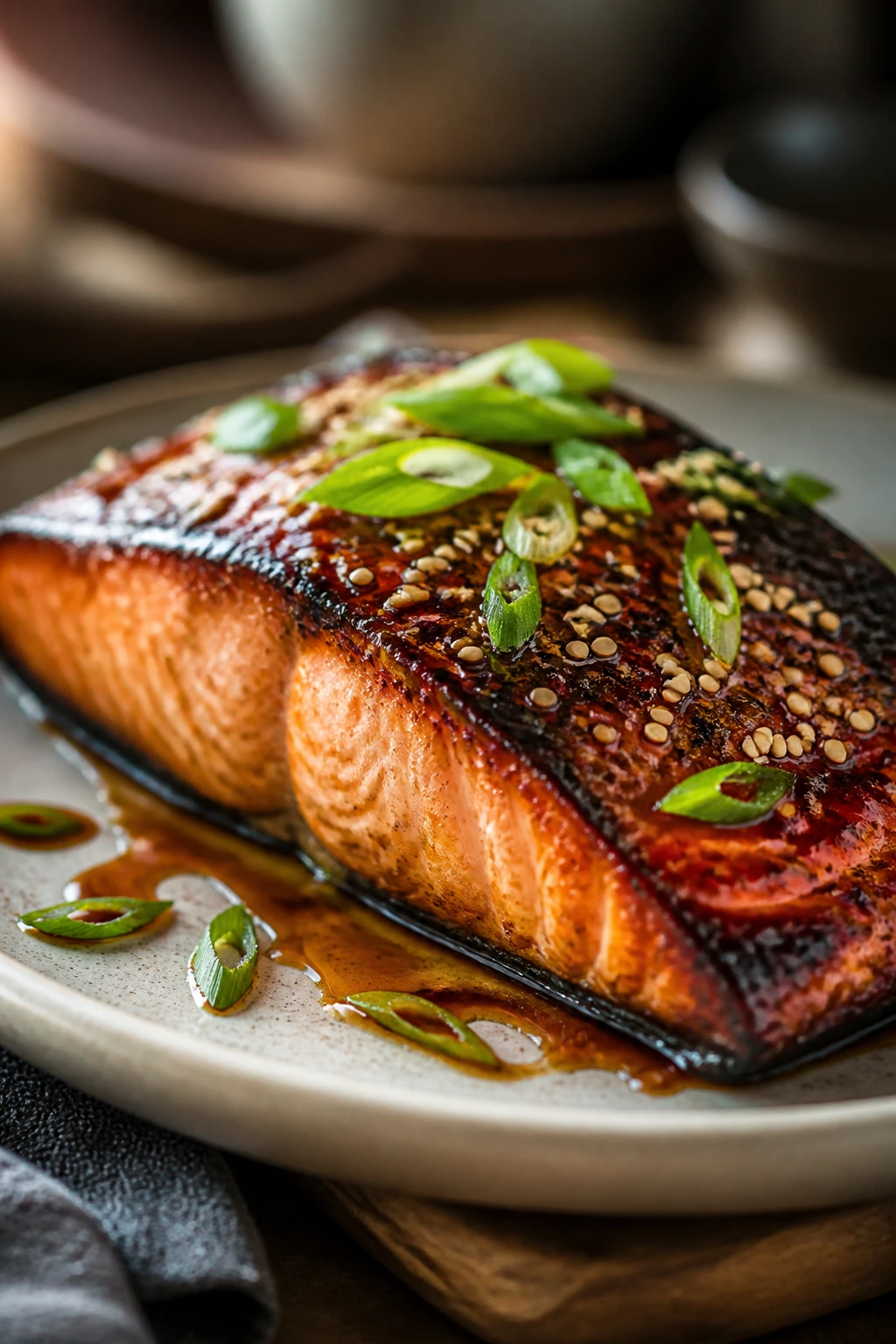
Crowding the pan is the first thing that ruins a stir-fry. When the skillet is overloaded, the food steams and the sauce turns muddy instead of glossy. Cook in batches if the pan starts looking crowded. It takes one extra minute and saves the whole dish.
Using wet ingredients where dry ones are needed causes a lot of limp noodles, soggy tofu, and weak browning. Pat tofu dry, drain noodles well, and dry vegetables if they were rinsed. Water is helpful in soups and congee. Everywhere else, it usually gets in the way.
Another common slip is adding sauce too early. Garlic burns, sugar scorches, and vegetables go soft while you’re waiting for the glaze to reduce. The cleanest finish usually comes from cooking the main ingredient first, then adding sauce near the end for the last minute or two.
Rice mistakes show up fast. Freshly cooked rice turns sticky in fried rice, while underseasoned rice makes a bowl taste dull even if everything on top is good. For fried rice, chill the grains first. For rice bowls, season the rice while it’s still warm so it absorbs a little flavor before the toppings go on.
People also overdo heat in dishes that need control. Chili oil, gochujang, white pepper, curry paste, and black vinegar are strong tools. Use them with a spoon, not a pour. If a sauce tastes too aggressive, balance it with a touch more sugar, broth, or coconut milk rather than dumping in more salt.
Frequently Asked Questions
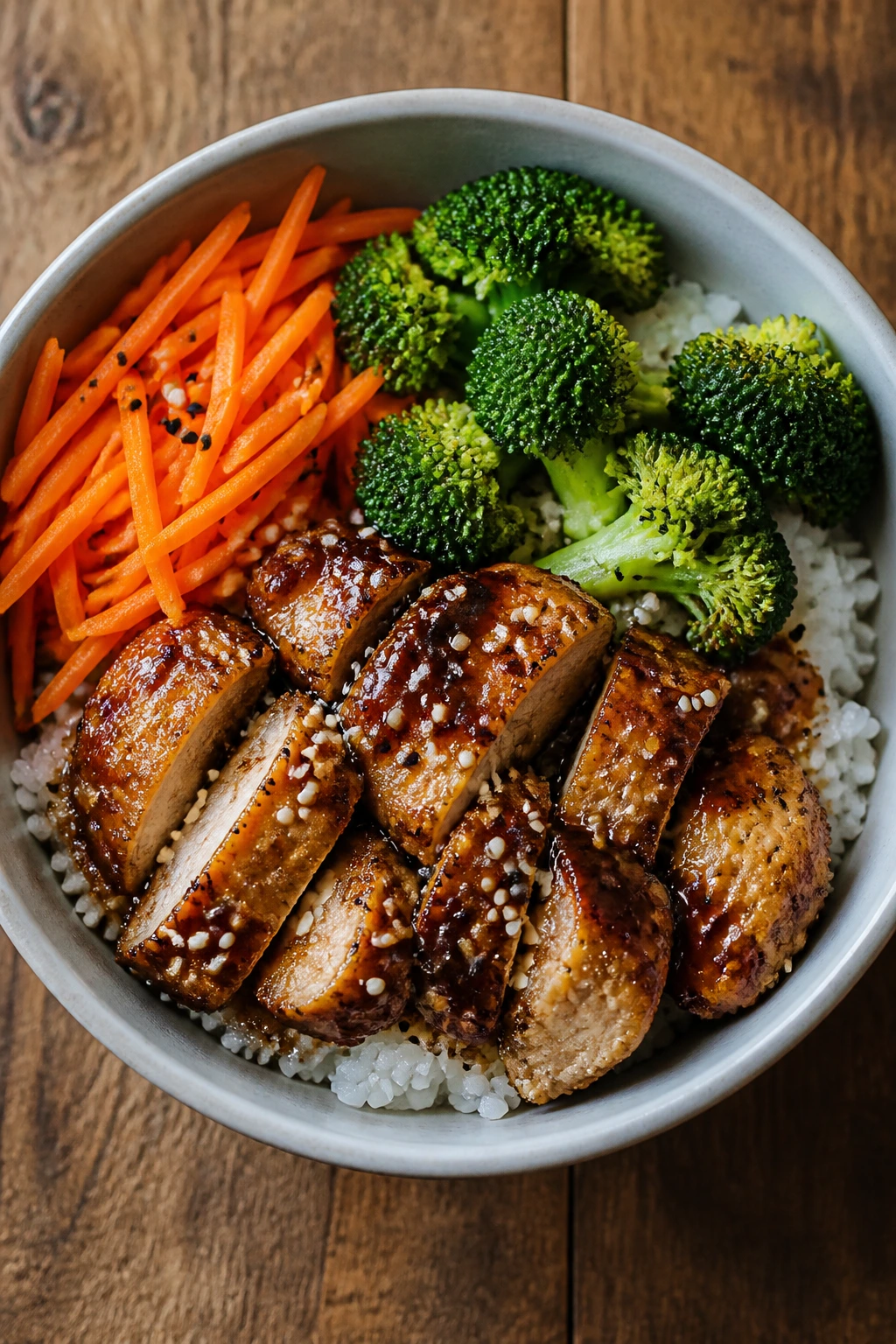
Can I swap chicken thighs for chicken breast in most of these recipes?
Yes, but breast meat needs a little more care. Slice it thinner, cook it faster, and pull it the second it turns opaque, or it dries out before the sauce finishes.
What rice works best for fried rice and bowls?
Jasmine rice is the easiest all-purpose choice because it stays fluffy and aromatic. Short-grain rice works for sushi bowls and congee, while leftover long-grain rice can still work for fried rice if it’s chilled well.
Can I make these recipes vegetarian without losing flavor?
Usually, yes. Mushrooms, tofu, cauliflower, and chickpeas take on sauce well, and vegetarian oyster sauce or extra soy sauce can replace some of the missing depth. The key is browning the vegetables or tofu properly so the dish does not taste soft from the start.
How do I keep noodles from clumping?
Drain them well, toss them with a tiny bit of oil if they sit, and add them to the pan while the sauce is already ready. Noodles clump most when they wait around too long after cooking.
What if my sauce tastes too salty?
Add water, broth, coconut milk, or a little sugar depending on the dish. A squeeze of lime or a splash of vinegar can also sharpen the flavor without adding more salt.
Can I use frozen vegetables in stir-fries?
Yes, especially peas, carrots, and broccoli florets, but cook off the extra moisture first. If the pan gets watery, raise the heat and let the liquid evaporate before adding sauce.
Which dishes are best for meal prep?
Teriyaki chicken bowls, beef and broccoli, fried rice, congee, and coconut curry chickpeas hold up well over a few days. Crispy dishes like potstickers or General Tso’s cauliflower are better when the sauce is stored separately.
How spicy are these recipes by default?
Most of them sit in the mild-to-medium range unless chilies, chili oil, or gochujang are part of the main flavor. The easiest way to control heat is to keep the spice on the side and add it after tasting.
Can I freeze leftovers?
Soups, congee, curries, and some braises freeze well. Fried rice, noodles, and crispy battered dishes freeze less gracefully, so I’d keep those in the fridge instead and eat them within a few days.
A Faster Path to Dinner
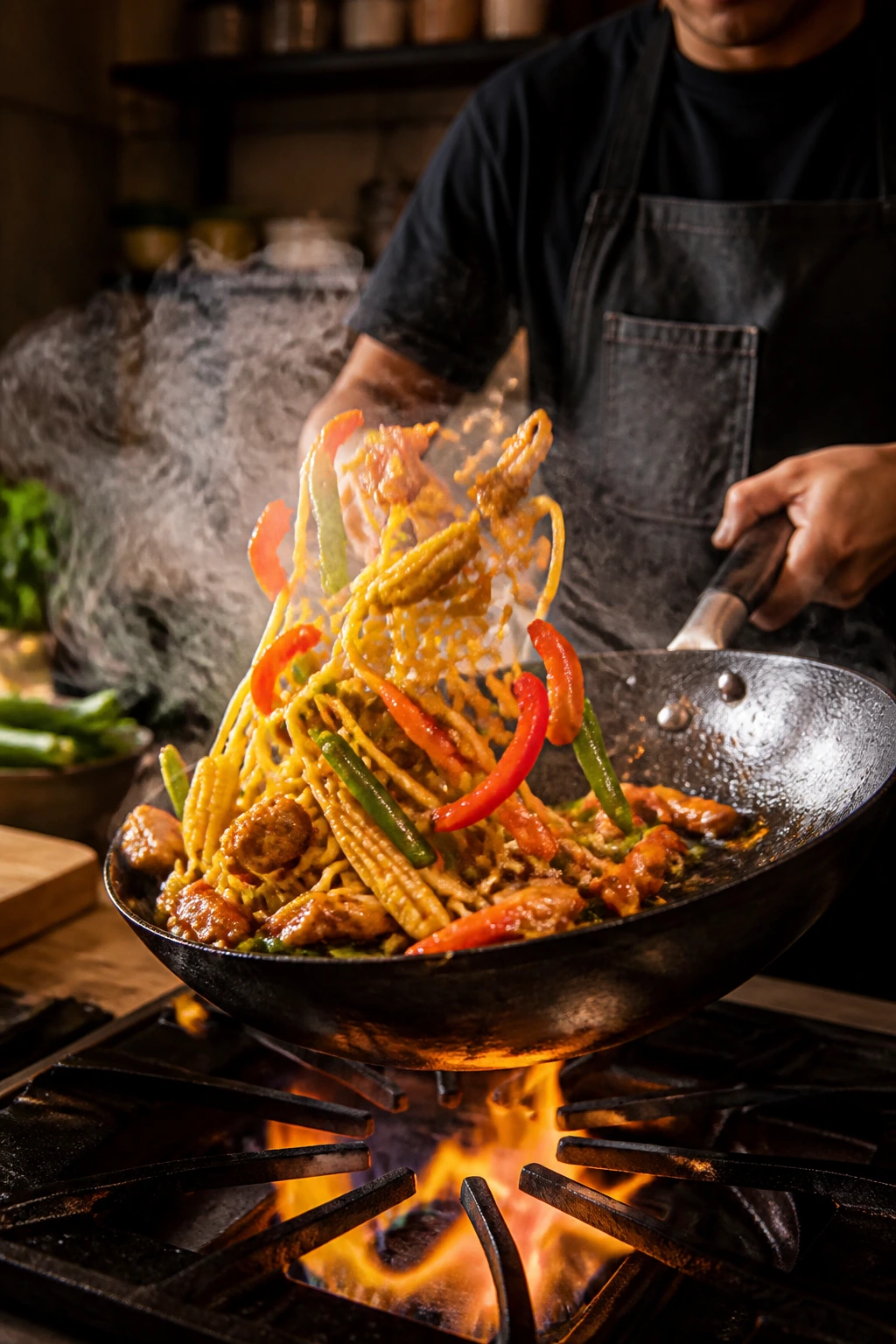
The best thing about easy Asian cuisine recipes is that they teach you a few habits that keep paying off: prep the sauce first, keep the heat where it belongs, and use ingredients that know how to taste like something with only a few minutes in the pan. Once those habits settle in, dinner stops feeling like a scramble.
I like recipes that respect your time without making the plate boring. A good bowl of noodles should have crunch, chew, and a sauce that actually sticks. A stir-fry should smell like garlic and ginger the second the wok gets hot. A soup should taste like it had a plan. These do.
Pick two or three recipes that fit your pantry, cook them once, and then start swapping proteins, vegetables, and sauces around. That’s where this style of cooking starts to feel like your own kitchen instead of a checklist.