



When people ask for authentic pizza toppings like Nonna used to make, they usually mean the opposite of a pie that’s buried under three inches of cheese and a small landfill of extras. They want the kind of pizza that smells like hot dough, sweet tomatoes, and olive oil the second it comes out of the oven. A slice should bend, not crack. The crust should still taste like bread, not a delivery vehicle for whatever happened to be in the fridge.
And that’s the part most people miss. Authentic pizza toppings are not a pile-on contest. They’re a balancing act. In the best Italian pizzas, every topping has a job: tomatoes bring sweetness and acidity, cheese brings milkiness and salt, cured meat brings depth, vegetables bring texture, and herbs arrive at the very end like a sharp little exclamation point. Nonna’s instinct was usually simple, frugal, and annoyingly correct.
There’s also a bigger point hiding under the mozzarella. “Authentic” doesn’t mean one single topping list from one single town. Naples, Rome, Sicily, Liguria, and a hundred home kitchens in between all handle pizza differently. What stays constant is the discipline: a thin layer of sauce, ingredients that aren’t watery, and a hot oven that finishes the pie fast. Get that part right, and the toppings stop feeling like decoration and start tasting like memory.
Why This Style of Pizza Deserves a Spot on Your Table
- Less clutter, more crust: A restrained topping list lets the dough keep its chew and char instead of steaming into a soft, floppy middle.
- Tomatoes taste brighter when they’re not smothered: A few spoonfuls of good crushed tomato, salted properly, do more than a whole jar of sweetened pizza sauce.
- The toppings actually register: When there are two or three flavors on a pie, you can taste the olive oil, the smoke from sausage, or the briny snap of anchovy instead of just “cheese.”
- It’s easier to make ahead: Pizza toppings like roasted peppers, cooked sausage, or drained mozzarella can be prepped well before the oven heats up.
- The leftovers behave better: A balanced pie reheats far more cleanly than a heavy one, especially if the vegetables were cooked first.
- You spend money where it matters: One excellent can of tomatoes and a small wedge of pecorino go further than a dozen random toppings that fight each other.
What Authentic Pizza Toppings Really Mean at Home
Authentic pizza toppings are not a fixed museum exhibit. They’re a set of habits. That distinction matters, because a lot of home pizza gets derailed by the wrong kind of authenticity — the kind that chases a single rulebook and forgets that Italian pizza is regional, seasonal, and practical.
A Neapolitan pie is a different animal from a Roman al taglio slice, and both look different from a thick Sicilian pan pizza. The dough changes. The heat changes. The toppings change. What doesn’t change is the sense that every ingredient should have a reason to be there. If a topping is just filling dead space, it doesn’t belong.
That’s why classic Italian pizza toppings often start with a small cast of familiar names: tomato, mozzarella, basil, anchovy, salami, mushrooms, onion, olive, caper, artichoke, and cured ham. These aren’t random additions. They’re ingredients that bring either moisture control, salt, or a strong savory note that can survive a blistering oven. A watery mound of raw zucchini, on the other hand, just turns into steam.
There’s also a flavor philosophy at work. Italian home cooks tend to trust the base. Good dough, good tomatoes, decent olive oil, and one or two toppings with a clear personality can make a pie taste finished without feeling crowded. That’s why a plain Marinara can be more satisfying than a pizza with six toppings and a white sauce. It knows what it is.
Why Nonna Kept the Topping List Short
Nonna wasn’t being stingy. She was being smart.
In a home kitchen, topping a pizza is partly about economy, but it’s also about physics. Every extra layer adds weight, moisture, and a little more risk that the center will stay damp while the rim overbrowns. If the oven is hot enough, a pizza can carry more. If the oven is mediocre — and most home ovens are — restraint becomes the difference between a crisp base and a soft middle that slides when you lift it.
The old-school Italian habit of keeping toppings short also came from the ingredients themselves. Tomatoes were eaten when they tasted sweet and red, not because a recipe demanded them. Basil was picked when the leaves were tender. Mushrooms were sliced thin and cooked first. Sausage was used because it was already seasoned. Nothing was wasted on a pizza just to fill space.
There’s a social side to it too. A simple pizza is a family meal, not a performance. You can put one together with what’s in the pantry, what’s in the garden, and what the butcher had that day. That makes it flexible, and flexibility is one of the reasons Italian pizza survived so many generations without turning into a fussy project.
And if you want my blunt opinion, the best topping rule is this: if you’re unsure whether to add one more thing, don’t. Bake the pie, taste it, then decide whether it needed anything else. Nine times out of ten, it didn’t.
The Tomato Layer That Starts Every Good Pie
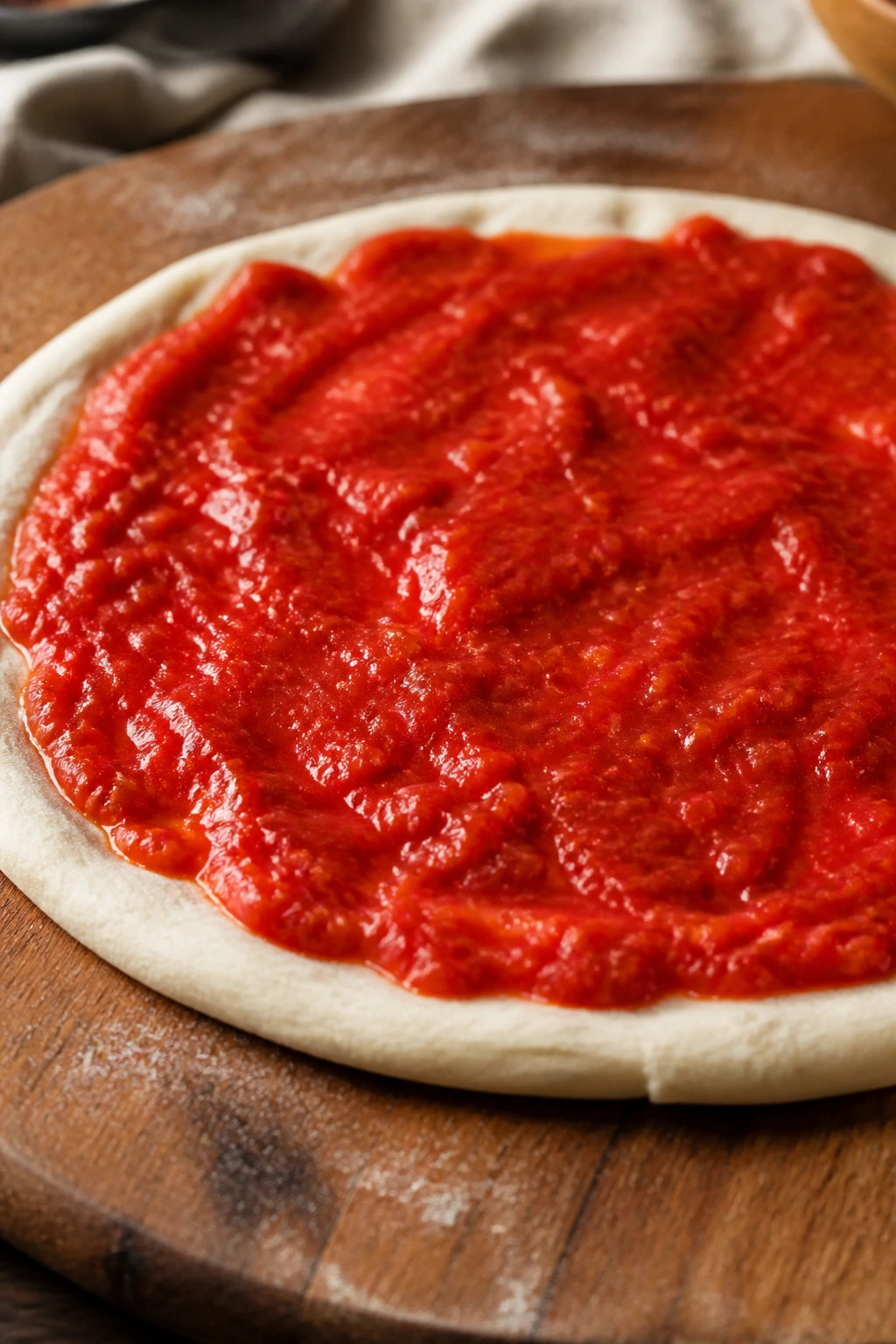
The tomato layer is where a lot of home pizza gets either excellent or weirdly sweet and flat. Good pizza sauce is not supposed to taste like spaghetti sauce. It should taste like tomatoes that were coaxed, not overworked.
For a classic Italian-style pie, I reach for whole peeled tomatoes or crushed tomatoes with no sugar added. San Marzano DOP tomatoes are the obvious gold standard if you can find them, but the bigger rule is simpler: the ingredient list should be short, and the texture should be thick enough to stay put on the dough. If the sauce pours like soup, it’s too wet for pizza.
A lot of people cook the sauce for a long time. I don’t, unless I’m making a thicker Roman or Sicilian-style pie. For a Neapolitan-style pizza, I like the sauce raw or barely touched: tomatoes crushed by hand, salt, and a thread of olive oil. That keeps the flavor bright and lets the oven do its job. Long-simmered sauce can taste muddy once it’s baked hard at a high temperature.
What Makes the Best Pizza Tomato Topping
- Salt: A pinch wakes up canned tomatoes fast. Without it, they can taste tinny or thin.
- Texture: Leave some small pieces of tomato intact. Total puree is too smooth and often too wet.
- Balance: If the tomatoes taste sharp, a drizzle of olive oil softens the edge better than sugar.
- Restraint: You want a thin, even layer — enough to flavor the crust, not enough to soak it.
Raw, Cooked, or Somewhere Between
Raw crushed tomato works beautifully on high-heat pizzas. It gives a fresher, slightly brighter flavor and won’t reduce into a paste before the crust has time to brown. Cooked sauce makes more sense on a thicker pie or a pizza baked in a pan, where the crust can handle a richer, more concentrated topping.
There’s also the matter of garlic. A little is good. A lot gets loud fast. If you want garlic in the tomato layer, mince one small clove and let it sit in the oil for a minute before stirring it into the tomatoes. Or rub a cut garlic clove on the baked crust after the pie comes out. That second move is old, simple, and hard to beat.
Cheeses That Melt Instead of Grease Out
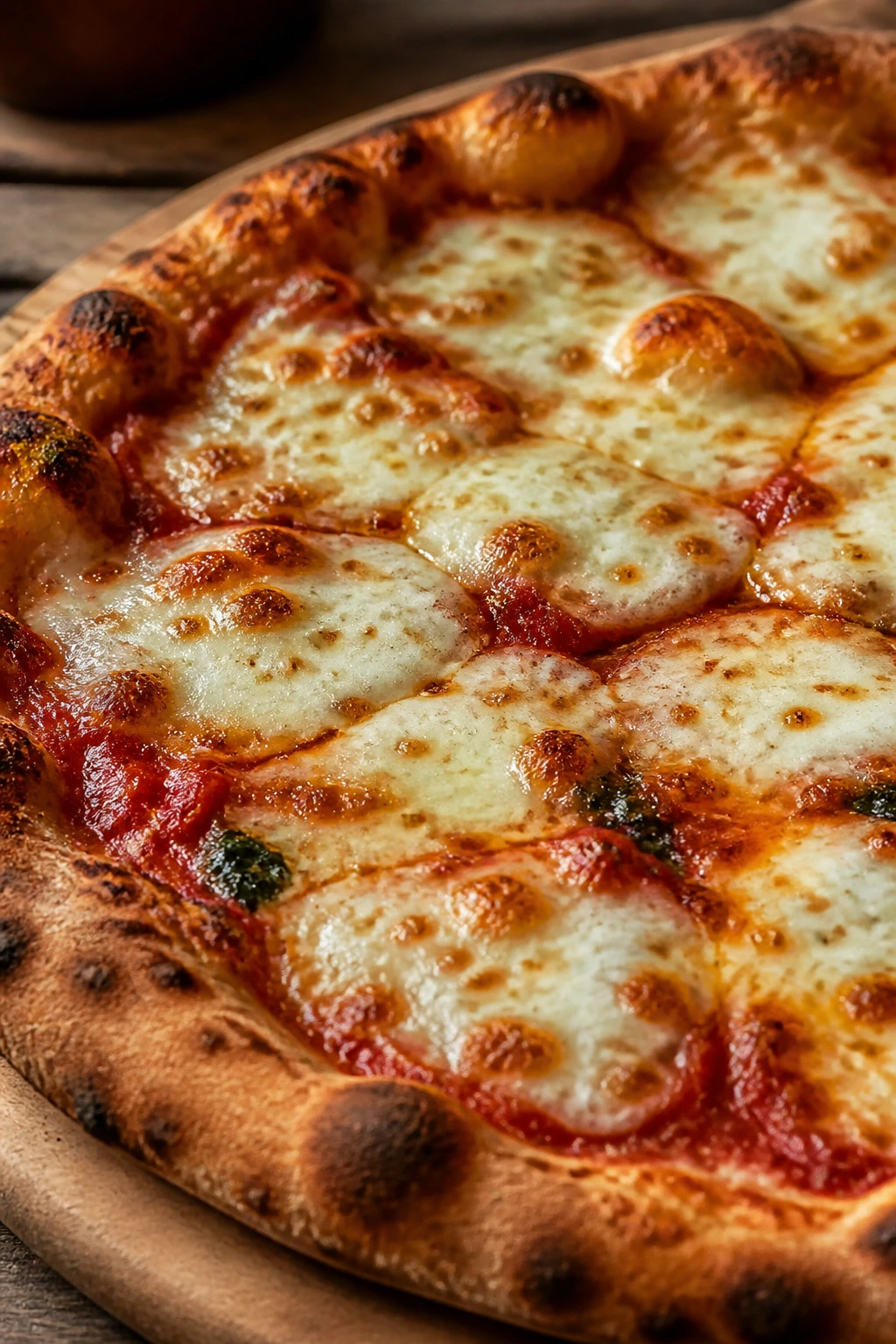
Cheese is where people often confuse “more” with “better.” On a pizza, that’s a mistake. Cheese should stretch, melt, and season the pie. It should not pool into oil slicks or blanket everything so completely that the tomatoes disappear.
The classic answer is mozzarella, but even that comes in different forms. Fior di latte — cow’s milk mozzarella — is a clean, mild choice with a little less moisture than fresh buffalo mozzarella. Mozzarella di bufala is richer and more tangy, but it throws off more liquid, so it needs draining and a lighter hand. If you’ve ever bitten into a pizza and found a puddle where the cheese was supposed to be, that’s the problem.
Low-moisture mozzarella has a place too. It’s not as romantic, and yes, it’s a little more American in feel, but it melts neatly and gives you better browning in a home oven. I like it when the oven runs cool or when the pie has a lot of vegetable toppings. Shred it yourself if you can. The bagged stuff has anti-caking agents that can keep the melt a little dull.
The Cheeses Worth Knowing
- Fior di latte: Mild, elastic, and ideal for Margherita-style pies.
- Mozzarella di bufala: Richer and wetter; use less and drain it well.
- Parmigiano Reggiano: Tiny salty hits over the top, not a thick layer.
- Pecorino Romano: Sharper and saltier; excellent with tomato and anchovy.
- Scamorza or provola: Smoked versions bring a deep, almost campfire note.
How to Handle Moist Cheese
Fresh mozzarella should be torn, not sliced, then left in a sieve or on paper towels for at least 20 to 30 minutes. If you’re in a hurry, pat it dry, then leave it in a bowl while you prep everything else. That small pause makes a big difference. The cheese melts cleaner, the crust stays crisper, and the whole pie tastes less wet.
Hard cheeses work best as accents. A snowfall of grated pecorino over a tomato pie can sharpen the entire slice. A little Parmigiano on a white pizza can make the crust taste nuttier. But if you cover the pie in a thick layer of hard cheese before baking, the result can get dry and salty in a hurry.
Meats With Real Italian DNA
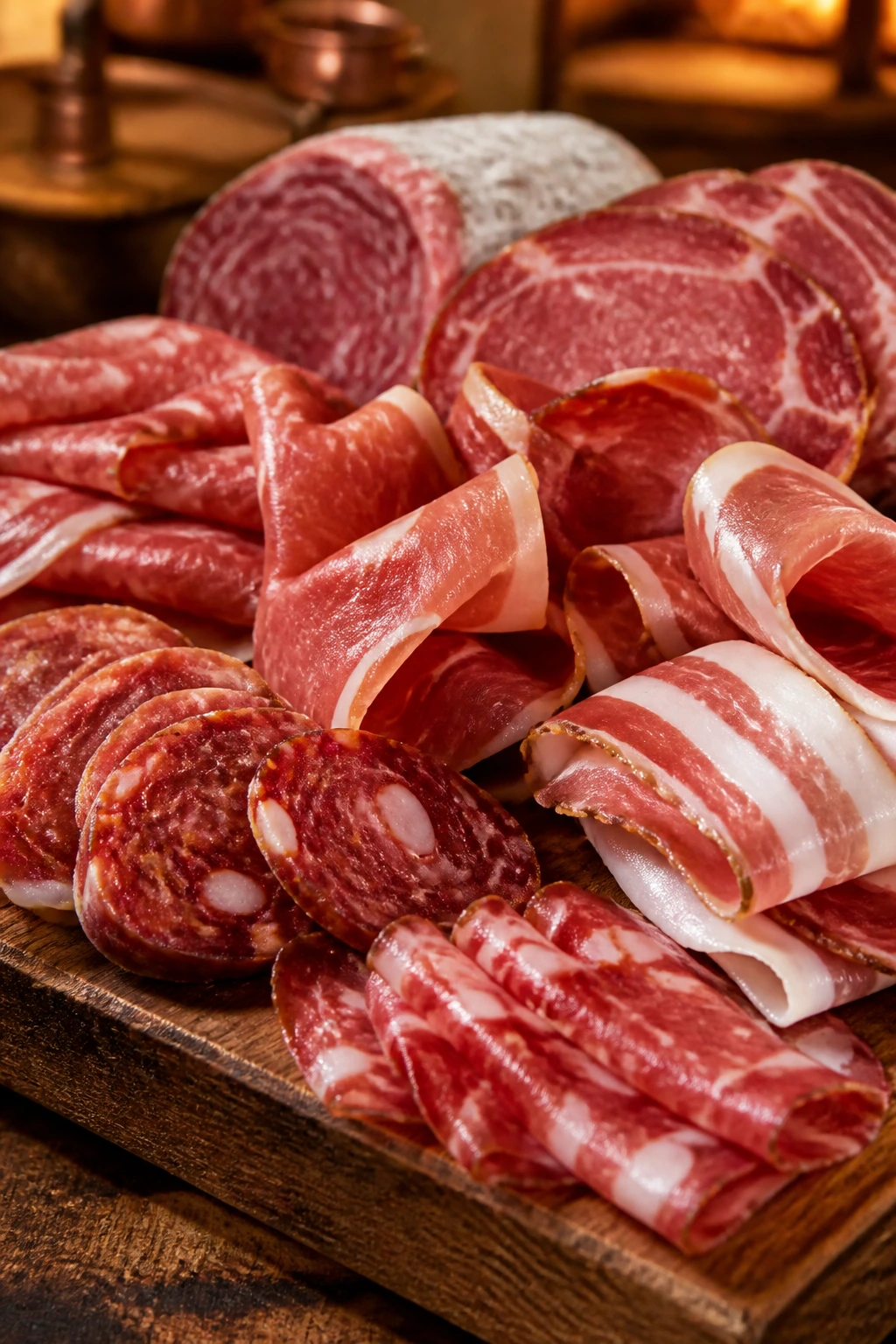
Italian pizza meat toppings should taste seasoned before they ever meet the oven. That’s one of the easiest ways to tell whether a pizza feels traditional or just crowded.
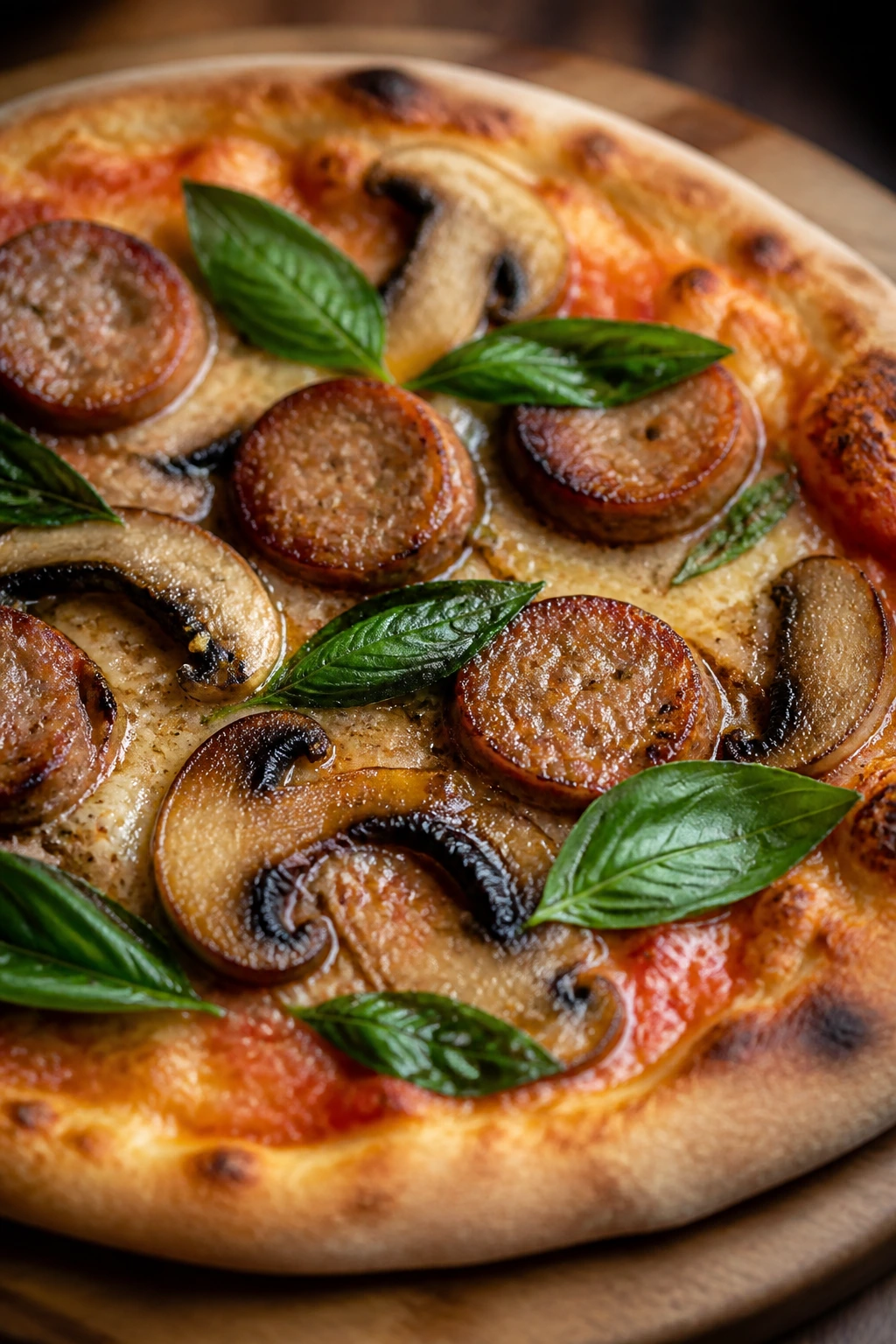
Sausage is probably the most useful meat topping in the Italian home kitchen. It browns well, it carries fennel or chili if you want that direction, and it leaves behind little caramelized edges that punch through the cheese. The key is to cook it first, then crumble it small enough that each bite gets a little, not a giant hunk. Raw sausage on a thin pizza is asking for trouble unless the bake is long and the pieces are tiny.
Prosciutto is a different story. It’s not meant to roast hard. Lay it on after the pizza comes out of the oven, when the heat will soften it without turning it stiff. That silkiness is the point. Soppressata and thin salami can go on before baking if they’re sliced thin enough to curl at the edges and perfume the pie.
The Meats That Belong on the Short List
- Italian sausage: Use mild or hot, pre-cooked and well drained.
- Prosciutto: Add after baking so it stays soft and delicate.
- Soppressata or spicy salami: Thin slices give you crisp edges and concentrated flavor.
- Pancetta: Useful in tiny amounts, especially with onions or potatoes.
- Capicola: Salty and bold; best in thin layers, not piled high.
Pepperoni deserves an honest note. It’s delicious, and nobody should pretend otherwise. But it’s more Italian-American than Italian-Italian. If you grew up with it, that memory counts. If you’re chasing a pie that tastes closer to Naples or Rome, soppressata or spicy salami will usually get you closer to the mark.
And because meat can dominate a pizza fast, think in accents rather than coverage. A dozen little coins of salami often taste better than a sheet of them. The oven will concentrate the fat, and that’s plenty.
Vegetables That Belong on the Hot Stone
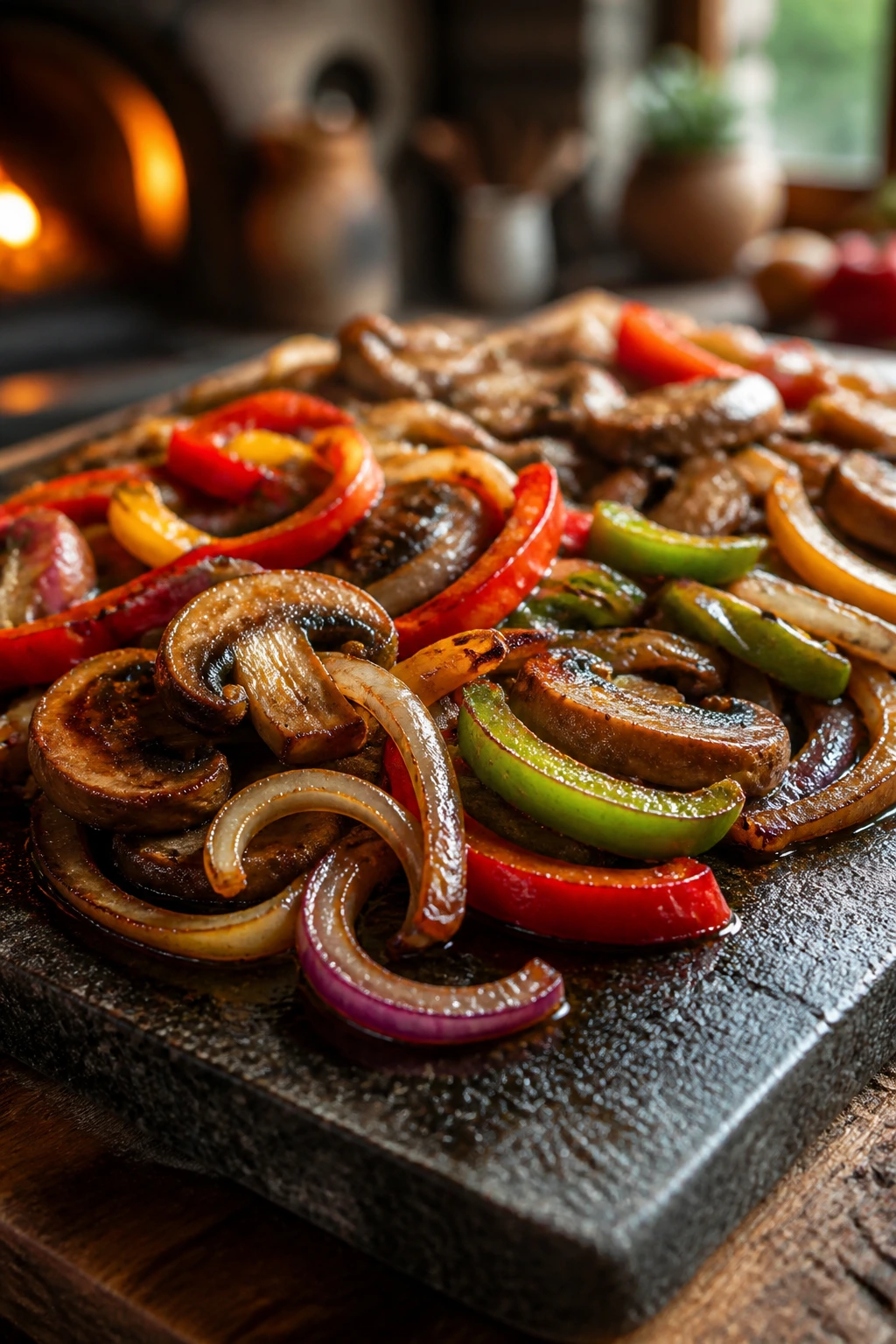
Vegetables are where many home pizzas go watery and sad. The fix is not to avoid them. The fix is to cook them the way a good cook would — enough to drive off excess moisture and enough to keep their shape.
Mushrooms are the classic trap. Raw mushrooms shed water in the oven, which then sits on the cheese and soaks into the crust. Sauté them first in a hot pan with a little olive oil and salt until they stop releasing liquid and the edges turn brown. That’s when they start tasting like mushrooms instead of wet sponge.
Onions and peppers are worth the same treatment. A little pre-cooking makes them sweet, not crunchy in a weirdly raw way. Red onions can go thin and quick. Yellow onions can be cooked longer until translucent and sweet. Peppers should lose that raw snap before they hit the pizza; otherwise they stay louder than everything else.
Vegetables Nonna Would Actually Use
- Mushrooms: Sauté or roast first so they stop leaking.
- Onions: Thinly sliced, cooked until sweet or lightly caramelized.
- Bell peppers: Roast, sauté, or blister them before topping the pie.
- Artichoke hearts: Drain well and pat dry; jarred ones are fine if handled right.
- Olives: Keep them modest; a few salty slices go a long way.
- Spinach: Wilt first, then squeeze dry in a clean towel.
- Zucchini: Salt and blot, or roast slices before using.
- Eggplant: Roast or pan-sear first; raw eggplant can taste spongy.
A good vegetable pizza tastes layered, not soggy. If you want tomatoes, mushrooms, onions, and peppers on the same pie, cook at least two of those ingredients first. Otherwise the crust ends up working as a mop.
I also have a soft spot for olives on pizza, but only when they’re used with enough restraint to keep their brine from taking over. A few sliced Castelvetrano olives bring butteriness. Black olives bring salt. Both are better when they’re not half the pizza.
Seafood Toppings From the Coast
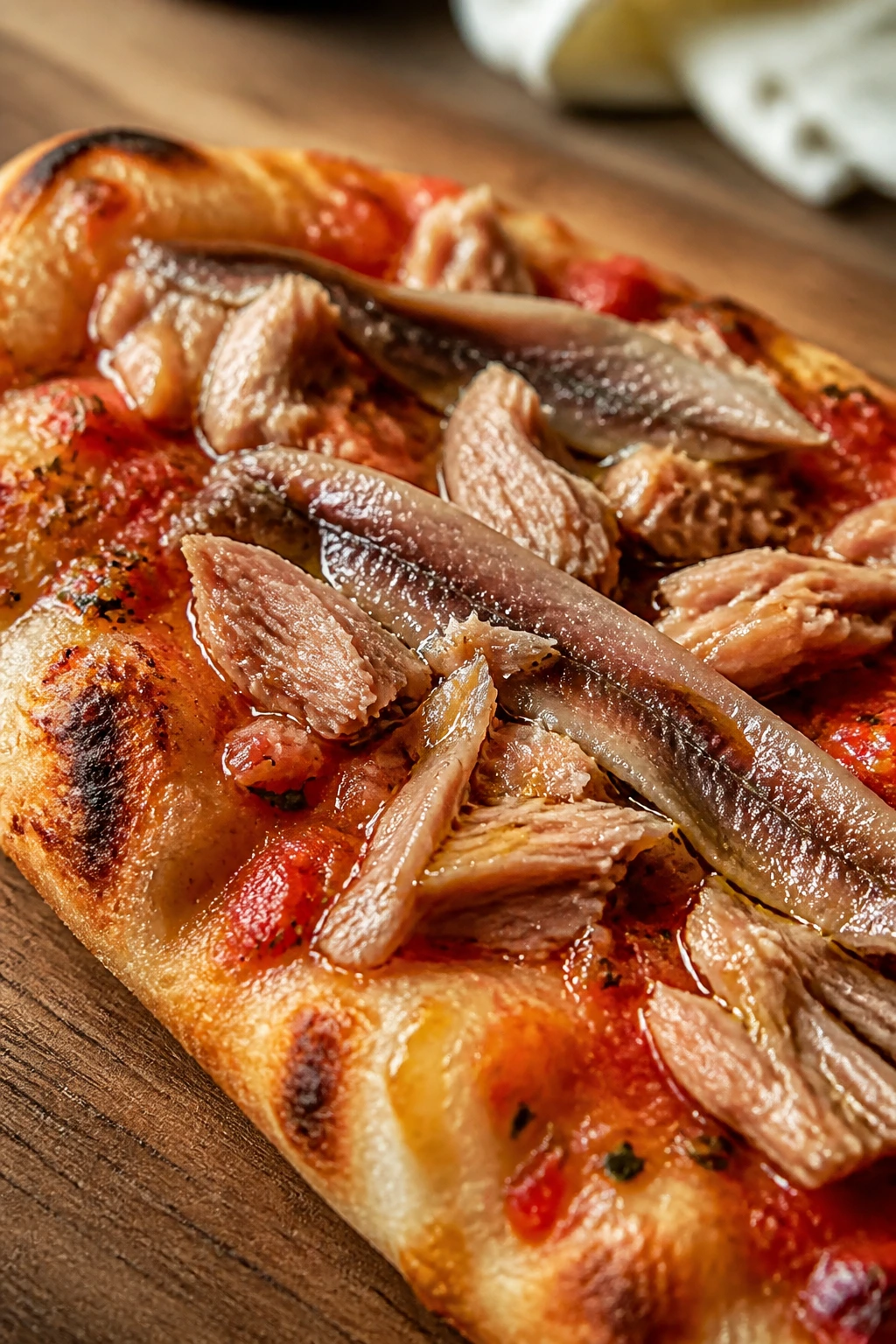
Seafood on pizza makes some people nervous, mostly because they’ve only seen it done badly. Done properly, it’s one of the sharpest, most satisfying directions an Italian-style pie can take.
Anchovies are the obvious place to start. They melt into the sauce, season the cheese, and leave behind a deep savory note that never tastes fishy when they’re used sparingly. If you like anchovy but hate too much salt, tuck the fillets under a light layer of sauce or scatter them in smaller pieces so they can perfume the pie rather than dominate it.
Tuna on pizza is another classic, especially in Italian home cooking and casual pizzerias. The important detail is to use good oil-packed tuna and drain it lightly. It pairs beautifully with onions, olives, and capers, all of which give the fish a bright, briny frame. That combination tastes cleaner than a heavy cheese-and-seafood mash ever will.
Seafood That Actually Works
- Anchovies: Use a few fillets, not a whole tin’s worth, unless you want a very salty pie.
- Tuna in oil: Flake it lightly and pair it with onion or capers.
- Clams or mussels: Best on a fast-baked pie or a partially baked crust.
- Shrimp: Works better when quickly sautéed first.
- Smoked salmon: More of a post-bake topping for a white pie than a classic baked pizza move.
Seafood hates overcooking. That’s the rule that matters most. If you’re using shrimp or shellfish, cook them just enough to turn opaque before they go on the pizza, or keep them for the final minutes if your oven is very hot. Overbaked seafood turns rubbery in a way that nobody forgets.
The sharper the seafood topping, the less cheese you need. A tuna-and-onion pie often works best with only a thin veil of mozzarella or a white base with olive oil and garlic. Let the fish stay the main event.
Herbs, Oil, and the Final Finish
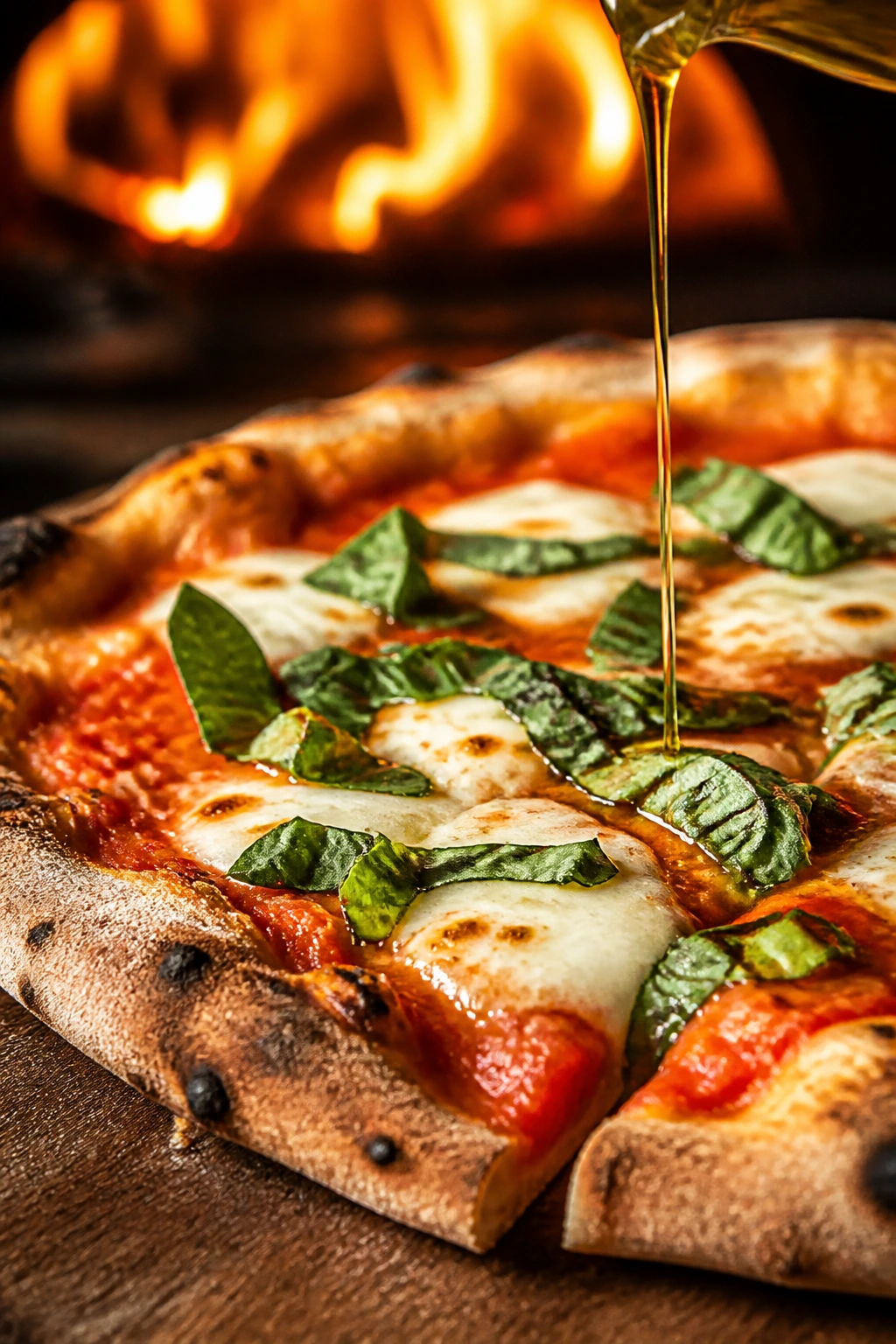
This is where a pizza stops looking cooked and starts looking finished.
Fresh basil is the obvious star. Add it after baking, or during the last minute if you want it to wilt without blackening. Basil loses its clean perfume fast under dry heat, so don’t bury it under cheese and hope for the best. A couple of torn leaves on a hot Margherita can change the whole smell of the slice.
Dried oregano belongs in the tomato layer, not dumped over the top like confetti. It blooms nicely when it touches warm sauce and oil. Rosemary works on white pizzas, especially those with potatoes, onions, or sausage. Parsley is quieter, but on seafood pies it gives the slice a fresh, green finish that keeps the brine from feeling heavy.
Extra virgin olive oil is not background noise. It’s the final seasoning. A thin drizzle after baking adds fruitiness and sheen, and on a plain pie it can be the thing that ties the cheese, crust, and tomatoes together. A peppery oil is especially good on a simple Marinara or a white pizza with garlic.
The Finishing Moves That Matter
- Basil: Add after baking for the cleanest flavor.
- Oregano: Best in the sauce or on the cheese before the oven.
- Rosemary: Use very sparingly; a little goes a long way.
- Chili flakes: Add to taste, but don’t bury the pie in heat.
- Olive oil: Drizzle lightly at the end for shine and depth.
- Pecorino or Parmigiano: Grate over the hot pizza, not under it.
A tiny pinch of flaky salt on tomatoes can sharpen everything. So can a little lemon zest on seafood or white pies. That sounds like a small move, and it is. But small moves are the soul of this kind of pizza.
How to Build a Pizza Without a Soggy Center
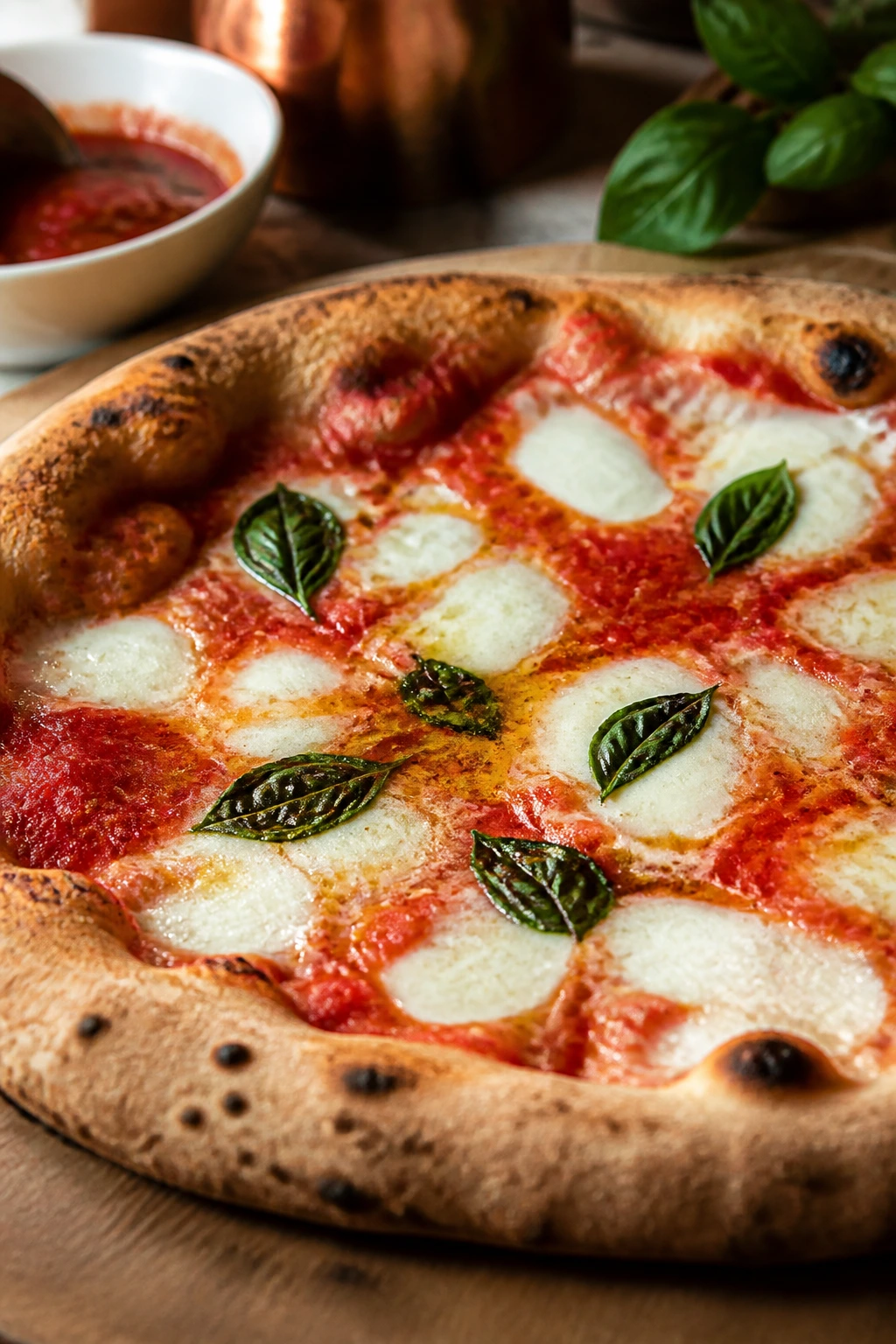
A pizza can have great ingredients and still flop because the toppings were assembled with too much optimism. The fix is mostly about moisture management and order.
The Moisture Budget
Every topping brings some water with it, even the ones that don’t look wet. Cheese sweats. Vegetables release steam. Tomatoes thin out under heat. That means each pizza has a moisture budget, and once you blow it, the crust pays the price. If you want a crisp center, don’t spend that budget on raw mushrooms, wet mozzarella, and thick tomato sauce all at once.
A clean pizza usually starts with a thin base layer of sauce. Leave the border bare. Spread the sauce so thinly that the dough still peeks through in spots. Then add cheese in a way that leaves pockets of tomato visible. That visual gap isn’t a flaw. It’s a clue that the pie won’t drown.
Where Each Topping Belongs
Wet ingredients go on only after they’ve been drained, sautéed, or roasted. Raw greens should be wilted first. Sausage should be cooked through. Prosciutto should wait until the pizza is done. Basil should not be buried under the cheese unless you want dark, brittle leaves that taste like a bad idea.
If you’re using more than two toppings, ask which one is the main event. The others should support it. A mushroom-and-sausage pizza can handle a few onions. A Margherita can tolerate a pinch of oregano. A tuna pie wants olives and capers more than another fistful of cheese. Once you define the lead flavor, the rest of the build gets easier.
Bake Hot, Not Long
A hot oven is a topping’s best friend because it cooks fast enough to set the crust before the vegetables have time to collapse. A baking steel or stone helps a lot here. So does preheating for long enough that the surface is genuinely scorching, not just warm. If the oven is weak, keep the toppings light and pre-cook anything watery.
One practical rule: if your pie looks “generous” before it goes in, it probably needs to be thinned out. A pizza should look a little underdressed on the peel. That feeling is correct.
Regional Italian Pizza Styles and Their Topping Rules
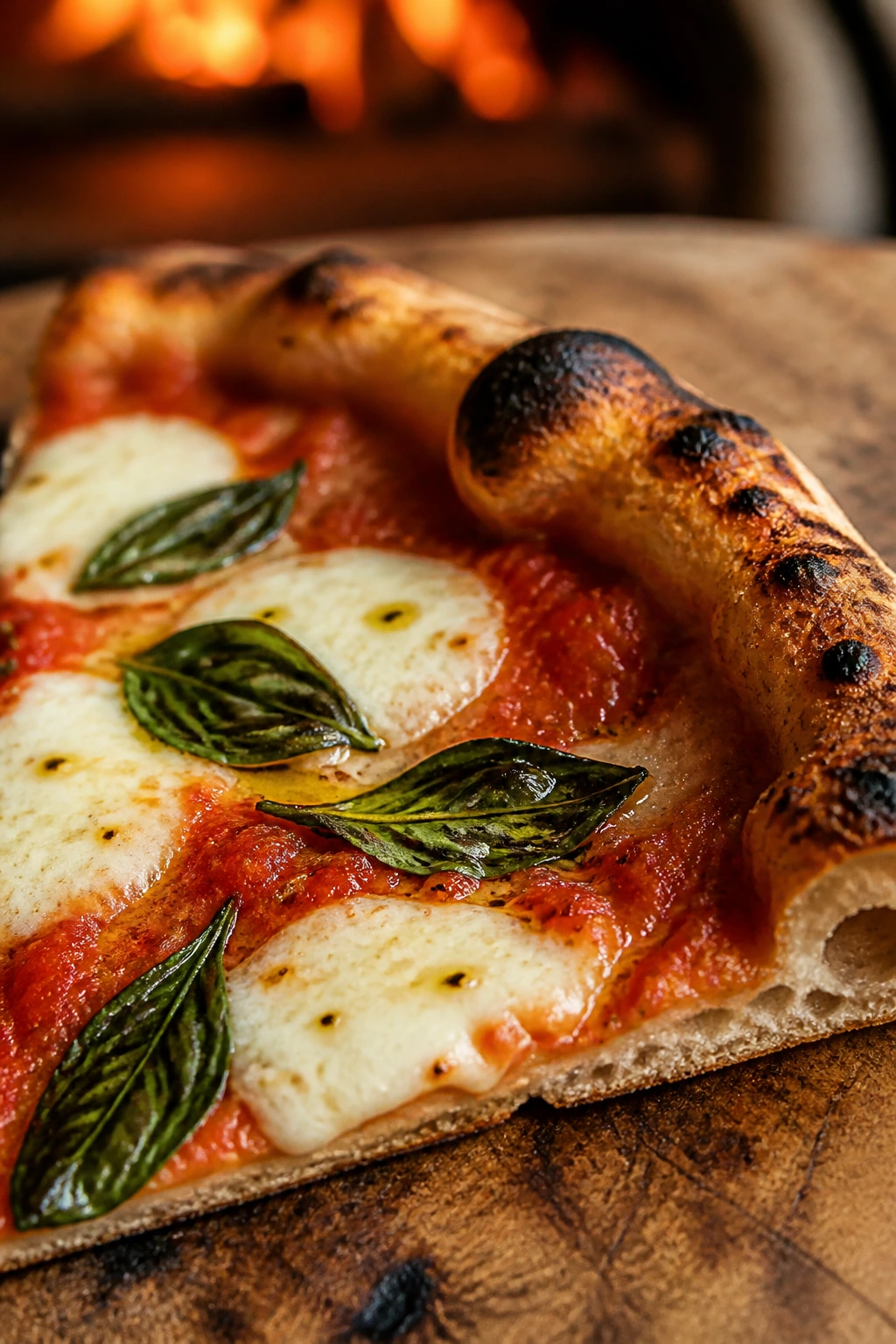
The fastest way to understand pizza toppings is to look at the regions, because each one tells you what the dough can carry and what the cook values most.
Naples: The Art of Restraint
Neapolitan pizza is the place where simplicity becomes almost ceremonial. Marinara, in its traditional form, uses tomato, garlic, oregano, and olive oil — no seafood, despite the name. Margherita keeps things to tomato, mozzarella, basil, and oil. That’s not because Naples forgot other ingredients existed. It’s because the dough, heat, and toppings are all tuned to a very narrow sweet spot.
A Neapolitan pie is soft, fast, and alive with contrast. Too many toppings flatten that contrast. The crust can’t breathe.
Rome: A Little More Freedom
Roman pizza is often thinner and crispier, especially in al taglio form, where it’s baked in a tray and sold by weight. That sturdier base can carry a few more toppings without collapsing. Potatoes, zucchini, prosciutto, artichokes, and even different cheeses show up more freely here. White pizzas are especially common, and rosemary has a comfortable place on them.
Roman pies are a little less austere, but they still value clarity. You can add more, just don’t add everything.
Sicily: Bigger, Broader, Older in Spirit
Sicilian-style pizza, or sfincione, is thicker, softer, and often topped with onion, tomato, anchovy, herbs, and breadcrumbs. It’s a pan pizza, which means the crust can stand up to a more generous topping layer. That said, the flavors still lean savory and balanced. You don’t need a dozen toppings; you need a good onion base and a salty edge.
Sicily is also a reminder that pizza can be humble and deeply flavored at the same time. A good sfincione tastes like baked bread with a full pantry on top.
Liguria and the White Pizza Tradition
Liguria brings in focaccia and pizza bianca territory, where olive oil, rosemary, salt, potatoes, onions, and sometimes cheese do the work. Tomatoes are optional. That matters because it proves the point: authentic pizza toppings are regional, not universal. A pie without tomato can still feel completely Italian if the dough, oil, and toppings are handled with care.
Essential Tools for Topping Pizza at Home
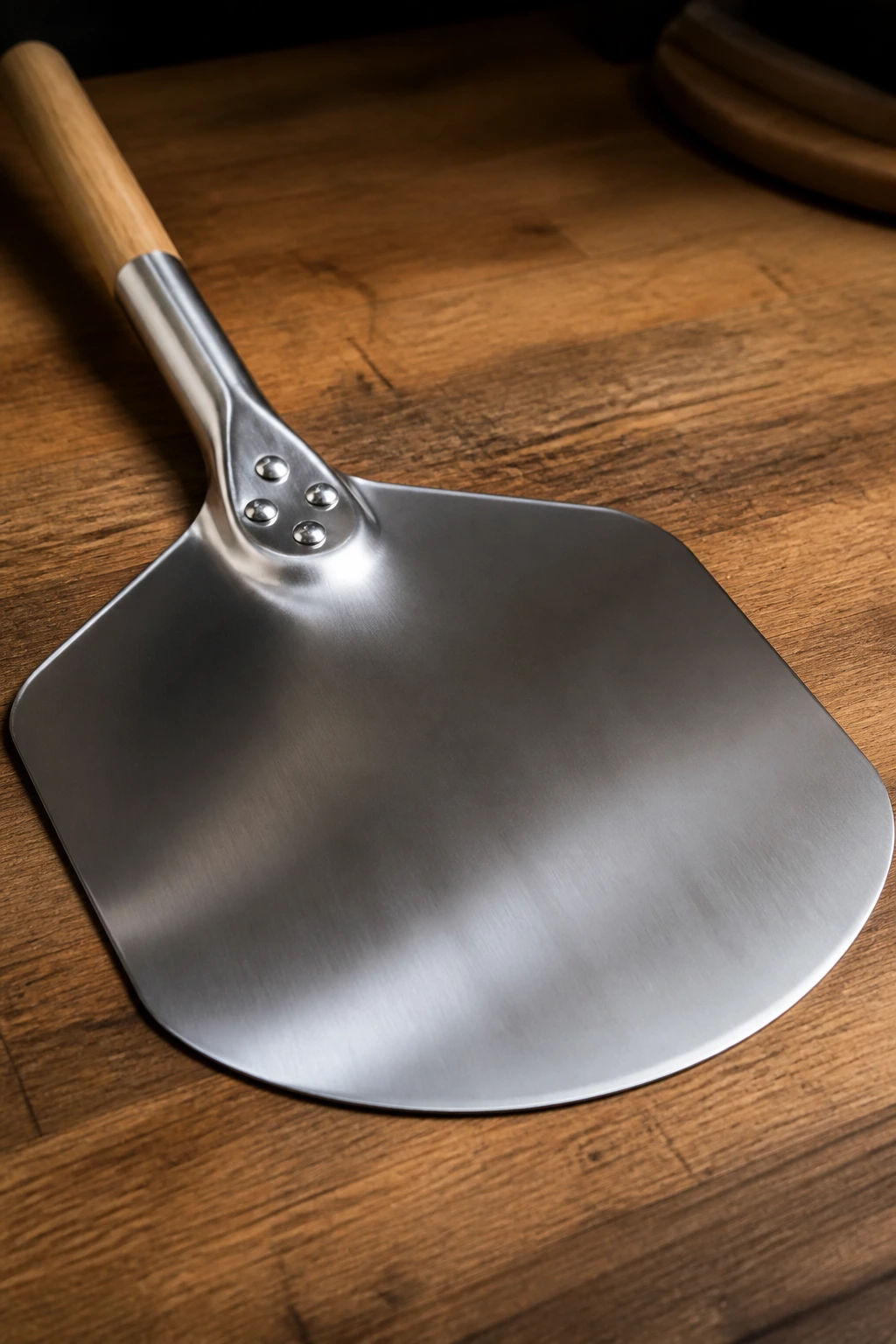
The right toppings are easier to manage when the tools stop fighting you.
- Pizza peel: Helps you move the pizza onto a hot stone or steel without mangling the shape.
- Baking steel or stone: Gives the bottom a fast burst of heat so the crust sets before the toppings overcook.
- Rimmed baking sheet: Useful for pan pizza, sheet-pan pizza, or roasting vegetables ahead of time.
- Fine-mesh sieve or colander: Great for draining fresh mozzarella, jarred artichokes, or oily tuna.
- Box grater or microplane: Useful for hard cheeses and for finishing a hot pie with a snowy layer of pecorino.
- Sharp chef’s knife: Thin, even slices of onion, pepper, or salami cook better than thick, awkward chunks.
- Bench scraper: Handy for moving chopped toppings and keeping the prep area from turning into a mess.
- Kitchen towels or paper towels: Essential for drying mozzarella, spinach, zucchini, and anything else that holds water.
- Pizza wheel or sharp knife: A hot pizza cuts more cleanly with a wheel, but a chef’s knife works if the wheel is dull.
A lot of people skip the strainer and then act surprised when the pie turns wet. Don’t do that. The ugly little step of drying ingredients is half the job.
Smart Shopping for Authentic Italian Ingredients
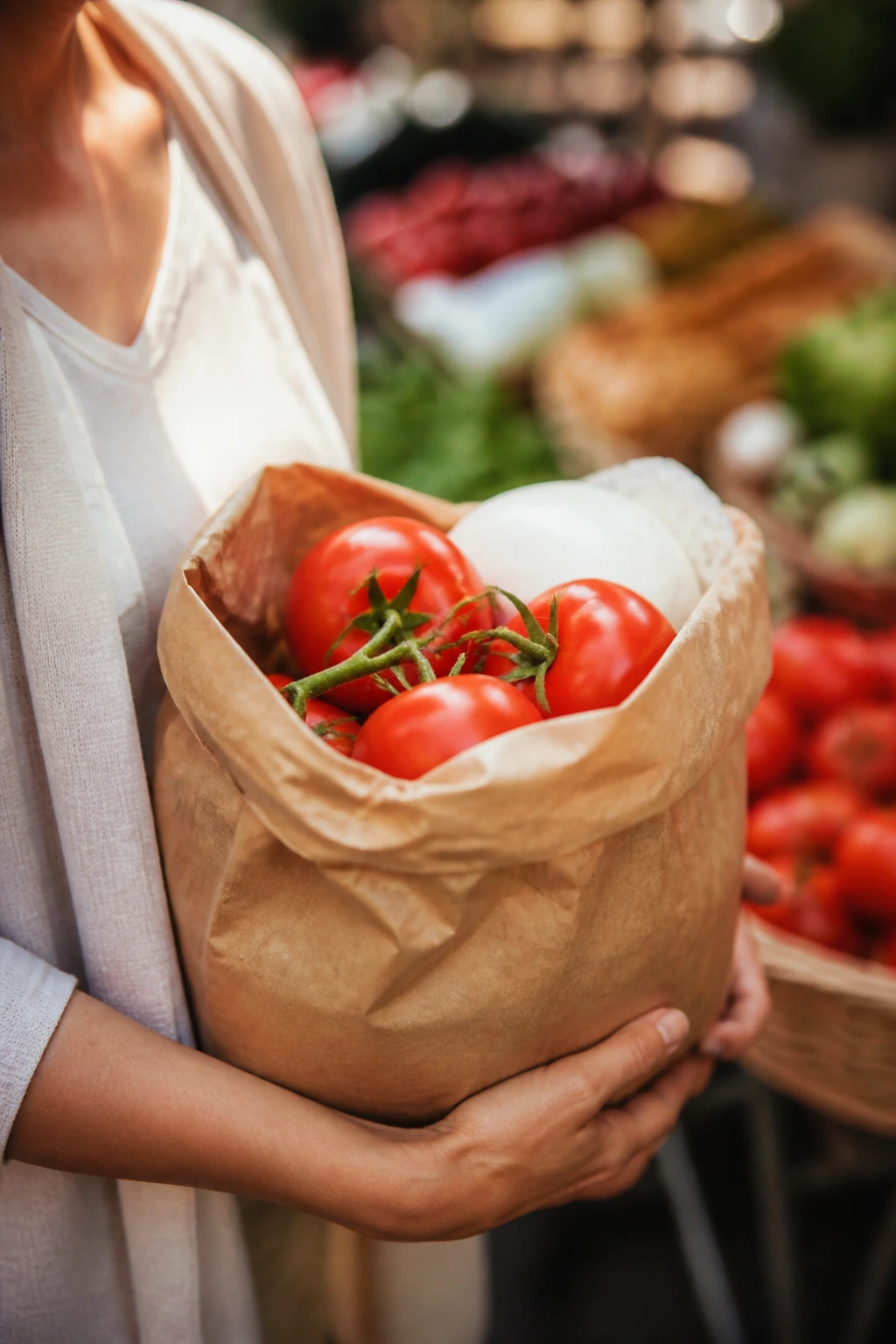
Good pizza toppings start in the shopping basket, and you can tell a lot about a pizza before you ever open the box of tomatoes.
Tomatoes
Look for whole peeled tomatoes or crushed tomatoes with a short ingredient list: tomatoes, juice, maybe salt. That’s it. If you see sugar, a long list of spices, or a sauce that tastes like someone tried to turn it into pasta sauce, keep walking. Good canned tomatoes should smell bright and tomatoey, not cooked-down and sweet.
Cheese
For mozzarella, decide what the oven can handle. If you want the classic soft pull and you’re using a very hot oven, fresh fior di latte or well-drained buffalo mozzarella is lovely. If your oven is weaker or the pie has a lot of wet toppings, low-moisture mozzarella gives you a cleaner melt. Buy a block when you can. Shredding it yourself keeps the texture better.
Cured Meats
Look for salami and soppressata with visible fat and a firm texture. Thin slices matter more than people think; thick slices can stay greasy instead of crisping. Prosciutto should smell sweet and faintly nutty, not aggressively salty. Sausage from a butcher counter often has better seasoning and less filler than the lowest-price package in the case.
Produce
Mushrooms should be dry and firm, not slippery. Onions should feel heavy for their size. Bell peppers should have taut skin. Basil leaves should be bright, with no black spots or slimy patches. If the produce section smells like nothing at all, that’s not ideal, but it’s common; your job is to choose the items with the most life left in them.
Pantry Extras
Good olive oil matters more than most people think. A peppery oil can sharpen a tomato pie, while a softer one suits white pies and seafood. Keep capers, olives, and dried oregano around, and buy them from brands you trust if you can. They’re small ingredients, which means their flaws show fast.
How to Serve a Pizza Night the Italian Way
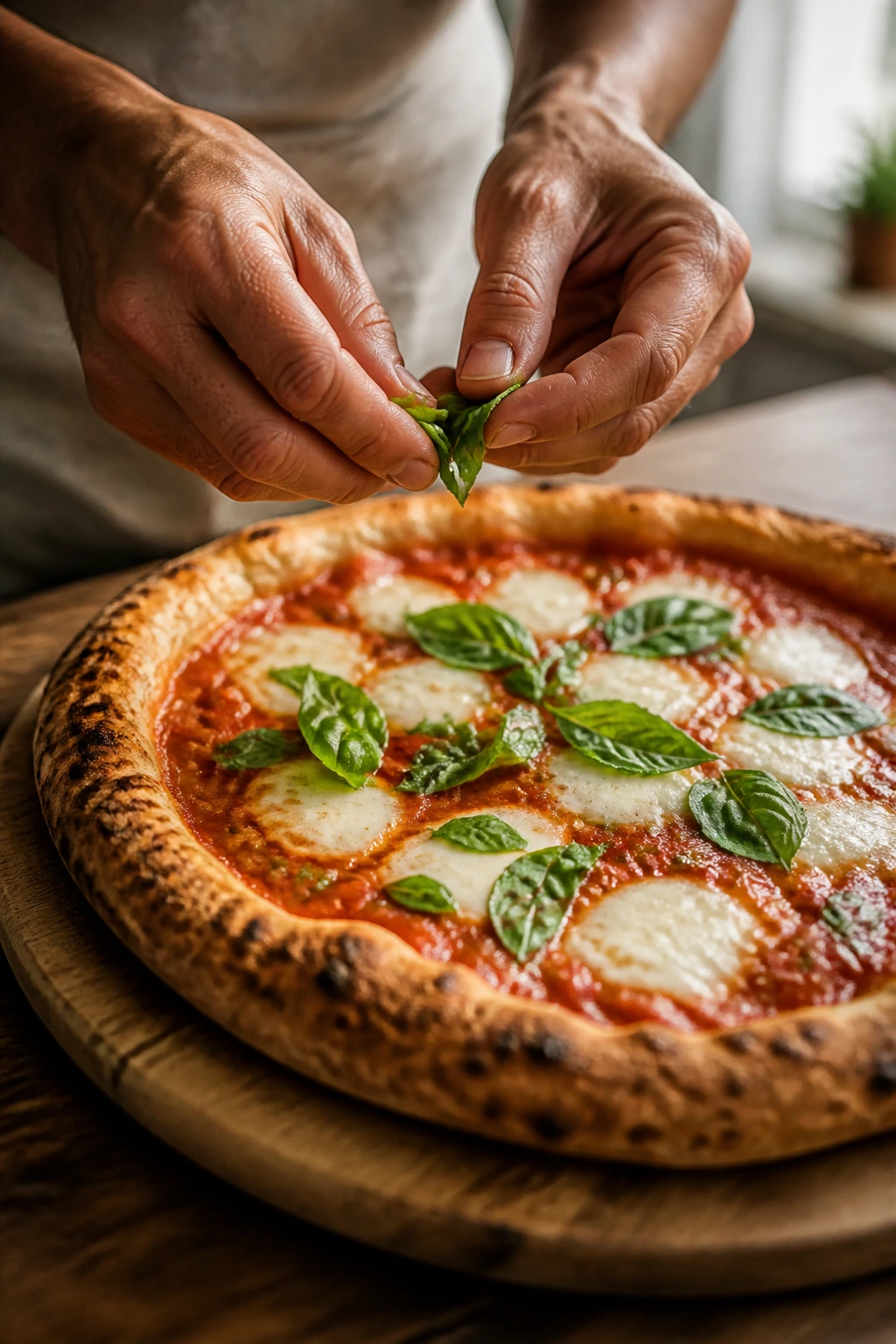
Presentation: Put the pizza on a wooden board or a wide cutting board and let it sit for a minute before slicing. That short rest keeps the cheese from sliding off and gives the crust a chance to set. Tear fresh basil over the top at the table, not before, if you want that clean herb smell to hit first.
Accompaniments: Keep the sides lean. A bitter green salad with lemon and olive oil, marinated fennel, roasted peppers, or a bowl of olives all make sense beside a pizza with classic Italian toppings. If the pie is rich — sausage, prosciutto, or a heavy cheese blend — a sharp salad is better than another starchy side. Bread next to pizza is usually redundant unless you’re serving a very light white pie.
Portions: A 10- to 12-inch pizza usually serves 2 people as a main meal or 3 to 4 people as a lighter meal with sides. A Roman tray-style pizza can stretch further because it’s sliced smaller. If you’re feeding a group, make one classic tomato-and-mozzarella pie and one with a stronger topping like sausage or anchovy; that covers more tastes than loading a single crust with everything.
Beverage Pairing: Sparkling water with lemon is the easy default and works better than people admit. If you want wine, go with something dry and lively — Lambrusco, Chianti, or a crisp white with enough acid to stand next to tomatoes. A pale lager works too, especially with salami or anchovy. Heavy, sweet drinks flatten the tomato and make the cheese feel clumsy.
Additional Tips and Flavor Boosters
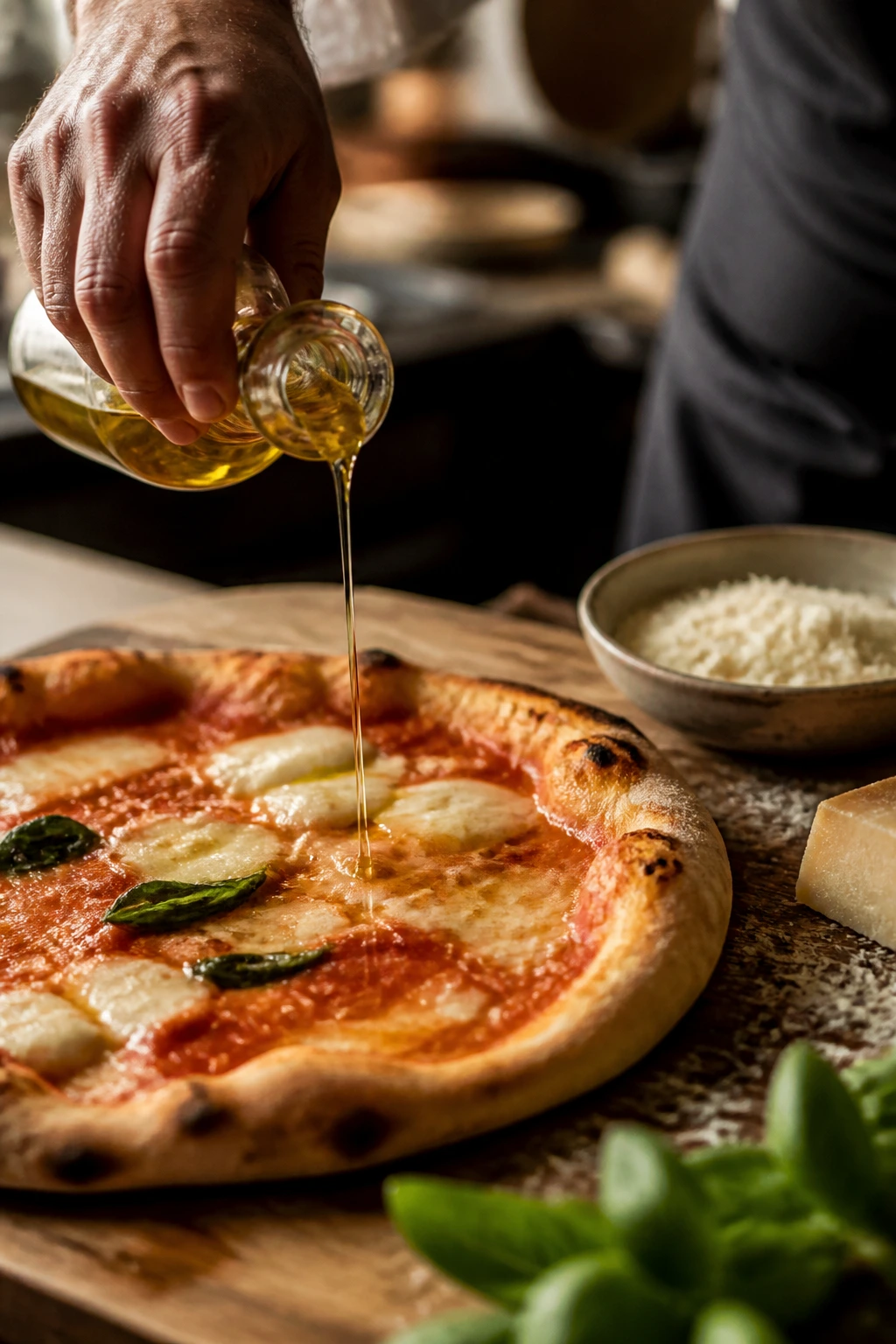
Flavor Enhancement: A little finishing oil changes the whole pie. Use extra virgin olive oil with a peppery edge on tomato pizzas and a softer, fruitier oil on white pizzas. If the topping set feels flat, a light dusting of pecorino over the hot crust often fixes more than another spoonful of sauce ever could.
Customization: You can move the same topping logic in different directions without losing the Italian feel. Add caramelized onions to a sausage pie, roasted garlic to a mushroom pie, or a few capers to an olive-and-tomato pizza. If you like heat, use chili flakes sparingly on the slice instead of burying the whole pizza in spice before baking.
Serving Suggestions: For a Margherita, a few torn basil leaves and a final drizzle of oil are enough. For seafood pies, a small scatter of parsley or a whisper of lemon zest keeps the salt from feeling heavy. For a white pizza, a little black pepper and finely grated Parmigiano at the table can make the whole thing taste sharper.
Make-It-Yours: If you need dairy-free toppings, lean on tomato, vegetables, olives, capers, and good olive oil instead of trying to force a fake cheese-heavy pie. If you need a gluten-free crust, keep the topping load lighter than you think; gluten-free bases tend to soften faster. If you want a vegetarian pie with more bite, add roasted mushrooms plus a salty element like olives or pecorino so it doesn’t taste one-note.
Common Mistakes That Flatten Good Toppings
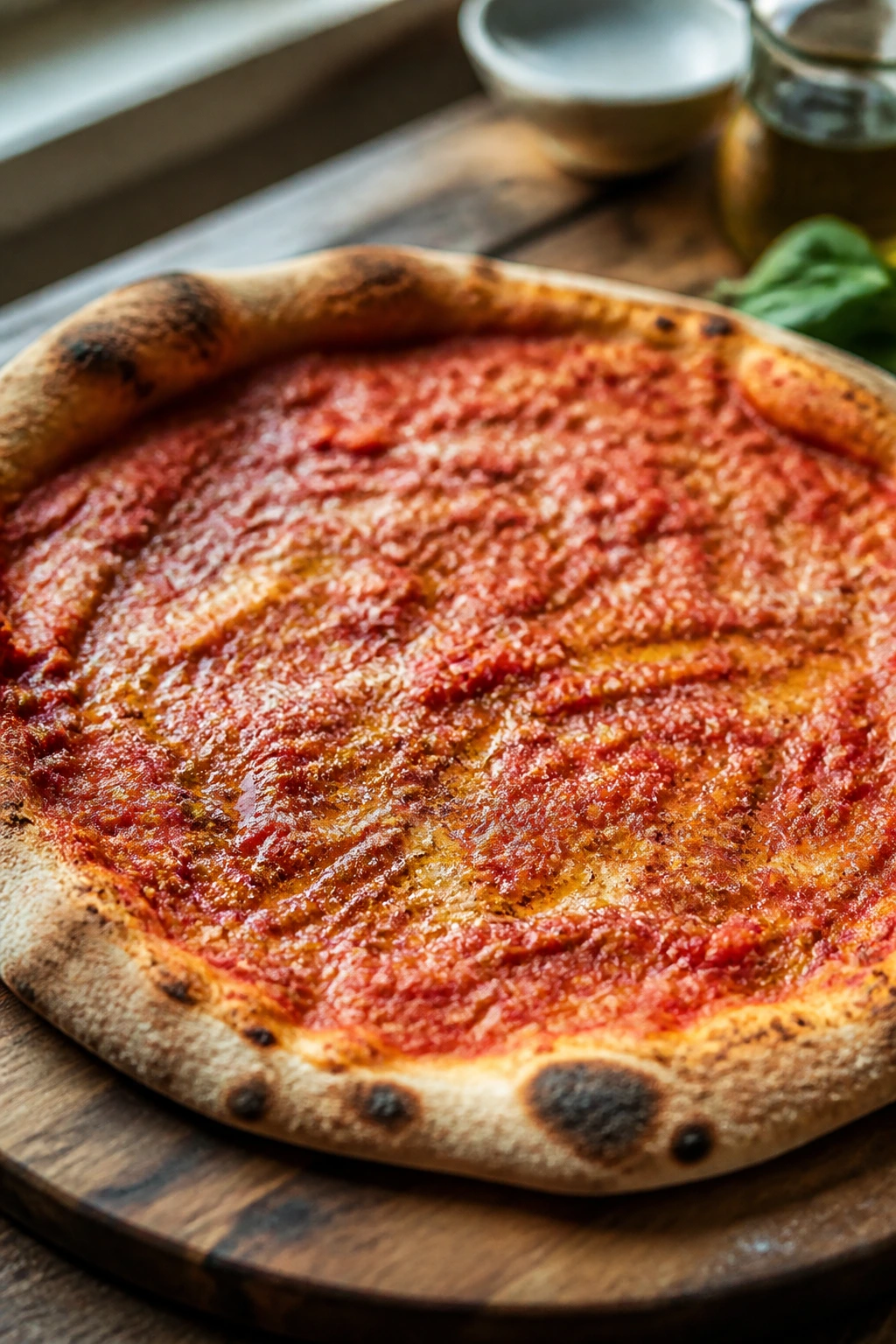
- Flooding the dough with sauce: The symptom is a pale, wet center that bends like cardboard. The fix is a thinner layer of sauce, spread with a spoon rather than ladled on, plus a rim left untouched.
- Using fresh mozzarella straight from the brine: You’ll see puddles on the cheese and a soft middle that never firms up. Drain it for 20 to 30 minutes, then tear it into pieces and blot it again if needed.
- Putting too many watery vegetables on at once: Mushrooms, zucchini, onions, and tomatoes can all release moisture together and drown the crust. Pre-cook the wet ones, or choose only one of them for a small pizza.
- Baking prosciutto or other delicate cured meats too long: The slices turn leathery and salty instead of silky. Add them after the pizza comes out of the oven so they soften from the residual heat.
- Skipping salt in the tomato layer: The pizza can look finished and still taste flat. A pinch of salt in the tomatoes before baking changes everything.
- Adding basil too early: The leaves turn black or bitter. Tear them over the pie after baking, or add them in the final minute if your oven is fast enough.
There’s a broader pattern here: most topping mistakes come from impatience. Too wet, too many, too early. Pizza rewards the cook who slows down for two extra minutes and drains the mozzarella properly.
Variations and Adaptations to Try
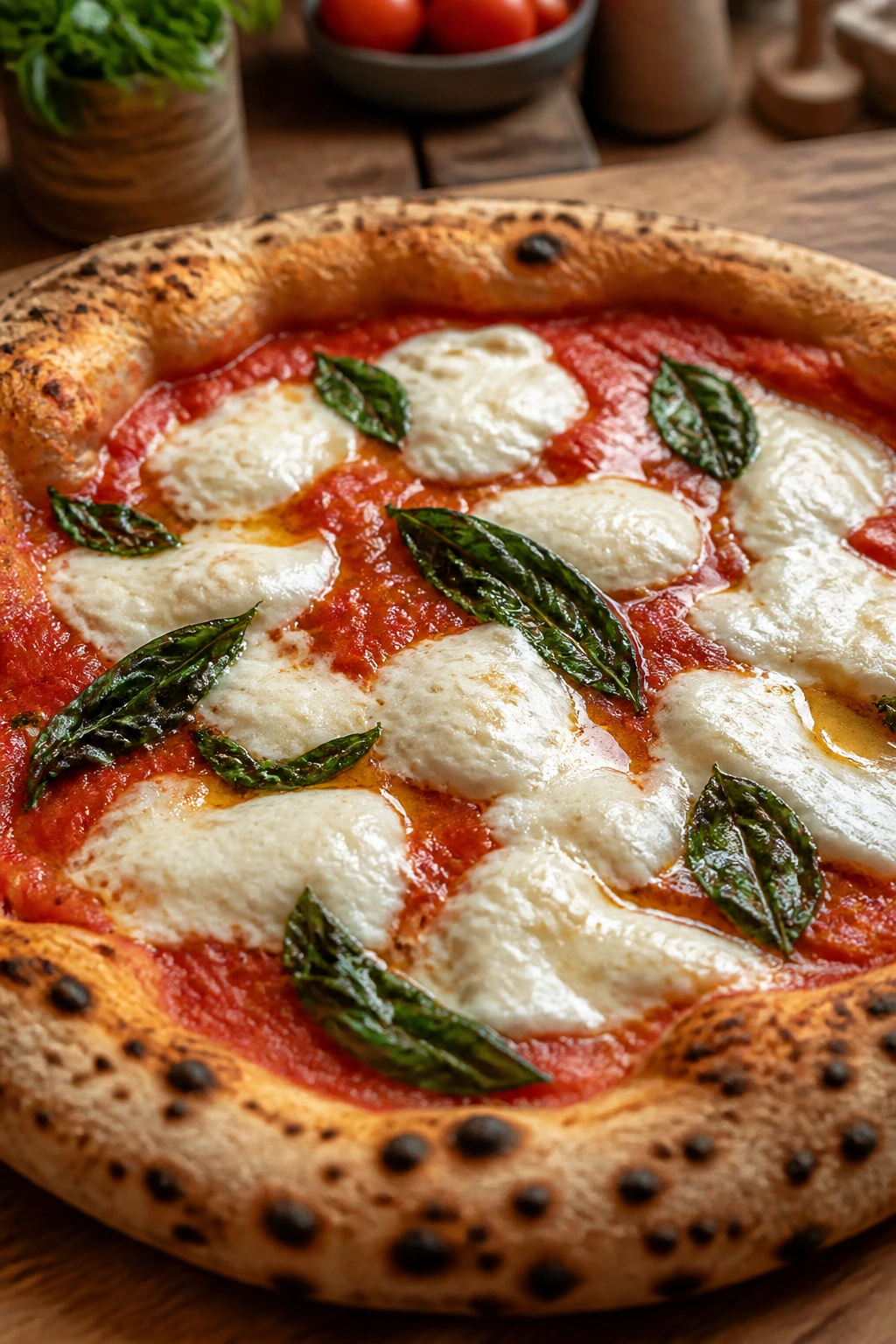
Margherita, Kept Honest: Stick to tomato, fior di latte, basil, and olive oil, then finish with a little pecorino if you want more bite. This is the best starting point when you want to test whether your crust and sauce are doing their jobs.
Sausage and Broccoli Rabe: Brown sweet or hot Italian sausage first, then pair it with blanched broccoli rabe that’s been squeezed dry and tossed with olive oil and garlic. The bitterness of the greens cuts through the fat in a way that feels very Italian and never dull.
White Pie With Ricotta and Rosemary: Skip the tomato and use olive oil, mozzarella, small spoonfuls of ricotta, and a little rosemary. Add black pepper after baking. It’s a good choice when you want something rich without the acidity of tomato.
Anchovy, Olive, and Caper Pie: Keep the cheese light and let the briny toppings do the heavy lifting. This works especially well on a thin crust with a little garlic in the oil, and it tastes sharper if the anchovies are tucked under the cheese rather than left exposed.
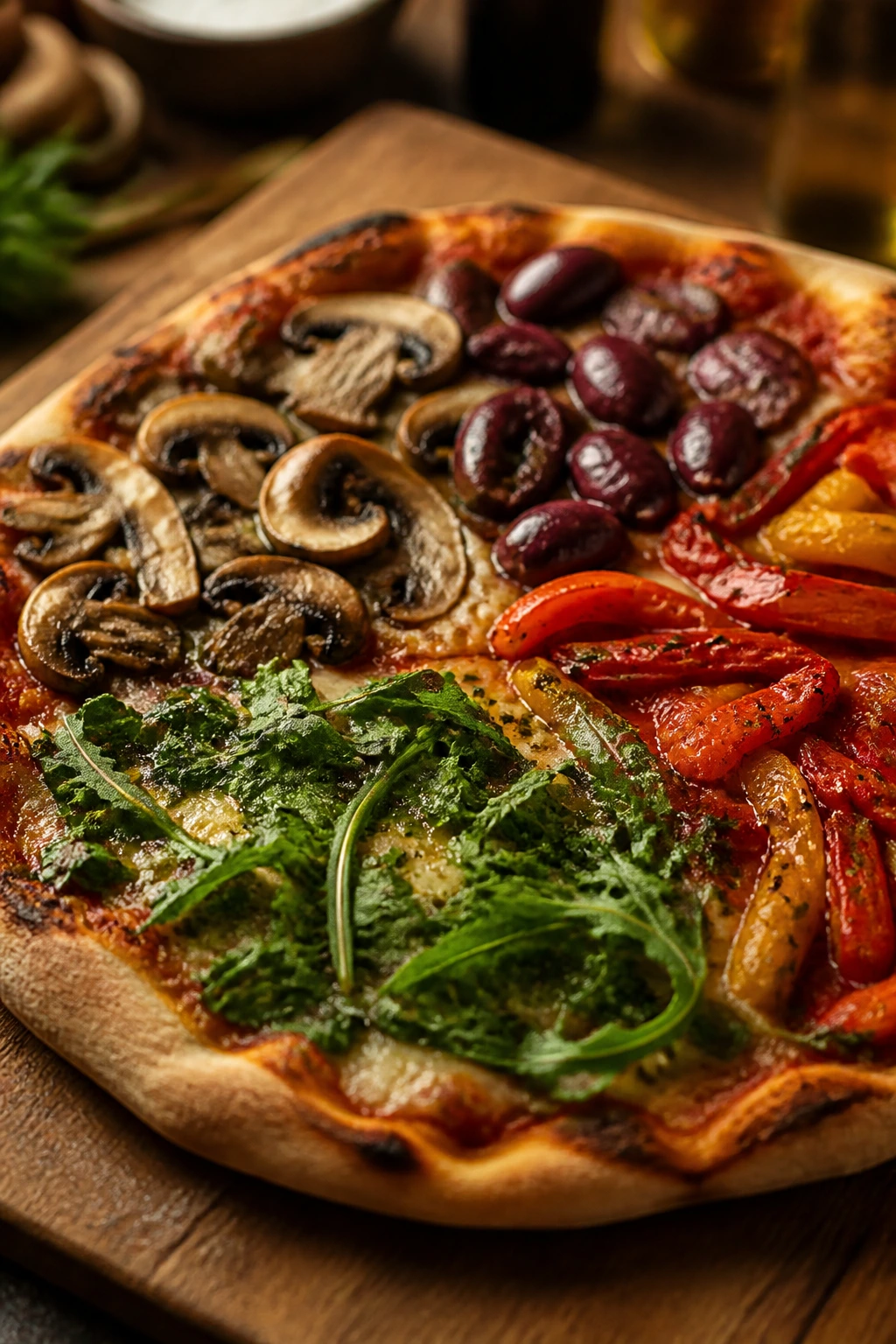
Garden Market Pizza: Use roasted mushrooms, peppers, onions, and zucchini, but keep the total quantity modest. The trick is to roast everything until it’s reduced and concentrated, then finish with basil or parsley after baking.
Dairy-Light or Gluten-Free Friendly Pie: On a dairy-free crust, build around tomato, vegetables, olives, and cured meat, then finish with extra virgin olive oil and herbs. On a gluten-free base, go even lighter with toppings because those crusts soften faster as they cool; a restrained load keeps the slice intact.
Frequently Asked Questions
What toppings are actually authentic on Italian pizza?
The most recognizable Italian toppings are tomato, mozzarella, basil, olive oil, anchovy, salami, mushrooms, onion, olives, capers, artichokes, and prosciutto. The real rule is not the list itself but the restraint behind it.
Is pepperoni an authentic Italian pizza topping?
Not in the strict Italian sense. Pepperoni is an Italian-American style of spicy cured meat, and it absolutely belongs on plenty of pizzas, but if you want something closer to a traditional Italian profile, soppressata or spicy salami gets you nearer.
Should pizza toppings go on raw or cooked?
Some can go on raw, but the watery ones usually should not. Mushrooms, onions, peppers, zucchini, sausage, and spinach all tend to behave better if they’re pre-cooked or at least partially cooked before baking.
What cheese is best for a classic pizza topping?
Fior di latte is the cleanest choice for a Margherita-style pie, while well-drained buffalo mozzarella gives richer flavor if you keep the amount modest. Low-moisture mozzarella is the practical choice when you need better melt and browning in a home oven.
How do I keep a pizza from getting soggy?
Drain wet ingredients, keep the sauce thin, and don’t overload the crust. A hot stone or steel helps a lot too, because it sets the bottom fast before the toppings have time to dump extra moisture into the dough.
Can I use jarred pizza sauce?
You can, but many jarred sauces are sweeter and thicker than a classic Italian tomato topping. If you use one, taste it first and keep the layer very thin so it doesn’t overpower the cheese and crust.
What if my oven won’t get very hot?
Go lighter on the toppings and pre-cook anything that releases water. A baking steel helps a weak oven more than most people expect, because it transfers heat directly to the bottom of the crust.
Can I put basil on before baking?
You can, but it often turns dark and loses its fresh smell. For the best result, add basil after baking or during the last minute only if the oven is hot enough to finish the pie quickly.
How many toppings are too many?
On a standard 12-inch pizza, two main toppings plus one finishing element is usually enough. If you need more than that, you’re probably trying to fix a problem with volume instead of flavor, and the crust will be the one to pay.
A Pizza Worth Making Again
The nicest thing about authentic pizza toppings is that they ask for discipline, not drama. Good tomatoes, good cheese, a few smart vegetables, and one or two strong savory accents can make a pie taste more satisfying than a loaded pizza ever will. That’s not austerity for its own sake. It’s just a better way to let bread, heat, and seasoning work together.
Nonna’s table didn’t need a topping parade to feel generous. It needed a crust with life in it, tomatoes that tasted like tomatoes, and enough care to stop before the pie turned heavy. That’s still the best standard to cook by.
Once you start building pizzas this way, you stop asking how much you can pile on and start asking what the dough wants. That’s a much better question.