



A good Thai dinner should hit your nose before it reaches the plate. The lime, basil, garlic, and chilies ought to feel loud and fresh; when they don’t, the whole thing tastes like it sat under a lid too long. That’s the real divide between a decent takeout box and spicy Thai flavors that feel awake, sharp, and oddly hard to stop eating.
Thai food is never just heat. A spoonful of fish sauce, a little palm sugar, a squeeze of lime, and a handful of Thai basil can turn raw chili fire into something cleaner and more layered. The trick is not piling on more sauce. It is choosing the right ones, then adding them at the right minute, while the pan is still hot enough to wake them up.
Takeout has one job: survive the ride. Home-cooked Thai food has a different job entirely. It can stay bright, keep its crunch, and finish with herbs that still smell green when they hit the steam. That’s why a simple basil stir-fry, a blistering green curry, or a bowl of tom yum made in your own kitchen can taste better than the version in a carton—and why the smallest details matter more than most people think.
Why Thai Heat Tastes Brighter at Home
- Fresh herbs survive the last minute: Thai basil and cilantro lose their edge fast in a sealed container, but they stay loud when you add them right before serving.
- You control the burn: One minced bird’s eye chili can be enough, and you can always add more at the table instead of making the whole pan punishing.
- The pantry does the heavy lifting: Fish sauce, palm sugar, curry paste, and lime cover a ridiculous amount of ground once you know the ratios.
- Texture stays sharper: Stir-fried vegetables, quick-seared meat, and rice cooked separately keep their shape instead of collapsing into steam-soft mush.
- Acid lands cleaner: A squeeze of lime at the end tastes brighter than any bottled sauce that spent twenty minutes in a delivery bag.
- The finishing move matters: Fried garlic, chopped peanuts, basil, or a spoon of chili oil can change the last bite more than another splash of soy sauce ever will.
Home cooking wins here because you’re not fighting distance. You’re not waiting for a lid to trap the fragrance, and you’re not hoping a driver’s bag won’t turn crisp edges limp. That alone changes the game.
And there’s another advantage people miss. In a restaurant kitchen, the cook often has to build flavor fast enough to keep tickets moving. At home, you can pause for ten seconds, taste, and decide whether the dish needs a touch more fish sauce or a little more lime. That tiny adjustment is the difference between “good enough” and the bowl you keep thinking about later.
The Four Flavors That Keep Thai Heat in Balance
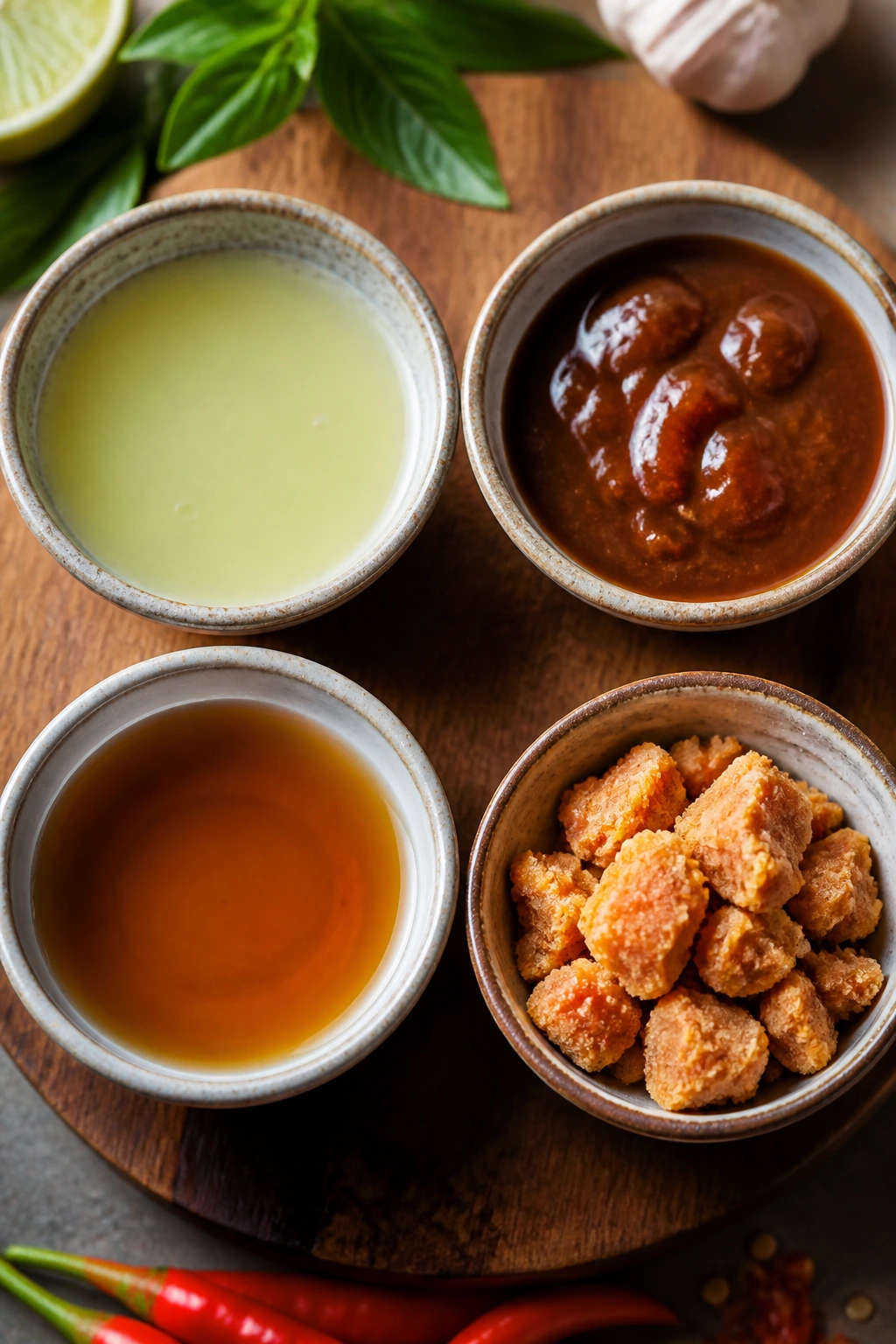
Thai cooking gets talked about like it’s all chili peppers and sweat, but that’s lazy shorthand. The heat only works because it sits beside salt, sour, sweet, and aromatic herbs. Miss one of those, and the whole dish flattens out.
Sour cuts through richness
Lime juice, tamarind, green mango, and even a splash of rice vinegar do a job hot chilies cannot do on their own. They keep coconut milk from feeling heavy, and they stop fried noodles from tasting oily. If a curry tastes thick but sleepy, it probably needs acid more than more salt.
Salty gives the food shape
Fish sauce is the backbone in a lot of Thai kitchens, and I’d argue it does more than salt alone can do. It brings depth, not just seasoning. Start with a small amount—often 1 to 2 teaspoons for a single serving—and taste before you dump in more. Too much, and the dish starts smelling like the bottle instead of the pan.
Sweet softens the edges
Palm sugar melts into sauces with a round, caramel-like finish that white sugar can mimic but not quite copy. Coconut milk also adds sweetness, though it’s a softer one. When chili heat feels harsh, a little sweetness doesn’t make it bland; it makes the spice easier to taste.
Heat is the spark, not the whole fire
A Thai dish should still taste like something if you pull the chili back by half. That’s the test. If the only thing you notice is burn, the dish is unfinished. Good Thai heat arrives with garlic, herbs, and a little smoke from the wok or skillet, then lingers long enough to make the next bite interesting.
A useful rule of thumb: build with 2 parts salty, 1 part sour, 1 part sweet, then add heat until the dish feels alive. That’s not a law. It’s a starting point. Some curries lean sweeter, some salads lean sharply sour, and some stir-fries need a firmer hand with the fish sauce. But if you start there, you’re already ahead of the average takeout tray.
The Pantry Ingredients That Carry Half the Work
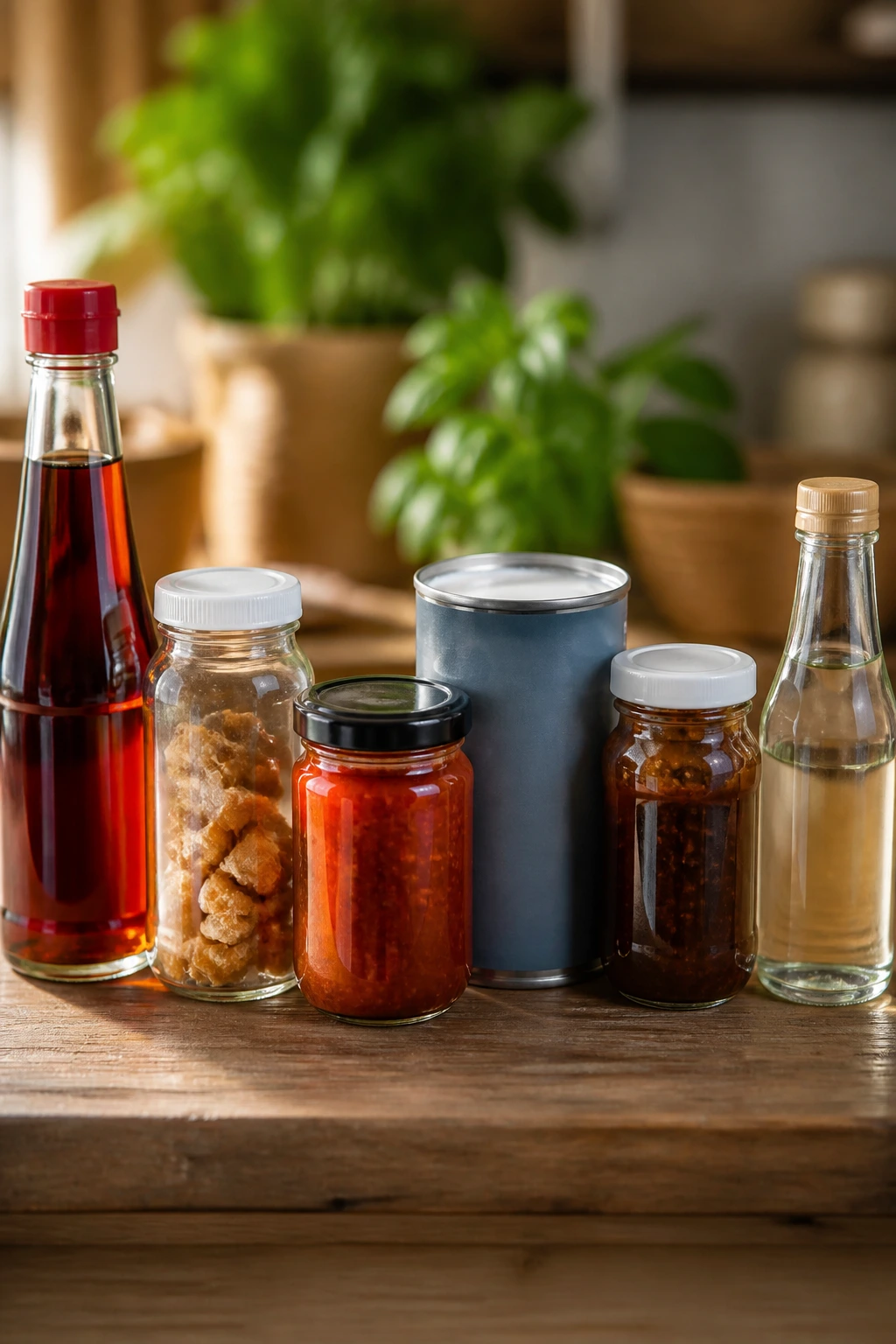
You do not need a crowded shelf to make Thai flavors sing. You need a few bottles that are worth opening again and again, plus a couple of fresh items that make the whole thing feel deliberate.
- Fish sauce: This is the salty backbone for stir-fries, soups, and dipping sauces. Buy a bottle that smells clean and briny, not fishy in the bad way.
- Palm sugar: It melts into sauces with a round sweetness that keeps chili heat from tasting sharp. Brown sugar can step in, but palm sugar feels smoother.
- Thai curry paste: Red, green, and panang paste each bring different heat and herb notes. A good jar should smell like chiles, garlic, lemongrass, and spice, not just salt.
- Coconut milk: Use full-fat coconut milk for curries and soups if you want body. Light coconut milk can work, but the sauce thins out fast.
- Tamarind paste: This gives sourness that tastes deeper than lemon or vinegar. It matters in pad Thai, tamarind sauces, and certain soups.
- Rice vinegar: Handy when you need brightness without the fruitier edge of lime.
- Jasmine rice: The fragrance matters. It smells a little like buttered flowers when it cooks.
- Rice noodles: Thin noodles for soups and stir-fries, flat noodles for pad see ew or similar dishes. Keep them dry until you need them.
- Nam prik pao: Roasted chili jam with sweet, smoky depth. I keep a jar around because a spoonful can rescue broth that tastes one-note.
- Roasted peanuts or cashews: Not mandatory, but a handful changes the texture of salads and stir-fries in a way that feels generous.
A small Thai pantry pays off because the same ingredients repeat across dishes. Fish sauce shows up in a stir-fry, then a salad, then a dipping sauce. Tamarind and palm sugar turn up in noodles. Curry paste becomes dinner with coconut milk and whatever protein is in the fridge. That repetition is a strength, not a limitation.
And yes, some of this stuff lasts a long time. Coconut milk cans keep well. Curry paste freezes well. Fish sauce practically lives forever if you keep the lid tight and the bottle clean. The weak link is usually freshness, not shelf life.
Fresh Herbs and Aromatics That Change Everything
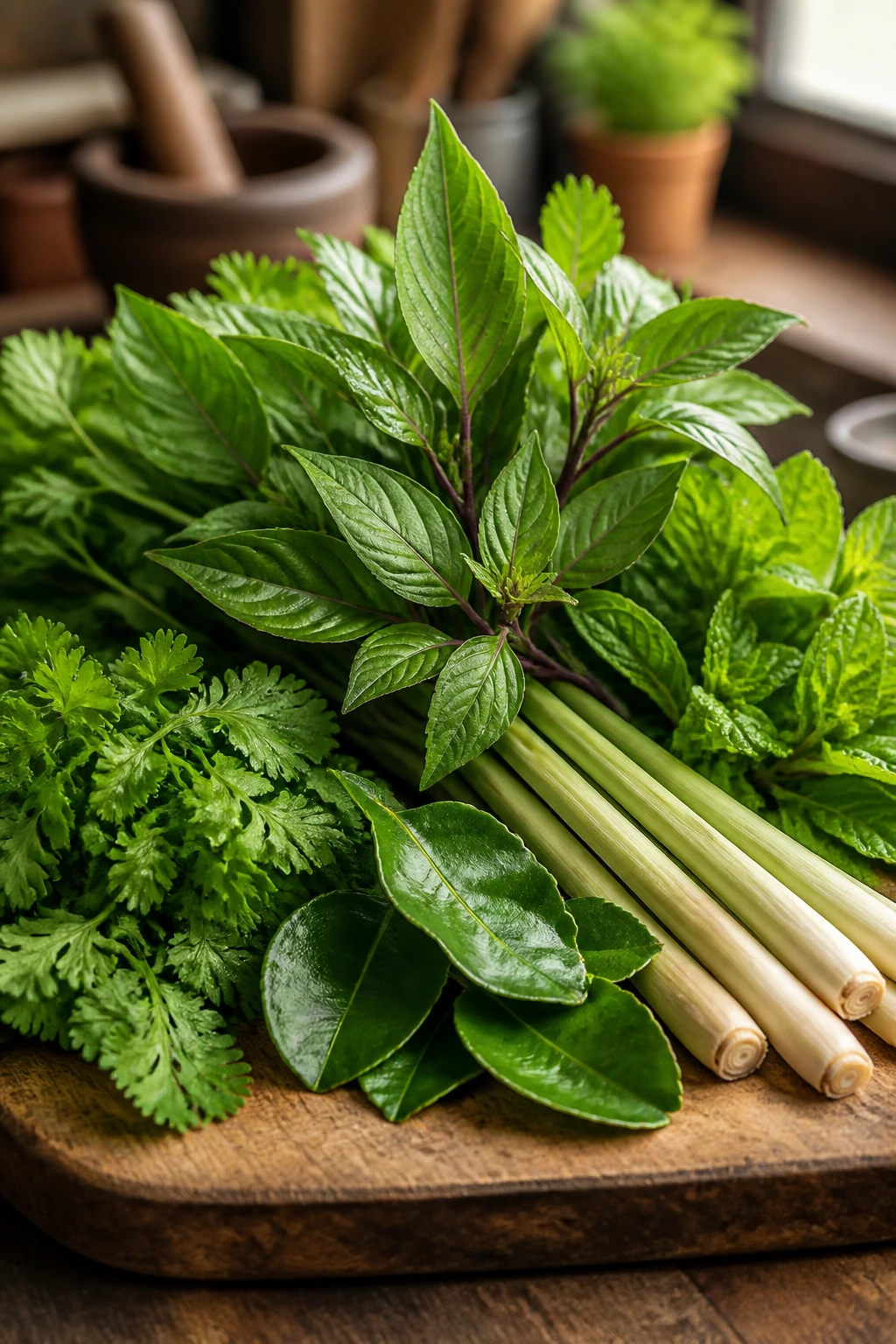
A Thai dish can taste technically correct and still feel dead if the aromatics are stale. That’s the part I care about most. If the garlic has turned sweet and dull in the pan, or the basil went in too early and lost its perfume, the dish starts to drift toward generic stir-fry territory.
Lemongrass should smell lemony and grassy when you bruise it. Galangal smells peppery, piney, and a little like ginger that grew up somewhere wetter. Kaffir lime leaves, if you can find them, have a sharp lime scent that hits before the dish even reaches your mouth. These aren’t decorative extras. They are the high notes.
The fresh stuff worth chasing
- Thai basil: Peppery, slightly anise-like, and much sturdier than sweet basil in a hot dish.
- Cilantro: Best used fresh at the end, especially in soups and salads.
- Mint: Not for every dish, but it gives larb and herb salads a clean snap.
- Shallots: Sweeter and less aggressive than yellow onions, especially when thinly sliced.
- Garlic: Finely chopped or pounded to a paste, it should smell sweet before it starts to brown.
- Bird’s eye chilies: Tiny, mean, and useful. Remove the seeds if you want less heat, but the flavor matters too.
If you cannot find fresh lemongrass or kaffir lime leaves, use what you can find, but do not pretend they’re interchangeable in equal amounts. Lemongrass paste can help in a pinch. Lime zest can stand in for the leaf’s perfume. Frozen aromatics are better than stale fresh ones, which is a sentence I never expected to write but keep repeating because it’s true.
Bruising and slicing matter more than people think. Smash lemongrass with the flat side of a knife, then slice it thinly if it will stay in the dish, or steep it in broth and fish it out later. Tear lime leaves to release the oils. Chop herbs at the last second, not an hour before dinner while you’re answering messages. That tiny timing choice changes the smell of the whole kitchen.
The Heat Sources That Give Thai Food Its Bite
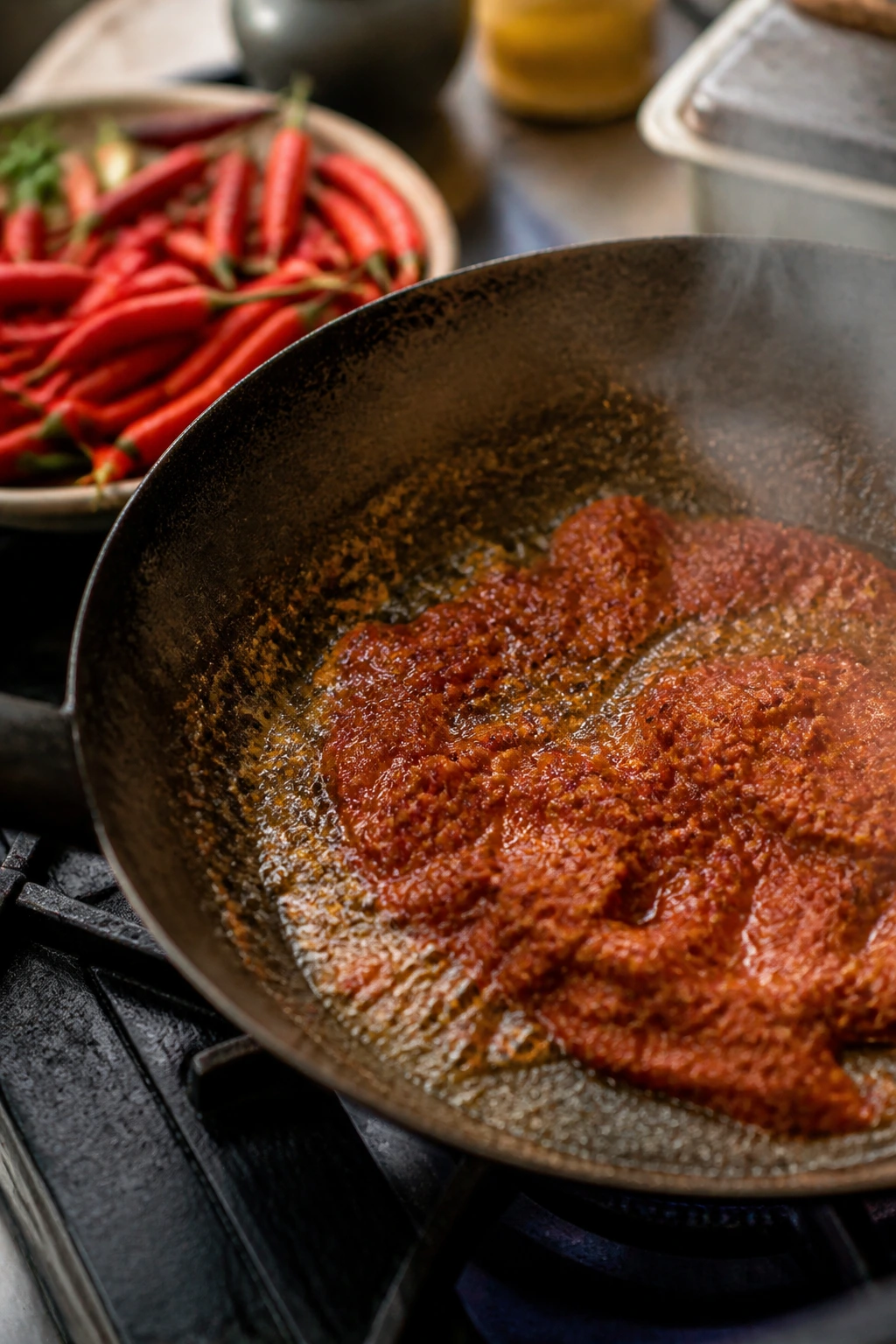
There’s a big difference between a dish that feels spicy and one that tastes layered. Thai cooking uses both fresh and cooked heat, and the trick is knowing which one belongs where.
Fresh chilies bring a fast, clean burn. Bird’s eye chilies are the classic choice, and they hit hard because they’re small and direct. Slice them thin for sauces, pound them with garlic for a stir-fry paste, or serve them on the side with fish sauce and lime so each person can make the heat their own. I like that approach more than trying to guess everyone’s tolerance in advance. It’s cleaner. Less drama.
Curry pastes carry a different kind of heat. They’re not just chili paste in the basic sense. Red curry paste usually leans warmer and rounder, green curry paste is sharper and more herbal, and panang sits deeper and slightly sweeter. A spoonful bloomed in oil for 30 to 60 seconds changes the smell immediately—you can actually tell when the garlic and lemongrass wake up, because the paste stops smelling raw and starts smelling toasted.
Then there’s nam prik pao, the roasted chili jam I keep coming back to because it earns its spot. It’s smoky, a little sweet, and useful in broths, stir-fries, and even noodle sauces when you need depth without another bottle. Chili oil helps too, but I’d use it as a finish rather than the base. Thai heat is better when it has a job to do, not when it just sits there looking fiery.
Fresh chili, dried chili, or paste?
- Fresh chilies are best when the dish needs a sharp bite at the end.
- Dried chilies give a darker, toasted heat and work well in pounded pastes.
- Curry paste builds a full sauce fast, especially with coconut milk.
- Chili jam adds sweetness, smoke, and body.
- Table condiments like prik nam pla let each eater dial it up without wrecking the whole pan.
A lot of home cooks make the mistake of chasing heat first and flavor second. Thai cooking does the opposite. It layers flavor, then lets the heat sit in the middle of it. That’s why a bowl of tom yum can feel hot, sour, salty, and strangely refreshing all at once.
The Thai Dishes I’d Cook Before Ordering Delivery
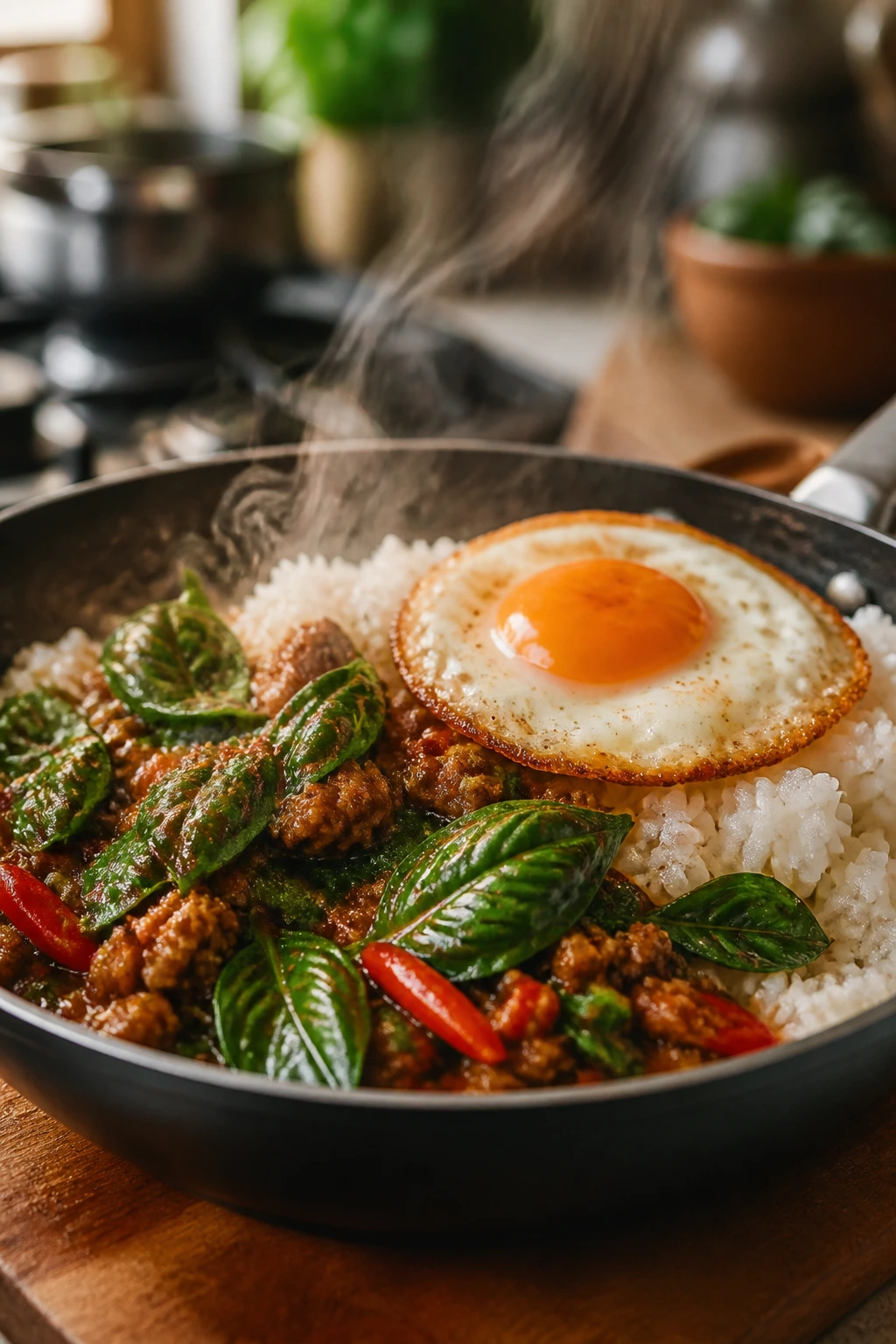
Some Thai dishes travel better than others. The ones that really shine at home are usually the ones that depend on last-minute herbs, quick searing, or a broth you can finish with a final squeeze of lime. Those are the dishes that lose the most in transit—and gain the most when you control the pan.
Pad kra pao hits hardest when the basil stays loud
Basil chicken, pork, beef, tofu—pick your protein. What matters is the rhythm: garlic and chilies go in hot oil first, the meat gets just enough time to brown, and the basil goes in at the very end so it wilts but doesn’t disappear. A fried egg on top makes the whole thing feel less frantic and more complete. The yolk mixing into the rice is half the point.
Pad kra pao is one of the clearest examples of why home cooking wins. Delivery turns basil limp in minutes. A home skillet keeps it peppery and bright.
Green curry tastes richer when you control the simmer
Green curry is the one I reach for when I want heat cushioned by coconut milk. If you cook it too hard, the coconut can split and the sauce starts looking oily. Keep it at a low simmer, add the vegetables in the order they need, and finish with Thai basil or kaffir lime leaves. The heat should feel threaded through the sauce, not dumped on top.
Tom yum needs a clean finish
This soup lives on sourness and aroma. Lemongrass, lime leaves, galangal, chilies, fish sauce, and shrimp or mushrooms form the base, then lime juice goes in at the end. If you reheat it too aggressively, the citrus can flatten out, which is why tom yum often tastes best when it’s made with a little restraint. It’s sharp. It should be.
Larb brings spice without weight
Larb is the dish I recommend when someone wants Thai heat but doesn’t want a heavy dinner. Ground meat or mushrooms, lime juice, fish sauce, toasted rice powder, mint, and chilies make a salad that tastes lively even when it’s served warm. The toasted rice powder gives a dry, nutty note that a lot of takeout versions skip because it takes a minute of attention. Worth it.
Pad kee mao is the messy noodle bowl people forget to make well
Drunken noodles should taste smoky, saucy, and just a little chaotic. Wide rice noodles, garlic, chilies, basil, vegetables, and a salty-sweet sauce cling to the noodles when the pan is hot enough. If the noodles are over-soaked before they hit the wok, they go mushy. If they’re still a little firm, the pan finishes the job.
The point here isn’t that these are the only Thai dishes worth making. It’s that they reward timing. They reward heat. And they reward the small finishers—lime, basil, crispy garlic, a spoon of sauce—that delivery almost always loses.
How to Build a Thai Dinner Without Blowing Out the Heat
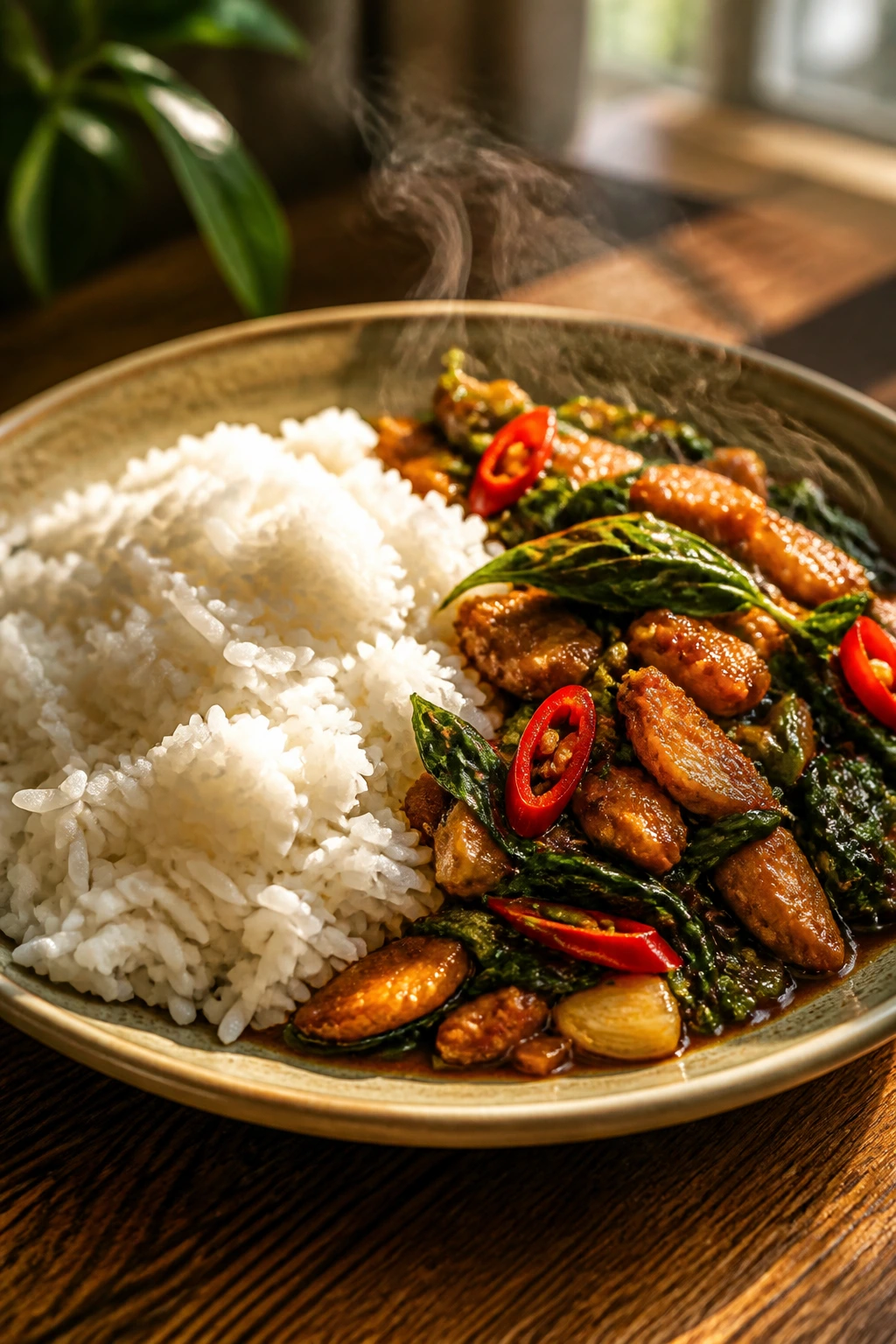
Thai food gets easier when you stop treating the whole meal like one giant problem. Build it in layers. Start with a base that can absorb sauce, add one clear source of heat, then leave yourself a cooling element so the second bite tastes just as good as the first.
Jasmine rice is the easiest place to begin. It catches curry and stir-fry sauce without fighting back, and it softens the heat if you need a breather. Sticky rice works well with grilled meat, larb, and som tam, especially when you want the meal to feel more hands-on. Rice noodles are good when you want sauce to cling, not pool. Different base, different job.
A better Thai plate has contrast
- Hot dish: basil stir-fry, curry, soup, or noodles.
- Cool element: cucumber slices, lettuce, extra lime, or fresh herbs.
- Crunch: peanuts, fried shallots, bean sprouts, or crisp vegetables.
- Comfort: rice or noodles, because the heat needs something to land on.
I also like to keep the spice removable. Put chili sauce or prik nam pla on the table instead of hiding all the heat in the pan. That way the person who wants more can add it, and the person who doesn’t can still eat a bowl that tastes complete.
A fried egg is another small cheat that works. So is a side of quick cucumber salad with a little vinegar, sugar, and salt. Even a plain plate of herbs—mint, cilantro, Thai basil—can reset your mouth between bites. Restaurants know this. Home cooks forget it, then wonder why the second forkful feels too hot when the first was perfect.
And don’t skip the garnish just because you’re hungry. A squeeze of lime. A few torn basil leaves. A scatter of crushed peanuts. Those little things are not decoration. They are the difference between a dish that tastes cooked and one that tastes finished.
The Tools That Make Fast Thai Cooking Easier
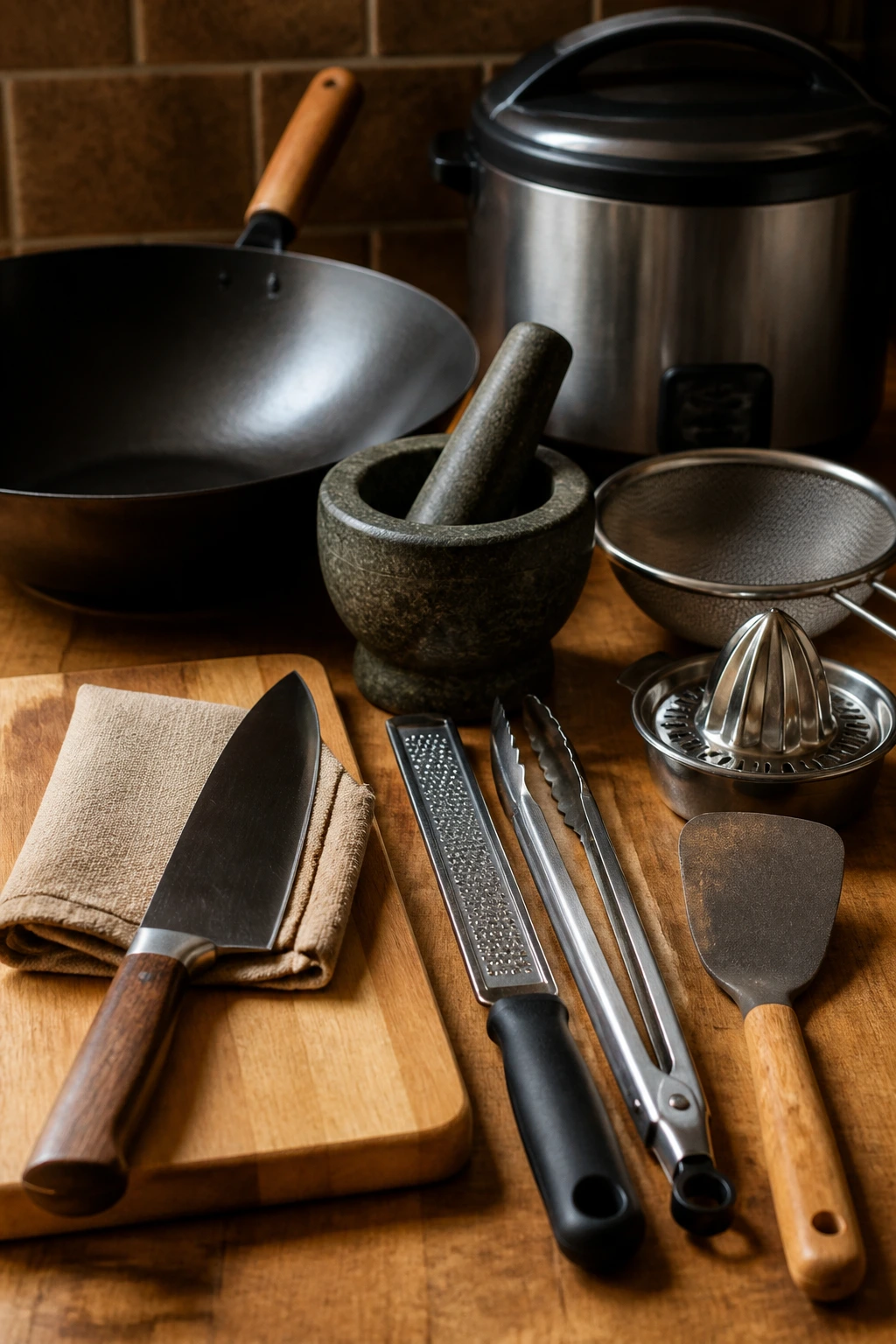
Thai cooking moves fast once the heat goes on. You want your tools lined up before you start because there’s not much time to hunt for a spoon while garlic is browning in the corner of the pan.
- 12-inch wok or heavy skillet: A wok heats fast and throws sauce around well, but a heavy skillet works if that’s what you have. Use the biggest one that sits flat and heats evenly.
- Sharp chef’s knife: Thin slices of chili, shallot, and herb stems matter here. A dull knife bruises more than it cuts.
- Cutting board with a damp towel underneath: Keeps the board from skating around while you pound or chop.
- Mortar and pestle: Best tool for chili paste, garlic, and herb mixtures. It crushes instead of slicing, which changes the flavor.
- Microplane or fine grater: Useful for lime zest, garlic, and ginger if you’re substituting.
- Citrus juicer: Not glamorous. Still worth it when you’re working through several limes.
- Rice cooker or covered saucepan: Jasmine rice deserves a steady cook, not guesswork.
- Fine-mesh strainer: Helpful for rinsing rice noodles or straining broth if you’re building soup from scratch.
- Tongs and a heatproof spatula: Tongs for noodles and greens, spatula for stir-fries.
A mortar and pestle deserves special mention. If you make a lot of Thai food, it earns its counter space quickly. It bruises lemongrass, cracks chilies, and turns garlic into a rough paste that smells alive in a way a food processor rarely matches.
You can absolutely cook Thai food without half this list. But a sharp knife, a good pan, and a way to juice limes will save you from half the annoyance people blame on the recipe.
Practical Moves That Keep the Flavor Loud
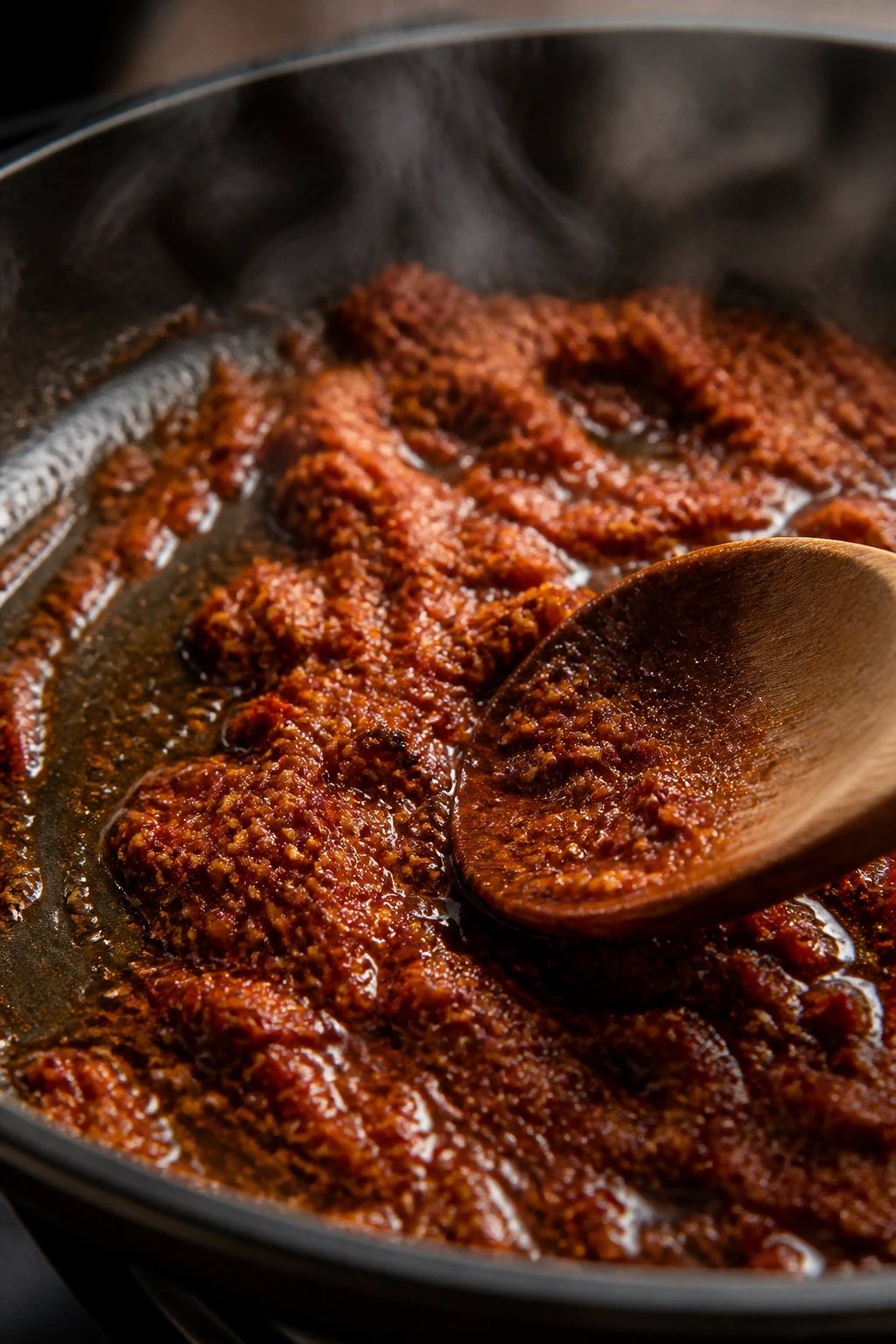
Flavor Enhancement: Bloom curry paste in a small slick of neutral oil for 30 to 60 seconds before adding coconut milk. The smell changes from raw and paste-like to toasted and aromatic almost immediately, and that tiny step gives the final sauce a deeper backbone.
Time-Saver: Keep frozen lemongrass, galangal, and lime leaves in small bags, then grab what you need without thawing the whole thing. Frozen aromatics beat stale fresh ones, and they save a midweek trip to three stores.
Pro Move: Add Thai basil at the very end, or even after you turn the heat off. The leaves should wilt, not dissolve. If they’re in the pan for too long, the perfume goes muddy and you lose the peppery top note that makes the dish smell like Thai food instead of generic stir-fry.
Cost-Saver: Buy curry paste, fish sauce, and rice noodles from an Asian grocery when you can. The bottles are usually fresher, the prices are saner, and you’re more likely to find proper Thai basil or kaffir lime leaves nearby. A supermarket version can work, but the flavor often feels flatter.
Make-It-Yours: For chicken, tofu, shrimp, mushrooms, or sliced beef, keep the seasoning path the same and change only the protein and cooking time. That way you’re not reinventing the dish every time you switch ingredients, and the final balance stays familiar.
A small habit helps too: taste before you plate. Not after. Before. Add lime while the sauce is still hot enough to spread it around, then taste again. If it needs salt, use fish sauce. If it needs sharpness, use lime. If the burn feels harsh, add a touch of sugar or coconut milk. That sequence matters more than most recipes admit.
Common Mistakes That Flatten Thai Food
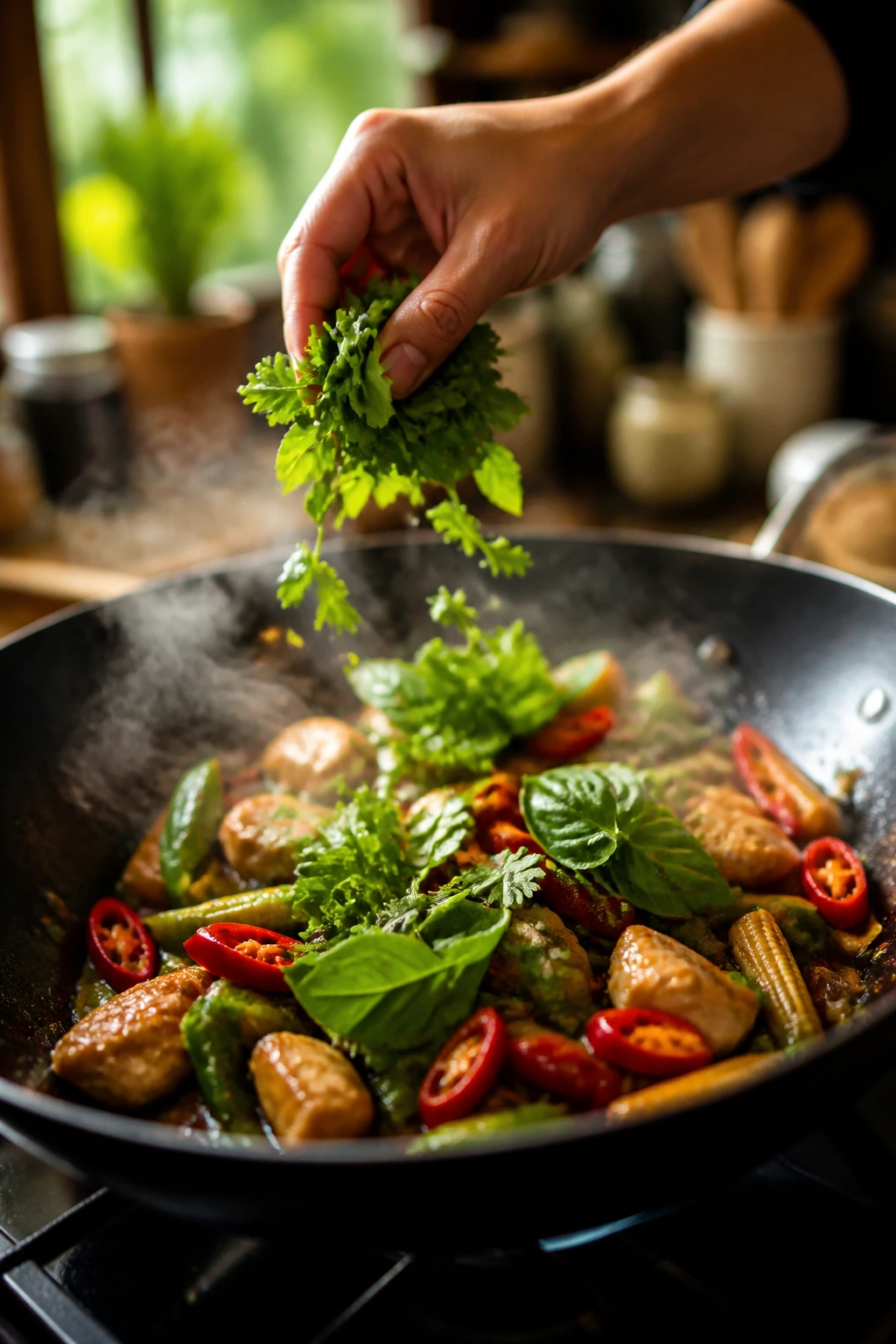
- Boiling coconut milk too hard: The sauce can split, look greasy, and lose the smooth body that makes curry feel cohesive. Keep it at a low simmer and stir gently.
- Adding basil too early: The leaves turn dark and soggy, and the scent disappears into the sauce. Toss them in at the end and let the residual heat do the work.
- Using soy sauce as the only salty note: Soy sauce has its place, but fish sauce brings a deeper, more Thai-specific savoriness. If the dish tastes flat, a teaspoon of fish sauce often fixes what another splash of soy cannot.
- Forgetting acid at the finish: Lime juice, tamarind, or rice vinegar should usually land late, not early. If you add all the acid at the start, it gets muted.
- Overcooking vegetables: Thai stir-fries need bite. Snap peas, broccoli, green beans, and peppers should still have some crunch when they hit the plate.
- Using stale curry paste: If the jar smells dusty or dull, the final dish will too. Fresh paste should smell sharp, herbal, and a little raw before it cooks.
The biggest mistake is treating all heat the same. A dish can be spicy and still feel thin if the flavor underneath isn’t there. It can also be full of good ingredients and still taste sleepy if everything goes in too early. The fix is usually one of two things: better timing or a sharper finish.
And yes, too much heat is a mistake too. Not because spicy food is wrong, but because numbness isn’t flavor. If the first bite takes out your tongue and leaves nothing else behind, pull back and rebuild with lime, sugar, and herbs.
Variations for Different Heat Levels and Diets
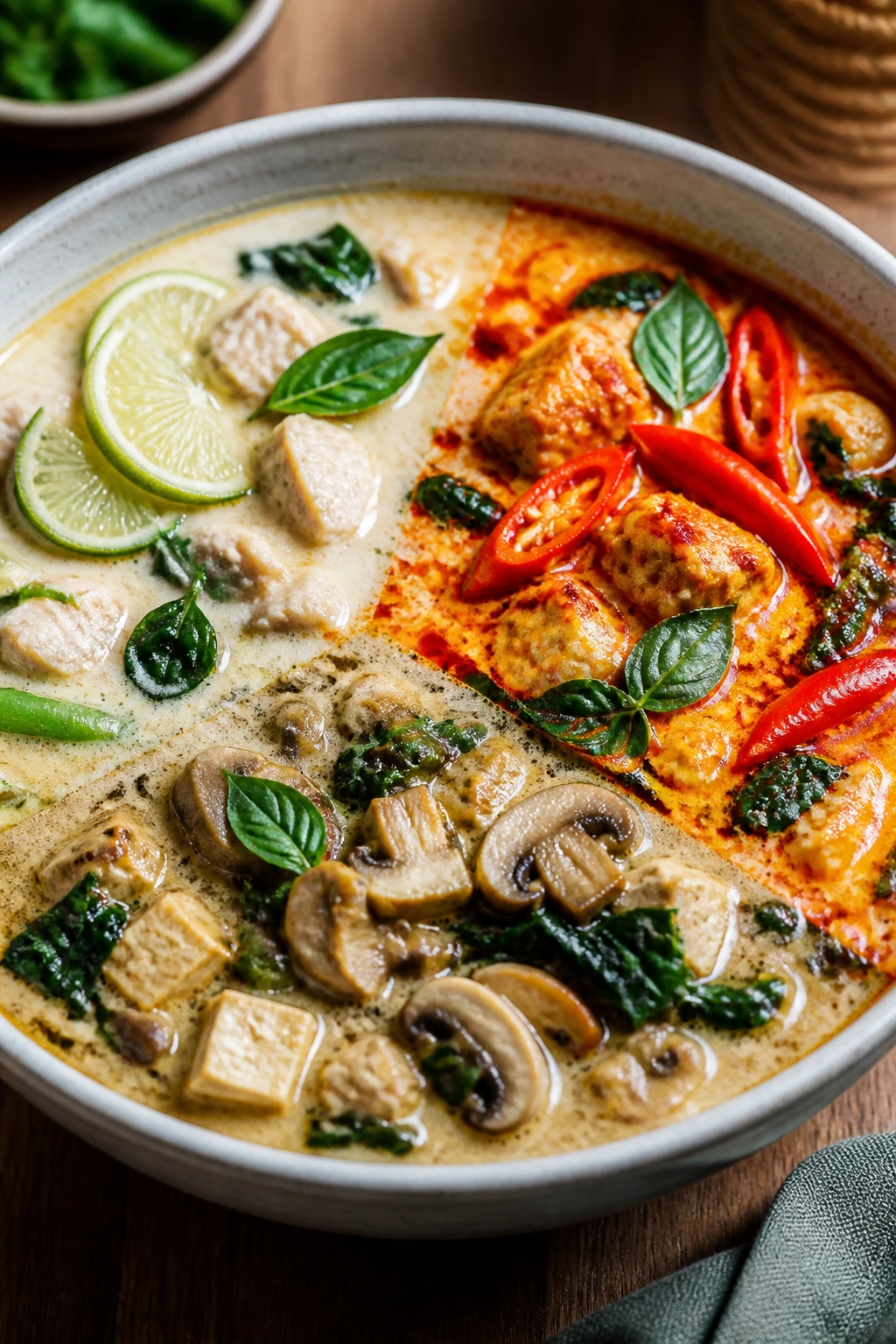
Gentle Heat, Loud Flavor: Keep the chilies to a minimum and lean on garlic, lime, Thai basil, and fish sauce for impact. This version works well for people who want the fragrance and balance without the sweat.
Extra-Burn Street Style: Use fresh bird’s eye chilies, a spoonful of nam prik pao, and a little chili oil at the end. This is the version for people who want the heat to linger for a minute or two after the bite goes down.
Vegetarian Umami Bowl: Swap fish sauce for a mix of soy sauce and a little mushroom sauce, then add mushrooms, tofu, or eggplant for body. You’ll lose some of the fermented depth, so compensate with a touch more lime and a spoon of roasted chili jam if you have it.
Coconut-Forward Comfort: Add a little extra coconut milk and keep the curry on the mild side. The dish stays rich and spoonable, which is useful when you want something rounder than sharp.
Gluten-Free Pantry Swap: Use tamari or a gluten-free soy sauce where needed, then check curry paste labels because some brands sneak in wheat-based fillers. Rice noodles, jasmine rice, and fresh herbs are already on your side here.
Each variation keeps the same backbone: salt, acid, herb, heat. Once you understand that structure, changing the mood of the dish gets much easier. You’re not cooking from scratch every time. You’re changing the volume.
Keeping Thai Leftovers Bright the Next Day
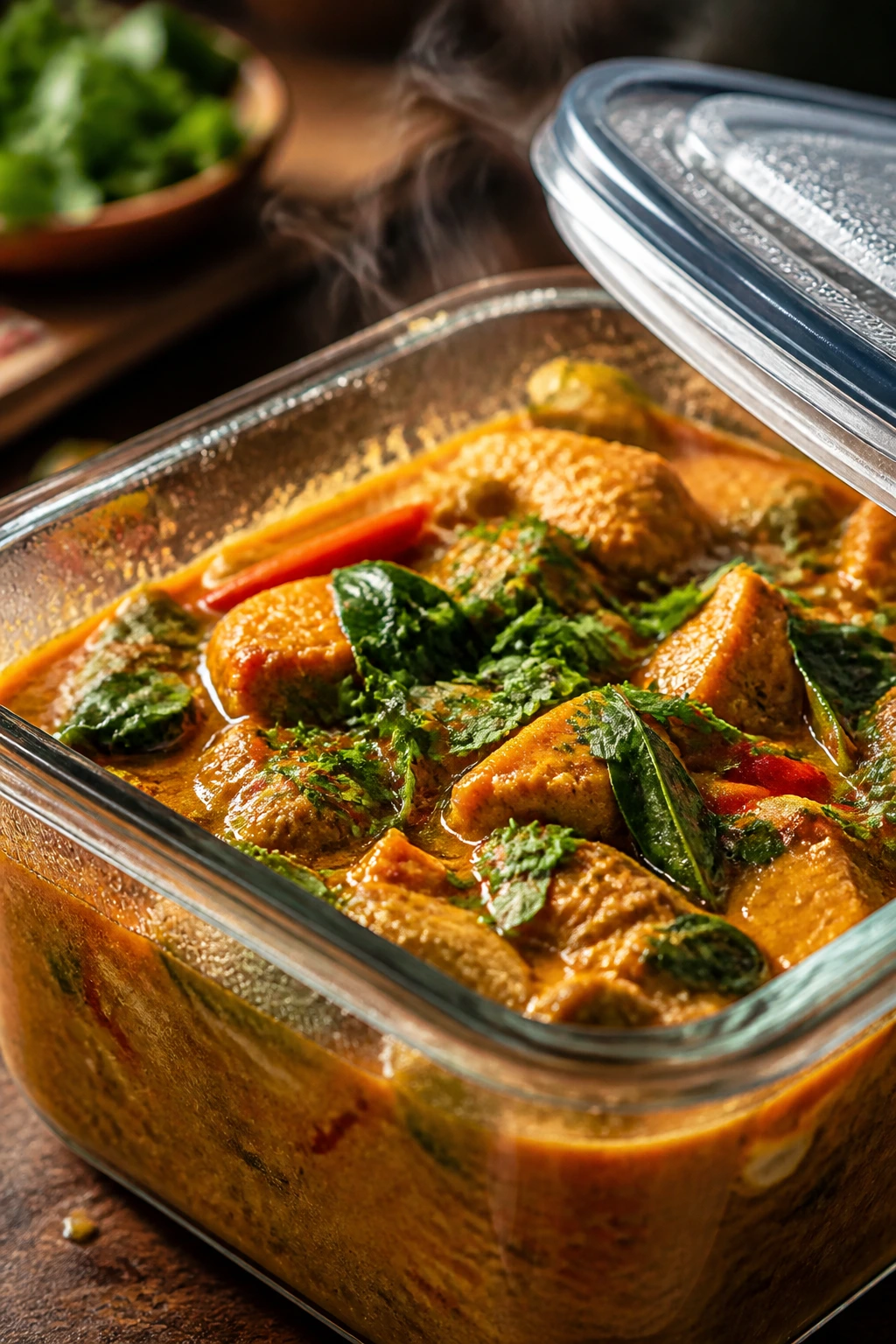
Thai food keeps better than people think, but not all dishes age the same way. Curries and stir-fries can hold for 3 to 4 days in the fridge if you cool them quickly and store them in airtight containers. Soups usually do fine in the same window, though you may want to add fresh lime and herbs when reheating. Salads and herb-heavy dishes are less forgiving; they’re best eaten the day they’re made.
Freezing works best for curries, soups, and some sauces. Give them up to 2 months in the freezer, and freeze them in shallow containers so they cool fast. Rice can be frozen too, though I’d rather cook a fresh batch if I have the choice. Noodles are the weakest freezer candidate because they go soft and clump together after thawing.
Reheat stir-fries in a skillet over medium-high heat with a spoonful of water or stock. That splash loosens the sauce without making the vegetables soggy. Curries reheat better over low heat in a saucepan, stirred gently until the coconut milk turns smooth again. Add herbs after reheating, not before. A handful of basil or cilantro can make leftovers feel newly cooked.
A few make-ahead moves save time without wrecking flavor. Chop aromatics the day before and keep them covered in the fridge. Mix sauce components ahead and store them in a jar. Cook rice fresh if you can, or at least reheat it with a damp paper towel or a splash of water so it steams instead of drying out.
One small warning: dishes with lots of fresh lime or basil can lose their edge overnight. That doesn’t mean they’re bad. It means they need a finishing touch when they come back to the pan.
Questions People Ask Before Cooking Thai Heat at Home
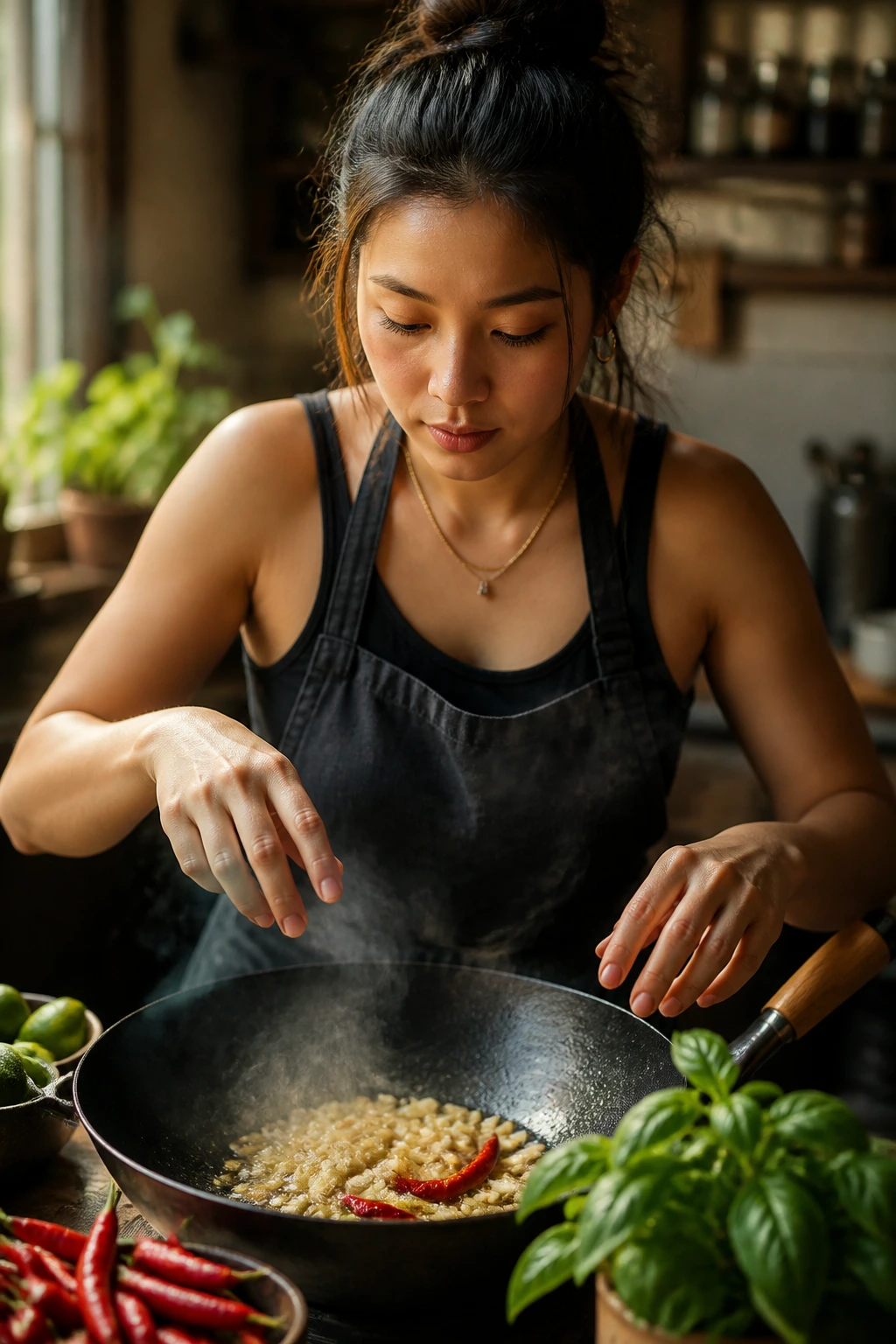
Do I need a wok to make Thai food taste right?
No. A heavy 12-inch skillet works well, especially for stir-fries and basil dishes. What matters more is getting the pan hot enough that the garlic sizzles right away and the ingredients don’t steam in a puddle.
What if I can’t find Thai basil?
Use sweet basil or a mix of sweet basil and a little mint, then add it at the end. The flavor won’t be identical, but you’ll still get the fresh herb finish that makes the dish feel alive.
Is fish sauce necessary, or can I skip it?
You can skip it, but you’ll need another source of savory depth. A combination of soy sauce and mushroom sauce can get close, though it won’t taste exactly the same. Fish sauce brings a fermented complexity that plain salt does not.
How do I make Thai food spicy without making it miserable?
Put the heat in a condiment or finish, not the entire base. That way the dish still tastes balanced, and the person who likes more fire can add another spoon of chili sauce or sliced chilies at the table.
Can I use light coconut milk in curry?
Yes, but the sauce will be thinner and less rich. If that’s what you have, simmer it a little longer and be careful not to boil it hard, or the texture can feel watery.
Why does restaurant Thai food taste sweeter than mine?
A lot of restaurants use more sugar than home cooks expect, especially in noodle dishes and sauces built for broad appeal. You don’t need to copy that exactly, but a small amount of palm sugar often keeps chili heat from feeling rough.
Can I make the sauces ahead of time?
Absolutely. Curry paste mixtures, stir-fry sauces, and dipping sauces can be mixed a day or two ahead and kept in the fridge. Just taste again before cooking, because lime and fish sauce can shift once they sit.
What’s the fastest way to make the flavor taste more Thai?
Add fresh lime juice, Thai basil, and fish sauce at the end. That trio changes the smell and finish fast, even if the rest of the dish is plain chicken, noodles, or vegetables.
Why do my vegetables go limp in Thai stir-fries?
The pan is probably too crowded or the heat is too low. Cook in smaller batches, keep the oil hot, and add tender greens only in the last minute so they stay bright and crisp.
Leaving the Takeout Bag at the Door

Thai food at home works when the layers stay separate long enough to meet on the plate. Heat. Sourness. Salt. Sweetness. Herbs. If you can taste each one for a second before they fold together, you’ve done the job right.
That’s why a simple bowl of basil chicken, a clean green curry, or a sharp tom yum can feel better than takeout. The food lands hotter, brighter, and with more of its edges intact. No soggy lid. No wilted herbs. No mystery lag between the wok and your fork.
Keep a bottle of fish sauce, a bag of jasmine rice, and a lime or two within reach, and the next spicy Thai dinner will taste like someone paid attention all the way to the last bite.