



Hearty homemade egg drop soup has a very particular kind of comfort to it. The broth goes in hot, the steam fogs the kitchen window, and those soft egg ribbons drift through the bowl like pale silk. On a cold night, that’s enough. Not fussy, not heavy, not trying too hard. Just a clear, fragrant pot of soup with ginger in the background, sesame oil at the finish, and enough body to feel like dinner instead of a starter.
I’ve always liked egg drop soup best when the broth tastes like someone paid attention. A weak, salty bowl can be fixed with soy sauce and a scatter of scallions, sure, but a good one has backbone: chicken broth or vegetable broth that actually tastes like something, a little white pepper, a little cornstarch for sheen, and eggs added at the exact moment the surface calms down. Miss that moment and you get wisps. Hit it, and the soup turns glossy and delicate in a way that still surprises me every time.
This version leans into winter. Mushrooms bring a little earthiness, tofu gives the bowl weight, and corn adds those tiny sweet pops that keep each spoonful moving. It’s the sort of soup I want when the windows are cold enough to creak and I don’t feel like making a whole production out of dinner. A small pot. A few steady moves. A bowl that steams like it means it.
Why This Bowl Works on a Bitter Night
-
Fast from pot to table: Once the broth hits the stove, you’re about 25 minutes away from a real meal, not a snack pretending to be dinner.
-
The broth has actual depth: Ginger, garlic, soy sauce, mushrooms, and white pepper make the base taste layered instead of flat and salty.
-
Egg ribbons stay tender: A slow pour into gently moving broth gives you soft strands, not scrambled confetti.
-
Hearty without feeling heavy: Tofu, mushrooms, and corn give the soup more substance without turning it creamy or thick in a clumsy way.
-
Flexible enough for what’s in the kitchen: Chicken broth, vegetable broth, tofu, extra greens, cooked chicken, or rice all fit without the whole pot losing its shape.
-
It reheats better than you’d expect: The broth holds up beautifully if you keep the eggs out of the freezer and re-add them fresh when you can.
Yield: 4 generous bowls
Prep Time: 10 minutes
Cook Time: 15 minutes
Total Time: 25 minutes
Difficulty: Beginner — the ingredient list is short, and the only real skill is keeping the broth at a calm simmer when the eggs go in.
Chill/Rest Time: None
Best Served: Right away, while the broth is steaming and the egg ribbons are still soft.
A Broth With Restaurant Roots and a Home Kitchen Soul
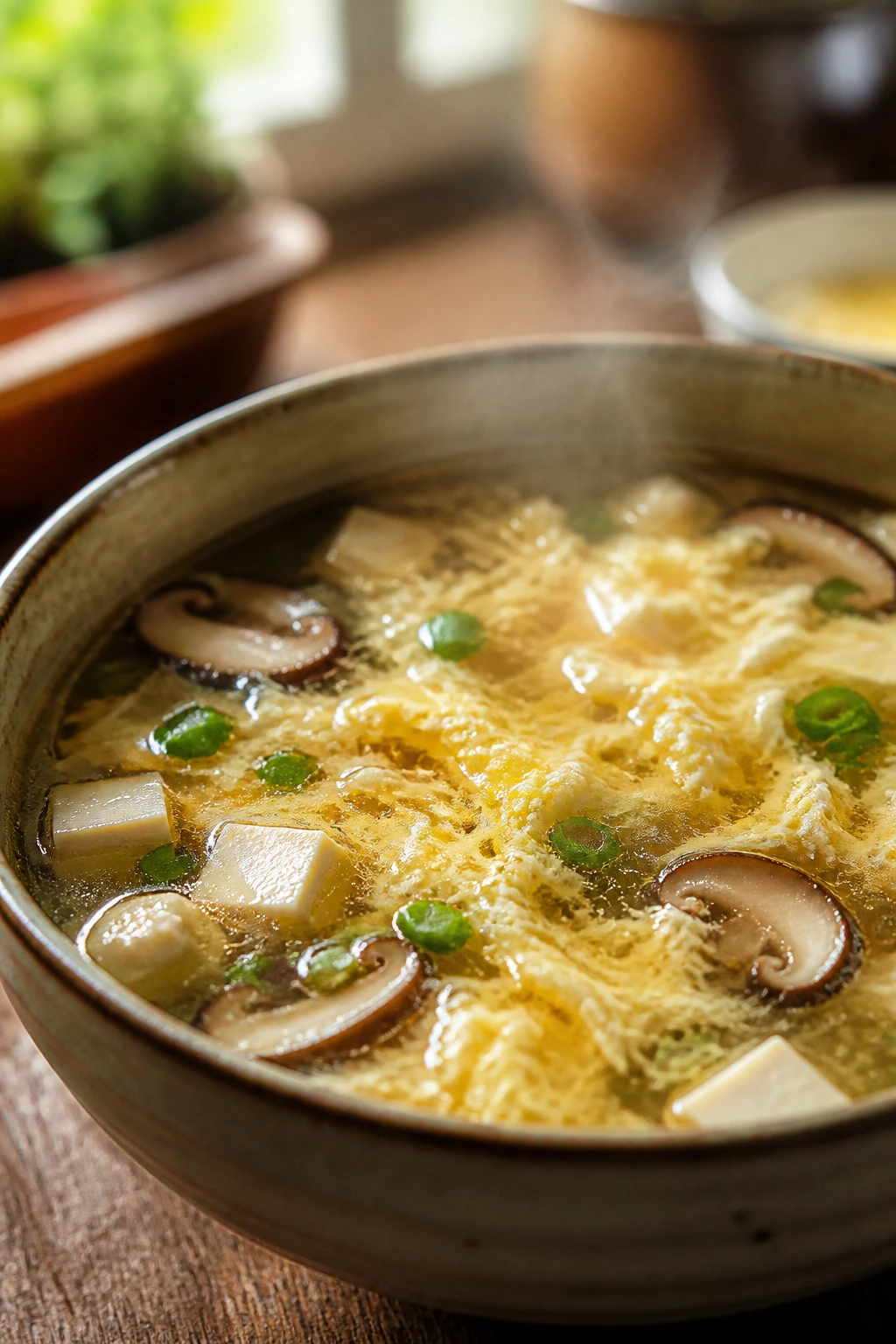
Egg drop soup is one of those dishes that looks almost too plain on paper, then wins you over by texture alone. A good bowl doesn’t lean on cream, flour, or a long list of extras. It relies on a clear broth, a little starch for body, and the simple pleasure of egg turning into ribbons when it meets hot liquid. That’s the whole trick. And it’s a good trick.
In Chinese restaurants, the soup is often light, quick, and almost spare. At home, I think it’s fair game to give it a little more presence, especially when the weather turns sharp. Mushrooms add chew, tofu adds soft cubes that hold broth like little sponges, and corn adds sweetness that keeps the soup from tasting one-note. It still reads as egg drop soup. It just feels more like something you’d want to eat with both hands wrapped around the bowl.
White pepper deserves a real mention here. Black pepper works in a pinch, but white pepper has that quiet, clean heat that belongs in this soup. It warms the back of your throat without stealing the show. Sesame oil does a different job: one teaspoon at the end can make the whole pot smell finished, even before the spoon hits it.
Homemade soup also gives you control over salt. Boxed broth varies a lot, and restaurant bowls can swing from delicate to aggressively seasoned. Here, you can taste as you go, stop before the broth gets loud, and finish with scallions and a few drops of rice vinegar if you want a brighter edge. That’s the version I keep coming back to.
The Ingredient List for a Brothy, Hearty Bowl
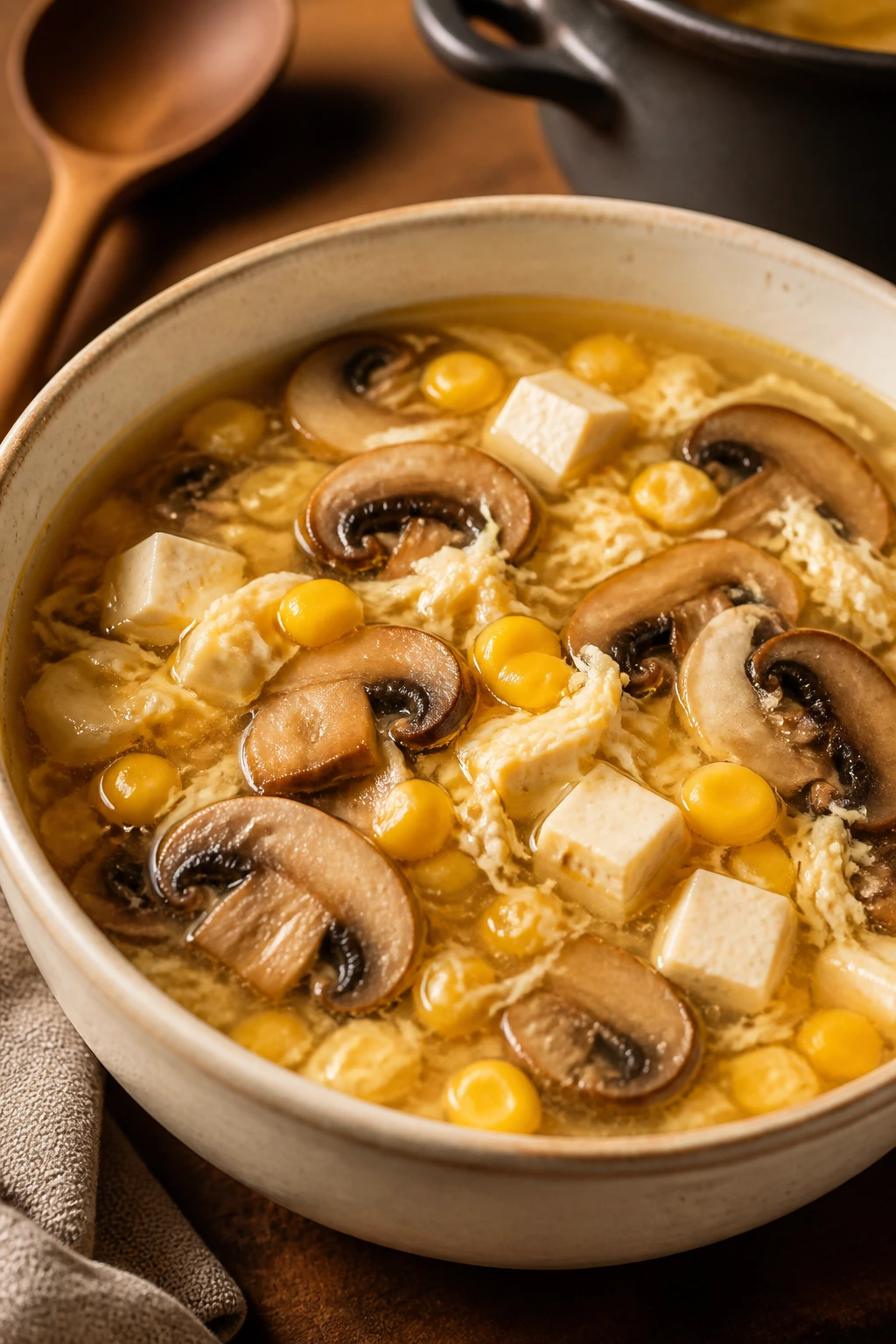
For the Broth Base
- 6 cups low-sodium chicken broth
- 1 tablespoon finely grated fresh ginger
- 2 cloves garlic, minced or grated
- 1 cup cremini mushrooms, thinly sliced
- 1 cup firm tofu, patted dry and cut into 1/2-inch cubes
- 1/2 cup frozen corn
- 2 tablespoons low-sodium soy sauce
- 1/2 teaspoon fine sea salt, plus more to taste
- 1/4 teaspoon white pepper
- 1 teaspoon toasted sesame oil
For the Egg Ribbons and Finish
- 2 tablespoons cornstarch
- 3 tablespoons cold water
- 4 large eggs
- 2 scallions, thinly sliced
- 1 teaspoon rice vinegar, optional
- Chili oil or extra white pepper, for serving, optional
What Each Ingredient Is Doing in the Pot
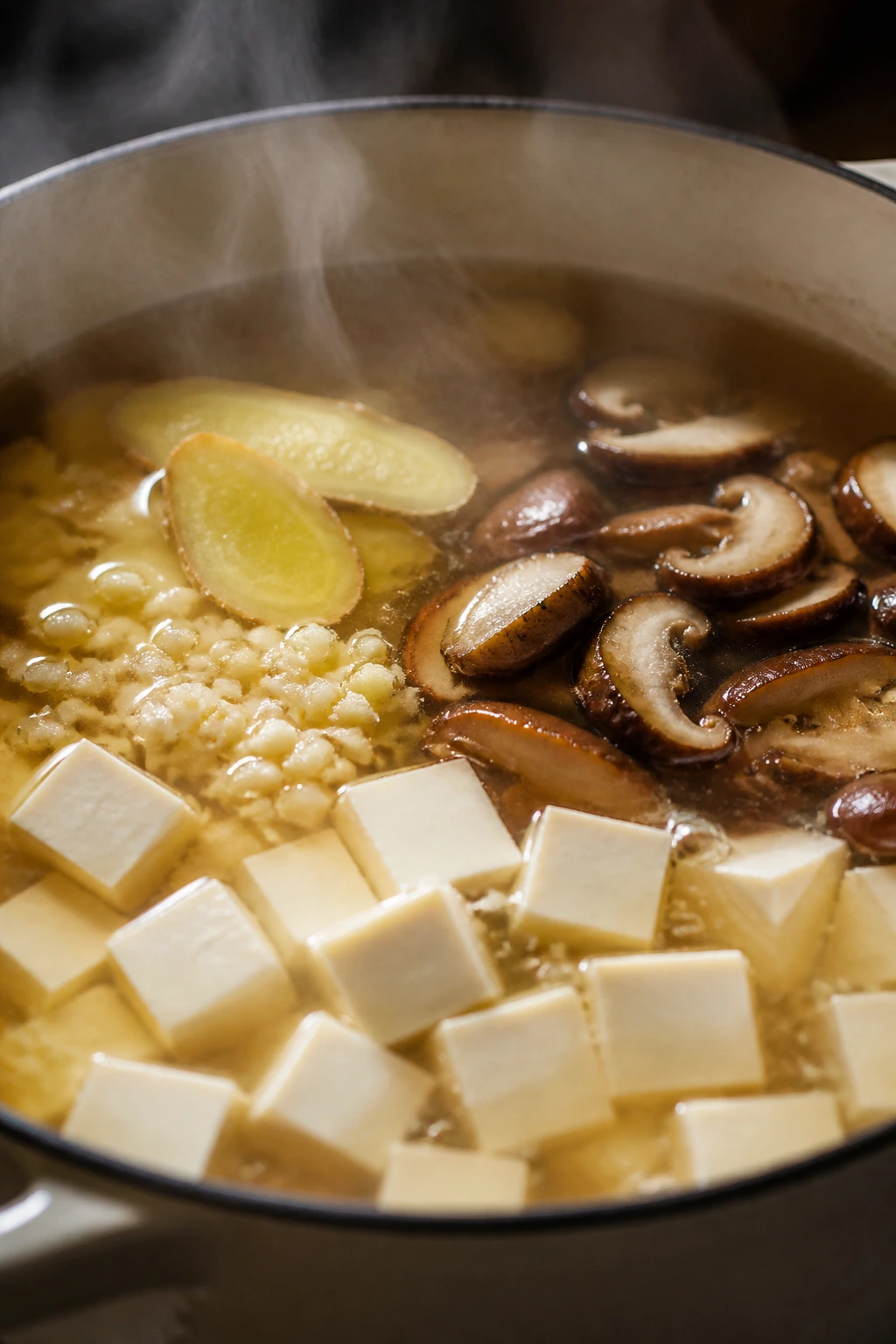
Broth Base
What to use: Six cups of low-sodium chicken broth make the body of the soup. You want a broth that tastes decent on its own, because there isn’t a lot of masking here.
Preparation: Keep it ready in the pot with ginger and garlic before the eggs go in. Warm it slowly so the aromatics have time to soften and release their flavor.
Substitutions: Vegetable broth works well if you want a meatless bowl. Homemade stock is excellent, but only if it isn’t so rich that it starts fighting the delicate egg ribbons.
Tips: Taste the broth before you thicken it. If it tastes thin and sleepy at that stage, it will taste thin and sleepy in the bowl.
Aromatics and Seasoning
What to use: Fresh ginger, garlic, soy sauce, salt, white pepper, and a little toasted sesame oil.
Preparation: Grate the ginger and garlic finely so they disappear into the broth instead of floating around in obvious little bits. Slice the scallions thinly and keep the white parts separate from the green.
Substitutions: If you don’t have fresh ginger, use 1/2 teaspoon ginger paste or a pinch of dried ginger in a pinch, though the fresh version is cleaner. Tamari can stand in for soy sauce.
Tips: Don’t brown the garlic. This soup wants fragrance, not caramelization.
Body Builders
What to use: Cremini mushrooms, firm tofu, and frozen corn give the soup weight without changing its identity.
Preparation: Slice the mushrooms thin so they soften quickly. Cube the tofu into neat little pieces and pat it dry so it doesn’t crumble the moment it hits the broth.
Substitutions: Shredded cooked chicken, baby spinach, sliced snow peas, or bamboo shoots all work. If you skip tofu, add more mushrooms or a handful of cooked rice later.
Tips: Frozen corn goes in straight from the bag. No thawing, no fuss, and it keeps its shape nicely.
Thickener and Eggs
What to use: Cornstarch and cold water make a light slurry that gives the broth a glossy, restaurant-style body. Four large eggs give you the ribbons.
Preparation: Whisk the cornstarch and cold water until smooth, then beat the eggs until the yolks and whites are fully blended.
Substitutions: Arrowroot can stand in for cornstarch if that’s what you keep around. If you want a looser broth, use a little less thickener.
Tips: The broth should look slightly glossy, not pudding-thick. If it turns gummy, you used too much starch or boiled it too hard.
The Small Tools That Make the Soup Behave
-
4-quart saucepan or small Dutch oven — Big enough for the broth to move around without splashing when you stir the eggs in.
-
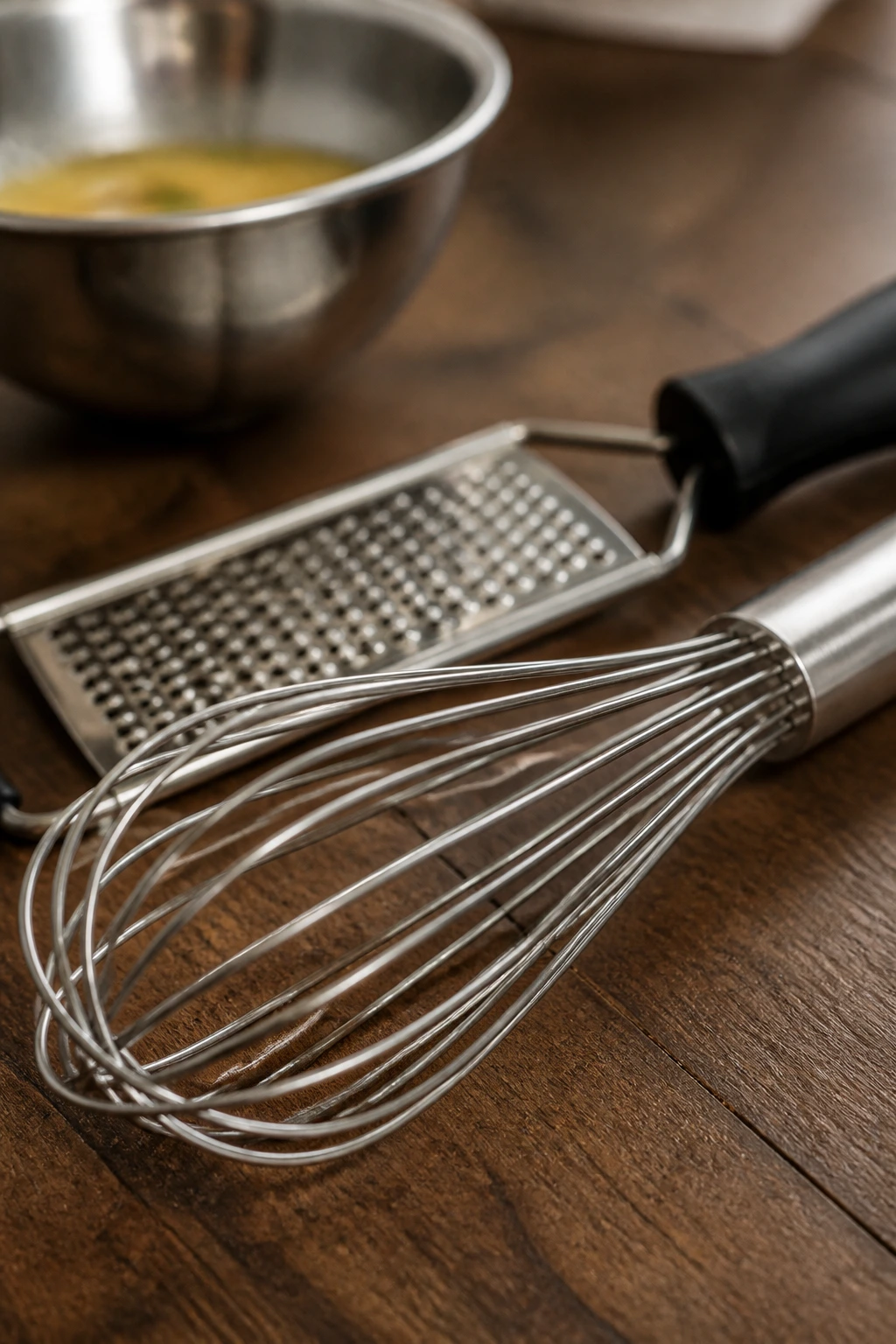
Whisk — Needed for the cornstarch slurry and for beating the eggs until smooth.
-
Small mixing bowl — Handy for the slurry and a separate bowl for the eggs.
-
Ladle — Makes serving cleaner and keeps the egg ribbons from breaking up too much as you portion.
-
Fine grater or microplane — The best way to get ginger and garlic into the broth without big harsh pieces.
-
Knife and cutting board — For the mushrooms, scallions, and tofu cubes.
-
Chopsticks or a fork — Either one works for making the slow swirl that helps the eggs ribbon properly.
How to Build the Broth and Pull the Egg Ribbons
Prep the thickener and eggs
-
Whisk the cornstarch and cold water in a small bowl until the mixture looks smooth and milky with no white specks. Set it beside the stove. Beat the eggs in a second bowl until the yolks and whites are fully combined.
-
Slice the scallions and separate the white parts from the green. Keep the greens for the finish so they stay bright and fresh-looking instead of dull and wilted.
Build the soup base
-
Pour the chicken broth into a 4-quart saucepan and add the ginger, garlic, mushrooms, tofu, corn, soy sauce, salt, and white pepper. Set the pot over medium heat and bring it to a bare simmer, about 6 to 8 minutes. You want small bubbles around the edges, not a hard boil.
-
Let the soup simmer for 2 more minutes, just until the mushrooms soften and the tofu is heated through. The broth should smell like ginger and soy with a little earthy depth from the mushrooms. If the garlic starts to smell sharp or bitter, the heat is too high.
Thicken lightly
-
Stir the cornstarch slurry again, then drizzle it into the simmering broth while stirring the pot in a slow circle. Keep the soup at a gentle simmer for 30 to 60 seconds, until it looks glossy and lightly coats the back of a spoon. Do not let it boil hard at this point or the starch can turn gluey.
-
Taste the broth. Add a pinch more salt or a small splash of soy sauce if it needs it. The broth should taste a shade more seasoned than you want in the final bowl, because the eggs will mellow it slightly.
Create the egg ribbons
-
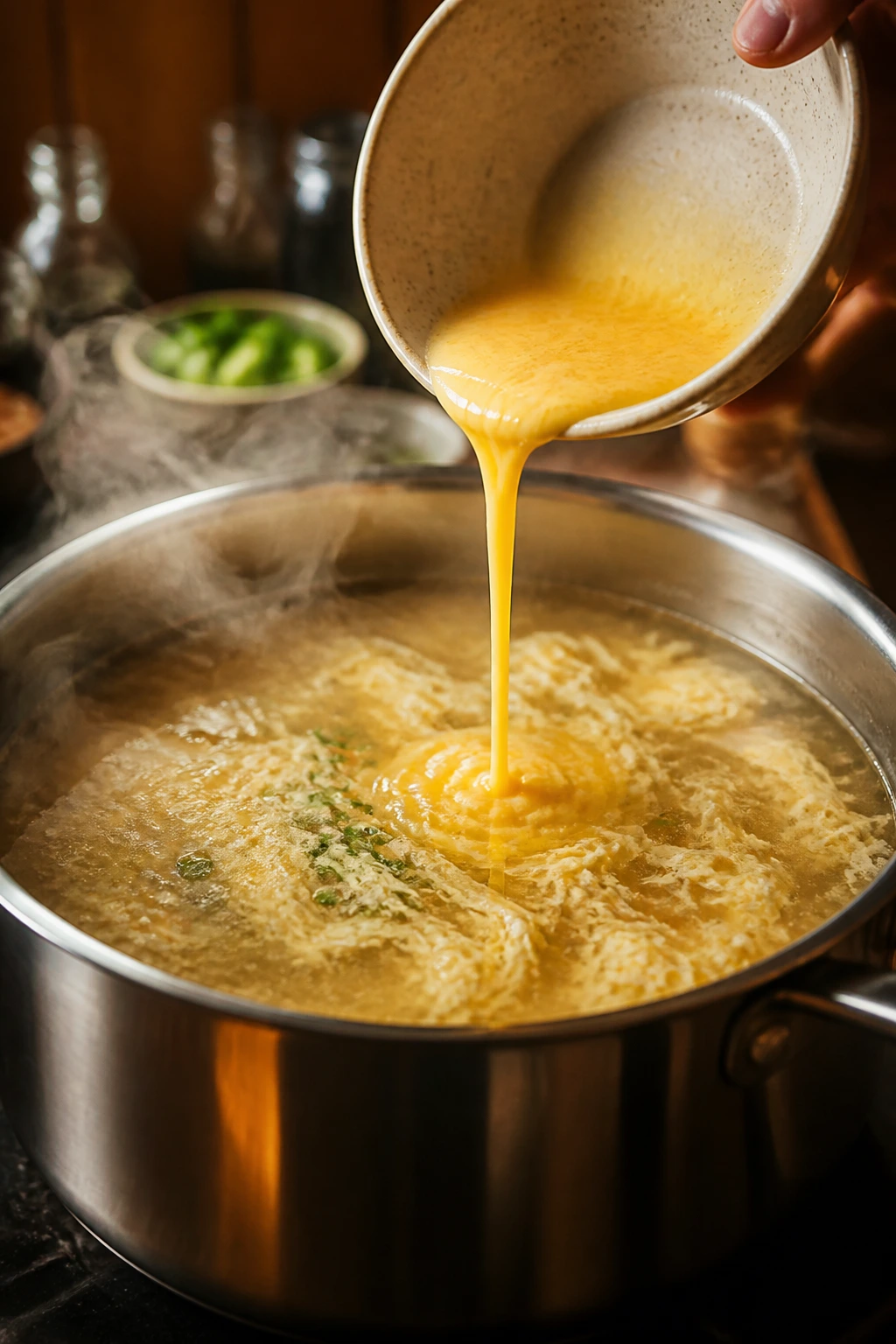
Lower the heat to low so the surface is moving but not churning. Stir the broth in one steady direction with chopsticks or a fork to create a gentle whirlpool, then pour the beaten eggs in a thin stream around the edge of the pot over 15 to 20 seconds. Pouring too fast gives you egg blobs instead of ribbons.
-
Let the eggs sit for about 10 seconds before stirring once or twice to separate any larger sheets into soft strands. Turn off the heat, stir in the sesame oil and scallion greens, and add the rice vinegar if you want a brighter finish. Ladle into warm bowls and serve immediately with chili oil or extra white pepper if you like a little heat.
How to Serve It on a Night With Frozen Windows
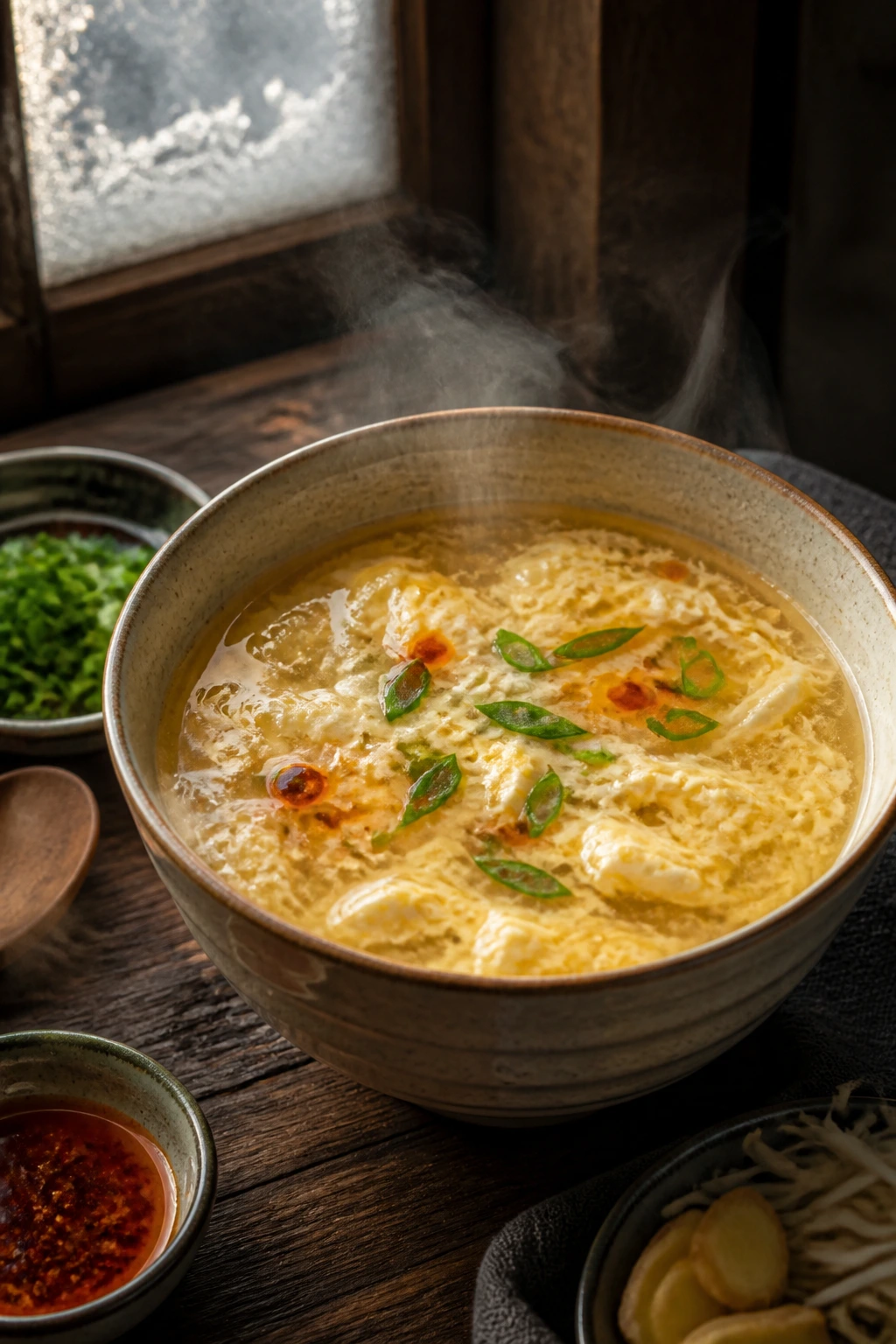
Presentation: Ladle the soup into warmed bowls so it stays hot longer. A final scatter of scallion greens and a few drops of chili oil make the pale broth look lively without cluttering it up.
Accompaniments: I like this with steamed jasmine rice, scallion pancakes, or a plate of crisp potstickers. A simple cucumber salad works too if you want something cold and crunchy next to all that steam.
Portions: Figure on about 1 1/2 cups for a starter and closer to 2 cups for a light dinner. If you’re feeding bigger appetites, the easiest move is a bowl of rice on the side rather than trying to stretch the soup into something it isn’t.
Beverage Pairing: Hot jasmine tea is a natural fit. If you want something colder, a dry lager or a clean sparkling water with lime keeps the meal from feeling too soft and one-note.
Tips, Shortcuts, and the Little Moves That Matter
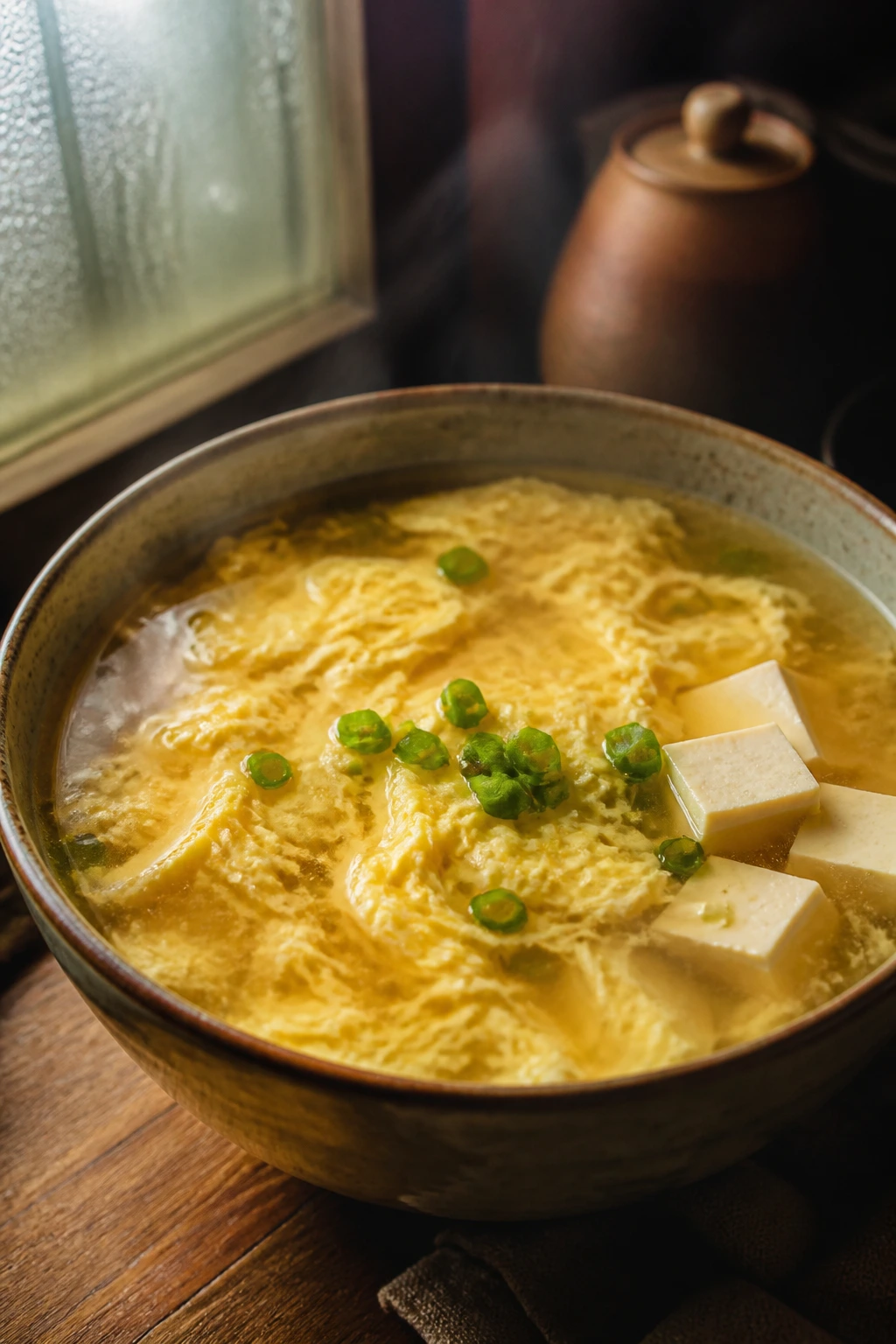
Flavor Enhancement: A few drops of toasted sesame oil at the end do more than most people expect. If you add it earlier, some of the fragrance cooks off and the soup tastes flatter. I also like a tiny splash of rice vinegar right before serving; it doesn’t make the soup sour, it just clears the palate between spoonfuls.
Time-Saver: Buy pre-sliced mushrooms if your knife work slows you down. Frozen corn goes straight into the pot, no need to thaw it, and that shaves a few minutes without changing the texture much.
Texture Trick: If you want longer, silkier egg ribbons, stop stirring for the first few seconds after the eggs go in. If you prefer finer strands, keep the broth moving with a tighter swirl. Same soup, different finish. Both are valid.
Make-It-Yours: Add a handful of baby spinach during the last 30 seconds, or stir in 1 cup of cooked shredded chicken if you want the bowl to land heavier. If you’re serving kids or anyone wary of tofu, the tofu cubes can be swapped for more mushrooms without making the soup feel sparse.
What Usually Goes Wrong
-
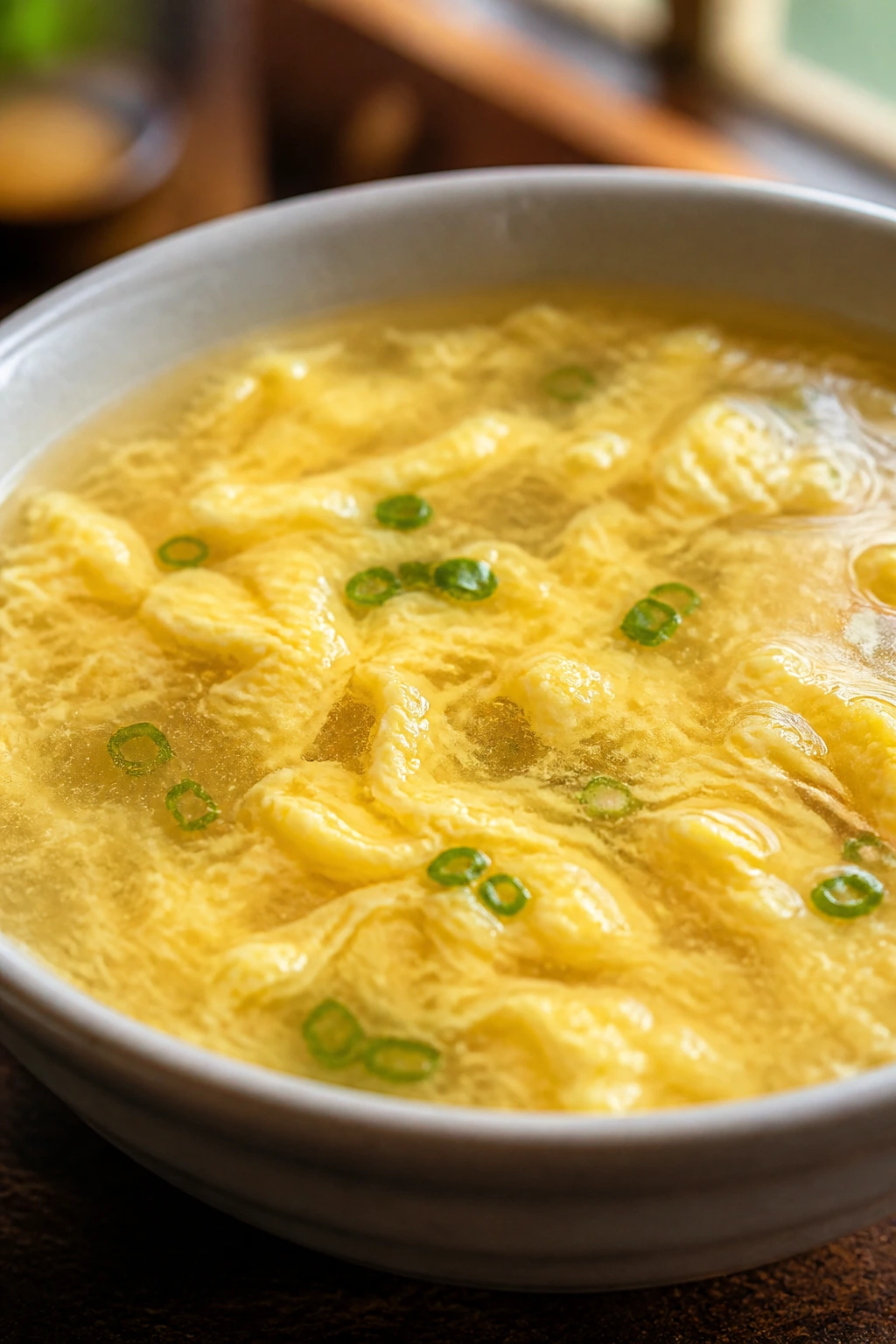
The broth is boiling too hard when the eggs go in. The symptom is shredded egg bits and cloudy foam instead of neat ribbons. Fix it by dropping the heat to low and waiting until the surface is only gently trembling before you pour.
-
The cornstarch slurry clumps or turns pasty. That usually happens when the slurry sits too long or gets dumped into a hot spot all at once. Whisk it again right before using it, then drizzle slowly while stirring the broth.
-
The soup tastes thin even though you followed the recipe. This usually means the broth was bland to begin with or you under-salted it before adding the eggs. Taste the broth before the final finish and season it so it tastes a little stronger than you think you need.
-
The eggs disappear into tiny flakes. That’s a stirring problem. Pour them too fast, or whisk the pot too aggressively afterward, and the ribbons break apart. Use a thinner stream and only one or two gentle stirs.
-
The soup ends up thick like gravy. Too much cornstarch, plain and simple. The fix is more hot broth or hot water, added a splash at a time until the texture goes back to glossy and light.
-
The sesame oil tastes dull. Sesame oil loses a lot when it cooks too long. Always add it after the heat is off.
Variations Worth Making
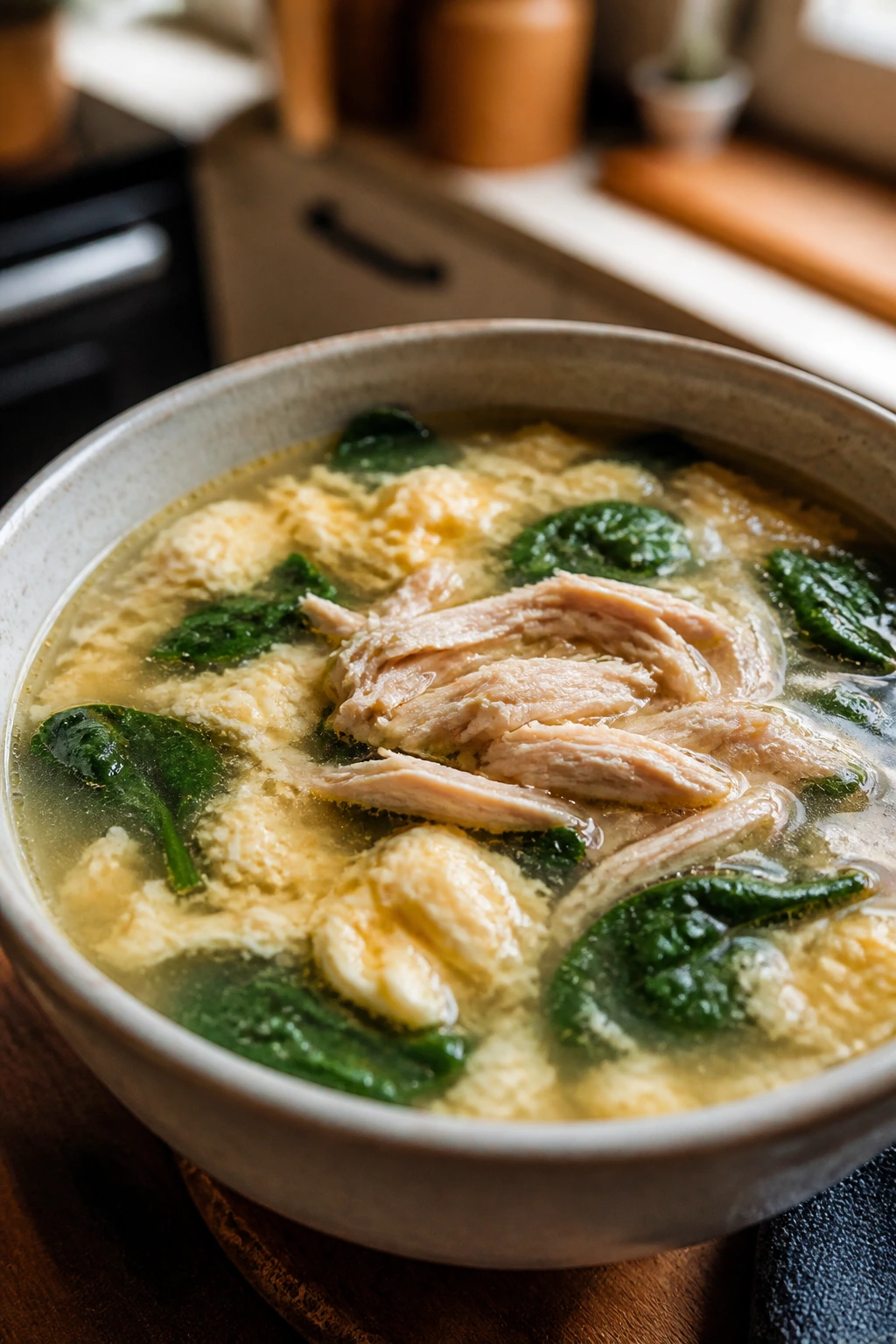
Shredded Chicken Night Bowl
Stir in 1 cup of cooked shredded chicken after the tofu step and let it warm through before thickening. It turns the soup into a fuller meal without changing the flavor profile much, and it’s a smart use for leftover roast chicken.
Spinach and Scallion Green Bowl
Add 2 packed cups of baby spinach at the very end, right after the eggs have set. The spinach wilts in seconds and gives the soup a darker green edge that looks especially good against the yellow ribbons.
Miso-Ginger Swap
Replace 1 tablespoon of the soy sauce with 1 tablespoon white miso, whisked into a ladle of hot broth before it goes back into the pot. Reduce the salt slightly, because miso adds its own savory weight and can push the soup too far if you’re casual with seasoning.
Rice and Noodle Shop Version
Put a small scoop of cooked jasmine rice or a nest of cooked rice noodles in each bowl before ladling the soup over it. The broth sinks into the starch and makes the whole thing feel more substantial, which is useful if you want the soup to stand in for dinner.
Chili Crisp Winter Bowl
Finish each bowl with 1/2 teaspoon to 1 teaspoon of chili crisp or chili oil. The crunchy bits and pepper heat cut through the soft texture of the eggs and tofu, and they make the soup feel sharper on a night when everything outside is doing its best to freeze.
How to Store the Leftovers Without Ruining the Eggs
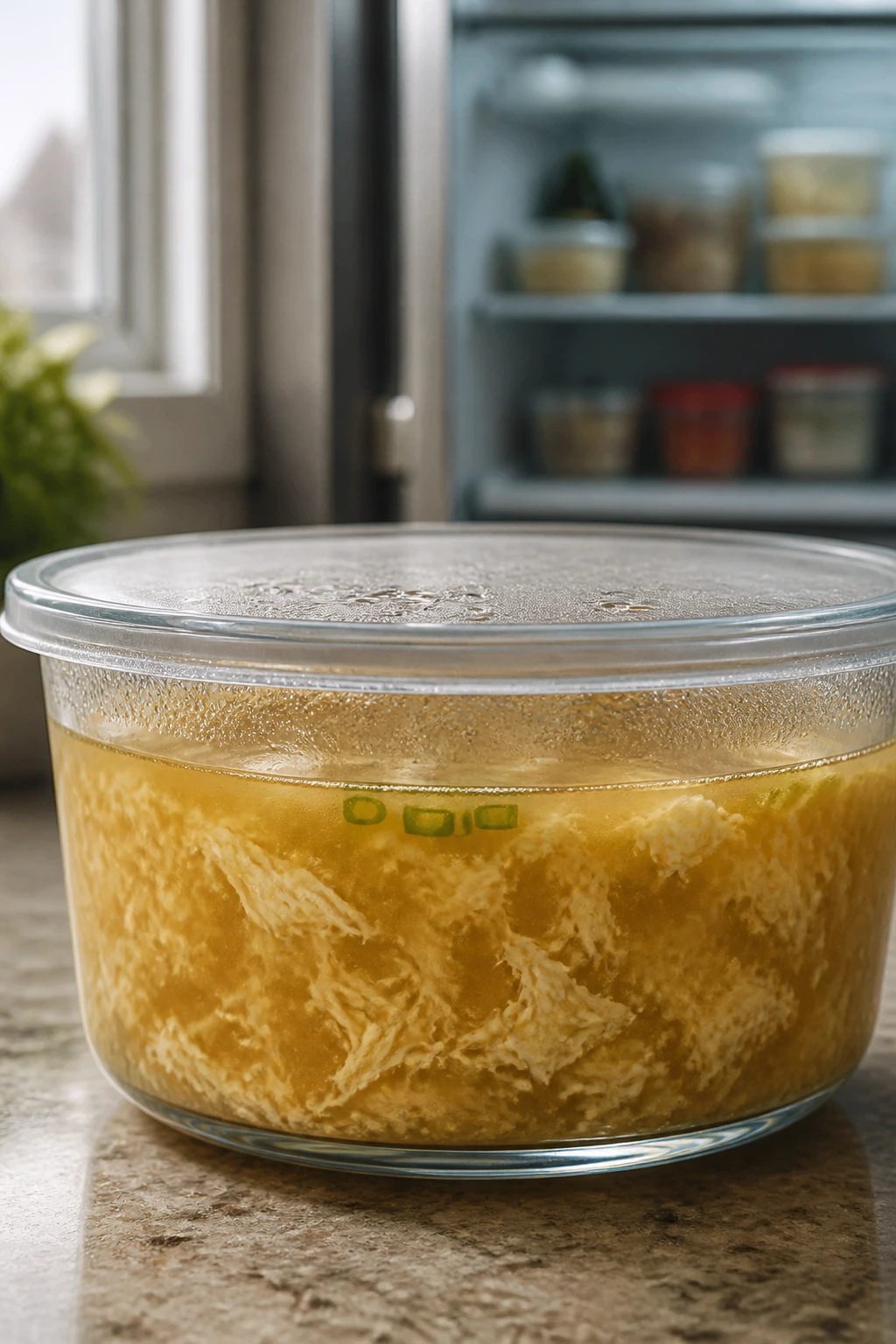
Egg drop soup is best the day it’s made, but leftovers can still be very useful. Keep the soup in a sealed container in the refrigerator for up to 3 to 4 days. After that, the egg texture gets a little tired and the mushrooms lose their bounce.
If you already mixed the eggs into the soup, freeze it only if you accept that the texture will change. The eggs turn spongier after thawing, which is fine in a practical sense and not great in a silky one. The smarter move is to freeze the broth base without the eggs for up to 2 months, then reheat it and add fresh eggs later.
For reheating, use low heat on the stove and stir often. Don’t let the soup boil, because that can toughen the egg and make the tofu break down too much. If the broth thickened in the fridge, add a splash of water or broth to loosen it. Start with 2 tablespoons per bowl and work from there.
Make-ahead wise, the broth base can be cooked a day in advance and chilled. Rewarm it gently, then add the cornstarch slurry, eggs, sesame oil, and scallions right before serving. The egg ribbons are at their best when they’re fresh enough to look soft and just-set.
Questions People Ask About Egg Drop Soup
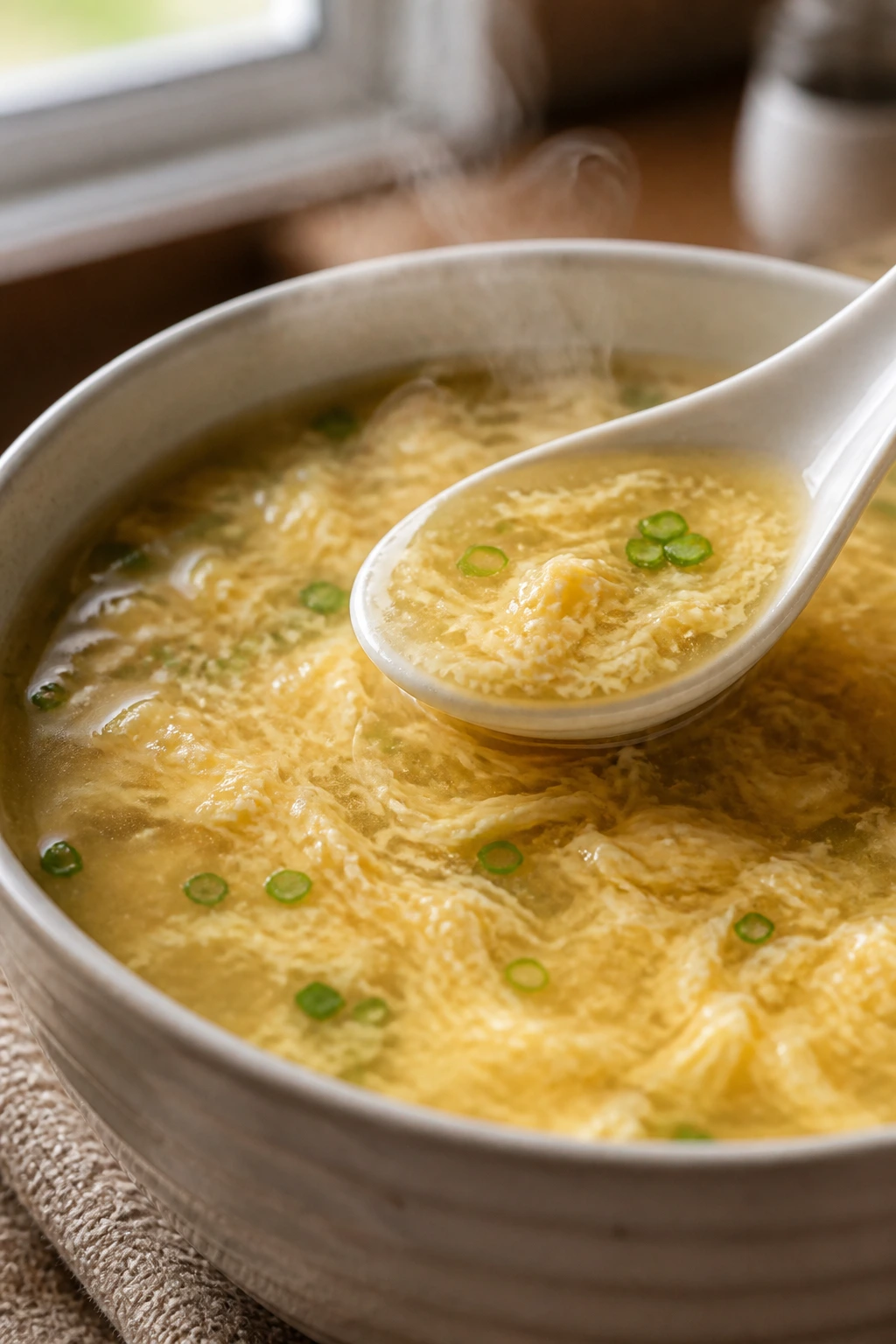
Can I use vegetable broth instead of chicken broth?
Yes, and it works well if you choose a vegetable broth with some body. A thin, sweet broth can leave the soup tasting empty, so use one that tastes savory enough to drink on its own.
Why didn’t my eggs form ribbons?
The usual culprit is heat. If the broth was boiling hard, the eggs set too fast and broke into tiny pieces; if the pot wasn’t moving at all, they settled in a clump. Keep the broth at a gentle simmer and pour the eggs in a slow stream while the liquid moves in a circle.
Do I have to use cornstarch?
No, but the soup will be thinner and a little less glossy. If you want the classic light sheen, cornstarch is the easiest path. Arrowroot works too, though it can go a little slippery if you use too much.
Can I add rice or noodles?
Yes. Add cooked rice or cooked rice noodles to the bowl first, then ladle the soup on top so the starch doesn’t soak up all the broth in the pot. Don’t simmer raw noodles directly in the soup unless you’re planning to eat it right away, because they’ll keep absorbing liquid.
What if I want the soup spicier?
White pepper gives the base heat, but chili oil, chili crisp, or a few sliced fresh chiles will push it farther. I’d start at the finish rather than loading the pot, because that lets everyone control their own bowl.
Can I make this with tofu only and no eggs?
You can, though it becomes a different soup. If you want that route, increase the mushrooms a little and add extra scallions or spinach so the bowl still has enough texture to feel finished.
How do I keep the tofu from breaking apart?
Use firm tofu, cut it into small cubes, and slide it into the broth gently rather than tossing it in hard. Once it’s in the pot, stir with a light hand. Tofu has a way of telling you when you’ve been too rough with it.
A Bowl Worth Keeping in Rotation
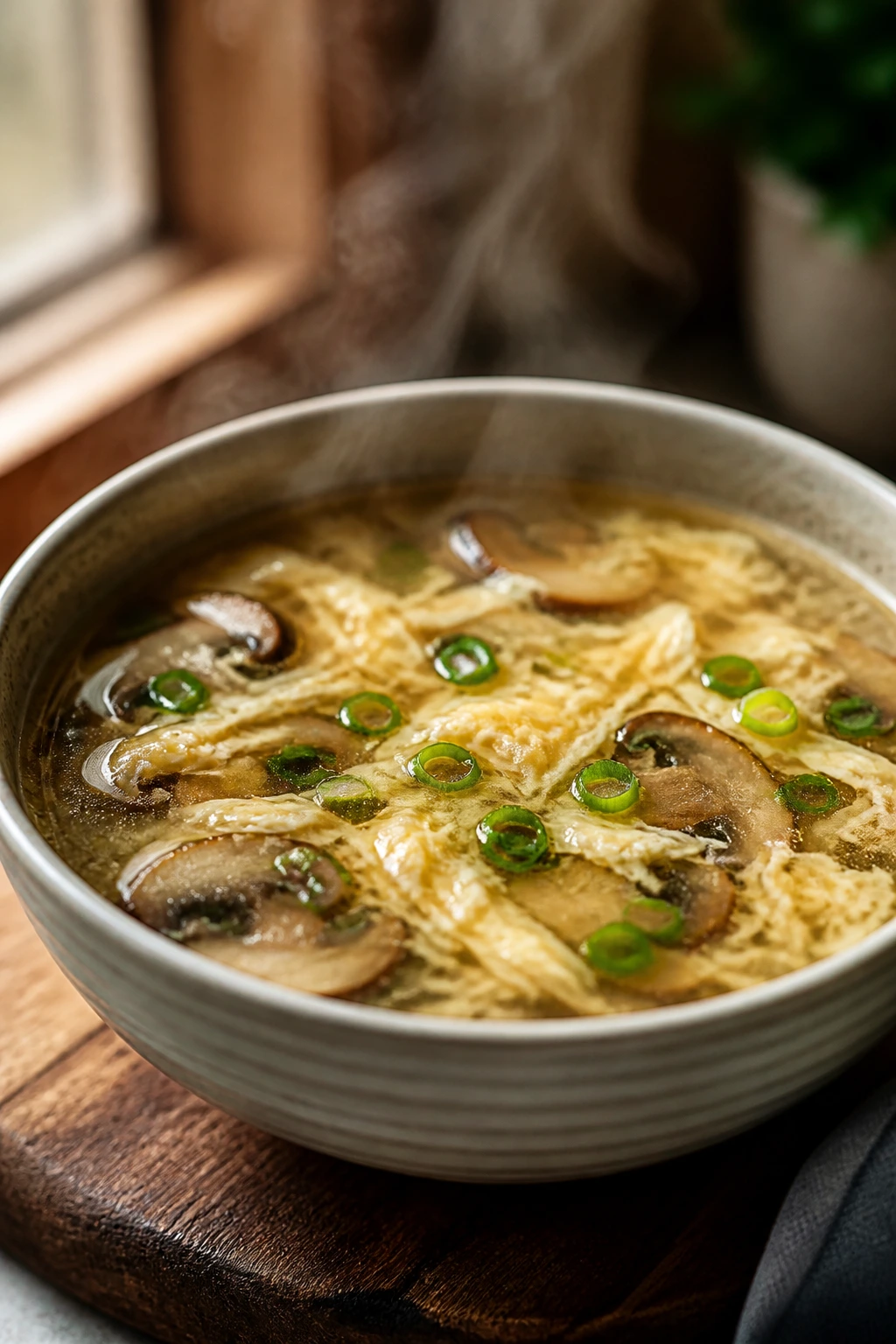
There’s a reason this soup survives in so many kitchens. It doesn’t ask for much, but it still feels cared for when it lands on the table. Ginger, broth, eggs, scallions, a few mushrooms — that’s all it takes to make a bowl that can steady a cold night without turning dinner into a project.
The part I like most is the rhythm of it. Heat the broth. Taste it. Slow down for the eggs. Stop the stove at the right moment. That little sequence is enough to make the whole kitchen feel calmer, and the soup tastes like that calm. Keep the ingredients around, and you’ve got a winter fallback that’s hard to beat.
Hearty Homemade Egg Drop Soup for Cold Winter Nights — Recipe Card
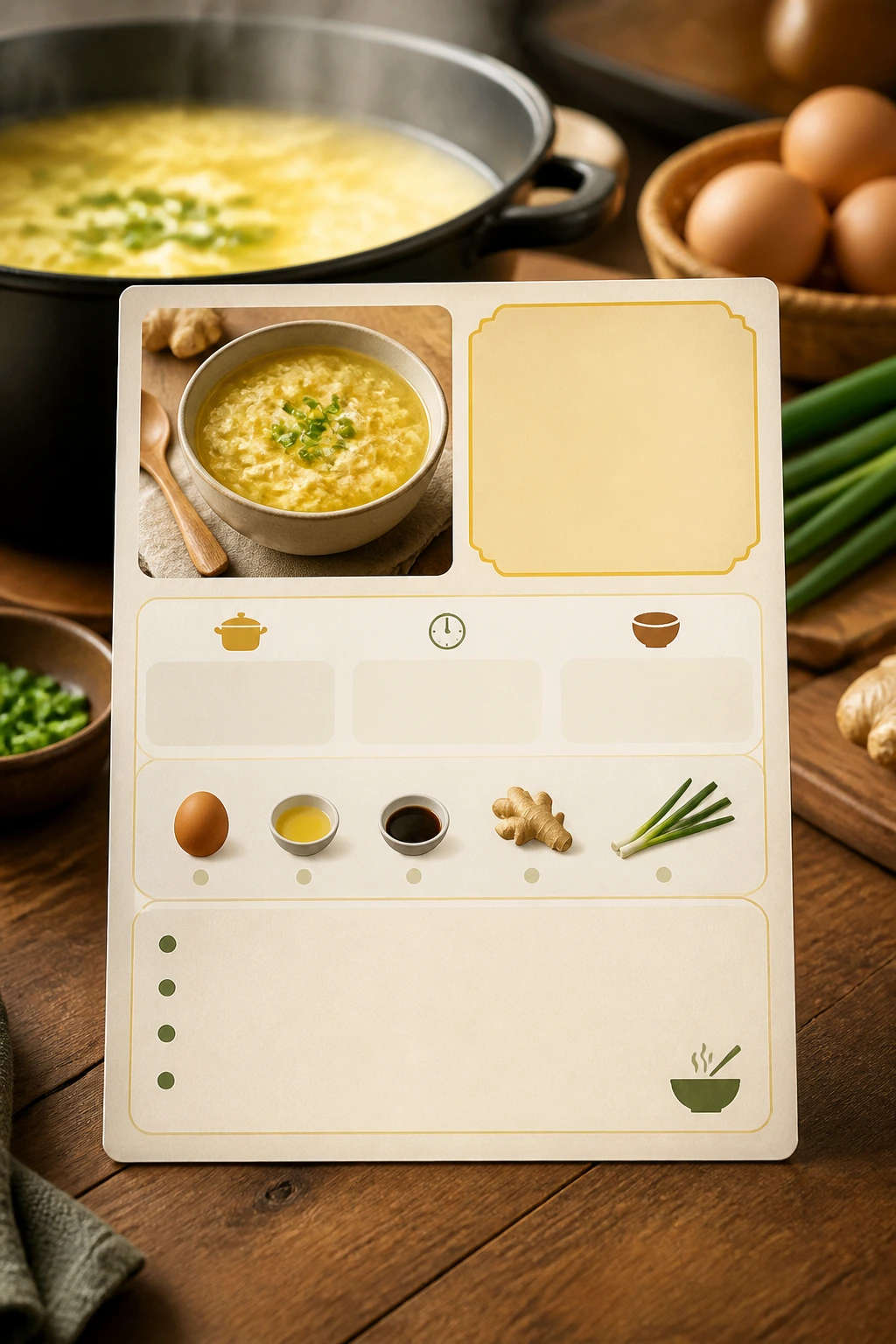
Recipe Name: Hearty Homemade Egg Drop Soup for Cold Winter Nights
Description: A ginger-scented, lightly thickened egg drop soup with tender mushrooms, tofu, corn, and soft egg ribbons. It’s warm, quick, and sturdy enough to pass as a light dinner.
Prep Time: 10 minutes
Cook Time: 15 minutes
Total Time: 25 minutes
Course: Soup, Main Course
Cuisine: Chinese-inspired
Servings: 4 servings
Calories: About 190 kcal per serving
Ingredients
For the Broth Base
- 6 cups low-sodium chicken broth
- 1 tablespoon finely grated fresh ginger
- 2 cloves garlic, minced or grated
- 1 cup cremini mushrooms, thinly sliced
- 1 cup firm tofu, patted dry and cut into 1/2-inch cubes
- 1/2 cup frozen corn
- 2 tablespoons low-sodium soy sauce
- 1/2 teaspoon fine sea salt, plus more to taste
- 1/4 teaspoon white pepper
- 1 teaspoon toasted sesame oil
For the Egg Ribbons and Finish
- 2 tablespoons cornstarch
- 3 tablespoons cold water
- 4 large eggs
- 2 scallions, thinly sliced
- 1 teaspoon rice vinegar, optional
- Chili oil or extra white pepper, for serving, optional
Instructions
-
Whisk the cornstarch and cold water until smooth. Beat the eggs in a separate bowl and slice the scallions, keeping the white and green parts separate.
-
Add the broth, ginger, garlic, mushrooms, tofu, corn, soy sauce, salt, and white pepper to a saucepan. Bring to a bare simmer over medium heat, about 6 to 8 minutes.
-
Stir in the cornstarch slurry while stirring the pot. Simmer for 30 to 60 seconds until the broth looks glossy and lightly thickened.
-
Taste and adjust the seasoning with more salt or soy sauce if needed. The broth should taste a touch bold before the eggs go in.
-
Lower the heat to low. Stir the broth in one direction to create a gentle swirl, then pour in the eggs in a thin stream over 15 to 20 seconds.
-
Let the eggs set for about 10 seconds, then stir once or twice to separate large pieces into ribbons. Turn off the heat.
-
Stir in the sesame oil, scallion greens, and rice vinegar if using. Ladle into warm bowls and top with chili oil or extra white pepper if desired.
Notes: Add sesame oil only at the end, keep the broth at a gentle simmer, and eat right away for the softest egg ribbons. If you want a bigger meal, serve the soup over cooked rice or with scallion pancakes on the side.