



Marinated cold picnic food for kids solves the one backyard cookout problem everybody runs into sooner or later: the food that looks cheerful when it comes out of the kitchen and then turns warm, sticky, and ignored once the grill gets busy. A bowl of chilled pasta salad, a tray of cucumber coins, or a plate of sliced chicken that’s been seasoned all the way through has a much better chance of getting eaten than a sad hot dish sitting in the sun.
I like this kind of spread because it lets the food do the work before guests arrive. You can salt, chill, slice, and pack in advance, then spend the cookout doing the unglamorous but necessary stuff — flipping burgers, wiping hands, finding napkins, answering the fifth question about watermelon. The best part is that the flavor usually settles in the fridge. A little acid, a little salt, a little sweetness, and the whole dish tastes more complete after it rests.
Kids are pickier than adults in ways people love to pretend they’re not. They notice slimy herbs, sharp vinegar, big onion bites, and anything too spicy in about half a second. So the trick is not to make the food childish. It’s to make it readable: firm textures, mild seasoning, small pieces, and enough chill to keep everything crisp, clean, and easy to grab. The details matter here — especially when the table is outside and the cooler is only doing half the job.
Why This Style of Food Keeps the Cookout Calm
-
Most of the work happens early: The chopping, marinating, and chilling can happen the day before, which means the stove isn’t crowded when you’re already watching the grill and the kids at the same time.
-
Cold food stays recognizable: Cucumber salad still tastes like cucumber, chicken still tastes like chicken, and pasta salad still has shape when it’s been made with sturdy ingredients instead of soft ones.
-
Mild flavors land better on kids: A light honey-lime dressing, a yogurt herb coat, or a simple oil-and-vinegar mix usually gets eaten faster than anything sharp, fiery, or overloaded with raw garlic.
-
A cooler changes the timing: Foods that can stay sealed in shallow containers and go straight from cooler to table are easier to manage than hot dishes that need a last-minute rescue.
-
The menu gets more flexible: One base dressing can handle potatoes, chicken, beans, cucumbers, or grains. That means fewer separate recipes and fewer leftovers that don’t match anything.
-
Waste drops fast: When the same marinade handles a few different ingredients, you’re not buying six special items for one meal and tossing half a jar of something obscure afterward.
What Makes a Cold Picnic Dish Kid-Friendly Instead of Merely Small
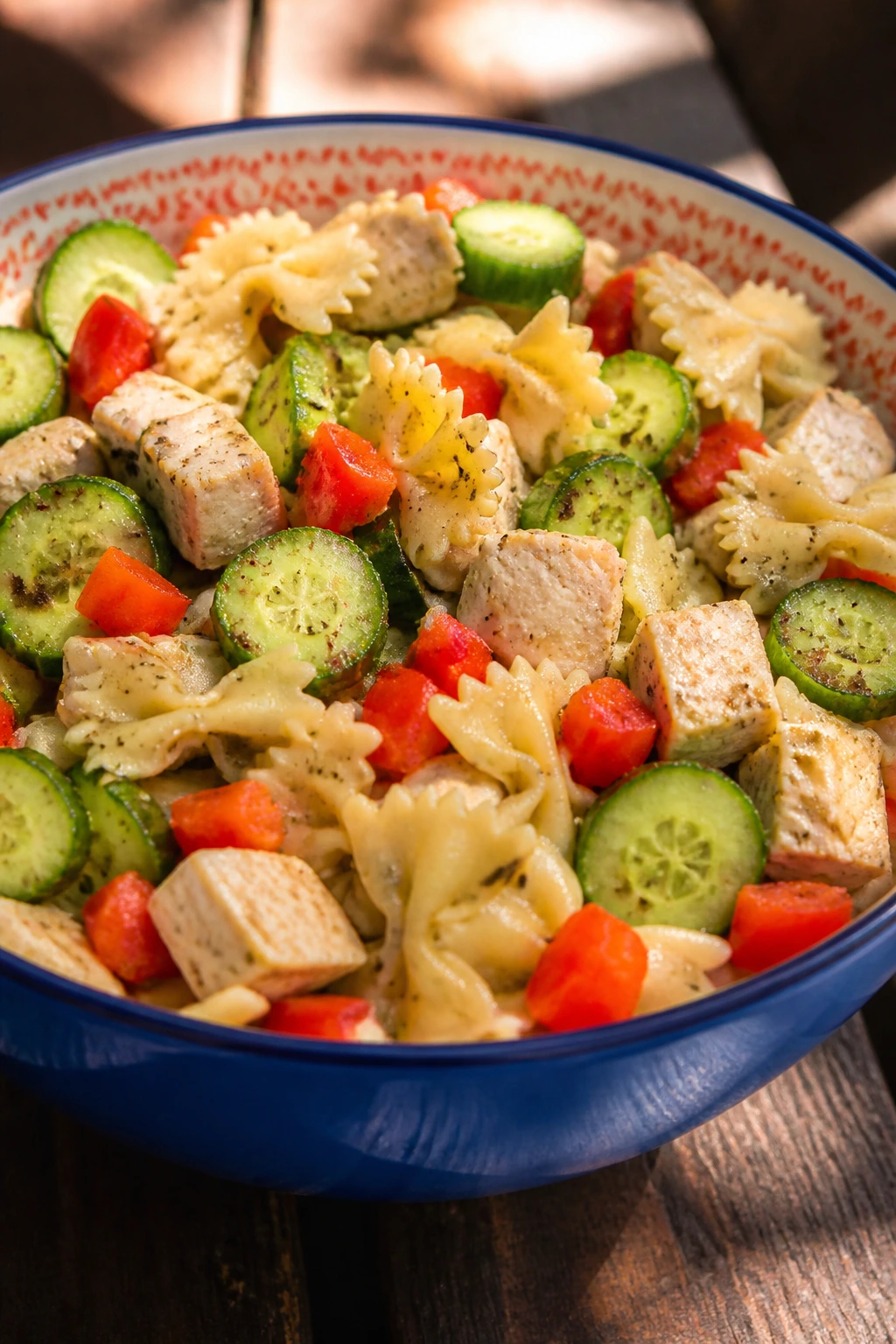
The food has to be familiar before it has to be clever. Kids tend to trust a bowl of bow-tie pasta with cucumbers and diced chicken more readily than a composed salad with endive, fennel, and three kinds of seed. Shape matters. So does color. So does the lack of surprise.
Familiar shapes beat clever plating
Round fruit pieces, short pasta, small cubes, coins, and strips are easier for small hands to manage. A child who will happily eat cucumber rounds may stare at a shaved ribbon for a full minute and then move on to crackers. I’d rather cut a vegetable into a shape that works than talk myself into a prettier one that sits untouched.
Mild flavor beats loud flavor
Sharp vinegar, heavy mustard, raw onion, and lots of chili flakes can make a cold dish taste harsher once it’s chilled. Cold suppresses flavor a little, which is why the best kid-friendly picnic food usually leans sweet, salty, creamy, or softly tart. Lemon zest helps more than a flood of juice. Honey helps. A spoonful of yogurt can calm the whole bowl down.
Dipping gives hesitant eaters control
Kids like control more than adults realize. A cup of ranch, yogurt dip, or a mild salsa on the side often gets more bites than dressing poured over everything. Same food. Different result. If you separate the sauce, you also separate the “I hate that” reaction from the rest of the plate, which is handy when you’re feeding a mixed-age crowd.
Crunch matters.
A cold dish with a soft base and one crisp element — sliced bell pepper, snap peas, grated carrot, or even a few pretzels on top at serving time — feels more interesting without becoming fussy. That little contrast is doing a lot of work.
Cooler Rules and Food-Safety That Keep the Whole Spread Safe
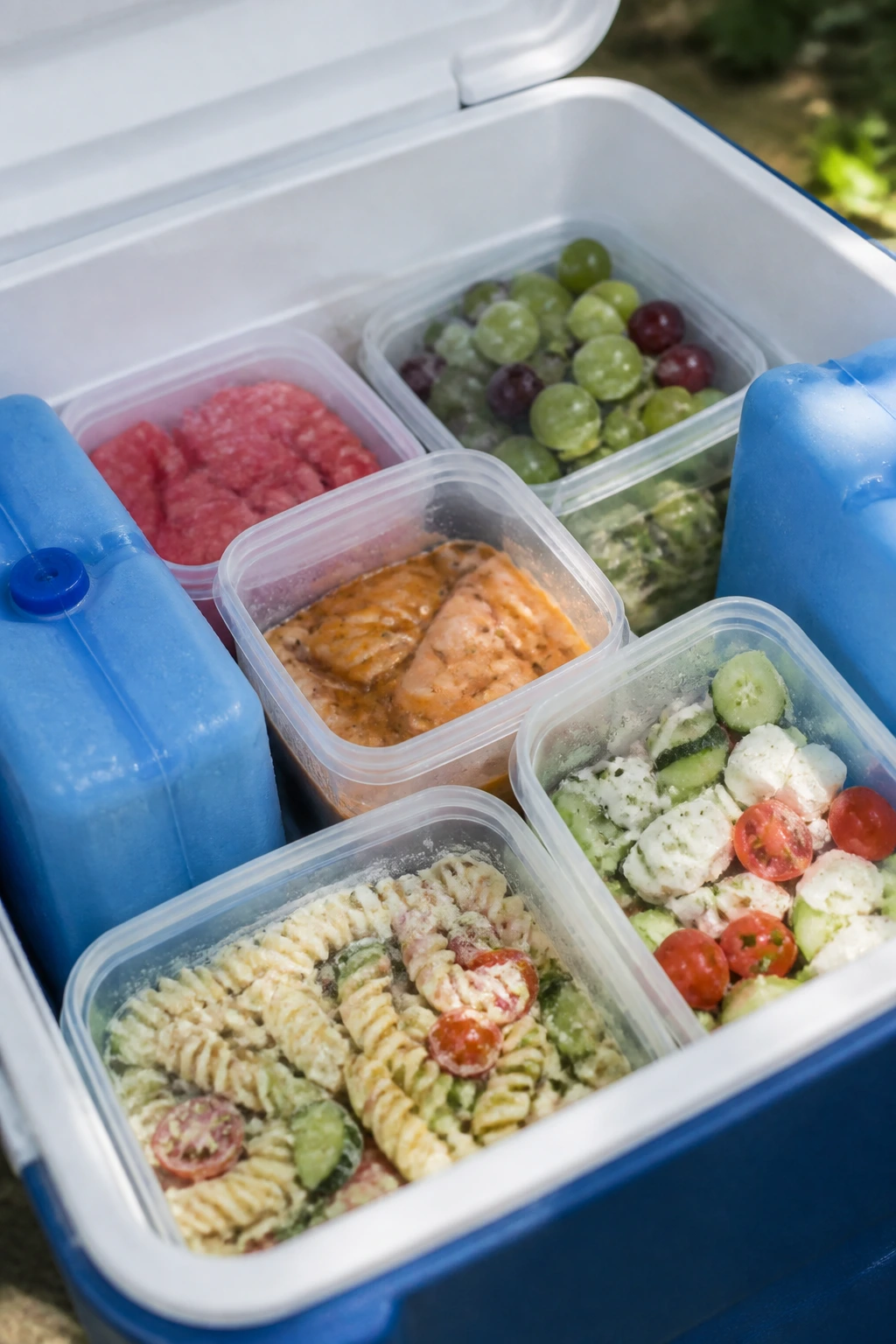
Cold food has one job: stay cold. That sounds blunt because it is. USDA and CDC guidance both keep circling the same basic rule — perishable food should not sit out for more than 2 hours, and that window drops to 1 hour when the weather is hot, around 90°F or above. If you’re serving in the middle of a sunny yard with kids running in and out of the shade, you should act like the clock is shorter than you think.
The two-hour rule, without the wiggle room
Pack food already cold. Don’t rely on the cooler to chill warm chicken salad or a steaming pot of potatoes. Spread hot cooked ingredients on a sheet pan, let them stop steaming, then chill them in the fridge before they ever touch the cooler. A cooler is a holding box, not a refrigerator with ambition.
If you’re not using a thermometer, you’re guessing. And guessing is a bad food plan.
Raw marinade and serving sauce are not cousins
If raw chicken, turkey, or shrimp touched a marinade, that liquid is done. Don’t pour it back over the finished dish unless you boil it hard first. Better yet, reserve part of the dressing before it touches raw meat and use that clean portion at the end. It’s a small habit that saves a lot of trouble.
Glass or food-safe plastic containers beat flimsy bowls here. Acidic dressings can react with some metal containers, and even when they don’t, shallow wide containers cool faster than deep ones. That matters. A deep bowl traps heat in the middle long after the surface feels fine.
The cooler setup that actually works
Use ice packs on the bottom and top if you can. Keep the cooler in the shade. Open it once for setup, then keep it shut until you’re ready to serve. If you have one main cooler for food and another for drinks, even better — the drink cooler gets opened constantly, and that alone can ruin your temperature control.
I also like a separate clean serving bowl on the table and a backup bowl in the cooler. Swap them when the first one gets low. It sounds fussy. It isn’t. It’s the difference between a bowl of cold pasta salad and a lukewarm one by the end of the afternoon.
The Marinade Balance That Still Tastes Good After Chilling
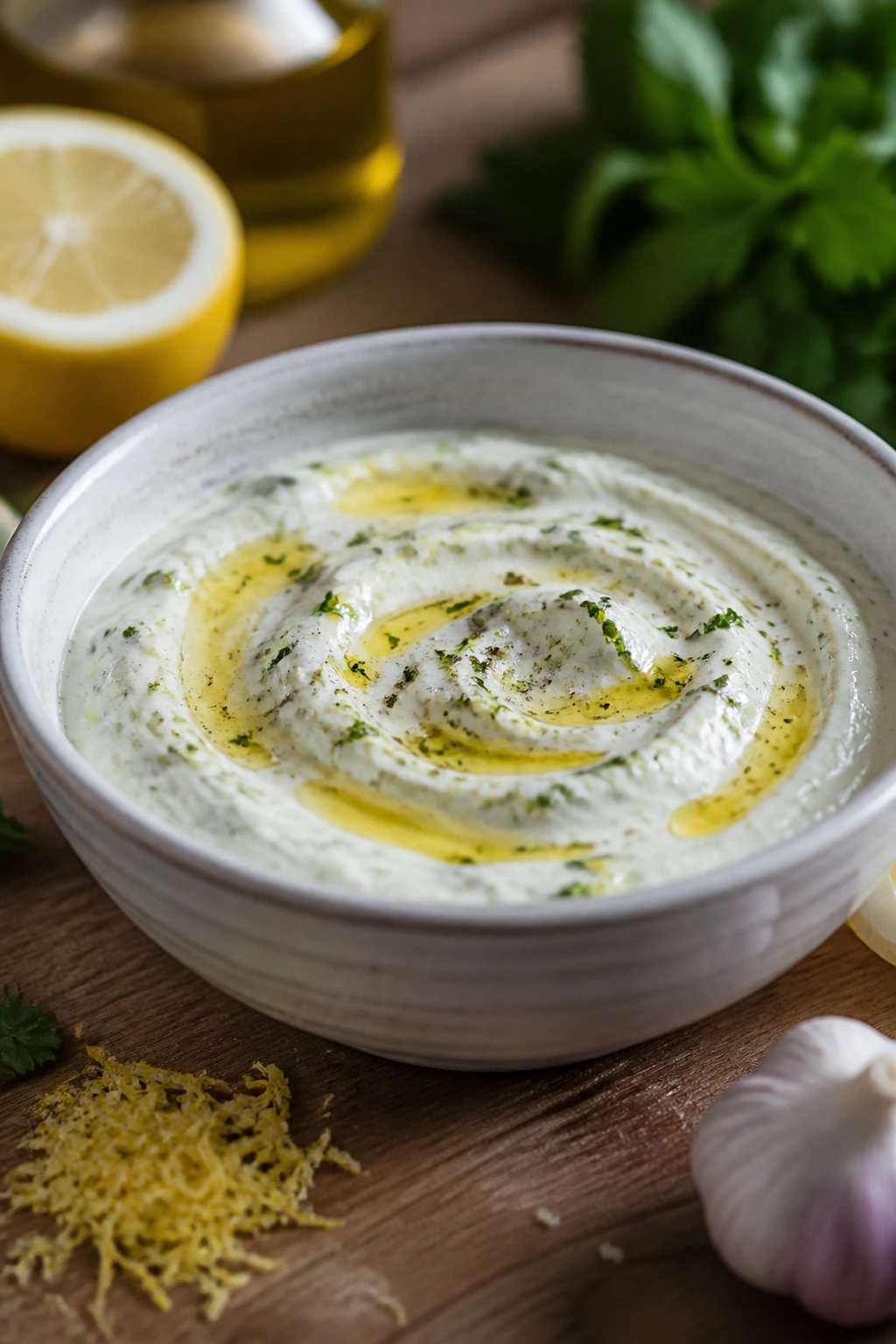
Cold food mutes flavor. That’s the starting point, and it changes how you build every dressing or marinade. Food that tastes nicely balanced at room temperature can taste flat once it’s cold, while food that seems a touch too bright at first often lands just right after chilling.
Sweetness takes the edge off
A little sweetener helps a cold dish read as friendly instead of sharp. Honey, maple syrup, or even a small spoon of sugar softens vinegar and lemon enough for kids to accept the rest of the bowl. You do not need much. A teaspoon or two per cup of dressing is often enough to round things out without turning the dish into dessert.
Acid should brighten, not sting
Lemon juice, lime juice, apple cider vinegar, rice vinegar, and white wine vinegar all have a place here. The trick is using them as a lift, not a soak. Cucumber and tomato need less time in acid than chicken or chickpeas. Fruit needs even less. If a marinade tastes aggressive on your tongue before it chills, it will taste louder after it sits.
Fat carries flavor when the dish is cold
Oil, yogurt, mayonnaise, and tahini all help seasoning cling. Olive oil is the easiest route for vegetables and grains. Yogurt and buttermilk are useful for chicken because they coat the surface and keep the meat tender. Mayo has a place too, especially in pasta or potato salads, but the quality of the temperature control matters more than the label on the jar.
Salt needs to be there early
Cold food needs more salt than a hot dish if you want the flavor to come through. Not a reckless amount. Just enough that the vegetables, pasta, or chicken don’t taste blank once they’ve been chilled. If a bowl tastes faintly underseasoned before it goes in the fridge, it usually tastes even more underseasoned after an hour of cooling.
A working starting point for vegetables is simple: 3 tablespoons oil, 1 tablespoon mild acid, 1 teaspoon honey, and 1/2 teaspoon salt for every 4 cups of chopped produce. That’s not a law. It’s a place to begin. For chicken, I’d lean a little richer and a little gentler, with yogurt or oil doing more of the work and the acid staying in the background.
Cold Proteins That Stay Juicy Instead of Drying Out
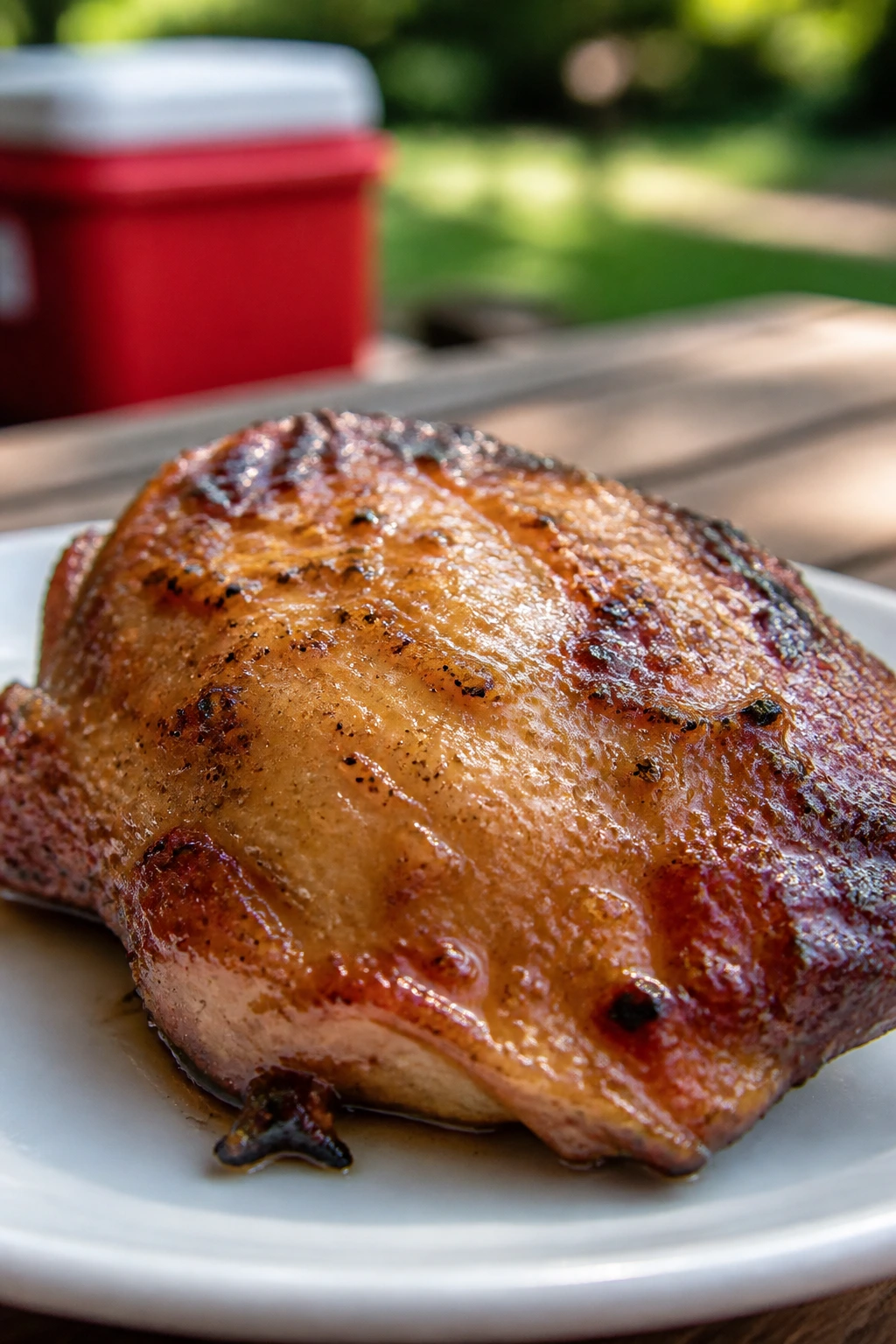
Chicken thighs are the first thing I reach for. They chill well, keep their texture, and still taste like dinner after a few hours in the cooler. Chicken breasts can work, but they dry out faster and get stringy if you slice them too thin. For backyard cookouts, I’d rather trust thighs and cut them into bite-size pieces after they cool for 10 minutes.
Turkey meatballs are another good move if you want something that eats like a hand-held protein without the mess of skewers. Bake them, cool them on a rack, then chill them in a single layer before packing. They can be served plain, with a yogurt dip, or tossed lightly in a dressing made from olive oil, lemon zest, and chopped herbs.
Chicken does best with a mild, forgiving marinade
Yogurt, buttermilk, olive oil, garlic powder, lemon zest, and salt make a strong base. The yogurt or buttermilk keeps the meat tender, while the zest gives you more perfume than raw juice. I would marinate chicken thighs for 2 to 8 hours. Any longer and the acid starts to take over the texture, especially if the marinade is heavy on citrus.
Plant proteins need less drama
Firm tofu, chickpeas, and white beans all do well here. Press tofu for 20 to 30 minutes, cube it, and toss it in a vinaigrette or sesame dressing. Chickpeas only need enough time to absorb the seasoning — 30 minutes is plenty. They’re useful because they take on flavor without collapsing into mush, which is more than I can say for some fancier picnic proteins.
Seafood is possible, but it wants a short leash
Shrimp can fit into this kind of spread if you cook it, chill it fast, and serve it the same day. Keep the marinade short — 15 to 30 minutes before cooking, not overnight. Acid softens shrimp quickly, and that snap you want can turn rubbery if you’re careless. Fish salad is a different animal and usually not where I’d send a kid-friendly cookout unless the eaters already love it.
The best protein for this whole setup is the one that still tastes clean after it’s cold. That’s the test. If the seasoning disappears under a pile of sauce or the meat turns dry at the edges, it’s the wrong fit.
Vegetables That Get Better After a Chill
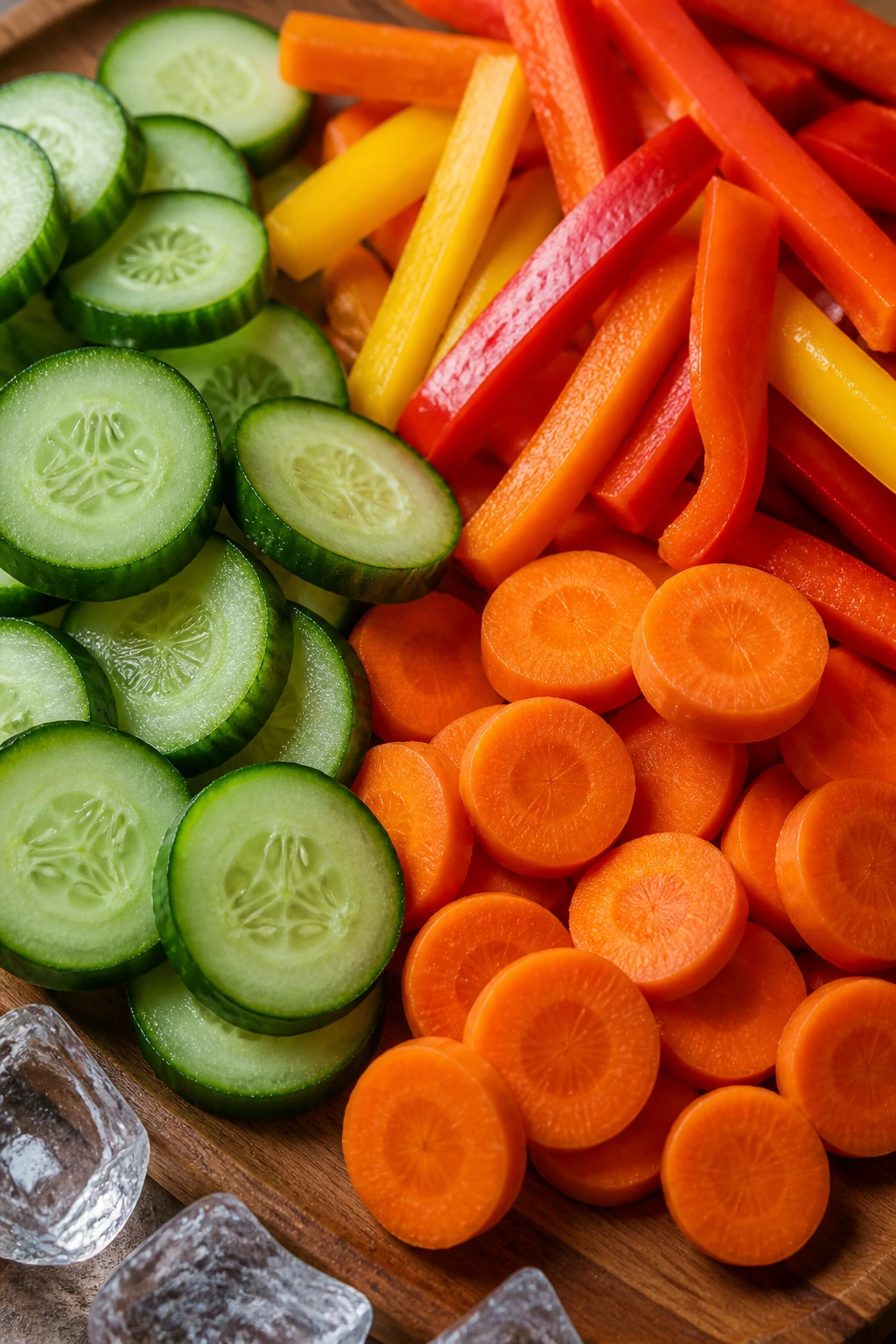
Crunch is the whole point here. Cold vegetables should wake up the plate, not make the child regret taking one bite. Cucumbers, bell peppers, snap peas, carrots, green beans, and broccoli all hold up better than tender lettuce, which wilts in a heartbeat and slumps in the bottom of the bowl like it has given up on life.
Cucumbers need a little discipline
Slice cucumbers into coins, half-moons, or thin spears, then salt them lightly and let them sit for 10 minutes if they seem watery. Pat them dry before dressing. That one step keeps the bowl from turning into a puddle an hour later. Persian cucumbers and English cucumbers are my go-to choices because they have fewer seeds and less liquid than the big waxy ones.
Carrots and peppers bring the crunch
Carrots can be cut into coins, ribbons, or short matchsticks. Coins hold dressing better than long sticks. Bell peppers should be cut thin enough to bite cleanly but not so thin they lose their snap. Red, orange, and yellow peppers tend to taste sweeter than green ones, which helps when kids are involved.
Green vegetables like a quick blanch
Green beans and broccoli florets benefit from a brief dip in boiling water — about 90 seconds for beans, maybe 1 to 2 minutes for small broccoli florets — followed by an ice bath. That fixes the color and keeps them crisp-tender. Toss them dry before dressing. Wet vegetables dilute the marinade, and then everything tastes thin.
Raw onions are a gamble
Some kids will eat them. Many will not. If you want onion flavor without the bite, soak thin slices in ice water for 10 minutes, drain them well, and use only a few strands. Or skip them and use chives or the green part of scallions instead. The flavor is softer and the texture doesn’t bully the rest of the bowl.
A good vegetable salad should smell fresh, not sharp. If the garlic is loud enough to announce itself from the lid of the container, it’s too much for this setting.
Fruit That Can Take a Light Marinade
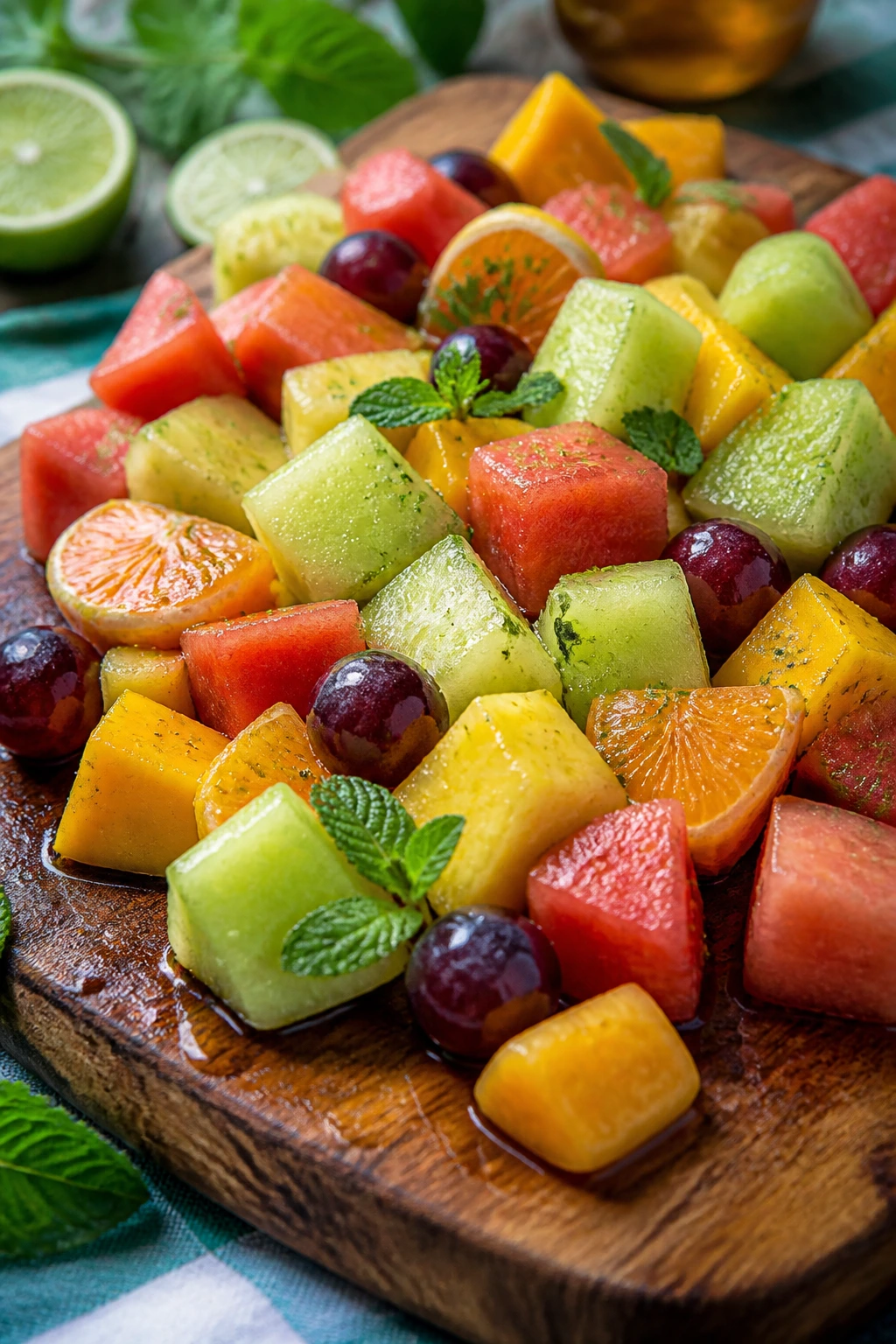
Fruit is a short-fuse ingredient. That doesn’t mean it belongs at the edges of the menu. It means you have to respect its timing. Firm fruit can handle a light marinade or a quick dressing beautifully; soft fruit needs a gentler hand and less time.
Firm fruit first, soft fruit last
Melon cubes, grapes, pineapple, oranges, and mango all work well when they’re cut into sturdy pieces. A little lime juice, a little honey, and maybe a few torn mint leaves are enough. Let them sit for 10 to 20 minutes, not overnight. The goal is to season the fruit, not drain it into syrup.
Strawberries and blueberries are trickier. A spoonful of sugar or honey with a few drops of citrus can pull out their juices, which is lovely if you plan to serve them right away. Leave them in that mixture too long, and they lose shape and start to look tired. Bananas do not belong in this conversation at all unless they’re being eaten immediately. They turn gray in a way nobody enjoys.
Citrus helps fruit taste colder and brighter
Orange zest is better than a flood of orange juice when you want flavor without extra liquid. Lime zest works the same way. A little fresh mint or basil can be nice too, but go easy. Kids usually need one clean flavor to hold onto. Too much herb and they start sorting the bowl like it’s a science project.
If you want fruit in a picnic spread, think in terms of bite-size, chill-safe, and fast. That’s the whole game. A bowl of honey-lime melon with grapes and a few strawberries on top disappears faster than a complicated fruit salad that arrives swimming in juice.
Starches and Grains That Hold Flavor Without Going Mushy
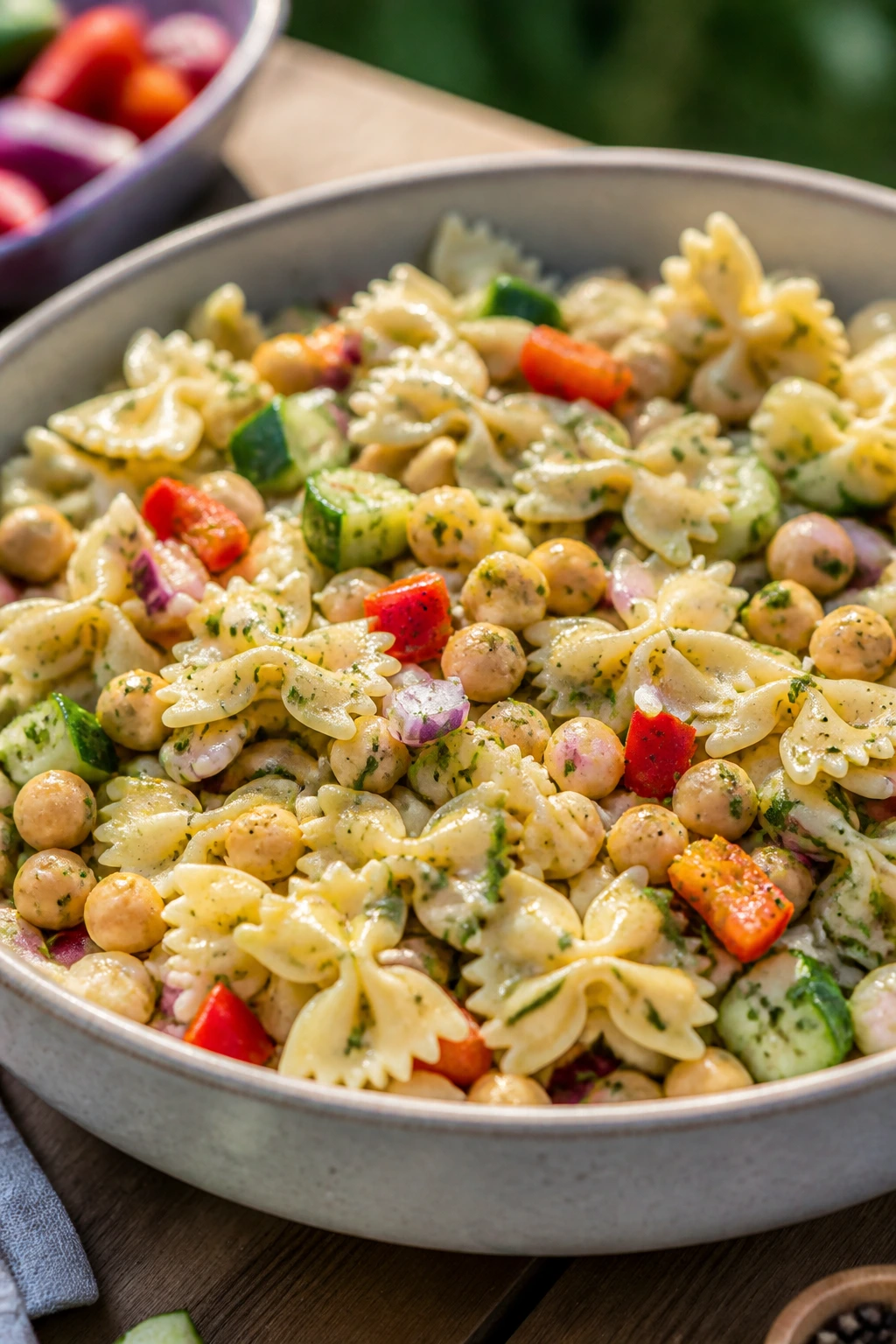
Pasta salad gets a bad reputation because people keep making it limp. Bow-tie pasta, rotini, shells, and orzo have a better chance than long strands, which turn into slippery knots after a few hours in the fridge. If I’m making a cold picnic bowl for kids, I want shapes with ridges or curls. Something the dressing can cling to.
Pasta should be dressed while it’s still warm
Drain it, spread it on a sheet pan for a few minutes, then toss it with the dressing while there’s still a little heat left. That helps the seasoning soak in instead of sitting on the surface. Cook it just to al dente — maybe a minute less than the package says — so it stays firm after chilling. Overcooked pasta turns to paste the second the dressing hits it.
Grains need space and cooling time
Quinoa, couscous, farro, and rice all work if they’re cooled properly and not drowned in liquid. Spread cooked grains on a tray so steam can escape. Once they’re room temperature, toss them with the marinade and add herbs at the end. If they go into the bowl wet and hot, you’ll get clumps, not a picnic side.
Potatoes are still a classic for a reason
Waxy potatoes — red potatoes or Yukon Golds — hold their shape better than russets in a cold salad. Boil them until just tender, drain them well, and let them steam off for a few minutes before dressing. A vinegar-forward potato salad is fine for adults, but kids often do better with a softer dressing built on yogurt, mayo, or a milder mustard base. The texture is the bigger issue. Not the idea of potato salad itself.
A cold starch dish should feel substantial without turning dense. If the dressing disappears and the bowl tastes like plain carbs, you missed the seasoning window.
How to Pack and Plate a Kid-Friendly Cookout Spread
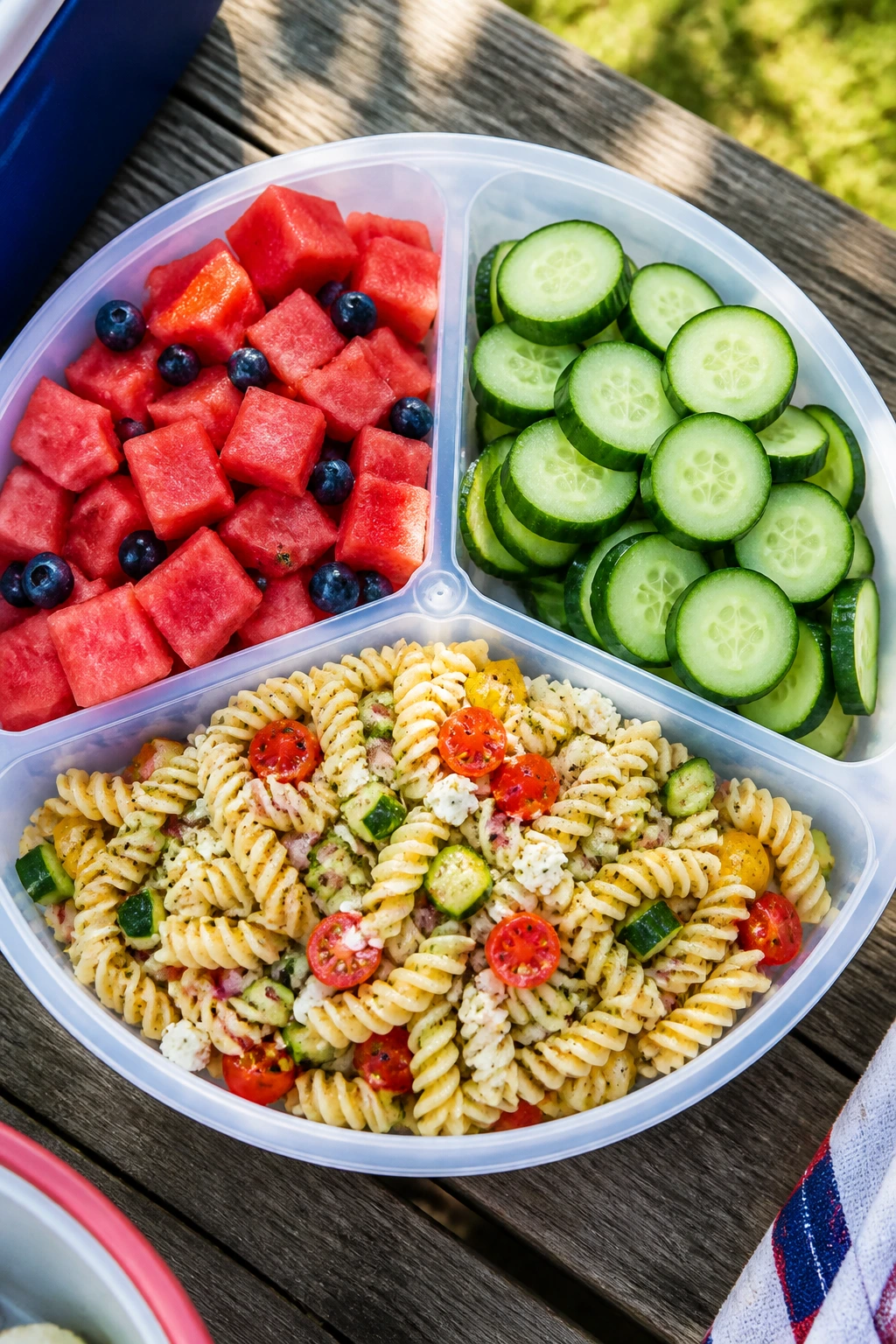
Presentation: Use shallow bowls, divided plates, or lidded containers that can go straight from cooler to table. Wide containers cool faster and make the food easier to scoop. Put the wettest foods — fruit, dressed cucumbers, pasta salad — in their own bowls so they don’t bleed into the crunchy stuff. If you’re serving outside, keep the bowls in the shade and set them over a tray of ice if the afternoon is hot.
Accompaniments: Keep the sides simple and sturdy: pita chips, crackers, mini rolls, pretzel sticks, corn on the cob, celery sticks, and plain tortilla chips all work without asking for much attention. A mild yogurt dip, ranch-style dip, or hummus gives hesitant kids a familiar landing spot. If you’ve made a chicken or bean salad, a few soft rolls or lettuce cups on the side let each kid build their own plate without turning the whole table into a sandwich station.
Portions: For younger kids, think 1/3 to 1/2 cup of each cold side and 2 to 3 ounces of protein if it’s part of the spread. Older kids and adults will obviously eat more, especially after running around outside. I like to serve less on the first pass. Second helpings feel easier when the food is cold and the table is relaxed.
Beverage Pairing: Lemonade with a little less sugar than usual works well beside salty, chilled food. So does unsweetened iced tea, sparkling water with lime, or cucumber water if you’re trying to keep the whole spread light and clean-tasting. For a mixed crowd, I’d keep one citrus drink and one plain sparkling option on hand. That covers most people without making the cooler a mess of bottles.
A picnic table looks nicer when the food has different heights and textures. One bowl of glossy fruit, one bowl of crunchy vegetables, one heavier starch, one protein. That’s enough. Anything more starts to feel like a buffet line with confidence issues.
Small Flavor Boosts That Make the Menu Feel Thoughtful
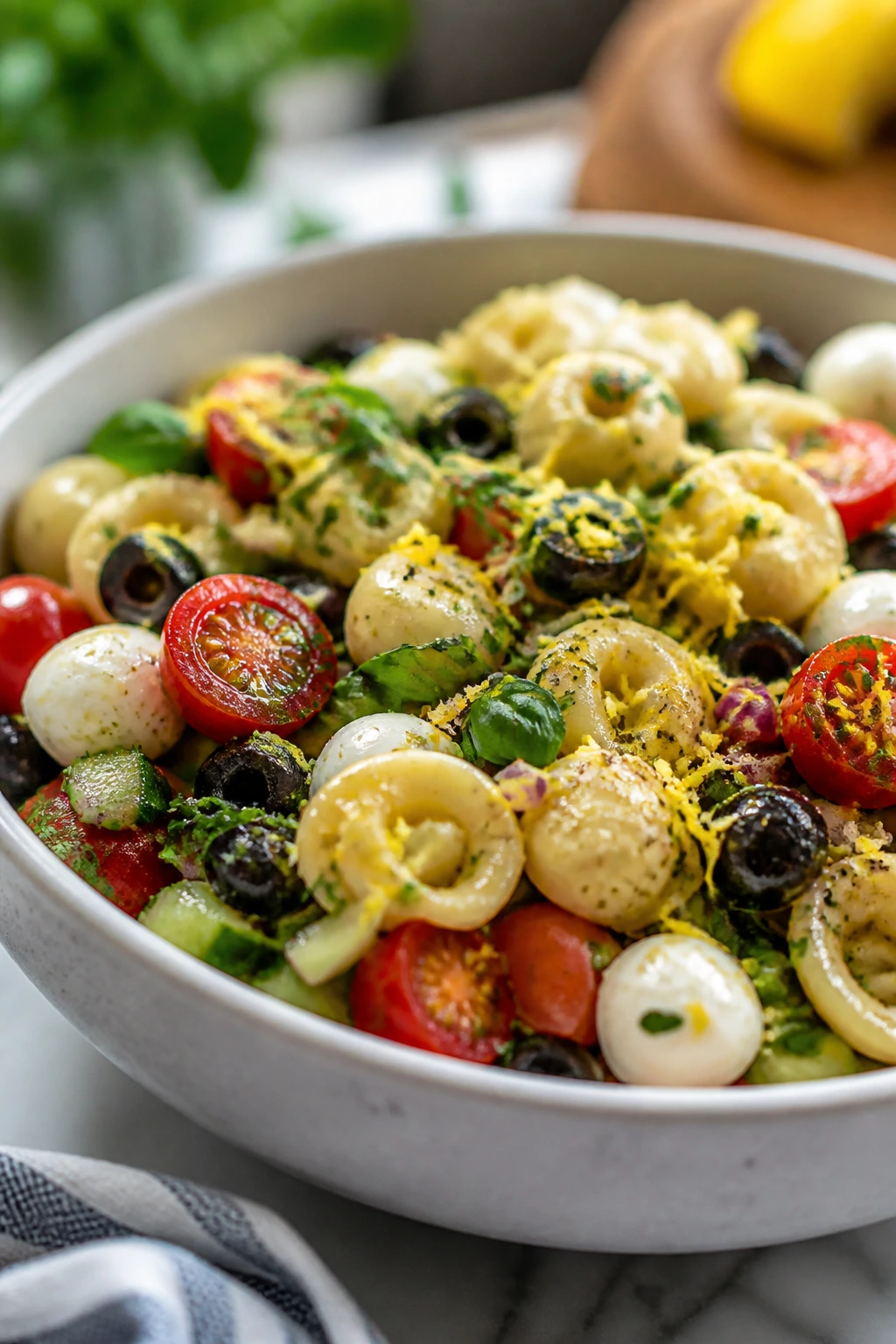
A plain chilled bowl is fine. But a few small moves make the whole spread taste as if someone paid attention, which is often the difference between “nice” and “gone in ten minutes.”
Flavor Enhancement: Add zest at the end, not only juice. Lemon zest, lime zest, or orange zest gives cold food a lift that cuts through the dulling effect of refrigeration. A spoonful of pickle brine can sharpen potato salad or chicken salad in a way that feels sneaky and smart. Use it sparingly. You want a spark, not a jar of pickles in disguise.
Customization: Keep the base mild, then let people add their own extras. Chopped herbs, diced pickles, sliced scallions, toasted sesame seeds, sunflower seeds, or a little shredded cheese on the side make the bowl more flexible. For a mixed-age crowd, I’d keep chili flakes and hot sauce separate. Kids can ignore them; adults can chase them.
Serving Suggestions: Finish with a handful of fresh herbs, a dusting of flaky salt, or a few lemon wedges on the side. For grain salads, a scattering of sesame seeds or chopped parsley keeps the bowl from looking flat. For fruit, a tiny pinch of salt over melon is not crazy — it makes the sweetness taste cleaner.
Make-It-Yours: Dairy-free works well with olive oil, citrus, and herbs. Gluten-free is easy if you lean on potatoes, rice, quinoa, beans, and corn. Nut-free is usually a matter of skipping pesto and almond-heavy dressings in favor of seed-based or herb-based ones. Lower-sodium versions need more zest, more vinegar, and a touch of sweetness so the flavor still shows up when the salt backs off.
One thing I’d avoid: trying to make every bowl taste the same. A little variety across the table — one creamy, one bright, one crunchy, one juicy — is what keeps people returning for another plate.
Common Mistakes That Ruin Texture, Safety, or Timing
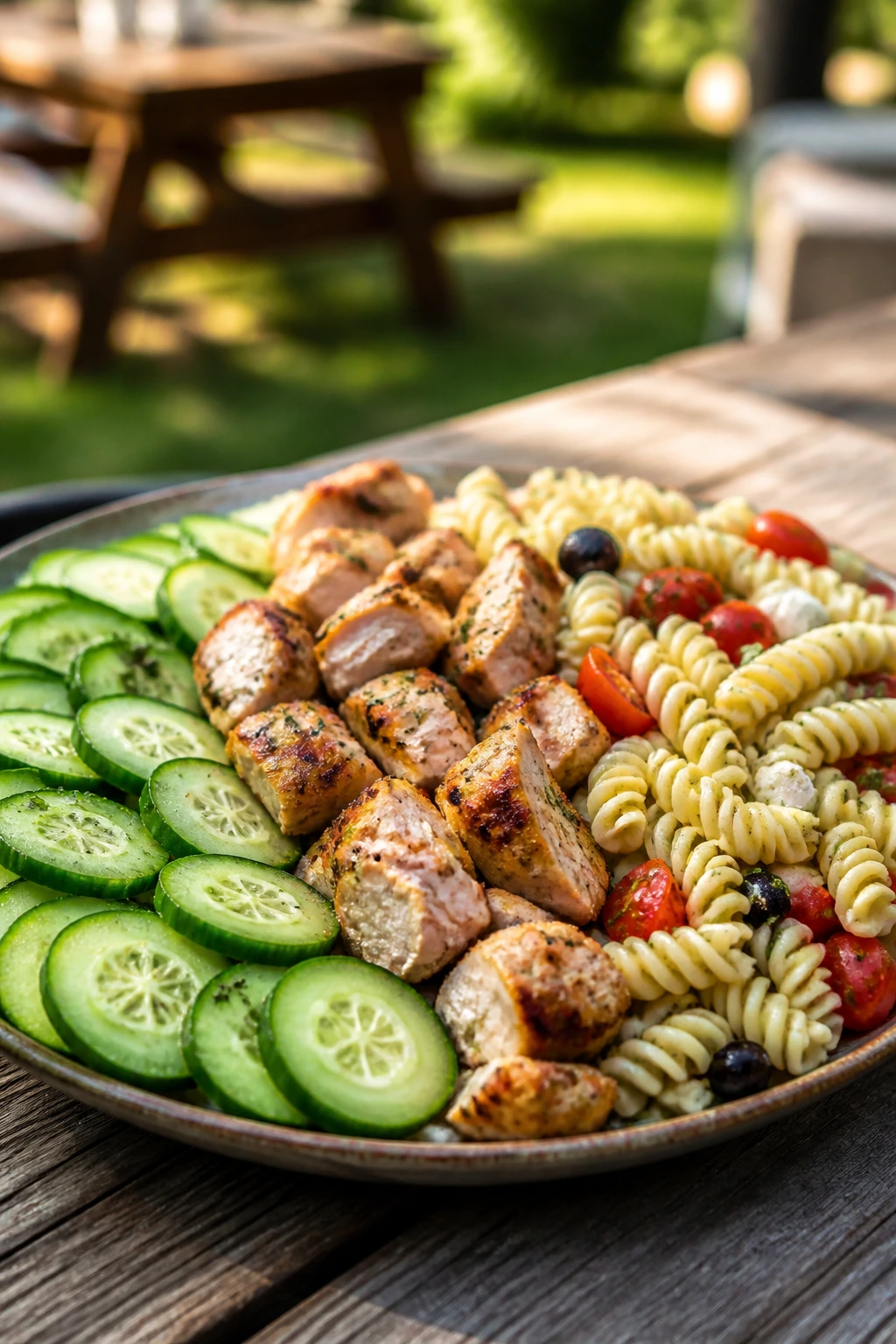
The errors here are usually small. That’s what makes them annoying.
-
Dressing everything too early: Cucumbers, tomatoes, and leafy greens release water as they sit. If you coat them hours ahead, the bowl gets thin and soupy. Hold back a little dressing, or keep the wet ingredients separate until closer to serving time.
-
Packing food while it’s still warm: Steam trapped in a container turns into condensation, and condensation ruins texture fast. It also warms the cooler. Cool food on a sheet pan first, then pack it once the steam is gone.
-
Using the wrong acid level for the audience: A sharp vinaigrette that tastes lively at room temperature can feel harsh when chilled. Kids usually do better with a softer mix — less vinegar, a little more fat, a tiny bit of sweetness.
-
Choosing delicate produce that can’t hold up: Lettuce, ripe tomatoes in huge chunks, and soft berries left too long in dressing will collapse. Swap them for cabbage, cucumbers, grapes, melon, or cherry tomatoes kept whole until the end.
-
Letting one utensil touch everything: Raw marinade, finished protein, serving bowl, kid’s plate. If the same tongs do all of that, you’ve made a cross-contamination mess. Use one clean utensil for the table and a separate one for anything raw.
-
Ignoring the cooler’s limits: A packed cooler full of warm drinks and opened containers does not stay cold just because the lid is closed. It needs blocks of ice or ice packs, shade, and as few openings as possible. Treat it like a short-term fridge, not a magic box.
If a bowl tastes watery, you can usually fix it with a few crunchy additions and a fresh squeeze of citrus. If it smells warm or has sat out too long, you cannot fix that. Toss it.
Variations and Adaptations for Different Eaters
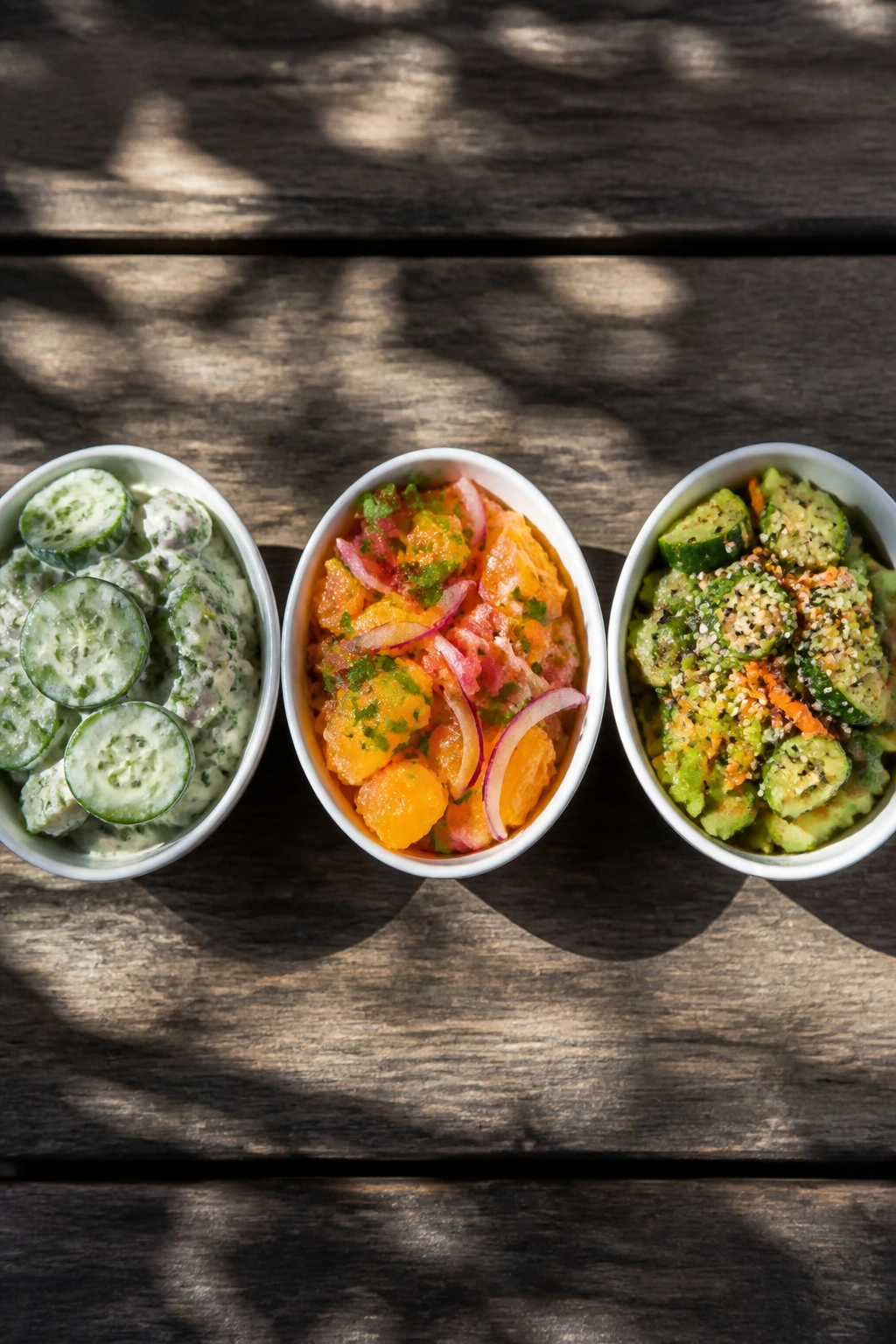
Creamy Herb Cooler: Build the spread around yogurt, dill, parsley, and a little lemon zest. This works especially well with chicken, potatoes, cucumbers, and pasta. The creamy base softens the acid, so younger kids usually accept it more easily than a sharper vinaigrette.
Bright Citrus Picnic Box: Use lime juice, orange zest, honey, and a few mint leaves with melon, grapes, chicken, or quinoa. The flavor feels lighter and cleaner, which is useful when the rest of the menu is rich. I’d keep this one gentle on the lime juice and heavy on zest if you’re feeding sensitive eaters.
Sesame-Ginger Crunch Tray: Carrots, snap peas, tofu, edamame, and rice noodles all fit here. Use a sesame oil vinaigrette with a touch of soy sauce and a little honey, then keep the dressing light so the vegetables still snap. It’s a smart swap when you want something that feels different from the usual ranch-and-pasta route.
No-Onion Green Basket: Leave out raw onion completely and build flavor with chives, celery leaves, lemon zest, and herbs. This is the route I take when I know there will be a lot of younger kids at the table. Nobody misses the onion if the rest of the seasoning is clean and well balanced.
Lower-Sodium Cooler Spread: Rely on acid, herbs, and a little sweetness instead of heavy salt. Roasted garlic, lemon zest, cider vinegar, and fresh dill can carry a surprising amount of flavor. Use unsalted beans, rinse canned beans well, and season in layers so the food tastes full without leaning on salt.
The Gear That Makes Cold Picnic Food Easier to Serve
-
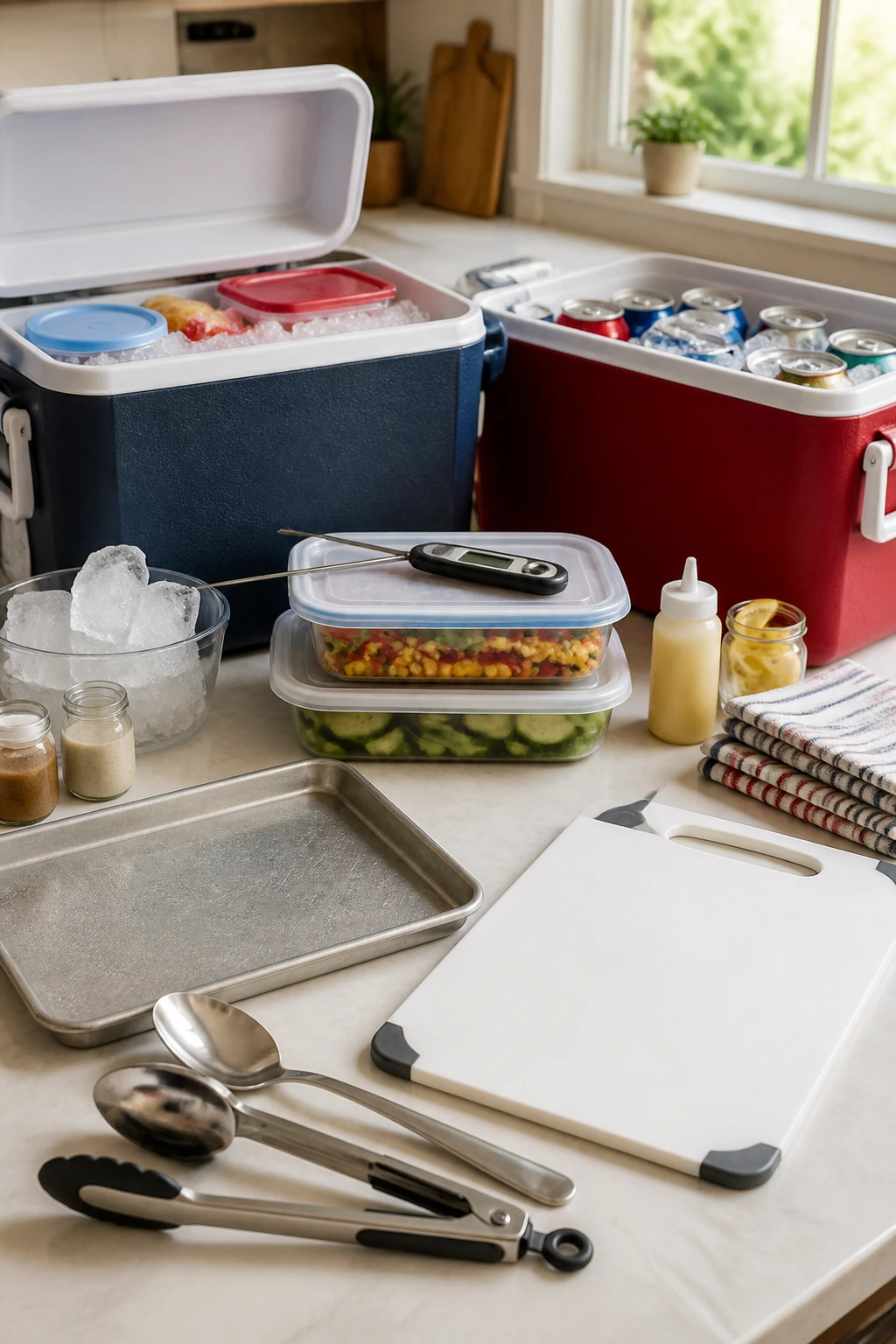
Two insulated coolers: One for food, one for drinks. Keeping them separate cuts down on lid-opening and helps the food stay cold longer.
-
Reusable ice packs or block ice: Block ice lasts longer than loose cubes and keeps containers from tipping around in meltwater.
-
Shallow lidded containers: Wide containers cool faster and let you spread food in thinner layers, which helps with both safety and texture.
-
Instant-read thermometer: A simple way to check whether chicken, turkey, or other proteins are cooked through before they go cold.
-
Sheet pans with rims: These are useful for cooling hot ingredients quickly and keeping juices from running all over the counter.
-
Cutting board with a non-slip base: Chilled food gets slippery fast. A board that stays put is one less thing to worry about.
-
Small jars or squeeze bottles: Handy for dressing, extra lemon juice, or a reserved clean sauce portion that hasn’t touched raw ingredients.
-
Serving spoons and tongs: Keep one set for the cooler and another for the table so the same tool doesn’t travel from raw prep to finished food.
-
Clean kitchen towels and paper towels: Good for drying cucumbers, blotting cooked vegetables, and lining a container if something is extra wet.
-
A salad spinner: Optional, but useful if you’re washing herbs or crisp greens and don’t want excess water diluting the dressing.
Make-Ahead, Storage, and Repacking Rules
The day before
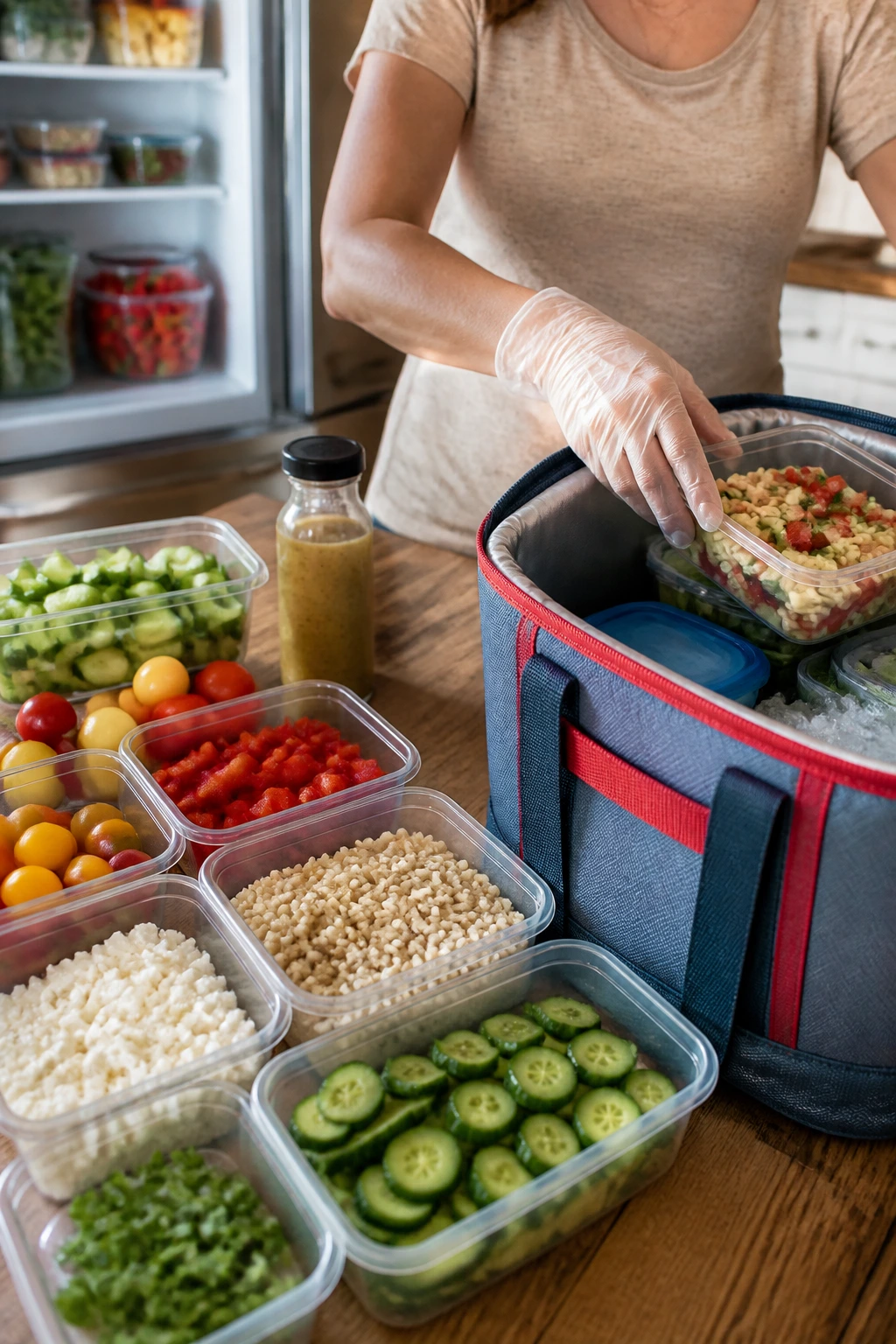
Cook and chill the proteins, grains, or potatoes first. Make the dressing separately and reserve a clean portion if any raw meat will touch the marinade. Chop sturdy vegetables, wash herbs, and cut fruit that can hold its shape. Keep anything soft — berries, avocado, tender herbs — for later if possible.
The morning of the cookout
Toss the cold dishes together, but don’t flood them with dressing. If you’re using cucumbers or tomatoes, keep a little dressing back until closer to serving so the bowl doesn’t turn watery. Pack the food in shallow containers and chill them again before they go into the cooler. A cold container inside a cold cooler stays cold longer. That’s the whole game.
After the cookout
Perishable food should go back into the fridge within 2 hours, or within 1 hour if the weather is hot. Cooked chicken, turkey, beans, pasta salad, and grain salads usually keep for 3 to 4 days in the fridge. Dressed cucumber salad is better within 24 hours, and fruit salad with soft berries is often best the same day.
Raw marinated chicken can be frozen for up to 2 months if you pack it well and thaw it in the fridge before cooking. Cooked grain salads can also freeze, though the texture softens. Dressed vegetable salads with cucumbers or tomatoes do not freeze well. They come back watery and disappointing, and there is no fixing that.
Repacking leftovers
Move leftovers into smaller containers so they chill faster. If a bowl looks watery, drain off some of the liquid before sealing it. Add fresh herbs, a squeeze of lemon, or a handful of crisp vegetables when you reopen it the next day. That little reset keeps leftovers from tasting tired.
Questions Parents Ask Before the Coolers Open
Can I make marinated cold picnic food the day before?
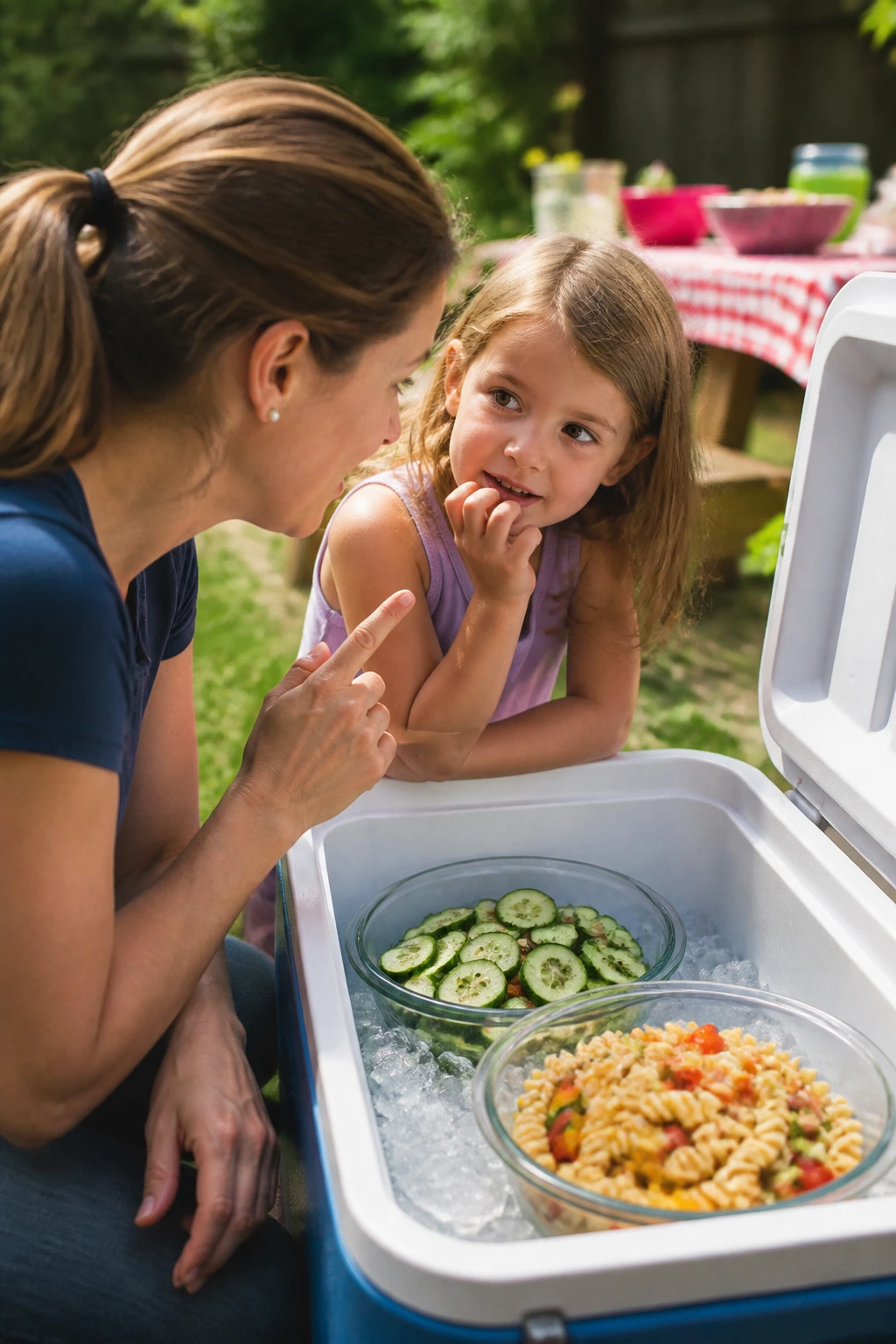
Yes, and in many cases that’s the best move. Chicken, beans, potatoes, and pasta salads often taste better after a night in the fridge because the seasoning settles in. Just keep delicate items like berries, cucumbers, and herbs from sitting too long in their dressing.
What foods are safest for kids at an outdoor cookout?
Foods that stay cold, hold their shape, and don’t demand a lot of chewing are the easiest wins. Think pasta salad, cubed chicken, cucumber coins, grapes, melon, carrot coins, and chickpeas. The safest dishes are also the ones that can go from cooler to plate without needing a rescue.
Can I use store-bought dressing?
Yes, if you choose one that isn’t all vinegar and sugar. A bottled dressing can save time, but taste it first and thin it with a little yogurt, olive oil, or lemon zest if it feels too heavy or too sharp. Store-bought is fine. Boring store-bought is not.
What if my child hates herbs?
Skip the obvious green flecks and lean on lemon zest, mild garlic powder, sweet peppers, and cucumber. Herbs can also be blended into the dressing so they disappear into the background instead of showing up as leaves. Some kids are fine with flavor as long as they don’t have to see every ingredient.
Can I pack these in lunch boxes the next day?
Absolutely. Pasta salad, chickpeas, chicken cubes, cucumber salad, and fruit all make decent lunchbox leftovers if they stayed cold the first time around. Use a small ice pack and keep creamy dressings in a separate cup if you want the texture to stay cleaner.
What if the marinade tastes too sour after chilling?
Stir in a small amount of honey, a little more oil, or a spoonful of yogurt depending on the dish. Cold makes acid feel louder, so a bowl that tasted balanced on the counter may seem sharp after an hour in the fridge. Fix it with fat or sweetness, not with more salt.
Can I serve mayo-based salads outside?
Yes, as long as they stay cold and don’t sit out too long. The bigger issue is temperature control, not the mayonnaise itself. Keep the bowl nested in ice or inside a cooler until serving, and return leftovers to the fridge promptly.
What should I not marinate overnight?
Soft berries, sliced bananas, cucumbers without draining, and shrimp are all poor candidates for a long soak. Pineapple, kiwi, and citrus can also break down delicate fruit faster than people expect. If the ingredient is soft to begin with, it usually wants a shorter, lighter treatment.
A Cooler Full of Food Kids Actually Eat First
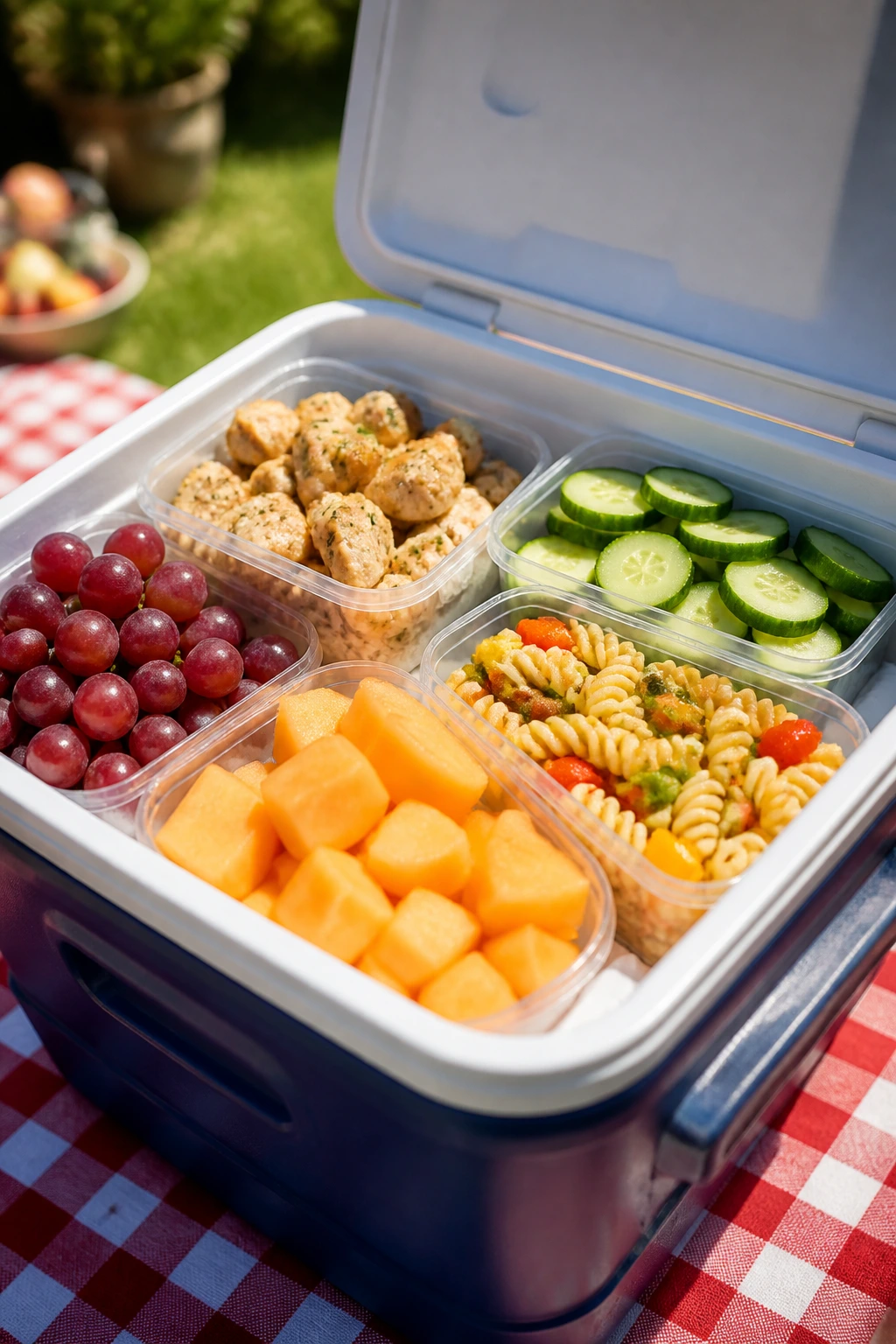
The best backyard spread isn’t the one that looks the most polished. It’s the one that survives the heat, keeps its shape, and still tastes like itself after an hour in a cooler. That’s why marinated cold picnic food for kids works so well: it gives you flavor early, texture later, and a lot less stress in between.
I come back to the same few rules because they do most of the heavy lifting. Keep the seasoning mild but not bland. Use firm shapes. Stay cold. Reserve a little dressing for the end. Those moves sound small, and they are — until you put them together and realize the kids are eating the cucumbers, the chicken, the fruit, and the pasta without a speech from the adults.
Build your next cookout around one chilled protein, one crunchy vegetable, one fruit bowl, and one starch that’s dressed while still warm, and the table starts behaving itself. That’s the whole point.